Slideshow · Viral
25 Thanksgiving Foods With Surprising Histories
By Most Viral Today
17 min ago

Thanksgiving Foods With Surprisingly Interesting Histories 
25. Plant-Based Holiday Roast 
24. Baked Sweet Potatoes 
23. Sliced Roast Turkey - AdvertisementSwipe or tap ▶ to continue countdown

22. Canned Whipped Cream 
21. Green Bean Casserole 
20. Canned Pumpkin Puree 
19. Creamed Corn - AdvertisementSwipe or tap ▶ to continue countdown

18. Marshmallow Candied Yams 
17. Jellied Cranberry Sauce 
16. Parker House Rolls 
15. Pecan Pie - AdvertisementSwipe or tap ▶ to continue countdown

14. Macaroni And Cheese 
13. Brussels Sprouts 
12. Dinner Rolls 
11. Turkey Gravy - AdvertisementSwipe or tap ▶ to continue countdown

10. Herb Stuffing 
9. Skillet Cornbread 
8. Apple Pie 
7. Pumpkin Pie - AdvertisementSwipe or tap ▶ to continue countdown

6. Mashed Potatoes 
5. Succotash 
4. Flint Corn 
3. Sweet Potatoes - AdvertisementSwipe or tap ▶ to continue countdown

2. Cranberries 
1. Turkey - Advertisement🔥 UP NEXT IN THIS SERIES◫ 26 Slides

25 Legendary Racehorses That Americans Still Remember
From ancient Indigenous wild game to mid-century test-kitchen breakthroughs, discover the unexpected origins behind America's most iconic holiday feast.
Swipe or tap ▶ to begin the countdown
©Wikimedia / Keith Weller, USDA-ARS & customcabf100
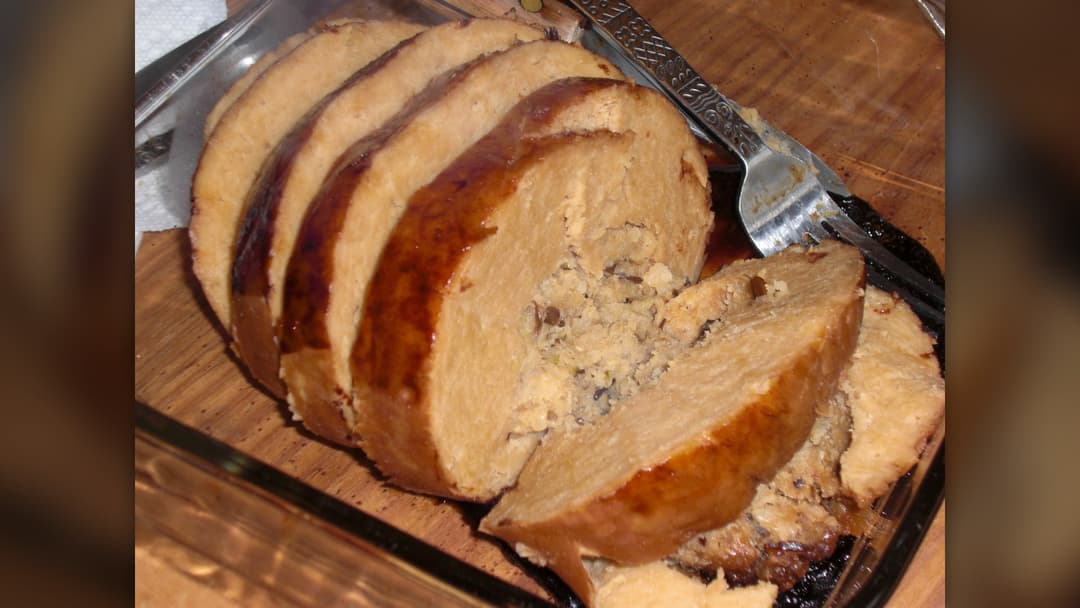
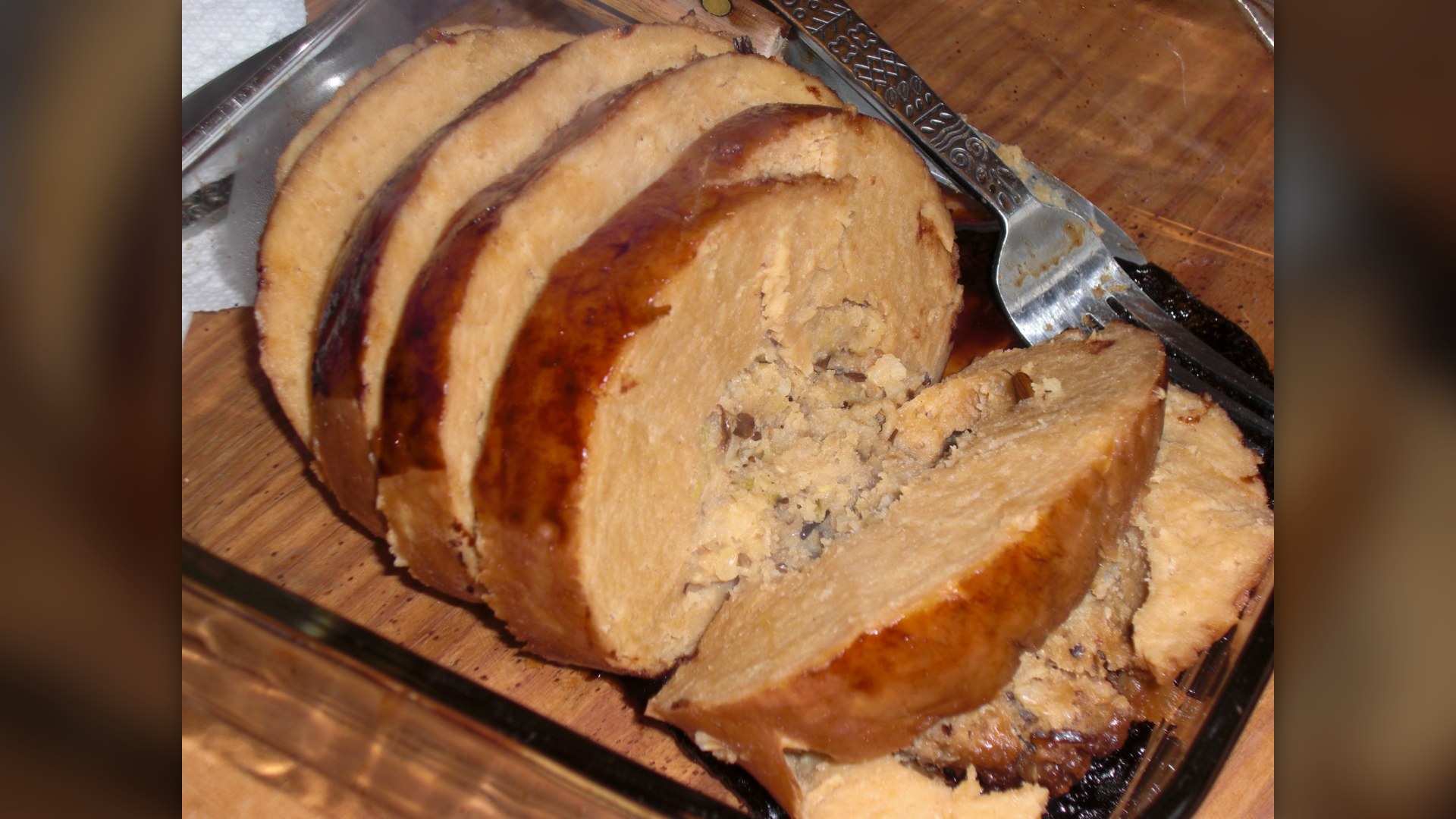
25. Plant-Based Holiday Roast
Vegetarian Thanksgiving diners often had to settle for vegetable side dishes until Oregon entrepreneur Seth Tibbott created Tofurky in 1995. Crafted from seasoned wheat protein tofu filled with wild rice stuffing, the roast sold hundreds of thousands of units and established plant-based main courses at holiday meals.
©Wikimedia / Aine
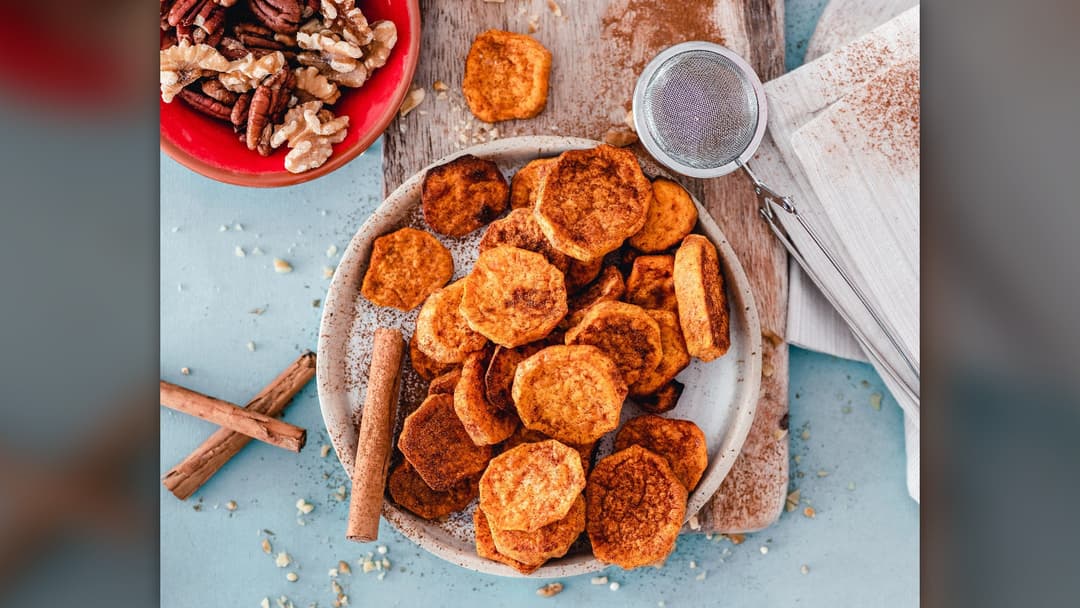
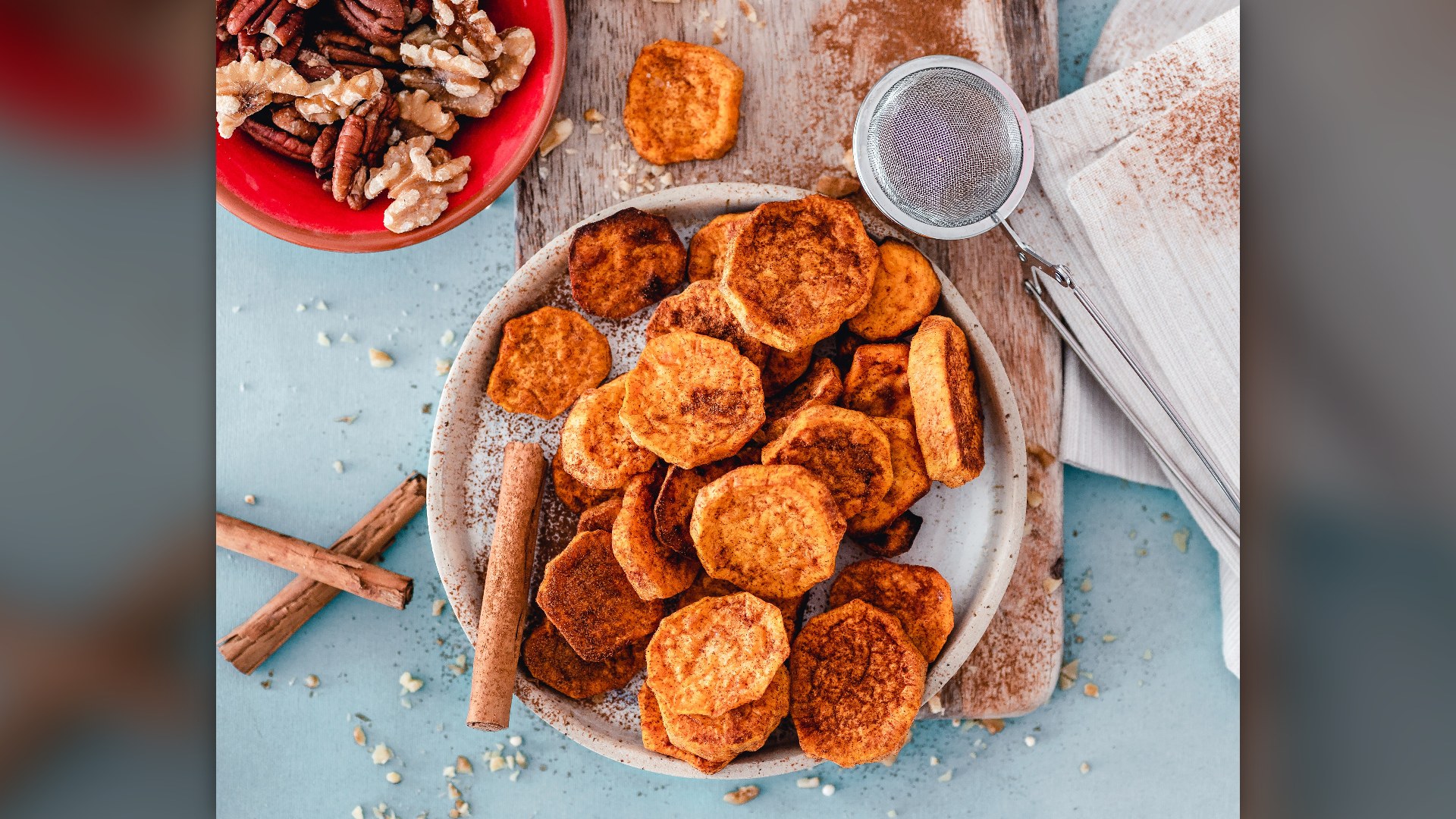
24. Baked Sweet Potatoes
By the 1960s and 1970s, many cooks rejected ultra-sugary candy toppings in favor of southern pecan crumbles. Community and church auxiliary cookbooks popularized spiced casseroles folded with orange zest and topped with chopped pecans, introducing a textured, buttery contrast to the holiday spread.
©Wikimedia / Ella Olsson
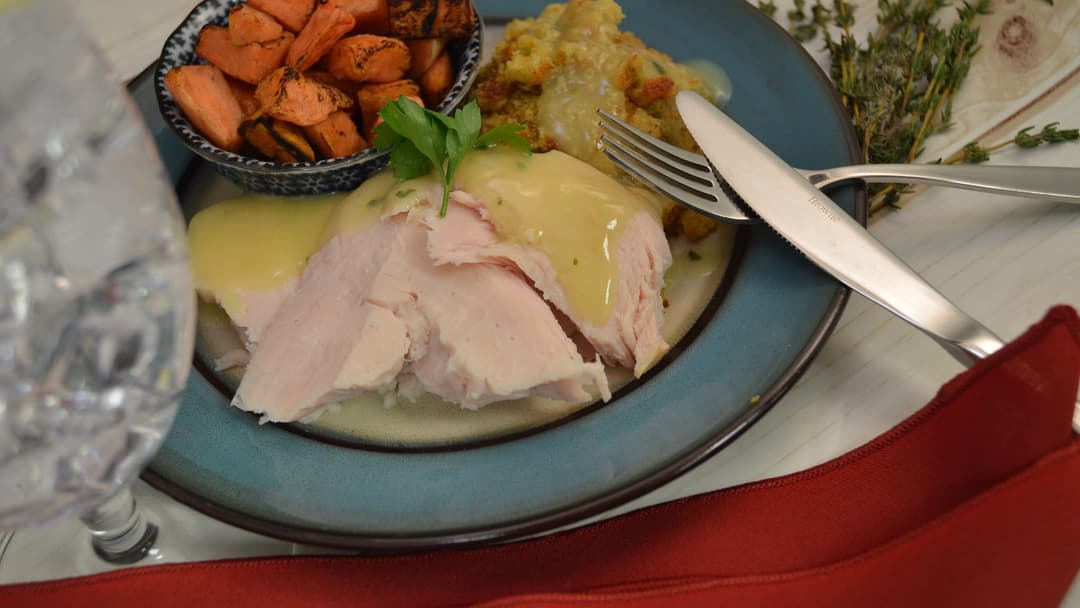
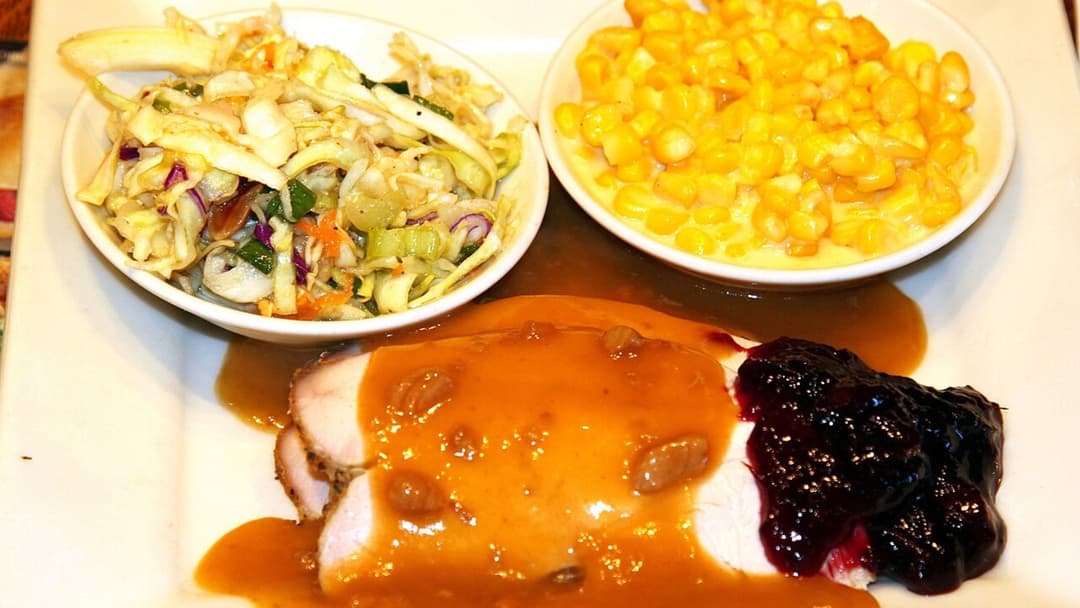
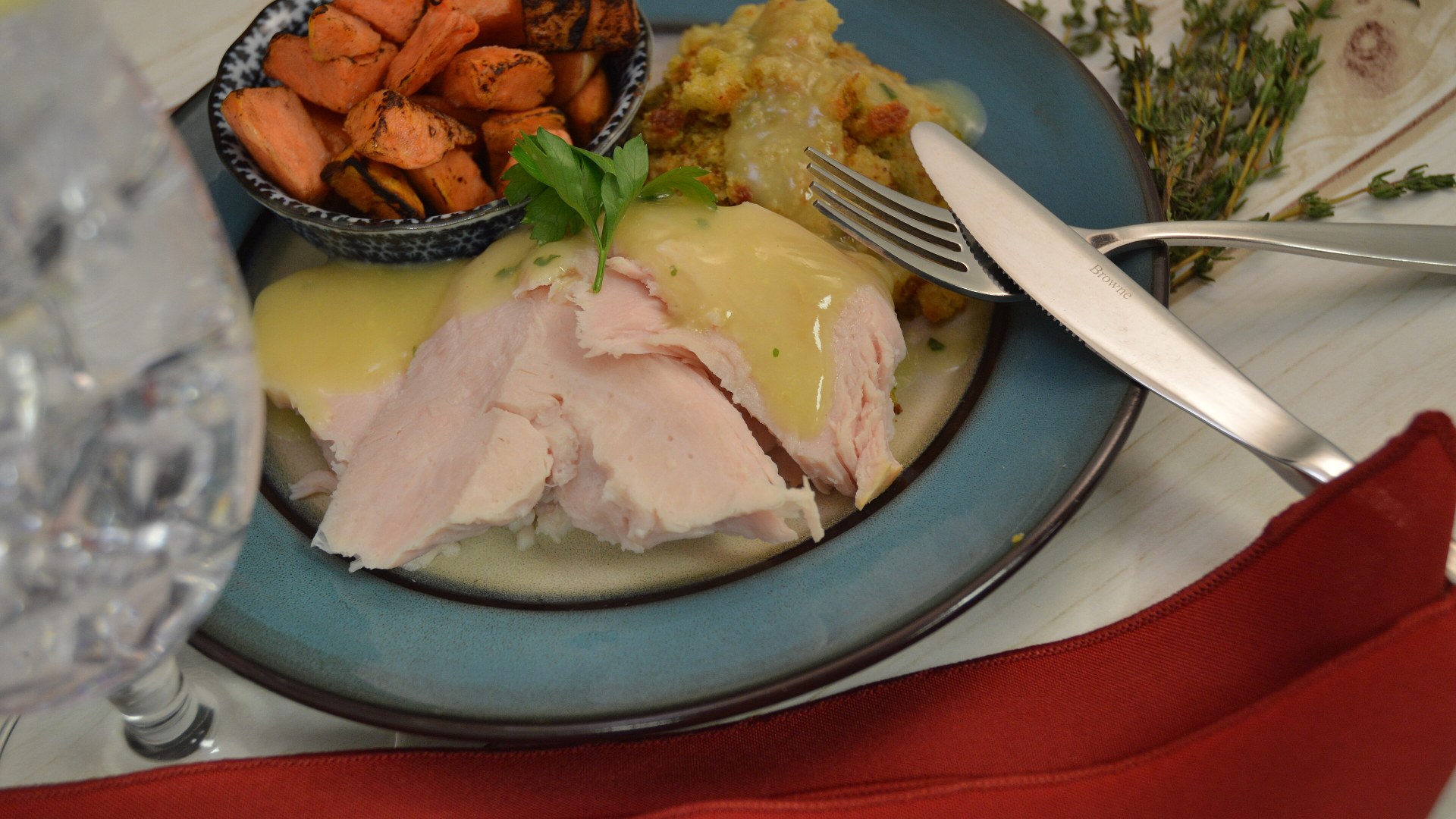
23. Sliced Roast Turkey
During the post-war suburban boom, agricultural breeding shifted toward broad-breasted white turkeys bred for maximum white meat. In 1965, the invention of the single-use pop-up plastic timer and motorized electric carving knives revolutionized the centerpiece presentation for millions of mid-century households.
©Wikimedia / John Freeman
Advertisement
Swipe or tap ▶ to resume the countdown.
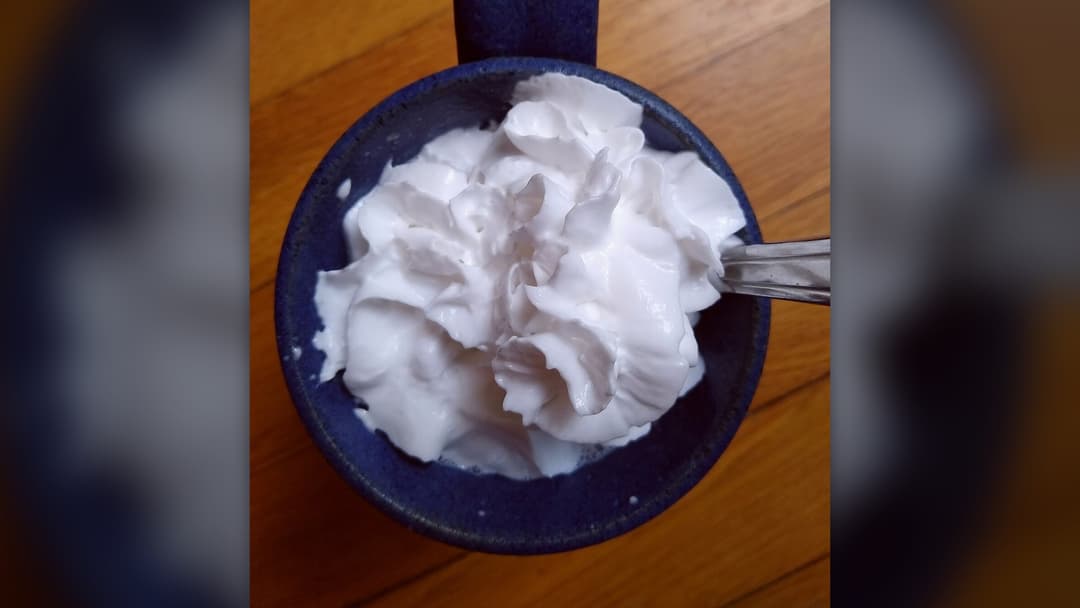
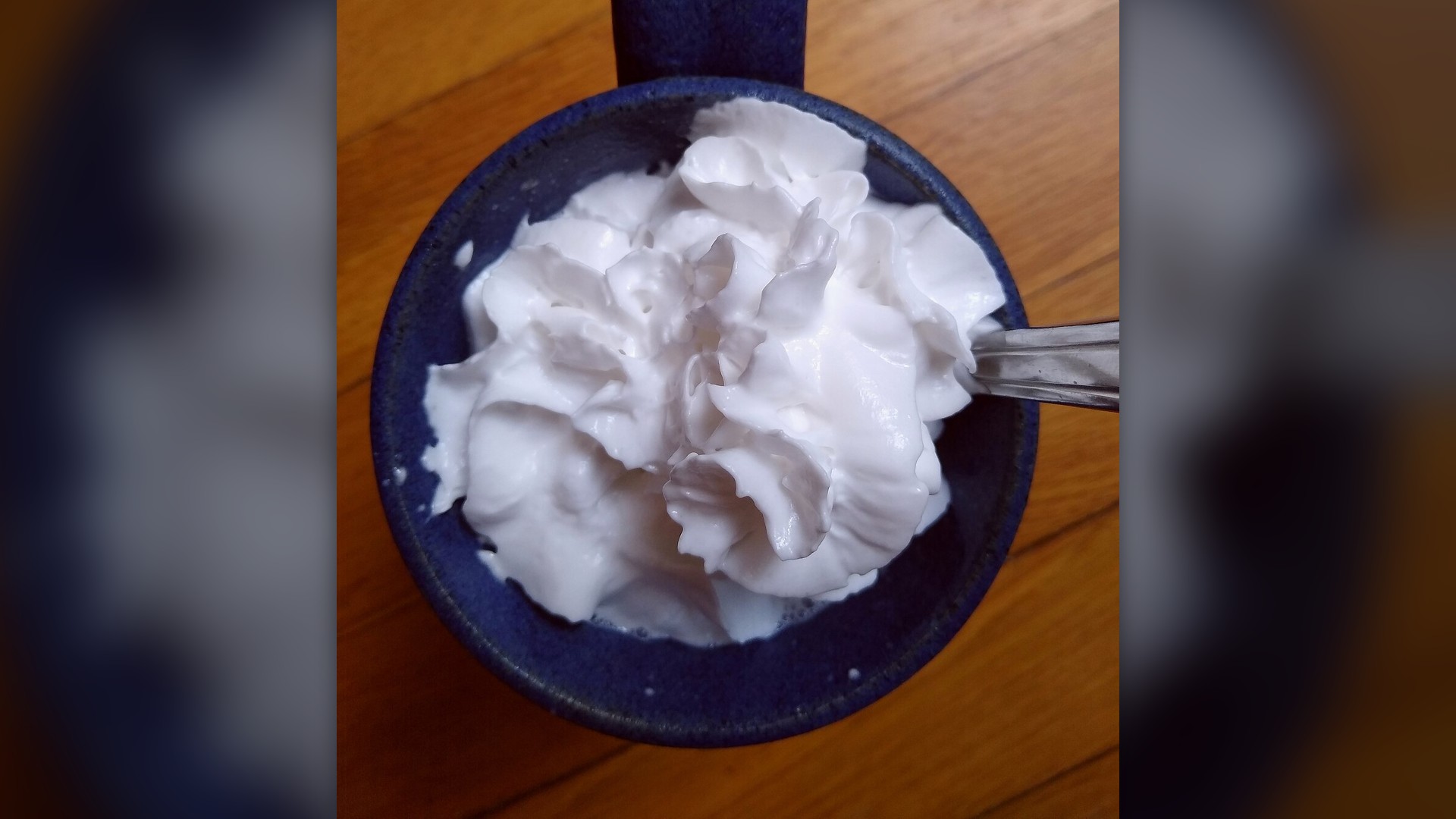
22. Canned Whipped Cream
During World War II, St. Louis inventor Aaron Lapin experimented with real cream and nitrous oxide in surplus aerosol insecticide cans. In 1948, he patented the push-nozzle valve that created instant dairy foam, creating Reddi-wip and transforming holiday pumpkin pie topping into an effortless two-second ritual.
©Wikimedia / Mx. Granger
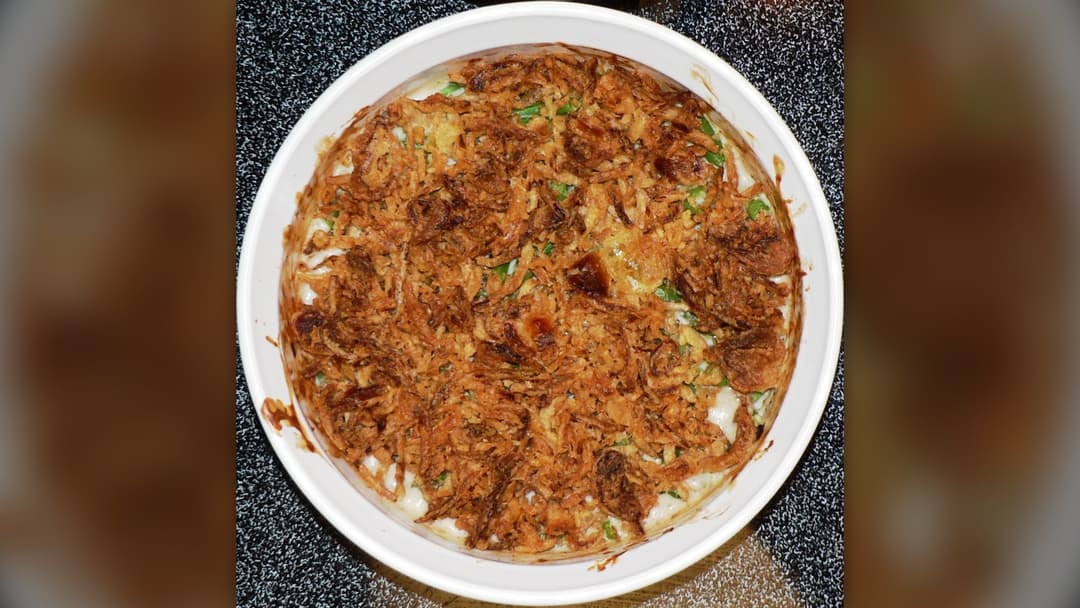
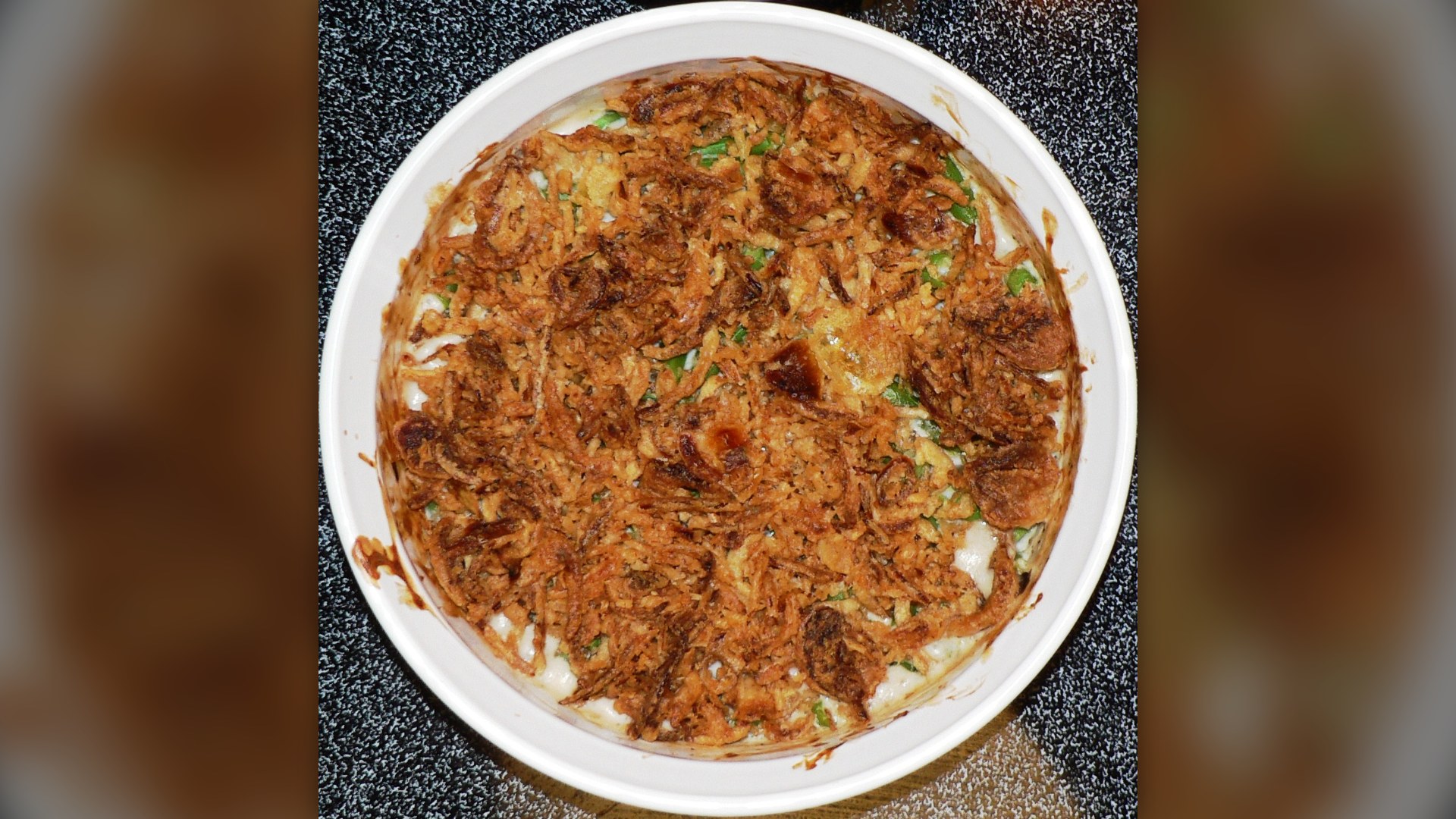
21. Green Bean Casserole
In 1955, food scientist Dorcas Reilly was tasked with creating an easy recipe from ingredients any home cook had on hand. She mixed canned green beans with Campbell cream of mushroom soup, soy sauce, and French fried onions. Her six-ingredient creation is now prepared in an estimated twenty million American homes.
©Wikimedia / Rick Kimpel
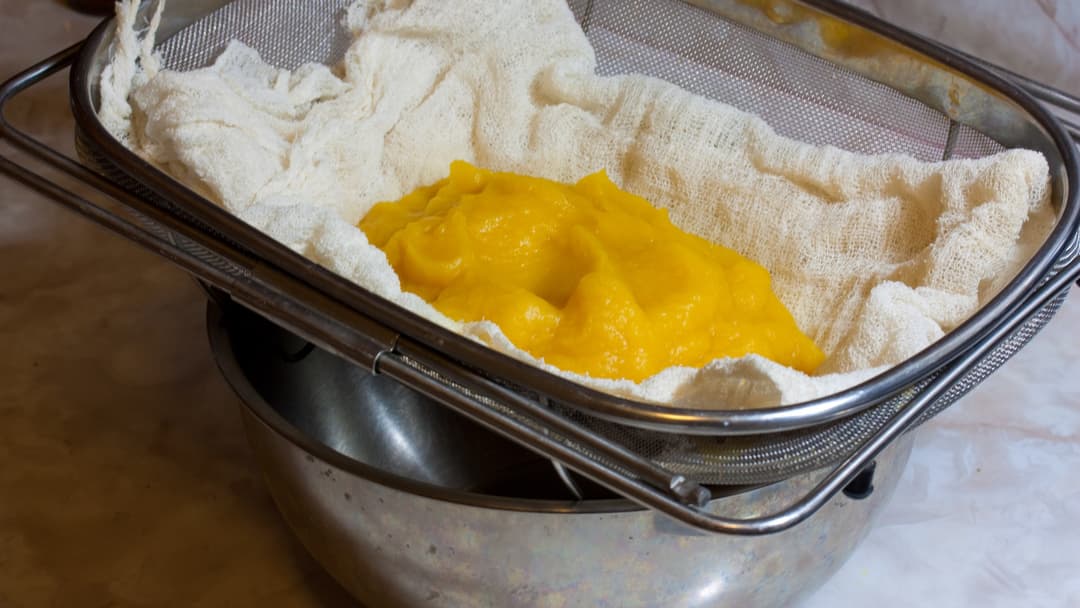
20. Canned Pumpkin Puree
Roasting and straining fresh field pumpkins was notoriously watery and fibrous. In 1929, Libby's revolutionized baking by canning Dickinson squash, a pale oblong cousin of the butternut. Its dense, naturally sweet flesh set the golden color, smooth texture, and earthy flavor standard for American holiday baking.
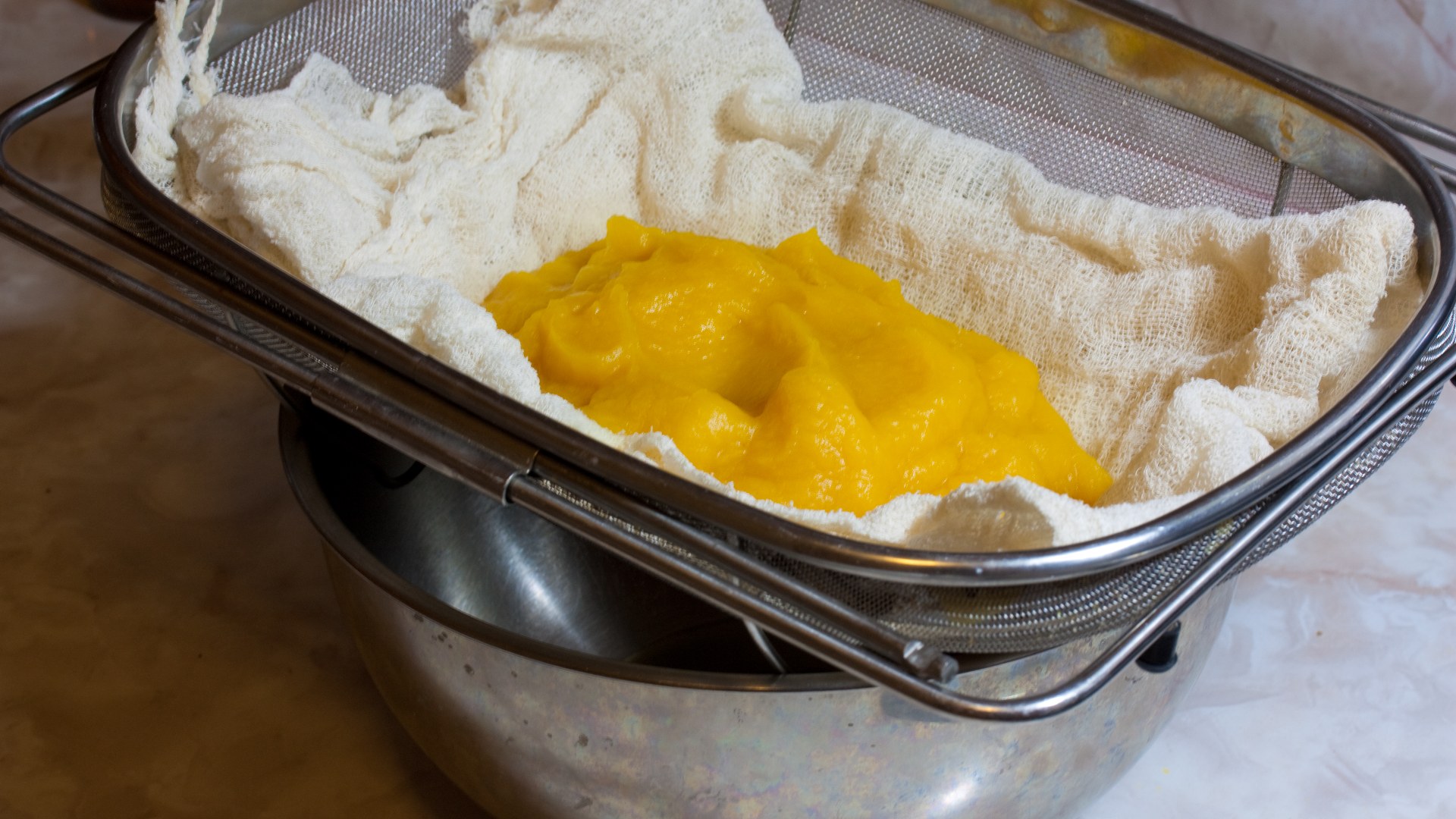
©Wikimedia / Veganbaking.net
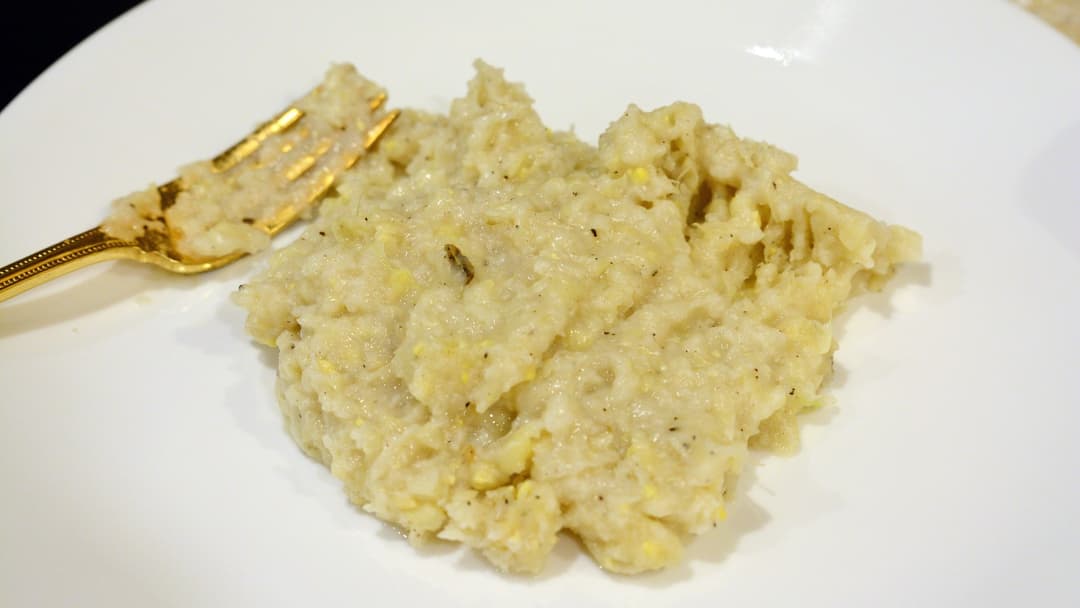
19. Creamed Corn
True southern creamed corn achieves its velvety consistency without a drop of heavy cream. Cooks cut off the kernel tops and scrape the cob firmly with the back of a knife, releasing sweet corn milk and natural starches that thicken as the corn gently simmers with butter and pepper on holiday stovetops.
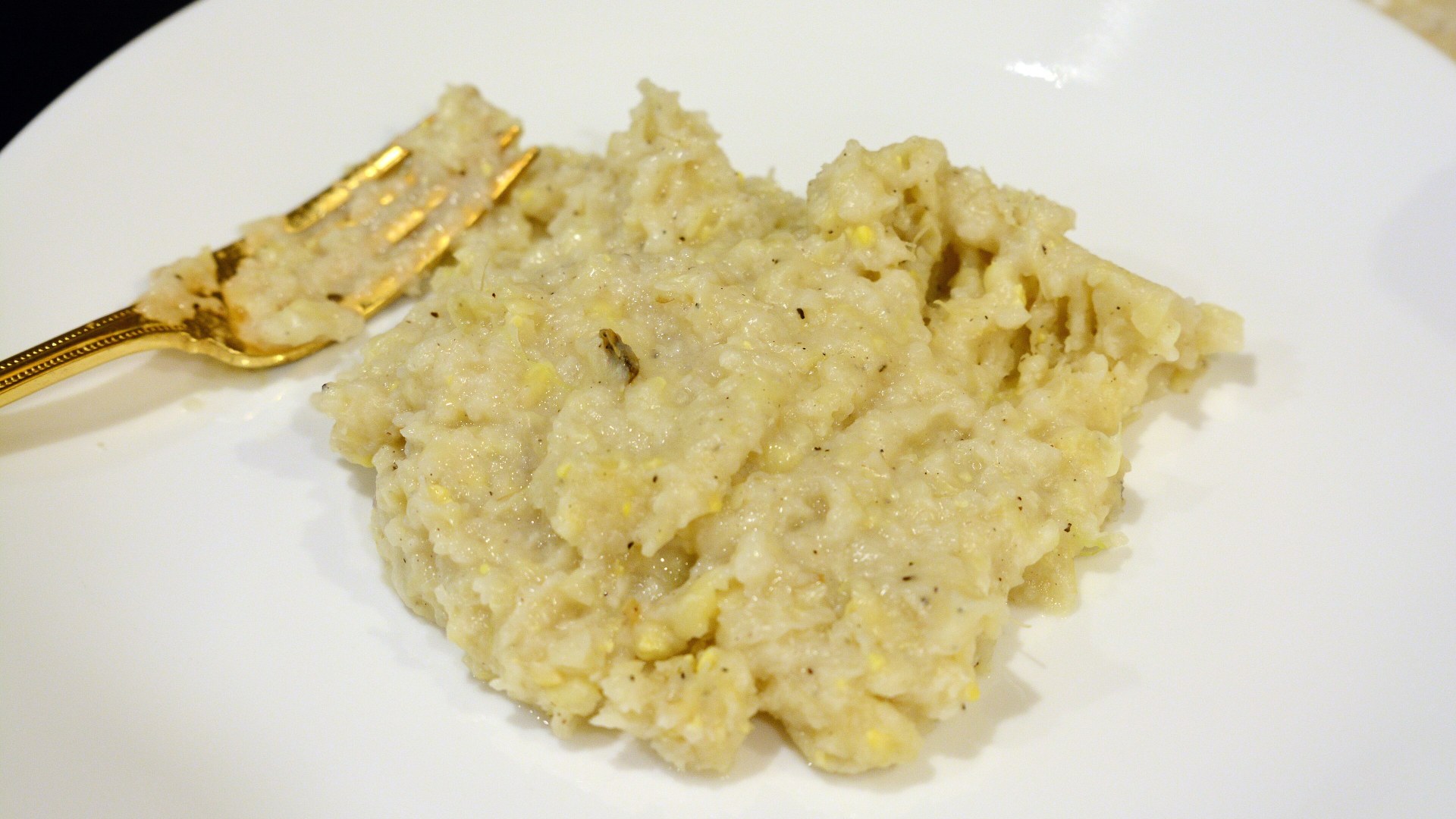
©Wikimedia / Bubba73
Advertisement
Swipe or tap ▶ to resume the countdown.
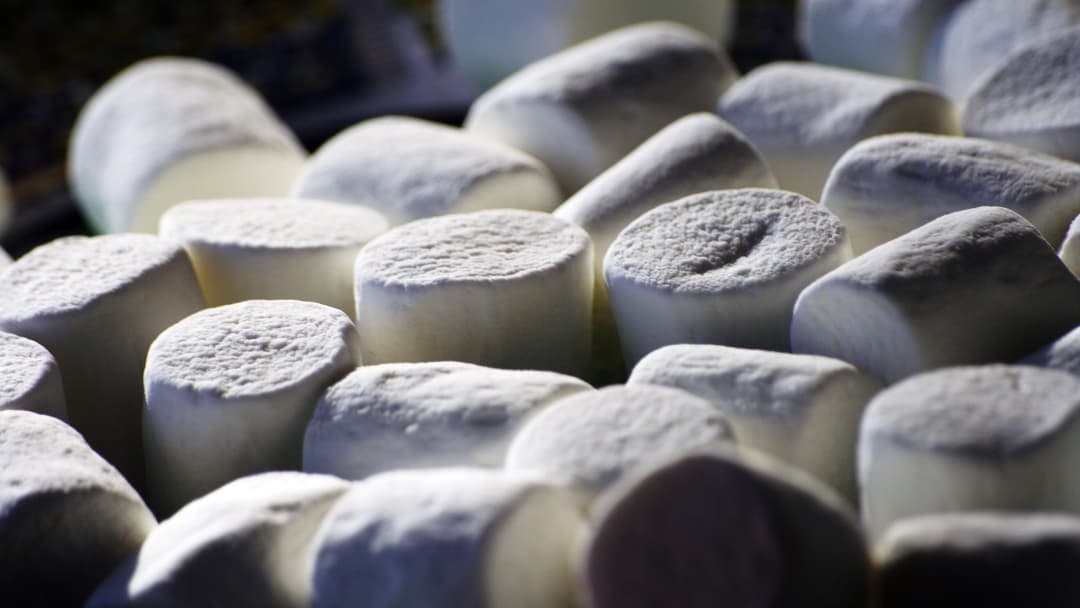
18. Marshmallow Candied Yams
In 1917, the makers of Angelus Marshmallows hired culinary developer Janet McKenzie Hill to write a promotional booklet showing home cooks how to use confections in daily cooking. Her recipe pairing mashed sweet potatoes with browned marshmallows swept the nation, inventing an instant holiday classic.
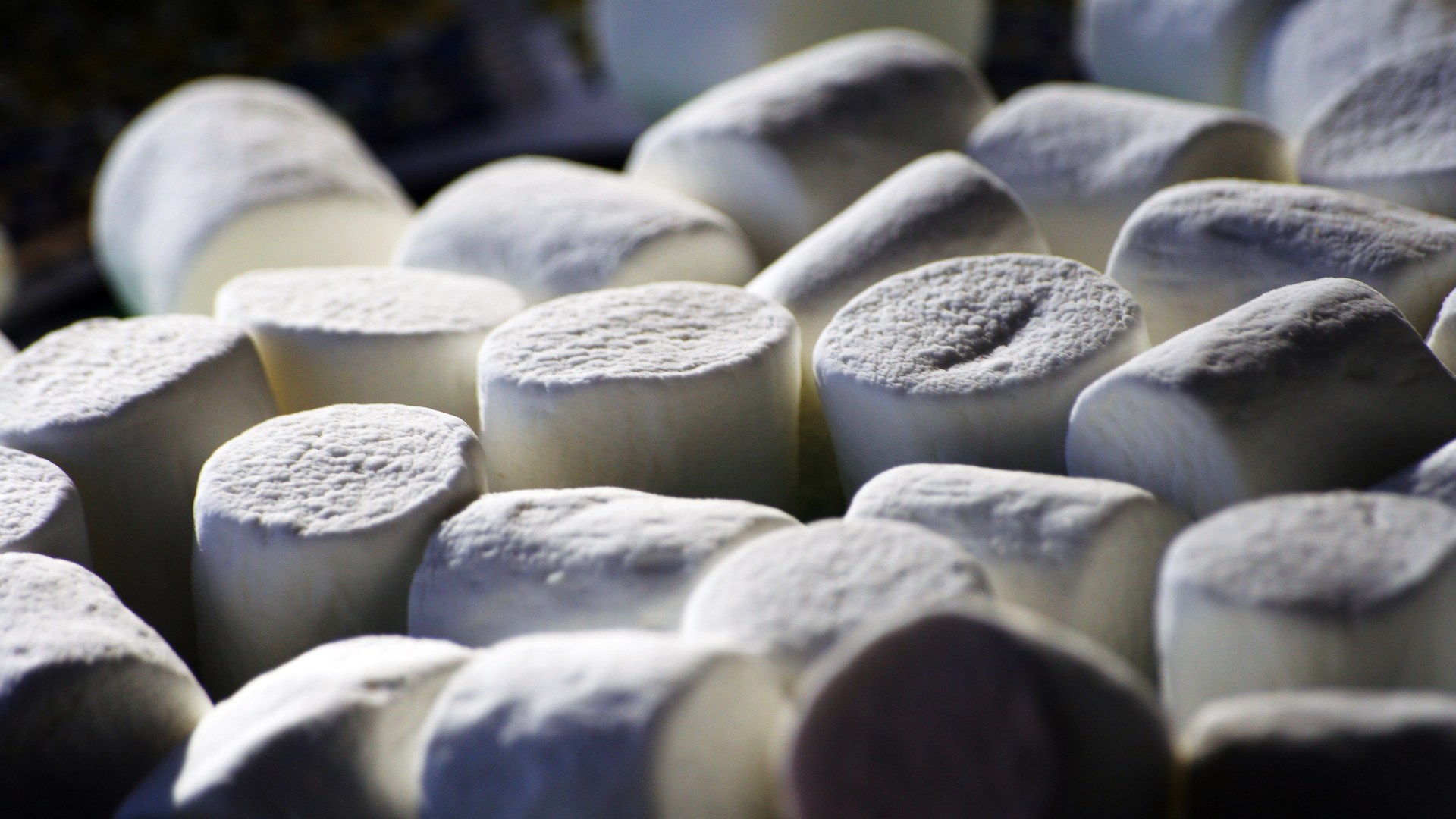
©Wikimedia / Marshmallow
17. Jellied Cranberry Sauce
In 1912, Massachusetts lawyer turned cranberry grower Marcus Urann sought a way to preserve damaged berries that could not be sold fresh. By boiling them with sugar and pectin, he created a canned jellied log with can ridges that launched Ocean Spray in 1930 and became a Thanksgiving staple across millions of homes.
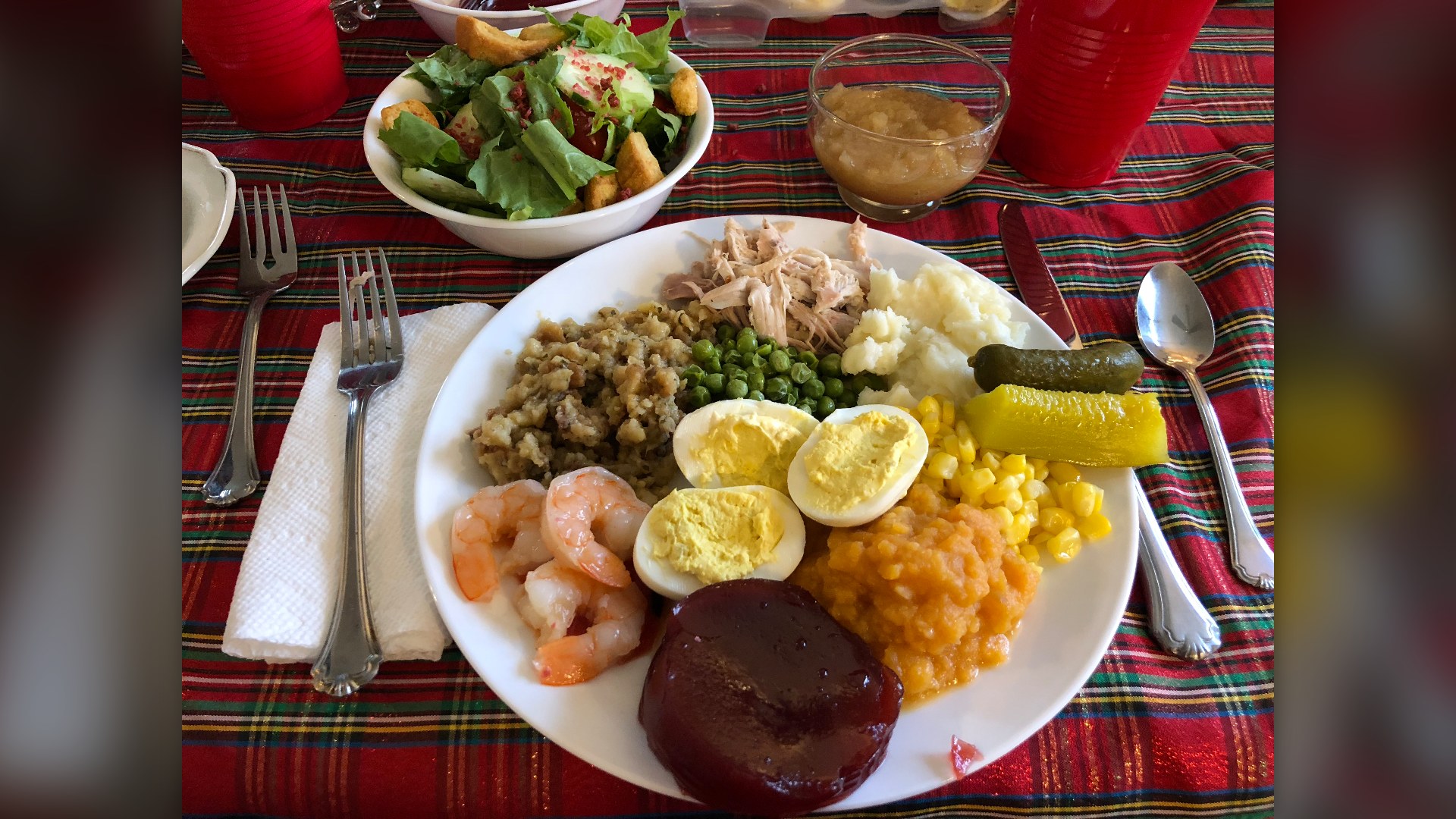
©Wikimedia / Famartin
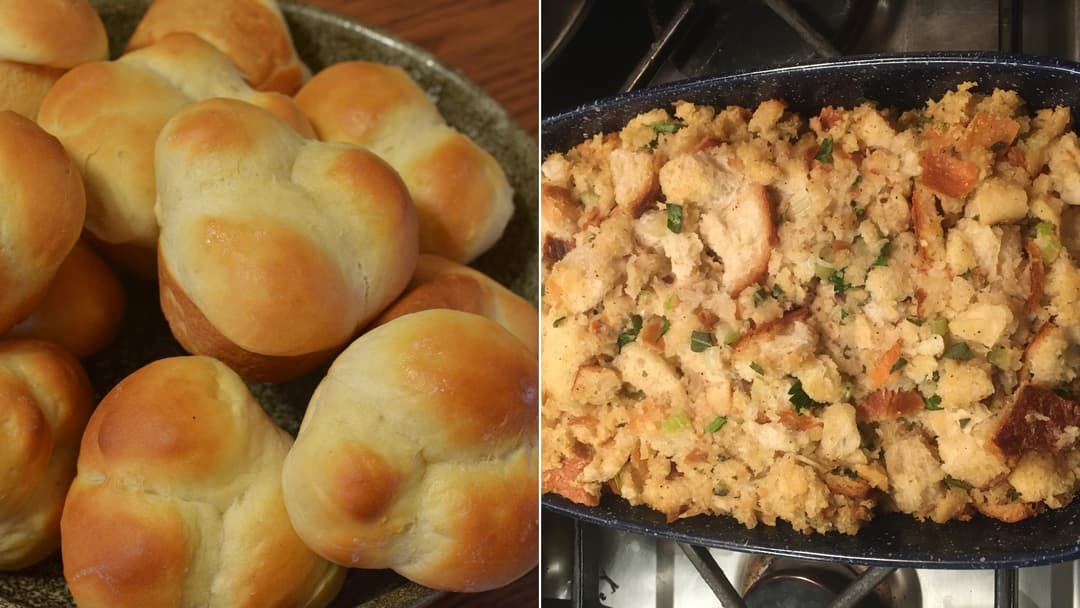
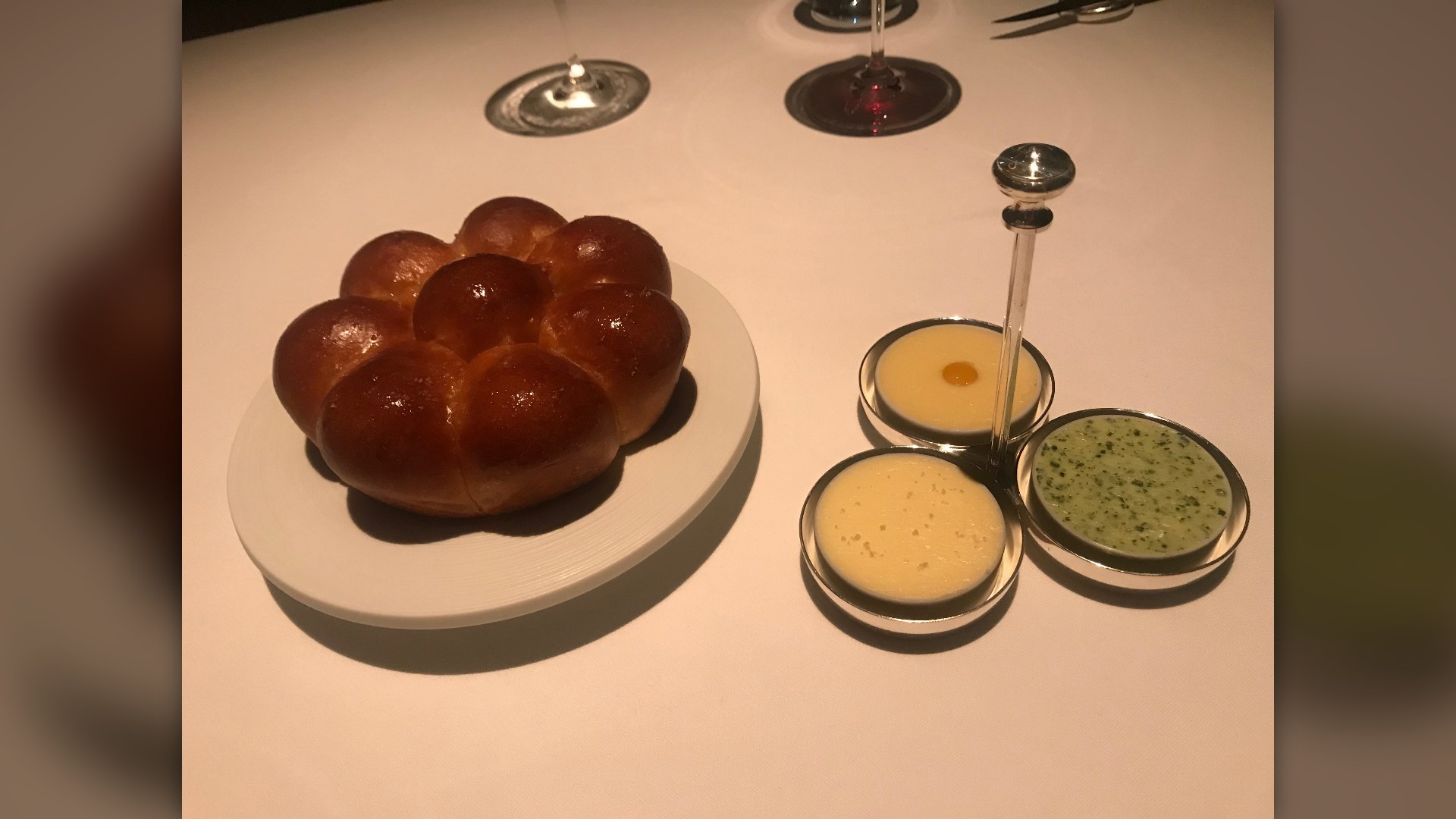
16. Parker House Rolls
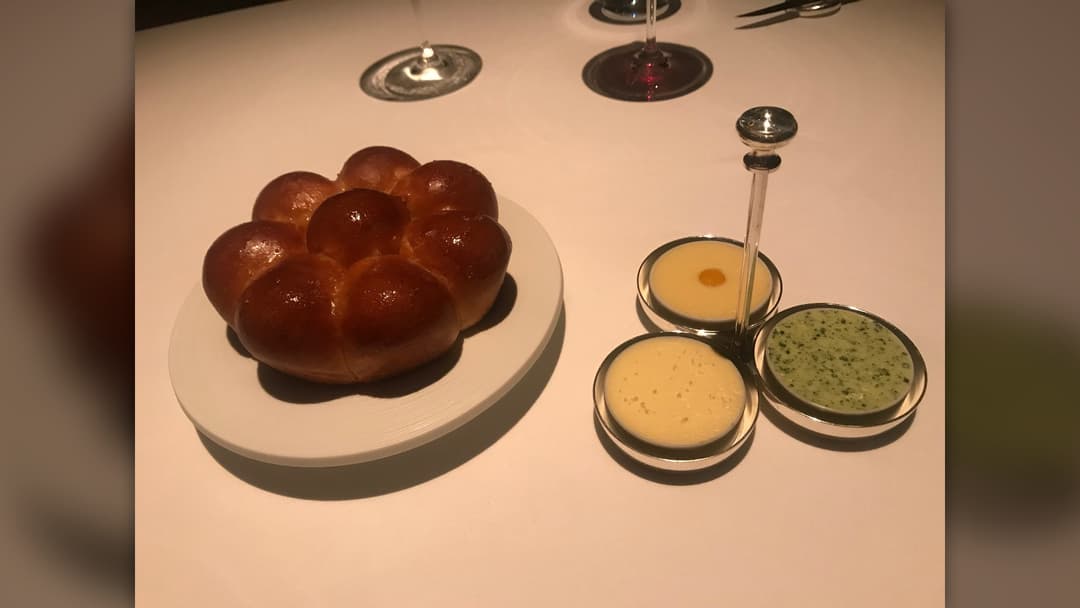
Legend holds that in the 1870s, a frustrated baker at Boston's Parker House Hotel threw unfinished rounds of dough into the oven in anger. The folded dough baked into soft, buttery rolls with crisp pocket folds. The recipe became a nationwide culinary sensation, cementing its place on elegant holiday bread baskets.
©Wikimedia / l_zimberoff
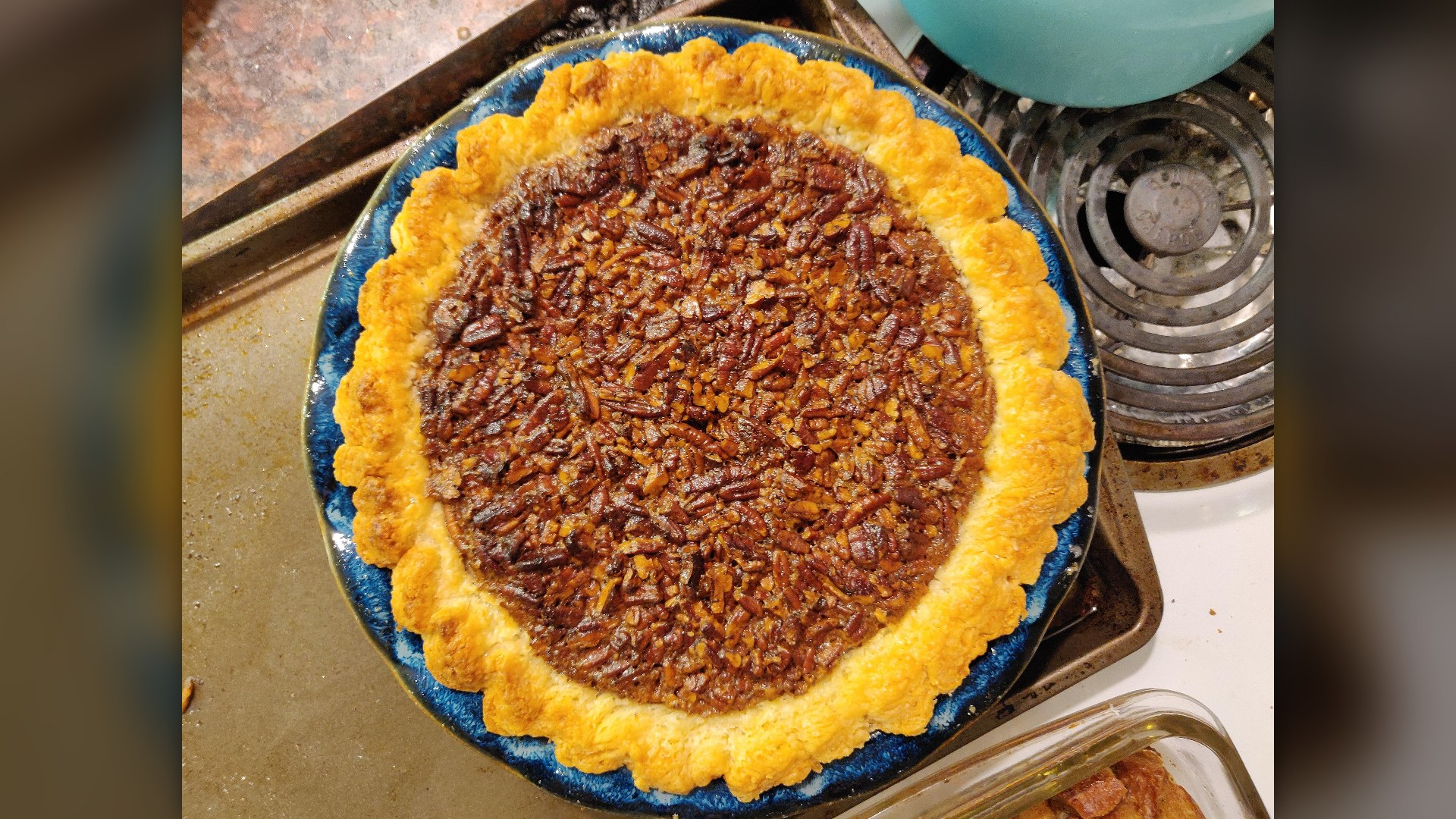
15. Pecan Pie
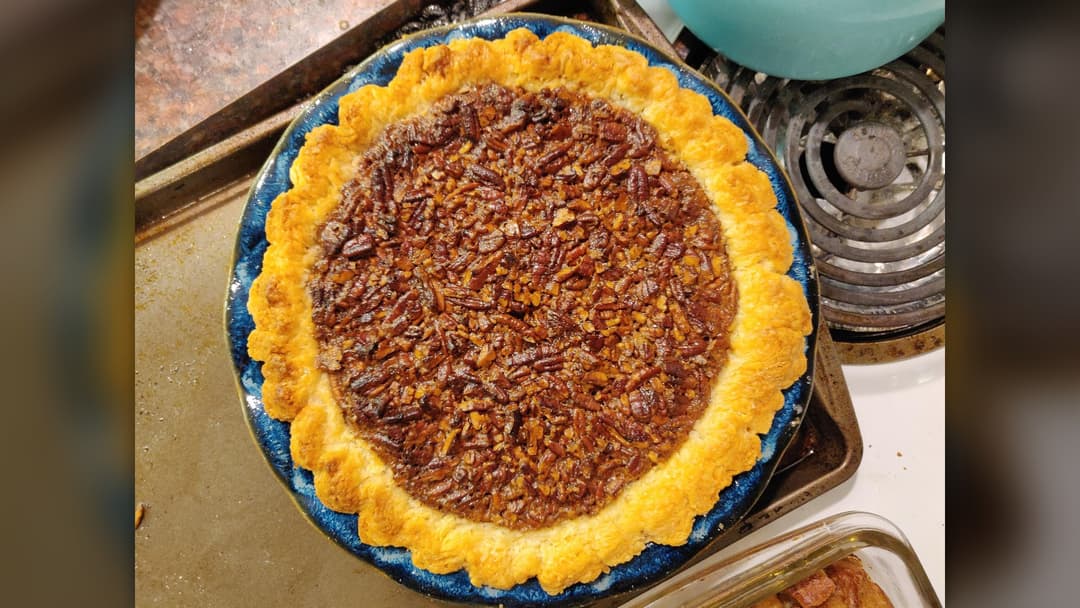
Indigenous peoples along the Mississippi River harvested wild pecans for generations, sharing them with French settlers in New Orleans. While 19th-century southern cooks made custard pies with pecans and molasses, the dish became a national holiday icon after Karo corn syrup printed their signature recipe on cans.
©Wikimedia / Mshuang2
Advertisement
Swipe or tap ▶ to resume the countdown.
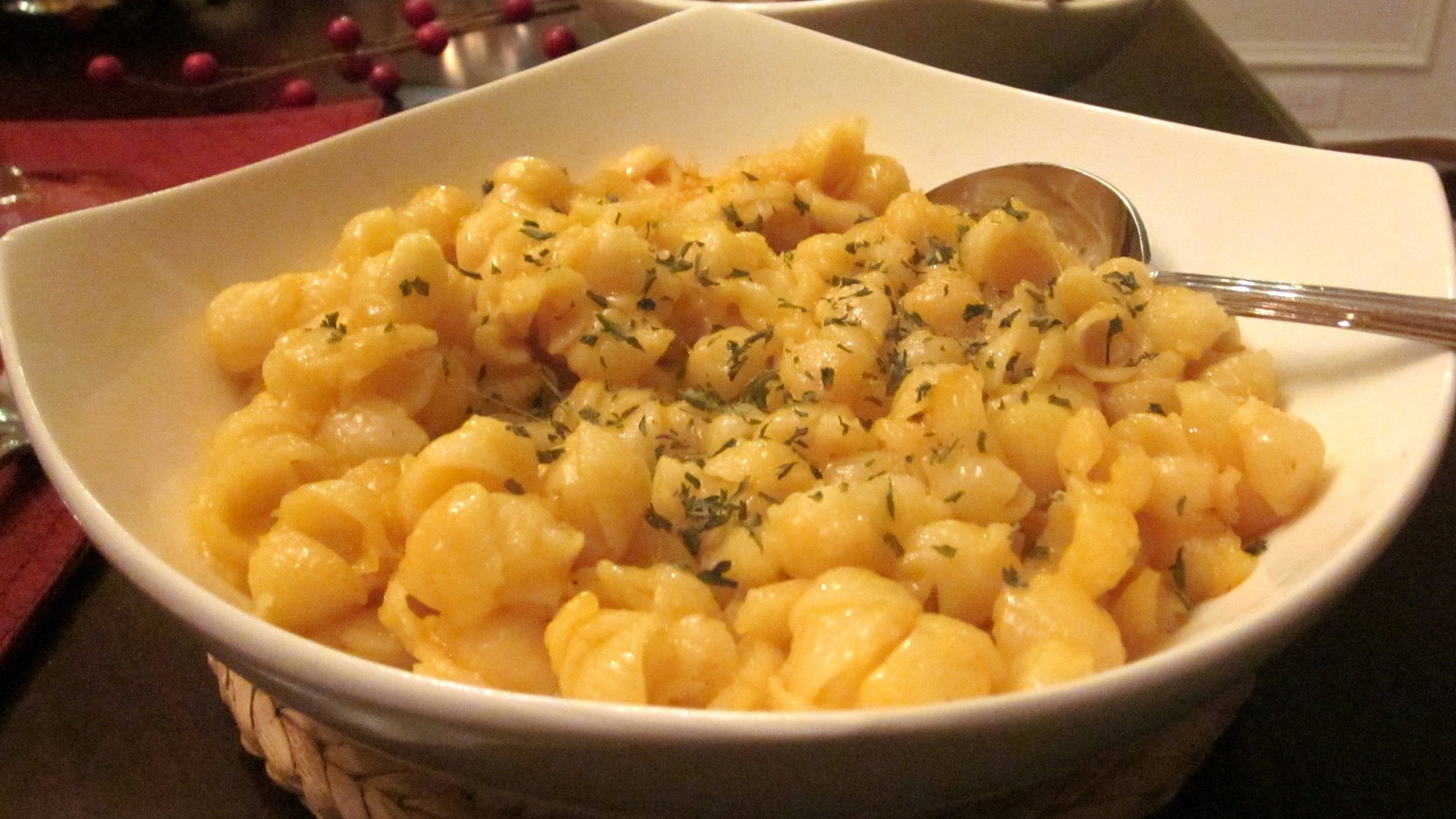
14. Macaroni And Cheese
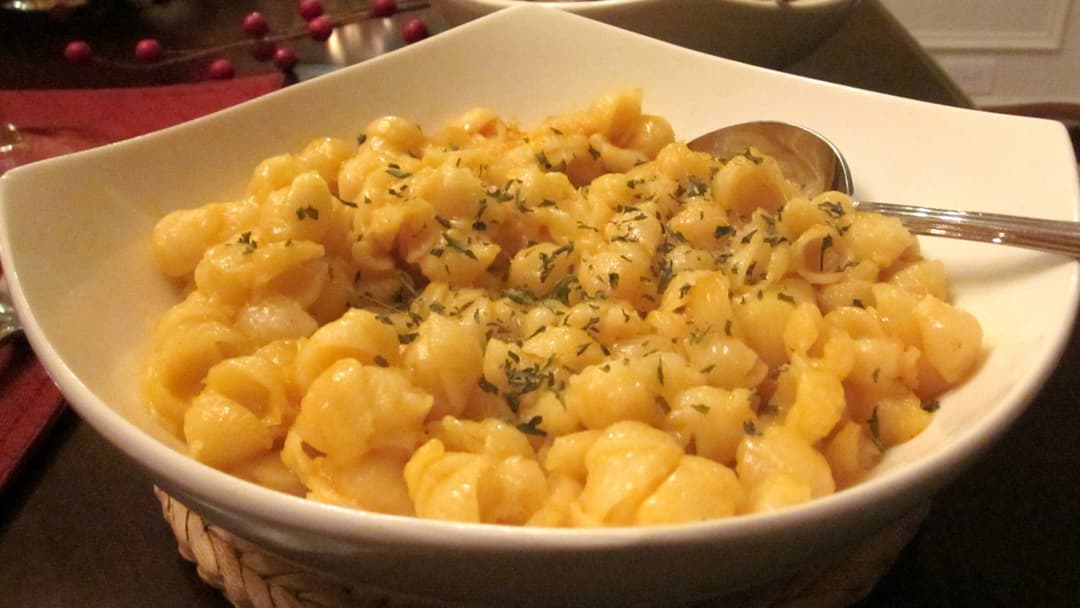
Thomas Jefferson was so enamored with Parisian pasta that he shipped an Italian pasta extruder back to Monticello. In 1802, he served macaroni and cheese at a state dinner, launching an American obsession that evolved into a beloved southern and Black holiday tradition essential to Thanksgiving feasts.
©Wikimedia / Sumeet Jain
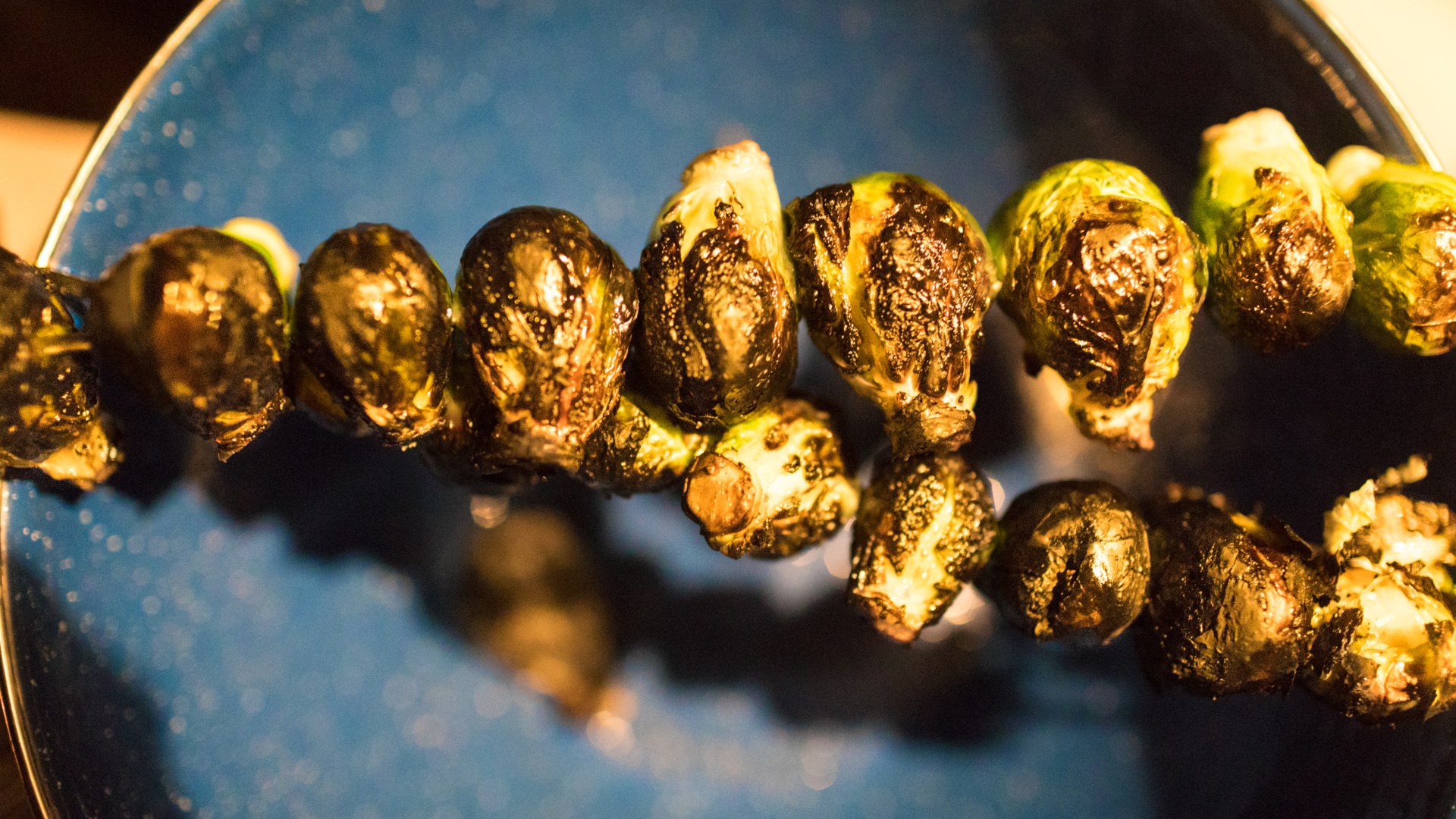
13. Brussels Sprouts
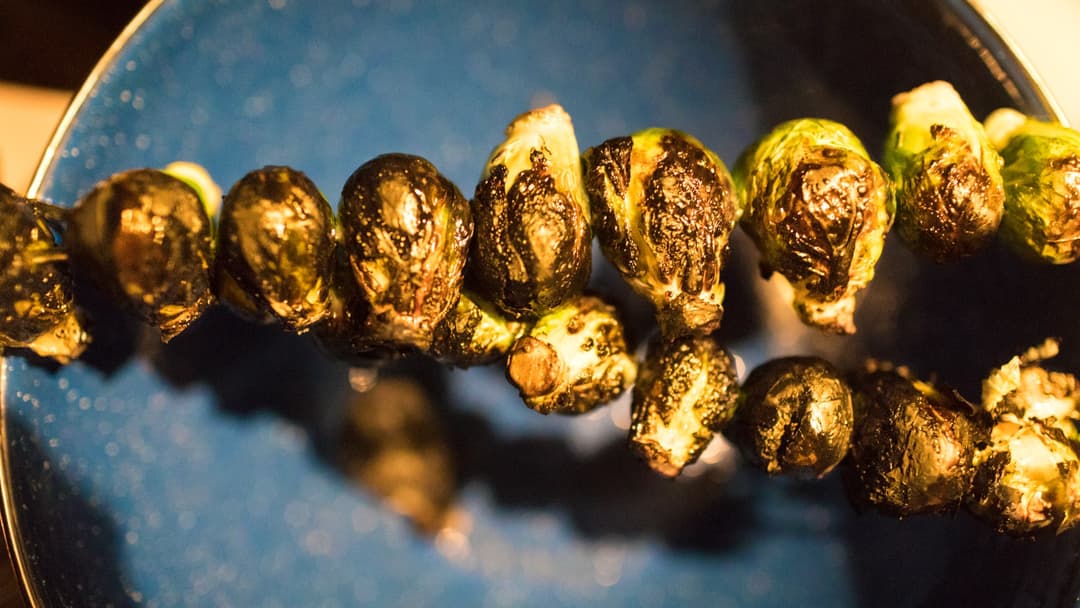
While wild cabbage ancestors date to ancient Rome, the compact mini-cabbages known today were developed in Brussels during the 1700s. French settlers brought them to Louisiana, and by the late 19th century, American home economists praised their bitter-sweet balance when roasted alongside heavy holiday meats.
©Wikimedia / su-lin
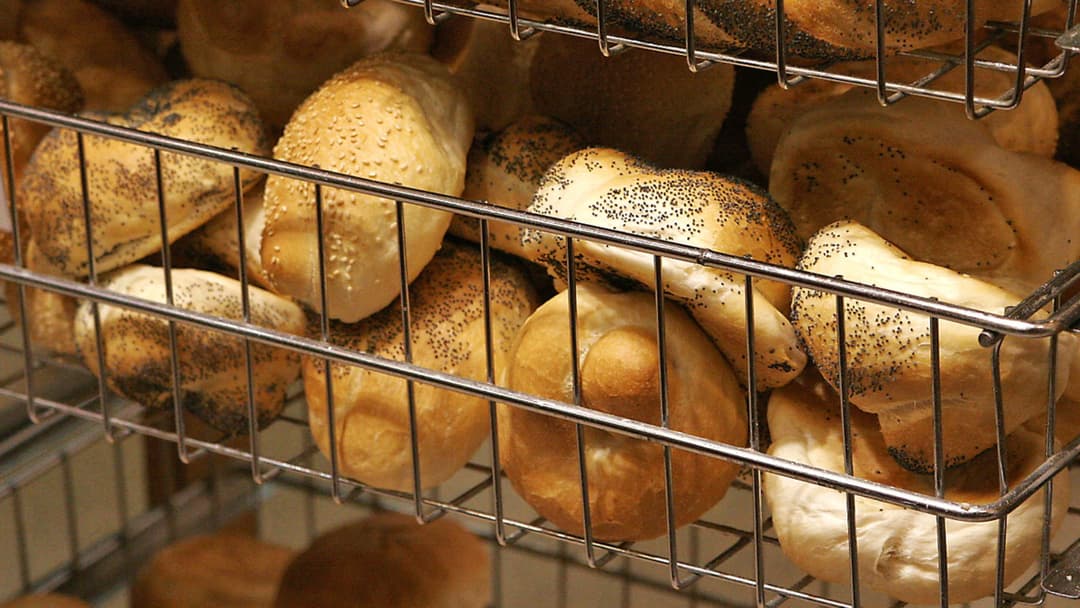
12. Dinner Rolls
Before the mid-1800s, bread baking required unpredictable sourdough starters or brewer yeast. The invention of packaged compressed baker yeast in the 1860s transformed American kitchens, allowing home cooks to produce soft, buttery dinner rolls with dependable rise times for family Thanksgiving gatherings.
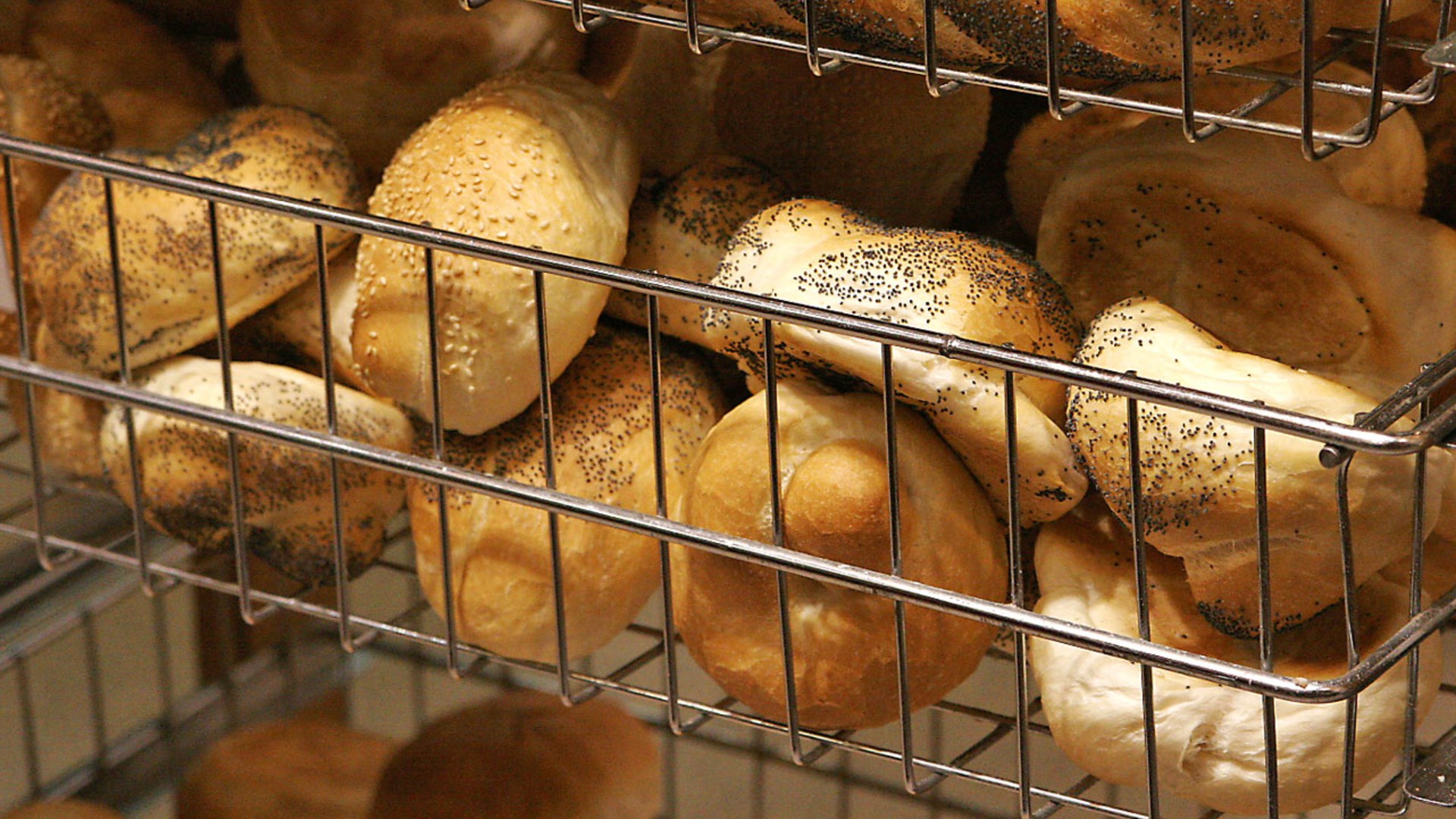
©Wikimedia / Bread roll
11. Turkey Gravy
Early English settlers used pan juices unthickened, calling them gravy from Old French gravé. During the 1800s, American cookbooks integrated classical roux techniques,cooking flour directly in hot roasting fat before whisking in simmered giblet stock to create the thick, glossy sauce poured over modern holiday plates.
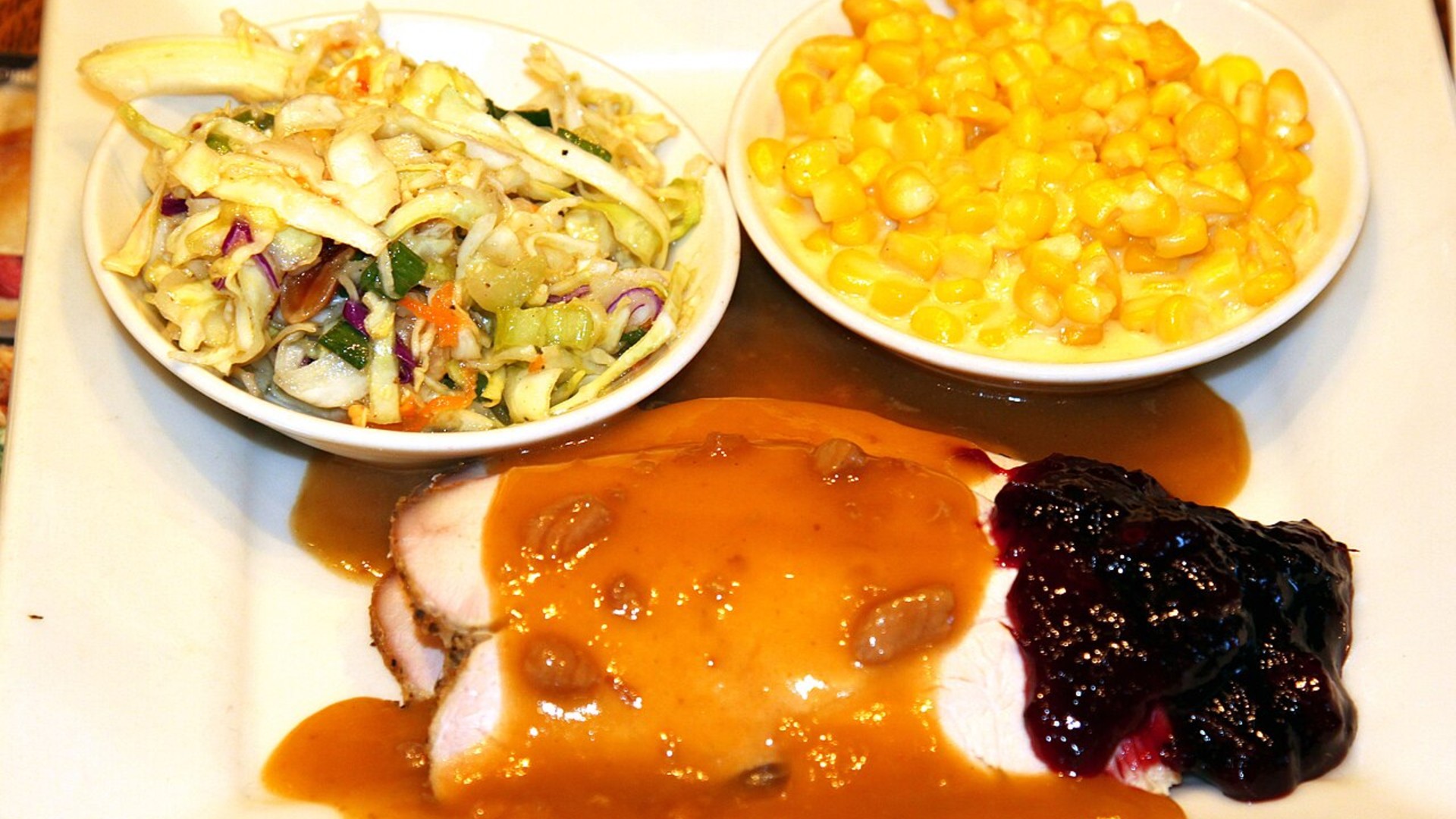
©Wikimedia / Prayitno, Thank you for (12 millions +)
Advertisement
Swipe or tap ▶ to resume the countdown.
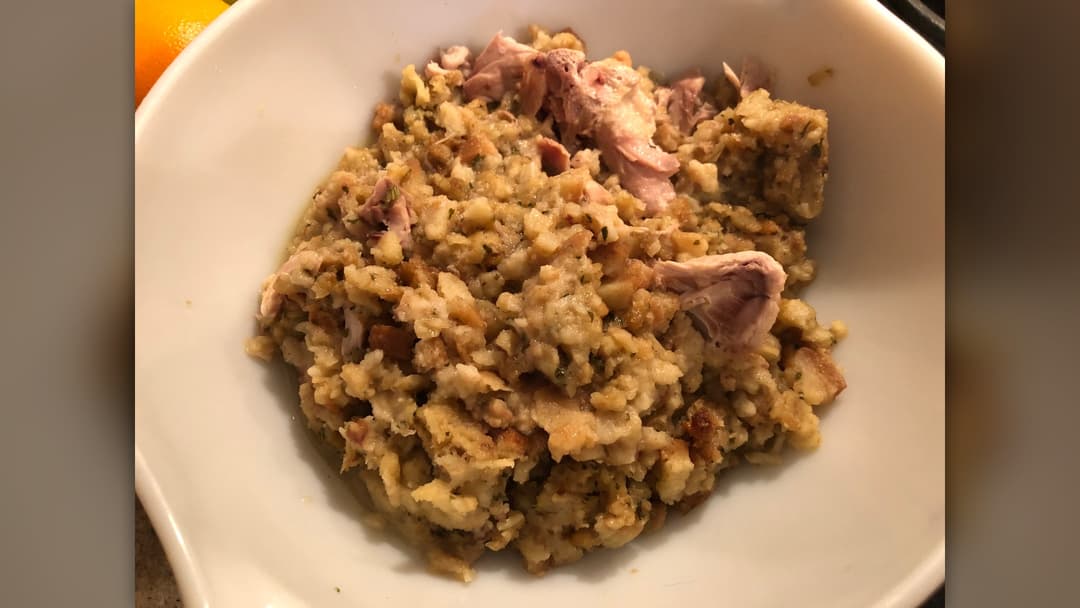
10. Herb Stuffing
Stuffing dates back to Apicius, an ancient Roman collection of recipes calling for herbs and grain stuffed inside roasted birds. In 19th-century America, cooks transformed stale bread, onion, celery, and poultry herbs into an aromatic side, frequently baking it outside the bird as dressing to ensure food safety.
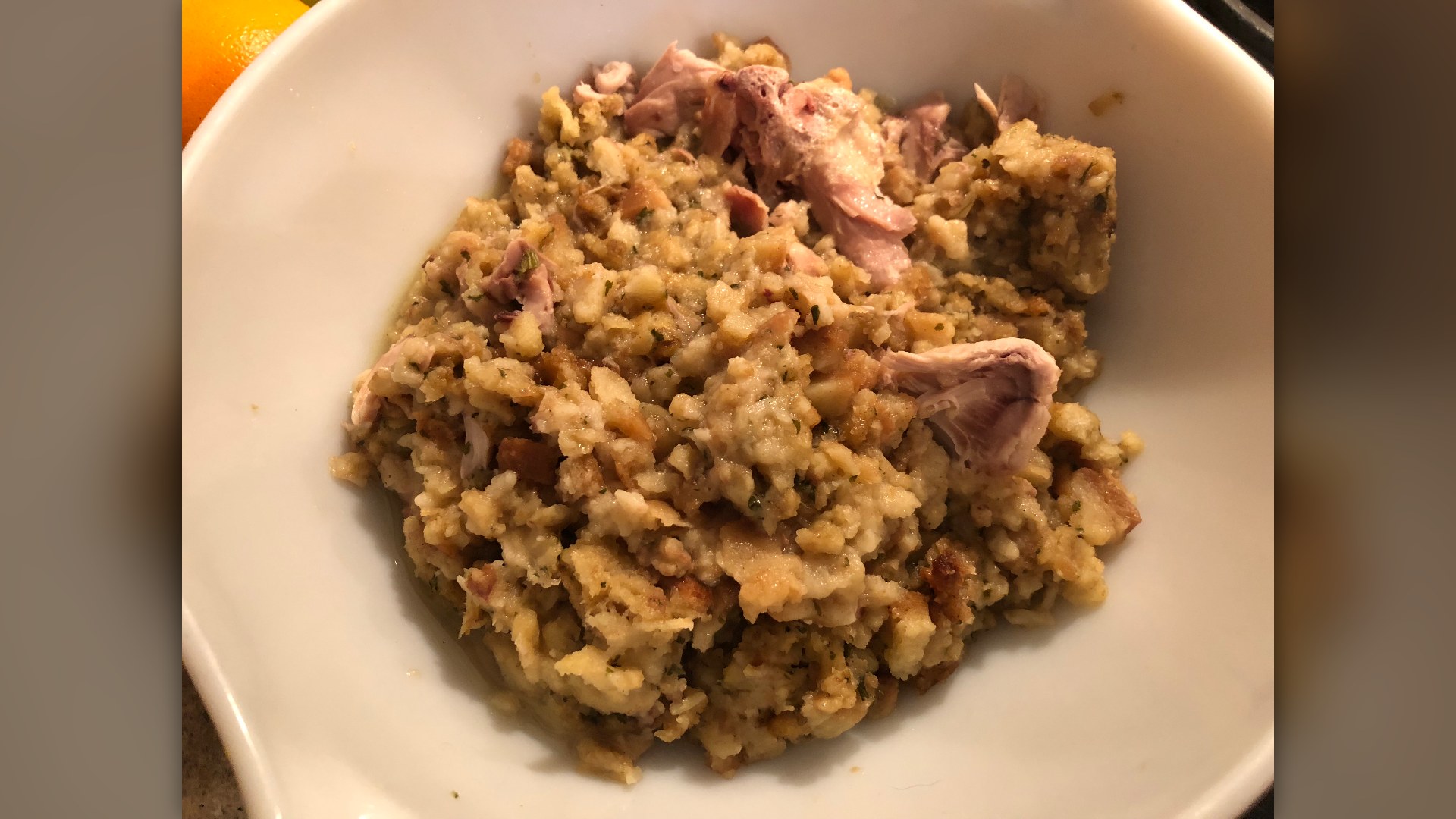
©Wikimedia / Famartin
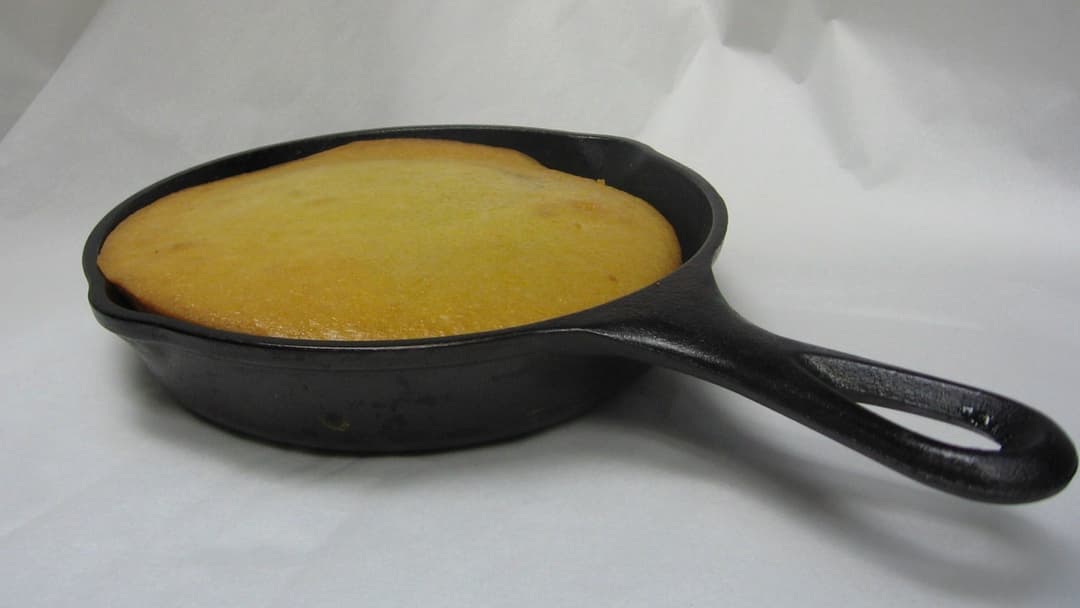
9. Skillet Cornbread
European settlers struggled to cultivate wheat in the humid South, relying instead on Native American methods of grinding dried corn. Cooked in smoking hot cast-iron skillets with bacon lard, rustic southern cornbread evolved from simple water-and-meal hoecakes into an essential cornerstone of the Thanksgiving table.
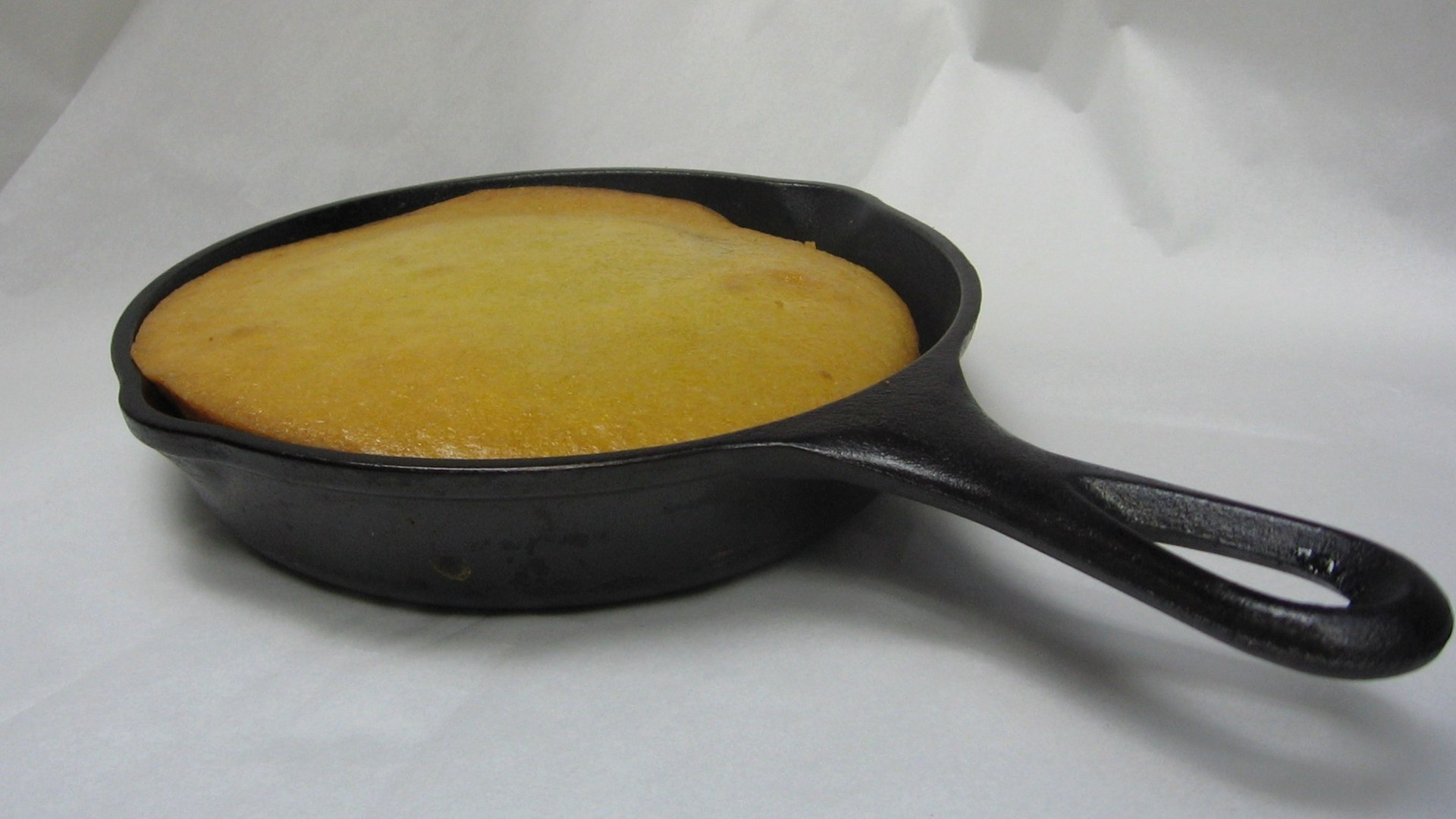
©Wikimedia / Sherurcij
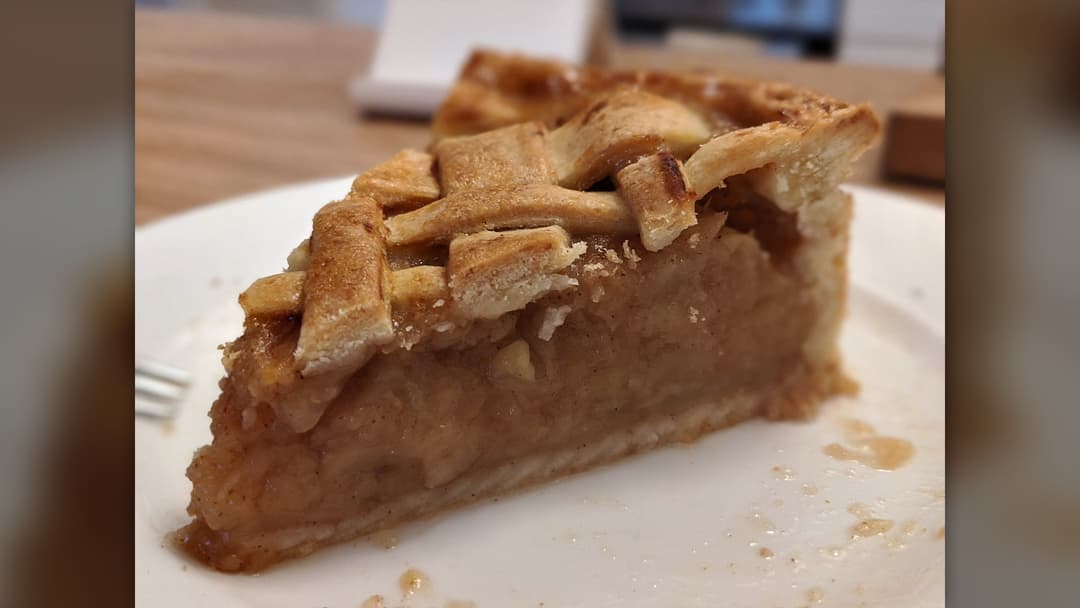
8. Apple Pie
Apples are not native to North America, and the earliest recorded apple pie recipe appeared in England in 1381. European settlers planted apple trees across New England, transforming imported cider and pie traditions into a treasured harvest dessert that became a mainstay of late autumn holiday celebrations.
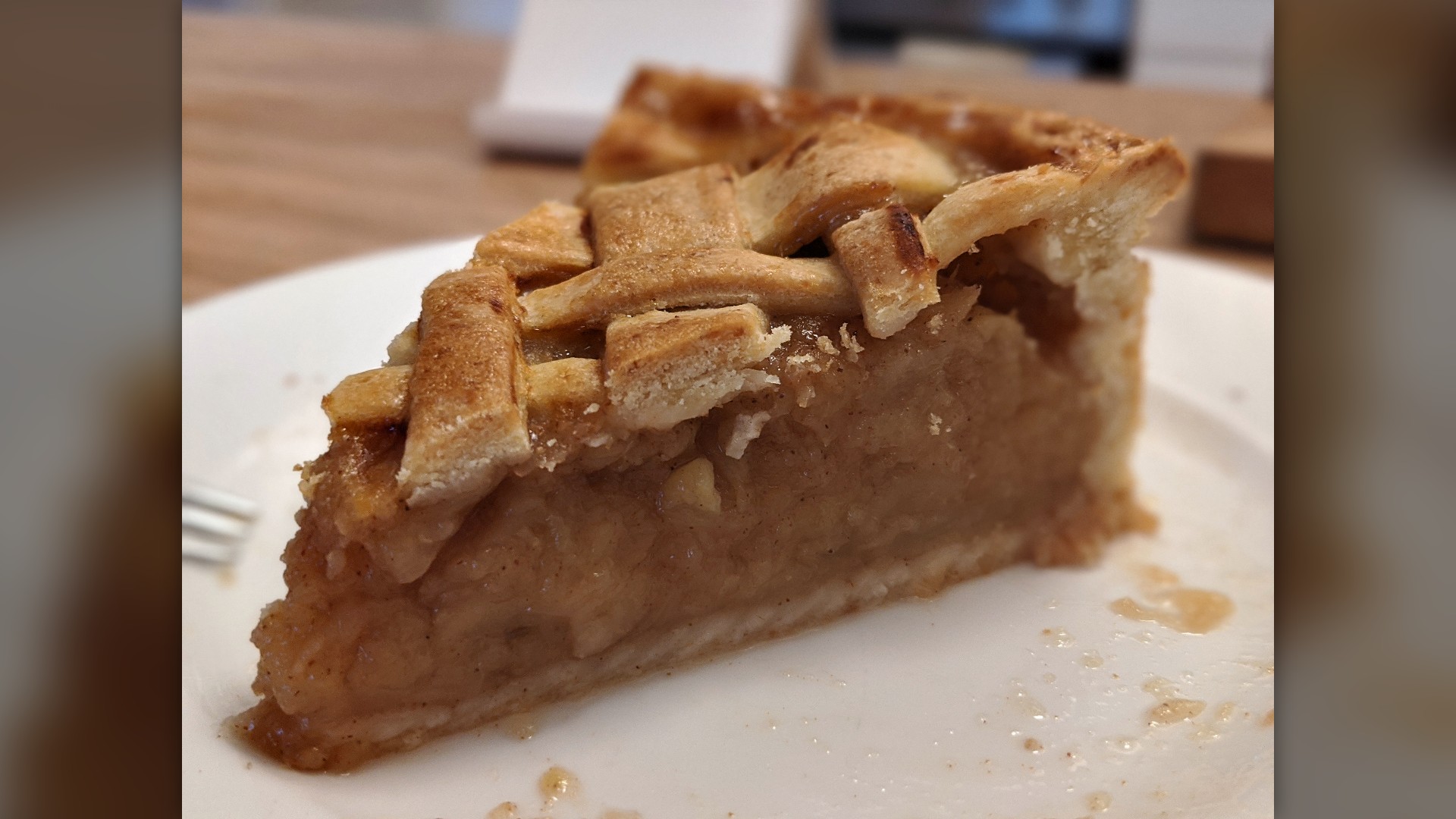
©Wikimedia / Apple pie
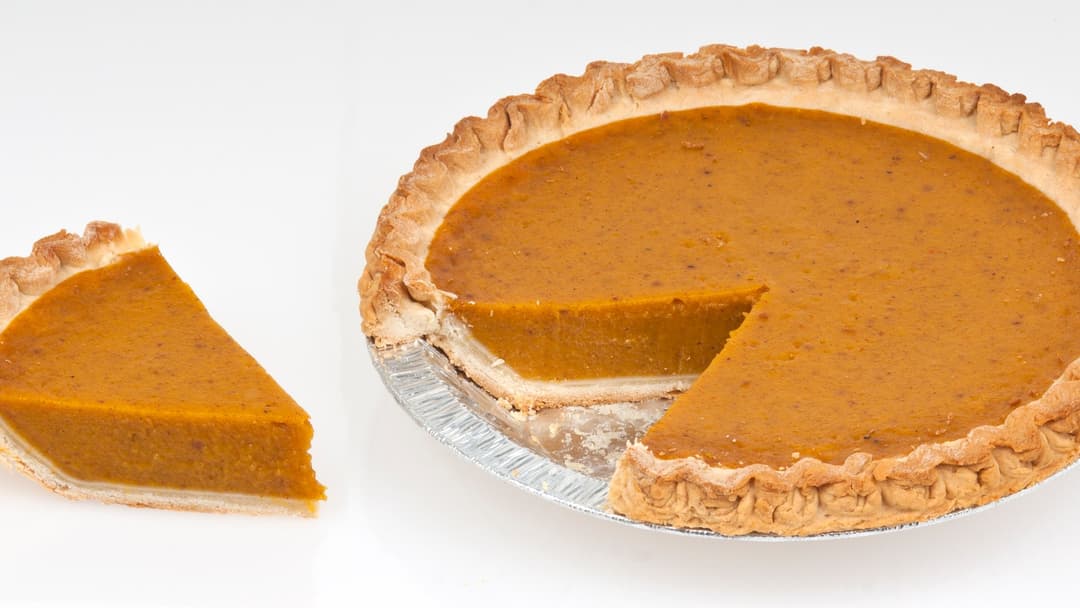
7. Pumpkin Pie
Early colonists baked whole pumpkins directly in hot coals with milk and spices, but the modern custard pie in a wheat pastry crust debuted in 1796. Amelia Simmons printed two recipes for pompkin pudding baked in paste, cementing spiced pumpkin custard as America's defining autumn festival treat.
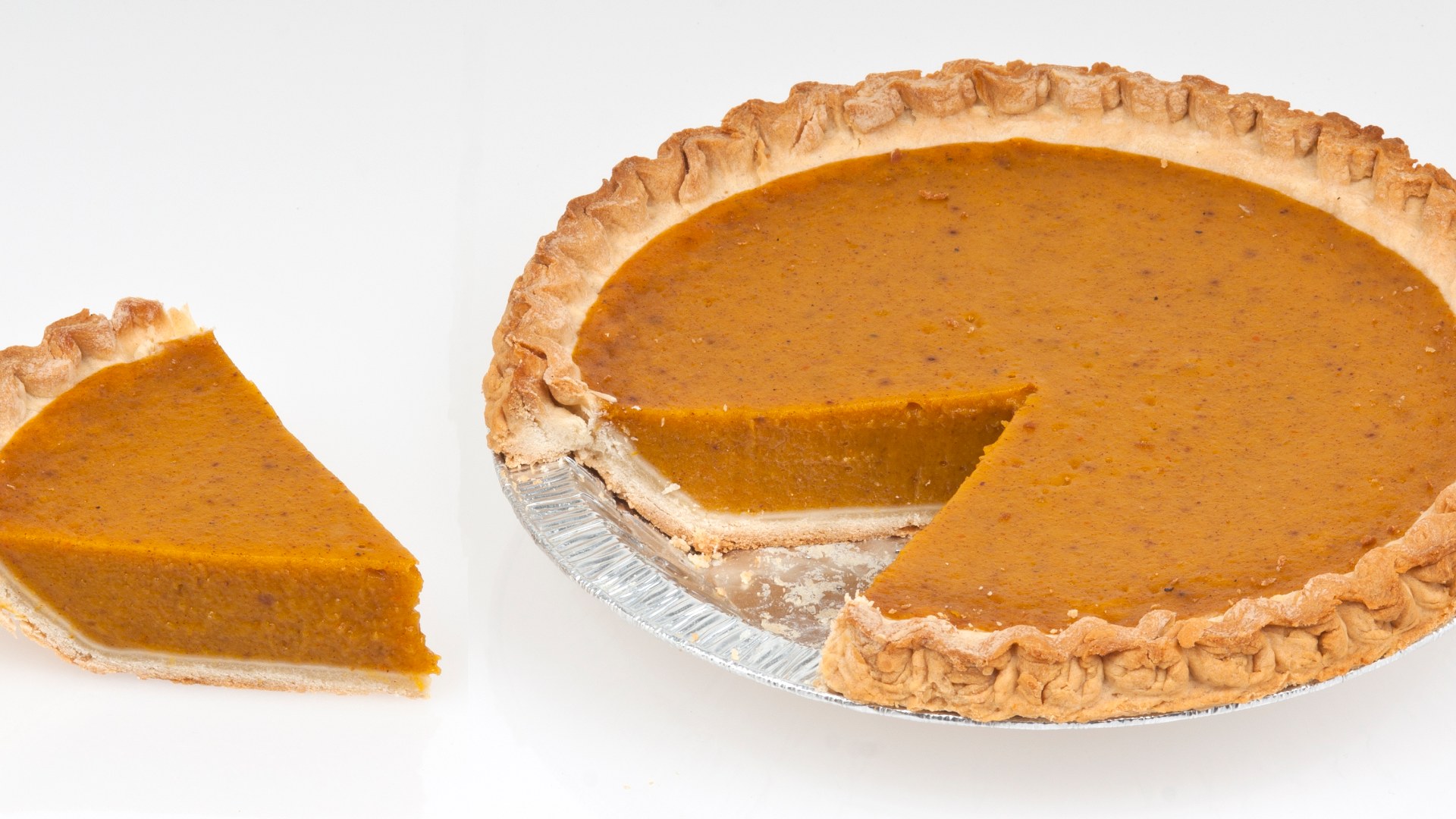
©Wikimedia / Evan-Amos
Advertisement
Swipe or tap ▶ to resume the countdown.
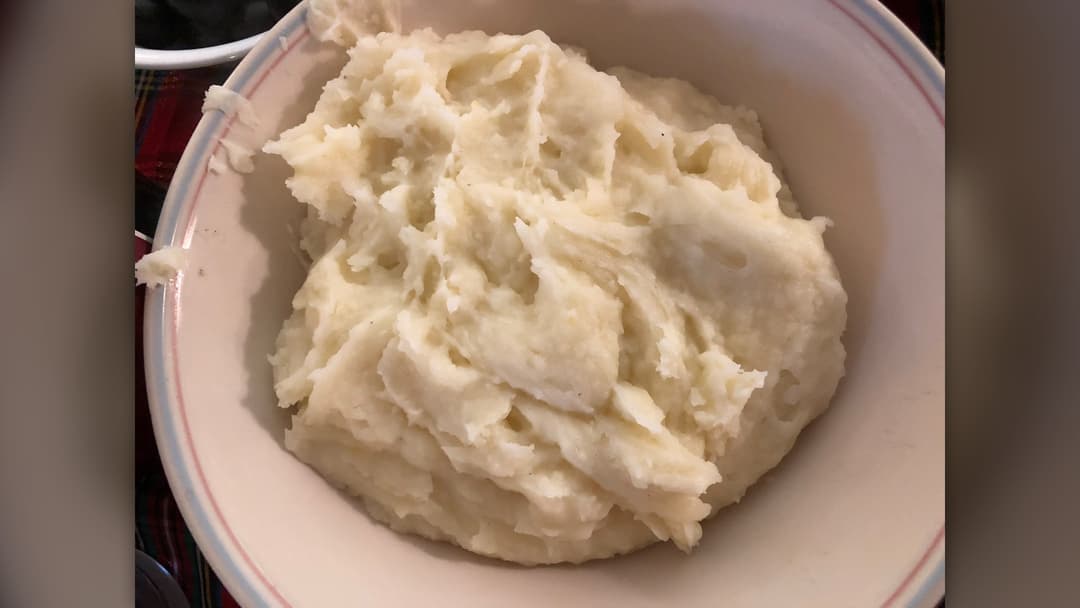
6. Mashed Potatoes
Potatoes originated in the Andes, but puréed mashed potatoes did not reach print until Hannah Glasse published The Art of Cookery Made Plain and Easy in 1747. Glasse instructed cooks to boil potatoes, peel them, mash them in a saucepan, and whip them with milk, butter, and salt, creating an enduring comfort classic.
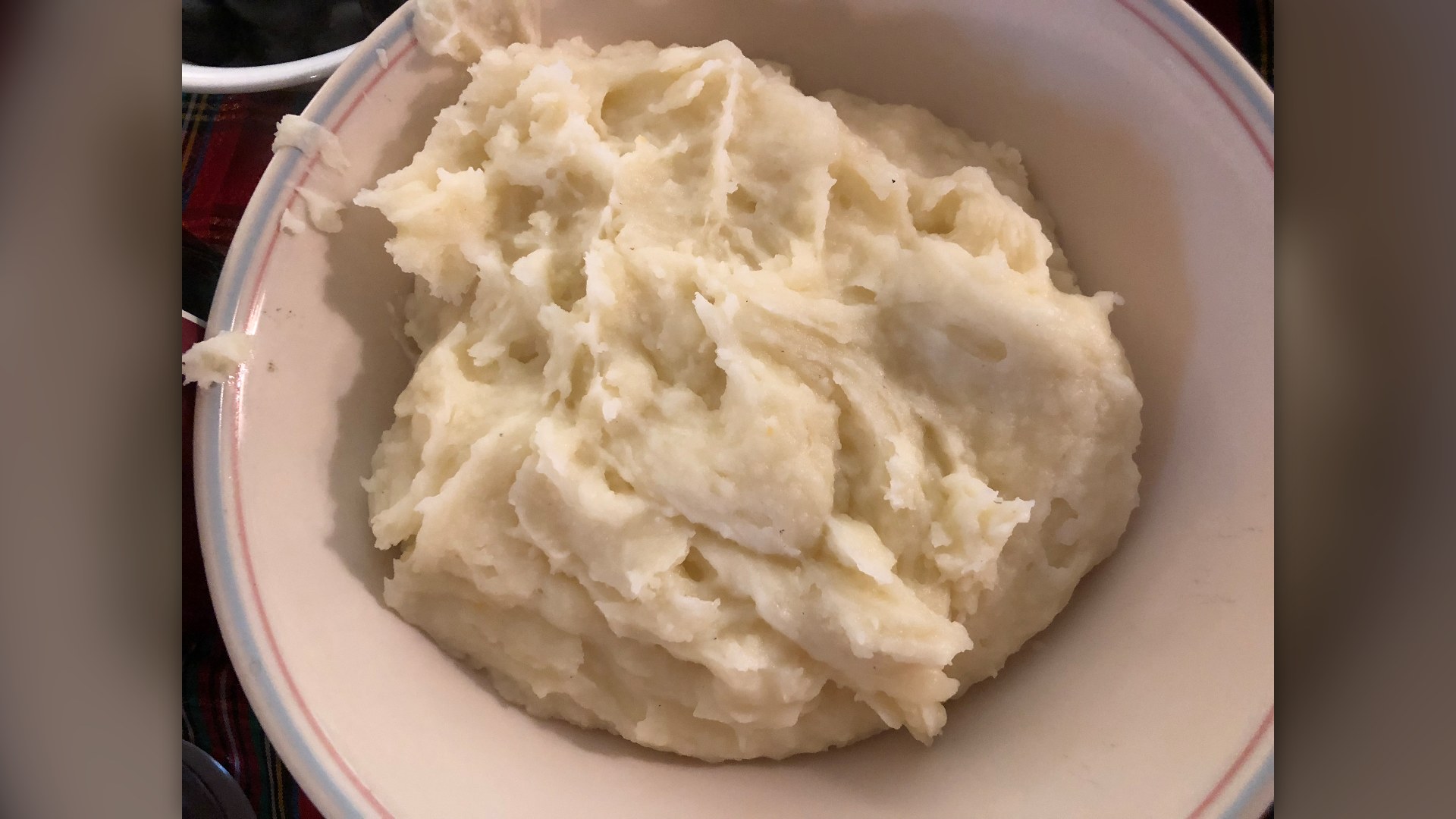
©Wikimedia / Famartin
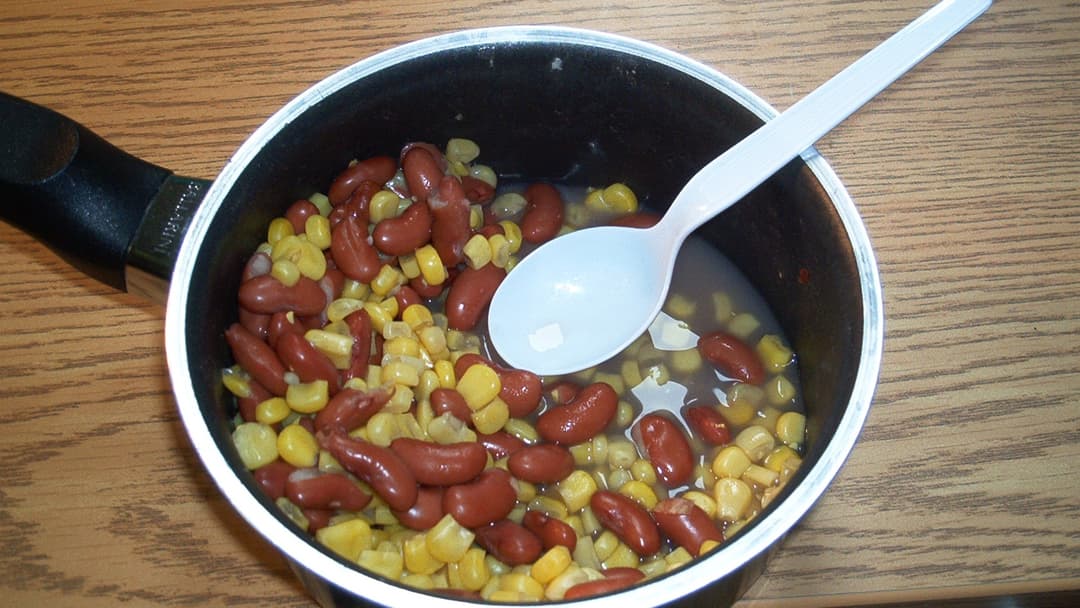
5. Succotash
Derived from the Narragansett word msickquatash, meaning boiled corn kernels, succotash is a genuine historic dish from 17th-century New England. By pairing maize with beans, Indigenous agricultural wisdom created a complete protein that sustained communities through harsh winters and became a regional fixture.
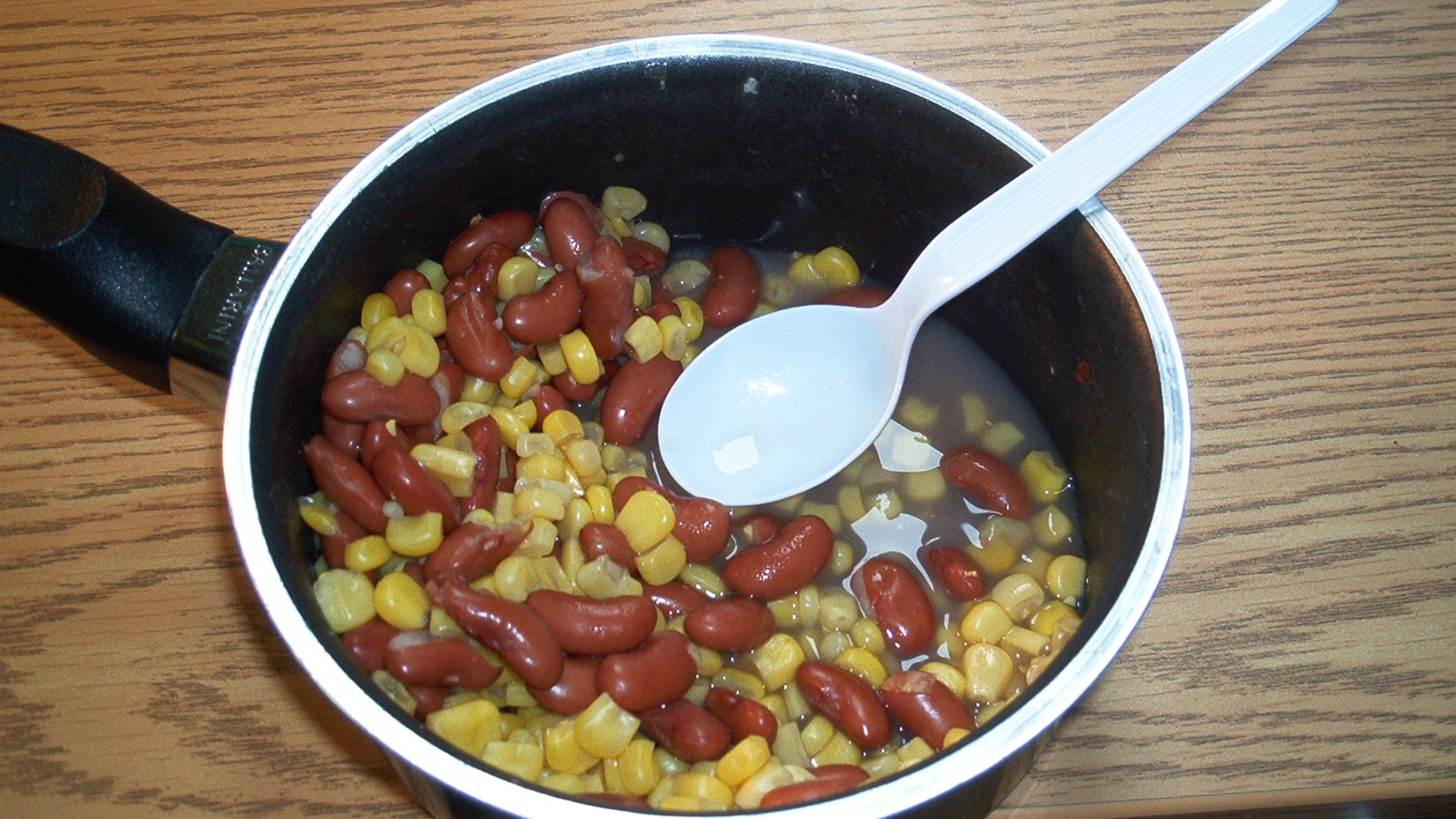
©Wikimedia / customcabf100
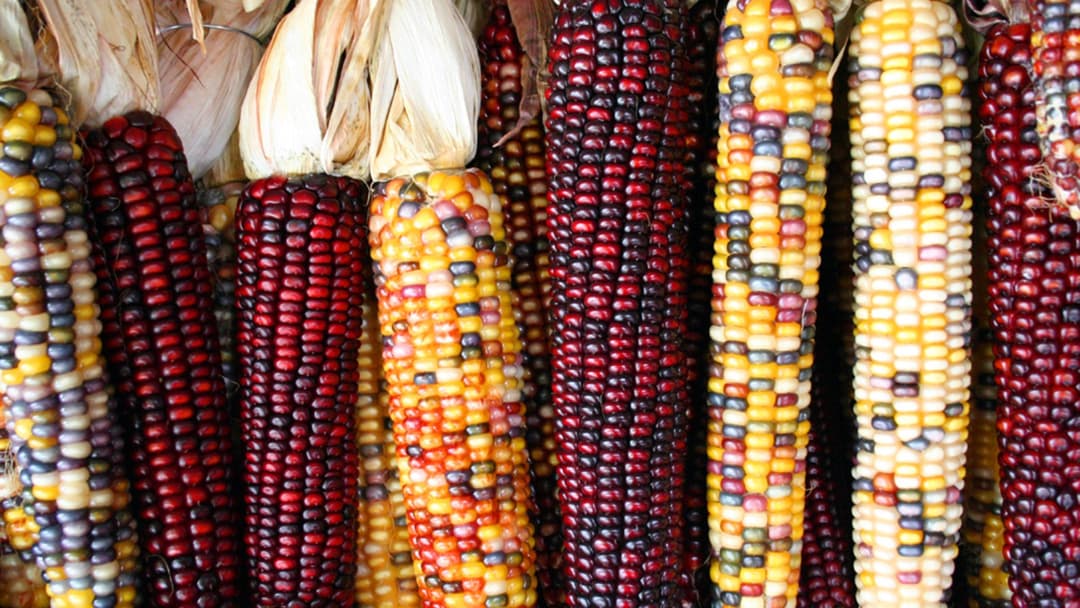
4. Flint Corn
Bred by Indigenous farmers over thousands of years from wild teosinte grass, flint corn was the true grain of the 1621 Plymouth gathering. Its glass-hard outer kernel meant it could not be eaten fresh off the cob. Instead, Indigenous cooks taught colonists how to dry, grind, and boil it into samp and corncakes.
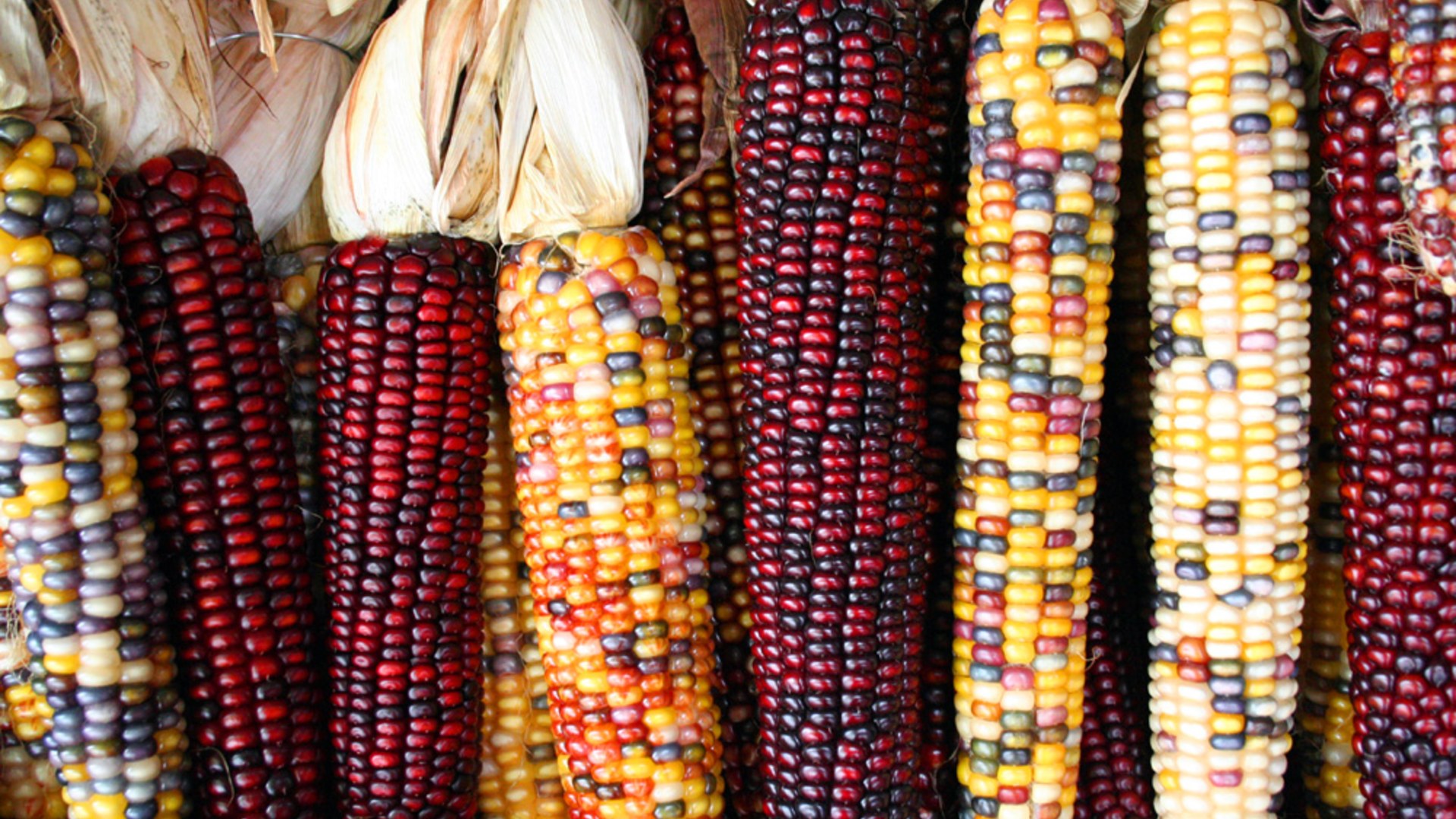
©Wikimedia / Asbestos
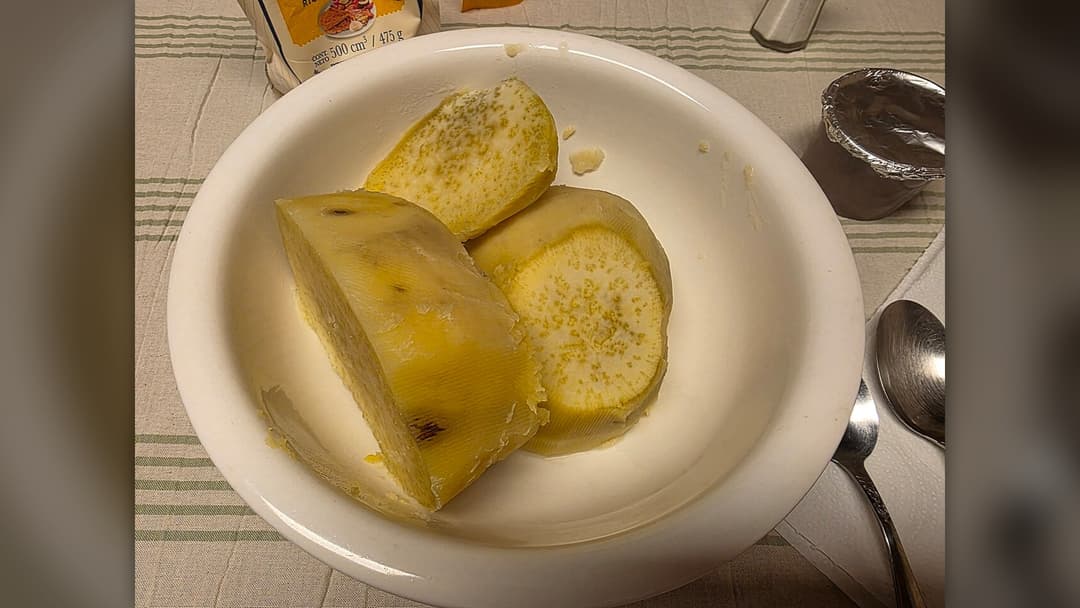
3. Sweet Potatoes
Domesticated in Central and South America around 3000 BCE, sweet potatoes are botanical morning glories rather than true yams. Indigenous farmers grew varieties across the Caribbean and southern colonies, where early American plantation cooks adopted them as a staple root crop for winter celebrations.
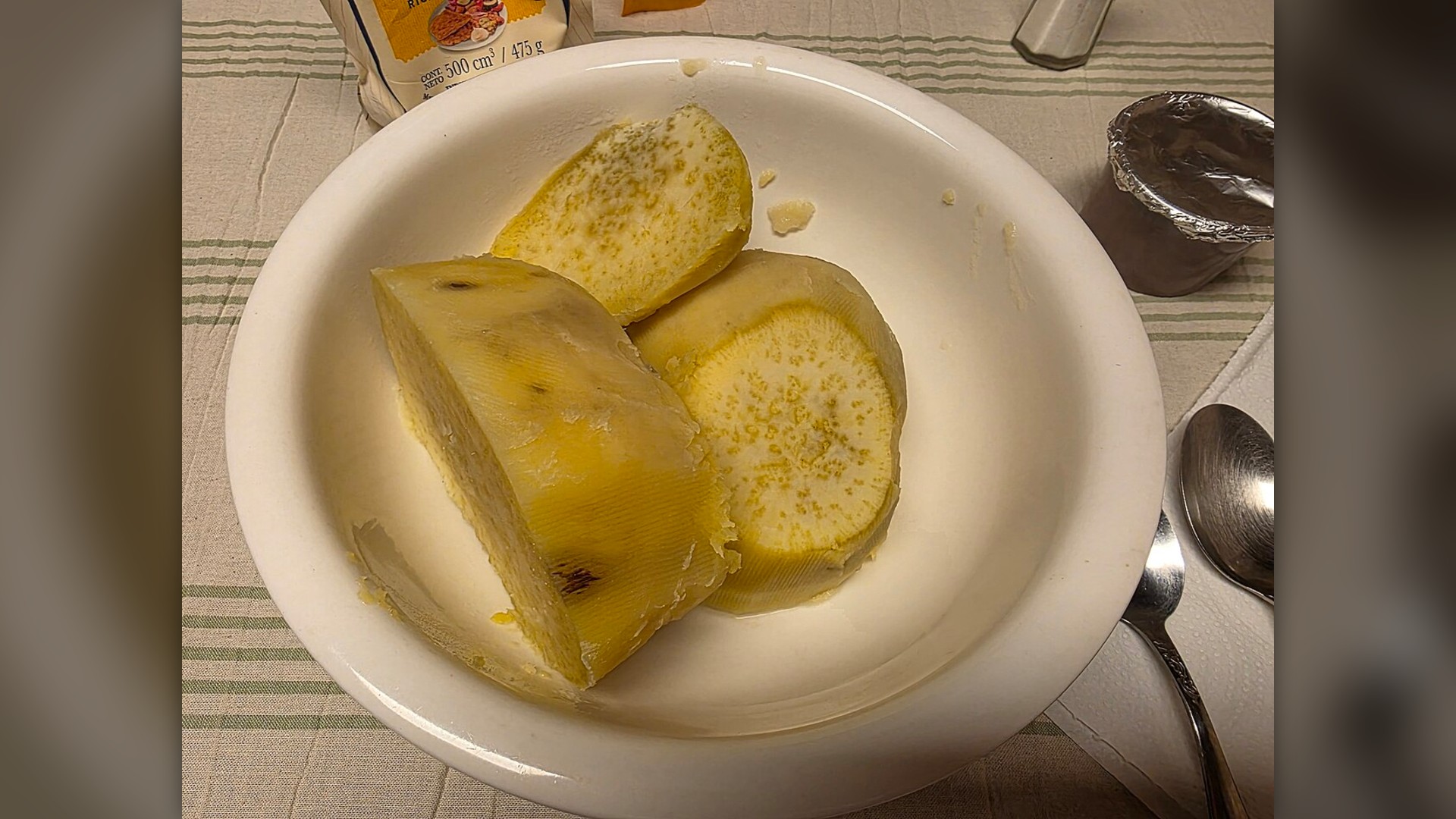
©Wikimedia / Horacio Cambeiro
Advertisement
Swipe or tap ▶ to resume the countdown.
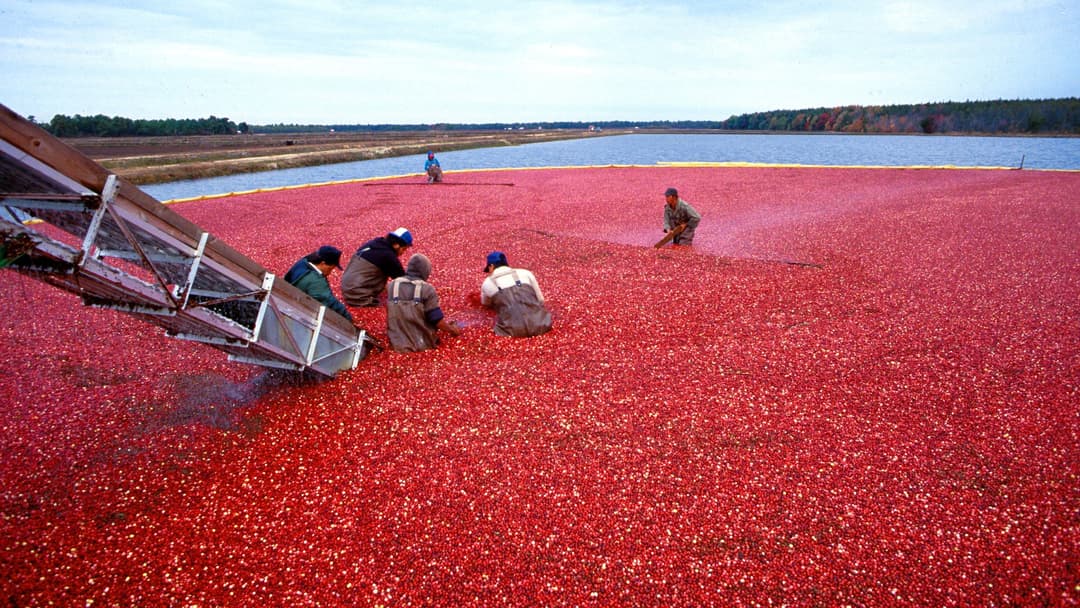
2. Cranberries
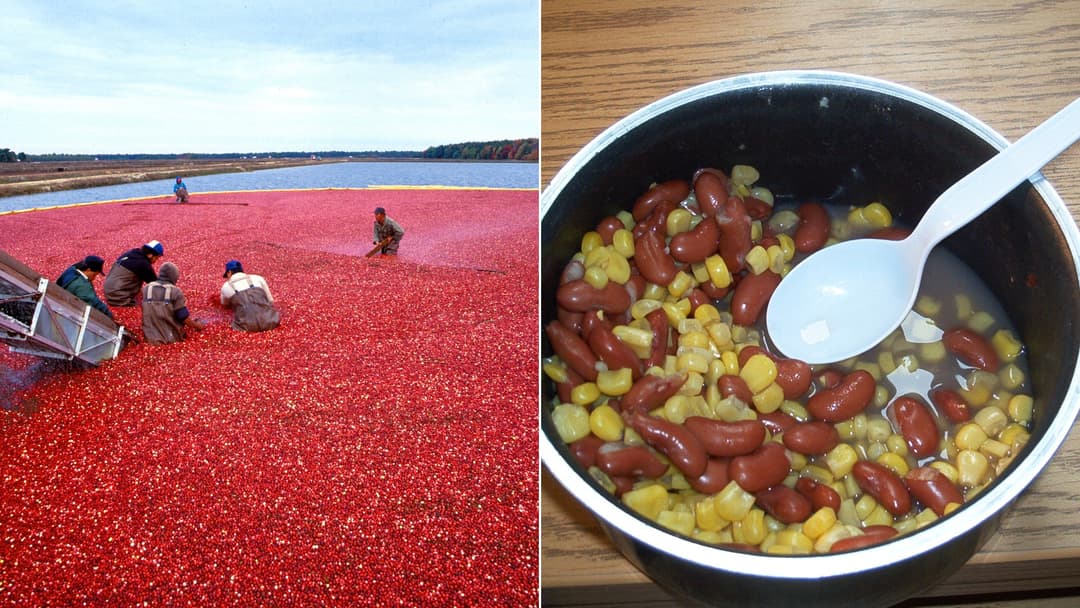
Indigenous nations across the Northeast, including the Wampanoag and Narragansett, harvested wild cranberries known as sasumuneash. They crushed the tart berries into pemmican, a nutrient-dense travel ration of dried meat and tallow, and utilized the deep red juices as natural fabric dye and medicine.
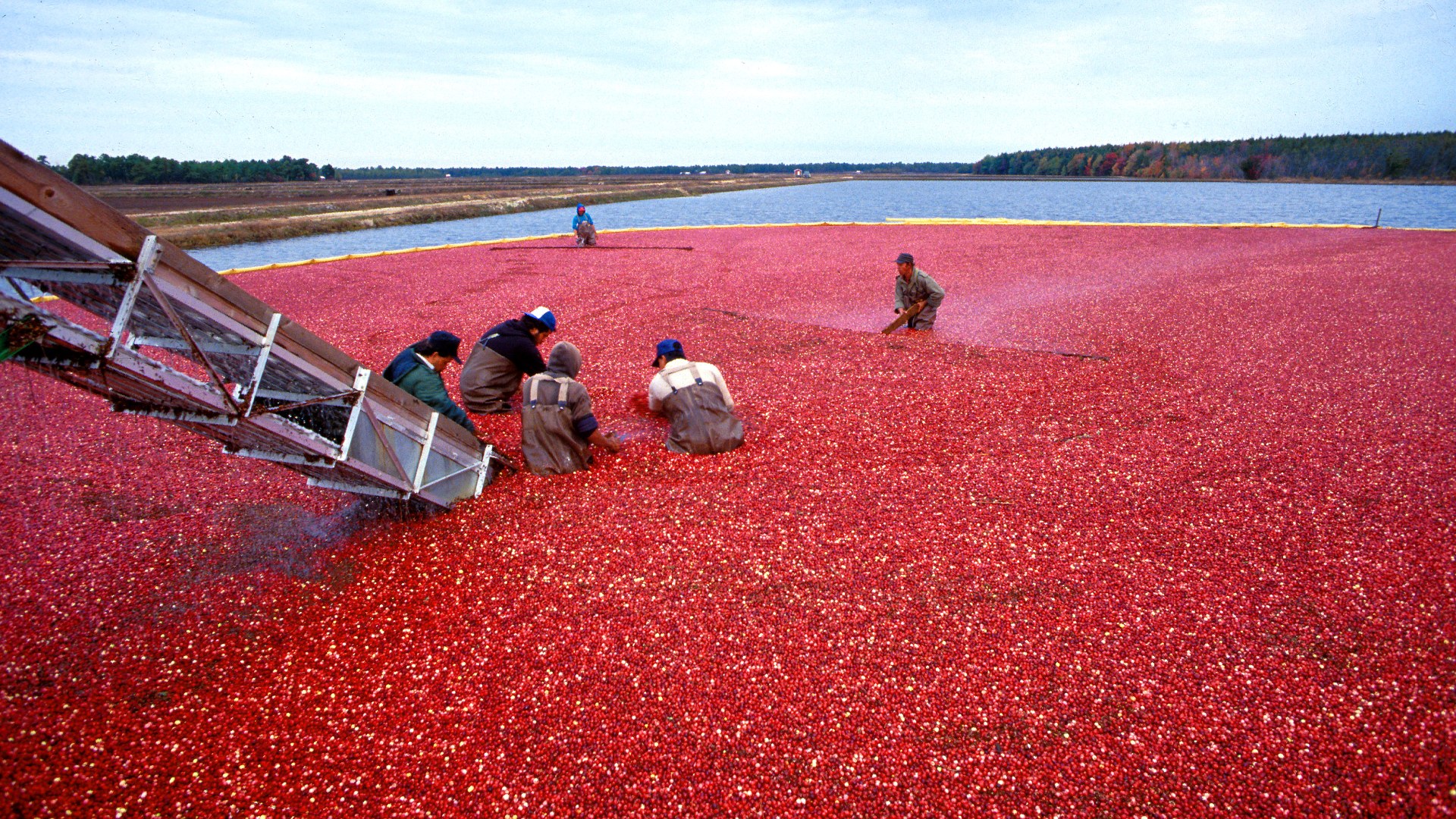
©Wikimedia / Keith Weller, USDA-ARS
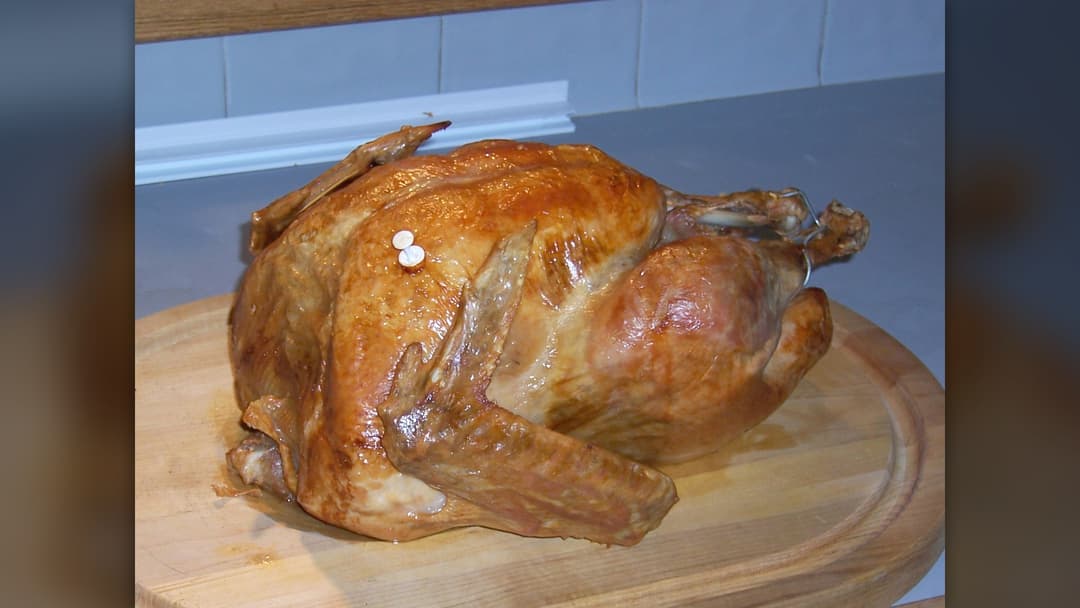
1. Turkey
Long before European settlers arrived in Plymouth, Indigenous civilizations in Mesoamerica domesticated wild turkeys around 200 BCE for both food and ceremonial feathers. When Spanish explorers encountered them in the 1500s, they carried them back to Europe, where turkeys became a royal holiday luxury.
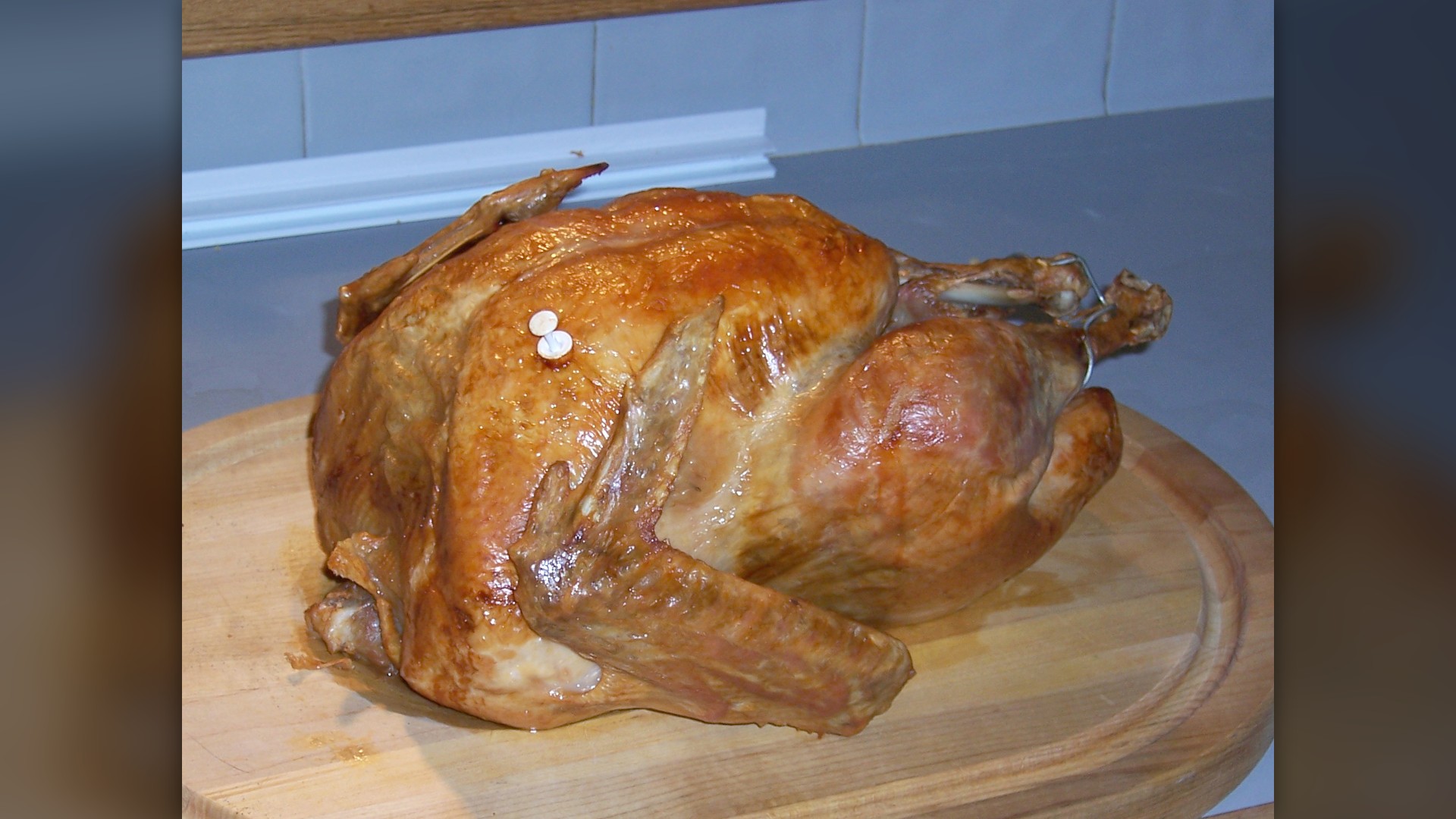
©Wikimedia / Patrick Fitzgerald from Atlanta, GA, USA
Advertisement
You've reached the end of the story. Thanks for reading!

25 Legendary Racehorses That Americans Still Remember
All 25 Entries in this Story
25. Plant-Based Holiday Roast
Vegetarian Thanksgiving diners often had to settle for vegetable side dishes until Oregon entrepreneur Seth Tibbott created Tofurky in 1995. Crafted from seasoned wheat protein tofu filled with wild rice stuffing, the roast sold hundreds of thousands of units and established plant-based main courses at holiday meals.

24. Baked Sweet Potatoes
By the 1960s and 1970s, many cooks rejected ultra-sugary candy toppings in favor of southern pecan crumbles. Community and church auxiliary cookbooks popularized spiced casseroles folded with orange zest and topped with chopped pecans, introducing a textured, buttery contrast to the holiday spread.

23. Sliced Roast Turkey
During the post-war suburban boom, agricultural breeding shifted toward broad-breasted white turkeys bred for maximum white meat. In 1965, the invention of the single-use pop-up plastic timer and motorized electric carving knives revolutionized the centerpiece presentation for millions of mid-century households.

22. Canned Whipped Cream
During World War II, St. Louis inventor Aaron Lapin experimented with real cream and nitrous oxide in surplus aerosol insecticide cans. In 1948, he patented the push-nozzle valve that created instant dairy foam, creating Reddi-wip and transforming holiday pumpkin pie topping into an effortless two-second ritual.

21. Green Bean Casserole
In 1955, food scientist Dorcas Reilly was tasked with creating an easy recipe from ingredients any home cook had on hand. She mixed canned green beans with Campbell cream of mushroom soup, soy sauce, and French fried onions. Her six-ingredient creation is now prepared in an estimated twenty million American homes.

20. Canned Pumpkin Puree
Roasting and straining fresh field pumpkins was notoriously watery and fibrous. In 1929, Libby's revolutionized baking by canning Dickinson squash, a pale oblong cousin of the butternut. Its dense, naturally sweet flesh set the golden color, smooth texture, and earthy flavor standard for American holiday baking.

19. Creamed Corn
True southern creamed corn achieves its velvety consistency without a drop of heavy cream. Cooks cut off the kernel tops and scrape the cob firmly with the back of a knife, releasing sweet corn milk and natural starches that thicken as the corn gently simmers with butter and pepper on holiday stovetops.

18. Marshmallow Candied Yams
In 1917, the makers of Angelus Marshmallows hired culinary developer Janet McKenzie Hill to write a promotional booklet showing home cooks how to use confections in daily cooking. Her recipe pairing mashed sweet potatoes with browned marshmallows swept the nation, inventing an instant holiday classic.

17. Jellied Cranberry Sauce
In 1912, Massachusetts lawyer turned cranberry grower Marcus Urann sought a way to preserve damaged berries that could not be sold fresh. By boiling them with sugar and pectin, he created a canned jellied log with can ridges that launched Ocean Spray in 1930 and became a Thanksgiving staple across millions of homes.

16. Parker House Rolls
Legend holds that in the 1870s, a frustrated baker at Boston's Parker House Hotel threw unfinished rounds of dough into the oven in anger. The folded dough baked into soft, buttery rolls with crisp pocket folds. The recipe became a nationwide culinary sensation, cementing its place on elegant holiday bread baskets.

15. Pecan Pie
Indigenous peoples along the Mississippi River harvested wild pecans for generations, sharing them with French settlers in New Orleans. While 19th-century southern cooks made custard pies with pecans and molasses, the dish became a national holiday icon after Karo corn syrup printed their signature recipe on cans.

14. Macaroni And Cheese
Thomas Jefferson was so enamored with Parisian pasta that he shipped an Italian pasta extruder back to Monticello. In 1802, he served macaroni and cheese at a state dinner, launching an American obsession that evolved into a beloved southern and Black holiday tradition essential to Thanksgiving feasts.

13. Brussels Sprouts
While wild cabbage ancestors date to ancient Rome, the compact mini-cabbages known today were developed in Brussels during the 1700s. French settlers brought them to Louisiana, and by the late 19th century, American home economists praised their bitter-sweet balance when roasted alongside heavy holiday meats.

12. Dinner Rolls
Before the mid-1800s, bread baking required unpredictable sourdough starters or brewer yeast. The invention of packaged compressed baker yeast in the 1860s transformed American kitchens, allowing home cooks to produce soft, buttery dinner rolls with dependable rise times for family Thanksgiving gatherings.

11. Turkey Gravy
Early English settlers used pan juices unthickened, calling them gravy from Old French gravé. During the 1800s, American cookbooks integrated classical roux techniques,cooking flour directly in hot roasting fat before whisking in simmered giblet stock to create the thick, glossy sauce poured over modern holiday plates.

10. Herb Stuffing
Stuffing dates back to Apicius, an ancient Roman collection of recipes calling for herbs and grain stuffed inside roasted birds. In 19th-century America, cooks transformed stale bread, onion, celery, and poultry herbs into an aromatic side, frequently baking it outside the bird as dressing to ensure food safety.

9. Skillet Cornbread
European settlers struggled to cultivate wheat in the humid South, relying instead on Native American methods of grinding dried corn. Cooked in smoking hot cast-iron skillets with bacon lard, rustic southern cornbread evolved from simple water-and-meal hoecakes into an essential cornerstone of the Thanksgiving table.

8. Apple Pie
Apples are not native to North America, and the earliest recorded apple pie recipe appeared in England in 1381. European settlers planted apple trees across New England, transforming imported cider and pie traditions into a treasured harvest dessert that became a mainstay of late autumn holiday celebrations.

7. Pumpkin Pie
Early colonists baked whole pumpkins directly in hot coals with milk and spices, but the modern custard pie in a wheat pastry crust debuted in 1796. Amelia Simmons printed two recipes for pompkin pudding baked in paste, cementing spiced pumpkin custard as America's defining autumn festival treat.

6. Mashed Potatoes
Potatoes originated in the Andes, but puréed mashed potatoes did not reach print until Hannah Glasse published The Art of Cookery Made Plain and Easy in 1747. Glasse instructed cooks to boil potatoes, peel them, mash them in a saucepan, and whip them with milk, butter, and salt, creating an enduring comfort classic.

5. Succotash
Derived from the Narragansett word msickquatash, meaning boiled corn kernels, succotash is a genuine historic dish from 17th-century New England. By pairing maize with beans, Indigenous agricultural wisdom created a complete protein that sustained communities through harsh winters and became a regional fixture.

4. Flint Corn
Bred by Indigenous farmers over thousands of years from wild teosinte grass, flint corn was the true grain of the 1621 Plymouth gathering. Its glass-hard outer kernel meant it could not be eaten fresh off the cob. Instead, Indigenous cooks taught colonists how to dry, grind, and boil it into samp and corncakes.

3. Sweet Potatoes
Domesticated in Central and South America around 3000 BCE, sweet potatoes are botanical morning glories rather than true yams. Indigenous farmers grew varieties across the Caribbean and southern colonies, where early American plantation cooks adopted them as a staple root crop for winter celebrations.

2. Cranberries
Indigenous nations across the Northeast, including the Wampanoag and Narragansett, harvested wild cranberries known as sasumuneash. They crushed the tart berries into pemmican, a nutrient-dense travel ration of dried meat and tallow, and utilized the deep red juices as natural fabric dye and medicine.

1. Turkey
Long before European settlers arrived in Plymouth, Indigenous civilizations in Mesoamerica domesticated wild turkeys around 200 BCE for both food and ceremonial feathers. When Spanish explorers encountered them in the 1500s, they carried them back to Europe, where turkeys became a royal holiday luxury.