Slideshow · Viral
The 10 Most Mysterious Ancient Sites on Earth, Ranked
From 11,600-year-old megalithic enclosures to 800-ton carved stones moved without wheels or cranes, these ten ancient wonders still defy modern archaeology.
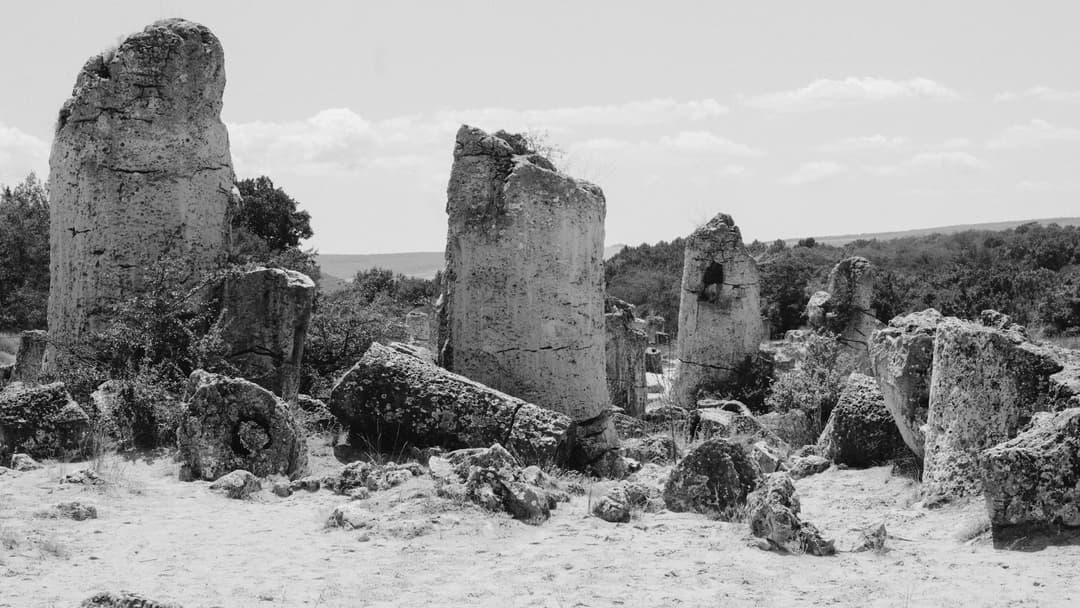
By Most Viral Today
22 Oct 2026

Ancient Megaliths and Lost Cities That Still Baffle Modern Science 
10. Newgrange Passage Tomb, Ireland 
9. The Plain Of Jars, Laos 
8. Baalbek Temple Of Jupiter, Lebanon - AdvertisementSwipe or tap ▶ to continue countdown

7. Teotihuacan Pyramid Of The Sun, Mexico 
6. Sacsayhuamán Megalithic Fortress, Peru 
5. The Great Sphinx Of Giza, Egypt 
4. The Nazca Lines, Peru - AdvertisementSwipe or tap ▶ to continue countdown

3. Moai Of Easter Island (Rapa Nui), Chile 
2. Stonehenge Sarsen Circle, England 
1. Göbekli Tepe, Turkey - Advertisement🔥 UP NEXT IN THIS SERIES◫ 21 Slides

20 Details Behind The Real Story Of Stephen Miller
Across every inhabited continent, prehistoric builders raised colossal stone monuments, carved desert geoglyphs, and aligned temples with the solstices using tools we still barely understand.
Swipe or tap ▶ to begin the countdown
© Photo by Tofan Teodor on Unsplash
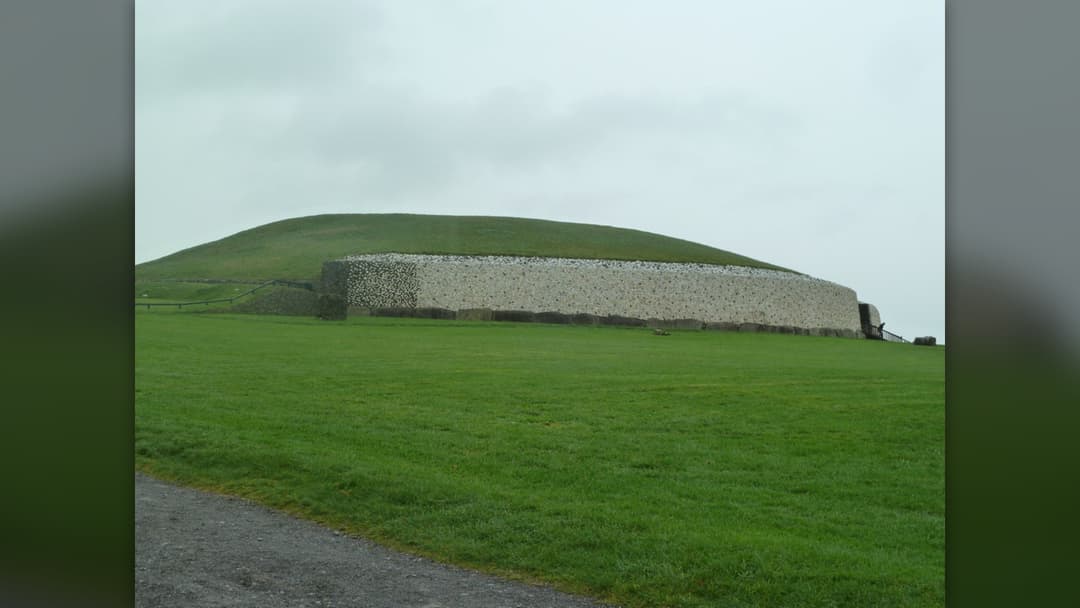
10. Newgrange Passage Tomb, Ireland
Built around 3200 BC in County Meath, Newgrange predates both Stonehenge and the Great Pyramid of Giza. Above its entrance sits a precision roof-box engineered so that only at sunrise on the winter solstice does a narrow beam of light pierce the 62-foot passage to illuminate the inner chamber.
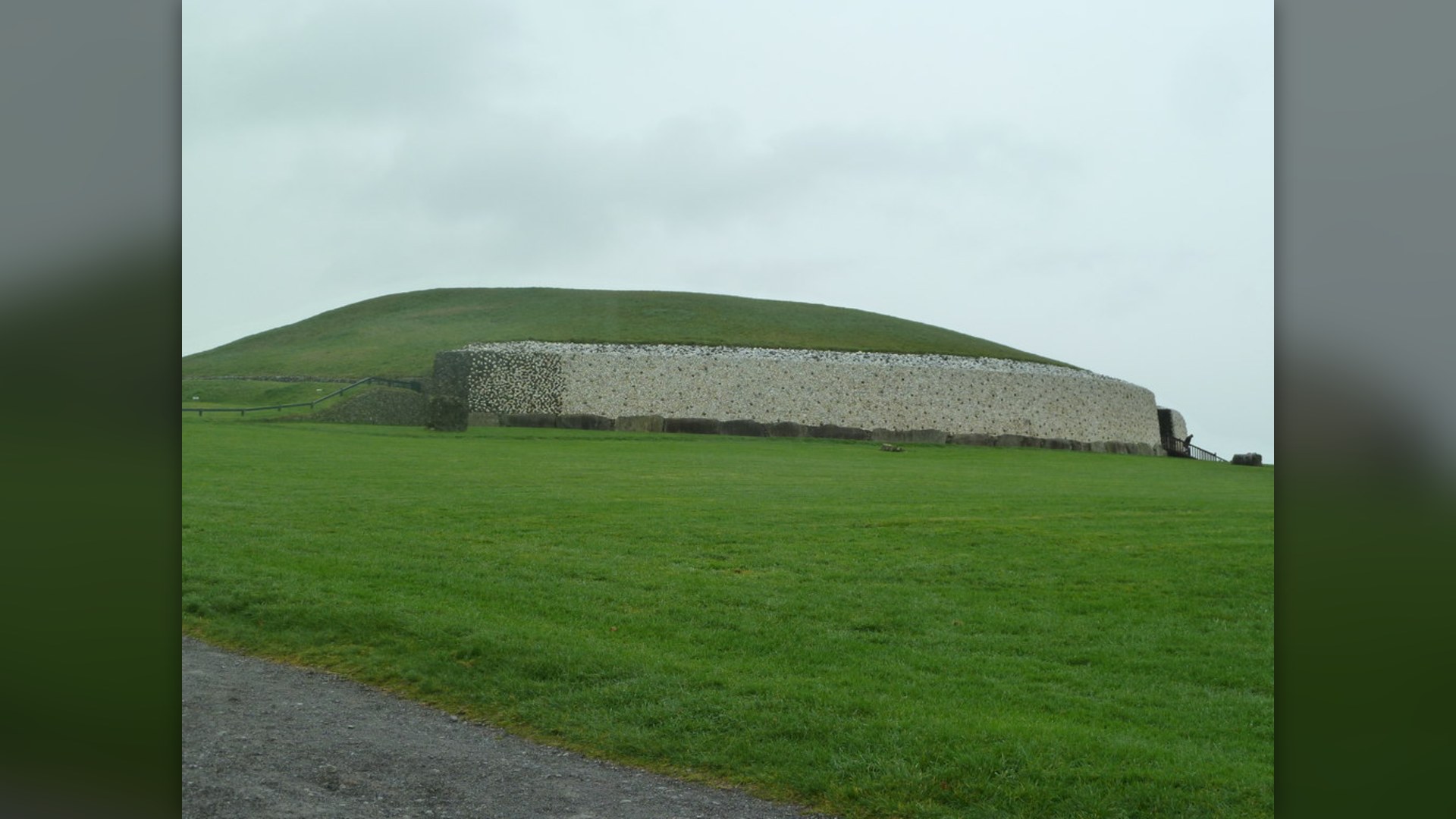
©Wikimedia / Graham Hogg
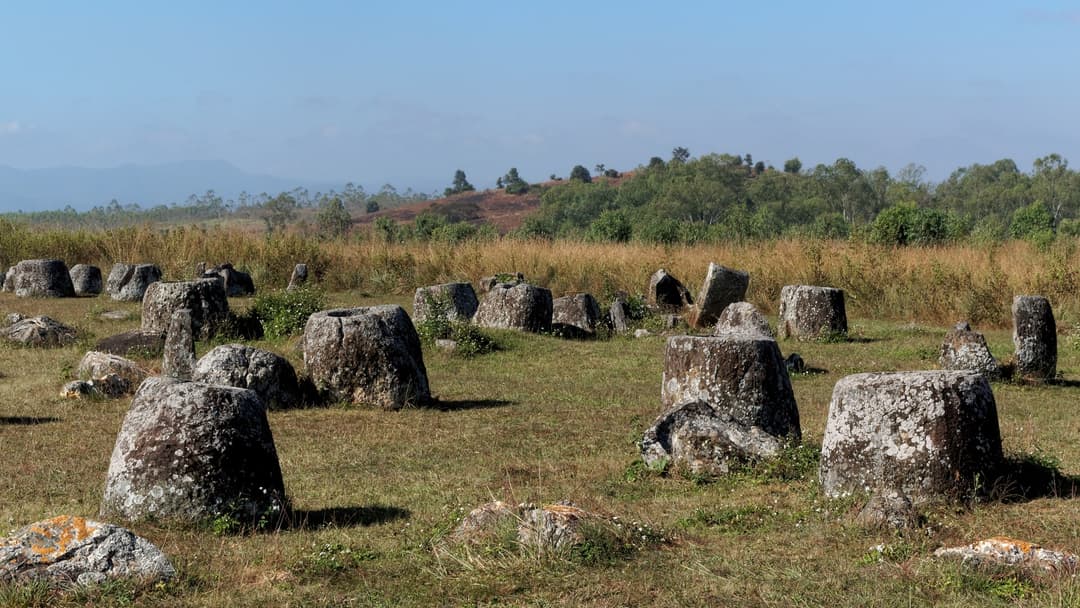
9. The Plain Of Jars, Laos
Across the Xiangkhouang Plateau in Laos, more than 2,100 megalithic stone jars—some standing ten feet tall and weighing up to 14 tons—sit in clusters across mountain ridges. Carved between 1240 BC and 660 BC, their original purpose as mortuary vessels or ceremonial cisterns remains fiercely debated.
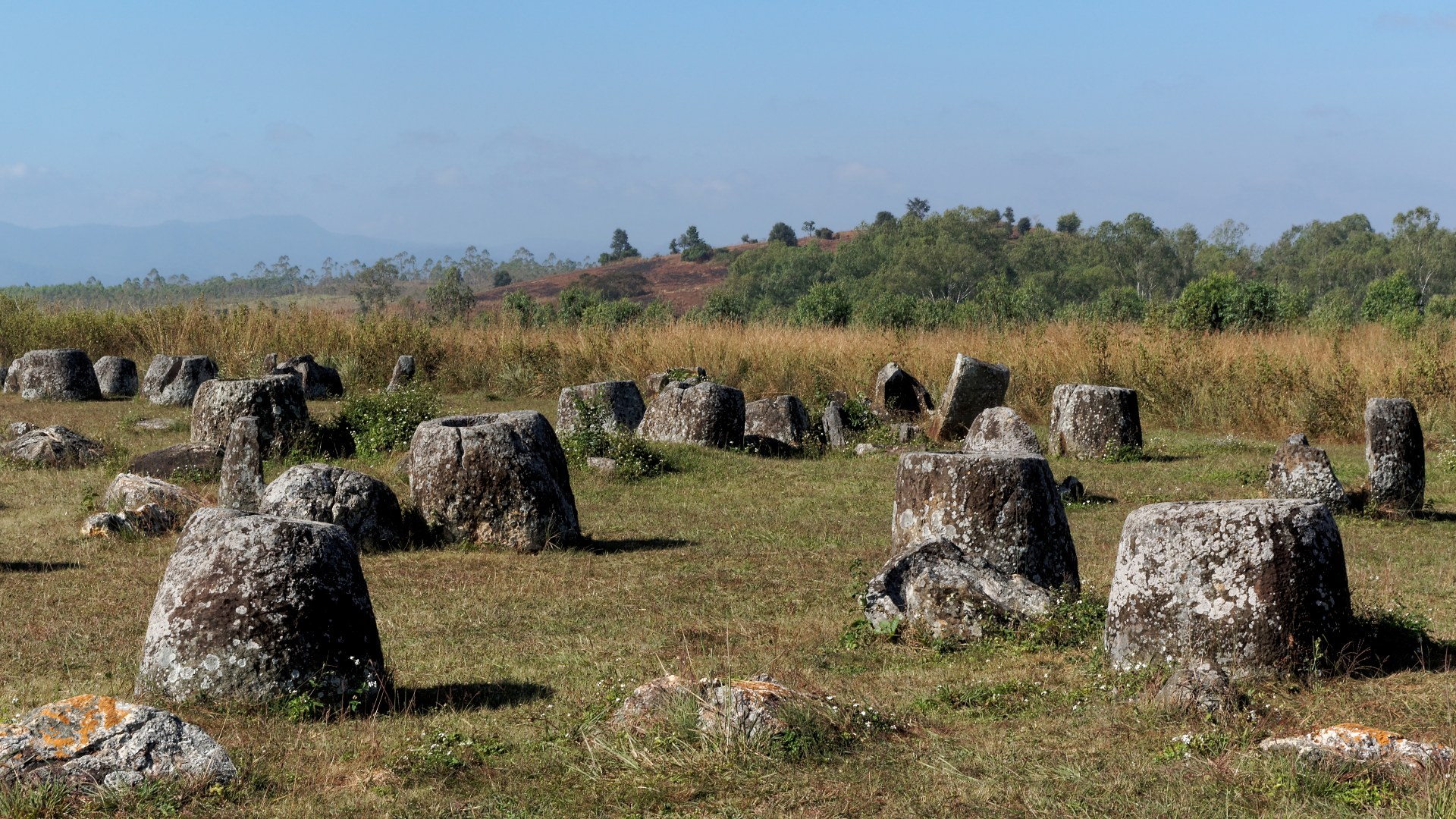
©Wikimedia / Jakub Hałun
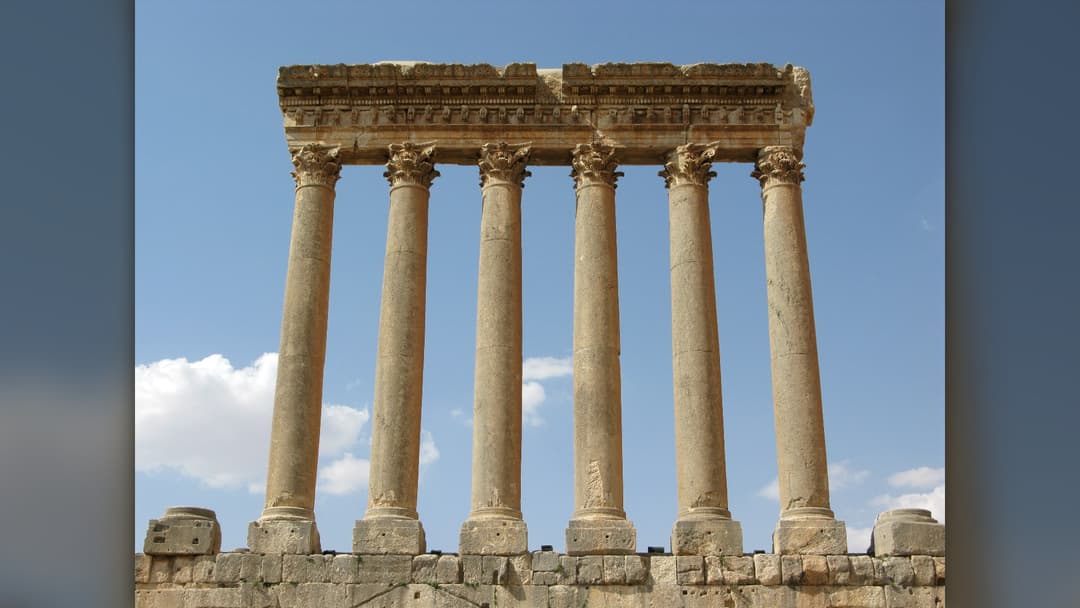
8. Baalbek Temple Of Jupiter, Lebanon
While the towering Roman columns of Baalbek in Lebanon's Beqaa Valley are breathtaking, the deepest mystery lies beneath them. The podium contains the Trilithon—three horizontally fitted limestone blocks weighing roughly 800 tons each, quarried half a mile away and lifted 20 feet onto the foundation.
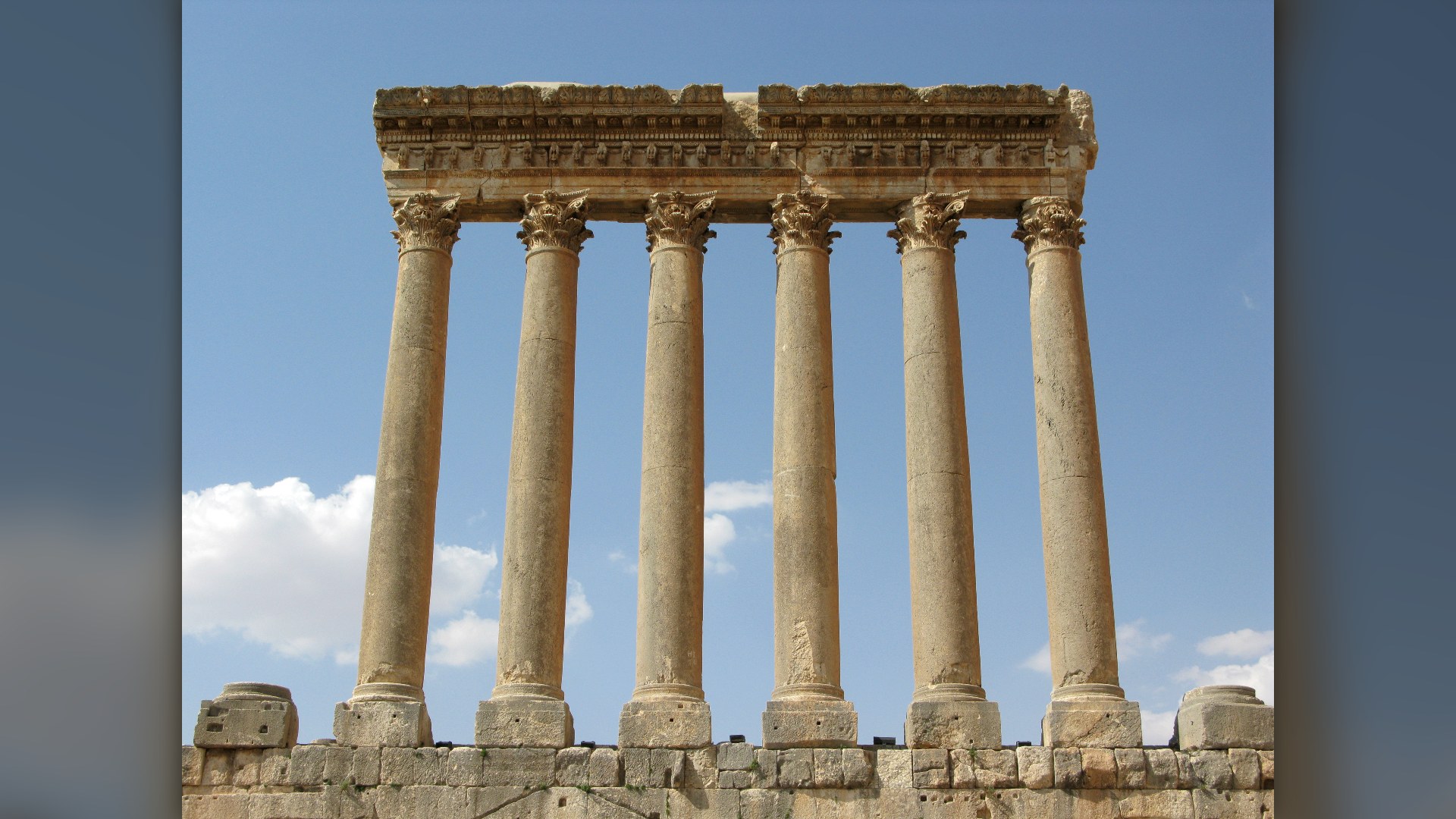
©Wikimedia / Vyacheslav Argenberg
Advertisement
Swipe or tap ▶ to resume the countdown.
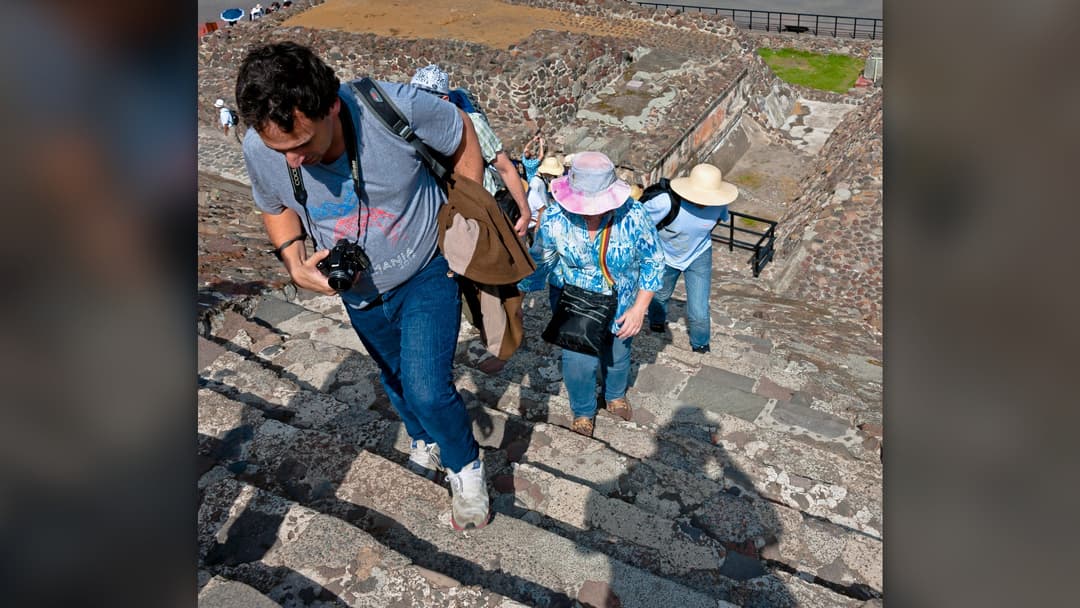
7. Teotihuacan Pyramid Of The Sun, Mexico
When the Aztecs discovered the abandoned city of Teotihuacan centuries after its collapse, they were so awestruck they named it the birthplace of the gods. Home to over 100,000 people at its peak in 400 AD, the metropolis left behind zero written records explaining its builders' language or sudden fall.
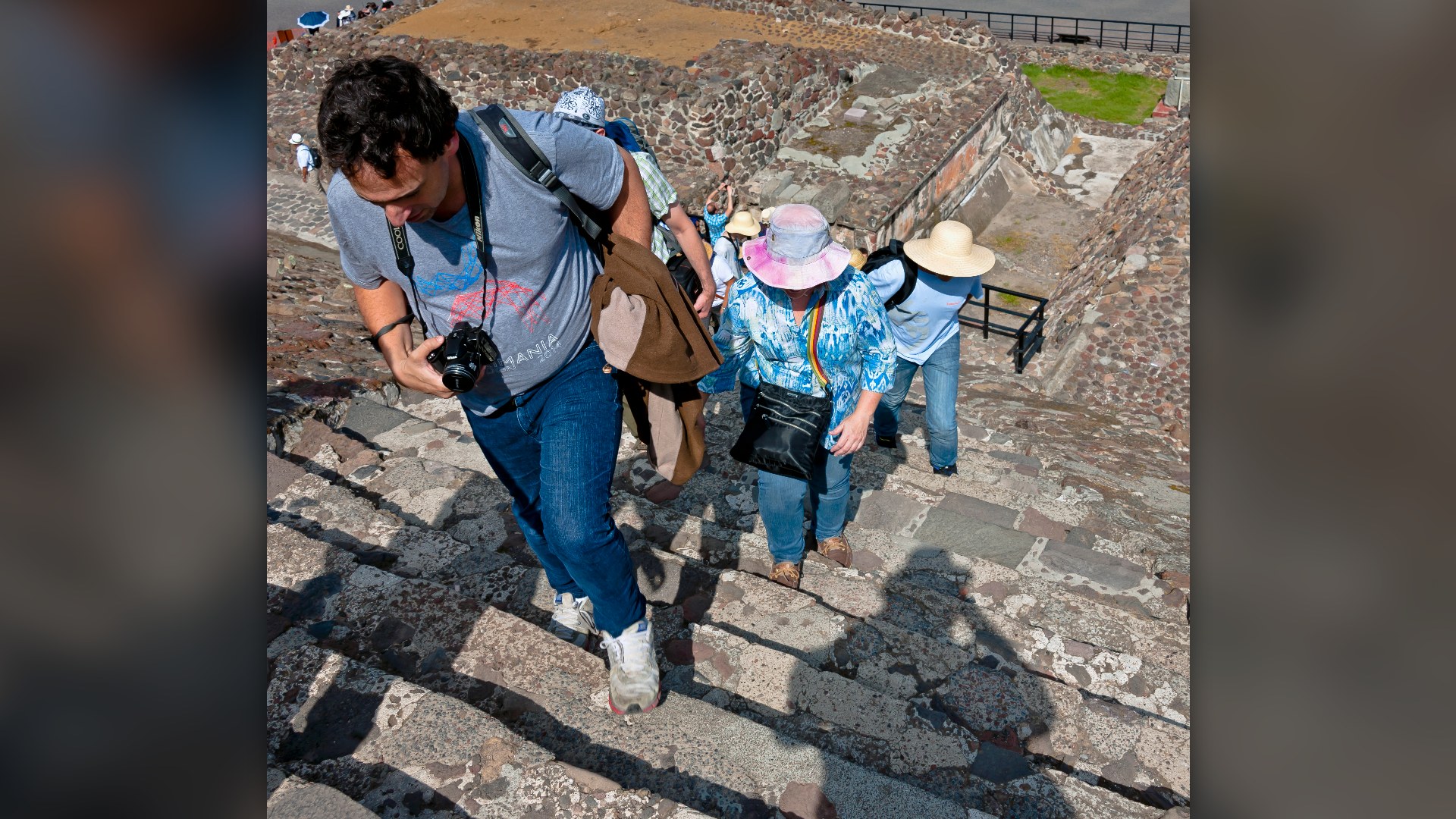
©Wikimedia / Daniel Case
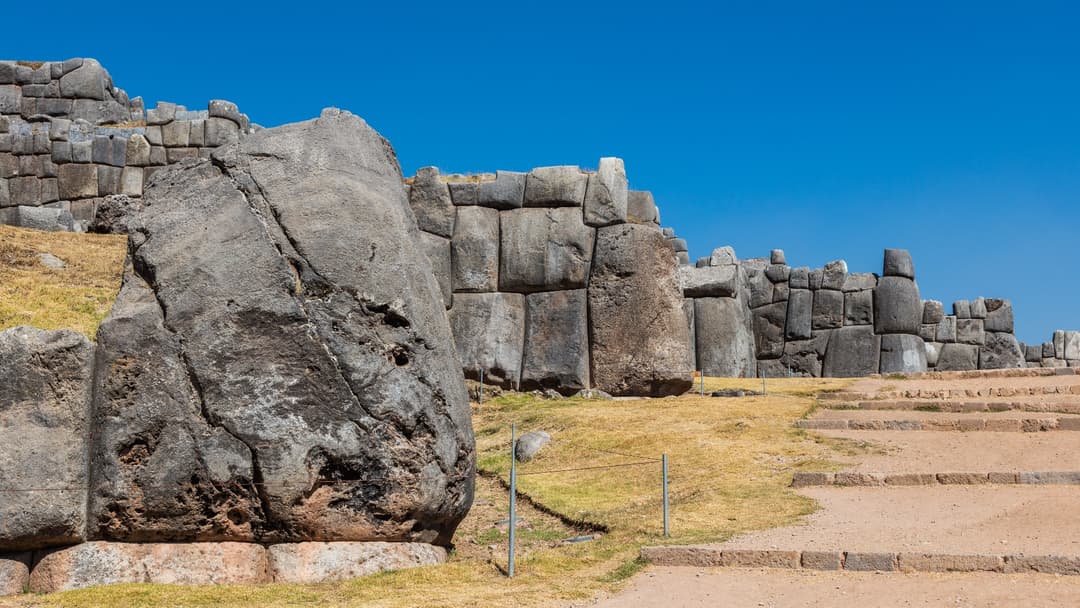
6. Sacsayhuamán Megalithic Fortress, Peru
High above Cusco, Peru, the dry-stone walls of Sacsayhuamán are assembled from polygonal limestone and andesite boulders weighing up to 125 tons. Without a single drop of mortar, pre-Columbian masons shaped every multi-angled block to interlock with earthquake-proof millimeter precision.
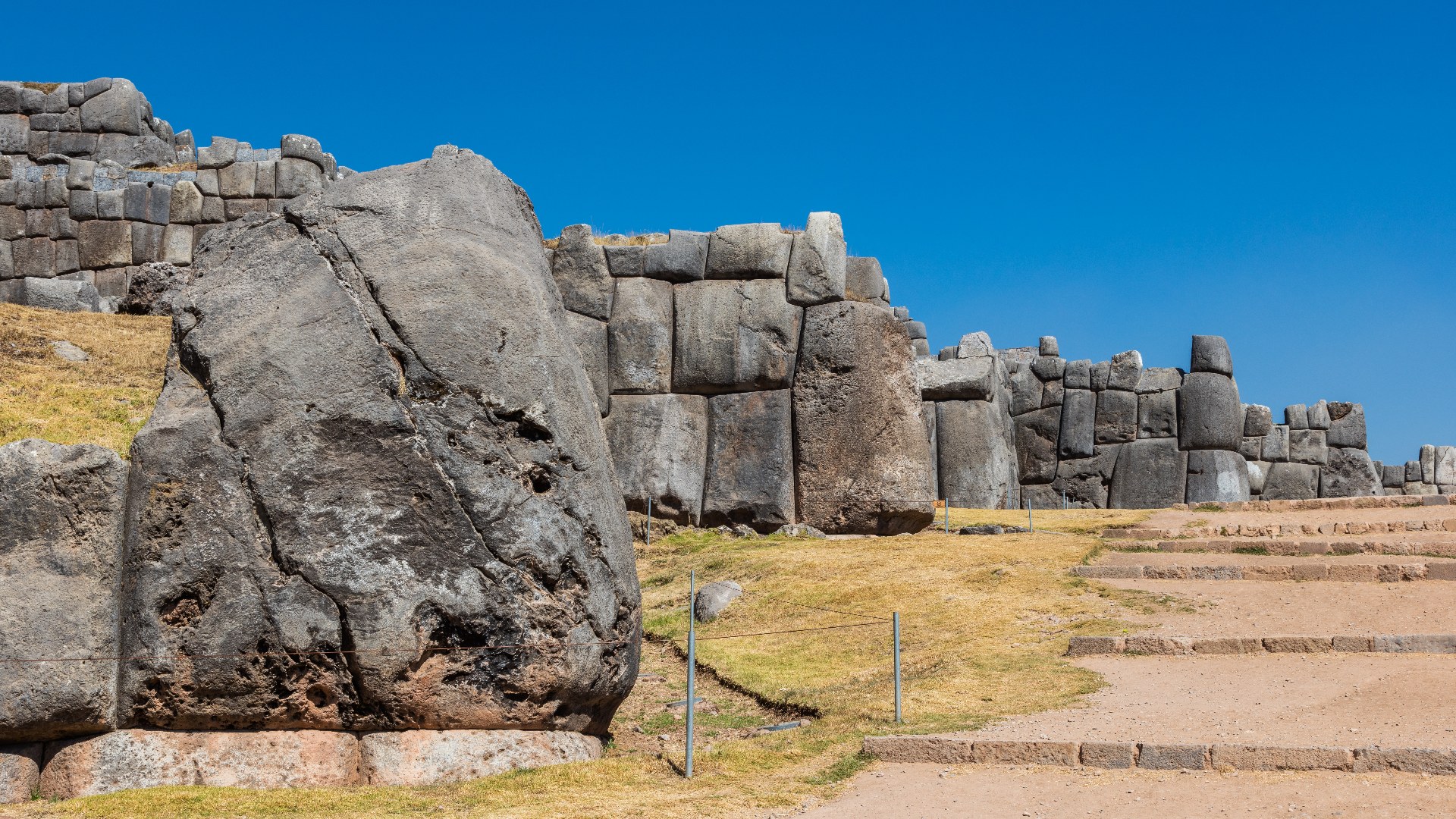
©Wikimedia / Diego Delso
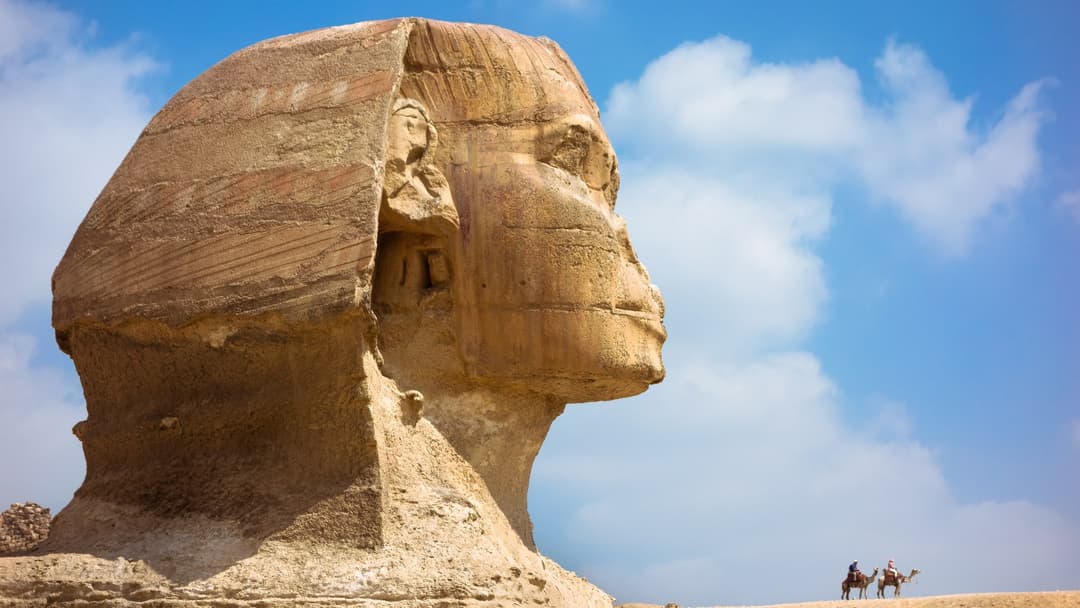
5. The Great Sphinx Of Giza, Egypt
Gazing due east across the Giza Plateau, the 240-foot-long Great Sphinx is the oldest known monumental sculpture in Egypt. While mainstream Egyptology credits Pharaoh Khafre around 2500 BC, the total absence of original construction texts and severe weathering patterns inside its enclosure still spark debate.
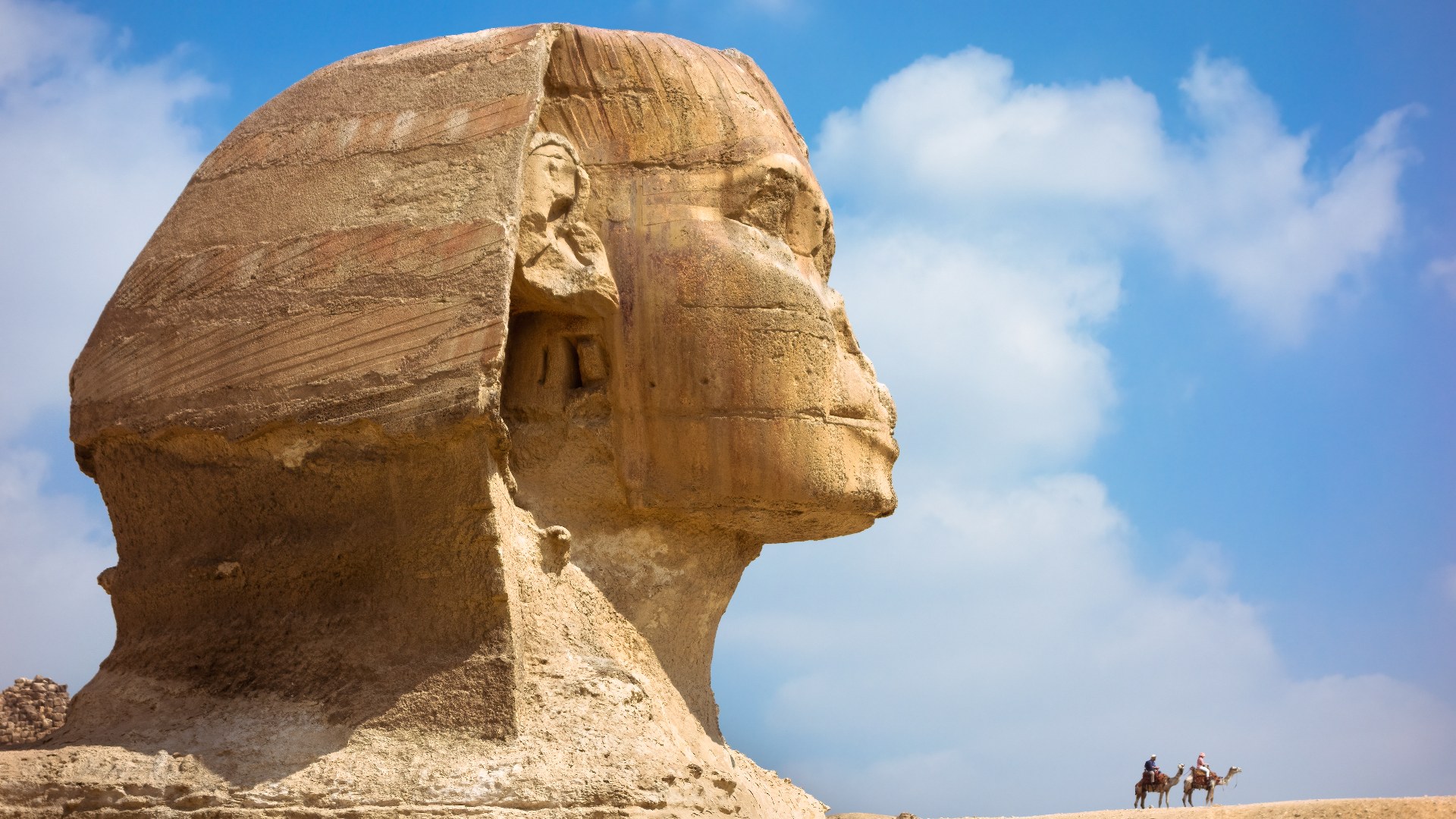
©Wikimedia / Petar Milošević
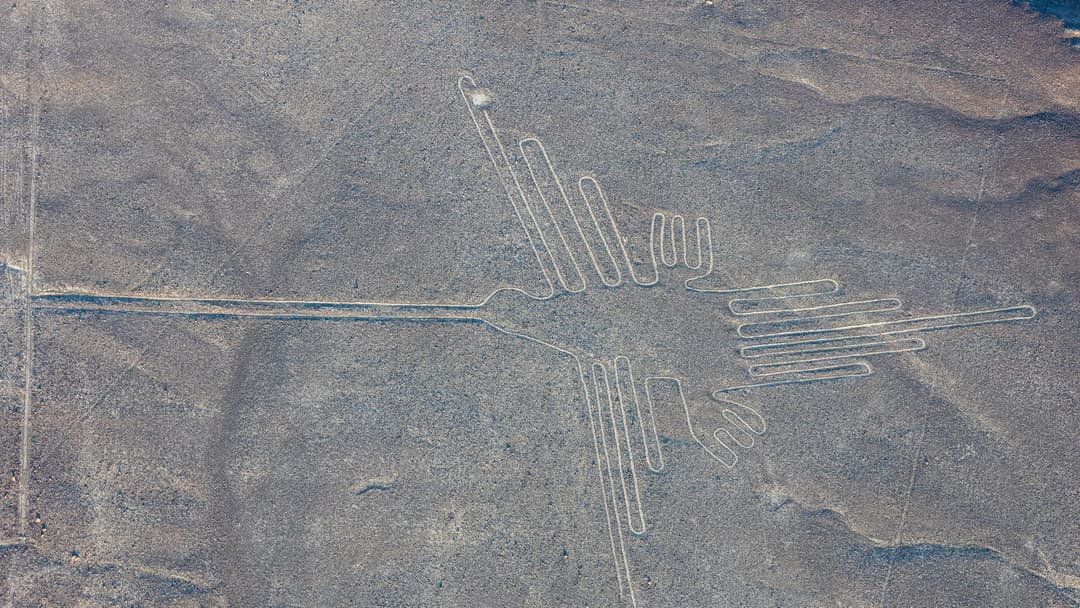
4. The Nazca Lines, Peru
Between 500 BC and 500 AD, the Nazca people scraped away dark iron-oxide pebbles across 170 square miles of arid Peruvian desert to reveal pale earth beneath. The resulting geoglyphs—depicting hummingbirds, spiders, monkeys, and miles-long straight lines—were designed on a scale best seen from the air.
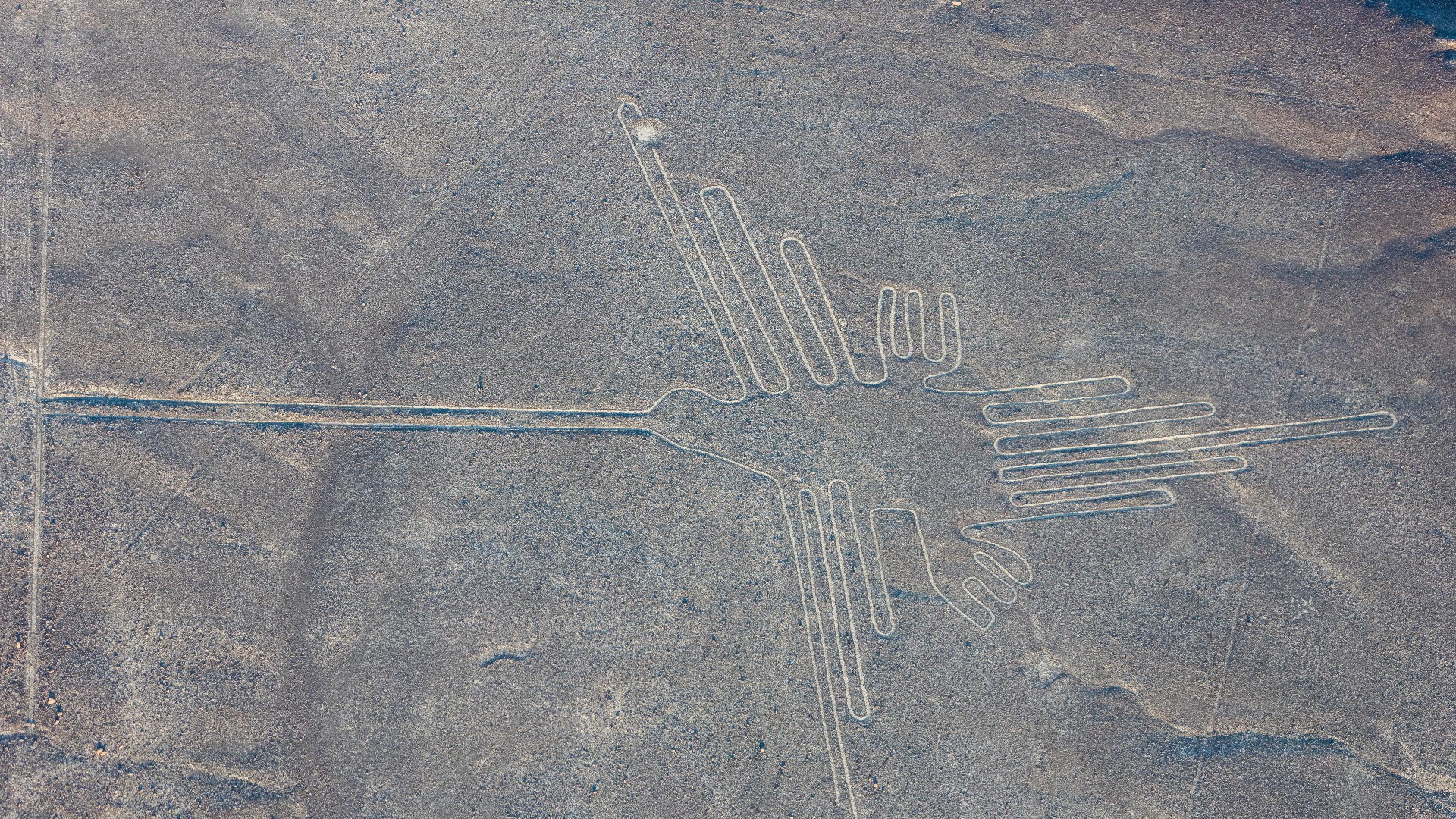
©Wikimedia / Diego Delso
Advertisement
Swipe or tap ▶ to resume the countdown.
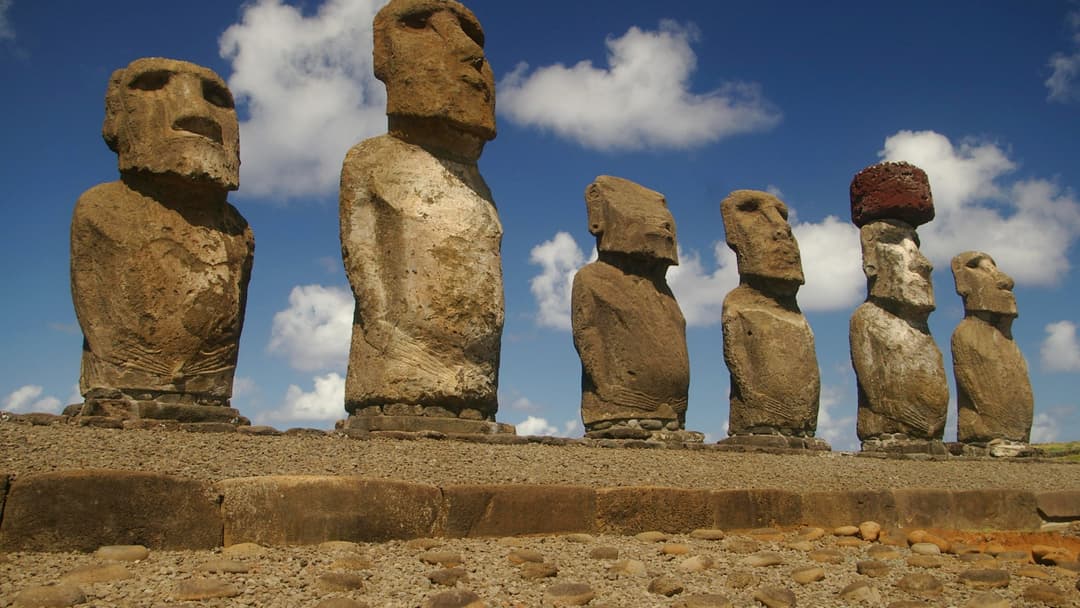
3. Moai Of Easter Island (Rapa Nui), Chile
Between 1250 and 1500 AD, Rapa Nui carvers chiselled nearly 900 monolithic human figures from the volcanic tuff of Rano Raraku quarry. Weighing up to 80 tons, the statues were transported miles across rugged terrain to coastal platforms—using a upright rocking motion that oral tradition said made them walk.
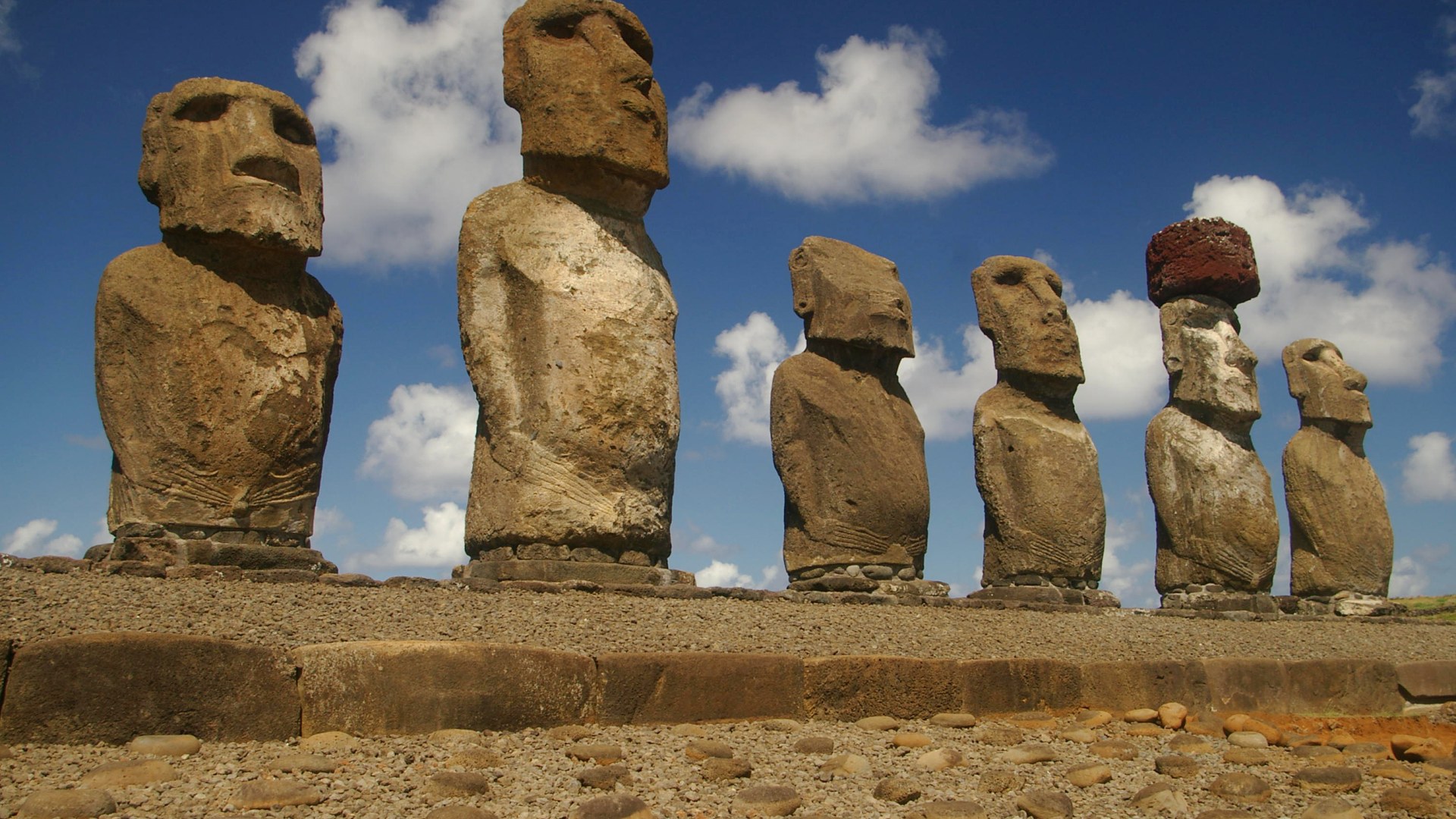
©Wikimedia / Rivi
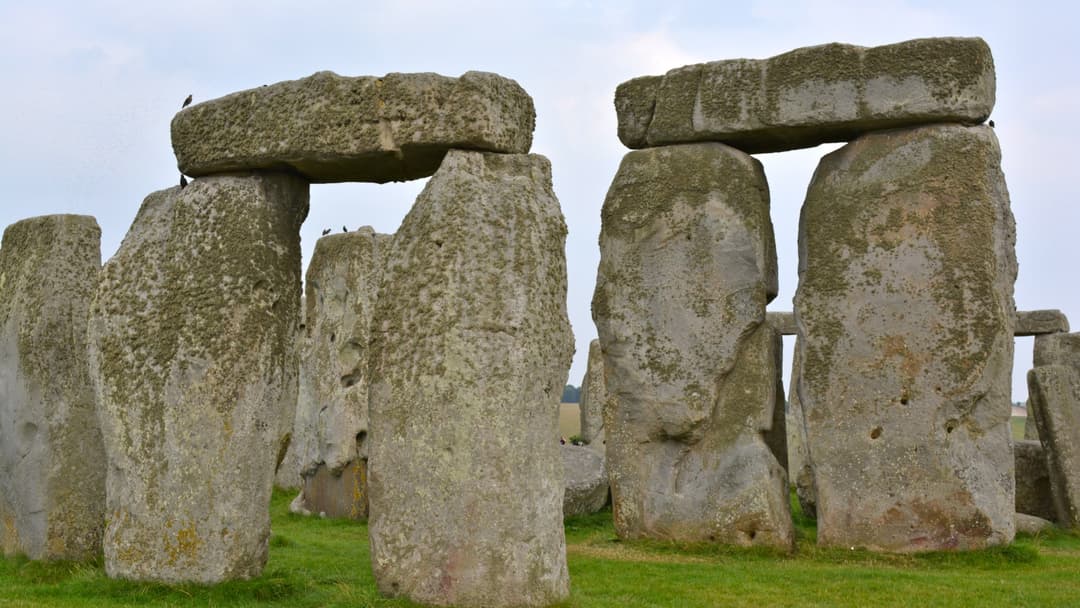
2. Stonehenge Sarsen Circle, England
Raised in stages across Salisbury Plain starting around 3000 BC, Stonehenge combines 25-ton local sarsen sandstone trilithons with smaller bluestones quarried 140 miles away in Wales's Preseli Hills. How Neolithic communities transported the stones and used the solar-aligned circle remains an enduring puzzle.
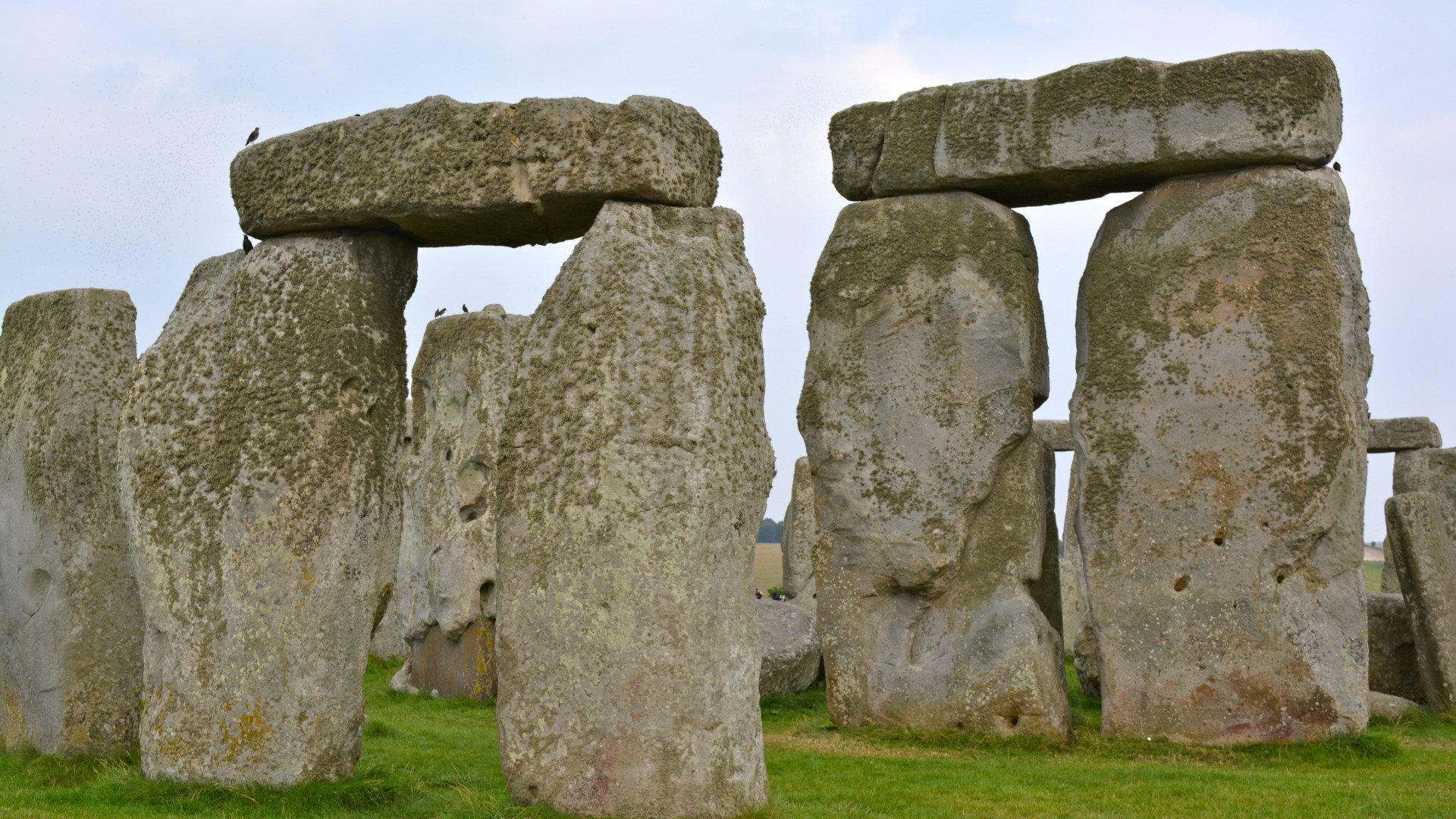
©Wikimedia / TobyEditor
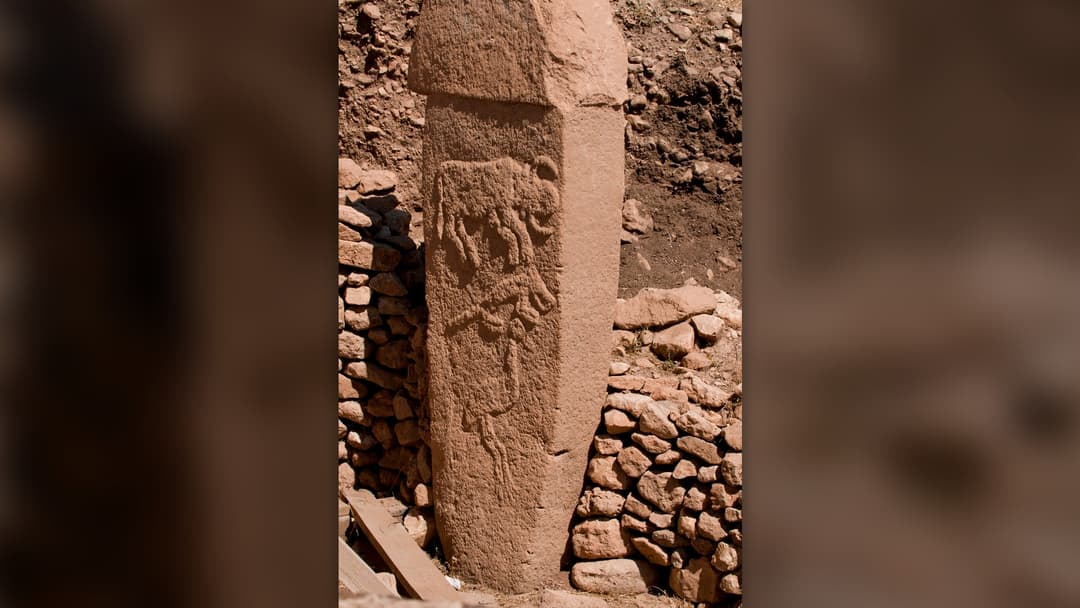
1. Göbekli Tepe, Turkey
Dating back to 9600 BC in southeastern Turkey—more than 6,000 years before Stonehenge—Göbekli Tepe is the world's oldest known monumental temple complex. Carved by prehistoric hunter-gatherers before pottery, metallurgy, or agriculture existed, its T-shaped limestone pillars upended everything we knew about history.
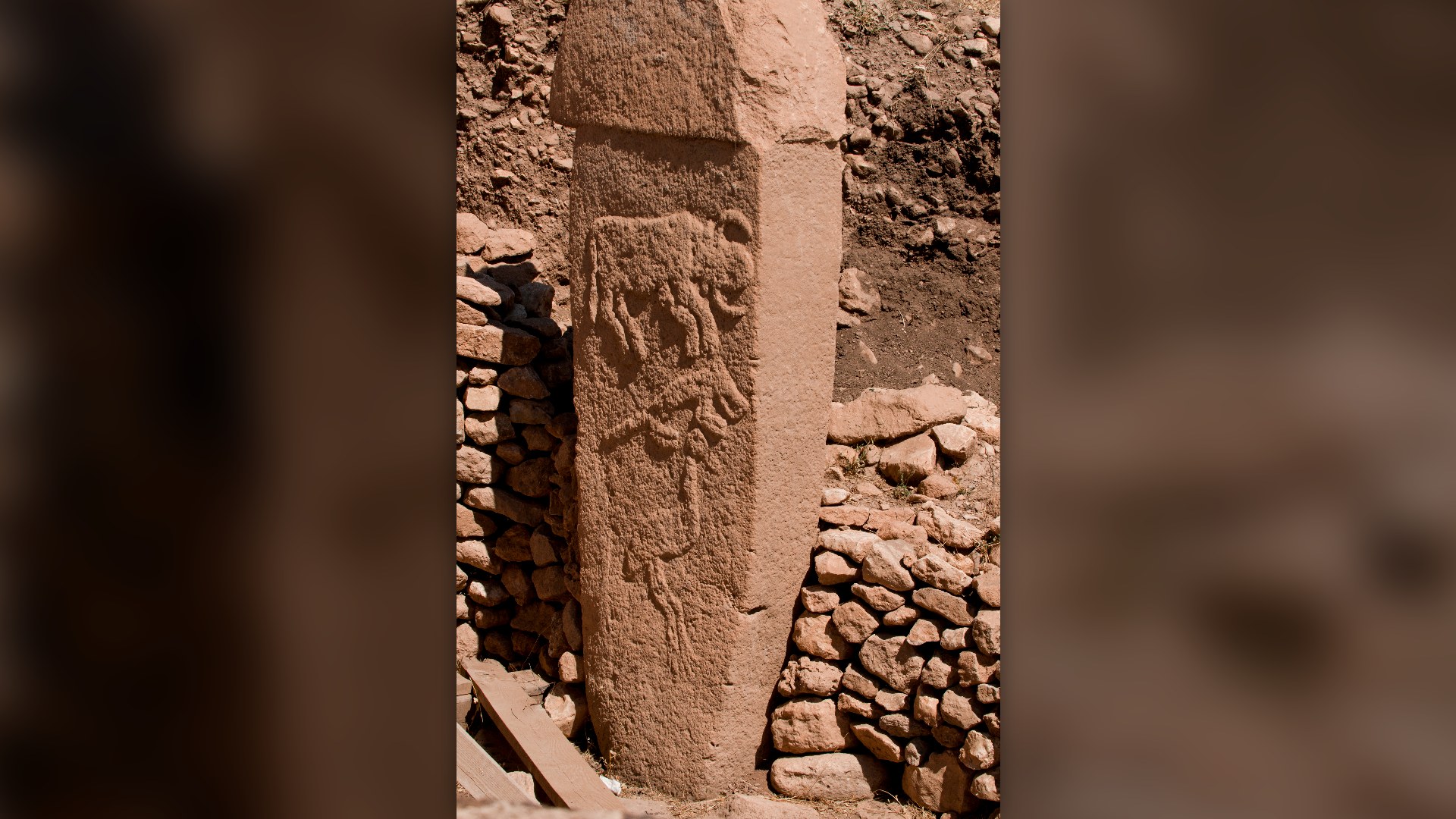
©Wikimedia / Teomancimit
Advertisement
You've reached the end of the story. Thanks for reading!

20 Details Behind The Real Story Of Stephen Miller
All 10 Entries in this Story
10. Newgrange Passage Tomb, Ireland
Built around 3200 BC in County Meath, Newgrange predates both Stonehenge and the Great Pyramid of Giza. Above its entrance sits a precision roof-box engineered so that only at sunrise on the winter solstice does a narrow beam of light pierce the 62-foot passage to illuminate the inner chamber.

9. The Plain Of Jars, Laos
Across the Xiangkhouang Plateau in Laos, more than 2,100 megalithic stone jars—some standing ten feet tall and weighing up to 14 tons—sit in clusters across mountain ridges. Carved between 1240 BC and 660 BC, their original purpose as mortuary vessels or ceremonial cisterns remains fiercely debated.

8. Baalbek Temple Of Jupiter, Lebanon
While the towering Roman columns of Baalbek in Lebanon's Beqaa Valley are breathtaking, the deepest mystery lies beneath them. The podium contains the Trilithon—three horizontally fitted limestone blocks weighing roughly 800 tons each, quarried half a mile away and lifted 20 feet onto the foundation.

7. Teotihuacan Pyramid Of The Sun, Mexico
When the Aztecs discovered the abandoned city of Teotihuacan centuries after its collapse, they were so awestruck they named it the birthplace of the gods. Home to over 100,000 people at its peak in 400 AD, the metropolis left behind zero written records explaining its builders' language or sudden fall.

6. Sacsayhuamán Megalithic Fortress, Peru
High above Cusco, Peru, the dry-stone walls of Sacsayhuamán are assembled from polygonal limestone and andesite boulders weighing up to 125 tons. Without a single drop of mortar, pre-Columbian masons shaped every multi-angled block to interlock with earthquake-proof millimeter precision.

5. The Great Sphinx Of Giza, Egypt
Gazing due east across the Giza Plateau, the 240-foot-long Great Sphinx is the oldest known monumental sculpture in Egypt. While mainstream Egyptology credits Pharaoh Khafre around 2500 BC, the total absence of original construction texts and severe weathering patterns inside its enclosure still spark debate.

4. The Nazca Lines, Peru
Between 500 BC and 500 AD, the Nazca people scraped away dark iron-oxide pebbles across 170 square miles of arid Peruvian desert to reveal pale earth beneath. The resulting geoglyphs—depicting hummingbirds, spiders, monkeys, and miles-long straight lines—were designed on a scale best seen from the air.

3. Moai Of Easter Island (Rapa Nui), Chile
Between 1250 and 1500 AD, Rapa Nui carvers chiselled nearly 900 monolithic human figures from the volcanic tuff of Rano Raraku quarry. Weighing up to 80 tons, the statues were transported miles across rugged terrain to coastal platforms—using a upright rocking motion that oral tradition said made them walk.

2. Stonehenge Sarsen Circle, England
Raised in stages across Salisbury Plain starting around 3000 BC, Stonehenge combines 25-ton local sarsen sandstone trilithons with smaller bluestones quarried 140 miles away in Wales's Preseli Hills. How Neolithic communities transported the stones and used the solar-aligned circle remains an enduring puzzle.

1. Göbekli Tepe, Turkey
Dating back to 9600 BC in southeastern Turkey—more than 6,000 years before Stonehenge—Göbekli Tepe is the world's oldest known monumental temple complex. Carved by prehistoric hunter-gatherers before pottery, metallurgy, or agriculture existed, its T-shaped limestone pillars upended everything we knew about history.