Slideshow · Viral
The 20 Most Beautiful Castles in the World, Ranked
From cliffside Scottish fortresses and samurai strongholds to soaring Bavarian alpine palaces, count down the 20 most breathtaking castles on Earth.
By Most Viral Today
21 Oct 2026

The 20 Most Beautiful Castles in the World, Ranked 
20. Dunnottar Castle, Scotland 
19. Malbork Castle, Poland 
18. Predjama Castle, Slovenia - AdvertisementSwipe or tap ▶ to continue countdown

17. Miramare Castle, Italy 
16. De Haar Castle, Netherlands 
15. Conwy Castle, Wales 
14. Trakai Island Castle, Lithuania - AdvertisementSwipe or tap ▶ to continue countdown

13. Culzean Castle, Scotland 
12. Bojnice Castle, Slovakia 
11. Peleș Castle, Romania 
10. Eltz Castle, Germany - AdvertisementSwipe or tap ▶ to continue countdown

9. Château De Chambord, France 
8. Hohenzollern Castle, Germany 
7. Bran Castle, Romania 
6. Matsumoto Castle, Japan - AdvertisementSwipe or tap ▶ to continue countdown

5. Alcázar Of Segovia, Spain 
4. Edinburgh Castle, Scotland 
3. Château De Chenonceau, France 
2. Himeji Castle, Japan - AdvertisementSwipe or tap ▶ to continue countdown

1. Neuschwanstein Castle, Germany - Advertisement🔥 UP NEXT IN THIS SERIES◫ 21 Slides

20 Details Behind The Real Story Of Stephen Miller
From cliffside Scottish fortresses and samurai strongholds to soaring Bavarian alpine palaces, count down the 20 most breathtaking castles on Earth.
Swipe or tap ▶ to begin the countdown
©Wikimedia / Bernard Gagnon & Wikimedia / Thomas Wolf
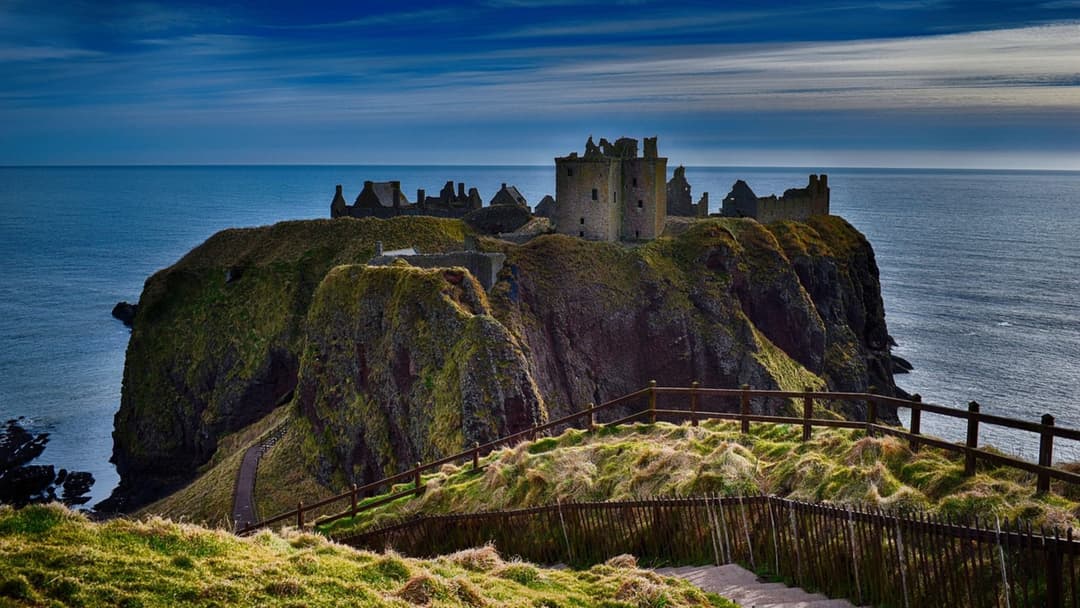
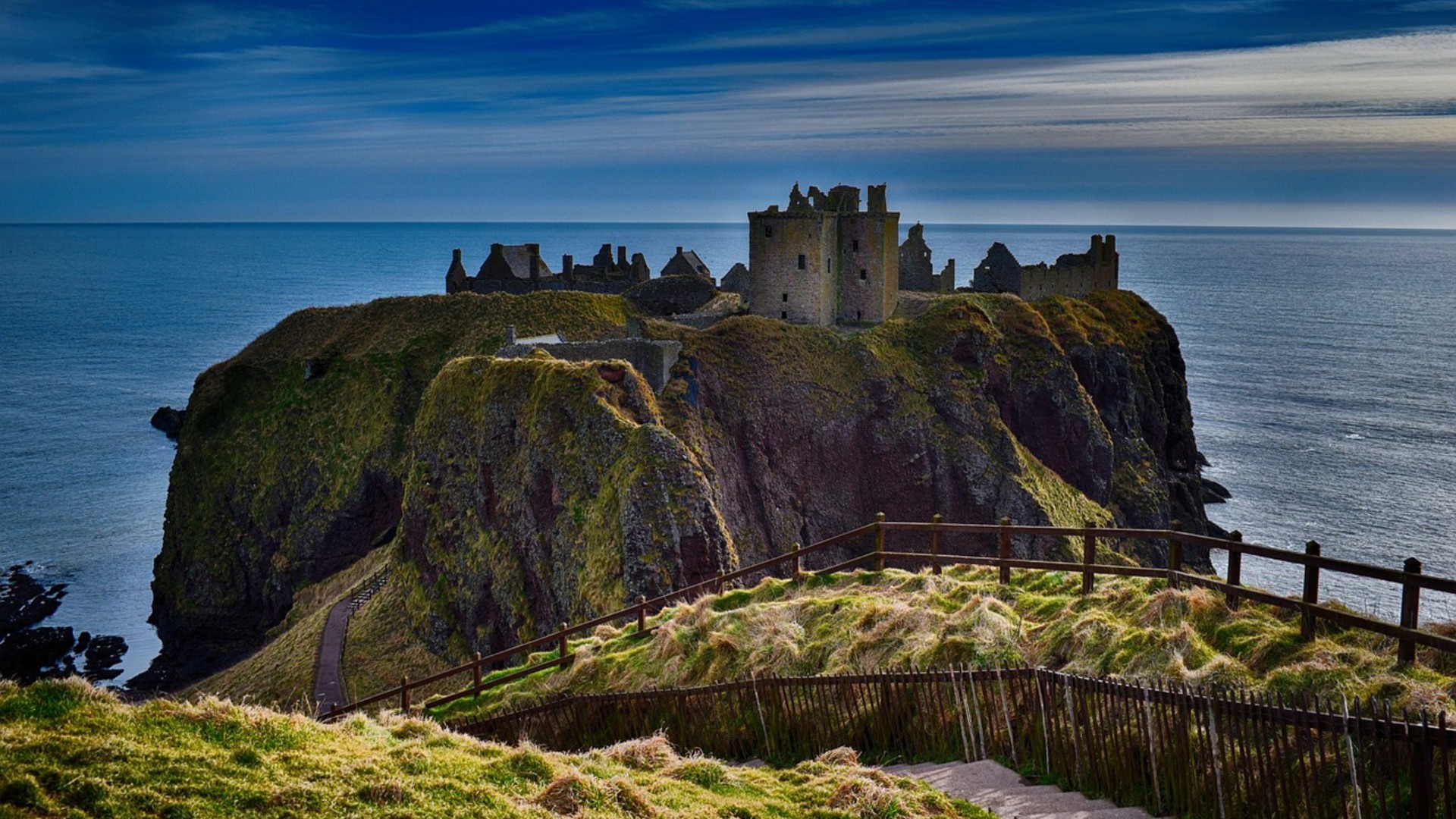
20. Dunnottar Castle, Scotland
Clinging to a 160-foot rocky headland above crashing North Sea waves near Stonehaven, Dunnottar Castle is one of Europe's most dramatic medieval ruins. Connected to the mainland by a narrow strip of rock, the Clan Keith stronghold famously hid the Scottish Crown Jewels from Oliver Cromwell's army in the 1650s.
©Pixabay / Collie581
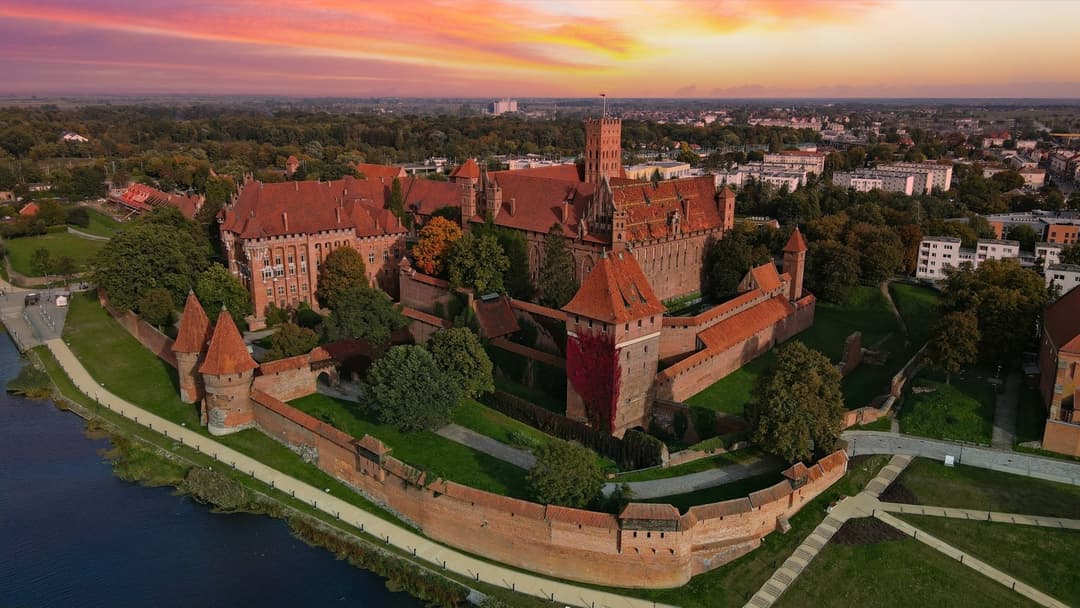
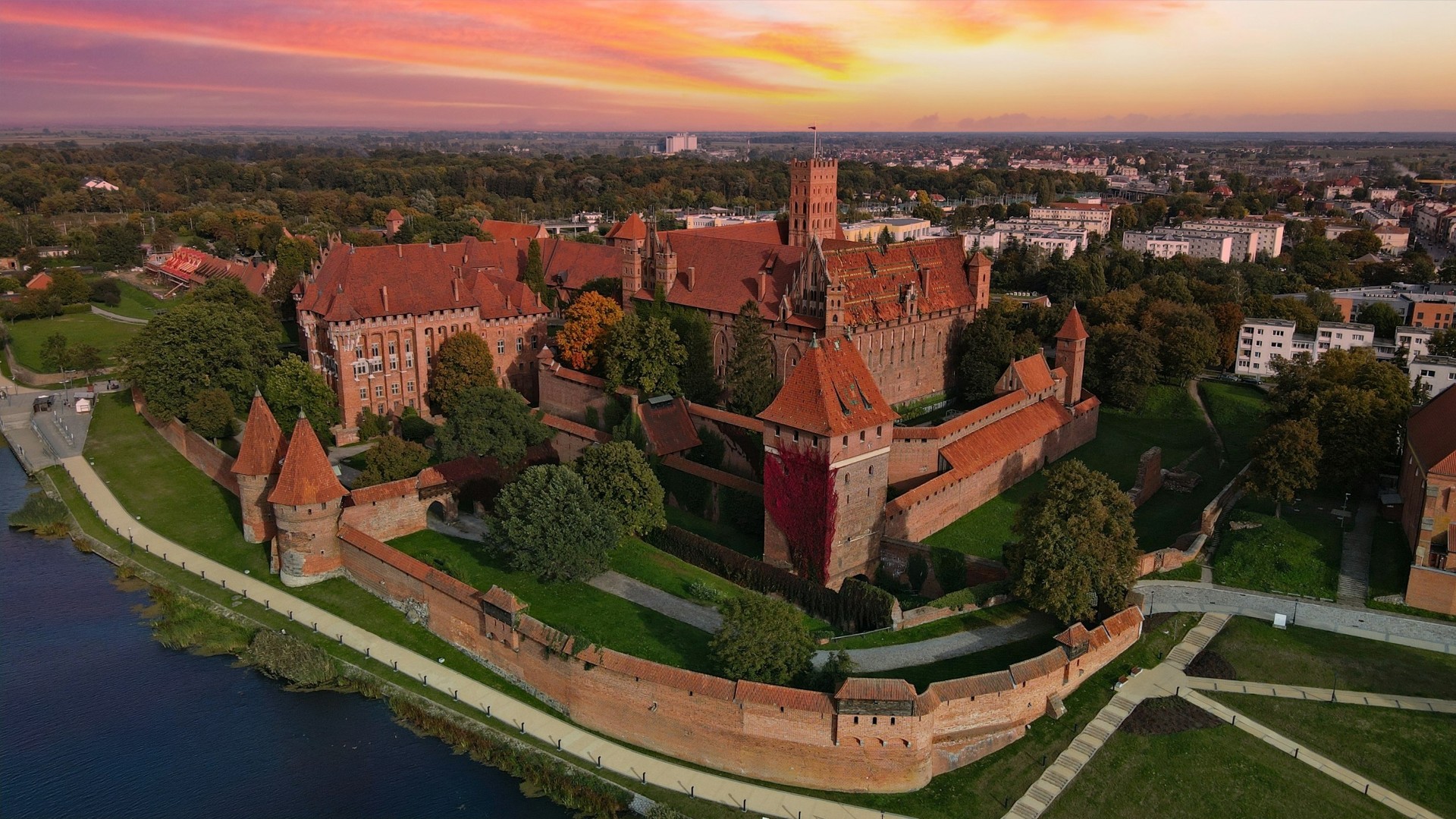
19. Malbork Castle, Poland
Covering more than 52 acres along the Nogat River in northern Poland, Malbork Castle is officially the largest castle in the world by land area. Built in the 13th century by the Teutonic Knights using millions of red bricks, the UNESCO-listed Brick Gothic masterpiece served as Polish royal residence for centuries.
© Photo by Kevin Perez Camacho on Unsplash
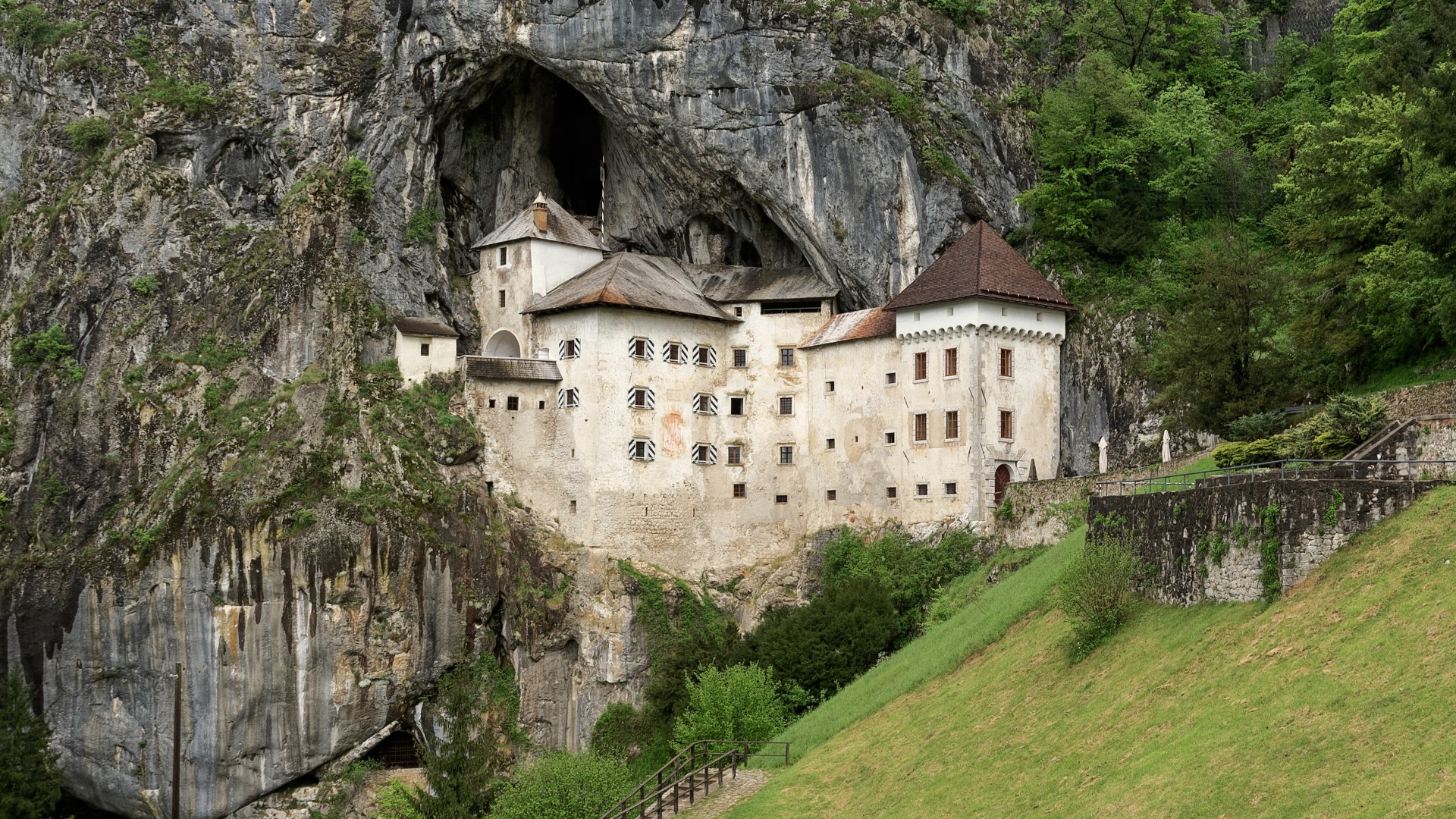
18. Predjama Castle, Slovenia
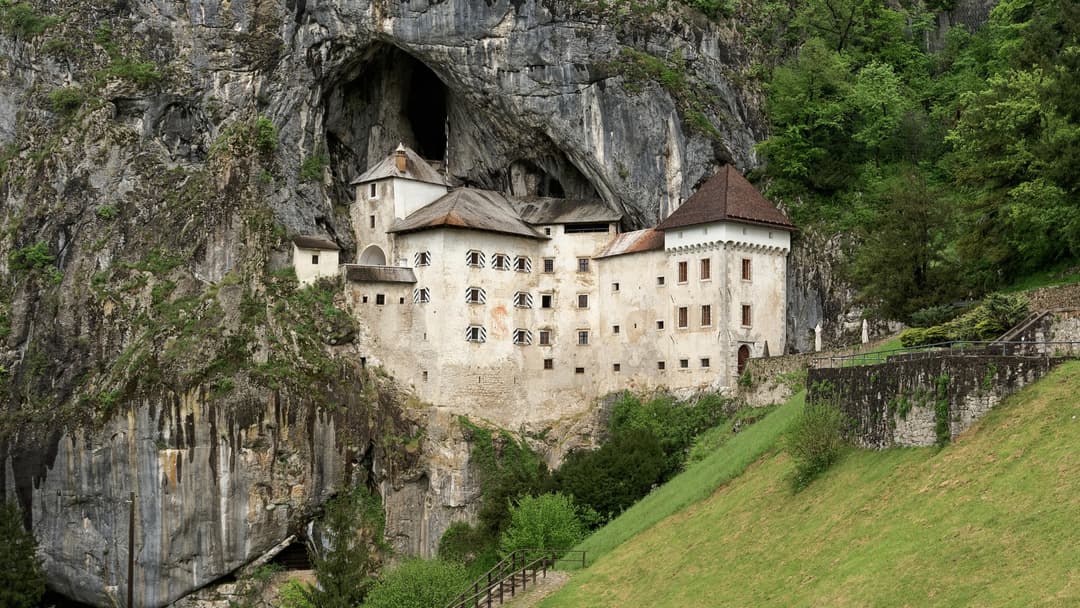
Wedged directly into a cavern halfway up a 404-foot vertical karst cliff in southwestern Slovenia, Predjama Castle holds the Guinness World Record as the largest cave castle on Earth. In the 15th century, rebellious robber baron Erazem of Predjama used its hidden tunnel network to survive a year-long siege.
©Wikimedia / Jakub Hałun
Advertisement
Swipe or tap ▶ to resume the countdown.
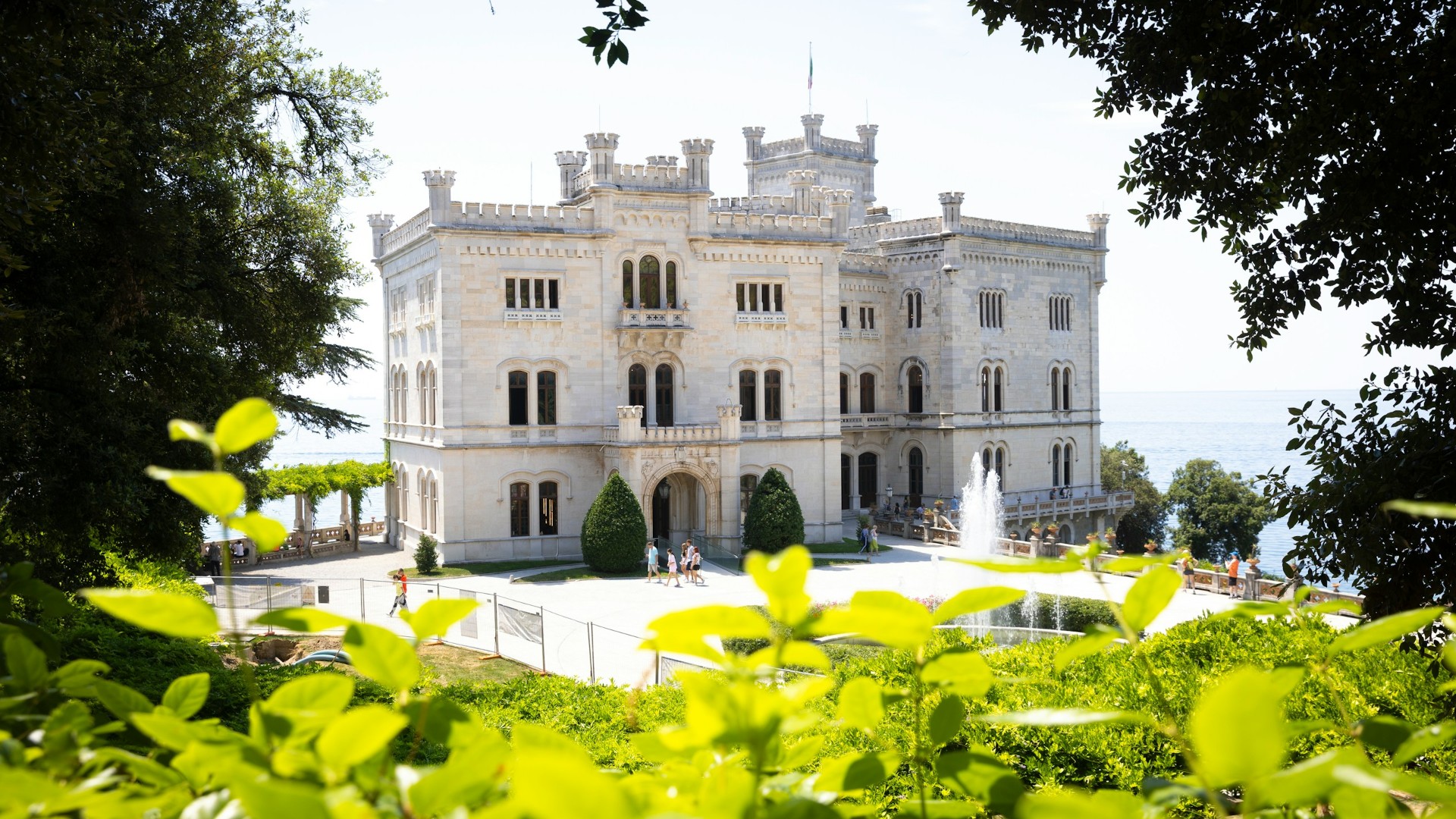
17. Miramare Castle, Italy
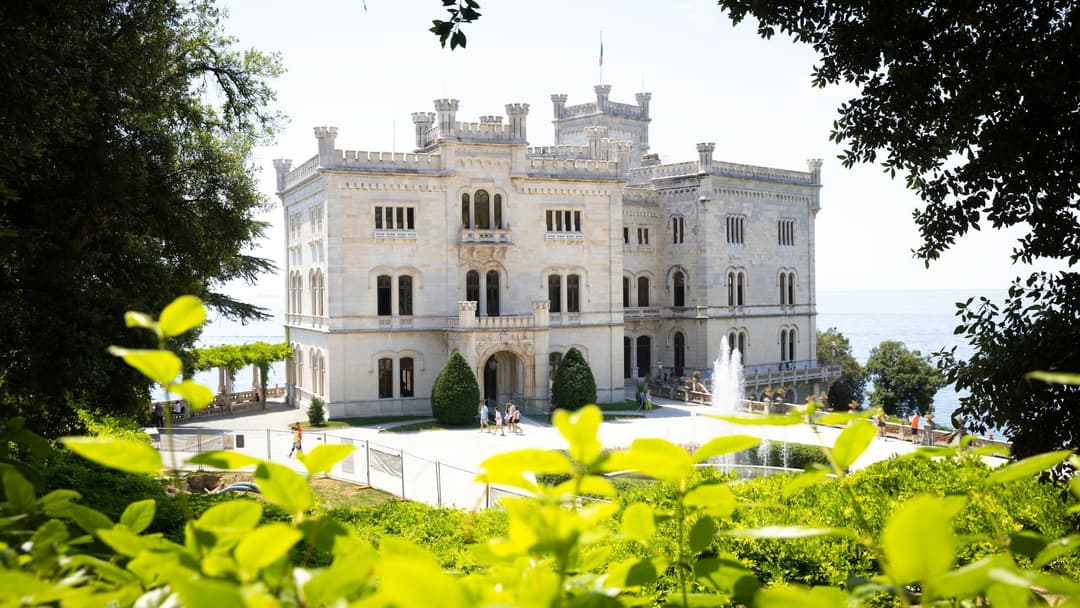
Built between 1856 and 1860 for Austrian Archduke Ferdinand Maximilian and his wife Charlotte, Miramare Castle juts directly into the turquoise waters of the Gulf of Trieste. Crafted from gleaming white Istrian stone and surrounded by a 54-acre coastal park, it blends Gothic and Renaissance styles.
© Photo by Christian Lendl on Unsplash
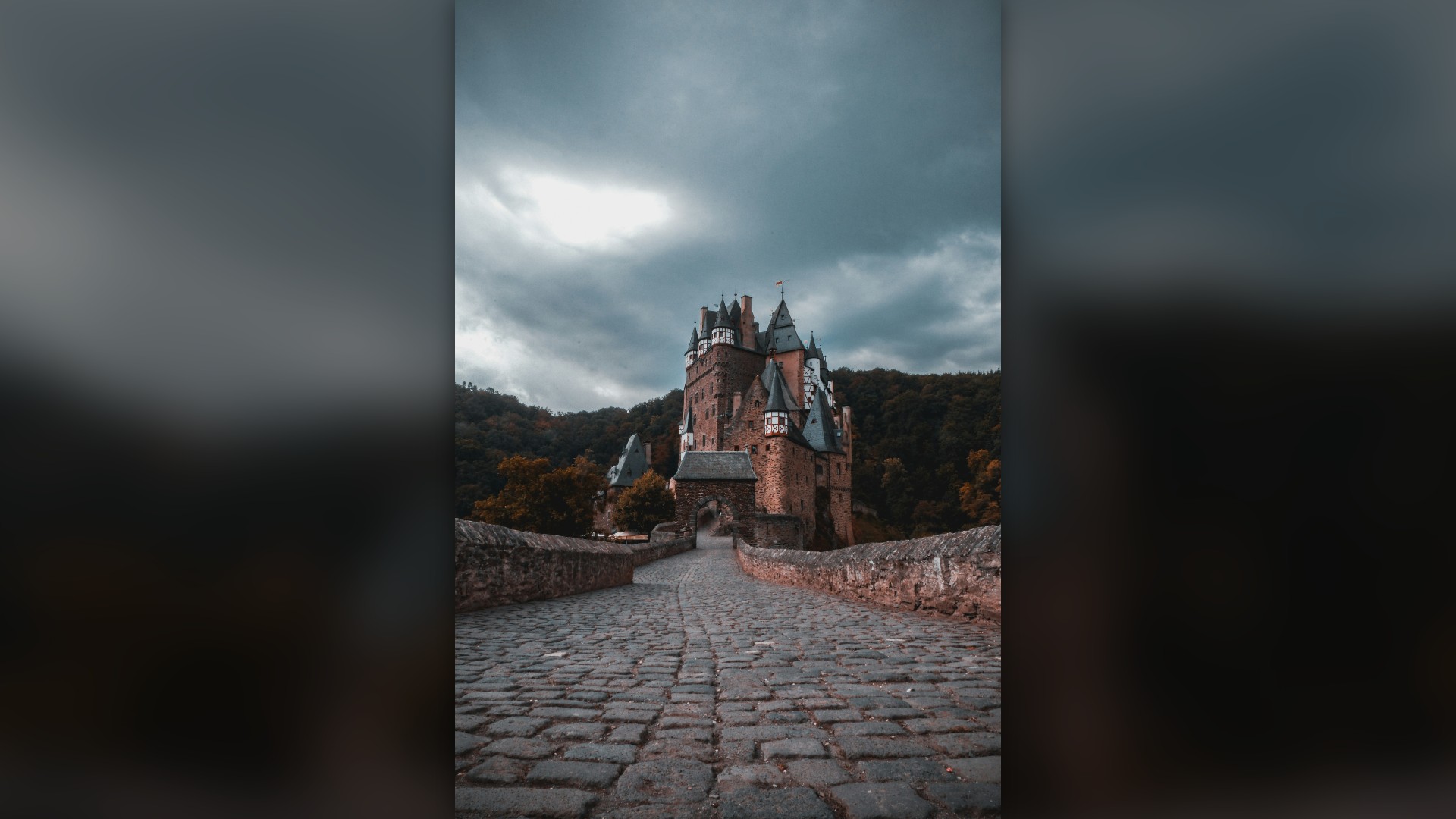
16. De Haar Castle, Netherlands
Located near Utrecht, Kasteel de Haar is the largest and most luxurious castle in the Netherlands. Originally dating to 1391, it was rebuilt from 1892 to 1912 by Rijksmuseum architect Pierre Cuypers for Baron Étienne van Zuylen, complete with 200 rooms, drawbridges, and a reflecting moat.
© Photo by Jonny Caspari on Unsplash
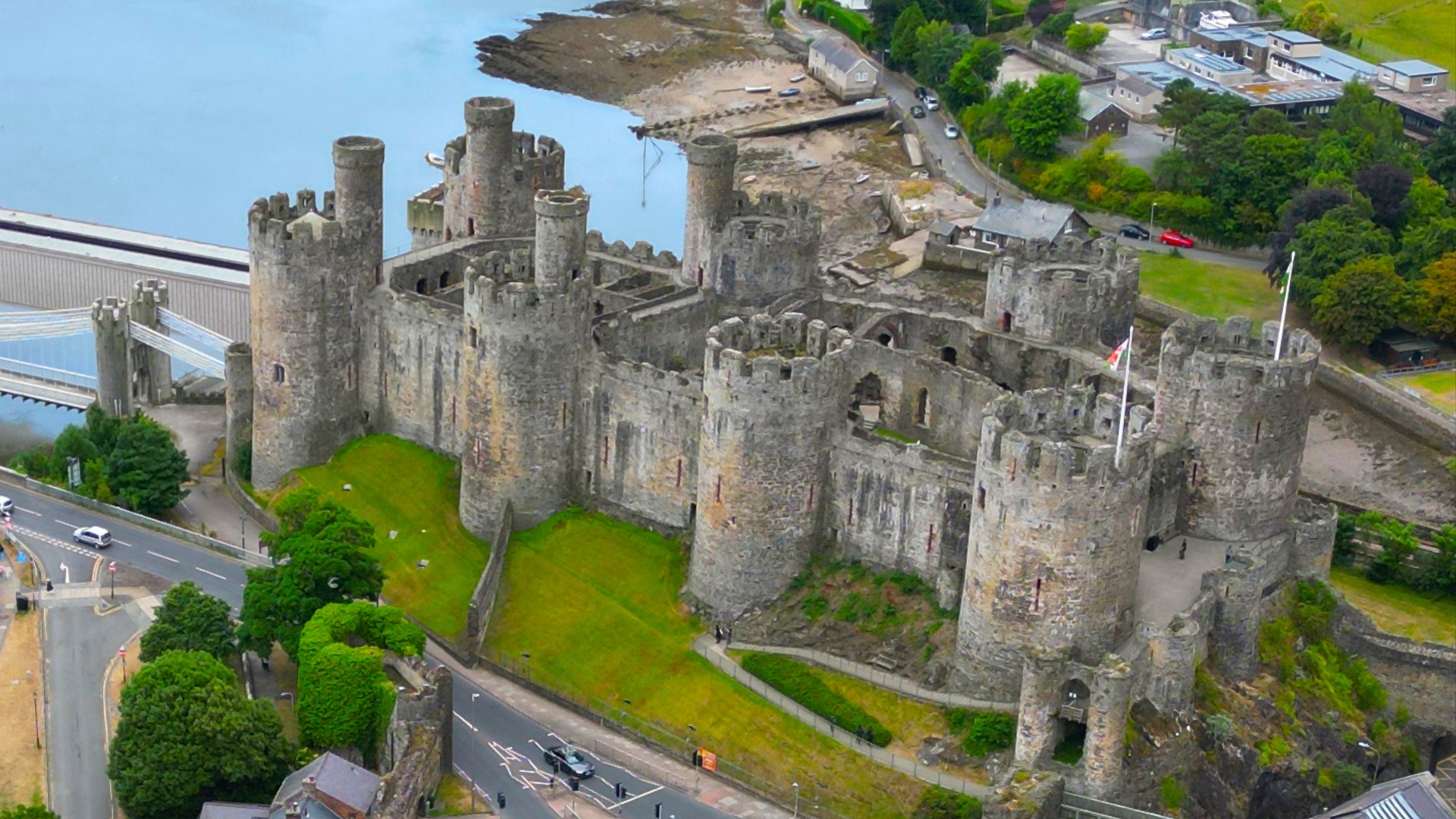
15. Conwy Castle, Wales
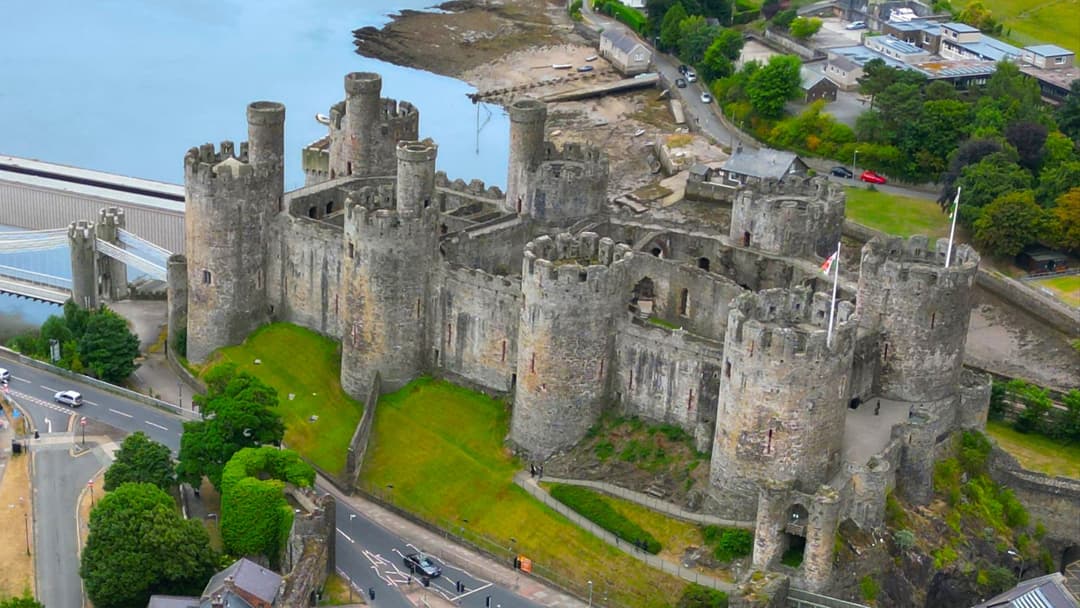
Erected between 1283 and 1289 by King Edward I and master architect James of St. George, Conwy Castle is one of Britain's finest medieval fortifications. Crowned by eight colossal round towers above the River Conwy estuary, the UNESCO World Heritage site defines rugged medieval grandeur.
©Wikimedia / Llywelyn2000 Derivative: User:MathKnight
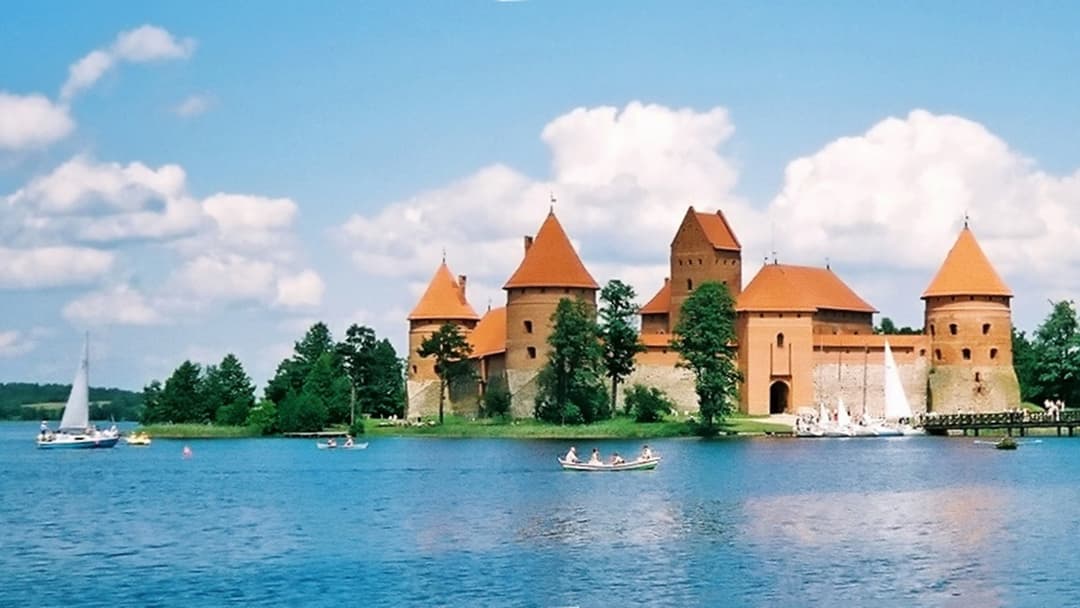
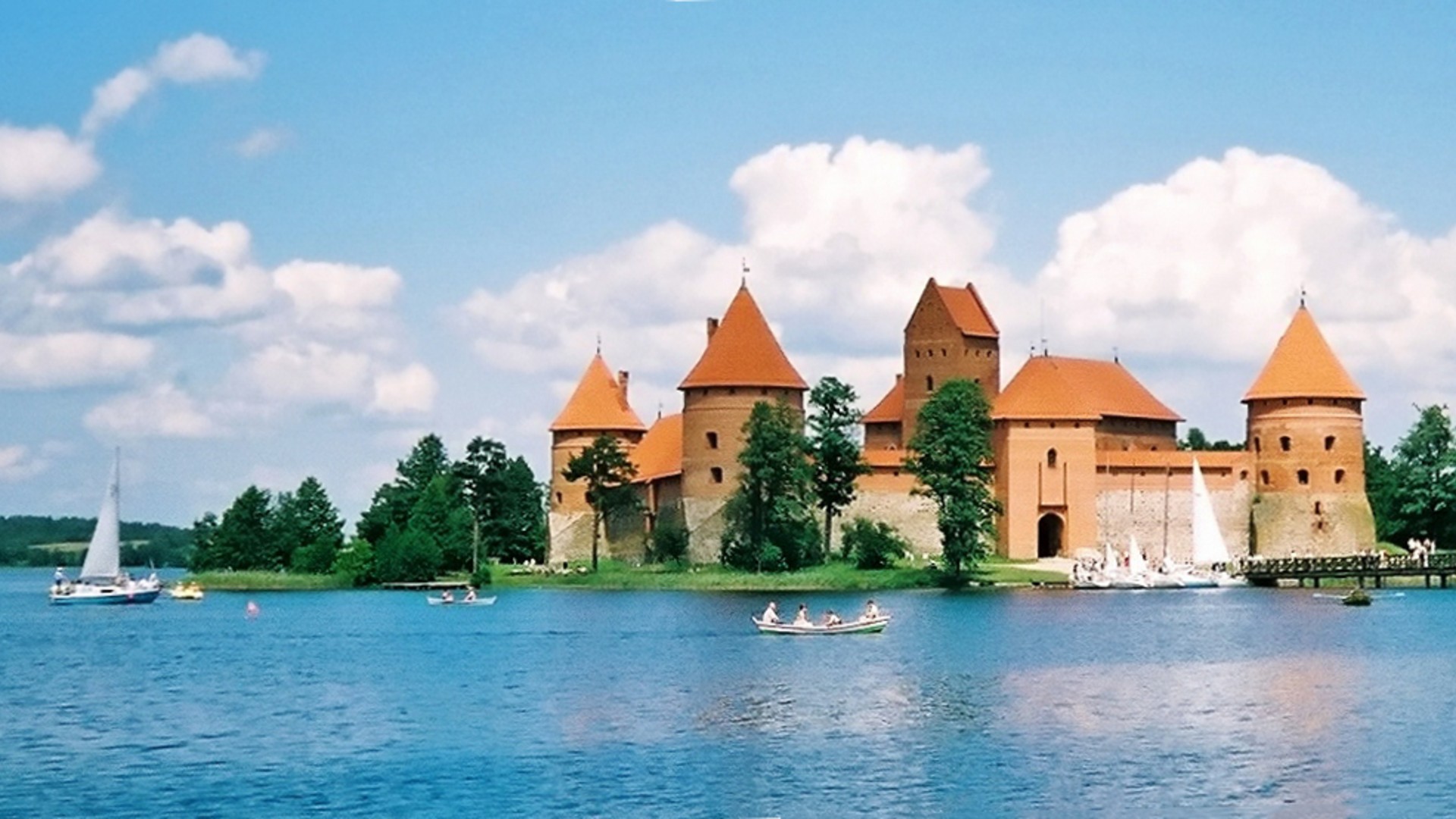
14. Trakai Island Castle, Lithuania
Floating on an island in the middle of Lake Galvė just west of Vilnius, Trakai Island Castle is Eastern Europe's only water castle on a lake island. Begun in the late 14th century by Grand Duke Kęstutis and completed by his son Vytautas the Great, its warm red-brick towers and conical roofs glow against the water.
©Wikimedia / Julo
Advertisement
Swipe or tap ▶ to resume the countdown.
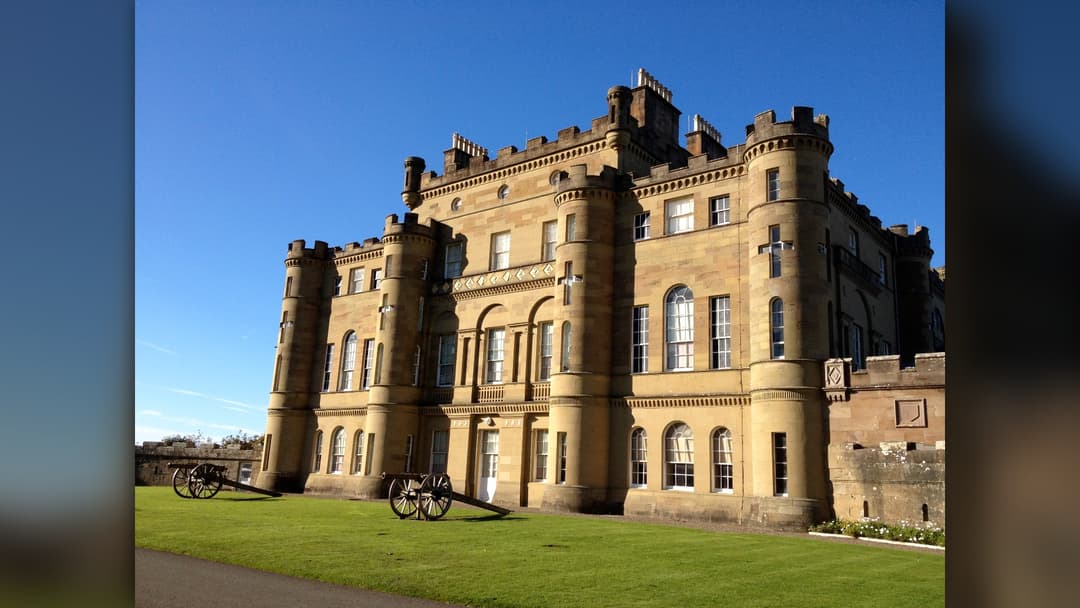
13. Culzean Castle, Scotland
Overlooking the Firth of Clyde from a 100-foot basalt cliff on Scotland's Ayrshire coast, Culzean Castle was transformed between 1777 and 1792 by famed architect Robert Adam. Behind its crenellated exterior lies a sweeping oval staircase and an apartment gifted to President Dwight D. Eisenhower.
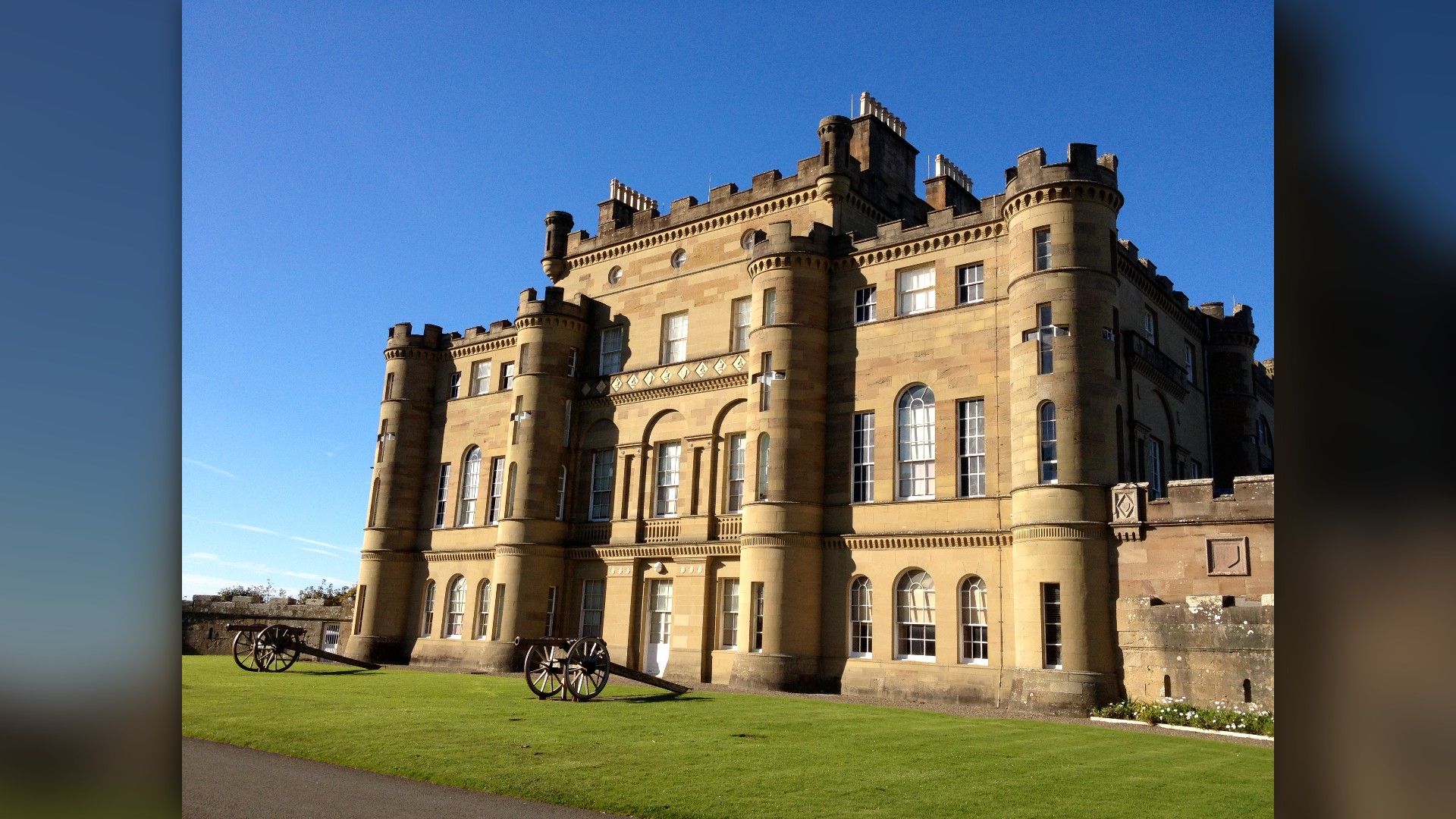
©Wikimedia / LornaMCampbell
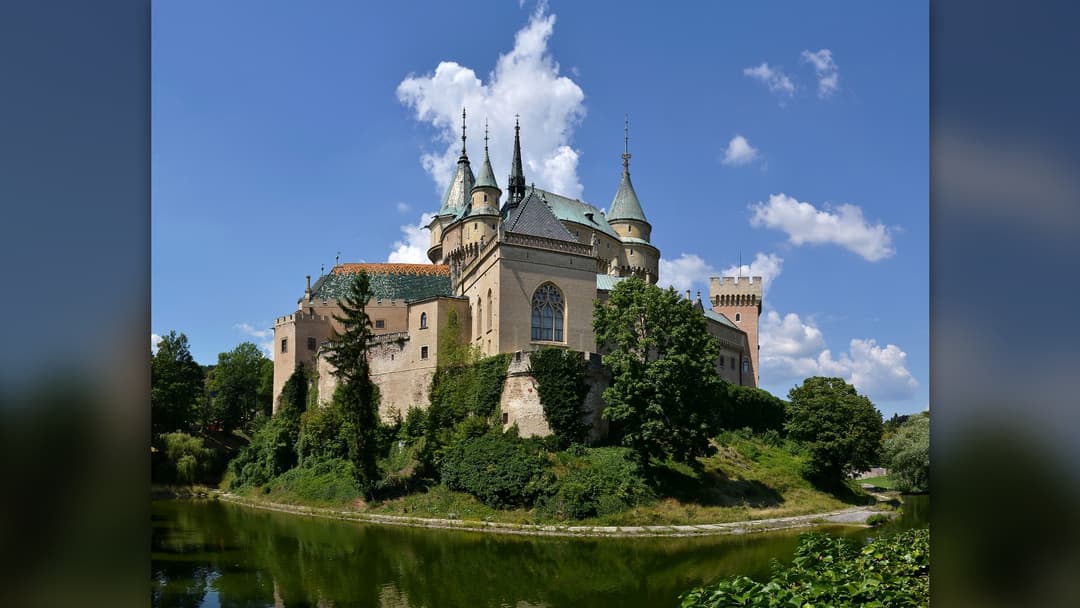
12. Bojnice Castle, Slovakia
First recorded in 1113 as a wooden fort, Slovakia's Bojnice Castle was romantically redesigned in the late 19th century by Count János Ferenc Pálffy. Inspired by French Gothic châteaux of the Loire Valley, its verdigris conical spires rise above a travertine hill and a natural subterranean cave.
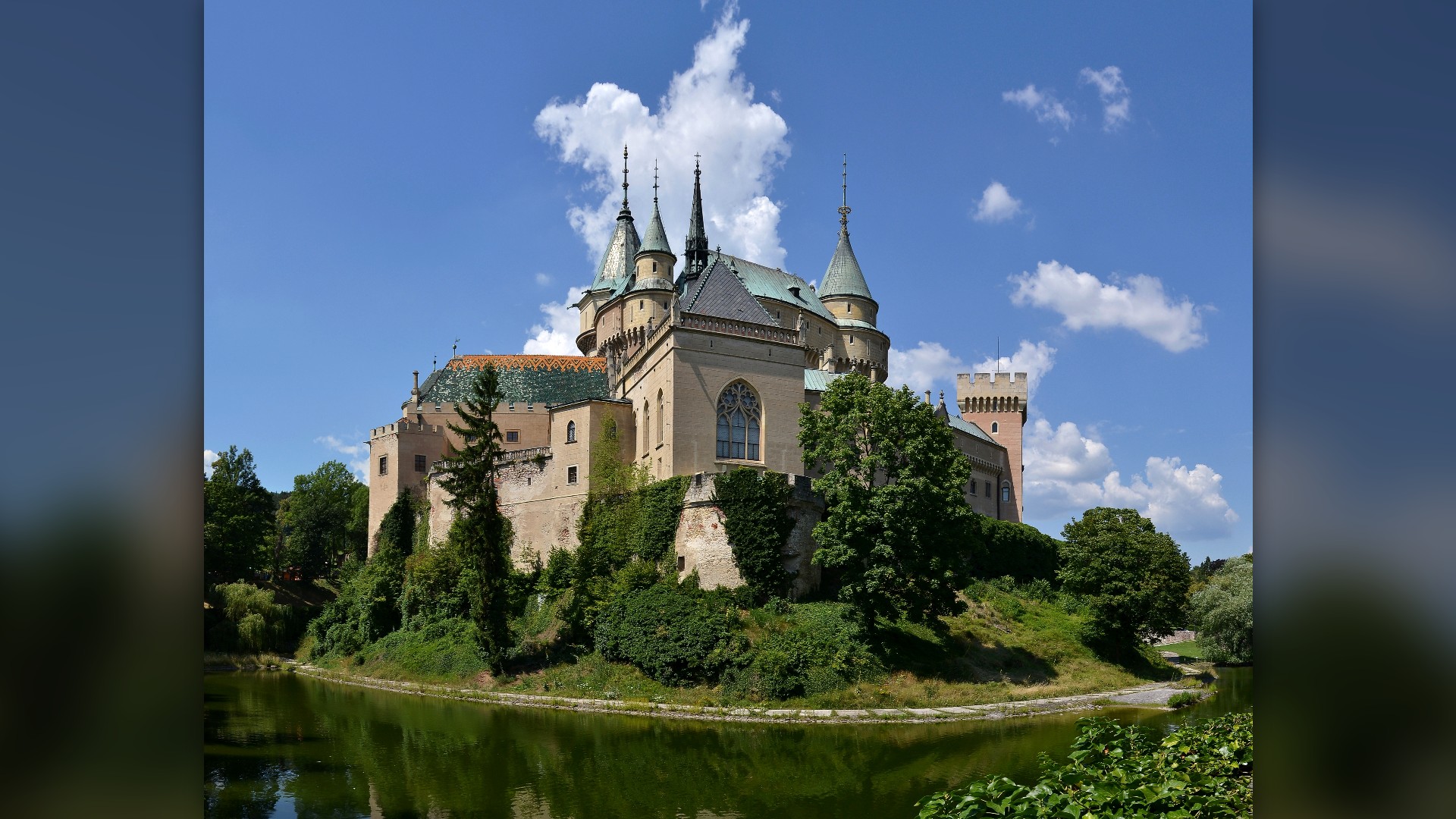
©Wikimedia / Pudelek ( talk )
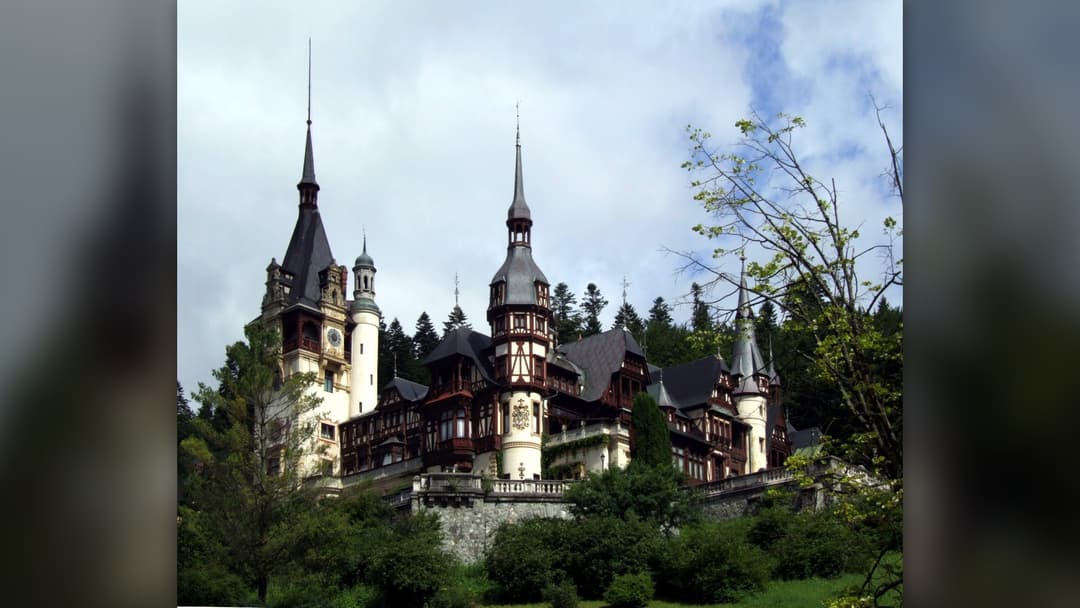
11. Peleș Castle, Romania
Tucked into a forested valley of the Carpathian Mountains near Sinaia, Peleș Castle was commissioned by King Carol I of Romania in 1873. Blending German Neo-Renaissance half-timbering with 160 ornate rooms, it boasted its own hydroelectric power plant in 1883—making it the first fully electrified castle in Europe.
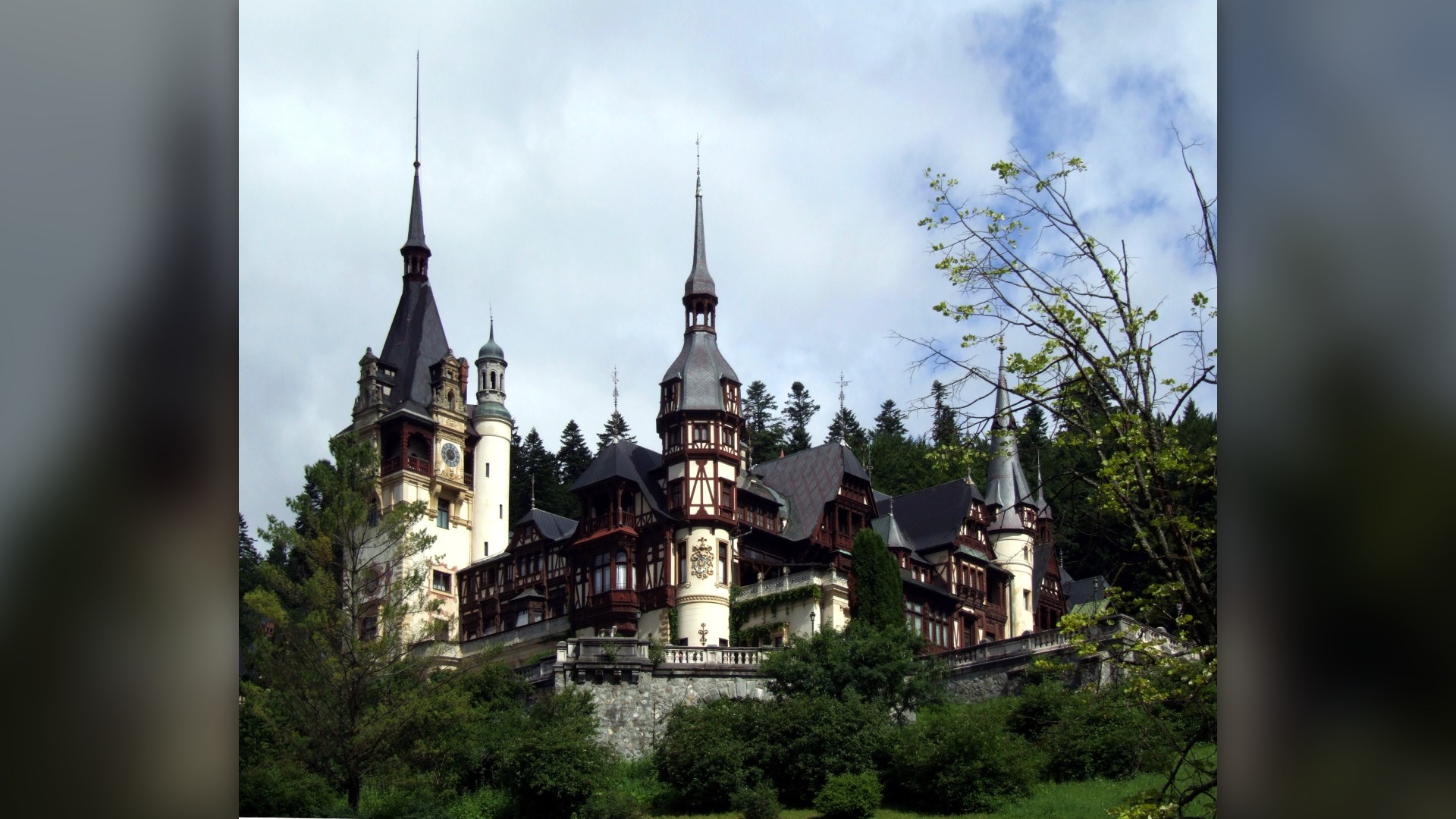
©Wikimedia / Pudelek (Marcin Szala)
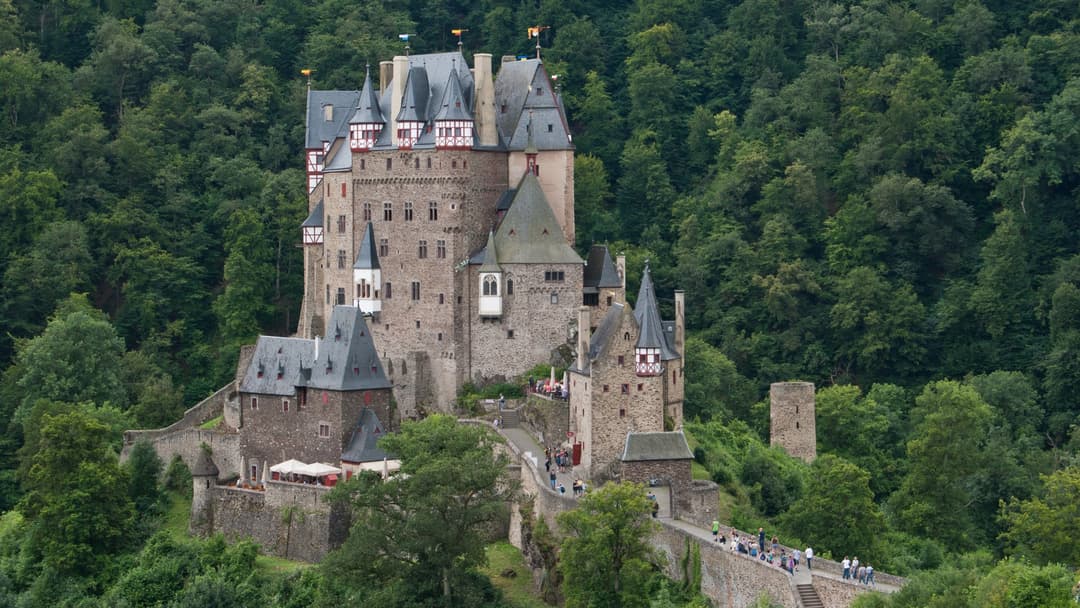
10. Eltz Castle, Germany
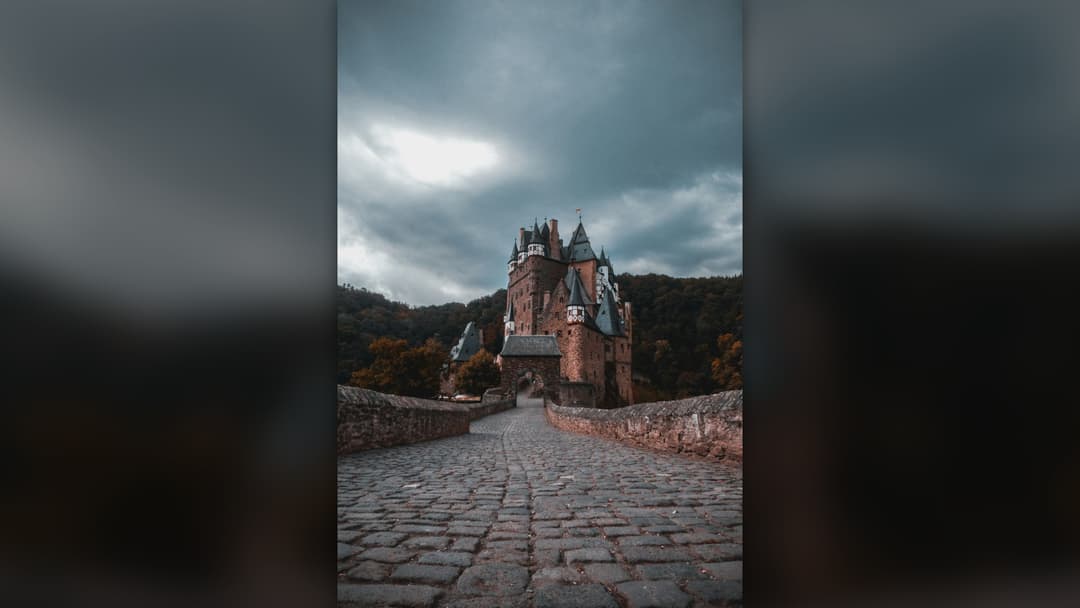
Hidden deep in the hills above the Moselle River and surrounded on three sides by the Elzbach stream, Burg Eltz looks plucked straight from a medieval storybook. Remarkably, it has been owned by the House of Eltz for 33 generations since 1157, escaping destruction across centuries of warfare.
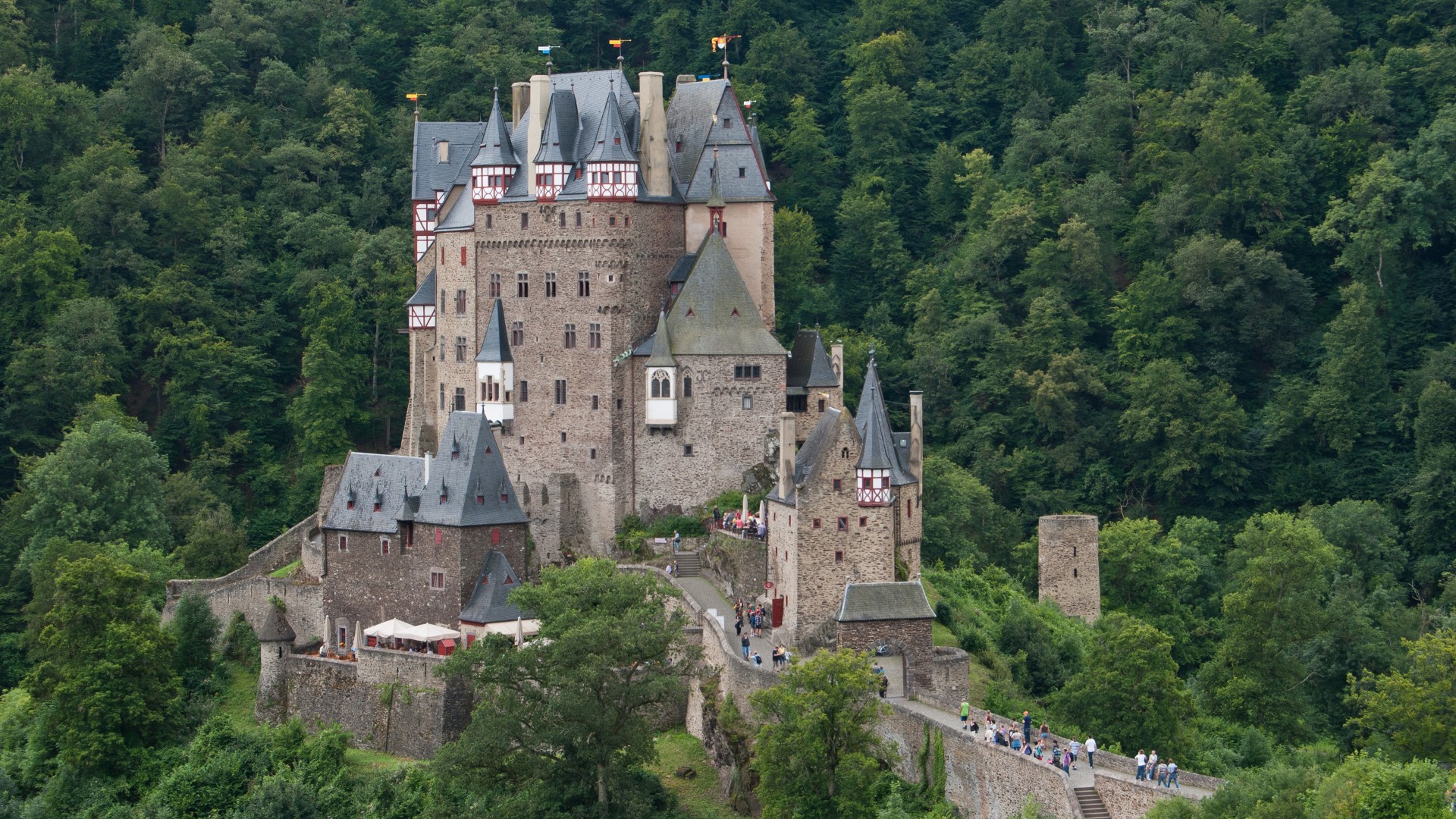
©Wikimedia / kaʁstn Disk, Cat
Advertisement
Swipe or tap ▶ to resume the countdown.
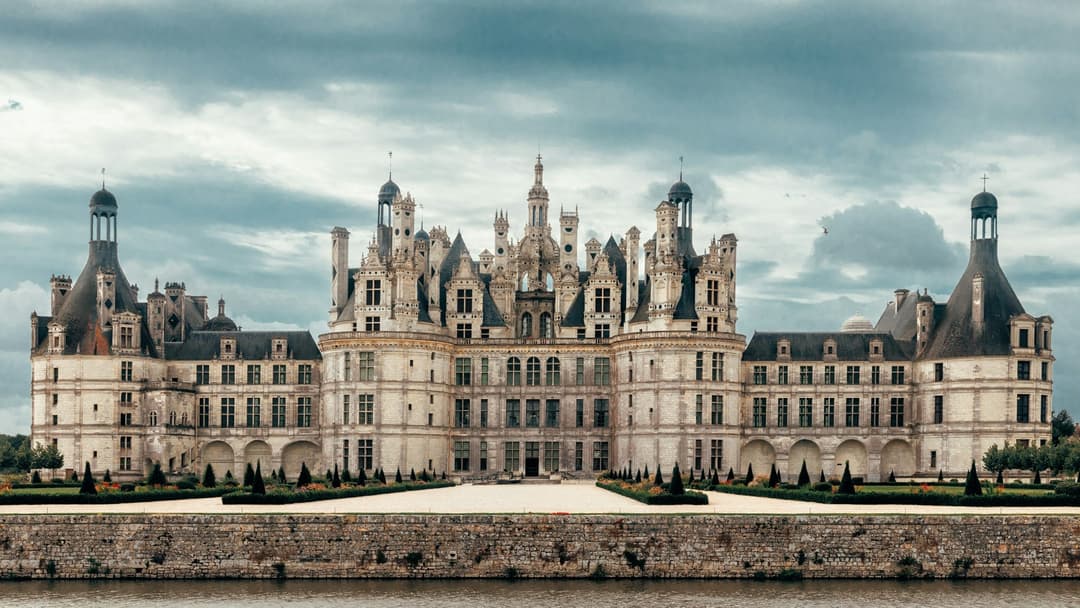
9. Château De Chambord, France
The largest and grandest château in France's Loire Valley, Château de Chambord was begun in 1519 as a royal hunting lodge for King Francis I. Its skyline bristles with 440 rooms, 84 staircases, and 365 chimneys, anchored at its center by an ingenious double-helix staircase attributed to Leonardo da Vinci.
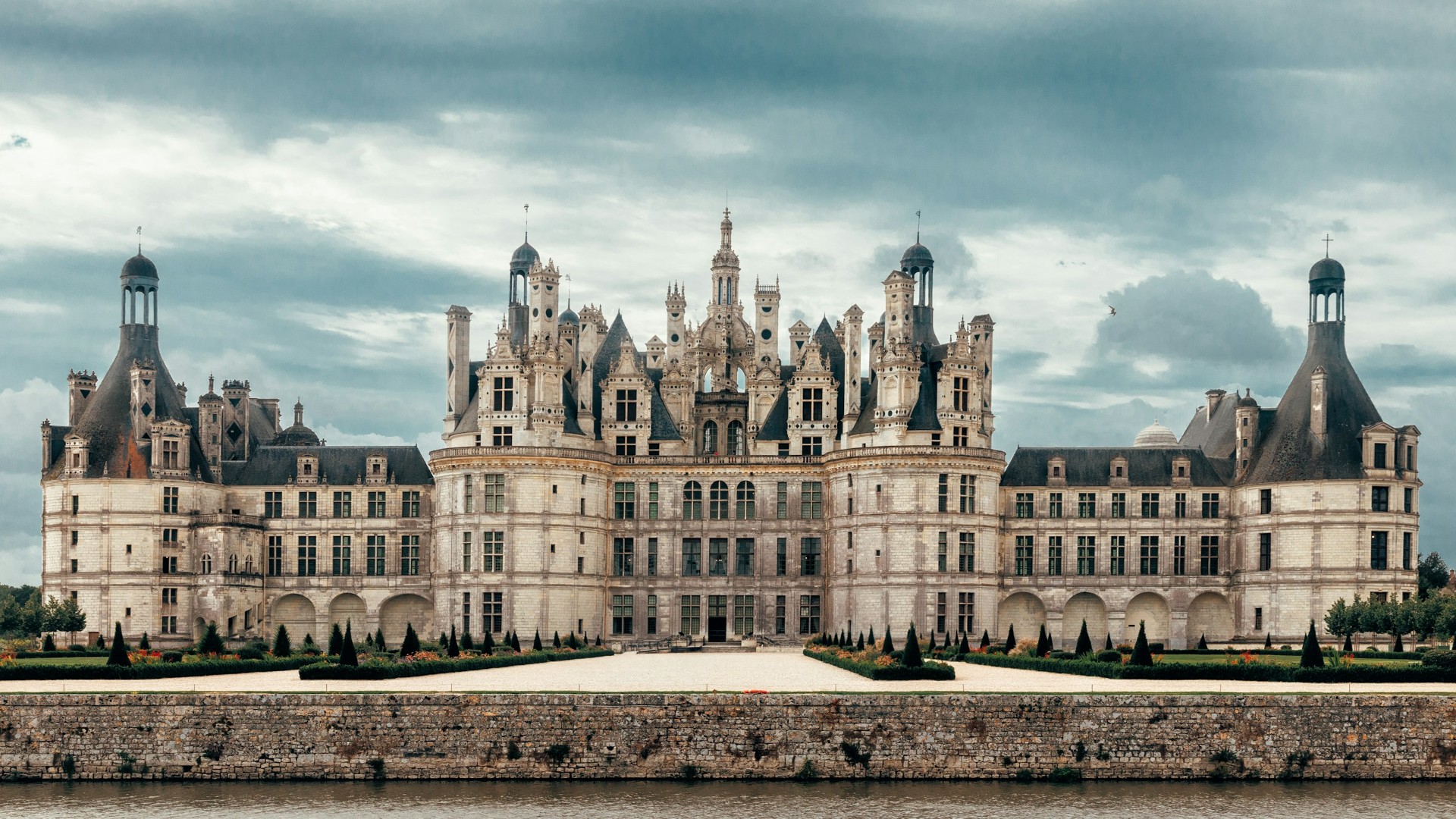
© Photo by Wilfried Santer on Unsplash
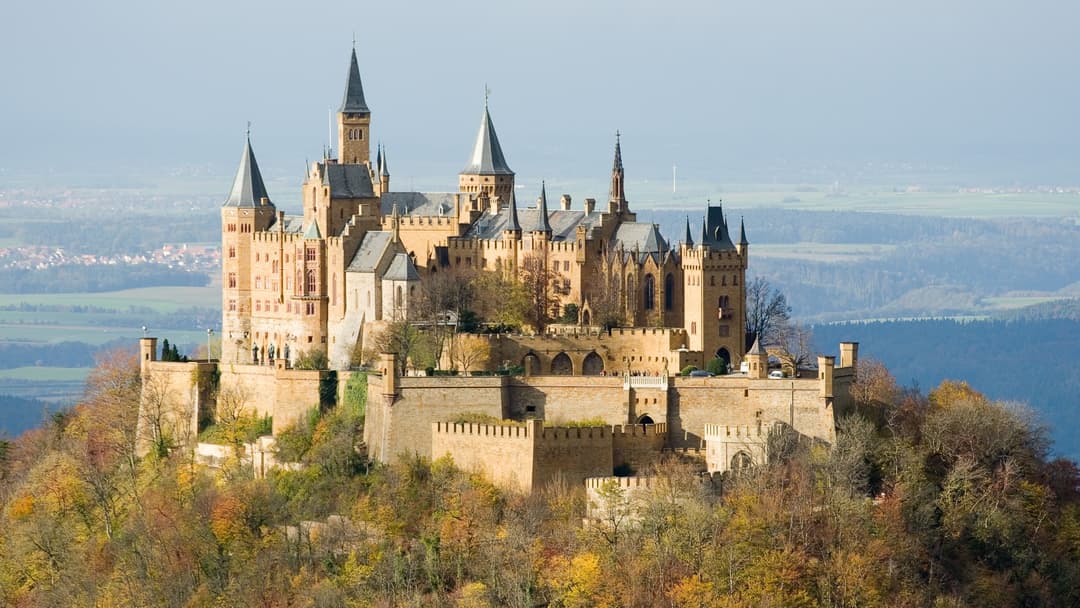
8. Hohenzollern Castle, Germany
Soaring 2,805 feet atop the isolated conical peak of Mount Hohenzollern in Baden-Württemberg, Burg Hohenzollern is the ancestral seat of the Prussian royal family. Rebuilt between 1846 and 1867 by King Frederick William IV in Neo-Gothic style, its towers frequently pierce through morning clouds.
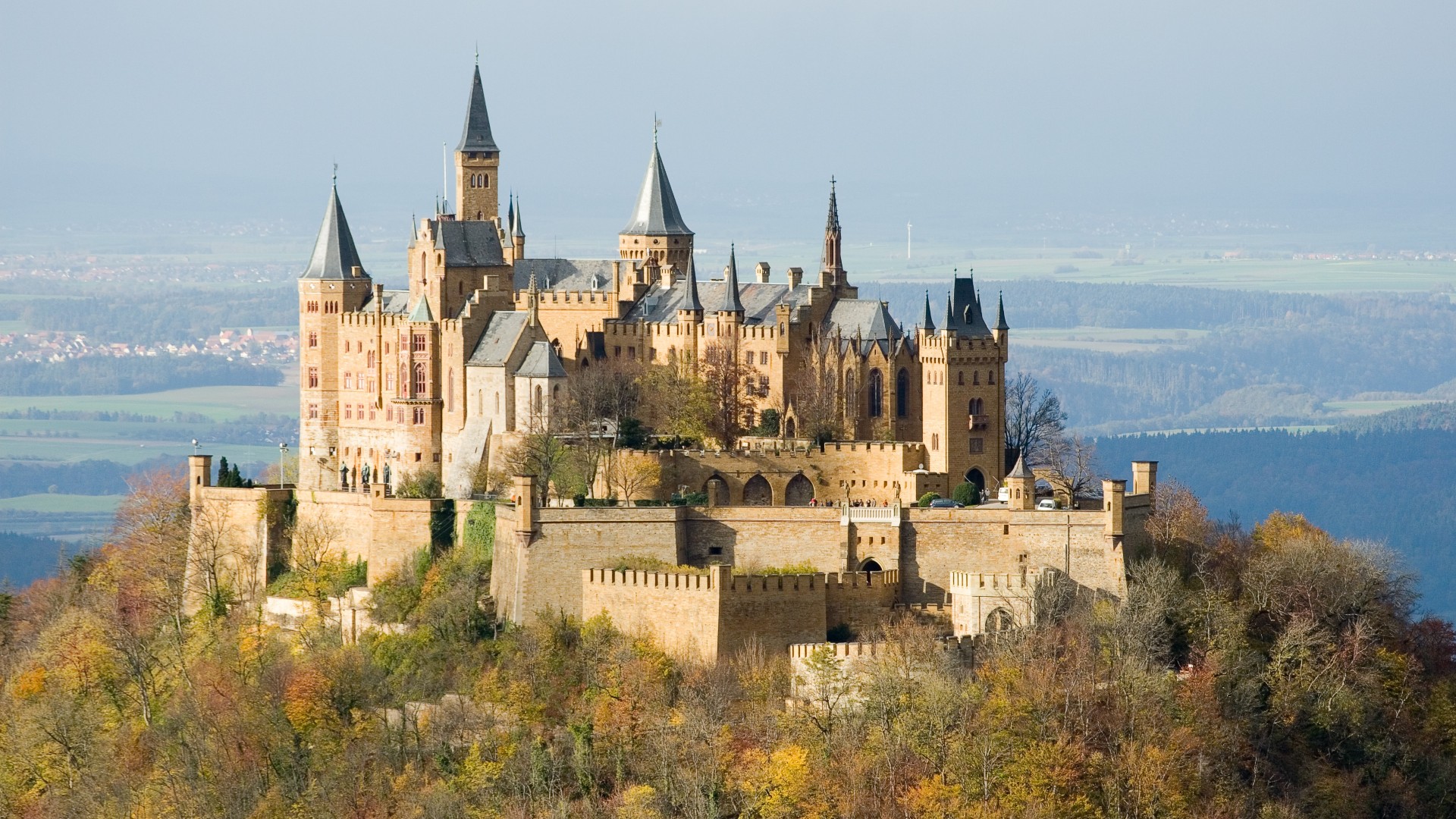
©Wikimedia / A. Kniesel (= User:-donald- ), Lauffen
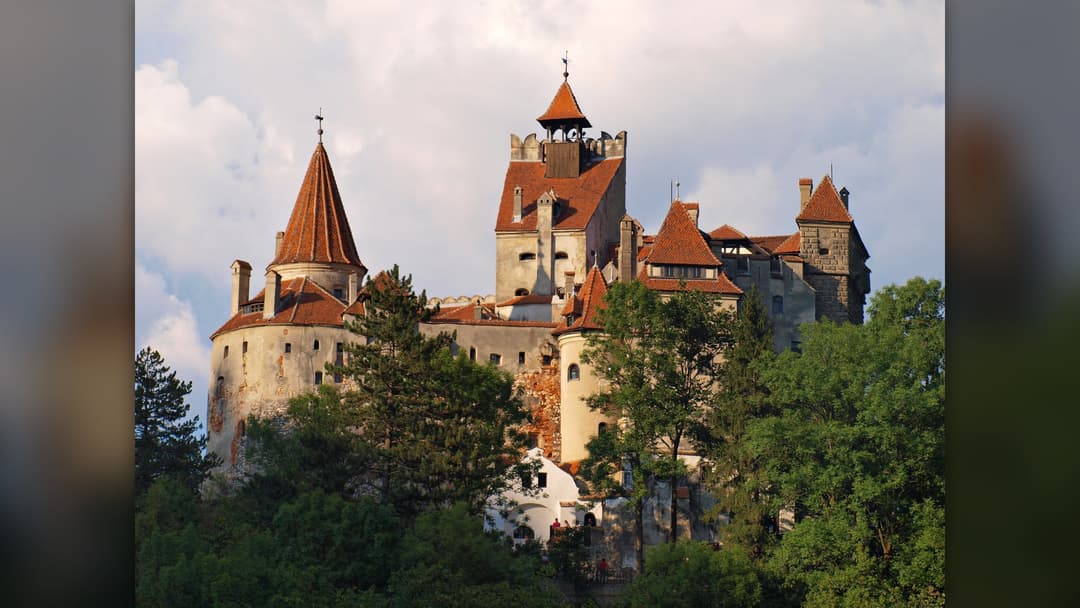
7. Bran Castle, Romania
Completed in 1388 on a steep 200-foot rock bluff guarding a mountain pass between Transylvania and Wallachia, Bran Castle is world-famous for its gothic silhouette. While forever associated with Bram Stoker's Dracula, it also served in the 1920s as the beloved royal summer residence of Queen Marie of Romania.
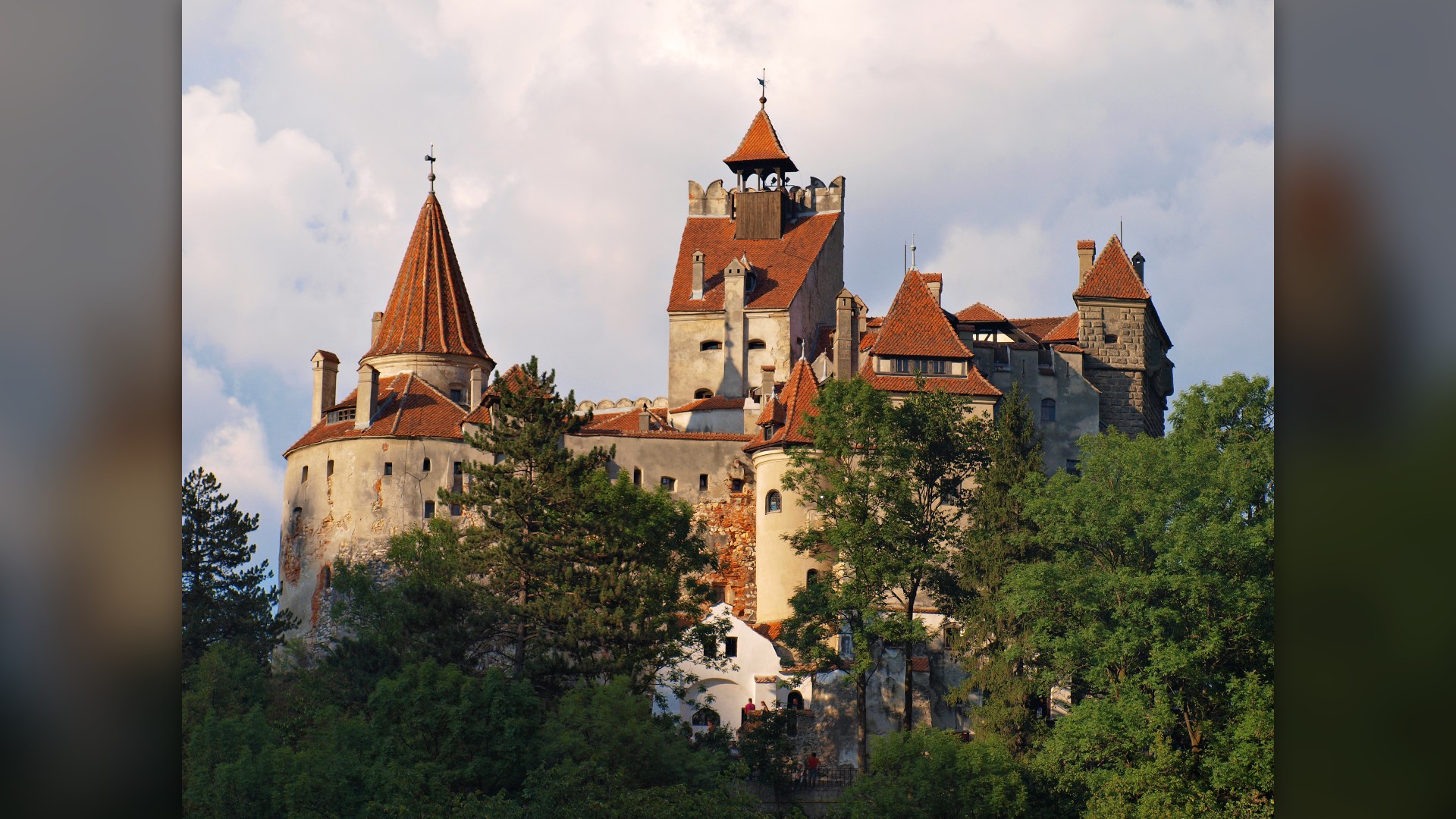
©Wikimedia / Todor Bozhinov
6. Matsumoto Castle, Japan
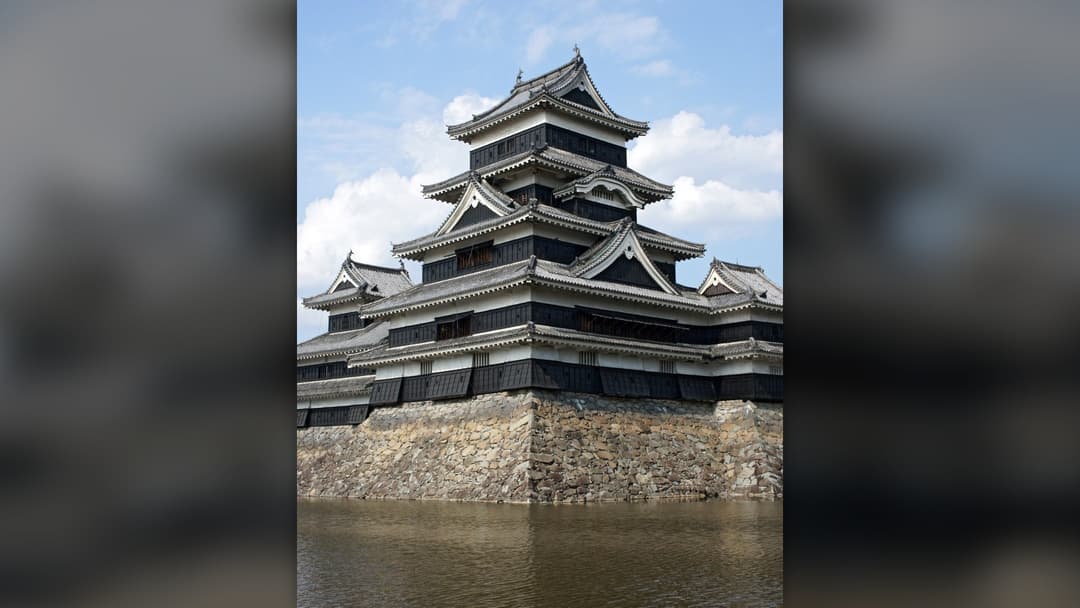
Known across Japan as Karasu-jō ('Crow Castle') for its striking black-lacquered wooden wainscoting and sweeping upturned roofs, Matsumoto Castle dates to 1592. Unlike hilltop fortresses, it is a hirajiro (flatland castle) ringed by broad triple moats with the snow-capped Japanese Alps rising behind it.
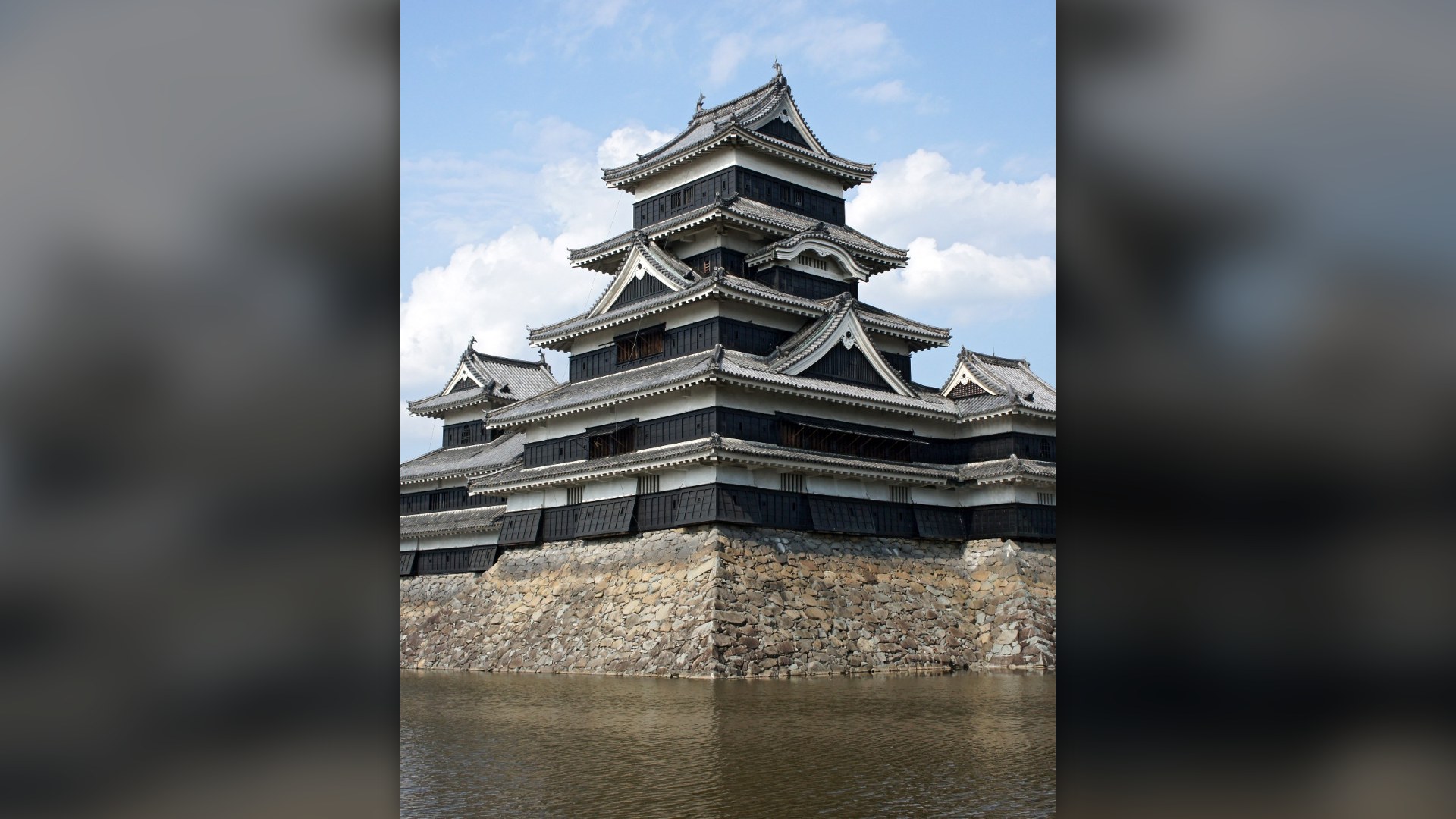
©Wikimedia / 663highland
Advertisement
Swipe or tap ▶ to resume the countdown.
5. Alcázar Of Segovia, Spain
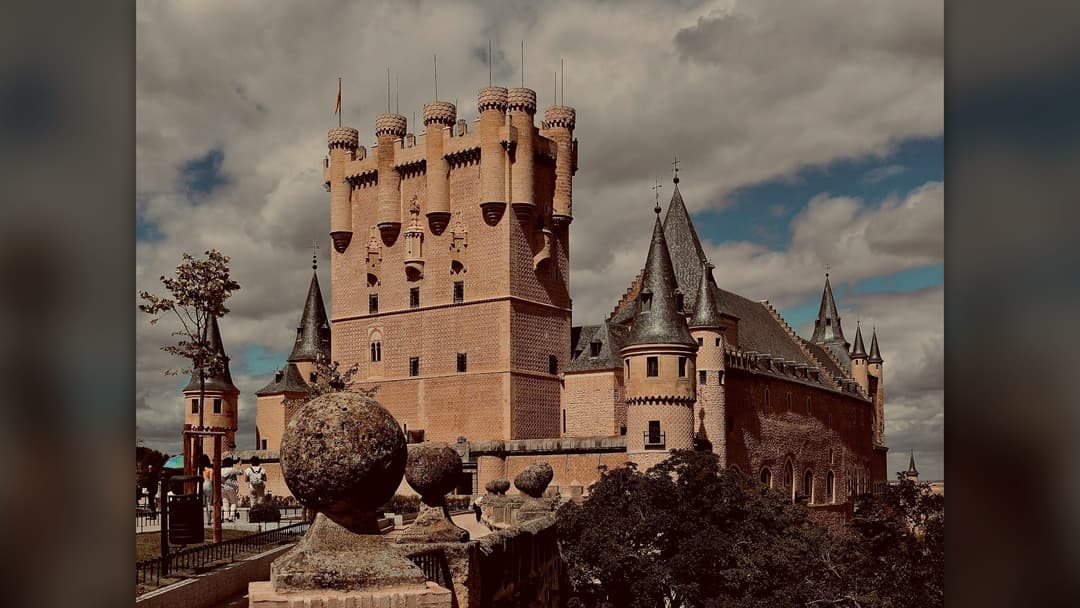
Rising like the prow of a stone ship at the confluence of two rivers near the Guadarrama mountains, the Alcázar of Segovia served 22 Spanish monarchs—including Queen Isabella I. Its pointed slate spires and Mudéjar coffered ceilings directly inspired Walt Disney's Cinderella Castle.
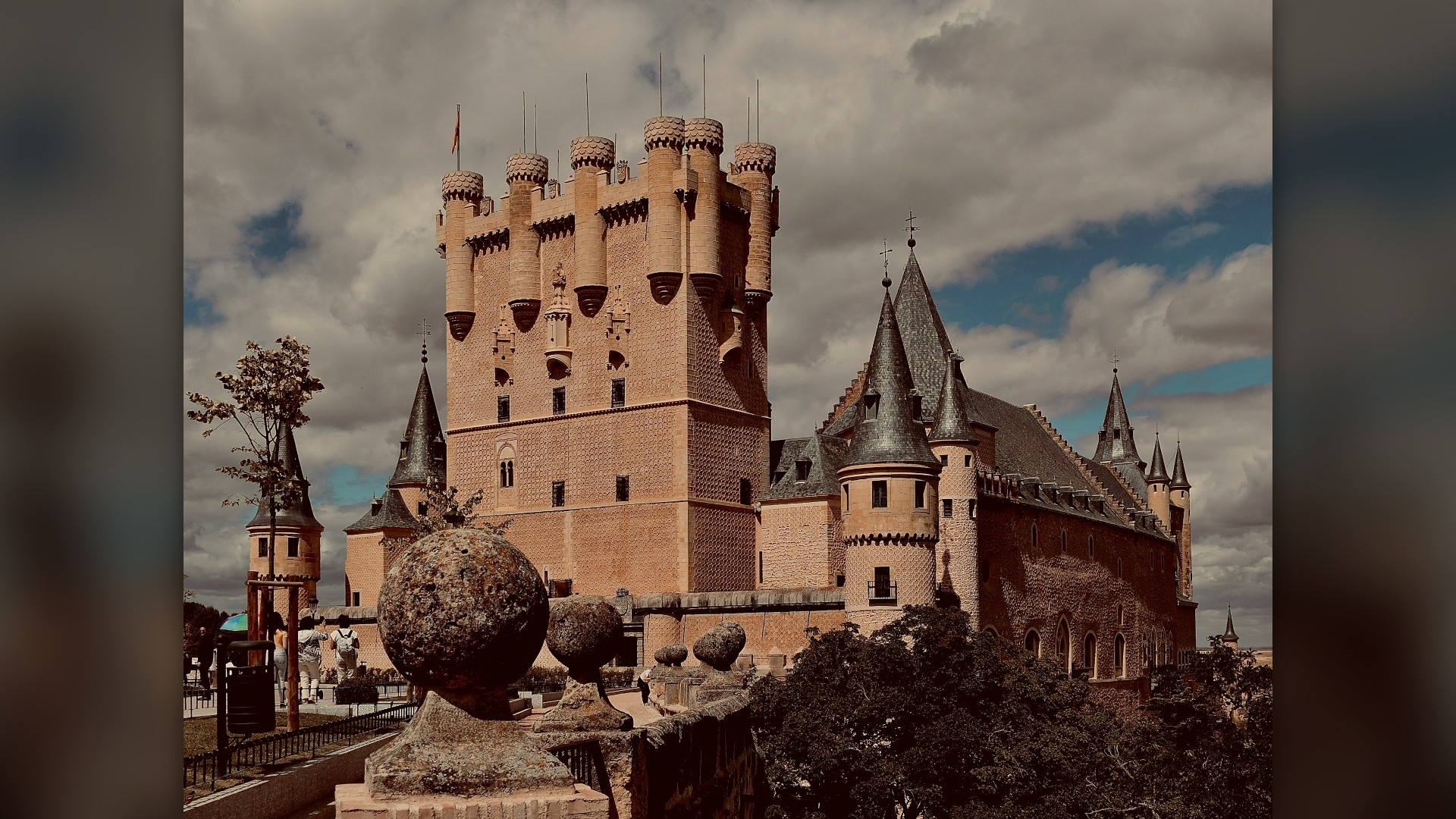
© Photo by Rubina Ajdary on Unsplash
4. Edinburgh Castle, Scotland
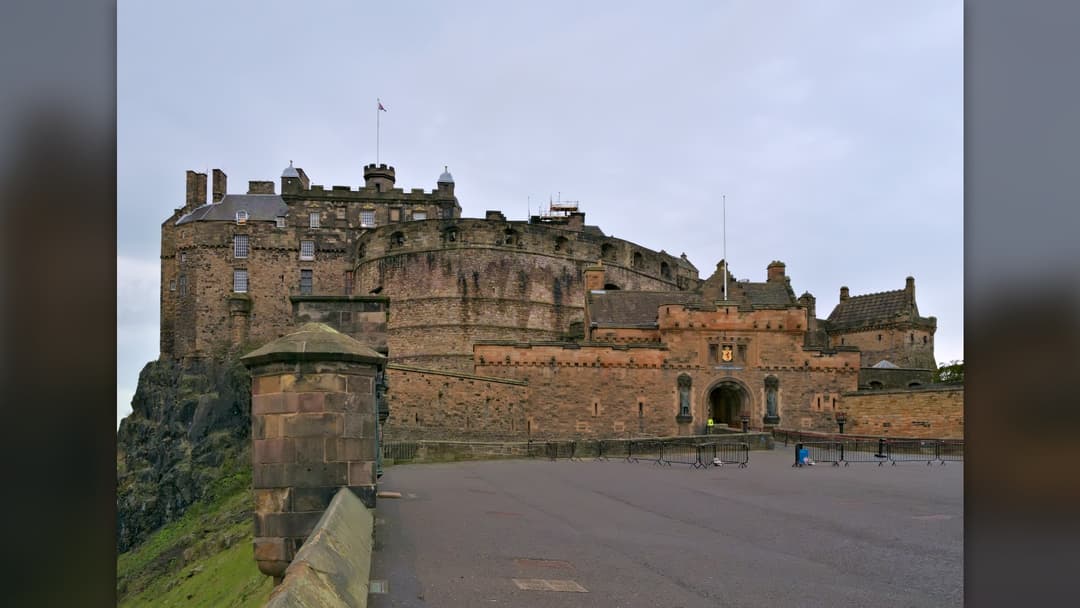
Commanding the skyline of Scotland's capital from atop Castle Rock—an extinct volcanic plug formed 340 million years ago—Edinburgh Castle is the most besieged fortress in British history. Home to the 12th-century St. Margaret's Chapel and the Honours of Scotland, it remains an unmistakable symbol of Scottish heritage.
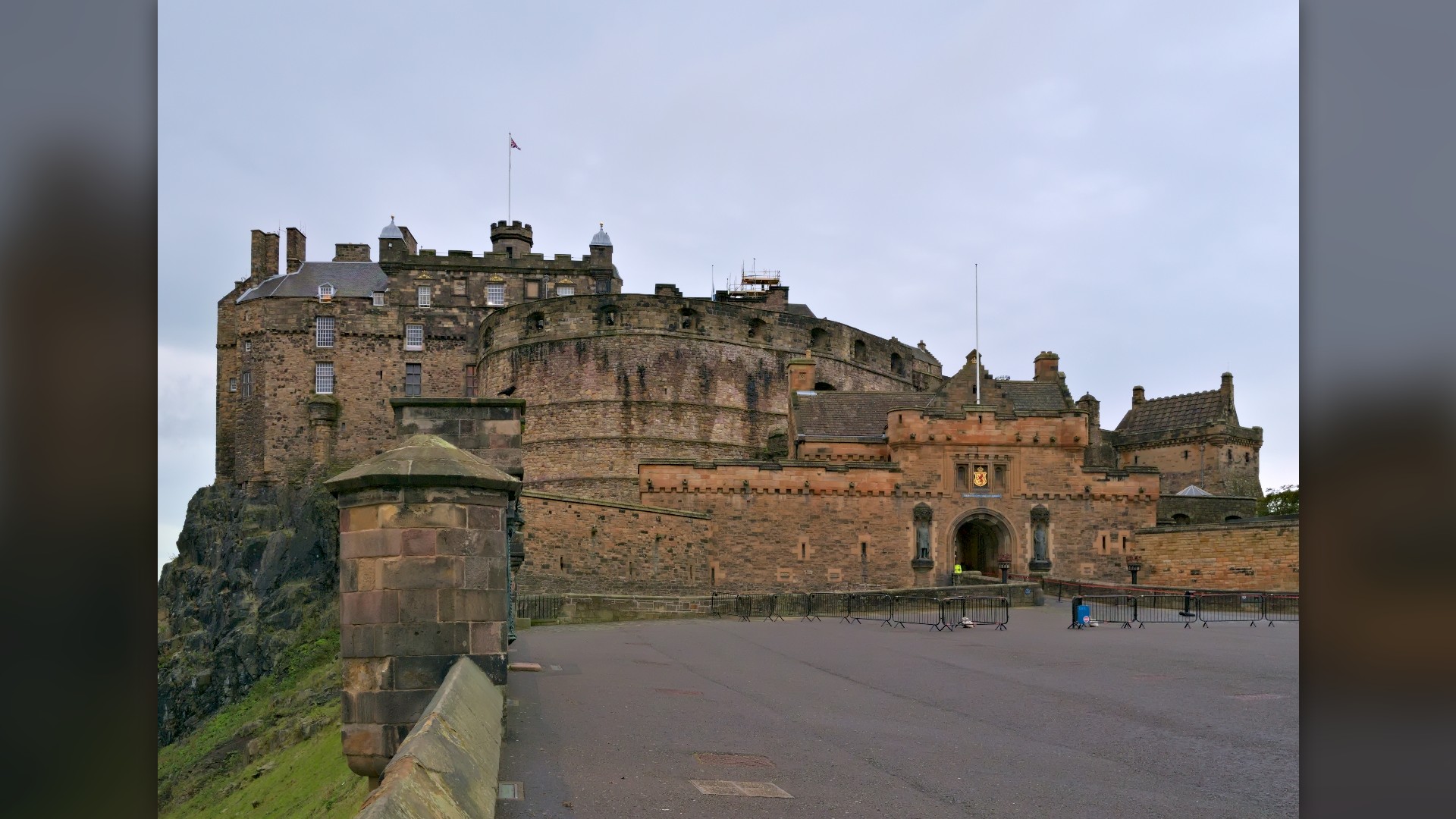
©Wikimedia / Daniel Kraft
3. Château De Chenonceau, France
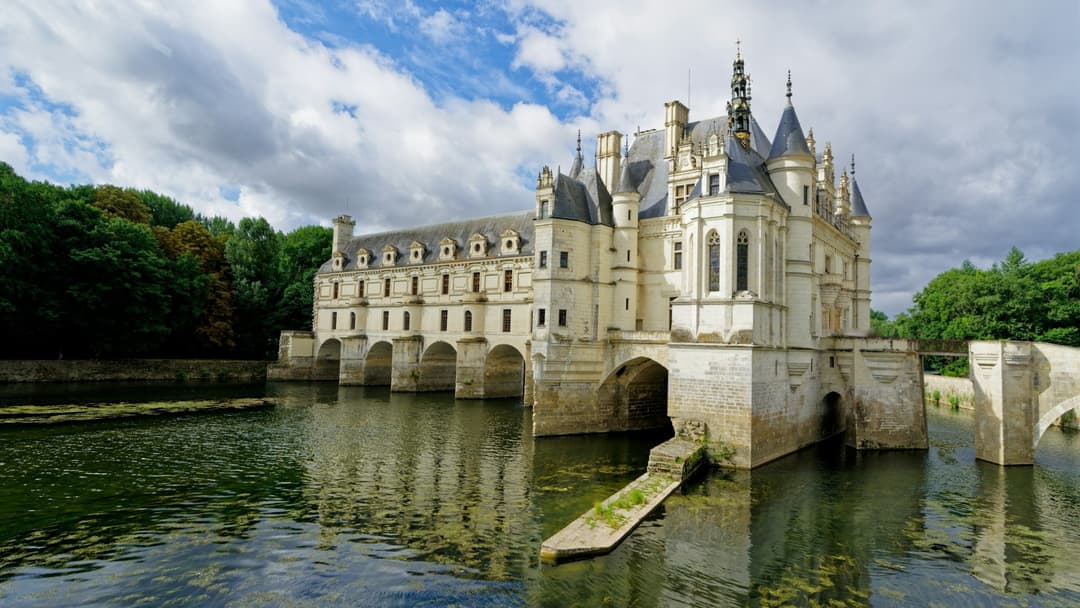
Known as the 'Château des Dames,' Château de Chenonceau is the most visited historic residence in France after Versailles. Spanning the tranquil River Cher on a five-arched bridge gallery designed for Diane de Poitiers and Catherine de' Medici, its white limestone turrets shimmer over the water.
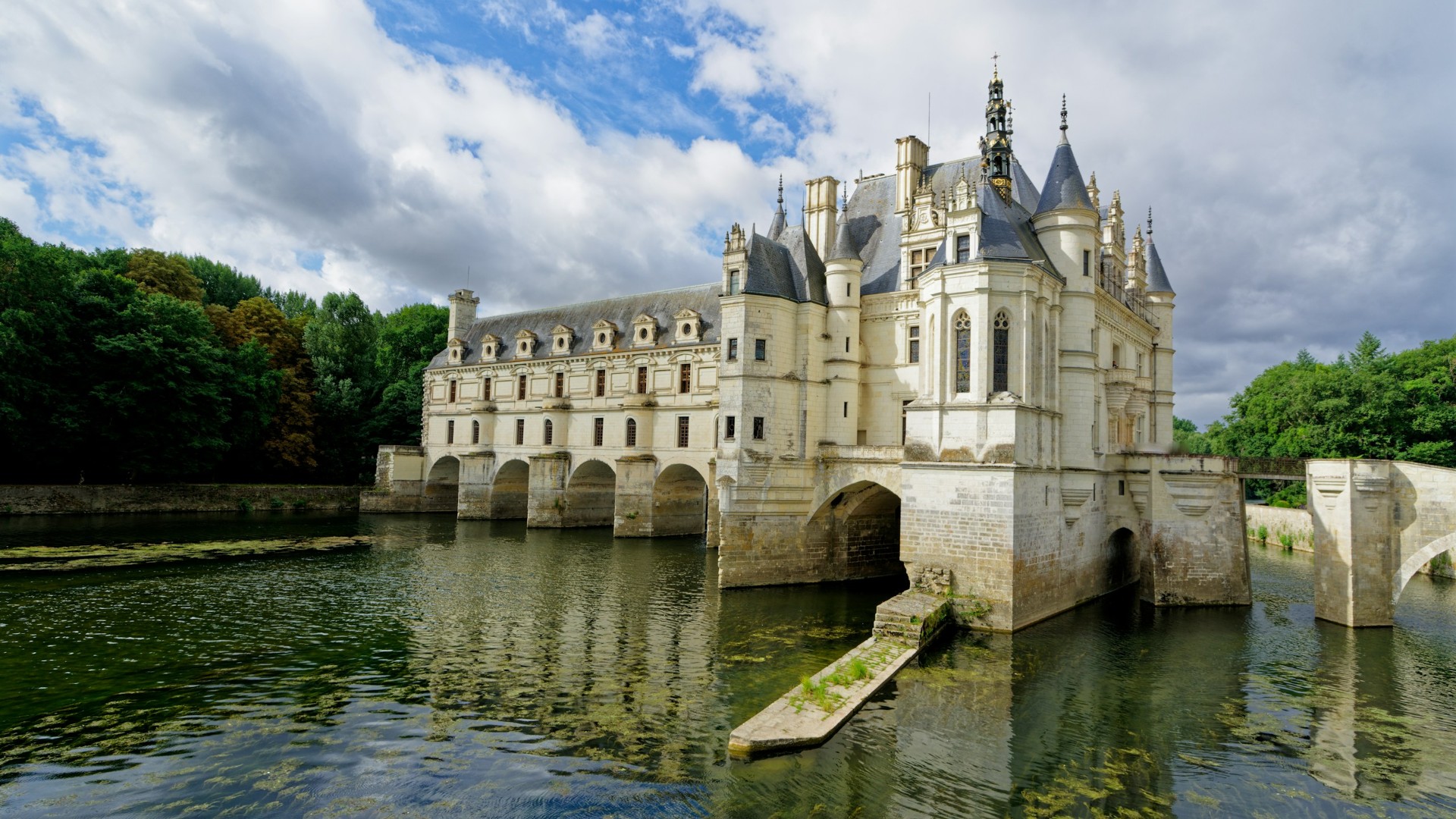
© Photo by Colin Watts on Unsplash
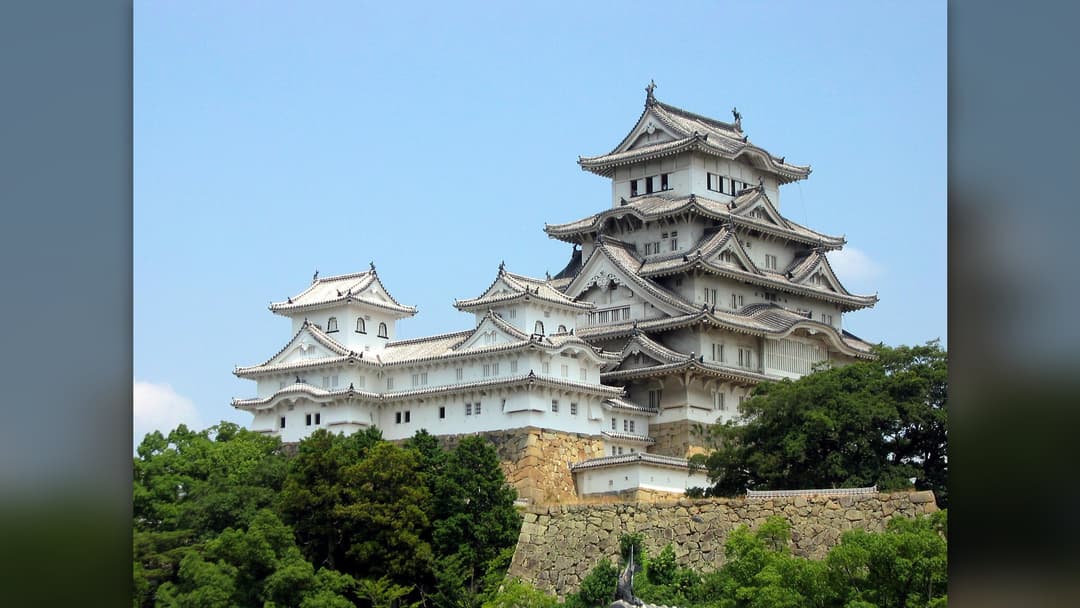
2. Himeji Castle, Japan
Revered as Shirasagi-jō ('White Heron Castle') because its white-plastered walls and tiered roofs resemble a bird taking flight, Himeji Castle is the pinnacle of Japanese castle architecture. Comprising 83 wooden buildings completed in 1609, it survived World War II bombings and earthquakes intact.
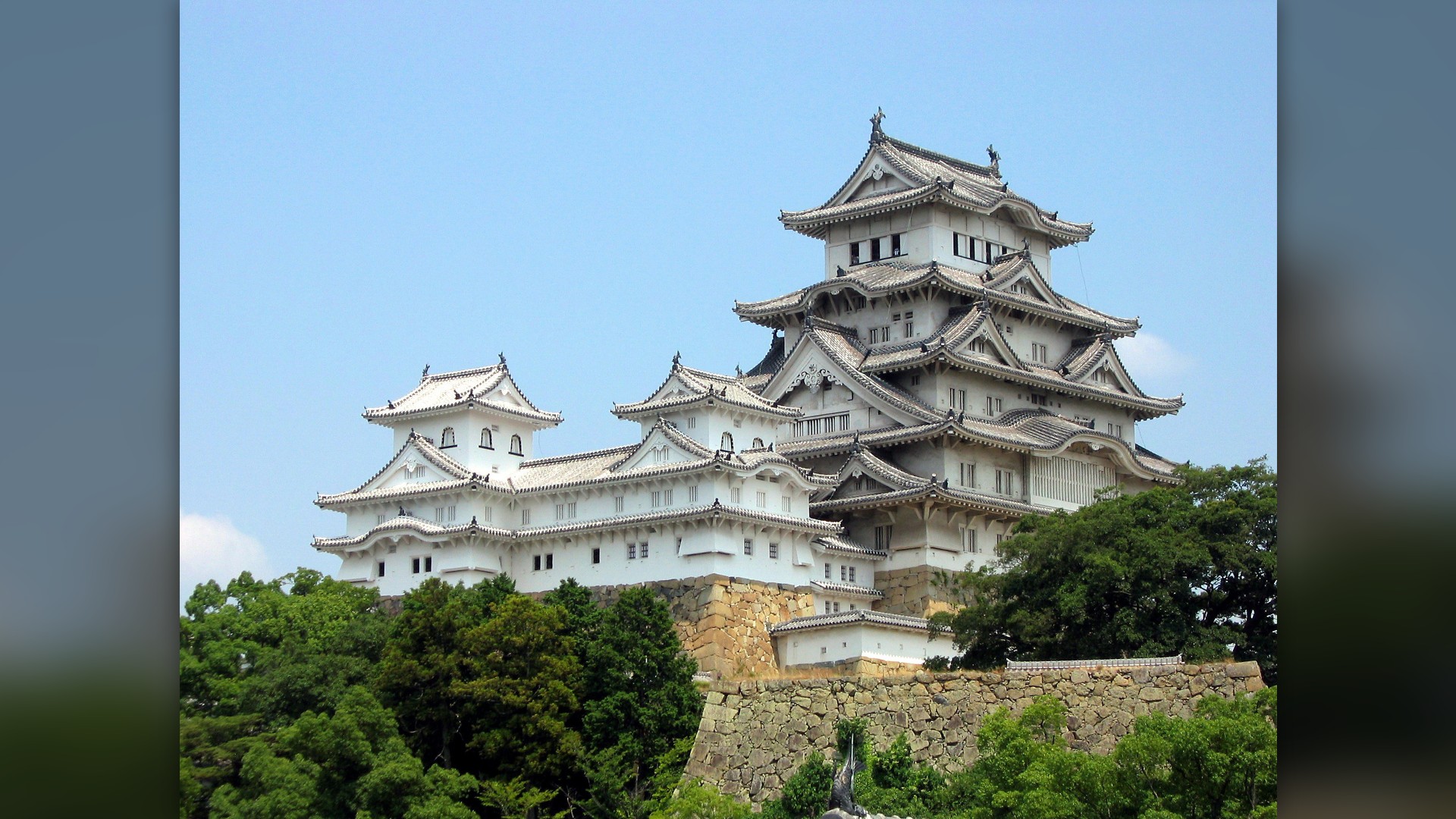
©Wikimedia / Gorgo
Advertisement
Swipe or tap ▶ to resume the countdown.
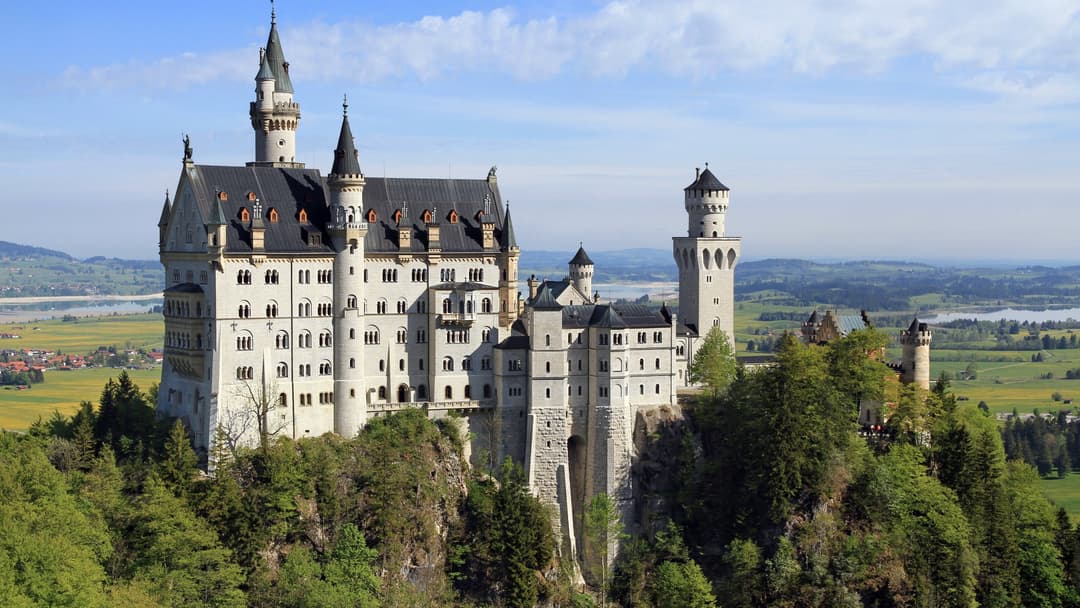
1. Neuschwanstein Castle, Germany
Crowning a rugged crag above Hohenschwangau in the Bavarian Alps, Schloss Neuschwanstein was commissioned in 1869 by Bavaria's 'Fairytale King,' Ludwig II, as an operatic tribute to Richard Wagner. Its soaring limestone towers and alpine backdrop make it the most iconic castle in the world.
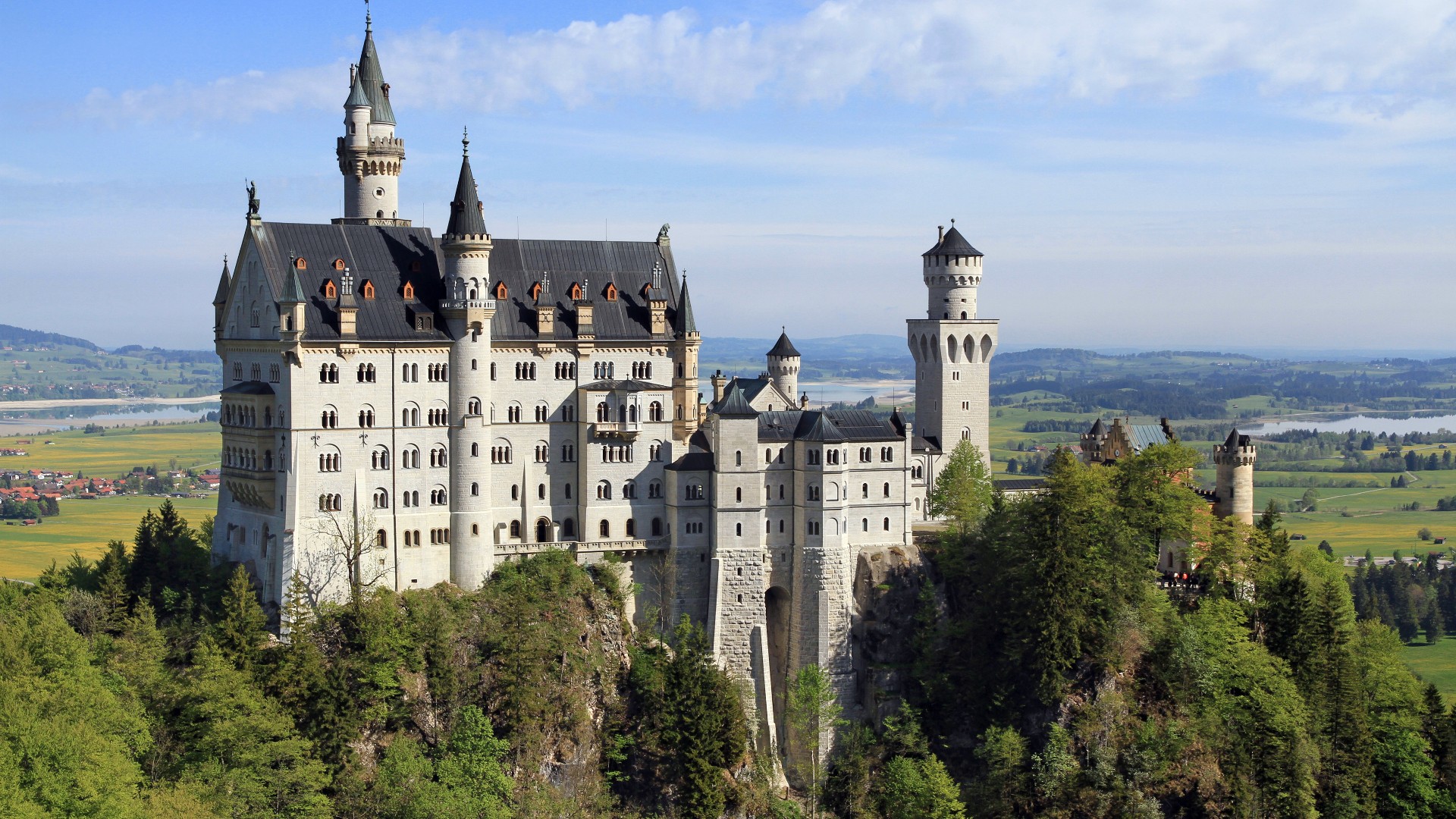
©Wikimedia / Ximonic , Simo Räsänen (post-processing)
Advertisement
You've reached the end of the story. Thanks for reading!

20 Details Behind The Real Story Of Stephen Miller
All 20 Entries in this Story
20. Dunnottar Castle, Scotland
Clinging to a 160-foot rocky headland above crashing North Sea waves near Stonehaven, Dunnottar Castle is one of Europe's most dramatic medieval ruins. Connected to the mainland by a narrow strip of rock, the Clan Keith stronghold famously hid the Scottish Crown Jewels from Oliver Cromwell's army in the 1650s.

19. Malbork Castle, Poland
Covering more than 52 acres along the Nogat River in northern Poland, Malbork Castle is officially the largest castle in the world by land area. Built in the 13th century by the Teutonic Knights using millions of red bricks, the UNESCO-listed Brick Gothic masterpiece served as Polish royal residence for centuries.

18. Predjama Castle, Slovenia
Wedged directly into a cavern halfway up a 404-foot vertical karst cliff in southwestern Slovenia, Predjama Castle holds the Guinness World Record as the largest cave castle on Earth. In the 15th century, rebellious robber baron Erazem of Predjama used its hidden tunnel network to survive a year-long siege.

17. Miramare Castle, Italy
Built between 1856 and 1860 for Austrian Archduke Ferdinand Maximilian and his wife Charlotte, Miramare Castle juts directly into the turquoise waters of the Gulf of Trieste. Crafted from gleaming white Istrian stone and surrounded by a 54-acre coastal park, it blends Gothic and Renaissance styles.

16. De Haar Castle, Netherlands
Located near Utrecht, Kasteel de Haar is the largest and most luxurious castle in the Netherlands. Originally dating to 1391, it was rebuilt from 1892 to 1912 by Rijksmuseum architect Pierre Cuypers for Baron Étienne van Zuylen, complete with 200 rooms, drawbridges, and a reflecting moat.

15. Conwy Castle, Wales
Erected between 1283 and 1289 by King Edward I and master architect James of St. George, Conwy Castle is one of Britain's finest medieval fortifications. Crowned by eight colossal round towers above the River Conwy estuary, the UNESCO World Heritage site defines rugged medieval grandeur.

14. Trakai Island Castle, Lithuania
Floating on an island in the middle of Lake Galvė just west of Vilnius, Trakai Island Castle is Eastern Europe's only water castle on a lake island. Begun in the late 14th century by Grand Duke Kęstutis and completed by his son Vytautas the Great, its warm red-brick towers and conical roofs glow against the water.

13. Culzean Castle, Scotland
Overlooking the Firth of Clyde from a 100-foot basalt cliff on Scotland's Ayrshire coast, Culzean Castle was transformed between 1777 and 1792 by famed architect Robert Adam. Behind its crenellated exterior lies a sweeping oval staircase and an apartment gifted to President Dwight D. Eisenhower.

12. Bojnice Castle, Slovakia
First recorded in 1113 as a wooden fort, Slovakia's Bojnice Castle was romantically redesigned in the late 19th century by Count János Ferenc Pálffy. Inspired by French Gothic châteaux of the Loire Valley, its verdigris conical spires rise above a travertine hill and a natural subterranean cave.

11. Peleș Castle, Romania
Tucked into a forested valley of the Carpathian Mountains near Sinaia, Peleș Castle was commissioned by King Carol I of Romania in 1873. Blending German Neo-Renaissance half-timbering with 160 ornate rooms, it boasted its own hydroelectric power plant in 1883—making it the first fully electrified castle in Europe.

10. Eltz Castle, Germany
Hidden deep in the hills above the Moselle River and surrounded on three sides by the Elzbach stream, Burg Eltz looks plucked straight from a medieval storybook. Remarkably, it has been owned by the House of Eltz for 33 generations since 1157, escaping destruction across centuries of warfare.

9. Château De Chambord, France
The largest and grandest château in France's Loire Valley, Château de Chambord was begun in 1519 as a royal hunting lodge for King Francis I. Its skyline bristles with 440 rooms, 84 staircases, and 365 chimneys, anchored at its center by an ingenious double-helix staircase attributed to Leonardo da Vinci.

8. Hohenzollern Castle, Germany
Soaring 2,805 feet atop the isolated conical peak of Mount Hohenzollern in Baden-Württemberg, Burg Hohenzollern is the ancestral seat of the Prussian royal family. Rebuilt between 1846 and 1867 by King Frederick William IV in Neo-Gothic style, its towers frequently pierce through morning clouds.

7. Bran Castle, Romania
Completed in 1388 on a steep 200-foot rock bluff guarding a mountain pass between Transylvania and Wallachia, Bran Castle is world-famous for its gothic silhouette. While forever associated with Bram Stoker's Dracula, it also served in the 1920s as the beloved royal summer residence of Queen Marie of Romania.

6. Matsumoto Castle, Japan
Known across Japan as Karasu-jō ('Crow Castle') for its striking black-lacquered wooden wainscoting and sweeping upturned roofs, Matsumoto Castle dates to 1592. Unlike hilltop fortresses, it is a hirajiro (flatland castle) ringed by broad triple moats with the snow-capped Japanese Alps rising behind it.

5. Alcázar Of Segovia, Spain
Rising like the prow of a stone ship at the confluence of two rivers near the Guadarrama mountains, the Alcázar of Segovia served 22 Spanish monarchs—including Queen Isabella I. Its pointed slate spires and Mudéjar coffered ceilings directly inspired Walt Disney's Cinderella Castle.

4. Edinburgh Castle, Scotland
Commanding the skyline of Scotland's capital from atop Castle Rock—an extinct volcanic plug formed 340 million years ago—Edinburgh Castle is the most besieged fortress in British history. Home to the 12th-century St. Margaret's Chapel and the Honours of Scotland, it remains an unmistakable symbol of Scottish heritage.

3. Château De Chenonceau, France
Known as the 'Château des Dames,' Château de Chenonceau is the most visited historic residence in France after Versailles. Spanning the tranquil River Cher on a five-arched bridge gallery designed for Diane de Poitiers and Catherine de' Medici, its white limestone turrets shimmer over the water.

2. Himeji Castle, Japan
Revered as Shirasagi-jō ('White Heron Castle') because its white-plastered walls and tiered roofs resemble a bird taking flight, Himeji Castle is the pinnacle of Japanese castle architecture. Comprising 83 wooden buildings completed in 1609, it survived World War II bombings and earthquakes intact.

1. Neuschwanstein Castle, Germany
Crowning a rugged crag above Hohenschwangau in the Bavarian Alps, Schloss Neuschwanstein was commissioned in 1869 by Bavaria's 'Fairytale King,' Ludwig II, as an operatic tribute to Richard Wagner. Its soaring limestone towers and alpine backdrop make it the most iconic castle in the world.