Slideshow · Animals
Top 10 Surprising Facts for Owners of Both Cats and Dogs
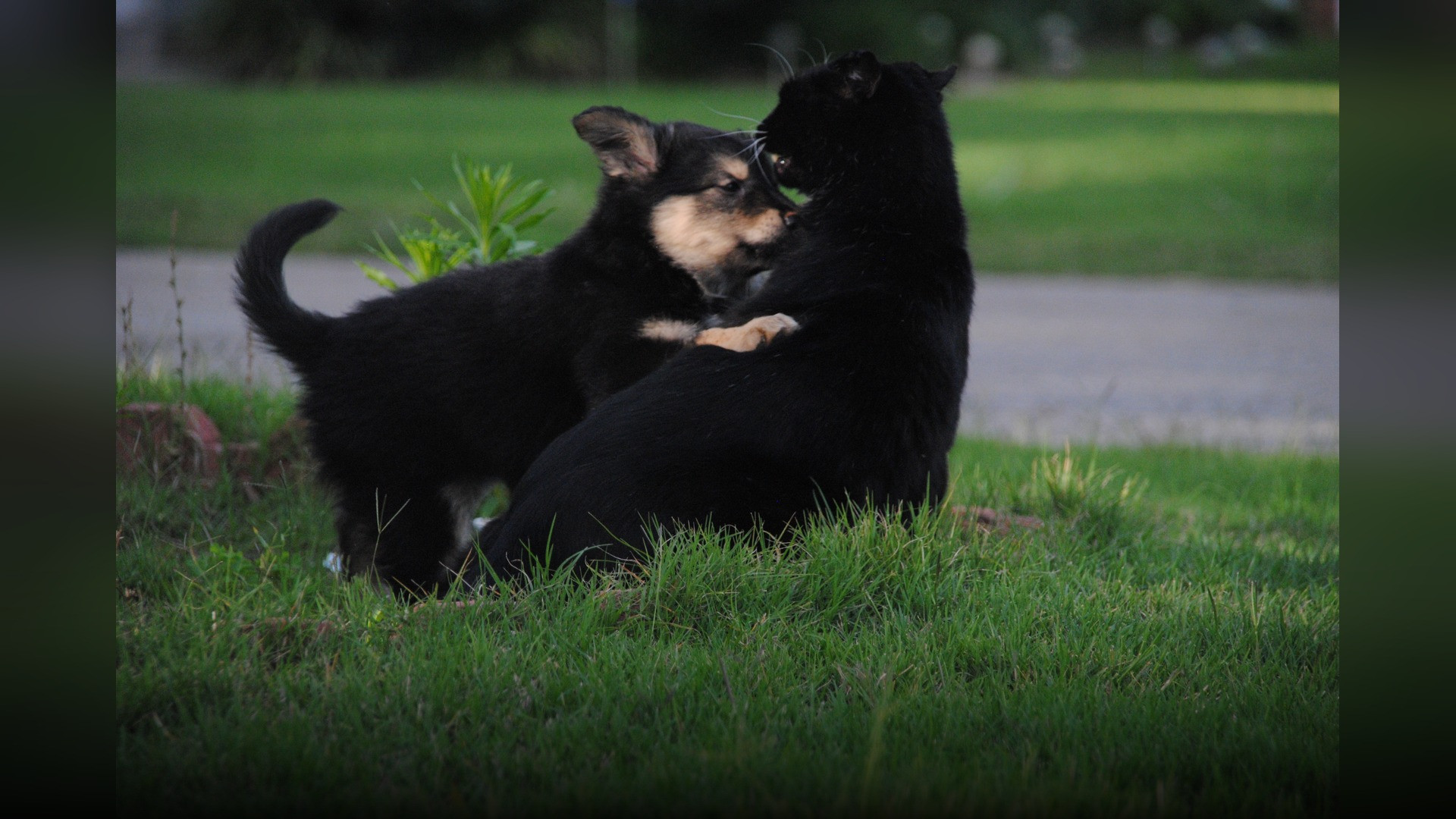
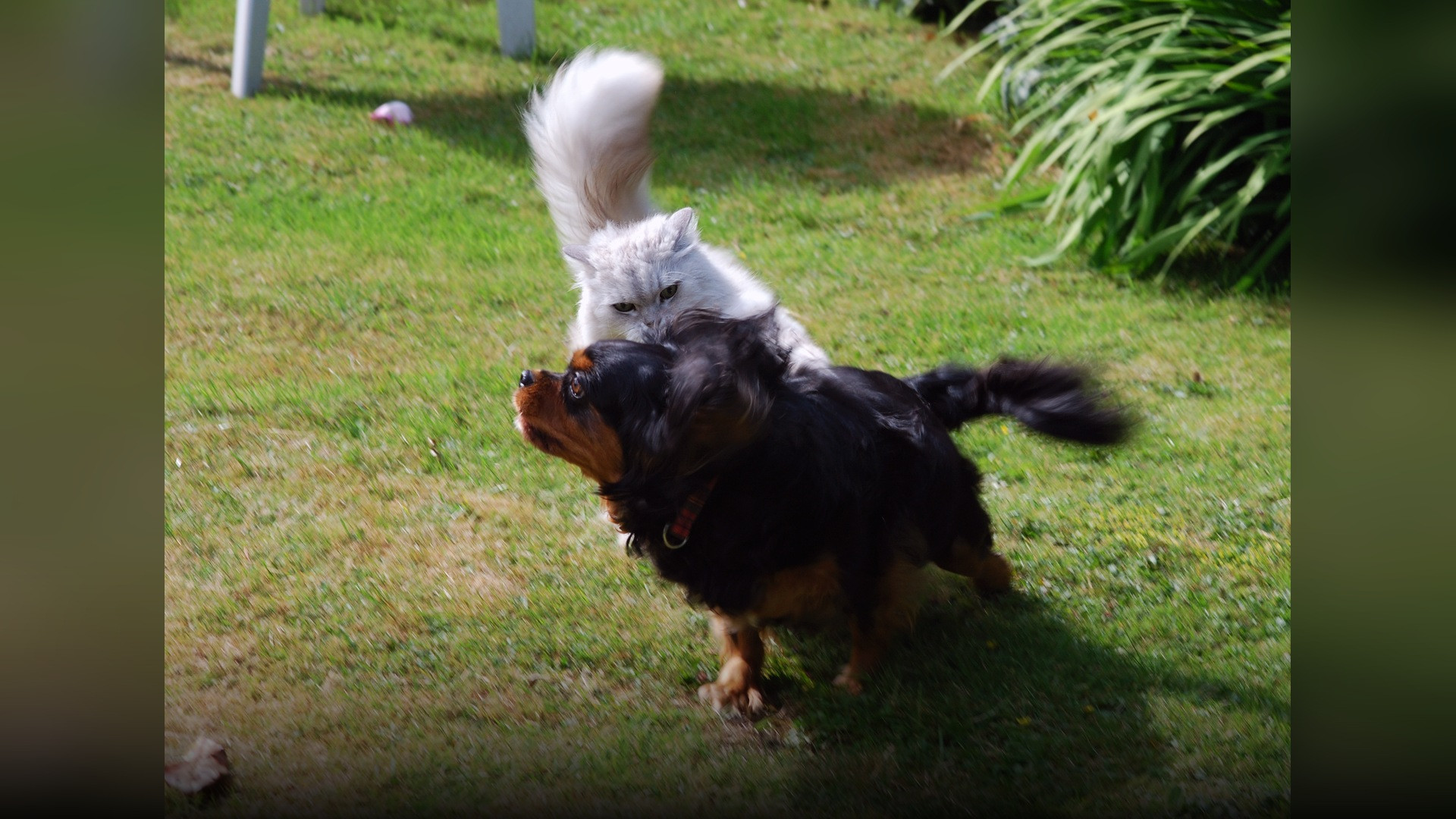
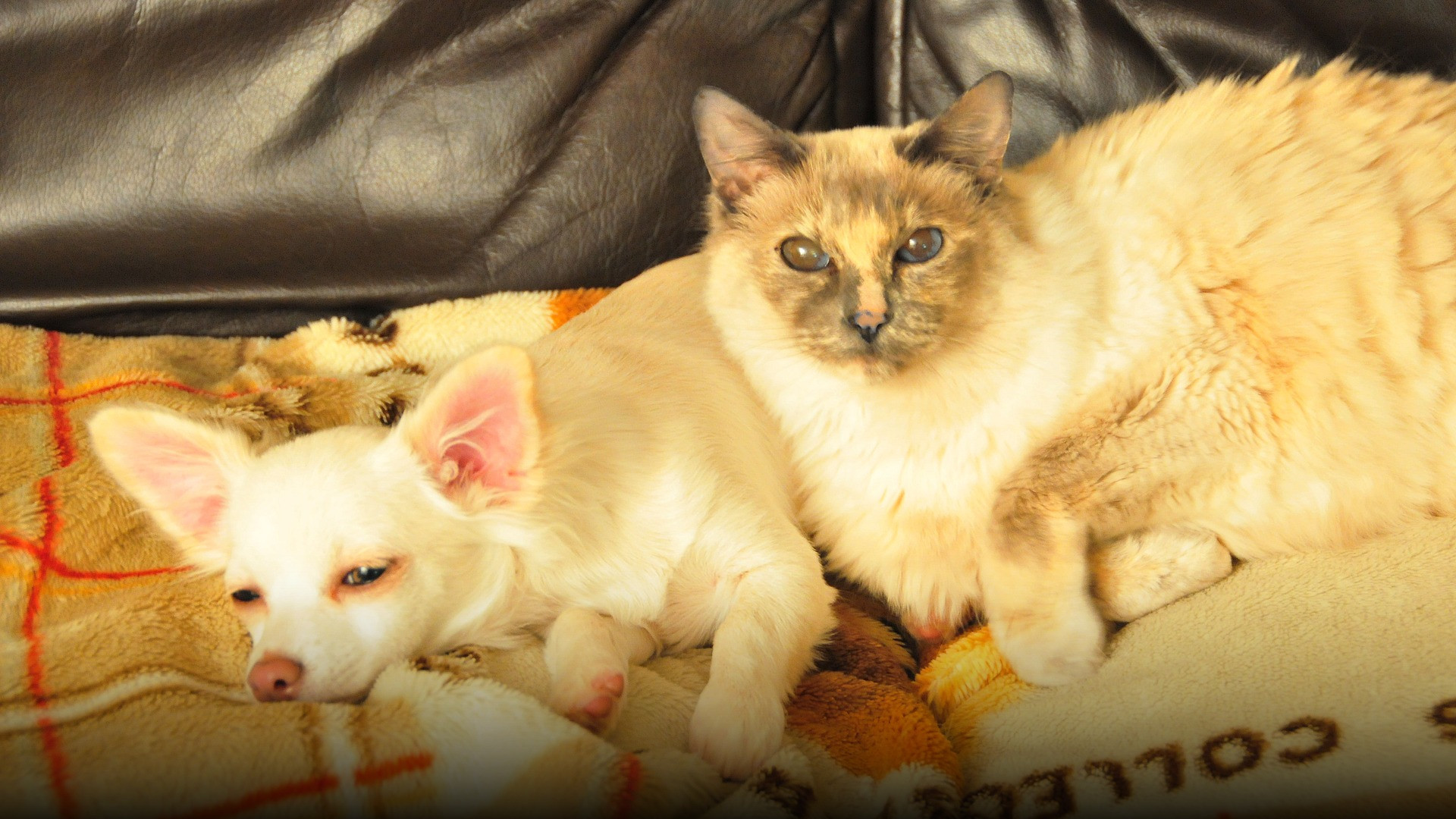
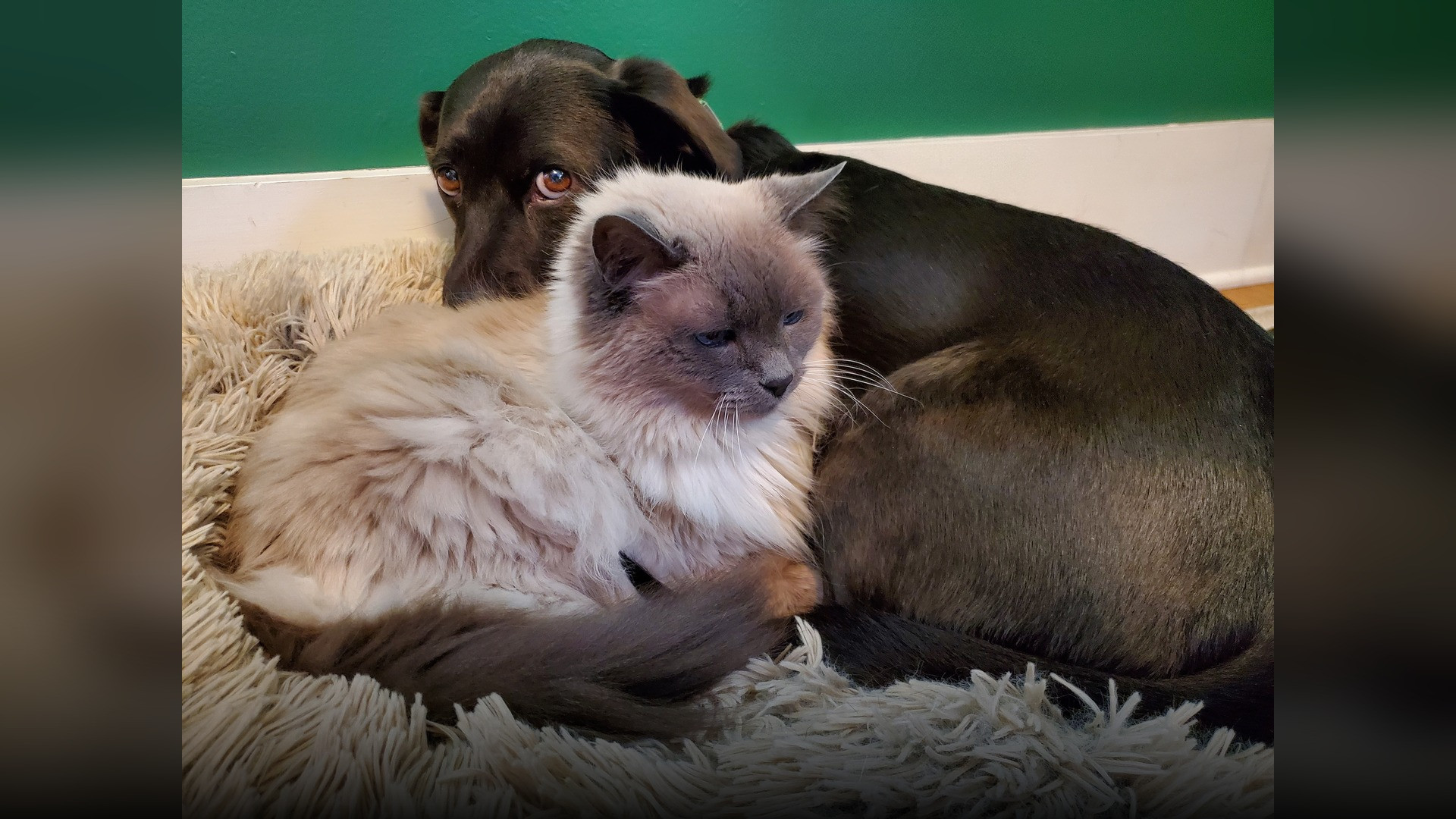
While cartoons portray them as sworn enemies, cats and dogs sharing a home develop complex interspecies languages, emotional hierarchies, and synchronized biological routines. (Source: Applied Animal Behaviour Science)
By Most Viral Today
1 Oct 2026

Top 10 Surprising Facts for Owners of Both Cats and Dogs 
10. Opposite Tail And Posture Dialects 
9. Nutritional Hazards Of Food Swapping 
8. Cats Establish The Household Hierarchy - AdvertisementSwipe or tap ▶ to continue countdown

7. Facial Pheromone Scent Blending 
6. Canine Self-Handicapping In Play 
5. Oxytocin Surges And Shared Sleep 
4. The Critical Early Socialization Window - AdvertisementSwipe or tap ▶ to continue countdown

3. Unique Hybrid Play Rituals 
2. Asymmetrical Jealousy Responses 
1. Interspecies Attachment And Mourning - Advertisement🔥 UP NEXT IN THIS SERIES◫ 26 Slides

25 Moments When Mother Animals Find Their Way Back to Babies
25 Emotional Moments When Mother Animals Find Their Way Back to Young
While cartoons portray them as sworn enemies, cats and dogs sharing a home develop complex interspecies languages, emotional hierarchies, and synchronized biological routines. (Source: Applied Animal Behaviour Science)
Swipe or tap ▶ to begin the countdown
©Wikimedia / 0x010C & Johannnes89
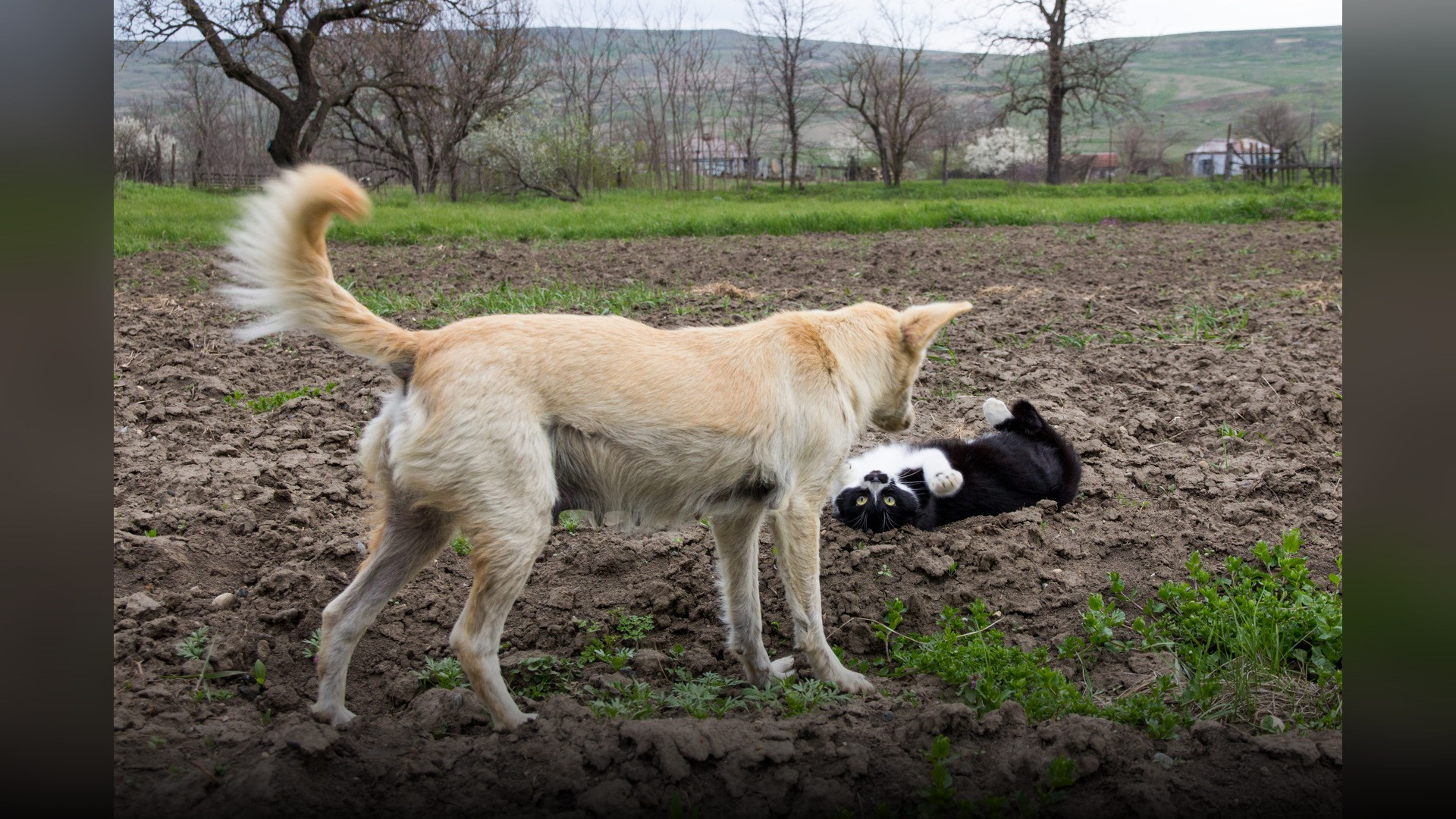
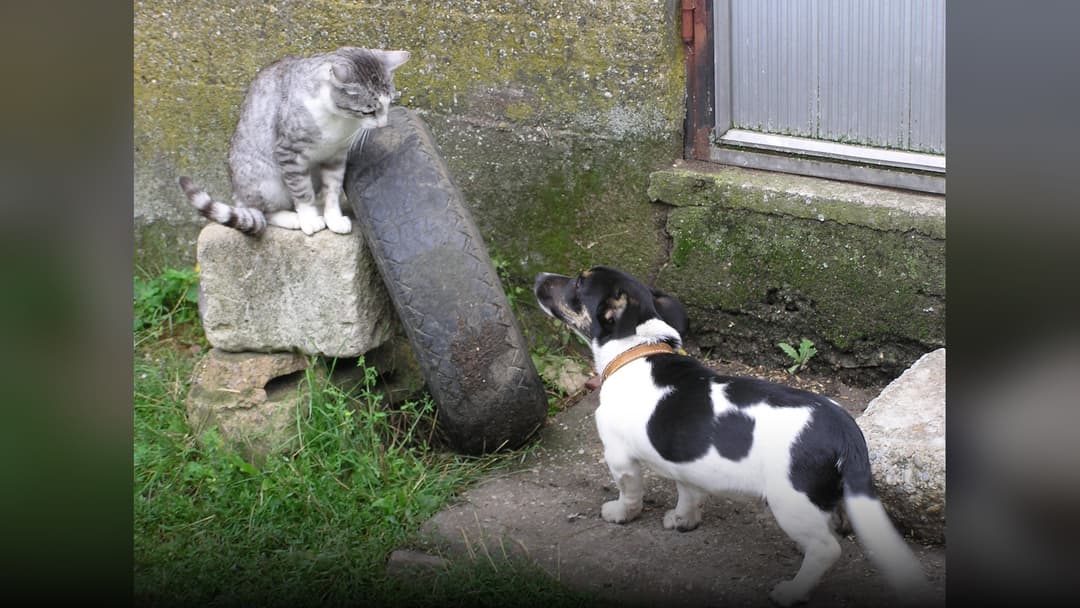
10. Opposite Tail And Posture Dialects
A wagging tail signals friendly excitement in dogs, but agitation or predatory focus in cats. Cohabitating pets must actively learn each other's opposing body language dialects. (Source: Applied Animal Behaviour Science)
©Wikimedia / Filip Maljković from P...
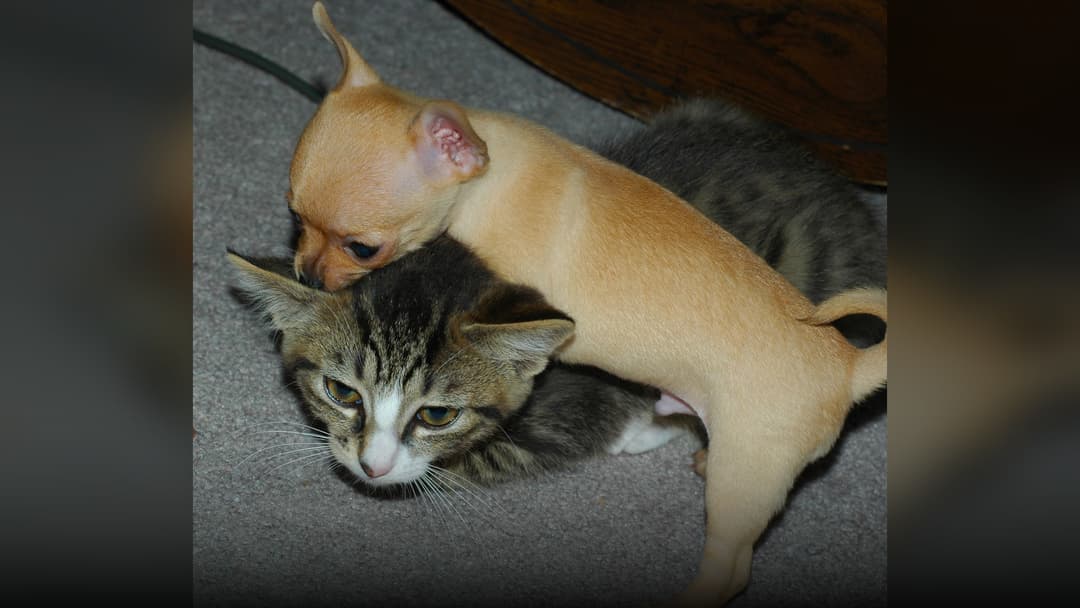
9. Nutritional Hazards Of Food Swapping
Dog food lacks essential taurine and arachidonic acid needed by obligate carnivore felines, while protein-rich, high-fat cat food can trigger acute pancreatitis in dogs. (Source: Merck Veterinary Manual)
©Wikimedia / S. J. Pyrotechnic from...
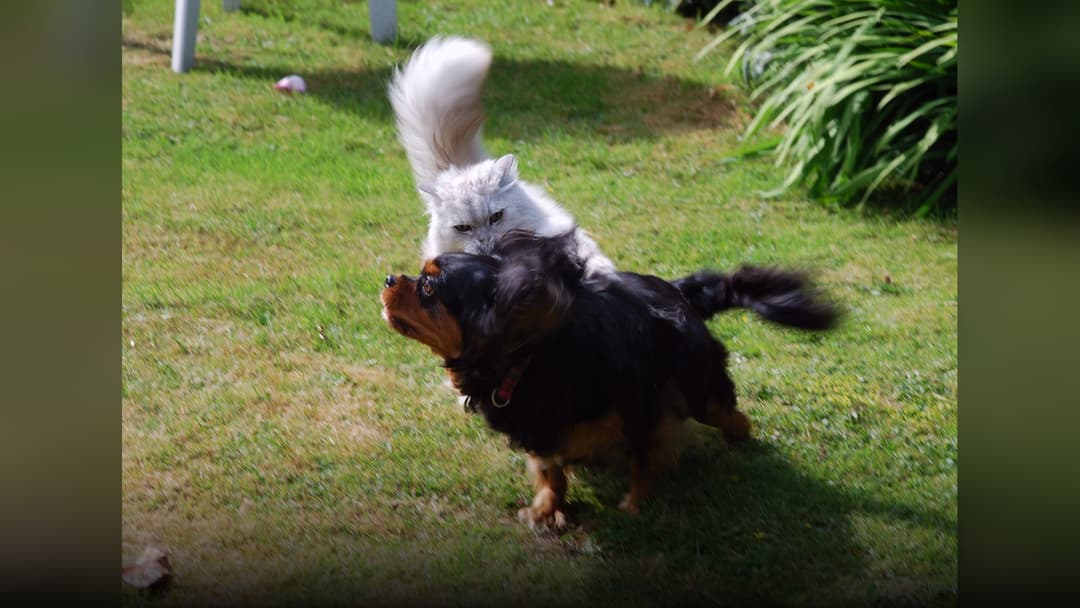
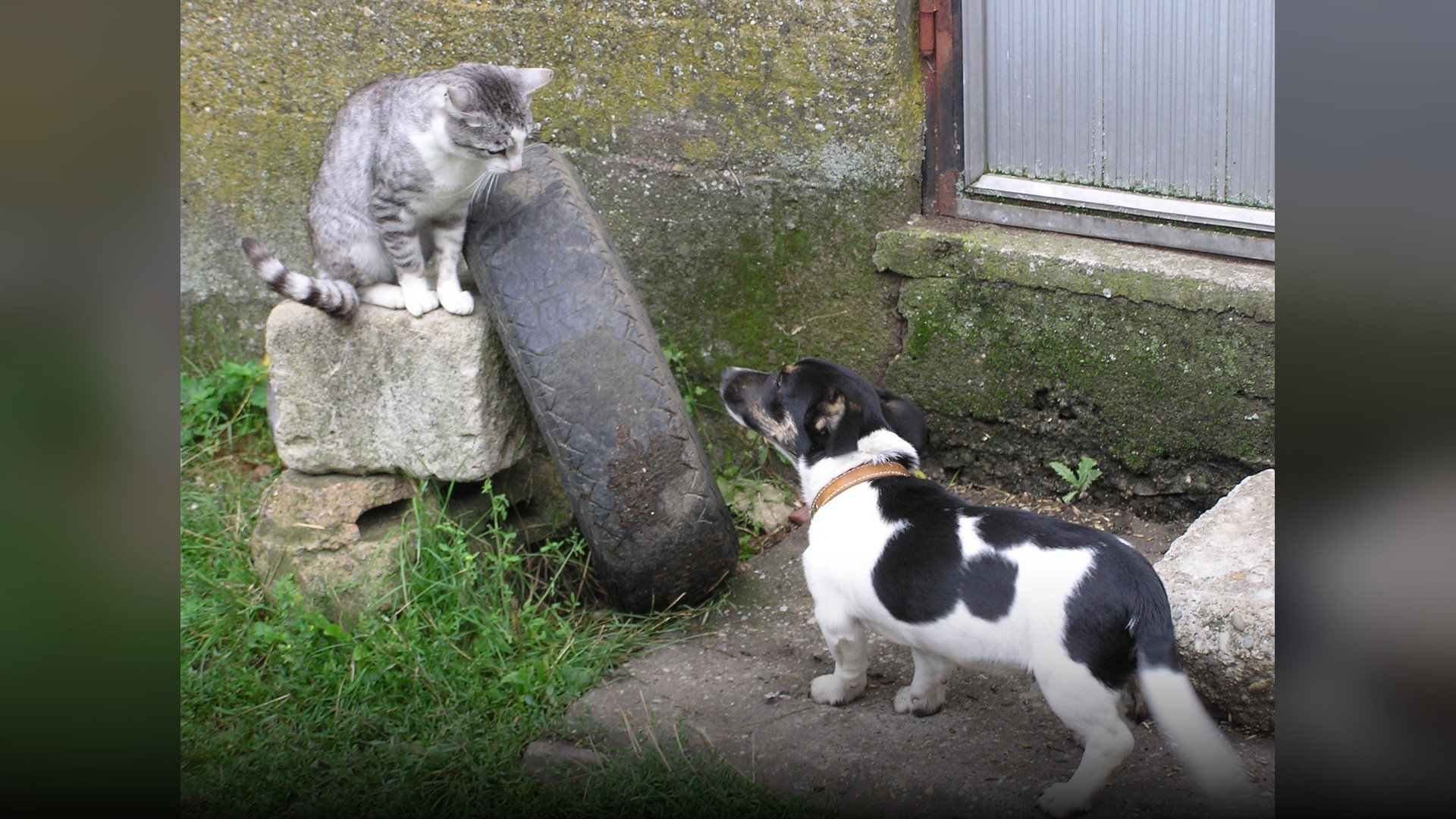
8. Cats Establish The Household Hierarchy
Veterinary behavior studies show cats initiate territorial boundaries and swatting far more frequently, while dogs are three times more likely to submit or back away. (Source: Journal of Veterinary Behavior)
©Wikimedia / Bad Apple Photography
Advertisement
Swipe or tap ▶ to resume the countdown.
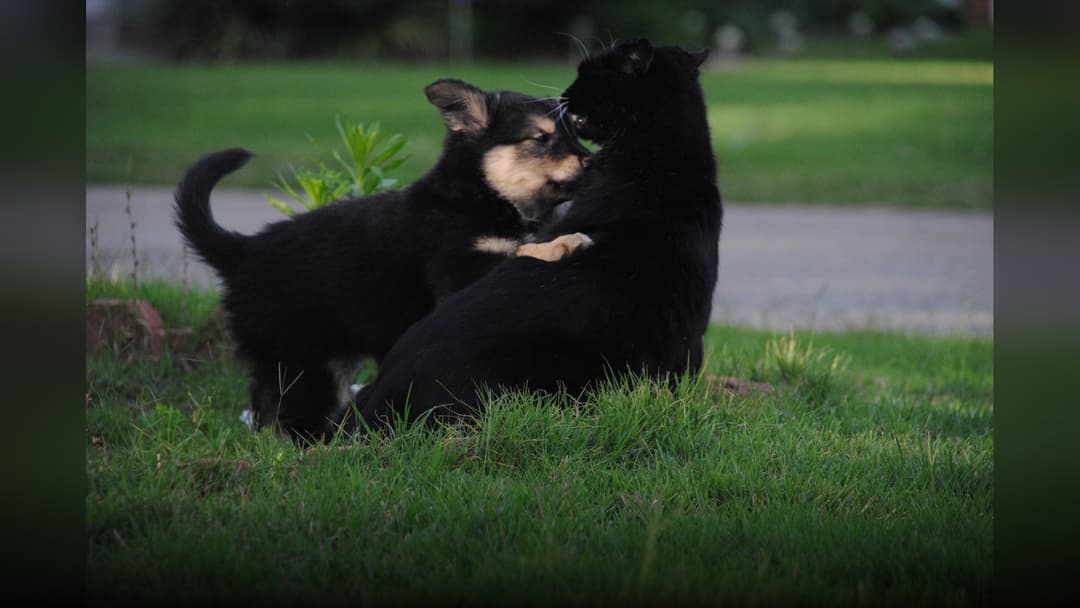
7. Facial Pheromone Scent Blending
When a cat head-butts or rubs its cheeks against a dog, it deposits facial pheromones that blend their scents, establishing a single unified household pack identity. (Source: Applied Animal Behaviour Science)
©Wikimedia / o331128
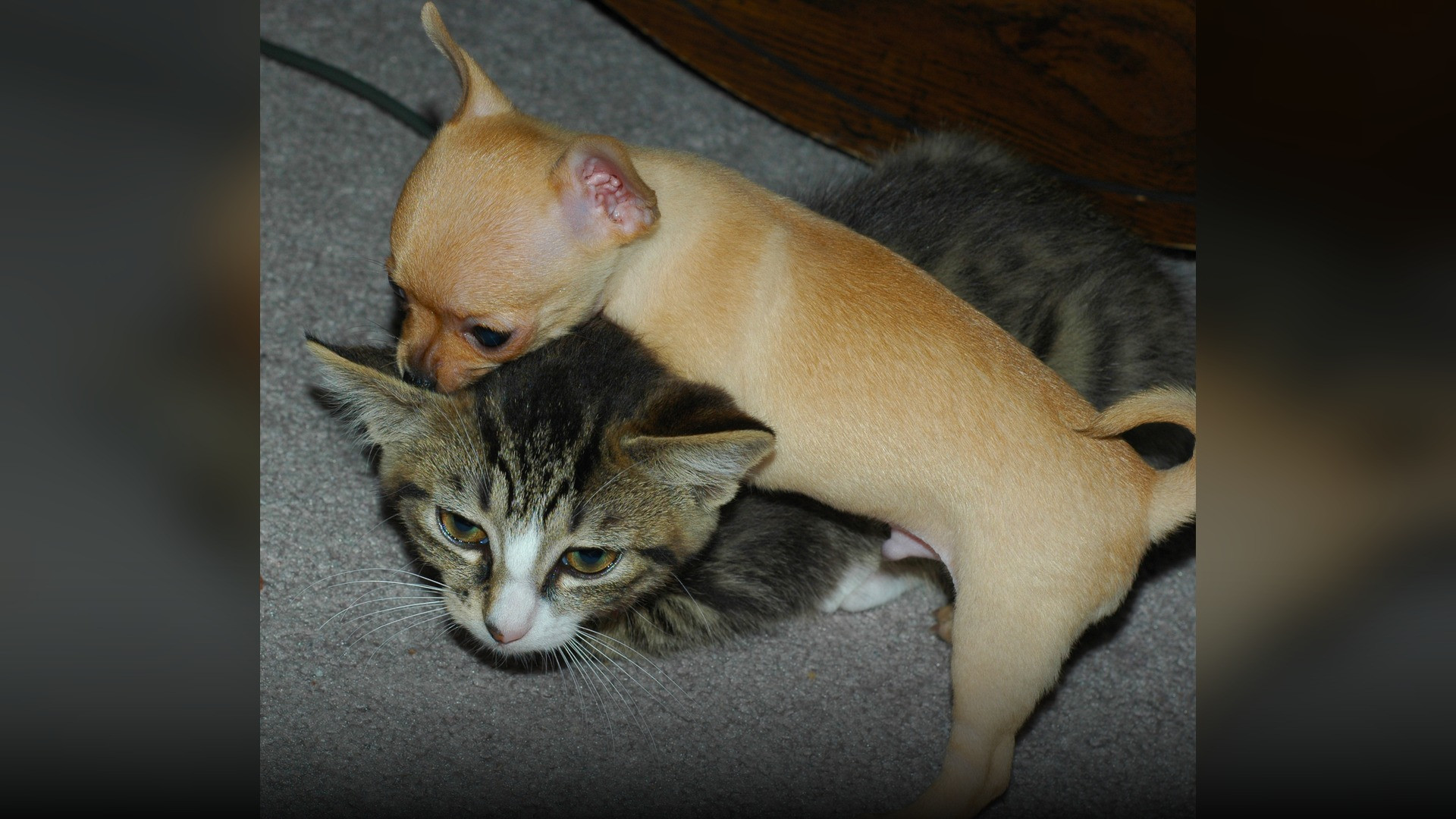
6. Canine Self-Handicapping In Play
Dogs consciously suppress their bite force and drop their posture during play, practicing self-handicapping to safely accommodate their cat partner's smaller size. (Source: Journal of Comparative Psychology)
©Wikimedia / Alexey Komarov
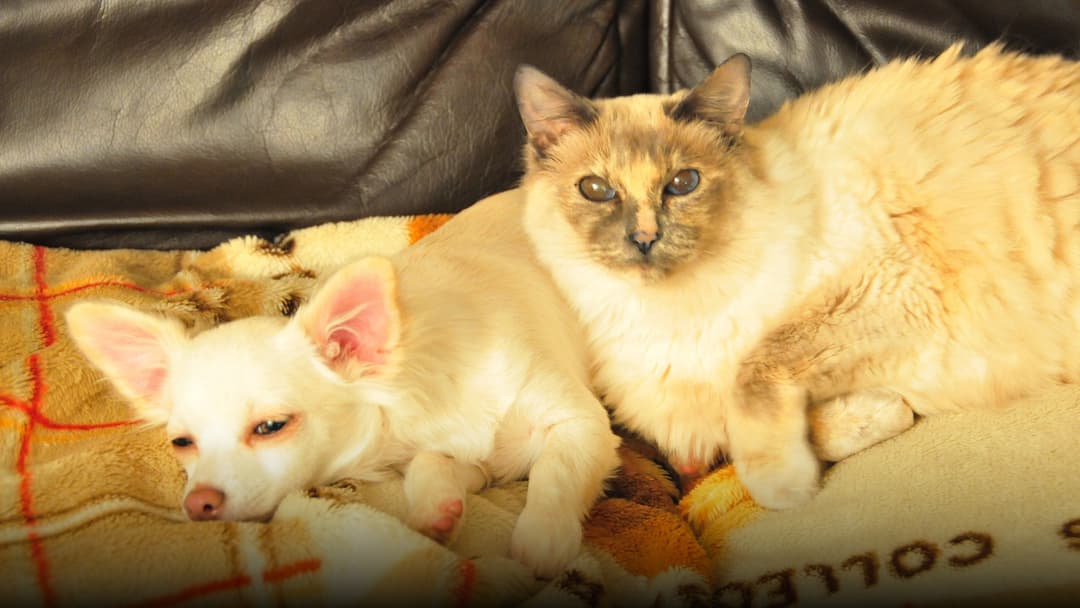
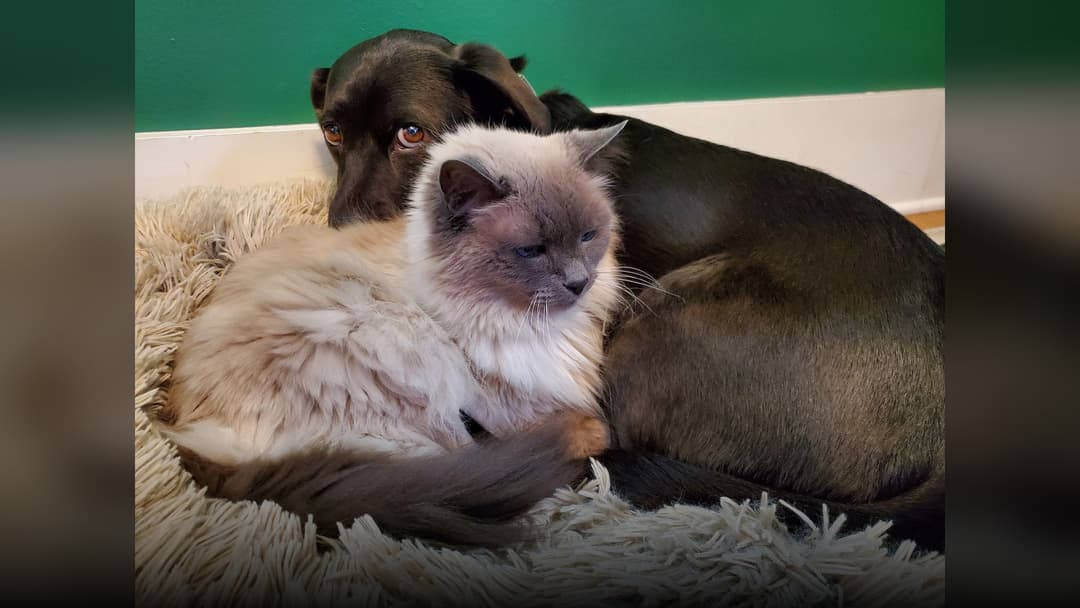
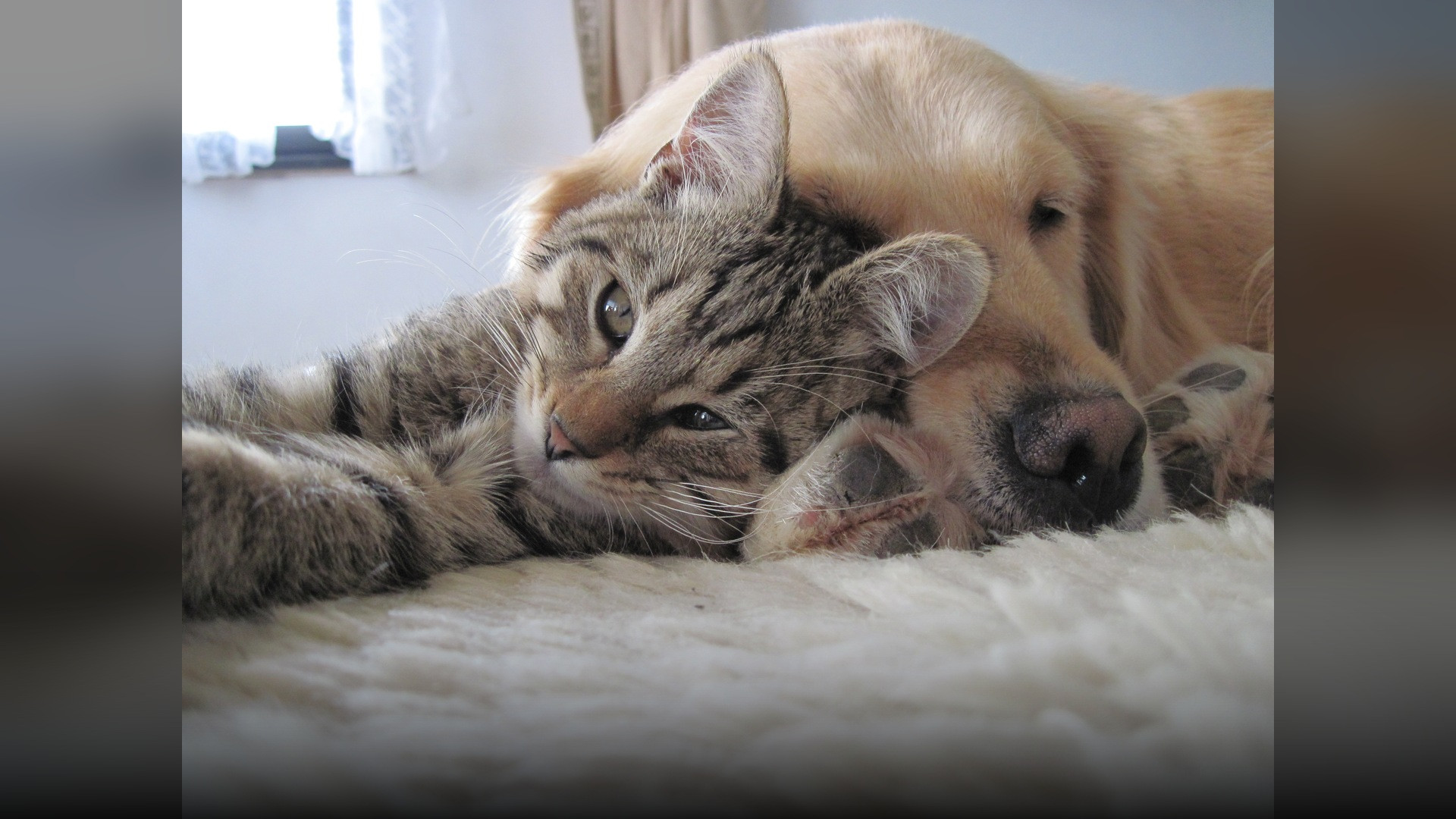
5. Oxytocin Surges And Shared Sleep
When bonded cats and dogs sleep touching, their resting heart rates and breathing synchronize, triggering mutual oxytocin release that lowers stress hormones in both animals. (Source: Frontiers in Veterinary Science)
©Wikimedia / Mary03101983
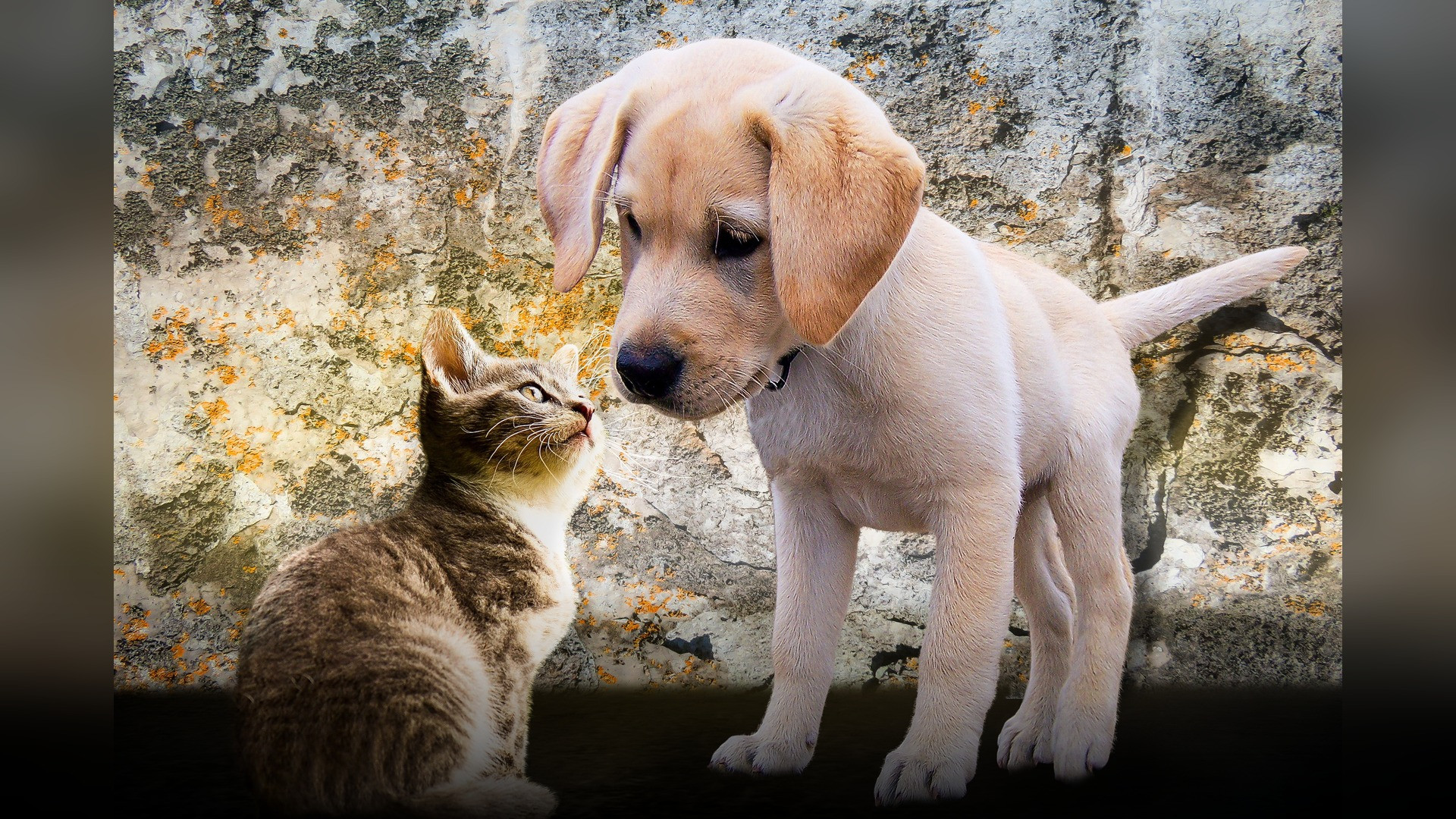
4. The Critical Early Socialization Window
Cohabitation harmony exceeds 90% when cats are introduced before six months of age and dogs before one year, hardwiring lifelong interspecies tolerance. (Source: Tel Aviv University Ethology Research)
©Wikimedia / blende12
Advertisement
Swipe or tap ▶ to resume the countdown.
3. Unique Hybrid Play Rituals
Cats and dogs invent unique compromise games—such as soft chase-and-tag with scheduled turnarounds—that never occur among wild canids or felids in nature. (Source: Applied Animal Behaviour Science)

©Wikimedia / Allen Watkin
2. Asymmetrical Jealousy Responses
Cognitive studies show dogs experience measurable behavioral jealousy when owners pet cats, while cats demonstrate displacement behaviors or vertical perch guarding. (Source: PLOS ONE)
©Wikimedia / Mike McBey
1. Interspecies Attachment And Mourning
Bonded cats and dogs engage in reciprocal grooming, suffer separation anxiety when parted, and display documented mourning behaviors if their companion passes away. (Source: Journal of Veterinary Behavior)
©Wikimedia / SeanT313
Advertisement
You've reached the end of the story. Thanks for reading!

25 Moments When Mother Animals Find Their Way Back to Babies
25 Emotional Moments When Mother Animals Find Their Way Back to Young
All 10 Entries in this Story
10. Opposite Tail And Posture Dialects
A wagging tail signals friendly excitement in dogs, but agitation or predatory focus in cats. Cohabitating pets must actively learn each other's opposing body language dialects. (Source: Applied Animal Behaviour Science)
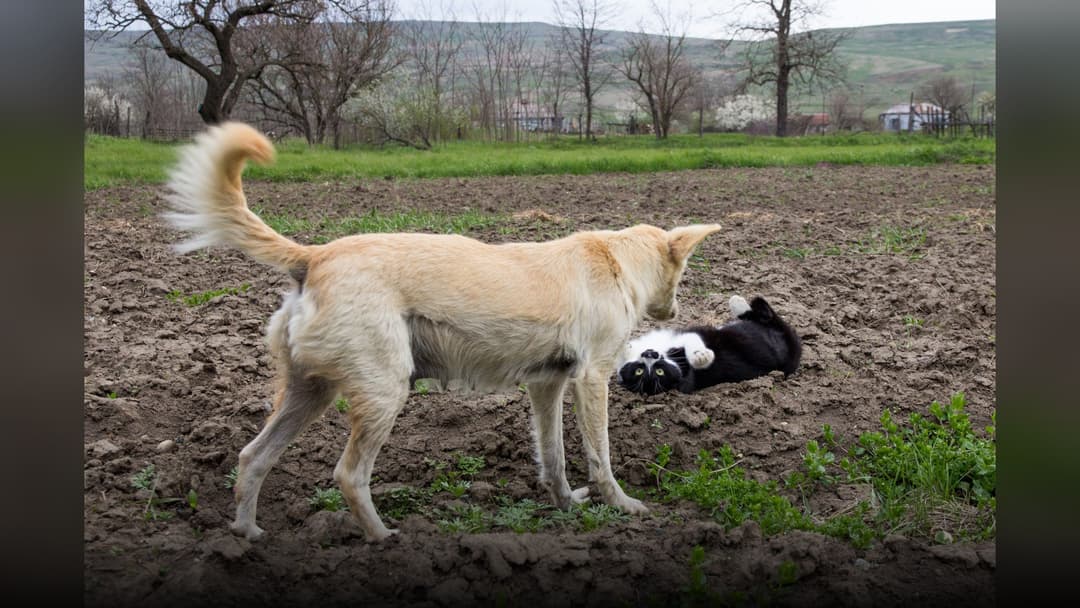
9. Nutritional Hazards Of Food Swapping
Dog food lacks essential taurine and arachidonic acid needed by obligate carnivore felines, while protein-rich, high-fat cat food can trigger acute pancreatitis in dogs. (Source: Merck Veterinary Manual)

8. Cats Establish The Household Hierarchy
Veterinary behavior studies show cats initiate territorial boundaries and swatting far more frequently, while dogs are three times more likely to submit or back away. (Source: Journal of Veterinary Behavior)

7. Facial Pheromone Scent Blending
When a cat head-butts or rubs its cheeks against a dog, it deposits facial pheromones that blend their scents, establishing a single unified household pack identity. (Source: Applied Animal Behaviour Science)
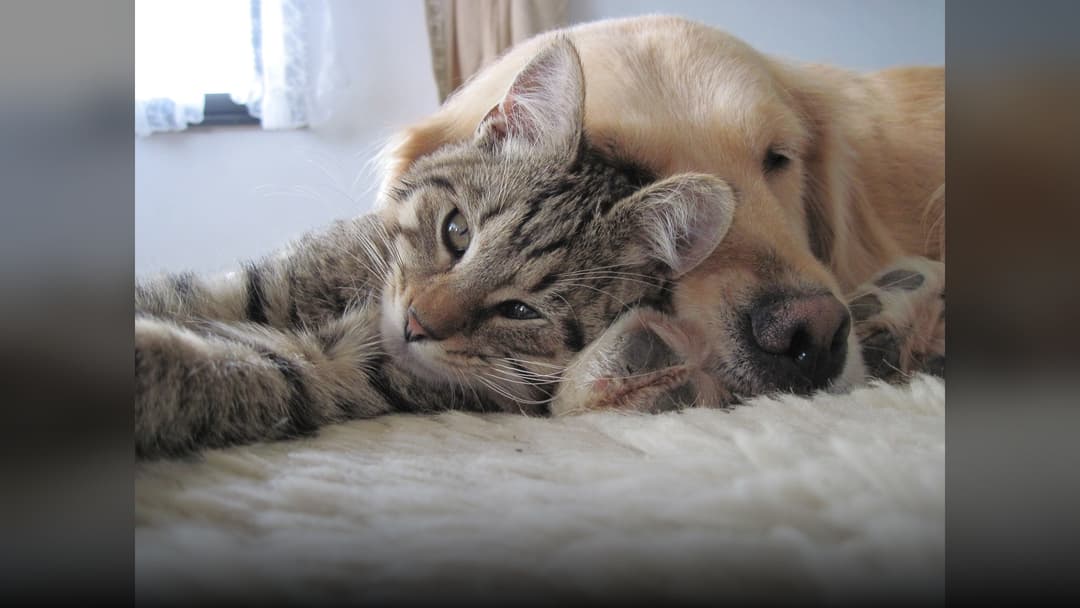
6. Canine Self-Handicapping In Play
Dogs consciously suppress their bite force and drop their posture during play, practicing self-handicapping to safely accommodate their cat partner's smaller size. (Source: Journal of Comparative Psychology)

5. Oxytocin Surges And Shared Sleep
When bonded cats and dogs sleep touching, their resting heart rates and breathing synchronize, triggering mutual oxytocin release that lowers stress hormones in both animals. (Source: Frontiers in Veterinary Science)

4. The Critical Early Socialization Window
Cohabitation harmony exceeds 90% when cats are introduced before six months of age and dogs before one year, hardwiring lifelong interspecies tolerance. (Source: Tel Aviv University Ethology Research)

3. Unique Hybrid Play Rituals
Cats and dogs invent unique compromise games—such as soft chase-and-tag with scheduled turnarounds—that never occur among wild canids or felids in nature. (Source: Applied Animal Behaviour Science)

2. Asymmetrical Jealousy Responses
Cognitive studies show dogs experience measurable behavioral jealousy when owners pet cats, while cats demonstrate displacement behaviors or vertical perch guarding. (Source: PLOS ONE)

1. Interspecies Attachment And Mourning
Bonded cats and dogs engage in reciprocal grooming, suffer separation anxiety when parted, and display documented mourning behaviors if their companion passes away. (Source: Journal of Veterinary Behavior)