Slideshow · Viral
Weird and Wonderful Aircraft Designs
From backwards-winged supersonic jets and disc-shaped 'Flying Pancakes' to bulbous rocket transporters and egg-shaped parasite fighters, these 10 real experimental aircraft proved that even the strang

All 10 Entries in this Story
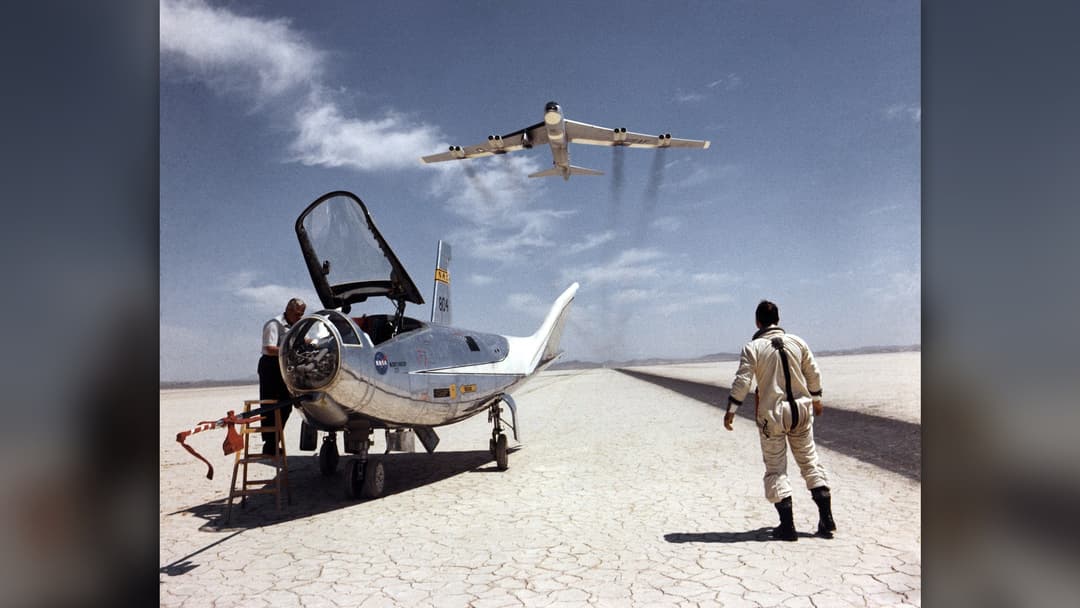
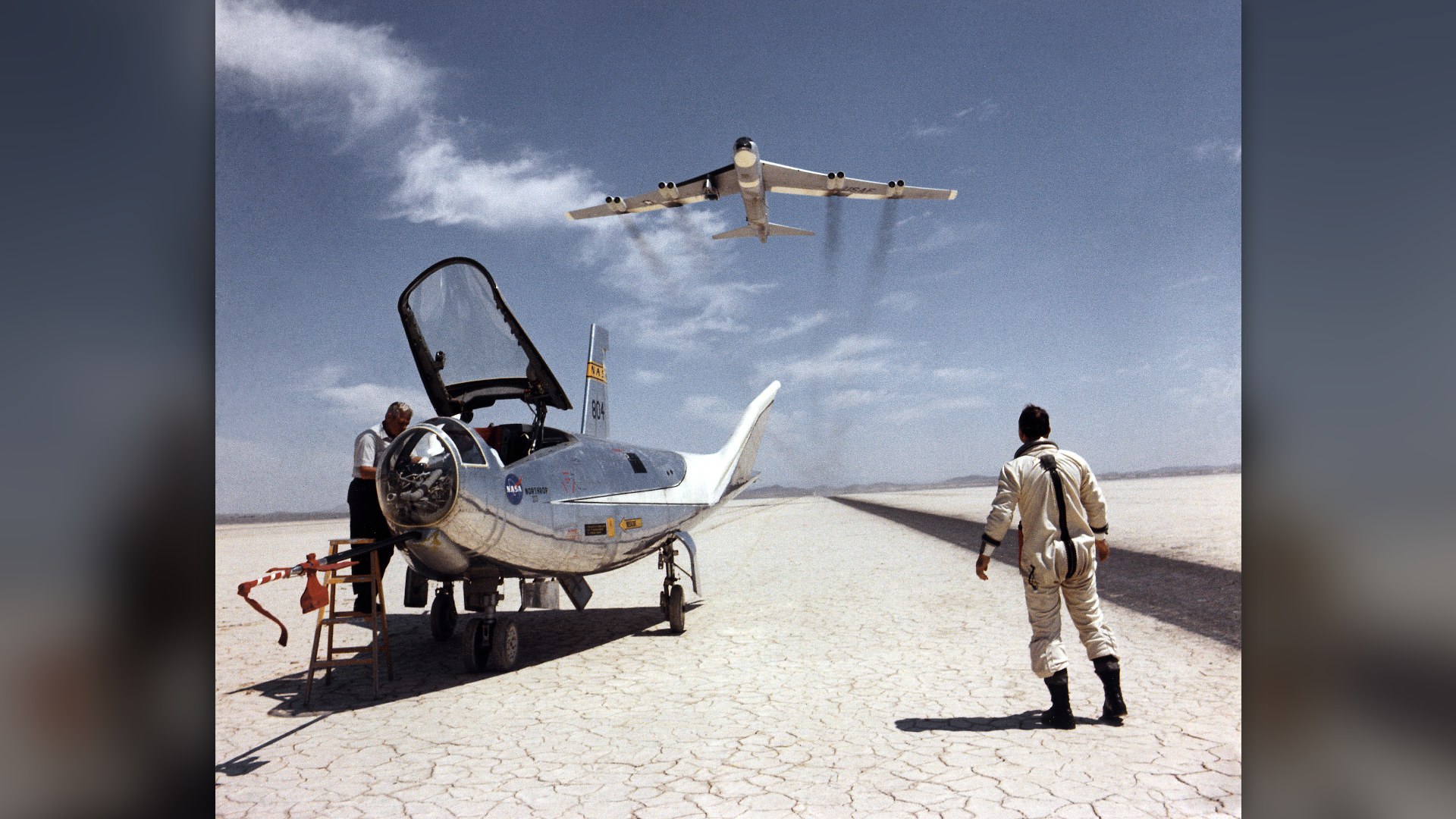
10. Northrop HL-10 Lifting Body
Dropped from beneath the wing of a B-52 mothership at 45,000 feet during the late 1960s, the NASA-Northrop HL-10 proved that a spacecraft returning from orbit could glide and land on a runway without wings. In February 1970, test pilot Bill Dana pushed the wingless craft to Mach 1.86 and 90,303 feet.
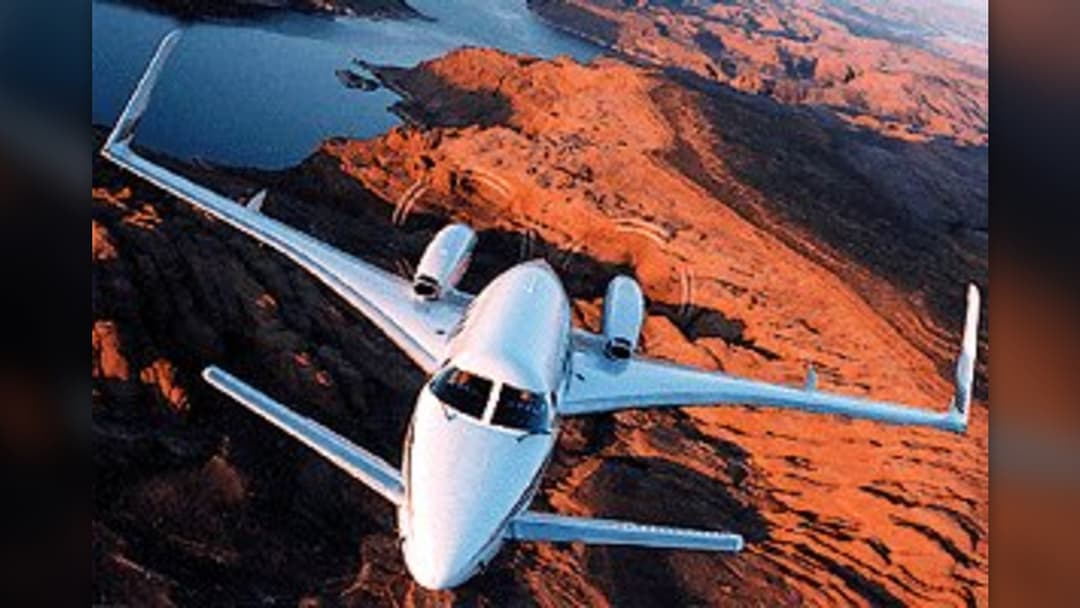
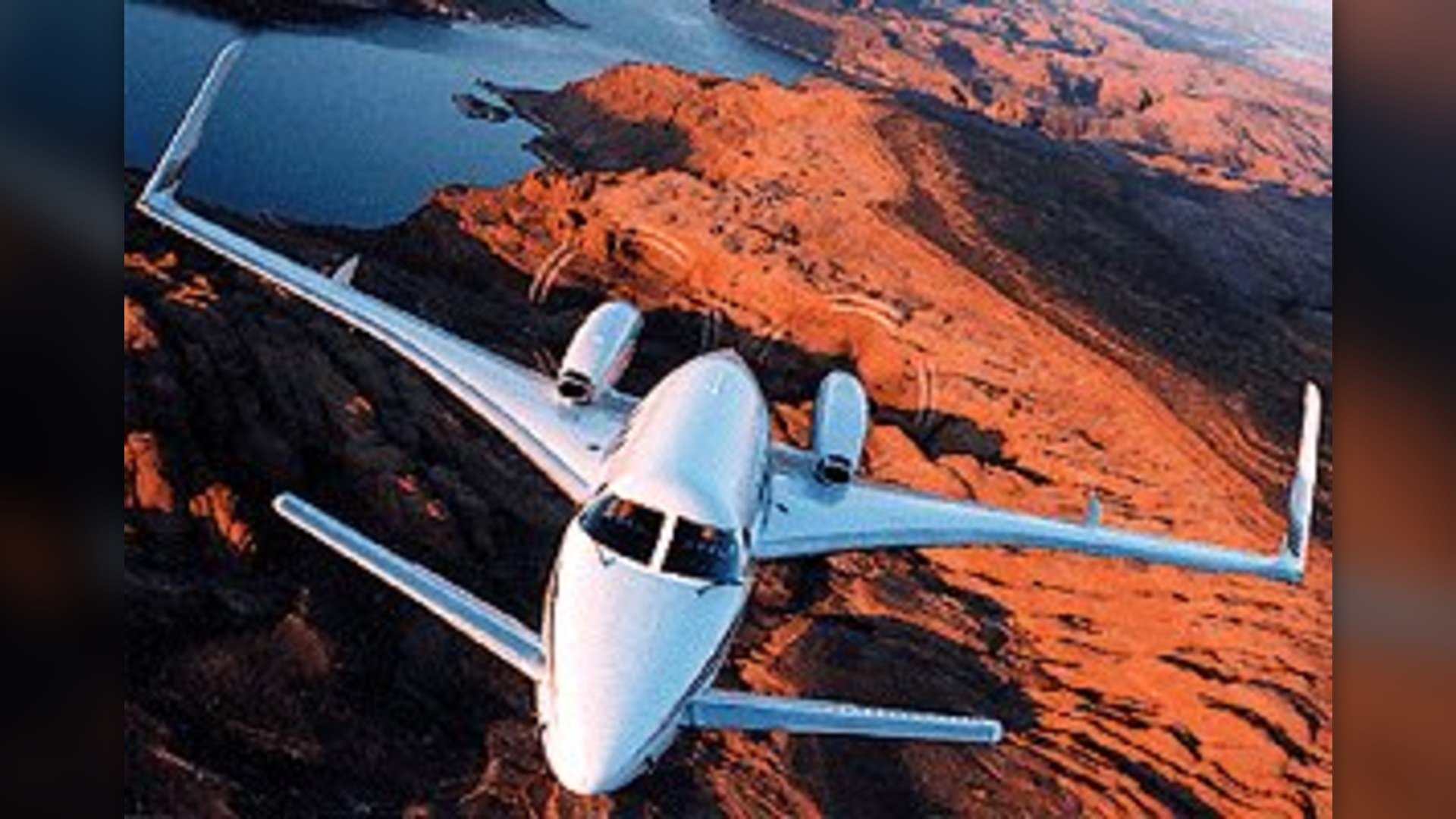
9. Beechcraft 2000 Starship
First flown in 1986, the Beechcraft Starship looked like it arrived from the 22nd century. Instead of a conventional horizontal tail, it used forward canard wings that pivoted to adjust pitch, towering wingtip sails for directional stability, and rear-mounted turboprops that pushed rather than pulled the cabin.
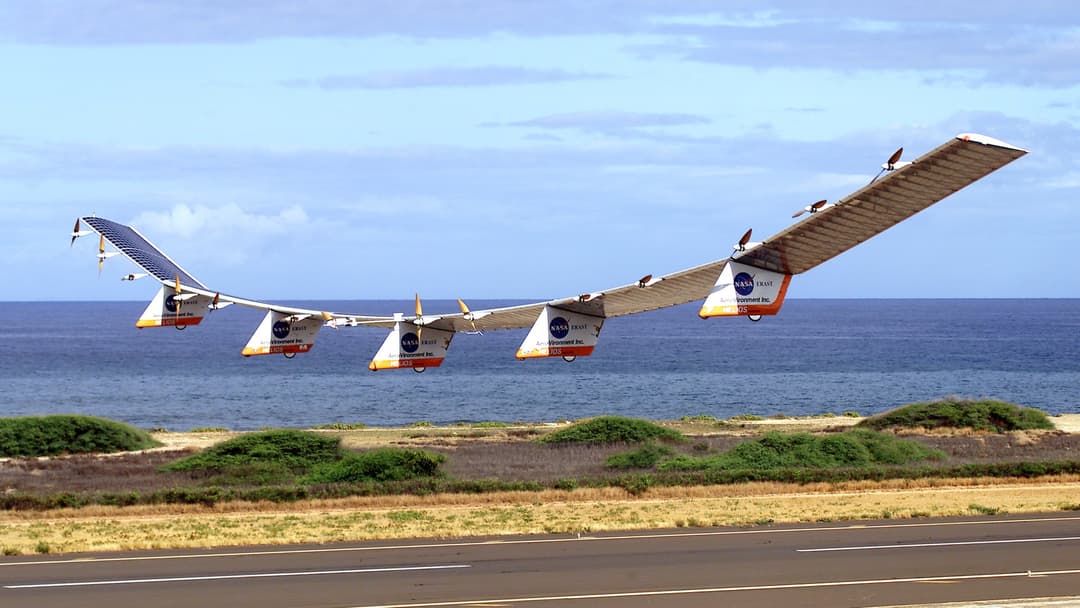
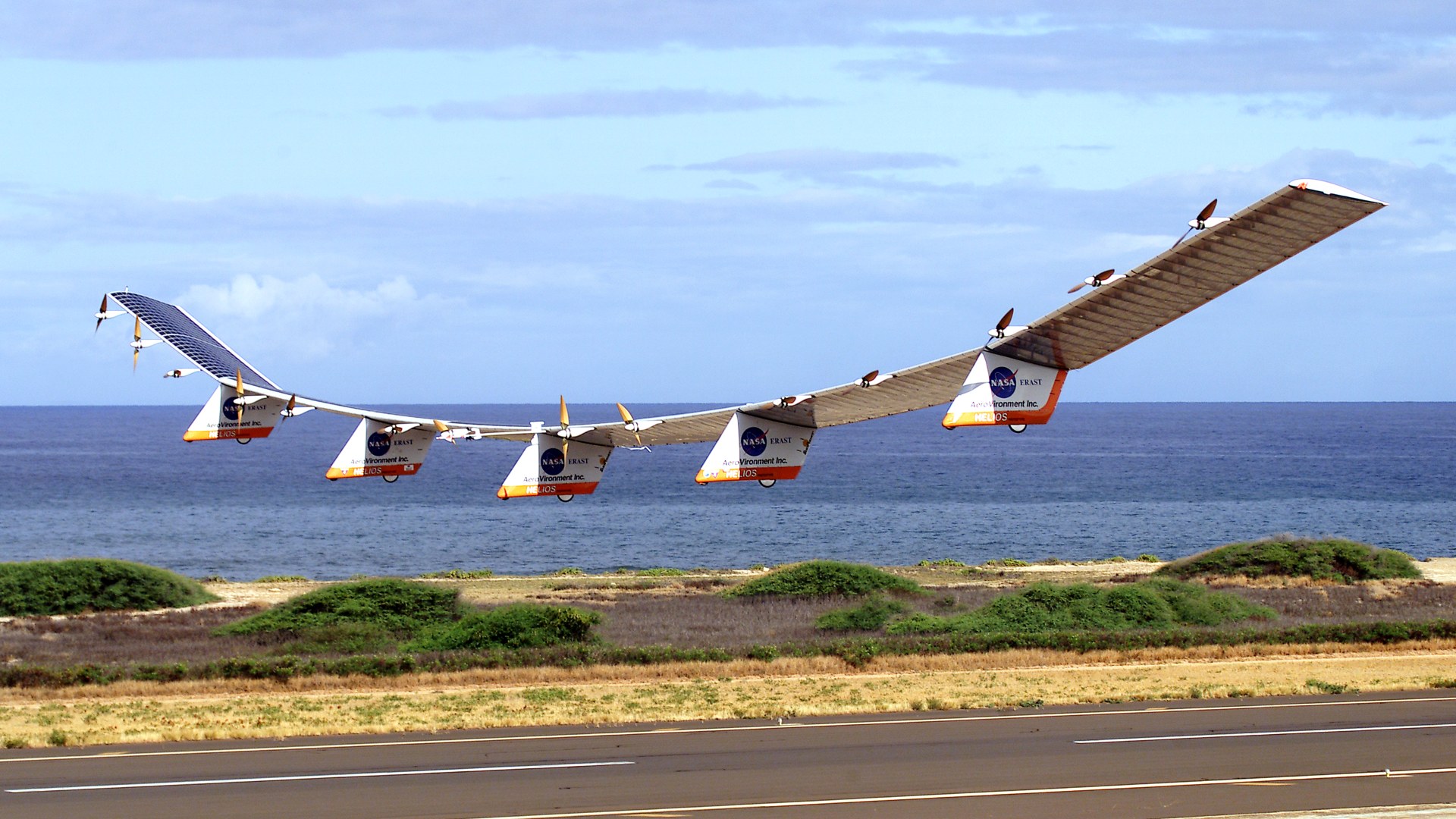
8. NASA Helios Solar Flying Wing
Developed by AeroVironment for NASA, the Helios Prototype was an ultralight flying wing covered in 62,120 high-efficiency solar cells. During a landmark flight over Kauai, Hawaii, in August 2001, the gracefully curving wing climbed to 96,863 feet—setting an altitude record for winged non-rocket aircraft.
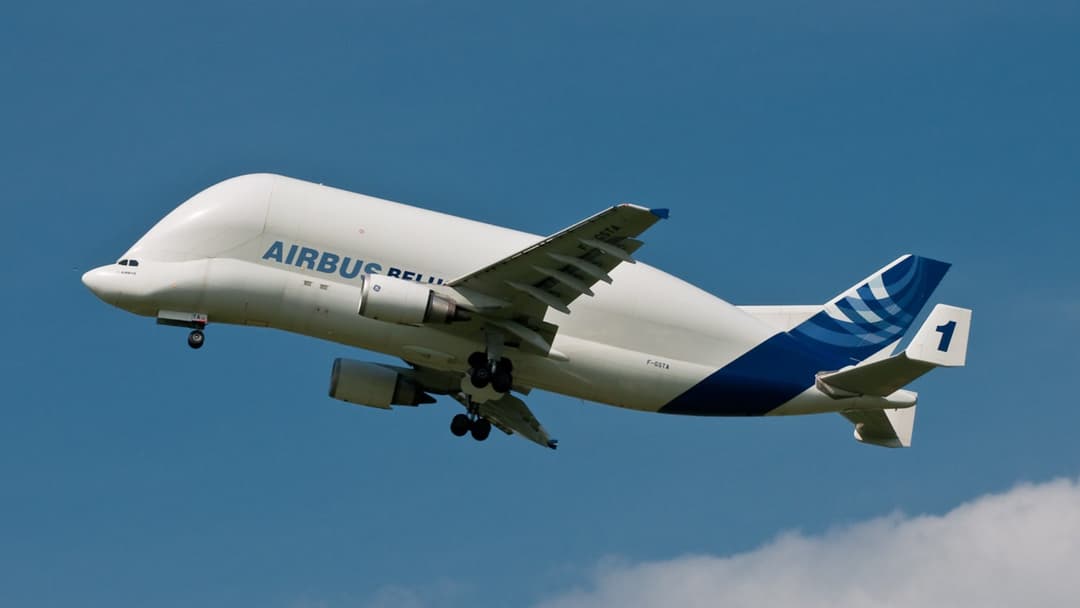
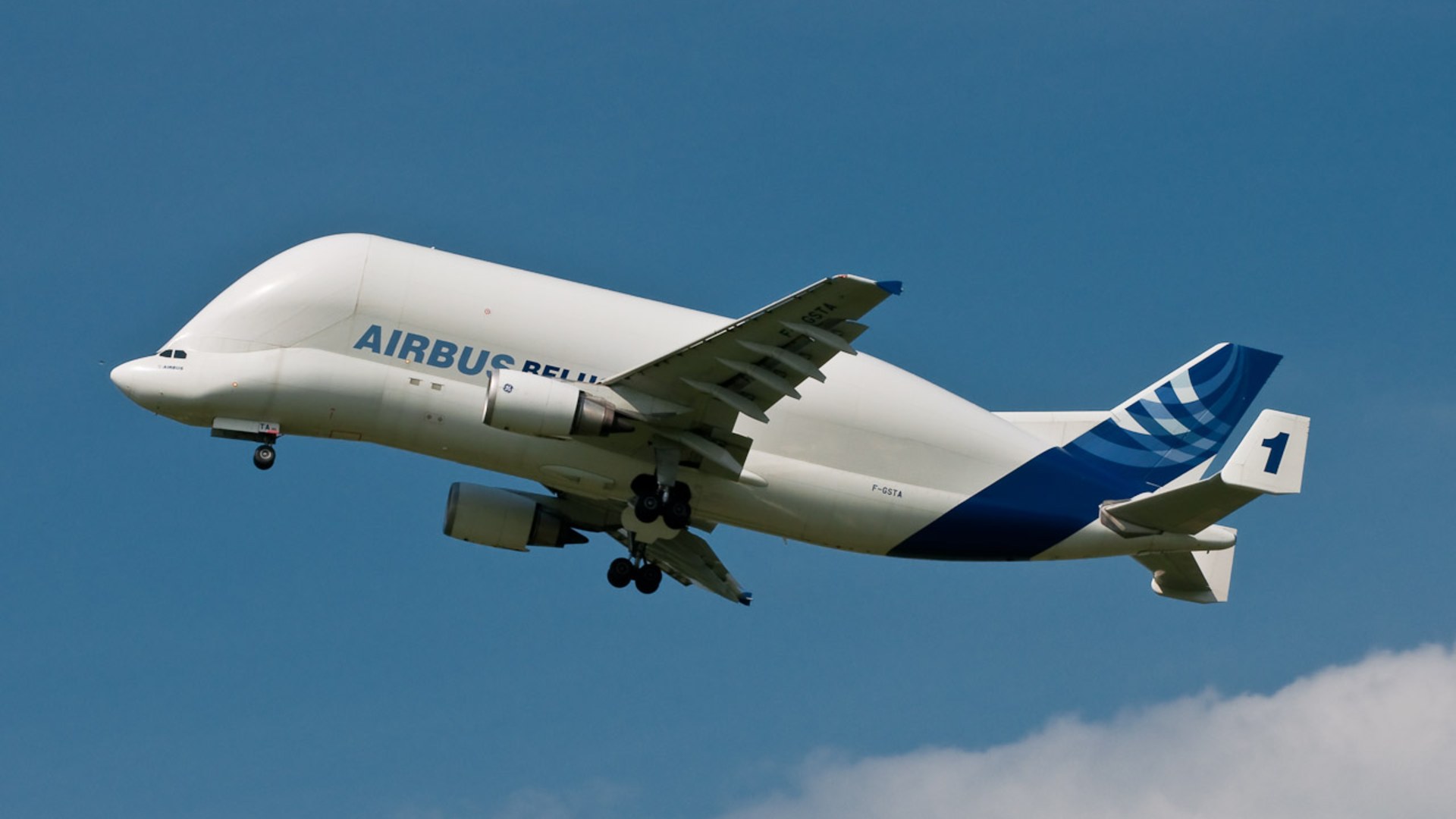
7. Airbus A300-600ST Beluga
To ferry completed aircraft sections between factories across Europe, Airbus engineers sliced the roof off an A300 wide-body airliner, lowered the cockpit below the cargo floor, and grafted on a 25-foot-wide cylindrical dome. Its upward-hinging forehead door lets crews roll whole fuselages straight inside.
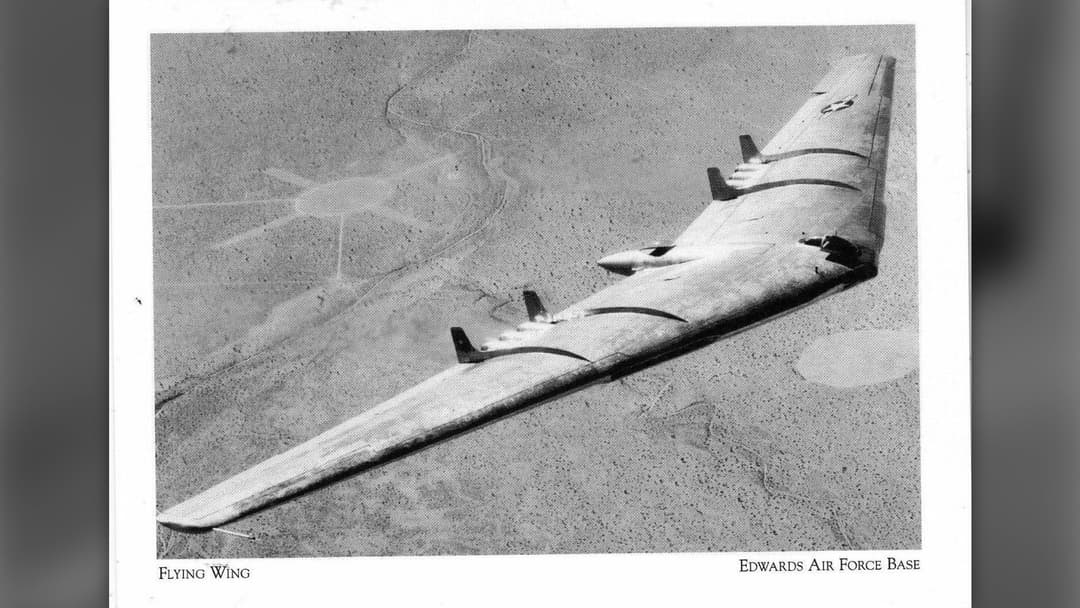
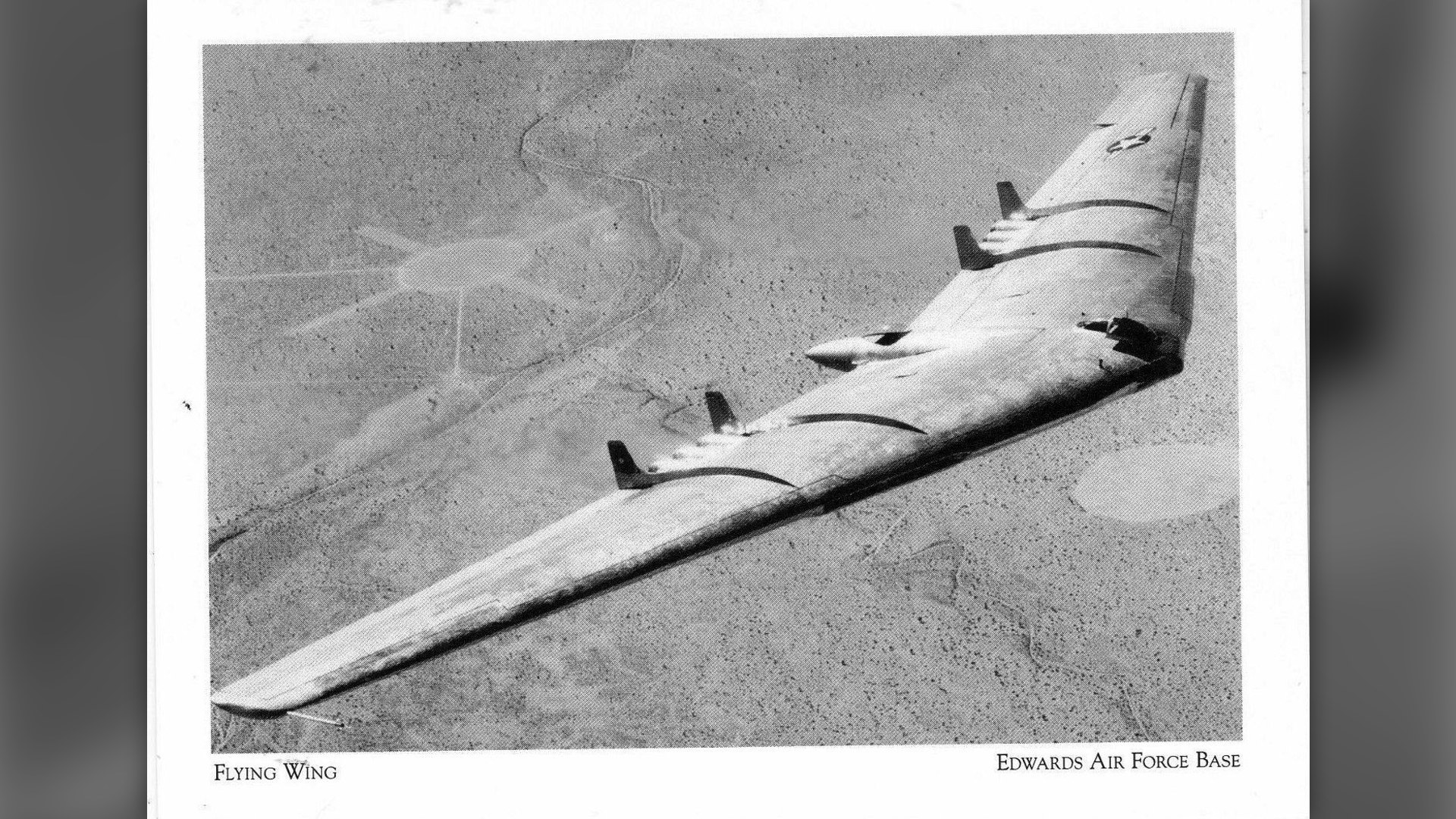
6. Northrop YB-49 Flying Wing
Decades before digital fly-by-wire computers existed, Northrop proved that a 172-foot boomerang-shaped wing could fly faster and farther by eliminating the parasitic drag of a tail and body. Though ahead of its time in 1947, its radar-evading silhouette directly inspired the modern B-2 Spirit.
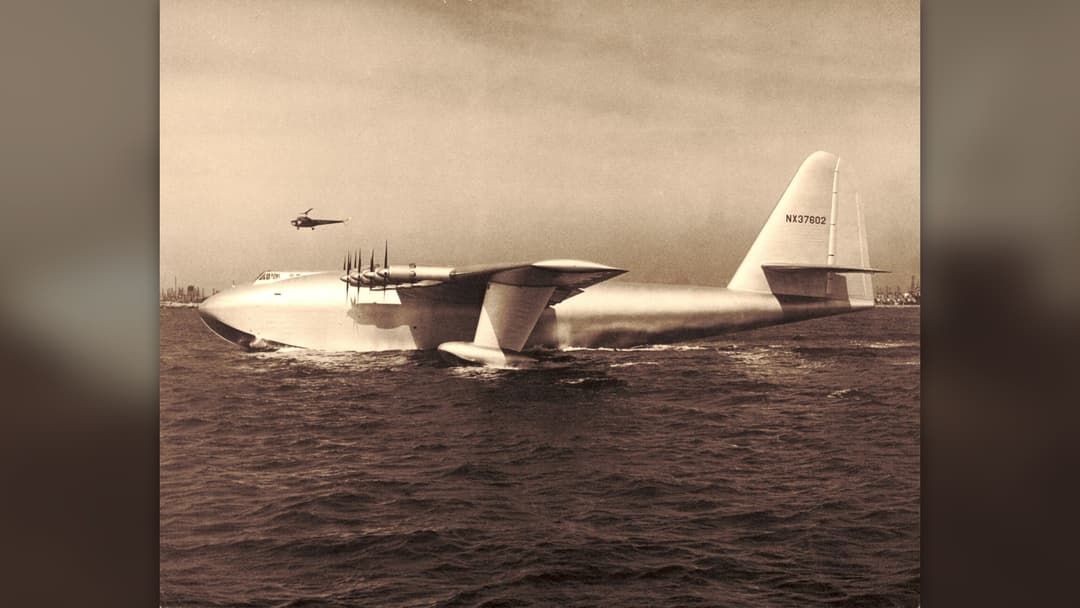
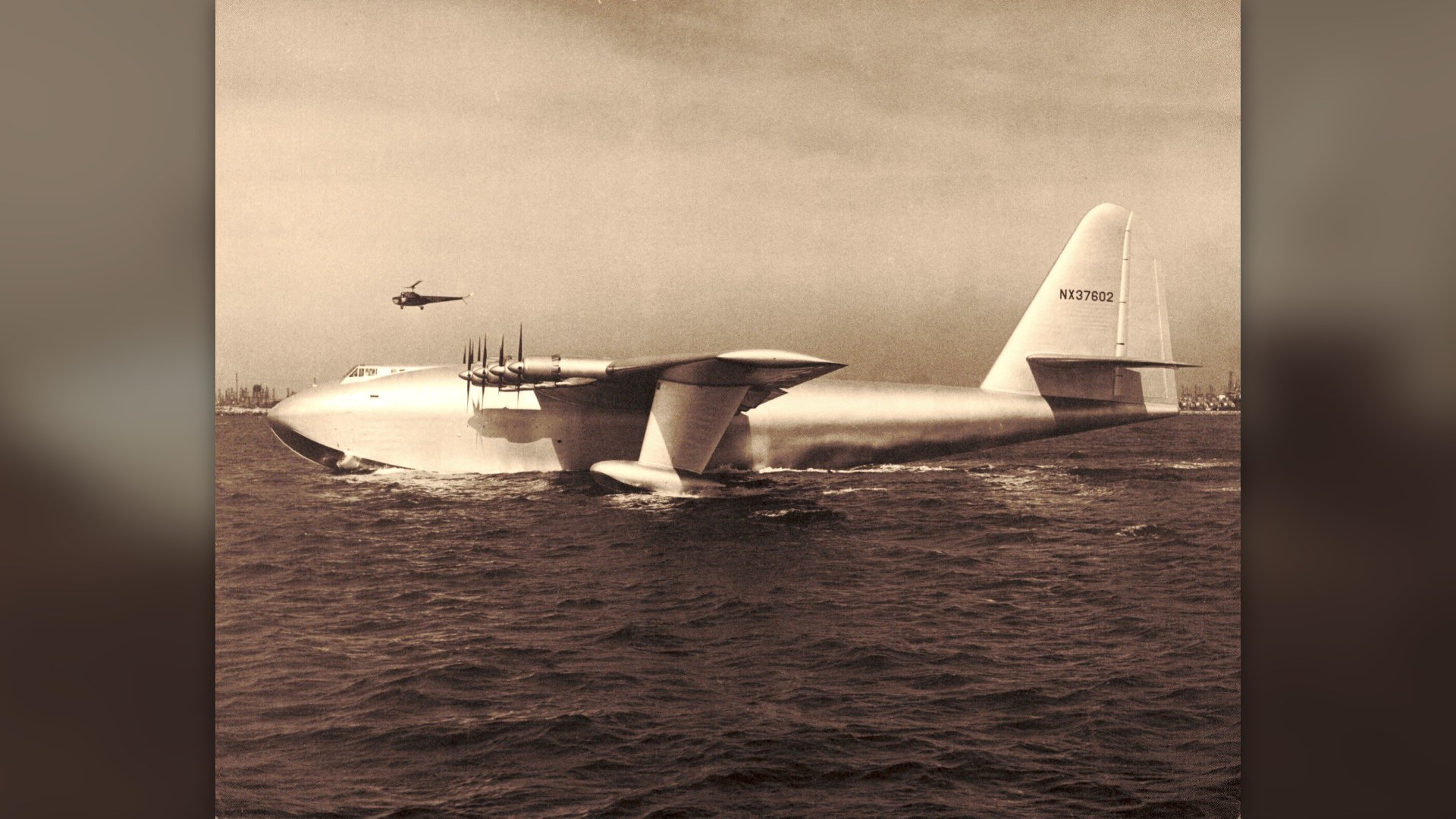
5. Hughes H-4 Hercules (Spruce Goose)
Conceived during World War II to ferry 750 troops across submarine-infested Atlantic waters, the colossal H-4 Hercules was constructed using the Duramold resin-laminated wood process. On November 2, 1947, Howard Hughes personally lifted the eight-propeller leviathan off Long Beach Harbor for its sole one-mile flight.
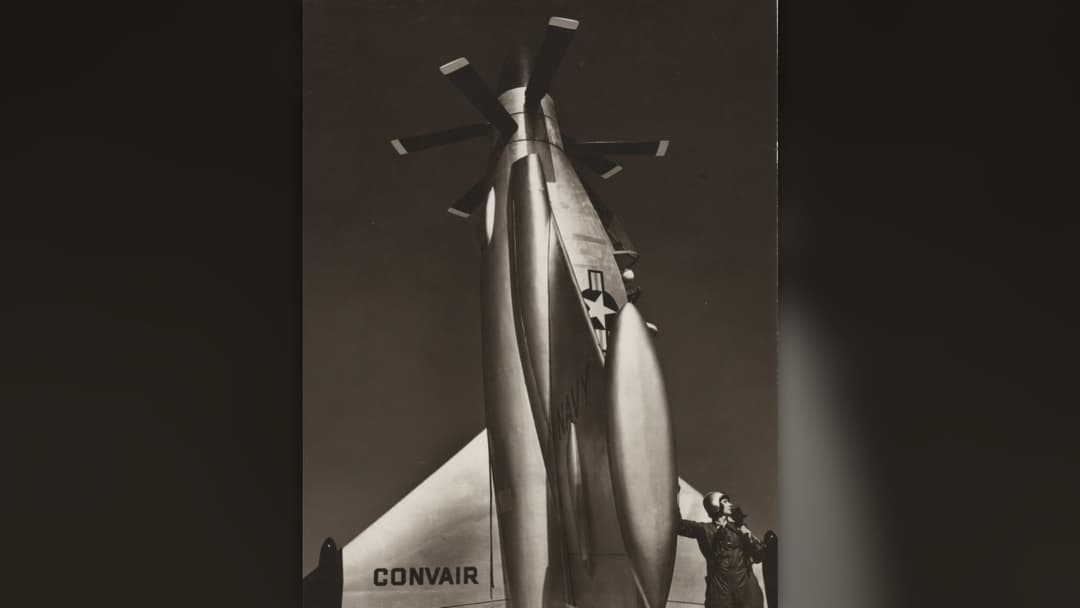
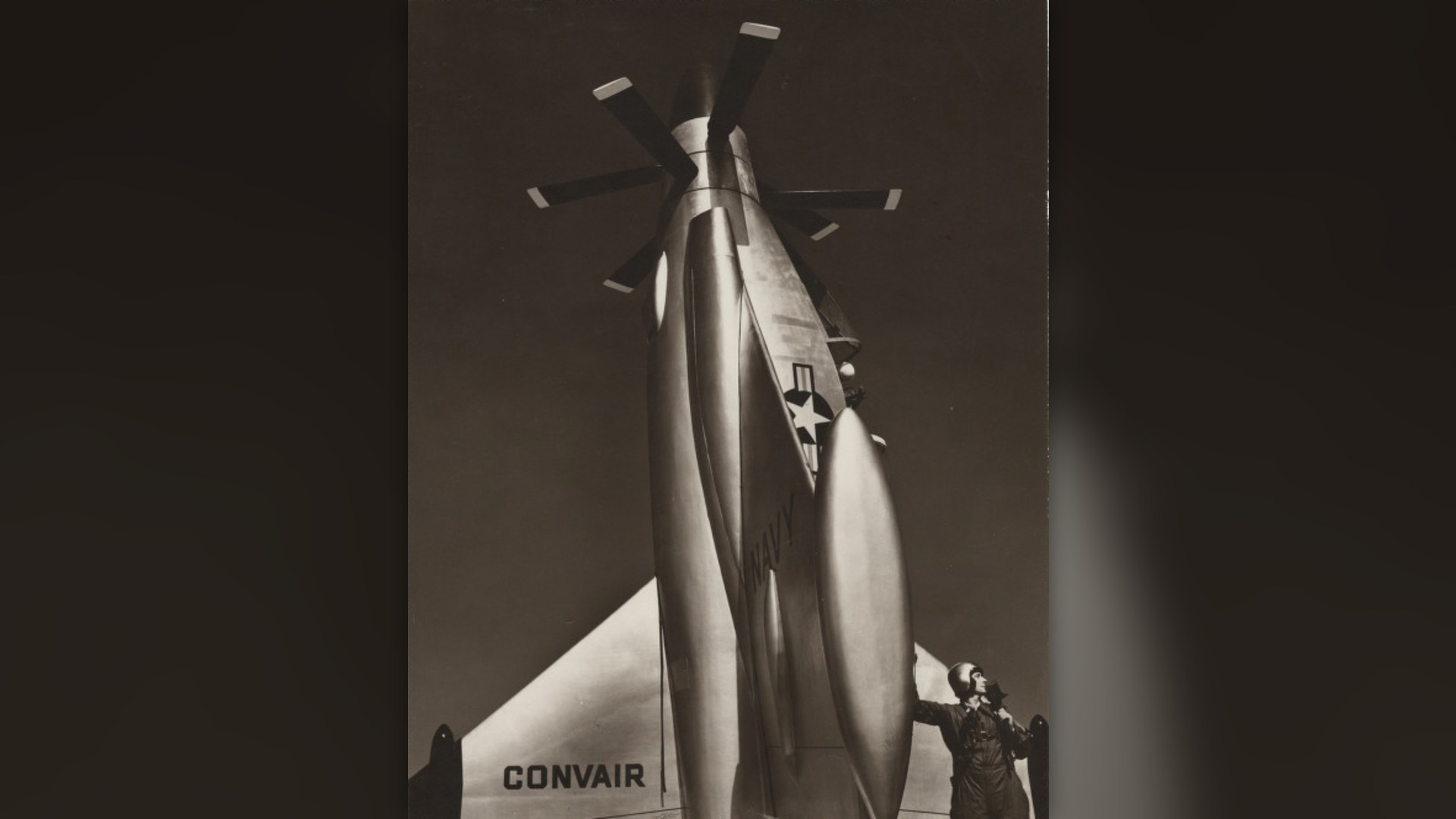
4. Convair XFY-1 Pogo Tail-Sitter
Designed to give small naval warships their own fighter escort without an aircraft carrier deck, the XFY-1 Pogo used contra-rotating turboprops to hover like a helicopter before pitching into horizontal flight. Landing required the pilot to look over his shoulder while backing down onto the tail.
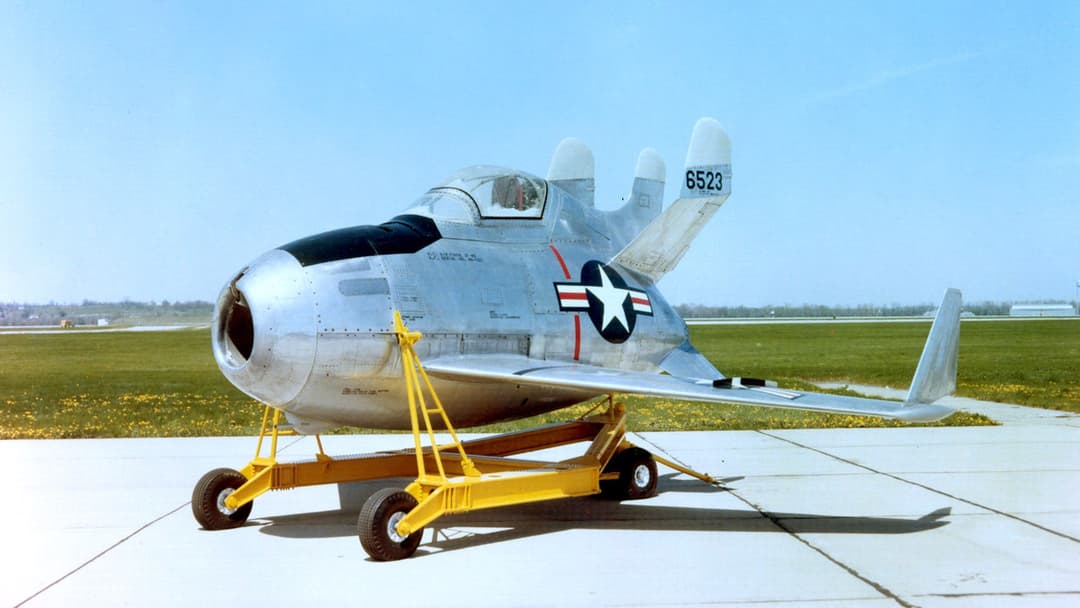
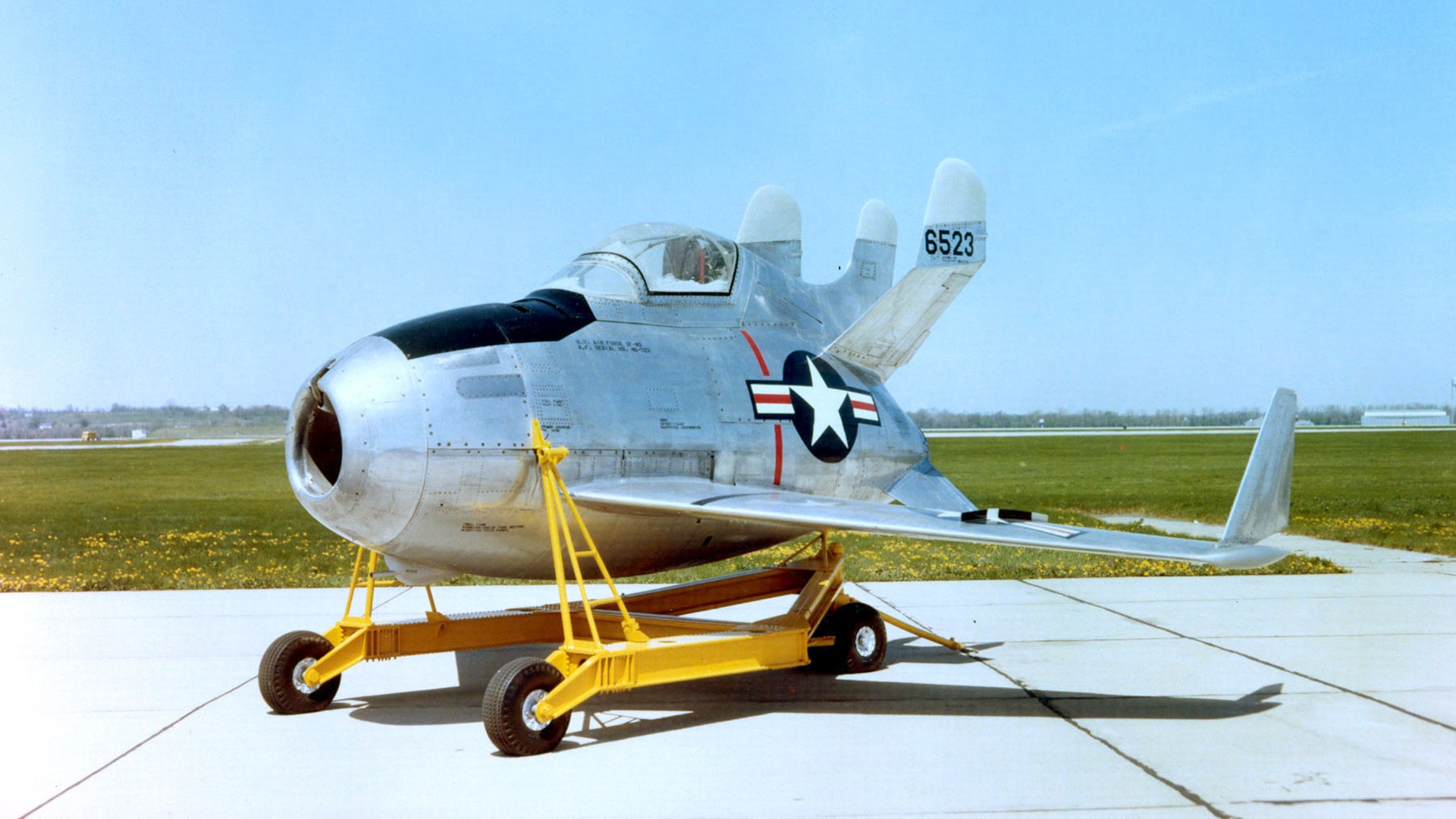
3. McDonnell XF-85 Goblin Parasite Fighter
In the late 1940s, strategic bombers could fly farther than escort fighters, so the U.S. Air Force tested a pocket-sized jet that rode inside the belly of a B-36 Peacemaker. Lowered on a trapeze hook in midair, the Goblin launched to fend off interceptors—though re-hooking in turbulent air proved hair-raising.
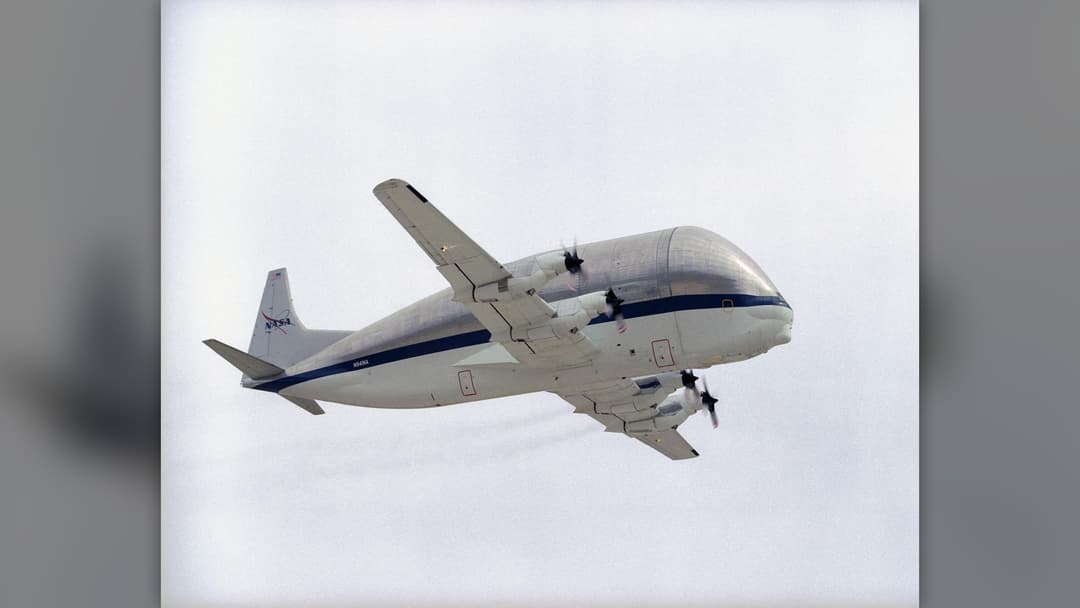
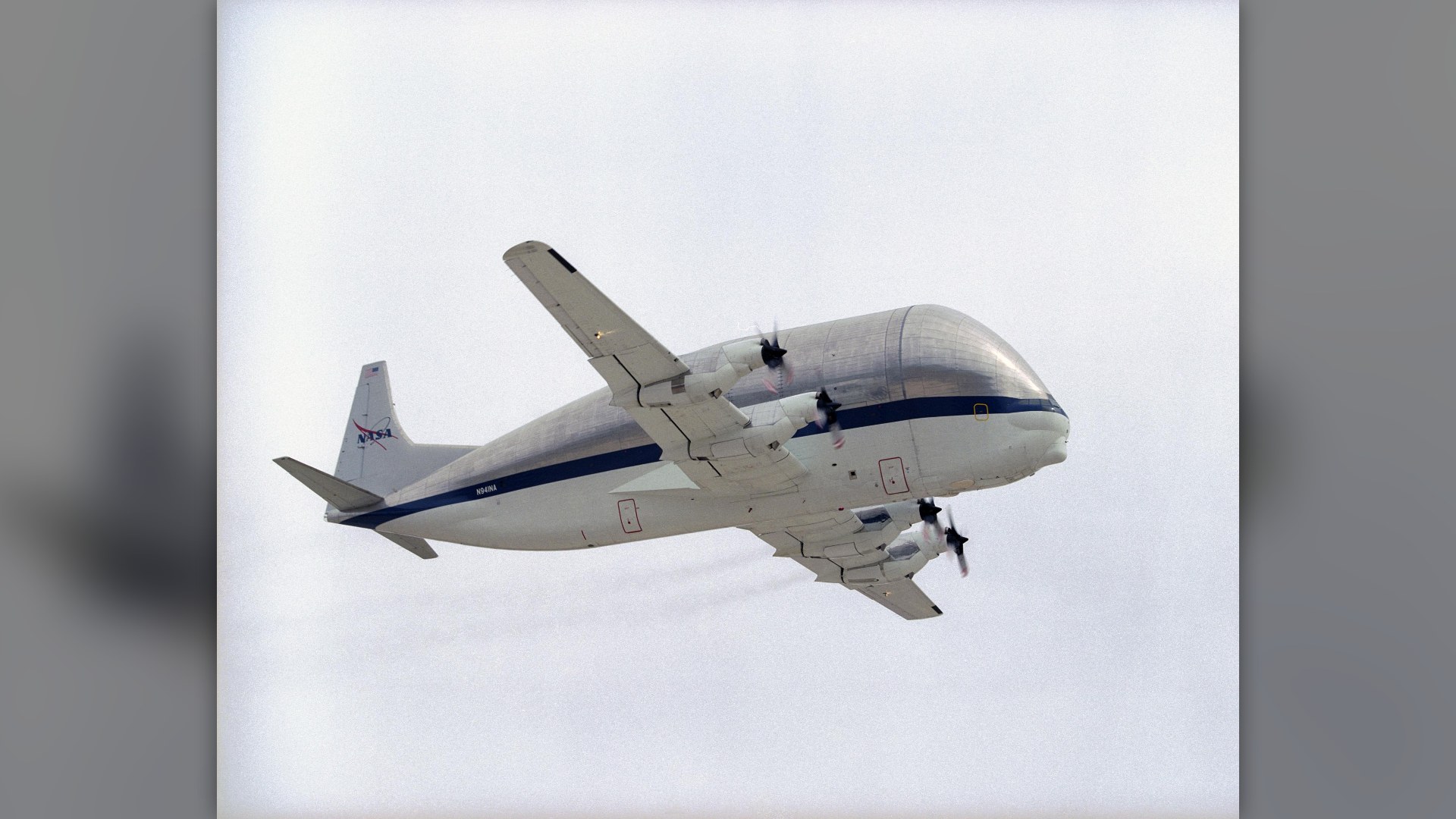
2. Aero Spacelines Super Guppy
Without the bulbous Super Guppy, the Apollo moon landings might not have met their decade deadline. Built from modified Boeing C-97 Stratocruisers with a 25-foot interior diameter, it cut weeks of ocean-barge transit down to hours, and one Super Guppy still flies oversized spacecraft cargo for NASA today.
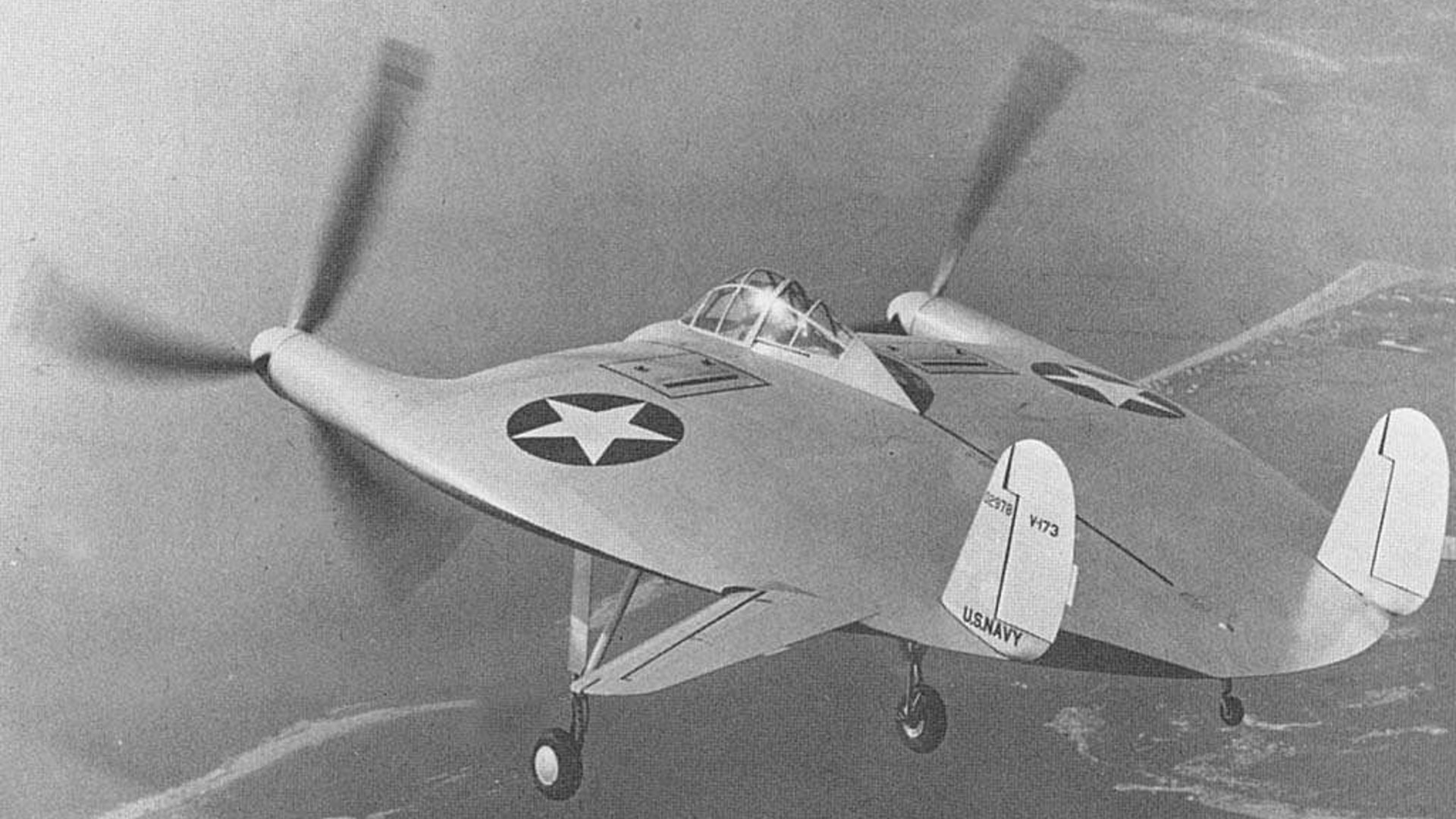
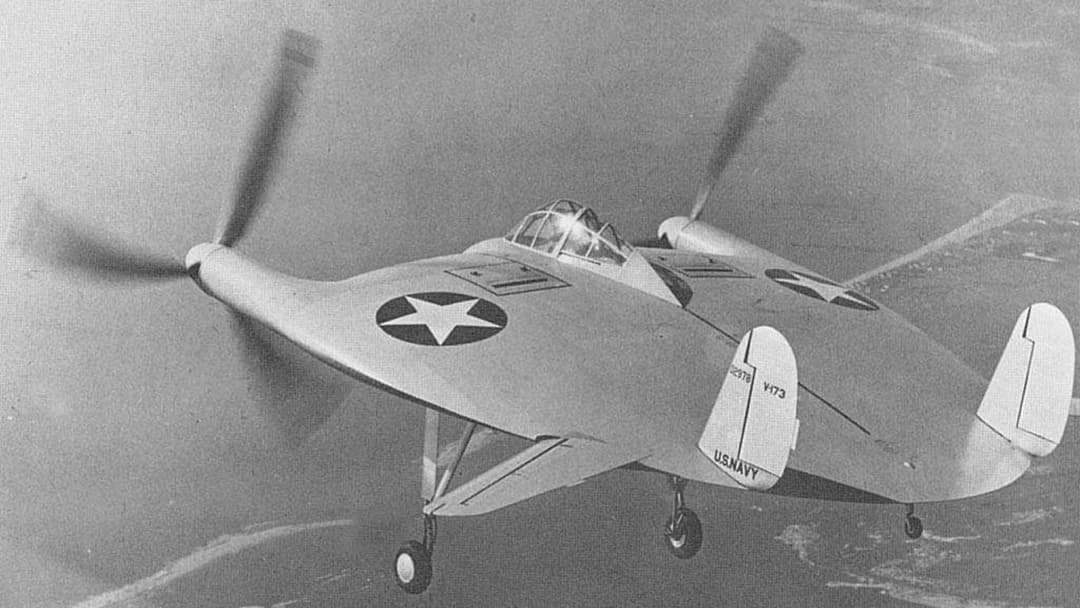
1. Vought V-173 Flying Pancake
Engineered by Charles Zimmerman for the U.S. Navy, the V-173 used an all-wing circular body so airflow from its oversized propellers blanketed the entire craft, allowing it to take off in almost zero distance and refuse to stall. Test pilots including Charles Lindbergh praised its docile low-speed handling.