Slideshow · Lifestyle
20 Personality Traits Revealed By Sibling Birth Order
By Most Viral Today
49 min ago

What Your Sibling Birth Order Secretly Says About You 

20. Firstborn Leadership And Goal Drive 
19. The Firstborn Burden Of Perfectionism 
18. Firstborn High Conscientiousness - AdvertisementSwipe or tap ▶ to continue countdown

17. Firstborn Caretaking Instincts 
16. Middle Child Diplomatic Mastery 
15. Middle Child Independence And Resilience 
14. Middle Child Keen Sense Of Fairness - AdvertisementSwipe or tap ▶ to continue countdown

13. Middle Child Social Flexibility 
12. Overcoming Middle Child Stereotypes 
11. Youngest Child Charisma And Humor 
10. Youngest Child Creative Freedom - AdvertisementSwipe or tap ▶ to continue countdown

9. Youngest Child Risk-Taking Spirit 
8. Youngest Child Dependence Challenges 
7. Only Child Intellectual Precision 
6. Only Child Confidence In Solitude - AdvertisementSwipe or tap ▶ to continue countdown

5. Only Child High Self-Sufficiency 
4. Only Child Negotiation Adjustments 
3. Identical And Fraternal Twin Dynamics 
2. Blended Families And Order Shifts - AdvertisementSwipe or tap ▶ to continue countdown

1. The Influence Of Substantial Age Gaps - Advertisement🔥 UP NEXT IN THIS SERIES◫ 16 Slides

Why More Americans Are Working Two Jobs
Fifteen Real Reasons Over Eight Million Americans Hold Second Jobs
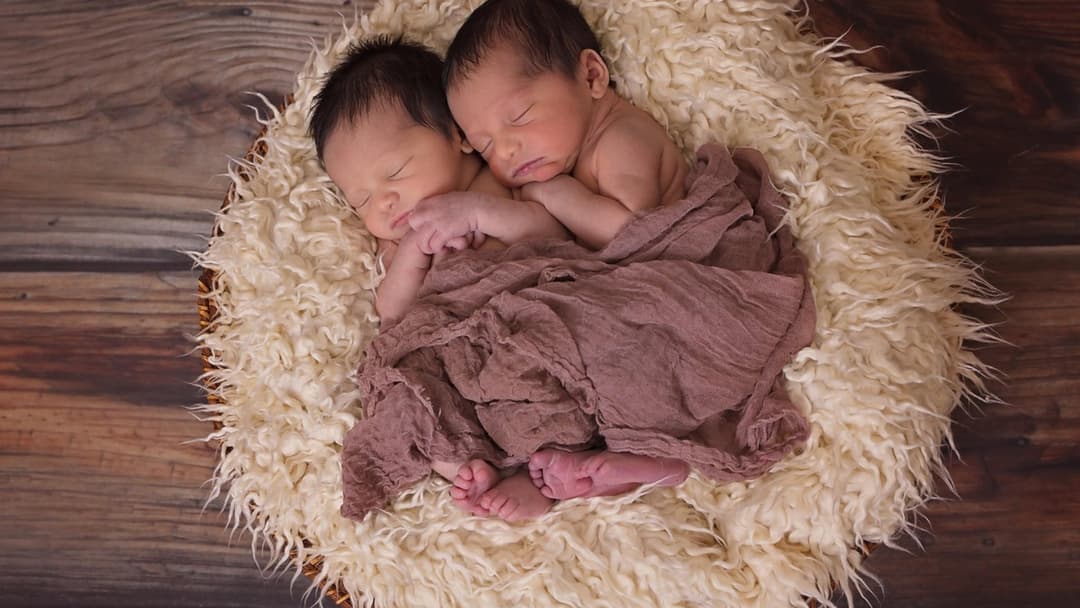
Every family dynamic carries a subtle psychological pattern. From ambitious firstborns and diplomatic middle siblings to adventurous youngest kids and independent only children, birth order shapes how we communicate, handle stress, and form adult relationships.
Swipe or tap ▶ to begin the countdown
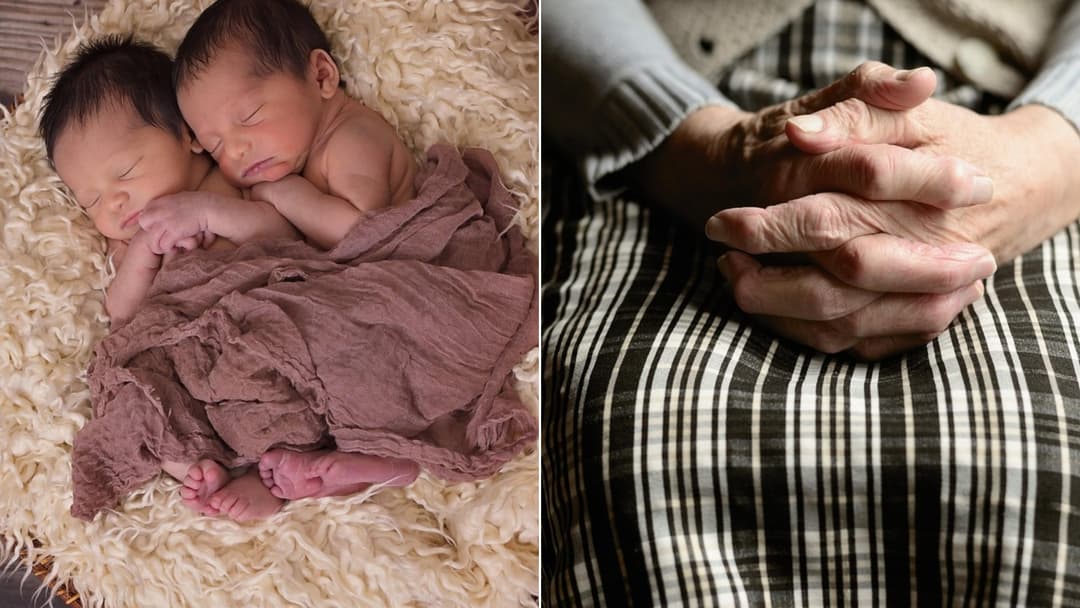
©Pixabay / 3194556 & Pixabay / congerdesign
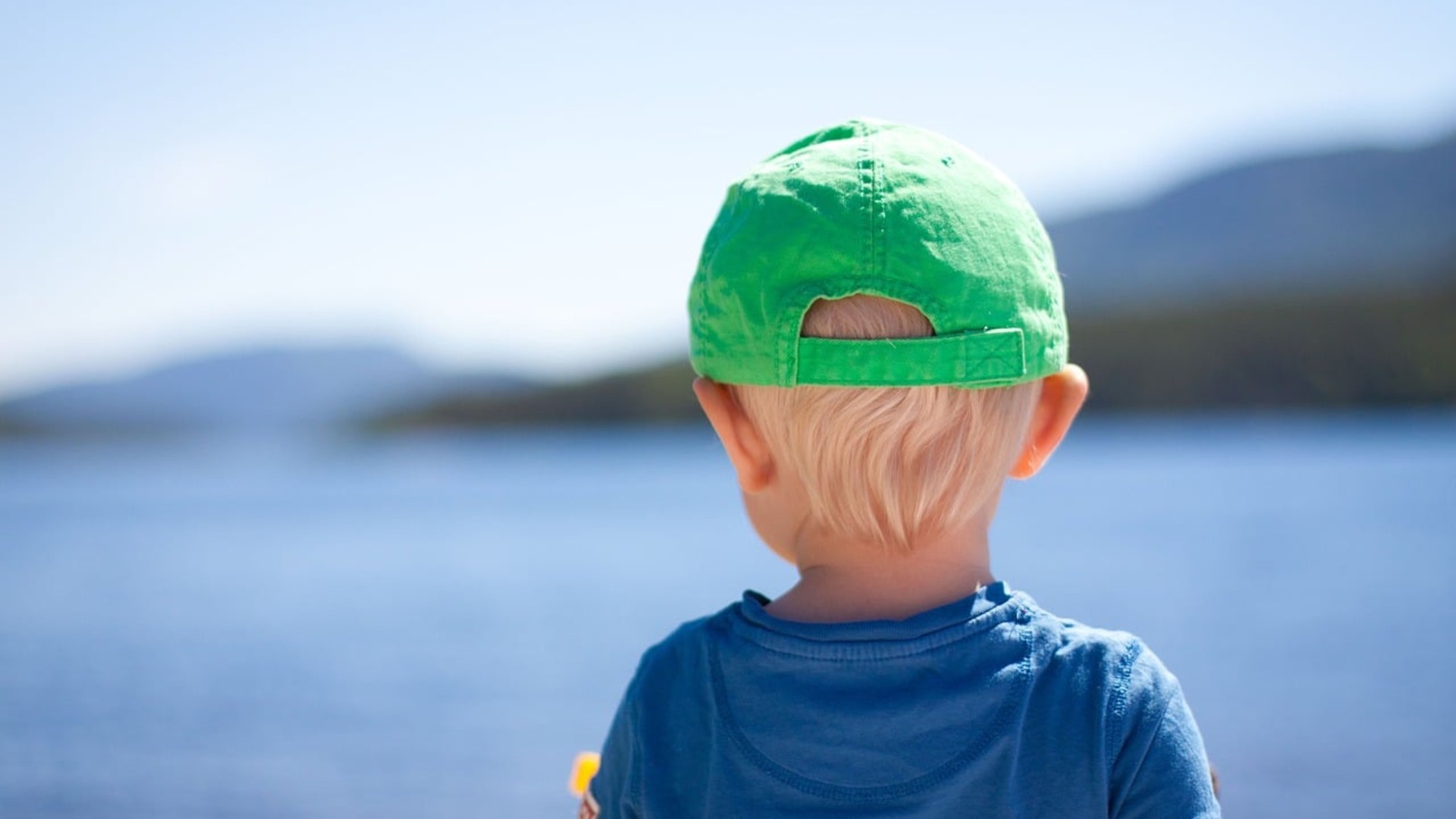
20. Firstborn Leadership And Goal Drive
Pioneering psychologist Alfred Adler noted that firstborn children often benefit from undivided parental attention during critical early developmental stages. This early focus often fosters self-assurance, a natural inclination toward responsibility, and a lifelong drive to excel.
©Pixabay / Cecilievtb1991
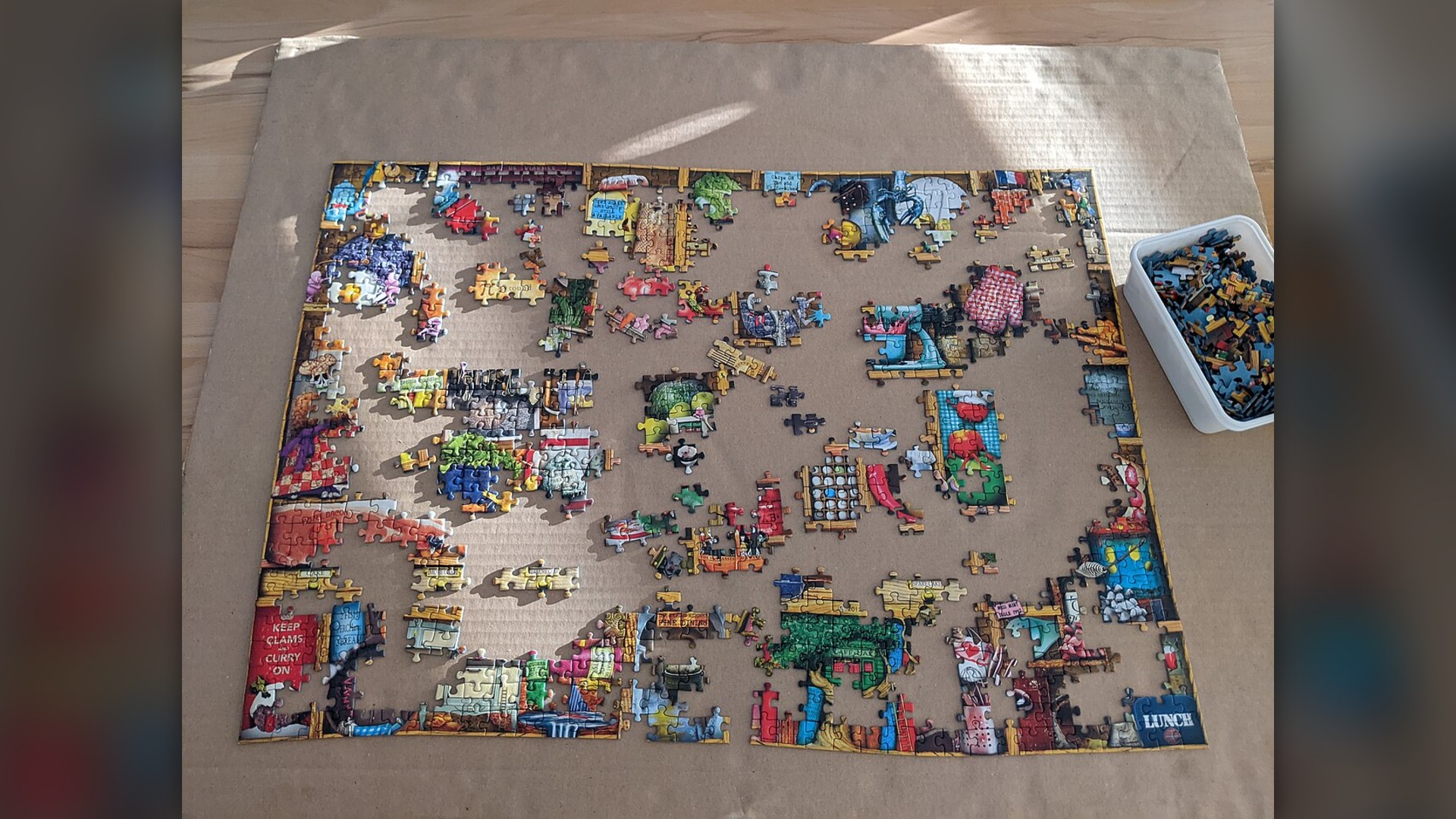
19. The Firstborn Burden Of Perfectionism
Because firstborns serve as their parents' initial parenting experience, expectations often skew higher. As a result, older siblings frequently report a persistent inner critic and a fear of making minor errors in professional and academic settings.
©Wikimedia / Balise42
18. Firstborn High Conscientiousness
Personality research shows firstborns score notably high in conscientiousness. Having assisted with younger siblings and followed structured household guidelines, they regularly gravitate toward structured careers in management, medicine, and law.

©Unsplash / Land O'Lakes, Inc.
Advertisement
Swipe or tap ▶ to resume the countdown.
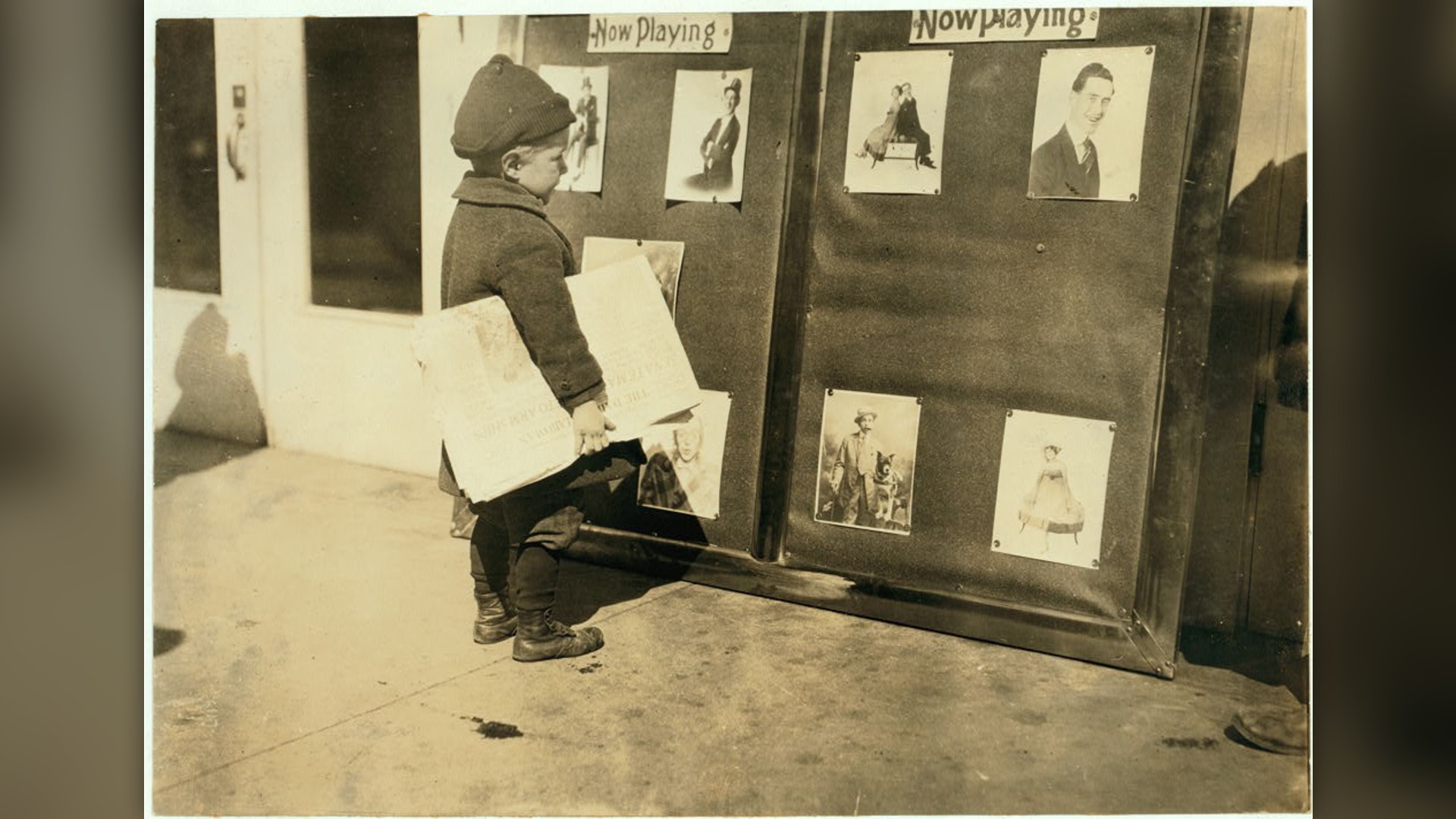
17. Firstborn Caretaking Instincts
Older siblings frequently assume informal supervisory duties at home. This early caretaking practice sharpens situational awareness and emotional empathy, making them supportive partners and reliable team captains.
©Wikimedia / Library of Congress
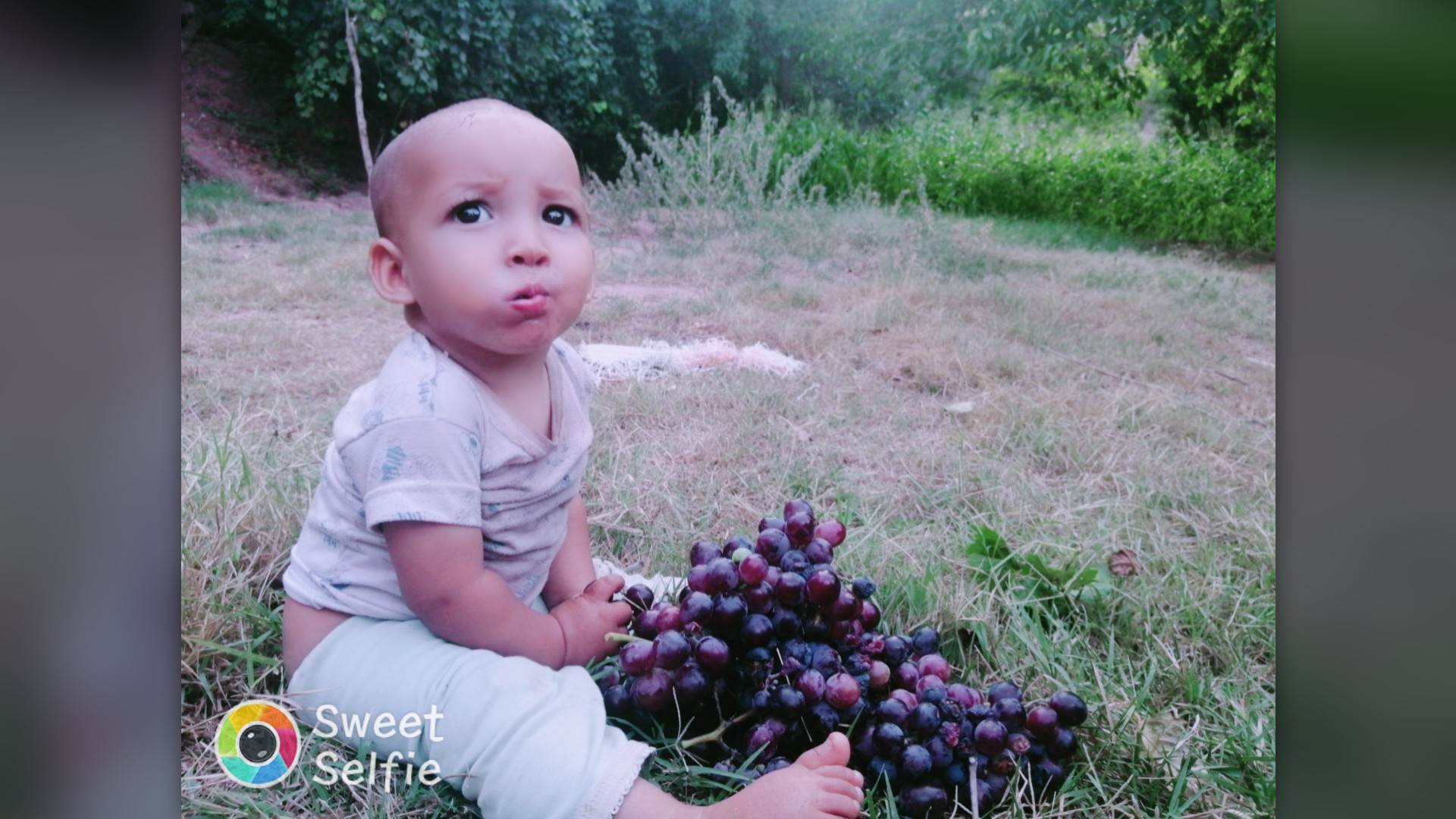
16. Middle Child Diplomatic Mastery
Growing up squeezed between a trailblazing older sibling and an indulged youngest sibling teaches middle children how to compromise. They routinely demonstrate strong dispute-resolution skills and empathy in group settings.
©Wikimedia / Abdeladim Hammi
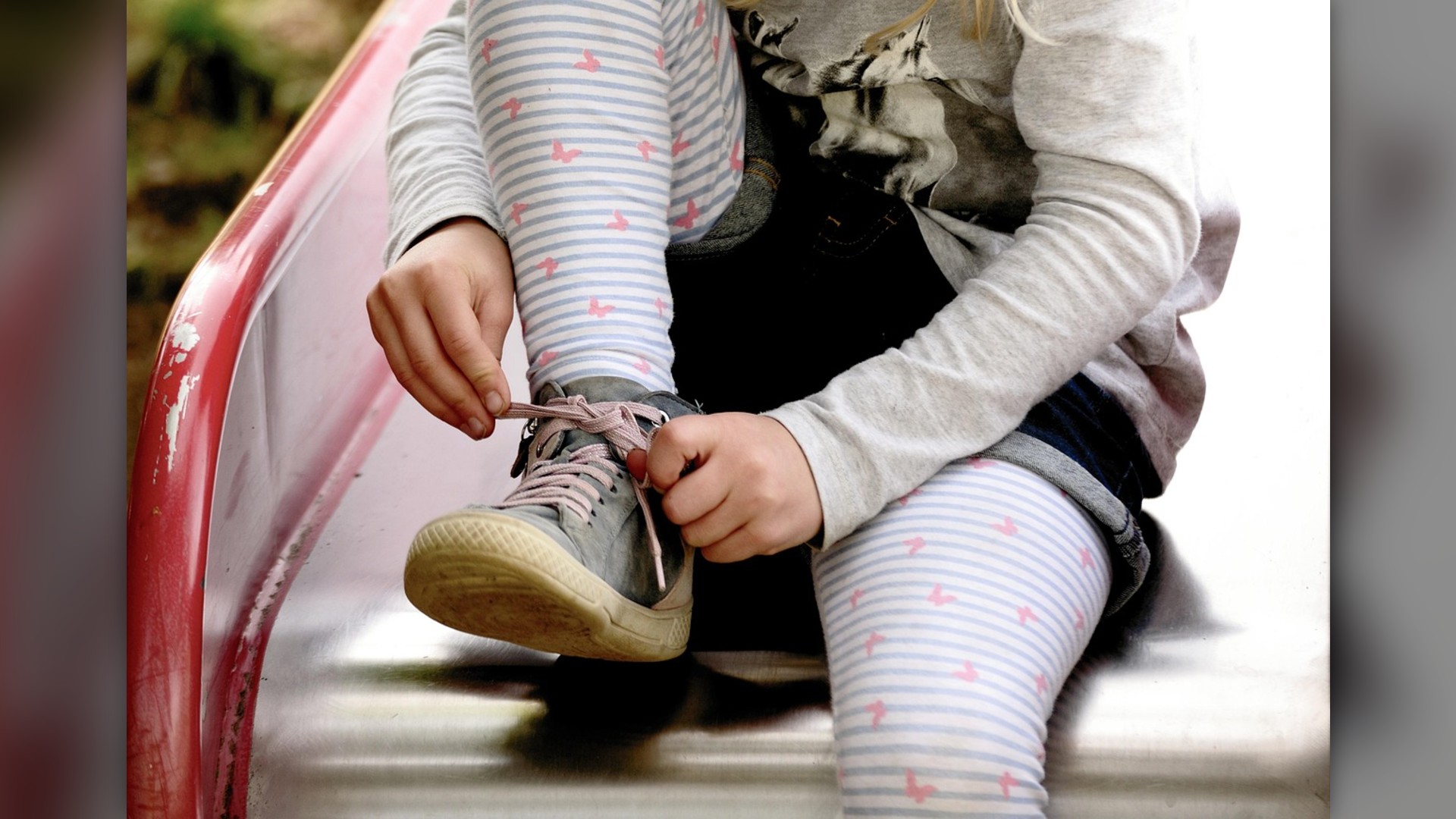
15. Middle Child Independence And Resilience
With parental attention naturally split between older milestones and toddler care, middle children learn self-reliance early. They frequently cultivate diverse personal hobbies outside the family circle and build enduring peer friendships.
©Pixabay / congerdesign
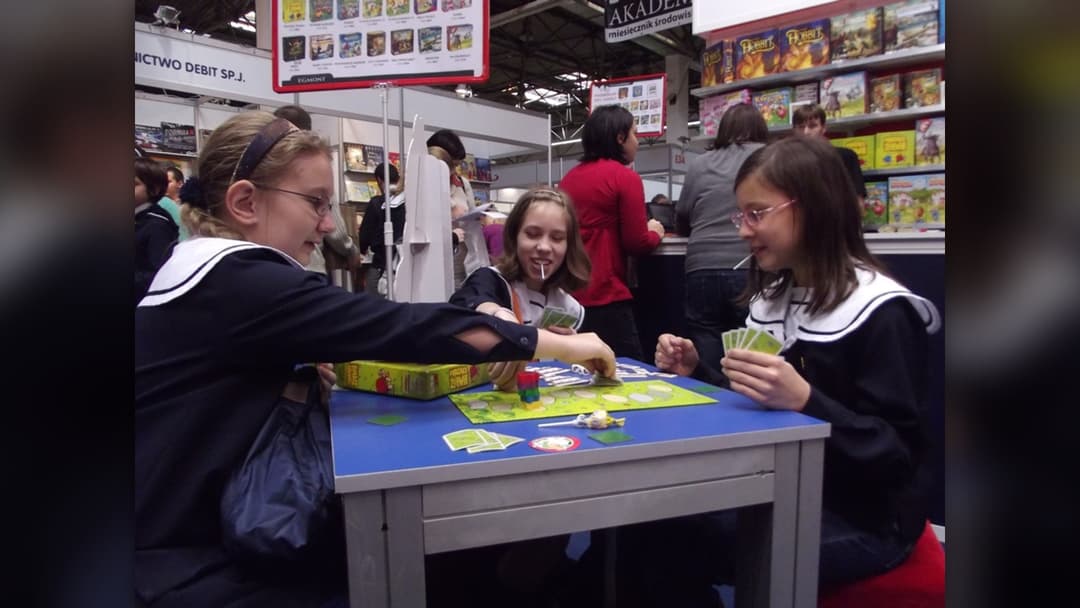
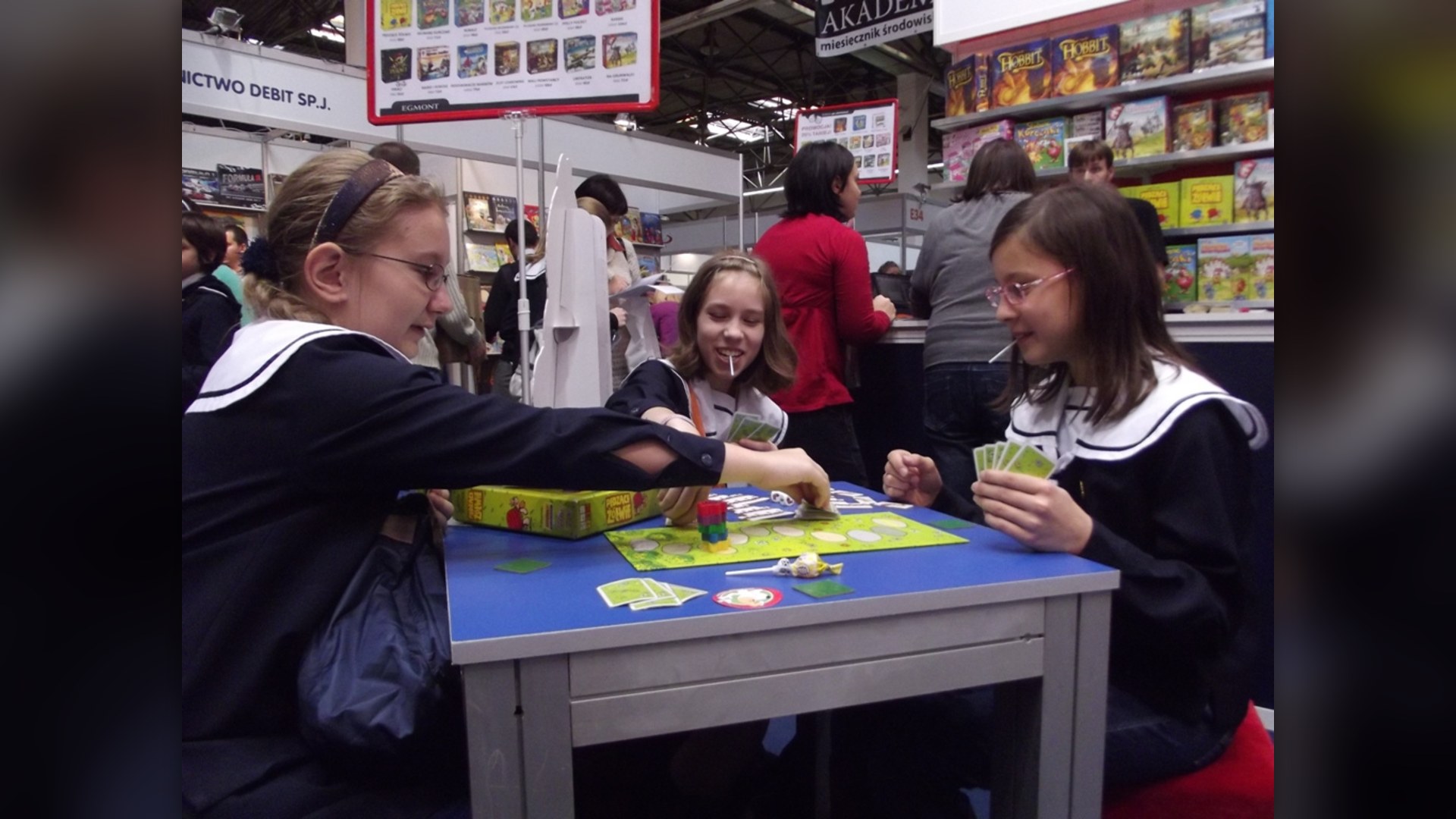
14. Middle Child Keen Sense Of Fairness
Because they experience family rules both being set and relaxed, middle children develop an acute sensitivity to fairness. Many thrive in careers involving mediation, social advocacy, human resources, and community leadership.
©Wikimedia / Girls playing a board game
Advertisement
Swipe or tap ▶ to resume the countdown.
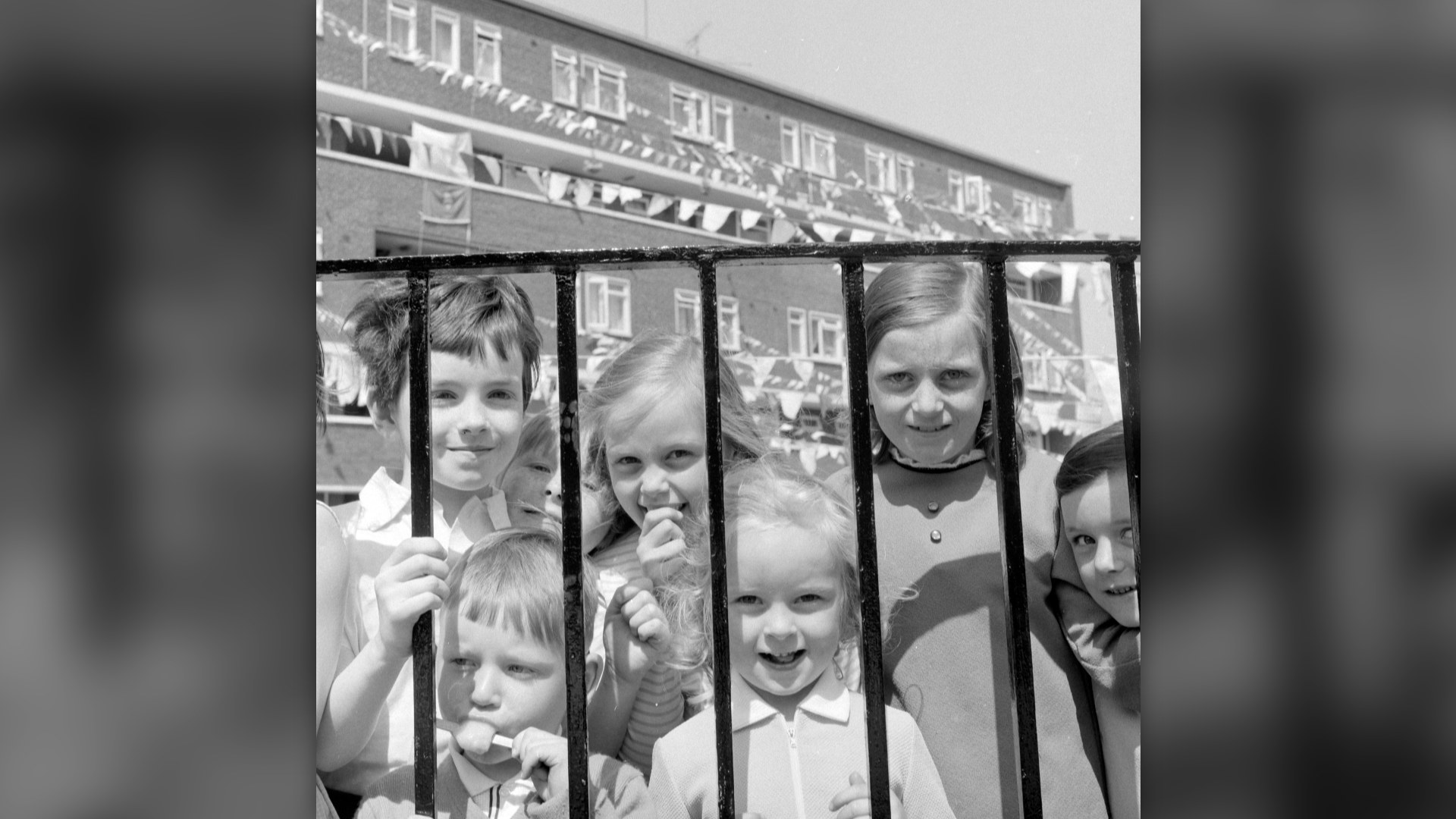
13. Middle Child Social Flexibility
Interacting constantly with both older and younger age groups equips middle children with unmatched social dexterity. They tend to be low-conflict companions who transition effortlessly between diverse social and professional circles.
©Wikimedia / National Library of Ireland
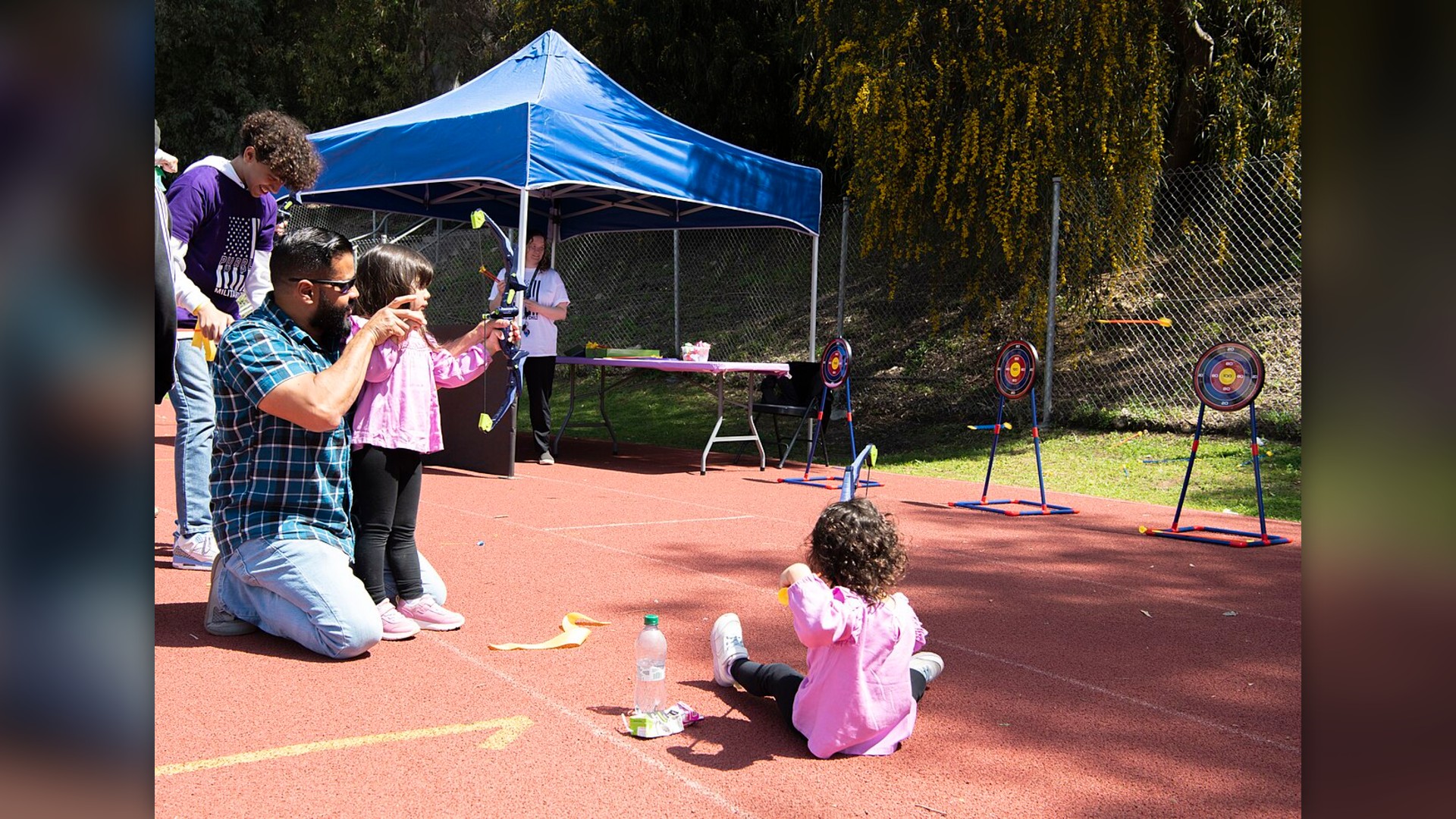
12. Overcoming Middle Child Stereotypes
While popular culture discusses middle child syndrome, historical data shows middle children frequently become prominent visionaries. Their willingness to chart unconventional territory allows them to build unique professional identities.
©Wikimedia / U.S. Navy photo by Petty Officer 1st Class
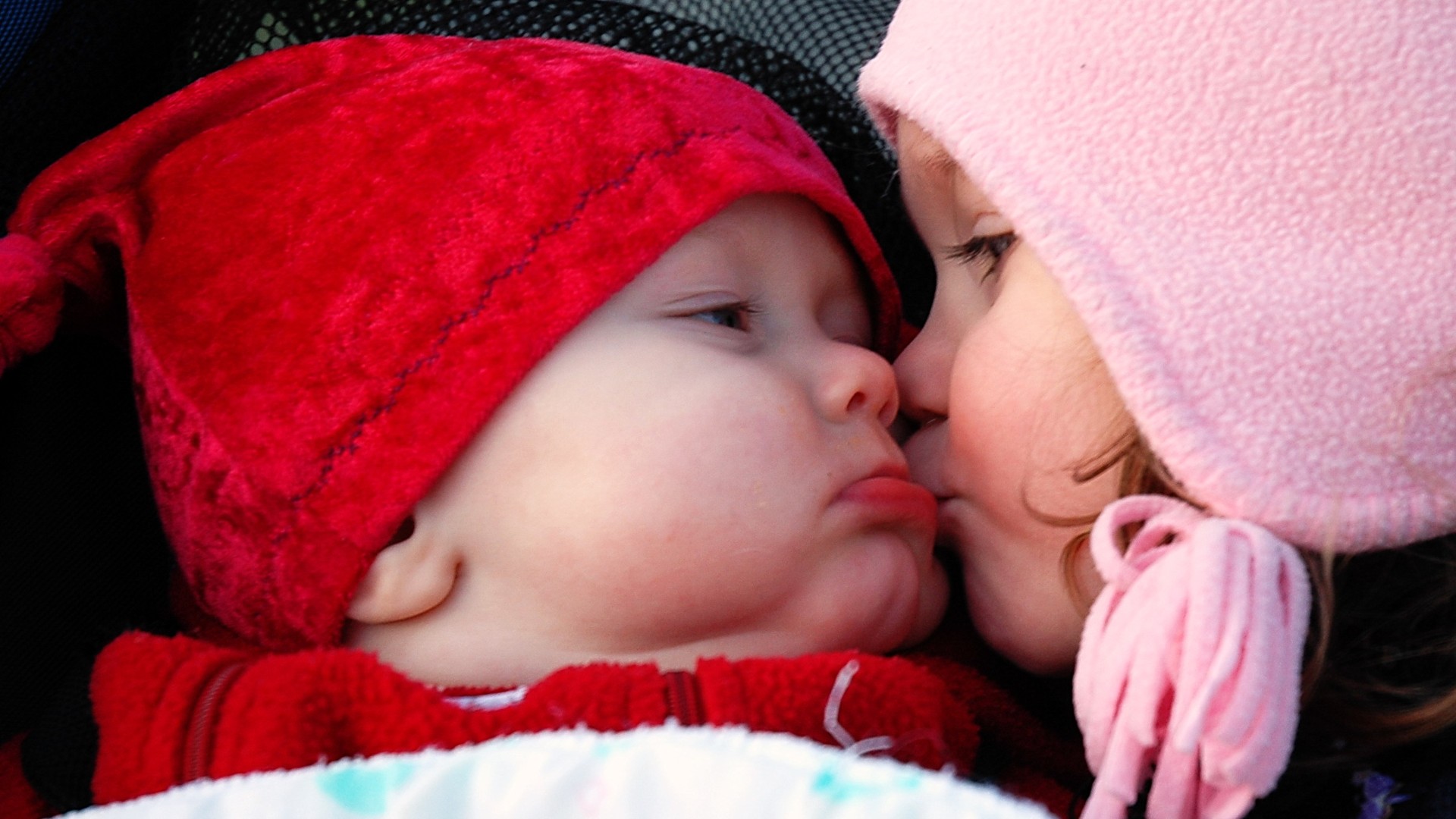
11. Youngest Child Charisma And Humor
Arriving into an established family structure, youngest siblings discover that charm and comedic timing help them stand out. Research shows they frequently rank high in extraversion, social warmth, and conversational ease.
©Wikimedia / Yogi
10. Youngest Child Creative Freedom
Parents typically adopt a more relaxed parenting style by the time their youngest arrives. Free from strict experimental rules, youngest children often explore performing arts, design, creative writing, and entrepreneurial ventures.

©Pixabay / ponce_photography
Advertisement
Swipe or tap ▶ to resume the countdown.
9. Youngest Child Risk-Taking Spirit
With older family members handling major crises, youngest children feel a protective cushion that encourages boldness. They are statistically more prone to adventurous sports, travel, and novel professional leaps.

©Pixabay / Pixabay Contributor
8. Youngest Child Dependence Challenges
When older siblings continually solve everyday problems, the youngest may take longer to master practical administrative routines. Cultivating self-reliance in adulthood becomes an essential personal milestone.

©Pixabay / lechenie-narkomanii
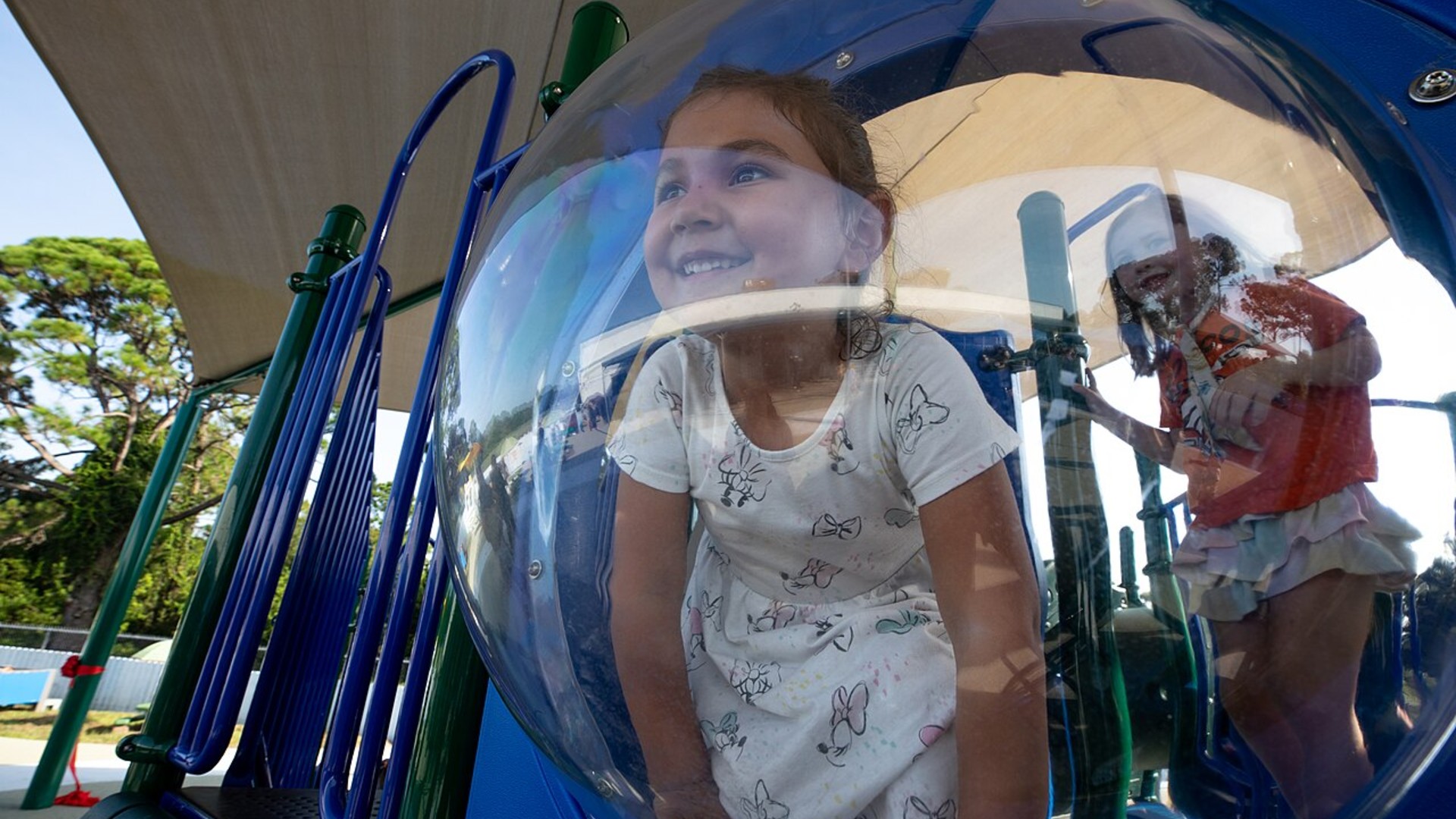
7. Only Child Intellectual Precision
Without siblings competing for airtime, only children spend extensive hours conversing with adult family members. This immersive adult environment accelerates vocabulary, critical reasoning, and sophisticated communication habits.
©ESA / NASA Kennedy Space Center, NASA, Cory Huston
6. Only Child Confidence In Solitude
Only children rarely experience boredom when working alone. They develop deep creative focus, enjoying independent research, solo artistic projects, and positions that require solitary concentration.

©Pixabay / 243623
Advertisement
Swipe or tap ▶ to resume the countdown.
5. Only Child High Self-Sufficiency
Research indicates only children demonstrate achievement motivation comparable to firstborns. Because their achievements receive focused family celebration, they develop strong personal standards and reliable discipline.

©Pixabay / AndreasGoellner
4. Only Child Negotiation Adjustments
Unlike multi-child households where sharing toys is an hourly reality, only children encounter peer sharing primarily in social settings. They place high value on personal boundaries and structured mutual respect.

©Pixabay / Henning_W
3. Identical And Fraternal Twin Dynamics
Twins experience birth order differently, as their shared age eliminates traditional hierarchy. Many report intuitive communication and mutual support, though carving out distinct individual identities remains a primary focus.
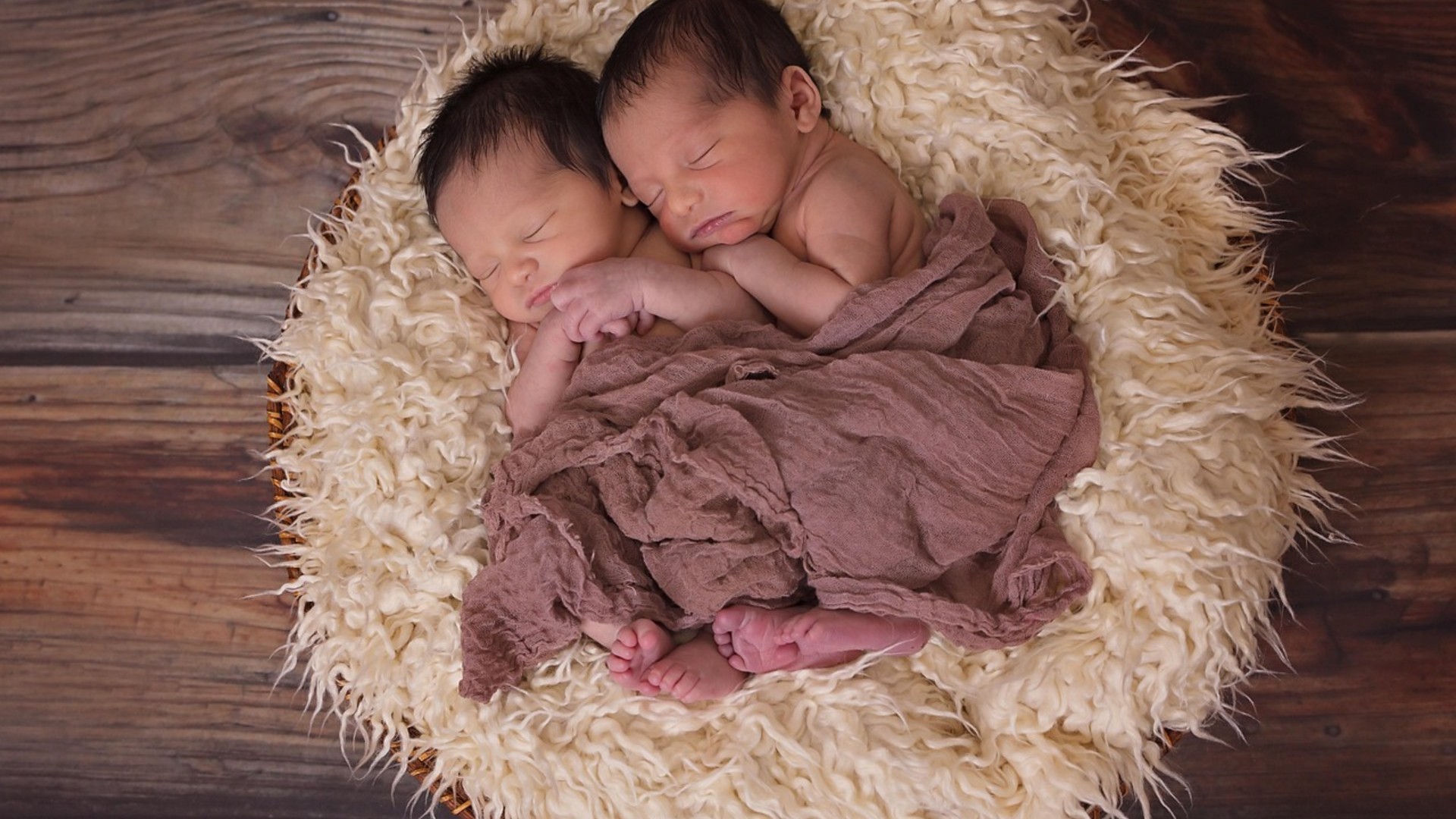
©Pixabay / 3194556
2. Blended Families And Order Shifts
Blending households often reshuffles childhood positions, turning an only child into an older sibling or unseating a firstborn. Psychological resilience grows as children learn to renegotiate roles with patience.

©Internet Archive / Public Domain Archive
Advertisement
Swipe or tap ▶ to resume the countdown.
1. The Influence Of Substantial Age Gaps
When more than five years separate siblings, developmental psychologist Frank Sulloway noted that the younger child often develops distinct firstborn characteristics due to an isolated childhood environment.

©Pixabay / congerdesign
Advertisement
You've reached the end of the story. Thanks for reading!

Why More Americans Are Working Two Jobs
Fifteen Real Reasons Over Eight Million Americans Hold Second Jobs
All 20 Entries in this Story
1. Firstborn Leadership And Goal Drive
Pioneering psychologist Alfred Adler noted that firstborn children often benefit from undivided parental attention during critical early developmental stages. This early focus often fosters self-assurance, a natural inclination toward responsibility, and a lifelong drive to excel.

2. The Firstborn Burden Of Perfectionism
Because firstborns serve as their parents' initial parenting experience, expectations often skew higher. As a result, older siblings frequently report a persistent inner critic and a fear of making minor errors in professional and academic settings.

3. Firstborn High Conscientiousness
Personality research shows firstborns score notably high in conscientiousness. Having assisted with younger siblings and followed structured household guidelines, they regularly gravitate toward structured careers in management, medicine, and law.

4. Firstborn Caretaking Instincts
Older siblings frequently assume informal supervisory duties at home. This early caretaking practice sharpens situational awareness and emotional empathy, making them supportive partners and reliable team captains.

5. Middle Child Diplomatic Mastery
Growing up squeezed between a trailblazing older sibling and an indulged youngest sibling teaches middle children how to compromise. They routinely demonstrate strong dispute-resolution skills and empathy in group settings.

6. Middle Child Independence And Resilience
With parental attention naturally split between older milestones and toddler care, middle children learn self-reliance early. They frequently cultivate diverse personal hobbies outside the family circle and build enduring peer friendships.

7. Middle Child Keen Sense Of Fairness
Because they experience family rules both being set and relaxed, middle children develop an acute sensitivity to fairness. Many thrive in careers involving mediation, social advocacy, human resources, and community leadership.

8. Middle Child Social Flexibility
Interacting constantly with both older and younger age groups equips middle children with unmatched social dexterity. They tend to be low-conflict companions who transition effortlessly between diverse social and professional circles.

9. Overcoming Middle Child Stereotypes
While popular culture discusses middle child syndrome, historical data shows middle children frequently become prominent visionaries. Their willingness to chart unconventional territory allows them to build unique professional identities.

10. Youngest Child Charisma And Humor
Arriving into an established family structure, youngest siblings discover that charm and comedic timing help them stand out. Research shows they frequently rank high in extraversion, social warmth, and conversational ease.

11. Youngest Child Creative Freedom
Parents typically adopt a more relaxed parenting style by the time their youngest arrives. Free from strict experimental rules, youngest children often explore performing arts, design, creative writing, and entrepreneurial ventures.

12. Youngest Child Risk-Taking Spirit
With older family members handling major crises, youngest children feel a protective cushion that encourages boldness. They are statistically more prone to adventurous sports, travel, and novel professional leaps.

13. Youngest Child Dependence Challenges
When older siblings continually solve everyday problems, the youngest may take longer to master practical administrative routines. Cultivating self-reliance in adulthood becomes an essential personal milestone.

14. Only Child Intellectual Precision
Without siblings competing for airtime, only children spend extensive hours conversing with adult family members. This immersive adult environment accelerates vocabulary, critical reasoning, and sophisticated communication habits.

15. Only Child Confidence In Solitude
Only children rarely experience boredom when working alone. They develop deep creative focus, enjoying independent research, solo artistic projects, and positions that require solitary concentration.

16. Only Child High Self-Sufficiency
Research indicates only children demonstrate achievement motivation comparable to firstborns. Because their achievements receive focused family celebration, they develop strong personal standards and reliable discipline.

17. Only Child Negotiation Adjustments
Unlike multi-child households where sharing toys is an hourly reality, only children encounter peer sharing primarily in social settings. They place high value on personal boundaries and structured mutual respect.

18. Identical And Fraternal Twin Dynamics
Twins experience birth order differently, as their shared age eliminates traditional hierarchy. Many report intuitive communication and mutual support, though carving out distinct individual identities remains a primary focus.

19. Blended Families And Order Shifts
Blending households often reshuffles childhood positions, turning an only child into an older sibling or unseating a firstborn. Psychological resilience grows as children learn to renegotiate roles with patience.

20. The Influence Of Substantial Age Gaps
When more than five years separate siblings, developmental psychologist Frank Sulloway noted that the younger child often develops distinct firstborn characteristics due to an isolated childhood environment.