Slideshow · Lifestyle
Why Grandparents Are So Good for Your Mental Health?
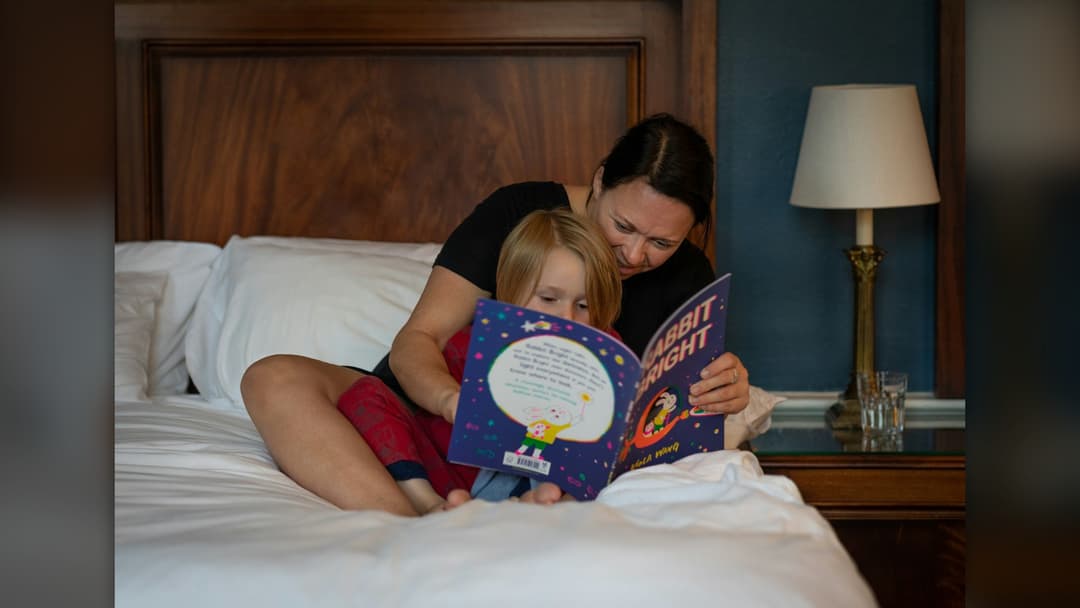
From baking in a warm kitchen to quiet afternoons fishing by the water, time spent with grandparents does more than create fond memories. Psychological studies show that strong bonds between grandpare

By Most Viral Today
22 Oct 2026

Why Grandparents Are So Good for Your Mental Health? 
15. A Safe Haven Of Unconditional Acceptance 
14. Comfort And Connection In The Kitchen 
13. Teaching Patience And Unhurried Presence - AdvertisementSwipe or tap ▶ to continue countdown

12. Expanding Your Circle Of Belonging 
11. Calming Stress Through Warm Affection 
10. Building Resilience Through Family Stories 
9. Lowering Depression In Both Generations - AdvertisementSwipe or tap ▶ to continue countdown

8. Acting As An Emotional Shock Absorber 
7. Sharing Long-Term Perspective And Wisdom 
6. Nurturing Growth Through Shared Gardening 
5. Encouraging Playfulness And Outdoor Joy - AdvertisementSwipe or tap ▶ to continue countdown

4. Building Deep Emotional Security From Infancy 
3. Inspiring Curiosity Through Shared Walks 
2. Fostering Empathy Across Age Gaps 
1. Boosting Purpose And Brain Health - Advertisement🔥 UP NEXT IN THIS SERIES◫ 21 Slides

20 Ways To Survive Heavy Snow In The USA
Essential Rules To Survive Severe US Winter Blizzards
From baking in a warm kitchen to quiet afternoons fishing by the water, time spent with grandparents does more than create fond memories. Psychological studies show that strong bonds between grandparents and grandchildren actively lower stress, depression, and anxiety.
Swipe or tap ▶ to begin the countdown
© Photo by Roberto Nickson on Unsplash
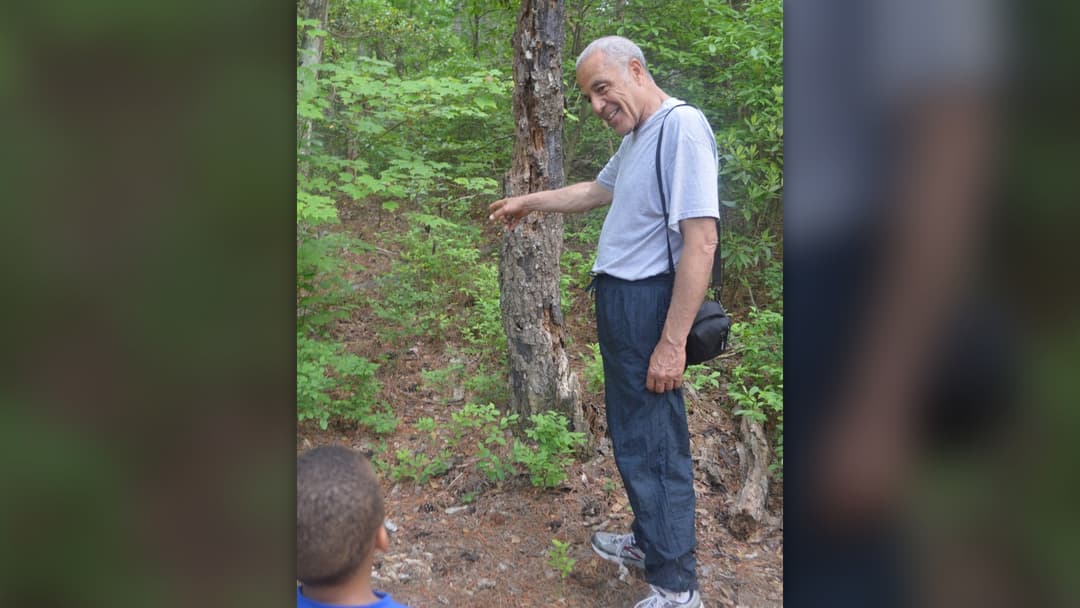
15. A Safe Haven Of Unconditional Acceptance
Research from the University of Oxford involving over 1,500 children revealed that high grandparental involvement is linked to fewer emotional and behavioral difficulties. Grandparents offer a judgment-free safe haven outside daily academic and parental pressures.
©Wikimedia / sylviebliss
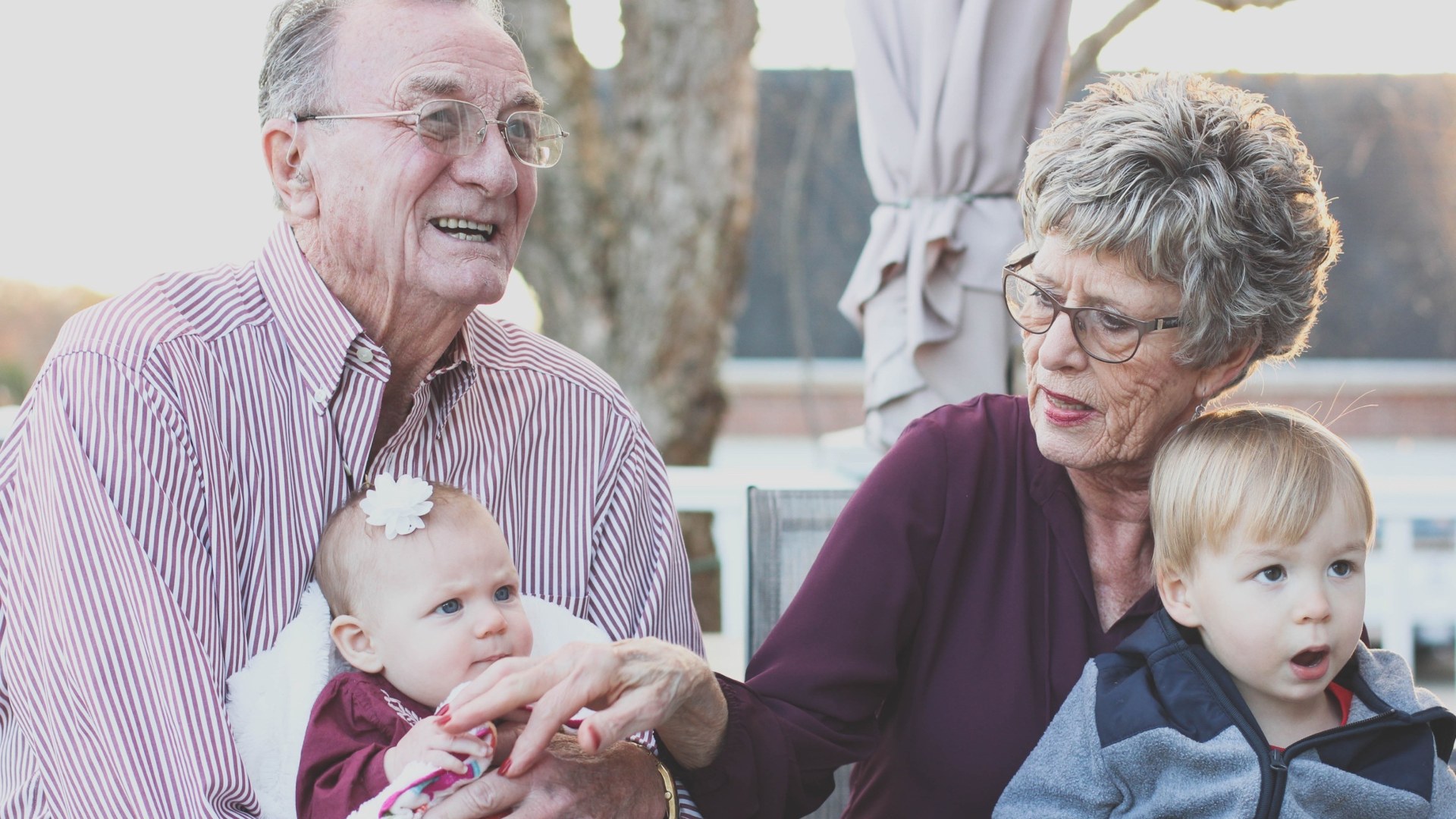
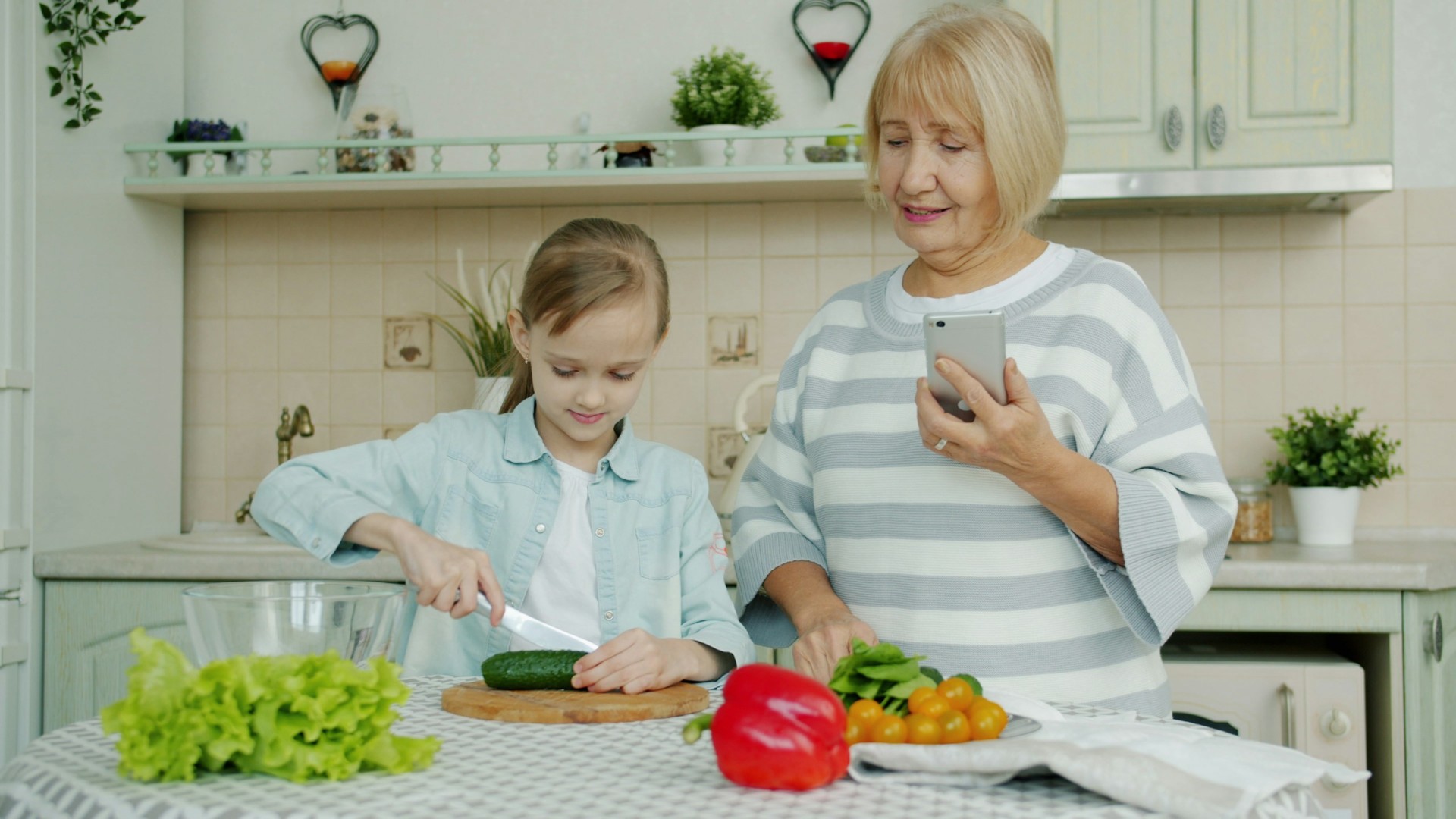
14. Comfort And Connection In The Kitchen
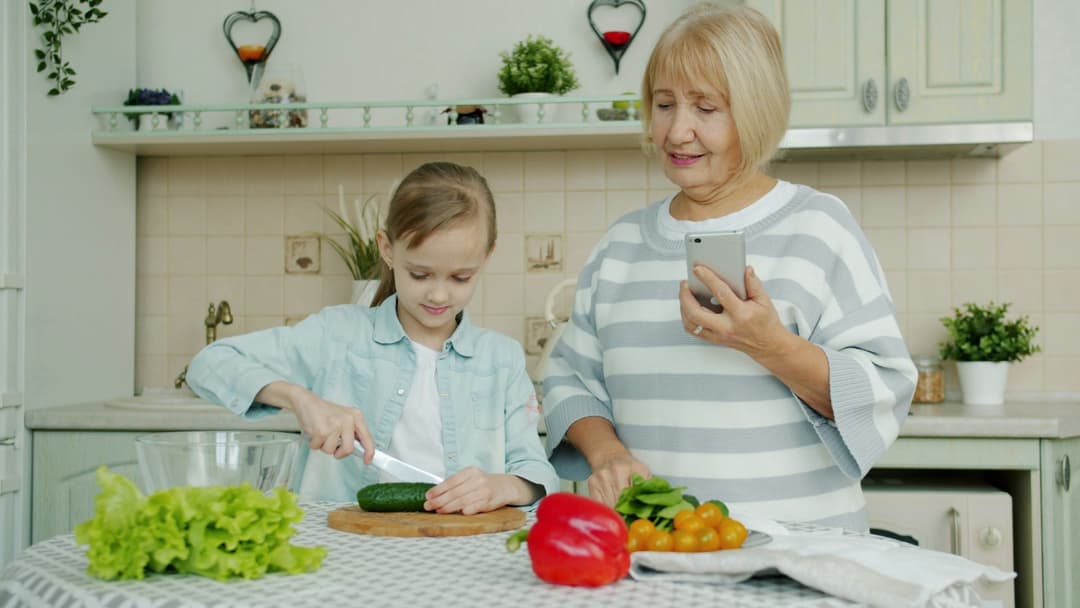
Sensory traditions like kneading dough or baking cookies with a grandmother create powerful emotional grounding. Psychologists note that shared kitchen rituals foster a deep sense of continuity, warmth, and belonging that actively reduces everyday anxiety.
© Photo by Vitaly Gariev on Unsplash
13. Teaching Patience And Unhurried Presence
Spending a quiet afternoon fishing by the water with a grandfather teaches emotional regulation without saying a word. Unhurried outdoor traditions slow down a child's nervous system, modeling mindfulness, patience, and presence away from modern screen stress.

©Wikimedia / Hugh Venables
Advertisement
Swipe or tap ▶ to resume the countdown.
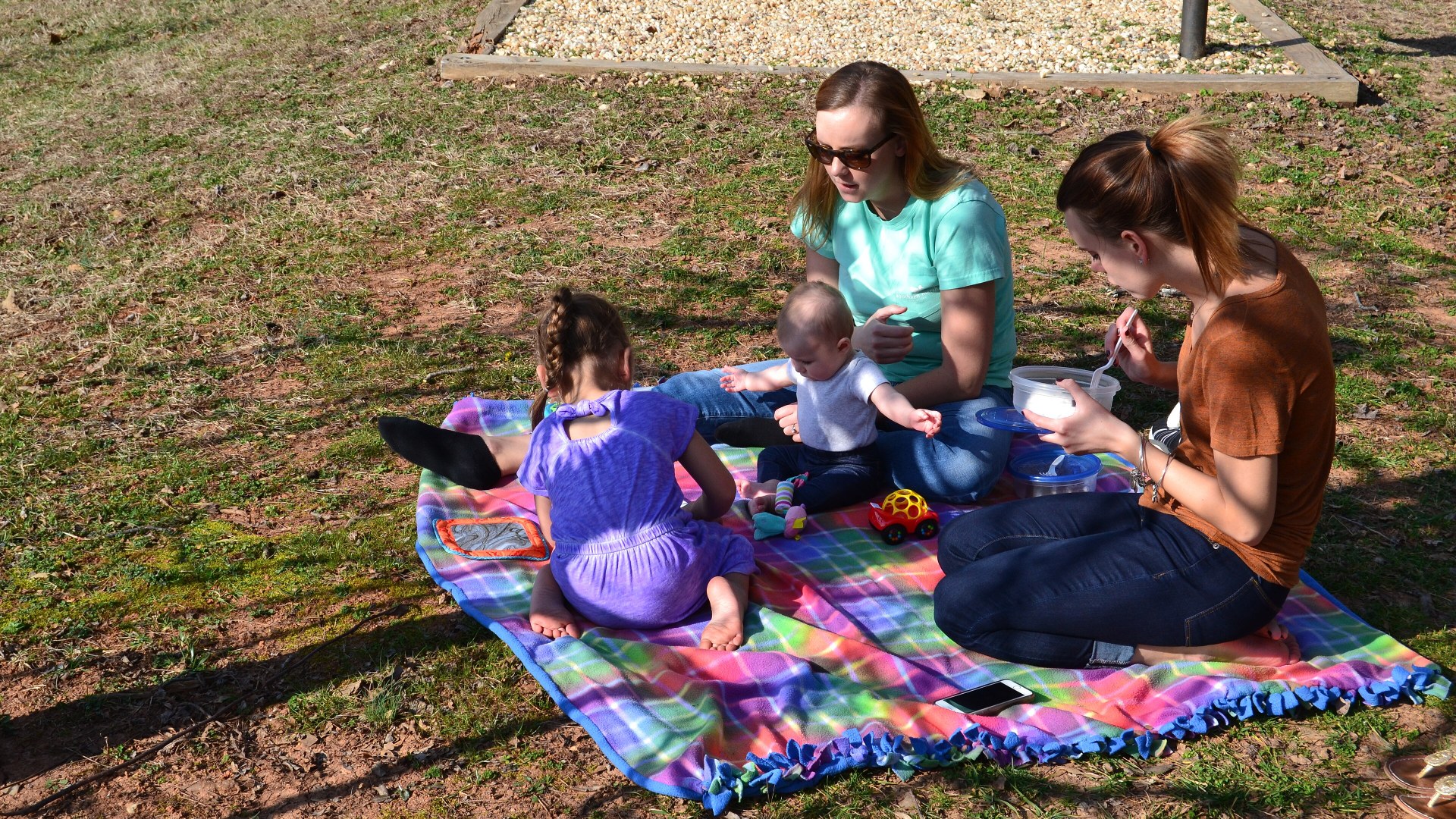
12. Expanding Your Circle Of Belonging
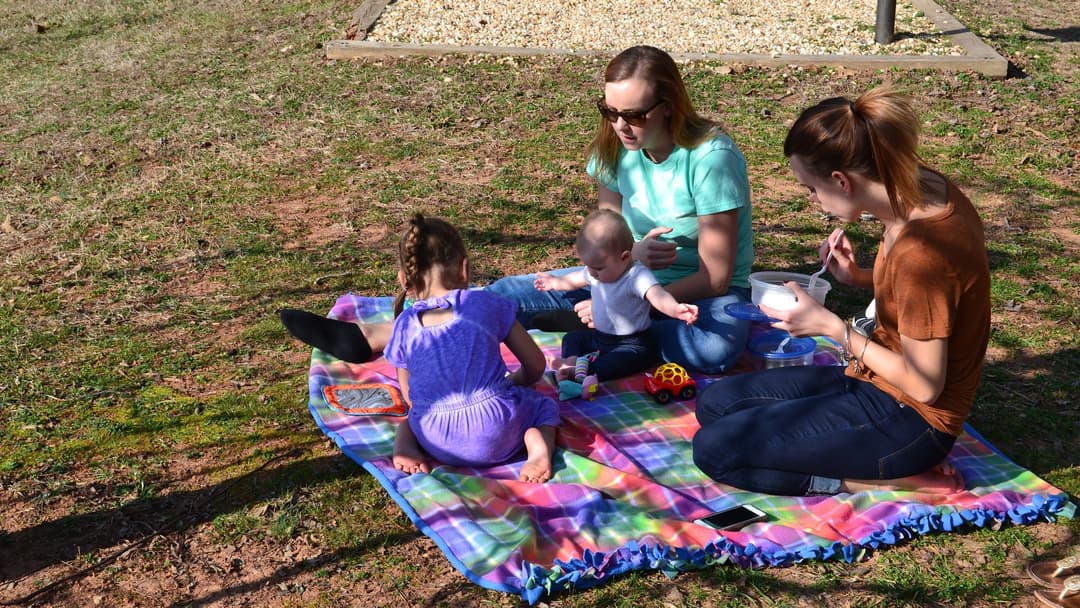
Multigenerational outings—like spreading a blanket for a sunny family picnic—reinforce social security across age groups. Knowing you belong to a wider, loving family network acts as a powerful psychological buffer against loneliness and social anxiety.
©Wikimedia / Virginia State Parks
11. Calming Stress Through Warm Affection
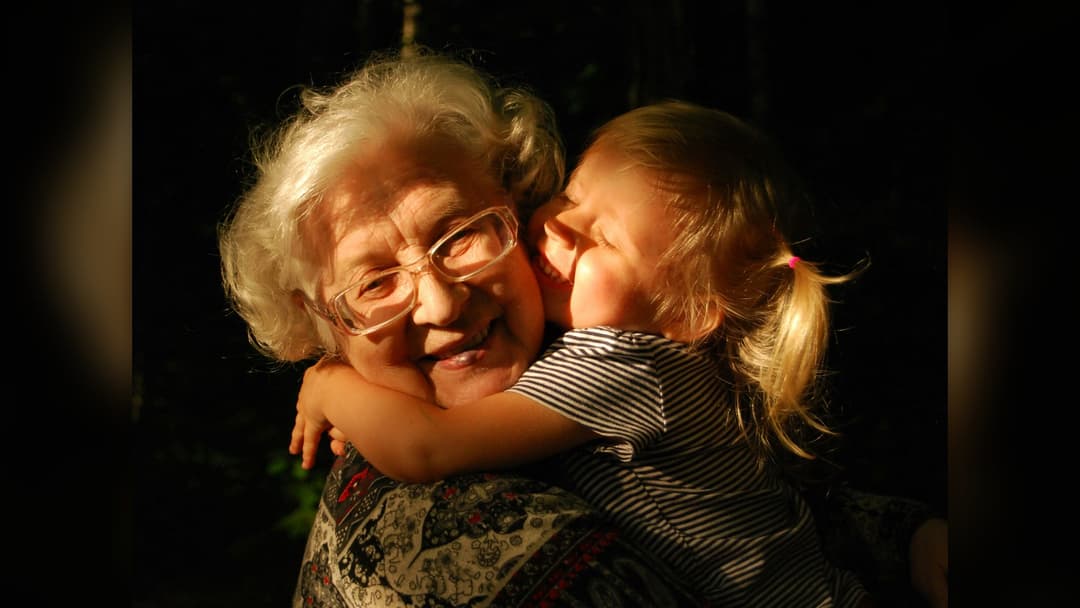
Safe, affectionate touch—like a long embrace from a grandmother—triggers a surge of oxytocin, the brain's bonding hormone. Neuroscientists have shown that warm family hugs measurably lower cortisol levels, slow heart rates, and soothe the body's stress response.
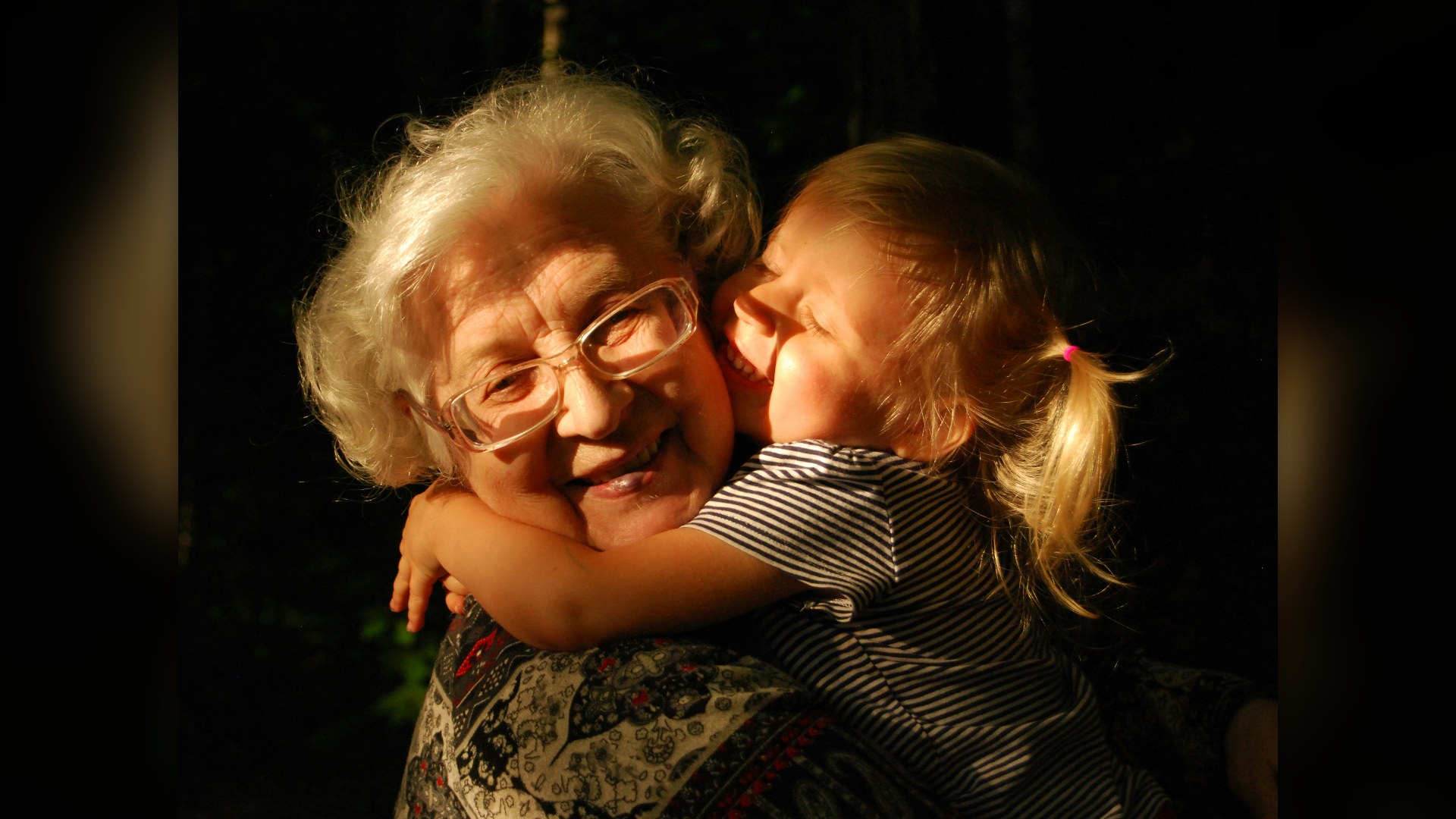
© Photo by Ekaterina Shakharova on Unsplash
10. Building Resilience Through Family Stories
Psychologists at Emory University discovered that children who know more about their grandparents' lives and how their family overcame past hardships display significantly higher self-esteem, stronger emotional resilience, and better coping skills during crises.
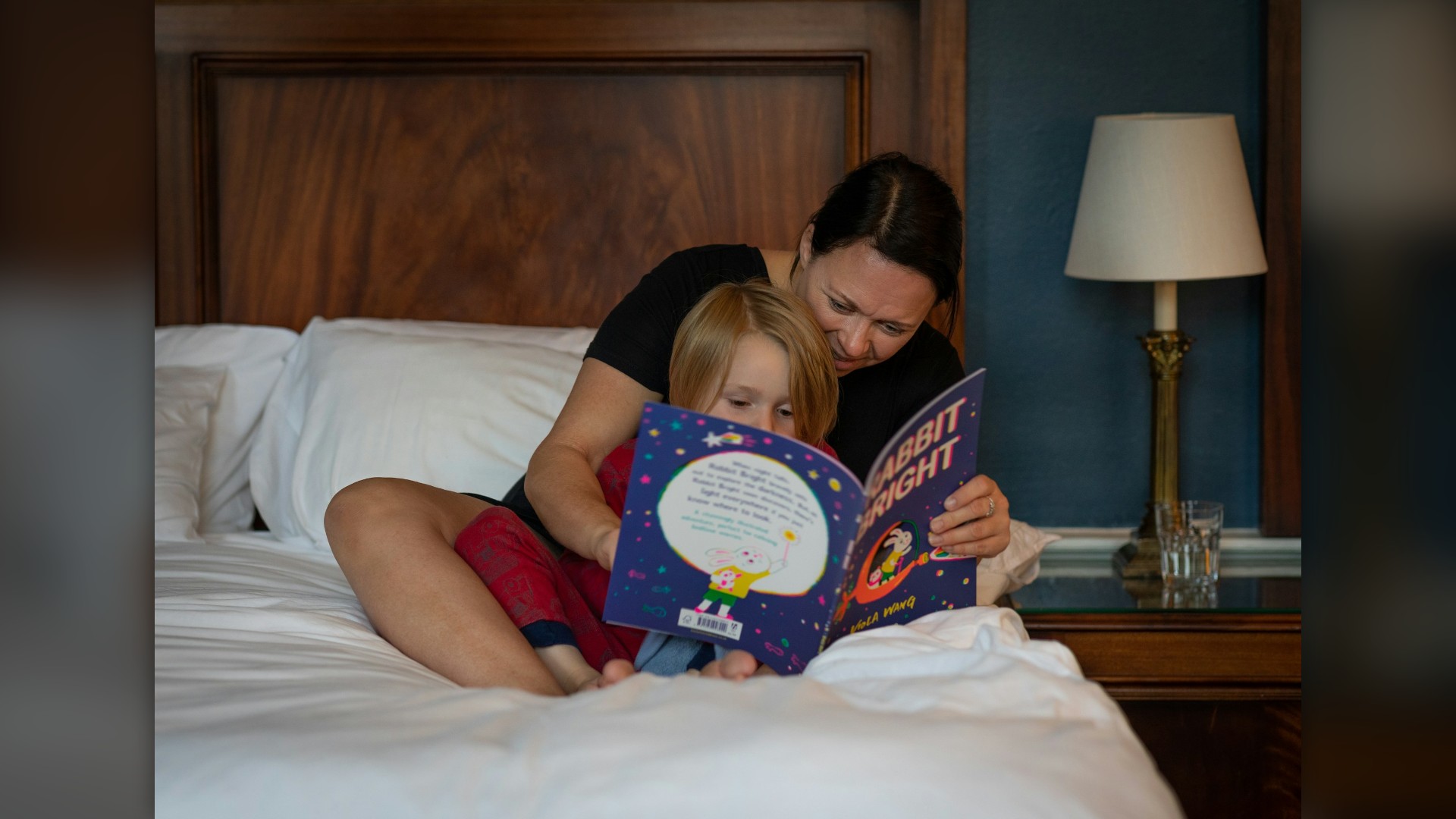
© Photo by Ben Griffiths on Unsplash
9. Lowering Depression In Both Generations
A landmark 19-year Boston College study tracking 376 grandparents and 340 adult grandchildren found that emotionally close relationships measurably reduced depressive symptoms on both sides—proving the mental health benefits last well into adulthood.

© Photo by Isaac Quesada on Unsplash
Advertisement
Swipe or tap ▶ to resume the countdown.
8. Acting As An Emotional Shock Absorber
Developmental psychologists describe supportive grandparents as an "emotional shock absorber." During turbulent life transitions—such as moving, school pressures, or family upheaval—grandparents provide a steady, predictable anchor that protects children's mental health.

©Wikimedia / Master Sgt. Raymond Drumsta
7. Sharing Long-Term Perspective And Wisdom
Because grandparents have navigated decades of life's ups and downs, they naturally bring a calm, long-term perspective to everyday problems. Their lived wisdom helps grandchildren reframe temporary setbacks and avoid the trap of anxious catastrophizing.

©Wikimedia / Michael Ancher
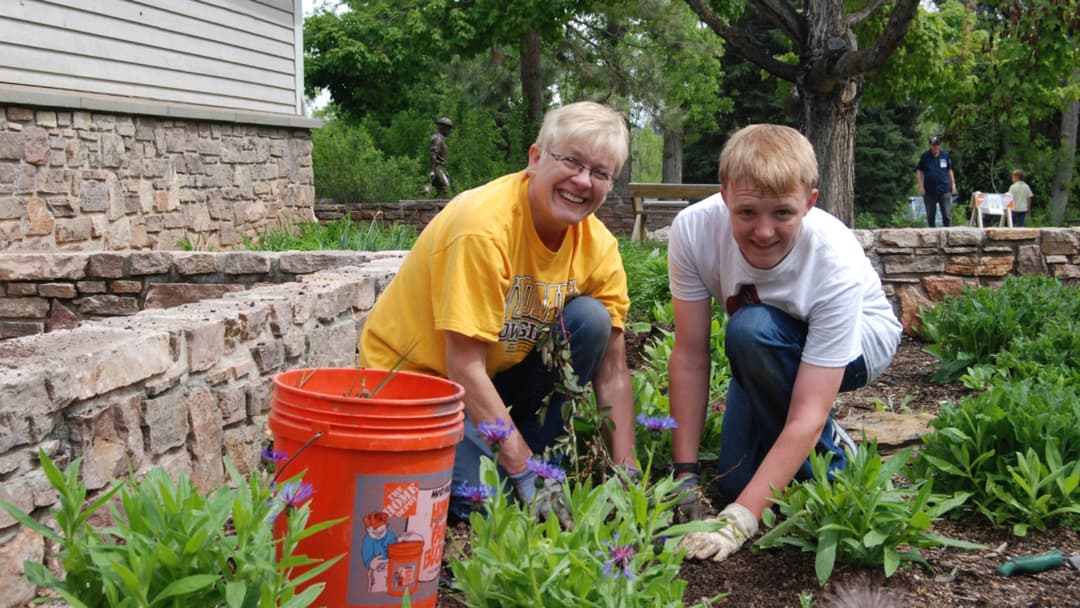
6. Nurturing Growth Through Shared Gardening
Tending plants or volunteering outdoors with a grandparent combines the proven mood-lifting effects of nature therapy with gentle mentorship. Watching seeds grow together teaches children patience, responsibility, and pride in shared accomplishment.
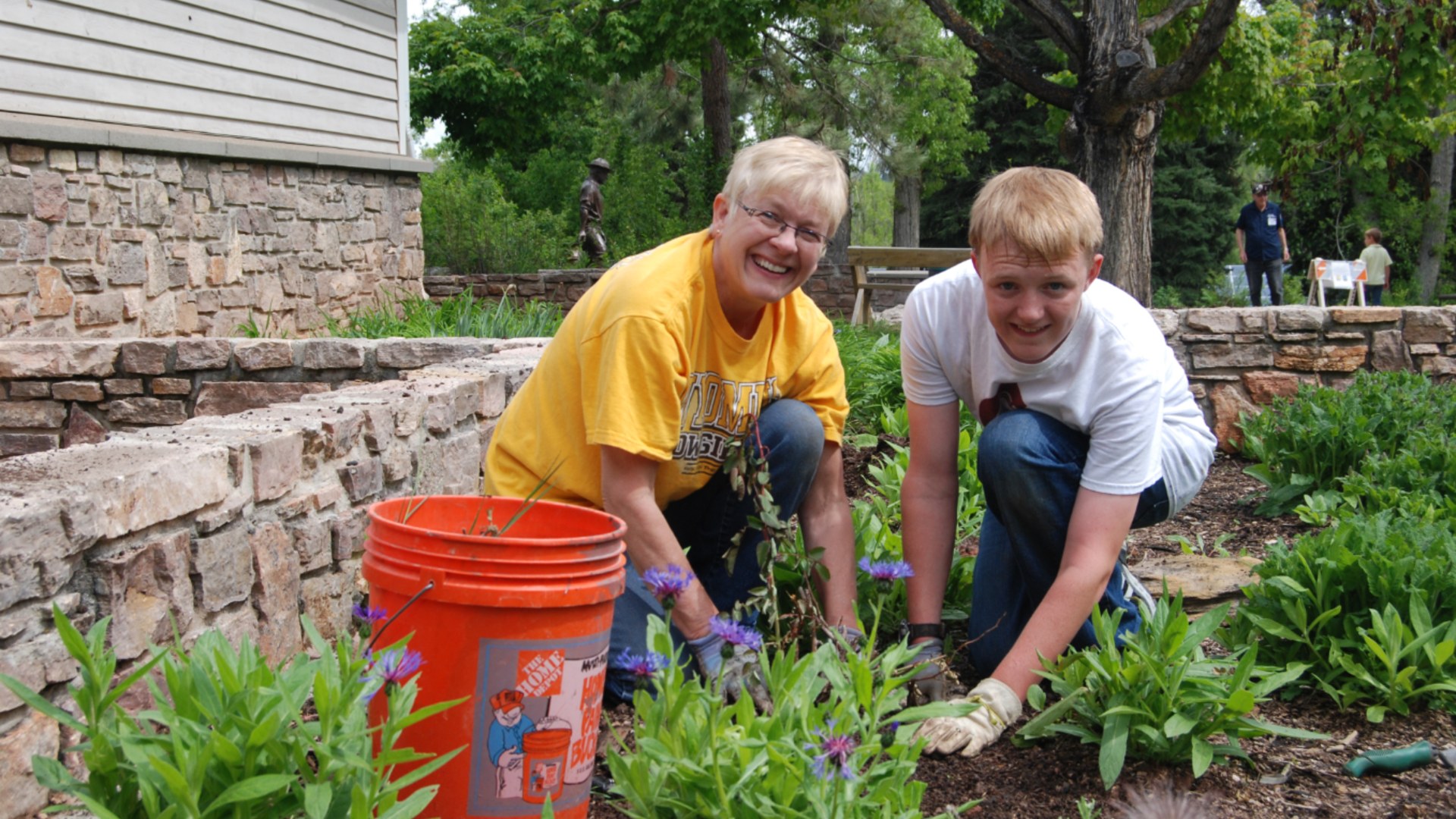
©Wikimedia / April Gregory/USFWS
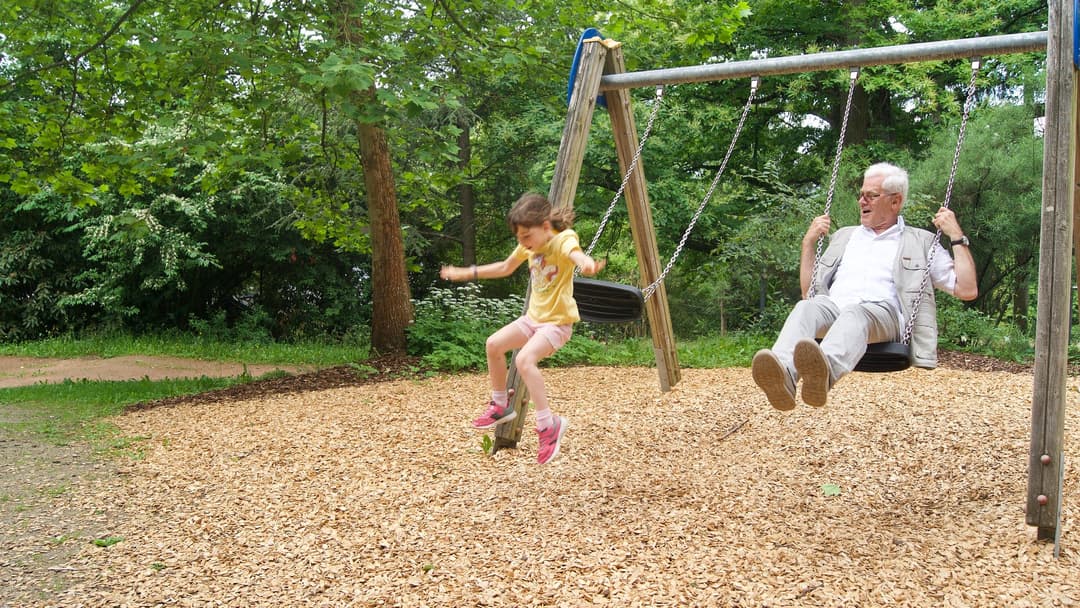
5. Encouraging Playfulness And Outdoor Joy
Whether pushing a swing at the park or laughing outdoors, active play with grandparents triggers a natural release of mood-boosting endorphins. Unstructured play relieves academic pressure for kids while keeping grandparents physically and emotionally vibrant.
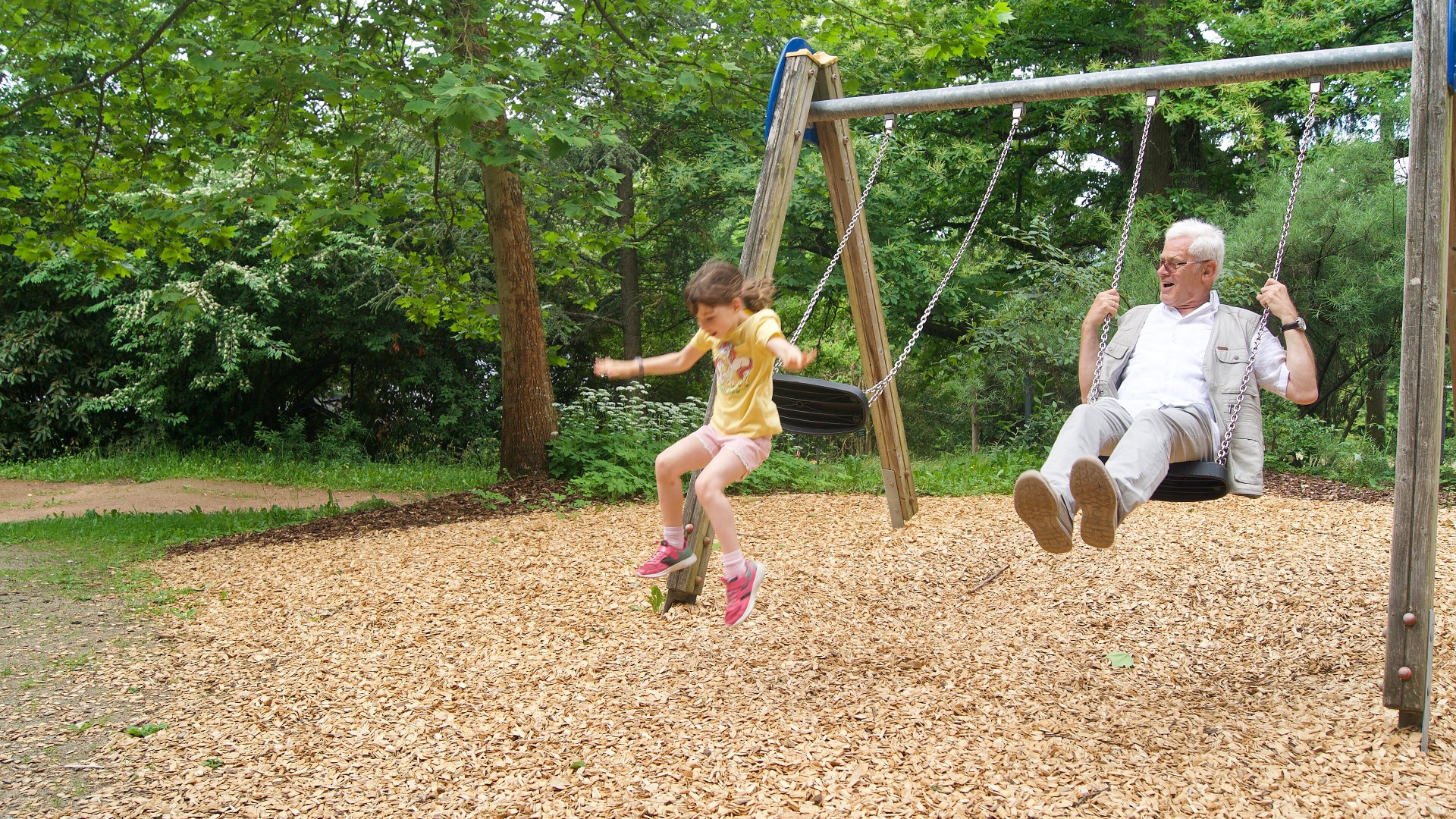
©Wikimedia / Barbara-Ingeborg
Advertisement
Swipe or tap ▶ to resume the countdown.
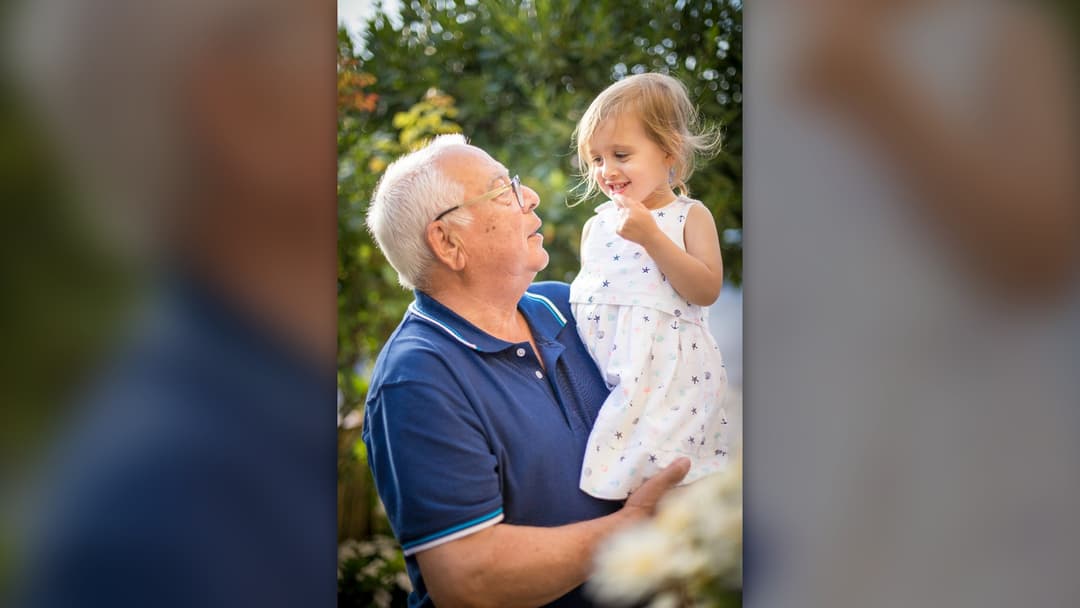
4. Building Deep Emotional Security From Infancy
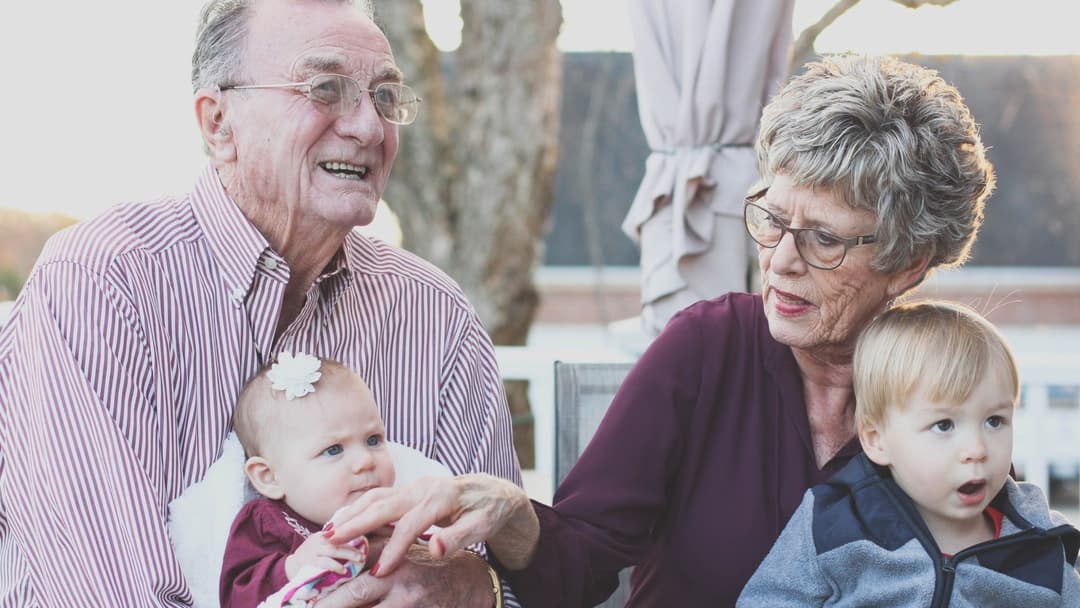
Being cradled and cared for by an attentive grandparent from earliest childhood reinforces secure attachment. Family researchers note that early multigenerational caregiving builds lasting emotional security, deeper trust, and a strong sense of family identity.

©Wikimedia / Bigroger27509
3. Inspiring Curiosity Through Shared Walks
Walking side by side along a park trail makes it easier for kids and teens to open up about their worries. Psychologists find that side-by-side exploration in nature with a grandparent lowers social defensiveness, reduces rumination, and deepens mutual trust.
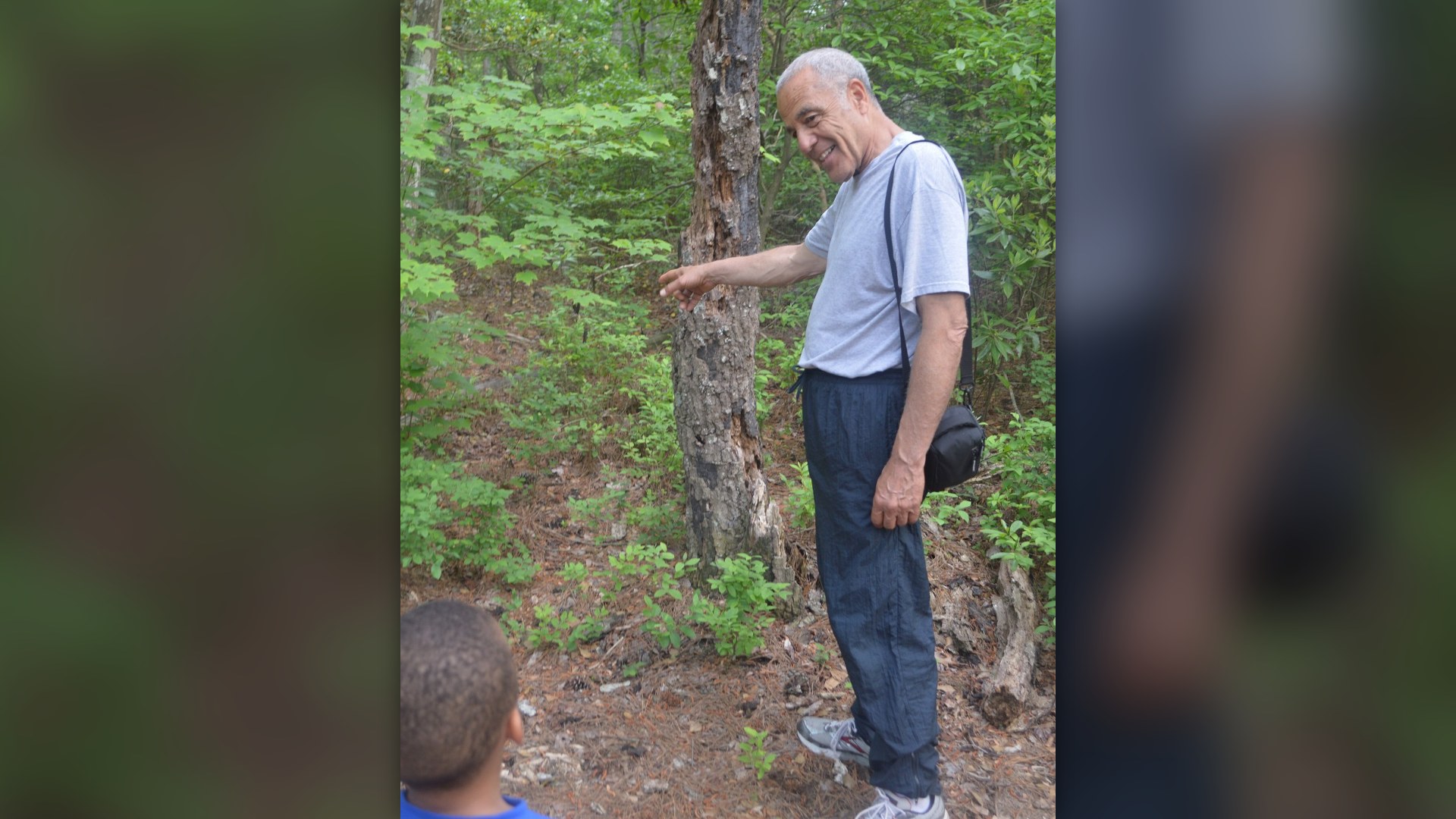
©Wikimedia / Virginia State Parks
2. Fostering Empathy Across Age Gaps
Growing up close to grandparents naturally teaches children how to empathize with people of different ages and life stages. Studies show that kids with strong intergenerational friendships develop higher emotional intelligence and warmer social skills.

© Photo by Mary Blackwey on Unsplash
1. Boosting Purpose And Brain Health
The mental health boost works both ways. Research published in Evolution and Human Behavior shows that grandparents who stay actively engaged with their grandchildren experience lower rates of loneliness, sharper cognitive vitality, and a deeper sense of purpose.

©Pixabay / u_c48rf6ybx8
Advertisement
You've reached the end of the story. Thanks for reading!

20 Ways To Survive Heavy Snow In The USA
Essential Rules To Survive Severe US Winter Blizzards
All 15 Entries in this Story
1. A Safe Haven Of Unconditional Acceptance
Research from the University of Oxford involving over 1,500 children revealed that high grandparental involvement is linked to fewer emotional and behavioral difficulties. Grandparents offer a judgment-free safe haven outside daily academic and parental pressures.

2. Comfort And Connection In The Kitchen
Sensory traditions like kneading dough or baking cookies with a grandmother create powerful emotional grounding. Psychologists note that shared kitchen rituals foster a deep sense of continuity, warmth, and belonging that actively reduces everyday anxiety.

3. Teaching Patience And Unhurried Presence
Spending a quiet afternoon fishing by the water with a grandfather teaches emotional regulation without saying a word. Unhurried outdoor traditions slow down a child's nervous system, modeling mindfulness, patience, and presence away from modern screen stress.

4. Expanding Your Circle Of Belonging
Multigenerational outings—like spreading a blanket for a sunny family picnic—reinforce social security across age groups. Knowing you belong to a wider, loving family network acts as a powerful psychological buffer against loneliness and social anxiety.

5. Calming Stress Through Warm Affection
Safe, affectionate touch—like a long embrace from a grandmother—triggers a surge of oxytocin, the brain's bonding hormone. Neuroscientists have shown that warm family hugs measurably lower cortisol levels, slow heart rates, and soothe the body's stress response.

6. Building Resilience Through Family Stories
Psychologists at Emory University discovered that children who know more about their grandparents' lives and how their family overcame past hardships display significantly higher self-esteem, stronger emotional resilience, and better coping skills during crises.

7. Lowering Depression In Both Generations
A landmark 19-year Boston College study tracking 376 grandparents and 340 adult grandchildren found that emotionally close relationships measurably reduced depressive symptoms on both sides—proving the mental health benefits last well into adulthood.

8. Acting As An Emotional Shock Absorber
Developmental psychologists describe supportive grandparents as an "emotional shock absorber." During turbulent life transitions—such as moving, school pressures, or family upheaval—grandparents provide a steady, predictable anchor that protects children's mental health.

9. Sharing Long-Term Perspective And Wisdom
Because grandparents have navigated decades of life's ups and downs, they naturally bring a calm, long-term perspective to everyday problems. Their lived wisdom helps grandchildren reframe temporary setbacks and avoid the trap of anxious catastrophizing.

10. Nurturing Growth Through Shared Gardening
Tending plants or volunteering outdoors with a grandparent combines the proven mood-lifting effects of nature therapy with gentle mentorship. Watching seeds grow together teaches children patience, responsibility, and pride in shared accomplishment.

11. Encouraging Playfulness And Outdoor Joy
Whether pushing a swing at the park or laughing outdoors, active play with grandparents triggers a natural release of mood-boosting endorphins. Unstructured play relieves academic pressure for kids while keeping grandparents physically and emotionally vibrant.

12. Building Deep Emotional Security From Infancy
Being cradled and cared for by an attentive grandparent from earliest childhood reinforces secure attachment. Family researchers note that early multigenerational caregiving builds lasting emotional security, deeper trust, and a strong sense of family identity.

13. Inspiring Curiosity Through Shared Walks
Walking side by side along a park trail makes it easier for kids and teens to open up about their worries. Psychologists find that side-by-side exploration in nature with a grandparent lowers social defensiveness, reduces rumination, and deepens mutual trust.

14. Fostering Empathy Across Age Gaps
Growing up close to grandparents naturally teaches children how to empathize with people of different ages and life stages. Studies show that kids with strong intergenerational friendships develop higher emotional intelligence and warmer social skills.

15. Boosting Purpose And Brain Health
The mental health boost works both ways. Research published in Evolution and Human Behavior shows that grandparents who stay actively engaged with their grandchildren experience lower rates of loneliness, sharper cognitive vitality, and a deeper sense of purpose.