Slideshow · Viral
Why Planes Fly at 35,000 Feet
Six miles above Earth, the air is minus 54C and unbreathable - yet 35,000 feet is the ultimate sweet spot where physics, fuel efficiency, and flight safety align.


All 20 Entries in this Story
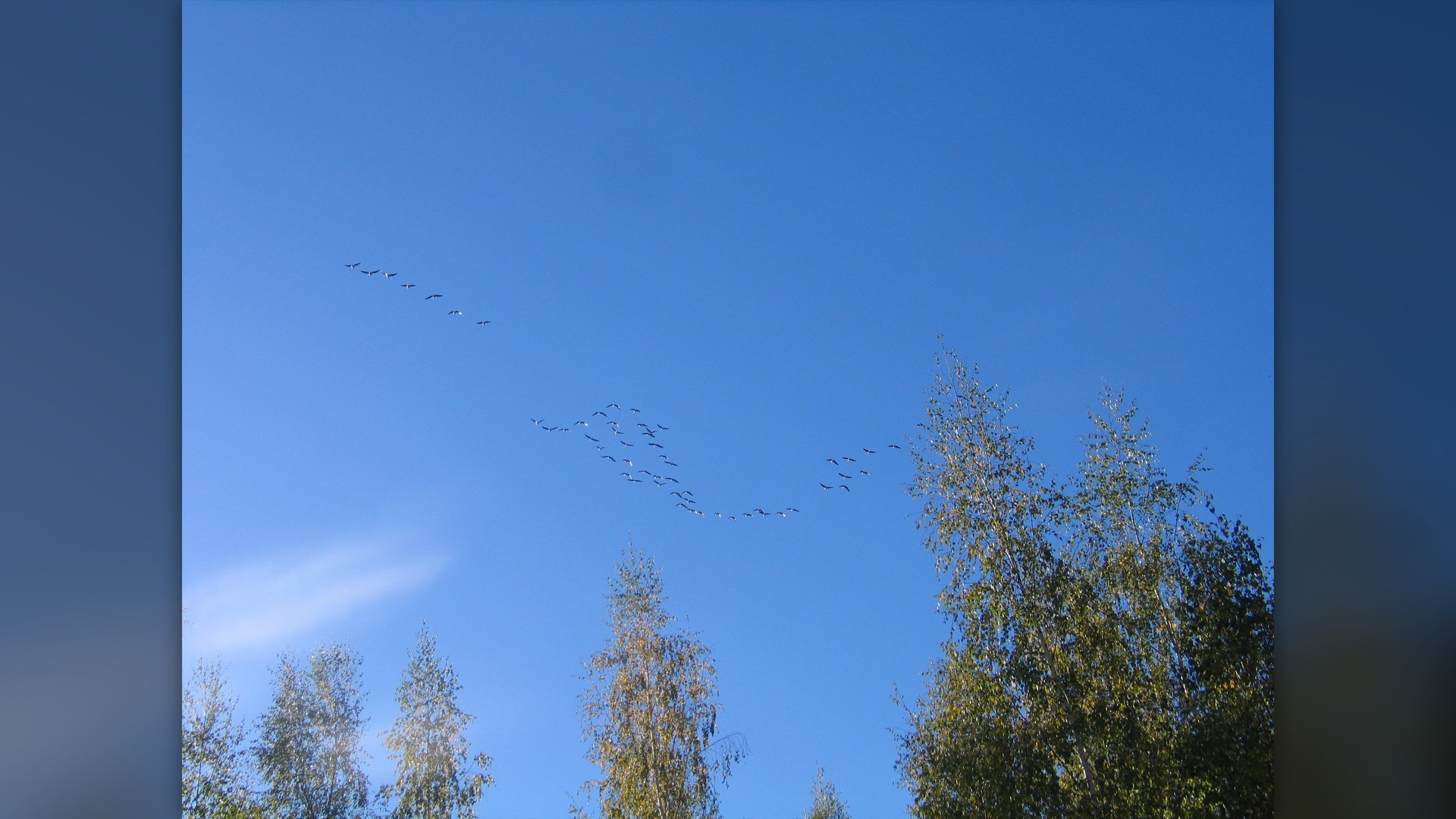
20. Bird Strike Immunity
According to FAA wildlife strike databases as of 2026, more than 90% of avian collisions occur during takeoff, climb, or approach below 3,500 feet. Once an airliner reaches 35,000 feet, migratory bird hazards drop to near zero.
19. Ground Noise Dissipation
Sound intensity drops exponentially with distance and atmospheric absorption. At 35,000 feet, twin high-bypass turbofans producing over 120 decibels at the nacelle barely register as a faint 35-decibel hum on the ground below.
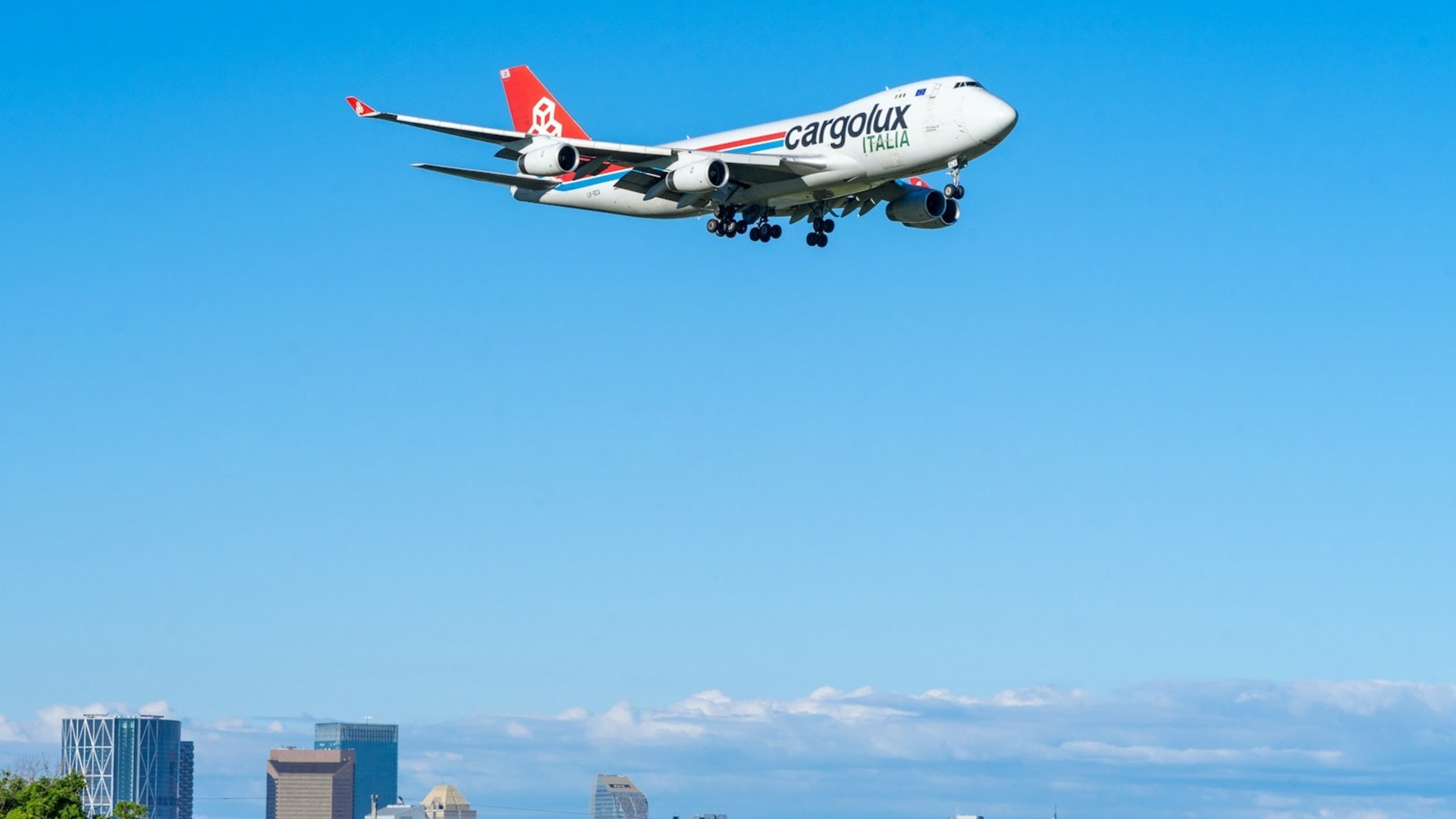
18. Light Aircraft And Helicopter Separation
Most general aviation piston aircraft and helicopters operate below 10,000 to 12,500 feet where supplemental oxygen isn't required. Cruising at Flight Level 350 isolates commercial airliners from congested low-altitude VFR traffic.
17. Protection From Salt Spray And Smog
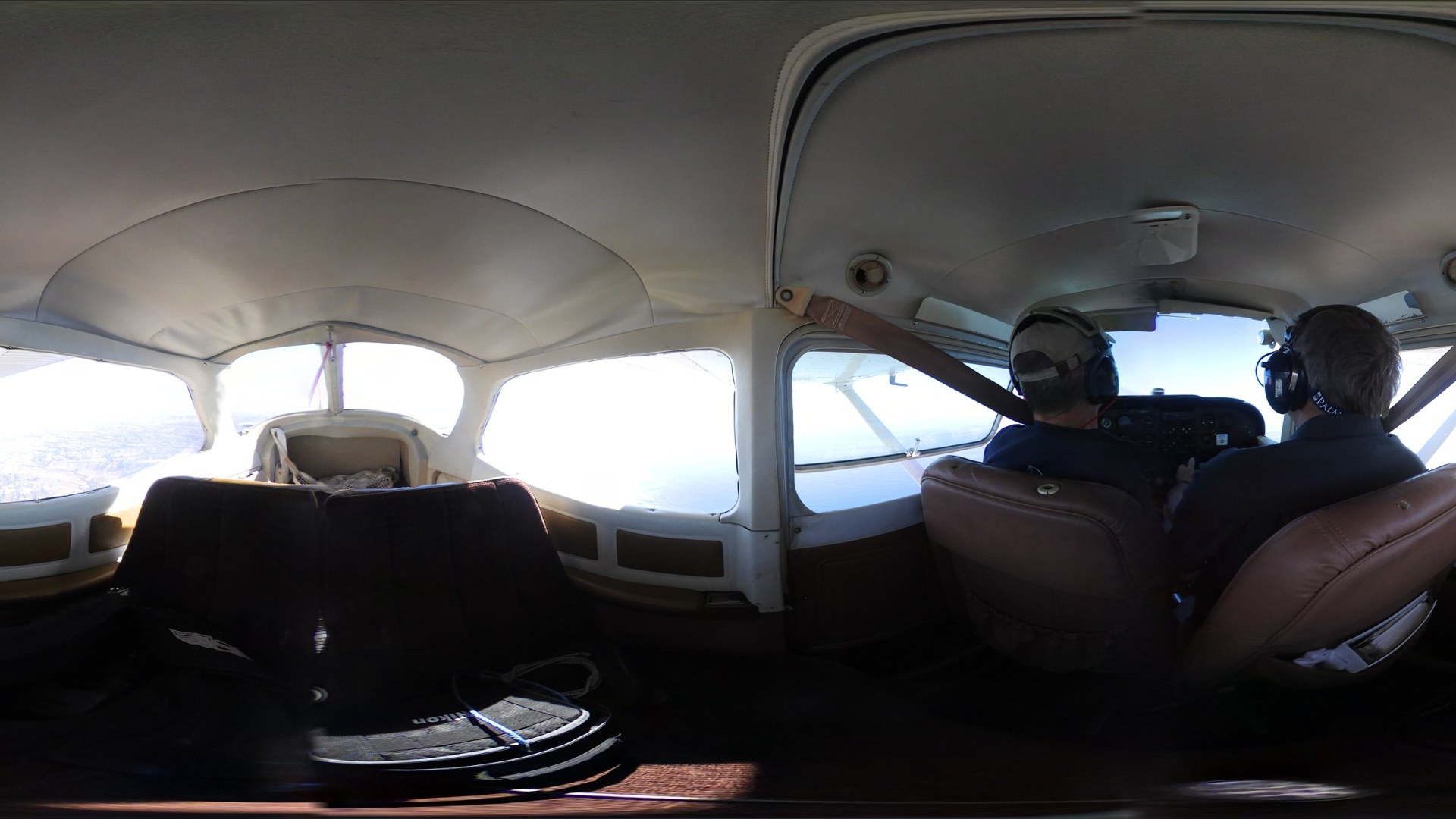
The lower planetary boundary layer traps ocean salt spray, industrial pollutants, and humid aerosols that accelerate airframe corrosion. Above 30,000 feet, dry air keeps composite and aluminum fuselages cleaner for longer.
16. Escaping The Worst Wing Icing Zone
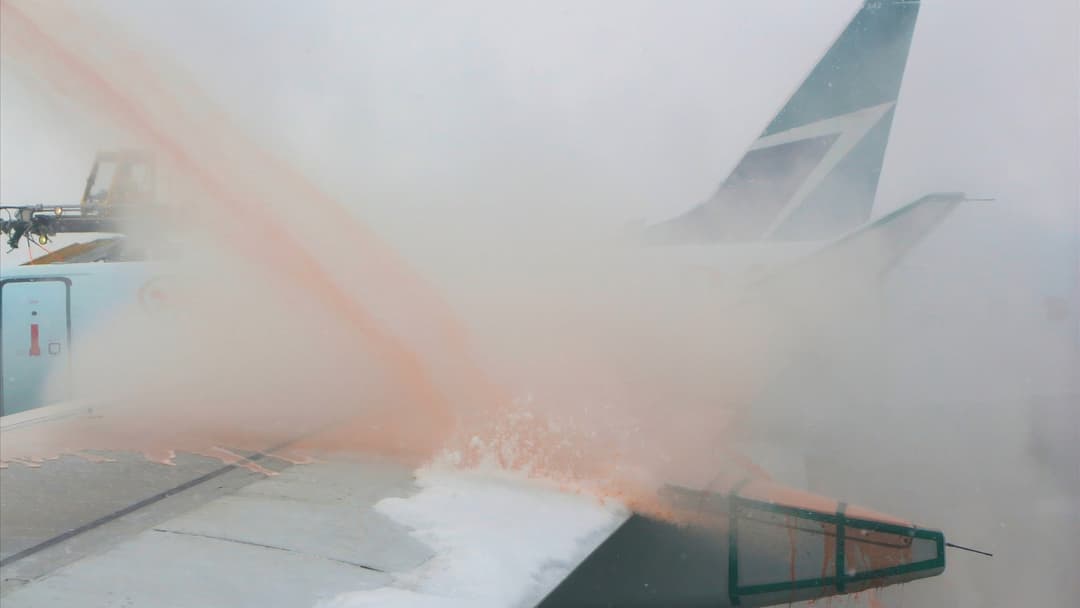
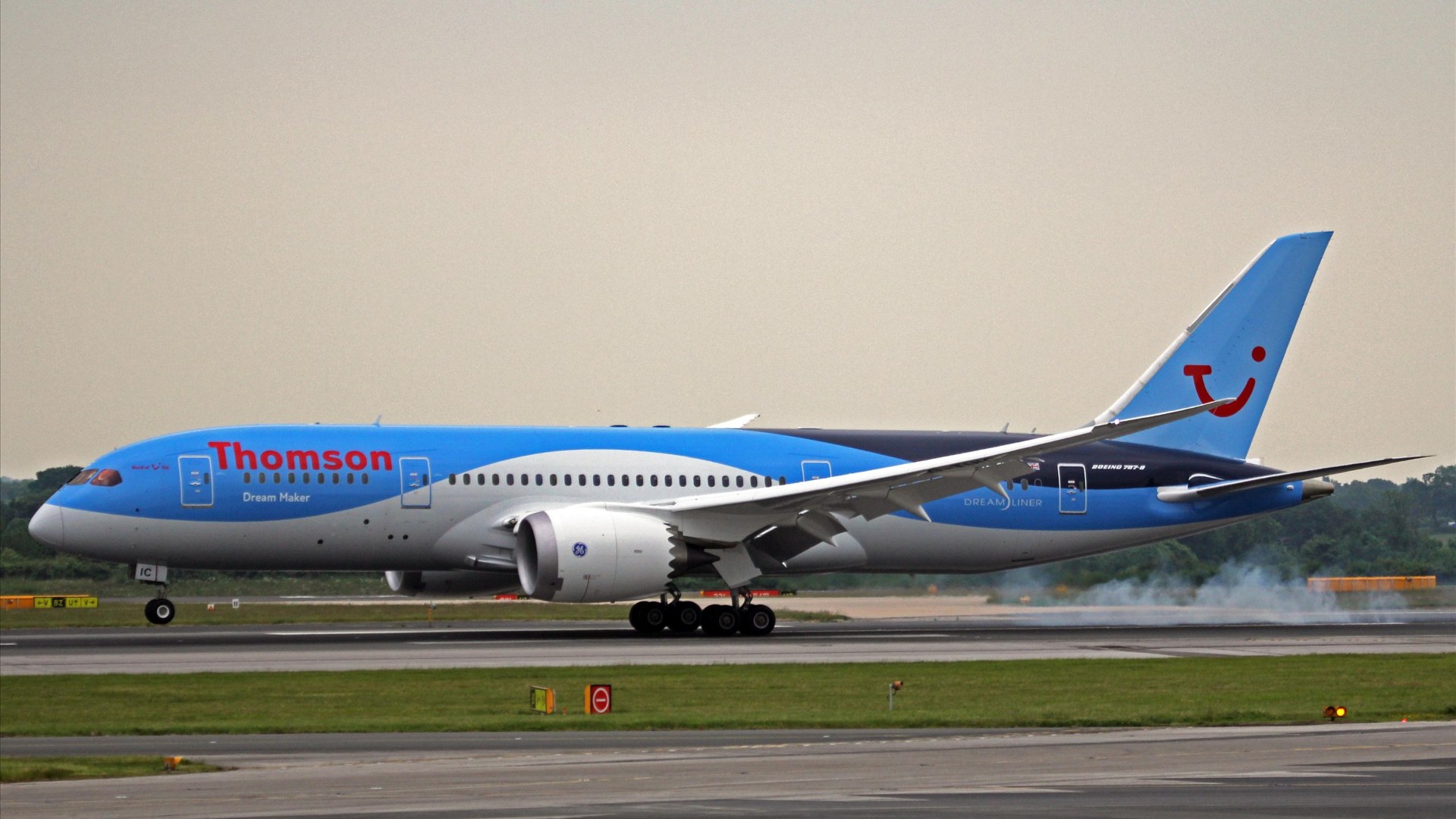
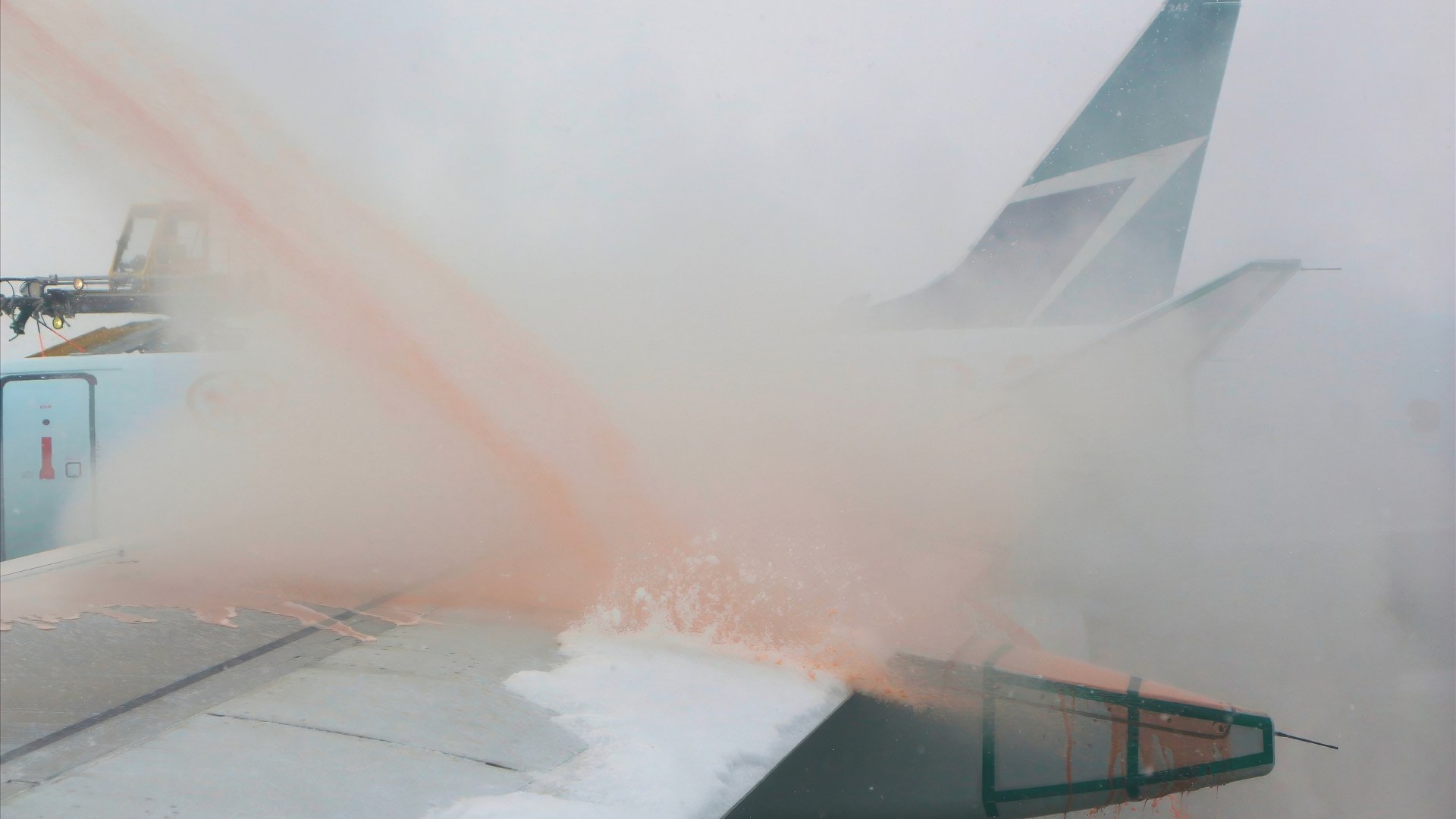
The most treacherous airframe icing occurs between 10,000 and 22,000 feet, where supercooled liquid water freezes on impact with wings. At 35,000 feet, ambient temperatures around minus 54C turn moisture into dry ice crystals that bounce right off.
15. Predictable Contrail Physics
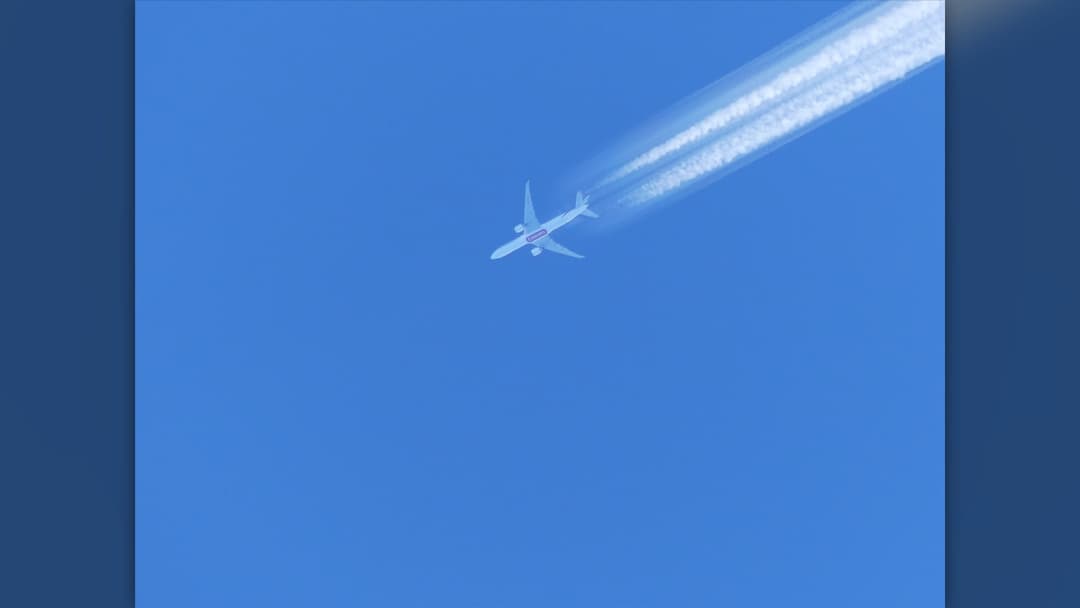
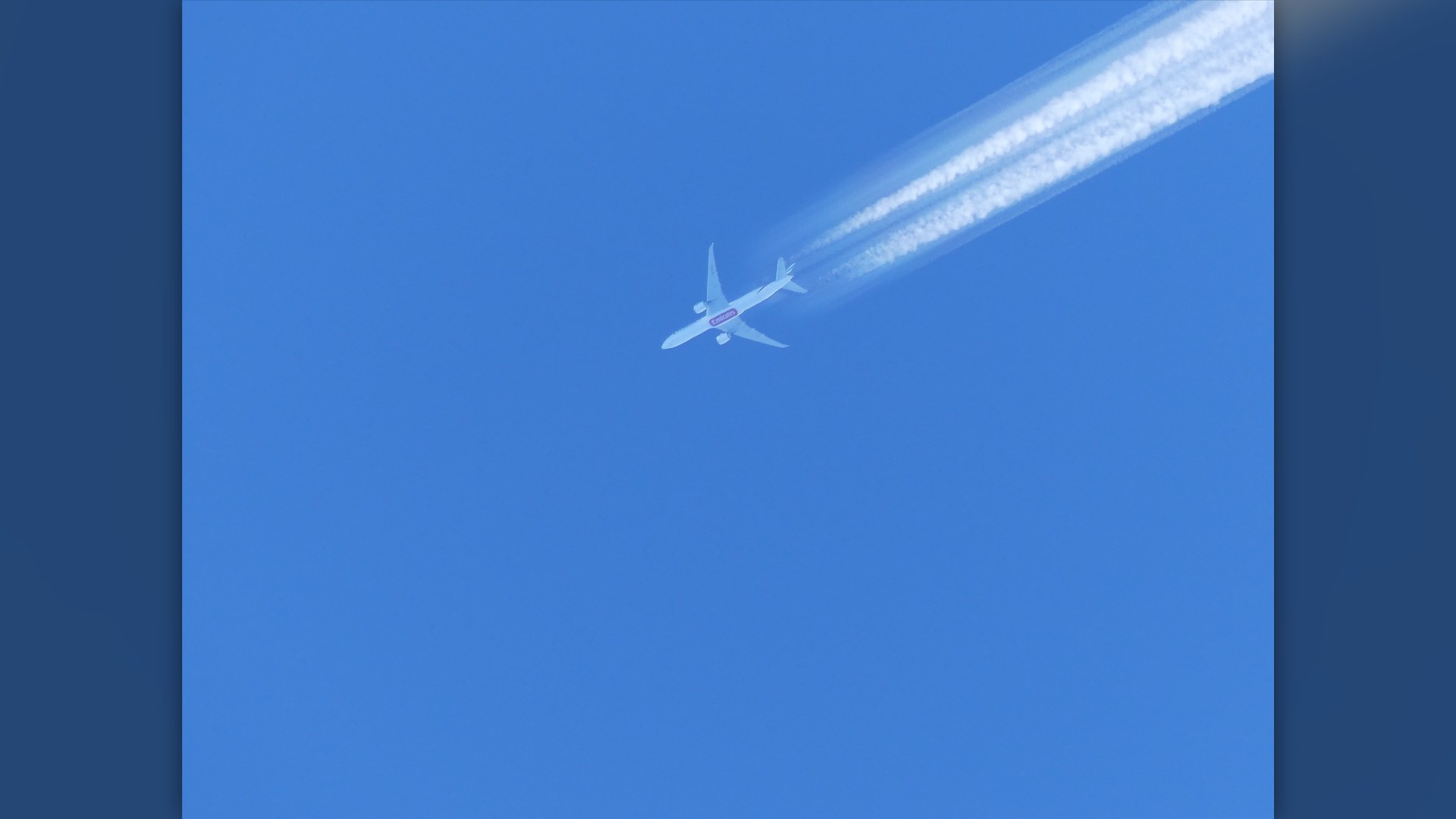
When hot, humid jet exhaust meets minus 54C air at 35,000 feet, water vapor rapidly crystallizes into condensation trails. As of 2026, airlines use real-time humidity forecasting around Flight Level 350 to tweak altitudes and minimize contrail warming.
14. Cosmic Radiation Shielding Balance
Earth's atmosphere shields us from ionizing cosmic rays, and radiation dose rates roughly double with every 6,000 feet of altitude gain. Cruising at 35,000 feet rather than 45,000 feet keeps annual radiation exposure lower for flight crews.
13. Rapid Emergency Descent Margin
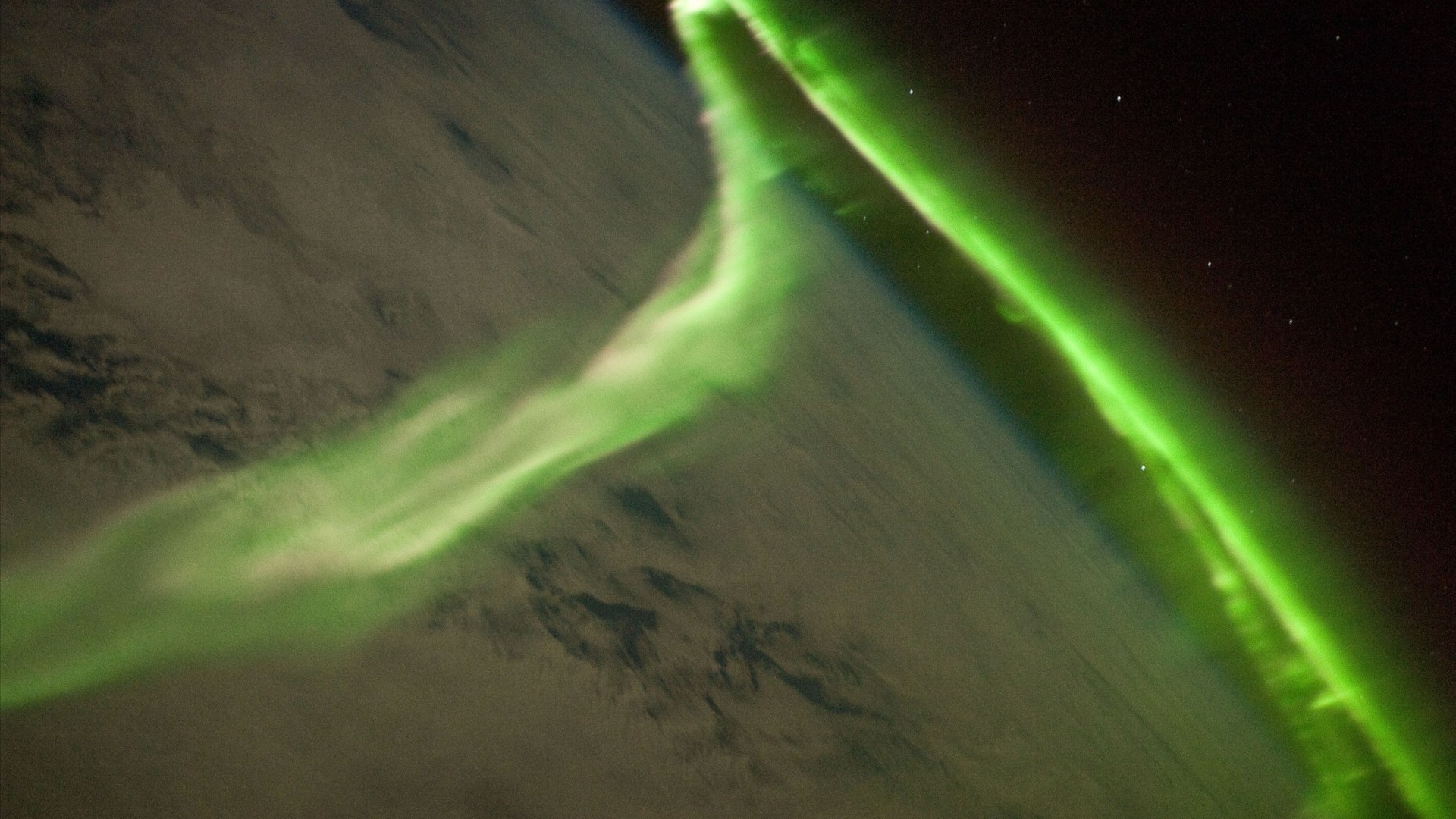
At 35,000 feet, the time of useful consciousness without oxygen is only 30 to 60 seconds. However, airliners are certified to descend at 6,000+ feet per minute, reaching breathable 10,000-foot air well within the 12-to-22-minute mask supply.
12. Avoiding The Aerodynamic Coffin Corner
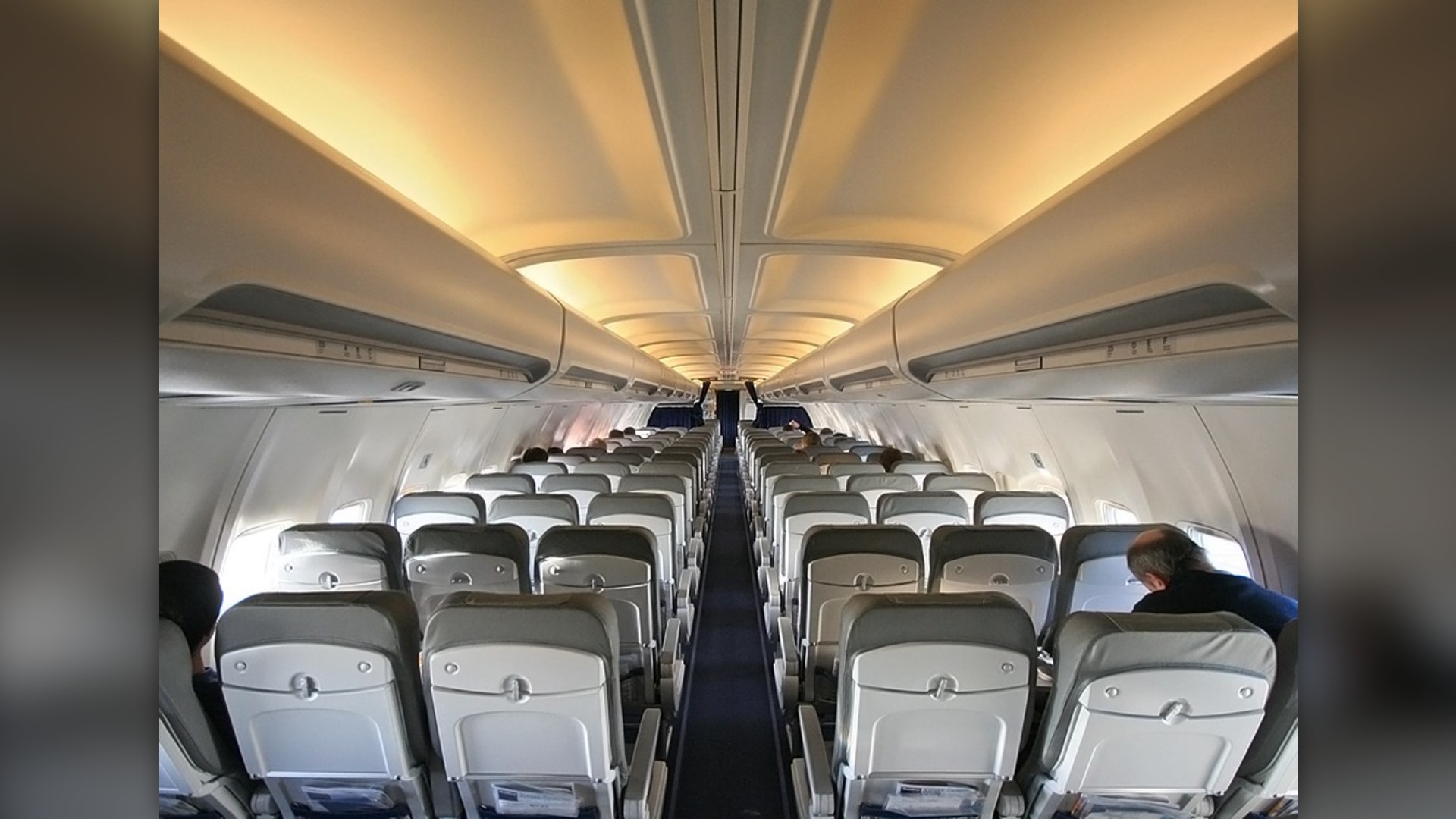
As an airplane climbs into thinner air, its minimum stall speed rises toward its maximum transonic Mach limit - a narrow trap pilots call Coffin Corner. At 35,000 feet, commercial jets maintain a comfortable, forgiving airspeed margin.
11. Fuselage Pressurization Longevity
Every takeoff and climb inflates the pressurized fuselage like a metal or carbon-fiber balloon against the 3.46 psi outside air at 35,000 feet. Capping routine cruise around 35,000 to 39,000 feet limits structural pressure differential cycles.
10. Step-Climb Weight Optimization
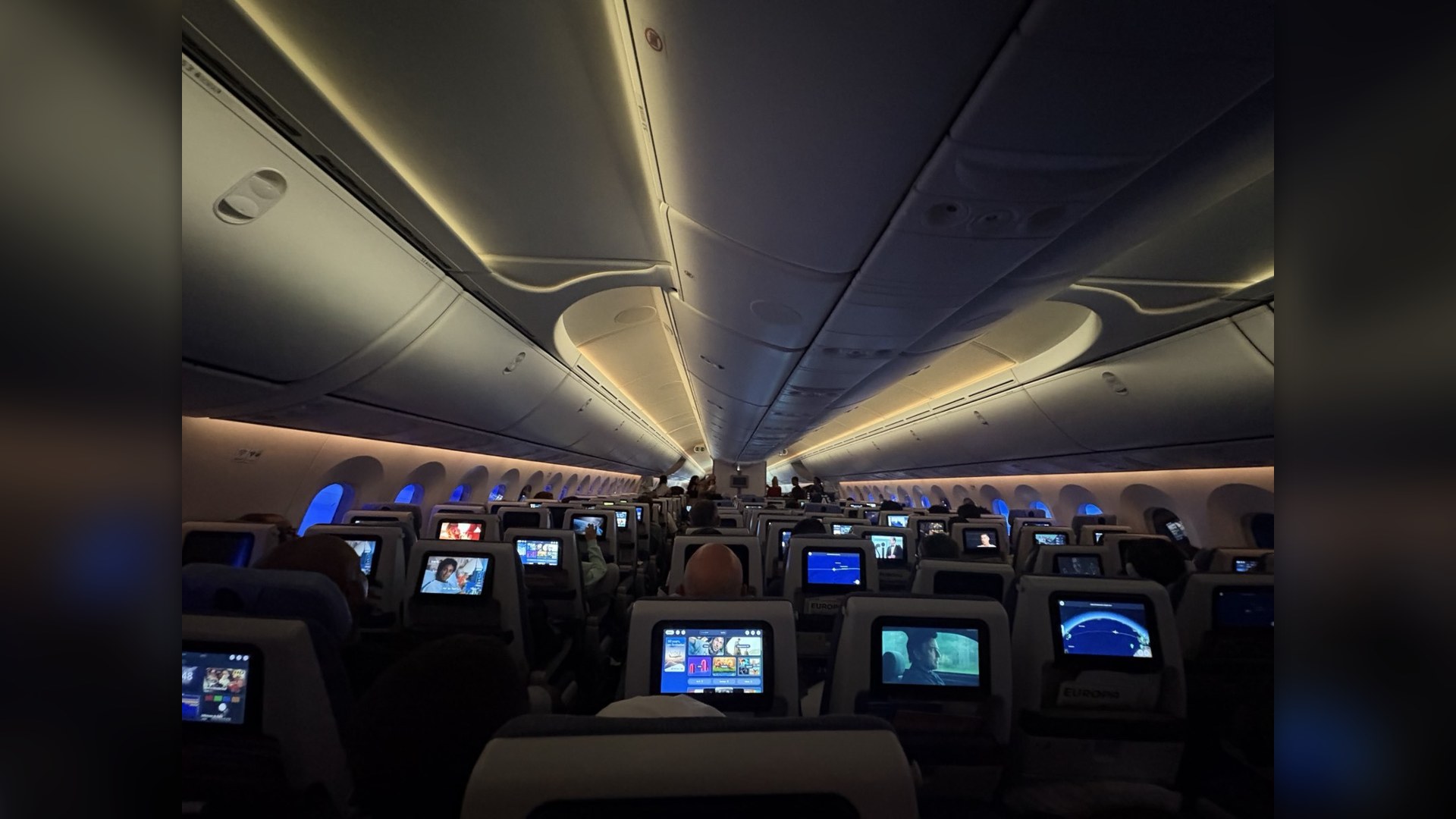
A fully loaded Boeing 777 or Airbus A350 taking off on a 14-hour flight is often too heavy to reach 37,000 feet immediately. Pilots start near 31,000 to 33,000 feet and step climb through 35,000 feet as tens of tons of jet fuel burn away.
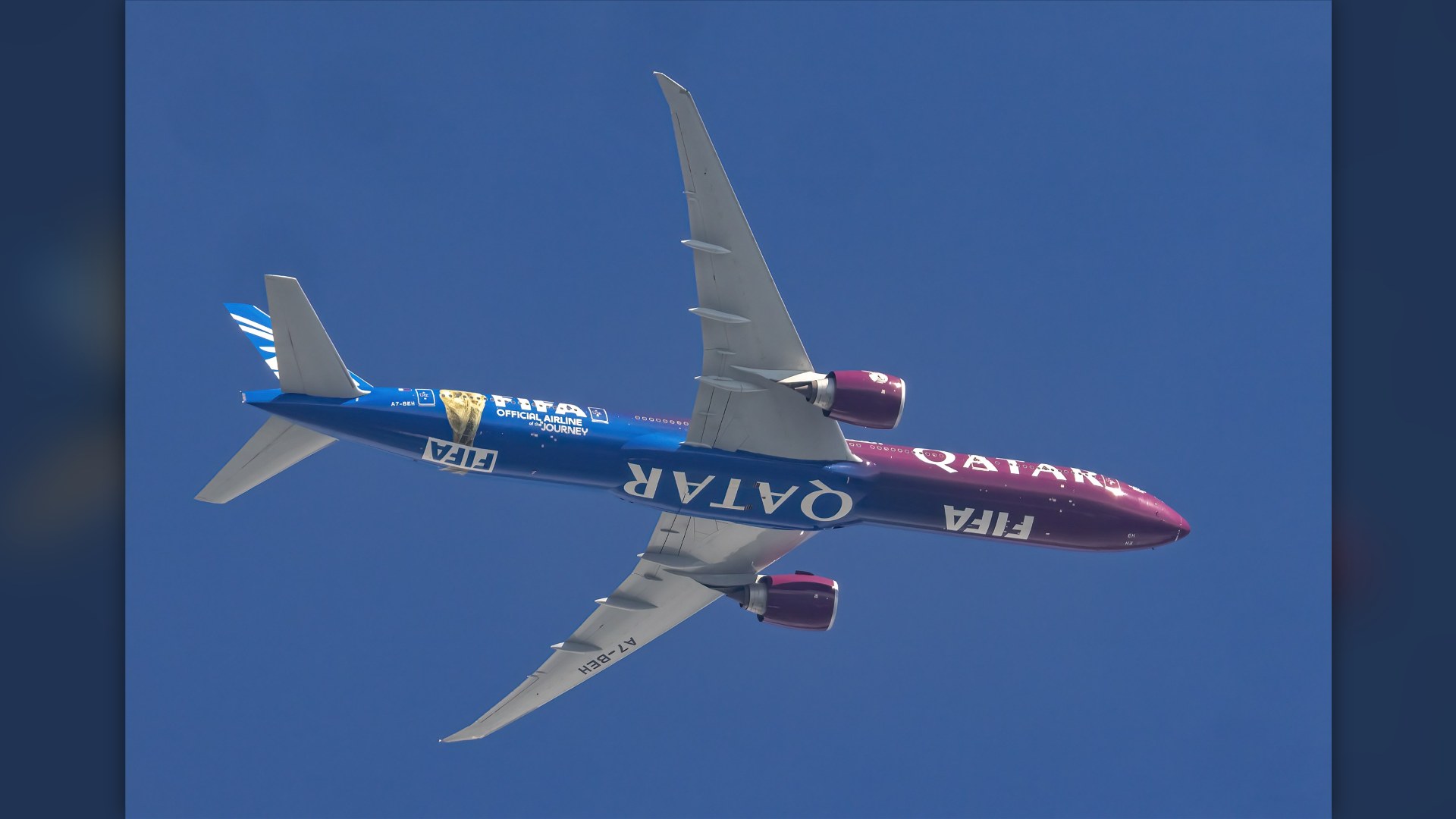
9. Precision 1,000-Foot Vertical Highways
Under Reduced Vertical Separation Minimum (RVSM) rules between 29,000 and 41,000 feet, eastbound flights cruise at odd thousands (like 33,000, 35,000, and 37,000 feet) while westbound jets take even thousands, doubling sky highway capacity.
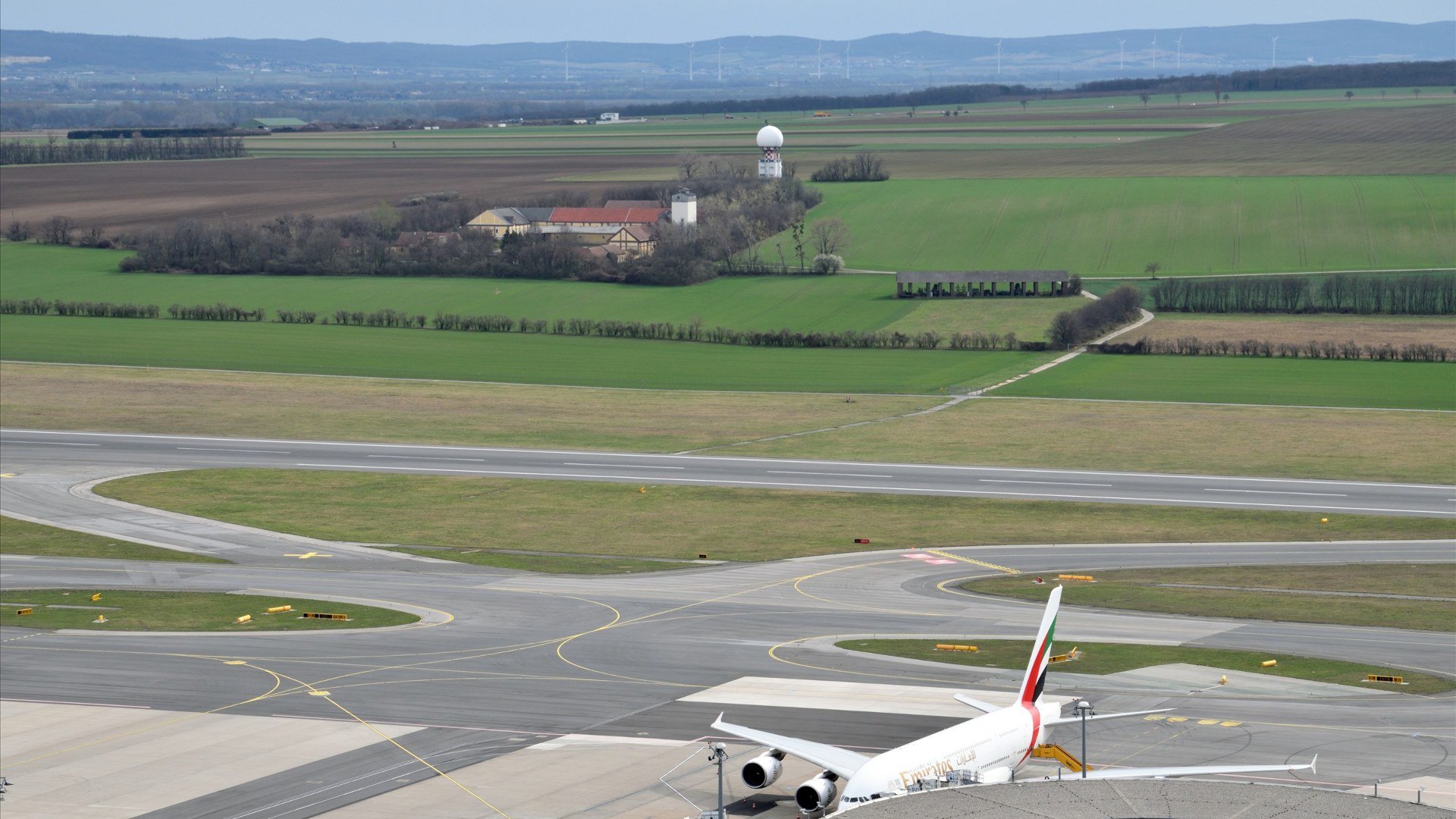
8. Blistering True Airspeed Over The Ground
Because fewer air molecules enter the pitot tube at 35,000 feet, an airliner showing 250 knots indicated airspeed is actually slicing through the sky at nearly 490 knots true airspeed - roughly 565 to 580 mph - cutting hours off transcontinental trips.
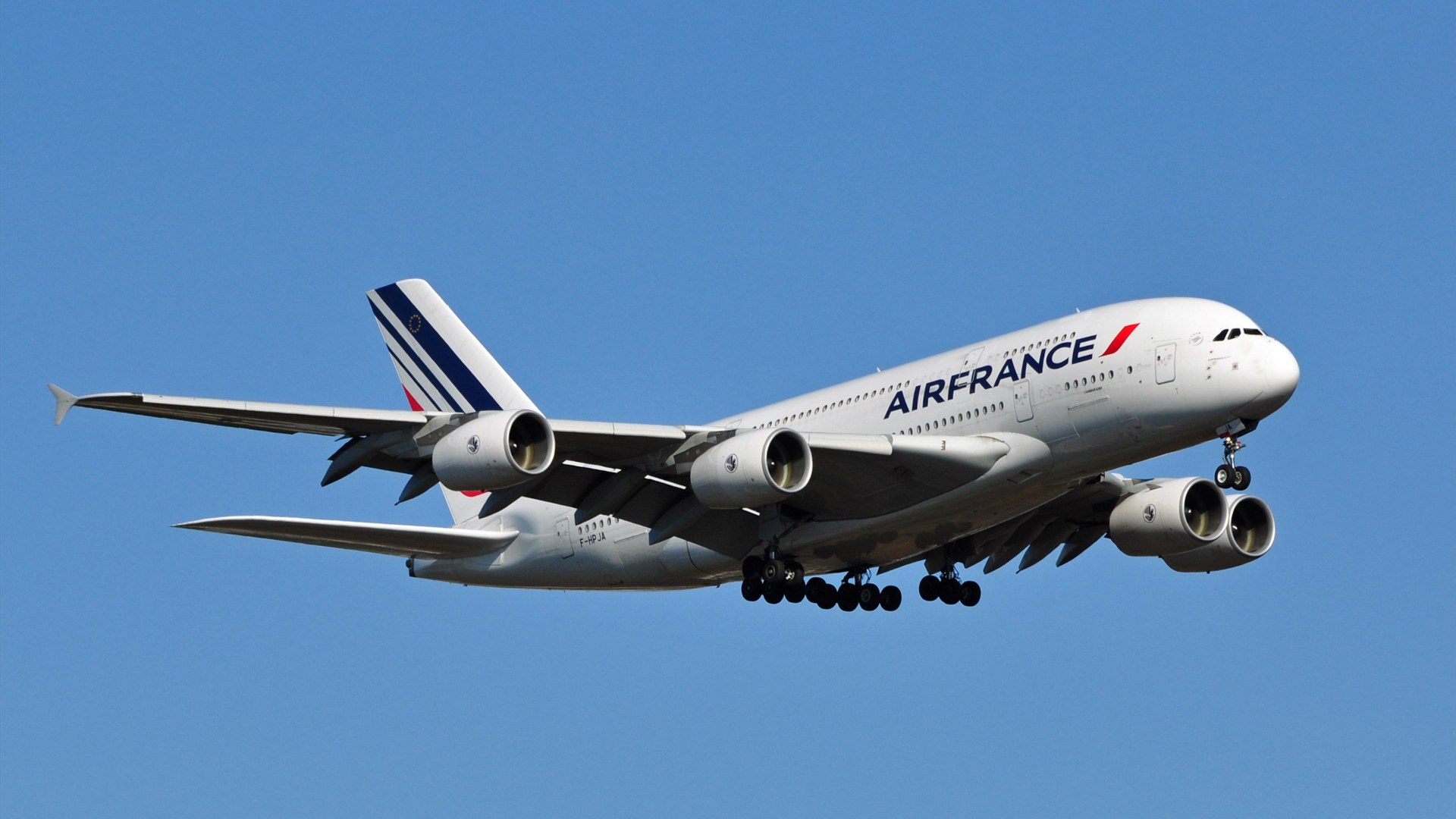
7. Transonic Mach Efficiency In Sub-Zero Air
The speed of sound depends purely on air temperature, dropping from 761 mph at sea level to about 660 mph at 35,000 feet. Modern supercritical wings are sculpted to cruise right at Mach 0.78 to 0.85 without triggering wave-drag shockwaves.
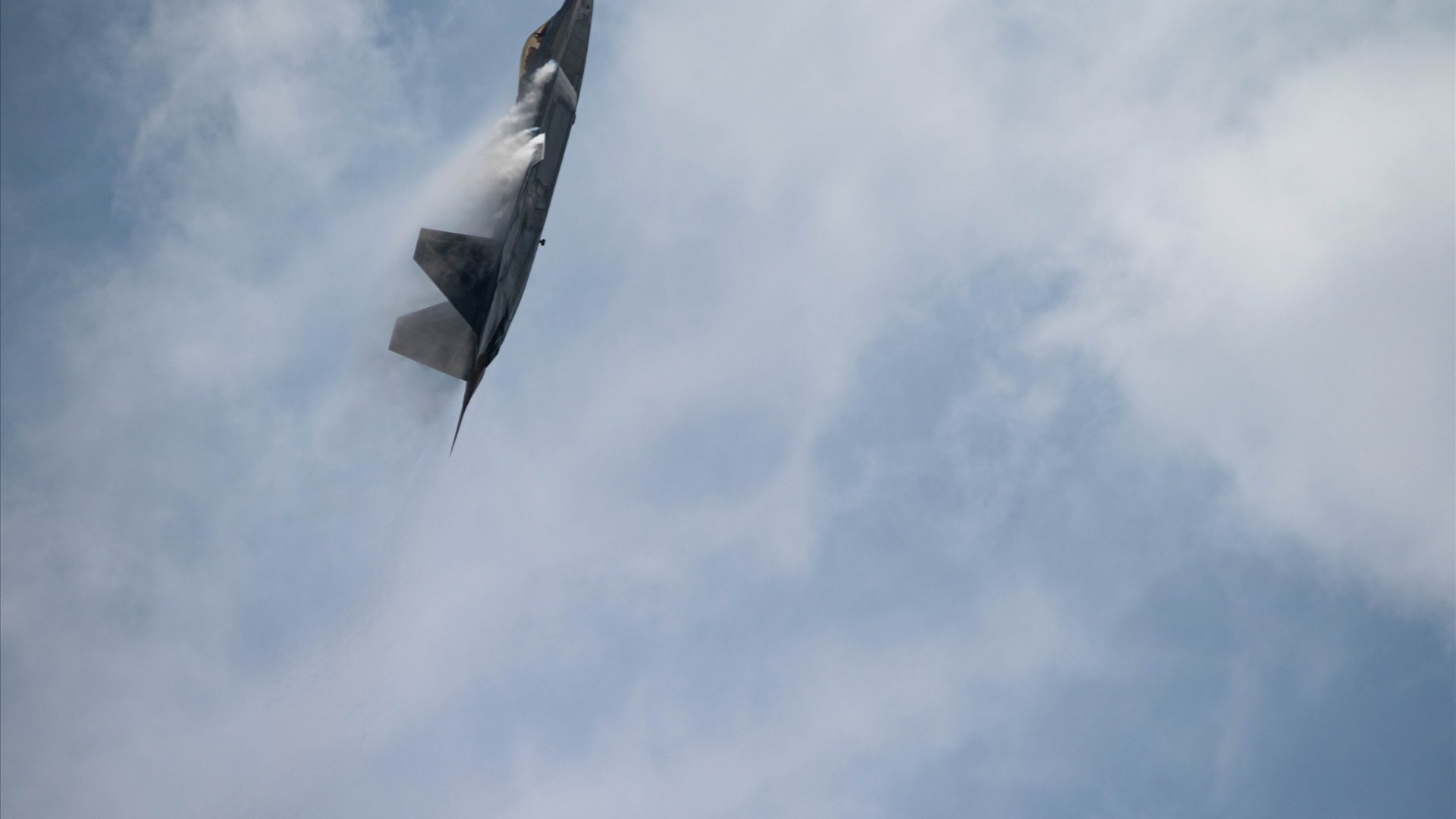
6. Surfing 200-MPH Jet Stream Tailwinds
Earth's polar and subtropical jet streams howl from west to east at altitudes centered right around 35,000 feet. Riding a 150-to-200-mph jet stream tailwind across the Atlantic or Pacific shaves up to 90 minutes and tons of fuel off a flight.
5. Soaring Above Towering Storm Clouds
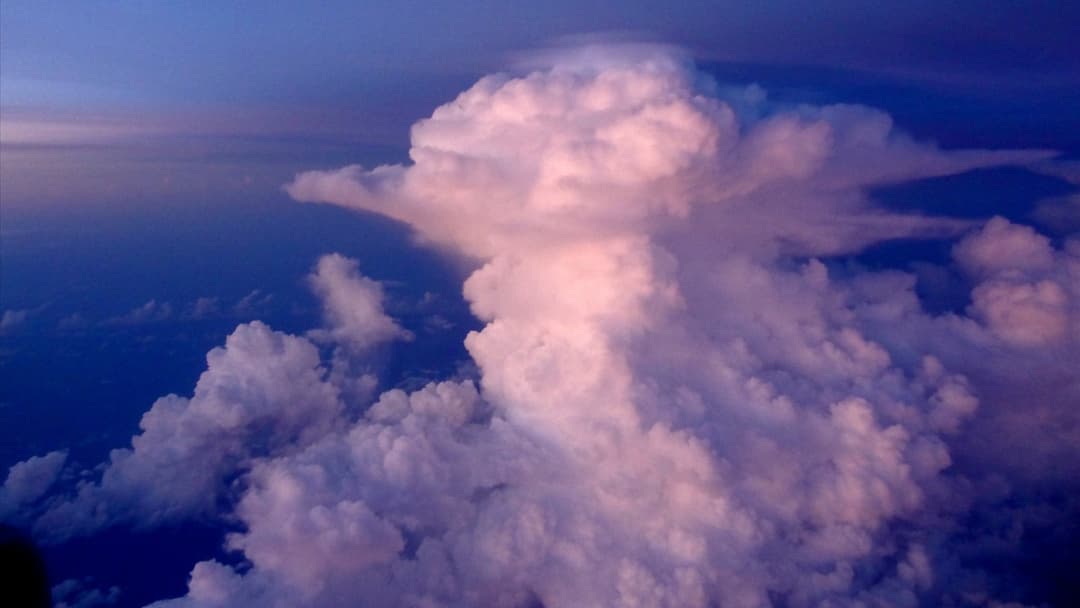
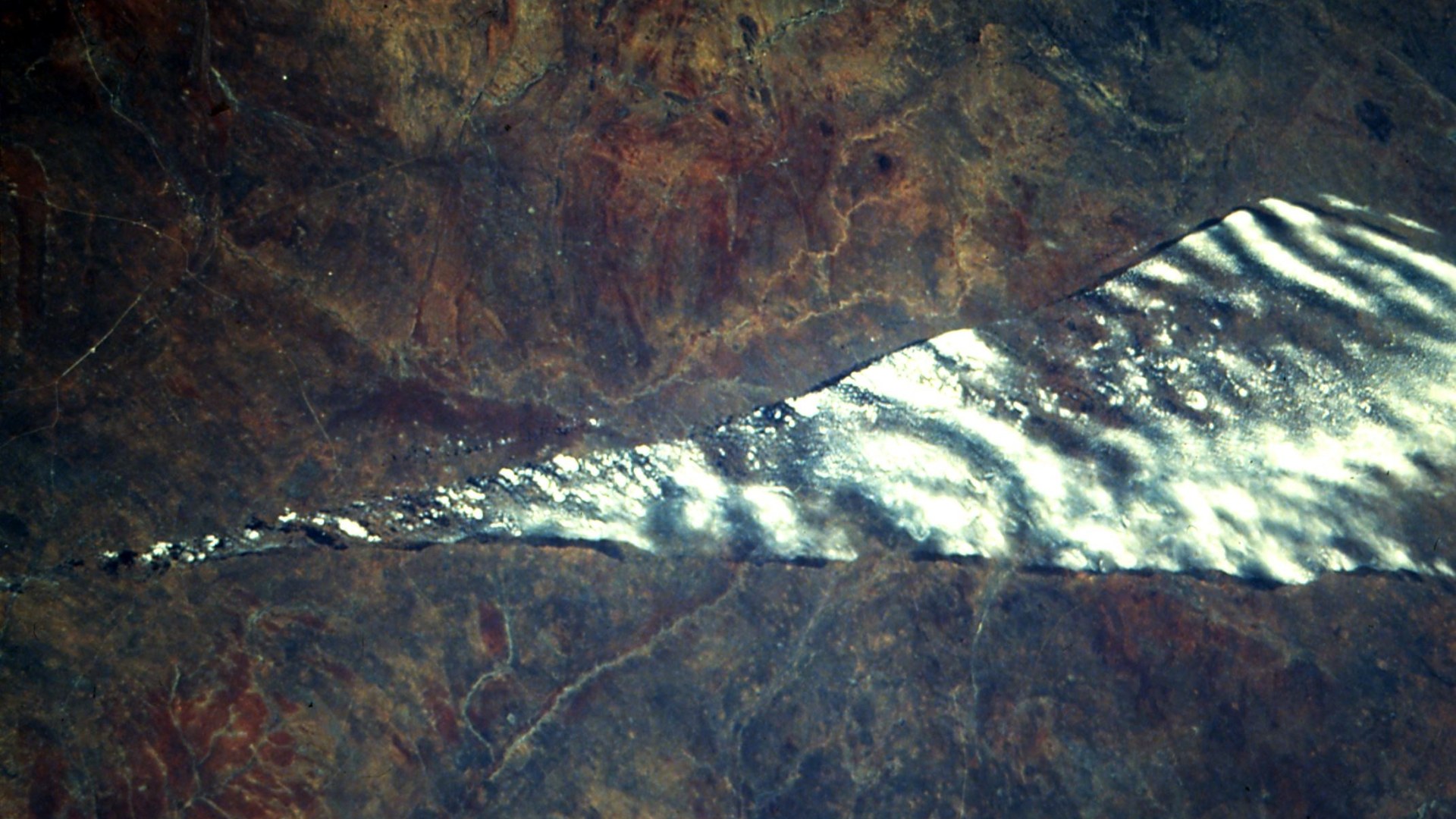
Nearly all rain-bearing clouds and frontal weather systems live in the lower troposphere below 25,000 feet. At 35,000 feet, pilots cruise in brilliant sunshine above the cloud deck and can easily spot and steer around rare anvil tops.
4. Calm Air At The Tropopause Border
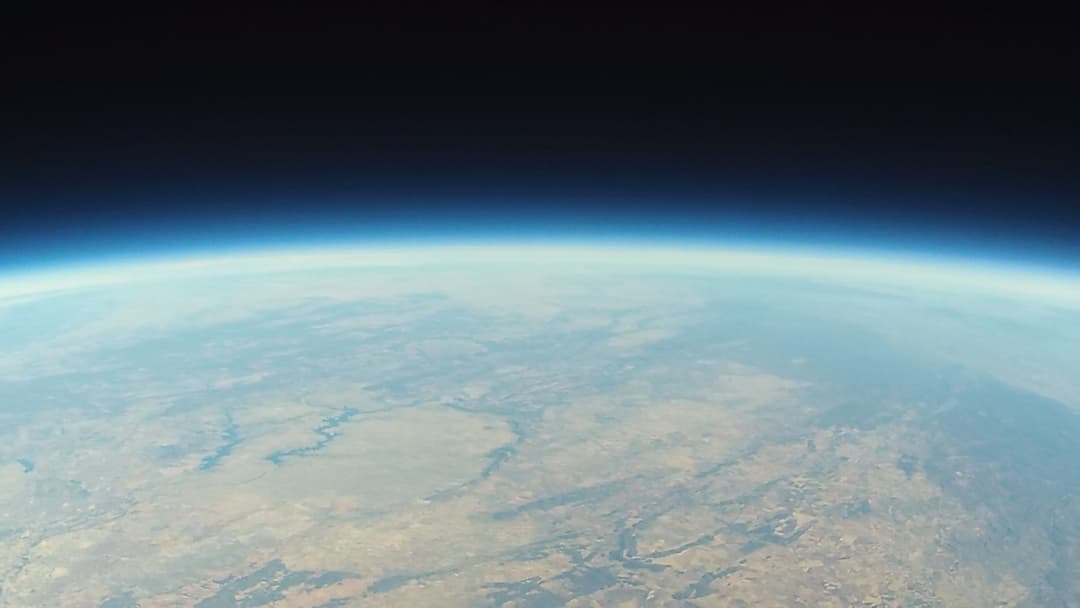
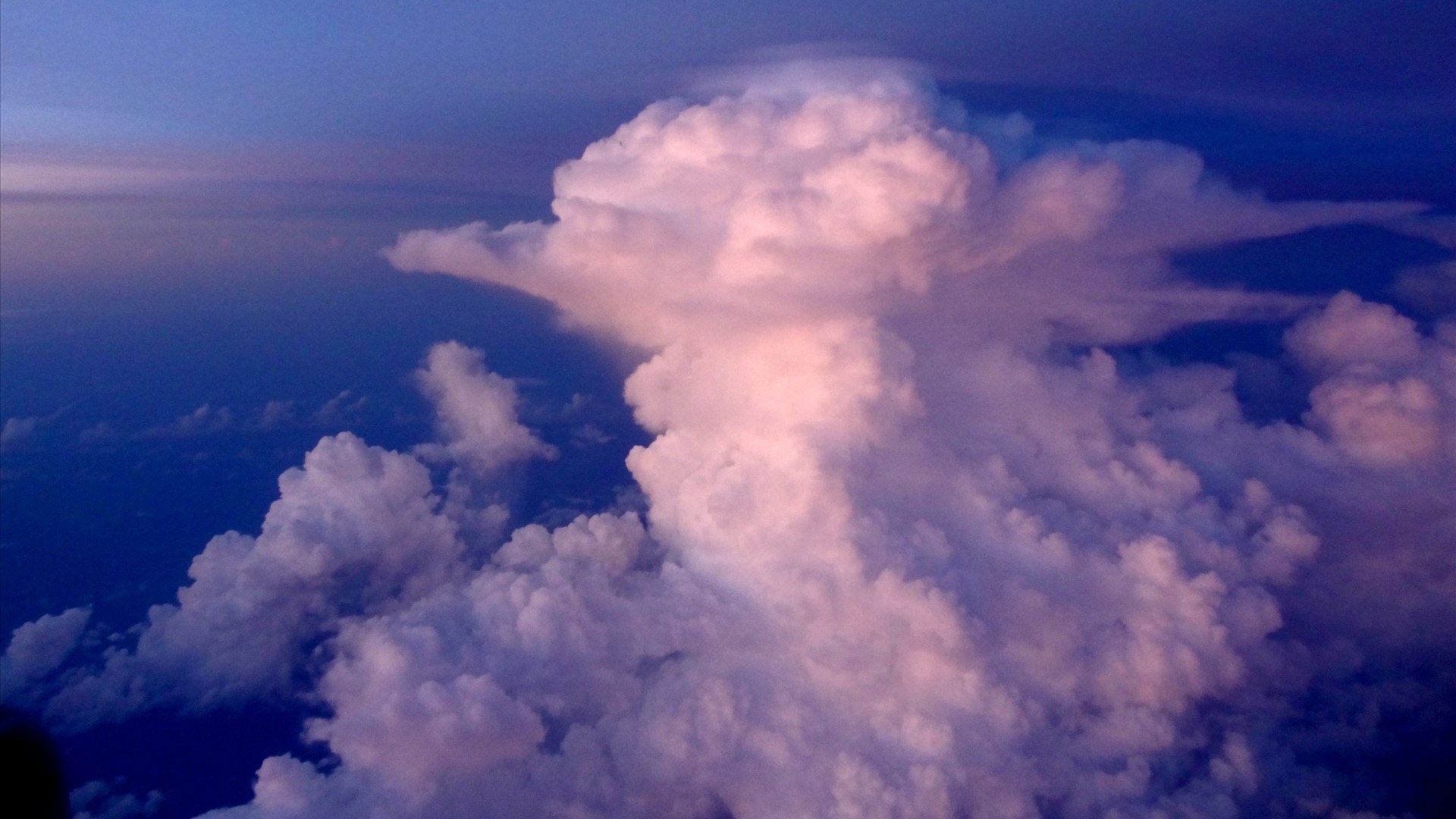
In mid-latitudes, 35,000 feet marks the tropopause - the atmospheric ceiling where rising ground heat stops churning the air and the stable stratosphere begins. Aside from occasional clear-air wind shear, it delivers the smoothest ride in the sky.
3. Extreme -54C Cold Supercharges Turbines
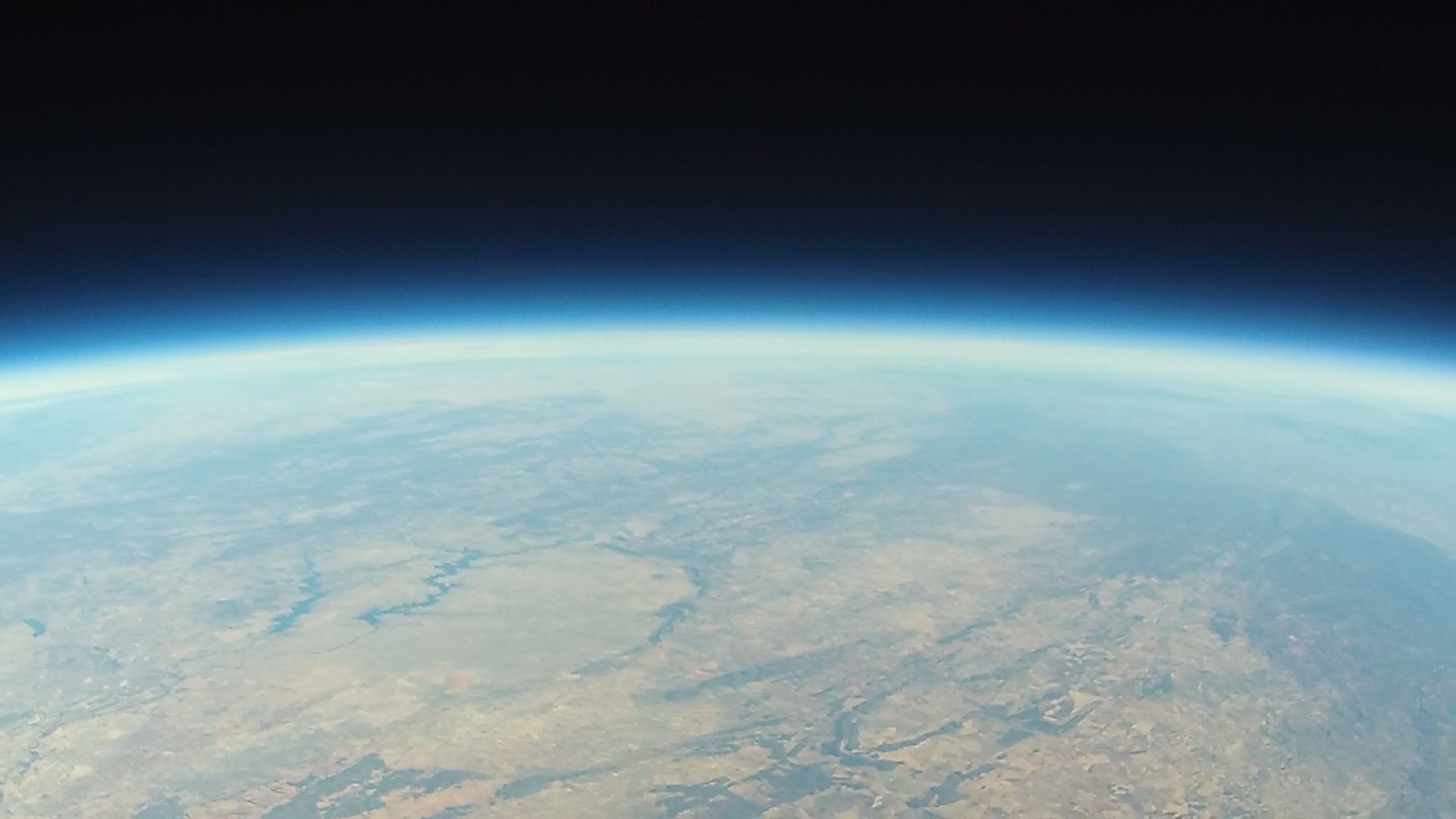
Jet engines are heat engines whose thermal efficiency rises when intake air is cold. Drawing in minus 54C (-65F) air at 35,000 feet and heating it to over 1,500C in the combustor extracts far more mechanical work per pound of fuel than warm air.

2. The High-Bypass Turbofan Sweet Spot
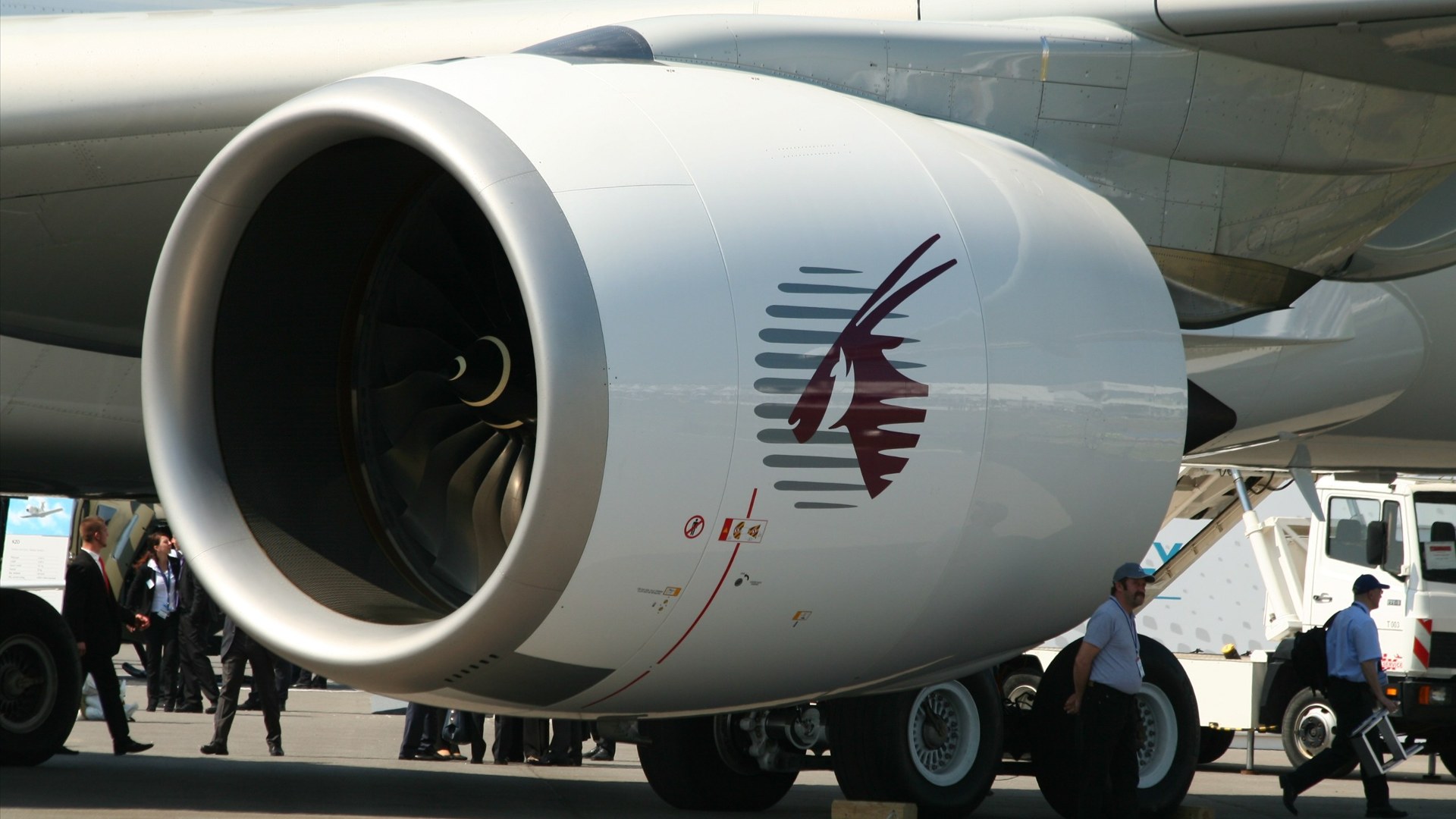
As an airliner climbs, aerodynamic drag drops while available engine thrust also declines. Between 33,000 and 38,000 feet, those two curves intersect at the exact point where modern turbofans like the Trent XWB and GE9X sip the least fuel per mile.
1. 75% Less Air Density Slashes Drag
The #1 reason planes fly at 35,000 feet comes down to simple atmospheric density: a cubic meter of air at 35,000 feet weighs roughly 75% less than at sea level. Pushing a 250-ton jet through air four times thinner slashes drag and cuts fuel burn by 40%.