Slideshow · Money
10 Least Productive Countries in the World, Ranked
Source: World Bank & ILO labor productivity datasets (GDP constant 2021 PPP $ per employed worker). Productivity measures capital equipment, power grids, and mechanization—not human effort. In these ten economies, workers labor long hours with minimal mechanical leverage.
By Most Viral Today
25 Oct 2026

10 Least Productive Countries in the World, Ranked 
10. Uganda 
9. Burkina Faso 
8. Democratic Republic Of The Congo - AdvertisementSwipe or tap ▶ to continue countdown

7. Malawi 
6. Niger 
5. Mozambique 
4. Liberia - AdvertisementSwipe or tap ▶ to continue countdown

3. Madagascar 
2. Central African Republic 
1. Burundi - Advertisement🔥 UP NEXT IN THIS SERIES◫ 21 Slides

20 U.S. Cities Projected to Attract More Retirees by 2035
Retirees are abandoning classic havens for these rising 2035 dream cities
Source: World Bank & ILO labor productivity datasets (GDP constant 2021 PPP $ per employed worker). Productivity measures capital equipment, power grids, and mechanization—not human effort. In these ten economies, workers labor long hours with minimal mechanical leverage.
Swipe or tap ▶ to begin the countdown
©Wikimedia / Jostemirongibiri & Afrika Force
10. Uganda
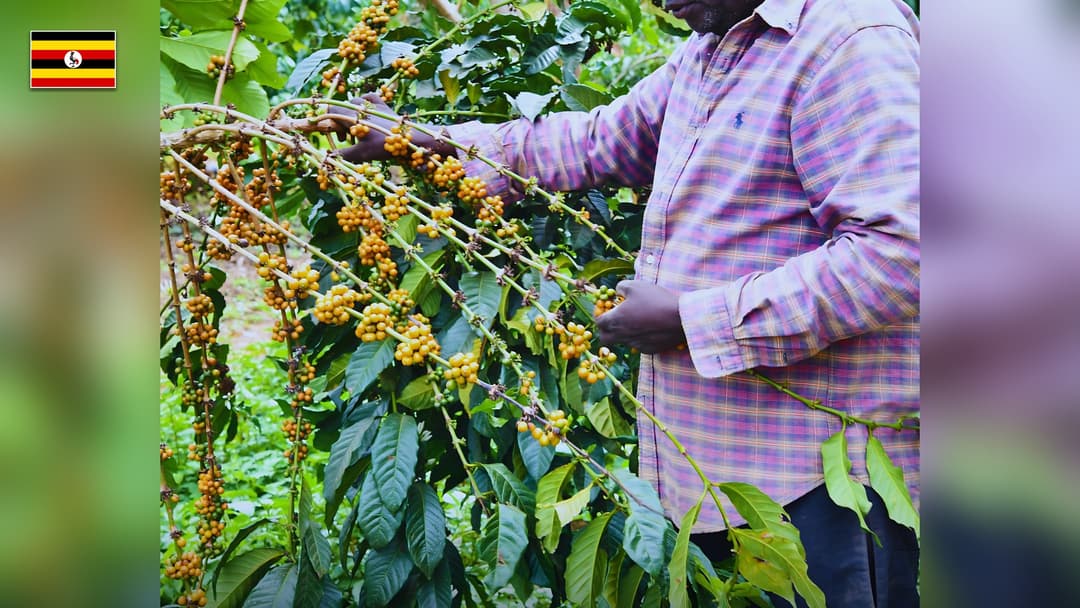
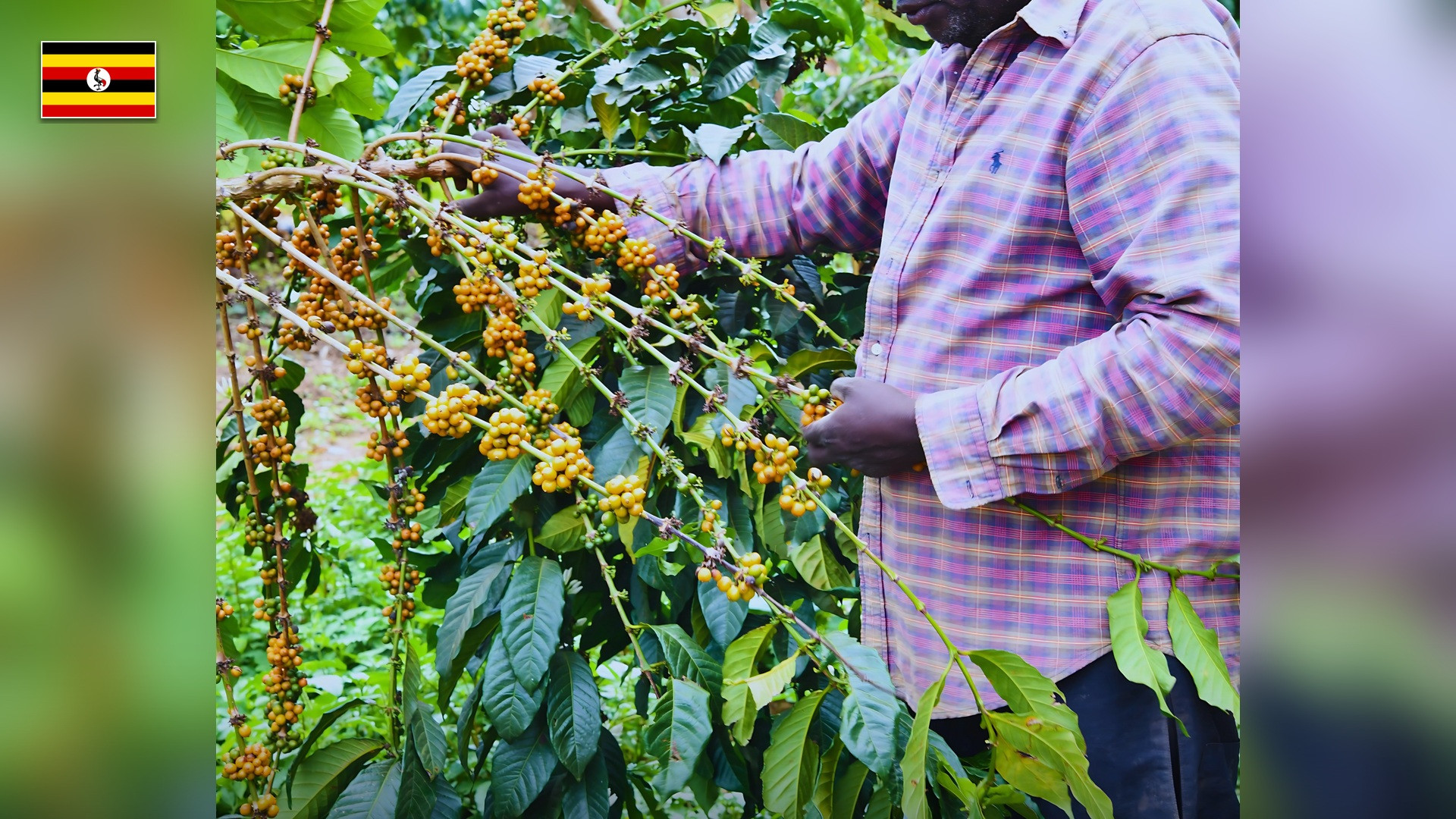
Ranked tenth with $6,400 in output per worker ($3.08/hr), Uganda's economy is powered by millions of smallholder farmers cultivating coffee and tea. While workers log long hours, minimal farm mechanization and limited cold-chain transit cap national output.
©Wikimedia / Denis Kasozi
9. Burkina Faso
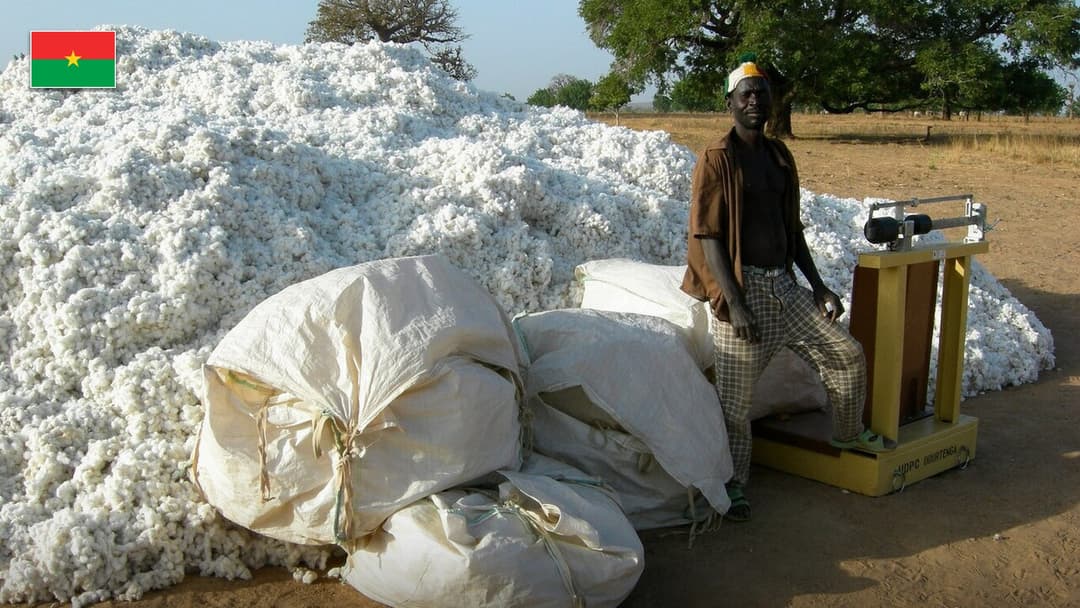
Burkina Faso generates $6,289 per employed worker ($3.02/hr). Nearly eighty percent of the active labor force works in agriculture, particularly manual cotton farming, which remains highly vulnerable to climate shocks and lack of irrigation infrastructure.
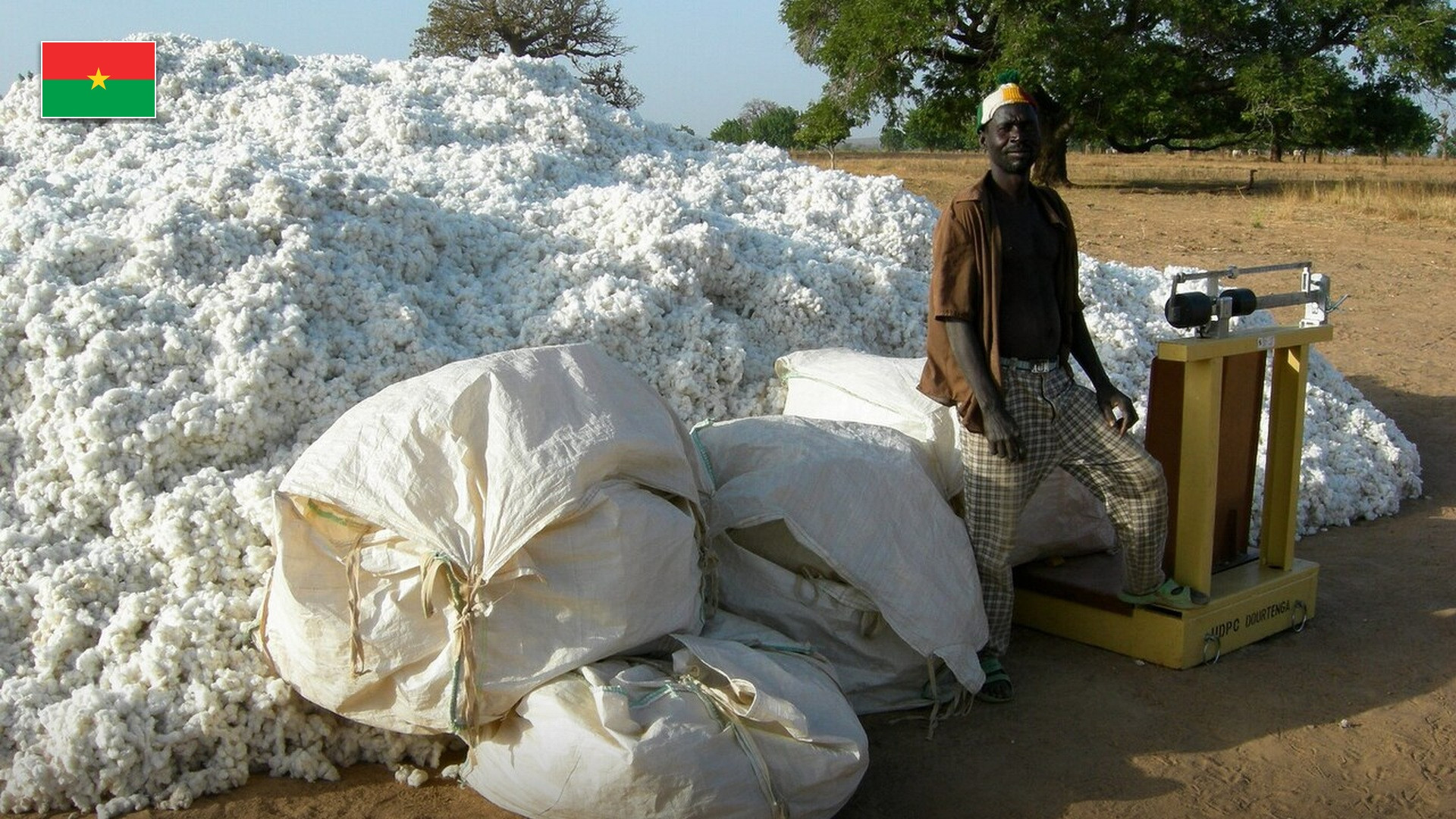
©Wikimedia / KKB
8. Democratic Republic Of The Congo
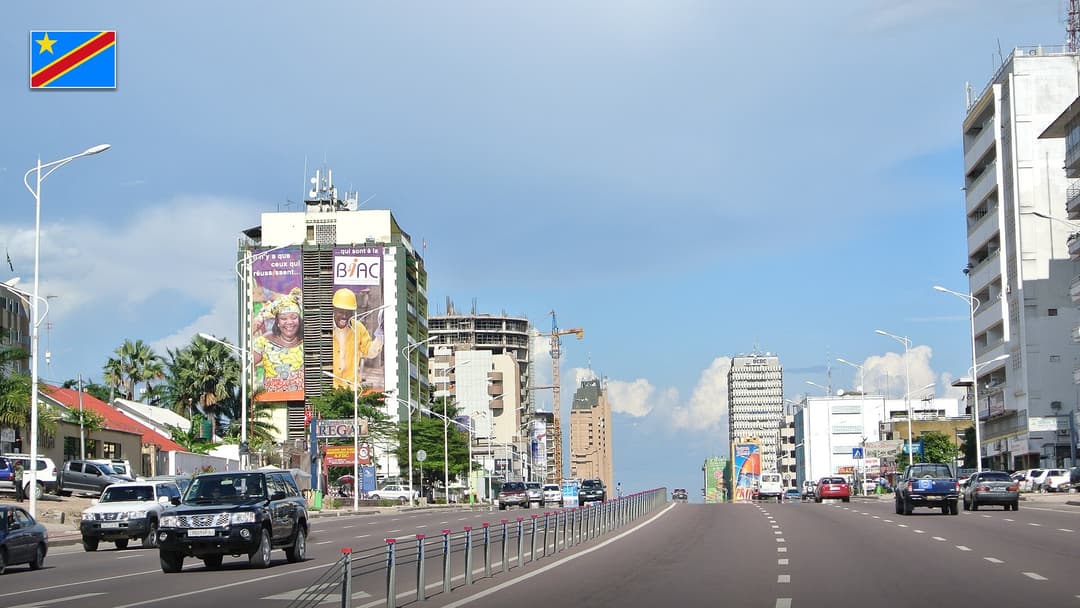
Despite holding world-class cobalt, copper, and coltan reserves, the DRC records just $4,702 in output per worker ($2.26/hr). Widespread conflict, infrastructure deficits, and reliance on artisanal mining severely restrict economic formalization.
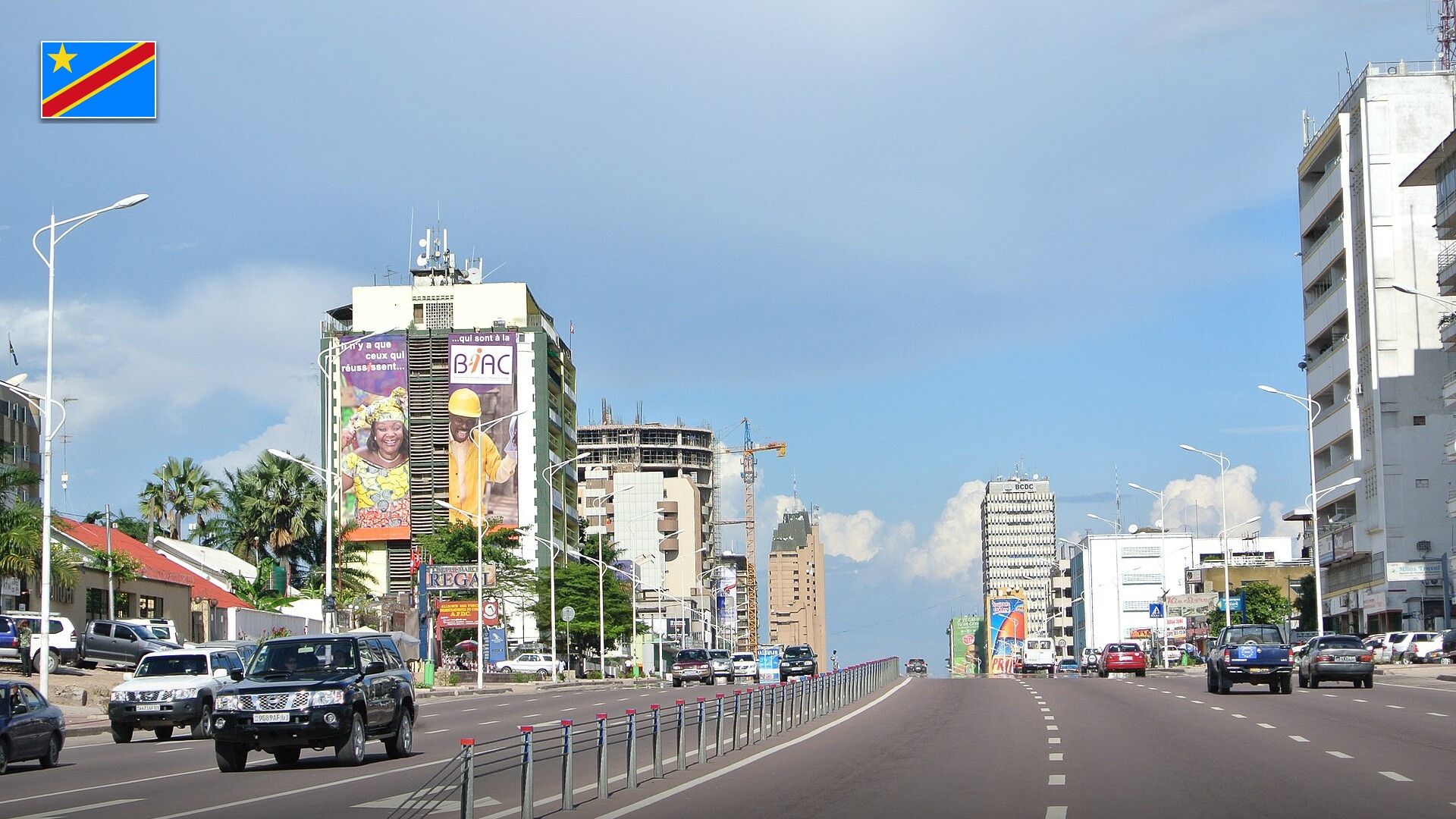
©Flickr / MONUSCO
Advertisement
Swipe or tap ▶ to resume the countdown.
7. Malawi
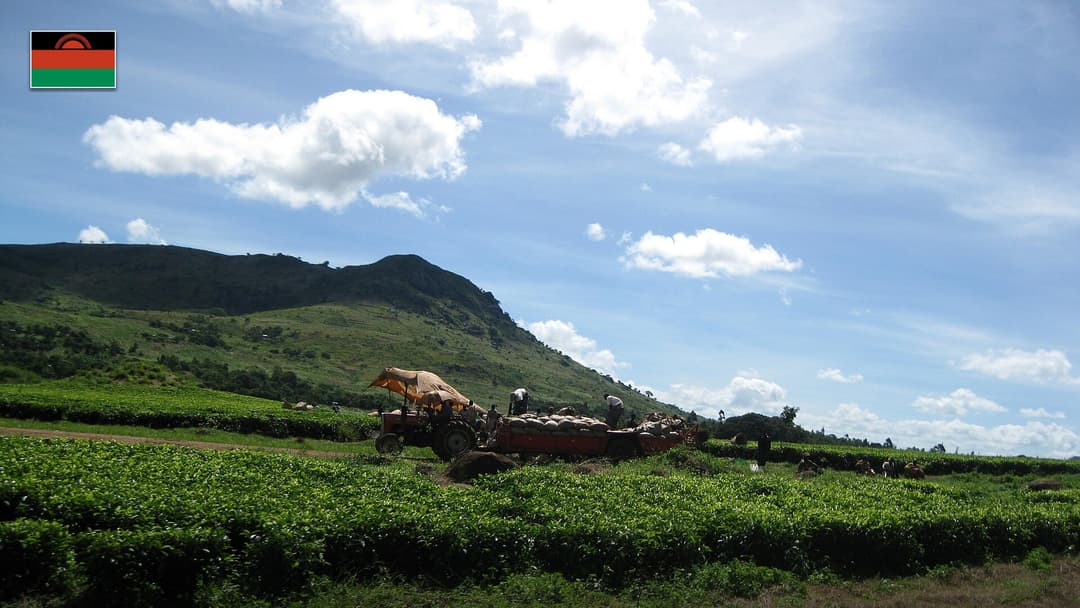
Malawi records $4,696 in annual output per employed person ($2.26/hr). Over eighty percent of the populace engages in rural smallholder farming, where commercial machinery is virtually absent and harvests depend entirely on unpredictable rain cycles.
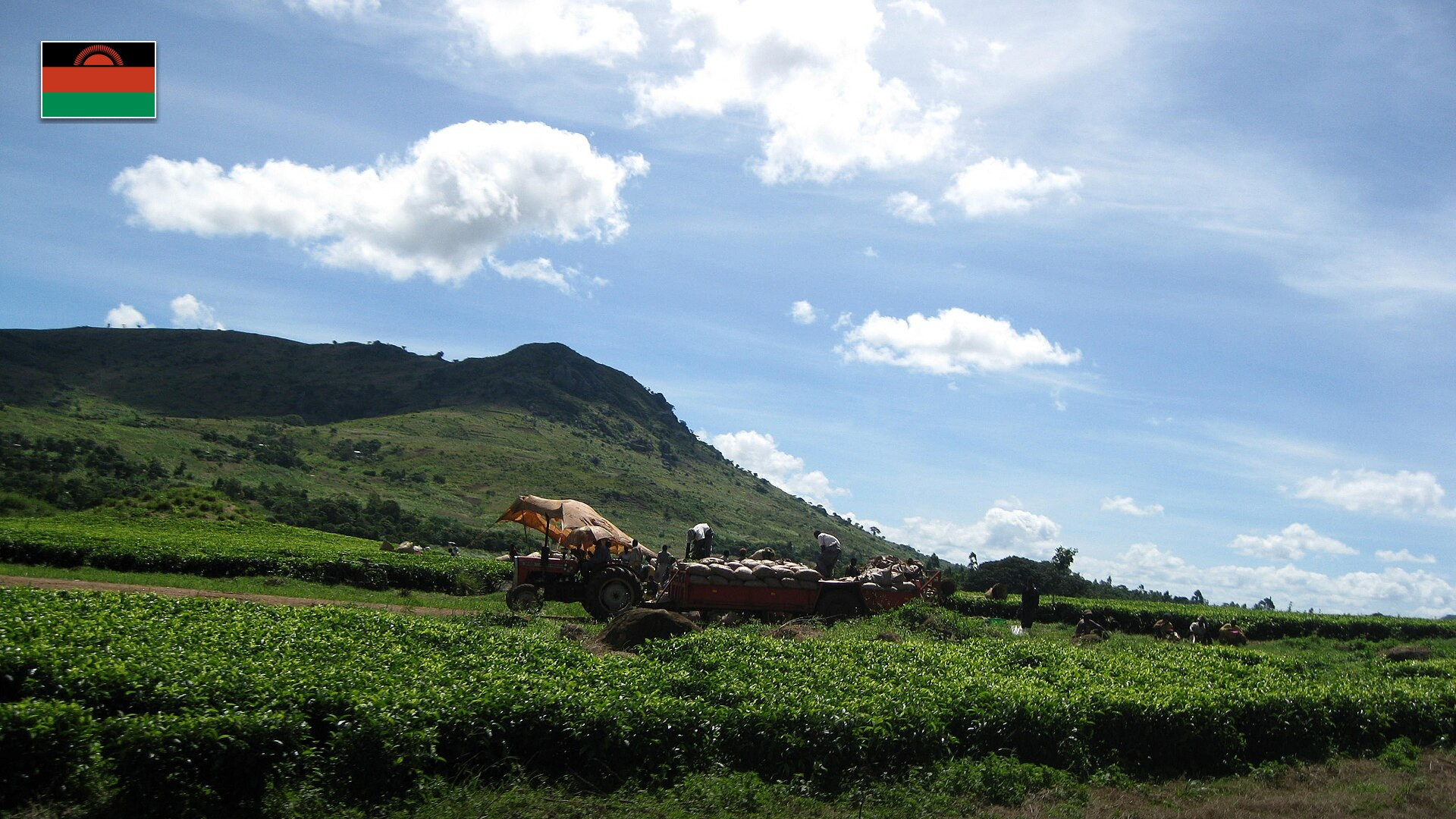
©Wikimedia / Papphase
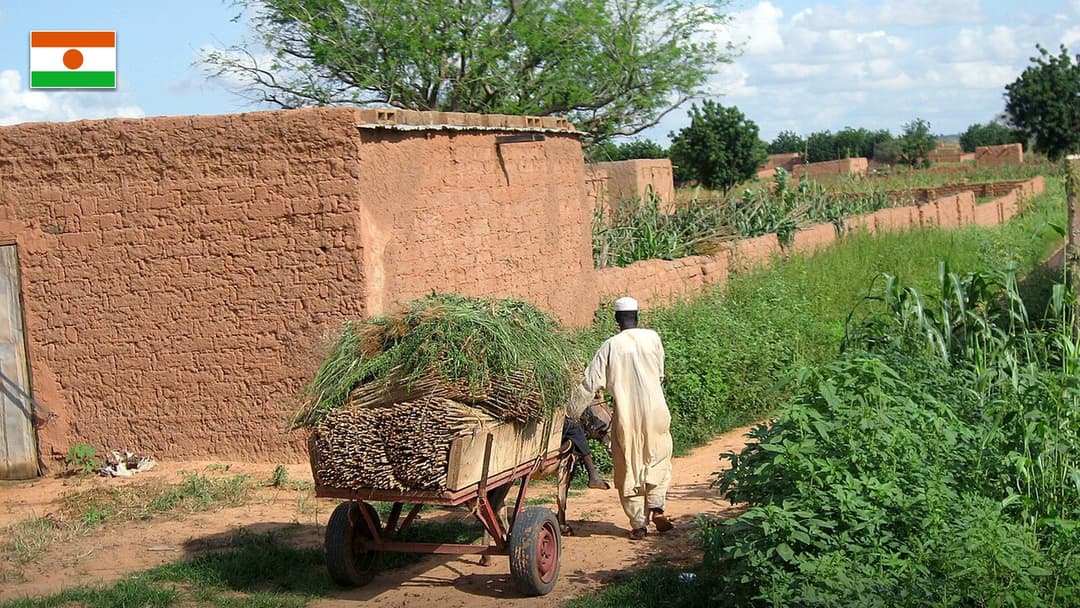
6. Niger
Generating $4,076 per worker ($1.96/hr), Niger's workforce is predominantly tied to rain-fed subsistence agriculture and pastoralism. Extreme desertification and limited rural electrification heavily constrain industrial output and worker efficiency.
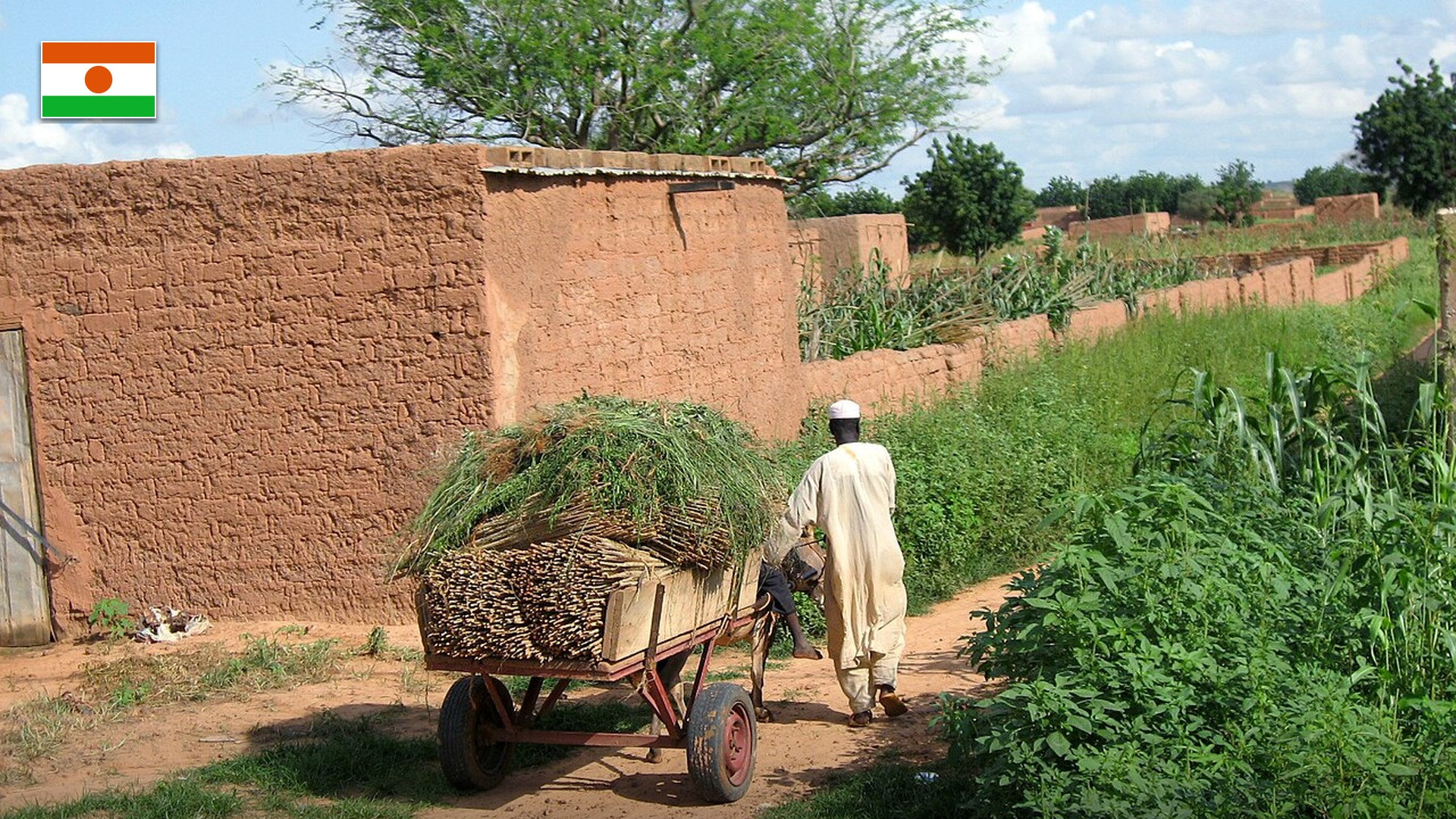
©USAID / Curt Reynolds
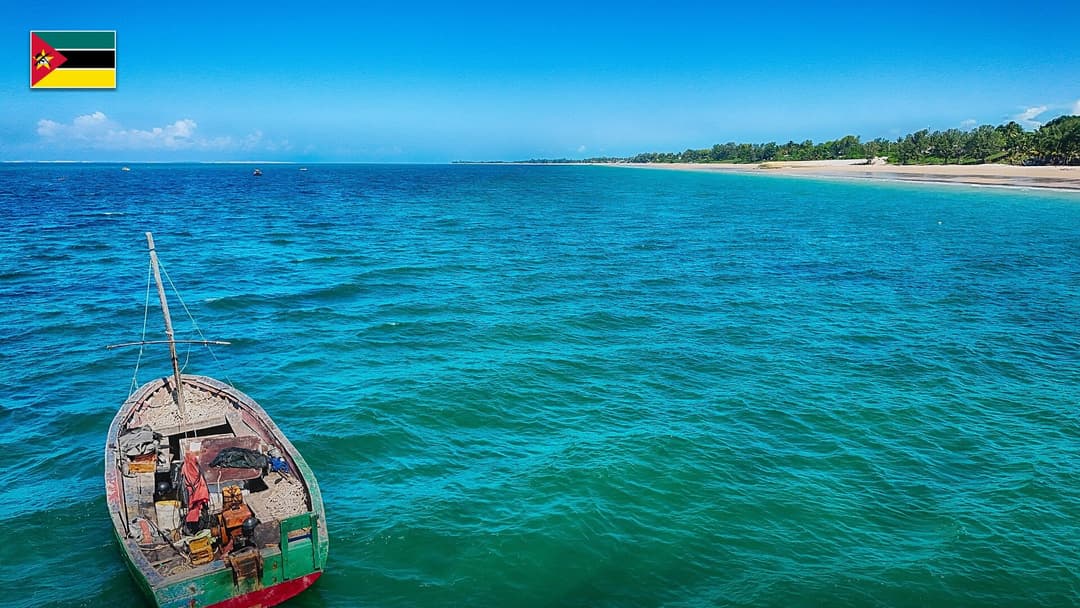
5. Mozambique
With an output of $3,722 per worker ($1.79/hr), Mozambique's labor force remains predominantly informal. Recurring tropical cyclones and limited processing facilities mean raw agricultural and seafood yields generate minimal value-added revenue.
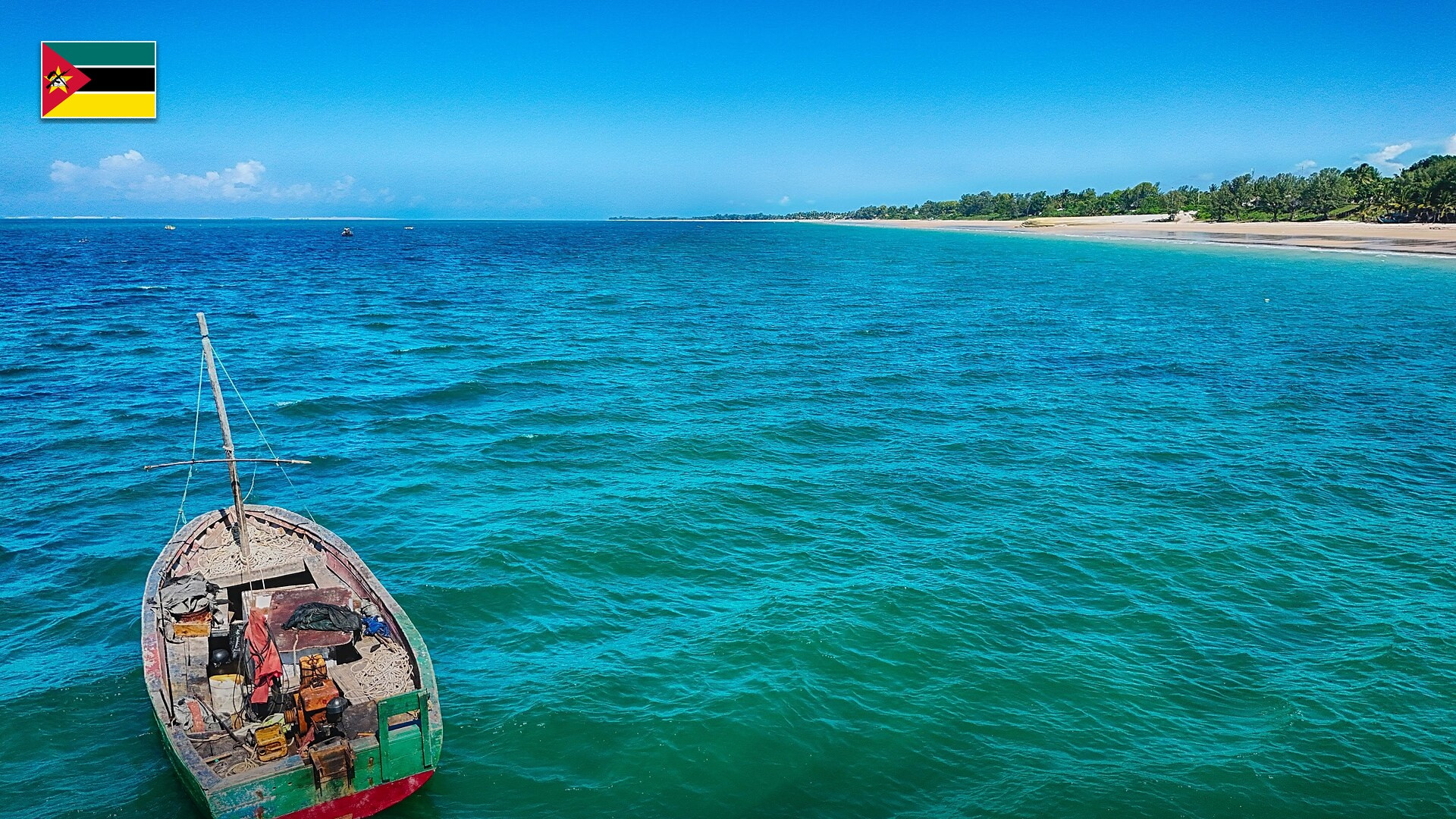
©Wikimedia / F. Delventhal
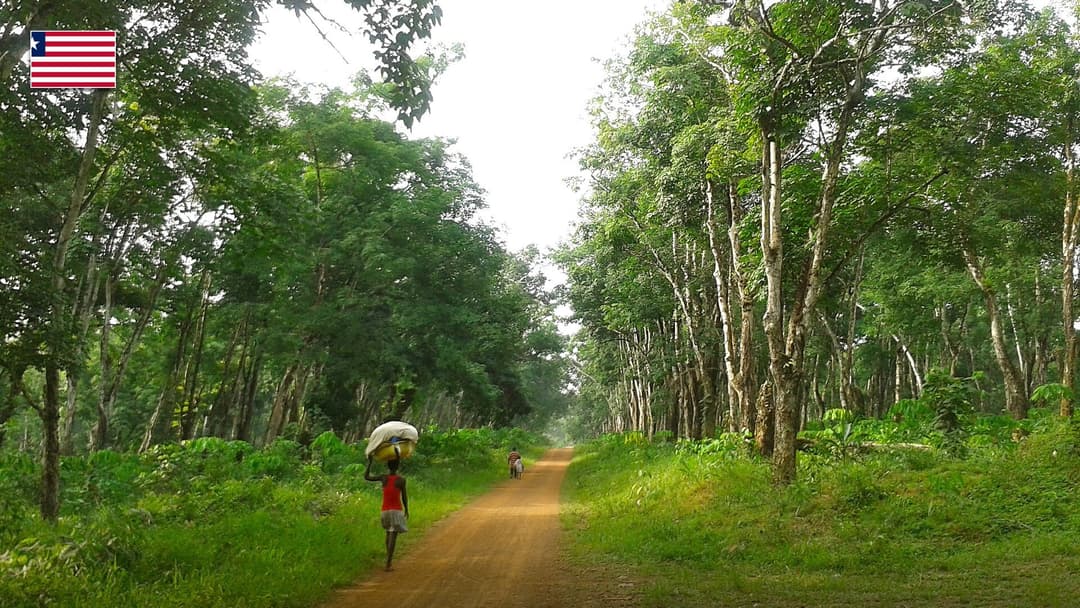
4. Liberia
Liberia records $3,621 in annual output per worker ($1.74/hr). Following decades of civil unrest and health crises, rural rubber plantations and urban marketplaces operate with minimal mechanical power, keeping per-hour productivity low.
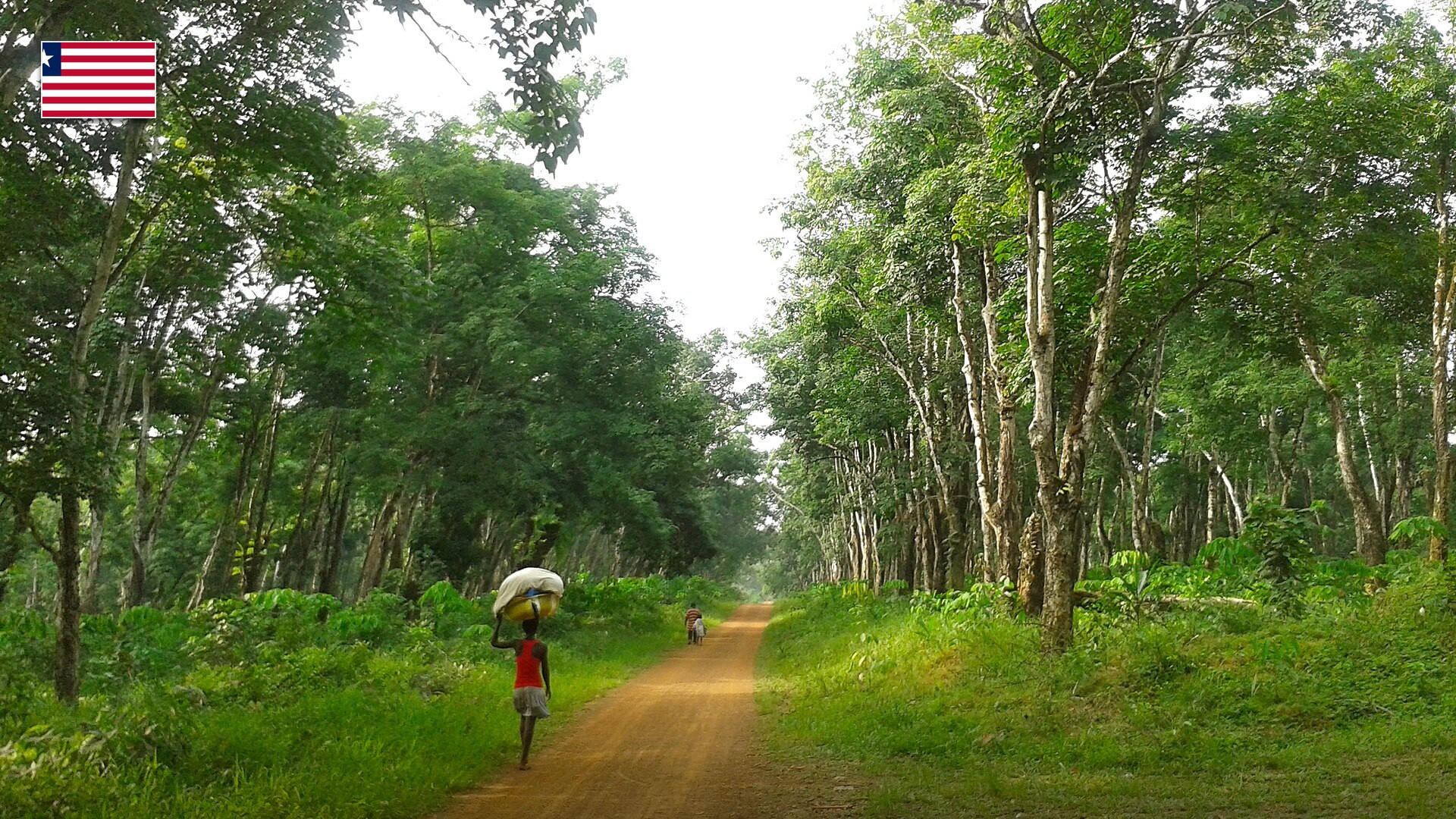
©Flickr / Erik Cleves Kristensen
Advertisement
Swipe or tap ▶ to resume the countdown.
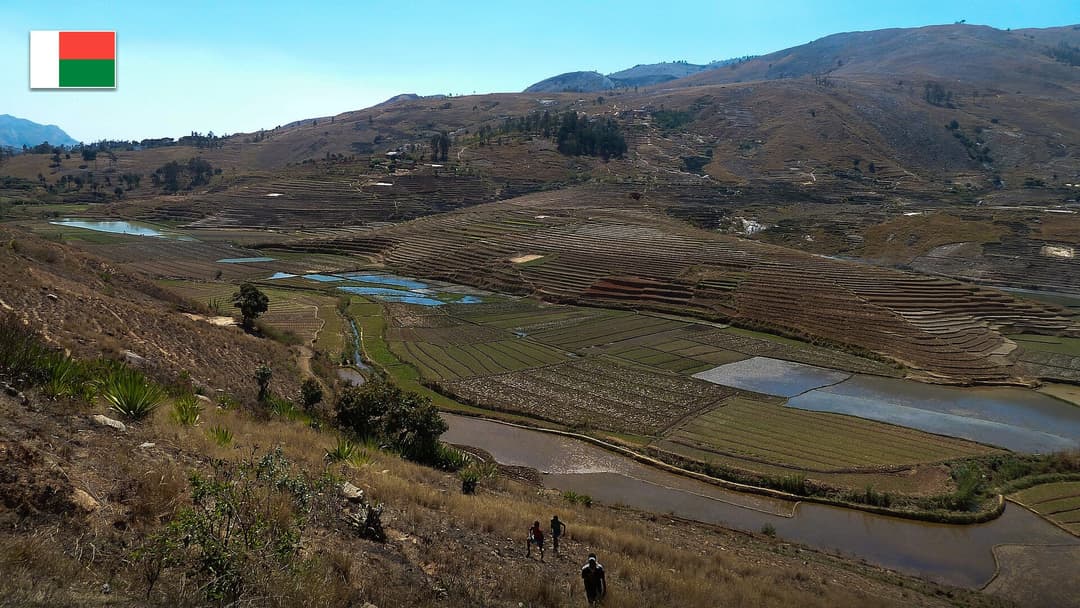
3. Madagascar
Ranking third with $3,254 per worker ($1.56/hr), Madagascar produces most of the world's vanilla through painstaking manual hand-pollination. Lack of rural paved roads and grid electricity leaves farmers isolated from high-yield industrial markets.
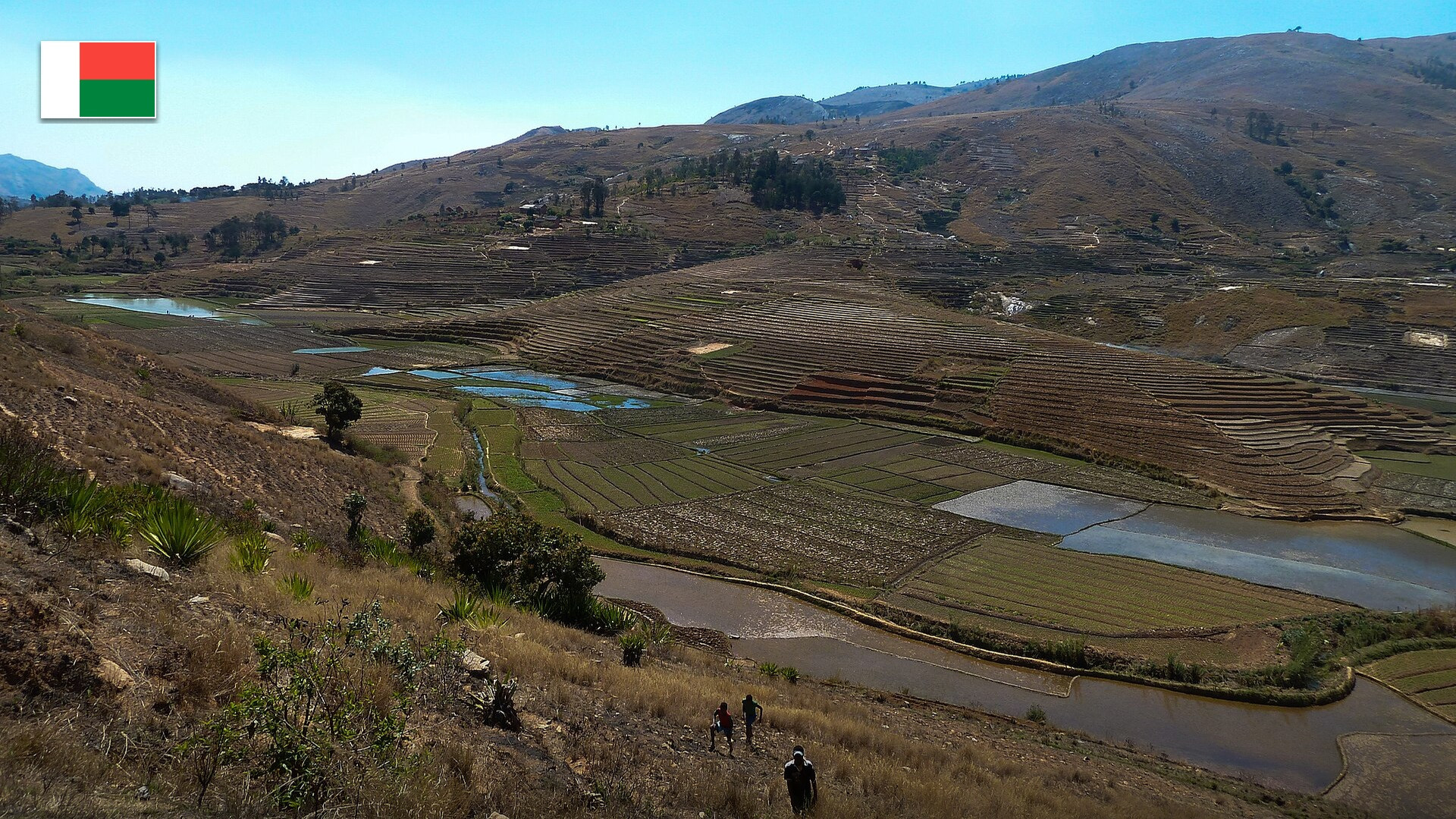
©Wikimedia / Hardscarf
2. Central African Republic
Recording $3,235 in output per worker ($1.56/hr), the Central African Republic's workforce faces chronic transportation bottlenecks and security challenges. Most citizens engage in subsistence farming and local river commerce with minimal capital tools.

©Flickr / Afrika Force
1. Burundi
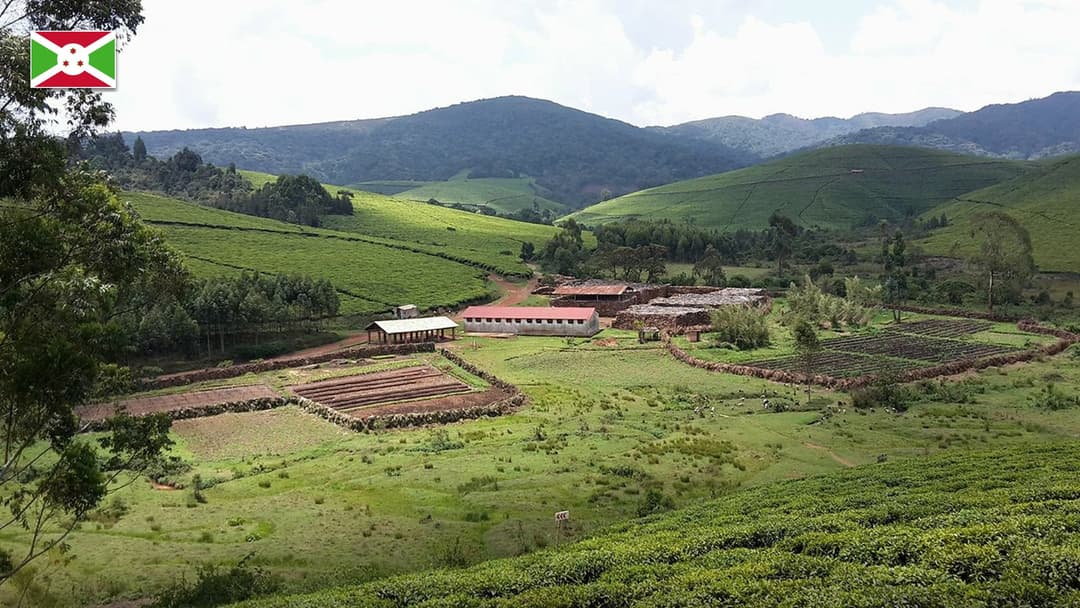
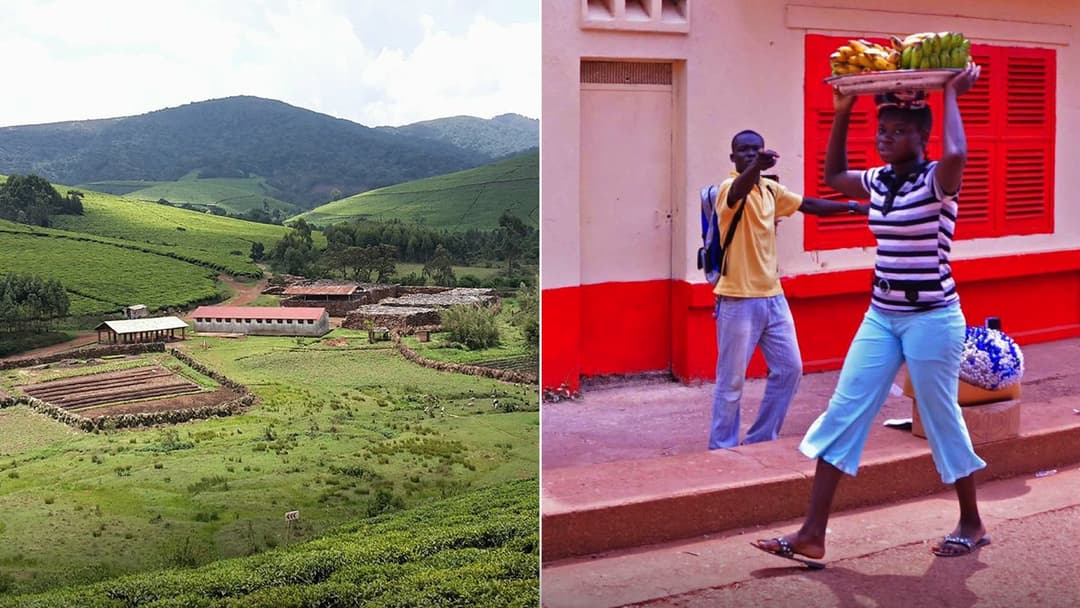
At $2,421 in annual output per worker ($1.16/hr), Burundi anchors the global productivity index. Over ninety percent of the population relies on hand-hoe subsistence farming on dense hillside plots, lacking electrical power and mechanical harvesting tools.
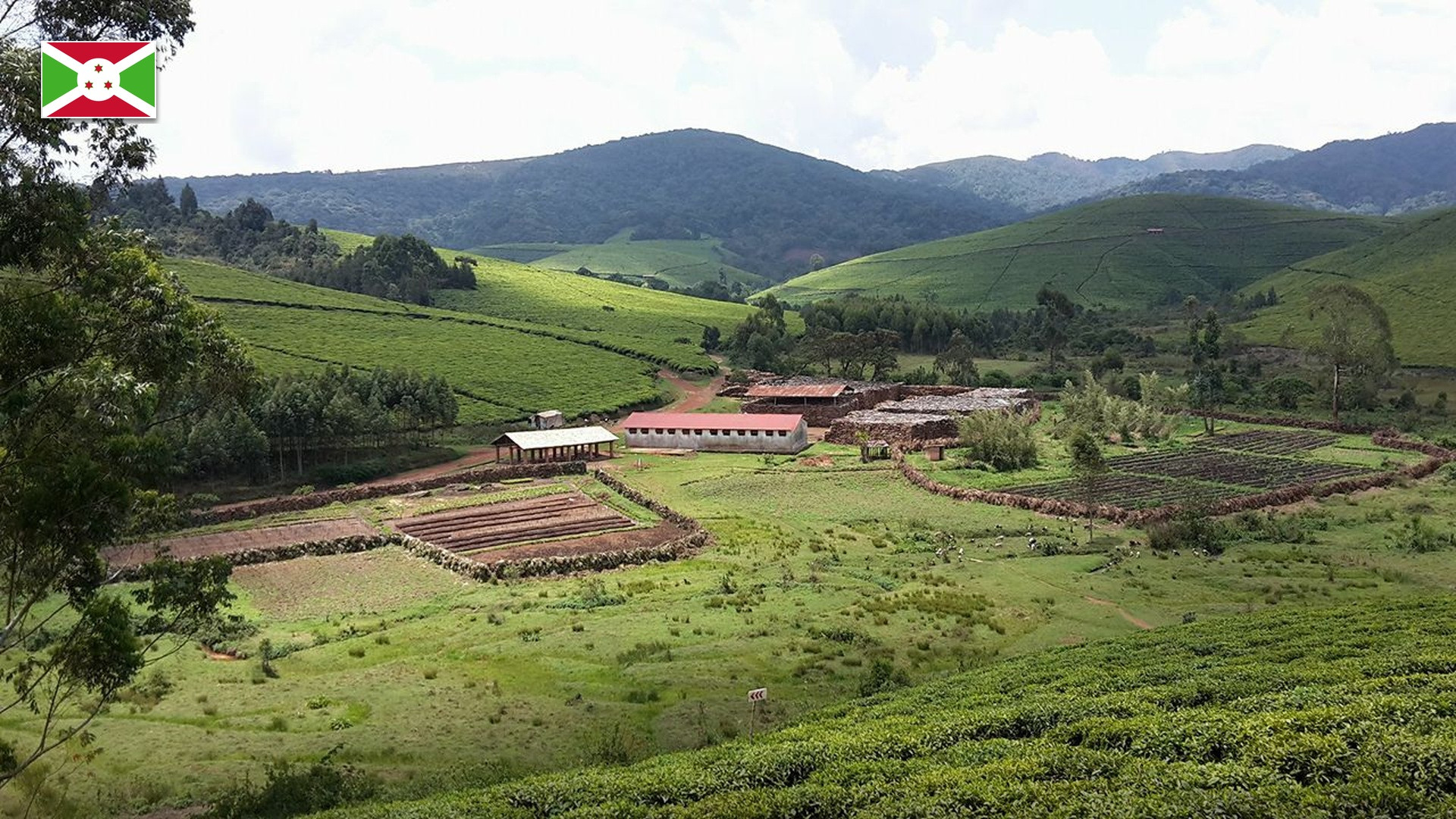
©Wikimedia / Jostemirongibiri
Advertisement
You've reached the end of the story. Thanks for reading!

20 U.S. Cities Projected to Attract More Retirees by 2035
Retirees are abandoning classic havens for these rising 2035 dream cities
All 10 Entries in this Story
10. Uganda
Ranked tenth with $6,400 in output per worker ($3.08/hr), Uganda's economy is powered by millions of smallholder farmers cultivating coffee and tea. While workers log long hours, minimal farm mechanization and limited cold-chain transit cap national output.

9. Burkina Faso
Burkina Faso generates $6,289 per employed worker ($3.02/hr). Nearly eighty percent of the active labor force works in agriculture, particularly manual cotton farming, which remains highly vulnerable to climate shocks and lack of irrigation infrastructure.

8. Democratic Republic Of The Congo
Despite holding world-class cobalt, copper, and coltan reserves, the DRC records just $4,702 in output per worker ($2.26/hr). Widespread conflict, infrastructure deficits, and reliance on artisanal mining severely restrict economic formalization.

7. Malawi
Malawi records $4,696 in annual output per employed person ($2.26/hr). Over eighty percent of the populace engages in rural smallholder farming, where commercial machinery is virtually absent and harvests depend entirely on unpredictable rain cycles.

6. Niger
Generating $4,076 per worker ($1.96/hr), Niger's workforce is predominantly tied to rain-fed subsistence agriculture and pastoralism. Extreme desertification and limited rural electrification heavily constrain industrial output and worker efficiency.

5. Mozambique
With an output of $3,722 per worker ($1.79/hr), Mozambique's labor force remains predominantly informal. Recurring tropical cyclones and limited processing facilities mean raw agricultural and seafood yields generate minimal value-added revenue.

4. Liberia
Liberia records $3,621 in annual output per worker ($1.74/hr). Following decades of civil unrest and health crises, rural rubber plantations and urban marketplaces operate with minimal mechanical power, keeping per-hour productivity low.

3. Madagascar
Ranking third with $3,254 per worker ($1.56/hr), Madagascar produces most of the world's vanilla through painstaking manual hand-pollination. Lack of rural paved roads and grid electricity leaves farmers isolated from high-yield industrial markets.

2. Central African Republic
Recording $3,235 in output per worker ($1.56/hr), the Central African Republic's workforce faces chronic transportation bottlenecks and security challenges. Most citizens engage in subsistence farming and local river commerce with minimal capital tools.

1. Burundi
At $2,421 in annual output per worker ($1.16/hr), Burundi anchors the global productivity index. Over ninety percent of the population relies on hand-hoe subsistence farming on dense hillside plots, lacking electrical power and mechanical harvesting tools.