Slideshow · Viral
20 Hidden Secrets Of New York City You Never Knew
From a secret tennis court in Grand Central to an archipelago of islands and elephants that helped build the Brooklyn Bridge, New York City is packed with ancient secrets and modern oddities. Here are twenty fascinating facts about the Big Apple that reveal the hidden side of the city.
By Most Viral Today
14 min ago

20 Mind-Bending Facts About New York City You Never Knew 
20. Linguistic Diversity Capital 
19. New Amsterdam Origins 
18. The First Capital - AdvertisementSwipe or tap ▶ to continue countdown

17. The Empire State’s ZIP Code 
16. The Subway That Never Sleeps 
15. A Massive Coastline 
14. Paved With Oyster Shells - AdvertisementSwipe or tap ▶ to continue countdown

13. Lady Liberty The Lighthouse 
12. Central Park’s Immense Scale 
11. Grand Central’s Tennis Court 
10. The Brooklyn Bridge Parade - AdvertisementSwipe or tap ▶ to continue countdown

9. High Line’s Industrial Past 
8. Immigration’s Ellis Island 
7. Times Square Origins 
6. Seven Million Trees - AdvertisementSwipe or tap ▶ to continue countdown

5. World’s Most Filmed City 
4. Grand Central’s Whispering Gallery 
3. Coastline Megalopolis 
2. Yellow Cab Evolution - AdvertisementSwipe or tap ▶ to continue countdown

1. NYC’s Archipelago - Advertisement🔥 UP NEXT IN THIS SERIES◫ 21 Slides

Inside the Gypsy Rose Blanchard Case: 20 Overlooked Details
The true story behind Gypsy Rose Blanchard, Dee Dee Blanchard, decades of Munchausen by proxy abuse, and the murder plot that stunned the nation.
From a secret tennis court in Grand Central to an archipelago of islands and elephants that helped build the Brooklyn Bridge, New York City is packed with ancient secrets and modern oddities. Here are twenty fascinating facts about the Big Apple that reveal the hidden side of the city.
Swipe or tap ▶ to begin the countdown
©Pixabay / FrankyFromGermany
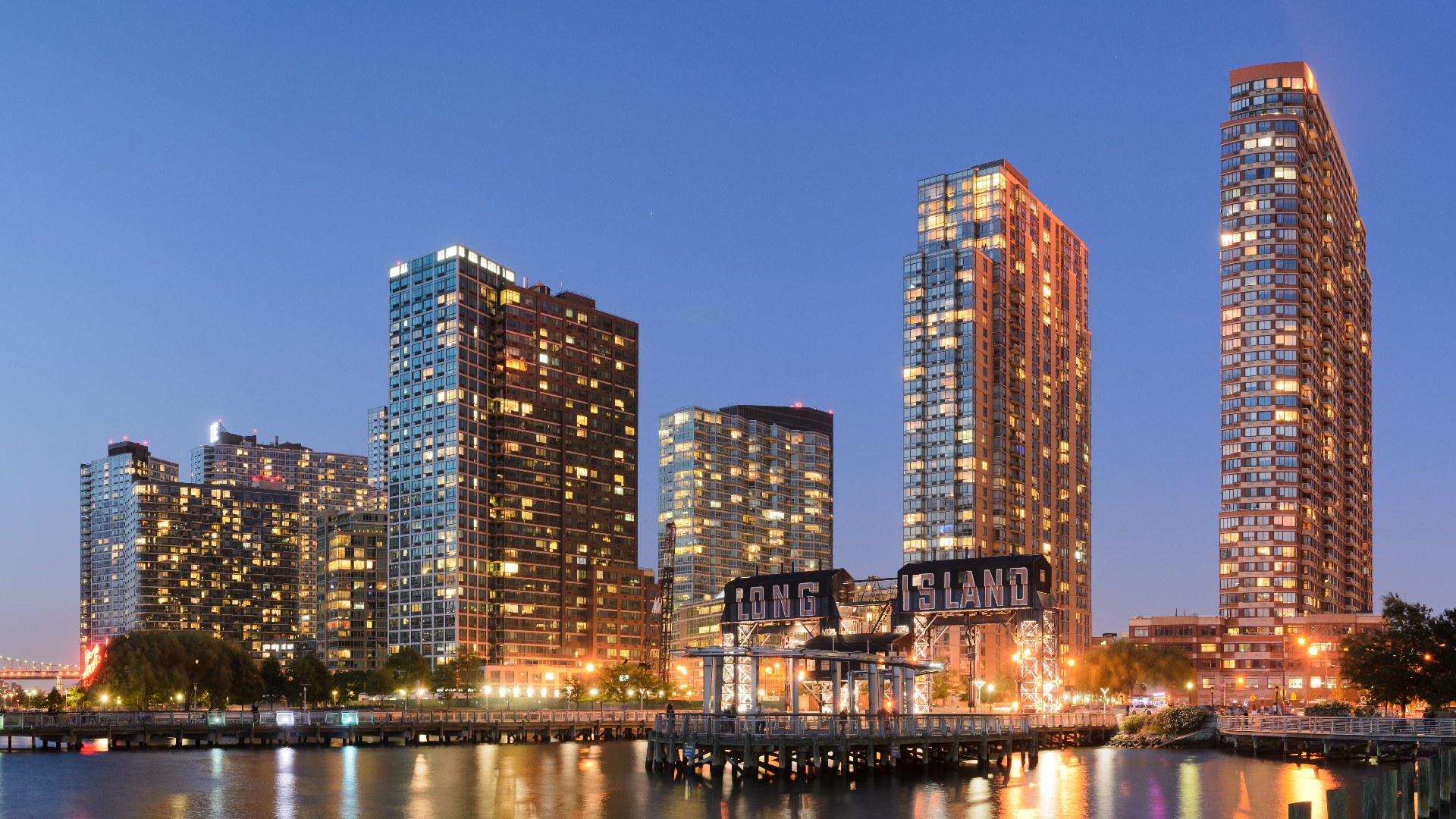
20. Linguistic Diversity Capital
New York City is not just a cultural melting pot but the most linguistically diverse city on the planet. With over 800 languages spoken across its five boroughs, it remains a global hub where cultures from every corner of the world intersect daily.
©Wikimedia / King of Hearts
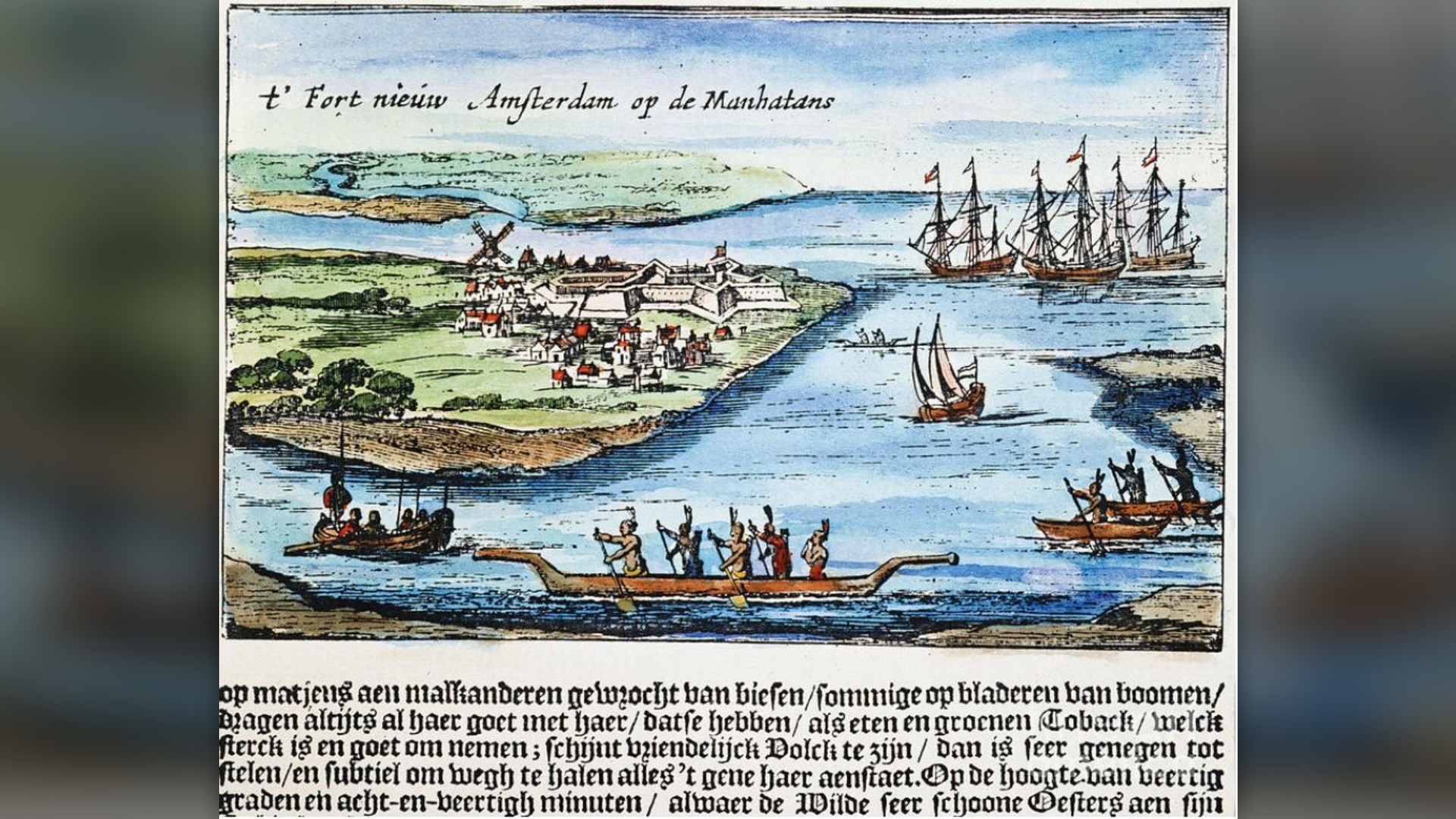
19. New Amsterdam Origins
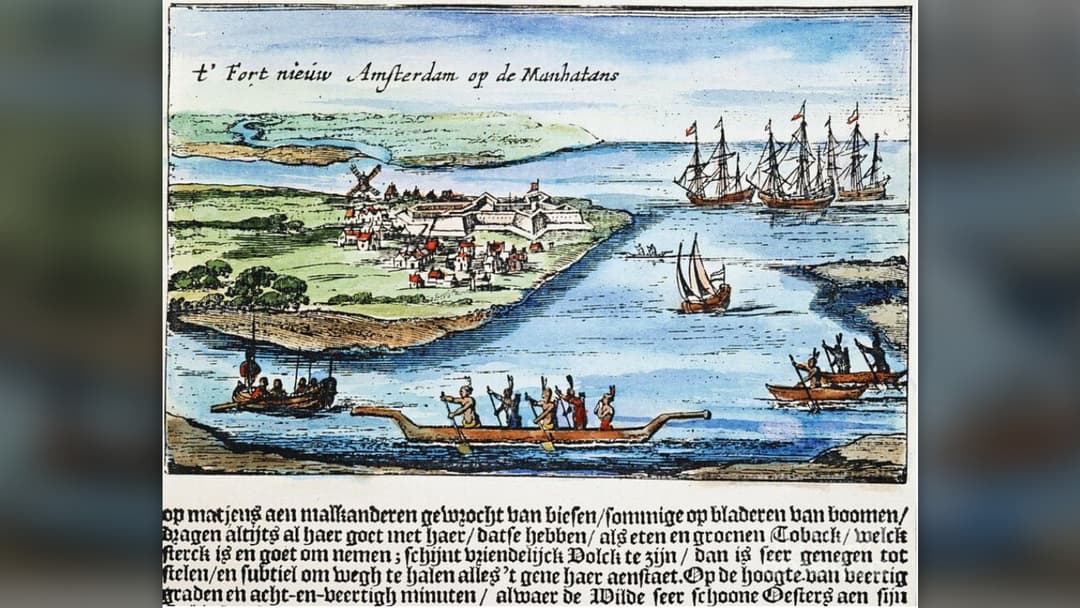
Before the arrival of the British in 1664, the Dutch West India Company established the area as a vital colonial trading post known as New Amsterdam, later renamed to honor the Duke of York.
©Wikimedia / Kryn Fredericks
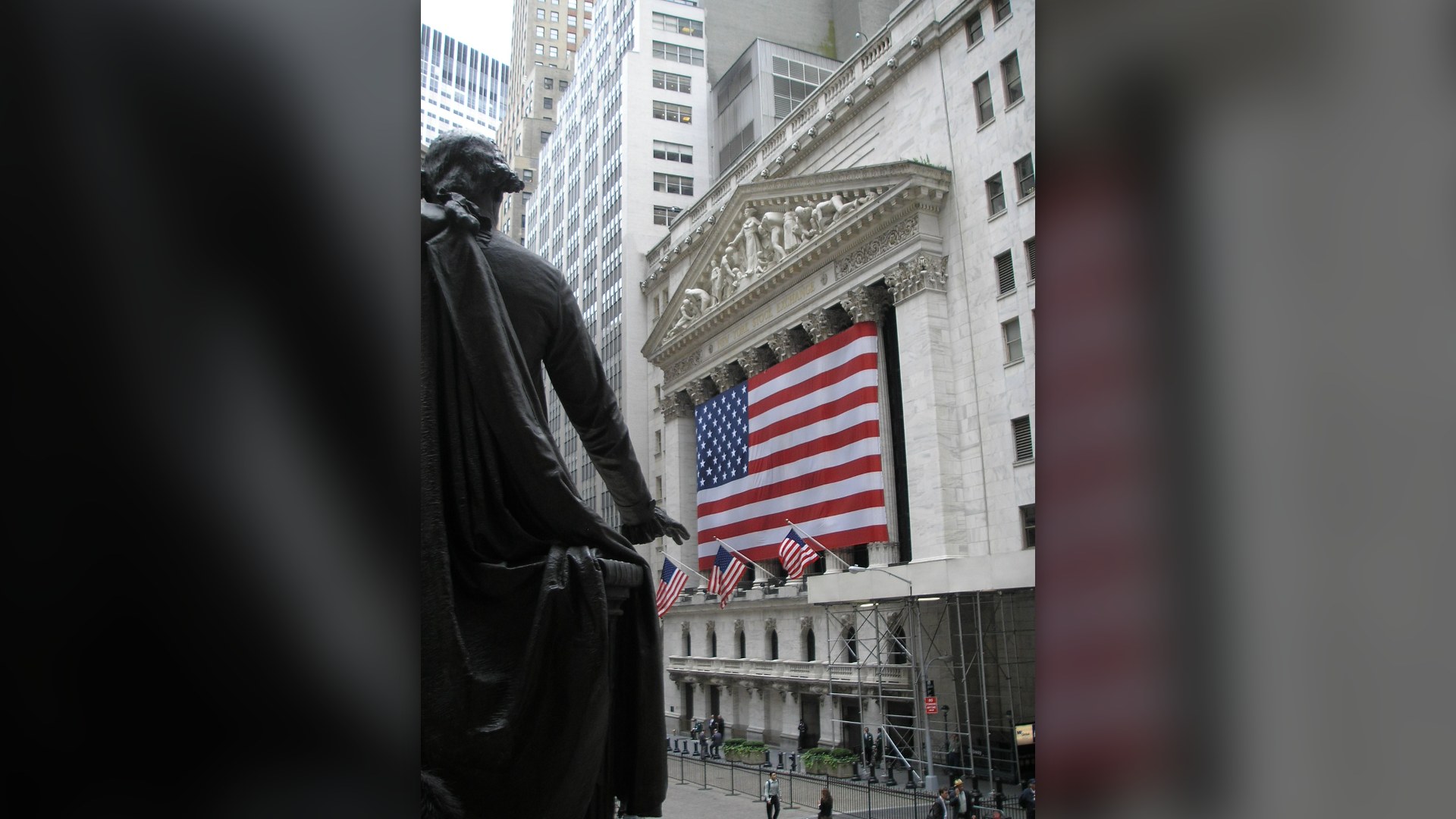
18. The First Capital
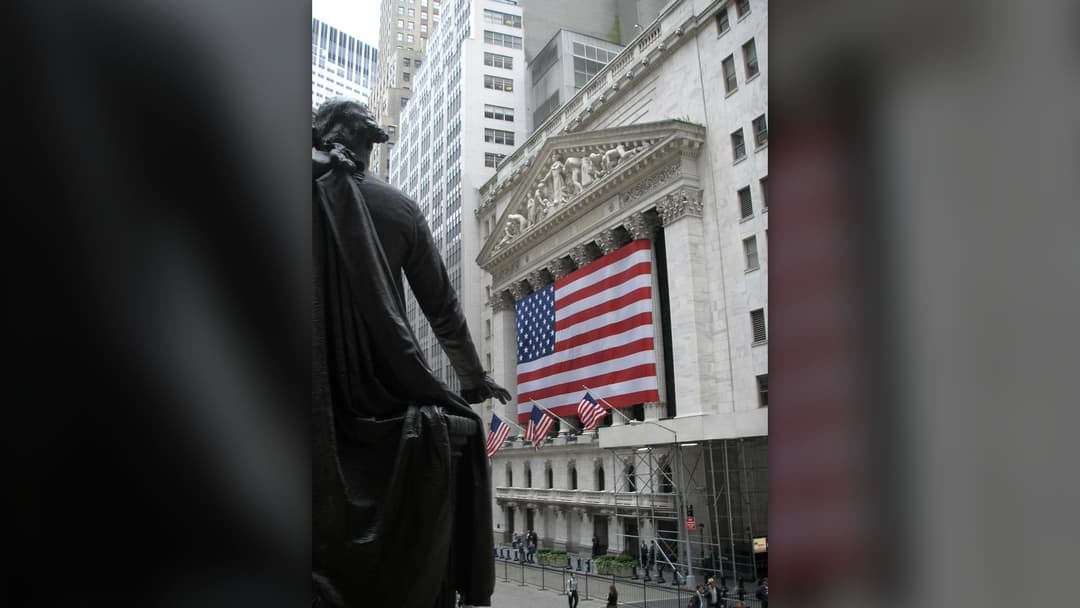
Following the ratification of the Constitution, New York City served as the official first capital of the United States. It was at Federal Hall on Wall Street where George Washington took his inaugural oath of office.
©Wikimedia / Gryffindor
Advertisement
Swipe or tap ▶ to resume the countdown.
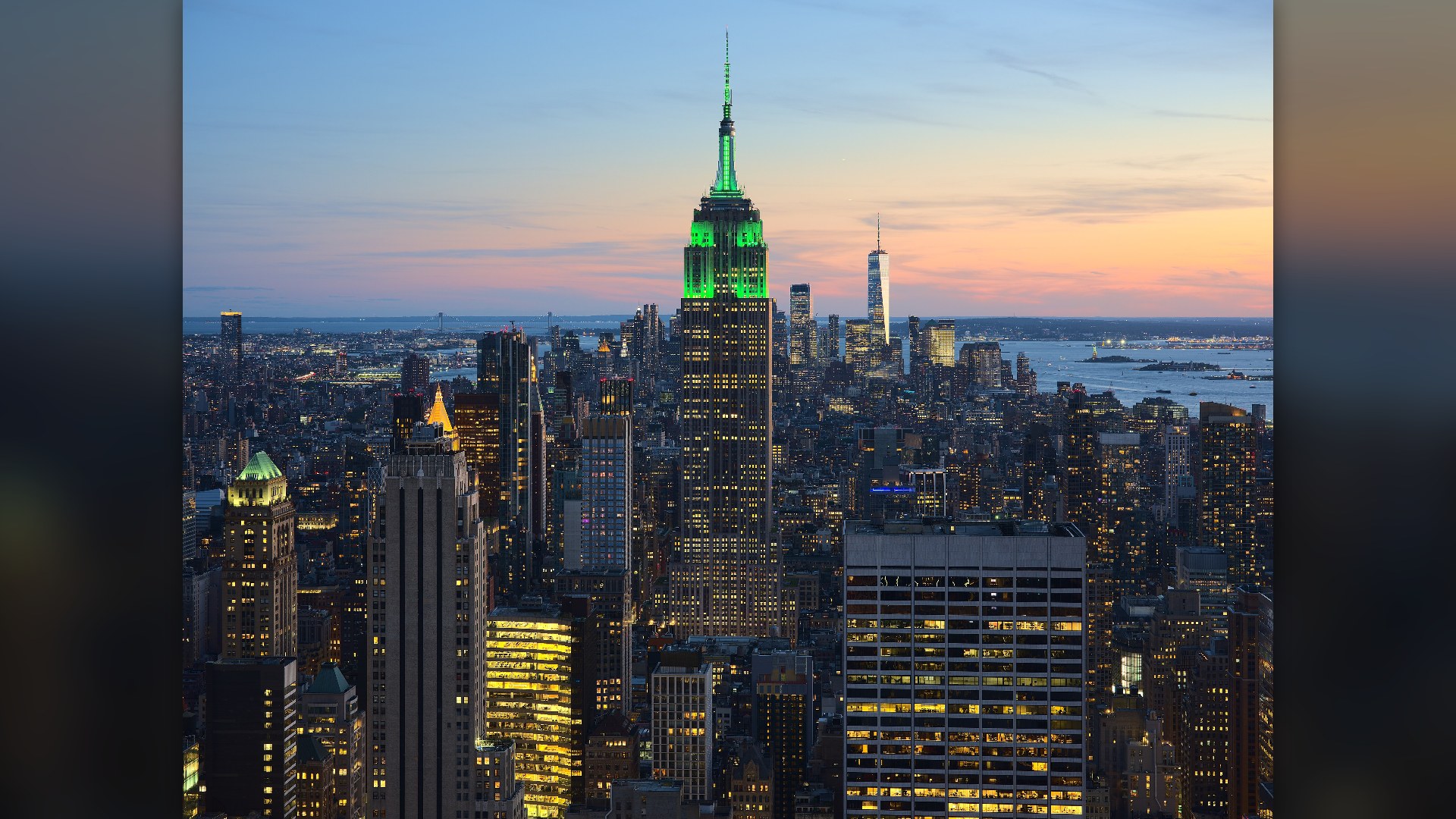
17. The Empire State’s ZIP Code
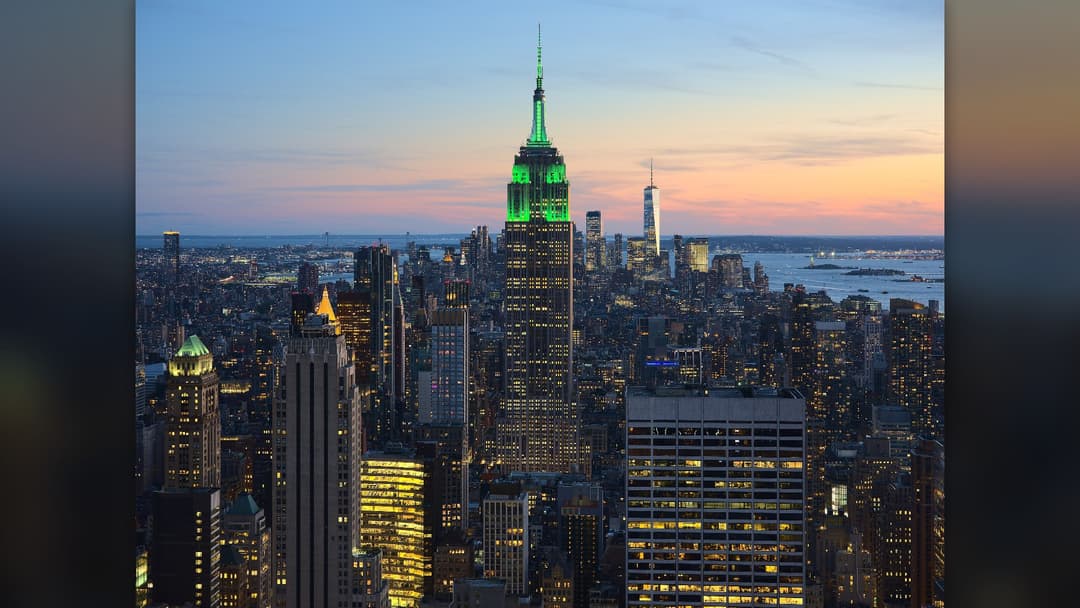
The Empire State Building is an icon of engineering and scale. It receives such a massive volume of mail that the postal service assigned it a unique, exclusive ZIP Code, 10119, just to manage its daily deliveries.
©Wikimedia / Dllu
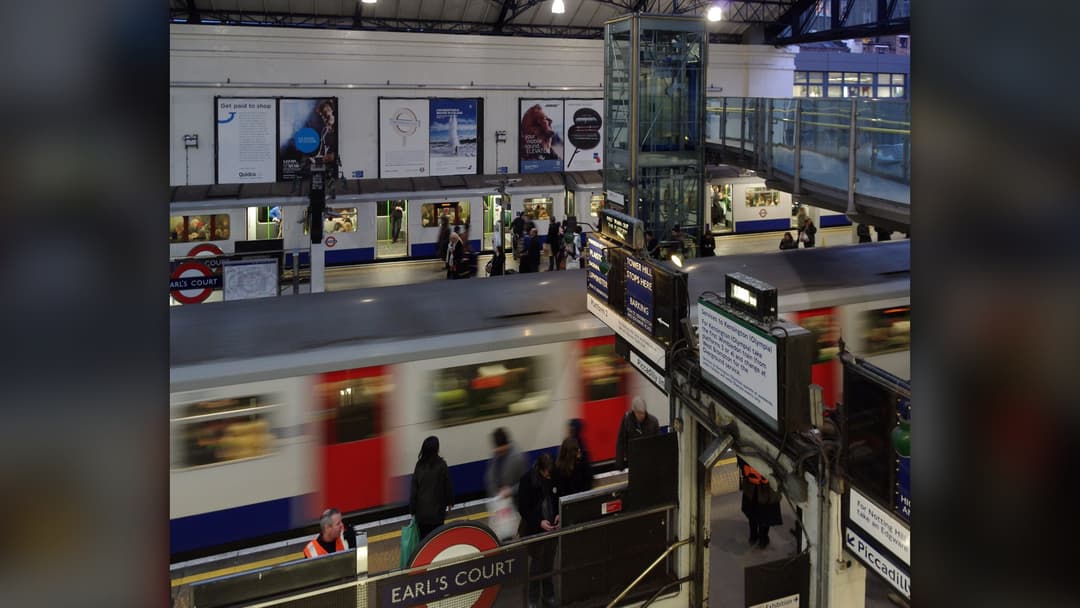
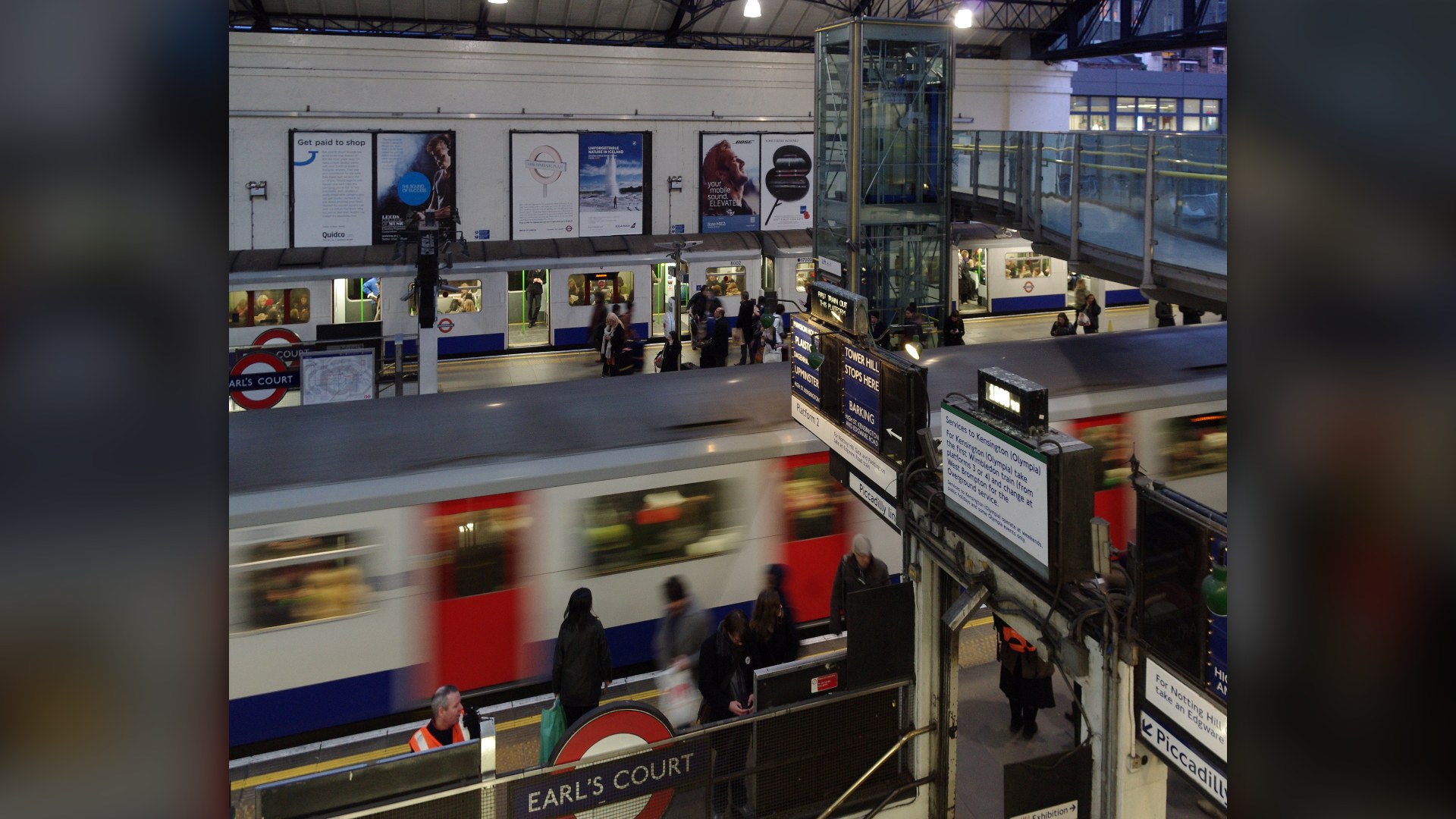
16. The Subway That Never Sleeps
Operating 24 hours a day, 7 days a week, the New York City subway is an anomaly in global transit. With 472 active stations, it stands as the most station-dense rapid transit network in the world.
©Wikimedia / mattbuck
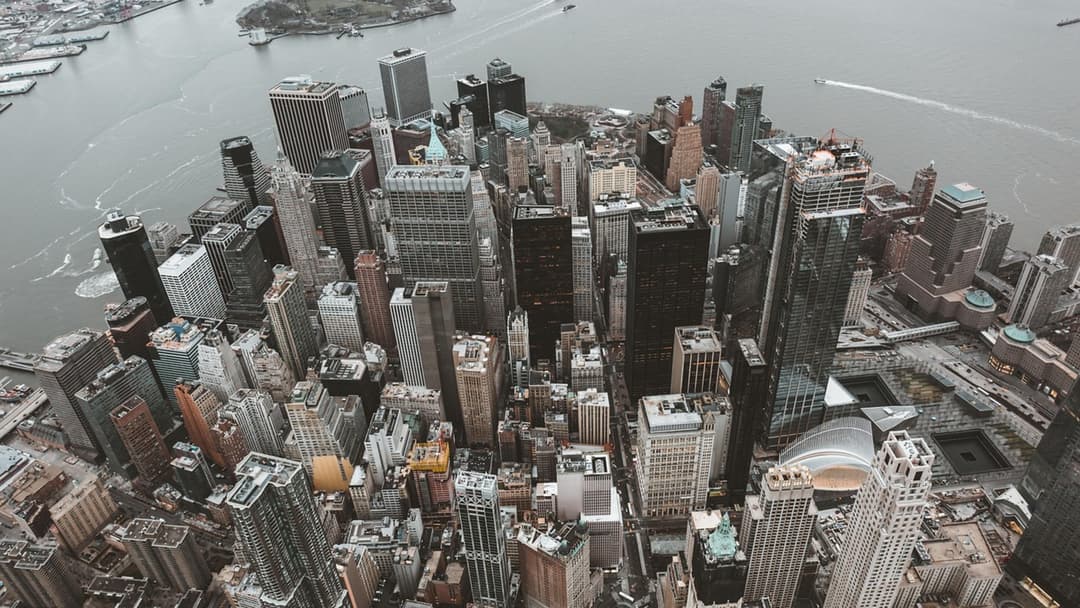
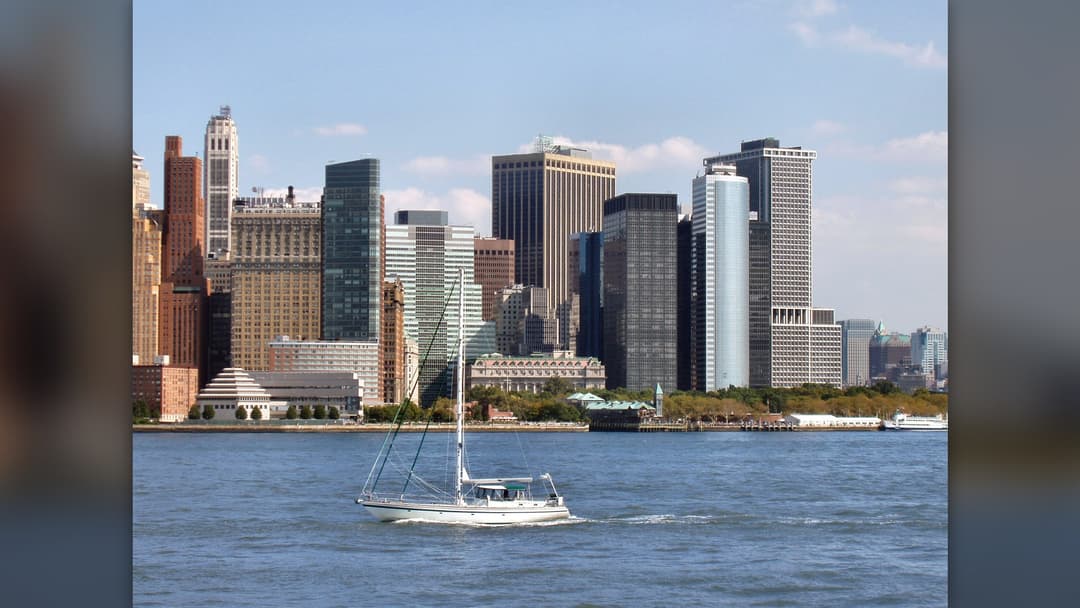
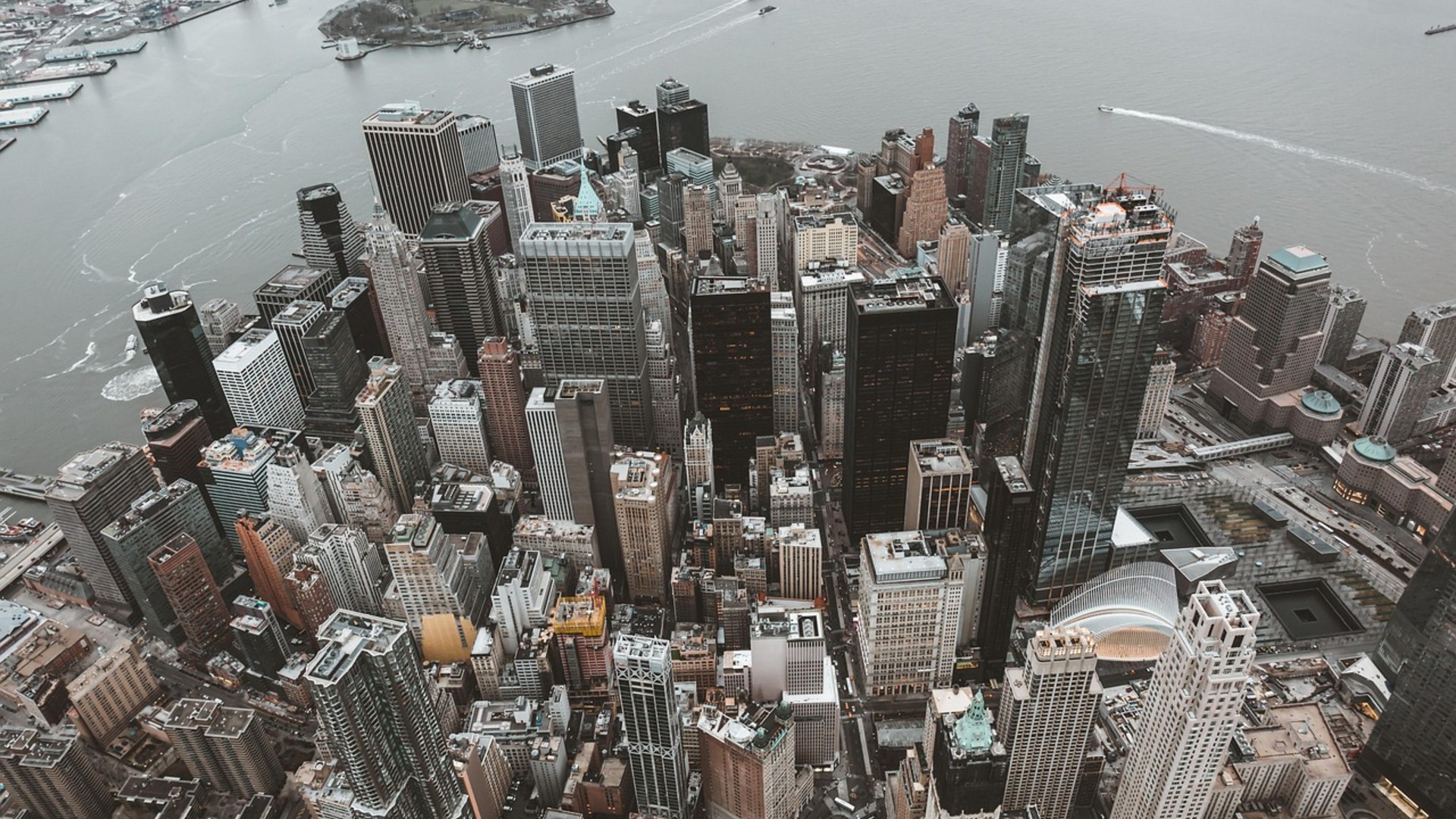
15. A Massive Coastline
New York City is defined by its water. Its coastline stretches for more than 520 miles, a figure that exceeds the combined waterfront lengths of Boston, Miami, Los Angeles, and San Francisco.
©Pixabay / noelsch
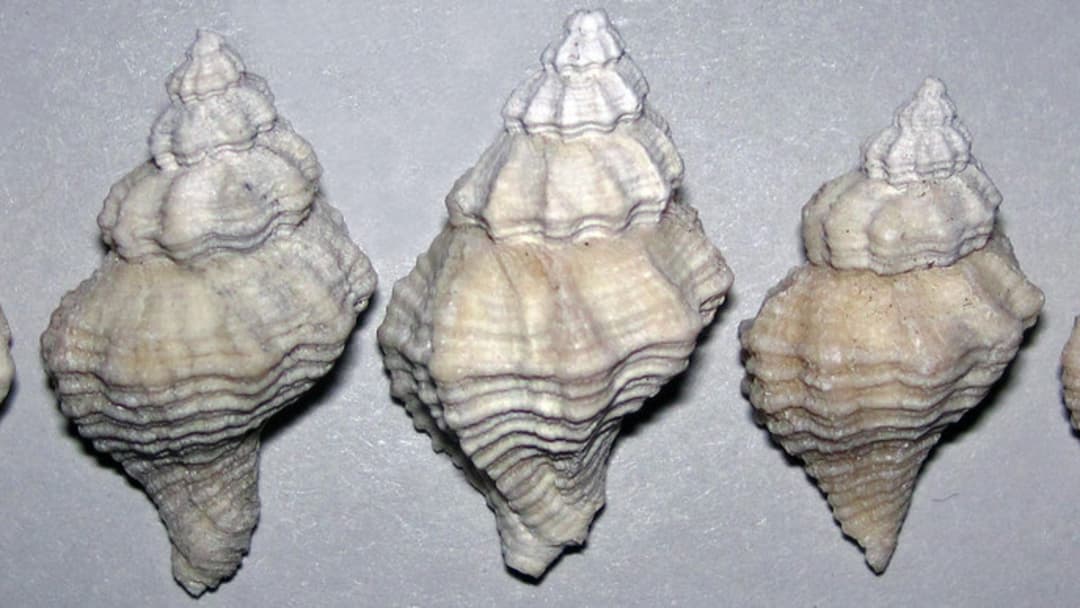
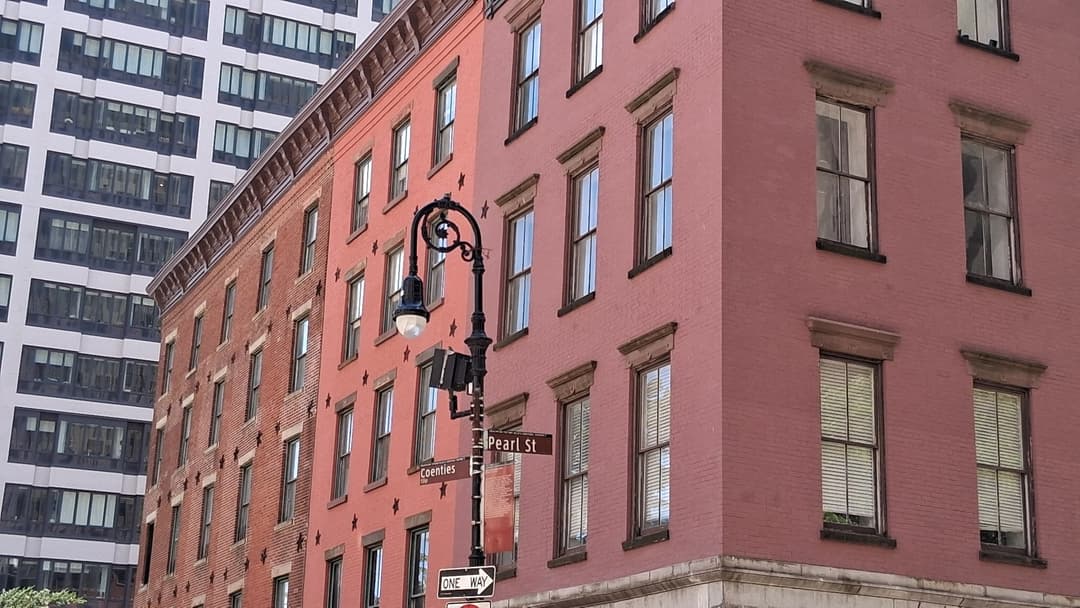
14. Paved With Oyster Shells
In the early 19th century, oysters were so cheap and popular in New York that the streets were littered with shells. City officials eventually collected the surplus to pave Pearl Street in Lower Manhattan, creating a durable road base.
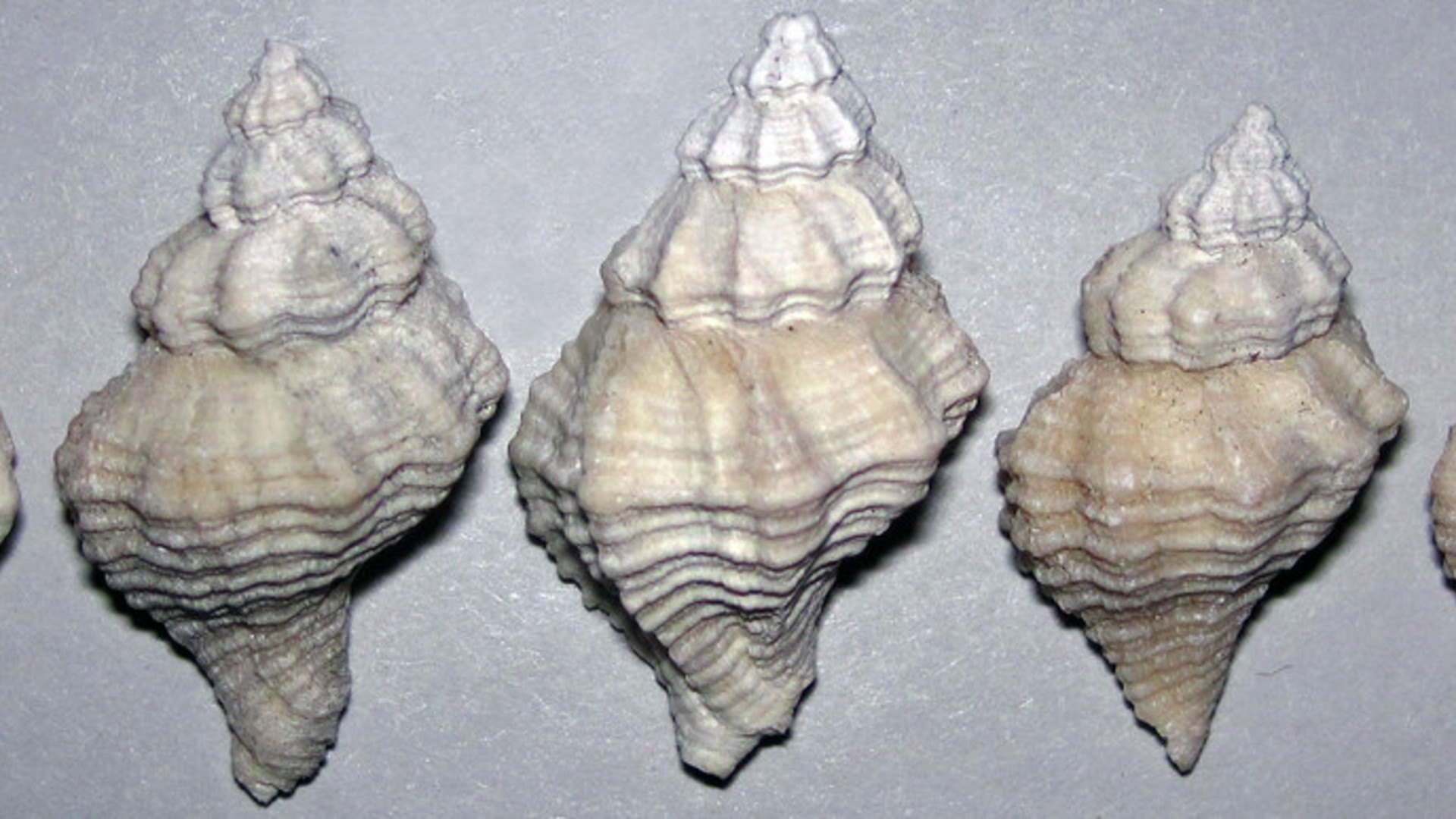
©Openverse / James St. John
Advertisement
Swipe or tap ▶ to resume the countdown.
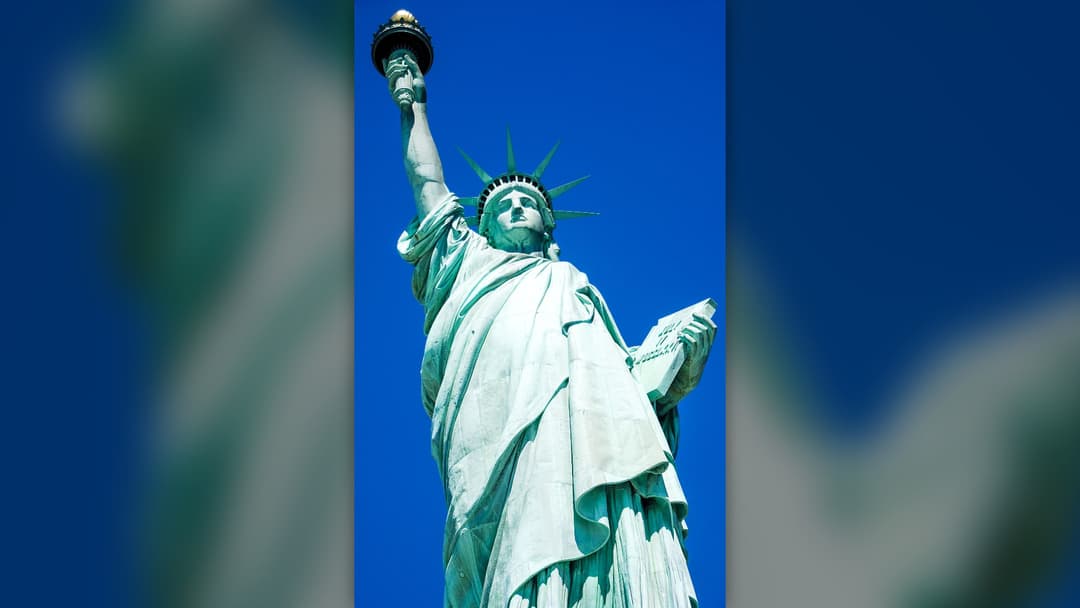
13. Lady Liberty The Lighthouse
When the Statue of Liberty arrived in 1886, she did more than just welcome immigrants. Her torch was equipped with powerful lighting, allowing her to serve as an official nautical beacon for ships entering New York Harbor until 1902.
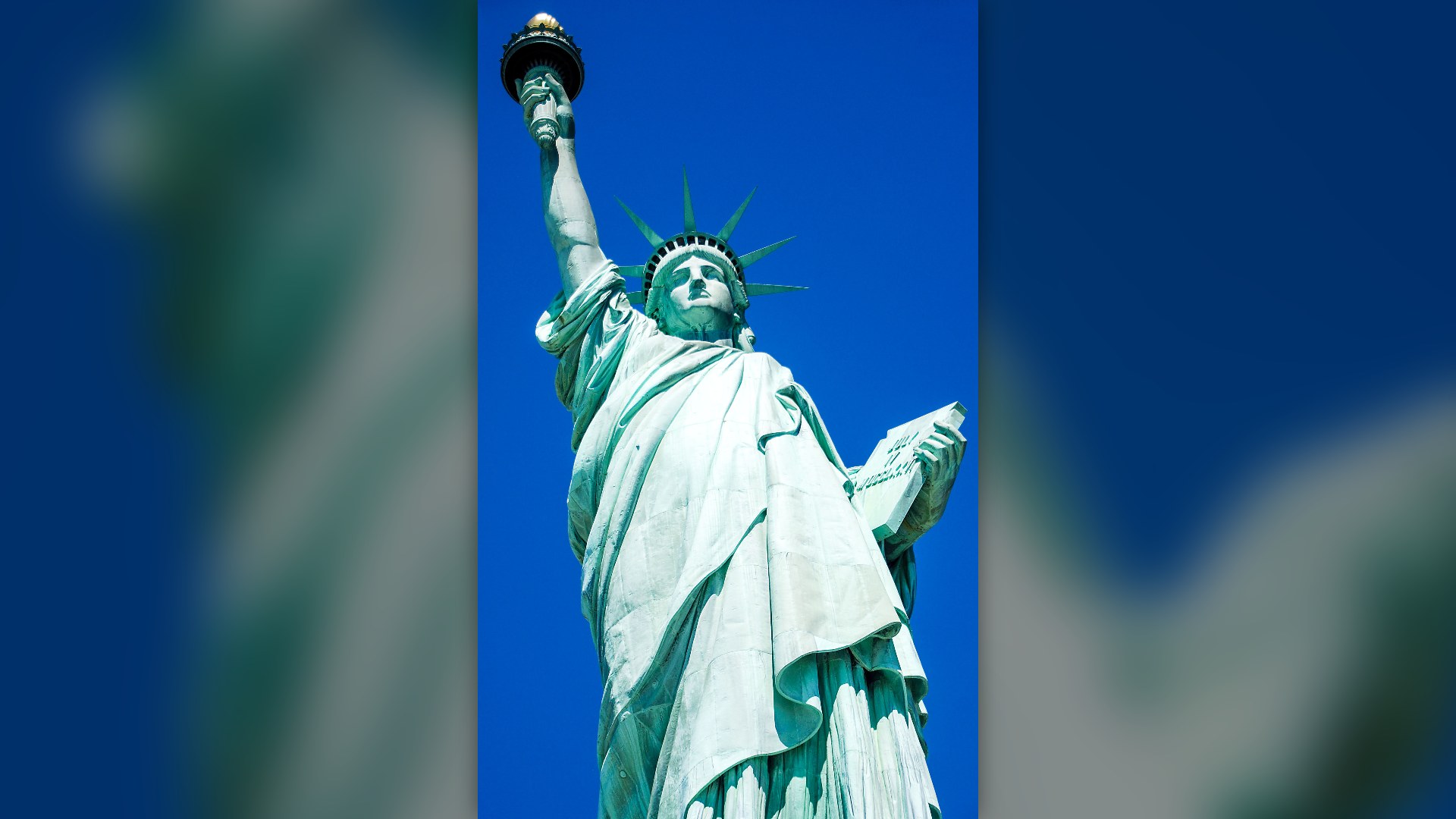
©Wikimedia / Ron Cogswell
12. Central Park’s Immense Scale
Central Park is the green lung of the city, and its size is deceiving. At 843 acres, it is substantially bigger than the entire area occupied by either Vatican City or Monaco, standing as one of the world's largest urban landscapes.
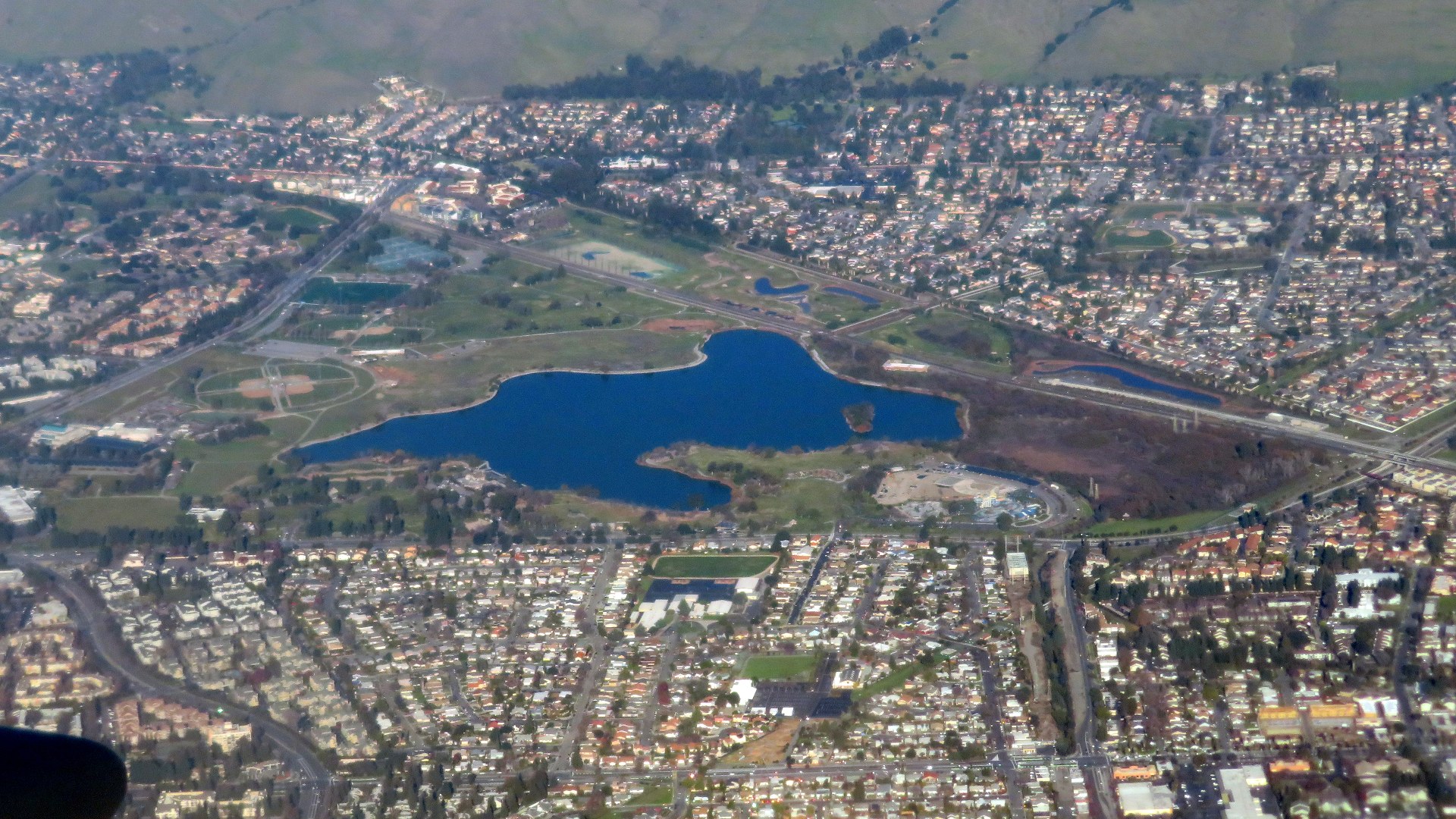
©Wikimedia / Pi.1415926535
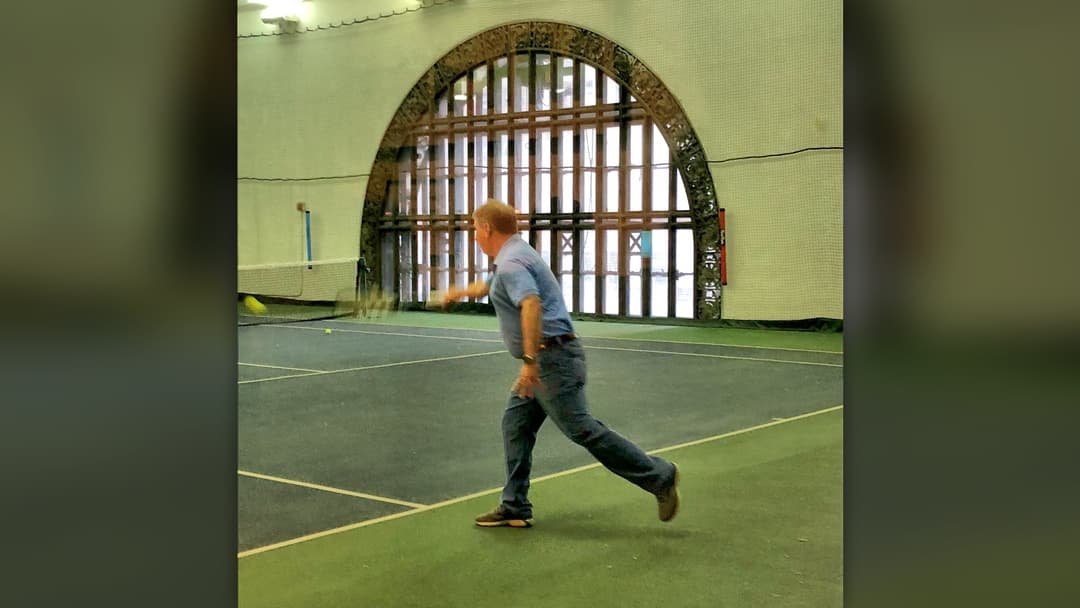
11. Grand Central’s Tennis Court
Hidden from the thousands of commuters bustling below, the Vanderbilt Tennis Club occupies a quiet, full-sized court inside Grand Central Terminal. It is a well-kept secret for locals and visitors alike.
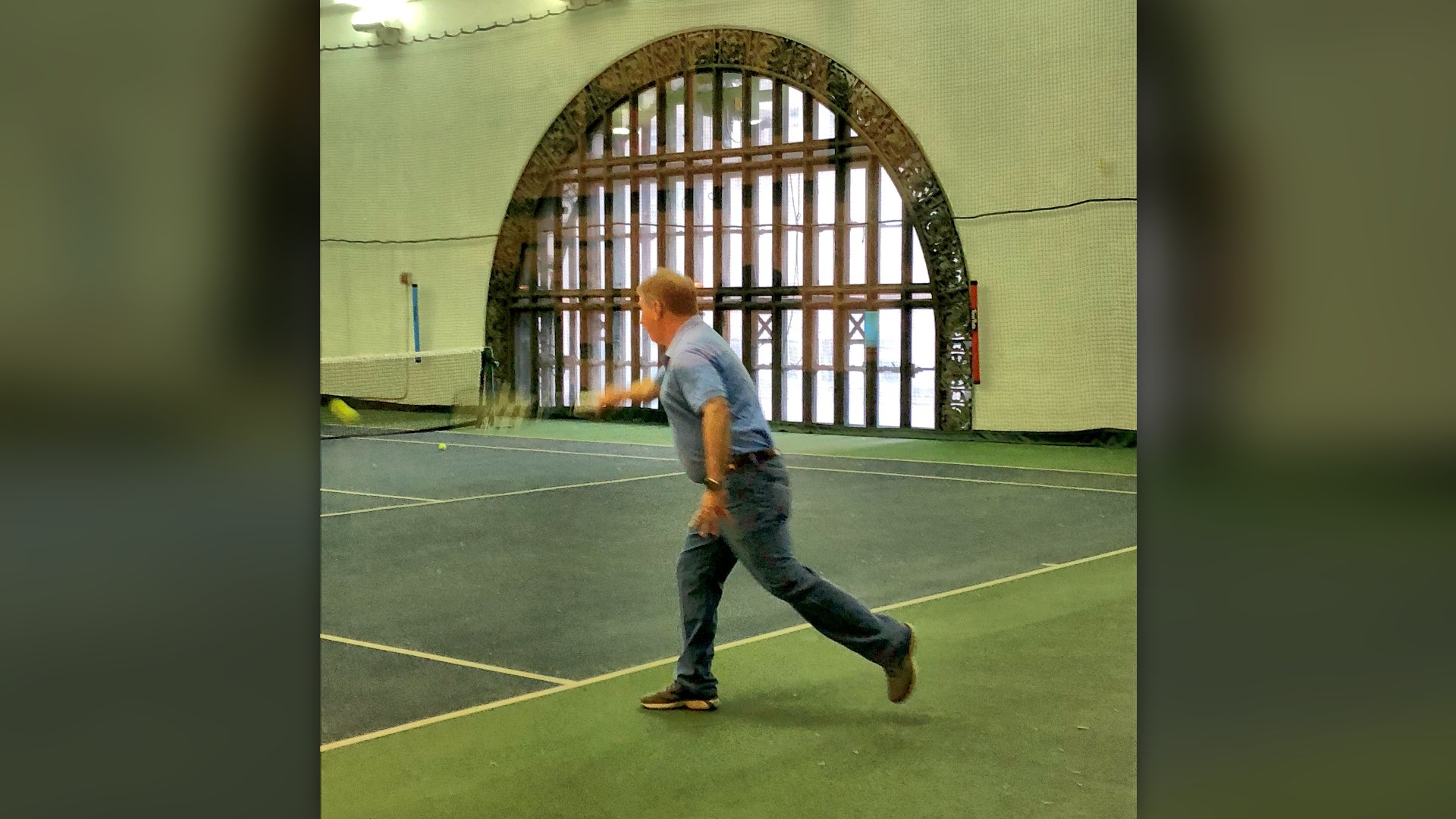
©Wikimedia / Cindy Murray
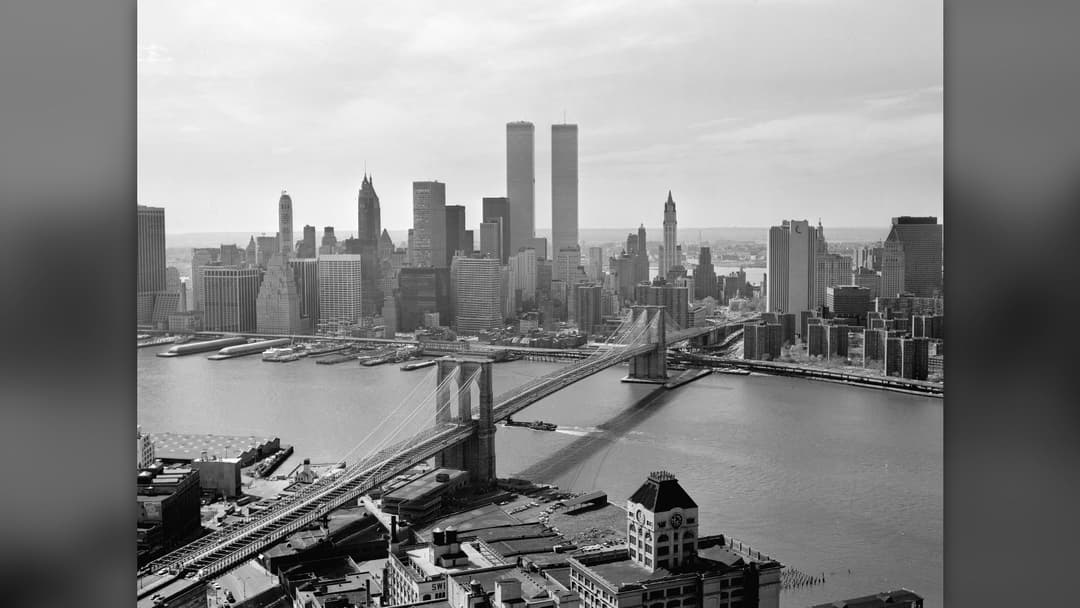
10. The Brooklyn Bridge Parade
When the bridge opened in 1883, the public feared the structure was unstable. Showman P.T. Barnum stepped in, parading a herd of 21 elephants across the bridge to demonstrate its massive structural integrity.
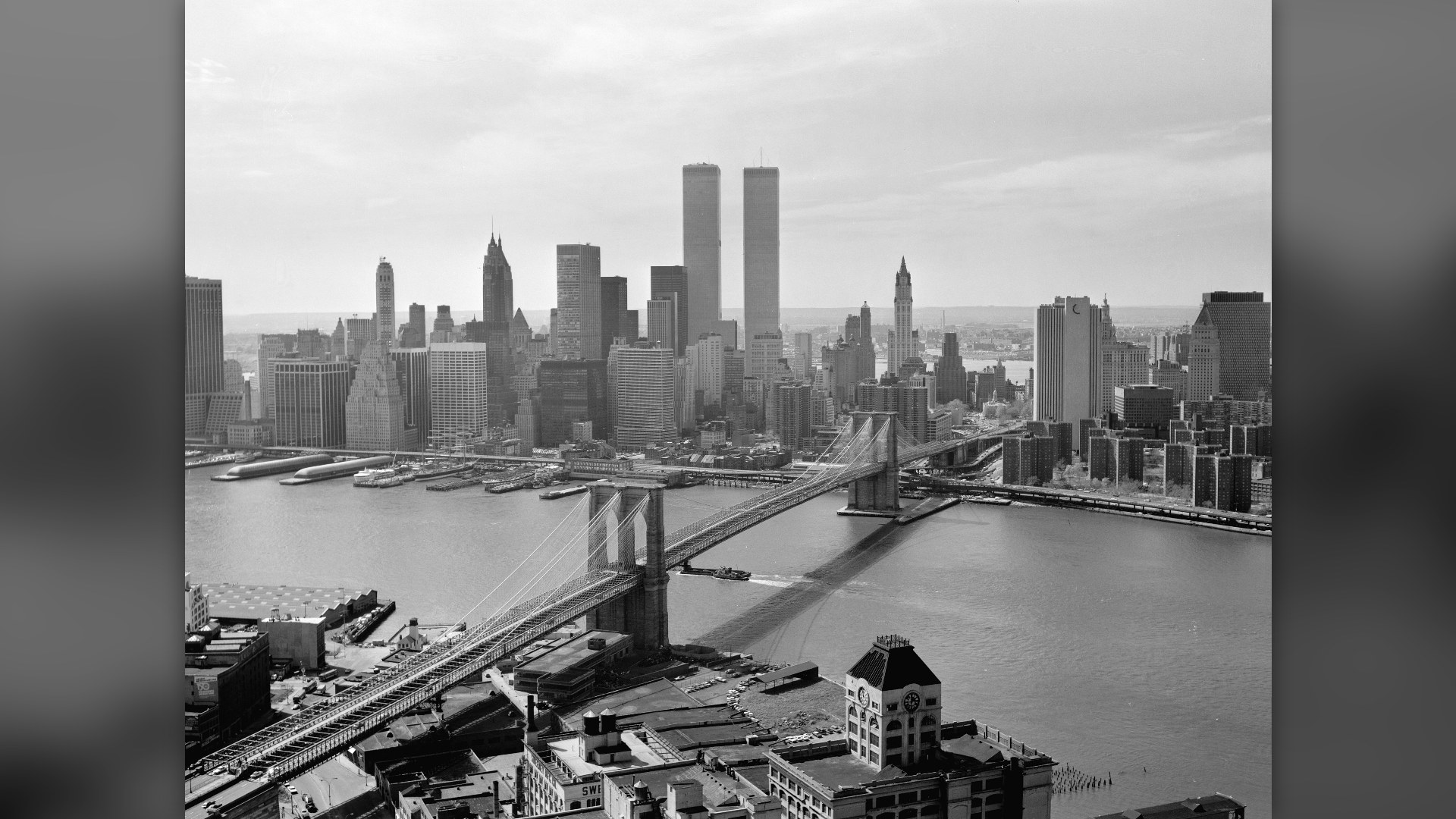
©Wikimedia / Jack Boucher
Advertisement
Swipe or tap ▶ to resume the countdown.
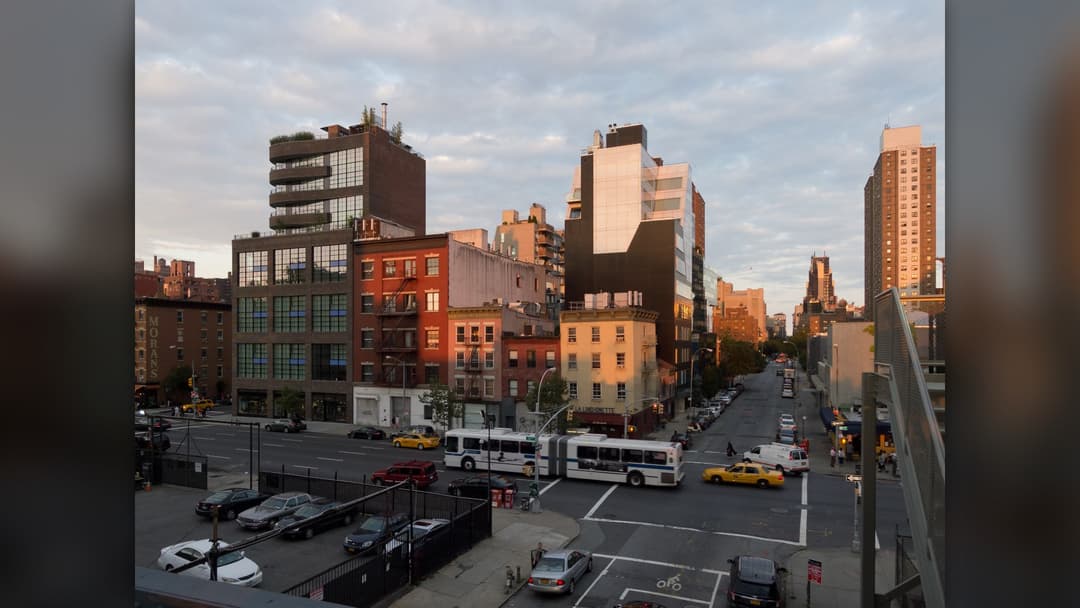
9. High Line’s Industrial Past
The beloved High Line park is a testament to adaptive reuse. Originally an elevated freight rail track designed to lift dangerous trains above street level, it sat abandoned for decades before being repurposed into an iconic linear urban park in 2009.
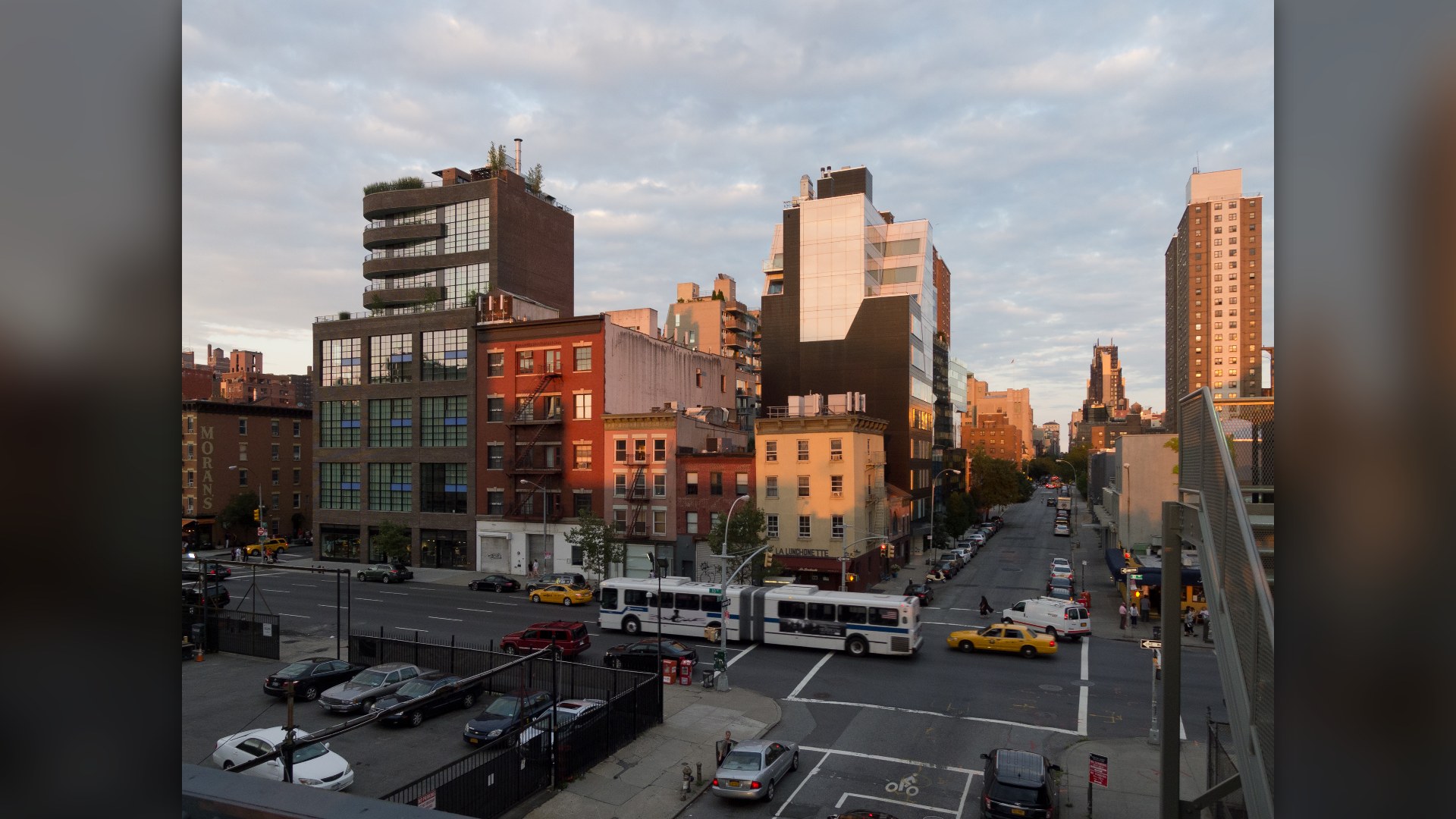
©Wikimedia / King of Hearts
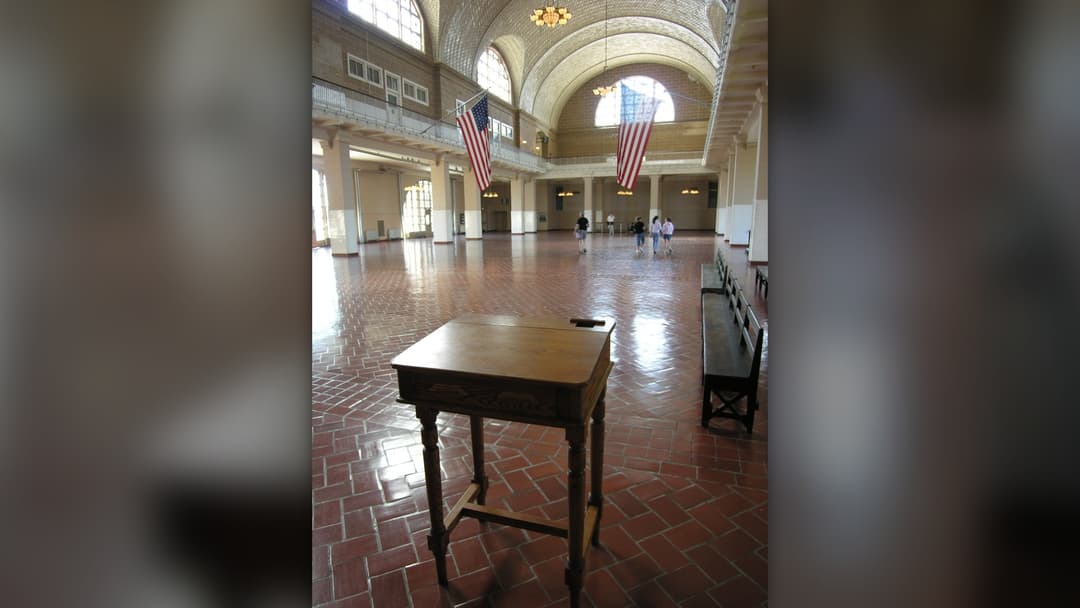
8. Immigration’s Ellis Island
For decades, Ellis Island served as the primary gateway into the United States. Today, tens of millions of American citizens can trace at least one ancestral connection back to the processing halls of this New York harbor landmark.
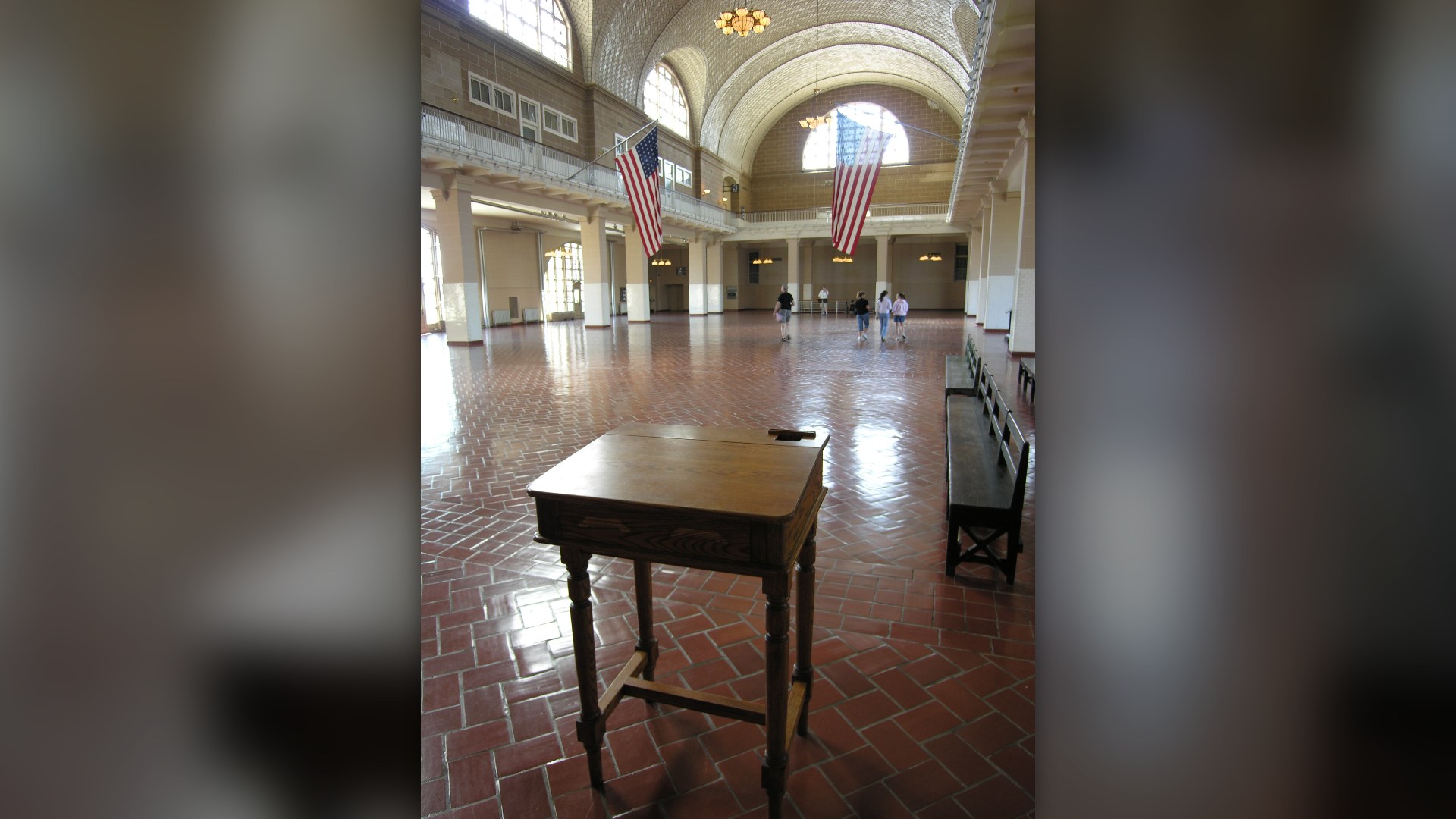
©Wikimedia / NPS
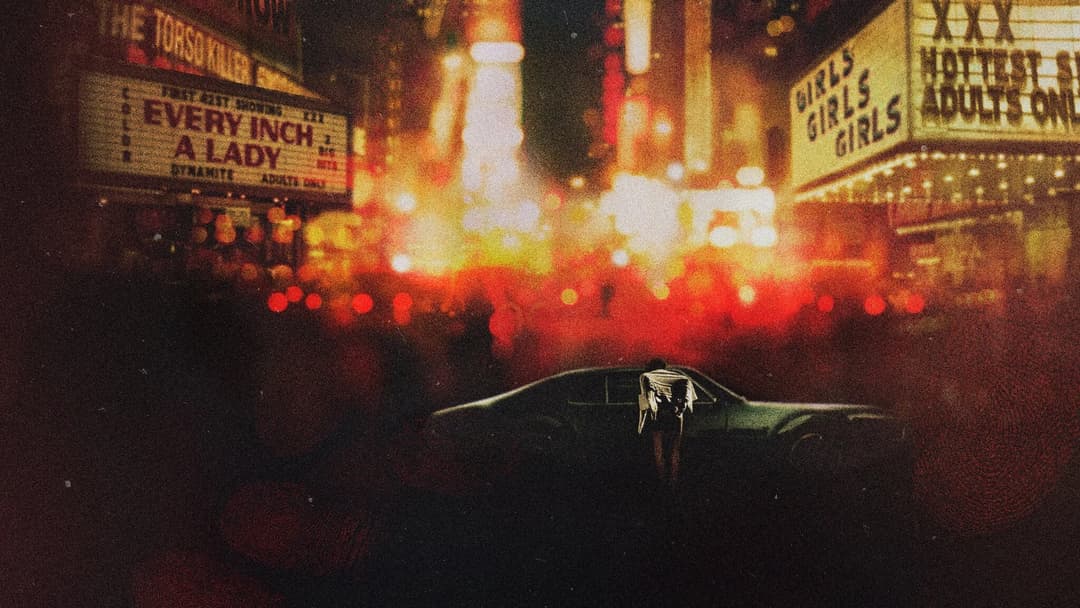
7. Times Square Origins
Times Square was not always the neon-drenched global icon we know today. It was originally Longacre Square until April 1904, when The New York Times shifted its offices to the newly built Times Building at the square’s center.

©TMDb / Netflix
6. Seven Million Trees
While the concrete skyline dominates, the city is a surprisingly green haven. The parks department oversees more than 7 million trees, balancing the dense urban footprint with extensive natural canopy coverage throughout the five boroughs.
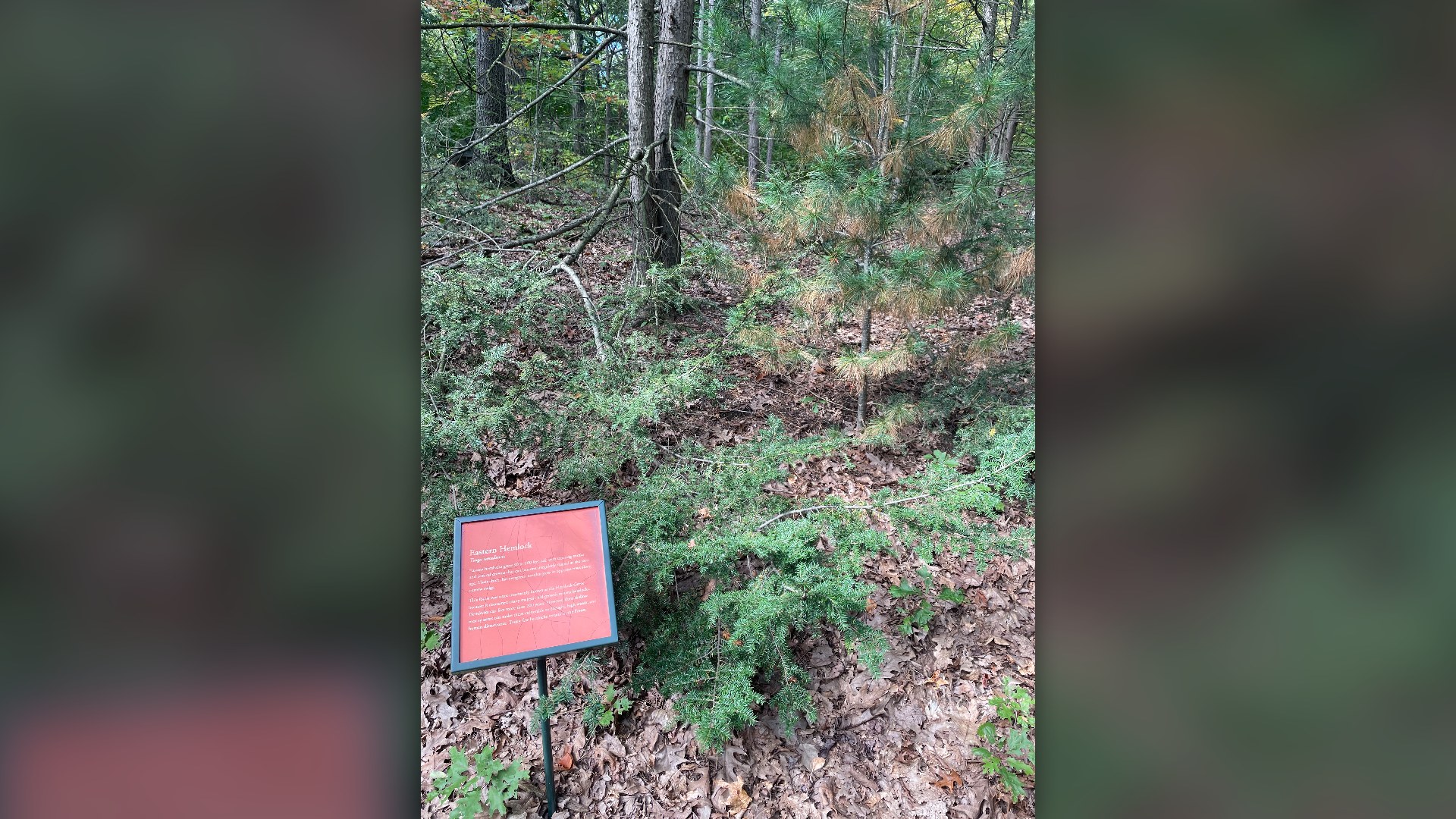
©Wikimedia / AmazingSpiderMan1962
Advertisement
Swipe or tap ▶ to resume the countdown.
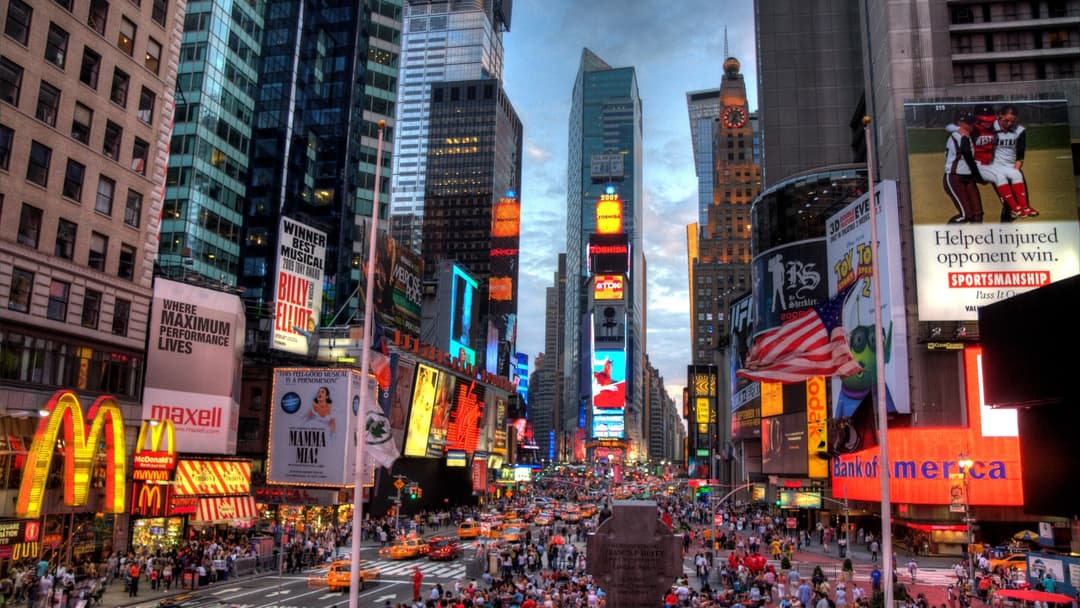
5. World’s Most Filmed City
From cinematic skyscrapers to iconic brownstone streets, NYC is the most filmed city on Earth. It remains the top choice for studios globally, with film crews occupying Manhattan corners nearly every single day of the year.
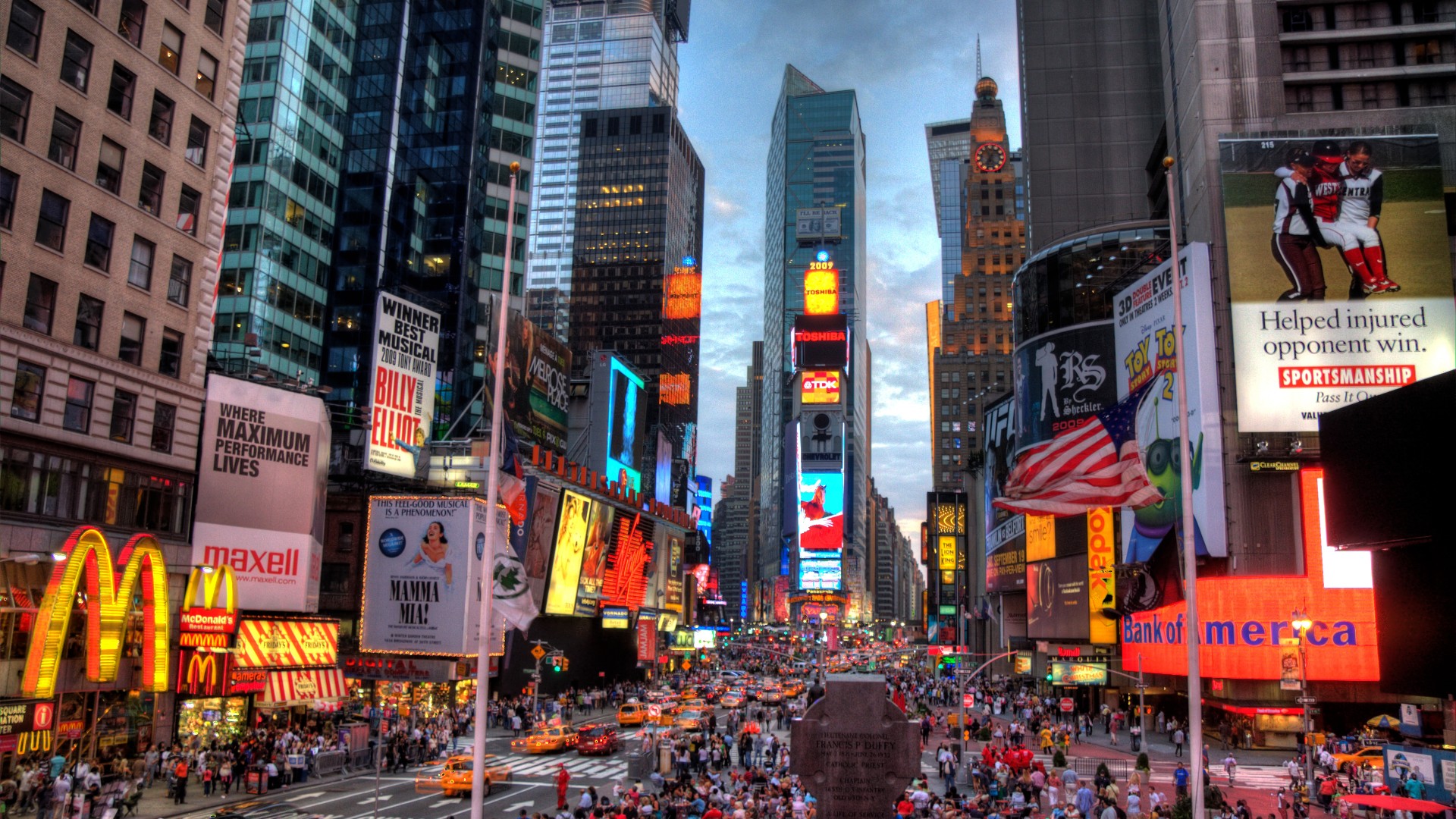
©Wikimedia / Times Square
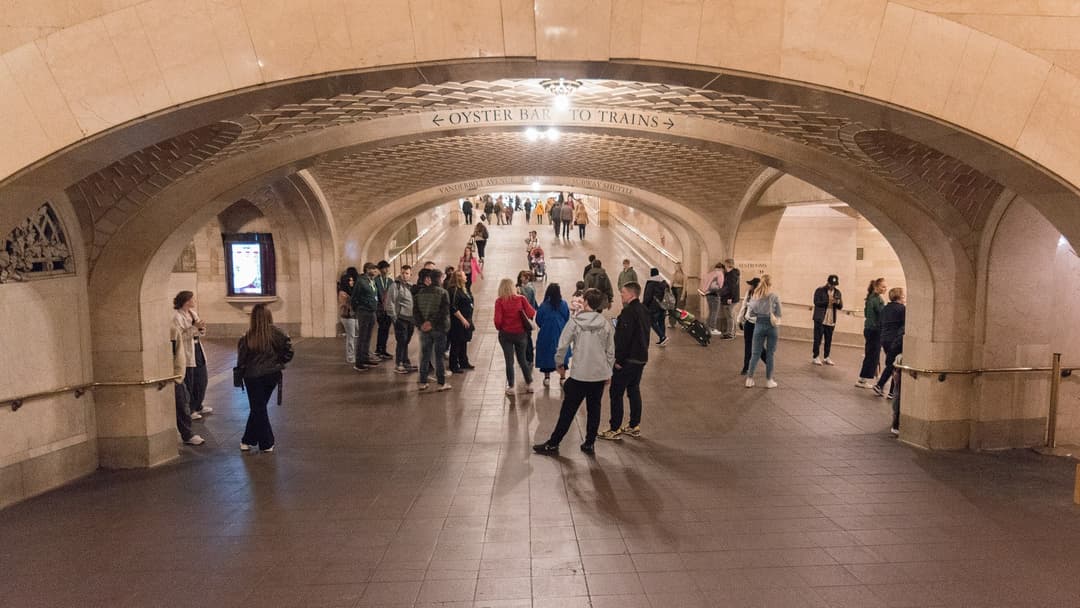
4. Grand Central’s Whispering Gallery
Inside Grand Central Terminal, right outside the famous Oyster Bar, is an acoustic marvel. Because of the curved ceiling architecture, you can stand in one corner, whisper against the wall, and be heard clearly by someone standing diagonally across the hall.
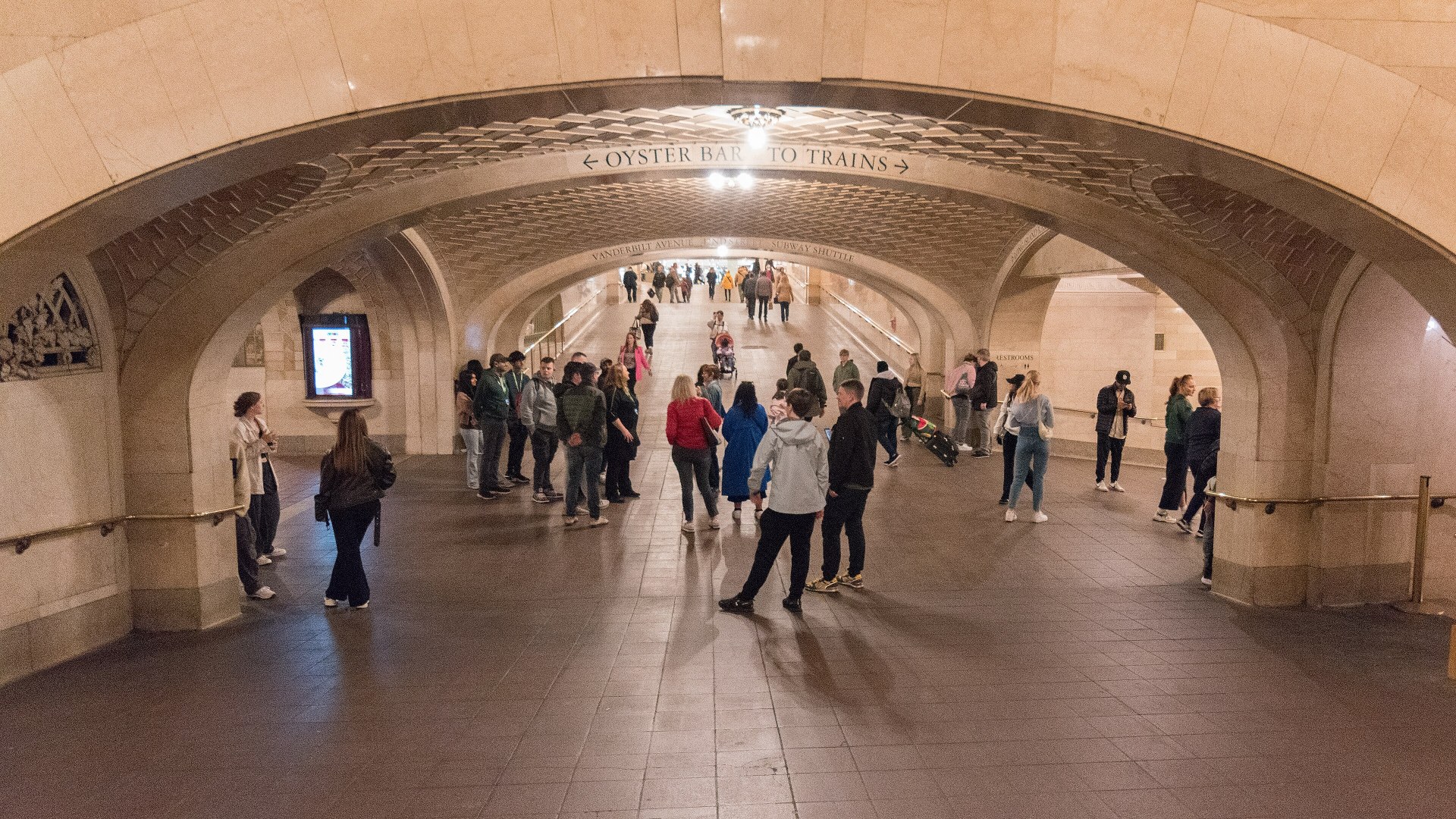
©Wikimedia / Ɱ
3. Coastline Megalopolis
New York City is defined by its water. Its coastline stretches for more than 520 miles, a figure that exceeds the combined waterfront lengths of Boston, Miami, Los Angeles, and San Francisco, making it a surprising coastal giant.
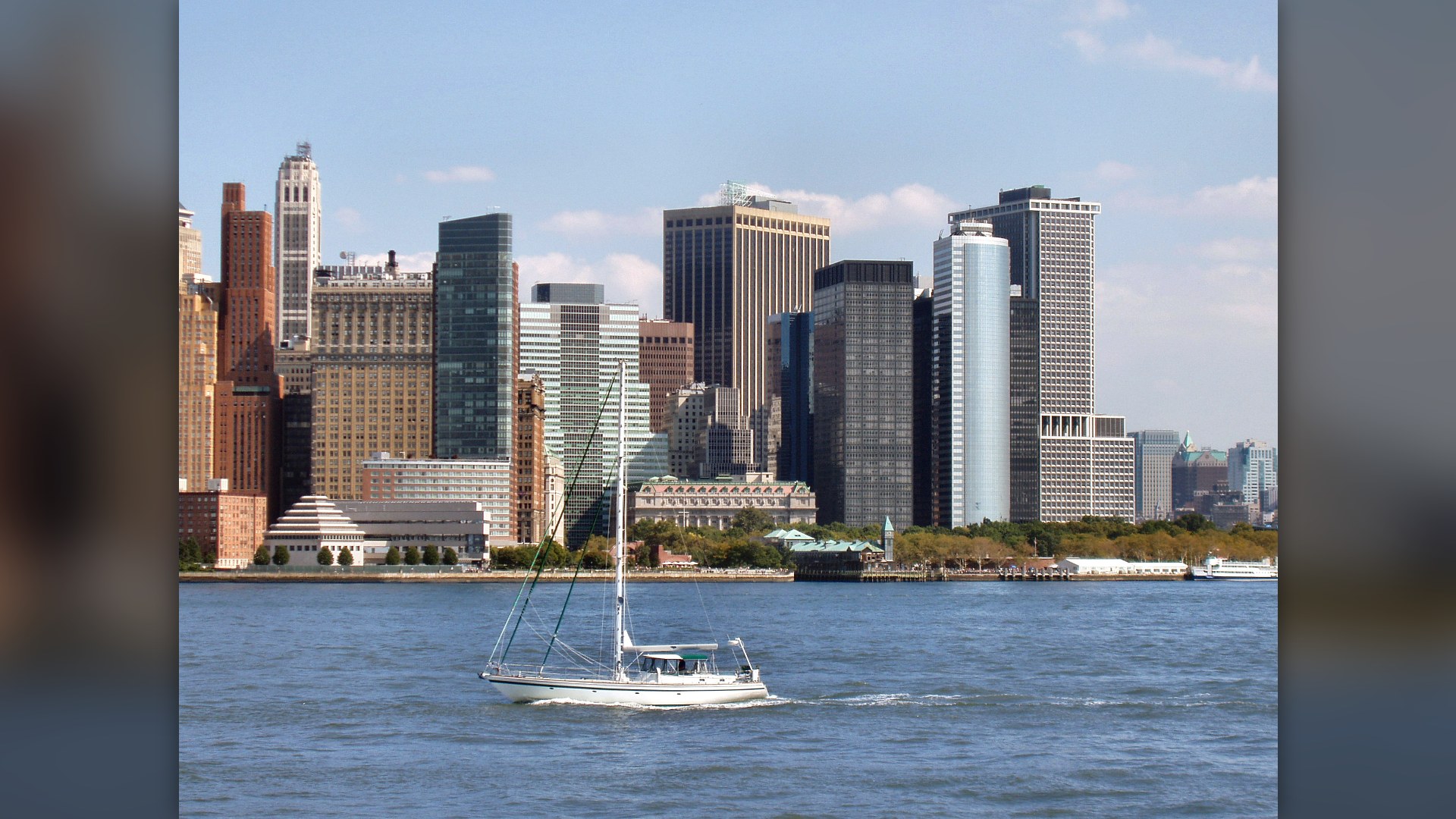
©Wikimedia / New York Bay
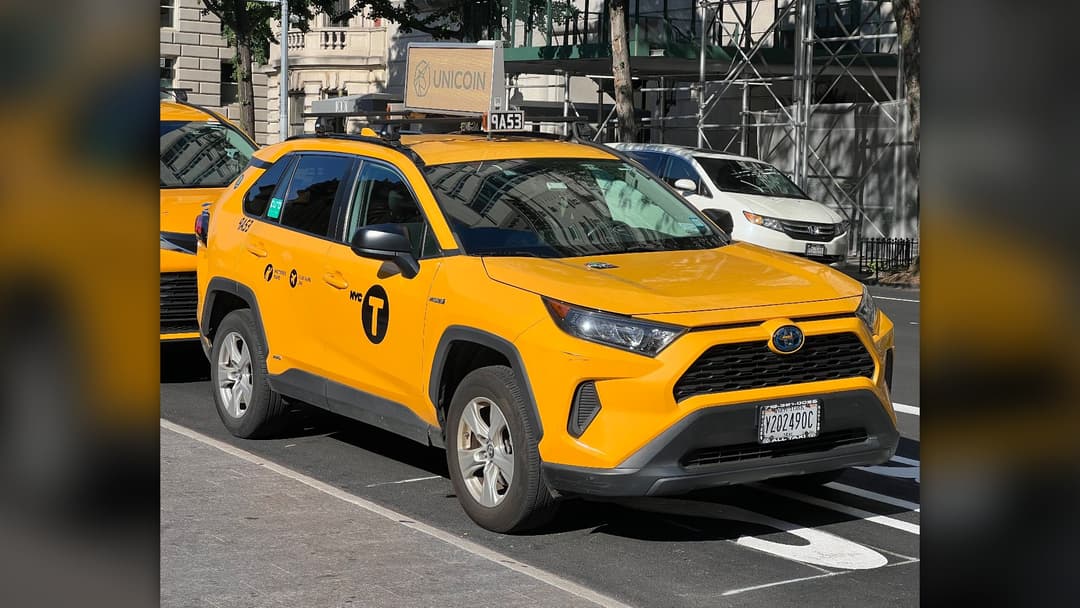
2. Yellow Cab Evolution
Before yellow became the city standard, taxicabs came in every color of the rainbow. Albert Rockwell, founder of the Yellow Taxicab Company, standardized the fleet to bright yellow after research showed it was the easiest color for the eye to spot in distance traffic.
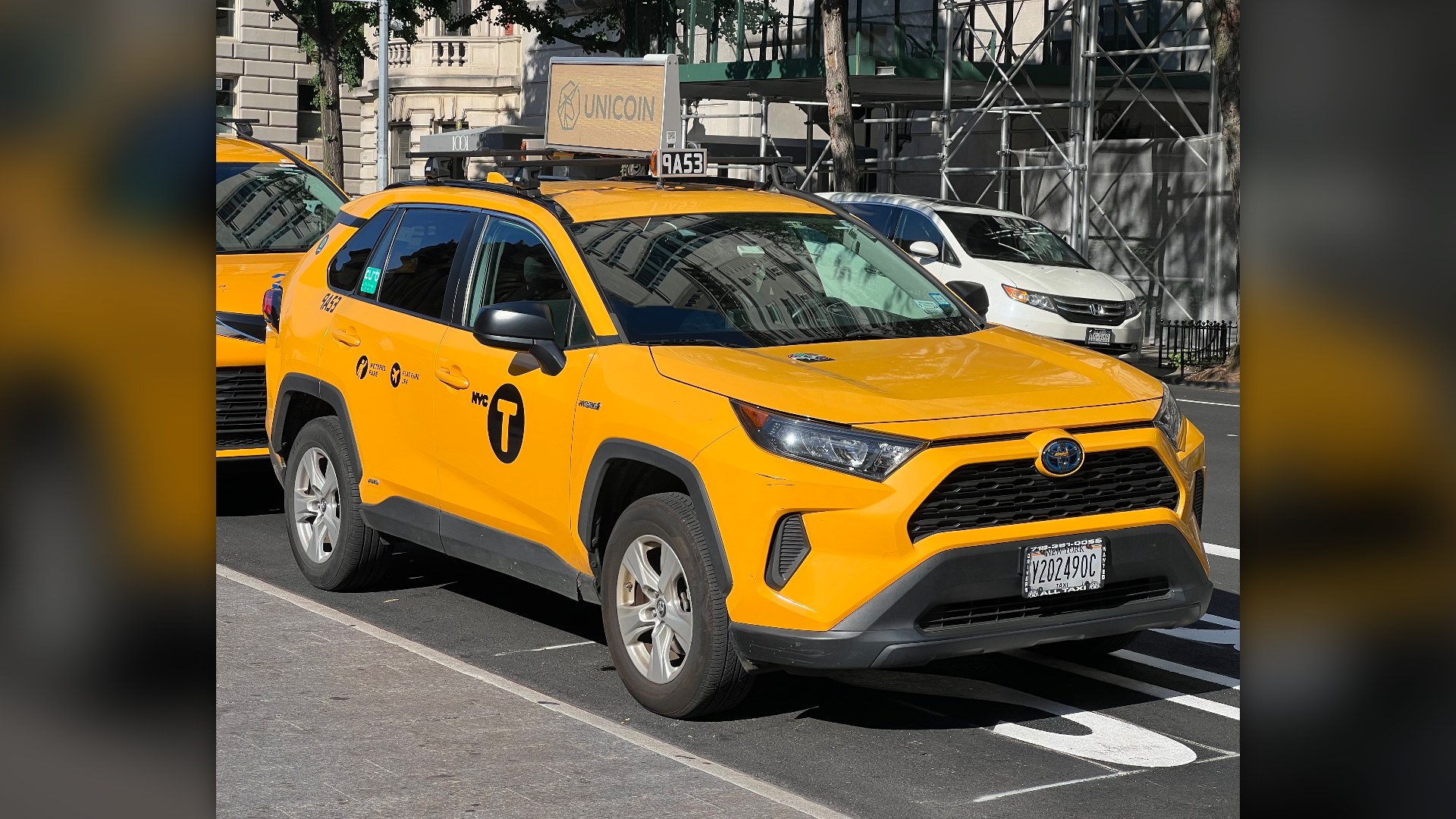
©Wikimedia / S5A-0043
Advertisement
Swipe or tap ▶ to resume the countdown.
1. NYC’s Archipelago
While the five boroughs get all the glory, the city is actually an archipelago. Dozens of hidden islands—from Roosevelt and Governors Island to the restricted Hart Island—are scattered throughout the city’s complex waterways.
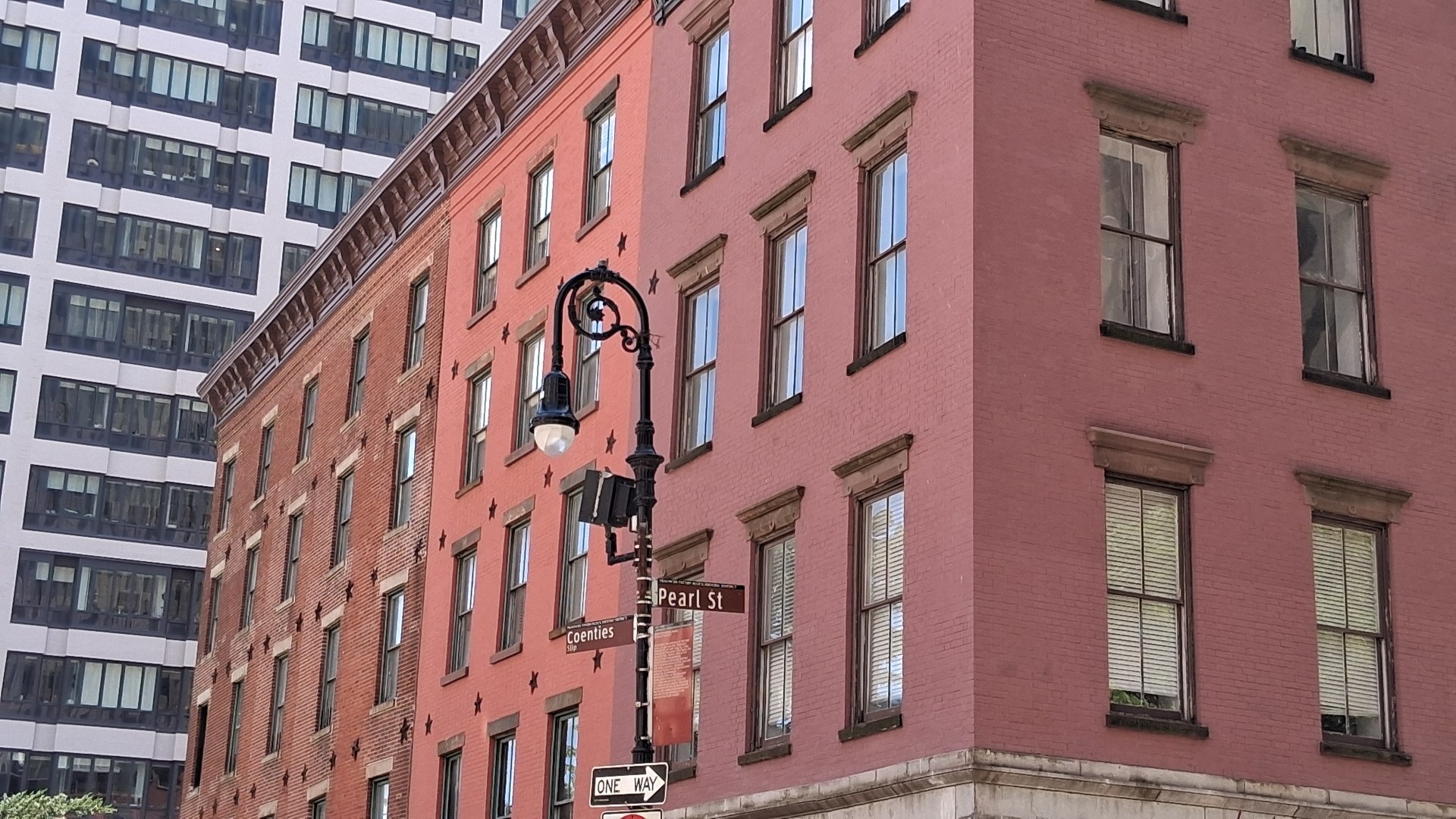
©Wikimedia / Kidfly182
Advertisement
You've reached the end of the story. Thanks for reading!

Inside the Gypsy Rose Blanchard Case: 20 Overlooked Details
The true story behind Gypsy Rose Blanchard, Dee Dee Blanchard, decades of Munchausen by proxy abuse, and the murder plot that stunned the nation.
All 20 Entries in this Story
01. Linguistic Diversity Capital
New York City is not just a cultural melting pot but the most linguistically diverse city on the planet. With over 800 languages spoken across its five boroughs, it remains a global hub where cultures from every corner of the world intersect daily.

02. New Amsterdam Origins
Before the arrival of the British in 1664, the Dutch West India Company established the area as a vital colonial trading post known as New Amsterdam, later renamed to honor the Duke of York.

03. The First Capital
Following the ratification of the Constitution, New York City served as the official first capital of the United States. It was at Federal Hall on Wall Street where George Washington took his inaugural oath of office.

04. The Empire State’s ZIP Code
The Empire State Building is an icon of engineering and scale. It receives such a massive volume of mail that the postal service assigned it a unique, exclusive ZIP Code, 10119, just to manage its daily deliveries.

05. The Subway That Never Sleeps
Operating 24 hours a day, 7 days a week, the New York City subway is an anomaly in global transit. With 472 active stations, it stands as the most station-dense rapid transit network in the world.

06. A Massive Coastline
New York City is defined by its water. Its coastline stretches for more than 520 miles, a figure that exceeds the combined waterfront lengths of Boston, Miami, Los Angeles, and San Francisco.

07. Paved With Oyster Shells
In the early 19th century, oysters were so cheap and popular in New York that the streets were littered with shells. City officials eventually collected the surplus to pave Pearl Street in Lower Manhattan, creating a durable road base.

08. Lady Liberty The Lighthouse
When the Statue of Liberty arrived in 1886, she did more than just welcome immigrants. Her torch was equipped with powerful lighting, allowing her to serve as an official nautical beacon for ships entering New York Harbor until 1902.

09. Central Park’s Immense Scale
Central Park is the green lung of the city, and its size is deceiving. At 843 acres, it is substantially bigger than the entire area occupied by either Vatican City or Monaco, standing as one of the world's largest urban landscapes.

10. Grand Central’s Tennis Court
Hidden from the thousands of commuters bustling below, the Vanderbilt Tennis Club occupies a quiet, full-sized court inside Grand Central Terminal. It is a well-kept secret for locals and visitors alike.

11. The Brooklyn Bridge Parade
When the bridge opened in 1883, the public feared the structure was unstable. Showman P.T. Barnum stepped in, parading a herd of 21 elephants across the bridge to demonstrate its massive structural integrity.

12. High Line’s Industrial Past
The beloved High Line park is a testament to adaptive reuse. Originally an elevated freight rail track designed to lift dangerous trains above street level, it sat abandoned for decades before being repurposed into an iconic linear urban park in 2009.

13. Immigration’s Ellis Island
For decades, Ellis Island served as the primary gateway into the United States. Today, tens of millions of American citizens can trace at least one ancestral connection back to the processing halls of this New York harbor landmark.

14. Times Square Origins
Times Square was not always the neon-drenched global icon we know today. It was originally Longacre Square until April 1904, when The New York Times shifted its offices to the newly built Times Building at the square’s center.

15. Seven Million Trees
While the concrete skyline dominates, the city is a surprisingly green haven. The parks department oversees more than 7 million trees, balancing the dense urban footprint with extensive natural canopy coverage throughout the five boroughs.

16. World’s Most Filmed City
From cinematic skyscrapers to iconic brownstone streets, NYC is the most filmed city on Earth. It remains the top choice for studios globally, with film crews occupying Manhattan corners nearly every single day of the year.

17. Grand Central’s Whispering Gallery
Inside Grand Central Terminal, right outside the famous Oyster Bar, is an acoustic marvel. Because of the curved ceiling architecture, you can stand in one corner, whisper against the wall, and be heard clearly by someone standing diagonally across the hall.

18. Coastline Megalopolis
New York City is defined by its water. Its coastline stretches for more than 520 miles, a figure that exceeds the combined waterfront lengths of Boston, Miami, Los Angeles, and San Francisco, making it a surprising coastal giant.

19. Yellow Cab Evolution
Before yellow became the city standard, taxicabs came in every color of the rainbow. Albert Rockwell, founder of the Yellow Taxicab Company, standardized the fleet to bright yellow after research showed it was the easiest color for the eye to spot in distance traffic.

20. NYC’s Archipelago
While the five boroughs get all the glory, the city is actually an archipelago. Dozens of hidden islands—from Roosevelt and Governors Island to the restricted Hart Island—are scattered throughout the city’s complex waterways.