Slideshow · Viral
10 Lost Cities That Were Forgotten for Centuries
Discover ten extraordinary ancient metropolises that were swallowed by sands, oceans, and rainforests for centuries before modern archaeology unearthed their secrets.
By Most Viral Today
23 Oct 2026

10 Lost Cities That Were Forgotten for Centuries 
10. Baiae (Italy) 
9. Derinkuyu (Turkey) 
8. Skara Brae (Scotland) - AdvertisementSwipe or tap ▶ to continue countdown

7. Tikal (Guatemala) 
6. Vijayanagara (India) 
5. Mohenjo-Daro (Pakistan) 
4. Petra (Jordan) - AdvertisementSwipe or tap ▶ to continue countdown

3. Angkor (Cambodia) 
2. Pompeii (Italy) 
1. Machu Picchu (Peru) - Advertisement🔥 UP NEXT IN THIS SERIES◫ 21 Slides

20 Details Behind The Real Story Of Stephen Miller
From submerged Roman pleasure grounds to subterranean caverns and jungle-choked temples, human history is filled with thriving metropolises that vanished from memory. Discover ten extraordinary lost cities that were forgotten for centuries before modern archaeology unearthed their secrets.
Swipe or tap ▶ to begin the countdown
©Wikimedia Commons / Mshayati
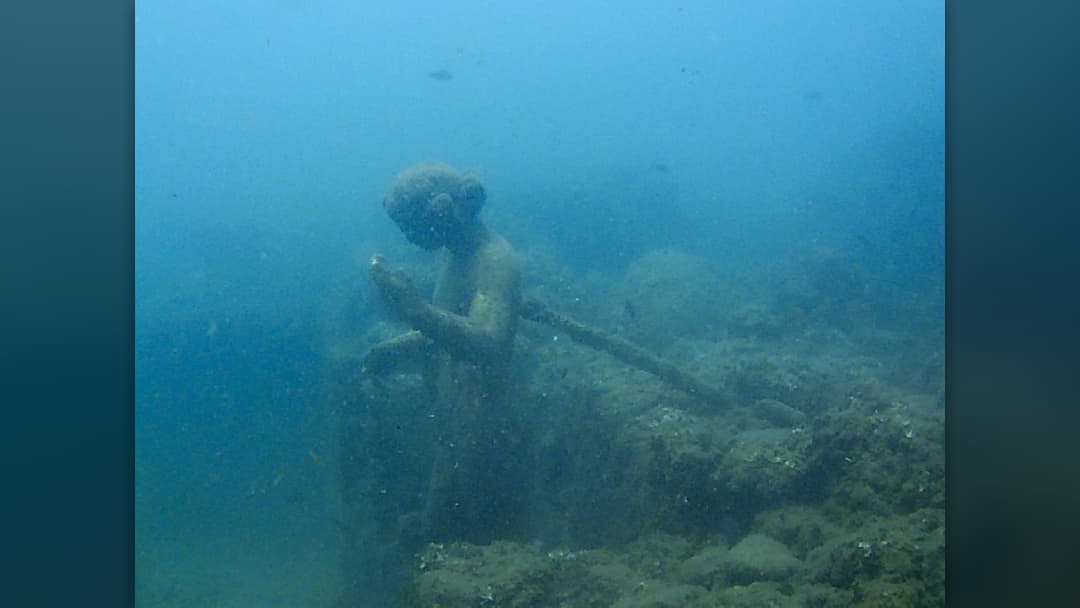
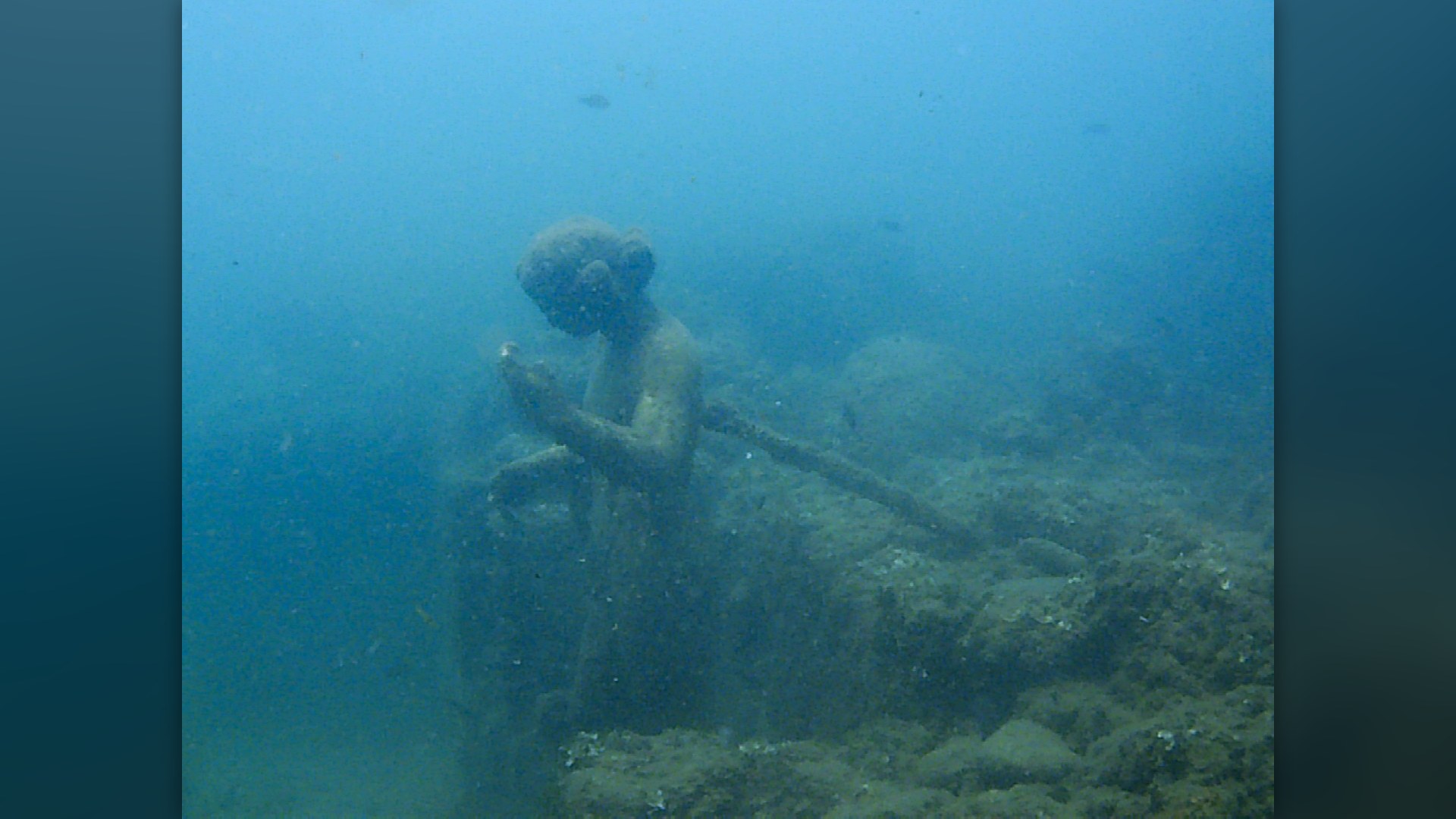
10. Baiae (Italy)
Once the elite playground of Julius Caesar and Emperor Nero, Baiae was celebrated for its opulent villas and thermal spas. Geothermal activity and bradyseism gradually sank the coastal enclave beneath the Gulf of Naples, leaving its marble temples and statues forgotten under the waves for 1,500 years.
©Wikimedia Commons / Ruthven
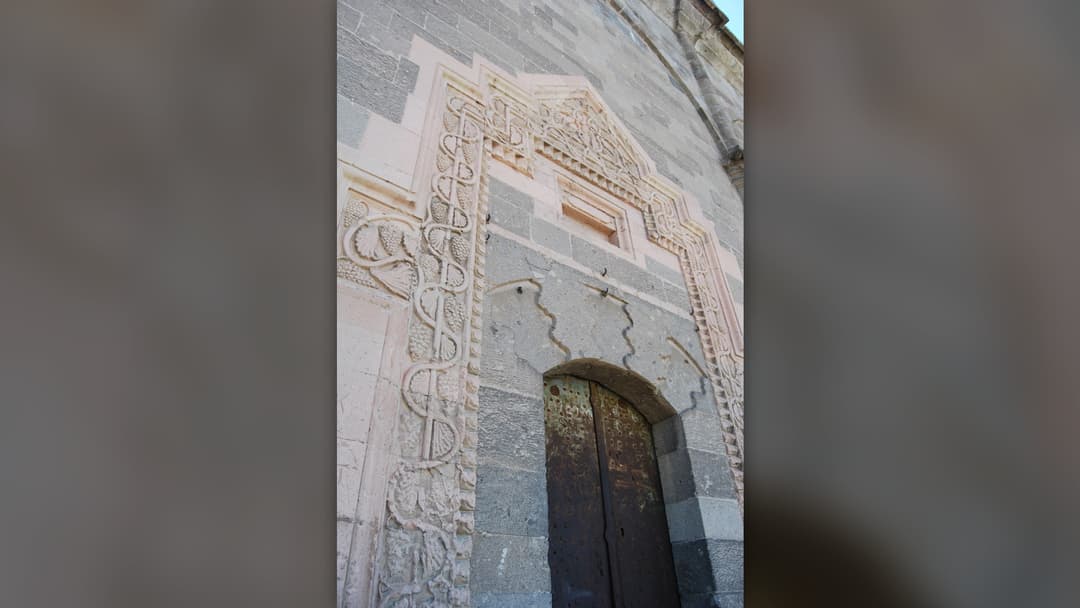
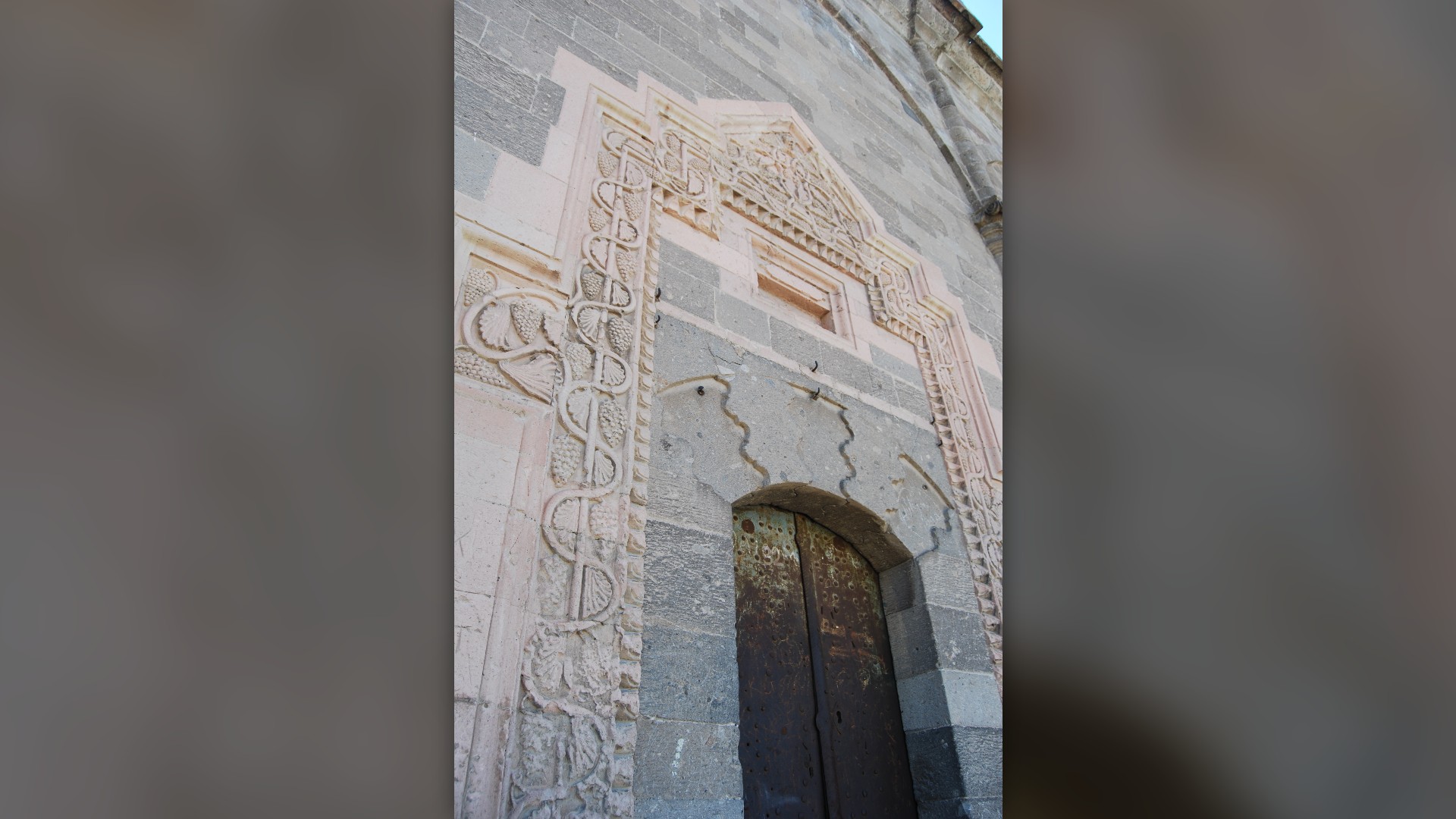
9. Derinkuyu (Turkey)
Carved deep into soft volcanic rock in Cappadocia, Derinkuyu could shelter up to 20,000 citizens with livestock and food supplies. Equipped with massive stone rolling doors, ventilation shafts, and wine cellars, this underground refuge vanished from records until a resident knocked down a wall during 1963 renovations.
©Wikimedia / Travel Turkey
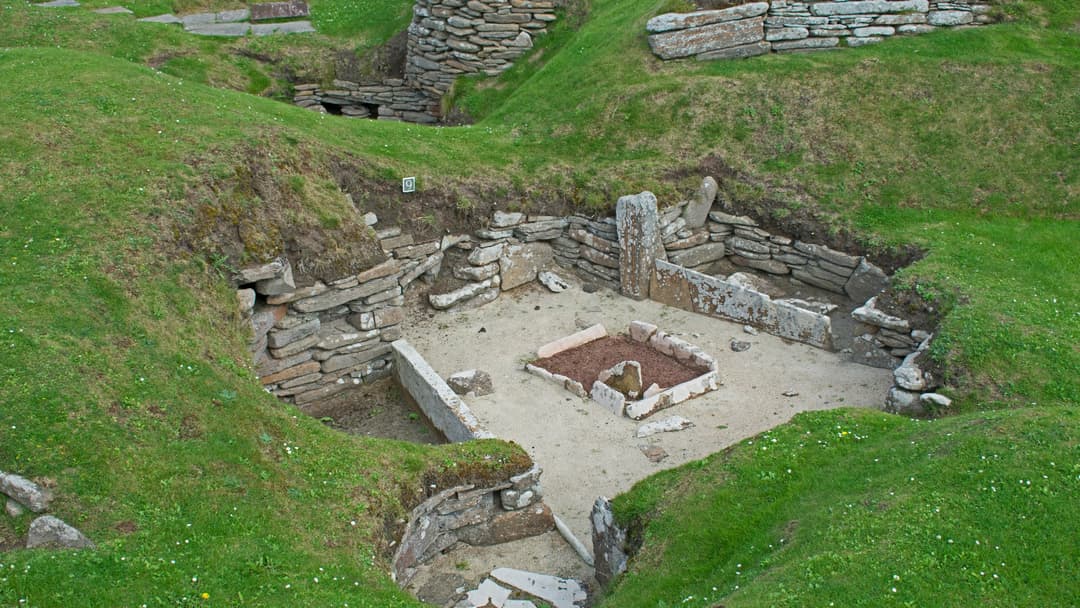
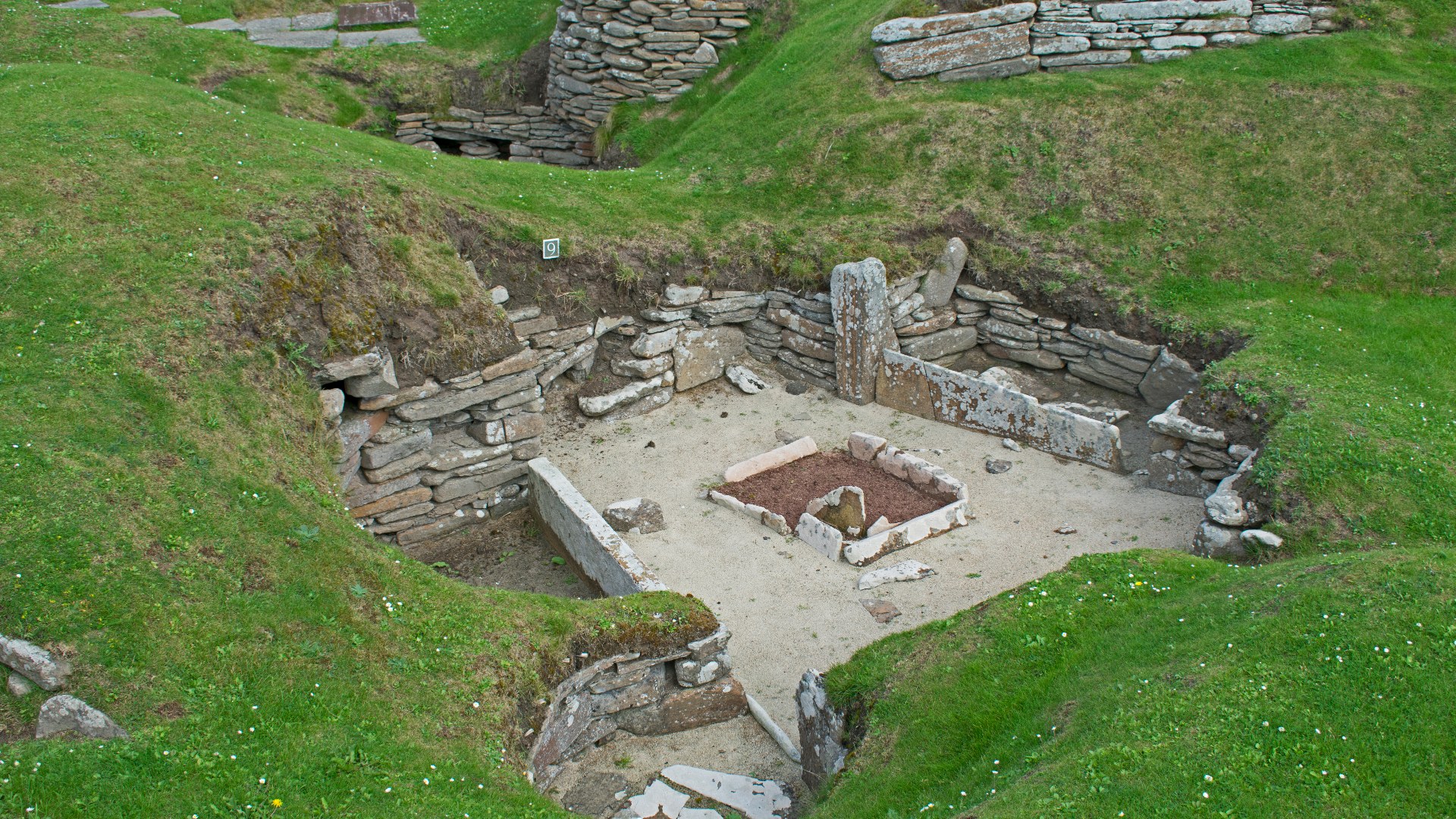
8. Skara Brae (Scotland)
Older than Stonehenge and the Great Pyramids, this Stone Age settlement on Orkney thrived between 3180 and 2500 BCE before being abandoned and buried under drifting sand. In 1850, a ferocious winter gale stripped away the grass dunes of the Bay of Skaill, revealing remarkably intact stone homes with stone furniture.
©Wikimedia Commons / Ymblanter
Advertisement
Swipe or tap ▶ to resume the countdown.
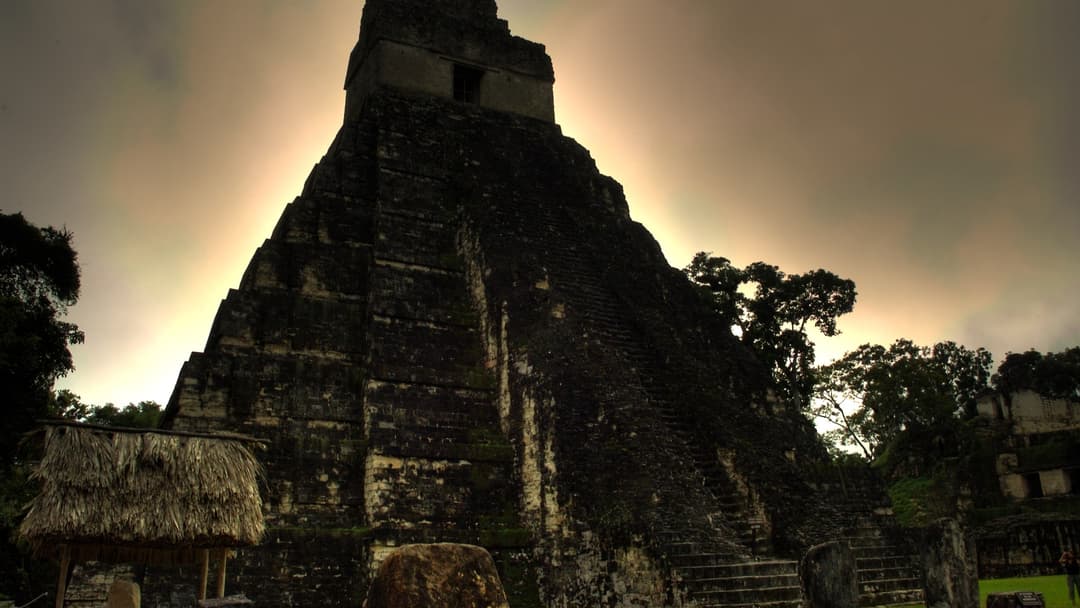
7. Tikal (Guatemala)
Tikal was once the beating heart of Maya civilization, ruling over 100,000 people and boasting limestone pyramids rising over 200 feet high. Following mysterious collapse and abandonment in the 9th century, the rainforest reclaimed the plazas and temples, hiding the monumental complex from the outside world until 1848.
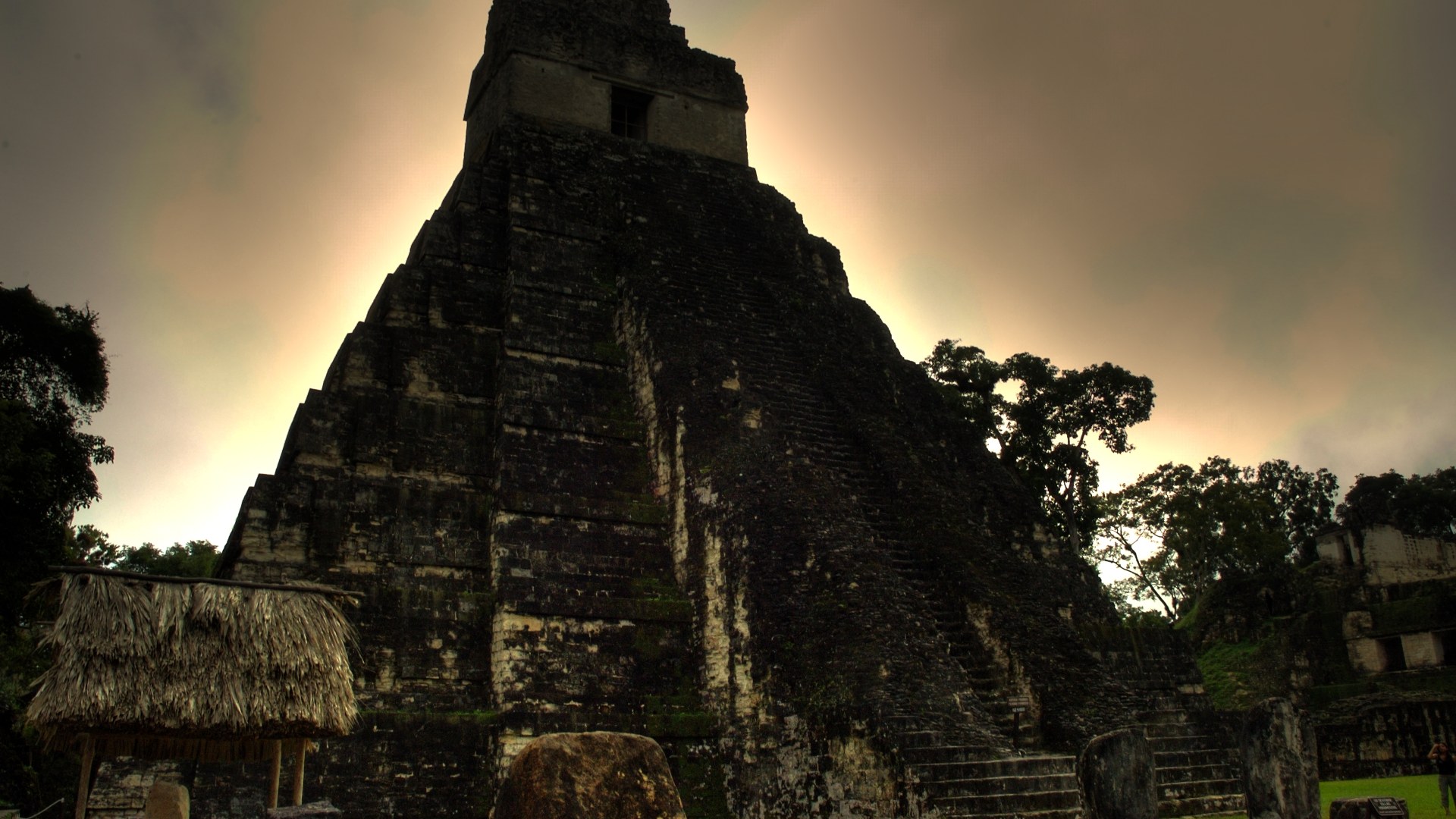
©Wikimedia Commons / mtsrs
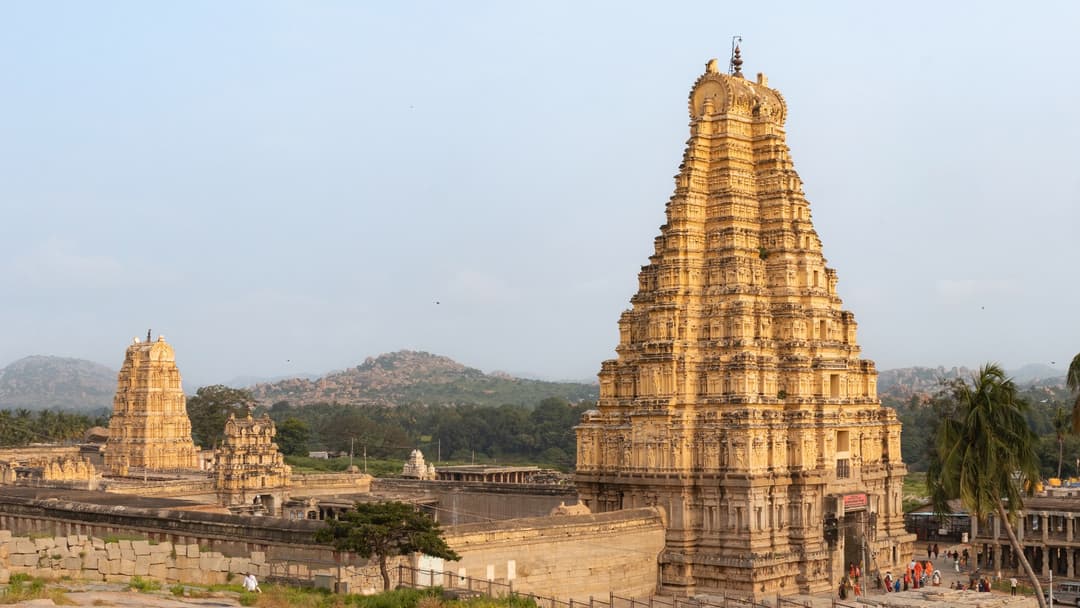
6. Vijayanagara (India)
Spanning hundreds of square miles, Vijayanagara (now Hampi) was the dazzling capital of a wealthy empire and among the largest cities in the world. Sacked following the Battle of Talikota in 1565, the imperial city was abandoned, leaving hundreds of monolithic temples and ruins silent among granite boulders.
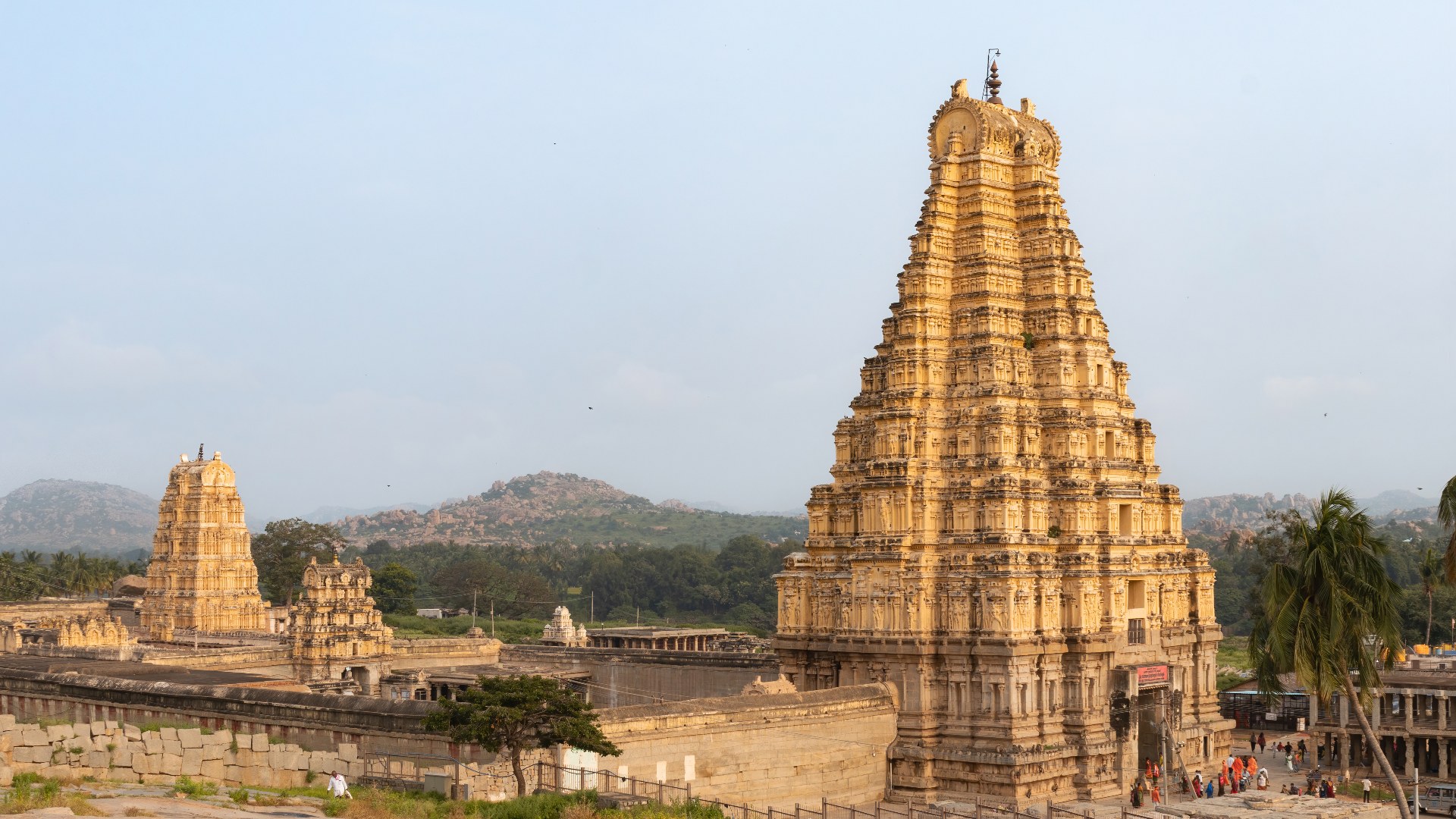
©Wikimedia Commons / iMahesh
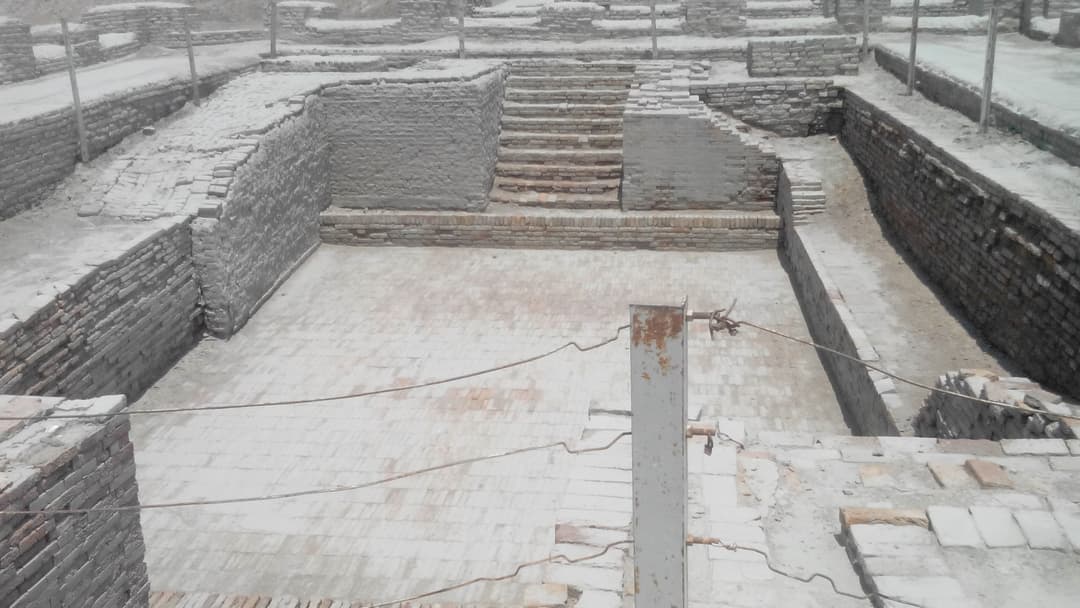
5. Mohenjo-Daro (Pakistan)
Built around 2500 BCE, Mohenjo-Daro featured advanced urban planning with grid layouts, heated public baths, and covered brick sewers. Abandoned around 1900 BCE as climate shifts altered the Indus River basin, the mud-brick metropolis was erased from human memory until its dramatic rediscovery in the 1920s.
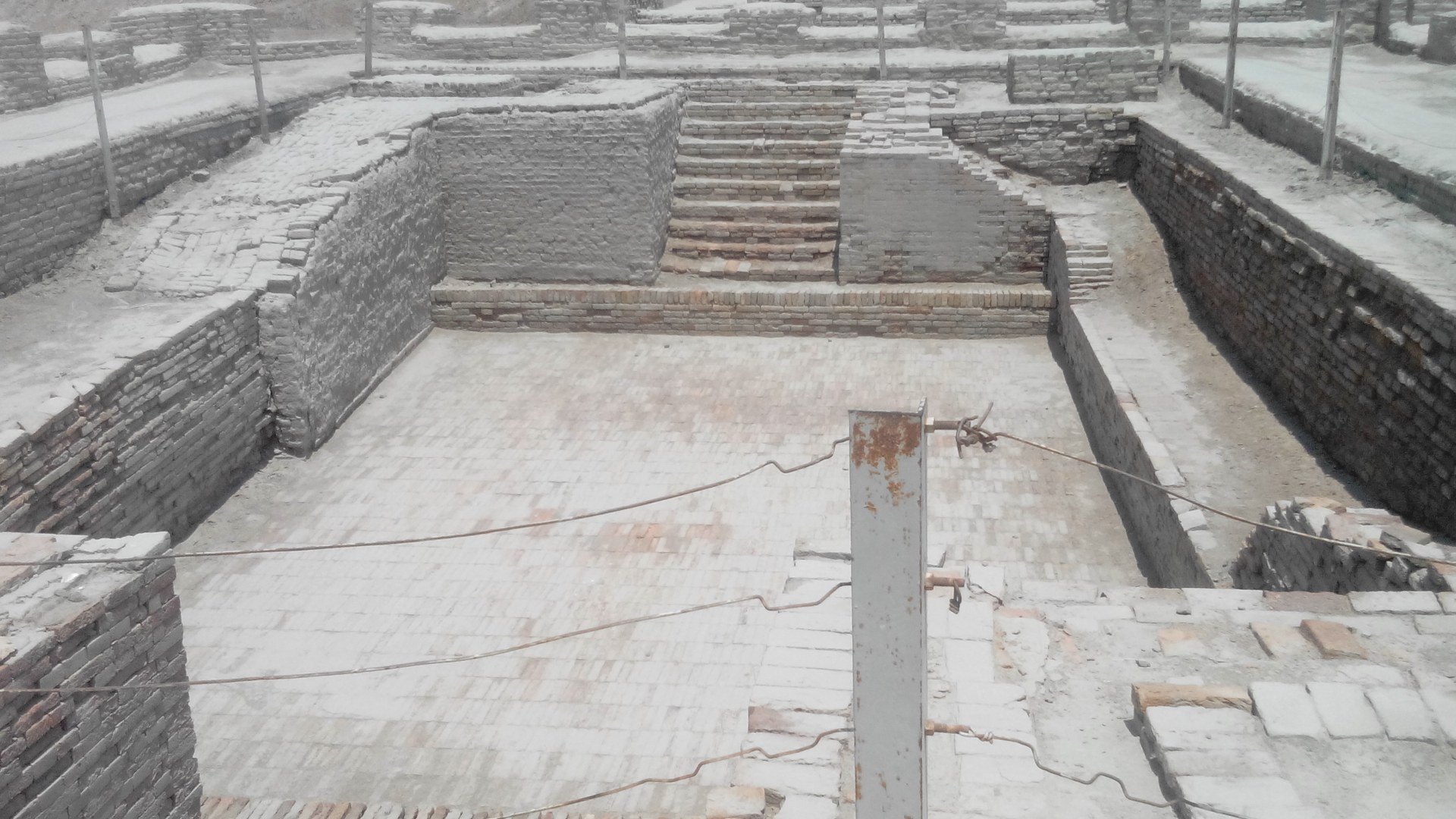
©Wikimedia Commons / Aakashaliraza
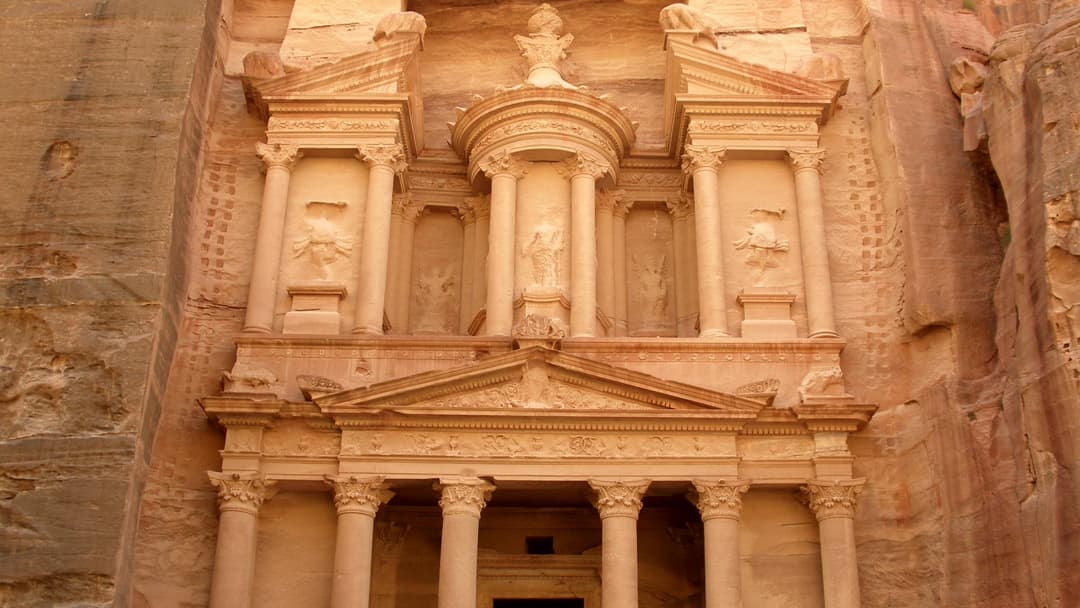
4. Petra (Jordan)
Carved into vibrant sandstone canyon walls, Petra was the wealthy trade hub of the Nabataean kingdom. Following severe earthquakes and shifting commerce routes, the canyon metropolis was abandoned and kept secret by local Bedouin tribes until Swiss explorer Johann Ludwig Burckhardt entered in disguise in 1812.
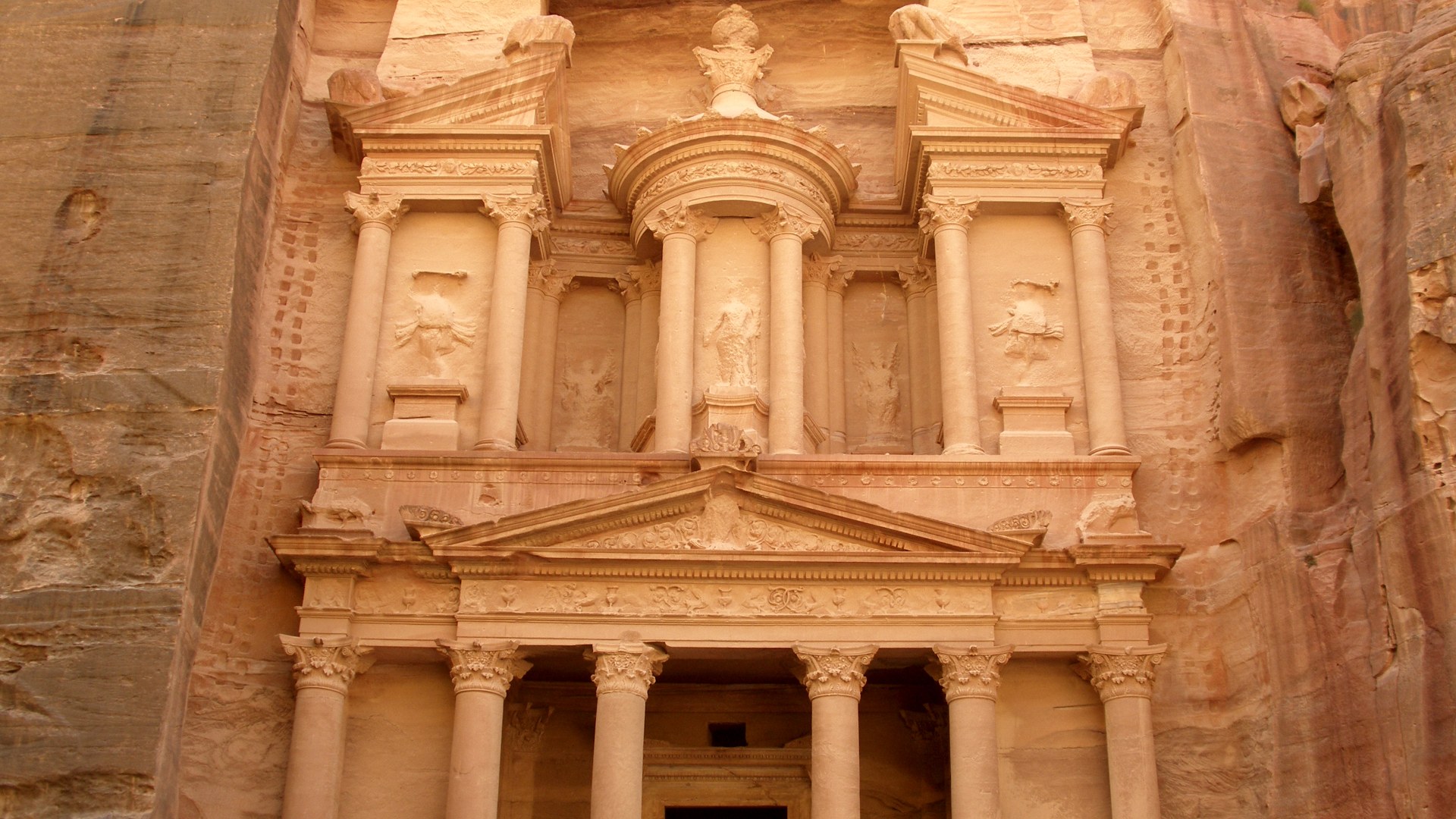
©Wikimedia Commons / Vyacheslav Argenberg
Advertisement
Swipe or tap ▶ to resume the countdown.
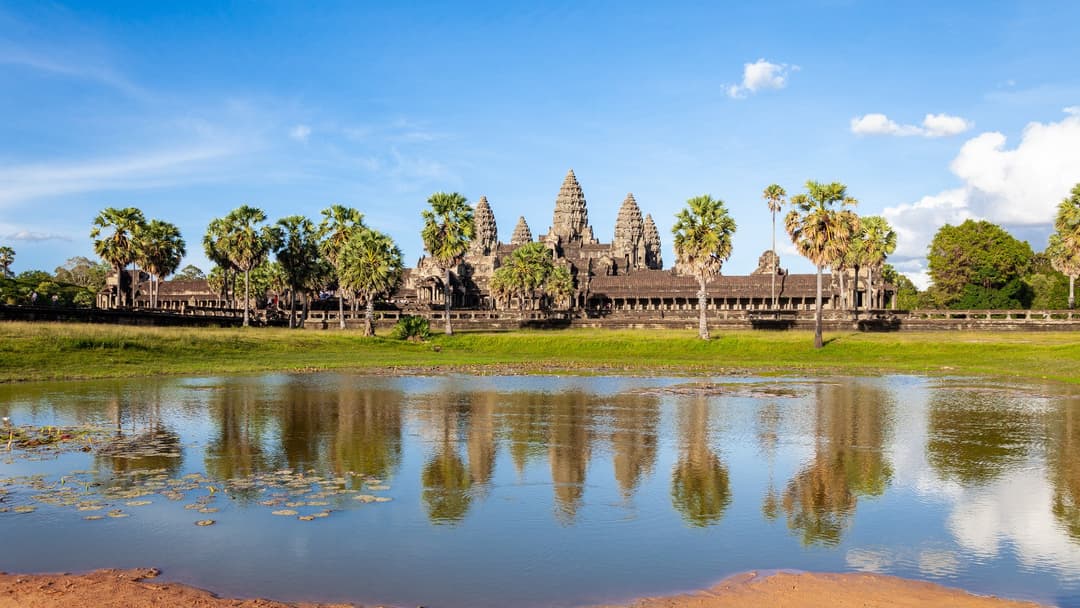
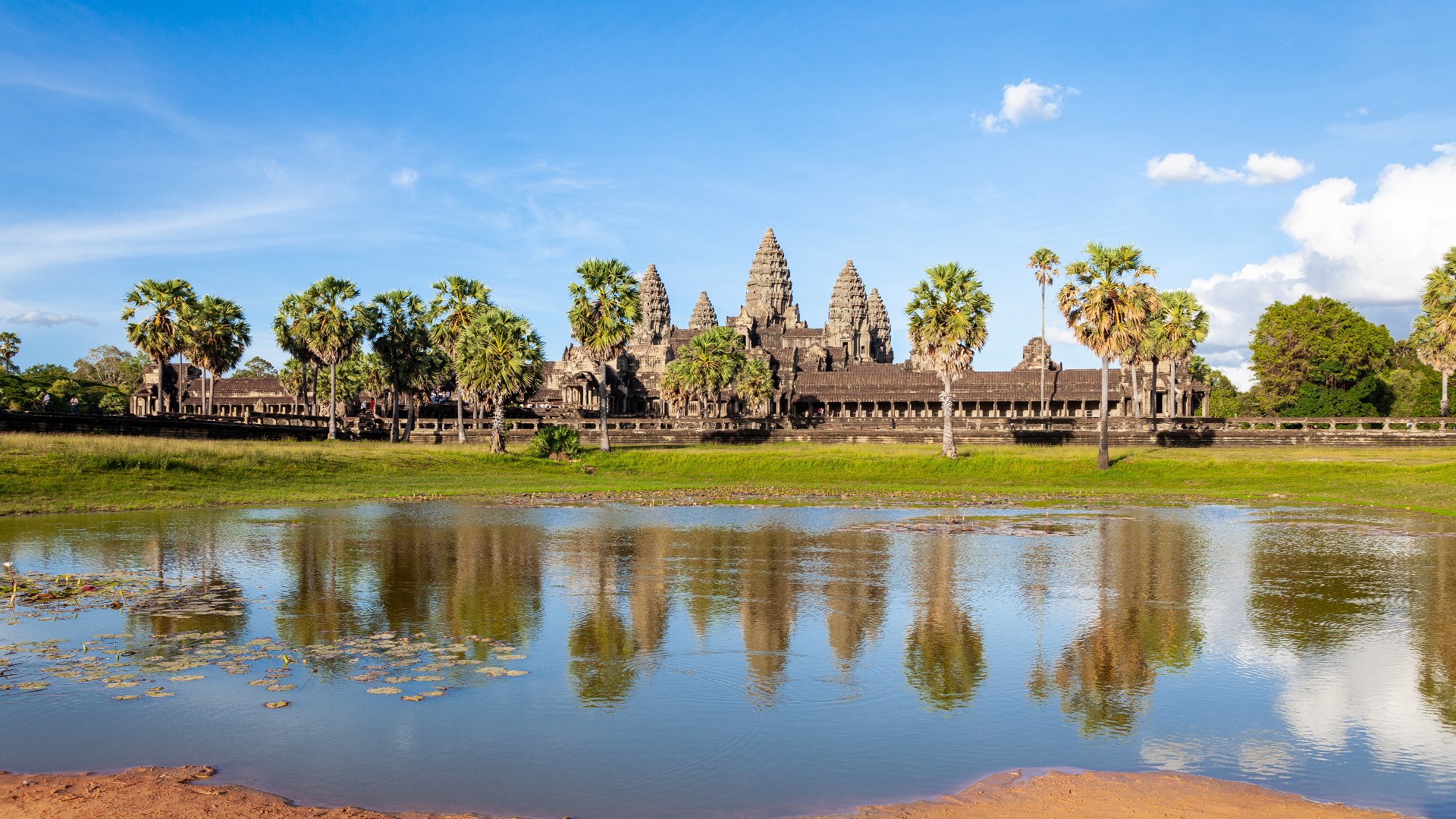
3. Angkor (Cambodia)
Angkor was the epicenter of the Khmer Empire and the largest pre-industrial urban center on Earth, boasting vast hydraulic networks and moated temples. Abandoned in the 15th century, tropical jungle enveloped the stone spires until French naturalist Henri Mouhot brought the lost complex to global renown in 1860.
©Wikimedia Commons / Supanut Arunoprayote
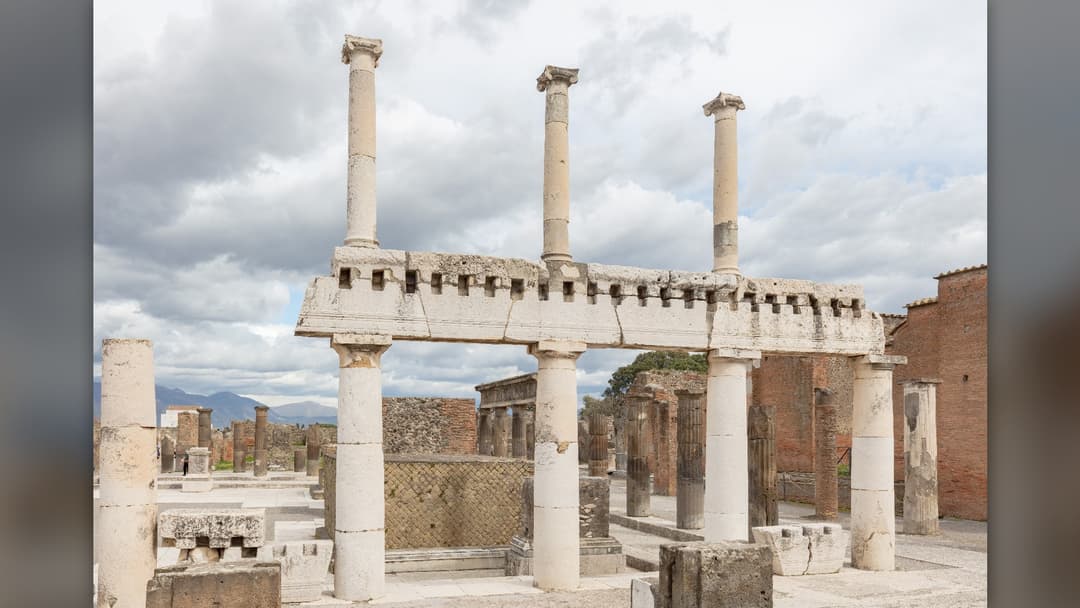
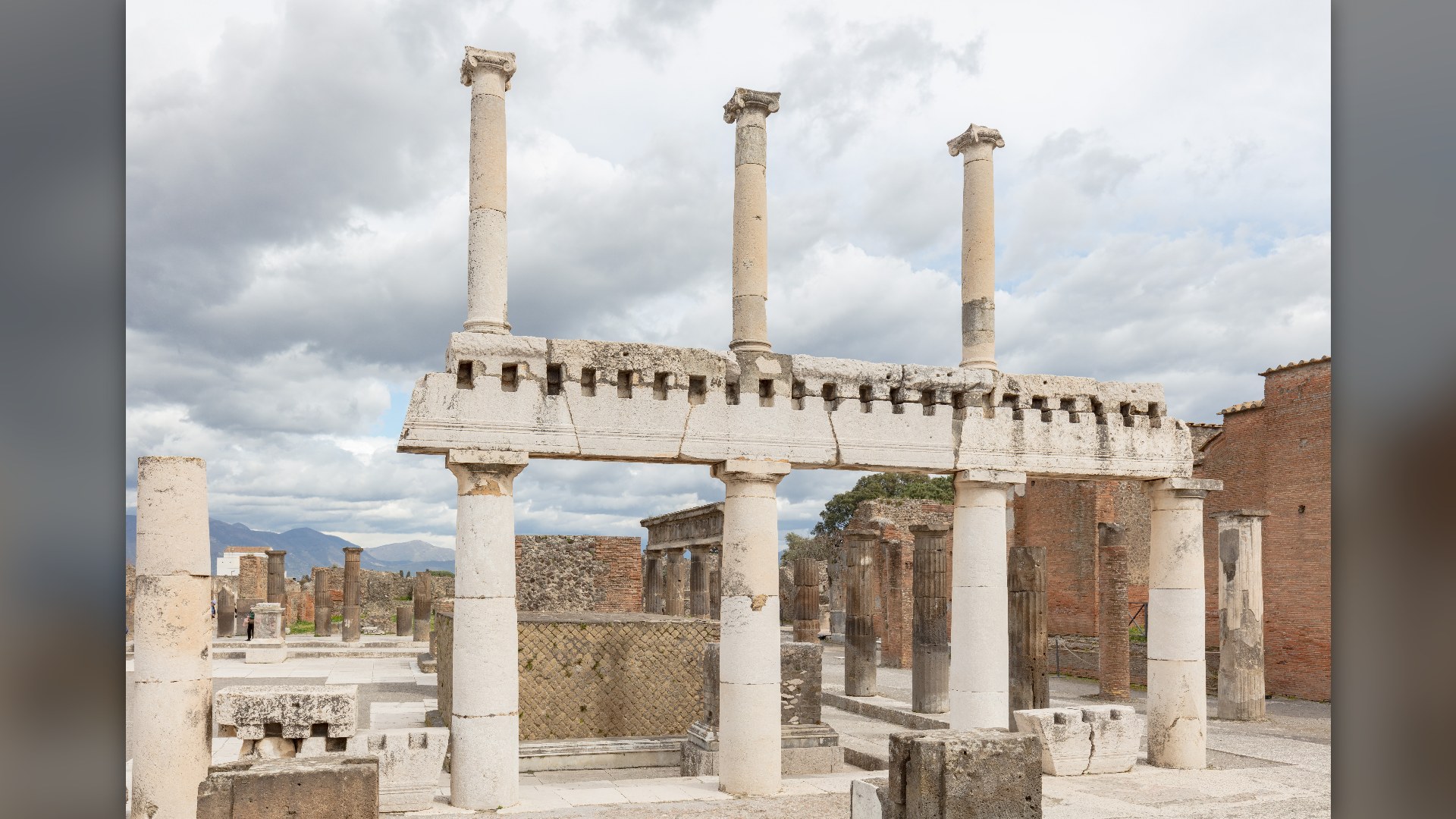
2. Pompeii (Italy)
In 79 CE, Mount Vesuvius erupted cataclysmically, burying the Roman city of Pompeii under twenty feet of volcanic ash and pumice. Frozen in time with vibrant frescoes, bakery ovens, and paved avenues preserved intact, the lost city remained sealed beneath the earth until archaeological rediscoveries began in 1748.
©Wikimedia Commons / Diego Delso
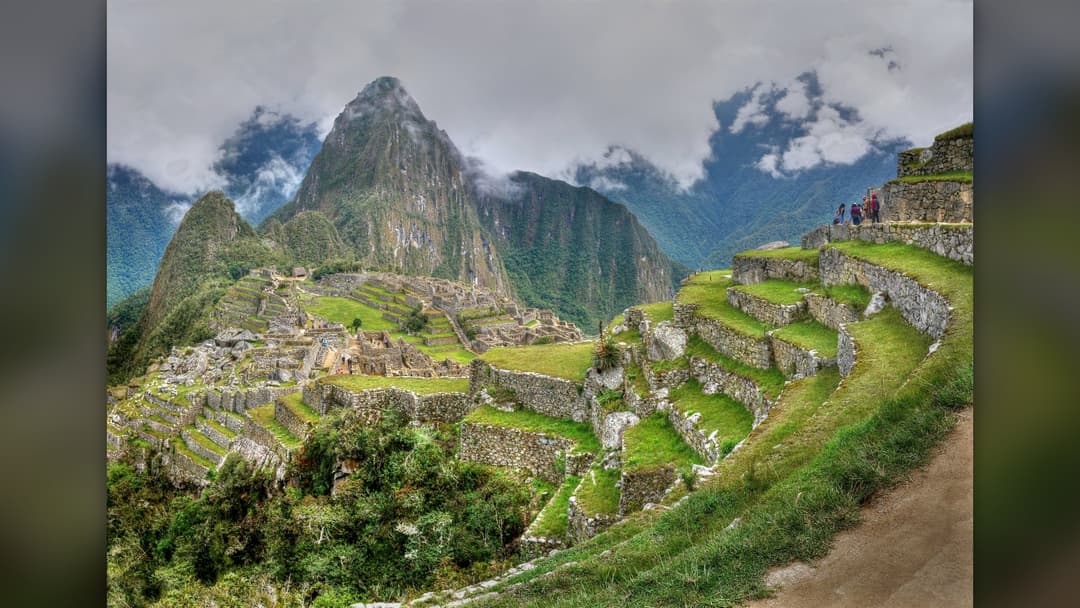
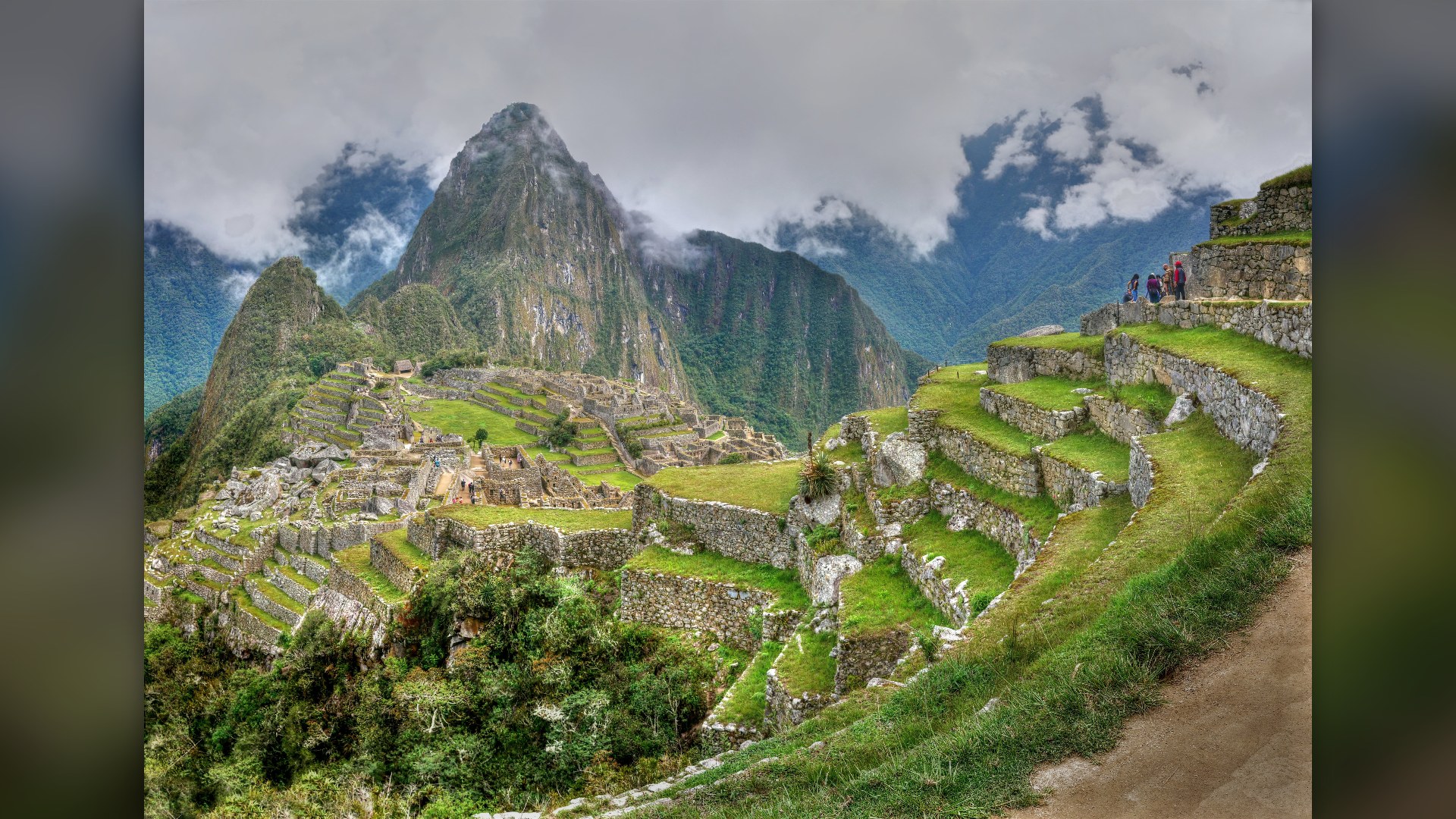
1. Machu Picchu (Peru)
Perched high in the Peruvian Andes, this 15th-century Inca royal sanctuary was abandoned during the Spanish Conquest. Never found by the conquistadors, its granite terraces were swallowed by cloud forest until indigenous farmers guided explorer Hiram Bingham to its breathtaking Andean ridge in 1911.
©Wikimedia Commons / joiseyshowaa
Advertisement
You've reached the end of the story. Thanks for reading!

20 Details Behind The Real Story Of Stephen Miller
All 10 Entries in this Story
10. Baiae (Italy)
Once the elite playground of Julius Caesar and Emperor Nero, Baiae was celebrated for its opulent villas and thermal spas. Geothermal activity and bradyseism gradually sank the coastal enclave beneath the Gulf of Naples, leaving its marble temples and statues forgotten under the waves for 1,500 years.

9. Derinkuyu (Turkey)
Carved deep into soft volcanic rock in Cappadocia, Derinkuyu could shelter up to 20,000 citizens with livestock and food supplies. Equipped with massive stone rolling doors, ventilation shafts, and wine cellars, this underground refuge vanished from records until a resident knocked down a wall during 1963 renovations.

8. Skara Brae (Scotland)
Older than Stonehenge and the Great Pyramids, this Stone Age settlement on Orkney thrived between 3180 and 2500 BCE before being abandoned and buried under drifting sand. In 1850, a ferocious winter gale stripped away the grass dunes of the Bay of Skaill, revealing remarkably intact stone homes with stone furniture.

7. Tikal (Guatemala)
Tikal was once the beating heart of Maya civilization, ruling over 100,000 people and boasting limestone pyramids rising over 200 feet high. Following mysterious collapse and abandonment in the 9th century, the rainforest reclaimed the plazas and temples, hiding the monumental complex from the outside world until 1848.

6. Vijayanagara (India)
Spanning hundreds of square miles, Vijayanagara (now Hampi) was the dazzling capital of a wealthy empire and among the largest cities in the world. Sacked following the Battle of Talikota in 1565, the imperial city was abandoned, leaving hundreds of monolithic temples and ruins silent among granite boulders.

5. Mohenjo-Daro (Pakistan)
Built around 2500 BCE, Mohenjo-Daro featured advanced urban planning with grid layouts, heated public baths, and covered brick sewers. Abandoned around 1900 BCE as climate shifts altered the Indus River basin, the mud-brick metropolis was erased from human memory until its dramatic rediscovery in the 1920s.

4. Petra (Jordan)
Carved into vibrant sandstone canyon walls, Petra was the wealthy trade hub of the Nabataean kingdom. Following severe earthquakes and shifting commerce routes, the canyon metropolis was abandoned and kept secret by local Bedouin tribes until Swiss explorer Johann Ludwig Burckhardt entered in disguise in 1812.

3. Angkor (Cambodia)
Angkor was the epicenter of the Khmer Empire and the largest pre-industrial urban center on Earth, boasting vast hydraulic networks and moated temples. Abandoned in the 15th century, tropical jungle enveloped the stone spires until French naturalist Henri Mouhot brought the lost complex to global renown in 1860.

2. Pompeii (Italy)
In 79 CE, Mount Vesuvius erupted cataclysmically, burying the Roman city of Pompeii under twenty feet of volcanic ash and pumice. Frozen in time with vibrant frescoes, bakery ovens, and paved avenues preserved intact, the lost city remained sealed beneath the earth until archaeological rediscoveries began in 1748.

1. Machu Picchu (Peru)
Perched high in the Peruvian Andes, this 15th-century Inca royal sanctuary was abandoned during the Spanish Conquest. Never found by the conquistadors, its granite terraces were swallowed by cloud forest until indigenous farmers guided explorer Hiram Bingham to its breathtaking Andean ridge in 1911.