Slideshow · Sports
10 Facts About Formula 1 Racing
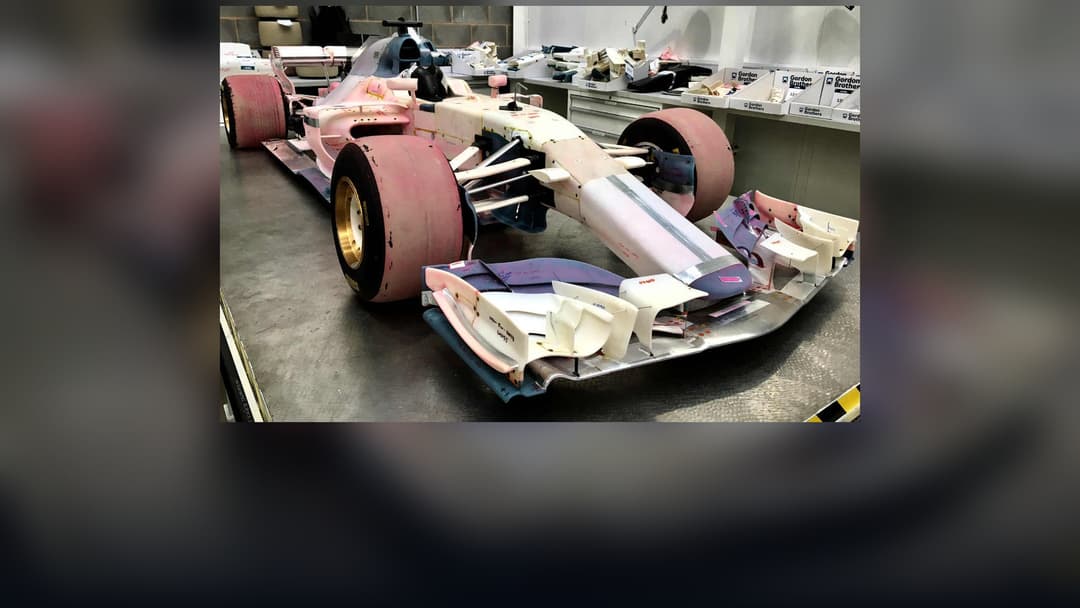
Formula 1 represents the absolute pinnacle of motorsport engineering and human endurance. From glowing 1,000°C brakes to mind-bending sub-2-second pit stops, here are 10 unbelievable F1 facts, counting down to #1.

By Most Viral Today
26 Sept 2026

10 Facts About Formula 1 Racing: Explore the Full Countdown 
10. Sauna-Like Cockpit Heat 
9. Glowing 1,000°C Carbon Brakes 
8. Brutal 6G Cornering Forces - AdvertisementSwipe or tap ▶ to continue countdown

7. Superhuman 0.2-Second Reactions 
6. 80,000 Precision Components 
5. Melting Tires Lose One Pound 
4. 50% Thermal Efficiency - AdvertisementSwipe or tap ▶ to continue countdown

3. Brutal 0-100-0 Deceleration 
2. Driving Upside Down 
1. The 1.80-Second Pit Stop - Advertisement🔥 UP NEXT IN THIS SERIES◫ 26 Slides

25 Athletes Who Won Championships After Severe Injuries
Champions Who Overcame Brutal Injuries to Win It All
Formula 1 represents the absolute pinnacle of motorsport engineering and human endurance. From glowing 1,000°C brakes to mind-bending sub-2-second pit stops, here are 10 unbelievable F1 facts, counting down to #1.
Swipe or tap ▶ to begin the countdown
©Wikimedia / Artes Max
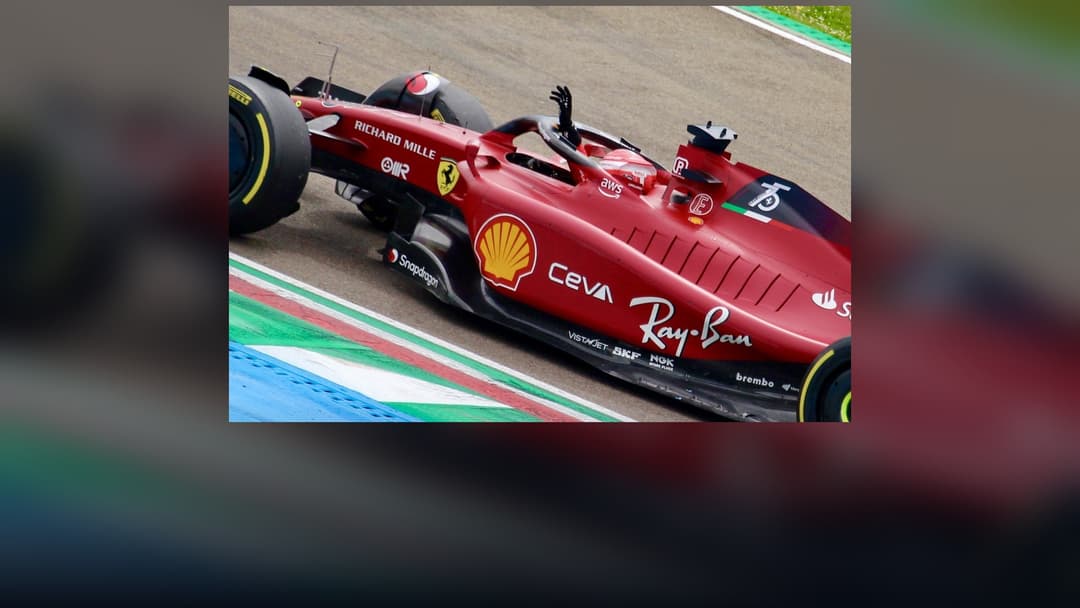
10. Sauna-Like Cockpit Heat
Cockpit temperatures routinely exceed 50°C (122°F) due to radiant heat from the engine and hydraulics. Drivers can lose between 4 to 9 pounds of body water during a grueling 90-minute Grand Prix.
©Wikimedia / MotorSport Retro
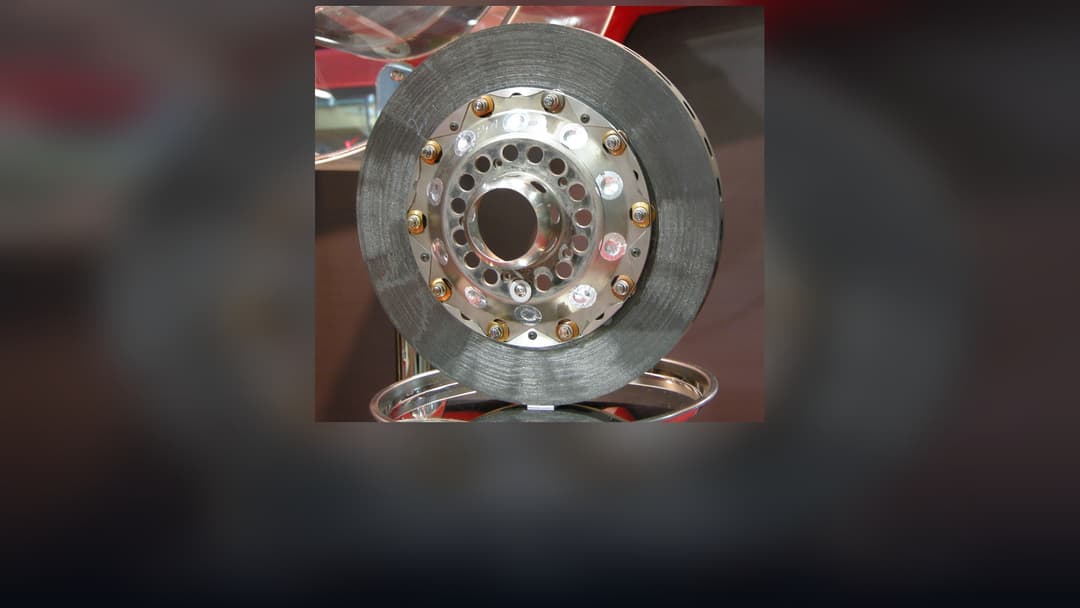
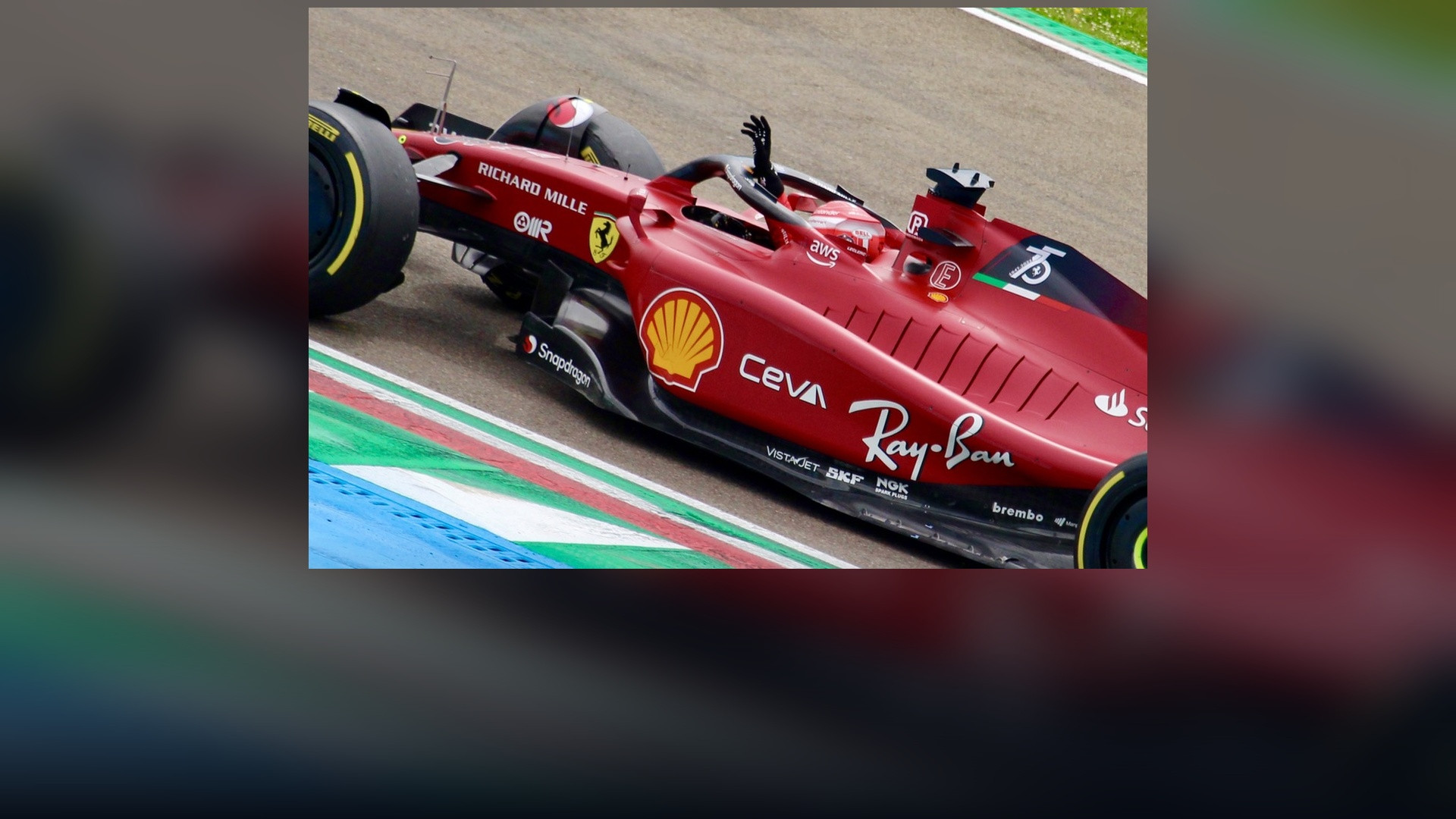
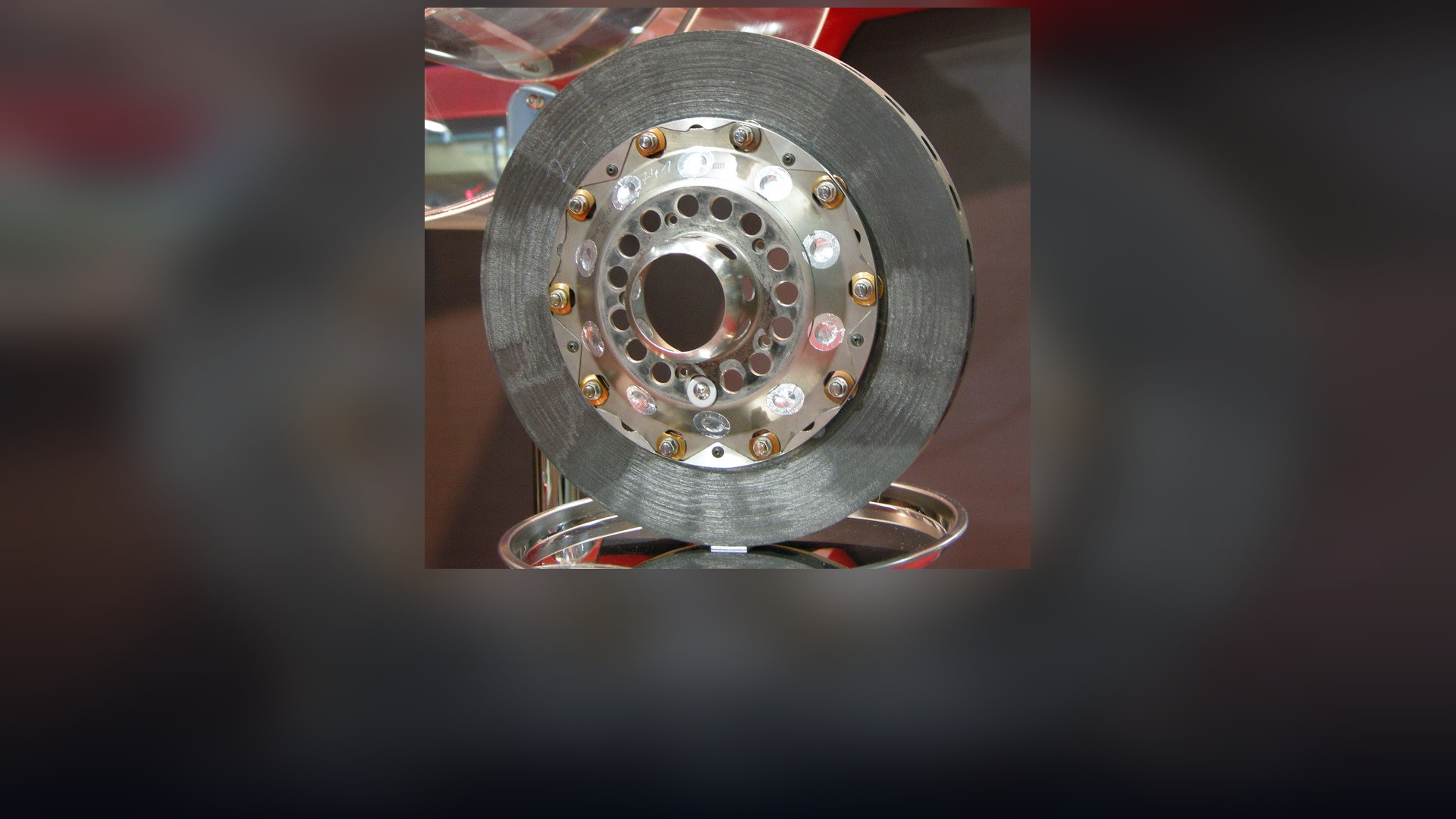
9. Glowing 1,000°C Carbon Brakes
When braking from 200 mph into sharp turns, carbon-composite brake discs heat up to 1,000°C (1,832°F) in under a second, glowing brilliant incandescent red in heavy braking zones.
©Wikimedia / Morio
8. Brutal 6G Cornering Forces
Pulling up to 6G in high-speed corners like Copse at Silverstone or 130R at Suzuka means a driver's head and helmet effectively weigh over 65 lbs, demanding superhuman neck strength.

©Wikimedia / Jake Archibald
Advertisement
Swipe or tap ▶ to resume the countdown.
7. Superhuman 0.2-Second Reactions
F1 drivers possess benchmark reaction times of 150 to 200 milliseconds, allowing them to adjust steering settings and make split-second avoidance maneuvers while traveling at 220 mph.

©Wikimedia / AMK1211
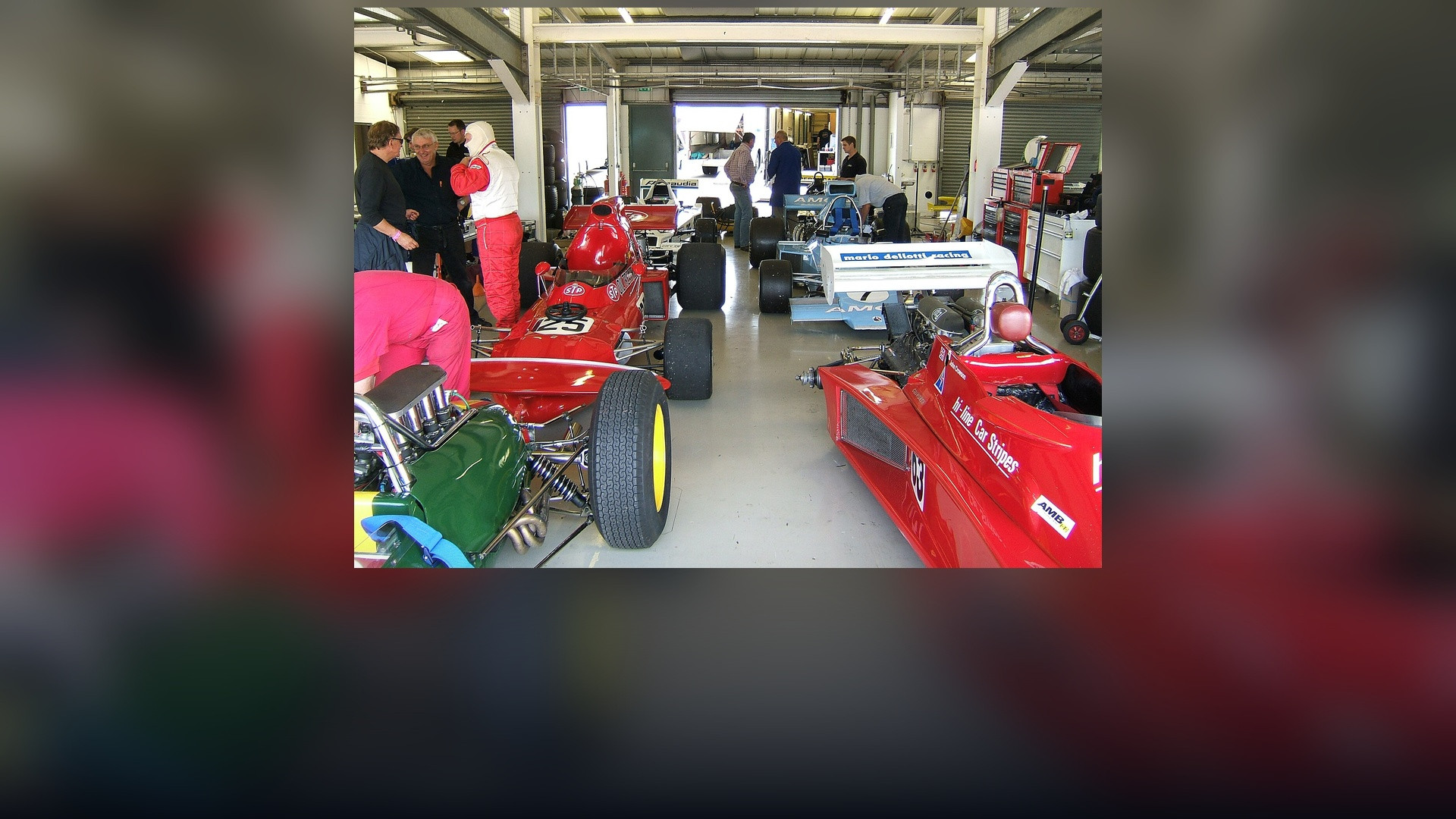
6. 80,000 Precision Components
An F1 machine contains over 80,000 custom-engineered components. Every part is manufactured with micron-level aerospace tolerances, where a single millimeter defect ruins aerodynamic flow.
©Wikimedia / Morio
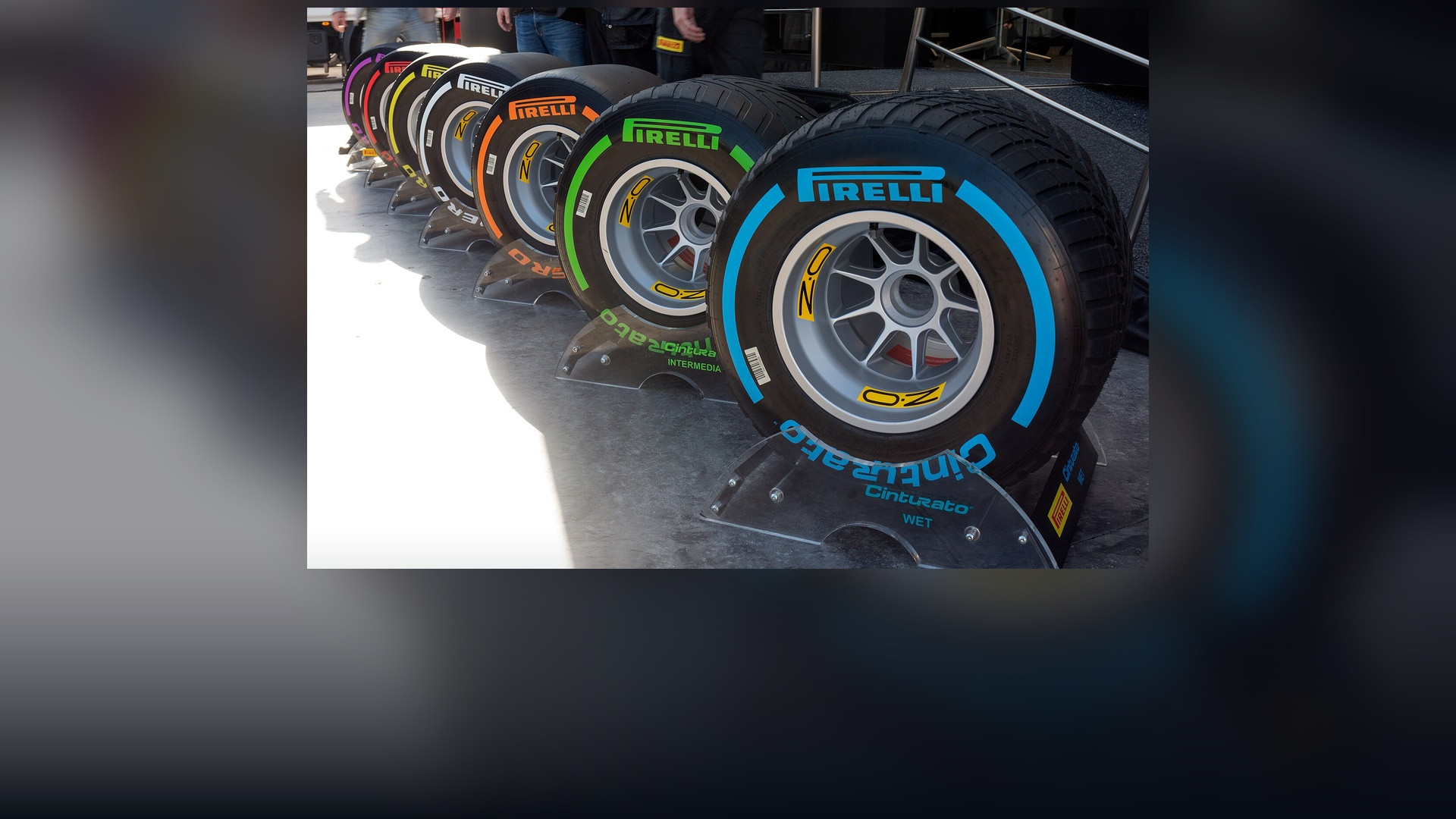
5. Melting Tires Lose One Pound
Operating at scorching temperatures between 100°C and 120°C, high-grip Pirelli slick tires experience extreme abrasion, shedding up to one pound of melted rubber per tire every 20 laps.
©Wikimedia / Morio
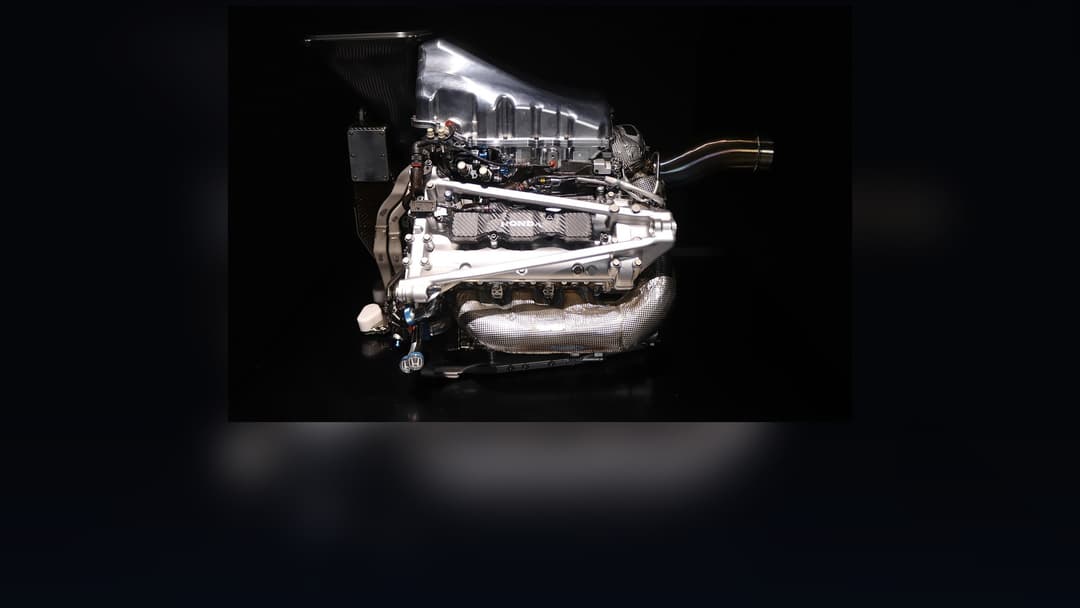
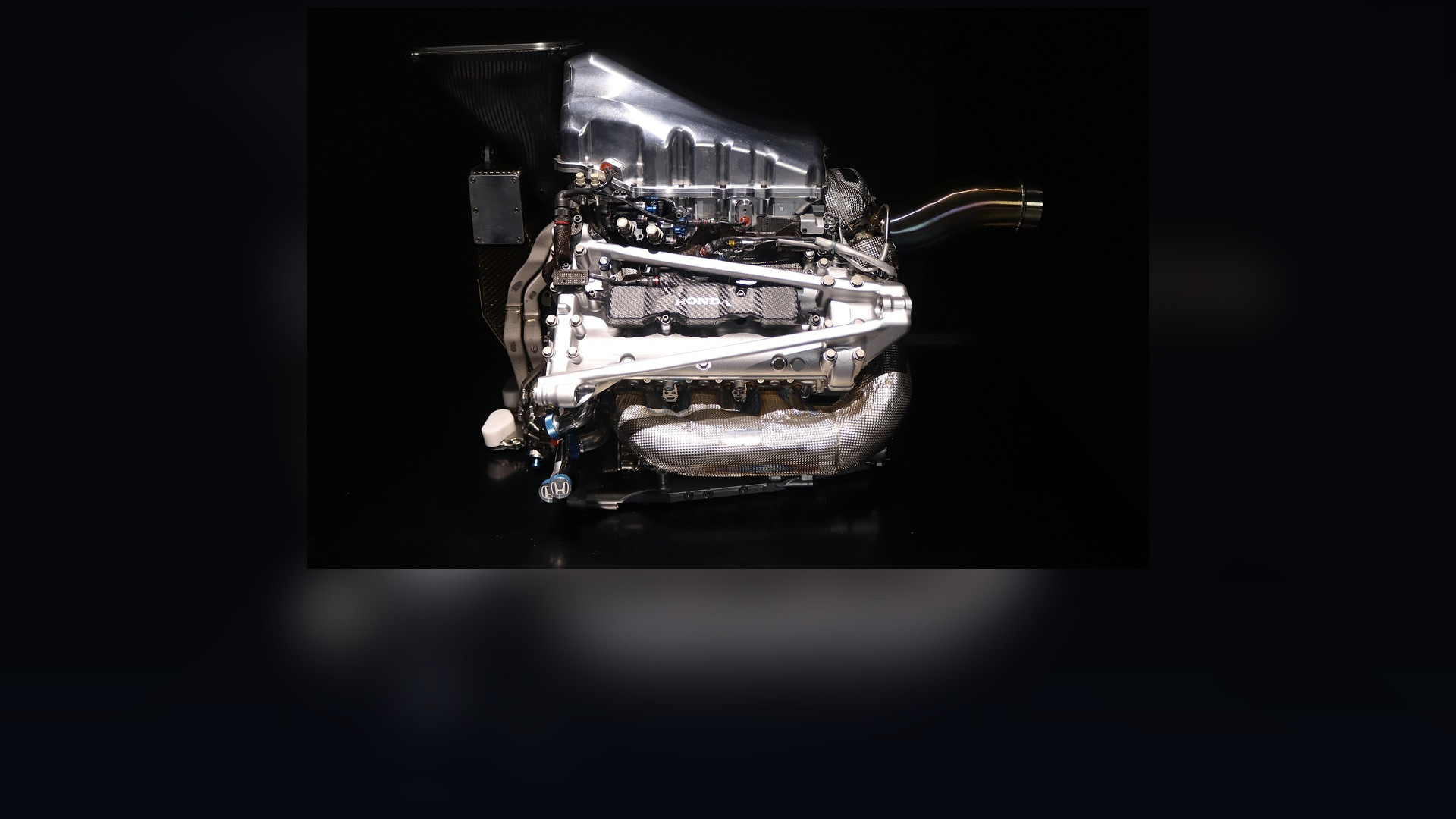
4. 50% Thermal Efficiency
Modern F1 1.6-liter turbocharged hybrid V6 engines exceed 50% thermal efficiency by recovering waste heat and kinetic energy—almost double the efficiency of conventional road cars.
©Wikimedia / Morio
Advertisement
Swipe or tap ▶ to resume the countdown.
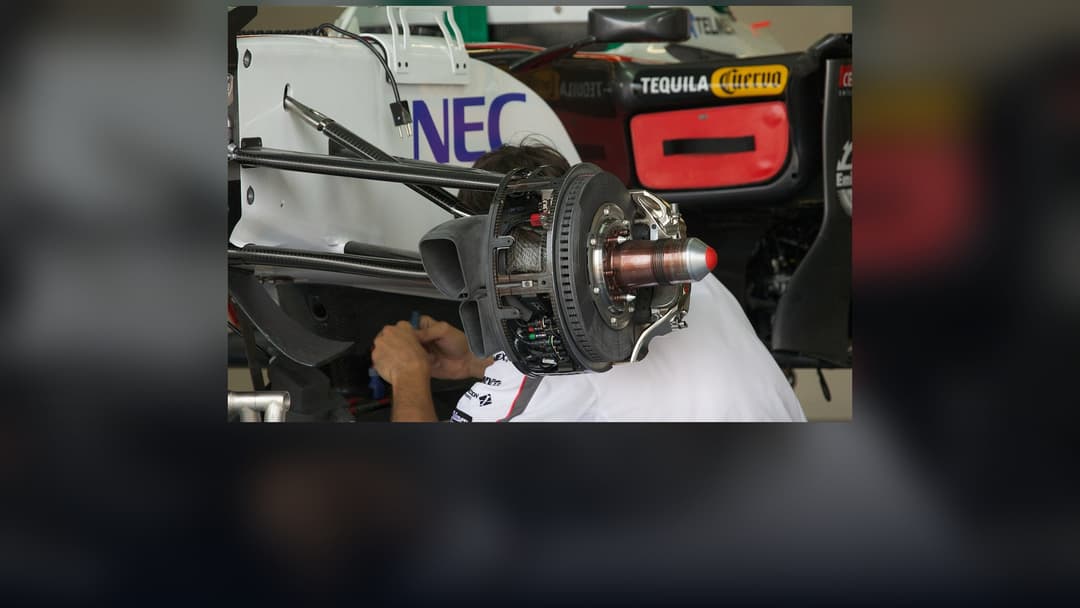
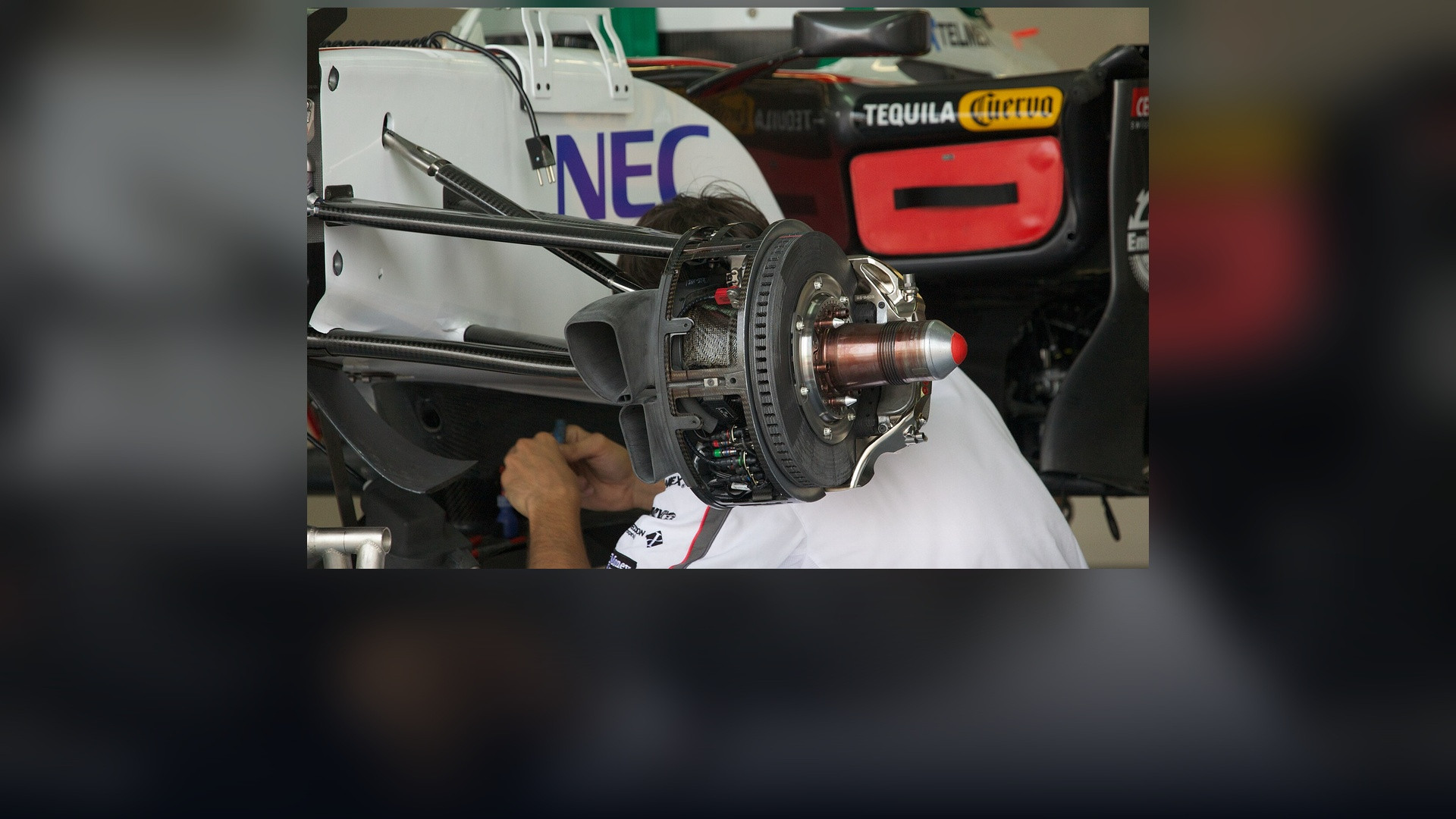
3. Brutal 0-100-0 Deceleration
F1 cars can accelerate to 100 mph and decelerate back to a dead stop in under 4 seconds, scrubbing off 100+ mph of velocity in less than 50 meters under bone-crushing negative G-forces.
©Wikimedia / Morio
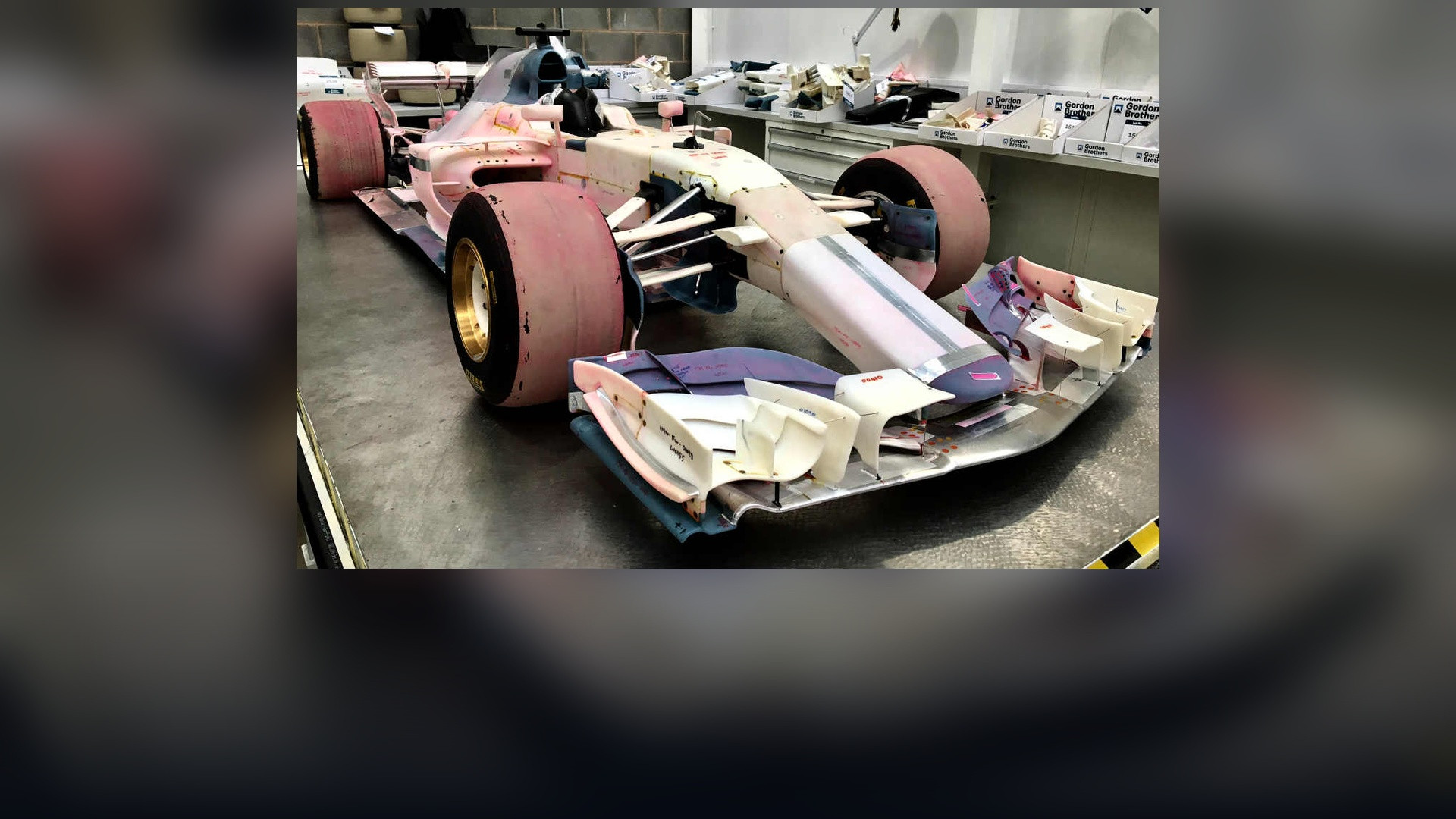
2. Driving Upside Down
At 150 mph (240 km/h), an F1 car's wings and ground-effect venturi tunnels produce downforce exceeding 2.5 times its own weight, generating enough grip to theoretically race upside down.
©Wikimedia / Morio
1. The 1.80-Second Pit Stop
A coordinated team of over 20 mechanics can lift the car, remove four wheels, install new tires, adjust the front wing, and release the driver in a mind-blowing world record of 1.80 seconds.

©Wikimedia / Morio
Advertisement
You've reached the end of the story. Thanks for reading!

25 Athletes Who Won Championships After Severe Injuries
Champions Who Overcame Brutal Injuries to Win It All
All 10 Entries in this Story
10. Sauna-Like Cockpit Heat
Cockpit temperatures routinely exceed 50°C (122°F) due to radiant heat from the engine and hydraulics. Drivers can lose between 4 to 9 pounds of body water during a grueling 90-minute Grand Prix.

9. Glowing 1,000°C Carbon Brakes
When braking from 200 mph into sharp turns, carbon-composite brake discs heat up to 1,000°C (1,832°F) in under a second, glowing brilliant incandescent red in heavy braking zones.

8. Brutal 6G Cornering Forces
Pulling up to 6G in high-speed corners like Copse at Silverstone or 130R at Suzuka means a driver's head and helmet effectively weigh over 65 lbs, demanding superhuman neck strength.

7. Superhuman 0.2-Second Reactions
F1 drivers possess benchmark reaction times of 150 to 200 milliseconds, allowing them to adjust steering settings and make split-second avoidance maneuvers while traveling at 220 mph.

6. 80,000 Precision Components
An F1 machine contains over 80,000 custom-engineered components. Every part is manufactured with micron-level aerospace tolerances, where a single millimeter defect ruins aerodynamic flow.

5. Melting Tires Lose One Pound
Operating at scorching temperatures between 100°C and 120°C, high-grip Pirelli slick tires experience extreme abrasion, shedding up to one pound of melted rubber per tire every 20 laps.

4. 50% Thermal Efficiency
Modern F1 1.6-liter turbocharged hybrid V6 engines exceed 50% thermal efficiency by recovering waste heat and kinetic energy—almost double the efficiency of conventional road cars.

3. Brutal 0-100-0 Deceleration
F1 cars can accelerate to 100 mph and decelerate back to a dead stop in under 4 seconds, scrubbing off 100+ mph of velocity in less than 50 meters under bone-crushing negative G-forces.

2. Driving Upside Down
At 150 mph (240 km/h), an F1 car's wings and ground-effect venturi tunnels produce downforce exceeding 2.5 times its own weight, generating enough grip to theoretically race upside down.

1. The 1.80-Second Pit Stop
A coordinated team of over 20 mechanics can lift the car, remove four wheels, install new tires, adjust the front wing, and release the driver in a mind-blowing world record of 1.80 seconds.