Slideshow · Entertainment
10 Most Visually Stunning Sci-Fi Masterpieces Of The 21st Century
From mind-bending gravitational physics to neon-drenched dystopias, these 10 visionary sci-fi films pushed digital and practical cinematography into uncharted artistic territory.
By Most Viral Today
5 Oct 2026

10 Most Visually Stunning Sci-Fi Masterpieces Of The 21st Century 
10. District 9 
9. Ex Machina 
8. Children Of Men - AdvertisementSwipe or tap ▶ to continue countdown

7. Arrival 
6. The Matrix Resurrections 
5. Interstellar 
4. Inception - AdvertisementSwipe or tap ▶ to continue countdown

3. Mad Max: Fury Road 
2. Dune: Part Two 
1. Blade Runner 2049 - Advertisement🔥 UP NEXT IN THIS SERIES◫ 21 Slides

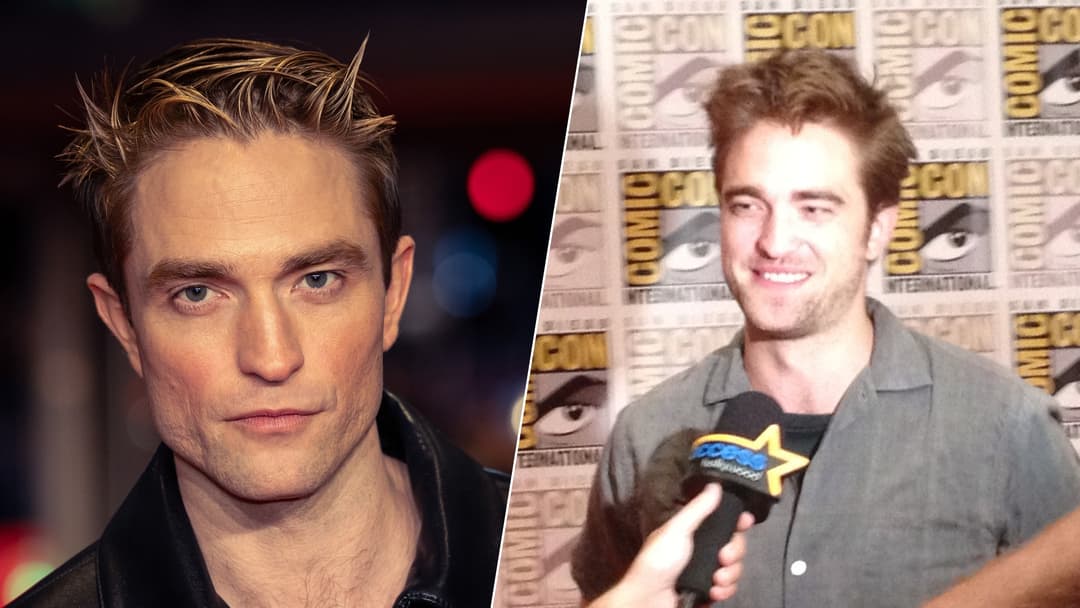
20 Defining Robert Pattinson Films Ranked by Critical Reception
Based on Rotten Tomatoes and Metacritic review scores, this definitive ranking traces 20 standout Robert Pattinson performances from indie breakthroughs to blockbusters. Rankings rely on Rotten Tomatoes data. Rankings rely on Rotten Tomatoes data.
From mind-bending gravitational physics to neon-drenched dystopias, these 10 visionary sci-fi films pushed digital and practical cinematography into uncharted artistic territory.
Swipe or tap ▶ to begin the countdown
©TMDb / Warner Bros. Pictures
10. District 9
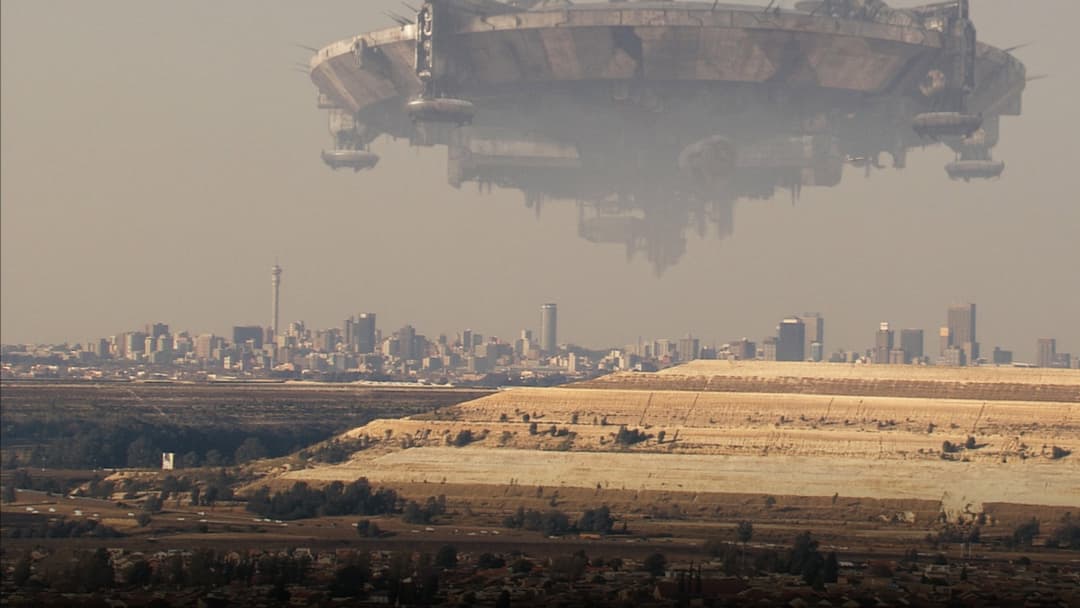
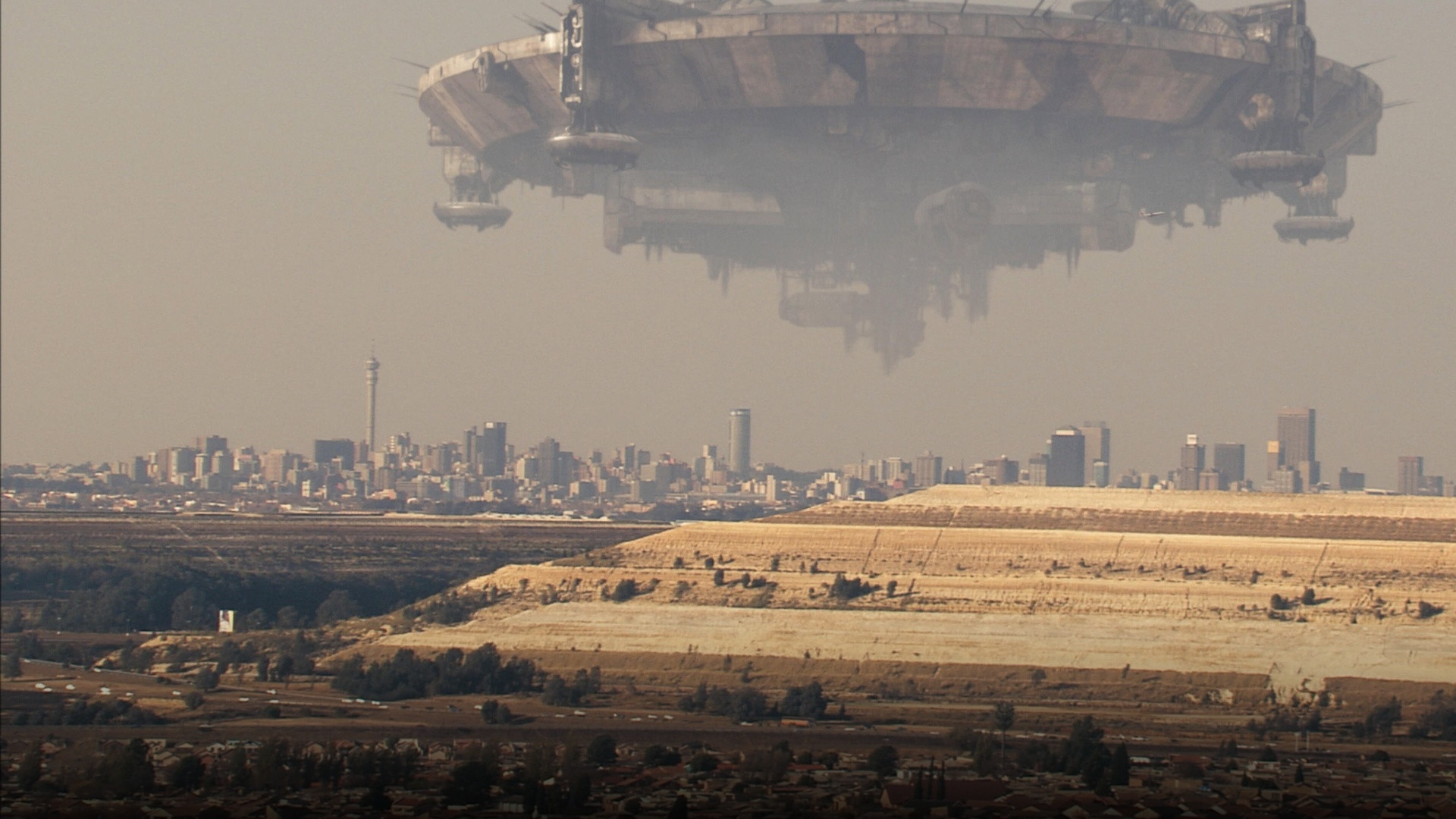
Neill Blomkamp shot on location in Soweto using hand-held RED One cameras to deliver a documentary realism never before seen in science fiction. The alien mothership hovering perpetually over Johannesburg grounded alien apartheid in chilling tactile authenticity.
©TMDb / Sony Pictures
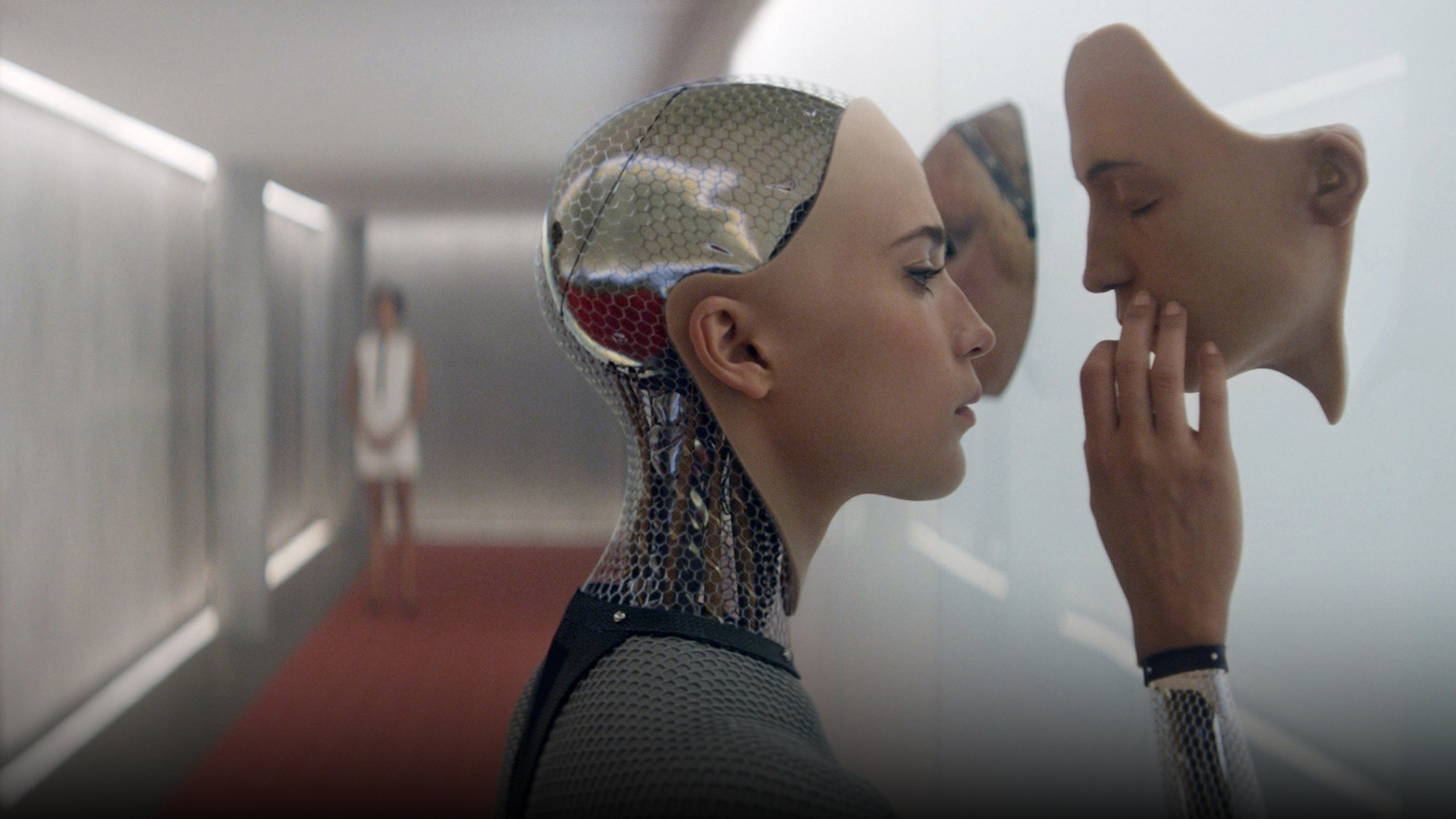
9. Ex Machina
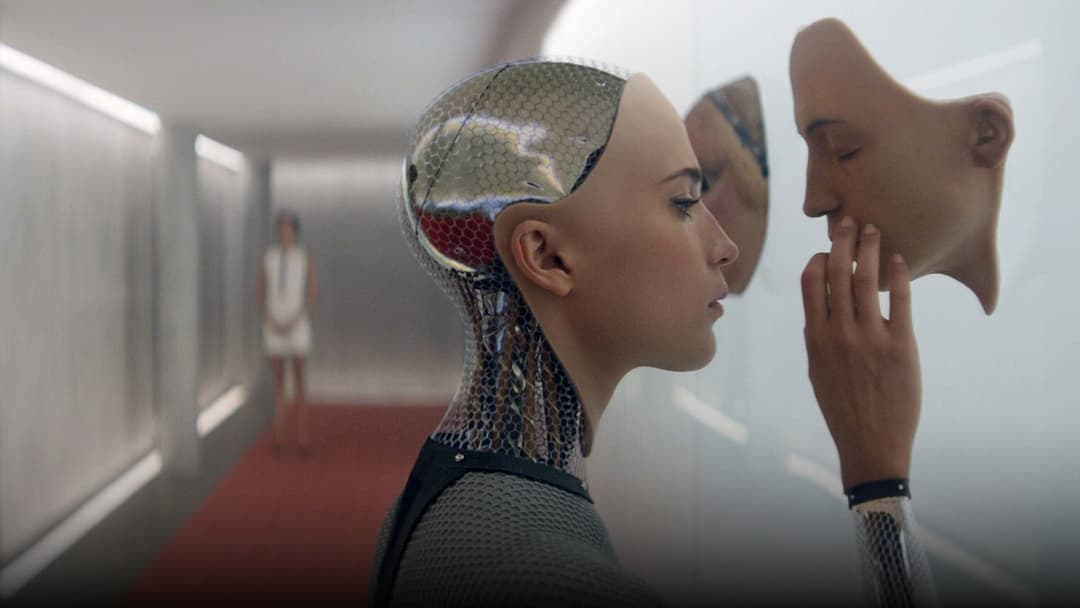
Alex Garland and cinematographer Rob Hardy used natural lighting and the minimalist glass geometry of Norway’s Juvet Landscape Hotel. Ava’s delicate mesh torso and transparent mechanics secured a historic visual effects Oscar against Hollywood mega-budget blockbusters.
©TMDb / Universal Pictures
8. Children Of Men
Cinematographer Emmanuel Lubezki redefined cinema with fluid, uninterrupted tracking shots—most famously the six-minute urban battlefield sequence. The handheld choreography and natural lighting created an urgent, documentary-like terror that remains unexcelled.

©TMDb / Universal Pictures
Advertisement
Swipe or tap ▶ to resume the countdown.
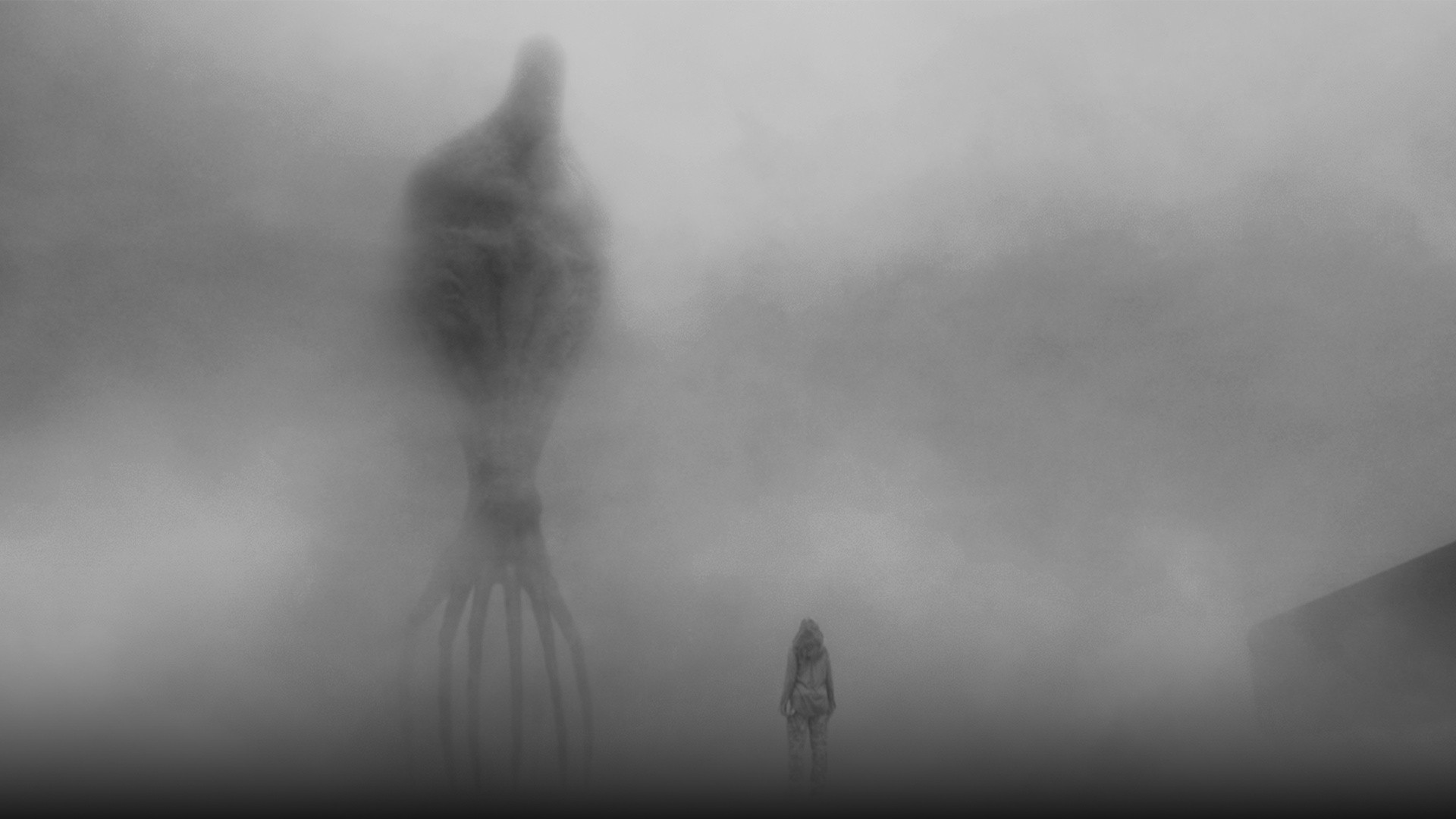
7. Arrival
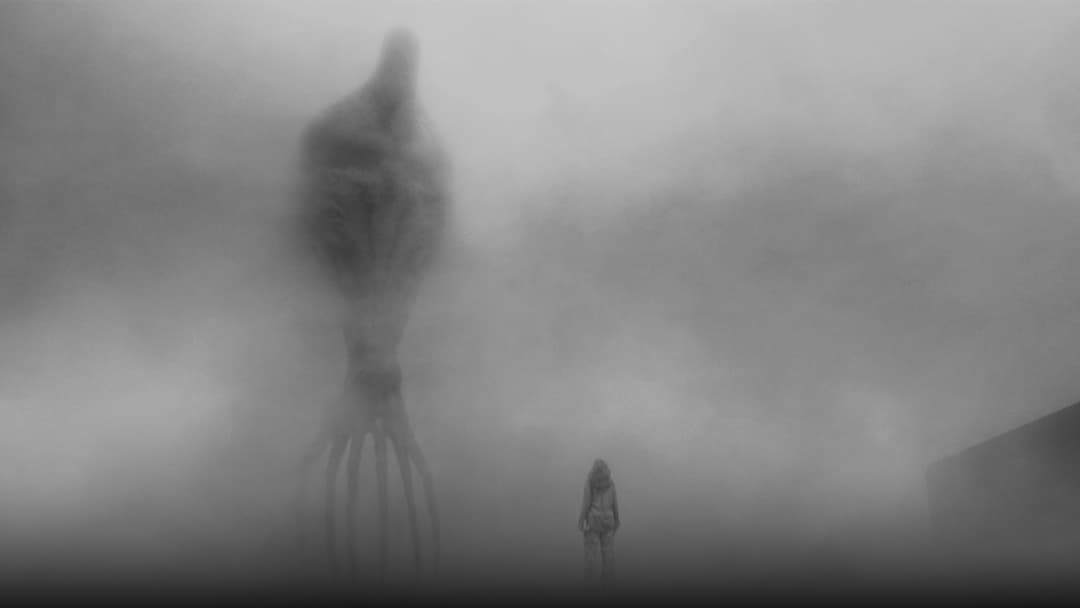
Denis Villeneuve and cinematographer Bradford Young avoided glossy sci-fi tropes, shooting in muted atmospheric mist and natural Nordic light. The obsidian shell spacecraft and circular ink-blot logograms made first contact feel quiet, meditative, and hauntingly plausible.
©TMDb / Paramount Pictures
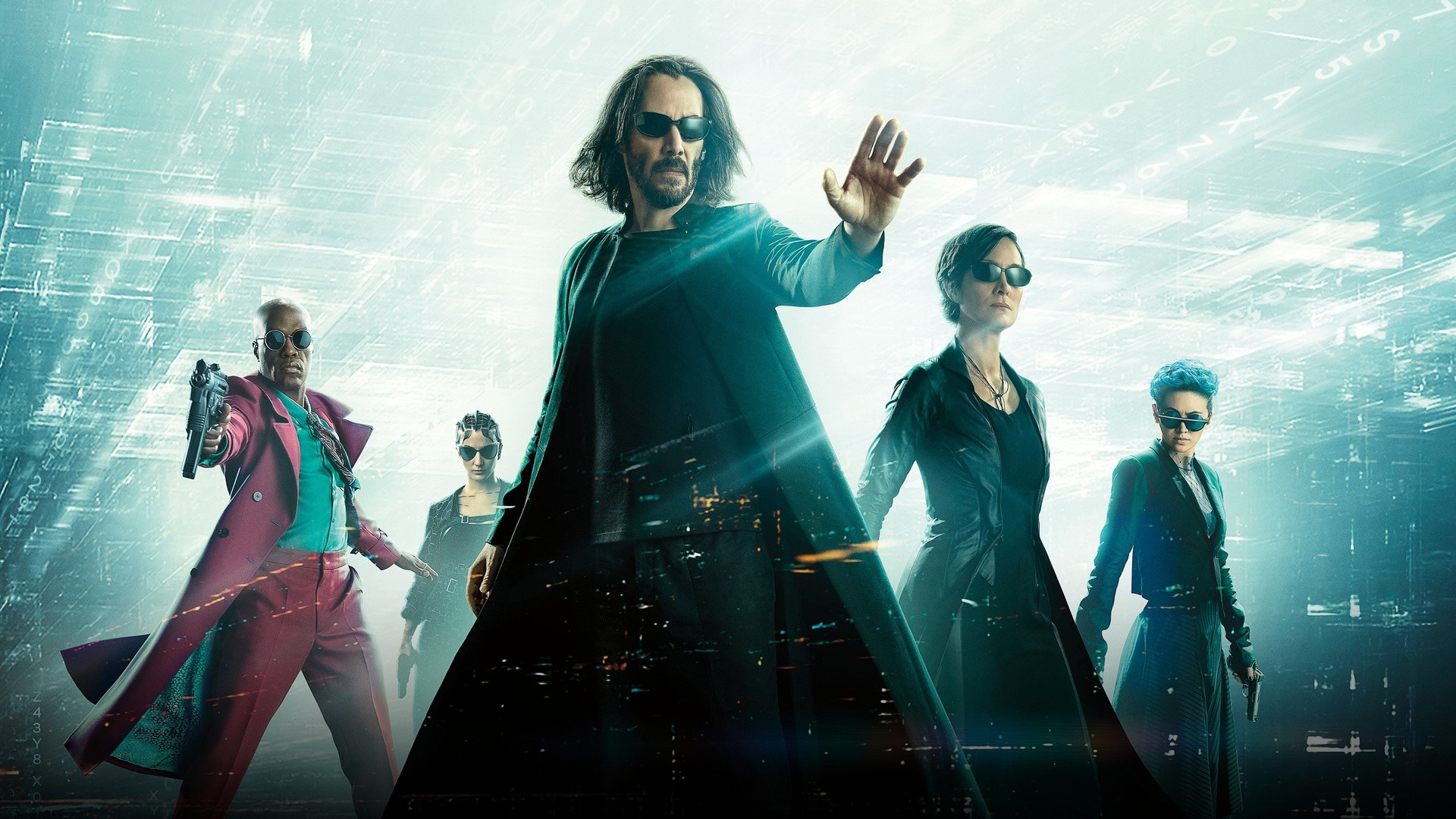
6. The Matrix Resurrections
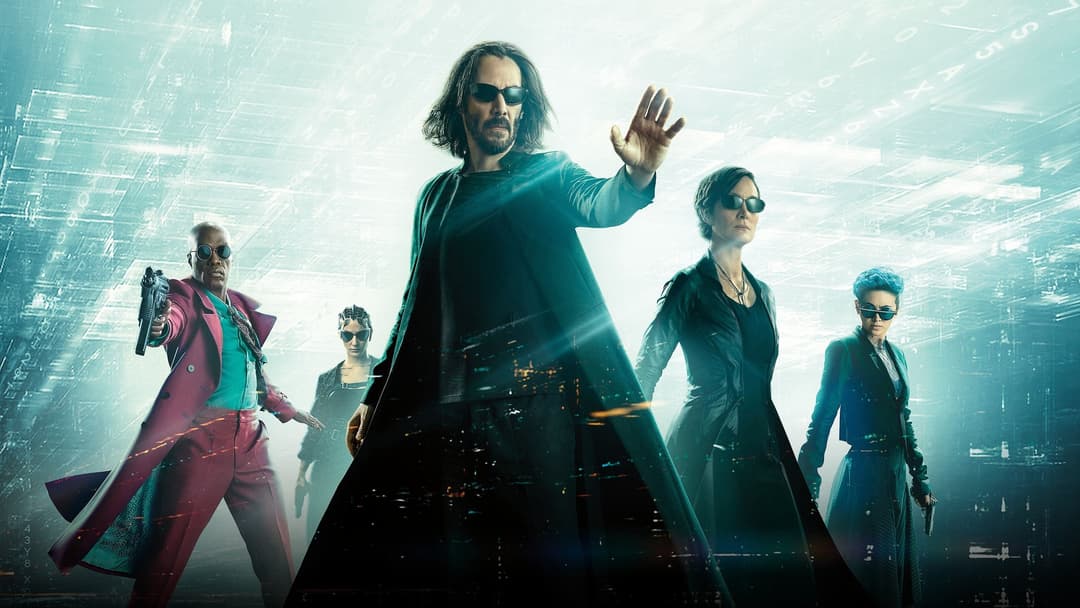
Director Lana Wachowski and DP Daniele Massaccesi abandoned the original trilogy's artificial green-tinted darkness for radiant natural California sunlight. The resulting bullet-time sequences and mirrored digital glyphs gave the cyber-dystopia an unexpected, poetic modern vitality.
©TMDb / Warner Bros. Pictures
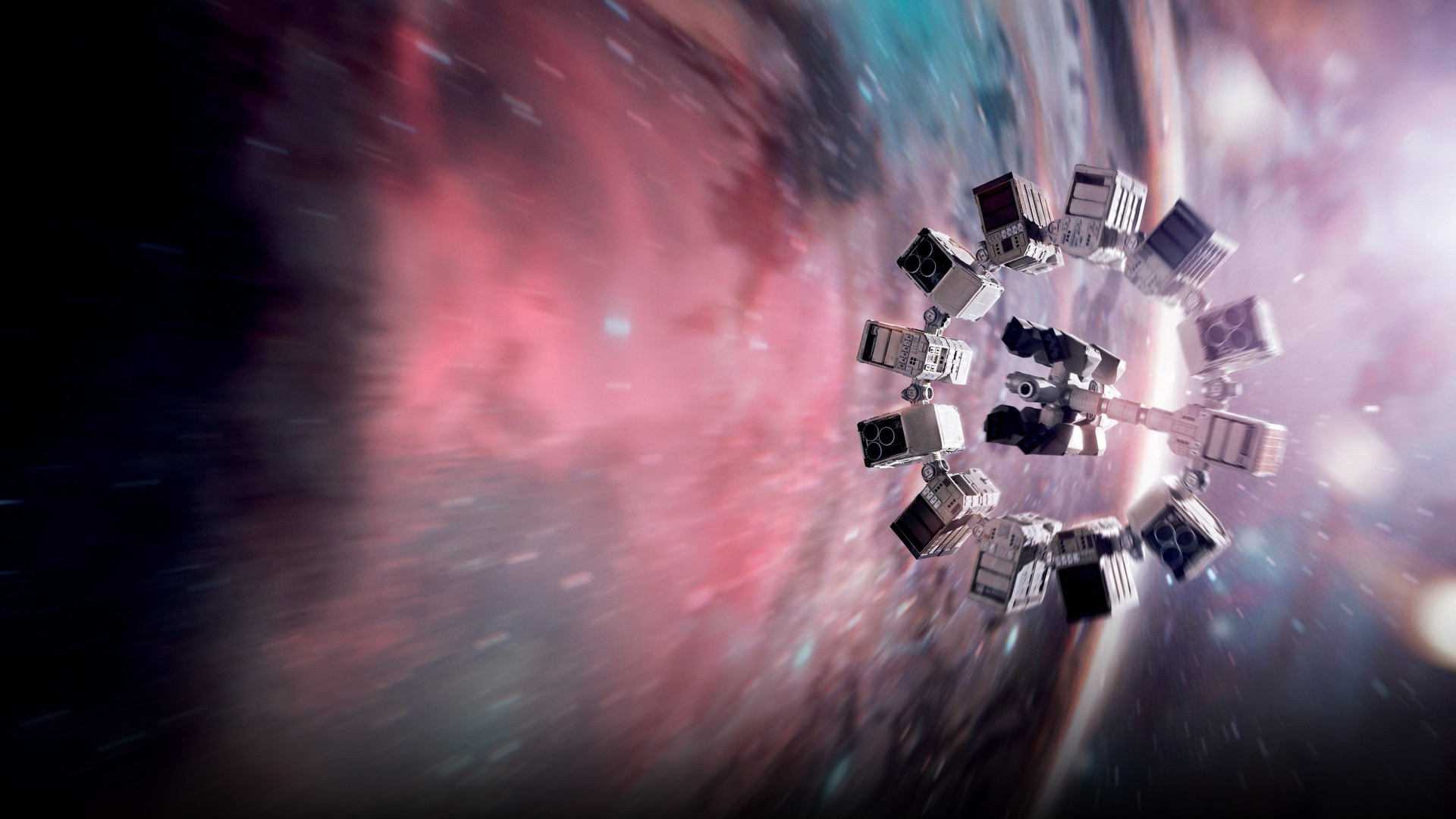
5. Interstellar
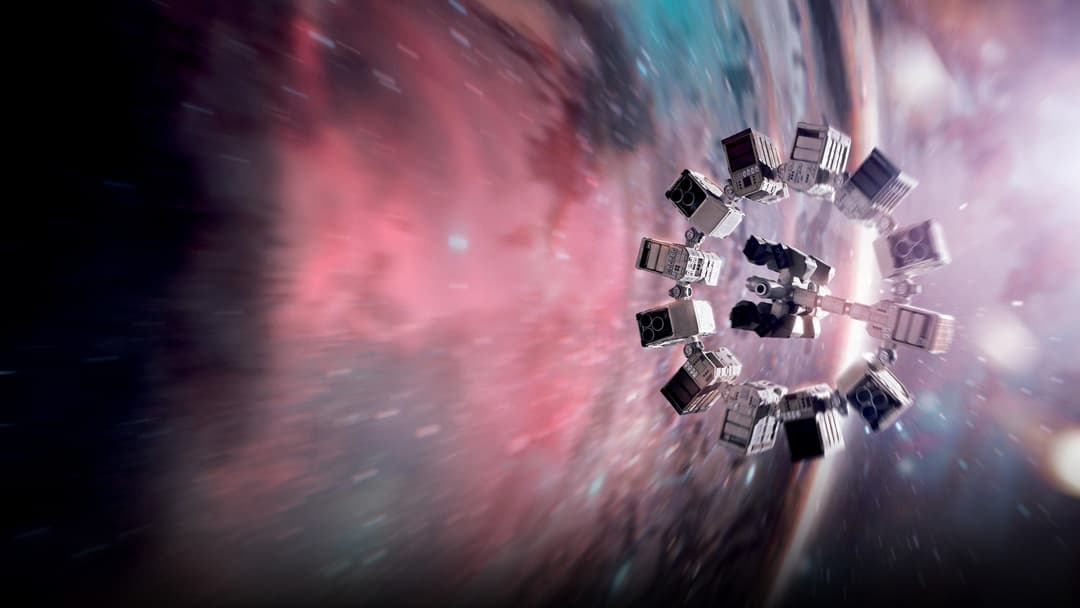
Christopher Nolan partnered with Nobel laureate Kip Thorne to simulate gravitational lensing, inventing new rendering code to depict Gargantua. The breathtaking scale of Miller's mountain-tall water waves and frozen cloud worlds set an unrivaled benchmark for astronomical wonder.
©TMDb / Paramount Pictures
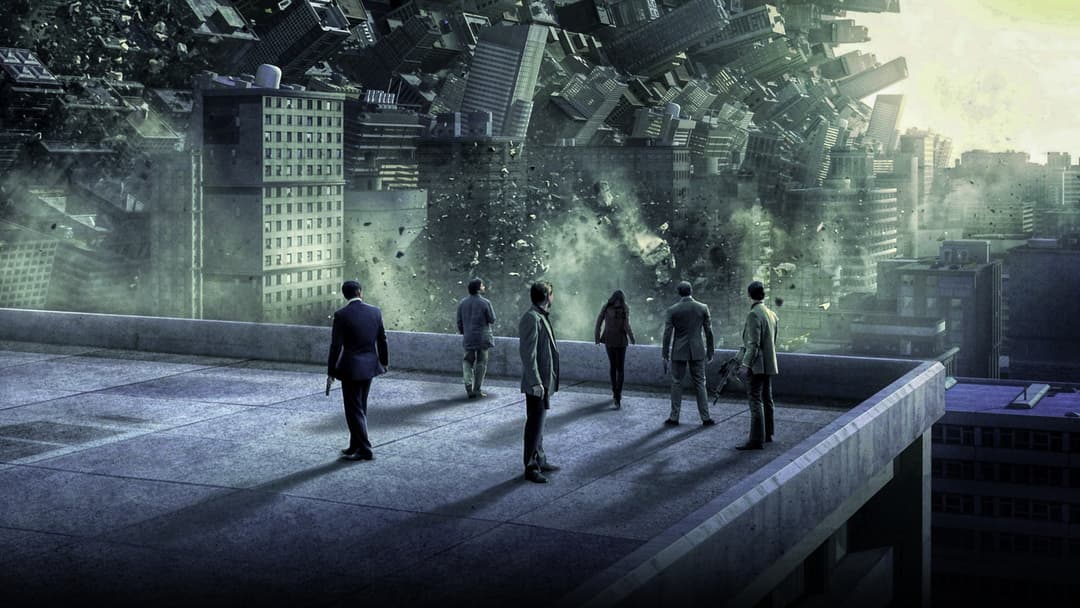
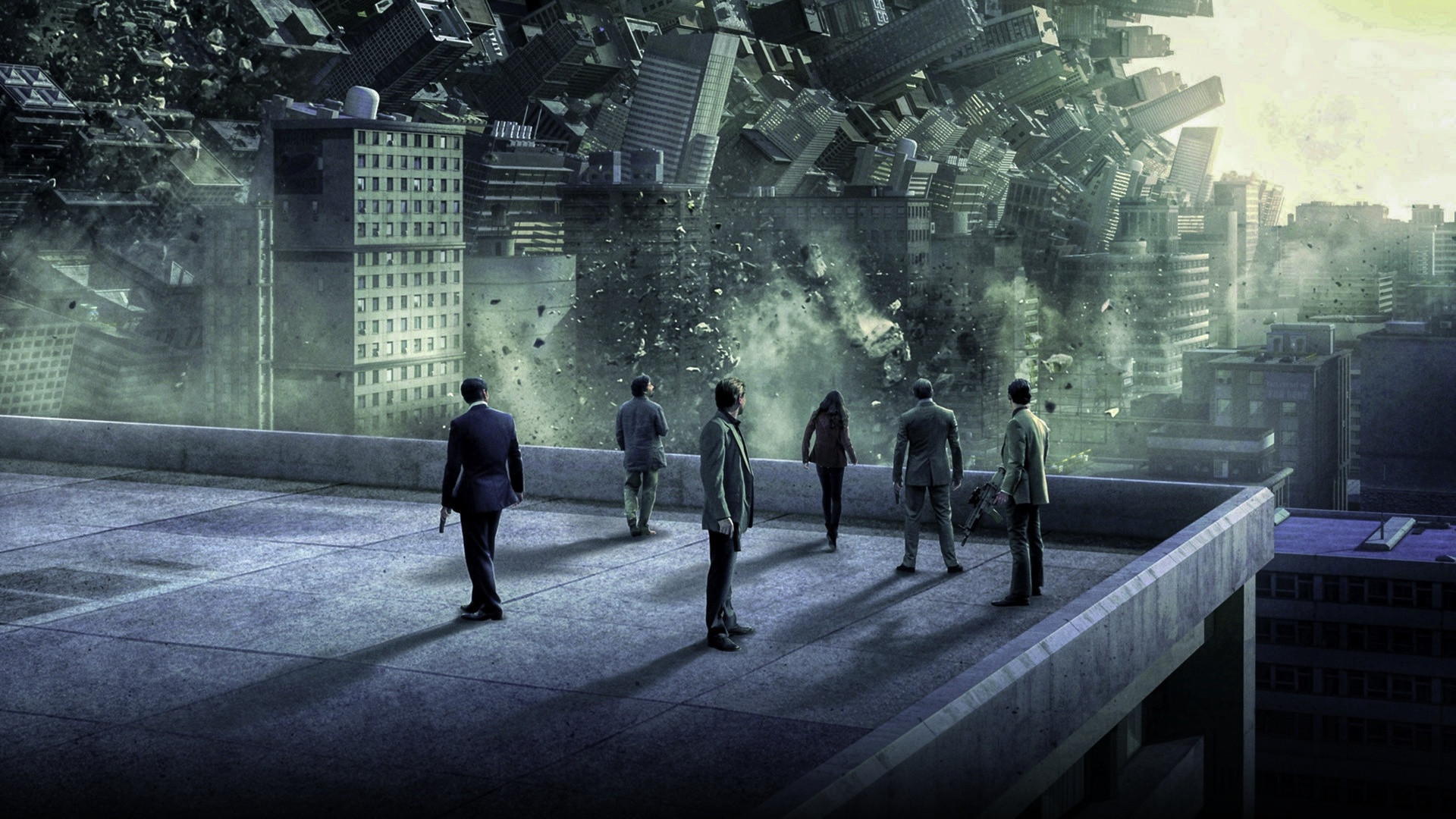
4. Inception
Wally Pfister captured Christopher Nolan’s practical dreamscapes on 65mm film, famously folding Paris 90 degrees onto itself and constructing a 100-foot rotating hallway for zero-gravity combat. The mechanical ingenuity grounding dream architecture cemented its iconic status.
©TMDb / Warner Bros. Pictures
Advertisement
Swipe or tap ▶ to resume the countdown.
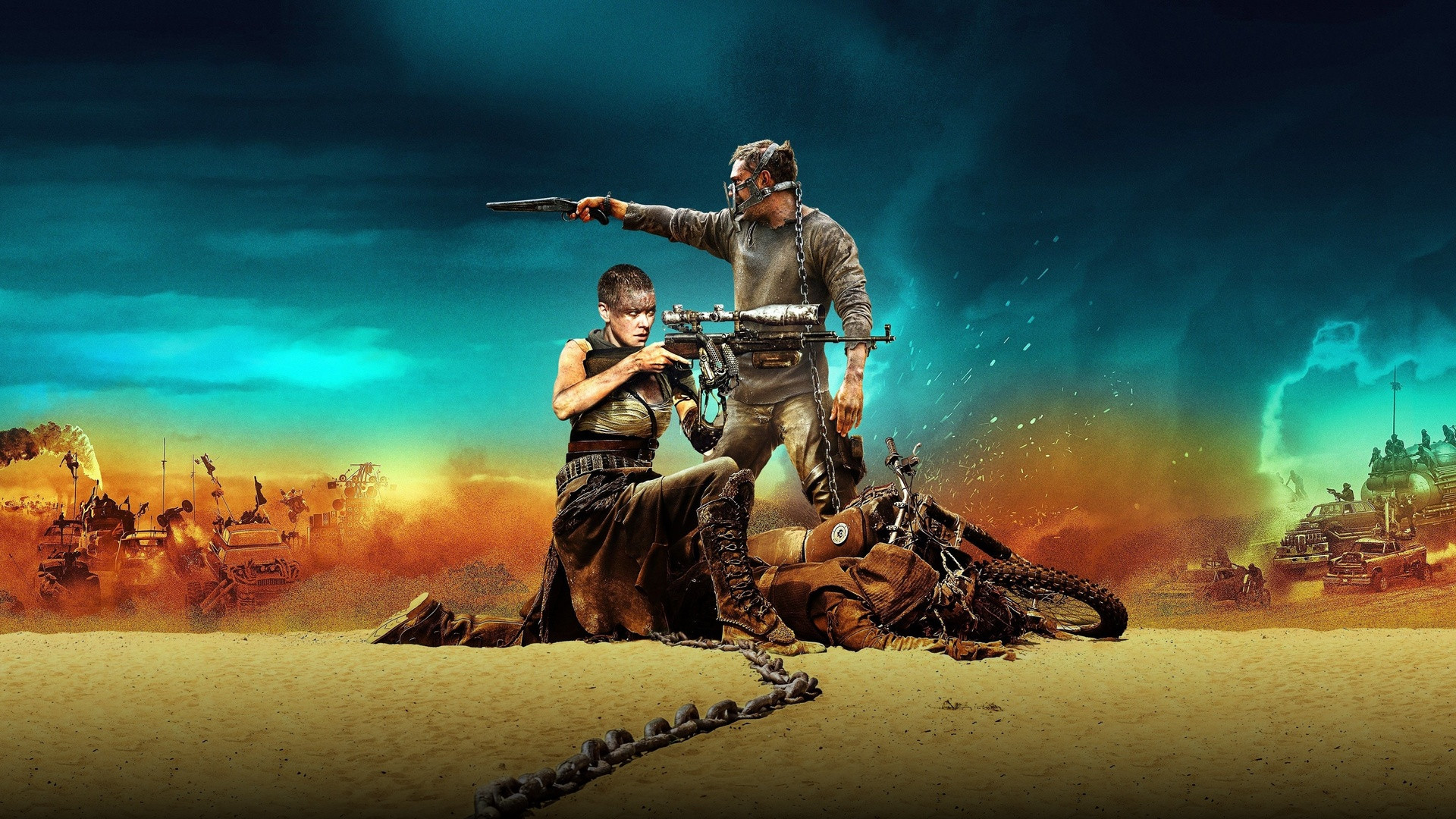
3. Mad Max: Fury Road
John Seale came out of retirement to shoot George Miller’s desert opera with up to twenty cameras simultaneously. Relying on real customized stunt rigs, pyrotechnics, and vibrant saturated teal-and-orange grading, it turned vehicular combat into high art.
©TMDb / Warner Bros. Pictures
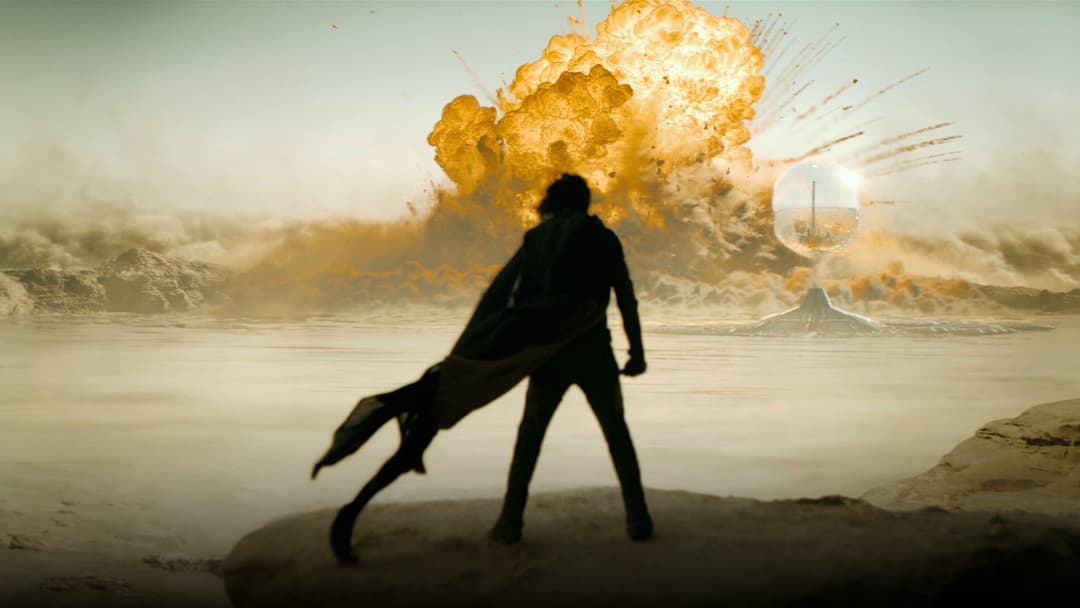
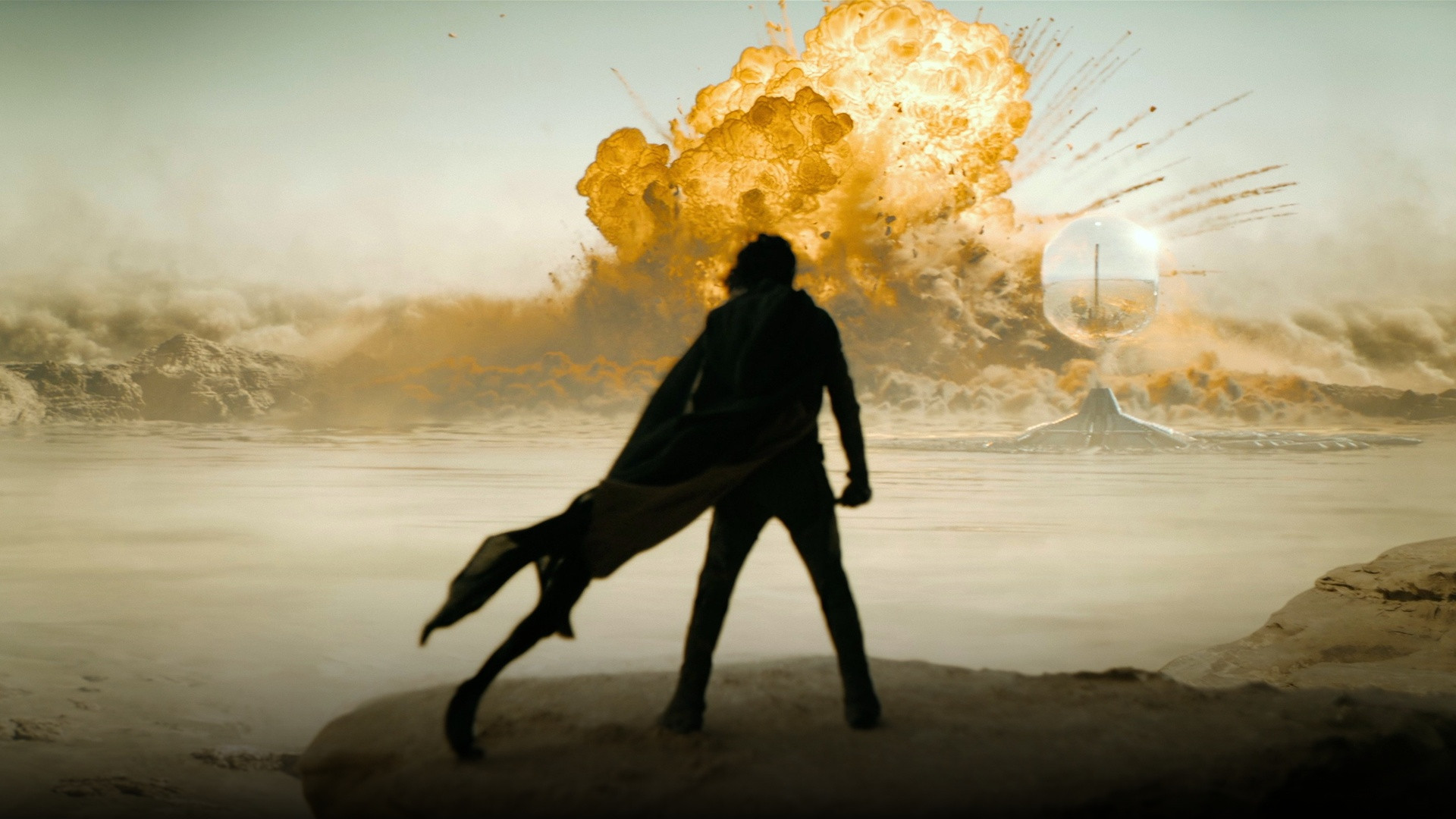
2. Dune: Part Two
Denis Villeneuve and Greig Fraser shot extensively on location in Jordan and Abu Dhabi with customized IMAX cameras. From the terrifying scale of sandworm riding to the stark infrared monochrome arena sequence on Giedi Prime, every frame carried biblical, tactile weight.
©TMDb / Warner Bros. Pictures
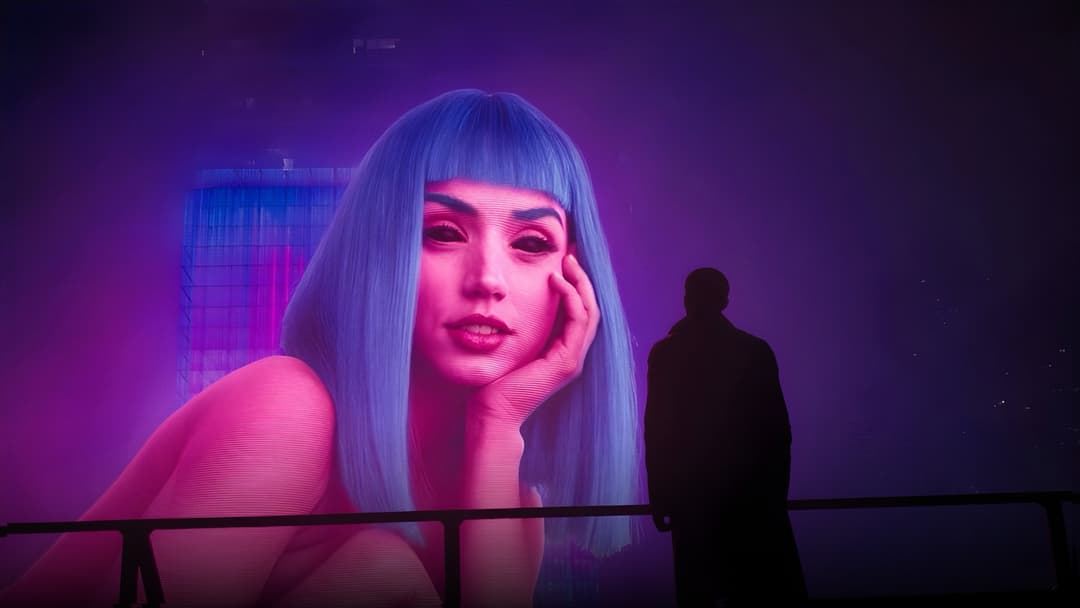
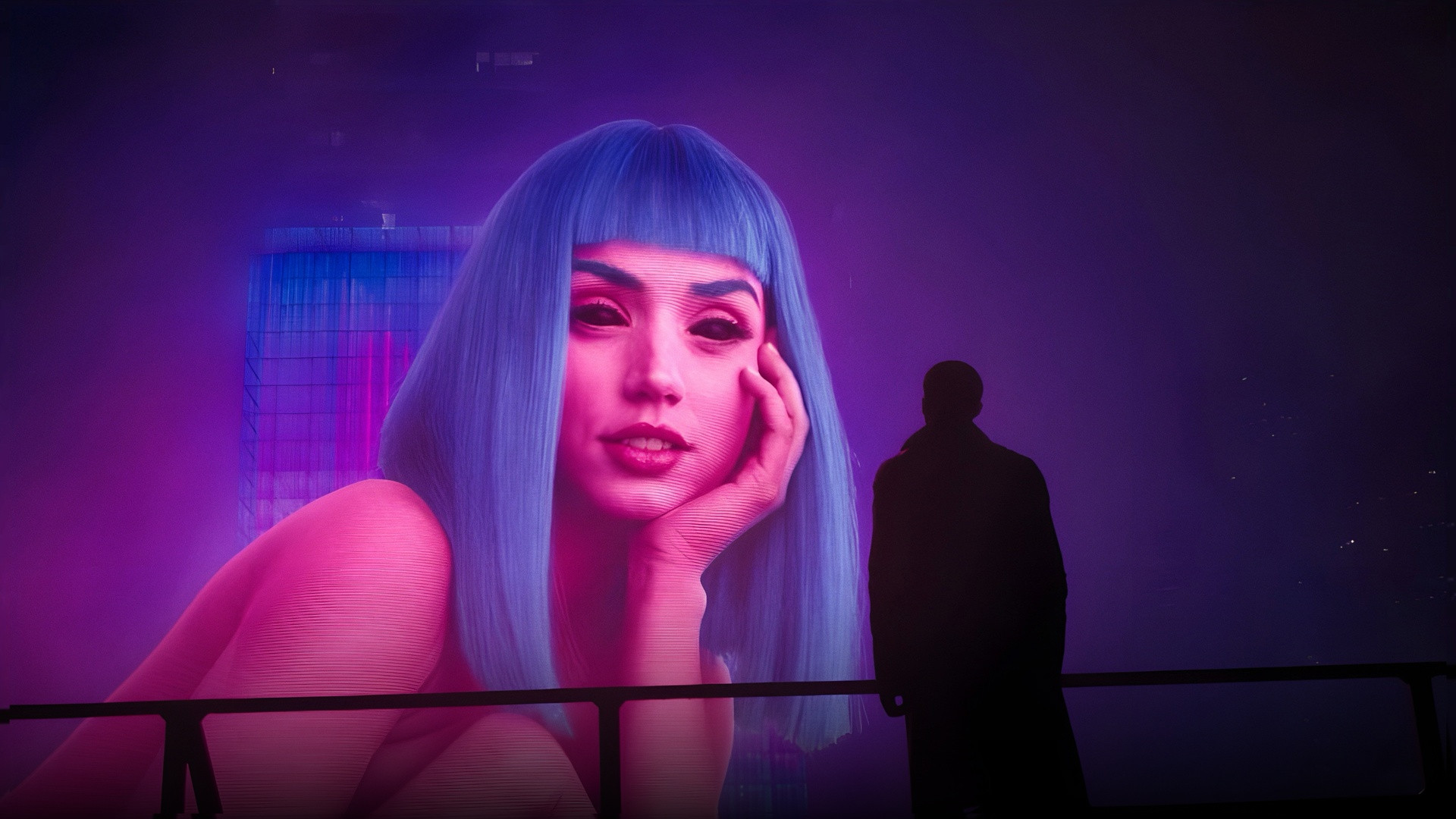
1. Blade Runner 2049
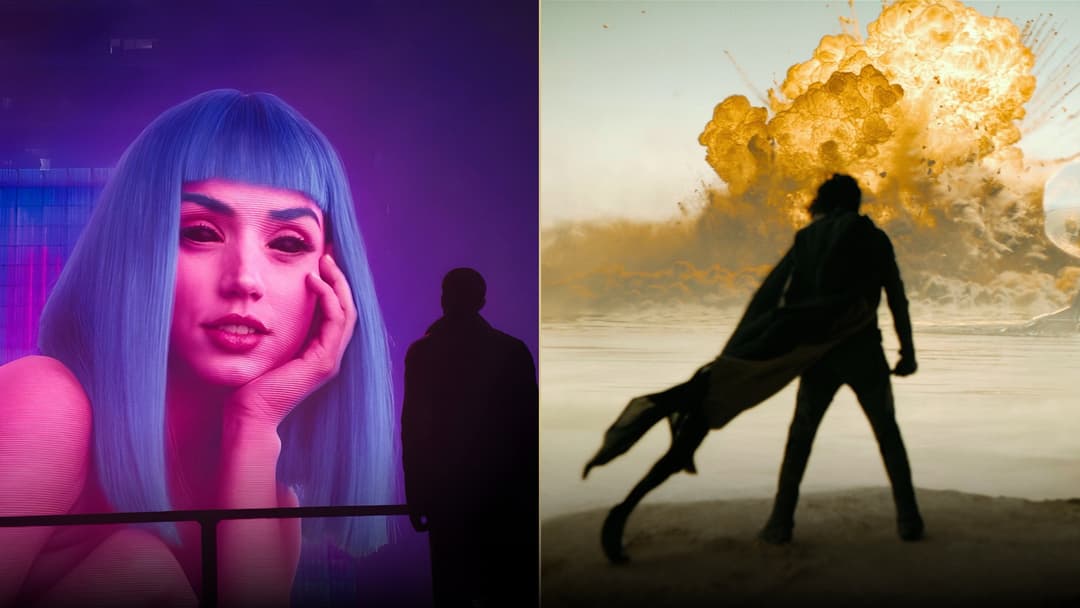
Roger Deakins finally earned his first Oscar for this visual tour de force, balancing neon magenta rainscapes against the radioactive dust of Las Vegas. Utilizing practical lighting rigs and real water reflections, it stands as the visually defining science fiction film of our era.
©TMDb / Warner Bros. Pictures
Advertisement
You've reached the end of the story. Thanks for reading!

20 Defining Robert Pattinson Films Ranked by Critical Reception
Based on Rotten Tomatoes and Metacritic review scores, this definitive ranking traces 20 standout Robert Pattinson performances from indie breakthroughs to blockbusters. Rankings rely on Rotten Tomatoes data. Rankings rely on Rotten Tomatoes data.
All 10 Entries in this Story
10. District 9
Neill Blomkamp shot on location in Soweto using hand-held RED One cameras to deliver a documentary realism never before seen in science fiction. The alien mothership hovering perpetually over Johannesburg grounded alien apartheid in chilling tactile authenticity.

9. Ex Machina
Alex Garland and cinematographer Rob Hardy used natural lighting and the minimalist glass geometry of Norway’s Juvet Landscape Hotel. Ava’s delicate mesh torso and transparent mechanics secured a historic visual effects Oscar against Hollywood mega-budget blockbusters.

8. Children Of Men
Cinematographer Emmanuel Lubezki redefined cinema with fluid, uninterrupted tracking shots—most famously the six-minute urban battlefield sequence. The handheld choreography and natural lighting created an urgent, documentary-like terror that remains unexcelled.

7. Arrival
Denis Villeneuve and cinematographer Bradford Young avoided glossy sci-fi tropes, shooting in muted atmospheric mist and natural Nordic light. The obsidian shell spacecraft and circular ink-blot logograms made first contact feel quiet, meditative, and hauntingly plausible.

6. The Matrix Resurrections
Director Lana Wachowski and DP Daniele Massaccesi abandoned the original trilogy's artificial green-tinted darkness for radiant natural California sunlight. The resulting bullet-time sequences and mirrored digital glyphs gave the cyber-dystopia an unexpected, poetic modern vitality.

5. Interstellar
Christopher Nolan partnered with Nobel laureate Kip Thorne to simulate gravitational lensing, inventing new rendering code to depict Gargantua. The breathtaking scale of Miller's mountain-tall water waves and frozen cloud worlds set an unrivaled benchmark for astronomical wonder.

4. Inception
Wally Pfister captured Christopher Nolan’s practical dreamscapes on 65mm film, famously folding Paris 90 degrees onto itself and constructing a 100-foot rotating hallway for zero-gravity combat. The mechanical ingenuity grounding dream architecture cemented its iconic status.

3. Mad Max: Fury Road
John Seale came out of retirement to shoot George Miller’s desert opera with up to twenty cameras simultaneously. Relying on real customized stunt rigs, pyrotechnics, and vibrant saturated teal-and-orange grading, it turned vehicular combat into high art.

2. Dune: Part Two
Denis Villeneuve and Greig Fraser shot extensively on location in Jordan and Abu Dhabi with customized IMAX cameras. From the terrifying scale of sandworm riding to the stark infrared monochrome arena sequence on Giedi Prime, every frame carried biblical, tactile weight.

1. Blade Runner 2049
Roger Deakins finally earned his first Oscar for this visual tour de force, balancing neon magenta rainscapes against the radioactive dust of Las Vegas. Utilizing practical lighting rigs and real water reflections, it stands as the visually defining science fiction film of our era.