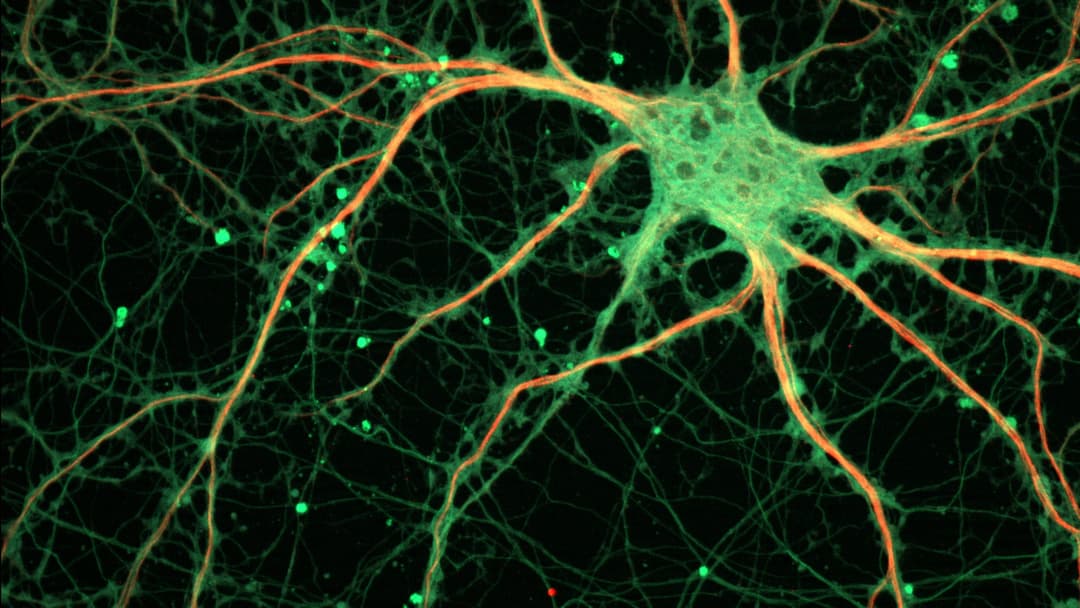
Slideshow · Health
10 Surprising Facts About Vitamin B Deficiency You Should Know
From subtle brain fog to severe nerve damage, learn the vital signs of B-vitamin depletion and the whole foods that keep you healthy.

By Most Viral Today
21 Oct 2026

10 Surprising Facts About Vitamin B Deficiency You Should Know 
10. B12 Takes Up To Five Years To Show Deficiency 
9. Daily Antacids And PPIs Can Block B12 Absorption 
8. Raw Egg Whites Can Cause Biotin (B7) Deficiency - AdvertisementSwipe or tap ▶ to continue countdown

7. High Folate Can Dangerously Mask A B12 Crisis 
6. Niacin (B3) Deficiency Triggers The Deadly Four Ds 
5. Vitamin B6 Deficiency Can Mimic Panic And Depression 
4. Thiamine (B1) Depletion Triggers Burning Feet - AdvertisementSwipe or tap ▶ to continue countdown

3. Cracked Lip Corners (Cheilosis) Signal Low B2 
2. Nerve Damage Can Occur Without Any Anemia 
1. Humans Cannot Synthesize Any Of The 8 B Vitamins - Advertisement🔥 UP NEXT IN THIS SERIES◫ 21 Slides

20 Foods Doctors Recommend Avoiding Before Bed
20 Worst Foods to Eat Before Bed, Ranked
From mysterious fatigue to unexpected neurological tingling, Vitamin B deficiencies often masquerade as other chronic illnesses. Here are 10 surprising, science-backed facts about how the eight B vitamins impact your body—and the warning signs you should never ignore.
Swipe or tap ▶ to begin the countdown
©Pixabay / diapicard
10. B12 Takes Up To Five Years To Show Deficiency
Unlike most water-soluble vitamins that deplete in days, the human liver hoards up to 5,000 micrograms of B12. Someone adopting a strict plant-based diet without supplements may feel completely healthy for years before exhaustion and neurological symptoms strike without warning.

©Wikimedia / Ella Olsson
9. Daily Antacids And PPIs Can Block B12 Absorption
Stomach acid and intrinsic factor are biologically essential to cleave cobalamin from dietary protein. Chronic use of proton pump inhibitors (PPIs) and acid blockers elevates gastric pH, triggering silent food-bound B12 malabsorption in millions of adults.
©Wikimedia / BuhaM
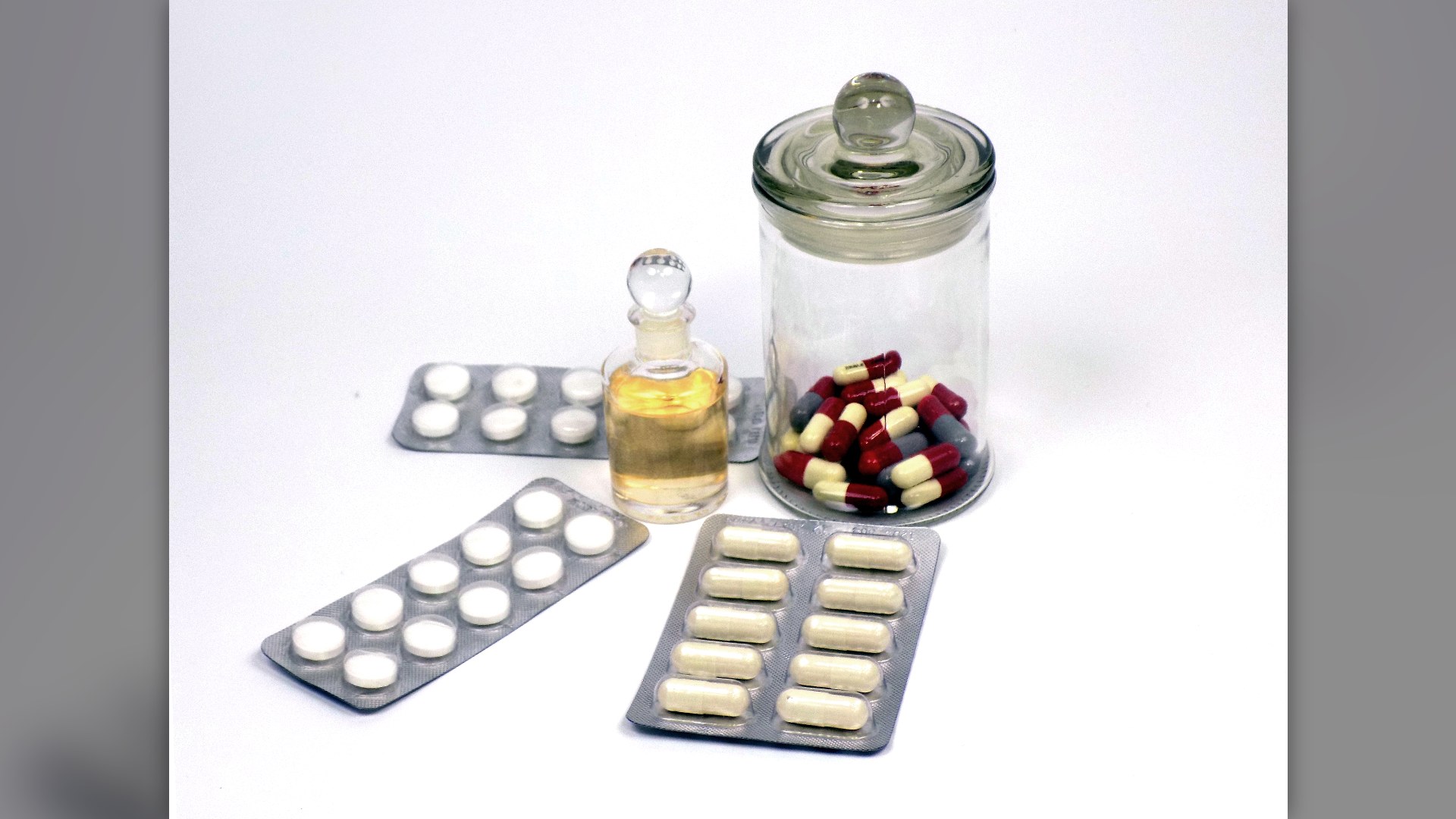
8. Raw Egg Whites Can Cause Biotin (B7) Deficiency
Raw egg whites contain avidin, a protein that binds to biotin with one of nature's strongest non-covalent bonds. Regularly drinking raw eggs in fitness shakes blocks biotin absorption, leading to brittle nails, hair thinning, and facial dermatitis. Cooking denatures avidin completely.

©Wikimedia / Evan-Amos
Advertisement
Swipe or tap ▶ to resume the countdown.
7. High Folate Can Dangerously Mask A B12 Crisis
Folate (B9) and B12 work together to manufacture red blood cells. High doses of folic acid can correct B12-induced anemia on standard blood panels, providing false reassurance while irreversible subacute combined degeneration of the spinal cord silently worsens.

©Wikimedia / Hannahdownes
6. Niacin (B3) Deficiency Triggers The Deadly Four Ds
Pellagra, the disease caused by severe niacin deficiency, is historically infamous for the 'Four Ds': photosensitive dermatitis resembling severe sunburn, gastrointestinal diarrhea, neuropsychiatric dementia, and death if left untreated. Peanuts and poultry are rich preventative sources.

©Wikimedia / Thamizhpparithi Maari
5. Vitamin B6 Deficiency Can Mimic Panic And Depression
Pyridoxine (B6) acts as an essential coenzyme for converting amino acids into mood-regulating neurotransmitters including serotonin and GABA. Subclinical deficiencies often manifest first as unexplained emotional volatility, chronic irritability, insomnia, and heightened panic sensations.

©Pixabay / PublicDomainPictures
4. Thiamine (B1) Depletion Triggers Burning Feet
Because the human body only stores about 30 mg of thiamine (B1), reserves can plummet in just two to three weeks of inadequate nutrition. Deficiency causes 'dry beriberi,' triggering peripheral neuropathy where patients suffer severe burning and tingling pain in their feet.

©Wikimedia / Shisma
Advertisement
Swipe or tap ▶ to resume the countdown.
3. Cracked Lip Corners (Cheilosis) Signal Low B2
Persistent painful cracking, scaling, and inflammation at the corners of the mouth—known as angular cheilosis—is a hallmark clinical sign of riboflavin (B2) deficiency. It is often accompanied by a swollen, magenta-colored tongue and sensitivity to bright light.

©Pixabay / Anemone123
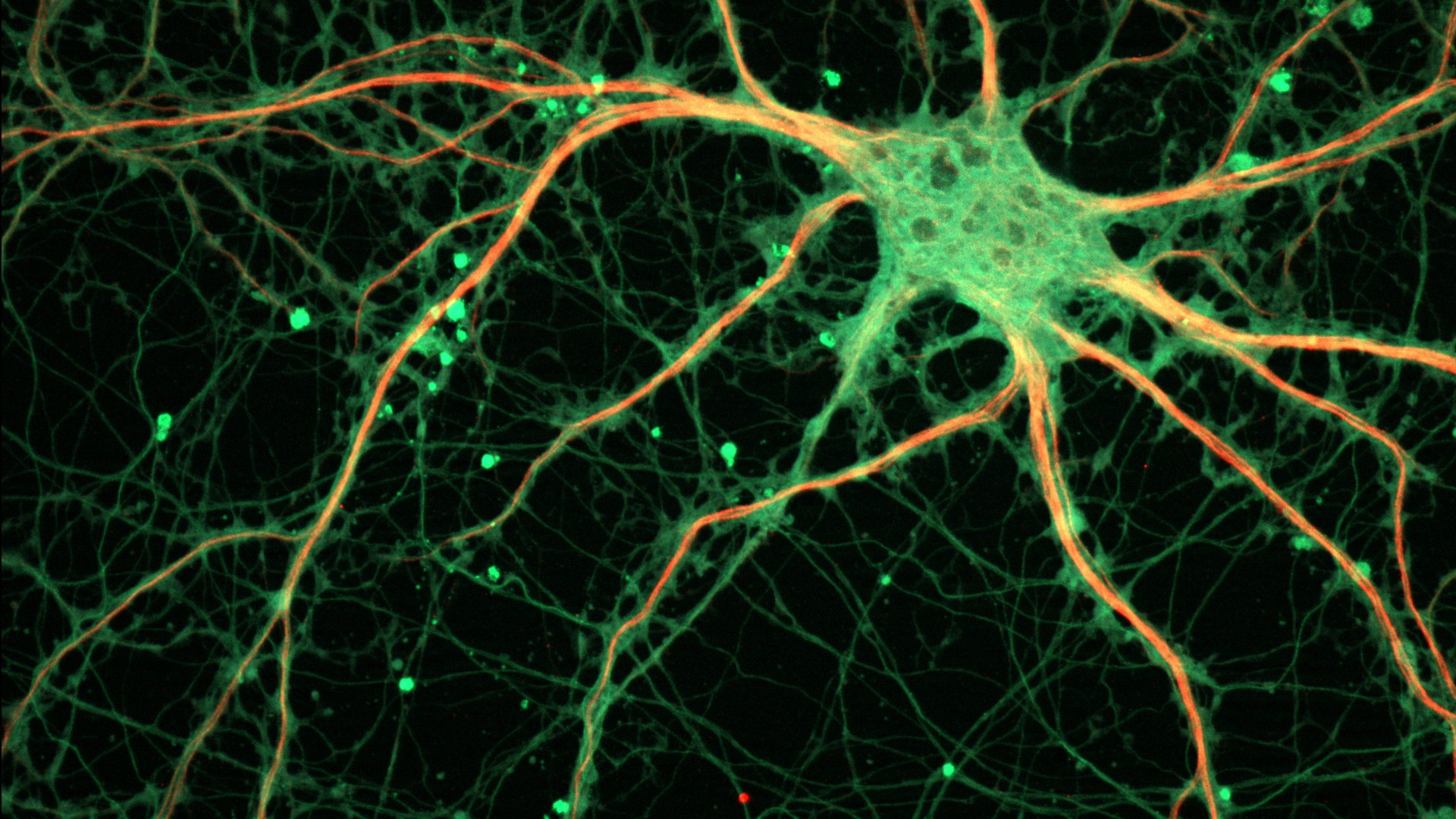
2. Nerve Damage Can Occur Without Any Anemia
Many physicians historically looked for macrocytic anemia on blood counts before suspecting low B12. However, modern clinical studies confirm that up to a quarter of patients develop severe peripheral neuropathy and balance loss with completely normal hemoglobin levels.
©Wikimedia / ZEISS Microscopy
1. Humans Cannot Synthesize Any Of The 8 B Vitamins
While our bodies can manufacture Vitamin D from sunlight, we lack the metabolic enzymes to synthesize any of the eight essential B vitamins. Because they are water-soluble and constantly excreted in urine, our bodies demand a continuous dietary supply of whole, nutrient-dense foods.

©Pixabay / MasterTux
Advertisement
You've reached the end of the story. Thanks for reading!

20 Foods Doctors Recommend Avoiding Before Bed
20 Worst Foods to Eat Before Bed, Ranked
All 10 Entries in this Story
10. B12 Takes Up To Five Years To Show Deficiency
Unlike most water-soluble vitamins that deplete in days, the human liver hoards up to 5,000 micrograms of B12. Someone adopting a strict plant-based diet without supplements may feel completely healthy for years before exhaustion and neurological symptoms strike without warning.

9. Daily Antacids And PPIs Can Block B12 Absorption
Stomach acid and intrinsic factor are biologically essential to cleave cobalamin from dietary protein. Chronic use of proton pump inhibitors (PPIs) and acid blockers elevates gastric pH, triggering silent food-bound B12 malabsorption in millions of adults.

8. Raw Egg Whites Can Cause Biotin (B7) Deficiency
Raw egg whites contain avidin, a protein that binds to biotin with one of nature's strongest non-covalent bonds. Regularly drinking raw eggs in fitness shakes blocks biotin absorption, leading to brittle nails, hair thinning, and facial dermatitis. Cooking denatures avidin completely.

7. High Folate Can Dangerously Mask A B12 Crisis
Folate (B9) and B12 work together to manufacture red blood cells. High doses of folic acid can correct B12-induced anemia on standard blood panels, providing false reassurance while irreversible subacute combined degeneration of the spinal cord silently worsens.

6. Niacin (B3) Deficiency Triggers The Deadly Four Ds
Pellagra, the disease caused by severe niacin deficiency, is historically infamous for the 'Four Ds': photosensitive dermatitis resembling severe sunburn, gastrointestinal diarrhea, neuropsychiatric dementia, and death if left untreated. Peanuts and poultry are rich preventative sources.

5. Vitamin B6 Deficiency Can Mimic Panic And Depression
Pyridoxine (B6) acts as an essential coenzyme for converting amino acids into mood-regulating neurotransmitters including serotonin and GABA. Subclinical deficiencies often manifest first as unexplained emotional volatility, chronic irritability, insomnia, and heightened panic sensations.

4. Thiamine (B1) Depletion Triggers Burning Feet
Because the human body only stores about 30 mg of thiamine (B1), reserves can plummet in just two to three weeks of inadequate nutrition. Deficiency causes 'dry beriberi,' triggering peripheral neuropathy where patients suffer severe burning and tingling pain in their feet.

3. Cracked Lip Corners (Cheilosis) Signal Low B2
Persistent painful cracking, scaling, and inflammation at the corners of the mouth—known as angular cheilosis—is a hallmark clinical sign of riboflavin (B2) deficiency. It is often accompanied by a swollen, magenta-colored tongue and sensitivity to bright light.

2. Nerve Damage Can Occur Without Any Anemia
Many physicians historically looked for macrocytic anemia on blood counts before suspecting low B12. However, modern clinical studies confirm that up to a quarter of patients develop severe peripheral neuropathy and balance loss with completely normal hemoglobin levels.

1. Humans Cannot Synthesize Any Of The 8 B Vitamins
While our bodies can manufacture Vitamin D from sunlight, we lack the metabolic enzymes to synthesize any of the eight essential B vitamins. Because they are water-soluble and constantly excreted in urine, our bodies demand a continuous dietary supply of whole, nutrient-dense foods.