Slideshow · News
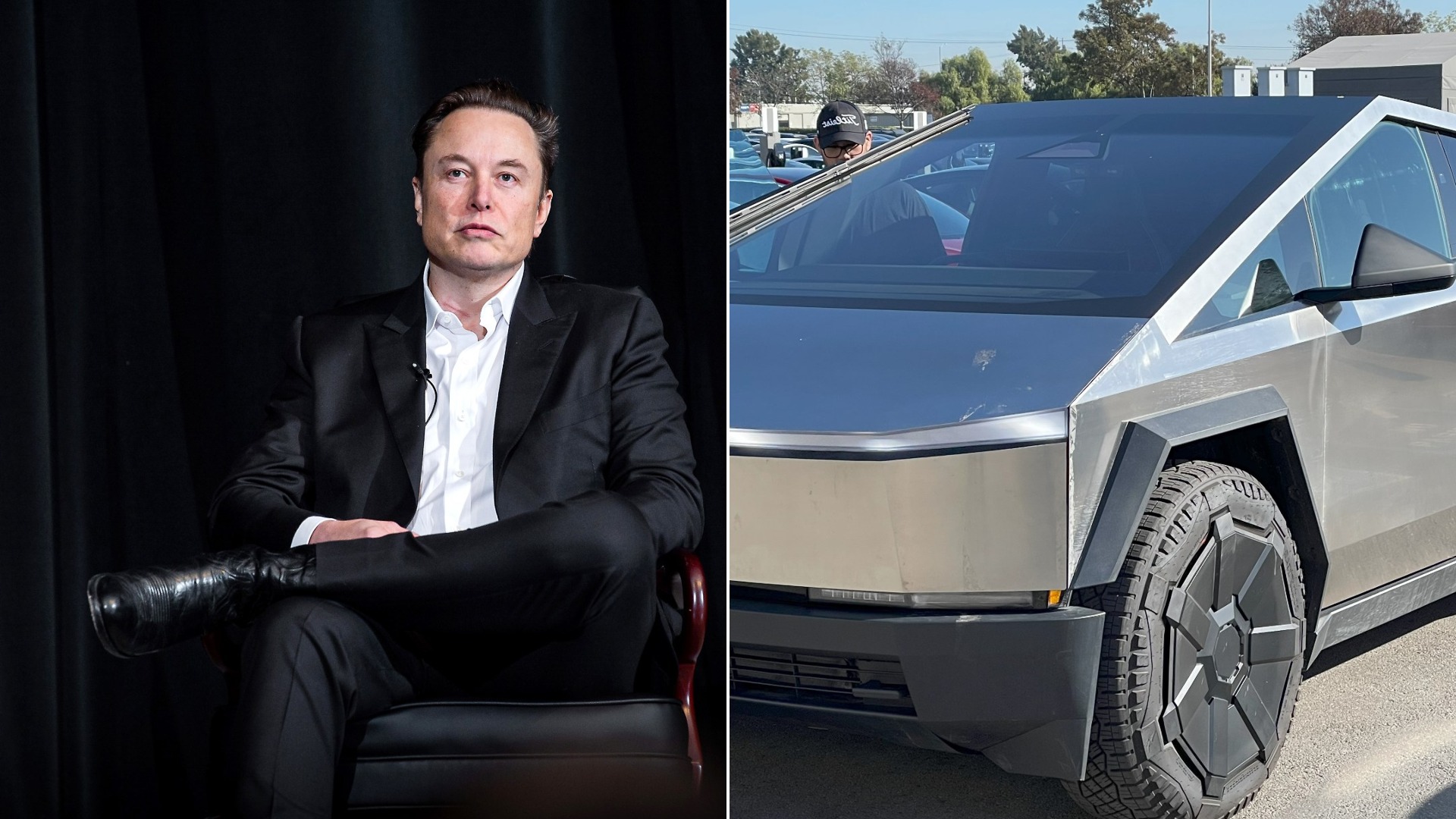
12 Reasons Tesla Is Axing The Cybertruck For AI
Why Tesla Is Halting Cybertruck To Build Autonomous Robotaxis
By Most Viral Today
6 Nov 2026

Inside Tesla's Shock Decision To Axe Cybertruck 
12. The Giga Texas Production Halt 
11. The Missing 250,000 Annual Sales 
10. Exoskeleton Stamping Bottlenecks - AdvertisementSwipe or tap ▶ to continue countdown

9. The ,000 Price Shock 
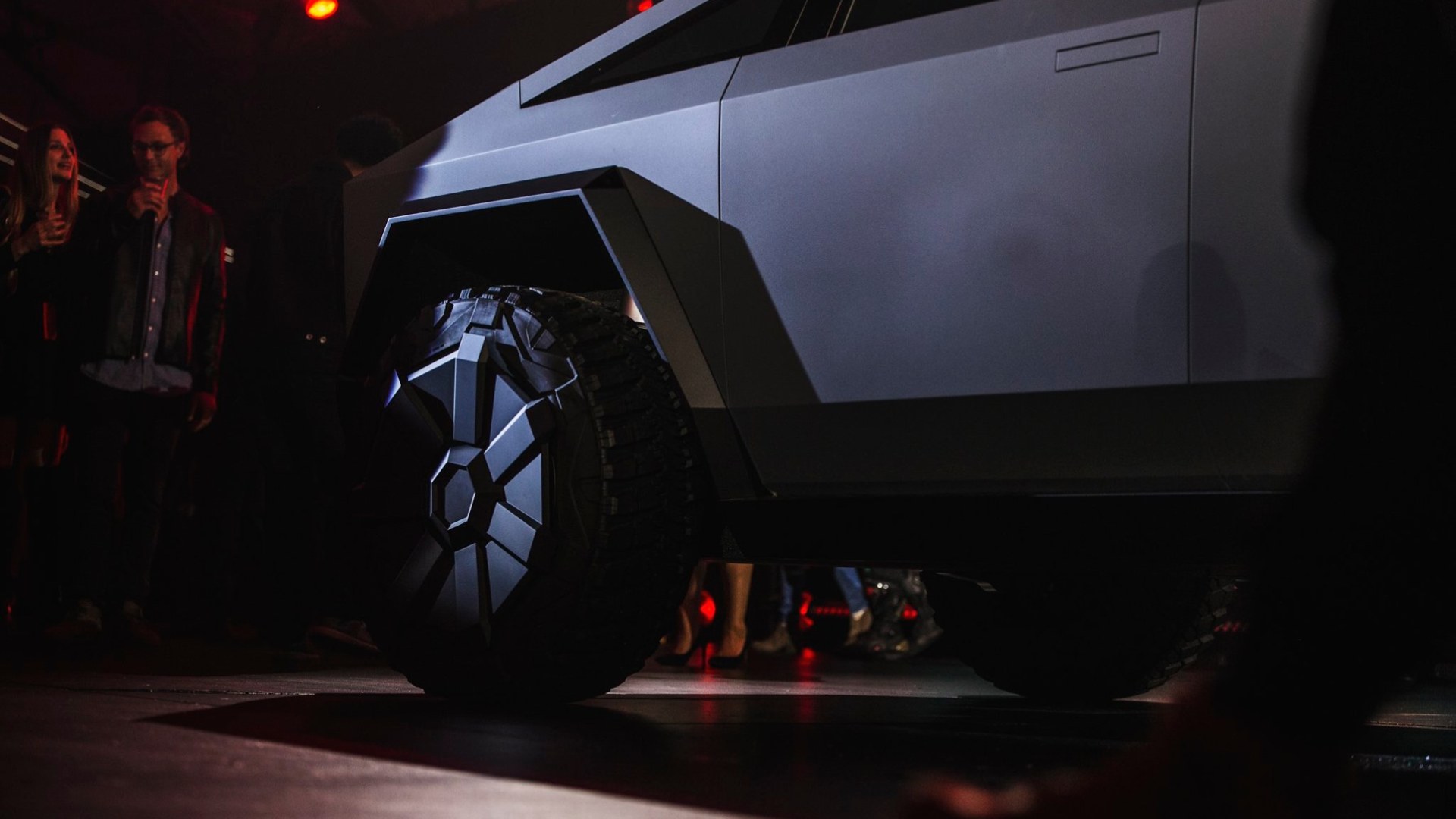
8. Locked Out Of Global Markets 
7. Engineering Firsts Left Behind 
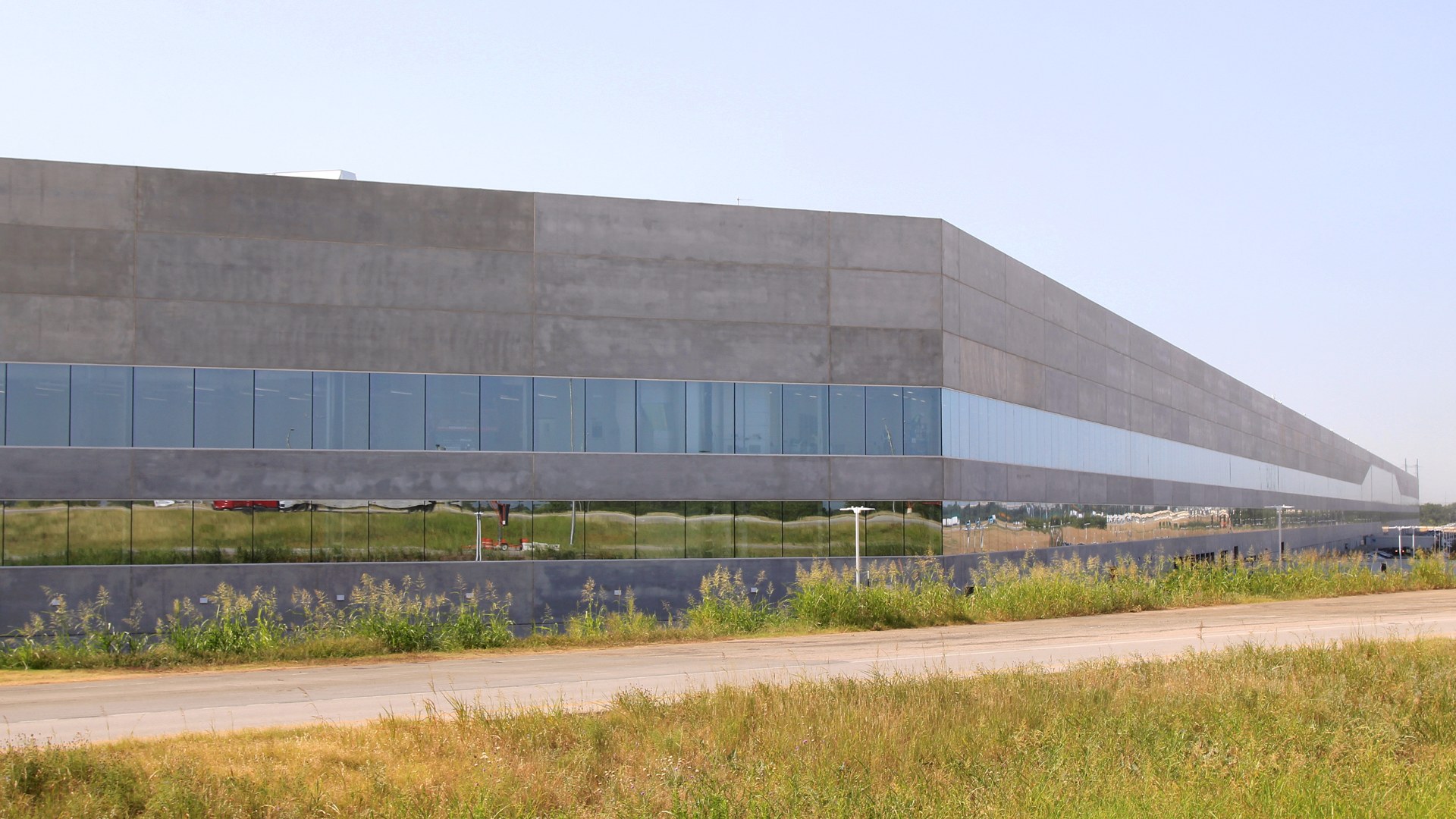
6. Repurposing The Austin Floor - AdvertisementSwipe or tap ▶ to continue countdown

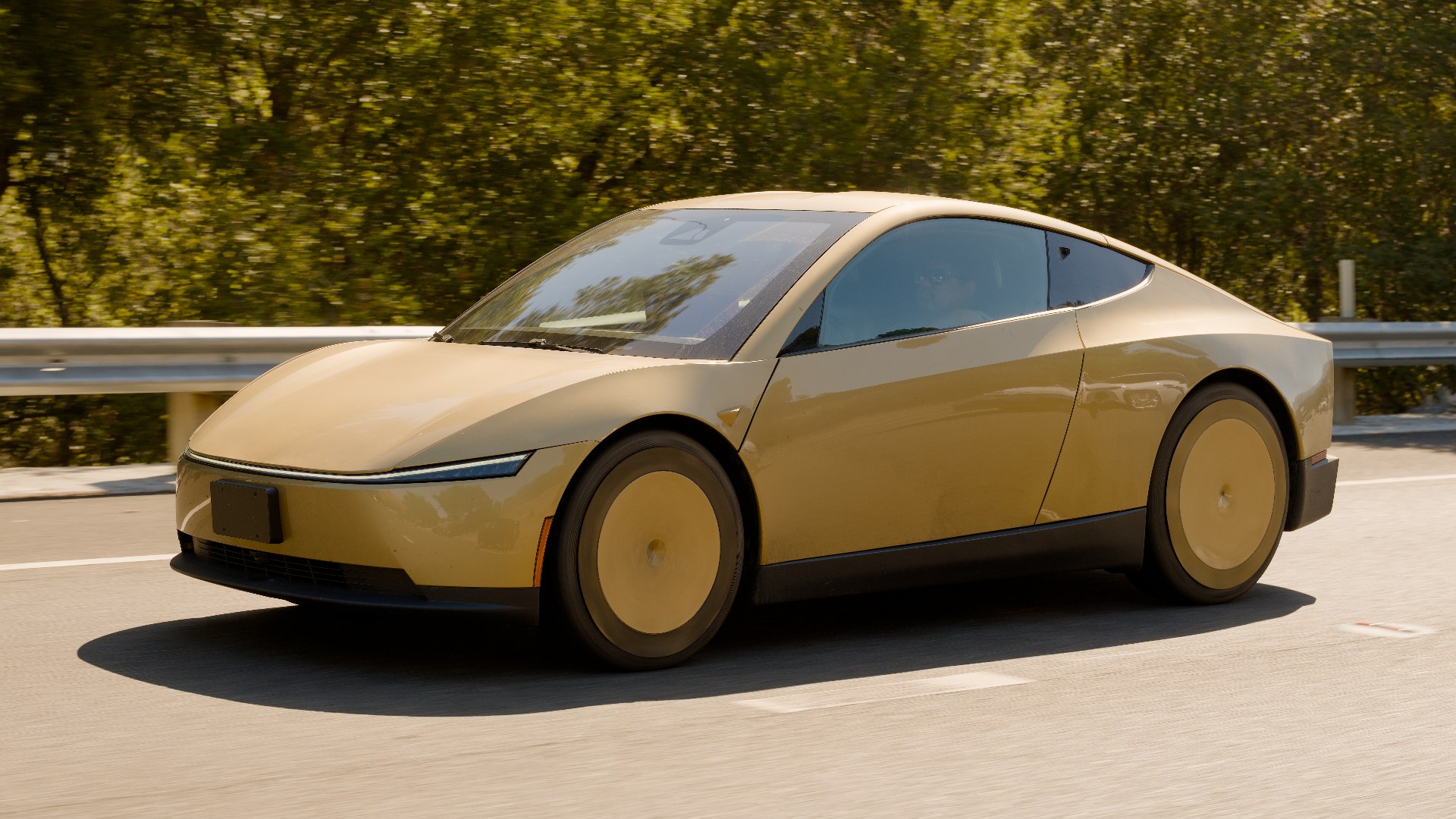
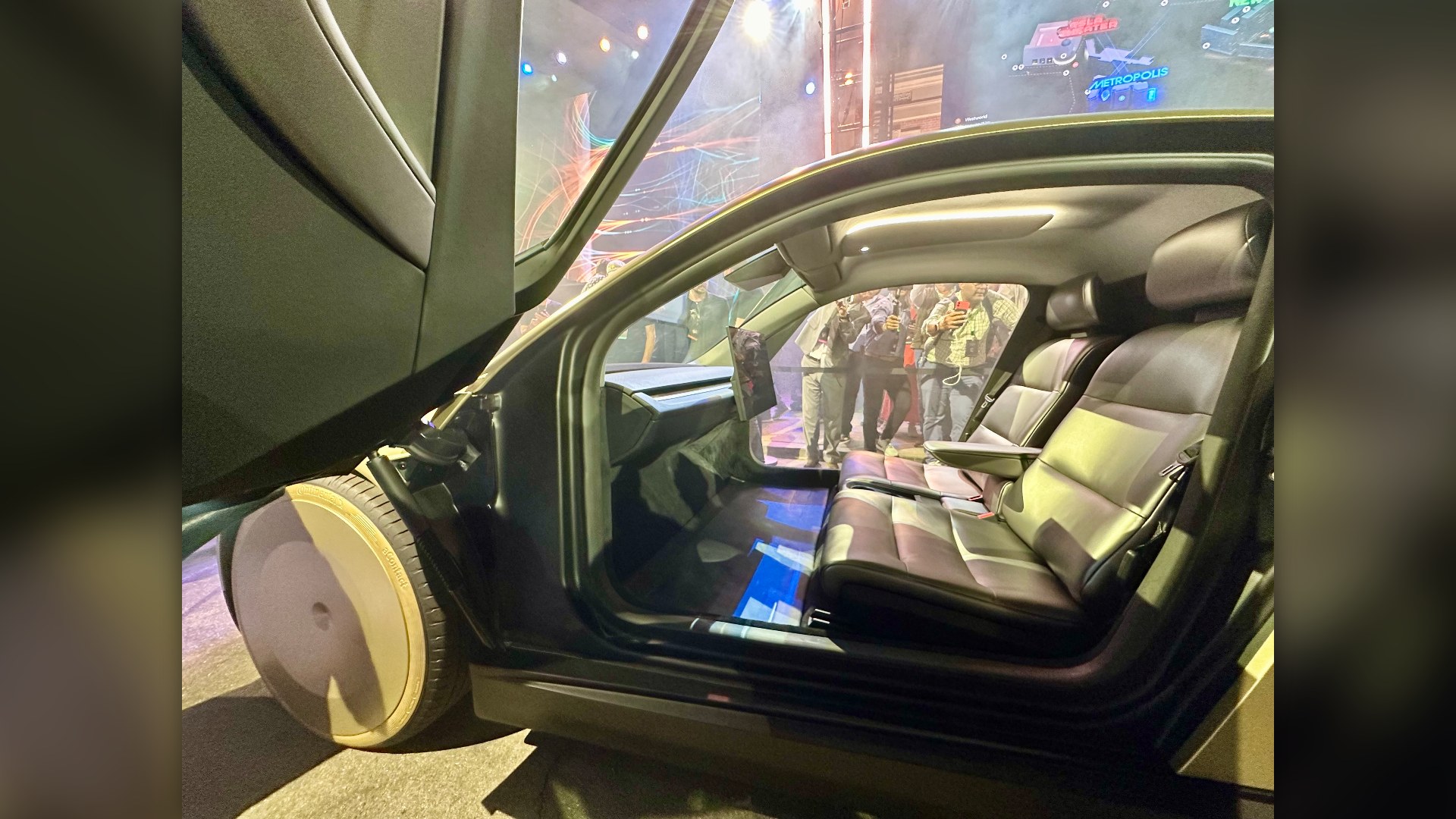
5. The Pedalless Cybercab Mandate 
4. Optimus Humanoid Factory Deployment 
3. Wall Street Re Evaluates Tesla Margins 
2. The End Of Consumer Pickup Experiments - AdvertisementSwipe or tap ▶ to continue countdown

1. The Pure Artificial Intelligence Pivot - Advertisement🔥 UP NEXT IN THIS SERIES◫ 21 Slides

20 Famous Cars With Pop-Up Headlights That Shaped Car Design
From hand-cranked 1930s teardrops to wedge supercars of the 1980s, hidden headlights let stylists chase sleek aerodynamics until 2004 pedestrian rules closed the curtain. Here are 20 standout production cars that turned retractable lamps into an enduring automotive design feature across seven full decades.
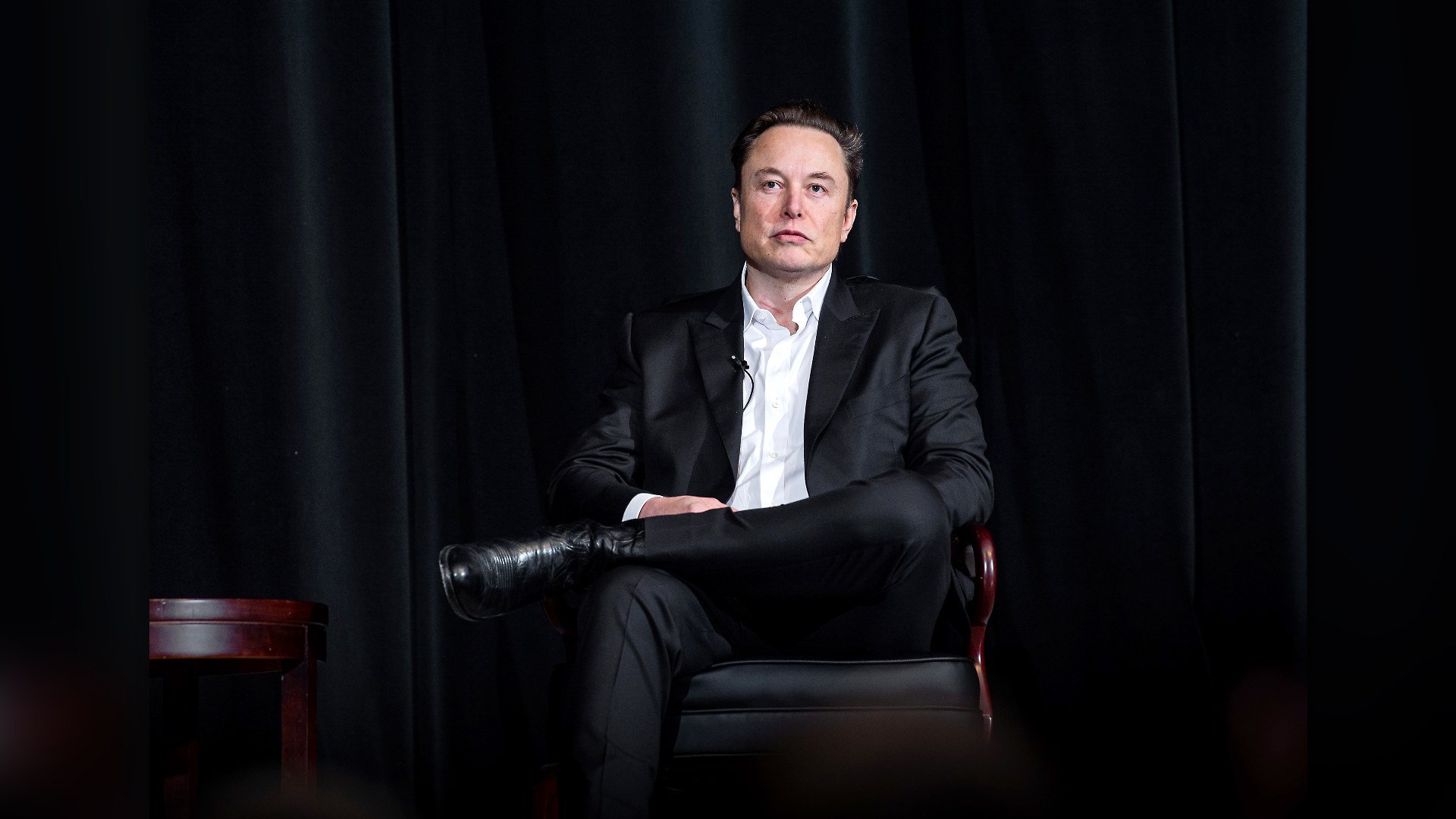
Elon Musk confirmed Tesla will wind down Cybertruck production at Gigafactory Texas by mid-2027. The automaker is reallocating factory floors and capital to mass-produce the autonomous Cybercab and Optimus humanoid robots.
Swipe or tap ▶ to begin the countdown
©Wikimedia / Trevor Cokley & wikimedia / Lcaa9
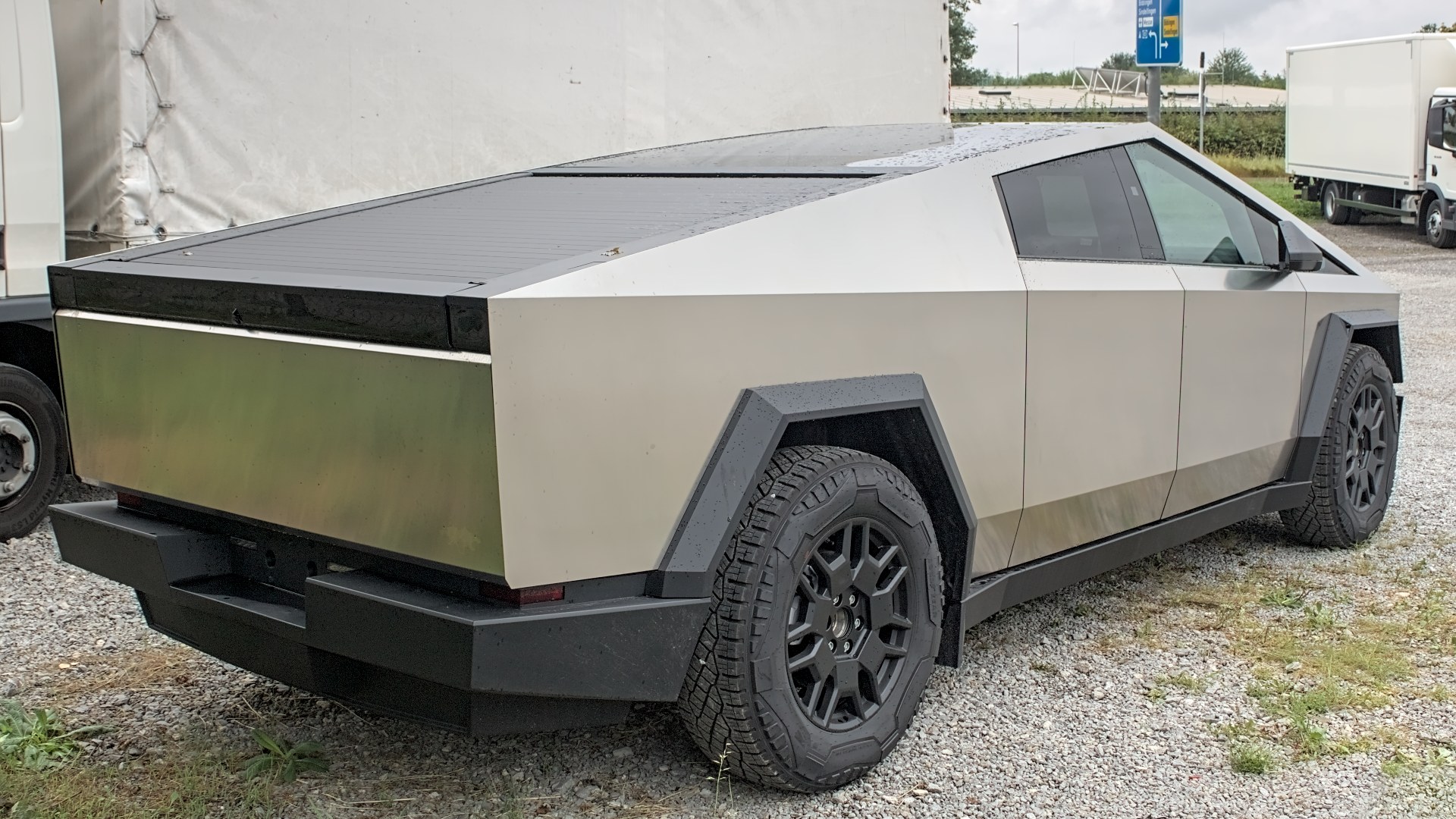
12. The Giga Texas Production Halt
Elon Musk confirmed that Tesla will phase out Cybertruck manufacturing at Gigafactory Texas. The bold stainless-steel pickup debuted to immense fanfare in late 2023, but the company has decided to sunset the platform early to reclaim crucial factory floor space.
©Wikimedia Commons / Trevor Cokley
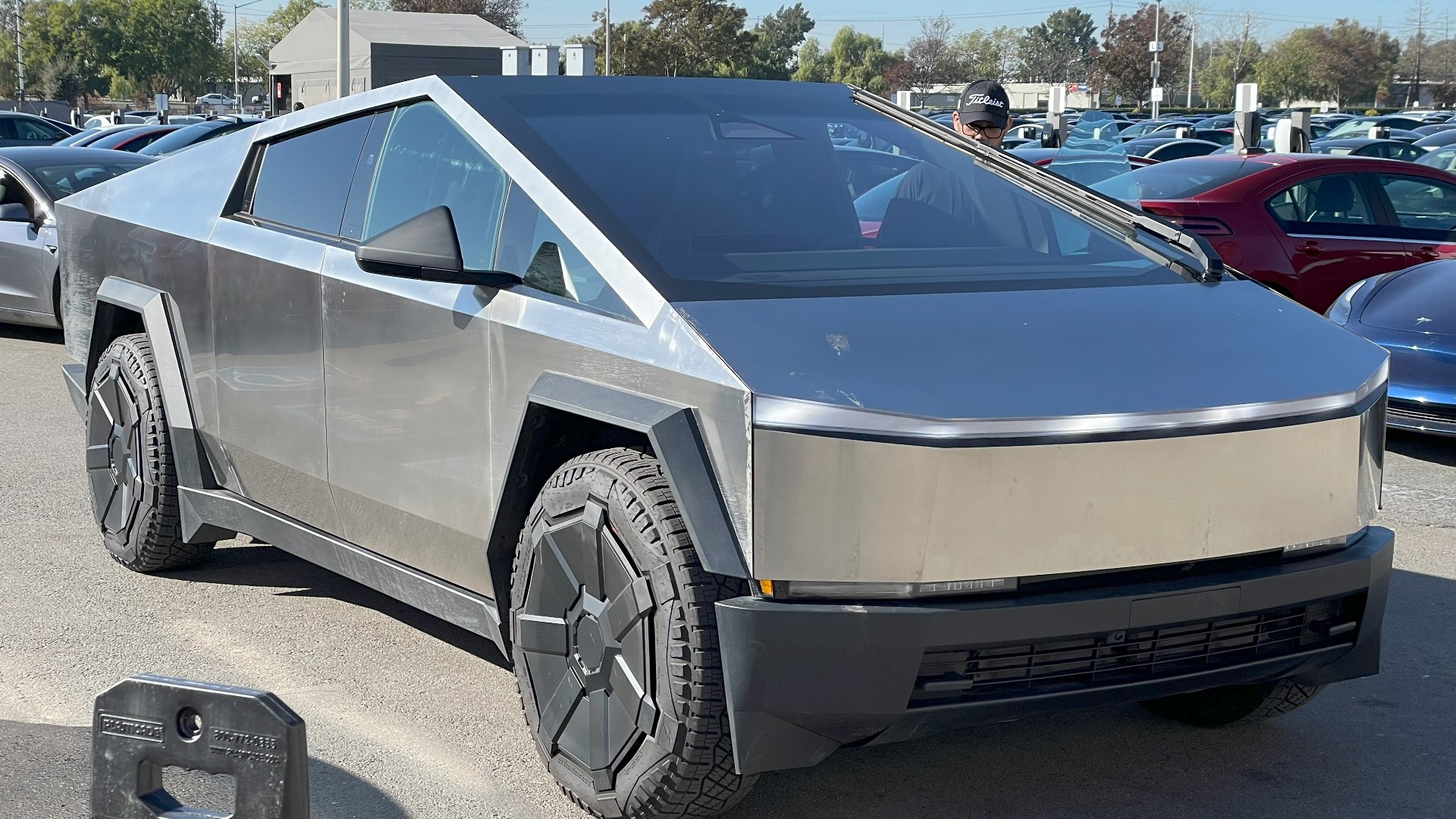
11. The Missing 250,000 Annual Sales
Tesla initially aimed to build 250,000 Cybertrucks annually by 2025. Real customer demand evaporated quickly once early reservation holders took delivery. With high finance rates and limited commercial utility, total run-rate volume never approached the scale needed for profitability.
©Wikimedia Commons / Alexander-93
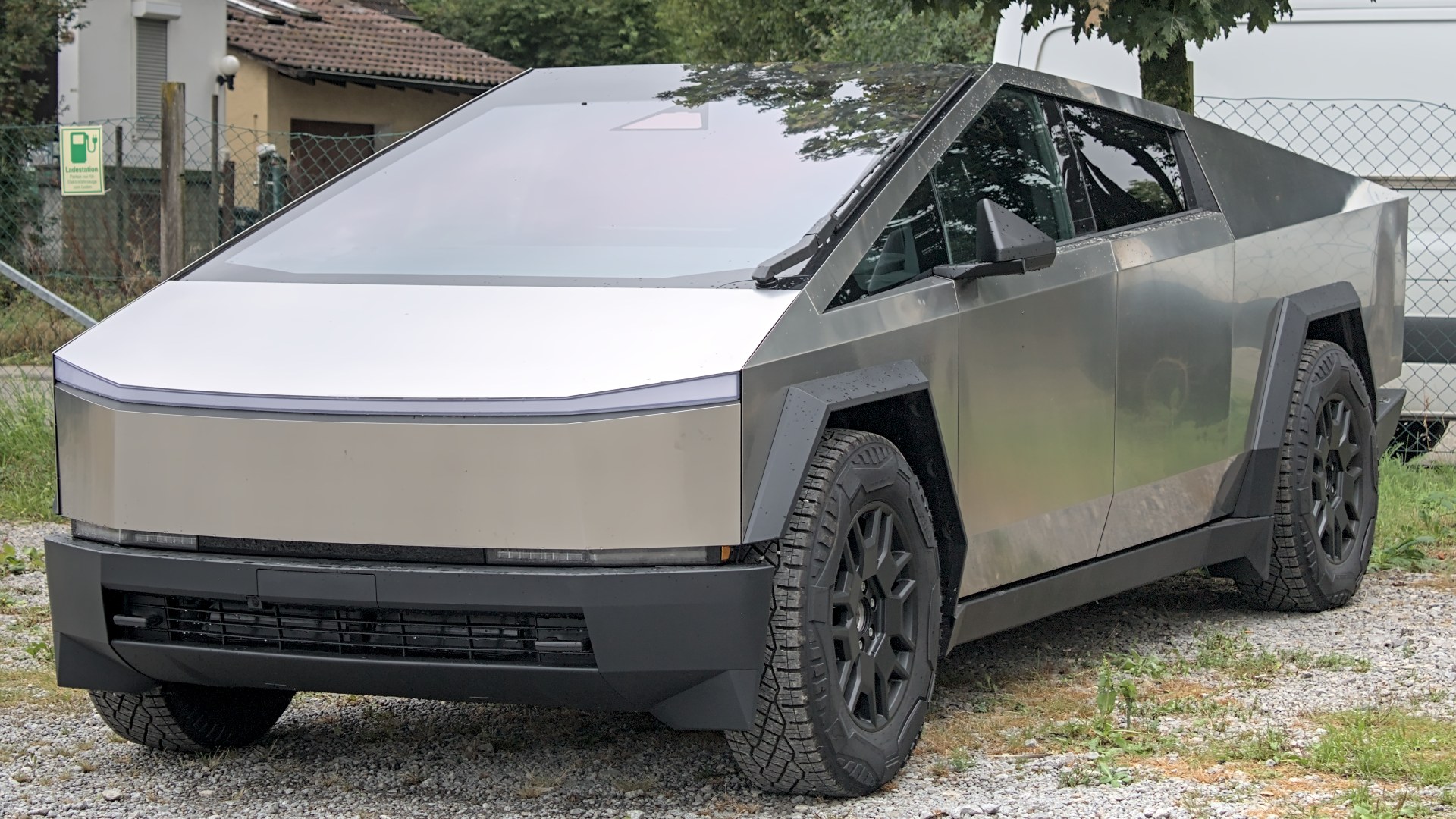
10. Exoskeleton Stamping Bottlenecks
The unpainted cold-rolled steel exterior was meant to eliminate traditional stamping presses. Instead, forming the rigid alloy led to difficult panel alignment, costly scrap rates, and slower cycle times. Musk publicly admitted the company dug its own grave with the complex truck design.
©Wikimedia Commons / Lcaa9
Advertisement
Swipe or tap ▶ to resume the countdown.
9. The ,000 Price Shock
Musk revealed the concept truck in 2019 with an eye-catching 39,900 dollar entry price. When production models arrived, early units were sold as premium Foundation Series trucks topping 100,000 dollars. Even cheaper dual-motor editions remained out of reach for traditional pickup drivers.
©Wikimedia Commons / Alexander-93
8. Locked Out Of Global Markets
European transport regulators warned that rigid steel corners failed pedestrian impact safety standards. In China and European capitals, strict vehicle weight rules restricted where the massive truck could legally operate. The platform was effectively trapped inside North America.
©Wikimedia Commons / Chintunglee
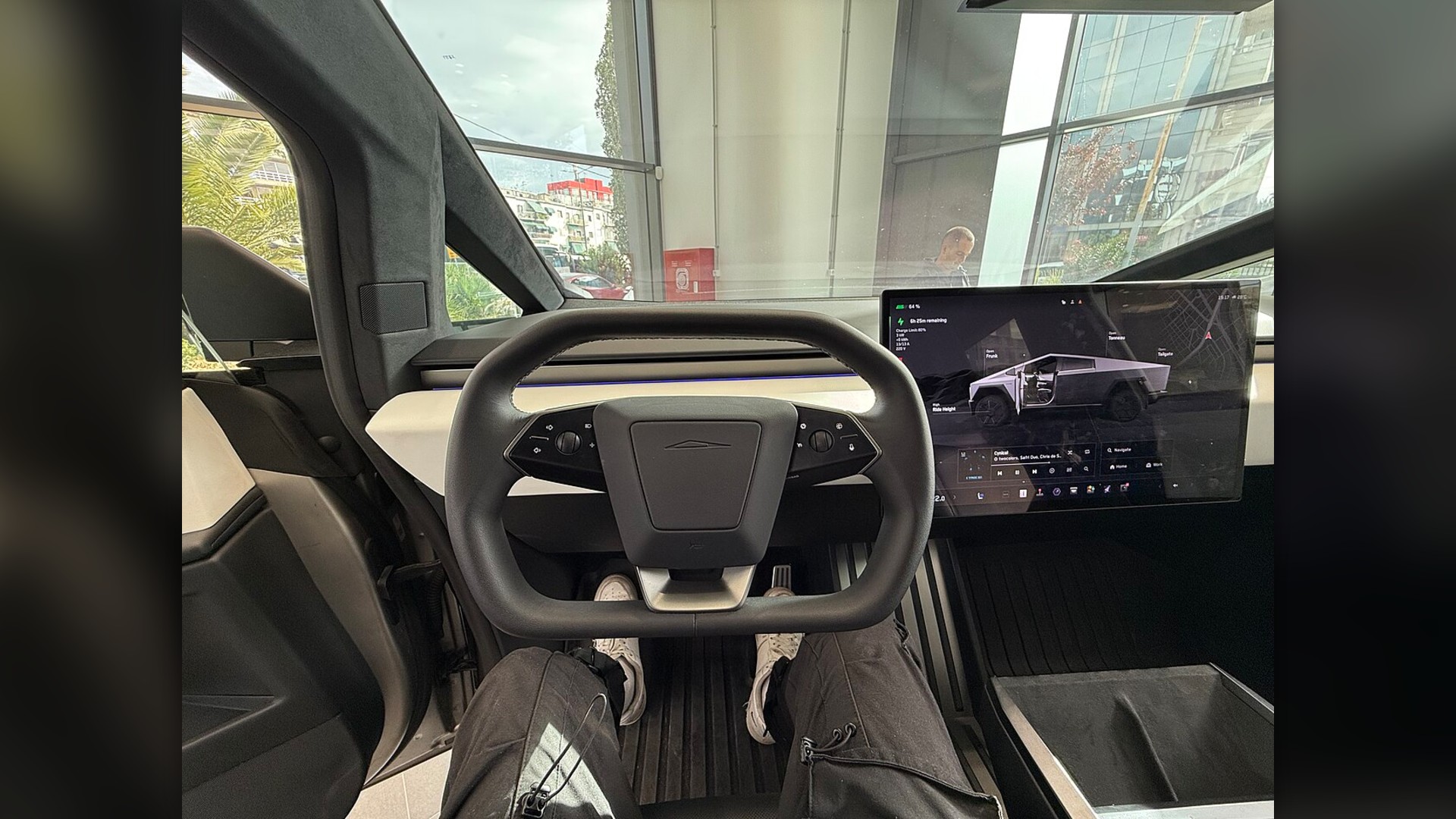
7. Engineering Firsts Left Behind
Despite its early retirement, Cybertruck pioneered major automotive milestones. It was the first mass production vehicle to replace century-old 12-volt wiring with a lightweight 48-volt bus and physical steering shafts with pure steer-by-wire software.
©Wikimedia Commons / Daniel Lu
6. Repurposing The Austin Floor
Reallocating factory space inside the massive Austin facility gives Tesla immediate production bandwidth. Manufacturing engineers are retooling the bays to support unboxed assembly methods, designed to lower build costs while accelerating production output.
©Wikimedia Commons / Larry D. Moore
Advertisement
Swipe or tap ▶ to resume the countdown.
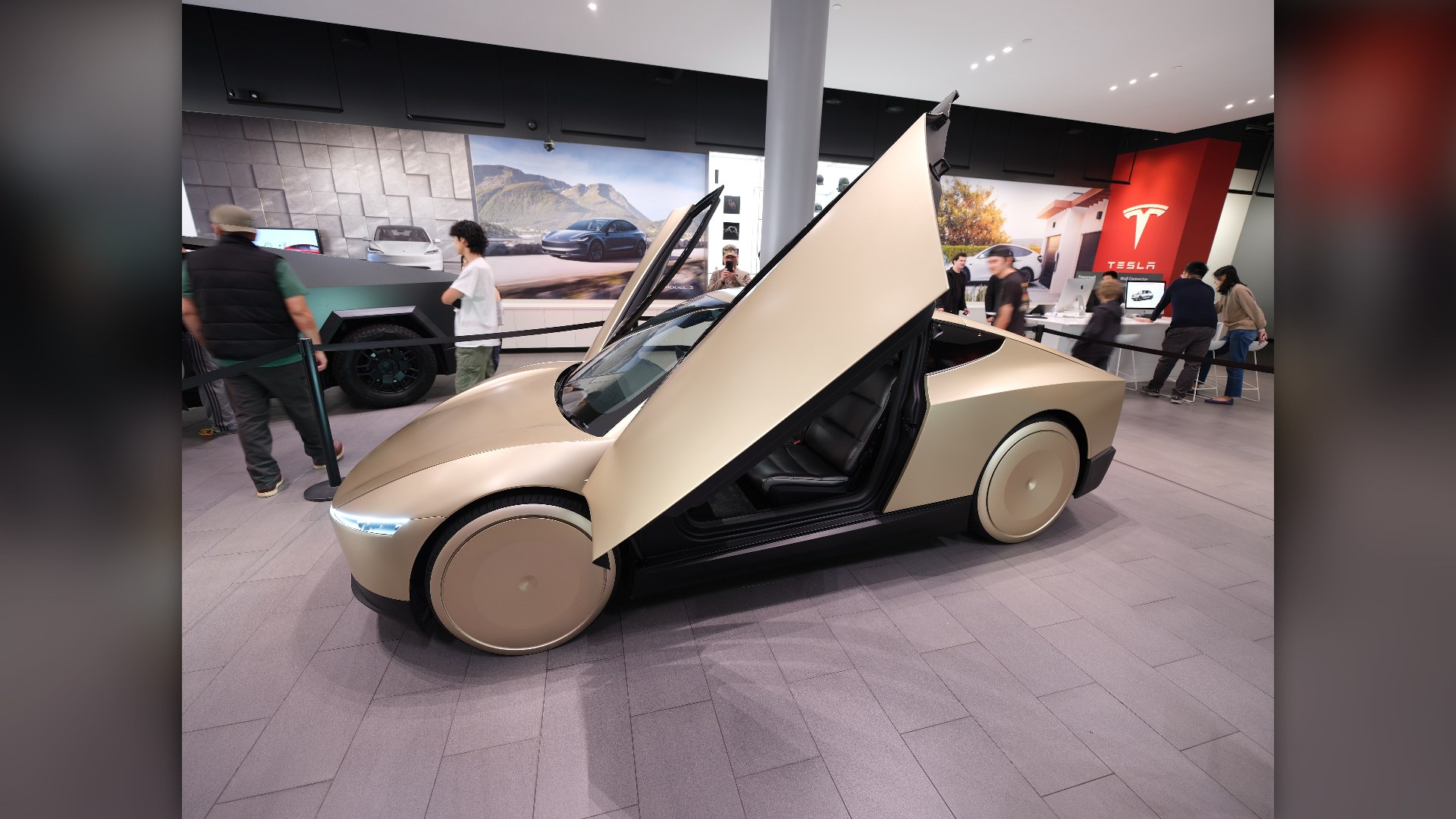
5. The Pedalless Cybercab Mandate
Musk sees the future in high-volume driverless mobility. The upcoming Cybercab eliminates steering wheels, foot pedals, and side mirrors altogether. By dropping expensive driver controls, Tesla targets an operating cost under twenty cents per mile.
©Wikimedia Commons / BrokenSphere
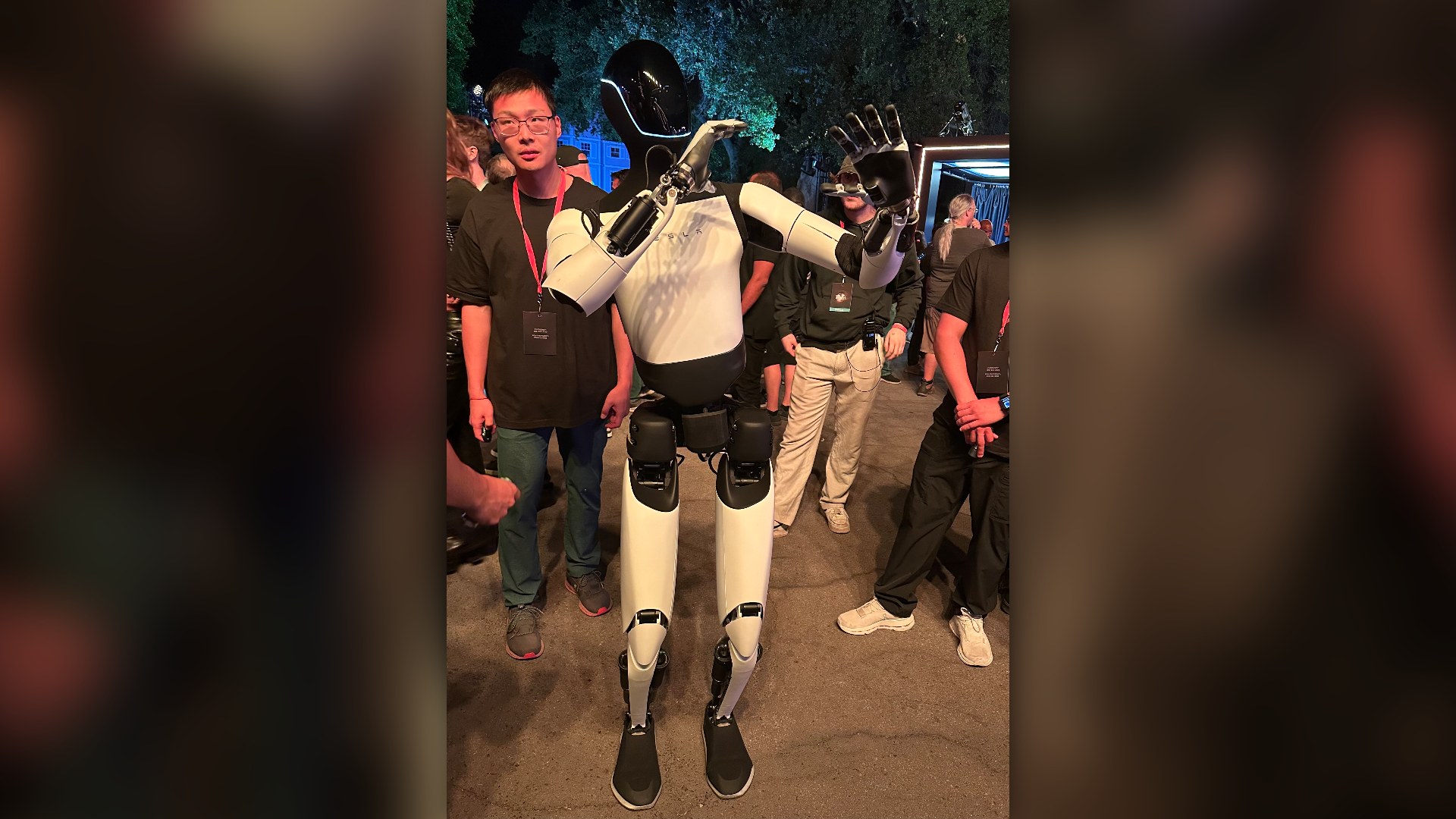
4. Optimus Humanoid Factory Deployment
Musk has declared that the Optimus humanoid robot could eventually exceed the valuation of all Tesla vehicles combined. Internal factory teams are already deploying prototype bots inside Texas facilities to handle component sorting and battery cell packaging.
©Wikimedia Commons / Steve Jurvetson
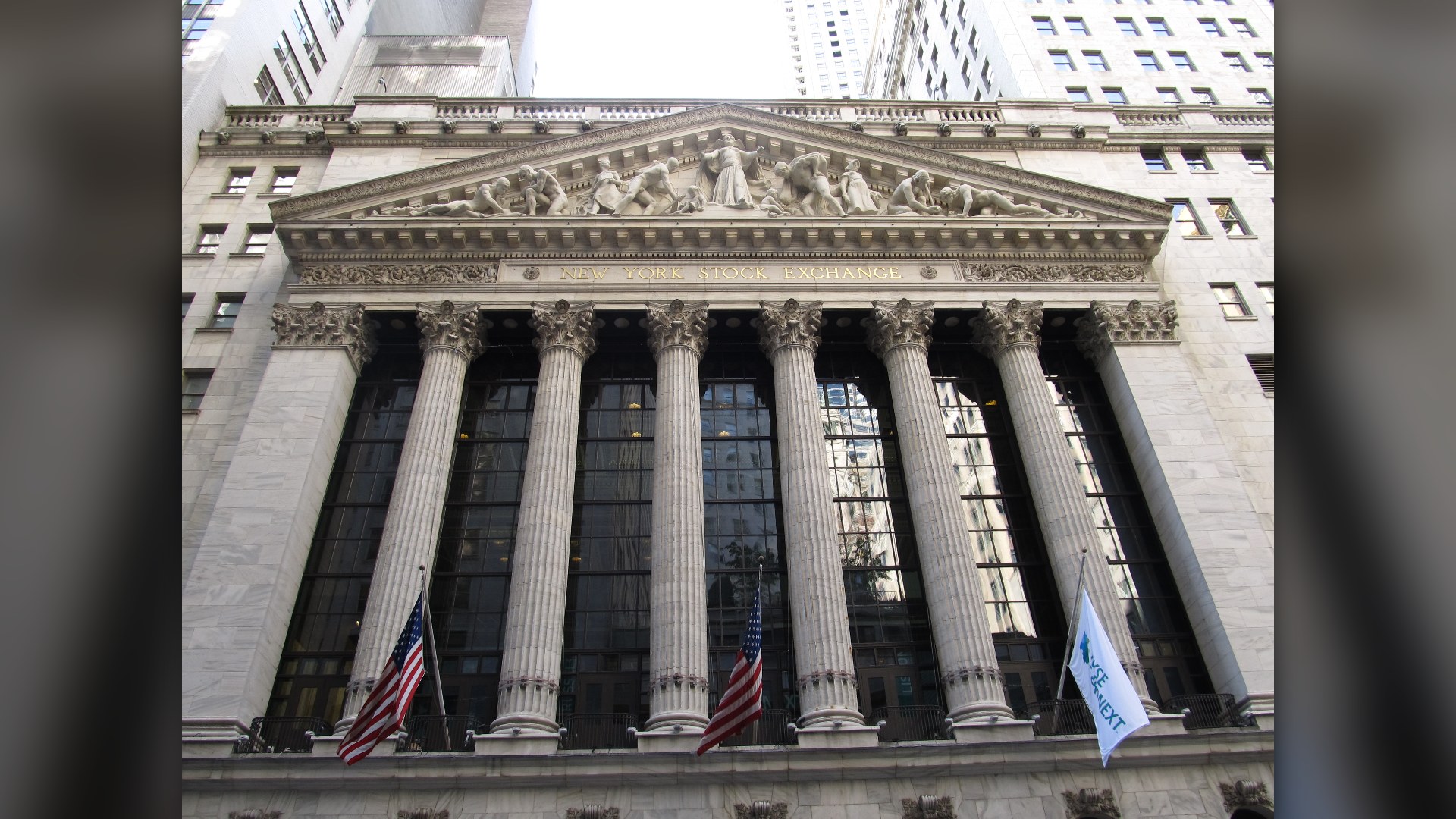
3. Wall Street Re Evaluates Tesla Margins
Investors cheered the move to halt Cybertruck production. Financial analysts had long warned that the truck diluted corporate profit margins without opening mass-market volume. Retiring the truck enables Tesla to focus capital expenditure on high-margin autonomous software.
©Wikimedia Commons / Ken Lund
2. The End Of Consumer Pickup Experiments
Detroit automakers like Ford and General Motors dominate traditional work truck fleets. Rather than waging an expensive war over payload ratings and towing range, Tesla is withdrawing from pickup manufacturing to build software-driven transport infrastructure.
©Wikimedia / Mpelas199
Advertisement
Swipe or tap ▶ to resume the countdown.
1. The Pure Artificial Intelligence Pivot
The Cybertruck exit represents the definitive turning point in Tesla history. The company is no longer positioning itself as a standard car maker. By channeling manufacturing resources toward neural network driving and autonomous bots, Musk is betting the entire brand on artificial intelligence.

©Wikimedia Commons / Daniel Lu
Advertisement
You've reached the end of the story. Thanks for reading!

20 Famous Cars With Pop-Up Headlights That Shaped Car Design
From hand-cranked 1930s teardrops to wedge supercars of the 1980s, hidden headlights let stylists chase sleek aerodynamics until 2004 pedestrian rules closed the curtain. Here are 20 standout production cars that turned retractable lamps into an enduring automotive design feature across seven full decades.
All 12 Entries in this Story
12. The Giga Texas Production Halt
Elon Musk confirmed that Tesla will phase out Cybertruck manufacturing at Gigafactory Texas. The bold stainless-steel pickup debuted to immense fanfare in late 2023, but the company has decided to sunset the platform early to reclaim crucial factory floor space.

11. The Missing 250,000 Annual Sales
Tesla initially aimed to build 250,000 Cybertrucks annually by 2025. Real customer demand evaporated quickly once early reservation holders took delivery. With high finance rates and limited commercial utility, total run-rate volume never approached the scale needed for profitability.

10. Exoskeleton Stamping Bottlenecks
The unpainted cold-rolled steel exterior was meant to eliminate traditional stamping presses. Instead, forming the rigid alloy led to difficult panel alignment, costly scrap rates, and slower cycle times. Musk publicly admitted the company dug its own grave with the complex truck design.

9. The ,000 Price Shock
Musk revealed the concept truck in 2019 with an eye-catching 39,900 dollar entry price. When production models arrived, early units were sold as premium Foundation Series trucks topping 100,000 dollars. Even cheaper dual-motor editions remained out of reach for traditional pickup drivers.

8. Locked Out Of Global Markets
European transport regulators warned that rigid steel corners failed pedestrian impact safety standards. In China and European capitals, strict vehicle weight rules restricted where the massive truck could legally operate. The platform was effectively trapped inside North America.

7. Engineering Firsts Left Behind
Despite its early retirement, Cybertruck pioneered major automotive milestones. It was the first mass production vehicle to replace century-old 12-volt wiring with a lightweight 48-volt bus and physical steering shafts with pure steer-by-wire software.

6. Repurposing The Austin Floor
Reallocating factory space inside the massive Austin facility gives Tesla immediate production bandwidth. Manufacturing engineers are retooling the bays to support unboxed assembly methods, designed to lower build costs while accelerating production output.

5. The Pedalless Cybercab Mandate
Musk sees the future in high-volume driverless mobility. The upcoming Cybercab eliminates steering wheels, foot pedals, and side mirrors altogether. By dropping expensive driver controls, Tesla targets an operating cost under twenty cents per mile.

4. Optimus Humanoid Factory Deployment
Musk has declared that the Optimus humanoid robot could eventually exceed the valuation of all Tesla vehicles combined. Internal factory teams are already deploying prototype bots inside Texas facilities to handle component sorting and battery cell packaging.

3. Wall Street Re Evaluates Tesla Margins
Investors cheered the move to halt Cybertruck production. Financial analysts had long warned that the truck diluted corporate profit margins without opening mass-market volume. Retiring the truck enables Tesla to focus capital expenditure on high-margin autonomous software.

2. The End Of Consumer Pickup Experiments
Detroit automakers like Ford and General Motors dominate traditional work truck fleets. Rather than waging an expensive war over payload ratings and towing range, Tesla is withdrawing from pickup manufacturing to build software-driven transport infrastructure.

1. The Pure Artificial Intelligence Pivot
The Cybertruck exit represents the definitive turning point in Tesla history. The company is no longer positioning itself as a standard car maker. By channeling manufacturing resources toward neural network driving and autonomous bots, Musk is betting the entire brand on artificial intelligence.