Slideshow · Science
25 Groundbreaking American Inventions and Achievements Ranked
From Kitty Hawk and the Apollo 11 lunar landing to the transistor and the internet, American inventors and scientists have transformed global civilization. Sourced from the Smithsonian Institution, NASA archives, and the Library of Congress, here are twenty-five groundbreaking American milestones ranked.

By Most Viral Today
14 min ago

Which American innovations changed human history more than any others? 
25. Lightning Rod 
24. Cotton Gin 
23. Electric Telegraph - AdvertisementSwipe or tap ▶ to continue countdown

22. Vulcanized Rubber 
21. Telephone Transmission 
20. Incandescent Light Bulb 
19. Modern Air Conditioning - AdvertisementSwipe or tap ▶ to continue countdown

18. Moving Assembly Line 
17. Liquid-Fueled Rocketry 
16. Electronic Television 
15. Nylon Synthetic Polymer - AdvertisementSwipe or tap ▶ to continue countdown

14. Nuclear Chain Reaction 
13. Microwave Oven 
12. Point-Contact Transistor 
11. Salk Polio Vaccine - AdvertisementSwipe or tap ▶ to continue countdown

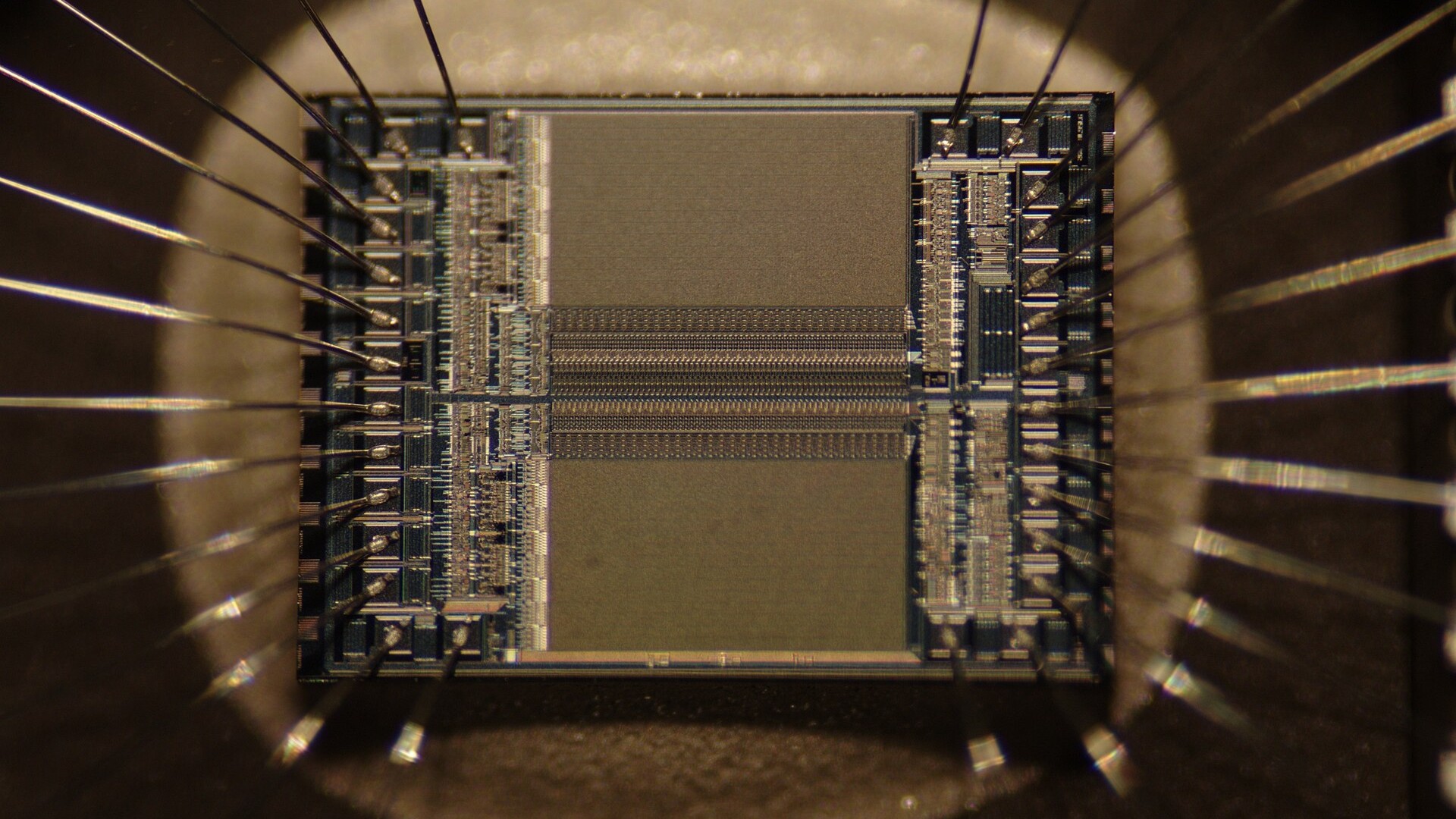
10. Integrated Circuit 
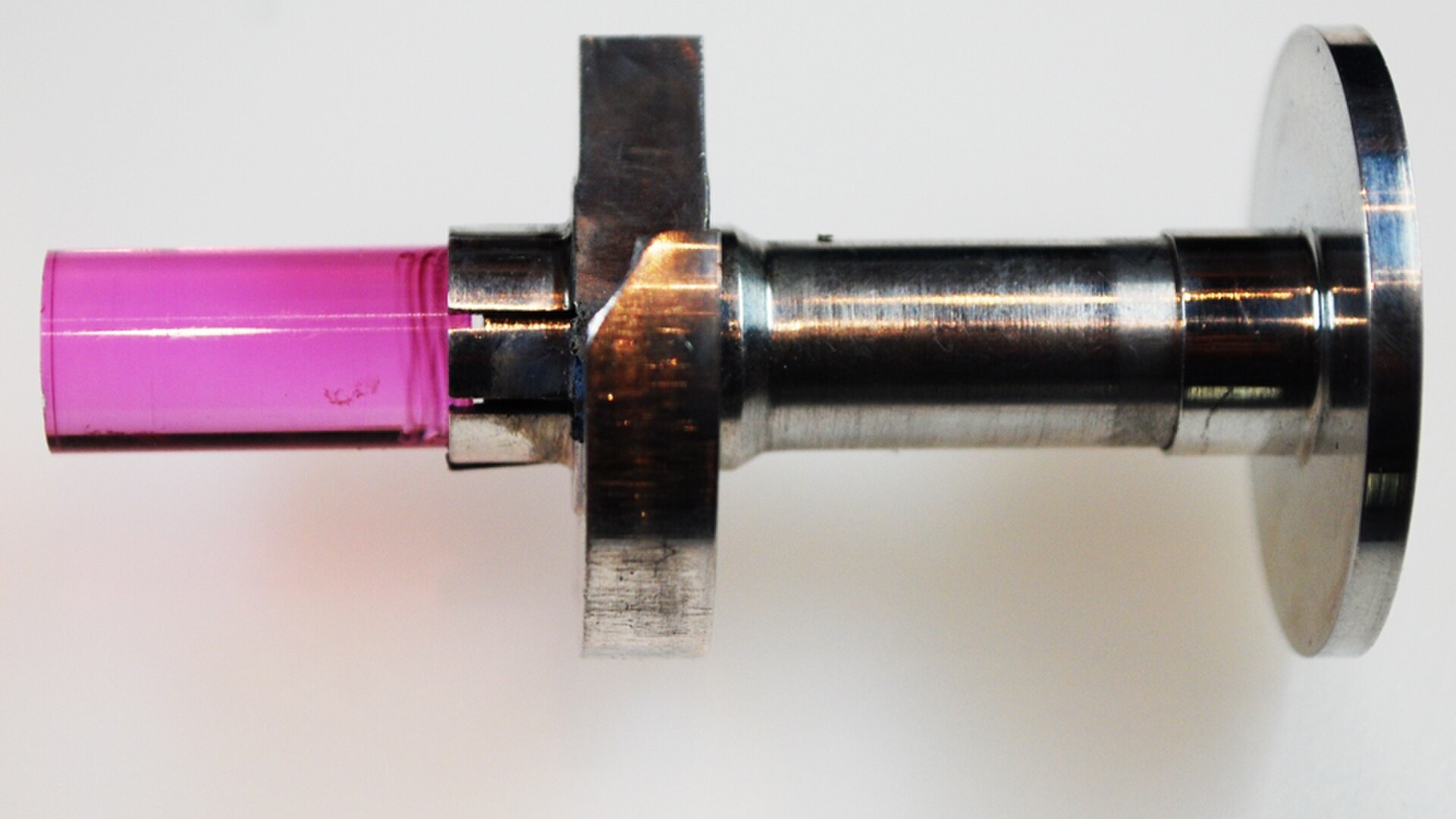
9. Laser Light Amplification 
8. Computer Mouse And GUI 
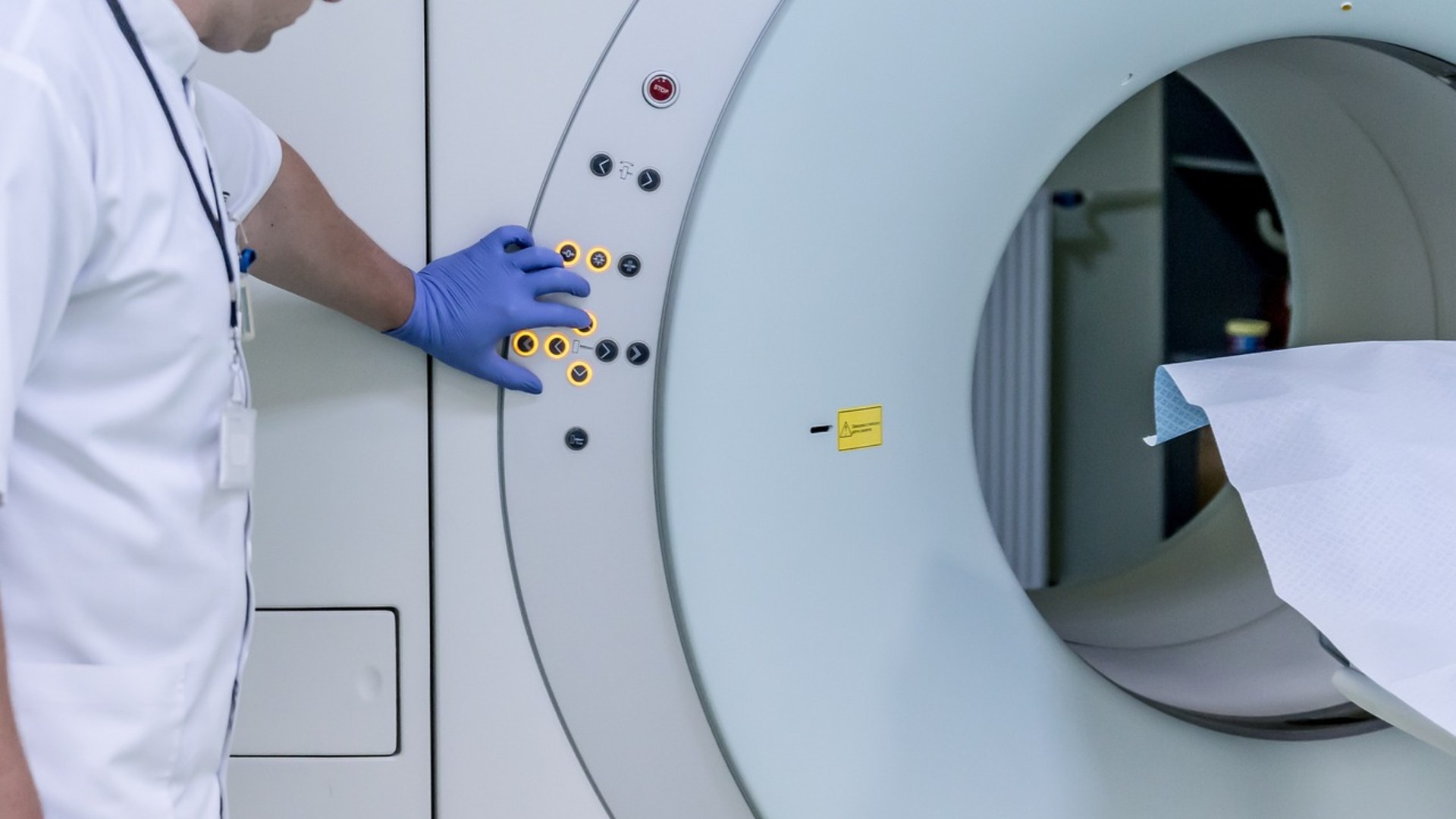
7. Magnetic Resonance Imaging - AdvertisementSwipe or tap ▶ to continue countdown

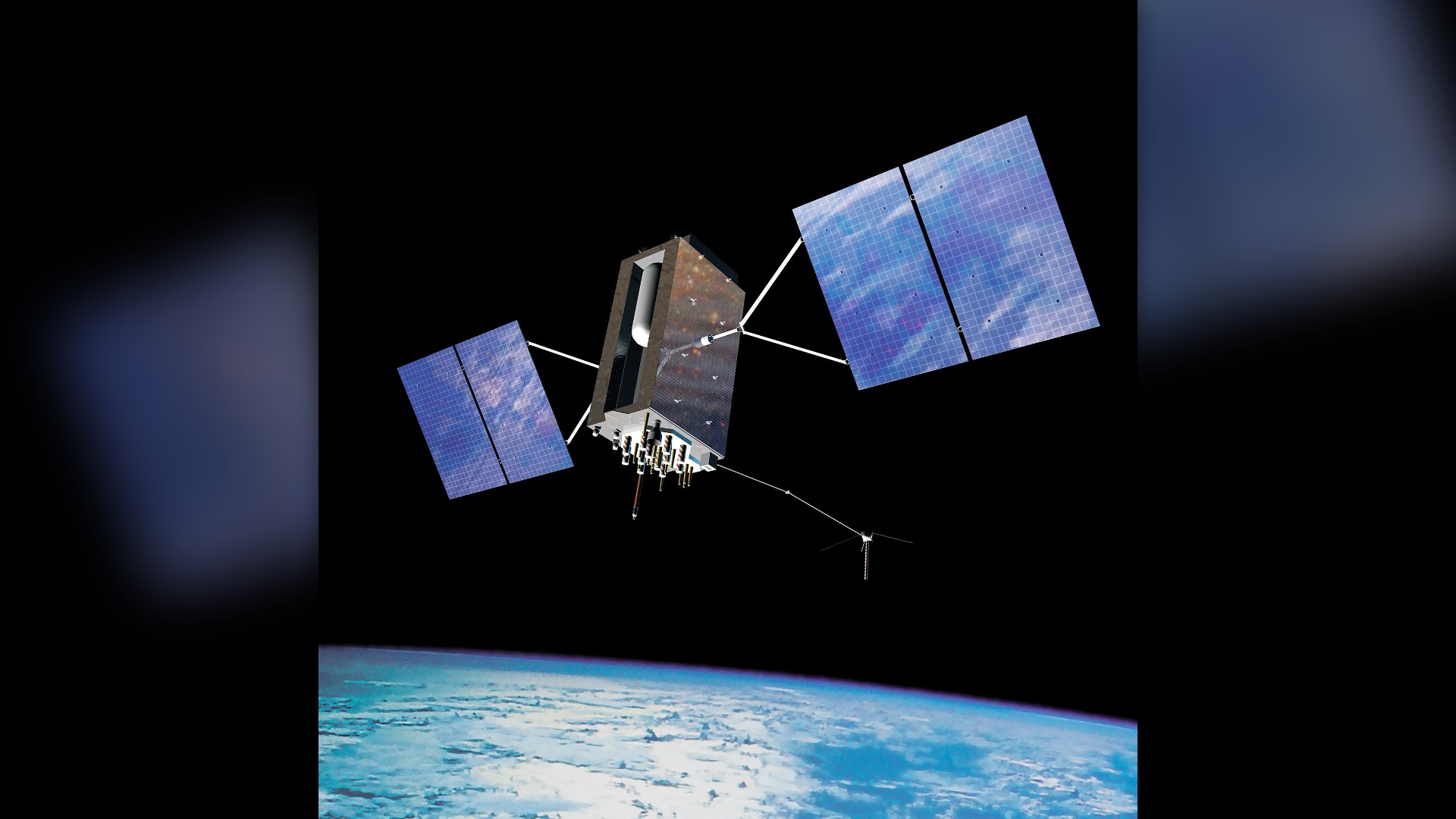
6. Global Positioning System 
5. Personal Computer 
4. ARPANET And Internet 
3. Hubble Space Telescope - AdvertisementSwipe or tap ▶ to continue countdown

2. Wright Brothers Airplane 
1. Apollo 11 Moon Landing - Advertisement🔥 UP NEXT IN THIS SERIES◫ 21 Slides

20 Armored Vehicles in Service With European Militaries
European militaries operate everything from Cold War tanks to modular wheeled combat fleets. Ranked by multinational adoption, battlefield longevity, and technical influence, these 20 programs trace over seven decades of armored design. Based on NATO, Bundeswehr, UK Ministry of Defence, and French DGA records.
From Kitty Hawk and the Apollo 11 lunar landing to the transistor and the internet, American inventors and scientists have transformed global civilization. Sourced from the Smithsonian Institution, NASA archives, and the Library of Congress, here are twenty-five groundbreaking American milestones ranked.
Swipe or tap ▶ to begin the countdown
©Wikimedia / Unknown author Unknown author or not
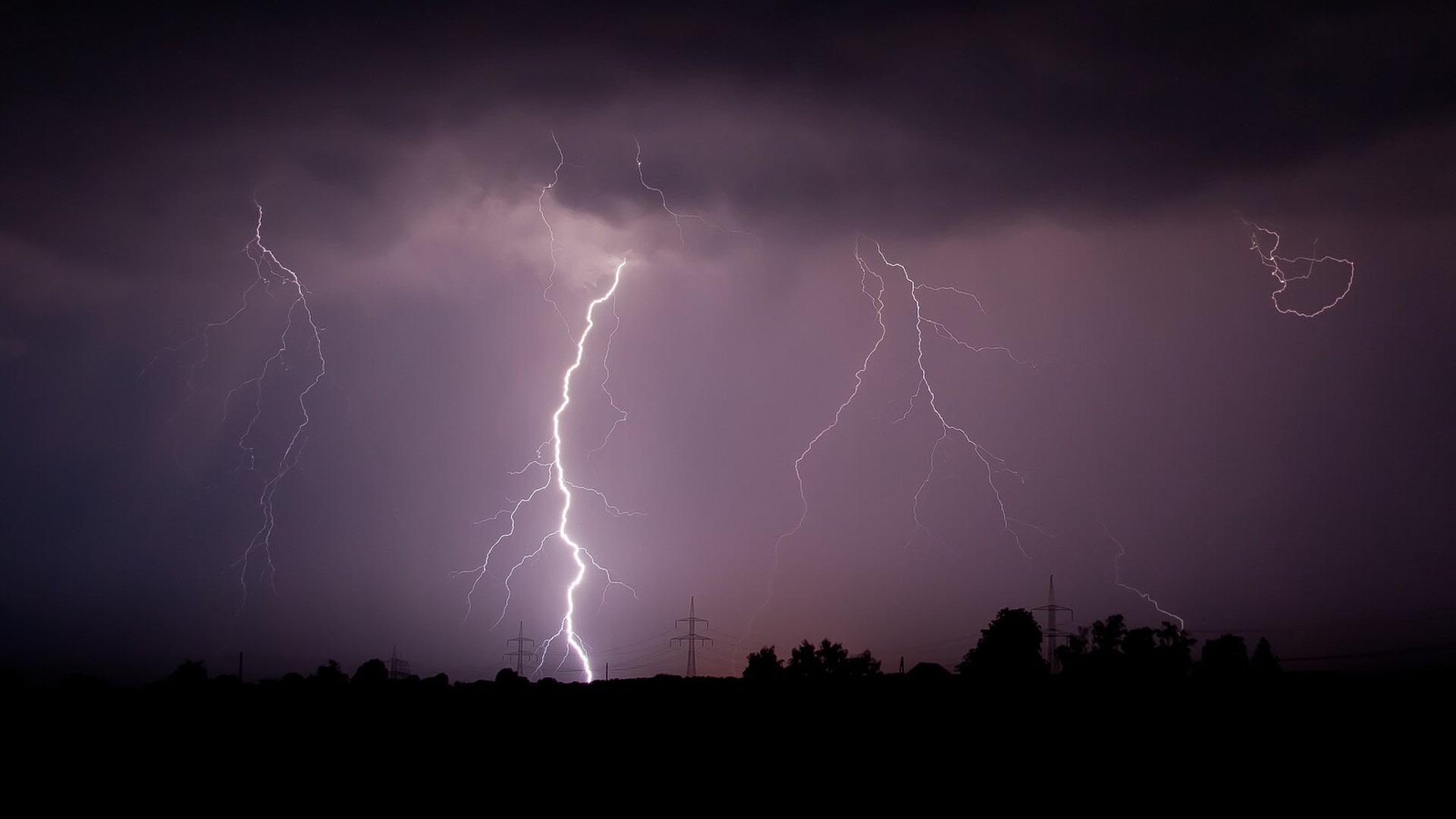
25. Lightning Rod
Benjamin Franklin proved lightning was electrical in his famous June 1752 kite experiment in Philadelphia. His subsequent invention of pointed iron lightning rods protected wooden structures and ships worldwide from catastrophic fires, laying foundations for electrical science.
©Wikimedia / Mathias Krumbholz
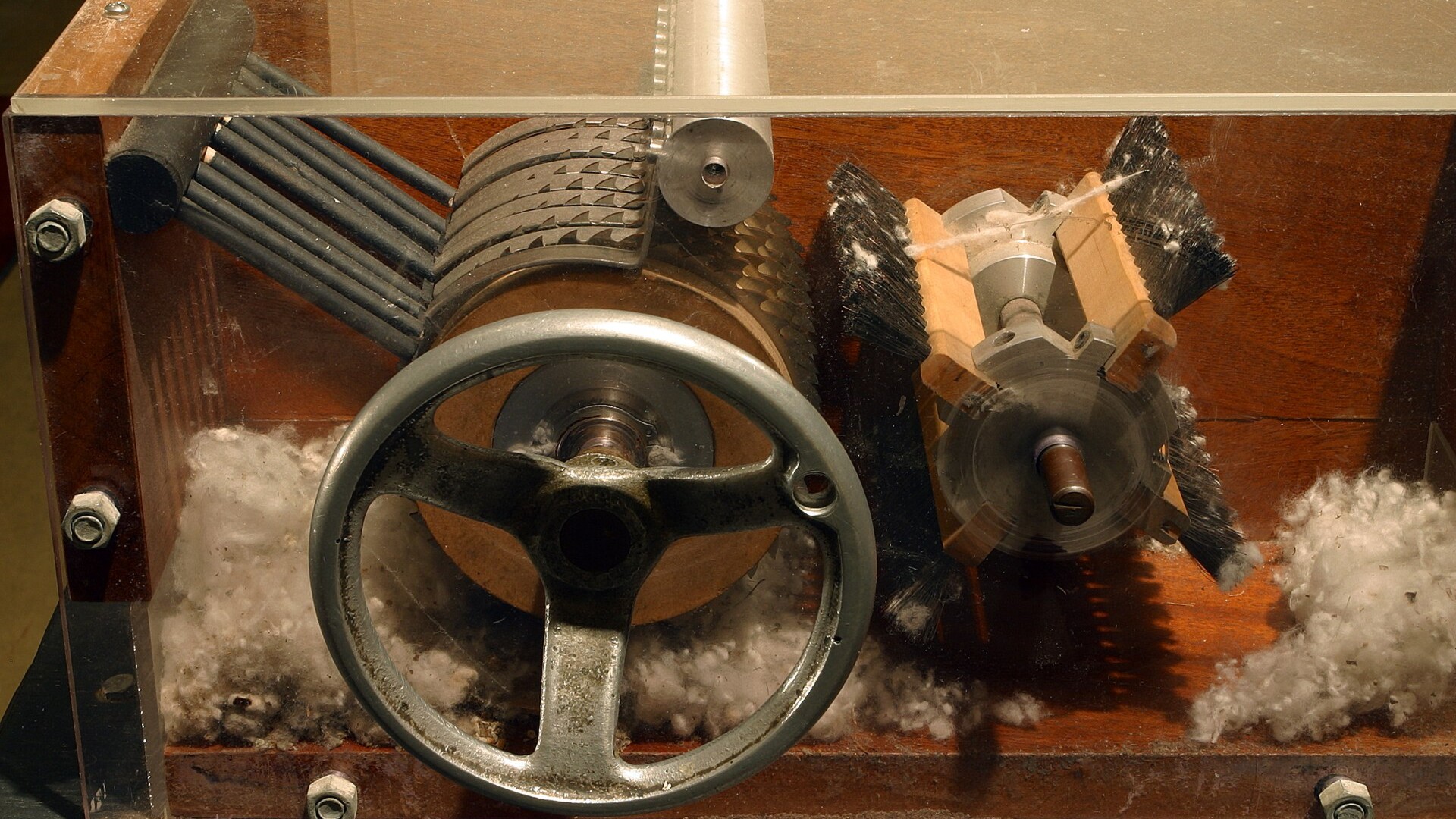
24. Cotton Gin
Patented by Eli Whitney in 1794, the cotton gin used wire screens and rotating metal hooks to mechanically separate seeds from cotton fiber fifty times faster than manual labor. The breakthrough powered the industrial textile boom and radically transformed global trade.
©Wikimedia / Cotton gin
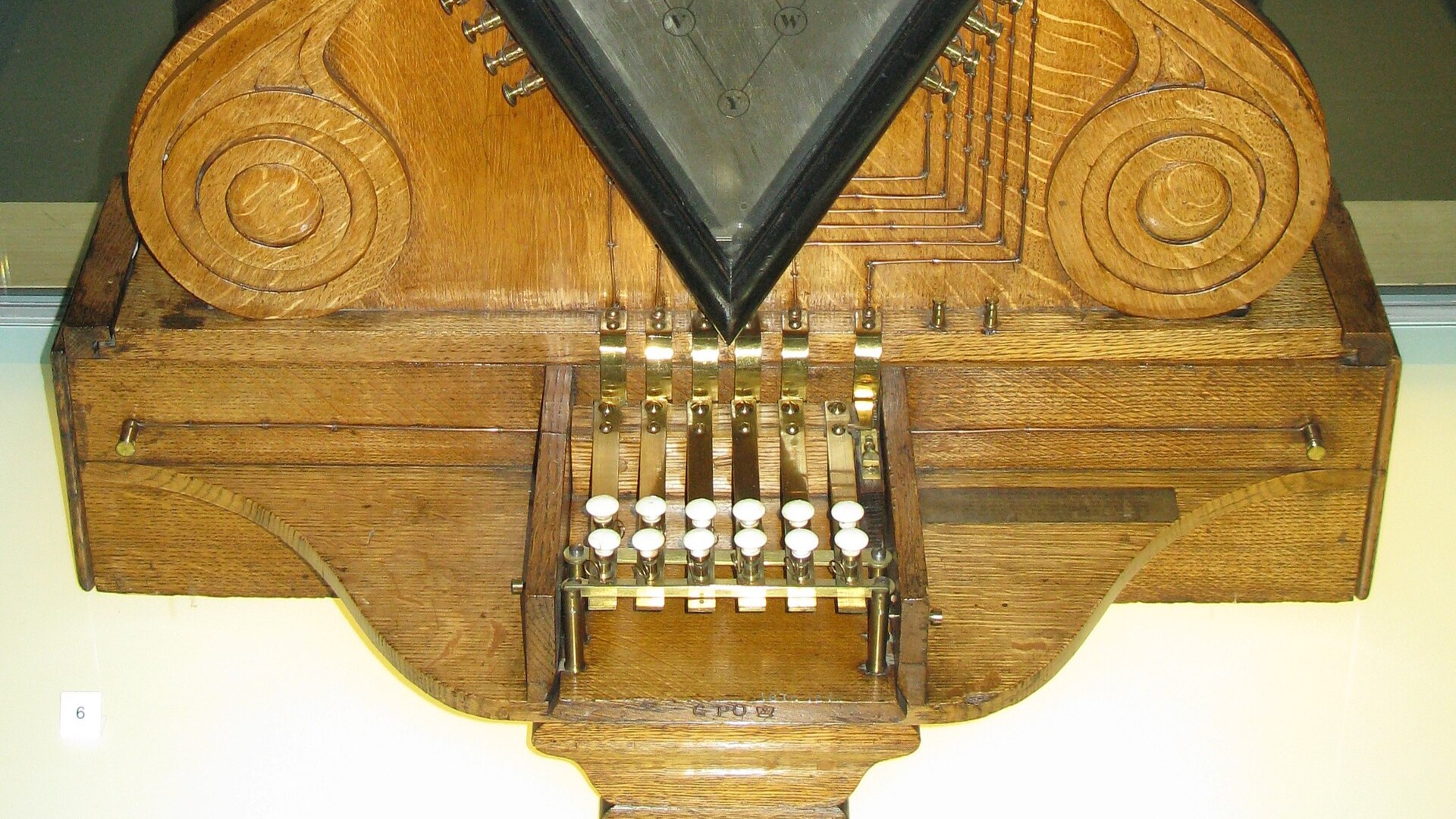
23. Electric Telegraph
Samuel Morse demonstrated the first commercial electrical telegraph in May 1844, sending the historic message What hath God wrought from Washington to Baltimore. Along with Morse code, the system enabled instant transcontinental communication for the first time in human history.
©Wikimedia / Electrical telegraph
Advertisement
Swipe or tap ▶ to resume the countdown.
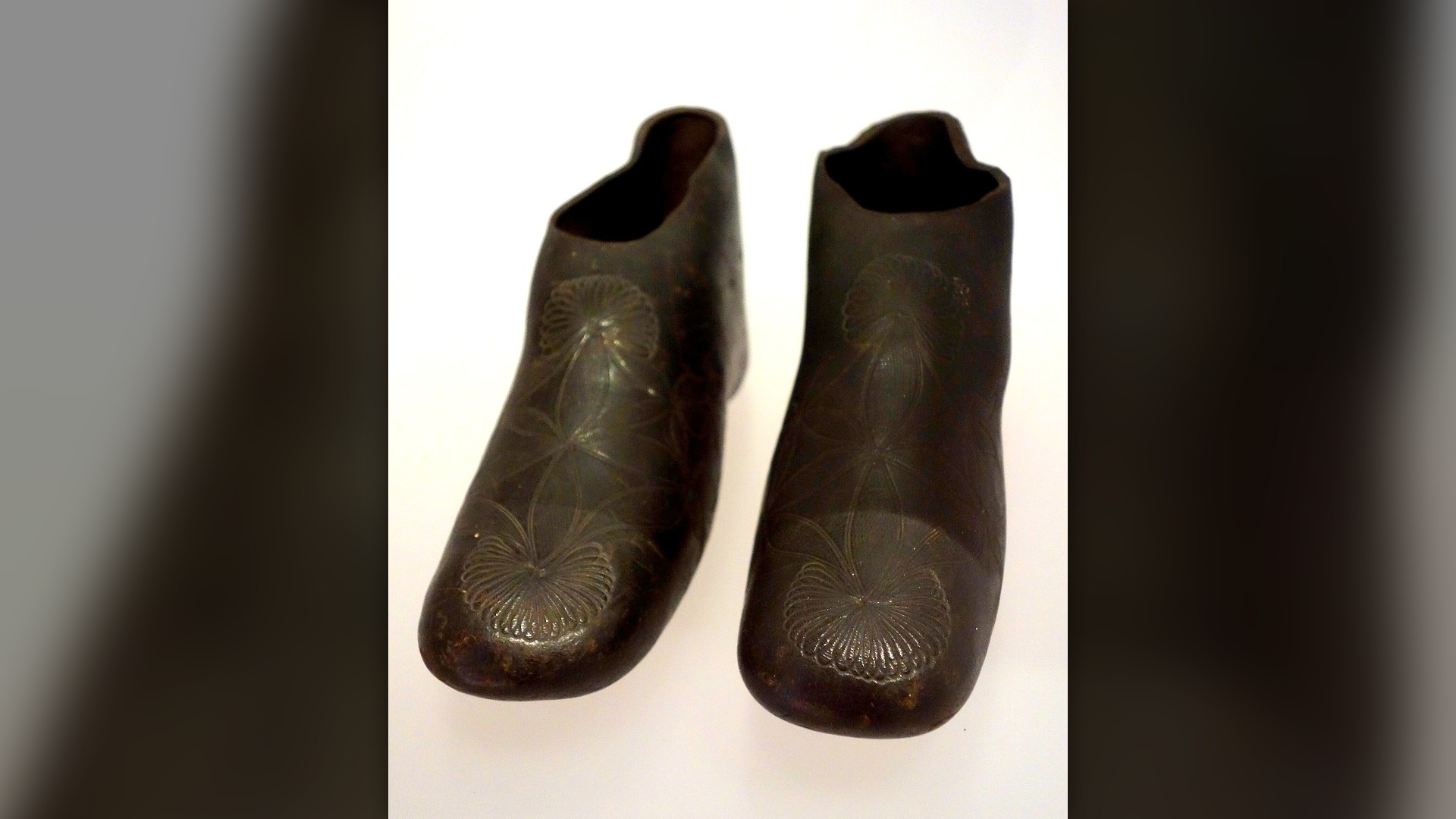
22. Vulcanized Rubber
Charles Goodyear discovered vulcanization in 1839 after accidentally heating natural rubber with sulfur. The process made rubber weatherproof, heat resistant, and resilient, enabling the modern automotive tire industry, electrical insulation, and durable industrial machinery.
©Openverse / Daderot
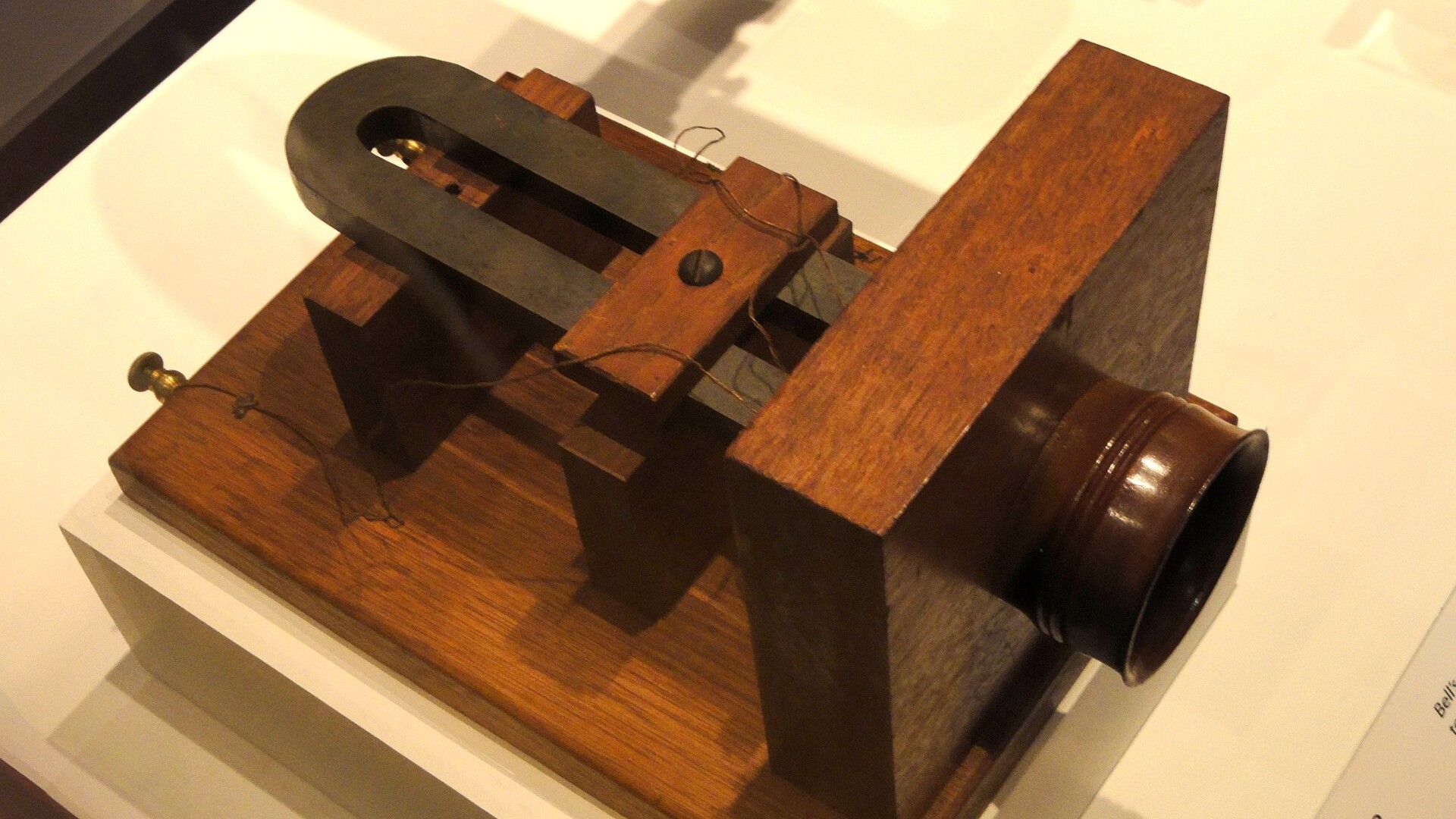
21. Telephone Transmission
Alexander Graham Bell was granted U.S. Patent 174,465 in March 1876 for his acoustic telegraph transmitter. Days later, he famously summoned his assistant Thomas Watson, inaugurating modern telecommunications networks that connected households and continents by voice.
©Wikimedia / Daderot
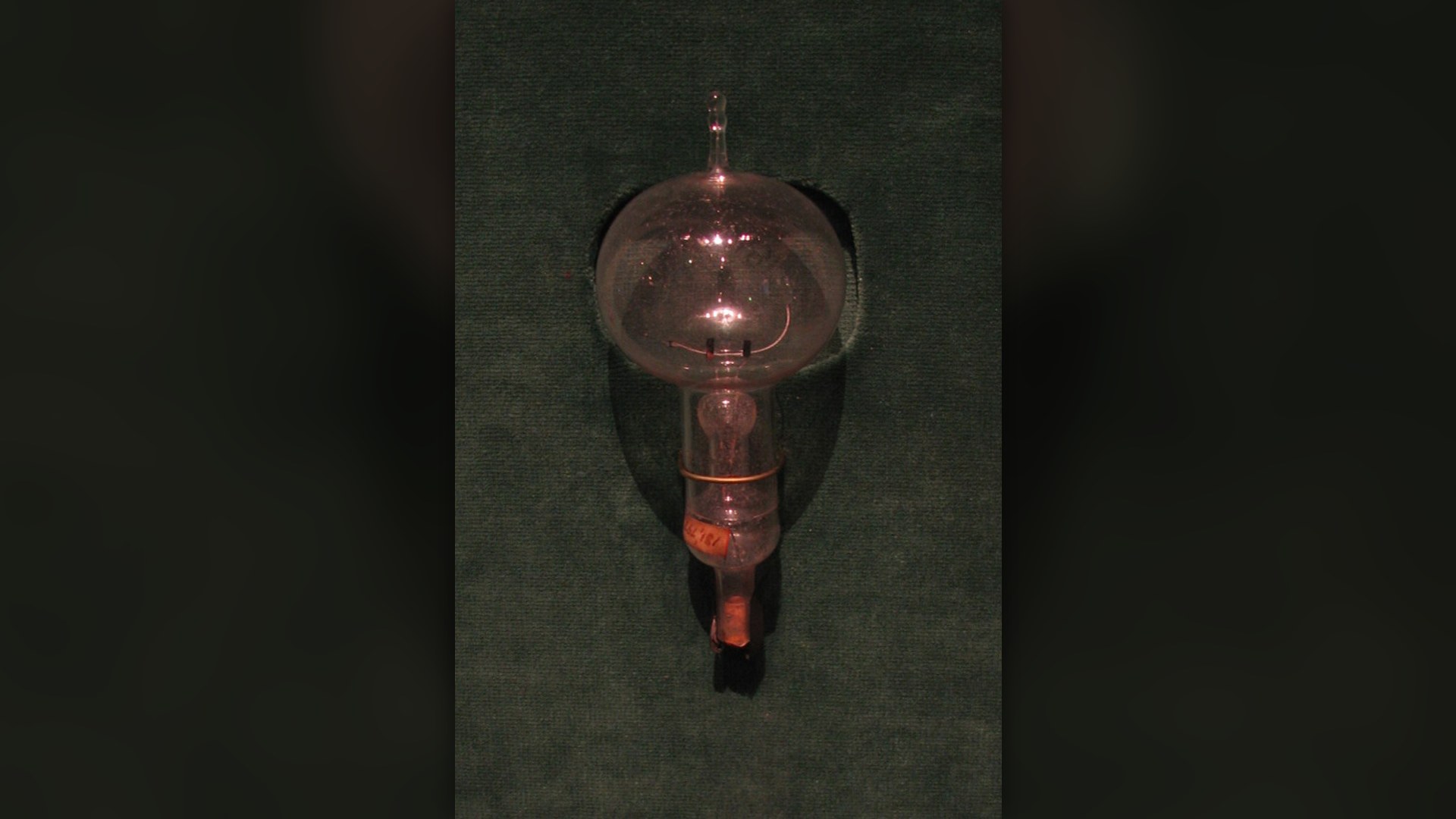
20. Incandescent Light Bulb
Thomas Edison and his Menlo Park laboratory team perfected a practical high-vacuum incandescent bulb in October 1879 using carbonized cotton thread. Paired with his central power generation system, Edison invention permanently replaced gas lamps and illuminated modern cities.
©Wikimedia / Terren
19. Modern Air Conditioning
Engineer Willis Carrier designed the first modern electrical air conditioning unit in 1902 for a Brooklyn printing plant plagued by humidity. His thermodynamic apparatus controlled temperature and moisture, transforming urban architecture, manufacturing, and population growth across the Sun Belt.
©Wikimedia / Air conditioning
Advertisement
Swipe or tap ▶ to resume the countdown.
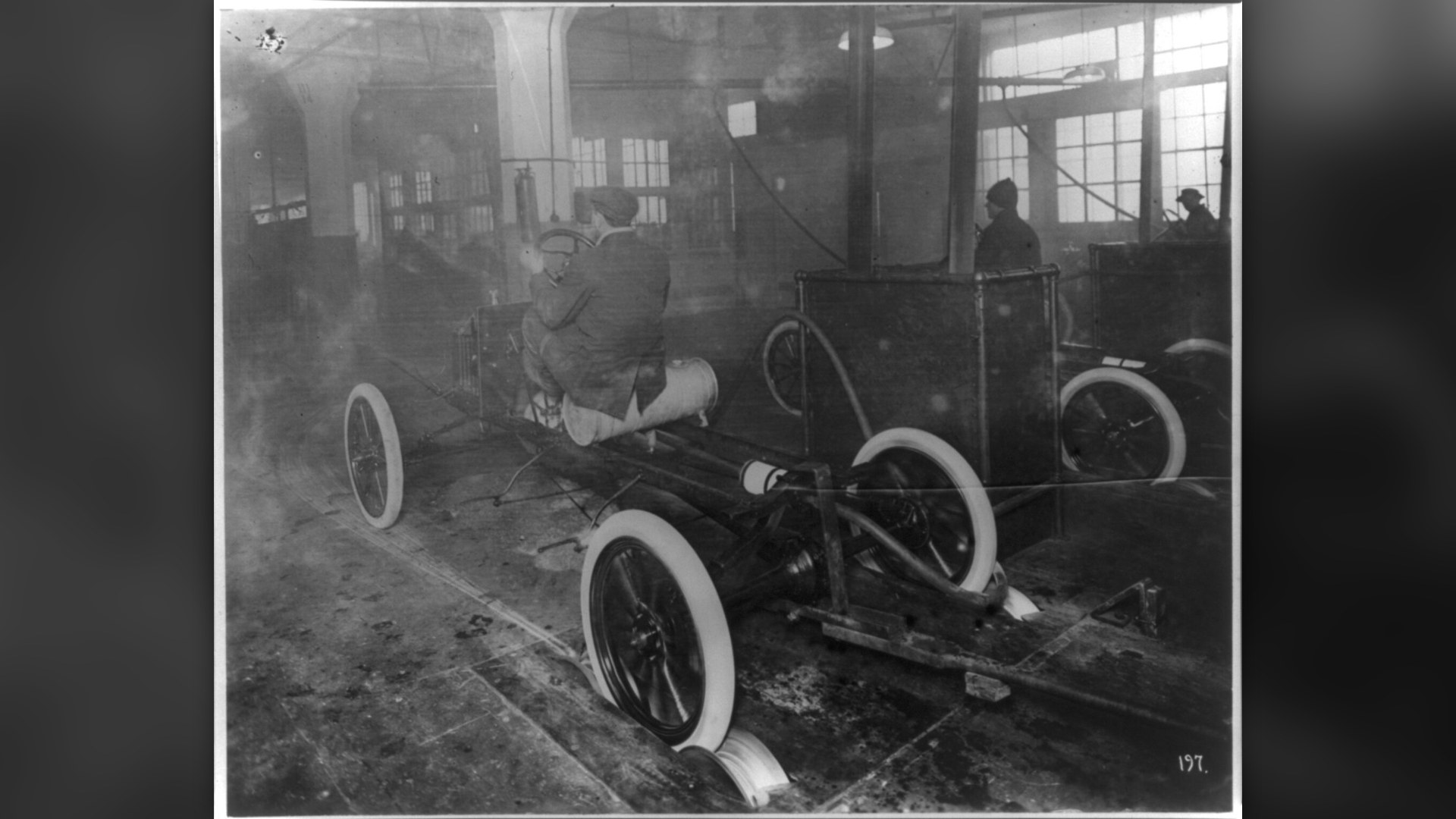
18. Moving Assembly Line
Henry Ford introduced the continuous moving assembly line at his Highland Park factory in December 1913. By reducing Model T chassis assembly time from twelve hours to ninety-three minutes, Ford cut production costs drastically and made personal automobile ownership affordable for millions.
©Wikimedia / Miscellaneous Items in High Demand, PPOC, Librar
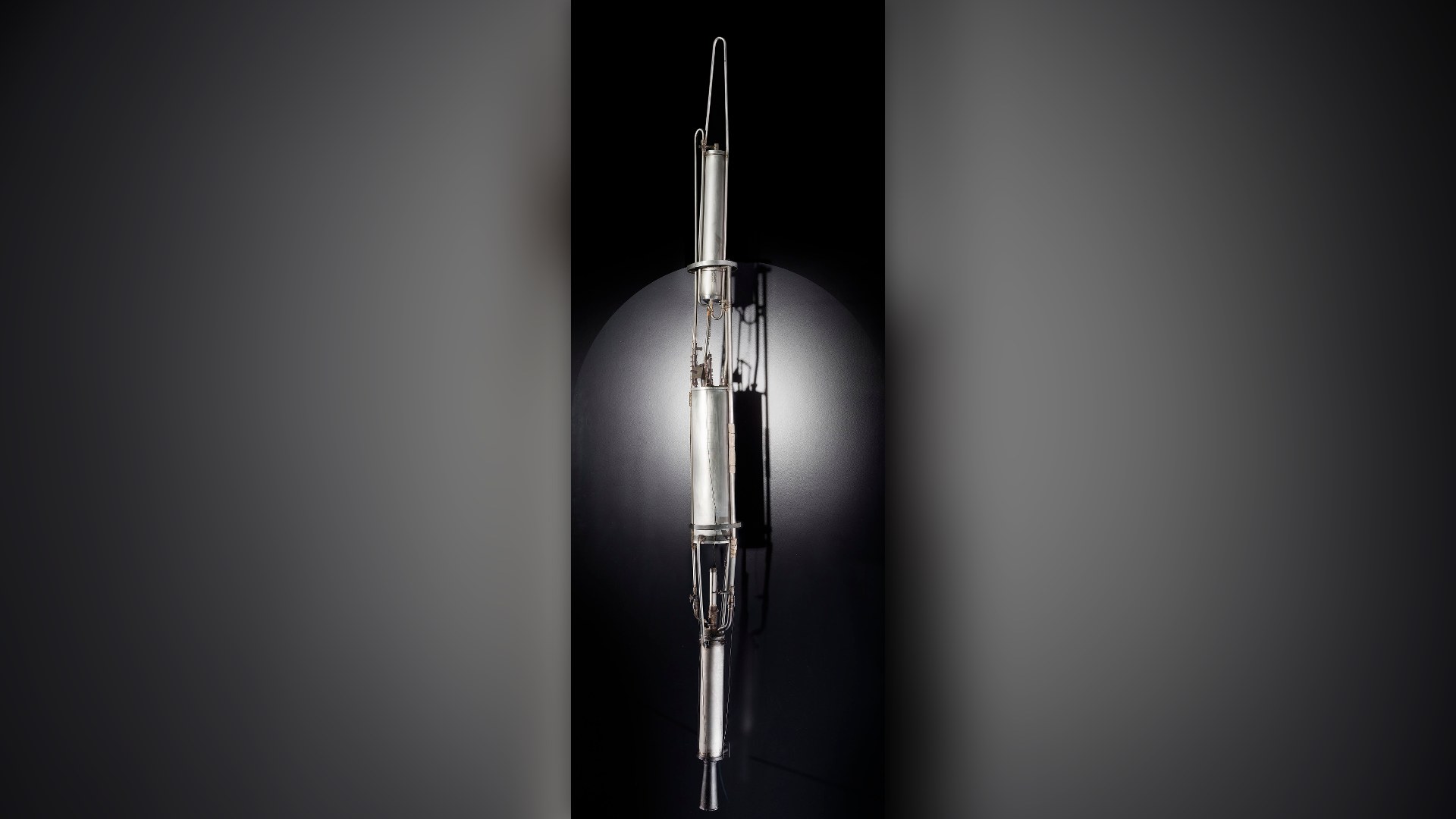
17. Liquid-Fueled Rocketry
Physicist Robert Goddard launched the world first liquid-propelled rocket on March 16, 1926, in Auburn, Massachusetts. Using liquid oxygen and gasoline, Goddard demonstration proved that liquid fuels could generate sustained rocket thrust, establishing principles essential for modern space exploration.
©Wikimedia / Dr. Robert H. Goddard
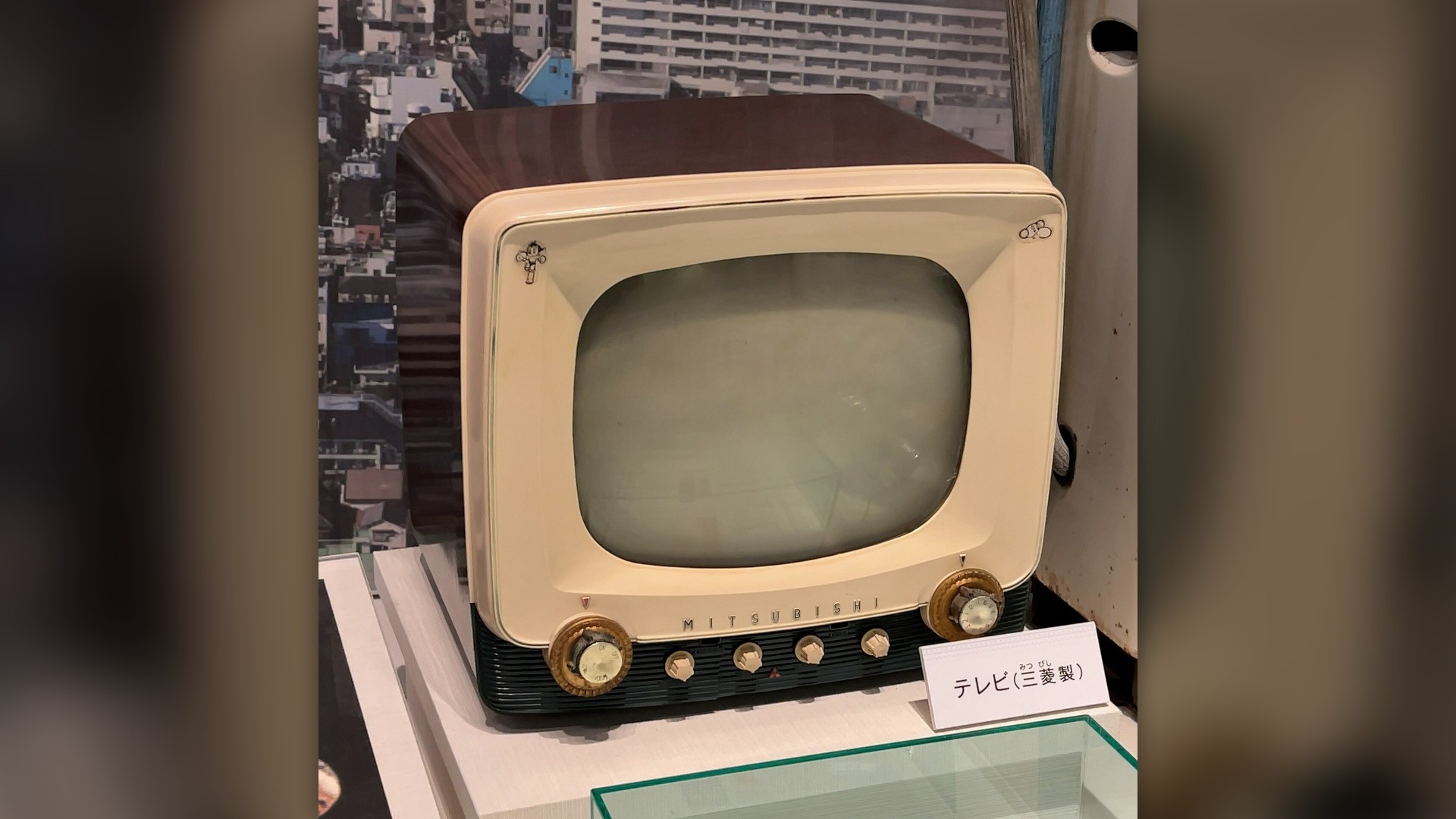
16. Electronic Television
Inventor Philo Farnsworth transmitted the first fully electronic television image in his San Francisco laboratory in September 1927. His electronic image dissector scanned optical images line by line, replacing mechanical spinning disks and establishing the architecture of broadcast video.
©Wikimedia / Asanagi
15. Nylon Synthetic Polymer
Organic chemist Wallace Carothers synthesized polymer 66 at DuPont experimental station in 1935. Marketed as nylon, the super-strong elastic material debuted commercially in 1939, revolutionizing consumer hosiery, military parachutes, surgical sutures, and modern synthetic materials.
©Pixabay / JTMorkis
Advertisement
Swipe or tap ▶ to resume the countdown.
14. Nuclear Chain Reaction
Under the west stands of Stagg Field at the University of Chicago, physicist Enrico Fermi and his team built Chicago Pile-1. On December 2, 1942, the graphite-moderated uranium pile initiated the first controlled, self-sustaining nuclear chain reaction, ushering in the atomic age.
©Wikimedia / Explosion
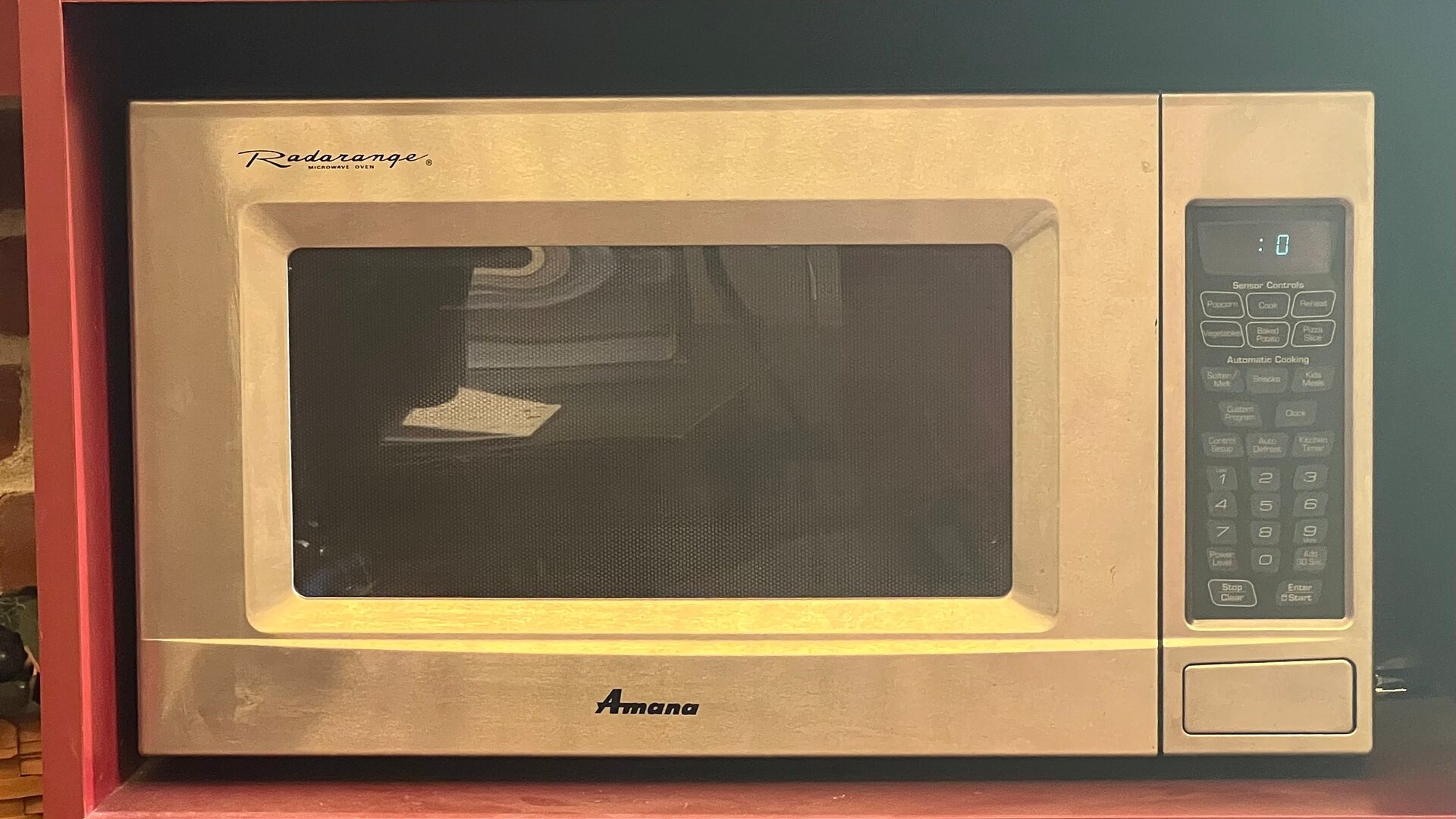
13. Microwave Oven
Raytheon engineer Percy Spencer noticed a peanut candy bar melted in his pocket while standing near an active radar magnetron tube in 1945. Spencer quickly tested popcorn kernels and eggs, patenting the microwave cooking process that led to the commercial Radarange in 1947.
©Wikimedia / TaurusEmerald
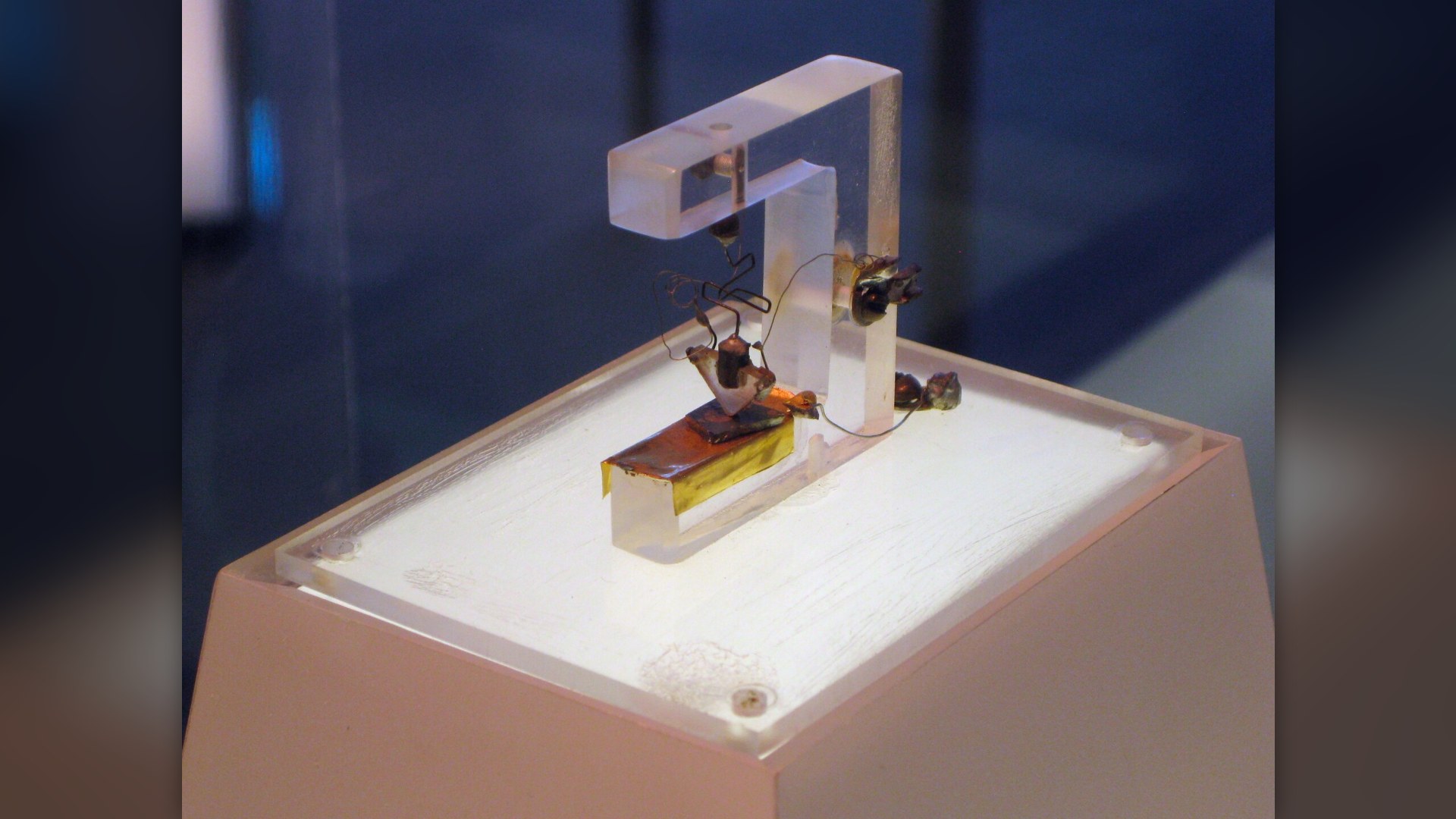
12. Point-Contact Transistor
Physicists John Bardeen, Walter Brattain, and William Shockley created the first working semiconductor amplifier at Bell Laboratories in December 1947. Their germanium point-contact transistor replaced bulky vacuum tubes and sparked the solid-state electronics revolution.
©Wikimedia / Windell Oskay from Sunnyvale, CA, USA
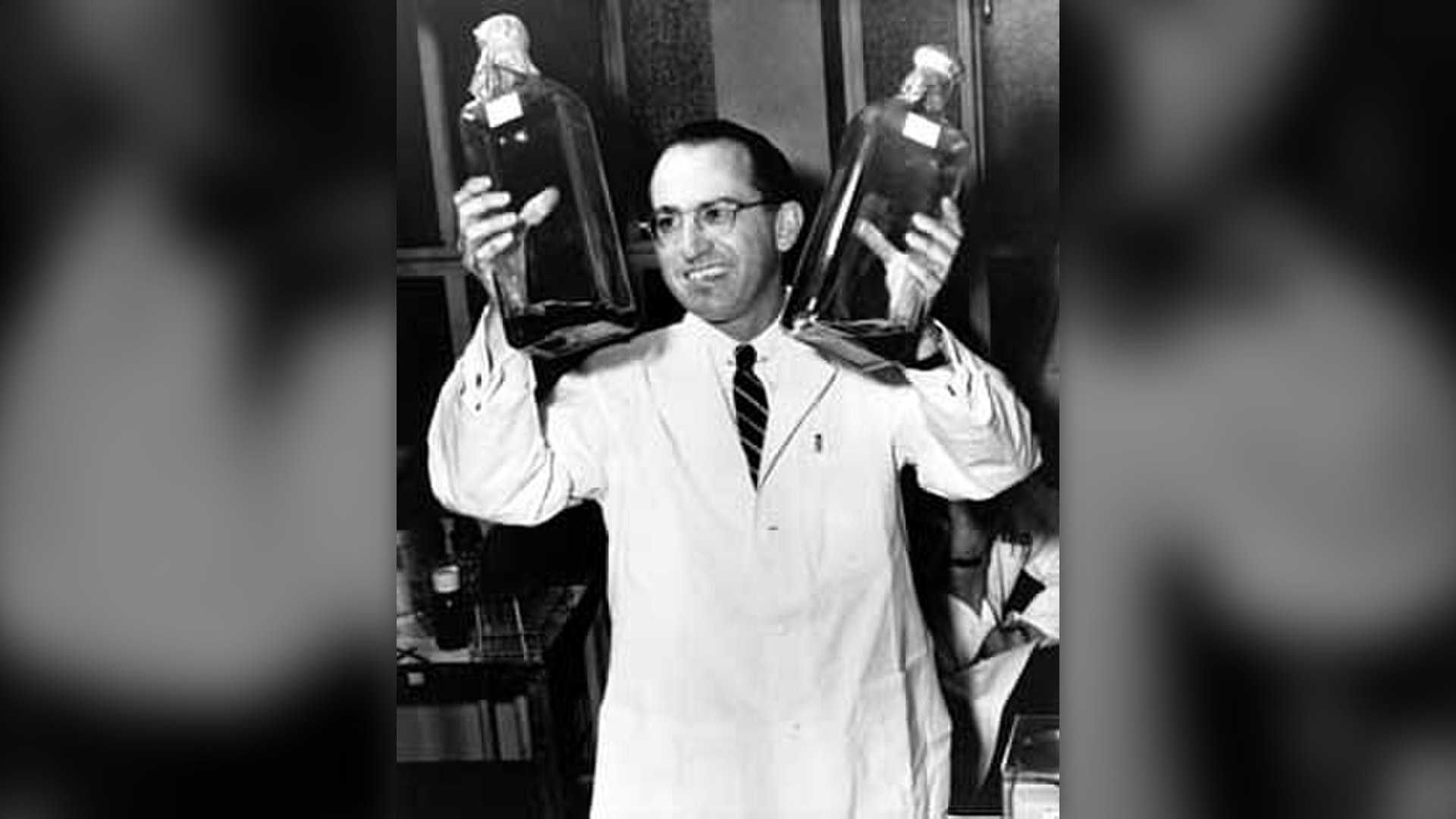
11. Salk Polio Vaccine
Dr. Jonas Salk developed the first effective polio vaccine at the University of Pittsburgh using formalin-inactivated virus. Declared safe and potent in 1955 after massive national field trials, Salk refuse to patent the vaccine, saving millions of children worldwide from paralysis.
©Wikimedia / The Owl
Advertisement
Swipe or tap ▶ to resume the countdown.
10. Integrated Circuit
Jack Kilby at Texas Instruments and Robert Noyce at Fairchild Semiconductor independently invented the integrated circuit in 1958 and 1959. Combining transistors, resistors, and capacitors on a single semiconductor chip made compact microelectronics and personal computing possible.
©Wikimedia / Integrated circuit
9. Laser Light Amplification
Physicist Theodore Maiman operated the world first functioning optical laser at Hughes Research Laboratories in May 1960 using a synthetic ruby rod and flashlamp. The coherent light beam revolutionized fiber optic communications, barcode scanning, precision surgery, and manufacturing.
©Wikimedia / Guy Immega
8. Computer Mouse And GUI
Douglas Engelbart unveiled the wooden computer mouse, interactive windows, hypertext, and video conferencing at the 1968 Fall Joint Computer Conference in San Francisco. His landmark demonstration laid the architectural foundation for modern graphical user interfaces.
©Pixabay / ClickerHappy
7. Magnetic Resonance Imaging
Chemist Paul Lauterbur and physician Raymond Damadian pioneered magnetic resonance imaging in the 1970s. Using powerful magnetic fields and radio waves, MRI produces detailed cross-sectional images of soft tissue and organs without exposing patients to ionizing radiation.
©Pixabay / jarmoluk
Advertisement
Swipe or tap ▶ to resume the countdown.
6. Global Positioning System
Originated by the Department of Defense in 1973 under program director Bradford Parkinson, the Navstar GPS constellation placed twenty-four atomic-clock satellites in medium orbit. Opened for civil use, GPS enabled global aviation navigation, emergency dispatch, and mobile mapping.
©Wikimedia / Global Positioning System
5. Personal Computer
Steve Wozniak engineered the Apple II in 1977 as the first consumer-ready microcomputer with color graphics, keyboard input, and sound. Paired with the VisiCalc spreadsheet, it moved computers out of corporate server rooms directly onto home desks and small business counters.
©Wikimedia / Personal computer
4. ARPANET And Internet
Commissioned by DARPA in 1969, ARPANET demonstrated packet switching across interconnected university host computers. Computer scientists Vint Cerf and Bob Kahn later designed the TCP/IP protocol suite, creating the decentralized architecture that powers the modern global internet.
©Wikimedia / Solijon Solayev
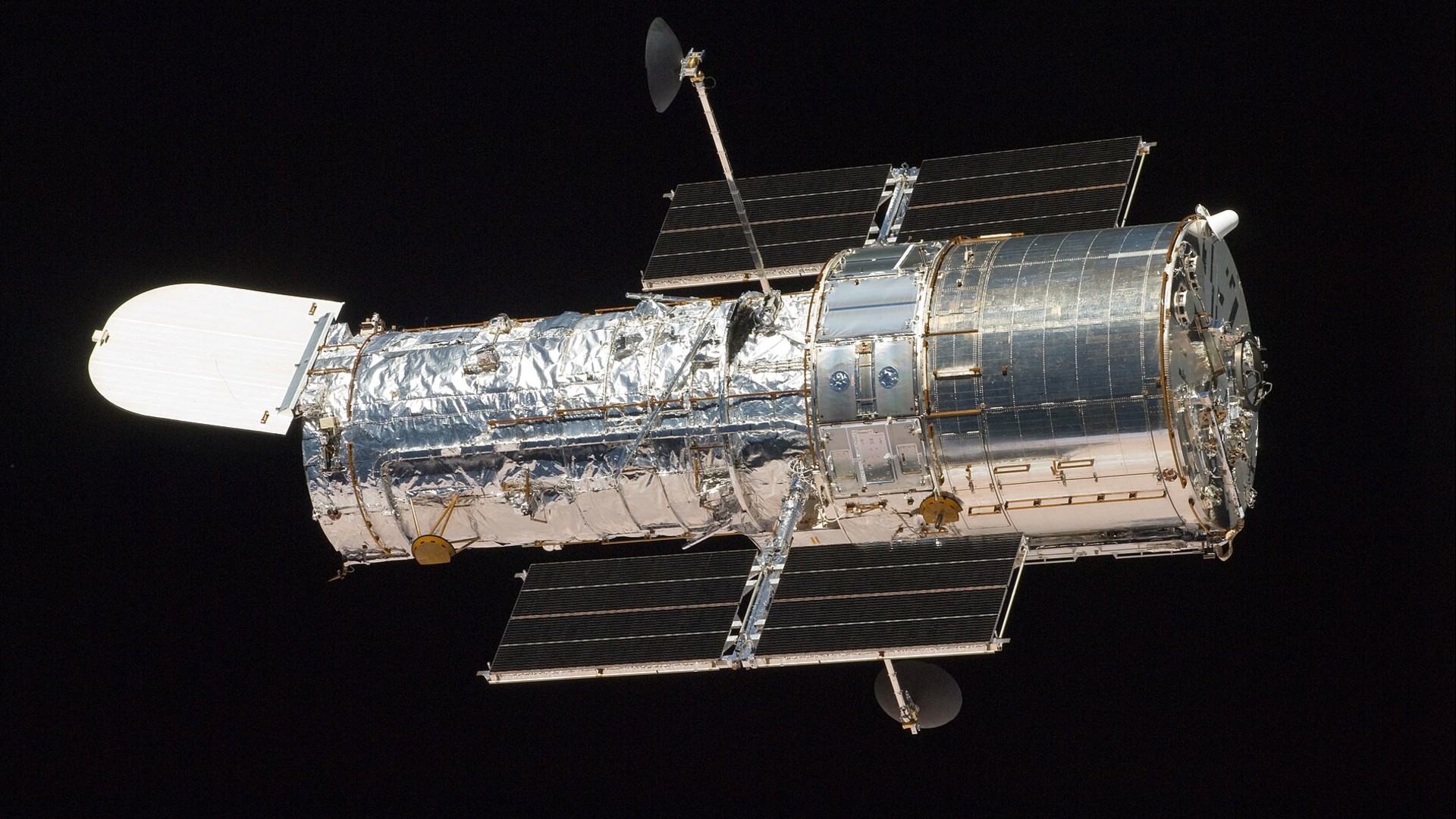
3. Hubble Space Telescope
Deployed into low Earth orbit by Space Shuttle Discovery in April 1990, the Hubble Space Telescope bypassed atmospheric distortion to capture pristine views of the cosmos. Hubble confirmed the expansion rate of the universe, discovered dark energy, and imaged galaxies billions of light-years away.
©Wikimedia / Hubble Space Telescope
Advertisement
Swipe or tap ▶ to resume the countdown.
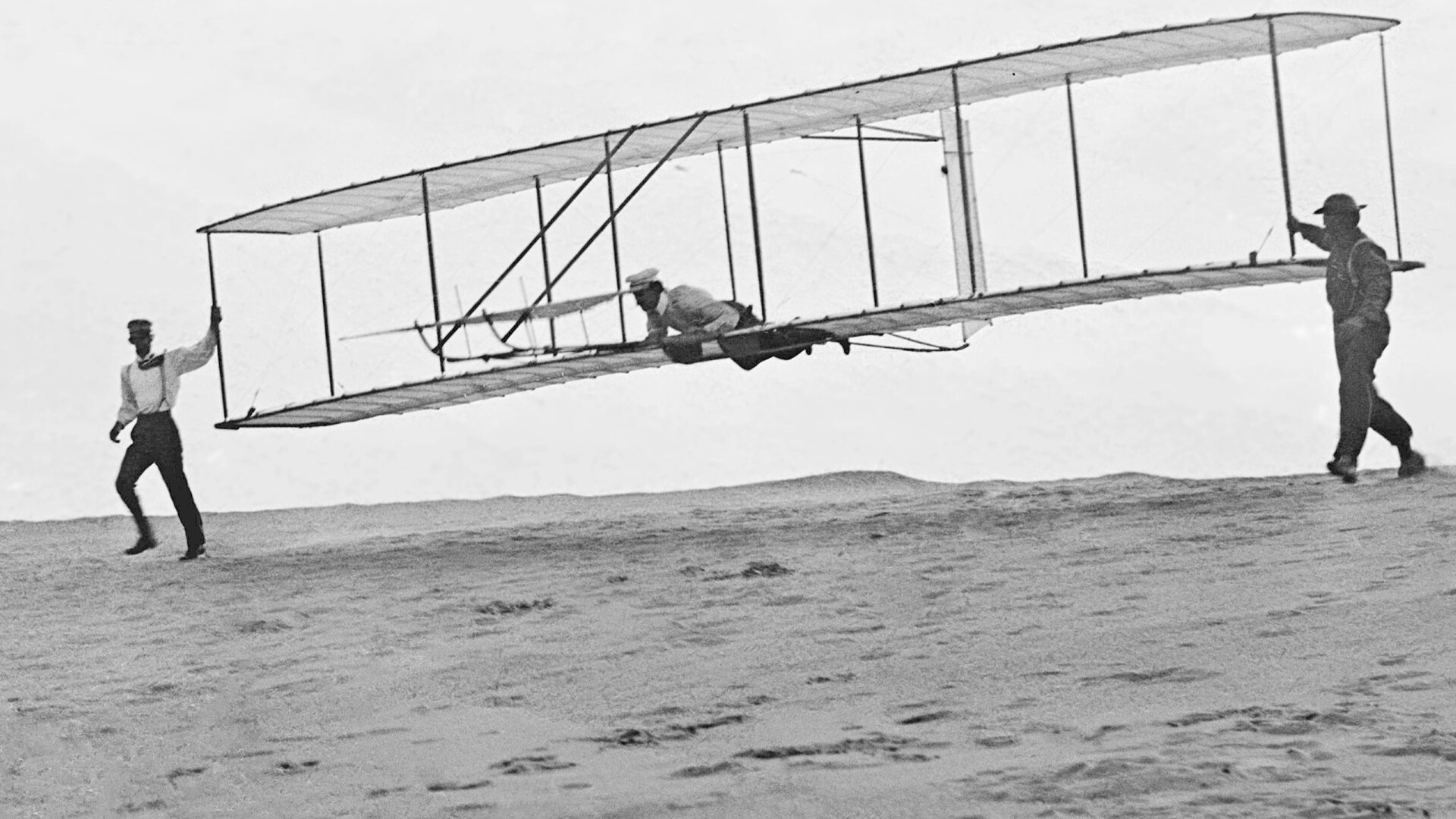
2. Wright Brothers Airplane
At Kill Devil Hills near Kitty Hawk, North Carolina, Orville and Wilbur Wright achieved the first controlled, sustained, powered heavier-than-air flight on December 17, 1903. Flying their biplane for twelve seconds across 120 feet, the brothers ushered in the modern aviation age.
©Wikimedia / Unknown author Unknown author
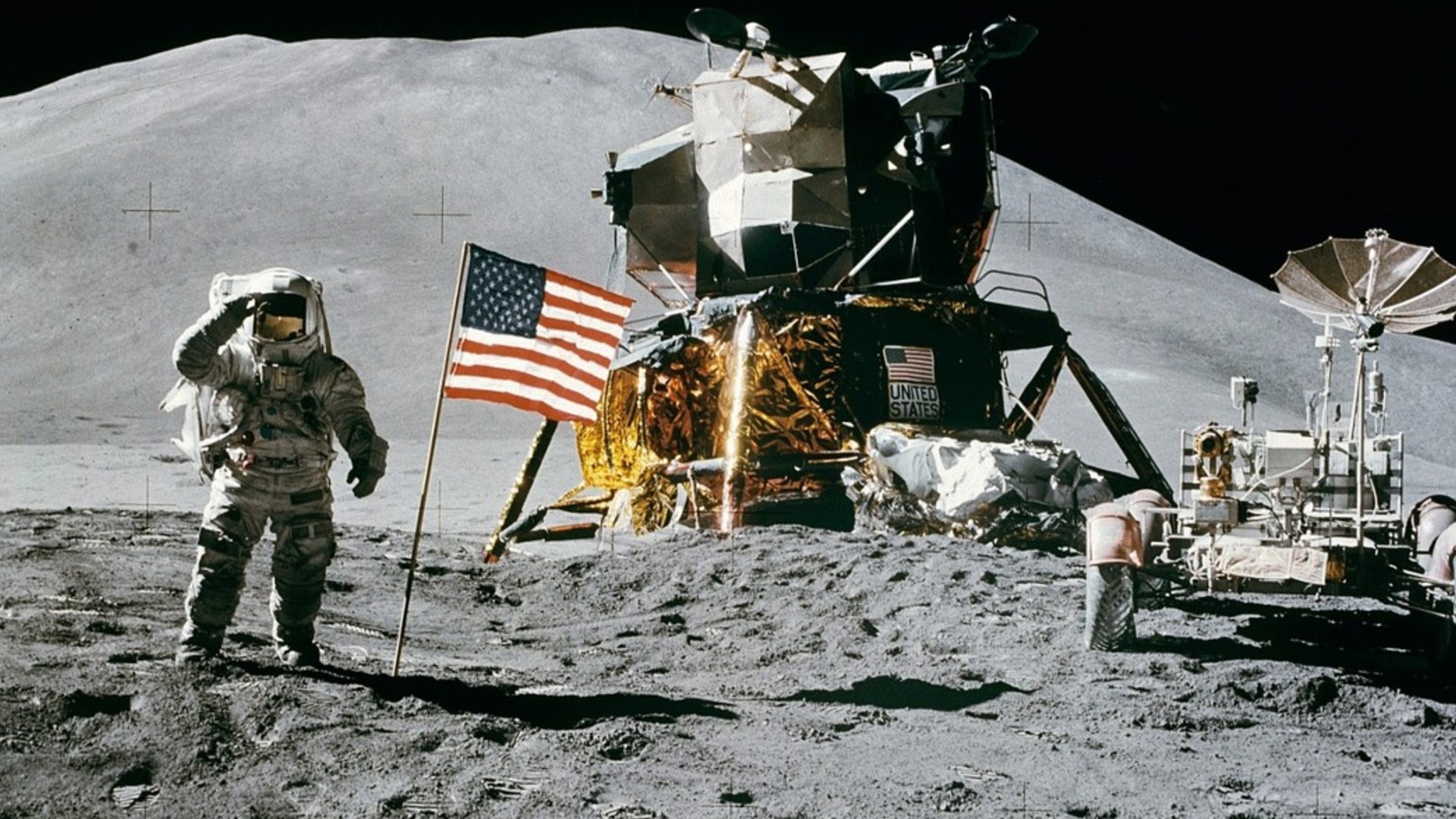
1. Apollo 11 Moon Landing
On July 20, 1969, Apollo 11 astronauts Neil Armstrong and Buzz Aldrin landed the lunar module Eagle on the Sea of Tranquility. Watched by six hundred million people, Armstrong declared That is one small step for man, one giant leap for mankind, fulfilling human exploration greatest dream.
©Pixabay / WikiImages
Advertisement
You've reached the end of the story. Thanks for reading!

20 Armored Vehicles in Service With European Militaries
European militaries operate everything from Cold War tanks to modular wheeled combat fleets. Ranked by multinational adoption, battlefield longevity, and technical influence, these 20 programs trace over seven decades of armored design. Based on NATO, Bundeswehr, UK Ministry of Defence, and French DGA records.
All 25 Entries in this Story
25. Lightning Rod
Benjamin Franklin proved lightning was electrical in his famous June 1752 kite experiment in Philadelphia. His subsequent invention of pointed iron lightning rods protected wooden structures and ships worldwide from catastrophic fires, laying foundations for electrical science.

24. Cotton Gin
Patented by Eli Whitney in 1794, the cotton gin used wire screens and rotating metal hooks to mechanically separate seeds from cotton fiber fifty times faster than manual labor. The breakthrough powered the industrial textile boom and radically transformed global trade.

23. Electric Telegraph
Samuel Morse demonstrated the first commercial electrical telegraph in May 1844, sending the historic message What hath God wrought from Washington to Baltimore. Along with Morse code, the system enabled instant transcontinental communication for the first time in human history.

22. Vulcanized Rubber
Charles Goodyear discovered vulcanization in 1839 after accidentally heating natural rubber with sulfur. The process made rubber weatherproof, heat resistant, and resilient, enabling the modern automotive tire industry, electrical insulation, and durable industrial machinery.

21. Telephone Transmission
Alexander Graham Bell was granted U.S. Patent 174,465 in March 1876 for his acoustic telegraph transmitter. Days later, he famously summoned his assistant Thomas Watson, inaugurating modern telecommunications networks that connected households and continents by voice.

20. Incandescent Light Bulb
Thomas Edison and his Menlo Park laboratory team perfected a practical high-vacuum incandescent bulb in October 1879 using carbonized cotton thread. Paired with his central power generation system, Edison invention permanently replaced gas lamps and illuminated modern cities.

19. Modern Air Conditioning
Engineer Willis Carrier designed the first modern electrical air conditioning unit in 1902 for a Brooklyn printing plant plagued by humidity. His thermodynamic apparatus controlled temperature and moisture, transforming urban architecture, manufacturing, and population growth across the Sun Belt.

18. Moving Assembly Line
Henry Ford introduced the continuous moving assembly line at his Highland Park factory in December 1913. By reducing Model T chassis assembly time from twelve hours to ninety-three minutes, Ford cut production costs drastically and made personal automobile ownership affordable for millions.

17. Liquid-Fueled Rocketry
Physicist Robert Goddard launched the world first liquid-propelled rocket on March 16, 1926, in Auburn, Massachusetts. Using liquid oxygen and gasoline, Goddard demonstration proved that liquid fuels could generate sustained rocket thrust, establishing principles essential for modern space exploration.

16. Electronic Television
Inventor Philo Farnsworth transmitted the first fully electronic television image in his San Francisco laboratory in September 1927. His electronic image dissector scanned optical images line by line, replacing mechanical spinning disks and establishing the architecture of broadcast video.

15. Nylon Synthetic Polymer
Organic chemist Wallace Carothers synthesized polymer 66 at DuPont experimental station in 1935. Marketed as nylon, the super-strong elastic material debuted commercially in 1939, revolutionizing consumer hosiery, military parachutes, surgical sutures, and modern synthetic materials.

14. Nuclear Chain Reaction
Under the west stands of Stagg Field at the University of Chicago, physicist Enrico Fermi and his team built Chicago Pile-1. On December 2, 1942, the graphite-moderated uranium pile initiated the first controlled, self-sustaining nuclear chain reaction, ushering in the atomic age.

13. Microwave Oven
Raytheon engineer Percy Spencer noticed a peanut candy bar melted in his pocket while standing near an active radar magnetron tube in 1945. Spencer quickly tested popcorn kernels and eggs, patenting the microwave cooking process that led to the commercial Radarange in 1947.

12. Point-Contact Transistor
Physicists John Bardeen, Walter Brattain, and William Shockley created the first working semiconductor amplifier at Bell Laboratories in December 1947. Their germanium point-contact transistor replaced bulky vacuum tubes and sparked the solid-state electronics revolution.

11. Salk Polio Vaccine
Dr. Jonas Salk developed the first effective polio vaccine at the University of Pittsburgh using formalin-inactivated virus. Declared safe and potent in 1955 after massive national field trials, Salk refuse to patent the vaccine, saving millions of children worldwide from paralysis.

10. Integrated Circuit
Jack Kilby at Texas Instruments and Robert Noyce at Fairchild Semiconductor independently invented the integrated circuit in 1958 and 1959. Combining transistors, resistors, and capacitors on a single semiconductor chip made compact microelectronics and personal computing possible.

9. Laser Light Amplification
Physicist Theodore Maiman operated the world first functioning optical laser at Hughes Research Laboratories in May 1960 using a synthetic ruby rod and flashlamp. The coherent light beam revolutionized fiber optic communications, barcode scanning, precision surgery, and manufacturing.

8. Computer Mouse And GUI
Douglas Engelbart unveiled the wooden computer mouse, interactive windows, hypertext, and video conferencing at the 1968 Fall Joint Computer Conference in San Francisco. His landmark demonstration laid the architectural foundation for modern graphical user interfaces.

7. Magnetic Resonance Imaging
Chemist Paul Lauterbur and physician Raymond Damadian pioneered magnetic resonance imaging in the 1970s. Using powerful magnetic fields and radio waves, MRI produces detailed cross-sectional images of soft tissue and organs without exposing patients to ionizing radiation.

6. Global Positioning System
Originated by the Department of Defense in 1973 under program director Bradford Parkinson, the Navstar GPS constellation placed twenty-four atomic-clock satellites in medium orbit. Opened for civil use, GPS enabled global aviation navigation, emergency dispatch, and mobile mapping.

5. Personal Computer
Steve Wozniak engineered the Apple II in 1977 as the first consumer-ready microcomputer with color graphics, keyboard input, and sound. Paired with the VisiCalc spreadsheet, it moved computers out of corporate server rooms directly onto home desks and small business counters.

4. ARPANET And Internet
Commissioned by DARPA in 1969, ARPANET demonstrated packet switching across interconnected university host computers. Computer scientists Vint Cerf and Bob Kahn later designed the TCP/IP protocol suite, creating the decentralized architecture that powers the modern global internet.

3. Hubble Space Telescope
Deployed into low Earth orbit by Space Shuttle Discovery in April 1990, the Hubble Space Telescope bypassed atmospheric distortion to capture pristine views of the cosmos. Hubble confirmed the expansion rate of the universe, discovered dark energy, and imaged galaxies billions of light-years away.

2. Wright Brothers Airplane
At Kill Devil Hills near Kitty Hawk, North Carolina, Orville and Wilbur Wright achieved the first controlled, sustained, powered heavier-than-air flight on December 17, 1903. Flying their biplane for twelve seconds across 120 feet, the brothers ushered in the modern aviation age.

1. Apollo 11 Moon Landing
On July 20, 1969, Apollo 11 astronauts Neil Armstrong and Buzz Aldrin landed the lunar module Eagle on the Sea of Tranquility. Watched by six hundred million people, Armstrong declared That is one small step for man, one giant leap for mankind, fulfilling human exploration greatest dream.