Slideshow · Viral
13 Spooky Superstitions From Around the World That People Still Believe
By Most Viral Today
22 Oct 2026

13 Spooky Superstitions From Around the World That People Still Believe 
13. Spilling Salt: Tossing A Pinch Over Your Left Shoulder (Italy) 
12. Walking Under A Leaning Ladder 
11. Breaking A Mirror - AdvertisementSwipe or tap ▶ to continue countdown

10. The Evil Eye (Nazar): Blue Glass Amulets That Deflect Deadly Envy 
9. Whistling Indoors In Russia: Calling Financial Ruin Into Home 
8. Tucking Your Thumbs When Passing A Graveyard At Night (Japan) 
7. Sticking Chopsticks Upright In Rice: The Funeral Offering Taboo - AdvertisementSwipe or tap ▶ to continue countdown

6. Hoot Of The Nocturnal Barn Owl: Ancient Messenger Of The Beyond 
5. Black Cats Crossing Your Path 
4. Iceland's Giant Yule Cat 
3. Leaving An Empty Chair And Food Out For Hungry Ghosts (East Asia) - AdvertisementSwipe or tap ▶ to continue countdown

2. The Royal Ravens Of The Tower Of London: Guardians Of The Crown 
1. Skipping The 13th And 4th Floors In Modern High-Rise Elevators - Advertisement🔥 UP NEXT IN THIS SERIES◫ 21 Slides

20 Details Behind The Real Story Of Stephen Miller
From skyscrapers built without a 13th floor to royal ravens guarded by decree so an empire never falls, ancient omens still quietly rule modern life. Here are 13 spooky superstitions from around the world that millions of people still follow today.
Swipe or tap ▶ to begin the countdown
©Pixabay / Bessi & Wikimedia / Hari K Patibanda
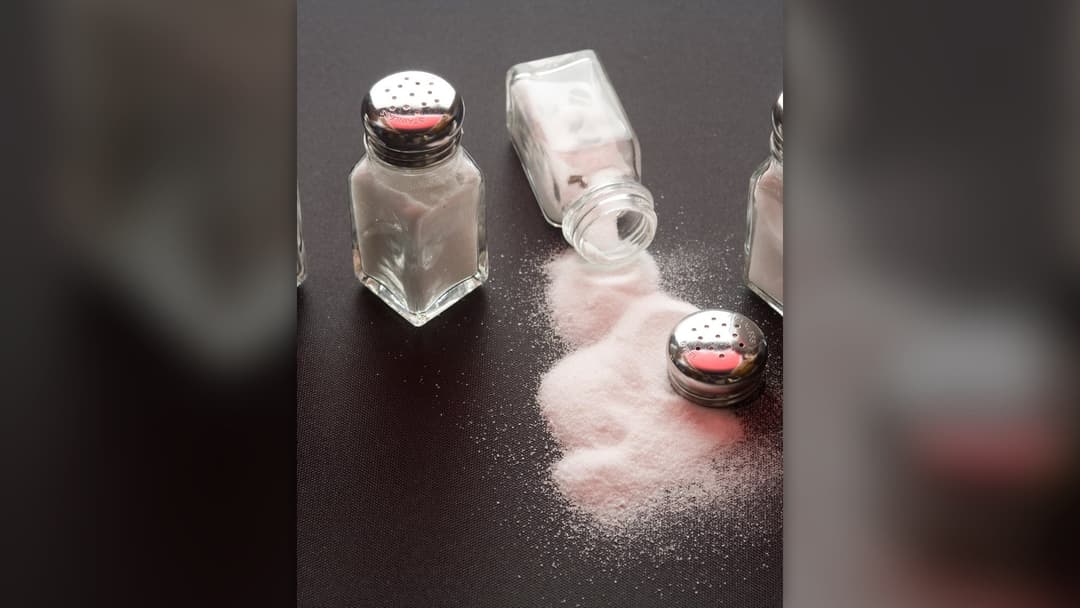
13. Spilling Salt: Tossing A Pinch Over Your Left Shoulder (Italy)
In ancient Rome and medieval Europe, salt was so expensive that spilling a single crystal was seen as a dark omen of betrayal—immortalized in Leonardo da Vinci's The Last Supper, where Judas knocks over the salt cellar. The only cure is throwing a pinch over your left shoulder.

©Wikimedia / Jorge Royan
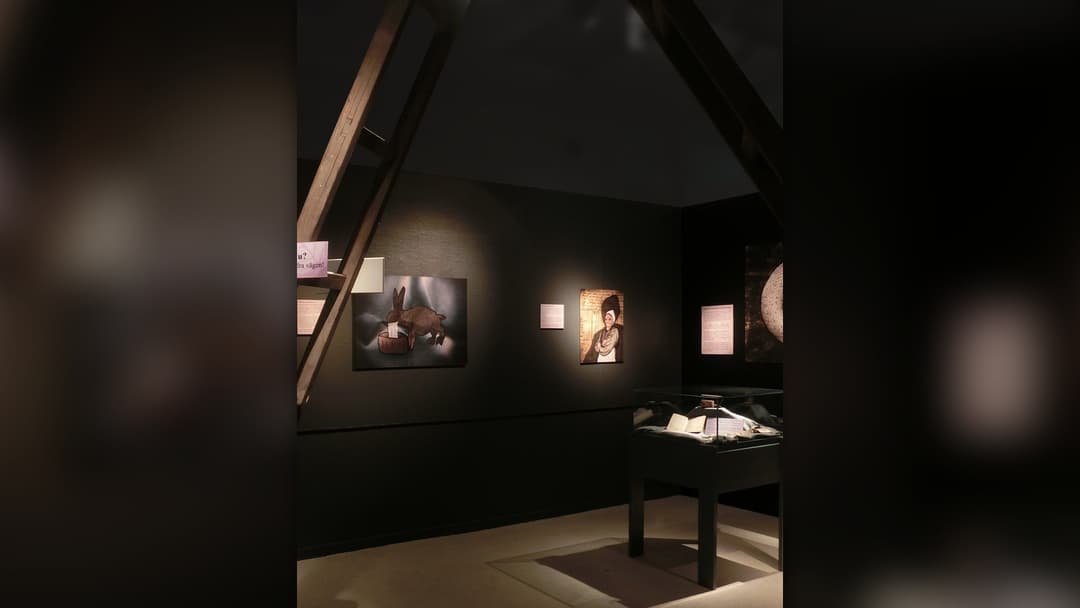
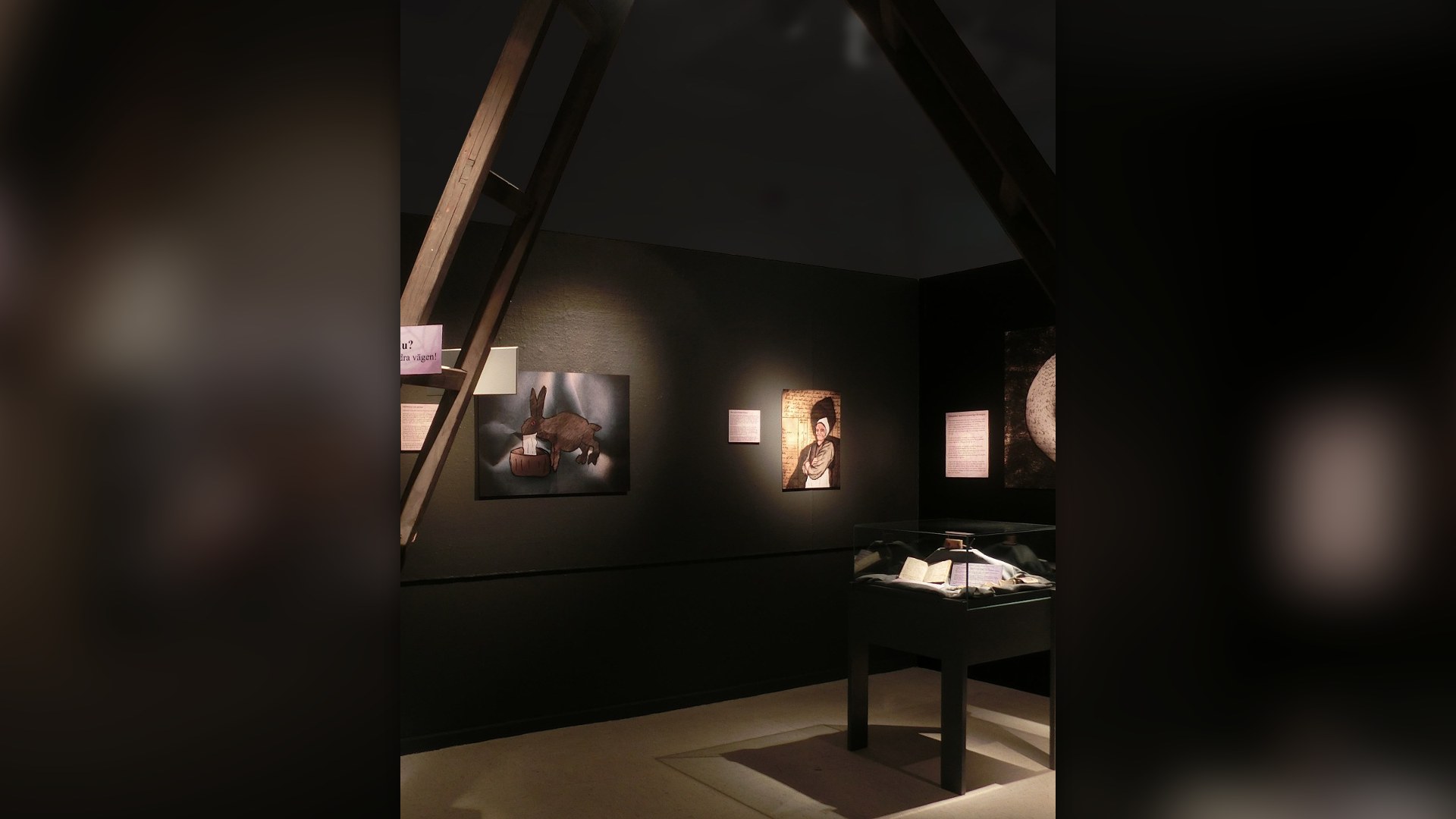
12. Walking Under A Leaning Ladder
In ancient Egypt, a ladder resting against a wall created a three-sided triangle sacred to the gods—walking through it profaned the trinity. Later in medieval Europe, leaning ladders resembled the gallows, leading locals to believe anyone who walked underneath would hang.
©Wikimedia / Gunnar Creutz, Falbygdens museum
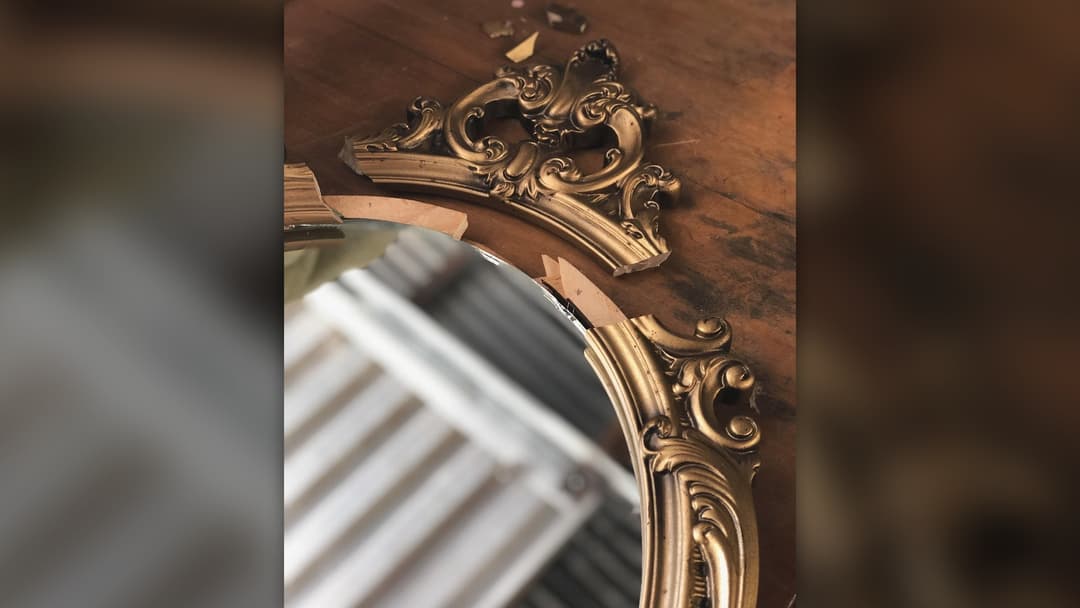
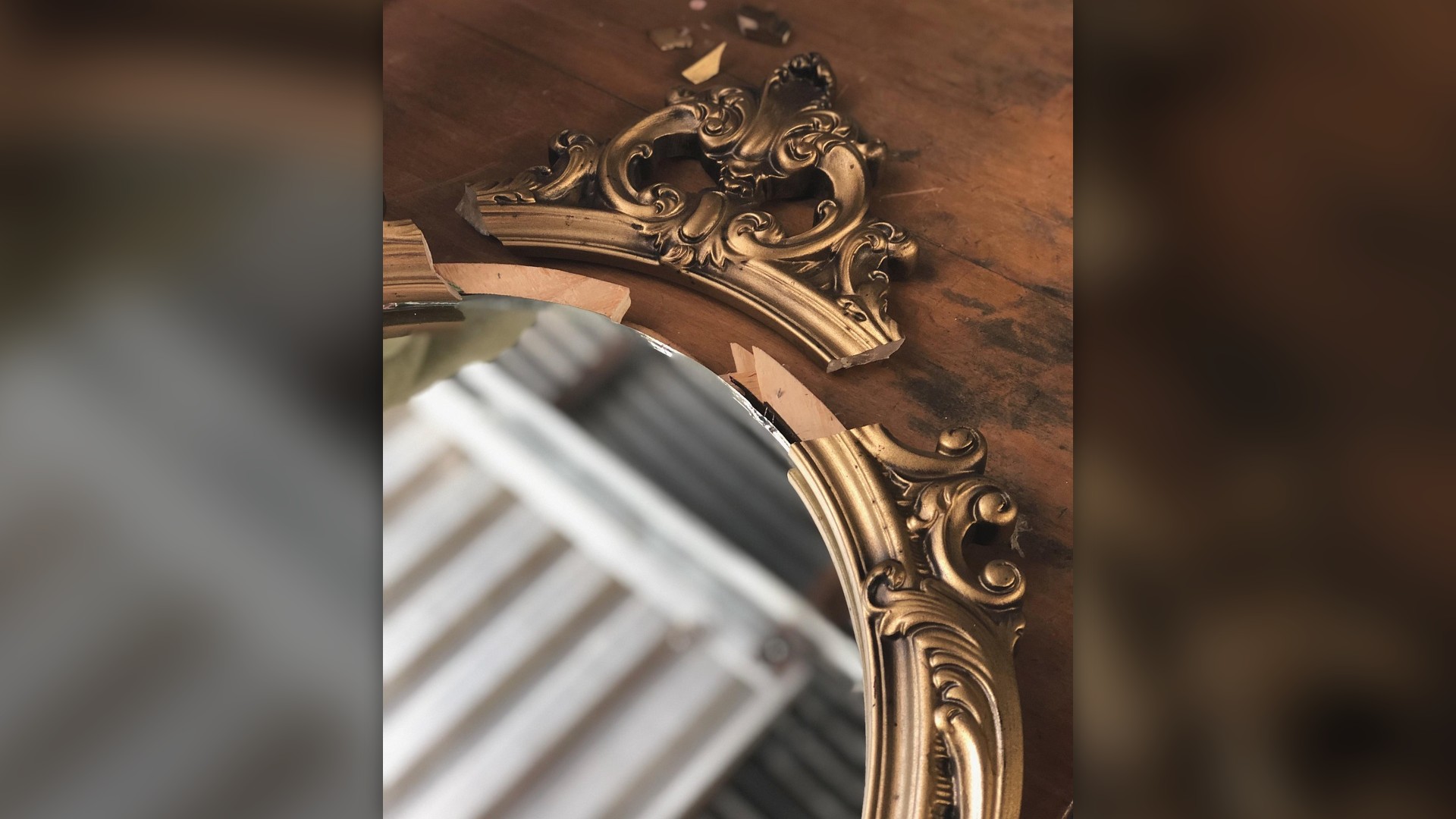
11. Breaking A Mirror
When the ancient Romans pioneered glass-backed mirrors, they believed reflections captured a fragment of the viewer's soul. If the glass shattered, the trapped soul was damaged until the body physically regenerated itself—a cycle Roman physicians believed took seven years.
©Pixabay / RachelleChristensen
Advertisement
Swipe or tap ▶ to resume the countdown.
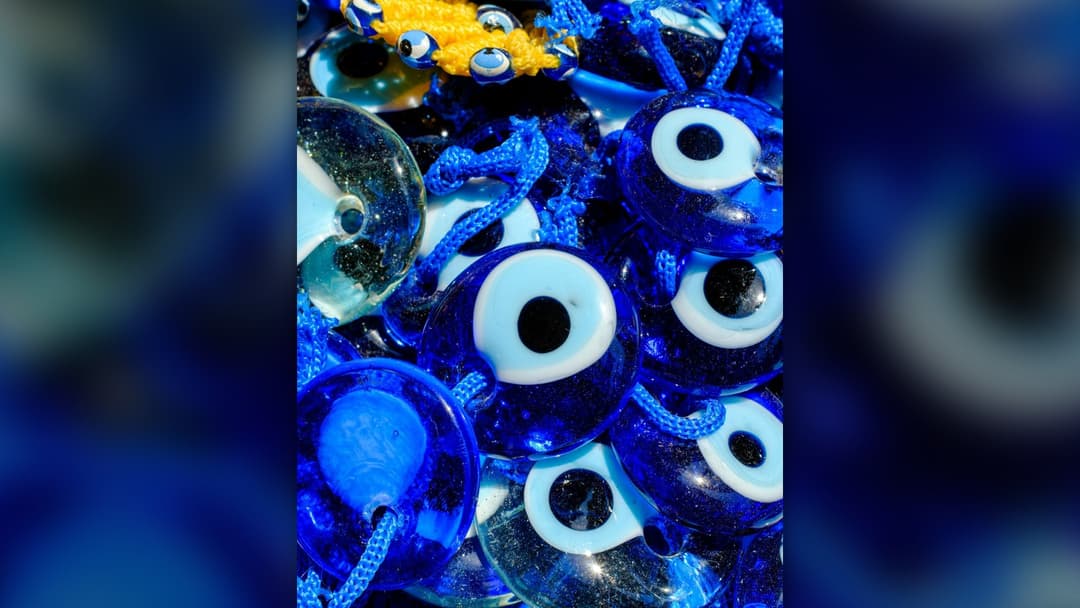
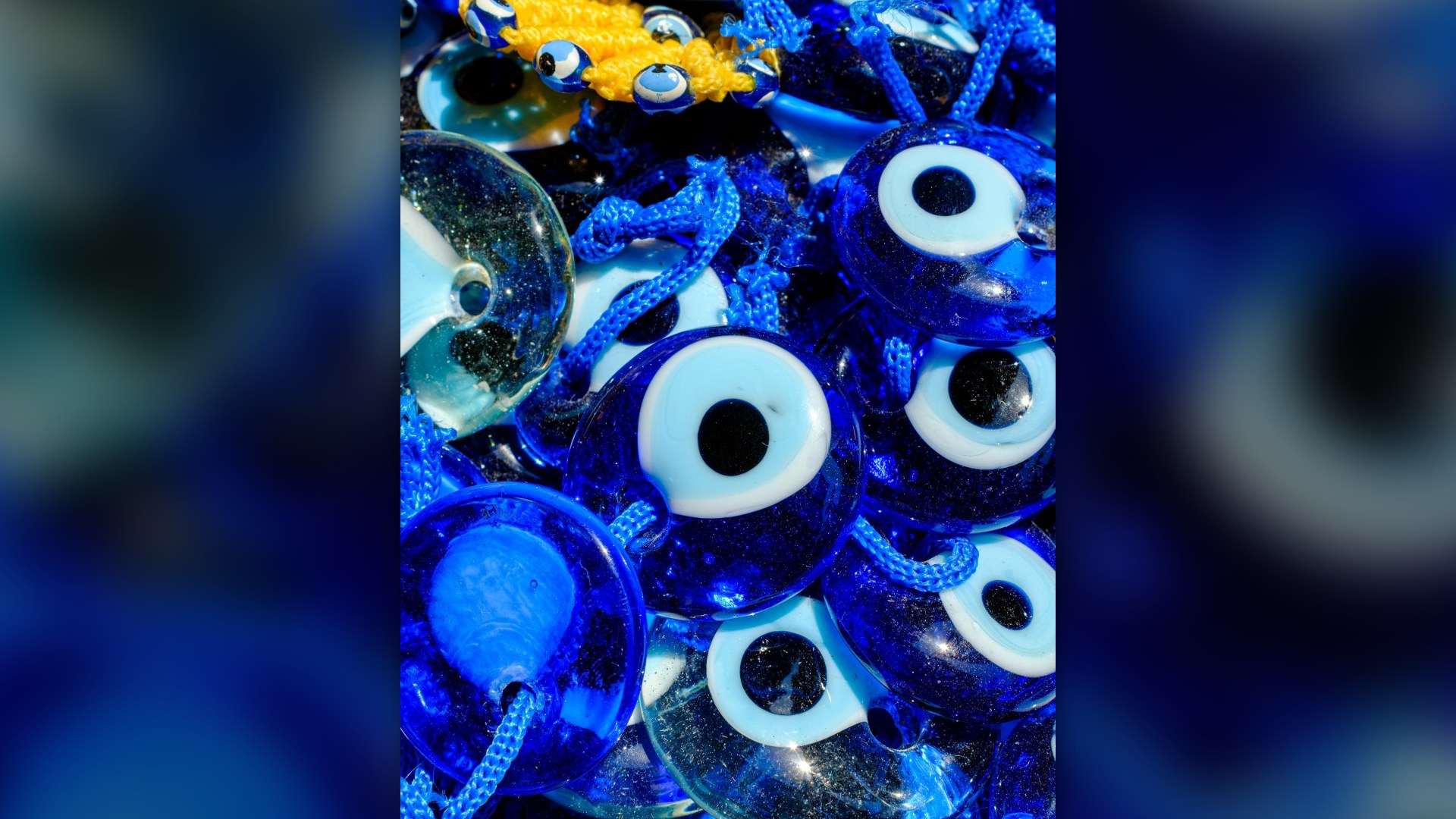
10. The Evil Eye (Nazar): Blue Glass Amulets That Deflect Deadly Envy
Dating back over 5,000 years to Mesopotamia, the Evil Eye curse holds that a glare of envy—or even excessive praise of a newborn baby—can cause sudden illness or ruin. Millions across the Mediterranean still hang blue glass Nazar amulets on homes, babies, and airplanes.
© Photo by engin akyurt on Unsplash
9. Whistling Indoors In Russia: Calling Financial Ruin Into Home
Rooted in Slavic pagan folklore, whistling indoors was believed to summon household wind spirits that swept every coin straight out the window. Even today across Russia and Eastern Europe, whistling inside a home or backstage at the Bolshoi Theatre is strictly taboo.

©Wikimedia / unknown (MGM)
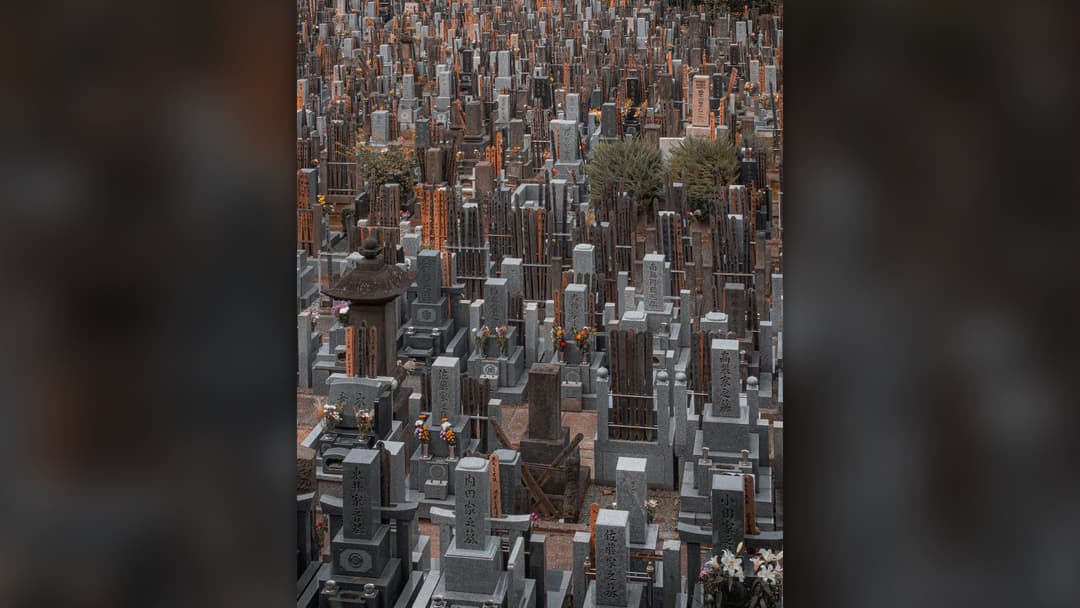
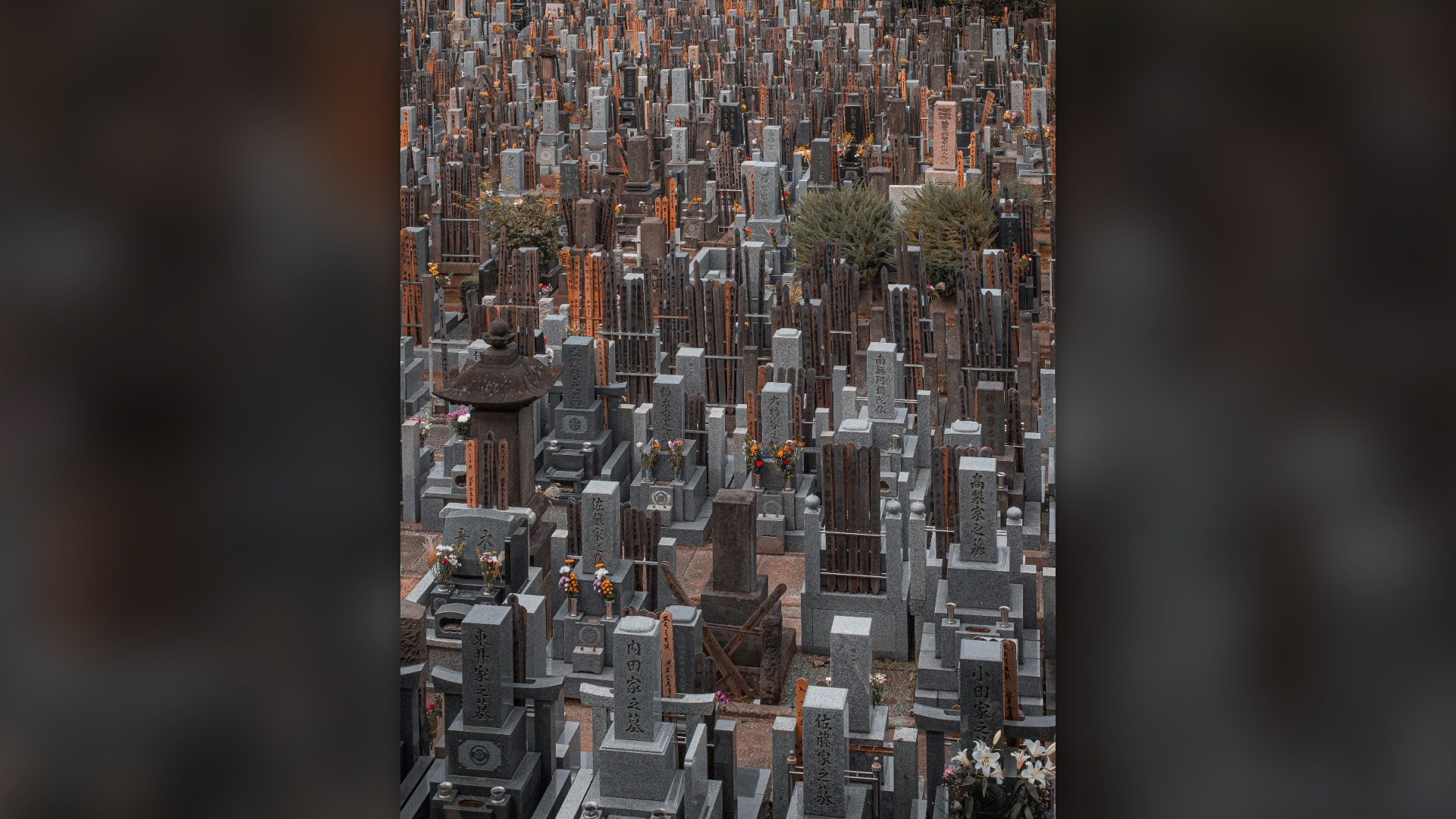
8. Tucking Your Thumbs When Passing A Graveyard At Night (Japan)
In Japan, the thumb is called oyayubi ("parent finger"). For generations, children and drivers passing a cemetery or funeral hearse have tucked their thumbs tightly inside their fists, believing that leaving them exposed allows wandering spirits to shorten their parents' lives.
© Photo by Denys Nevozhai on Unsplash
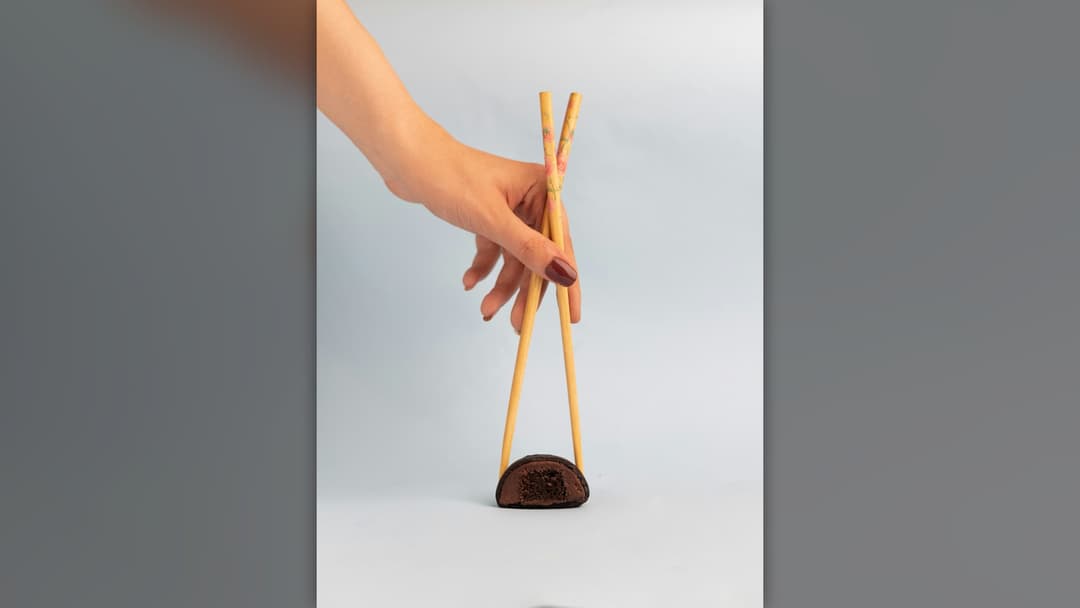
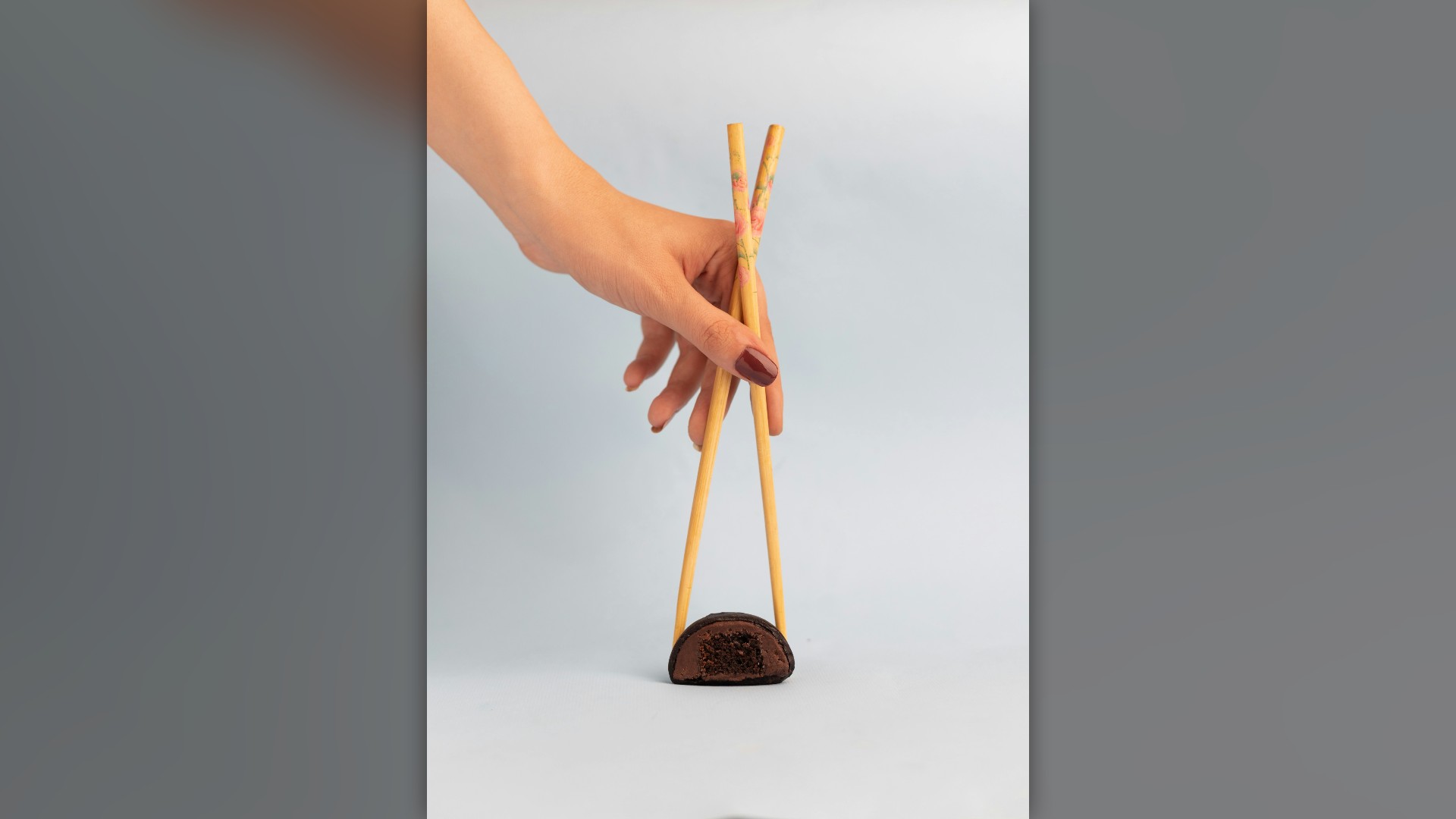
7. Sticking Chopsticks Upright In Rice: The Funeral Offering Taboo
Across Japan, China, and Korea, vertical chopsticks in a bowl of rice (tsukitate-bashi) are reserved exclusively for funeral altars and ancestral shrines, where they resemble burning incense sticks for the departed. Doing so at a restaurant table is seen as beckoning death.
Advertisement
Swipe or tap ▶ to resume the countdown.
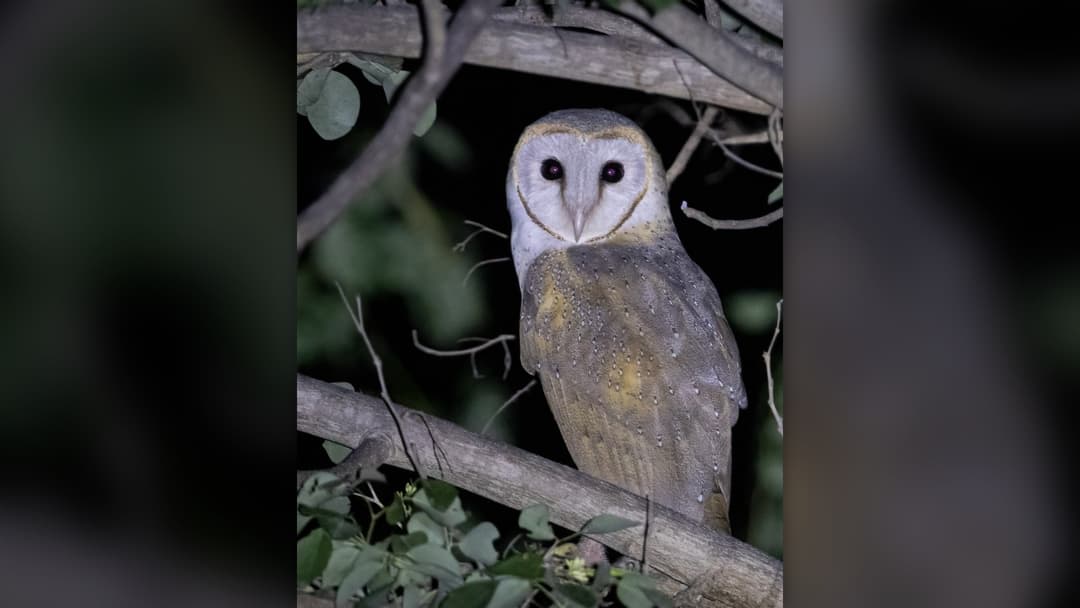
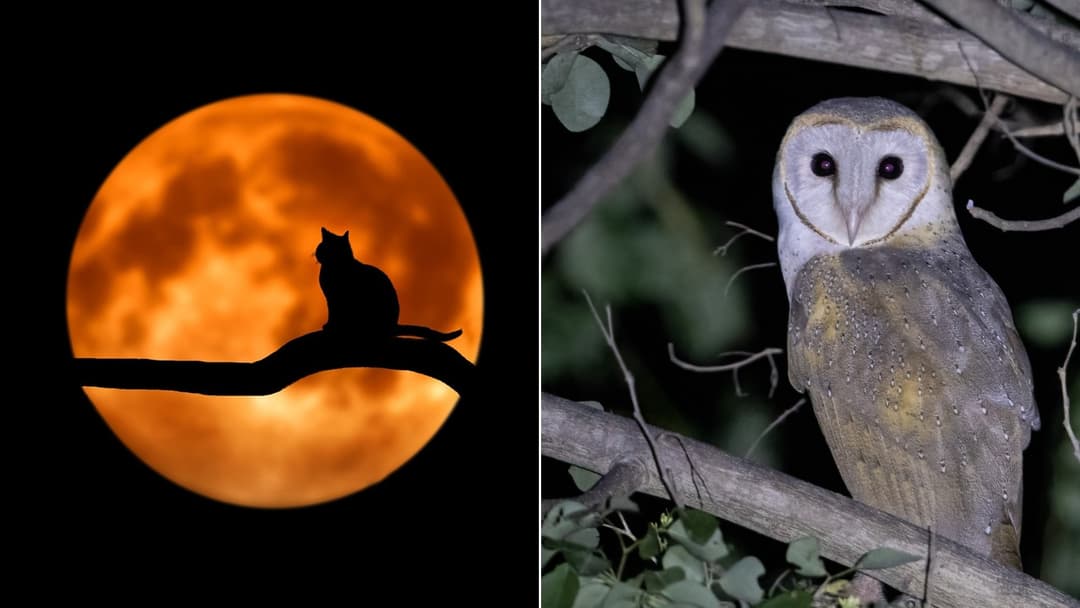
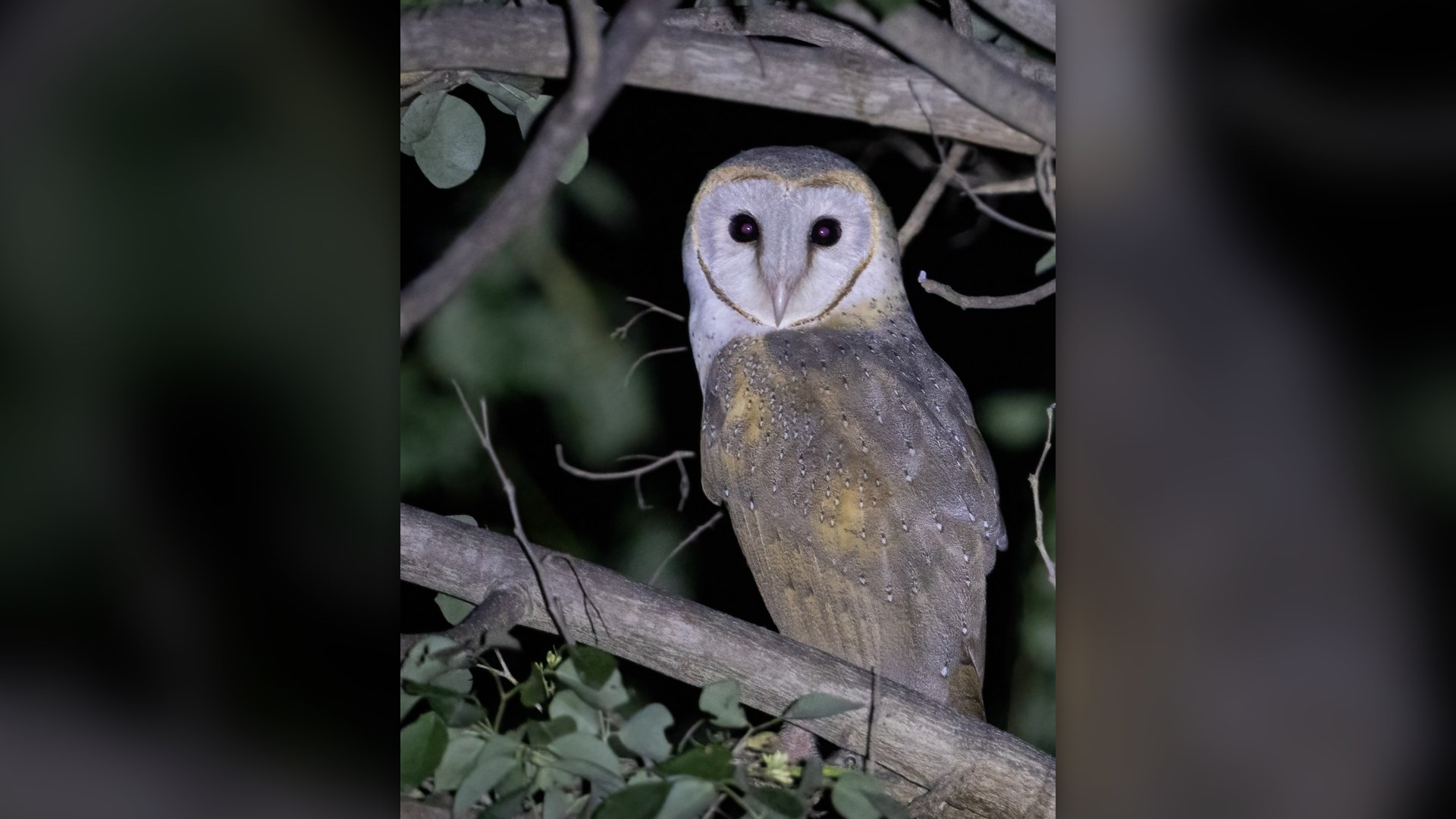
6. Hoot Of The Nocturnal Barn Owl: Ancient Messenger Of The Beyond
Roman historians recorded that solitary owls screeched through the streets of Rome right before the assassination of Julius Caesar. Across parts of Europe, Africa, and the Americas, hearing a barn owl hoot from a chimney at midnight is still feared as a harbinger of loss.
©Wikimedia / Hari K Patibanda
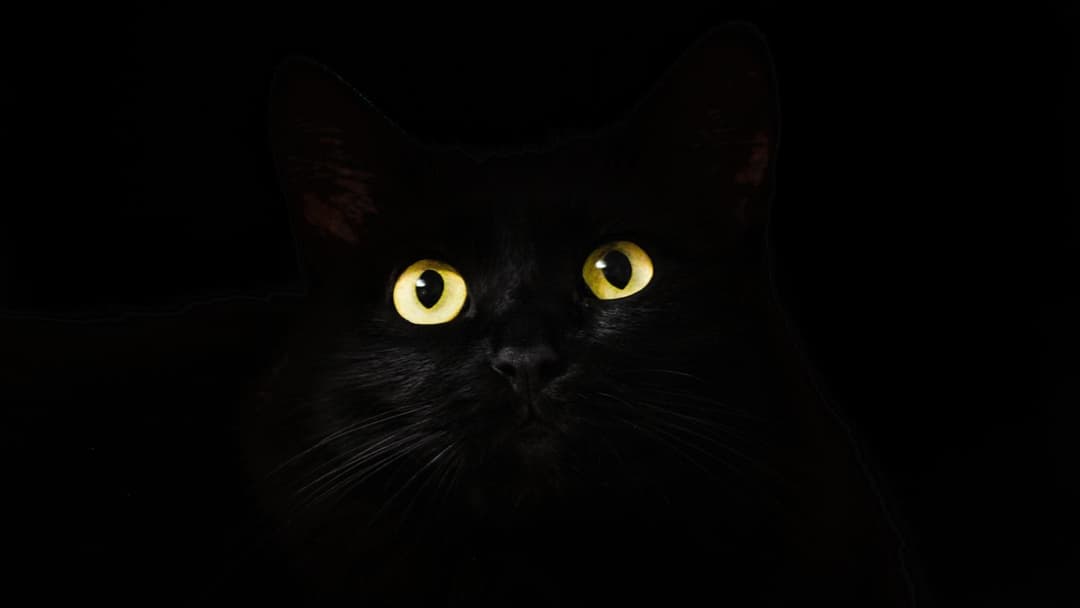
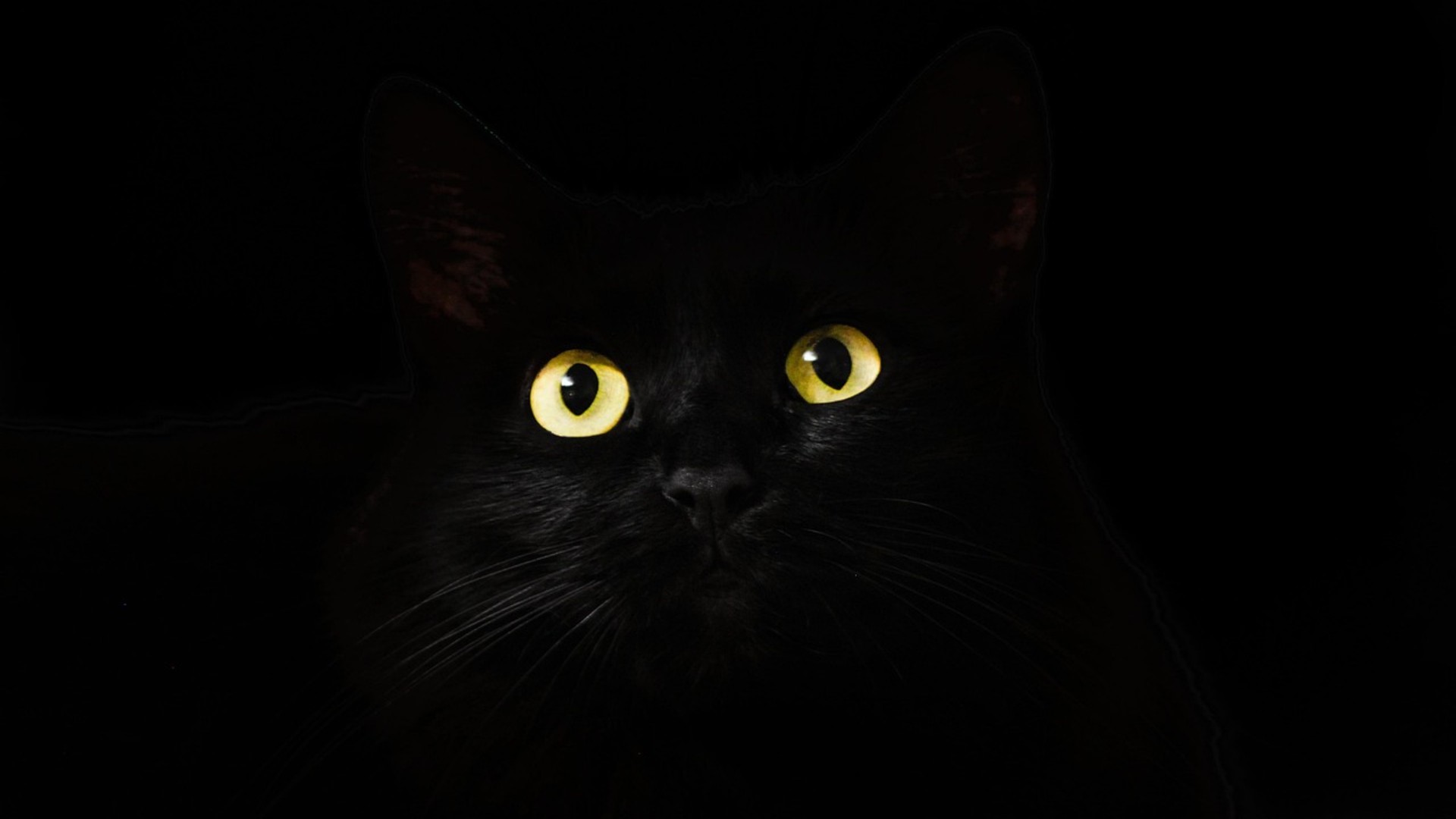
5. Black Cats Crossing Your Path
In medieval Europe, nocturnal black cats were accused of serving as shape-shifting familiars for witches, sparking centuries of superstition when one crossed a traveler's path. Yet in Britain and Japan, a black cat walking toward you is celebrated as a sign of prosperity.
©Pixabay / Mihail_hukuna
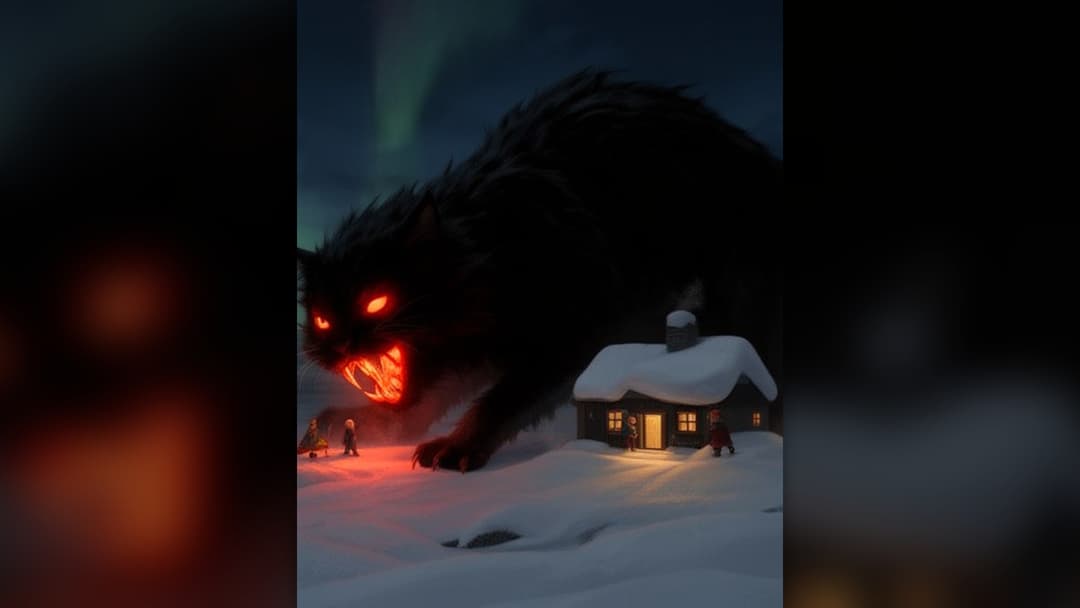
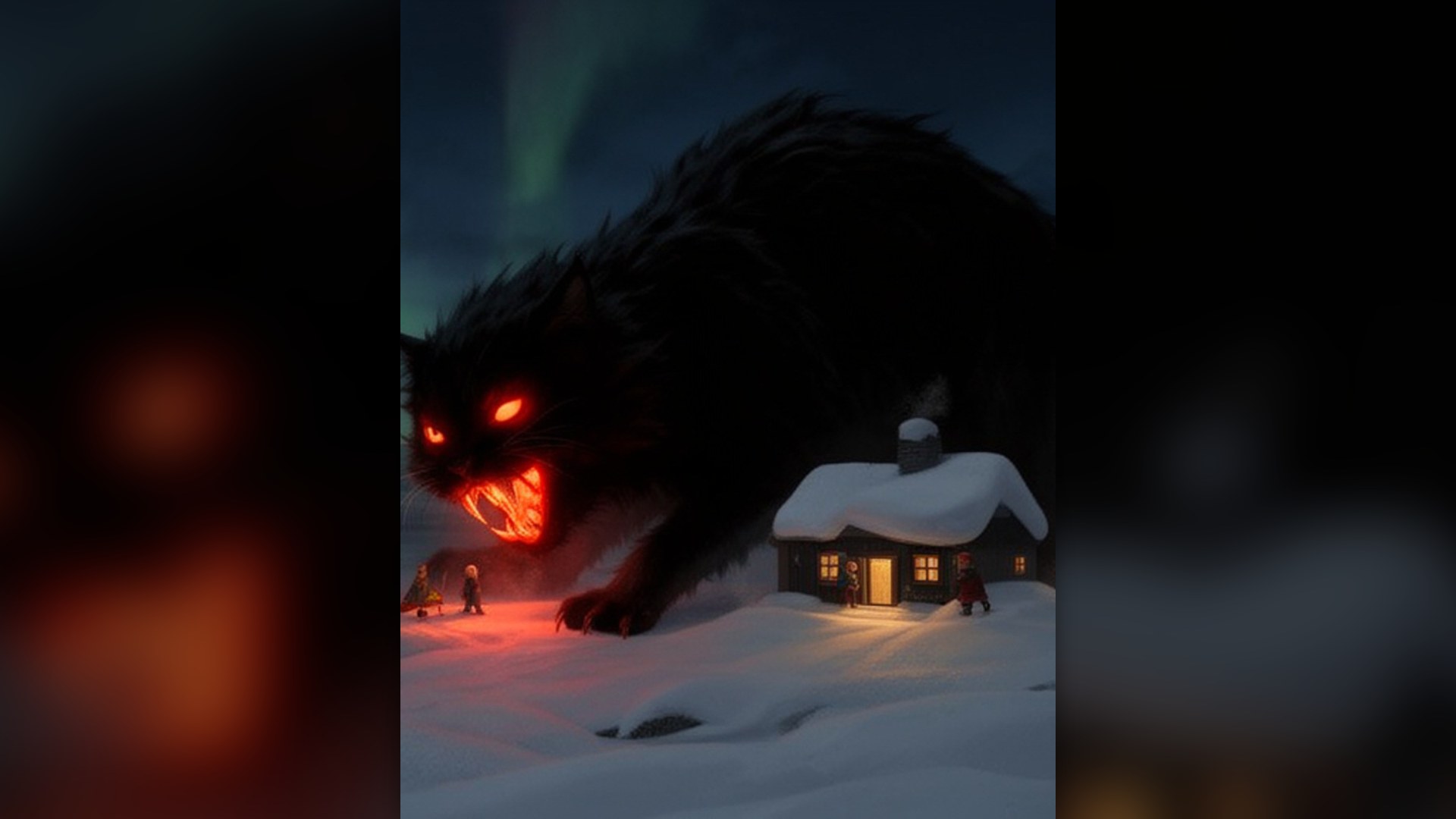
4. Iceland's Giant Yule Cat
In Icelandic folklore, the Jólakötturinn (Yule Cat) is a house-sized feline prowling the snowy countryside on Christmas Eve to devour anyone who has not received at least one new piece of wool clothing before the holidays—a spooky tale originally used to speed up autumn wool weaving.
©Wikimedia / Doc Taxon
3. Leaving An Empty Chair And Food Out For Hungry Ghosts (East Asia)
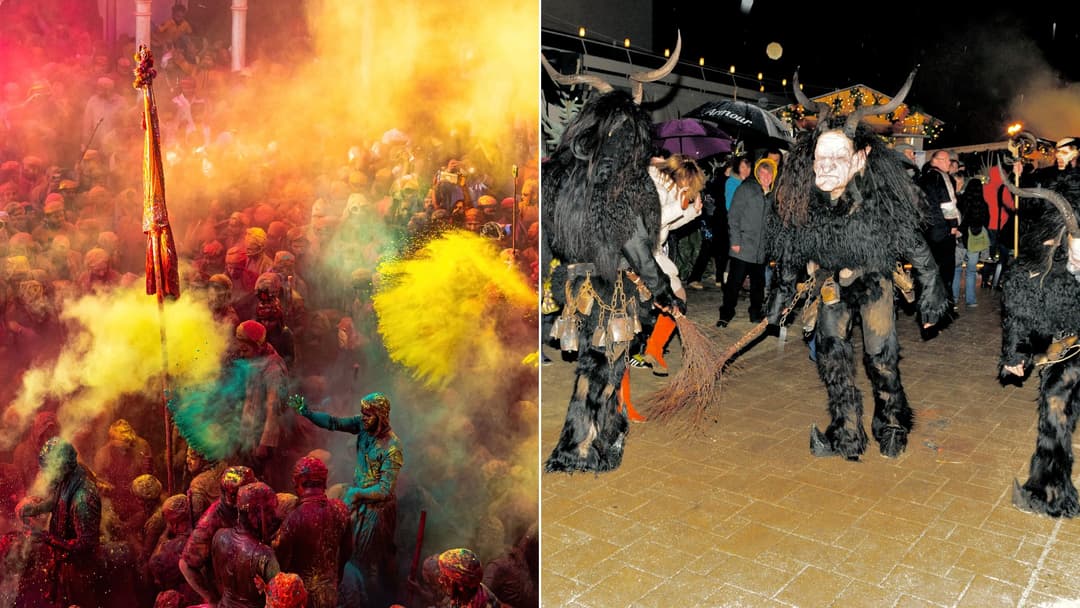
During the annual Ghost Festival across East and Southeast Asia—and Día de los Muertos in Mexico—families believe the gates of the afterlife open. People avoid swimming at night, leave the front row of opera shows empty for unseen spirits, and set out candlelit feasts.

©Pixabay / Engin_Akyurt
Advertisement
Swipe or tap ▶ to resume the countdown.
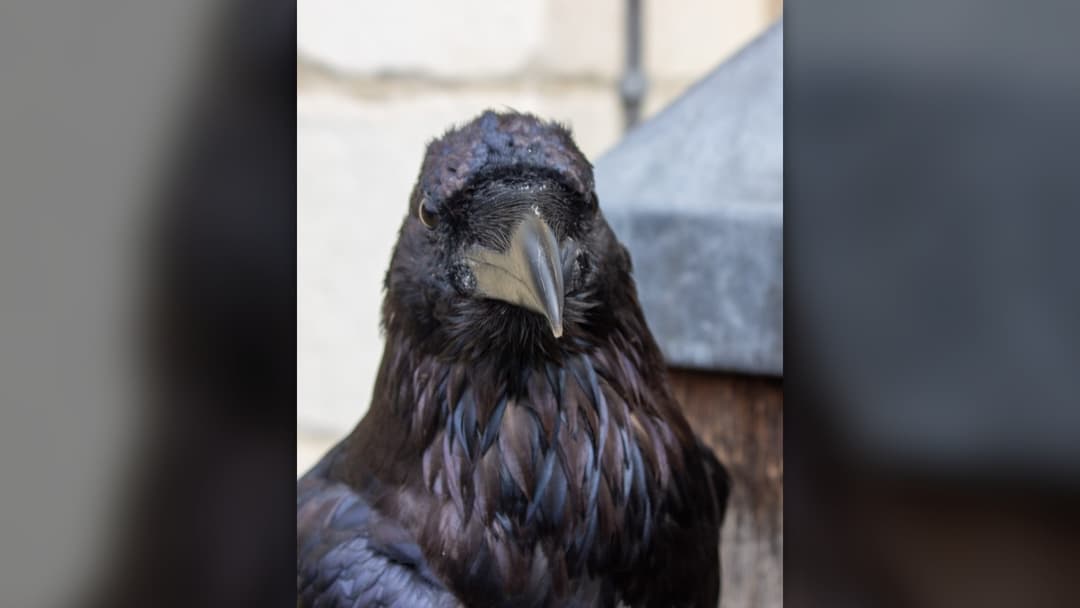
2. The Royal Ravens Of The Tower Of London: Guardians Of The Crown
A 17th-century prophecy warns that "if the Tower of London ravens are lost or fly away, the Crown will fall and Britain with it." Even in 2026, the British monarchy employs a dedicated Ravenmaster and keeps seven resident ravens on the fortress grounds as insurance.
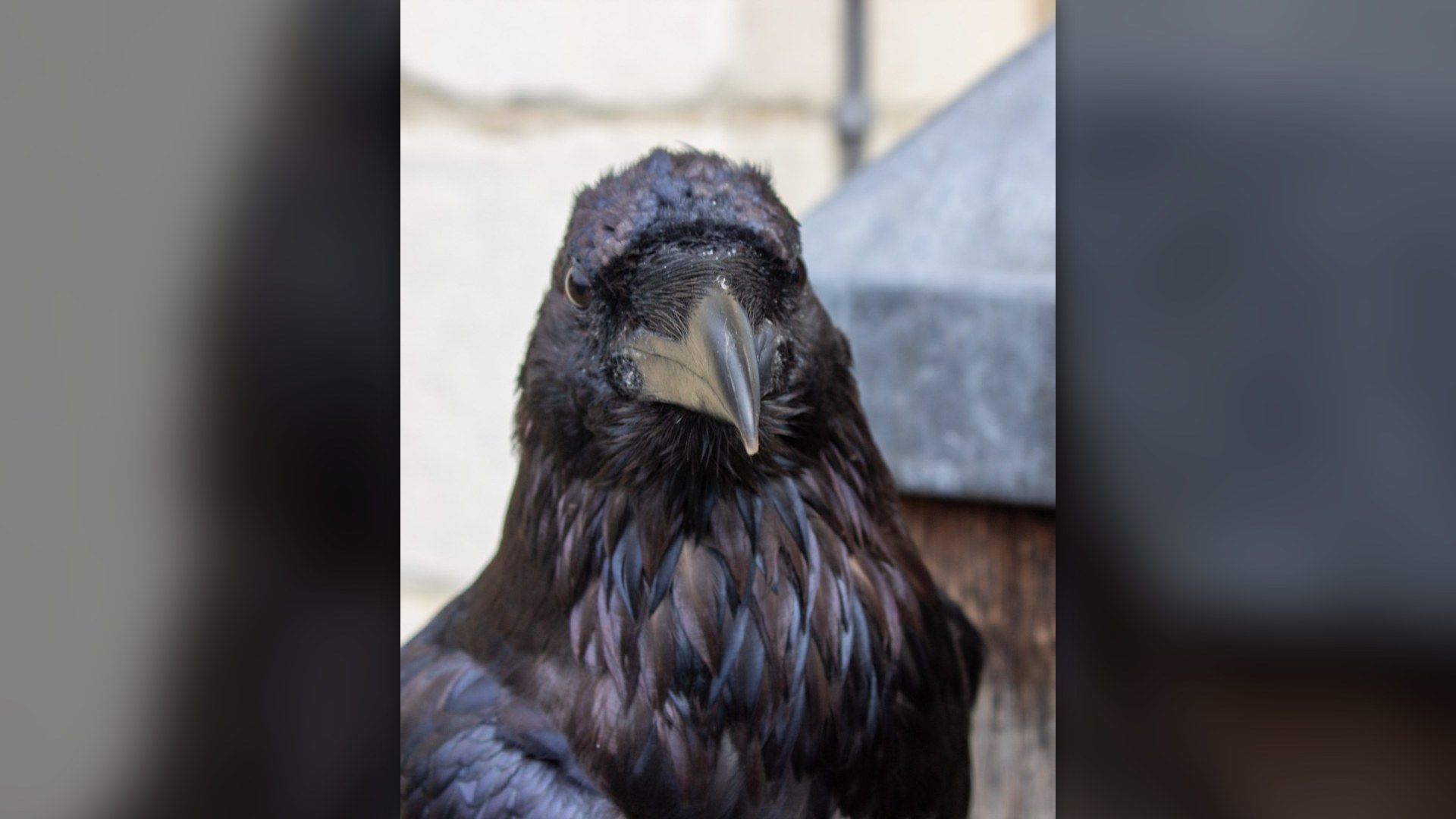
©Wikimedia / @bastique
1. Skipping The 13th And 4th Floors In Modern High-Rise Elevators
No superstition shapes modern architecture like triskaidekaphobia (fear of 13 in the West) and tetraphobia (fear of 4 in East Asia, where "four" sounds identical to "death"). More than 80% of high-rise hotels and hospitals skip these floor numbers on their elevator buttons.

Advertisement
You've reached the end of the story. Thanks for reading!

20 Details Behind The Real Story Of Stephen Miller
All 13 Entries in this Story
13. Spilling Salt: Tossing A Pinch Over Your Left Shoulder (Italy)
In ancient Rome and medieval Europe, salt was so expensive that spilling a single crystal was seen as a dark omen of betrayal—immortalized in Leonardo da Vinci's The Last Supper, where Judas knocks over the salt cellar. The only cure is throwing a pinch over your left shoulder.

12. Walking Under A Leaning Ladder
In ancient Egypt, a ladder resting against a wall created a three-sided triangle sacred to the gods—walking through it profaned the trinity. Later in medieval Europe, leaning ladders resembled the gallows, leading locals to believe anyone who walked underneath would hang.

11. Breaking A Mirror
When the ancient Romans pioneered glass-backed mirrors, they believed reflections captured a fragment of the viewer's soul. If the glass shattered, the trapped soul was damaged until the body physically regenerated itself—a cycle Roman physicians believed took seven years.

10. The Evil Eye (Nazar): Blue Glass Amulets That Deflect Deadly Envy
Dating back over 5,000 years to Mesopotamia, the Evil Eye curse holds that a glare of envy—or even excessive praise of a newborn baby—can cause sudden illness or ruin. Millions across the Mediterranean still hang blue glass Nazar amulets on homes, babies, and airplanes.

9. Whistling Indoors In Russia: Calling Financial Ruin Into Home
Rooted in Slavic pagan folklore, whistling indoors was believed to summon household wind spirits that swept every coin straight out the window. Even today across Russia and Eastern Europe, whistling inside a home or backstage at the Bolshoi Theatre is strictly taboo.

8. Tucking Your Thumbs When Passing A Graveyard At Night (Japan)
In Japan, the thumb is called oyayubi ("parent finger"). For generations, children and drivers passing a cemetery or funeral hearse have tucked their thumbs tightly inside their fists, believing that leaving them exposed allows wandering spirits to shorten their parents' lives.

7. Sticking Chopsticks Upright In Rice: The Funeral Offering Taboo
Across Japan, China, and Korea, vertical chopsticks in a bowl of rice (tsukitate-bashi) are reserved exclusively for funeral altars and ancestral shrines, where they resemble burning incense sticks for the departed. Doing so at a restaurant table is seen as beckoning death.

6. Hoot Of The Nocturnal Barn Owl: Ancient Messenger Of The Beyond
Roman historians recorded that solitary owls screeched through the streets of Rome right before the assassination of Julius Caesar. Across parts of Europe, Africa, and the Americas, hearing a barn owl hoot from a chimney at midnight is still feared as a harbinger of loss.

5. Black Cats Crossing Your Path
In medieval Europe, nocturnal black cats were accused of serving as shape-shifting familiars for witches, sparking centuries of superstition when one crossed a traveler's path. Yet in Britain and Japan, a black cat walking toward you is celebrated as a sign of prosperity.

4. Iceland's Giant Yule Cat
In Icelandic folklore, the Jólakötturinn (Yule Cat) is a house-sized feline prowling the snowy countryside on Christmas Eve to devour anyone who has not received at least one new piece of wool clothing before the holidays—a spooky tale originally used to speed up autumn wool weaving.

3. Leaving An Empty Chair And Food Out For Hungry Ghosts (East Asia)
During the annual Ghost Festival across East and Southeast Asia—and Día de los Muertos in Mexico—families believe the gates of the afterlife open. People avoid swimming at night, leave the front row of opera shows empty for unseen spirits, and set out candlelit feasts.

2. The Royal Ravens Of The Tower Of London: Guardians Of The Crown
A 17th-century prophecy warns that "if the Tower of London ravens are lost or fly away, the Crown will fall and Britain with it." Even in 2026, the British monarchy employs a dedicated Ravenmaster and keeps seven resident ravens on the fortress grounds as insurance.

1. Skipping The 13th And 4th Floors In Modern High-Rise Elevators
No superstition shapes modern architecture like triskaidekaphobia (fear of 13 in the West) and tetraphobia (fear of 4 in East Asia, where "four" sounds identical to "death"). More than 80% of high-rise hotels and hospitals skip these floor numbers on their elevator buttons.