Slideshow · Travel
27 American Cities That Truly Look and Feel Like Europe, Ranked
Discover 27 American towns and cities that channel authentic Old World charm.
By Most Viral Today
1 hour ago

American Towns and Cities That Channel Authentic Old World Charm 
27. Jim Thorpe, Pennsylvania 
26. Bishop Hill, Illinois 
25. Lindsborg, Kansas - AdvertisementSwipe or tap ▶ to continue countdown

24. Venice Canals, California 
23. Hermann, Missouri 
22. Amana Colonies, Iowa 
21. Carmel By The-Sea, California - AdvertisementSwipe or tap ▶ to continue countdown

20. Frankenmuth, Michigan 
19. Poulsbo, Washington 
18. Sitka, Alaska 
17. Galena, Illinois - AdvertisementSwipe or tap ▶ to continue countdown

16. Annapolis, Maryland 
15. Kansas City, Missouri 
14. Tarpon Springs, Florida 
13. Montpelier, Vermont - AdvertisementSwipe or tap ▶ to continue countdown

12. New Glarus, Wisconsin 
11. Pella, Iowa 
10. Holland, Michigan 
9. Solvang, California - AdvertisementSwipe or tap ▶ to continue countdown

8. Fredericksburg, Texas 
7. Vail, Colorado 
6. Helen, Georgia 
5. Leavenworth, Washington - AdvertisementSwipe or tap ▶ to continue countdown

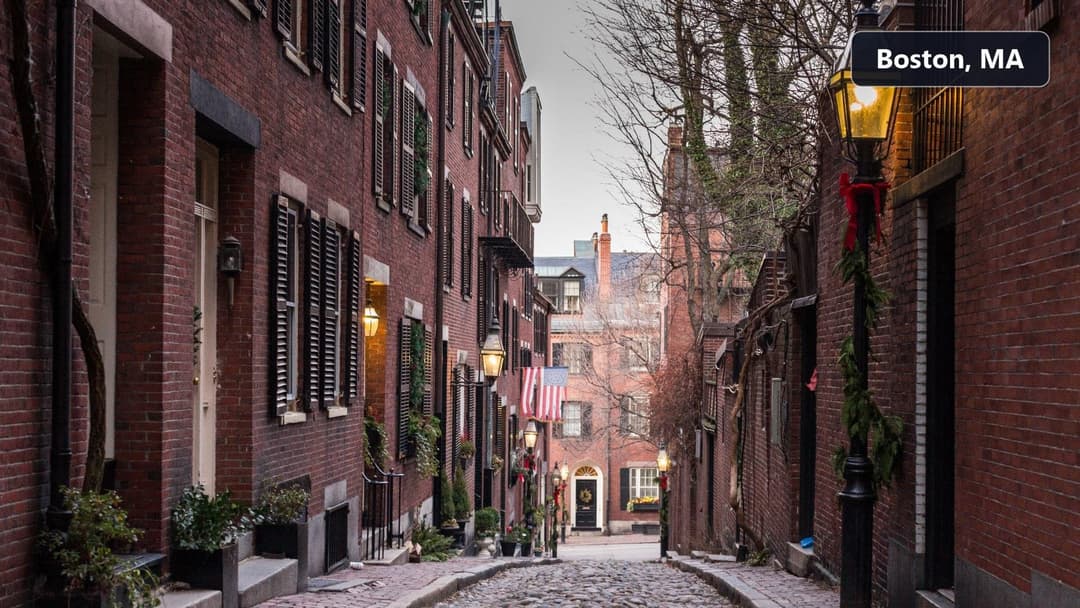
4. Boston, Massachusetts 
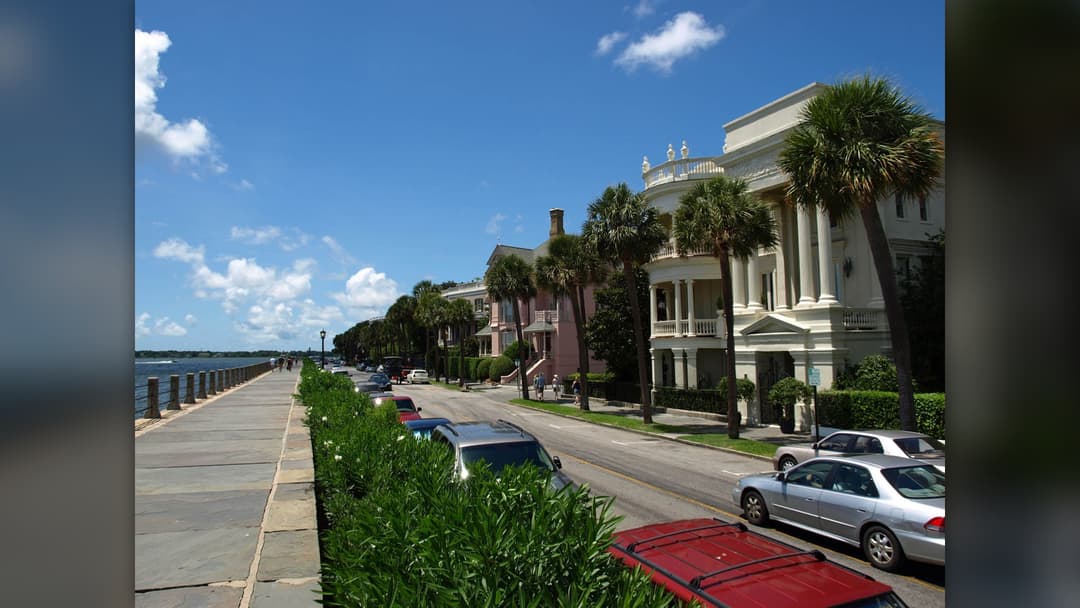
3. Charleston, South Carolina 
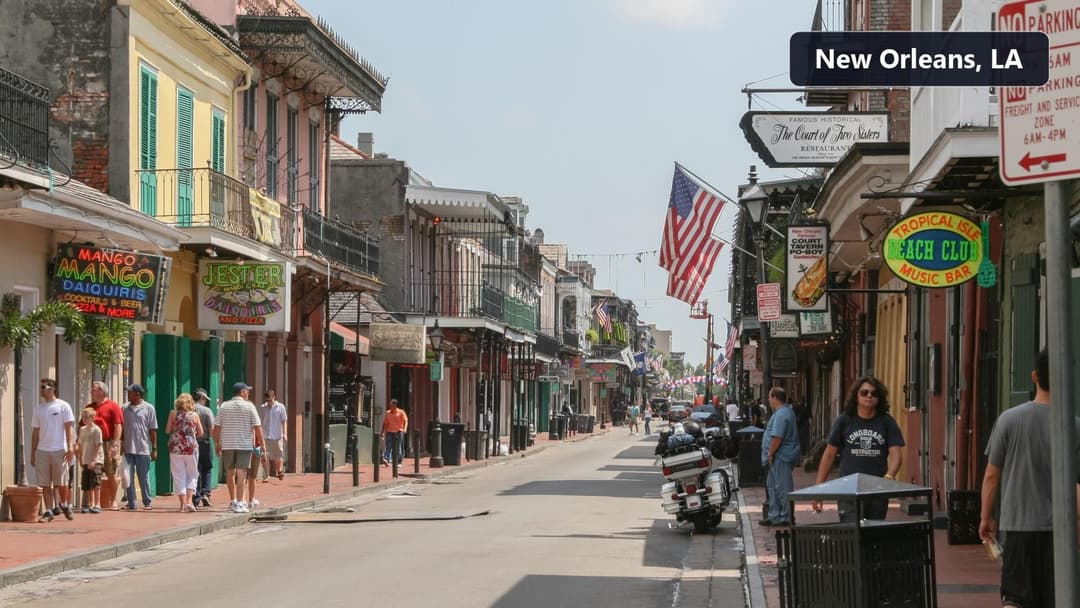
2. New Orleans, Louisiana 
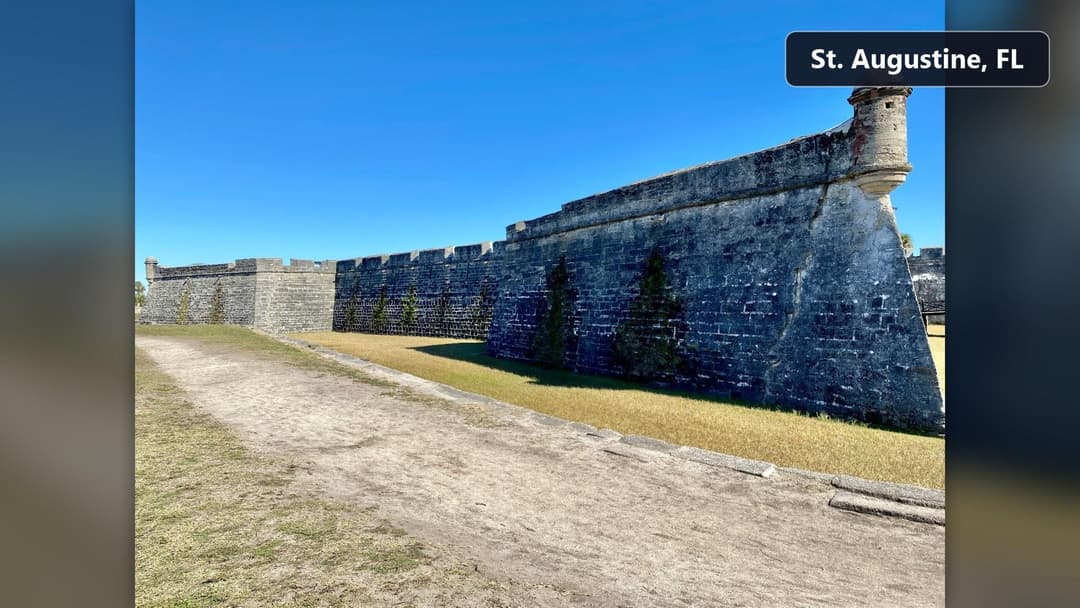
1. St. Augustine, Florida - Advertisement🔥 UP NEXT IN THIS SERIES◫ 21 Slides

20 Stupid Airport Mistakes Travelers Make, Ranked
From rushing security to packing blunders, navigating commercial flights requires smart preparation. These twenty critical airport blunders cost travelers time, money, and flights.
Across the United States, historic communities preserve authentic Old World architecture, working windmills, stone fortresses, and canals built by European immigrants. Explore twenty-seven American destinations where travelers can experience genuine European atmosphere without leaving the country.
Swipe or tap ▶ to begin the countdown
©Wikimedia / Juliancolton
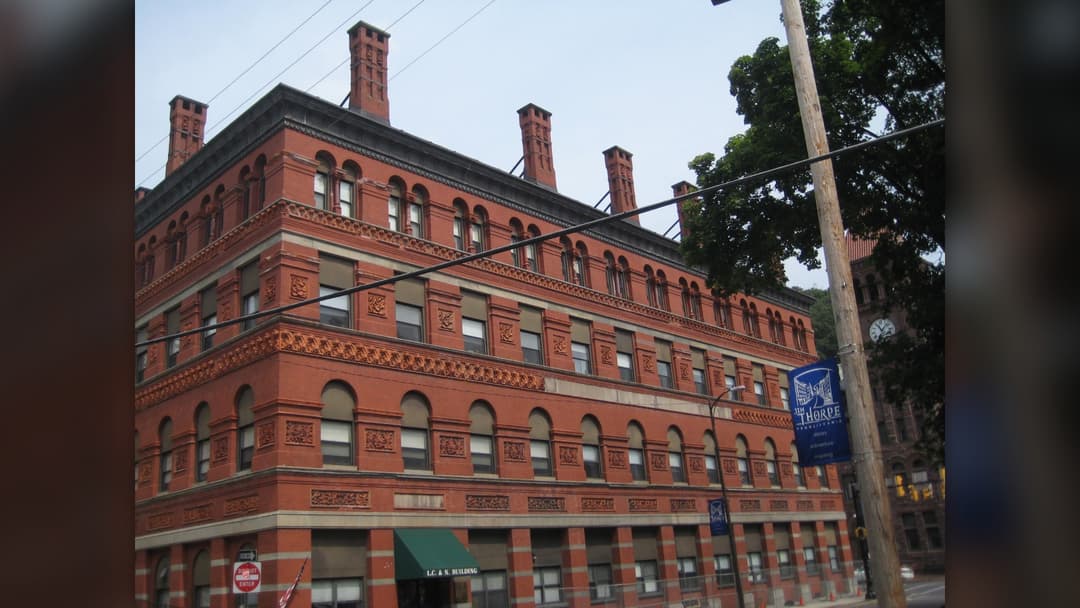
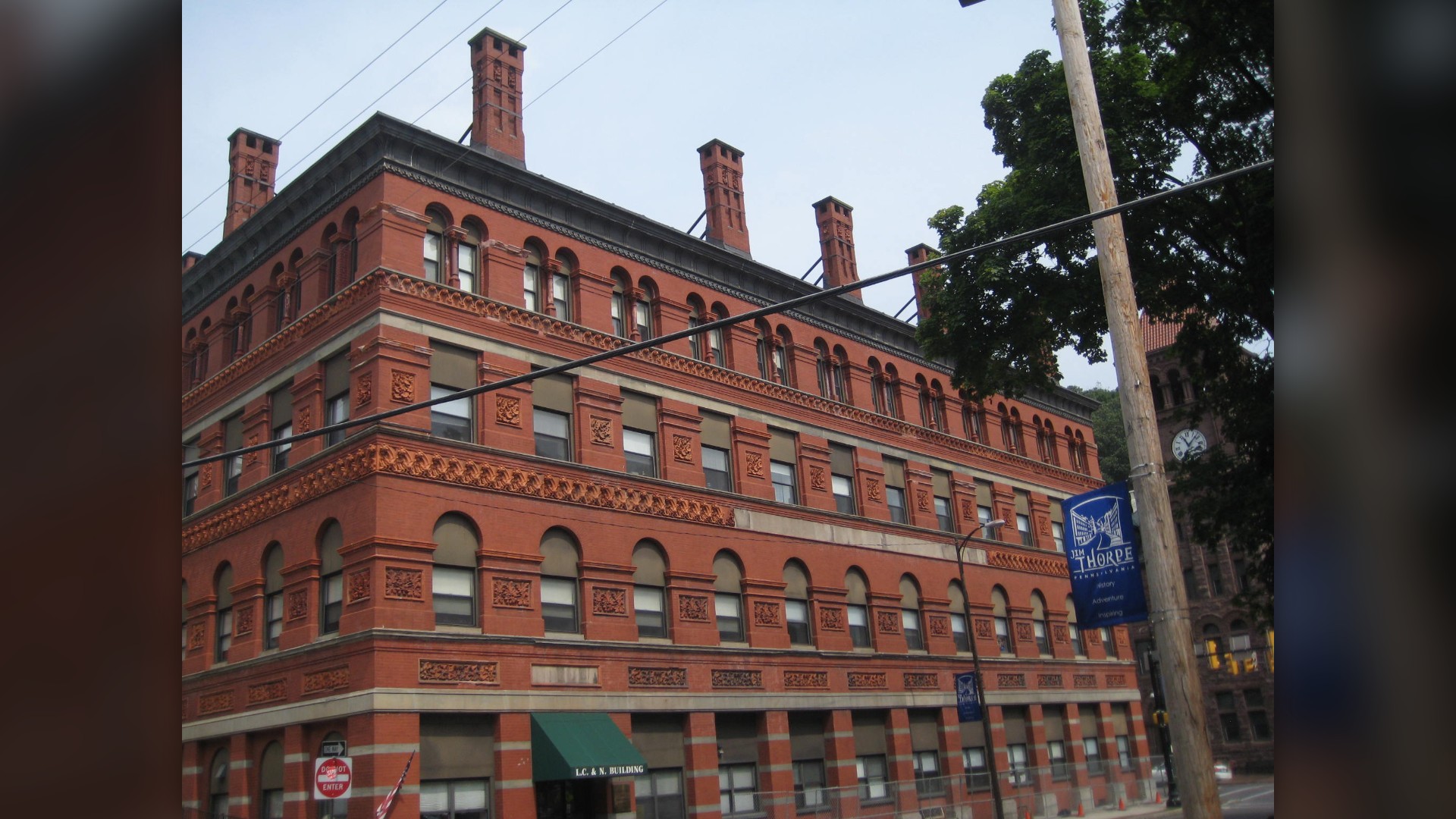
27. Jim Thorpe, Pennsylvania
Settled in 1818 as Mauch Chunk, this Lehigh Valley borough clings to rocky mountain slopes reminiscent of alpine mining hamlets. Preserved nineteenth-century mansions and scenic rail lines run alongside the Lehigh River gorge.
©Wikimedia / Fabartus
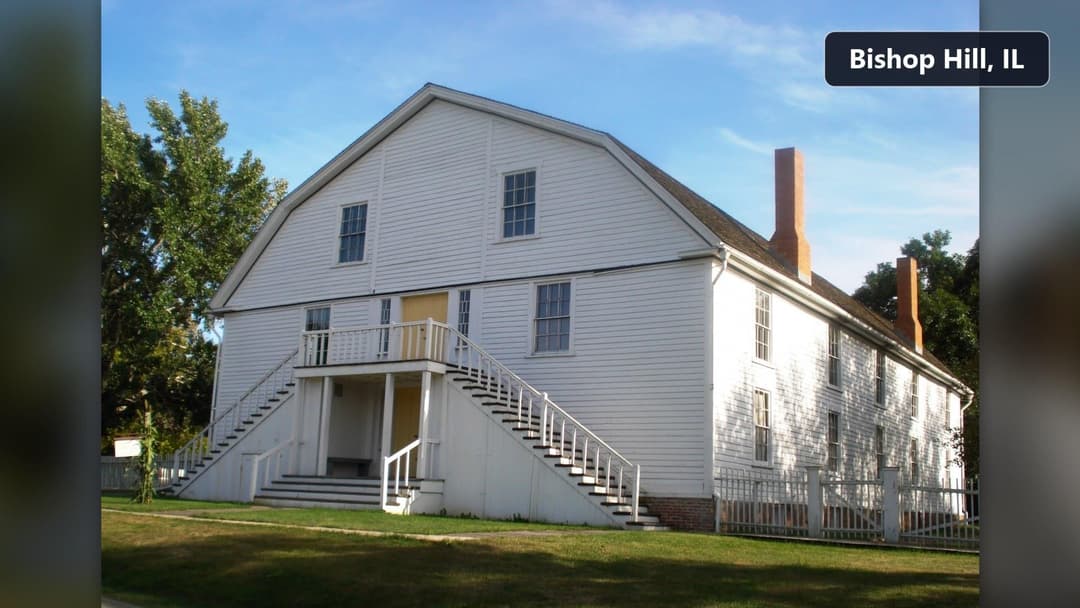
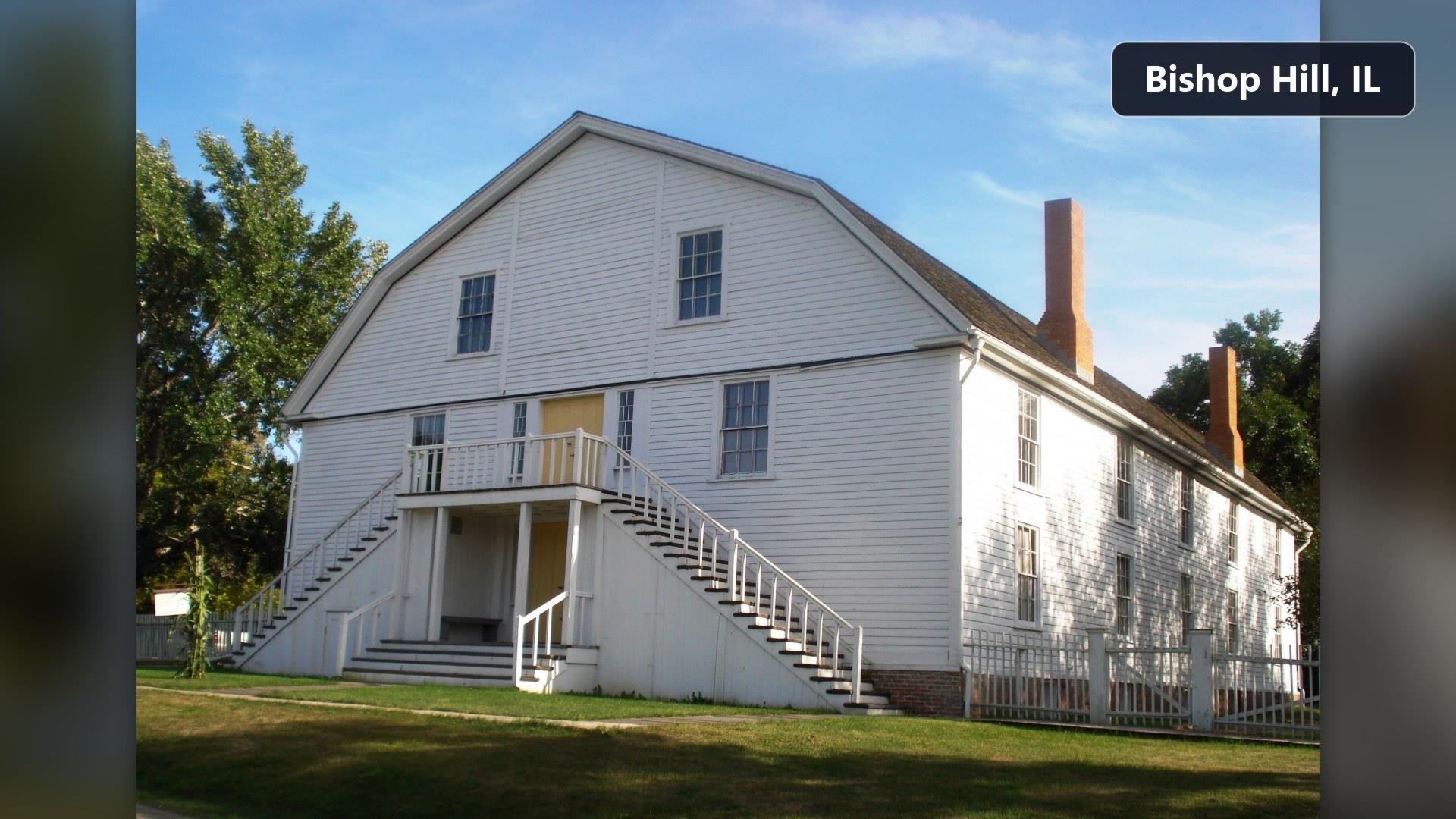
26. Bishop Hill, Illinois
Swedish immigrants led by Erik Jansson built this communal agrarian settlement with handmade red brick and timber. Today, historic structures including the Colony Church and Steeple Building retain their original nineteenth-century Scandinavian craft.
©Wikimedia / Kepper66
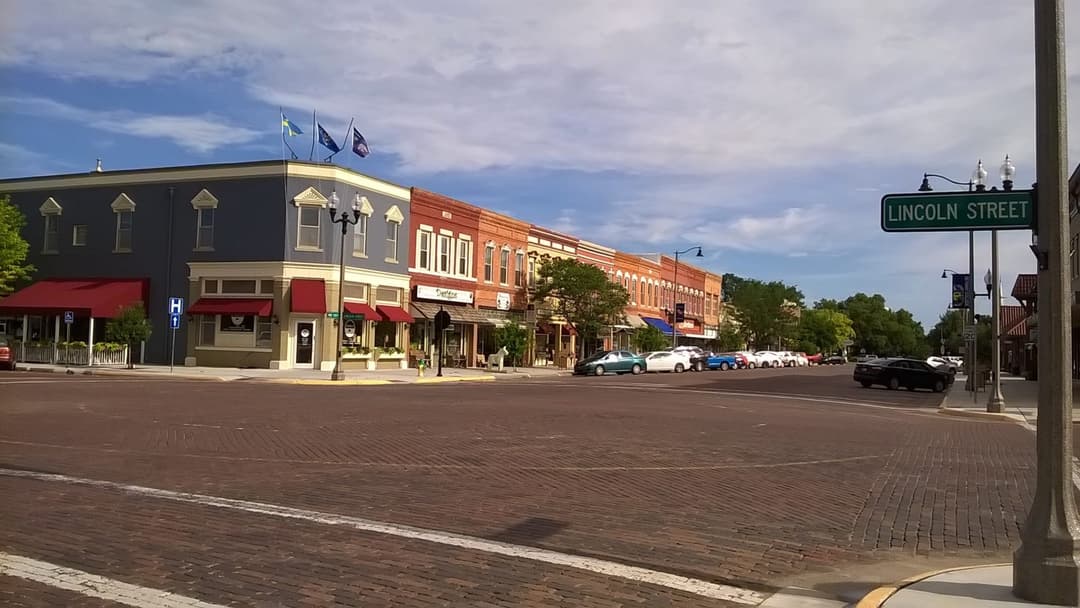
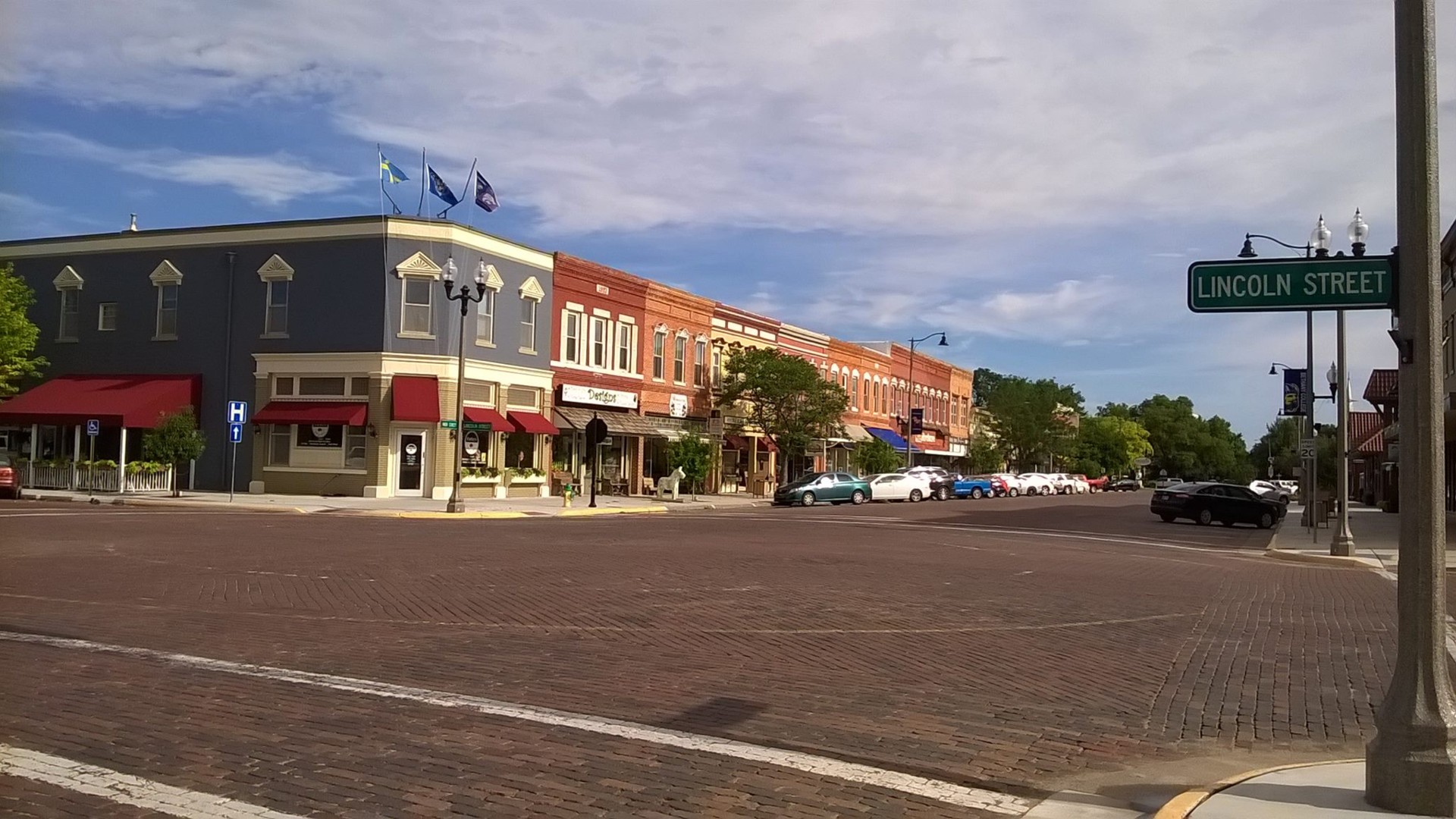
25. Lindsborg, Kansas
Founded in 1869 by Swedish agriculturalists, Lindsborg celebrates its heritage through traditional folk festivals and Swedish street names. Large folk art horse statues decorate downtown sidewalks outside historic Scandinavian bakeries and artisan craft workshops.
©Wikimedia / Lindsborg, Kansas
Advertisement
Swipe or tap ▶ to resume the countdown.
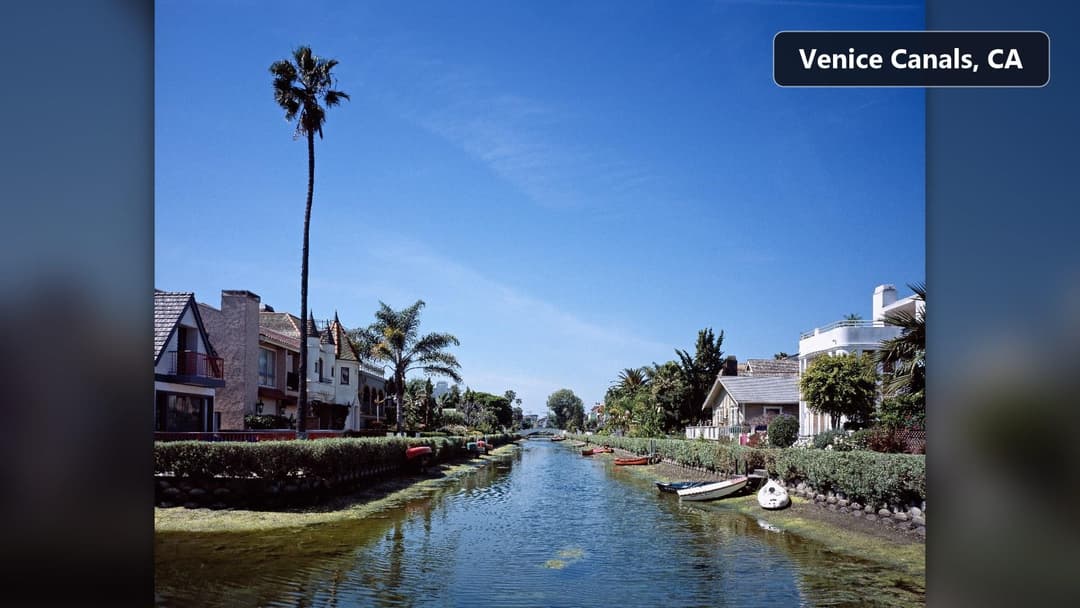
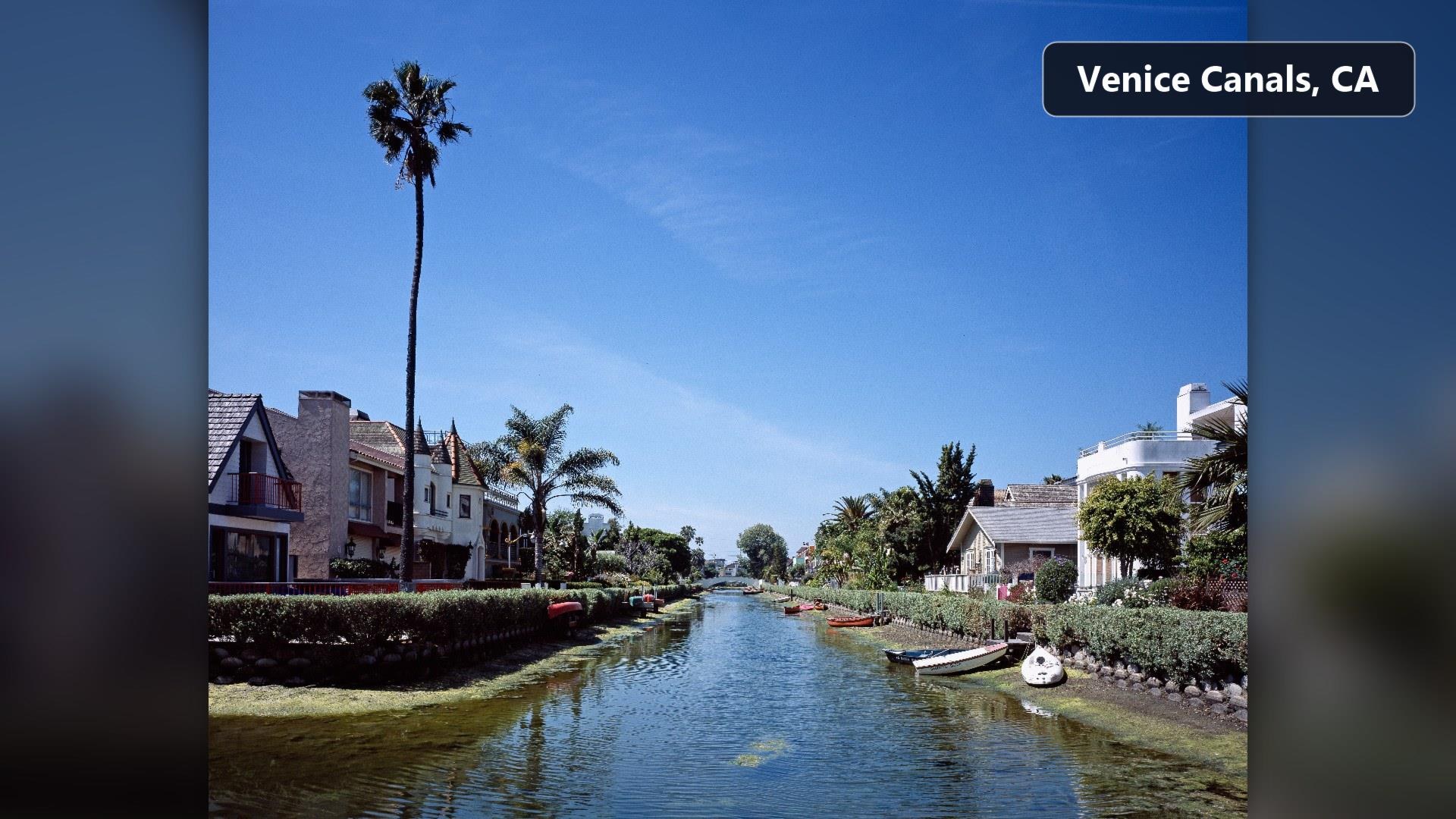
24. Venice Canals, California
Tobacco magnate Abbot Kinney dug miles of saltwater canals in 1905 to recreate the romance of northern Italy in Southern California. Four picturesque waterways remain preserved, lined with residential gardens and classic arched pedestrian bridges.
©Wikimedia / Carol M. Highsmith
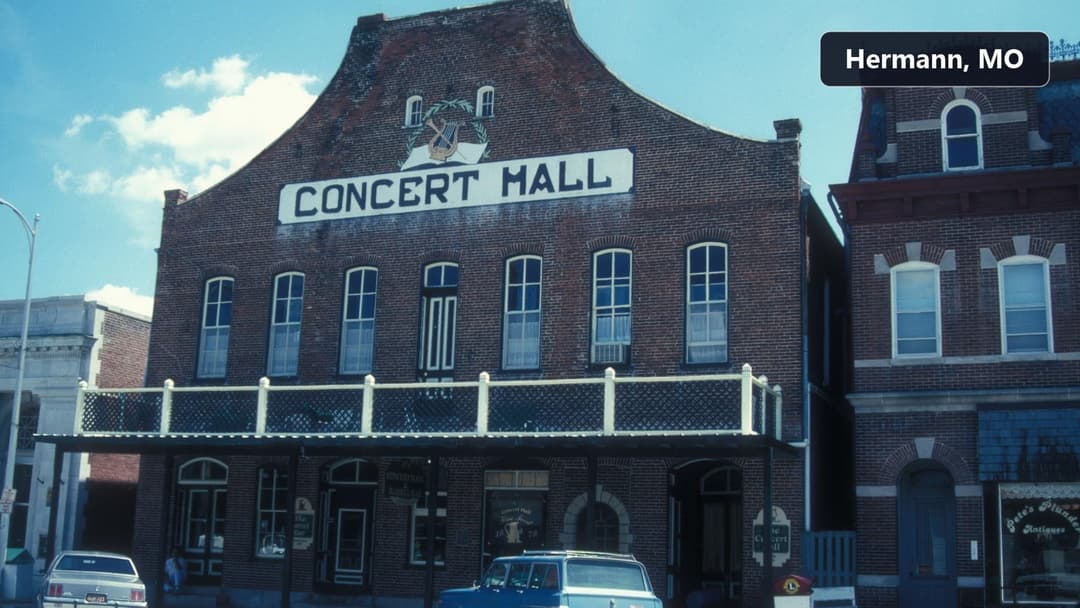
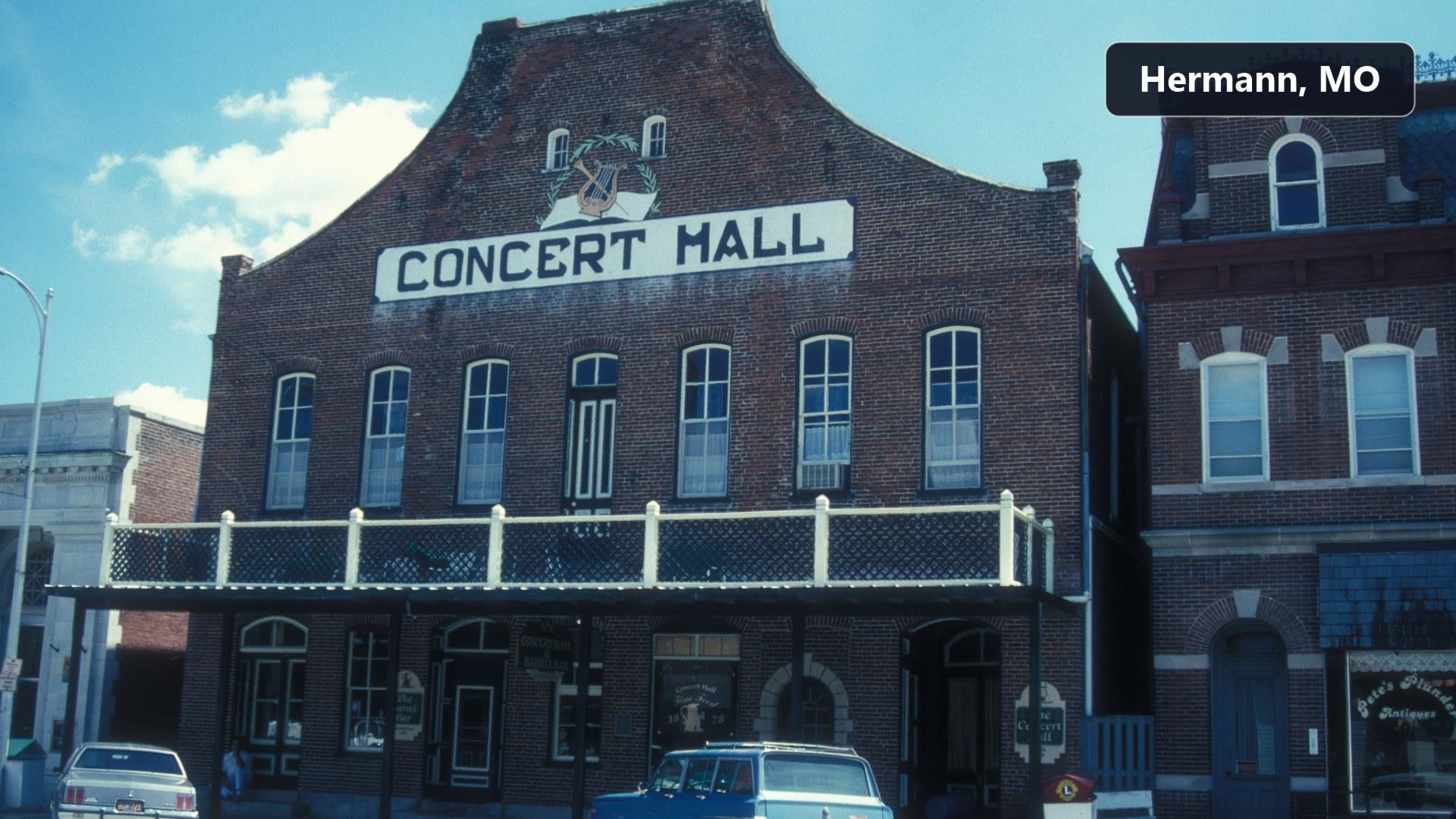
23. Hermann, Missouri
German immigrants settled Hermann along the Missouri River in 1837, selecting the steep terrain specifically for viticulture. The town preserves historic brick commercial buildings and hillside wine cellars that date back before the Civil War.
©Wikimedia / Billgreen70
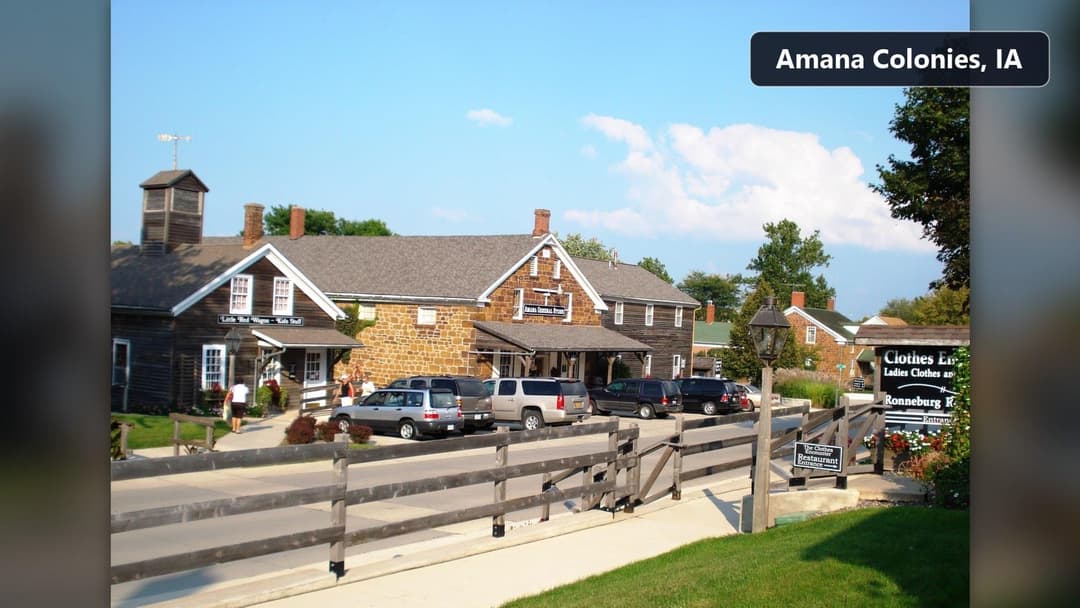
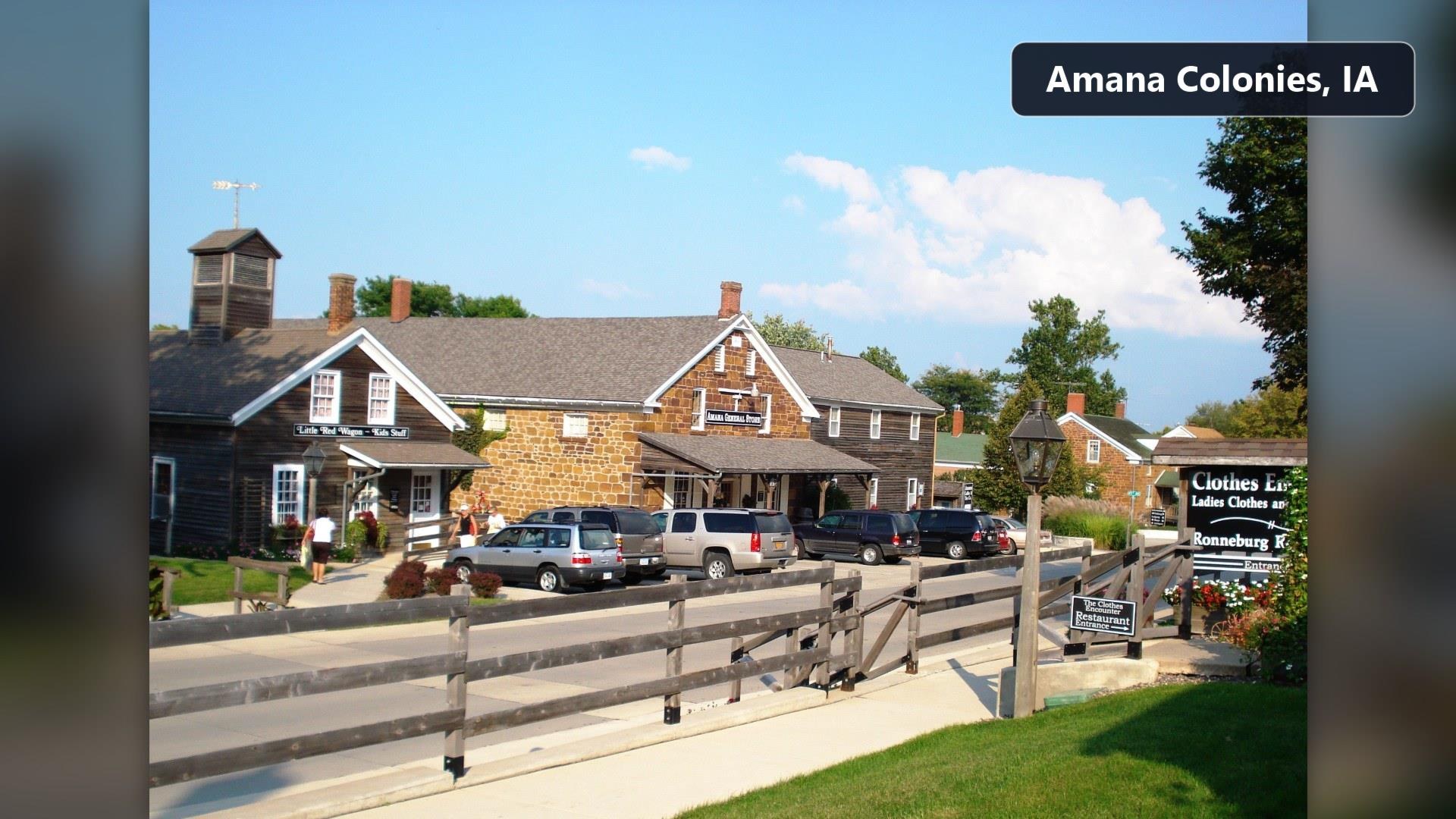
22. Amana Colonies, Iowa
German Pietists founded the seven Amana villages in 1855, practicing communal living for nearly eighty years. Hand-chiseled sandstone buildings, traditional meat smokehouses, and woolen mills showcase authentic Old World German craftsmanship.
©Wikimedia / Kepper66
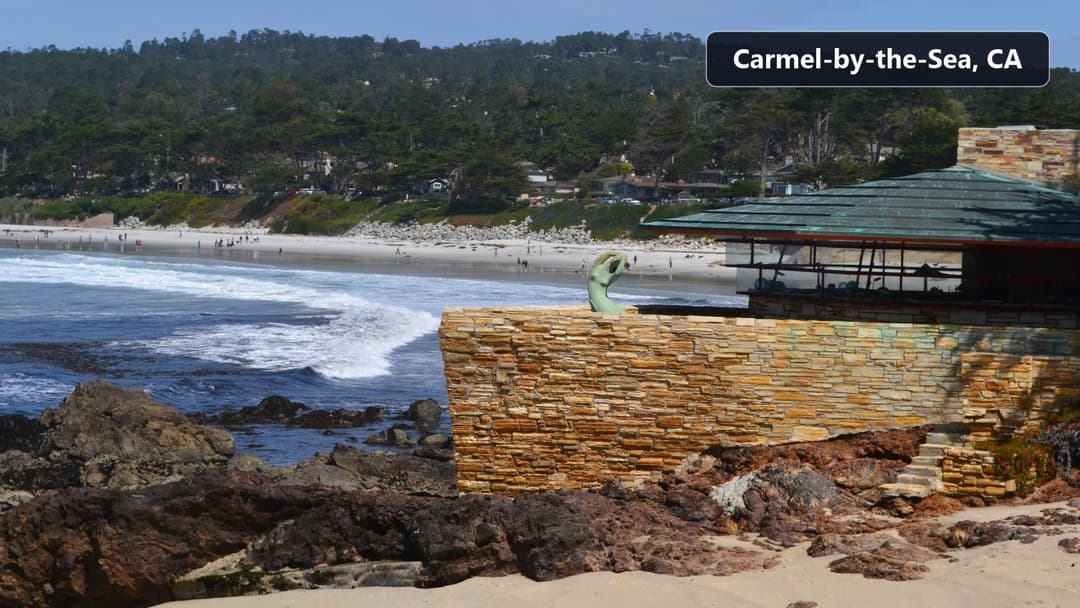
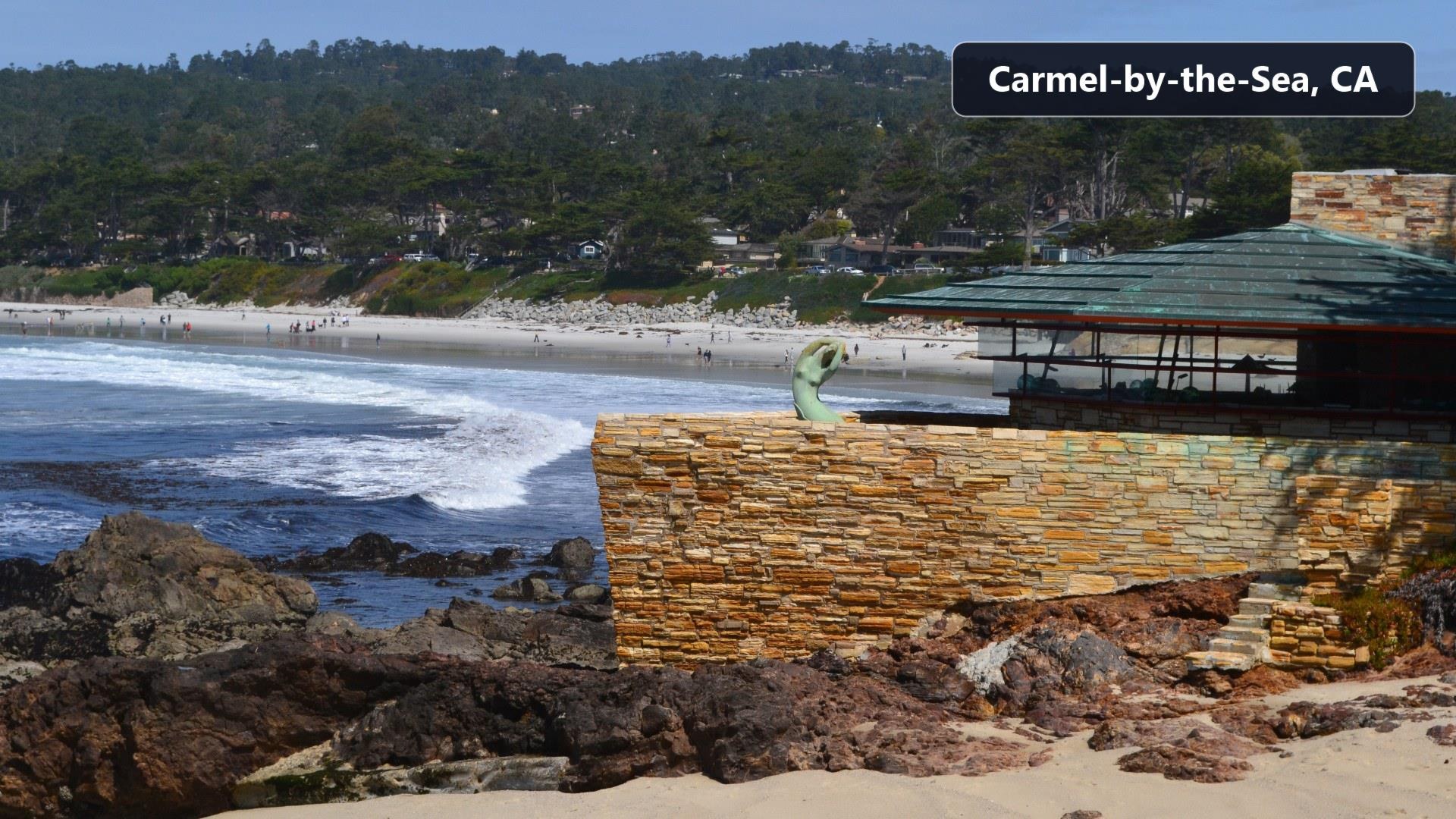
21. Carmel By The-Sea, California
Builder Hugh Comstock constructed storybook timber cottages throughout Carmel during the 1920s. Today, the village maintains European character with no street addresses, no parking meters, and cozy stone courtyards hidden beneath coastal pine trees.
©Wikimedia / Greghenderson2006
Advertisement
Swipe or tap ▶ to resume the countdown.
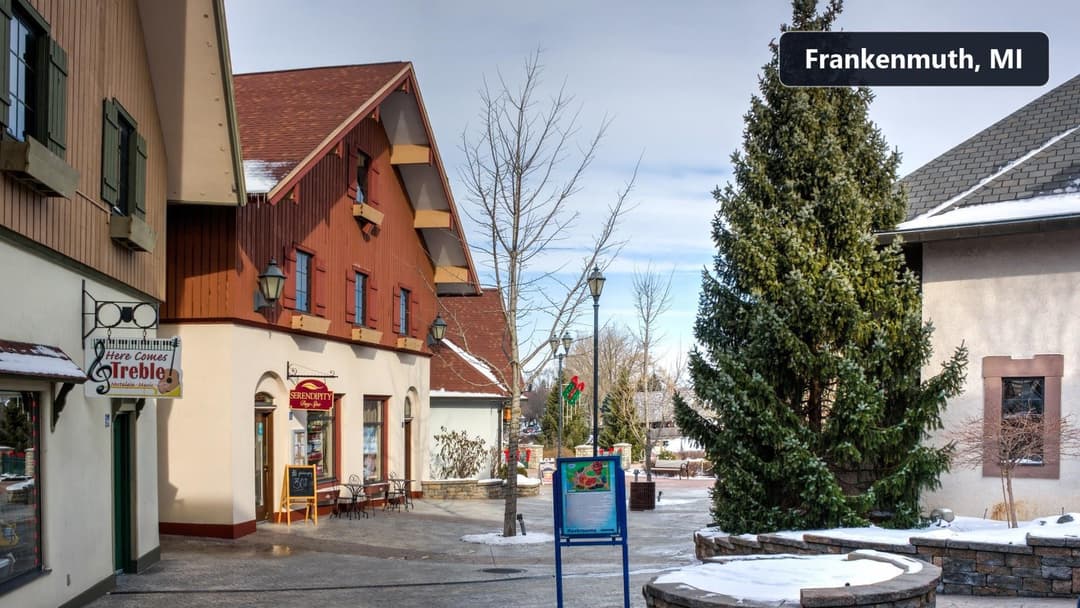
20. Frankenmuth, Michigan
Fifteen German Lutheran immigrants established Frankenmuth in 1845 along the Cass River. The community maintains Bavarian timber framing on shops, traditional chicken dinner halls, and the Holz-Brucke, a 239-foot covered wooden bridge.
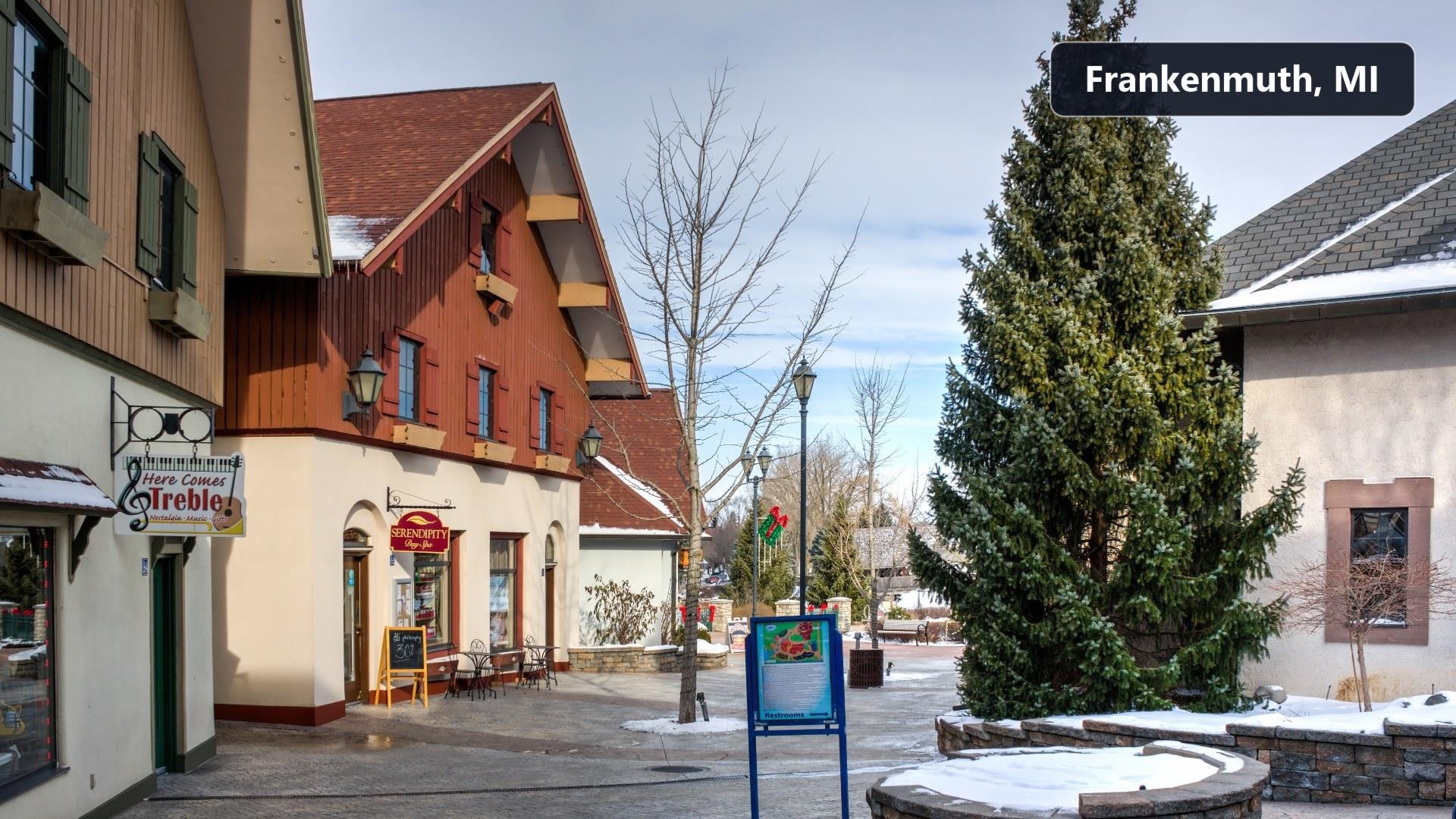
©Wikimedia / Crisco 1492
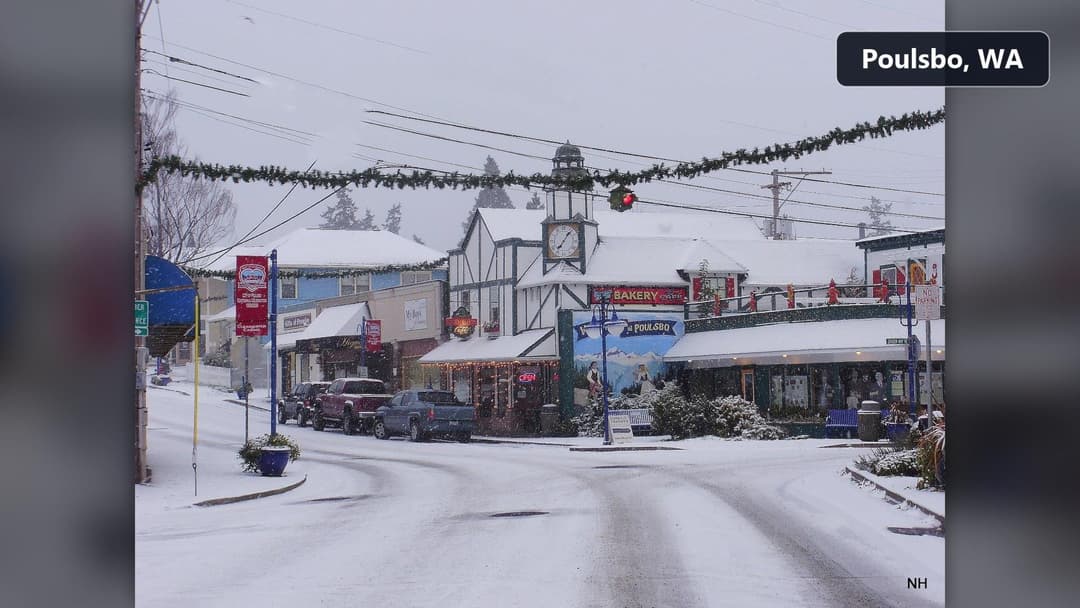
19. Poulsbo, Washington
Norwegian immigrant Jorgen Eliason settled Poulsbo on Liberty Bay in the 1880s because the forested waterways resembled western Norway. Downtown Front Street features rosemaling folk art murals, Norwegian flags, and bakeries serving traditional lefse.
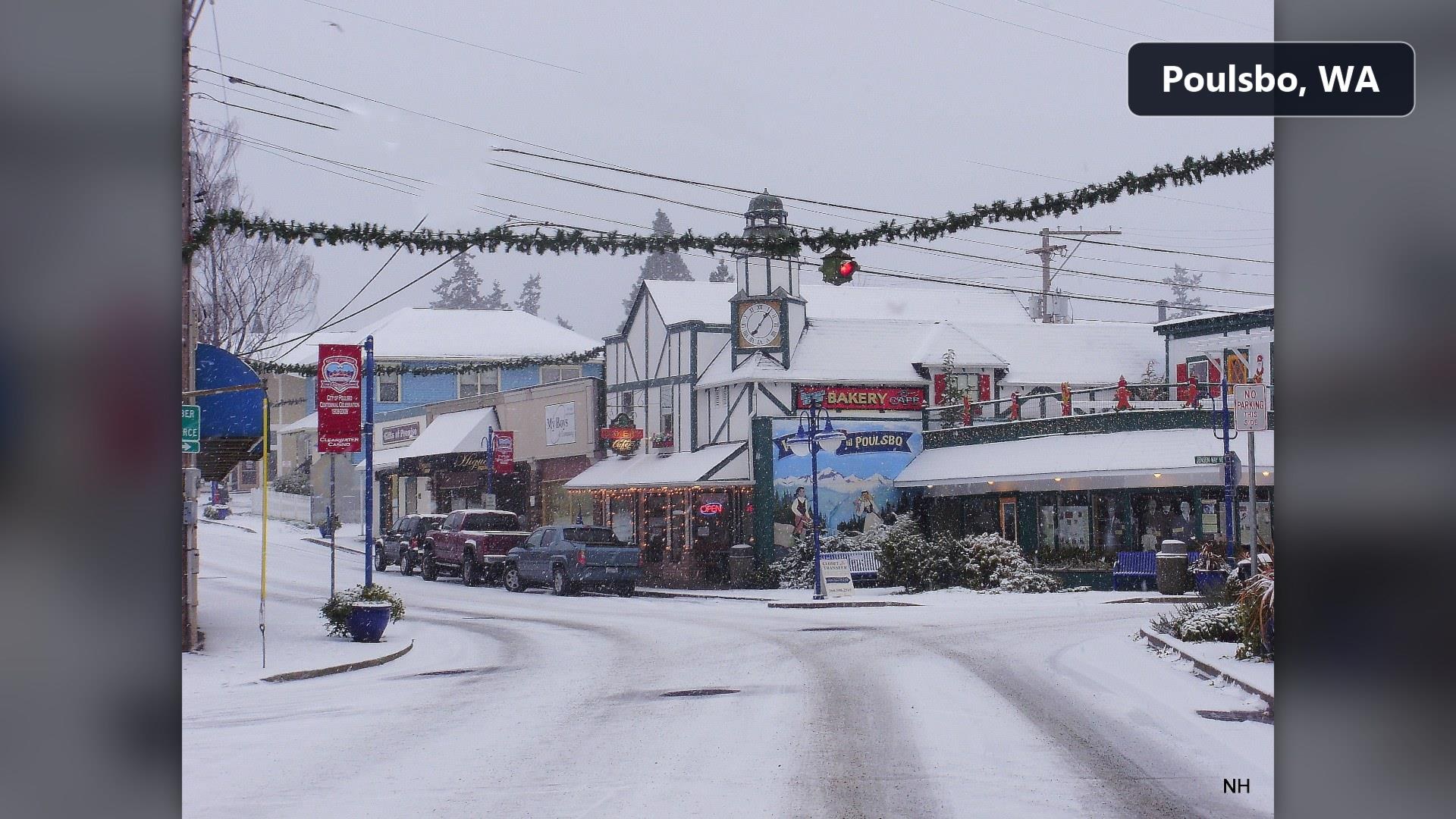
©Wikimedia / nick hoke
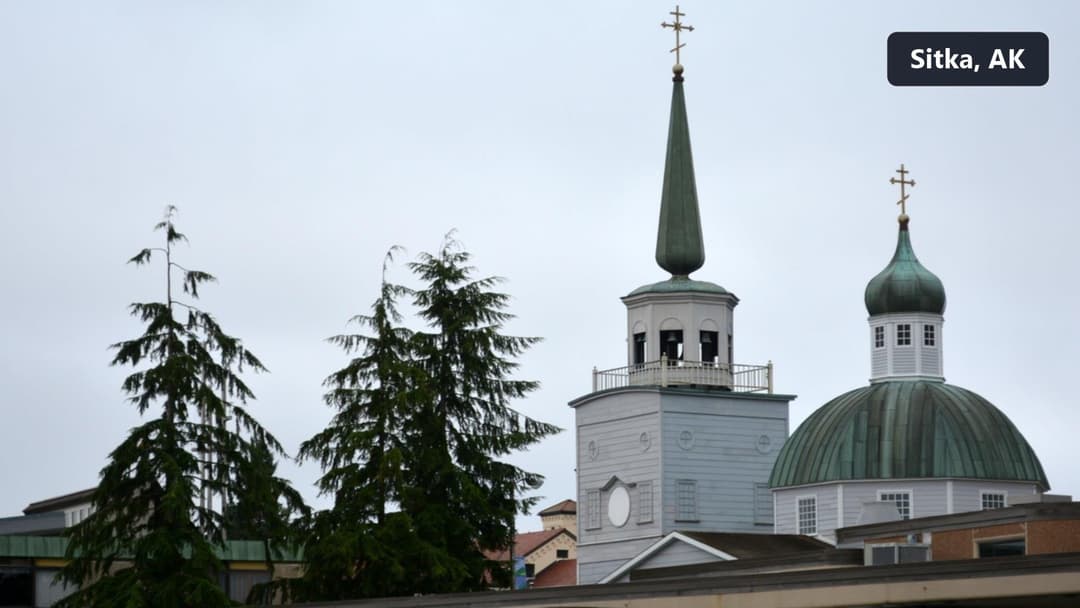
18. Sitka, Alaska
Known as New Archangel when founded in 1799, Sitka served as the administrative headquarters of Russian North America. St. Michael's Orthodox Cathedral features traditional Russian onion domes and nineteenth-century religious icons in the heart of town.
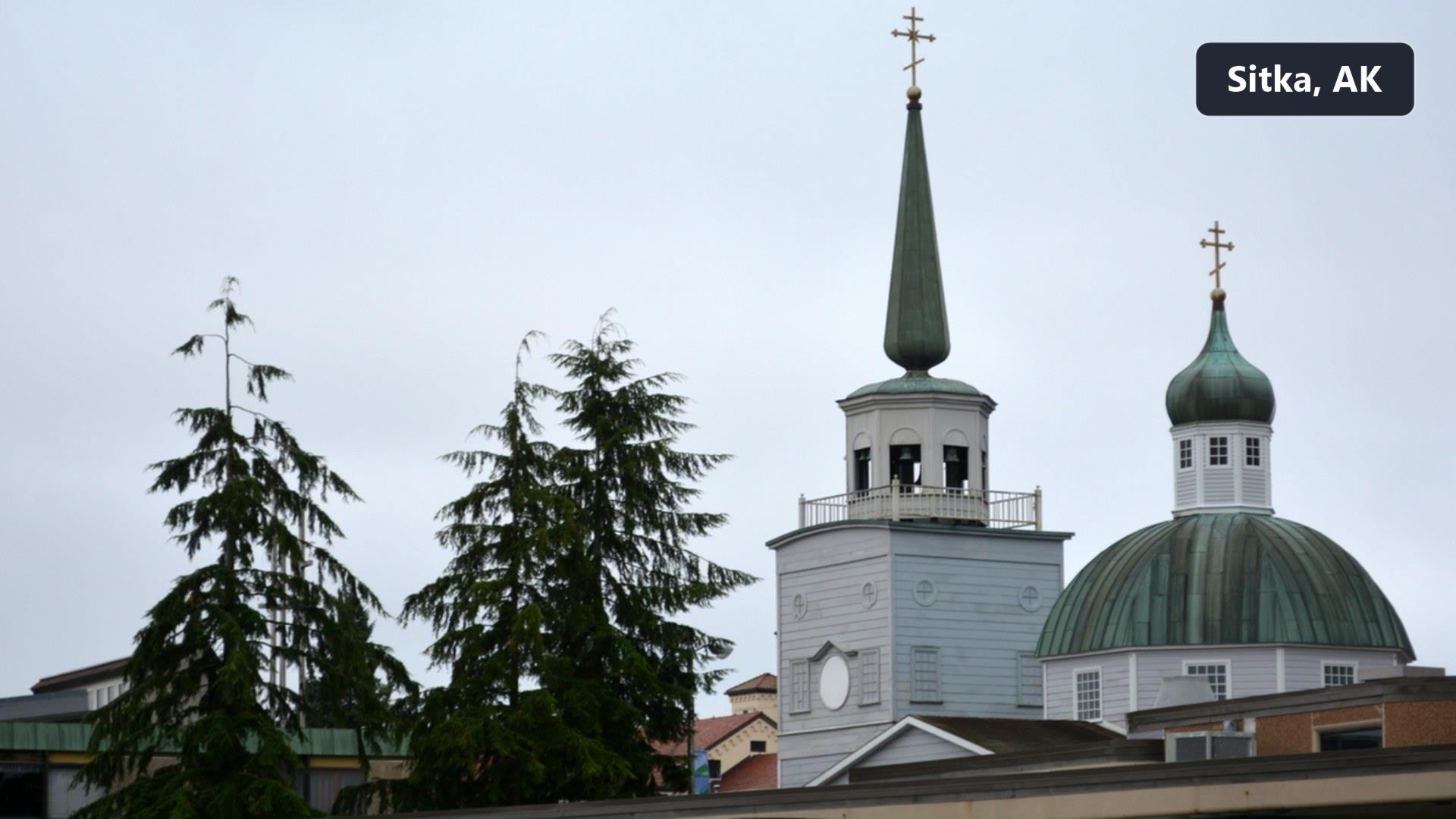
©Wikimedia / Jrozwado
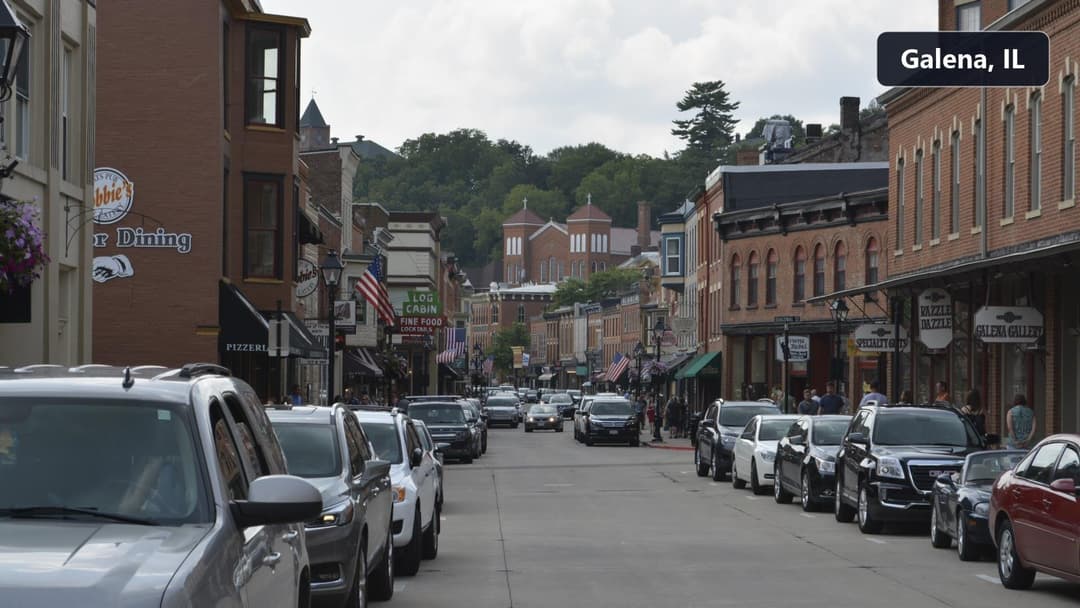
17. Galena, Illinois
Galena boomed in the 1840s as a lead mining hub, resulting in hillside tiers of brick and stone architecture. Over eighty-five percent of the city sits within a national historic district, giving Main Street the feel of an old European market town.
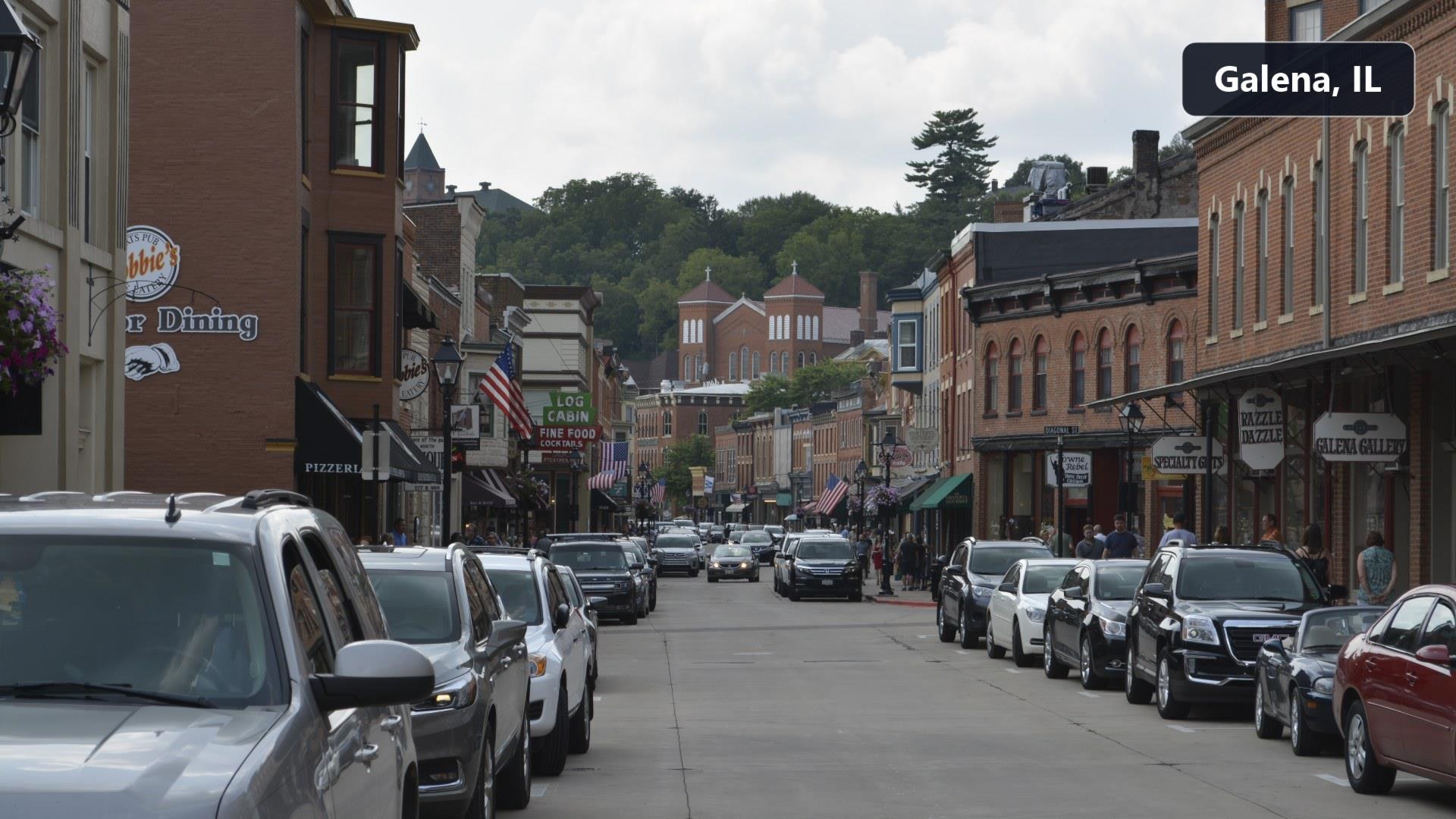
©Wikimedia / Robert Haugland
Advertisement
Swipe or tap ▶ to resume the countdown.
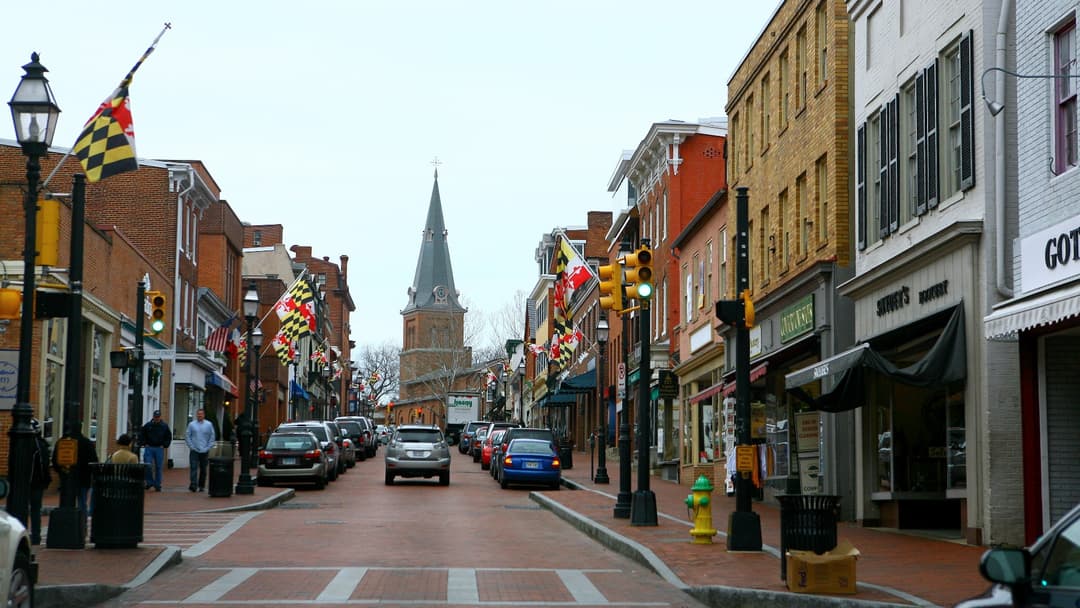
16. Annapolis, Maryland
Planned in 1695 using European baroque radial street patterns, Annapolis retains more eighteenth-century brick buildings than any other American city. Narrow colonial alleys wind toward the harbor beneath the dome of the 1772 Maryland State House.
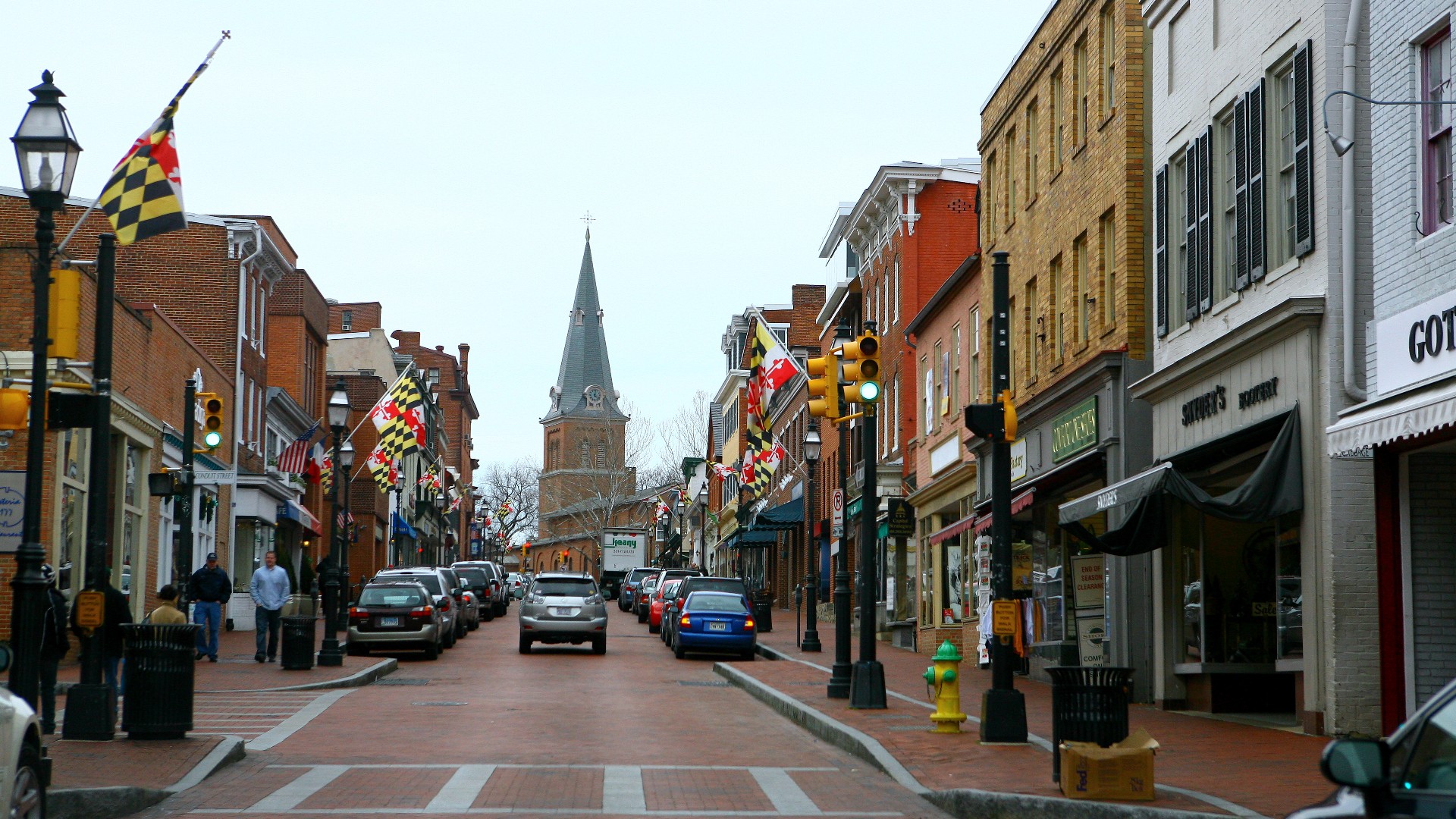
©Wikimedia / Annapolis, Maryland
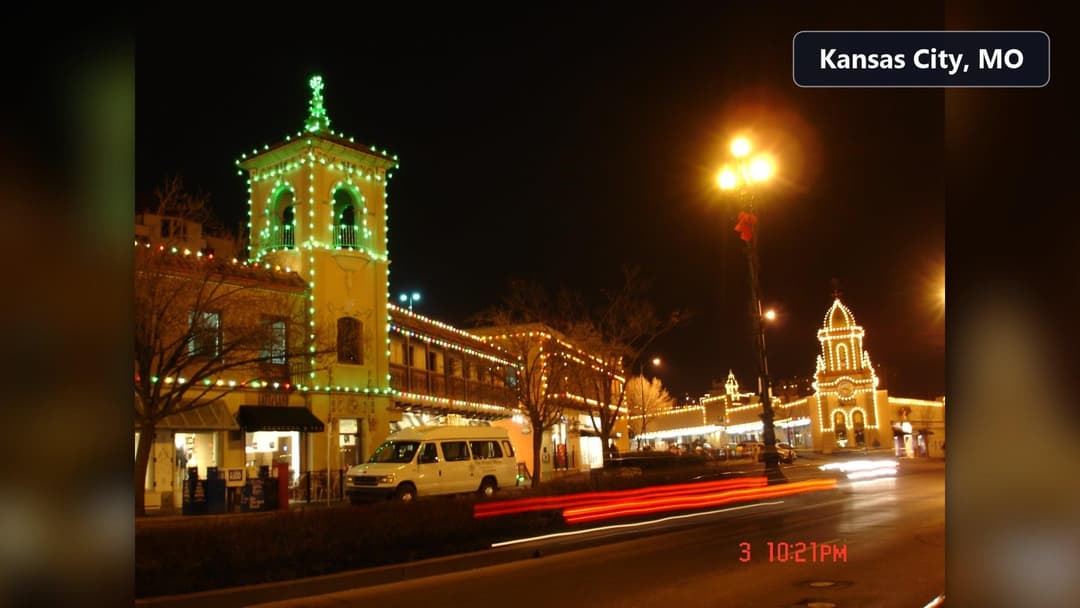
15. Kansas City, Missouri
Constructed in 1922, the Country Club Plaza was designed after Seville, Spain. Colorful mosaic tiles, imported European statues, and a half-scale replica of the famous Giralda bell tower define the fifteen-block district.
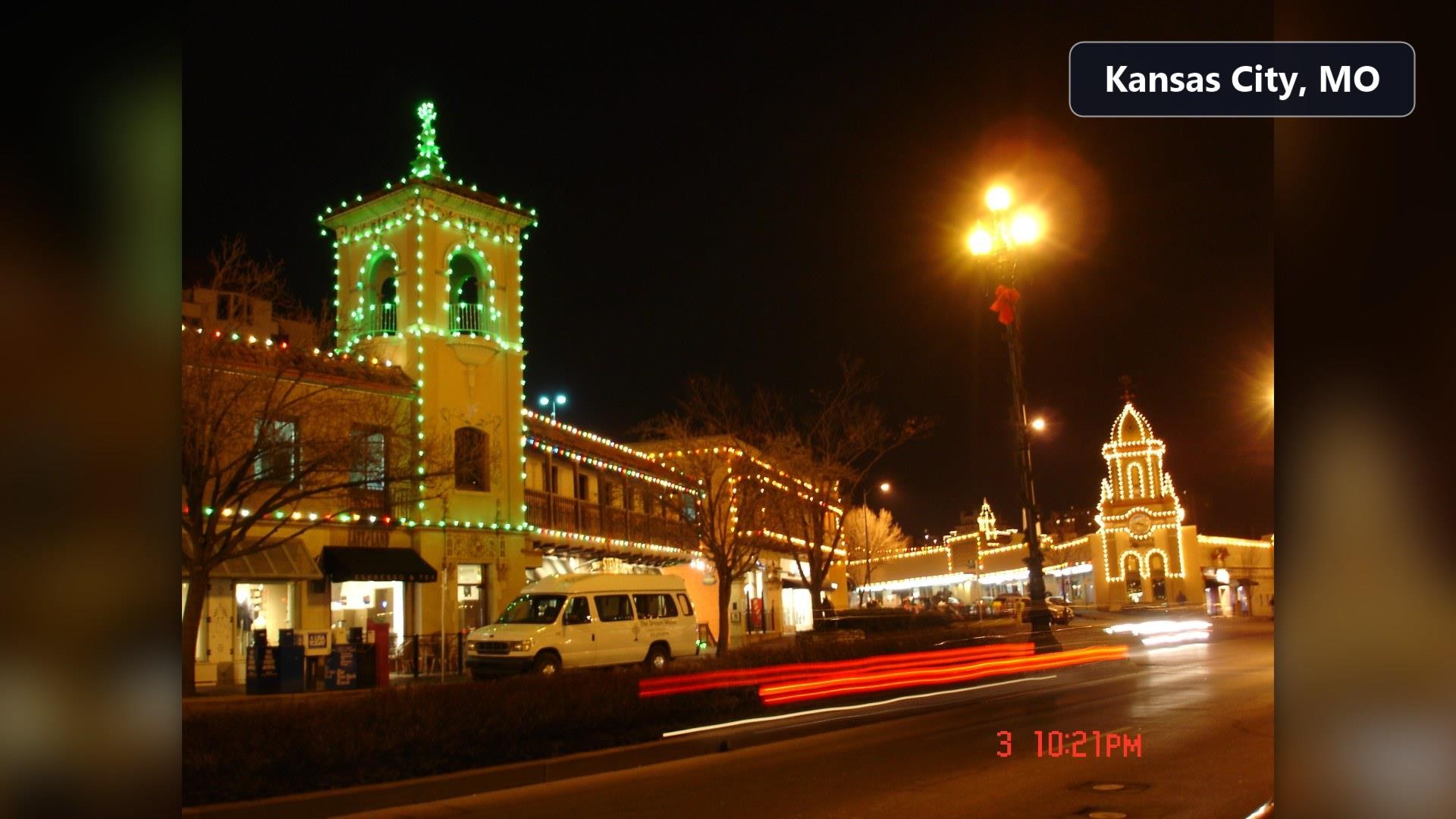
©Wikimedia / Charvex
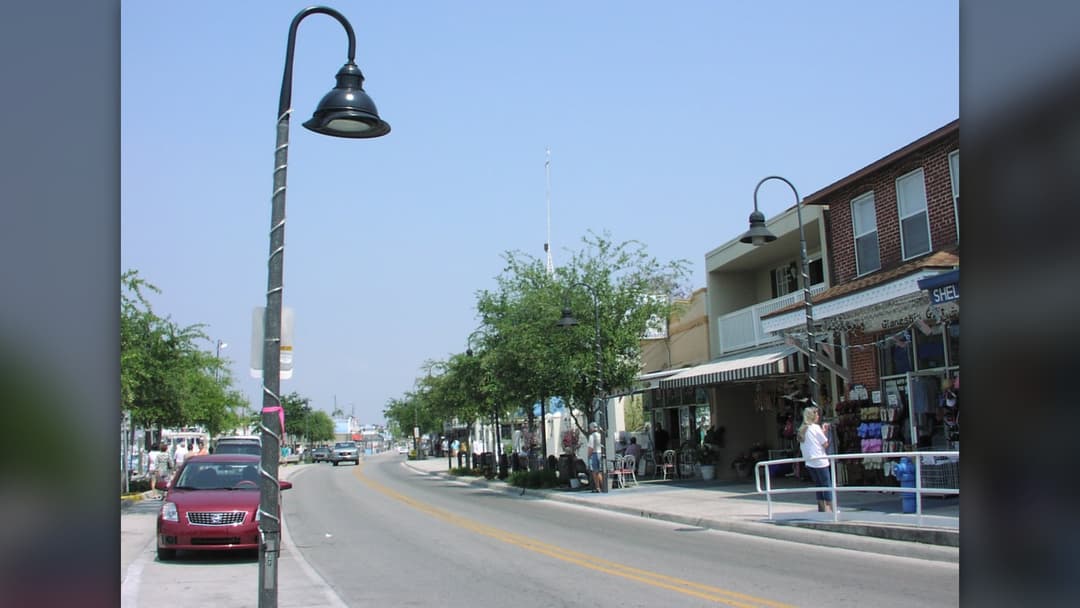
14. Tarpon Springs, Florida
Greek sponge divers arrived in the early 1900s, turning this Florida inlet into an authentic Mediterranean fishing enclave. The Sponge Docks remain lined with sponge boats, pastry shops selling baklava, and Byzantine religious shrines.
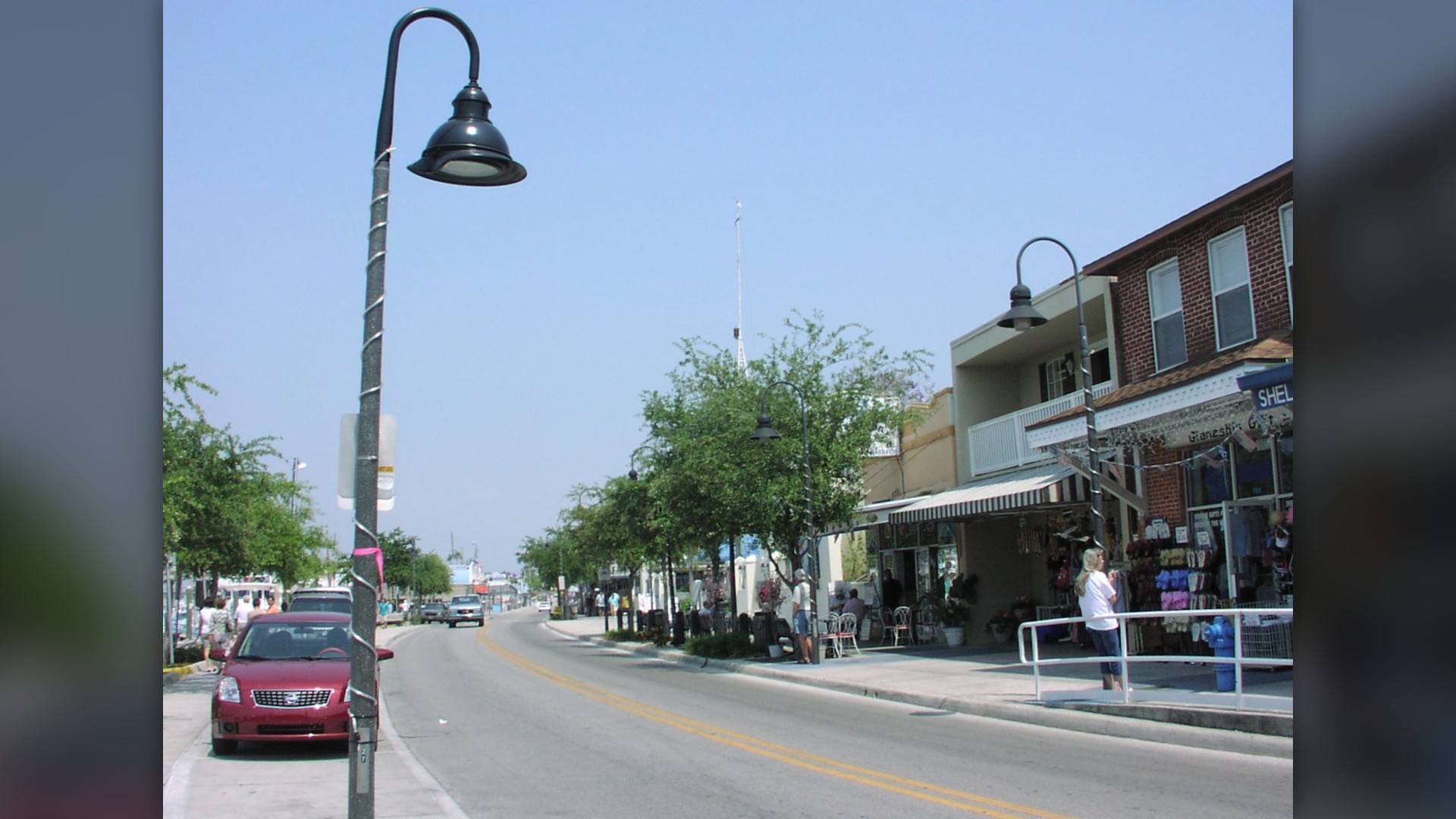
©Wikimedia / Tarpon Springs, Florida
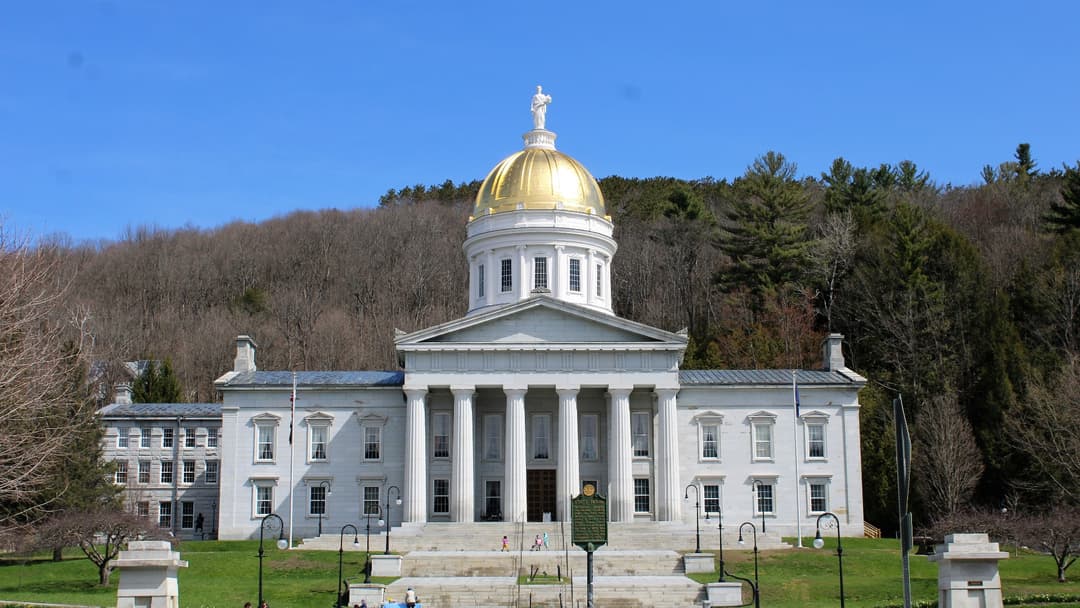
13. Montpelier, Vermont
With fewer than eight thousand residents, Montpelier is the smallest state capital in the country. Its walkable historic core, family-run cafes, and mountain backdrop evoke the relaxed character of a French provincial town.
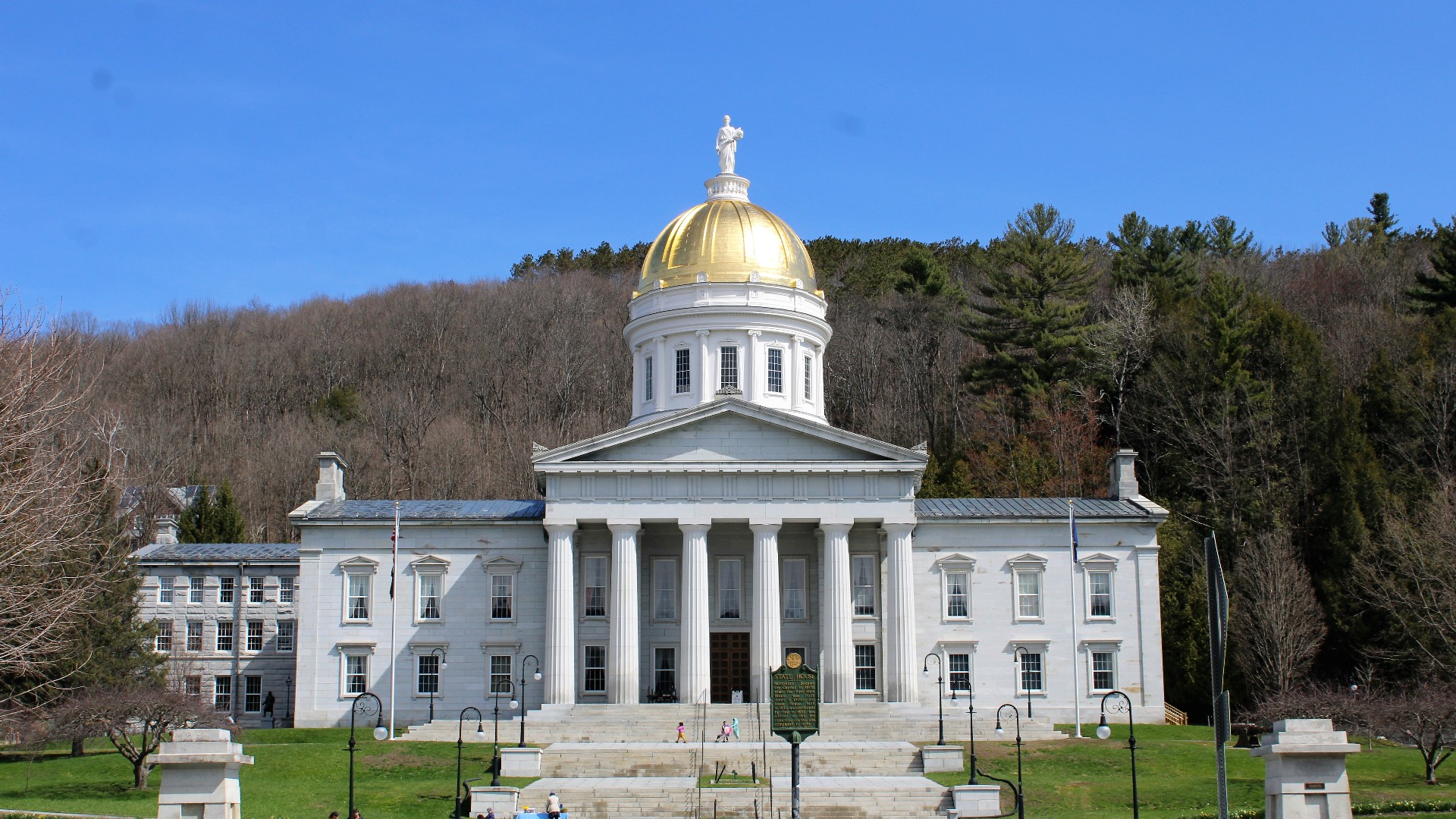
©Wikimedia / Montpelier, Vermont
Advertisement
Swipe or tap ▶ to resume the countdown.
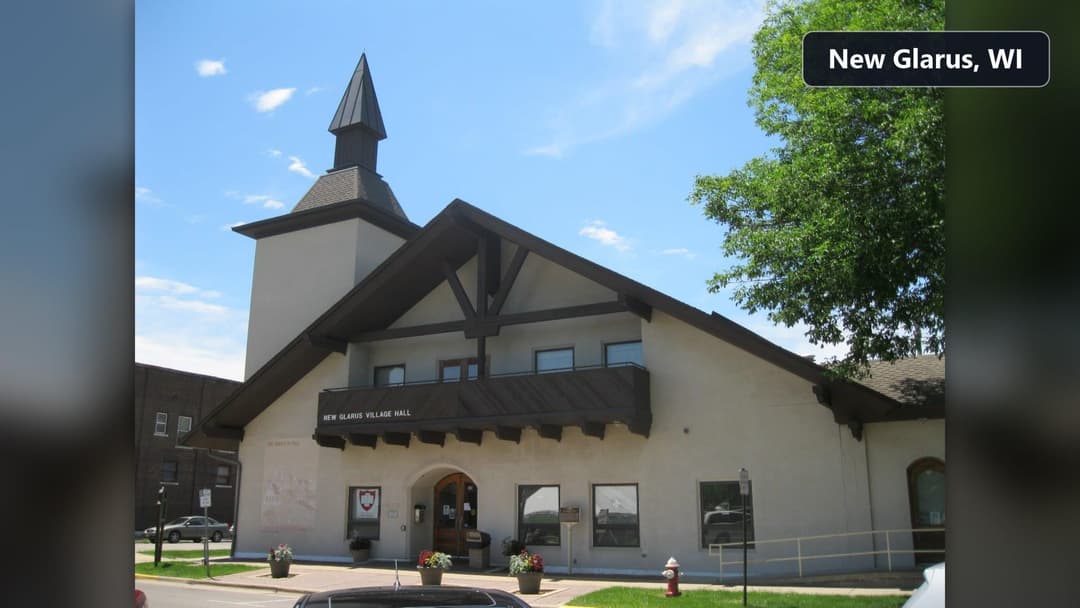
12. New Glarus, Wisconsin
Settlers from the Swiss canton of Glarus established this Green County village in 1845. Traditional folk architecture with overhanging eaves lines the streets, where local shops produce authentic Swiss cheese, sausage, and European-style lagers.
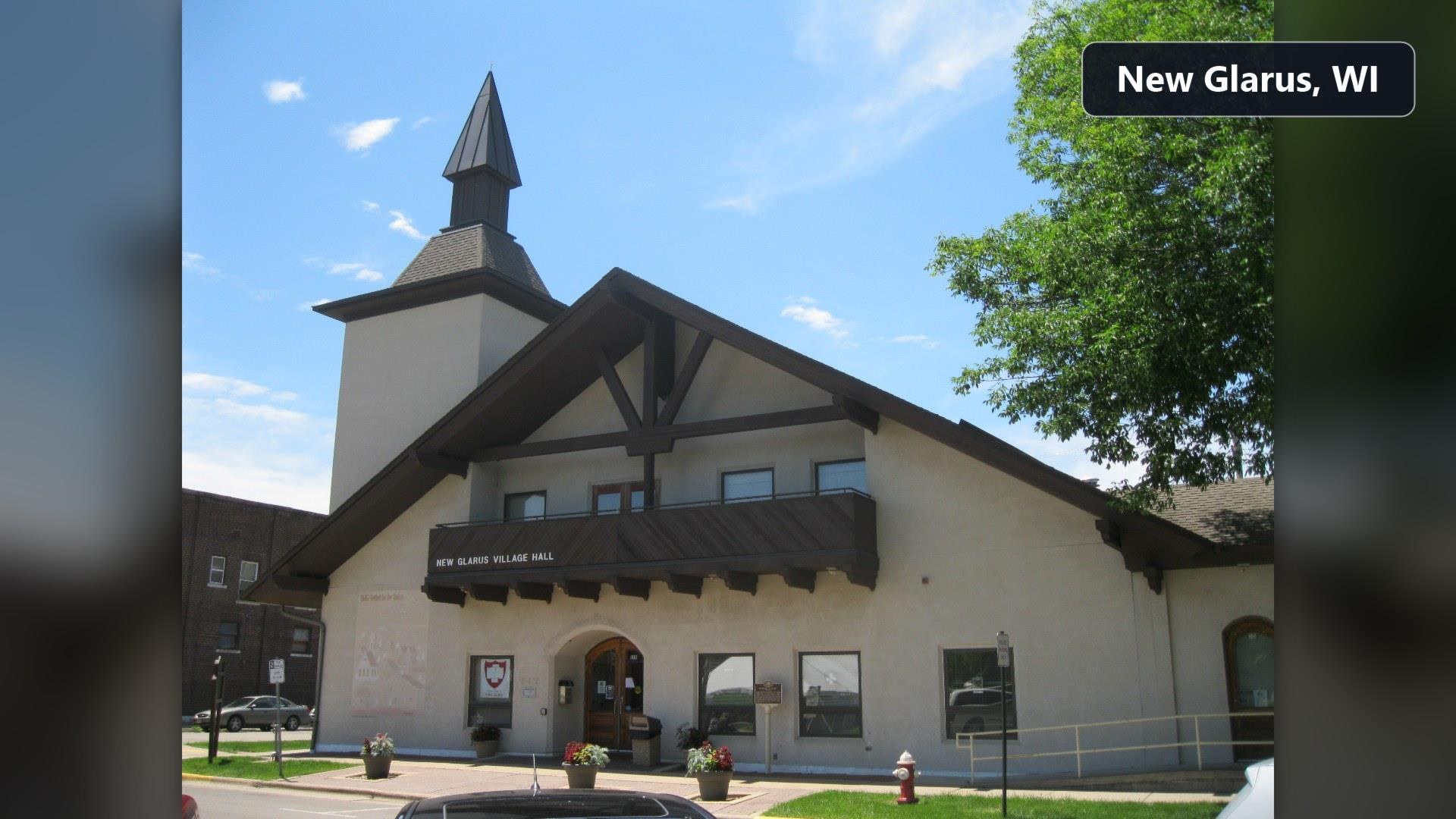
©Wikimedia / TheCatalyst31
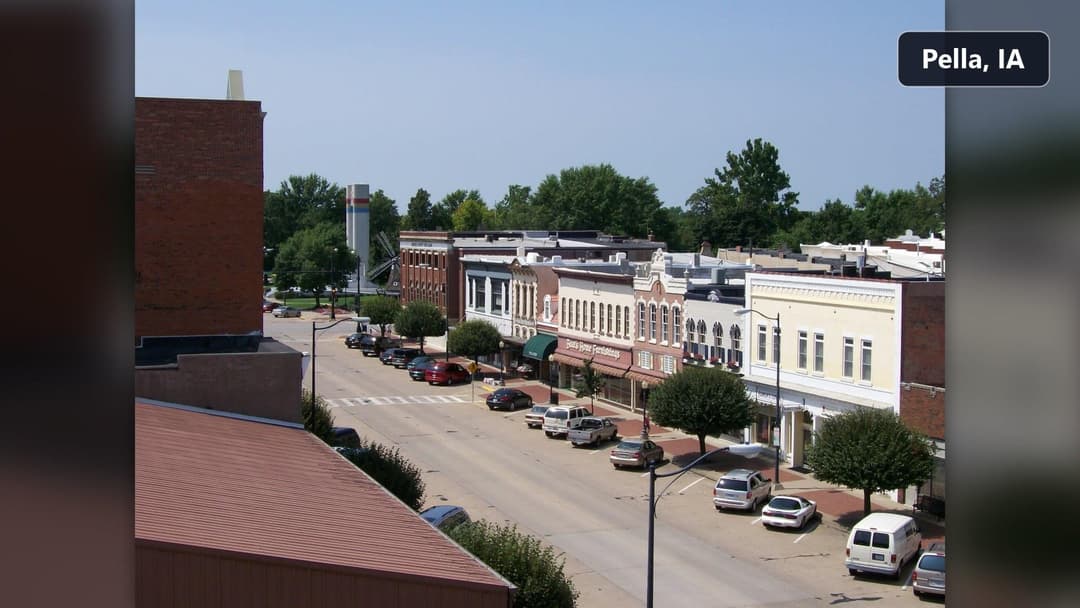
11. Pella, Iowa
Dutch immigrants founded Pella in 1847 to preserve their religious and cultural traditions. The town features the Vermeer Mill, the tallest working Dutch windmill in North America, alongside canal drawbridges and historic brick storefronts.
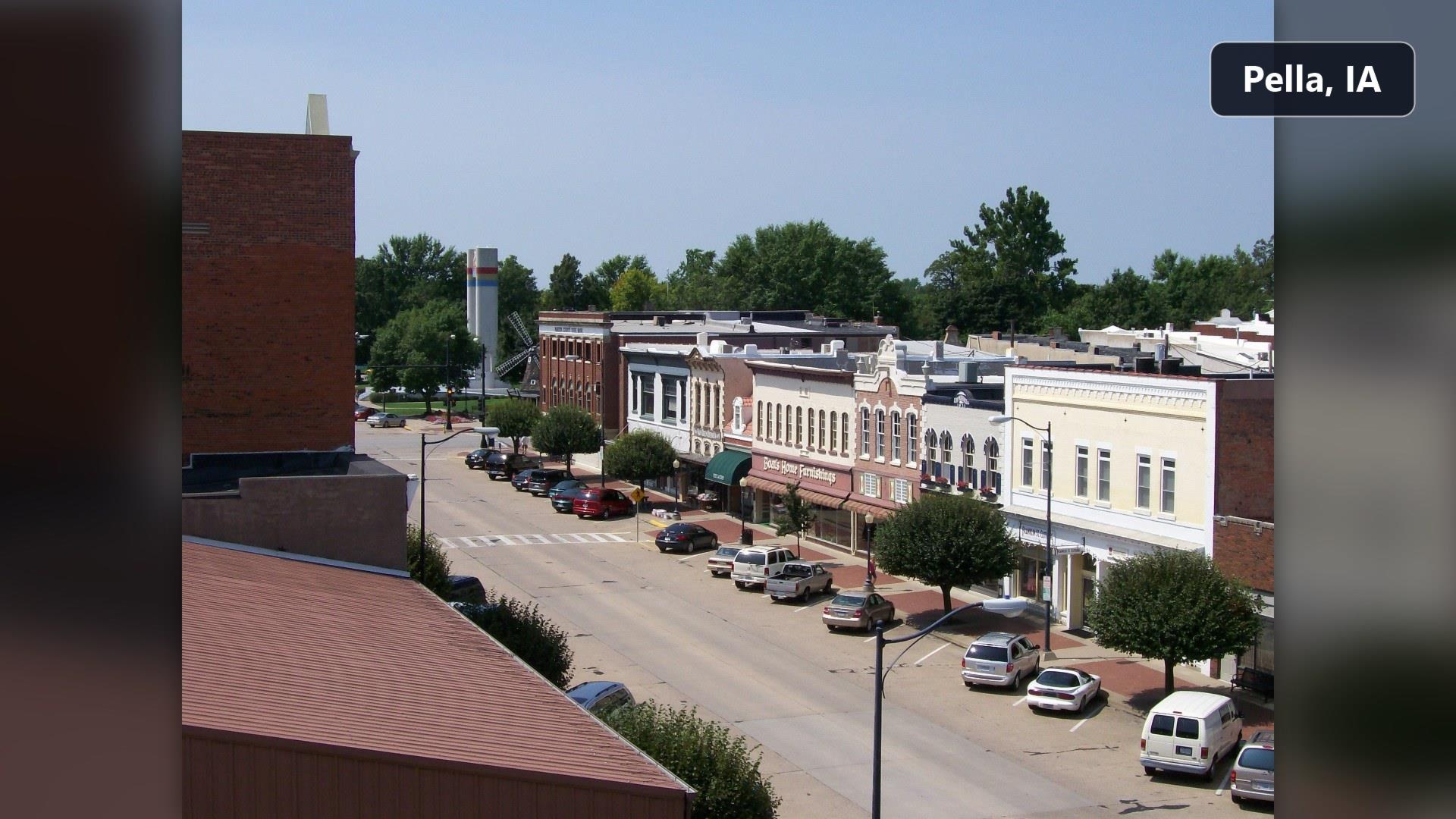
©Wikimedia / Dekkanar
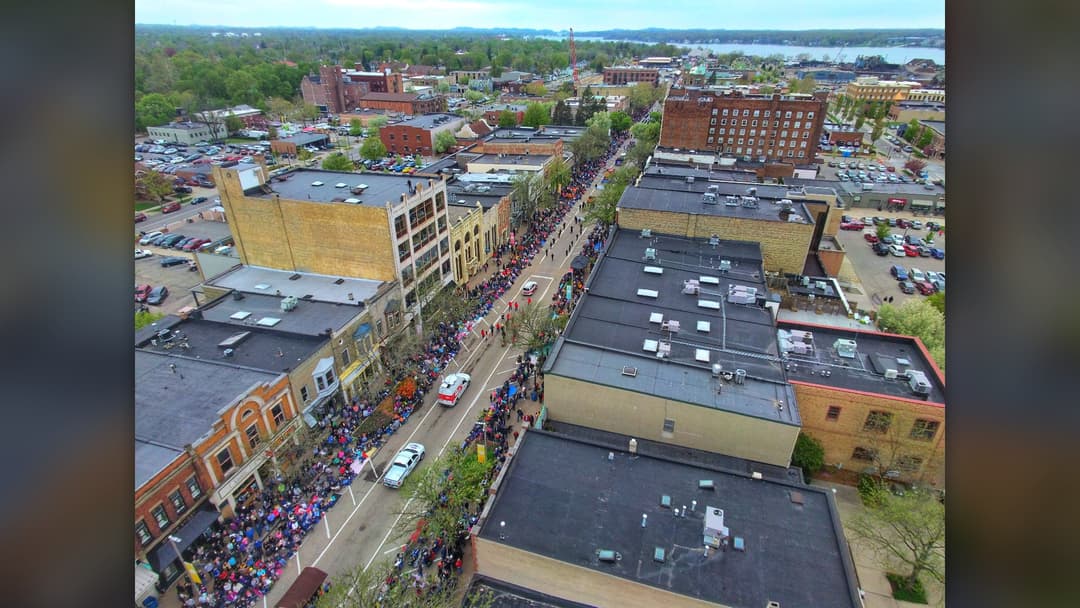
10. Holland, Michigan
Settled by Dutch Calvinists in 1847, Holland imported the historic De Zwaan windmill directly from the Netherlands in 1964. During spring, millions of blooming tulips surround Dutch-style brick buildings and serene water channels near Lake Macatawa.
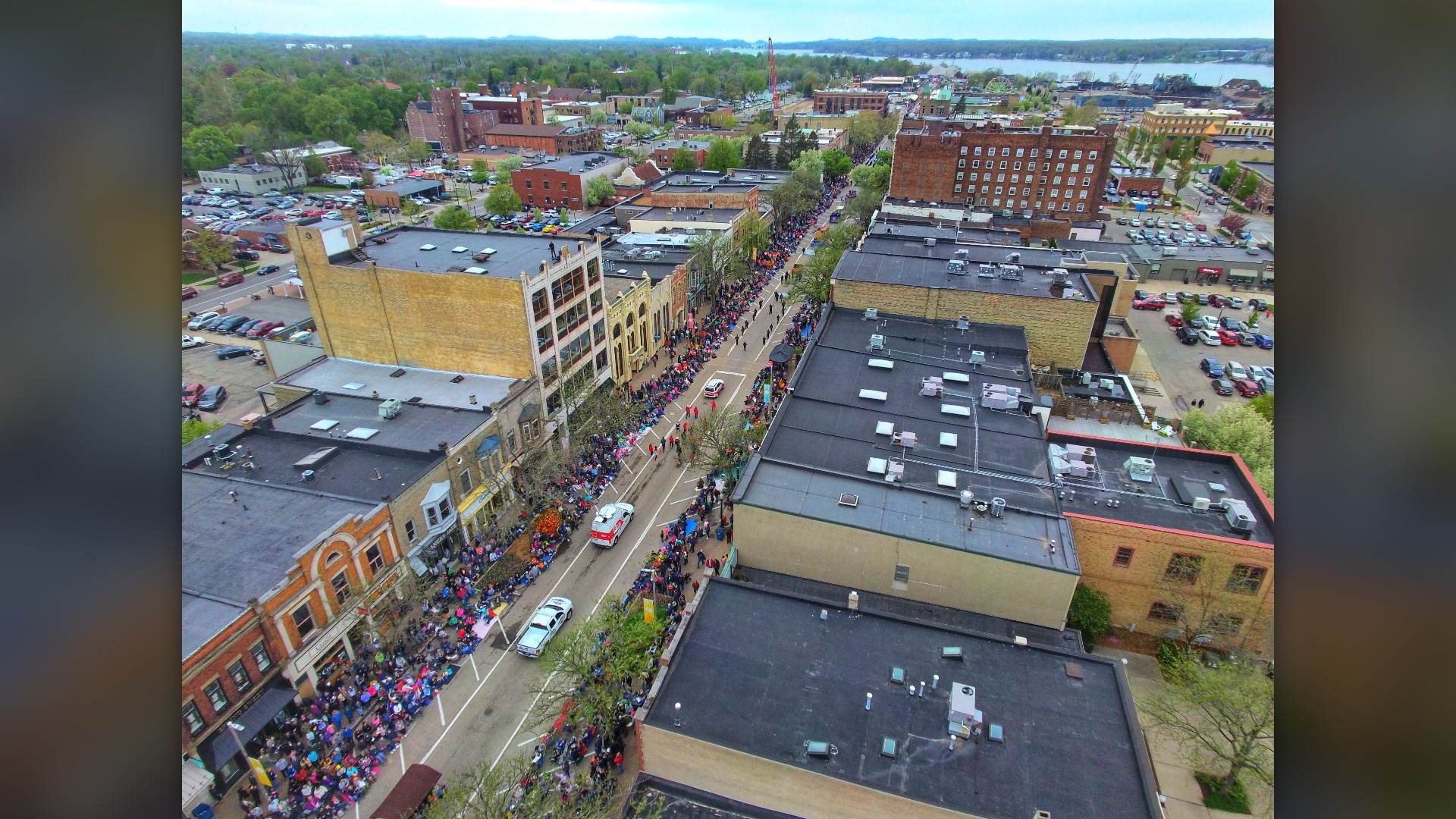
©Wikimedia / Holland, Michigan
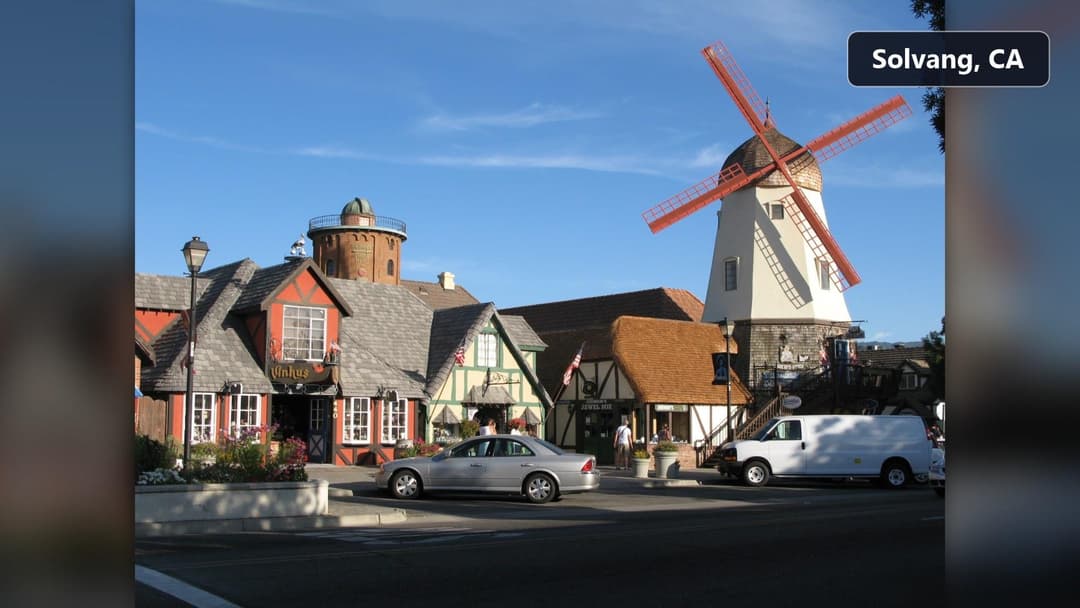
9. Solvang, California
Danish educators founded Solvang in 1911 to keep their Scandinavian heritage alive in California. Half-timbered cottages, authentic bakeries serving aebleskiver, and four traditional windmills draw travelers from around the world.
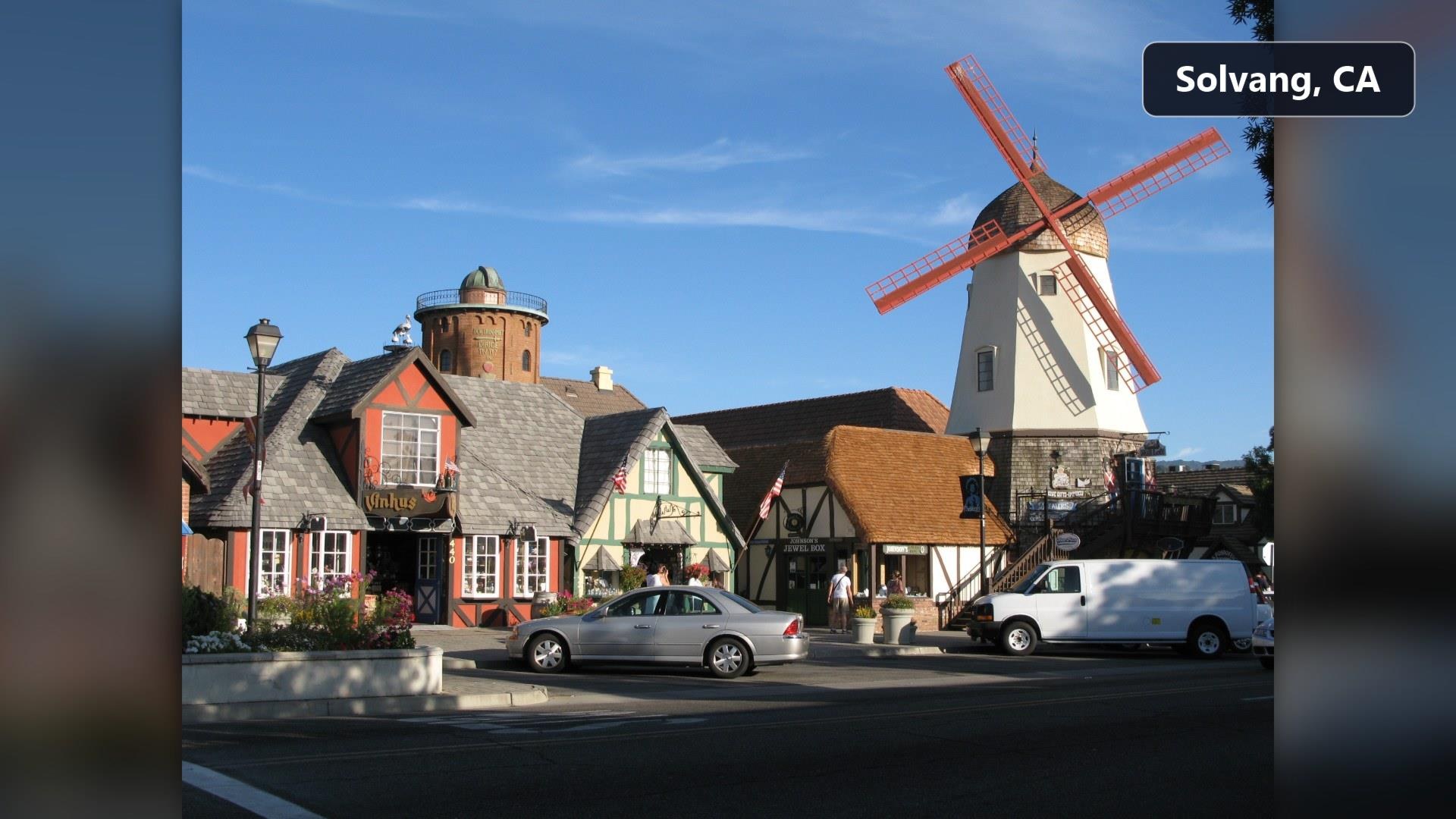
©Wikimedia / Dan Smith
Advertisement
Swipe or tap ▶ to resume the countdown.
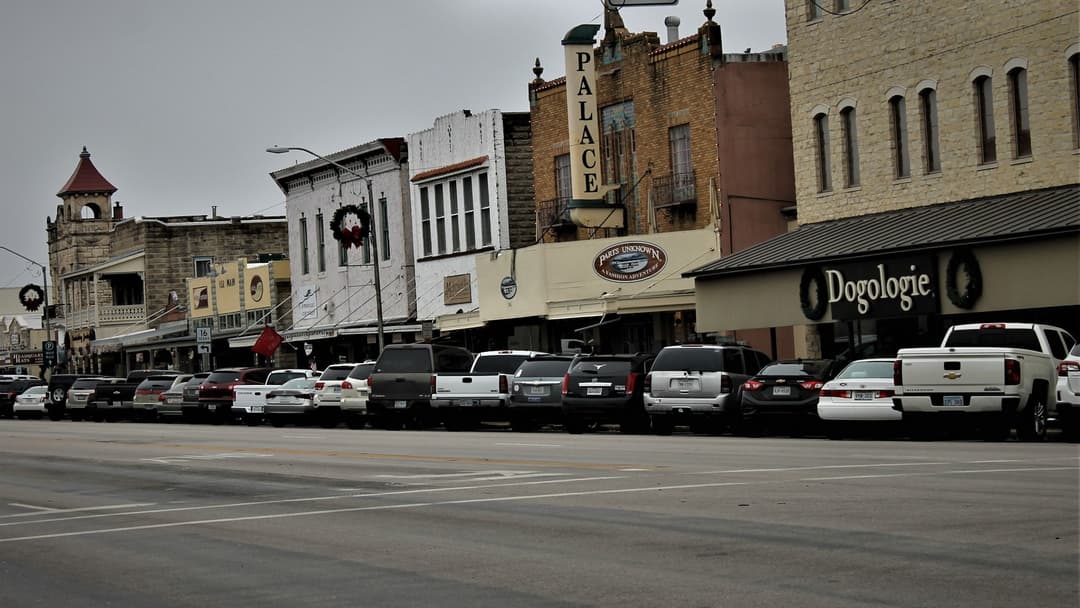
8. Fredericksburg, Texas
German immigrants arrived in the Texas Hill Country in 1846, constructing traditional timber and limestone houses. Historic Main Street features German bakeries, biergartens, and historic Sunday Houses built by rural farmers attending weekend church.
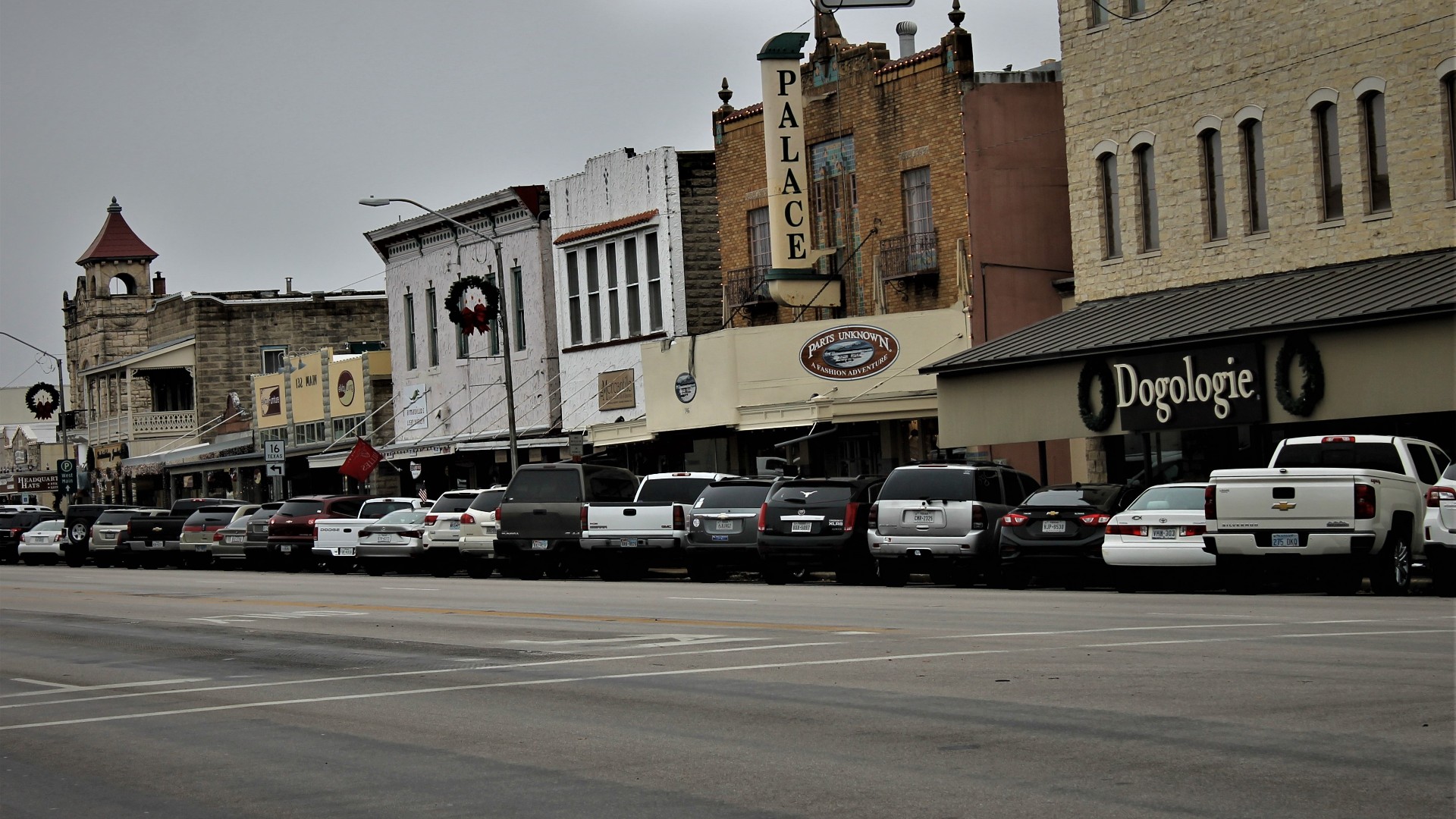
©Wikimedia / Fredericksburg, Texas
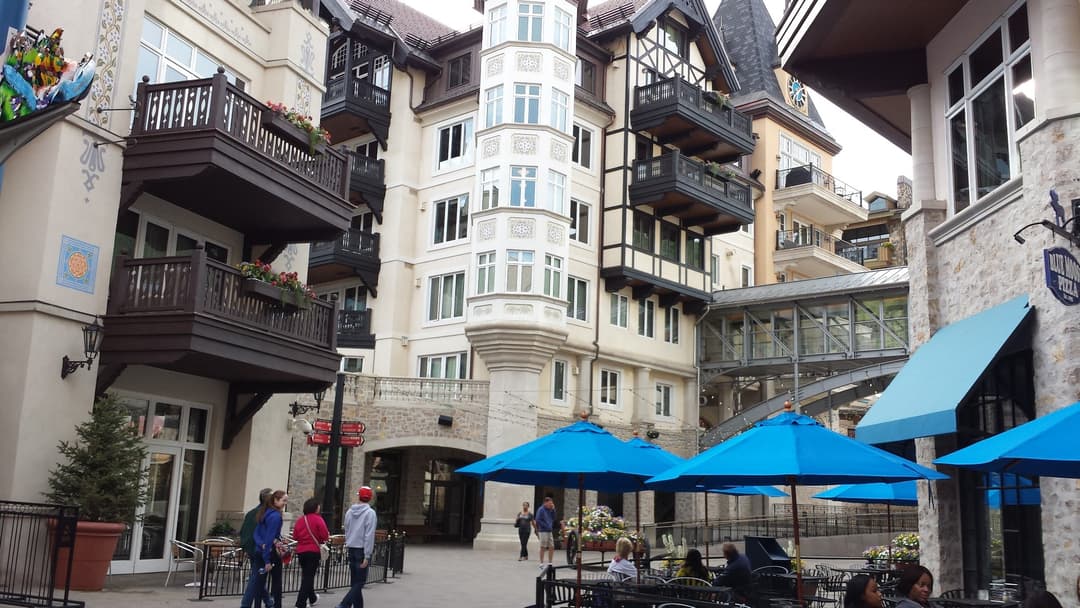
7. Vail, Colorado
Vail founders intentionally styled the village after European alpine resorts like Zermatt and Innsbruck. Car-free cobblestone paths, decorative carved woodwork, and heated sidewalks create an authentic Austrian mountain experience.
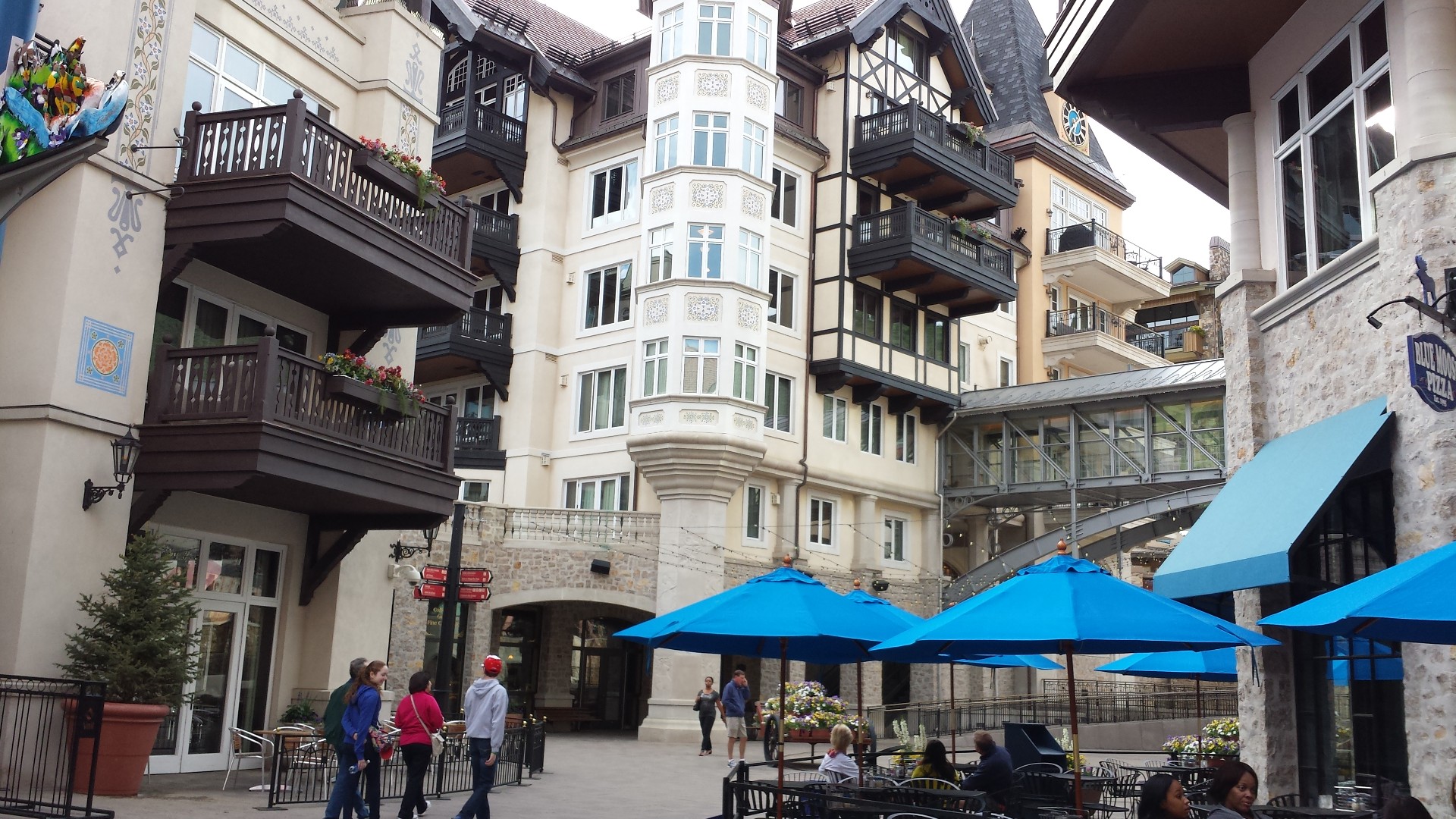
©Wikimedia / Vail, Colorado
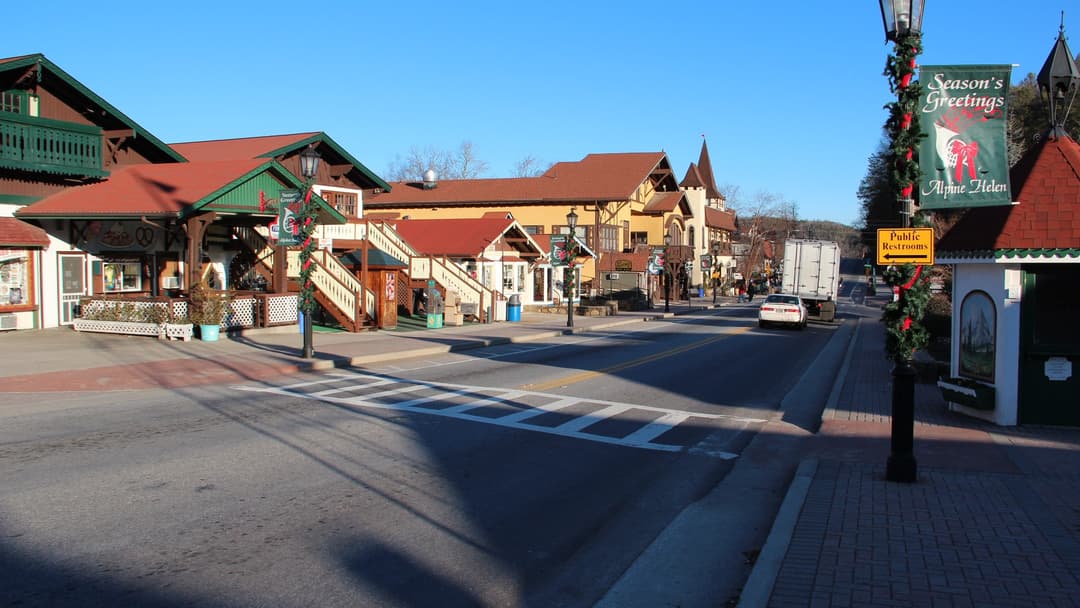
6. Helen, Georgia
In 1969, local business owners revitalized this former timber town by mandating Bavarian architectural codes. Steep gables, gingerbread trim, and German specialty shops give Helen the atmosphere of a storybook alpine village.
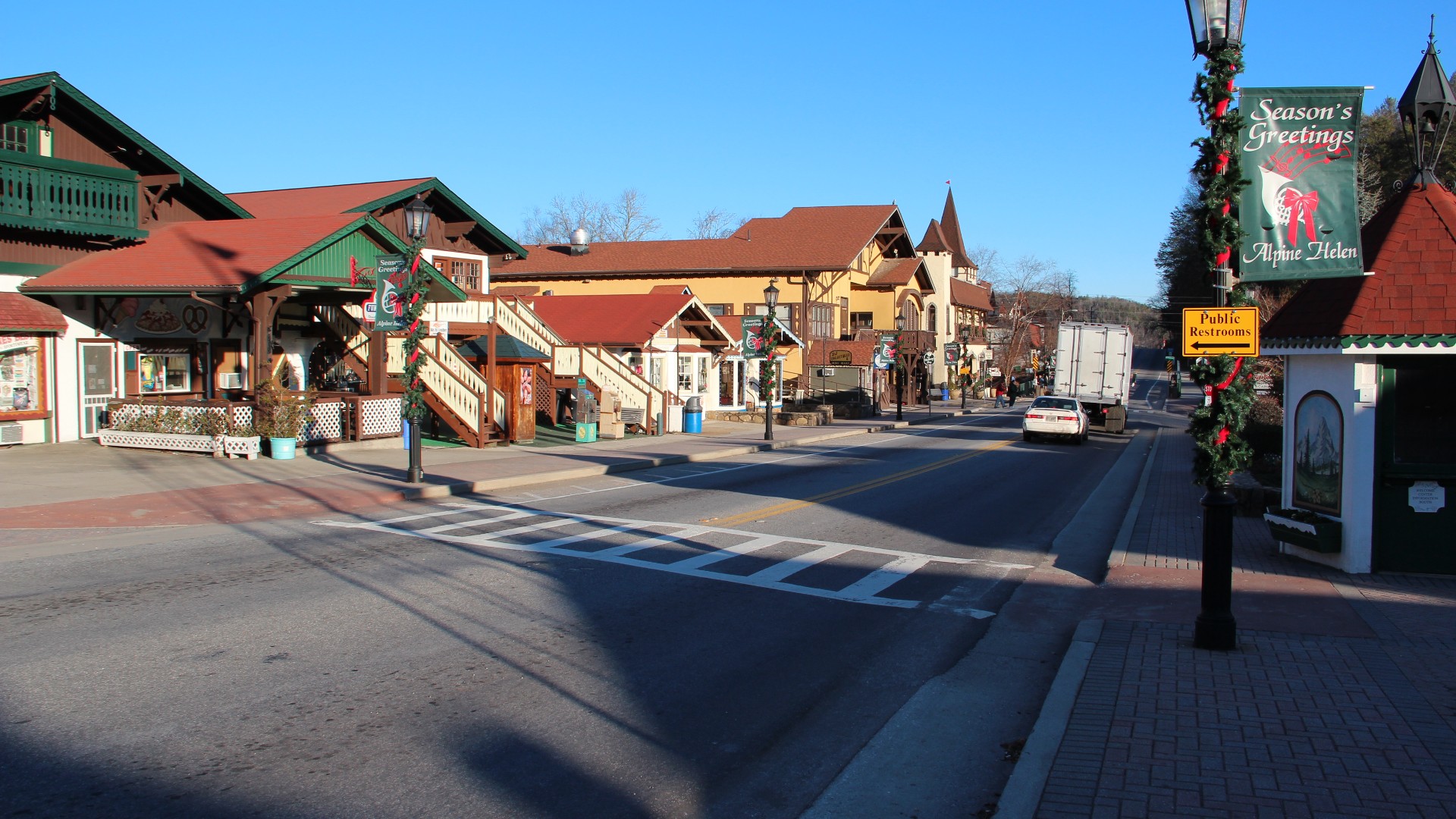
©Wikimedia / Helen, Georgia
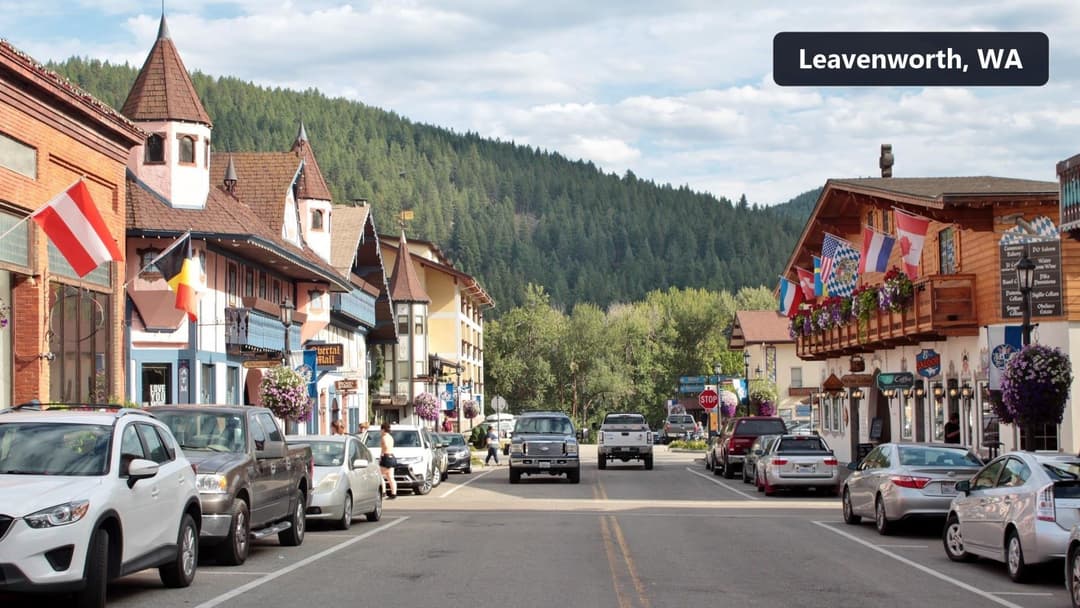
5. Leavenworth, Washington
Facing economic collapse in the 1960s, Leavenworth remodeled every downtown storefront into an alpine village. Surrounded by snowy mountain peaks, the town hosts authentic Bavarian festivals, sausage shops, and outdoor beer gardens.
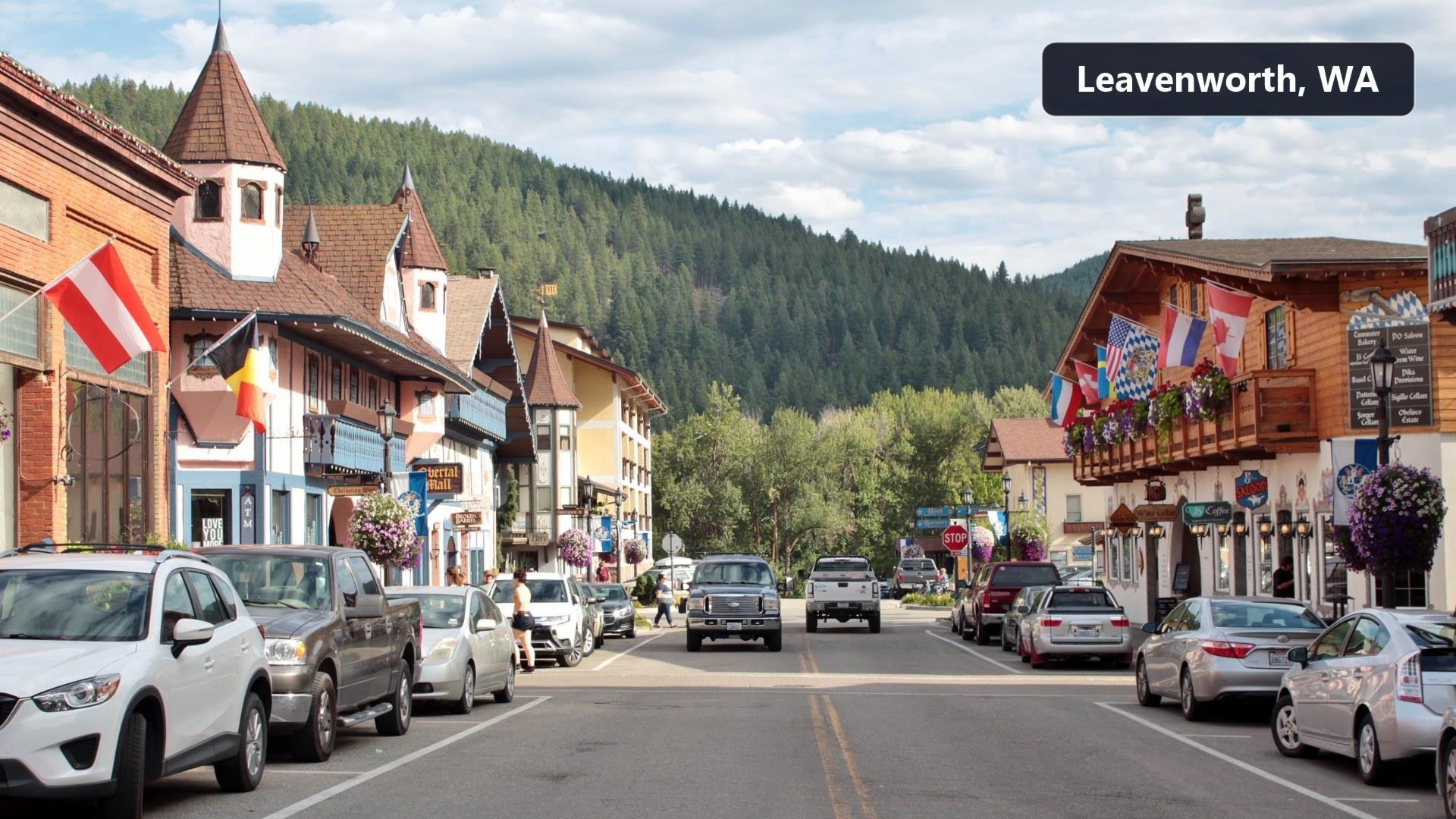
©Wikimedia / SounderBruce
Advertisement
Swipe or tap ▶ to resume the countdown.
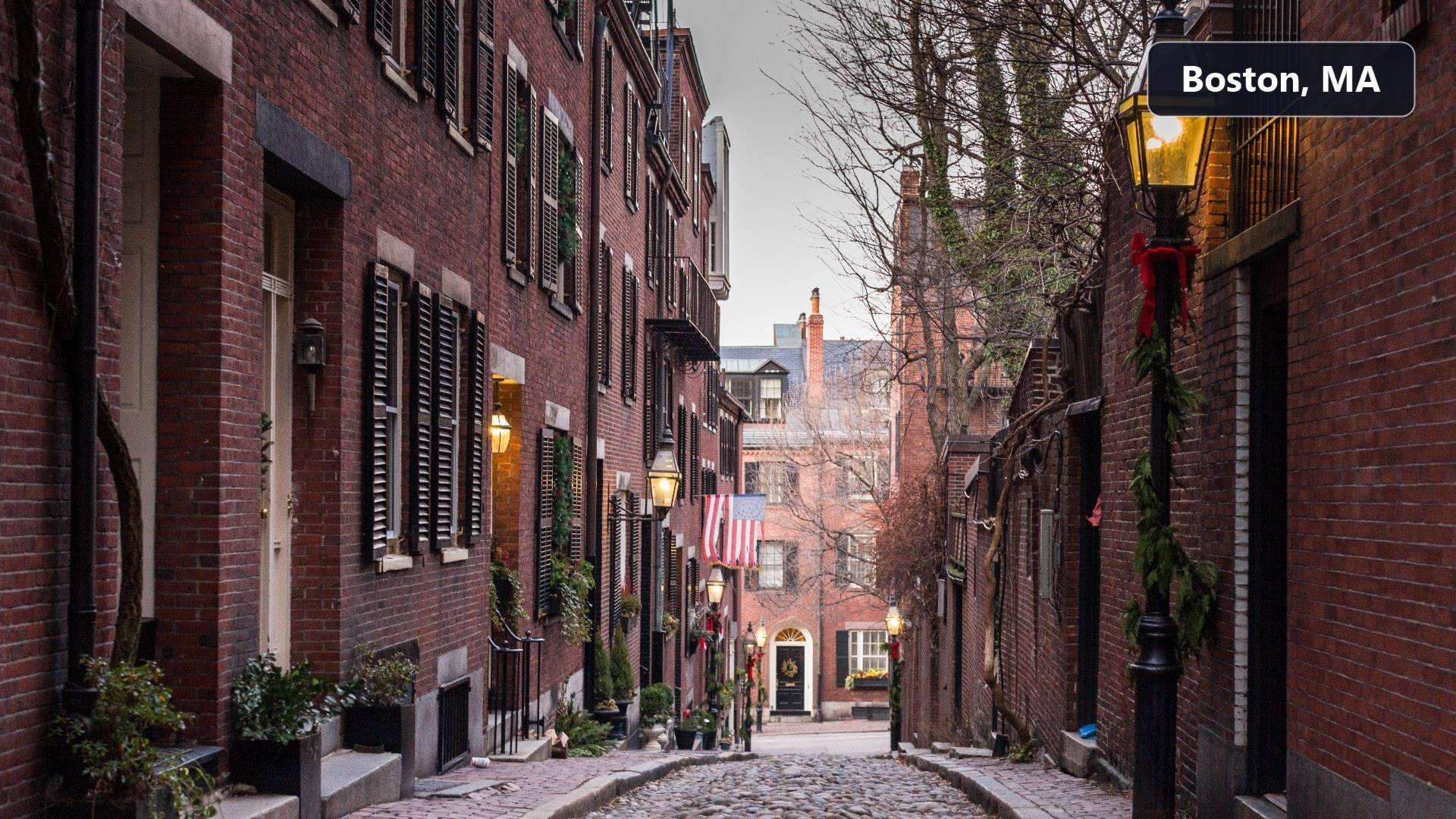
4. Boston, Massachusetts
Beacon Hill preserves narrow cobblestone alleys and original gas streetlamps that date back two centuries. Acorn Street looks remarkably like a nineteenth-century English neighborhood, drawing photographers and historians year-round.
©Wikimedia / Daderot
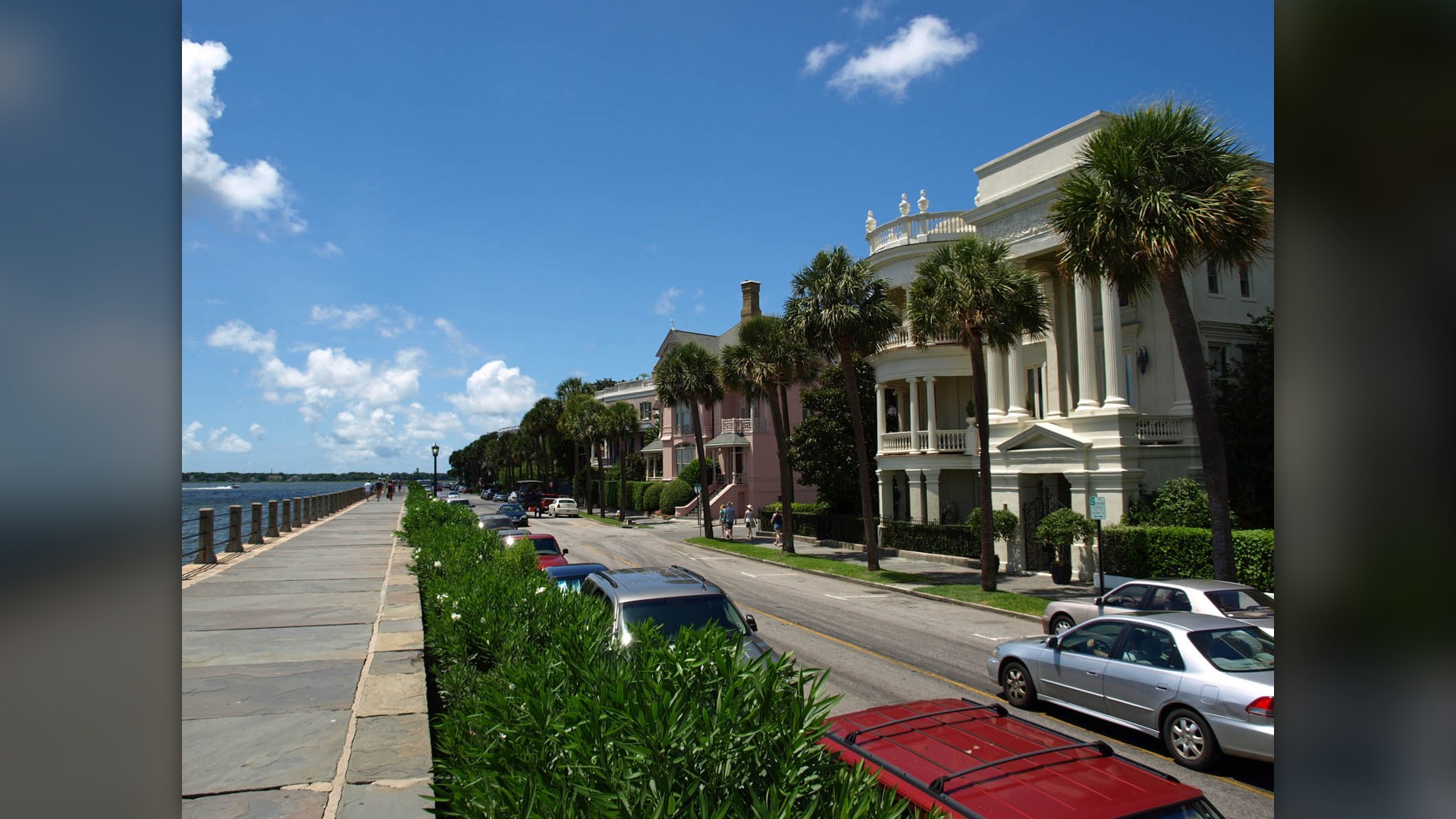
3. Charleston, South Carolina
Charleston's French Quarter and Rainbow Row feature pastel-painted facades and hidden courtyard gardens. Wrought-iron gates and colonial architecture reflect English, French Huguenot, and Caribbean design influences.
©Wikimedia / Charleston, South Carolina
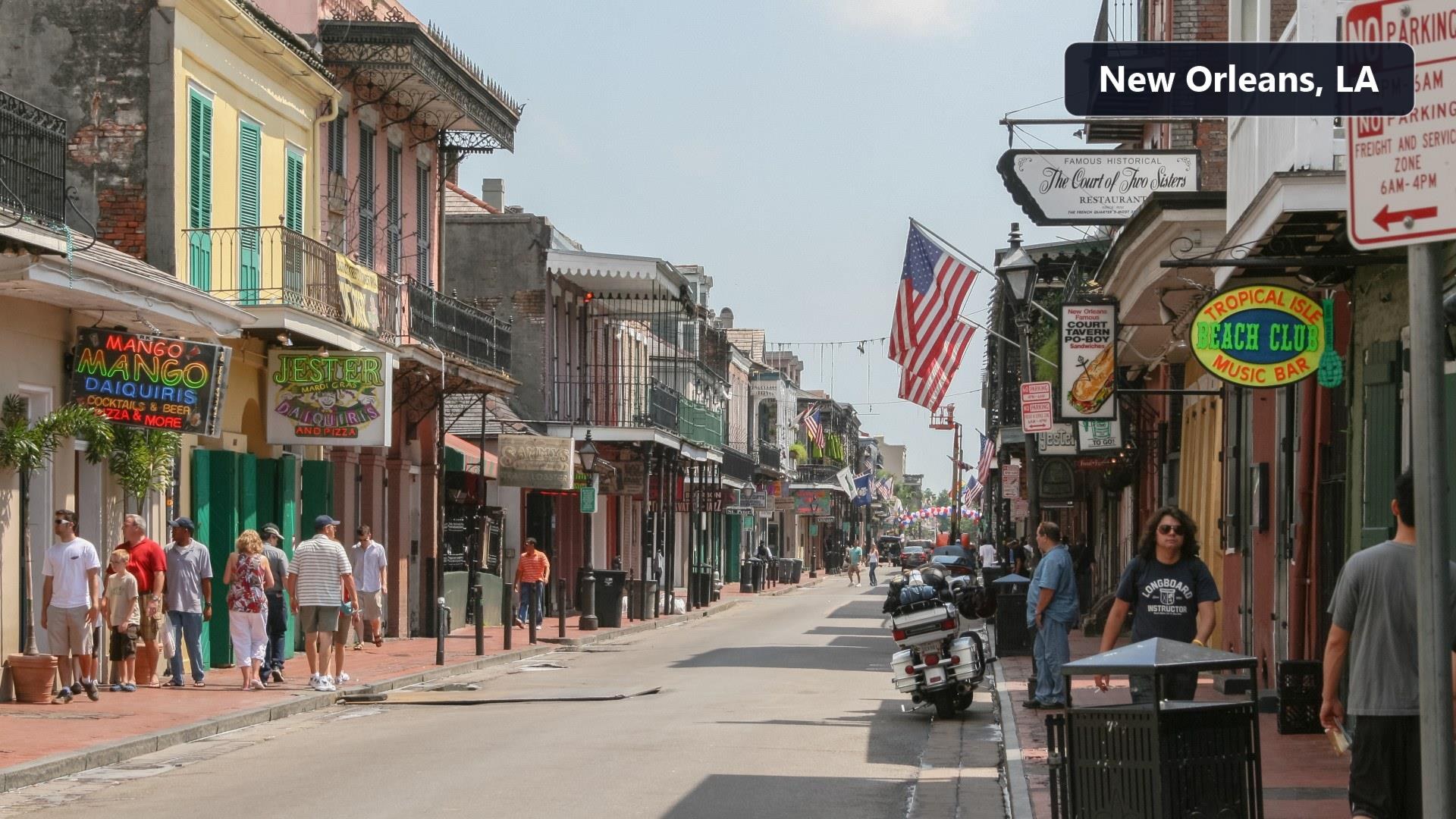
2. New Orleans, Louisiana
Though known as the French Quarter, much of the district was rebuilt under Spanish colonial rule after two historic fires. Decorative cast-iron galleries, gas lanterns, and hidden courtyards create an unmatched Old World ambiance.
©Wikimedia / Infrogmation
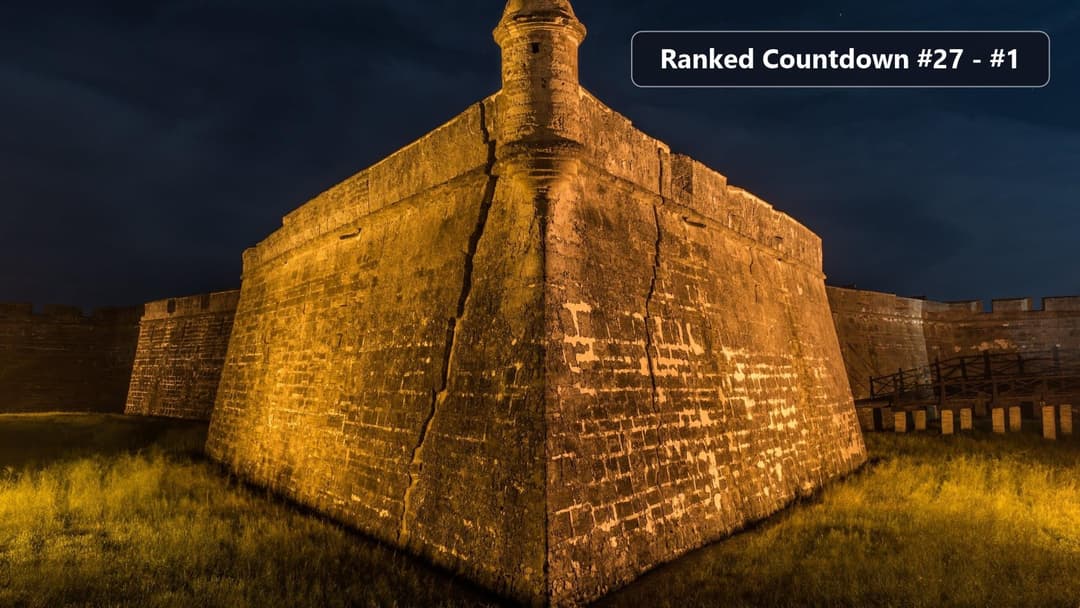
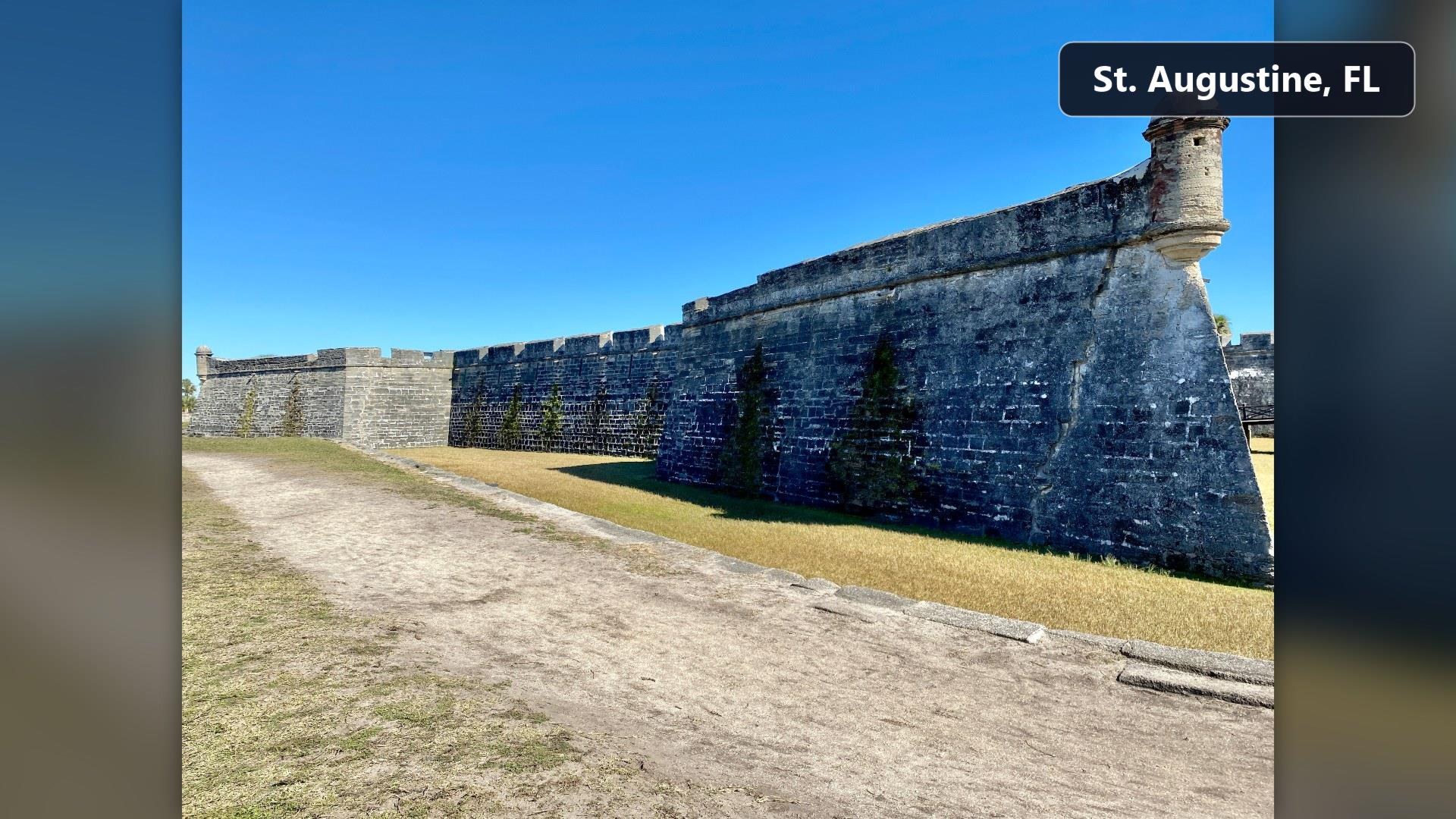
1. St. Augustine, Florida
Founded by Spanish admiral Pedro Menendez de Aviles in 1565, St. Augustine predates Jamestown by forty-two years. The imposing stone fortress of Castillo de San Marcos and narrow colonial lanes anchor its rich Spanish heritage.
©Wikimedia / RuggyBearLA
Advertisement
You've reached the end of the story. Thanks for reading!

20 Stupid Airport Mistakes Travelers Make, Ranked
From rushing security to packing blunders, navigating commercial flights requires smart preparation. These twenty critical airport blunders cost travelers time, money, and flights.
All 27 Entries in this Story
27. Jim Thorpe, Pennsylvania
Settled in 1818 as Mauch Chunk, this Lehigh Valley borough clings to rocky mountain slopes reminiscent of alpine mining hamlets. Preserved nineteenth-century mansions and scenic rail lines run alongside the Lehigh River gorge.

26. Bishop Hill, Illinois
Swedish immigrants led by Erik Jansson built this communal agrarian settlement with handmade red brick and timber. Today, historic structures including the Colony Church and Steeple Building retain their original nineteenth-century Scandinavian craft.

25. Lindsborg, Kansas
Founded in 1869 by Swedish agriculturalists, Lindsborg celebrates its heritage through traditional folk festivals and Swedish street names. Large folk art horse statues decorate downtown sidewalks outside historic Scandinavian bakeries and artisan craft workshops.

24. Venice Canals, California
Tobacco magnate Abbot Kinney dug miles of saltwater canals in 1905 to recreate the romance of northern Italy in Southern California. Four picturesque waterways remain preserved, lined with residential gardens and classic arched pedestrian bridges.

23. Hermann, Missouri
German immigrants settled Hermann along the Missouri River in 1837, selecting the steep terrain specifically for viticulture. The town preserves historic brick commercial buildings and hillside wine cellars that date back before the Civil War.

22. Amana Colonies, Iowa
German Pietists founded the seven Amana villages in 1855, practicing communal living for nearly eighty years. Hand-chiseled sandstone buildings, traditional meat smokehouses, and woolen mills showcase authentic Old World German craftsmanship.

21. Carmel By The-Sea, California
Builder Hugh Comstock constructed storybook timber cottages throughout Carmel during the 1920s. Today, the village maintains European character with no street addresses, no parking meters, and cozy stone courtyards hidden beneath coastal pine trees.

20. Frankenmuth, Michigan
Fifteen German Lutheran immigrants established Frankenmuth in 1845 along the Cass River. The community maintains Bavarian timber framing on shops, traditional chicken dinner halls, and the Holz-Brucke, a 239-foot covered wooden bridge.

19. Poulsbo, Washington
Norwegian immigrant Jorgen Eliason settled Poulsbo on Liberty Bay in the 1880s because the forested waterways resembled western Norway. Downtown Front Street features rosemaling folk art murals, Norwegian flags, and bakeries serving traditional lefse.

18. Sitka, Alaska
Known as New Archangel when founded in 1799, Sitka served as the administrative headquarters of Russian North America. St. Michael's Orthodox Cathedral features traditional Russian onion domes and nineteenth-century religious icons in the heart of town.

17. Galena, Illinois
Galena boomed in the 1840s as a lead mining hub, resulting in hillside tiers of brick and stone architecture. Over eighty-five percent of the city sits within a national historic district, giving Main Street the feel of an old European market town.

16. Annapolis, Maryland
Planned in 1695 using European baroque radial street patterns, Annapolis retains more eighteenth-century brick buildings than any other American city. Narrow colonial alleys wind toward the harbor beneath the dome of the 1772 Maryland State House.

15. Kansas City, Missouri
Constructed in 1922, the Country Club Plaza was designed after Seville, Spain. Colorful mosaic tiles, imported European statues, and a half-scale replica of the famous Giralda bell tower define the fifteen-block district.

14. Tarpon Springs, Florida
Greek sponge divers arrived in the early 1900s, turning this Florida inlet into an authentic Mediterranean fishing enclave. The Sponge Docks remain lined with sponge boats, pastry shops selling baklava, and Byzantine religious shrines.

13. Montpelier, Vermont
With fewer than eight thousand residents, Montpelier is the smallest state capital in the country. Its walkable historic core, family-run cafes, and mountain backdrop evoke the relaxed character of a French provincial town.

12. New Glarus, Wisconsin
Settlers from the Swiss canton of Glarus established this Green County village in 1845. Traditional folk architecture with overhanging eaves lines the streets, where local shops produce authentic Swiss cheese, sausage, and European-style lagers.

11. Pella, Iowa
Dutch immigrants founded Pella in 1847 to preserve their religious and cultural traditions. The town features the Vermeer Mill, the tallest working Dutch windmill in North America, alongside canal drawbridges and historic brick storefronts.

10. Holland, Michigan
Settled by Dutch Calvinists in 1847, Holland imported the historic De Zwaan windmill directly from the Netherlands in 1964. During spring, millions of blooming tulips surround Dutch-style brick buildings and serene water channels near Lake Macatawa.

9. Solvang, California
Danish educators founded Solvang in 1911 to keep their Scandinavian heritage alive in California. Half-timbered cottages, authentic bakeries serving aebleskiver, and four traditional windmills draw travelers from around the world.

8. Fredericksburg, Texas
German immigrants arrived in the Texas Hill Country in 1846, constructing traditional timber and limestone houses. Historic Main Street features German bakeries, biergartens, and historic Sunday Houses built by rural farmers attending weekend church.

7. Vail, Colorado
Vail founders intentionally styled the village after European alpine resorts like Zermatt and Innsbruck. Car-free cobblestone paths, decorative carved woodwork, and heated sidewalks create an authentic Austrian mountain experience.

6. Helen, Georgia
In 1969, local business owners revitalized this former timber town by mandating Bavarian architectural codes. Steep gables, gingerbread trim, and German specialty shops give Helen the atmosphere of a storybook alpine village.

5. Leavenworth, Washington
Facing economic collapse in the 1960s, Leavenworth remodeled every downtown storefront into an alpine village. Surrounded by snowy mountain peaks, the town hosts authentic Bavarian festivals, sausage shops, and outdoor beer gardens.

4. Boston, Massachusetts
Beacon Hill preserves narrow cobblestone alleys and original gas streetlamps that date back two centuries. Acorn Street looks remarkably like a nineteenth-century English neighborhood, drawing photographers and historians year-round.

3. Charleston, South Carolina
Charleston's French Quarter and Rainbow Row feature pastel-painted facades and hidden courtyard gardens. Wrought-iron gates and colonial architecture reflect English, French Huguenot, and Caribbean design influences.

2. New Orleans, Louisiana
Though known as the French Quarter, much of the district was rebuilt under Spanish colonial rule after two historic fires. Decorative cast-iron galleries, gas lanterns, and hidden courtyards create an unmatched Old World ambiance.

1. St. Augustine, Florida
Founded by Spanish admiral Pedro Menendez de Aviles in 1565, St. Augustine predates Jamestown by forty-two years. The imposing stone fortress of Castillo de San Marcos and narrow colonial lanes anchor its rich Spanish heritage.