Slideshow · Viral
21 Former US Governors Who Became Influential National Leaders
Which former state governors rose to shape modern American history?
By Most Viral Today
1 hour ago

21 Former State Governors Who Became Influential National Leaders 
21. Jay Inslee (Washington) 
20. Nikki Haley (South Carolina) 
19. Tom Ridge (Pennsylvania) - AdvertisementSwipe or tap ▶ to continue countdown

18. Janet Napolitano (Arizona) 
17. Mitt Romney (Massachusetts) 
16. Mike Pence (Indiana) 
15. Mario Cuomo (New York) - AdvertisementSwipe or tap ▶ to continue countdown

14. Nelson Rockefeller (New York) 
13. Adlai Stevenson II (Illinois) 
12. Earl Warren (California) 
11. Charles Evans Hughes (New York) - AdvertisementSwipe or tap ▶ to continue countdown

10. George W. Bush (Texas) 
9. Bill Clinton (Arkansas) 
8. Ronald Reagan (California) 
7. Jimmy Carter (Georgia) - AdvertisementSwipe or tap ▶ to continue countdown

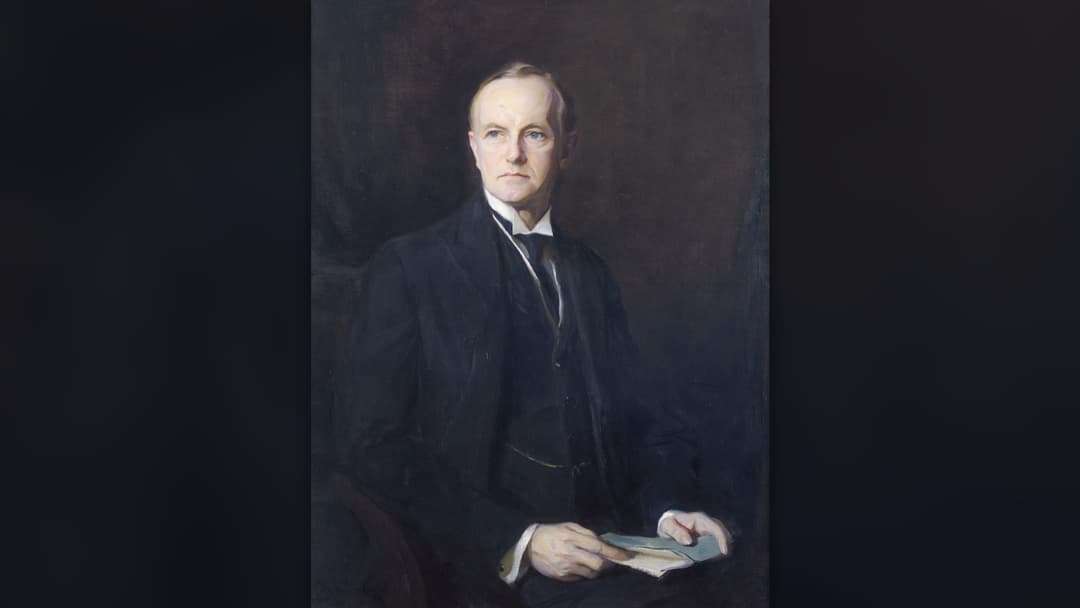
6. Calvin Coolidge (Massachusetts) 
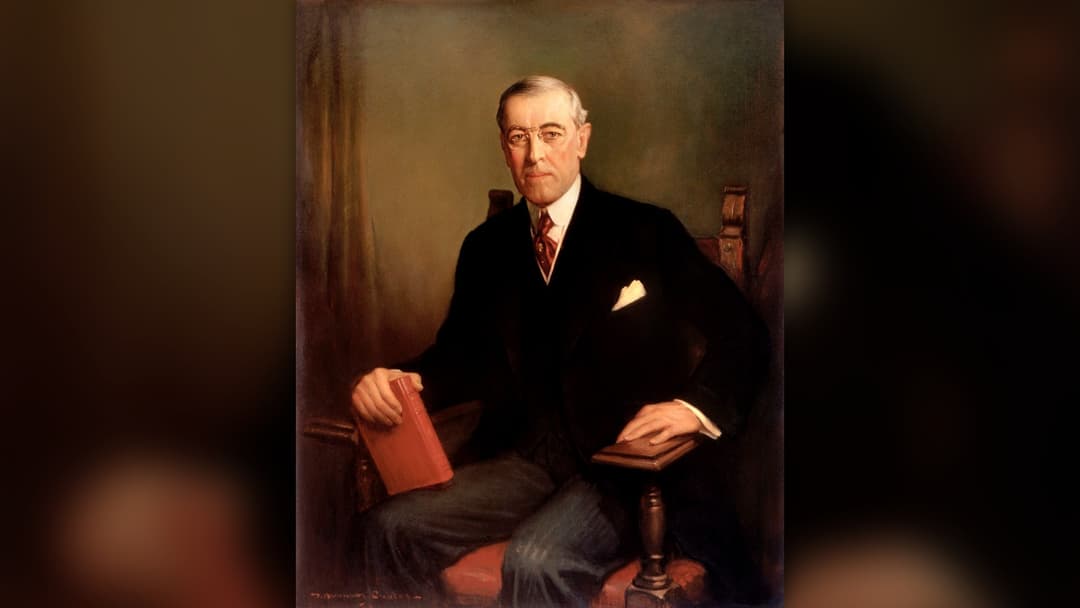
5. Woodrow Wilson (New Jersey) 
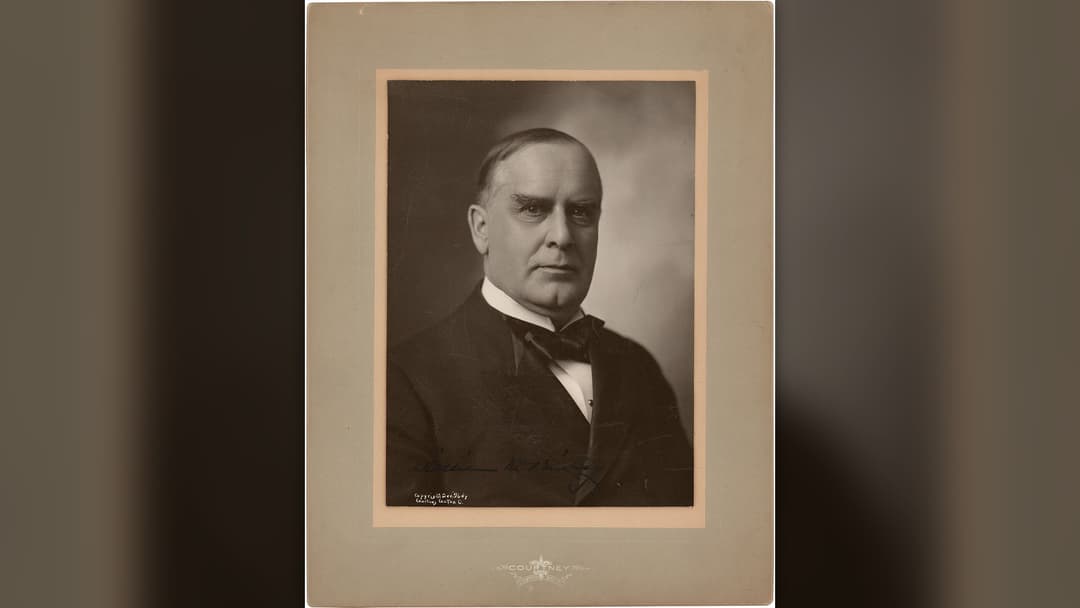
4. William McKinley (Ohio) 
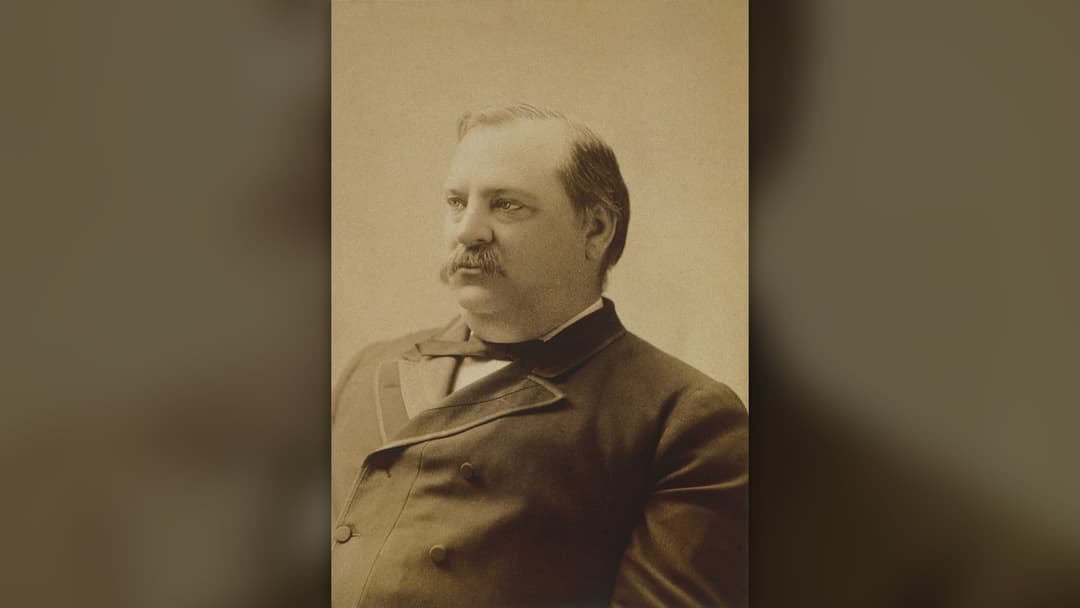
3. Grover Cleveland (New York) - AdvertisementSwipe or tap ▶ to continue countdown

2. Theodore Roosevelt (New York) 
1. Franklin D. Roosevelt (New York) - Advertisement🔥 UP NEXT IN THIS SERIES◫ 22 Slides

21 World Leaders Who Were Once Professional Athletes
From Ballon d'Or soccer legends to Olympic champions who ran for high office
State governorships have long served as testing grounds for America's most transformative national figures. From presidents and chief justices to cabinet secretaries and diplomats, discover twenty-one former state governors whose executive leadership shaped the modern United States.
Swipe or tap ▶ to begin the countdown
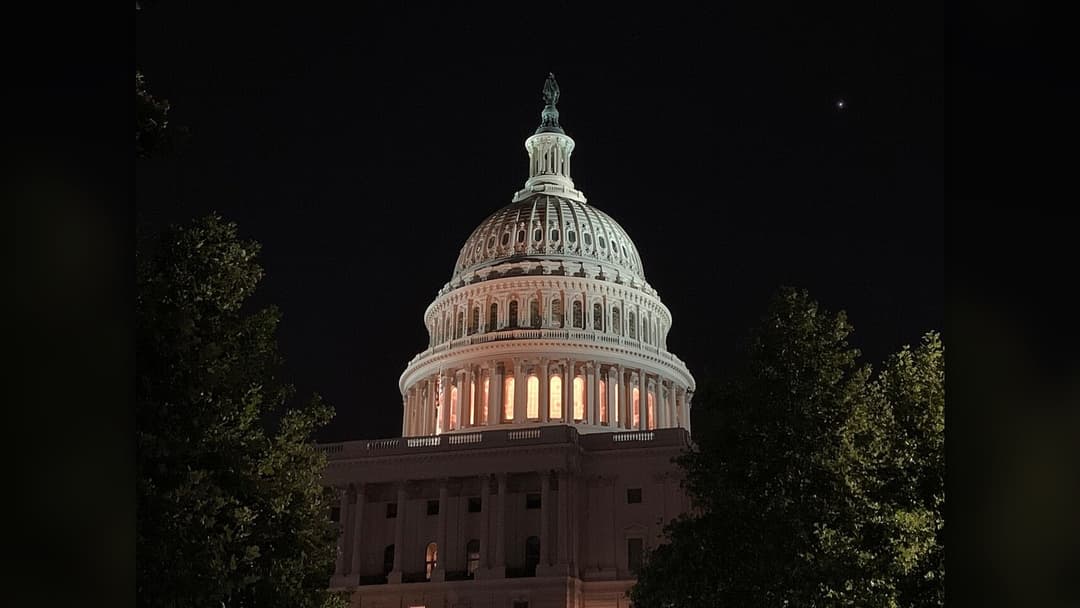
©Wikimedia Commons / Architect of the Capitol
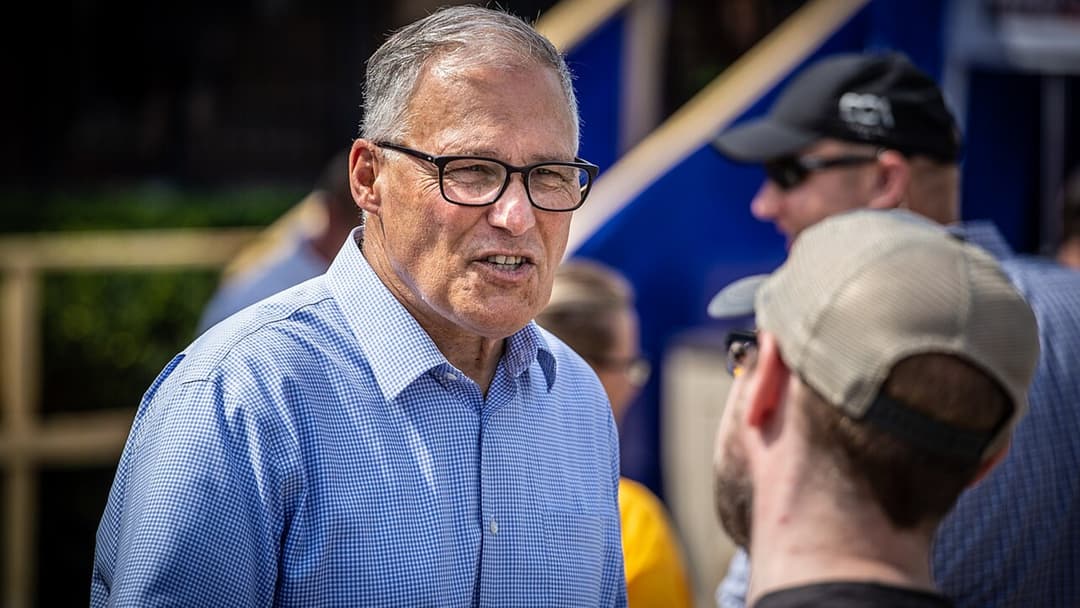
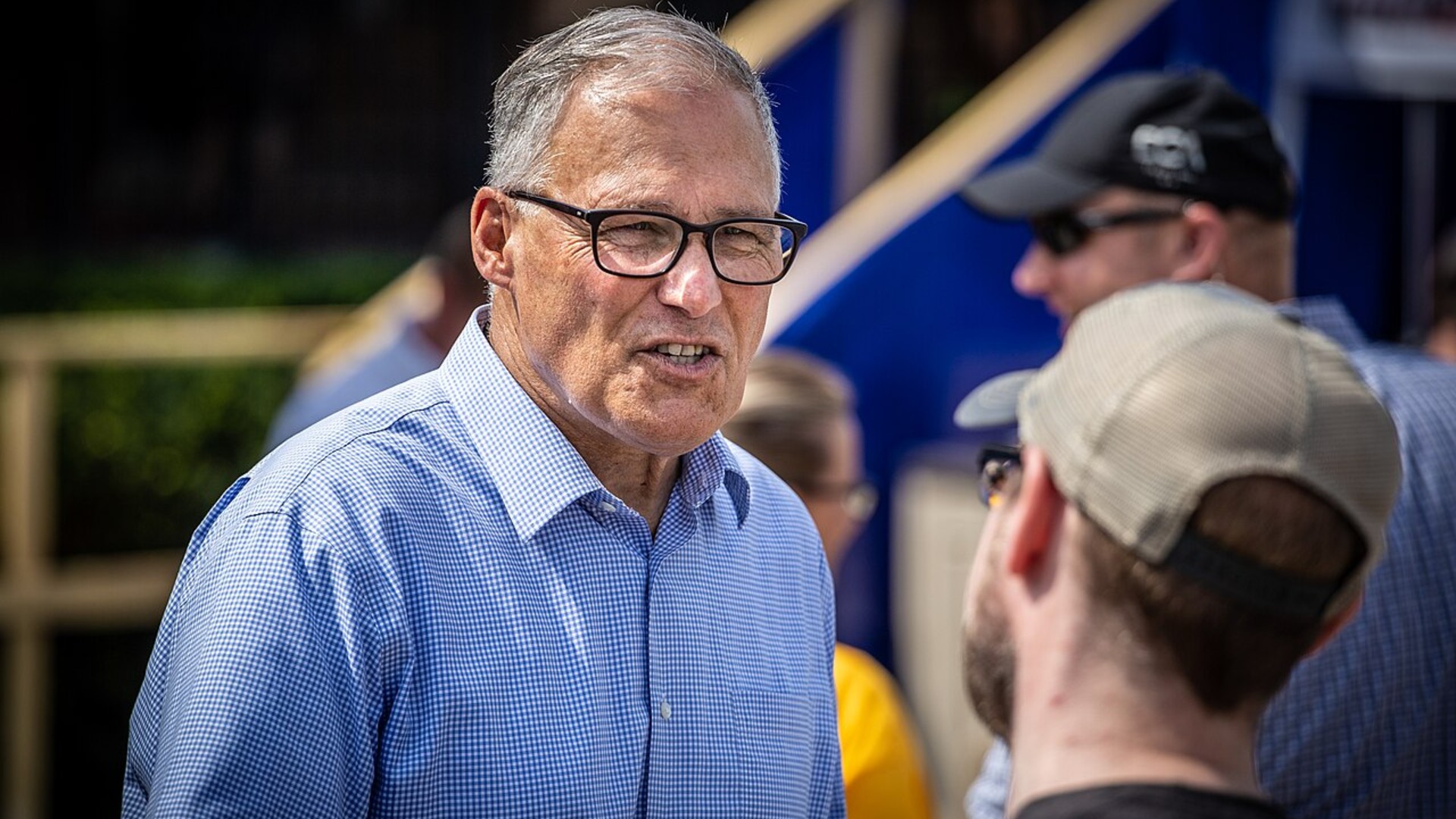
21. Jay Inslee (Washington)
Before completing three terms as Governor of Washington, Jay Inslee served in the U.S. House of Representatives. In Olympia, he enacted groundbreaking clean energy standards and cap-and-invest programs that shaped the national conversation on American climate policy and environmental technology.
©Wikimedia / Phil Roeder from Des Moines, IA, USA
20. Nikki Haley (South Carolina)
Elected as South Carolina's first female governor in 2010, Nikki Haley led the state through historic economic growth and civil milestones. In 2017, she stepped onto the world stage as the 29th U.S. Ambassador to the United Nations, asserting a prominent American voice in foreign relations.

©Wikimedia / South Carolina Governor Nikki R. Haley
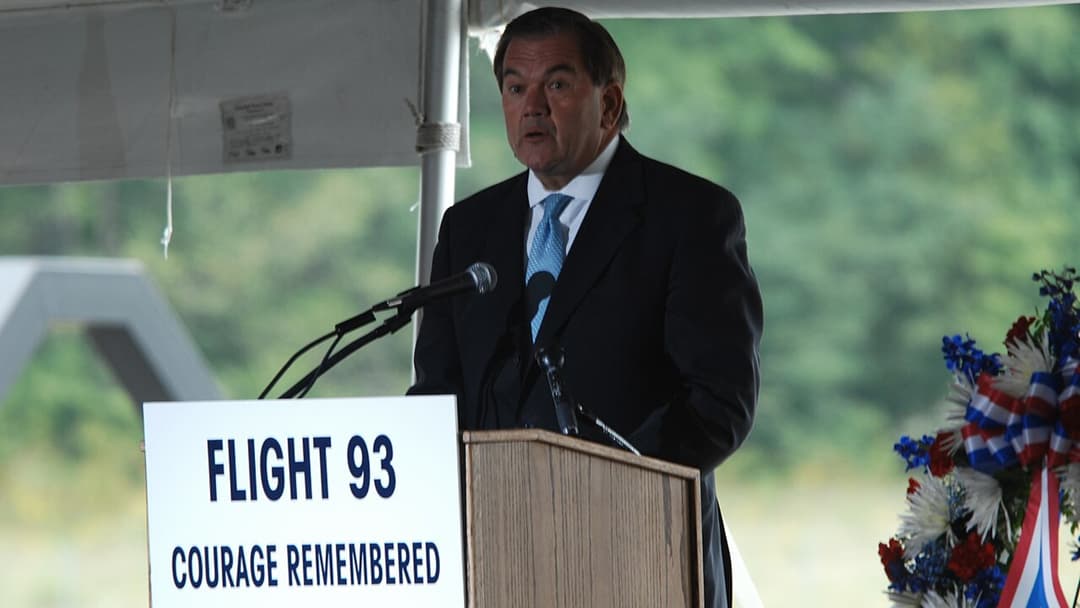
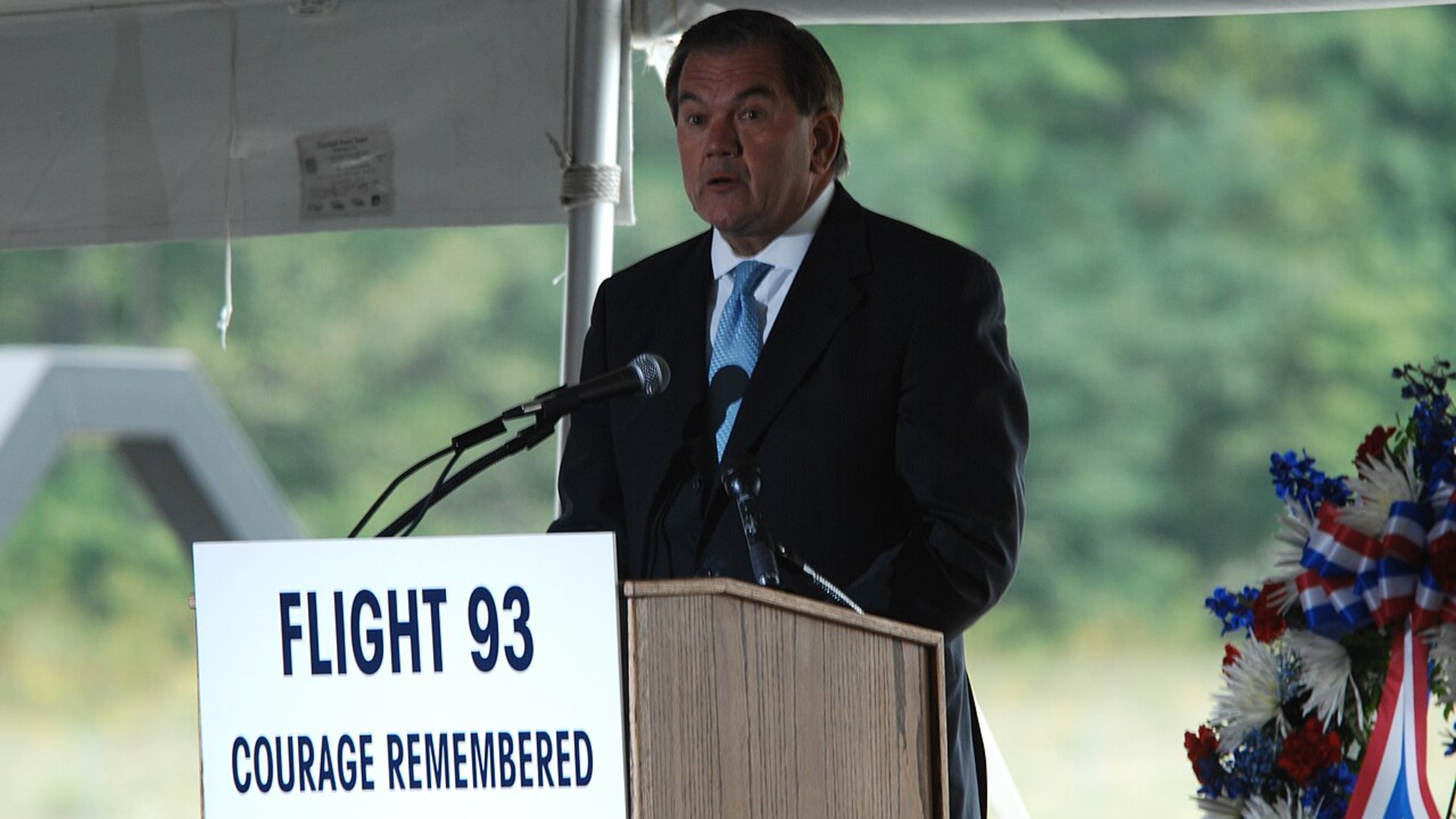
19. Tom Ridge (Pennsylvania)
Following six years as Governor of Pennsylvania, Tom Ridge was tapped by President George W. Bush after the September 11 attacks to lead the newly formed Office of Homeland Security. Ridge subsequently oversaw the historic integration of twenty-two federal agencies into a unified department.
©Wikimedia / Series: Photographs Relating to the
Advertisement
Swipe or tap ▶ to resume the countdown.
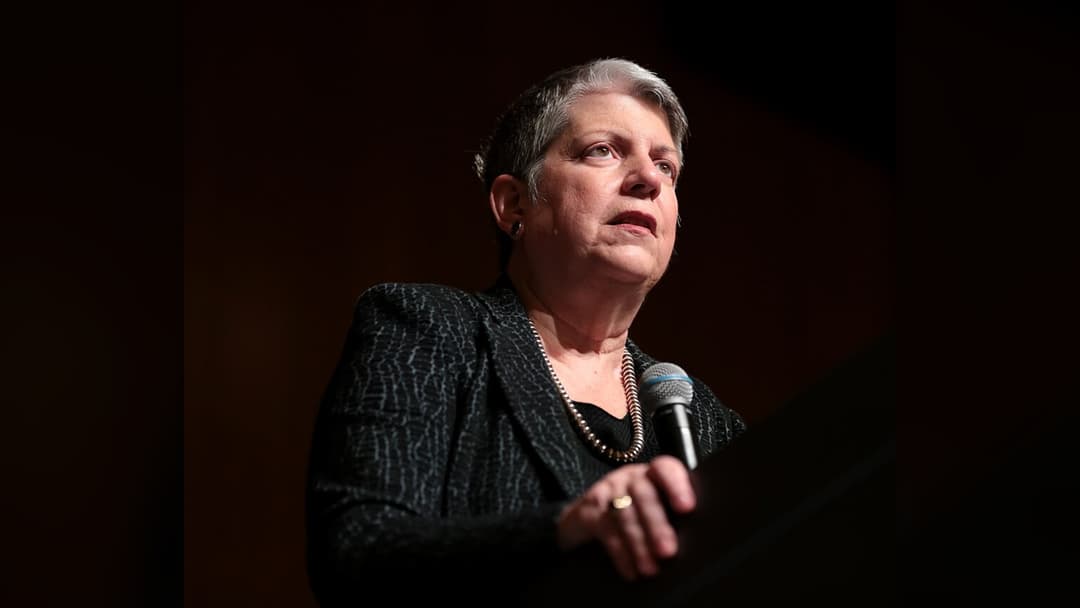
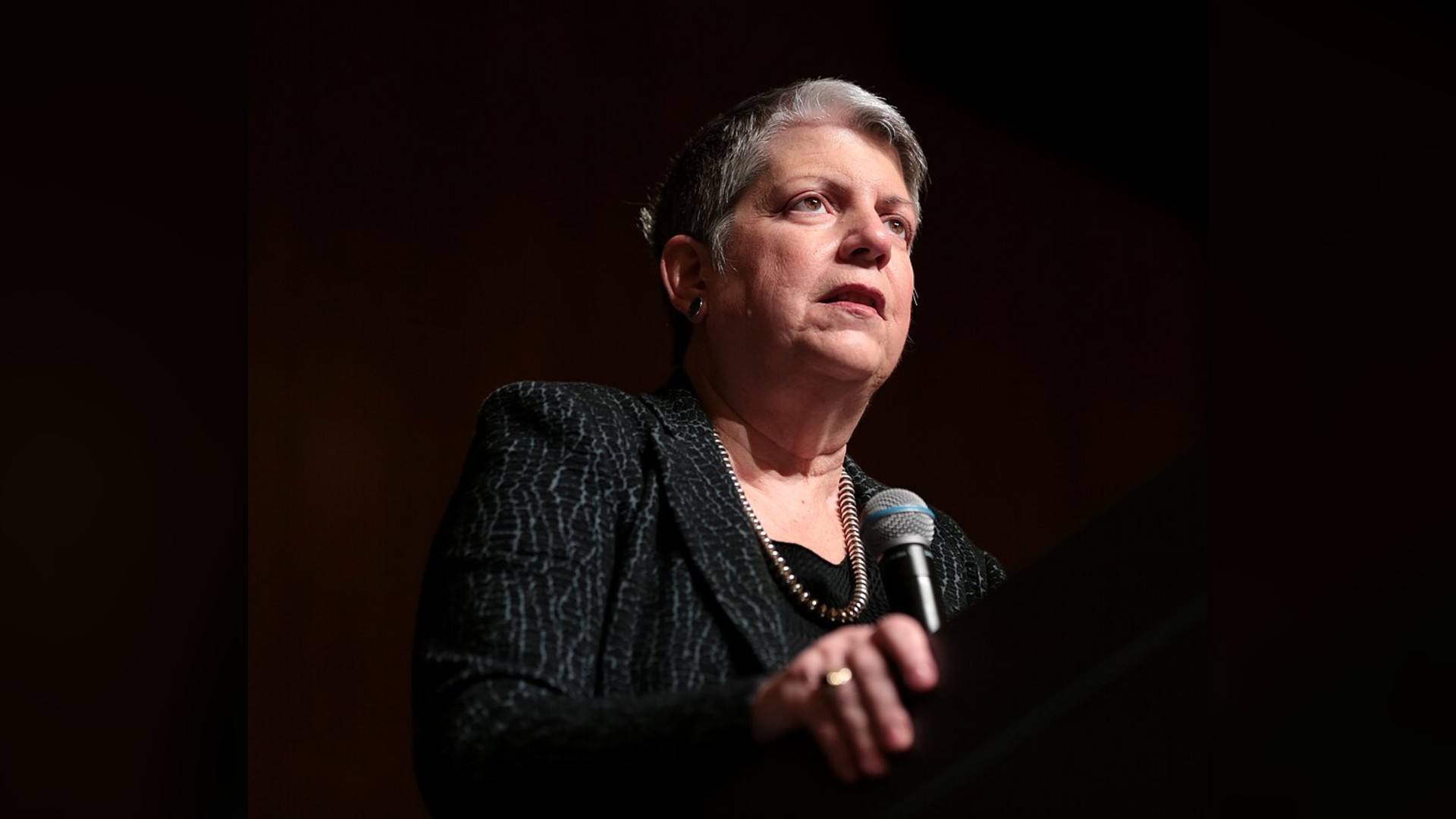
18. Janet Napolitano (Arizona)
As Governor of Arizona from 2003 to 2009, Janet Napolitano gained national acclaim for executive efficiency and border management. Appointed by President Barack Obama as Secretary of Homeland Security, she directed disaster response, national cybersecurity, and key federal immigration policies.
©Wikimedia / Gage Skidmore from Peoria, AZ, United
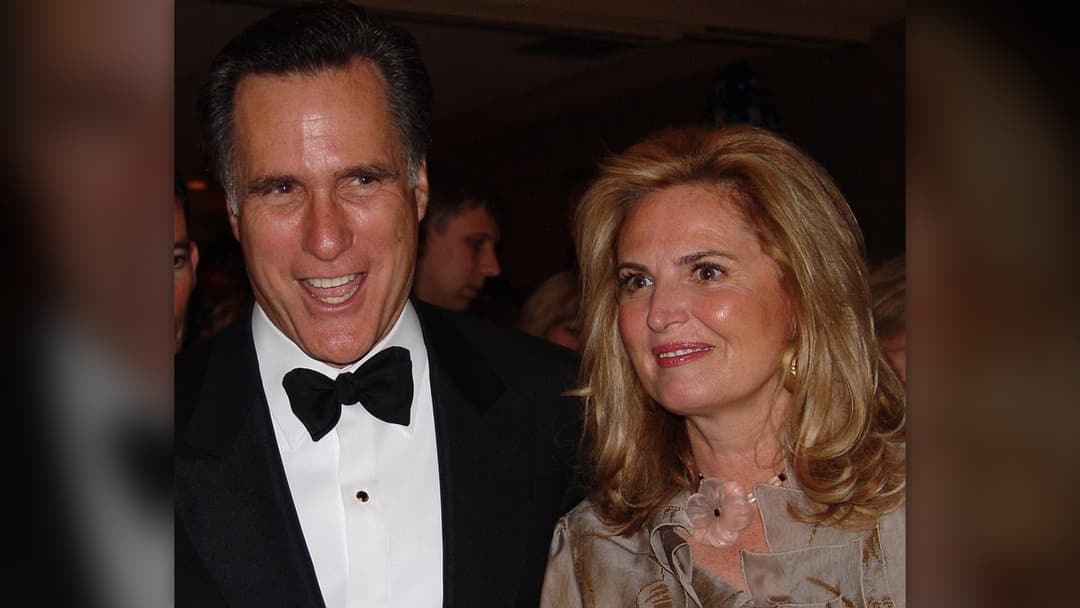
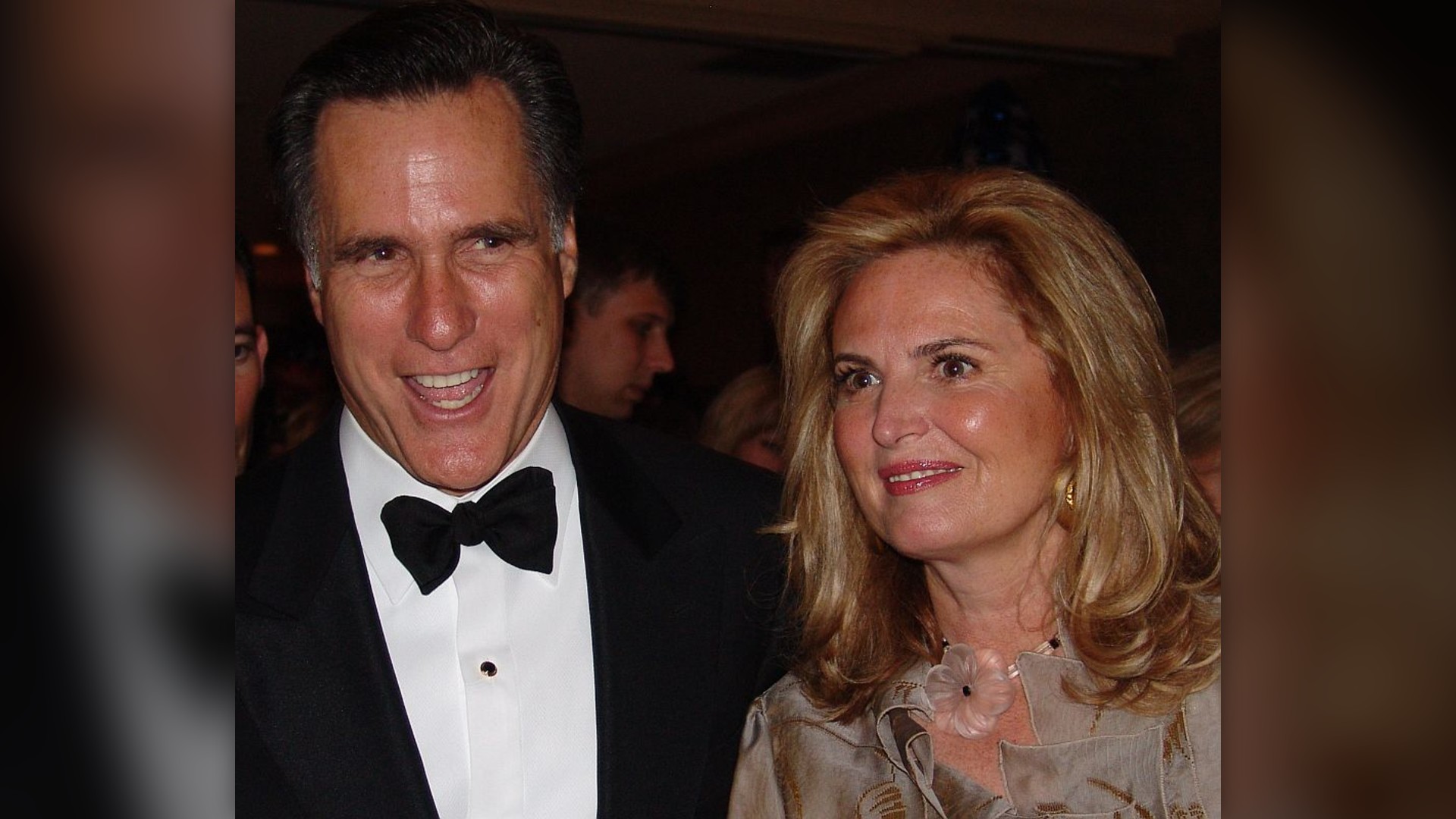
17. Mitt Romney (Massachusetts)
As Governor of Massachusetts from 2003 to 2007, Mitt Romney signed bipartisan healthcare legislation that served as a framework for national reform. He secured the 2012 Republican presidential nomination and later won election to the U.S. Senate representing Utah as an independent-minded statesman.
©Wikimedia / John Mathew Smith & from Laurel
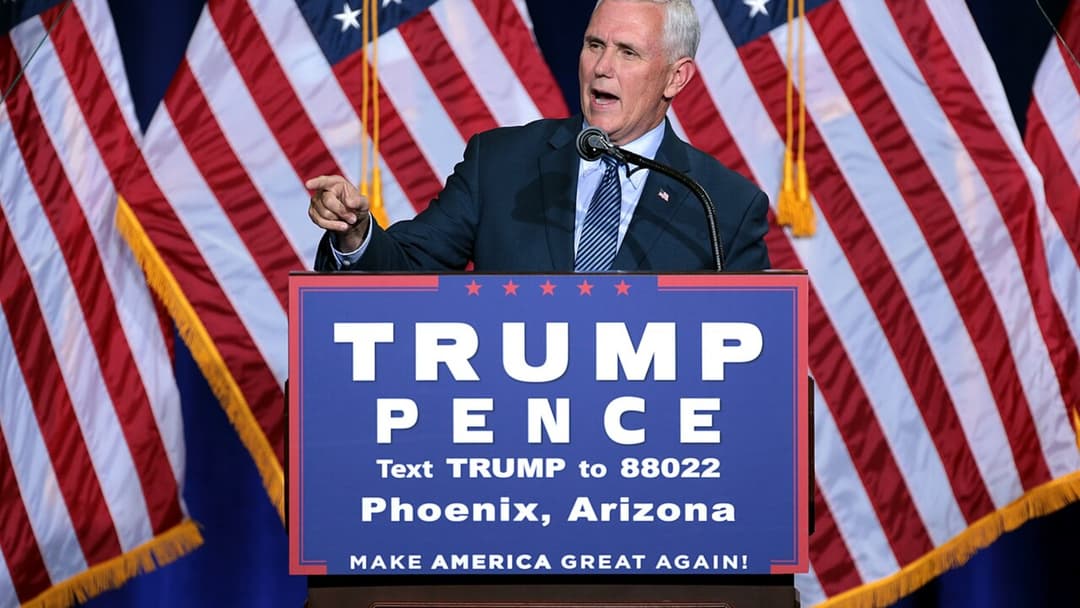
16. Mike Pence (Indiana)
Before serving as the 48th Vice President of the United States from 2017 to 2021, Mike Pence served twelve years in the U.S. House of Representatives and four years as Governor of Indiana. In the White House, he led the Coronavirus Task Force and presided over critical constitutional proceedings.
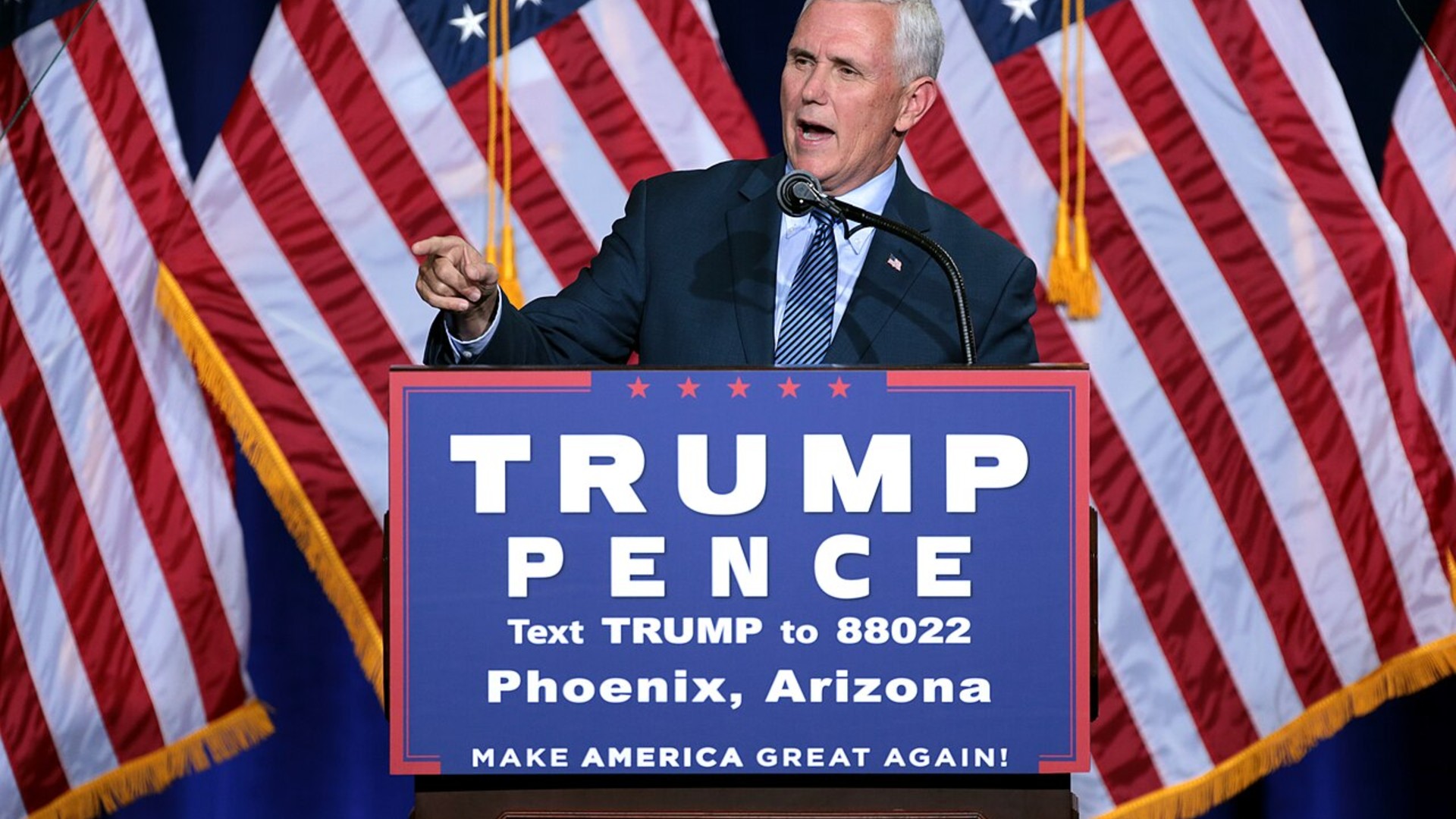
©Wikimedia / Gage Skidmore from Peoria, AZ, United
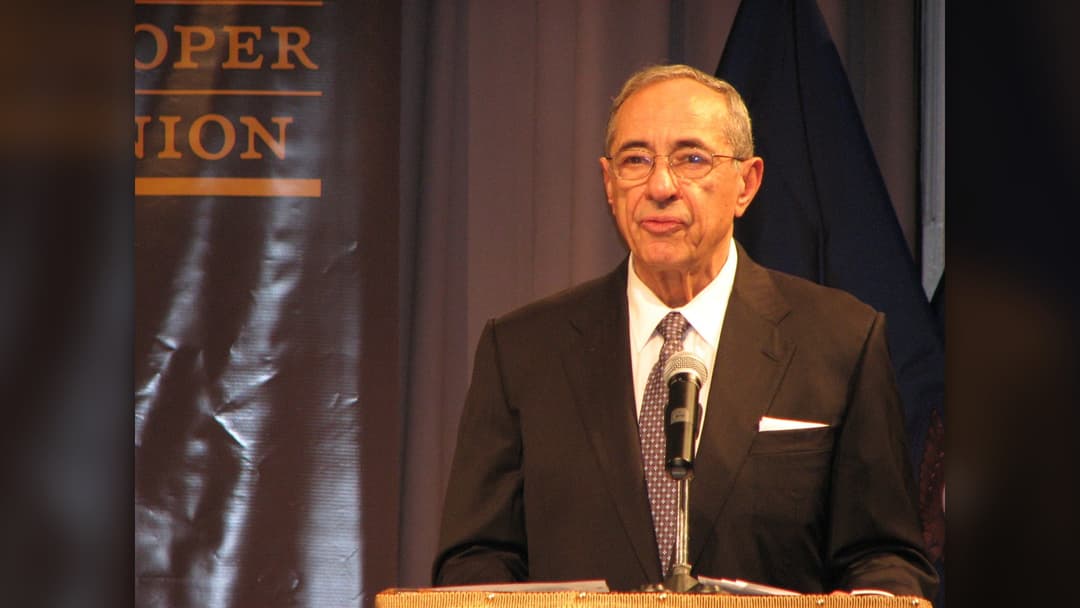
15. Mario Cuomo (New York)
Serving three terms as Governor of New York from 1983 to 1994, Mario Cuomo captured nationwide attention with his legendary 1984 Democratic National Convention keynote speech, A Tale of Two Cities. Known for his intellectual rigor, Cuomo stood as the philosophical leader of American liberalism.
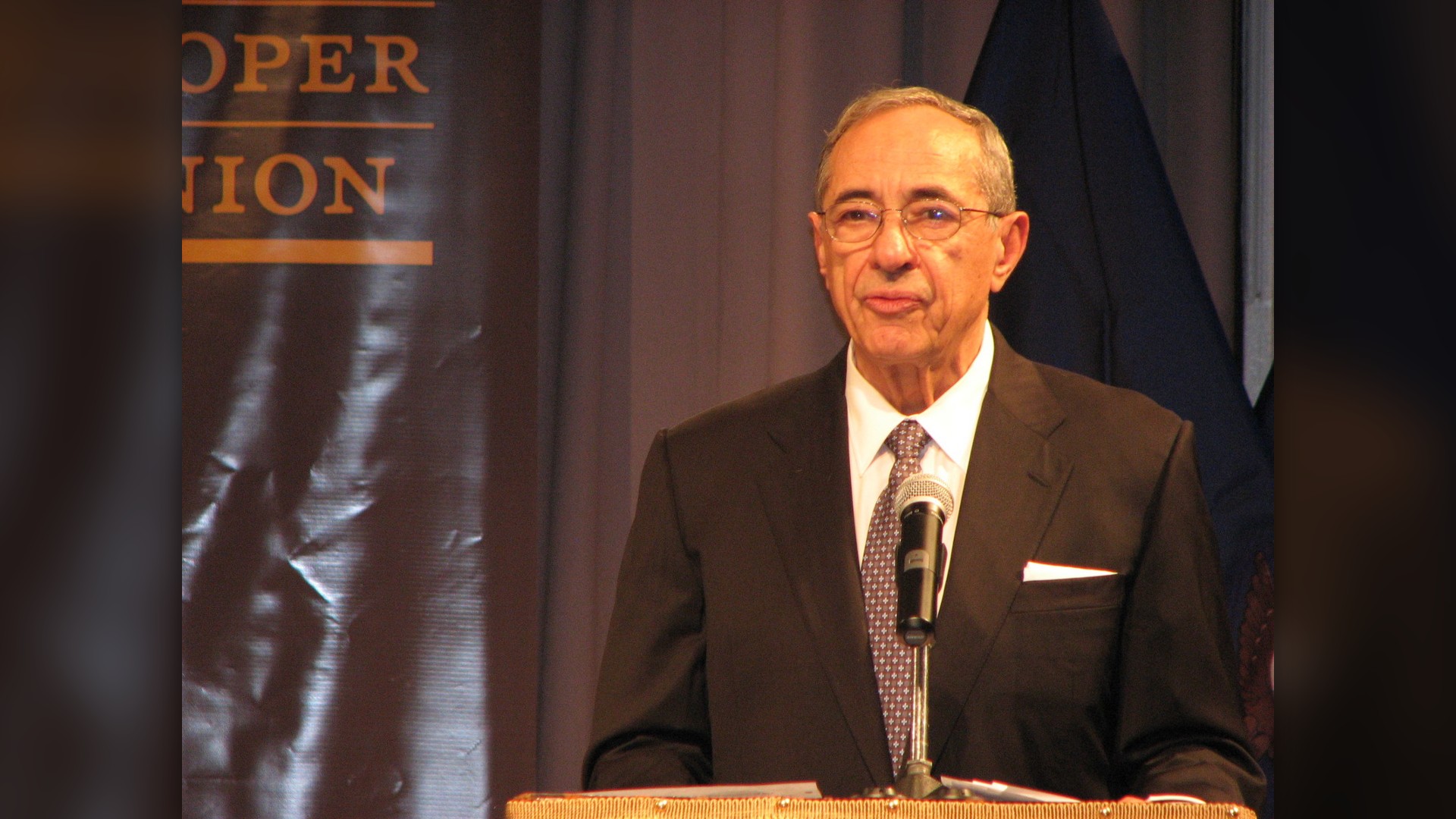
©Wikimedia / David Berkowitz from New York, NY, USA
Advertisement
Swipe or tap ▶ to resume the countdown.
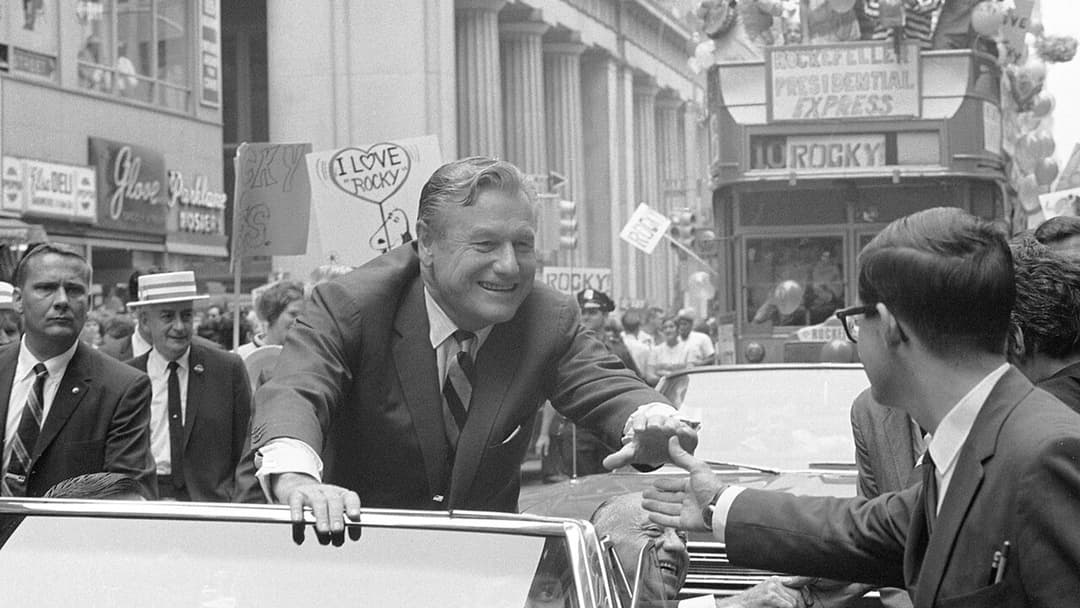
14. Nelson Rockefeller (New York)
Nelson Rockefeller served four terms as Governor of New York from 1959 to 1973, dramatically expanding the state university system and environmental programs. In 1974, President Gerald Ford nominated him to serve as the 41st Vice President of the United States under the 25th Amendment.
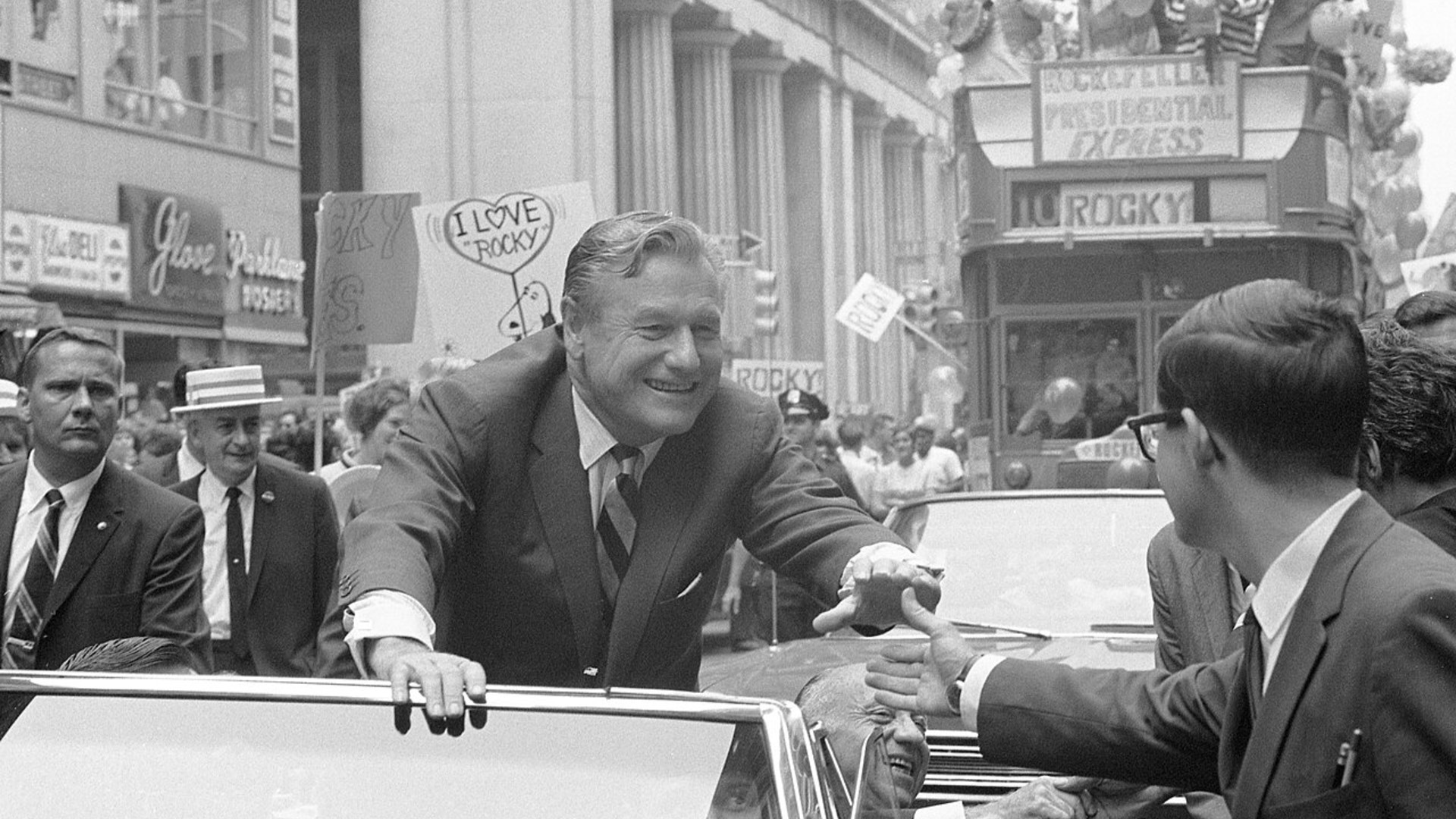
©Wikimedia / Warren K. Leffler, U.S. News & World
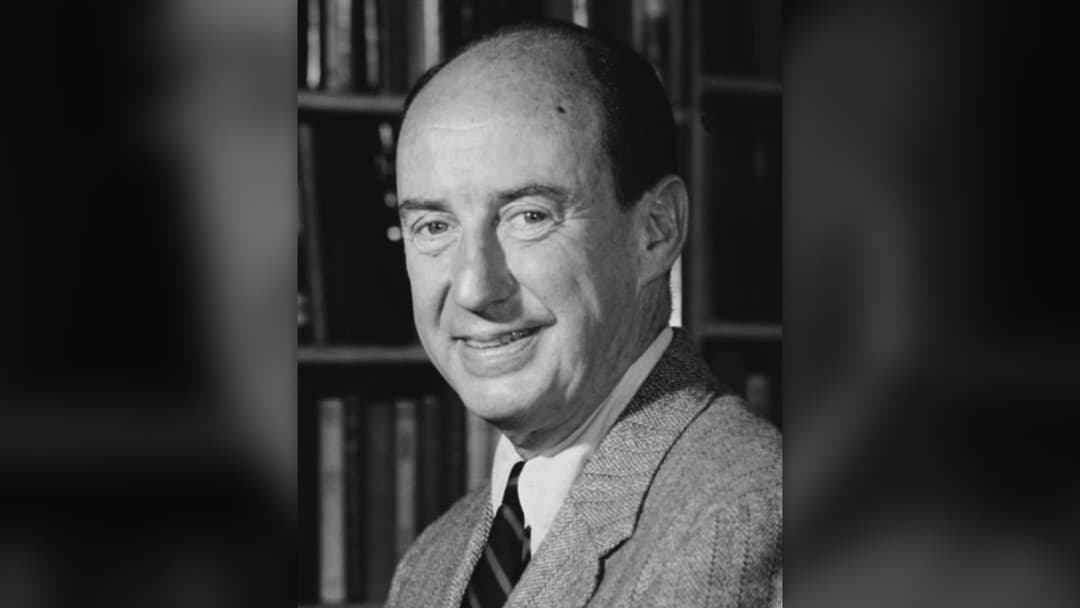
13. Adlai Stevenson II (Illinois)
As Governor of Illinois from 1949 to 1953, Adlai Stevenson II earned national praise for cracking down on corruption and modernizing state police. Chosen as the Democratic presidential nominee in 1952 and 1956, he later served as U.S. Ambassador to the UN during the tense Cuban Missile Crisis.
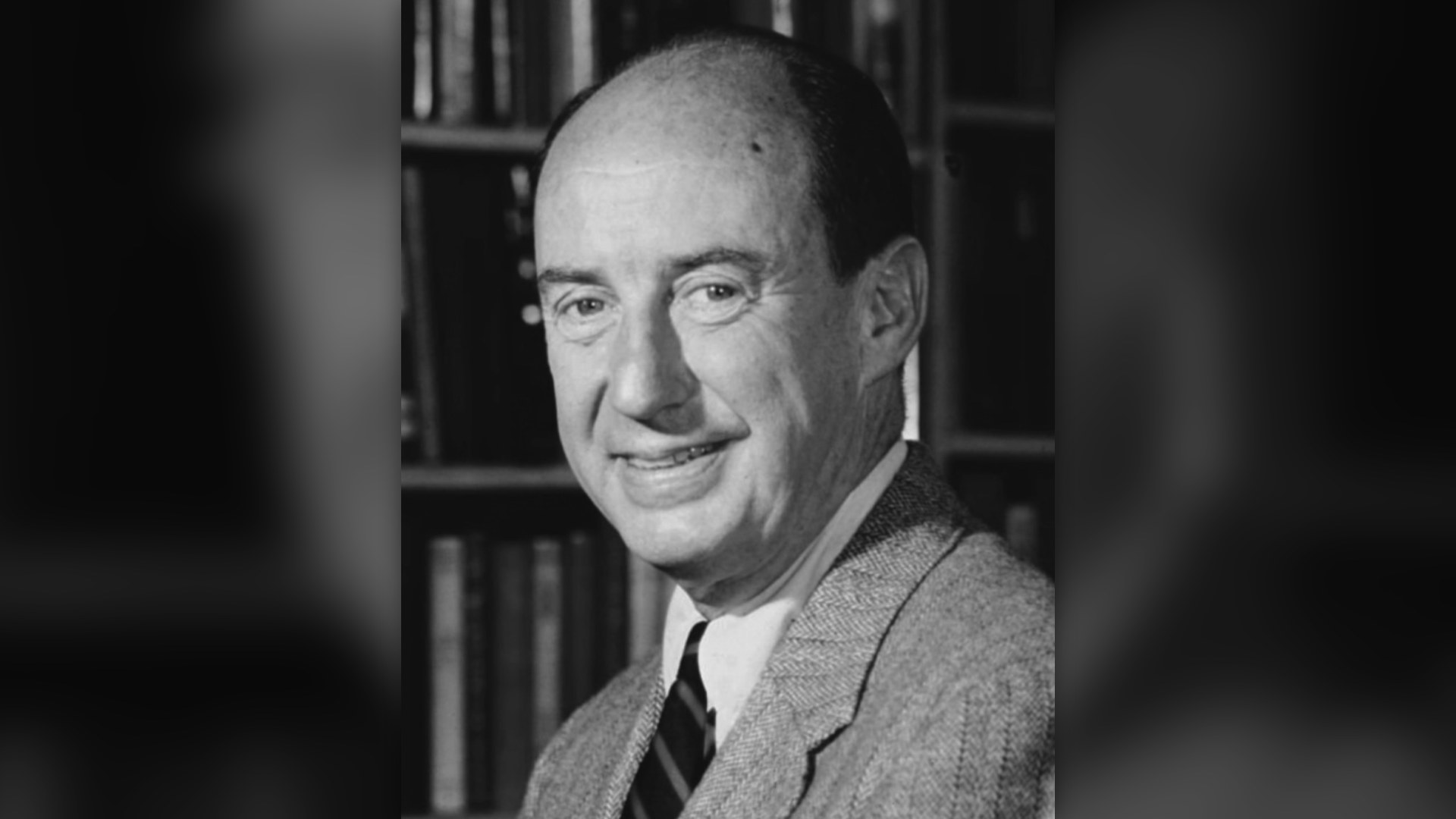
©Wikimedia Commons / Library of Congress
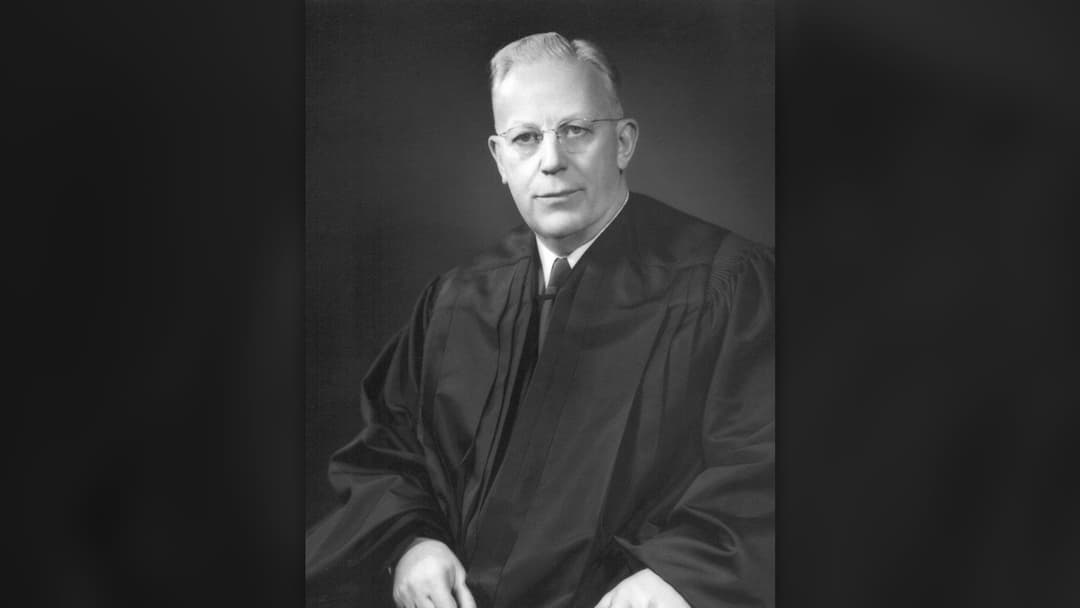
12. Earl Warren (California)
The only person elected Governor of California three times, Earl Warren built statewide highways and modern education systems. Appointed Chief Justice by President Dwight Eisenhower in 1953, Warren led the Supreme Court through historic civil rights rulings including Brown v. Board of Education.
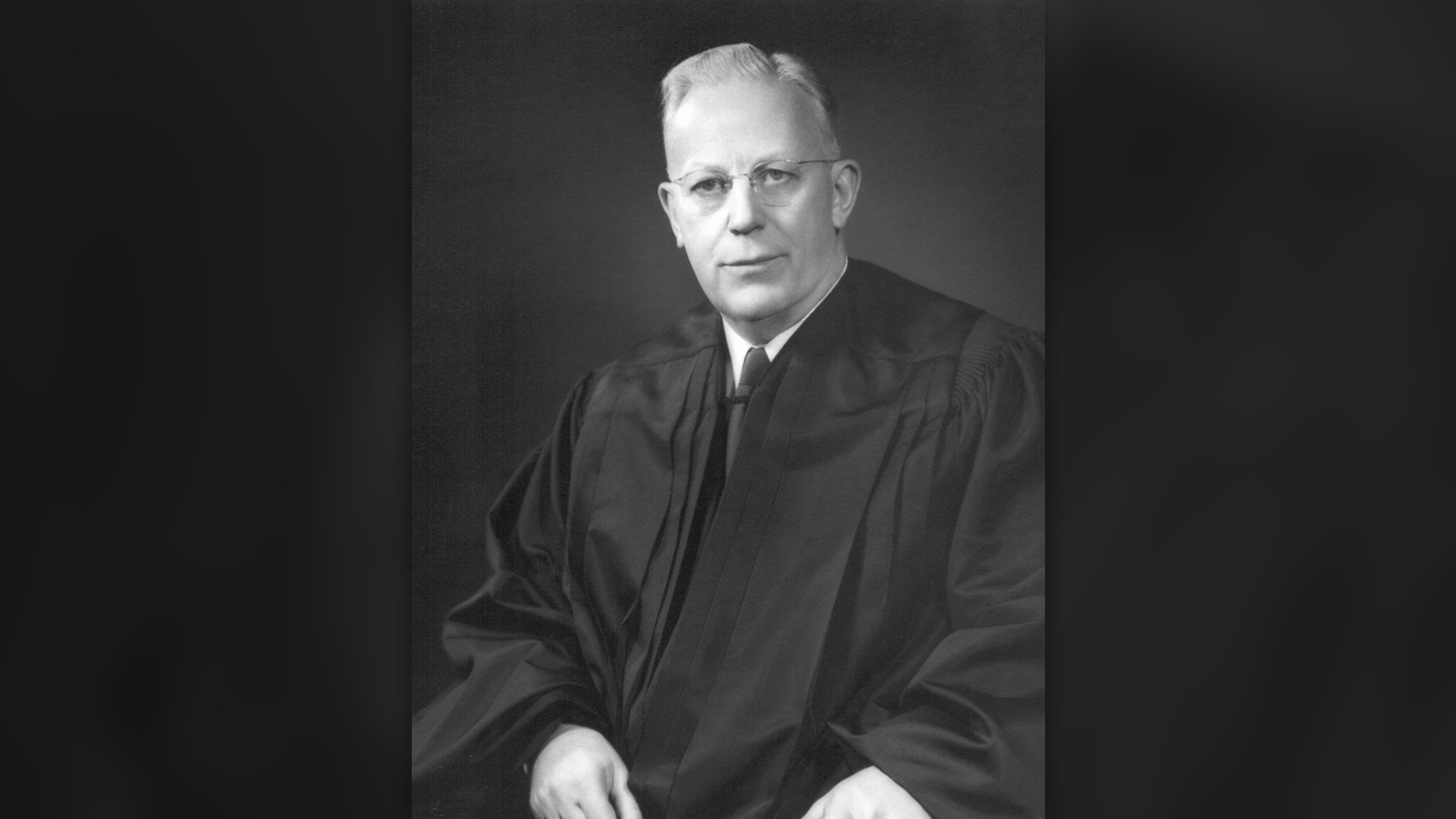
©Wikimedia Commons / Supreme Court of the United States
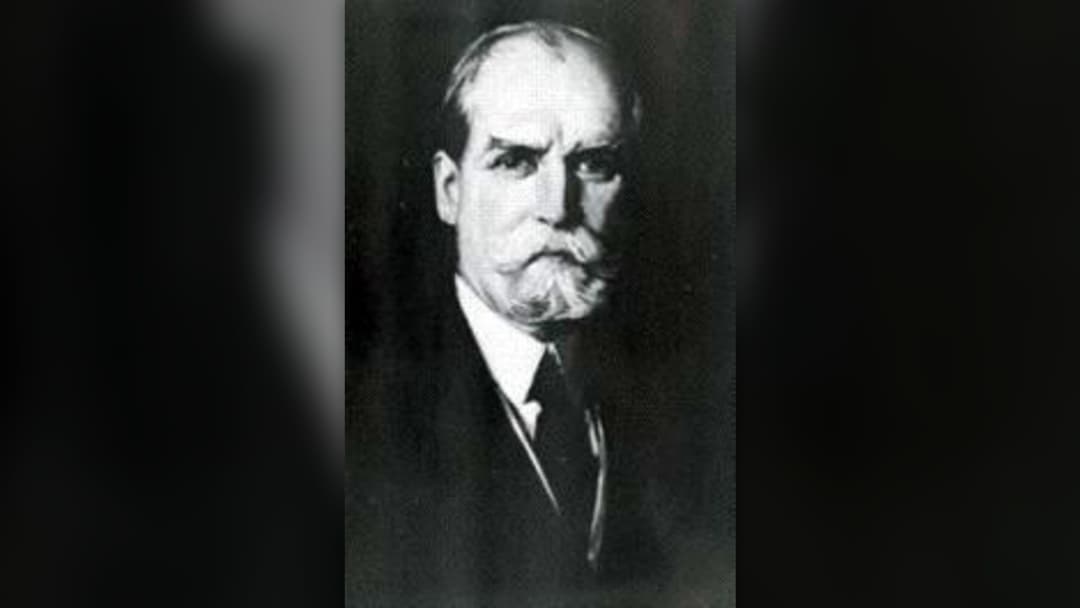
11. Charles Evans Hughes (New York)
Elected Governor of New York in 1906, Charles Evans Hughes combated political corruption and created public service commissions. Hughes later served as an Associate Justice, 1916 presidential nominee, U.S. Secretary of State, and ultimately Chief Justice during the contentious New Deal era.
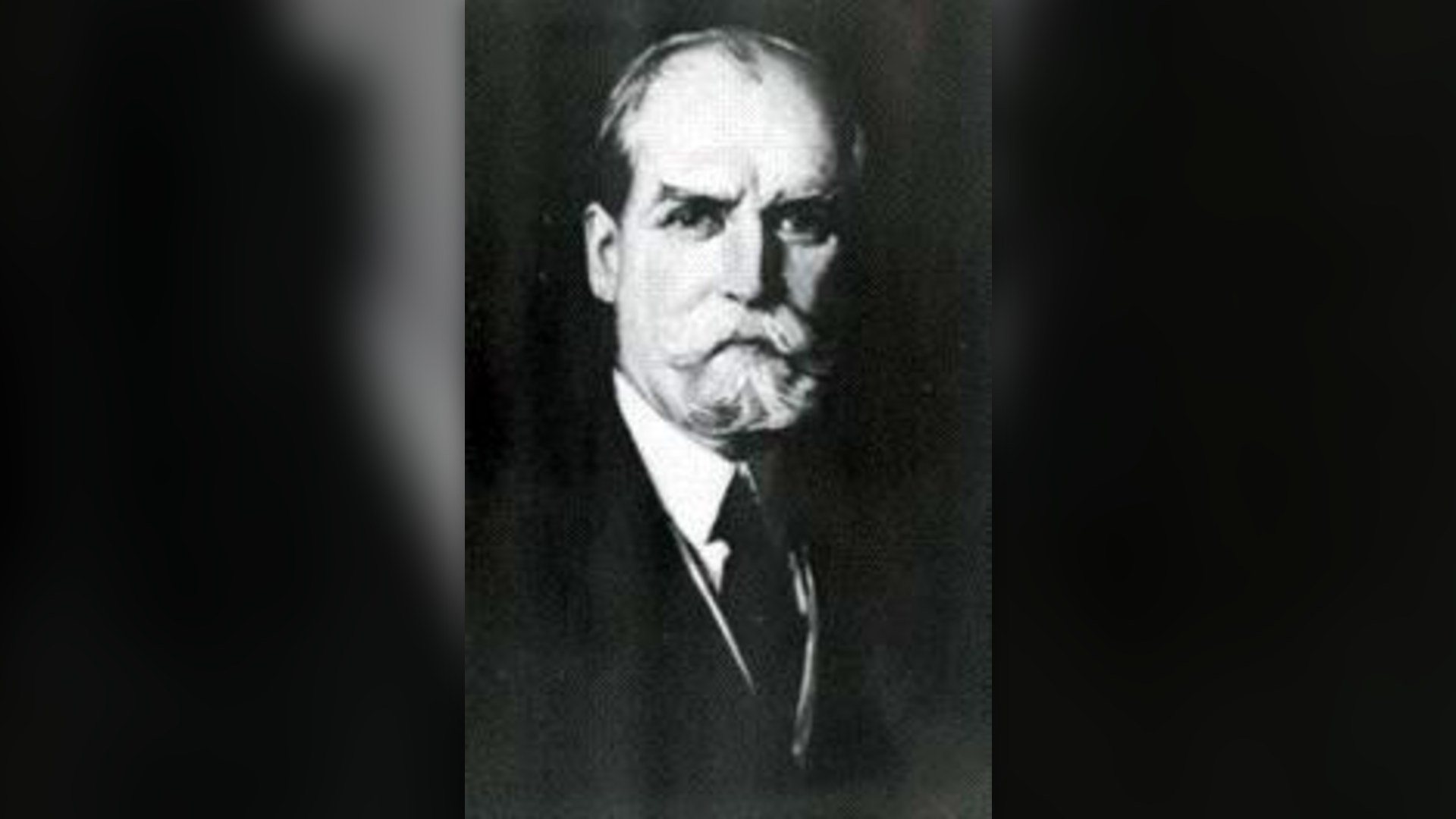
©Wikimedia Commons / Library of Congress
Advertisement
Swipe or tap ▶ to resume the countdown.
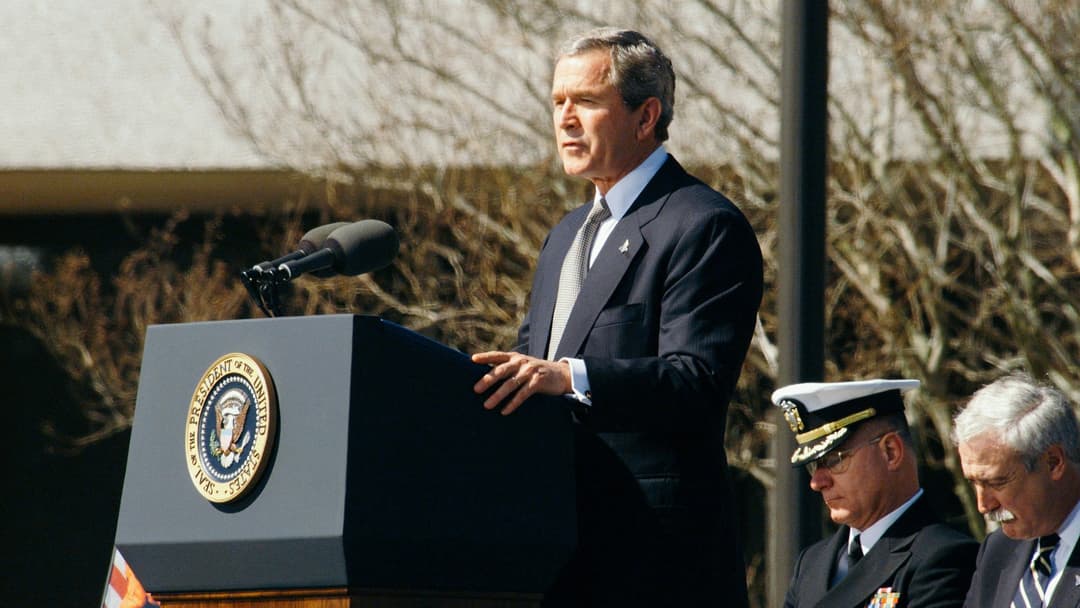
10. George W. Bush (Texas)
George W. Bush governed Texas from 1995 to 2000, promoting educational accountability and tort reform with bipartisan legislative support. Winning the presidency in 2000, Bush led the nation through the aftermath of September 11, created the Department of Homeland Security, and served two terms.
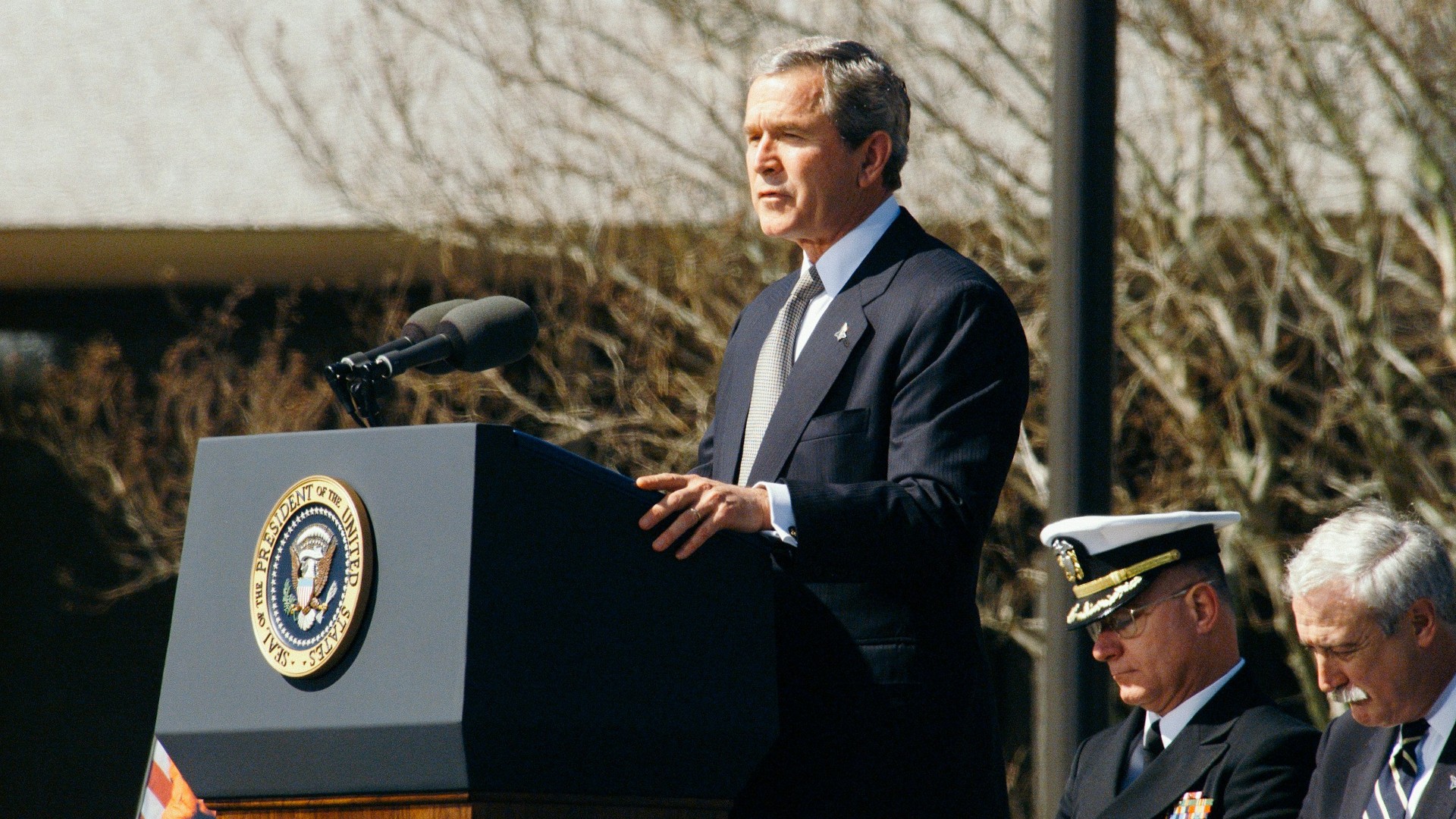
© Photo by History in HD on Unsplash
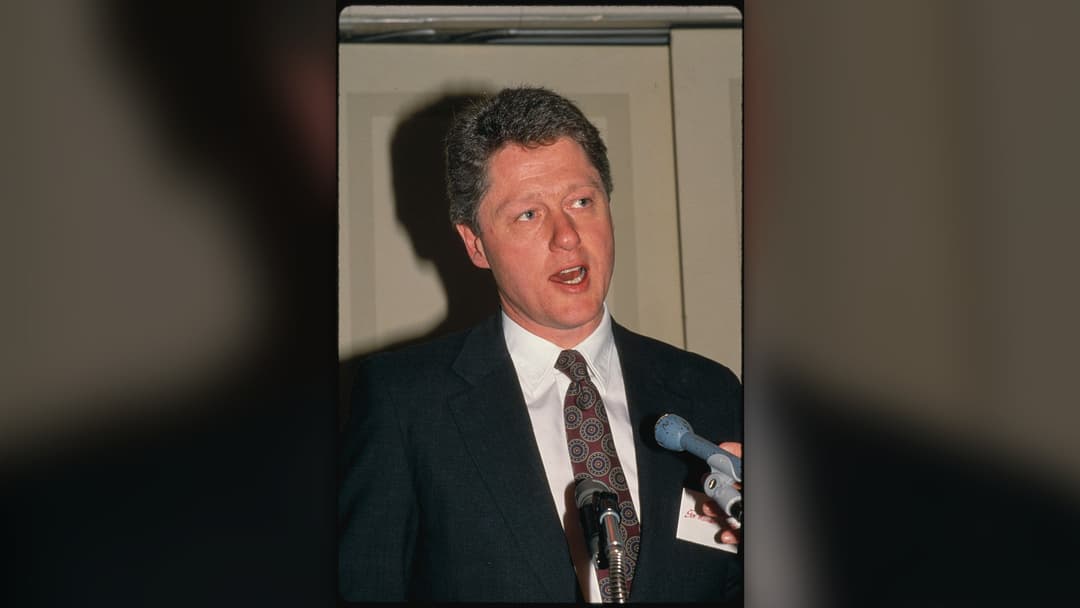
9. Bill Clinton (Arkansas)
Elected Governor of Arkansas at age thirty-two, Bill Clinton served nearly twelve years leading major educational reforms. He captured the presidency in 1992, presiding over the longest peacetime economic expansion in American history, balanced federal budgets, and international trade accords.
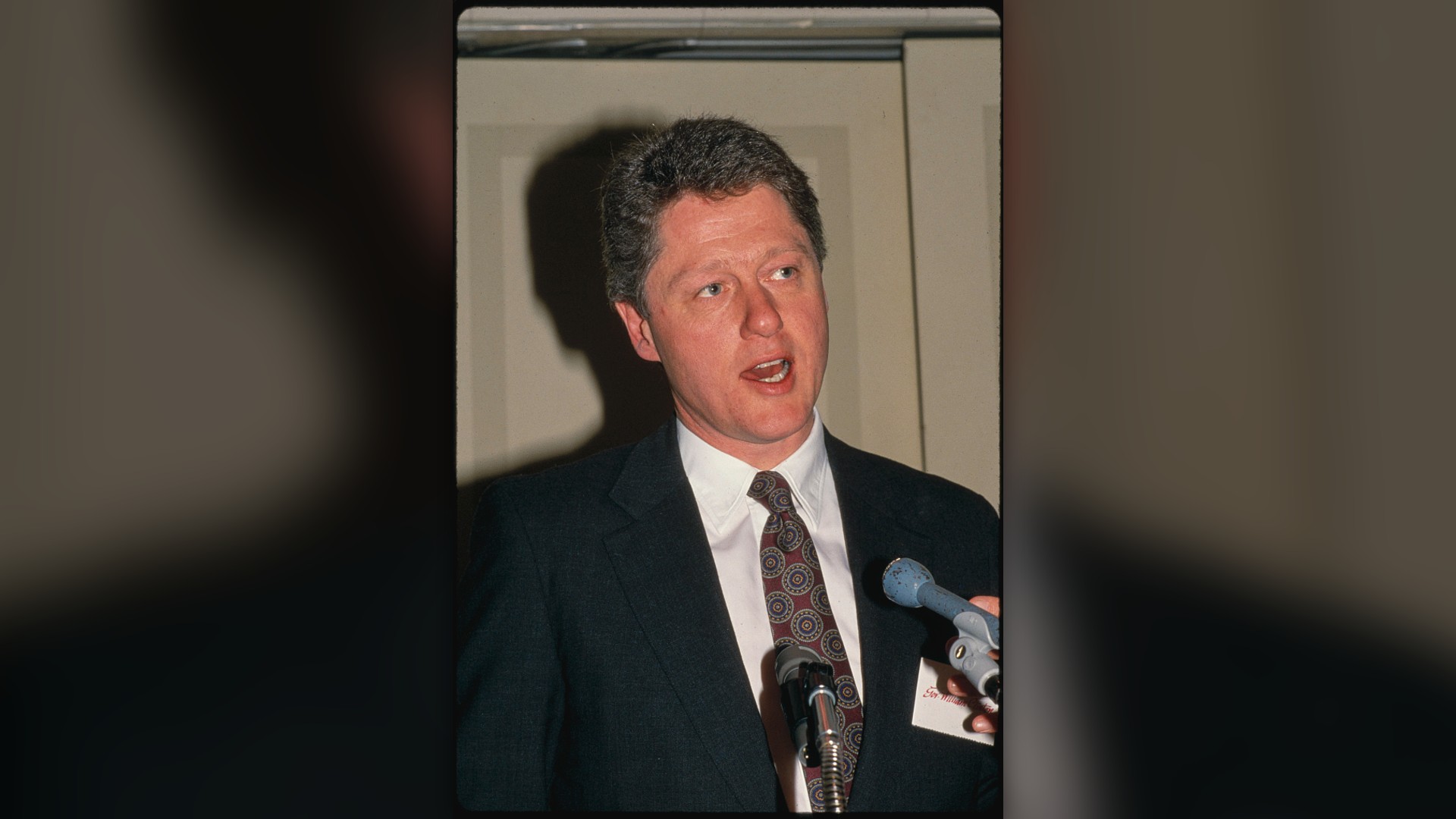
©Wikimedia / Bernard Gotfryd
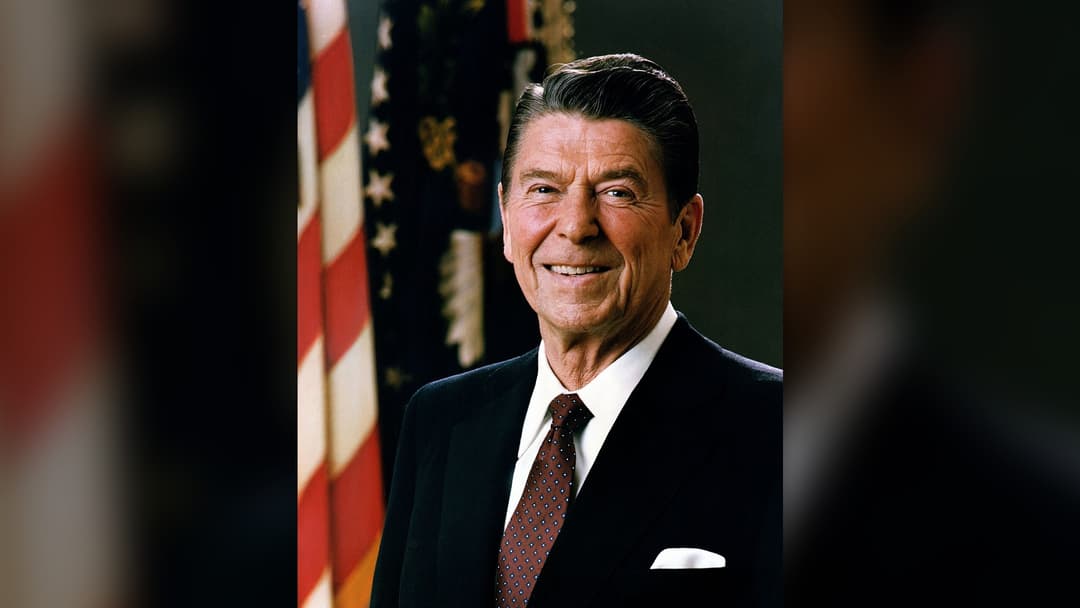
8. Ronald Reagan (California)
Ronald Reagan served two terms as Governor of California from 1967 to 1975, reforming state welfare programs and balancing budgets. Elected the 40th President in 1980, his conservative economic agenda and diplomatic negotiations with the Soviet Union fundamentally reshaped global geopolitics.
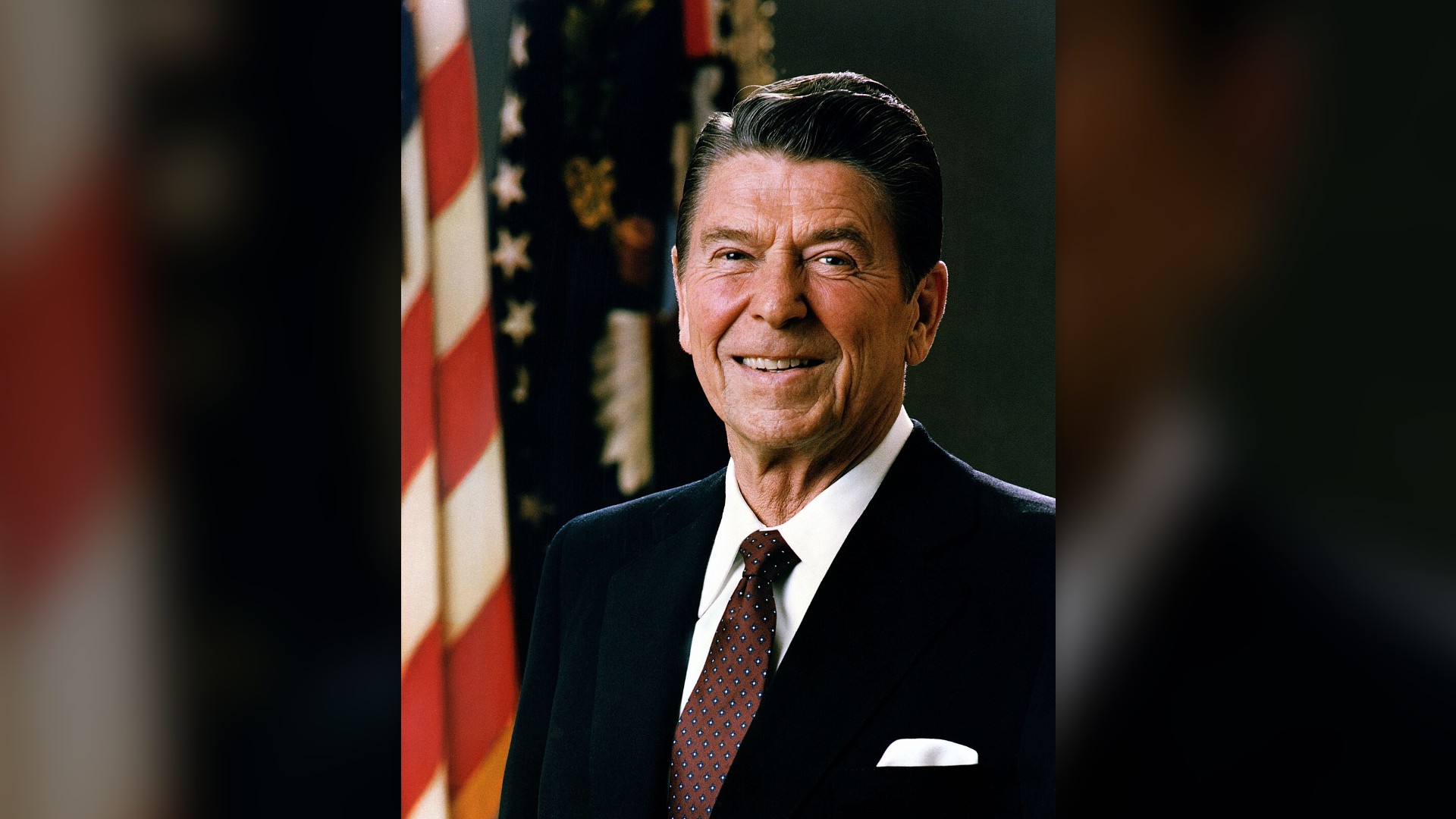
©Wikimedia / Michael Evans
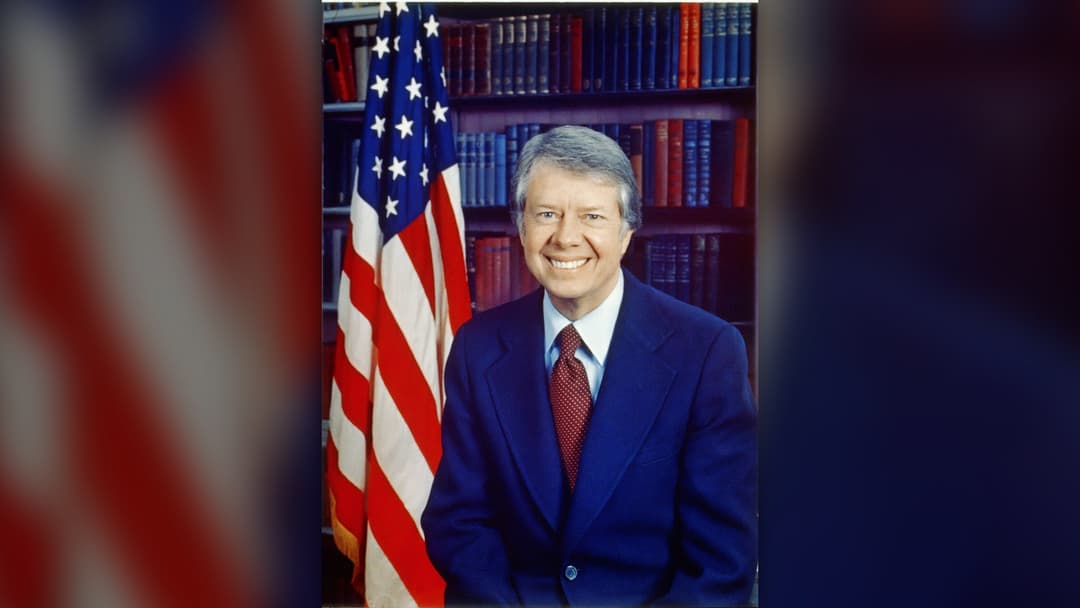
7. Jimmy Carter (Georgia)
Jimmy Carter took office as Governor of Georgia in 1971, boldly declaring that the time for racial discrimination was over and reorganizing state government. He won the presidency in 1976, brokering the historic Camp David Accords and dedicating his post-presidency to global humanitarian causes.
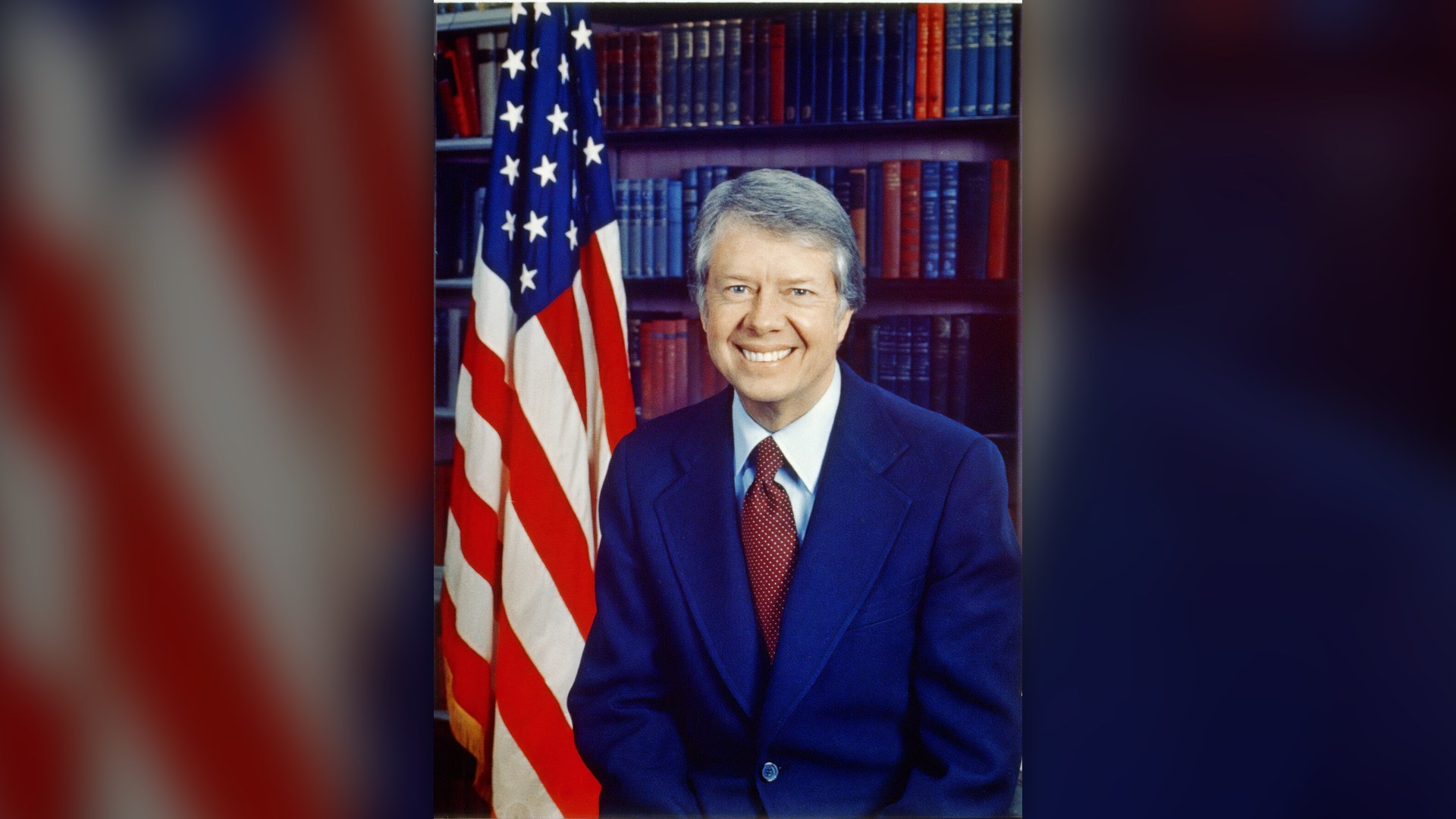
©Wikimedia Commons / White House
Advertisement
Swipe or tap ▶ to resume the countdown.
6. Calvin Coolidge (Massachusetts)
As Governor of Massachusetts, Calvin Coolidge gained national prominence in 1919 with his decisive handling of the Boston police strike. Elected Vice President in 1920, he succeeded Warren G. Harding as 30th President in 1923, presiding over the prosperous and tax-cutting Roaring Twenties era.
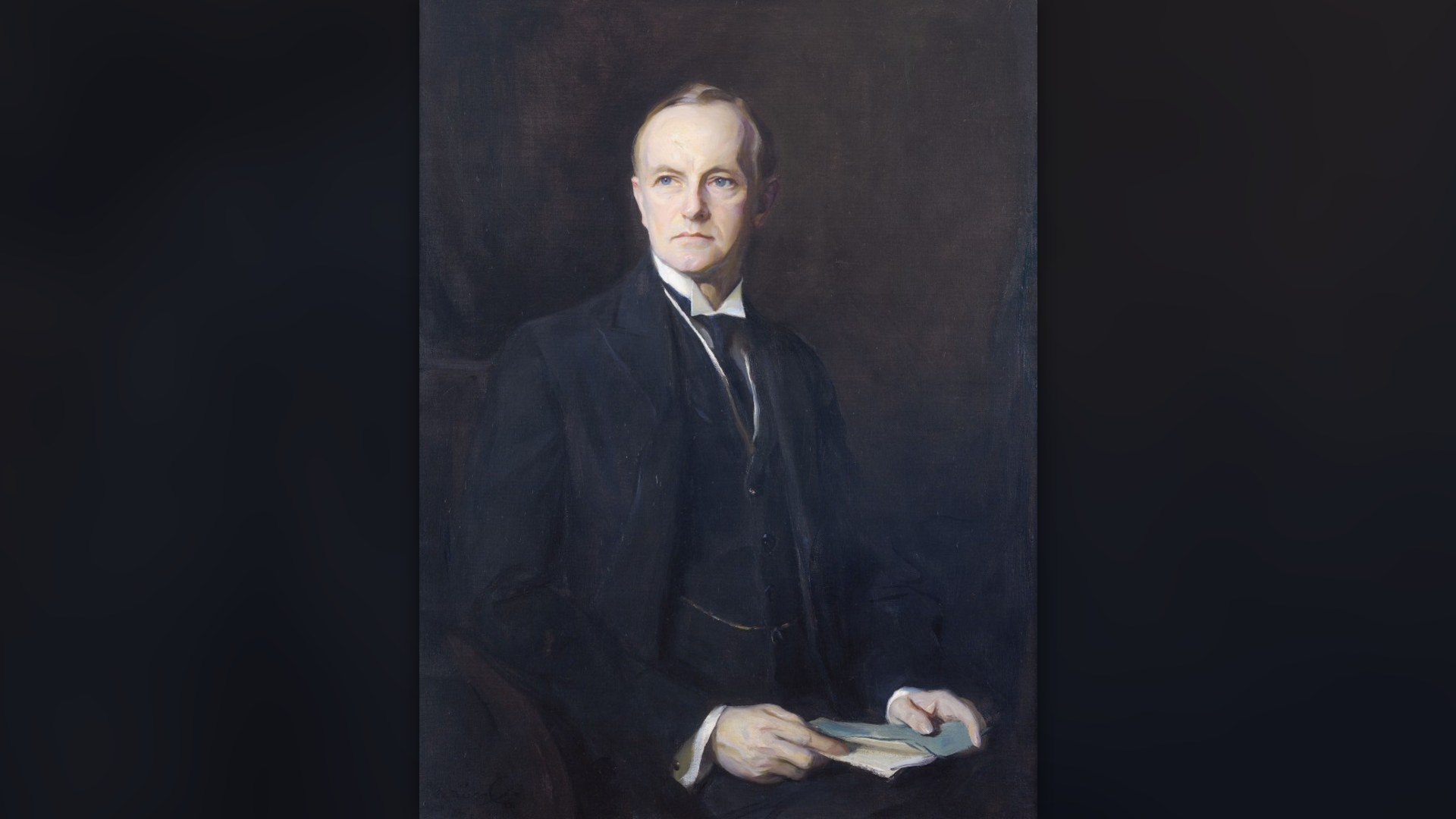
©Wikimedia Commons / Library of Congress
5. Woodrow Wilson (New Jersey)
Woodrow Wilson moved from Princeton University to the New Jersey governorship in 1911, enacting anti-corruption laws. Elected 28th President in 1912, he established the Federal Reserve, guided the nation through World War I, and championed the League of Nations.
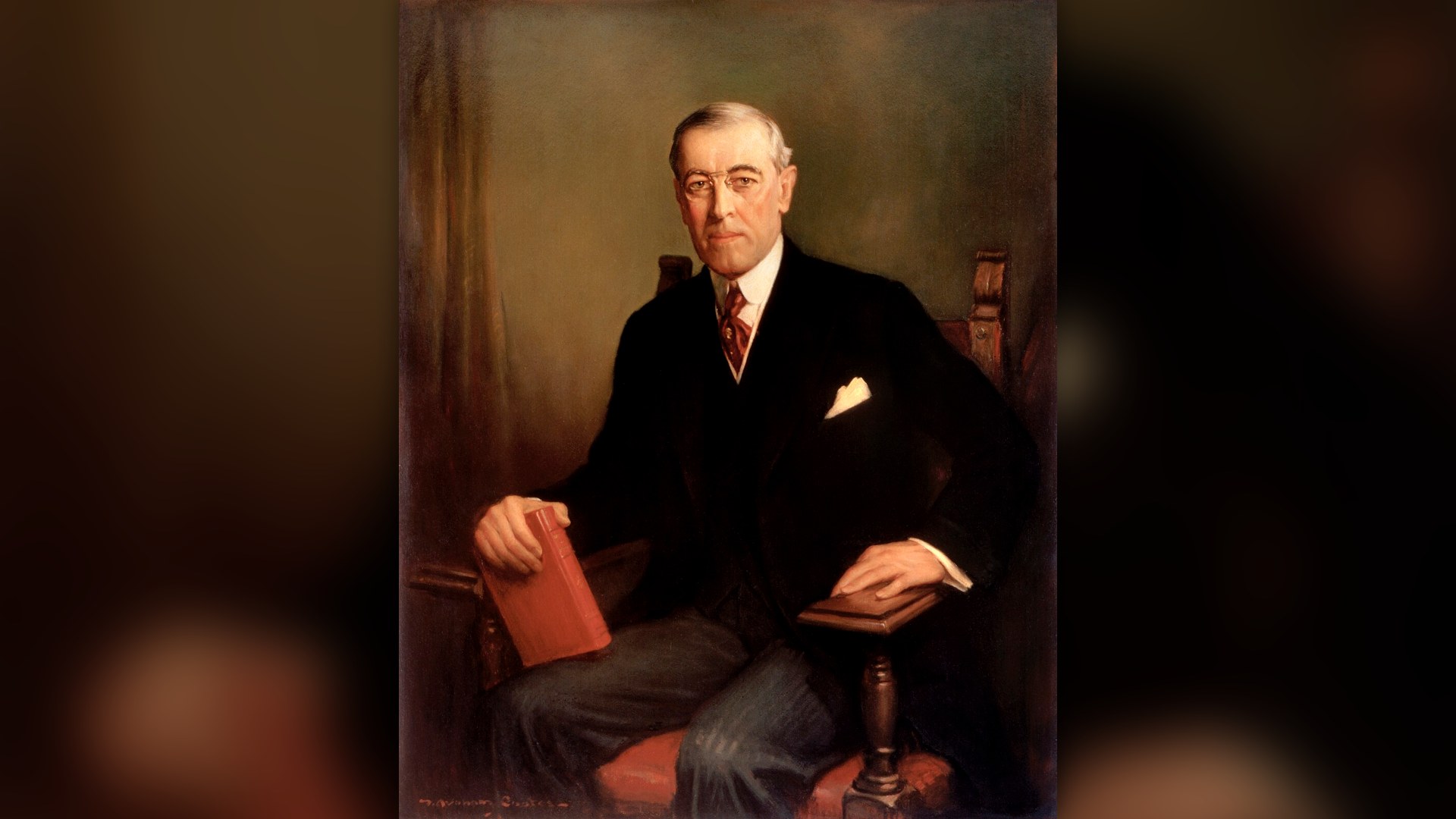
©Wikimedia Commons / Library of Congress
4. William McKinley (Ohio)
William McKinley served two terms as Governor of Ohio from 1892 to 1896, promoting industrial protectionism and sound currency. Elected 25th President in 1896, he forged a coalition that defined the Fourth Party System and steered the nation into international prominence as a global naval power.
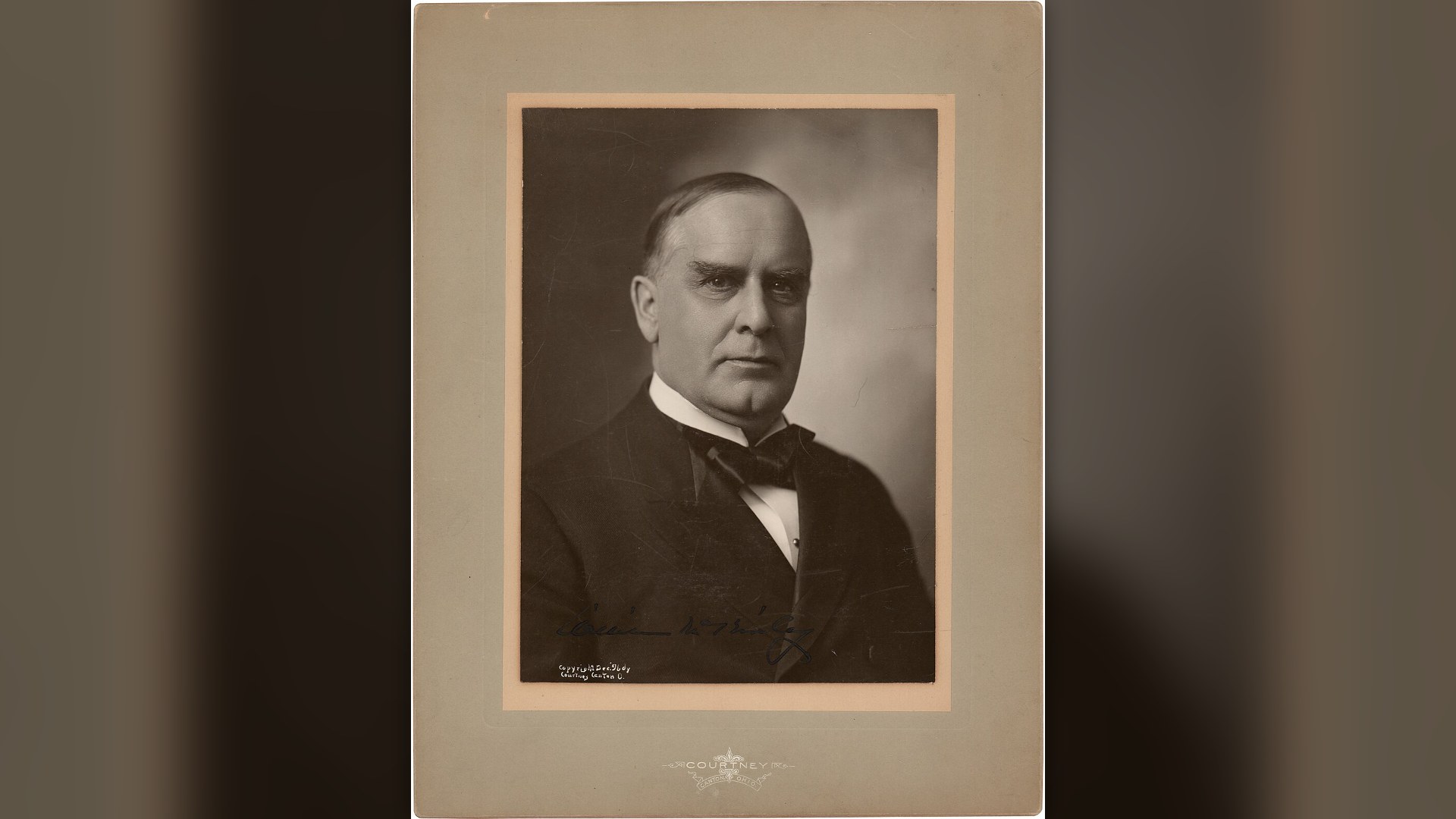
©Wikimedia Commons / Library of Congress
3. Grover Cleveland (New York)
Known as Grover the Good, Cleveland served as Governor of New York from 1883 to 1885, battling Tammany Hall influence. He remains the only chief executive to serve two non-consecutive presidential terms, serving as both the 22nd and 24th President of the United States.
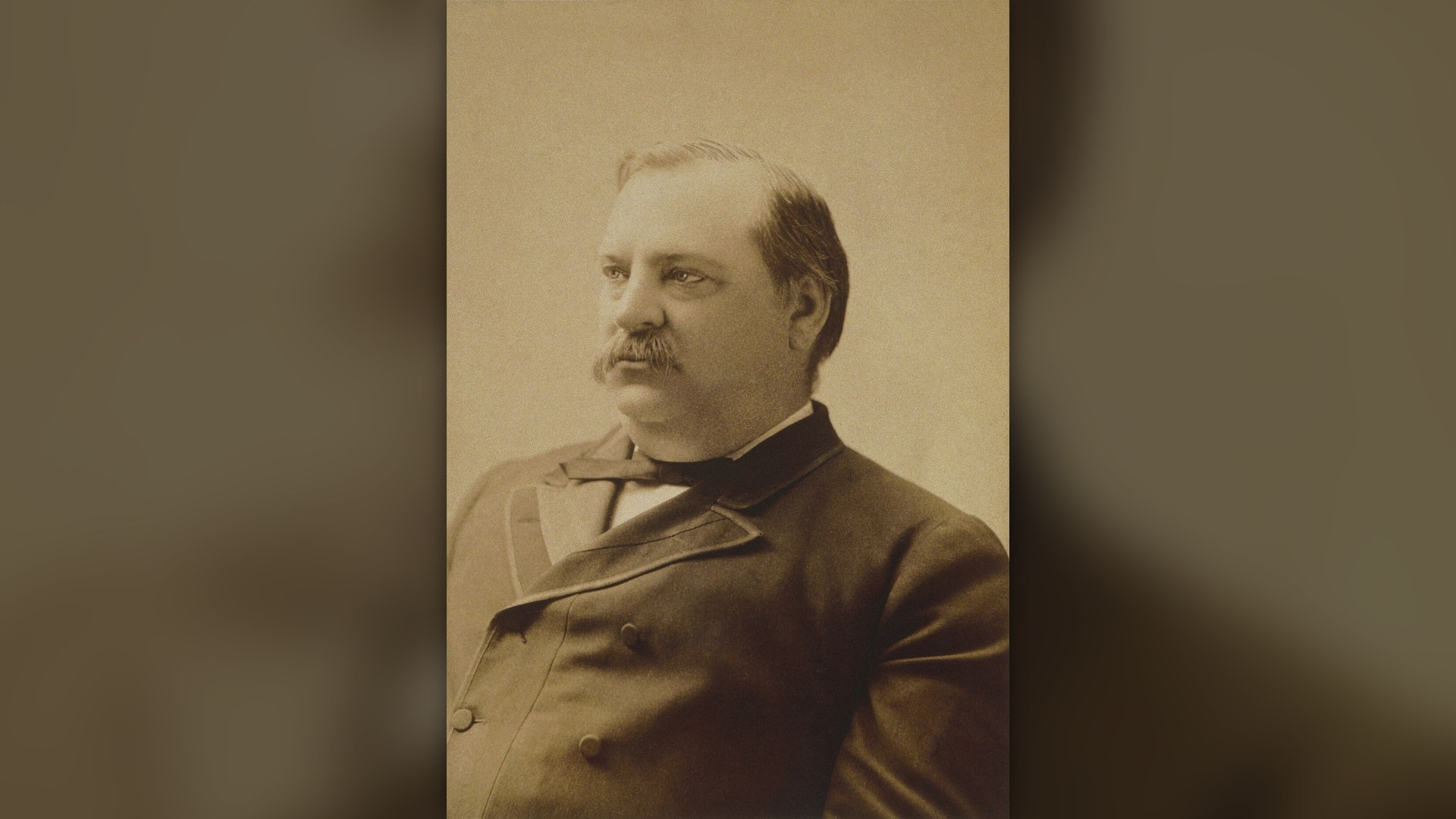
©Wikimedia Commons / Library of Congress
Advertisement
Swipe or tap ▶ to resume the countdown.
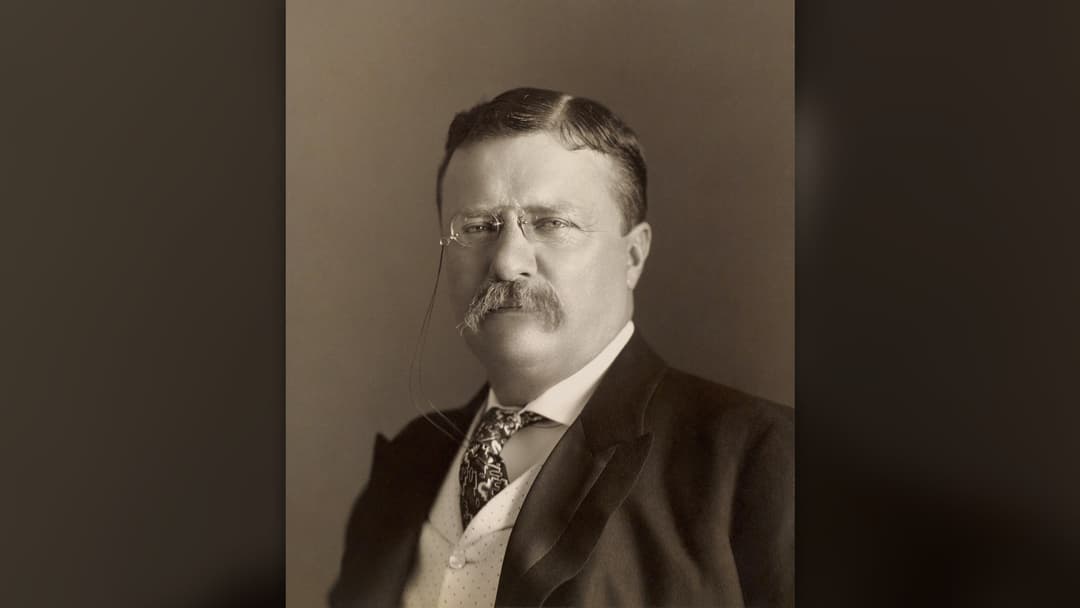
2. Theodore Roosevelt (New York)
Returning as a Spanish-American War hero, Theodore Roosevelt won the New York governorship in 1898, challenging corporate trusts. Propelled to the vice presidency in 1900, he became the youngest president in history at age forty-two following McKinley death, ushering in the Progressive Era.
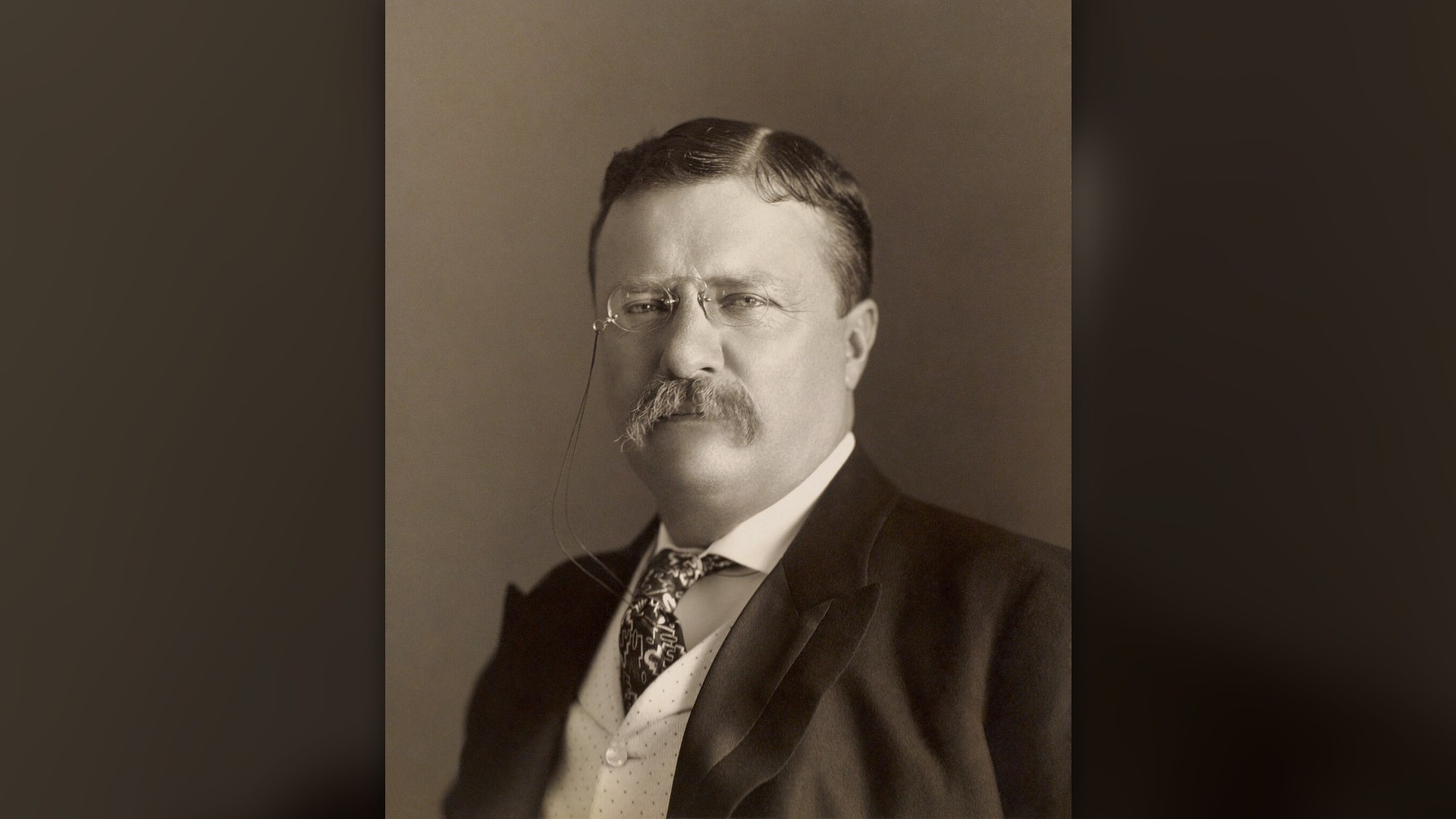
©Wikimedia Commons / Library of Congress
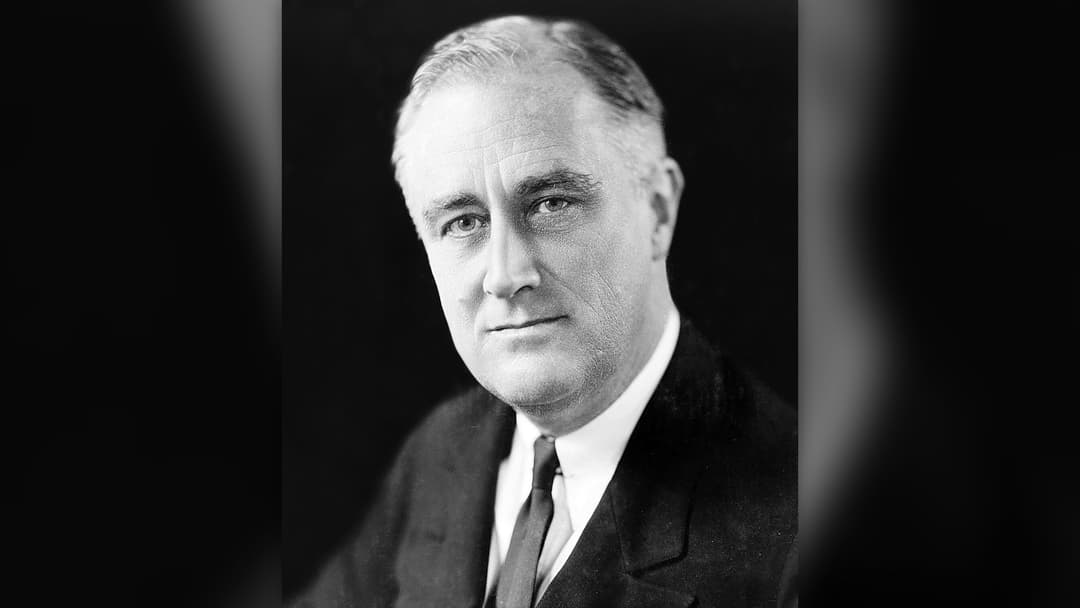
1. Franklin D. Roosevelt (New York)
Elected Governor of New York in 1928, Franklin D. Roosevelt pioneered experimental relief programs during the opening years of the Great Depression. Winning four historic presidential elections, FDR transformed the social safety net with the New Deal and marshaled Allied victory in World War II.
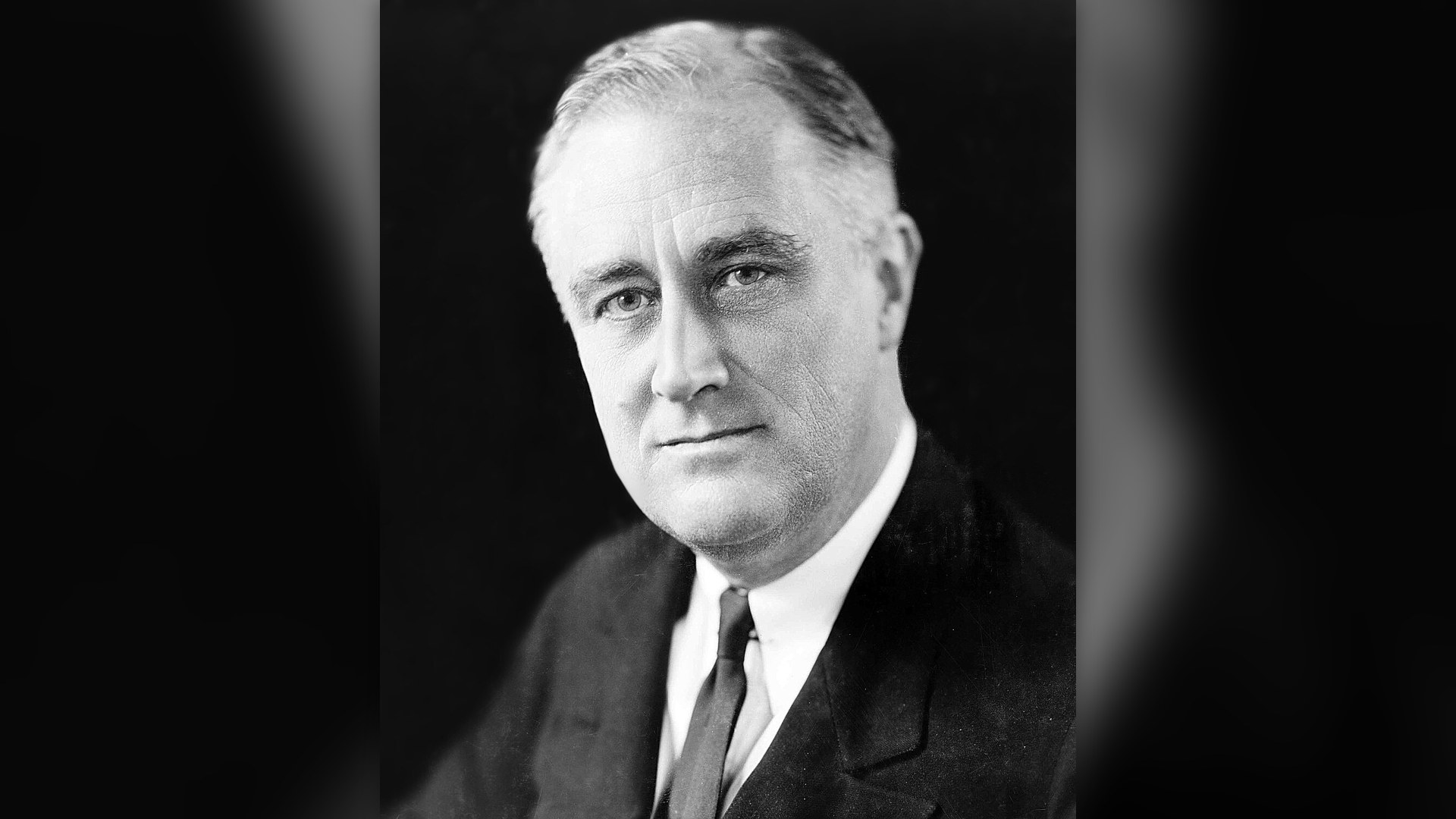
©Wikimedia Commons / Library of Congress
Advertisement
You've reached the end of the story. Thanks for reading!

21 World Leaders Who Were Once Professional Athletes
From Ballon d'Or soccer legends to Olympic champions who ran for high office
All 21 Entries in this Story
21. Jay Inslee (Washington)
Before completing three terms as Governor of Washington, Jay Inslee served in the U.S. House of Representatives. In Olympia, he enacted groundbreaking clean energy standards and cap-and-invest programs that shaped the national conversation on American climate policy and environmental technology.

20. Nikki Haley (South Carolina)
Elected as South Carolina's first female governor in 2010, Nikki Haley led the state through historic economic growth and civil milestones. In 2017, she stepped onto the world stage as the 29th U.S. Ambassador to the United Nations, asserting a prominent American voice in foreign relations.

19. Tom Ridge (Pennsylvania)
Following six years as Governor of Pennsylvania, Tom Ridge was tapped by President George W. Bush after the September 11 attacks to lead the newly formed Office of Homeland Security. Ridge subsequently oversaw the historic integration of twenty-two federal agencies into a unified department.

18. Janet Napolitano (Arizona)
As Governor of Arizona from 2003 to 2009, Janet Napolitano gained national acclaim for executive efficiency and border management. Appointed by President Barack Obama as Secretary of Homeland Security, she directed disaster response, national cybersecurity, and key federal immigration policies.

17. Mitt Romney (Massachusetts)
As Governor of Massachusetts from 2003 to 2007, Mitt Romney signed bipartisan healthcare legislation that served as a framework for national reform. He secured the 2012 Republican presidential nomination and later won election to the U.S. Senate representing Utah as an independent-minded statesman.

16. Mike Pence (Indiana)
Before serving as the 48th Vice President of the United States from 2017 to 2021, Mike Pence served twelve years in the U.S. House of Representatives and four years as Governor of Indiana. In the White House, he led the Coronavirus Task Force and presided over critical constitutional proceedings.

15. Mario Cuomo (New York)
Serving three terms as Governor of New York from 1983 to 1994, Mario Cuomo captured nationwide attention with his legendary 1984 Democratic National Convention keynote speech, A Tale of Two Cities. Known for his intellectual rigor, Cuomo stood as the philosophical leader of American liberalism.

14. Nelson Rockefeller (New York)
Nelson Rockefeller served four terms as Governor of New York from 1959 to 1973, dramatically expanding the state university system and environmental programs. In 1974, President Gerald Ford nominated him to serve as the 41st Vice President of the United States under the 25th Amendment.

13. Adlai Stevenson II (Illinois)
As Governor of Illinois from 1949 to 1953, Adlai Stevenson II earned national praise for cracking down on corruption and modernizing state police. Chosen as the Democratic presidential nominee in 1952 and 1956, he later served as U.S. Ambassador to the UN during the tense Cuban Missile Crisis.

12. Earl Warren (California)
The only person elected Governor of California three times, Earl Warren built statewide highways and modern education systems. Appointed Chief Justice by President Dwight Eisenhower in 1953, Warren led the Supreme Court through historic civil rights rulings including Brown v. Board of Education.

11. Charles Evans Hughes (New York)
Elected Governor of New York in 1906, Charles Evans Hughes combated political corruption and created public service commissions. Hughes later served as an Associate Justice, 1916 presidential nominee, U.S. Secretary of State, and ultimately Chief Justice during the contentious New Deal era.

10. George W. Bush (Texas)
George W. Bush governed Texas from 1995 to 2000, promoting educational accountability and tort reform with bipartisan legislative support. Winning the presidency in 2000, Bush led the nation through the aftermath of September 11, created the Department of Homeland Security, and served two terms.

9. Bill Clinton (Arkansas)
Elected Governor of Arkansas at age thirty-two, Bill Clinton served nearly twelve years leading major educational reforms. He captured the presidency in 1992, presiding over the longest peacetime economic expansion in American history, balanced federal budgets, and international trade accords.

8. Ronald Reagan (California)
Ronald Reagan served two terms as Governor of California from 1967 to 1975, reforming state welfare programs and balancing budgets. Elected the 40th President in 1980, his conservative economic agenda and diplomatic negotiations with the Soviet Union fundamentally reshaped global geopolitics.

7. Jimmy Carter (Georgia)
Jimmy Carter took office as Governor of Georgia in 1971, boldly declaring that the time for racial discrimination was over and reorganizing state government. He won the presidency in 1976, brokering the historic Camp David Accords and dedicating his post-presidency to global humanitarian causes.

6. Calvin Coolidge (Massachusetts)
As Governor of Massachusetts, Calvin Coolidge gained national prominence in 1919 with his decisive handling of the Boston police strike. Elected Vice President in 1920, he succeeded Warren G. Harding as 30th President in 1923, presiding over the prosperous and tax-cutting Roaring Twenties era.

5. Woodrow Wilson (New Jersey)
Woodrow Wilson moved from Princeton University to the New Jersey governorship in 1911, enacting anti-corruption laws. Elected 28th President in 1912, he established the Federal Reserve, guided the nation through World War I, and championed the League of Nations.

4. William McKinley (Ohio)
William McKinley served two terms as Governor of Ohio from 1892 to 1896, promoting industrial protectionism and sound currency. Elected 25th President in 1896, he forged a coalition that defined the Fourth Party System and steered the nation into international prominence as a global naval power.

3. Grover Cleveland (New York)
Known as Grover the Good, Cleveland served as Governor of New York from 1883 to 1885, battling Tammany Hall influence. He remains the only chief executive to serve two non-consecutive presidential terms, serving as both the 22nd and 24th President of the United States.

2. Theodore Roosevelt (New York)
Returning as a Spanish-American War hero, Theodore Roosevelt won the New York governorship in 1898, challenging corporate trusts. Propelled to the vice presidency in 1900, he became the youngest president in history at age forty-two following McKinley death, ushering in the Progressive Era.

1. Franklin D. Roosevelt (New York)
Elected Governor of New York in 1928, Franklin D. Roosevelt pioneered experimental relief programs during the opening years of the Great Depression. Winning four historic presidential elections, FDR transformed the social safety net with the New Deal and marshaled Allied victory in World War II.