Slideshow · Viral
15 Ancient World Metropolises Where Civilizations Still Live Today
Centuries before modern nation-states formed, human communities laid stone foundations that remain thriving urban hubs today. From the ancient citadel of Susa to the Mediterranean ports of Byblos and Sidon, discover fifteen historic global metropolises that have maintained continuous human occupation across thousands of years.
By Most Viral Today
33 min ago

Ancient World Metropolises Where Civilizations Still Live Today 
15. Jericho, West Bank 
14. Byblos, Lebanon 
13. Aleppo, Syria - AdvertisementSwipe or tap ▶ to continue countdown

12. Varanasi, India 
11. Luoyang, China 
10. Argos, Greece 
9. Athens, Greece - AdvertisementSwipe or tap ▶ to continue countdown

8. Plovdiv, Bulgaria 
7. Sidon, Lebanon 
6. Jerusalem, Middle East 
5. Susa, Iran - AdvertisementSwipe or tap ▶ to continue countdown

4. Damascus, Syria 
3. Thebes, Greece 
2. Balkh, Afghanistan 
1. Larnaca, Cyprus - Advertisement🔥 UP NEXT IN THIS SERIES◫ 21 Slides

20 Predictions for 2027 That Experts Say Could Change America
Centuries before modern nation-states formed, human communities laid stone foundations that remain thriving urban hubs today across continuous millennia of commerce and culture. Centuries before modern nation-states formed, human communities laid stone foundations that remain thriving urban hubs today.
Swipe or tap ▶ to begin the countdown
©Wikimedia / A.Savin
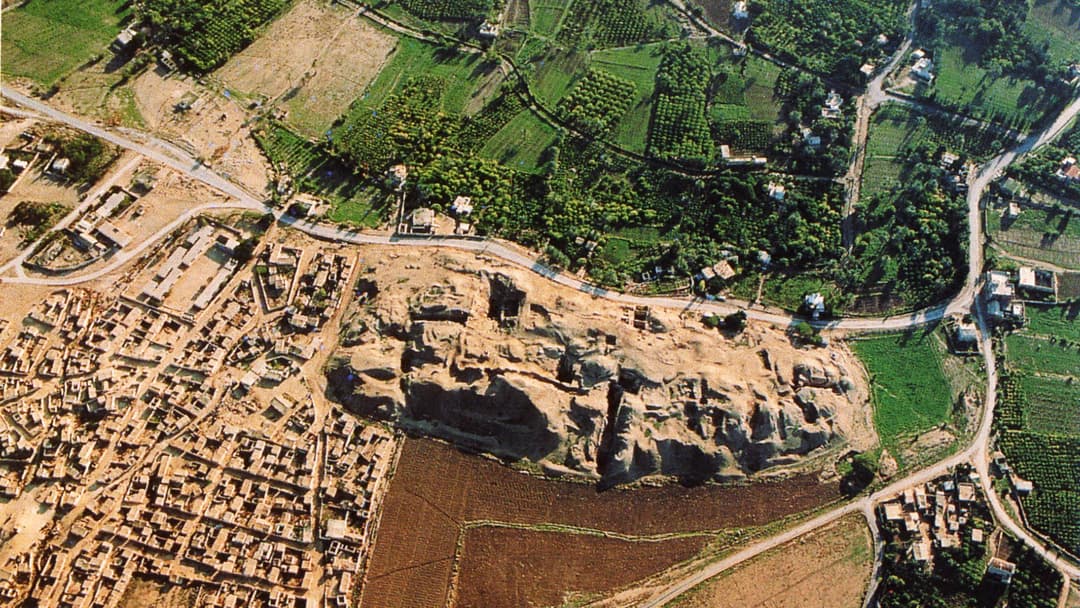
15. Jericho, West Bank
Archaeological excavations at Tell es-Sultan confirm that hunter-gatherers established permanent stone structures here around 9000 BC. Fed by the freshwater Ain es-Sultan spring, Jericho erected massive stone defensive towers thousands of years before the Egyptian pyramids. It remains a flourishing oasis town today.
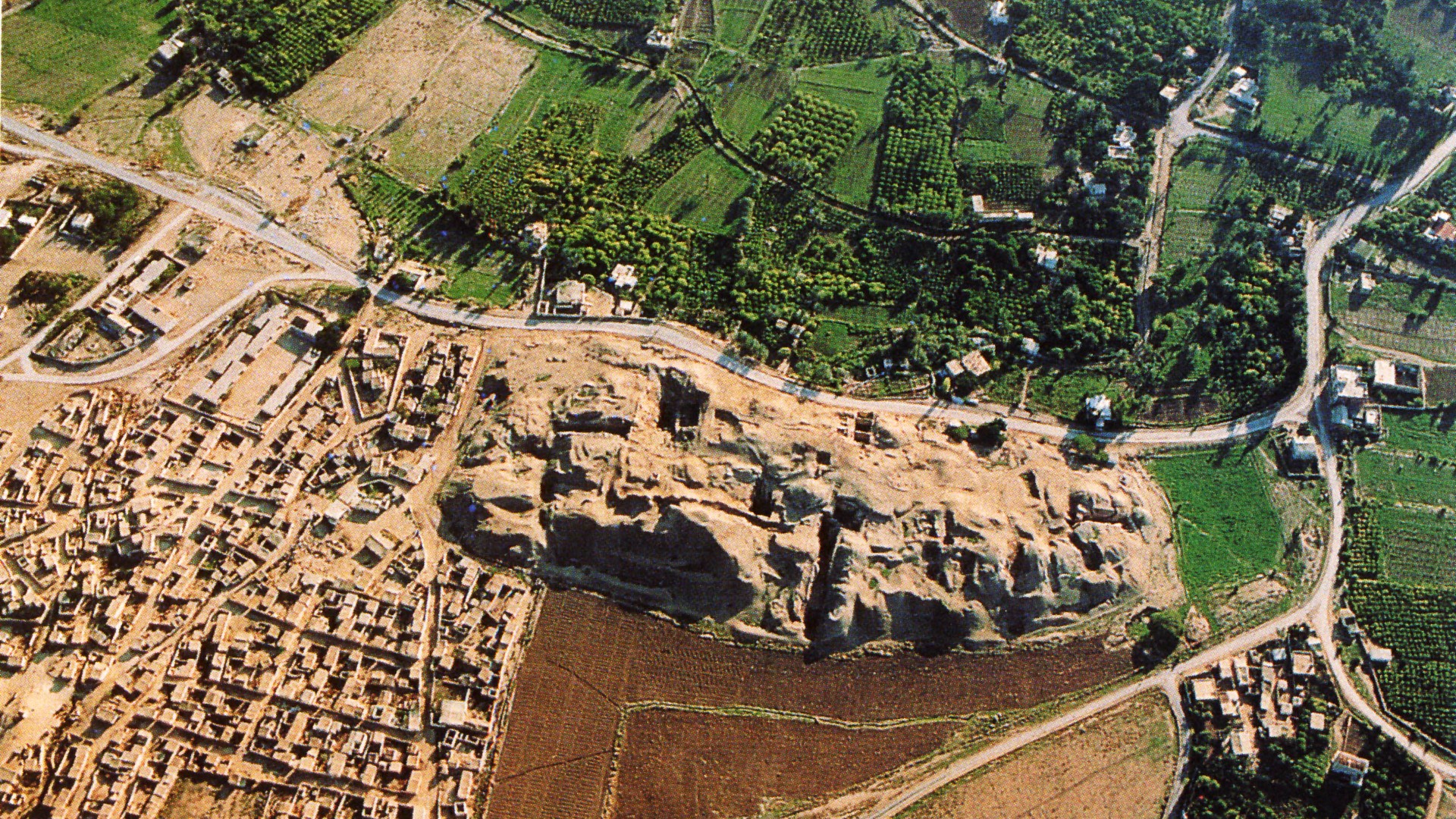
©Wikimedia / Jericho
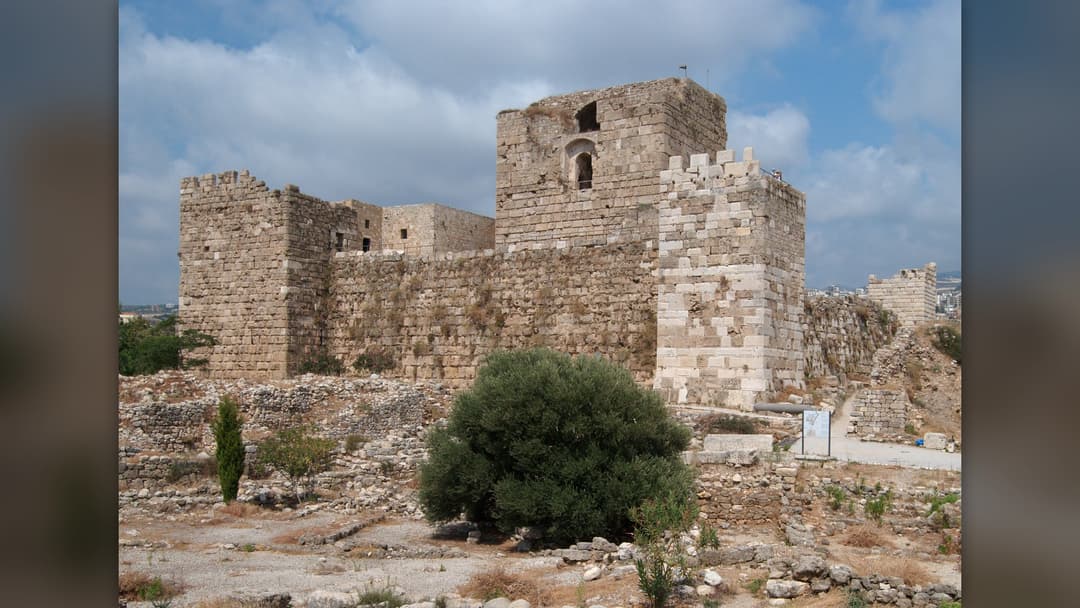
14. Byblos, Lebanon
Settled by Neolithic fishermen around 5000 BC, Byblos grew into the Mediterranean's leading exporter of cedar timber and Egyptian papyrus. Ancient Greeks used the city's name to refer to scrolls and books, giving rise to the word Bible. Its picturesque stone harbor remains in active daily use.
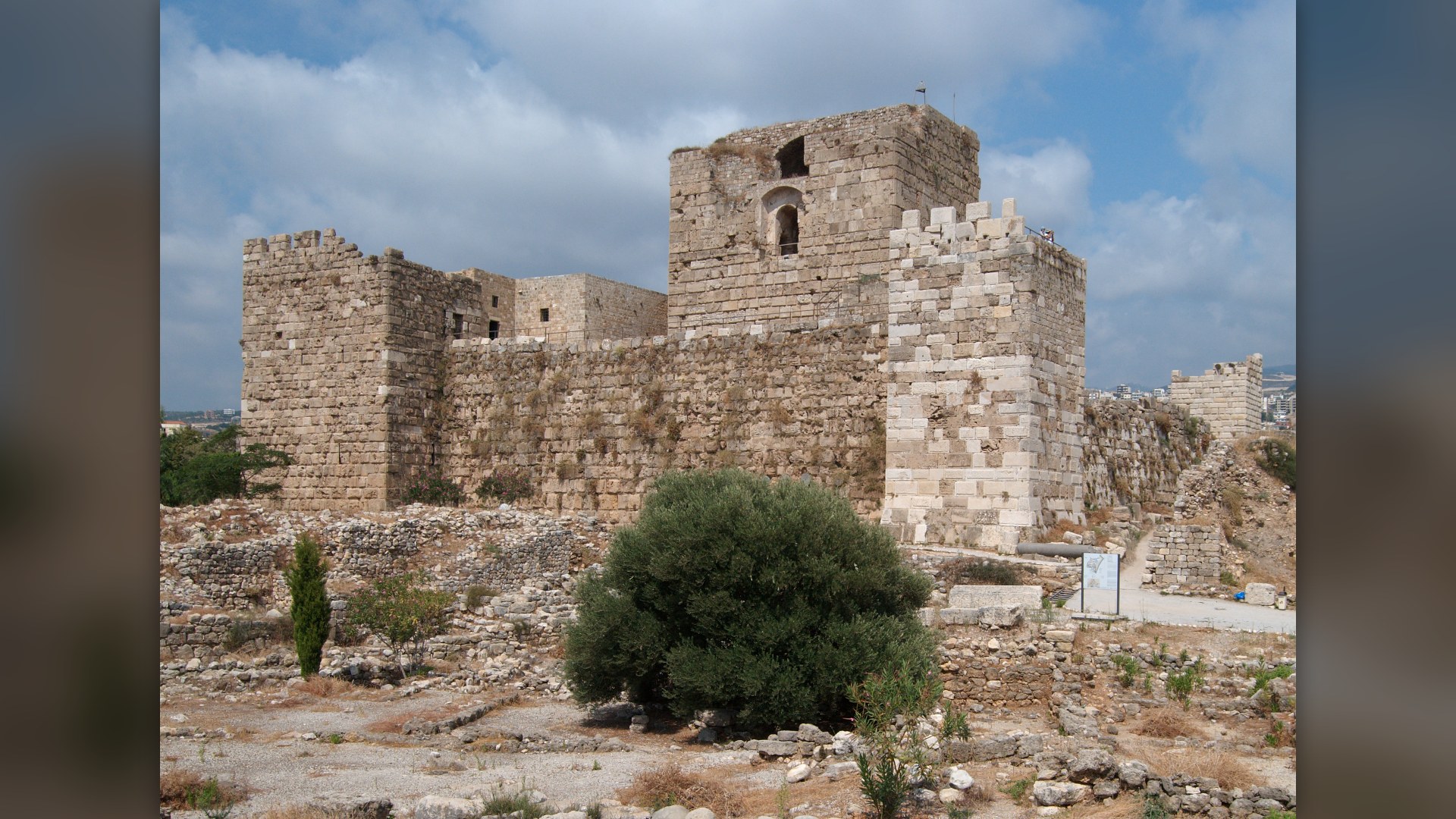
©Wikimedia / Peripitus
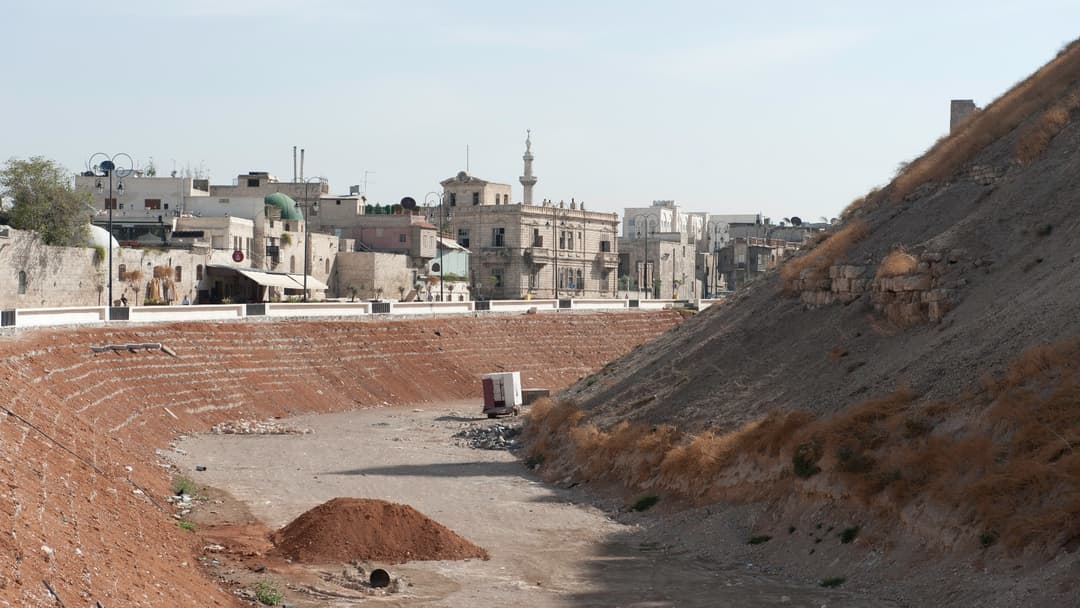
13. Aleppo, Syria
Positioned between the Mediterranean and the Euphrates, Aleppo's strategic trade location made it an economic powerhouse since the sixth millennium BC. Cuneiform tablets from ancient Ebla reference its temples. Its immense limestone citadel has resisted invaders for thousands of years and remains the city's heart.
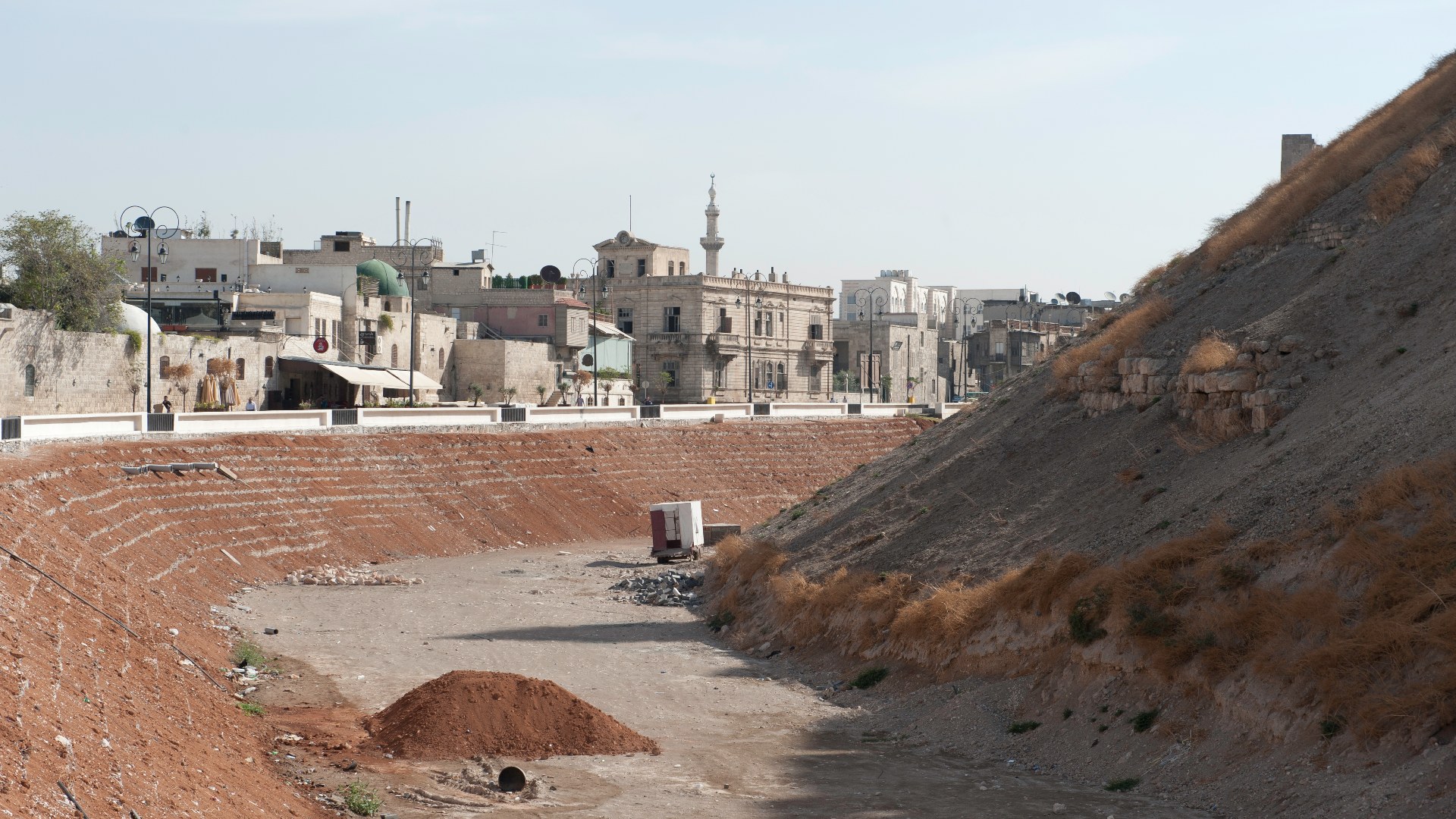
©Wikimedia / Dosseman
Advertisement
Swipe or tap ▶ to resume the countdown.
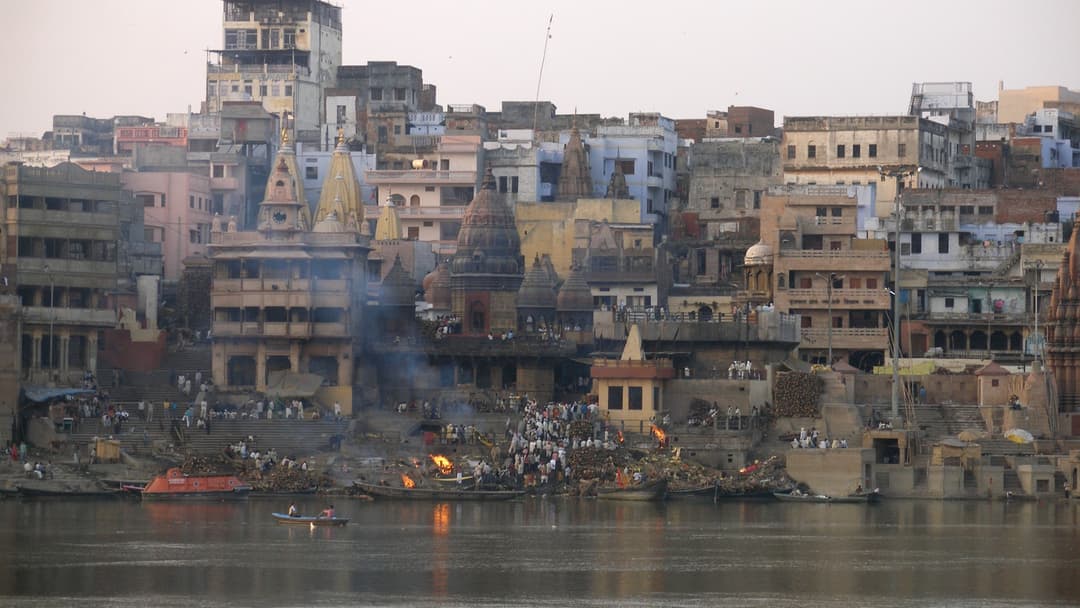
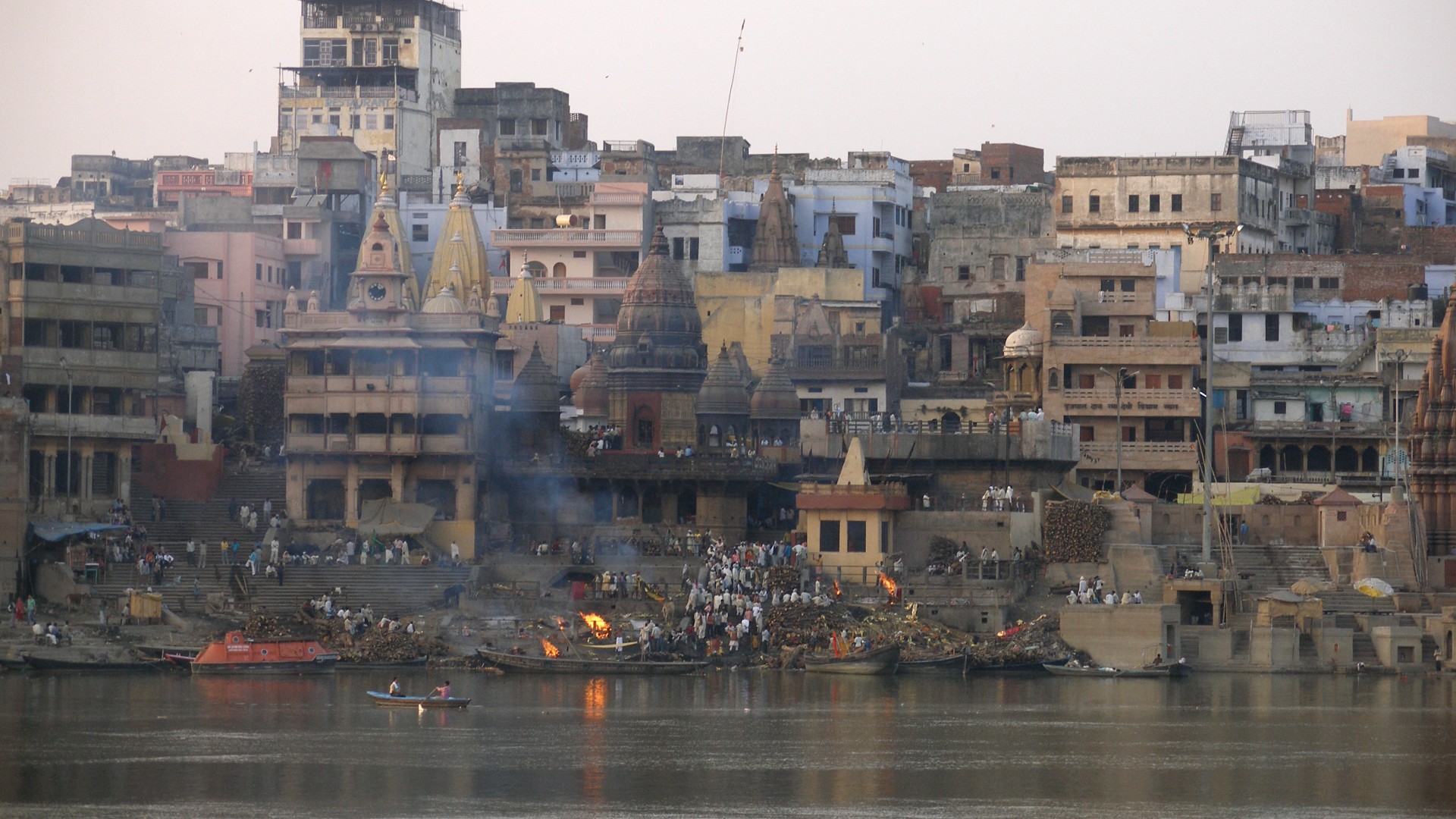
12. Varanasi, India
Known historically as Kashi or Benares, Varanasi has served as India's spiritual center for over three millennia along the sacred river Ganges. Industrial textile weaving and philosophy flourished here during the Vedic period. Pilgrims continue daily ritual bathing along eighty-eight stone ghats lining the waterfront.
©Wikimedia / Varanasi
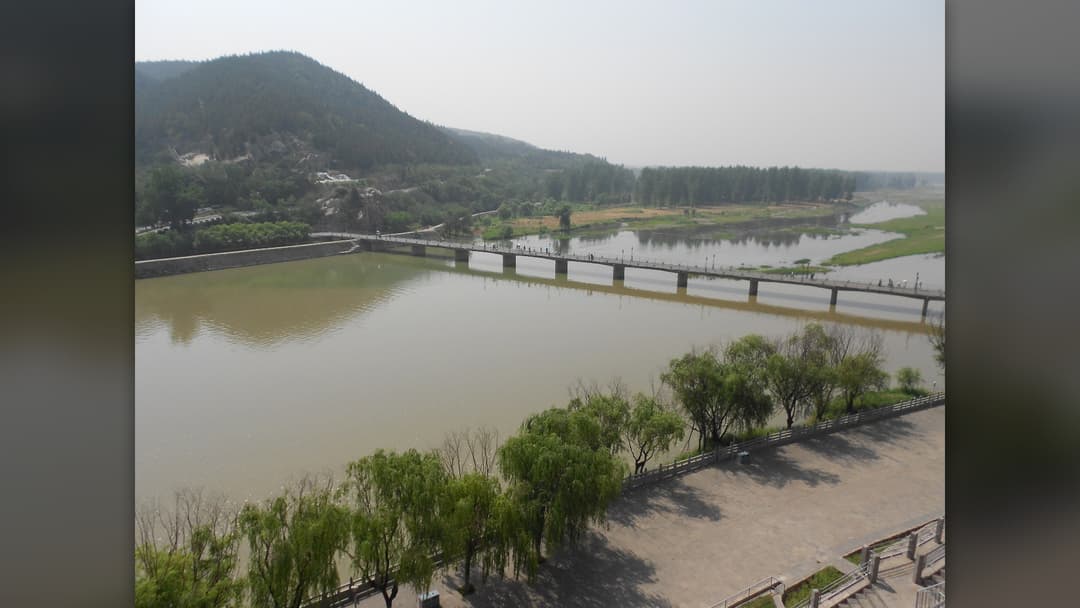
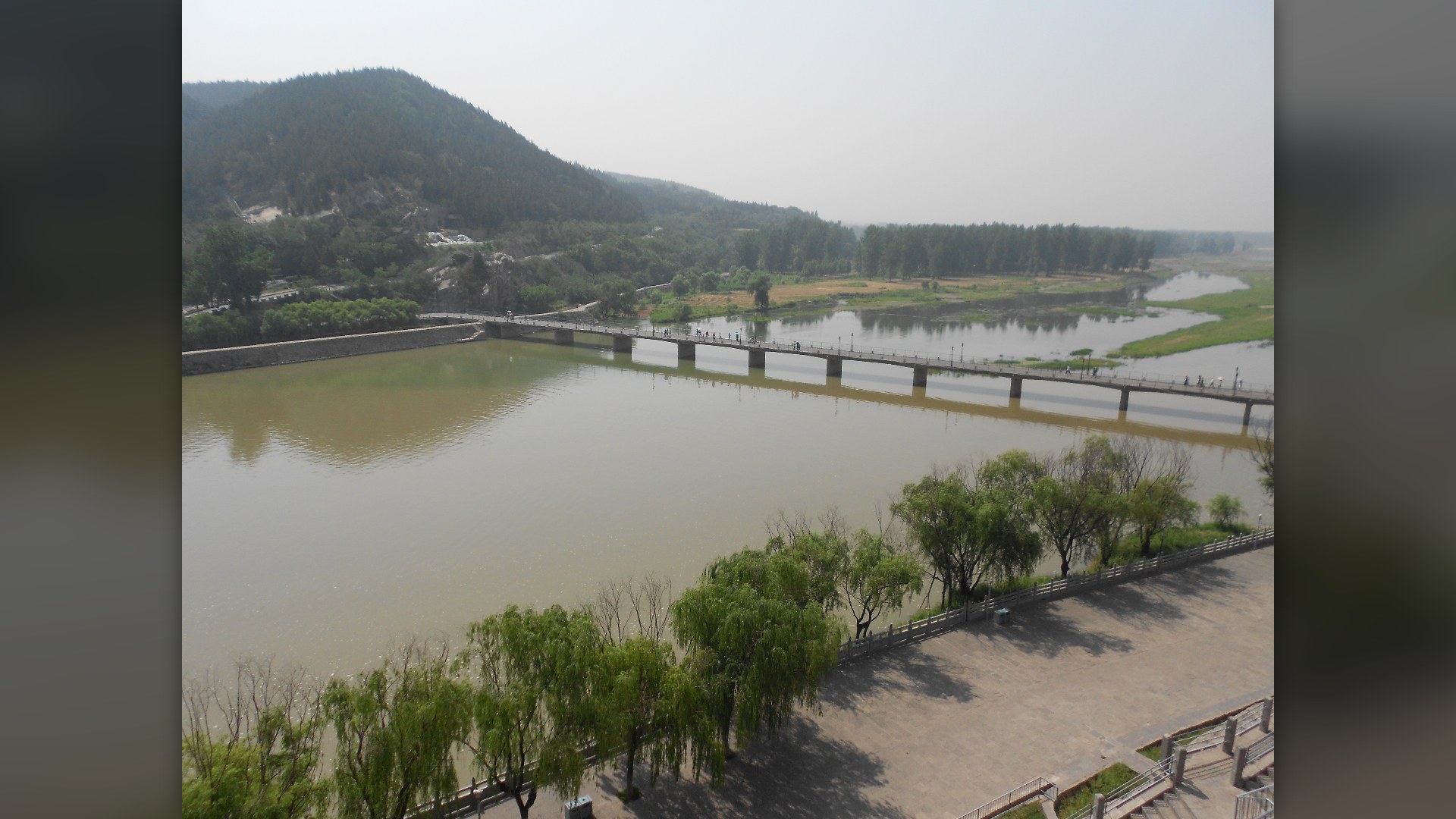
11. Luoyang, China
Settled along the central plains of the Yellow River valley, Luoyang served as the royal capital for thirteen dynasties over three thousand years. Neolithic Erlitou culture dating to 1900 BC laid the foundation for China's early urban planning. Today, millions reside around its famous Buddhist grottoes.
©Wikimedia / Randy Rambo
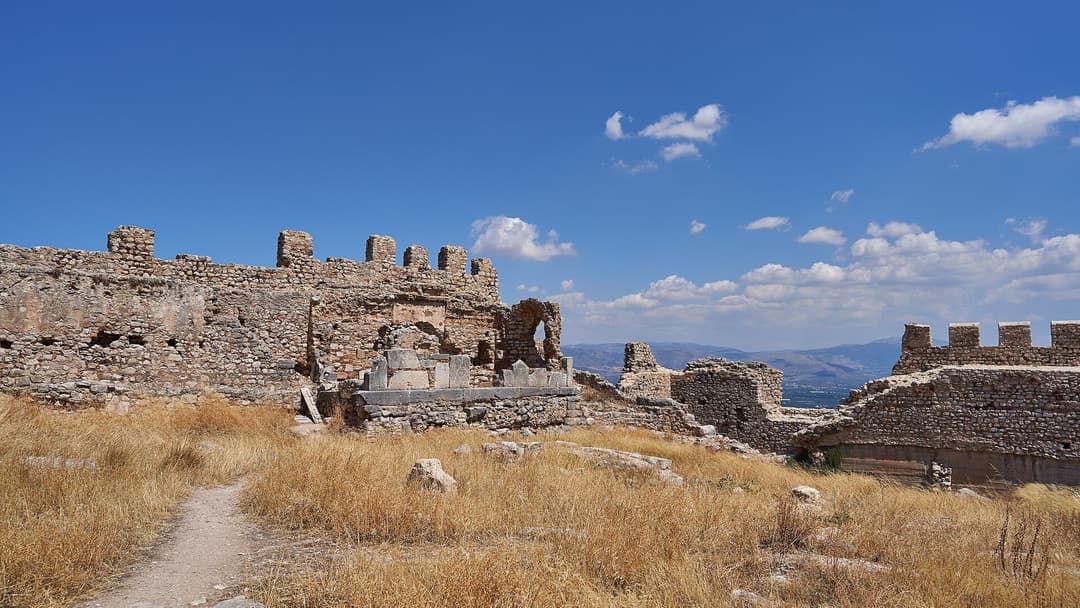
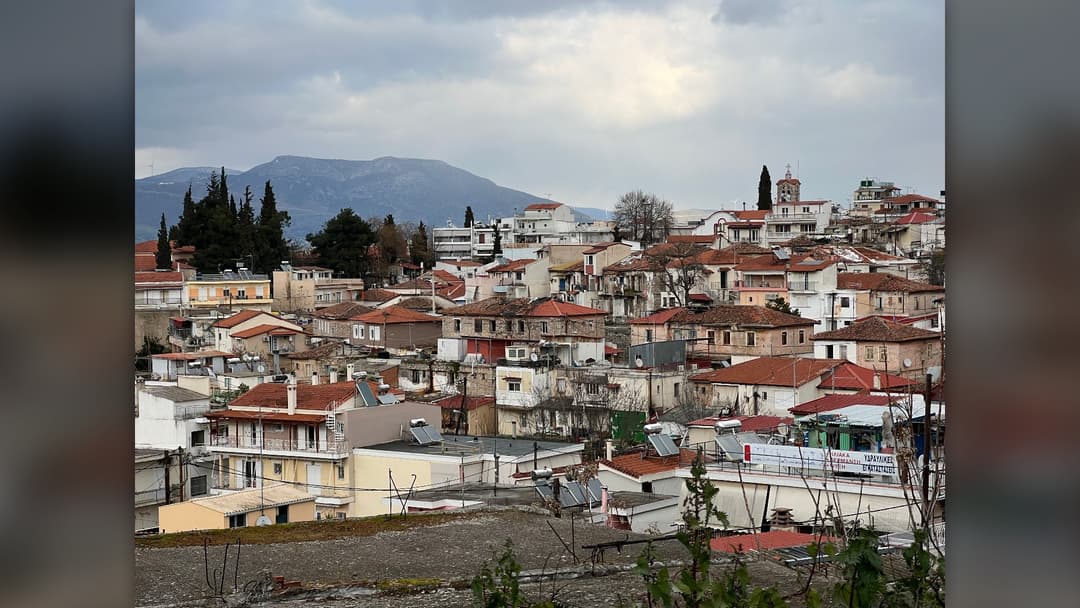
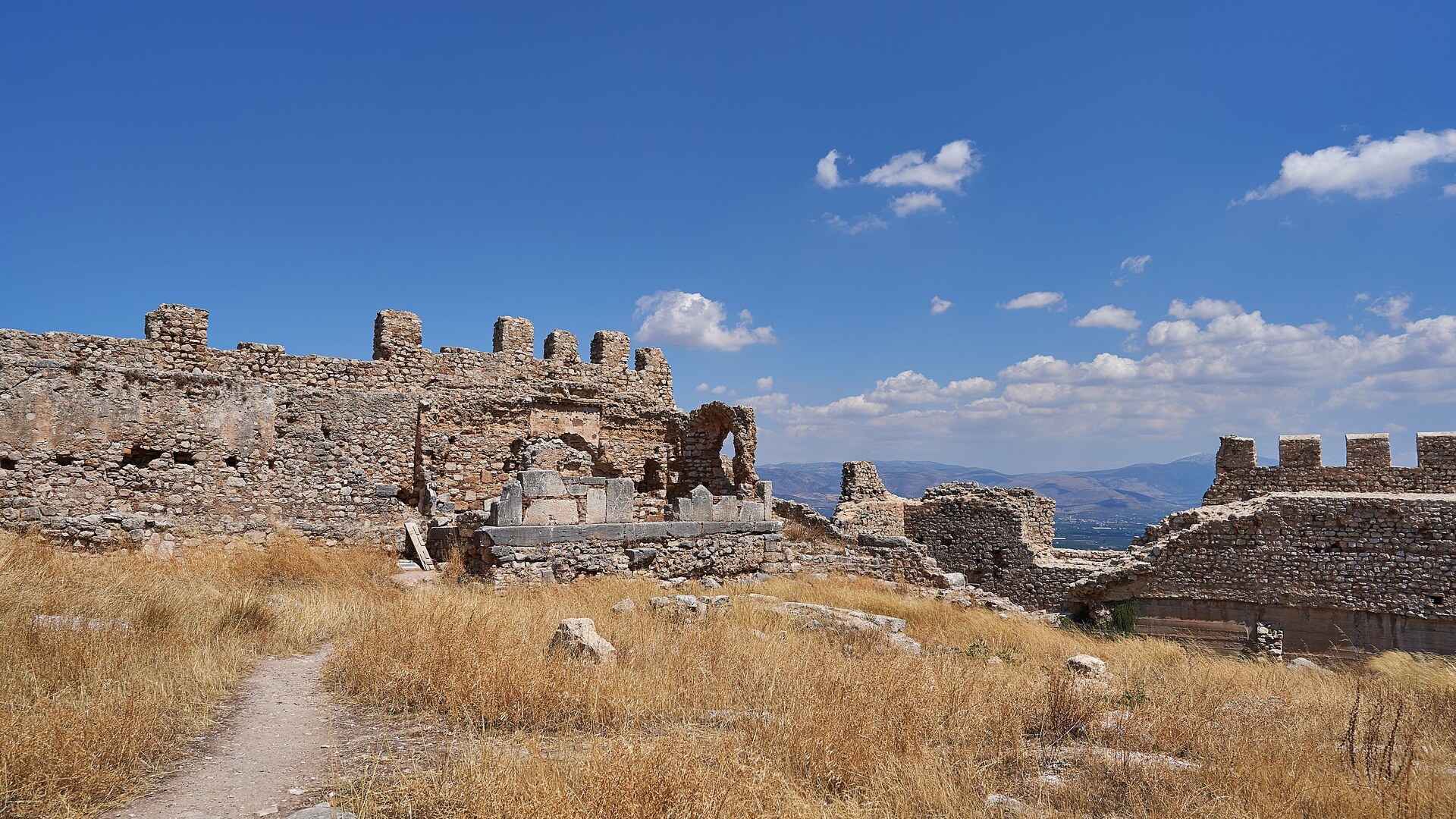
10. Argos, Greece
Located in the fertile Argolic plain, Argos has maintained an unbroken human presence since at least 2000 BC, making it a peer of ancient Mycenae. Mentioned repeatedly in Homer's Iliad, the city was famed for its school of sculptors and monumental theater. Modern streets radiate out from the ancient agora.
©Wikimedia / George E. Koronaios
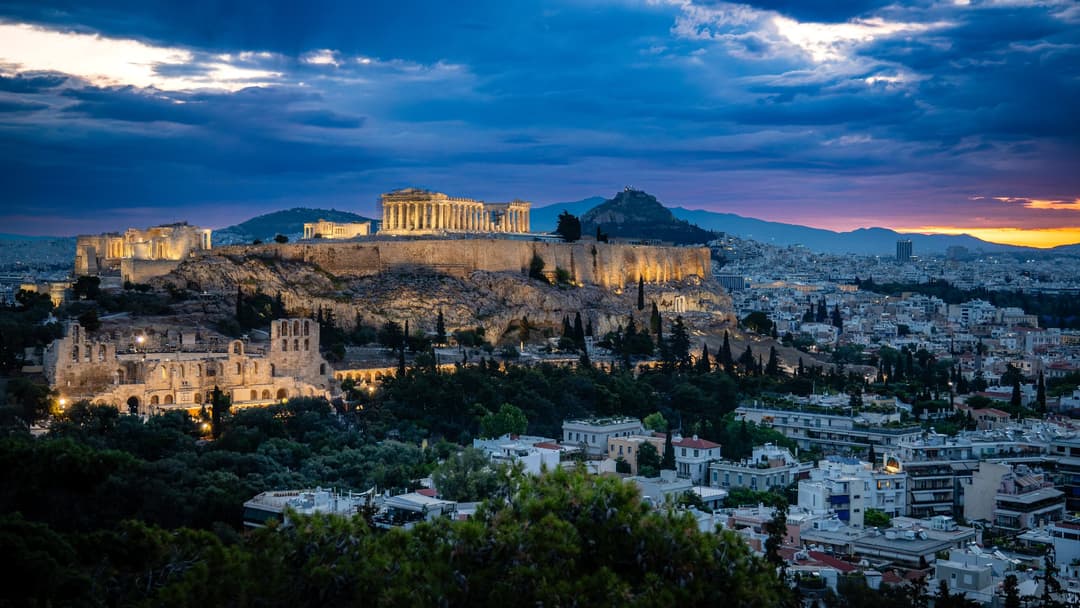
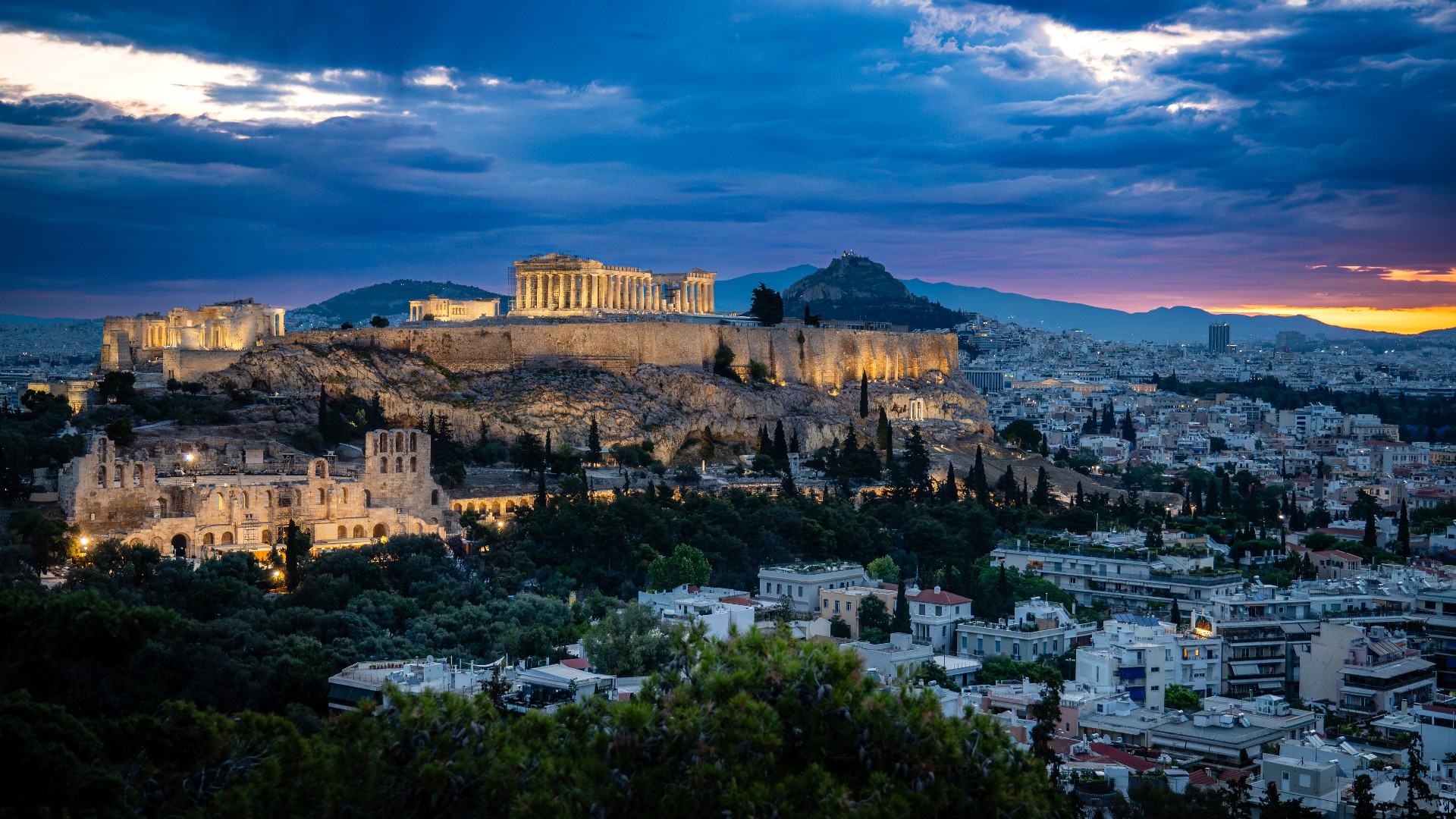
9. Athens, Greece
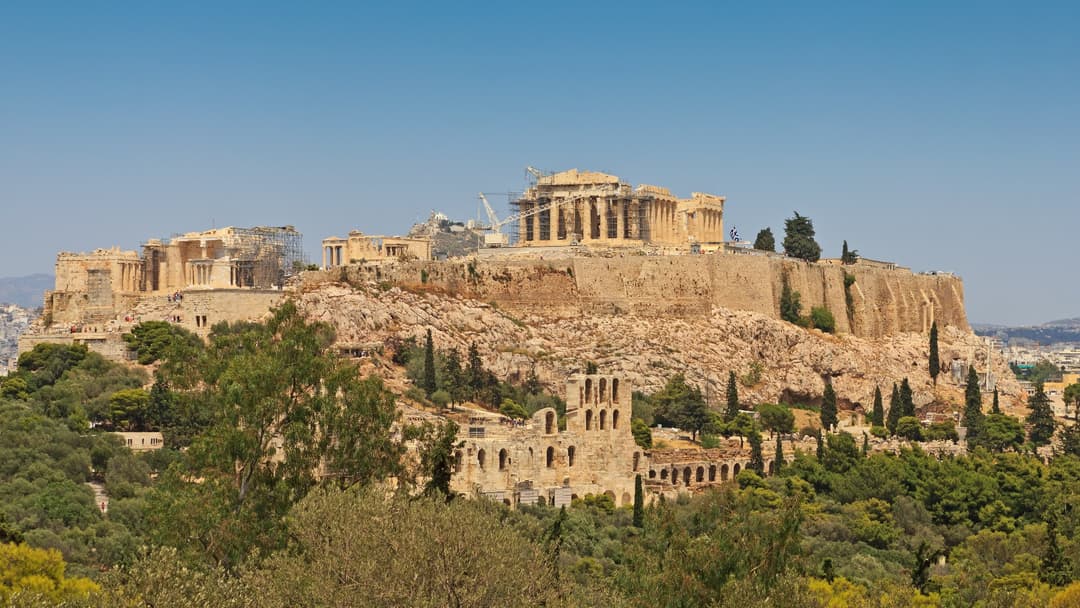
Settlement atop the rocky Acropolis began during the Neolithic period, with organized Mycenaean fortress construction emerging around 1400 BC. As the intellectual capital of the Classical world, Athens pioneered democratic voting and Western philosophy. Today, over three million people live in its sprawling valley.
©Wikimedia / Athens
Advertisement
Swipe or tap ▶ to resume the countdown.
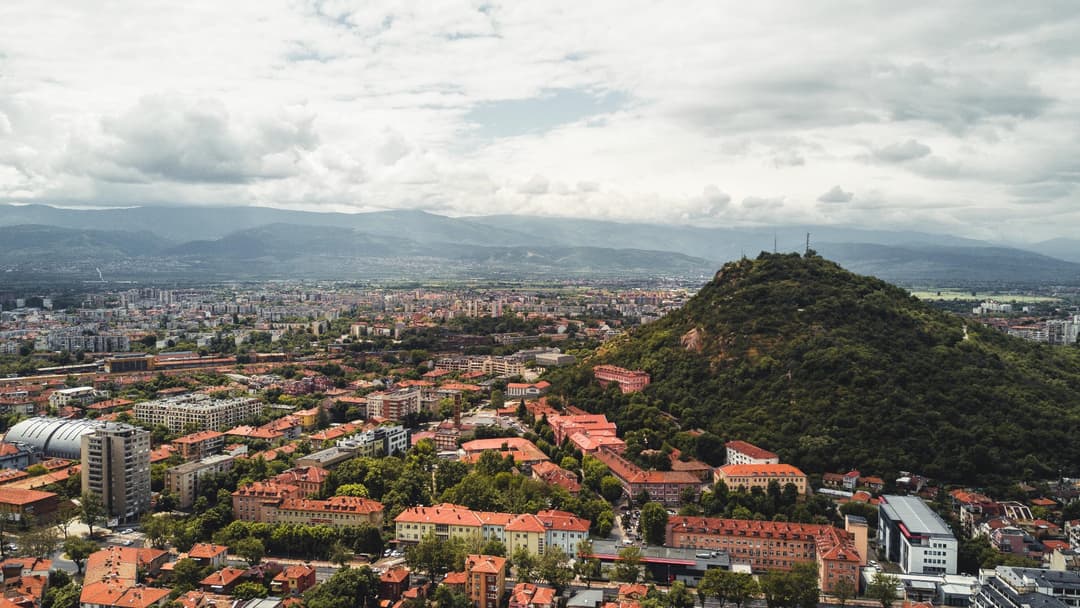
8. Plovdiv, Bulgaria
Evidence of Neolithic settlements on Nebet Tepe confirms people lived in Plovdiv over eight thousand years ago. Thracians developed the settlement into Eumolpias, followed by Philip II of Macedon and Roman emperors who constructed marble stadiums. Modern pedestrians still stroll past preserved Roman amphitheaters.
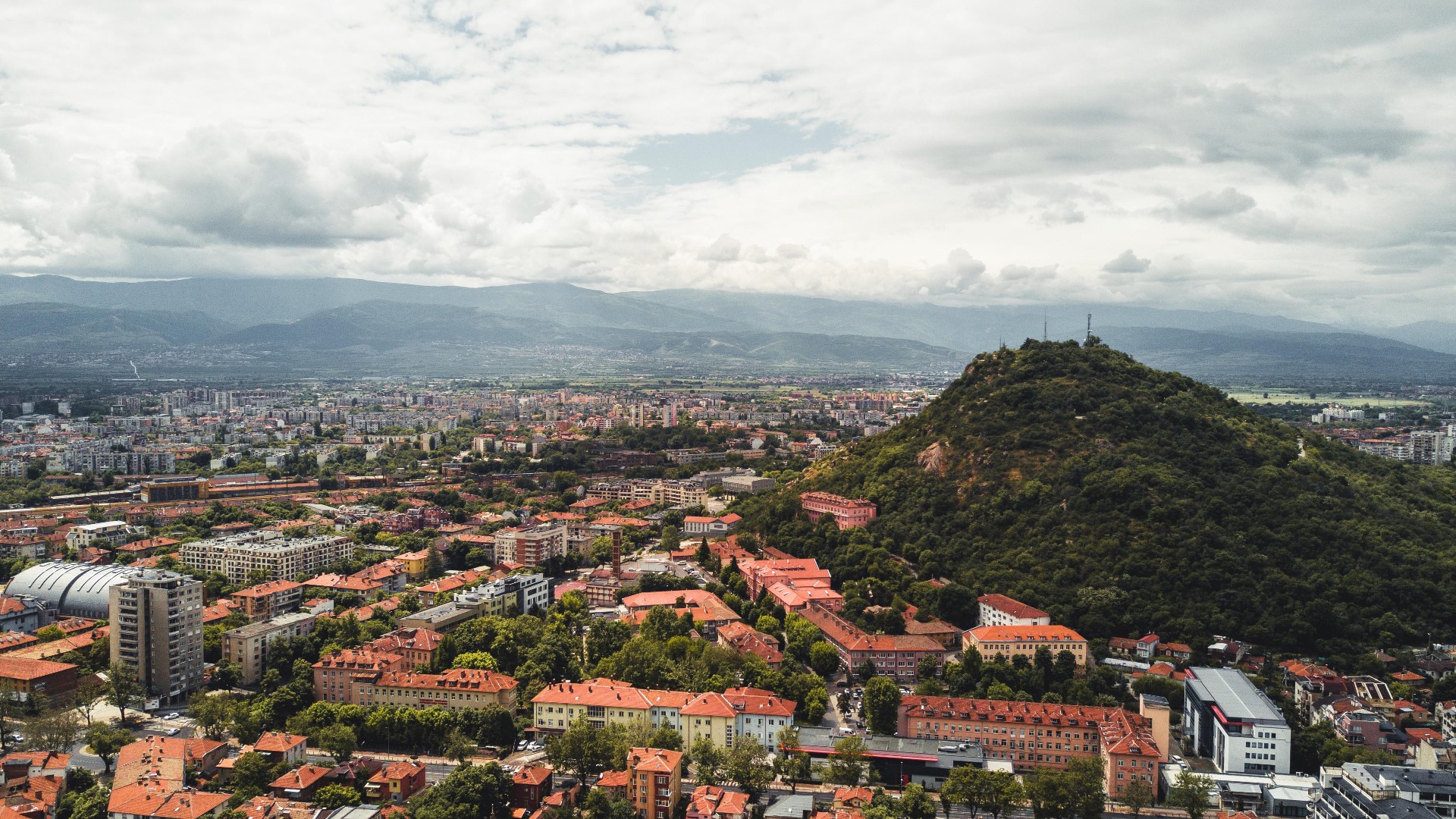
©Wikimedia / Plovdiv
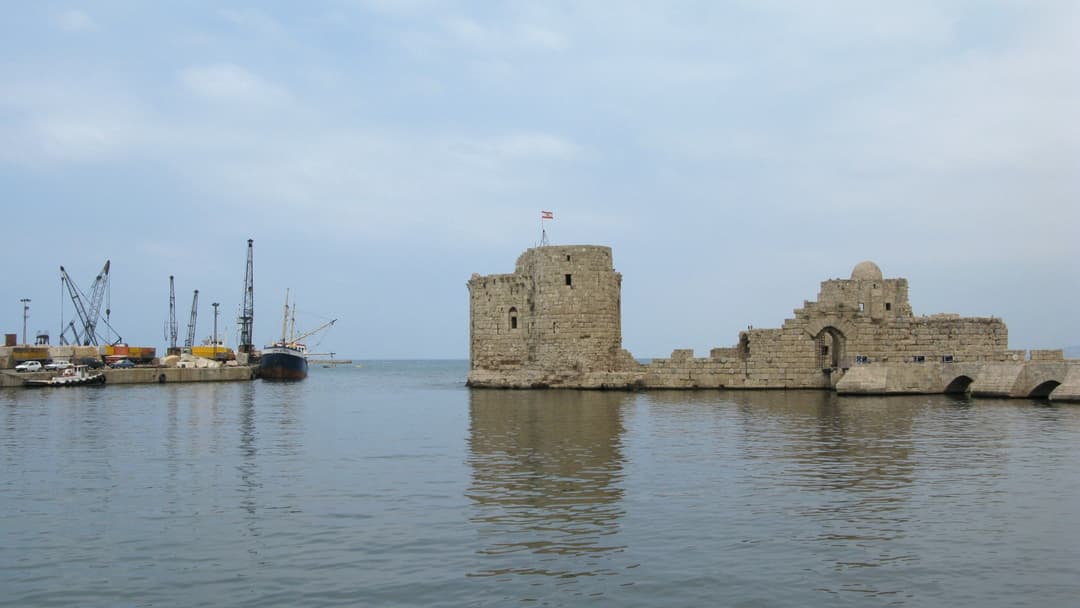
7. Sidon, Lebanon
Resting on Lebanon's Mediterranean coast, Sidon grew into a legendary Phoenician maritime kingdom around 4000 BC. Ancient artisans harvested sea snails to manufacture prized Tyrian purple dye, supplying royal courts across the Mediterranean. Its ancient Sea Castle still watches over active fishing fleets.
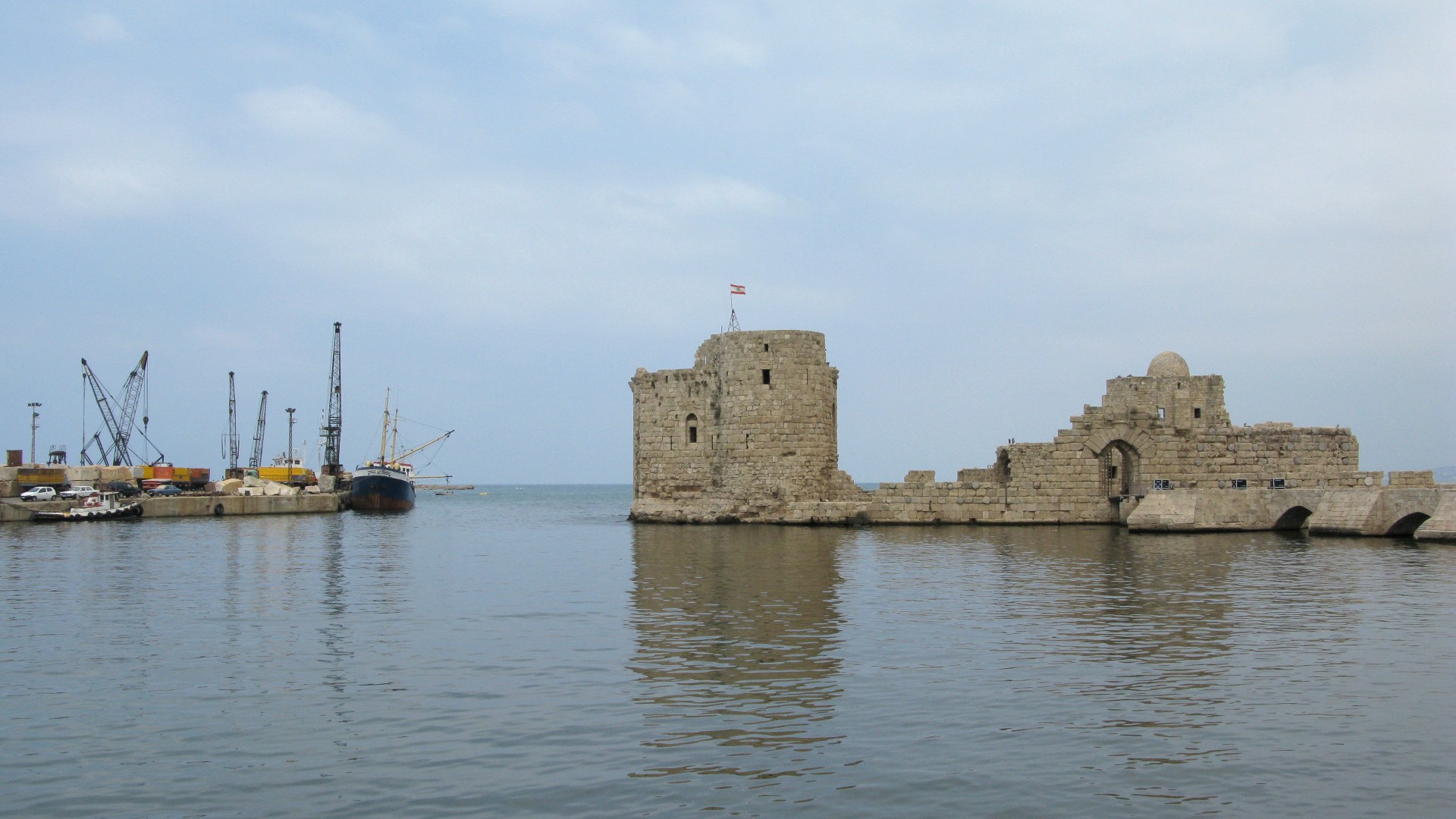
©Wikimedia / Vyacheslav Argenberg
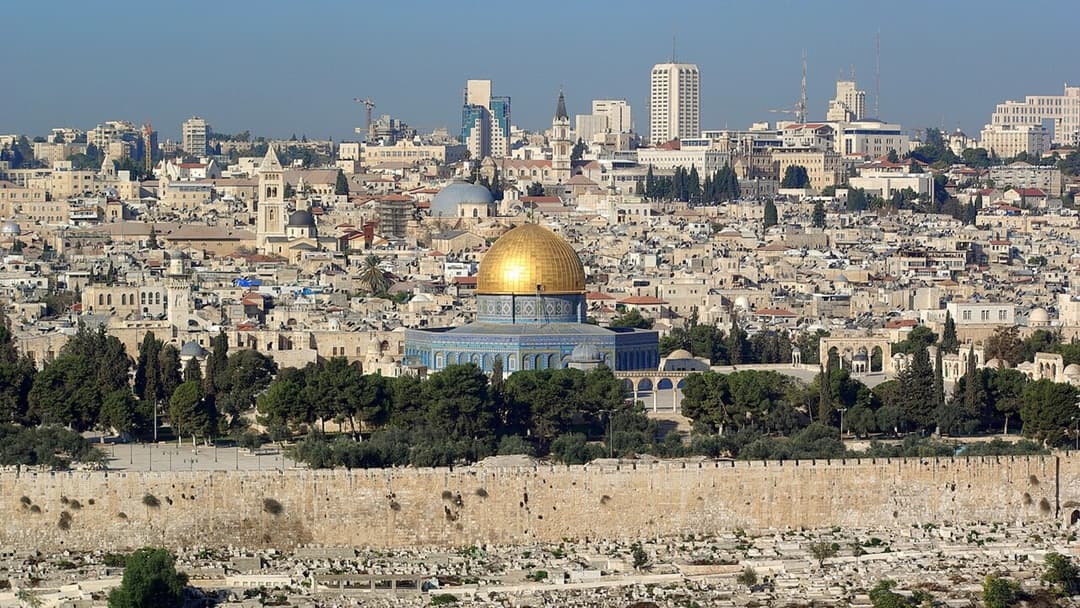
6. Jerusalem, Middle East
Ceramic finds near the Gihon Spring demonstrate unbroken human habitation since the Early Bronze Age around 3500 BC. Besieged dozens of times across millennia by Babylonians, Romans, Crusaders, and Ottomans, the city's limestone walls were rebuilt repeatedly. It remains one of the world's most sacred urban centers.
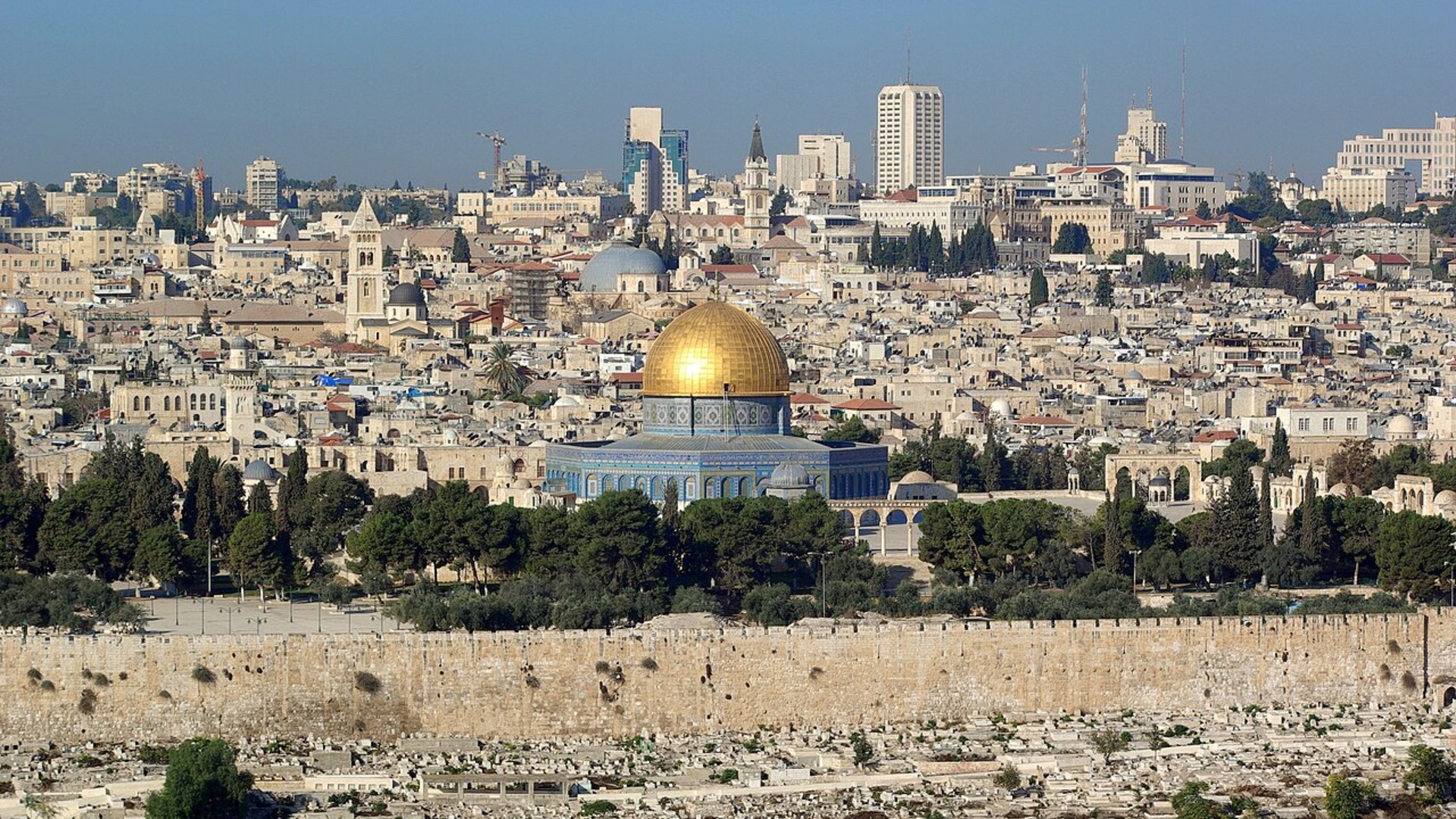
©Wikimedia / Berthold Werner
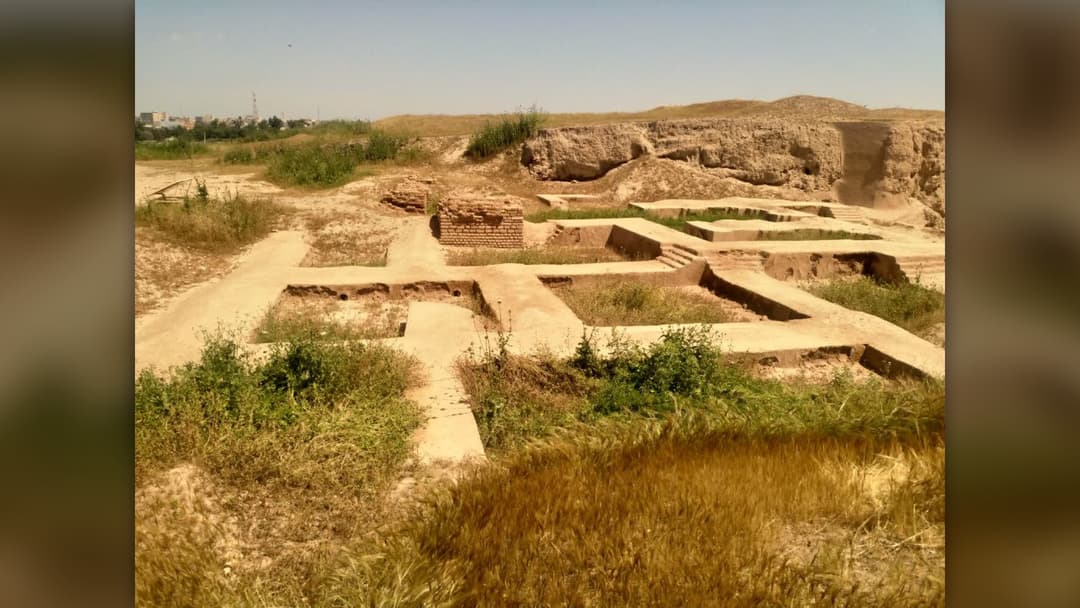
5. Susa, Iran
Excavations at the ancient acropolis of Susa reveal painted pottery layers dating back to 4200 BC, making it one of the earliest urban communities in the Near East. Susa served as the primary winter seat of Persian kings Cyrus and Darius the Great. Modern Shush borders the towering archaeological mound.
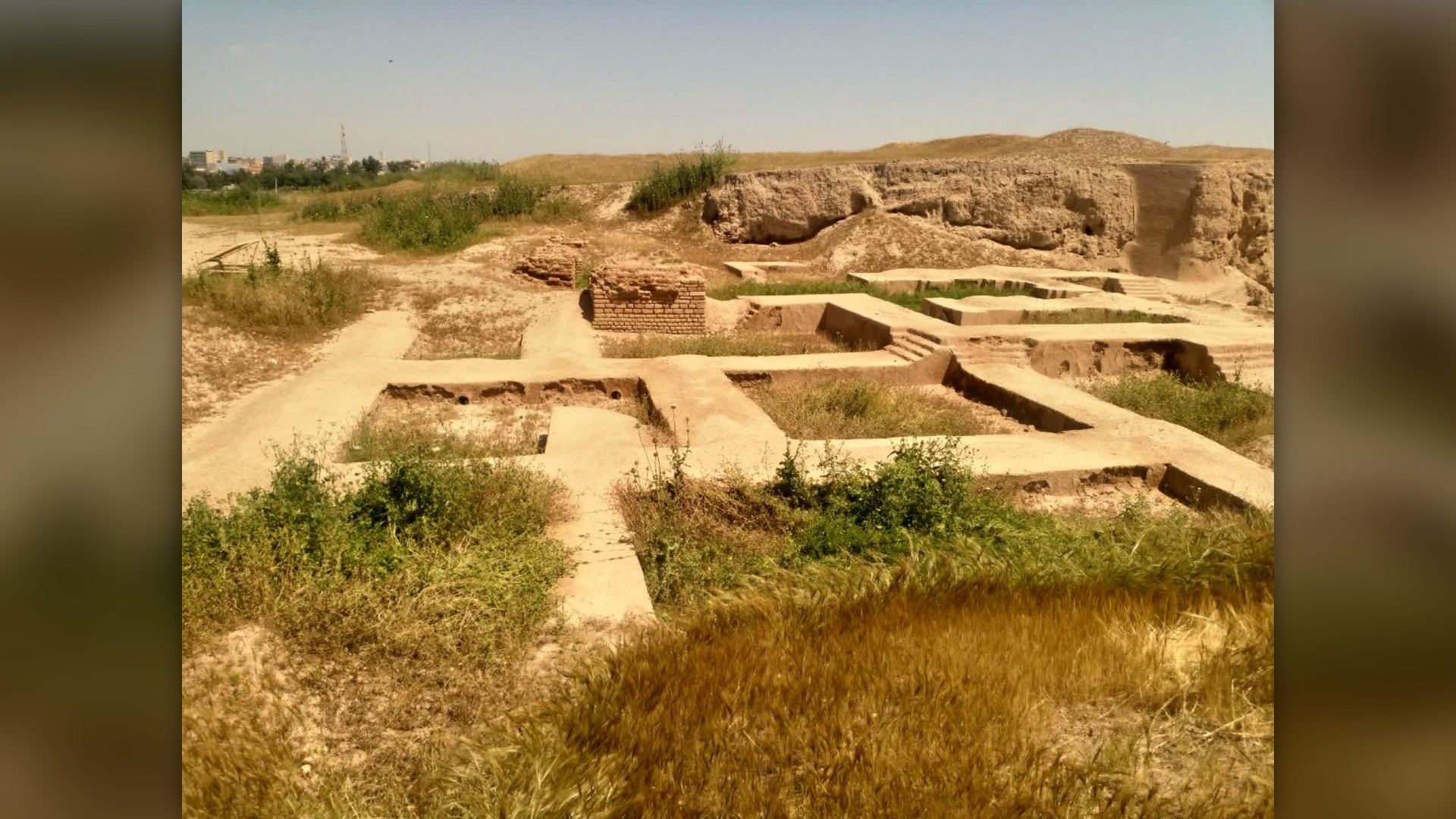
©Wikimedia / Saeedhamedian
Advertisement
Swipe or tap ▶ to resume the countdown.
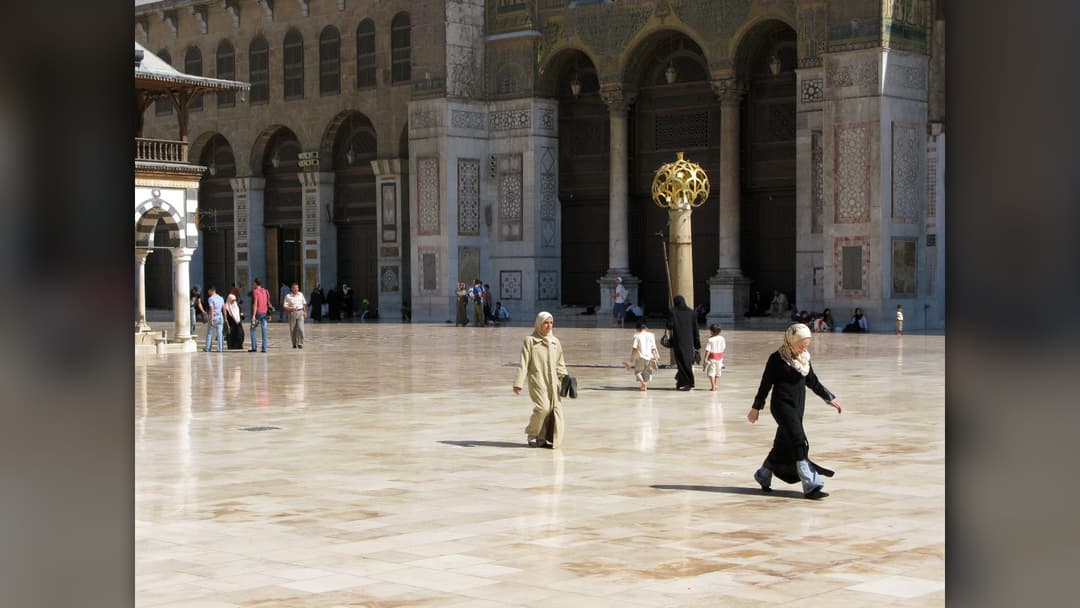
4. Damascus, Syria
Carbon testing in suburban Damascus reveals settlements dating back over eight thousand years, with continuous large-scale urban residency confirmed from 2500 BC. Positioned where the Barada River meets the Syrian desert, the city served as the Umayyad caliphate's capital.
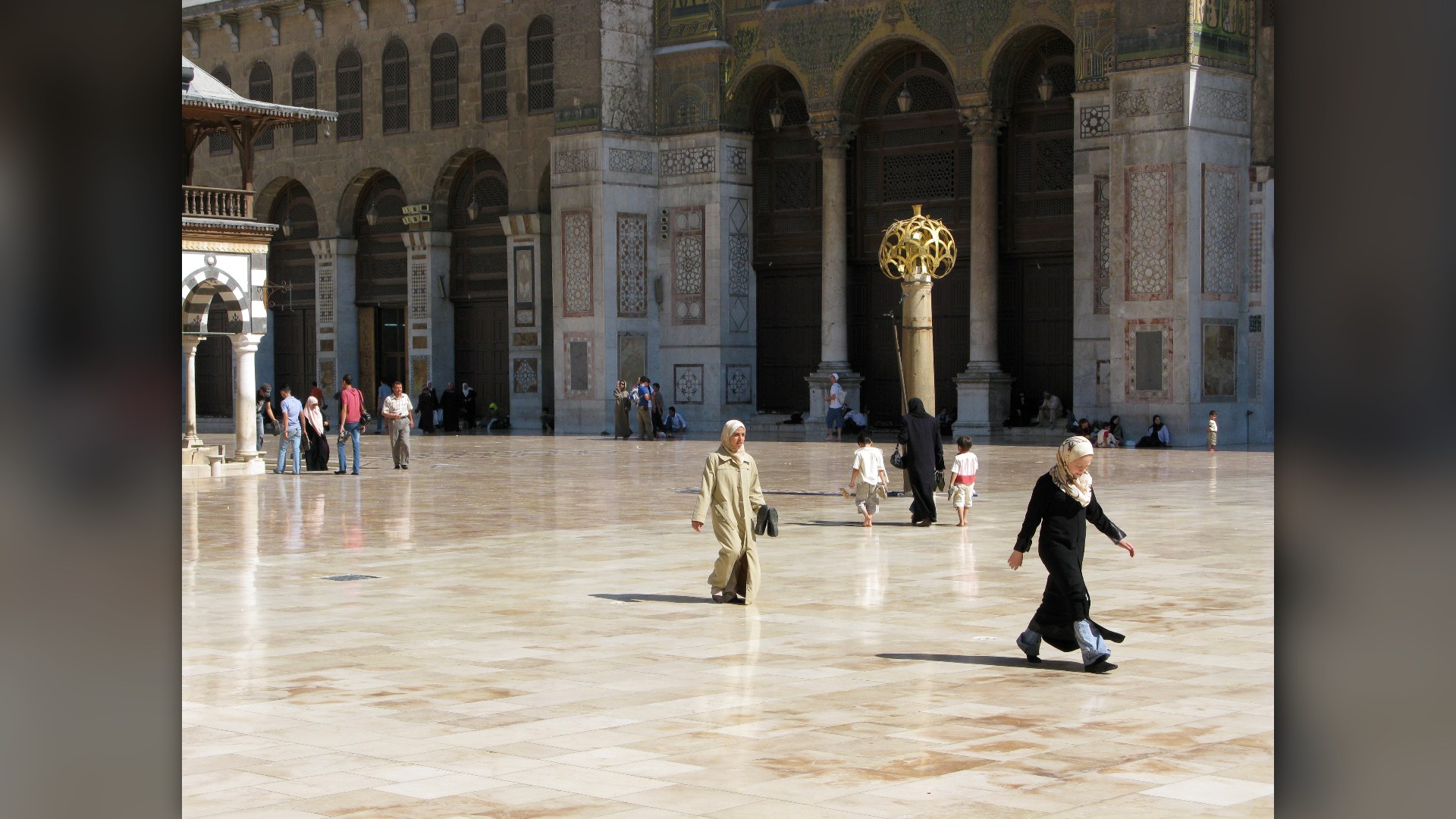
©Wikimedia / Vyacheslav Argenberg
3. Thebes, Greece
Archaeological excavations confirm that the Kadmeia citadel of Thebes has supported permanent urban habitation since roughly 3000 BC. Prominent in ancient Greek mythology as the birthplace of Hercules and Dionysus, the city rivaled Athens and Sparta.
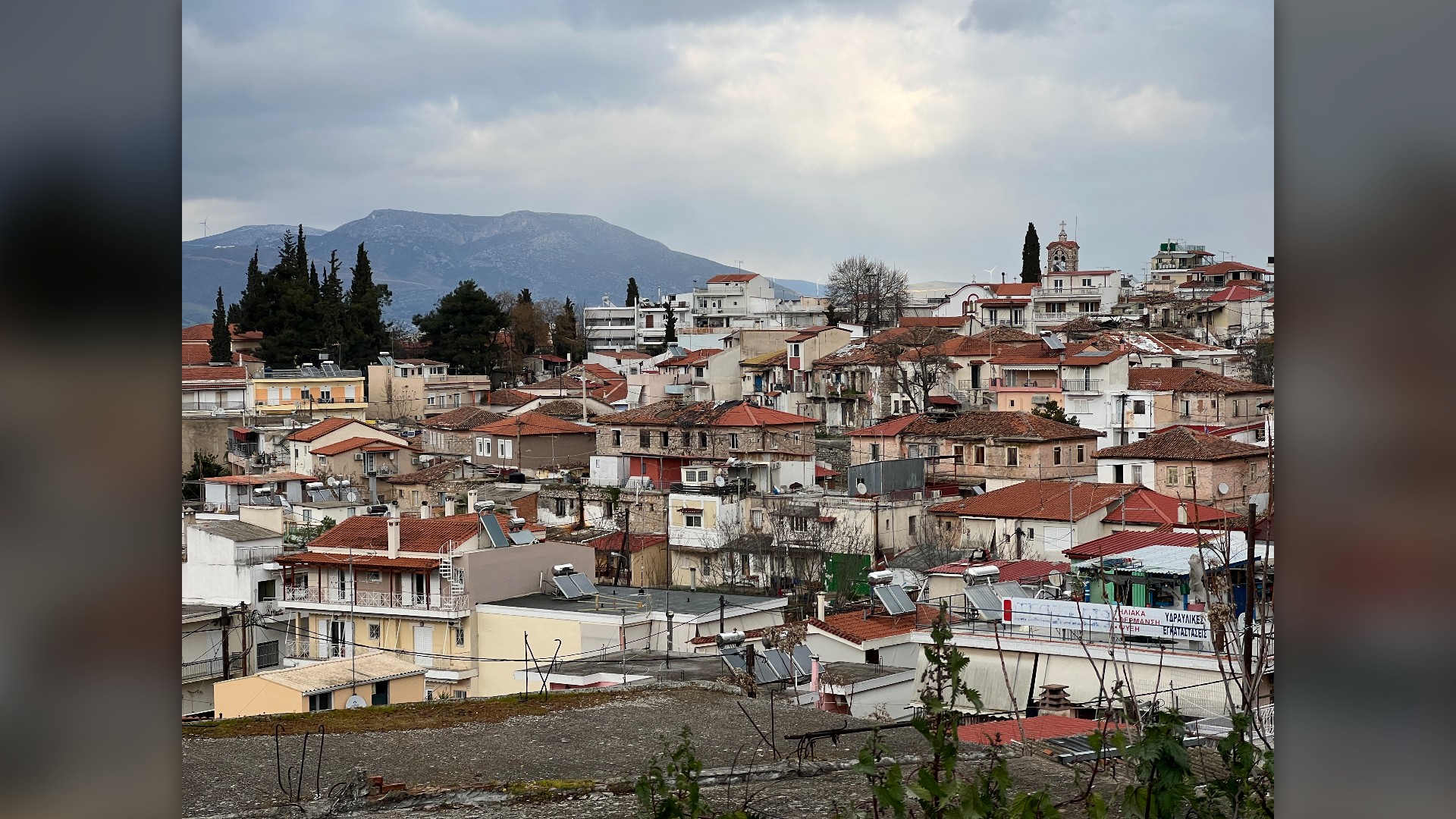
©Wikimedia / Thebes, Greece
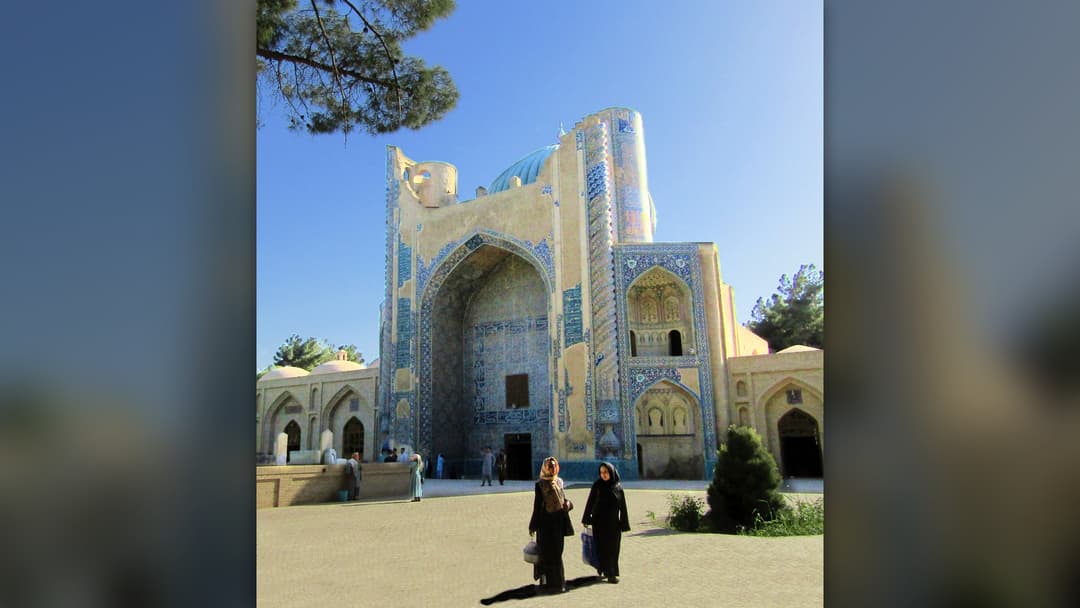
2. Balkh, Afghanistan
Settled as early as 1500 BC, Balkh flourished along Central Asian trading routes, earning the ancient Persian title of Mother of Cities. Zoroaster reportedly preached within its mudbrick walls, and Alexander the Great made it his regional capital in 329 BC. It remains an active agricultural and cultural hub.
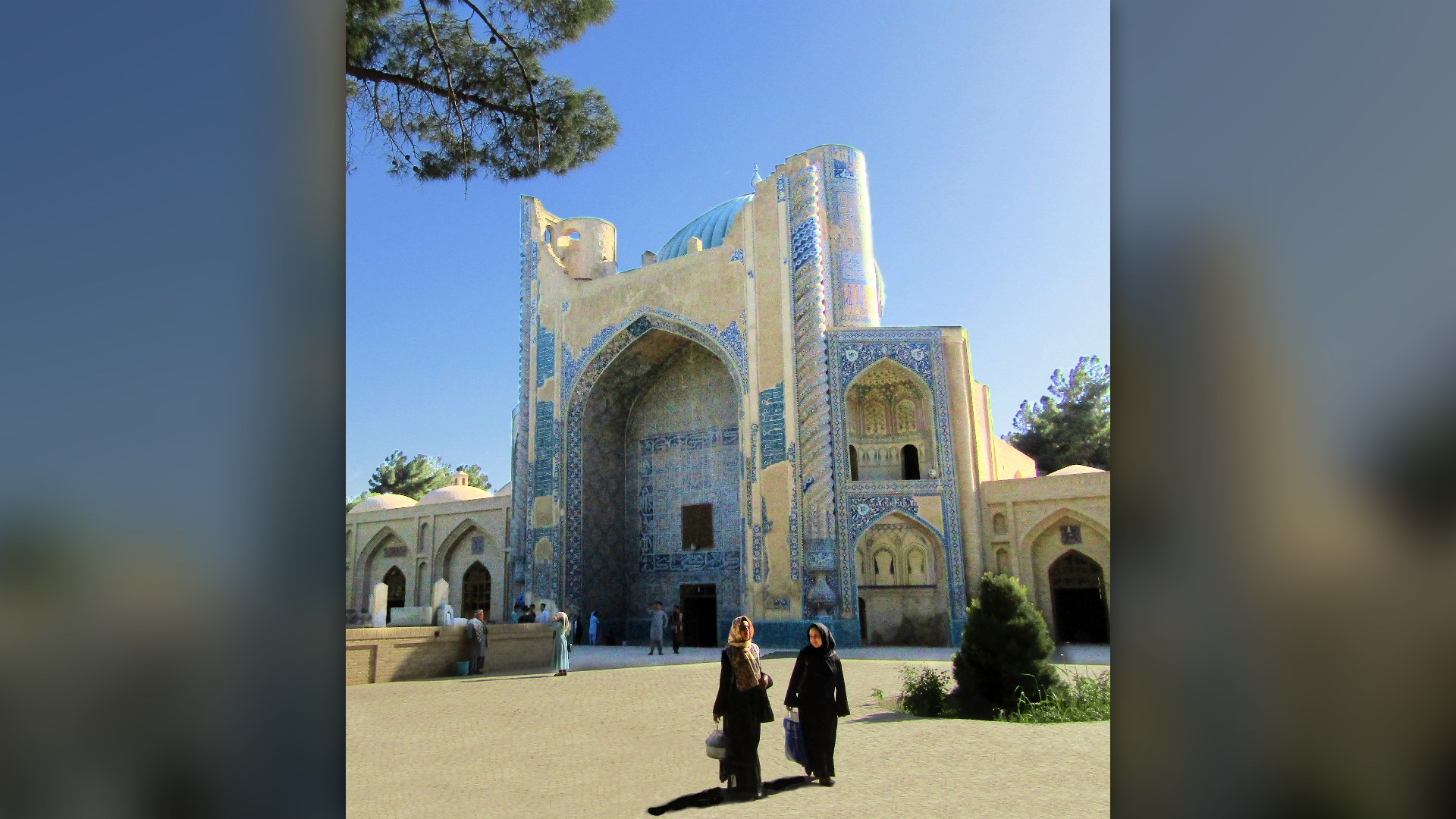
©Wikimedia / AhmadElhan
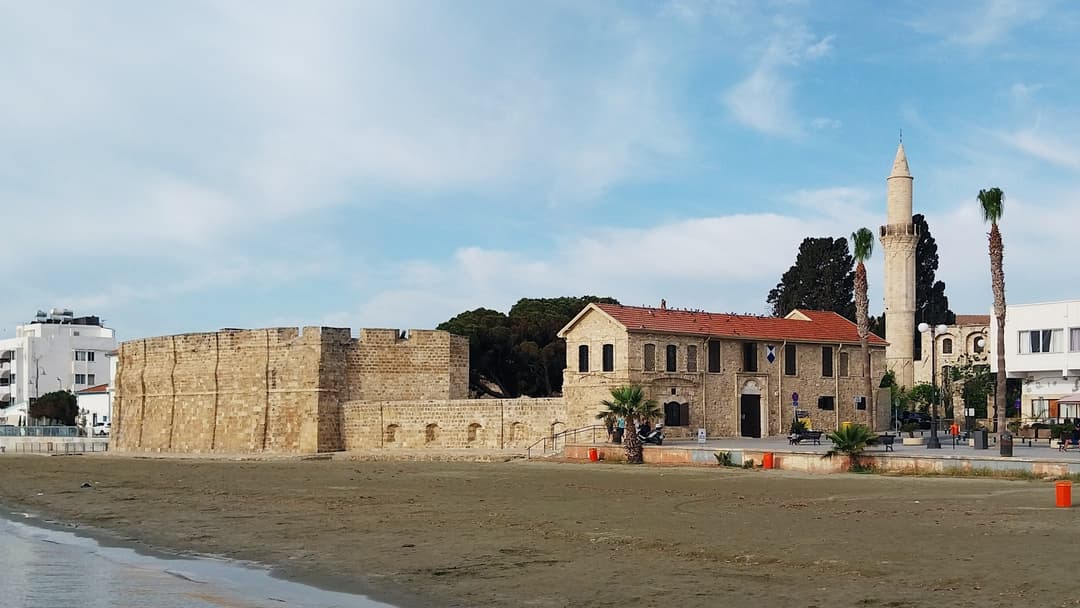
1. Larnaca, Cyprus
Established by Mycenaean settlers as the ancient city-kingdom of Kition around 1400 BC, Larnaca has served as a pivotal Mediterranean shipping hub for over thirty-four centuries. Phoenician merchants expanded the harbor into a major copper trading center. Today, modern boulevards surround ancient stone ruins.
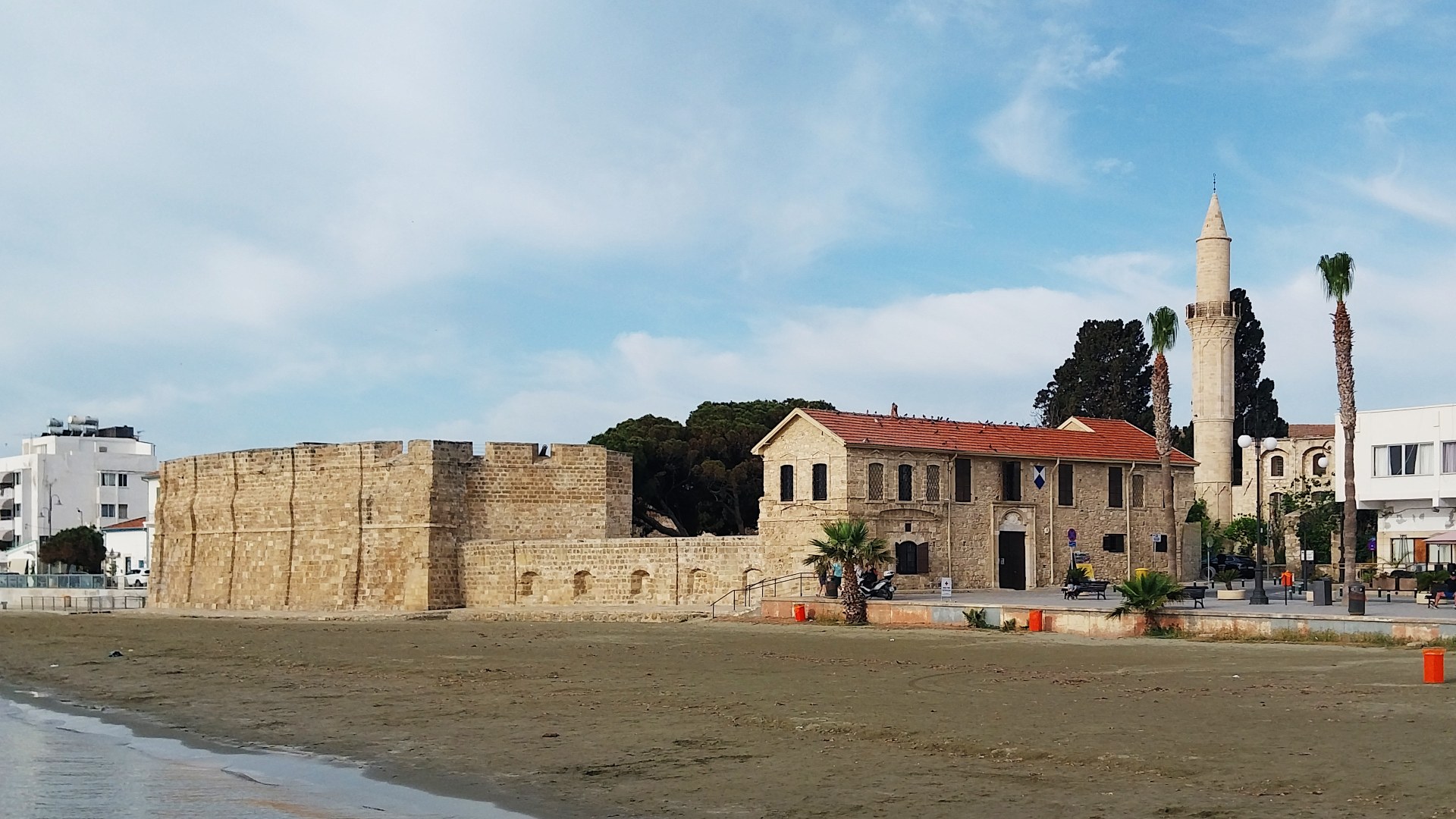
©Wikimedia / SV1XV
Advertisement
You've reached the end of the story. Thanks for reading!

20 Predictions for 2027 That Experts Say Could Change America
All 15 Entries in this Story
1. Jericho, West Bank
Archaeological excavations at Tell es-Sultan confirm that hunter-gatherers established permanent stone structures here around 9000 BC. Fed by the freshwater Ain es-Sultan spring, Jericho erected massive stone defensive towers thousands of years before the Egyptian pyramids. It remains a flourishing oasis town today.

2. Byblos, Lebanon
Settled by Neolithic fishermen around 5000 BC, Byblos grew into the Mediterranean's leading exporter of cedar timber and Egyptian papyrus. Ancient Greeks used the city's name to refer to scrolls and books, giving rise to the word Bible. Its picturesque stone harbor remains in active daily use.

3. Aleppo, Syria
Positioned between the Mediterranean and the Euphrates, Aleppo's strategic trade location made it an economic powerhouse since the sixth millennium BC. Cuneiform tablets from ancient Ebla reference its temples. Its immense limestone citadel has resisted invaders for thousands of years and remains the city's heart.

4. Varanasi, India
Known historically as Kashi or Benares, Varanasi has served as India's spiritual center for over three millennia along the sacred river Ganges. Industrial textile weaving and philosophy flourished here during the Vedic period. Pilgrims continue daily ritual bathing along eighty-eight stone ghats lining the waterfront.

5. Luoyang, China
Settled along the central plains of the Yellow River valley, Luoyang served as the royal capital for thirteen dynasties over three thousand years. Neolithic Erlitou culture dating to 1900 BC laid the foundation for China's early urban planning. Today, millions reside around its famous Buddhist grottoes.

6. Argos, Greece
Located in the fertile Argolic plain, Argos has maintained an unbroken human presence since at least 2000 BC, making it a peer of ancient Mycenae. Mentioned repeatedly in Homer's Iliad, the city was famed for its school of sculptors and monumental theater. Modern streets radiate out from the ancient agora.

7. Athens, Greece
Settlement atop the rocky Acropolis began during the Neolithic period, with organized Mycenaean fortress construction emerging around 1400 BC. As the intellectual capital of the Classical world, Athens pioneered democratic voting and Western philosophy. Today, over three million people live in its sprawling valley.

8. Plovdiv, Bulgaria
Evidence of Neolithic settlements on Nebet Tepe confirms people lived in Plovdiv over eight thousand years ago. Thracians developed the settlement into Eumolpias, followed by Philip II of Macedon and Roman emperors who constructed marble stadiums. Modern pedestrians still stroll past preserved Roman amphitheaters.

9. Sidon, Lebanon
Resting on Lebanon's Mediterranean coast, Sidon grew into a legendary Phoenician maritime kingdom around 4000 BC. Ancient artisans harvested sea snails to manufacture prized Tyrian purple dye, supplying royal courts across the Mediterranean. Its ancient Sea Castle still watches over active fishing fleets.

10. Jerusalem, Middle East
Ceramic finds near the Gihon Spring demonstrate unbroken human habitation since the Early Bronze Age around 3500 BC. Besieged dozens of times across millennia by Babylonians, Romans, Crusaders, and Ottomans, the city's limestone walls were rebuilt repeatedly. It remains one of the world's most sacred urban centers.

11. Susa, Iran
Excavations at the ancient acropolis of Susa reveal painted pottery layers dating back to 4200 BC, making it one of the earliest urban communities in the Near East. Susa served as the primary winter seat of Persian kings Cyrus and Darius the Great. Modern Shush borders the towering archaeological mound.

12. Damascus, Syria
Carbon testing in suburban Damascus reveals settlements dating back over eight thousand years, with continuous large-scale urban residency confirmed from 2500 BC. Positioned where the Barada River meets the Syrian desert, the city served as the Umayyad caliphate's capital.

13. Thebes, Greece
Archaeological excavations confirm that the Kadmeia citadel of Thebes has supported permanent urban habitation since roughly 3000 BC. Prominent in ancient Greek mythology as the birthplace of Hercules and Dionysus, the city rivaled Athens and Sparta.

14. Balkh, Afghanistan
Settled as early as 1500 BC, Balkh flourished along Central Asian trading routes, earning the ancient Persian title of Mother of Cities. Zoroaster reportedly preached within its mudbrick walls, and Alexander the Great made it his regional capital in 329 BC. It remains an active agricultural and cultural hub.

15. Larnaca, Cyprus
Established by Mycenaean settlers as the ancient city-kingdom of Kition around 1400 BC, Larnaca has served as a pivotal Mediterranean shipping hub for over thirty-four centuries. Phoenician merchants expanded the harbor into a major copper trading center. Today, modern boulevards surround ancient stone ruins.