Slideshow · Money
15 Countries With the Highest Average Salaries, Ranked
From European banking capitals to global tech hubs, these 15 countries pay the highest average full-time annual salaries in the world.
By Most Viral Today
27 Oct 2026

15 Countries With the Highest Average Salaries, Ranked 
15. United Kingdom 
14. Ireland 
13. Canada - AdvertisementSwipe or tap ▶ to continue countdown

12. Germany 
11. Austria 
10. Belgium 
9. Australia - AdvertisementSwipe or tap ▶ to continue countdown

8. Singapore 
7. Netherlands 
6. Norway 
5. Denmark - AdvertisementSwipe or tap ▶ to continue countdown

4. United States 
3. Iceland 
2. Luxembourg 
1. Switzerland - Advertisement🔥 UP NEXT IN THIS SERIES◫ 21 Slides

20 U.S. Cities Projected to Attract More Retirees by 2035
Retirees are abandoning classic havens for these rising 2035 dream cities
Whether measured by purchasing power or nominal paychecks, a handful of high-productivity nations consistently lead the world in worker compensation. Counting down from #15 to #1, here are the countries with the highest average annual salaries.
Swipe or tap ▶ to begin the countdown
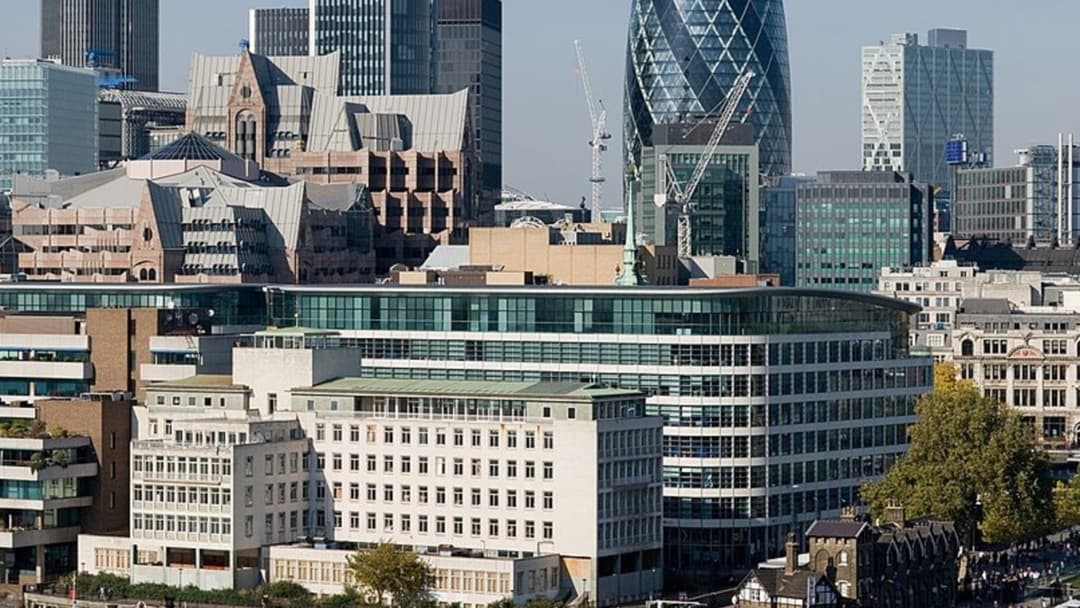
©Wikimedia / Jakub Halun / Dllu
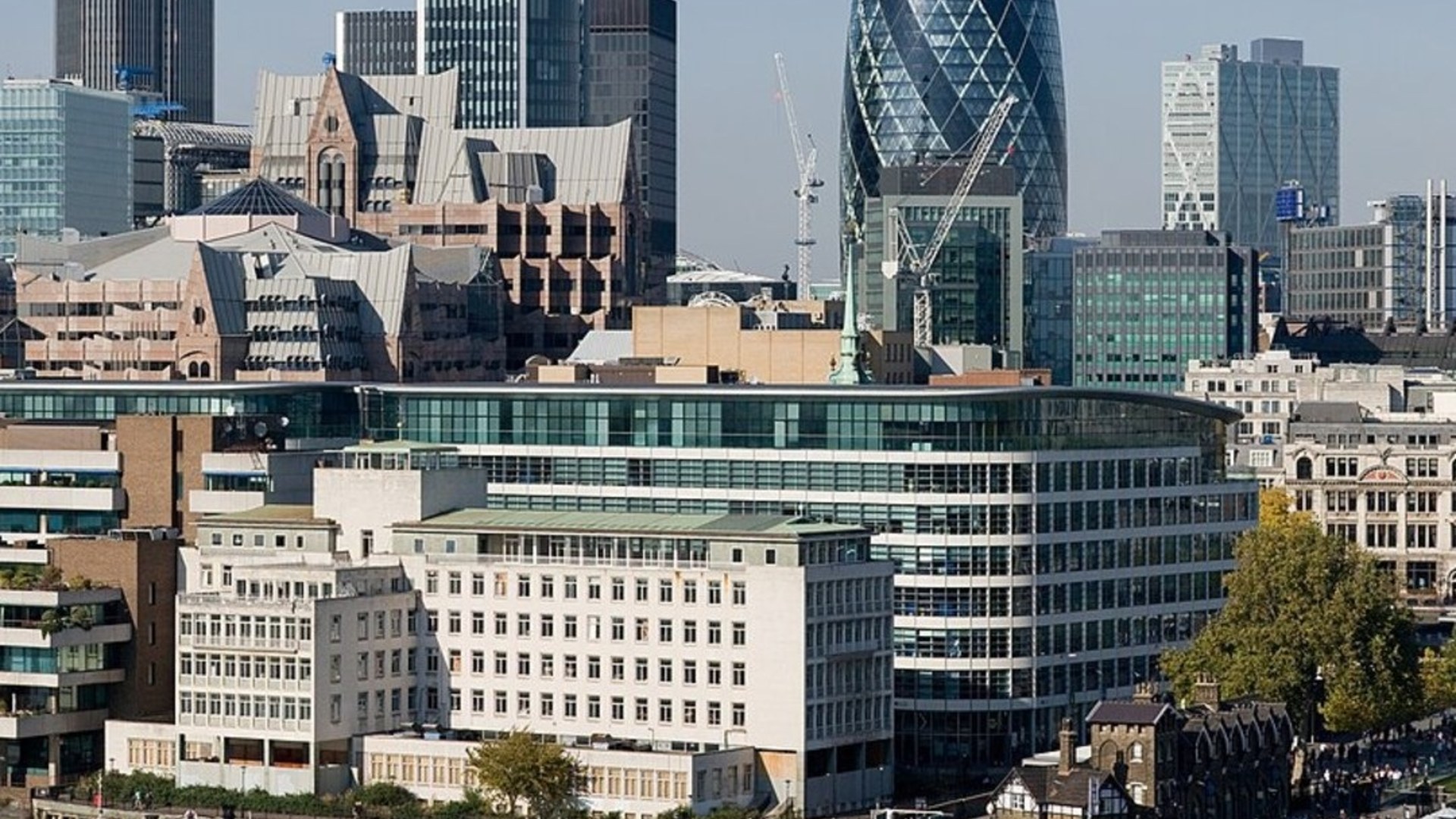
15. United Kingdom
Driven by the City of London and Canary Wharf, the United Kingdom remains one of Europe's premier high-salary job markets. While regional pay varies across Britain, lucrative compensation in international finance, corporate law, aerospace, and life sciences lifts the average annual wage past $62,500.
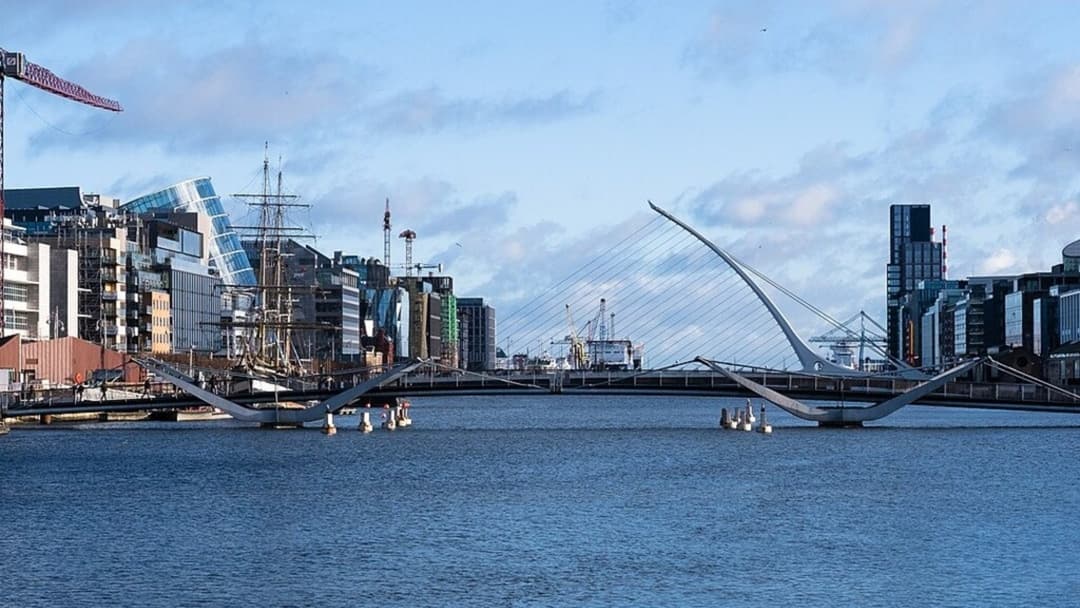
©Wikimedia / Diliff
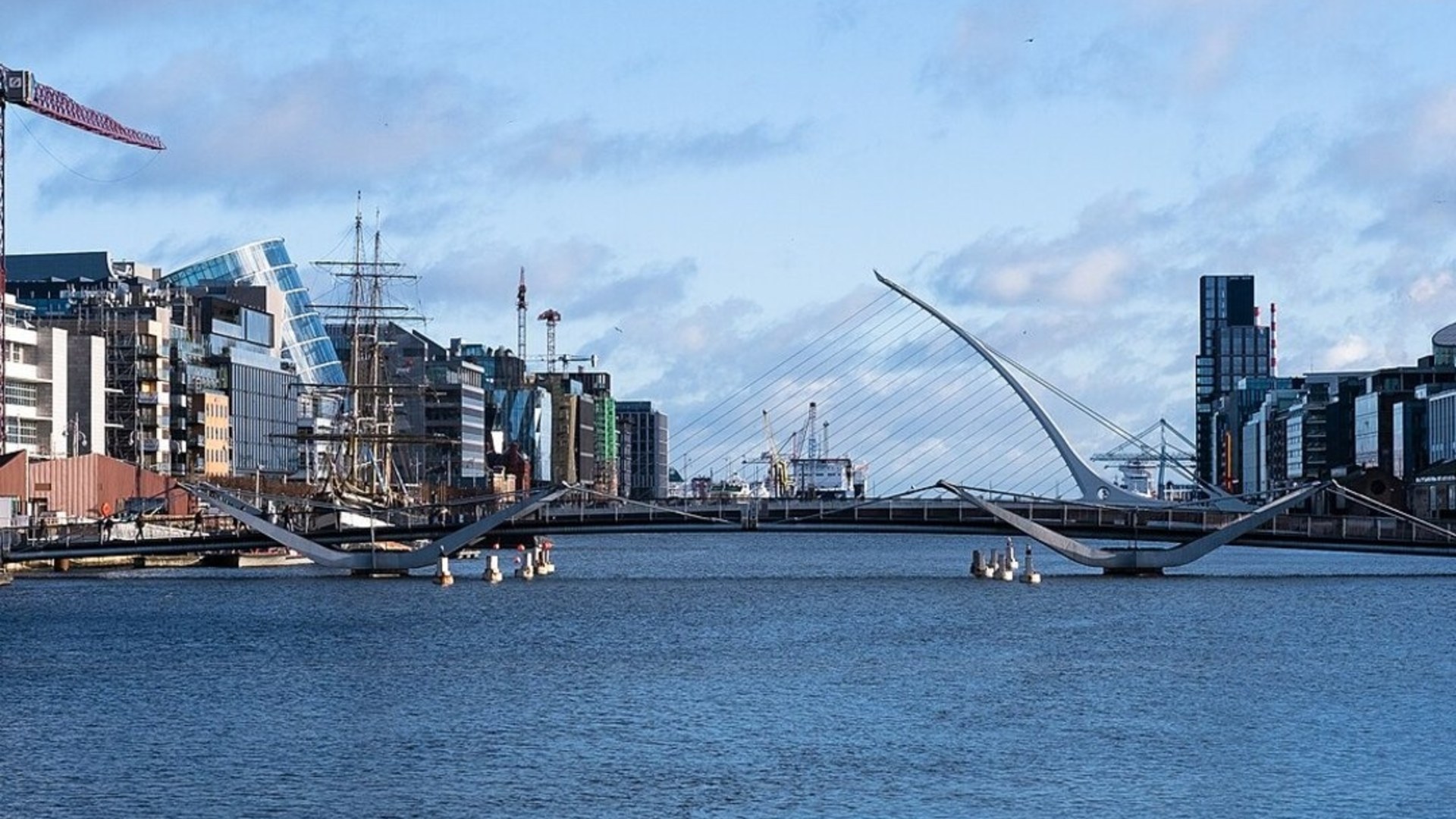
14. Ireland
Over the past two decades, Ireland transformed into Europe's corporate hub for multinational technology, biopharma, and aviation leasing companies. High-paying engineering, software, and financial roles concentrated around Dublin's Silicon Docks propel full-time average earnings to about $65,000.
©Wikimedia / Christian David
13. Canada
Combining a major banking sector on Toronto's Bay Street with vast energy, mining, and artificial intelligence industries in Vancouver, Calgary, and Montreal, Canada delivers strong middle- and upper-tier paychecks. Full-time workers across the country earn an average of about $66,000 annually.

©Wikimedia / Jchmrt
Advertisement
Swipe or tap ▶ to resume the countdown.
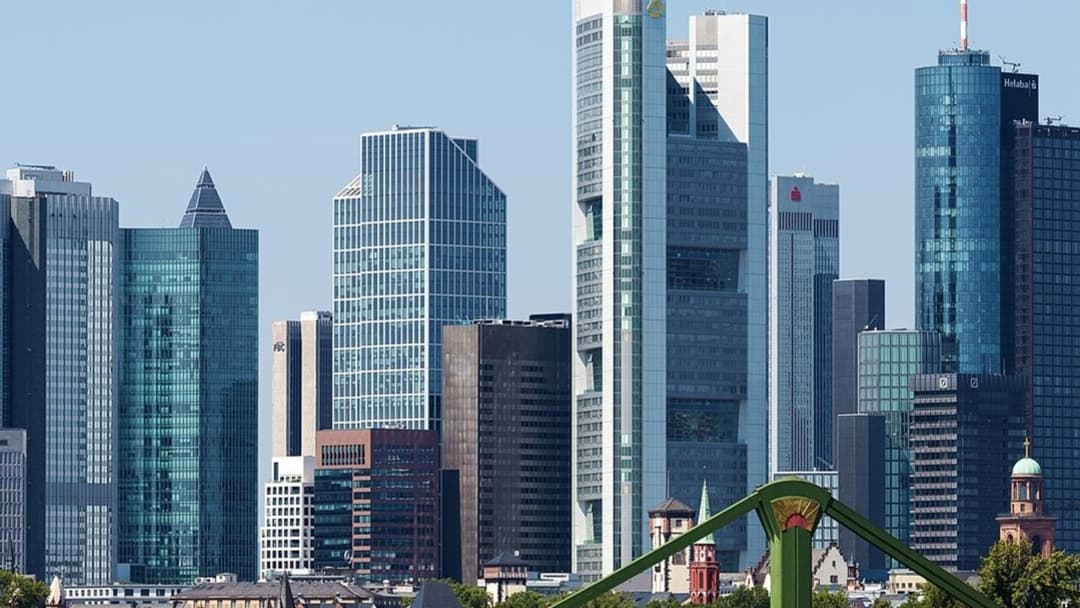
12. Germany
As Europe's largest economy, Germany rewards skilled engineers, scientists, and financiers with high compensation and strong collective bargaining protections. From Frankfurt's skyscrapers housing the European Central Bank to automotive and chemical giants in Bavaria, average annual pay reaches $67,500.
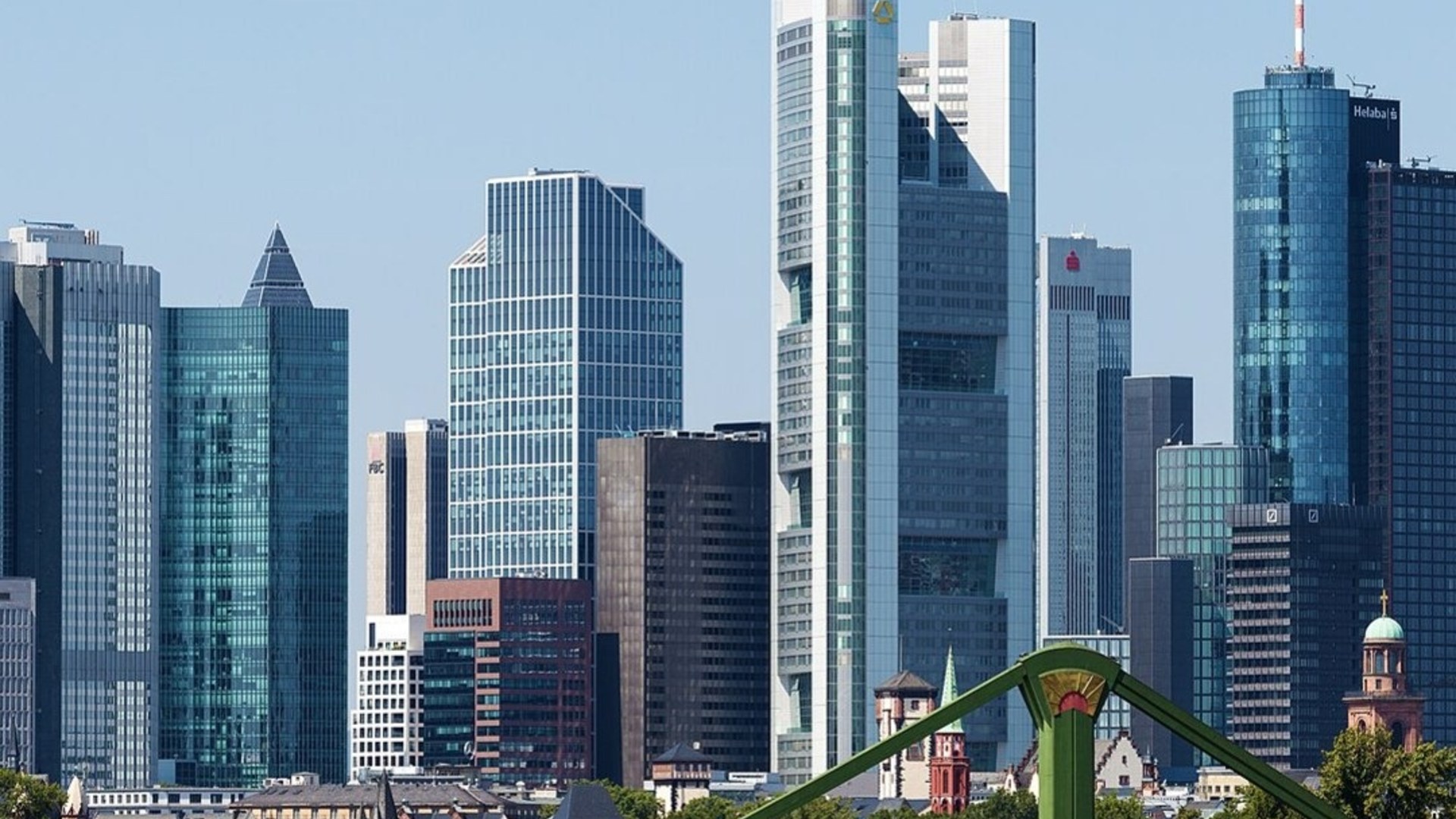
©Wikimedia / Christian Wolf
11. Austria
Centered around Vienna's gleaming Donau City business district, Austria pairs world-leading urban livability with strong earning power. Almost 98% of Austrian employees are covered by collective wage agreements, including mandatory 13th- and 14th-month bonus paychecks, pushing average pay to $69,500.

©Wikimedia / Fabian Lackner
10. Belgium
Home to the headquarters of the European Union and NATO, Brussels anchors a highly skilled workforce in law, public policy, chemicals, and international trade. Belgium's mandatory automatic wage indexation ties salaries directly to inflation, keeping average full-time earnings near $71,000 a year.

©Wikimedia / Diego Delso
9. Australia
Backed by one of the highest national minimum wages on Earth and mandatory employer retirement contributions, Australia offers high compensation across both white-collar and skilled trade roles. Sydney's financial hub and Western Australia's resource sector lift average annual pay to $72,500.

©Wikimedia / Takeshi Aida
Advertisement
Swipe or tap ▶ to resume the countdown.
8. Singapore
Singapore has cemented its status as Asia's premier capital for private wealth management, biotechnology, and advanced electronics manufacturing. Combined with low personal income tax rates that let workers keep more of their gross pay, full-time annual compensation averages about $74,000.

©Wikimedia / Basile Morin
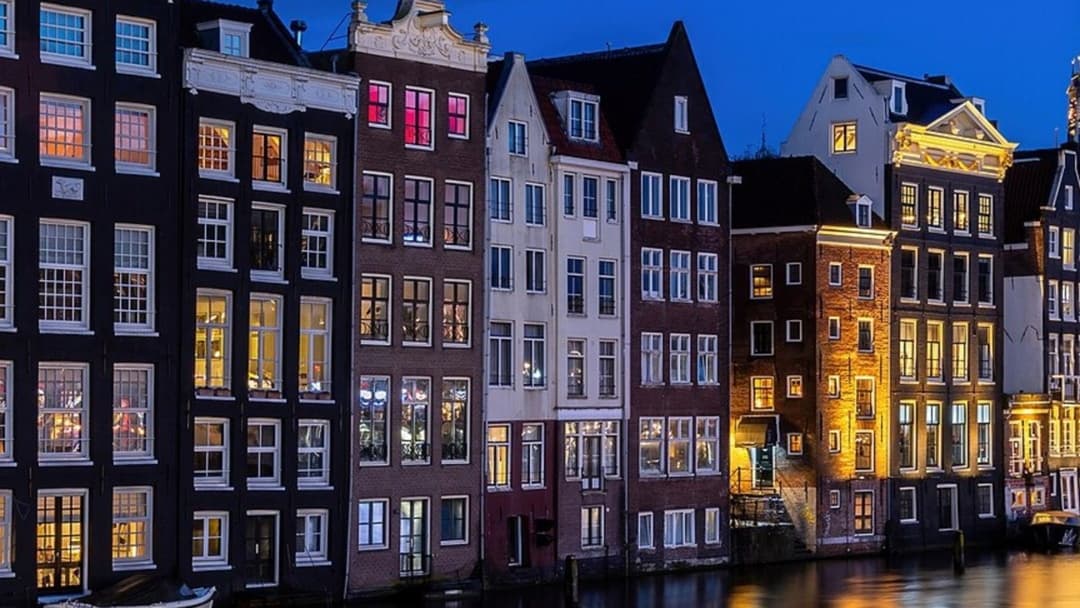
7. Netherlands
From semiconductor leader ASML in Eindhoven to major European trading desks and fintech firms along Amsterdam's Zuidas financial mile, the Netherlands delivers high labor productivity. Workers earn an average full-time salary of $75,500 alongside one of the world's shortest workweeks.
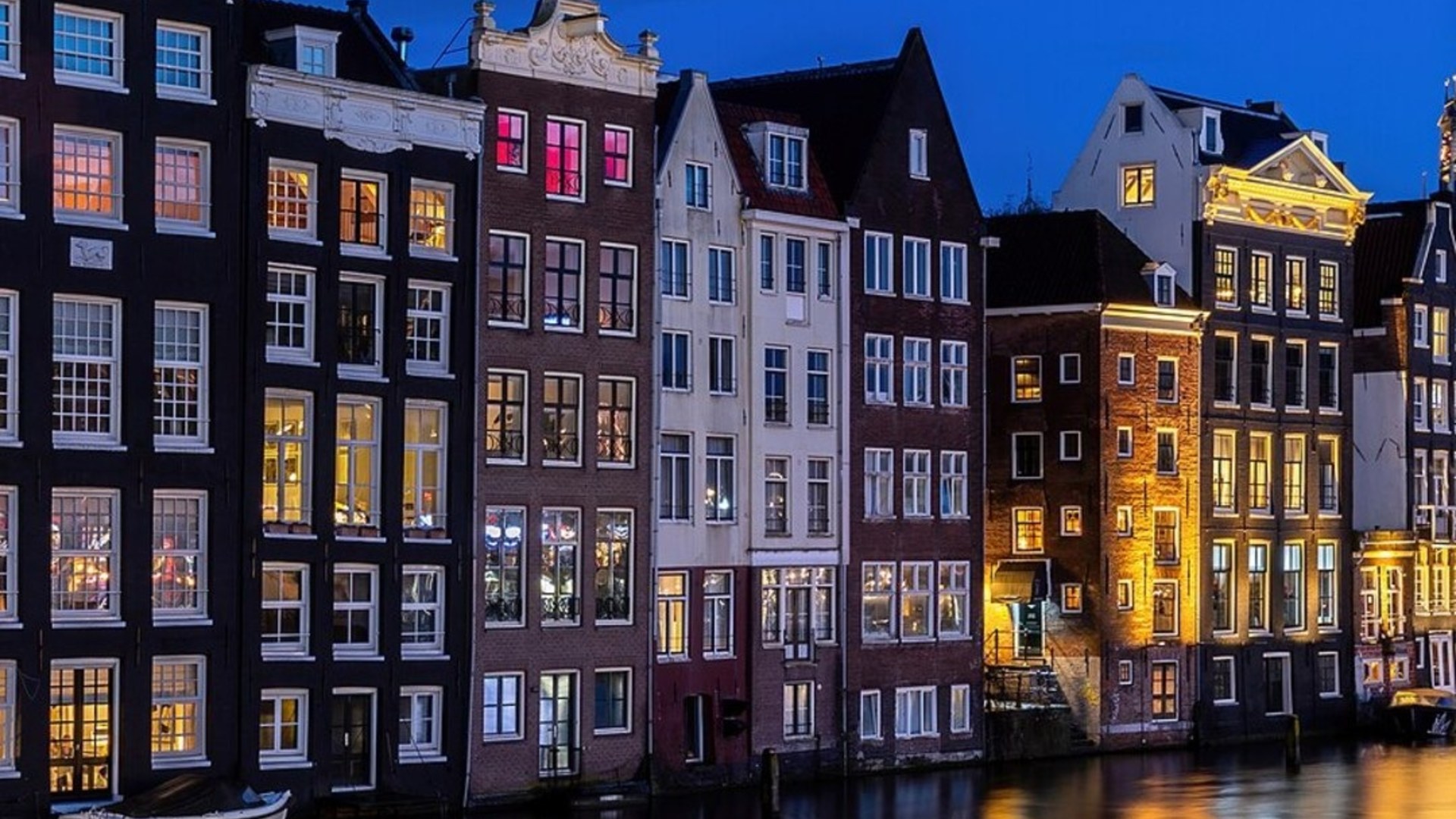
©Wikimedia / Basile Morin
6. Norway
Backed by the world's largest sovereign wealth fund and strong offshore energy, shipping, and clean-tech industries, Norway maintains a compressed wage structure where even entry-level roles pay generously. Across Oslo's modern Barcode business district, average annual pay reaches $77,000.

©Wikimedia / Warpfrz
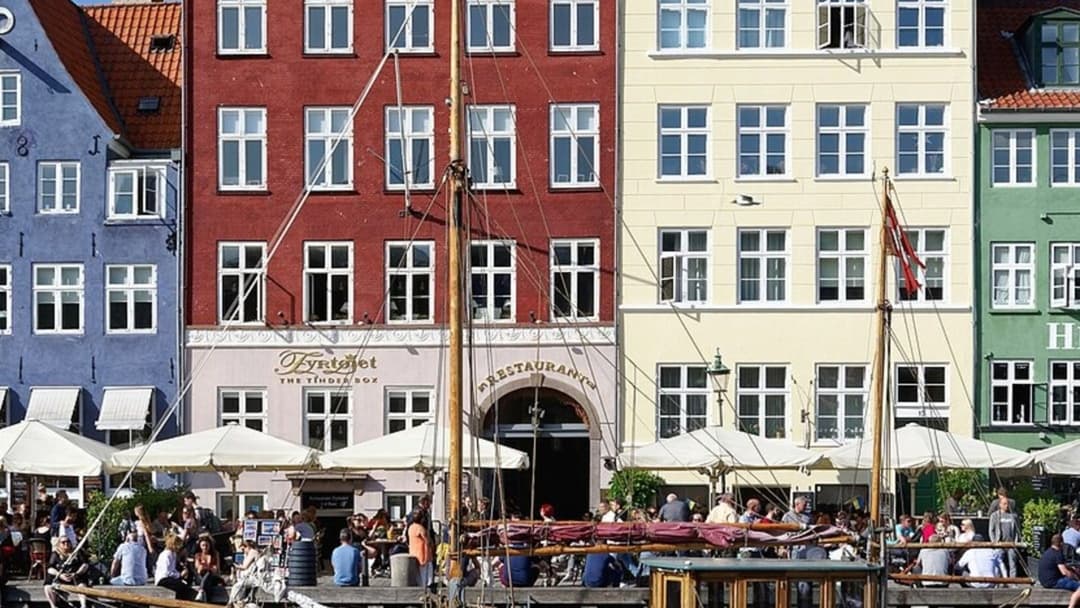
5. Denmark
Denmark's famed flexicurity labor model combines flexible hiring with union-negotiated wage floors and universal social benefits. Led by pharmaceutical giant Novo Nordisk, shipping leader Maersk, and wind-power pioneers in Copenhagen, Danish full-time workers average $79,000 a year.
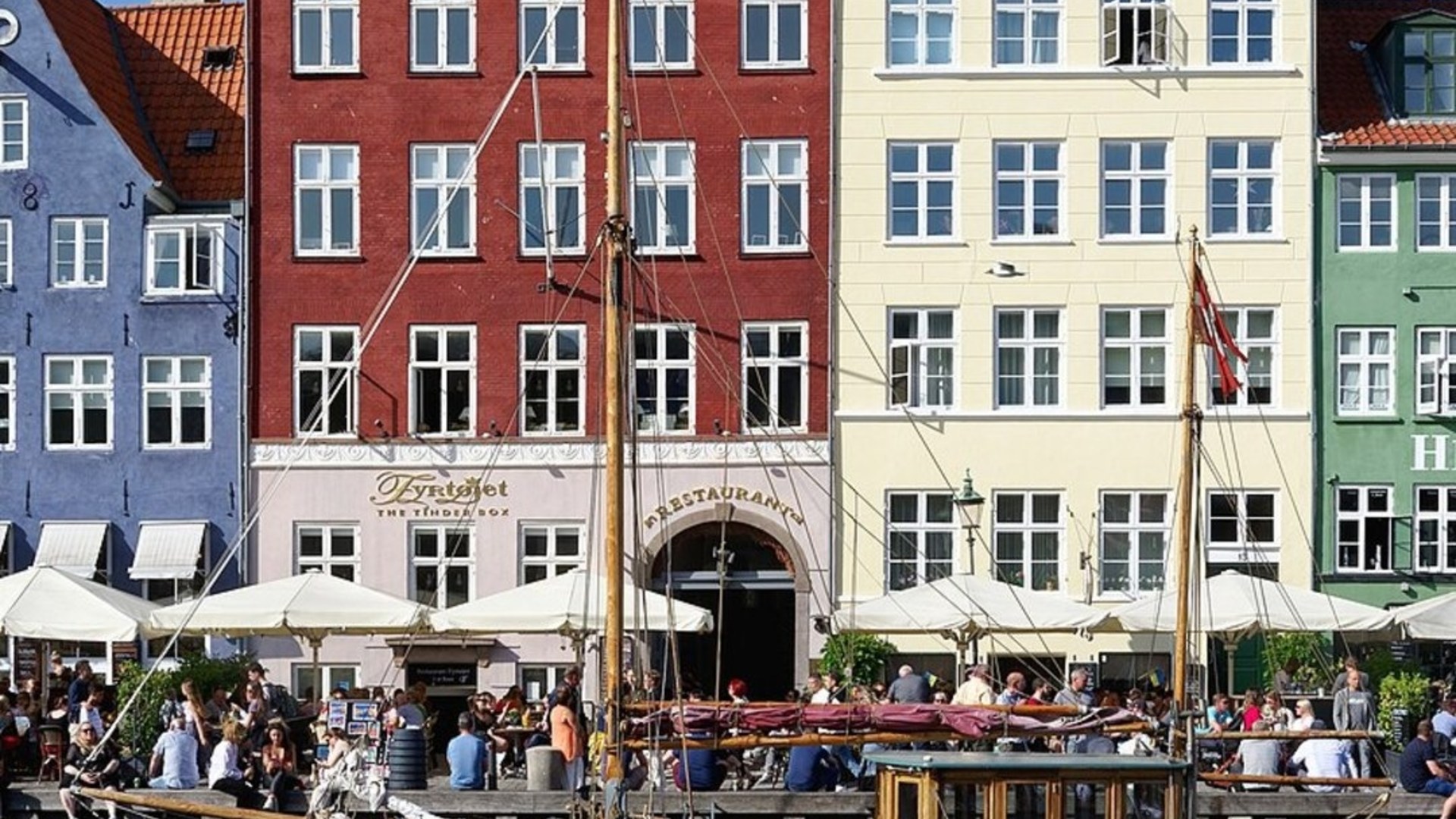
©Wikimedia / Jakub Halun
Advertisement
Swipe or tap ▶ to resume the countdown.
4. United States
No major economy matches the United States for top-end earning potential in software engineering, investment banking, corporate law, and specialized medicine. Anchored by economic centers like New York City and Silicon Valley, the OECD average full-time American annual wage exceeds $81,500.

©Wikimedia / Dllu
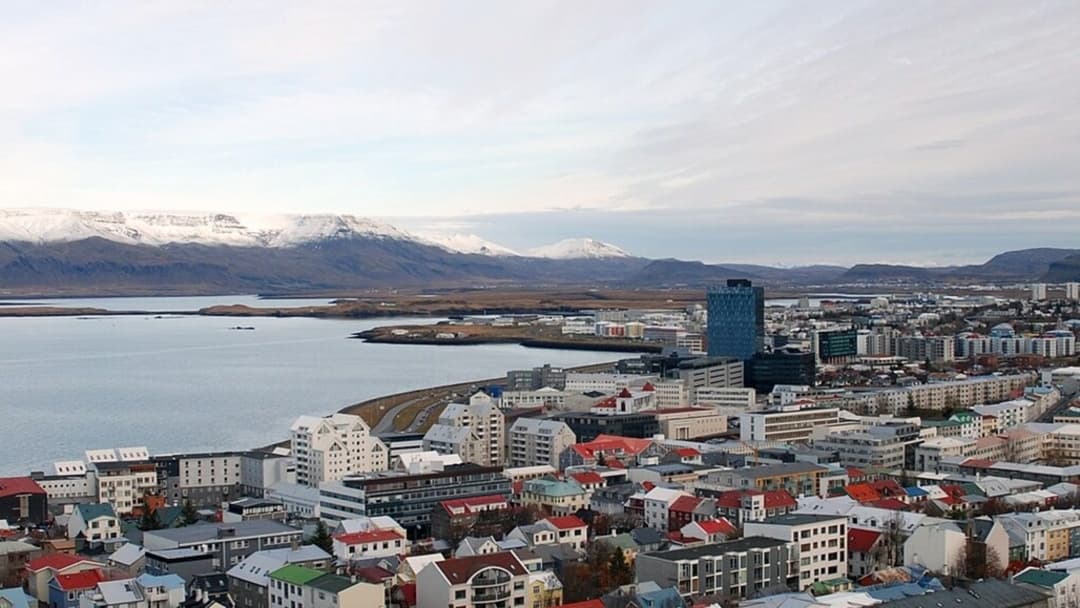
3. Iceland
With roughly 90% of its workforce belonging to labor unions, Iceland negotiates some of the highest base paychecks on the planet. Powered by cheap 100% renewable geothermal and hydro energy, strong tourism, and tech-driven fisheries, full-time workers in Reykjavik average $86,500 a year.
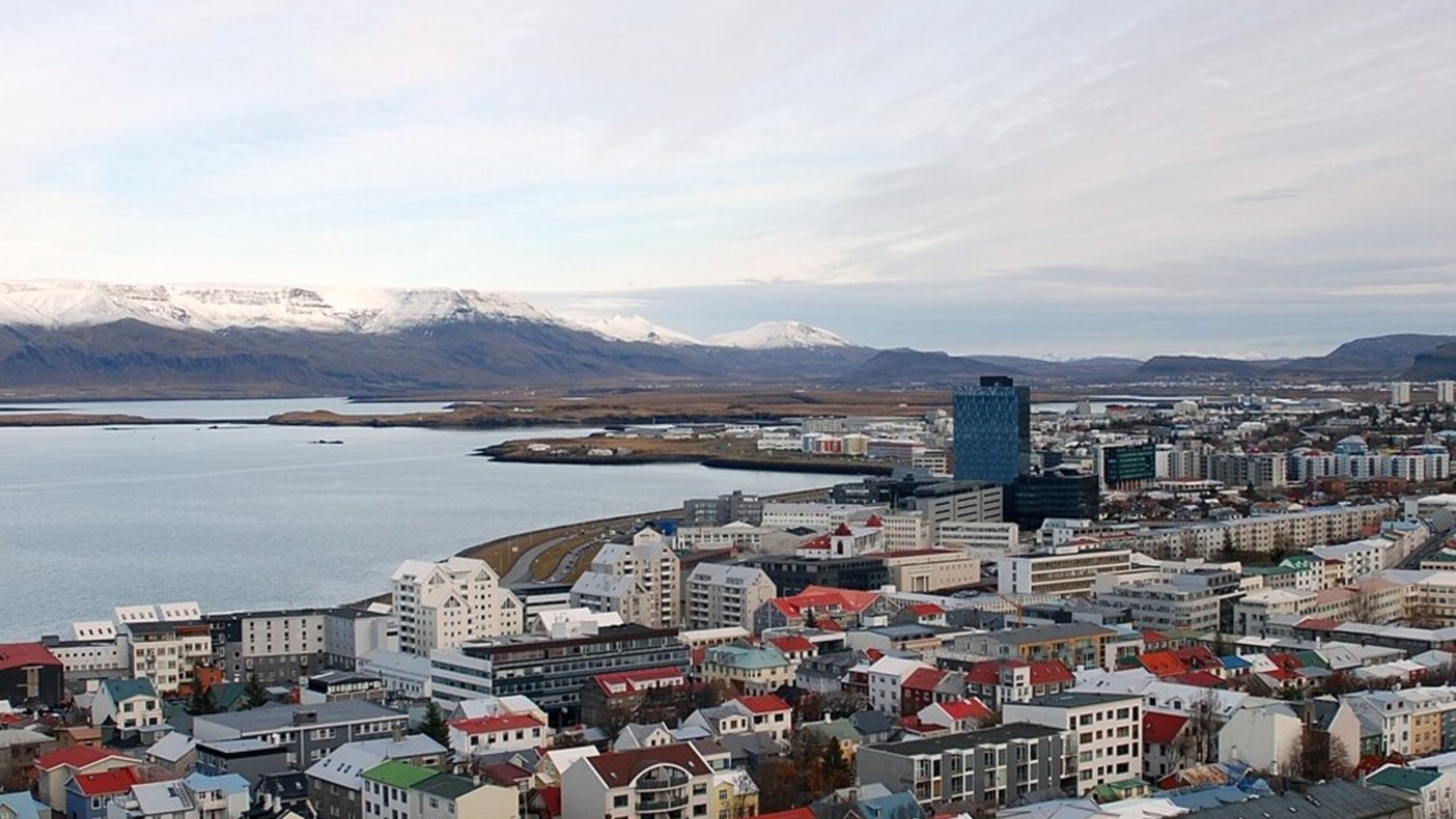
©Wikimedia / Allen Watkin
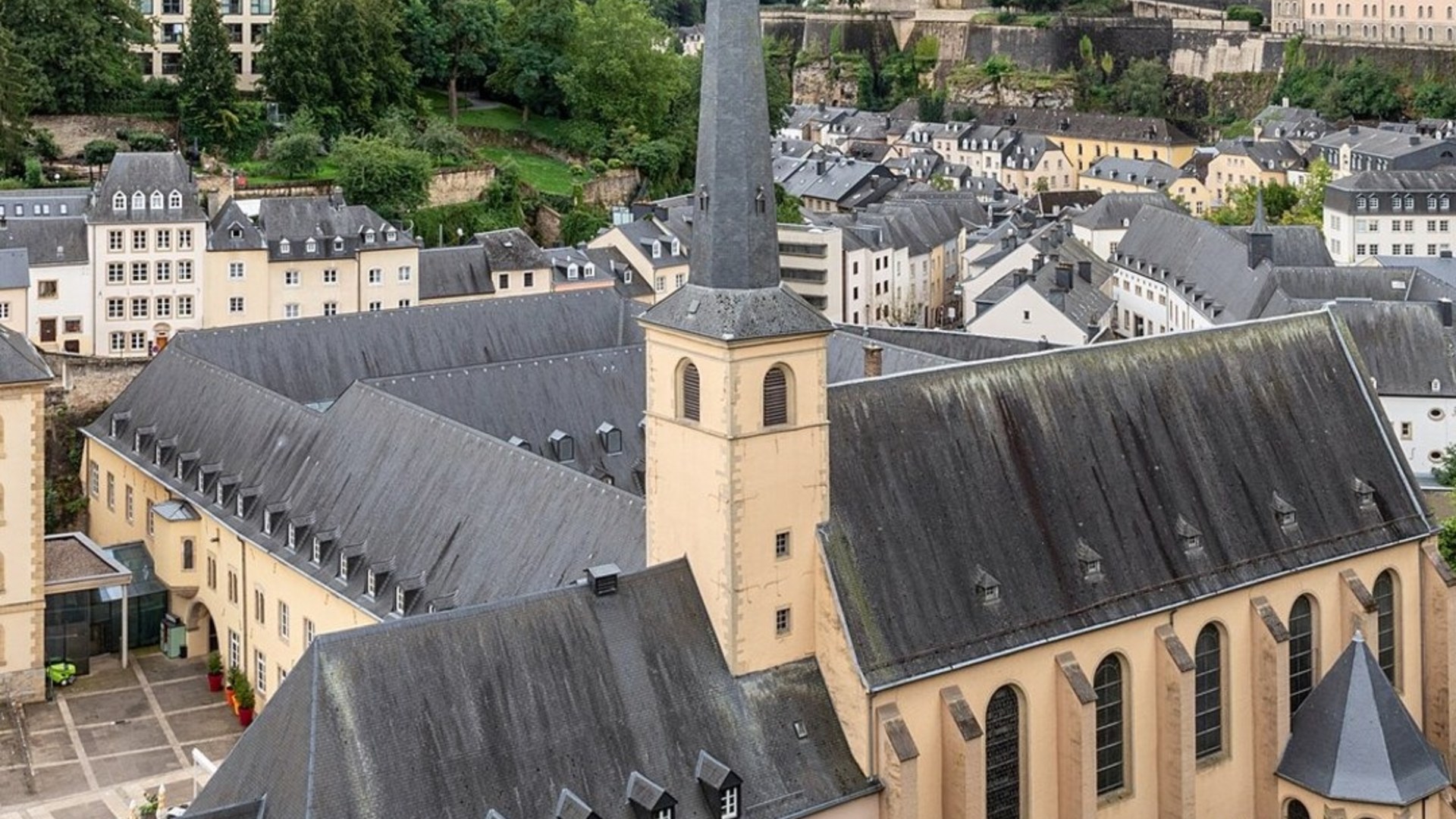
2. Luxembourg
Second only to the United States in global investment fund assets under management, tiny Luxembourg is an economic heavyweight. Over 200,000 cross-border commuters from France, Belgium, and Germany travel into Luxembourg City daily to tap into financial and EU institutional salaries averaging $90,500.
©Wikimedia / Dietmar Rabich
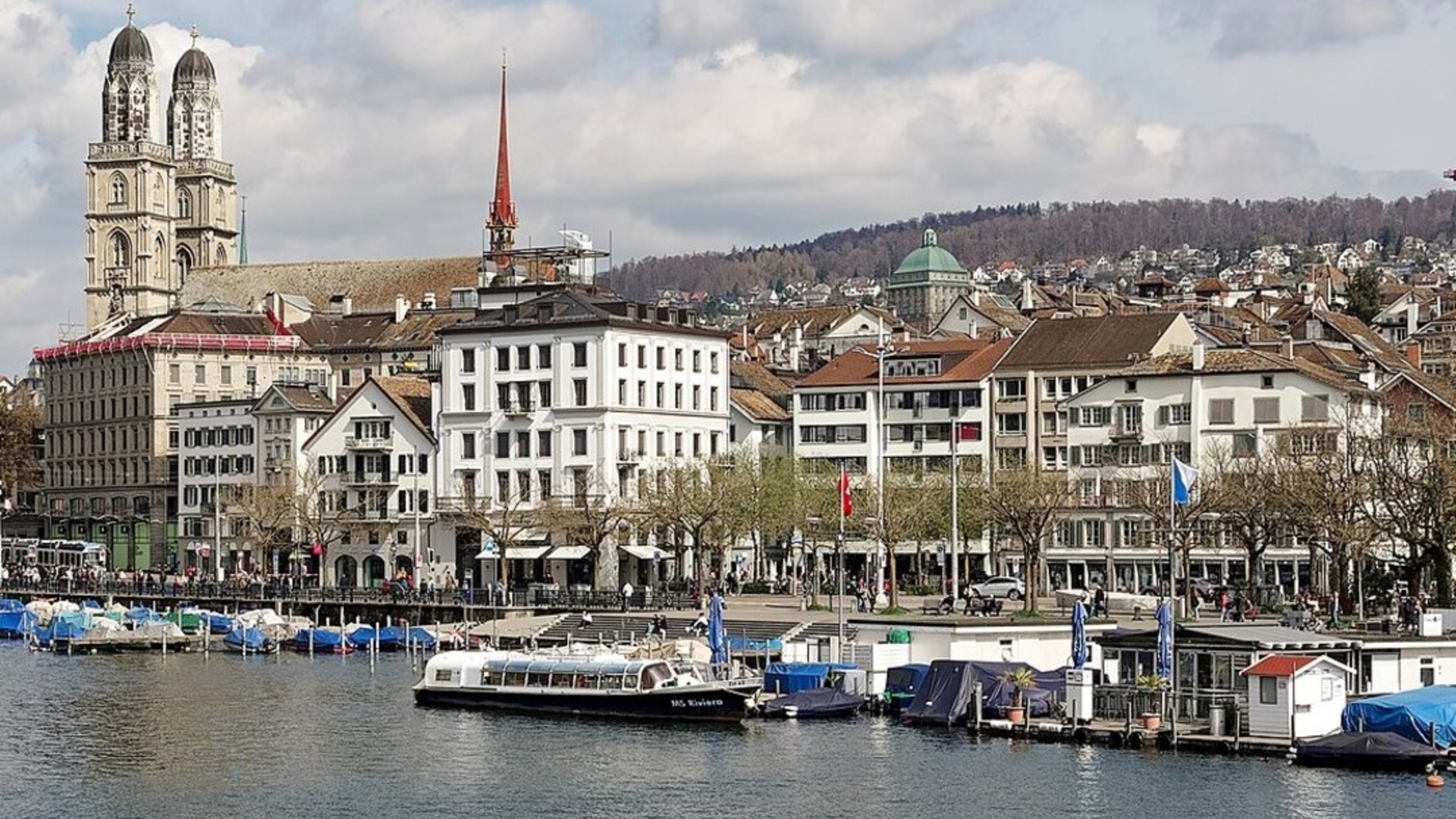
1. Switzerland
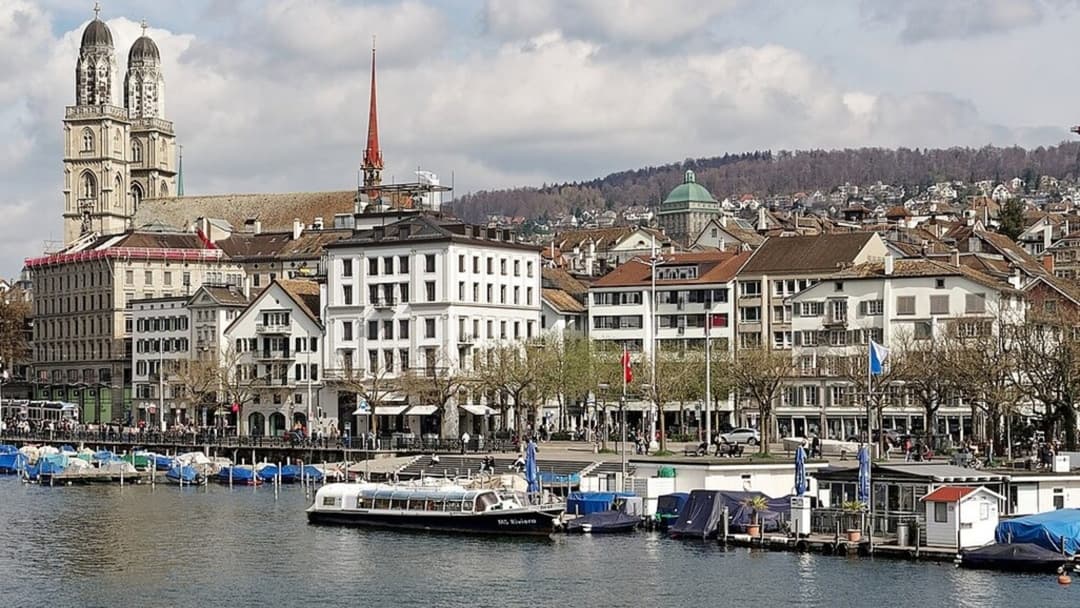
Backed by the strong Swiss franc, moderate income taxes, and global leaders in private banking, pharmaceuticals, and luxury watchmaking, Switzerland pays the highest nominal salaries on Earth. Full-time workers across Zurich, Basel, and Geneva earn an extraordinary $98,000 to $106,000 a year.
©Wikimedia / Jakub Halun
Advertisement
You've reached the end of the story. Thanks for reading!

20 U.S. Cities Projected to Attract More Retirees by 2035
Retirees are abandoning classic havens for these rising 2035 dream cities
All 15 Entries in this Story
15. United Kingdom
Driven by the City of London and Canary Wharf, the United Kingdom remains one of Europe's premier high-salary job markets. While regional pay varies across Britain, lucrative compensation in international finance, corporate law, aerospace, and life sciences lifts the average annual wage past $62,500.

14. Ireland
Over the past two decades, Ireland transformed into Europe's corporate hub for multinational technology, biopharma, and aviation leasing companies. High-paying engineering, software, and financial roles concentrated around Dublin's Silicon Docks propel full-time average earnings to about $65,000.

13. Canada
Combining a major banking sector on Toronto's Bay Street with vast energy, mining, and artificial intelligence industries in Vancouver, Calgary, and Montreal, Canada delivers strong middle- and upper-tier paychecks. Full-time workers across the country earn an average of about $66,000 annually.

12. Germany
As Europe's largest economy, Germany rewards skilled engineers, scientists, and financiers with high compensation and strong collective bargaining protections. From Frankfurt's skyscrapers housing the European Central Bank to automotive and chemical giants in Bavaria, average annual pay reaches $67,500.

11. Austria
Centered around Vienna's gleaming Donau City business district, Austria pairs world-leading urban livability with strong earning power. Almost 98% of Austrian employees are covered by collective wage agreements, including mandatory 13th- and 14th-month bonus paychecks, pushing average pay to $69,500.

10. Belgium
Home to the headquarters of the European Union and NATO, Brussels anchors a highly skilled workforce in law, public policy, chemicals, and international trade. Belgium's mandatory automatic wage indexation ties salaries directly to inflation, keeping average full-time earnings near $71,000 a year.

9. Australia
Backed by one of the highest national minimum wages on Earth and mandatory employer retirement contributions, Australia offers high compensation across both white-collar and skilled trade roles. Sydney's financial hub and Western Australia's resource sector lift average annual pay to $72,500.

8. Singapore
Singapore has cemented its status as Asia's premier capital for private wealth management, biotechnology, and advanced electronics manufacturing. Combined with low personal income tax rates that let workers keep more of their gross pay, full-time annual compensation averages about $74,000.

7. Netherlands
From semiconductor leader ASML in Eindhoven to major European trading desks and fintech firms along Amsterdam's Zuidas financial mile, the Netherlands delivers high labor productivity. Workers earn an average full-time salary of $75,500 alongside one of the world's shortest workweeks.

6. Norway
Backed by the world's largest sovereign wealth fund and strong offshore energy, shipping, and clean-tech industries, Norway maintains a compressed wage structure where even entry-level roles pay generously. Across Oslo's modern Barcode business district, average annual pay reaches $77,000.

5. Denmark
Denmark's famed flexicurity labor model combines flexible hiring with union-negotiated wage floors and universal social benefits. Led by pharmaceutical giant Novo Nordisk, shipping leader Maersk, and wind-power pioneers in Copenhagen, Danish full-time workers average $79,000 a year.

4. United States
No major economy matches the United States for top-end earning potential in software engineering, investment banking, corporate law, and specialized medicine. Anchored by economic centers like New York City and Silicon Valley, the OECD average full-time American annual wage exceeds $81,500.

3. Iceland
With roughly 90% of its workforce belonging to labor unions, Iceland negotiates some of the highest base paychecks on the planet. Powered by cheap 100% renewable geothermal and hydro energy, strong tourism, and tech-driven fisheries, full-time workers in Reykjavik average $86,500 a year.

2. Luxembourg
Second only to the United States in global investment fund assets under management, tiny Luxembourg is an economic heavyweight. Over 200,000 cross-border commuters from France, Belgium, and Germany travel into Luxembourg City daily to tap into financial and EU institutional salaries averaging $90,500.

1. Switzerland
Backed by the strong Swiss franc, moderate income taxes, and global leaders in private banking, pharmaceuticals, and luxury watchmaking, Switzerland pays the highest nominal salaries on Earth. Full-time workers across Zurich, Basel, and Geneva earn an extraordinary $98,000 to $106,000 a year.