Slideshow · Health
15 Unexpected Spots on the Body Doctors Check for Skin Cancer
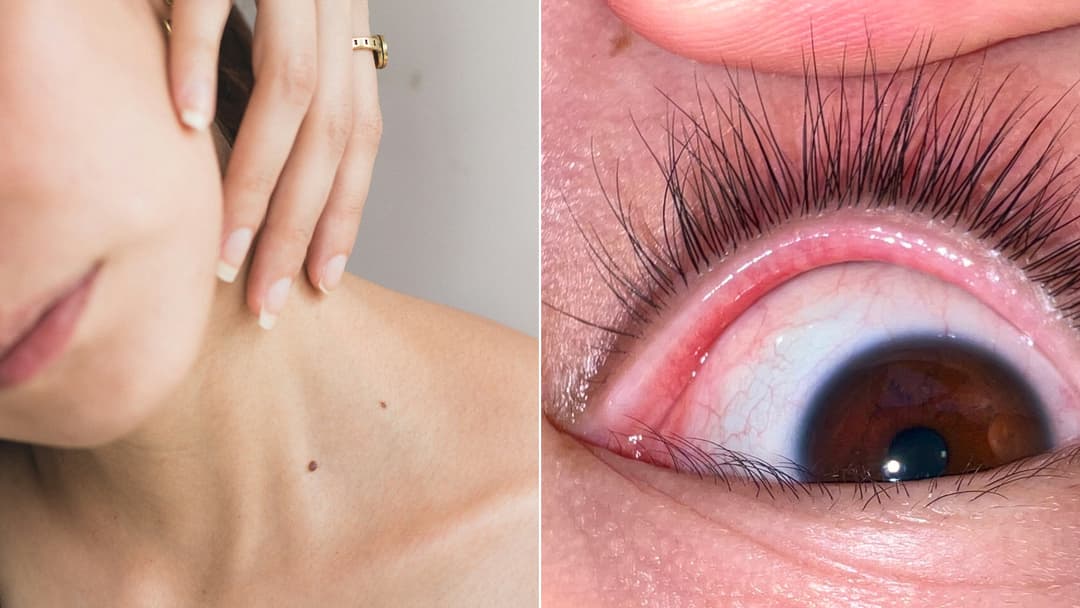
Based on clinical guidance and diagnostic surveys from the American Academy of Dermatology and the Skin Cancer Foundation, skin cancer frequently develops in hidden areas shielded from direct sunlight. Explore these 15 overlooked body locations dermatologists monitor closely during routine full-body examinations.
By Most Viral Today
1 hour ago

15 Overlooked Locations Where Skin Cancers Often Hide 
15. Behind The Knees 
14. Between The Toes 
13. Underneath The Armpits - AdvertisementSwipe or tap ▶ to continue countdown

12. The Roof Of The Mouth 
11. Under The Breasts 
10. Behind The Ears 
9. Inside The Belly Button - AdvertisementSwipe or tap ▶ to continue countdown

8. Between The Buttocks 
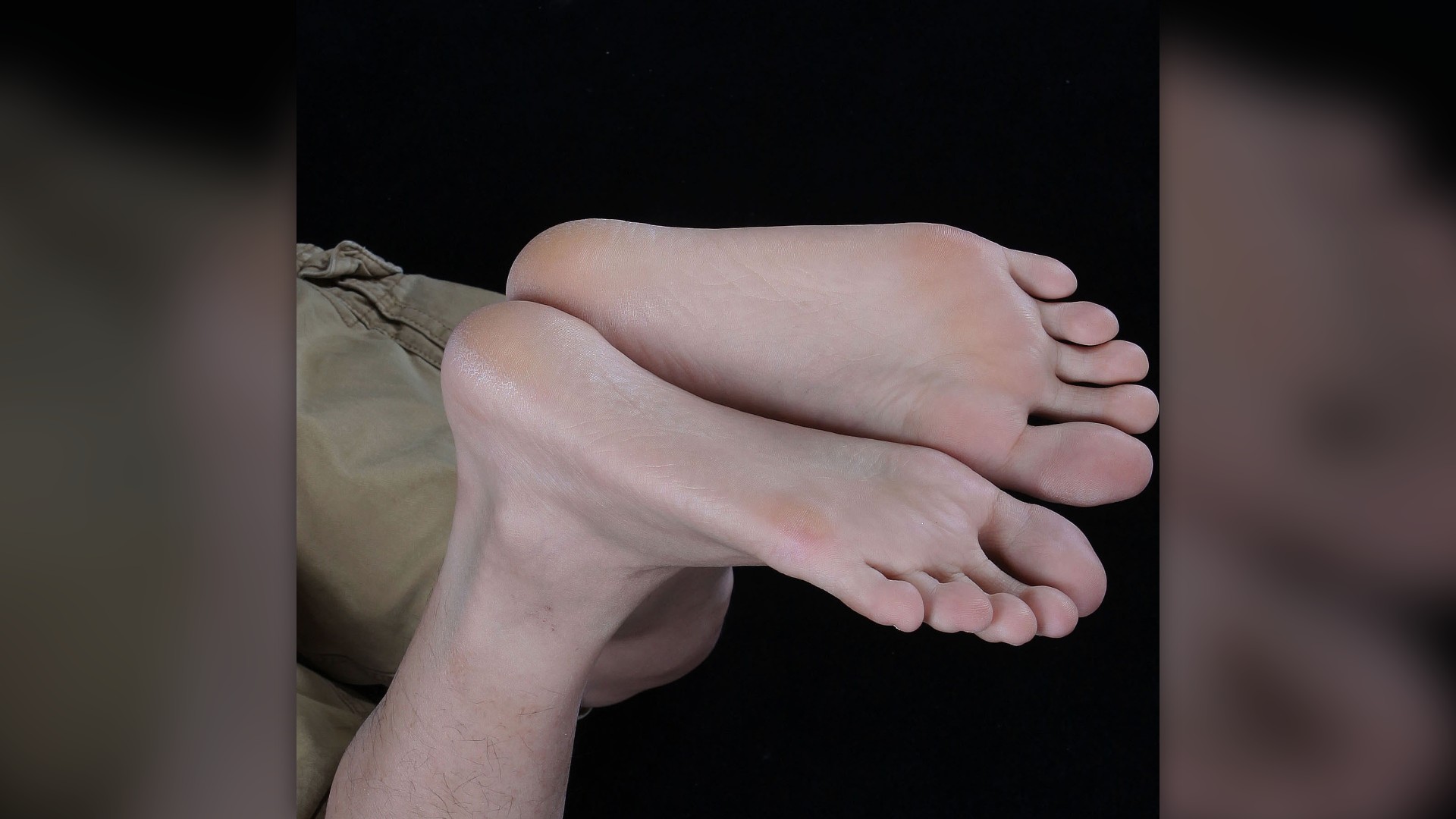
7. Soles Of The Feet 
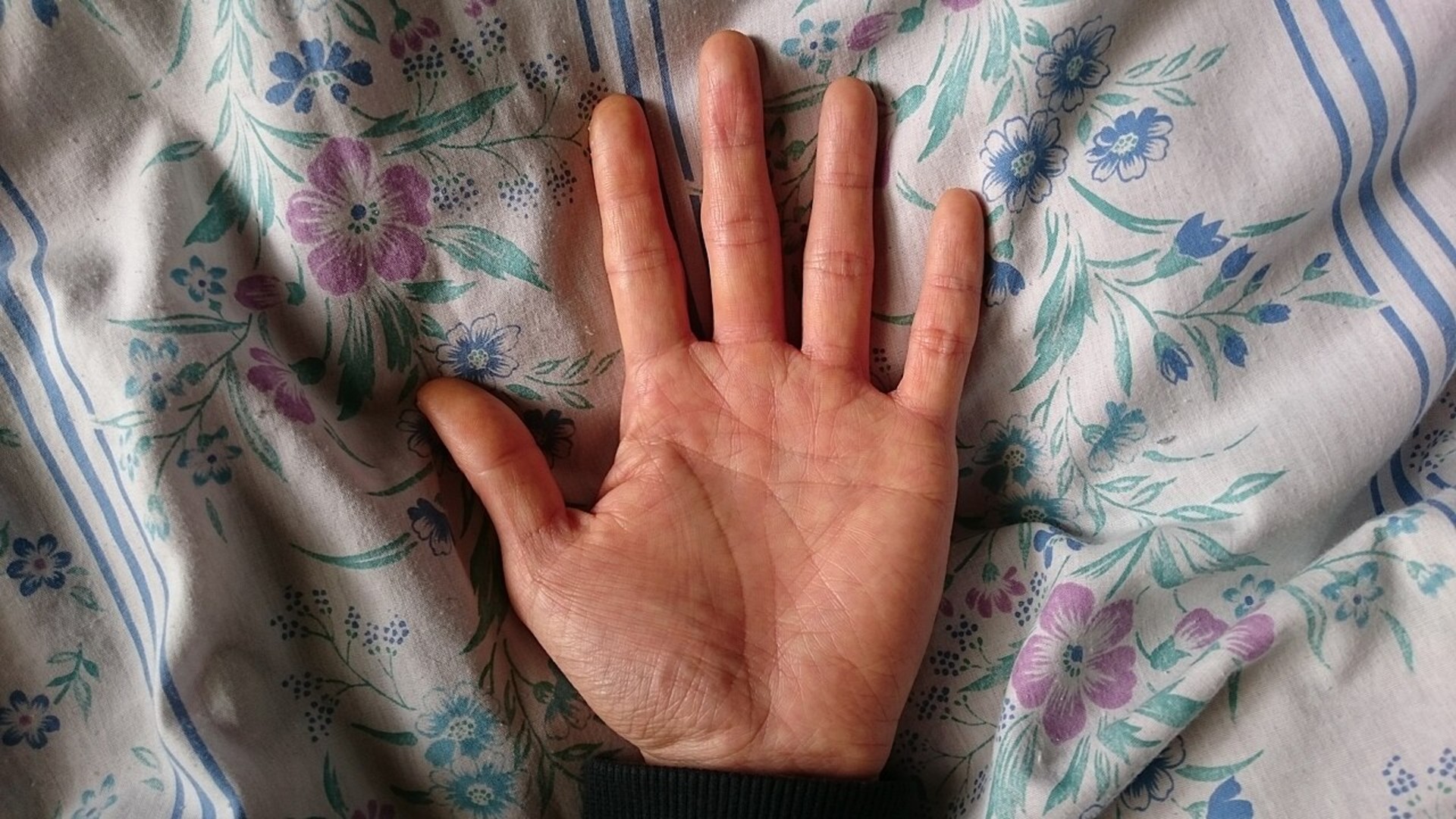
6. Palms Of The Hands 
5. Under The Fingernails - AdvertisementSwipe or tap ▶ to continue countdown

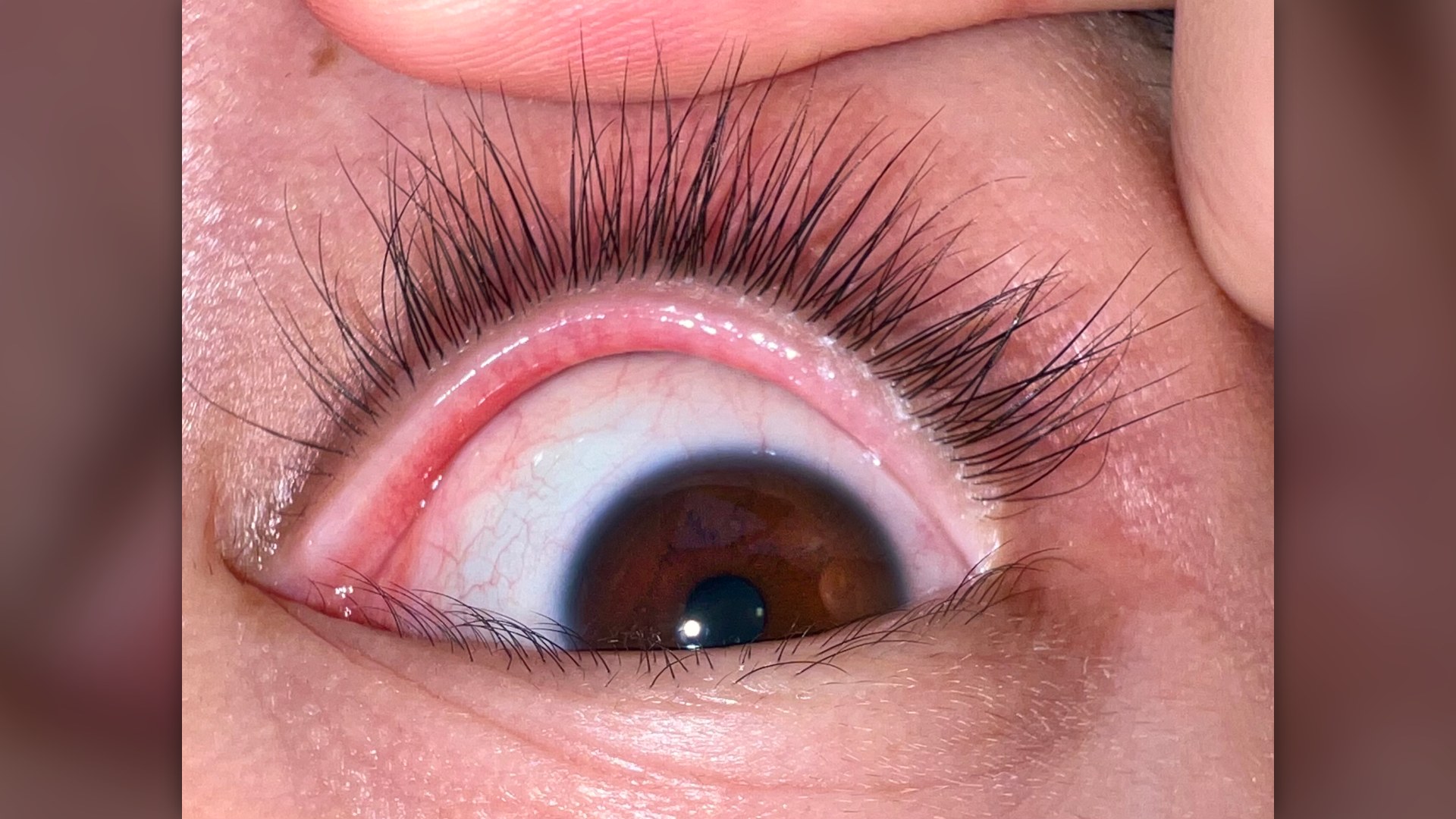
4. The Eyelids 
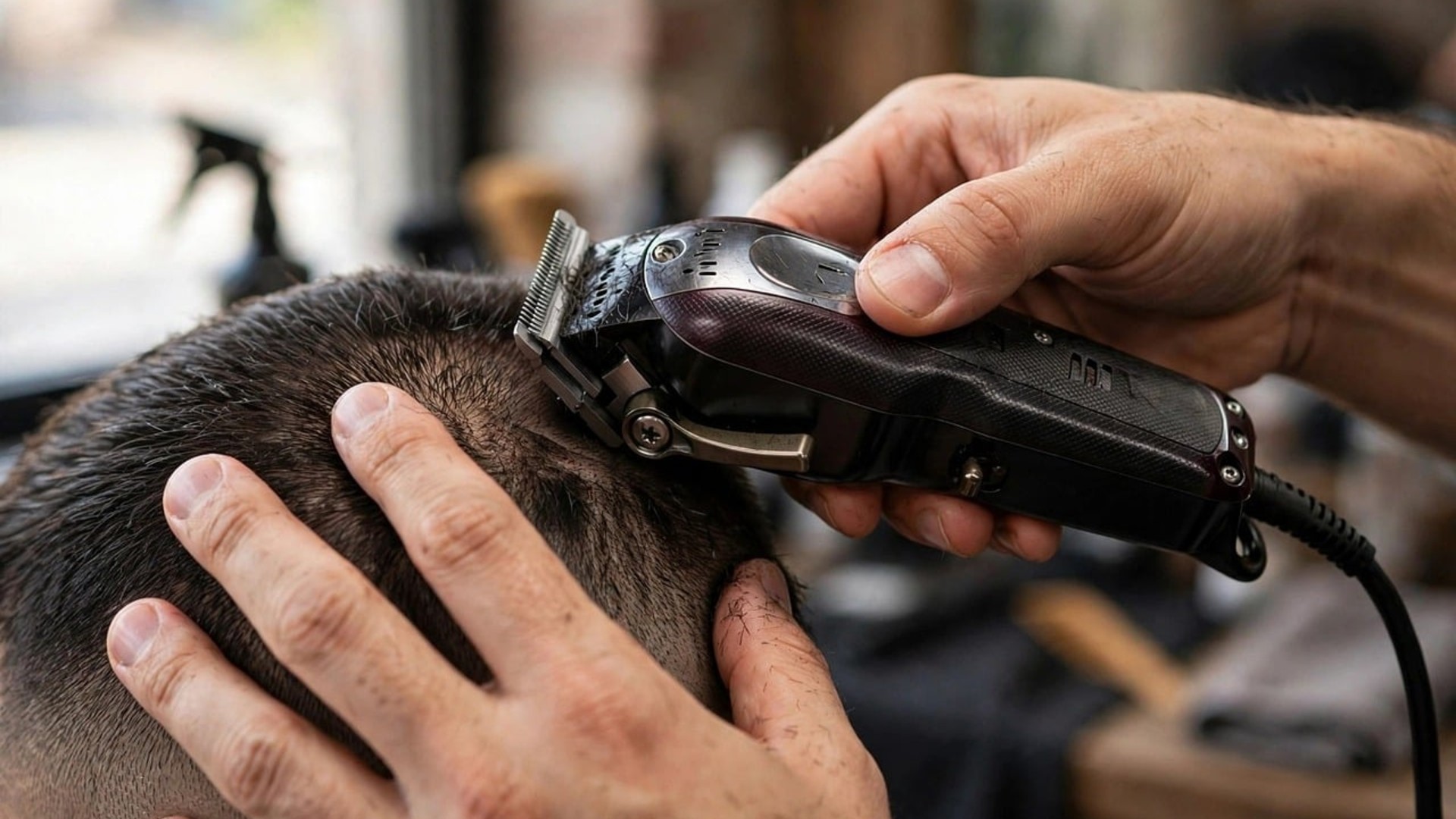
3. The Scalp Under Thick Hair 
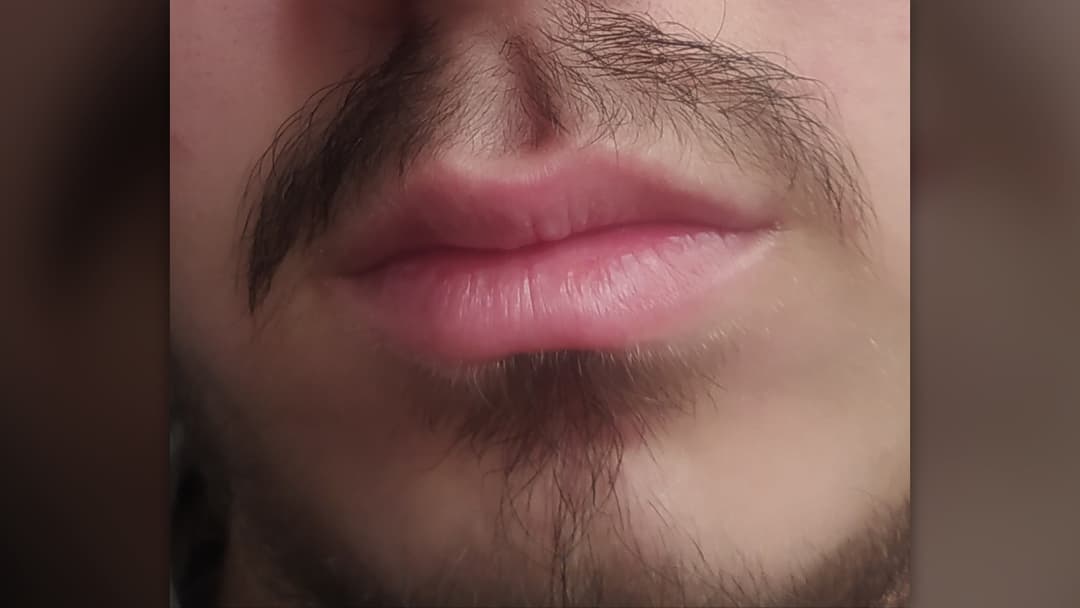
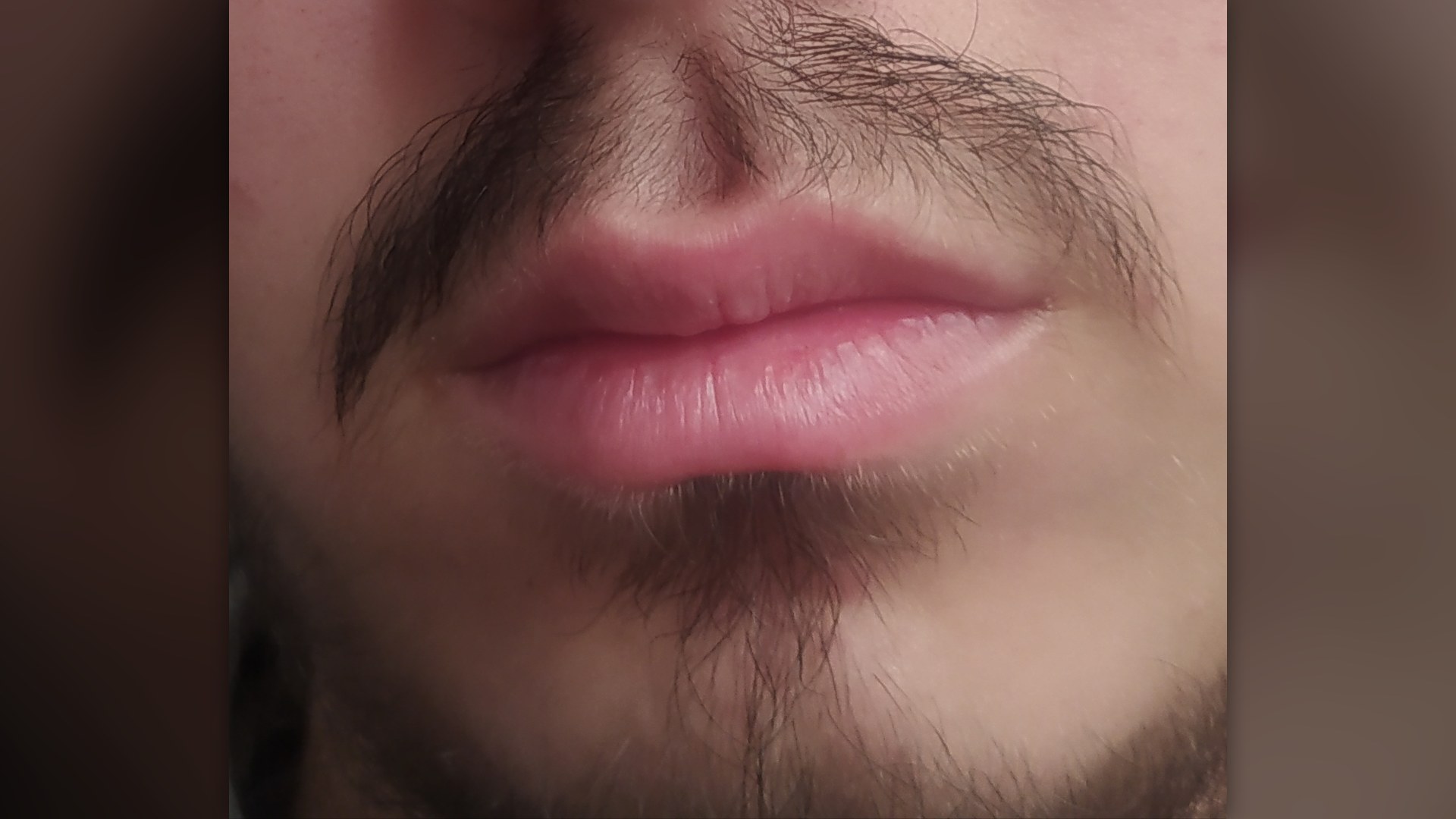
2. The Lips 
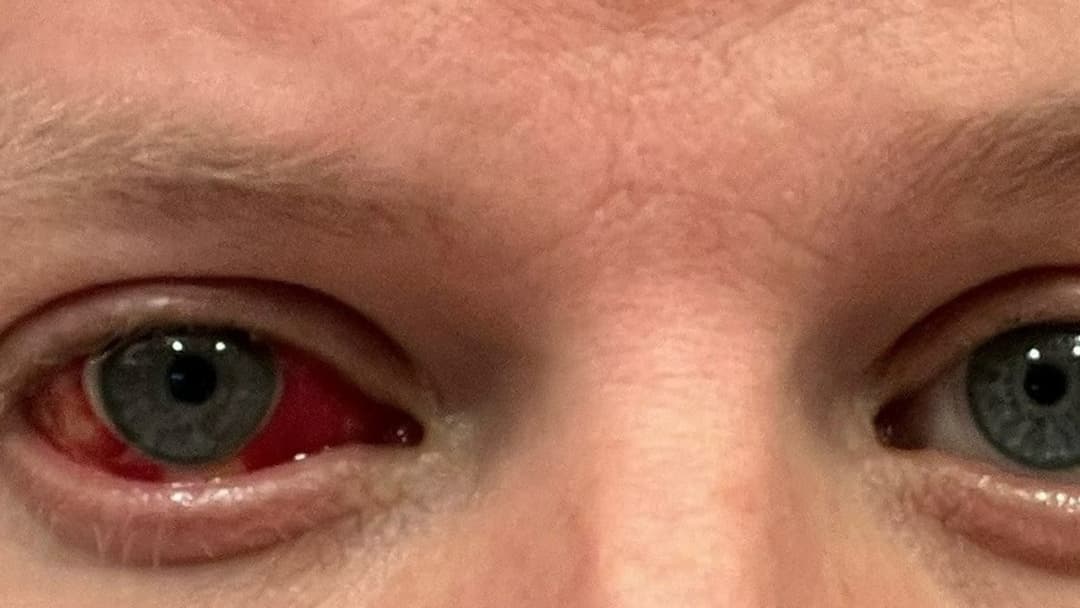
1. The Eyes - Advertisement🔥 UP NEXT IN THIS SERIES◫ 26 Slides

25 Top Winter Gateways for Americans
25 top winter escapes for Americans to explore.
Based on clinical guidance and diagnostic surveys from the American Academy of Dermatology and the Skin Cancer Foundation, skin cancer frequently develops in hidden areas shielded from direct sunlight. Explore these 15 overlooked body locations dermatologists monitor closely during routine full-body examinations.

Swipe or tap ▶ to begin the countdown
©Unsplash / Angélica Echeverry & Wikimedia / Rapidreflex
15. Behind The Knees
The skin folds behind the knees rarely get direct attention when people apply sunscreen before outdoor activities. Ultraviolet rays reflected off sand, water, and pavement frequently reach this delicate area. Dermatologists recommend using a full-length hand mirror to check for changing moles.

©Wikimedia / Elements Of This World
14. Between The Toes
Skin cancer between the toes often goes undetected because people rarely inspect the webbing of their feet. Friction and moisture can mask developing lesions as athlete's foot or simple blisters. Doctors advise inspecting these crevices during routine foot care.

©Pixabay / Pixabay Contributor
13. Underneath The Armpits
While the axillary vault rarely sees direct sunshine, non-sun-induced melanomas and metastatic lesions can still arise here. Patients frequently mistake early skin changes for ingrown hairs or deodorant irritation. A monthly check of your underarms can catch subtle growths early.

Advertisement
Swipe or tap ▶ to resume the countdown.
12. The Roof Of The Mouth
Mucosal melanoma can develop on the hard palate and inner lining of the mouth without any prior sun exposure. Because these lesions are painless initially, dentists often spot them first during routine dental cleanings. Any dark pigmentation or persistent sore warrants immediate evaluation.

©Pixabay / whitedaemon
11. Under The Breasts
The inframammary fold under the breasts creates a sheltered environment where developing lesions are easily overlooked. Persistent redness, scaling, or new dark spots can easily be dismissed as heat rash or chafing. Lifting the skin during regular self-exams helps spot abnormal changes.

© Photo by Portraits of Modern Dairy on Unsplash
10. Behind The Ears
The crease behind the ears and the delicate earlobes receive intense ultraviolet exposure, especially among people with short hair. Most swimmers and runners forget to apply sunscreen behind their ears. Basal and squamous cell carcinomas frequently form in this vulnerable fold.

©Pixabay / liamrobinson
9. Inside The Belly Button
The recessed contours of the navel make it easy to miss unusual pigmentation or small crusting lesions. Rare metastatic skin tumors and primary melanomas can develop within the umbilical fold unnoticed. Gently cleansing and inspecting the navel during showers ensures you notice changes.

©Pixabay / elementus
Advertisement
Swipe or tap ▶ to resume the countdown.
8. Between The Buttocks
Skin cancers in the gluteal cleft prove that ultraviolet radiation isn't the sole trigger for malignant skin changes. Genetic mutations and chronic friction can encourage atypical cellular growth in covered regions. Full-body examinations by a board-certified dermatologist help monitor these hidden zones.

©Pixabay / innamykytas
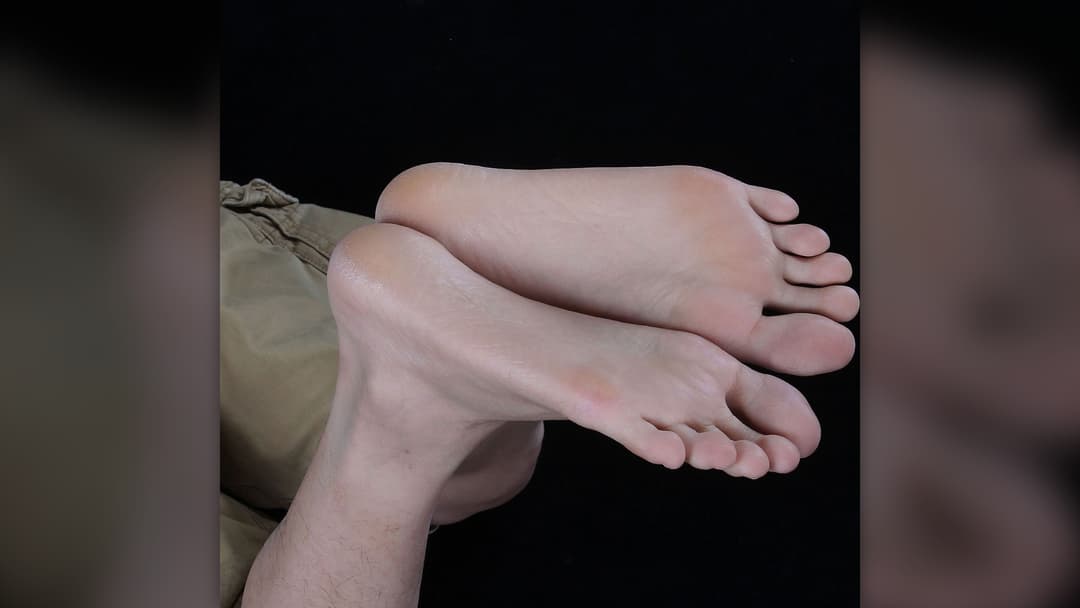
7. Soles Of The Feet
Acral lentiginous melanoma, the deadliest form of skin cancer in darker skin tones, often appears on the soles of the feet. Bob Marley famously passed away from this subtype after mistaking it for a soccer injury. Regularly checking the bottoms of your feet can be life-saving.
©Wikimedia / Alvinjiaodi
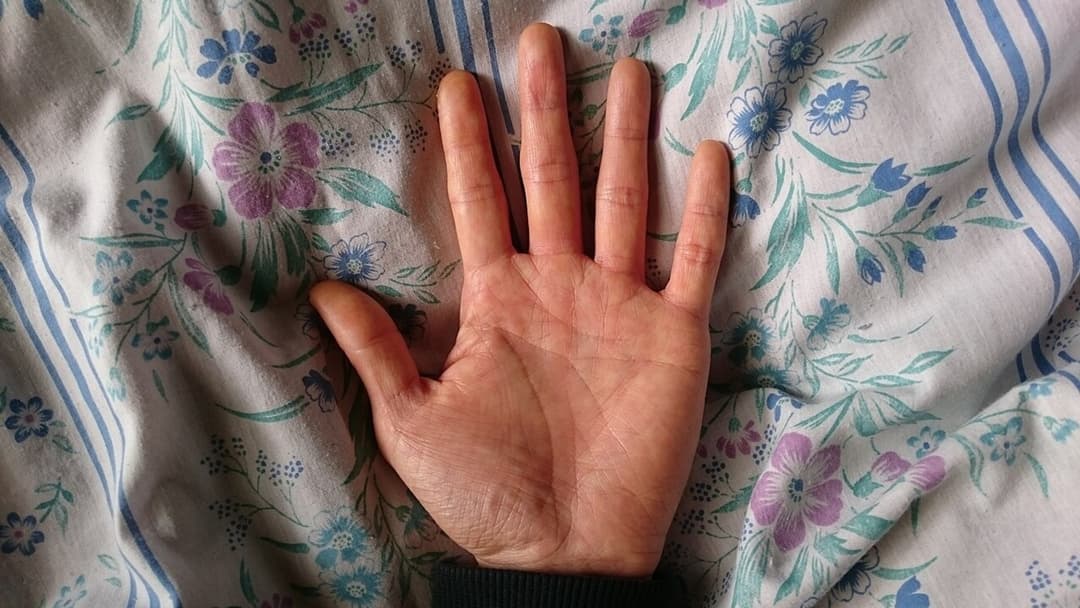
6. Palms Of The Hands
While the backs of the hands get the most sun, the thick palmar skin can also develop dangerous melanomas. Early lesions often resemble harmless bruises or ink stains that refuse to fade. Any persistent spot that changes shape or darkens requires prompt clinical evaluation.
©Wikimedia / 些細な日常
5. Under The Fingernails
Subungual melanoma develops in the nail matrix and often looks like a harmless bruise or vertical dark streak under the nail. Unlike trauma injuries that grow out with the nail, malignant streaks widen over time. Removing nail polish before annual dermatological exams is crucial.

©Wikimedia / John Robert McPherson
Advertisement
Swipe or tap ▶ to resume the countdown.
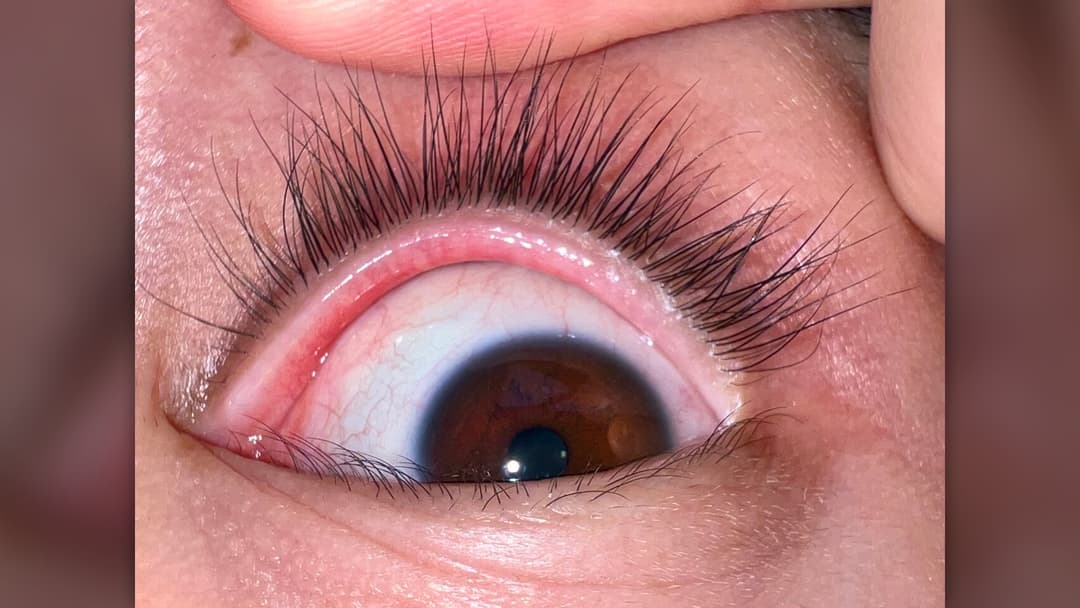
4. The Eyelids
The Skin Cancer Foundation reports that up to ten percent of all skin cancers occur on the eyelids, with basal cell carcinoma being the most common. The ultra-thin skin here is particularly susceptible to UV damage. Wearing UV-blocking sunglasses provides essential defense.
©Wikimedia / Rapidreflex
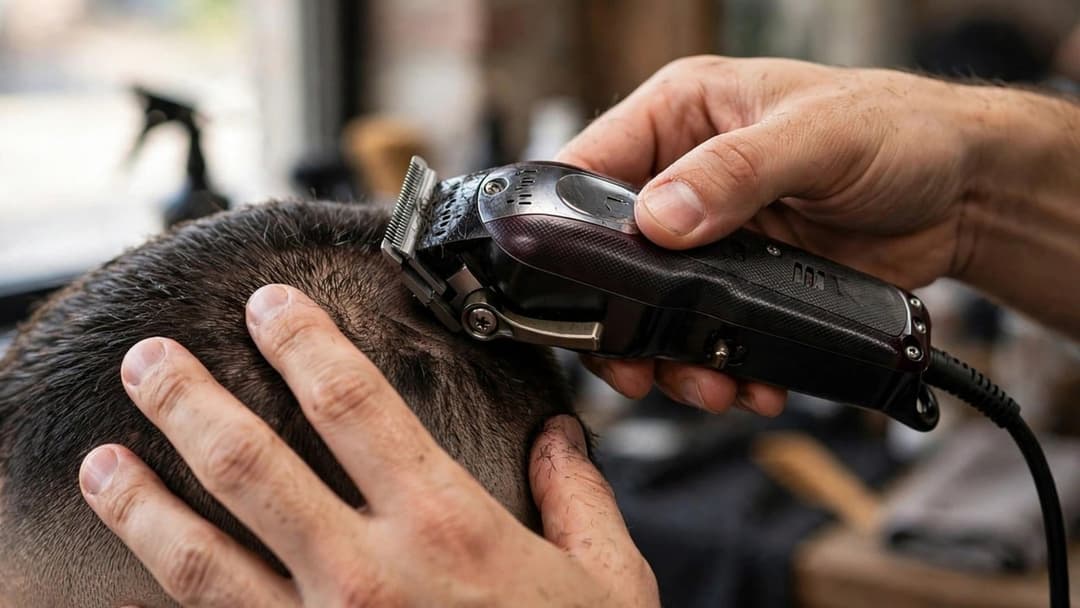
3. The Scalp Under Thick Hair
The top of the head absorbs vertical sunlight throughout the day, yet hair conceals developing tumors from view. Scalp melanomas tend to be diagnosed at later stages, leading to poorer prognoses. Asking your hairstylist or partner to check your scalp can catch lesions early.
©Pixabay / louiscarter196
2. The Lips
The lower lip receives twelve times more direct solar radiation than the upper lip, making it highly susceptible to squamous cell carcinoma. Persistent chapping, flaking, or pale patches often signal actinic cheilitis. Applying a dedicated SPF 30 lip balm provides vital protection.
©Wikimedia / Kajoovi
1. The Eyes
Ocular melanoma is the most common primary cancer of the eye, forming in the melanin-producing cells of the iris and choroid. Because it develops internally, patients often notice no symptoms until routine dilated eye exams reveal a pigmented lesion. Annual visits to an optometrist remain essential.
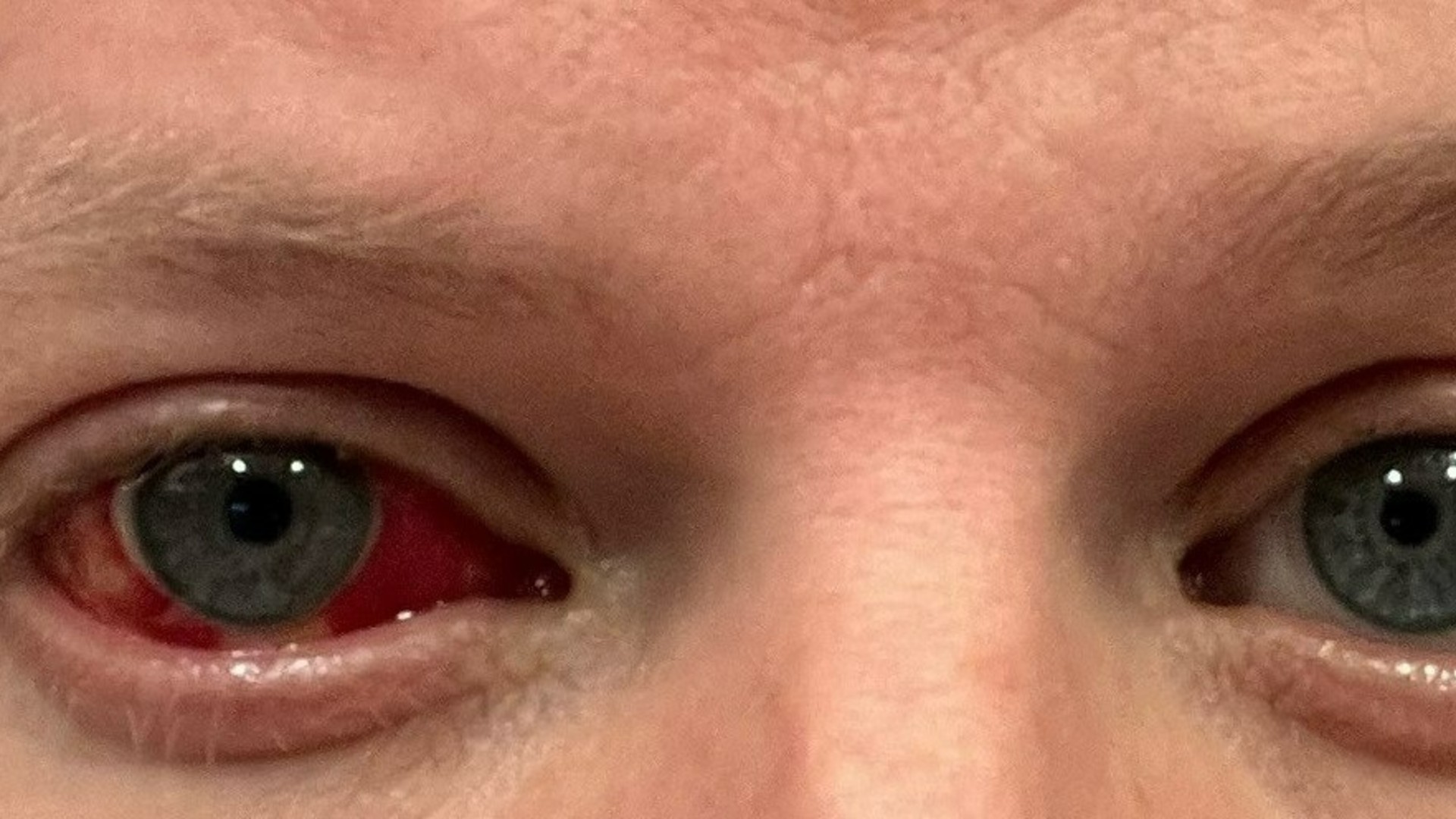
©Wikimedia / Remember
Advertisement
You've reached the end of the story. Thanks for reading!

25 Top Winter Gateways for Americans
25 top winter escapes for Americans to explore.
All 15 Entries in this Story
15. Behind The Knees
The skin folds behind the knees rarely get direct attention when people apply sunscreen before outdoor activities. Ultraviolet rays reflected off sand, water, and pavement frequently reach this delicate area. Dermatologists recommend using a full-length hand mirror to check for changing moles.

14. Between The Toes
Skin cancer between the toes often goes undetected because people rarely inspect the webbing of their feet. Friction and moisture can mask developing lesions as athlete's foot or simple blisters. Doctors advise inspecting these crevices during routine foot care.

13. Underneath The Armpits
While the axillary vault rarely sees direct sunshine, non-sun-induced melanomas and metastatic lesions can still arise here. Patients frequently mistake early skin changes for ingrown hairs or deodorant irritation. A monthly check of your underarms can catch subtle growths early.

12. The Roof Of The Mouth
Mucosal melanoma can develop on the hard palate and inner lining of the mouth without any prior sun exposure. Because these lesions are painless initially, dentists often spot them first during routine dental cleanings. Any dark pigmentation or persistent sore warrants immediate evaluation.

11. Under The Breasts
The inframammary fold under the breasts creates a sheltered environment where developing lesions are easily overlooked. Persistent redness, scaling, or new dark spots can easily be dismissed as heat rash or chafing. Lifting the skin during regular self-exams helps spot abnormal changes.

10. Behind The Ears
The crease behind the ears and the delicate earlobes receive intense ultraviolet exposure, especially among people with short hair. Most swimmers and runners forget to apply sunscreen behind their ears. Basal and squamous cell carcinomas frequently form in this vulnerable fold.

9. Inside The Belly Button
The recessed contours of the navel make it easy to miss unusual pigmentation or small crusting lesions. Rare metastatic skin tumors and primary melanomas can develop within the umbilical fold unnoticed. Gently cleansing and inspecting the navel during showers ensures you notice changes.

8. Between The Buttocks
Skin cancers in the gluteal cleft prove that ultraviolet radiation isn't the sole trigger for malignant skin changes. Genetic mutations and chronic friction can encourage atypical cellular growth in covered regions. Full-body examinations by a board-certified dermatologist help monitor these hidden zones.

7. Soles Of The Feet
Acral lentiginous melanoma, the deadliest form of skin cancer in darker skin tones, often appears on the soles of the feet. Bob Marley famously passed away from this subtype after mistaking it for a soccer injury. Regularly checking the bottoms of your feet can be life-saving.

6. Palms Of The Hands
While the backs of the hands get the most sun, the thick palmar skin can also develop dangerous melanomas. Early lesions often resemble harmless bruises or ink stains that refuse to fade. Any persistent spot that changes shape or darkens requires prompt clinical evaluation.

5. Under The Fingernails
Subungual melanoma develops in the nail matrix and often looks like a harmless bruise or vertical dark streak under the nail. Unlike trauma injuries that grow out with the nail, malignant streaks widen over time. Removing nail polish before annual dermatological exams is crucial.

4. The Eyelids
The Skin Cancer Foundation reports that up to ten percent of all skin cancers occur on the eyelids, with basal cell carcinoma being the most common. The ultra-thin skin here is particularly susceptible to UV damage. Wearing UV-blocking sunglasses provides essential defense.

3. The Scalp Under Thick Hair
The top of the head absorbs vertical sunlight throughout the day, yet hair conceals developing tumors from view. Scalp melanomas tend to be diagnosed at later stages, leading to poorer prognoses. Asking your hairstylist or partner to check your scalp can catch lesions early.

2. The Lips
The lower lip receives twelve times more direct solar radiation than the upper lip, making it highly susceptible to squamous cell carcinoma. Persistent chapping, flaking, or pale patches often signal actinic cheilitis. Applying a dedicated SPF 30 lip balm provides vital protection.

1. The Eyes
Ocular melanoma is the most common primary cancer of the eye, forming in the melanin-producing cells of the iris and choroid. Because it develops internally, patients often notice no symptoms until routine dilated eye exams reveal a pigmented lesion. Annual visits to an optometrist remain essential.