Slideshow · Entertainment
23 Hollywood Stars and Directors Who Hate Superhero Movies, Ranked
From Martin Scorsese to Quentin Tarantino, see who rejected superhero movies
By Most Viral Today
2 hours ago

From Martin Scorsese To Quentin Tarantino, See Who Rejected Superhero Movies 
23. Alan Moore 
22. Timothée Chalamet 
21. Rose McGowan - AdvertisementSwipe or tap ▶ to continue countdown

20. Jason Statham 
19. Jennifer Aniston 
18. Luc Besson 
17. Roland Emmerich - AdvertisementSwipe or tap ▶ to continue countdown

16. Christian Bale 
15. Ethan Hawke 
14. Ken Loach 
13. Terry Gilliam - AdvertisementSwipe or tap ▶ to continue countdown

12. Jodie Foster 
11. Mel Gibson 
10. David Cronenberg 
9. Jane Campion - AdvertisementSwipe or tap ▶ to continue countdown

8. Alejandro González Iñárritu 
7. Denis Villeneuve 
6. David Fincher 
5. Ridley Scott - AdvertisementSwipe or tap ▶ to continue countdown

4. James Cameron 
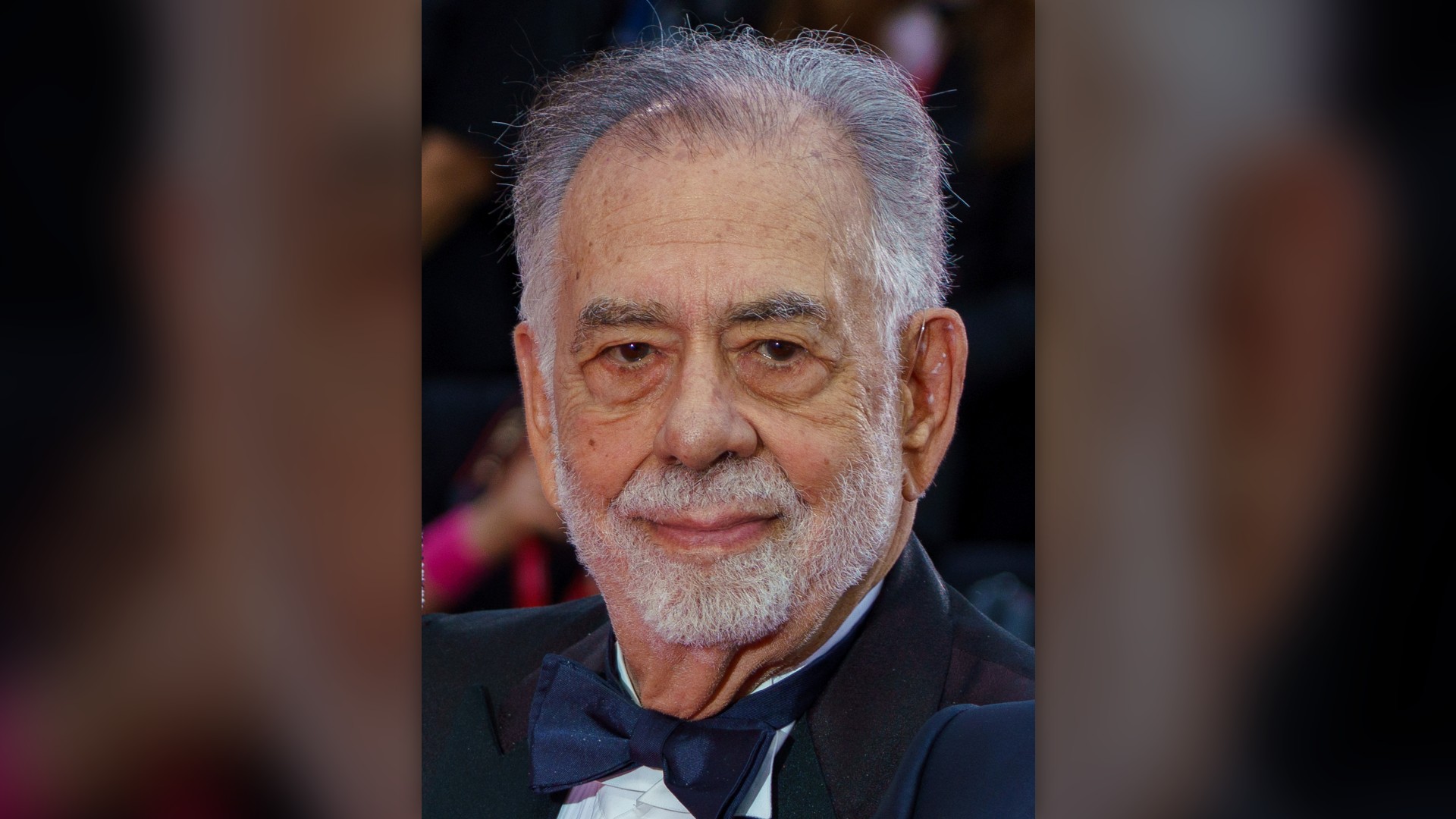
3. Francis Ford Coppola 
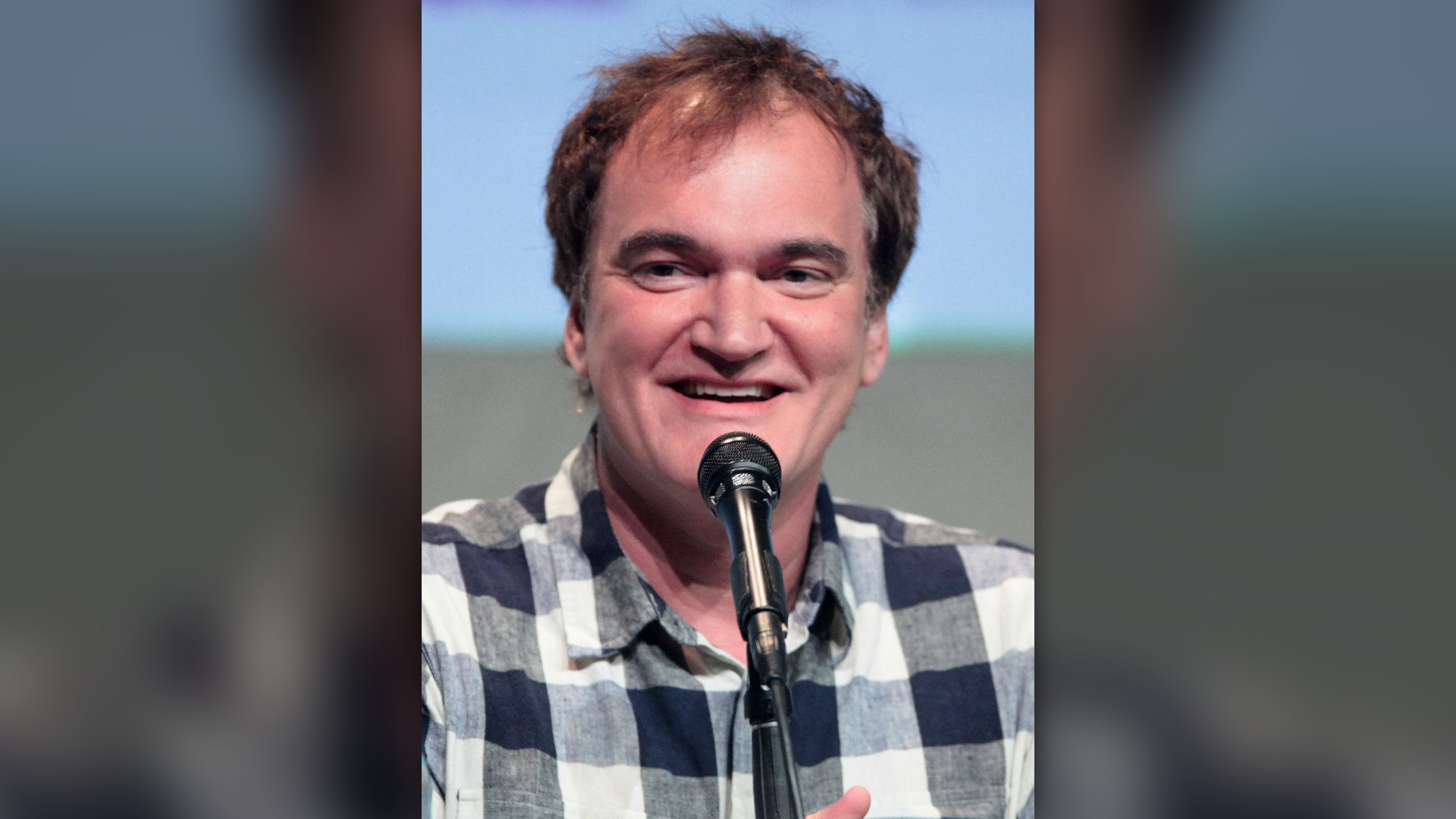
2. Quentin Tarantino 
1. Martin Scorsese - Advertisement🔥 UP NEXT IN THIS SERIES◫ 21 Slides

20 Celebs Who Left Christianity and Why
From A-list Oscar winners raised in strict Catholic or Southern Baptist homes to chart-topping worship leaders and Christian rock frontmen who publicly deconstructed their beliefs, these 20 celebrities walked away from Christianity and shared the personal experiences, doubts, and turning points behind their departures.
Hollywood's biggest auteurs and veteran performers have pushed back against the comic book movie boom. From calling superhero blockbusters theme park rides and commercial hamburgers to warning against cultural decline, these 23 acclaimed actors and directors have publicly rejected modern superhero cinema.
Swipe or tap ▶ to begin the countdown
©Wikimedia / Kevin Tostado & Gage Skidmore from Peoria, AZ
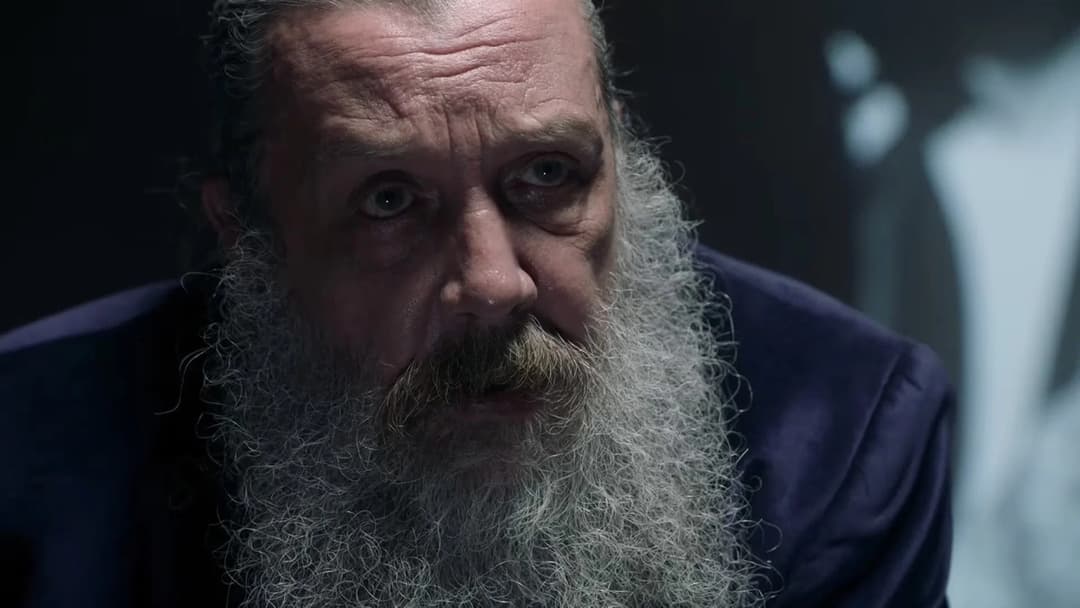
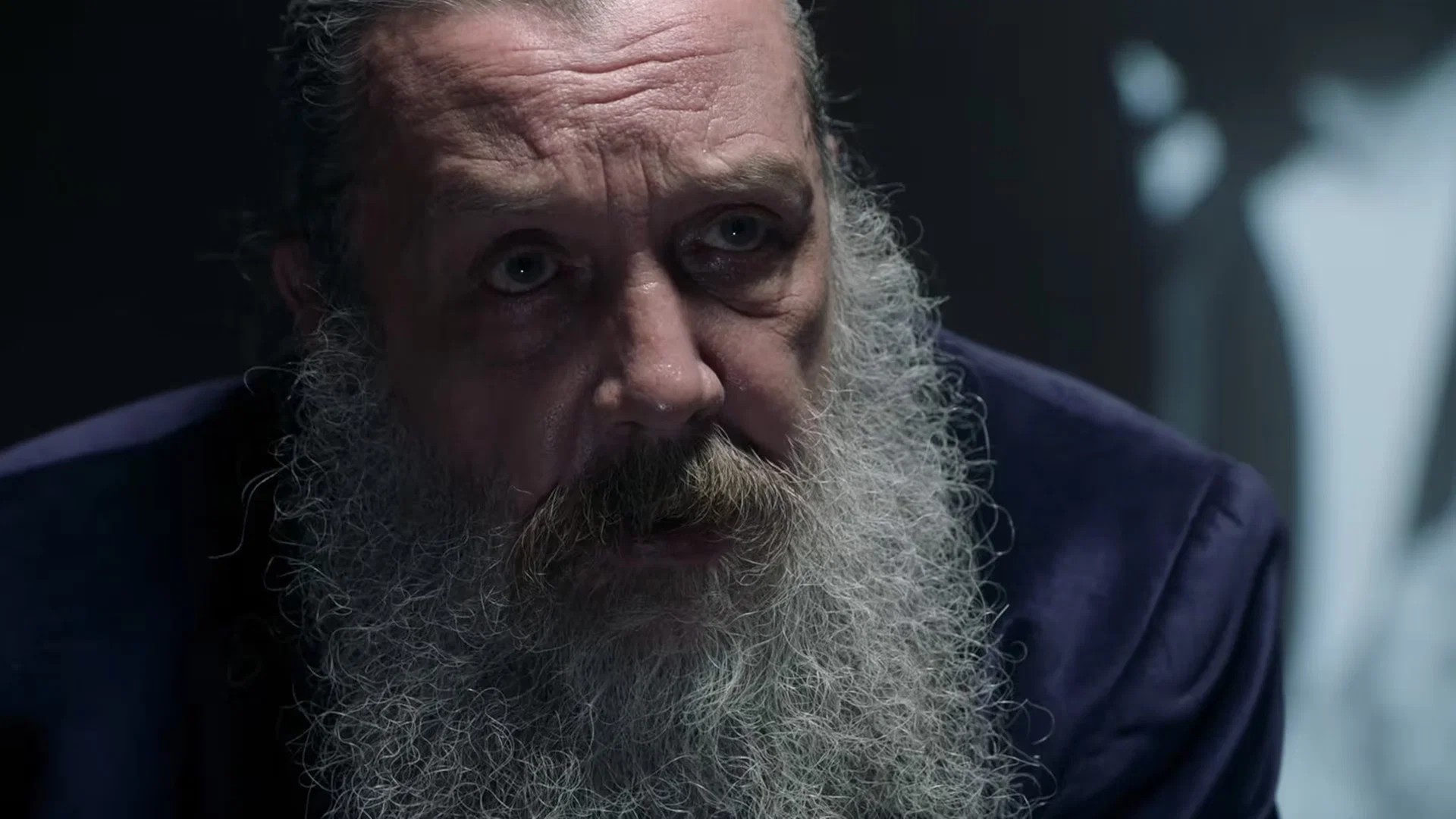
23. Alan Moore
Alan Moore created some of the most revered graphic novels in history, including Watchmen and V for Vendetta. Yet the author completely disowned Hollywood comic adaptations, arguing that grown adults lining up for superhero movies represents an infantile refusal to engage with complex reality.
©TMDb / Inside Alan Moore's Head
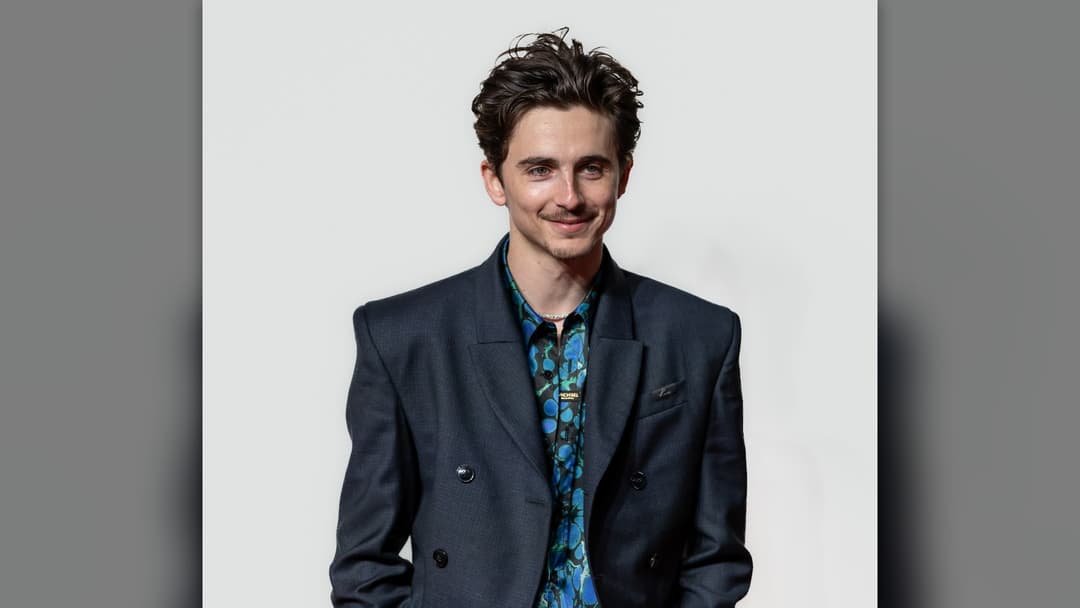
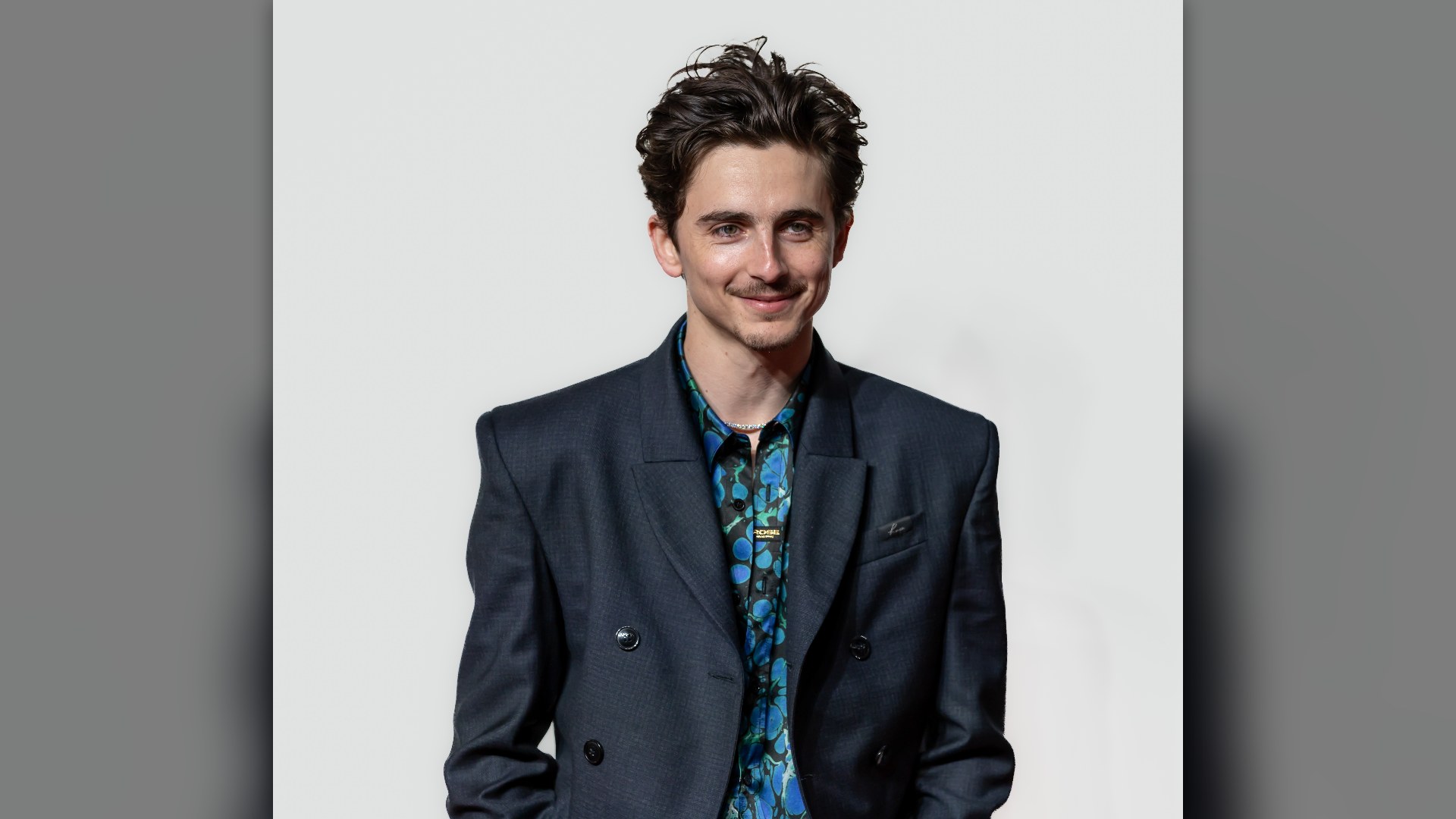
22. Timothée Chalamet
When Timothée Chalamet broke out into Hollywood stardom, Oscar winner Leonardo DiCaprio offered him one golden career rule: no hard drugs and no superhero movies. Chalamet followed that advice to the letter, building his career on auteur-driven epics like Dune and character-focused dramas.
©Wikimedia / Raph_PH
21. Rose McGowan
Rose McGowan slammed major studios for dumping hundreds of millions into endless superhero sequels while ignoring original stories. She publicly labeled comic blockbusters lazy and unoriginal, arguing that the industry replaced genuine emotional storytelling with repetitive digital spectacles.
©Wikimedia / Rhododendrites
Advertisement
Swipe or tap ▶ to resume the countdown.
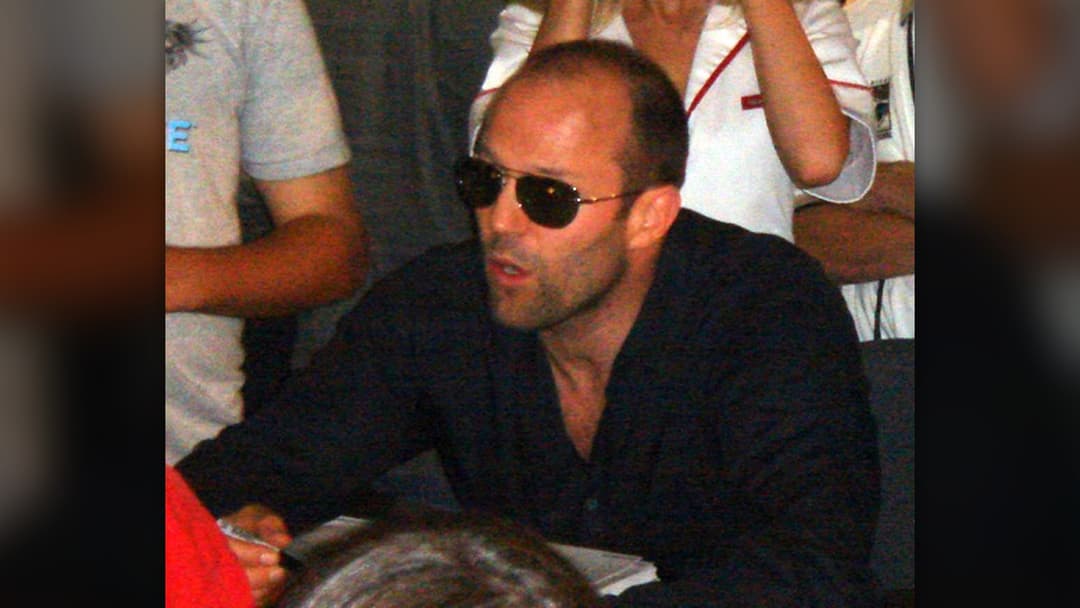
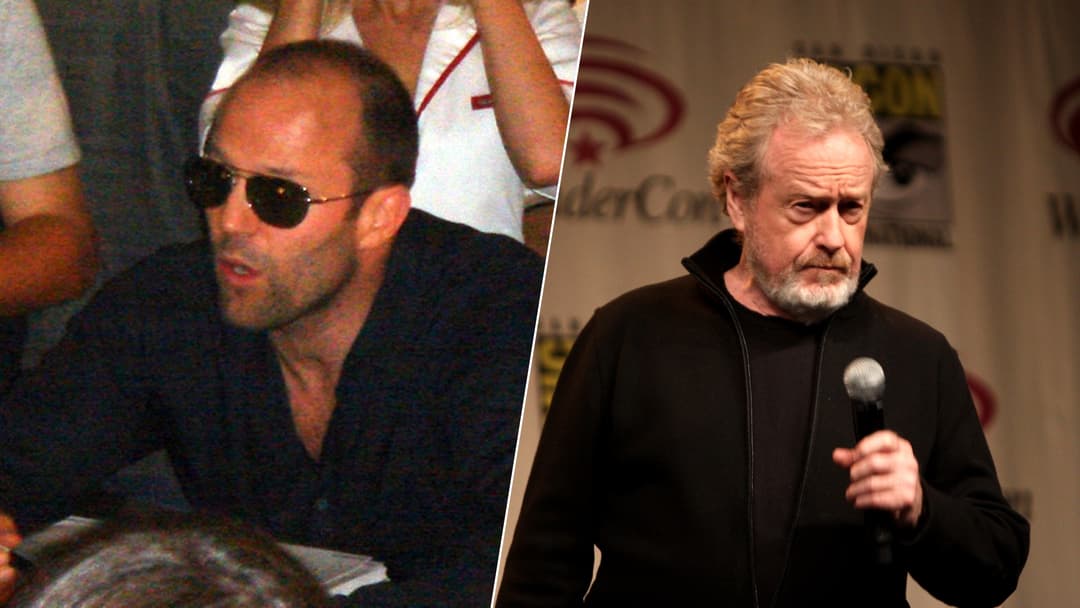
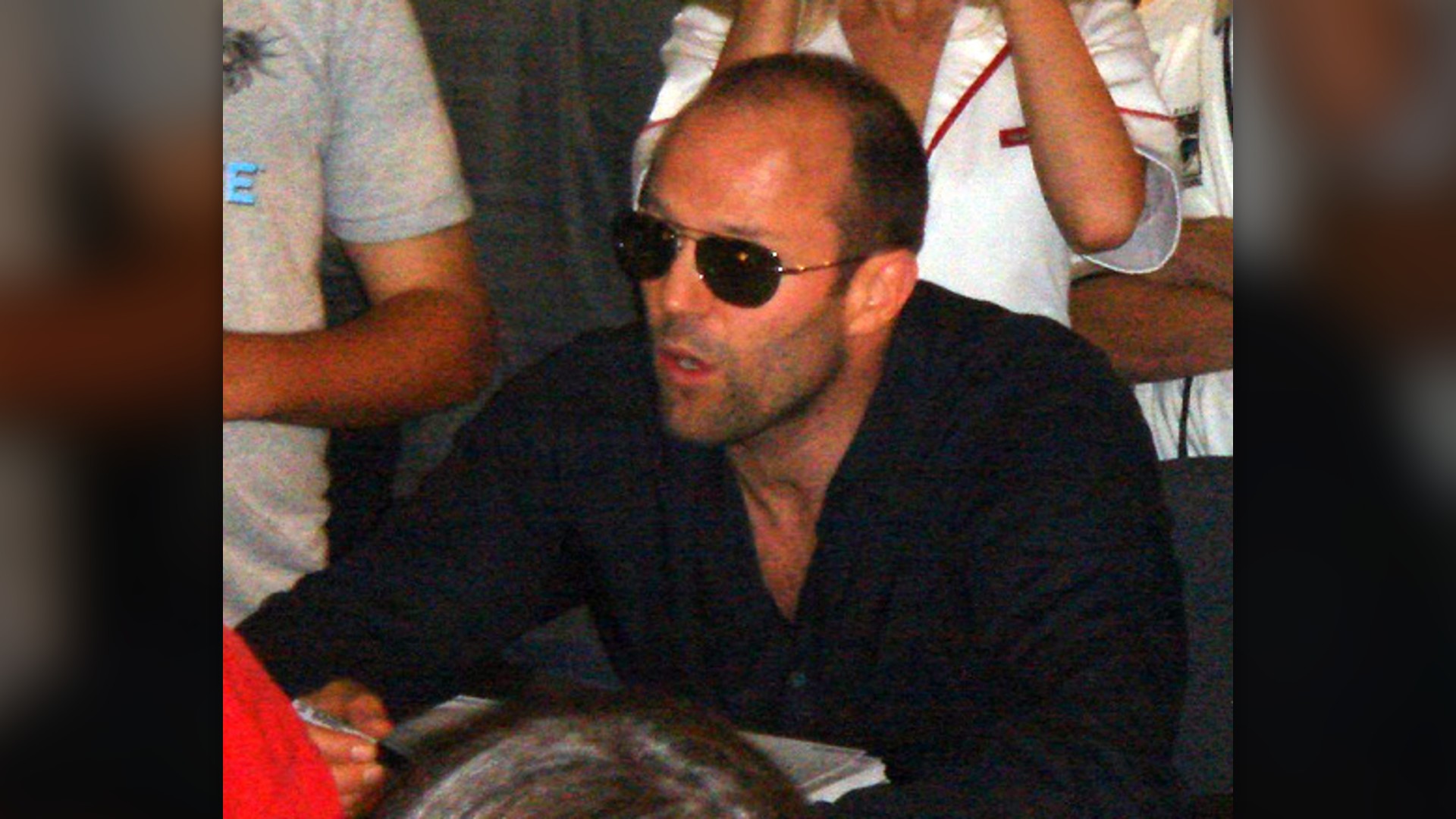
20. Jason Statham
Jason Statham built his Hollywood reputation on performing bone-crunching practical stunts in gritty action movies. He mocked modern superhero productions, stating that anyone could look tough when digital animators replace stunt work with green screens, wire harnesses, and computer pixels.
©Wikimedia / Kevin Tostado
19. Jennifer Aniston
Jennifer Aniston expressed deep dismay over how franchise blockbusters dominate cinema schedules. She noted that studio obsession with superhero spectacles has squeezed out the mid-budget character comedies and romantic dramas that previously gave moviegoers a wide variety of human stories.
©TMDb / Jennifer Aniston: More Than Friends
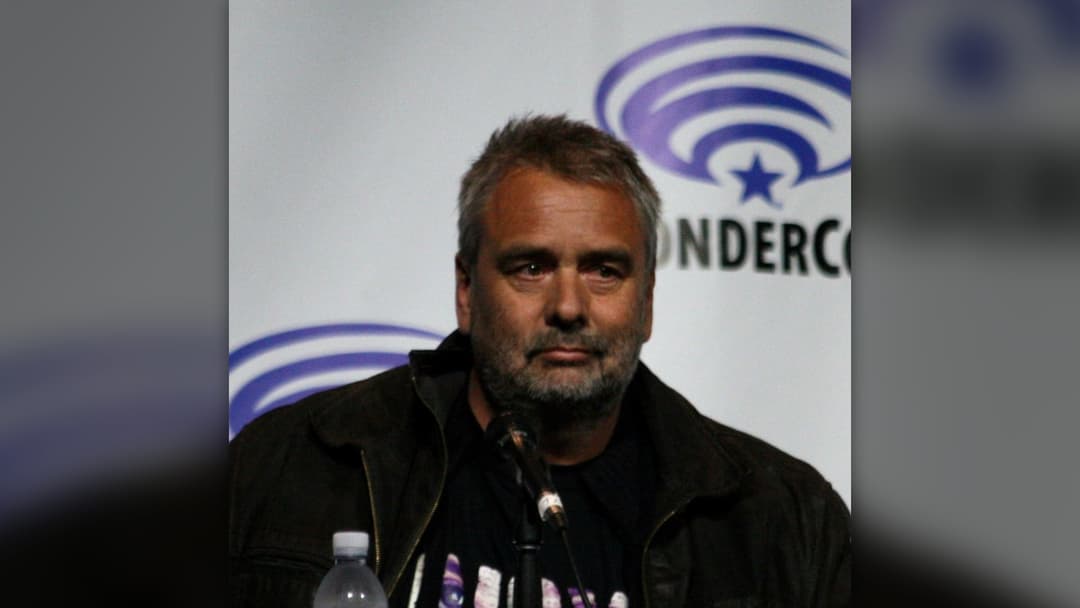
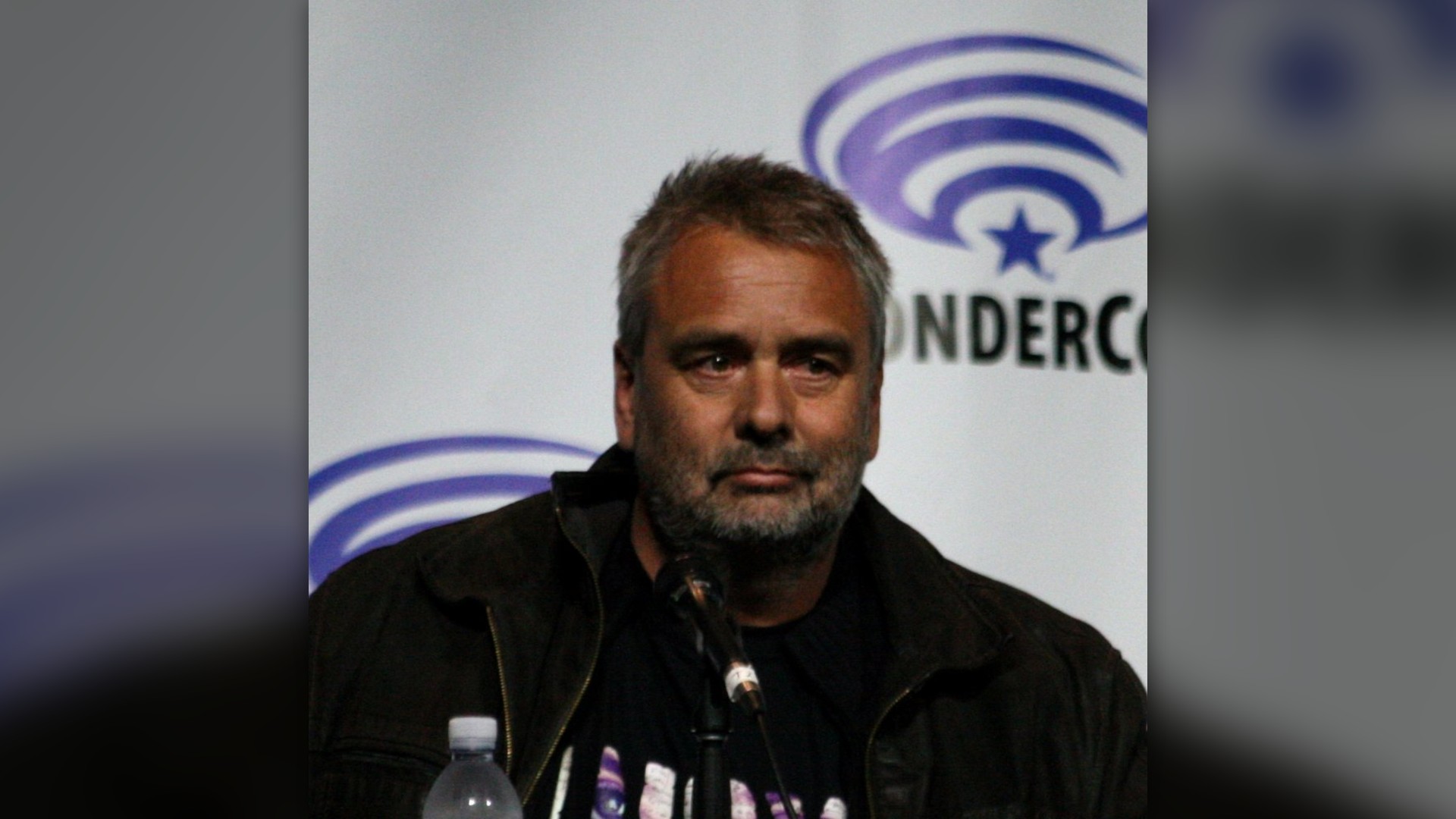
18. Luc Besson
The Fifth Element filmmaker Luc Besson voiced strong fatigue with American superhero dominance. He argued that modern comic book adaptations serve as nationalistic propaganda designed to project American moral supremacy, questioning why audiences around the world should only celebrate US heroes.
©Wikimedia / Floatjon
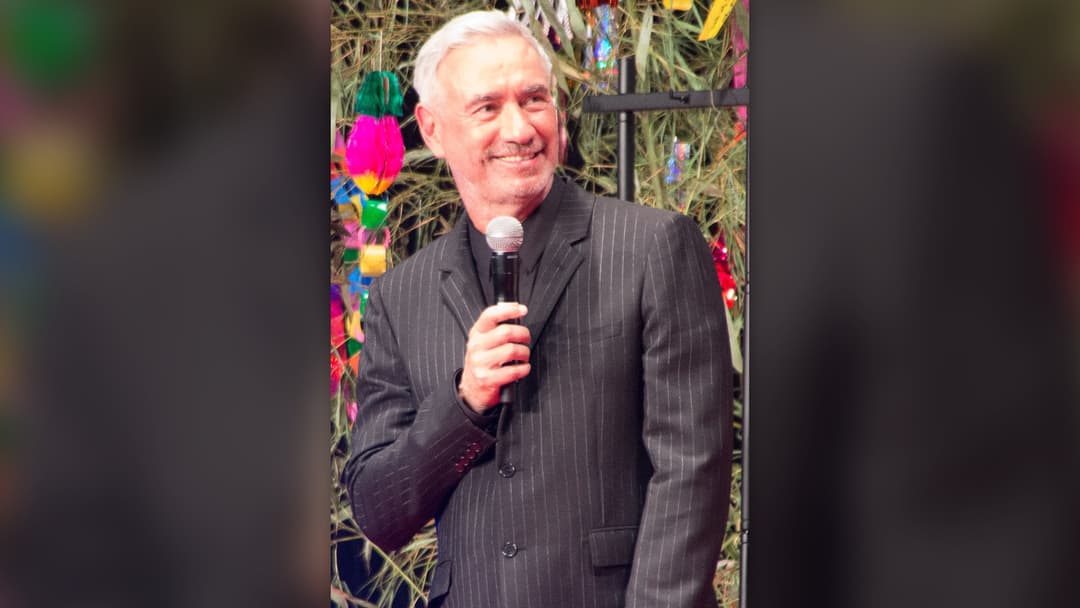
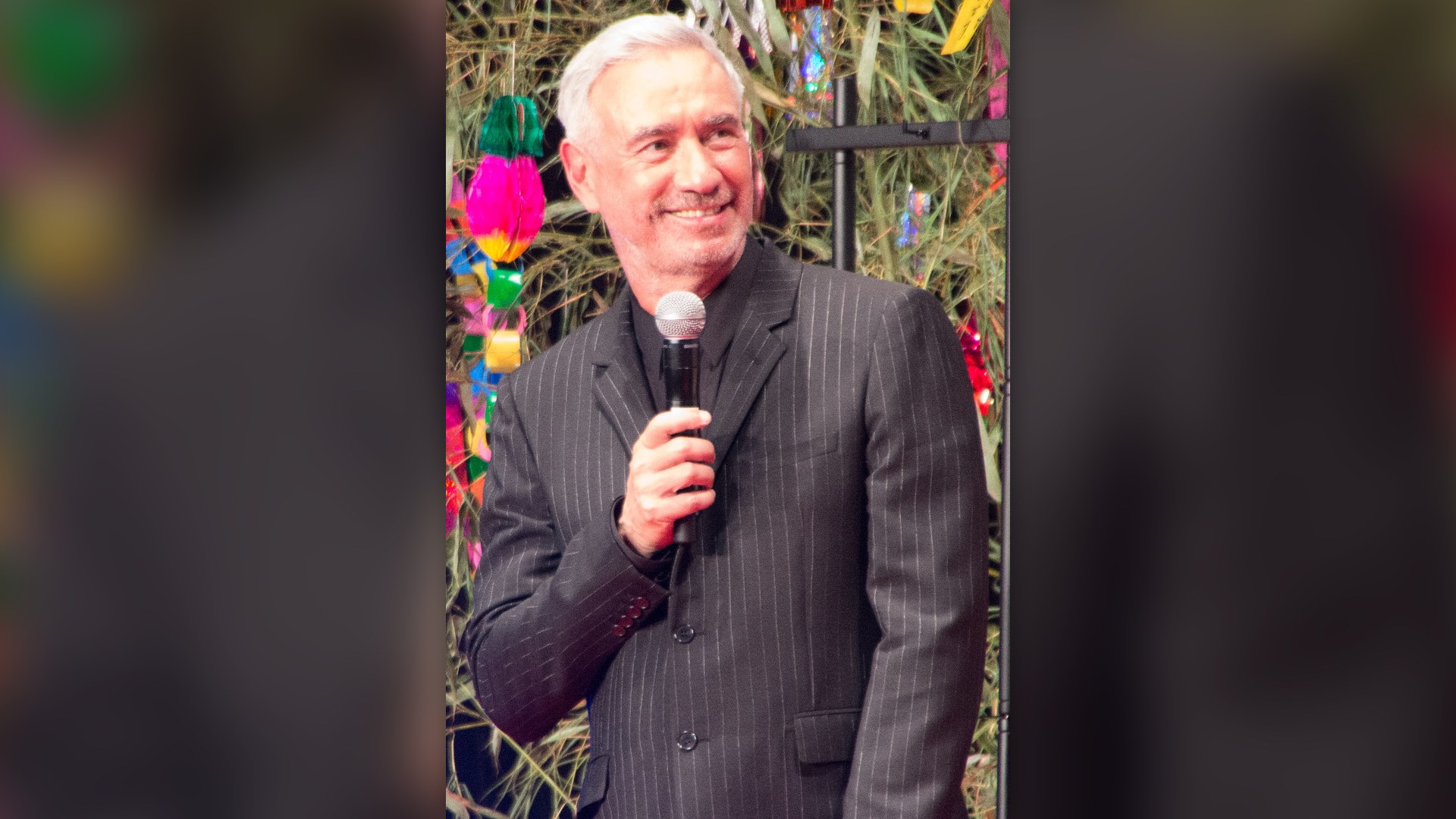
17. Roland Emmerich
Roland Emmerich made Independence Day and The Day After Tomorrow into global box office triumphs through original disaster spectacles. He publicly blamed superhero cinema for ruining theatrical creativity, noting that young filmmakers can no longer get funding for original high-concept movies.
©Wikimedia / Dick Thomas Johnson
Advertisement
Swipe or tap ▶ to resume the countdown.
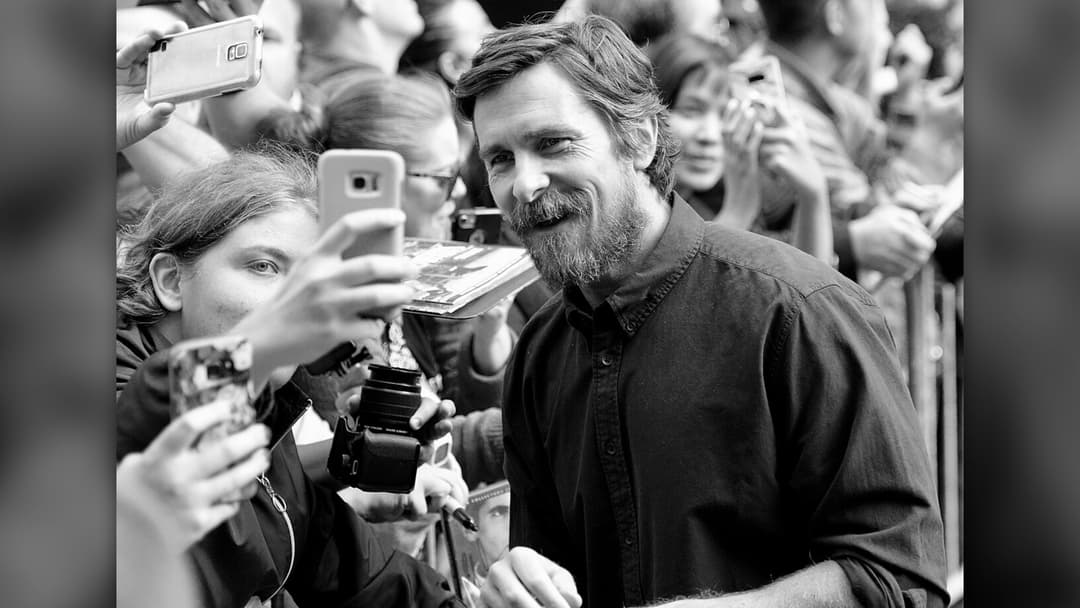
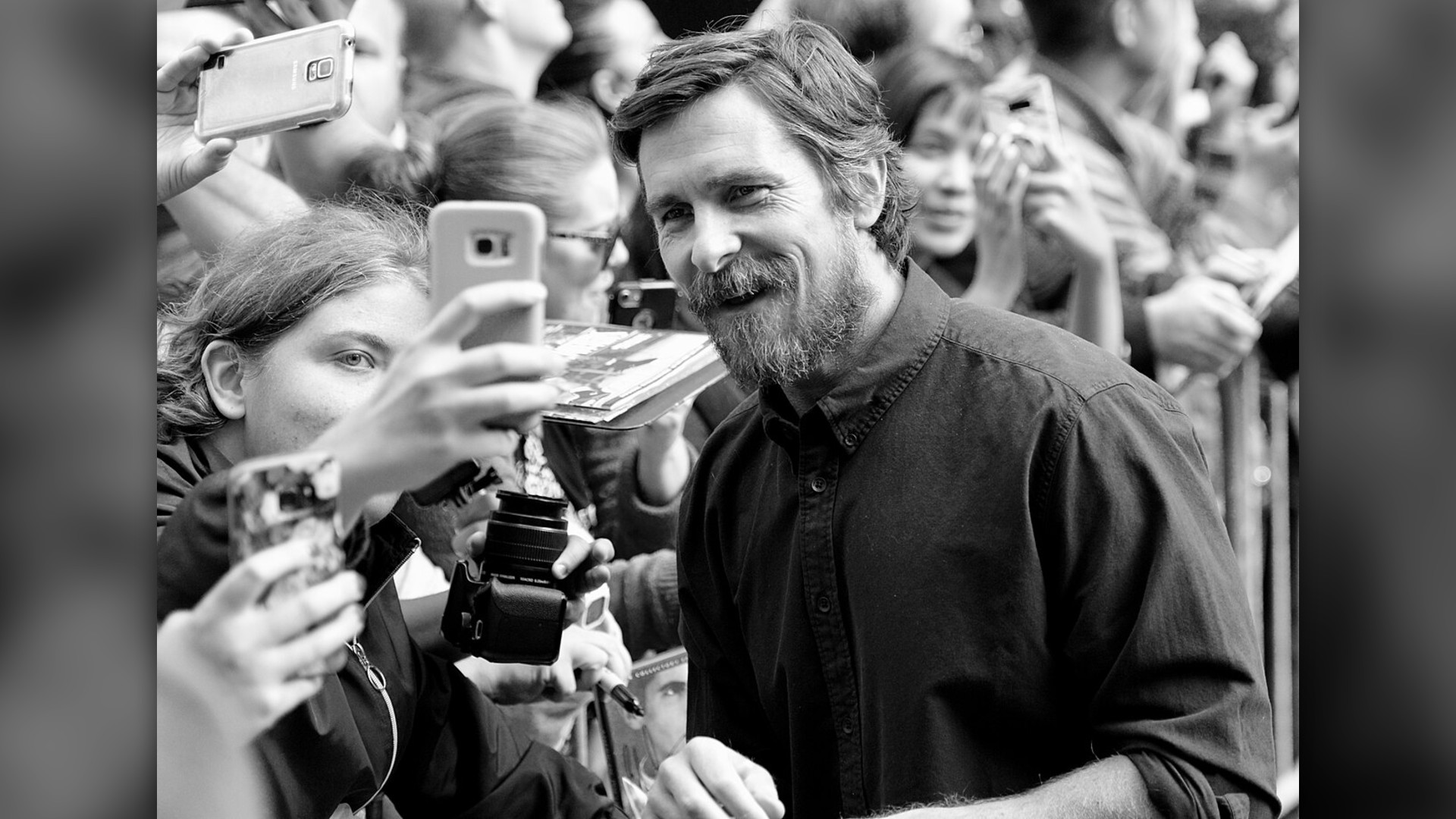
16. Christian Bale
Christian Bale won critical acclaim for portraying Batman in Christopher Nolan's legendary Dark Knight trilogy. Despite headlining three of the most celebrated comic adaptations in history, Bale openly admitted he does not watch superhero movies, preferring not to follow the genre as a viewer.
©Wikimedia / John Bauld from Toronto, Canada
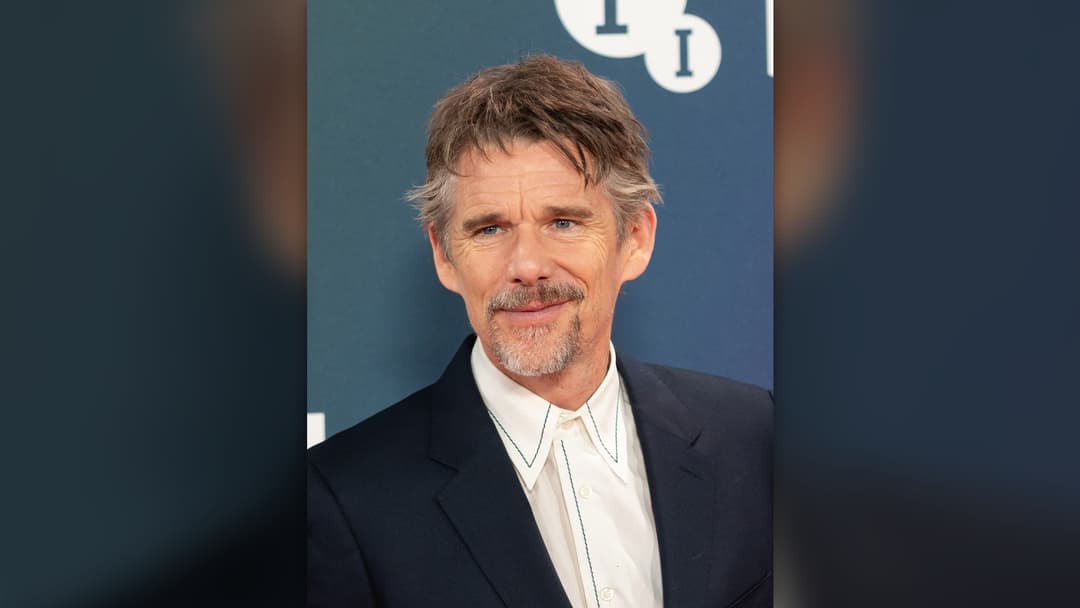
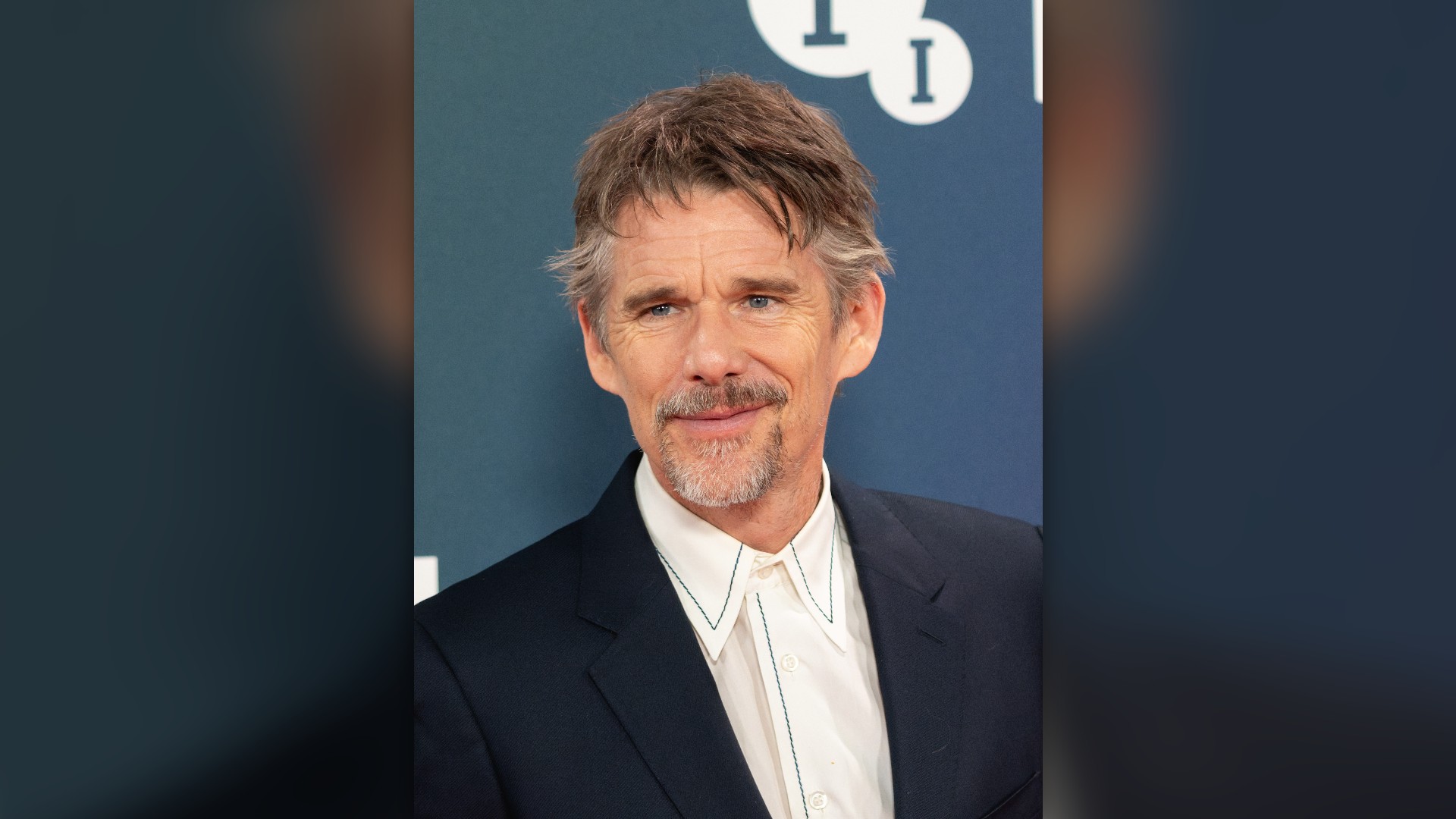
15. Ethan Hawke
Ethan Hawke stirred headlines by challenging the critical acclaim awarded to movies like Logan. He argued that comic adaptations may be fine commercial entertainment, but they should never be confused with genuine art cinema, emphasizing that flashy visual effects cannot substitute for deep drama.
©Wikimedia / Ethan Hawke
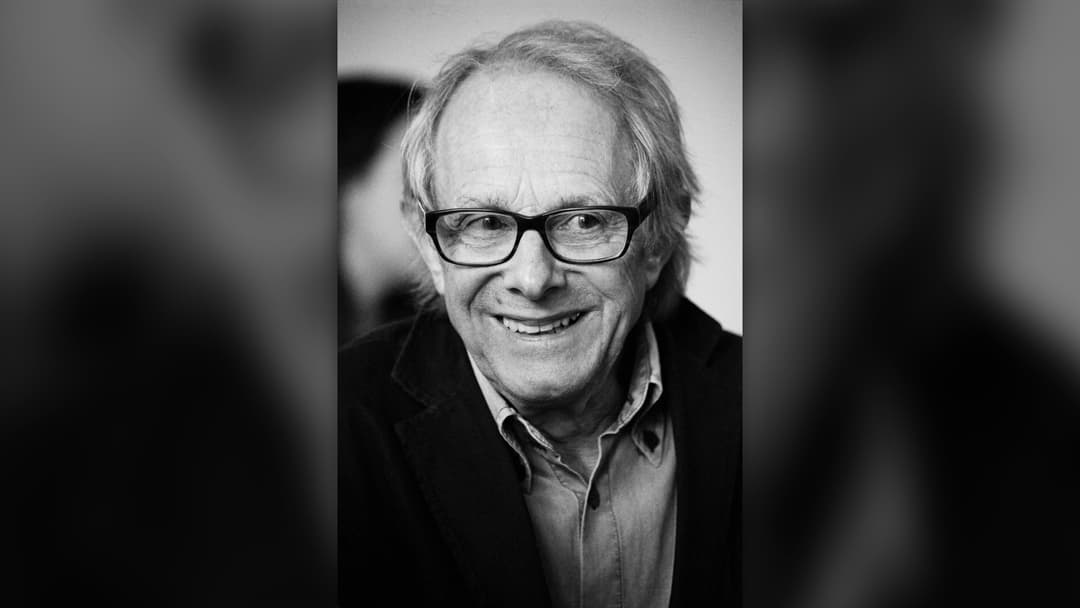
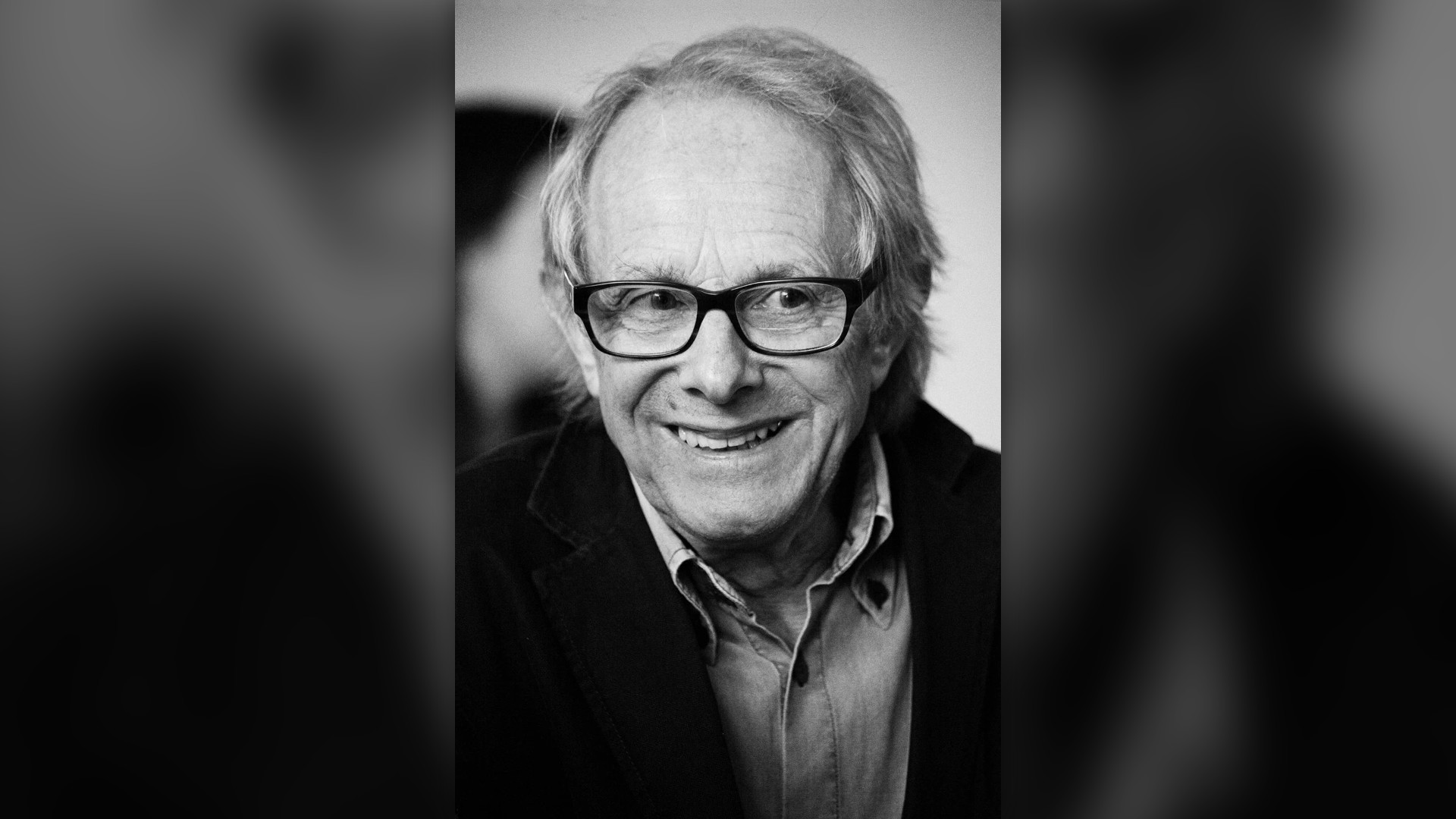
14. Ken Loach
Veteran British social realist filmmaker Ken Loach dismissed superhero blockbusters as cynical corporate products. He stated that comic movies are manufactured like fast-food hamburgers to generate shareholder profits, rather than functioning as genuine creative works that explore the human condition.
©TMDb / Ken Loach
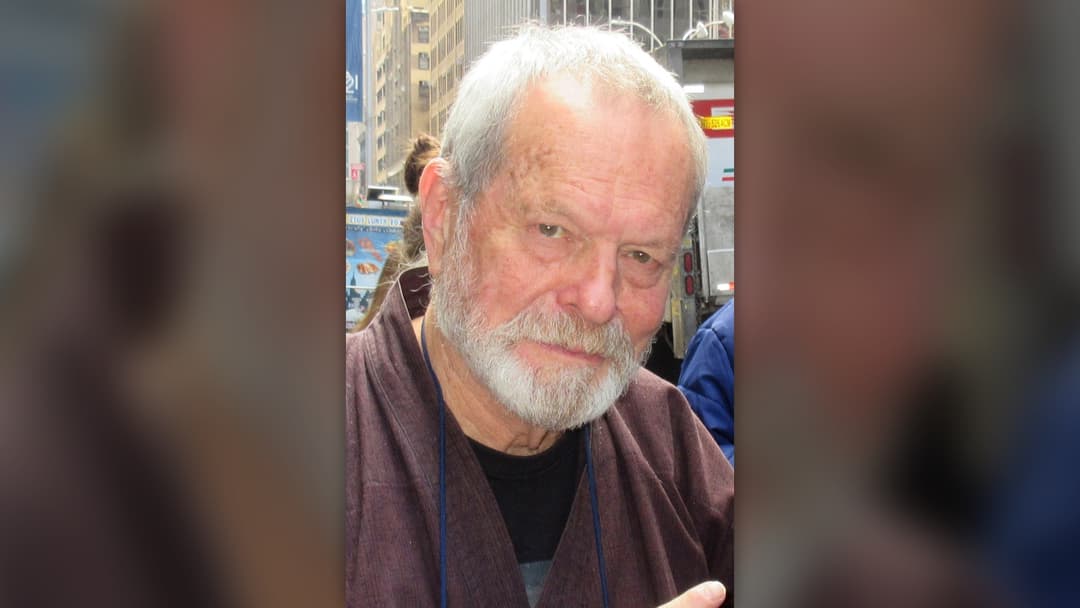
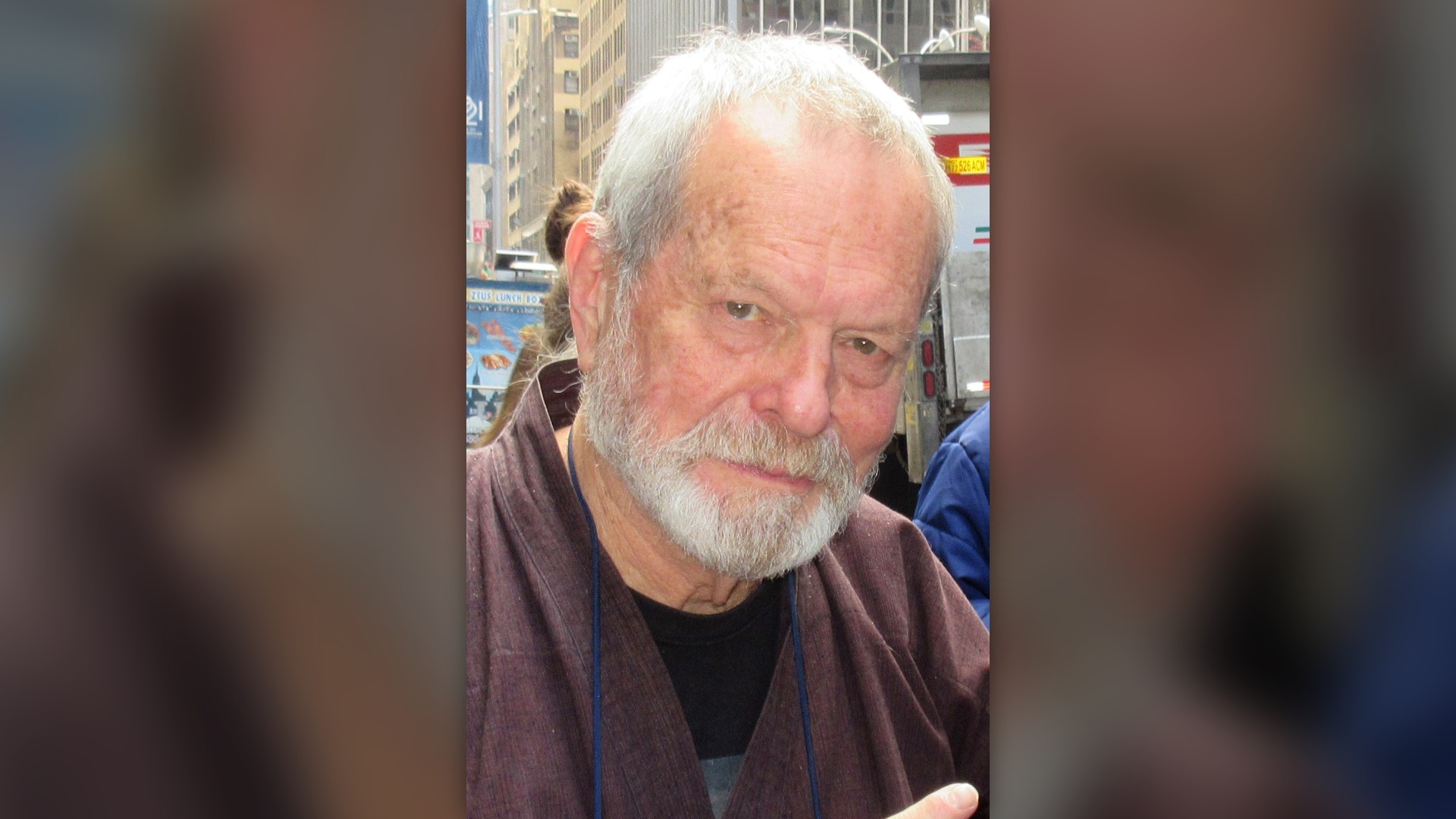
13. Terry Gilliam
Monty Python alumnus and visionary director Terry Gilliam has zero patience for modern superhero cinema. He took aim at critical darlings like Black Panther, calling them corporate fabrications that give young audiences comforting illusions instead of confronting authentic historical struggles.
©Wikimedia / Terry Gilliam
Advertisement
Swipe or tap ▶ to resume the countdown.
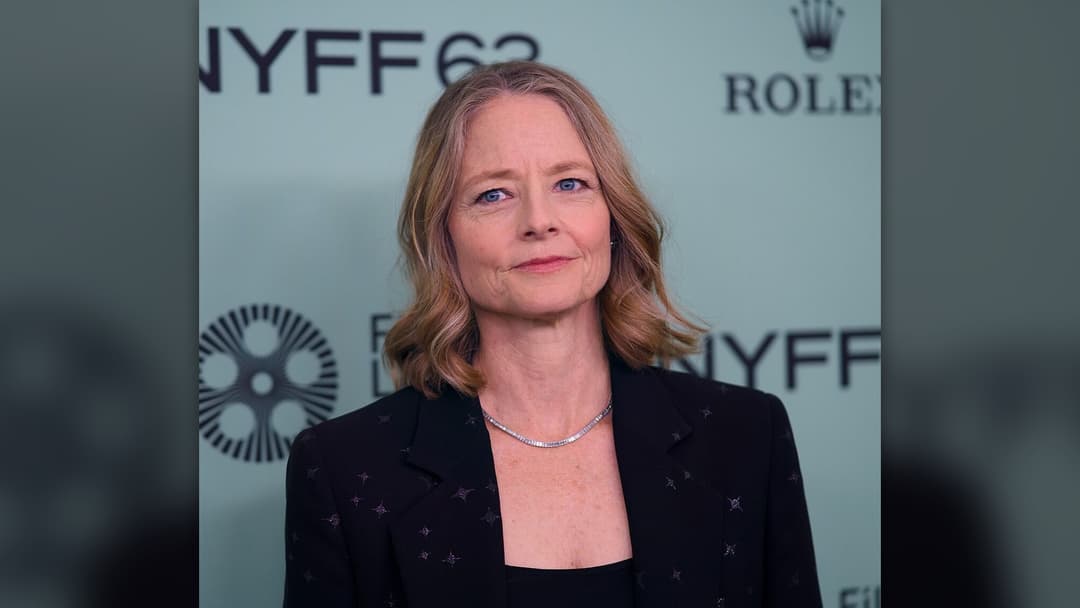
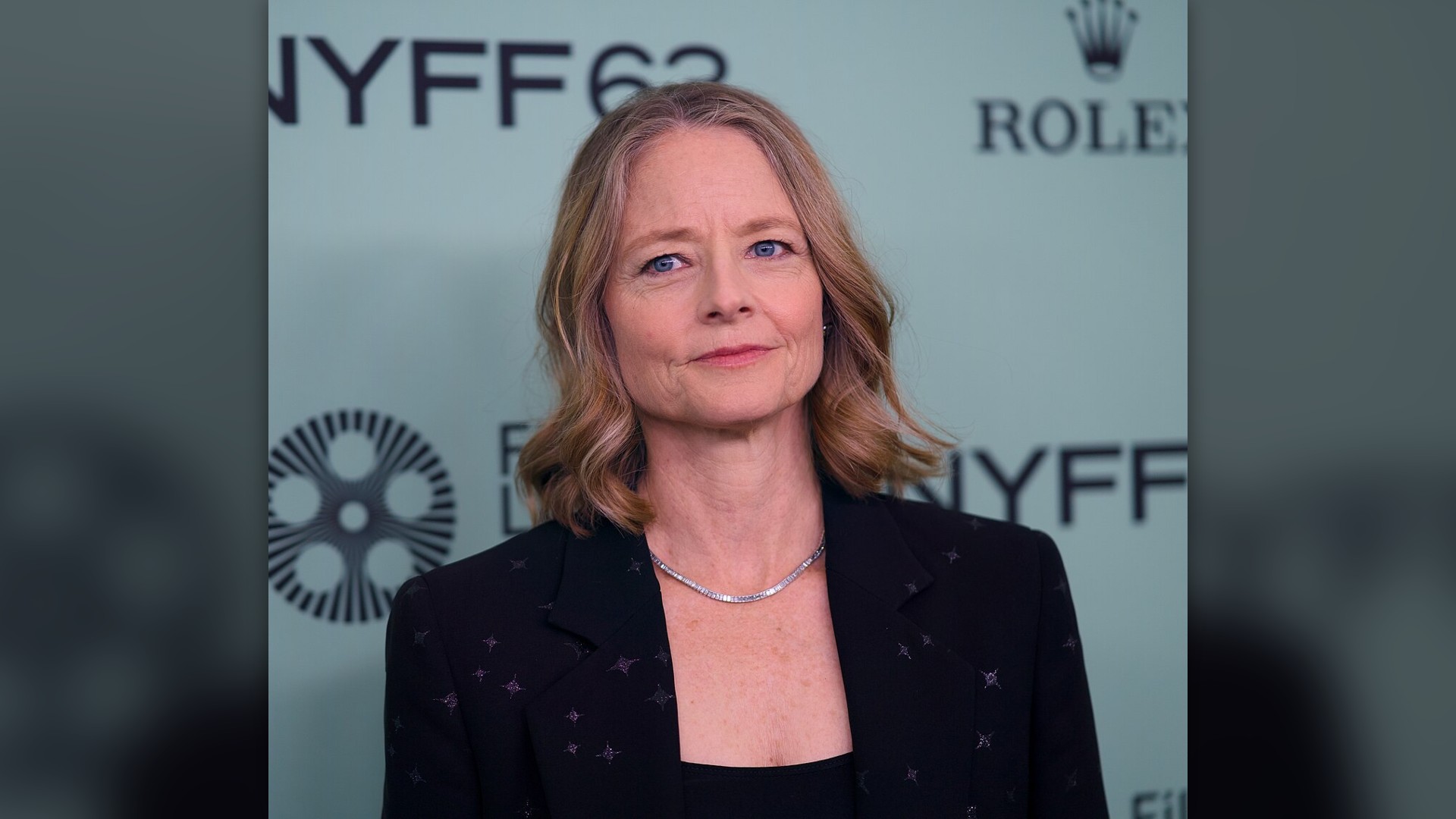
12. Jodie Foster
Jodie Foster sounded the alarm over studio reliance on comic book IP to prop up box office sheets. She warned that flooding multiplexes with formulaic blockbusters yields fast profits while degrading the viewing habits of audiences, comparing the business model to environmental fracking.
©Wikimedia / Claire Fridkin
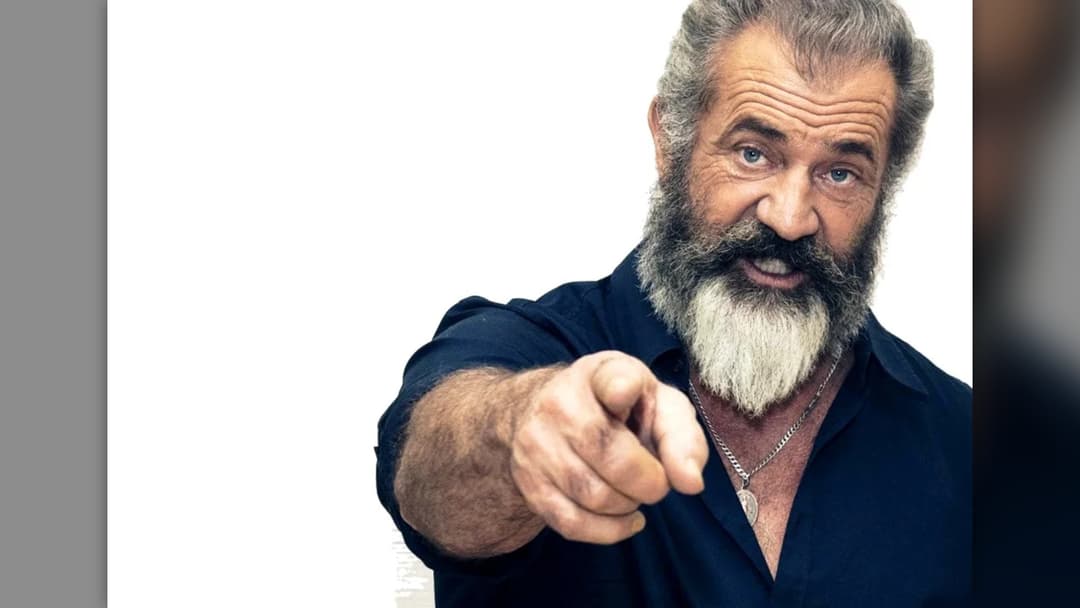
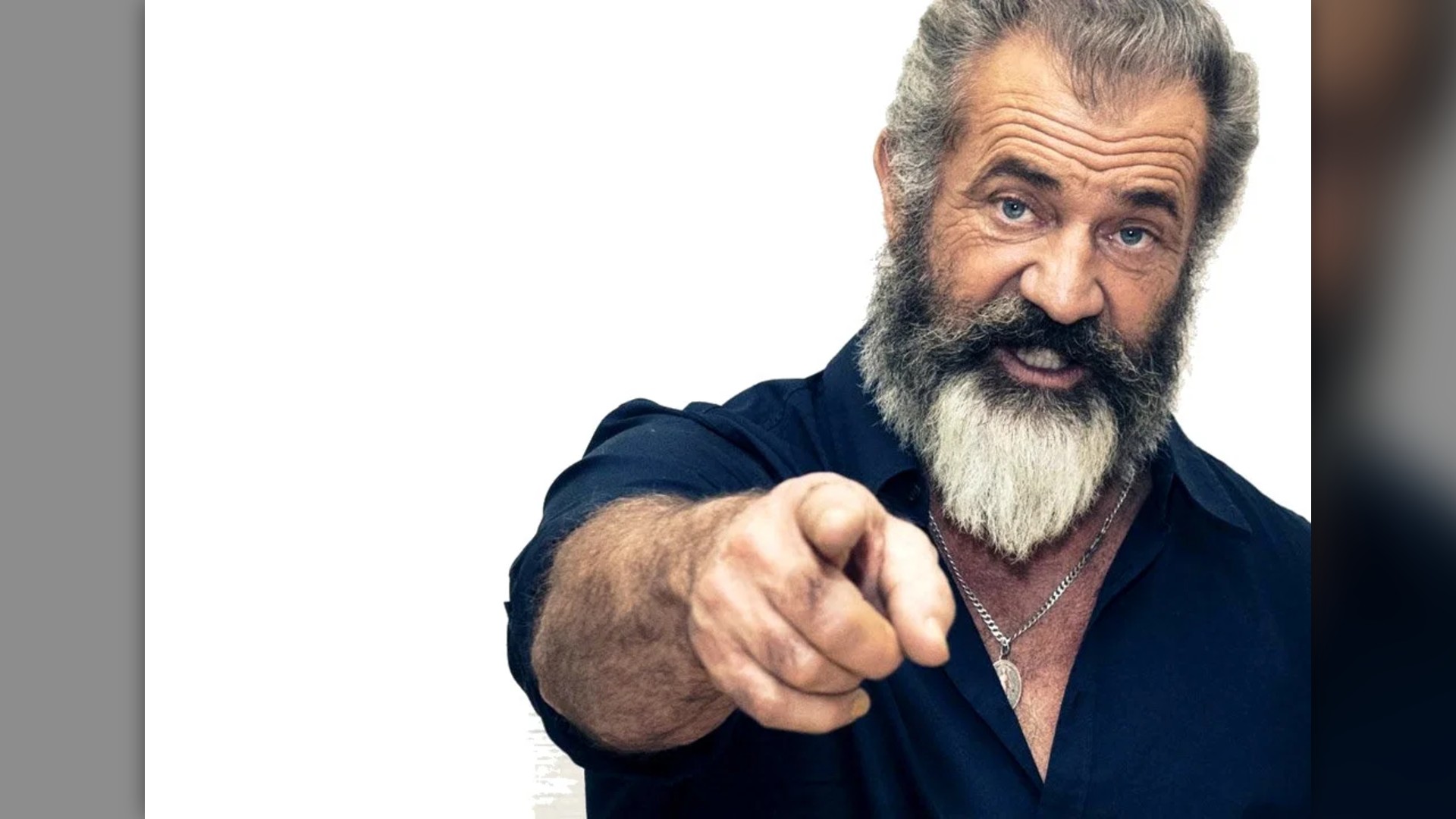
11. Mel Gibson
Mel Gibson built an Oscar-winning directing career on intense practical grit in Braveheart and Hacksaw Ridge. He openly dismissed Batman v Superman, calling the film complete garbage and questioning why studio executives throw hundreds of millions of dollars at computers to render empty digital noise.
©TMDb / Mel Gibson: A Tormented Soul
10. David Cronenberg
Canadian auteur David Cronenberg rejected claims that superhero movies have matured into high art. He argued that comic properties remain fundamentally rooted in juvenile power fantasies, stating that even celebrated adaptations like Christopher Nolan's Batman movies feel hollow and uninspired.
©Wikimedia / Manfred Werner, Tsui
9. Jane Campion
Oscar-winning New Zealand director Jane Campion did not mince words when asked about comic book blockbusters. She bluntly stated that she hates the genre, calling the productions loud, absurd, and creatively ridiculous, reaffirming her dedication to nuanced, character-driven storytelling.
©Wikimedia / Piotr Drabik from Poland
Advertisement
Swipe or tap ▶ to resume the countdown.
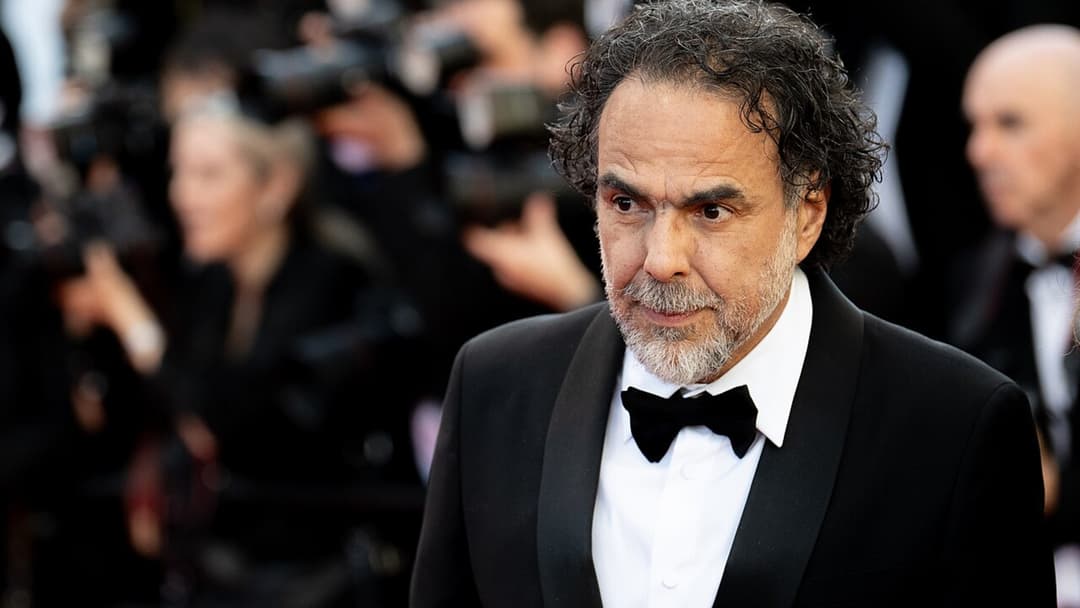
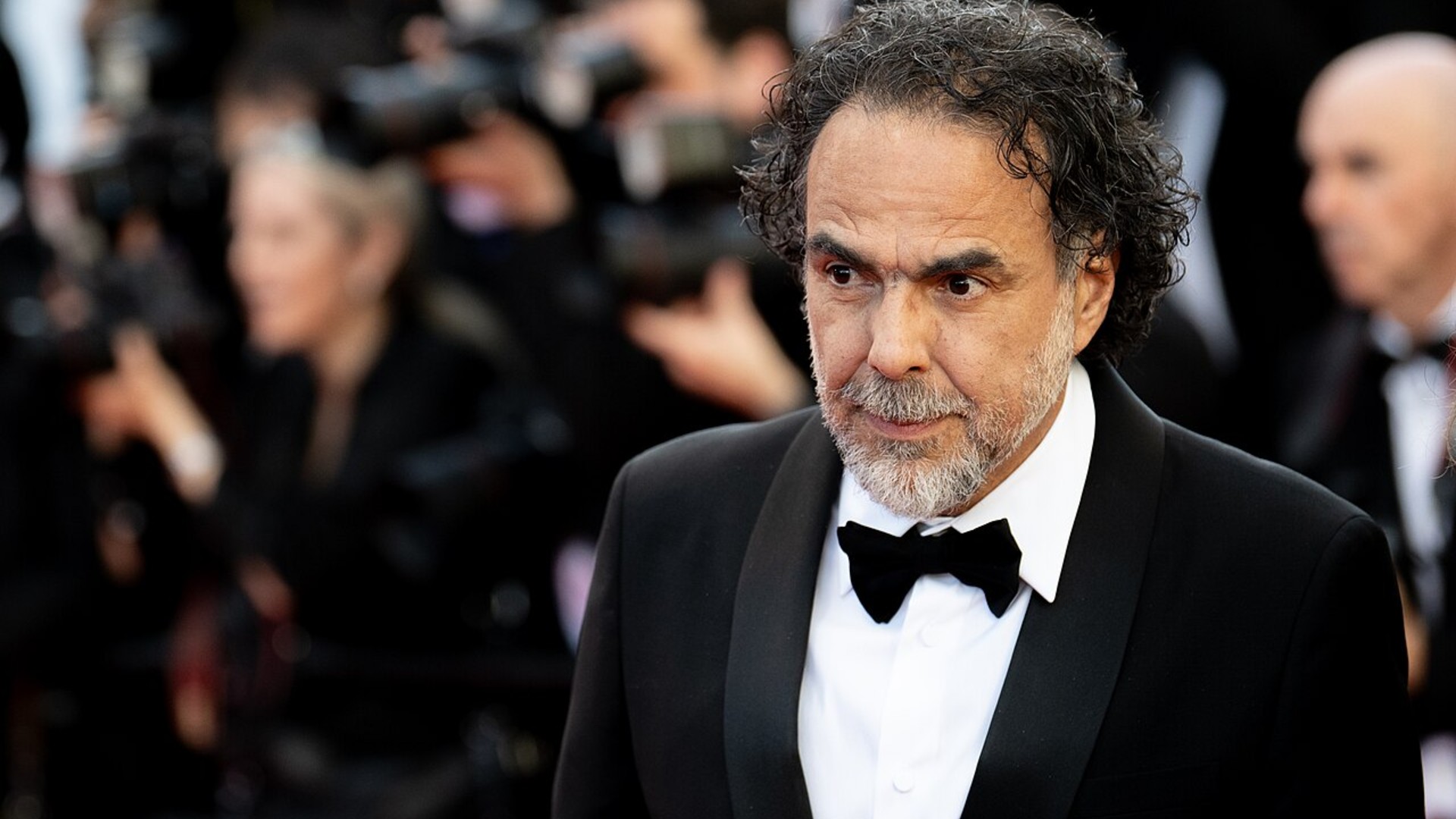
8. Alejandro González Iñárritu
Alejandro González Iñárritu famously explored the tension between theater art and superhero celebrity in Birdman. He publicly attacked comic book cinema as cultural genocide, arguing that their glorified violence, moral simplicity, and right-wing worldview poison the minds of global audiences.
©Wikimedia / YantsImages
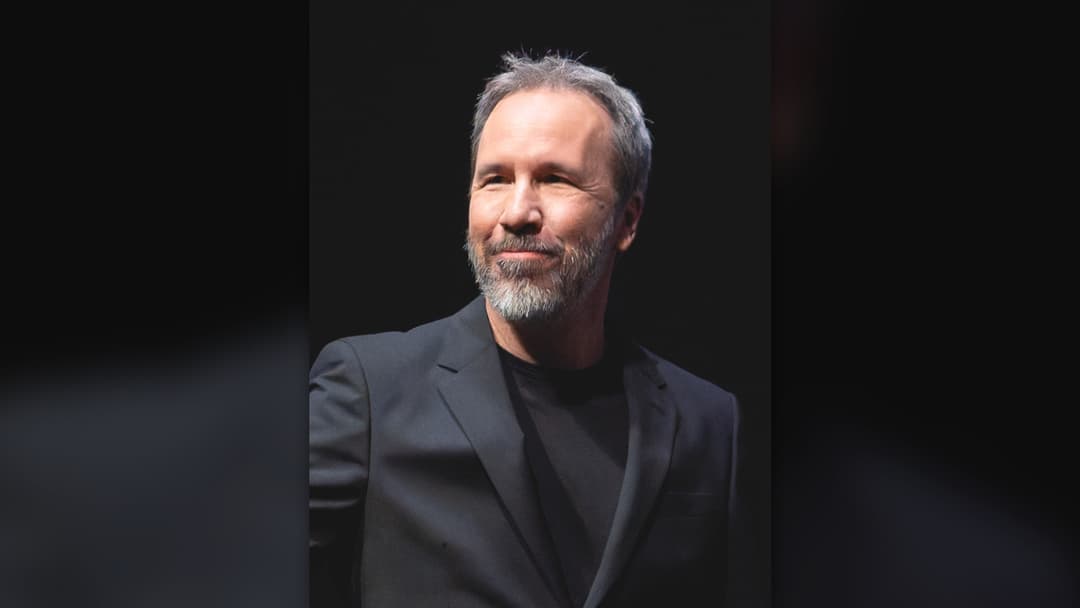
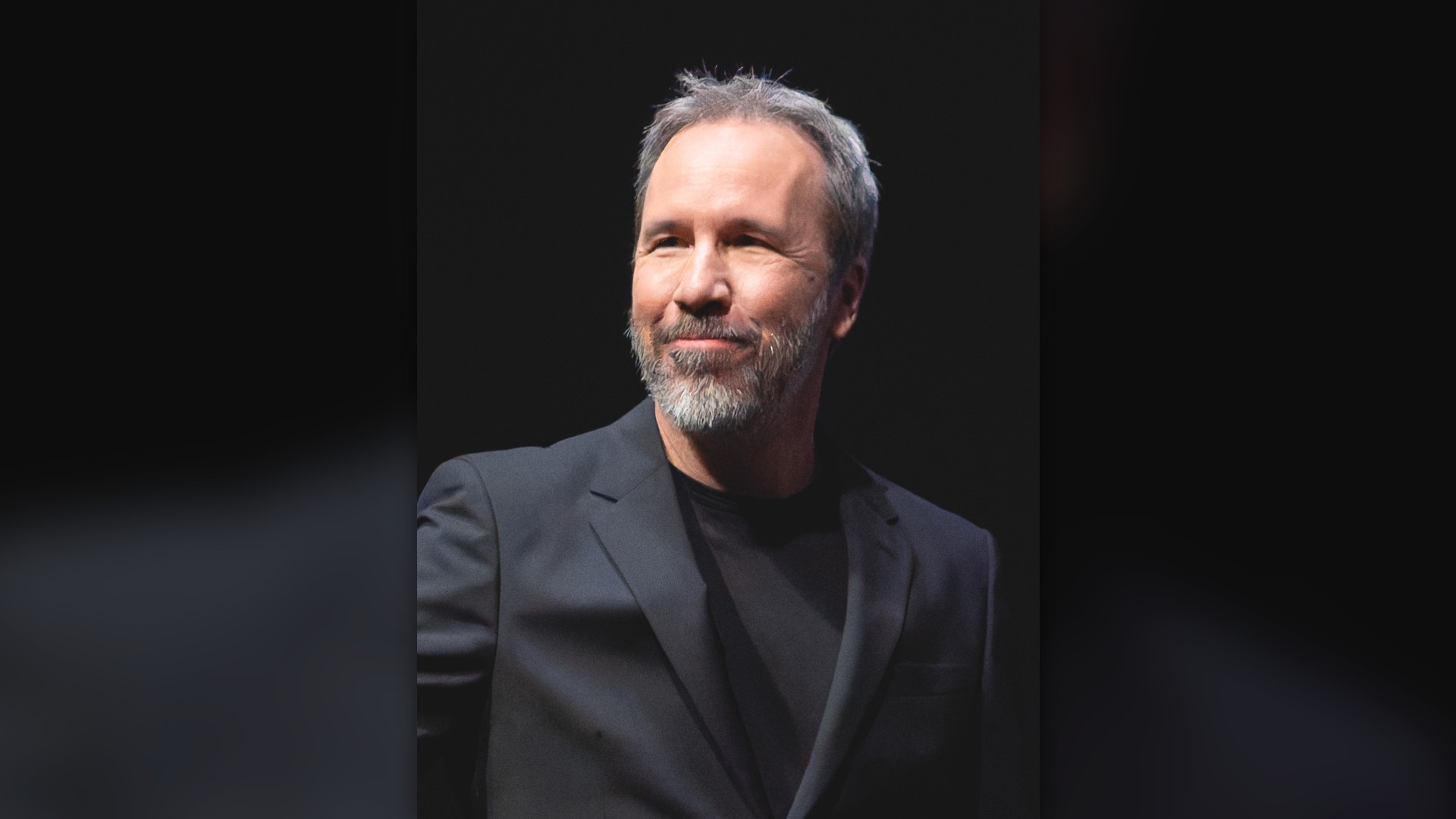
7. Denis Villeneuve
Denis Villeneuve proved big-budget sci-fi can be artistically daring with Arrival, Blade Runner 2049, and Dune. He made global headlines by pointing out that modern superhero films too often copy formulas from one another, warning that repeated templates turn theater audiences into passive zombies.
©Wikimedia / Denis Villeneuve
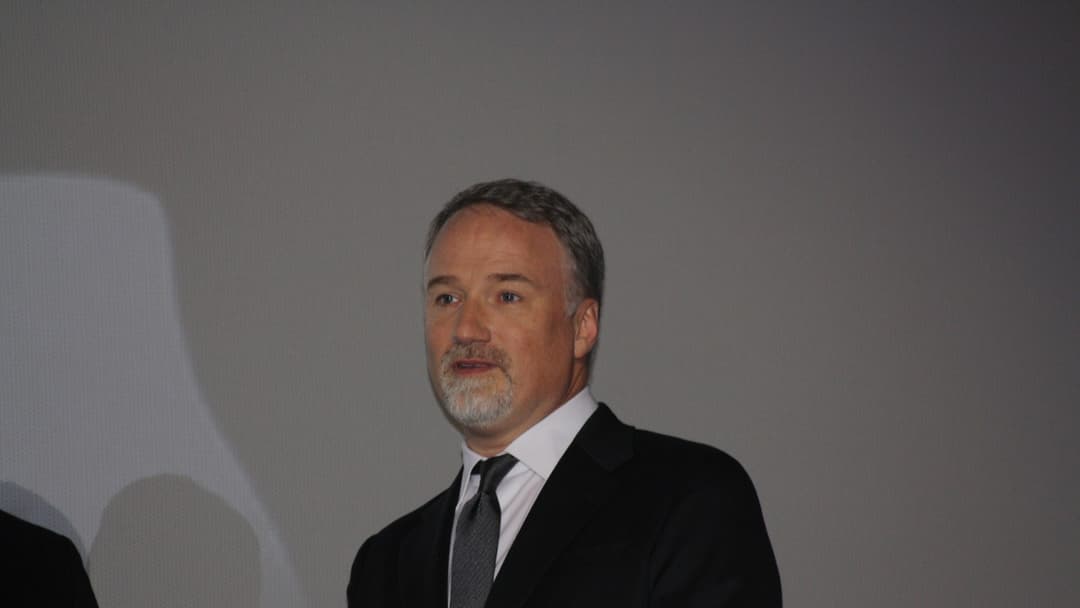
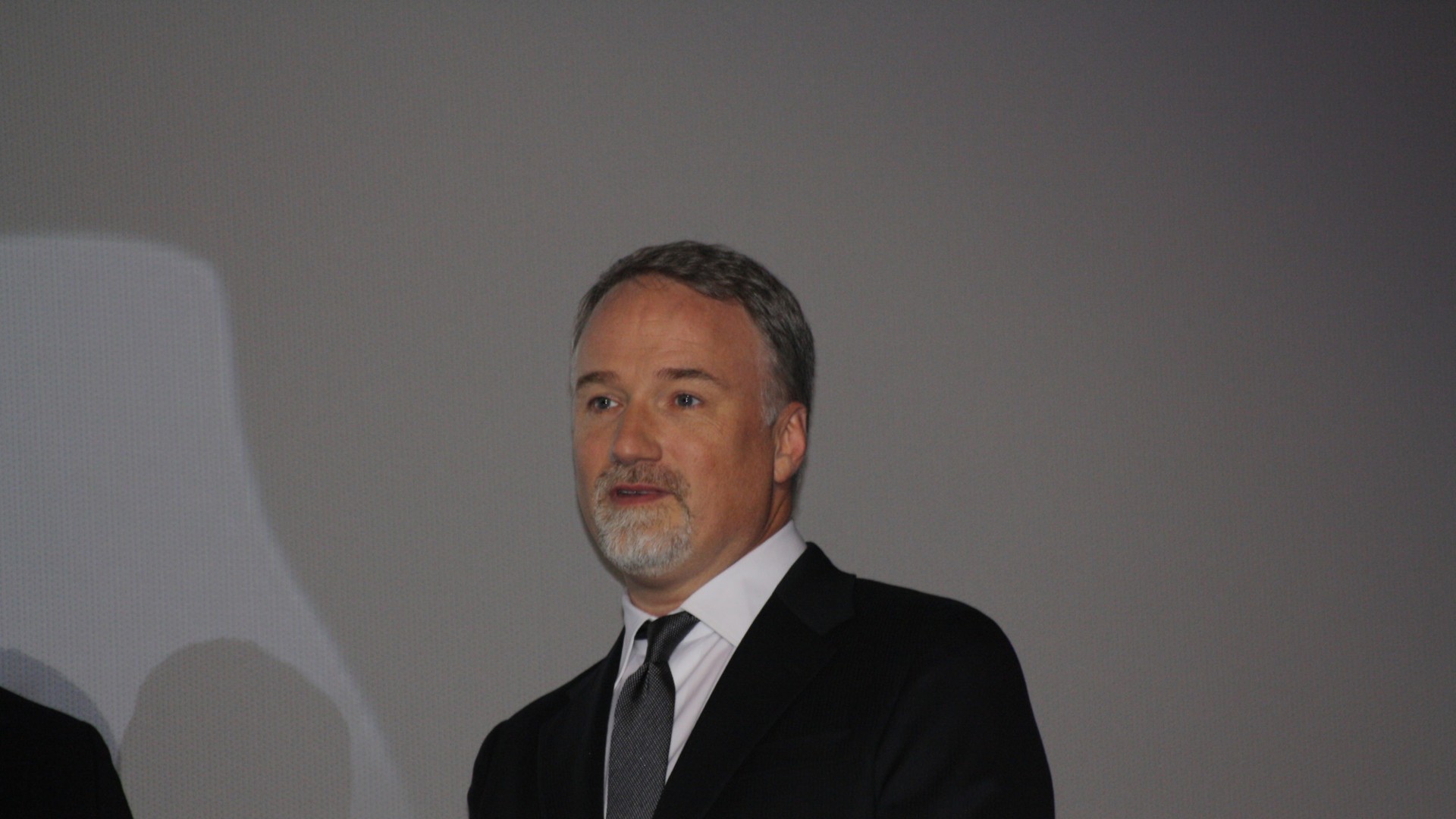
6. David Fincher
David Fincher voiced deep skepticism over Hollywood's reliance on comic book properties. He compared franchise productions to fast-food Happy Meals, arguing that studios are no longer interested in adult human drama because they prioritize selling toys, clothing, and promotional merchandise to kids.
©Wikimedia / Elen Nivrae from Paris, France
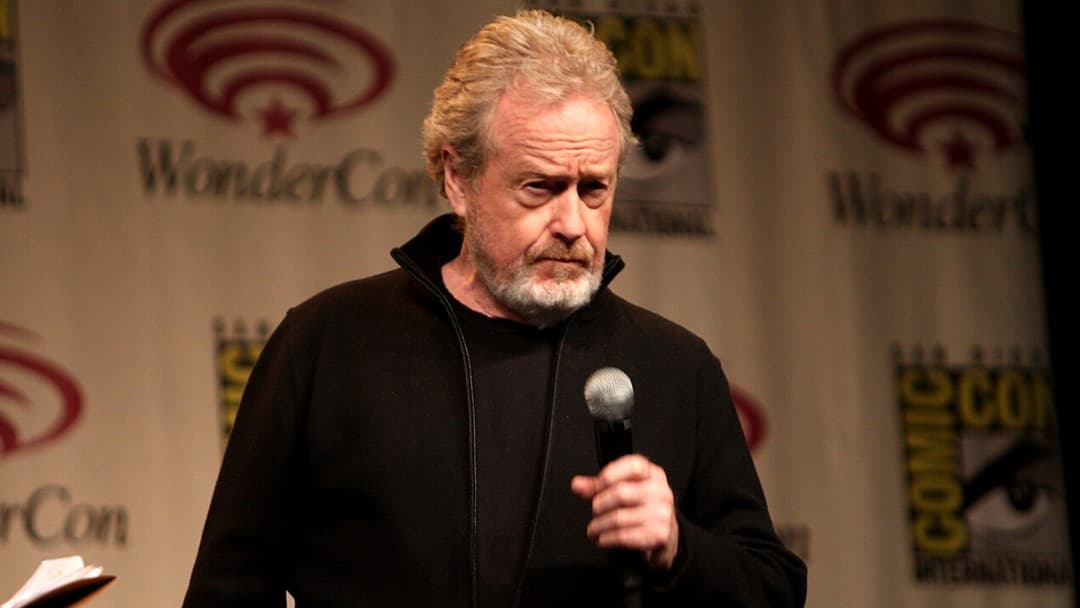
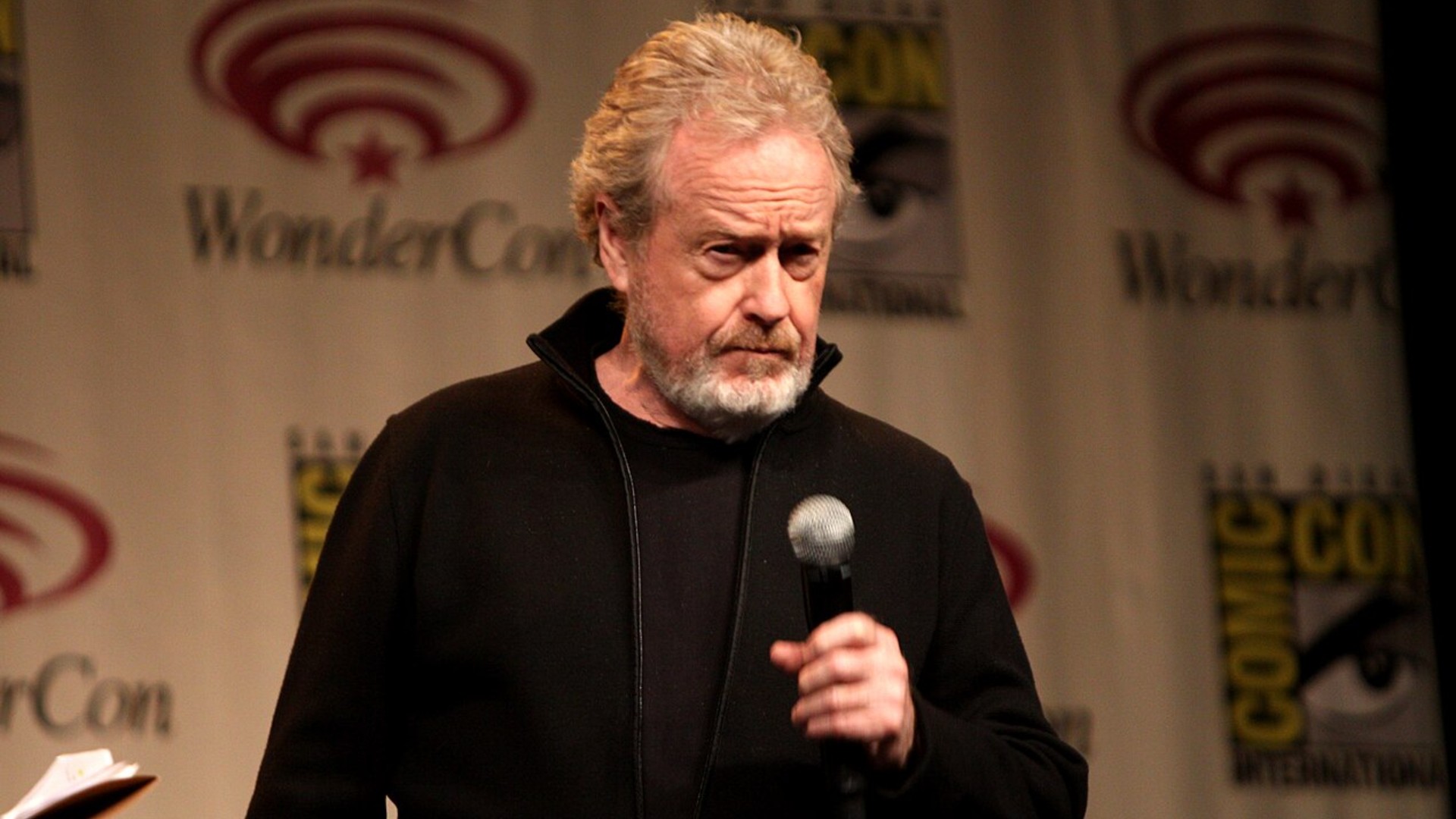
5. Ridley Scott
Cinematic titan Ridley Scott has directed some of the most influential blockbusters of all time. He refused to hold back on superhero movies, calling them terribly boring with flimsy screenplays, arguing that their thin plots rely almost entirely on computer-generated special effects to stay afloat.
©Wikimedia / Gage Skidmore from Peoria, AZ, United
Advertisement
Swipe or tap ▶ to resume the countdown.
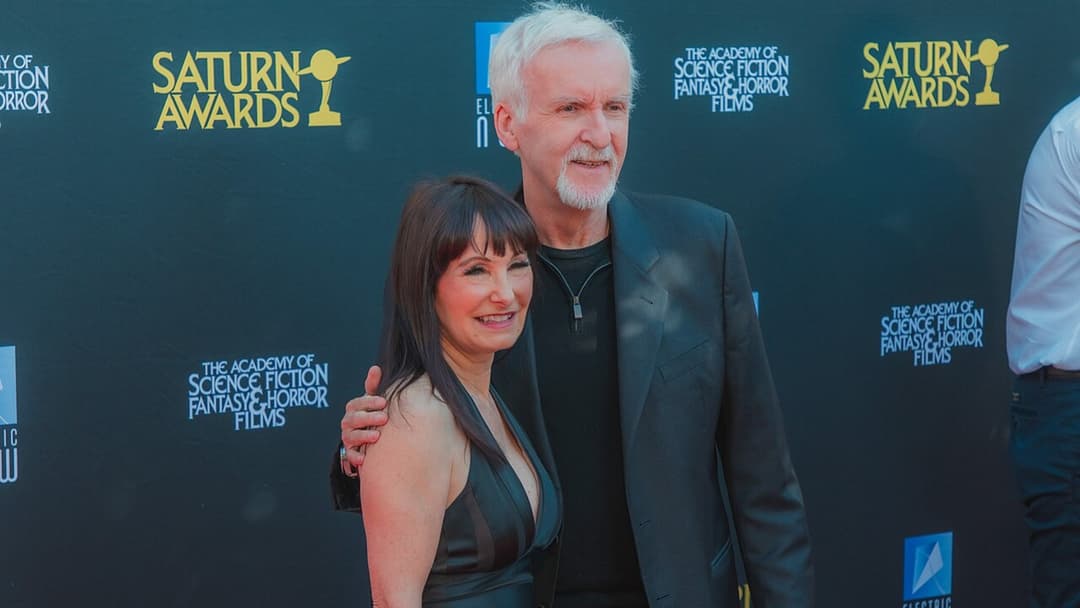
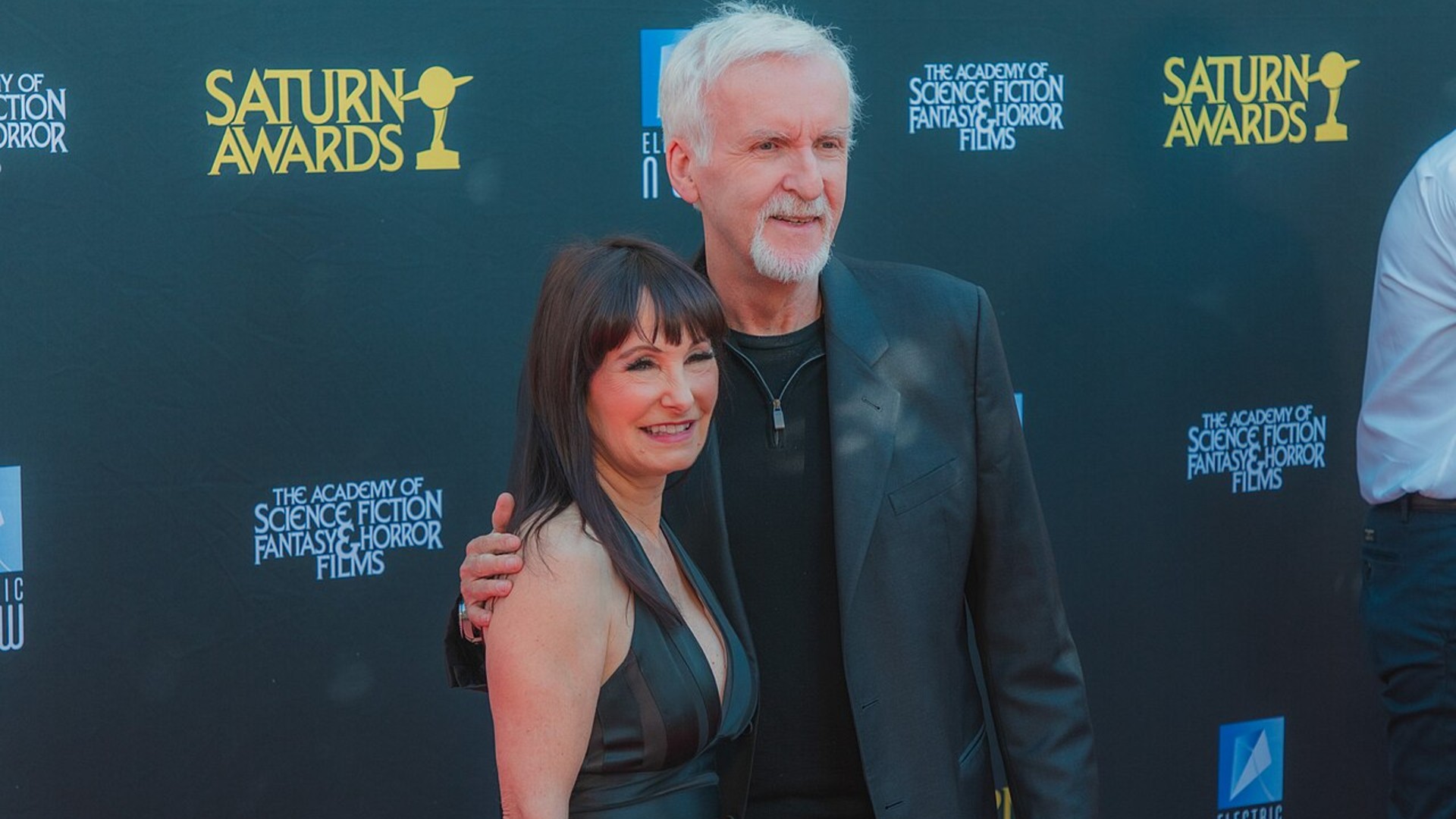
4. James Cameron
James Cameron pioneered modern blockbuster technology across Terminator 2, Titanic, and Avatar. He criticized Marvel and DC characters for lacking real human relationships, pointing out that no matter how ancient or powerful they are, they all behave like self-absorbed college students on screen.
©Wikimedia / Kevin Paul
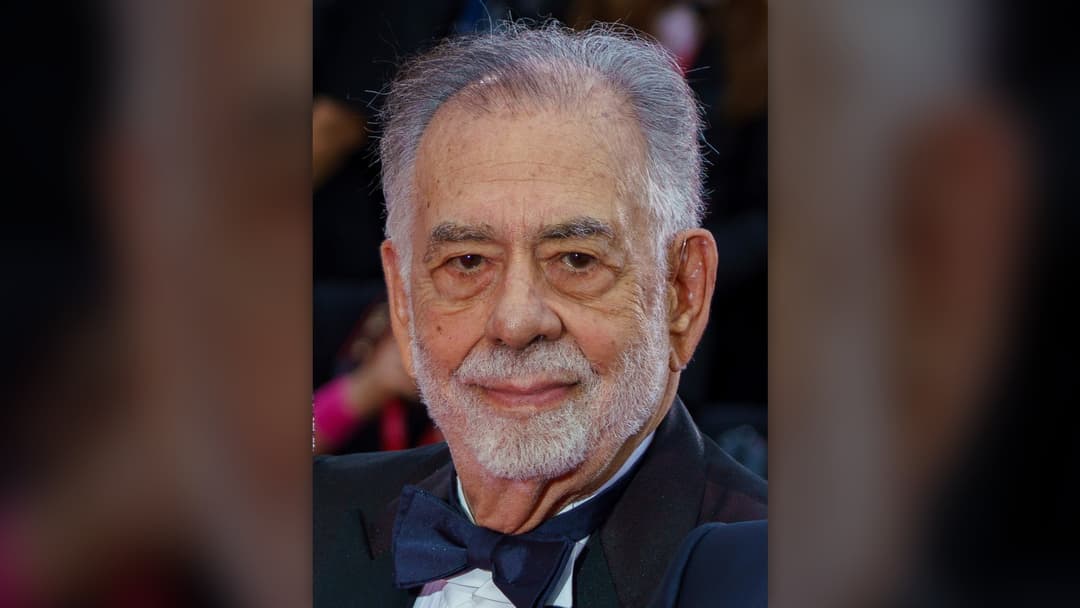
3. Francis Ford Coppola
Francis Ford Coppola backed Martin Scorsese's critique and went several steps further. Speaking in France, the five-time Oscar winner called superhero cinema despicable, arguing that genuine cinema must offer enlightenment, knowledge, and artistic risk rather than safe, repetitive corporate formulas.
©Wikimedia / Francis Ford Coppola
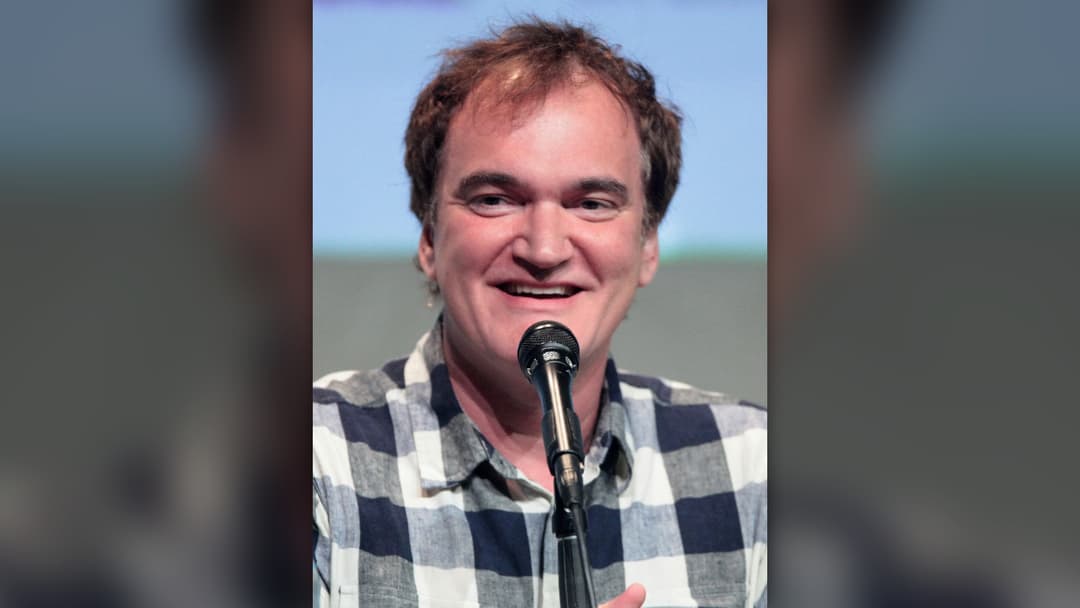
2. Quentin Tarantino
Quentin Tarantino declared he will never helm a superhero film, stating that directors on comic blockbusters are treated as replaceable hired workers. He also lamented the loss of traditional movie stars, noting that audiences now turn up to see fictional characters rather than the actors portraying them.
©Wikimedia / Quentin Tarantino
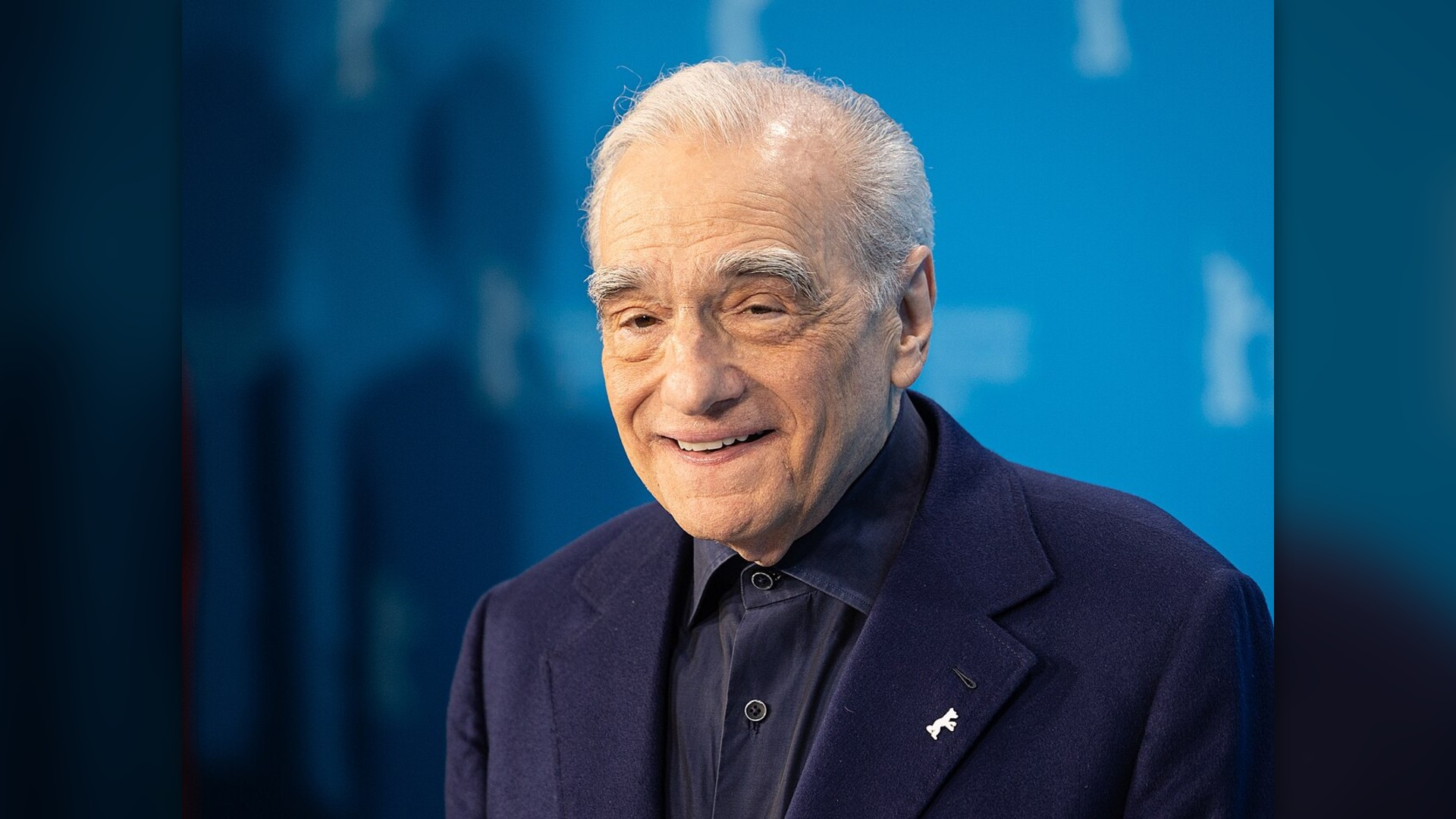
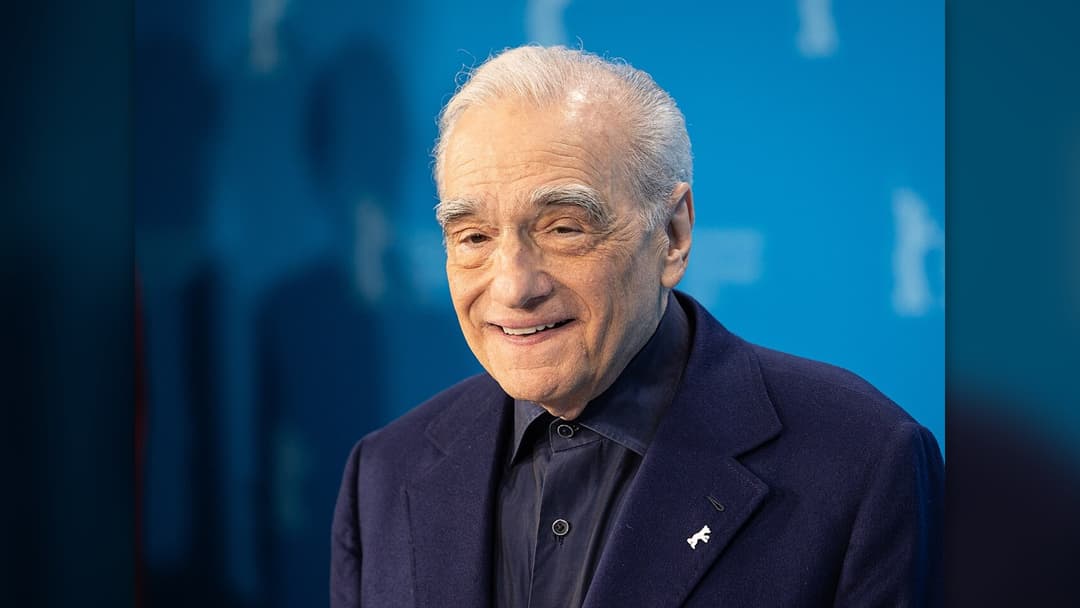
1. Martin Scorsese
Martin Scorsese sparked the defining cinema debate of the modern era when he stated Marvel films are not cinema. In a historic New York Times essay, the Taxi Driver director explained that authentic cinema requires emotional revelation and creative danger, not commercially engineered amusement park rides.
©Wikimedia / Harald Krichel
Advertisement
You've reached the end of the story. Thanks for reading!

20 Celebs Who Left Christianity and Why
From A-list Oscar winners raised in strict Catholic or Southern Baptist homes to chart-topping worship leaders and Christian rock frontmen who publicly deconstructed their beliefs, these 20 celebrities walked away from Christianity and shared the personal experiences, doubts, and turning points behind their departures.
All 23 Entries in this Story
23. Alan Moore
Alan Moore created some of the most revered graphic novels in history, including Watchmen and V for Vendetta. Yet the author completely disowned Hollywood comic adaptations, arguing that grown adults lining up for superhero movies represents an infantile refusal to engage with complex reality.
22. Timothée Chalamet
When Timothée Chalamet broke out into Hollywood stardom, Oscar winner Leonardo DiCaprio offered him one golden career rule: no hard drugs and no superhero movies. Chalamet followed that advice to the letter, building his career on auteur-driven epics like Dune and character-focused dramas.
21. Rose McGowan
Rose McGowan slammed major studios for dumping hundreds of millions into endless superhero sequels while ignoring original stories. She publicly labeled comic blockbusters lazy and unoriginal, arguing that the industry replaced genuine emotional storytelling with repetitive digital spectacles.

20. Jason Statham
Jason Statham built his Hollywood reputation on performing bone-crunching practical stunts in gritty action movies. He mocked modern superhero productions, stating that anyone could look tough when digital animators replace stunt work with green screens, wire harnesses, and computer pixels.
19. Jennifer Aniston
Jennifer Aniston expressed deep dismay over how franchise blockbusters dominate cinema schedules. She noted that studio obsession with superhero spectacles has squeezed out the mid-budget character comedies and romantic dramas that previously gave moviegoers a wide variety of human stories.

18. Luc Besson
The Fifth Element filmmaker Luc Besson voiced strong fatigue with American superhero dominance. He argued that modern comic book adaptations serve as nationalistic propaganda designed to project American moral supremacy, questioning why audiences around the world should only celebrate US heroes.
17. Roland Emmerich
Roland Emmerich made Independence Day and The Day After Tomorrow into global box office triumphs through original disaster spectacles. He publicly blamed superhero cinema for ruining theatrical creativity, noting that young filmmakers can no longer get funding for original high-concept movies.
16. Christian Bale
Christian Bale won critical acclaim for portraying Batman in Christopher Nolan's legendary Dark Knight trilogy. Despite headlining three of the most celebrated comic adaptations in history, Bale openly admitted he does not watch superhero movies, preferring not to follow the genre as a viewer.
15. Ethan Hawke
Ethan Hawke stirred headlines by challenging the critical acclaim awarded to movies like Logan. He argued that comic adaptations may be fine commercial entertainment, but they should never be confused with genuine art cinema, emphasizing that flashy visual effects cannot substitute for deep drama.
14. Ken Loach
Veteran British social realist filmmaker Ken Loach dismissed superhero blockbusters as cynical corporate products. He stated that comic movies are manufactured like fast-food hamburgers to generate shareholder profits, rather than functioning as genuine creative works that explore the human condition.
13. Terry Gilliam
Monty Python alumnus and visionary director Terry Gilliam has zero patience for modern superhero cinema. He took aim at critical darlings like Black Panther, calling them corporate fabrications that give young audiences comforting illusions instead of confronting authentic historical struggles.
12. Jodie Foster
Jodie Foster sounded the alarm over studio reliance on comic book IP to prop up box office sheets. She warned that flooding multiplexes with formulaic blockbusters yields fast profits while degrading the viewing habits of audiences, comparing the business model to environmental fracking.
11. Mel Gibson
Mel Gibson built an Oscar-winning directing career on intense practical grit in Braveheart and Hacksaw Ridge. He openly dismissed Batman v Superman, calling the film complete garbage and questioning why studio executives throw hundreds of millions of dollars at computers to render empty digital noise.
10. David Cronenberg
Canadian auteur David Cronenberg rejected claims that superhero movies have matured into high art. He argued that comic properties remain fundamentally rooted in juvenile power fantasies, stating that even celebrated adaptations like Christopher Nolan's Batman movies feel hollow and uninspired.

9. Jane Campion
Oscar-winning New Zealand director Jane Campion did not mince words when asked about comic book blockbusters. She bluntly stated that she hates the genre, calling the productions loud, absurd, and creatively ridiculous, reaffirming her dedication to nuanced, character-driven storytelling.

8. Alejandro González Iñárritu
Alejandro González Iñárritu famously explored the tension between theater art and superhero celebrity in Birdman. He publicly attacked comic book cinema as cultural genocide, arguing that their glorified violence, moral simplicity, and right-wing worldview poison the minds of global audiences.
7. Denis Villeneuve
Denis Villeneuve proved big-budget sci-fi can be artistically daring with Arrival, Blade Runner 2049, and Dune. He made global headlines by pointing out that modern superhero films too often copy formulas from one another, warning that repeated templates turn theater audiences into passive zombies.
6. David Fincher
David Fincher voiced deep skepticism over Hollywood's reliance on comic book properties. He compared franchise productions to fast-food Happy Meals, arguing that studios are no longer interested in adult human drama because they prioritize selling toys, clothing, and promotional merchandise to kids.
5. Ridley Scott
Cinematic titan Ridley Scott has directed some of the most influential blockbusters of all time. He refused to hold back on superhero movies, calling them terribly boring with flimsy screenplays, arguing that their thin plots rely almost entirely on computer-generated special effects to stay afloat.
4. James Cameron
James Cameron pioneered modern blockbuster technology across Terminator 2, Titanic, and Avatar. He criticized Marvel and DC characters for lacking real human relationships, pointing out that no matter how ancient or powerful they are, they all behave like self-absorbed college students on screen.
3. Francis Ford Coppola
Francis Ford Coppola backed Martin Scorsese's critique and went several steps further. Speaking in France, the five-time Oscar winner called superhero cinema despicable, arguing that genuine cinema must offer enlightenment, knowledge, and artistic risk rather than safe, repetitive corporate formulas.
2. Quentin Tarantino
Quentin Tarantino declared he will never helm a superhero film, stating that directors on comic blockbusters are treated as replaceable hired workers. He also lamented the loss of traditional movie stars, noting that audiences now turn up to see fictional characters rather than the actors portraying them.
1. Martin Scorsese
Martin Scorsese sparked the defining cinema debate of the modern era when he stated Marvel films are not cinema. In a historic New York Times essay, the Taxi Driver director explained that authentic cinema requires emotional revelation and creative danger, not commercially engineered amusement park rides.