Slideshow · Viral
15 Legendary Two-Stroke Motorcycles America Never Got Due to Emissions
During the golden era of motorcycle racing, Japanese and European manufacturers engineered featherweight two-stroke sport bikes delivering astonishing power-to-weight ratios. Banned from American dealerships due to stringent EPA emissions regulations, these 15 legendary road machines remain coveted holy grails for US collectors today.
By Most Viral Today
1 hour ago

Strict EPA tailpipe rules banned these lightweight Grand Prix road weapons 
15. Yamaha SDR200 
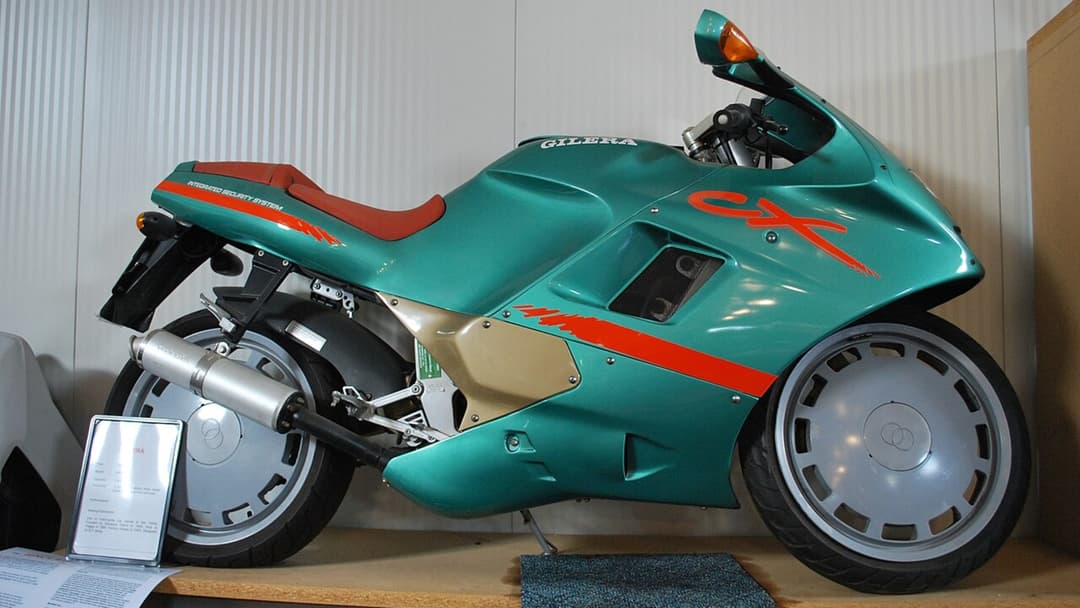
14. Gilera CX 125 
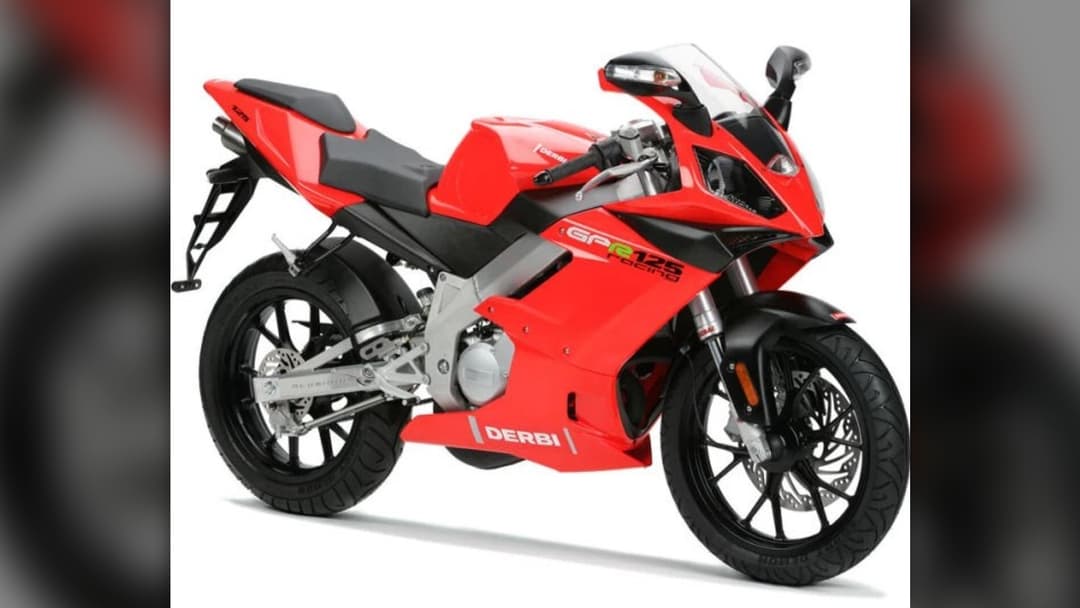
13. Derbi GPR 125 Racing - AdvertisementSwipe or tap ▶ to continue countdown

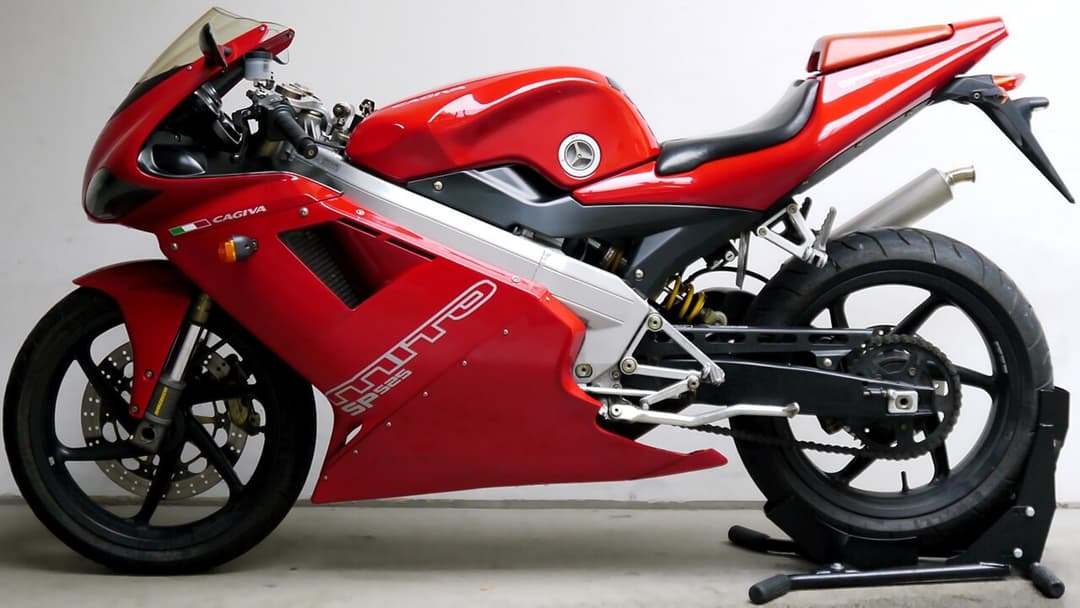
12. Cagiva Mito 125 
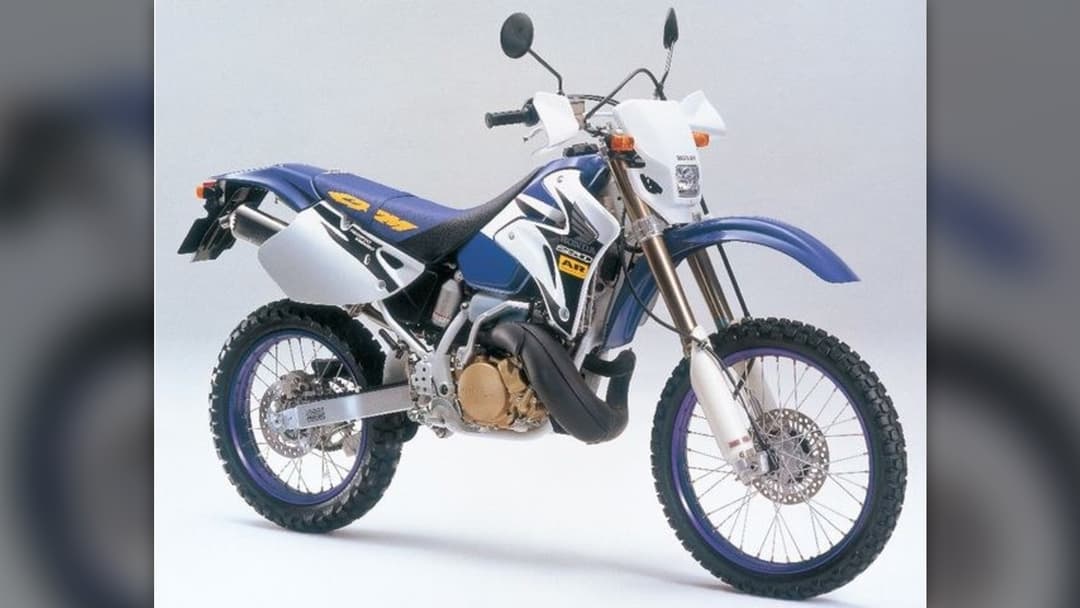
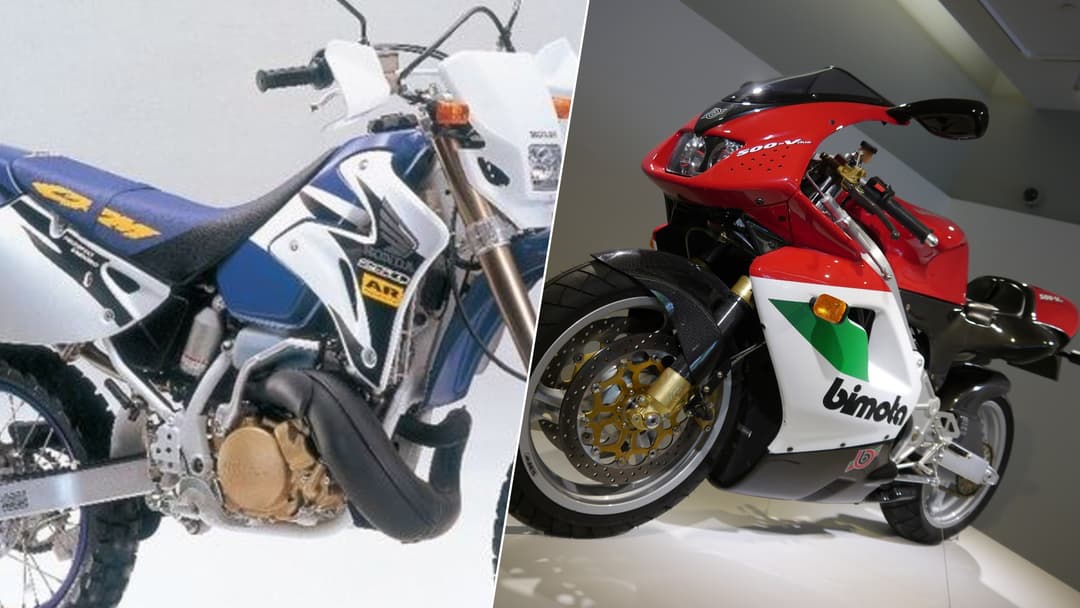
11. Honda CRM250 
10. Kawasaki KR-1S 
9. Yamaha TDR250 - AdvertisementSwipe or tap ▶ to continue countdown

8. Bimota V Due 500 
7. Honda NS400R 
6. Aprilia RS250 
5. Suzuki RGV250 - AdvertisementSwipe or tap ▶ to continue countdown

4. Yamaha TZR250 
3. Honda NSR250R 
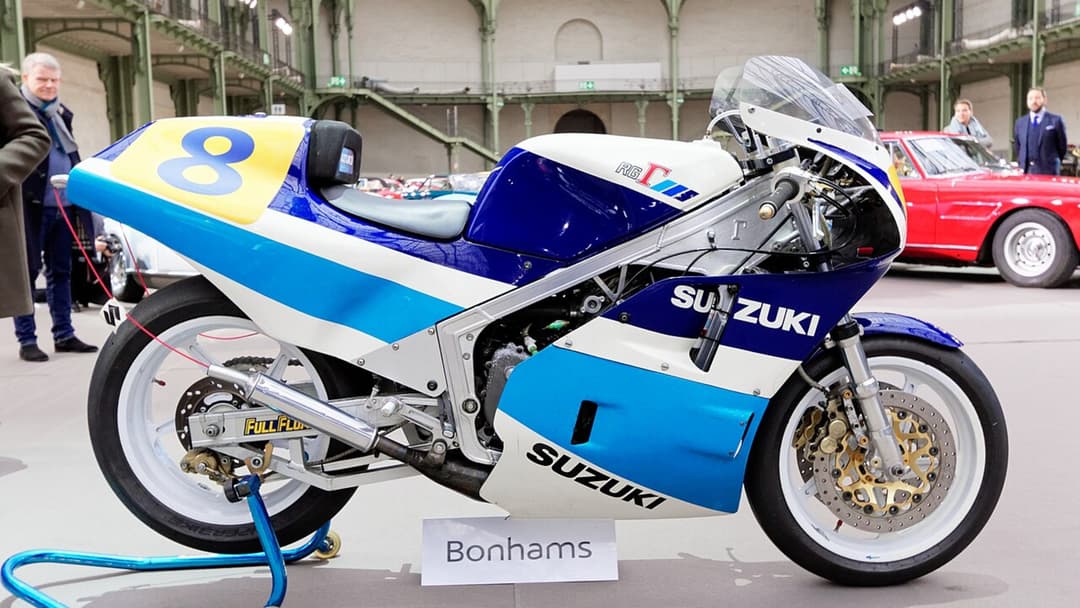
2. Suzuki RG500 Gamma 
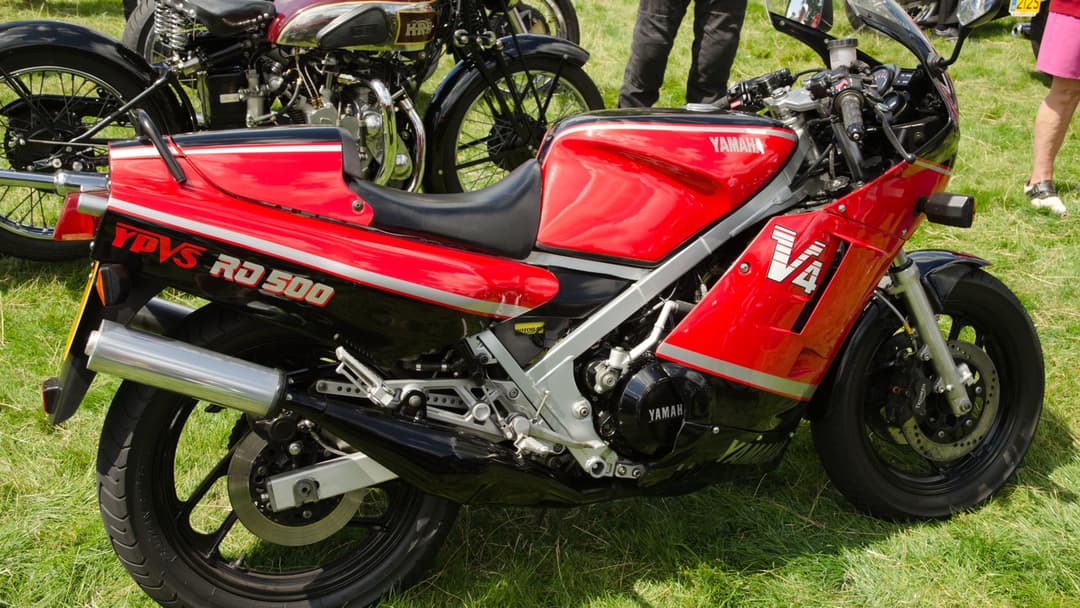
1. Yamaha RD500LC - Advertisement🔥 UP NEXT IN THIS SERIES◫ 21 Slides

20 Ways Your Home Office Hurts Productivity
Transform your remote workspace from a chaotic desk corner into a powerhouse of efficiency and comfort with these 20 essential upgrades.
During the golden era of motorcycle racing, Japanese and European manufacturers engineered featherweight two-stroke sport bikes delivering astonishing power-to-weight ratios.
Swipe or tap ▶ to begin the countdown
©wikimedia / Webike Japan & Wikimedia / [1]
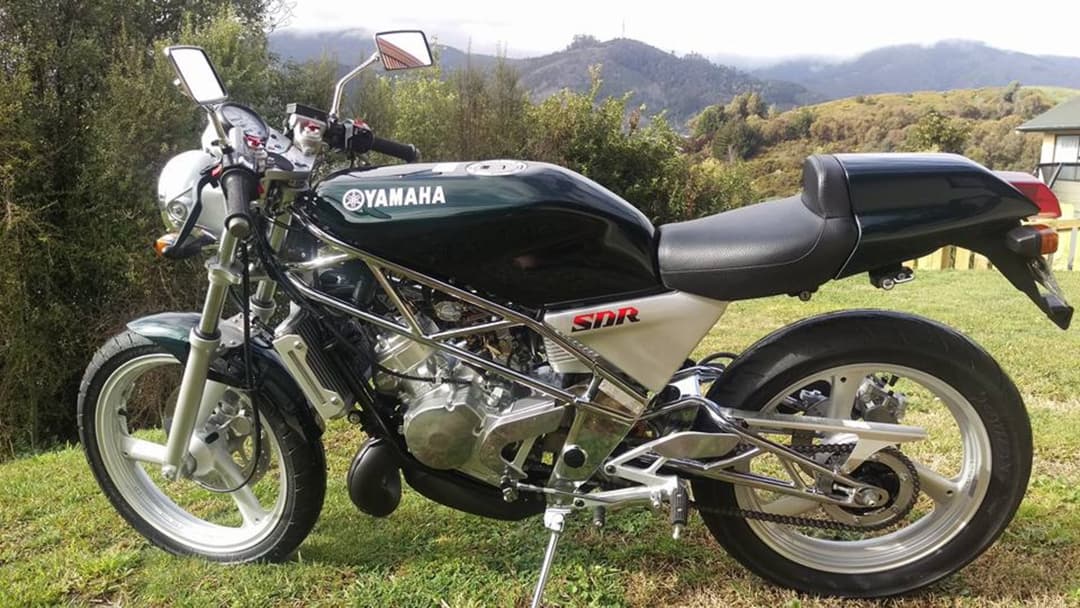
15. Yamaha SDR200
Weighing just two hundred thirty pounds dry, the Yamaha SDR200 felt more like an aggressive bicycle than a sport bike. Its liquid-cooled single-cylinder engine pushed thirty-four horsepower through a six-speed gearbox. Japanese domestic market buyers loved its raw agility on tight mountain passes.
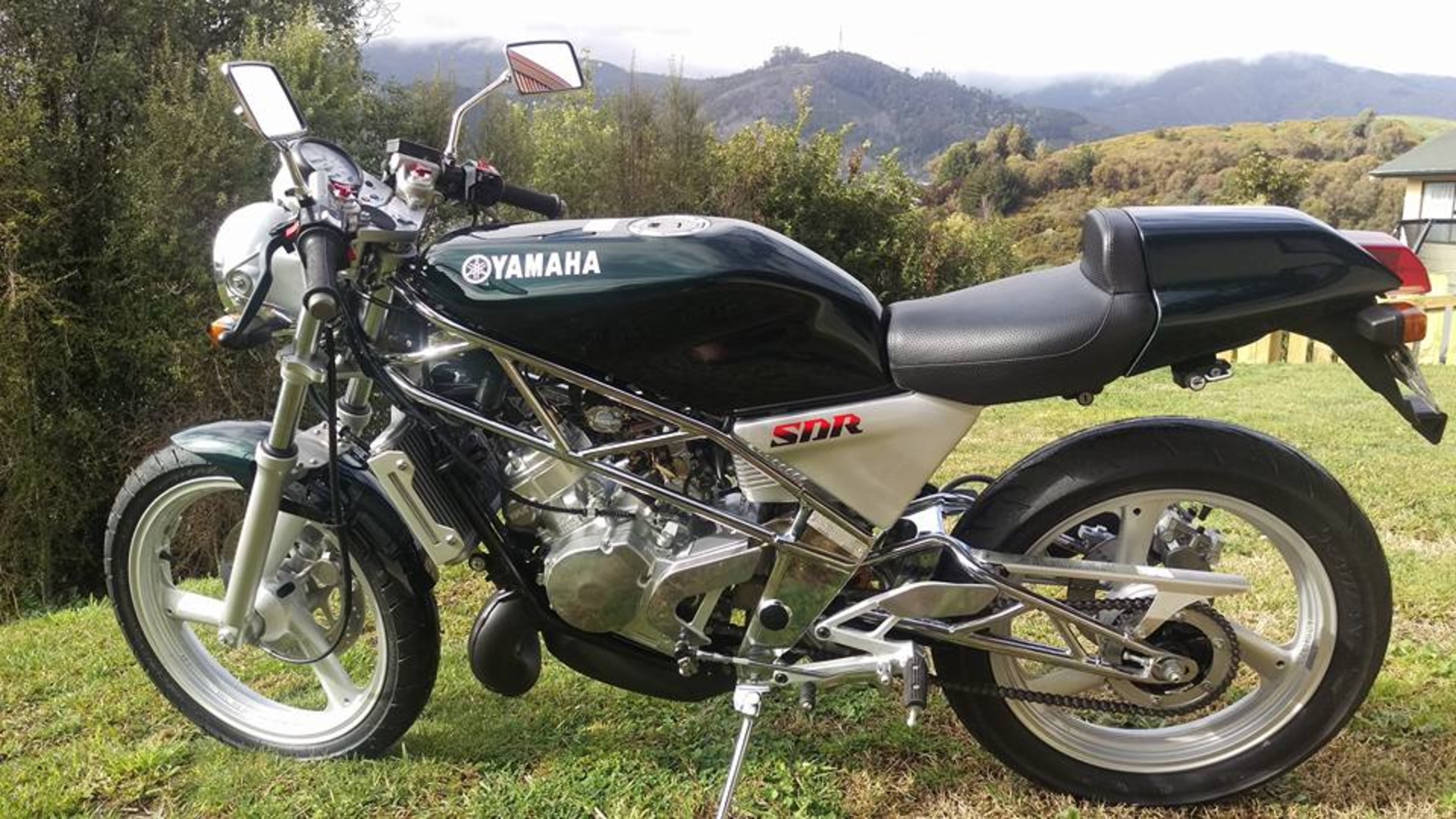
©Wikimedia / Steve Power
14. Gilera CX 125
Italian styling studio Marabese designed the Gilera CX 125 with enclosed aerodynamic bodywork straight out of science fiction. The bike featured radical single-sided suspensions on both wheels. Built strictly for the European market in 1991, it became an instant collector icon.
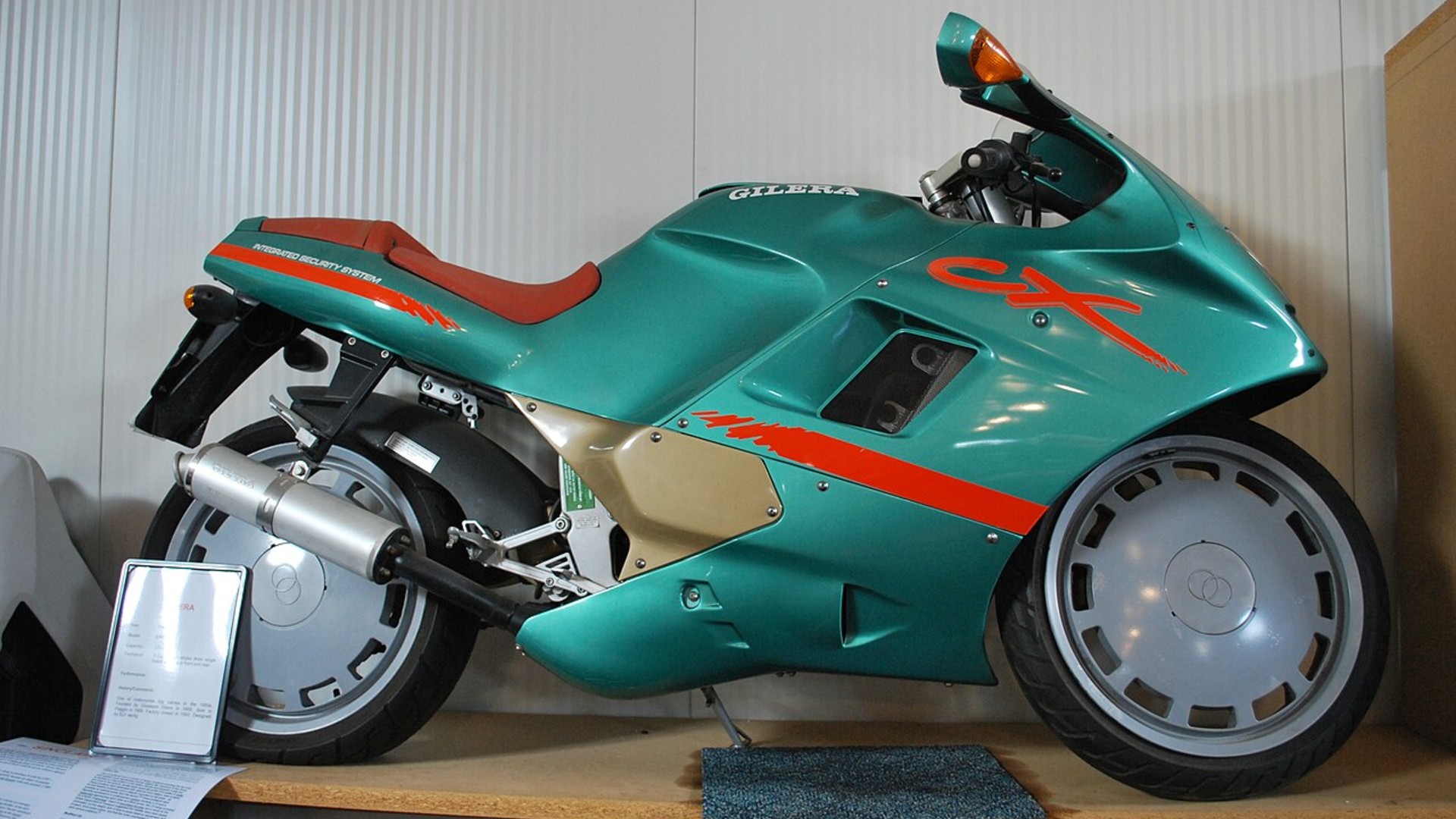
©Wikimedia / Andrew Napier
13. Derbi GPR 125 Racing
Spanish manufacturer Derbi dominated small-displacement Grand Prix racing for decades. The GPR 125 Racing paired radial front disc brakes with an under-seat exhaust and Yamaha-derived liquid-cooled engine. It offered teenage European riders authentic racetrack handling on ordinary city streets.
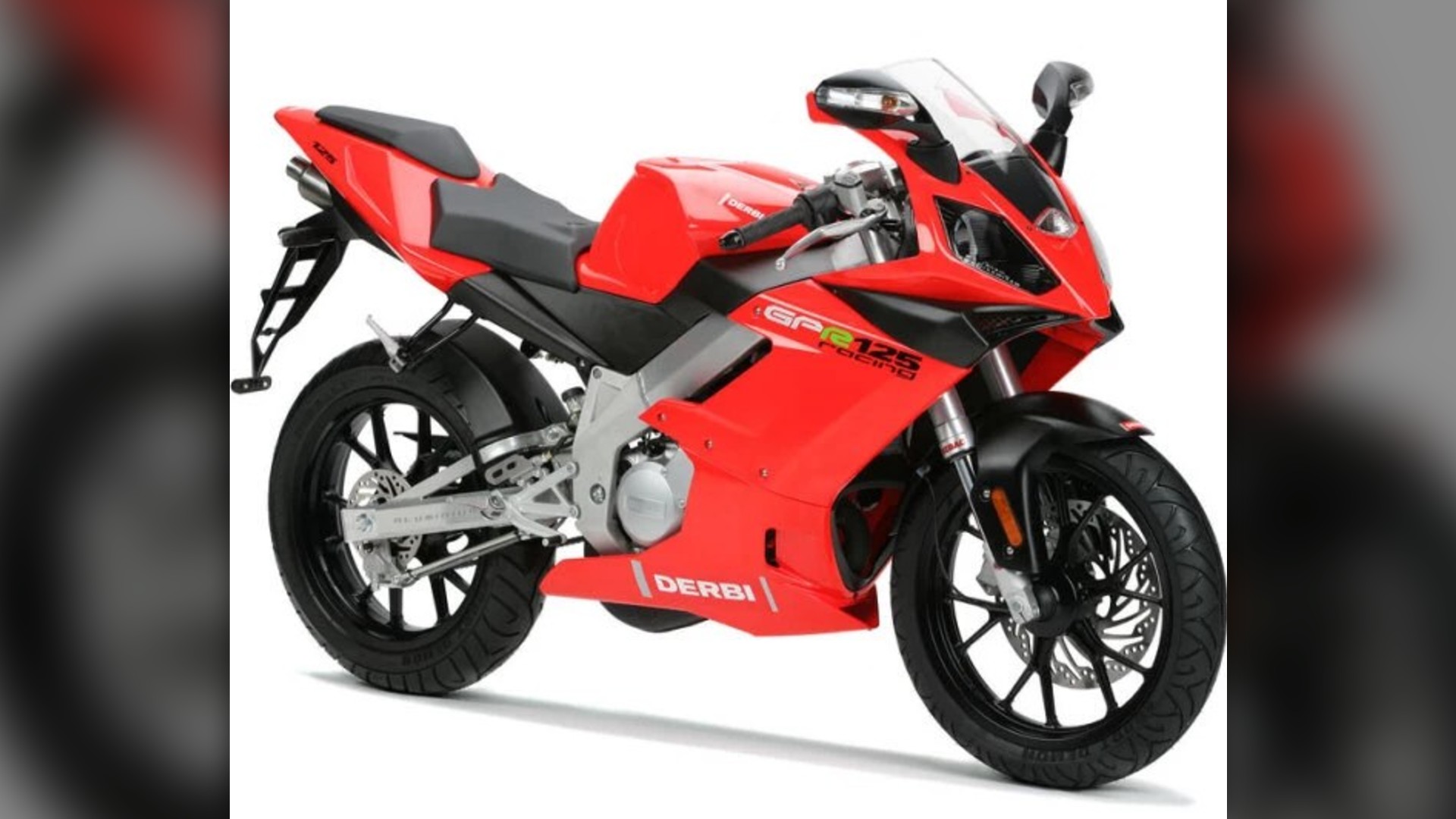
©wikimedia / Motoplanete
Advertisement
Swipe or tap ▶ to resume the countdown.
12. Cagiva Mito 125
Master designer Massimo Tamburini penned the Mito's fairings at the same time he created the iconic Ducati 916. The lightweight screamer revved past eleven thousand RPM and reached nearly one hundred miles per hour. Seven-time champion Valentino Rossi won his first national title on one.
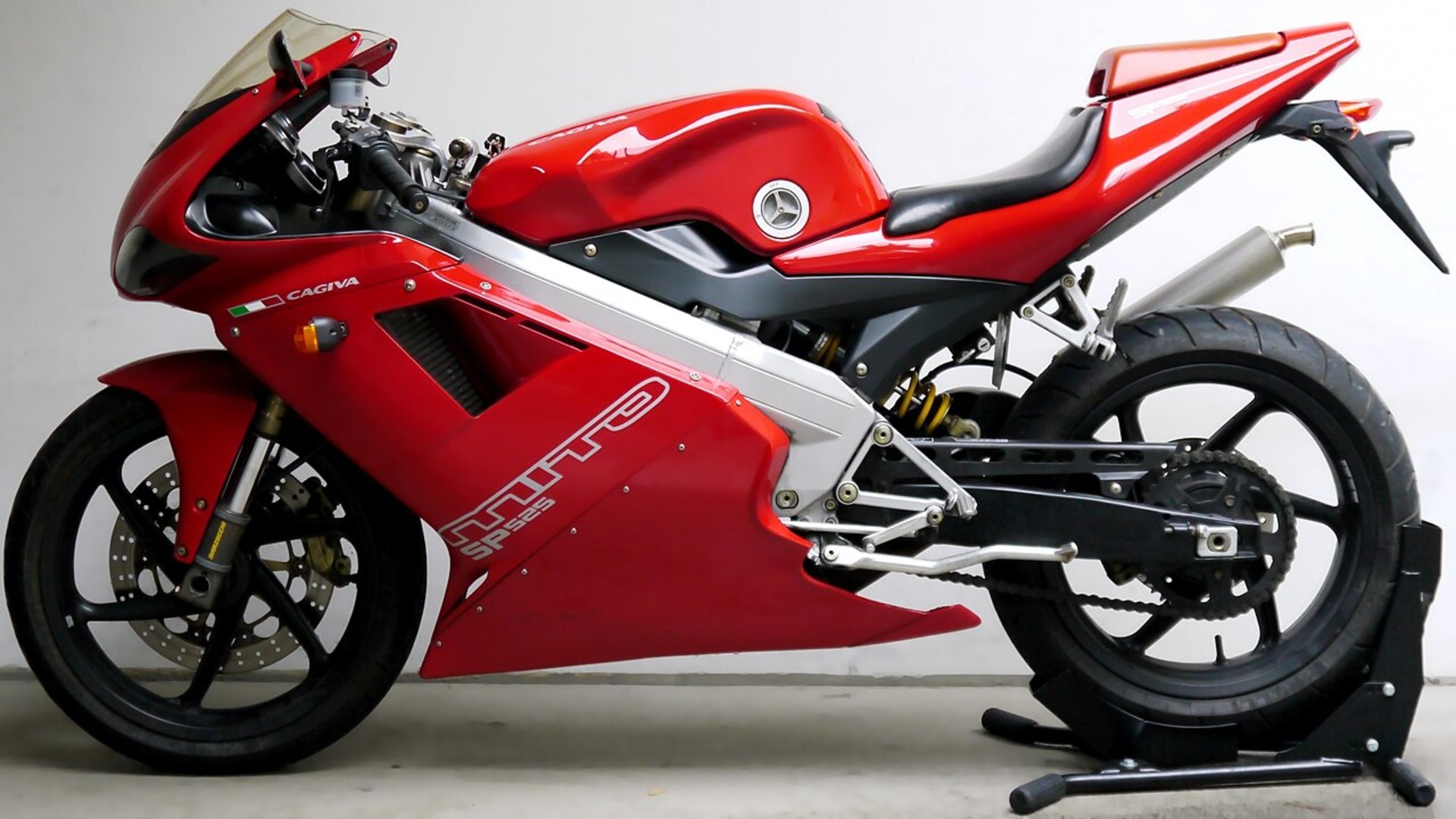
©Wikimedia / Klaus Nahr from Germany
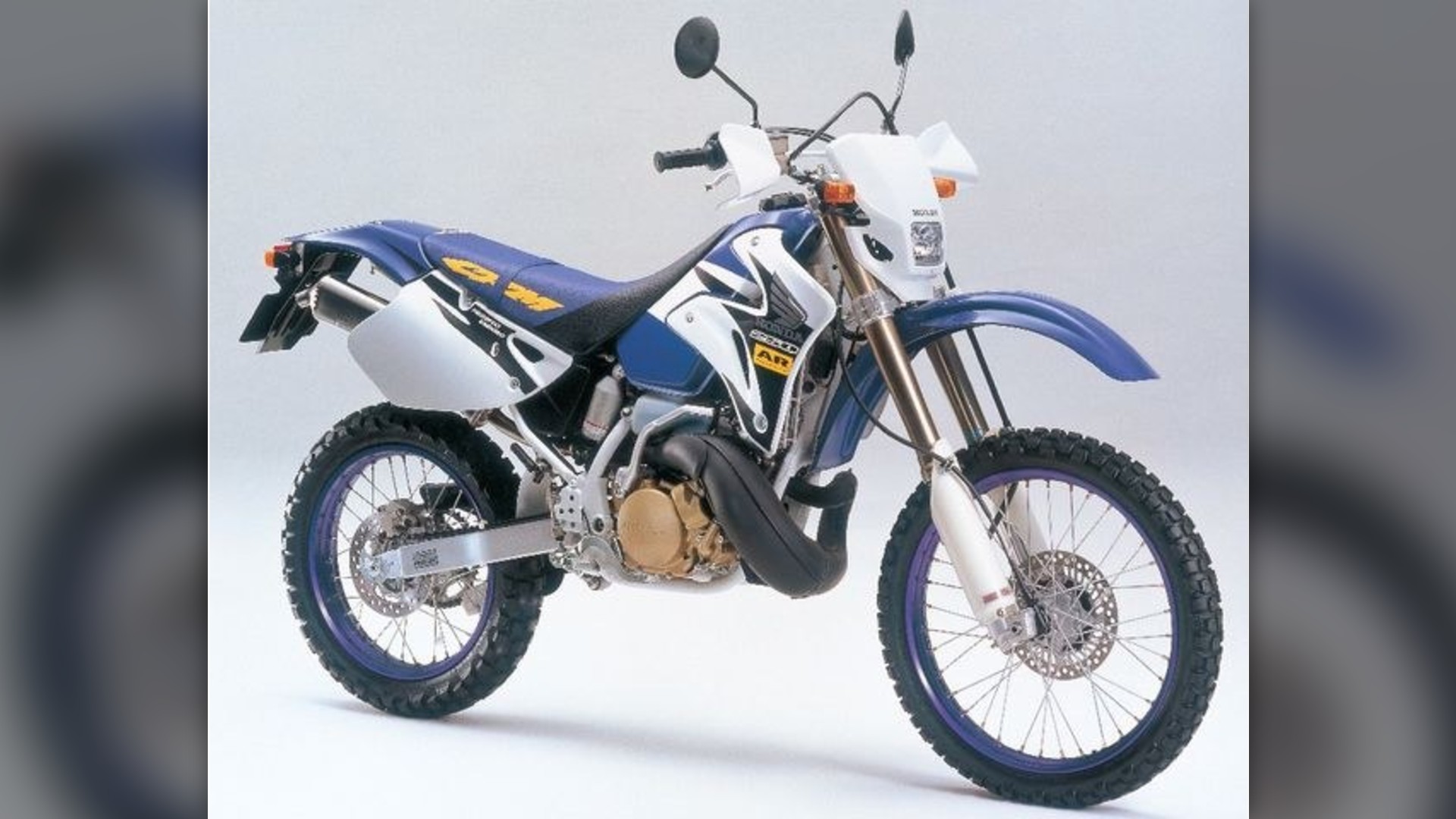
11. Honda CRM250
Honda engineered the CRM250 for rugged trail exploration and daily commuting across Europe and Japan. Later models featured an innovative electronic combustion chamber designed to reduce unburned hydrocarbons. American trail riders could only admire its smooth power delivery from afar.
©wikimedia / Webike Japan
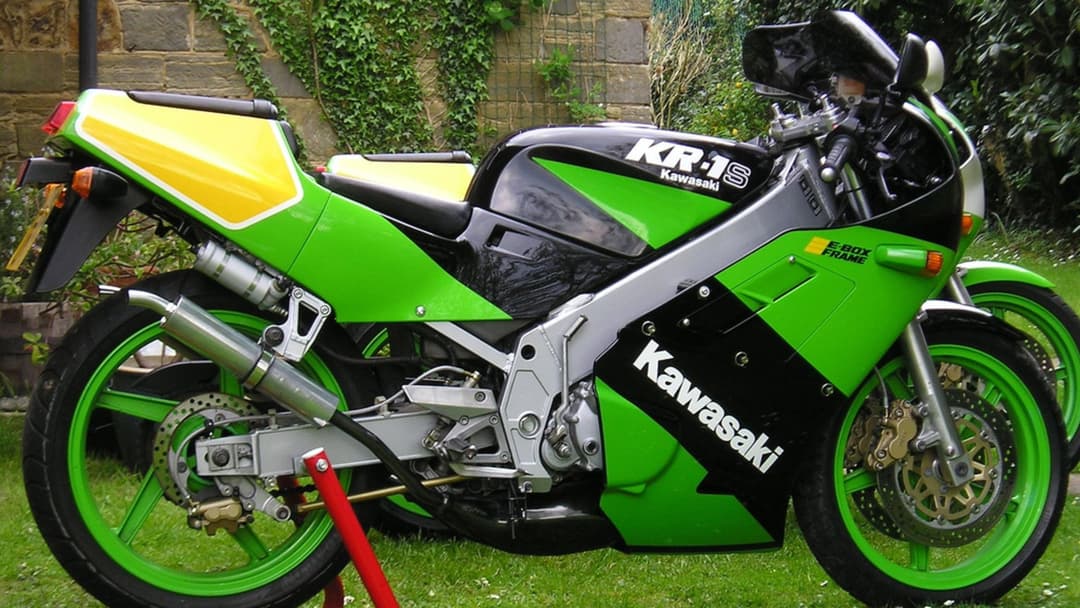
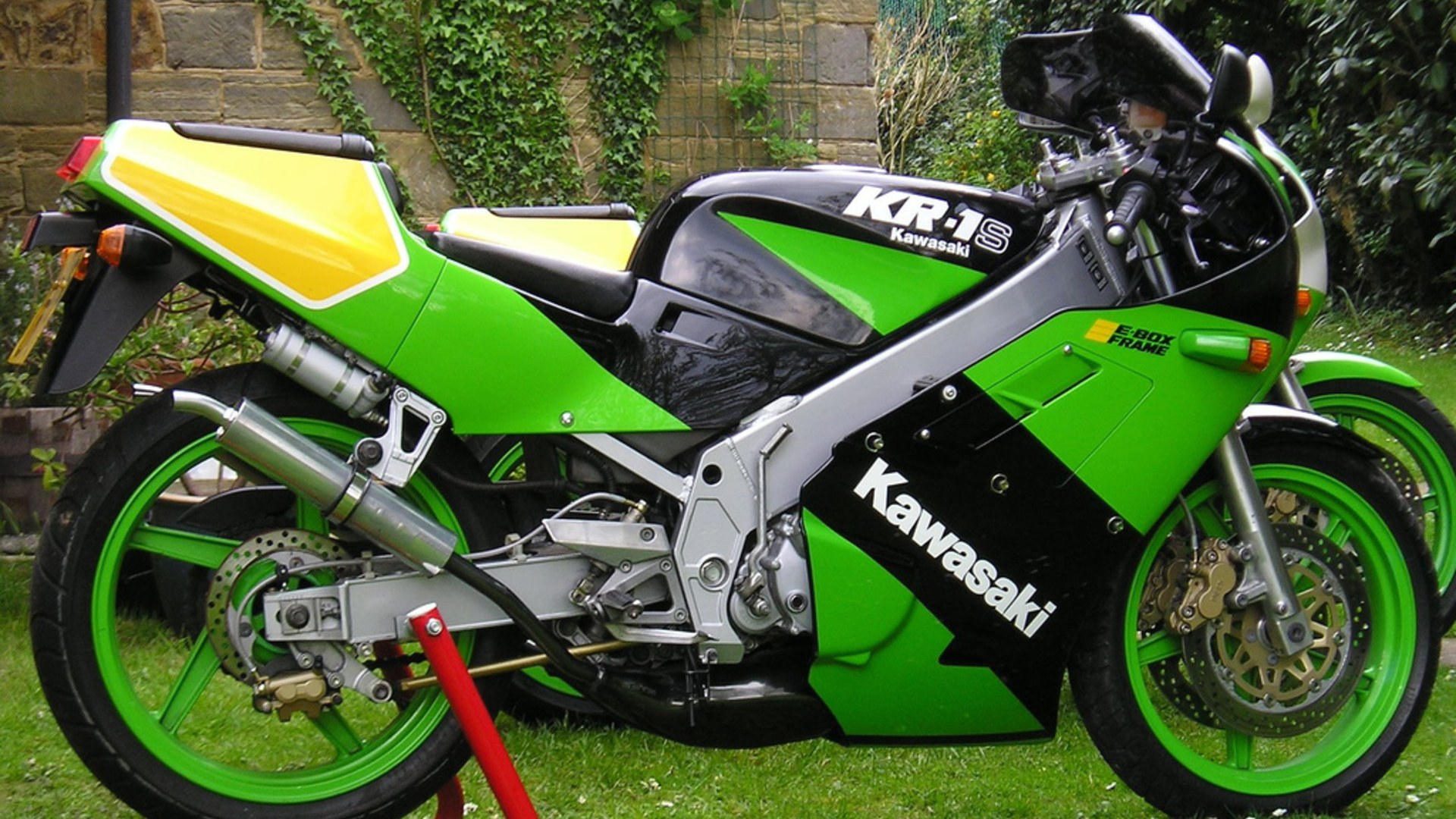
10. Kawasaki KR-1S
Kawasaki unleashed the KR-1S in 1989 to dominate domestic production road racing. Magazine testers recorded top speeds exceeding one hundred thirty-nine miles per hour, outpacing rival Honda and Yamaha twins. Strict US emissions standards kept the razor-sharp machine off American shores.
©Wikimedia / Neil Infield
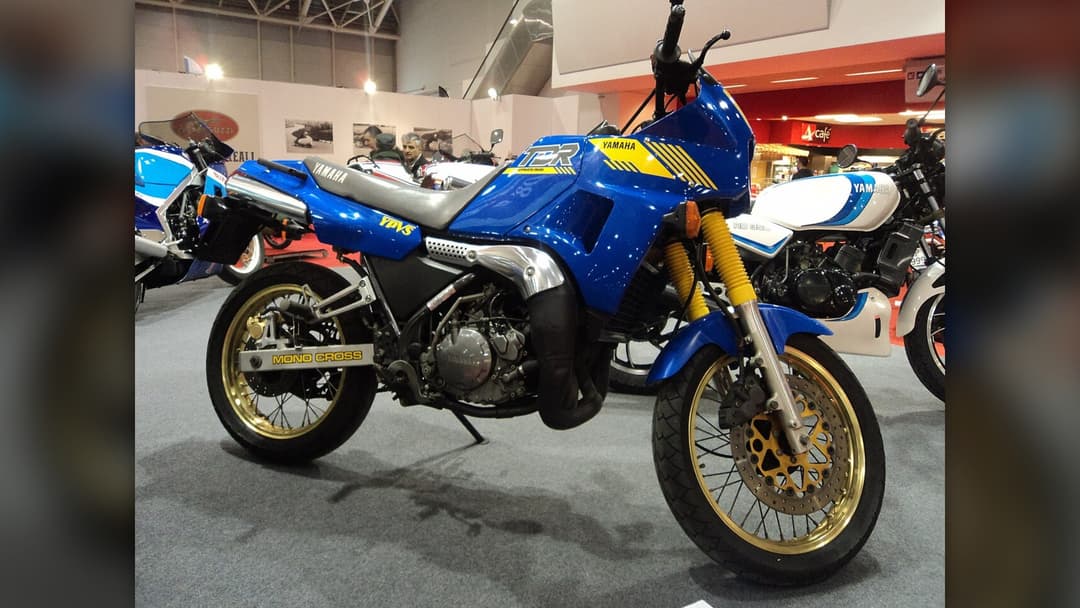
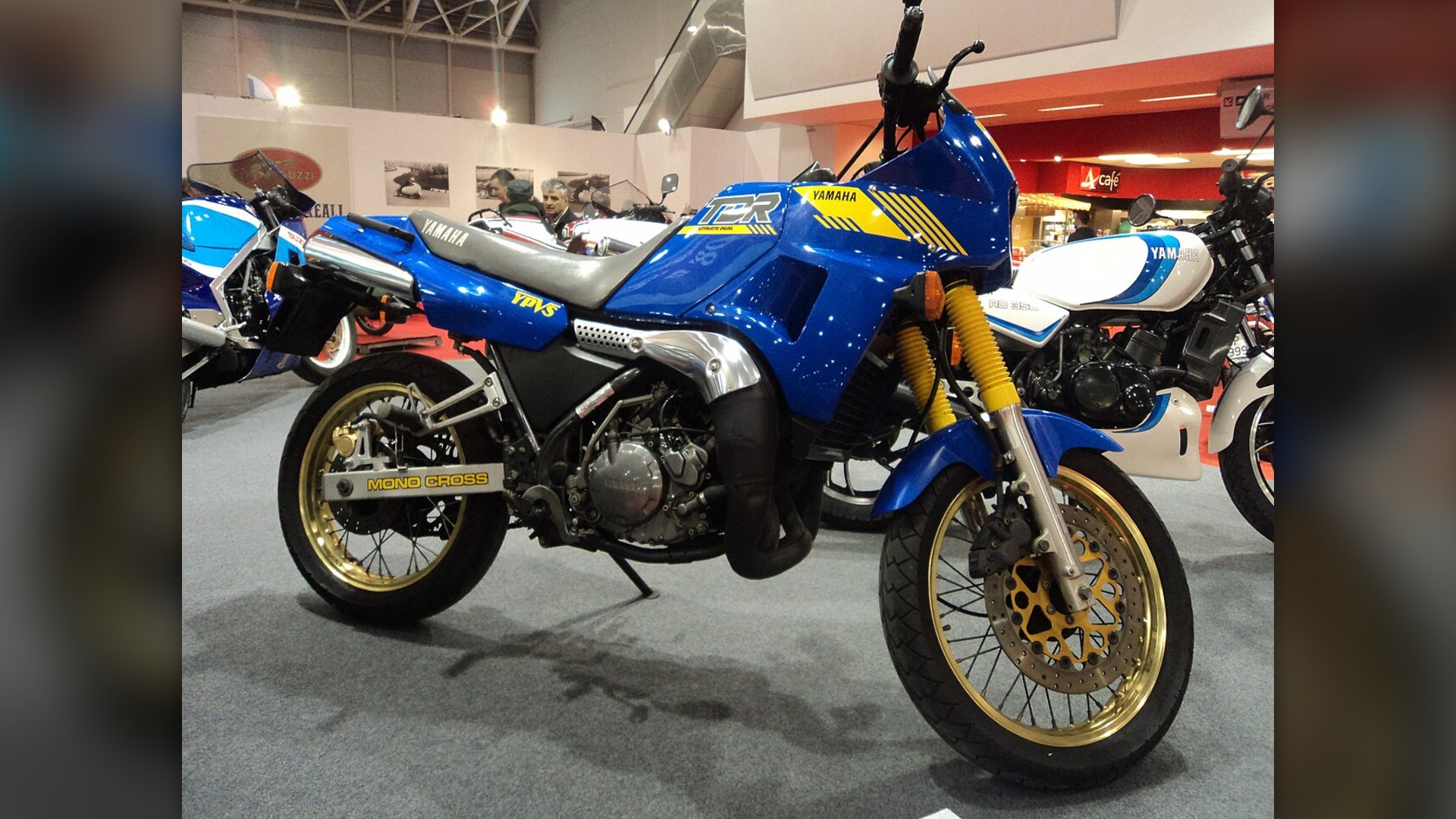
9. Yamaha TDR250
Decades before supermoto became a popular genre, Yamaha shoved a TZR250 race motor into a dirt-bike chassis. The resulting TDR250 produced forty-six horsepower and dominated urban traffic. Its agile geometry and instant throttle response made it a cult urban assault vehicle in Britain.
©Wikimedia / Nicholas Gemini
Advertisement
Swipe or tap ▶ to resume the countdown.
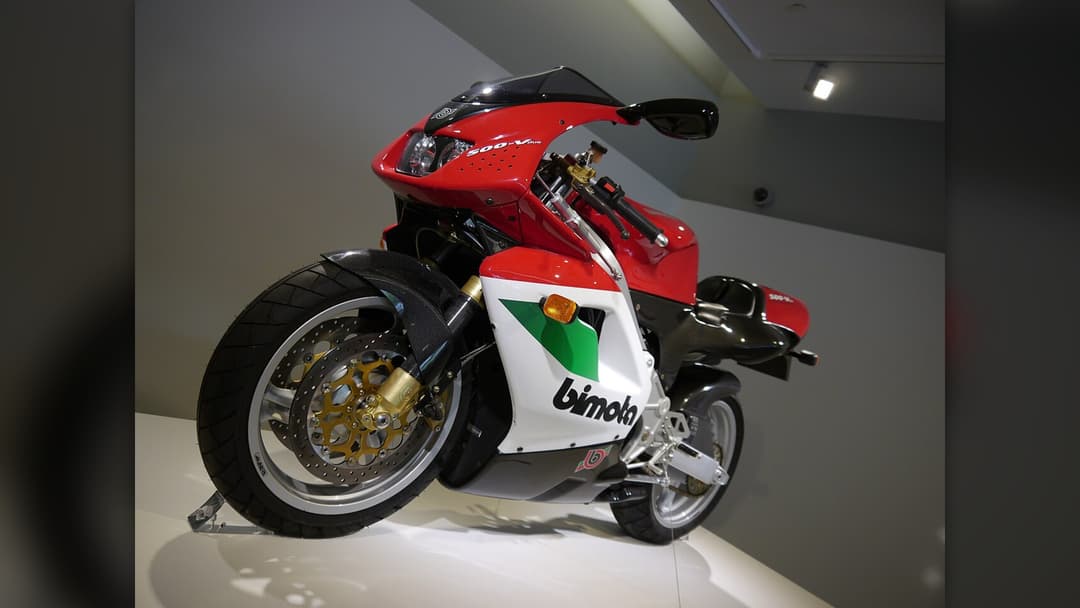
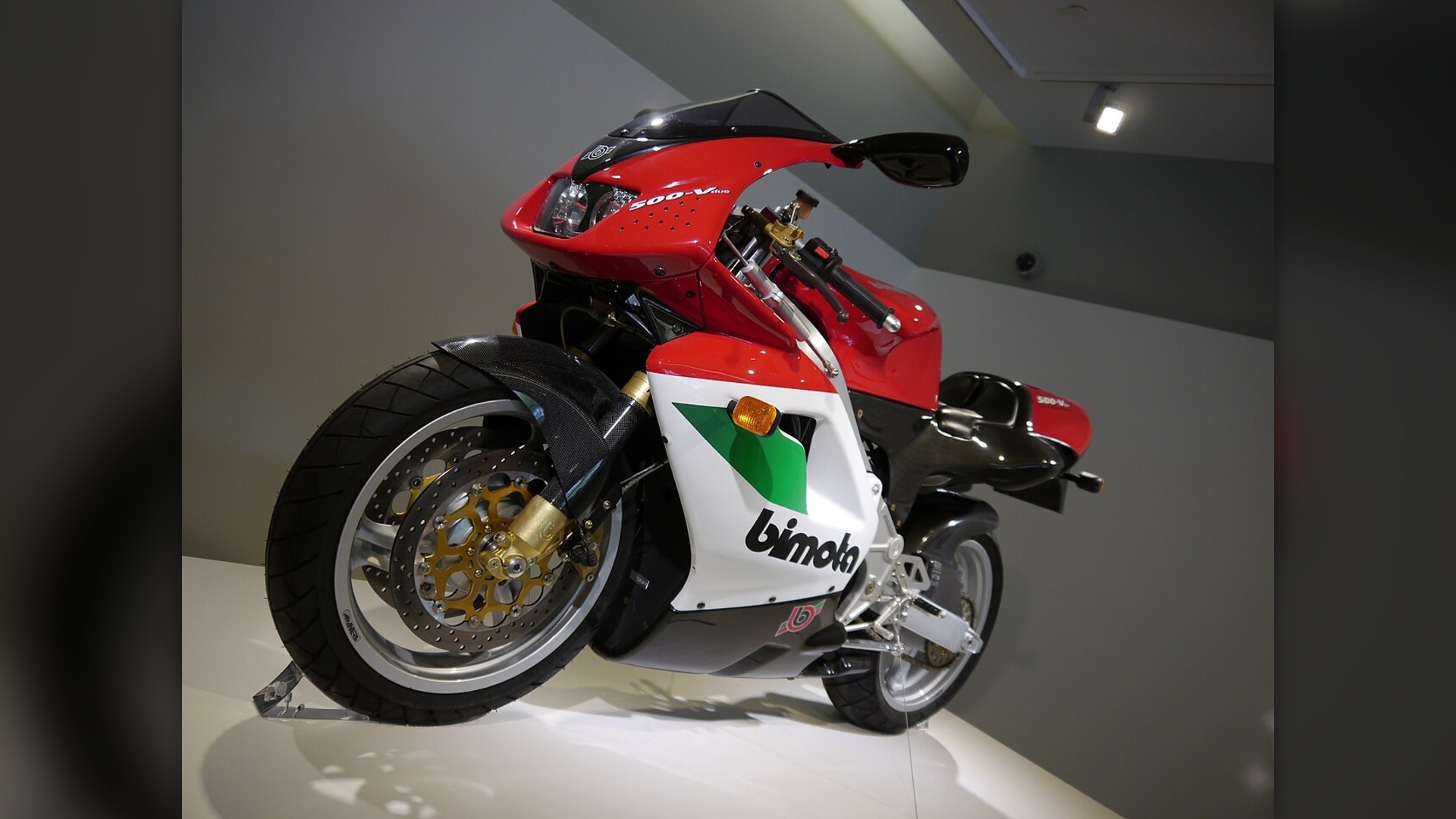
8. Bimota V Due 500
Bimota attempted to save two-stroke sport bikes by developing direct cylinder fuel injection in 1997. The lightweight fifty-degree V-twin produced one hundred ten horsepower in an exquisite handmade chassis. Early injection teething issues forced a company recall, cementing its mythical status.
©Wikimedia / [1]
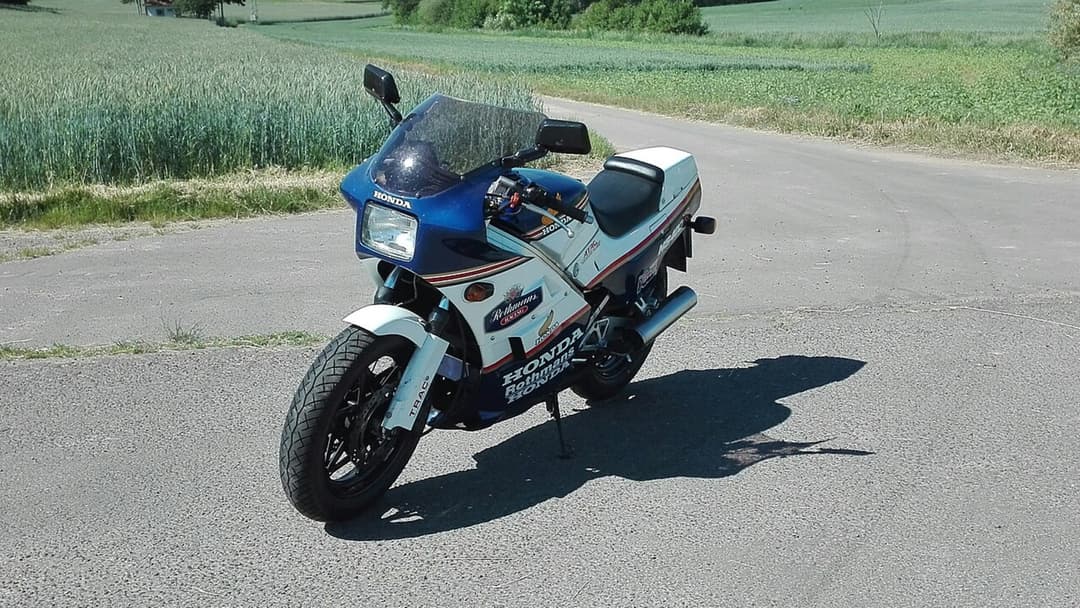
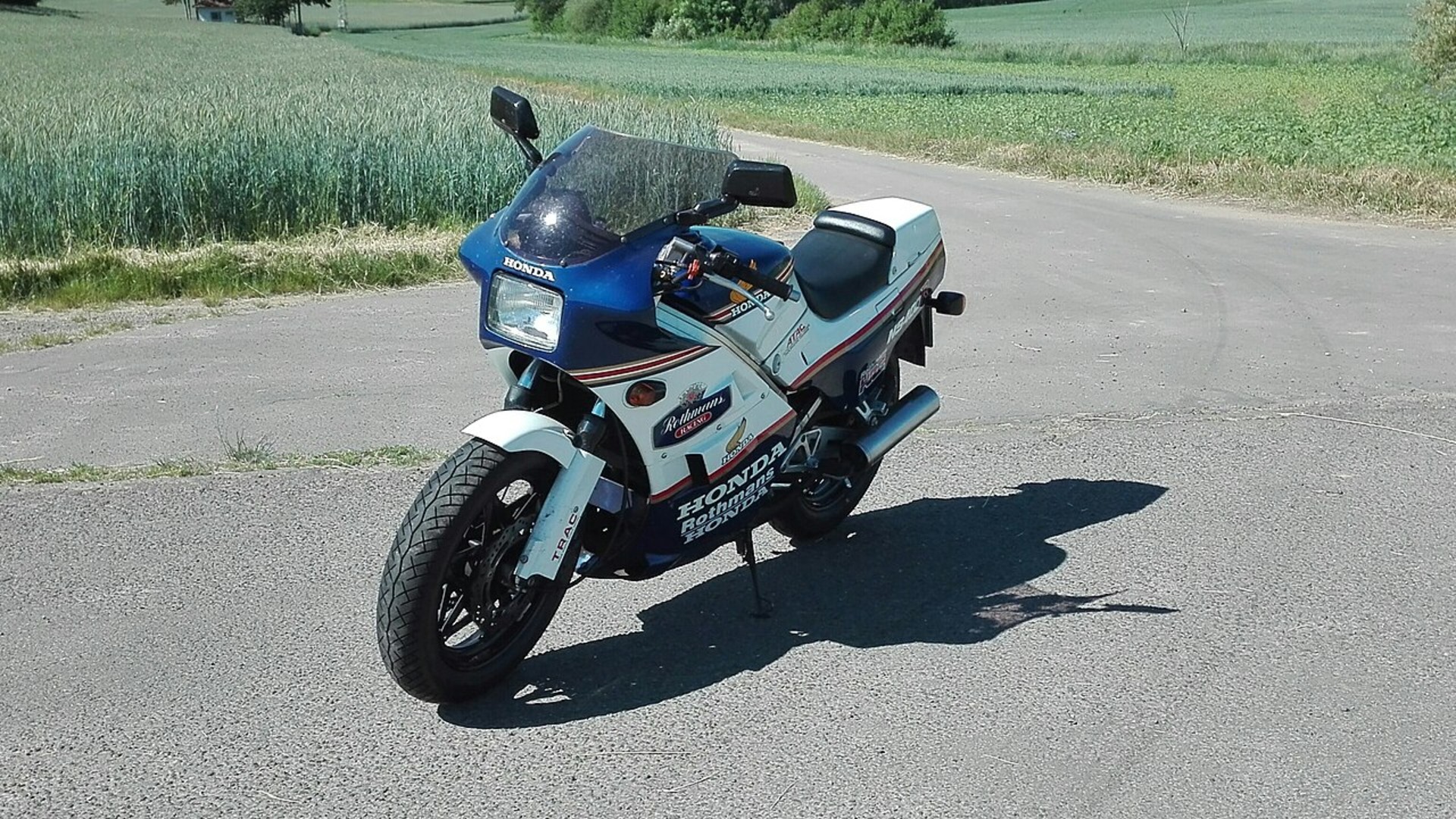
7. Honda NS400R
Honda celebrated Freddie Spencer's 1983 World Championship by producing the road-going NS400R. The unusual three-cylinder configuration positioned two forward-facing cylinders and one vertical cylinder. Dressed in factory Rothmans racing livery, it remains one of Honda's rarest eighties superbikes.
©Wikimedia / HSchWP
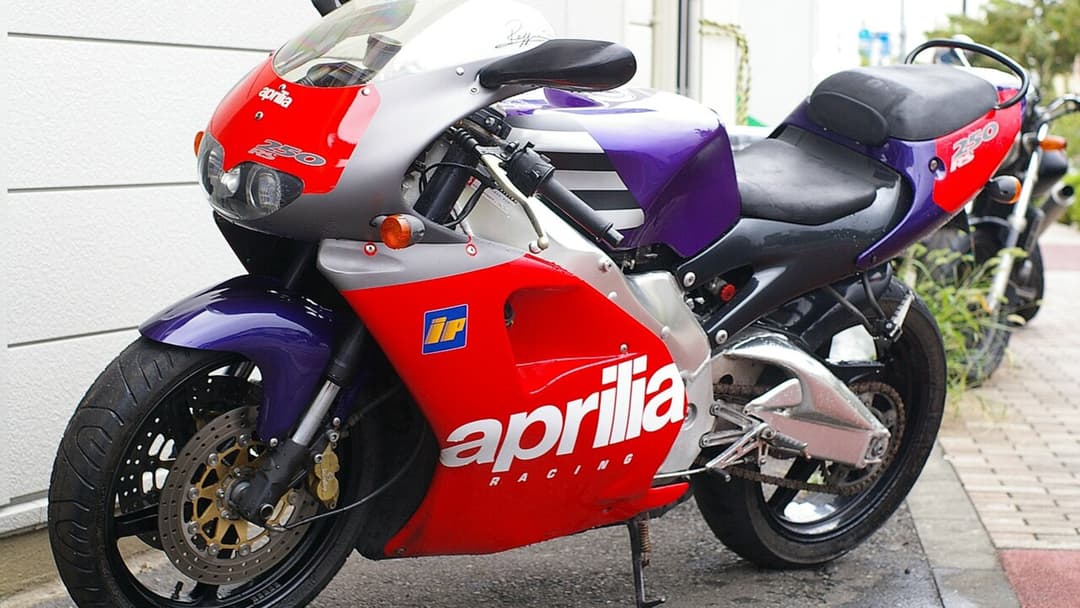
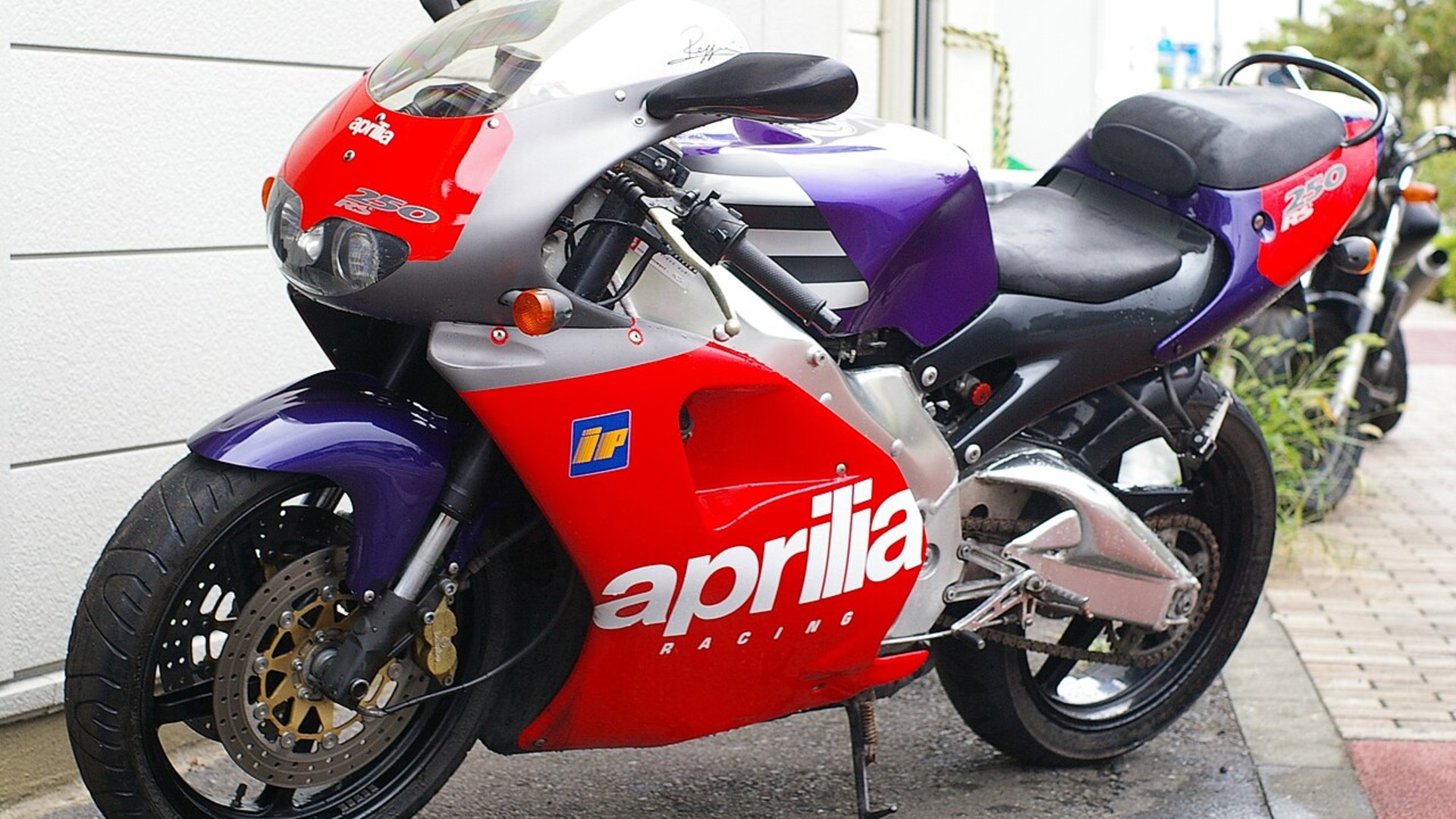
6. Aprilia RS250
Aprilia took Suzuki's proven 250cc V-twin, added custom exhausts and ignition curves, and dropped it into a Grand Prix-spec polished aluminum frame. The Italian road missile produced seventy-three horsepower and braked like a true race bike. It dominated European showroom floors throughout the nineties.
©Wikimedia / Shohei ninomiya
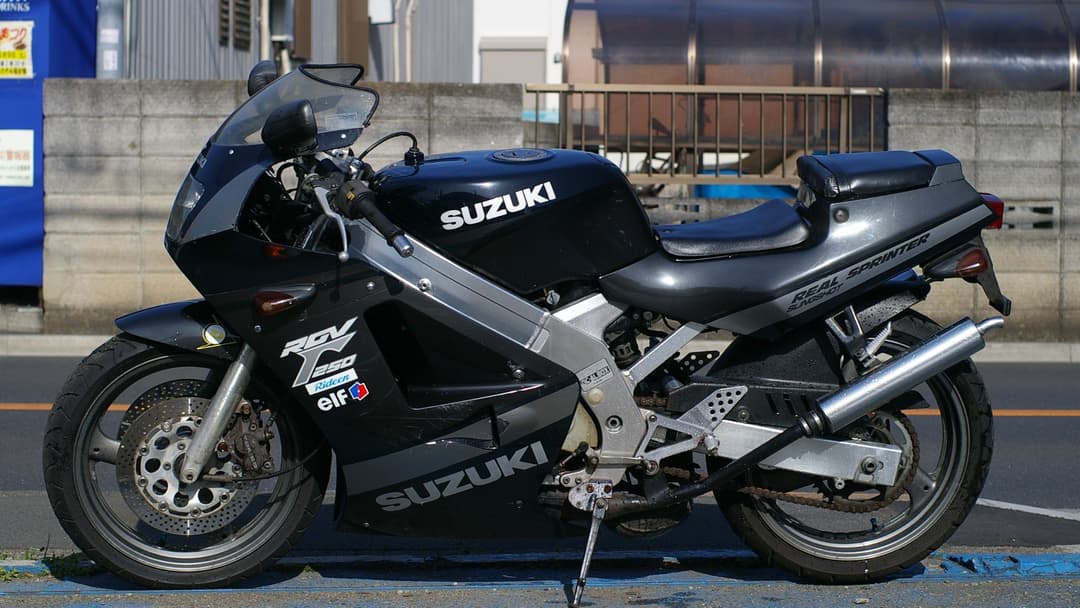
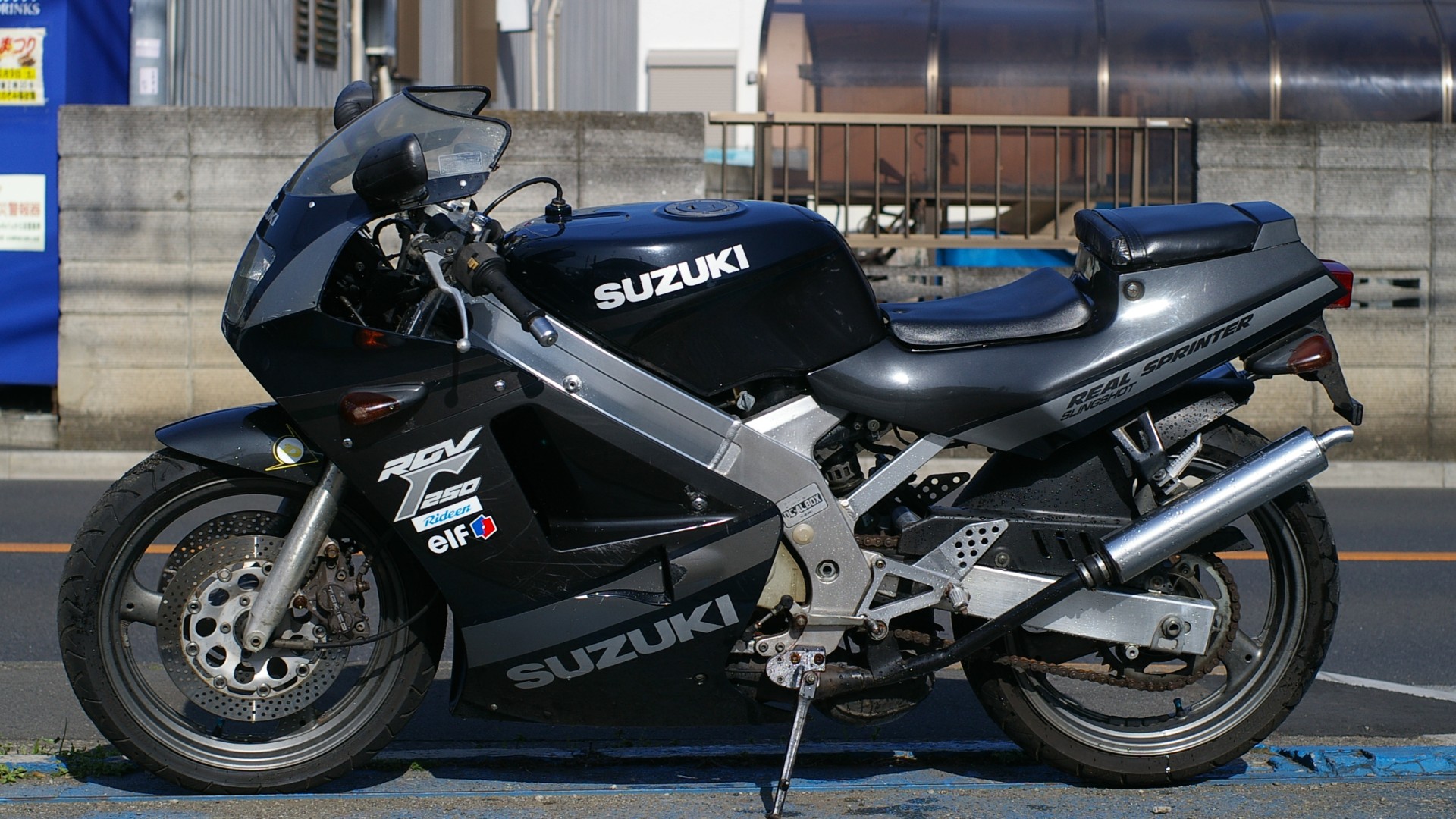
5. Suzuki RGV250
The RGV250 featured banana-style swingarms to clear upswept twin exhausts on the right side. Producing over sixty horsepower in unrestricted European trim, it screamed past twelve thousand RPM. It provided ordinary road riders with a direct taste of Grand Prix qualifying performance.
©Wikimedia / Suzuki RGV250
Advertisement
Swipe or tap ▶ to resume the countdown.
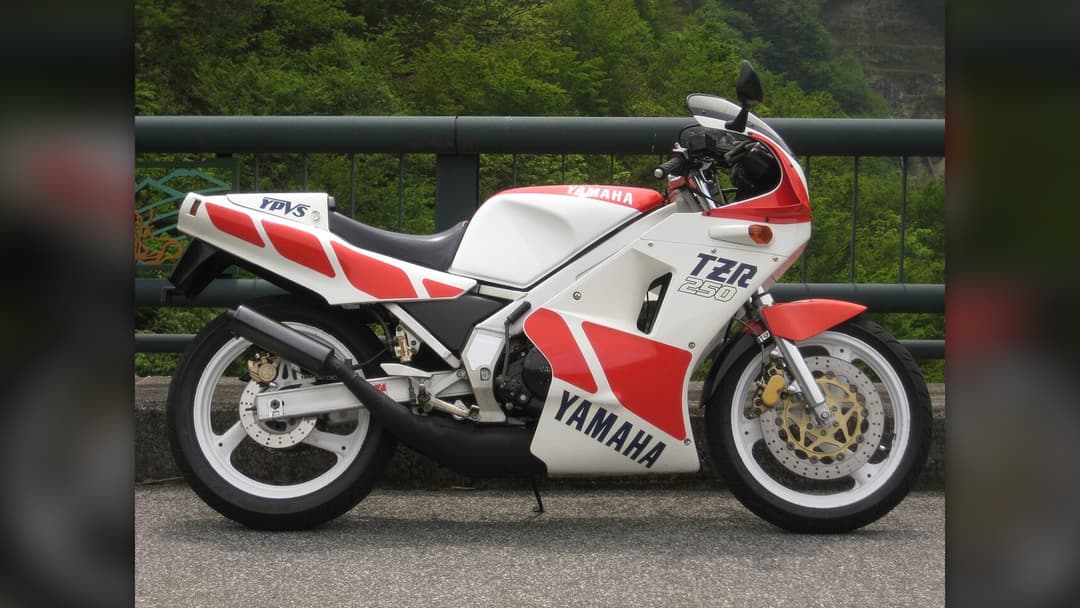
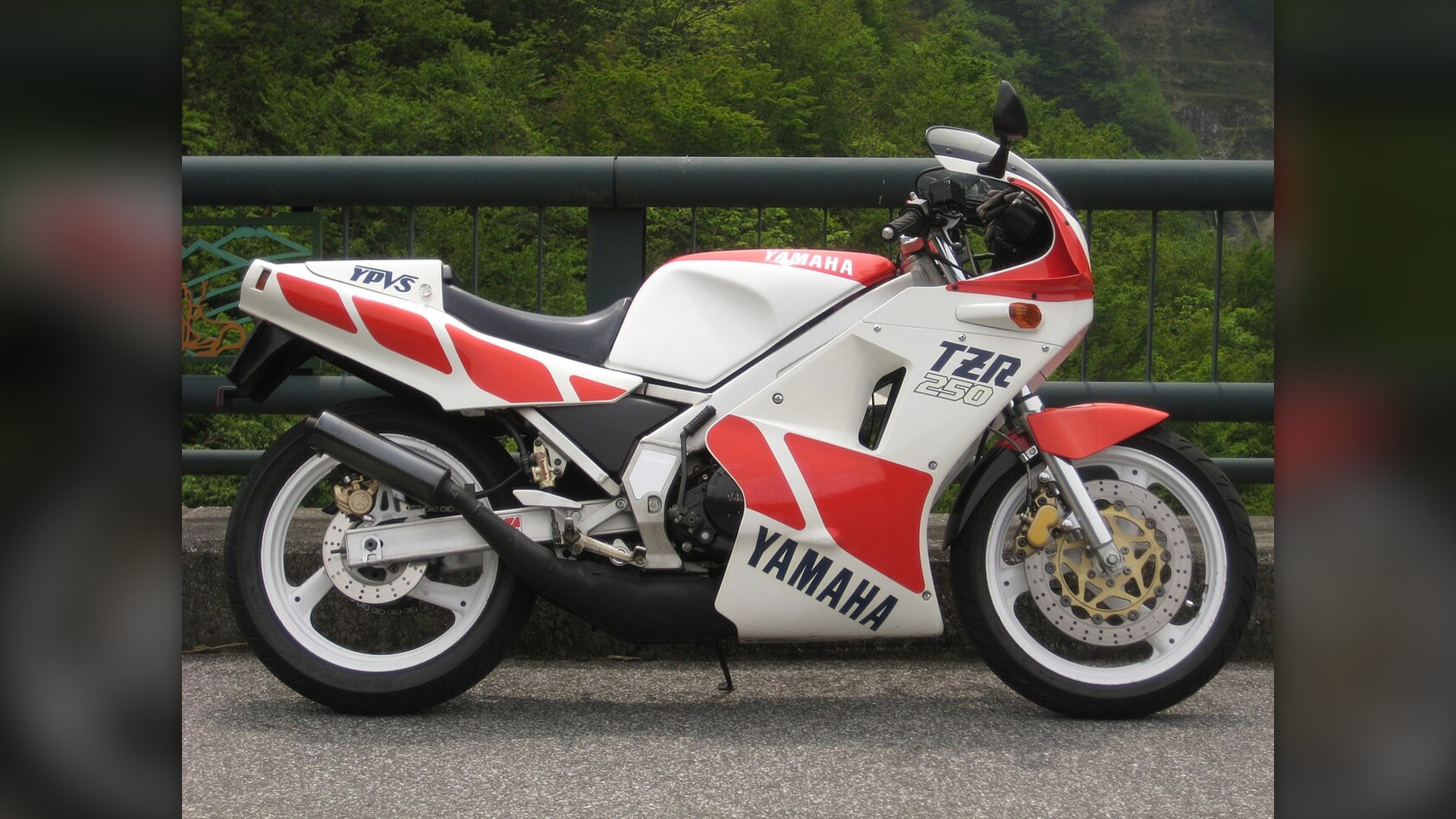
4. Yamaha TZR250
Yamaha engineers took radical steps on the 1989 TZR250, turning the cylinders around so carburetors mounted up front and expansion chambers exited straight out the tail. The technical daring mirrored Yamaha's factory Grand Prix prototypes. It handles with laser-guided precision.
©Wikimedia / Kuro8124
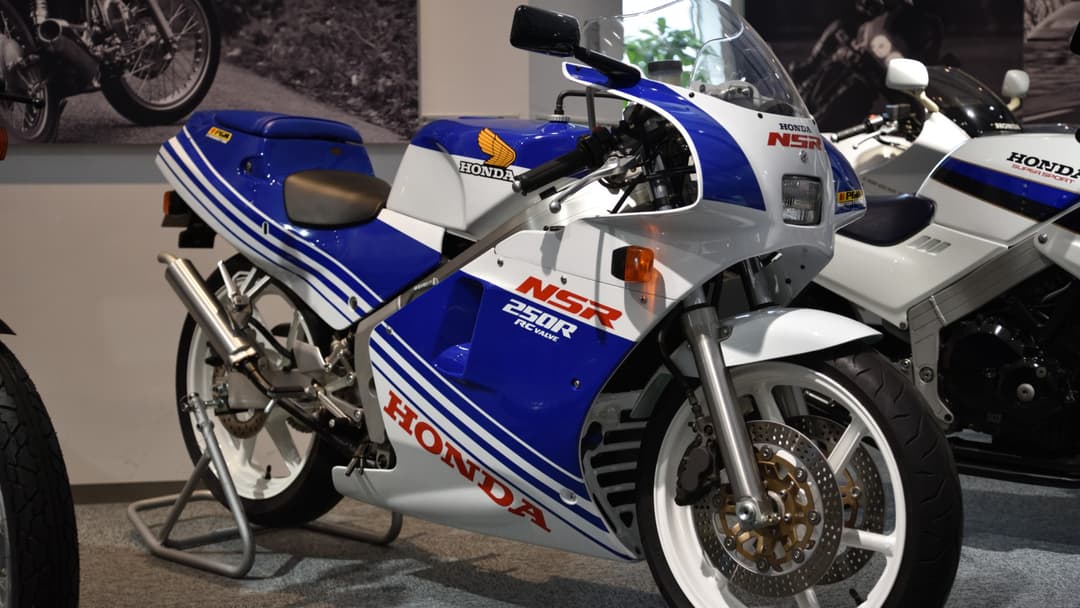
3. Honda NSR250R
The MC28 generation of the NSR250R debuted in 1994 with an electronic smart-card ignition instead of a traditional metal key. Honda fitted a race-developed single-sided swingarm and Gull-Arm chassis. Unrestricted versions delivered breathtaking corner speed that embarrassed large four-stroke superbikes.
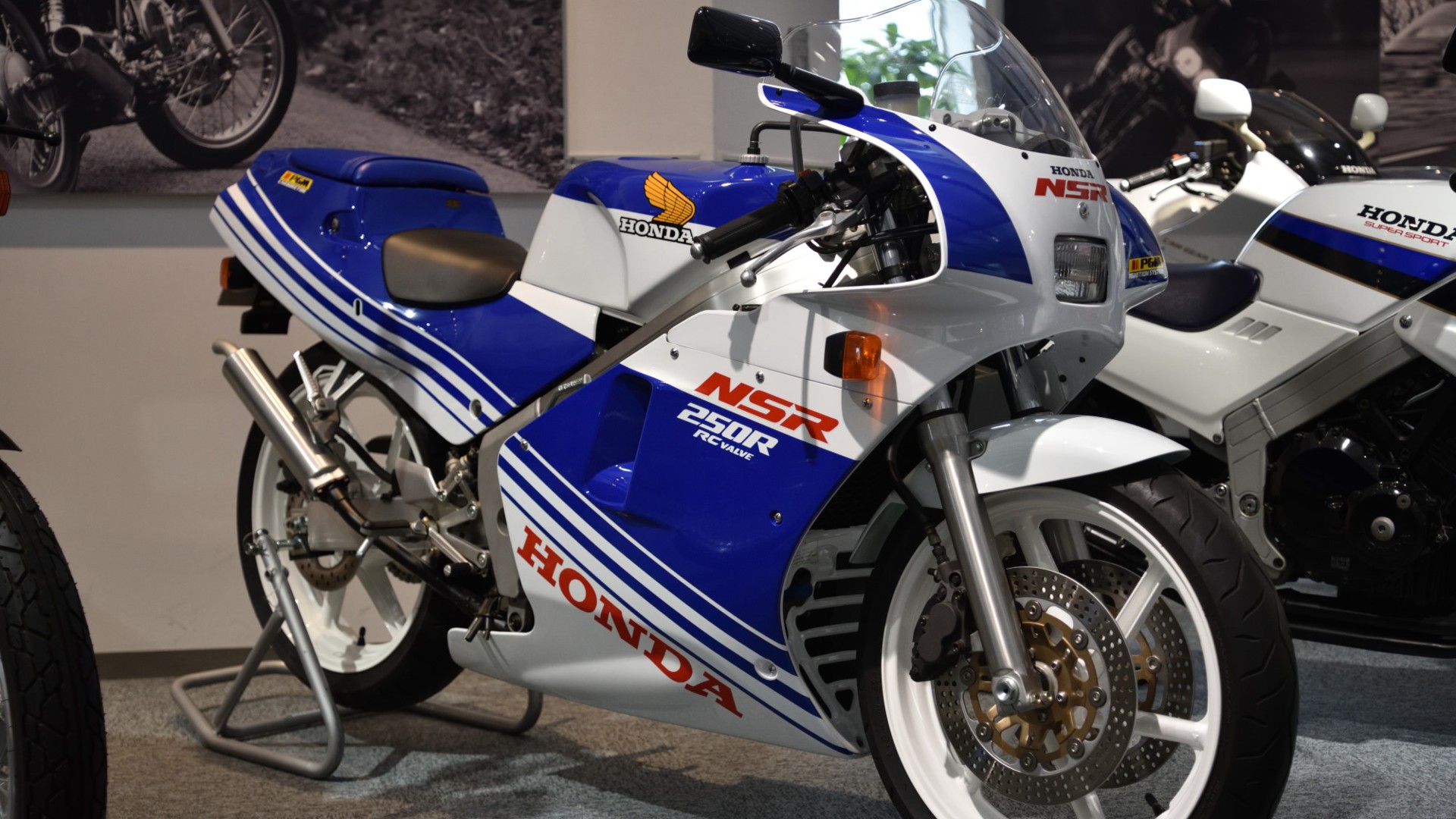
©Wikimedia / Rikita
2. Suzuki RG500 Gamma
Suzuki replicated Barry Sheene's Grand Prix championship machinery with the ferocious RG500 Gamma in 1985. The engine featured twin crankshafts geared together and four independent expansion chambers. Tipping the scales at only three hundred forty pounds, it demanded absolute respect from riders.
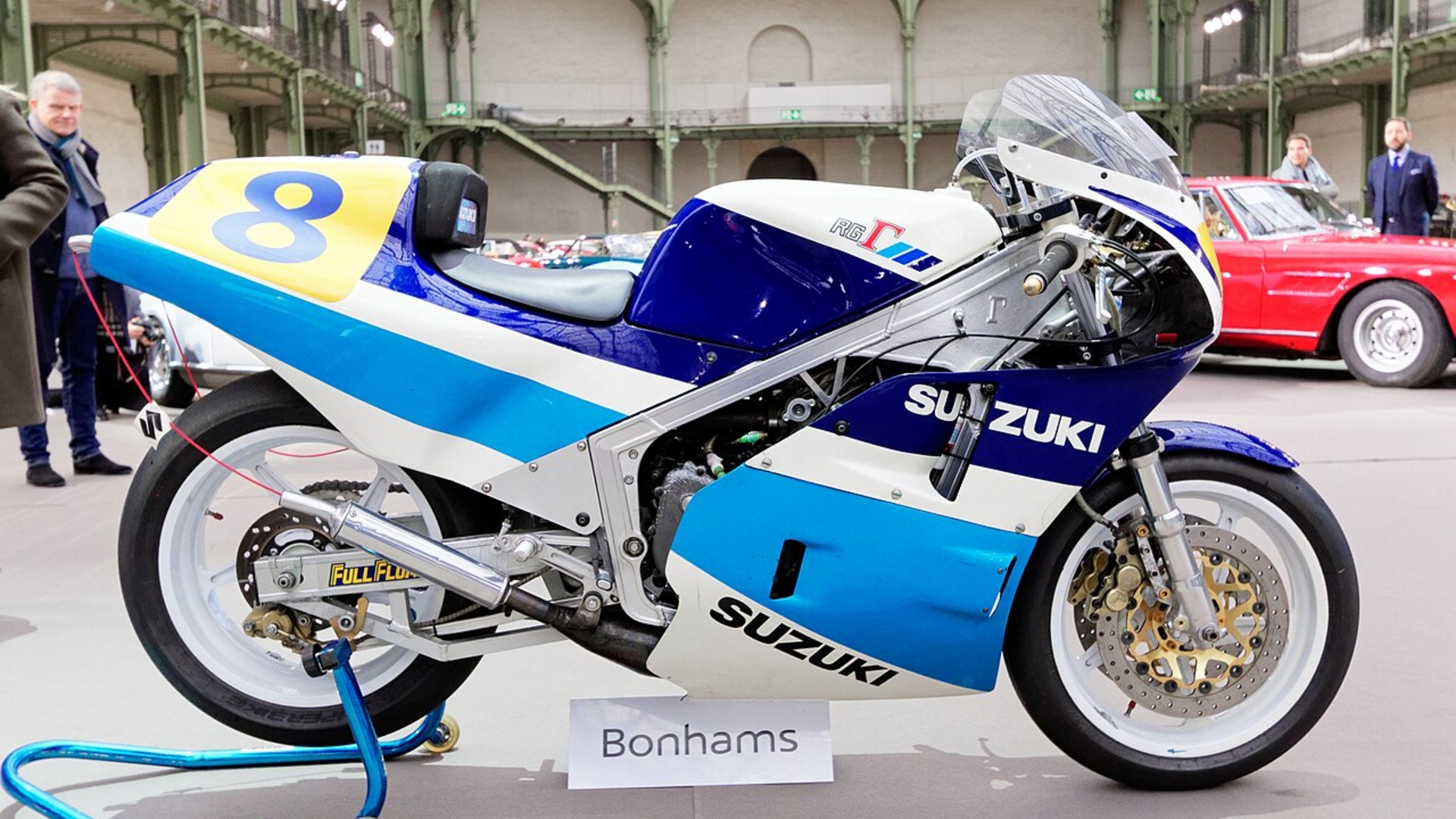
©Wikimedia / Thesupermat
1. Yamaha RD500LC
The RD500LC was the very first 500cc Grand Prix replica offered to the general public in 1984. Its sophisticated V4 engine used two counter-rotating crankshafts and twin power-valve systems. Because it couldn't meet American federal tailpipe standards, US enthusiasts were forced to import grey-market models.
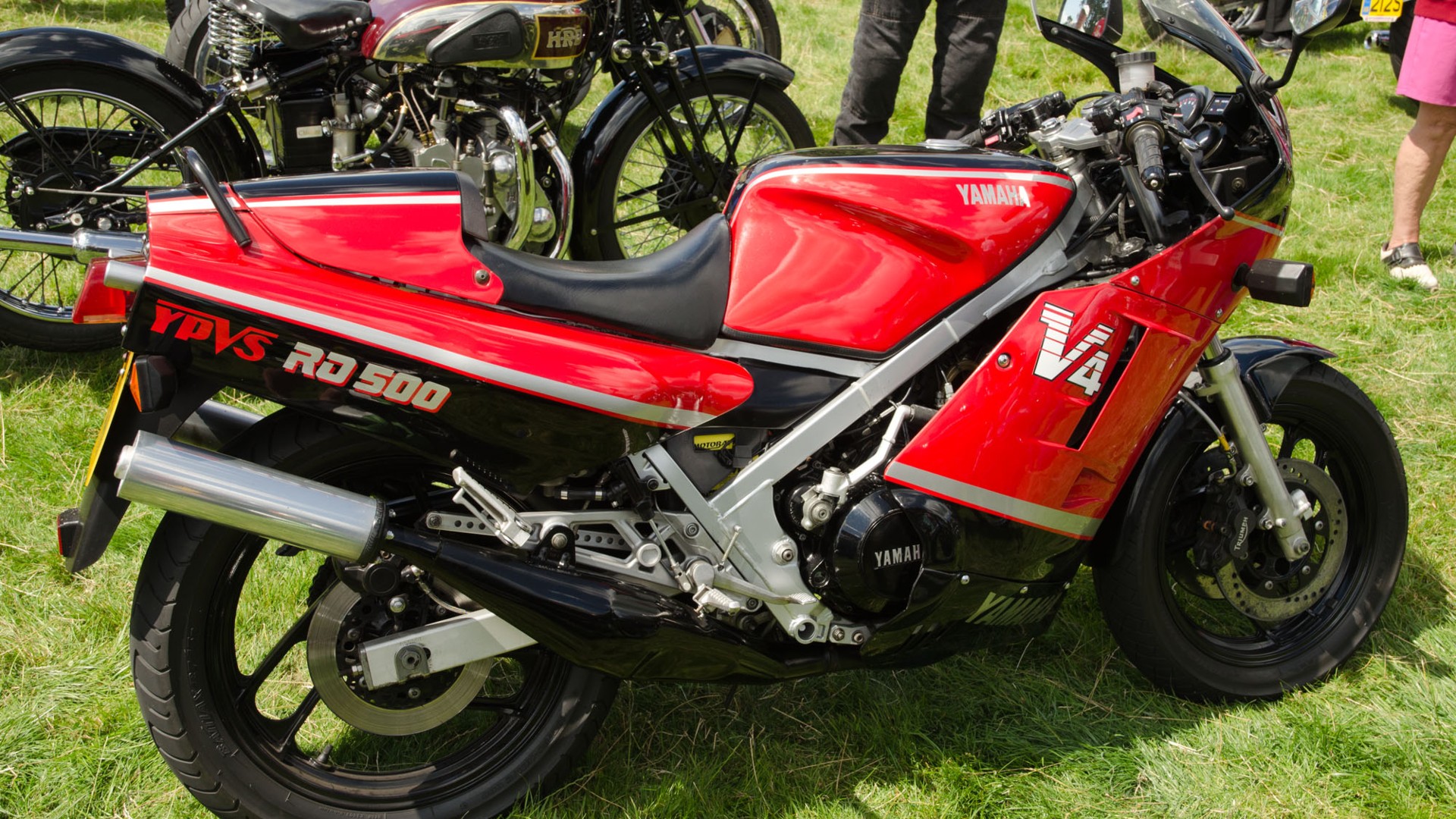
©Wikimedia / Yamaha RD500LC
Advertisement
You've reached the end of the story. Thanks for reading!

20 Ways Your Home Office Hurts Productivity
Transform your remote workspace from a chaotic desk corner into a powerhouse of efficiency and comfort with these 20 essential upgrades.
All 15 Entries in this Story
15. Yamaha SDR200
Weighing just two hundred thirty pounds dry, the Yamaha SDR200 felt more like an aggressive bicycle than a sport bike. Its liquid-cooled single-cylinder engine pushed thirty-four horsepower through a six-speed gearbox. Japanese domestic market buyers loved its raw agility on tight mountain passes.

14. Gilera CX 125
Italian styling studio Marabese designed the Gilera CX 125 with enclosed aerodynamic bodywork straight out of science fiction. The bike featured radical single-sided suspensions on both wheels. Built strictly for the European market in 1991, it became an instant collector icon.

13. Derbi GPR 125 Racing
Spanish manufacturer Derbi dominated small-displacement Grand Prix racing for decades. The GPR 125 Racing paired radial front disc brakes with an under-seat exhaust and Yamaha-derived liquid-cooled engine. It offered teenage European riders authentic racetrack handling on ordinary city streets.

12. Cagiva Mito 125
Master designer Massimo Tamburini penned the Mito's fairings at the same time he created the iconic Ducati 916. The lightweight screamer revved past eleven thousand RPM and reached nearly one hundred miles per hour. Seven-time champion Valentino Rossi won his first national title on one.

11. Honda CRM250
Honda engineered the CRM250 for rugged trail exploration and daily commuting across Europe and Japan. Later models featured an innovative electronic combustion chamber designed to reduce unburned hydrocarbons. American trail riders could only admire its smooth power delivery from afar.

10. Kawasaki KR-1S
Kawasaki unleashed the KR-1S in 1989 to dominate domestic production road racing. Magazine testers recorded top speeds exceeding one hundred thirty-nine miles per hour, outpacing rival Honda and Yamaha twins. Strict US emissions standards kept the razor-sharp machine off American shores.

9. Yamaha TDR250
Decades before supermoto became a popular genre, Yamaha shoved a TZR250 race motor into a dirt-bike chassis. The resulting TDR250 produced forty-six horsepower and dominated urban traffic. Its agile geometry and instant throttle response made it a cult urban assault vehicle in Britain.

8. Bimota V Due 500
Bimota attempted to save two-stroke sport bikes by developing direct cylinder fuel injection in 1997. The lightweight fifty-degree V-twin produced one hundred ten horsepower in an exquisite handmade chassis. Early injection teething issues forced a company recall, cementing its mythical status.

7. Honda NS400R
Honda celebrated Freddie Spencer's 1983 World Championship by producing the road-going NS400R. The unusual three-cylinder configuration positioned two forward-facing cylinders and one vertical cylinder. Dressed in factory Rothmans racing livery, it remains one of Honda's rarest eighties superbikes.

6. Aprilia RS250
Aprilia took Suzuki's proven 250cc V-twin, added custom exhausts and ignition curves, and dropped it into a Grand Prix-spec polished aluminum frame. The Italian road missile produced seventy-three horsepower and braked like a true race bike. It dominated European showroom floors throughout the nineties.

5. Suzuki RGV250
The RGV250 featured banana-style swingarms to clear upswept twin exhausts on the right side. Producing over sixty horsepower in unrestricted European trim, it screamed past twelve thousand RPM. It provided ordinary road riders with a direct taste of Grand Prix qualifying performance.

4. Yamaha TZR250
Yamaha engineers took radical steps on the 1989 TZR250, turning the cylinders around so carburetors mounted up front and expansion chambers exited straight out the tail. The technical daring mirrored Yamaha's factory Grand Prix prototypes. It handles with laser-guided precision.

3. Honda NSR250R
The MC28 generation of the NSR250R debuted in 1994 with an electronic smart-card ignition instead of a traditional metal key. Honda fitted a race-developed single-sided swingarm and Gull-Arm chassis. Unrestricted versions delivered breathtaking corner speed that embarrassed large four-stroke superbikes.

2. Suzuki RG500 Gamma
Suzuki replicated Barry Sheene's Grand Prix championship machinery with the ferocious RG500 Gamma in 1985. The engine featured twin crankshafts geared together and four independent expansion chambers. Tipping the scales at only three hundred forty pounds, it demanded absolute respect from riders.

1. Yamaha RD500LC
The RD500LC was the very first 500cc Grand Prix replica offered to the general public in 1984. Its sophisticated V4 engine used two counter-rotating crankshafts and twin power-valve systems. Because it couldn't meet American federal tailpipe standards, US enthusiasts were forced to import grey-market models.