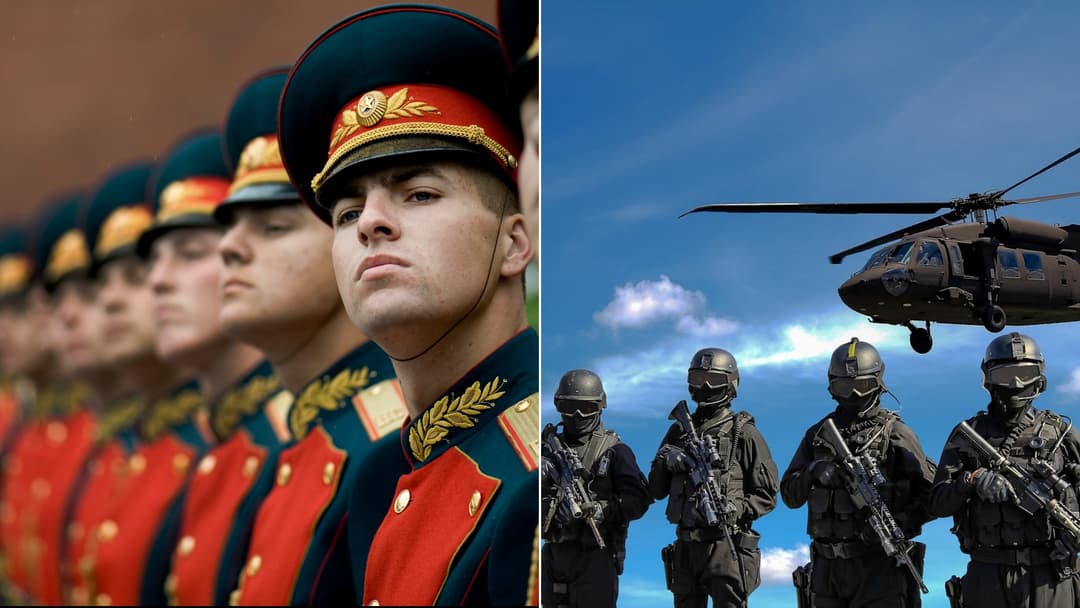
Slideshow · Viral
20 Things that Russia and the US have in common
Exploring the deep ties and shared paths of global powers.
By Most Viral Today
45 min ago

Russia and the US: 20 Bonds 
20. Vast Geographic Scale 
19. Federal Governance 
18. Linguistic Diversity - AdvertisementSwipe or tap ▶ to continue countdown

17. Space Pioneers 
16. Resource Wealth 
15. UN Security Council 
14. Climatic Variety - AdvertisementSwipe or tap ▶ to continue countdown

13. Literary Canon 
12. Nuclear Deterrence 
11. Cultural Melting Pots 
10. Industrial Engineering - AdvertisementSwipe or tap ▶ to continue countdown

9. Intellectual Emphasis 
8. Olympic Greatness 
7. Military Projection 
6. Classical Music - AdvertisementSwipe or tap ▶ to continue countdown

5. Frontier Histories 
4. Cinema Mastery 
3. Massive Rail Networks 
2. Research Hubs - AdvertisementSwipe or tap ▶ to continue countdown

1. National Pride - Advertisement🔥 UP NEXT IN THIS SERIES◫ 21 Slides

20 Oldest Fast Food Chains in America Still Operating Today
Ranked by official corporate founding dates, these 20 pioneering fast food chains survived economic depressions and shifting consumer tastes to remain American dining staples.
Despite a complex political relationship, Russia and the U.S. share striking structural, geographic, and historical similarities. From their massive landmasses to their pioneering roles in science and industry, these 20 parallels highlight how much these two nations truly have in common.
Swipe or tap ▶ to begin the countdown
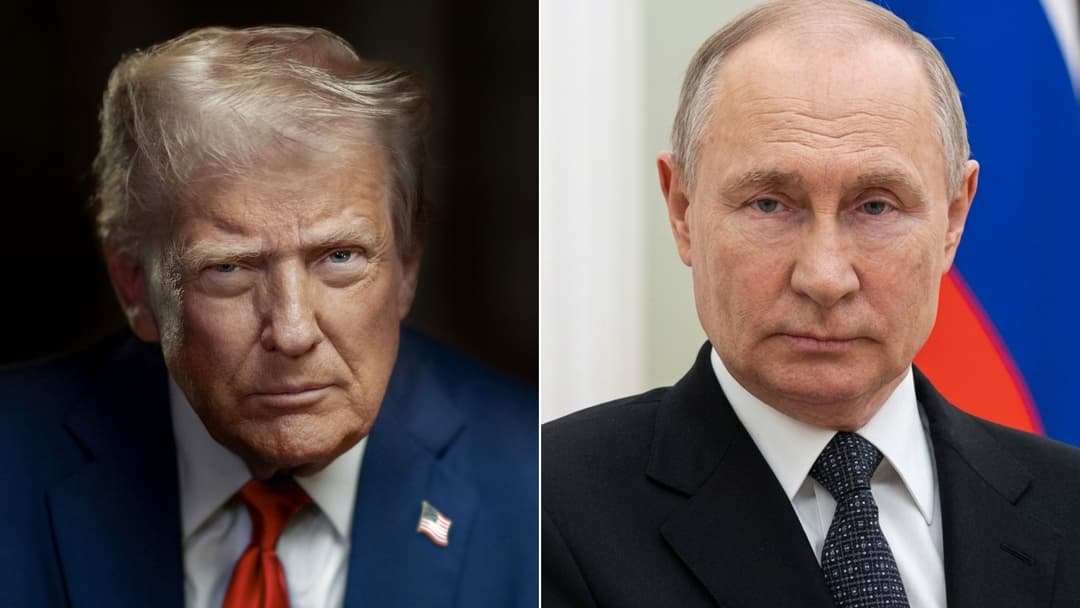
©Wikimedia / Donald Trump & Wikimedia / Vladimir Putin
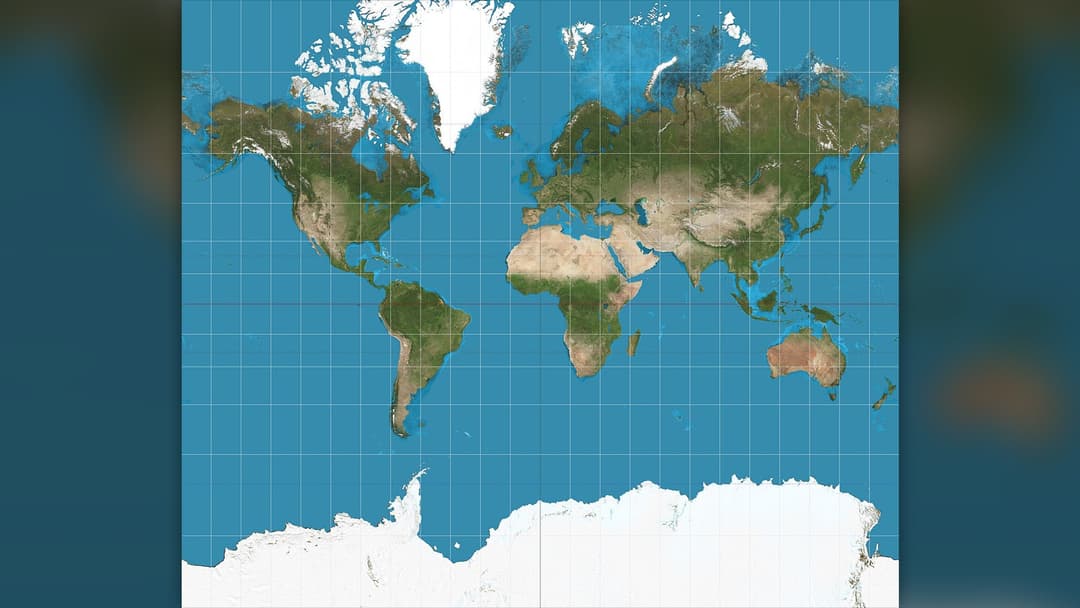
20. Vast Geographic Scale
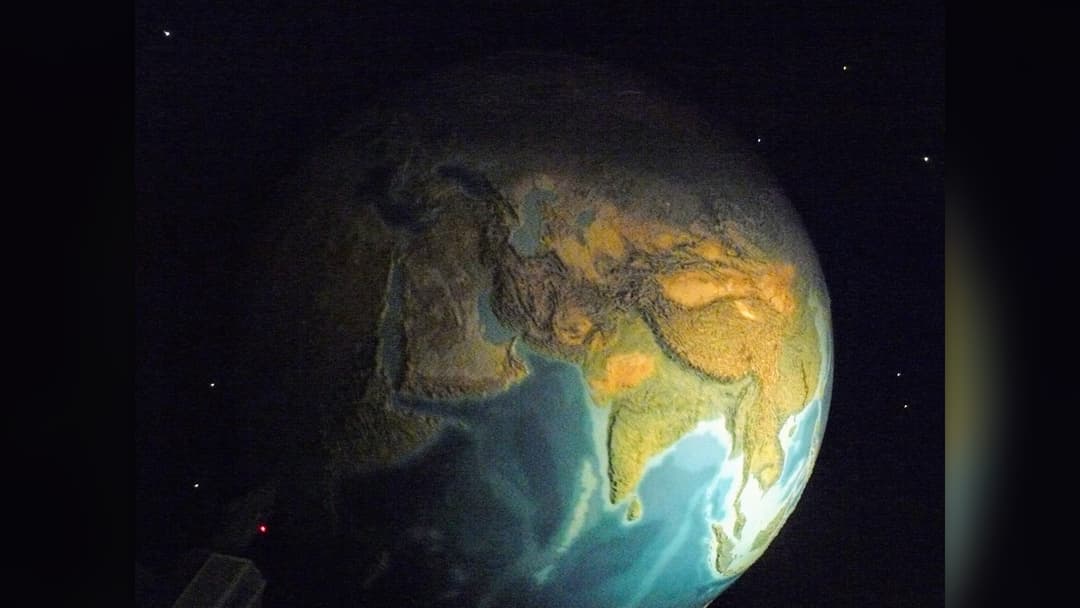
Russia and the U.S. are two of the world's largest nations by land area. This sheer scale influences everything from their internal logistics and infrastructure requirements to the vast environmental diversity found within their borders.
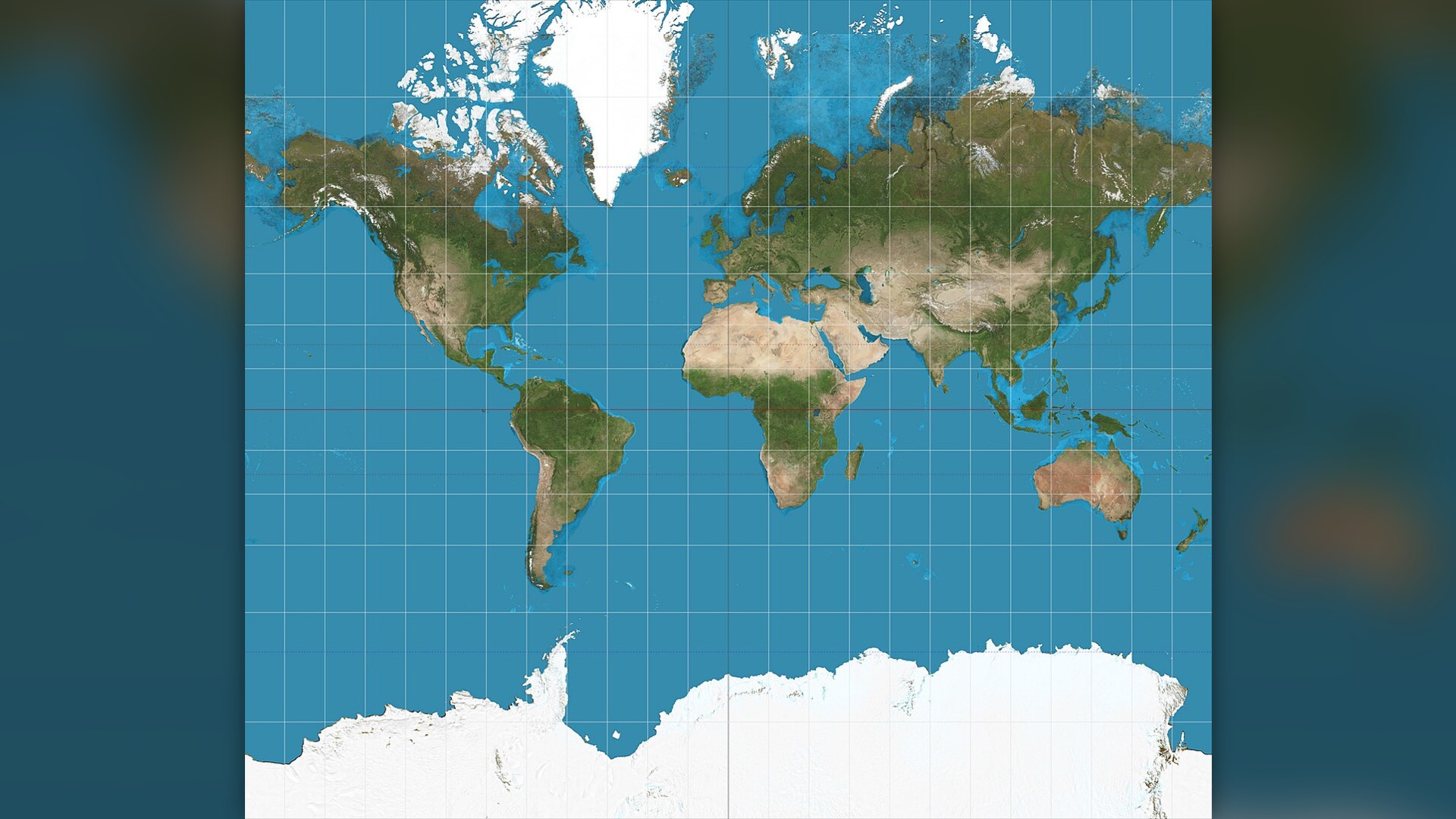
©Wikimedia / Strebe
19. Federal Governance
Both nations utilize federal systems to manage immense territories. They navigate the challenges of balancing centralized federal power with the diverse needs of regional or state-level jurisdictions spread across thousands of miles.
©Wikimedia / Patrick Gruban
18. Linguistic Diversity
Beyond English and Russian, both nations are home to dozens of indigenous and regional languages. This linguistic collection is a byproduct of their historical expansion and the integration of numerous ethnic groups over centuries.

©Wikimedia / PattayaPatrol
Advertisement
Swipe or tap ▶ to resume the countdown.
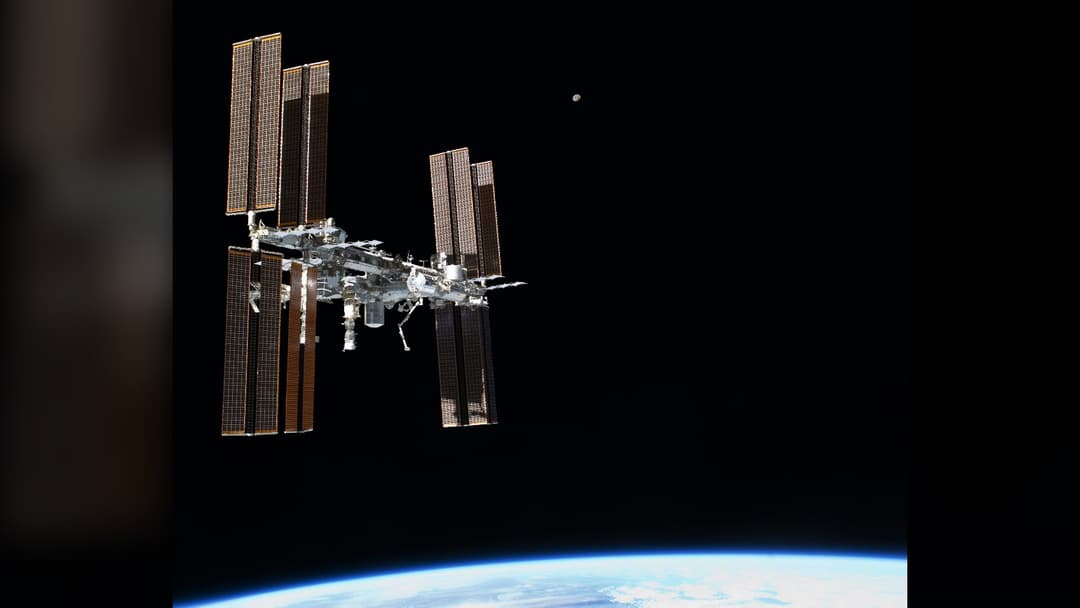
17. Space Pioneers
Both countries defined the space race. From the Soviet Union’s launch of Sputnik and Yuri Gagarin to the U.S. lunar landings and the modern collaboration on the International Space Station, they remain the twin pillars of space exploration history.
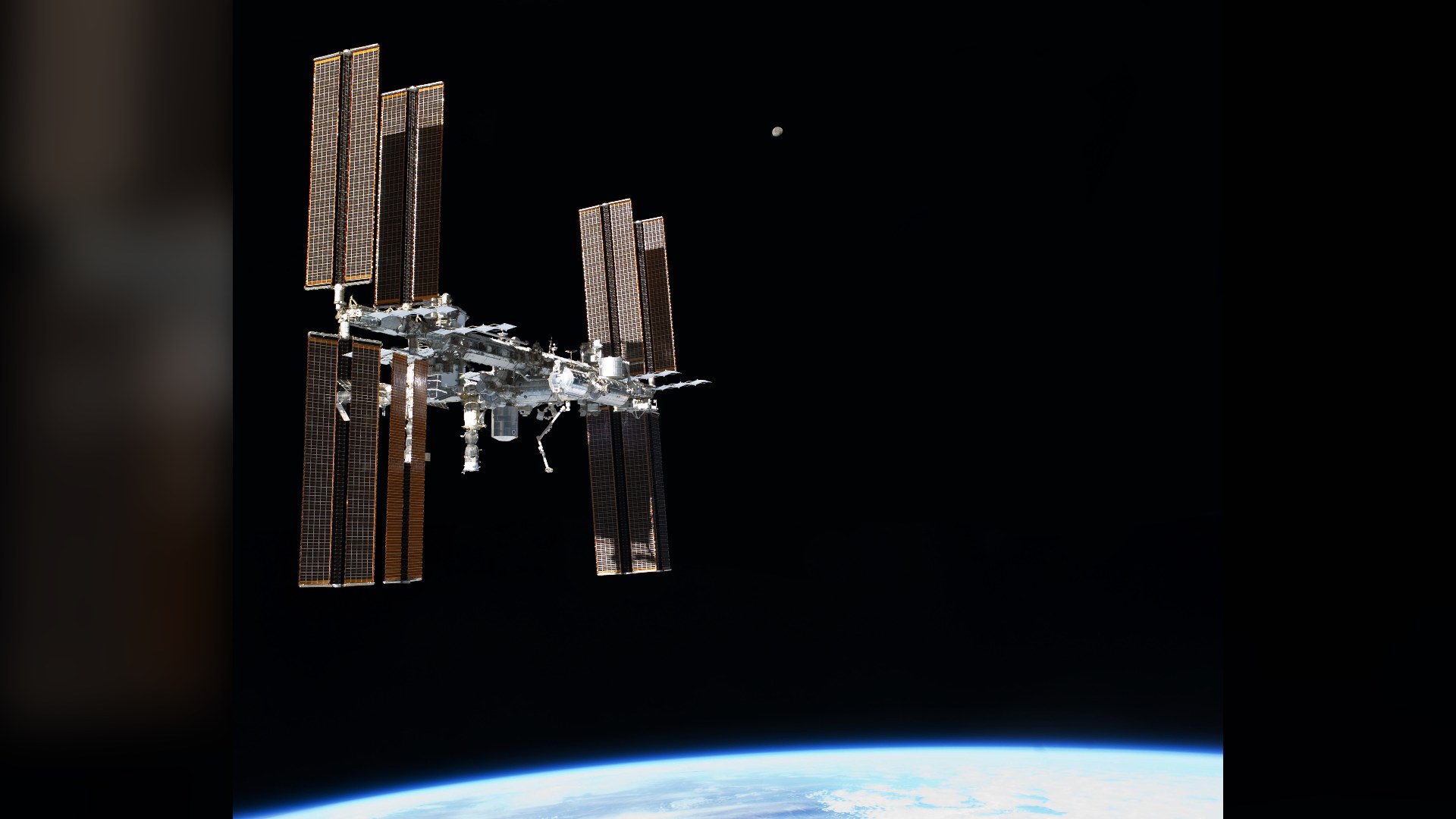
©Wikimedia / NASA
16. Resource Wealth
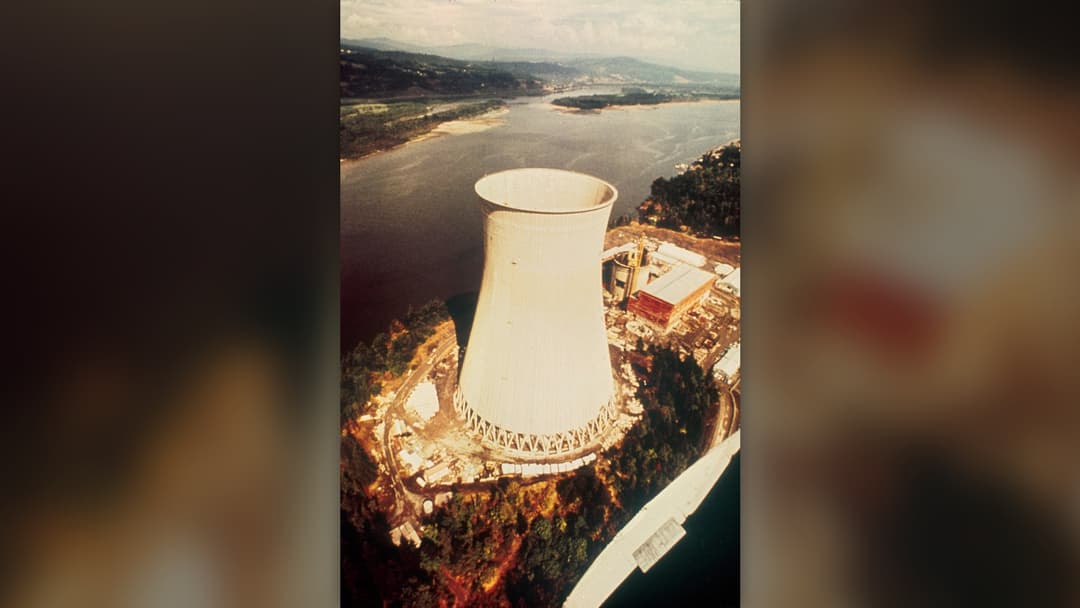
Russia and the U.S. are top-tier producers of critical energy resources, including oil and natural gas. Their economies have been deeply shaped by the extraction and management of their massive domestic mineral and fuel wealth.
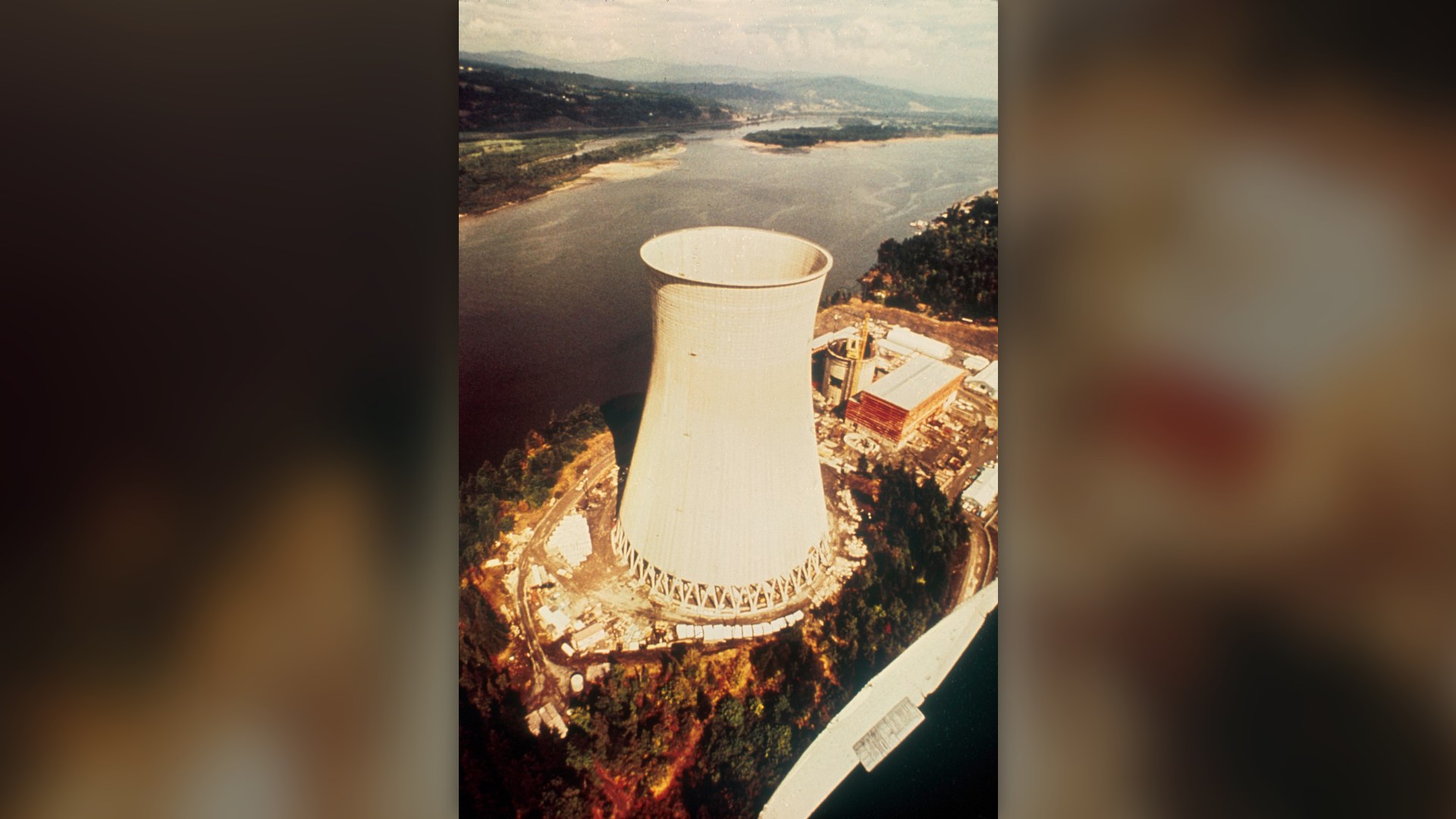
©Wikimedia / ENERGY.GOV
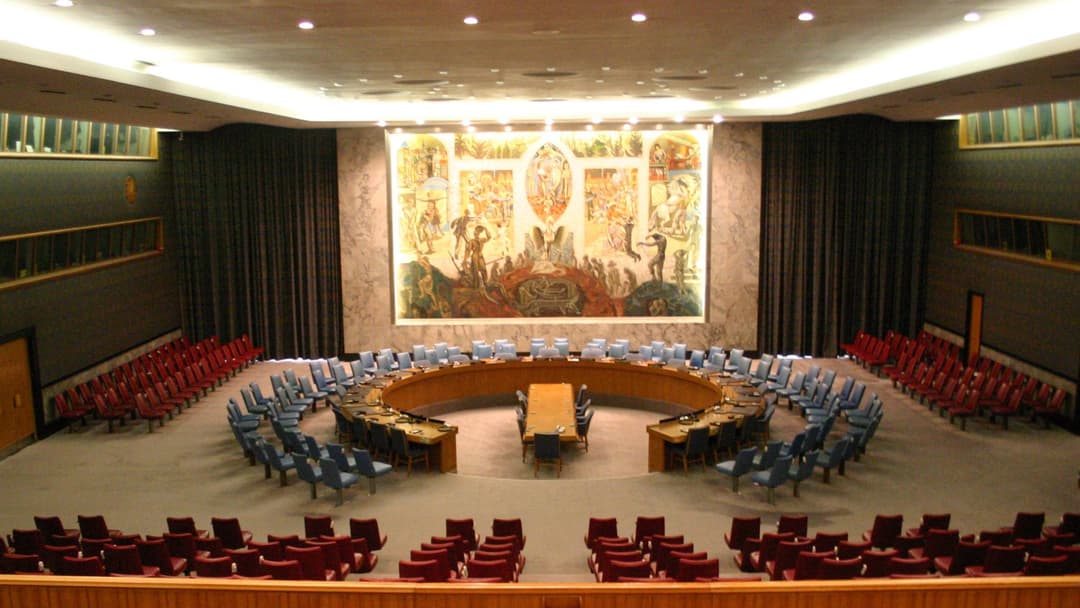
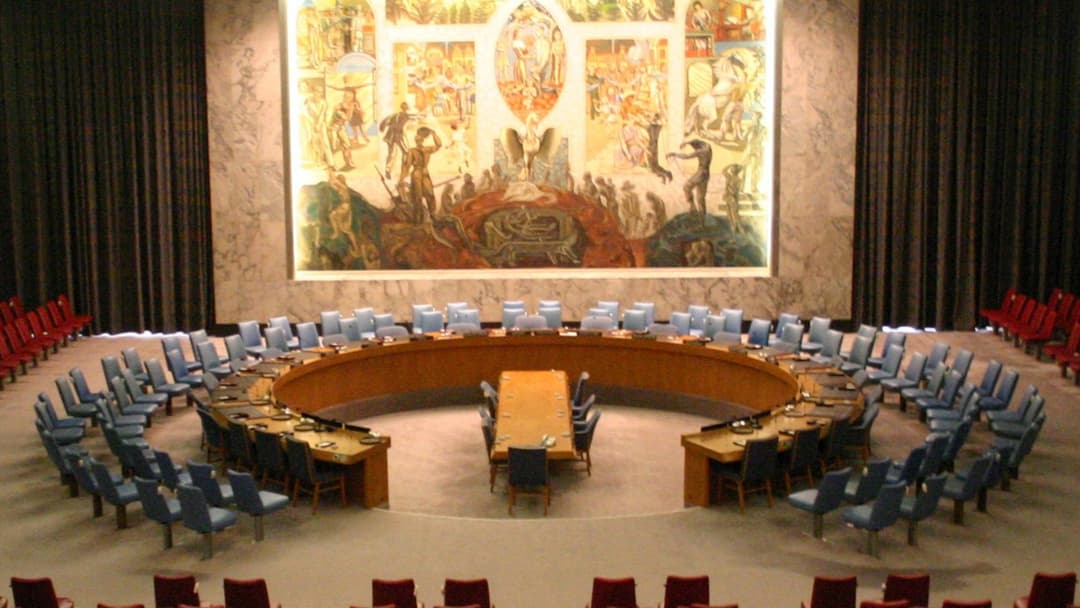
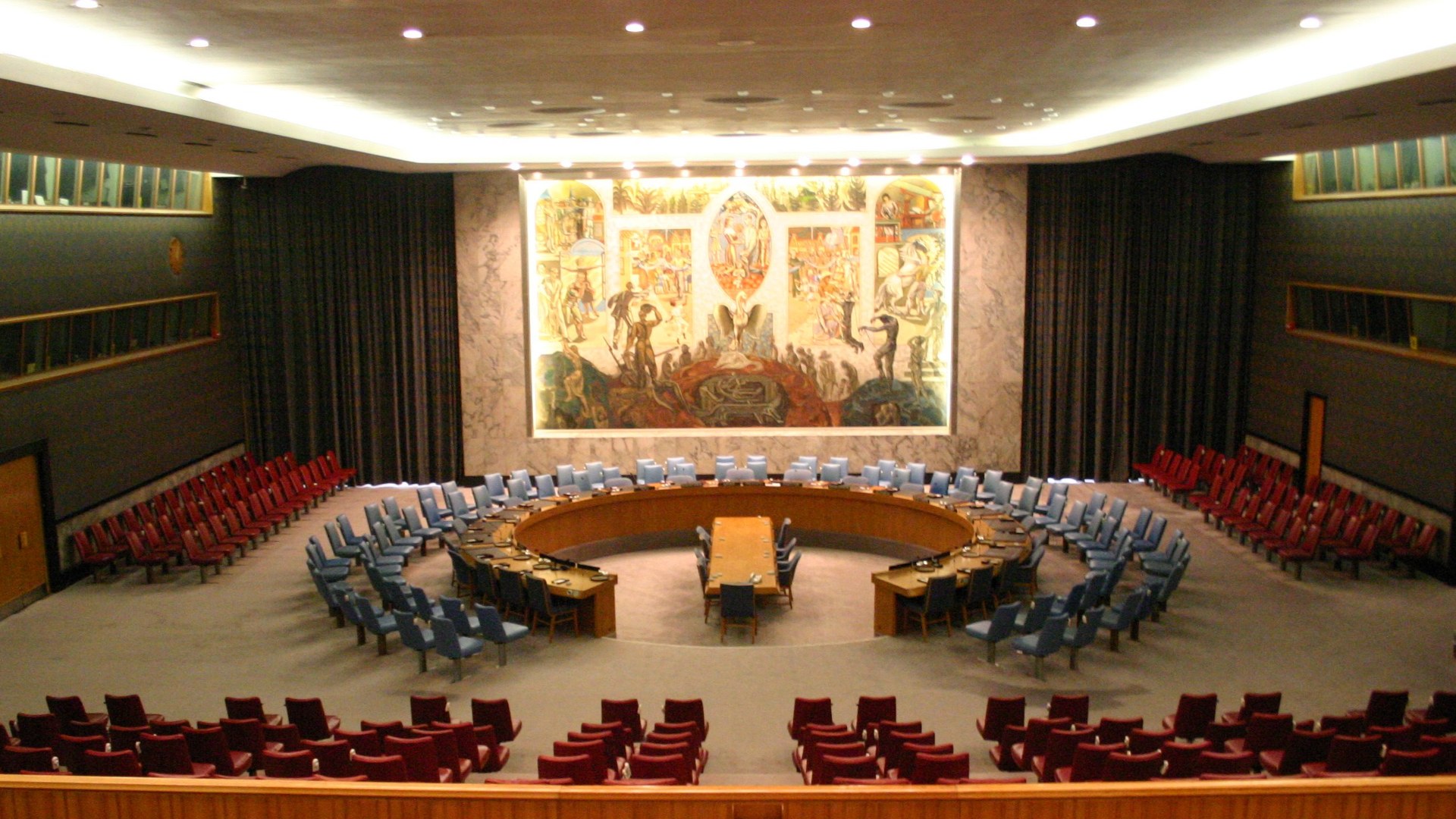
15. UN Security Council
As permanent members of the UN Security Council, both nations hold primary responsibility for maintaining international peace. Their diplomatic influence and ability to shape global security policies remain unparalleled in modern geopolitics.
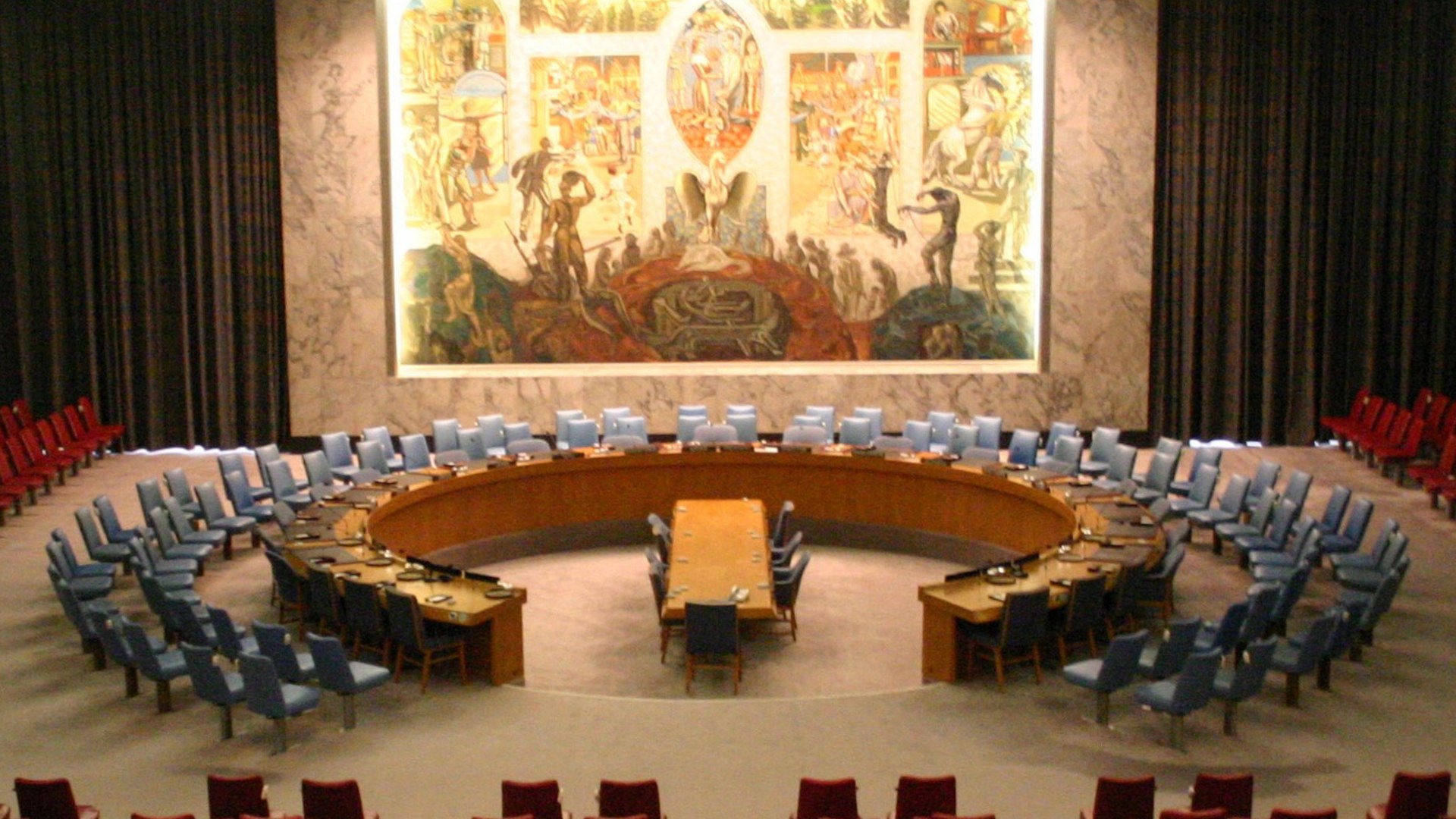
©Wikimedia / Patrick Gruban
14. Climatic Variety
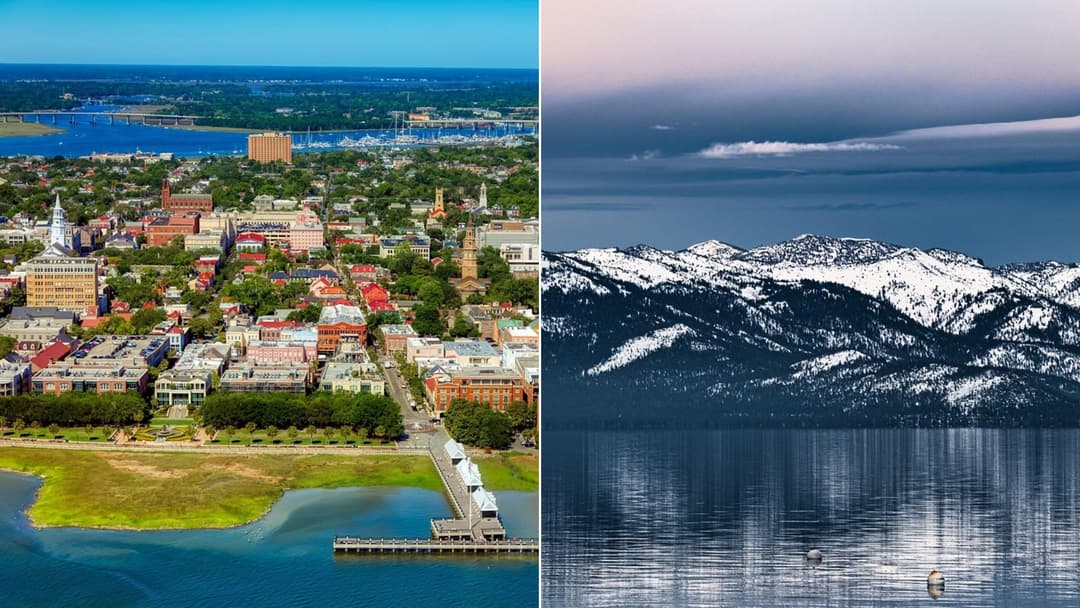
Both nations span nearly every climate zone imaginable. From the brutal winters of Siberia and the American North to the temperate coastal regions and arid deserts, both countries have mastered life in extreme environments.
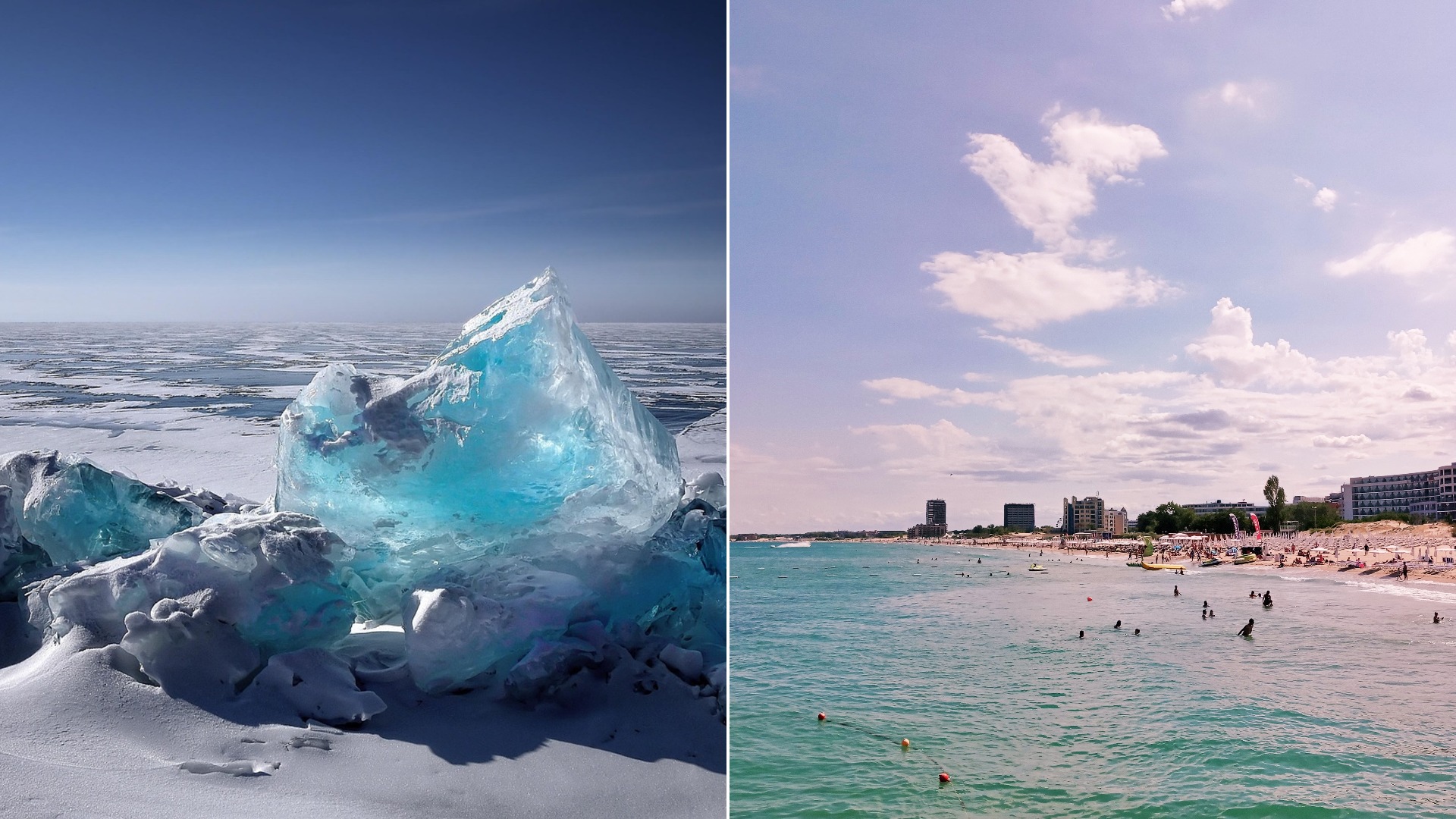
©Pixabay / 8moments & Wikimedia / Ivano Giambattista
Advertisement
Swipe or tap ▶ to resume the countdown.
13. Literary Canon
Russian authors like Tolstoy and Dostoevsky are balanced by American legends like Hemingway and Twain. Both countries have fundamentally shaped the modern world’s understanding of human nature, ethics, and storytelling.

©Wikimedia / F. W. Taylor & Wikimedia / ENERGY.GOV
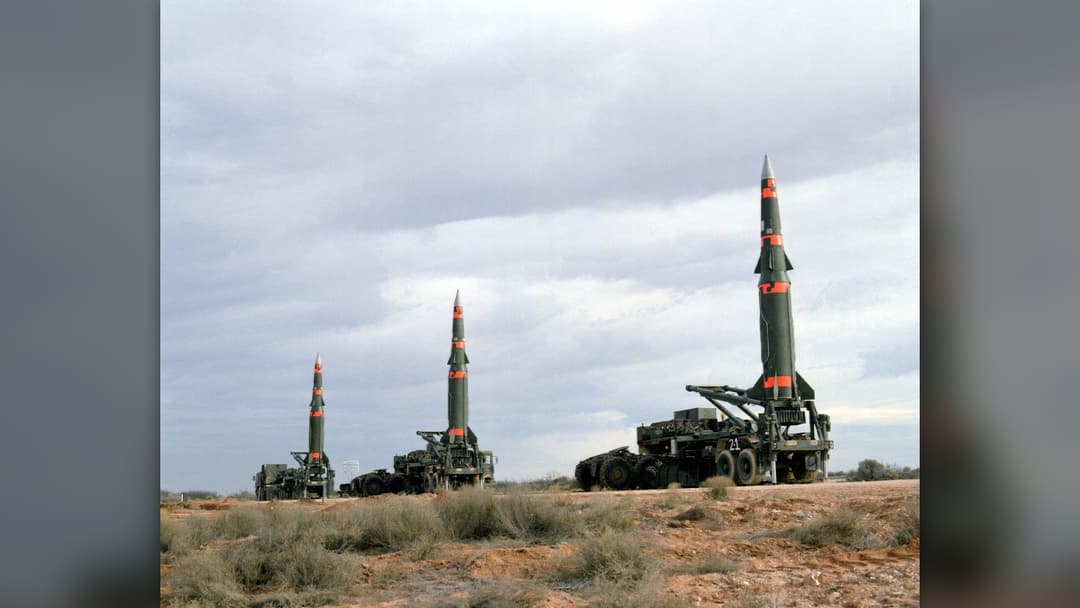
12. Nuclear Deterrence
Each nation maintains one of the world's largest nuclear arsenals. This shared reality has anchored their strategic relationship for decades, necessitating complex arms control frameworks to ensure global stability.
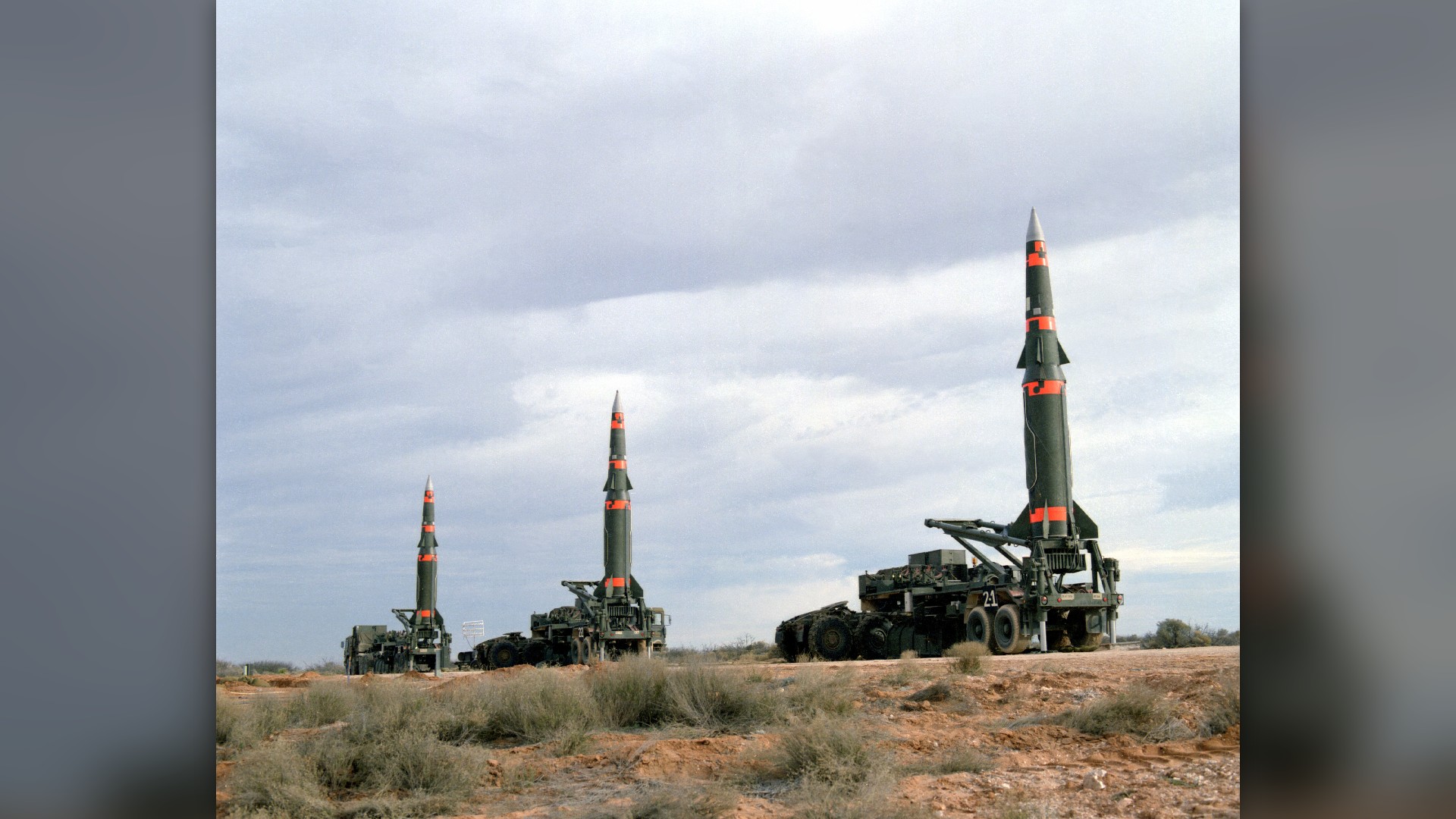
©Wikimedia / Deterrence theory
11. Cultural Melting Pots
Both nations are defined by centuries of migration. Their populations are composites of diverse groups that have blended into unique, modern national identities, constantly shifting due to internal and international movement.

©Wikimedia / BLMUtah
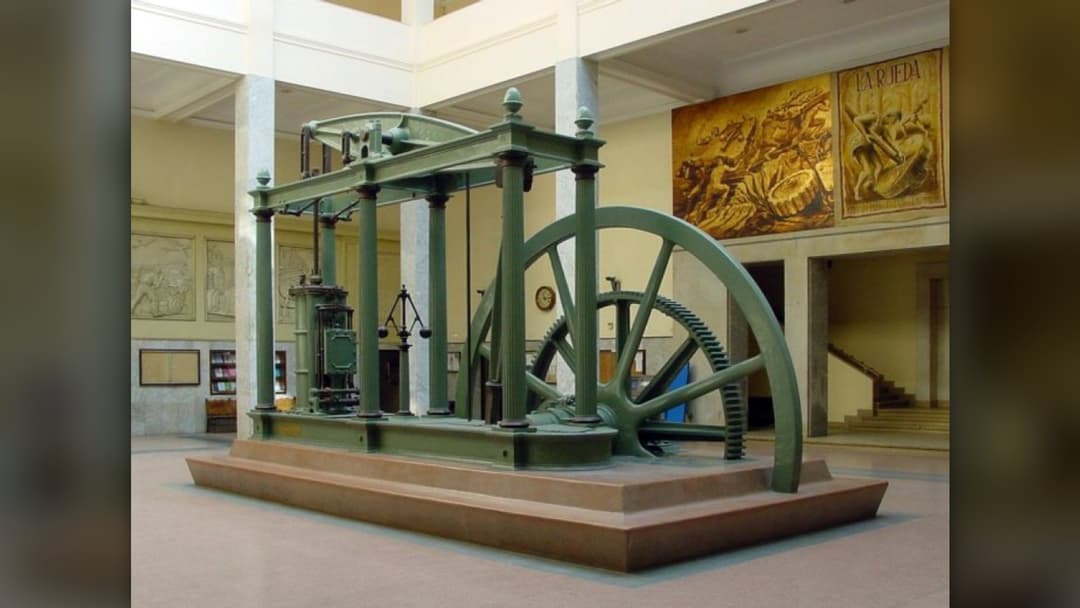
10. Industrial Engineering
Both have built economies on large-scale industrialization. From aerospace and heavy machinery to complex automotive supply chains, both have relied on massive, vertically integrated industrial bases to project national power.

©Wikimedia / Industrial engineering
Advertisement
Swipe or tap ▶ to resume the countdown.
9. Intellectual Emphasis
There is a shared cultural tradition of valuing high-level mathematics, chess, and theoretical science. Both nations have consistently invested in the deep analytical skills required to solve engineering and logical problems.
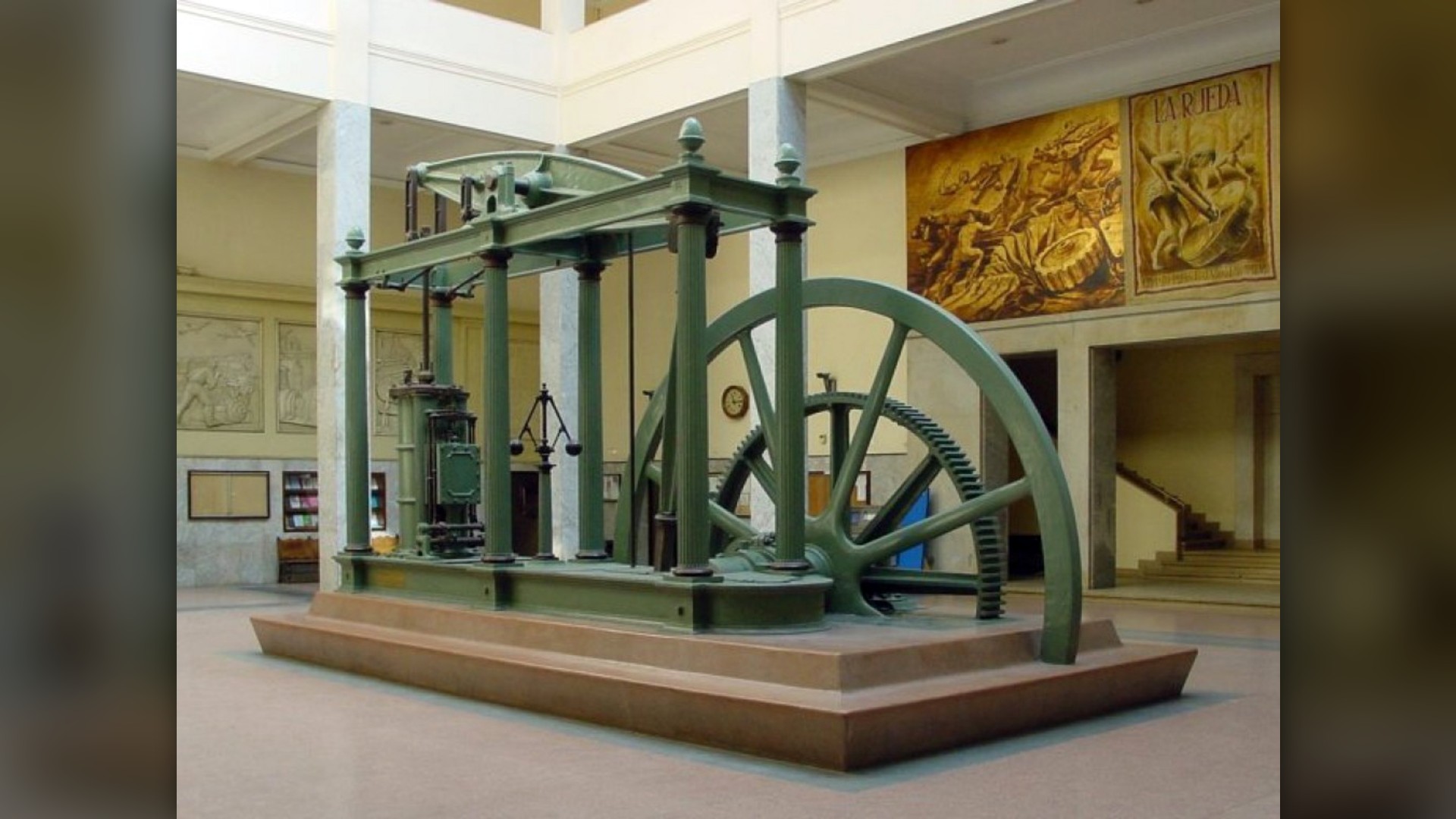
©Wikimedia / Engineering
8. Olympic Greatness
Historically, the U.S. and Russia/Soviet Union have topped the medal tables at almost every Olympic Games. They share a fierce, decades-long sporting rivalry that reflects their respective national emphases on athletic excellence.

©Europeana / Saaremaa Museum
7. Military Projection
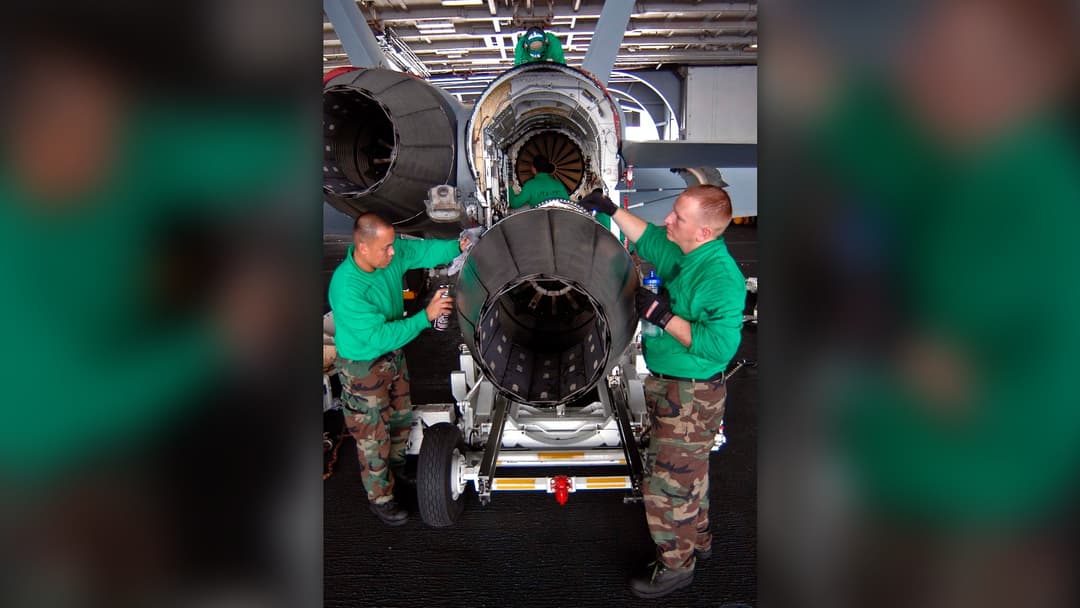
Both nations possess the logistical and technological capability to project military power globally. Their navies, air forces, and intelligence networks are among the few designed for operations anywhere on the planet.
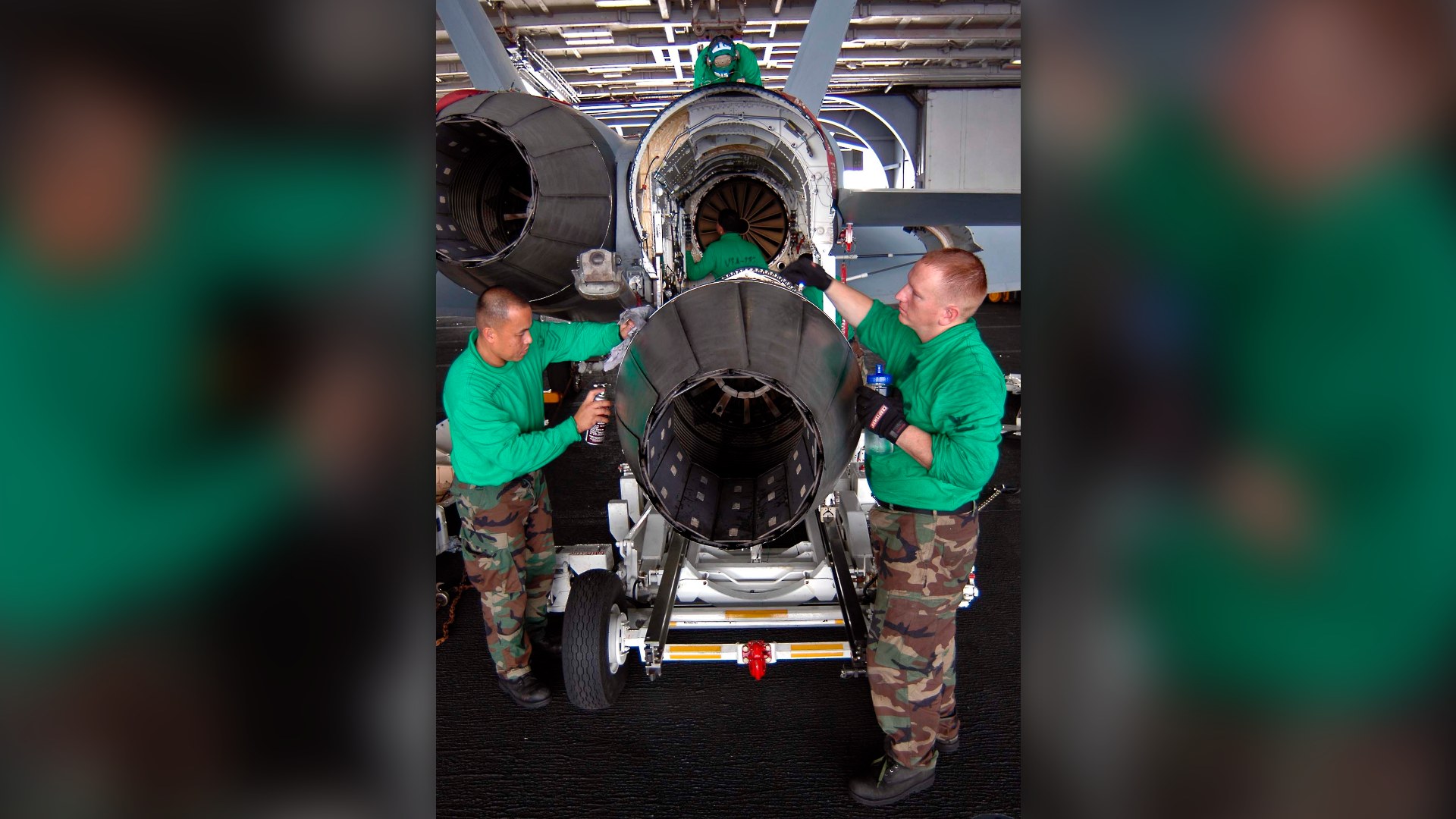
©Wikimedia / U.S. Navy photo by Photographer's Mate Airman Jo
6. Classical Music
The world’s leading symphonies and conservatories are inextricably linked to Russian and American traditions. Both cultures have nurtured iconic composers and performers who remain the gold standard for global classical music.

©Pixabay / YannaZazu
Advertisement
Swipe or tap ▶ to resume the countdown.
5. Frontier Histories
Both national identities are rooted in the expansion across a continent. The "Wild West" and the "Siberian Frontier" serve as similar cultural myths, focusing on pioneers pushing boundaries into untamed, resource-rich lands.
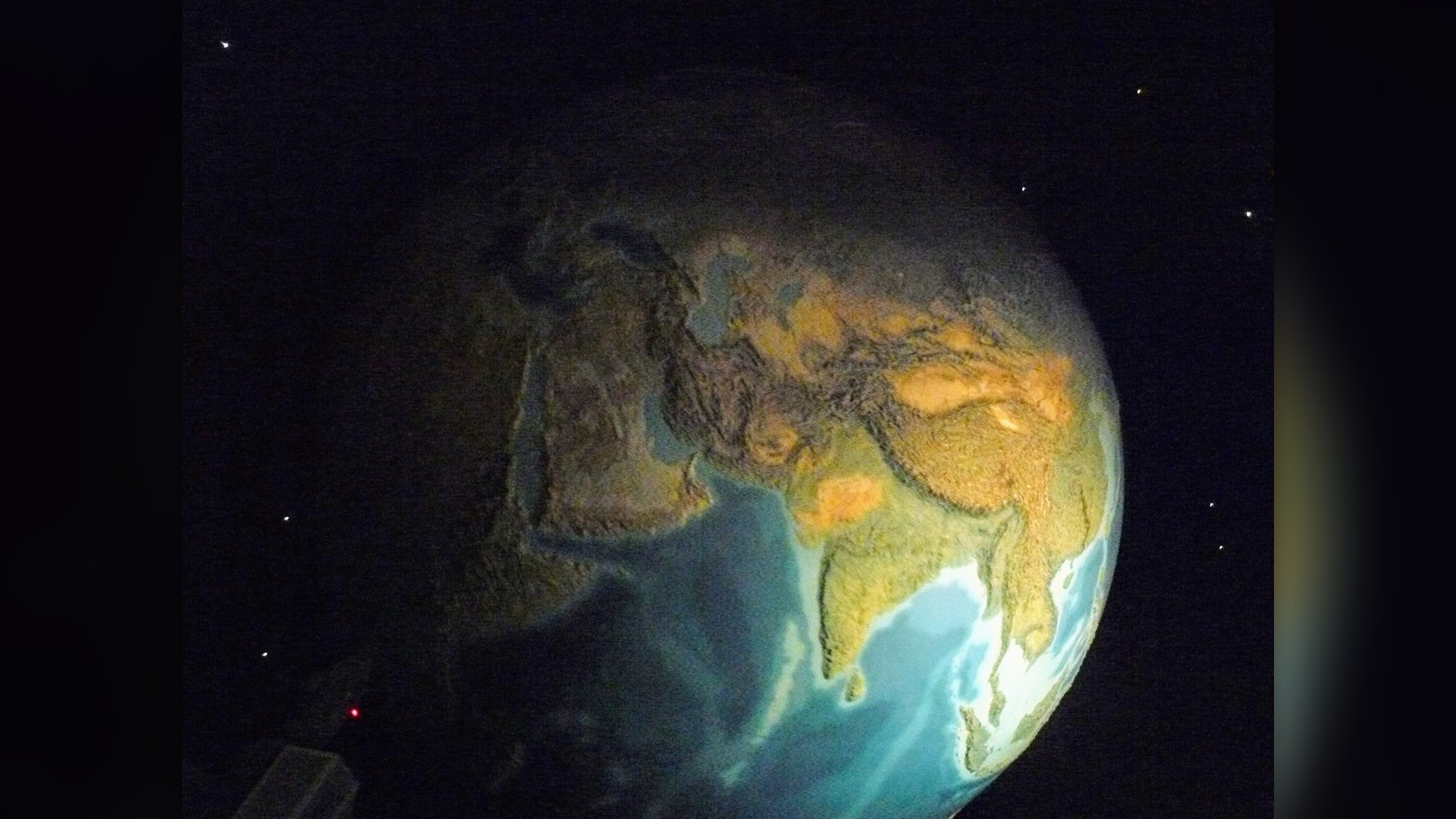
©Wikimedia / Salwa Farwaneh
4. Cinema Mastery
Both have created industries that have dominated global screens. The U.S. with Hollywood and Russia with a deep heritage in film theory and dramatic production continue to influence how the world views itself through visual media.

©Wikimedia / This studio production photo was taken by a phot
3. Massive Rail Networks
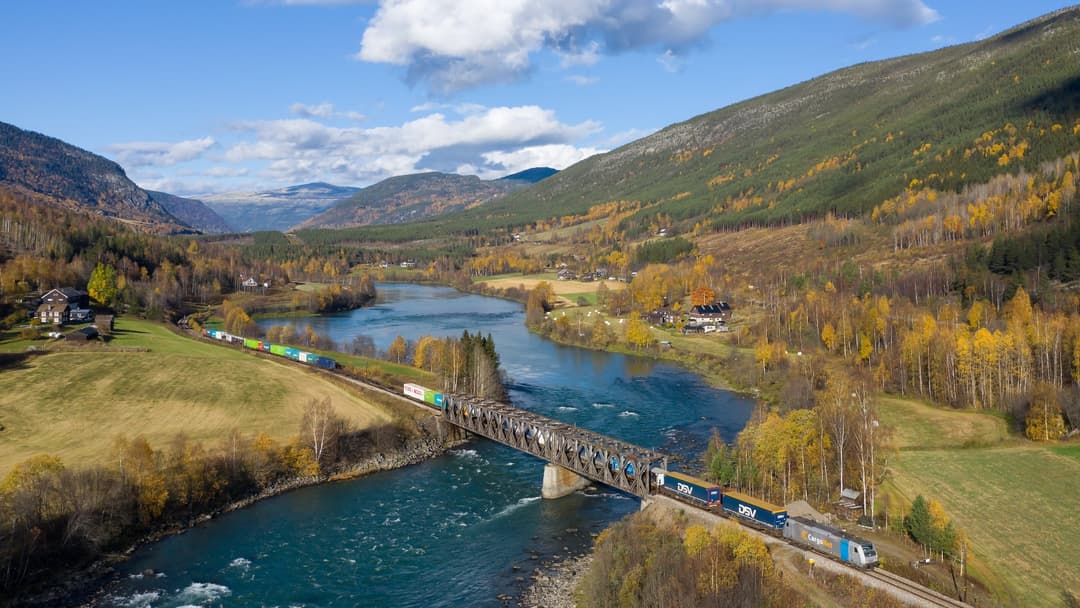
The U.S. and Russia operate some of the world's most extensive freight railway networks. These lines are the lifeblood of their internal trade, allowing for the efficient transit of heavy goods across massive, challenging geographies.
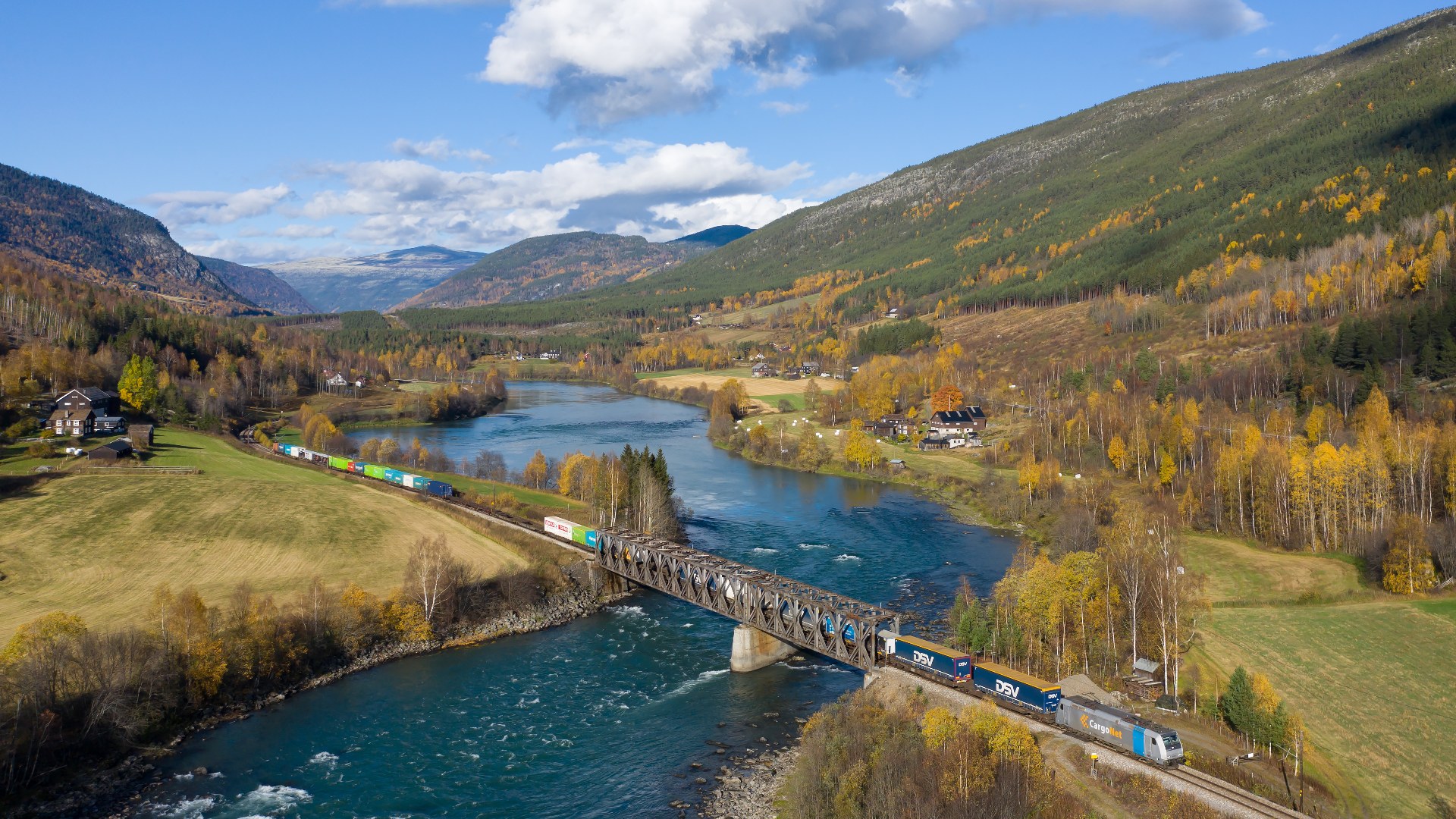
©Wikimedia / Kabelleger / David Gubler
2. Research Hubs
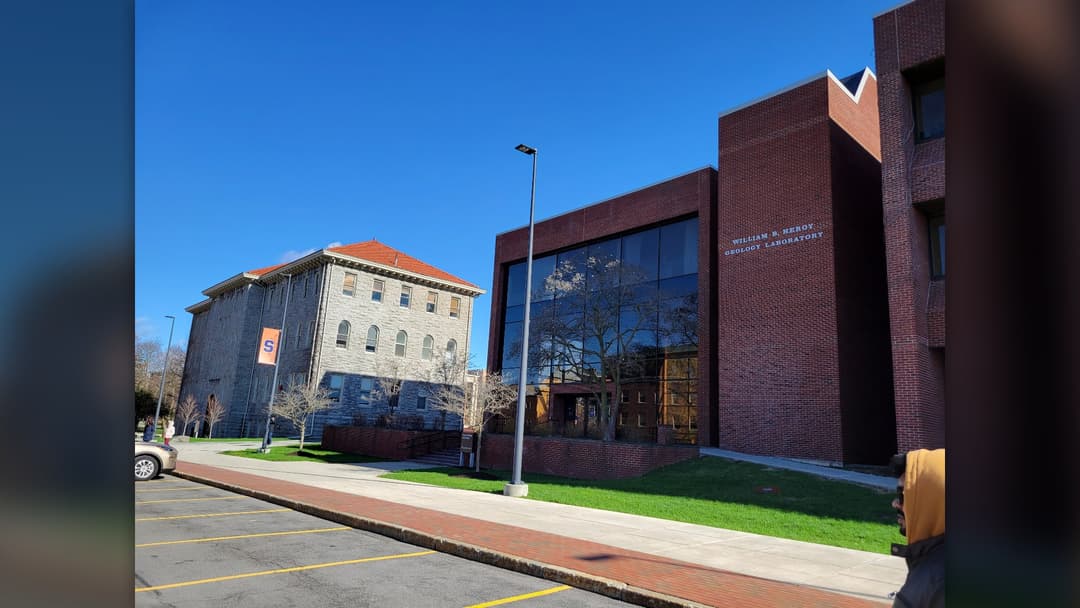
Both nations host a high concentration of the world’s leading research universities. These institutions are central to their global innovation, attracting top talent to advance technology, medicine, and social science.
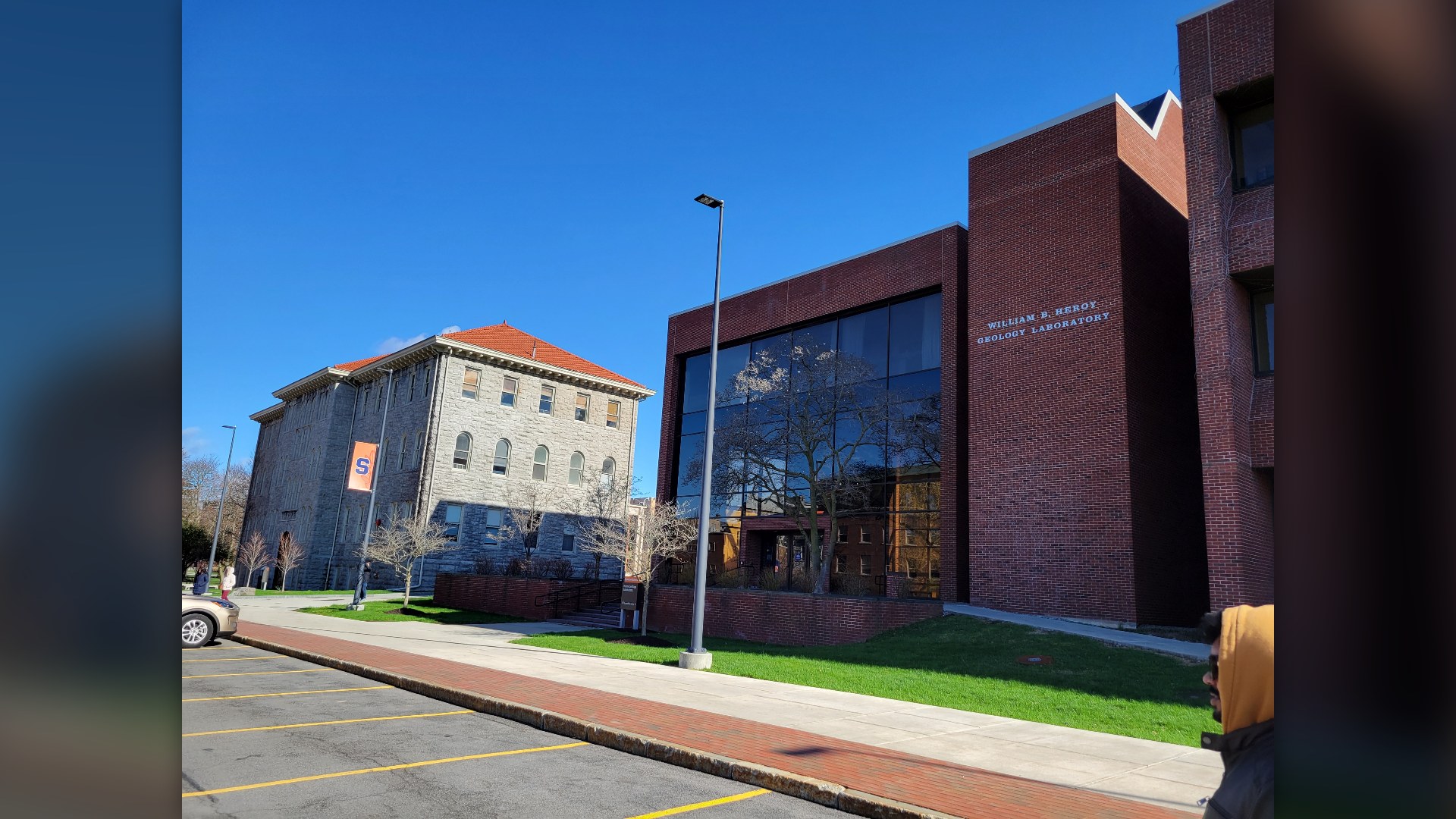
©Wikimedia / Kiran891
Advertisement
Swipe or tap ▶ to resume the countdown.
1. National Pride
Both countries possess deeply ingrained, strong senses of national identity. This patriotism, grounded in their histories as major historical players, serves as a common denominator for their respective populaces.
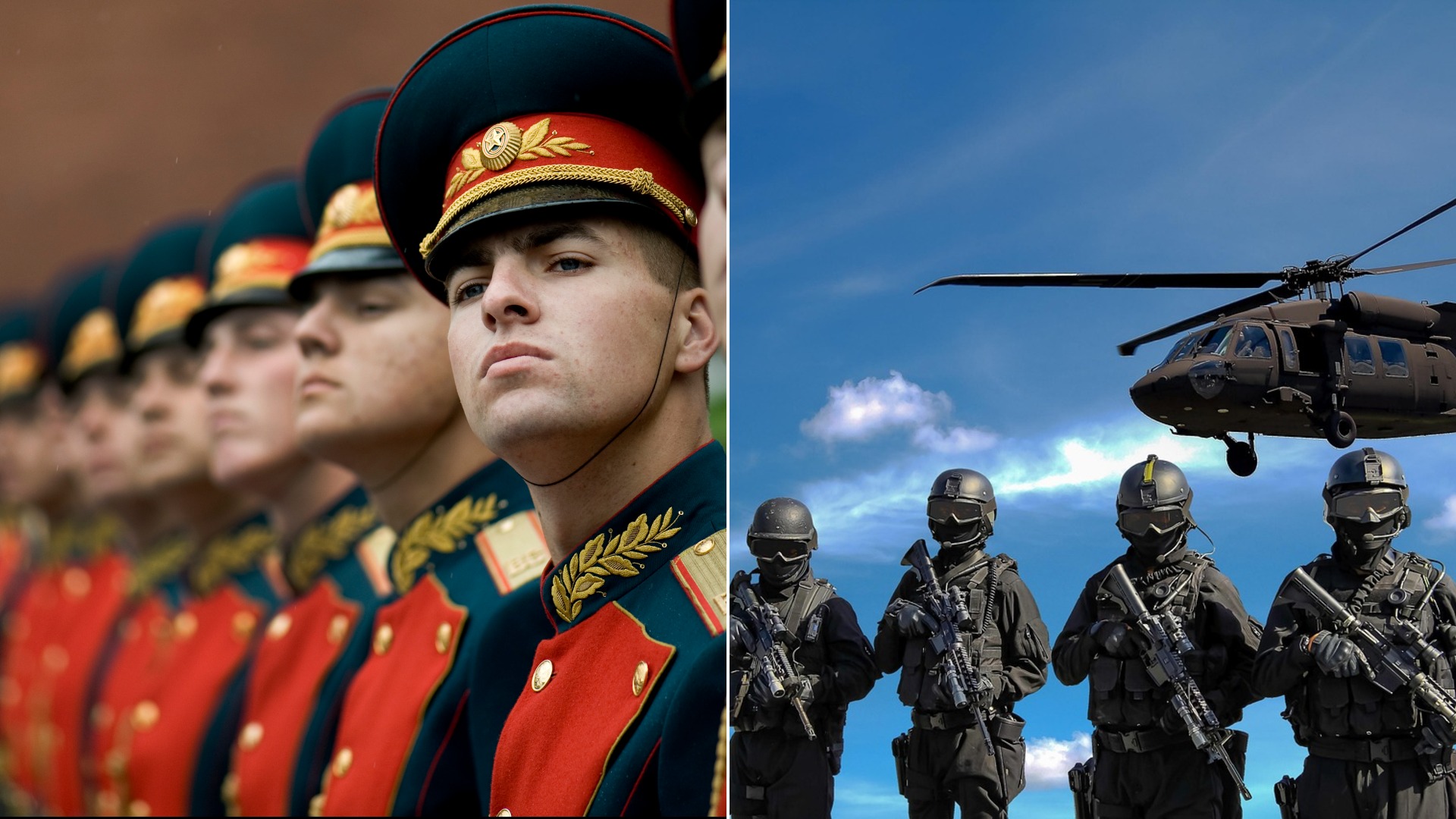
©Wikimedia / MC1 Chad J & Pixabay / Pixabay Contributor
Advertisement
You've reached the end of the story. Thanks for reading!

20 Oldest Fast Food Chains in America Still Operating Today
Ranked by official corporate founding dates, these 20 pioneering fast food chains survived economic depressions and shifting consumer tastes to remain American dining staples.
All 20 Entries in this Story
Vast Geographic Scale
Russia and the U.S. are two of the world's largest nations by land area. This sheer scale influences everything from their internal logistics and infrastructure requirements to the vast environmental diversity found within their borders.

Federal Governance
Both nations utilize federal systems to manage immense territories. They navigate the challenges of balancing centralized federal power with the diverse needs of regional or state-level jurisdictions spread across thousands of miles.

Linguistic Diversity
Beyond English and Russian, both nations are home to dozens of indigenous and regional languages. This linguistic collection is a byproduct of their historical expansion and the integration of numerous ethnic groups over centuries.

Space Pioneers
Both countries defined the space race. From the Soviet Union’s launch of Sputnik and Yuri Gagarin to the U.S. lunar landings and the modern collaboration on the International Space Station, they remain the twin pillars of space exploration history.

Resource Wealth
Russia and the U.S. are top-tier producers of critical energy resources, including oil and natural gas. Their economies have been deeply shaped by the extraction and management of their massive domestic mineral and fuel wealth.

UN Security Council
As permanent members of the UN Security Council, both nations hold primary responsibility for maintaining international peace. Their diplomatic influence and ability to shape global security policies remain unparalleled in modern geopolitics.

Climatic Variety
Both nations span nearly every climate zone imaginable. From the brutal winters of Siberia and the American North to the temperate coastal regions and arid deserts, both countries have mastered life in extreme environments.

Literary Canon
Russian authors like Tolstoy and Dostoevsky are balanced by American legends like Hemingway and Twain. Both countries have fundamentally shaped the modern world’s understanding of human nature, ethics, and storytelling.

Nuclear Deterrence
Each nation maintains one of the world's largest nuclear arsenals. This shared reality has anchored their strategic relationship for decades, necessitating complex arms control frameworks to ensure global stability.

Cultural Melting Pots
Both nations are defined by centuries of migration. Their populations are composites of diverse groups that have blended into unique, modern national identities, constantly shifting due to internal and international movement.

Industrial Engineering
Both have built economies on large-scale industrialization. From aerospace and heavy machinery to complex automotive supply chains, both have relied on massive, vertically integrated industrial bases to project national power.

Intellectual Emphasis
There is a shared cultural tradition of valuing high-level mathematics, chess, and theoretical science. Both nations have consistently invested in the deep analytical skills required to solve engineering and logical problems.

Olympic Greatness
Historically, the U.S. and Russia/Soviet Union have topped the medal tables at almost every Olympic Games. They share a fierce, decades-long sporting rivalry that reflects their respective national emphases on athletic excellence.

Military Projection
Both nations possess the logistical and technological capability to project military power globally. Their navies, air forces, and intelligence networks are among the few designed for operations anywhere on the planet.

Classical Music
The world’s leading symphonies and conservatories are inextricably linked to Russian and American traditions. Both cultures have nurtured iconic composers and performers who remain the gold standard for global classical music.

Frontier Histories
Both national identities are rooted in the expansion across a continent. The "Wild West" and the "Siberian Frontier" serve as similar cultural myths, focusing on pioneers pushing boundaries into untamed, resource-rich lands.

Cinema Mastery
Both have created industries that have dominated global screens. The U.S. with Hollywood and Russia with a deep heritage in film theory and dramatic production continue to influence how the world views itself through visual media.

Massive Rail Networks
The U.S. and Russia operate some of the world's most extensive freight railway networks. These lines are the lifeblood of their internal trade, allowing for the efficient transit of heavy goods across massive, challenging geographies.

Research Hubs
Both nations host a high concentration of the world’s leading research universities. These institutions are central to their global innovation, attracting top talent to advance technology, medicine, and social science.

National Pride
Both countries possess deeply ingrained, strong senses of national identity. This patriotism, grounded in their histories as major historical players, serves as a common denominator for their respective populaces.