Slideshow · Sports
15 Most Iconic College Football Stadiums in America, Ranked
Grounded in official NCAA seating records and architectural archives, these fifteen legendary college football cathedrals rank as the most iconic sports venues in the nation. Based on official NCAA seating capacities and historical architectural archives, these cathedral stadiums define American college football culture. Noise matters here.
By Most Viral Today
15 min ago

Iconic College Football Stadiums in America, Ranked 
15. Camp Randall Stadium 
14. Notre Dame Stadium 
13. Memorial Stadium In Lincoln - AdvertisementSwipe or tap ▶ to continue countdown

12. Jordan-Hare Stadium 
11. Ben Hill Griffin Stadium At Florida Field 
10. Rose Bowl Stadium 
9. Sanford Stadium - AdvertisementSwipe or tap ▶ to continue countdown

8. Cotton Bowl Stadium 
7. Bryant-Denny Stadium 
6. Darrell K Royal-Texas Memorial Stadium 
5. Neyland Stadium - AdvertisementSwipe or tap ▶ to continue countdown

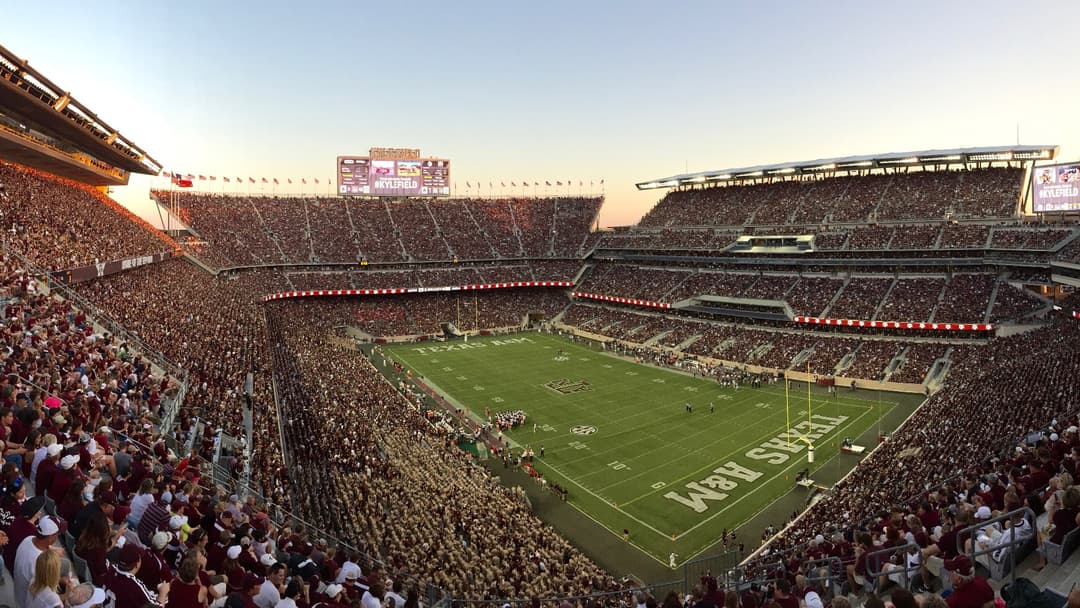
4. Kyle Field 
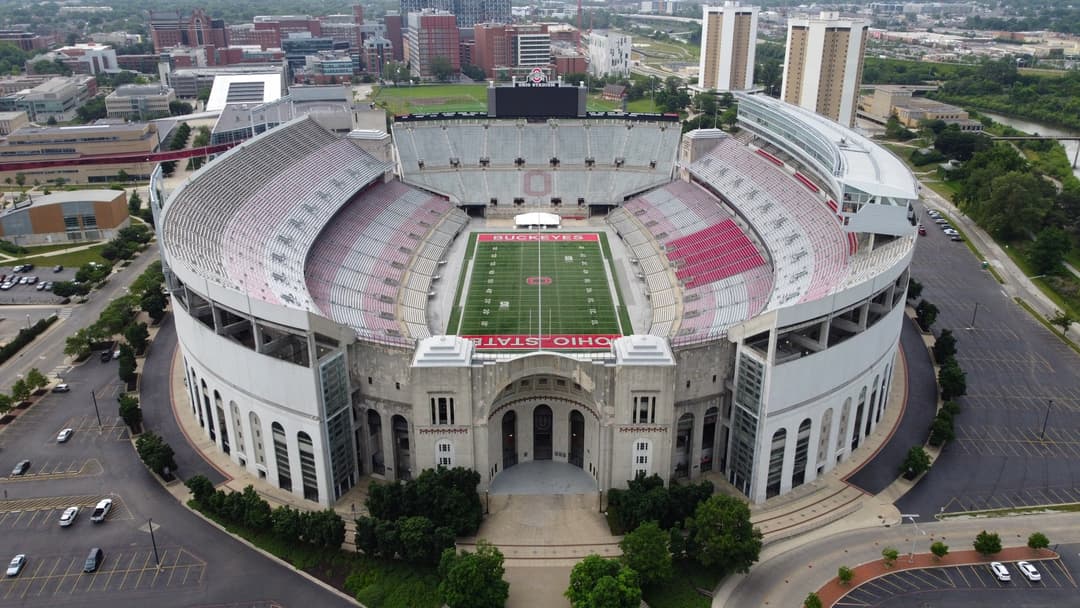
3. Ohio Stadium 
2. Beaver Stadium 
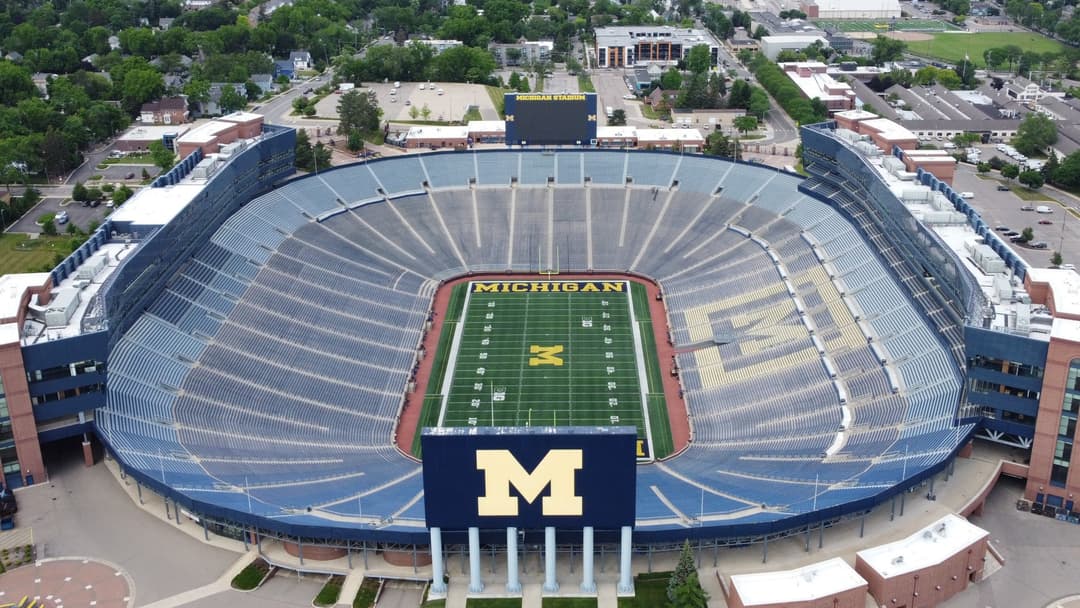
1. Michigan Stadium - Advertisement🔥 UP NEXT IN THIS SERIES◫ 26 Slides

25 Most Successful Formula 1 Drivers Ranked by Career Grand Prix Wins
According to official championship records from the FIA and Formula 1, these twenty-five drivers secured the most Grand Prix victories in motorsport history. Hamilton reigns supreme. British champion Lewis Hamilton has captured one hundred and five victories across eighteen seasons.
Based on official NCAA seating capacities and historical architectural archives, these cathedral stadiums define American college football culture. Noise matters here. Every Saturday each autumn, hundreds of thousands of fans pack into these legendary concrete bowls. The energy astounds.
Swipe or tap ▶ to begin the countdown
©Wikimedia / BullDawg2021 & Pixabay / 3093594
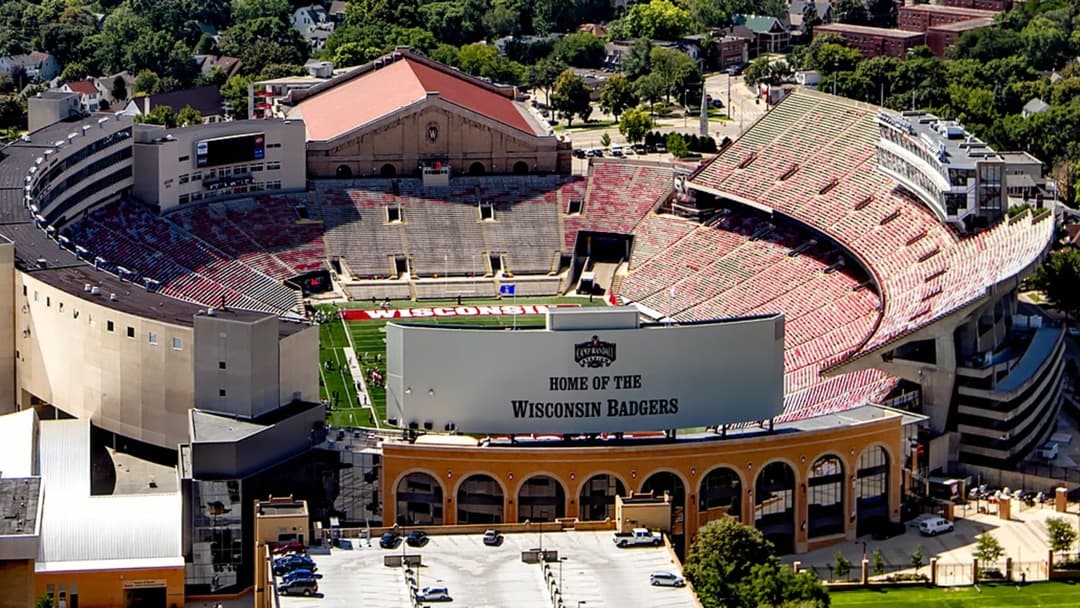
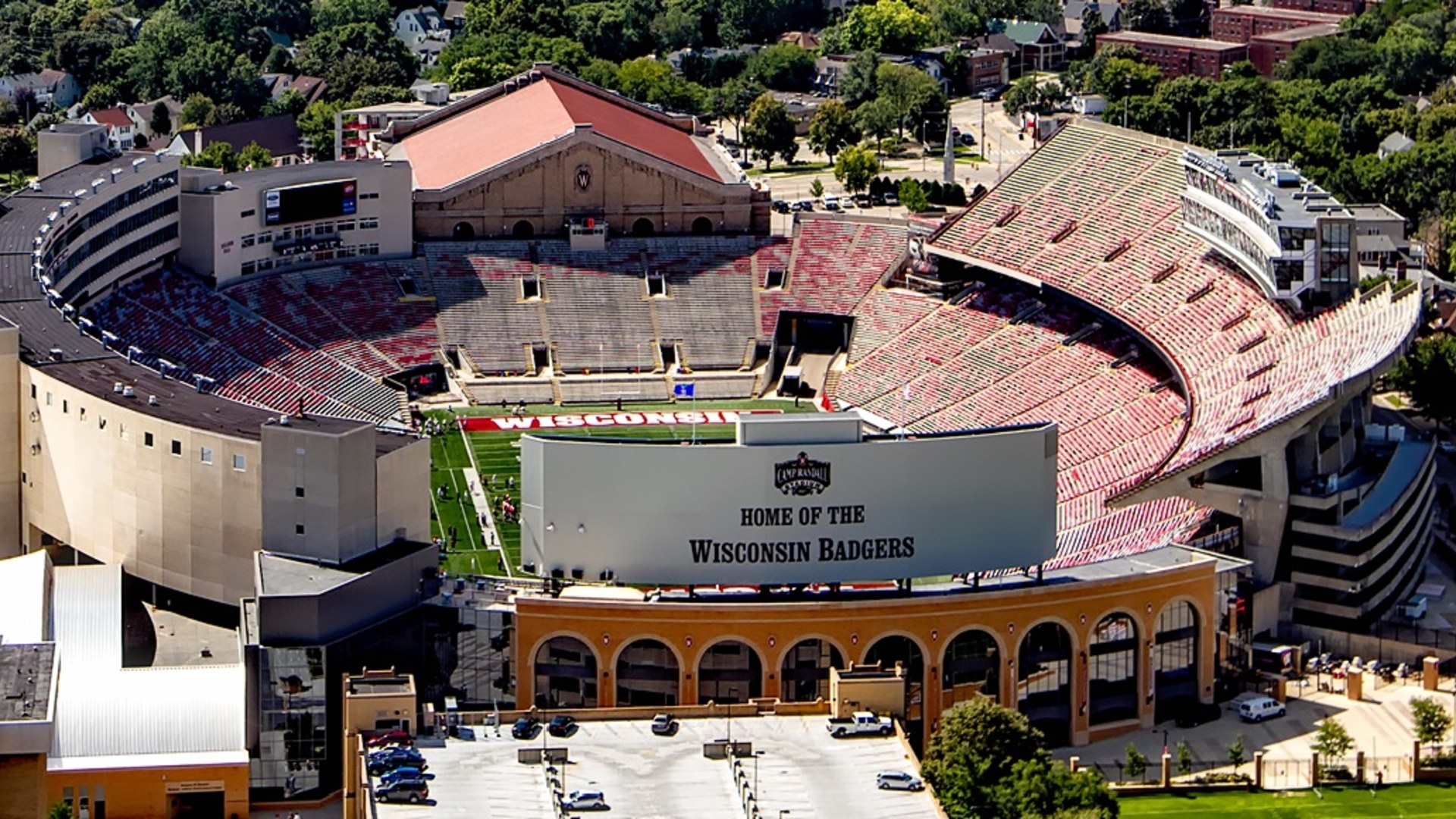
15. Camp Randall Stadium
The Wisconsin Badgers host opponents at one of the oldest active venues in college athletics. History runs deep. Built in 1917, the venue sits on land that once served as an active Union Army training base during the Civil War. Fans jump.
©Wikimedia / Carol M. Highsmith
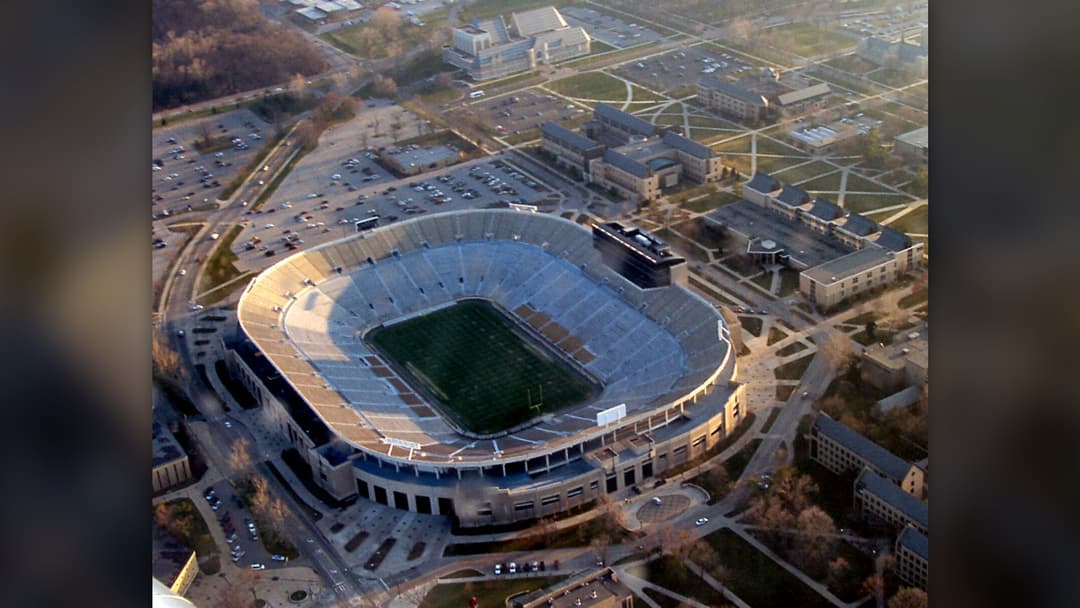
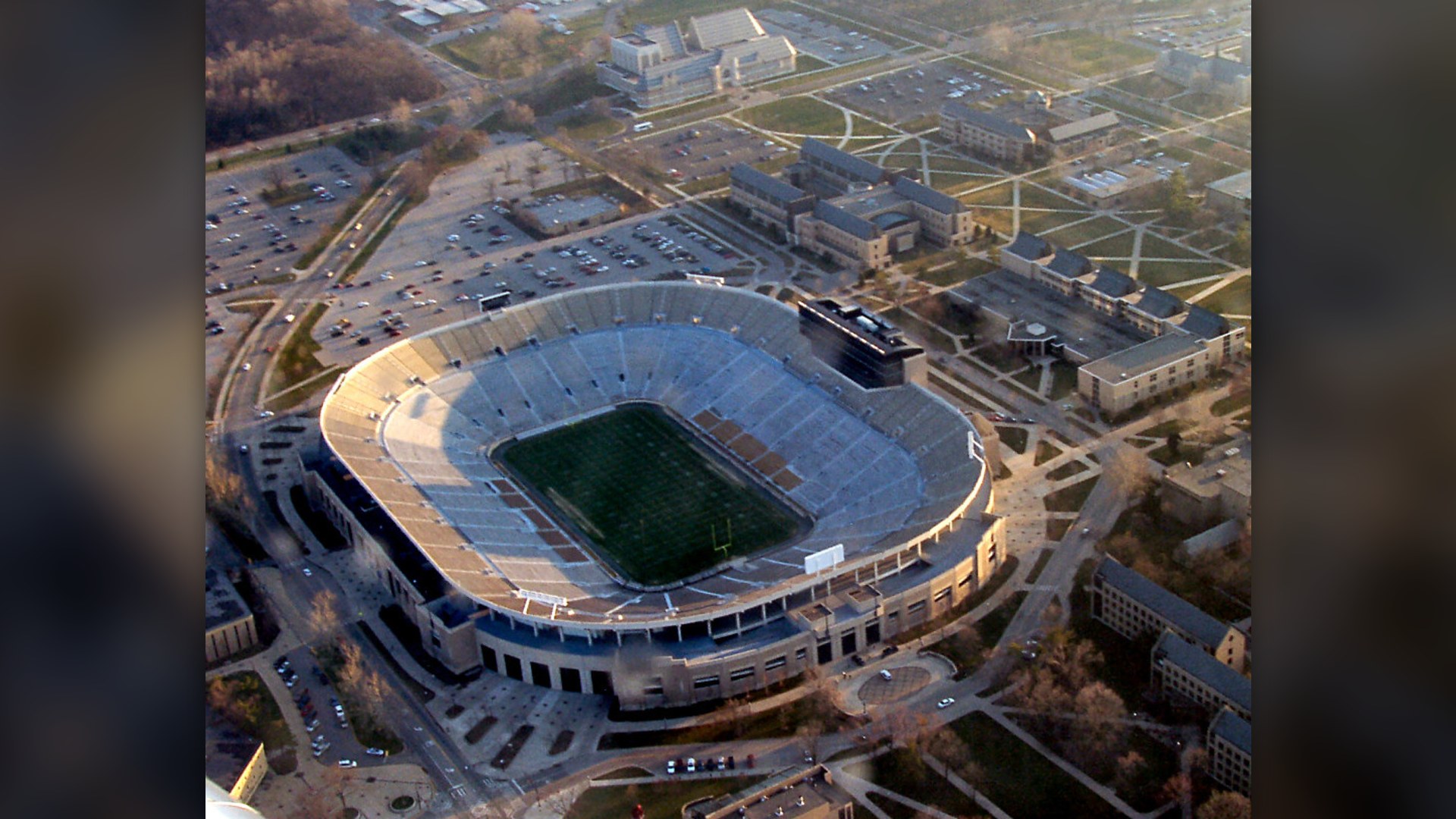
14. Notre Dame Stadium
Legendary head coach Knute Rockne helped plan this South Bend landmark before its official 1930 opening. It remains sacred ground. Generations of fans gather beneath the famous mosaic mural visible beyond the northern end zone. Brick walls gleam.
©Wikimedia / Tysto
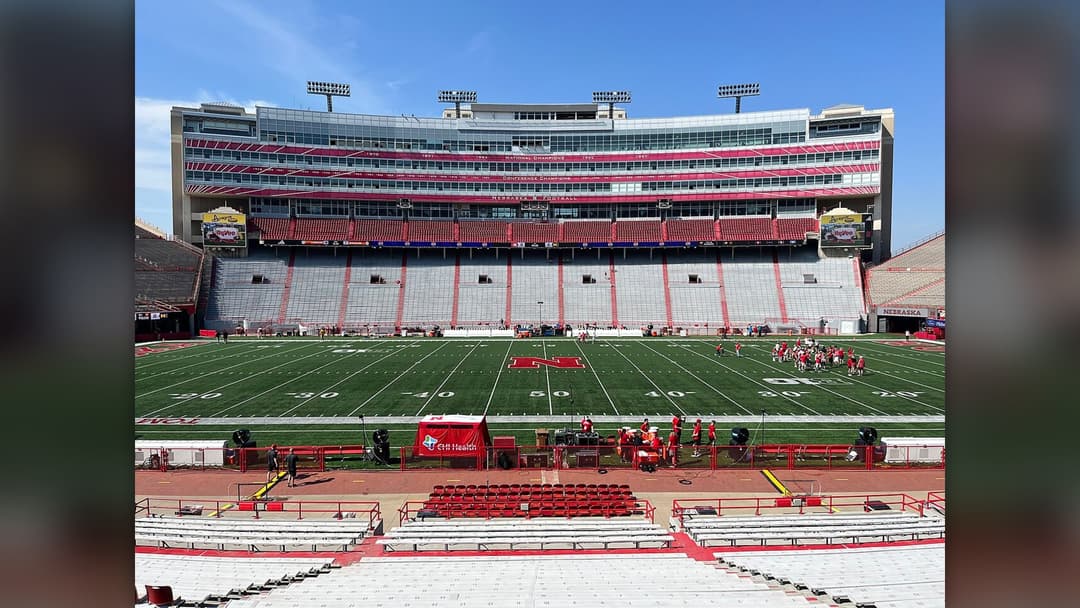
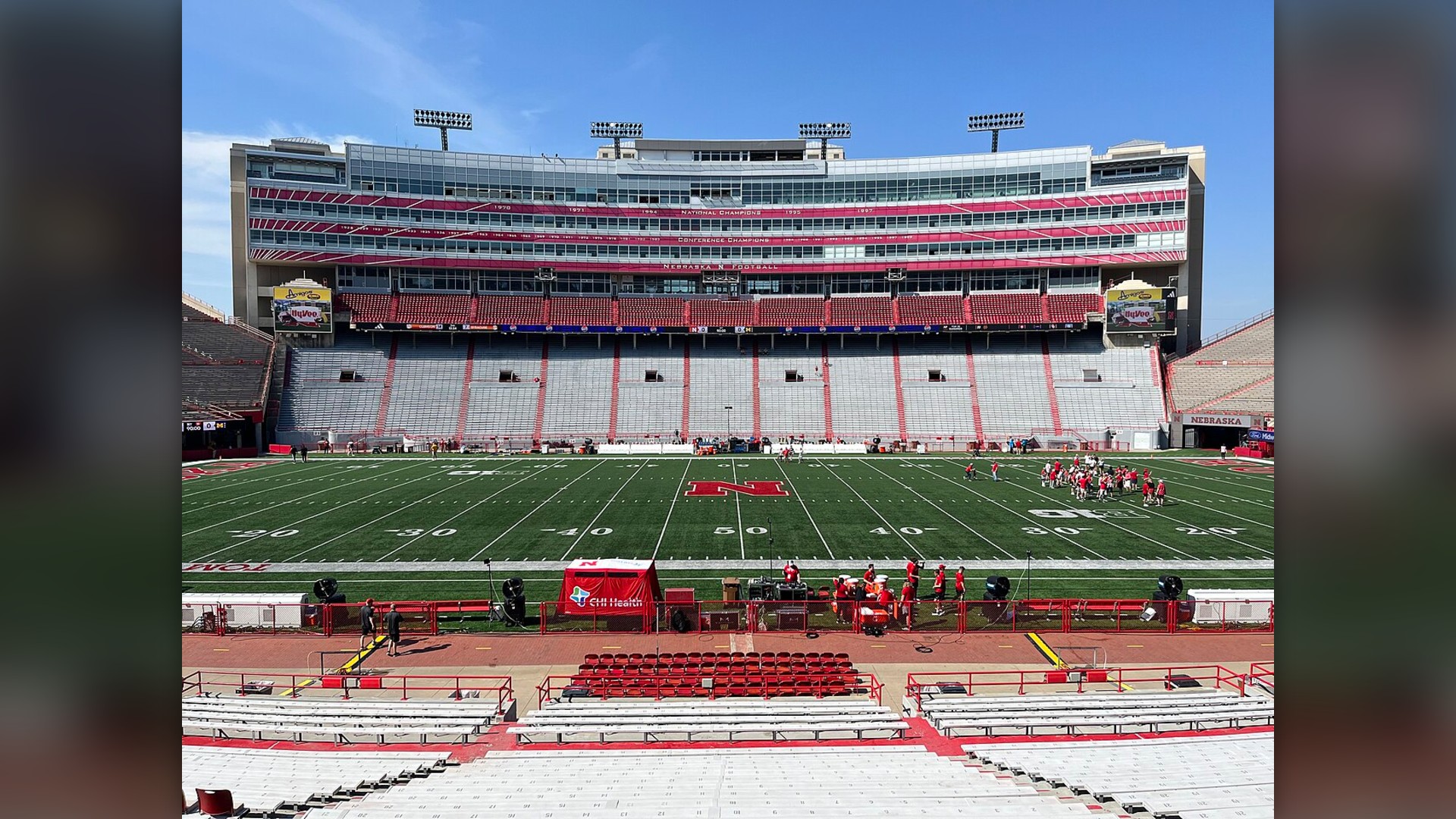
13. Memorial Stadium In Lincoln
On football game days in autumn, Nebraska's historic sports palace effectively becomes the third largest city in the state. Loyalty never wavers. Cornhuskers supporters established an unmatched national record by selling out hundreds of consecutive matchups over six decades.
©Wikimedia / GoBlue9
Advertisement
Swipe or tap ▶ to resume the countdown.
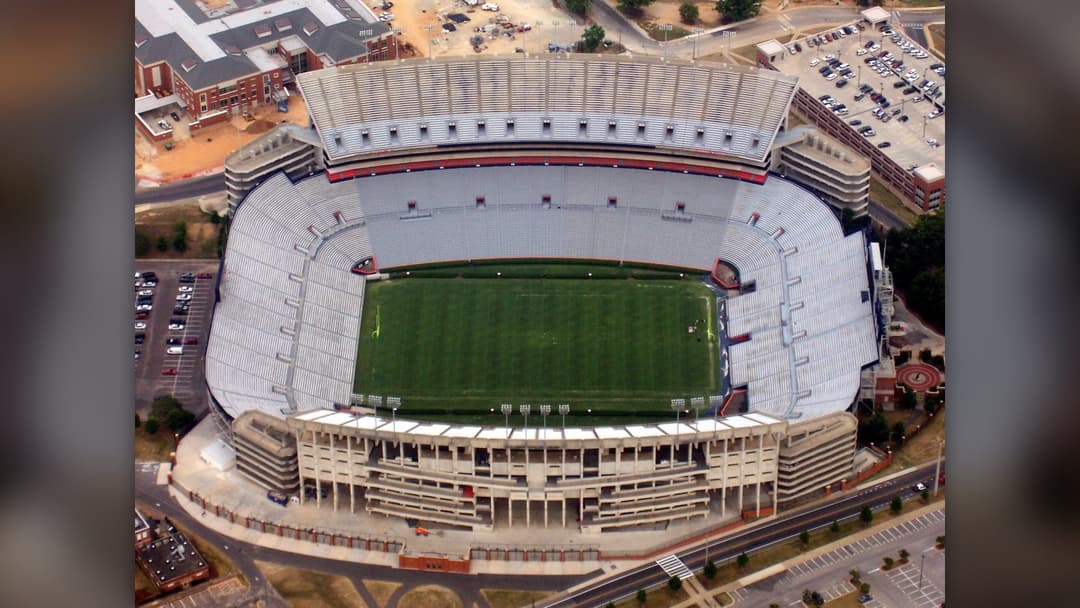
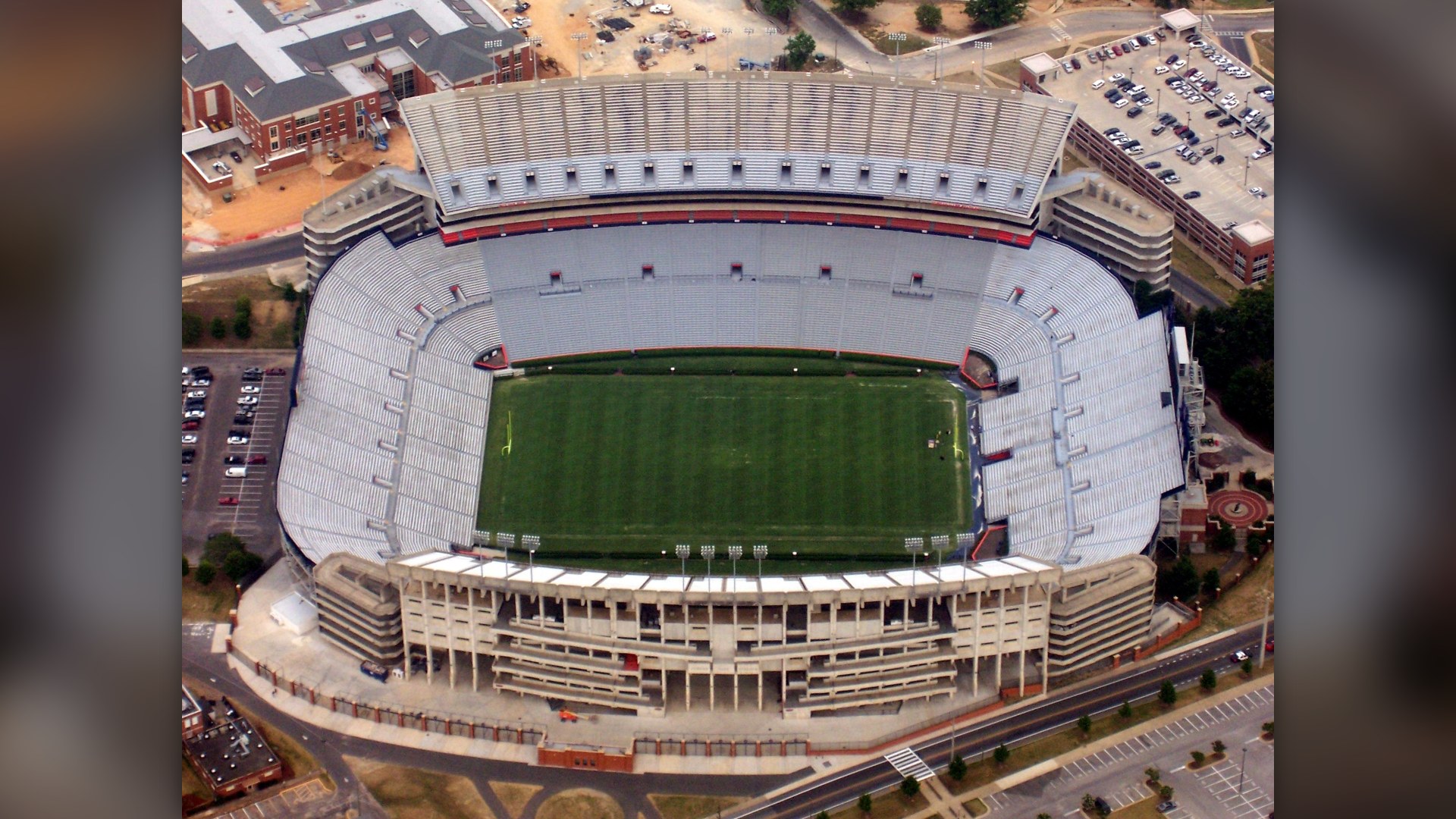
12. Jordan-Hare Stadium
Auburn opened its picturesque stadium in 1939 with only seven thousand wooden bench seats. Growth came quickly. Relentless campus expansions transformed the bowl into an intimidating SEC football fortress seating eighty-eight thousand passionate spectators.
©Wikimedia / AuburnPilot
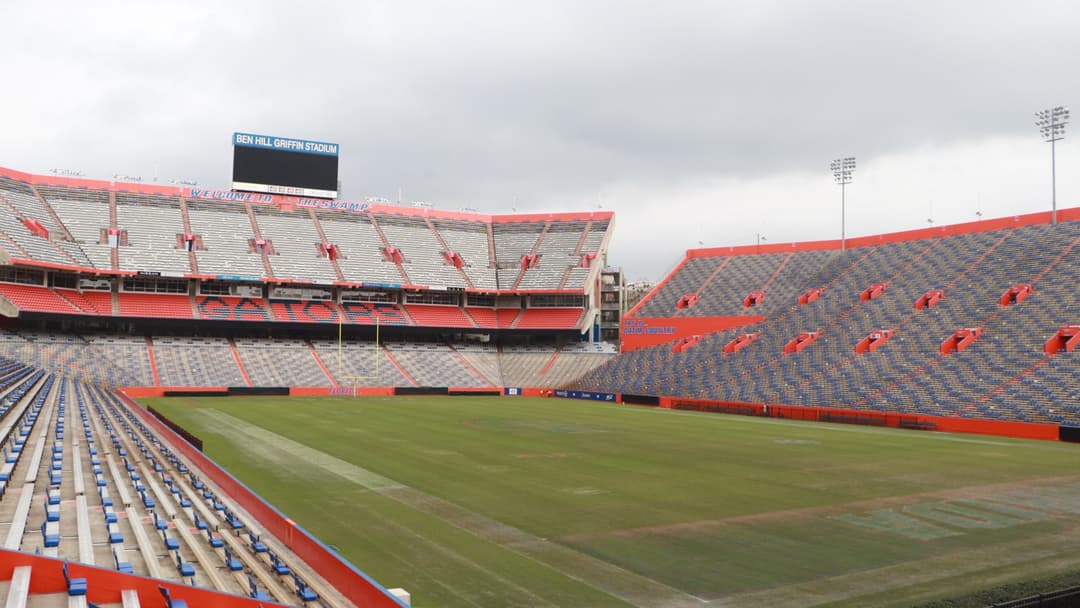
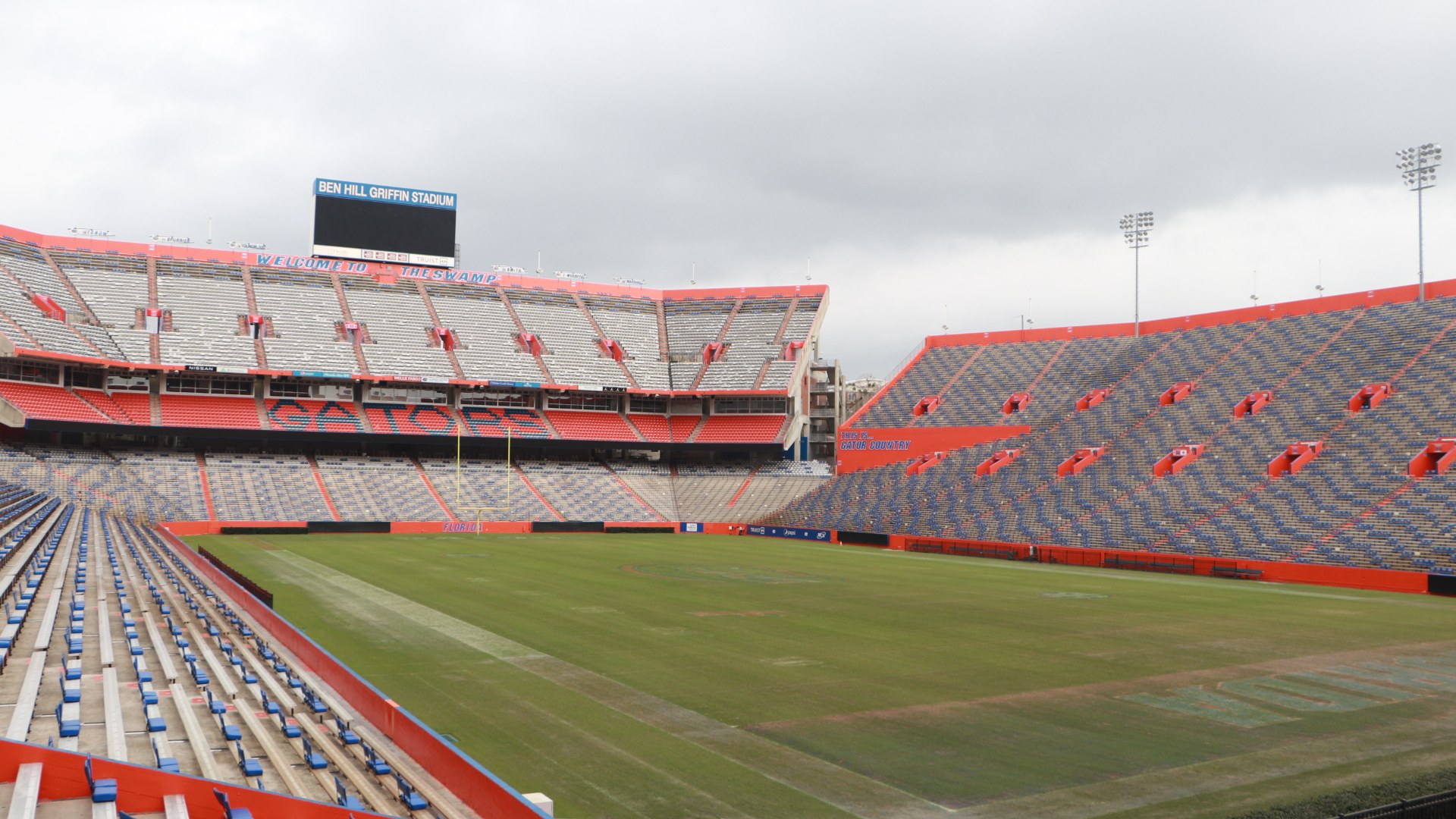
11. Ben Hill Griffin Stadium At Florida Field
Steve Spurrier famously coined the nickname The Swamp because only gators get out alive. Visitors dread it. Enclosed brick concourses trap humid Gainesville heat and reverberate deafening crowd noise directly down onto visiting benches. Swamp heat suffocates.
©Wikimedia / soulbust
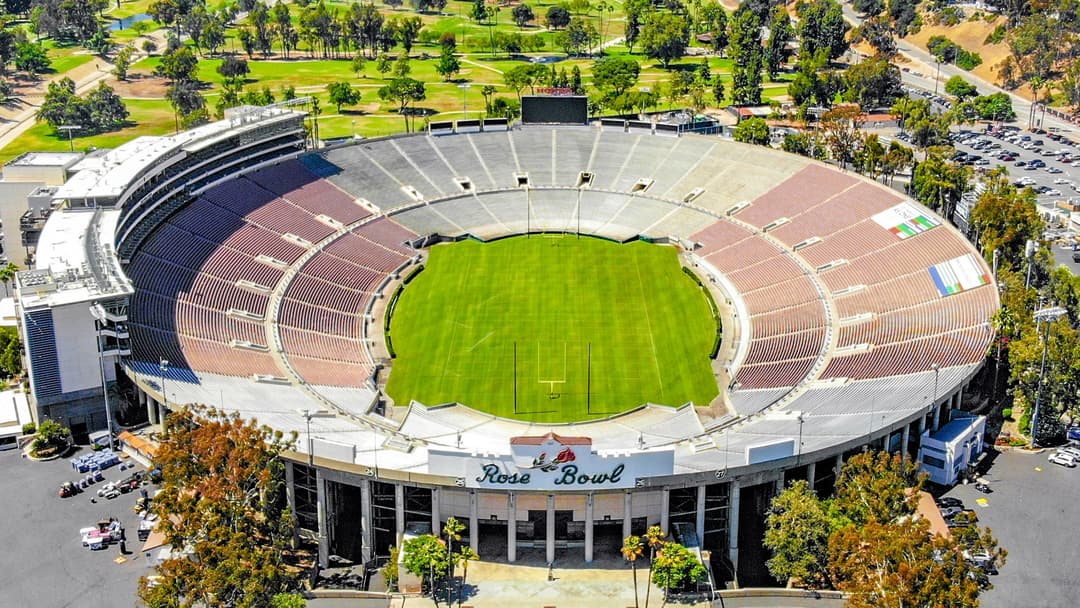
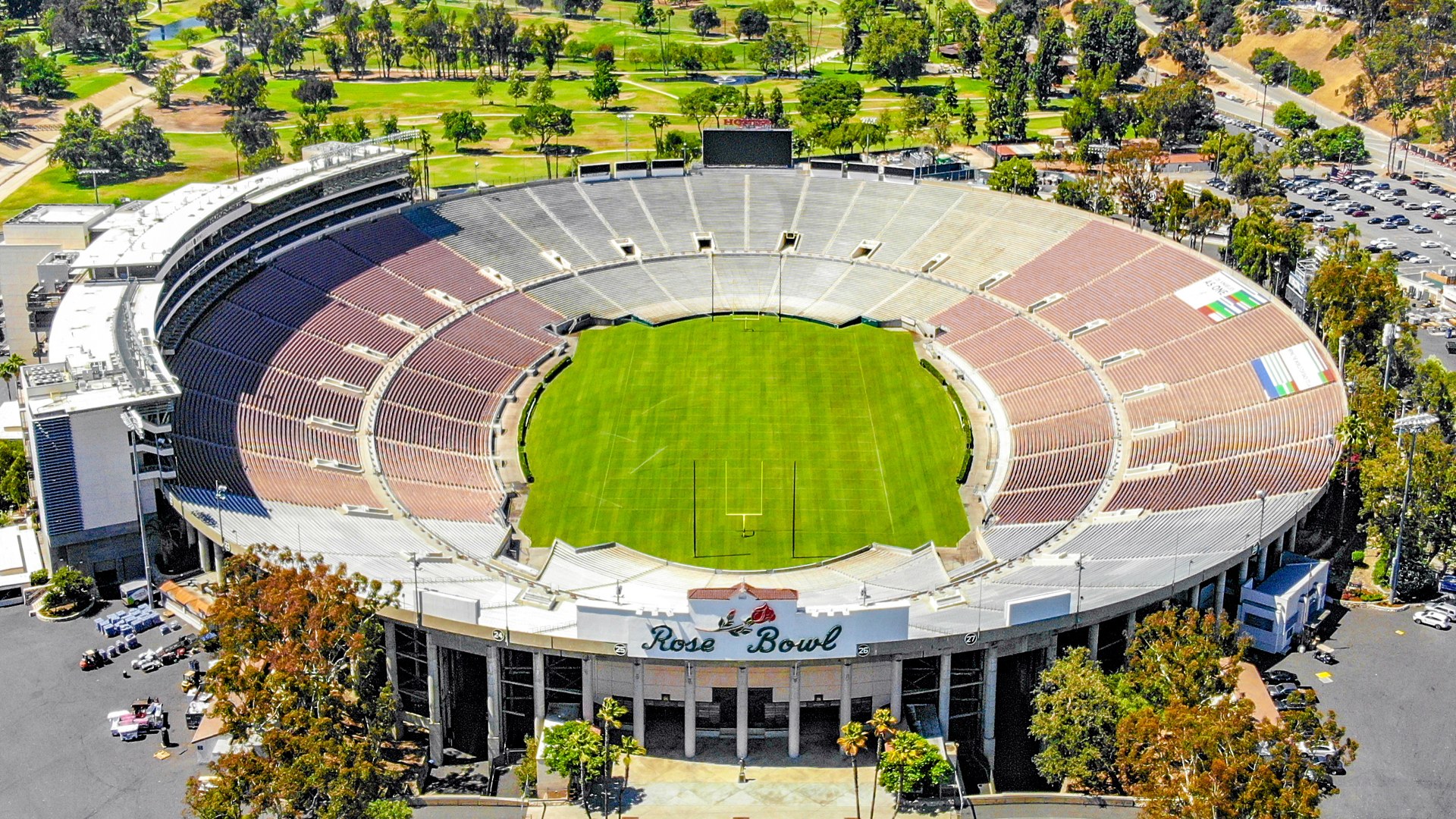
10. Rose Bowl Stadium
Framed by the majestic San Gabriel Mountains in Pasadena, this designated National Historic Landmark defines New Year celebrations. Tradition shines here. Architect Myron Hunt patterned the graceful elliptical arena after the Yale Bowl in 1922.
©Wikimedia / Ted Eytan
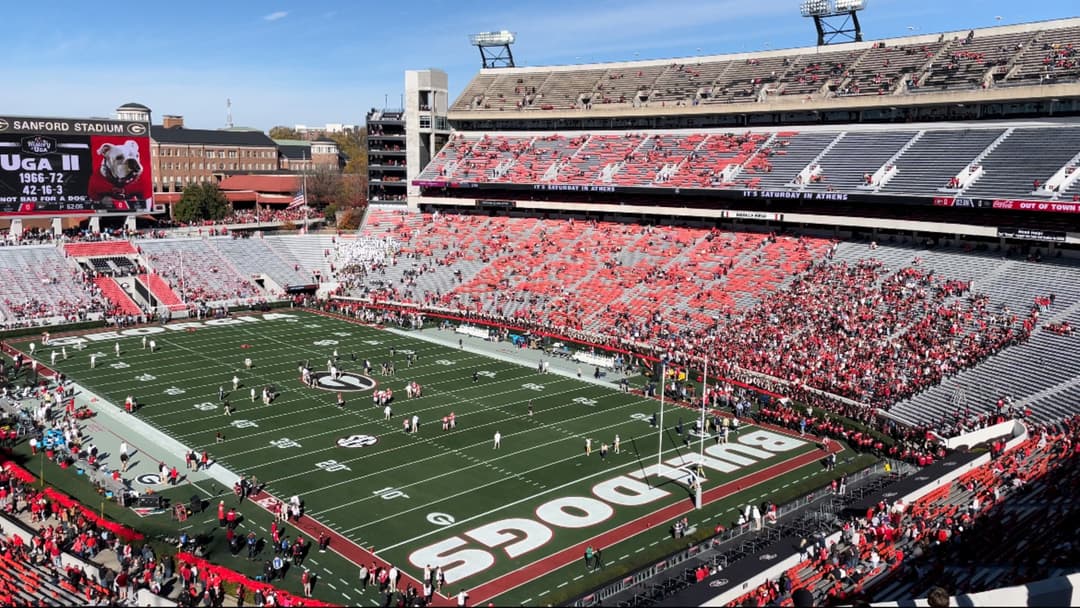
9. Sanford Stadium
Sanford Stadium opened in 1929 and instantly earned fame for the privet hedges lining the sidelines. Heritage endures. Generations of Georgia supporters cheer on their Bulldogs while the western open end reveals campus views.
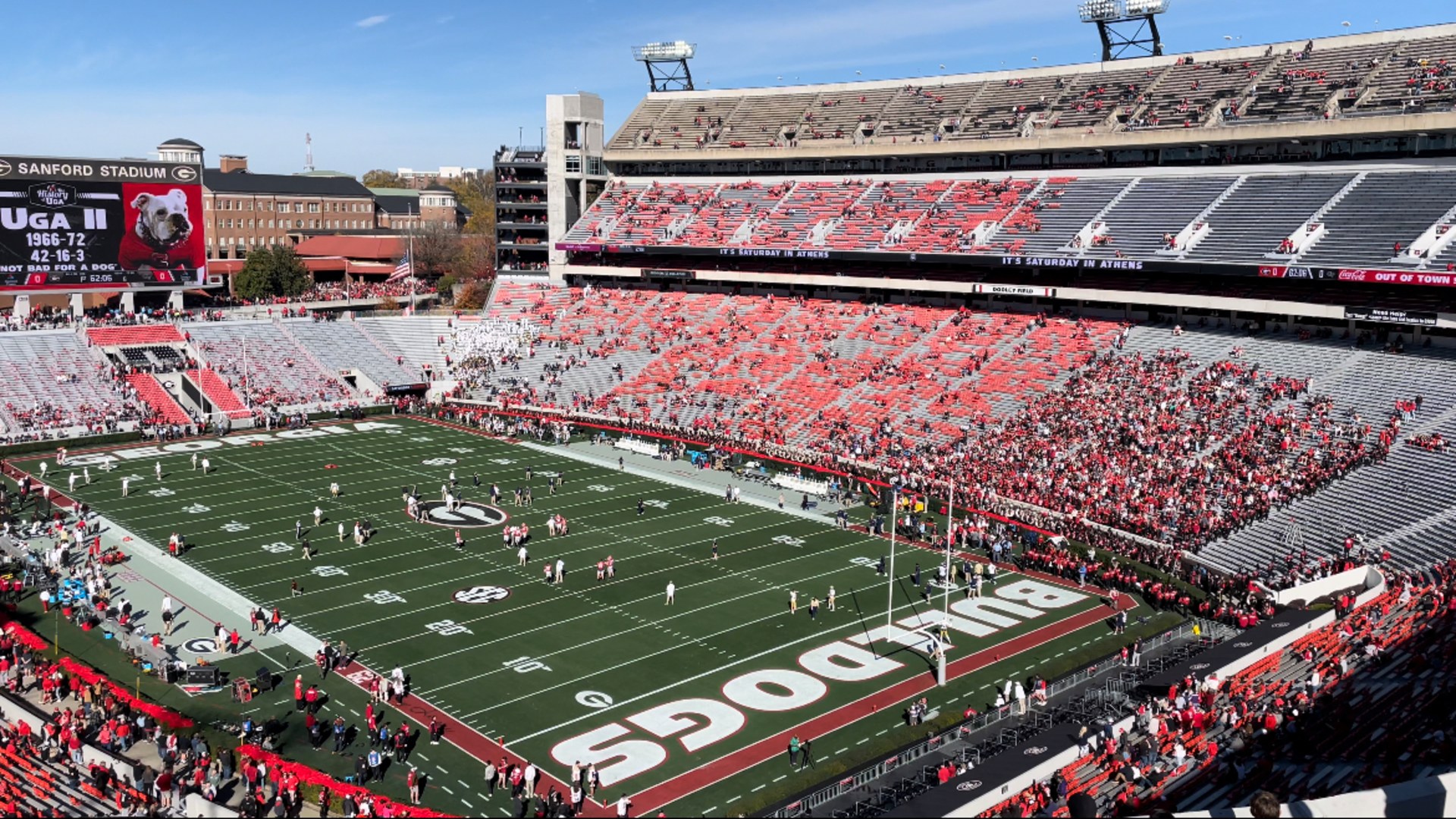
©Wikimedia / BullDawg2021
Advertisement
Swipe or tap ▶ to resume the countdown.
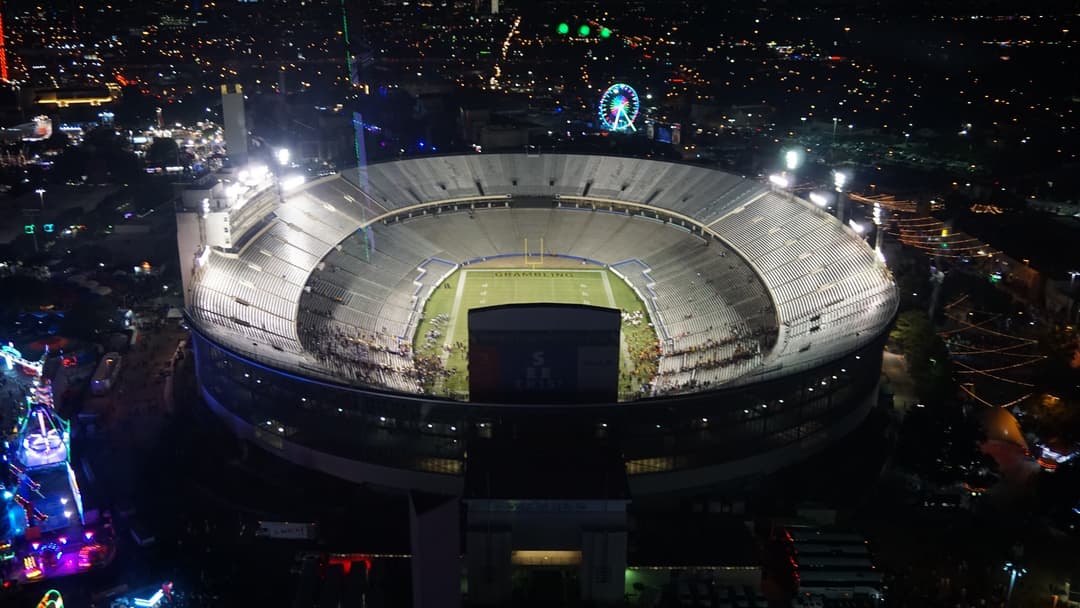
8. Cotton Bowl Stadium
Located inside Fair Park in Dallas, this mammoth historic bowl remains central to American football heritage. Passions flare annually. Every October, the stands split precisely down the fifty-yard line into crimson and burnt orange halves during the Texas State Fair. Pure rivalry.
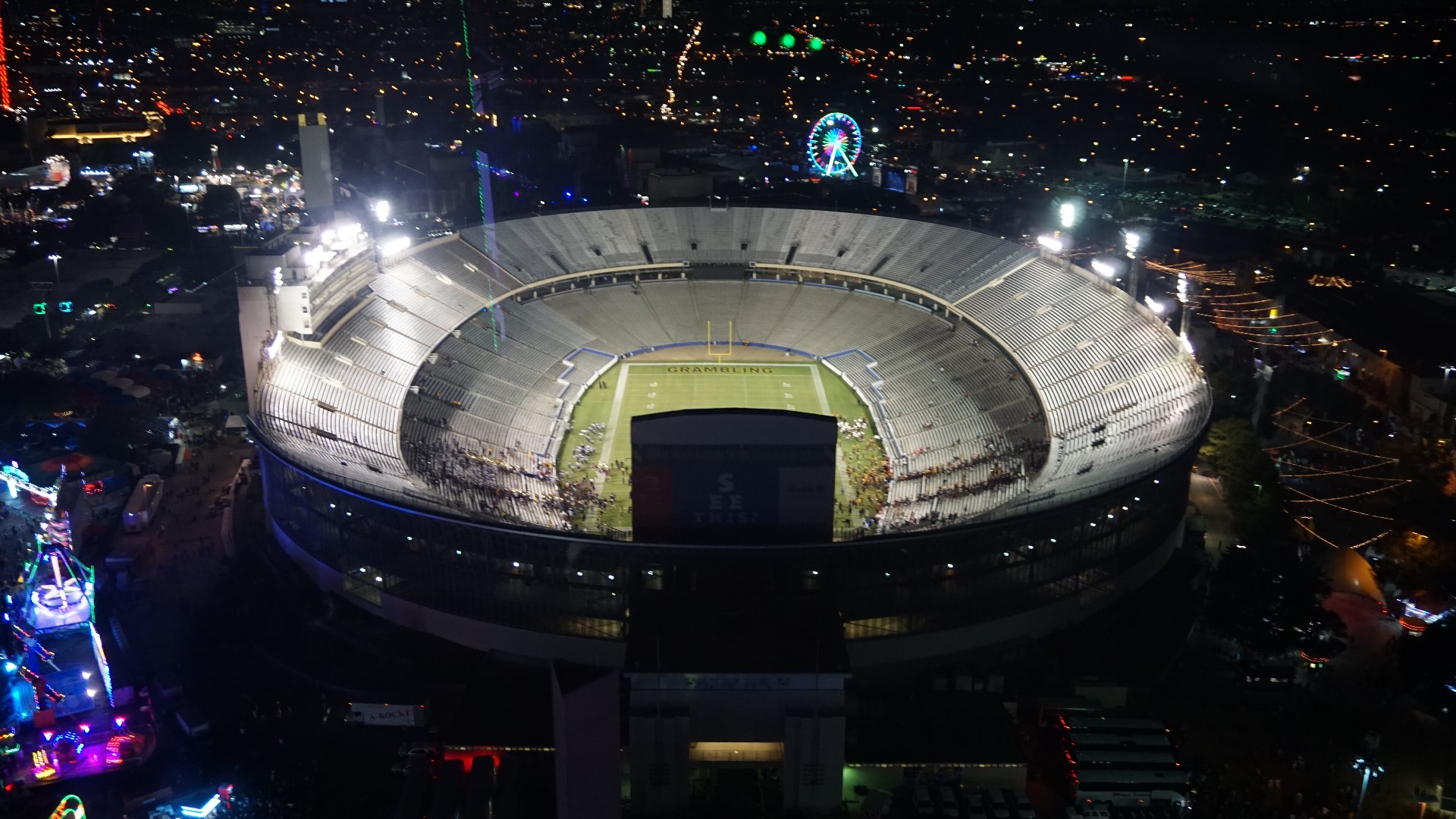
©Wikimedia / Cotton Bowl (stadium)
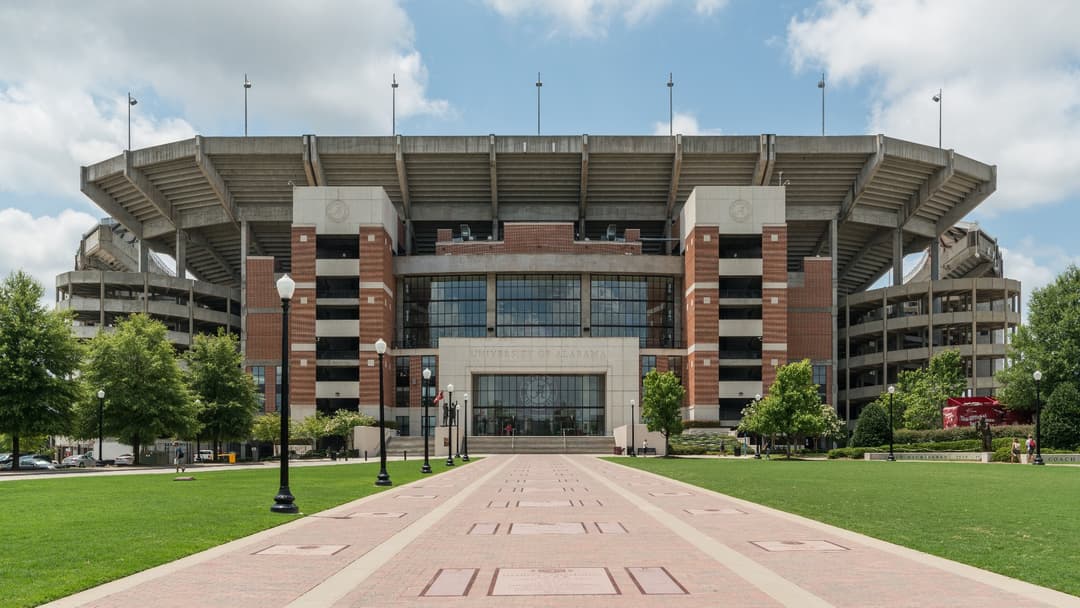
7. Bryant-Denny Stadium
Named for legendary coaches and campus leaders, Alabama's football palace represents modern southern collegiate dominance. Dominance shows everywhere. Construction began in 1929 with twelve thousand seats before major upper-deck additions pushed capacity over one hundred thousand.
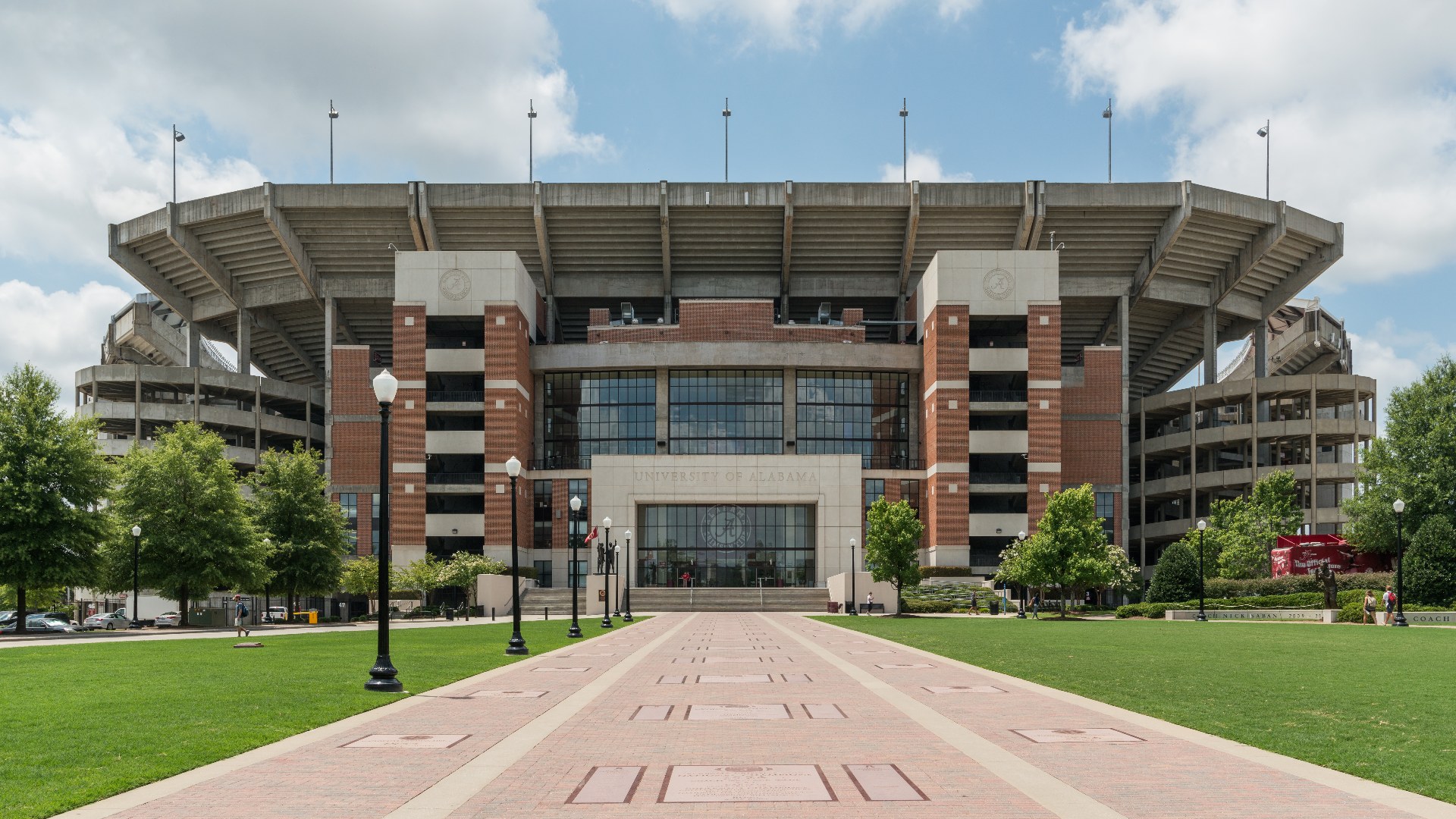
©Wikimedia / DXR
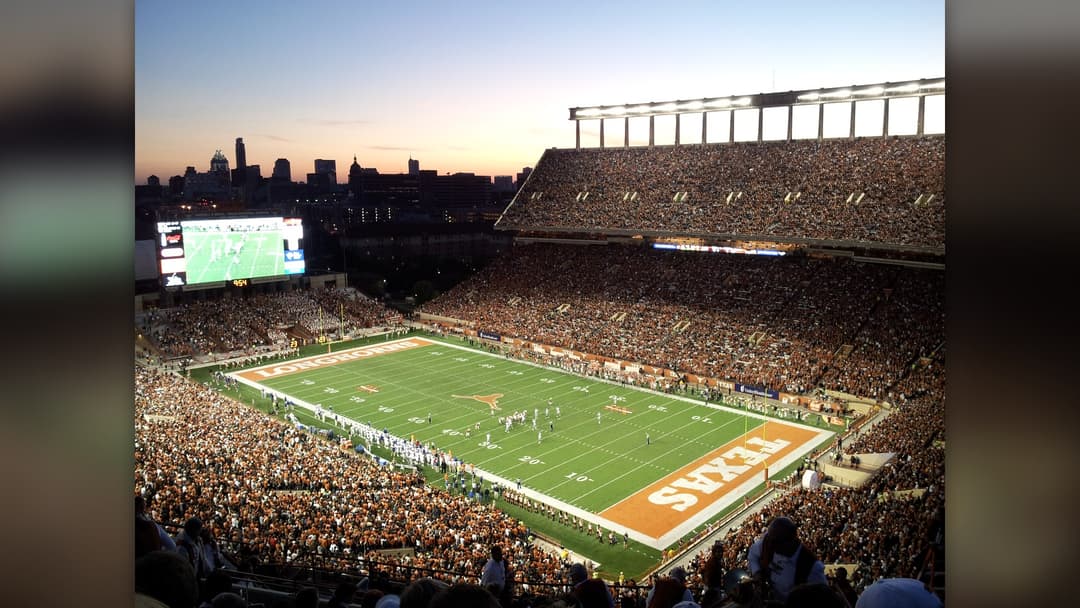
6. Darrell K Royal-Texas Memorial Stadium
Overlooking the Texas state capitol and downtown Austin skyline, this massive collegiate bowl opened in 1924. Everything is larger here. Longhorn athletics honored state veterans and beloved coach Darrell Royal through monumental expansions.
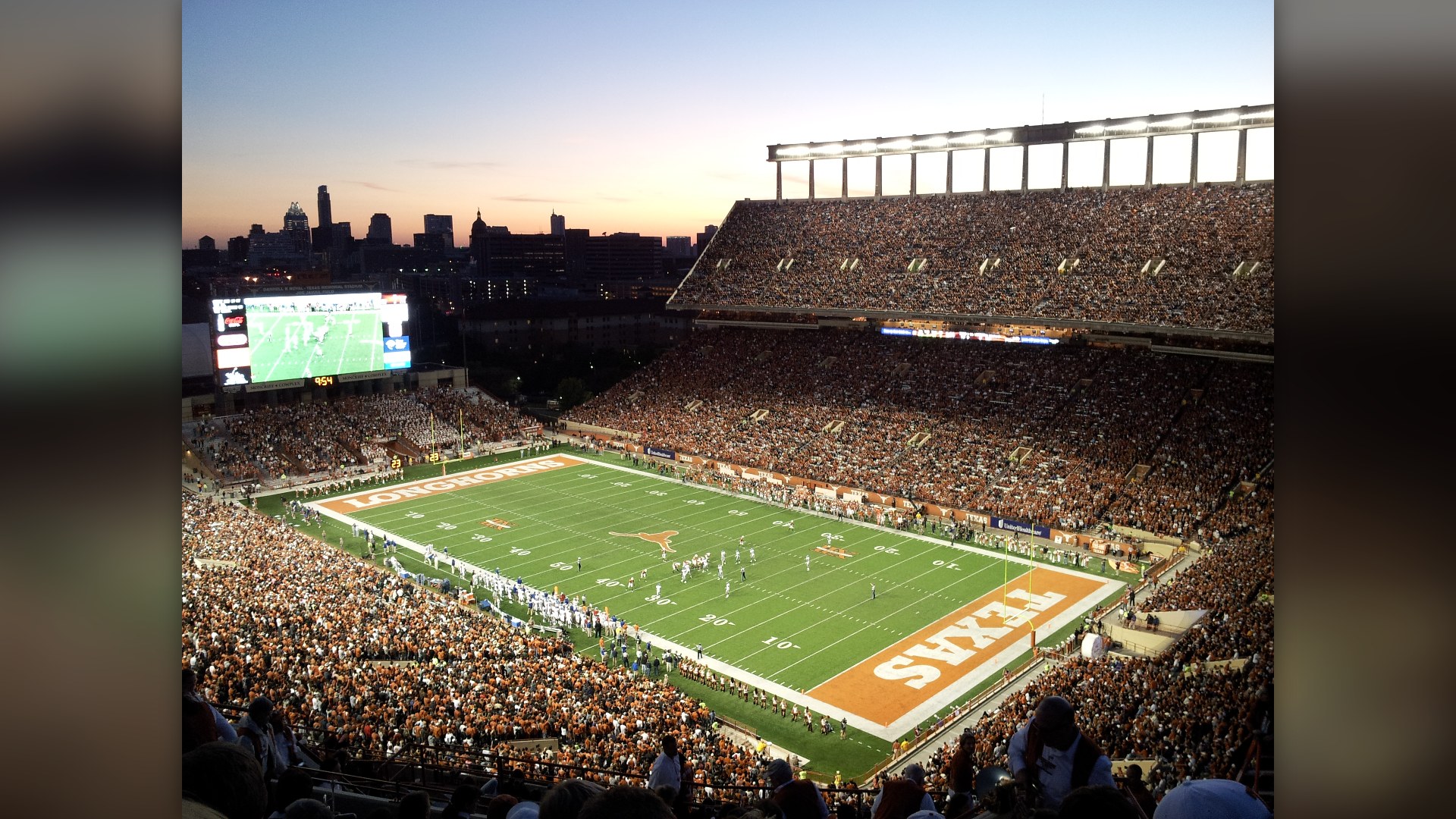
©Wikimedia / Brint03
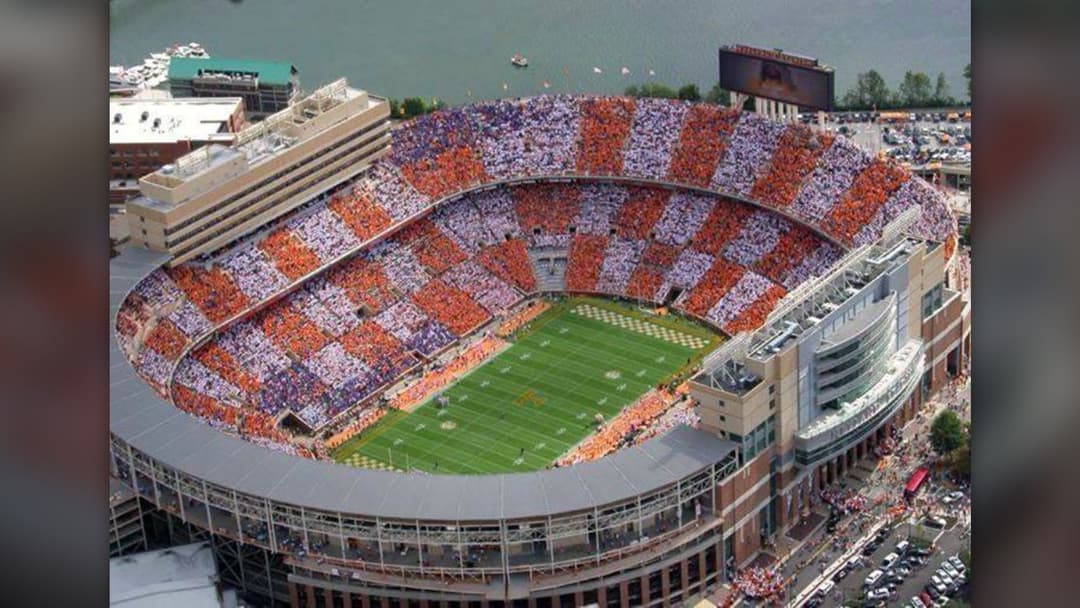
5. Neyland Stadium
Rising steeply along the banks of the Tennessee River, Knoxville's football palace ranks among the largest stadiums on Earth. The view impresses. The venue honors General Robert Neyland, who designed initial grandstands in 1921. Vol fans sing.
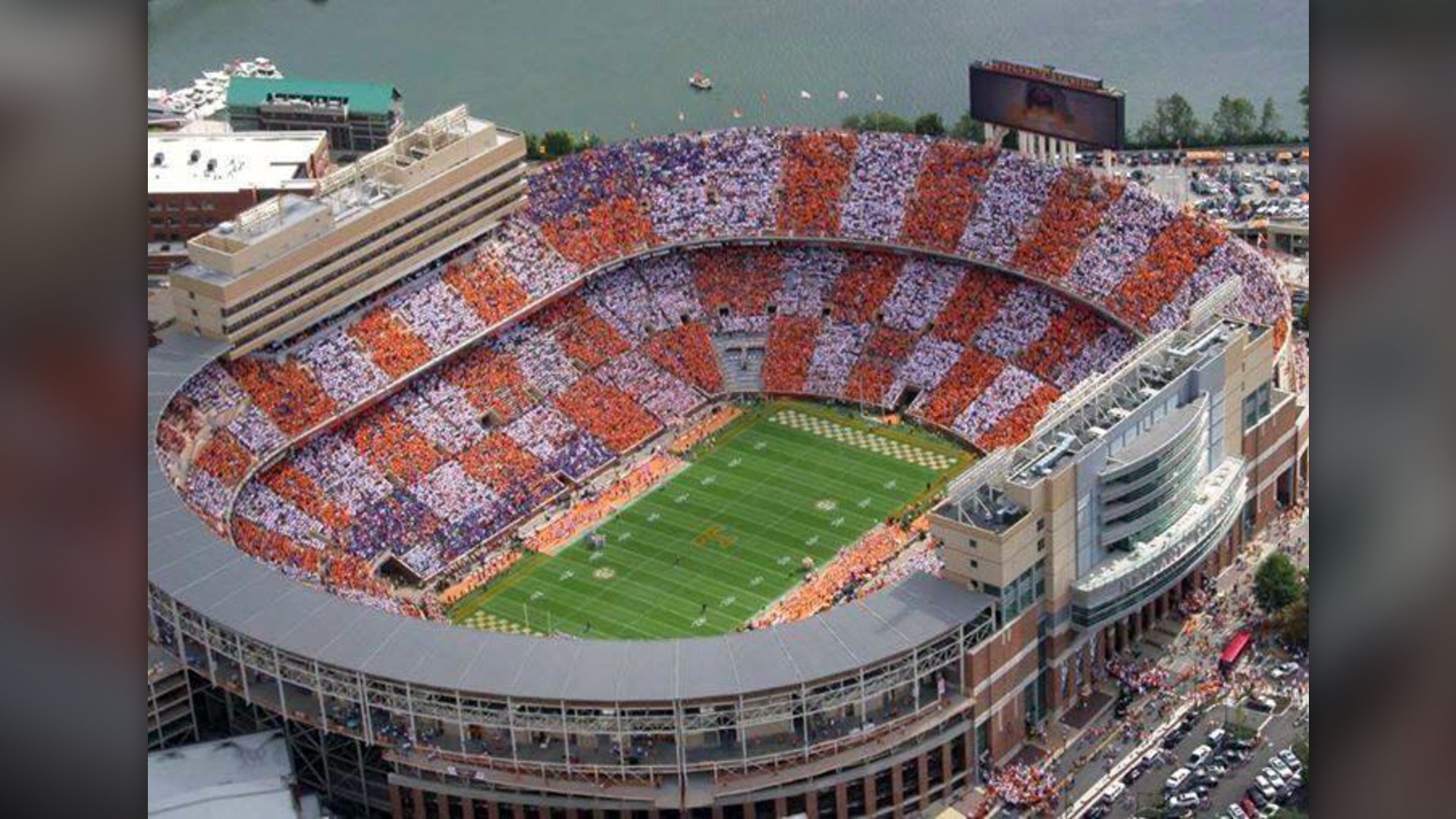
©Wikimedia / Neomrbungle
Advertisement
Swipe or tap ▶ to resume the countdown.
4. Kyle Field
College Station houses one of the most disciplined and intimidating crowd cultures in all of athletics. Unity rules here. The tradition of the standing 12th Man began in 1922, inspiring generations of students to stand for entire games.
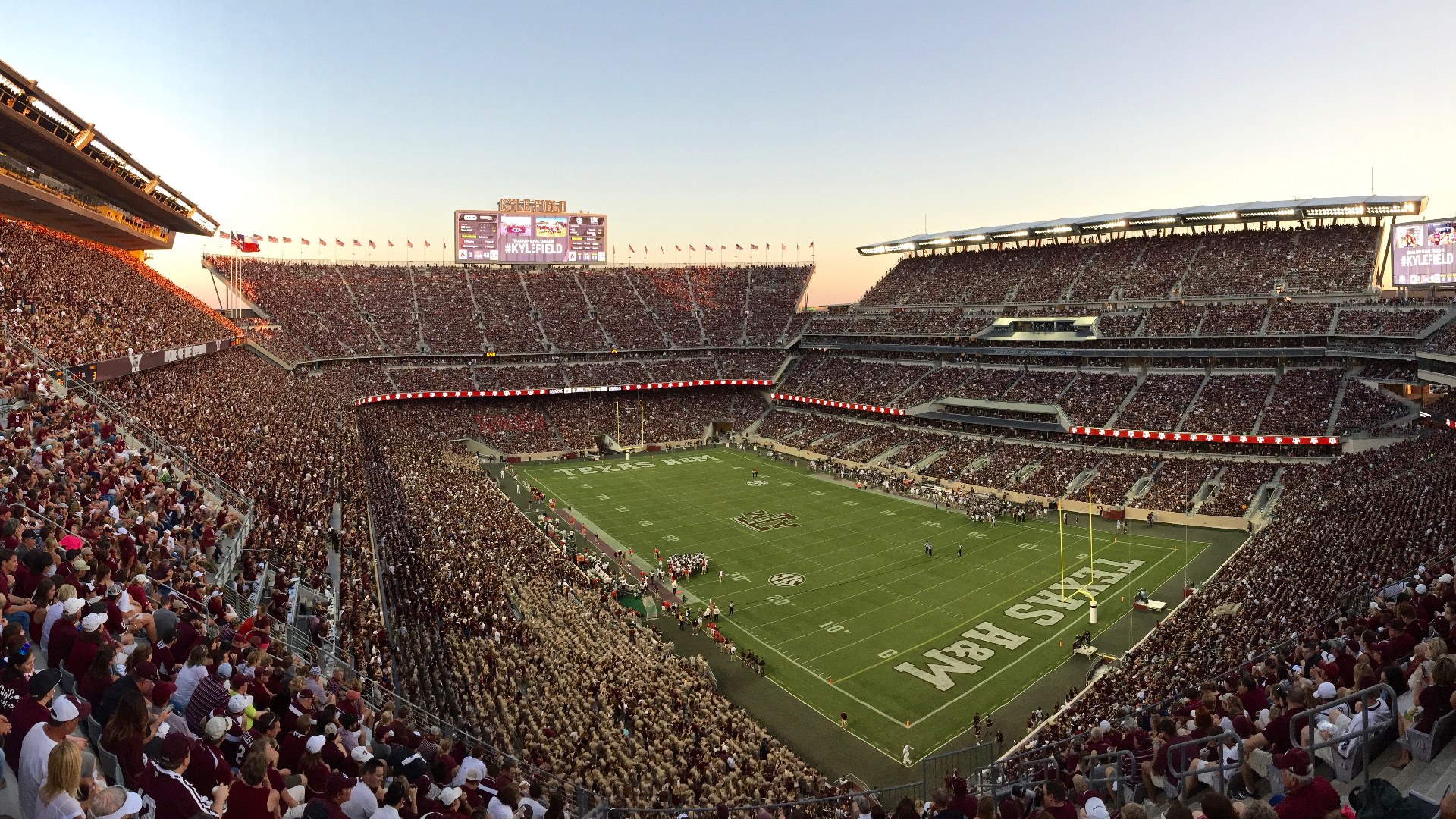
©Wikimedia / Janreagan at English Wikipedia
3. Ohio Stadium
Renowned for its double-deck horseshoe architecture, Ohio Stadium was listed on the National Register of Historic Places in 1974. Classical arches inspire awe. Architect Howard Dwight Smith designed rotunda entrances modeled after the Roman Pantheon.
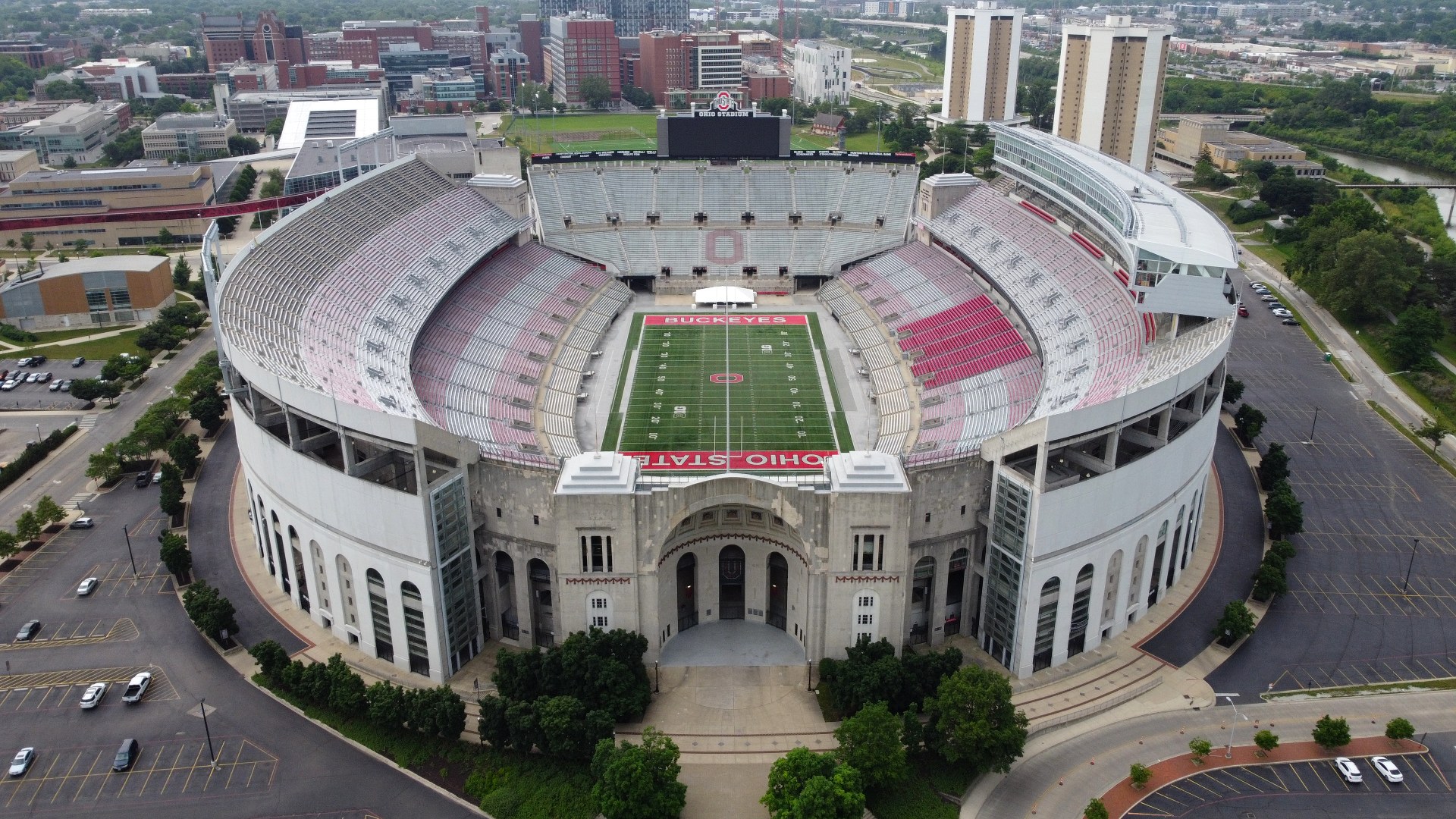
©Wikimedia / Lectrician2
2. Beaver Stadium
Standing near Mount Nittany in rural Pennsylvania, Beaver Stadium ranks as the second-largest sports venue in North America. Whiteouts intimidate visitors. When the sun sets on game days, over one hundred and six thousand fans dress entirely in white, creating an overwhelming spectacle. Pure noise.
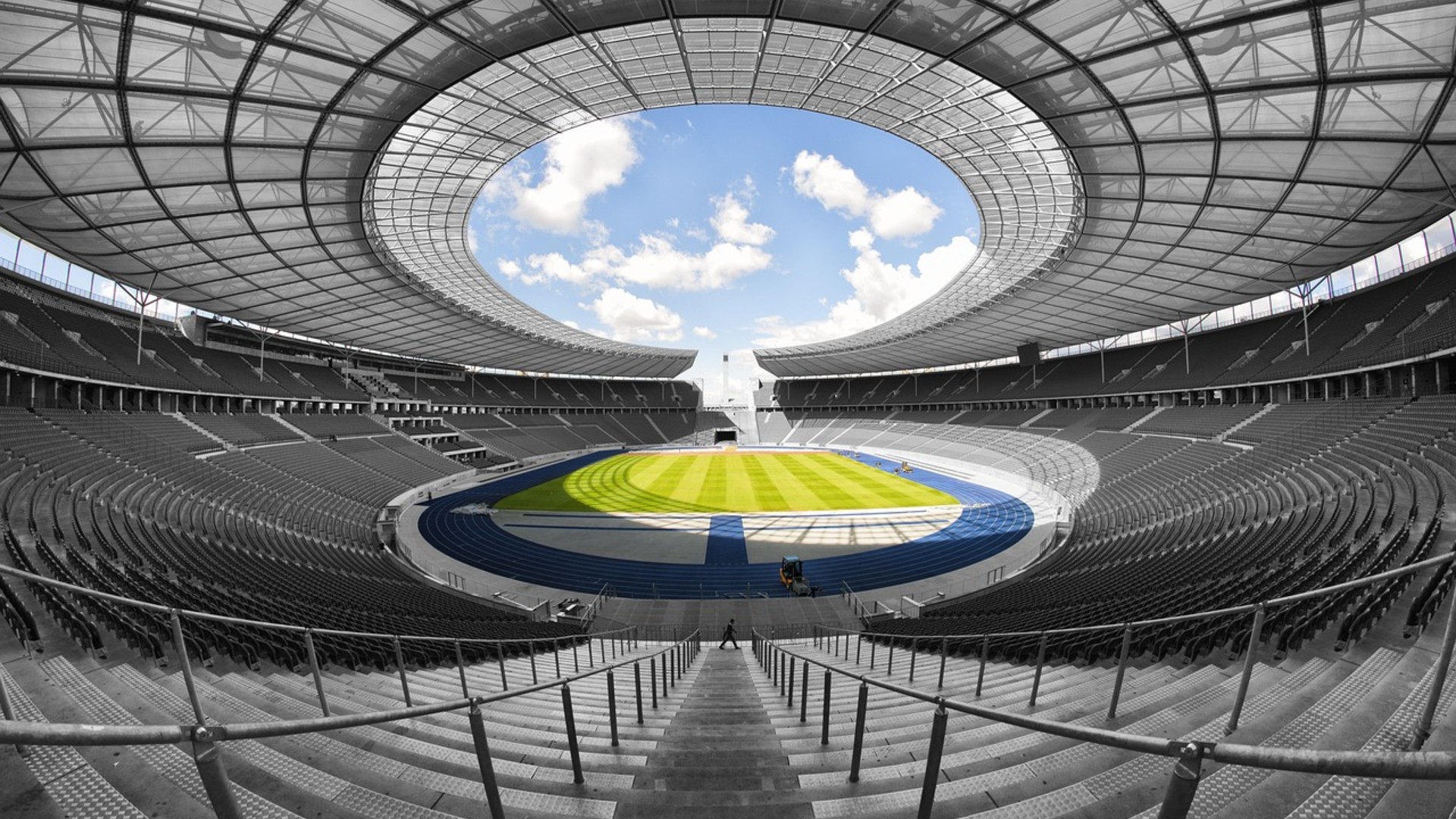
©Pixabay / 3093594
1. Michigan Stadium
Fielding H. Yost envisioned a gigantic sunken bowl stadium that opened in 1927 with eighty-four thousand seats. Scale dwarfs visitors. Engineers built footings strong enough to support massive future upper-deck additions without destabilizing the structure. Ann Arbor roars.
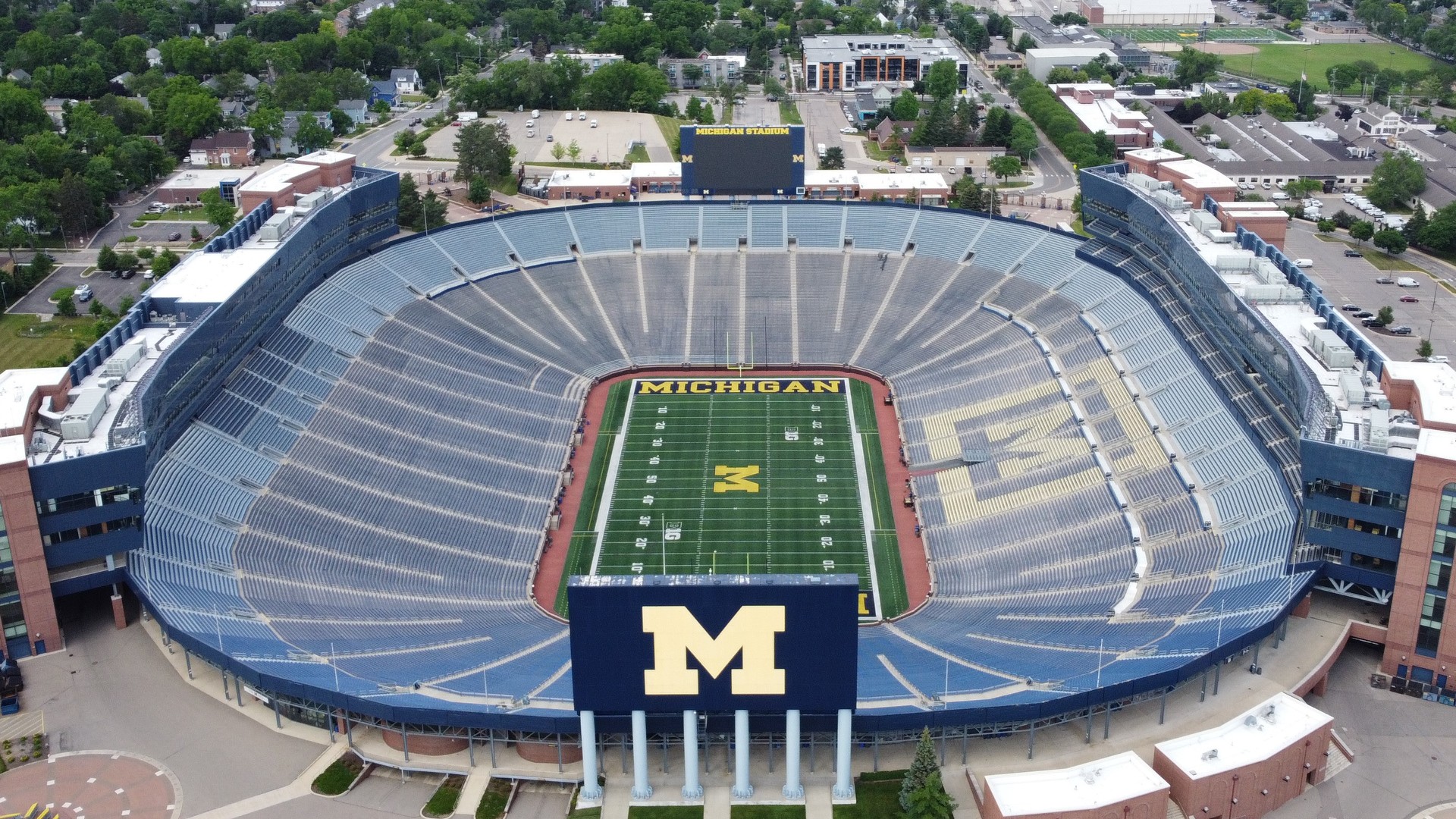
©Wikimedia / Michigan Stadium
Advertisement
You've reached the end of the story. Thanks for reading!

25 Most Successful Formula 1 Drivers Ranked by Career Grand Prix Wins
According to official championship records from the FIA and Formula 1, these twenty-five drivers secured the most Grand Prix victories in motorsport history. Hamilton reigns supreme. British champion Lewis Hamilton has captured one hundred and five victories across eighteen seasons.
All 15 Entries in this Story
15. Camp Randall Stadium
The Wisconsin Badgers host opponents at one of the oldest active venues in college athletics. History runs deep. Built in 1917, the venue sits on land that once served as an active Union Army training base during the Civil War. Fans jump.

14. Notre Dame Stadium
Legendary head coach Knute Rockne helped plan this South Bend landmark before its official 1930 opening. It remains sacred ground. Generations of fans gather beneath the famous mosaic mural visible beyond the northern end zone. Brick walls gleam.

13. Memorial Stadium In Lincoln
On football game days in autumn, Nebraska's historic sports palace effectively becomes the third largest city in the state. Loyalty never wavers. Cornhuskers supporters established an unmatched national record by selling out hundreds of consecutive matchups over six decades.

12. Jordan-Hare Stadium
Auburn opened its picturesque stadium in 1939 with only seven thousand wooden bench seats. Growth came quickly. Relentless campus expansions transformed the bowl into an intimidating SEC football fortress seating eighty-eight thousand passionate spectators.

11. Ben Hill Griffin Stadium At Florida Field
Steve Spurrier famously coined the nickname The Swamp because only gators get out alive. Visitors dread it. Enclosed brick concourses trap humid Gainesville heat and reverberate deafening crowd noise directly down onto visiting benches. Swamp heat suffocates.

10. Rose Bowl Stadium
Framed by the majestic San Gabriel Mountains in Pasadena, this designated National Historic Landmark defines New Year celebrations. Tradition shines here. Architect Myron Hunt patterned the graceful elliptical arena after the Yale Bowl in 1922.

9. Sanford Stadium
Sanford Stadium opened in 1929 and instantly earned fame for the privet hedges lining the sidelines. Heritage endures. Generations of Georgia supporters cheer on their Bulldogs while the western open end reveals campus views.

8. Cotton Bowl Stadium
Located inside Fair Park in Dallas, this mammoth historic bowl remains central to American football heritage. Passions flare annually. Every October, the stands split precisely down the fifty-yard line into crimson and burnt orange halves during the Texas State Fair. Pure rivalry.

7. Bryant-Denny Stadium
Named for legendary coaches and campus leaders, Alabama's football palace represents modern southern collegiate dominance. Dominance shows everywhere. Construction began in 1929 with twelve thousand seats before major upper-deck additions pushed capacity over one hundred thousand.

6. Darrell K Royal-Texas Memorial Stadium
Overlooking the Texas state capitol and downtown Austin skyline, this massive collegiate bowl opened in 1924. Everything is larger here. Longhorn athletics honored state veterans and beloved coach Darrell Royal through monumental expansions.

5. Neyland Stadium
Rising steeply along the banks of the Tennessee River, Knoxville's football palace ranks among the largest stadiums on Earth. The view impresses. The venue honors General Robert Neyland, who designed initial grandstands in 1921. Vol fans sing.

4. Kyle Field
College Station houses one of the most disciplined and intimidating crowd cultures in all of athletics. Unity rules here. The tradition of the standing 12th Man began in 1922, inspiring generations of students to stand for entire games.

3. Ohio Stadium
Renowned for its double-deck horseshoe architecture, Ohio Stadium was listed on the National Register of Historic Places in 1974. Classical arches inspire awe. Architect Howard Dwight Smith designed rotunda entrances modeled after the Roman Pantheon.

2. Beaver Stadium
Standing near Mount Nittany in rural Pennsylvania, Beaver Stadium ranks as the second-largest sports venue in North America. Whiteouts intimidate visitors. When the sun sets on game days, over one hundred and six thousand fans dress entirely in white, creating an overwhelming spectacle. Pure noise.

1. Michigan Stadium
Fielding H. Yost envisioned a gigantic sunken bowl stadium that opened in 1927 with eighty-four thousand seats. Scale dwarfs visitors. Engineers built footings strong enough to support massive future upper-deck additions without destabilizing the structure. Ann Arbor roars.