Slideshow · Animals
25 Most Venomous Animals on Earth Ranked by Lethal Toxicity
Official laboratory LD50 toxicity assays compiled by medical toxicologists rank the deadliest chemical venoms on Earth, from inland taipans to microscopic marine snails. Hind leg spurs deliver. Male platypuses produce complex cocktail venoms during annual breeding seasons to establish territory.
By Most Viral Today
3 hours ago

Earth's Deadliest Creatures Produce Unmatched Biological Venom Potency 
25. Platypus 
24. Gila Monster 
23. Bullet Ant - AdvertisementSwipe or tap ▶ to continue countdown

22. Maricopa Harvester Ant 
21. Redback Spider 
20. Brazilian Wandering Spider 
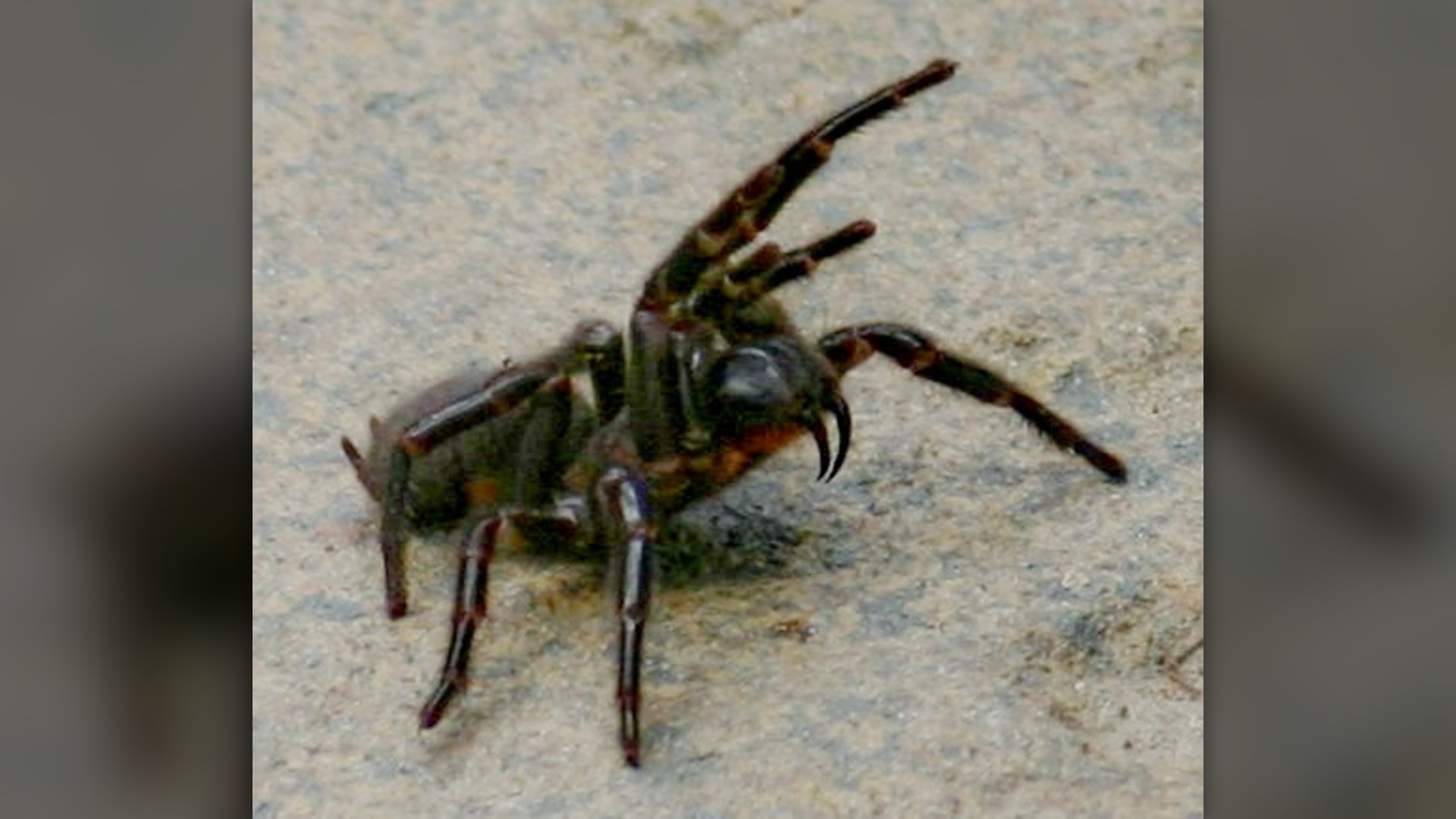
19. Sydney Funnel-Web Spider - AdvertisementSwipe or tap ▶ to continue countdown

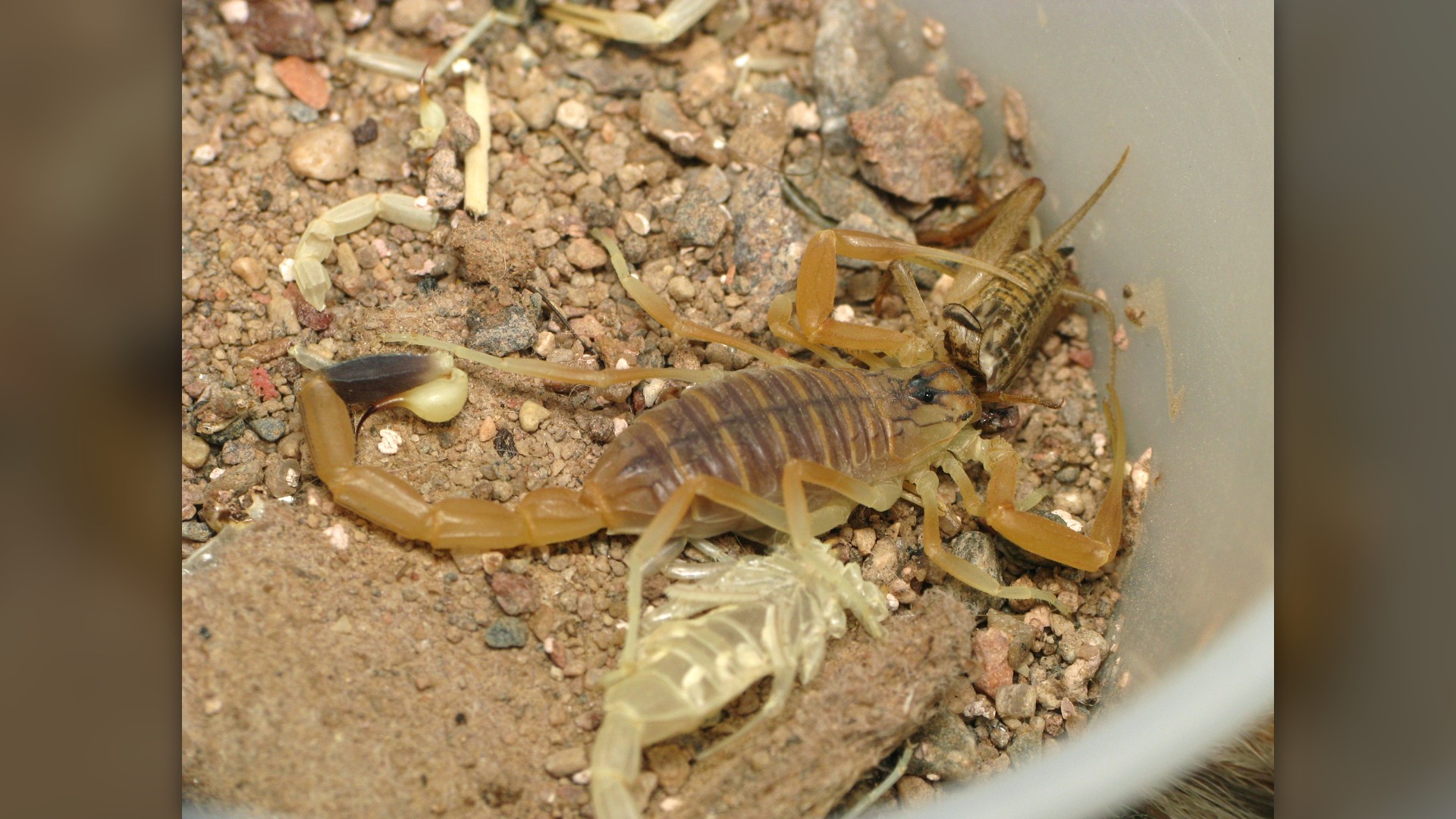
18. Deathstalker Scorpion 
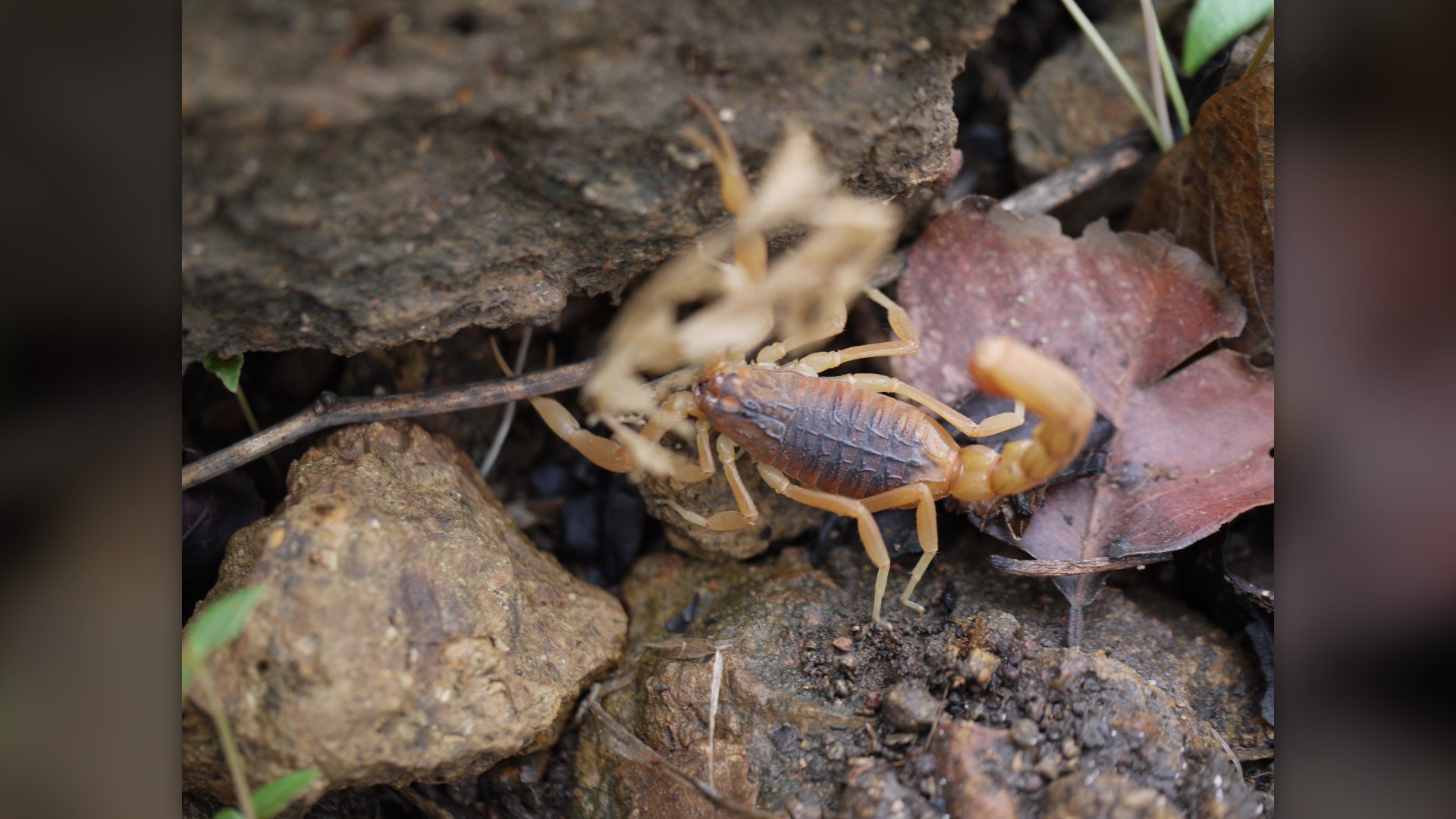
17. Indian Red Scorpion 
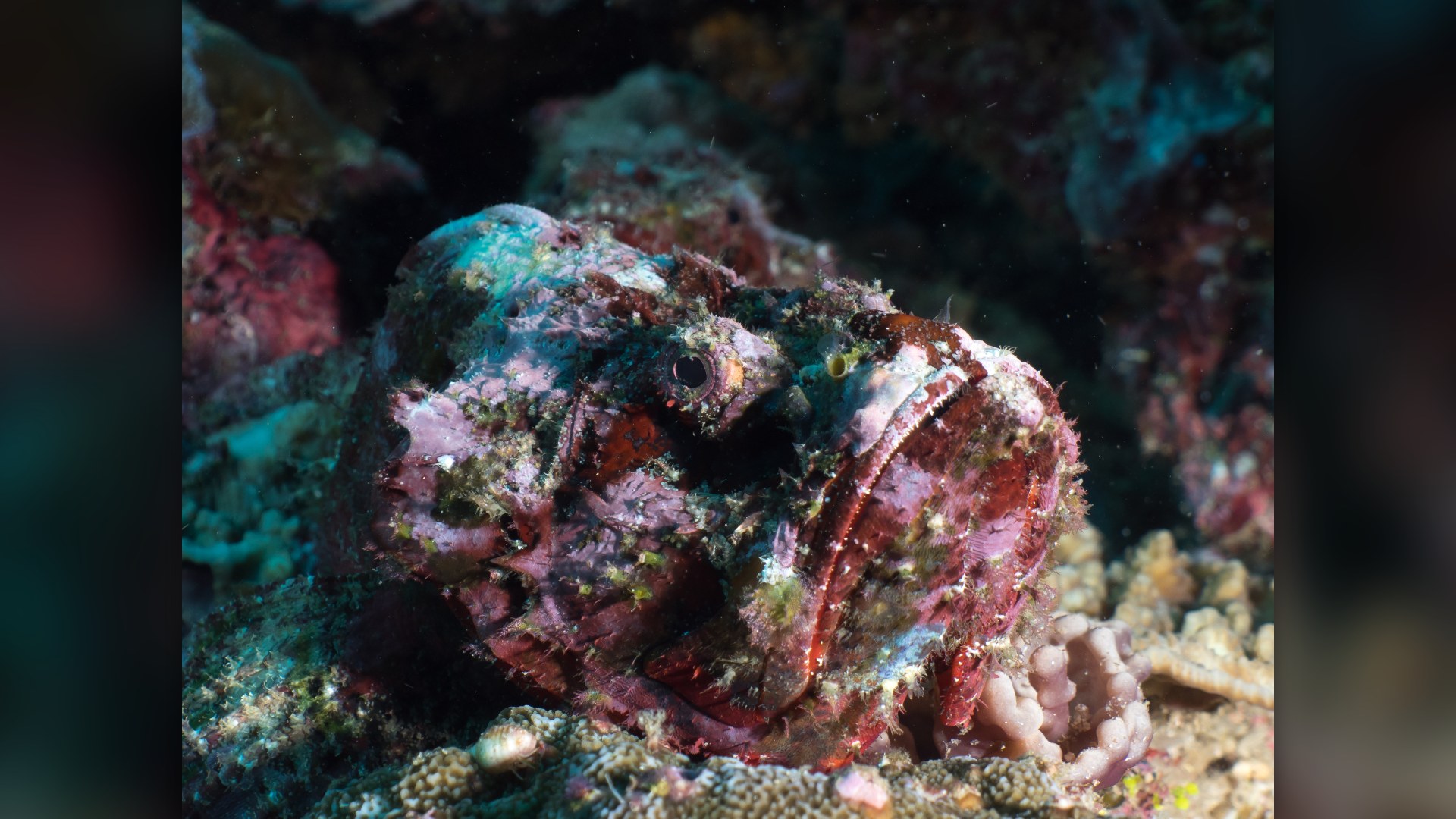
16. Reef Stonefish 
15. Blue-Spotted Stingray - AdvertisementSwipe or tap ▶ to continue countdown

14. Japanese Pufferfish 
13. Russell's Viper 
12. Saw-Scaled Viper 
11. Boomslang - AdvertisementSwipe or tap ▶ to continue countdown

10. King Cobra 
9. Black Mamba 
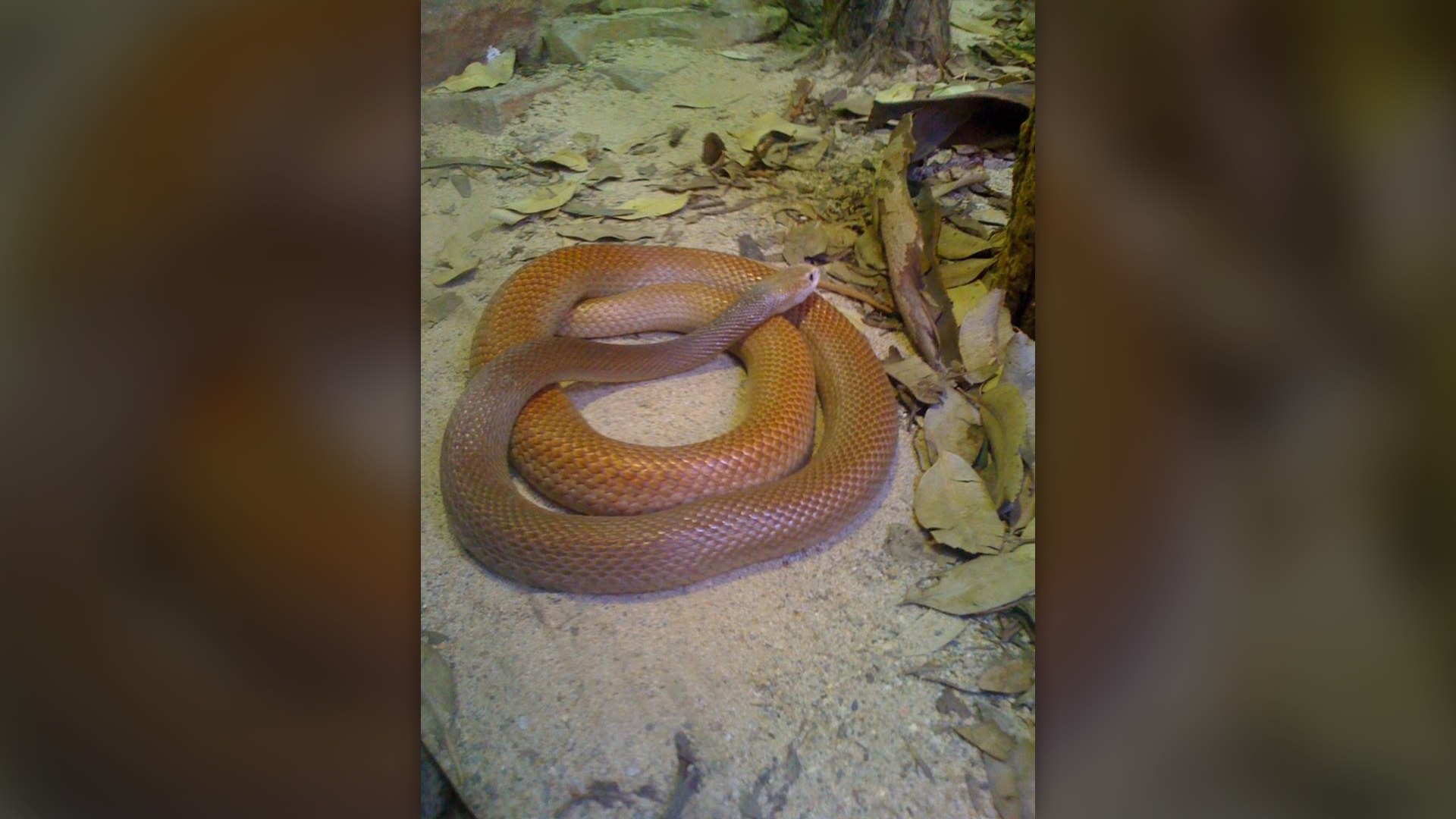
8. Many-Banded Krait 
7. Coastal Taipan - AdvertisementSwipe or tap ▶ to continue countdown

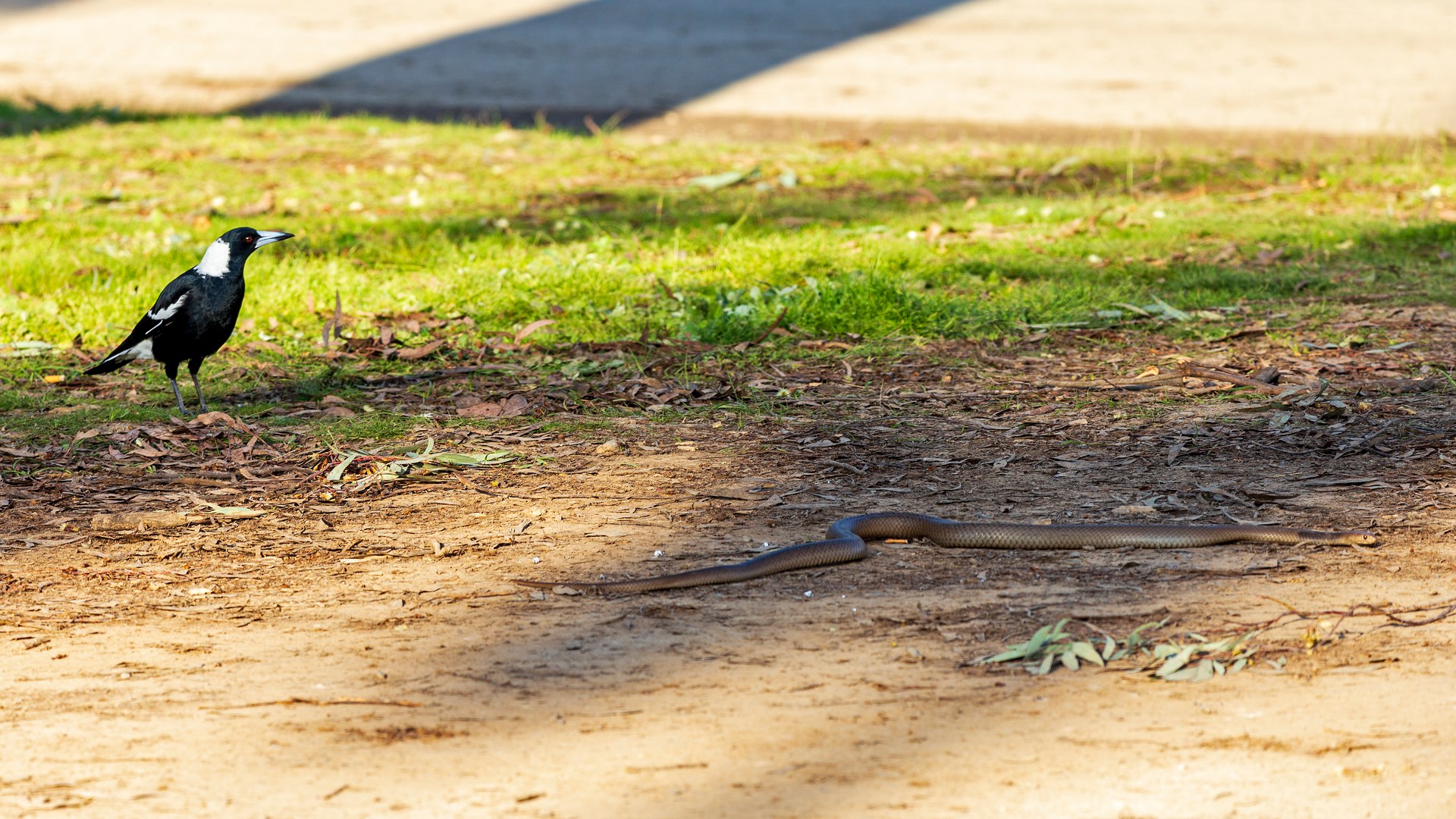
6. Eastern Brown Snake 
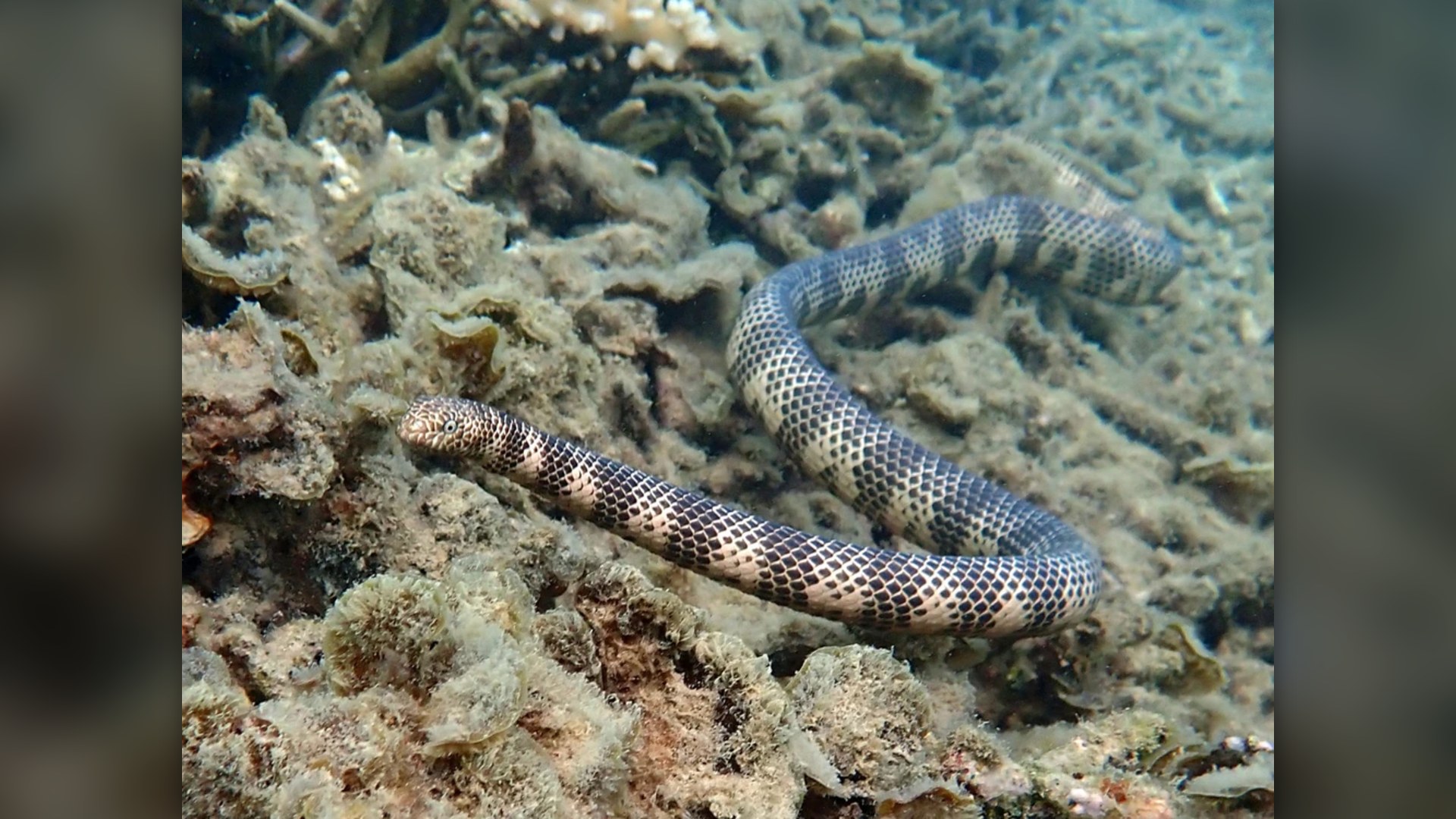
5. Dubois' Sea Snake 
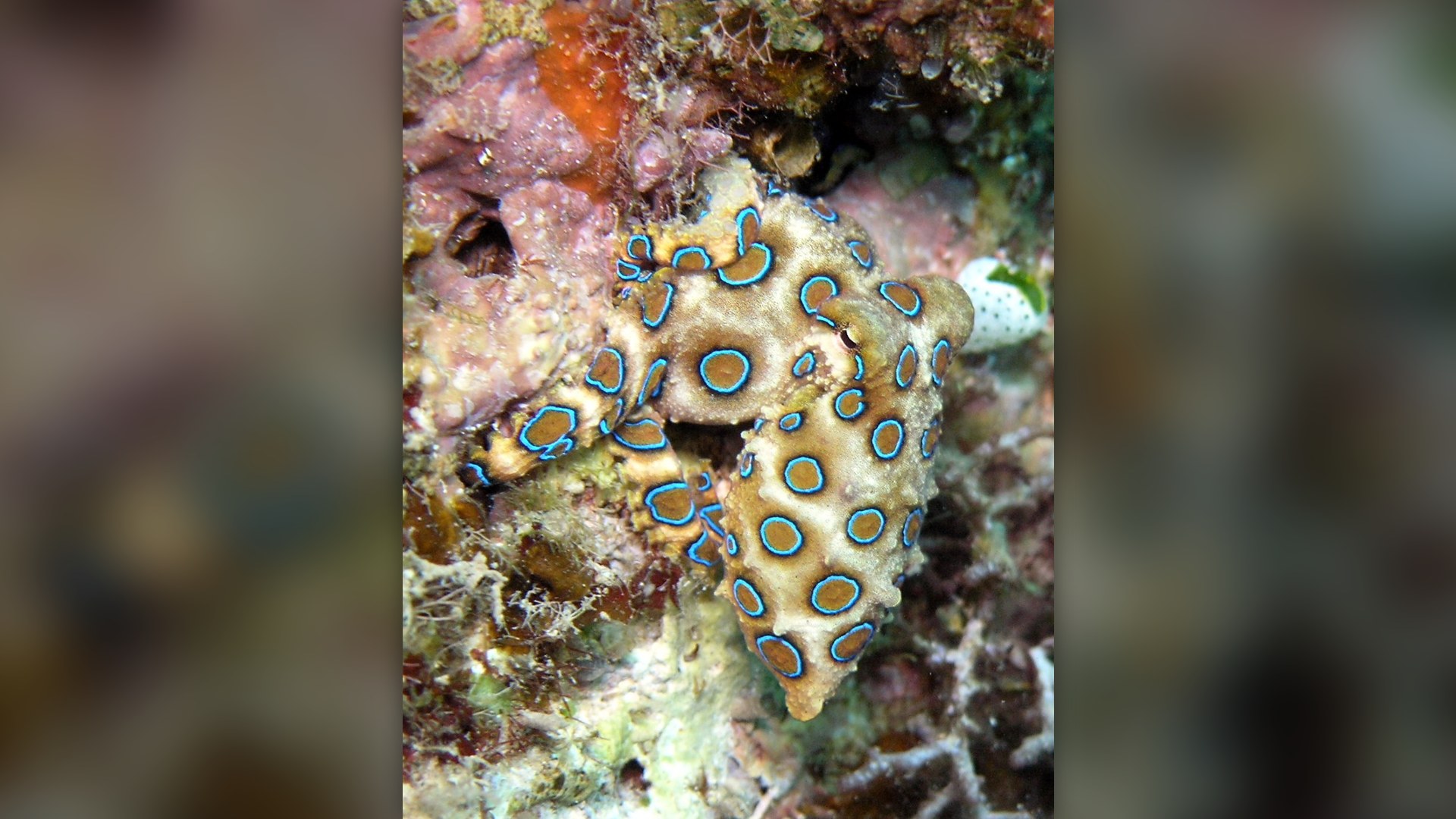
4. Blue-Ringed Octopus 
3. Geographic Cone Snail - AdvertisementSwipe or tap ▶ to continue countdown

2. Golden Poison Frog 
1. Inland Taipan - Advertisement🔥 UP NEXT IN THIS SERIES◫ 23 Slides

22 Most Iconic Formula 1 Circuits in Racing History, Ranked
Grounded in official FIA Formula 1 World Championship archives and Grand Prix history, these twenty-two legendary circuits rank as the greatest motorsport tracks ever built. Based on official FIA records, these twenty-two circuits define motorsport greatness. Speed lives here.
Official laboratory LD50 toxicity assays compiled by medical toxicologists rank the deadliest chemical venoms on Earth, from inland taipans to microscopic marine snails.
Swipe or tap ▶ to begin the countdown
©Wikimedia / Kai Squires & Pixabay / 25180929
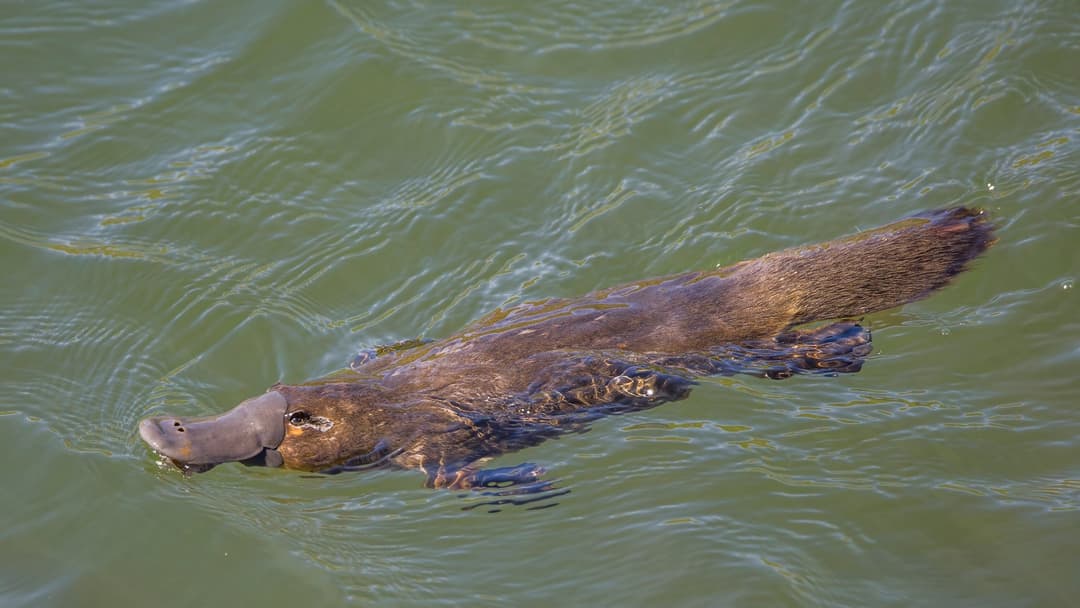
25. Platypus
Hind leg spurs deliver. Male platypuses produce complex cocktail venoms during annual breeding seasons to establish territory. The toxin causes excruciating local swelling and agonizing pain that completely resists conventional hospital morphine pain relief treatments.
©Wikimedia / Charles J. Sharp
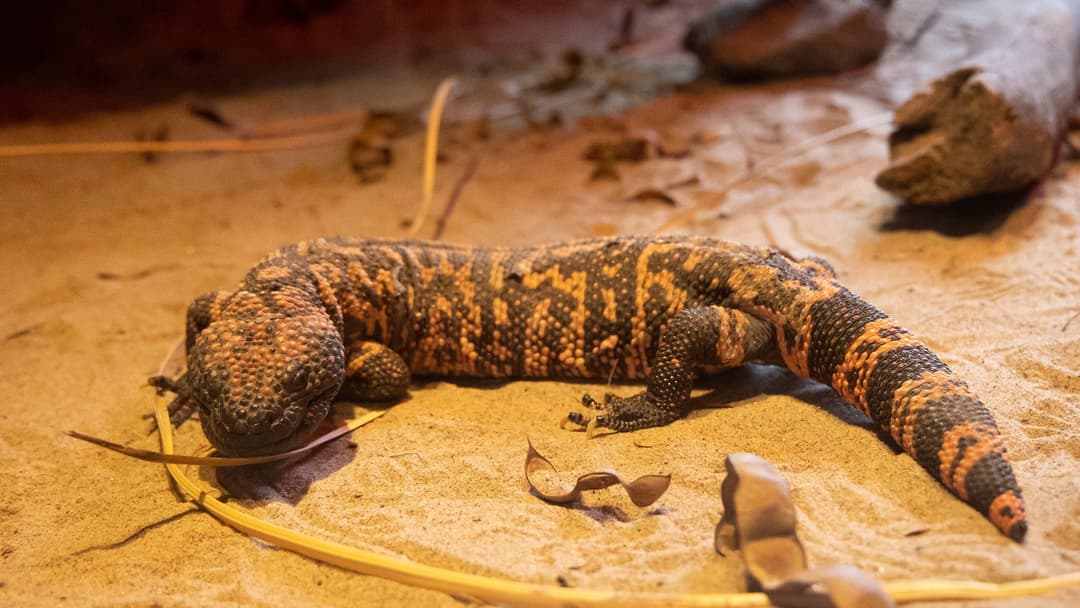
24. Gila Monster
Desert lizards chew slowly. Gila monsters lack hypodermic fangs and instead grind neurotoxins directly into deep puncture wounds. The painful venom triggers severe drops in blood pressure and rapid tissue swelling across exposed limbs.
©Wikimedia / Theo Kruse / Burgers' Zoo
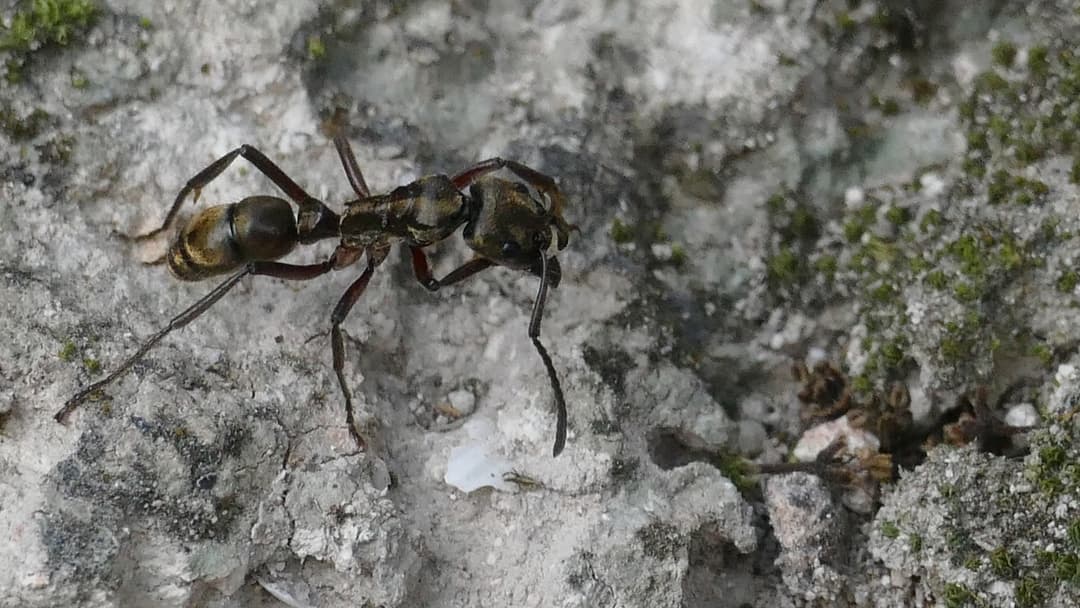
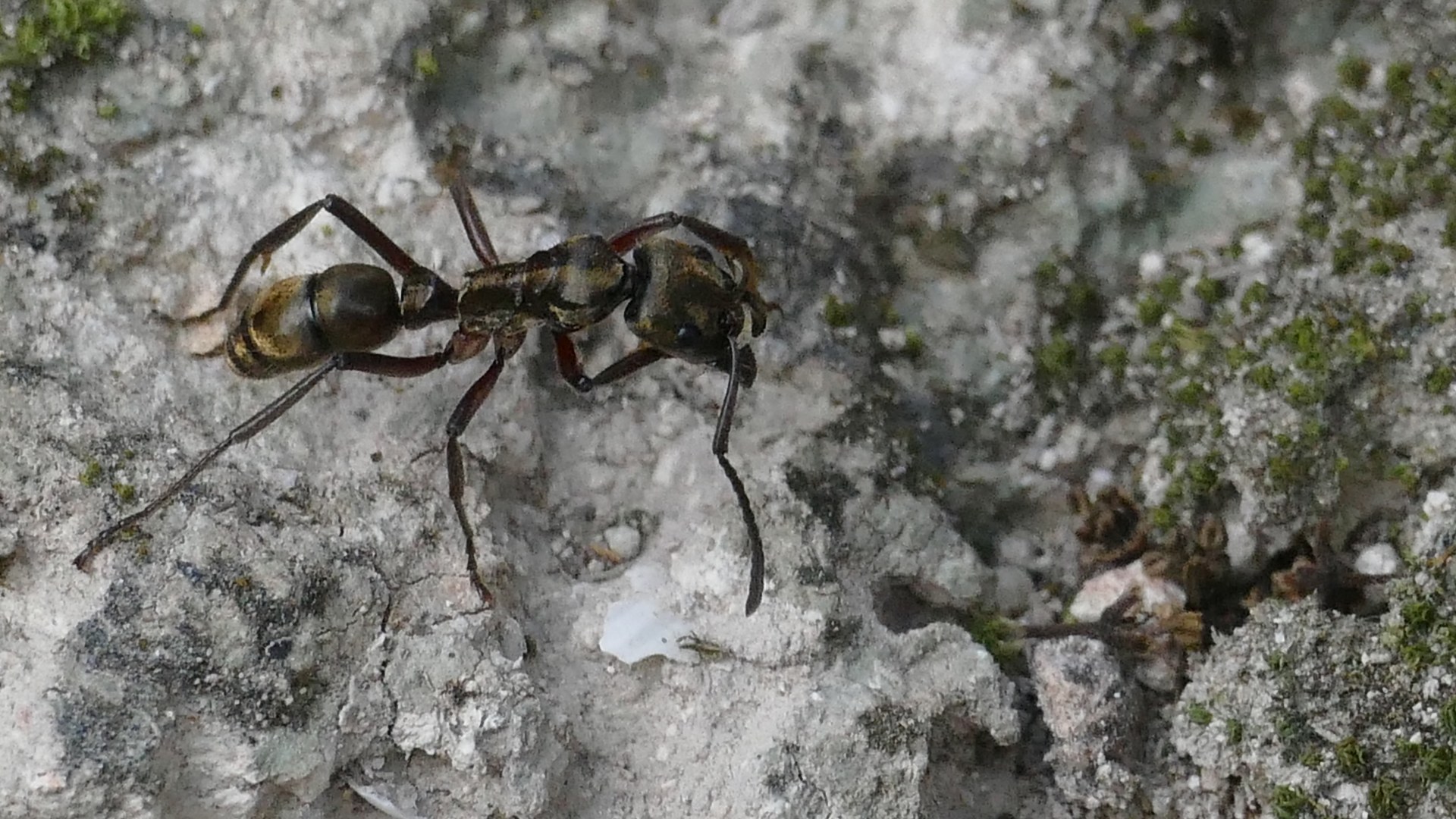
23. Bullet Ant
Jungle canopies harbor stings. Poneratoxin peptides block synaptic transmission to cause unrelenting waves of burning agony for twenty-four hours. Indigenous Sateré-Mawé hunters use the massive insects in ceremonial coming-of-age gloves to test tribal endurance.
©Wikimedia / Bernard DUPONT
Advertisement
Swipe or tap ▶ to resume the countdown.
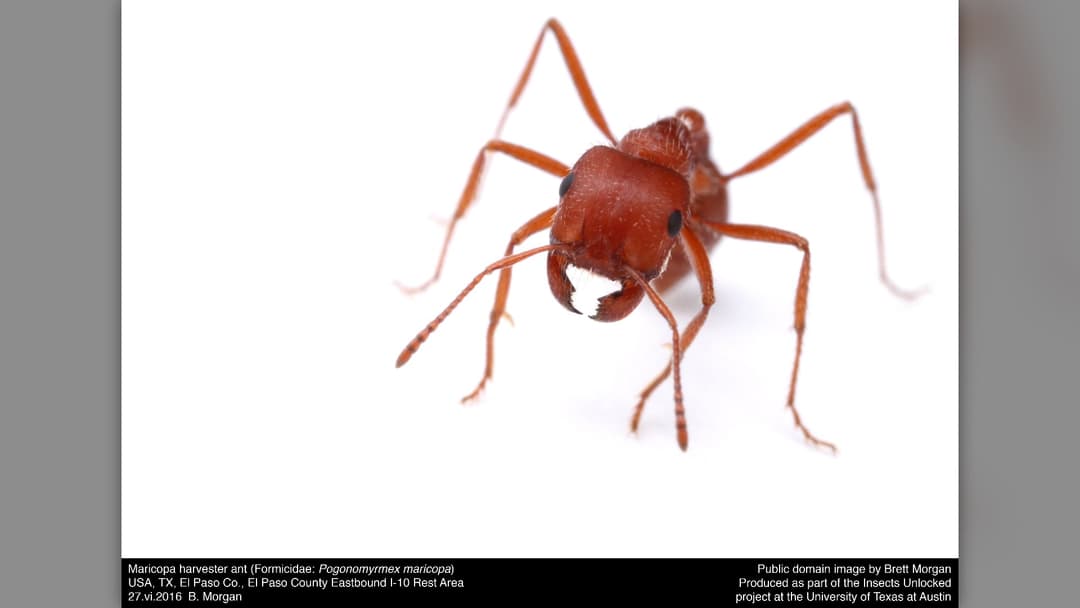
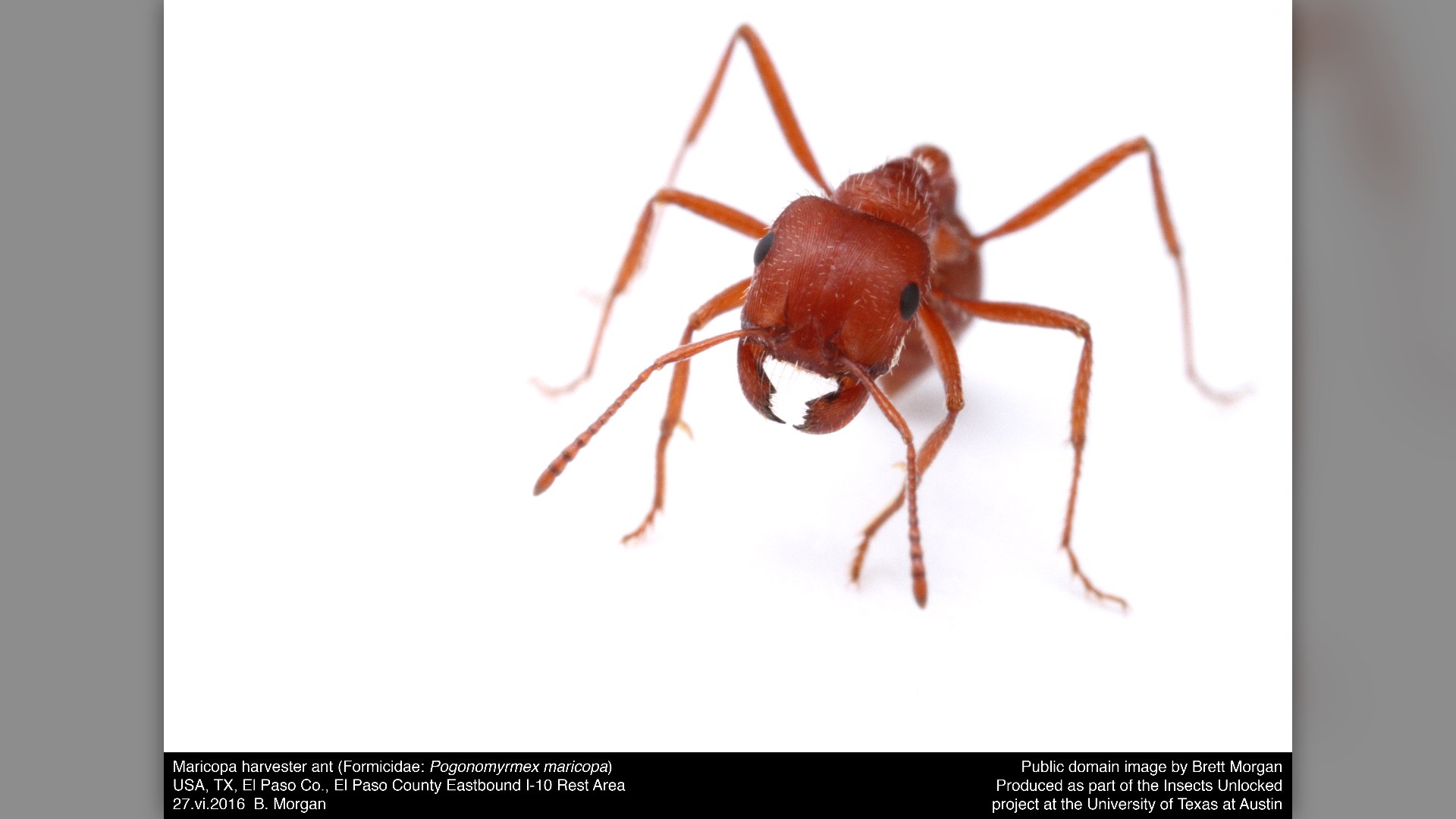
22. Maricopa Harvester Ant
Arid soils conceal colonies. This small desert harvester ant produces venoms twelve times more toxic than honeybee stings. Multiple stings from agitated worker swarms trigger intense systemic reactions and localized tissue necrosis in small mammals.
©Wikimedia / Insects Unlocked
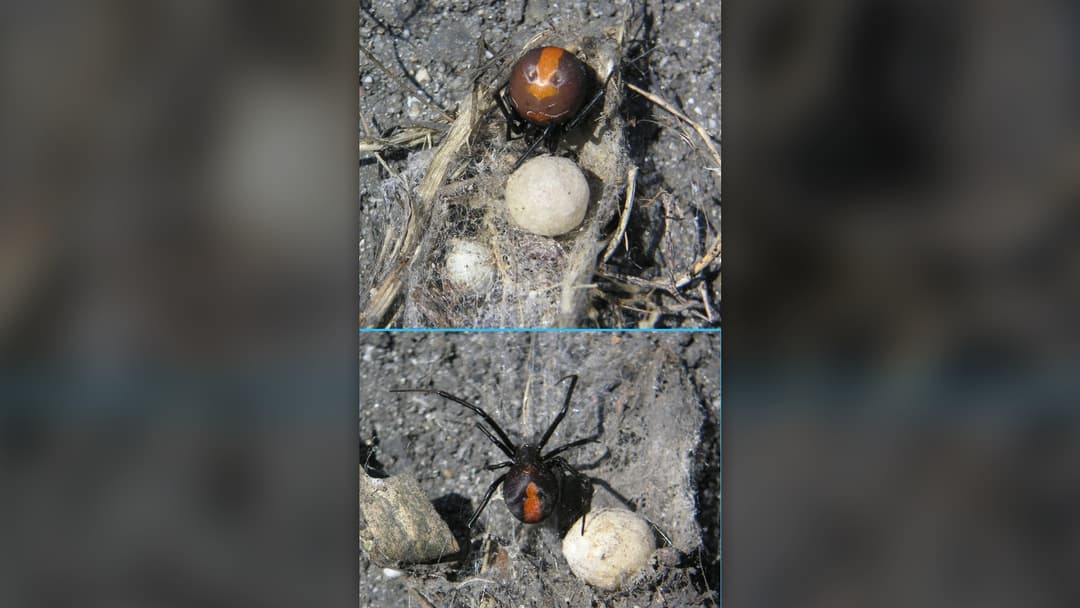
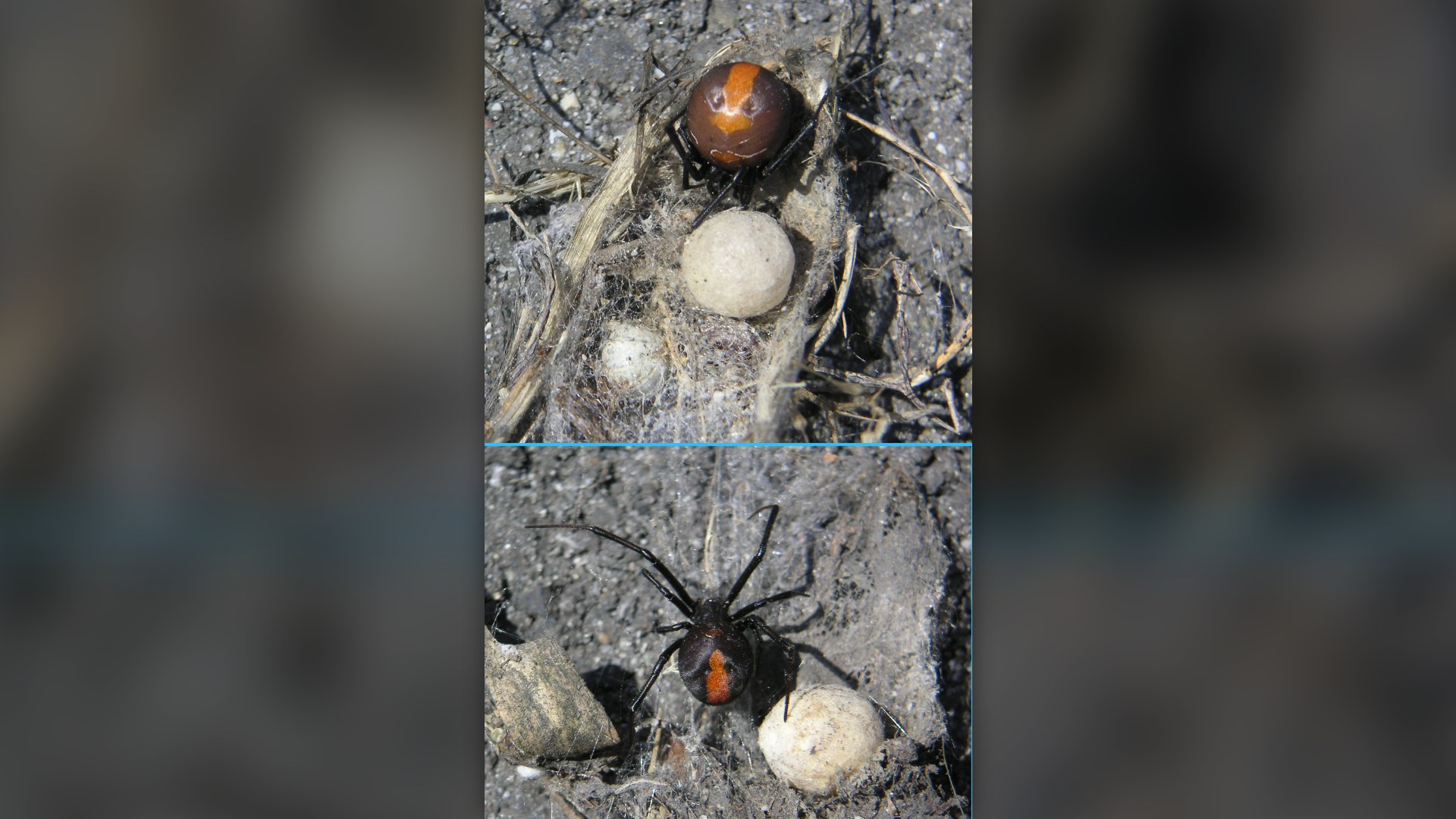
21. Redback Spider
Crimson abdominal stripes warn. Female redbacks inject latrotoxins that trigger uncontrolled neurotransmitter release across human nervous system synapses. Victims experience profound muscular spasms, profuse localized sweating, and rapid pulse rates before antivenom administration.
©Wikimedia / miata
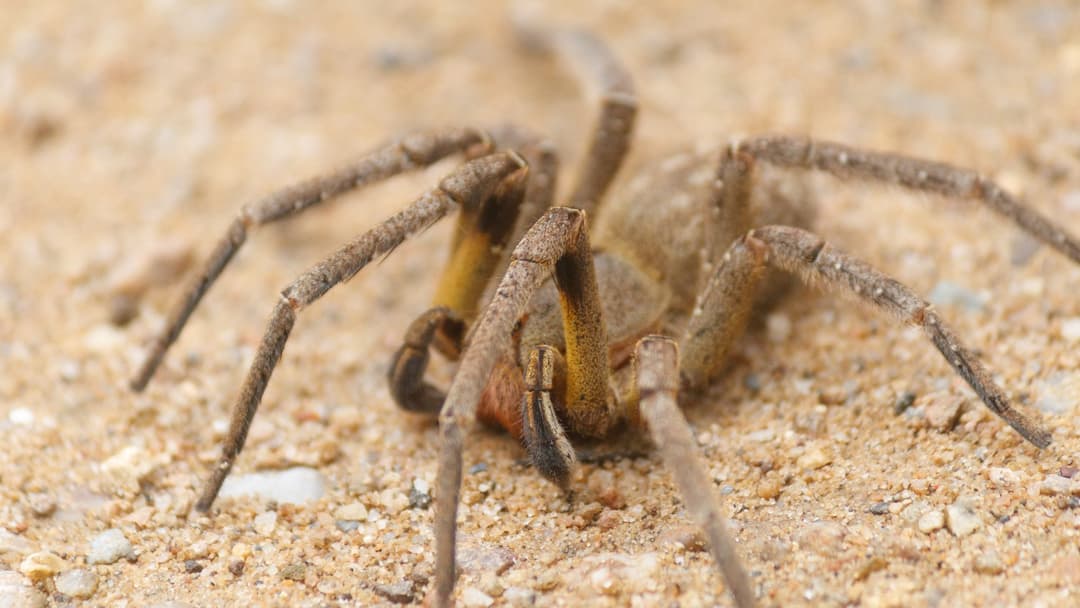
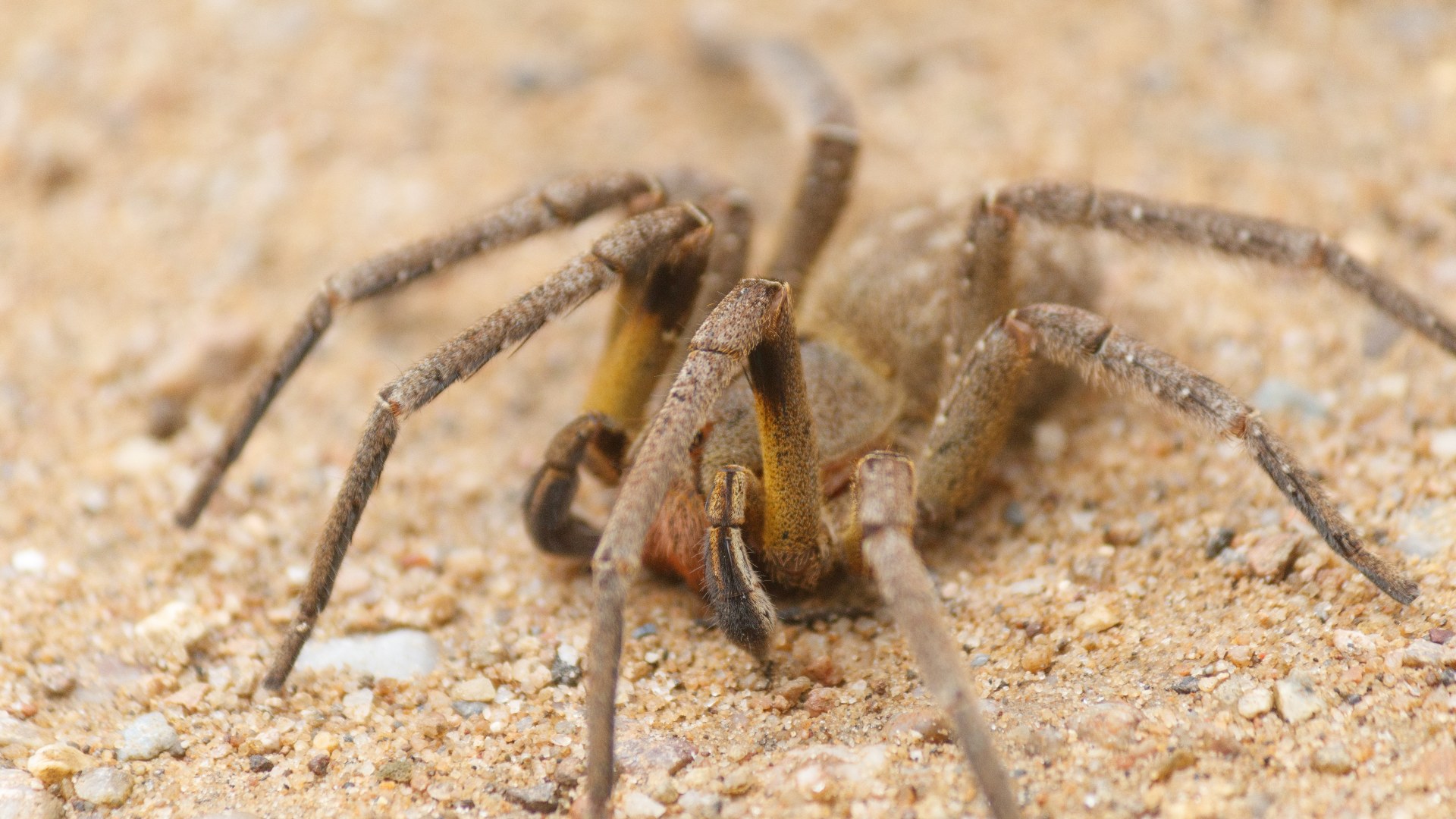
20. Brazilian Wandering Spider
Aggressive hunting spiders wander. Phoneutria species roam forest floors at night rather than constructing stationary capture webs for prey. Their potent neurotoxic cocktail triggers extreme respiratory distress, intense autonomic convulsions, and excruciating circulatory emergencies.
©Wikimedia / Rodrigo Tetsuo Argenton
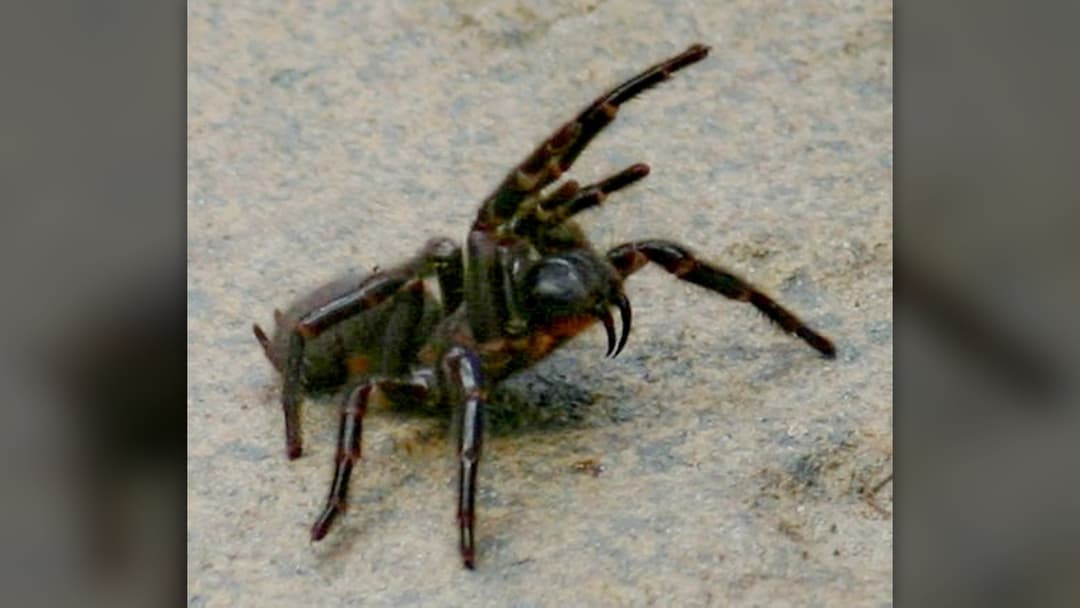
19. Sydney Funnel-Web Spider
Dense burrows hide danger. Male funnel-web spiders carry delta-atracotoxin that specifically targets primate and human nerve cell membranes. The venom causes severe autonomic storm syndromes with pulmonary edema and cardiovascular collapse without prompt medical intervention.
©Wikimedia / User:Tirin
Advertisement
Swipe or tap ▶ to resume the countdown.
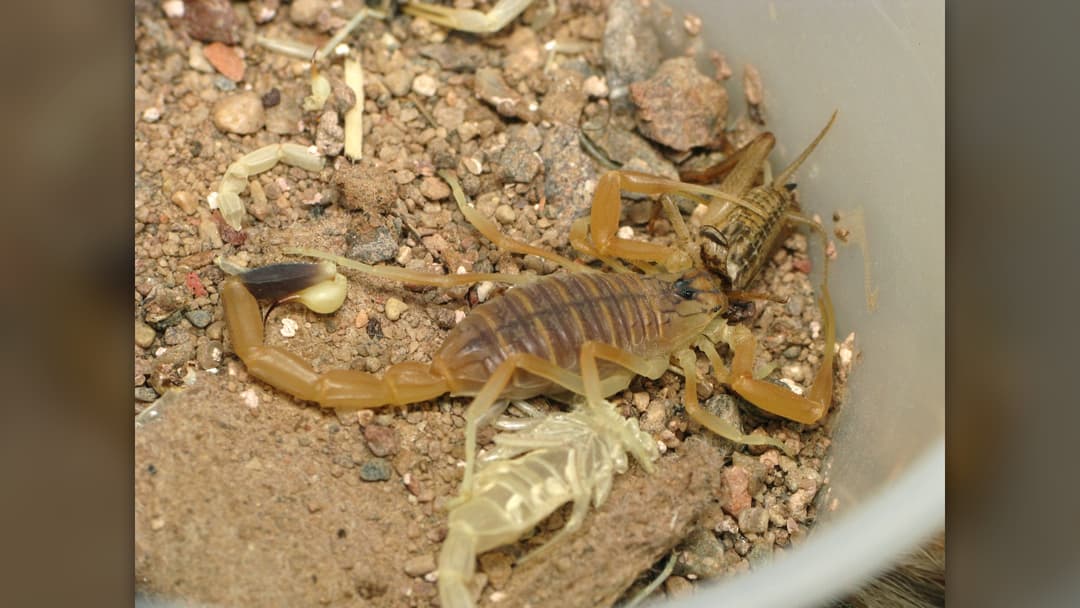
18. Deathstalker Scorpion
Pale desert armor glints. Deathstalkers carry chlorotoxin and charybdotoxin mixtures that disable central nervous system potassium and chlorine channels. A single defensive sting causes pulmonary edema, intense cardiovascular complications, and severe muscular spasms.
©Wikimedia / Anatolii Kokoza
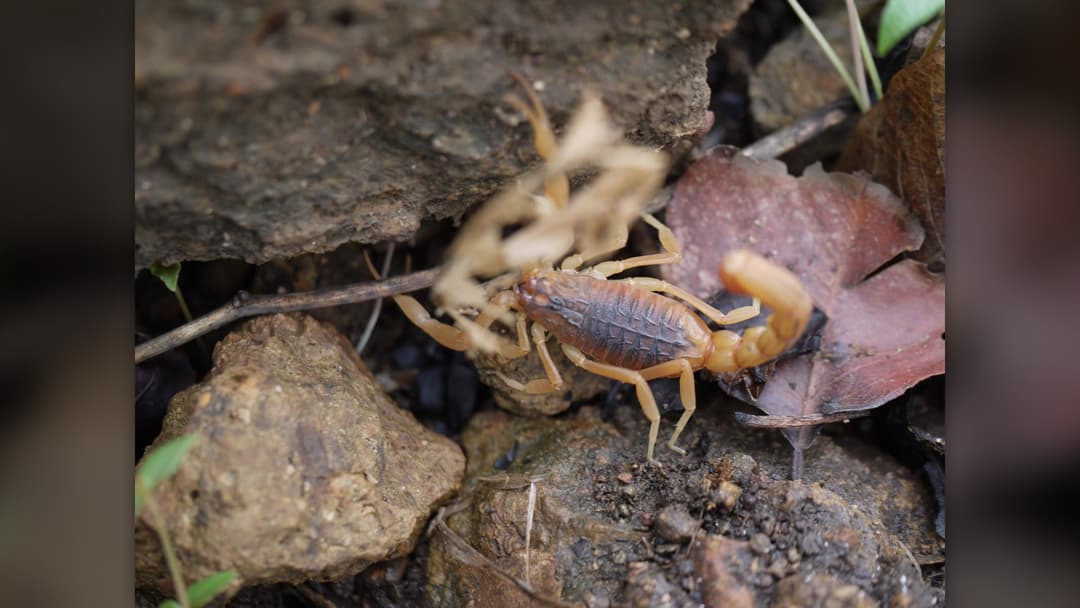
17. Indian Red Scorpion
Rural farmland hides stings. This compact orange-red scorpion causes severe autonomic nervous storm syndromes across the Indian subcontinent annually. Venom components trigger acute pulmonary edema, dangerous cardiac arrhythmias, and critical blood pressure swings in patients.
©Wikimedia / Dinesh Valke from Thane, India
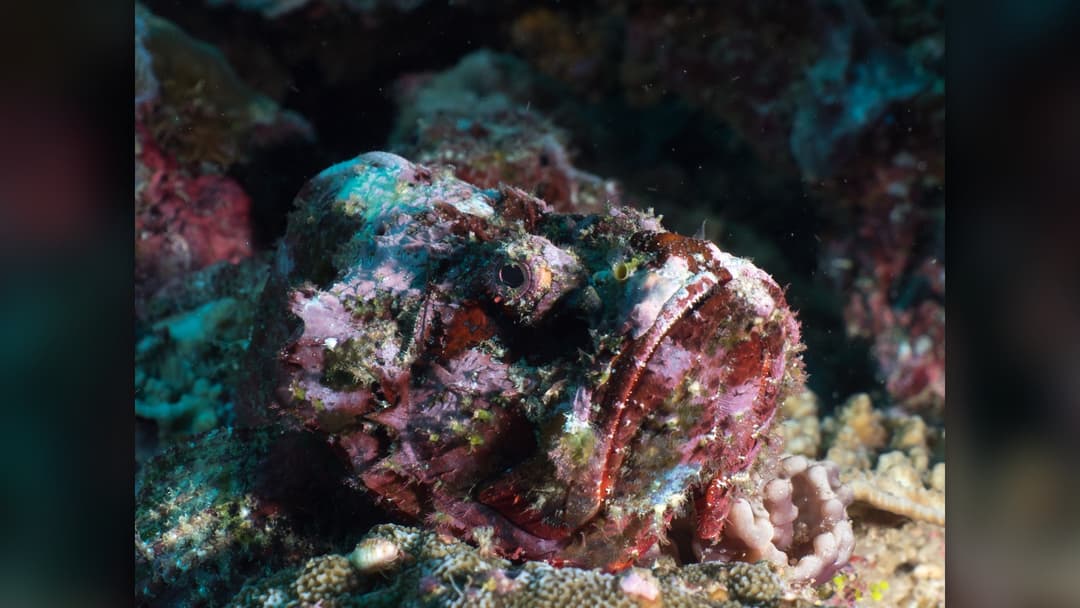
16. Reef Stonefish
Camouflaged reef rocks wait. Thirteen hypodermic dorsal spines inject cardiotoxic verrucotoxin when stepped on along shallow tropical tide pools. Excruciating pain radiates immediately through affected limbs, triggering tissue necrosis, temporary paralysis, and severe shock.
©Wikimedia / Rickard Zerpe
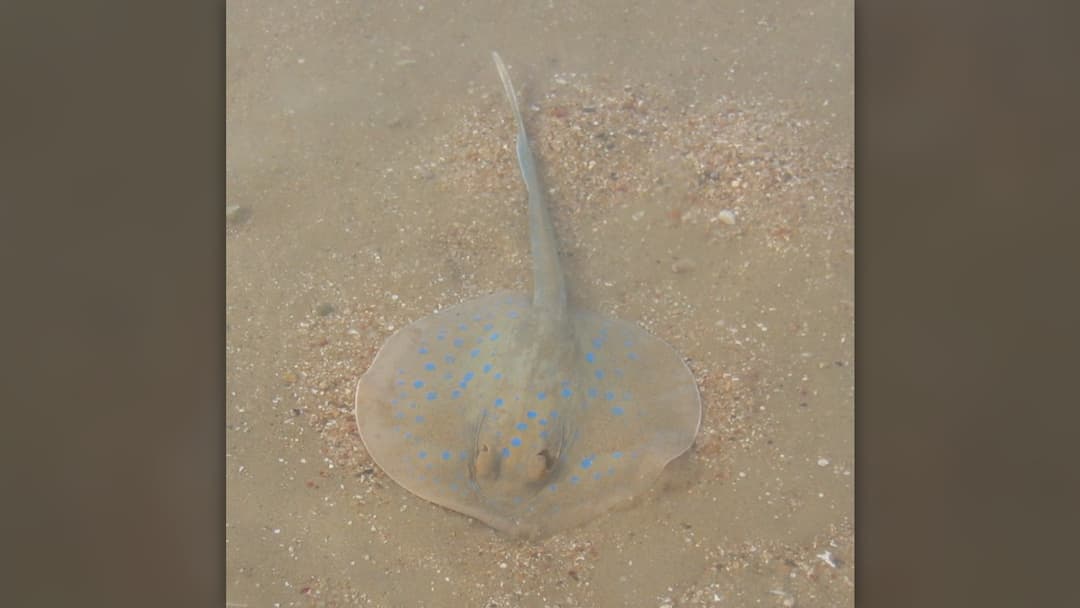
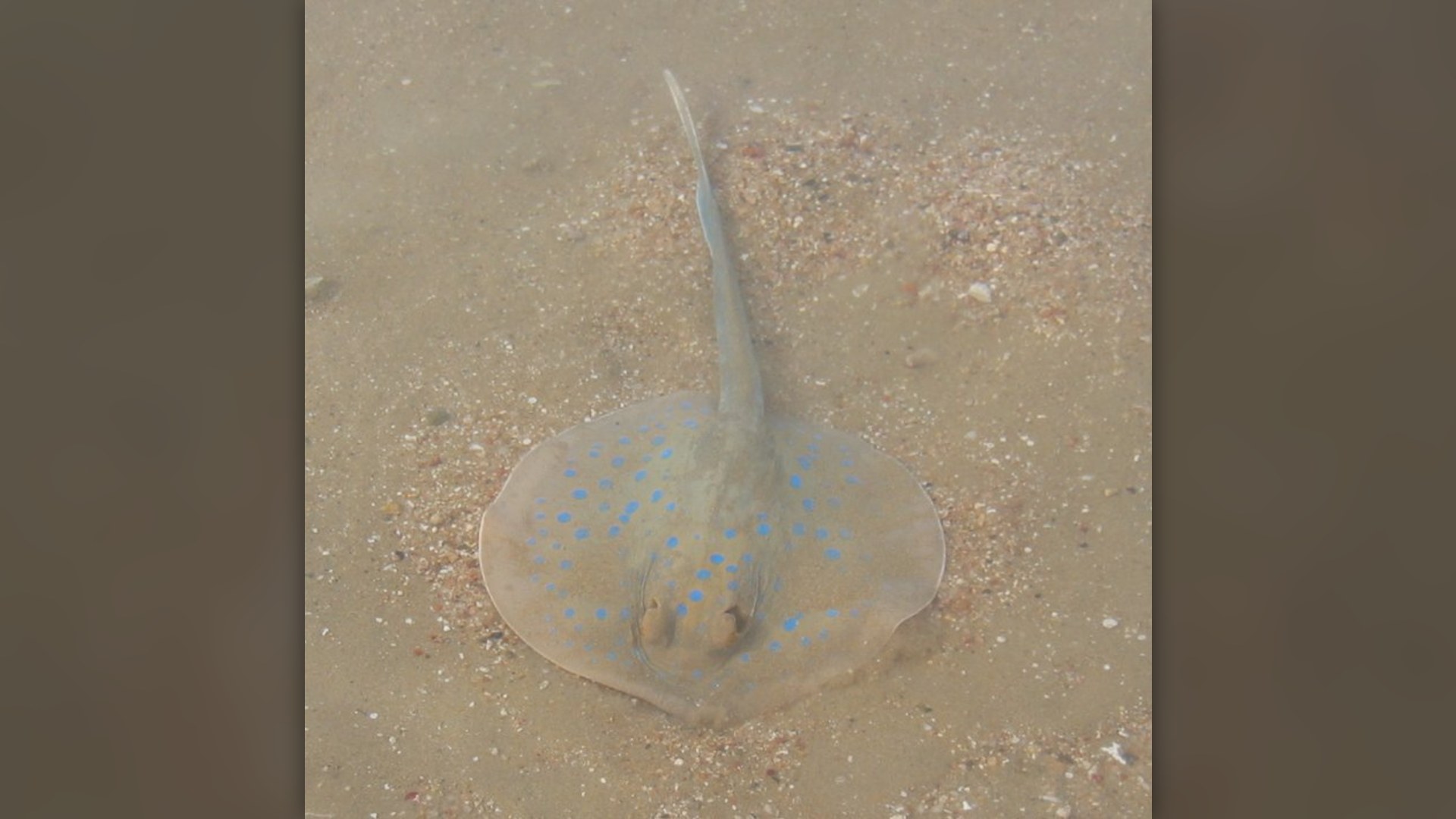
15. Blue-Spotted Stingray
Shallow sandy lagoons gleam. Serrated caudal barbs deliver heat-sensitive protein venoms directly into deep puncture wounds along coastal coral reefs. The toxic trauma causes severe cramping, localized cell destruction, and potential secondary bacterial infections.
©Wikimedia / Rollopack
Advertisement
Swipe or tap ▶ to resume the countdown.
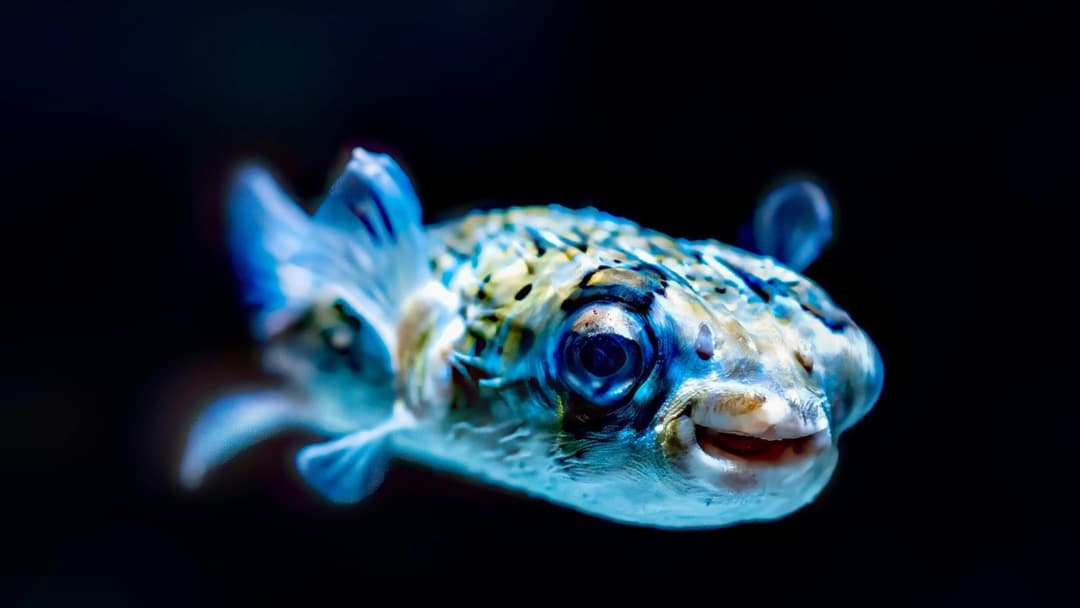
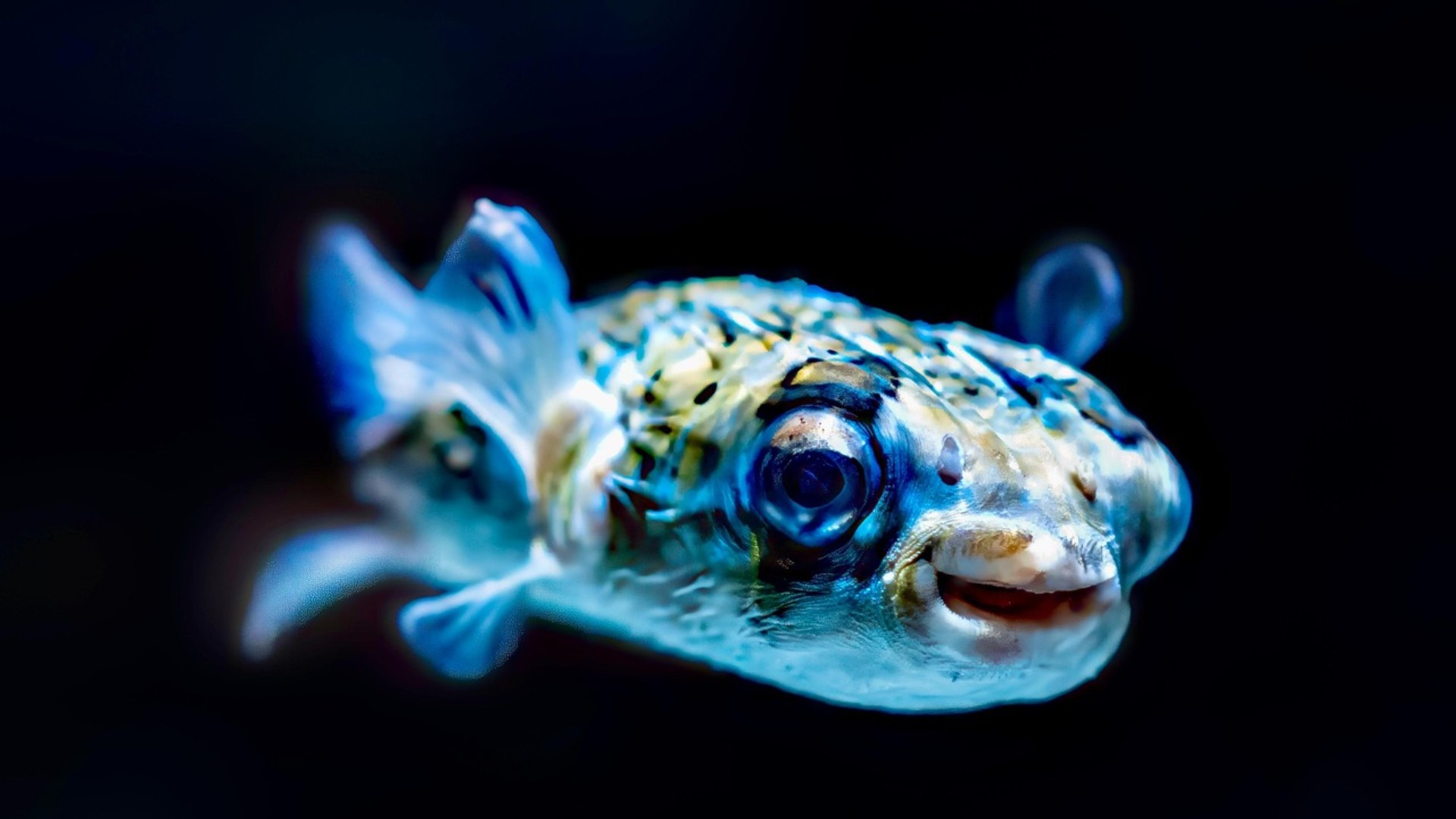
14. Japanese Pufferfish
Potent bacterial alkaloids accumulate. Specialized organs concentrate lethal tetrodotoxin that blocks electrical signals across muscular sodium channels with extraordinary efficiency. Consuming improperly prepared fugu flesh causes total voluntary muscle paralysis and fatal respiratory failure.
©Pixabay / 25180929
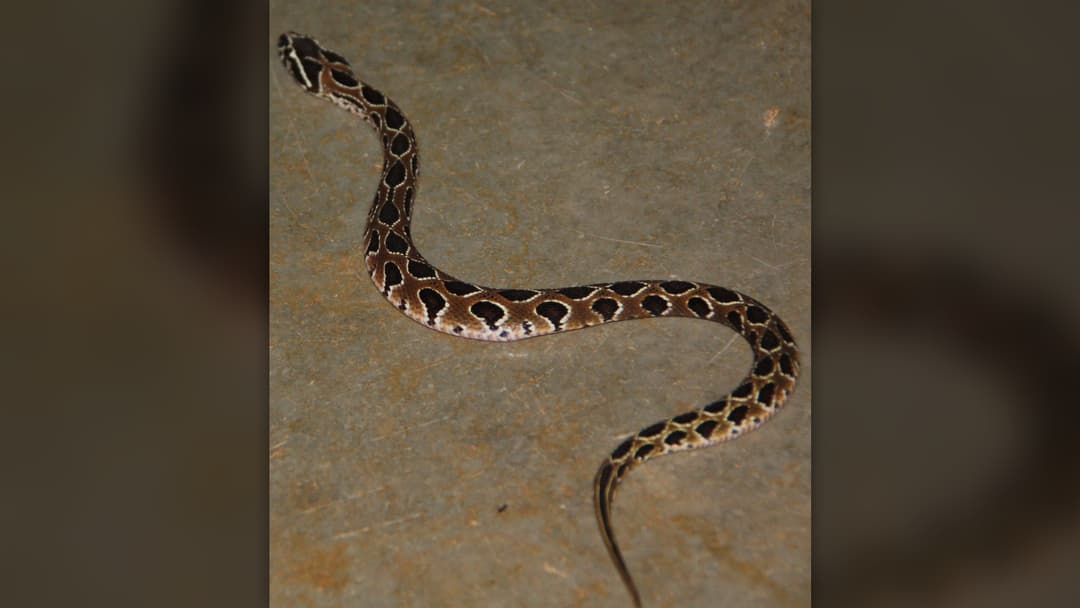
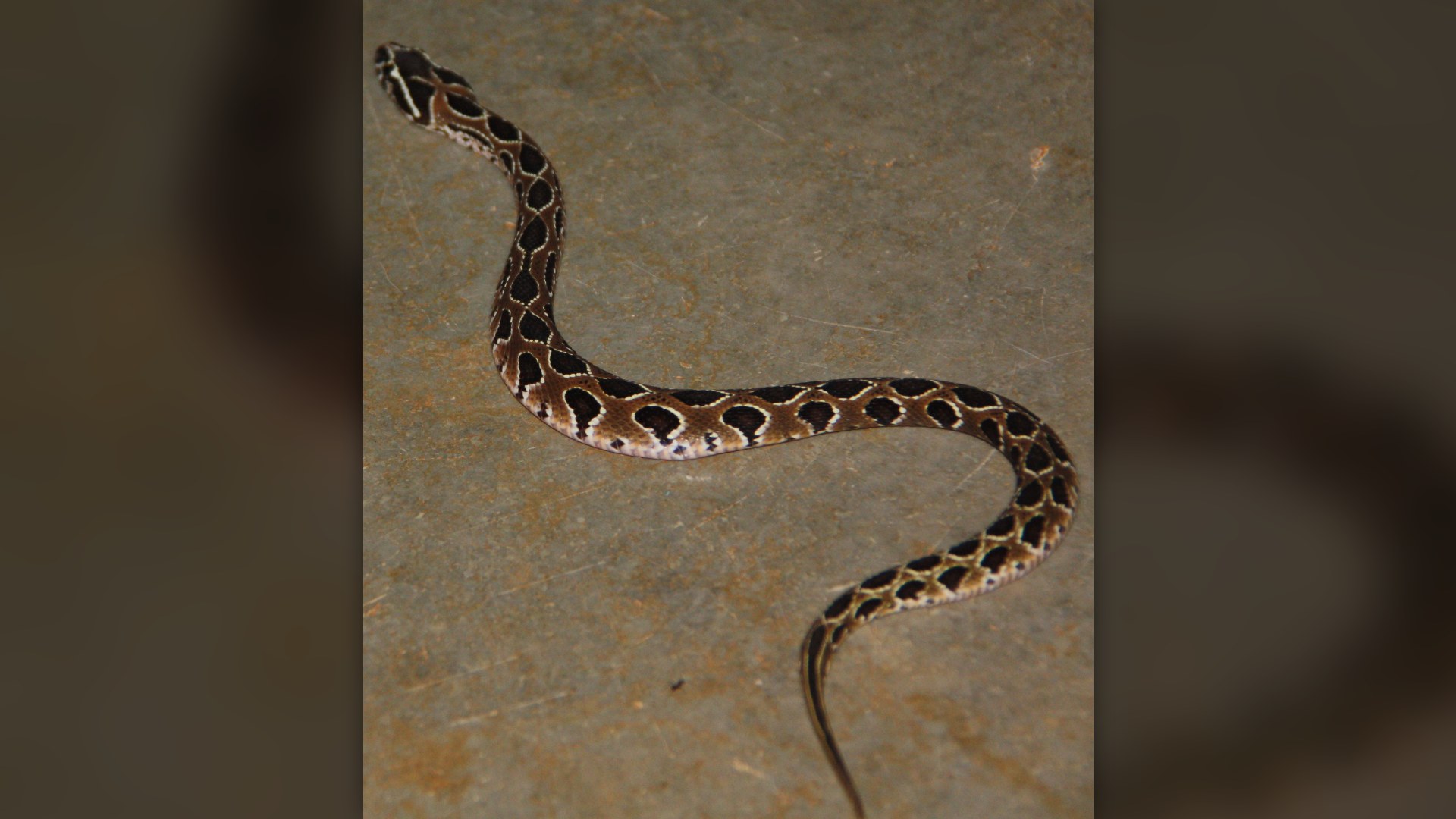
13. Russell's Viper
Coiled ambush predators strike. Daboia russelii injects massive doses of powerful coagulants and hemorrhagins that destroy vital capillary structures. Survivors often suffer severe acute kidney failure and long-term pituitary gland dysfunction after major strikes.
©Wikimedia / StefanSTS
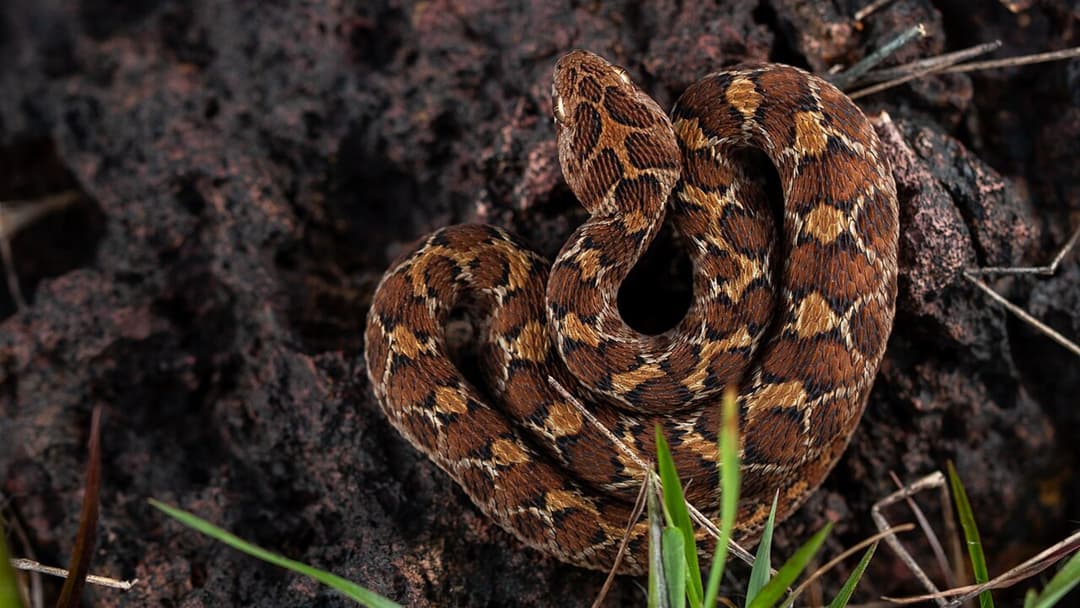
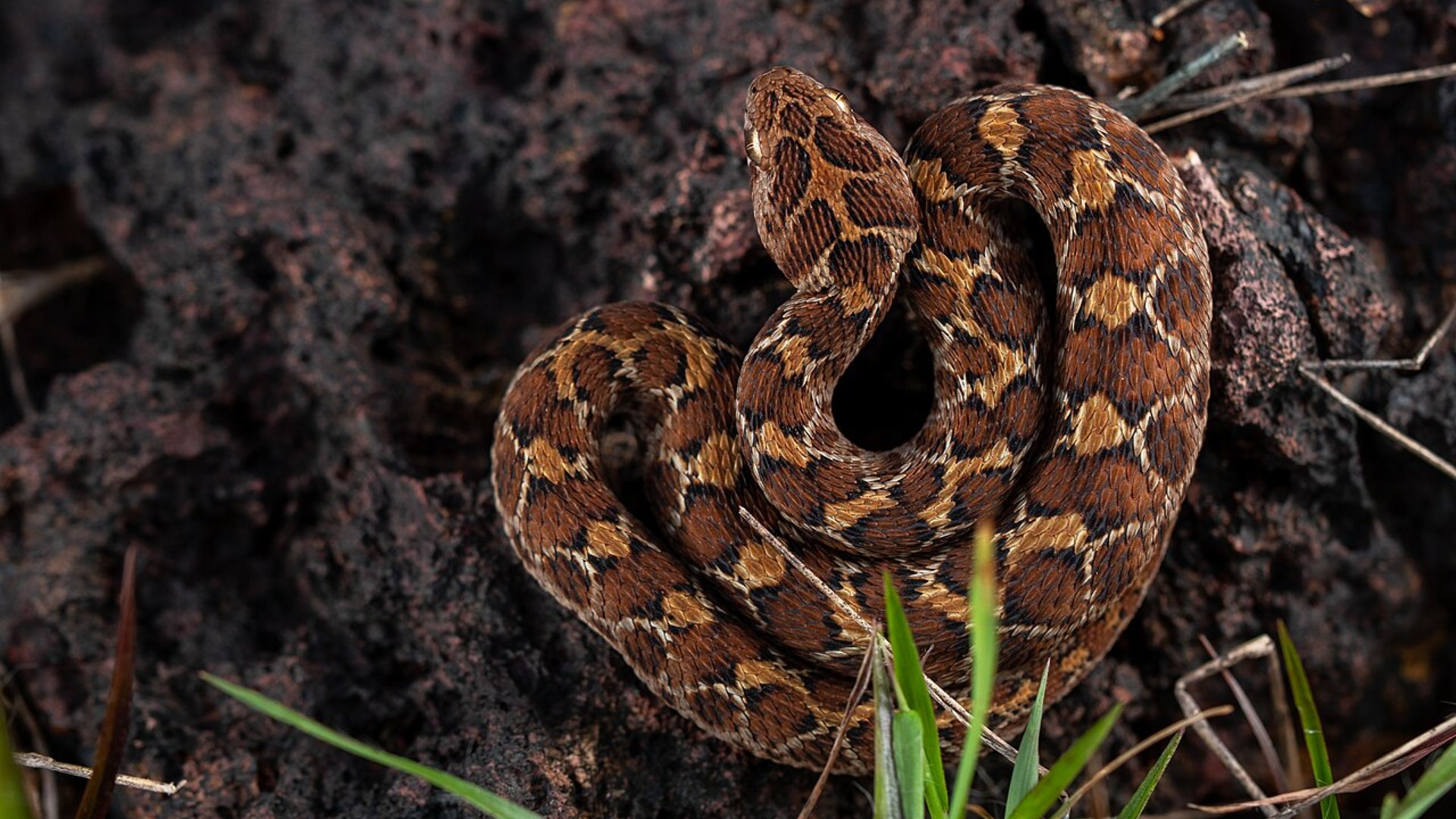
12. Saw-Scaled Viper
Serrated scales rasp warning. The hyper-aggressive viper rubs modified lateral scales together to produce a distinctive sizzling alarm acoustic. Its potent ecarin prothrombin activator causes uncontrollable internal bleeding across systemic organs throughout rural Asia.
©Wikimedia / Gopala Krishna A
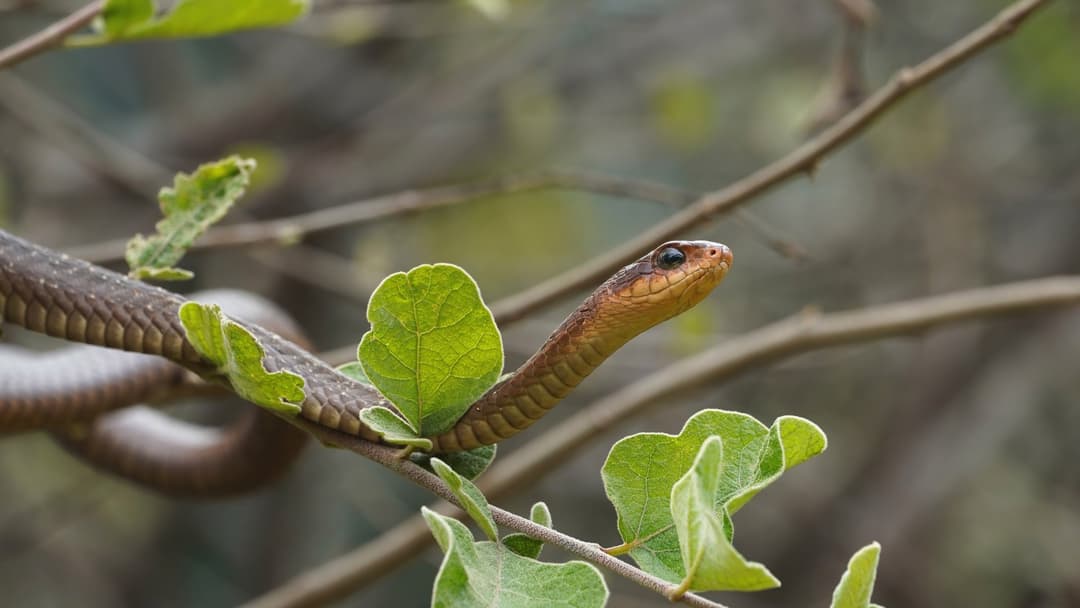
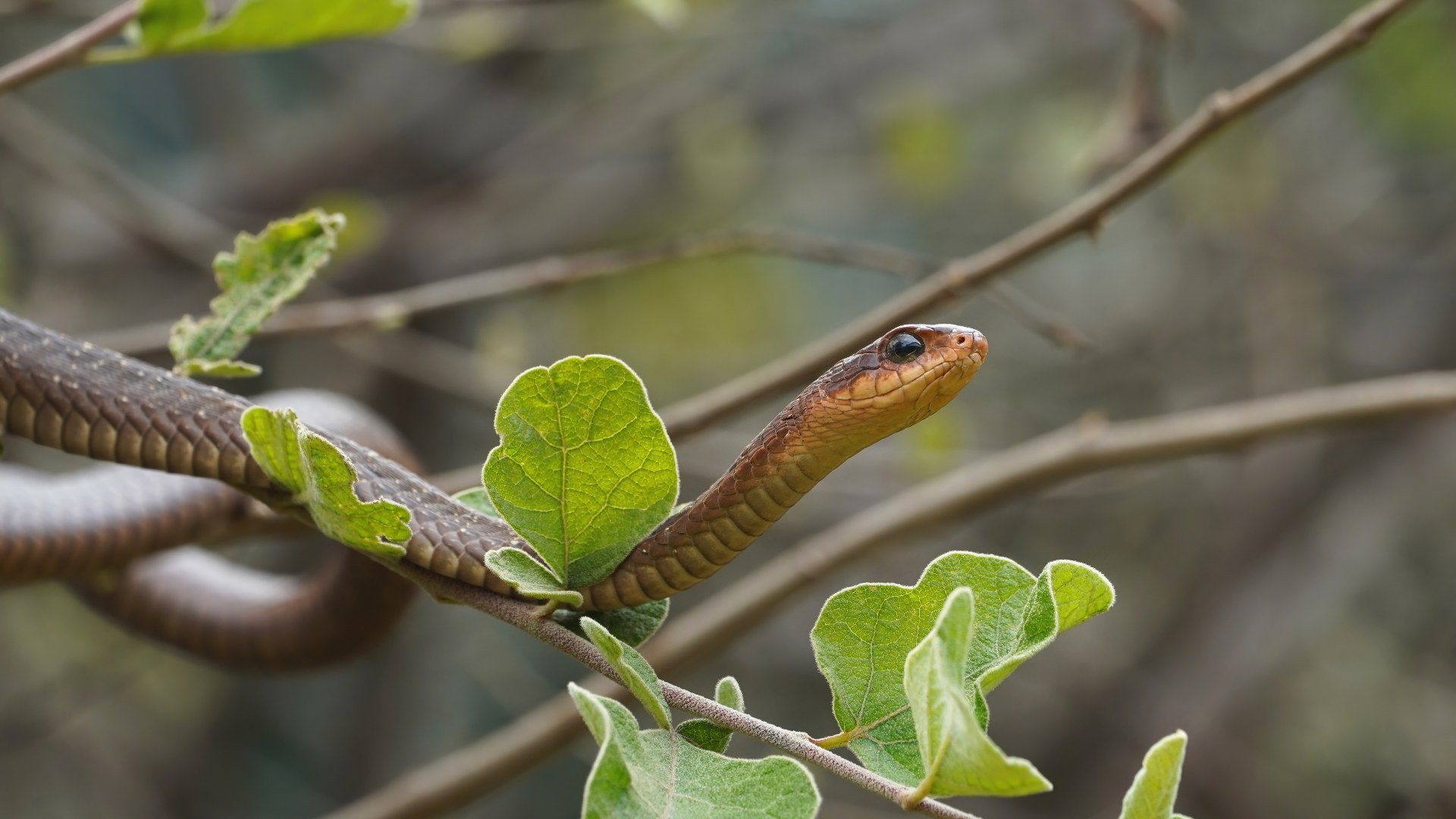
11. Boomslang
Acacia branches conceal hunters. Large rear fangs open up to one hundred seventy degrees to puncture prey with devastating hemotoxins. The venom depletes human blood clotting proteins over several days, resulting in extensive systemic hemorrhage.
©Wikimedia / Ethmostigmus
Advertisement
Swipe or tap ▶ to resume the countdown.
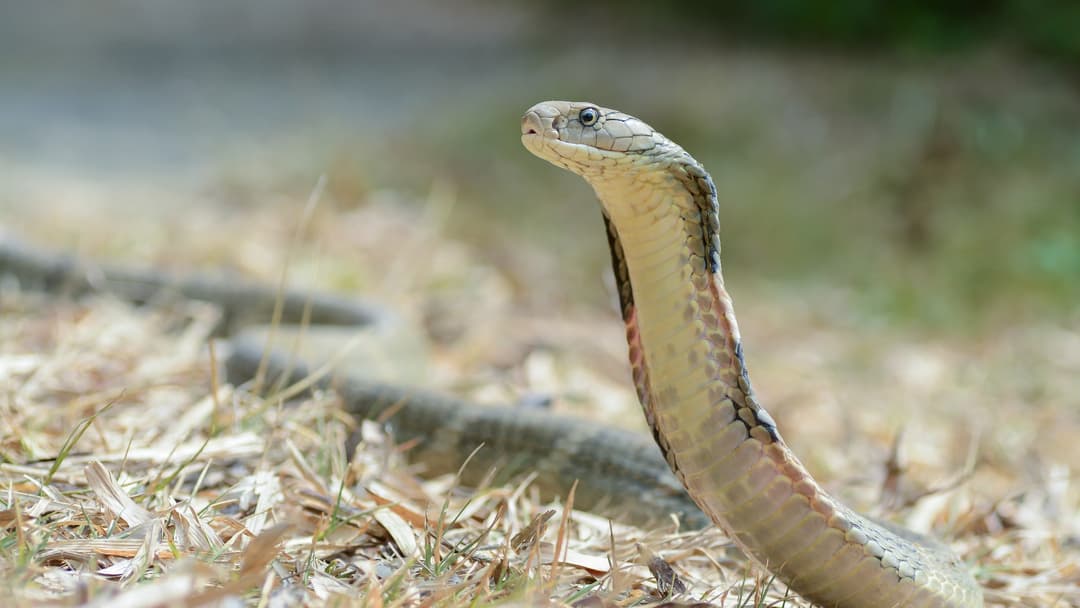
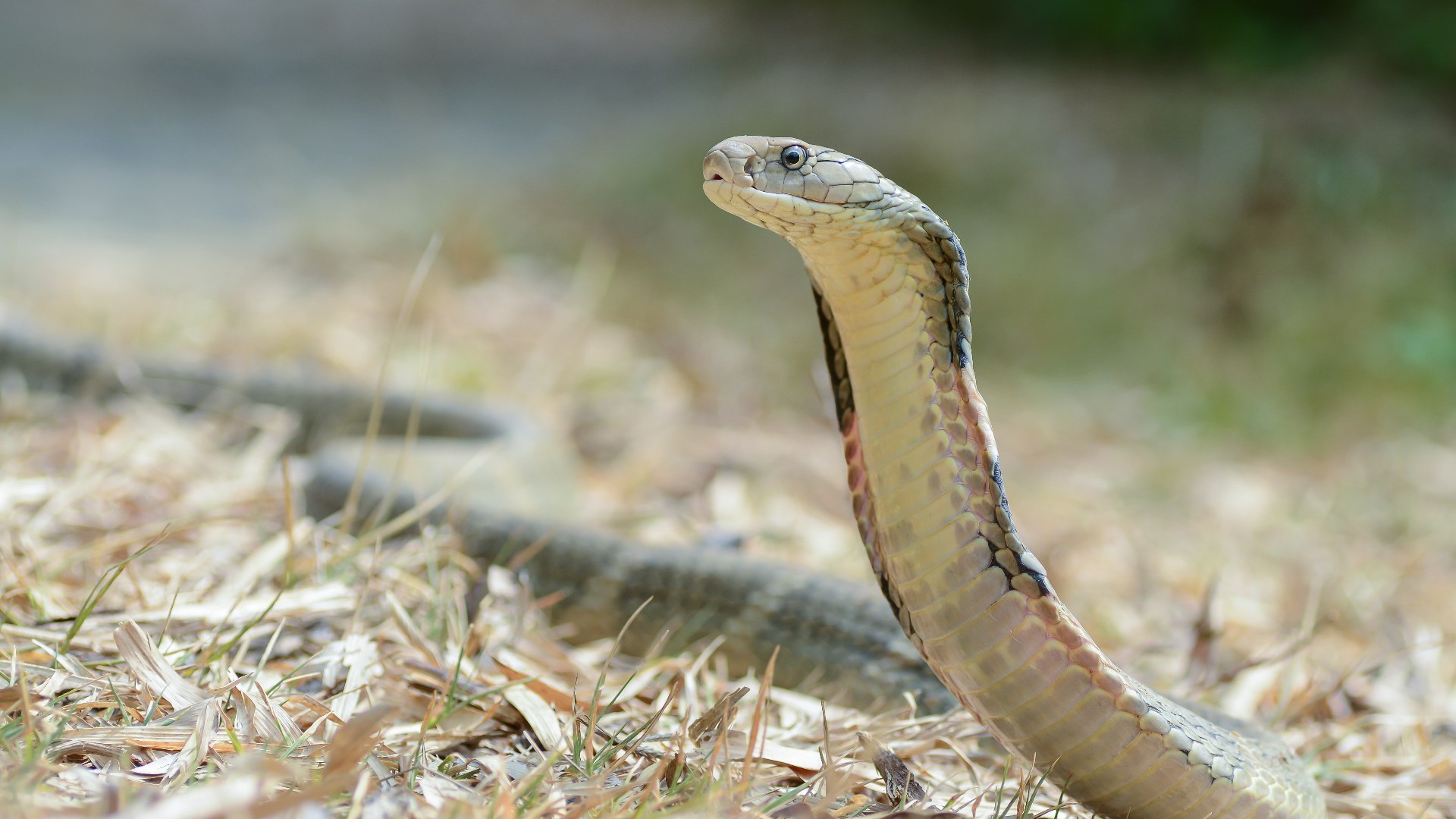
10. King Cobra
Towering snake hunters stare. Reaching eighteen feet in length, king cobras inject massive fluid volumes of potent postsynaptic neurotoxins. A single full envenomation can deliver five hundred milligrams of venom to collapse mammalian respiration rapidly.
©Wikimedia / Rushenb
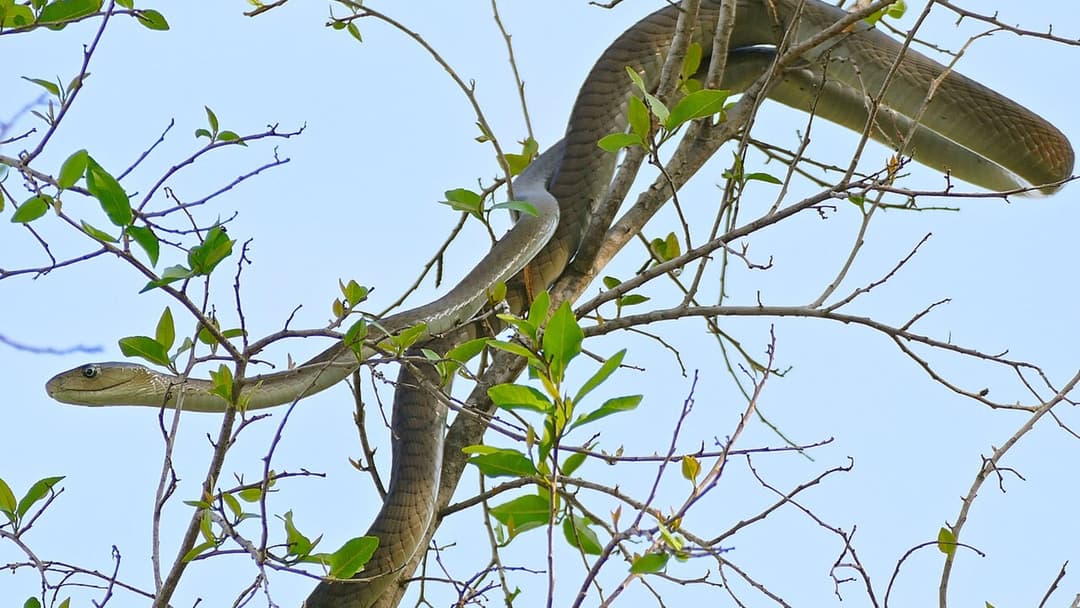
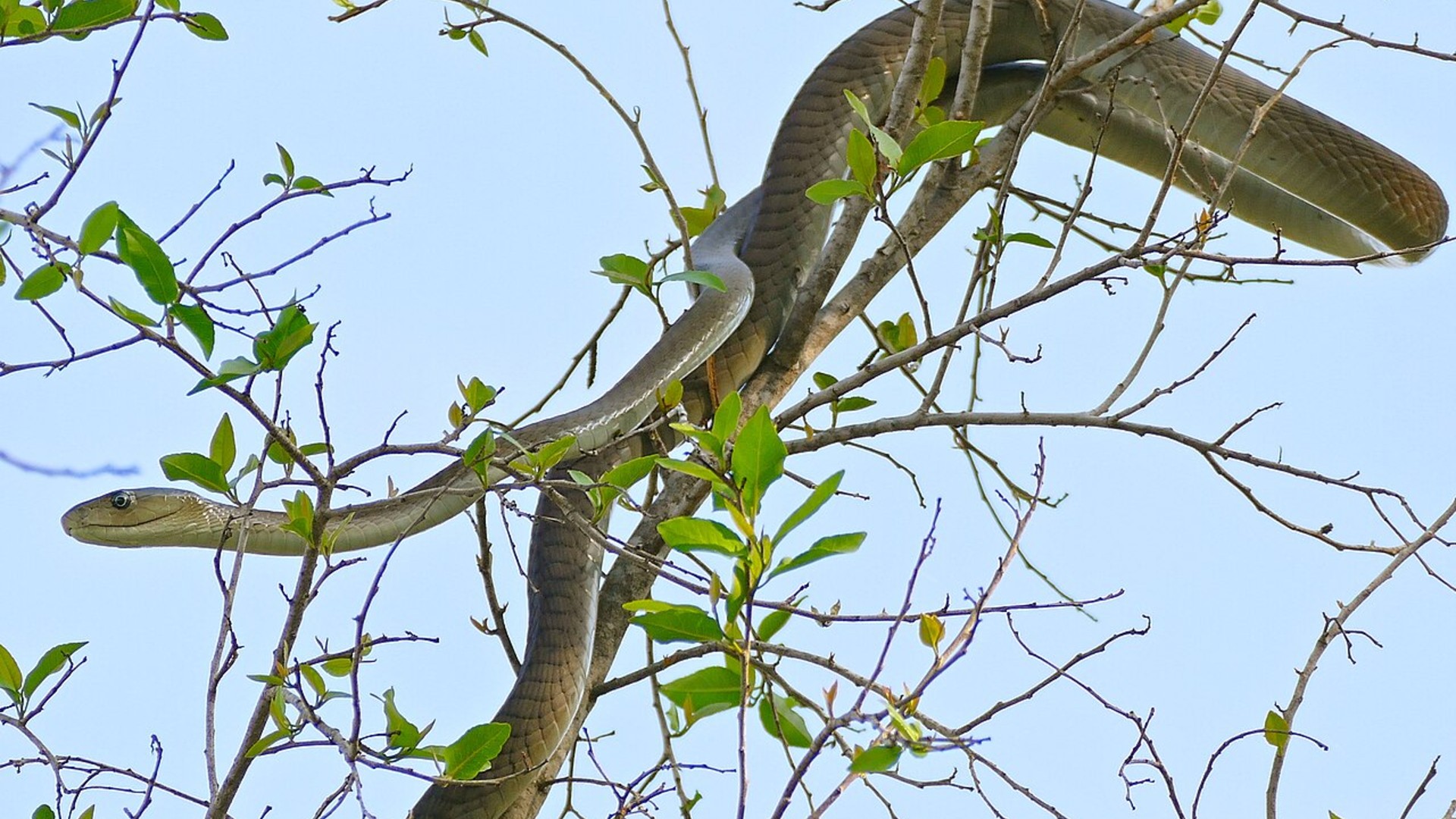
9. Black Mamba
Inky black mouths open. Coffin-shaped heads strike repeatedly at high speed while injecting fast-acting neurotoxins and cardiotoxins into target tissues. Without rapid antivenom therapy, paralysis sets in within fifteen minutes, resulting in fatal respiratory arrest.
©Wikimedia / Bernard DUPONT from France
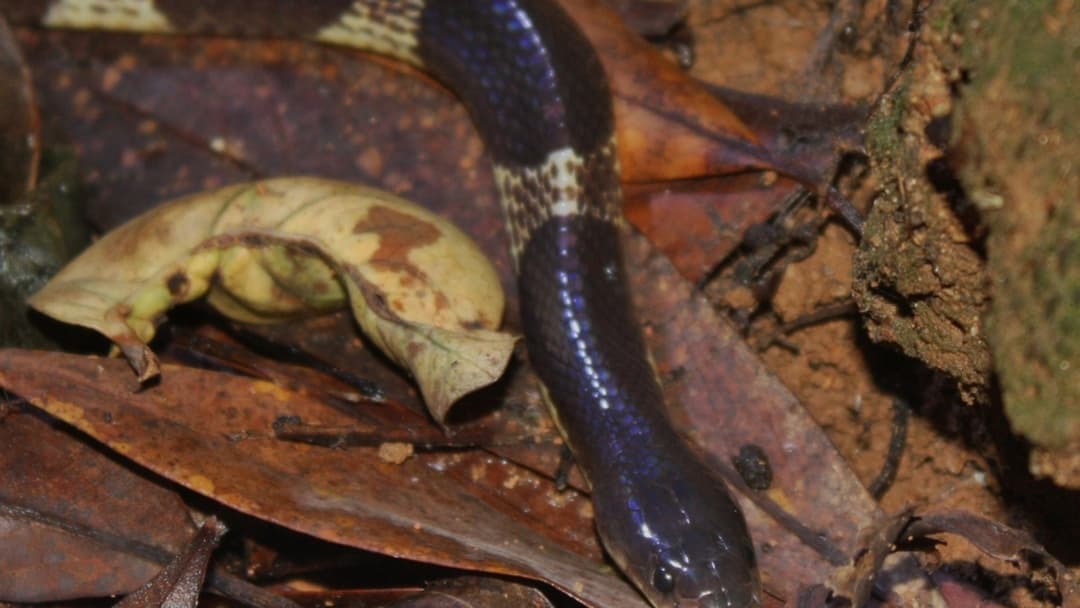
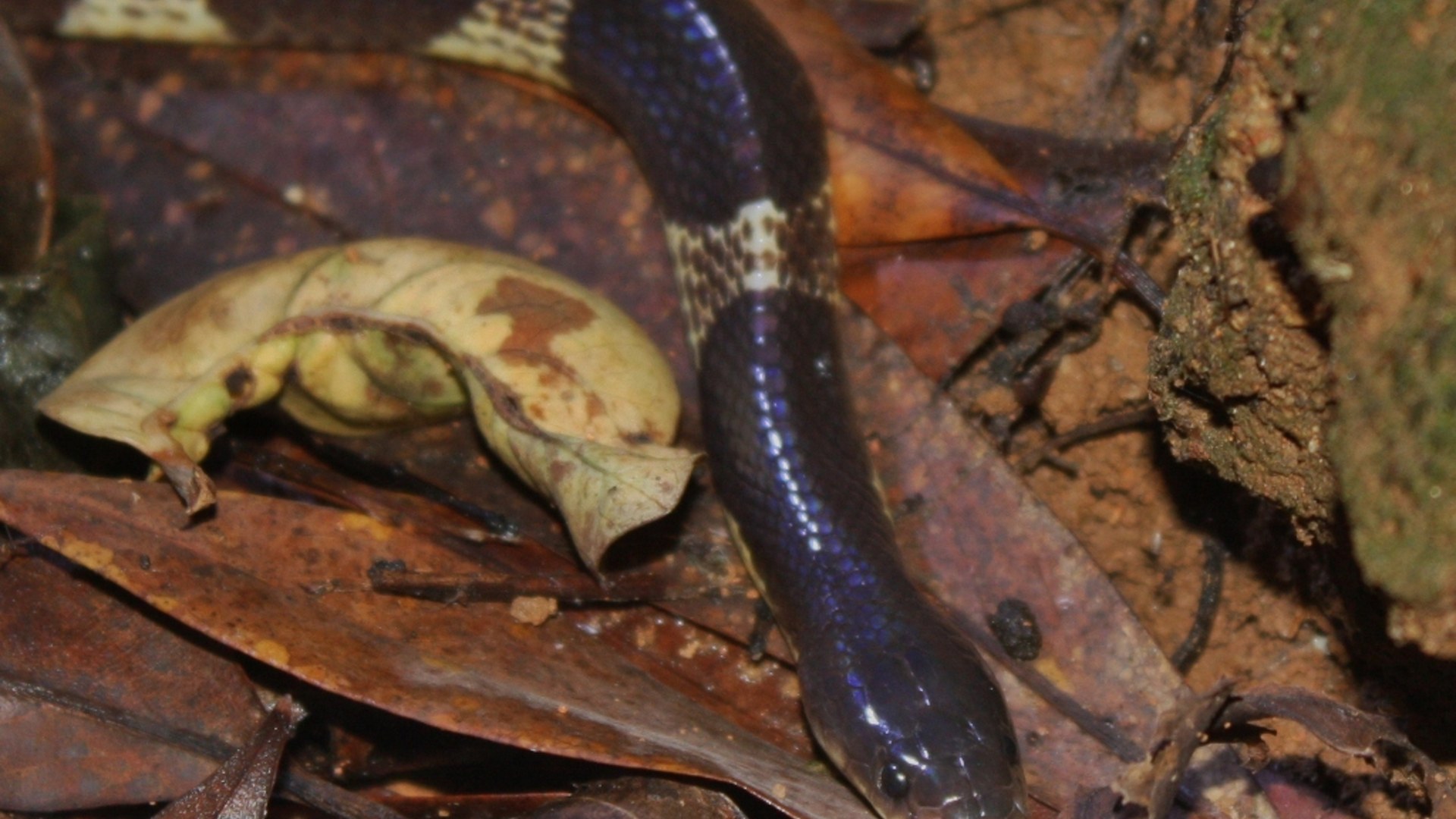
8. Many-Banded Krait
Banded night hunters prowl. High concentrations of alpha-bungarotoxin bind irreversibly to acetylcholine receptors across motor nerve endplates in human tissue. Victims experience painless bites followed hours later by progressive bilateral ptosis, respiratory paralysis, and coma.
©Wikimedia / Thomas Brown
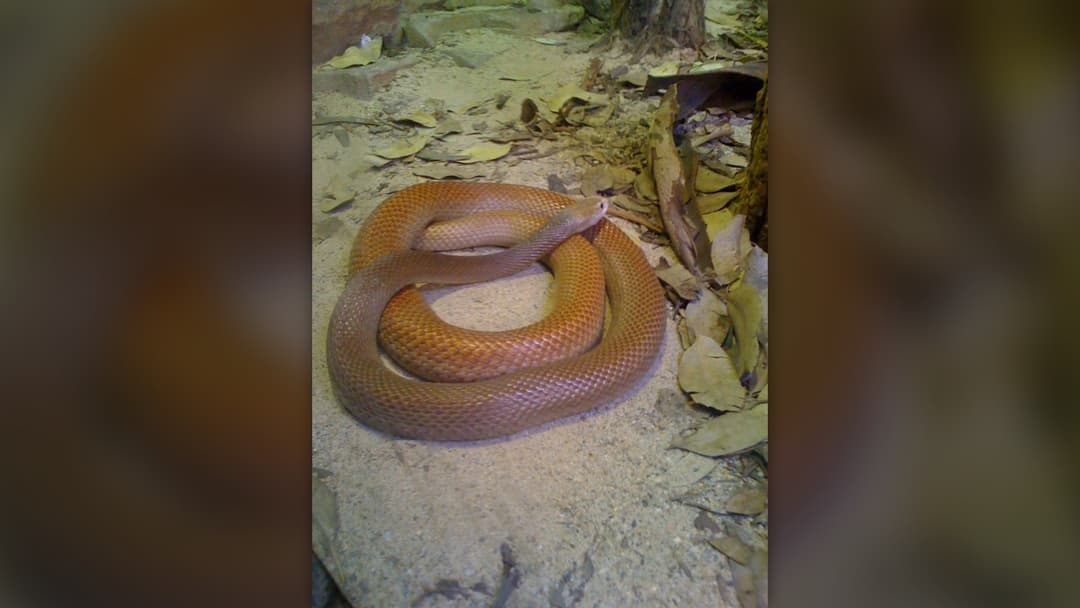
7. Coastal Taipan
Cane fields conceal strikes. Coastal taipans possess long half-inch fangs that deliver deep injections of highly lethal multimeric taipoxin. The venom rapidly destroys nerve terminals while coagulating systemic blood supplies and destroying healthy skeletal muscle fibers.
©Wikimedia / Sebastian80
Advertisement
Swipe or tap ▶ to resume the countdown.
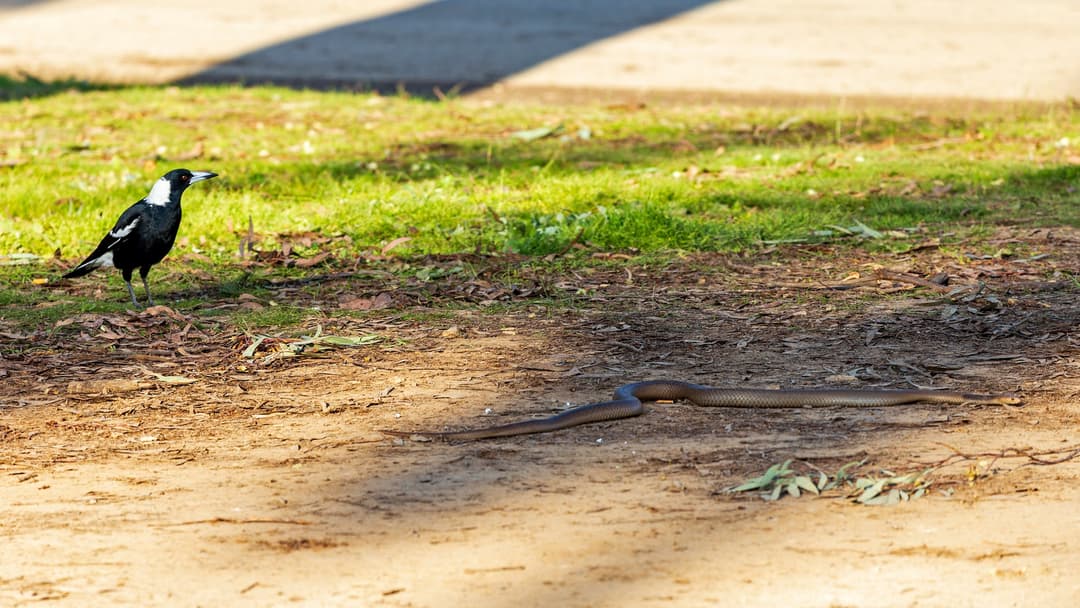
6. Eastern Brown Snake
Suburban pastures border danger. The eastern brown snake reacts with explosive speed to deliver tiny droplets of extraordinarily concentrated procoagulants. Circulating venom rapidly consumes all fibrinogen, causing acute venom-induced consumption coagulopathy and sudden collapse.
©Wikimedia / Robert Myers
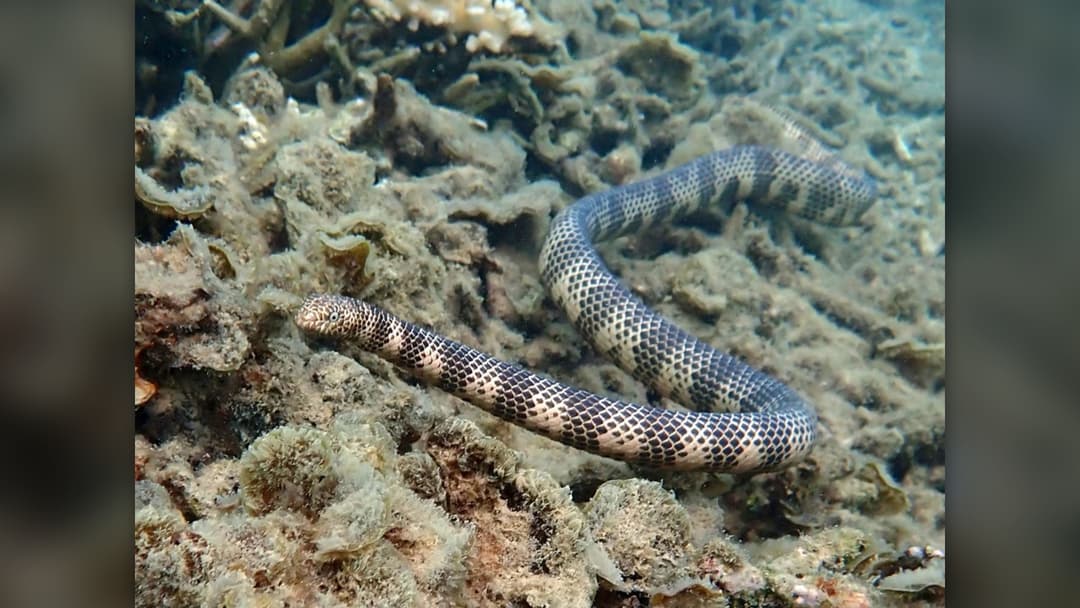
5. Dubois' Sea Snake
Coral reef shallows drift. Dubois sea snakes glide through coastal Indo-Pacific waters hunting eels with an LD50 of 0.044 mg/kg. Their specialized post-synaptic neurotoxins paralyze aquatic prey almost instantly while preventing defensive struggling inside underwater crevices.
©Wikimedia / Cheese240
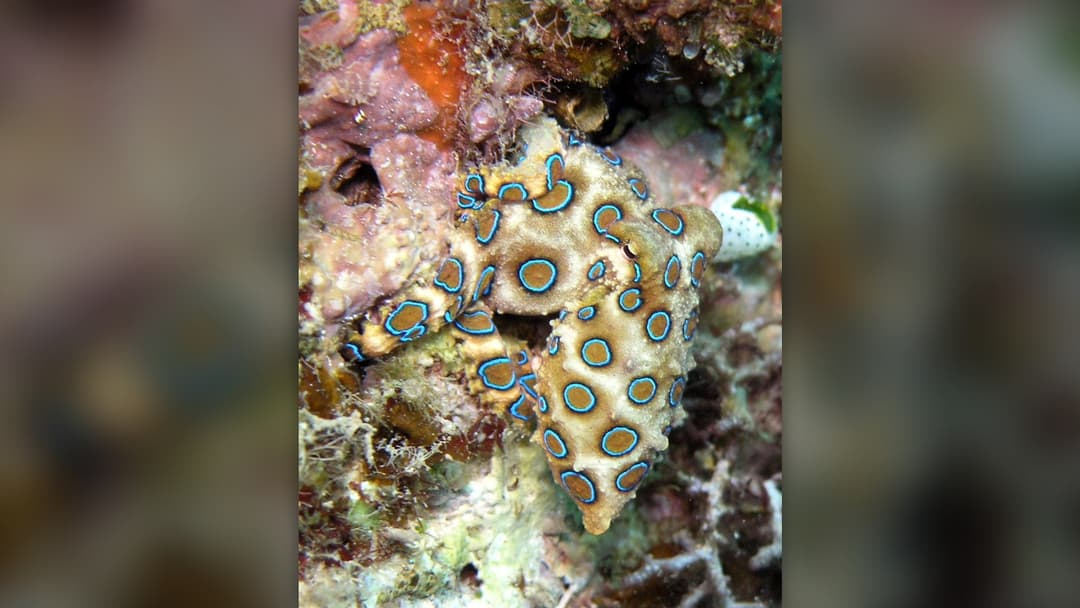
4. Blue-Ringed Octopus
Iridescent sapphire rings glow. When agitated, this golf-ball-sized octopus flashes electric blue rings produced by specialized dermal iridophores. Its salivary glands harbor tetrodotoxin that causes rapid, painless voluntary muscle paralysis without impairing patient consciousness.
©Wikimedia / Jens Petersen
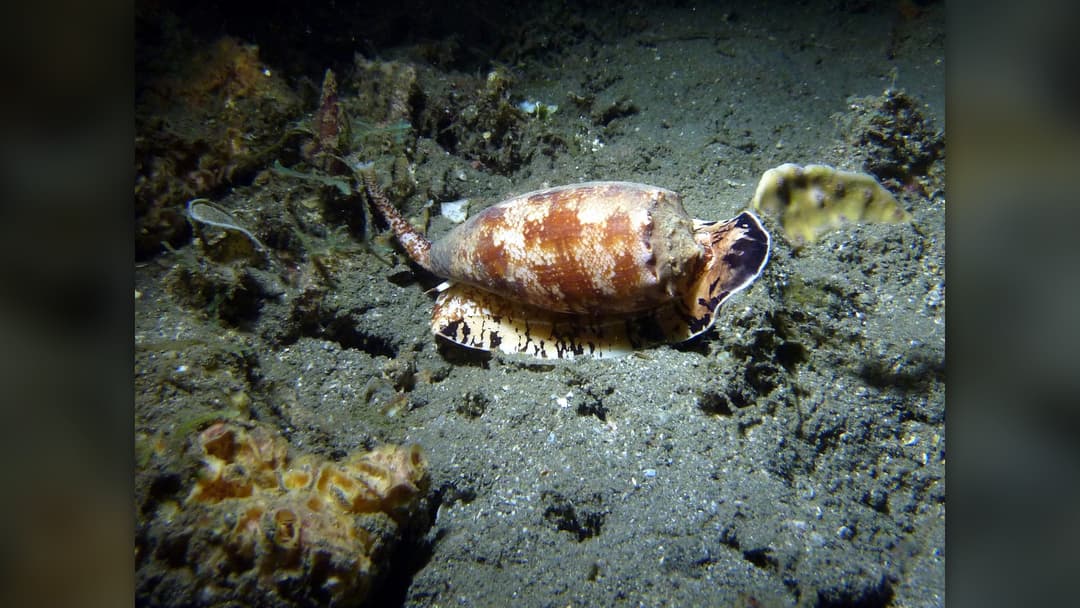
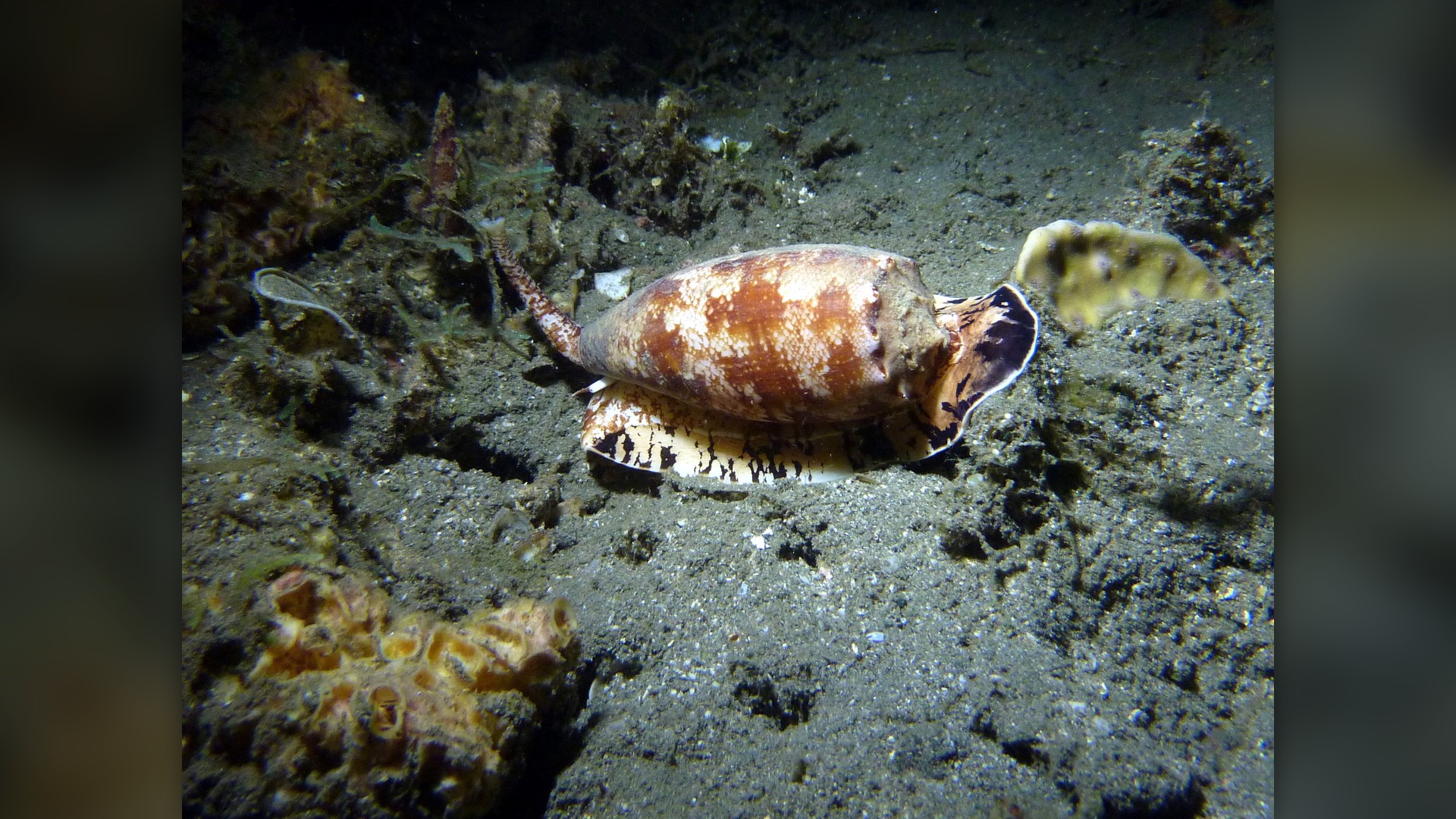
3. Geographic Cone Snail
Predatory ocean shells glide. Harpoon-like hollow radular teeth fire into unsuspecting reef fish to deliver hundreds of distinct conopeptide neurotoxins. The complex chemical cocktail causes instantaneous neuromuscular blockade, acute respiratory paralysis, and cardiac failure in humans.
©Wikimedia / Kai Squires
Advertisement
Swipe or tap ▶ to resume the countdown.
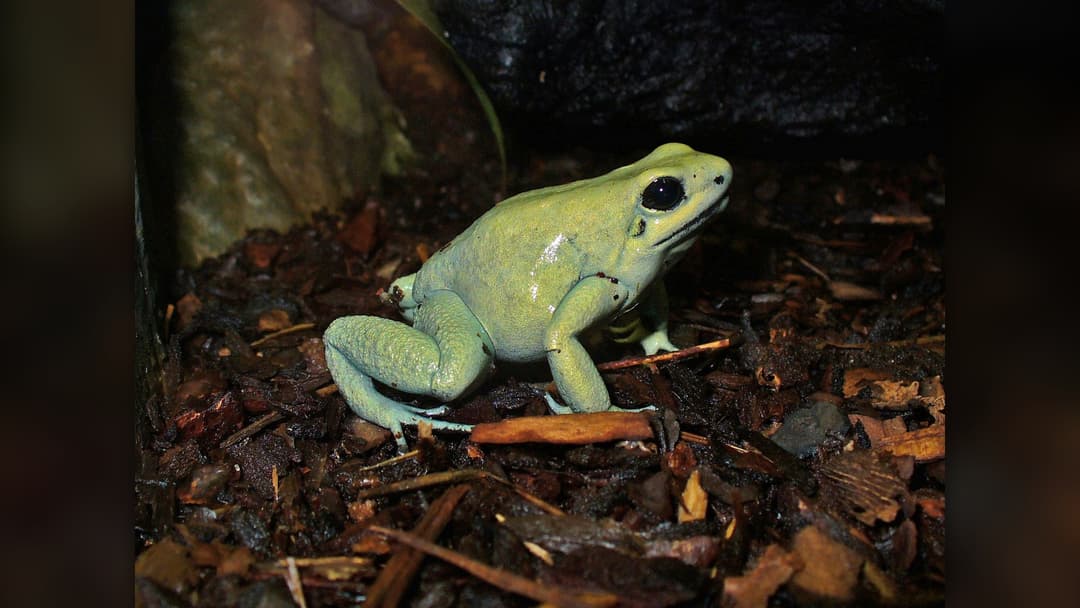
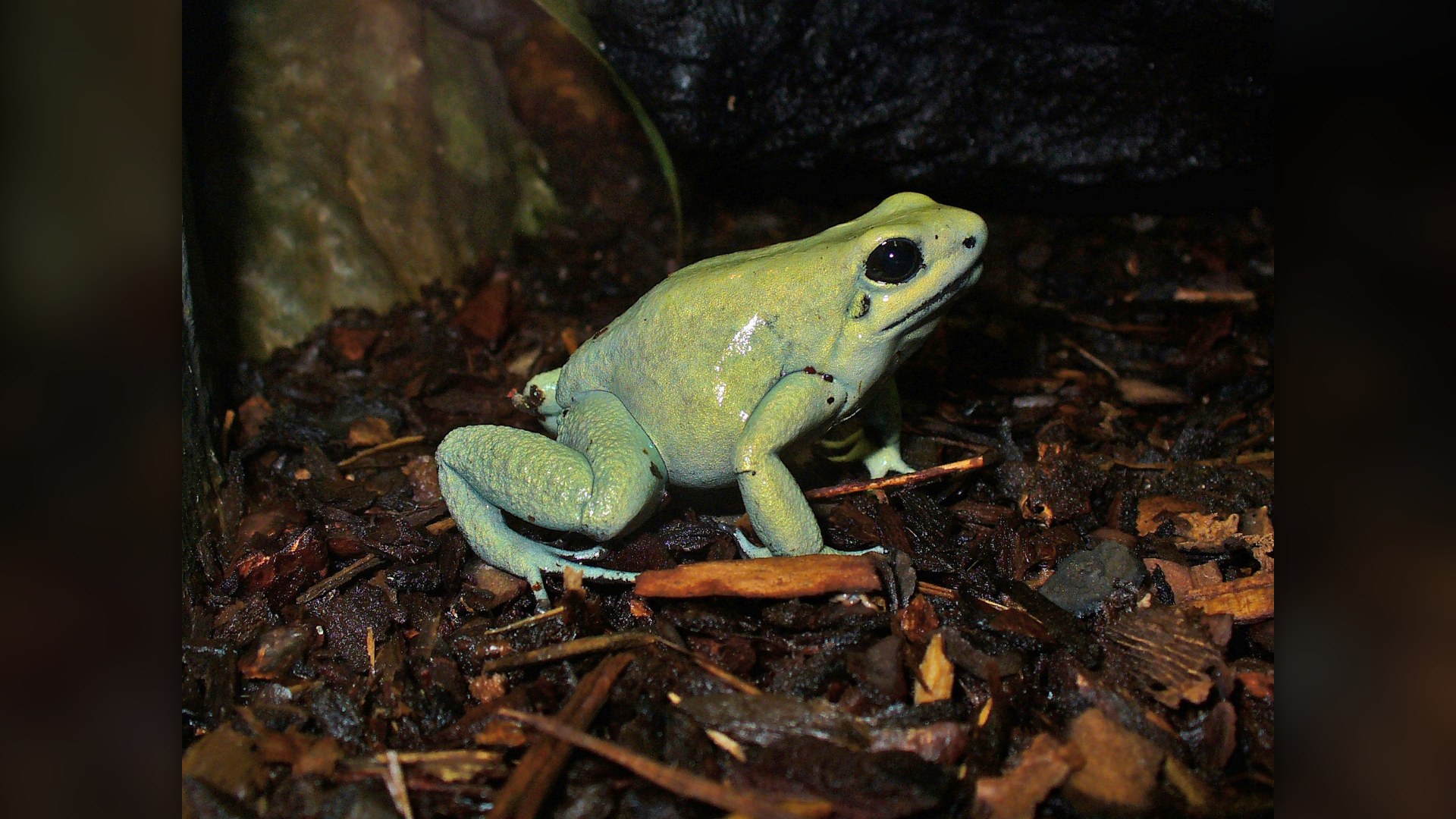
2. Golden Poison Frog
Brilliant yellow skin gleams. Endemic to rain-drenched Pacific lowland rainforests, this tiny amphibian carries two milligrams of lethal steroidal batrachotoxin. The poison locks voltage-gated sodium channels open, causing heart failure and immediate cardiac arrest.
©Wikimedia / H. Zell
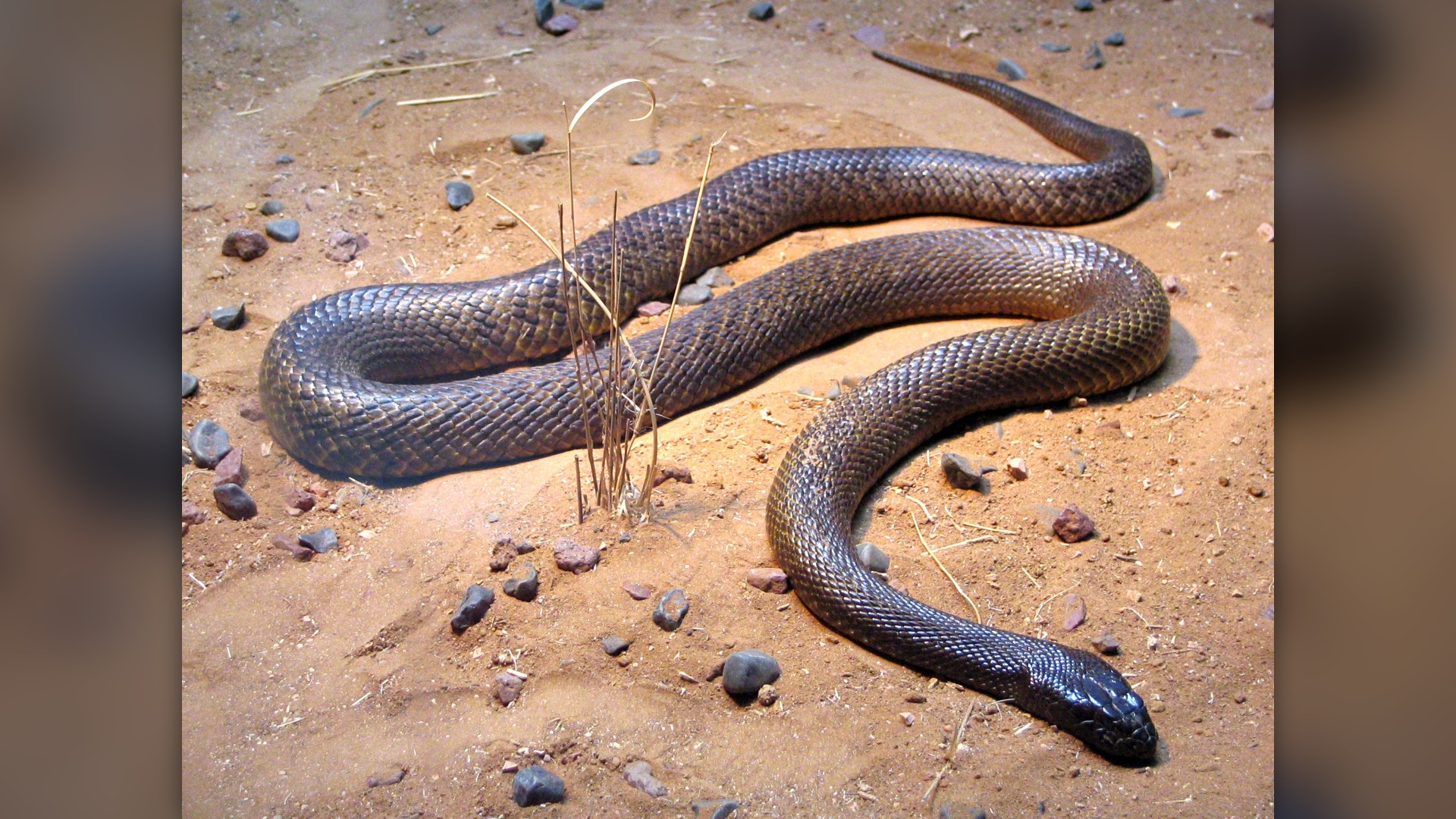
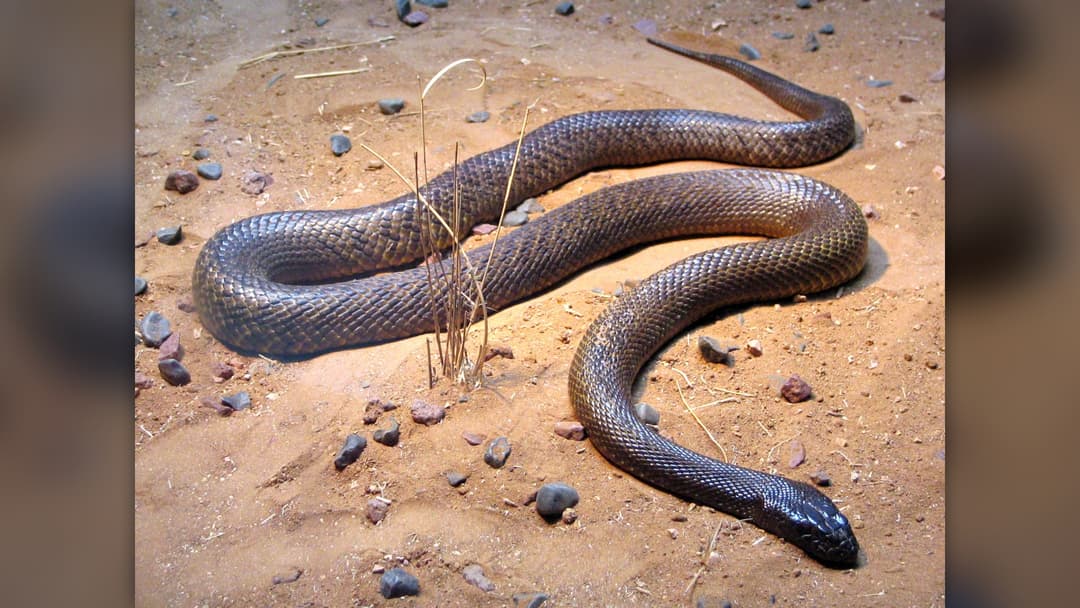
1. Inland Taipan
Arid clay channel country. The elusive inland taipan produces the most biochemically toxic terrestrial animal venom ever measured in laboratory science. A single yield of paradoxin can terminate one hundred grown men through simultaneous neuromuscular and coagulant collapse.
©Wikimedia / Inland taipan
Advertisement
You've reached the end of the story. Thanks for reading!

22 Most Iconic Formula 1 Circuits in Racing History, Ranked
Grounded in official FIA Formula 1 World Championship archives and Grand Prix history, these twenty-two legendary circuits rank as the greatest motorsport tracks ever built. Based on official FIA records, these twenty-two circuits define motorsport greatness. Speed lives here.
All 25 Entries in this Story
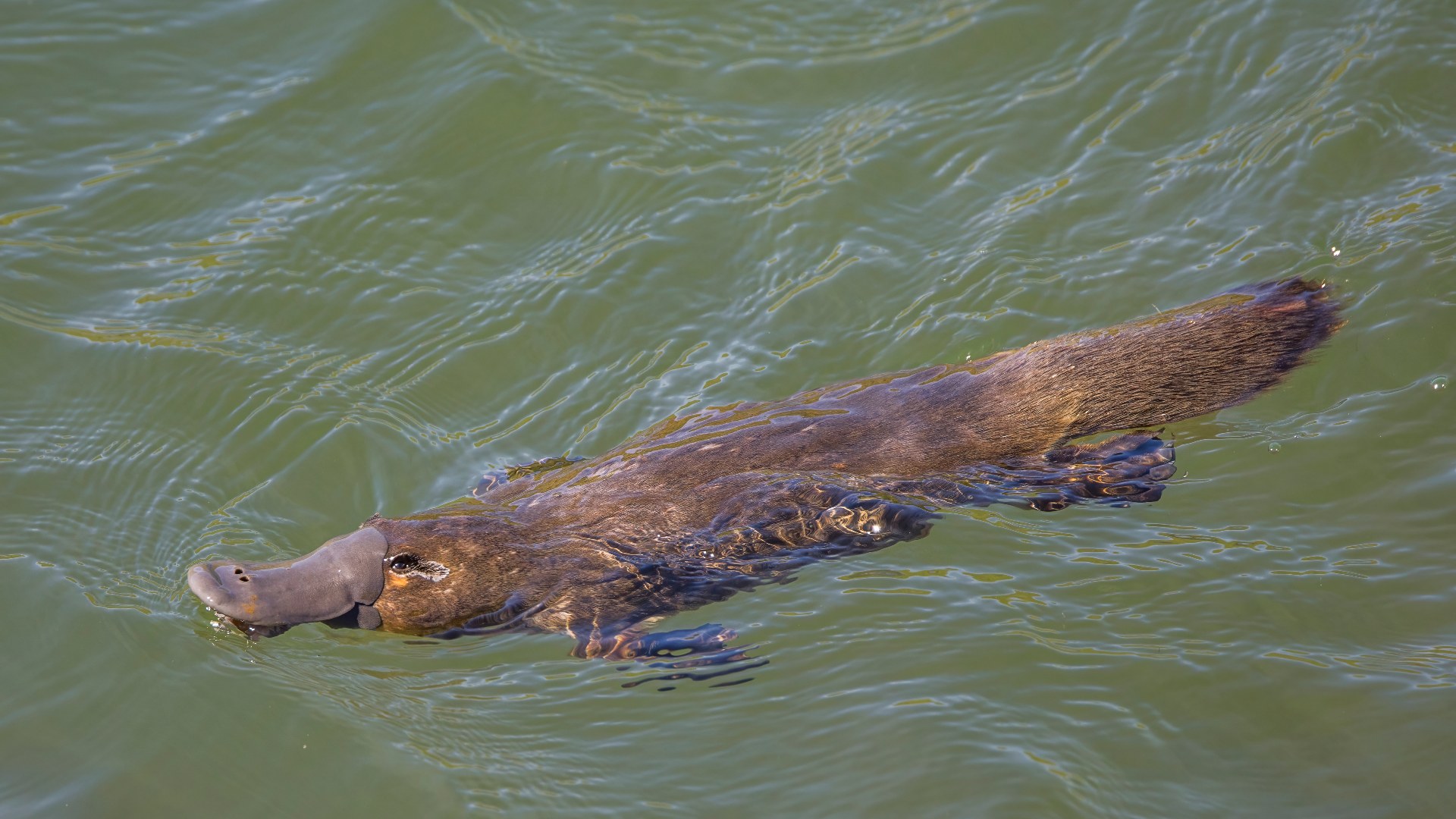
25. Platypus
Hind leg spurs deliver. Male platypuses produce complex cocktail venoms during annual breeding seasons to establish territory. The toxin causes excruciating local swelling and agonizing pain that completely resists conventional hospital morphine pain relief treatments.
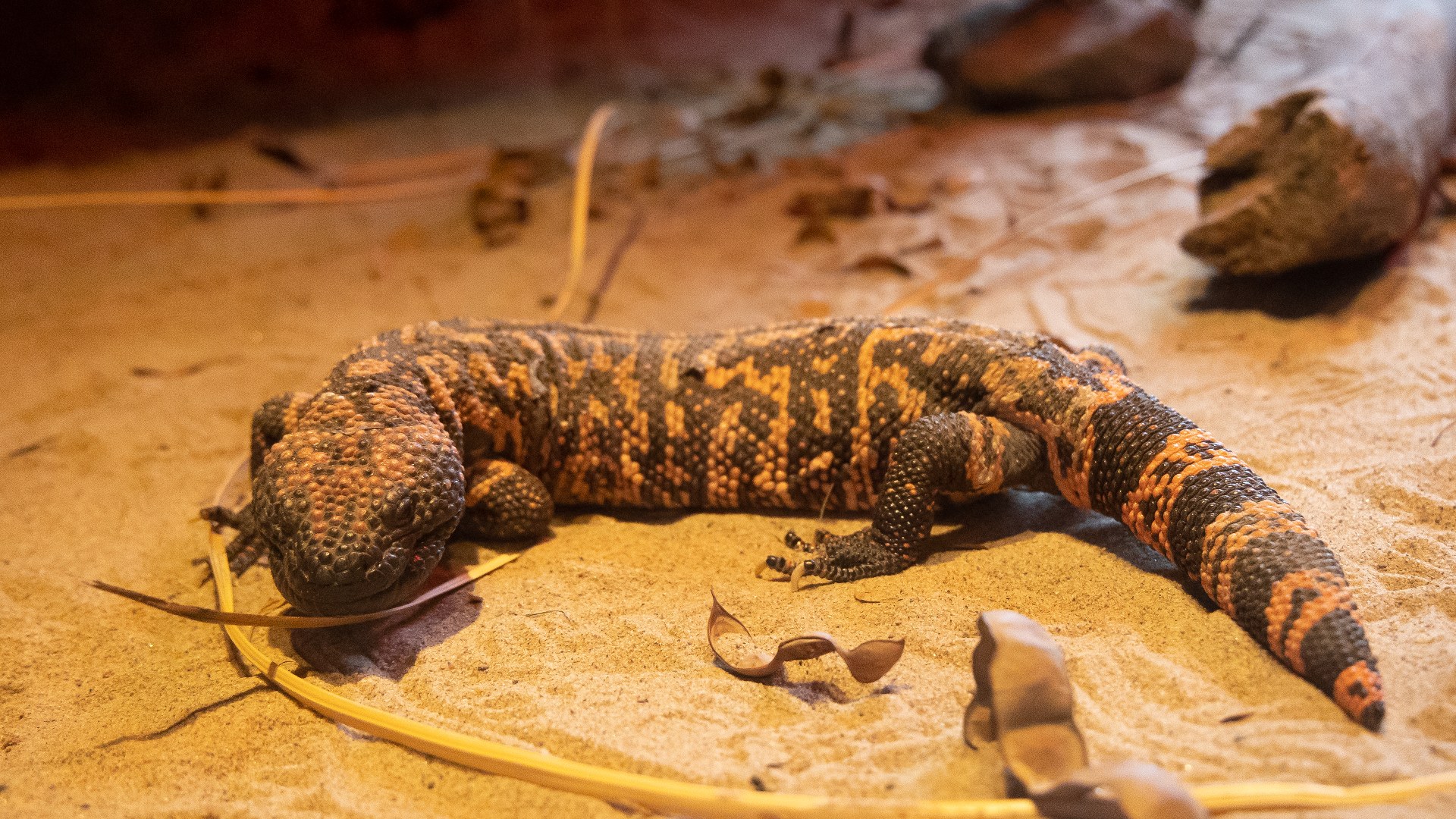
24. Gila Monster
Desert lizards chew slowly. Gila monsters lack hypodermic fangs and instead grind neurotoxins directly into deep puncture wounds. The painful venom triggers severe drops in blood pressure and rapid tissue swelling across exposed limbs.
23. Bullet Ant
Jungle canopies harbor stings. Poneratoxin peptides block synaptic transmission to cause unrelenting waves of burning agony for twenty-four hours. Indigenous Sateré-Mawé hunters use the massive insects in ceremonial coming-of-age gloves to test tribal endurance.
22. Maricopa Harvester Ant
Arid soils conceal colonies. This small desert harvester ant produces venoms twelve times more toxic than honeybee stings. Multiple stings from agitated worker swarms trigger intense systemic reactions and localized tissue necrosis in small mammals.
21. Redback Spider
Crimson abdominal stripes warn. Female redbacks inject latrotoxins that trigger uncontrolled neurotransmitter release across human nervous system synapses. Victims experience profound muscular spasms, profuse localized sweating, and rapid pulse rates before antivenom administration.
20. Brazilian Wandering Spider
Aggressive hunting spiders wander. Phoneutria species roam forest floors at night rather than constructing stationary capture webs for prey. Their potent neurotoxic cocktail triggers extreme respiratory distress, intense autonomic convulsions, and excruciating circulatory emergencies.
19. Sydney Funnel-Web Spider
Dense burrows hide danger. Male funnel-web spiders carry delta-atracotoxin that specifically targets primate and human nerve cell membranes. The venom causes severe autonomic storm syndromes with pulmonary edema and cardiovascular collapse without prompt medical intervention.
18. Deathstalker Scorpion
Pale desert armor glints. Deathstalkers carry chlorotoxin and charybdotoxin mixtures that disable central nervous system potassium and chlorine channels. A single defensive sting causes pulmonary edema, intense cardiovascular complications, and severe muscular spasms.
17. Indian Red Scorpion
Rural farmland hides stings. This compact orange-red scorpion causes severe autonomic nervous storm syndromes across the Indian subcontinent annually. Venom components trigger acute pulmonary edema, dangerous cardiac arrhythmias, and critical blood pressure swings in patients.
16. Reef Stonefish
Camouflaged reef rocks wait. Thirteen hypodermic dorsal spines inject cardiotoxic verrucotoxin when stepped on along shallow tropical tide pools. Excruciating pain radiates immediately through affected limbs, triggering tissue necrosis, temporary paralysis, and severe shock.
15. Blue-Spotted Stingray
Shallow sandy lagoons gleam. Serrated caudal barbs deliver heat-sensitive protein venoms directly into deep puncture wounds along coastal coral reefs. The toxic trauma causes severe cramping, localized cell destruction, and potential secondary bacterial infections.
14. Japanese Pufferfish
Potent bacterial alkaloids accumulate. Specialized organs concentrate lethal tetrodotoxin that blocks electrical signals across muscular sodium channels with extraordinary efficiency. Consuming improperly prepared fugu flesh causes total voluntary muscle paralysis and fatal respiratory failure.
13. Russell's Viper
Coiled ambush predators strike. Daboia russelii injects massive doses of powerful coagulants and hemorrhagins that destroy vital capillary structures. Survivors often suffer severe acute kidney failure and long-term pituitary gland dysfunction after major strikes.
12. Saw-Scaled Viper
Serrated scales rasp warning. The hyper-aggressive viper rubs modified lateral scales together to produce a distinctive sizzling alarm acoustic. Its potent ecarin prothrombin activator causes uncontrollable internal bleeding across systemic organs throughout rural Asia.
11. Boomslang
Acacia branches conceal hunters. Large rear fangs open up to one hundred seventy degrees to puncture prey with devastating hemotoxins. The venom depletes human blood clotting proteins over several days, resulting in extensive systemic hemorrhage.
10. King Cobra
Towering snake hunters stare. Reaching eighteen feet in length, king cobras inject massive fluid volumes of potent postsynaptic neurotoxins. A single full envenomation can deliver five hundred milligrams of venom to collapse mammalian respiration rapidly.
9. Black Mamba
Inky black mouths open. Coffin-shaped heads strike repeatedly at high speed while injecting fast-acting neurotoxins and cardiotoxins into target tissues. Without rapid antivenom therapy, paralysis sets in within fifteen minutes, resulting in fatal respiratory arrest.
8. Many-Banded Krait
Banded night hunters prowl. High concentrations of alpha-bungarotoxin bind irreversibly to acetylcholine receptors across motor nerve endplates in human tissue. Victims experience painless bites followed hours later by progressive bilateral ptosis, respiratory paralysis, and coma.
7. Coastal Taipan
Cane fields conceal strikes. Coastal taipans possess long half-inch fangs that deliver deep injections of highly lethal multimeric taipoxin. The venom rapidly destroys nerve terminals while coagulating systemic blood supplies and destroying healthy skeletal muscle fibers.
6. Eastern Brown Snake
Suburban pastures border danger. The eastern brown snake reacts with explosive speed to deliver tiny droplets of extraordinarily concentrated procoagulants. Circulating venom rapidly consumes all fibrinogen, causing acute venom-induced consumption coagulopathy and sudden collapse.
5. Dubois' Sea Snake
Coral reef shallows drift. Dubois sea snakes glide through coastal Indo-Pacific waters hunting eels with an LD50 of 0.044 mg/kg. Their specialized post-synaptic neurotoxins paralyze aquatic prey almost instantly while preventing defensive struggling inside underwater crevices.
4. Blue-Ringed Octopus
Iridescent sapphire rings glow. When agitated, this golf-ball-sized octopus flashes electric blue rings produced by specialized dermal iridophores. Its salivary glands harbor tetrodotoxin that causes rapid, painless voluntary muscle paralysis without impairing patient consciousness.
3. Geographic Cone Snail
Predatory ocean shells glide. Harpoon-like hollow radular teeth fire into unsuspecting reef fish to deliver hundreds of distinct conopeptide neurotoxins. The complex chemical cocktail causes instantaneous neuromuscular blockade, acute respiratory paralysis, and cardiac failure in humans.
2. Golden Poison Frog
Brilliant yellow skin gleams. Endemic to rain-drenched Pacific lowland rainforests, this tiny amphibian carries two milligrams of lethal steroidal batrachotoxin. The poison locks voltage-gated sodium channels open, causing heart failure and immediate cardiac arrest.
1. Inland Taipan
Arid clay channel country. The elusive inland taipan produces the most biochemically toxic terrestrial animal venom ever measured in laboratory science. A single yield of paradoxin can terminate one hundred grown men through simultaneous neuromuscular and coagulant collapse.