Slideshow · Animals
15 Popular Animal Myths That Biologists Have Officially Debunked
Based on peer-reviewed zoological research and wildlife studies from the Smithsonian, these fifteen common animal beliefs are completely contradicted by modern science. Based on wildlife studies from the Smithsonian, many famous beliefs about animal behavior are completely untrue. The facts differ.



All 15 Entries in this Story
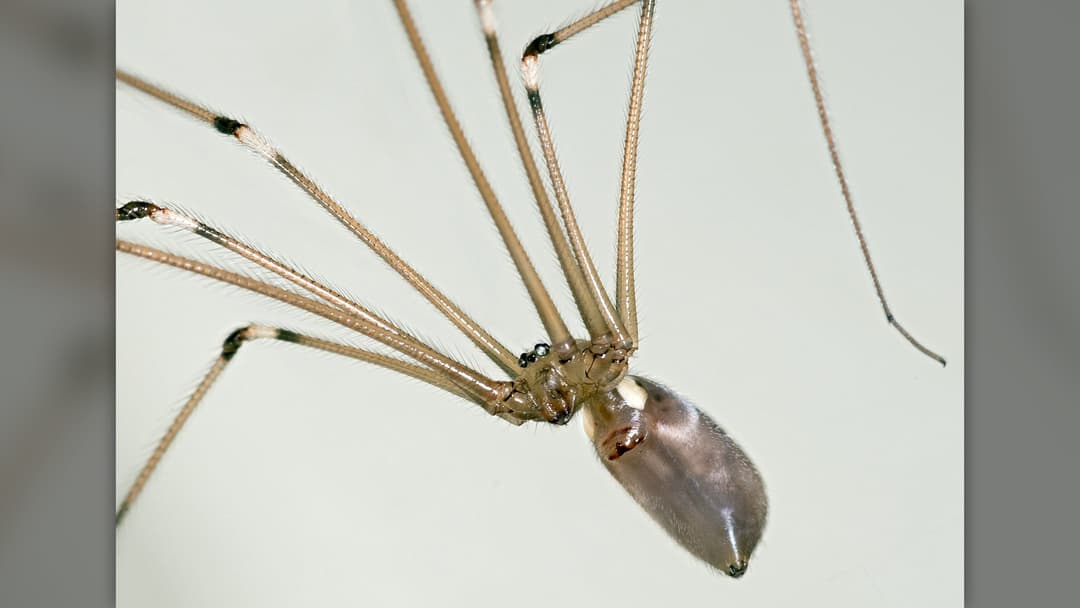
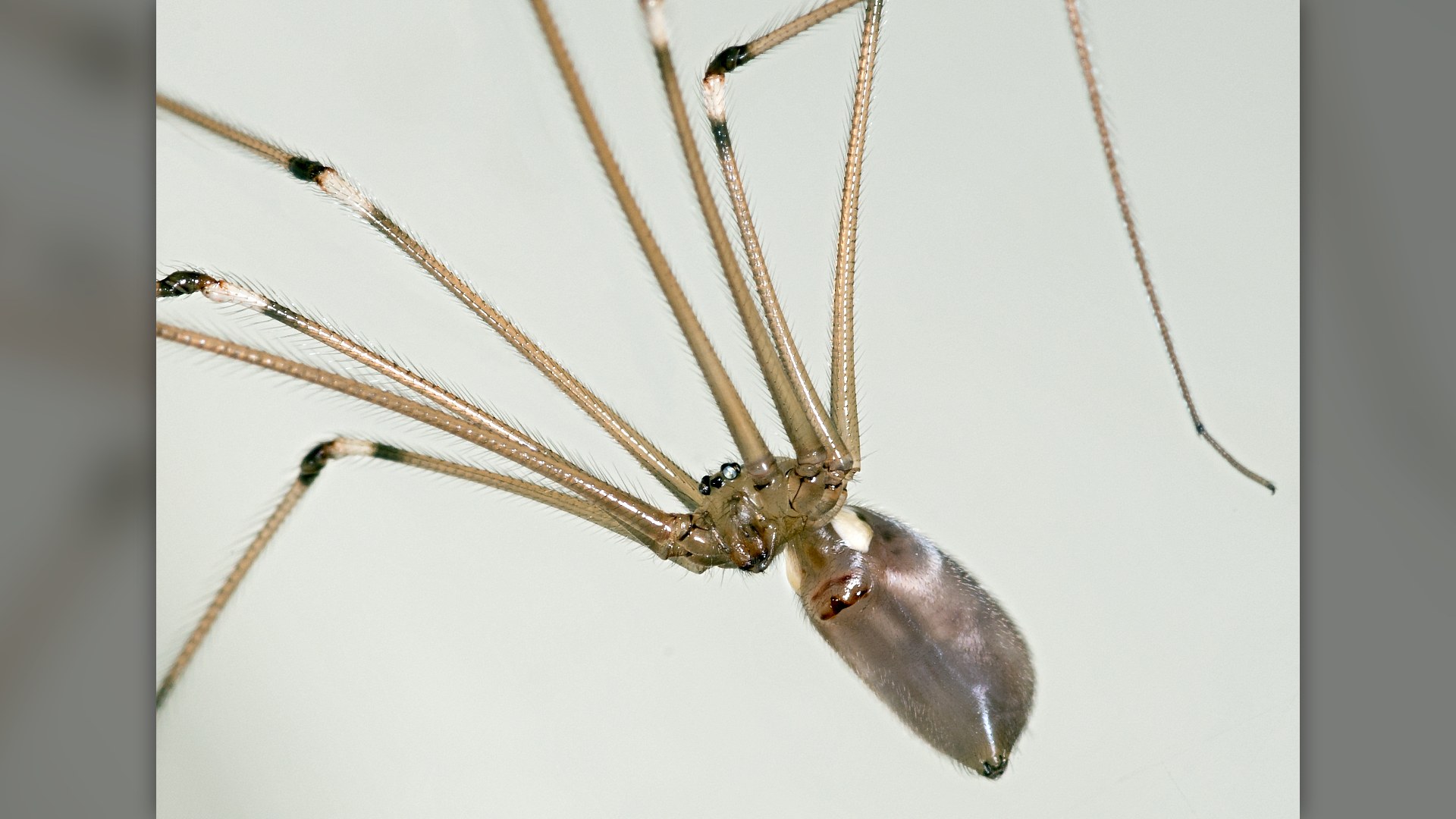
15. Daddy Longlegs Are The Most Venomous Spiders
An urban legend claims cellar spiders possess deadly venom but lack mouthparts strong enough to bite humans. That is false. Controlled tests in university labs confirmed their tiny fangs pierce human skin with ease, producing only minor localized irritation.
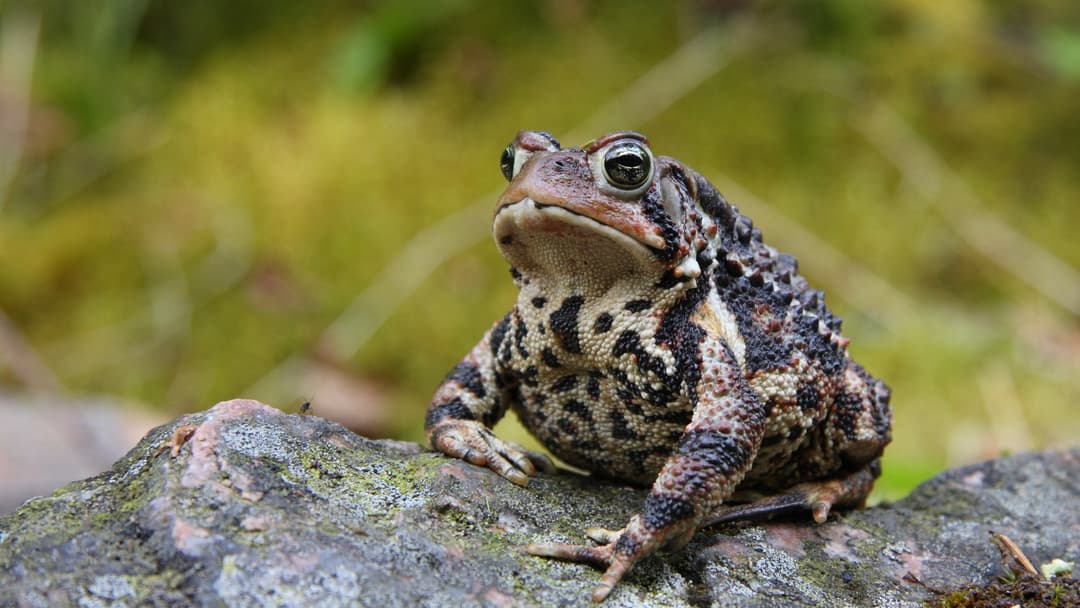
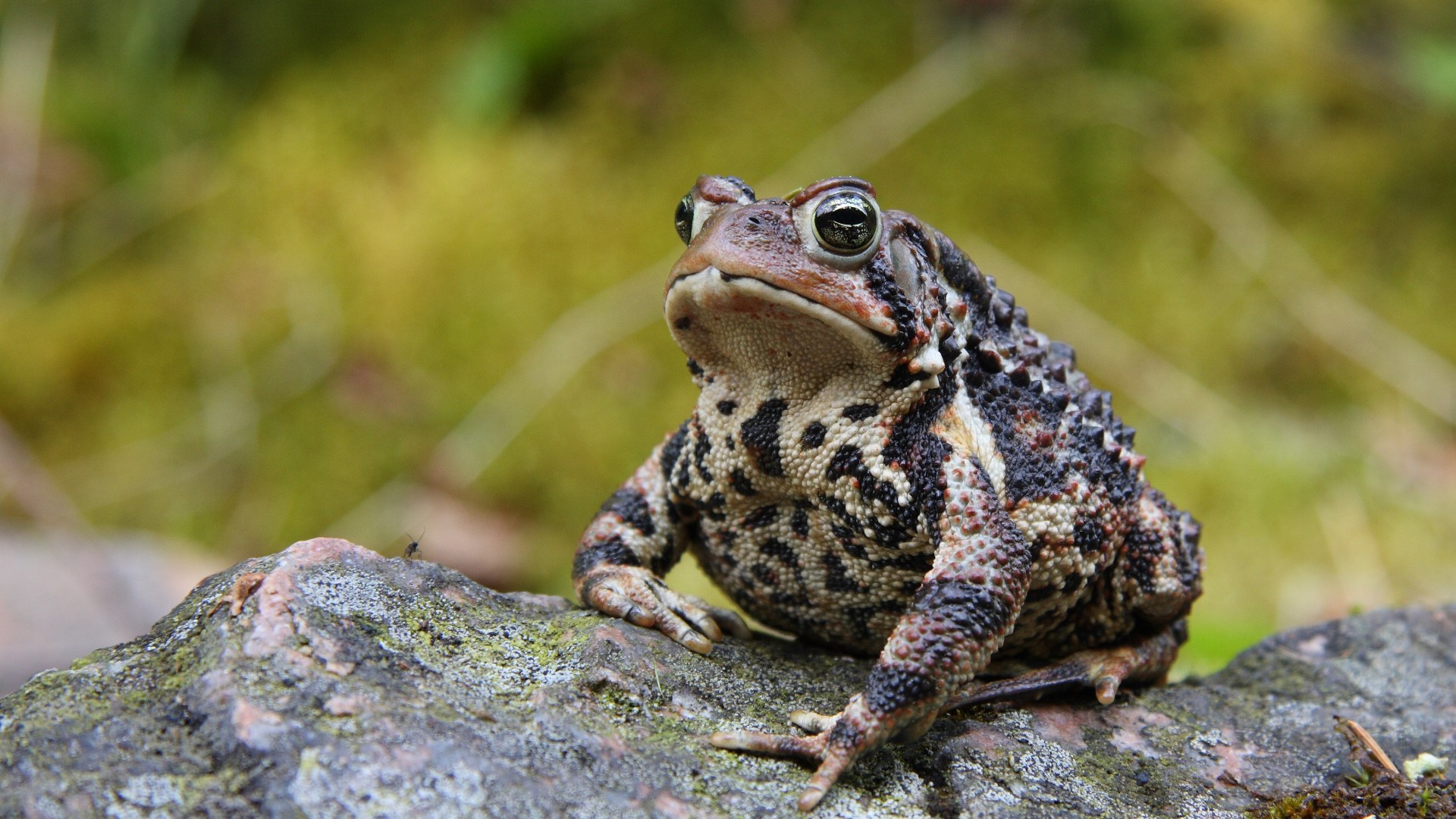
14. Touching Toads Gives You Warts
Children are often warned never to handle wild toads to avoid developing disfiguring warts across their hands. The warning is wrong. The bumpy texture on amphibian skin consists of defensive glands that secrete harmless fluids, whereas human warts stem entirely from viral infections.
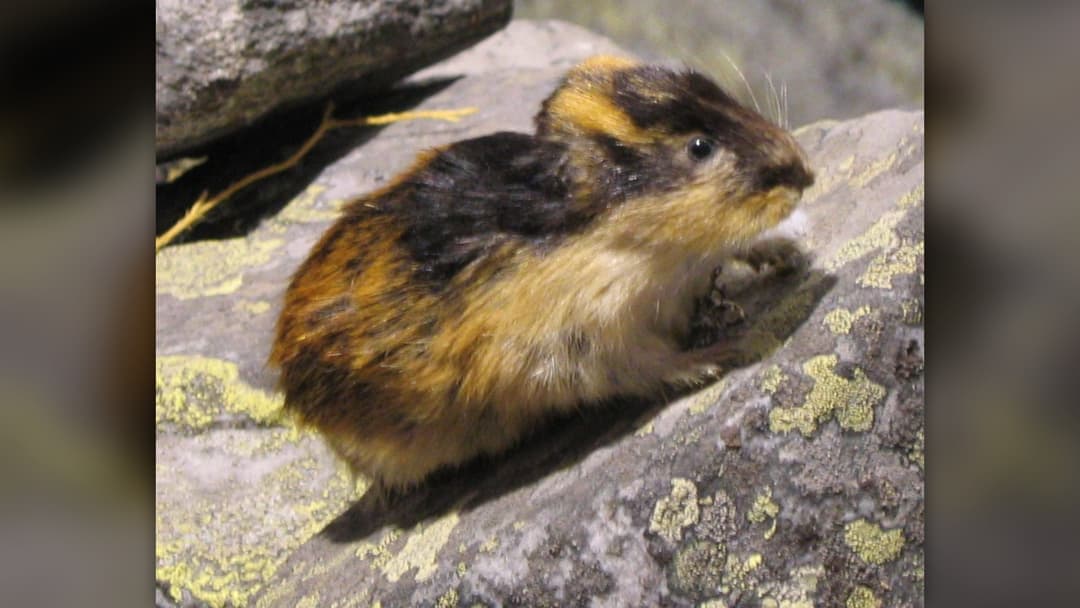
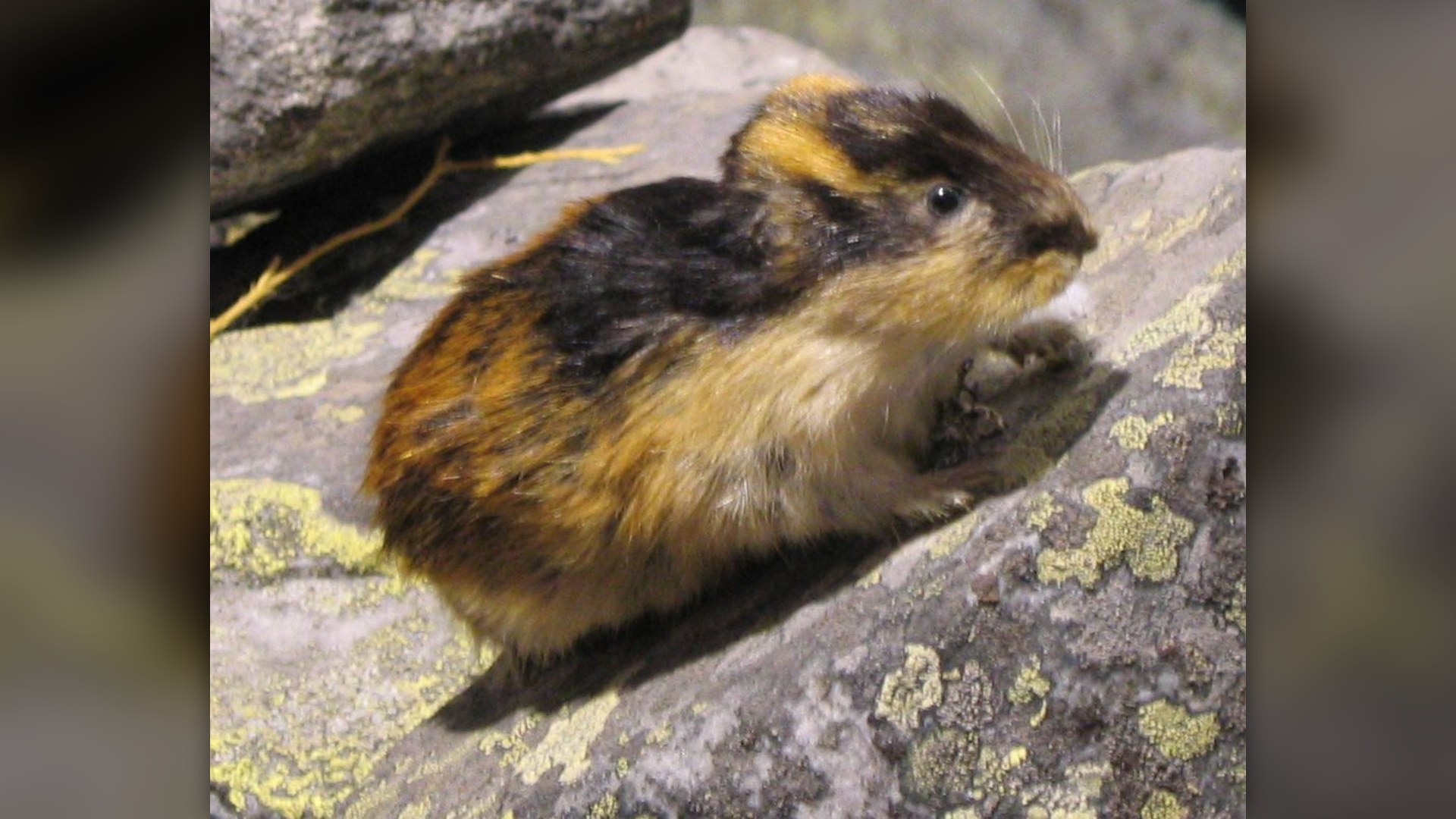
13. Lemmings Leap Off Cliffs In Mass Suicides
Millions believe Arctic rodents march into the sea during massive population spikes. Nature filmmakers staged it. A 1958 documentary crew pushed captive lemmings off a steep riverbank to simulate a suicidal plunge that never happens in the wild.
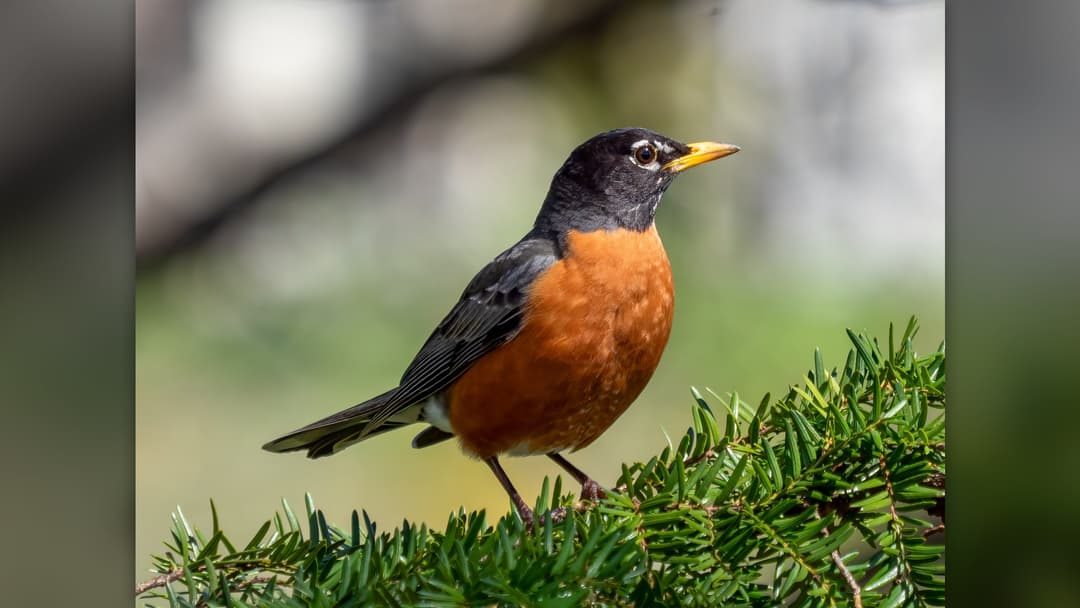
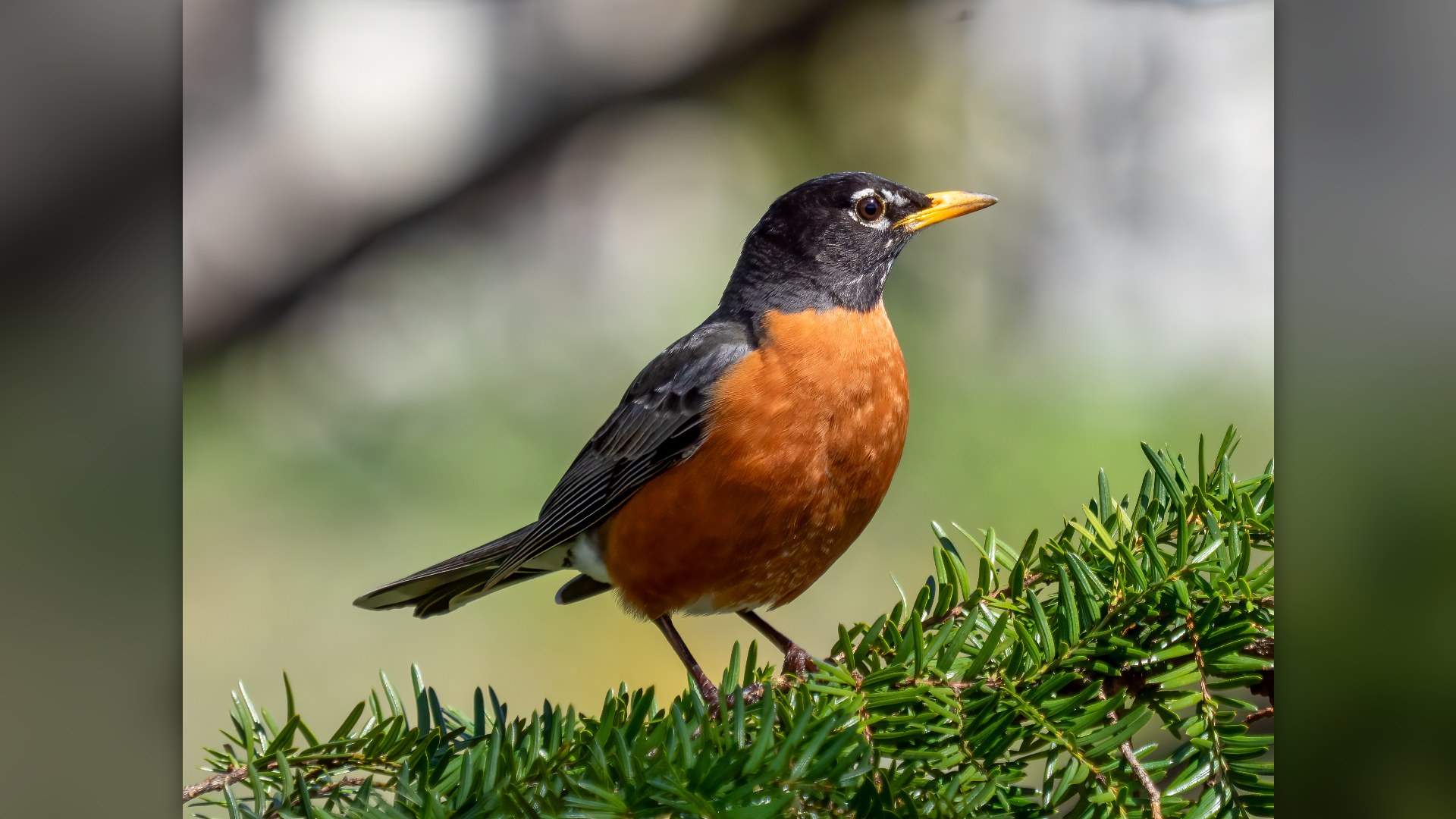
12. Mother Birds Abandon Chicks Touched By Humans
People frequently leave fallen baby birds alone on the ground because they fear parent birds detect human scent and abandon the nest. It is not true. Almost all songbirds possess an exceptionally limited olfactory sense, and wildlife rehabilitators advise placing displaced chicks directly back into nests.
11. Camels Store Drinking Water In Their Humps
Desert travelers long assumed camel humps serve as internal biological canteens packed with liquid drinking water. They hold fat. Stored adipose tissue provides essential caloric reserves during food shortages and cools the rest of the body through efficient thermal regulation.

10. One Dog Year Equals Seven Human Years
Veterinary researchers have retired the popular seven-to-one rule for estimating how canine lifespans correspond to humans. Genetics explain why. A one-year-old dog has already reached biological maturity comparable to a teenager, while larger breeds experience accelerated cellular aging in subsequent years.

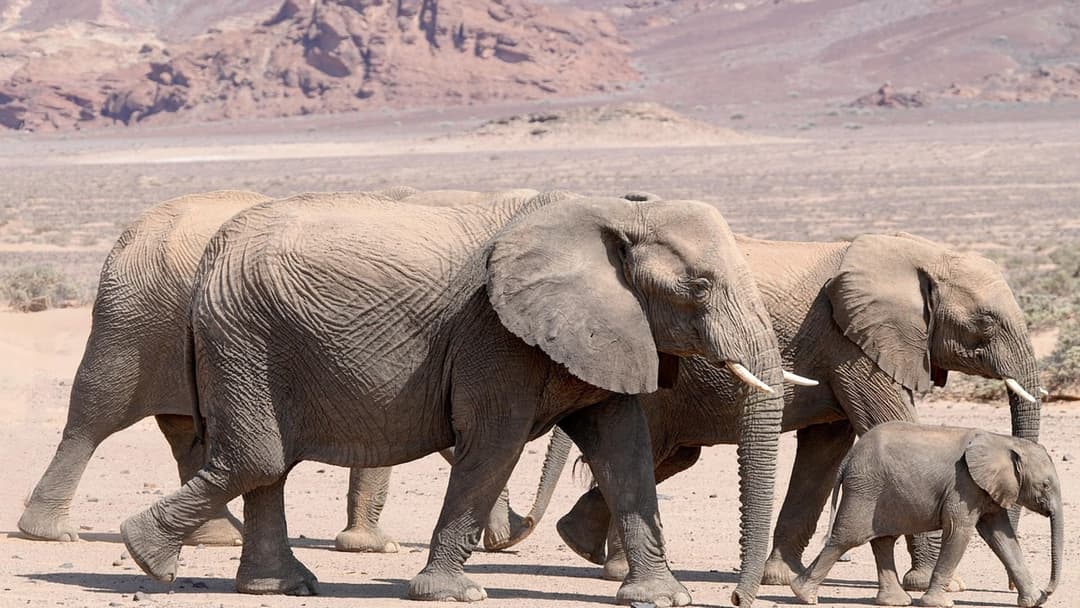
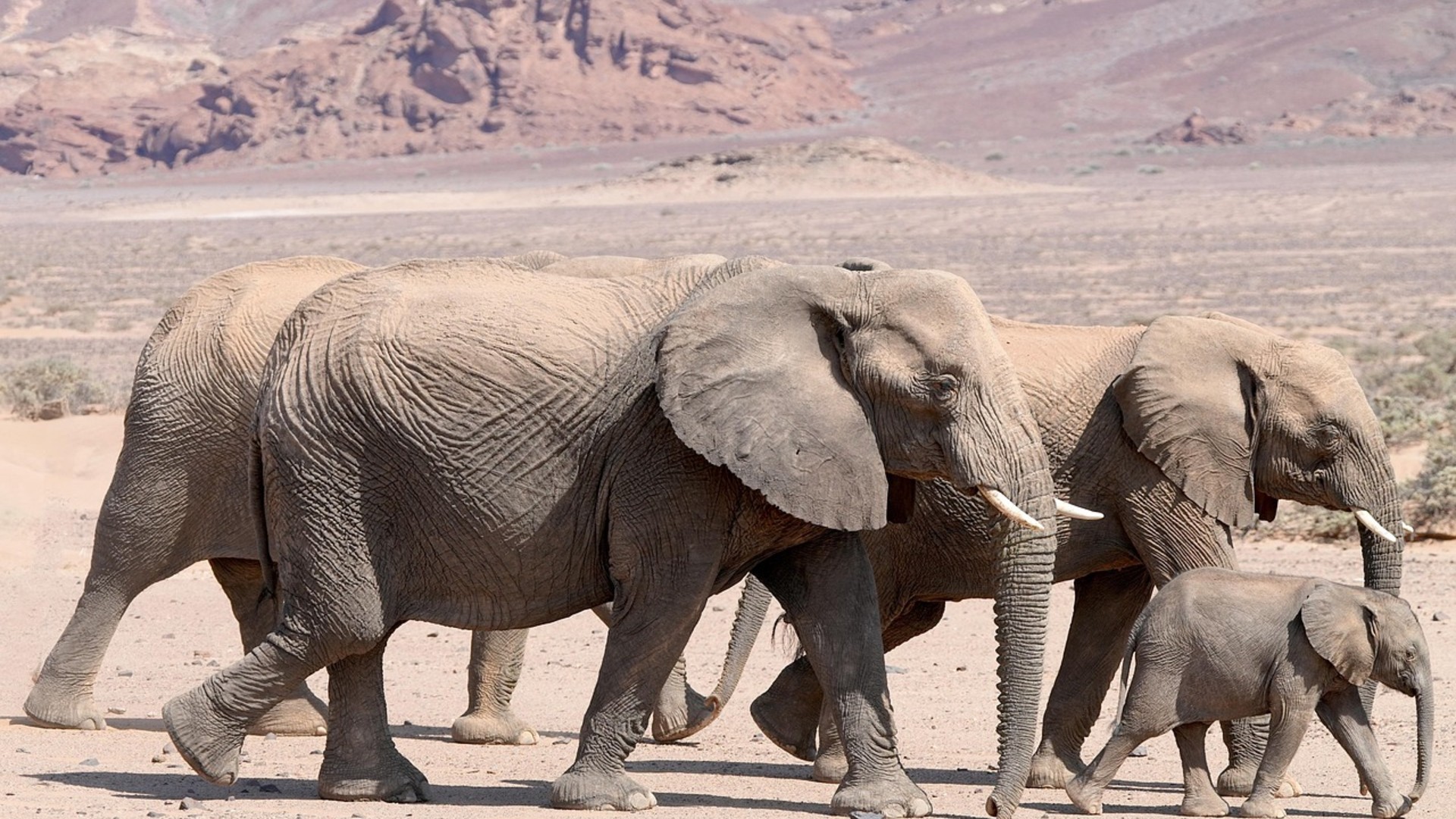
9. Elephants Walk To Secret Graveyards To Die
Mythology tells of aging pachyderms traveling to mysterious communal grounds to meet their demise in dignity. Biology tells a simpler story. Elderly elephants lose their final set of worn grinding molars and congregate near soft marsh grasses, where natural deaths predictably occur.
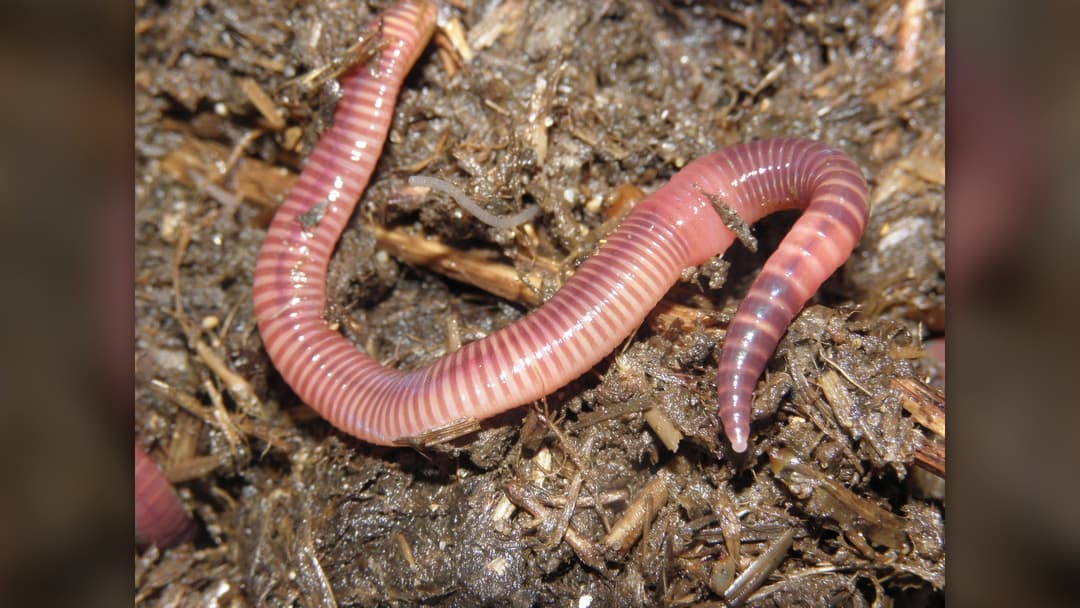
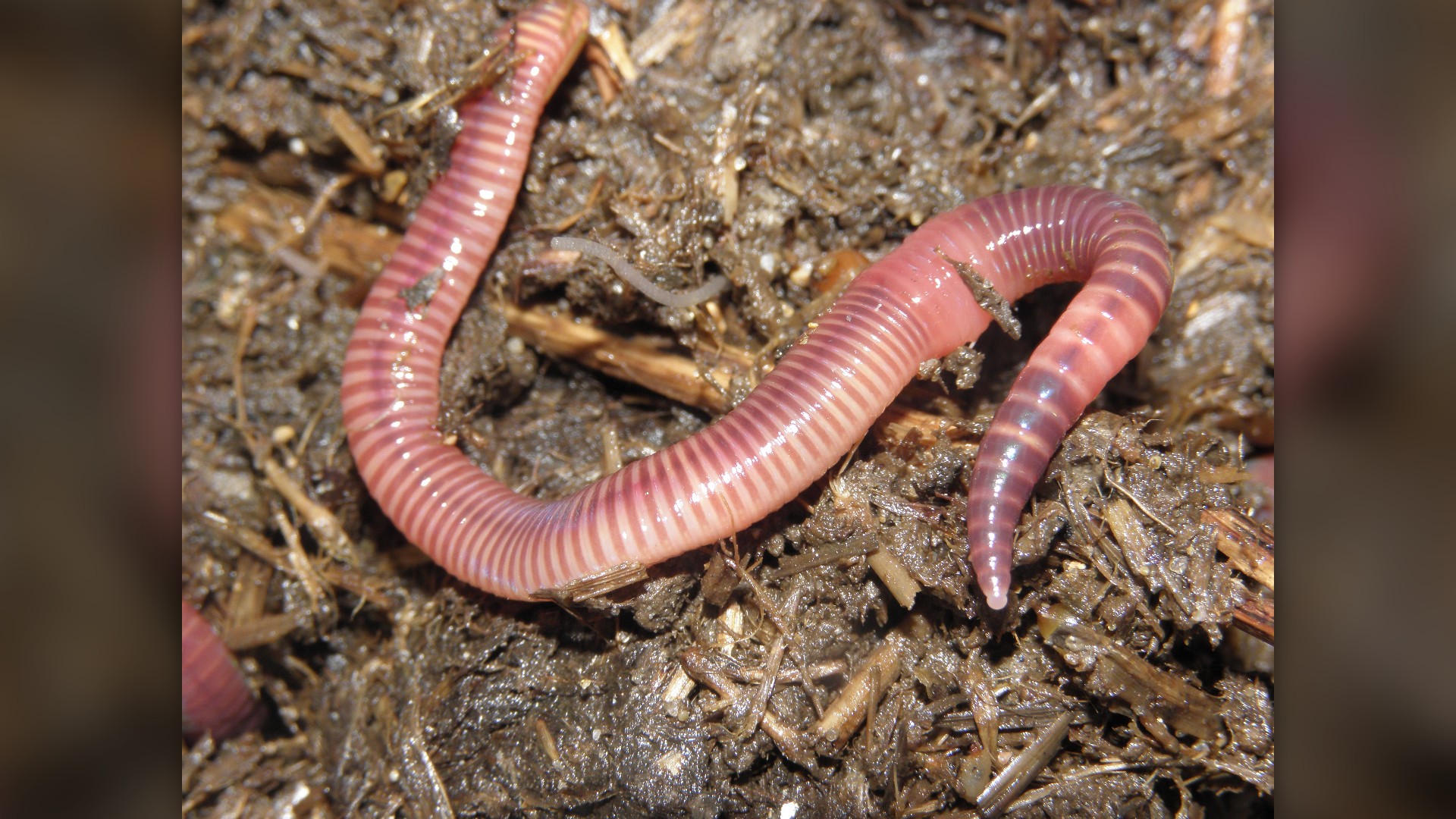
8. Cutting An Earthworm In Half Creates Two Worms
Gardening lore insists that cutting an earthworm in half instantly doubles your population of garden soil aerators. Not quite. The front section containing the head and critical organs can sometimes regenerate a short tail, while the remaining half quickly perishes without digestive and circulatory organs.
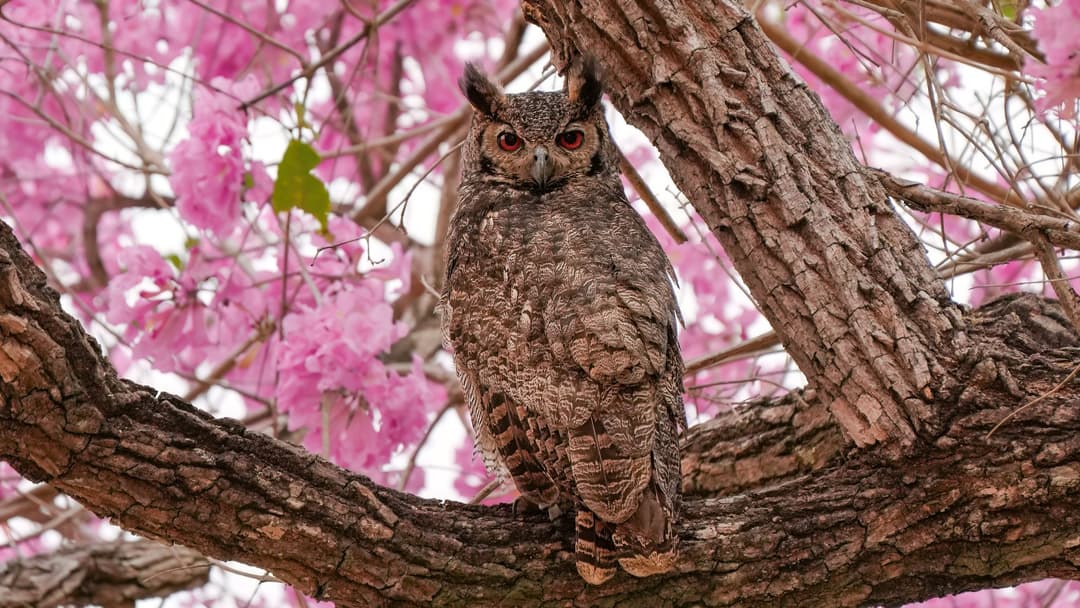
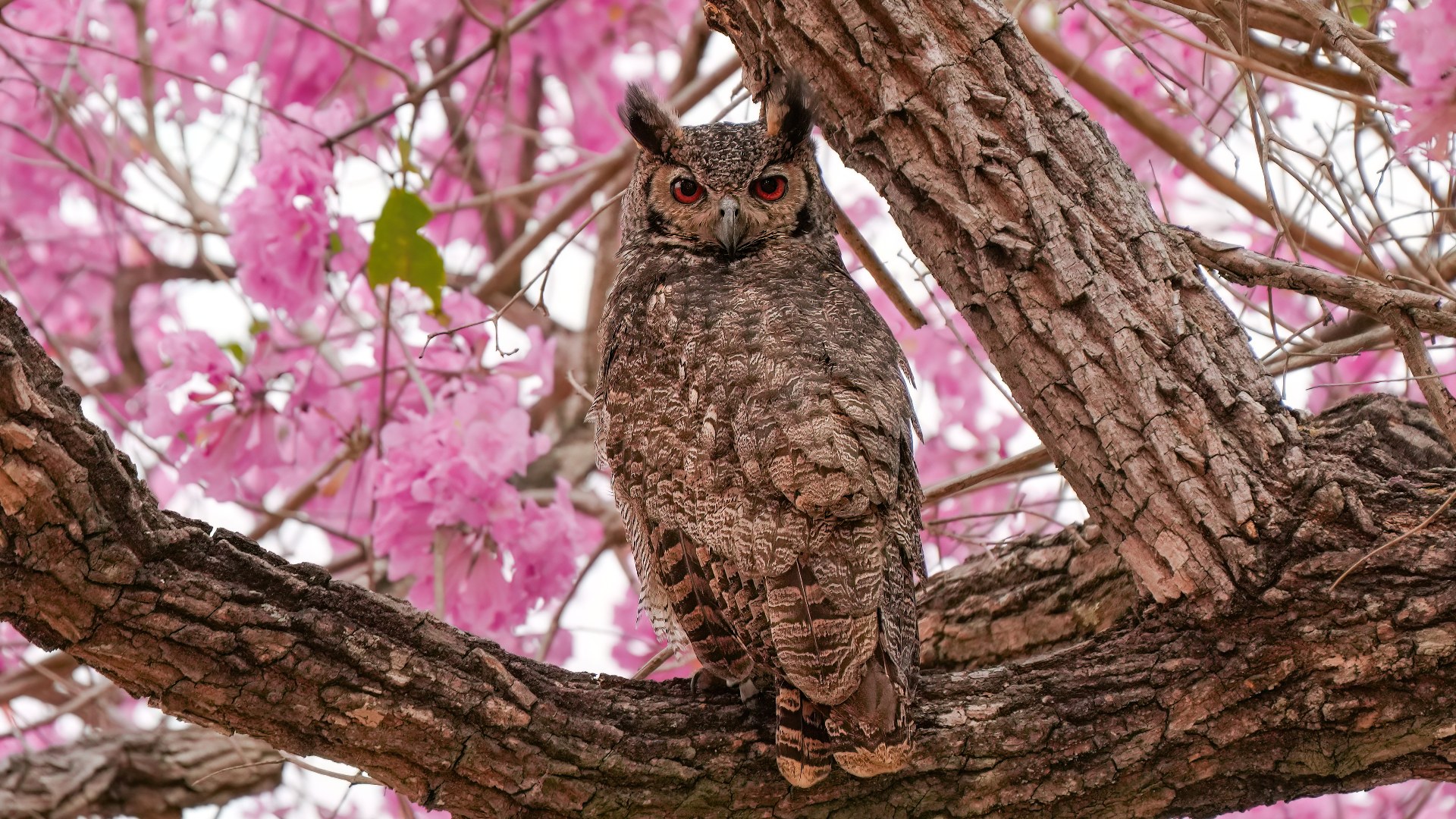
7. Owls Can Rotate Their Heads In A Full Circle
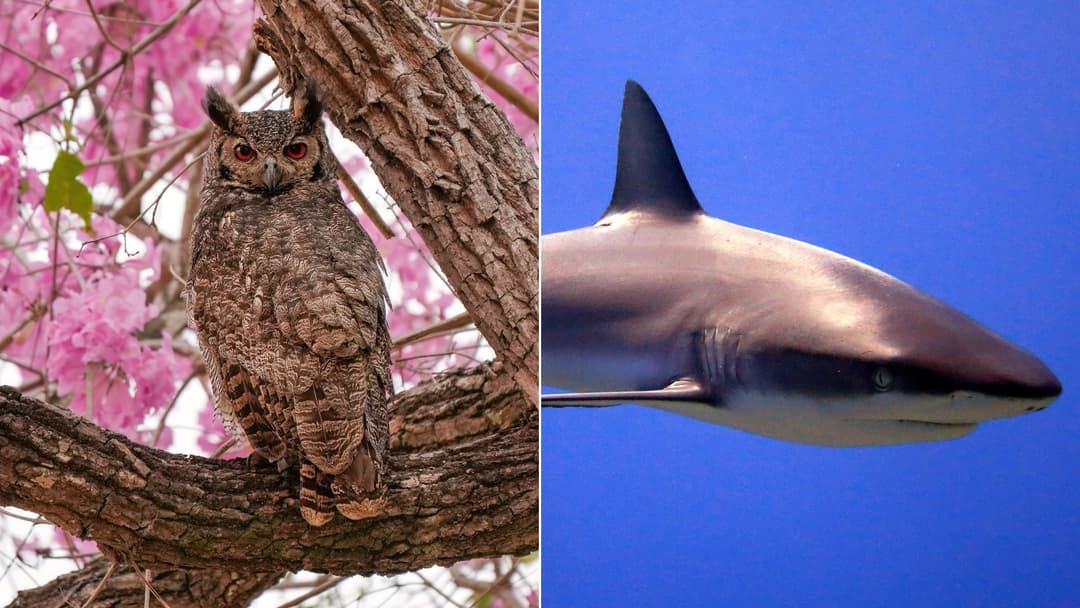
Cartoons depict owls spinning their heads around in a seamless 360-degree circle without stopping. The truth is narrower. Fourteen specialized neck vertebrae and unique pooling blood vessels permit 270 degrees of turning, whereas a complete circular rotation would sever cerebral blood flow.
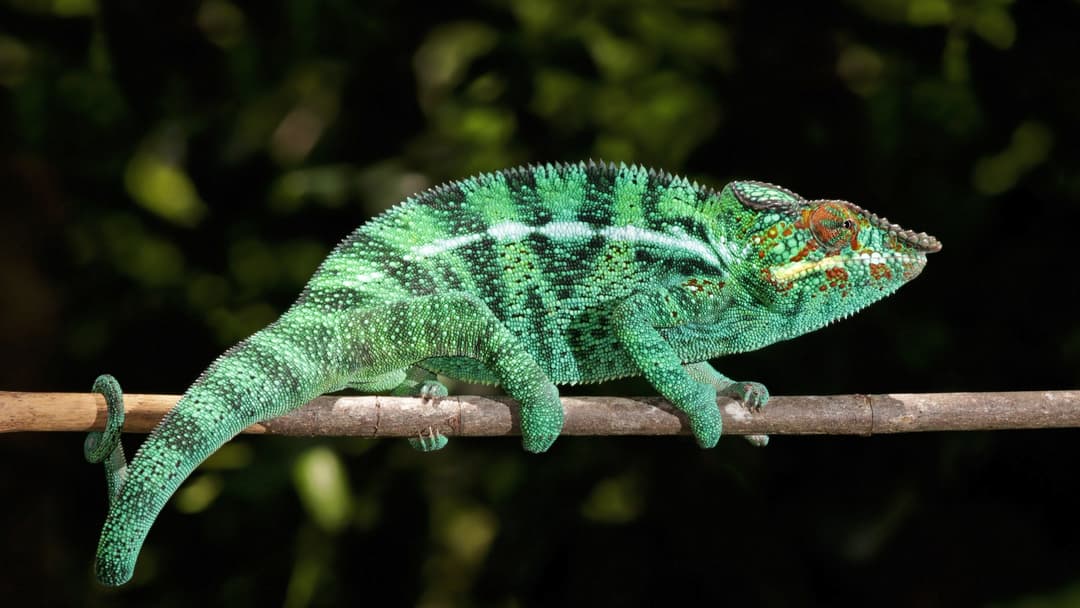
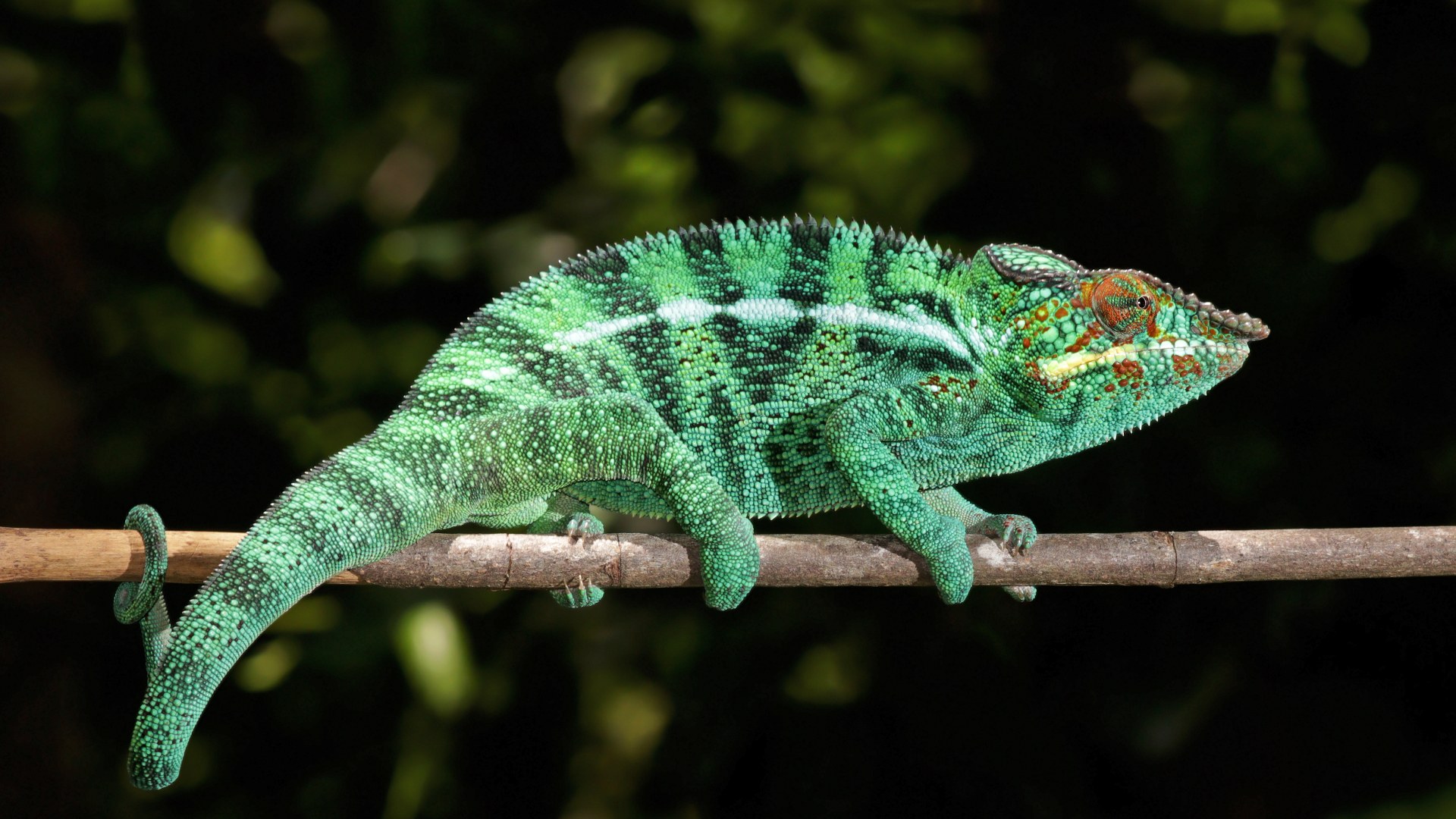
6. Chameleons Change Color Strictly For Camouflage
Most people assume chameleons shift their striking skin patterns solely to conceal themselves against predators in foliage. Mood drives it. Microscopic crystals beneath their scales rearrange rapidly to broadcast aggression to territorial rivals or absorb sunlight for warmth.
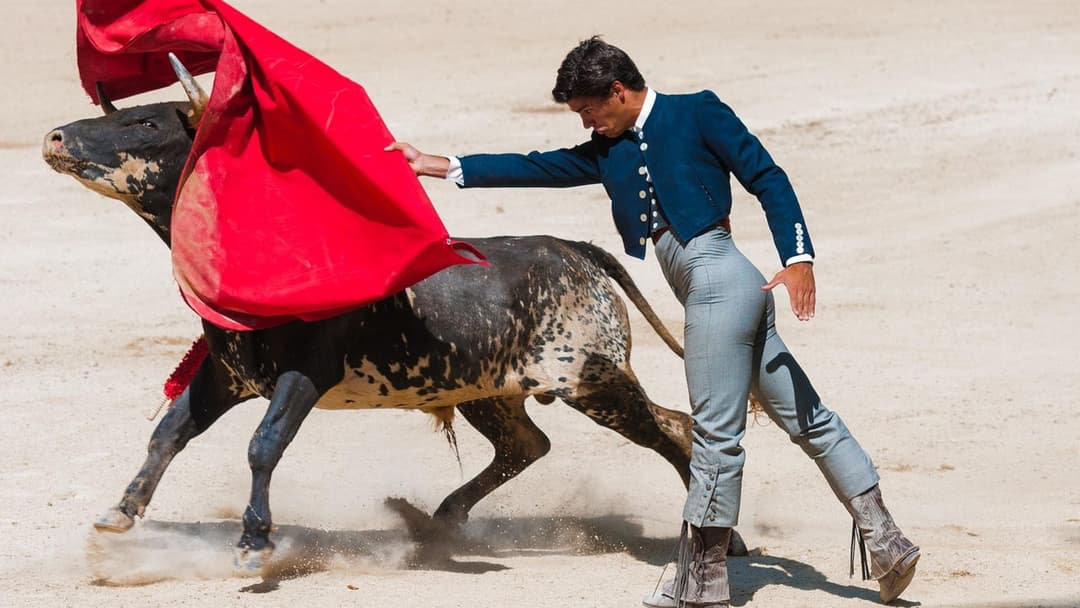
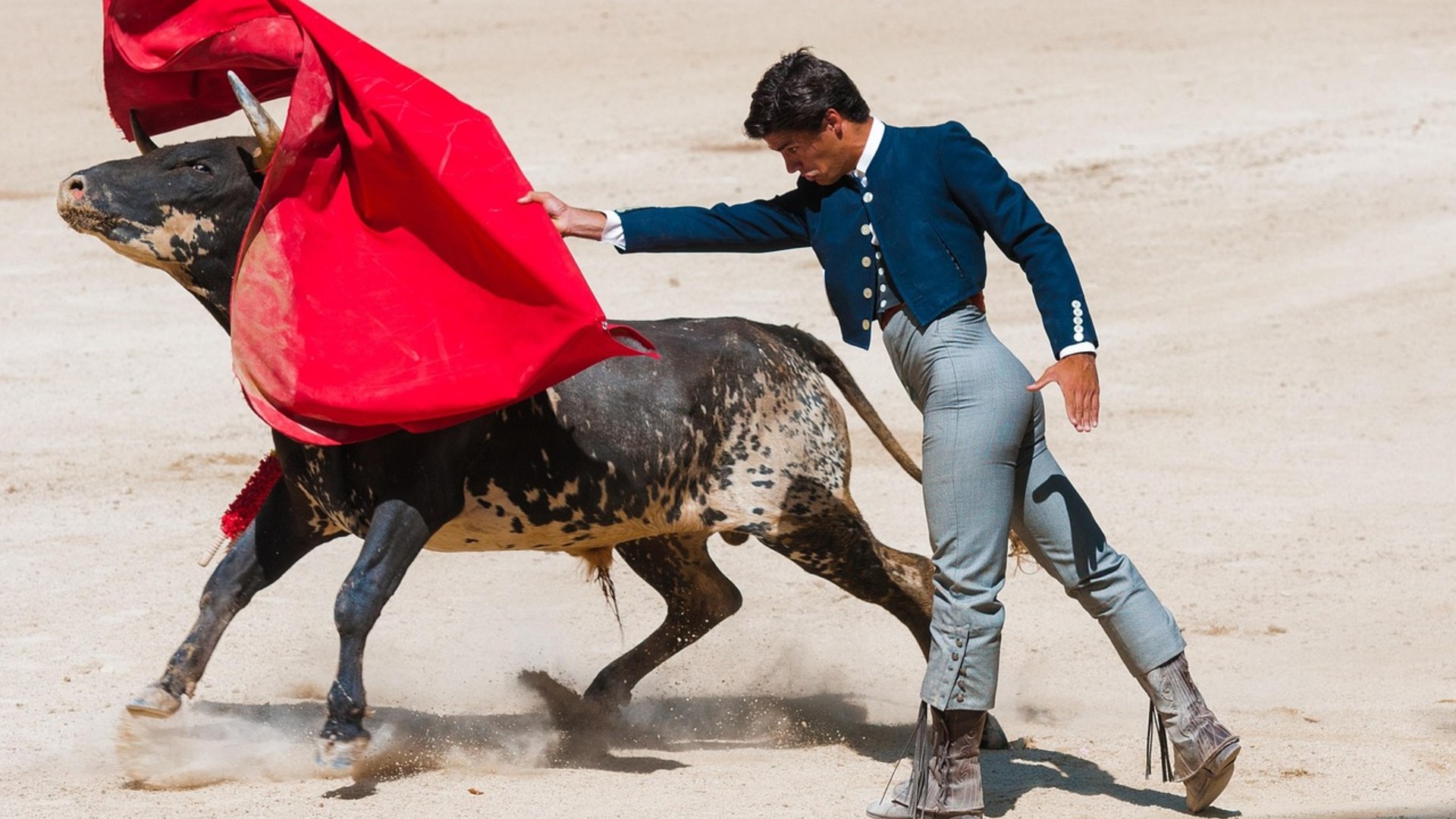
5. Bulls Get Enraged By The Color Red
Spectators assume that the waving crimson cloth in a bullfighting ring actively enrages the animal into a charging frenzy. Cattle do not care. Bulls lack the retinal photoreceptors needed to distinguish red from green, reacting exclusively to the rapid flapping motion.
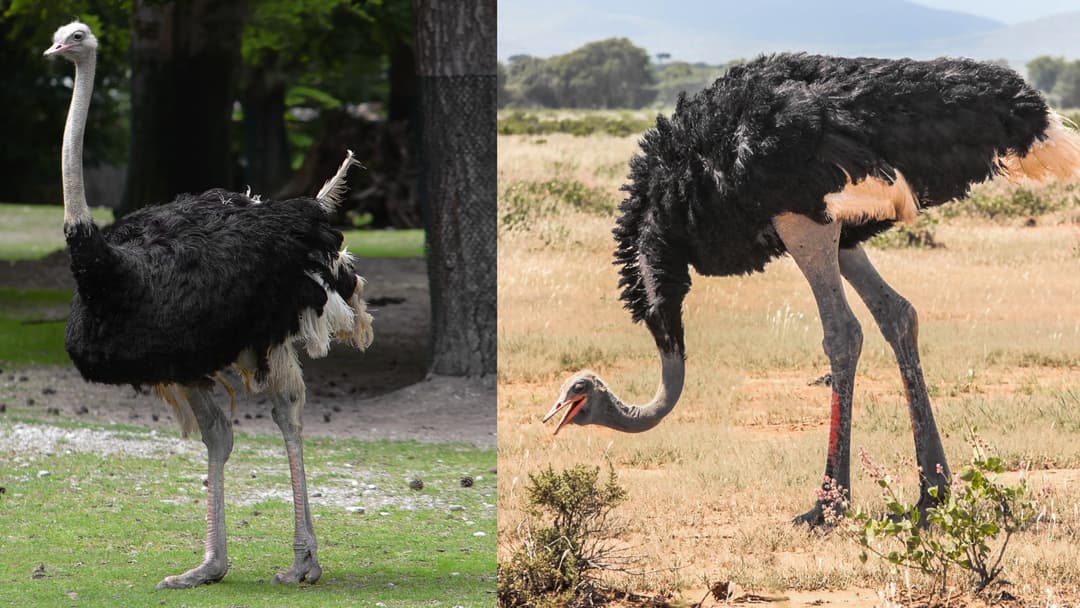
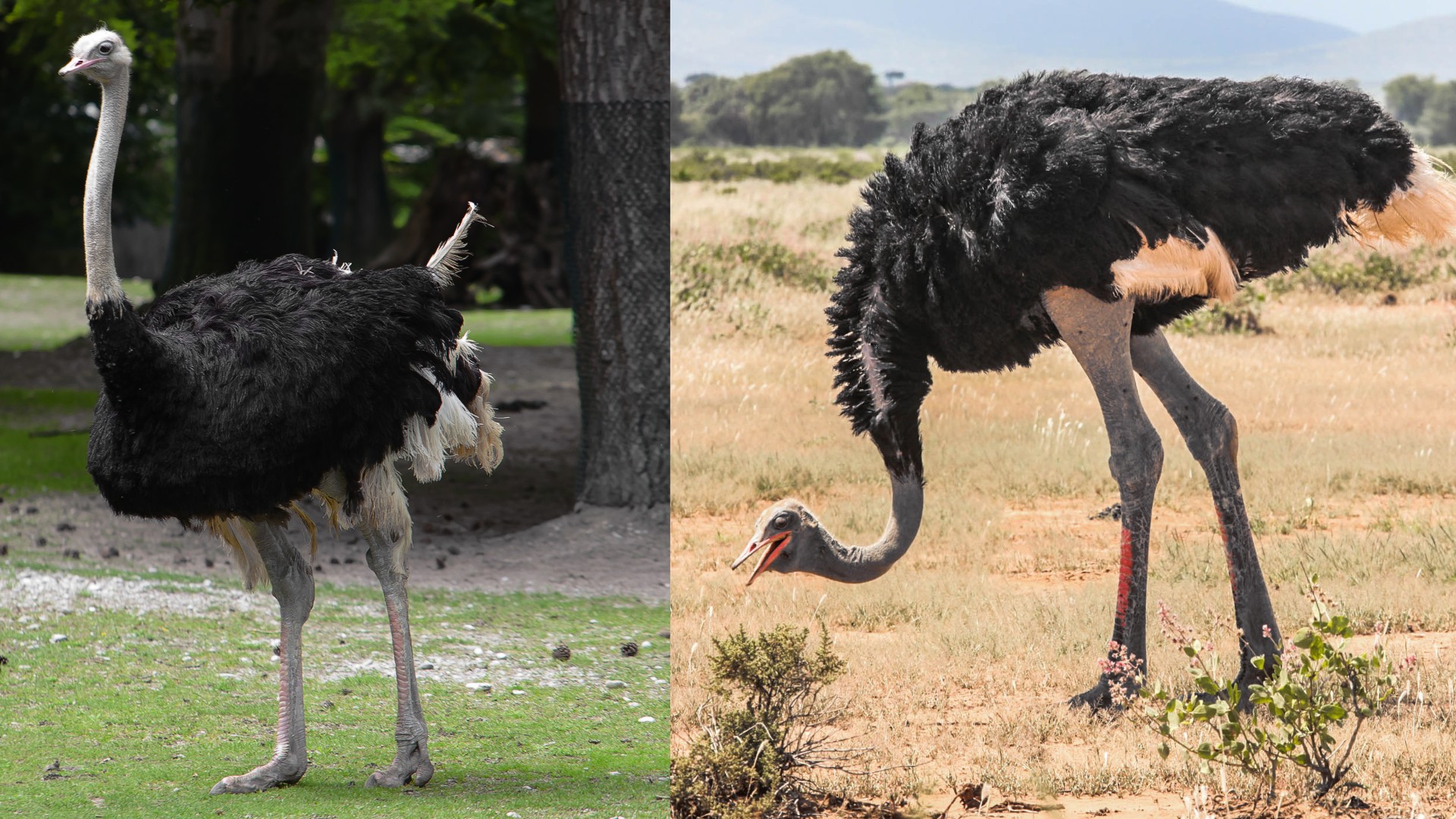
4. Ostriches Bury Their Heads In The Sand
The classic metaphor describes ostriches burying their heads in dirt whenever danger approaches across the savannah. It never happens. When threatened, ostriches press their long necks flat against the dirt to blend with open savannah terrain, creating the optical illusion of subterranean heads.
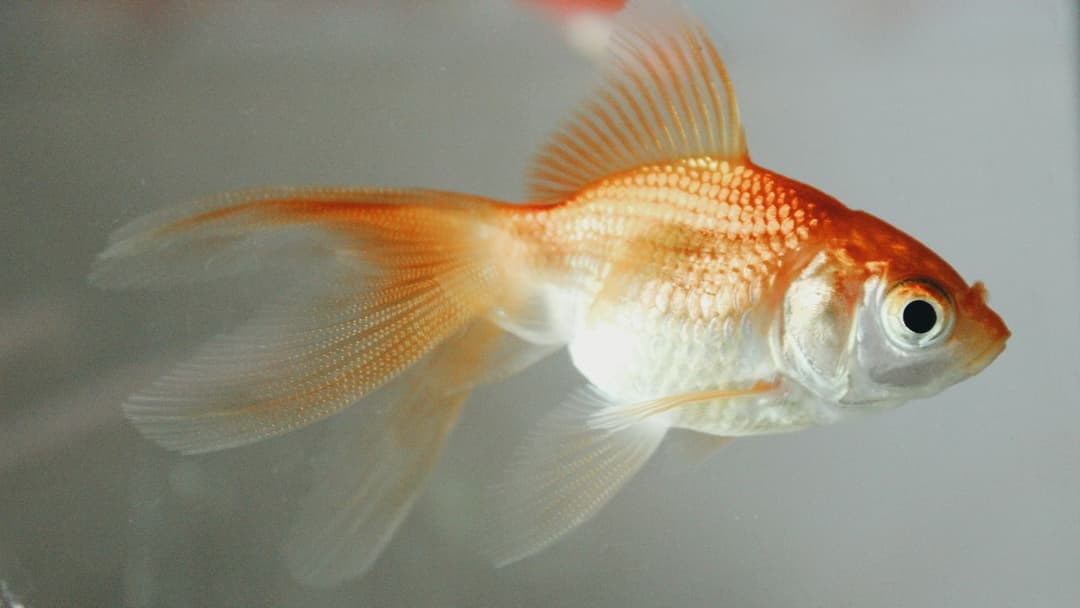
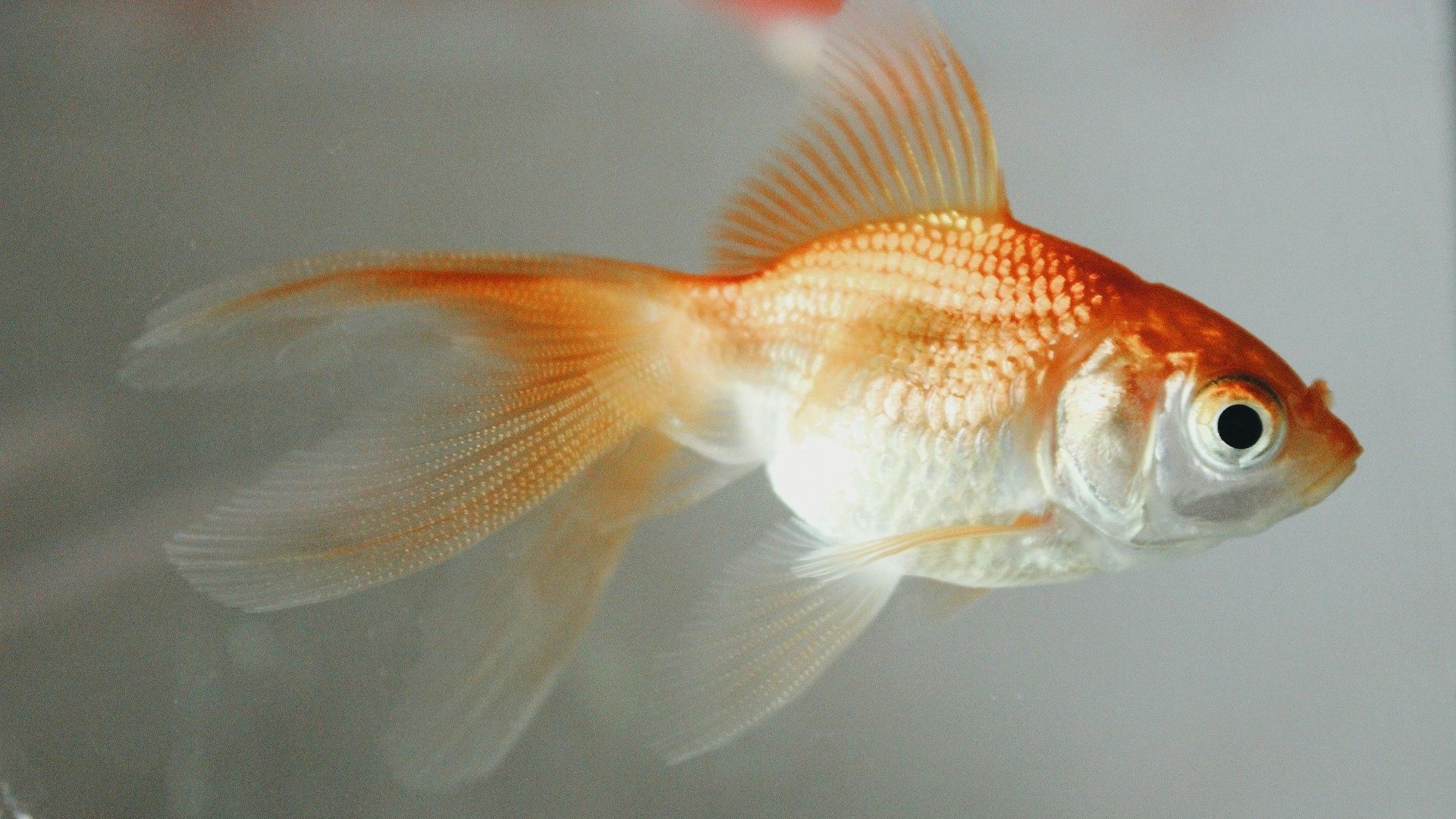
3. Goldfish Have A Three-Second Memory Span
Pet owners often excuse tiny fish bowls by claiming goldfish forget everything in their environment every three seconds. That is absurd. Controlled lab trials demonstrate goldfish retain learned behaviors and recognize distinct feeding cues for up to five months, even navigating complex underwater mazes.
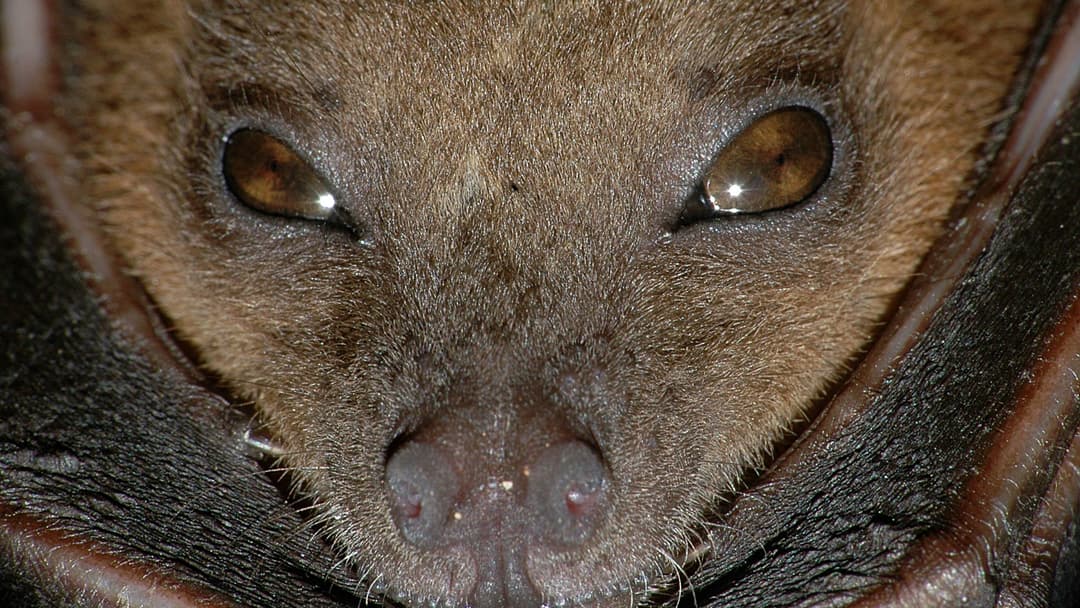
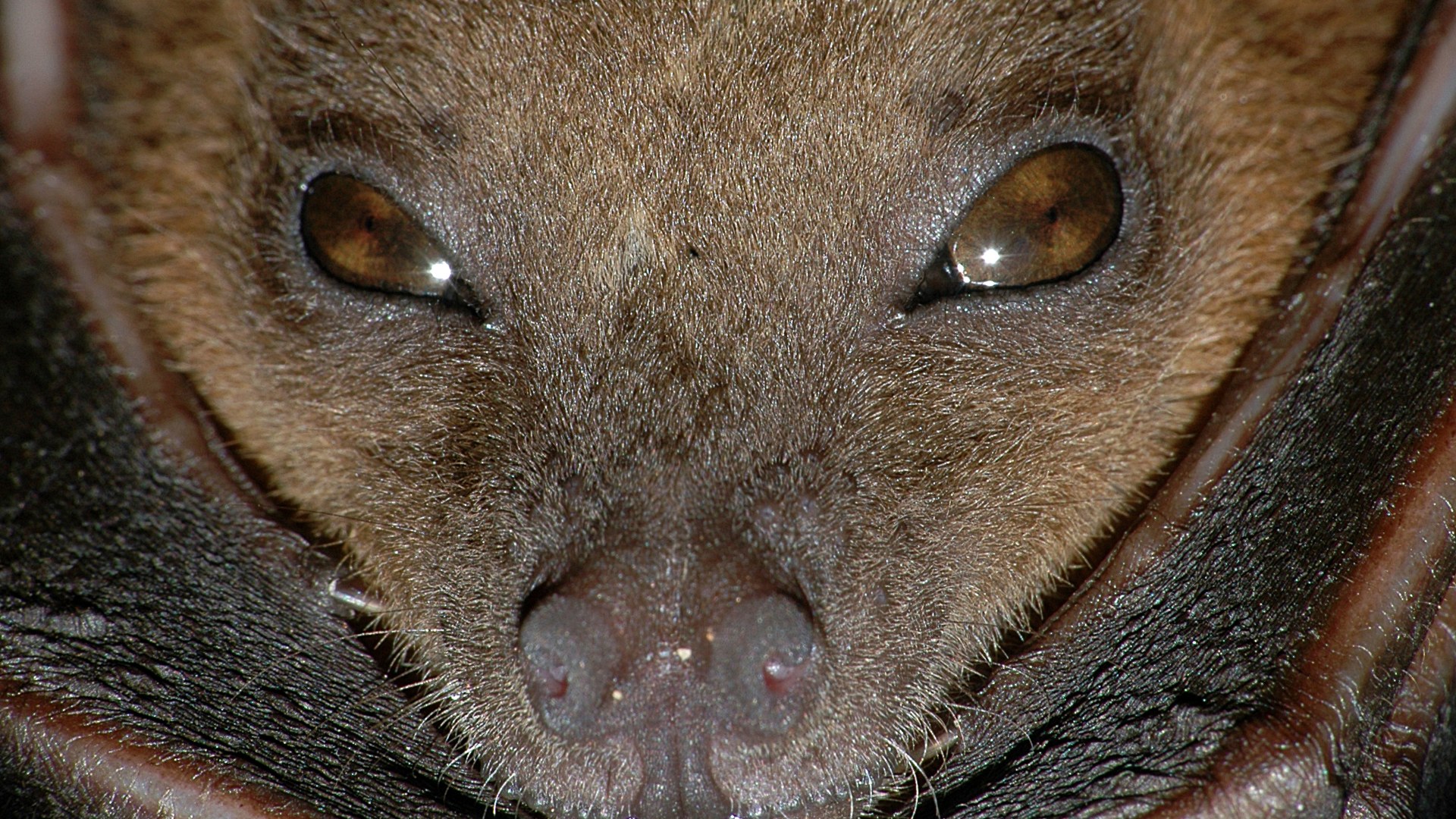
2. Bats Are Completely Blind
The phrase blind as a bat remains one of the most widespread figures of speech across modern culture. Biology says otherwise. While small insect-eating bats navigate with ultrasonic echolocation, all bat species possess functional eyes, and large fruit bats rely heavily on vision.
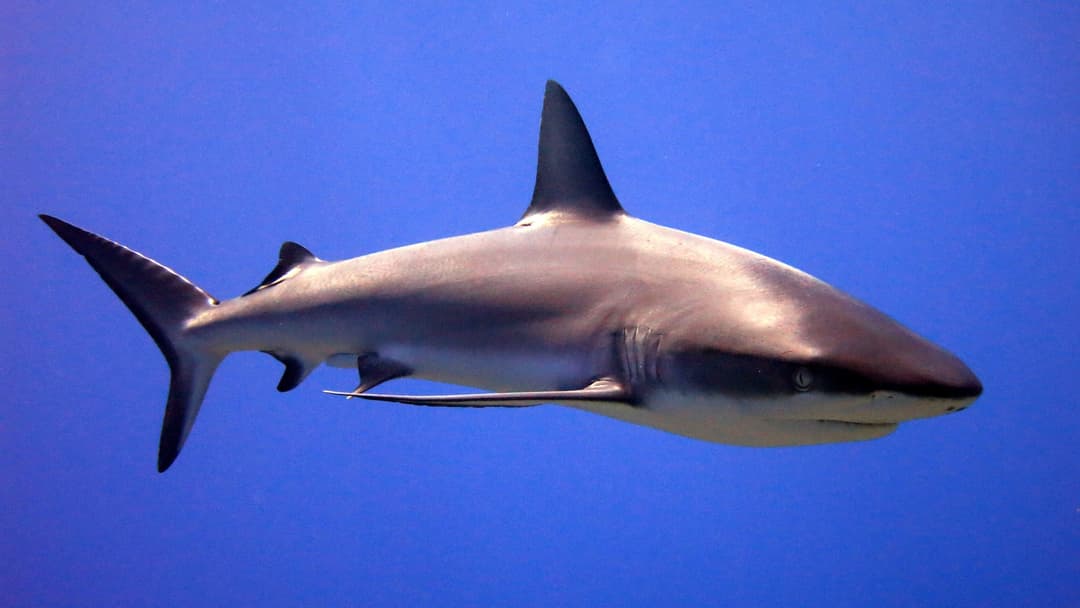
1. Sharks Cannot Get Cancer
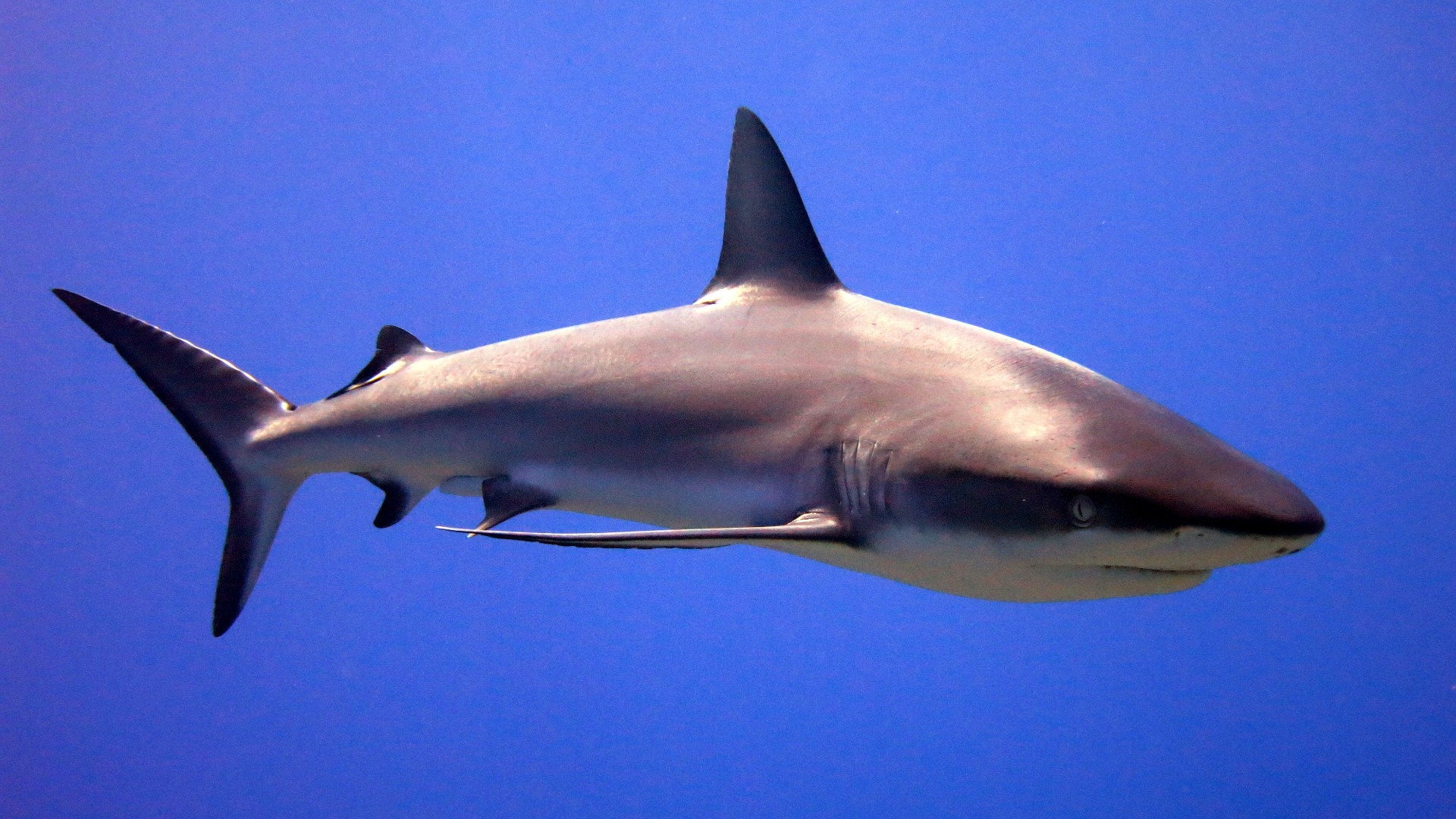
Pseudoscience books in the 1990s claimed that shark cartilage holds the cure to human disease because sharks never develop cancer. It cost thousands of animal lives. Marine biologists have cataloged tumors in dozens of shark species since the nineteenth century, proving they share vulnerability to cellular disease.