Slideshow · Animals
20 Ancient Cliff Dwellings and Rock-Cut Cities Carved Into Mountains
Based on architectural surveys from UNESCO World Heritage records, here are 20 remarkable ancient cliff dwellings and rock-hewn monuments carved directly into sheer mountains.
By Most Viral Today
2 hours ago

Ancient Rock-Cut Cities And Cliff Sanctuaries Carved Into Mountain Faces 
20. Yungang Grottoes 
19. Guyaju Caves 
18. Uçhisar Castle - AdvertisementSwipe or tap ▶ to continue countdown

17. Sumela Monastery 
16. Mogao Caves 
15. Lycian Rock Tombs 
14. Göreme Open-Air Museum - AdvertisementSwipe or tap ▶ to continue countdown

13. Montezuma Castle 
12. Bandelier National Monument 
11. Ajanta Caves 
10. Longmen Grottoes - AdvertisementSwipe or tap ▶ to continue countdown

9. Sassi Di Matera 
8. Vardzia Cave Monastery 
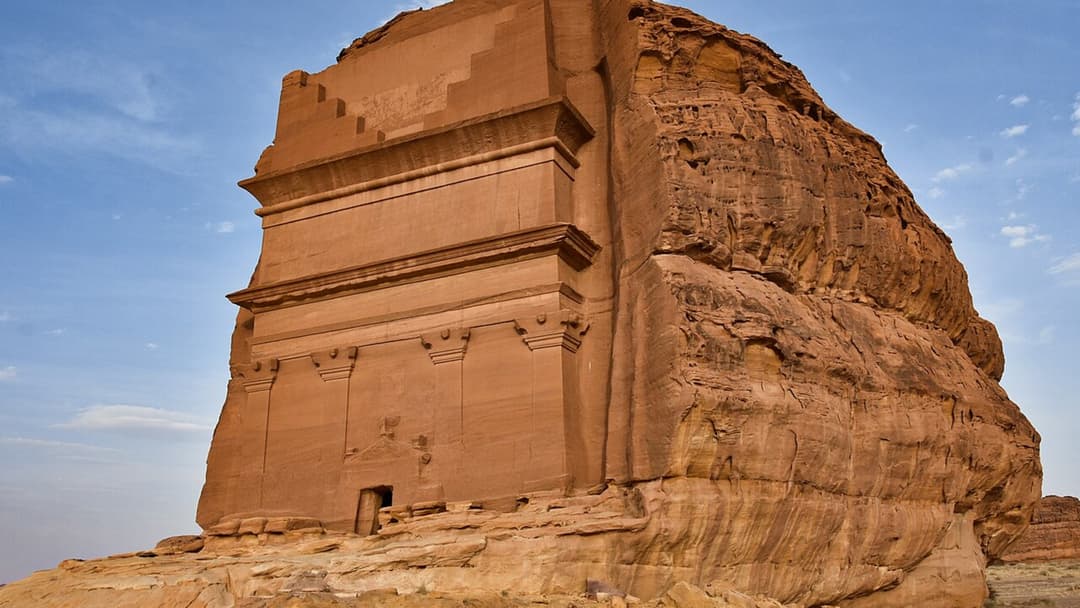
7. Hegra (Qasr Al-Farid) 
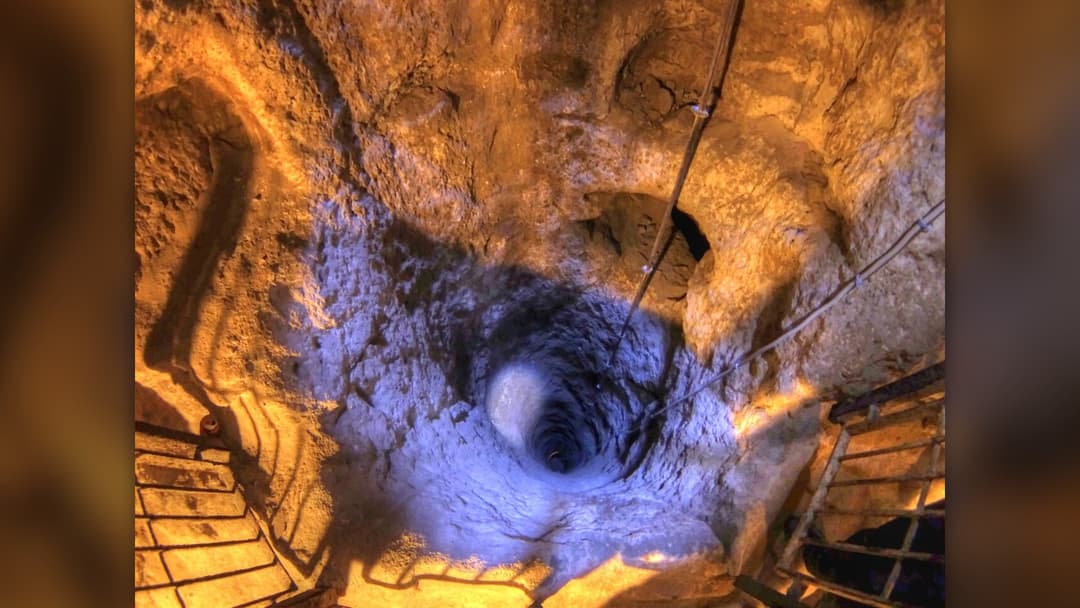
6. Derinkuyu Underground City - AdvertisementSwipe or tap ▶ to continue countdown

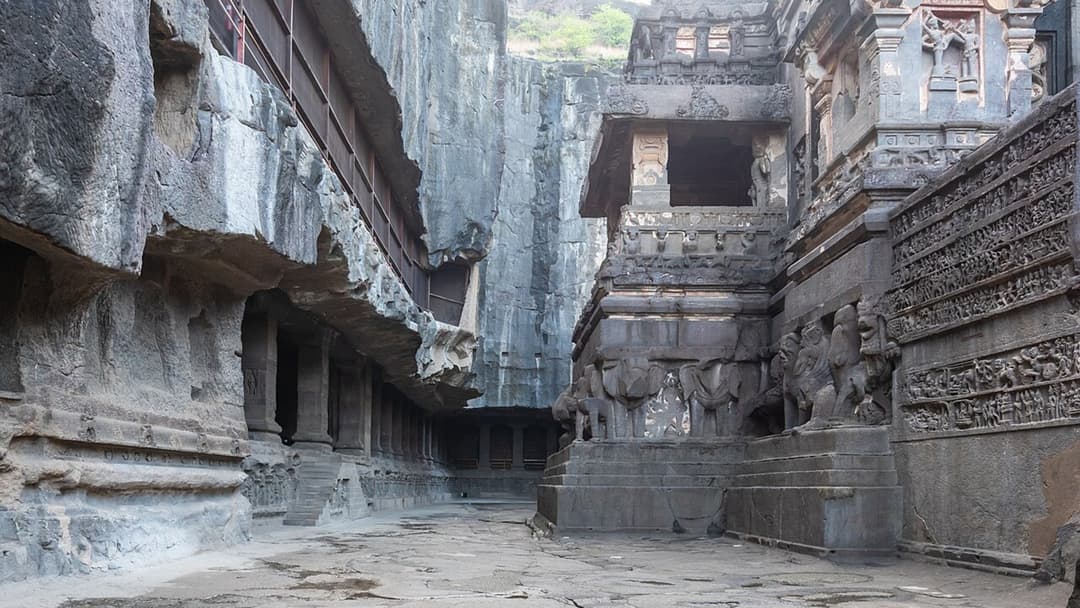
5. Kailasa Temple (Ellora) 
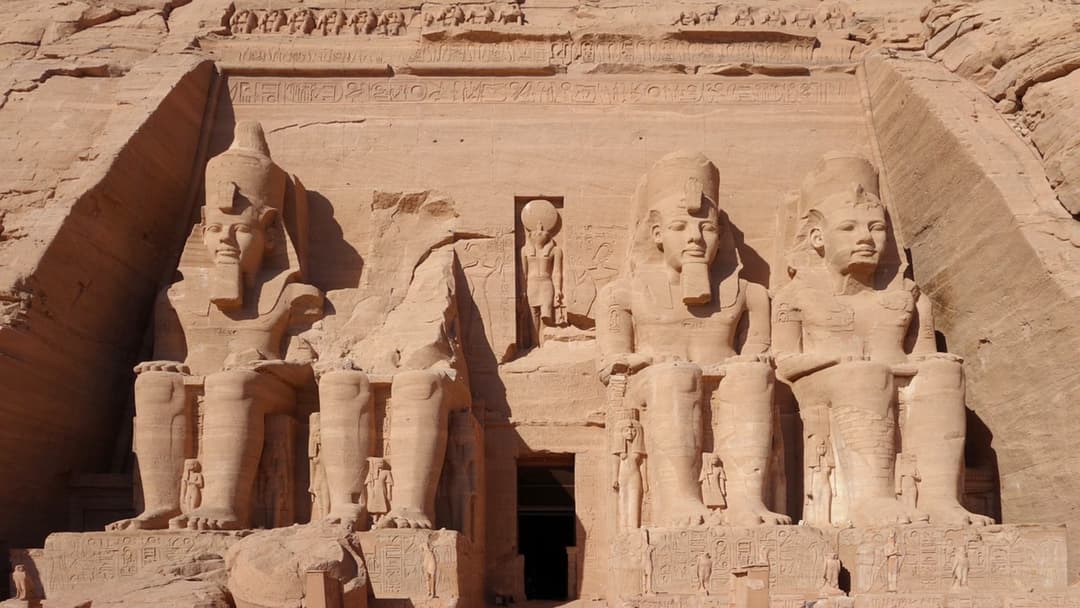
4. Abu Simbel Temples 
3. Church Of Saint George (Lalibela) 
2. Cliff Palace (Mesa Verde) - AdvertisementSwipe or tap ▶ to continue countdown

1. Petra (Al-Khazneh) - Advertisement🔥 UP NEXT IN THIS SERIES◫ 21 Slides

20 Legendary American Battleships and Warships Preserved as Museum Ships
Curated from records of the Naval History and Heritage Command and maritime preservation registries, these twenty museum warships commemorate American naval power. Naval power shaped history. Maritime archives record the survival of legendary battleships, aircraft carriers, and submarines that defended freedom across two centuries of conflict.
Based on architectural conservation surveys from UNESCO World Heritage records, these twenty ancient cliff dwellings and rock-hewn monuments represent humanity's greatest achievements in monolithic stone engineering.
Swipe or tap ▶ to begin the countdown
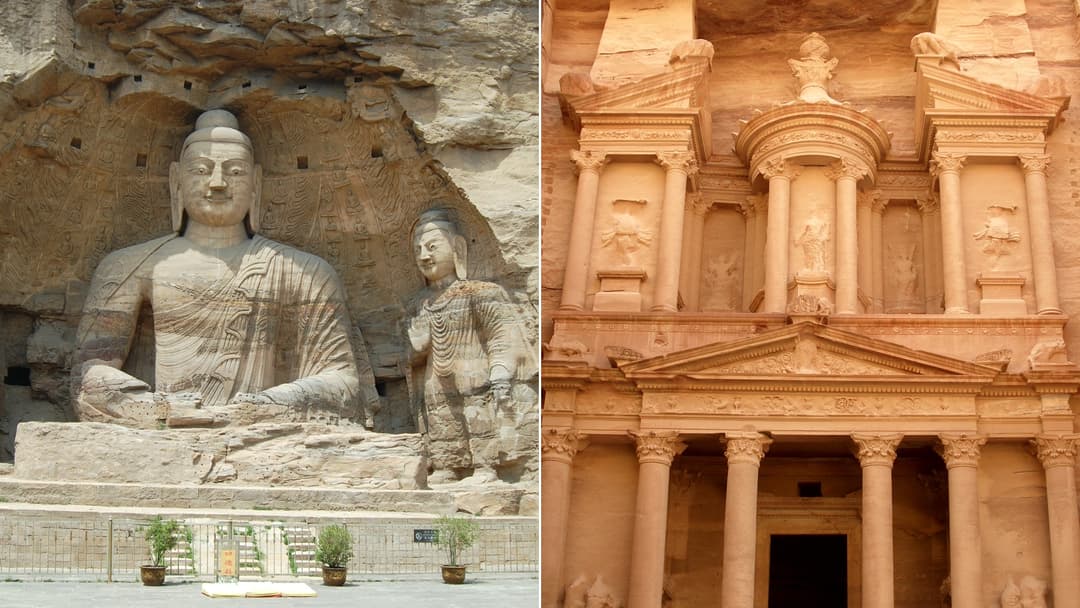
©Wikimedia / Marcin Bialek & Wikimedia / Vyacheslav Argenberg
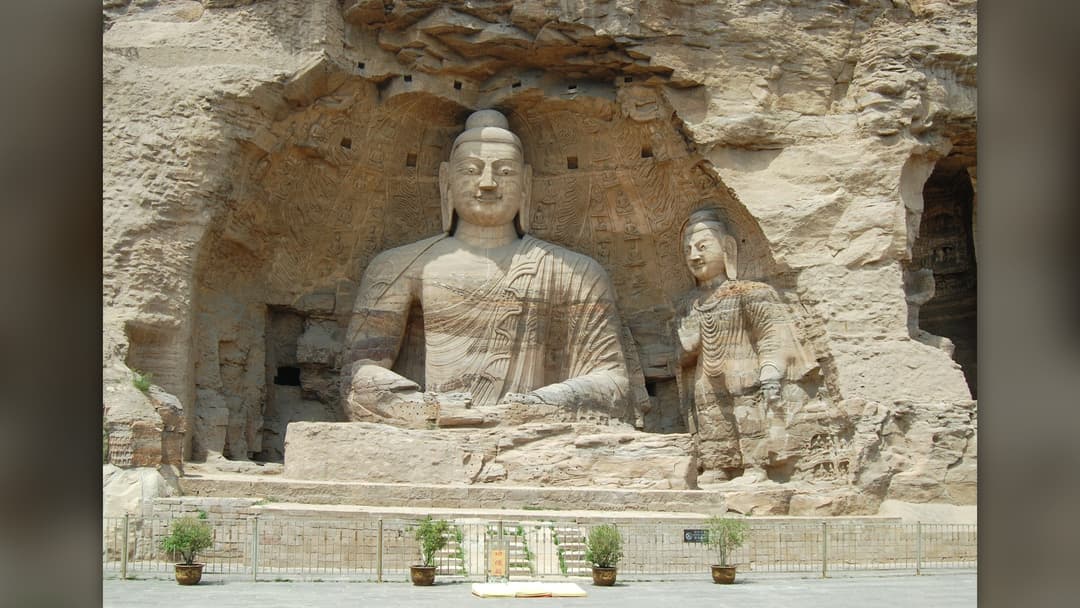
20. Yungang Grottoes
Carved during the fifth century along the Northern Wei capital, Yungang includes 252 excavated sandstone caves. Statues gaze outward. Master sculptors blended Hellenistic and Central Asian styles into soaring fifty-foot stone Buddhas that watch over the Datong valley.
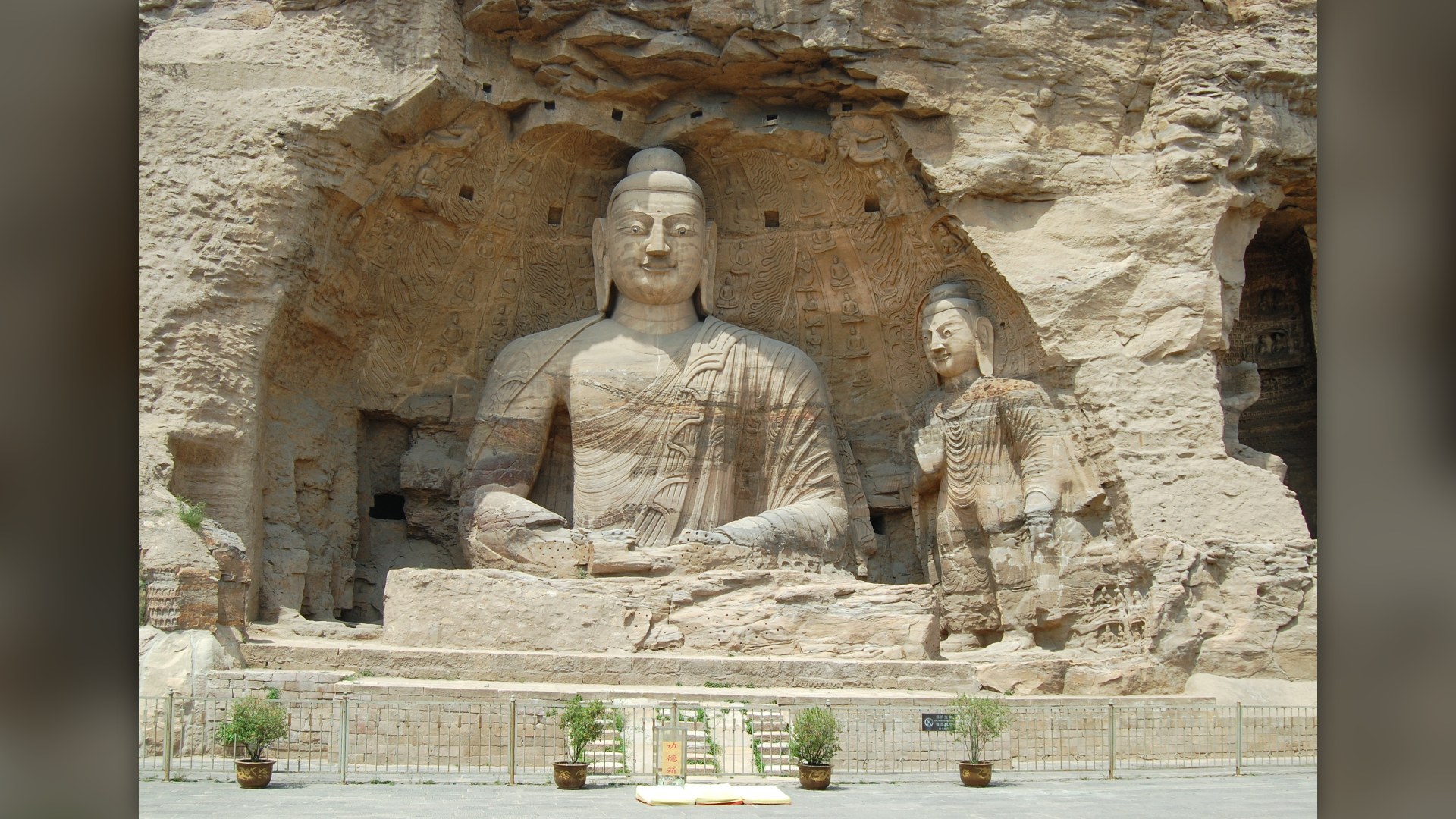
©Wikimedia / Marcin Bialek
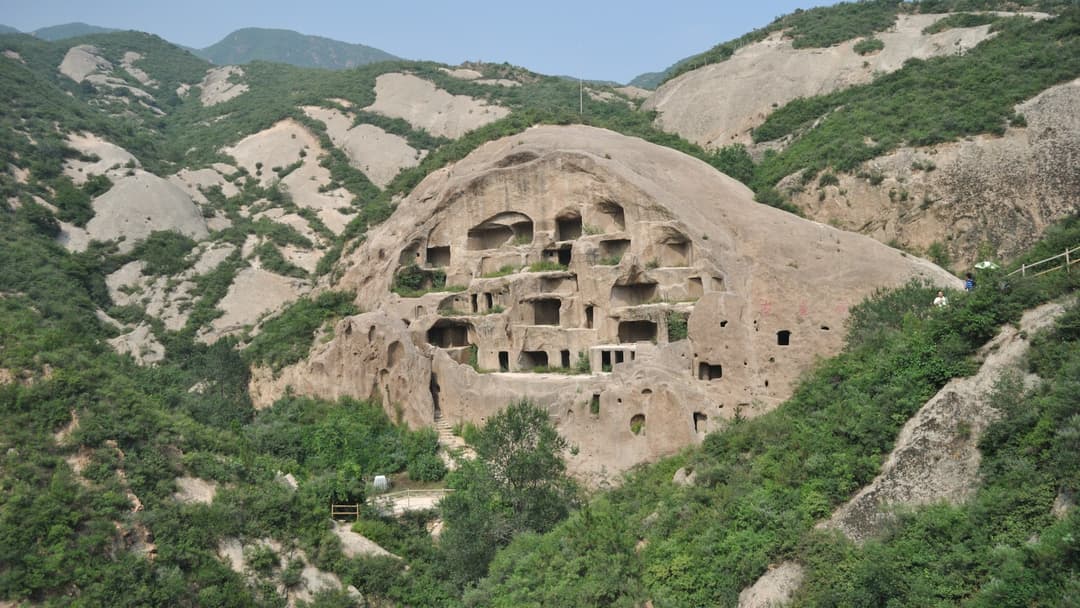
19. Guyaju Caves
Tucked inside a rugged gorge north of Beijing, Guyaju features 117 residential cave chambers chiseled into sheer rock. Smoke vents pierce cliffs. Mysterious ancient builders carved stone beds, shelving, and animal mangers directly into solid granitic bluffs.
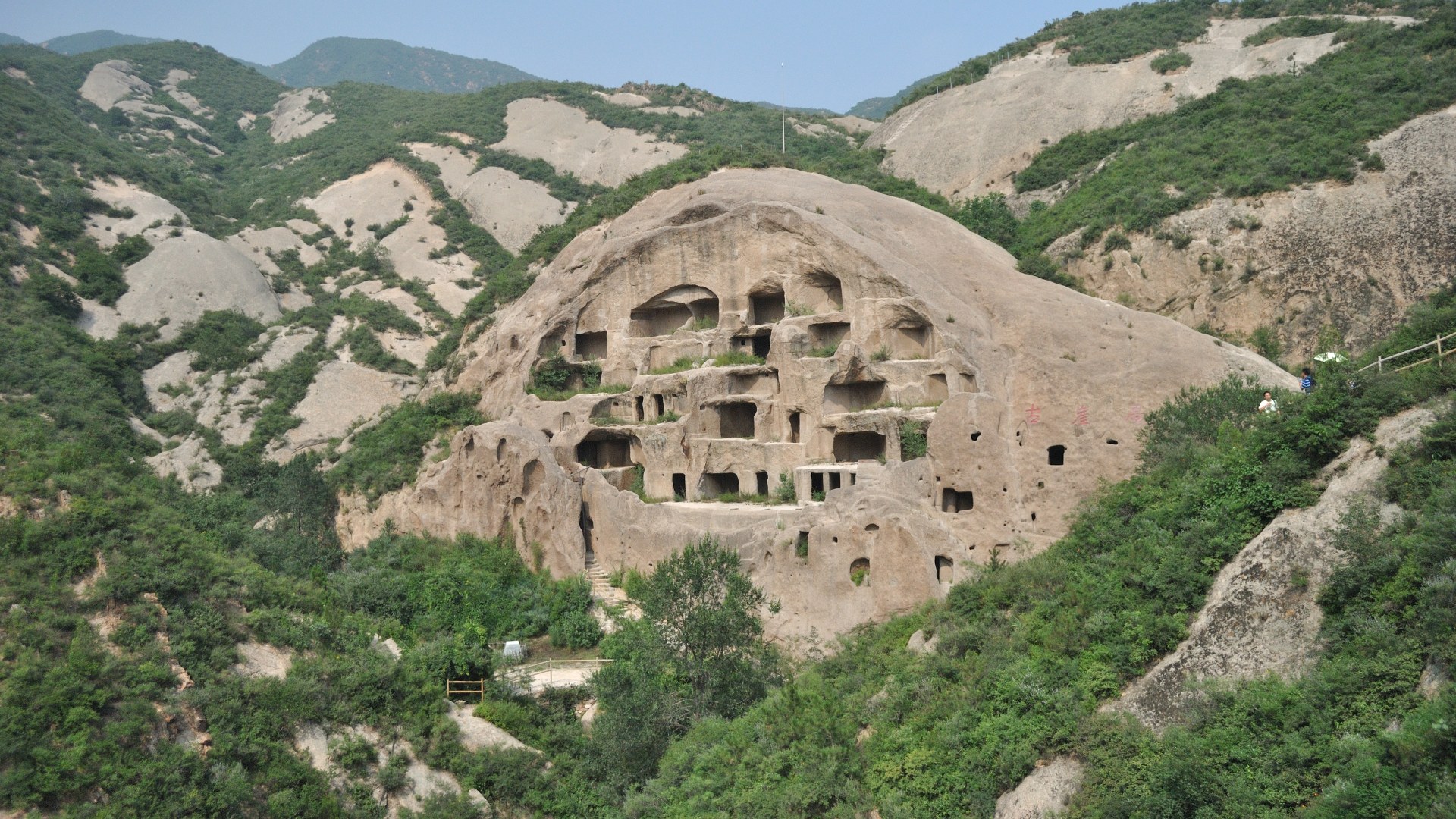
©Wikimedia / Siyuwj
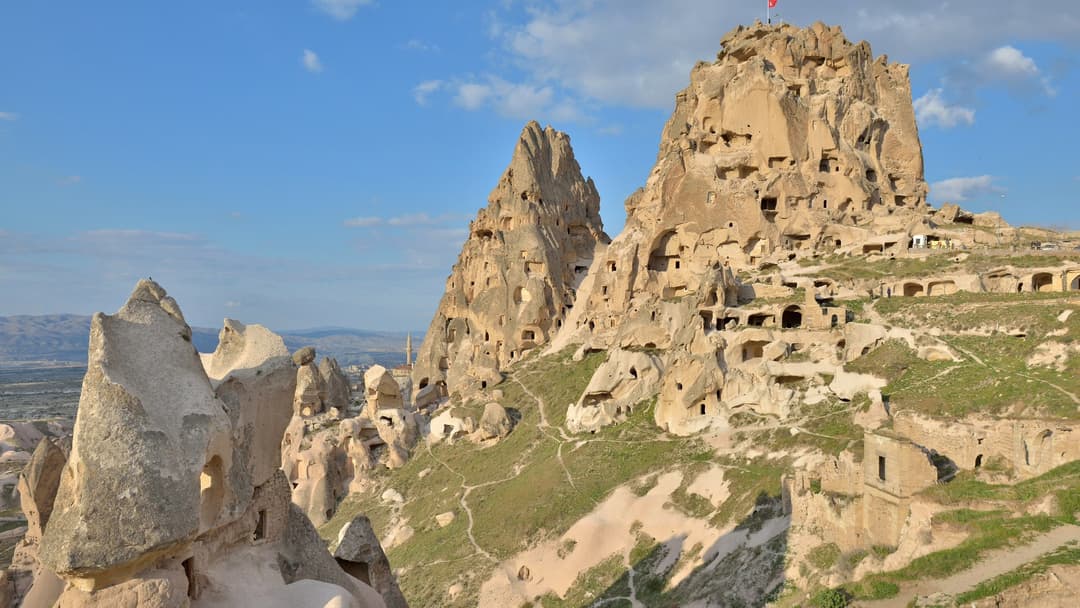
18. Uçhisar Castle
Rising over central Cappadocia, this natural volcanic peak was transformed into a multi-story fortress by Byzantine builders. Tunnels weave inside. Soldiers retreated through narrow rock-cut passages while sealing massive circular doorway stones against advancing invaders.
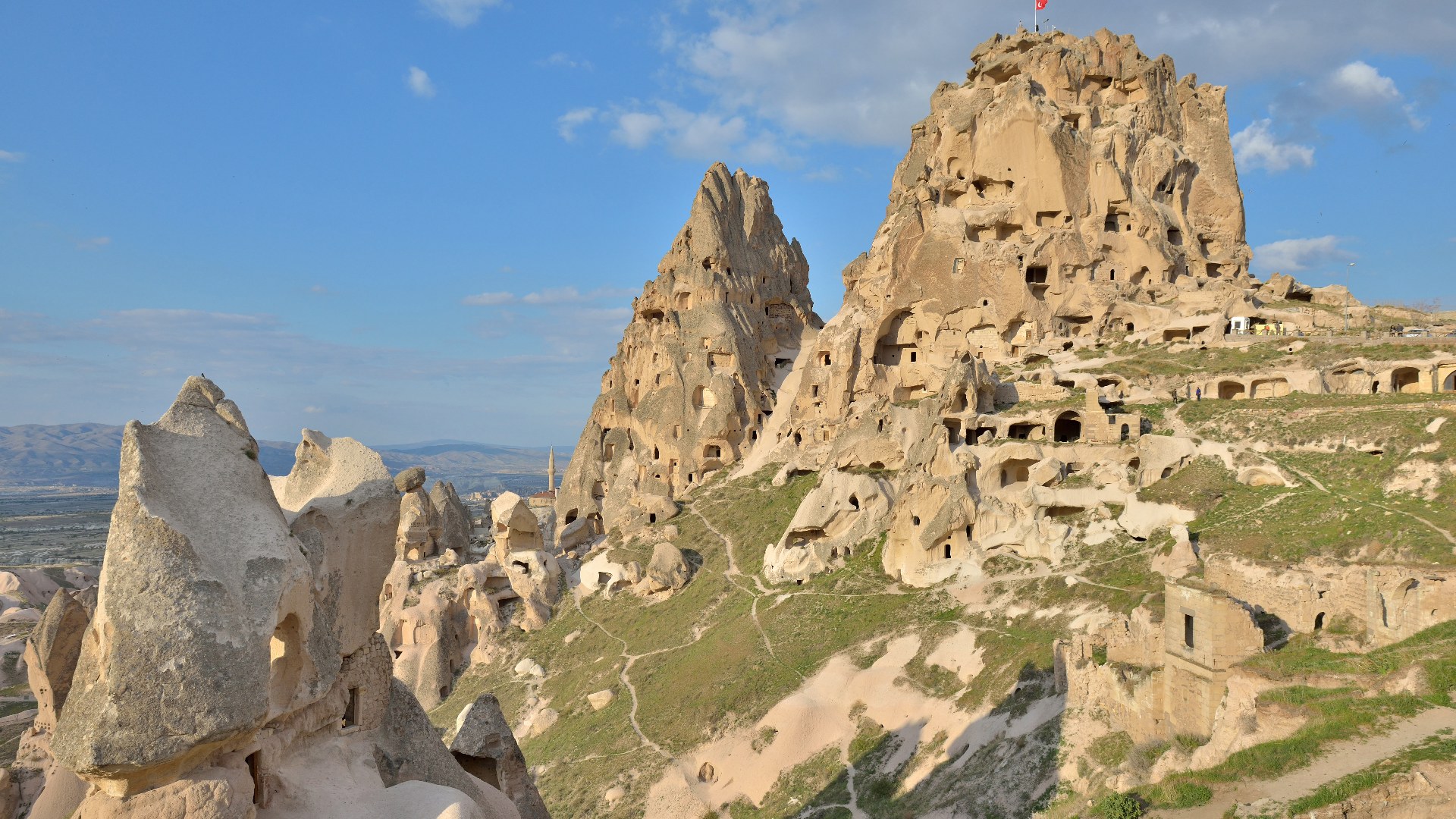
©Wikimedia / Wolfgang Moroder
Advertisement
Swipe or tap ▶ to resume the countdown.
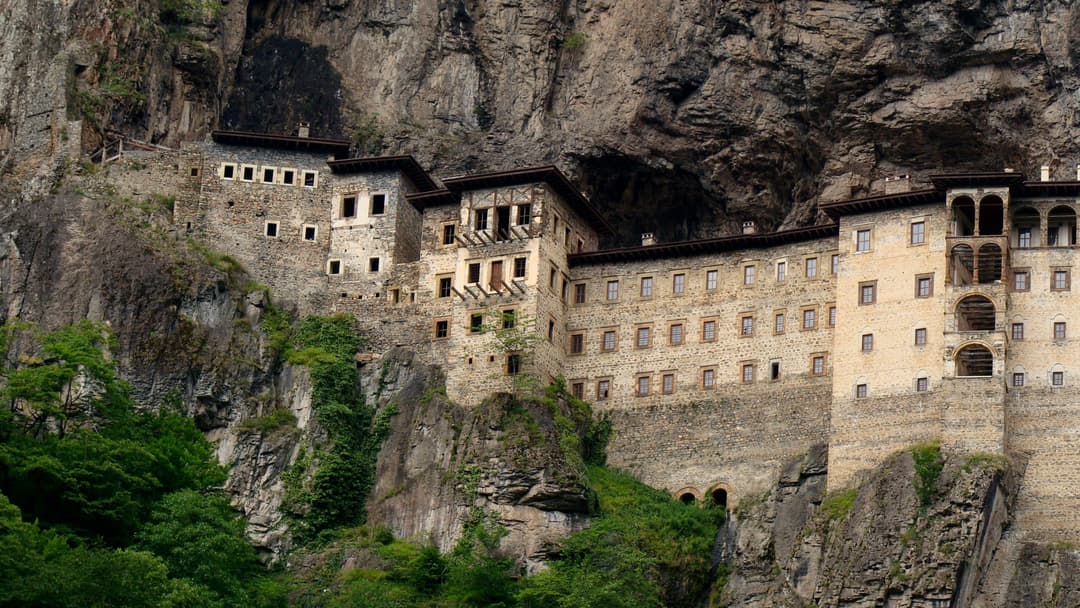
17. Sumela Monastery
Founded in the fourth century, Sumela Monastery hangs high above the Altındere Valley inside Turkey's Black Sea mountains. Granite walls plunge below. Monks climbed perilous wooden staircases to reach frescoed chapels carved deep within mountain caverns.
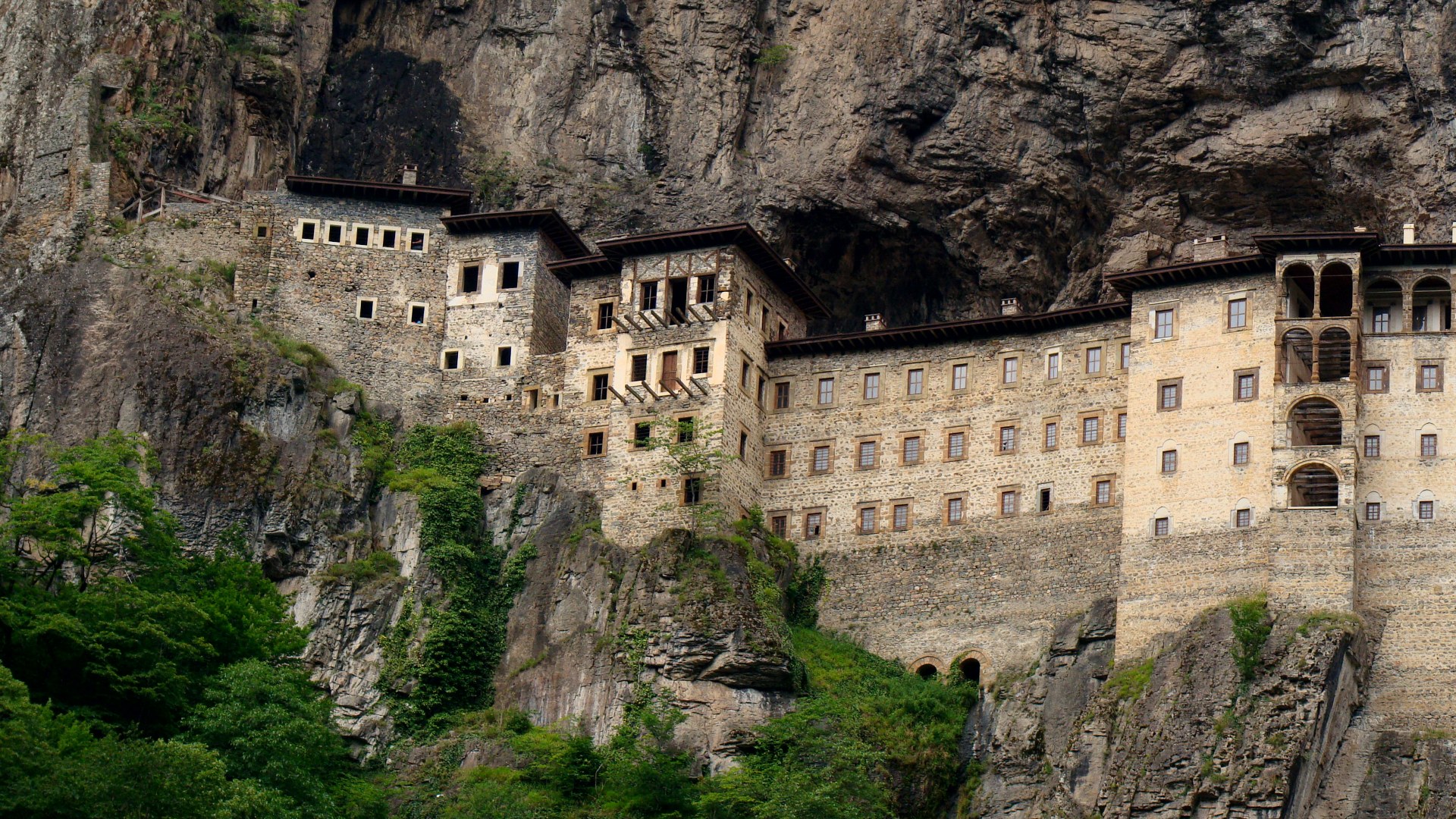
©Wikimedia / Bjorn Christian Torrissen
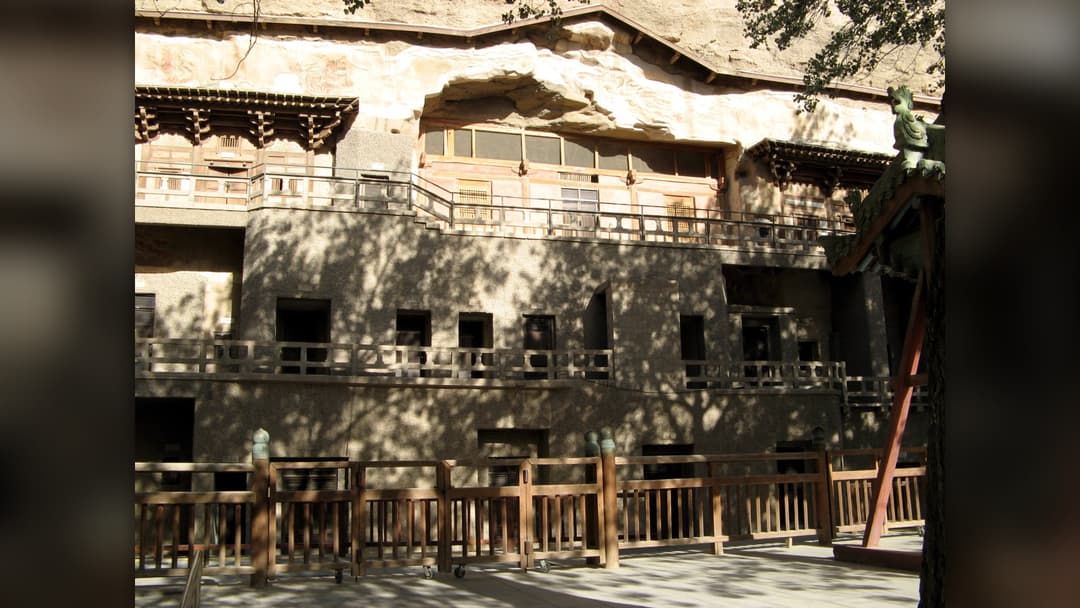
16. Mogao Caves
Spanning a mile-long sandstone cliff in the Gobi Desert, Mogao preserves a thousand years of Buddhist sacred art. Caves honeycomb cliffs. Devout pilgrims sponsored elaborate rock-cut grottoes adorned with vivid murals and gilded stone statuary.
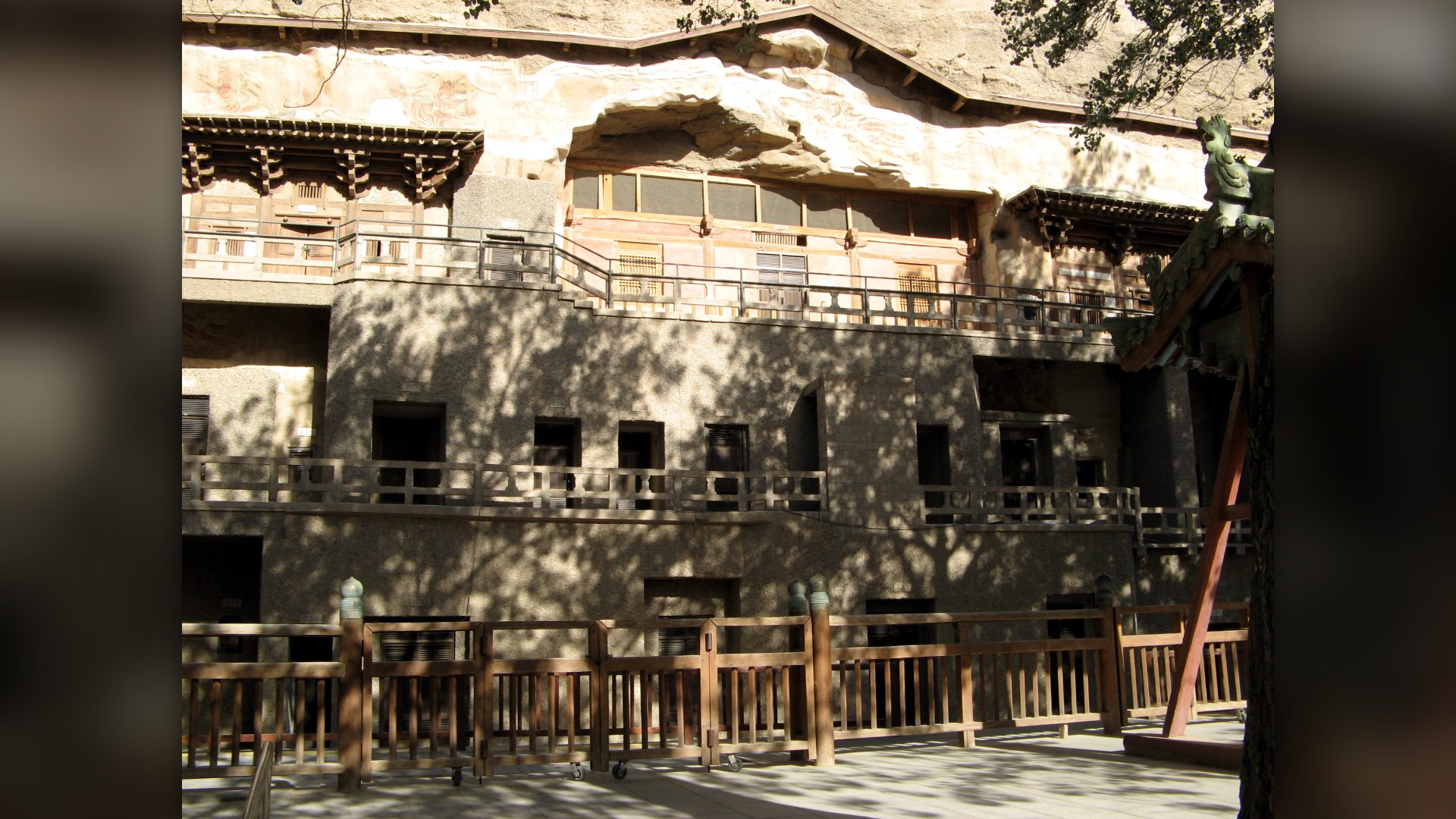
©Wikimedia / G41rn8
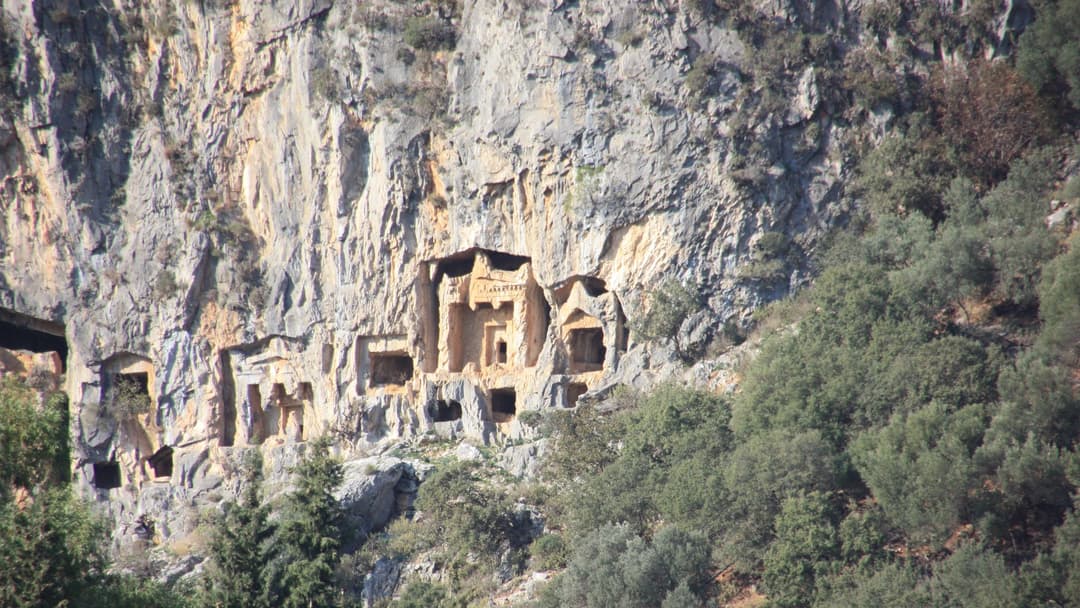
15. Lycian Rock Tombs
Carved in the fourth century BCE, these monumental Lycian royal tombs overlook the winding Dalyan River in Turkey. Stone columns stand tall. Ancient artisans suspended themselves with ropes to chisel pedimented temple facades directly out of vertical limestone.
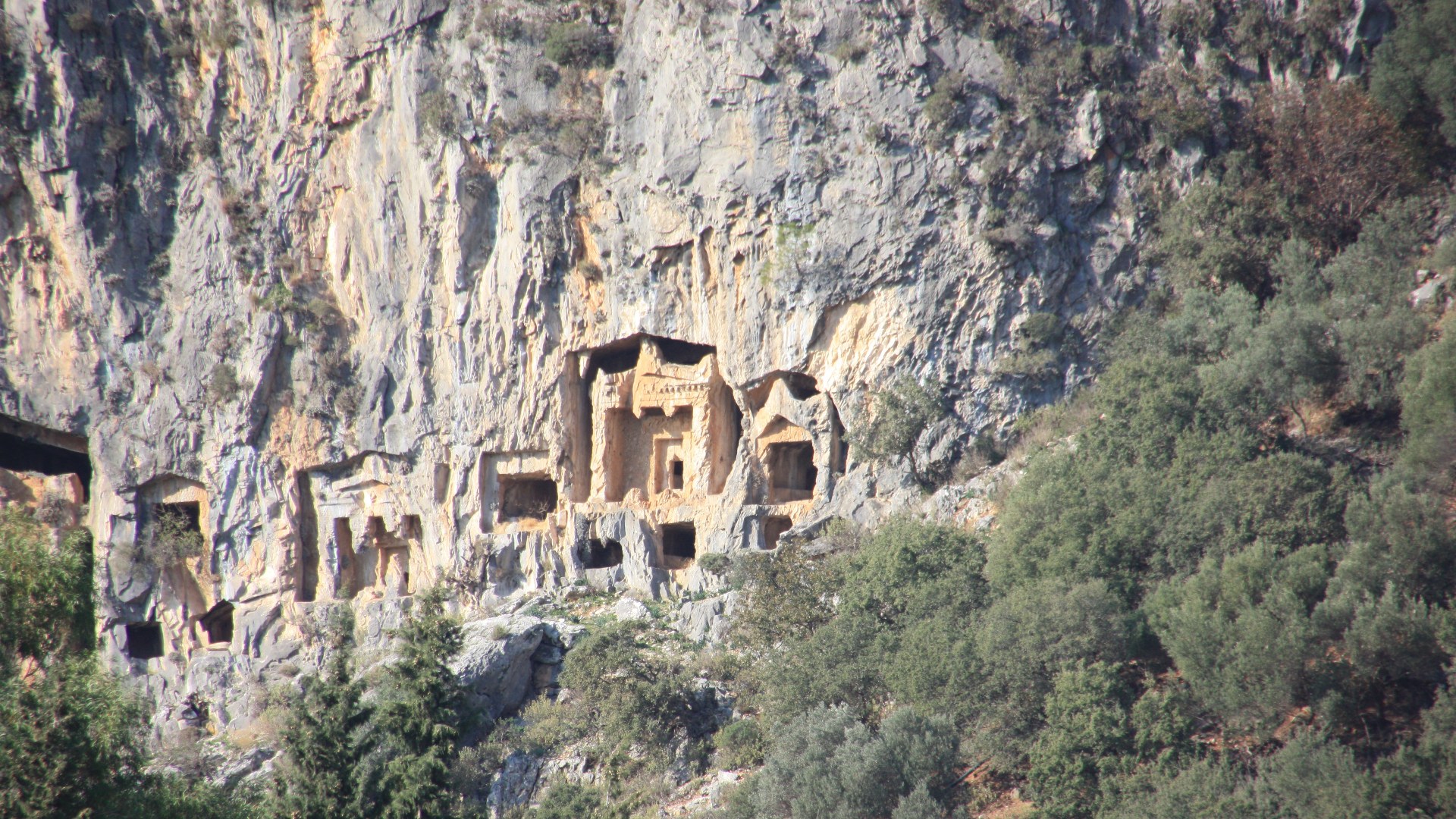
©Wikimedia / Rrburke
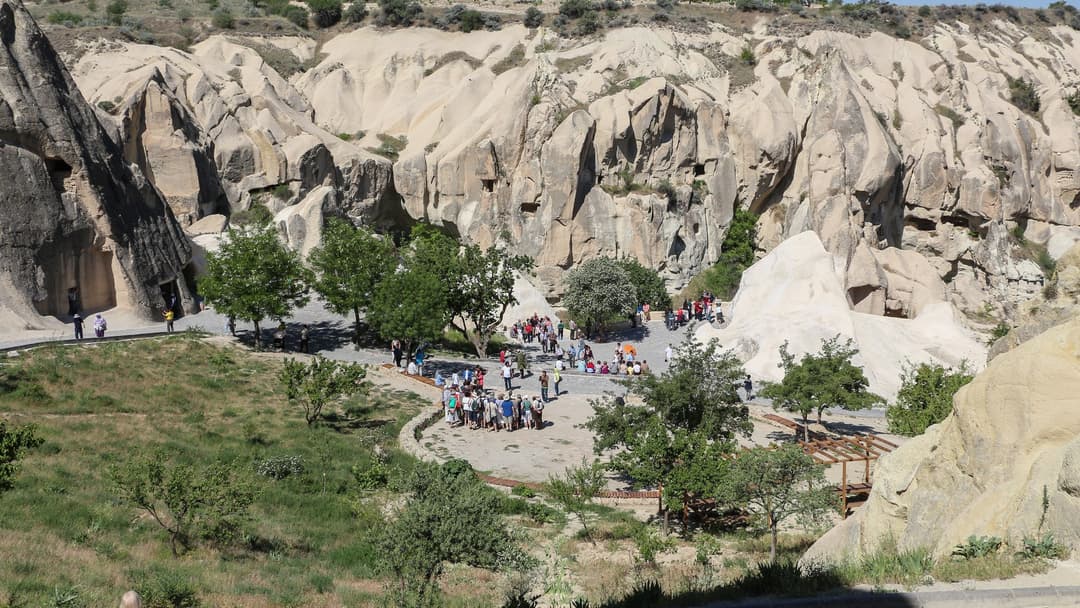
14. Göreme Open-Air Museum
Göreme contains a vast concentration of rock-cut refectories, dwellings, and chapels carved into Cappadocia's volcanic fairy chimneys. Tuff carves easily. Medieval hermits painted stunning biblical frescoes across domed ceilings that survive in brilliant condition.
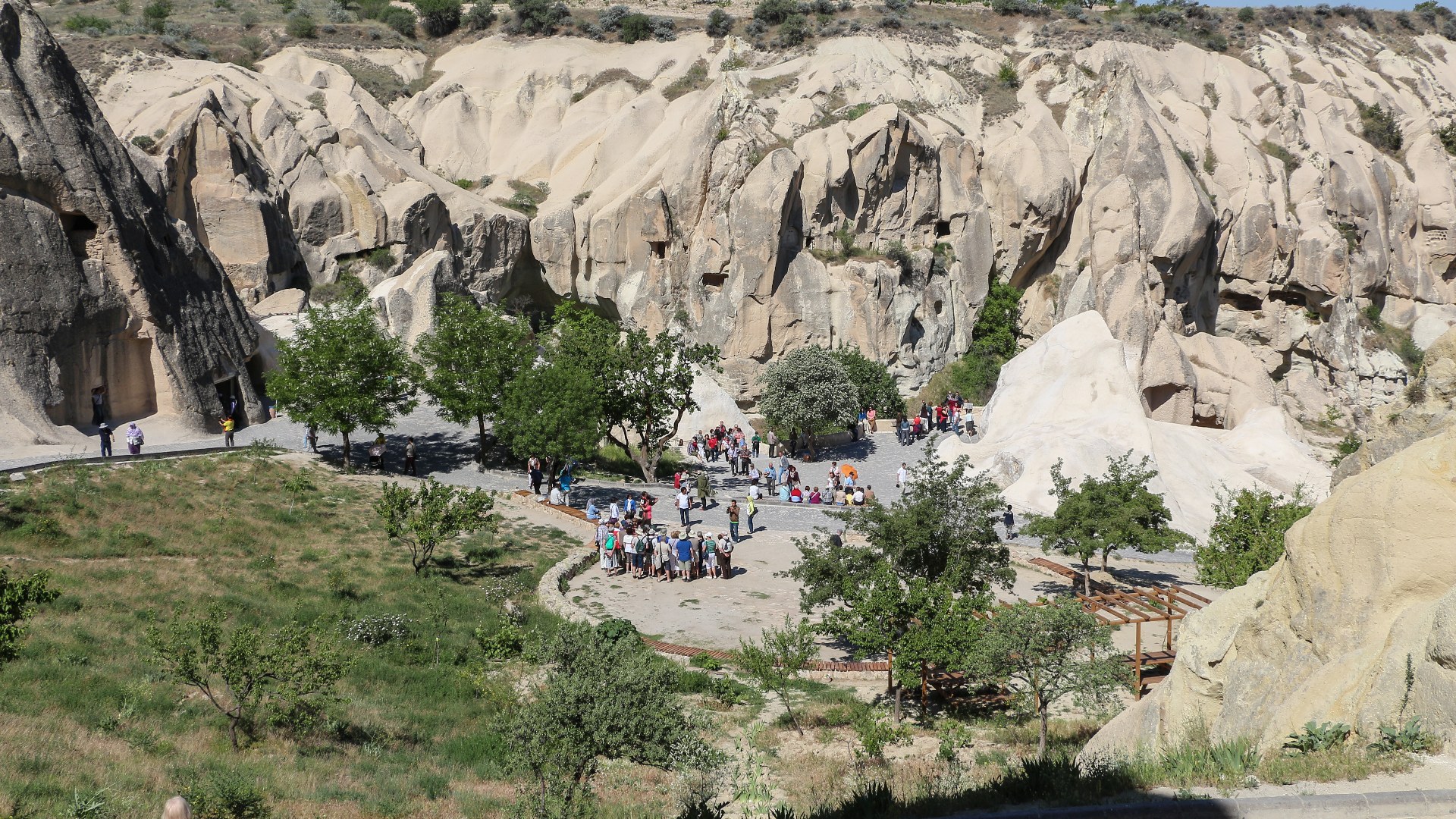
©Wikimedia / Bernard Gagnon
Advertisement
Swipe or tap ▶ to resume the countdown.
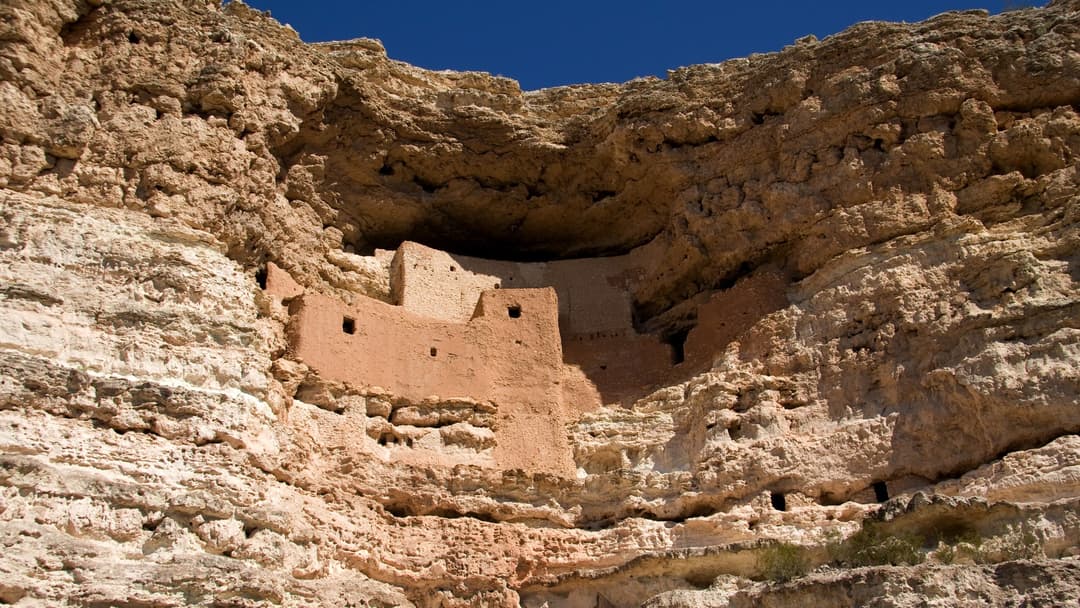
13. Montezuma Castle
Built by the Sinagua people around 1100 CE, this five-story stone pueblo perches ninety feet above Beaver Creek. Alcoves provide shade. Early American settlers mistakenly named the complex after the Aztec emperor despite its indigenous Pueblo origins.
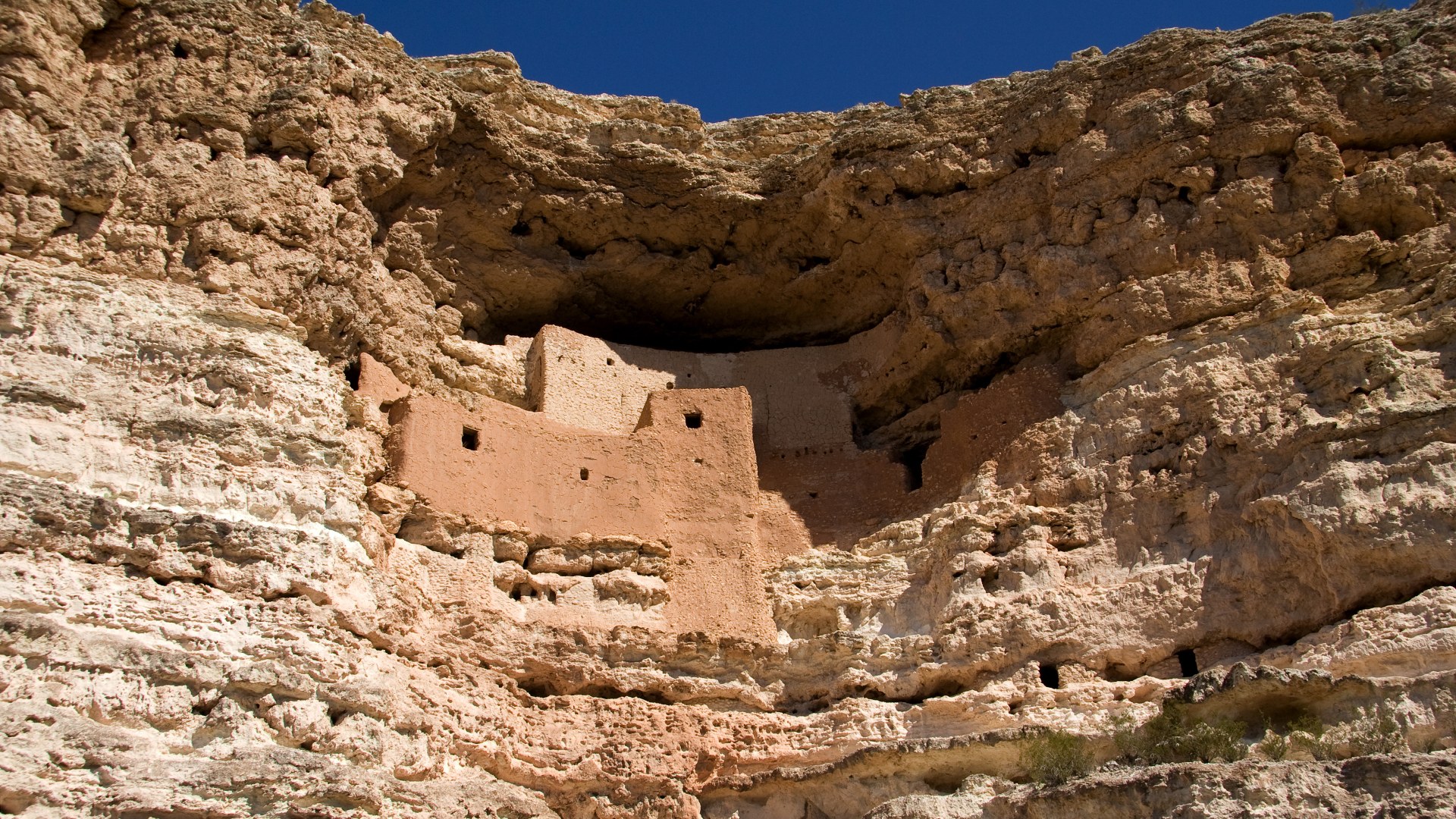
©Wikimedia / ksblack99
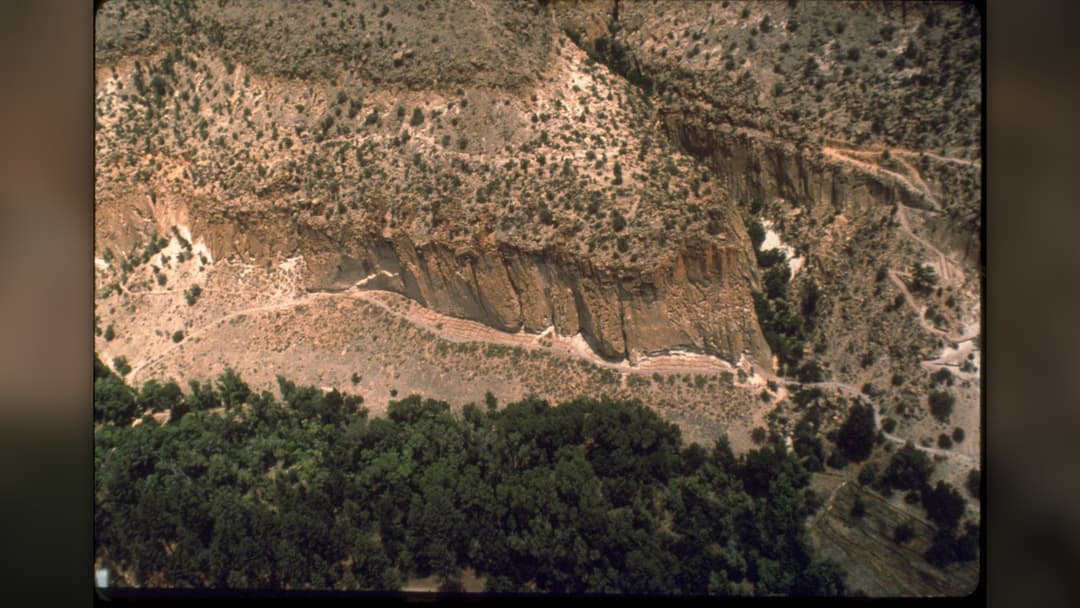
12. Bandelier National Monument
Centuries ago, ancestral Puebloans carved living chambers called cavates into the soft volcanic ash cliffs of Frijoles Canyon. Ladders gave entry. Builders plastered interior stone walls and carved ceiling smoke holes that remain clearly visible today.
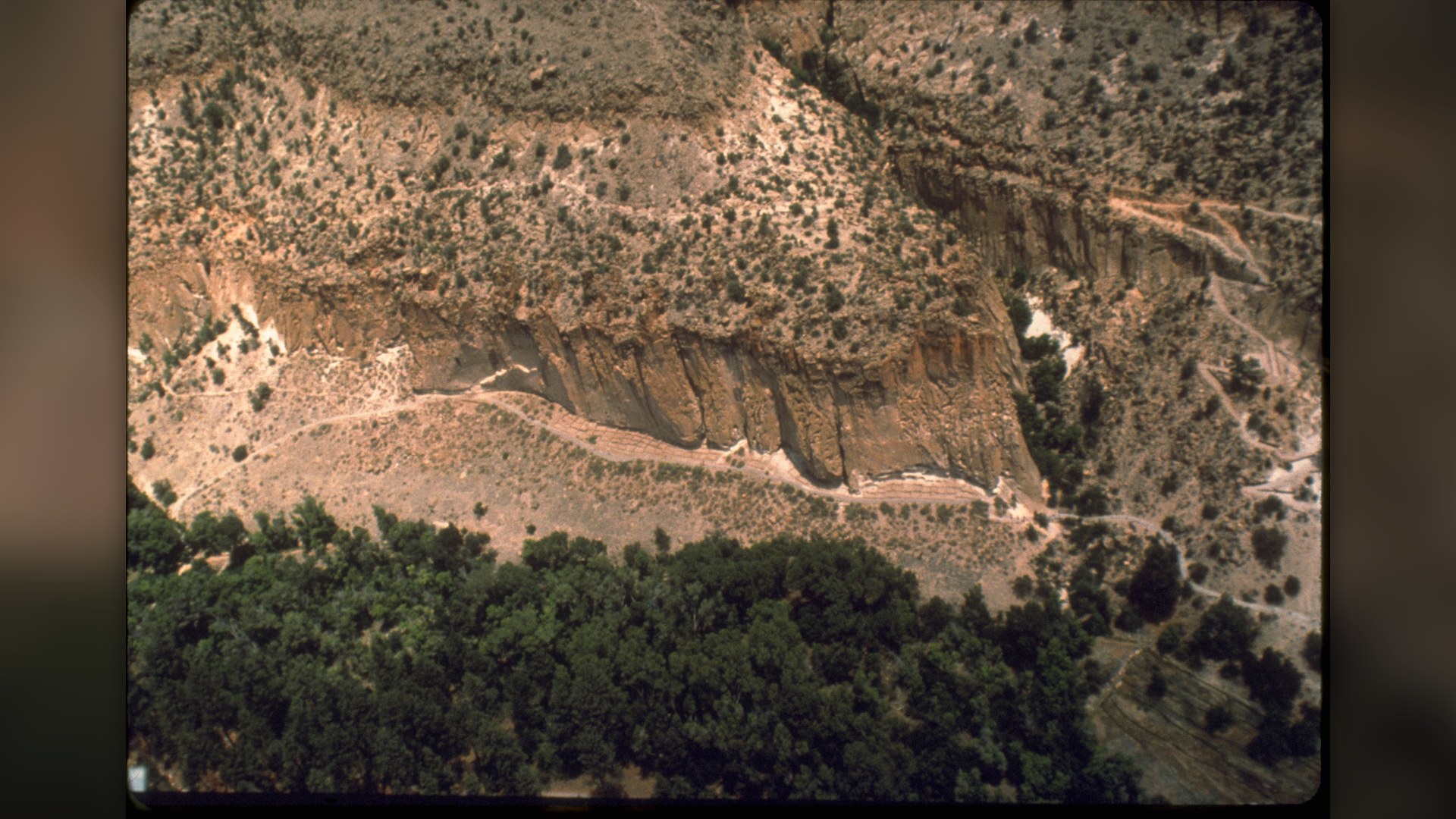
©Wikimedia / NPS Digital Image Archives
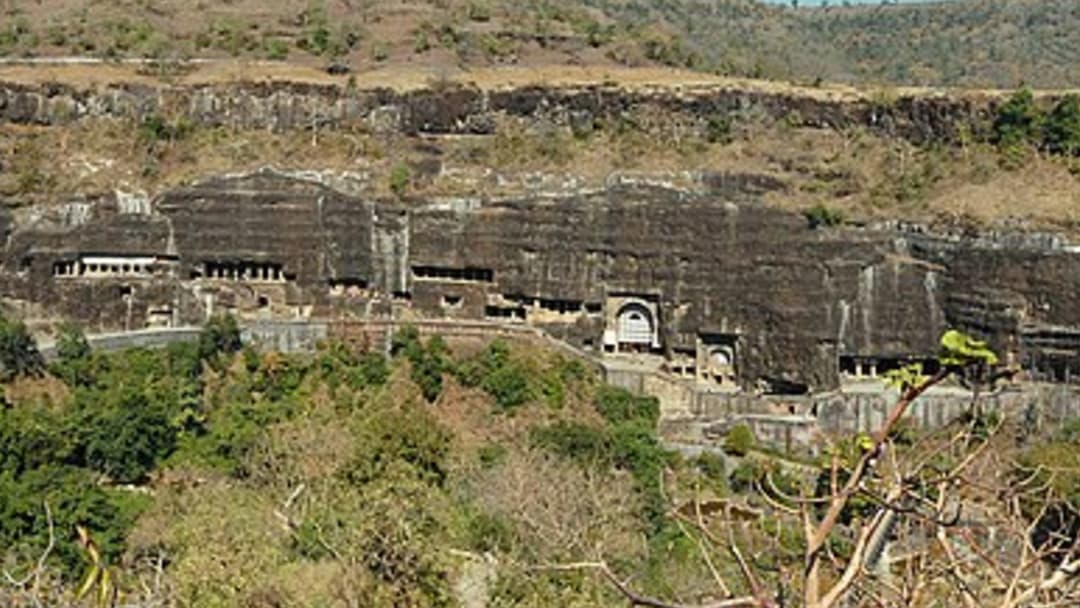
11. Ajanta Caves
Chiseled into a 250-foot horseshoe-shaped basalt cliff, Ajanta preserves India's finest surviving ancient Buddhist cave paintings and sculptures. Jungles hid them. British cavalry officers stumbled across the forgotten ravine temples during an 1819 tiger hunt.
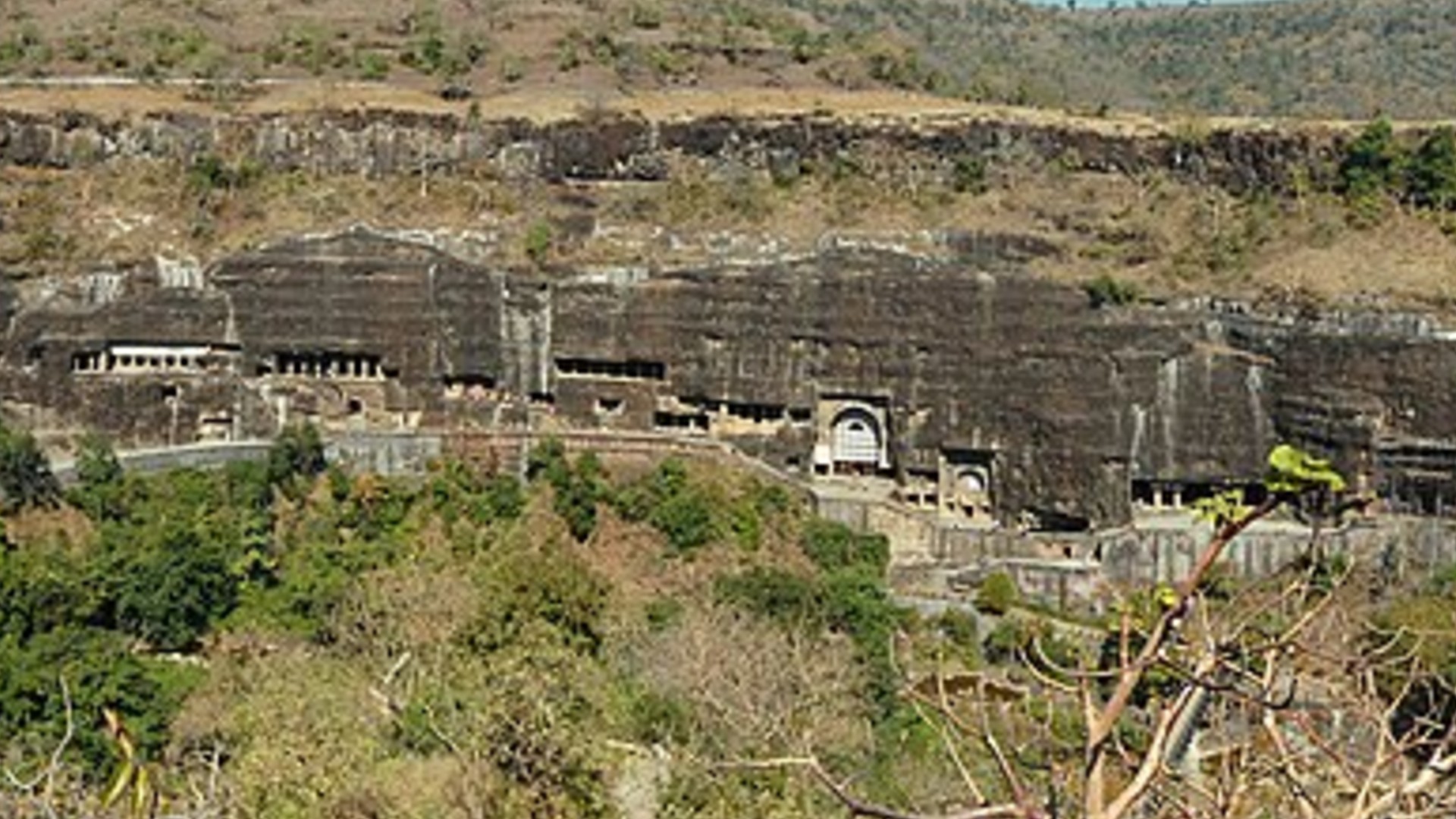
©Wikimedia / Marcin Białek
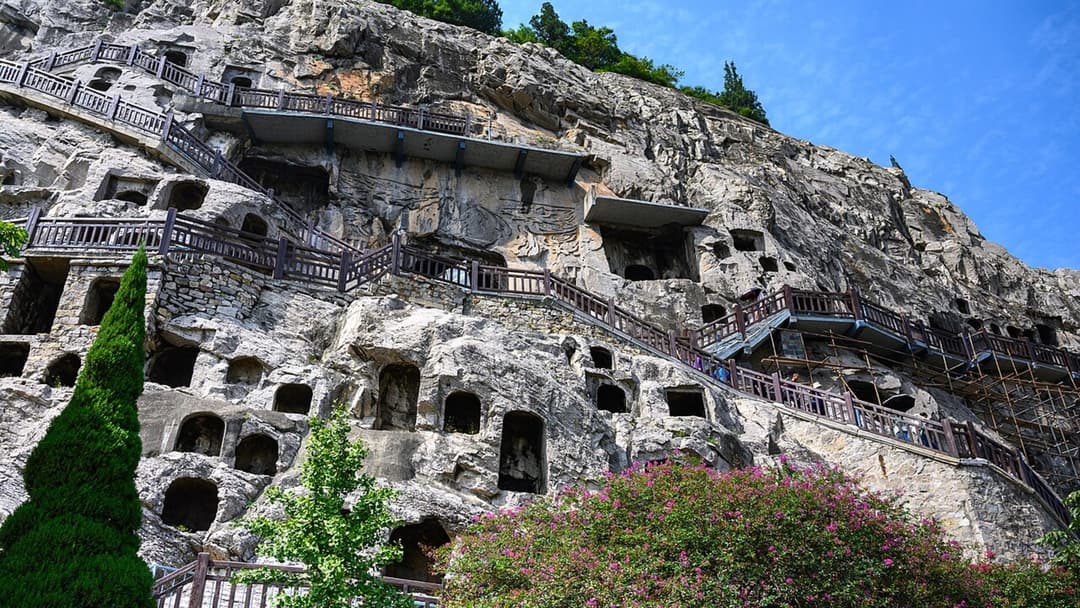
10. Longmen Grottoes
Flanking both banks of China's Yi River, Longmen represents centuries of intense imperial stone carving starting in 493 CE. Shrines line cliffs. The towering fifty-seven-foot Vairocana Buddha dominates the central cliff with tranquil sculptural majesty.
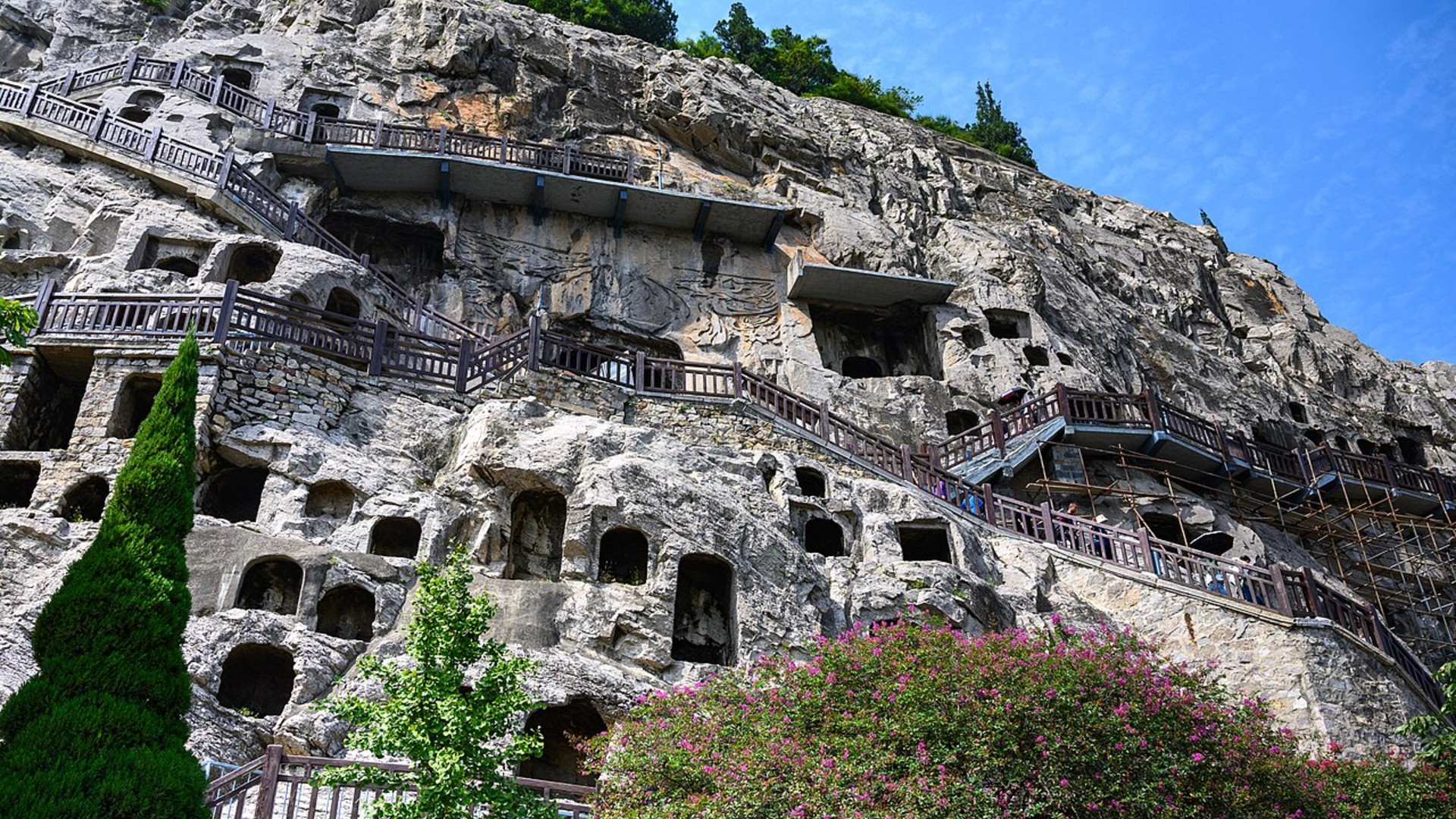
©Wikimedia / xiquinhosilva
Advertisement
Swipe or tap ▶ to resume the countdown.
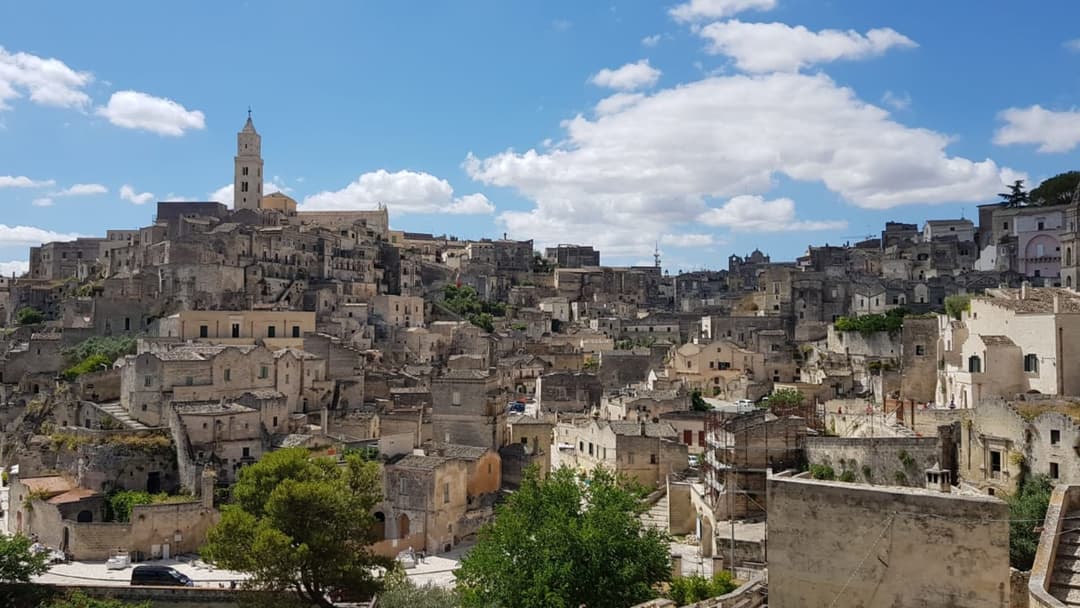
9. Sassi Di Matera
Carved into the steep ravines of Basilicata, Matera ranks among the oldest continually inhabited settlements in Europe. Stone dwellings stack high. Families inhabited these calcarenite rock caves alongside livestock until government evacuation programs began in the 1950s.
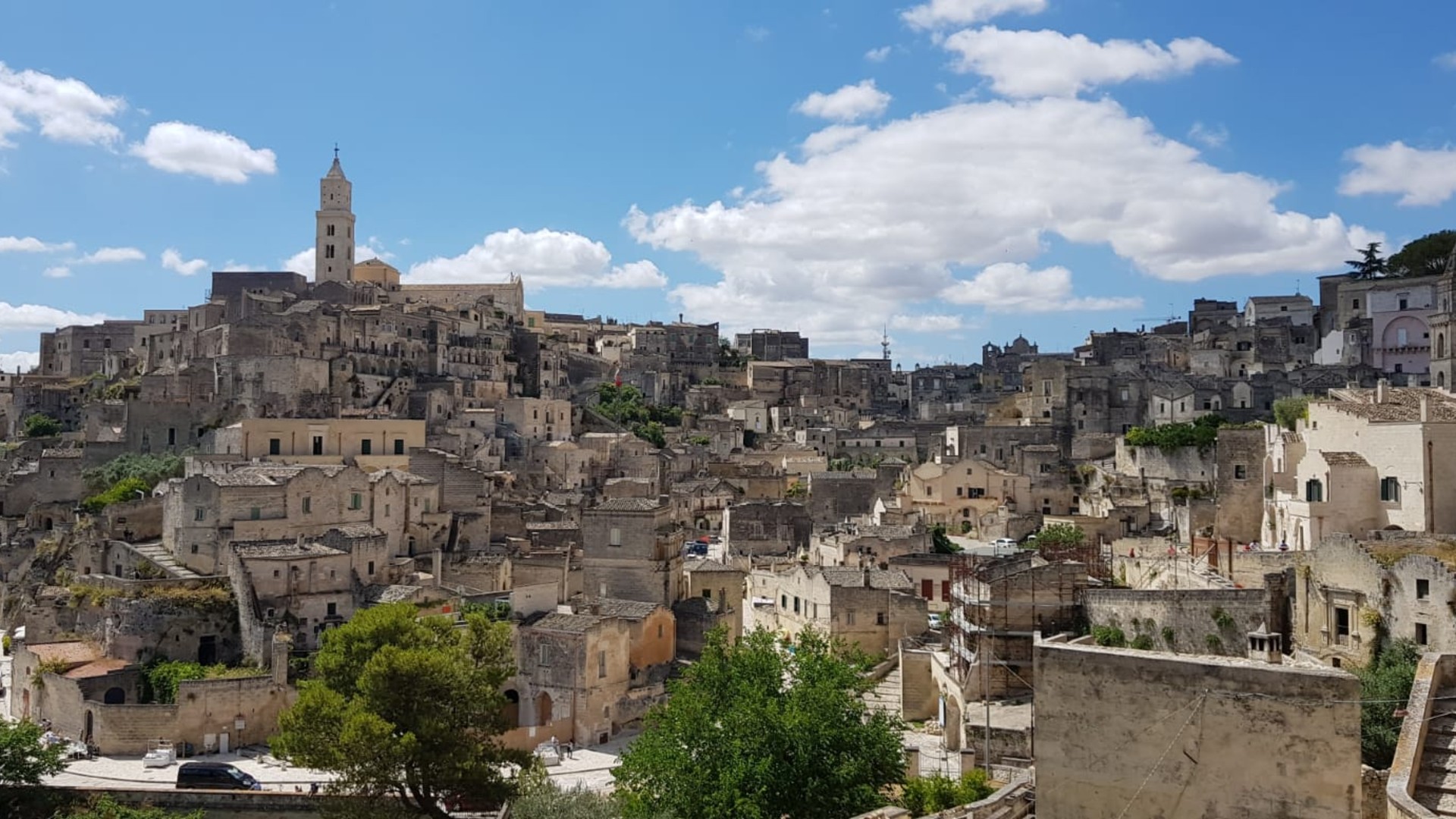
©Wikimedia / Samuele1607
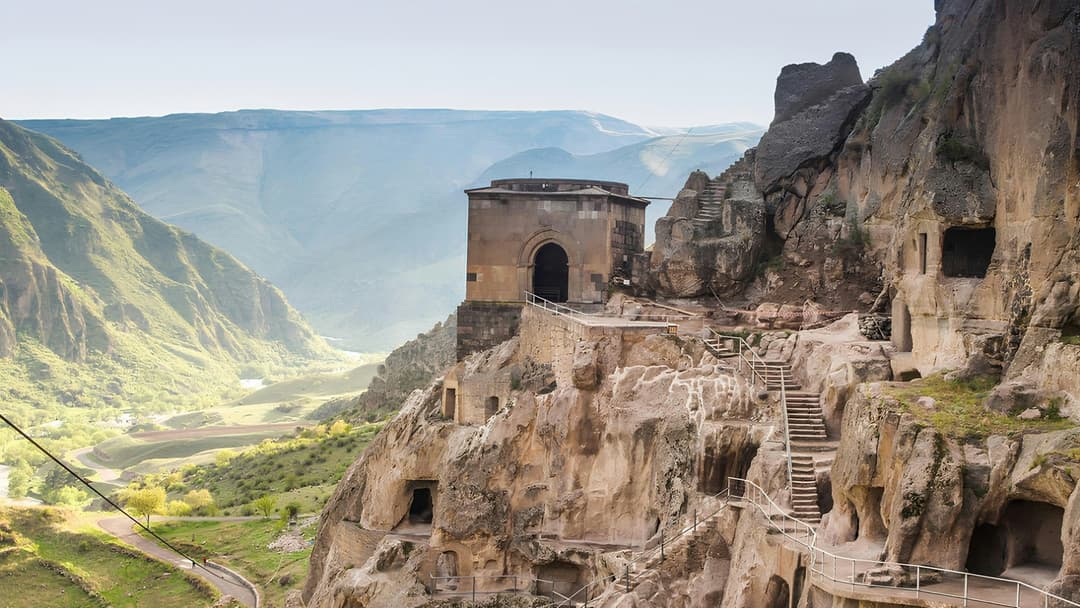
8. Vardzia Cave Monastery
Commissioned by Queen Tamar in the twelfth century, Vardzia contained six thousand apartments and an irrigation system. Earthquakes struck later. The collapse of the outer mountain face exposed subterranean hallways and painted monastic chapels to daylight.
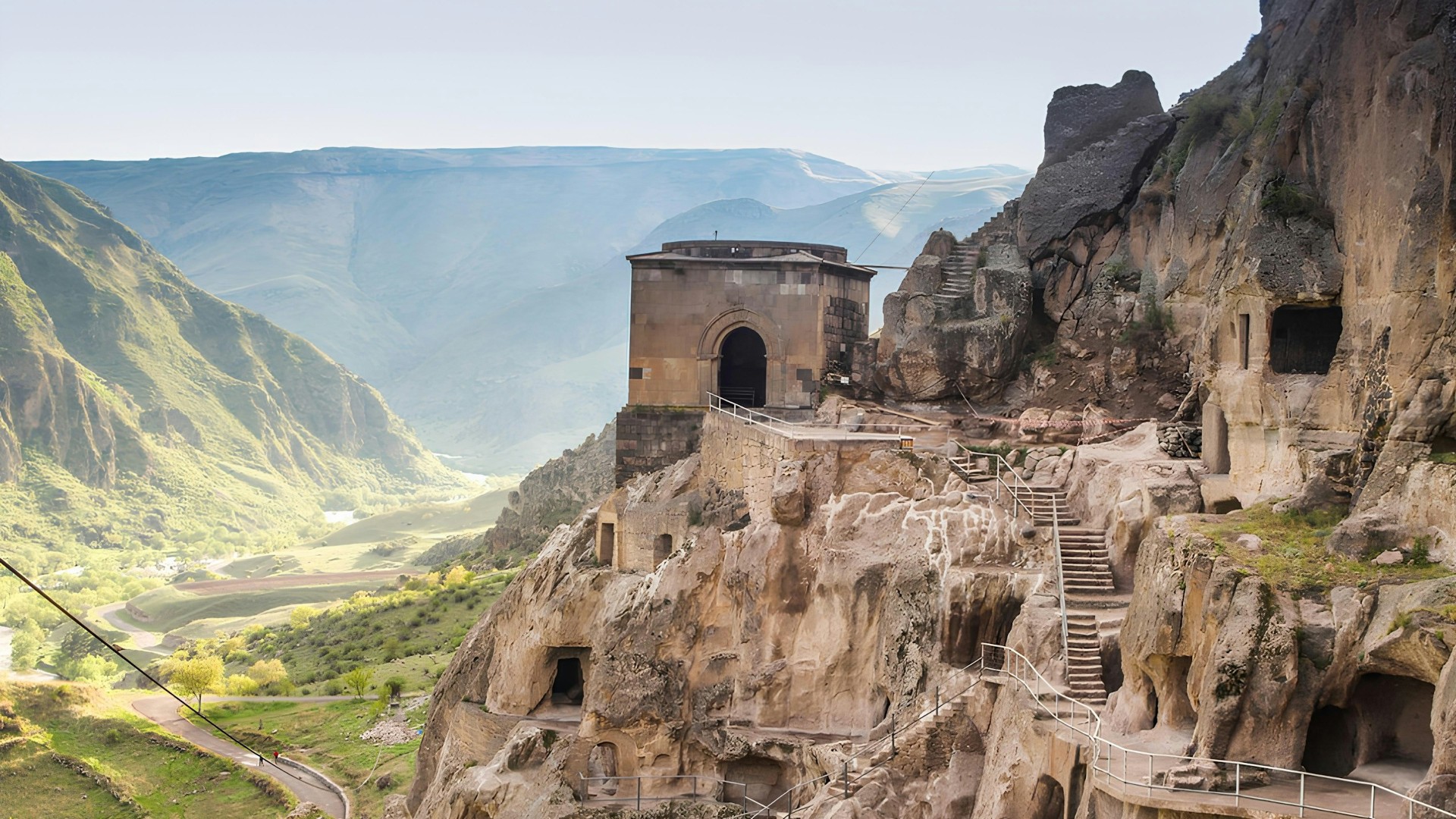
7. Hegra (Qasr Al-Farid)
Carved from an isolated sandstone outcrop in the desert, Qasr al-Farid is the most famous Nabataean monument in Hegra. Carvers worked downward. Stepped battlements and detailed pediments show how stonecutters chiseled monumental facades without wooden scaffolding.
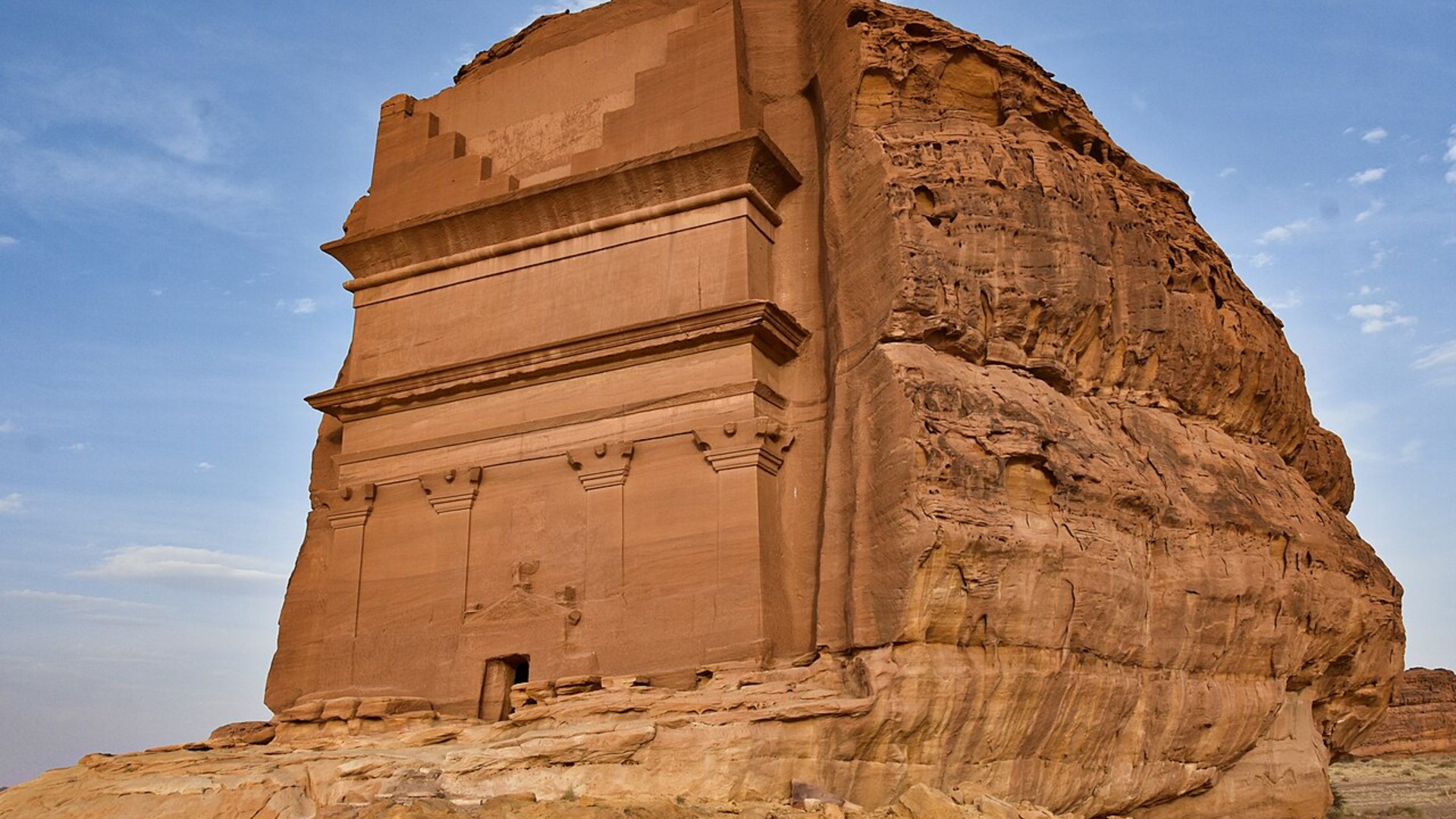
©Wikimedia / Richard Mortel
6. Derinkuyu Underground City
Reaching eighteen levels underground, Derinkuyu provided complete subterranean refuge during foreign invasions across central Anatolia. Heavy doors rolled shut. Residents operated ventilation shafts, livestock stables, wine presses, and freshwater wells deep beneath ground level.
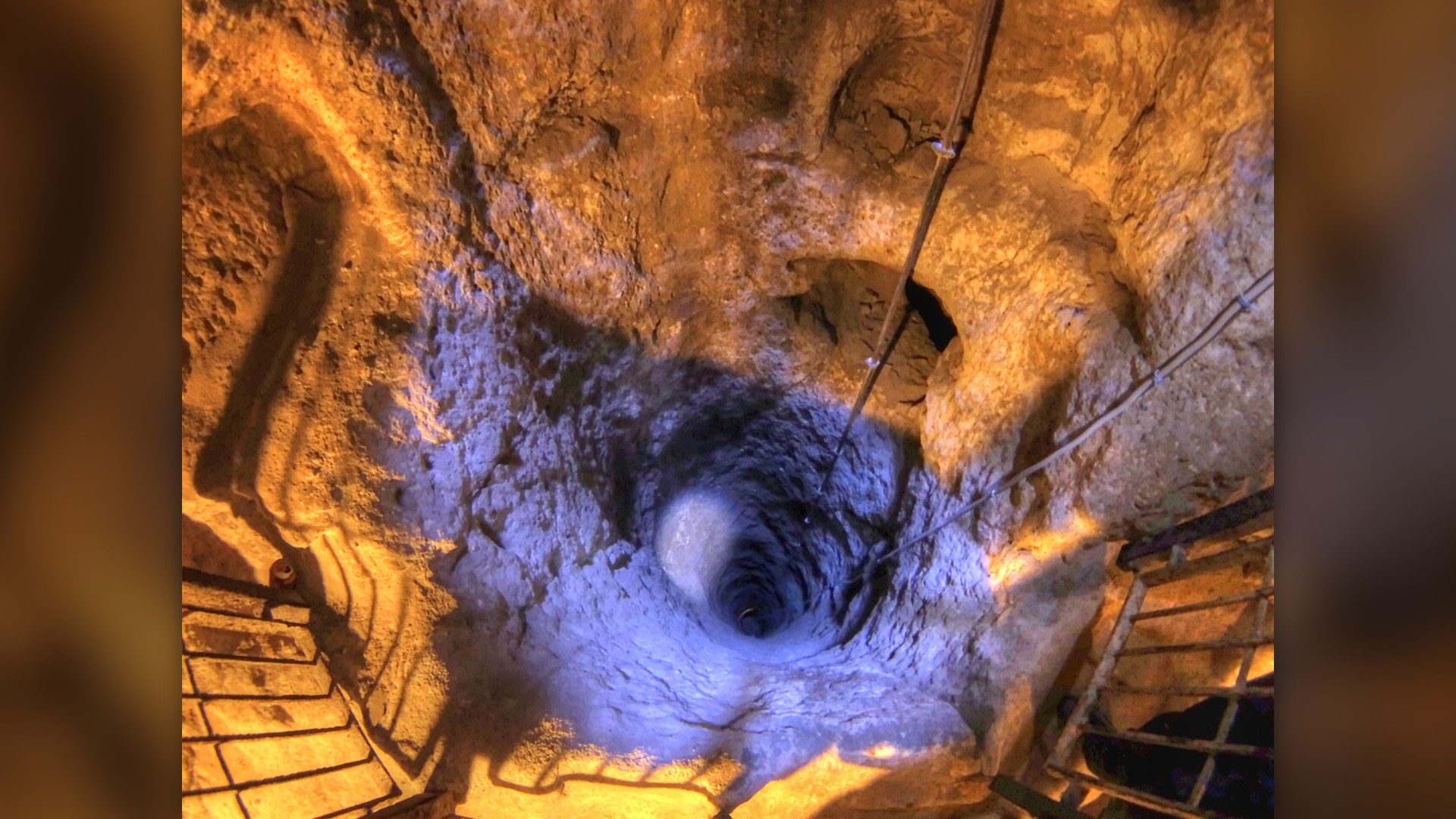
©Wikimedia / Nevit Dilmen ( talk )
Advertisement
Swipe or tap ▶ to resume the countdown.
5. Kailasa Temple (Ellora)
Carved from a single volcanic basalt cliff, eighth-century Indian artisans removed two hundred thousand tons of solid stone. No mistakes occurred. Master stonecutters sculpted life-sized elephants, towering gateways, and double-story sanctuaries entirely out of mountain bedrock.
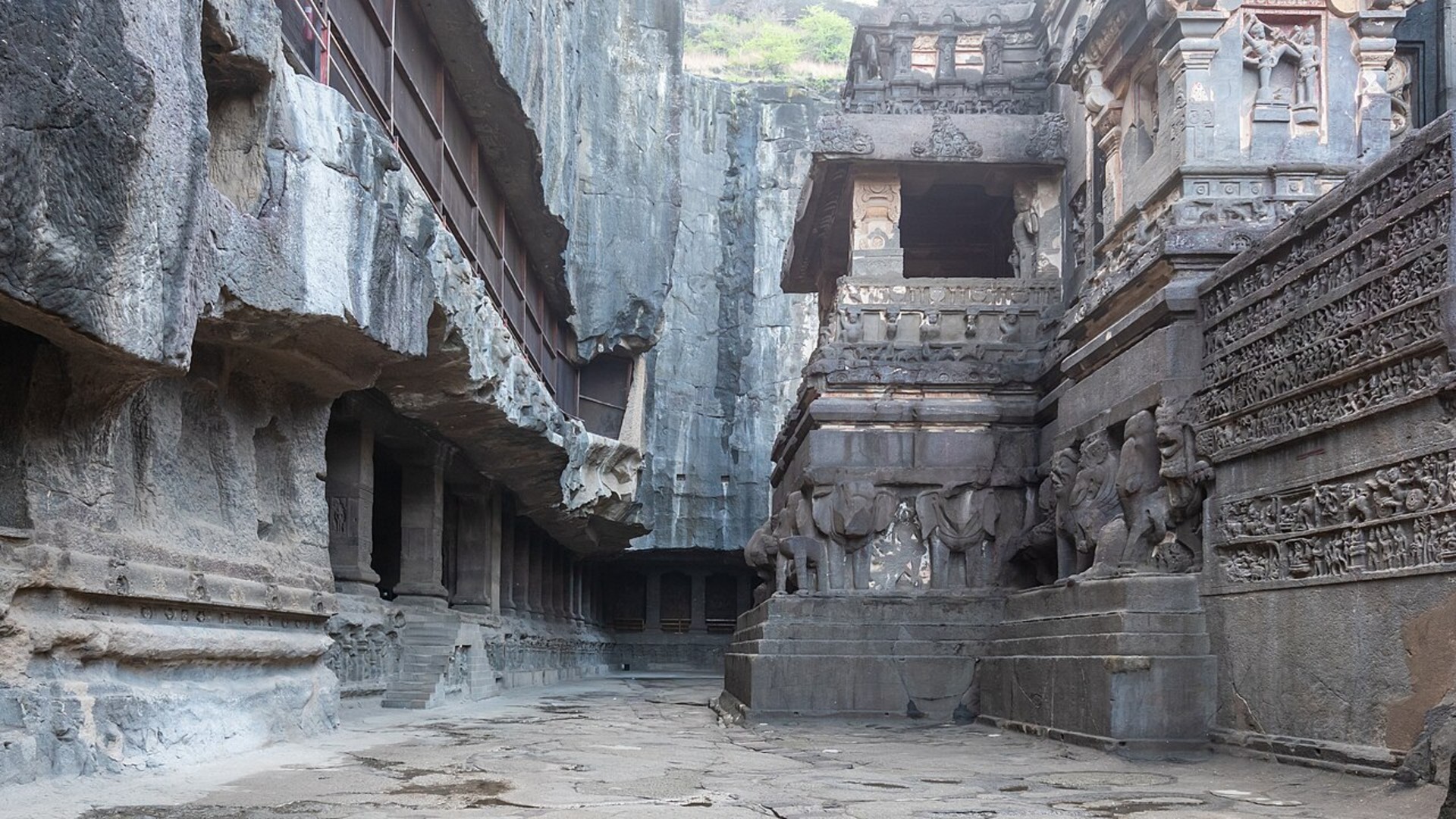
©Wikimedia / Rohit Sharma
4. Abu Simbel Temples
Pharaoh Ramesses II ordered two massive rock temples carved into a Nubian sandstone mountain around 1264 BCE. Colossi guard entry. Engineers painstakingly dismantled and moved the entire mountain sanctuary in the 1960s to avoid rising reservoir waters.
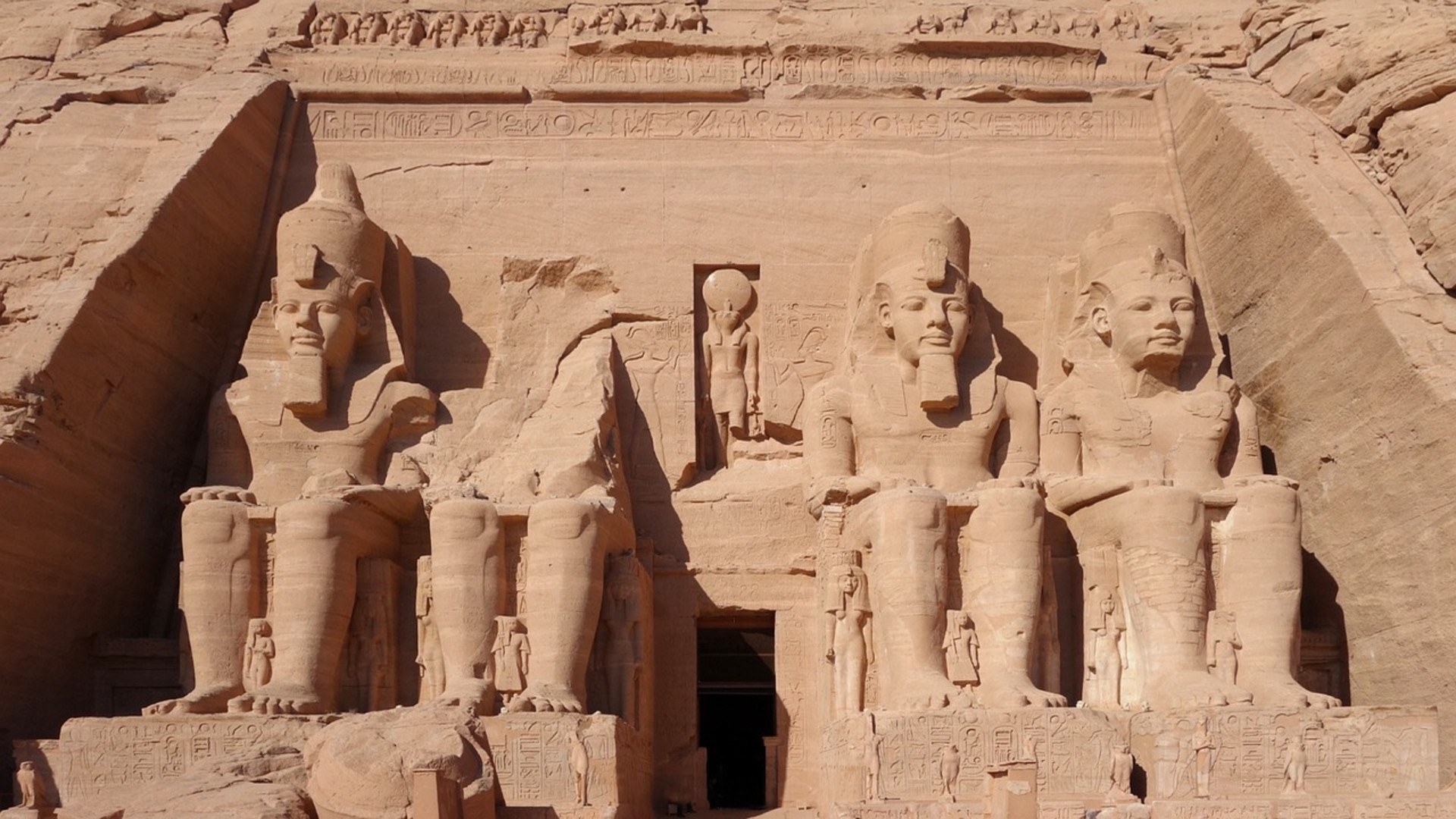
©Pixabay / LorettaLynn
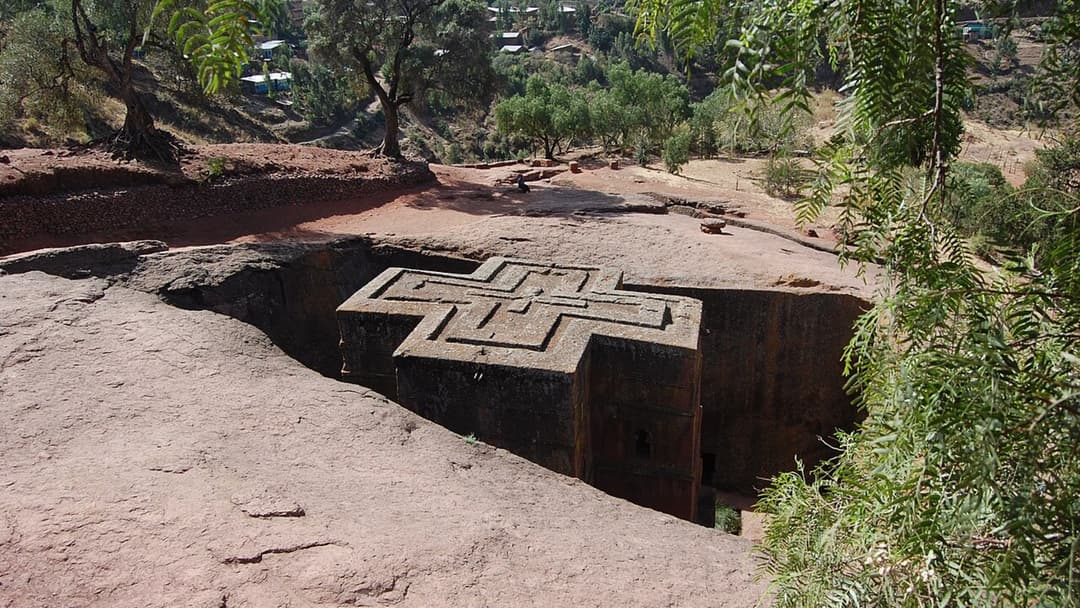
3. Church Of Saint George (Lalibela)
Chiseled straight down into volcanic rock, the Church of Saint George stands as Lalibela's crowning architectural jewel. Crosses face skyward. Medieval Ethiopian stonecutters carved doors, windows, and drainage trenches out of solid bedrock without mortar.
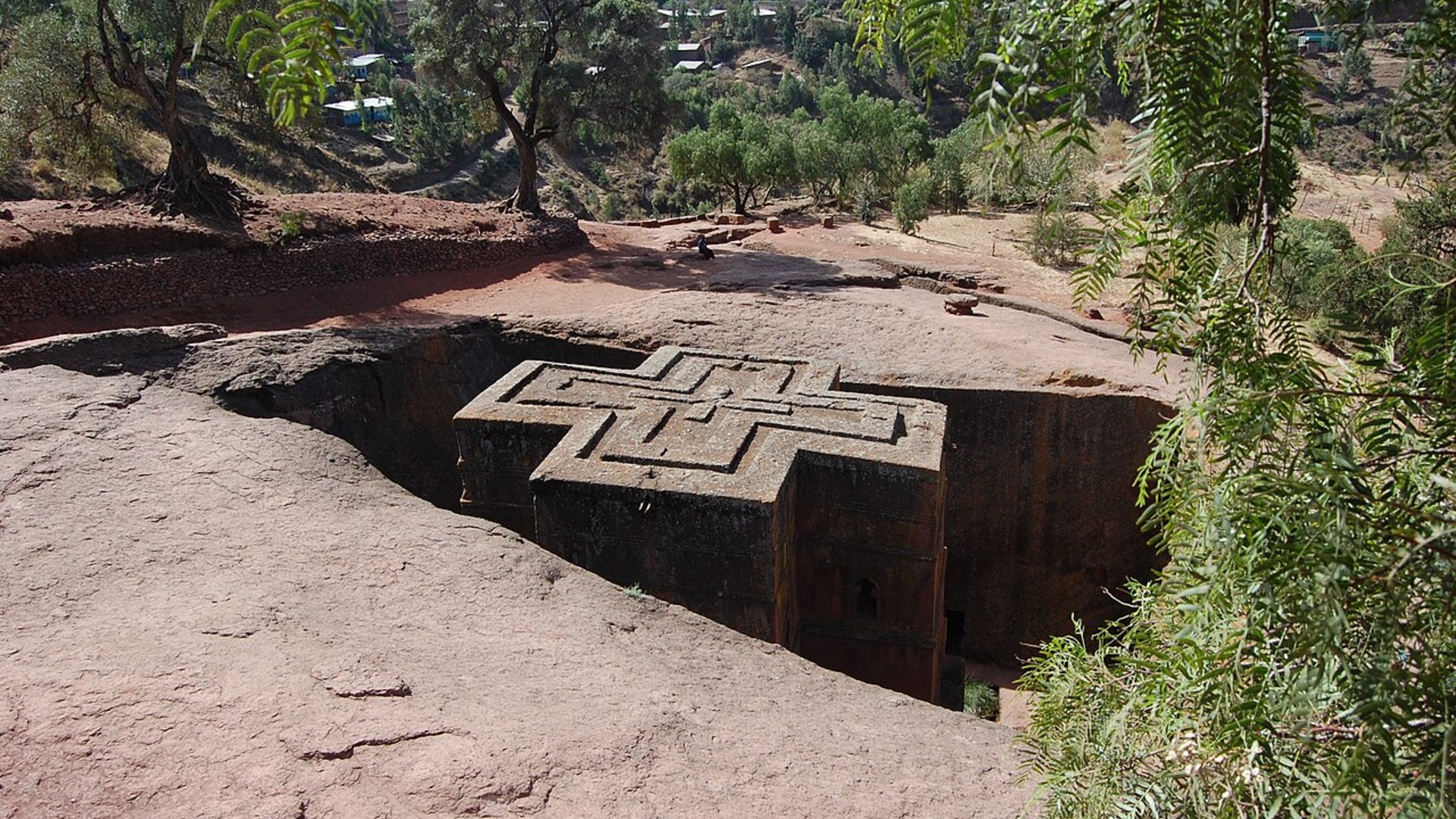
©Wikimedia / Katie Hunt from St Albans, UK
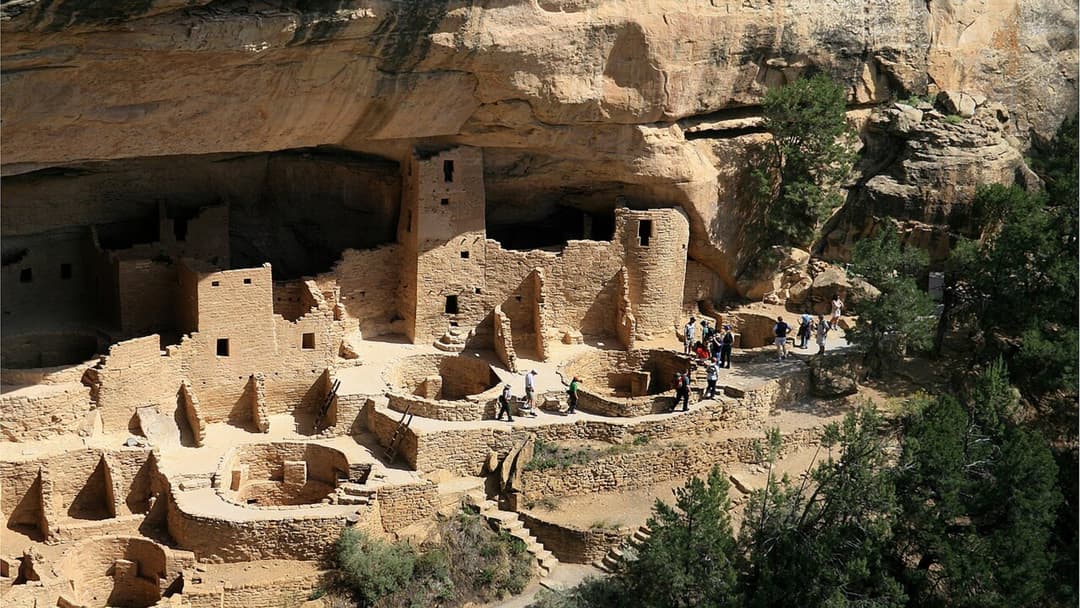
2. Cliff Palace (Mesa Verde)
Constructed during the late twelfth century, Cliff Palace contains 150 stone masonry rooms beneath a massive sandstone alcove. Sun warmed walls. Ancestral Puebloans cultivated mesa crops above and retreated to the defensible cliff village each evening.
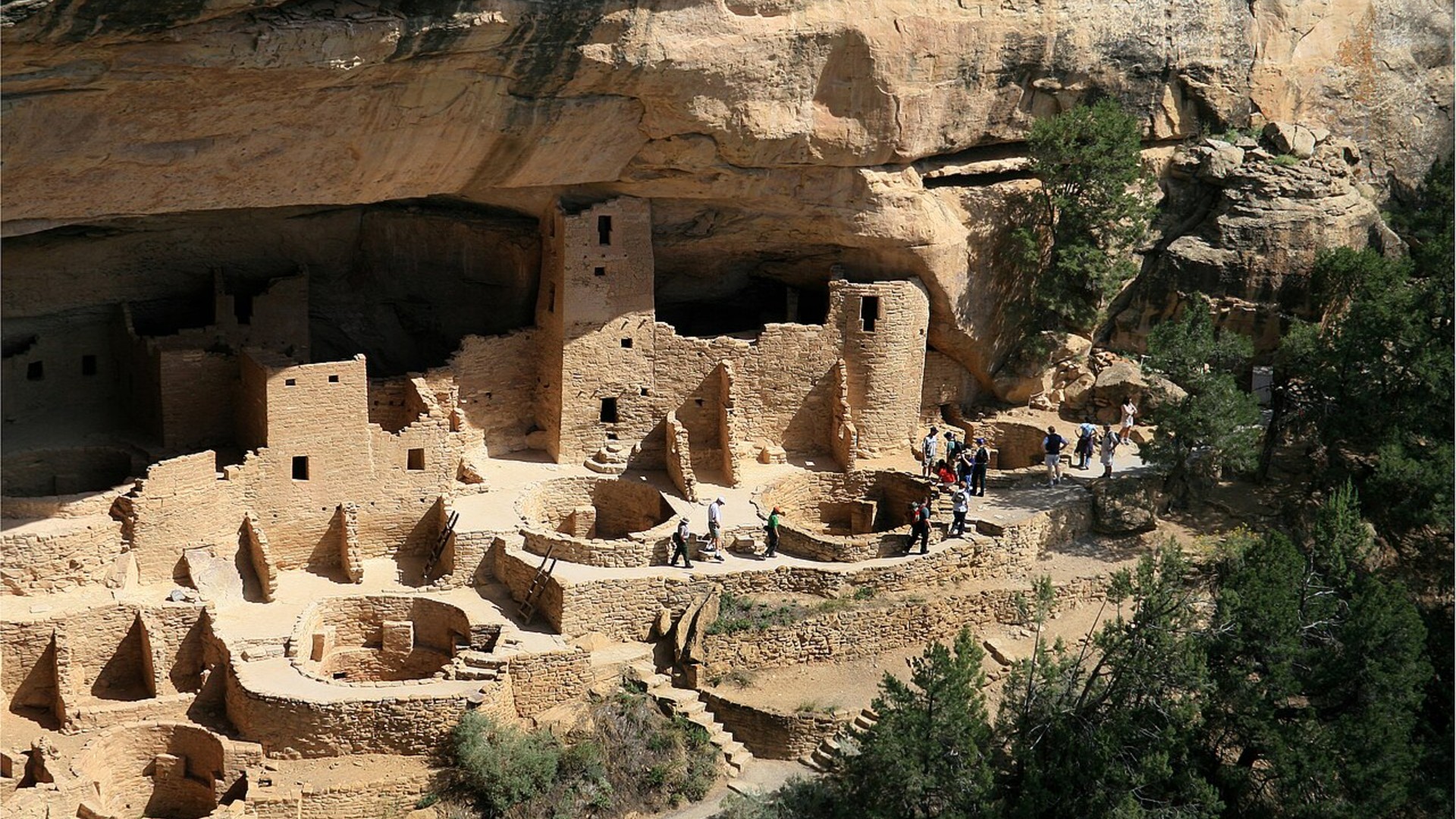
©Wikimedia / Andreas F. Borchert
Advertisement
Swipe or tap ▶ to resume the countdown.
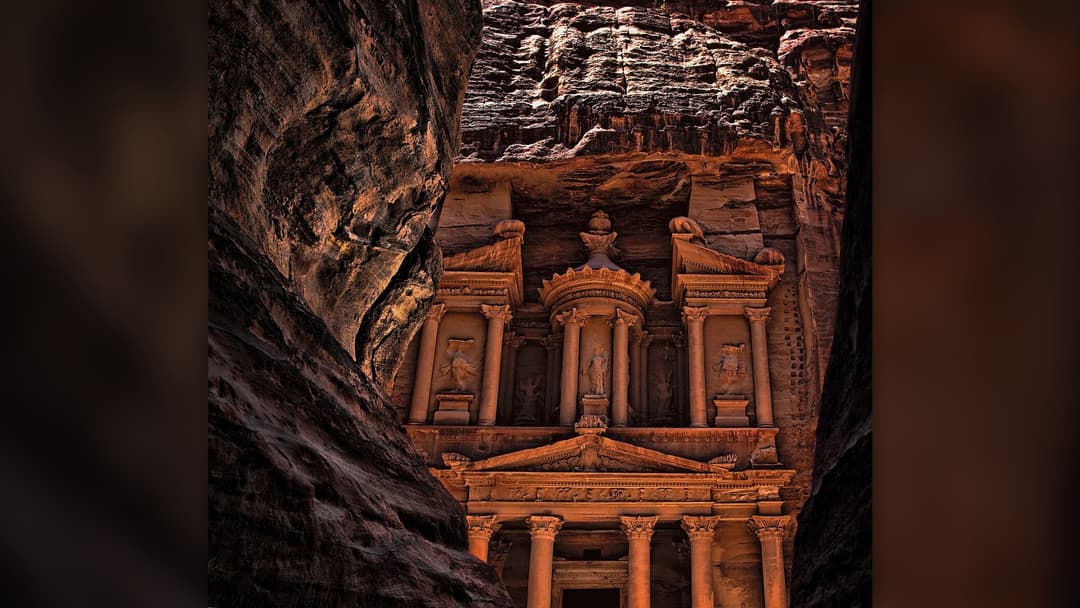
1. Petra (Al-Khazneh)
Carved into the sheer sandstone wall of the Siq gorge, Al-Khazneh remains the supreme masterpiece of Nabataean architecture. Columns gleam red. Bedouin legends claimed Egyptian pharaohs concealed gold inside the top urn, leaving ancient bullet scars across stone.
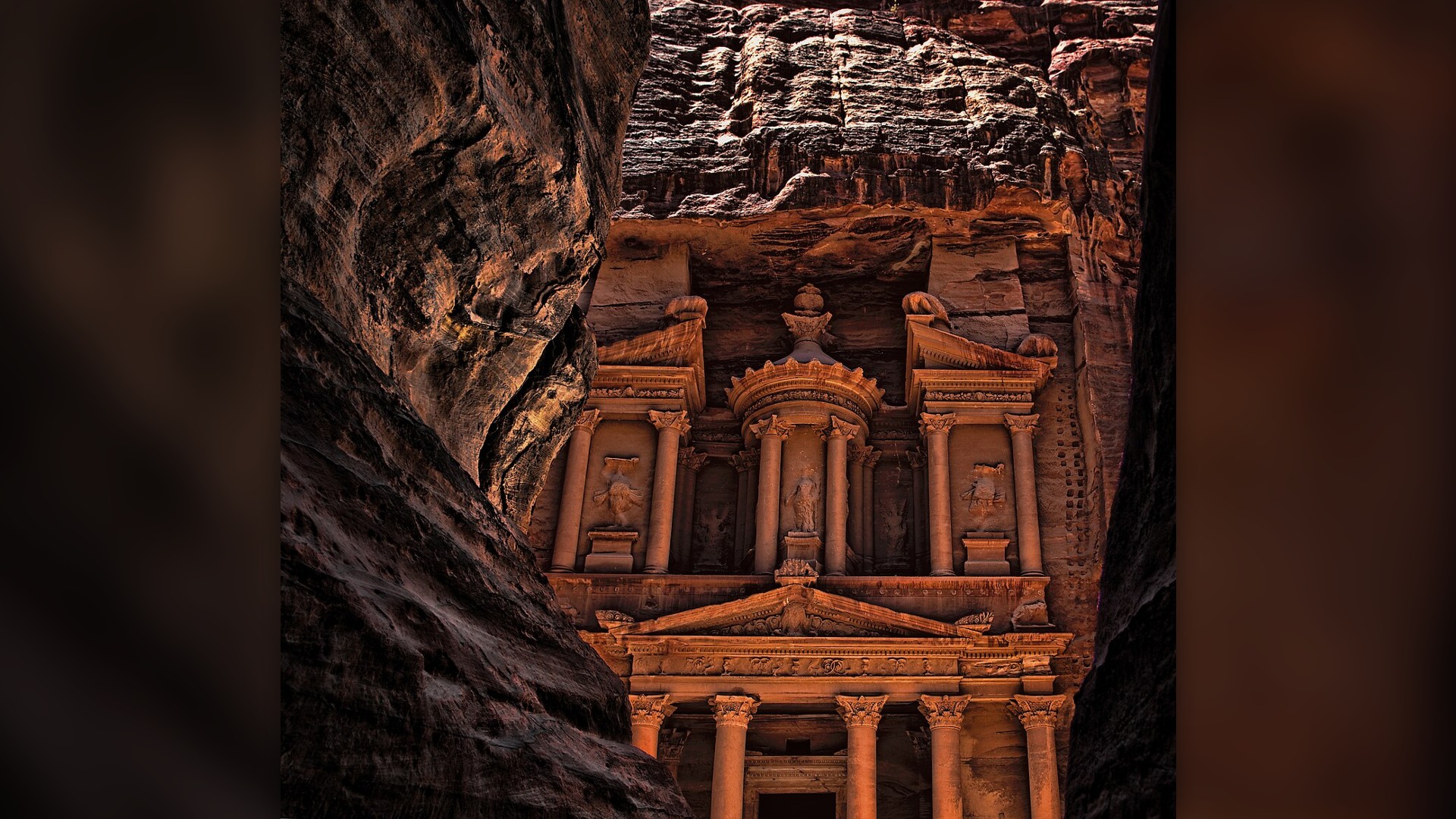
©Wikimedia / Faraheed
Advertisement
You've reached the end of the story. Thanks for reading!

20 Legendary American Battleships and Warships Preserved as Museum Ships
Curated from records of the Naval History and Heritage Command and maritime preservation registries, these twenty museum warships commemorate American naval power. Naval power shaped history. Maritime archives record the survival of legendary battleships, aircraft carriers, and submarines that defended freedom across two centuries of conflict.
All 20 Entries in this Story
20. Yungang Grottoes
Carved during the fifth century along the Northern Wei capital, Yungang includes 252 excavated sandstone caves. Statues gaze outward. Master sculptors blended Hellenistic and Central Asian styles into soaring fifty-foot stone Buddhas that watch over the Datong valley.

19. Guyaju Caves
Tucked inside a rugged gorge north of Beijing, Guyaju features 117 residential cave chambers chiseled into sheer rock. Smoke vents pierce cliffs. Mysterious ancient builders carved stone beds, shelving, and animal mangers directly into solid granitic bluffs.

18. Uçhisar Castle
Rising over central Cappadocia, this natural volcanic peak was transformed into a multi-story fortress by Byzantine builders. Tunnels weave inside. Soldiers retreated through narrow rock-cut passages while sealing massive circular doorway stones against advancing invaders.

17. Sumela Monastery
Founded in the fourth century, Sumela Monastery hangs high above the Altındere Valley inside Turkey's Black Sea mountains. Granite walls plunge below. Monks climbed perilous wooden staircases to reach frescoed chapels carved deep within mountain caverns.

16. Mogao Caves
Spanning a mile-long sandstone cliff in the Gobi Desert, Mogao preserves a thousand years of Buddhist sacred art. Caves honeycomb cliffs. Devout pilgrims sponsored elaborate rock-cut grottoes adorned with vivid murals and gilded stone statuary.

15. Lycian Rock Tombs
Carved in the fourth century BCE, these monumental Lycian royal tombs overlook the winding Dalyan River in Turkey. Stone columns stand tall. Ancient artisans suspended themselves with ropes to chisel pedimented temple facades directly out of vertical limestone.

14. Göreme Open-Air Museum
Göreme contains a vast concentration of rock-cut refectories, dwellings, and chapels carved into Cappadocia's volcanic fairy chimneys. Tuff carves easily. Medieval hermits painted stunning biblical frescoes across domed ceilings that survive in brilliant condition.

13. Montezuma Castle
Built by the Sinagua people around 1100 CE, this five-story stone pueblo perches ninety feet above Beaver Creek. Alcoves provide shade. Early American settlers mistakenly named the complex after the Aztec emperor despite its indigenous Pueblo origins.

12. Bandelier National Monument
Centuries ago, ancestral Puebloans carved living chambers called cavates into the soft volcanic ash cliffs of Frijoles Canyon. Ladders gave entry. Builders plastered interior stone walls and carved ceiling smoke holes that remain clearly visible today.

11. Ajanta Caves
Chiseled into a 250-foot horseshoe-shaped basalt cliff, Ajanta preserves India's finest surviving ancient Buddhist cave paintings and sculptures. Jungles hid them. British cavalry officers stumbled across the forgotten ravine temples during an 1819 tiger hunt.

10. Longmen Grottoes
Flanking both banks of China's Yi River, Longmen represents centuries of intense imperial stone carving starting in 493 CE. Shrines line cliffs. The towering fifty-seven-foot Vairocana Buddha dominates the central cliff with tranquil sculptural majesty.

9. Sassi Di Matera
Carved into the steep ravines of Basilicata, Matera ranks among the oldest continually inhabited settlements in Europe. Stone dwellings stack high. Families inhabited these calcarenite rock caves alongside livestock until government evacuation programs began in the 1950s.

8. Vardzia Cave Monastery
Commissioned by Queen Tamar in the twelfth century, Vardzia contained six thousand apartments and an irrigation system. Earthquakes struck later. The collapse of the outer mountain face exposed subterranean hallways and painted monastic chapels to daylight.

7. Hegra (Qasr Al-Farid)
Carved from an isolated sandstone outcrop in the desert, Qasr al-Farid is the most famous Nabataean monument in Hegra. Carvers worked downward. Stepped battlements and detailed pediments show how stonecutters chiseled monumental facades without wooden scaffolding.

6. Derinkuyu Underground City
Reaching eighteen levels underground, Derinkuyu provided complete subterranean refuge during foreign invasions across central Anatolia. Heavy doors rolled shut. Residents operated ventilation shafts, livestock stables, wine presses, and freshwater wells deep beneath ground level.

5. Kailasa Temple (Ellora)
Carved from a single volcanic basalt cliff, eighth-century Indian artisans removed two hundred thousand tons of solid stone. No mistakes occurred. Master stonecutters sculpted life-sized elephants, towering gateways, and double-story sanctuaries entirely out of mountain bedrock.

4. Abu Simbel Temples
Pharaoh Ramesses II ordered two massive rock temples carved into a Nubian sandstone mountain around 1264 BCE. Colossi guard entry. Engineers painstakingly dismantled and moved the entire mountain sanctuary in the 1960s to avoid rising reservoir waters.

3. Church Of Saint George (Lalibela)
Chiseled straight down into volcanic rock, the Church of Saint George stands as Lalibela's crowning architectural jewel. Crosses face skyward. Medieval Ethiopian stonecutters carved doors, windows, and drainage trenches out of solid bedrock without mortar.

2. Cliff Palace (Mesa Verde)
Constructed during the late twelfth century, Cliff Palace contains 150 stone masonry rooms beneath a massive sandstone alcove. Sun warmed walls. Ancestral Puebloans cultivated mesa crops above and retreated to the defensible cliff village each evening.

1. Petra (Al-Khazneh)
Carved into the sheer sandstone wall of the Siq gorge, Al-Khazneh remains the supreme masterpiece of Nabataean architecture. Columns gleam red. Bedouin legends claimed Egyptian pharaohs concealed gold inside the top urn, leaving ancient bullet scars across stone.