Slideshow · News
15 Facts About the Riots in France and How They Unfolded
As President Emmanuel Macron urges calm amid nationwide street unrest, a closer look at French riots reveals a stunning history—from Paris boulevards engineered specifically to crush rebel barricades


All 15 Entries in this Story
15. A Single Traffic Tax Sparked 52 Straight Weekends Of Riots
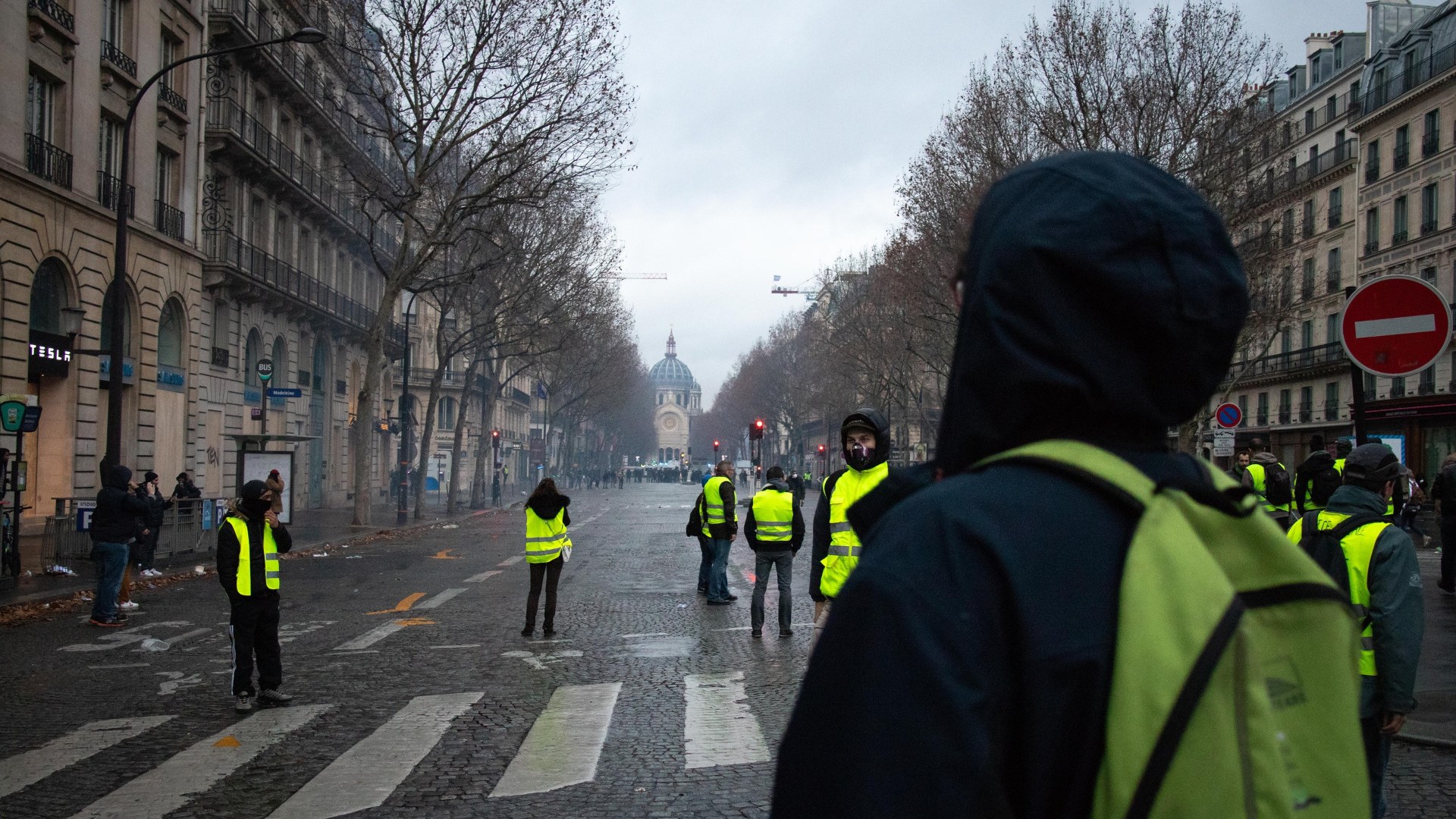
What began in November 2018 as a petition against a 6.5-cent diesel tax increase exploded into the Gilets Jaunes movement. Because every French motorist is legally required to carry a high-visibility safety vest in their glovebox, millions already owned the uniform.
14. Rioters Once Ransacked Inside The Arc De Triomphe
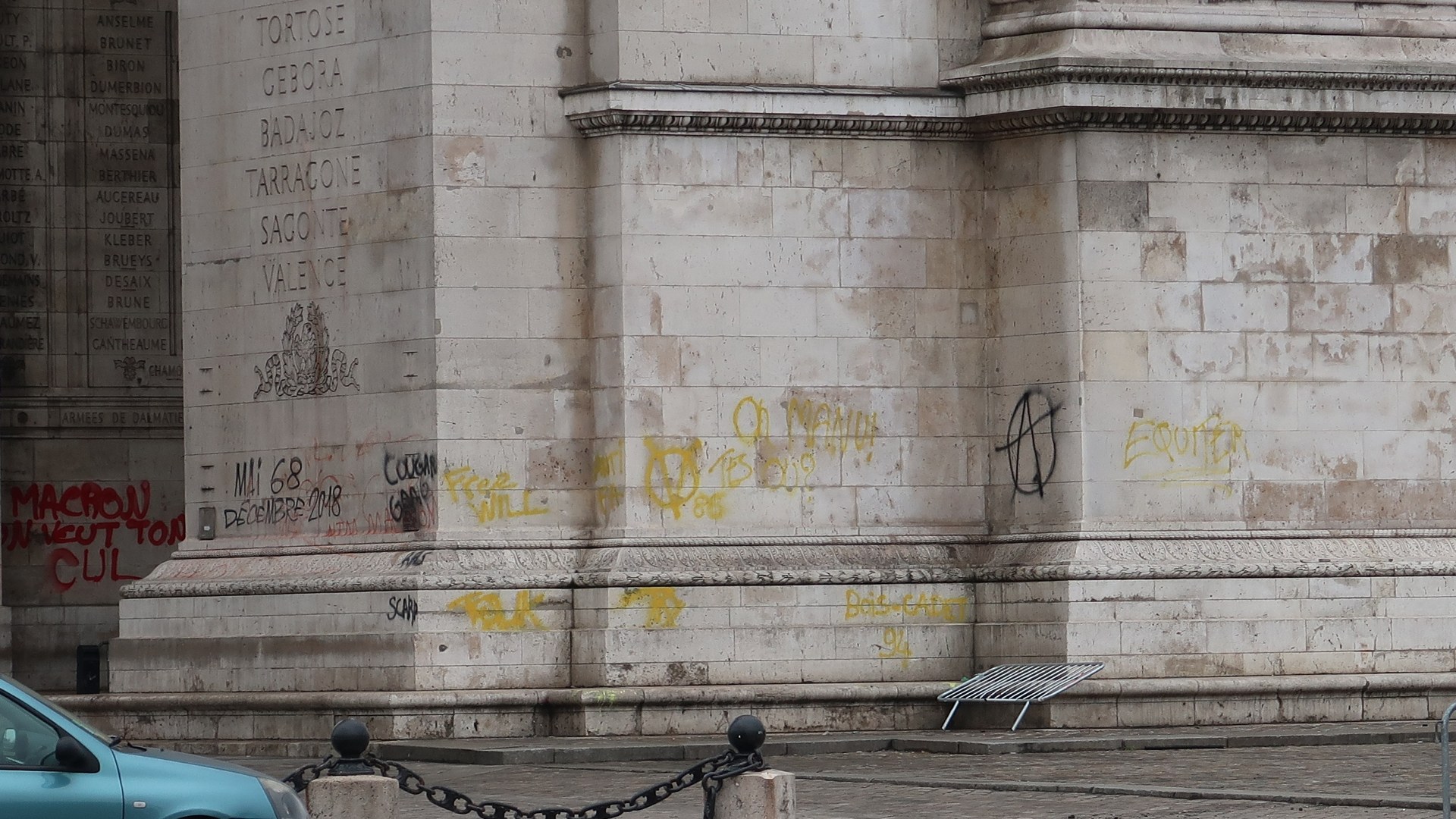
During the December 2018 Paris riots, demonstrators breached the inner museum of the Arc de Triomphe, smashing a plaster bust of Marianne and spray-painting slogans across the monument. The unprecedented breach stunned France and forced emergency security overhauls.
13. French Firefighters Sometimes Set Themselves On Fire In Protest
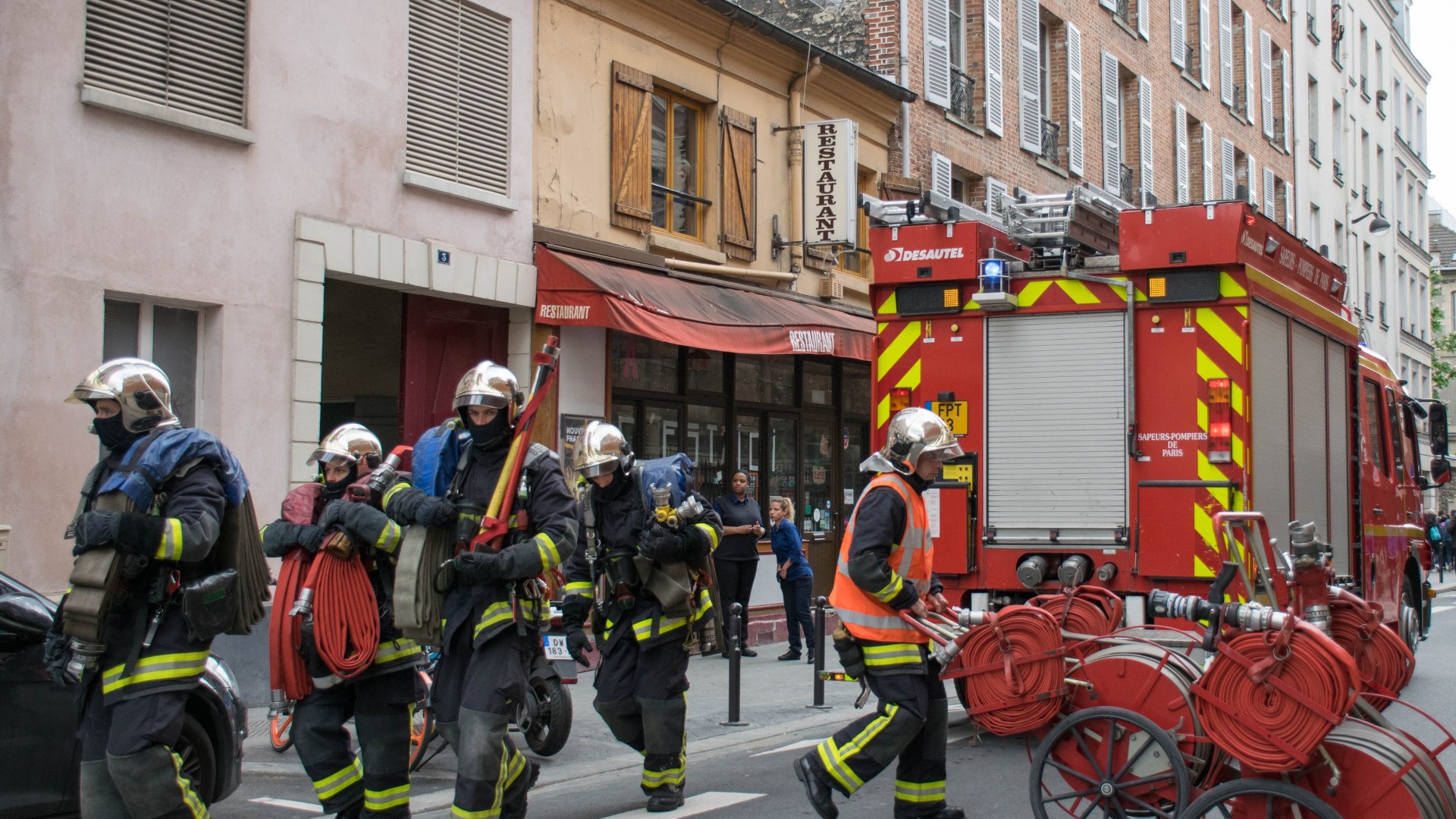
In one of Europe's most surreal protest spectacles, French professional firefighters have marched against pension cuts and staffing shortages by igniting their own fireproof turnout gear and burning mounds of tires outside regional prefectures before clashing with riot police.
12. Farmers Routinely Blockade Highways With Heavy Tractors
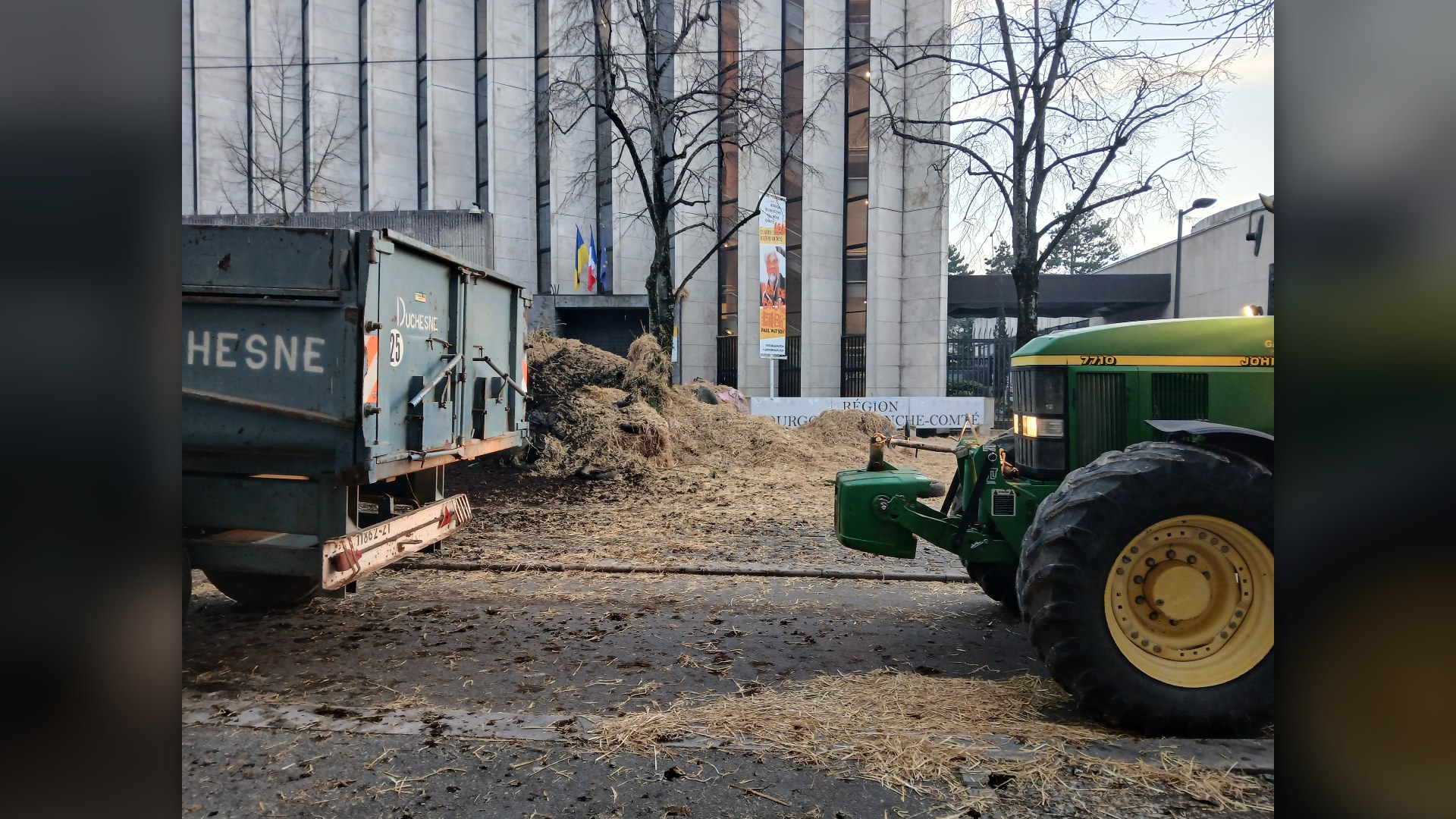
French farmers do not simply wave placards when subsidies or fuel rules change—they roll hundreds of heavy tractors onto expressways and spray liquid manure or dump rotting produce directly onto courthouse steps and prefecture gates across cities like Dijon and Toulouse.
11. Police Deploy Military-Grade Armored Vehicles On Paris Streets
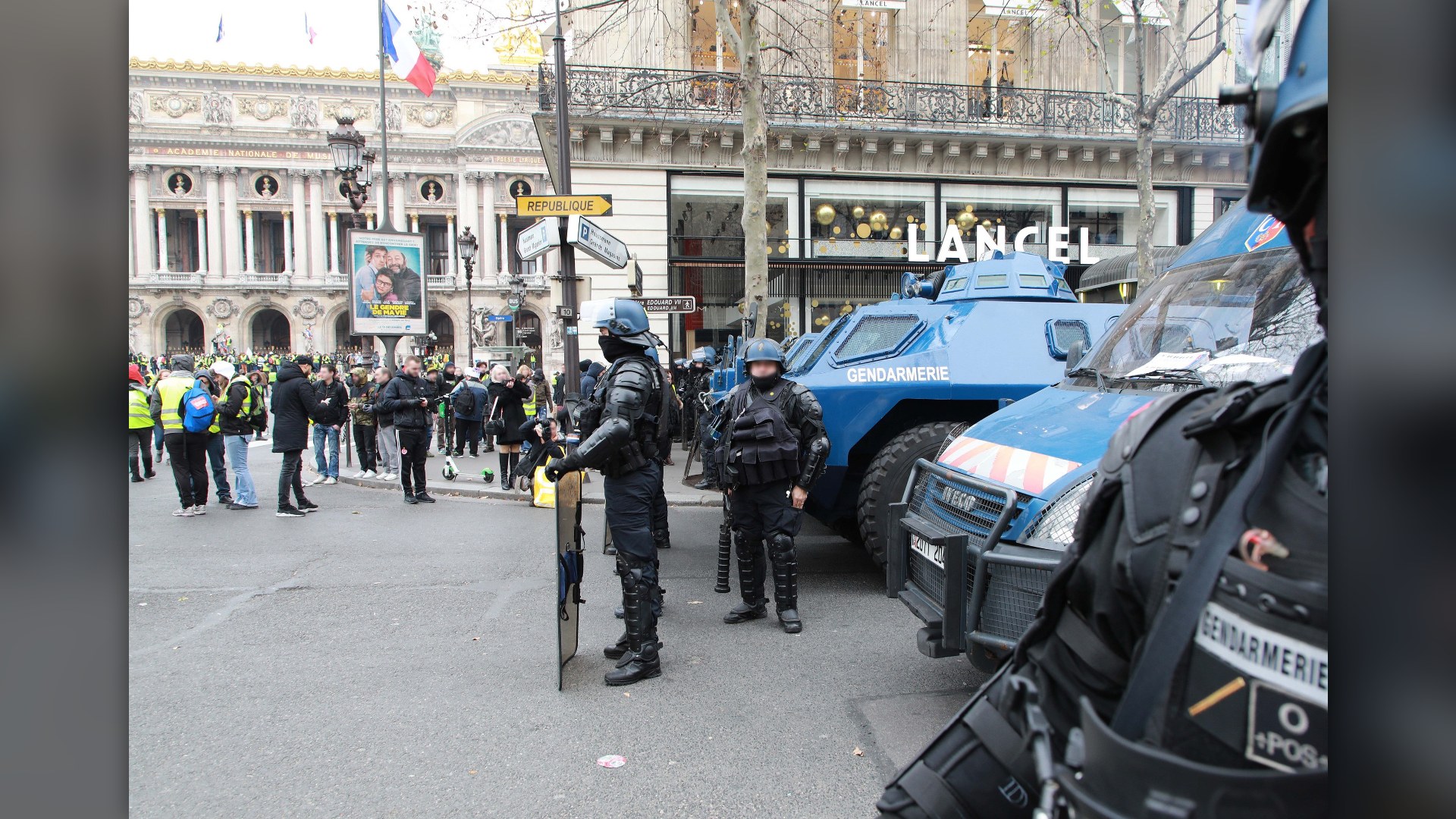
Unlike ordinary city police forces, France's Gendarmerie Mobile is a branch of the armed forces equipped with VBRG and Centaure wheeled armored personnel carriers. Fitted with steel bulldozer blades, these armored vehicles clear burning barricades right past designer boutiques.
10. France Consumes Tons Of Tear Gas Canisters Every Single Year
During peak protest waves, French security forces fire more CS tear-gas canisters than almost any other Western democracy. Entire Parisian squares disappear beneath thick white chemical clouds, while volunteer street medics in ski goggles douse stinging eyes with saline.
9. High-Pressure Water Cannons Blast Barricades Off The Pavement
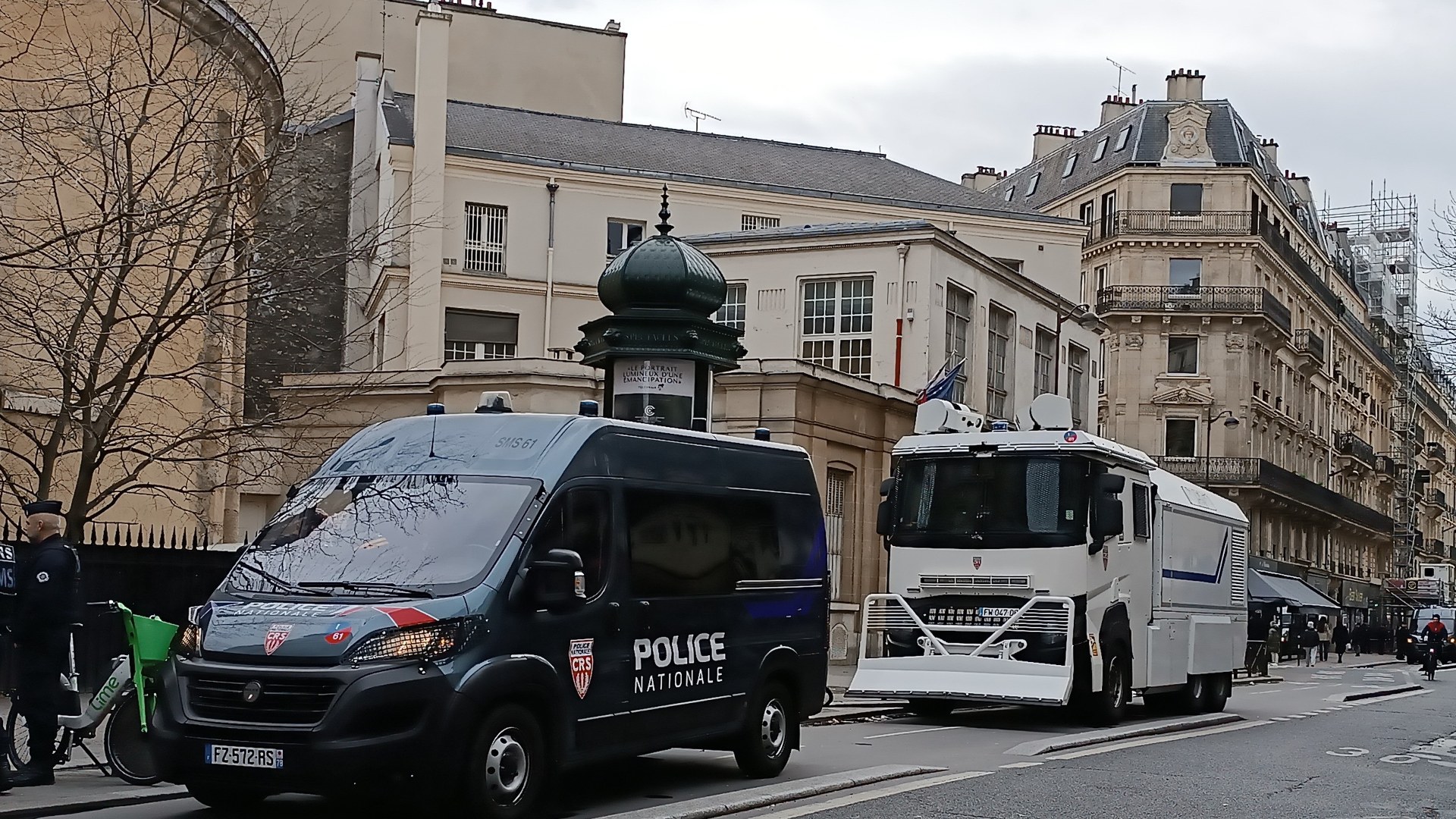
When cobblestone barricades block major intersections like Place de la République or Place de la Nation, French police roll in armored water cannon trucks capable of blasting thousands of liters per minute to scatter crowds and extinguish street fires simultaneously.
8. Black Bloc Anarchists Hijack Peaceful Trade Union Marches
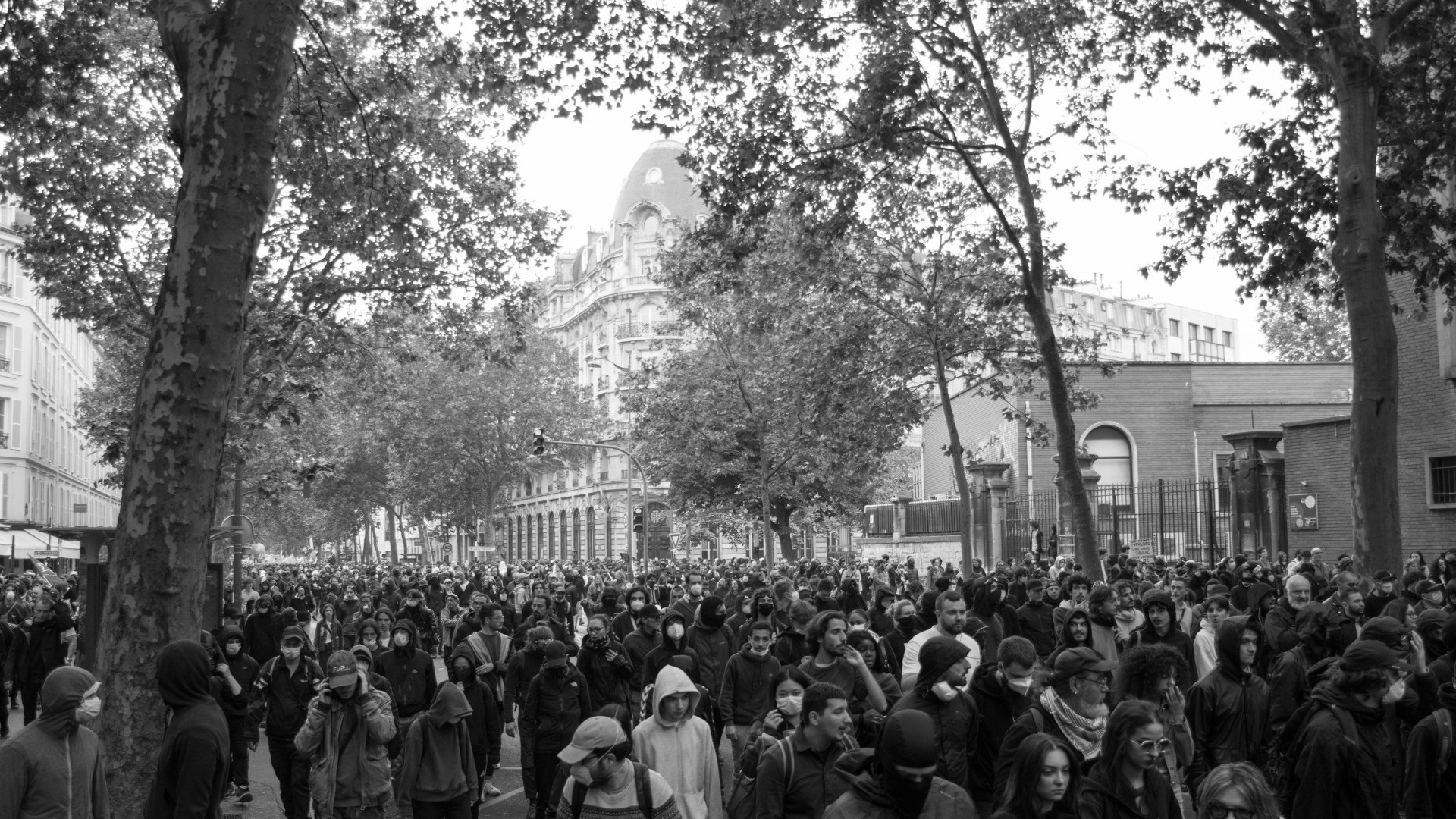
French intelligence services estimate that between 1,000 and 3,000 hardcore black bloc militants dressed in all-black clothing and motorcycle helmets systematically insert themselves at the head of peaceful union marches to shatter bus stops, banks, and luxury shops.
7. Rural Water Reservoirs Triggered Pitched Battles In Open Fields
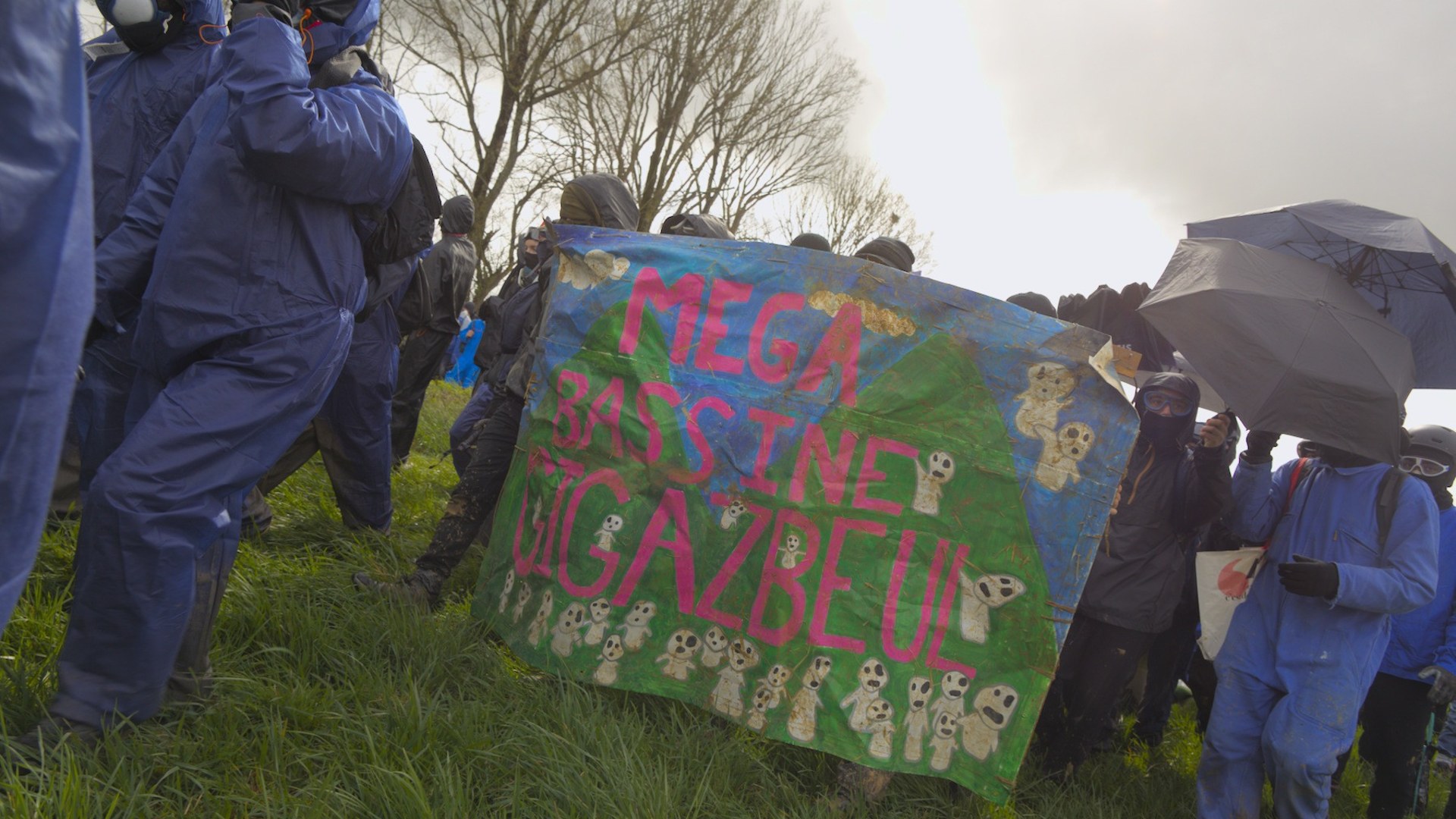
French riots are not confined to concrete suburbs. In March 2023, thousands of environmental activists marched on a giant agricultural irrigation crater in Sainte-Soline, clashing with over 3,000 gendarmes firing more than 5,000 tear-gas munitions in two hours.
6. Torching Parked Cars Happened So Often It Got Its Own Season
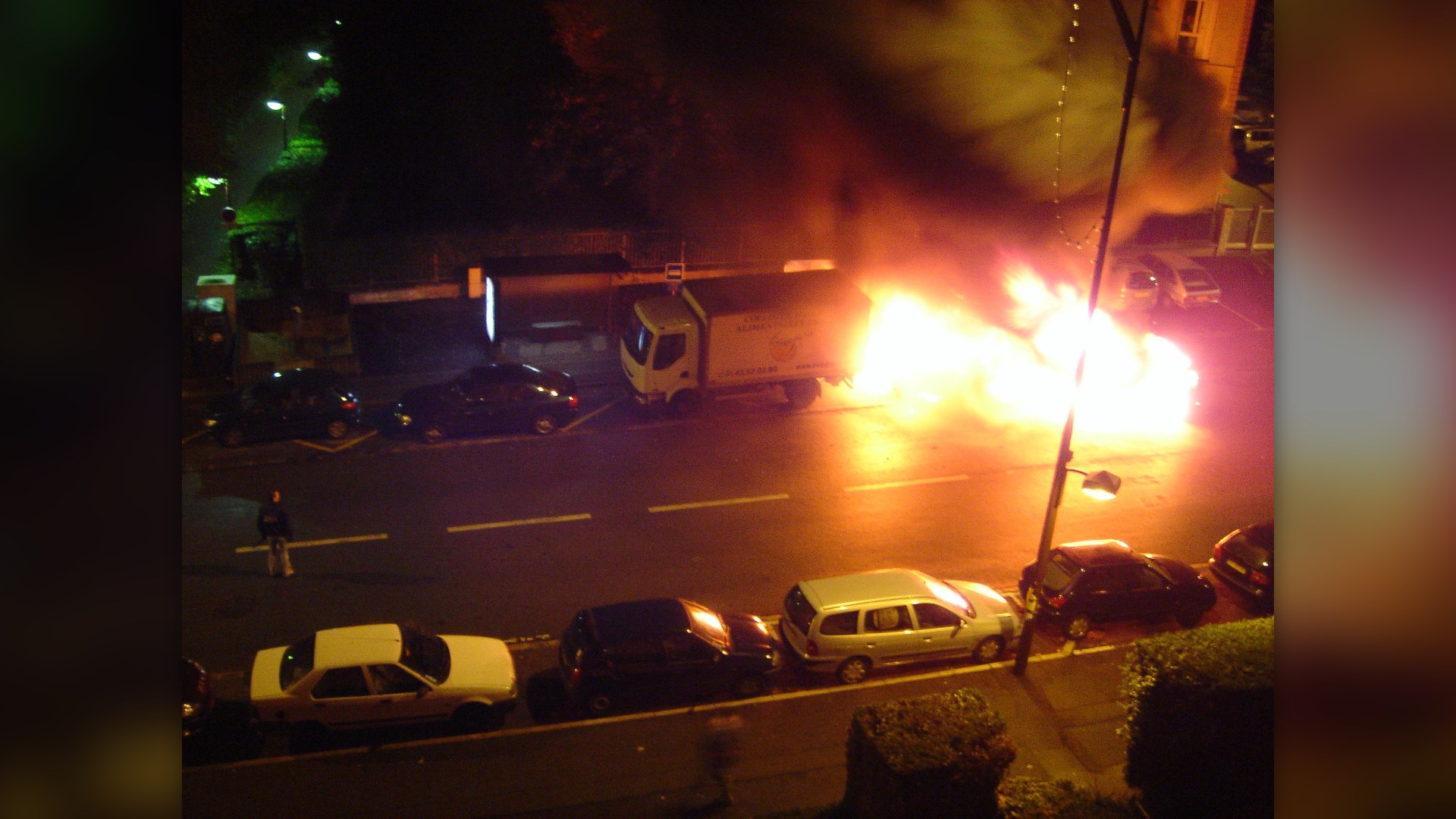
Since the 2005 suburban unrest that saw nearly 9,000 vehicles torched in three weeks, setting parked cars ablaze became such a recurring flashpoint on New Year's Eve and Bastille Day that the Interior Ministry occasionally withheld city-by-city tallies to prevent copycat rivalries.
5. Paris Boulevards Were Built Wide Explicitly To Stop Barricades
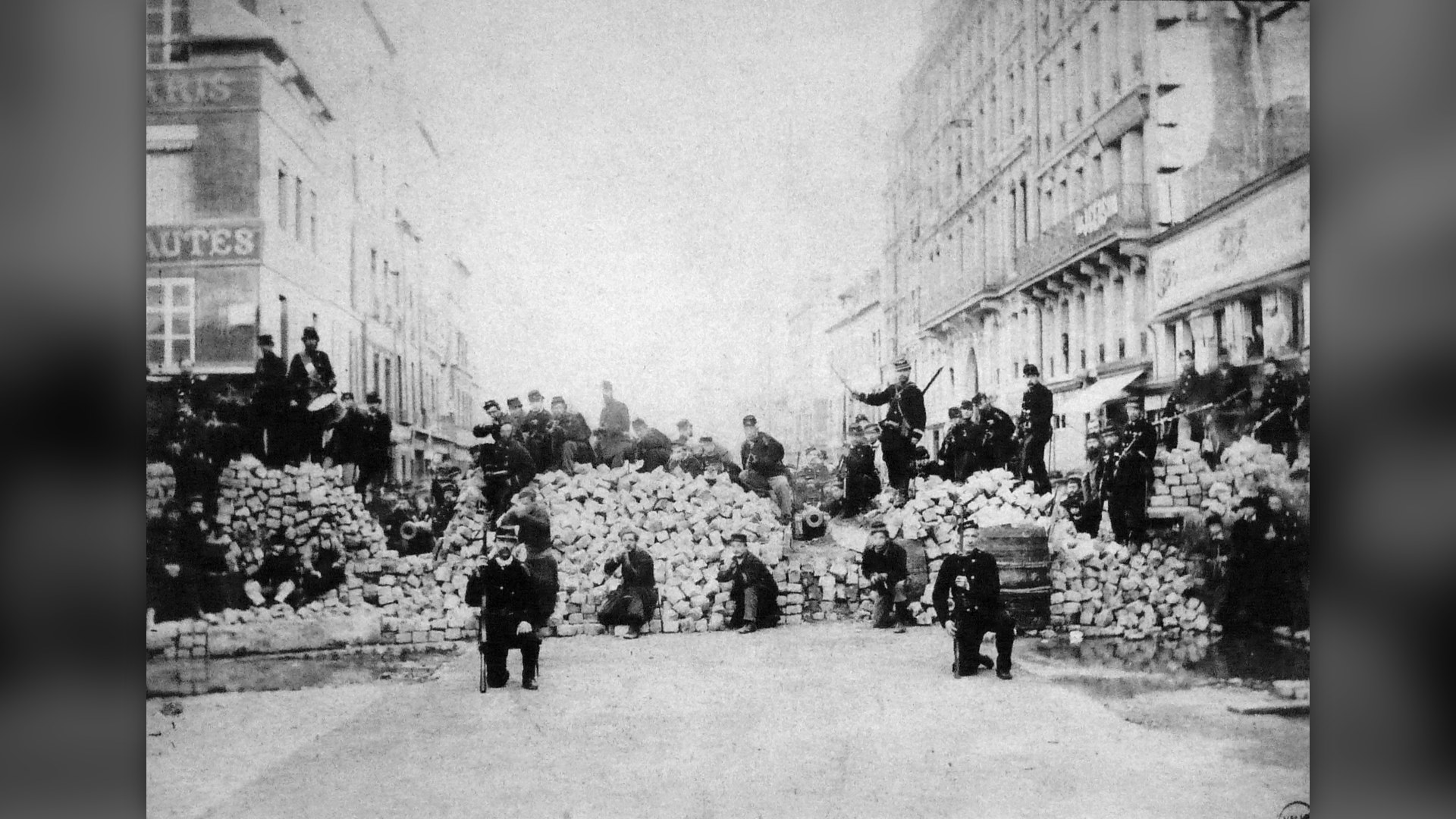
After 19th-century Parisians repeatedly tore up paving stones to build towering street fortresses—culminating in the bloody 1871 Paris Commune—Baron Haussmann's grand wide avenues were engineered so rebels could not easily barricade them and cavalry could charge through.
4. A 1934 Riot Outside Parliament Nearly Toppled The Republic
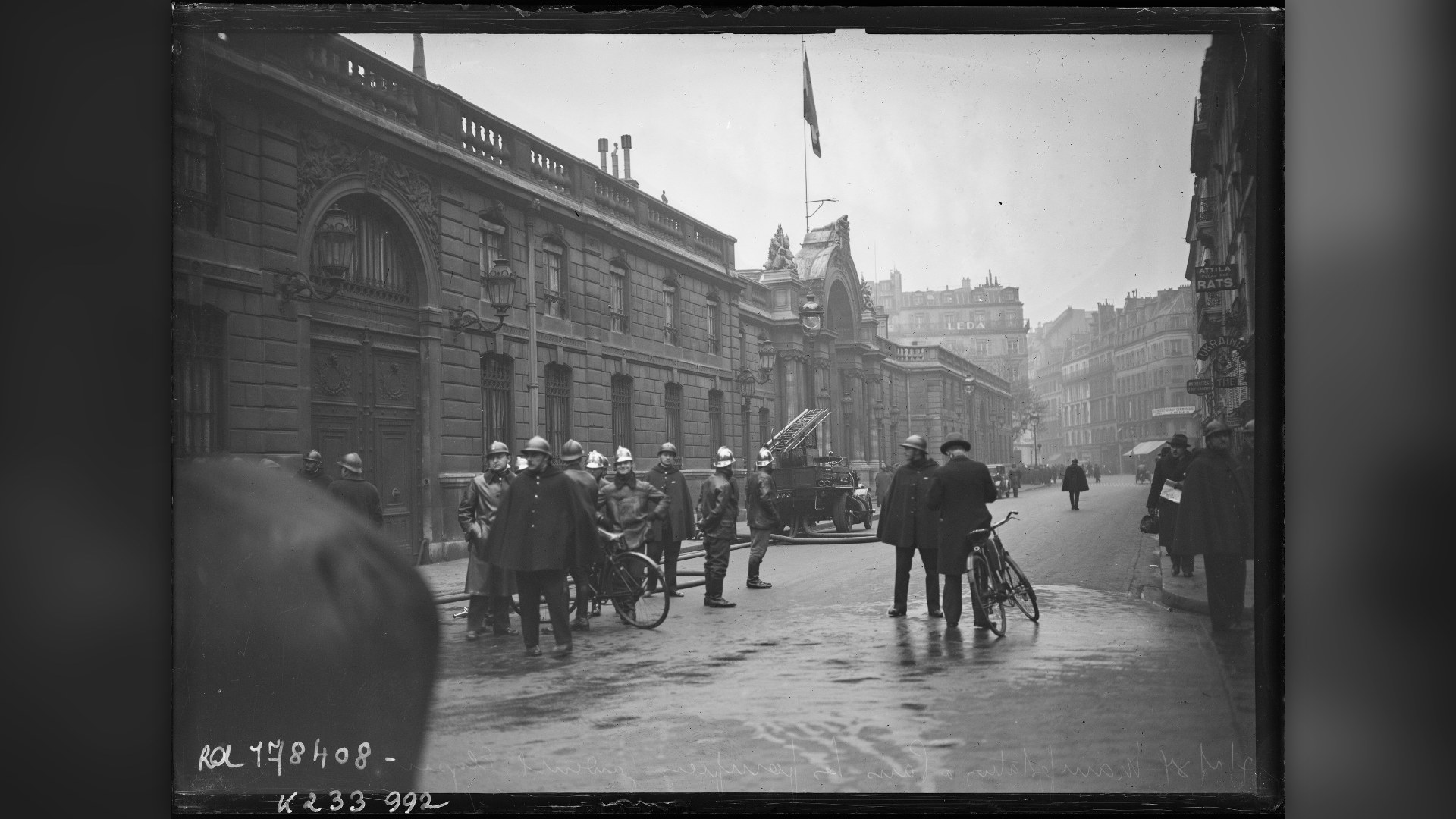
Street violence in Paris has come perilously close to regime collapse even in modern times. On February 6, 1934, far-right leagues rioted across Place de la Concorde toward the National Assembly, leaving 15 dead and 2,000 injured while troops and firemen guarded the Élysée.
3. Voting Rules In Paris Sparked Deadly Riots 10,000 Miles Away
A constitutional bill debated in Paris to expand voter rolls in the French Pacific territory of New Caledonia ignited catastrophic riots in May 2024. Looting and arson caused over 2.2 billion euros in damage, prompting foreign air forces to evacuate stranded citizens.
2. Raising The Retirement Age By Two Years Paralyzed The Nation
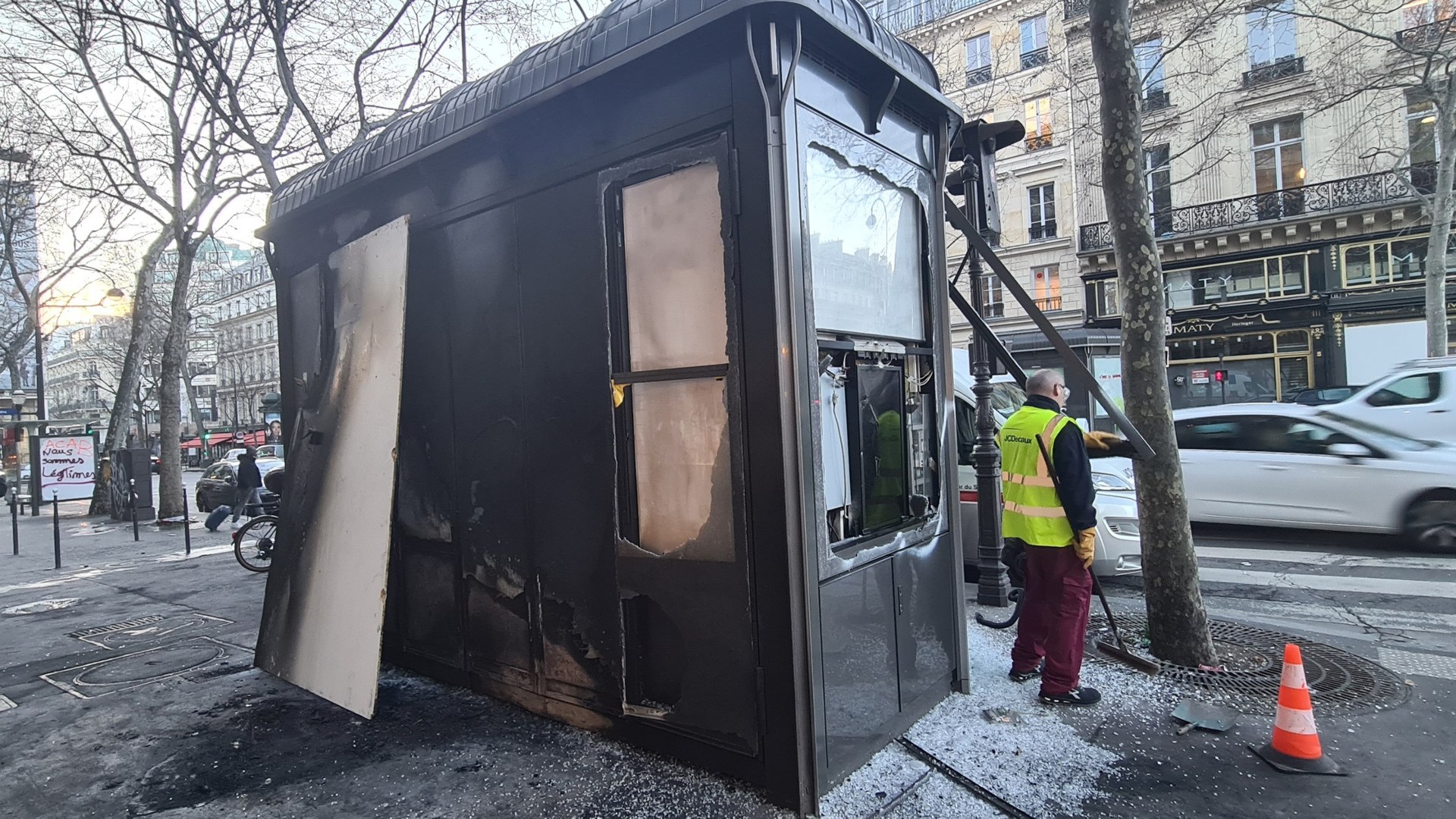
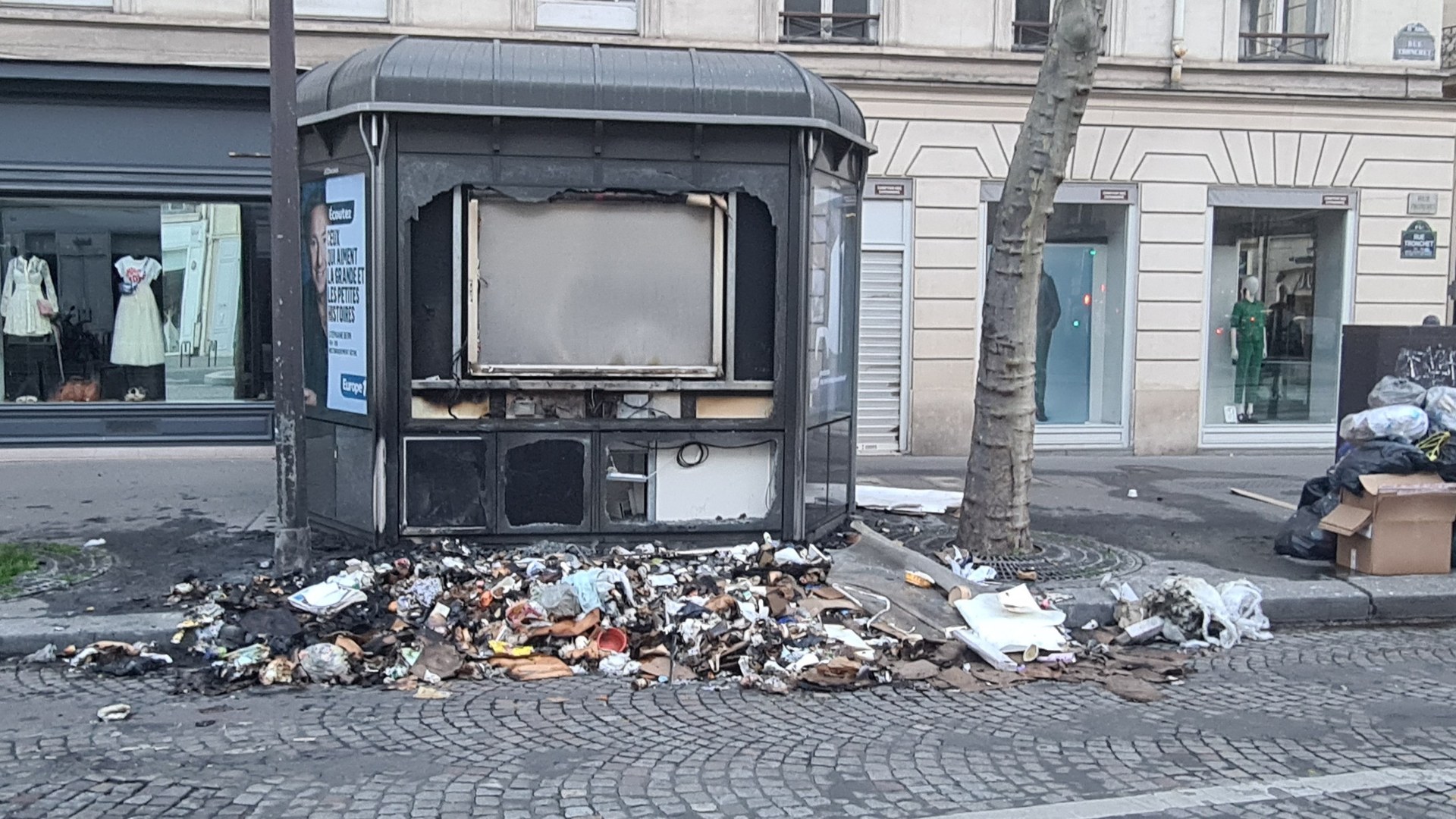
When the French government bypassed a parliamentary vote using Article 49.3 to raise the retirement age from 62 to 64, over a million demonstrators marched nationwide. Trash piled 10 feet high in Paris as sanitation workers struck and protesters burned street kiosks.
1. French Law Makes The State Liable For Riot Damage Costs
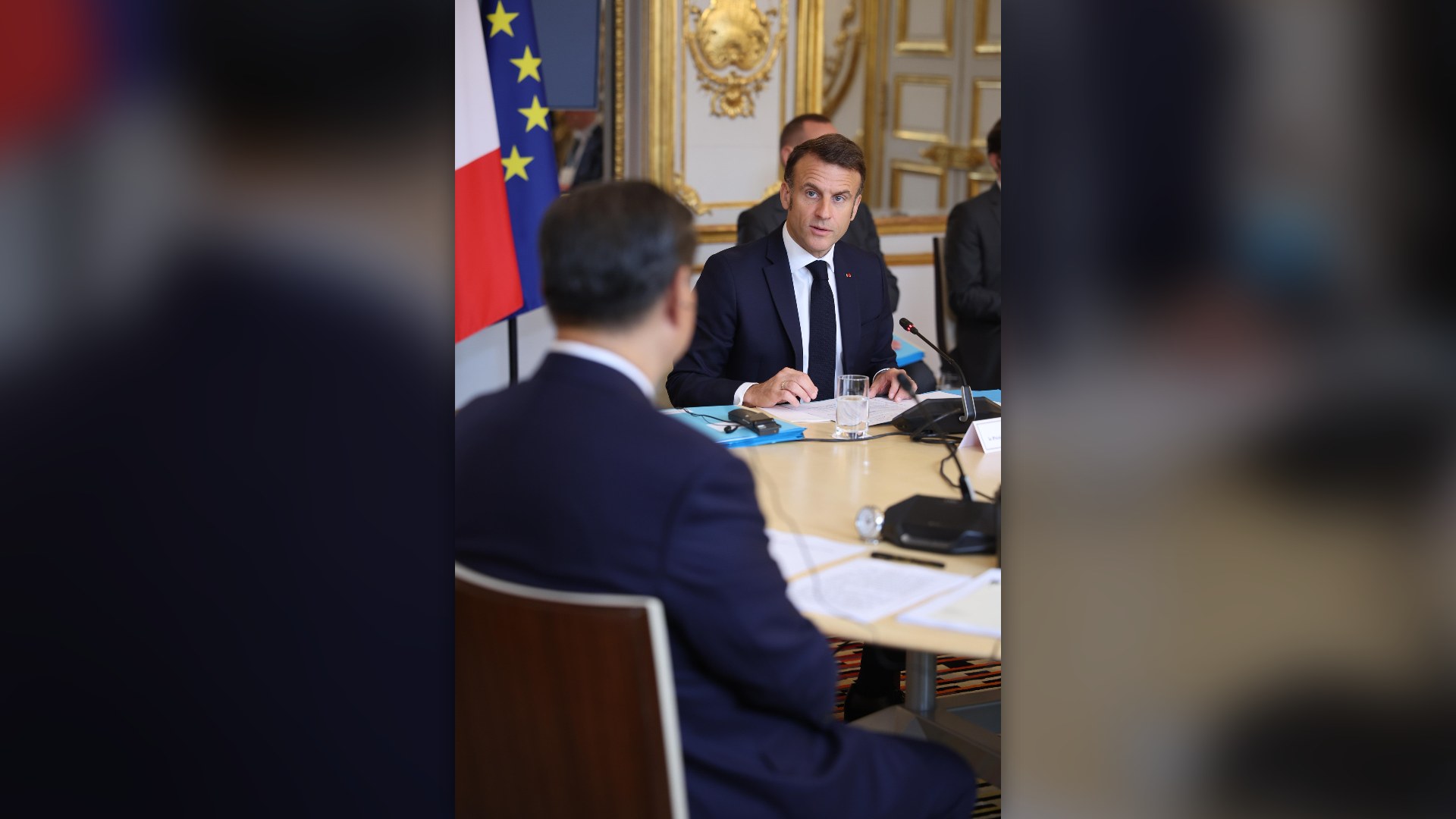
Perhaps the most astonishing fact behind President Macron's urgent calls for calm is Article L211-10 of France's Internal Security Code: the French state is legally liable for damages caused by violent street gatherings, leaving taxpayers and insurers with billion-euro bills.