Slideshow · Money
15 smart ways UK households can slash winter heating bills
From lowering your combi boiler flow temperature to 60°C to bleeding cold radiators, these 15 Energy Saving Trust fixes slash UK winter energy bills by hundreds.
By Most Viral Today
18 Oct 2026

British homes lose up to 35% of boiler heat—15 fixes that cut UK bills 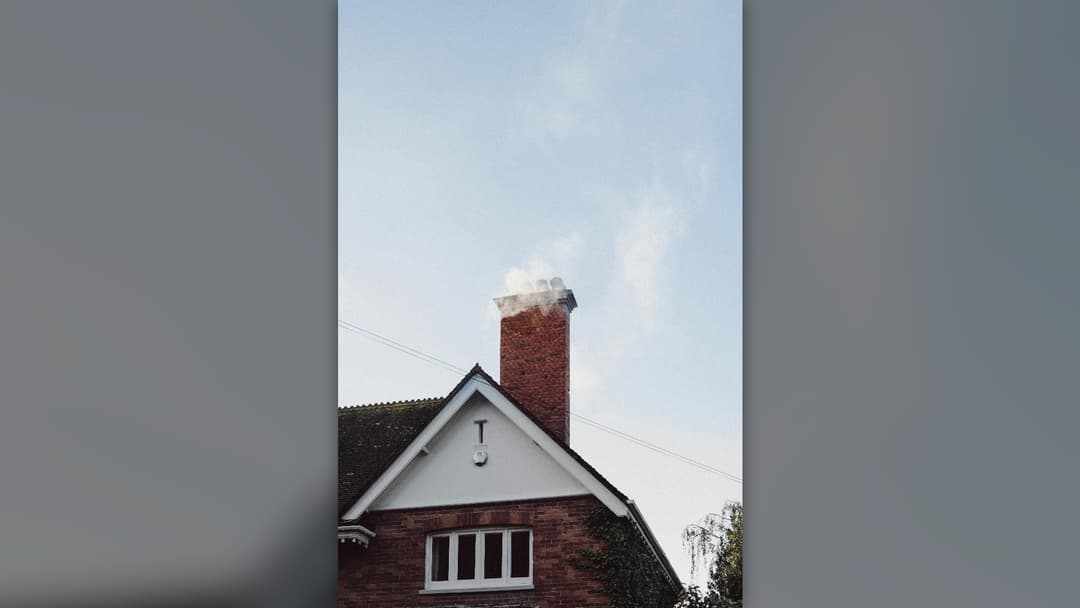
15. Block Unused Chimneys With A Draught Excluder 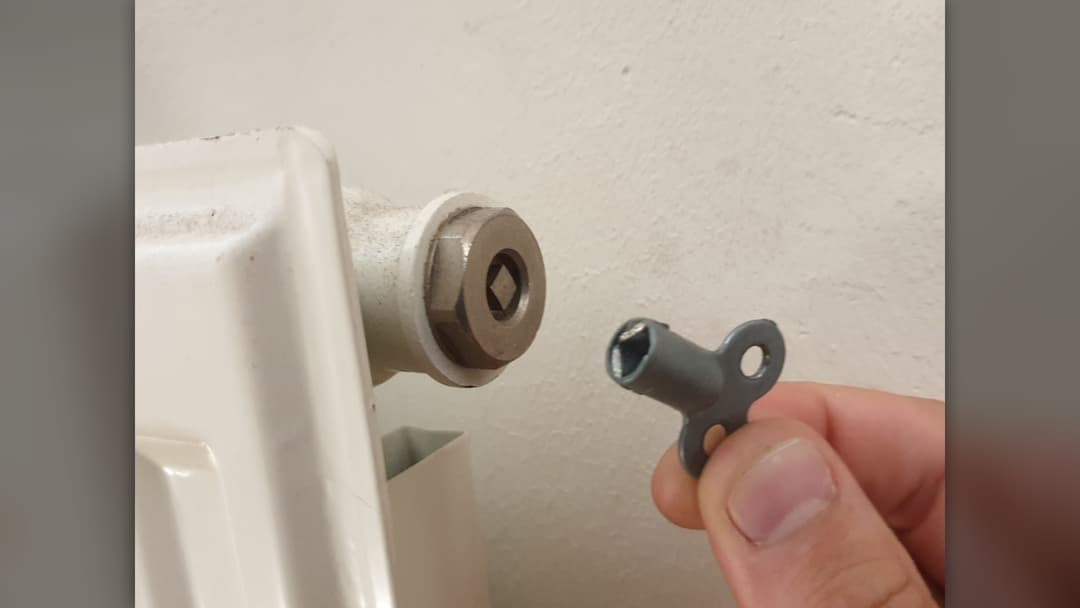
14. Bleed Trapped Air From Cold Radiators 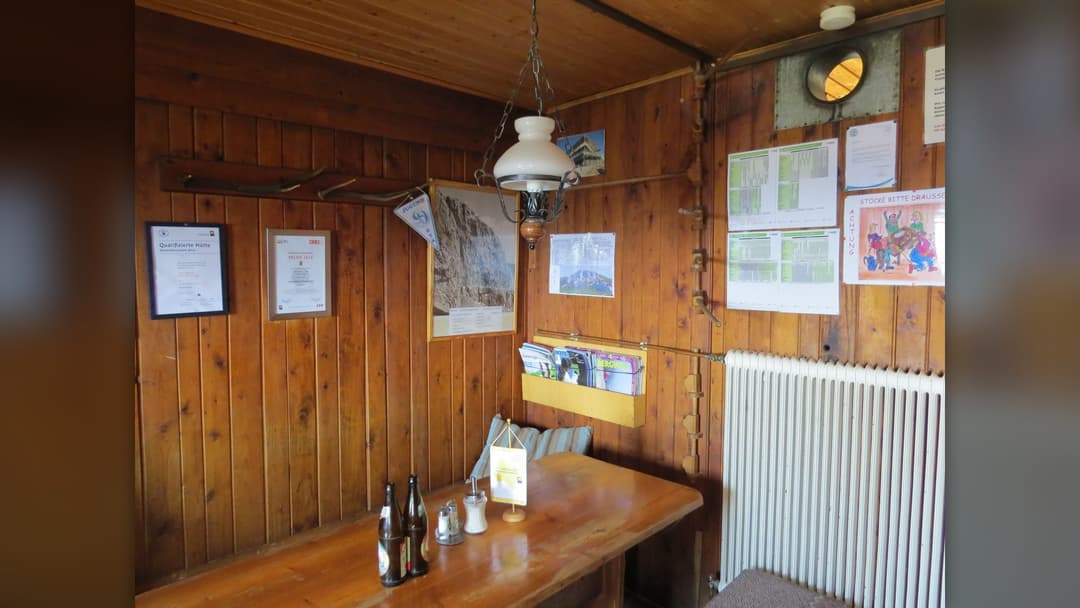
13. Move Sofas Six Inches Clear Of Radiators - AdvertisementSwipe or tap ▶ to continue countdown
12. Lag Exposed Central Heating Pipes In Foam 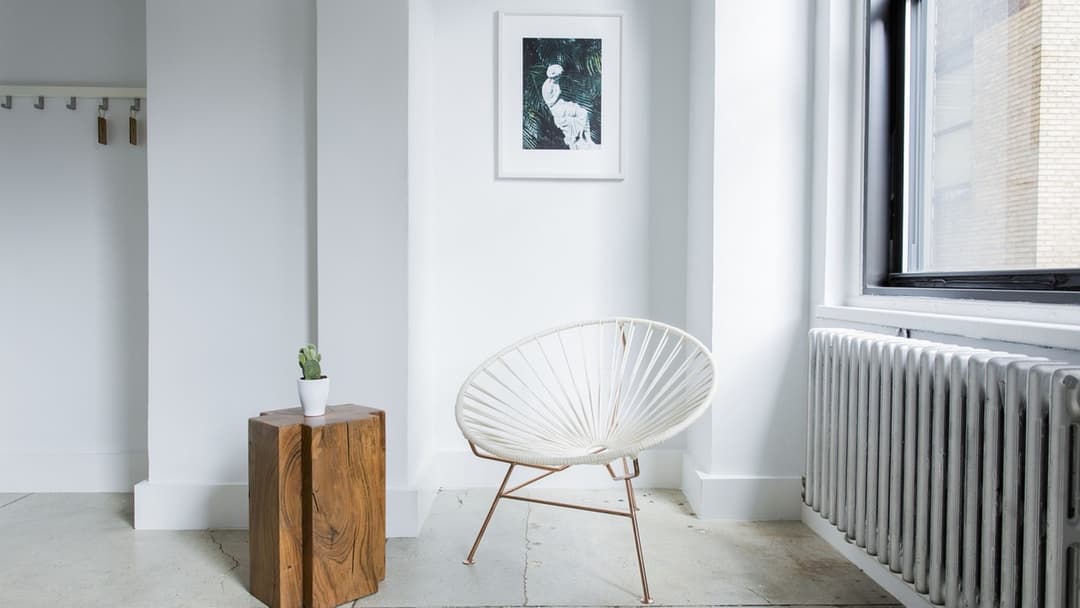
11. Fit Reflective Foil Behind Wall Radiators 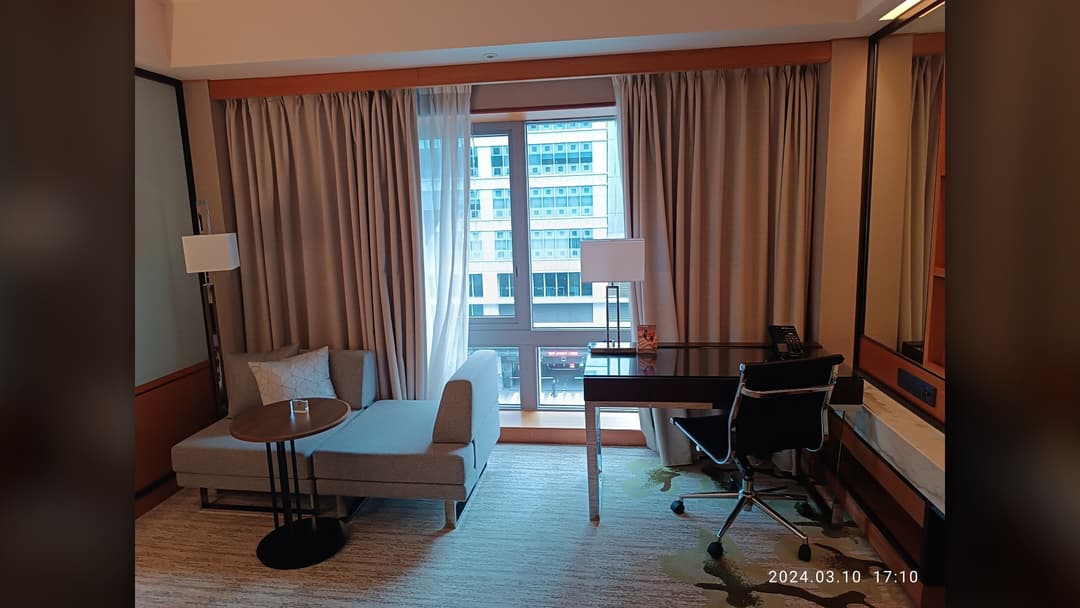
10. Draw Heavy Thermal Curtains Before Dusk 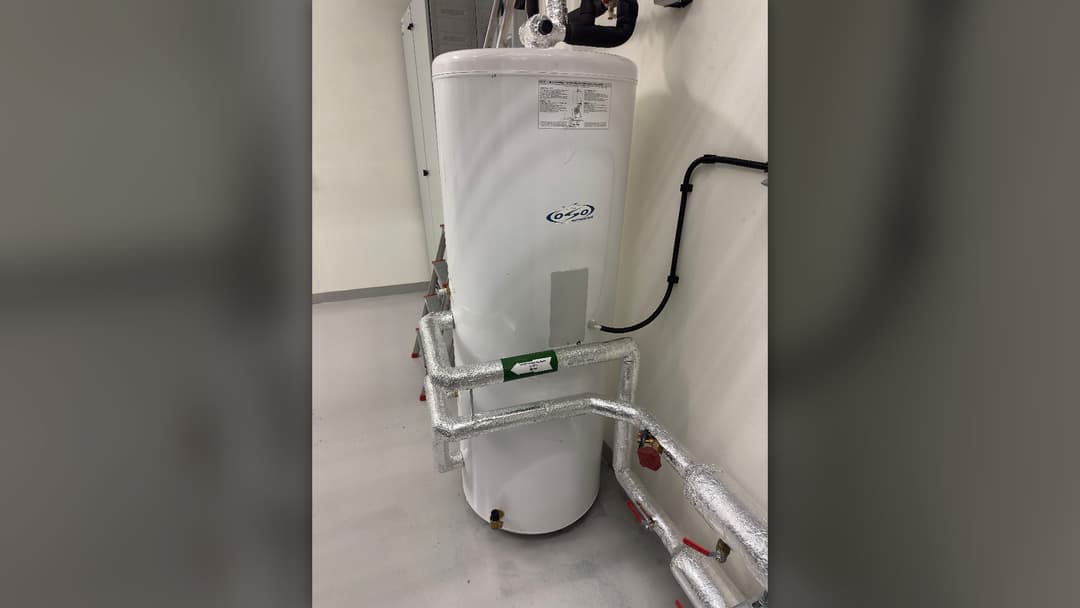
9. Fit An 80mm British Standard Tank Jacket - AdvertisementSwipe or tap ▶ to continue countdown
8. Draught-Proof Sash Windows And Exterior Doors 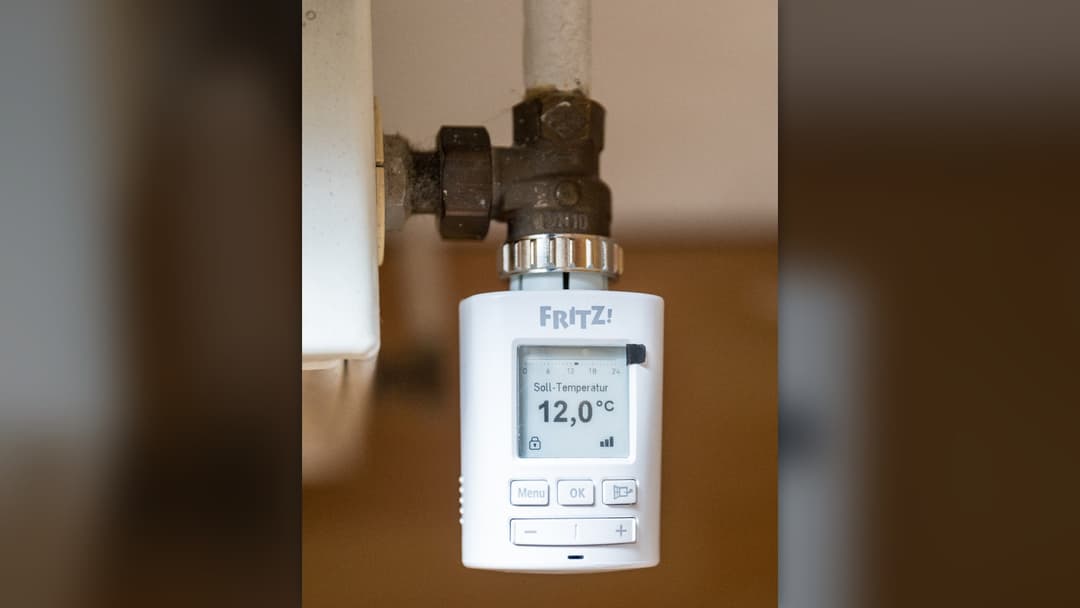
7. Install Programmable Smart Radiator Valves 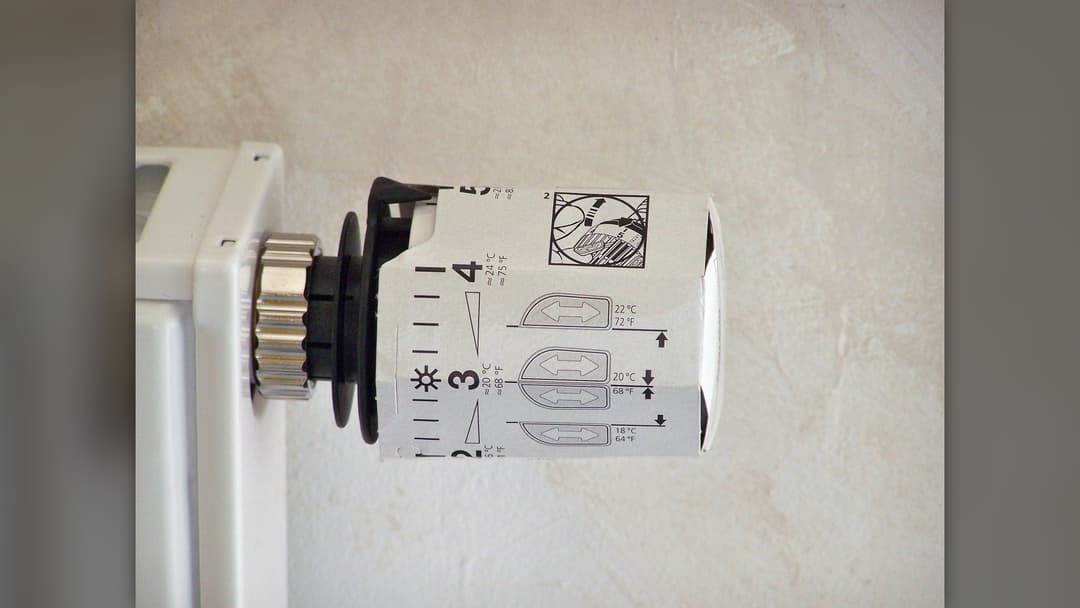
6. Turn Down TRVs In Unused Spare Bedrooms 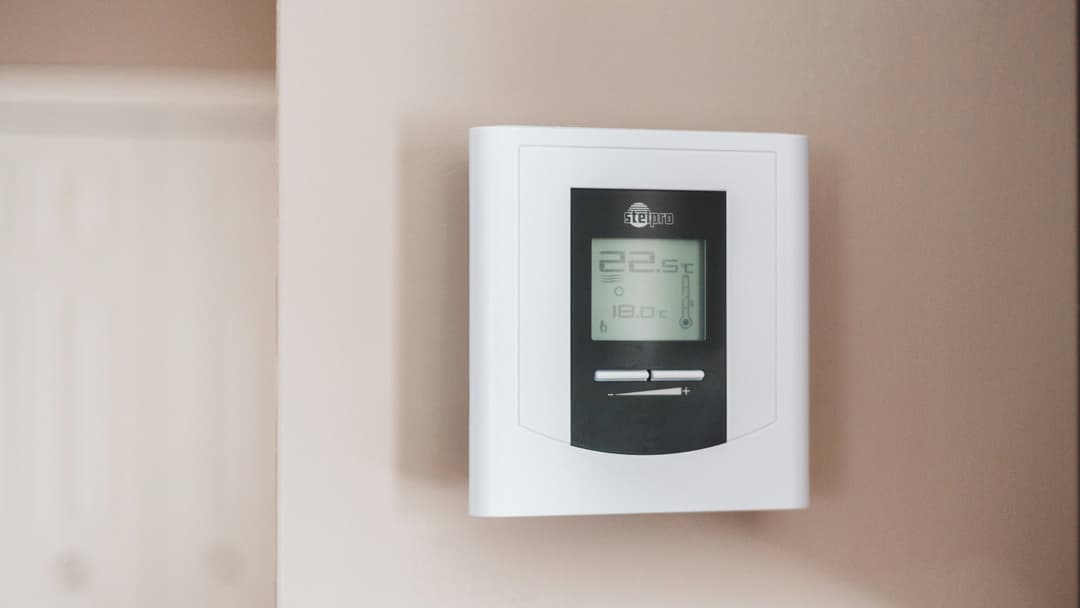
5. Turn Your Main Room Thermostat Down By 1°C - AdvertisementSwipe or tap ▶ to continue countdown
4. Lower Combi Boiler Flow Temperature To 60°C 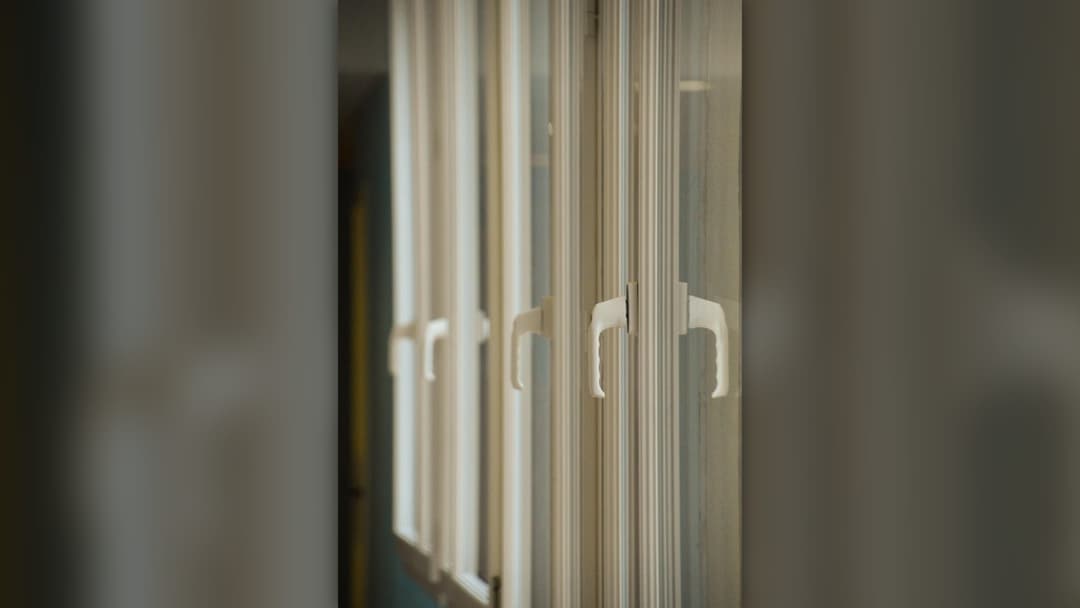
3. Upgrade To A-Rated Double Or Triple Glazing 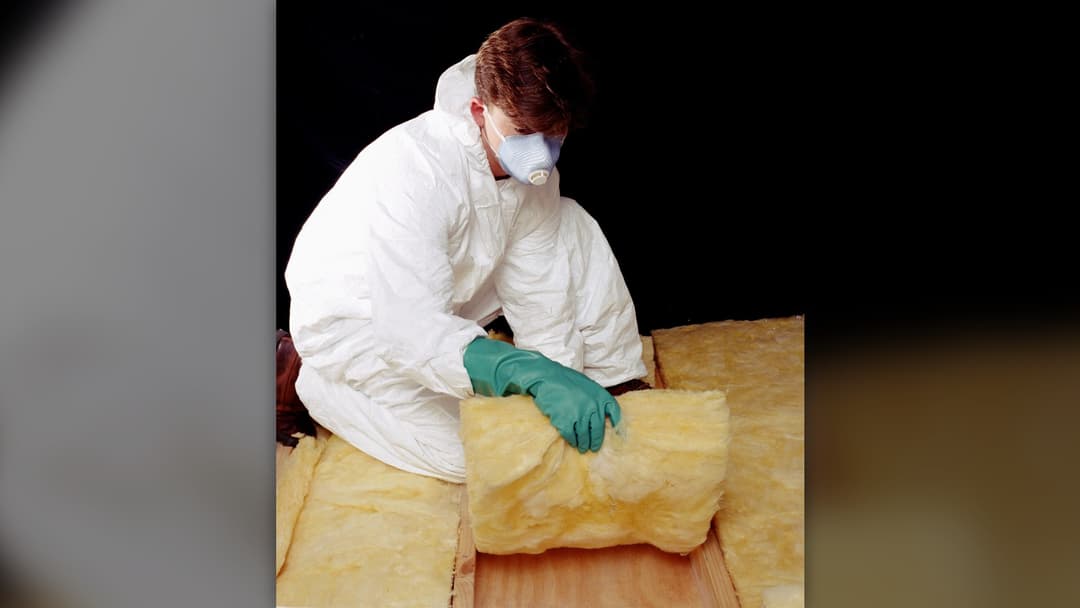
2. Top Up Loft Insulation Rolls To 270mm Depth 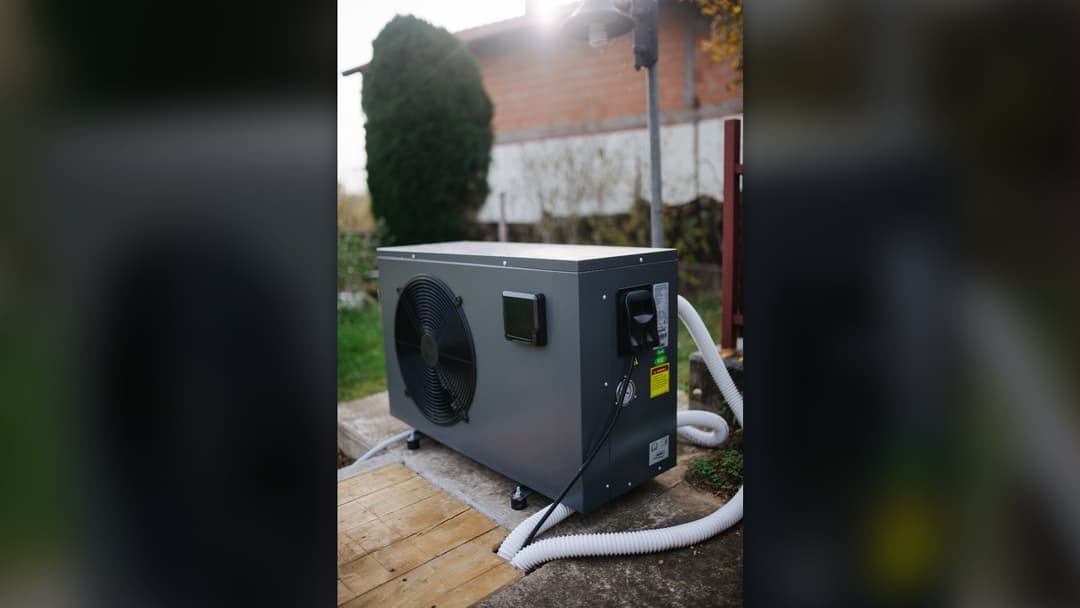
1. Claim The £7,500 Grant For A Heat Pump - Advertisement🔥 UP NEXT IN THIS SERIES◫ 22 Slides

21 Major Changes to Social Security Americans Should Know About
What major Social Security changes will affect American retirement checks?
With UK energy prices under the Ofgem Price Cap remaining a major winter expense as of 2026, heating accounts for over half of the average British energy bill. According to the Energy Saving Trust, combining simple boiler settings with radiator upgrades can save UK households £300 to £750 a year.
Swipe or tap ▶ to begin the countdown
©Pixabay / geralt
15. Block Unused Chimneys With A Draught Excluder
An open fireplace chimney in a British period terraced or semi-detached home acts like a permanent open window, drawing heated air straight out of your living room. Fitting an inflatable chimney draught excluder or woollen flue pillow saves around £60 a year according to Energy Saving Trust figures.
©Unsplash / Charles Sims
14. Bleed Trapped Air From Cold Radiators
If your central heating radiators feel hot at the bottom but cold along the top, trapped air is blocking hot water from circulating through the panels. Turning the top bleed valve anticlockwise with a £1 radiator key until water drips out restores full warmth without turning up the boiler.
©Wikimedia / Sil10napel
13. Move Sofas Six Inches Clear Of Radiators
Pushing a large fabric sofa directly against a wall radiator traps heat behind the upholstery, forcing your boiler to run longer while the rest of the room stays chilly. Pulling furniture just 15cm (six inches) forward allows warm convection currents to circulate freely across the room.
©Wikimedia / GT1976
Advertisement
Swipe or tap ▶ to resume the countdown.
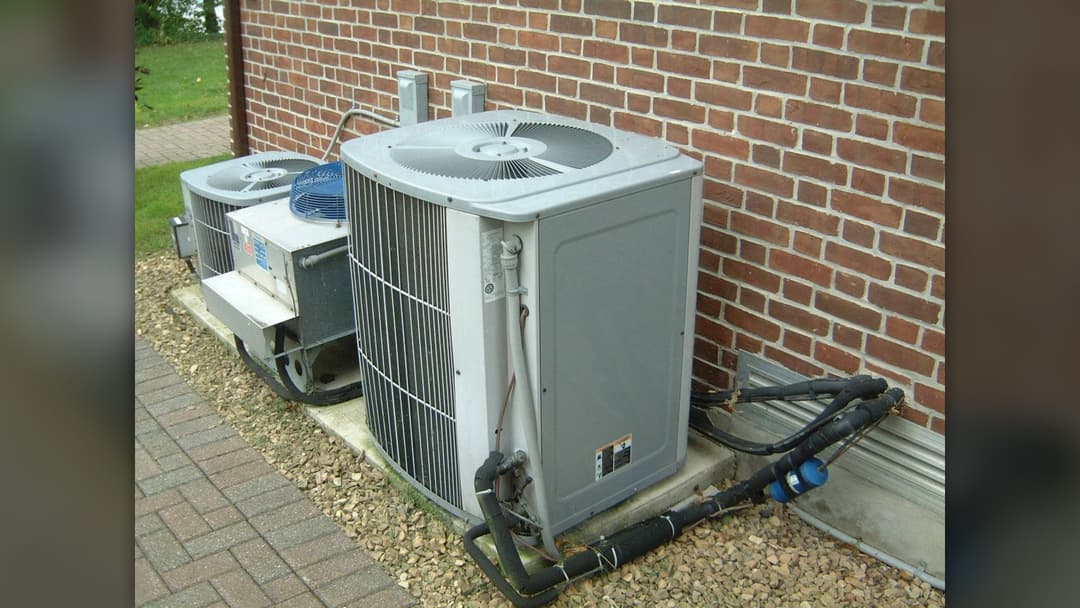
12. Lag Exposed Central Heating Pipes In Foam
Uninsulated copper pipes running between your boiler, hot water cylinder, and radiators lose valuable warmth into cold underfloor voids and airing cupboards. Slipping inexpensive foam pipe lagging sleeves over exposed pipework keeps water hotter for longer and prevents winter frost damage.
©Wikimedia / Achim Hering
11. Fit Reflective Foil Behind Wall Radiators
In millions of British homes built before 1930 with uninsulated solid brick walls, radiators mounted on external walls lose up to 25% of their heat straight into the masonry. Fitting reflective aluminium radiator foil panels behind the unit bounces radiant warmth back into the room.
©Pixabay / StockSnap
10. Draw Heavy Thermal Curtains Before Dusk
Keep curtains open during sunny winter hours to capture free solar warmth, then draw heavy thermal-lined curtains shut as soon as dusk falls around 4 p.m. University of Salford Energy House testing showed that closely fitted thermal curtains reduce window heat loss by up to 25%.
©Wikimedia / Ounfs Robmmy 238
9. Fit An 80mm British Standard Tank Jacket
If your home uses a regular or system boiler with a separate hot water cylinder in the airing cupboard, upgrading a thin or worn cover to an 80mm British Standard (BS 15615) insulating jacket costs around £20 and saves £40 to £50 every year on gas or immersion bills.
©Wikimedia / Wolfmann
Advertisement
Swipe or tap ▶ to resume the countdown.
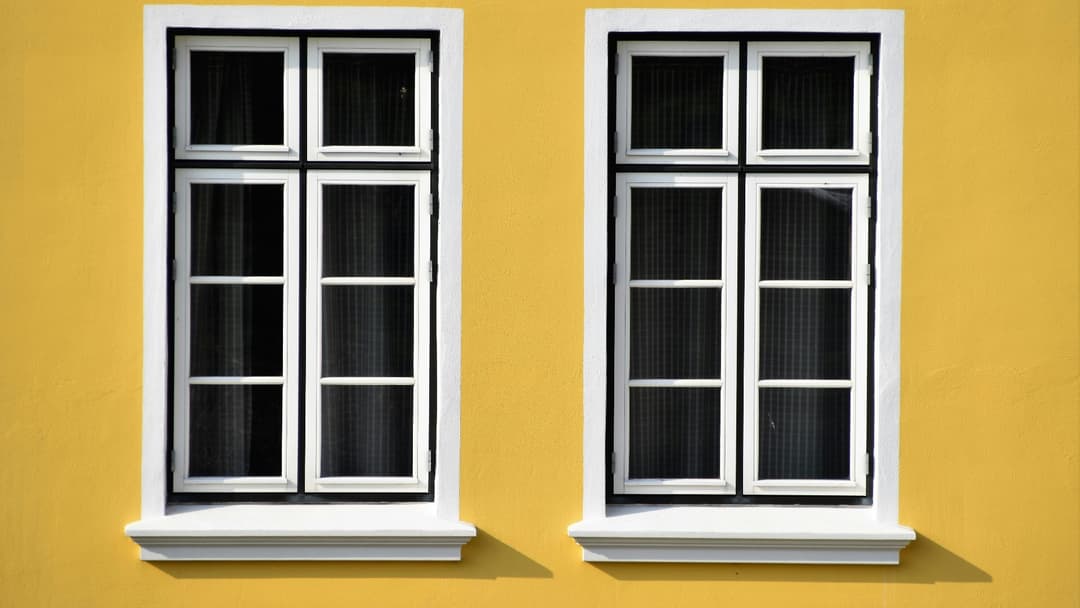
8. Draught-Proof Sash Windows And Exterior Doors
According to the Energy Saving Trust as of 2026, draught-proofing gaps around windows, exterior doors, letterboxes, keyholes, and floorboards saves a typical UK household £45 to £85 a year—and makes rooms feel comfortable at a lower thermostat setting.
©Unsplash / Waldemar Brandt
7. Install Programmable Smart Radiator Valves
Upgrading standard radiator valves to programmable digital smart valves allows you to heat your home office during working hours while keeping bedrooms and lounges turned down until evening, cutting wasted gas consumption by up to 15%.
©Wikimedia / Raimond Spekking
6. Turn Down TRVs In Unused Spare Bedrooms
Thermostatic Radiator Valves (TRVs) sense the air temperature in each room and automatically throttle hot water flow into the radiator. Setting TRVs to 2 or 3 in spare bedrooms and hallways while keeping your main living room warm saves £75 to £110 per year.
©Wikimedia / T.Voekler
5. Turn Your Main Room Thermostat Down By 1°C
The World Health Organization and NHS recommend a minimum living room temperature of 18°C for healthy adults. Turning your main wall thermostat down by just 1°C—for example from 20°C to 19°C—cuts your annual UK heating bill by roughly 10%, saving around £90 a year.
©Unsplash / Erik Mclean
Advertisement
Swipe or tap ▶ to resume the countdown.
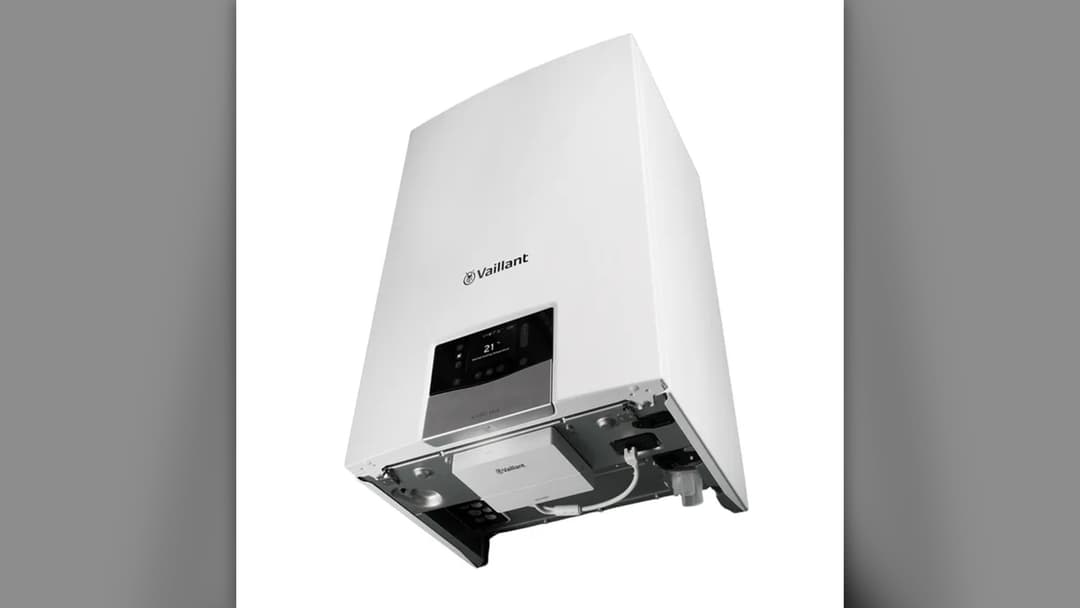
4. Lower Combi Boiler Flow Temperature To 60°C
Most UK condensing combination boilers are factory-set with a radiator flow temperature of 75°C or 80°C, which is too hot for the boiler to condense flue gases efficiently. Nesta's Money Saving Boiler Challenge proved that lowering radiator flow temperature to 60°C saves £65 to £80 a year.
©Vailant
3. Upgrade To A-Rated Double Or Triple Glazing
Single-glazed or ageing early double-glazed windows account for up to 20% of heat loss in British homes. Installing BFRC A-rated or A++ double or triple glazing with multi-chamber frames and warm-edge spacer bars saves a typical semi-detached UK house £140 to £195 every year.
©Pixabay / VIVIANE6276
2. Top Up Loft Insulation Rolls To 270mm Depth
Up to 25% of a home's warmth escapes through an uninsulated roof. Laying mineral wool rolls to the full recommended 270mm depth across loft joists—100mm between the joists and 170mm cross-laid over the top—saves up to £270 a year in a semi-detached home and £390 in a detached house.
©Wikimedia / Tracey Nicholls, CSIRO
1. Claim The £7,500 Grant For A Heat Pump
Under the UK Government's Boiler Upgrade Scheme (BUS) as of 2026, homeowners in England and Wales can claim a £7,500 grant towards an air-source heat pump (with up to £9,000 via Home Energy Scotland). Paired with a smart heat-pump electricity tariff, it cuts running costs and carbon emissions dramatically.
©Wikimedia / Shixart1985
Advertisement
You've reached the end of the story. Thanks for reading!
21 Major Changes to Social Security Americans Should Know About
What major Social Security changes will affect American retirement checks?