Slideshow · Technology
15 Ways AI Is Already in Your Home, Ranked
From ambient climate algorithms to predictive streaming feeds and pocket neural processing, artificial intelligence has quietly taken over everyday domestic life.

By Most Viral Today
24 Oct 2026

The Quiet Household Revolution 
15. Smart Pet Monitors & Feeders 
14. Robotic Lawn Mowers & Irrigation 
13. Smart Ovens & Precision Cooking - AdvertisementSwipe or tap ▶ to continue countdown

12. Predictive Home Energy Systems 
11. Adaptive Air Purifiers 
10. Computer Vision Smart Fridges 
9. AI Sleep Trackers & Smart Mattresses - AdvertisementSwipe or tap ▶ to continue countdown

8. Video Doorbells & AI Security 
7. Learning Thermostats 
6. Predictive Text & Smart Keyboards 
5. Streaming Recommendation Engines - AdvertisementSwipe or tap ▶ to continue countdown

4. Autonomous Robot Vacuums 
3. Computational Smartphone Cameras 
2. Smart TV AI Upscaling 
1. Voice Assistants & Smart Speakers - Advertisement🔥 UP NEXT IN THIS SERIES◫ 21 Slides

• 20 Major Tech Outages That Disrupted the Internet
Modern society runs on digital infrastructure, but software bugs, severed cables, and configuration blunders have repeatedly brought global commerce to a standstill. Here are the 20 most disruptive tech outages in history, ranked by financial damage, global scale, and operational paralysis.
Artificial intelligence isn't just confined to tech labs or futuristic sci-fi movies. It has seamlessly settled into living rooms, kitchens, and pockets across millions of households, automating daily routines without most people even noticing.
Swipe or tap ▶ to begin the countdown
©Unsplash / Luciano Oliveira & Unsplash / Luke Chesser
15. Smart Pet Monitors & Feeders
Modern pet cameras and automated feeders use on-device computer vision to distinguish between dogs, cats, and humans. They alert owners when pets display signs of separation anxiety and schedule precision food portions throughout the day.

© Photo by Jakub Żerdzicki on Unsplash
14. Robotic Lawn Mowers & Irrigation
Gone are the days of laying boundary wires. The newest robotic mowers use computer vision and satellite GPS to map lawns, dodge garden hoses, and calculate exact grass growth rates based on ambient sunlight and rainfall forecasts.

©Pixabay / niekverlaan
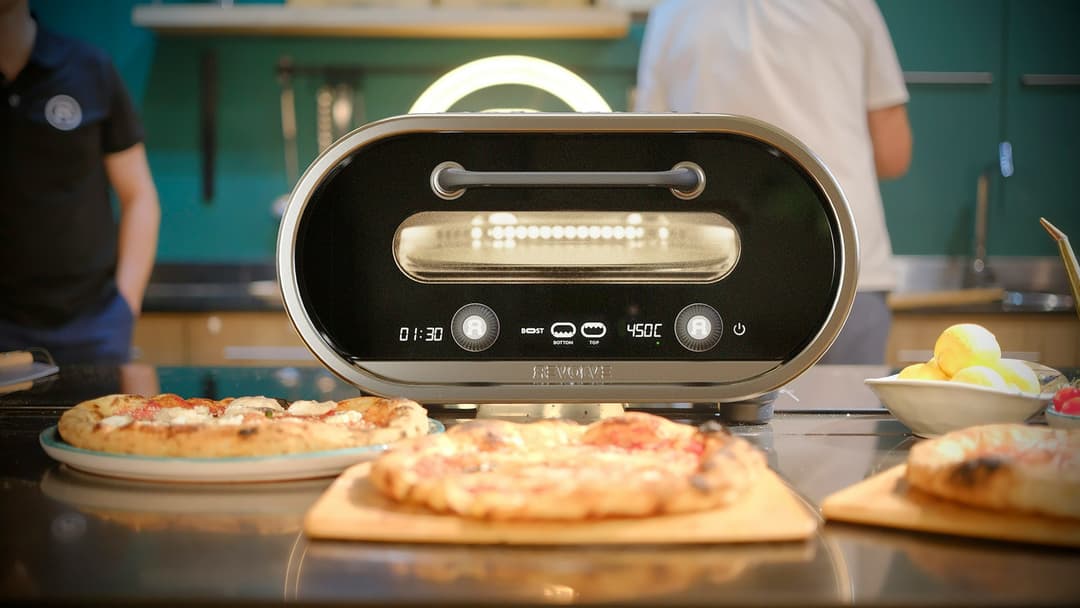
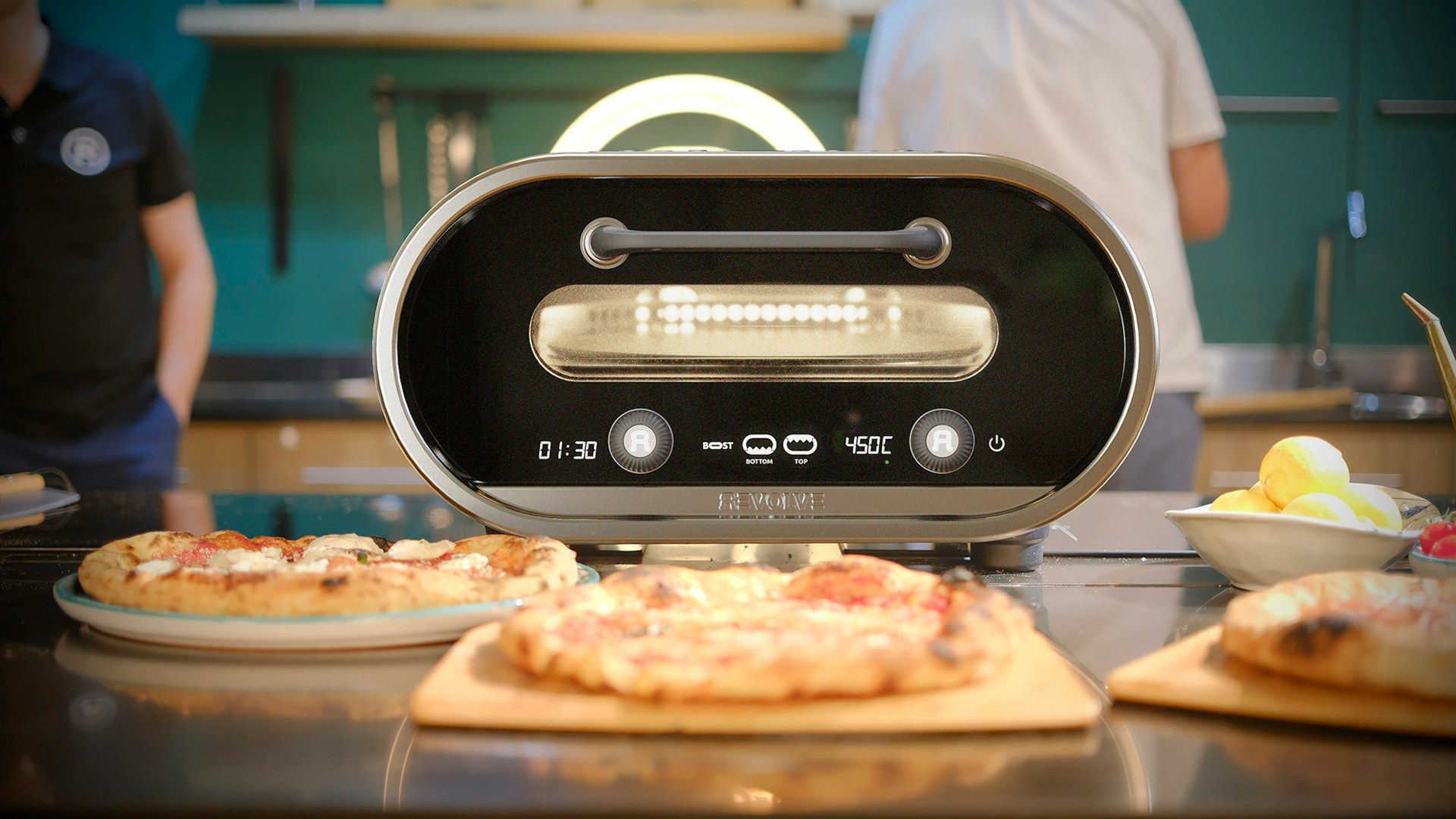
13. Smart Ovens & Precision Cooking
Smart ranges and ovens from brands like Samsung and GE feature heat-resistant cameras that identify over 80 types of meals. They continuously track surface browning, alerting your phone the moment dinner reaches golden-brown perfection.
© Photo by Revolve Pizza Oven on Unsplash
Advertisement
Swipe or tap ▶ to resume the countdown.
12. Predictive Home Energy Systems
Home energy monitors study your household consumption patterns alongside real-time utility rates. By pre-cooling rooms during cheap off-peak hours and discharging solar batteries when grid electricity spikes, AI saves families hundreds annually.

©Wikimedia / Kenneth Lund
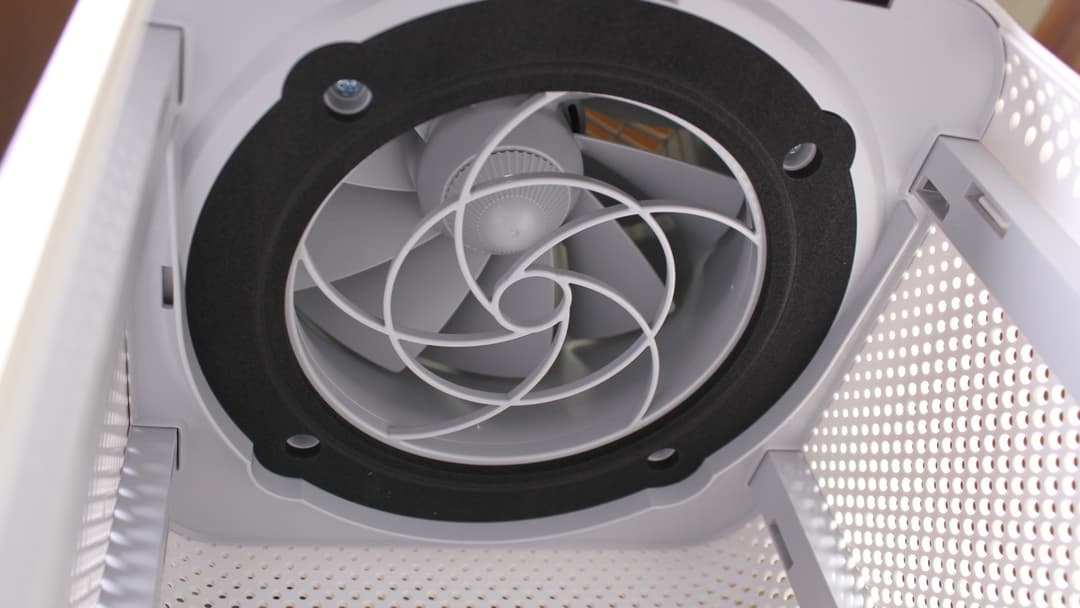
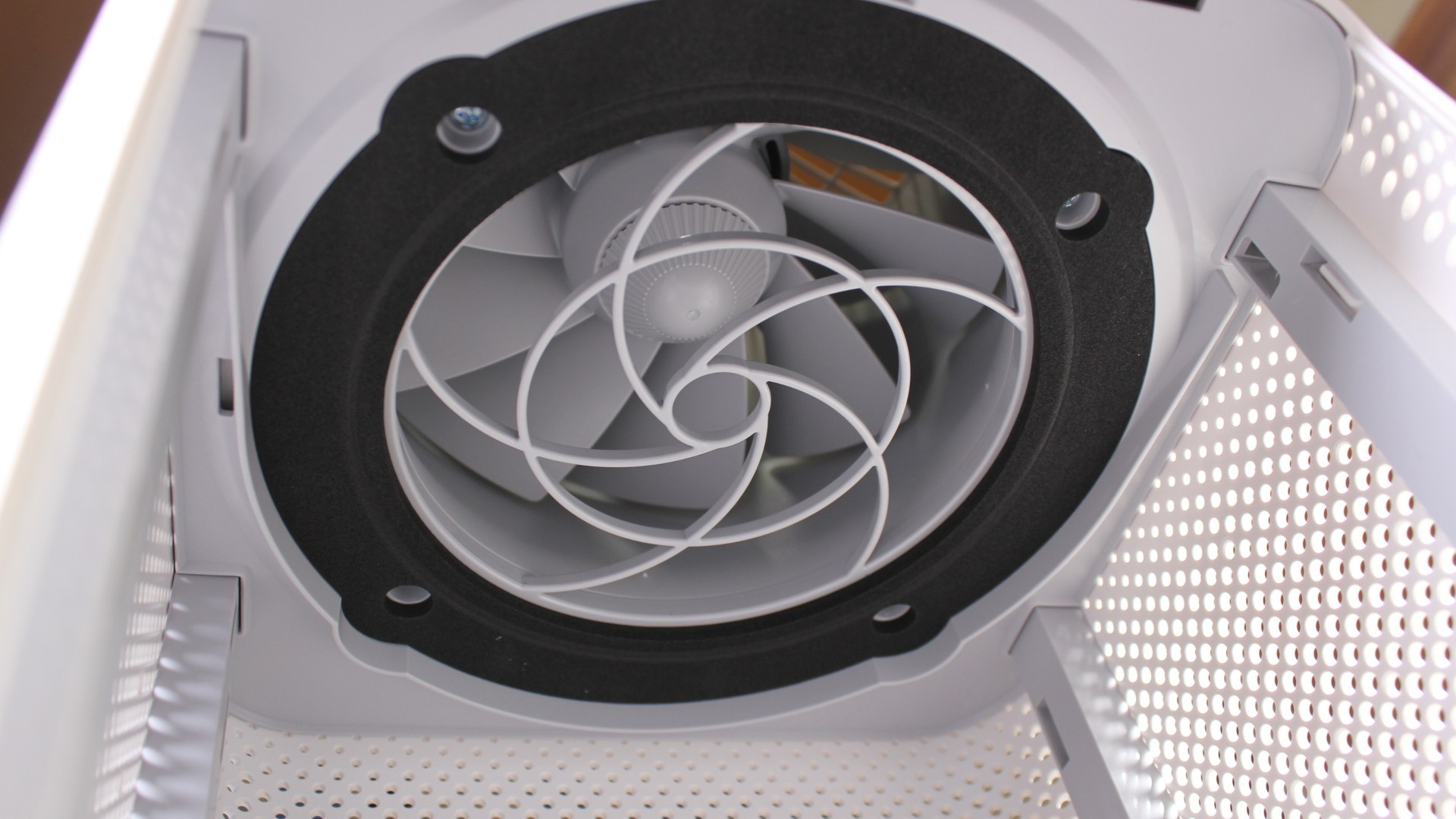
11. Adaptive Air Purifiers
Today’s smart purifiers do far more than run on timers. They leverage real-time particulate indexing and historical cooking trends to spin up HEPA filters before smoke or seasonal pollen circulates across the house.
©Wikimedia / GEEK KAZU
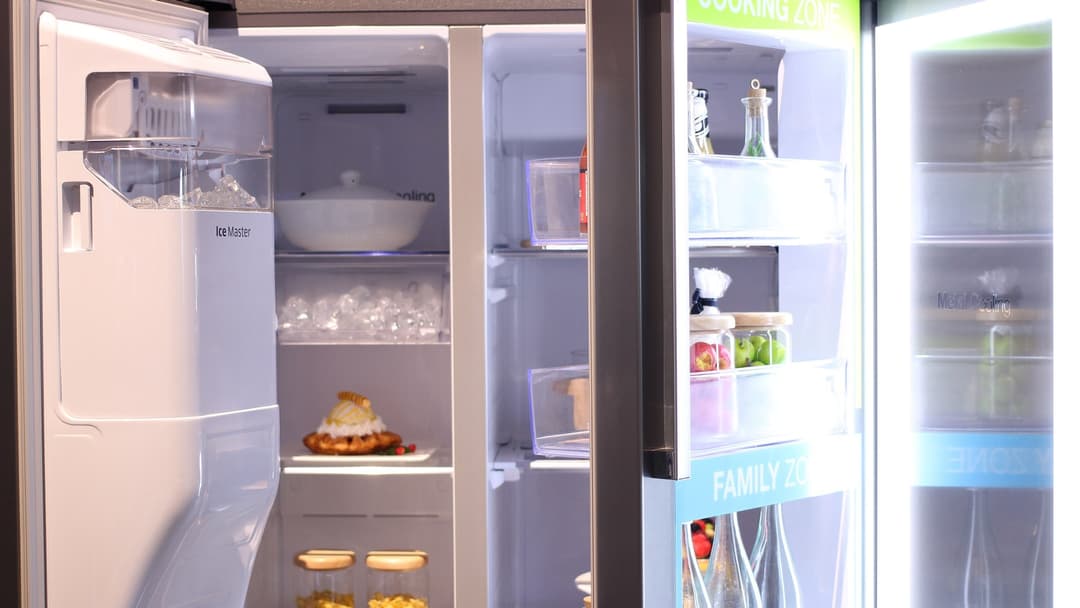
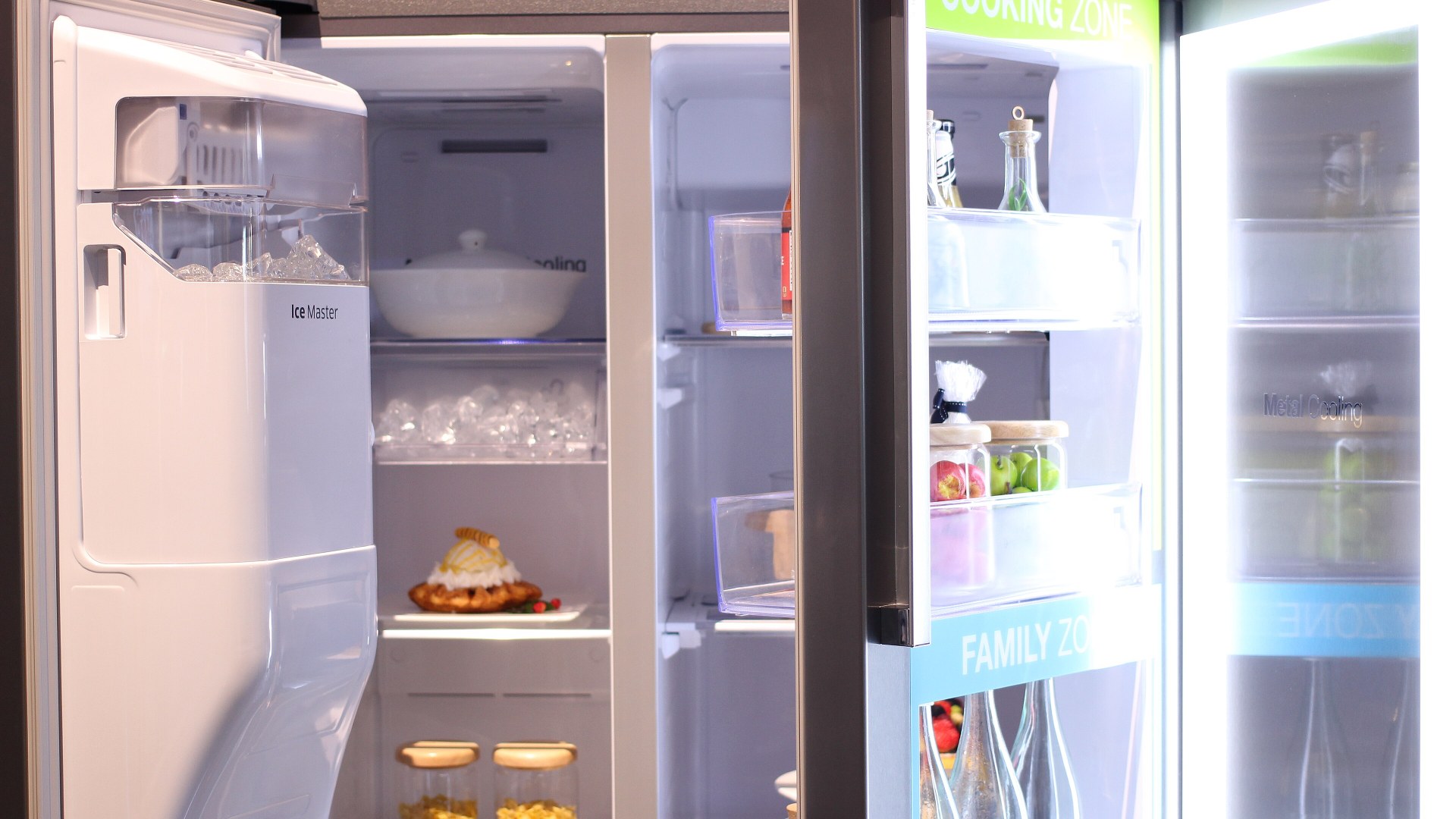
10. Computer Vision Smart Fridges
Equipped with wide-angle interior lenses, smart refrigerators track what you place inside and remove. Machine learning models recognize produce freshness, notify you before milk expires, and generate grocery lists directly on your phone.
©Wikimedia / Maurizio Pesce
9. AI Sleep Trackers & Smart Mattresses
Smart mattresses and bedside sleep monitors use micro-movement sensors to log sleep cycles, heart rate variability, and respiratory patterns. They gently adjust mattress elevation to curb snoring and cool surface temperatures to boost deep sleep.

© Photo by Luke Chesser on Unsplash
Advertisement
Swipe or tap ▶ to resume the countdown.
8. Video Doorbells & AI Security
Modern smart doorbells from Ring, Nest, and Eufy run onboard neural networks to differentiate between delivery couriers, stray animals, and actual intruders, ending false-alarm fatigue and protecting porch deliveries.

©Wikimedia / Robert Nelson
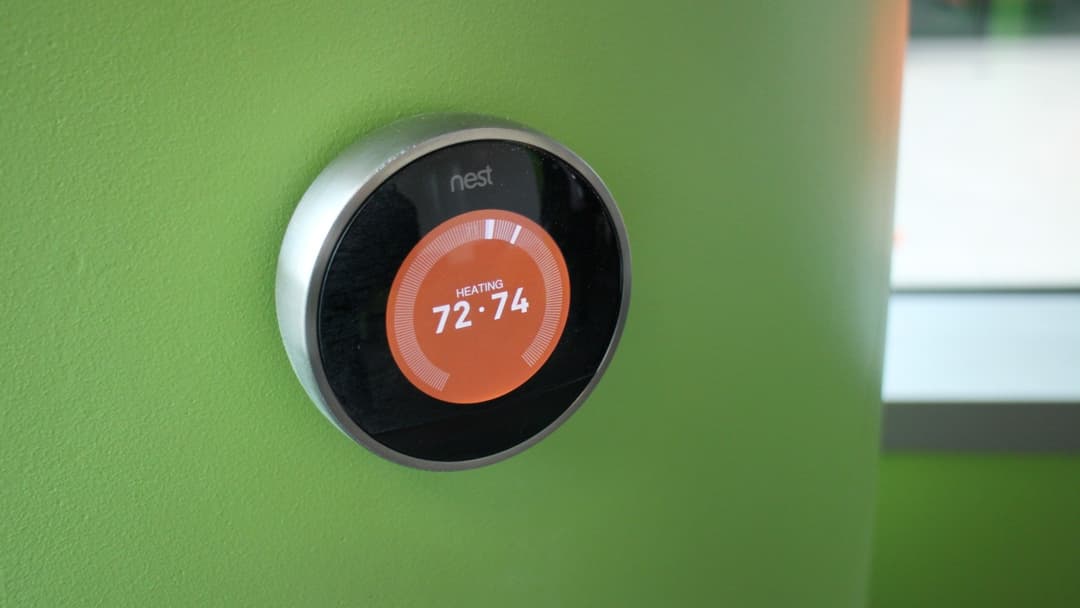
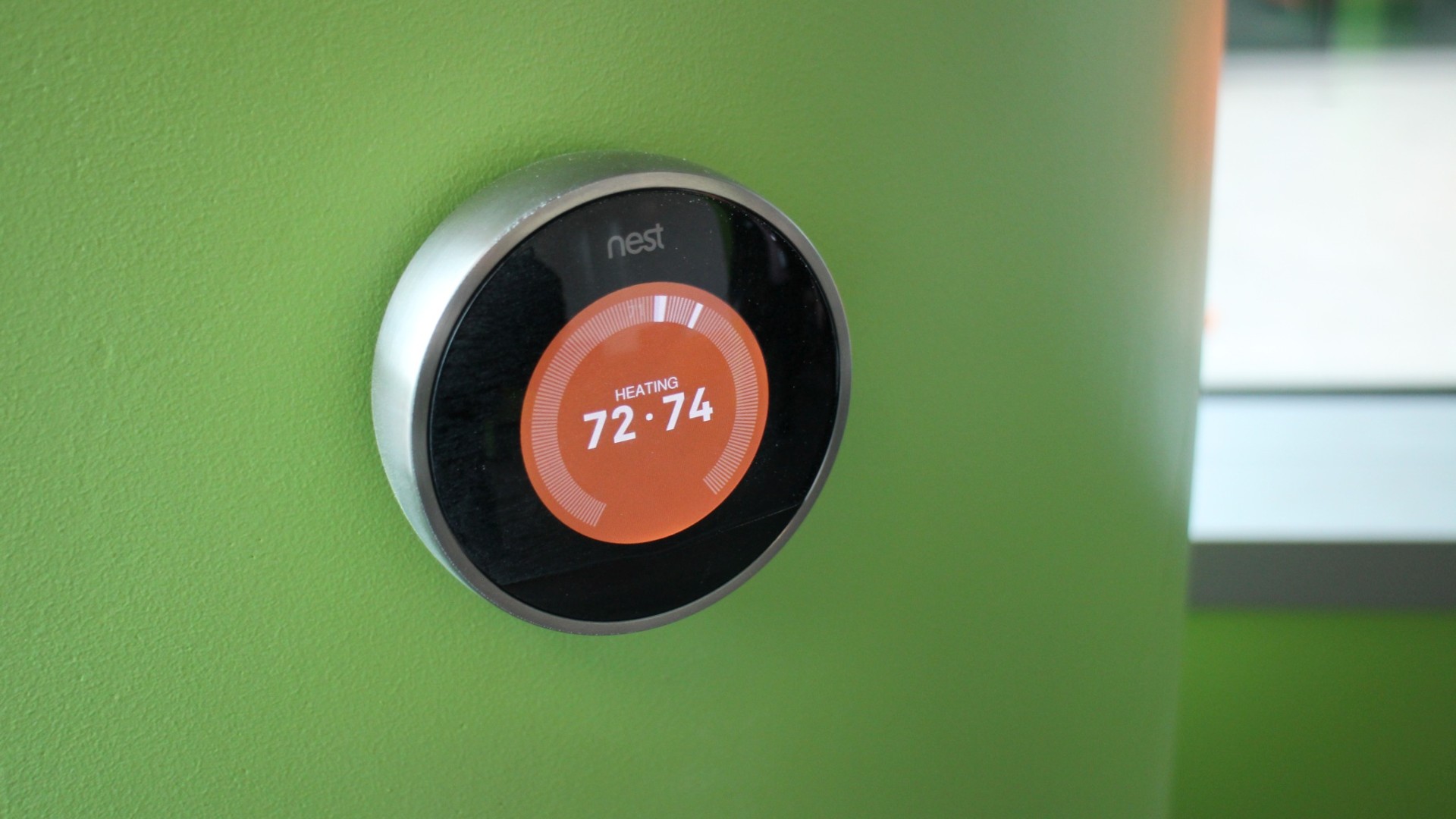
7. Learning Thermostats
Pioneered by Nest and Ecobee, learning thermostats analyze how fast your home warms and cools, factoring in outdoor humidity and solar gain to optimize climate comfort while trimming household heating bills.
©Wikimedia / Robert Basic from Germany
6. Predictive Text & Smart Keyboards
Every time you tap out a text or email on your couch, local neural language models analyze context, tone, and personal vocabulary to suggest the next word. What once felt like simple autocorrect is now a sophisticated language engine.

©Wikimedia / Jernej Furman
5. Streaming Recommendation Engines
The streaming feeds dominating evening entertainment rely on collaborative filtering neural nets. They evaluate viewing duration, skips, genre blending, and time-of-day habits to surface movies and playlists tailored to your exact taste.

© Photo by Mollie Sivaram on Unsplash
Advertisement
Swipe or tap ▶ to resume the countdown.
4. Autonomous Robot Vacuums
Modern robot vacuums no longer bounce aimlessly off baseboards. Equipped with front-facing AI cameras and depth sensors, they build precise 3D floor maps, recognize specific room types, and identify obstacles like socks and power cords in real time.

© Photo by Dreame Vacuum Cleaner on Unsplash
3. Computational Smartphone Cameras
Whenever you snap a family photo in your living room, the camera's image signal processor blends multiple frames, enhances facial lighting, segments hair strands for portrait blur, and reduces noise using trained neural networks.

© Photo by Luciano Oliveira on Unsplash
2. Smart TV AI Upscaling
Modern 4K and 8K smart televisions feature dedicated AI processors that reconstruct low-resolution broadcast streams pixel by pixel. Neural networks analyze frame objects, removing artifacts and tailoring dialogue clarity to ambient room noise.

© Photo by Jonas Leupe on Unsplash
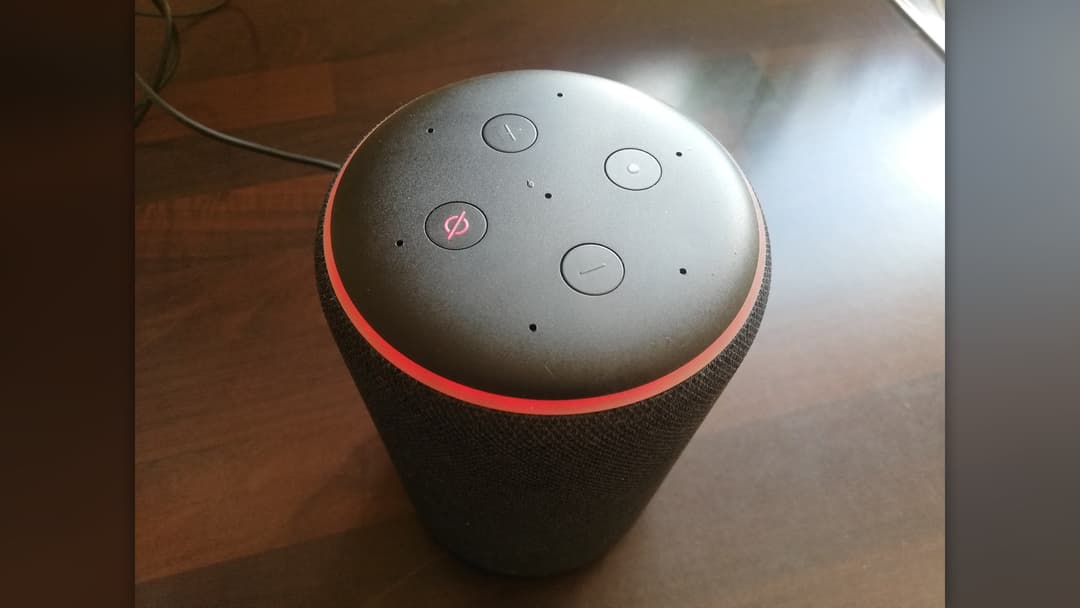
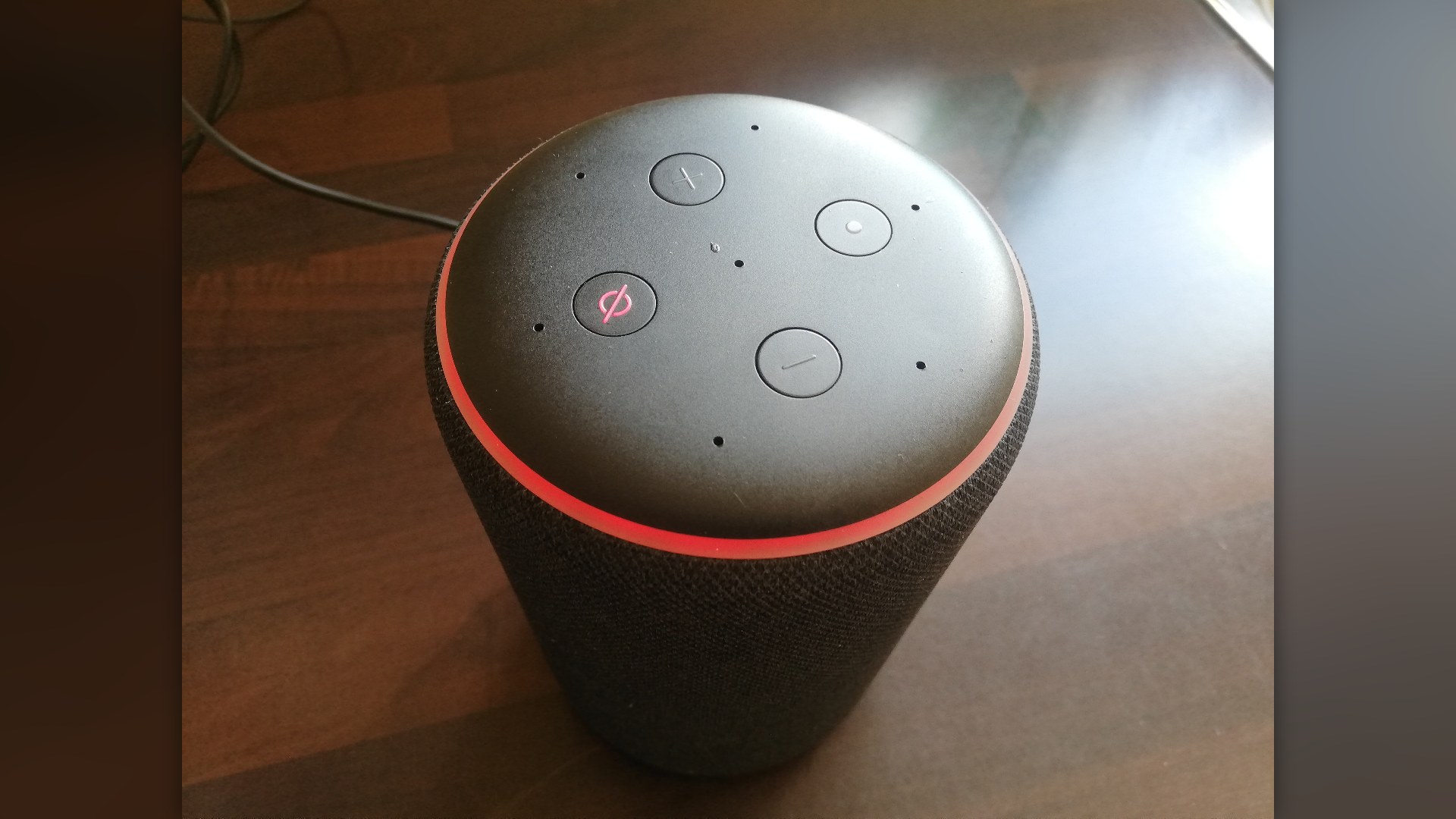
1. Voice Assistants & Smart Speakers
Found in over 100 million American households, smart speakers from Amazon, Google, and Apple serve as the central hub of domestic AI. They parse complex vocal acoustics, filter background kitchen noise, and coordinate dozens of smart home accessories effortlessly.
©Wikimedia / Smart Home Perfected
Advertisement
You've reached the end of the story. Thanks for reading!

• 20 Major Tech Outages That Disrupted the Internet
Modern society runs on digital infrastructure, but software bugs, severed cables, and configuration blunders have repeatedly brought global commerce to a standstill. Here are the 20 most disruptive tech outages in history, ranked by financial damage, global scale, and operational paralysis.
All 15 Entries in this Story
15. Smart Pet Monitors & Feeders
Modern pet cameras and automated feeders use on-device computer vision to distinguish between dogs, cats, and humans. They alert owners when pets display signs of separation anxiety and schedule precision food portions throughout the day.

14. Robotic Lawn Mowers & Irrigation
Gone are the days of laying boundary wires. The newest robotic mowers use computer vision and satellite GPS to map lawns, dodge garden hoses, and calculate exact grass growth rates based on ambient sunlight and rainfall forecasts.

13. Smart Ovens & Precision Cooking
Smart ranges and ovens from brands like Samsung and GE feature heat-resistant cameras that identify over 80 types of meals. They continuously track surface browning, alerting your phone the moment dinner reaches golden-brown perfection.

12. Predictive Home Energy Systems
Home energy monitors study your household consumption patterns alongside real-time utility rates. By pre-cooling rooms during cheap off-peak hours and discharging solar batteries when grid electricity spikes, AI saves families hundreds annually.

11. Adaptive Air Purifiers
Today’s smart purifiers do far more than run on timers. They leverage real-time particulate indexing and historical cooking trends to spin up HEPA filters before smoke or seasonal pollen circulates across the house.

10. Computer Vision Smart Fridges
Equipped with wide-angle interior lenses, smart refrigerators track what you place inside and remove. Machine learning models recognize produce freshness, notify you before milk expires, and generate grocery lists directly on your phone.

9. AI Sleep Trackers & Smart Mattresses
Smart mattresses and bedside sleep monitors use micro-movement sensors to log sleep cycles, heart rate variability, and respiratory patterns. They gently adjust mattress elevation to curb snoring and cool surface temperatures to boost deep sleep.

8. Video Doorbells & AI Security
Modern smart doorbells from Ring, Nest, and Eufy run onboard neural networks to differentiate between delivery couriers, stray animals, and actual intruders, ending false-alarm fatigue and protecting porch deliveries.

7. Learning Thermostats
Pioneered by Nest and Ecobee, learning thermostats analyze how fast your home warms and cools, factoring in outdoor humidity and solar gain to optimize climate comfort while trimming household heating bills.

6. Predictive Text & Smart Keyboards
Every time you tap out a text or email on your couch, local neural language models analyze context, tone, and personal vocabulary to suggest the next word. What once felt like simple autocorrect is now a sophisticated language engine.

5. Streaming Recommendation Engines
The streaming feeds dominating evening entertainment rely on collaborative filtering neural nets. They evaluate viewing duration, skips, genre blending, and time-of-day habits to surface movies and playlists tailored to your exact taste.

4. Autonomous Robot Vacuums
Modern robot vacuums no longer bounce aimlessly off baseboards. Equipped with front-facing AI cameras and depth sensors, they build precise 3D floor maps, recognize specific room types, and identify obstacles like socks and power cords in real time.

3. Computational Smartphone Cameras
Whenever you snap a family photo in your living room, the camera's image signal processor blends multiple frames, enhances facial lighting, segments hair strands for portrait blur, and reduces noise using trained neural networks.

2. Smart TV AI Upscaling
Modern 4K and 8K smart televisions feature dedicated AI processors that reconstruct low-resolution broadcast streams pixel by pixel. Neural networks analyze frame objects, removing artifacts and tailoring dialogue clarity to ambient room noise.

1. Voice Assistants & Smart Speakers
Found in over 100 million American households, smart speakers from Amazon, Google, and Apple serve as the central hub of domestic AI. They parse complex vocal acoustics, filter background kitchen noise, and coordinate dozens of smart home accessories effortlessly.