Slideshow · Viral
15 Ways Americans Winter-Proof Their Homes Before Freezing Weather
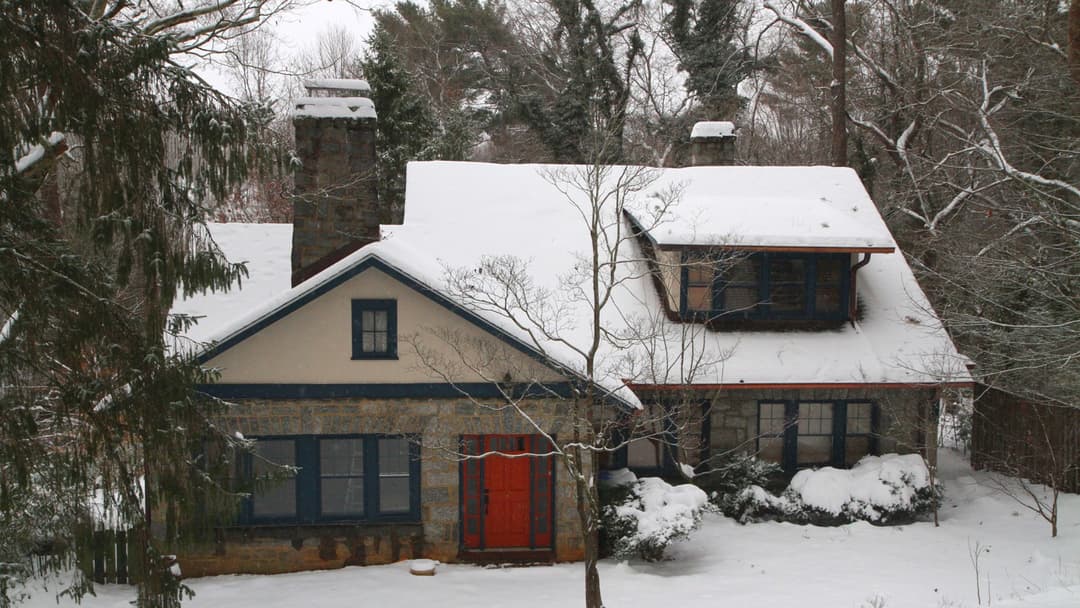
When sub-zero blizzards and polar vortexes approach, homeowners across America take vital steps to prevent burst pipes, heat loss, and catastrophic winter damage.
By Most Viral Today
58 min ago

15 Ways Americans Winter-Proof Homes Before The Big Freeze 
15. Reverse Ceiling Fans To Clockwise 
14. Install Foam Gaskets Behind Outlets 
13. Flush The Water Heater Tank - AdvertisementSwipe or tap ▶ to continue countdown

12. Apply Window Shrink-Film Insulation 
11. Clear Roof Gutters And Downspouts 
10. Replace HVAC Air Filters 
9. Sweep Chimneys And Inspect Flues - AdvertisementSwipe or tap ▶ to continue countdown

8. Program Smart Thermostats For Freezes 
7. Caulk Windows And Weatherstrip Doors 
6. Insulate The Attic And Seal Hatches 
5. Test Detectors And Prep Backup Power - AdvertisementSwipe or tap ▶ to continue countdown

4. Trim Overhanging Tree Branches 
3. Insulate Exposed Attic & Basement Pipes 
2. Disconnect Hoses & Insulate Outdoor Spigots 
1. Drip Faucets & Open Under-Sink Cabinets - Advertisement🔥 UP NEXT IN THIS SERIES◫ 21 Slides

20 Traditions and Rules of Religious Life for Nuns and Priests
American Catholic priests and consecrated sisters navigate a dual existence shaped by ancient canon law and strict American civil standards. Across twenty distinct statutes, clergy manage lifelong vows of poverty and celibacy alongside mandatory background checks, digital boundaries, and complete financial audits.
When sub-zero blizzards and polar vortexes approach, homeowners across America take vital steps to prevent burst pipes, heat loss, and catastrophic winter damage.
Swipe or tap ▶ to begin the countdown
©Wikimedia Commons / anoldent
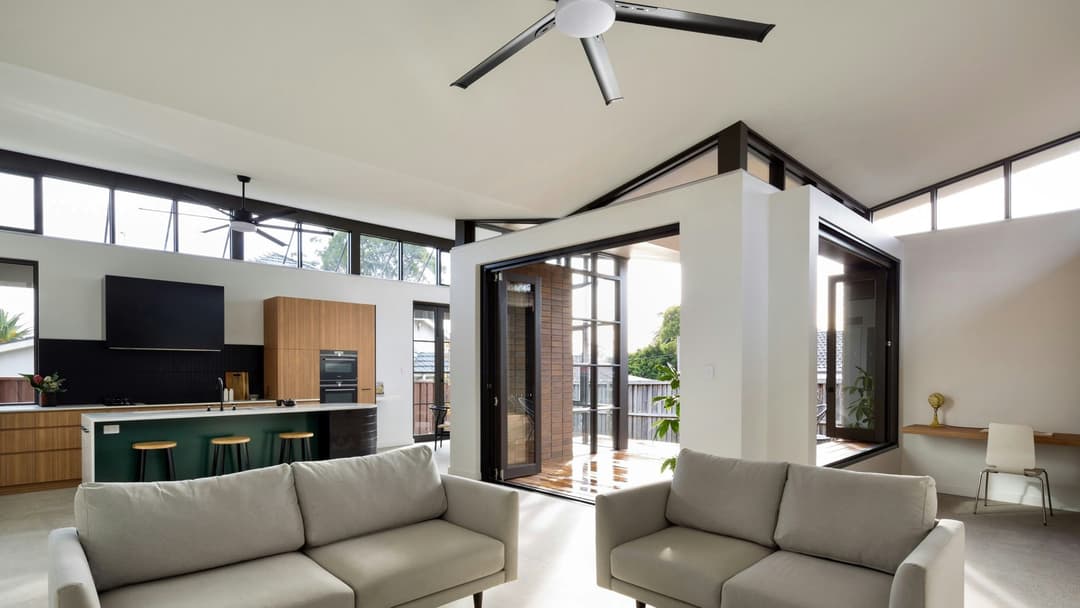
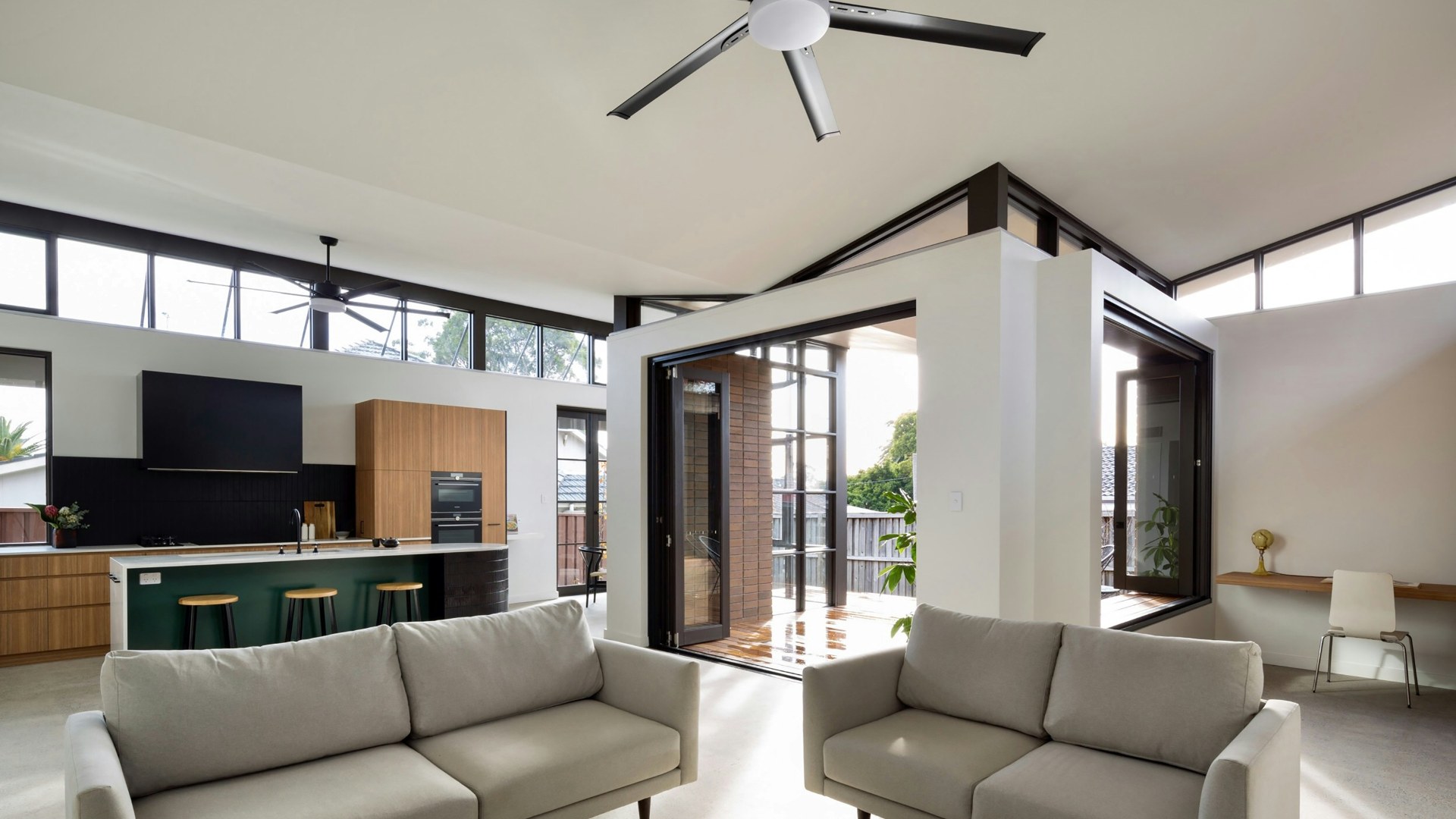
15. Reverse Ceiling Fans To Clockwise
Warm air naturally rises to high ceilings. By flipping the small directional switch to clockwise on low speed, ceiling fans create gentle updrafts that force warm air back down along walls without creating a chilly draft.
©Unsplash / Brad Chapman
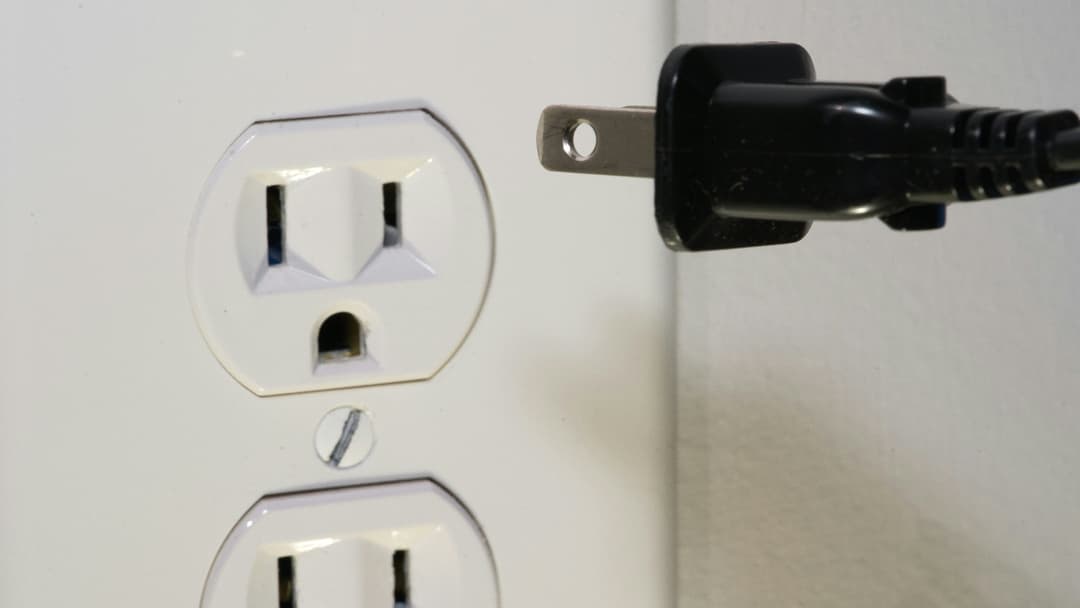
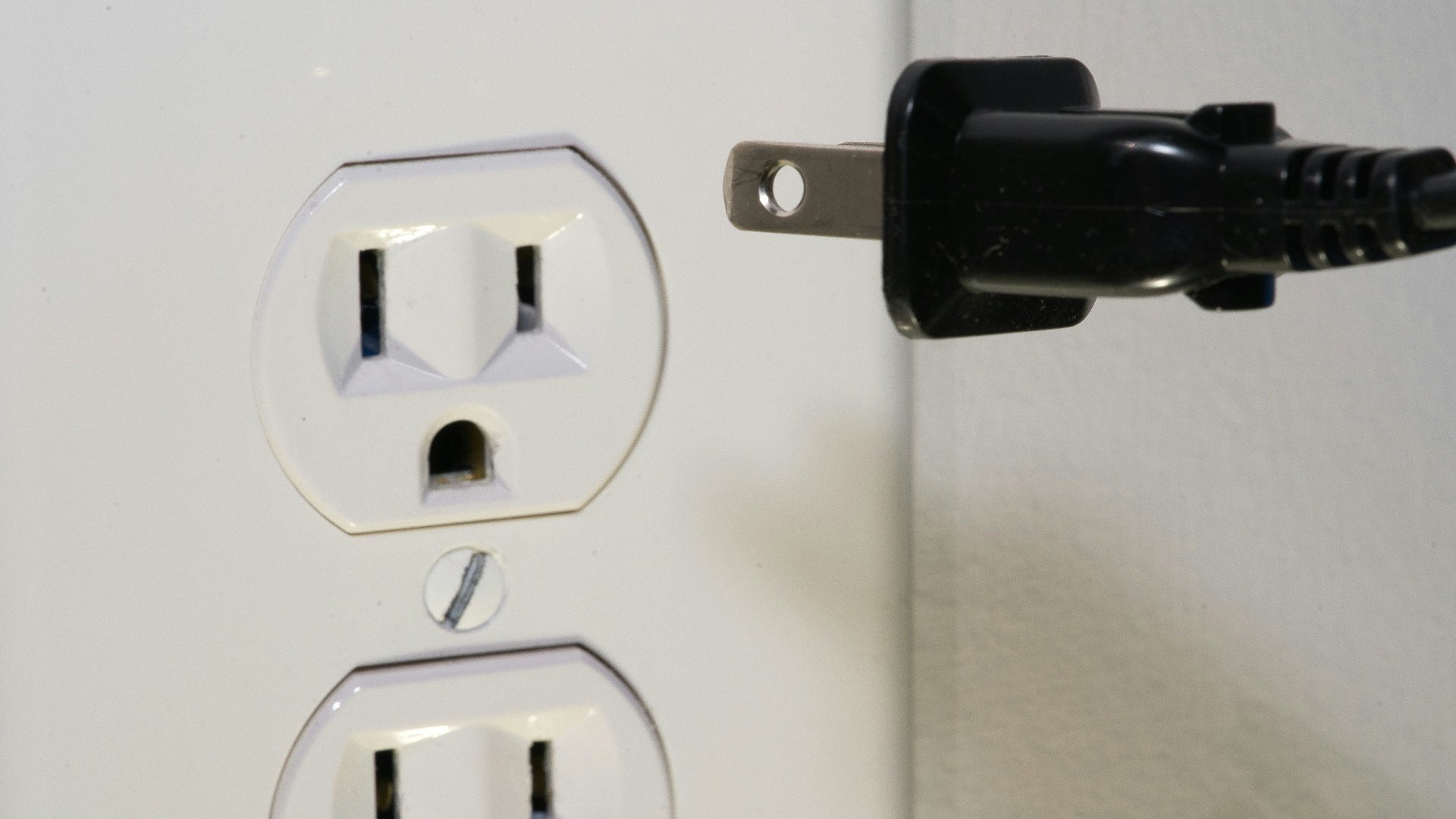
14. Install Foam Gaskets Behind Outlets
Electrical outlets and light switches on exterior walls are notorious cold-air leaks. Installing inexpensive pre-cut foam insulating gaskets behind the decorative cover plates prevents frigid outdoor drafts from entering interior rooms.
©Unsplash / Clint Patterson
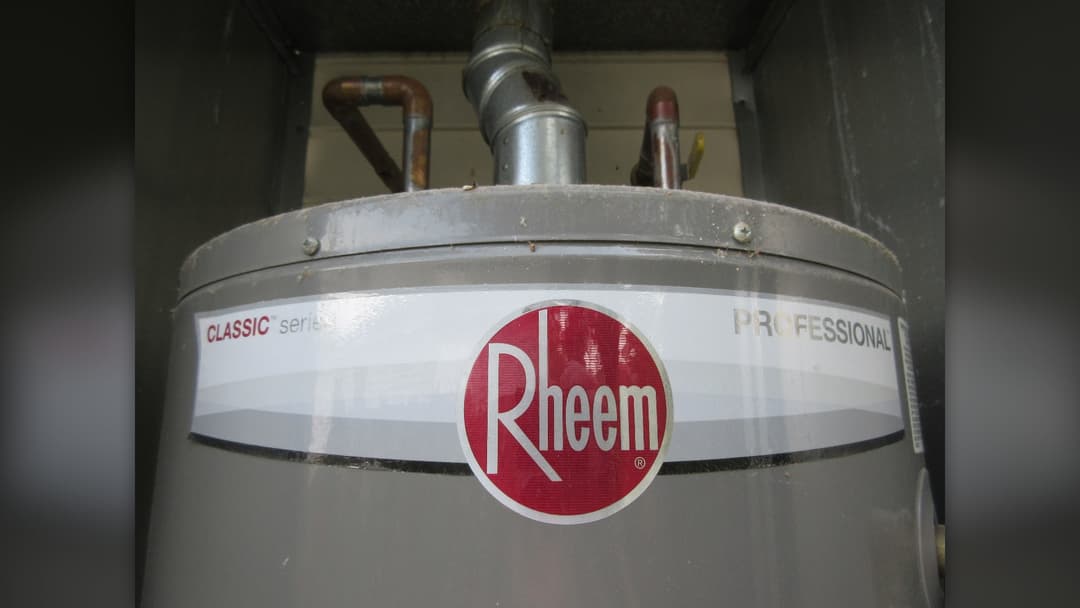
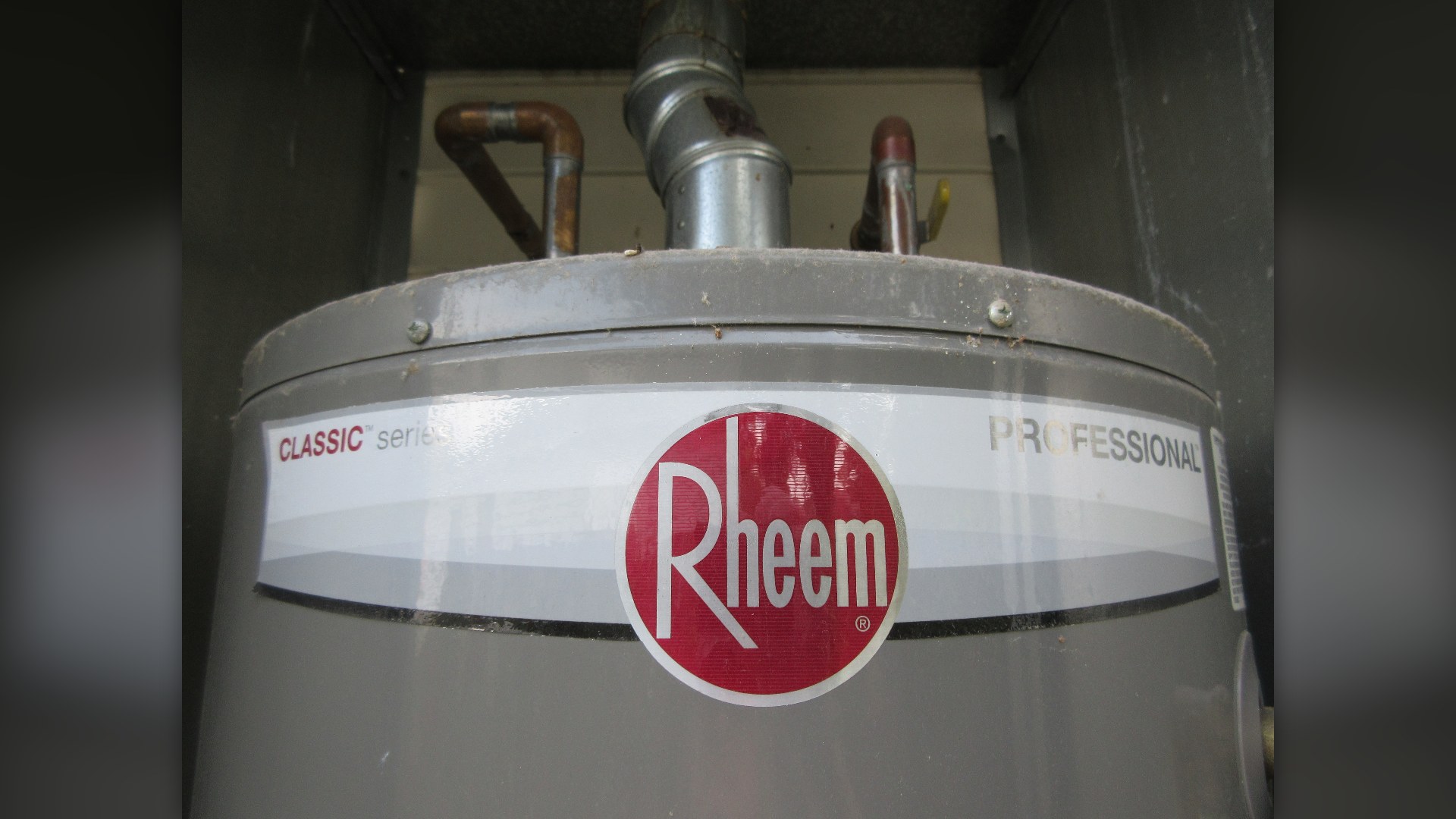
13. Flush The Water Heater Tank
Freezing winter temperatures bring colder groundwater into home tanks, forcing heaters to work overtime. Flushing sediment out of the bottom drain valve prevents heating element burnout, improves efficiency, and prevents emergency failures.
©Wikimedia Commons / Infrogmation of New Orleans
Advertisement
Swipe or tap ▶ to resume the countdown.
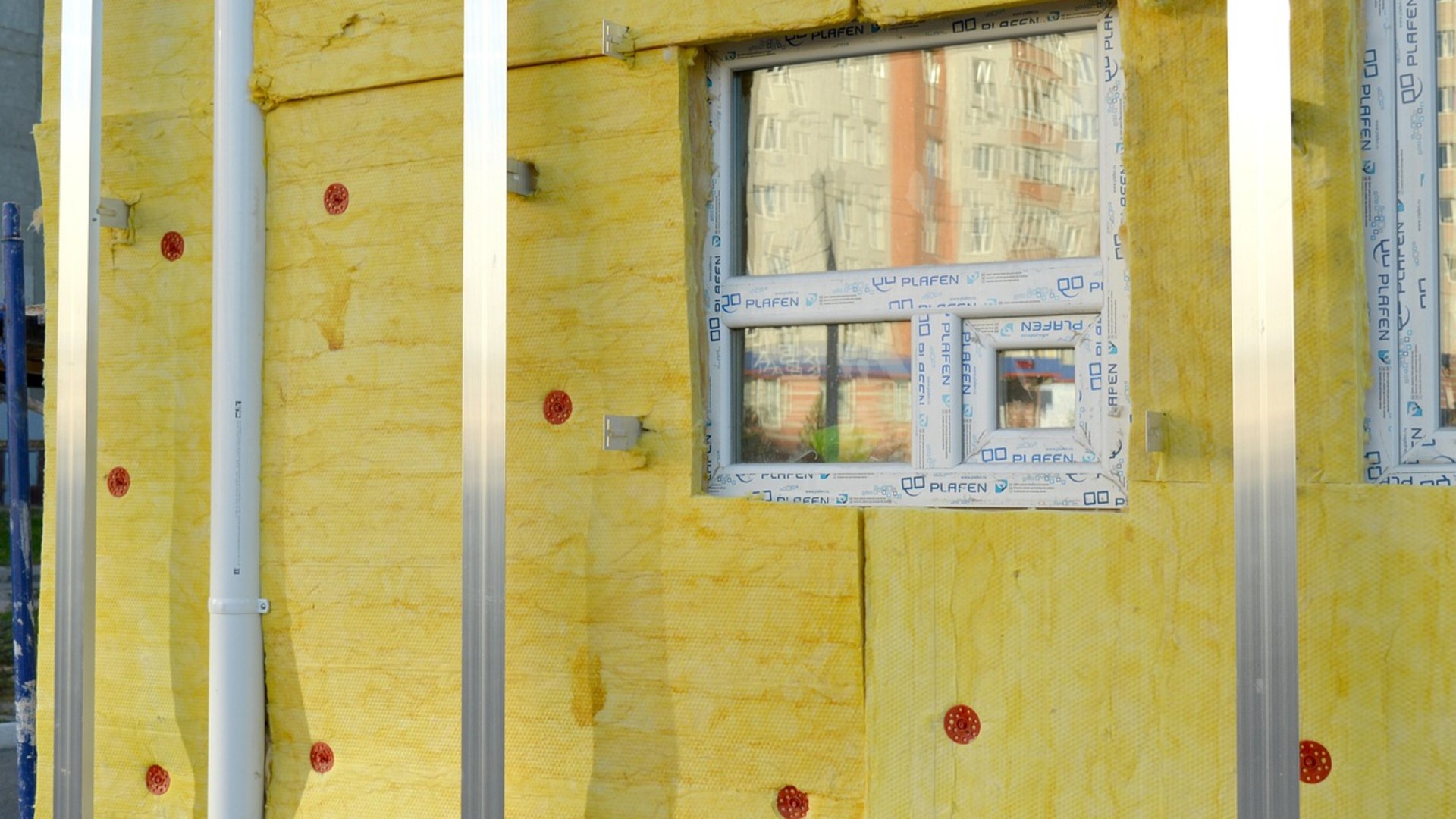
12. Apply Window Shrink-Film Insulation
Single-pane or aging double-hung windows let massive amounts of heat escape. Homeowners apply clear shrink-wrap plastic sheeting sealed with double-sided tape and a hairdryer, creating an insulating dead-air pocket that cuts heating costs.
©Pixabay / AKuptsova
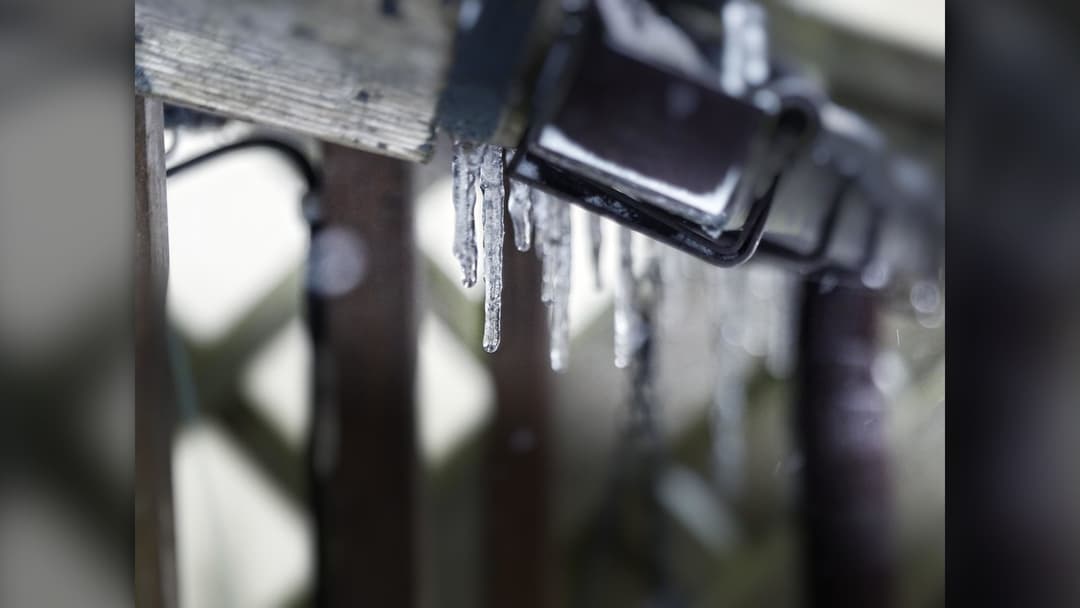
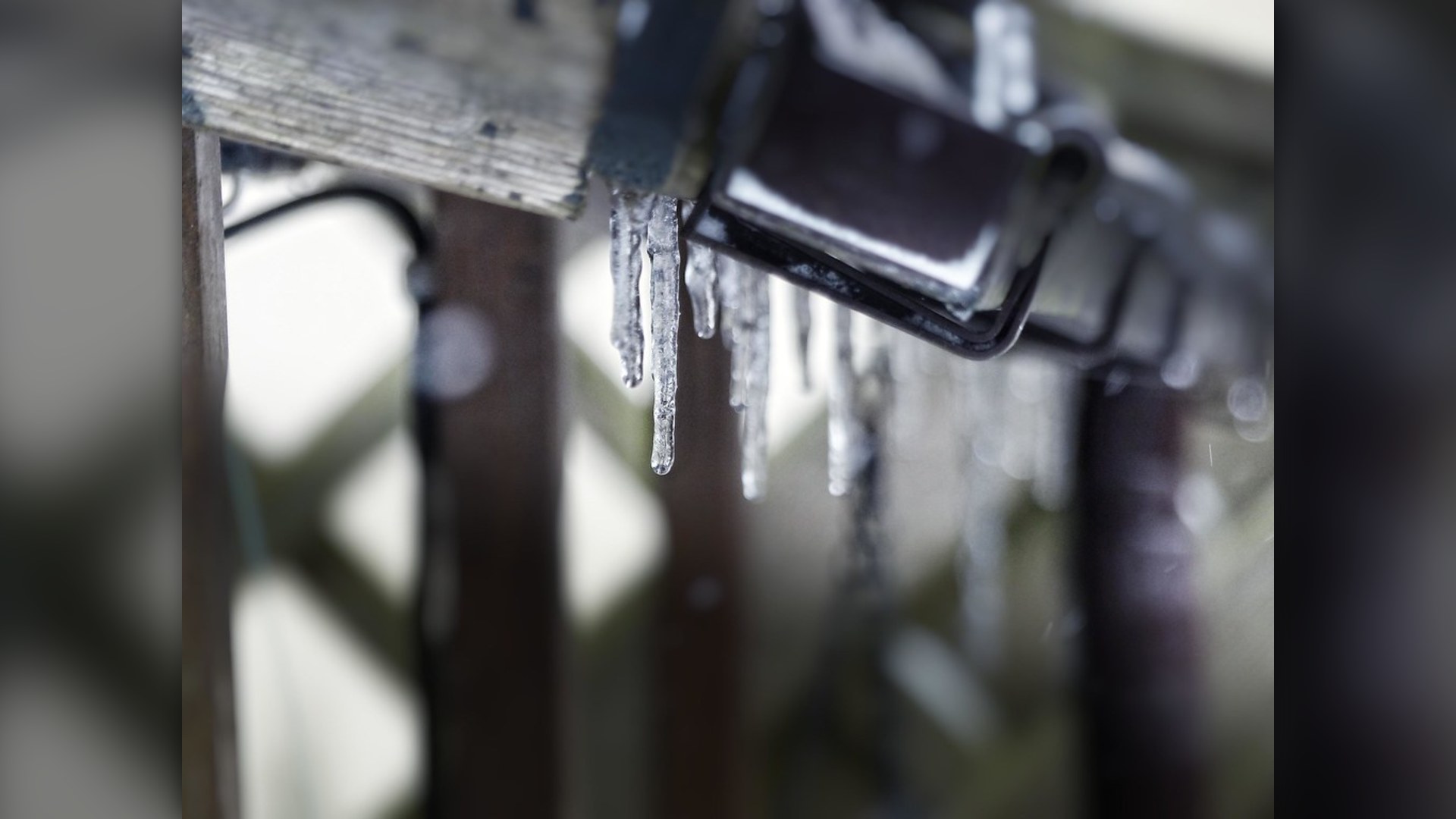
11. Clear Roof Gutters And Downspouts
Clogged gutters trap melting snow that refreezes into thick ice dams at roof eaves. Clearing out decaying leaves allows meltwater to drain freely down spouts, preventing water from backing up under shingles and leaking into ceilings.
©Openverse / Michael Nukular
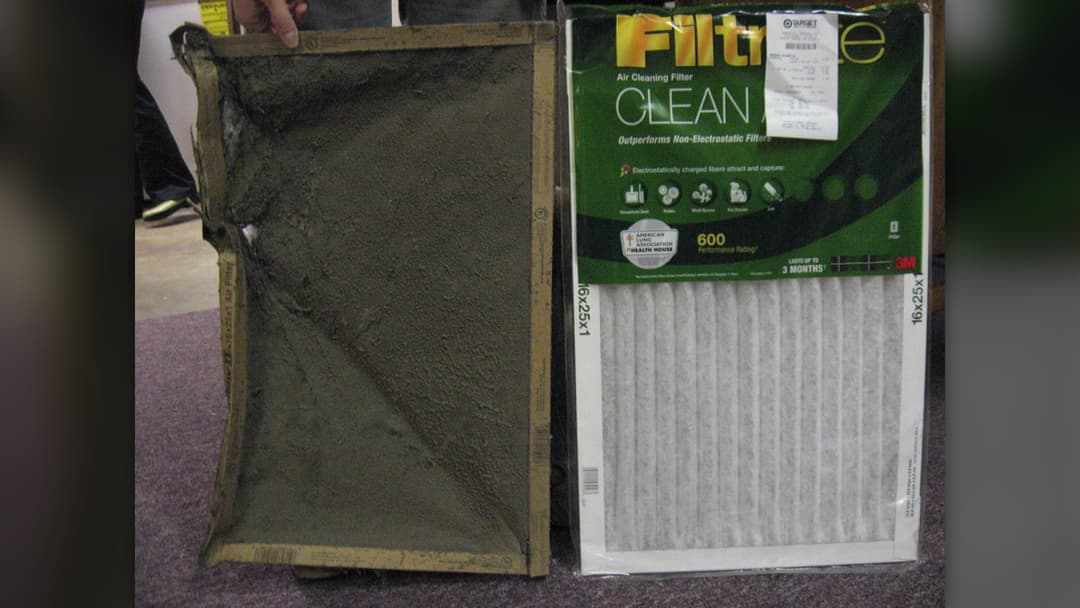
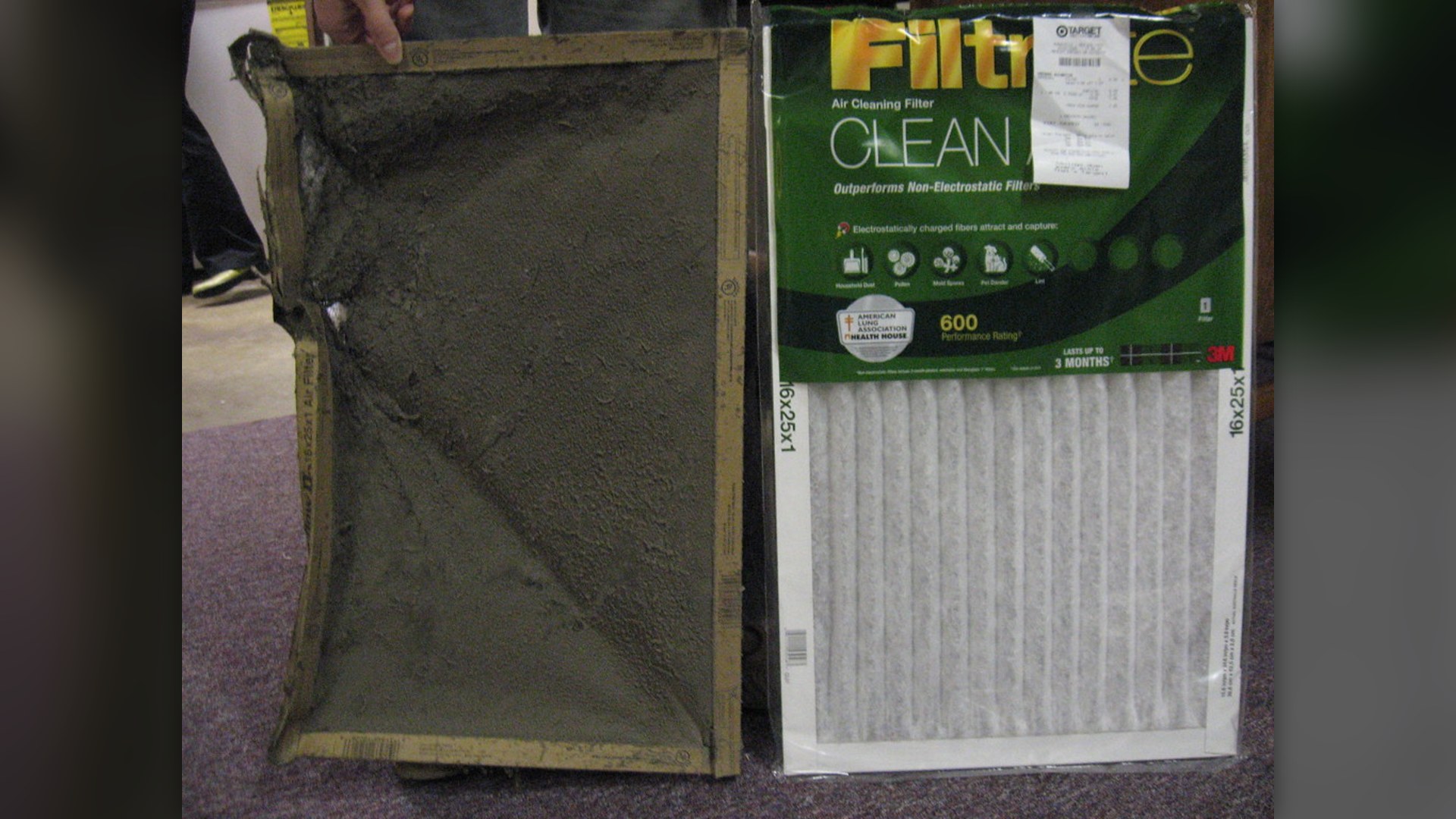
10. Replace HVAC Air Filters
A clogged air filter restricts airflow across furnace heat exchangers, causing systems to overheat and shut down in the dead of winter. Installing a fresh, clean MERV-rated filter before the freeze ensures maximum heating output and lower energy bills.
©Openverse / Collin Anderson
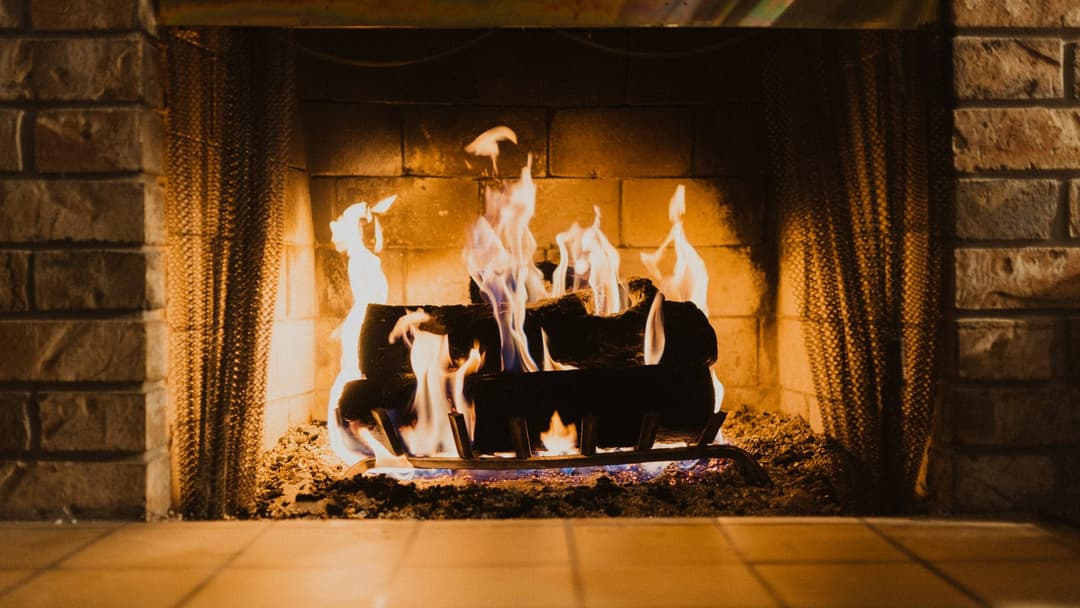
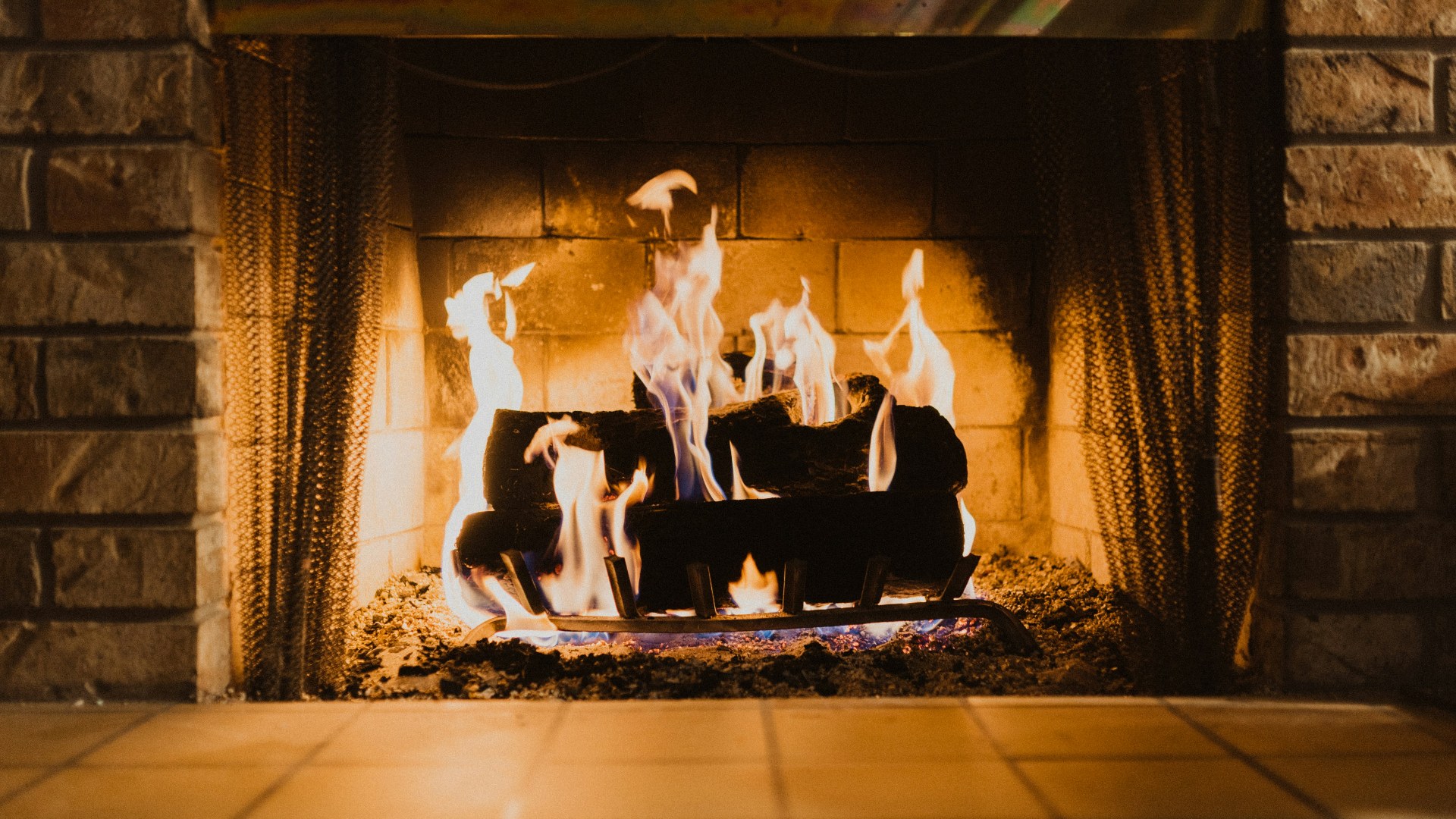
9. Sweep Chimneys And Inspect Flues
Burning firewood builds up flammable creosote along chimney walls. Having a professional chimney sweep clean the flue and ensuring the throat damper seals tightly keeps fireplaces operating safely while blocking frigid drafts when not in use.
©Unsplash / Hayden Scott
Advertisement
Swipe or tap ▶ to resume the countdown.
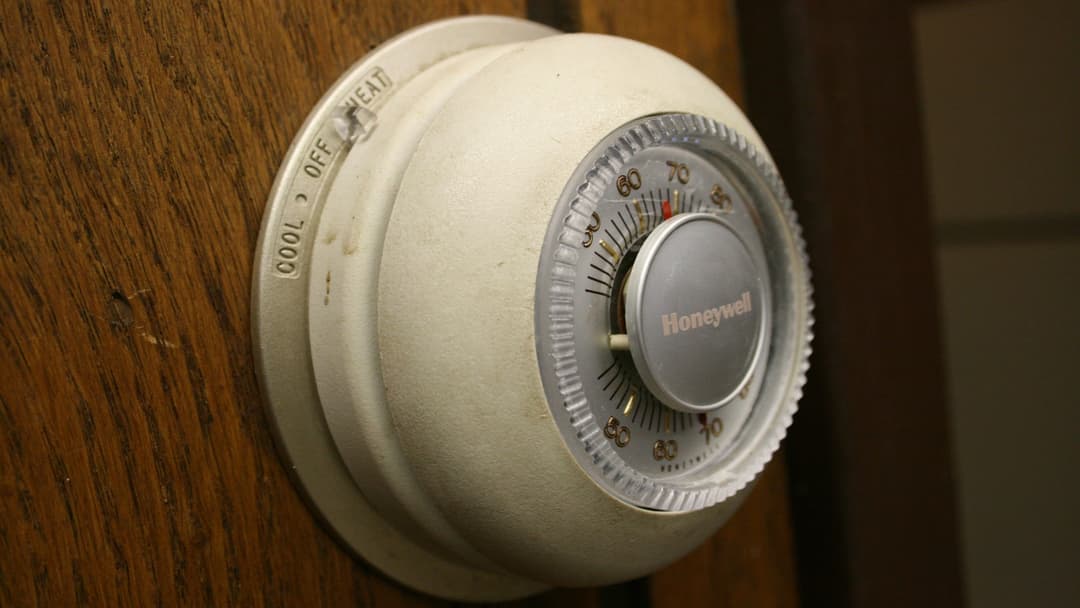
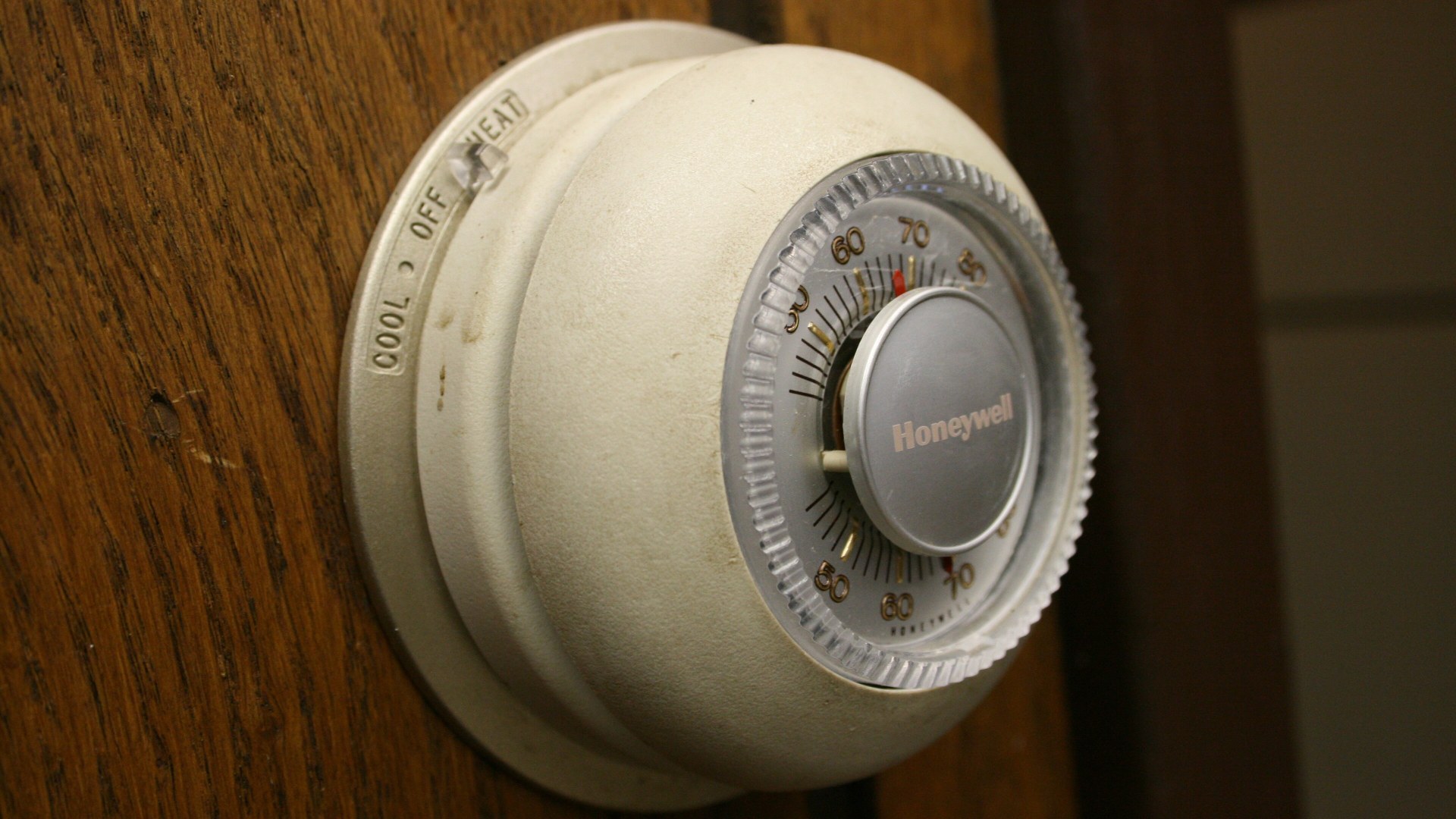
8. Program Smart Thermostats For Freezes
During extreme cold snaps, dropping thermostat temps too low overnight can freeze hidden plumbing inside outer walls. Homeowners program digital thermostats to maintain a safe steady baseline of at least 65°F to 68°F around the clock.
©Wikimedia / Flickr user midnightcomm
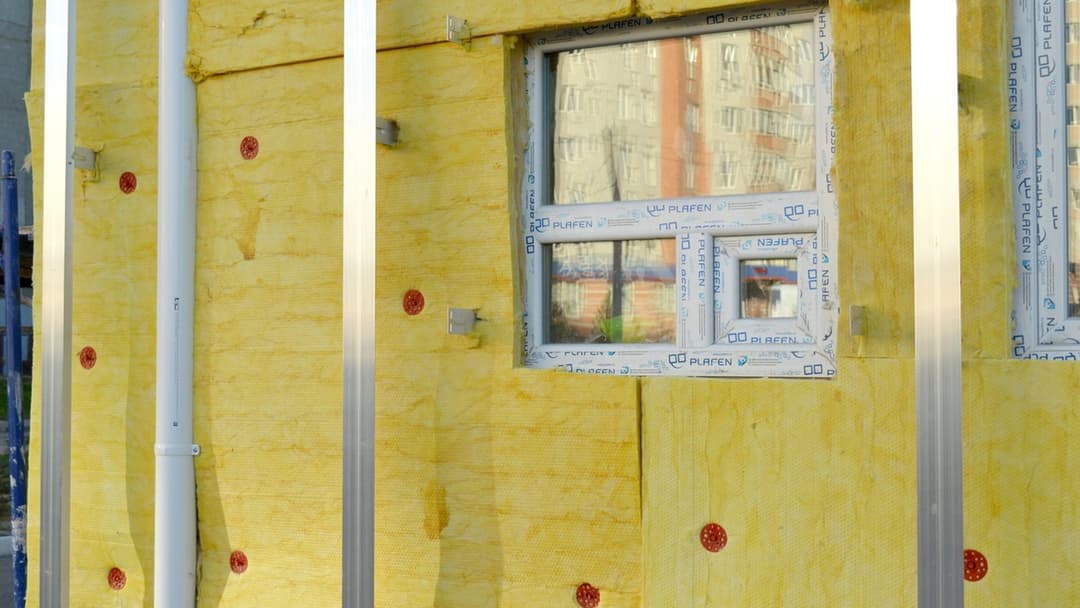
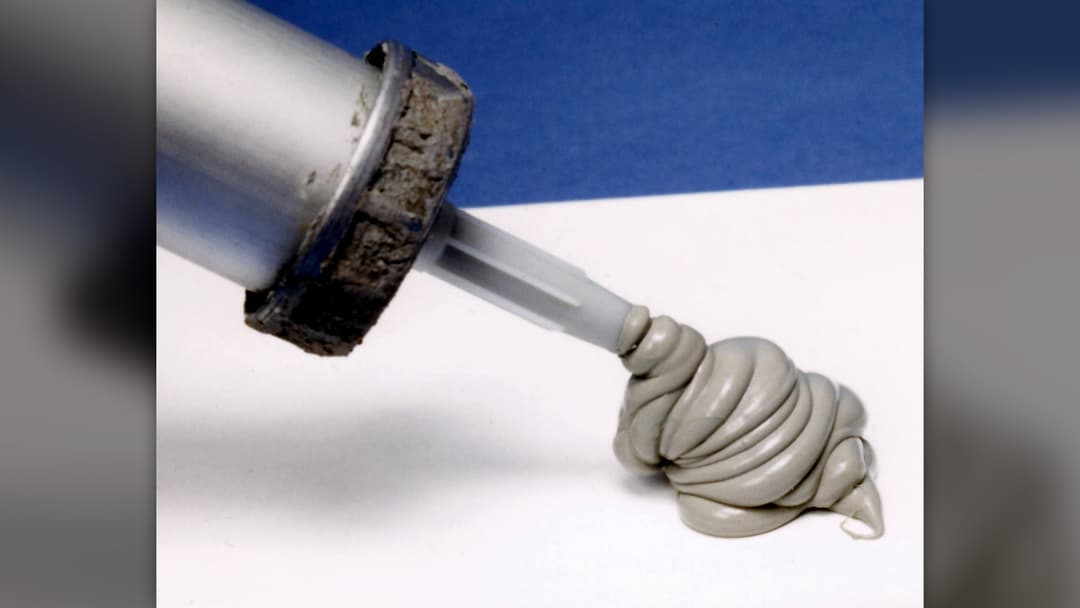
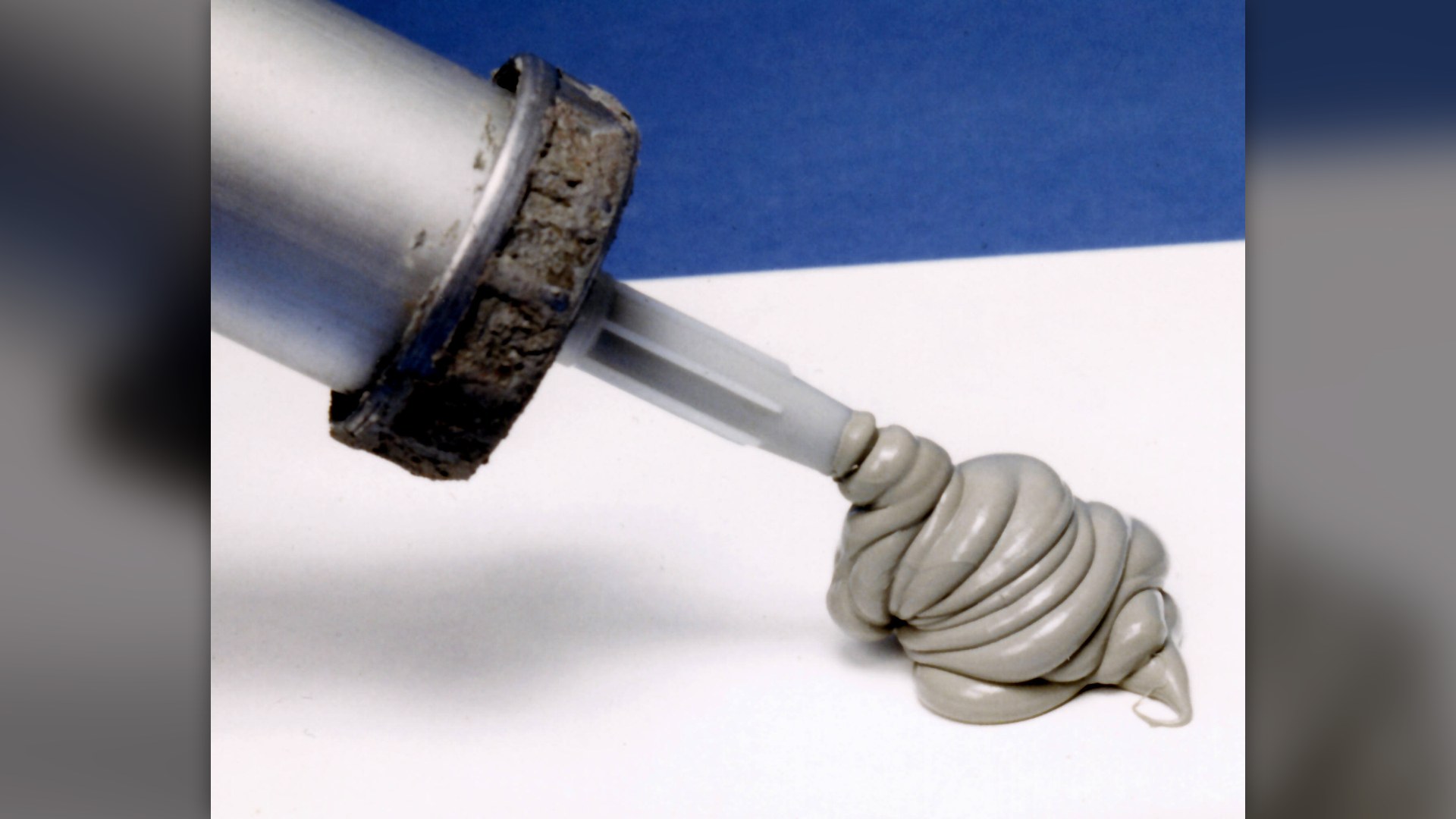
7. Caulk Windows And Weatherstrip Doors
Gaps around window trim and door thresholds account for huge heat loss. Applying exterior-grade silicone caulk along siding seams and replacing worn door weatherstripping creates an airtight perimeter against sub-zero winds.
©Wikimedia / Achim Hering
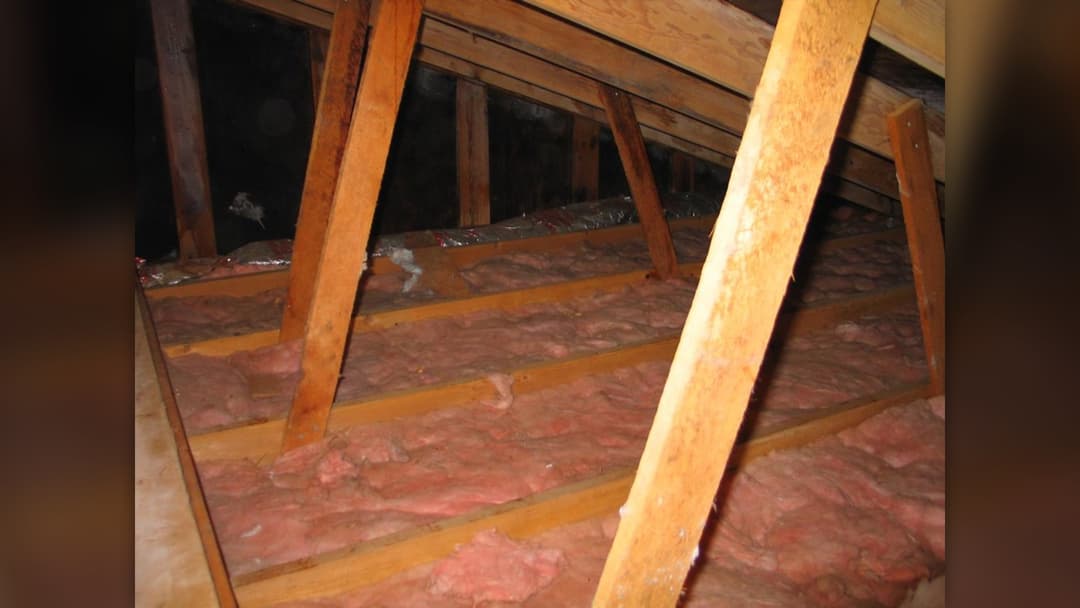
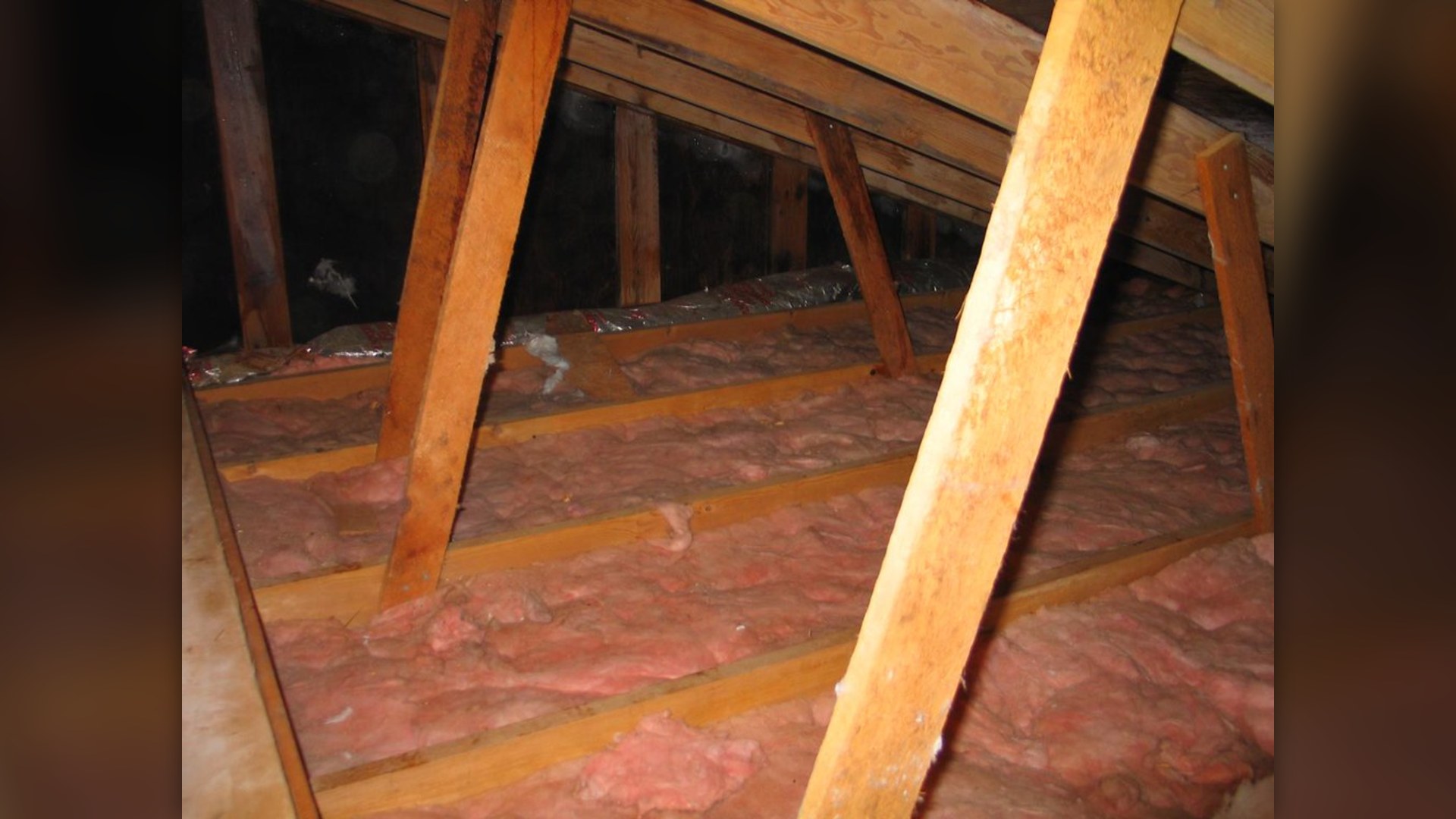
6. Insulate The Attic And Seal Hatches
Under-insulated attics turn roofs into giant radiators, melting snow into ice dams and driving up furnace runtime. Adding layers of fiberglass batts and weatherstripping the attic pull-down stairs locks rising heat securely inside the living quarters.
©Openverse / zieak
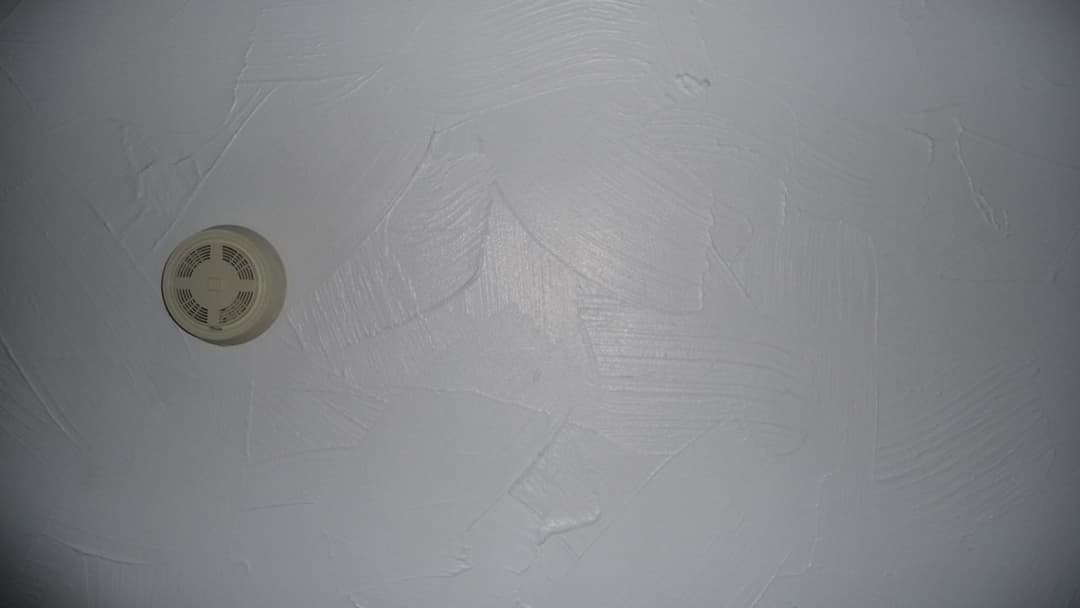
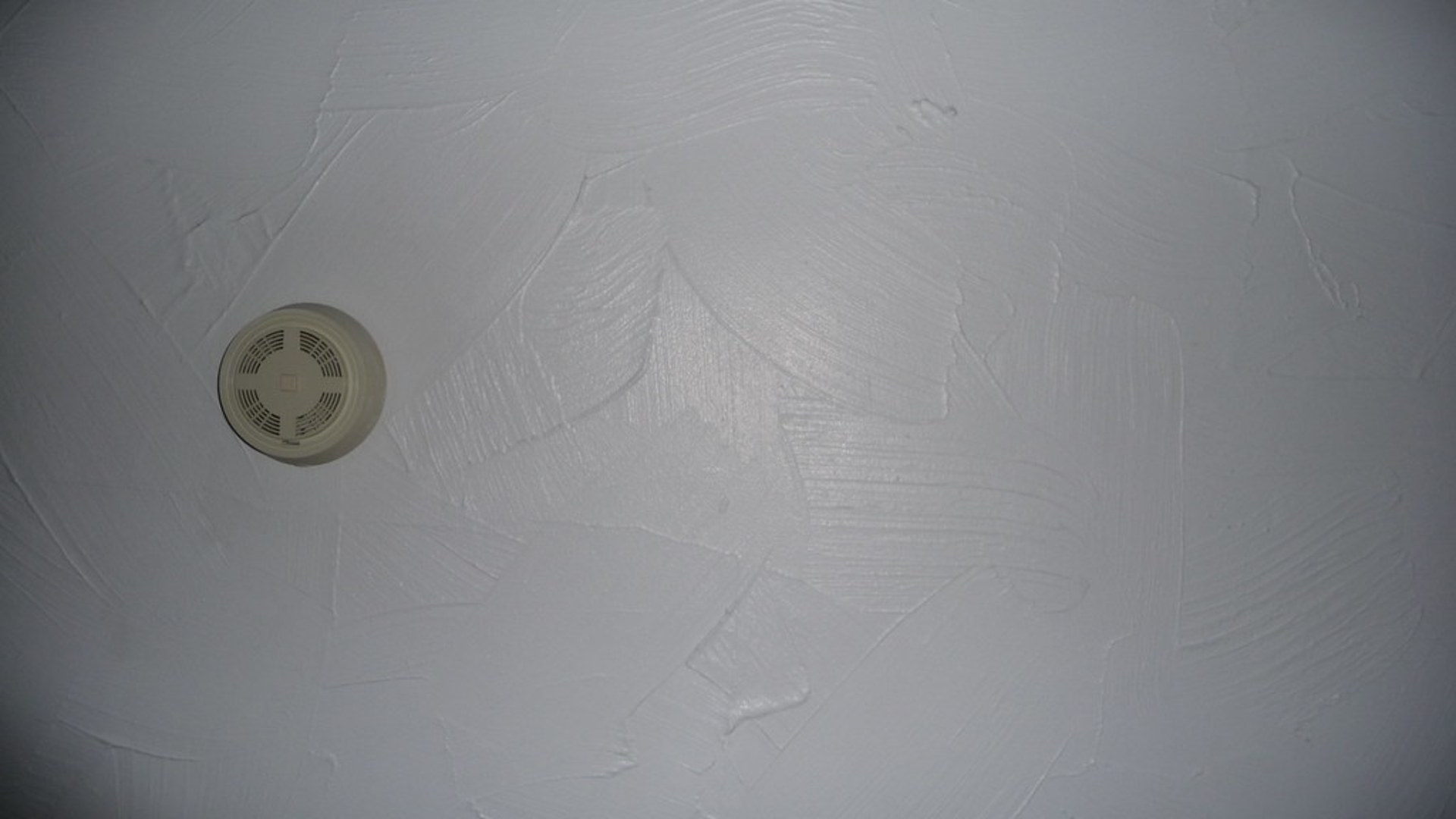
5. Test Detectors And Prep Backup Power
Winter blizzards frequently bring down power grids, leading homeowners to run portable generators and auxiliary heaters. Testing smoke and carbon monoxide detectors and placing generators safely outdoors protects families from lethal fumes.
©Openverse / psflannery
Advertisement
Swipe or tap ▶ to resume the countdown.
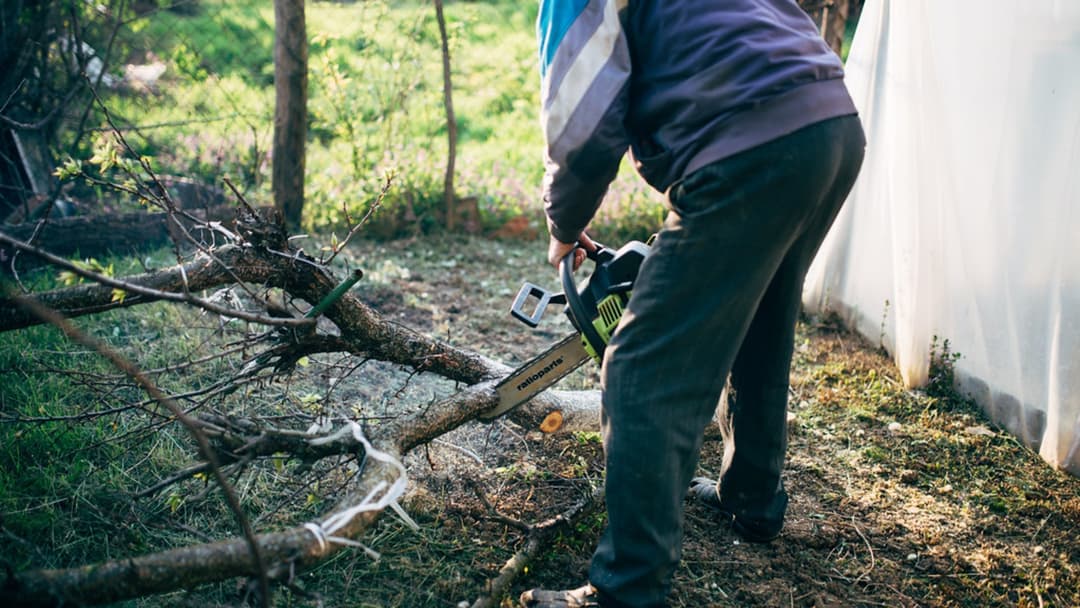
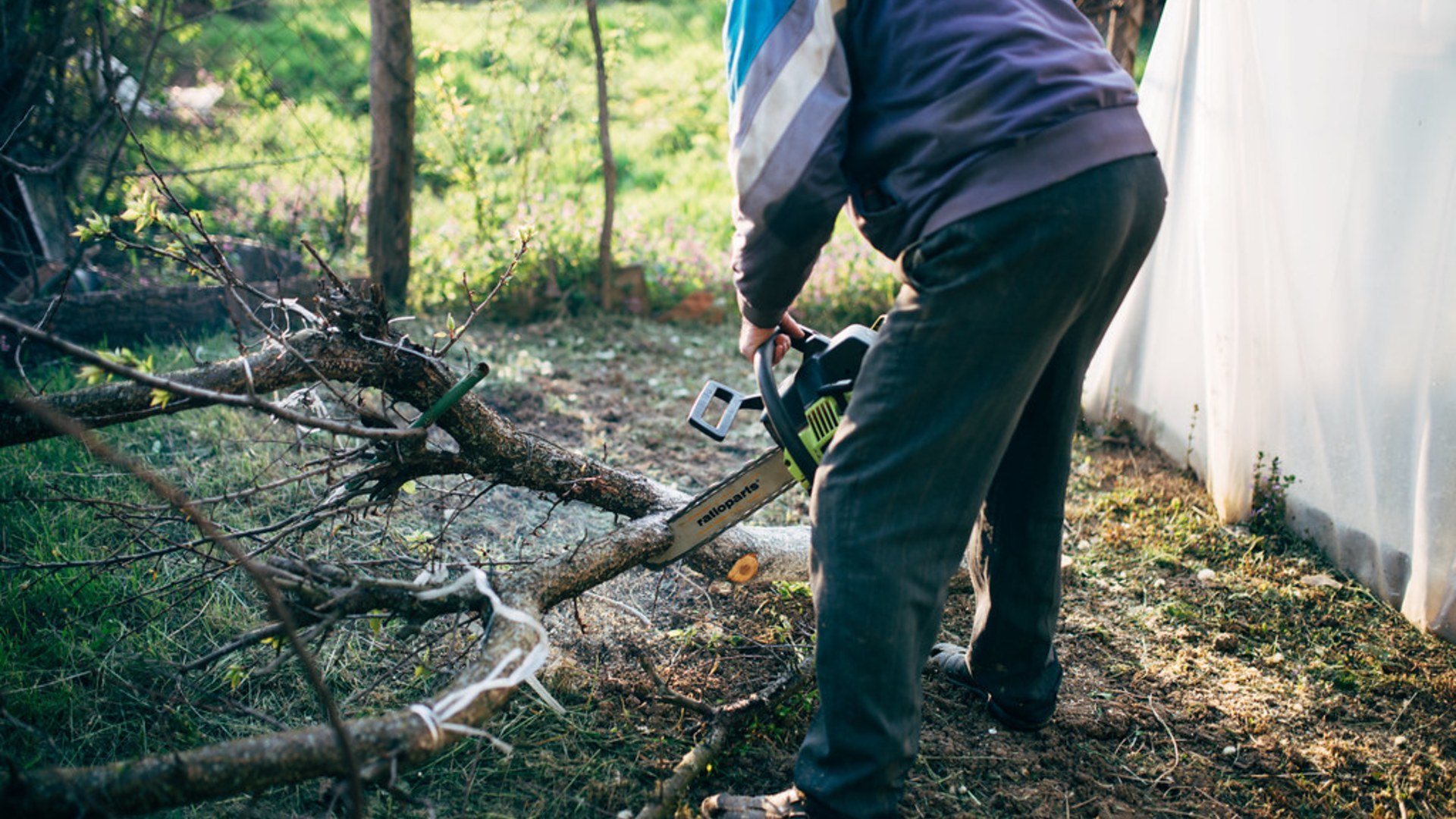
4. Trim Overhanging Tree Branches
Freezing rain and heavy, wet snow add immense weight to tree canopies. Trimming back dead or brittle branches hanging near rooflines and overhead electrical service drops prevents catastrophic structural impacts during winter gales.
©Openverse / nenad53
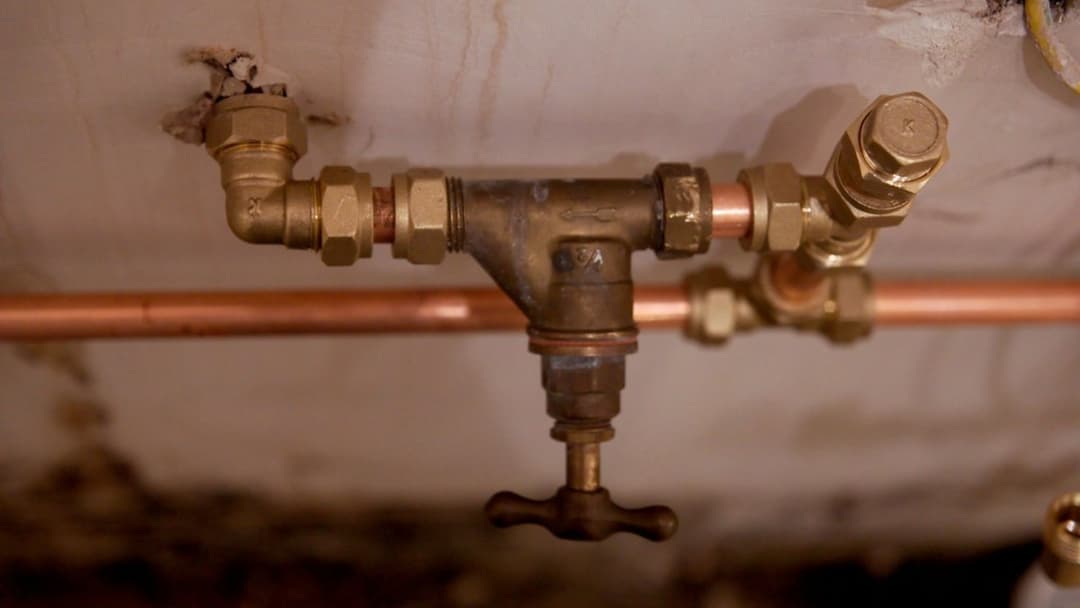
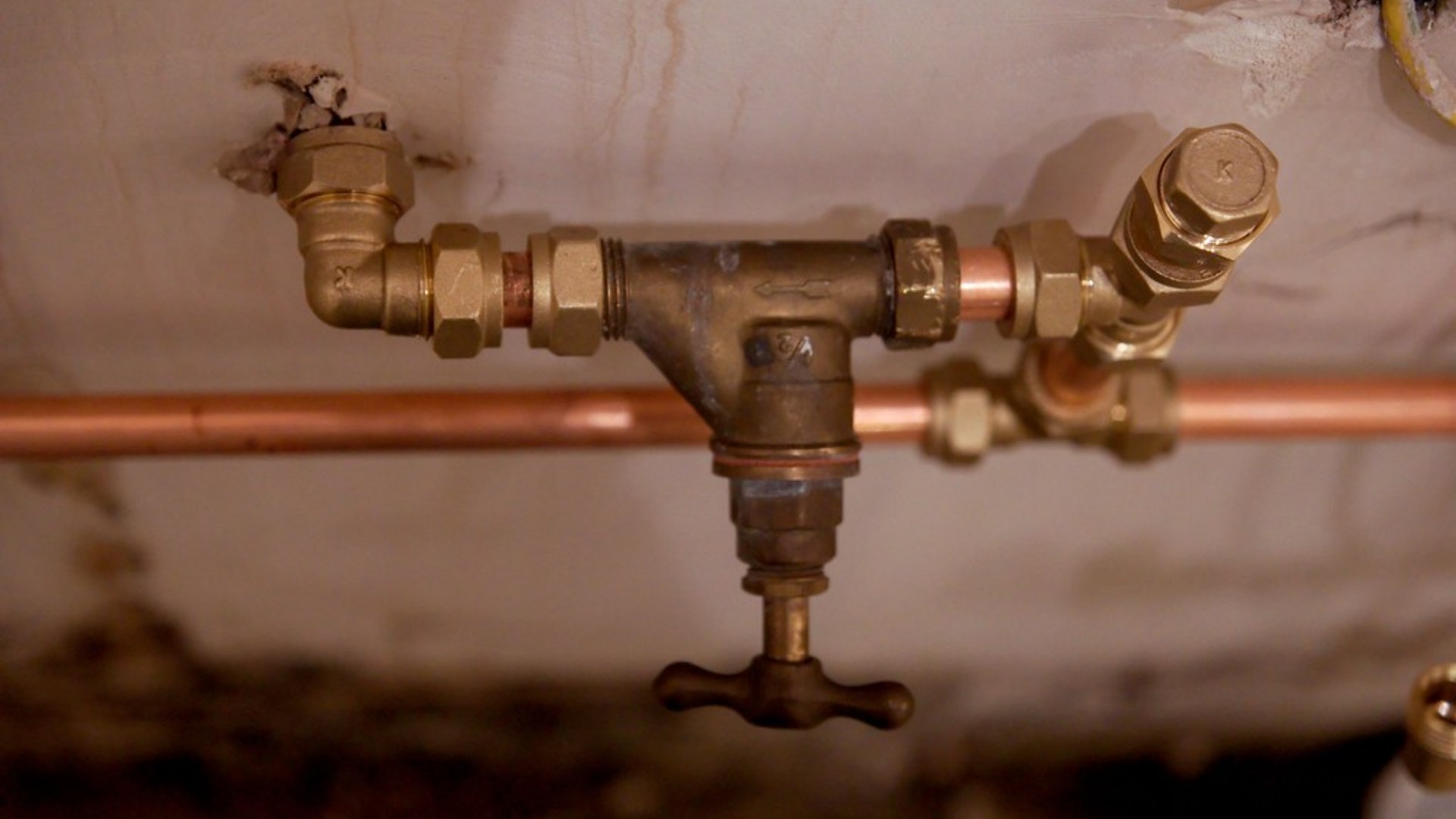
3. Insulate Exposed Attic & Basement Pipes
Unheated basements, crawl spaces, and exterior walls leave exposed plumbing vulnerable to freezing. Wrapping hot and cold lines with tubular polyethylene foam insulation sleeves and knowing the main shutoff valve location prevents flooded homes.
©Openverse / cobaltfish
2. Disconnect Hoses & Insulate Outdoor Spigots
Leaving a garden hose attached to an outdoor sillcock traps water right inside the faucet barrel. When freezing temperatures hit, water expands backward into interior walls and splits the pipe. Disconnecting hoses and fitting insulated covers is essential.

©Openverse / kewl
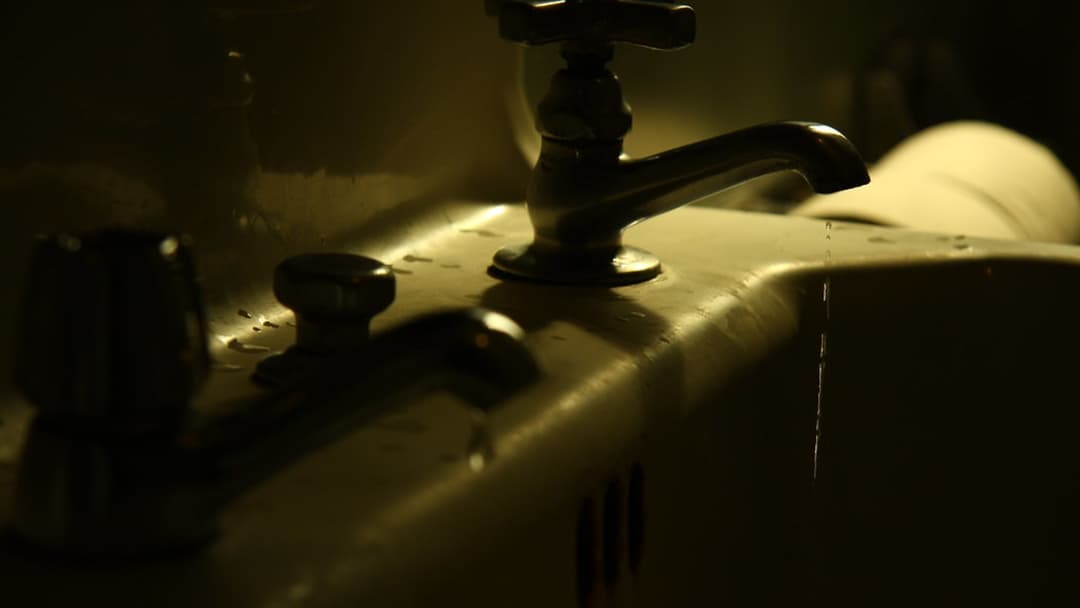
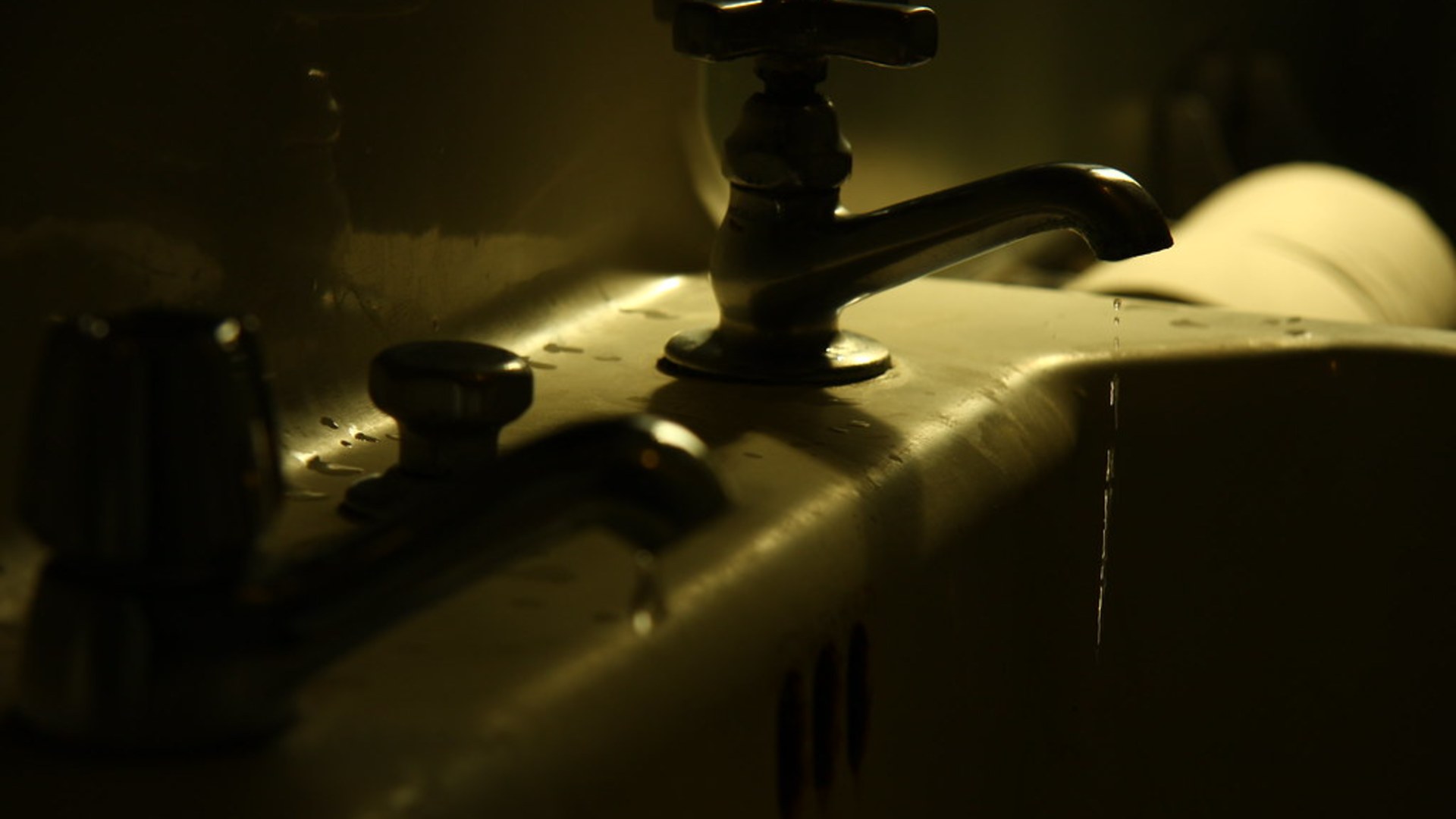
1. Drip Faucets & Open Under-Sink Cabinets
When outside temperatures plunge below 20°F, letting faucets connected to exterior wall pipes run at a slight, steady trickle relieves internal line pressure and keeps water in motion. Opening kitchen and bathroom cabinet doors lets warm room air circulate around supply lines.
©Openverse / eflon
Advertisement
You've reached the end of the story. Thanks for reading!

20 Traditions and Rules of Religious Life for Nuns and Priests
American Catholic priests and consecrated sisters navigate a dual existence shaped by ancient canon law and strict American civil standards. Across twenty distinct statutes, clergy manage lifelong vows of poverty and celibacy alongside mandatory background checks, digital boundaries, and complete financial audits.
All 15 Entries in this Story
15. Reverse Ceiling Fans To Clockwise
Warm air naturally rises to high ceilings. By flipping the small directional switch to clockwise on low speed, ceiling fans create gentle updrafts that force warm air back down along walls without creating a chilly draft.

14. Install Foam Gaskets Behind Outlets
Electrical outlets and light switches on exterior walls are notorious cold-air leaks. Installing inexpensive pre-cut foam insulating gaskets behind the decorative cover plates prevents frigid outdoor drafts from entering interior rooms.

13. Flush The Water Heater Tank
Freezing winter temperatures bring colder groundwater into home tanks, forcing heaters to work overtime. Flushing sediment out of the bottom drain valve prevents heating element burnout, improves efficiency, and prevents emergency failures.

12. Apply Window Shrink-Film Insulation
Single-pane or aging double-hung windows let massive amounts of heat escape. Homeowners apply clear shrink-wrap plastic sheeting sealed with double-sided tape and a hairdryer, creating an insulating dead-air pocket that cuts heating costs.

11. Clear Roof Gutters And Downspouts
Clogged gutters trap melting snow that refreezes into thick ice dams at roof eaves. Clearing out decaying leaves allows meltwater to drain freely down spouts, preventing water from backing up under shingles and leaking into ceilings.

10. Replace HVAC Air Filters
A clogged air filter restricts airflow across furnace heat exchangers, causing systems to overheat and shut down in the dead of winter. Installing a fresh, clean MERV-rated filter before the freeze ensures maximum heating output and lower energy bills.

9. Sweep Chimneys And Inspect Flues
Burning firewood builds up flammable creosote along chimney walls. Having a professional chimney sweep clean the flue and ensuring the throat damper seals tightly keeps fireplaces operating safely while blocking frigid drafts when not in use.

8. Program Smart Thermostats For Freezes
During extreme cold snaps, dropping thermostat temps too low overnight can freeze hidden plumbing inside outer walls. Homeowners program digital thermostats to maintain a safe steady baseline of at least 65°F to 68°F around the clock.

7. Caulk Windows And Weatherstrip Doors
Gaps around window trim and door thresholds account for huge heat loss. Applying exterior-grade silicone caulk along siding seams and replacing worn door weatherstripping creates an airtight perimeter against sub-zero winds.

6. Insulate The Attic And Seal Hatches
Under-insulated attics turn roofs into giant radiators, melting snow into ice dams and driving up furnace runtime. Adding layers of fiberglass batts and weatherstripping the attic pull-down stairs locks rising heat securely inside the living quarters.

5. Test Detectors And Prep Backup Power
Winter blizzards frequently bring down power grids, leading homeowners to run portable generators and auxiliary heaters. Testing smoke and carbon monoxide detectors and placing generators safely outdoors protects families from lethal fumes.

4. Trim Overhanging Tree Branches
Freezing rain and heavy, wet snow add immense weight to tree canopies. Trimming back dead or brittle branches hanging near rooflines and overhead electrical service drops prevents catastrophic structural impacts during winter gales.

3. Insulate Exposed Attic & Basement Pipes
Unheated basements, crawl spaces, and exterior walls leave exposed plumbing vulnerable to freezing. Wrapping hot and cold lines with tubular polyethylene foam insulation sleeves and knowing the main shutoff valve location prevents flooded homes.

2. Disconnect Hoses & Insulate Outdoor Spigots
Leaving a garden hose attached to an outdoor sillcock traps water right inside the faucet barrel. When freezing temperatures hit, water expands backward into interior walls and splits the pipe. Disconnecting hoses and fitting insulated covers is essential.

1. Drip Faucets & Open Under-Sink Cabinets
When outside temperatures plunge below 20°F, letting faucets connected to exterior wall pipes run at a slight, steady trickle relieves internal line pressure and keeps water in motion. Opening kitchen and bathroom cabinet doors lets warm room air circulate around supply lines.