Slideshow · Viral
20 Traditions and Rules of Religious Life for Nuns and Priests
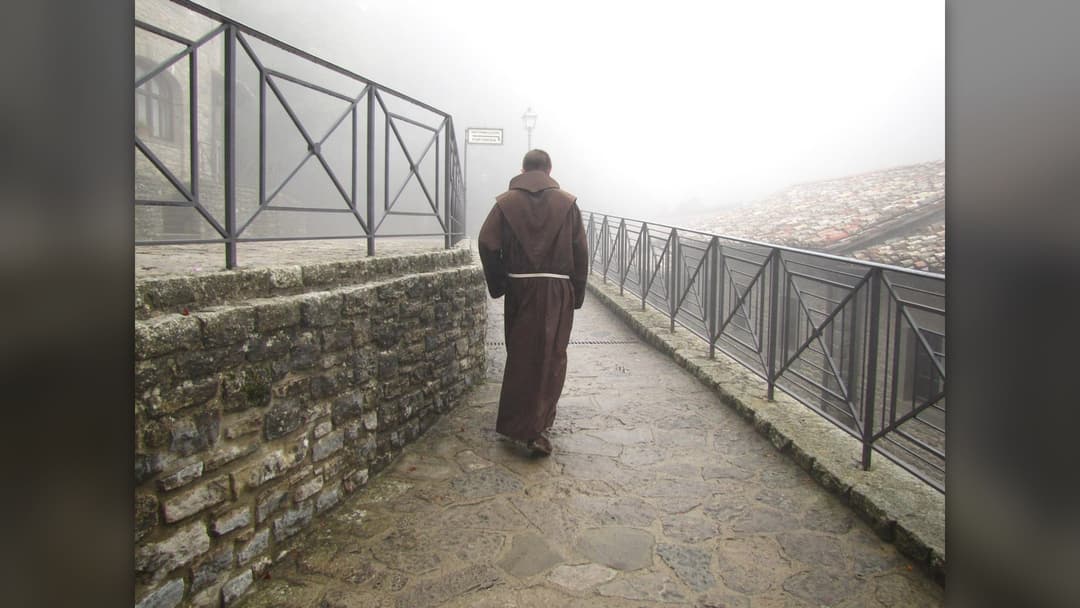
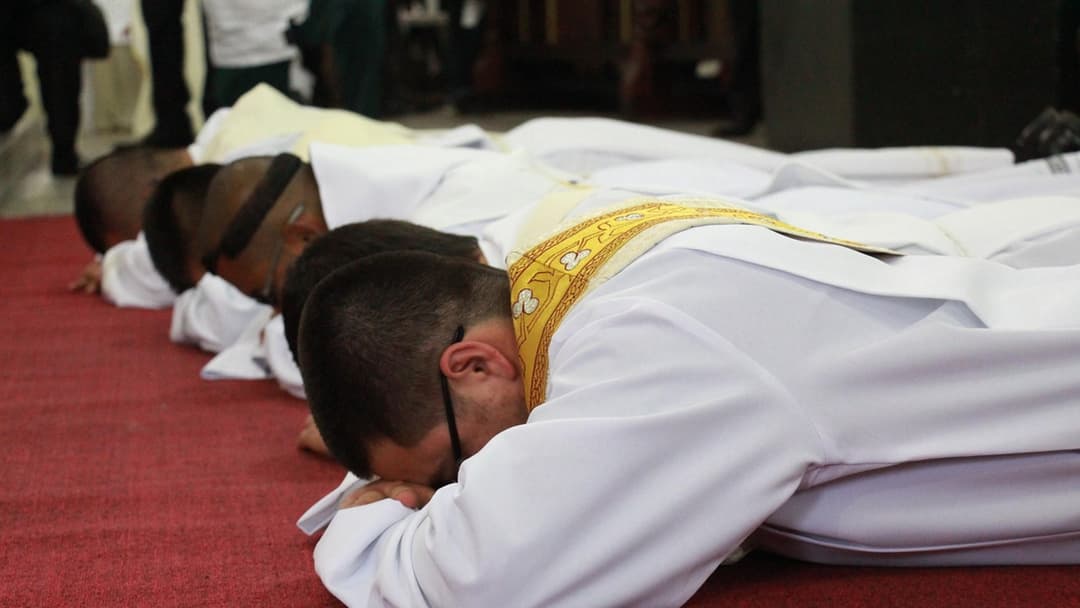
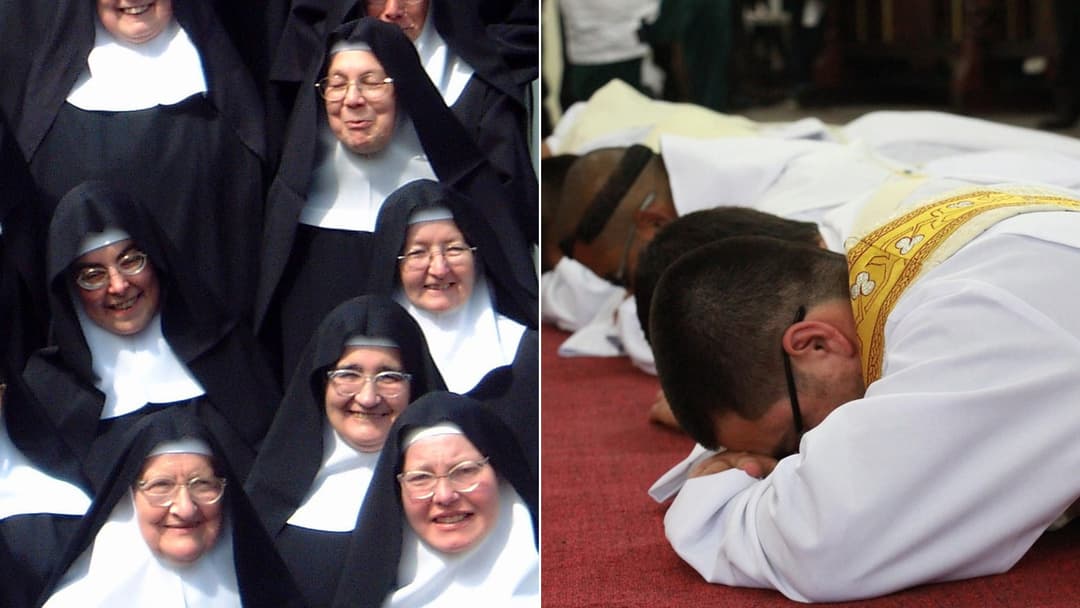
American Catholic priests and consecrated sisters navigate a dual existence shaped by ancient canon law and strict American civil standards. Across twenty distinct statutes, clergy manage lifelong vows of poverty and celibacy alongside mandatory background checks, digital boundaries, and complete financial audits.
By Most Viral Today
8 min ago

From sworn celibacy to digital rules, see how American Catholic clergy live. 
20. Annual Financial Audits And Parish Transparency 
19. Superior Permission For Personal Travel 
18. Papal Enclosure For Cloistered Orders - AdvertisementSwipe or tap ▶ to continue countdown

17. Mandatory Diocesan Transfers And Moves 
16. Adherence To US Liturgical Holy Days 
15. Absolute Inviolability Of Confession 
14. Mandatory Daily Liturgy Of The Hours - AdvertisementSwipe or tap ▶ to continue countdown

13. Community Habits And Modest Dress Codes 
12. Standard US Clerical Attire And Collars 
11. Digital Ministry And Social Media Codes 
10. Alcohol And Substance Impairment Limits - AdvertisementSwipe or tap ▶ to continue countdown

9. Strict Professional Pastoral Boundaries 
8. Written Parental Consent For Youth Photos 
7. Ban On Direct One On-One Minor Messaging 
6. Mandatory Abuse Reporting Under US Law - AdvertisementSwipe or tap ▶ to continue countdown

5. Annulment For Prior Marriages 
4. Prohibition On Dependent Children 
3. Vow Of Canonical Obedience 
2. Voluntary Vow Of Poverty - AdvertisementSwipe or tap ▶ to continue countdown

1. Celibacy And Chastity Commitment - Advertisement🔥 UP NEXT IN THIS SERIES◫ 21 Slides

20 Top Selling EVs of 2026
Which electric vehicles are winning the global race in 2026? From industry giants to rising challengers, we rank the top 20 best-selling battery electric vehicles based on year-to-date global market performance as of November 2026.
Catholic clergy and consecrated women in the United States balance universal canon law with modern American civic obligations. Sourced from the U.S. Conference of Catholic Bishops, the Code of Canon Law, and reporting by America Magazine, these guidelines shape personal finance, digital life, and daily ministry.
Swipe or tap ▶ to begin the countdown
©Wikimedia / Nun & Pixabay / jaocampoz
20. Annual Financial Audits And Parish Transparency
Canon 537 mandates an active parish finance council composed of qualified lay parishioners. In accordance with USCCB accounting standards, American parishes must submit annual balanced balance sheets to diocesan chancery auditors. Annual financial reports must be published to parishioners for fiscal accountability.

©Pixabay / Tumisu
19. Superior Permission For Personal Travel
Canon 665 requires consecrated religious to reside in their designated religious house. Personal travel, family vacations, or extended study trips away from community grounds require explicit written permission from the superior. Absences exceeding one year require formal approval from the Holy See in Rome.

©Pixabay / pixel2013
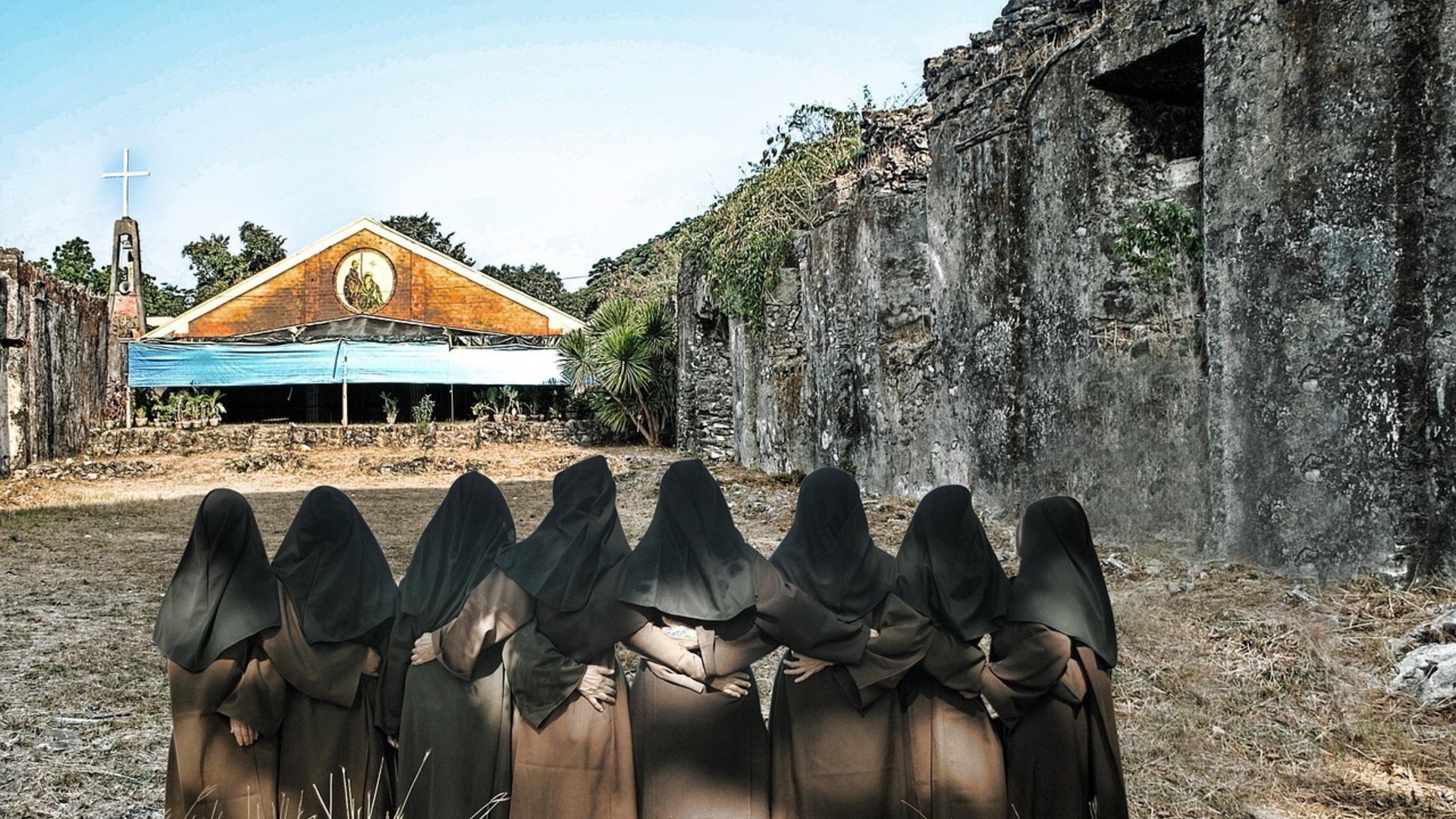
18. Papal Enclosure For Cloistered Orders
Under the papal constitution Vultum Dei Quaerere, cloistered Carmelite and Poor Clare nuns observe strict spatial separation from secular society. External visitors communicate through parlor grilles or designated visiting rooms. Leaving monastery grounds requires formal permission from the convent prioress.
©Pixabay / mmgsangil
Advertisement
Swipe or tap ▶ to resume the countdown.
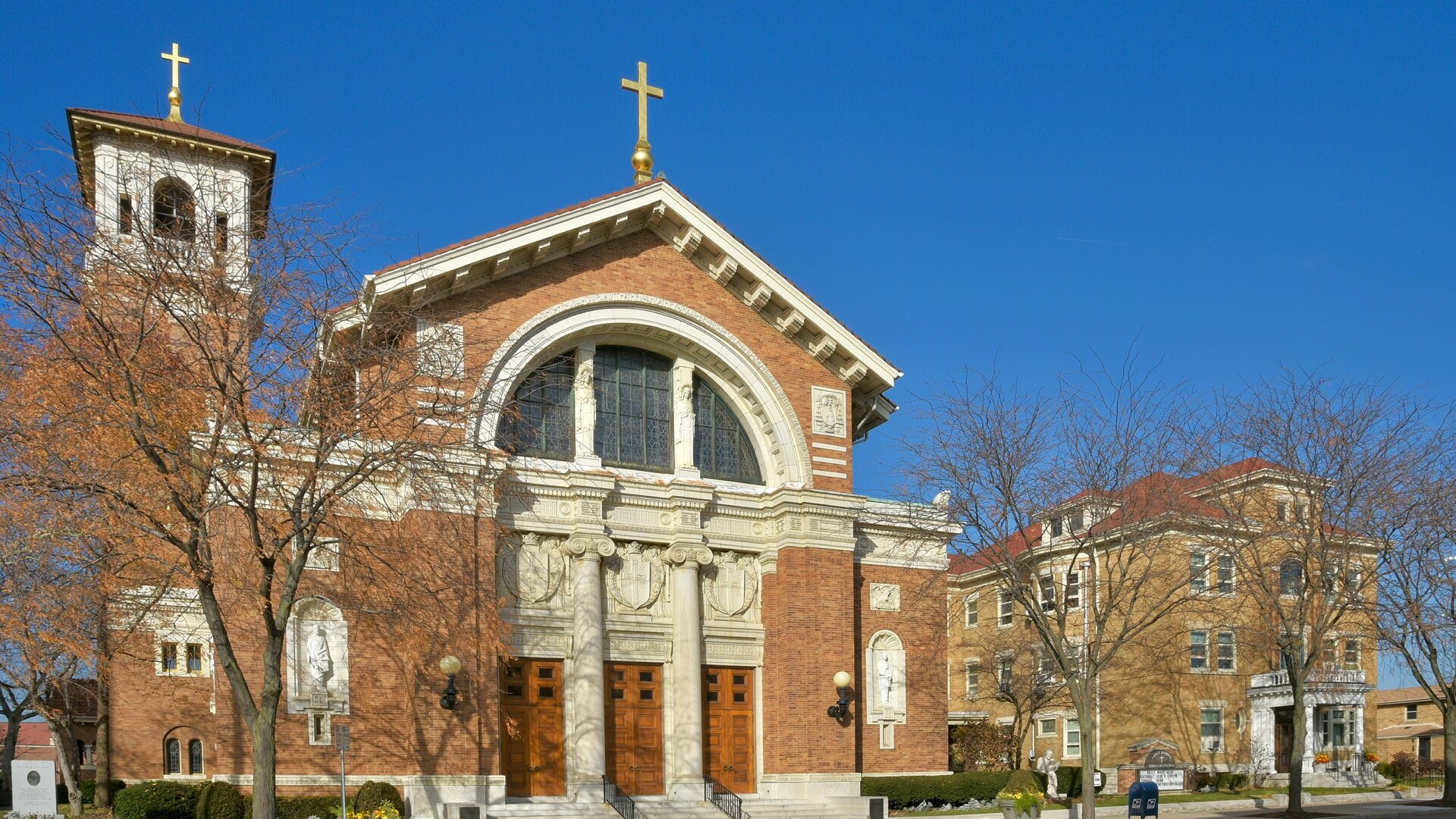
17. Mandatory Diocesan Transfers And Moves
Diocesan priests serve under six-year renewable terms as parish pastors per USCCB norms. Bishops evaluate ministerial assignments and reassign clergy to new parishes to meet regional pastoral demands. Priests must pack personal belongings and relocate to new rectories upon receiving their formal episcopal decree.
©Wikimedia / HistoricBuildingFan
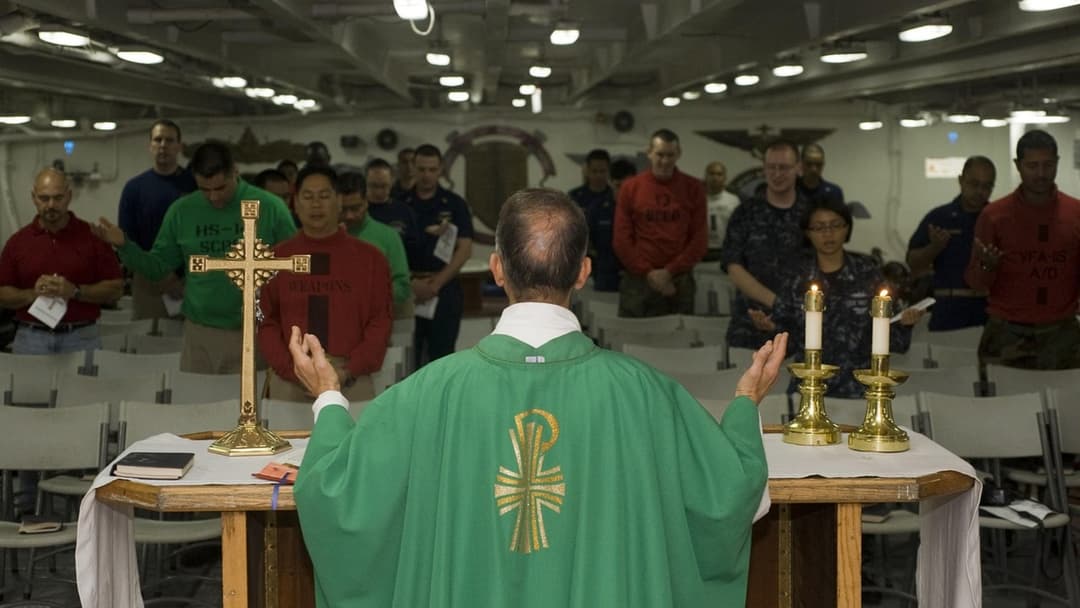
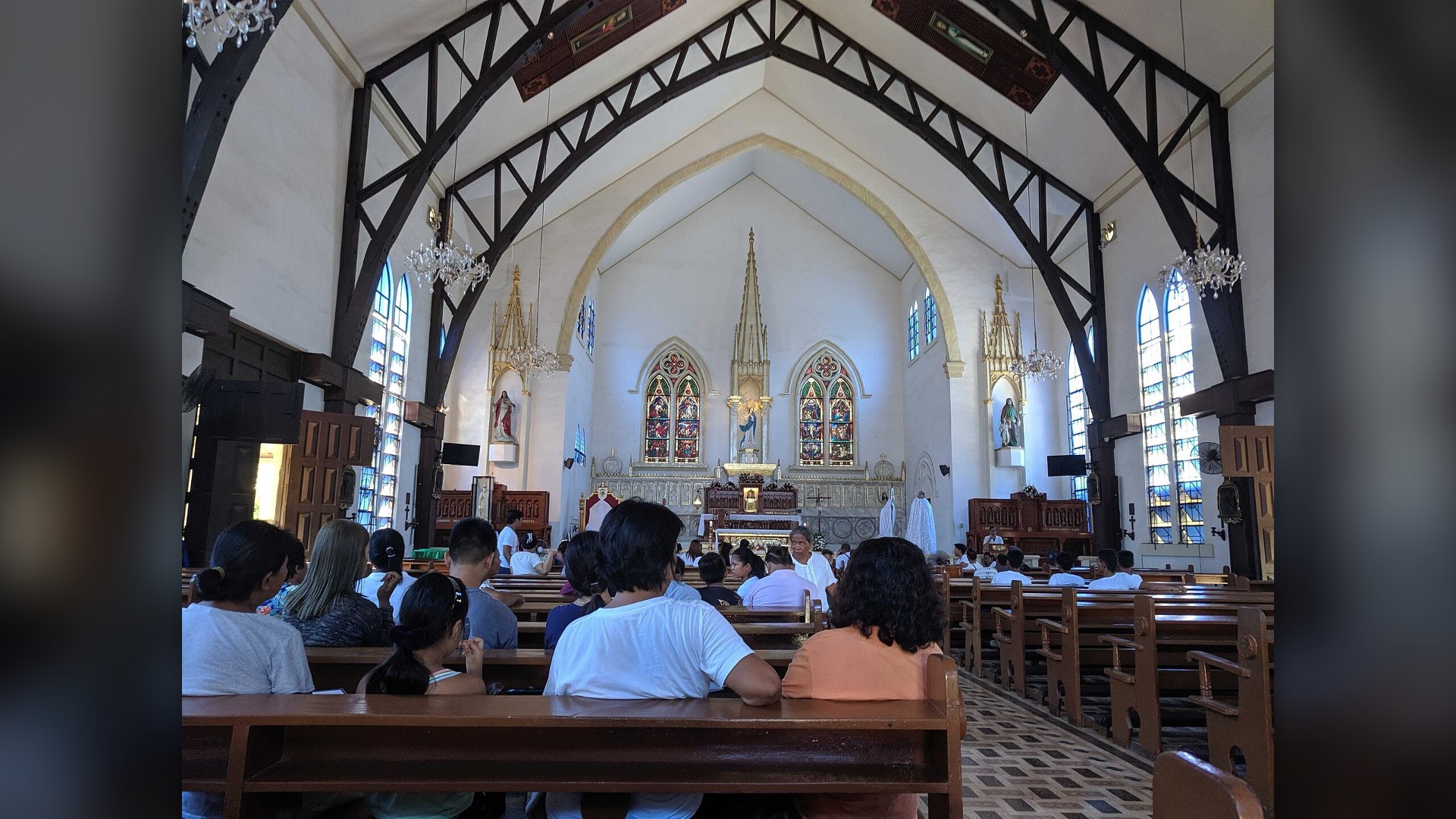
16. Adherence To US Liturgical Holy Days
The U.S. Conference of Catholic Bishops sets six national Holy Days of Obligation outside Sundays under Canon 1246. American pastors must schedule public Masses for the Immaculate Conception, Christmas, and Solemnity of Mary. Priests follow specific calendar transfers when feast days fall on Saturdays or Mondays.
©Wikimedia / Joshua T. Garcia
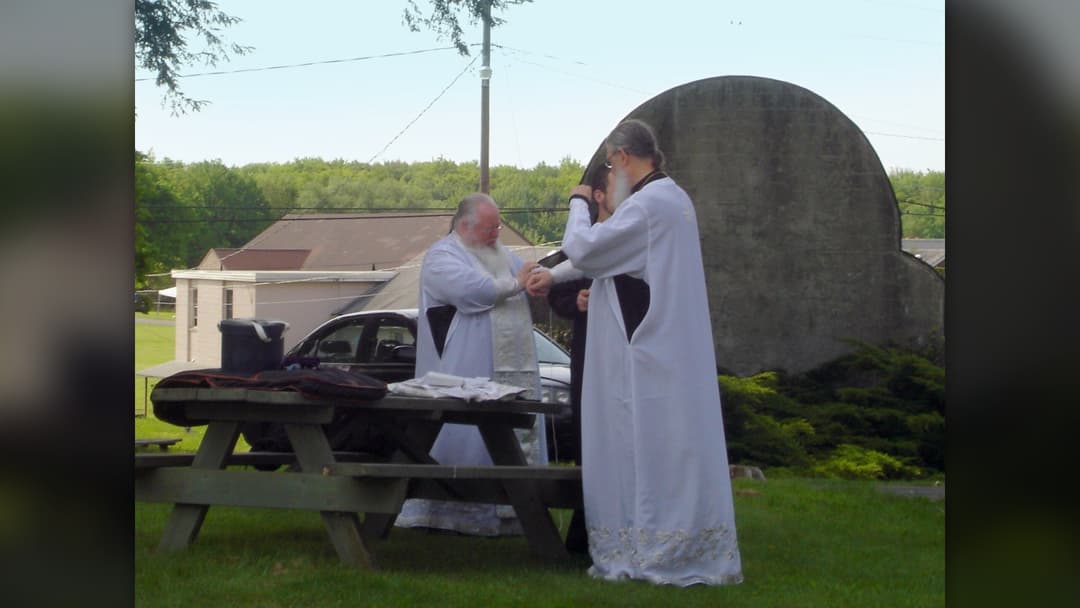
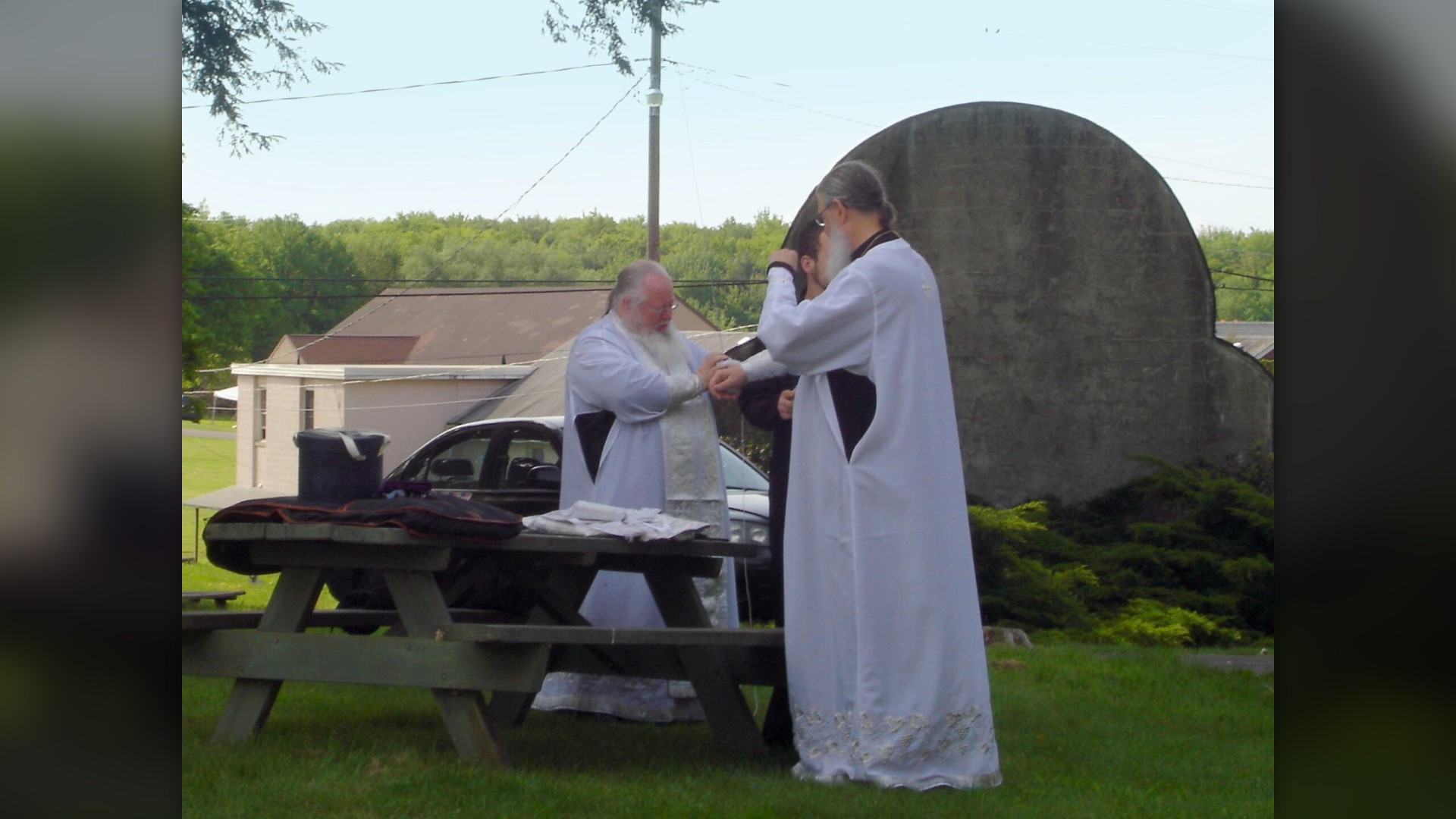
15. Absolute Inviolability Of Confession
Canon 983 declares the sacramental seal of confession completely inviolable. A priest who breaks this seal incurs automatic excommunication reserved to the Holy See under Canon 1386. U.S. priests cannot disclose sins heard in confession under any circumstance, resisting subpoenas and court orders in legal cases.
©Wikimedia / Violette79 from Brooklyn, NY, USA
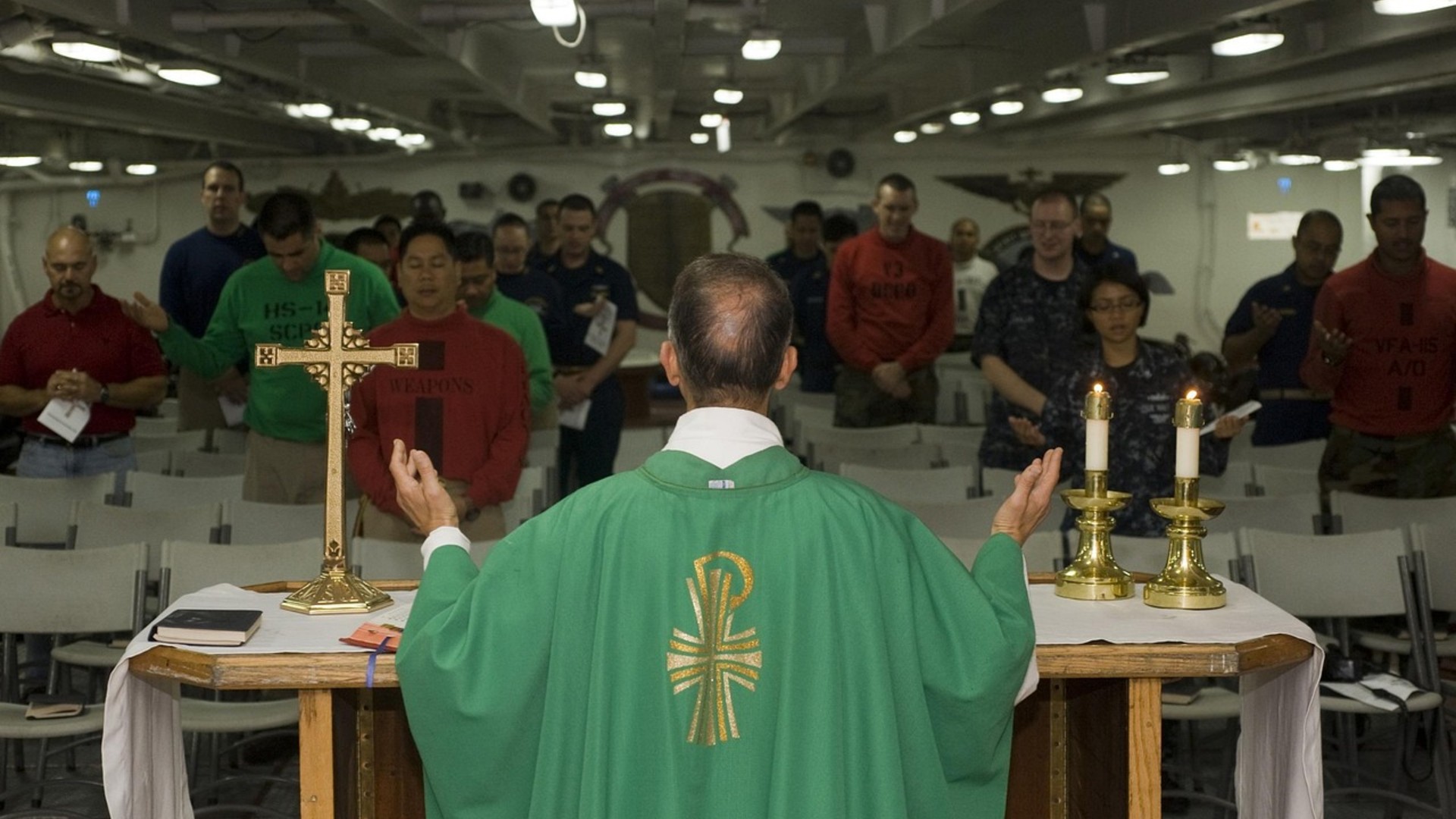
14. Mandatory Daily Liturgy Of The Hours
Canon 276 binds all ordained Catholic deacons and priests to pray the Breviary daily. The structured cycle includes Morning Prayer, Daytime Prayer, Evening Prayer, and Night Prayer. Consecrated communities gather in chapels for choral recitation, prioritizing communal prayer over individual secular activities.
©Pixabay / 12019
Advertisement
Swipe or tap ▶ to resume the countdown.
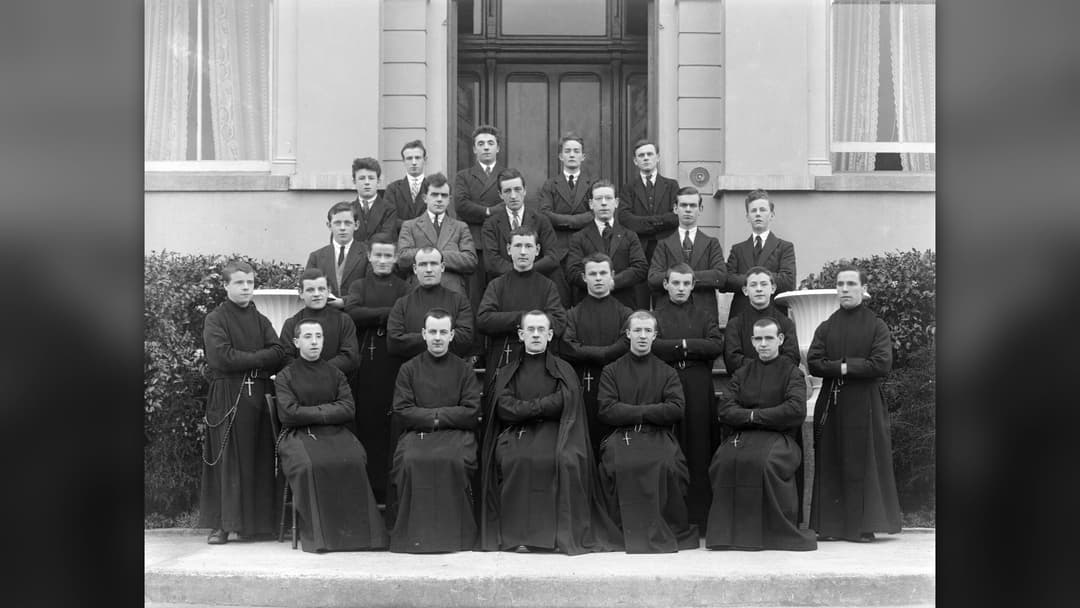
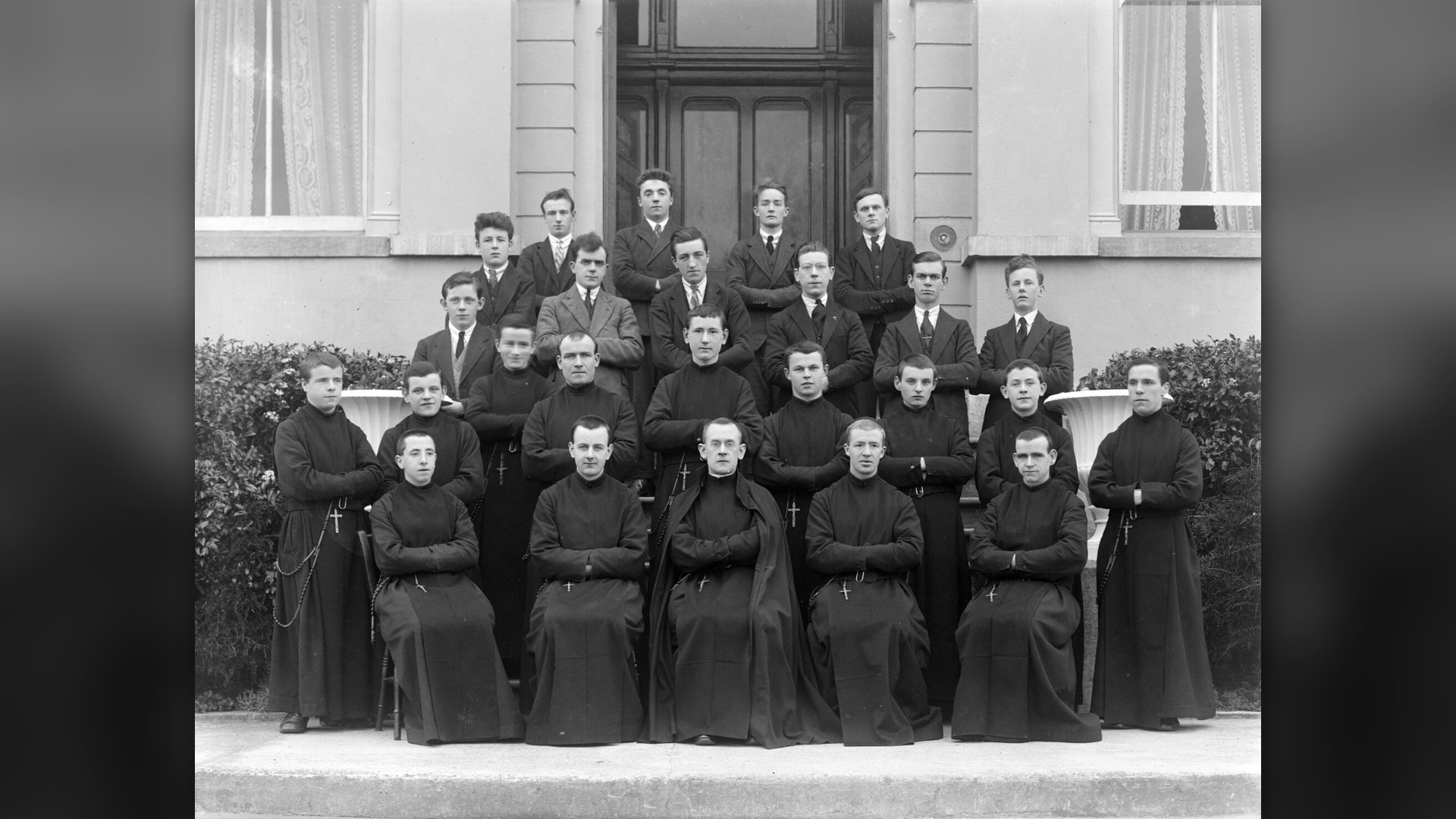
13. Community Habits And Modest Dress Codes
Canon 669 requires religious to wear the habit of their institute as a public witness of consecration. While traditional communities maintain full habits and veils, apostolic communities permit modest secular clothing with a distinctive cross or pin. Dress standards remain regulated by each community superior.
©Wikimedia / National Library of Ireland on The Commons
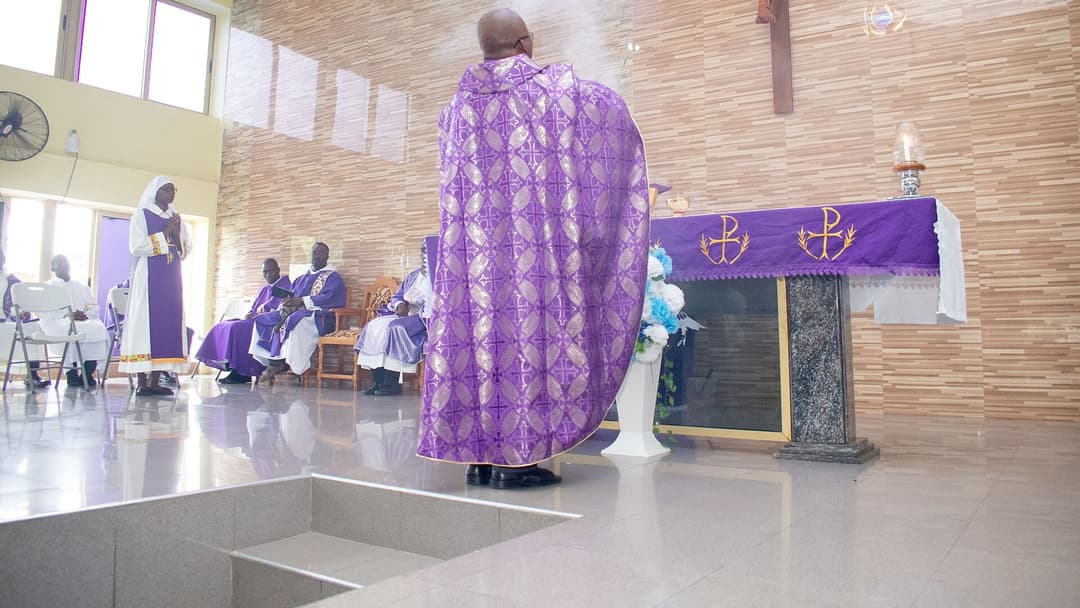
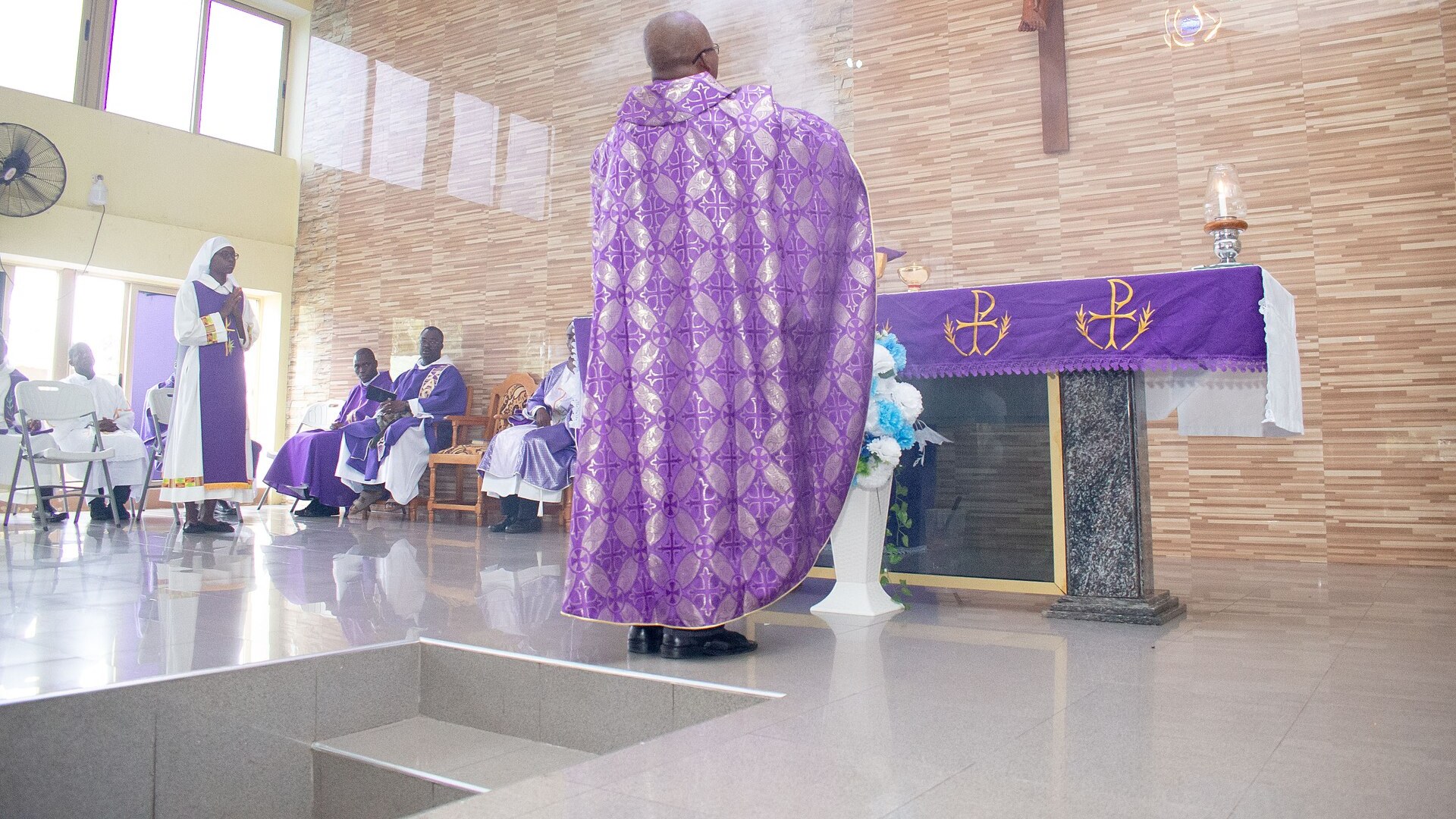
12. Standard US Clerical Attire And Collars
Complementary norms established by the U.S. bishops under Canon 284 require priests to wear a black clerical suit and Roman collar in public settings. Religious order priests wear their prescribed habit. The collar functions as a clear sign of consecrated status when conducting administrative and hospital rounds.
©Wikimedia / Amuzujoe
11. Digital Ministry And Social Media Codes
The U.S. Conference of Catholic Bishops sets clear standards for digital engagement. Priests and religious sisters cannot post partisan political endorsements, commercial promotions, or contentious commentary on social media. Many dioceses designate media monitors to oversee public ecclesiastical accounts.

©Pixabay / AS_Photography
10. Alcohol And Substance Impairment Limits
Canon 285 commands clerics to refrain from all conduct unbecoming the ecclesiastical state. Diocesan personnel policies mandate zero tolerance for performing sacraments or pastoral counseling while impaired by alcohol or drugs. Priests struggling with addiction are required to enter clinical rehabilitation centers.

©Pixabay / RobertCheaib
Advertisement
Swipe or tap ▶ to resume the countdown.
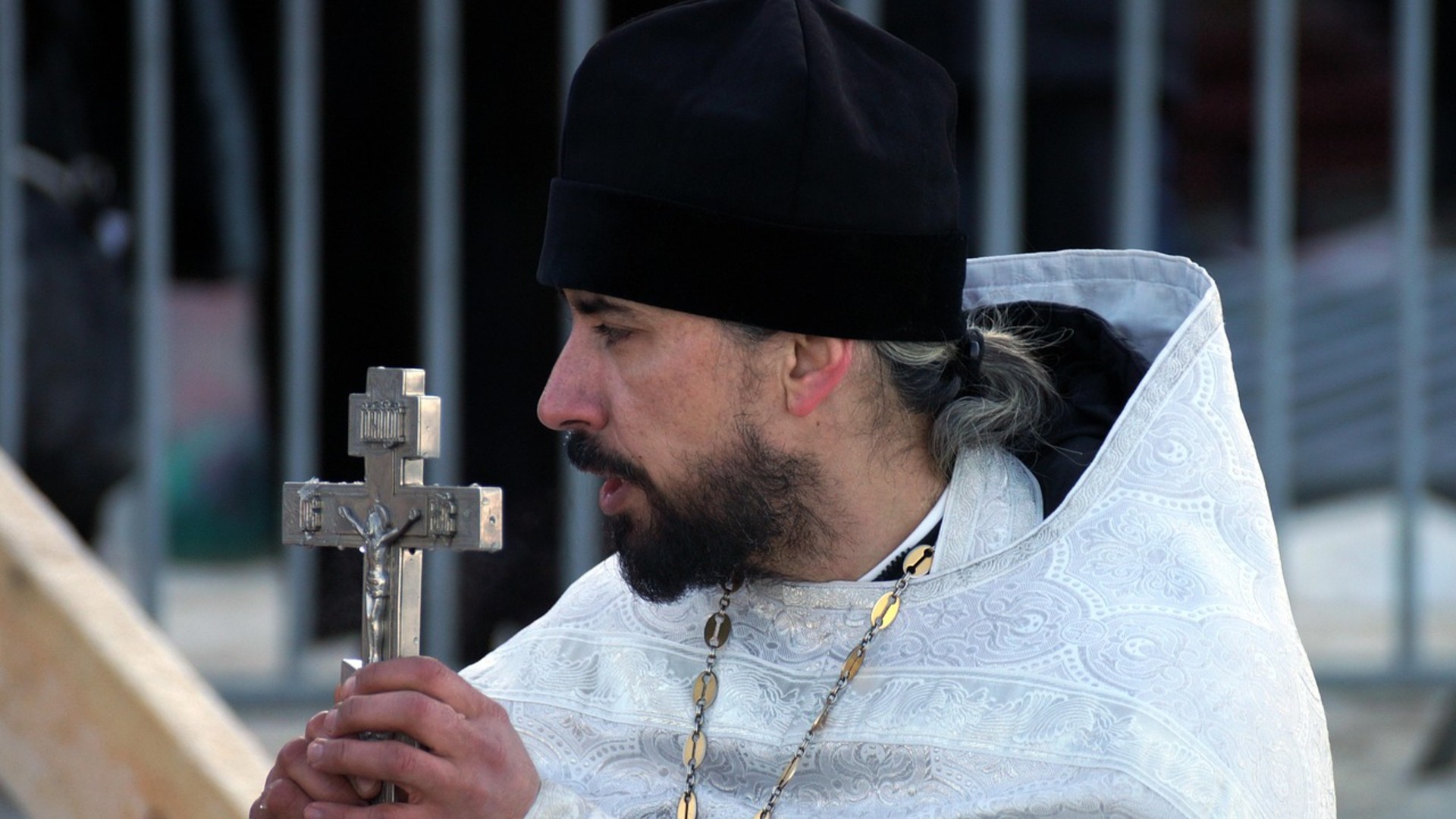
9. Strict Professional Pastoral Boundaries
Diocesan codes of conduct prohibit priests from entering into financial partnerships, joint business ventures, or personal loans with parishioners. Pastoral counseling sessions must occur in designated parish offices with visibility windows. Spiritual authority cannot be leveraged for personal commercial benefit.
©Pixabay / Andrey_and_Olesya
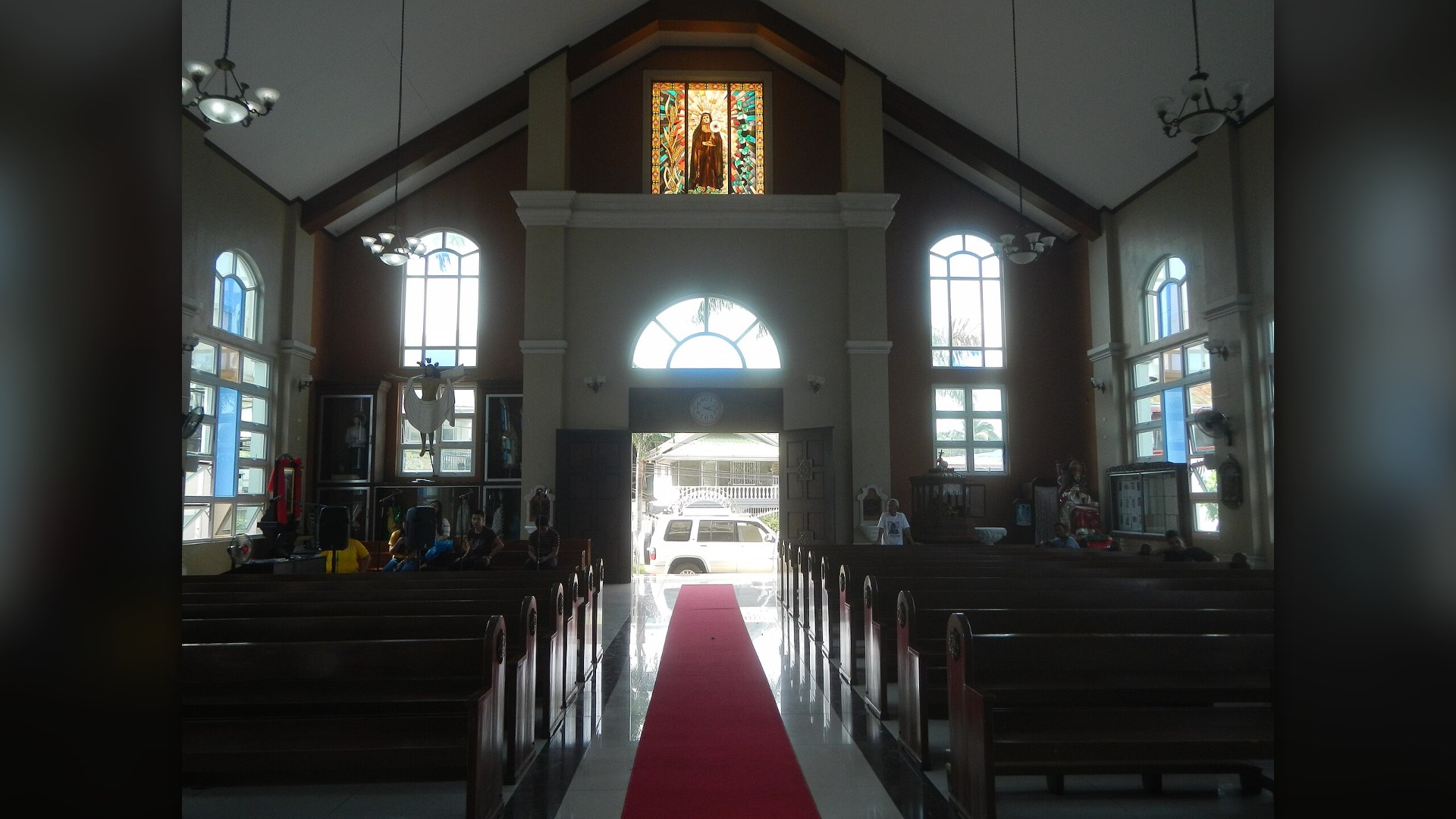
8. Written Parental Consent For Youth Photos
American dioceses enforce strict privacy rules regarding minors on church platforms. Parishes must obtain signed media release waivers from legal guardians prior to publishing youth group photos or liturgical videos. Images displaying identifying names or personal contact tags are barred under national guidelines.
©Wikimedia / Judgefloro
7. Ban On Direct One On-One Minor Messaging
Diocesan safe-environment policies across the country prohibit clergy and youth ministers from private digital messaging with minors. Text threads, emails, and direct social media messages must copy parents or guardians. Unmonitored private phone calls and individual online chat rooms trigger immediate conduct audits.

©Pixabay / Pixabay Contributor
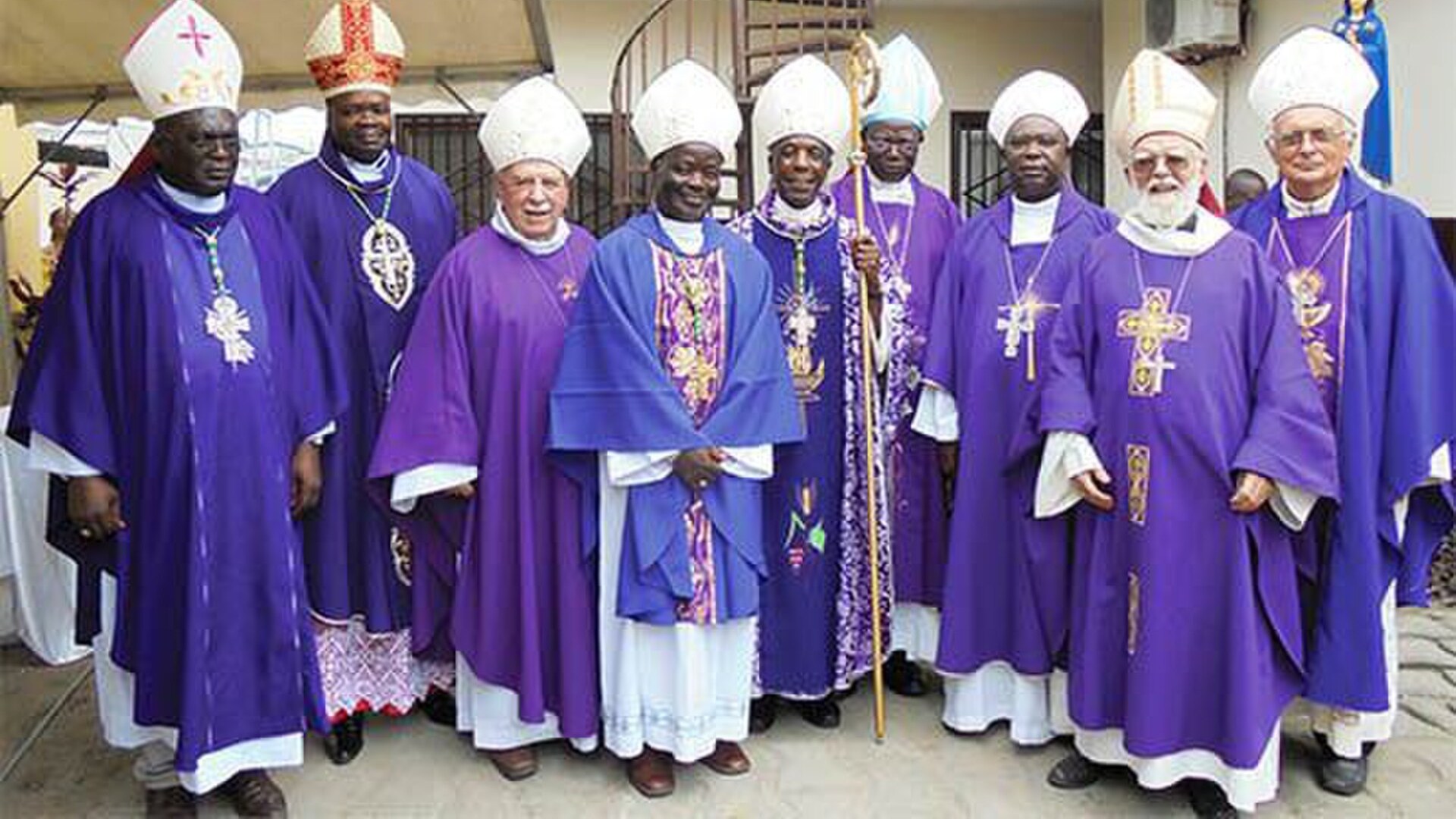
6. Mandatory Abuse Reporting Under US Law
The 2002 Dallas Charter adopted by the U.S. Conference of Catholic Bishops requires immediate reporting of suspected child abuse to state authorities. All 50 U.S. states enforce statutory reporting mandates on pastoral personnel. Dioceses maintain independent victim assistance coordinators to process claims directly.
©Wikimedia / Unknown artist
Advertisement
Swipe or tap ▶ to resume the countdown.
5. Annulment For Prior Marriages
A civil divorce does not dissolve marital bonds under Catholic canon law. Women seeking convent entry or men entering seminaries who were married previously must secure a formal decree of nullity from a diocesan tribunal. Only candidates free from matrimonial ties under Canon 1085 may take first canonical vows.

©Pixabay / stevepb
4. Prohibition On Dependent Children
U.S. dioceses and religious orders disqualify applicants who hold legal or financial custody of minor children under Canon 1042. Seminaries require candidates to complete child support obligations before entering formation. Widowed parents can pursue holy orders only after their children reach legal adulthood.

©Pixabay / sasint
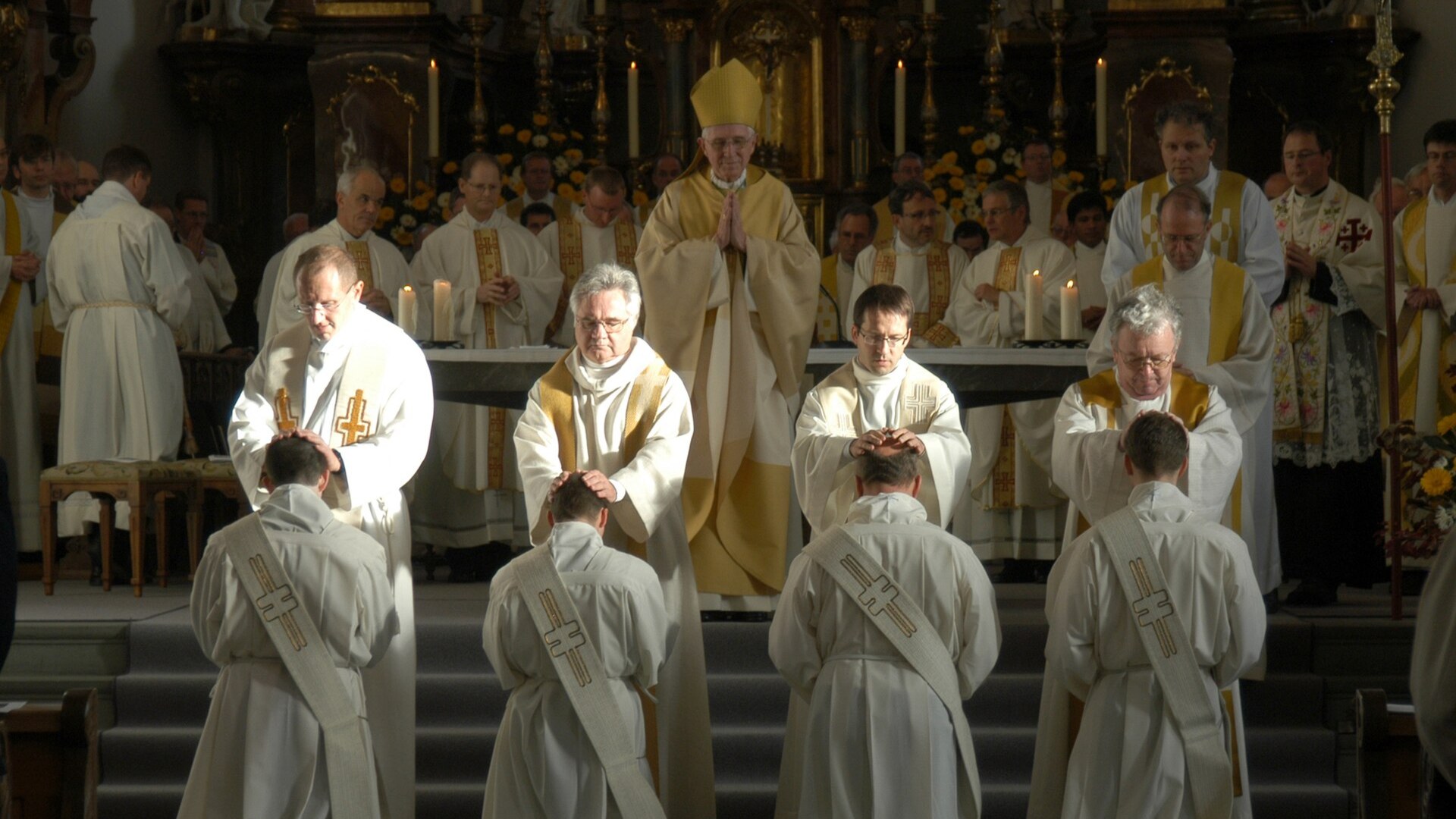
3. Vow Of Canonical Obedience
Diocesan priests pledge formal obedience to their local ordinary at ordination under Canon 273. Religious sisters and friars profess direct obedience to elected congregational superiors. Leaders decide geographic assignments, living arrangements, and community roles, which personnel cannot decline without dispensation.
©Wikimedia / Matthias Ulrich. The original uploader was Matte
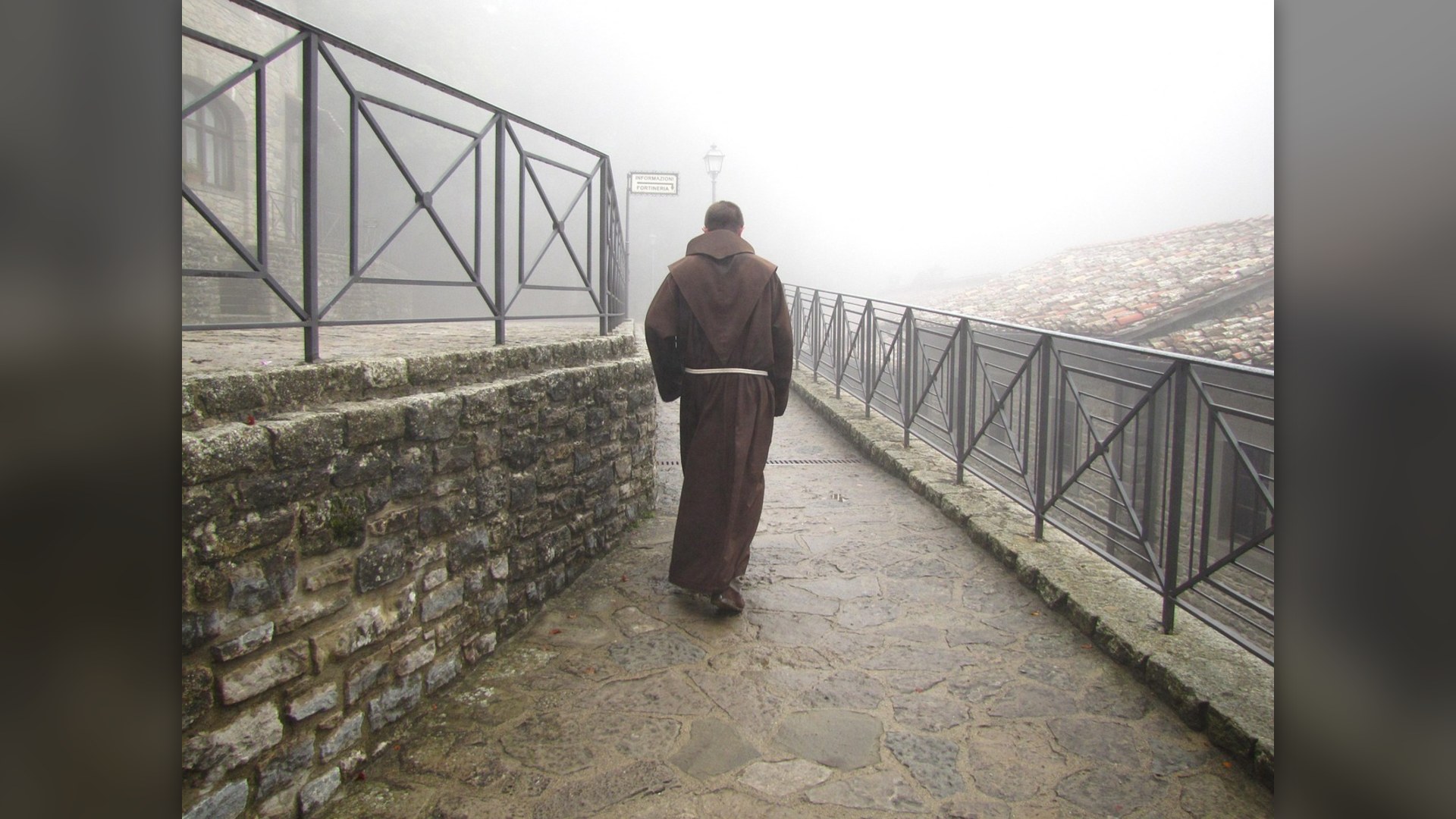
2. Voluntary Vow Of Poverty
Under Canon 600, members of religious orders surrender independent property rights upon professing solemn vows. Any wages, inheritances, or royalties earned by Franciscan or Jesuit members flow directly into communal bank accounts. Individual members receive modest monthly living allowances vetted by local superiors.
©Pixabay / 21150
Advertisement
Swipe or tap ▶ to resume the countdown.
1. Celibacy And Chastity Commitment
Canon 277 of the Code of Canon Law mandates perpetual continence for Roman rite clerics. The obligation binds all diocesan priests across 194 Catholic dioceses in the United States. Consecrated religious sisters take a parallel perpetual vow of chastity, dedicating their emotional and marital lives to religious duty.
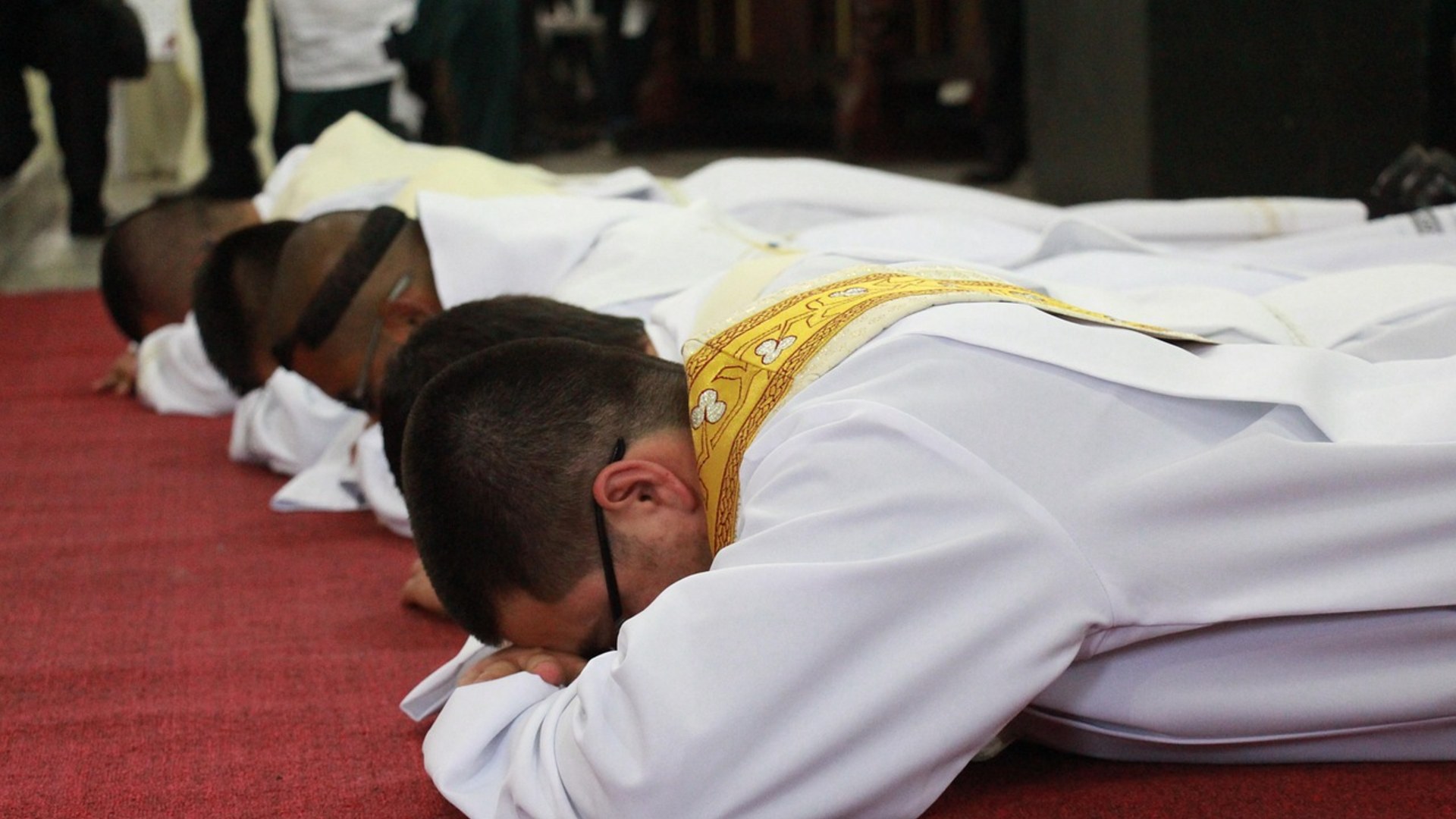
©Pixabay / jaocampoz
Advertisement
You've reached the end of the story. Thanks for reading!

20 Top Selling EVs of 2026
Which electric vehicles are winning the global race in 2026? From industry giants to rising challengers, we rank the top 20 best-selling battery electric vehicles based on year-to-date global market performance as of November 2026.
All 20 Entries in this Story
Annual Financial Audits And Parish Transparency
Canon 537 mandates an active parish finance council composed of qualified lay parishioners. In accordance with USCCB accounting standards, American parishes must submit annual balanced balance sheets to diocesan chancery auditors. Annual financial reports must be published to parishioners for fiscal accountability.

Superior Permission For Personal Travel
Canon 665 requires consecrated religious to reside in their designated religious house. Personal travel, family vacations, or extended study trips away from community grounds require explicit written permission from the superior. Absences exceeding one year require formal approval from the Holy See in Rome.

Papal Enclosure For Cloistered Orders
Under the papal constitution Vultum Dei Quaerere, cloistered Carmelite and Poor Clare nuns observe strict spatial separation from secular society. External visitors communicate through parlor grilles or designated visiting rooms. Leaving monastery grounds requires formal permission from the convent prioress.

Mandatory Diocesan Transfers And Moves
Diocesan priests serve under six-year renewable terms as parish pastors per USCCB norms. Bishops evaluate ministerial assignments and reassign clergy to new parishes to meet regional pastoral demands. Priests must pack personal belongings and relocate to new rectories upon receiving their formal episcopal decree.

Adherence To US Liturgical Holy Days
The U.S. Conference of Catholic Bishops sets six national Holy Days of Obligation outside Sundays under Canon 1246. American pastors must schedule public Masses for the Immaculate Conception, Christmas, and Solemnity of Mary. Priests follow specific calendar transfers when feast days fall on Saturdays or Mondays.

Absolute Inviolability Of Confession
Canon 983 declares the sacramental seal of confession completely inviolable. A priest who breaks this seal incurs automatic excommunication reserved to the Holy See under Canon 1386. U.S. priests cannot disclose sins heard in confession under any circumstance, resisting subpoenas and court orders in legal cases.

Mandatory Daily Liturgy Of The Hours
Canon 276 binds all ordained Catholic deacons and priests to pray the Breviary daily. The structured cycle includes Morning Prayer, Daytime Prayer, Evening Prayer, and Night Prayer. Consecrated communities gather in chapels for choral recitation, prioritizing communal prayer over individual secular activities.

Community Habits And Modest Dress Codes
Canon 669 requires religious to wear the habit of their institute as a public witness of consecration. While traditional communities maintain full habits and veils, apostolic communities permit modest secular clothing with a distinctive cross or pin. Dress standards remain regulated by each community superior.

Standard US Clerical Attire And Collars
Complementary norms established by the U.S. bishops under Canon 284 require priests to wear a black clerical suit and Roman collar in public settings. Religious order priests wear their prescribed habit. The collar functions as a clear sign of consecrated status when conducting administrative and hospital rounds.

Digital Ministry And Social Media Codes
The U.S. Conference of Catholic Bishops sets clear standards for digital engagement. Priests and religious sisters cannot post partisan political endorsements, commercial promotions, or contentious commentary on social media. Many dioceses designate media monitors to oversee public ecclesiastical accounts.

Alcohol And Substance Impairment Limits
Canon 285 commands clerics to refrain from all conduct unbecoming the ecclesiastical state. Diocesan personnel policies mandate zero tolerance for performing sacraments or pastoral counseling while impaired by alcohol or drugs. Priests struggling with addiction are required to enter clinical rehabilitation centers.

Strict Professional Pastoral Boundaries
Diocesan codes of conduct prohibit priests from entering into financial partnerships, joint business ventures, or personal loans with parishioners. Pastoral counseling sessions must occur in designated parish offices with visibility windows. Spiritual authority cannot be leveraged for personal commercial benefit.

Written Parental Consent For Youth Photos
American dioceses enforce strict privacy rules regarding minors on church platforms. Parishes must obtain signed media release waivers from legal guardians prior to publishing youth group photos or liturgical videos. Images displaying identifying names or personal contact tags are barred under national guidelines.

Ban On Direct One On-One Minor Messaging
Diocesan safe-environment policies across the country prohibit clergy and youth ministers from private digital messaging with minors. Text threads, emails, and direct social media messages must copy parents or guardians. Unmonitored private phone calls and individual online chat rooms trigger immediate conduct audits.

Mandatory Abuse Reporting Under US Law
The 2002 Dallas Charter adopted by the U.S. Conference of Catholic Bishops requires immediate reporting of suspected child abuse to state authorities. All 50 U.S. states enforce statutory reporting mandates on pastoral personnel. Dioceses maintain independent victim assistance coordinators to process claims directly.

Annulment For Prior Marriages
A civil divorce does not dissolve marital bonds under Catholic canon law. Women seeking convent entry or men entering seminaries who were married previously must secure a formal decree of nullity from a diocesan tribunal. Only candidates free from matrimonial ties under Canon 1085 may take first canonical vows.

Prohibition On Dependent Children
U.S. dioceses and religious orders disqualify applicants who hold legal or financial custody of minor children under Canon 1042. Seminaries require candidates to complete child support obligations before entering formation. Widowed parents can pursue holy orders only after their children reach legal adulthood.

Vow Of Canonical Obedience
Diocesan priests pledge formal obedience to their local ordinary at ordination under Canon 273. Religious sisters and friars profess direct obedience to elected congregational superiors. Leaders decide geographic assignments, living arrangements, and community roles, which personnel cannot decline without dispensation.

Voluntary Vow Of Poverty
Under Canon 600, members of religious orders surrender independent property rights upon professing solemn vows. Any wages, inheritances, or royalties earned by Franciscan or Jesuit members flow directly into communal bank accounts. Individual members receive modest monthly living allowances vetted by local superiors.

Celibacy And Chastity Commitment
Canon 277 of the Code of Canon Law mandates perpetual continence for Roman rite clerics. The obligation binds all diocesan priests across 194 Catholic dioceses in the United States. Consecrated religious sisters take a parallel perpetual vow of chastity, dedicating their emotional and marital lives to religious duty.