Slideshow · Money
15 Ways Britishers Can Maximize Higher Interest Rates
A practical guide to navigating modern UK savings accounts, tax allowances, and interest rates to build resilient cash reserves.
By Most Viral Today
5 Nov 2026

UK Savings Accounts: Could Savers Benefit From Higher Interest Rates? 
15. Easy-Access Accounts 
14. Notice Accounts 
13. Regular Saver Accounts - AdvertisementSwipe or tap ▶ to continue countdown

12. Fixed-Rate Bonds 
11. Cash ISAs 
10. Personal Savings Allowance 
9. FSCS Deposit Protection - AdvertisementSwipe or tap ▶ to continue countdown

8. Challenger Banks And FinTechs 
7. National Savings And Investments 
6. Lifetime ISAs 
5. High-Interest Current Accounts - AdvertisementSwipe or tap ▶ to continue countdown

4. Base Rate Tracker Accounts 
3. Bank Switching Bonuses 
2. Real Return Vs Inflation 
1. Compounding Interest Timing - Advertisement🔥 UP NEXT IN THIS SERIES◫ 21 Slides

20 Small American Businesses With Products and Ideas Worth Discovering
American entrepreneurs continue to build durable goods and creative regional staples across the country. From heritage foundries in Tennessee to family workshops in Pennsylvania, independent makers prove hands-on quality endures. Based on reporting by Forbes, Inc. Magazine, and Bloomberg News published in 2026.
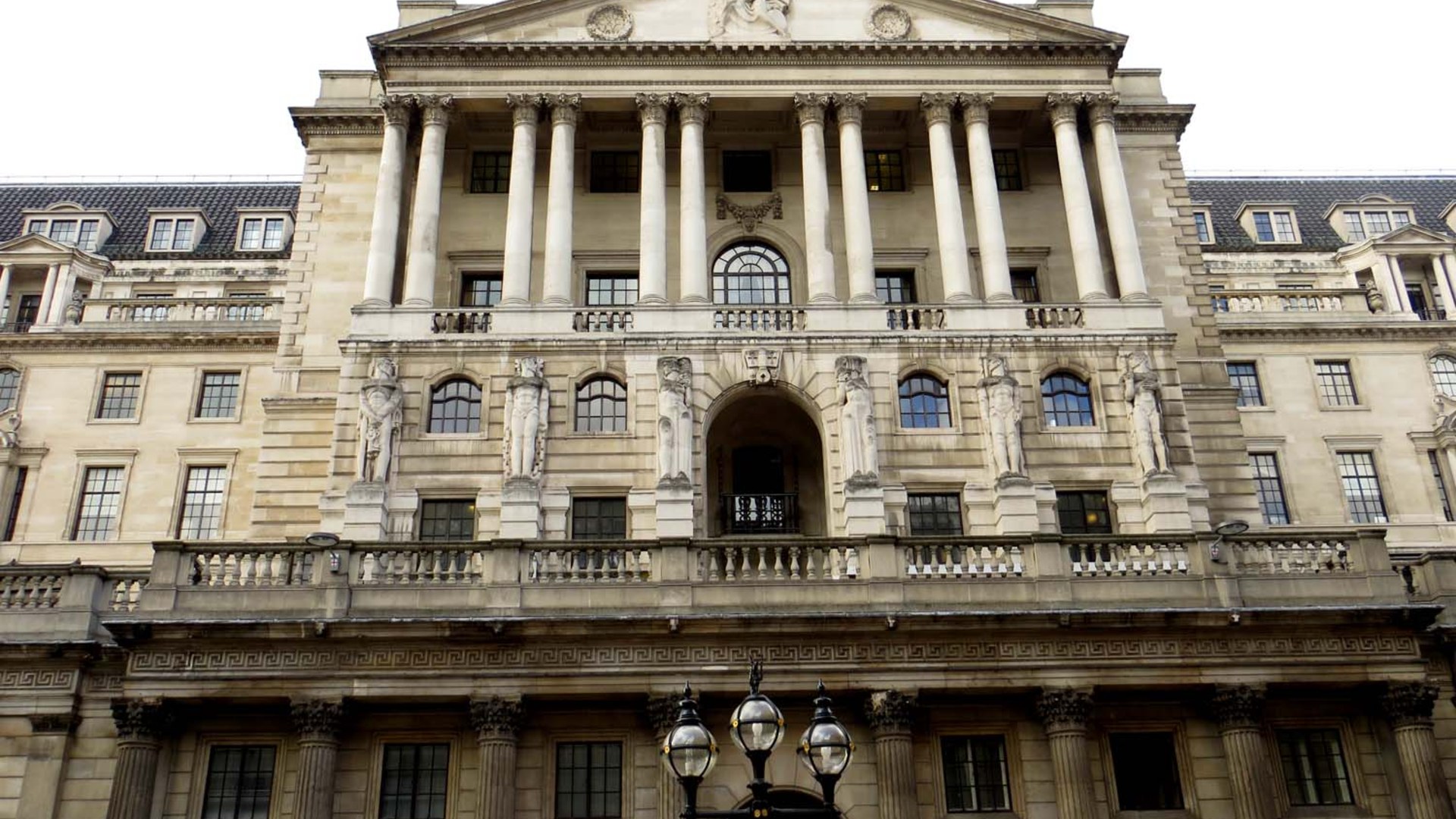
After more than a decade of near-zero returns, elevated Bank of England base rates have transformed the UK cash landscape. While headline figures look attractive, navigating tax thresholds, inflation, and bank inertia is essential for households looking to protect and grow their cash reserves.
Swipe or tap ▶ to begin the countdown
©Pixabay / PublicDomainPictu & Wikimedia / Hector Alejandro
15. Easy-Access Accounts
Easy-access accounts let savers withdraw cash immediately without penalties. While convenient for everyday emergency buffers, their interest rates are variable and drop quickly whenever the Bank of England eases monetary policy. Savers must monitor rates actively because older accounts quietly stagnate.
©Wikimedia / T0m0k0l0v3r
14. Notice Accounts
Notice accounts require savers to notify their provider 30 to 120 days before withdrawing money. In exchange for sacrificing instant liquidity, banks and mutual building societies often pay a rate premium over standard easy-access deals. They work well for medium-term goals like planned home improvements.
©Wikimedia / Mtaylor848
13. Regular Saver Accounts
Regular saver accounts offer some of the highest interest rates on the UK market, often exceeding 6 to 7 percent. In return, banks limit monthly deposits to between 150 and 500 pounds. These accounts encourage disciplined saving habits and reward customers who stash away a portion of each paycheck.
©Wikimedia / stevepb
Advertisement
Swipe or tap ▶ to resume the countdown.
12. Fixed-Rate Bonds
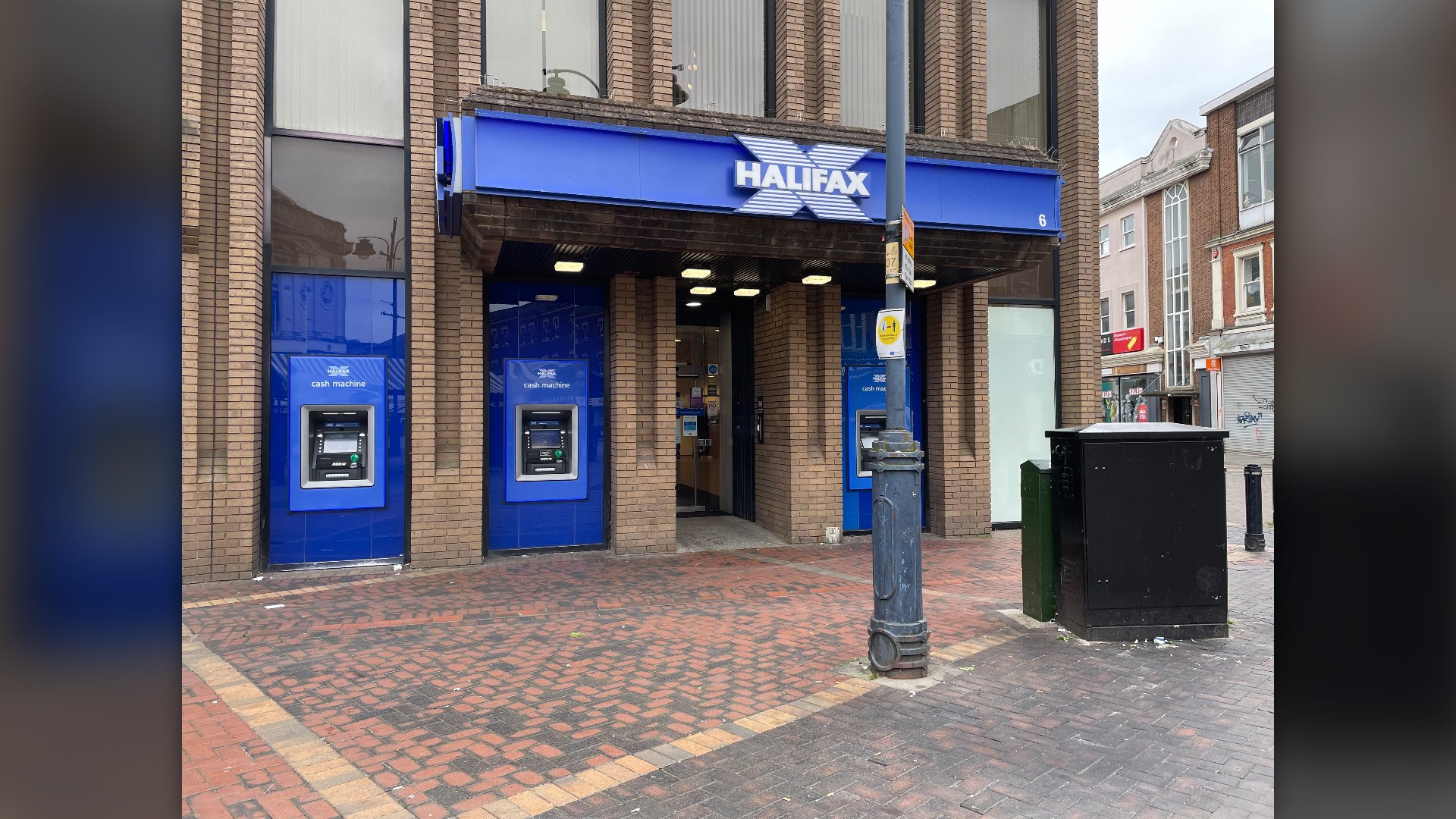
Fixed-rate bonds guarantee a set interest rate for terms ranging from one to five years. Depositors cannot access funds until maturity without heavy penalties. When markets anticipate central bank rate cuts, locking in fixed yields protects your cash flow from falling returns across the wider market.
©Wikimedia / Halifax (Bank of Scotland PLC)
11. Cash ISAs
Every UK adult receives a 20,000 pound annual ISA allowance. Any interest earned inside a Cash ISA remains completely exempt from UK income tax forever. With higher base rates pushing more savers past basic tax-free allowances, sheltering savings inside an ISA wrapper has become essential again.
©Wikimedia / Alan Murray-Rust
10. Personal Savings Allowance
The Personal Savings Allowance lets basic-rate taxpayers earn up to 1,000 pounds of interest tax-free, while higher-rate taxpayers get 500 pounds. At 5 percent interest, a balance of 10,000 pounds breaches the higher-rate threshold, making active tax management necessary for middle-income households.
©Wikimedia / David Hillas
9. FSCS Deposit Protection
The Financial Services Compensation Scheme protects up to 85,000 pounds per person per authorized banking license. Savers with larger cash pots should split deposits across separate banking groups to ensure every pound remains fully safeguarded against unexpected institutional failures.
©Wikimedia / Beyond My Ken
Advertisement
Swipe or tap ▶ to resume the countdown.
8. Challenger Banks And FinTechs
App-based banks and FinTech challengers operate without expensive physical branch networks. They pass these overhead savings to customers through higher savings rates and intuitive mobile budgeting tools. Many offer automated spare change round-ups and dedicated savings pots to build balances quickly.
©Wikimedia / JFD
7. National Savings And Investments
National Savings and Investments is backed directly by HM Treasury, offering complete security on all deposits above standard FSCS limits. Products like Premium Bonds offer tax-free monthly prize draws rather than traditional interest, while index-linked savings certificates offer inflation protection.
©Wikimedia / Paul Hudson
6. Lifetime ISAs
The Lifetime ISA allows eligible UK adults under 40 to save up to 4,000 pounds annually, receiving an immediate 25 percent state bonus. Earning cash interest on both your savings and the government bonus creates rapid growth when saving toward a qualifying first home deposit.
©Wikimedia / Shixart1985
5. High-Interest Current Accounts
Several UK retail banks offer premium interest rates on current account balances up to a specified cap, such as 1,500 or 5,000 pounds. These accounts require monthly pay deposits and active direct debits, effectively paying you interest on the money used for day-to-day household expenses.
©Wikimedia / Mañico
Advertisement
Swipe or tap ▶ to resume the countdown.
4. Base Rate Tracker Accounts
Base rate tracker savings accounts adjust their interest rate in lockstep with official Monetary Policy Committee announcements. When the Bank of England raises rates, tracker account yields climb immediately, sparing savers the hassle of constantly moving funds to match market adjustments.
©Wikimedia / Steve Daniels
3. Bank Switching Bonuses
Competition among major banks frequently produces cash bonuses of 100 to 200 pounds for switching current accounts via the Current Account Switch Service. Combining an upfront cash incentive with linked regular savings perks can substantially boost your total annual cash return.
©Wikimedia / N Chadwick
2. Real Return Vs Inflation
Earning 5 percent interest feels rewarding, but if consumer price inflation runs at 4 percent, your real purchasing power expands by only 1 percent. Savers must seek accounts that beat headline inflation rates to prevent the rising cost of groceries and utilities from eroding their hard-earned capital.
©Wikimedia / Alisdare Hickson
1. Compounding Interest Timing
How often your bank calculates interest significantly influences your final payout. Accounts compounding interest daily earn interest on yesterday's interest, accelerating capital growth faster than annual payout structures. Over multiple years, frequent compounding generates substantial additional cash.

©Wikimedia / Dave Dugdale
Advertisement
You've reached the end of the story. Thanks for reading!

20 Small American Businesses With Products and Ideas Worth Discovering
American entrepreneurs continue to build durable goods and creative regional staples across the country. From heritage foundries in Tennessee to family workshops in Pennsylvania, independent makers prove hands-on quality endures. Based on reporting by Forbes, Inc. Magazine, and Bloomberg News published in 2026.
All 15 Entries in this Story
15. Easy-Access Accounts
Easy-access accounts let savers withdraw cash immediately without penalties. While convenient for everyday emergency buffers, their interest rates are variable and drop quickly whenever the Bank of England eases monetary policy. Savers must monitor rates actively because older accounts quietly stagnate.

14. Notice Accounts
Notice accounts require savers to notify their provider 30 to 120 days before withdrawing money. In exchange for sacrificing instant liquidity, banks and mutual building societies often pay a rate premium over standard easy-access deals. They work well for medium-term goals like planned home improvements.

13. Regular Saver Accounts
Regular saver accounts offer some of the highest interest rates on the UK market, often exceeding 6 to 7 percent. In return, banks limit monthly deposits to between 150 and 500 pounds. These accounts encourage disciplined saving habits and reward customers who stash away a portion of each paycheck.

12. Fixed-Rate Bonds
Fixed-rate bonds guarantee a set interest rate for terms ranging from one to five years. Depositors cannot access funds until maturity without heavy penalties. When markets anticipate central bank rate cuts, locking in fixed yields protects your cash flow from falling returns across the wider market.

11. Cash ISAs
Every UK adult receives a 20,000 pound annual ISA allowance. Any interest earned inside a Cash ISA remains completely exempt from UK income tax forever. With higher base rates pushing more savers past basic tax-free allowances, sheltering savings inside an ISA wrapper has become essential again.

10. Personal Savings Allowance
The Personal Savings Allowance lets basic-rate taxpayers earn up to 1,000 pounds of interest tax-free, while higher-rate taxpayers get 500 pounds. At 5 percent interest, a balance of 10,000 pounds breaches the higher-rate threshold, making active tax management necessary for middle-income households.

9. FSCS Deposit Protection
The Financial Services Compensation Scheme protects up to 85,000 pounds per person per authorized banking license. Savers with larger cash pots should split deposits across separate banking groups to ensure every pound remains fully safeguarded against unexpected institutional failures.

8. Challenger Banks And FinTechs
App-based banks and FinTech challengers operate without expensive physical branch networks. They pass these overhead savings to customers through higher savings rates and intuitive mobile budgeting tools. Many offer automated spare change round-ups and dedicated savings pots to build balances quickly.

7. National Savings And Investments
National Savings and Investments is backed directly by HM Treasury, offering complete security on all deposits above standard FSCS limits. Products like Premium Bonds offer tax-free monthly prize draws rather than traditional interest, while index-linked savings certificates offer inflation protection.

6. Lifetime ISAs
The Lifetime ISA allows eligible UK adults under 40 to save up to 4,000 pounds annually, receiving an immediate 25 percent state bonus. Earning cash interest on both your savings and the government bonus creates rapid growth when saving toward a qualifying first home deposit.

5. High-Interest Current Accounts
Several UK retail banks offer premium interest rates on current account balances up to a specified cap, such as 1,500 or 5,000 pounds. These accounts require monthly pay deposits and active direct debits, effectively paying you interest on the money used for day-to-day household expenses.

4. Base Rate Tracker Accounts
Base rate tracker savings accounts adjust their interest rate in lockstep with official Monetary Policy Committee announcements. When the Bank of England raises rates, tracker account yields climb immediately, sparing savers the hassle of constantly moving funds to match market adjustments.

3. Bank Switching Bonuses
Competition among major banks frequently produces cash bonuses of 100 to 200 pounds for switching current accounts via the Current Account Switch Service. Combining an upfront cash incentive with linked regular savings perks can substantially boost your total annual cash return.

2. Real Return Vs Inflation
Earning 5 percent interest feels rewarding, but if consumer price inflation runs at 4 percent, your real purchasing power expands by only 1 percent. Savers must seek accounts that beat headline inflation rates to prevent the rising cost of groceries and utilities from eroding their hard-earned capital.

1. Compounding Interest Timing
How often your bank calculates interest significantly influences your final payout. Accounts compounding interest daily earn interest on yesterday's interest, accelerating capital growth faster than annual payout structures. Over multiple years, frequent compounding generates substantial additional cash.