Slideshow · Viral
20 Alien-Looking Species That Walk, Swim, and Fly on Earth
From transparent frogs and tentacled moles to blue sea dragons, Earth hosts species so strange they seem straight out of science fiction.
By Most Viral Today
22 Oct 2026

20 Alien-Looking Species That Walk, Swim, and Fly on Earth 
20. Glaucus Atlanticus 
19. Mexican Axolotl 
18. Deep-Sea Dumbo Octopus - AdvertisementSwipe or tap ▶ to continue countdown

17. Leafy Seadragon 
16. Giant Abyssal Isopod 
15. Benthic Sea Pig 
14. Subterranean Olm - AdvertisementSwipe or tap ▶ to continue countdown

13. Mata Mata Turtle 
12. Australian Thorny Devil 
11. Star-Nosed Mole 
10. Madagascar Aye-Aye - AdvertisementSwipe or tap ▶ to continue countdown

9. Scaled Ground Pangolin 
8. Satanic Leaf-Tailed Gecko 
7. Malaysian Orchid Mantis 
6. Tailless Whip Scorpion - AdvertisementSwipe or tap ▶ to continue countdown

5. Reticulated Glass Frog 
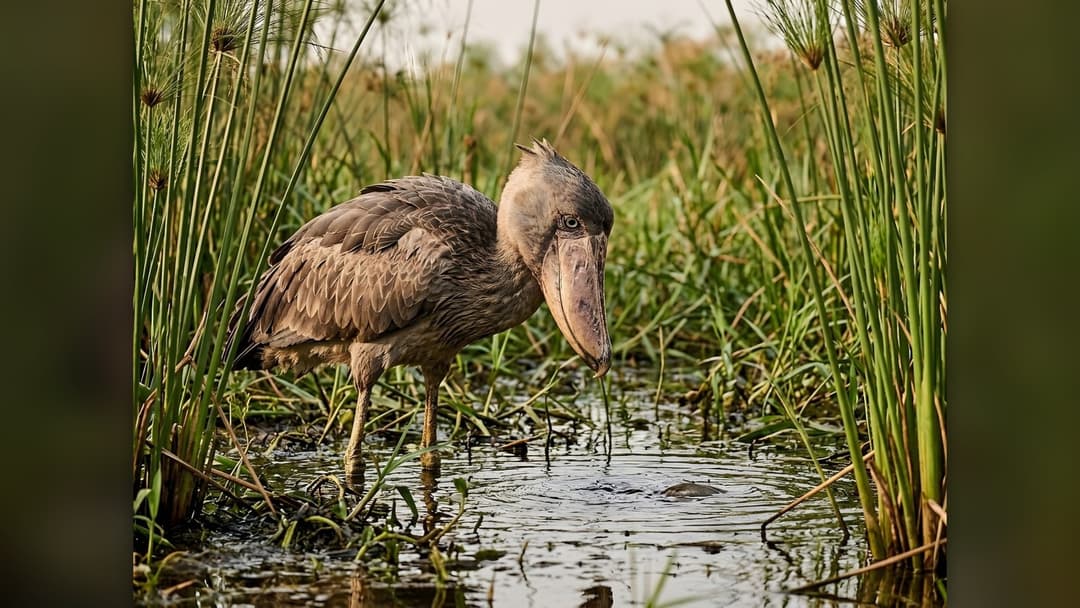
4. Prehistoric Shoebill Stork 
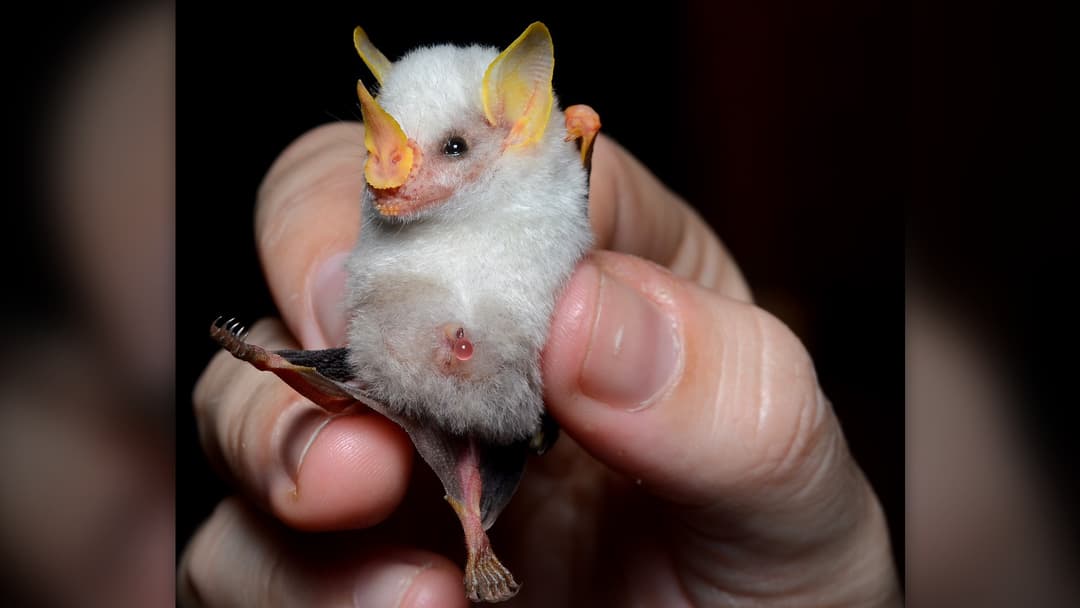
3. Honduran White Bat 
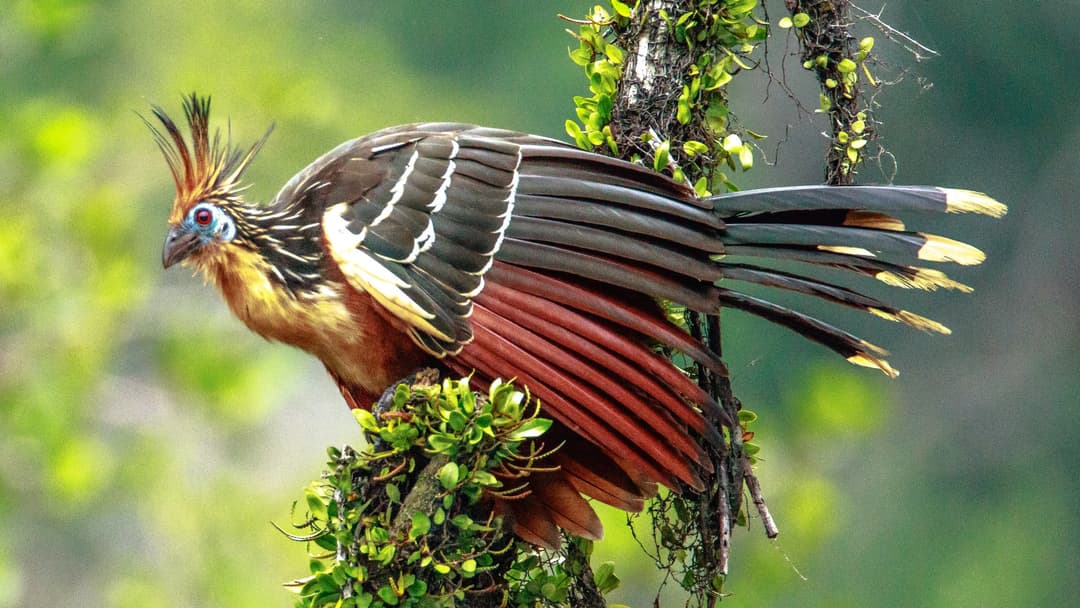
2. Crested Dinosaur Hoatzin - AdvertisementSwipe or tap ▶ to continue countdown

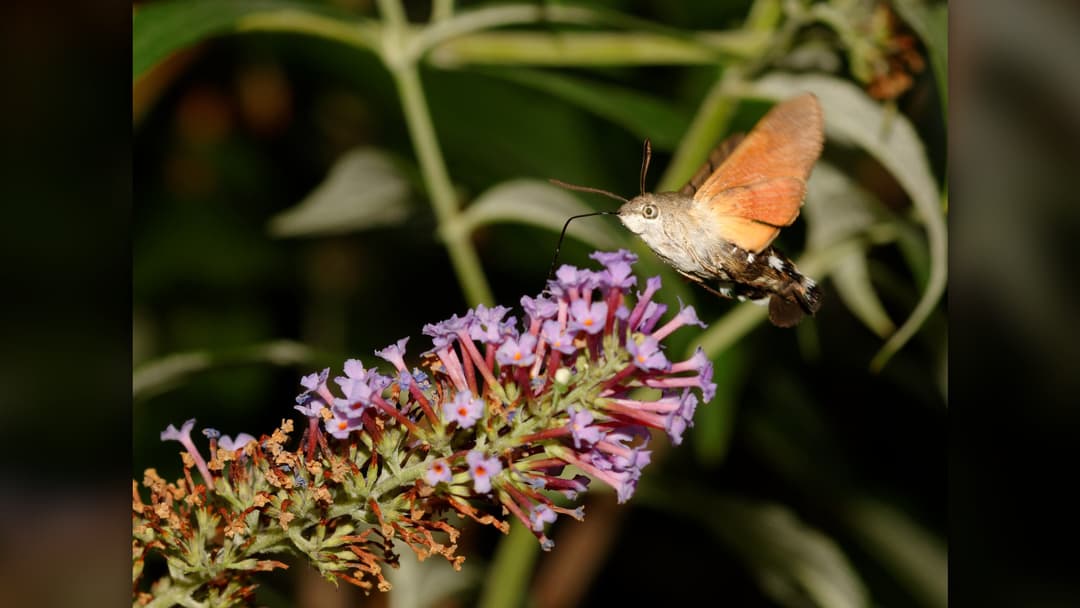
1. Hummingbird Hawk-Moth - Advertisement🔥 UP NEXT IN THIS SERIES◫ 21 Slides

20 Details Behind The Real Story Of Stephen Miller
Nature can be stranger than science fiction. These 20 bizarre species prove our own planet is home to astonishing, extraterrestrial-looking life forms.
Swipe or tap ▶ to begin the countdown
©Pixabay / GabruPawPixels & Wikimedia / nomis-simon
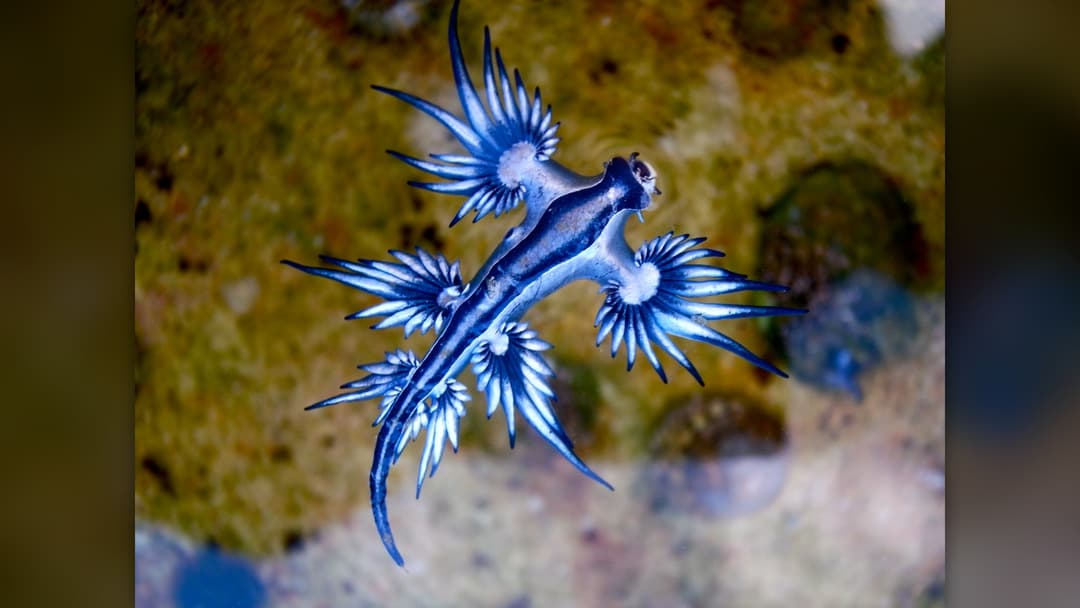
20. Glaucus Atlanticus
Known as the Blue Dragon, Glaucus atlanticus floats upside-down using surface tension, harvesting venom from the Portuguese man o' war to arm its finger-like cerata.
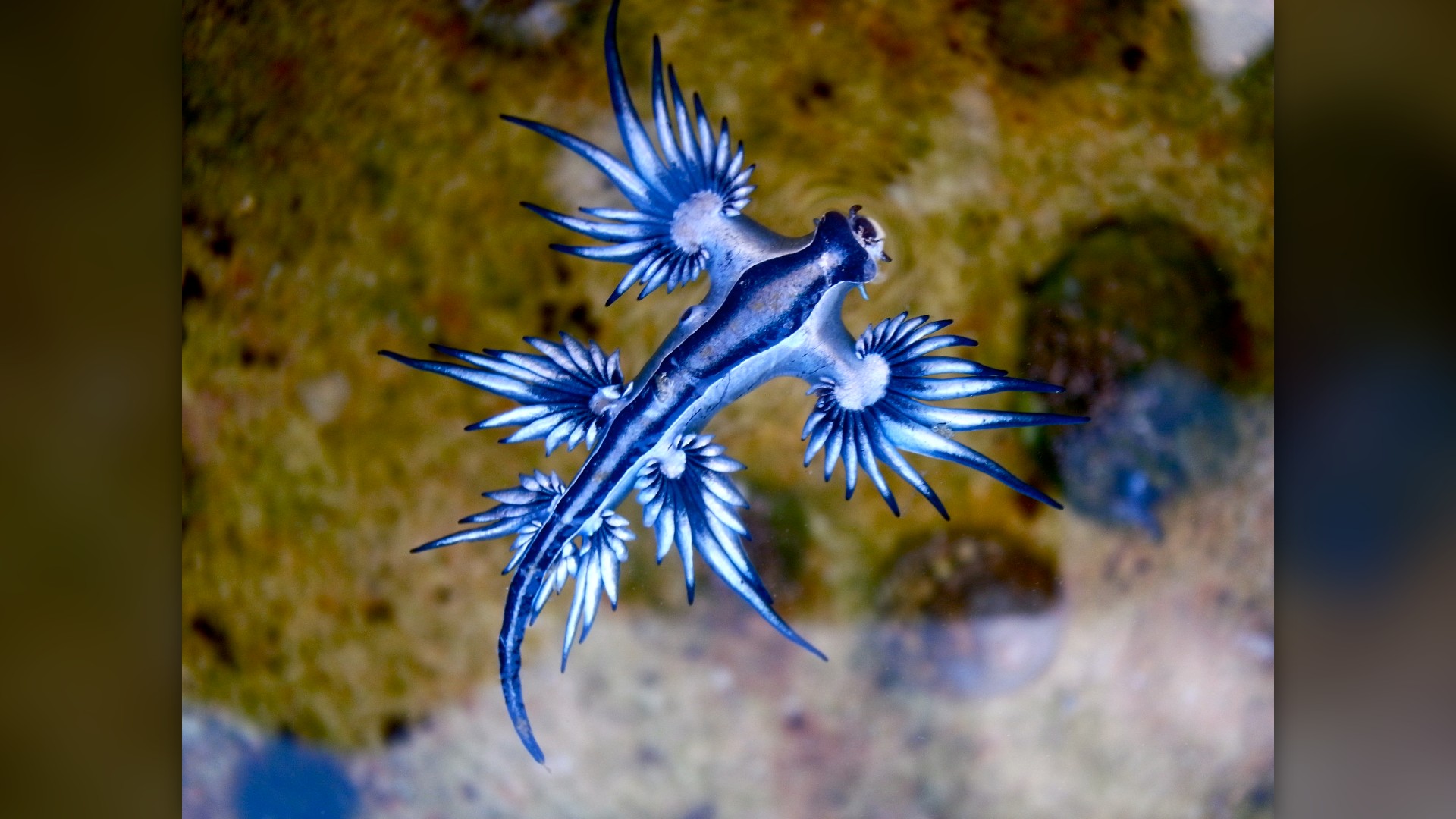
©Wikimedia / Sylke Rohrlach from Sydney
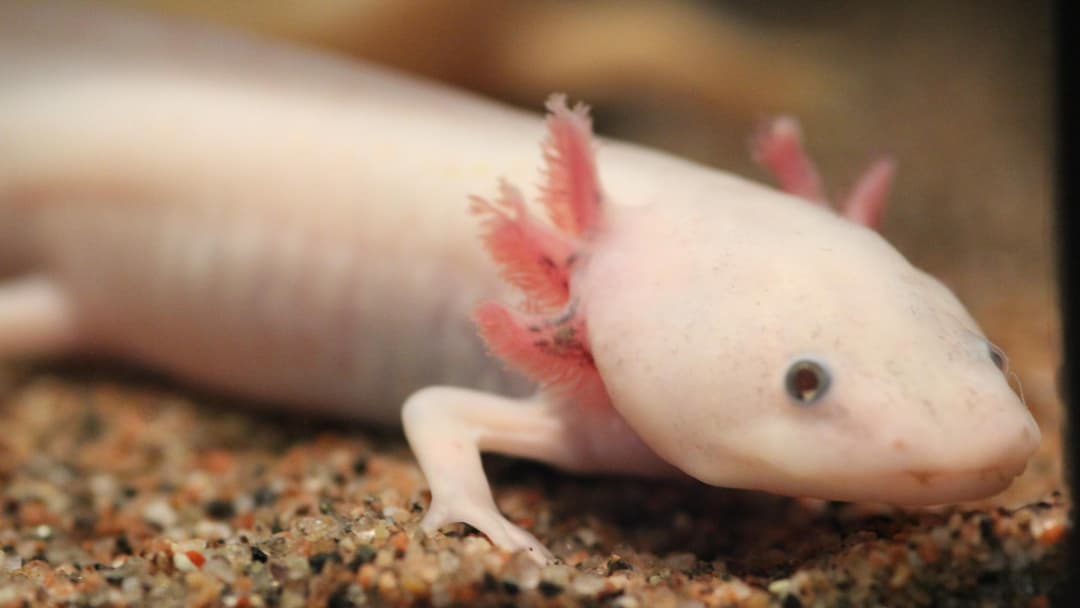
19. Mexican Axolotl
Native exclusively to Lake Xochimilco, the axolotl retains its aquatic larval form into adulthood and can regenerate complete lost limbs, organs, and spinal tissue.
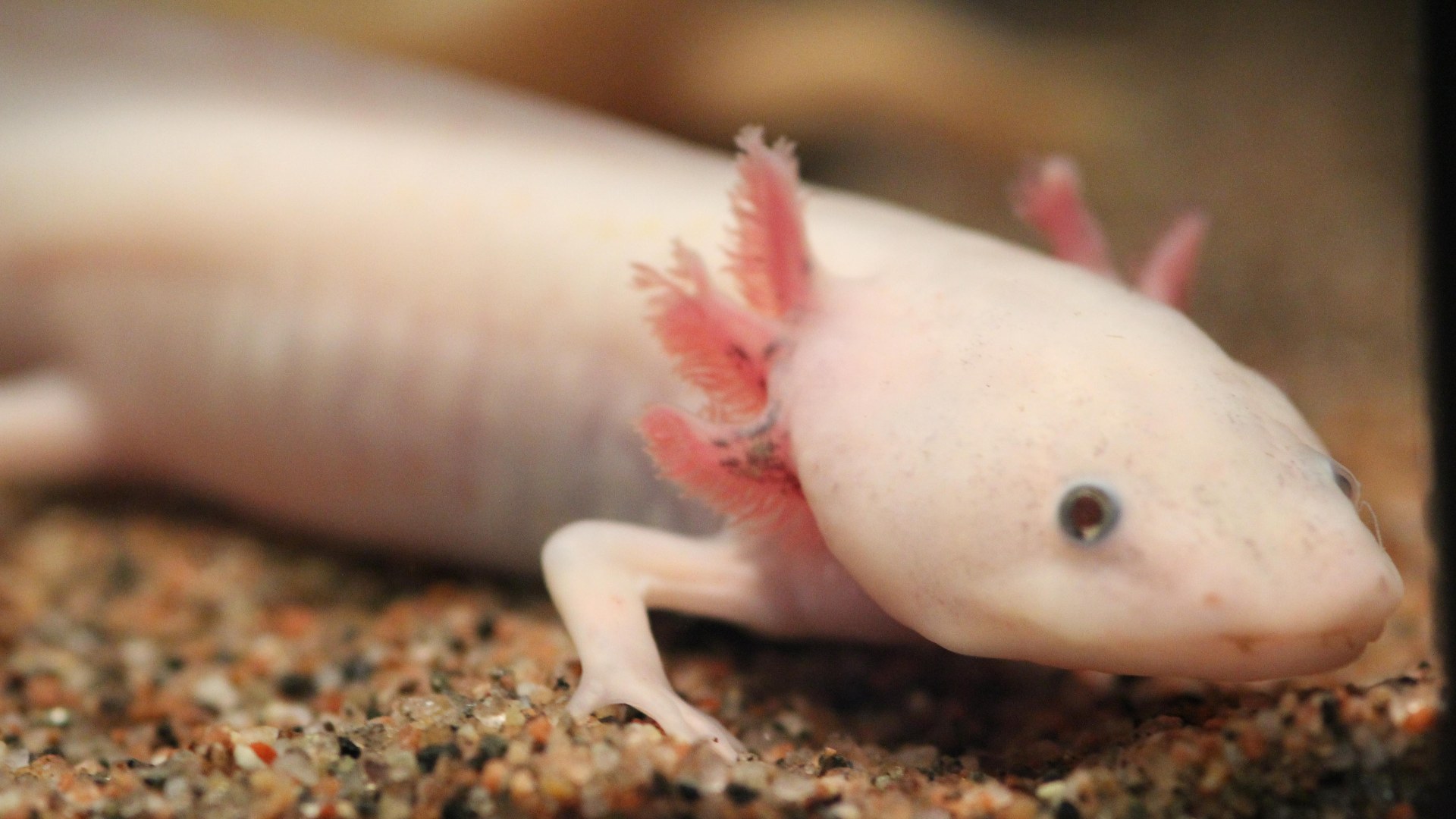
©Wikimedia / Ruben Undheim
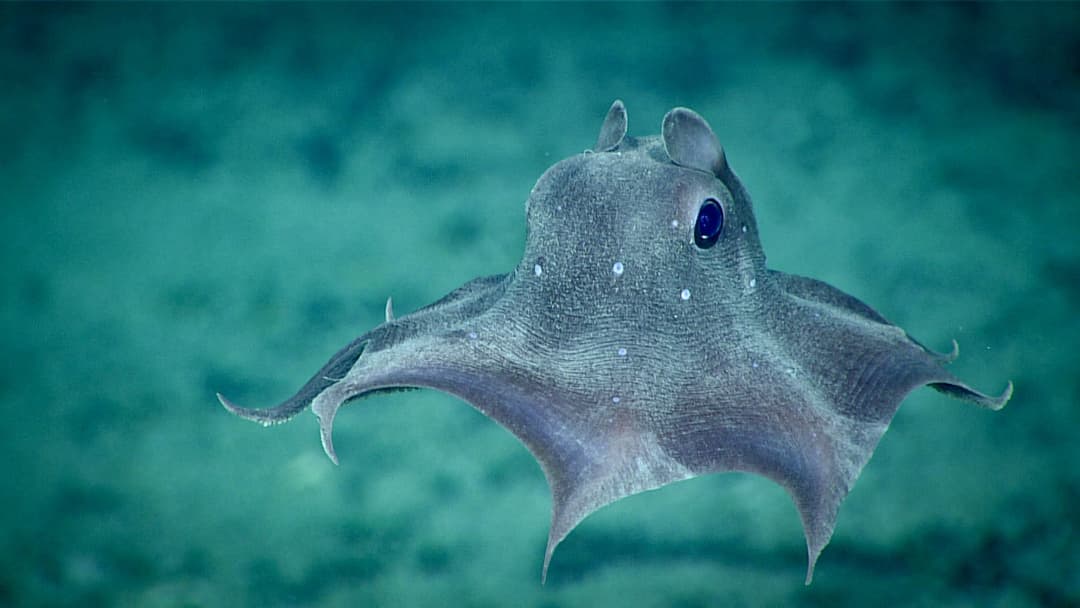
18. Deep-Sea Dumbo Octopus
Living in the pitch-black abyss down to 7,000 meters, Grimpoteuthis uses ear-like head fins to glide serenely above ocean trenches without ever seeing sunlight.
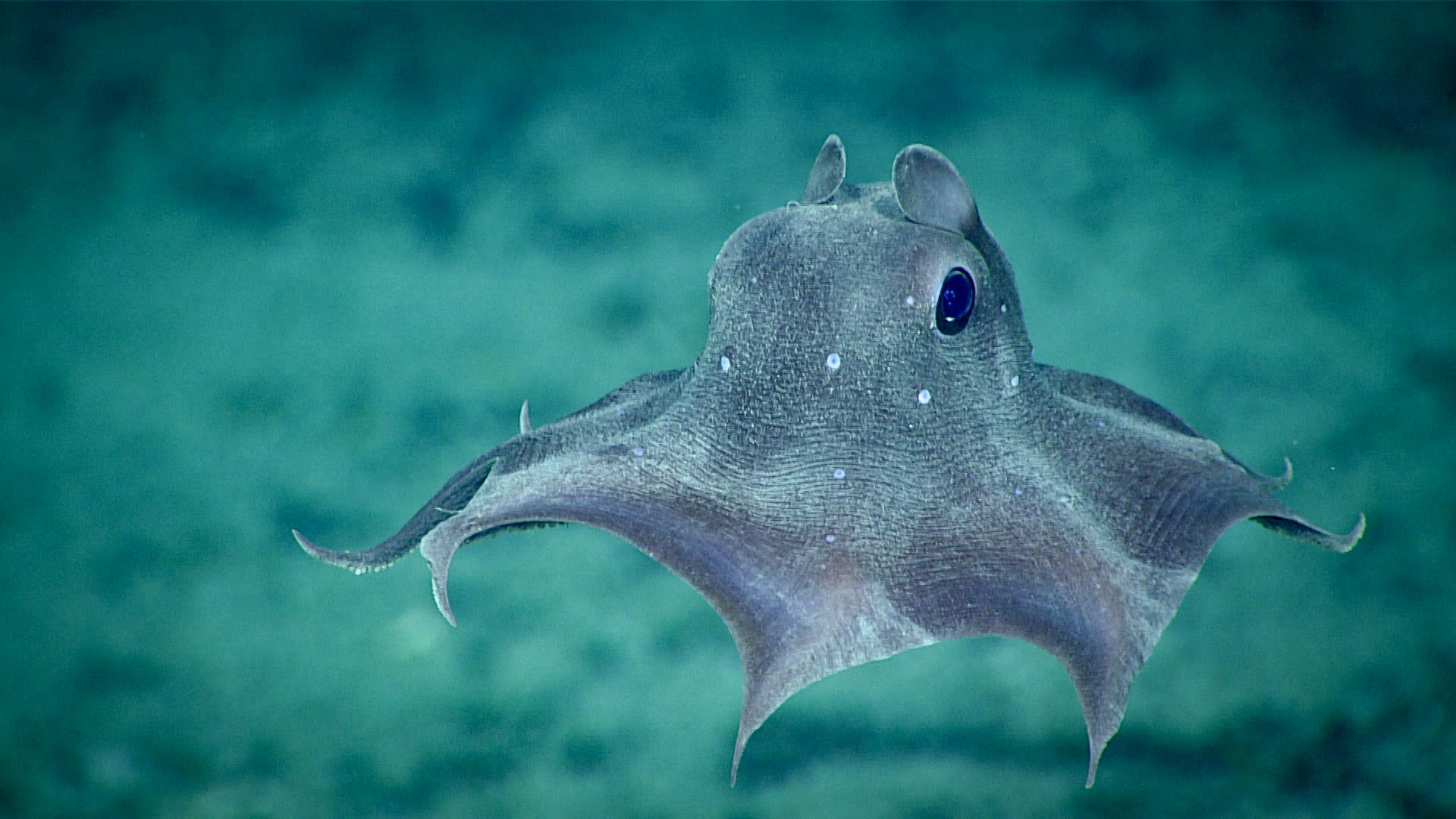
©Wikimedia / NOAA Ocean Exploration & Research from
Advertisement
Swipe or tap ▶ to resume the countdown.
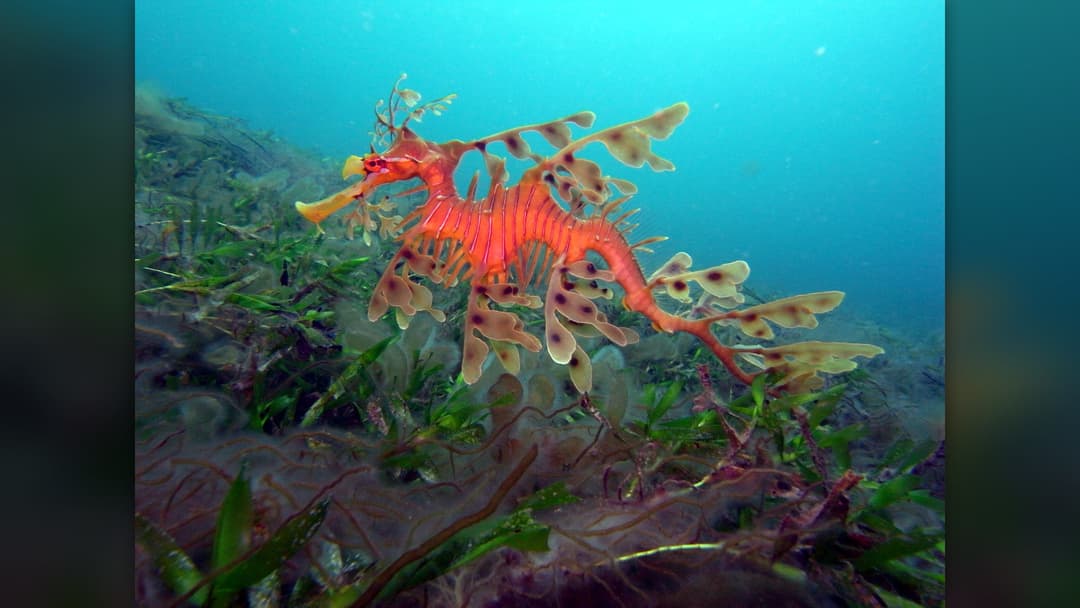
17. Leafy Seadragon
Endemic to southern Australian waters, Phycodurus eques relies on elaborate floating leaf-shaped lobes that simulate drifting kelp, propelling itself with nearly invisible fins.
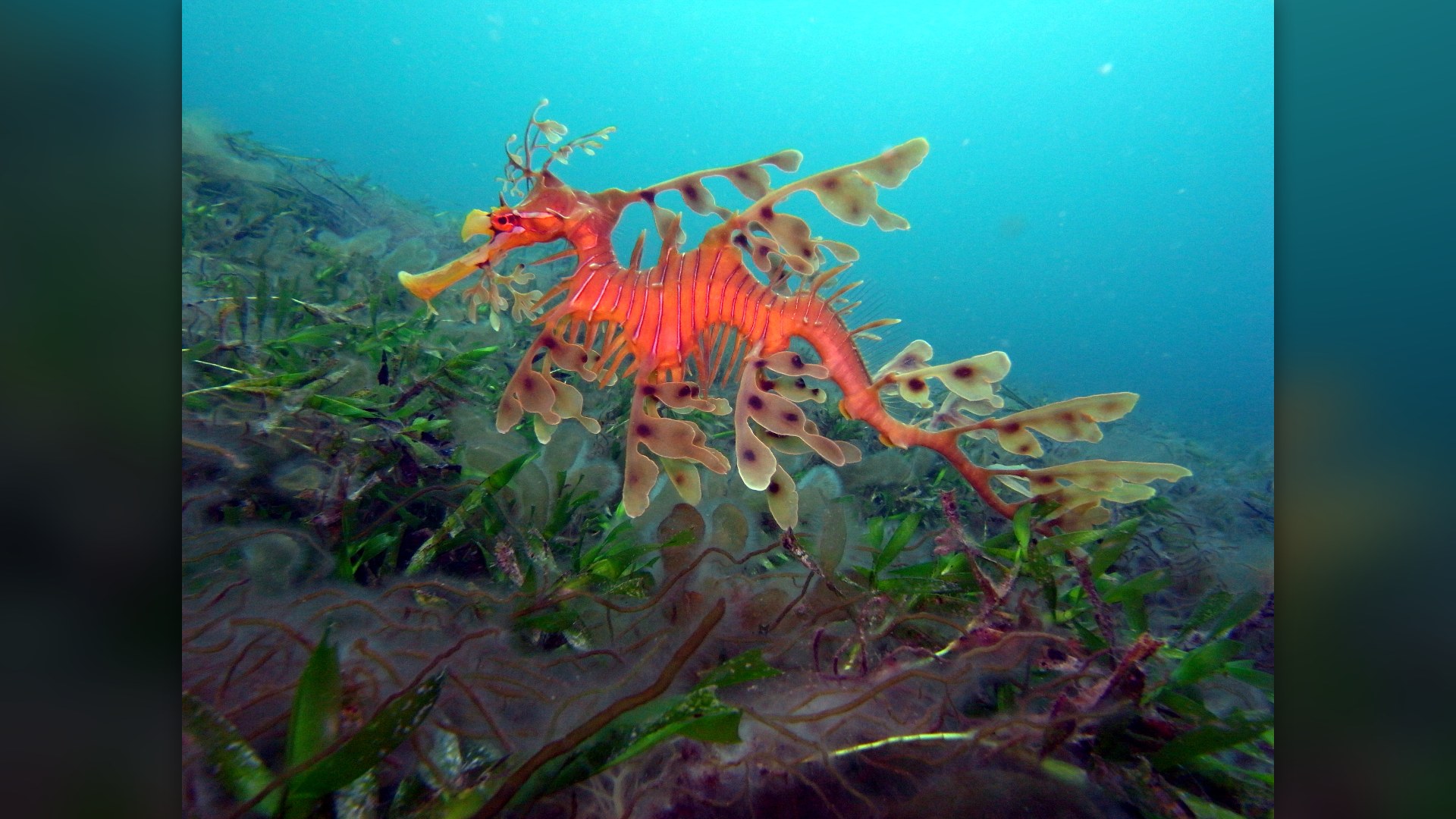
©Wikimedia / Sylke Rohrlach
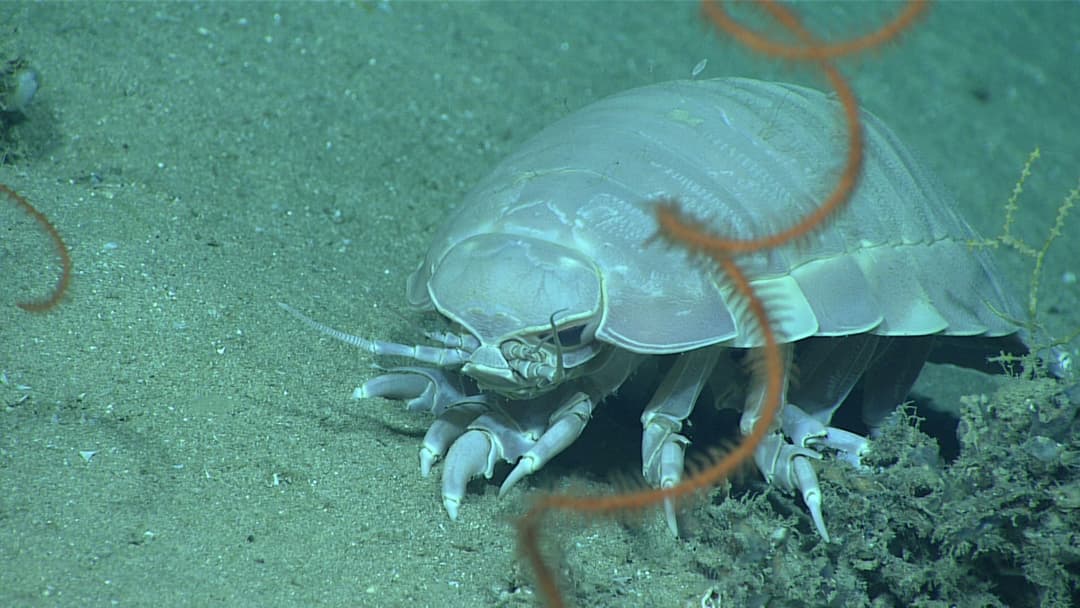
16. Giant Abyssal Isopod
Bathynomus giganteus is a classic example of deep-sea gigantism, roaming benthic ocean beds under crushing hydrostatic pressure and scavenging whale falls.
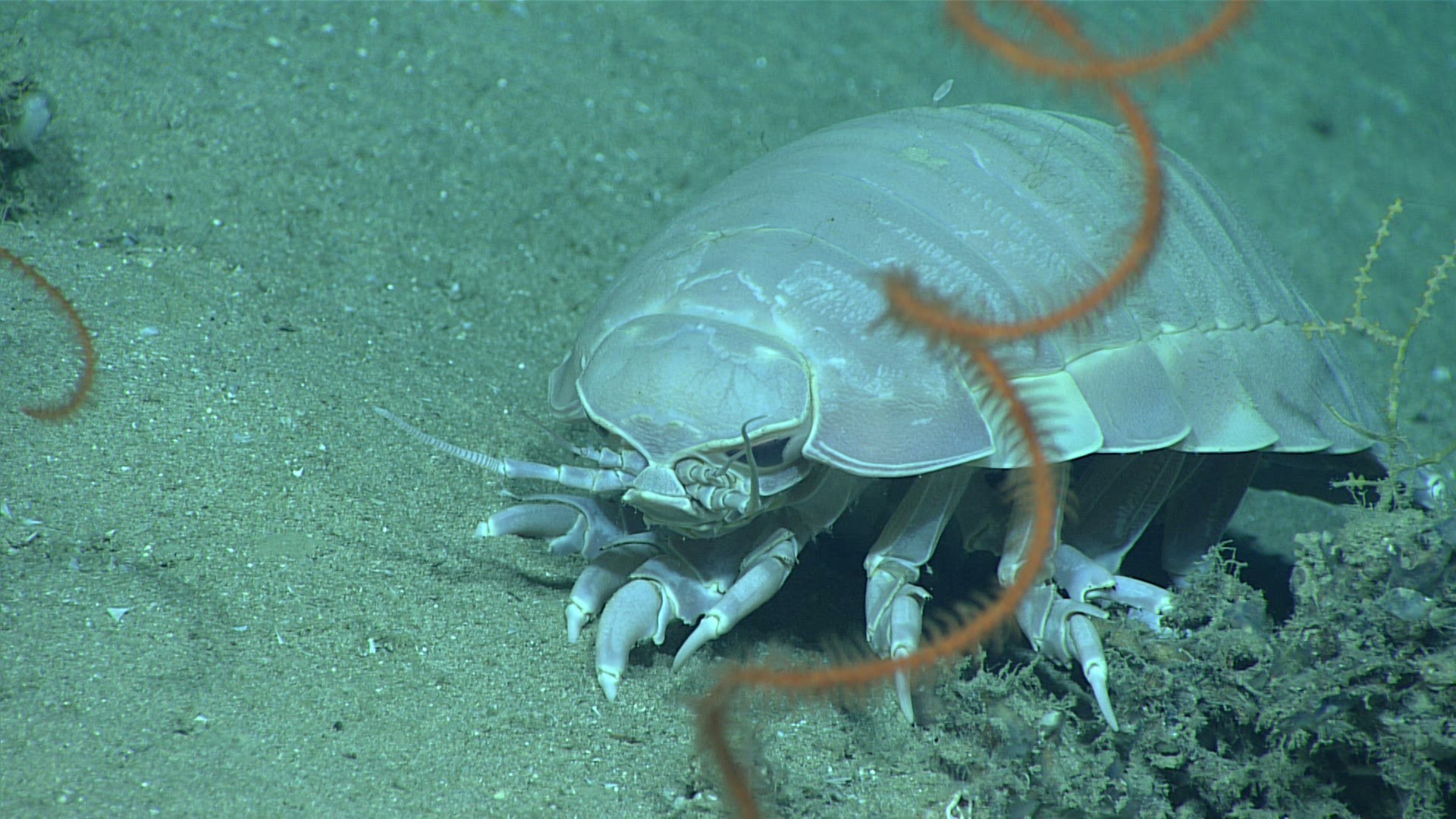
©Wikimedia / NOAA
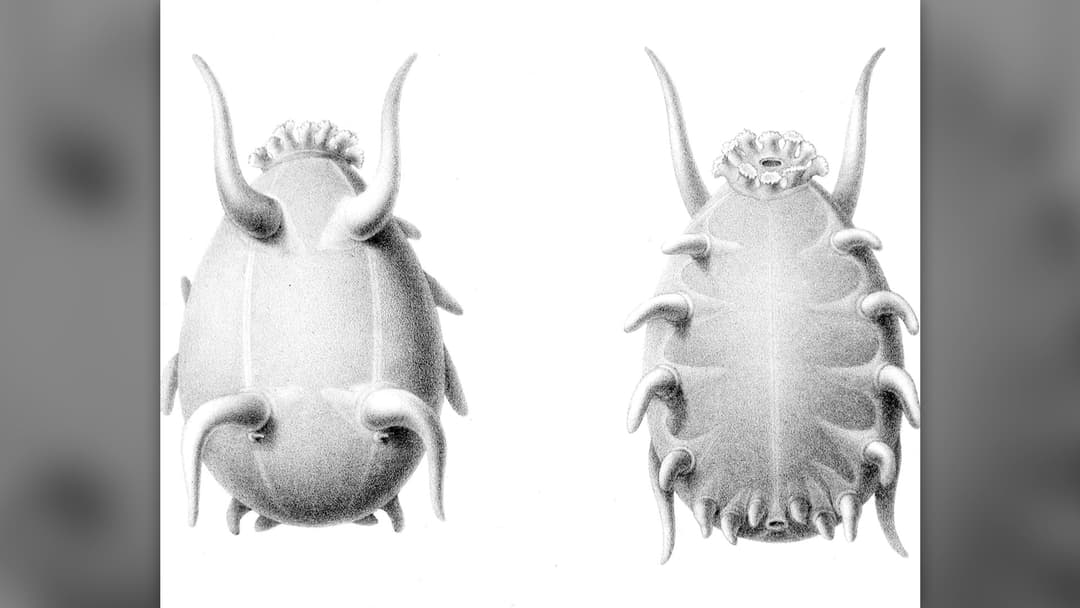
15. Benthic Sea Pig
Scotoplanes globosa roams the deepest ocean plains on hydraulic tube feet, using sensory antennas to detect organic marine snow drifting down from the sunny surface.
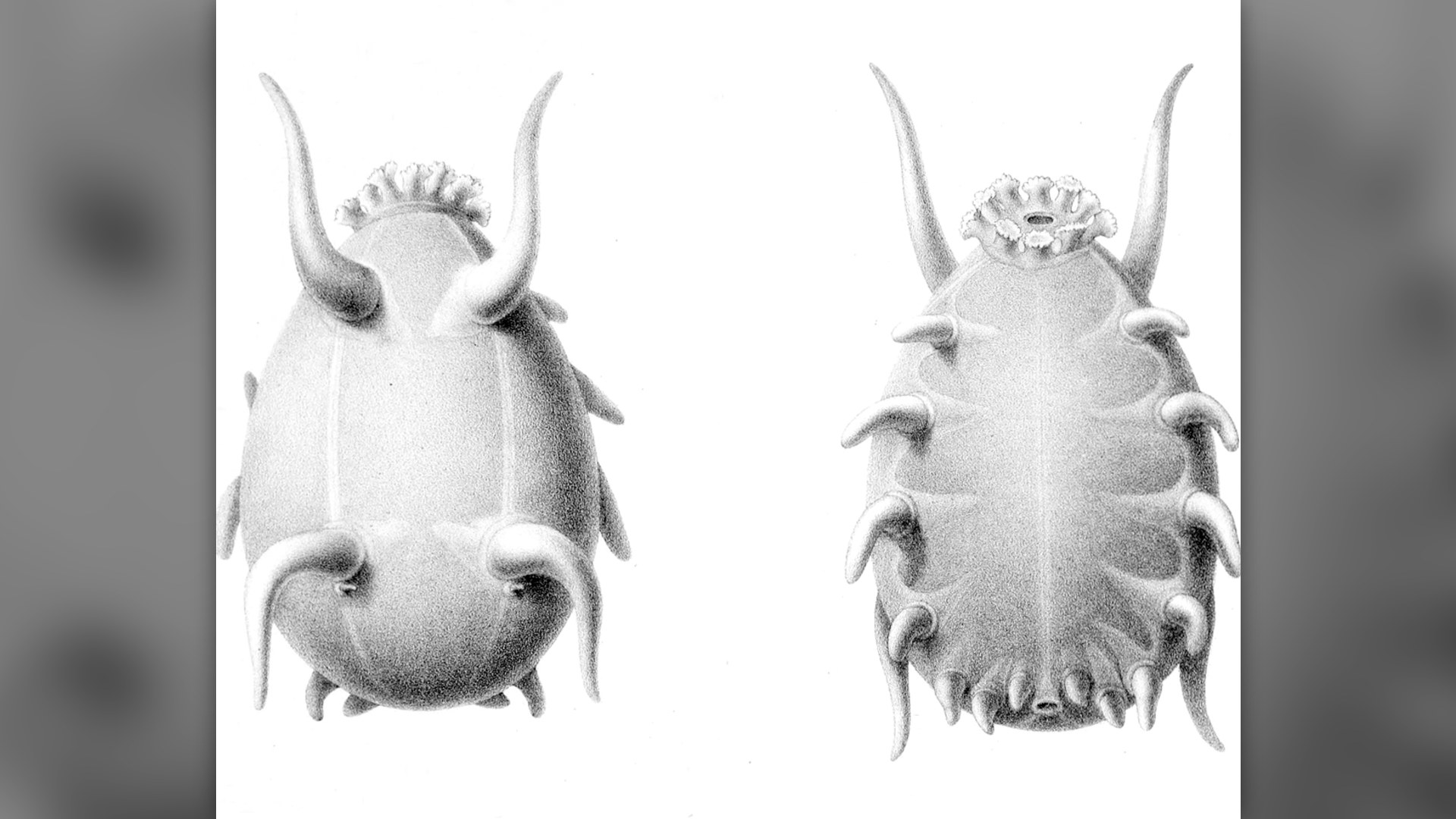
©Wikimedia / Lindberg / NOAA
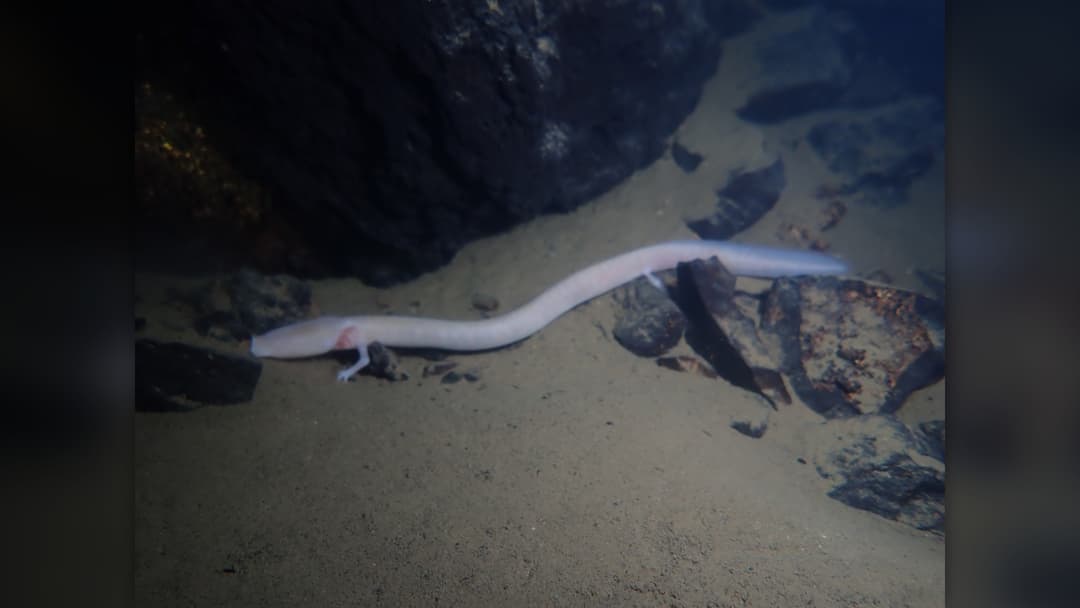
14. Subterranean Olm
Endemic to dark subterranean limestone caves of the Dinaric Alps, the olm possesses pale fleshy skin, underdeveloped eyes, and an astonishing lifespan exceeding 100 years.
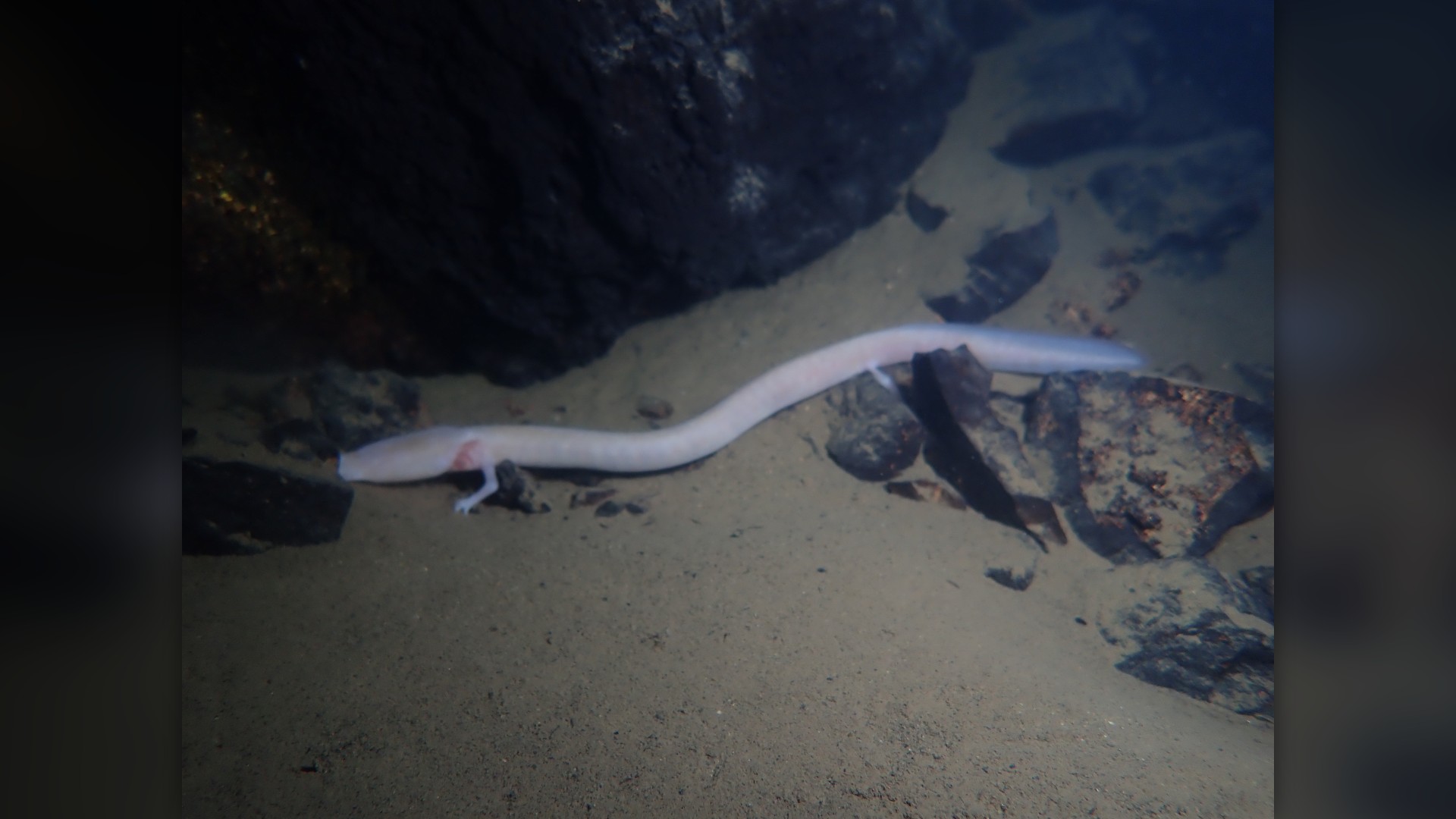
©Wikimedia / Julien Renoult
Advertisement
Swipe or tap ▶ to resume the countdown.
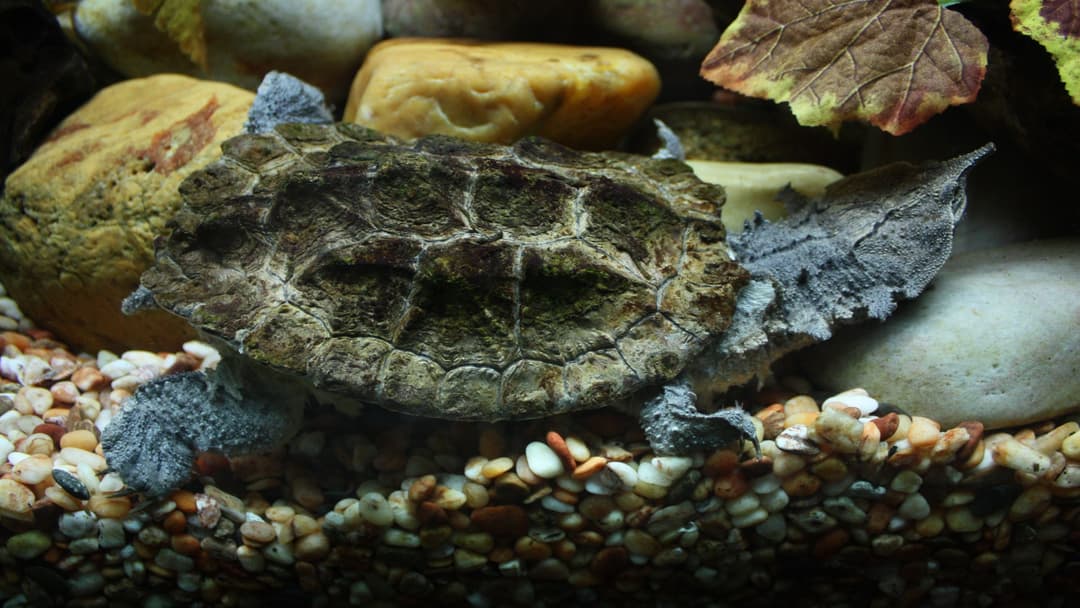
13. Mata Mata Turtle
Hiding on muddy Amazon river bottoms, the mata mata turtle resembles rotting bark. When prey approaches, it expands its huge throat to vacuum fish in milliseconds.
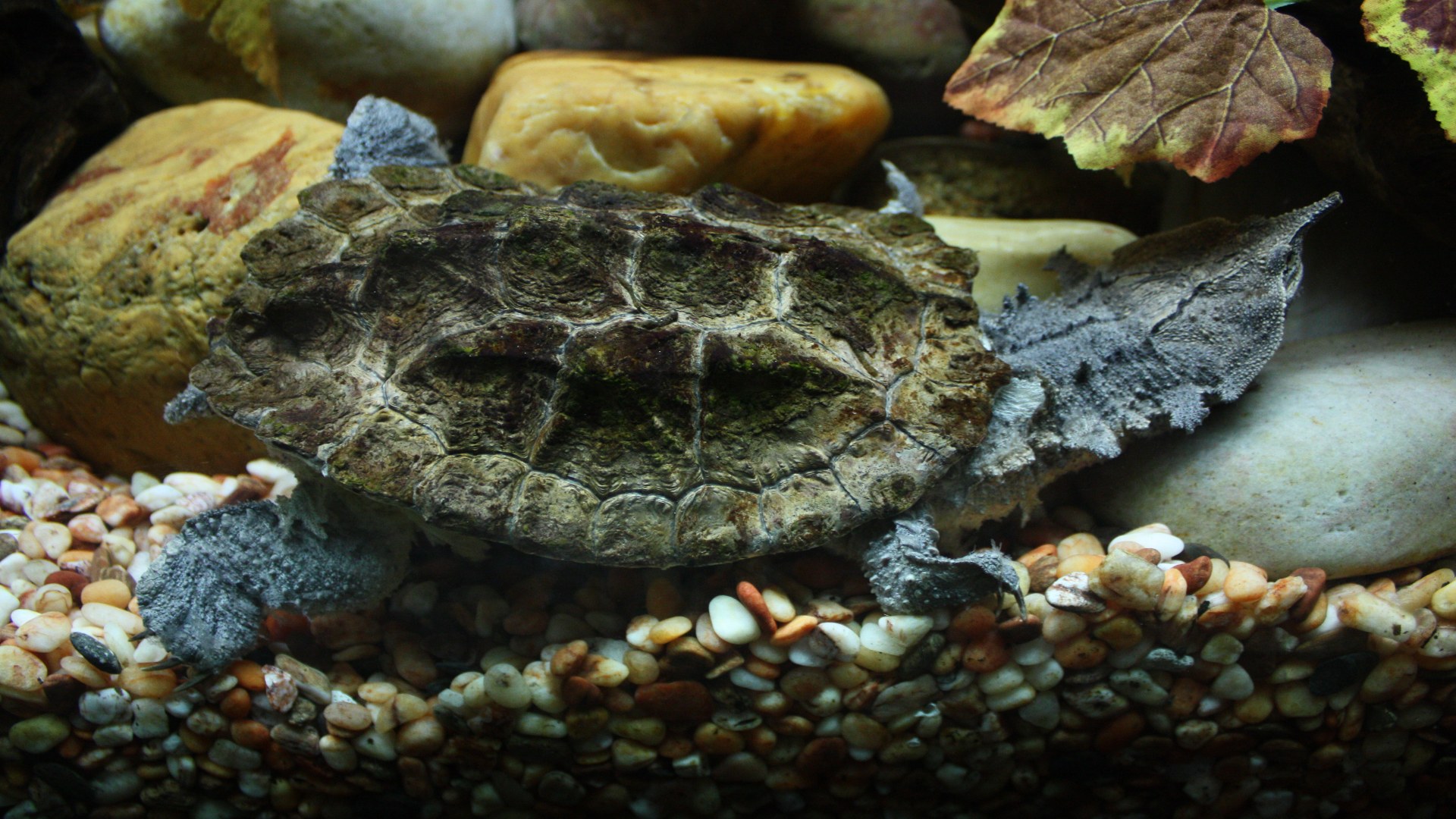
©Wikimedia / J. Patrick Fischer
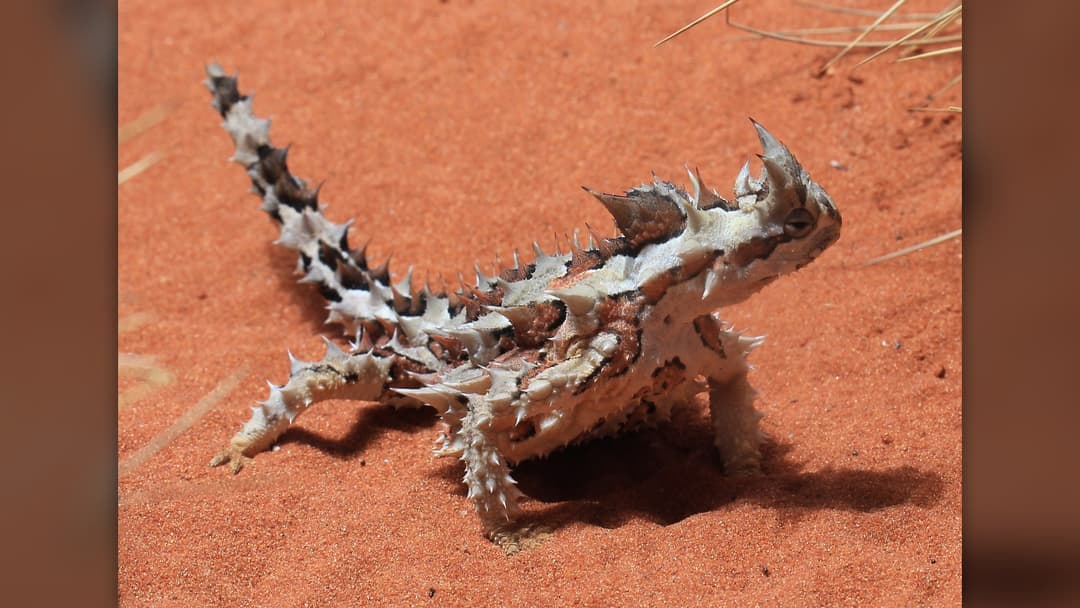
12. Australian Thorny Devil
Moloch horridus features microscopic hygroscopic skin grooves that use capillary action to funnel morning moisture straight to its mouth while confusing predators with a false head.
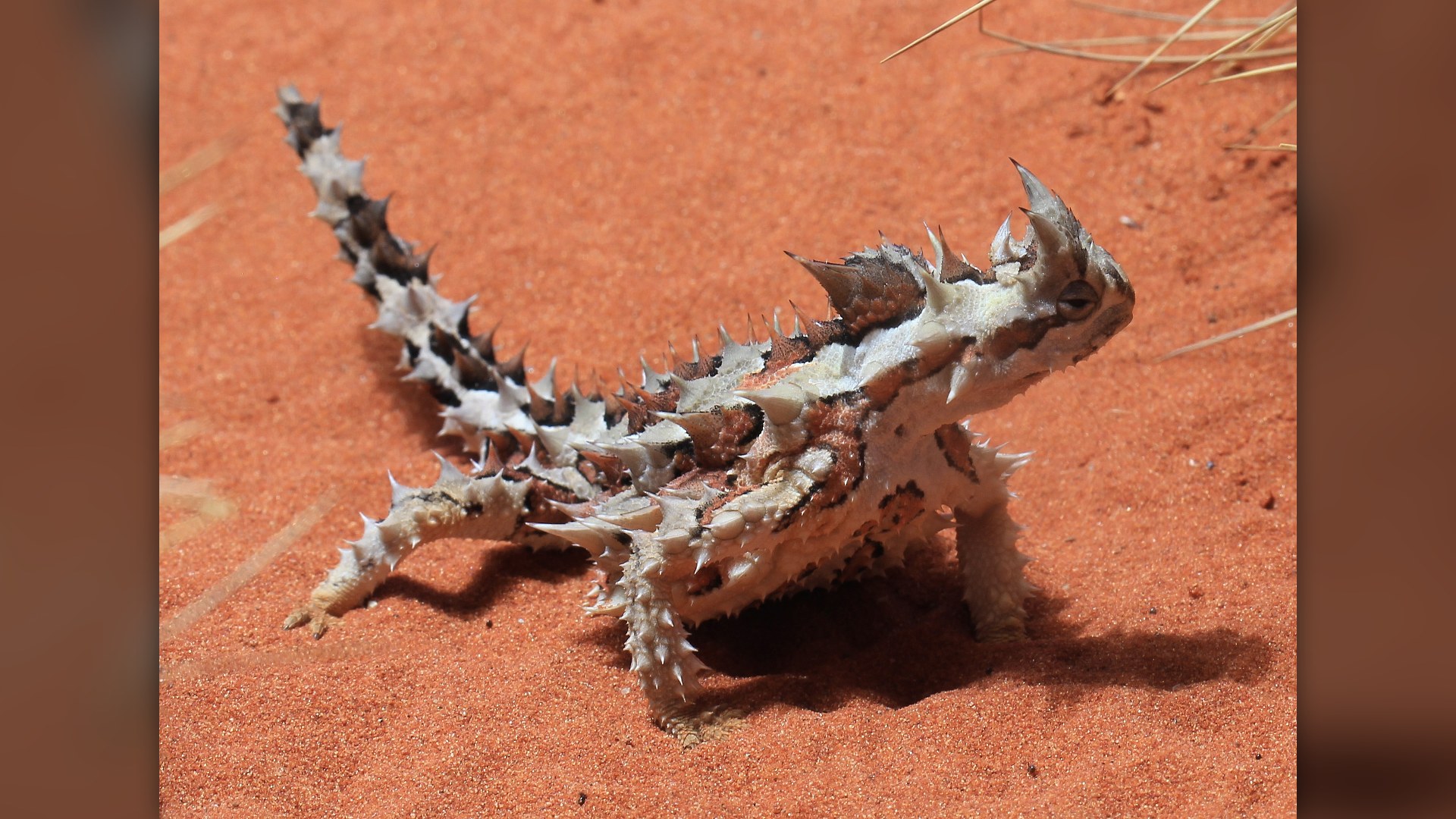
©Wikimedia / Stu's Images
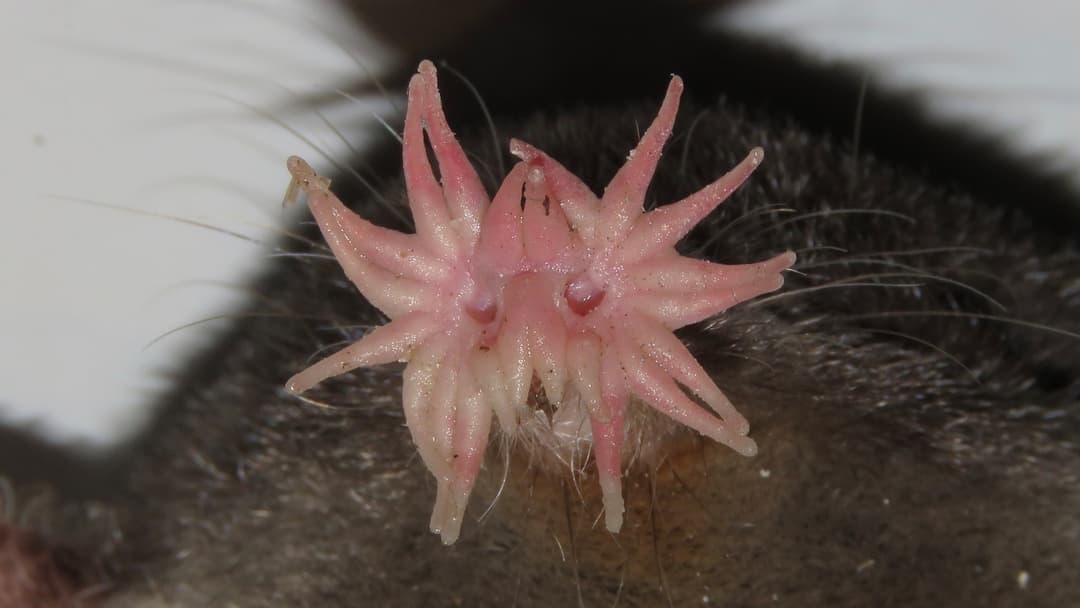
11. Star-Nosed Mole
The star-nosed mole's snout is lined with more than 25,000 microscopic sensory receptors known as Eimer's organs, making it the fastest foraging mammal on Earth.
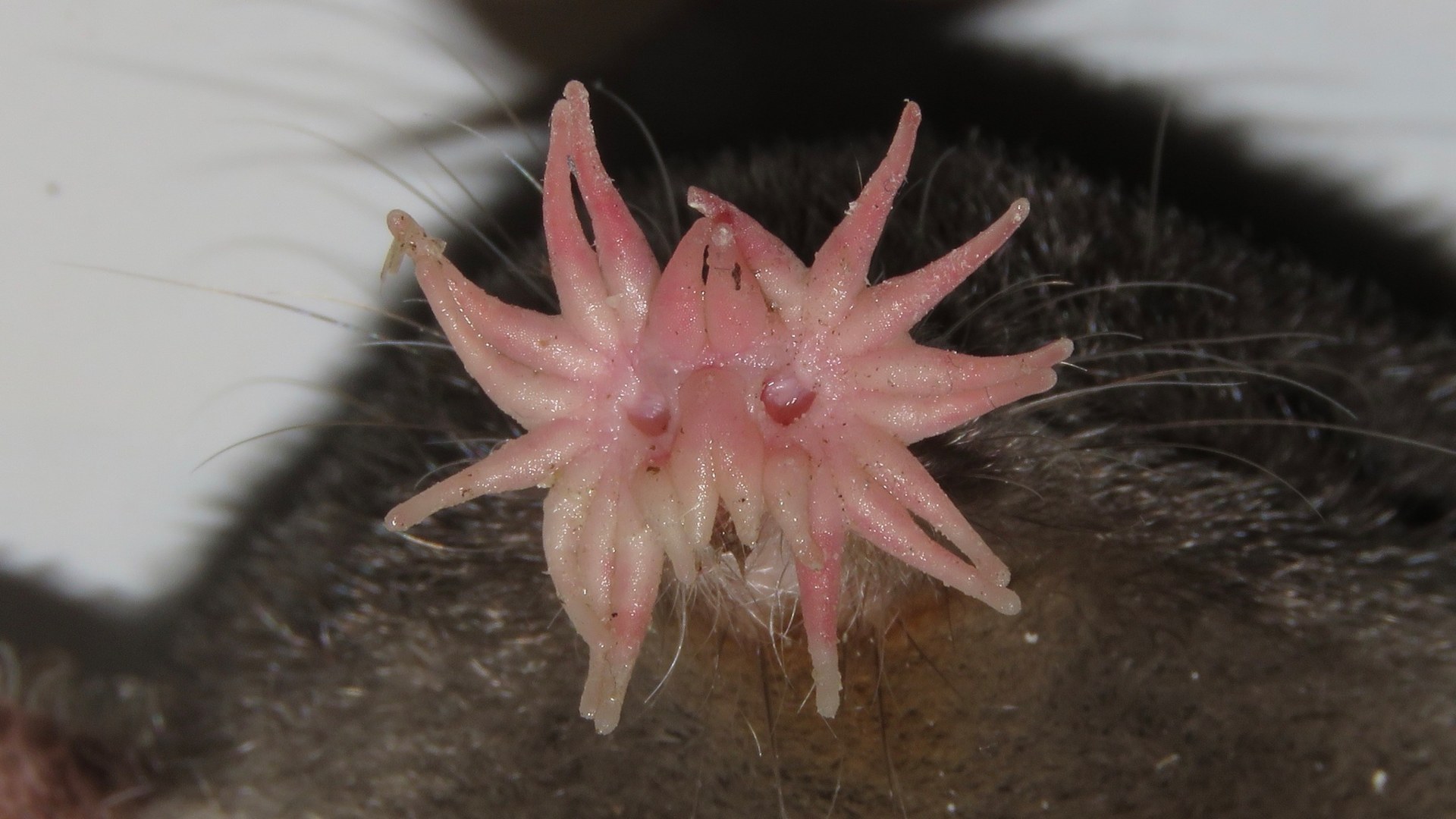
©Wikimedia / Dan MacNeal
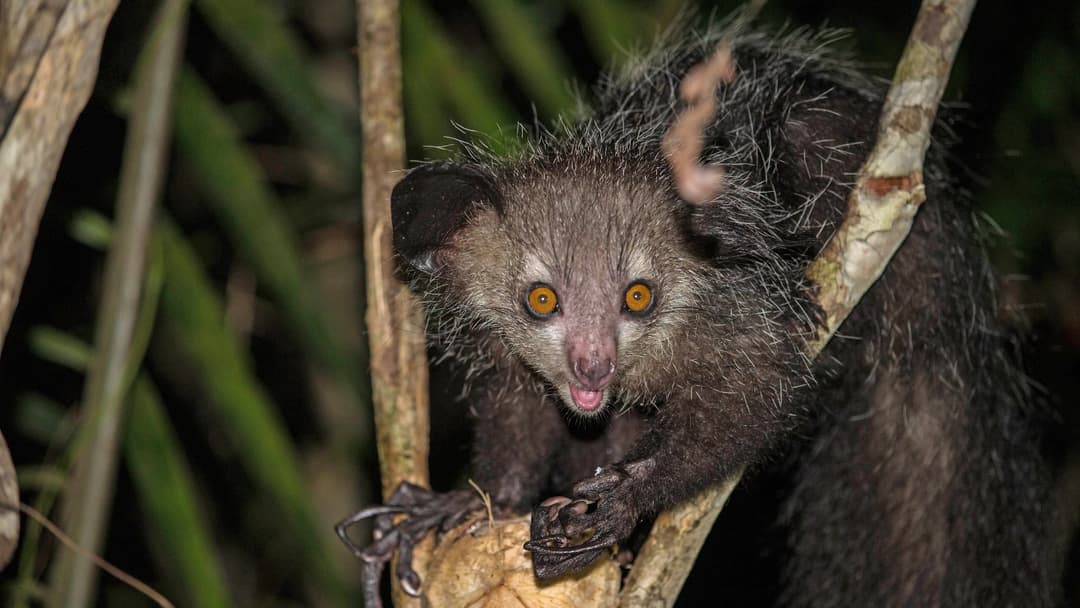
10. Madagascar Aye-Aye
The aye-aye uses echolocation-like percussive foraging: it taps tree trunks at up to eight times per second with its elongated middle digit to pinpoint hollow insect galleries.
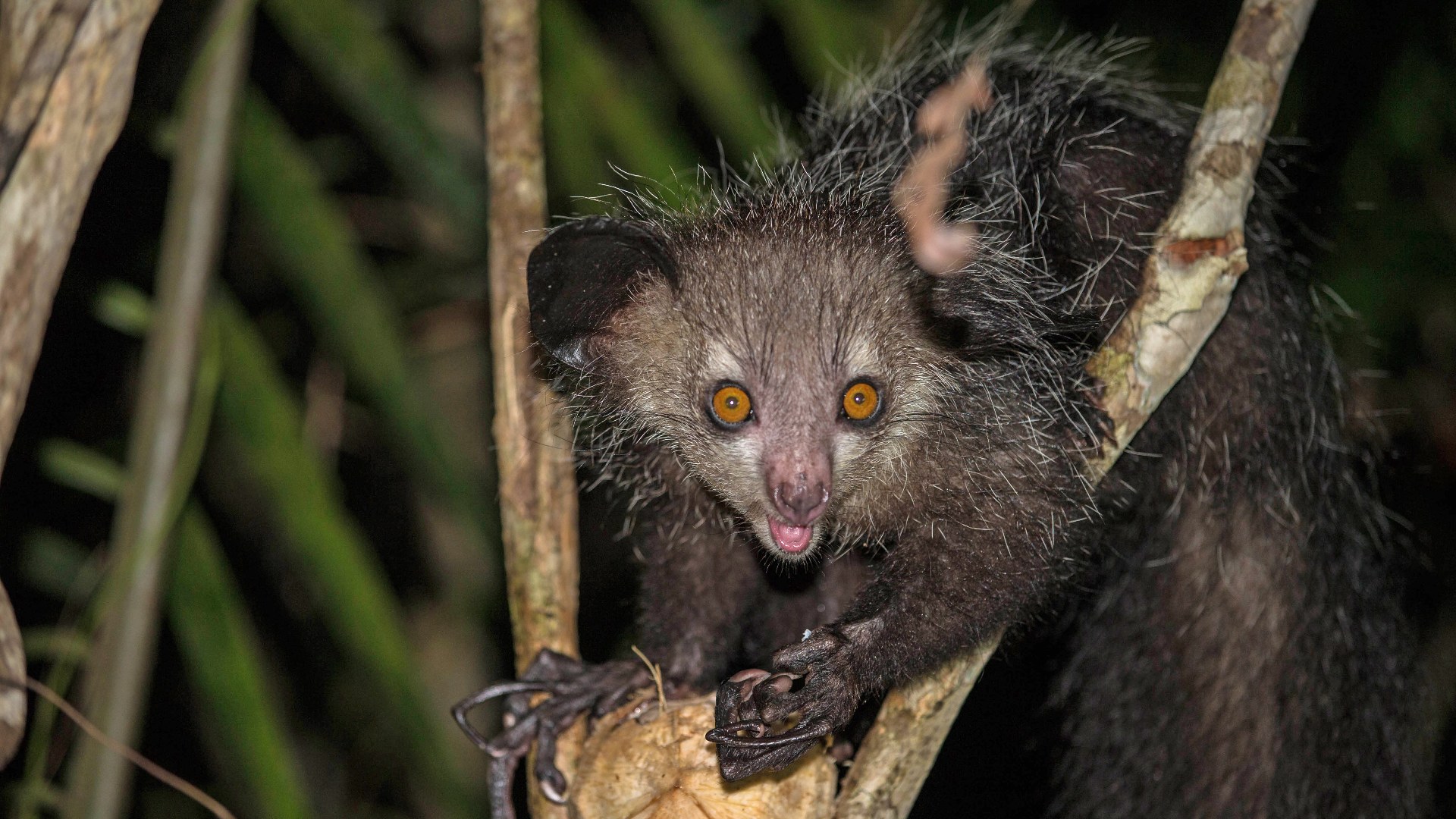
©Wikimedia / nomis-simon
Advertisement
Swipe or tap ▶ to resume the countdown.
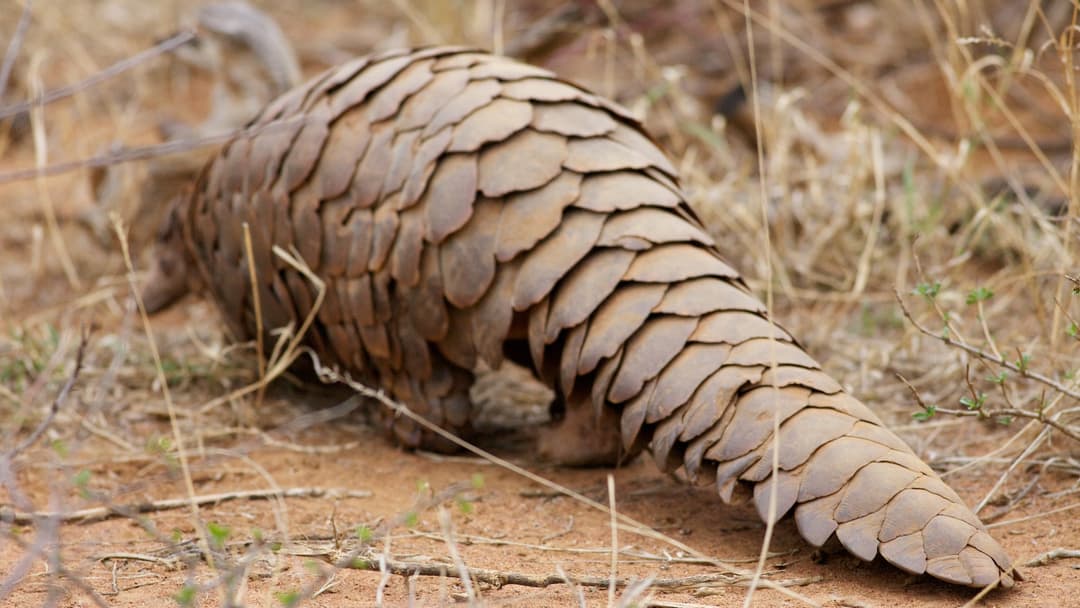
9. Scaled Ground Pangolin
Pangolins are the only mammals entirely covered in tough overlapping keratin scales. When threatened, they roll into an impenetrable spherical boulder.
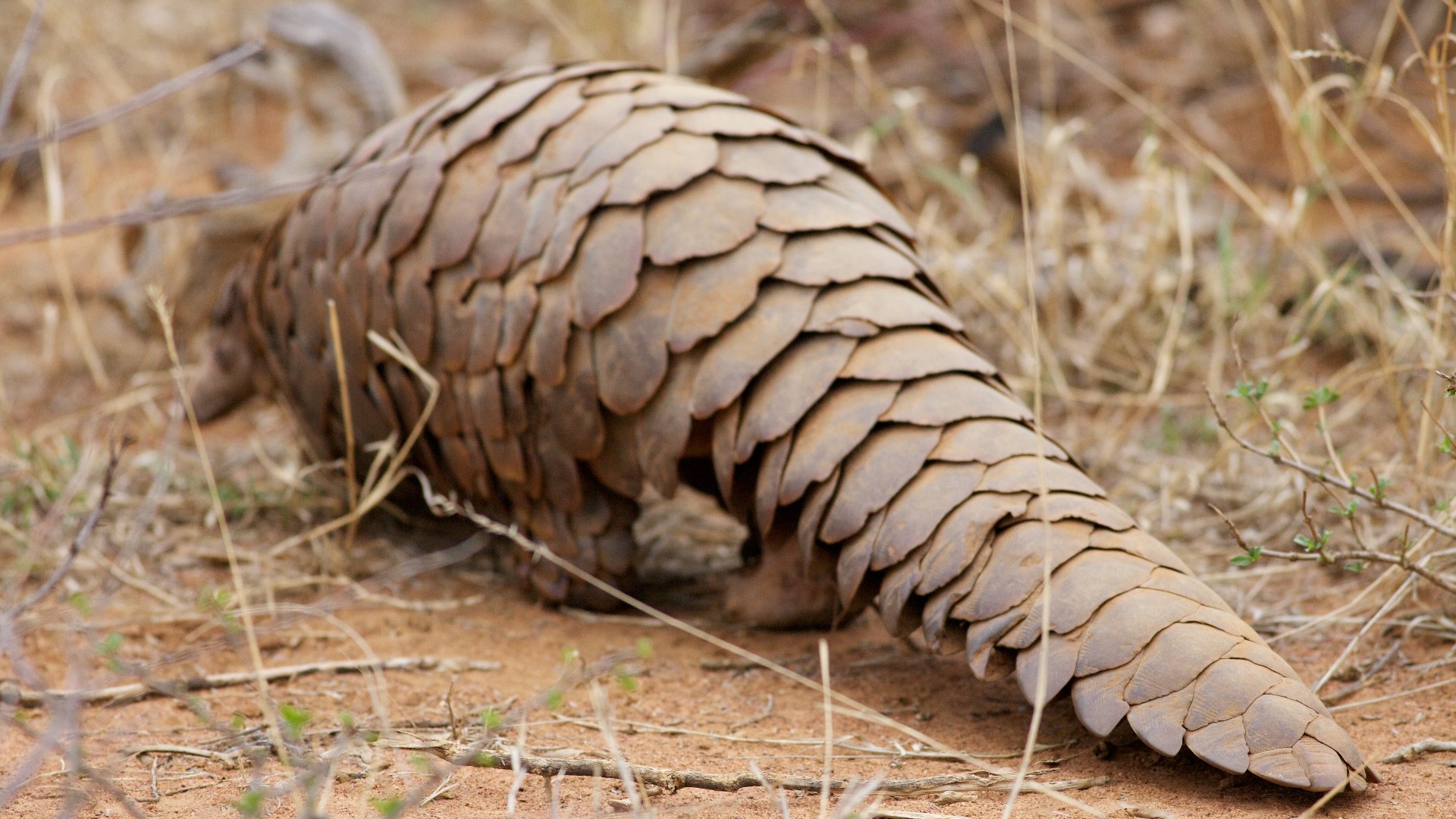
©Wikimedia / David Brossard
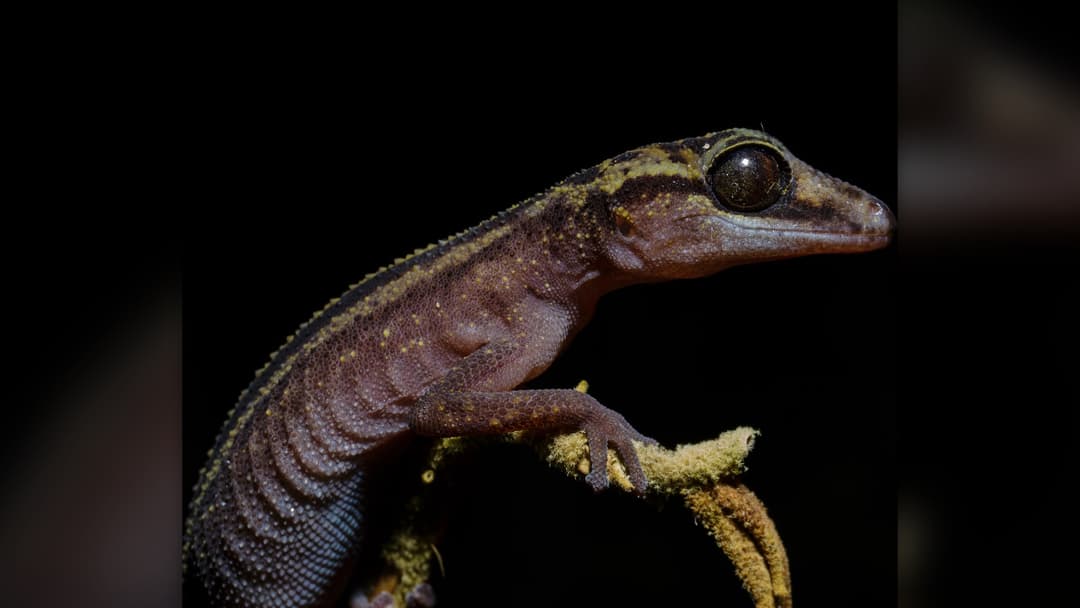
8. Satanic Leaf-Tailed Gecko
Uroplatus phantasticus blends perfectly into Madagascar's fallen foliage thanks to a flattened body, moss-mimicking coloration, and a tail with artificial decay notches.
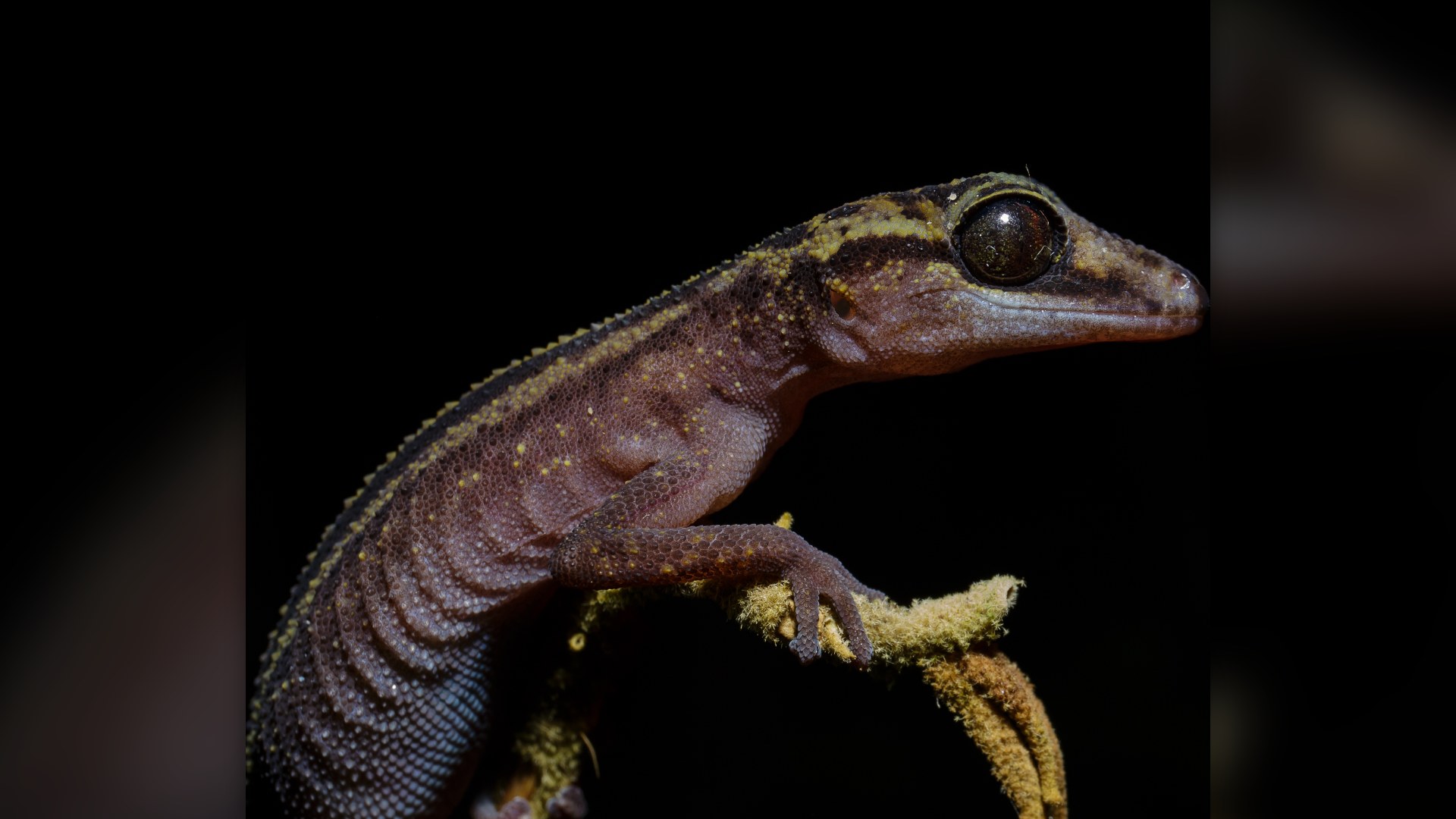
©Wikimedia / Thomas Fuhrmann
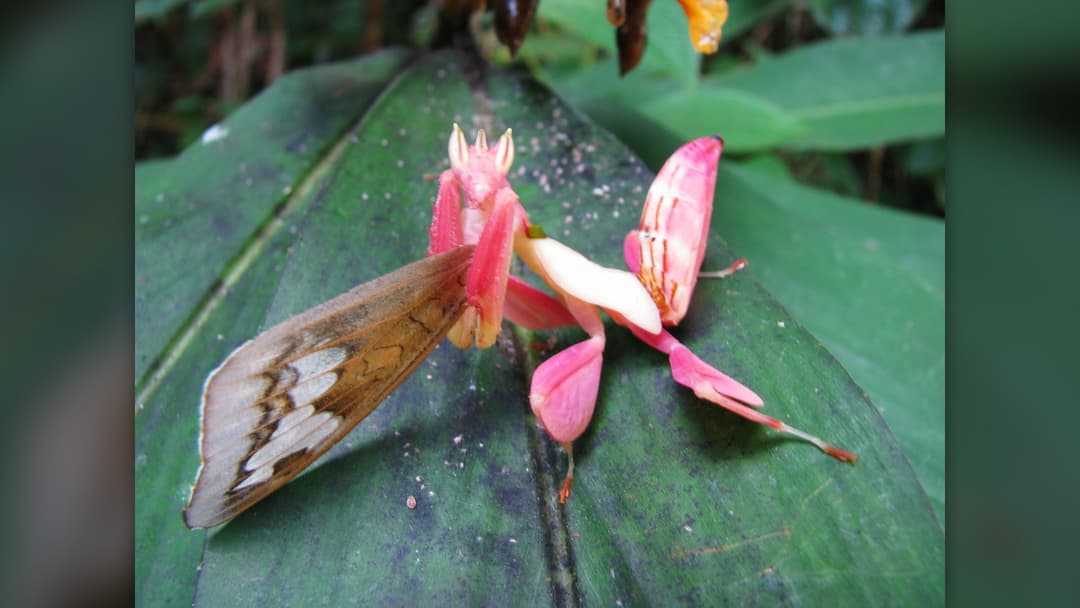
7. Malaysian Orchid Mantis
Hymenopus coronatus uses aggressive mimicry: its petal-shaped walking legs and pinkish-white exoskeleton attract pollinating insects closer than genuine flowers do.
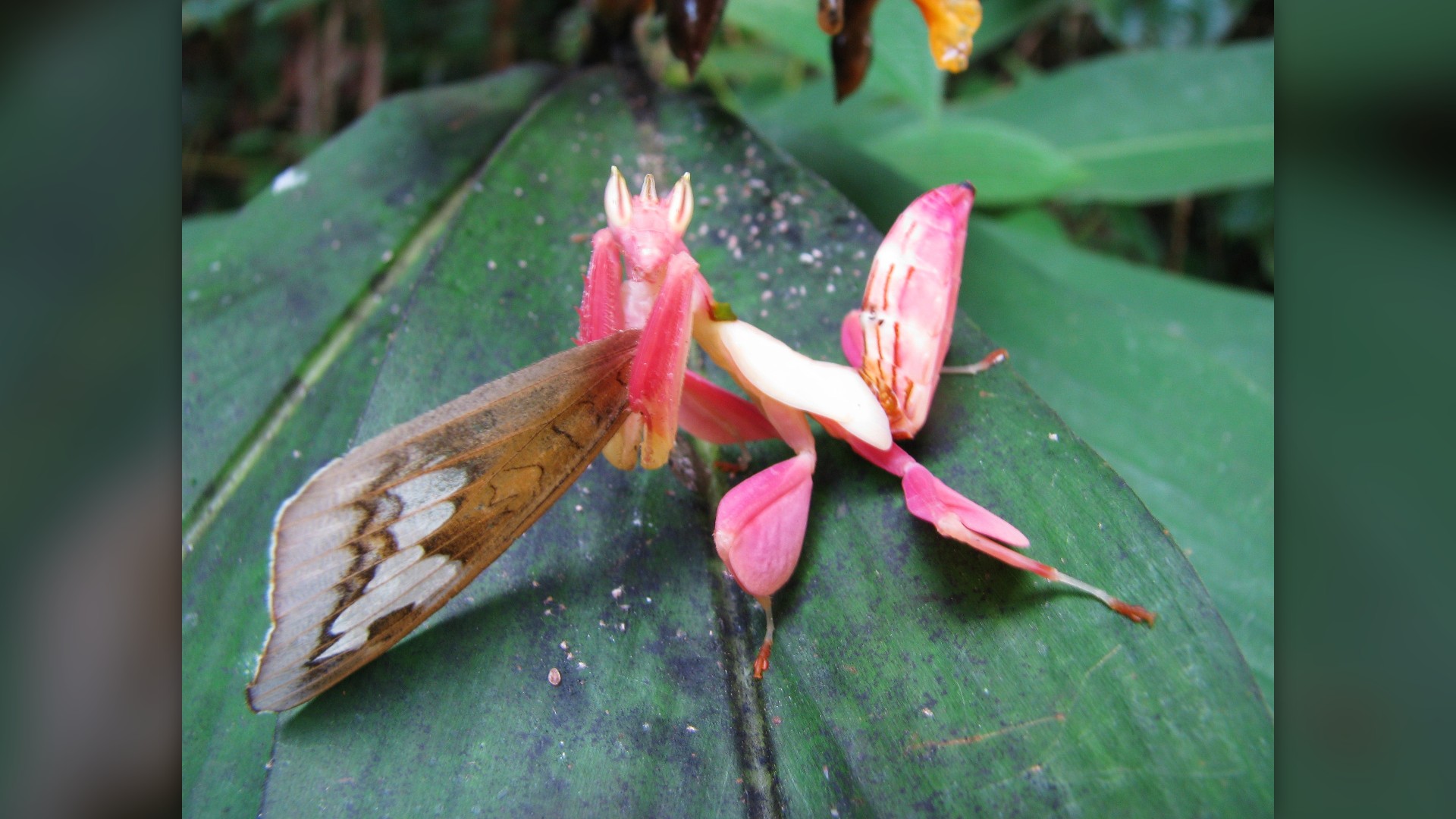
©Wikimedia / Pavel Kirillov from St.Petersburg, Russia
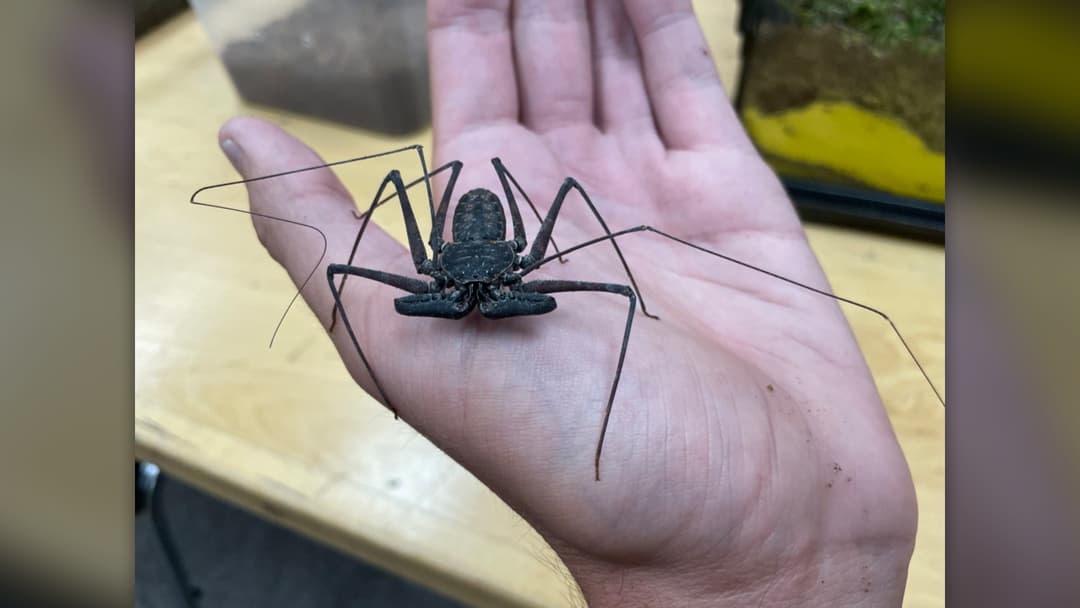
6. Tailless Whip Scorpion
Though terrifying in appearance, amblypygids possess no venom. They navigate pitch-black caverns using extremely thin whip-like front legs that stretch several times their body length.
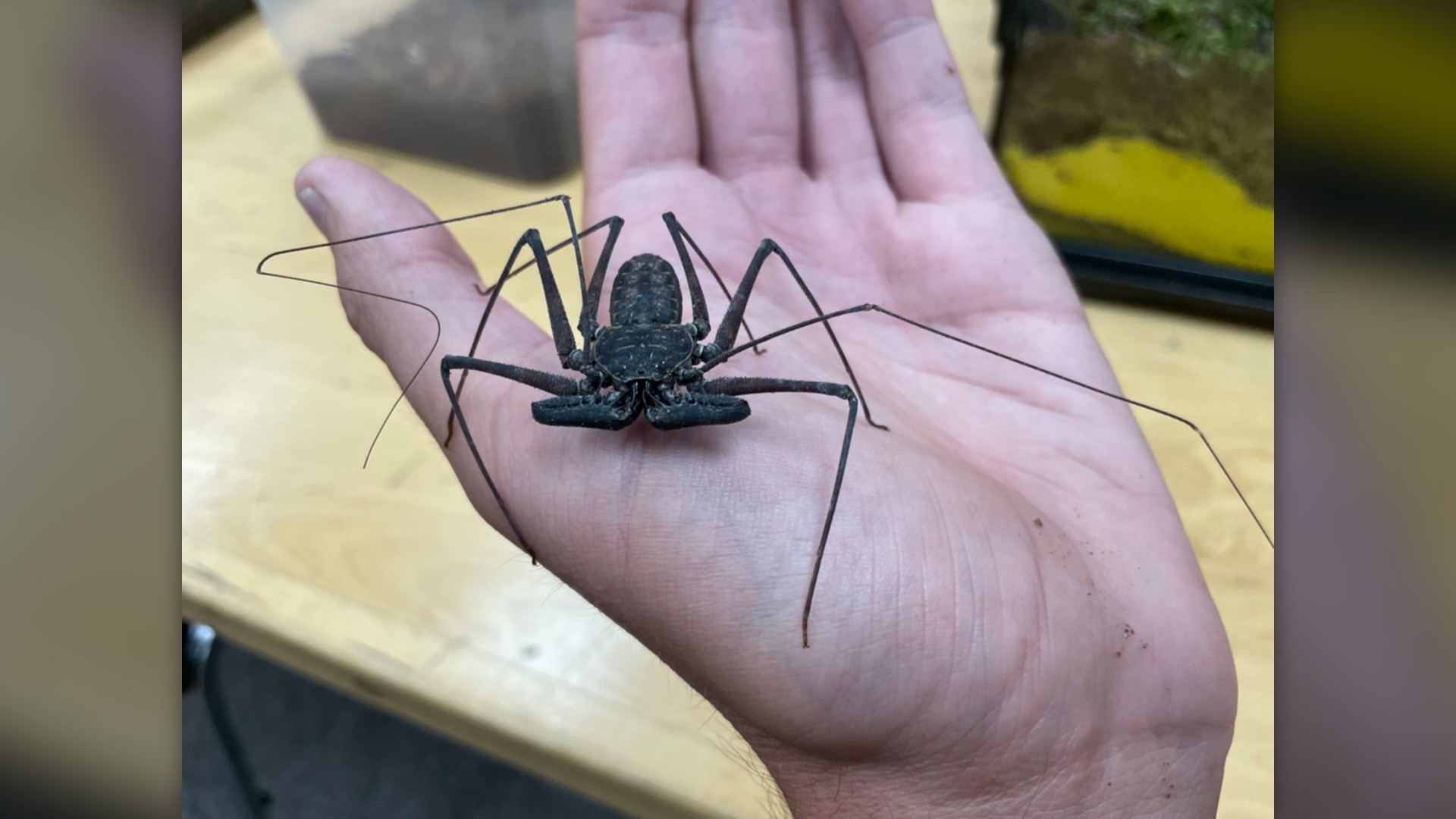
©Wikimedia / Fungus Guy
Advertisement
Swipe or tap ▶ to resume the countdown.
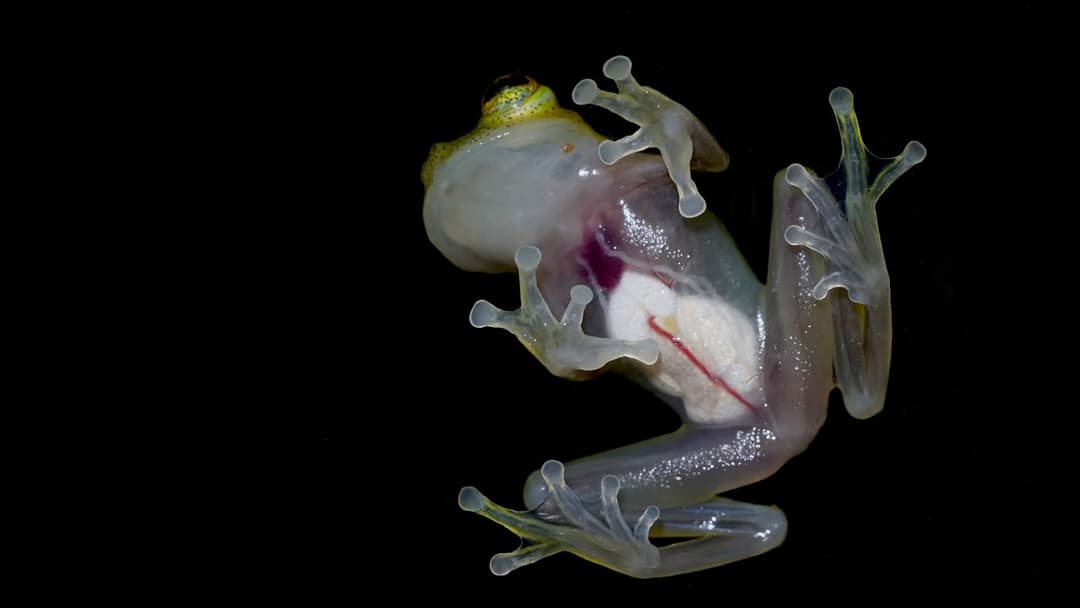
5. Reticulated Glass Frog
Native to Central and South America, glass frogs boast transparent underside skin that allows observers to watch blood pumping through chambers and intestines digesting food.
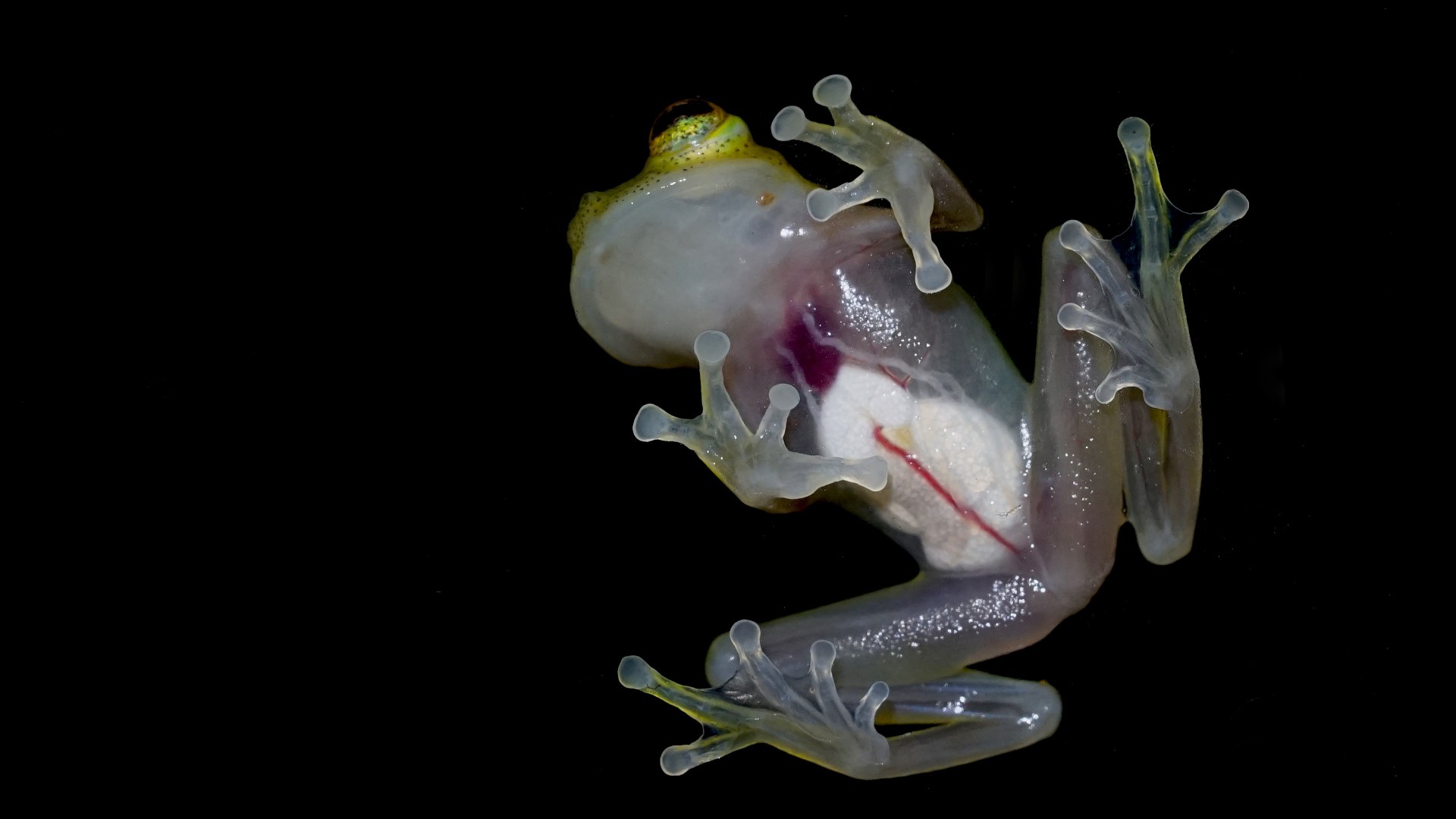
©Wikimedia / Xavier Heckmann
4. Prehistoric Shoebill Stork
With its gigantic Dutch-clog bill and motionless hunting posture in African wetlands, the shoebill looks like a living pterosaur, capable of decapitating lungfish and baby crocs.
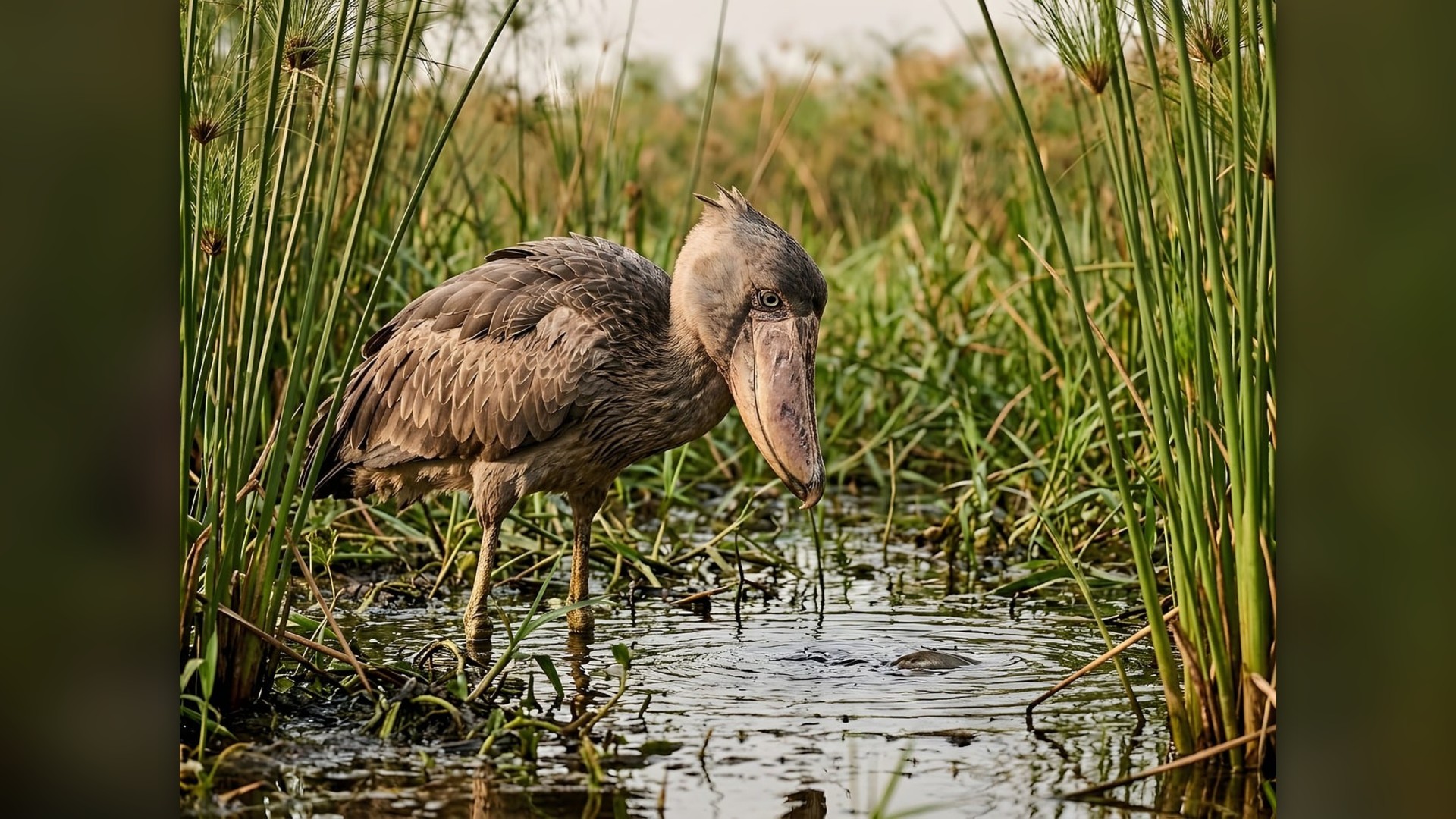
©Pixabay / GabruPawPixels
3. Honduran White Bat
Ectophylla alba cuts the side veins of broad rainforest leaves to make sheltering green 'tents', where their white fur reflects chlorophyll-filtered sunlight to stay camouflaged.
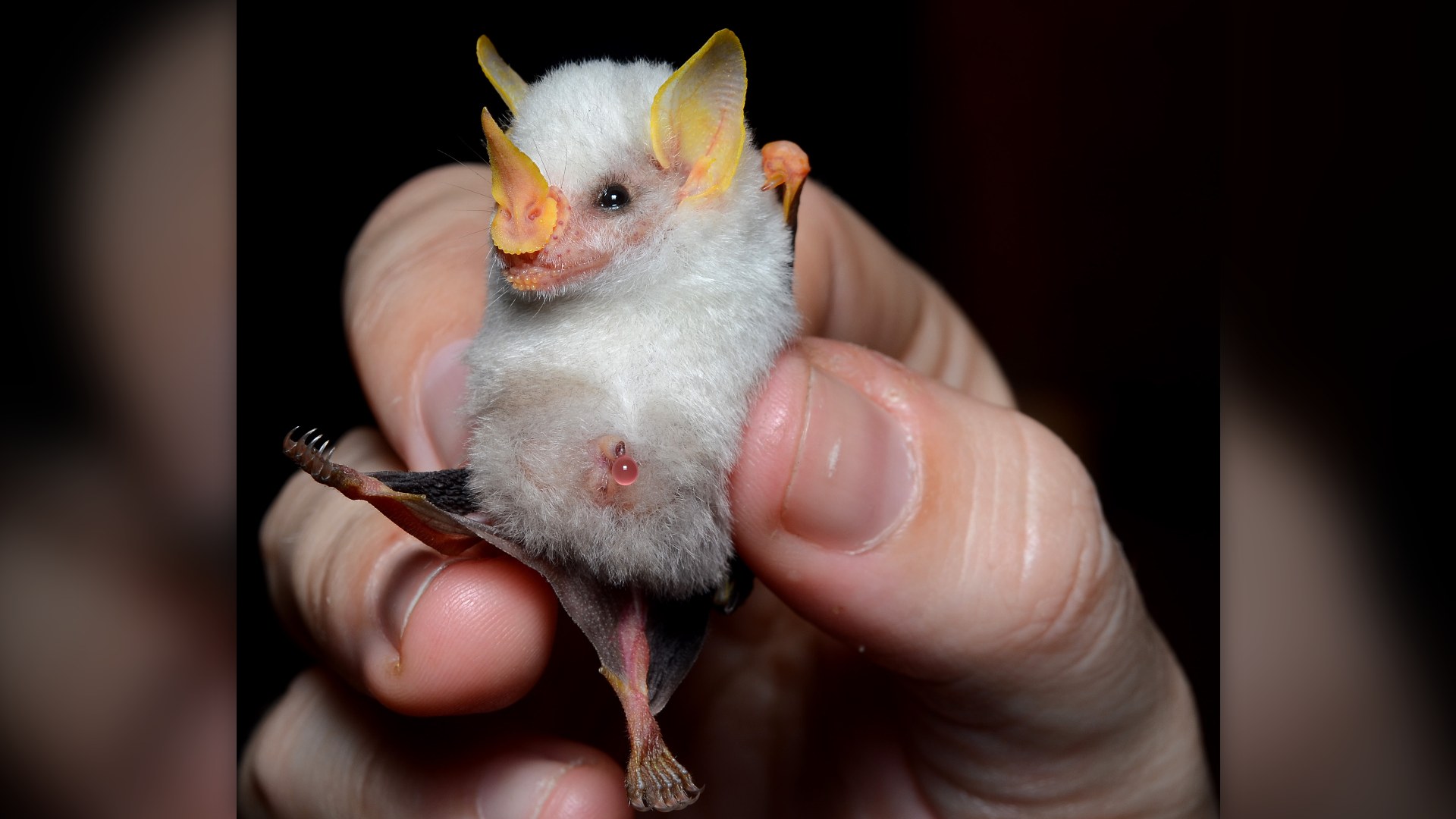
©Wikimedia / Geoff Gallice
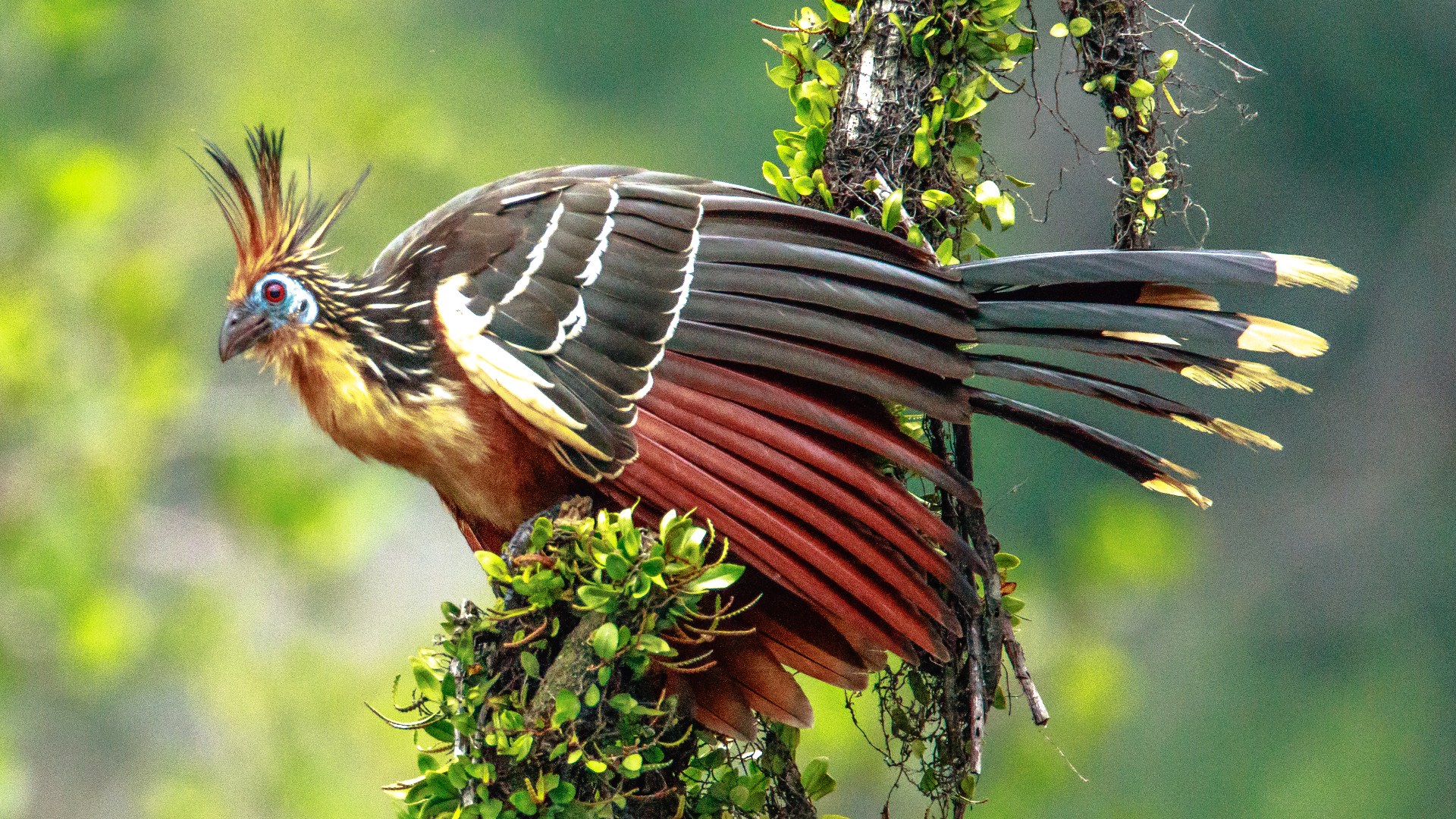
2. Crested Dinosaur Hoatzin
The 'stinkbird' ferments leaves in an enlarged crop like a bovine cow, while its nestlings possess wing claws reminiscent of Archaeopteryx to scale canopy branches.
©Wikimedia / Murray Foubister
Advertisement
Swipe or tap ▶ to resume the countdown.
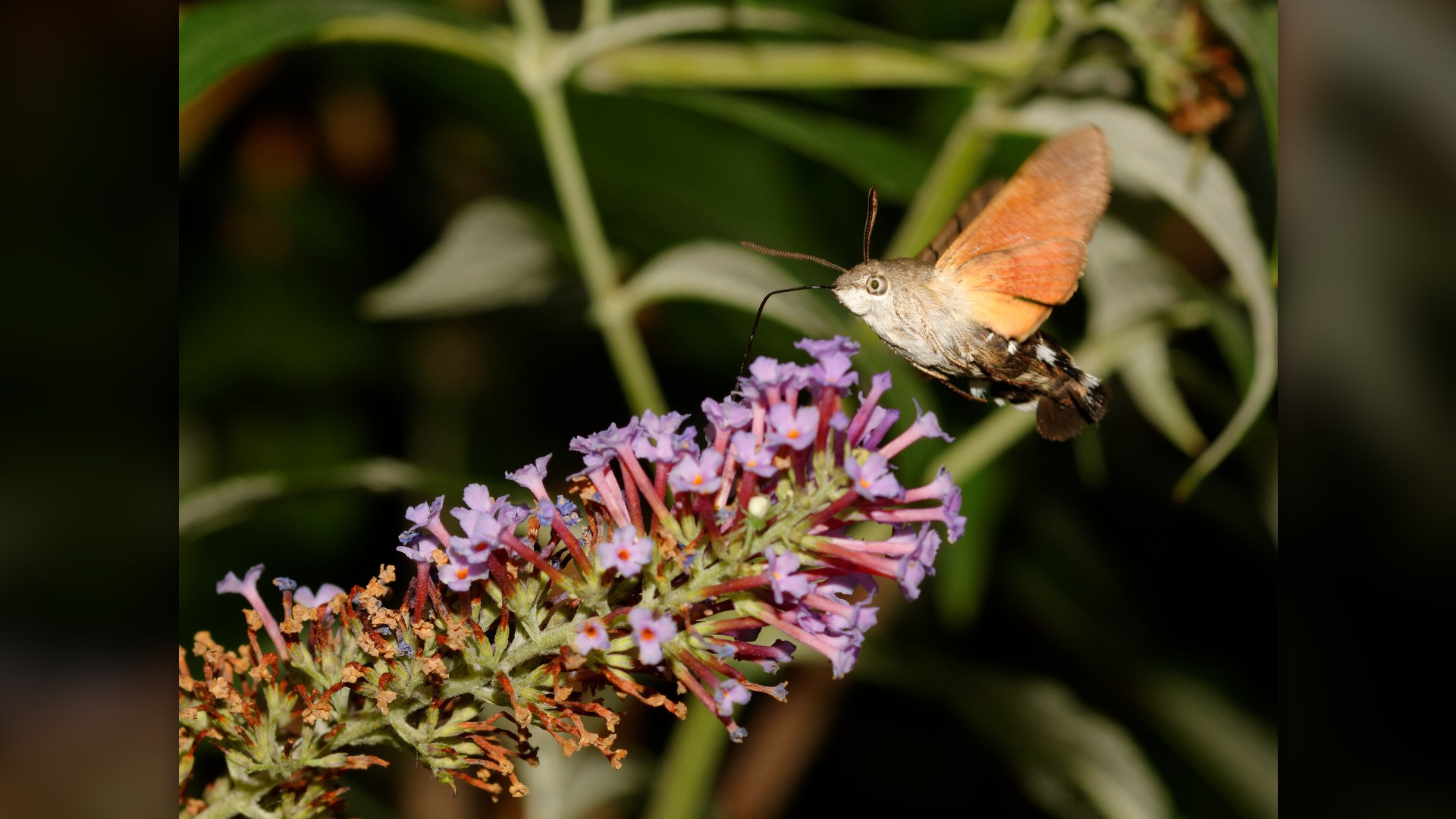
1. Hummingbird Hawk-Moth
Beating its wings over 80 times per second, Macroglossum stellatarum unfurls a long straw-like proboscis to drink on the wing, demonstrating astonishing convergent evolution with hummingbirds.
©Wikimedia / Thomas Bresson
Advertisement
You've reached the end of the story. Thanks for reading!

20 Details Behind The Real Story Of Stephen Miller
All 20 Entries in this Story
1. Glaucus Atlanticus
Known as the Blue Dragon, Glaucus atlanticus floats upside-down using surface tension, harvesting venom from the Portuguese man o' war to arm its finger-like cerata.

2. Mexican Axolotl
Native exclusively to Lake Xochimilco, the axolotl retains its aquatic larval form into adulthood and can regenerate complete lost limbs, organs, and spinal tissue.

3. Deep-Sea Dumbo Octopus
Living in the pitch-black abyss down to 7,000 meters, Grimpoteuthis uses ear-like head fins to glide serenely above ocean trenches without ever seeing sunlight.

4. Leafy Seadragon
Endemic to southern Australian waters, Phycodurus eques relies on elaborate floating leaf-shaped lobes that simulate drifting kelp, propelling itself with nearly invisible fins.

5. Giant Abyssal Isopod
Bathynomus giganteus is a classic example of deep-sea gigantism, roaming benthic ocean beds under crushing hydrostatic pressure and scavenging whale falls.

6. Benthic Sea Pig
Scotoplanes globosa roams the deepest ocean plains on hydraulic tube feet, using sensory antennas to detect organic marine snow drifting down from the sunny surface.

7. Subterranean Olm
Endemic to dark subterranean limestone caves of the Dinaric Alps, the olm possesses pale fleshy skin, underdeveloped eyes, and an astonishing lifespan exceeding 100 years.

8. Mata Mata Turtle
Hiding on muddy Amazon river bottoms, the mata mata turtle resembles rotting bark. When prey approaches, it expands its huge throat to vacuum fish in milliseconds.

9. Australian Thorny Devil
Moloch horridus features microscopic hygroscopic skin grooves that use capillary action to funnel morning moisture straight to its mouth while confusing predators with a false head.

10. Star-Nosed Mole
The star-nosed mole's snout is lined with more than 25,000 microscopic sensory receptors known as Eimer's organs, making it the fastest foraging mammal on Earth.

11. Madagascar Aye-Aye
The aye-aye uses echolocation-like percussive foraging: it taps tree trunks at up to eight times per second with its elongated middle digit to pinpoint hollow insect galleries.

12. Scaled Ground Pangolin
Pangolins are the only mammals entirely covered in tough overlapping keratin scales. When threatened, they roll into an impenetrable spherical boulder.

13. Satanic Leaf-Tailed Gecko
Uroplatus phantasticus blends perfectly into Madagascar's fallen foliage thanks to a flattened body, moss-mimicking coloration, and a tail with artificial decay notches.

14. Malaysian Orchid Mantis
Hymenopus coronatus uses aggressive mimicry: its petal-shaped walking legs and pinkish-white exoskeleton attract pollinating insects closer than genuine flowers do.

15. Tailless Whip Scorpion
Though terrifying in appearance, amblypygids possess no venom. They navigate pitch-black caverns using extremely thin whip-like front legs that stretch several times their body length.

16. Reticulated Glass Frog
Native to Central and South America, glass frogs boast transparent underside skin that allows observers to watch blood pumping through chambers and intestines digesting food.

17. Prehistoric Shoebill Stork
With its gigantic Dutch-clog bill and motionless hunting posture in African wetlands, the shoebill looks like a living pterosaur, capable of decapitating lungfish and baby crocs.

18. Honduran White Bat
Ectophylla alba cuts the side veins of broad rainforest leaves to make sheltering green 'tents', where their white fur reflects chlorophyll-filtered sunlight to stay camouflaged.

19. Crested Dinosaur Hoatzin
The 'stinkbird' ferments leaves in an enlarged crop like a bovine cow, while its nestlings possess wing claws reminiscent of Archaeopteryx to scale canopy branches.

20. Hummingbird Hawk-Moth
Beating its wings over 80 times per second, Macroglossum stellatarum unfurls a long straw-like proboscis to drink on the wing, demonstrating astonishing convergent evolution with hummingbirds.