Slideshow · Travel
20 American Towns Where the Population Has Nearly Disappeared
Eerie stories of boomtowns and settlements that time and disaster left behind.
By Most Viral Today
1 hour ago

Fading American Boomtowns and Ghost Towns 
20. Nelson In Nevada 
19. Bannack In Montana 
18. Glenrio On Historic Route 66 - AdvertisementSwipe or tap ▶ to continue countdown

17. Cisco In Utah 
16. Oatman In Arizona 
15. Thurmond In West Virginia 
14. Kennecott In Alaska - AdvertisementSwipe or tap ▶ to continue countdown

13. Goldfield In Nevada 
12. Cahawba In Alabama 
11. Garnet In Montana 
10. St. Elmo In Colorado - AdvertisementSwipe or tap ▶ to continue countdown

9. Terlingua In Texas 
8. Rhyolite In Nevada 
7. Picher In Oklahoma 
6. Lost Springs In Wyoming - AdvertisementSwipe or tap ▶ to continue countdown

5. Gross In Nebraska 
4. Bodie In California 
3. Buford In Wyoming 
2. Monowi In Nebraska - AdvertisementSwipe or tap ▶ to continue countdown

1. Centralia In Pennsylvania - Advertisement🔥 UP NEXT IN THIS SERIES◫ 21 Slides

20 Stupid Airport Mistakes Travelers Make, Ranked
From rushing security to packing blunders, navigating commercial flights requires smart preparation. These twenty critical airport blunders cost travelers time, money, and flights.
From prosperous gold rush settlements to industrial railway stops, thousands of towns once bustled across the American frontier. Today, environmental disasters, depleted mines, and bypassed highways have reduced these once thriving communities to ghost towns or single digit populations.
Swipe or tap ▶ to begin the countdown
©Wikimedia Commons / King of Hearts
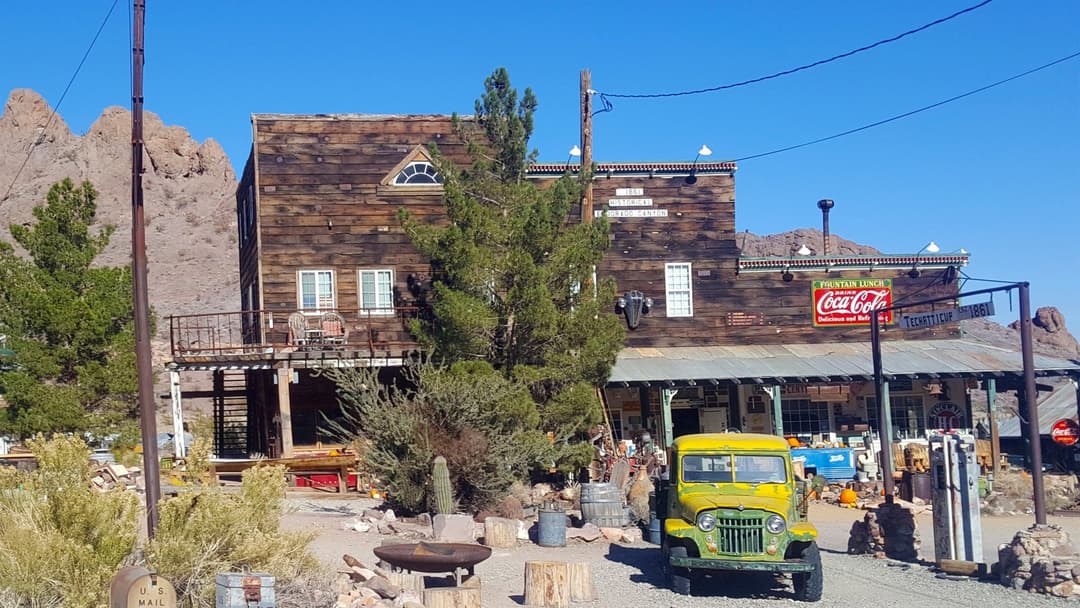
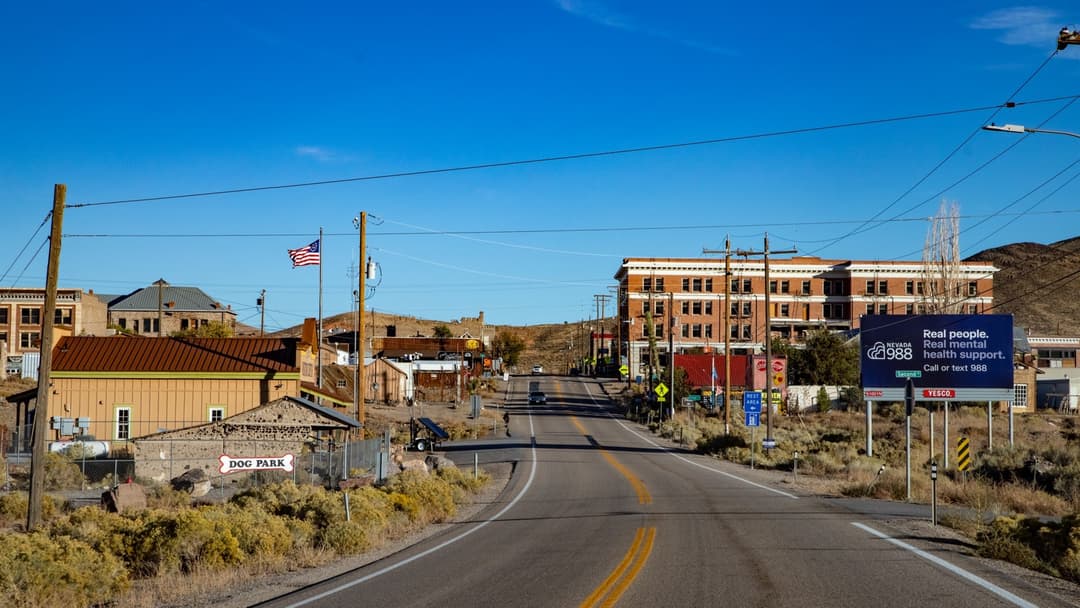
20. Nelson In Nevada
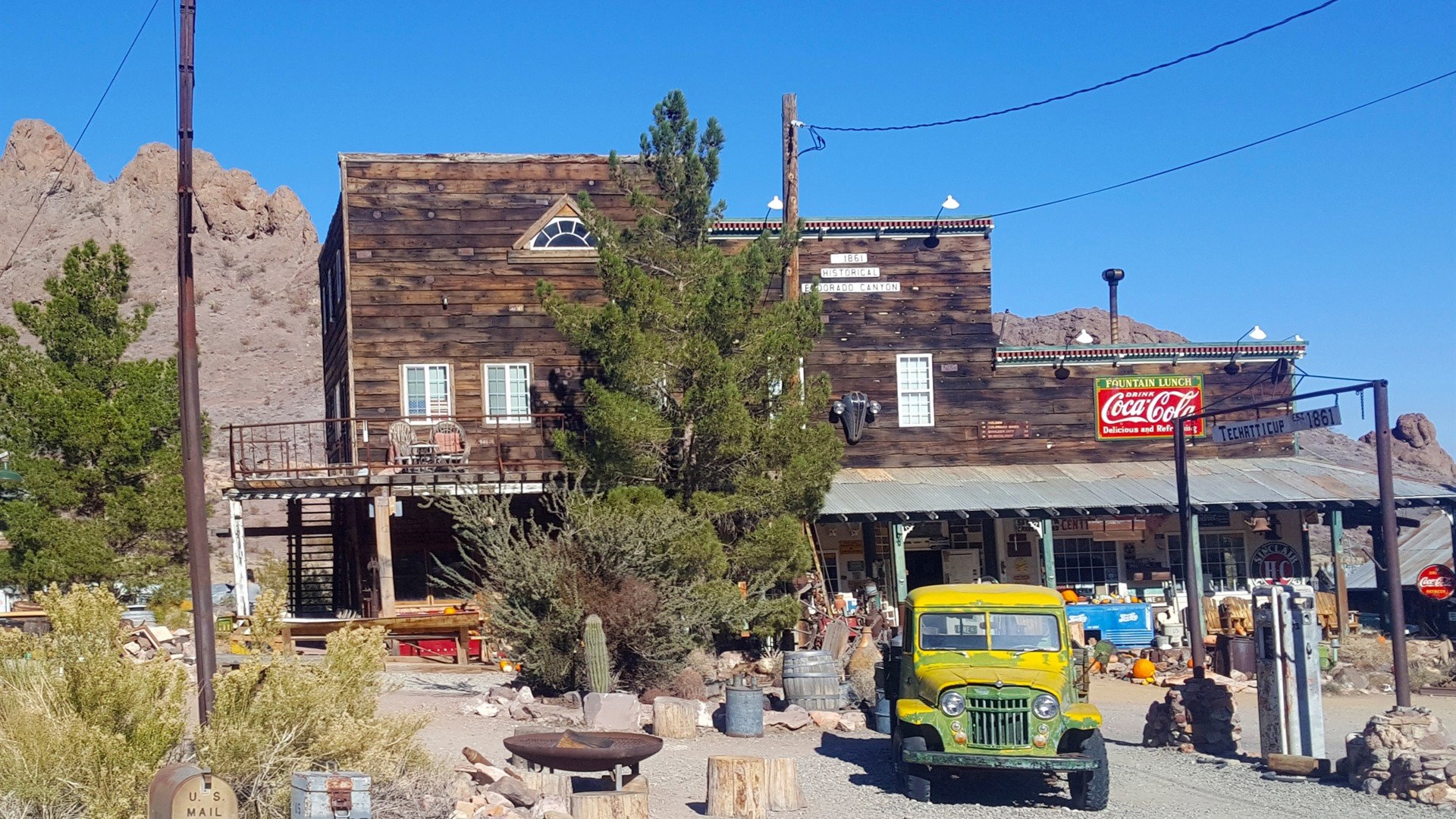
Located in Eldorado Canyon south of Las Vegas, Nelson was the epicenter of one of Nevada first major gold and silver booms in the 1860s. After decades of lawless disputes, mine closures, and a catastrophic flash flood in 1974 that swept away several buildings, the population diminished to fewer than twenty people.
©Wikimedia Commons / Frank Schulenburg
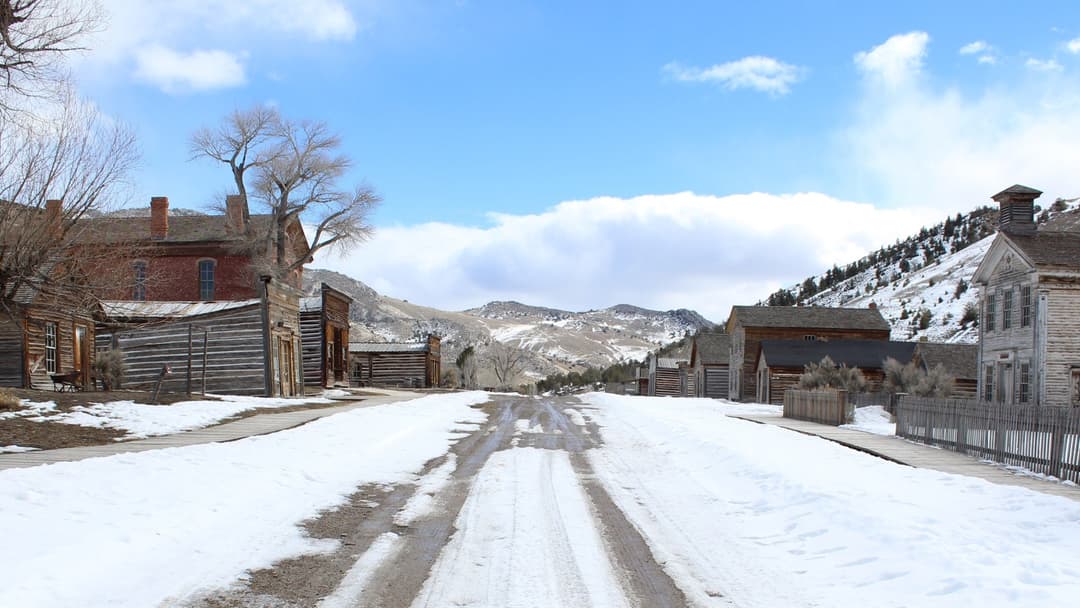
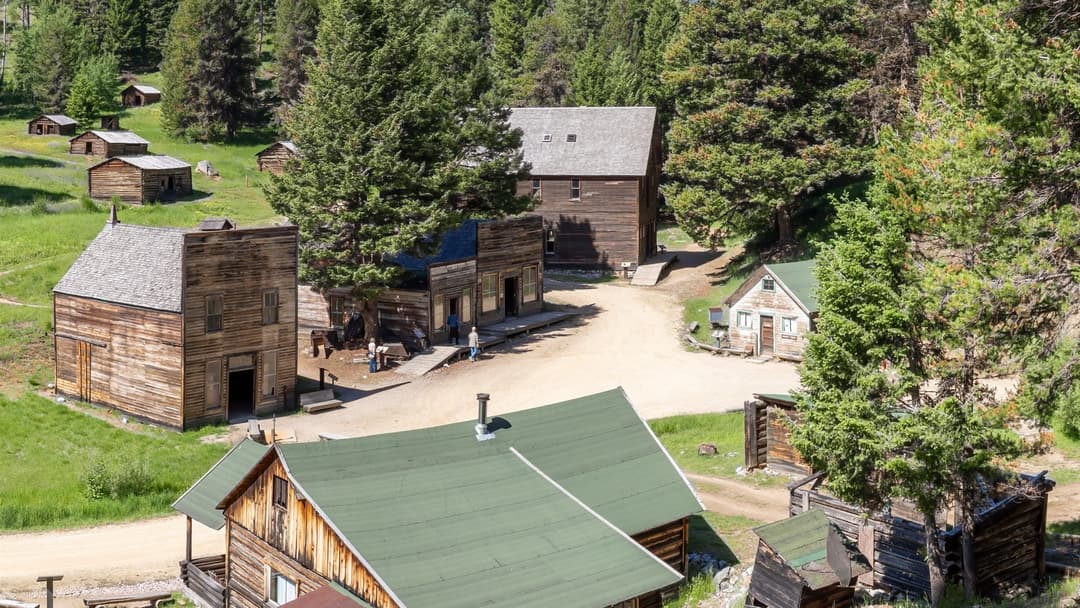
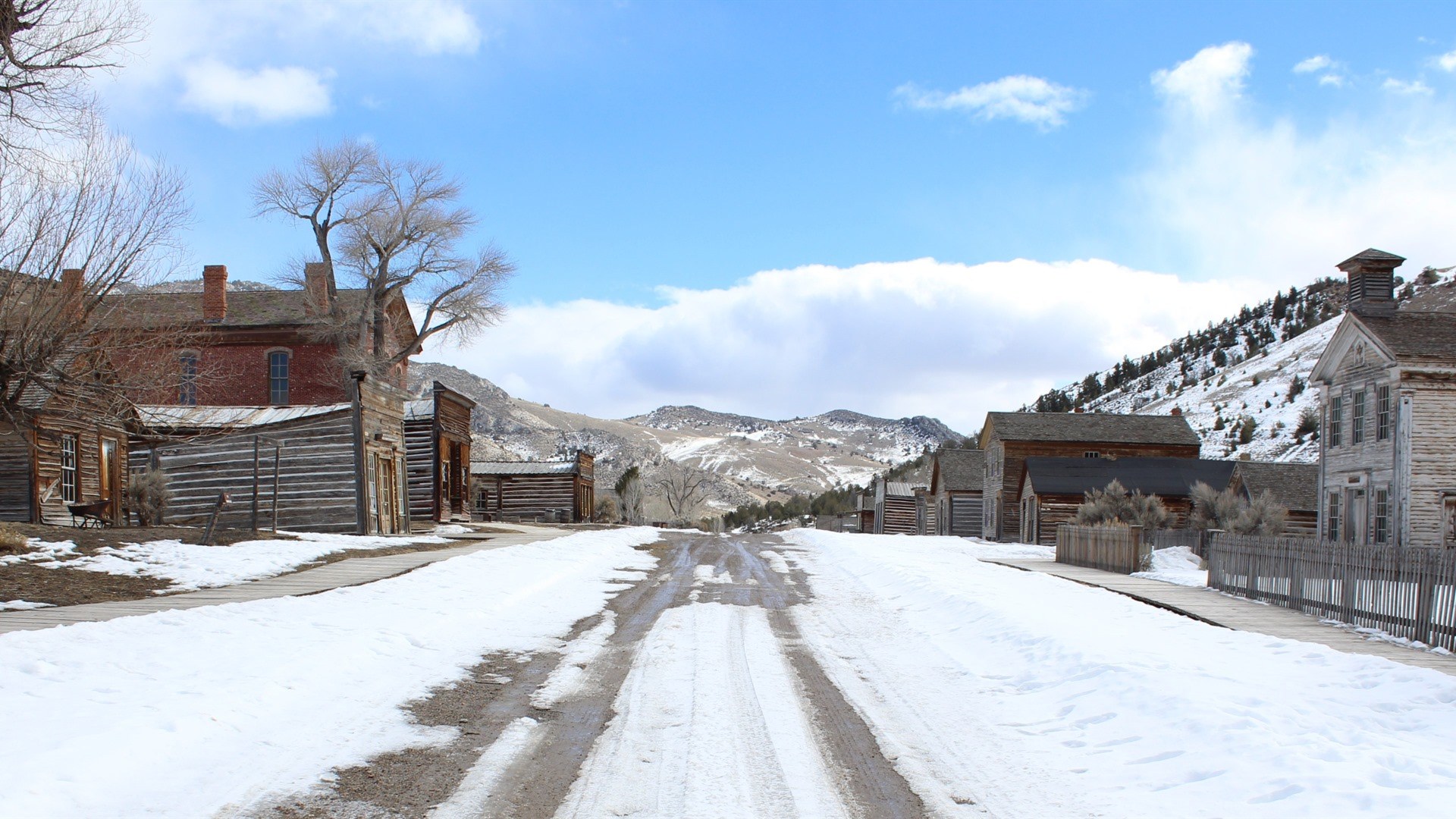
19. Bannack In Montana
The site of Montana first major gold discovery in 1862 along Grasshopper Creek, Bannack mushroomed into a boomtown of three thousand residents and served briefly as territorial capital. As gold strikes occurred elsewhere, miners drifted away. Today, more than sixty historic buildings stand in peaceful solitude.
©Wikimedia Commons / Frank Schulenburg
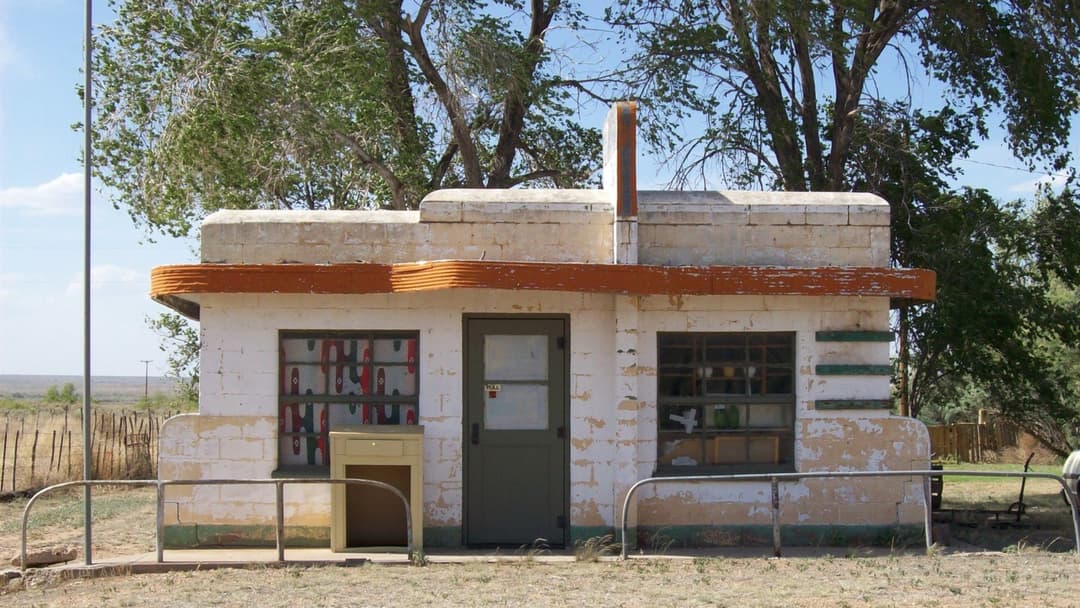
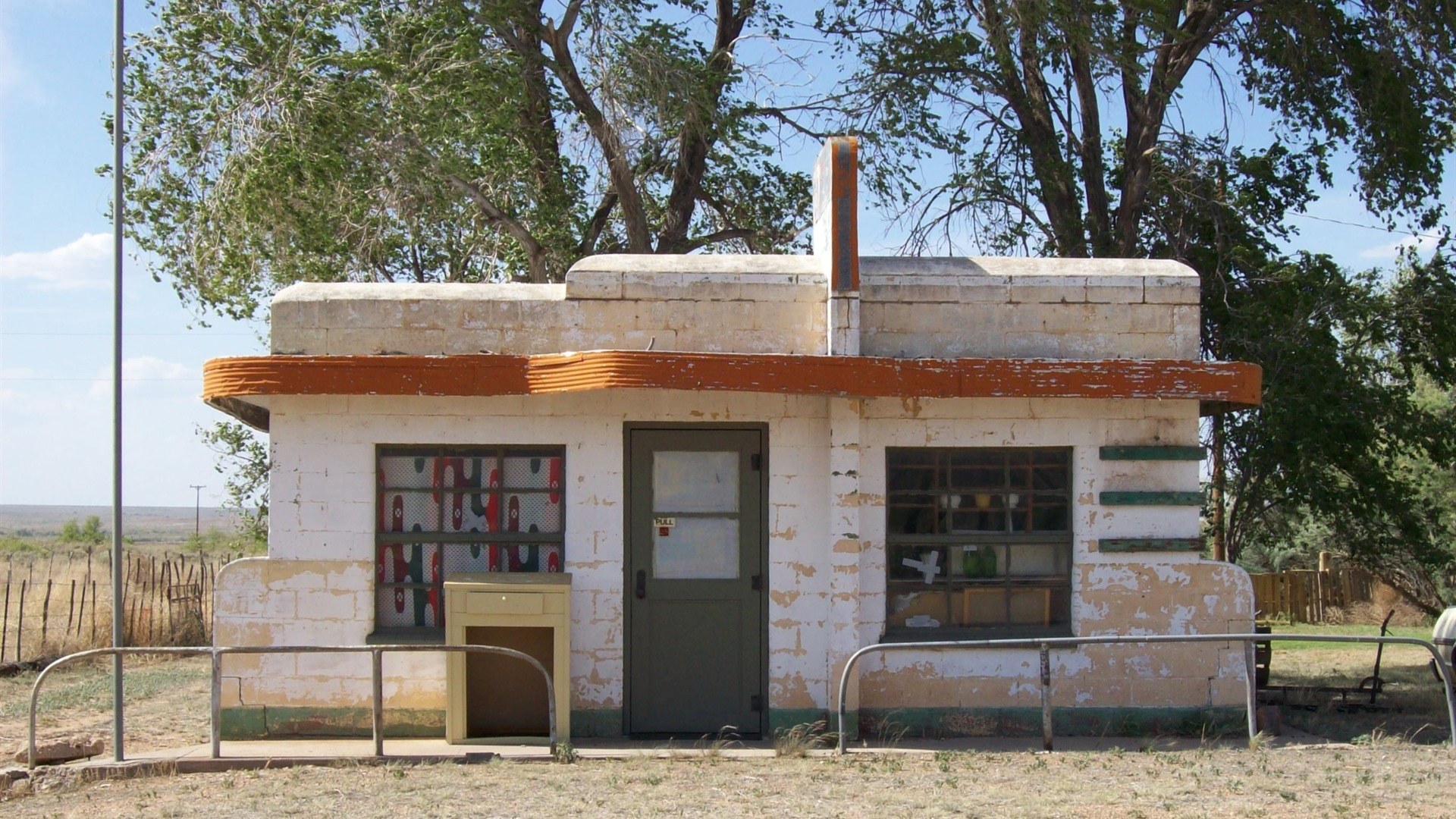
18. Glenrio On Historic Route 66
Straddling the Texas and New Mexico border, Glenrio thrived on cross-country motorists traveling the Mother Road, offering fuel on the Texas side and bars on the New Mexico side. When Interstate 40 opened in 1975, highway traffic vanished instantly, turning the motel strip into an empty outdoor museum with zero locals.
©Wikimedia Commons / Carol M. Highsmith
Advertisement
Swipe or tap ▶ to resume the countdown.
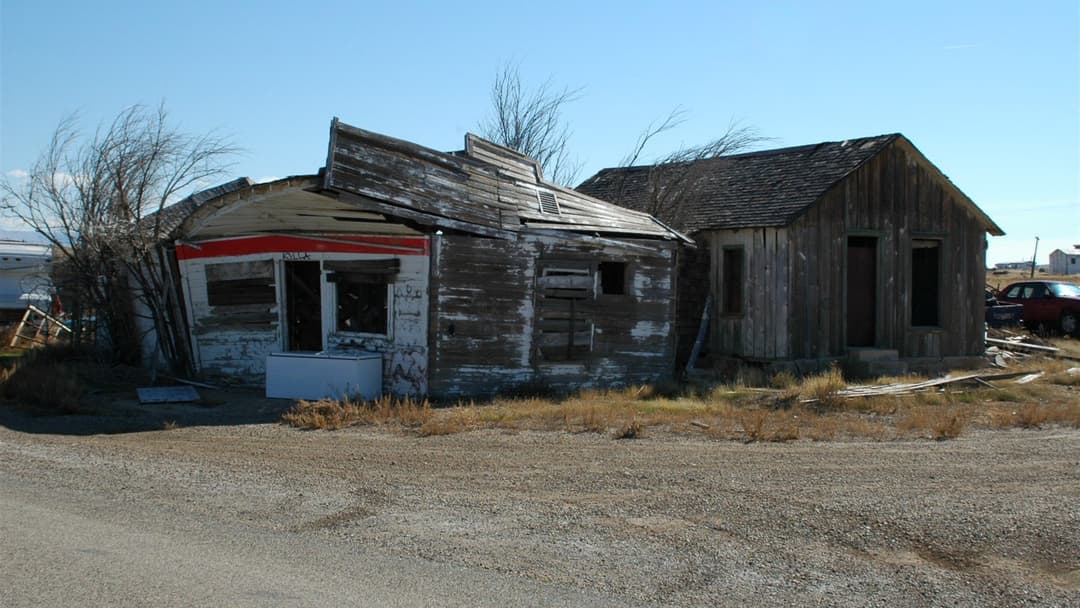
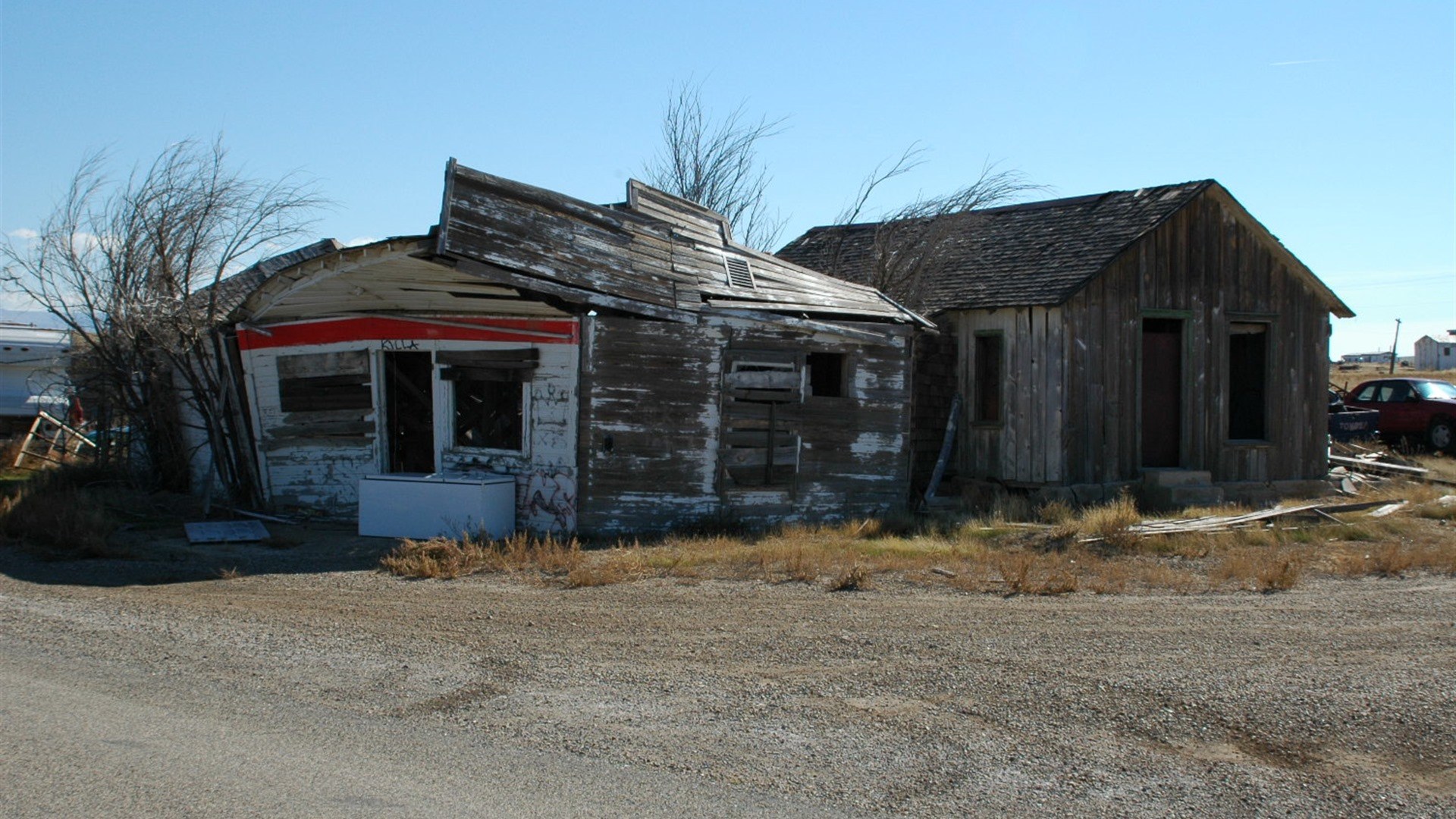
17. Cisco In Utah
Established in the 1880s by the Denver and Rio Grande Western Railroad, Cisco served as a vital water replenishment depot for steam engines and later as a uranium exploration camp. When Interstate 70 bypassed the two-lane highway in the 1970s, businesses closed, leaving weathered shacks and four or fewer residents.
©Wikimedia Commons / Spooky-1959
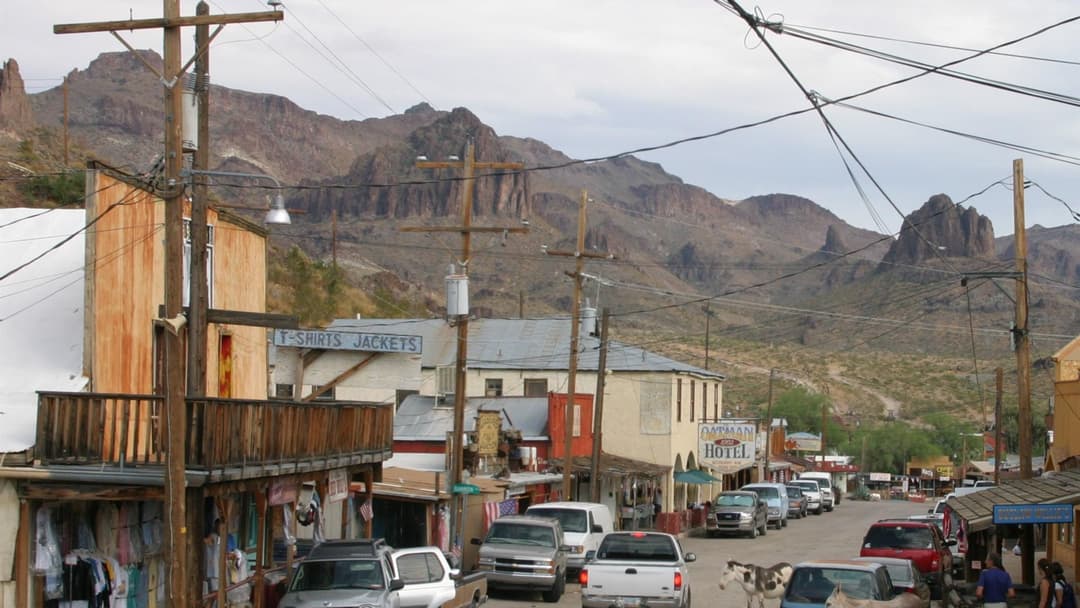
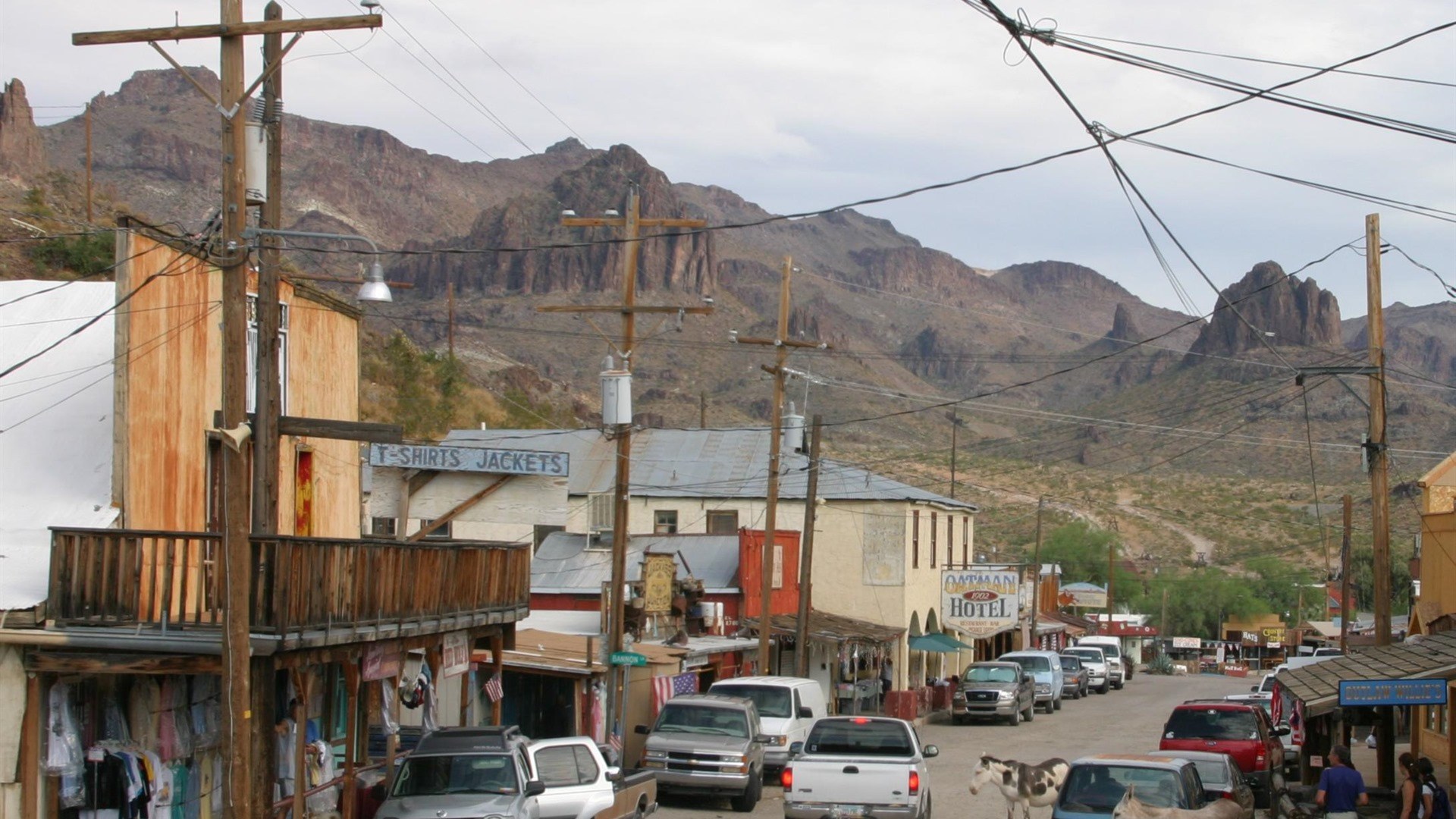
16. Oatman In Arizona
Following a multi-million-dollar gold strike in 1915, Oatman attracted thousands of prospectors and became a vital stop for cross-country travelers on Route 66. When mining ceased in the 1940s and Interstate 40 bypassed the mountain pass, the population shrank to under one hundred residents and friendly burros.
©Wikimedia Commons / Tuxyso
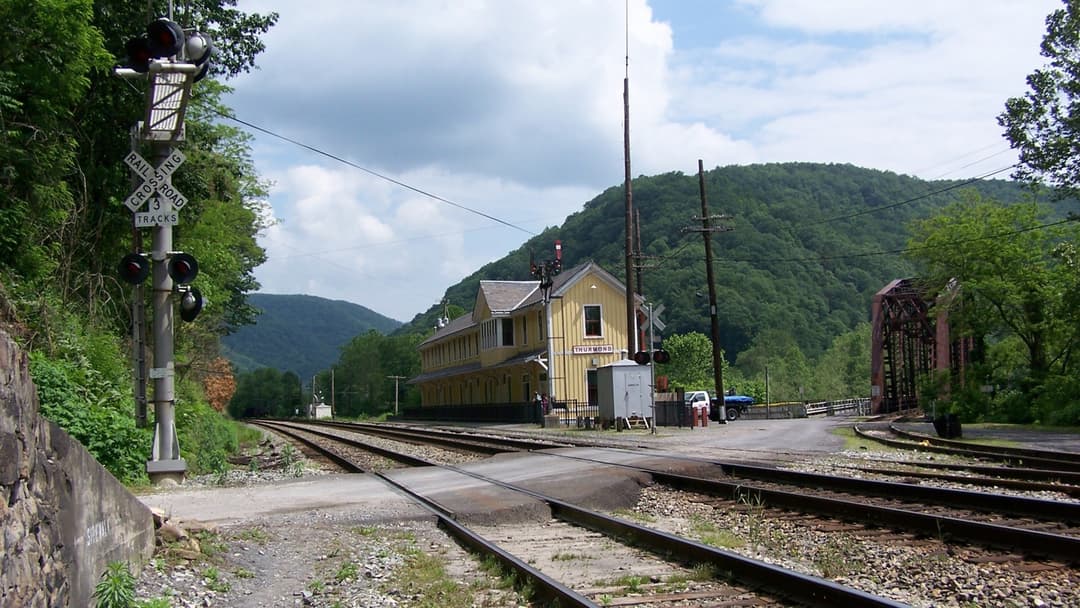
15. Thurmond In West Virginia
In the early 1900s, Thurmond was a powerhouse of the Chesapeake and Ohio Railway, processing tons of coal from surrounding New River Gorge mines. Because roads could not access the rugged canyon floor, the town relied entirely on rail traffic. When diesel engines took over, the population plunged to five people.
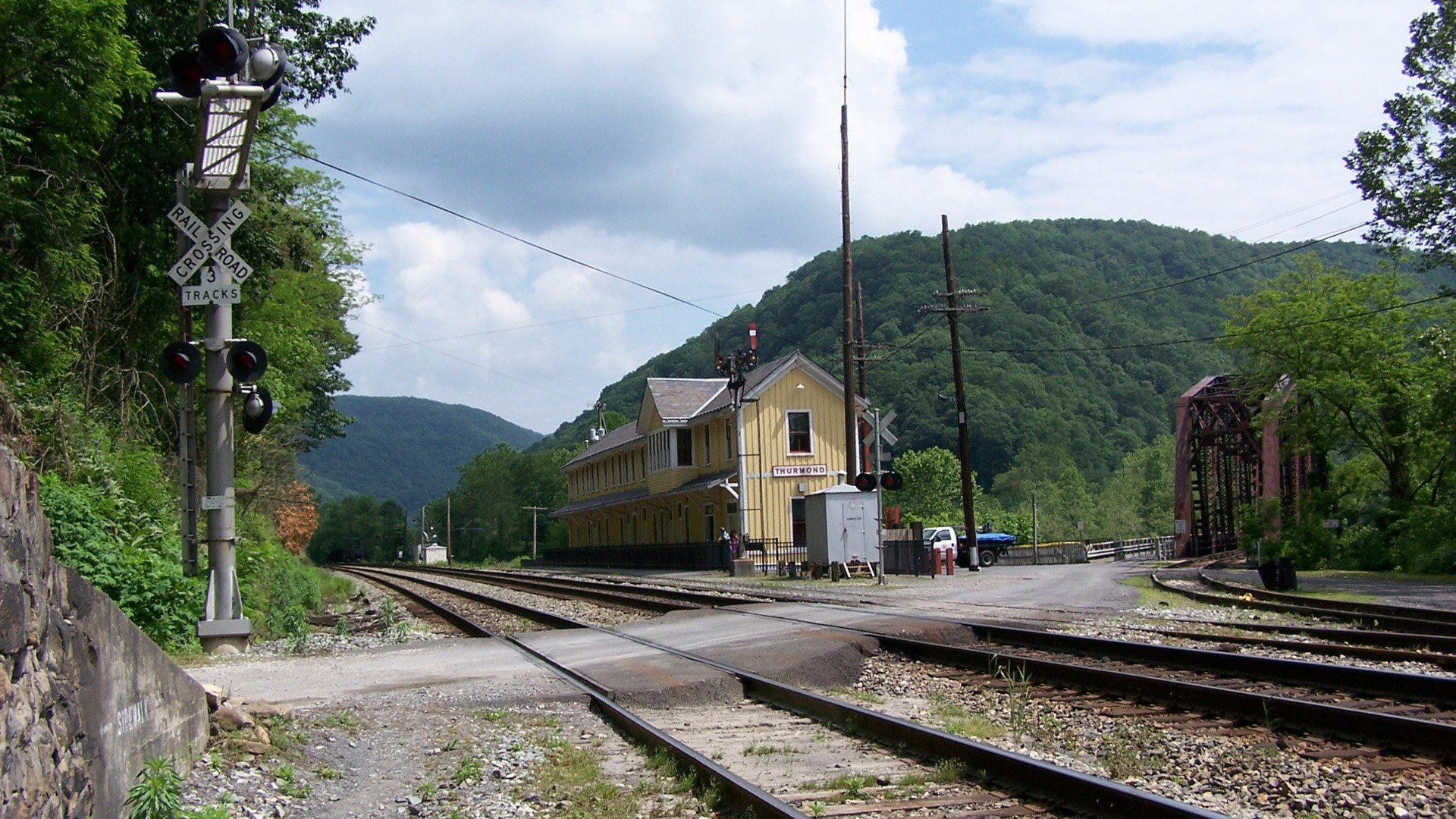
©Wikimedia Commons / Brian M. Powell
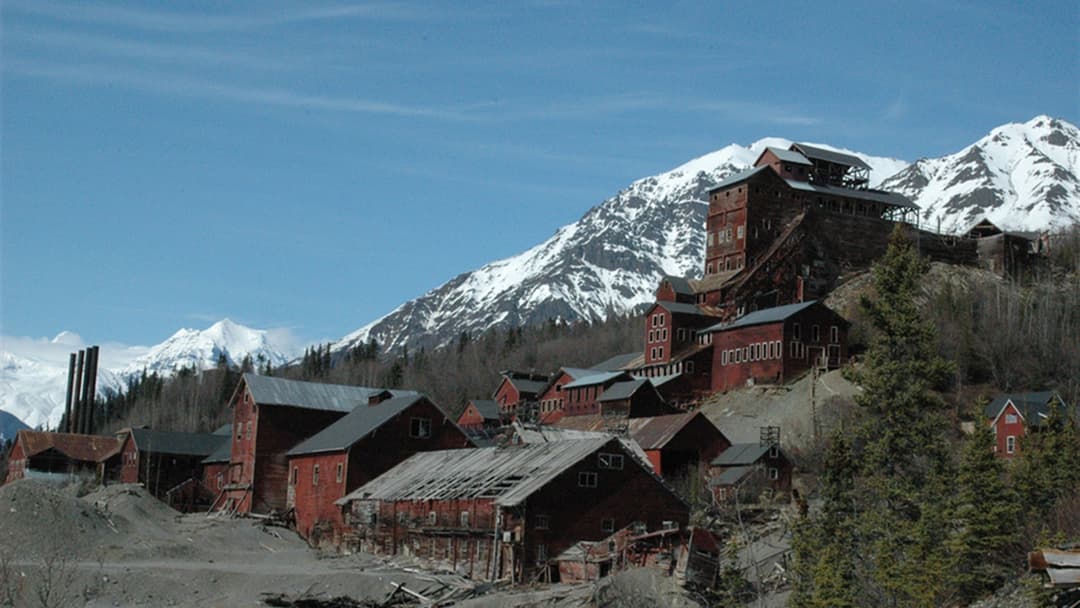
14. Kennecott In Alaska
Between 1911 and 1938, the Kennecott Mines processed more than two hundred million dollars of high-grade copper ore deep in the Alaskan wilderness. When the lucrative veins were exhausted, the mining company abruptly halted operations and departed on the last train, leaving an enormous fourteen-story wooden mill.
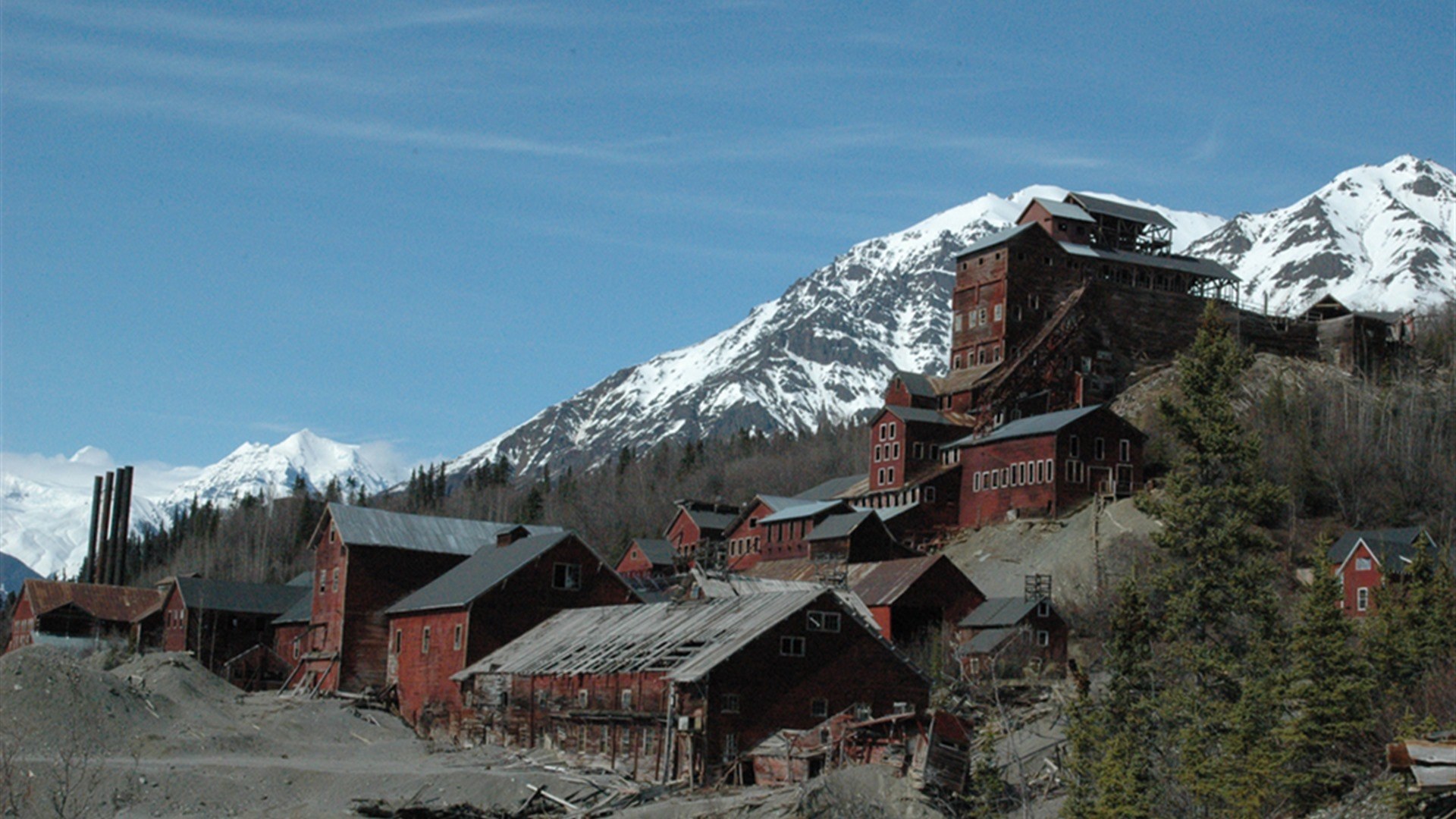
©Wikimedia Commons / Frank Schulenburg
Advertisement
Swipe or tap ▶ to resume the countdown.
13. Goldfield In Nevada
In 1906, Goldfield was the largest city in Nevada, producing millions in gold bullion and home to extravagant four-story hotels and electric utilities. When ore deposits dried up and a massive 1923 fire swept through downtown, the population collapsed from tens of thousands down to around two hundred residents.
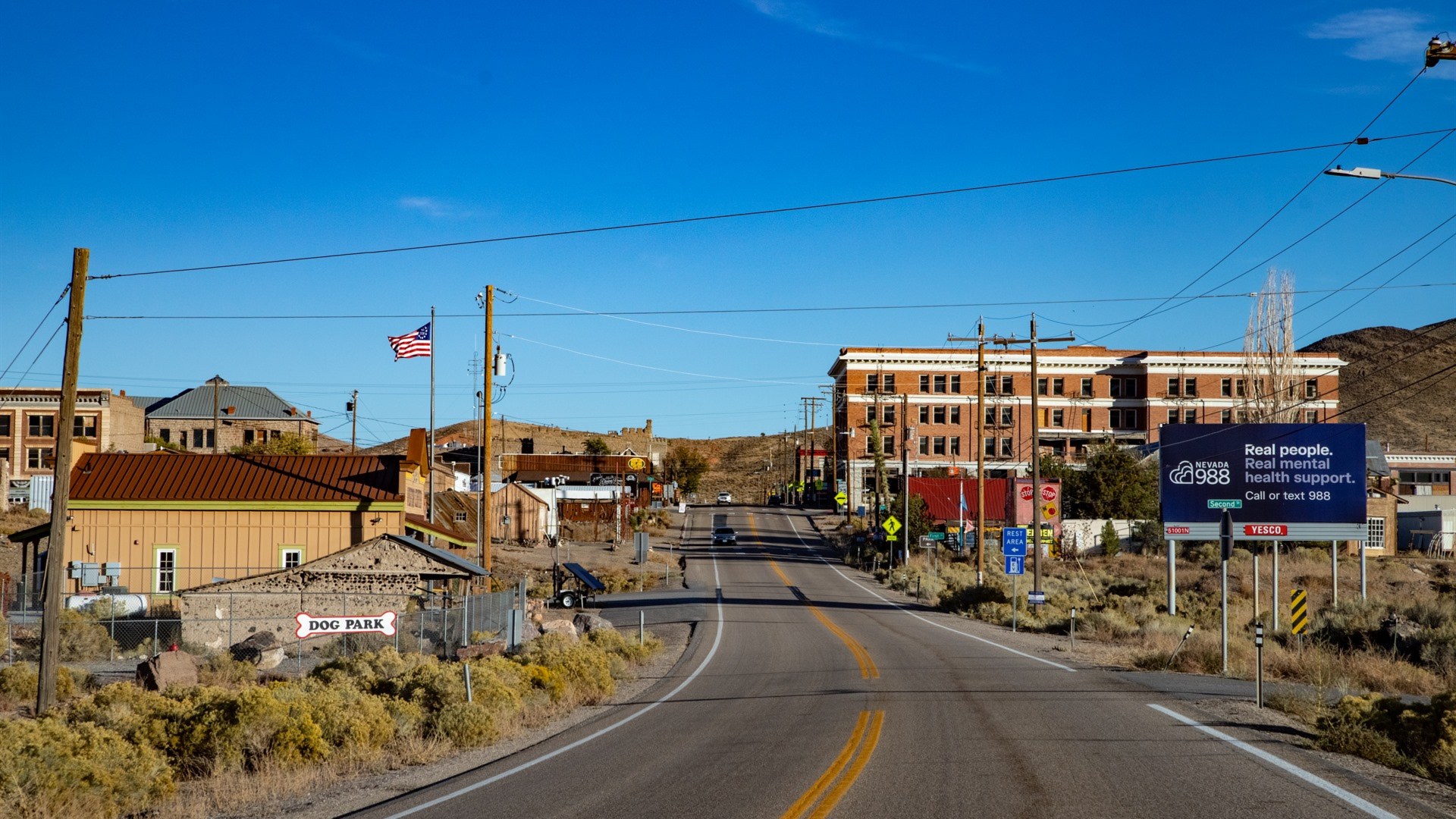
©Wikimedia Commons / Frank Schulenburg
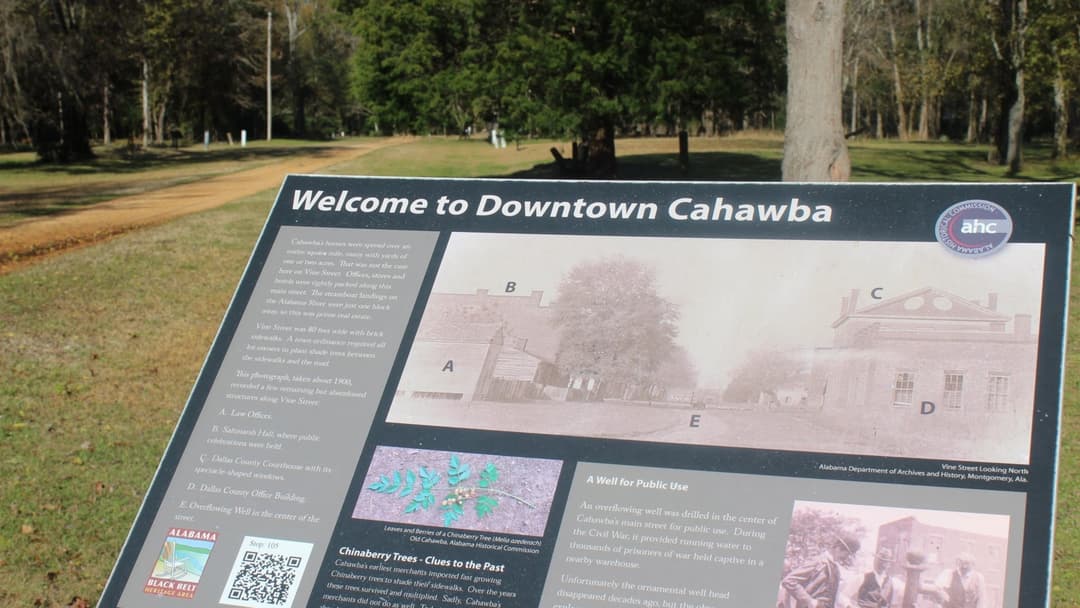
12. Cahawba In Alabama
Selected as Alabama capital in 1820 at the confluence of the Alabama and Cahaba Rivers, Cahawba was designed to be a grand antebellum city. Frequent seasonal inundations forced lawmakers to relocate the capital to Tuscaloosa. After the Civil War, the town crumbled, leaving columns and ruins reclaimed by nature.
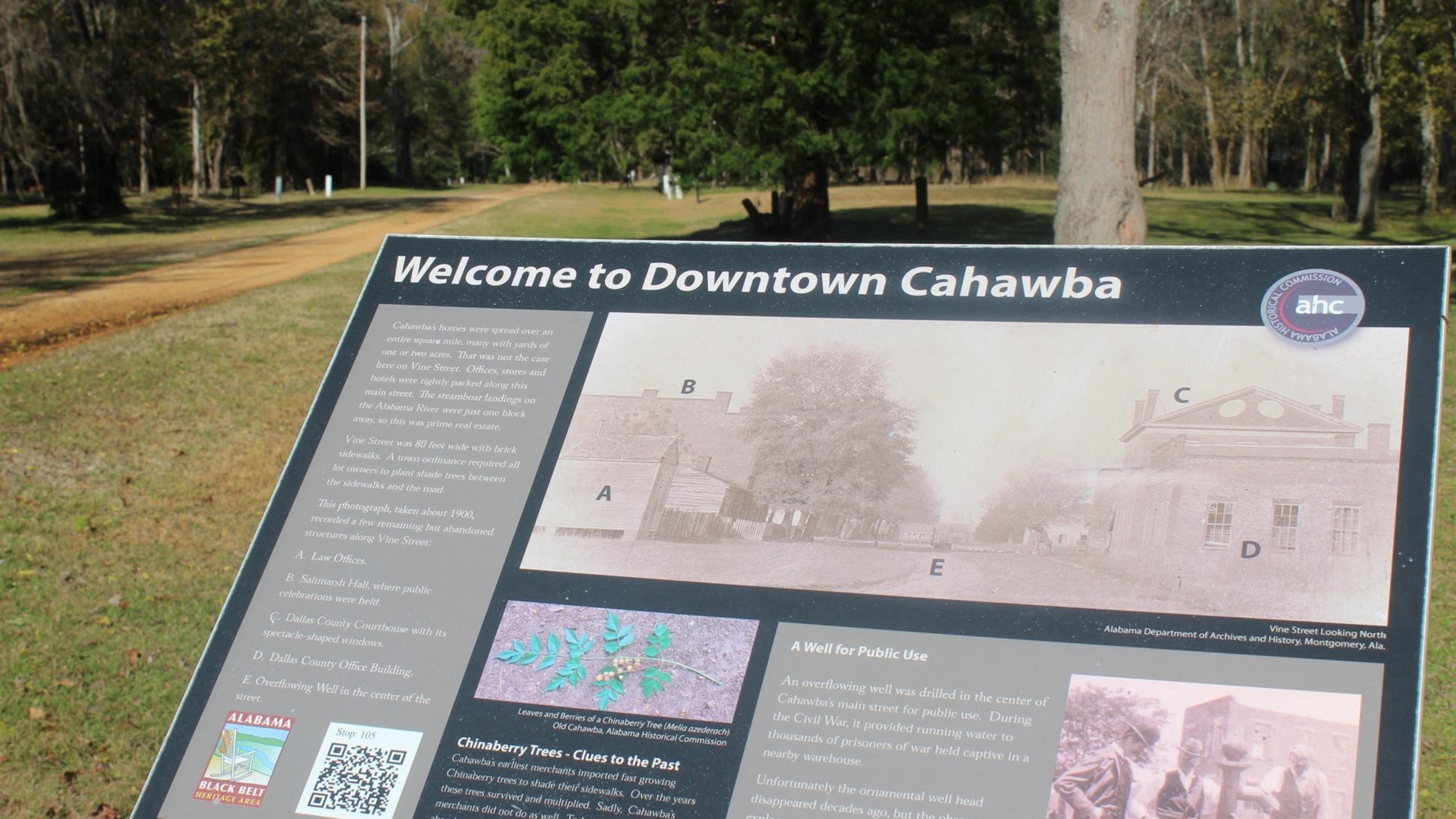
©Wikimedia Commons / Altairsf
11. Garnet In Montana
Named for the rich garnet gems embedded in surrounding mountain rock, this late nineteenth-century settlement supported a flourishing community of gold miners, saloons, and family homes. Following a destructive fire and the onset of World War I, families left their possessions behind, leaving an intact ghost town.
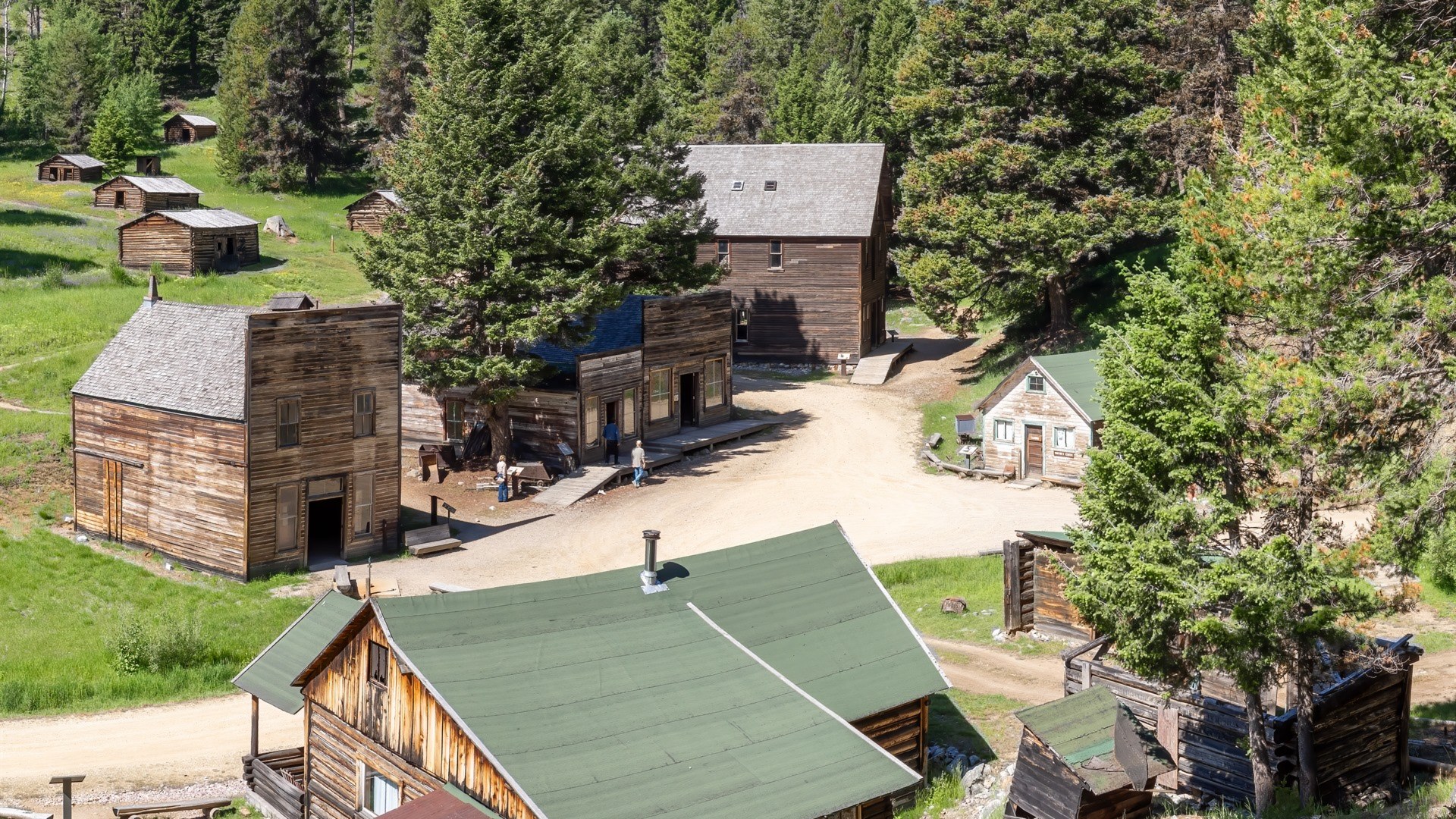
©Wikimedia Commons / BLM
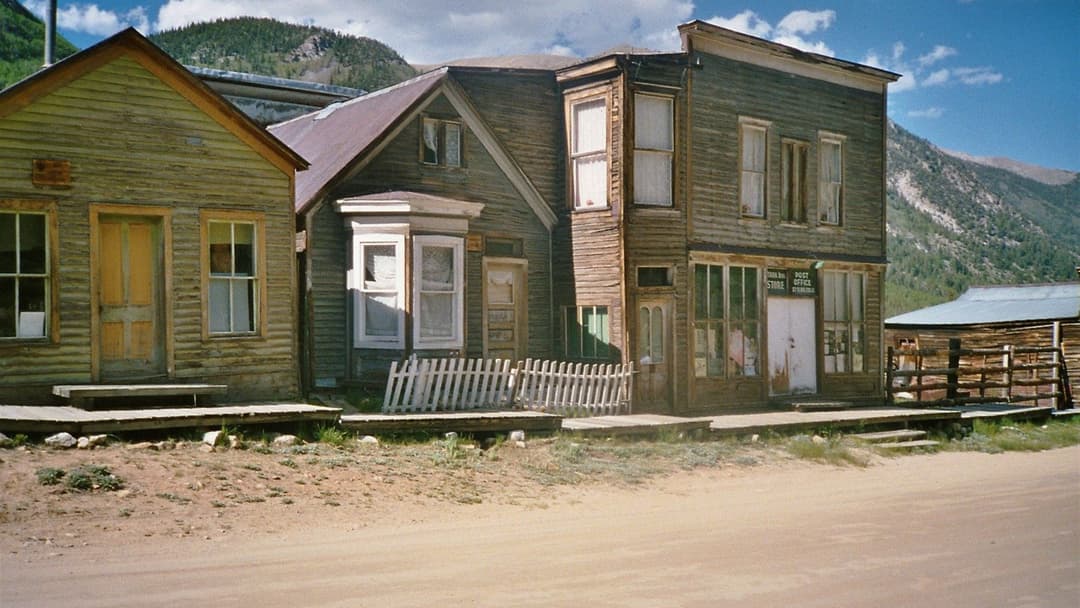
10. St. Elmo In Colorado
Founded in 1880 at ten thousand feet elevation in the Sawatch Range, St. Elmo thrived on silver and gold extraction alongside the Denver, South Park and Pacific Railroad. When the alpine railway ceased service in 1922, the population plummeted. Today, dozens of original wooden storefronts stand nearly deserted.
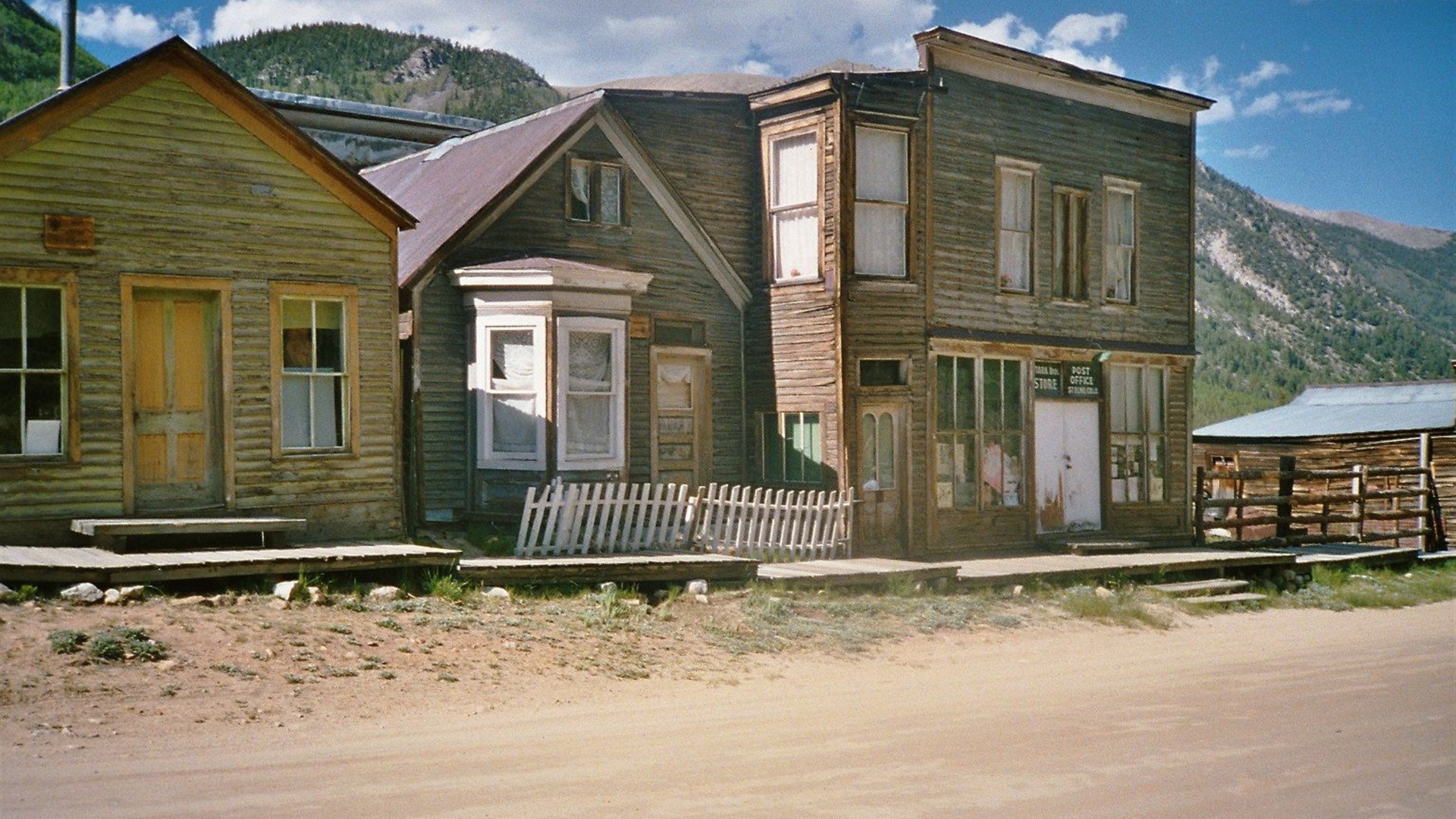
©Wikimedia Commons / Hustvedt
Advertisement
Swipe or tap ▶ to resume the countdown.
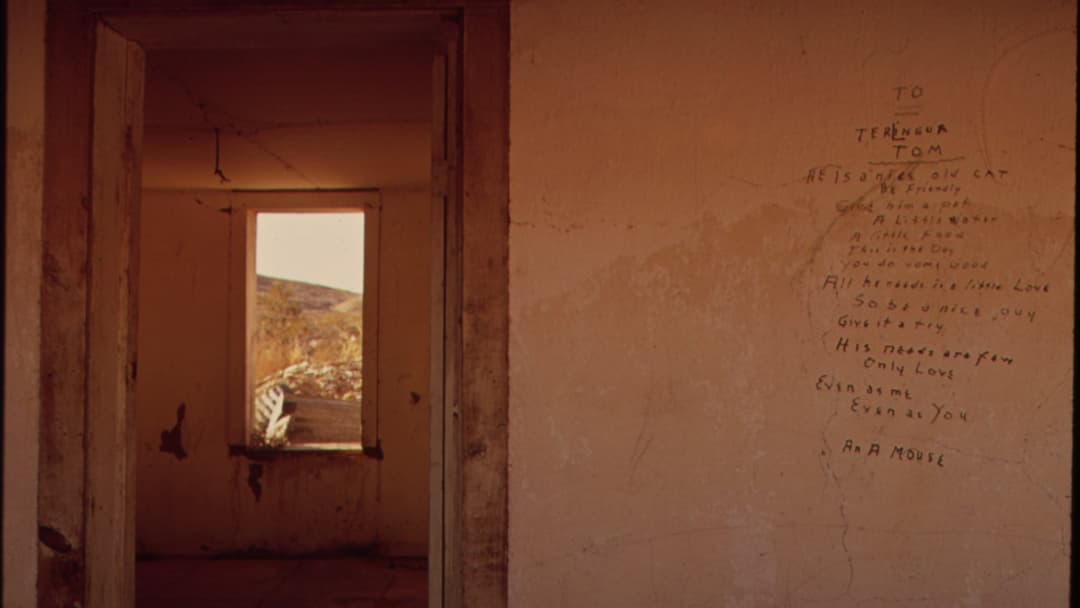
9. Terlingua In Texas
At its zenith in the early twentieth century, the Chisos Mining Company in Terlingua extracted much of the nation quicksilver. When market prices cratered and ore ran scarce, miners abandoned their adobe dwellings. Today, the atmospheric desert ruins host an eclectic arts community and fewer than sixty locals.
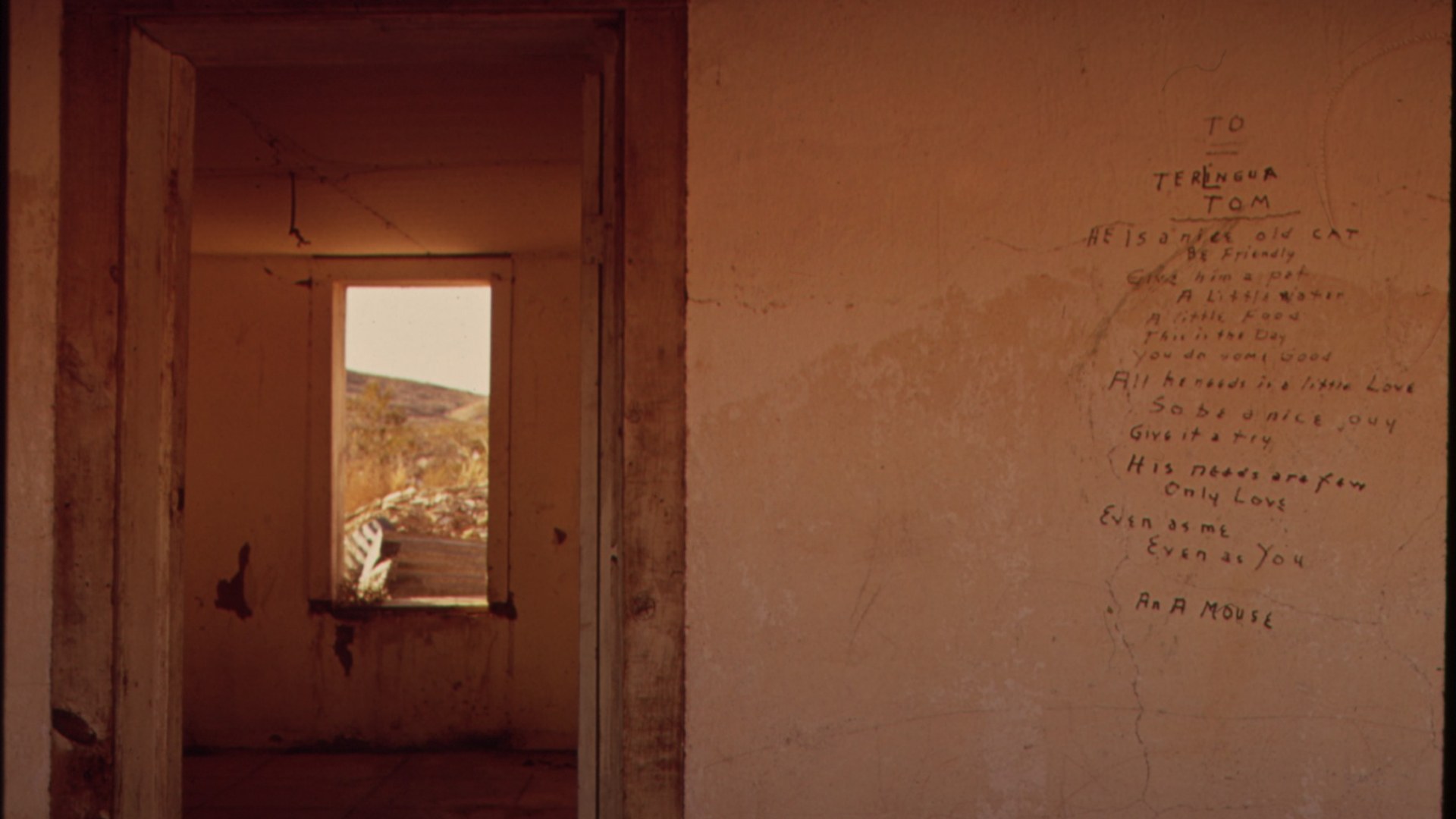
©Wikimedia Commons / NARA
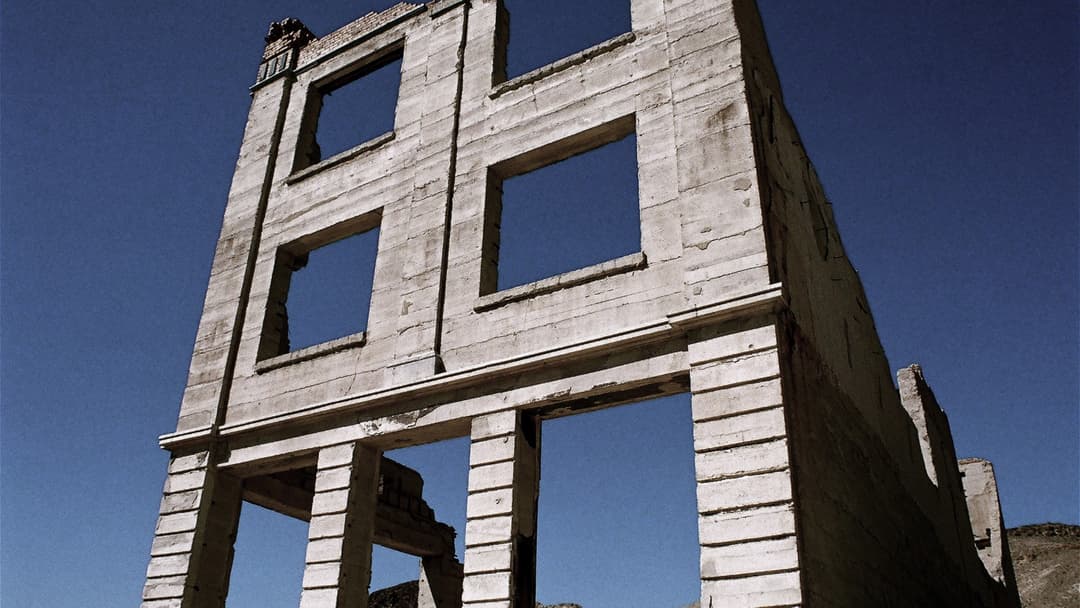
8. Rhyolite In Nevada
Springing up in 1905 on the edge of Death Valley, Rhyolite transformed into a modern city of several thousand within months, complete with concrete multi-story banks and a stock exchange. The financial panic of 1907 shattered investment, and within fifteen years the grand desert settlement stood completely vacant.
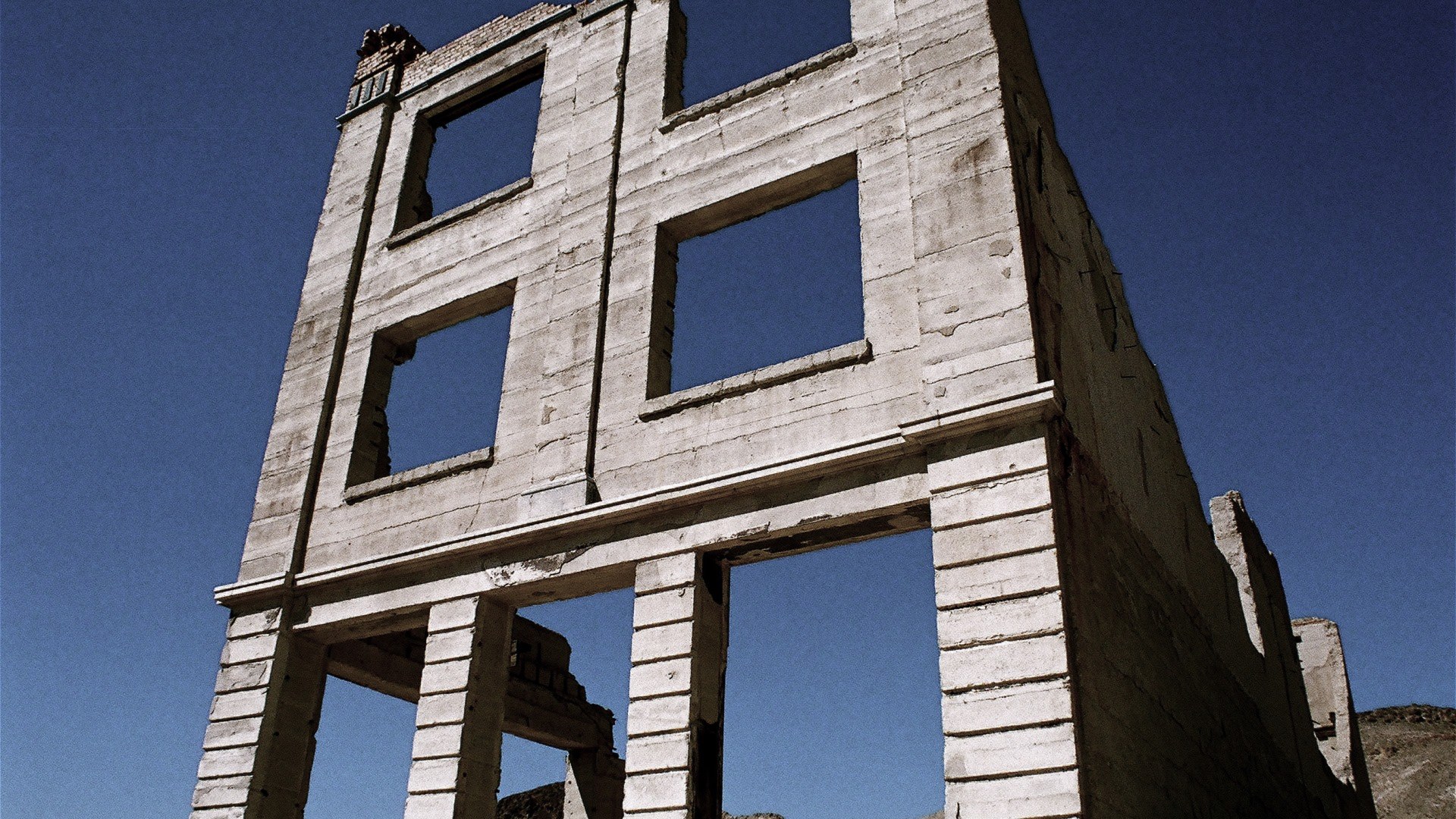
©Wikimedia Commons / Tuxyso
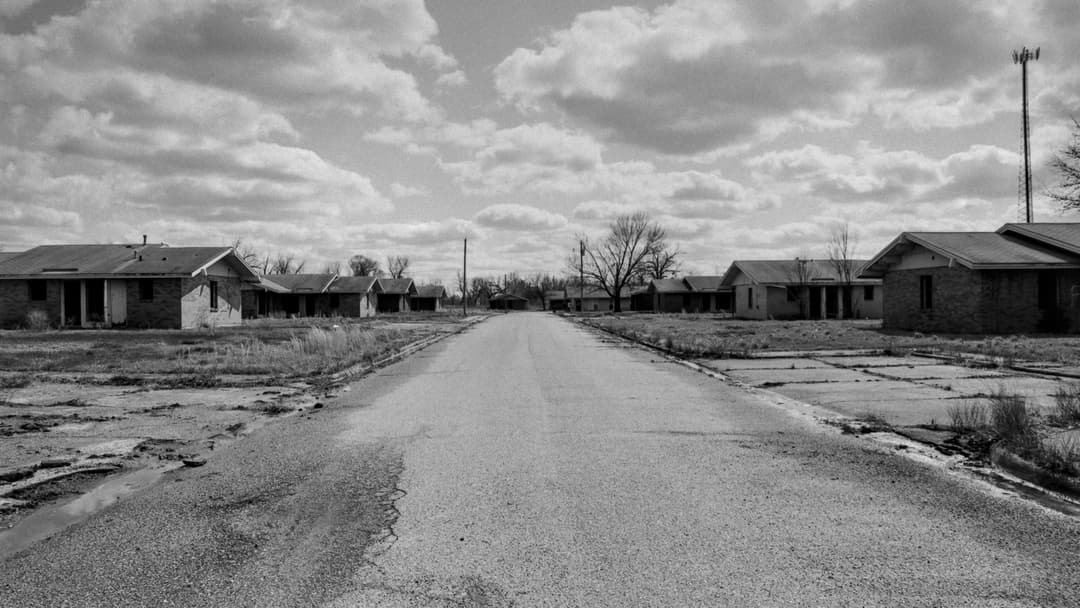
7. Picher In Oklahoma
Picher produced over twenty billion dollars of ore to supply ammunition during two World Wars, housing twenty thousand residents. Decades of heavy extraction left behind massive mountains of lead-laced chat and hollowed-out foundations prone to sinkholes, forcing a complete federal buyout that emptied the city.
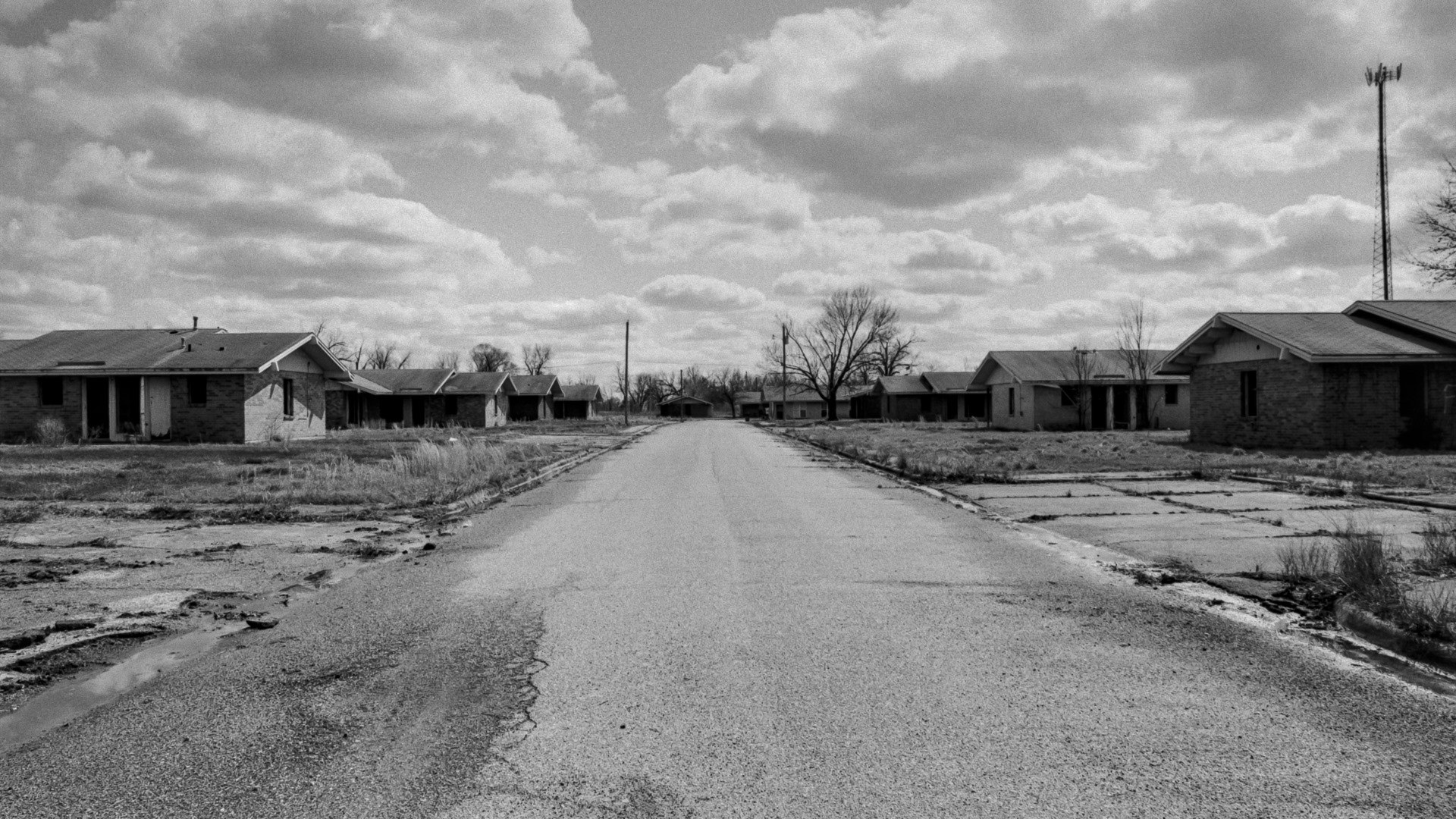
©Wikimedia Commons / FEMA
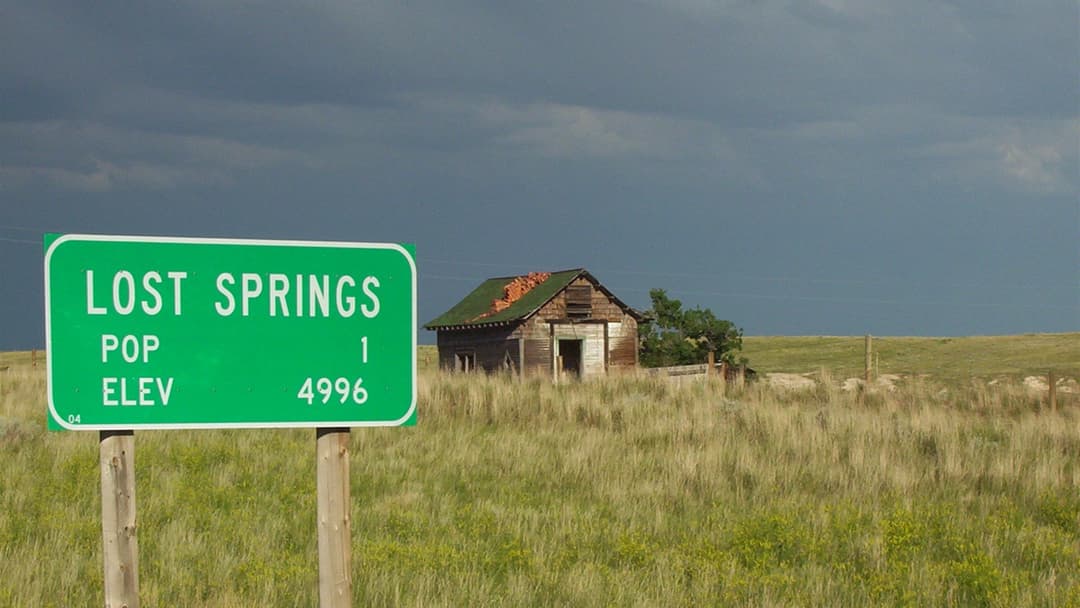
6. Lost Springs In Wyoming
Incorporated in 1914 to serve workers at the nearby Rosin coal mine, Lost Springs saw its fortunes plunge when the mine shuttered in the 1930s. The 2000 census famously recorded the town population as one, though local officials counted a handful more. Today, fewer than six people call the quiet town home.
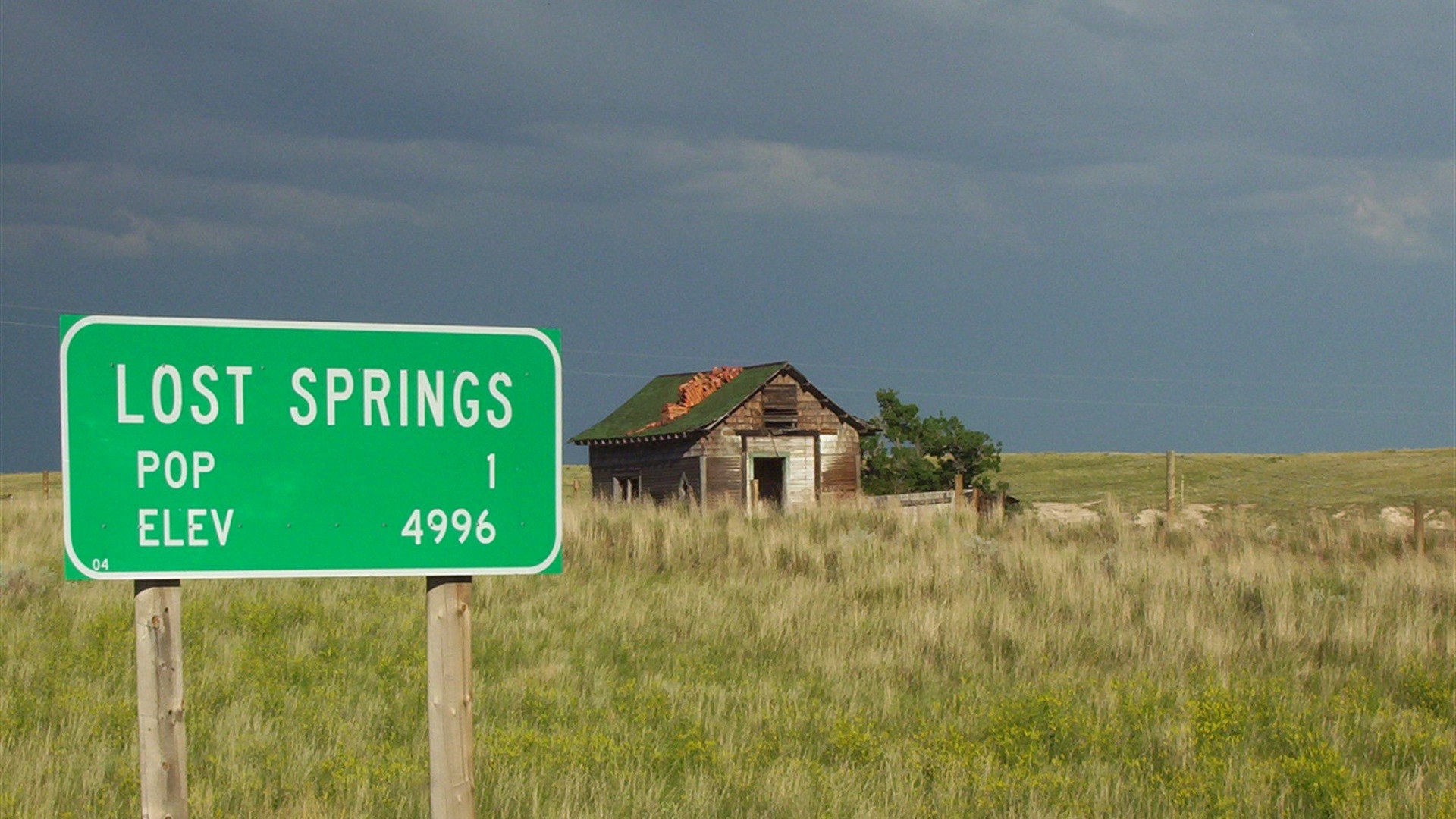
©Wikimedia Commons / Larry D. Moore
Advertisement
Swipe or tap ▶ to resume the countdown.
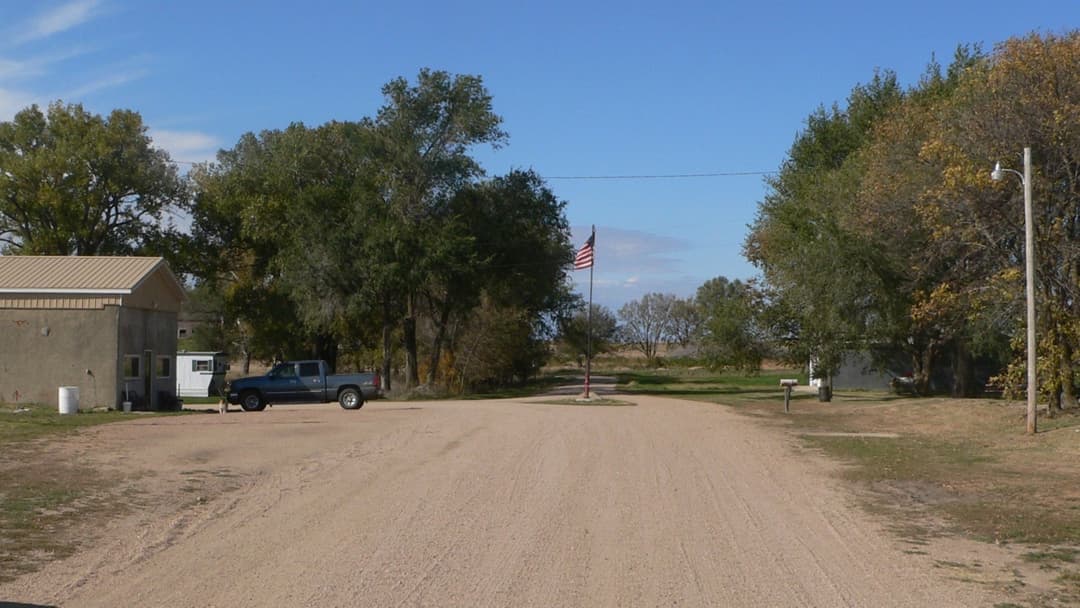
5. Gross In Nebraska
Founded in 1893 during regional railroad expansion, Gross anticipated rapid commercial growth that never materialized after the railway bypassed it. Fires and drought accelerated the decline. By modern counts, the official population rests at just two residents who welcome travelers to the Nebraskaland Café.
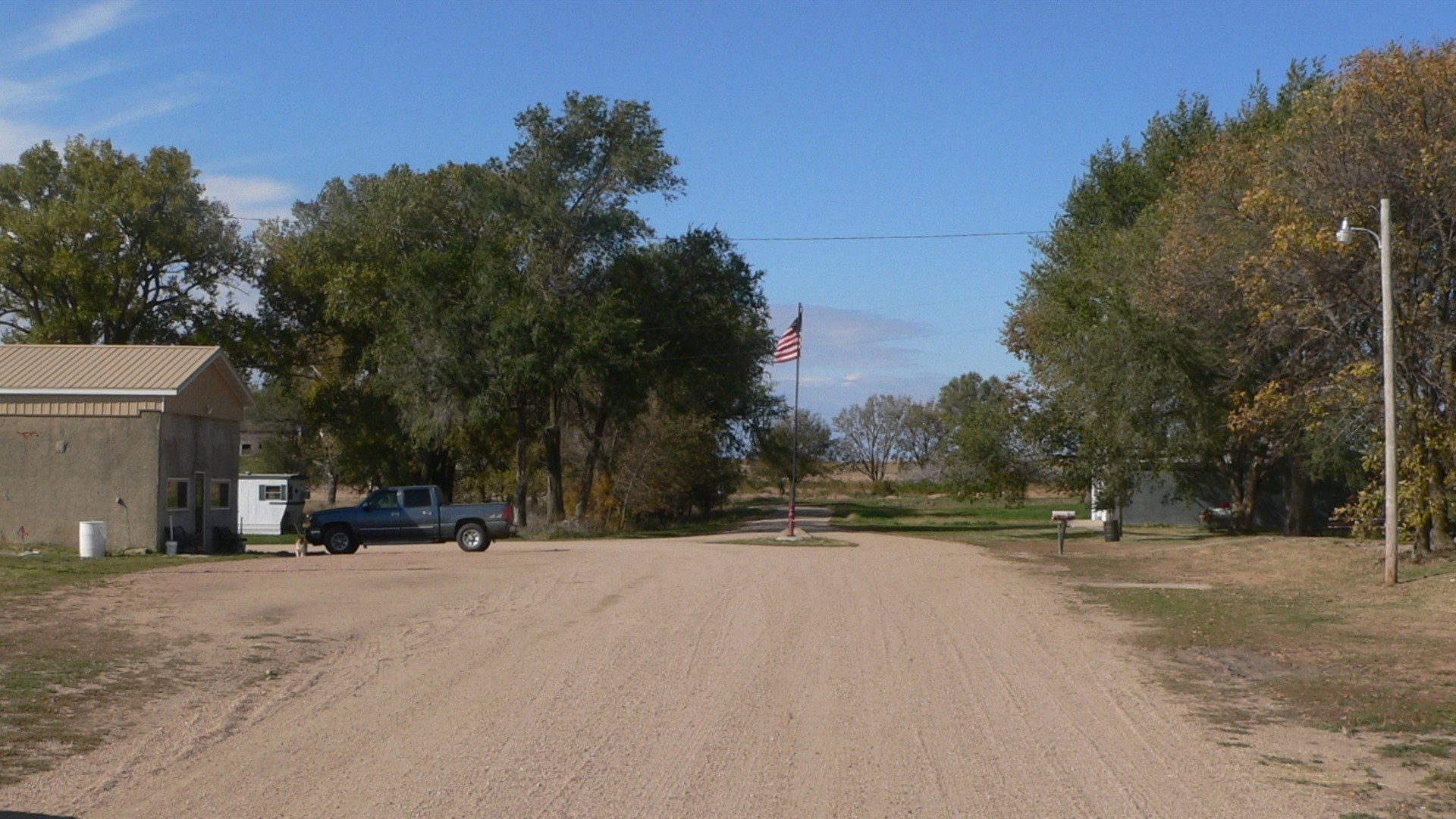
©Wikimedia Commons / Ammodramus
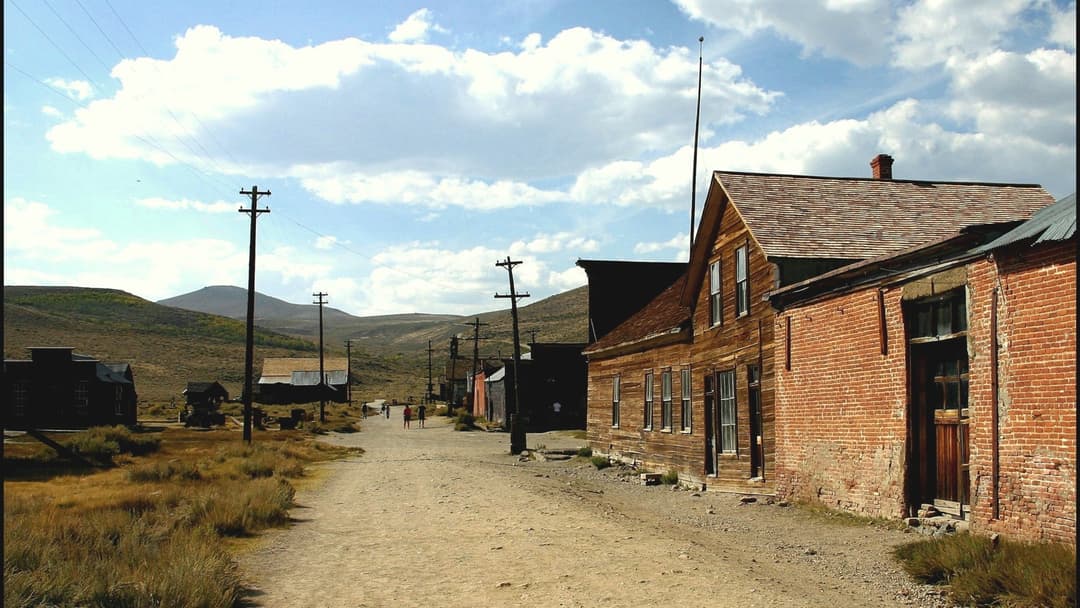
4. Bodie In California
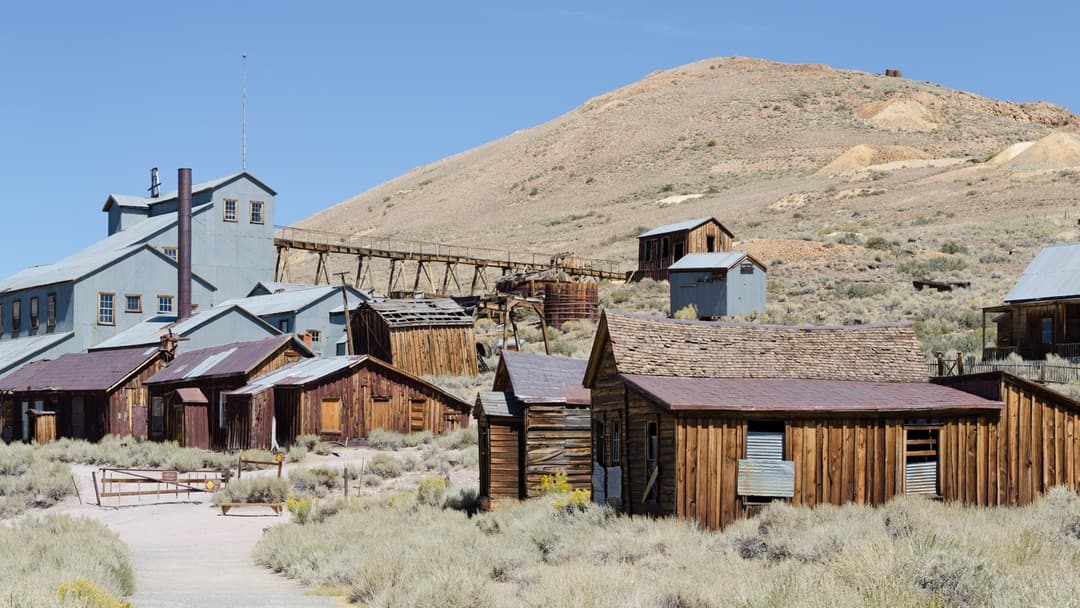
Following the discovery of gold in 1859, Bodie swelled into a notorious Sierra Nevada mining hub filled with saloons, brothels, and stamp mills. When the rich veins played out, families departed en masse. Today, California State Parks preserves over one hundred historic weathered structures with zero residents.
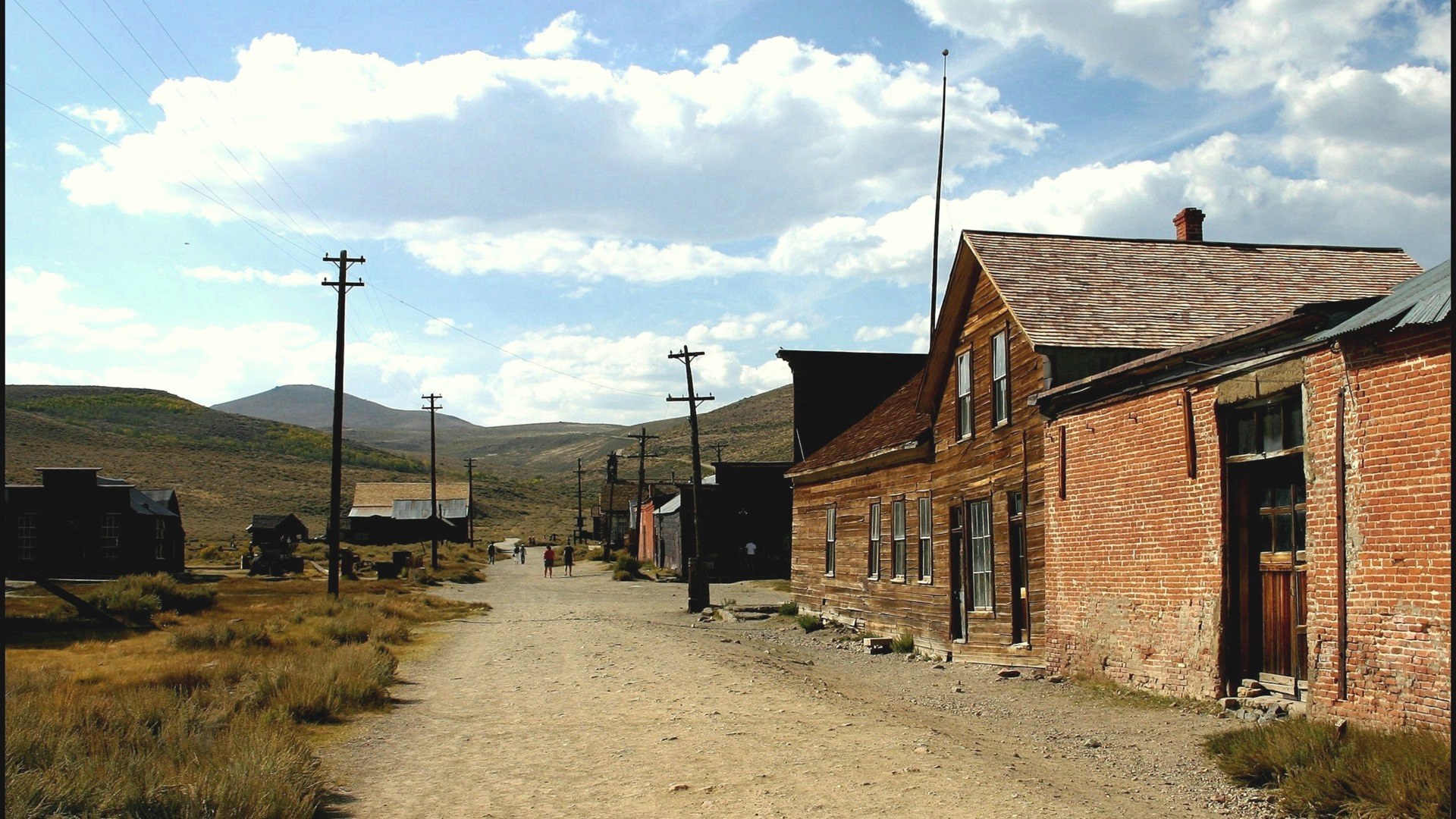
©Wikimedia Commons / Frank Schulenburg
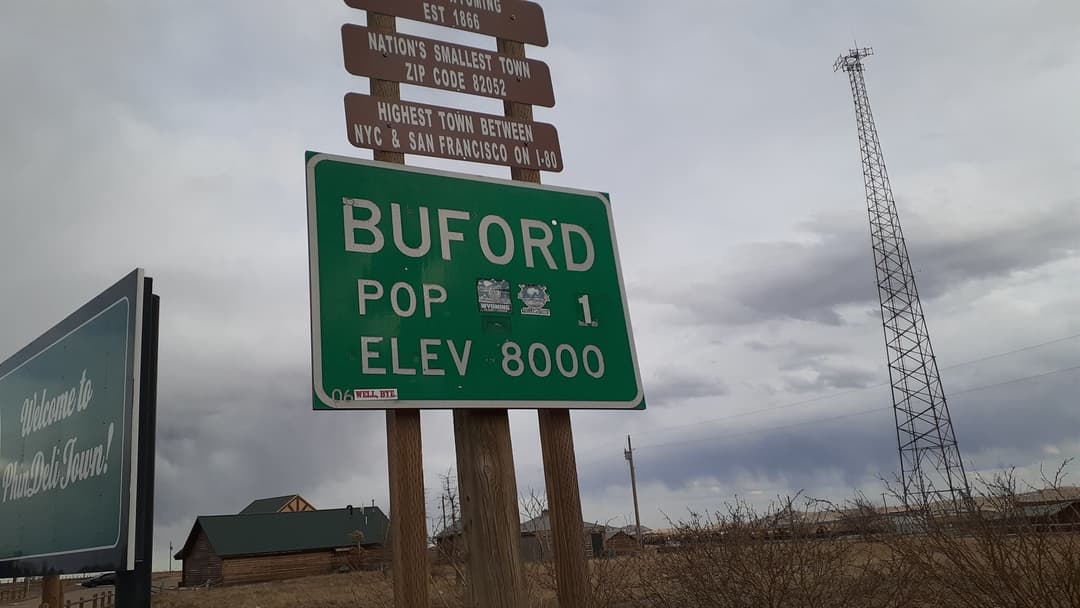
3. Buford In Wyoming
Perched at eight thousand feet along the Transcontinental Railroad between Cheyenne and Laramie, Buford once housed two thousand railway workers. Over the decades the population dwindled down to one lone resident, Don Sammons, before the entire outpost was sold at a high-profile international auction in 2012.
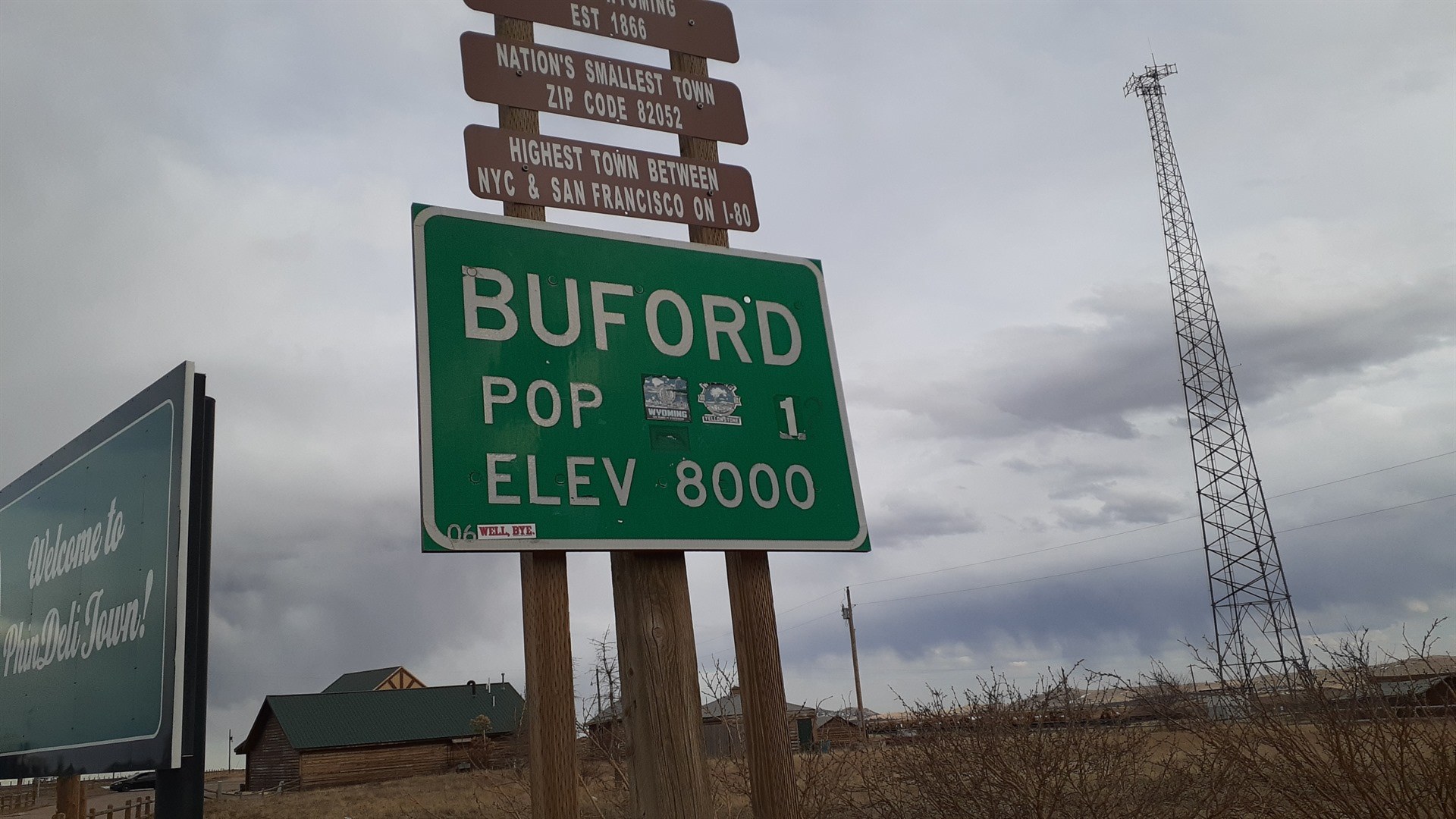
©Wikimedia Commons / Bradley Davis
2. Monowi In Nebraska
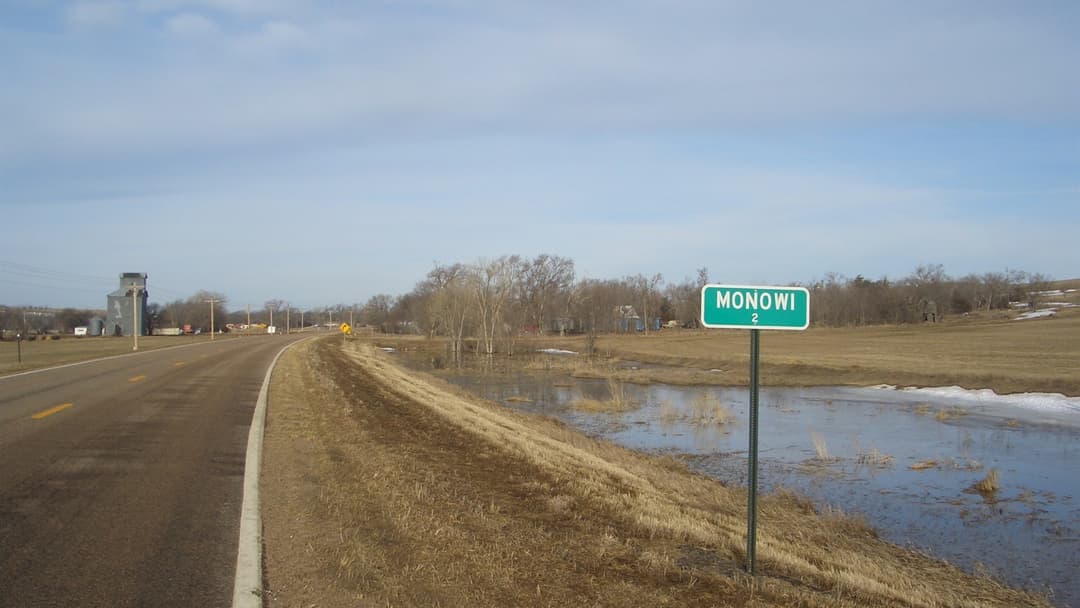
Situated in Boyd County near the South Dakota border, Monowi was once a lively farming community along the Fremont, Elkhorn and Missouri Valley Railroad. After the younger generation migrated away, the town census fell to just one resident, Elsie Eiler, who serves as mayor, treasurer, and sole tavern keeper.
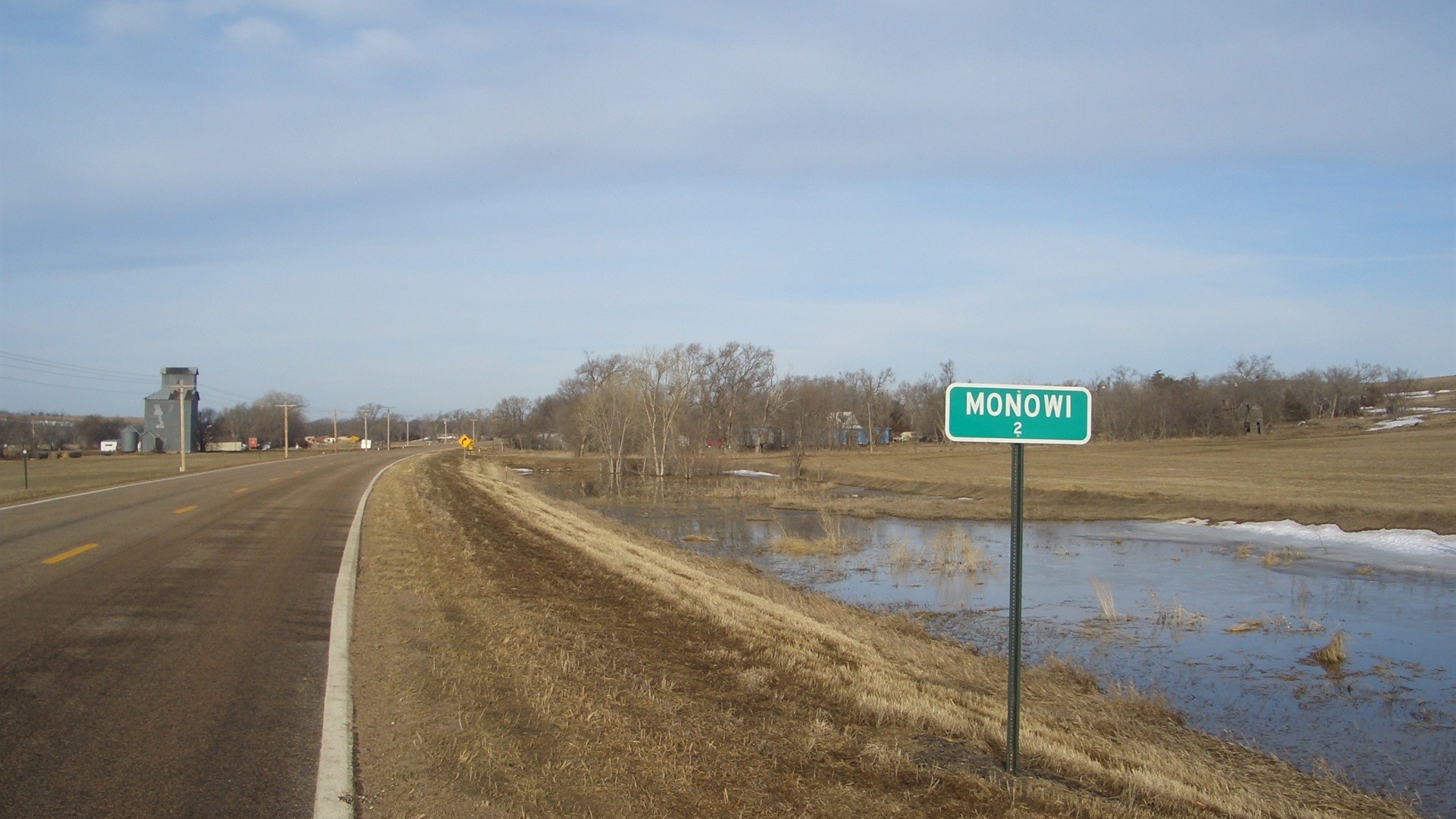
©Wikimedia Commons / Andrew Filer
Advertisement
Swipe or tap ▶ to resume the countdown.
1. Centralia In Pennsylvania
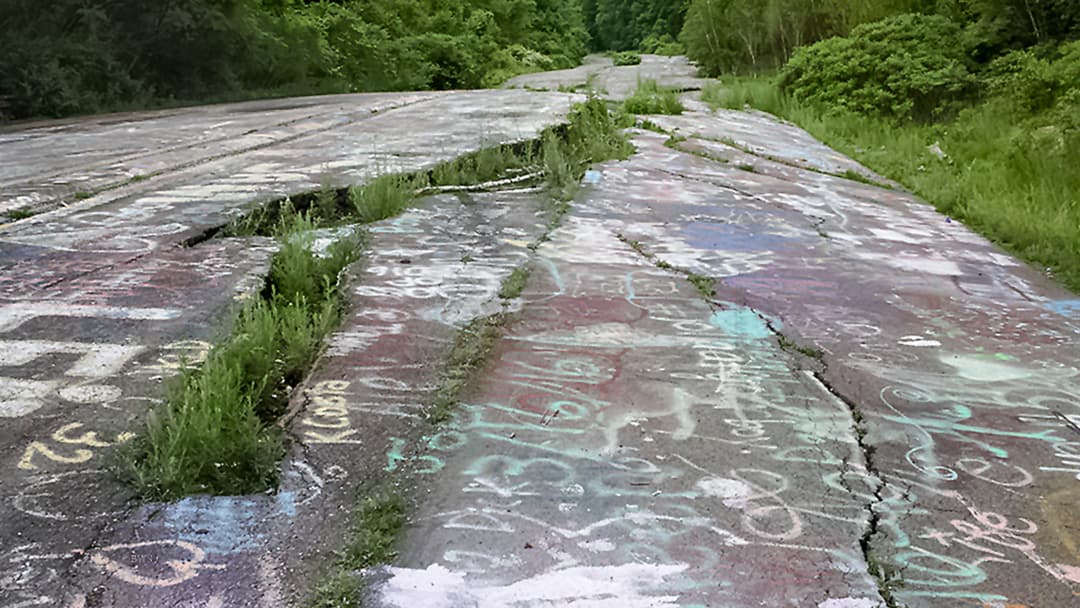
When an underground anthracite coal seam caught fire beneath Centralia in 1962, toxic fumes and sinkholes gradually tore the borough apart. The federal government acquired and condemned nearly every property in the 1980s, leaving a deserted street grid where fewer than five determined residents still remain.
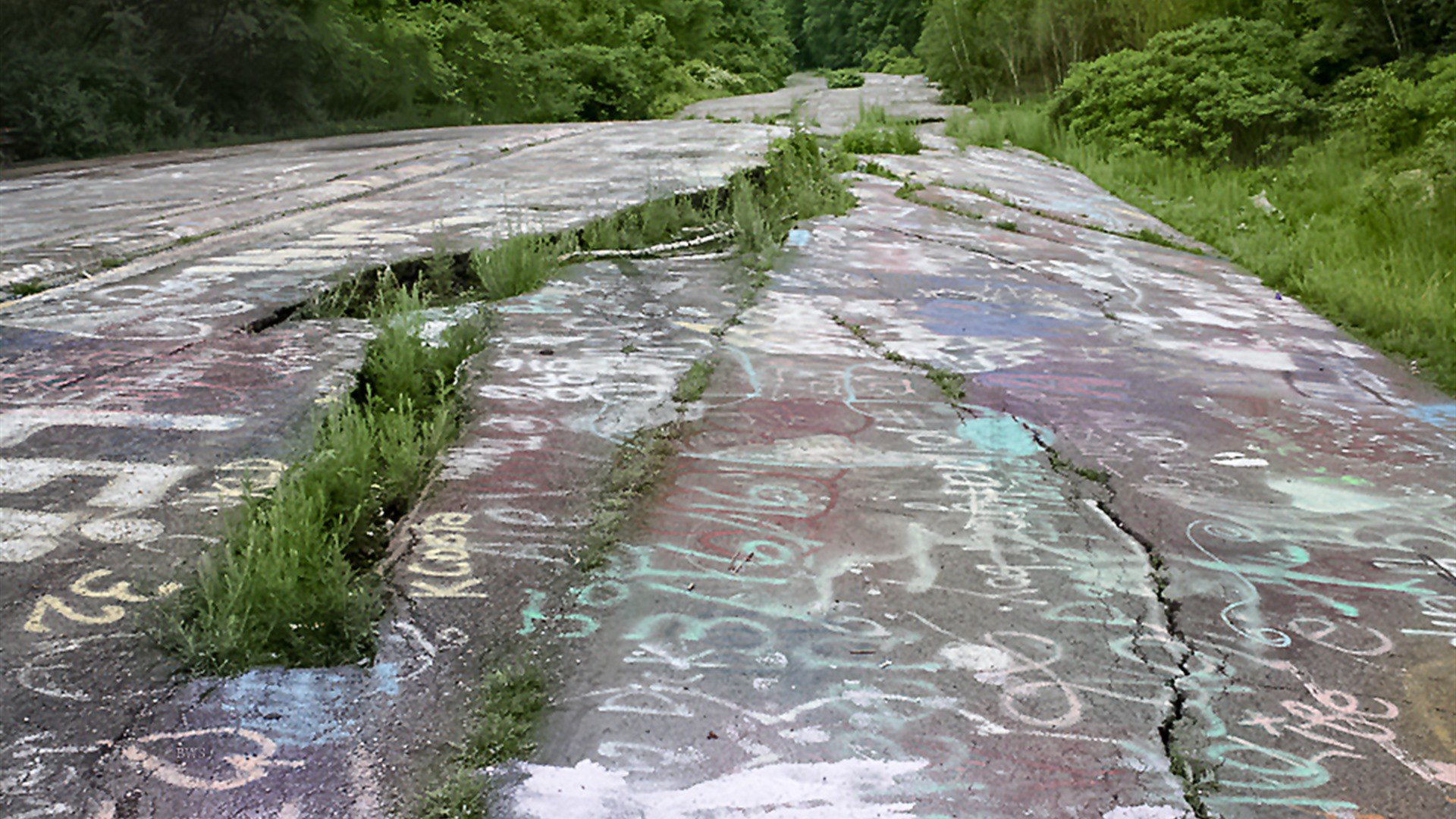
©Wikimedia Commons / Lycaon
Advertisement
You've reached the end of the story. Thanks for reading!

20 Stupid Airport Mistakes Travelers Make, Ranked
From rushing security to packing blunders, navigating commercial flights requires smart preparation. These twenty critical airport blunders cost travelers time, money, and flights.
All 20 Entries in this Story
20. Nelson In Nevada
Located in Eldorado Canyon south of Las Vegas, Nelson was the epicenter of one of Nevada first major gold and silver booms in the 1860s. After decades of lawless disputes, mine closures, and a catastrophic flash flood in 1974 that swept away several buildings, the population diminished to fewer than twenty people.

19. Bannack In Montana
The site of Montana first major gold discovery in 1862 along Grasshopper Creek, Bannack mushroomed into a boomtown of three thousand residents and served briefly as territorial capital. As gold strikes occurred elsewhere, miners drifted away. Today, more than sixty historic buildings stand in peaceful solitude.

18. Glenrio On Historic Route 66
Straddling the Texas and New Mexico border, Glenrio thrived on cross-country motorists traveling the Mother Road, offering fuel on the Texas side and bars on the New Mexico side. When Interstate 40 opened in 1975, highway traffic vanished instantly, turning the motel strip into an empty outdoor museum with zero locals.

17. Cisco In Utah
Established in the 1880s by the Denver and Rio Grande Western Railroad, Cisco served as a vital water replenishment depot for steam engines and later as a uranium exploration camp. When Interstate 70 bypassed the two-lane highway in the 1970s, businesses closed, leaving weathered shacks and four or fewer residents.

16. Oatman In Arizona
Following a multi-million-dollar gold strike in 1915, Oatman attracted thousands of prospectors and became a vital stop for cross-country travelers on Route 66. When mining ceased in the 1940s and Interstate 40 bypassed the mountain pass, the population shrank to under one hundred residents and friendly burros.

15. Thurmond In West Virginia
In the early 1900s, Thurmond was a powerhouse of the Chesapeake and Ohio Railway, processing tons of coal from surrounding New River Gorge mines. Because roads could not access the rugged canyon floor, the town relied entirely on rail traffic. When diesel engines took over, the population plunged to five people.

14. Kennecott In Alaska
Between 1911 and 1938, the Kennecott Mines processed more than two hundred million dollars of high-grade copper ore deep in the Alaskan wilderness. When the lucrative veins were exhausted, the mining company abruptly halted operations and departed on the last train, leaving an enormous fourteen-story wooden mill.

13. Goldfield In Nevada
In 1906, Goldfield was the largest city in Nevada, producing millions in gold bullion and home to extravagant four-story hotels and electric utilities. When ore deposits dried up and a massive 1923 fire swept through downtown, the population collapsed from tens of thousands down to around two hundred residents.

12. Cahawba In Alabama
Selected as Alabama capital in 1820 at the confluence of the Alabama and Cahaba Rivers, Cahawba was designed to be a grand antebellum city. Frequent seasonal inundations forced lawmakers to relocate the capital to Tuscaloosa. After the Civil War, the town crumbled, leaving columns and ruins reclaimed by nature.

11. Garnet In Montana
Named for the rich garnet gems embedded in surrounding mountain rock, this late nineteenth-century settlement supported a flourishing community of gold miners, saloons, and family homes. Following a destructive fire and the onset of World War I, families left their possessions behind, leaving an intact ghost town.

10. St. Elmo In Colorado
Founded in 1880 at ten thousand feet elevation in the Sawatch Range, St. Elmo thrived on silver and gold extraction alongside the Denver, South Park and Pacific Railroad. When the alpine railway ceased service in 1922, the population plummeted. Today, dozens of original wooden storefronts stand nearly deserted.

9. Terlingua In Texas
At its zenith in the early twentieth century, the Chisos Mining Company in Terlingua extracted much of the nation quicksilver. When market prices cratered and ore ran scarce, miners abandoned their adobe dwellings. Today, the atmospheric desert ruins host an eclectic arts community and fewer than sixty locals.

8. Rhyolite In Nevada
Springing up in 1905 on the edge of Death Valley, Rhyolite transformed into a modern city of several thousand within months, complete with concrete multi-story banks and a stock exchange. The financial panic of 1907 shattered investment, and within fifteen years the grand desert settlement stood completely vacant.

7. Picher In Oklahoma
Picher produced over twenty billion dollars of ore to supply ammunition during two World Wars, housing twenty thousand residents. Decades of heavy extraction left behind massive mountains of lead-laced chat and hollowed-out foundations prone to sinkholes, forcing a complete federal buyout that emptied the city.

6. Lost Springs In Wyoming
Incorporated in 1914 to serve workers at the nearby Rosin coal mine, Lost Springs saw its fortunes plunge when the mine shuttered in the 1930s. The 2000 census famously recorded the town population as one, though local officials counted a handful more. Today, fewer than six people call the quiet town home.

5. Gross In Nebraska
Founded in 1893 during regional railroad expansion, Gross anticipated rapid commercial growth that never materialized after the railway bypassed it. Fires and drought accelerated the decline. By modern counts, the official population rests at just two residents who welcome travelers to the Nebraskaland Café.

4. Bodie In California
Following the discovery of gold in 1859, Bodie swelled into a notorious Sierra Nevada mining hub filled with saloons, brothels, and stamp mills. When the rich veins played out, families departed en masse. Today, California State Parks preserves over one hundred historic weathered structures with zero residents.

3. Buford In Wyoming
Perched at eight thousand feet along the Transcontinental Railroad between Cheyenne and Laramie, Buford once housed two thousand railway workers. Over the decades the population dwindled down to one lone resident, Don Sammons, before the entire outpost was sold at a high-profile international auction in 2012.

2. Monowi In Nebraska
Situated in Boyd County near the South Dakota border, Monowi was once a lively farming community along the Fremont, Elkhorn and Missouri Valley Railroad. After the younger generation migrated away, the town census fell to just one resident, Elsie Eiler, who serves as mayor, treasurer, and sole tavern keeper.

1. Centralia In Pennsylvania
When an underground anthracite coal seam caught fire beneath Centralia in 1962, toxic fumes and sinkholes gradually tore the borough apart. The federal government acquired and condemned nearly every property in the 1980s, leaving a deserted street grid where fewer than five determined residents still remain.