Slideshow · Animals
20 Animals That Survive Winter in Surprising Ways, Ranked
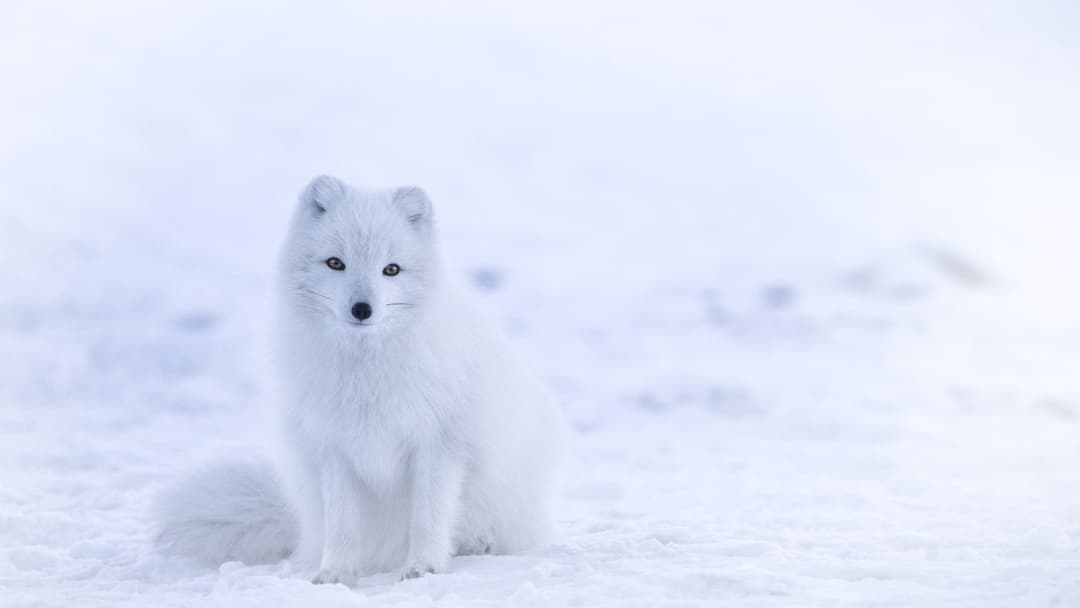
From freezing solid to changing eye colors and supercooling blood below zero, wildlife across the globe deploys astonishing adaptations to conquer subzero cold.
By Most Viral Today
40 min ago

How Creatures Defy Subzero Cold Across the Globe 
20. Canada Lynx 
19. European Hedgehog 
18. Snow Leopard - AdvertisementSwipe or tap ▶ to continue countdown

17. Mountain Hare 
16. Western Honey Bee 
15. Ruffed Grouse 
14. Red-Sided Garter Snake - AdvertisementSwipe or tap ▶ to continue countdown

13. Willow Ptarmigan 
12. Muskox 
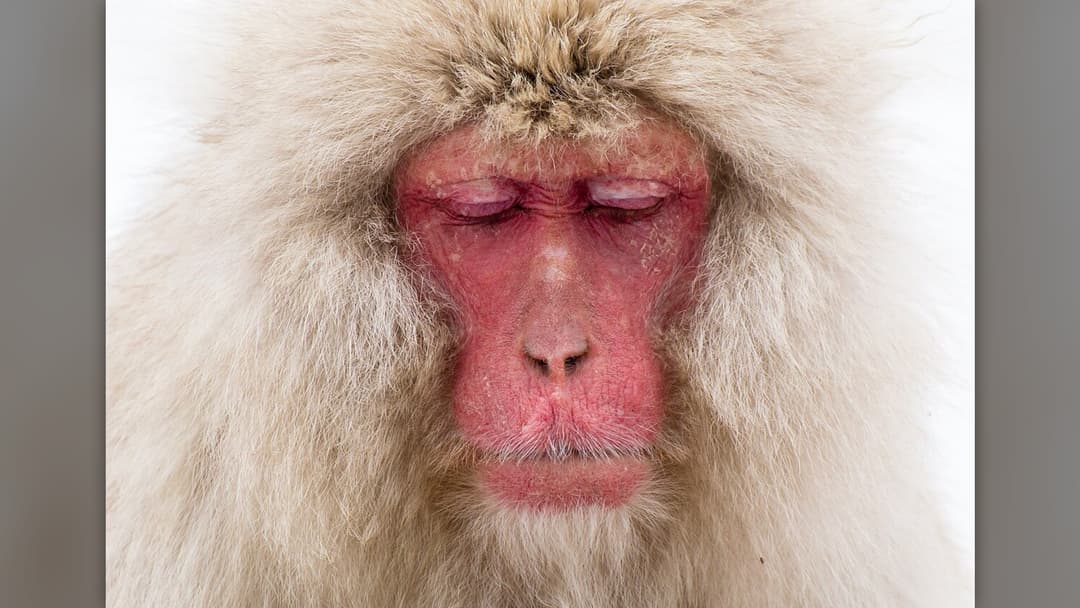
11. Japanese Macaque 
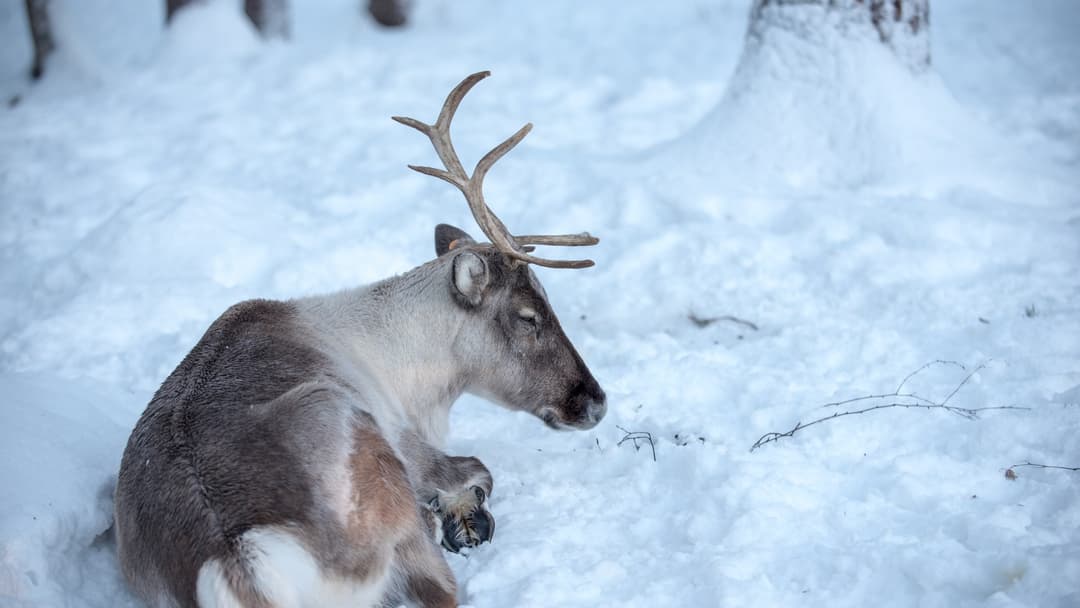
10. Arctic Reindeer - AdvertisementSwipe or tap ▶ to continue countdown

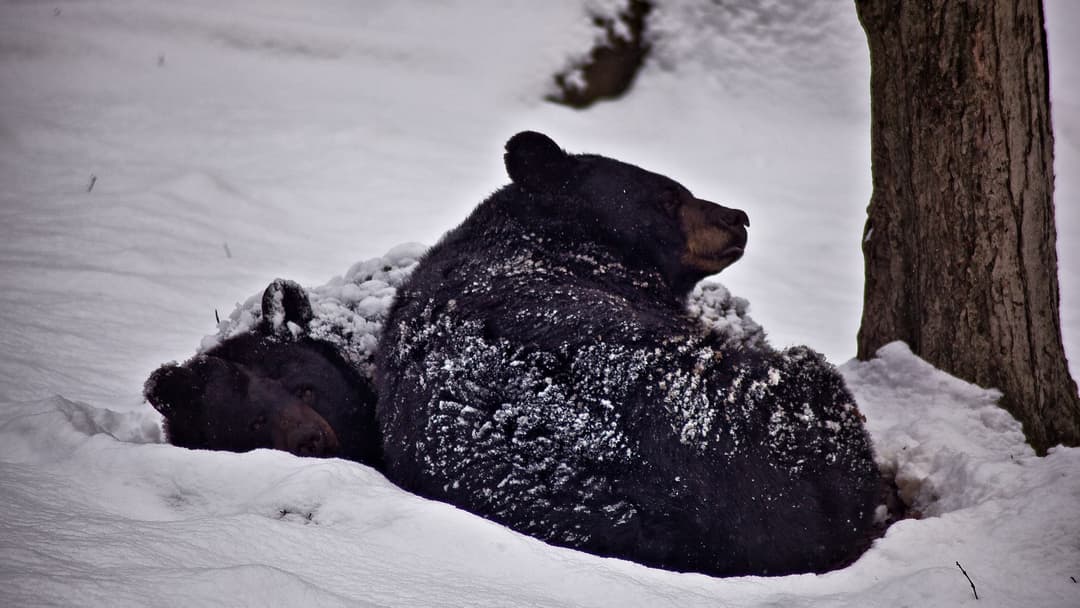
9. American Black Bear 
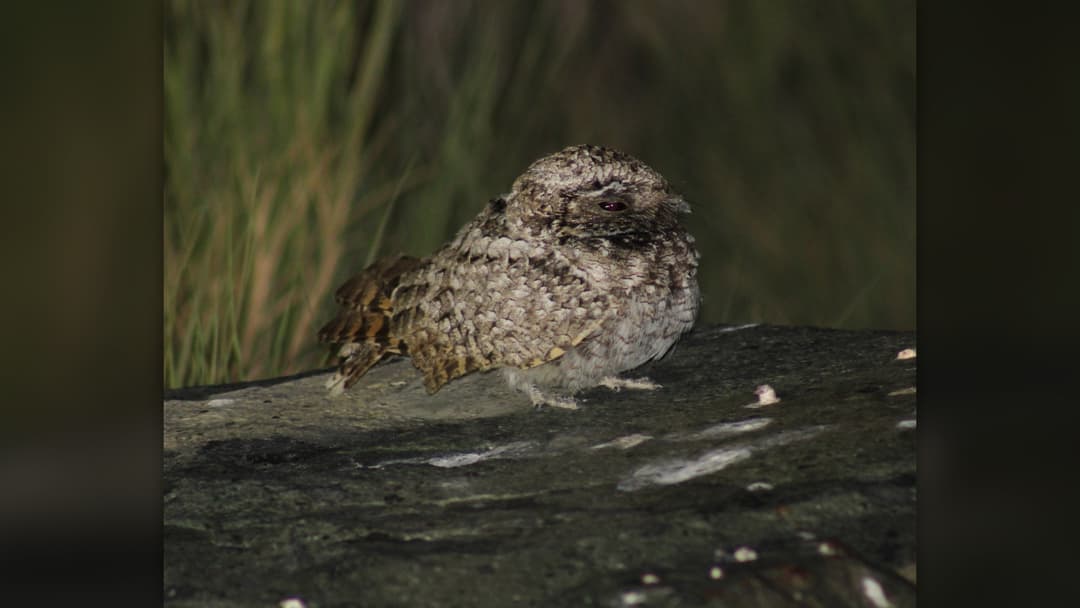
8. Common Poorwill 
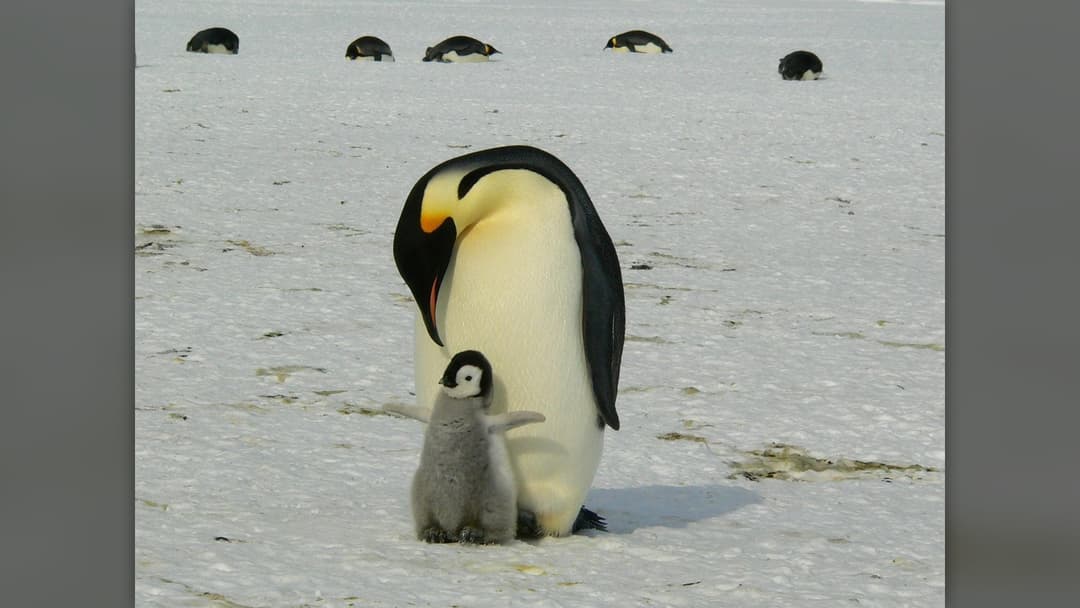
7. Emperor Penguin 
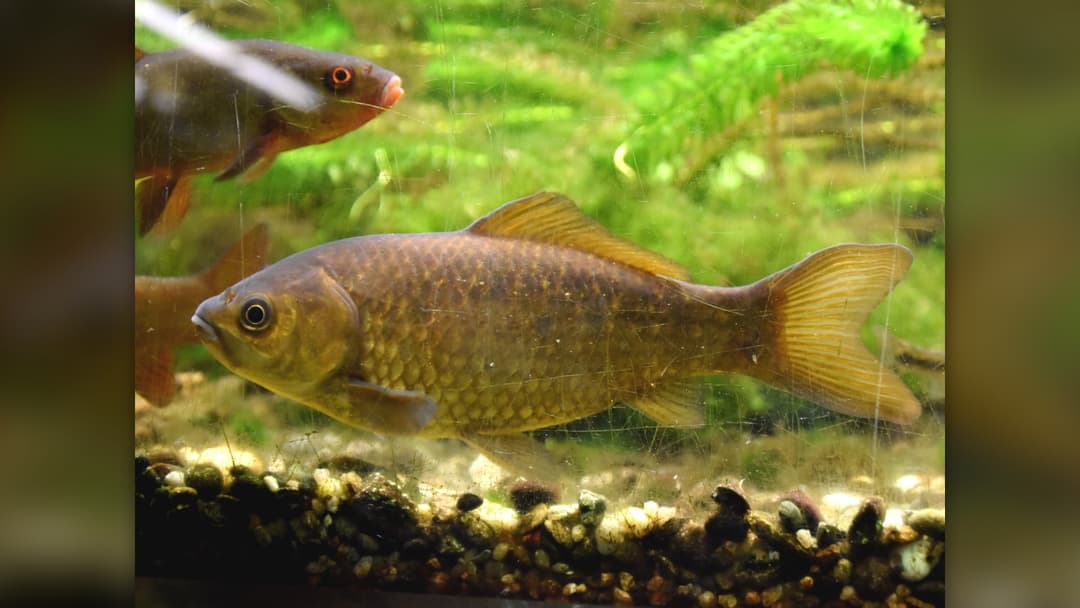
6. Crucian Carp - AdvertisementSwipe or tap ▶ to continue countdown

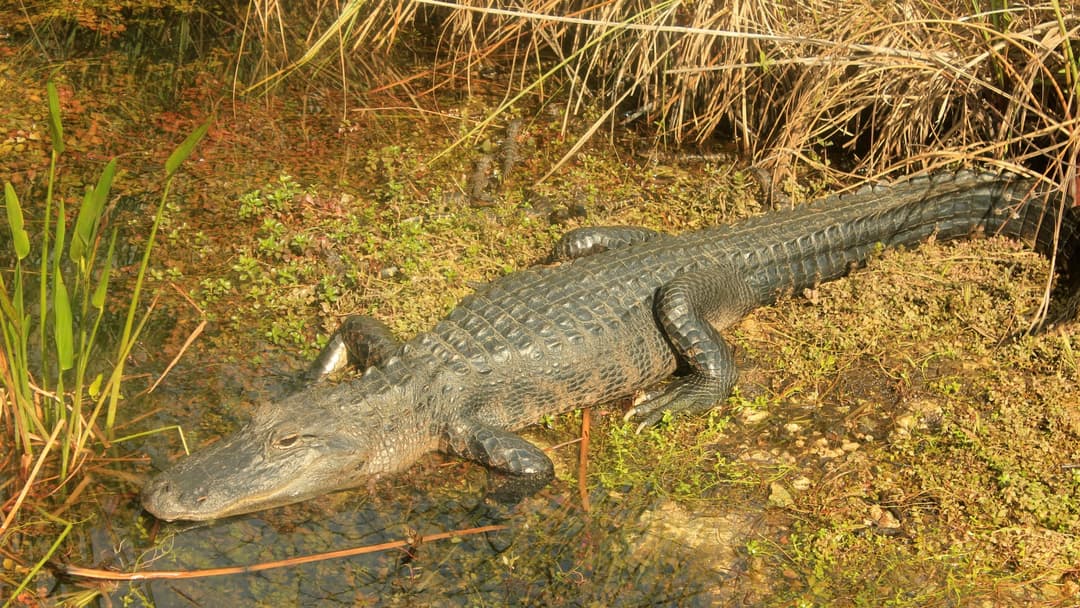
5. American Alligator 
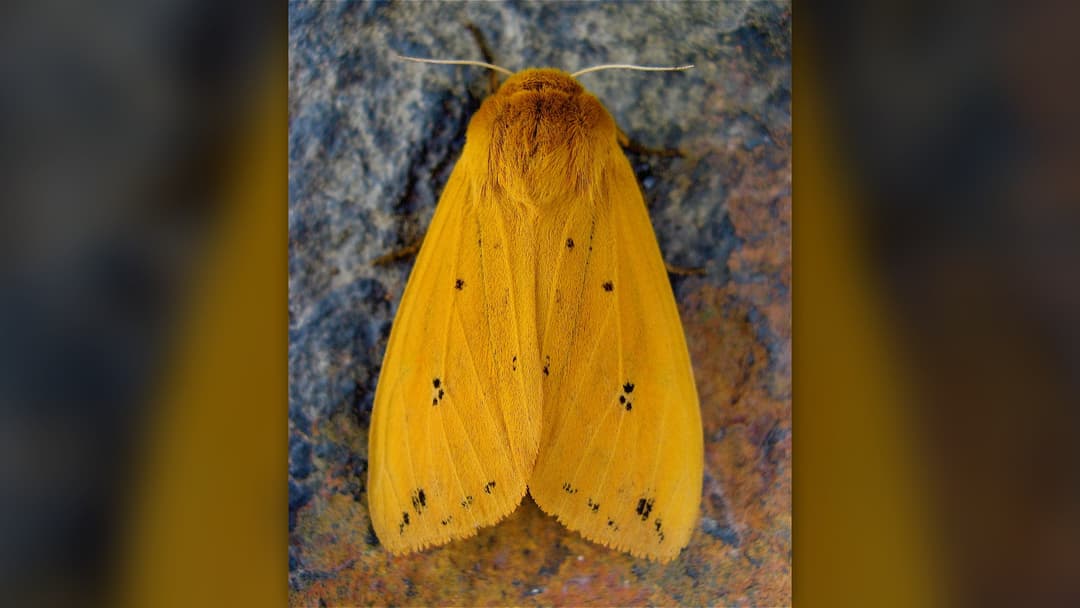
4. Woolly Bear Caterpillar 
3. Painted Turtle 
2. Arctic Ground Squirrel - AdvertisementSwipe or tap ▶ to continue countdown

1. Alaskan Wood Frog - Advertisement🔥 UP NEXT IN THIS SERIES◫ 21 Slides

20 Most Dangerous Animals in America's National Parks, Ranked
From venomous pit vipers in the desert to apex carnivores in the backcountry, here are the most dangerous animals found across America's national parks, ranked.
From wood frogs that freeze solid to fish producing natural alcohol, these resilient creatures use extraordinary biological adaptations to survive the harshest winters on Earth.
Swipe or tap ▶ to begin the countdown
©Wikimedia / Jonatan Pie
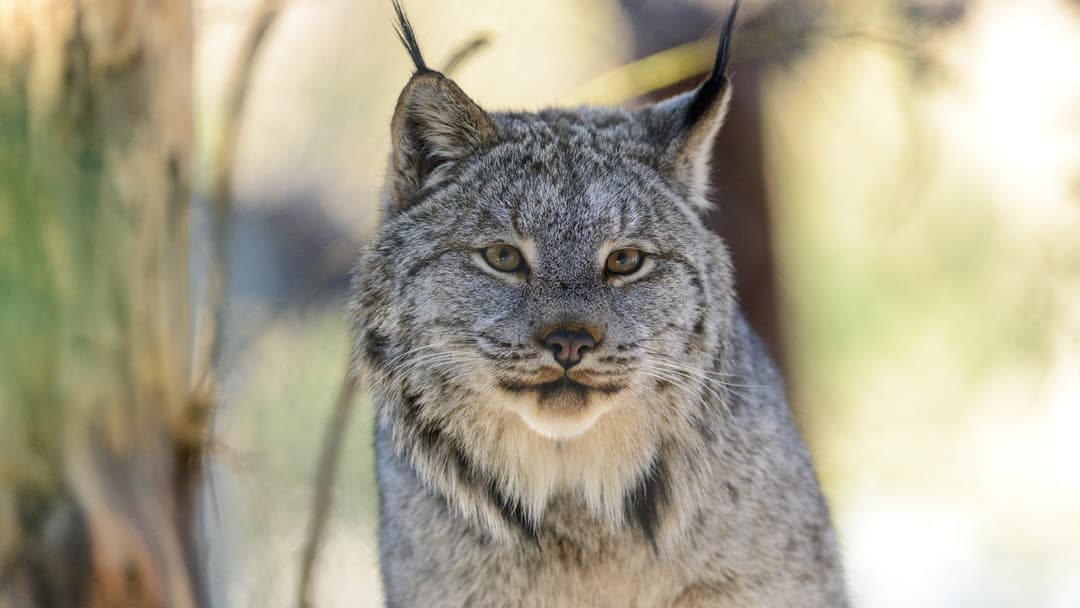
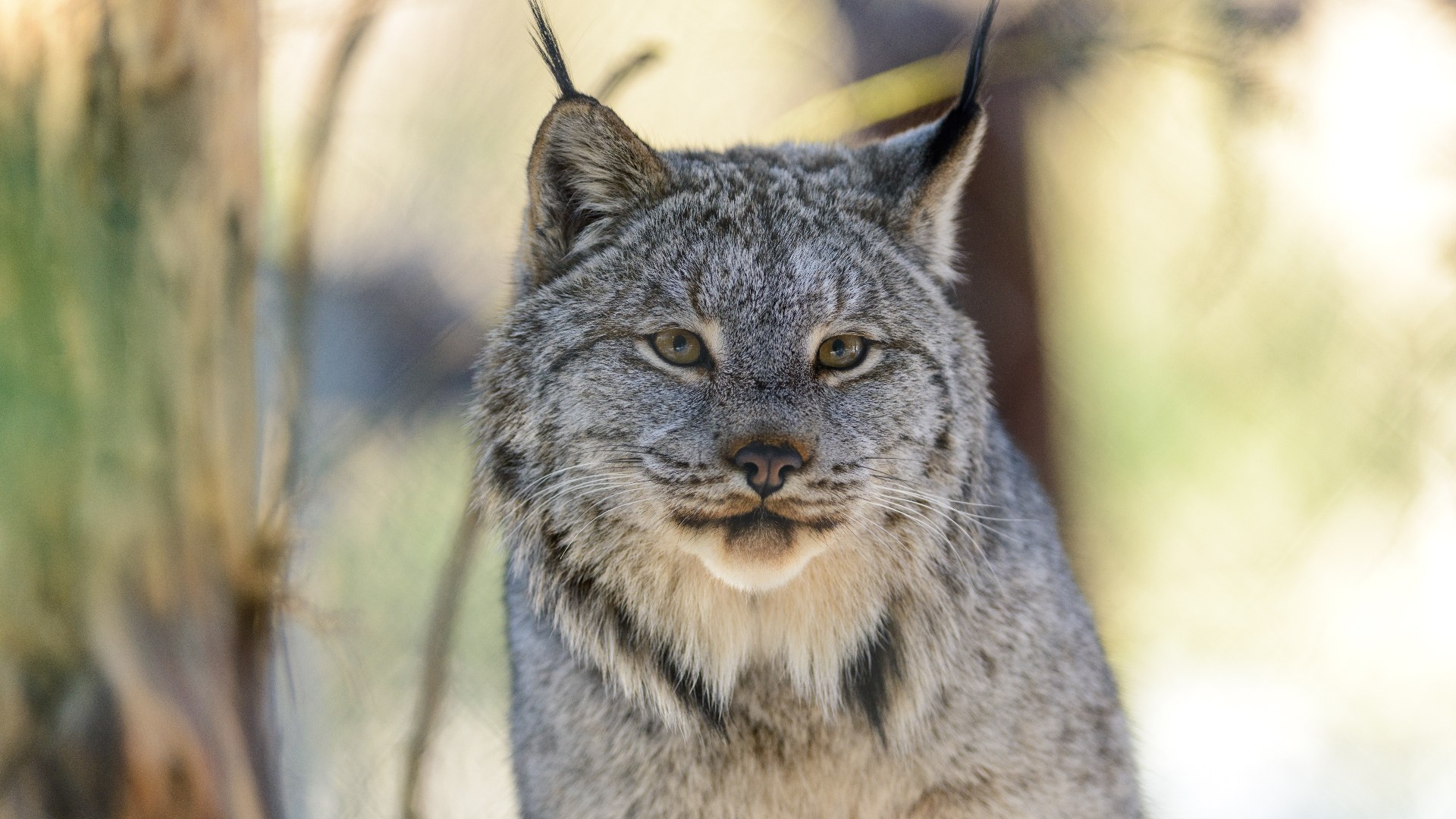
20. Canada Lynx
The Canada lynx navigates deep snow with oversized paws that function like snowshoes, spreading its body weight so it can stalk snowshoe hares across deep powder without sinking.
©Wikimedia / Eric Kilby
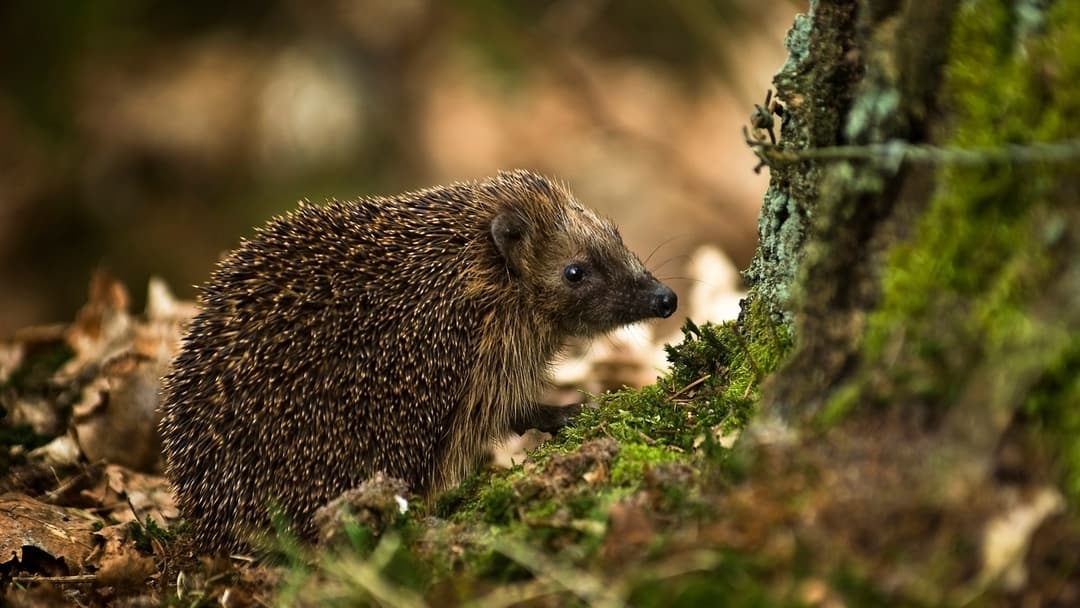
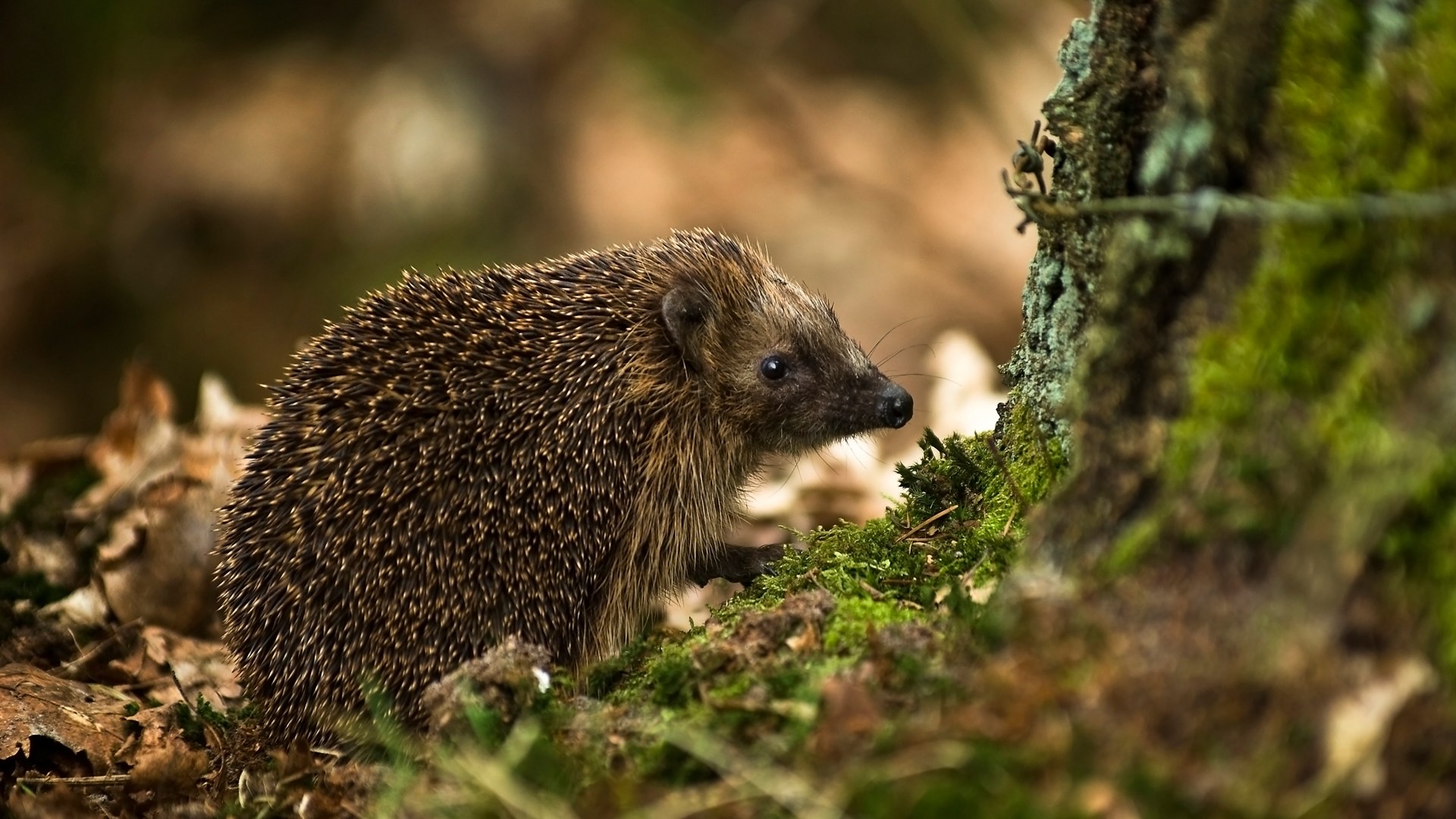
19. European Hedgehog
European hedgehogs build dense leaf nests called hibernacula. During deep torpor, their body temperature drops from 35 degrees Celsius to just 4 degrees, while their heart rate slows by 90 percent.
©Wikimedia / Hrald
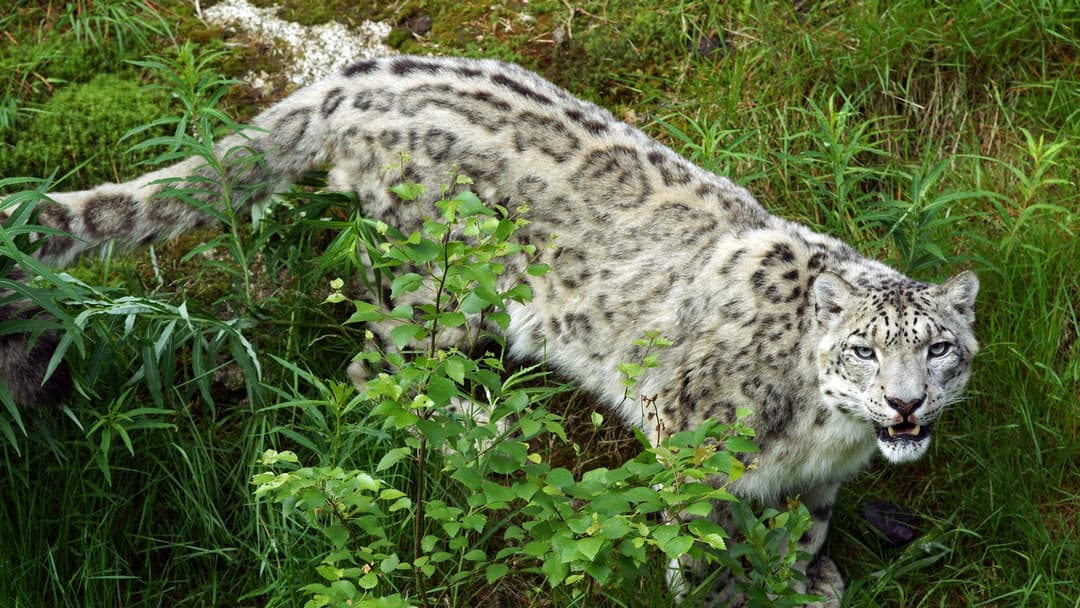
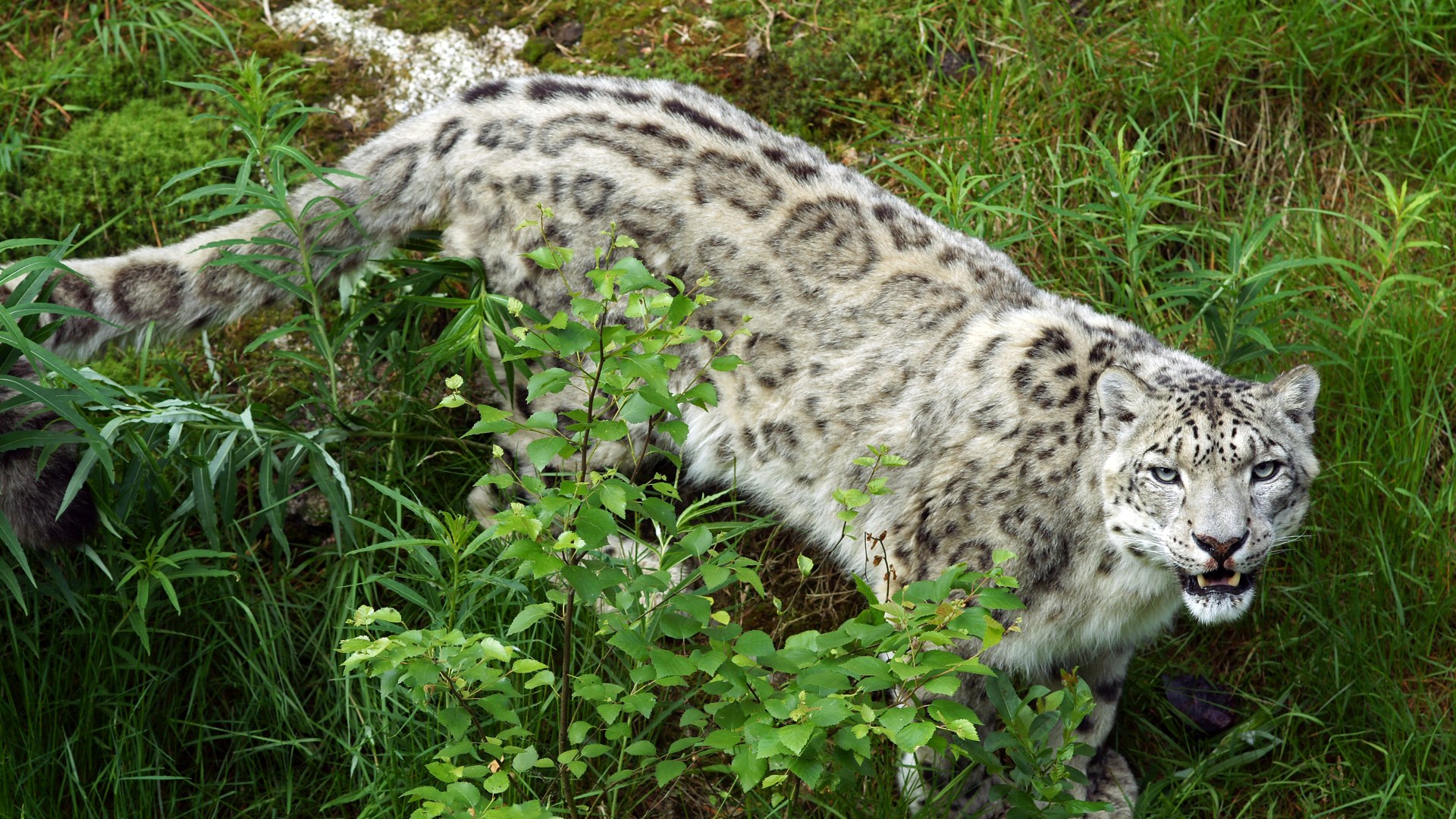
18. Snow Leopard
Inhabiting Himalayan peaks up to 18,000 feet, the snow leopard uses its nearly meter-long furry tail as an insulated scarf, wrapping it across its nose and mouth to warm freezing mountain air.
©Wikimedia / kallerna
Advertisement
Swipe or tap ▶ to resume the countdown.
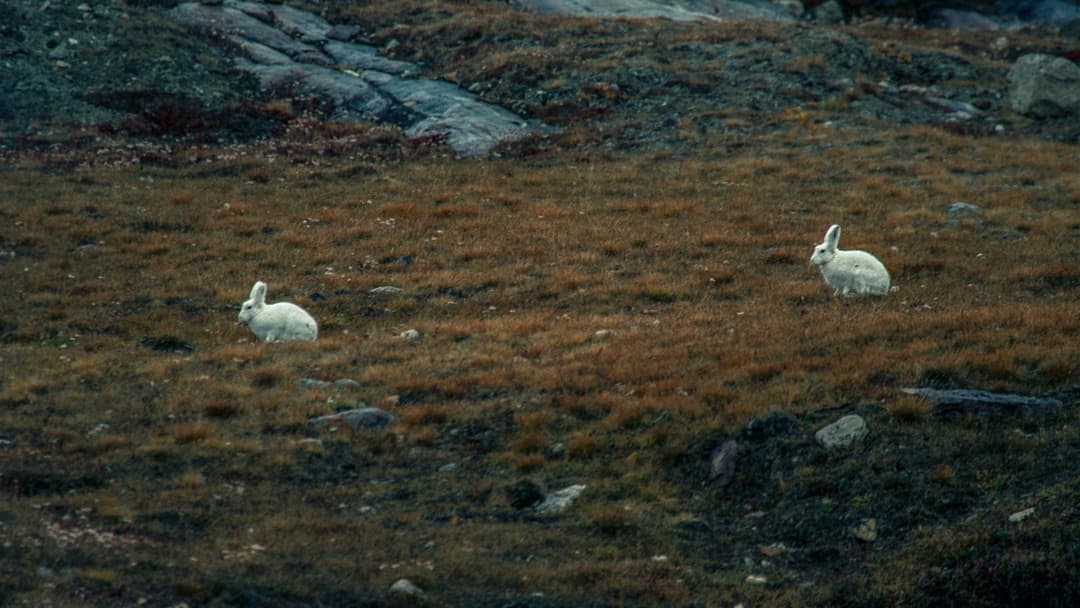
17. Mountain Hare
In autumn, mountain hares shed their brown summer fur for a dense white coat that provides camouflage and insulation. They dig small snow pits called scrapes to shelter from arctic winds.
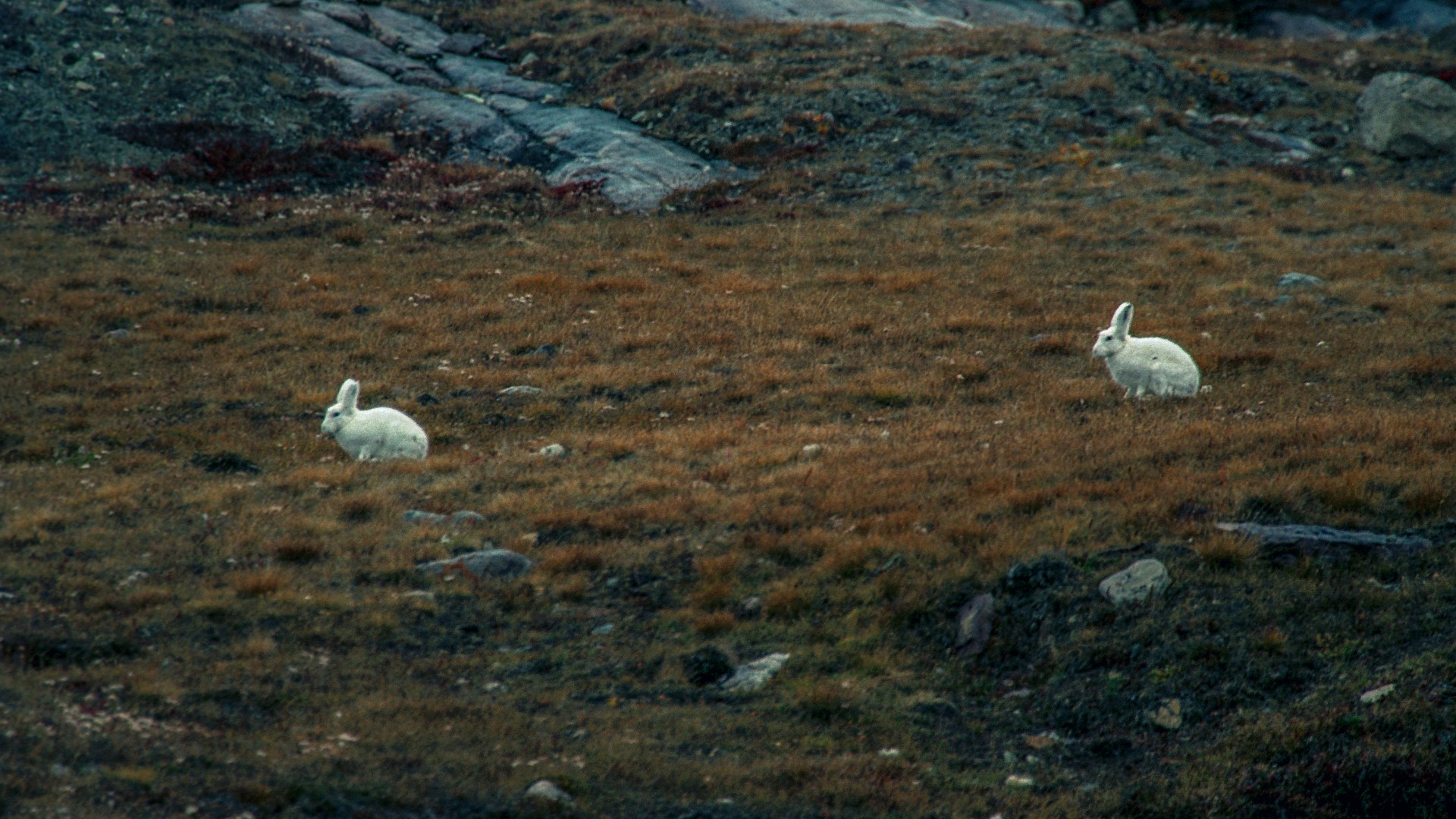
©Wikimedia / Jerzy Strzelecki
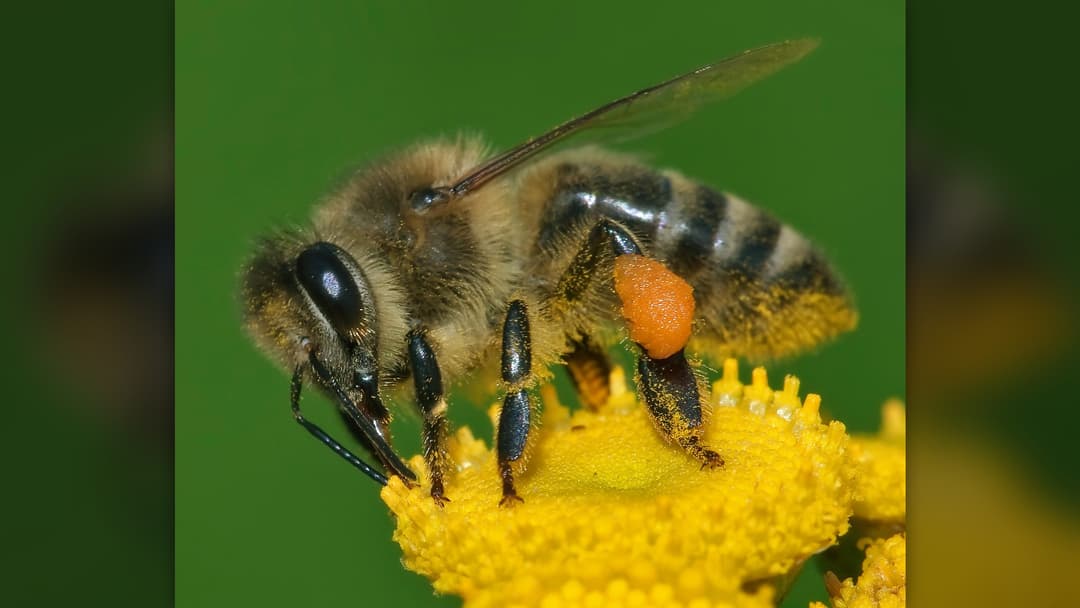
16. Western Honey Bee
Instead of hibernating, honey bees cluster into a tight ball around their queen. By flexing their flight muscles without flapping wings, worker bees generate heat to keep the cluster core at 35 degrees Celsius.
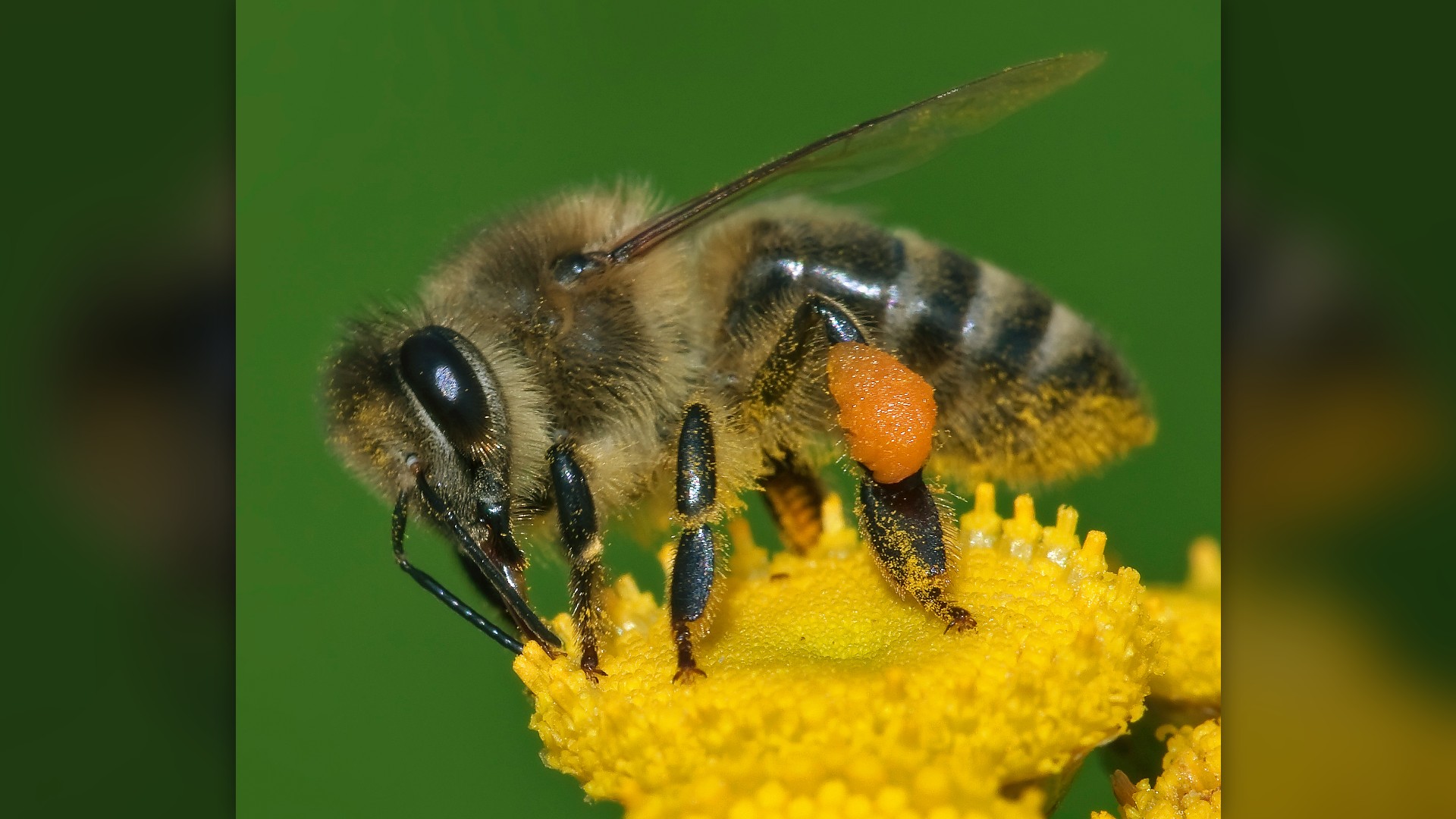
©Wikimedia / Western honey bee
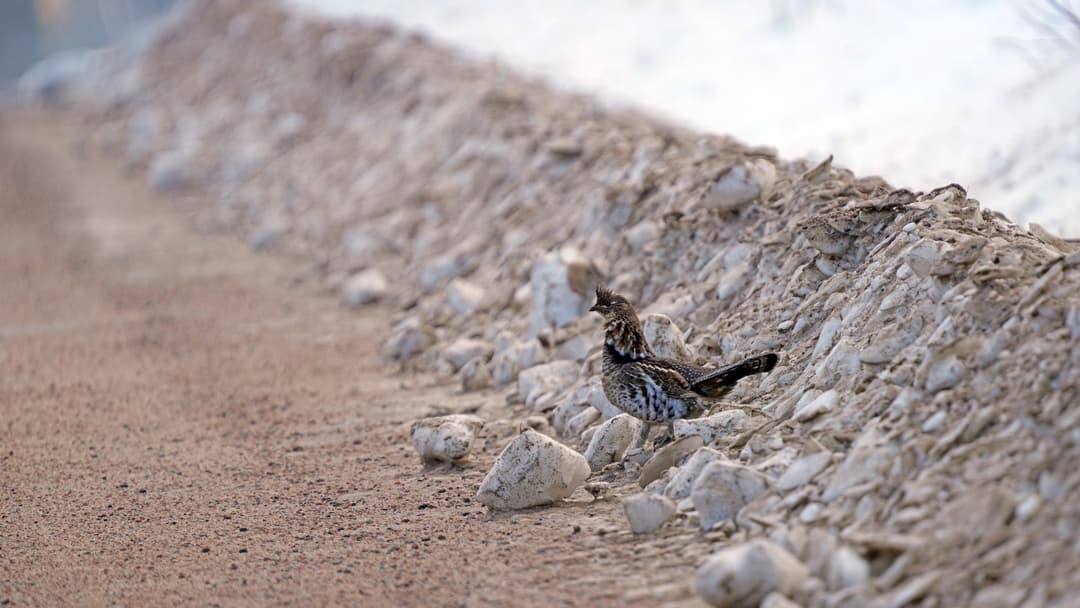
15. Ruffed Grouse
When winter temperatures plummet, the ruffed grouse flies straight into deep, powdery snowbanks. The air trapped between snowflakes acts as natural insulation, keeping the bird warm overnight.
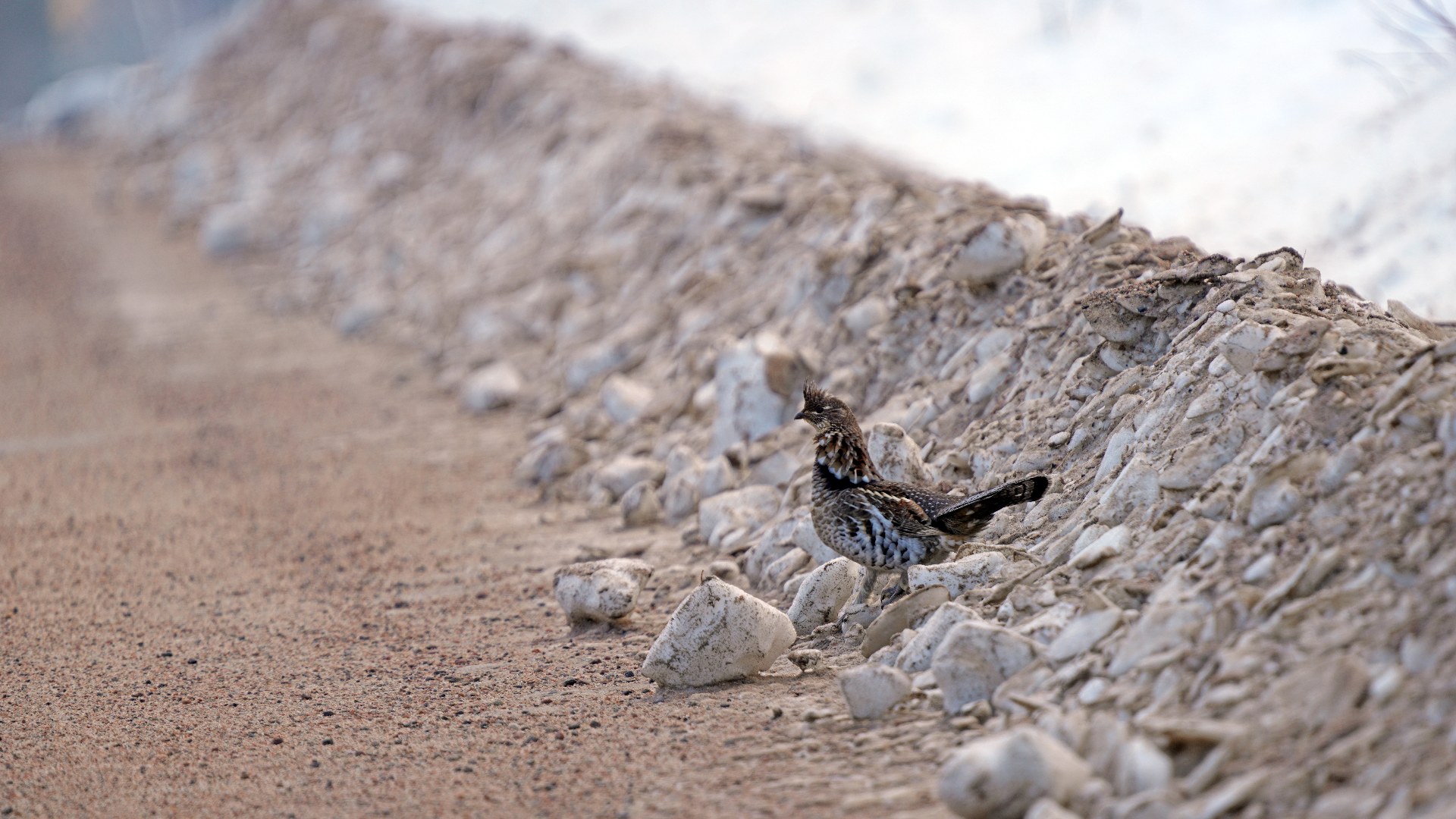
©USFWS / Craig Bihrle
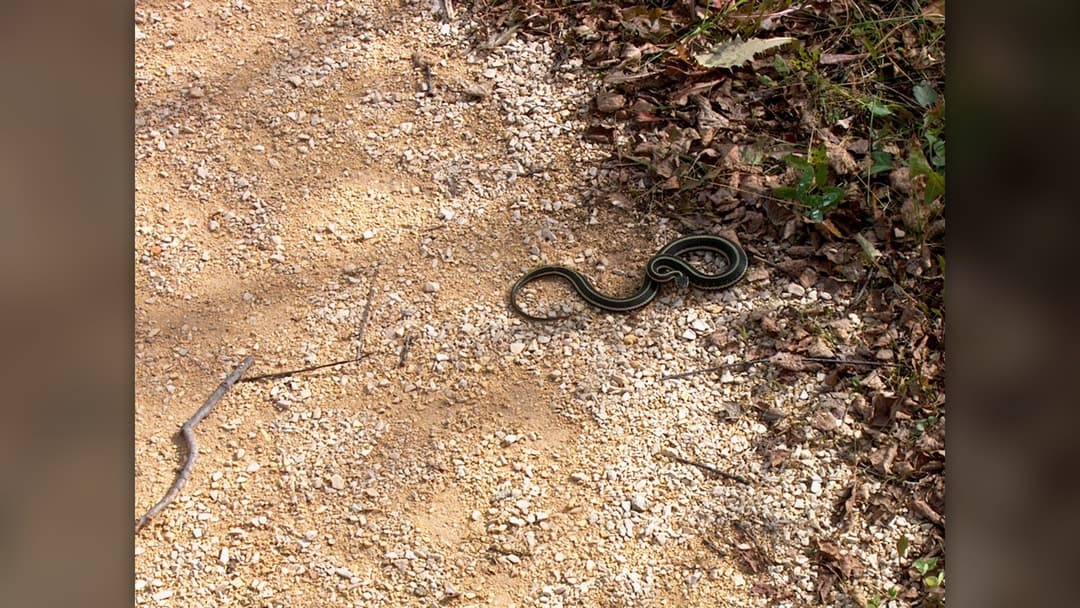
14. Red-Sided Garter Snake
In Manitoba, tens of thousands of red-sided garter snakes migrate into underground limestone sinkholes. Huddling together by the thousands below the frost line preserves heat and prevents freezing.
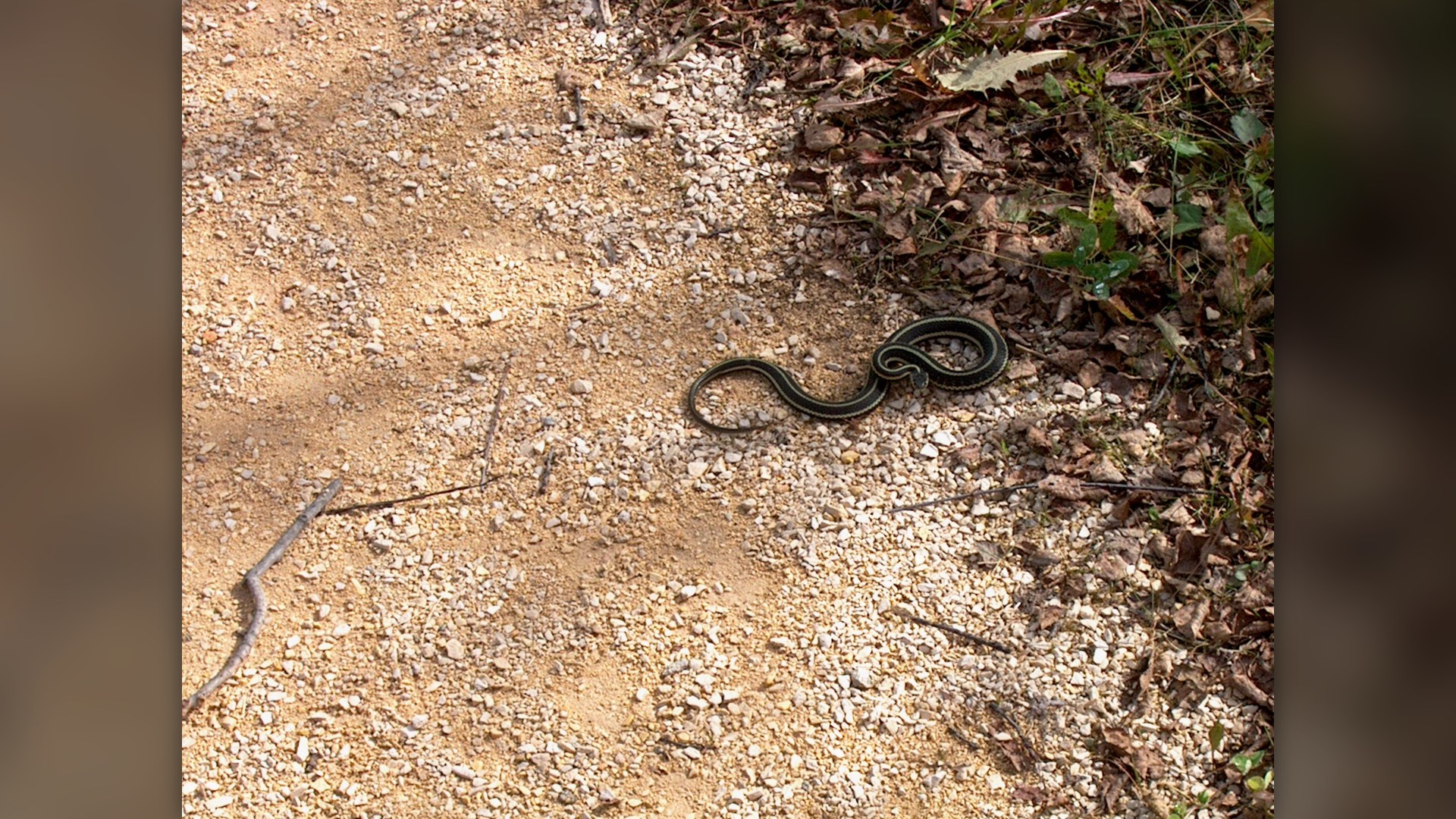
©Wikimedia / J Hazard
Advertisement
Swipe or tap ▶ to resume the countdown.
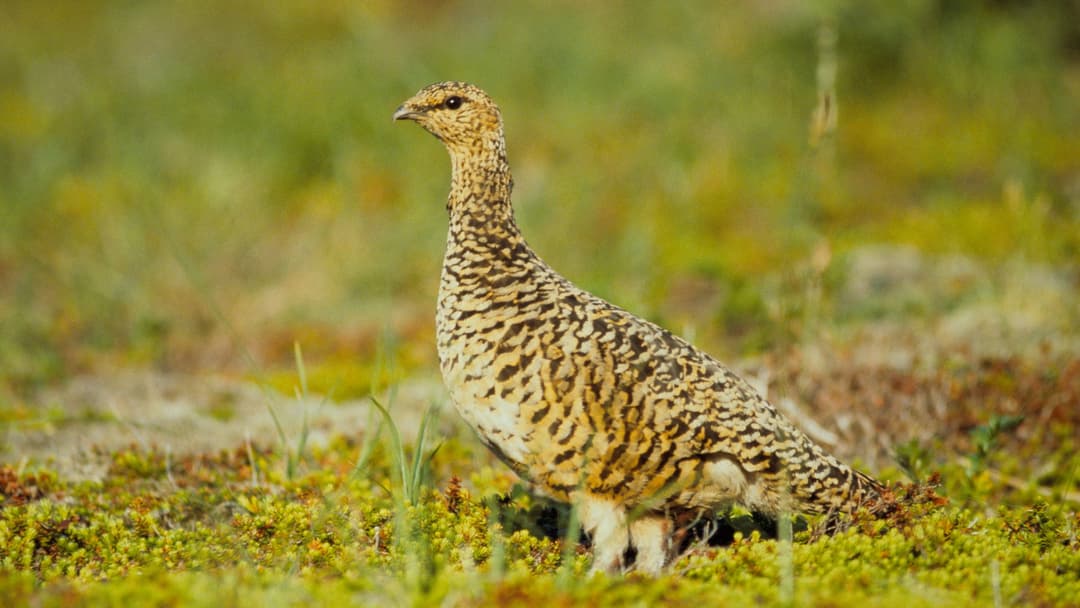
13. Willow Ptarmigan
The willow ptarmigan grows dense feathers over its toes each winter, doubling surface area to walk atop deep snowdrifts. Like grouse, it sleeps inside excavated snow caves where ambient temperatures remain mild.
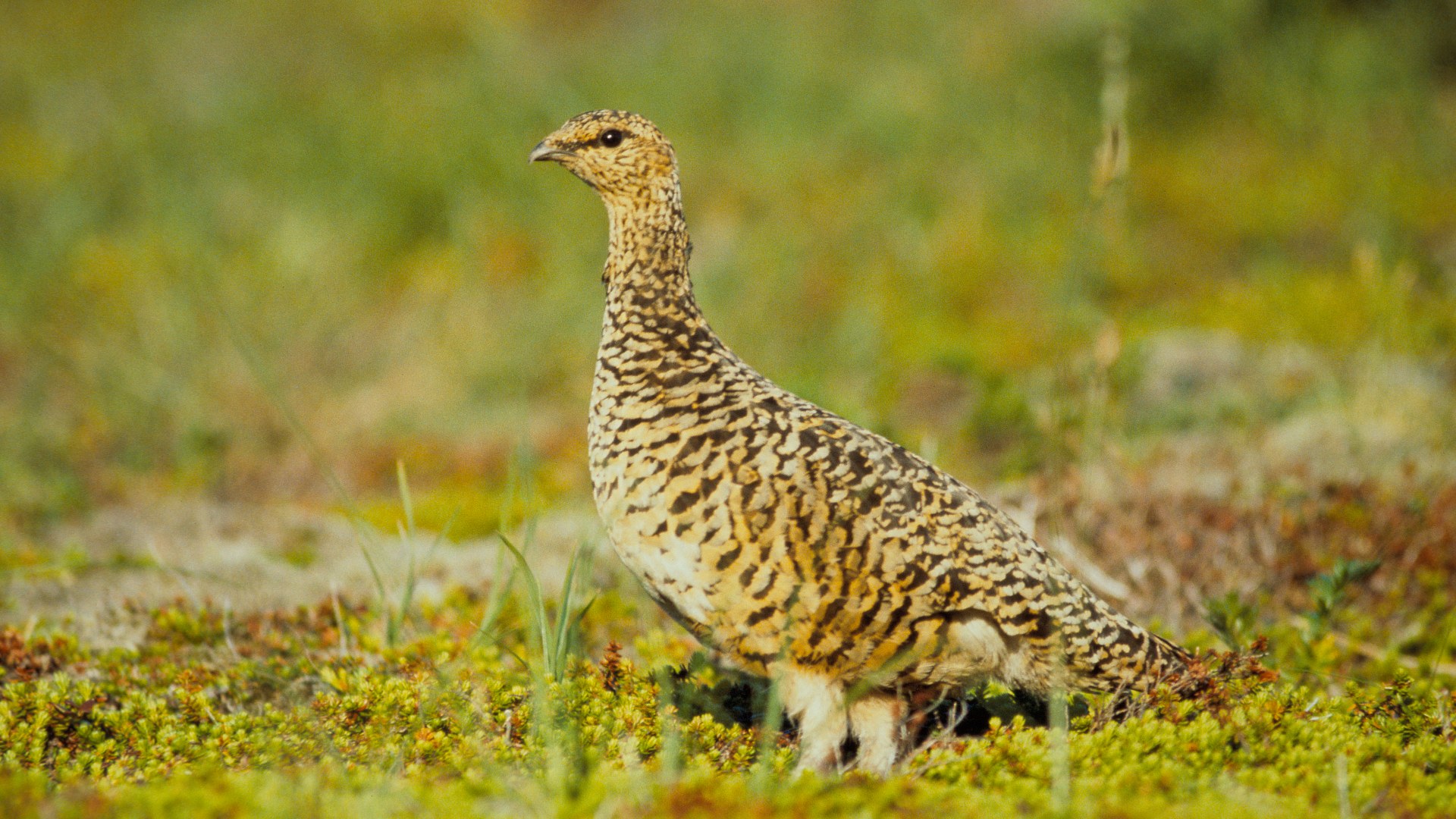
©USFWS / David Menke
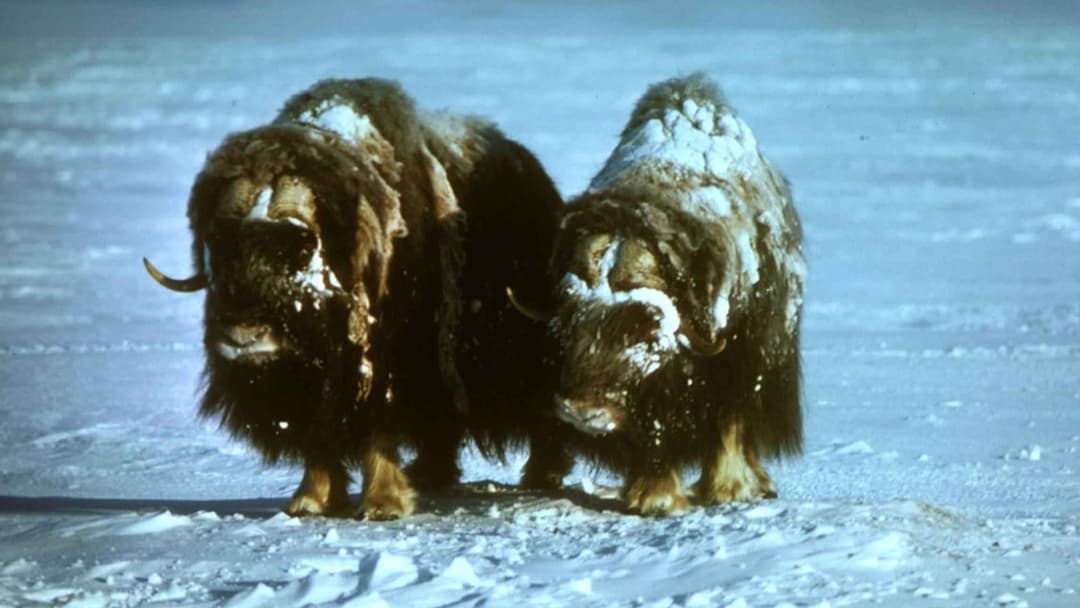
12. Muskox
Surviving Arctic tundra temperatures below minus 40 degrees, the muskox relies on qiviut, a dense underwool layer eight times warmer than sheep wool. Their hooves dig through crusted snow to reach frozen lichens.
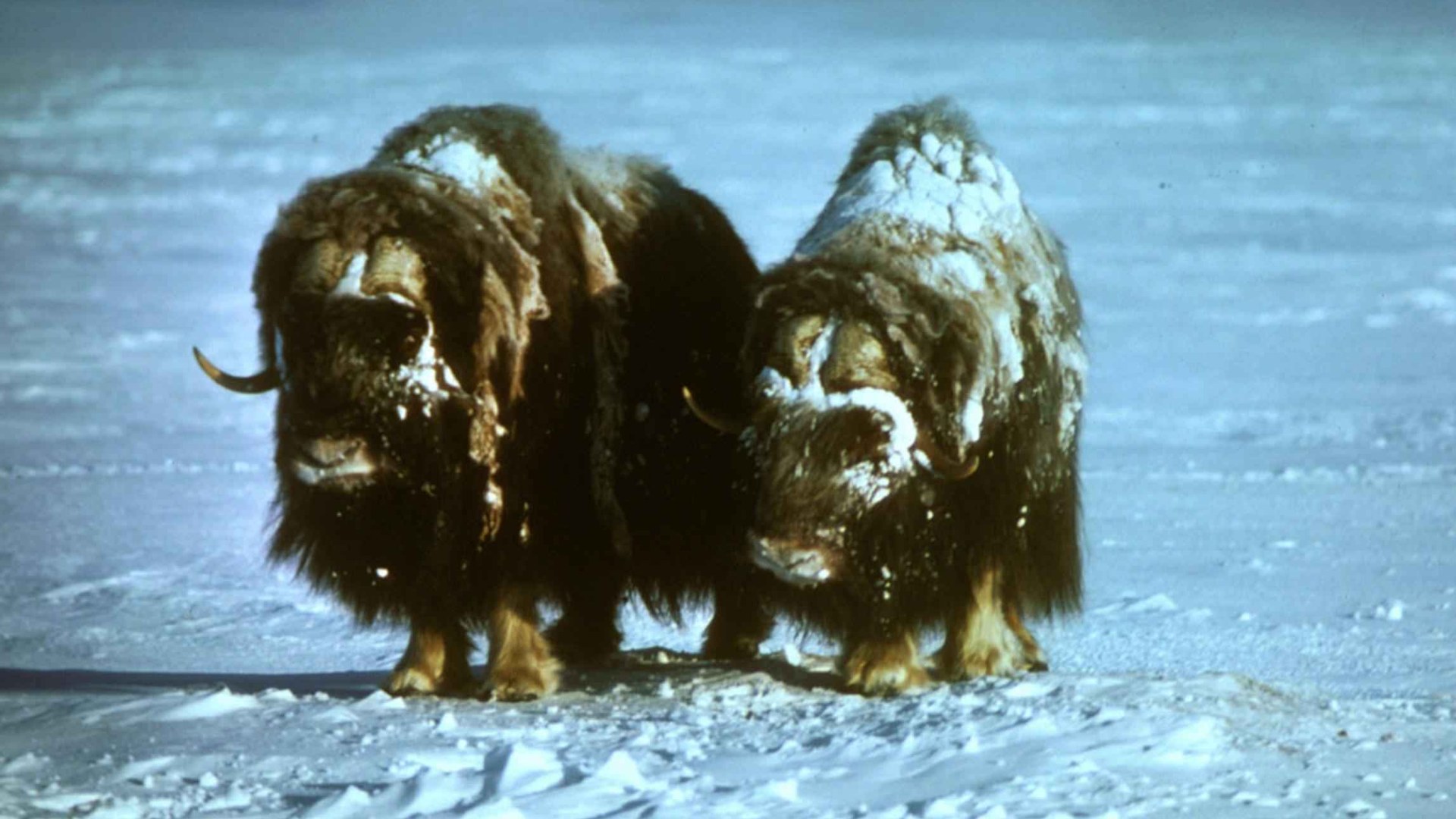
©USFWS / Jerry L. Hout
11. Japanese Macaque
In the snowy mountains of Nagano, wild Japanese macaques descend to natural geothermal hot springs. Soaking in 40-degree water preserves core body temperature during heavy winter snowfall.
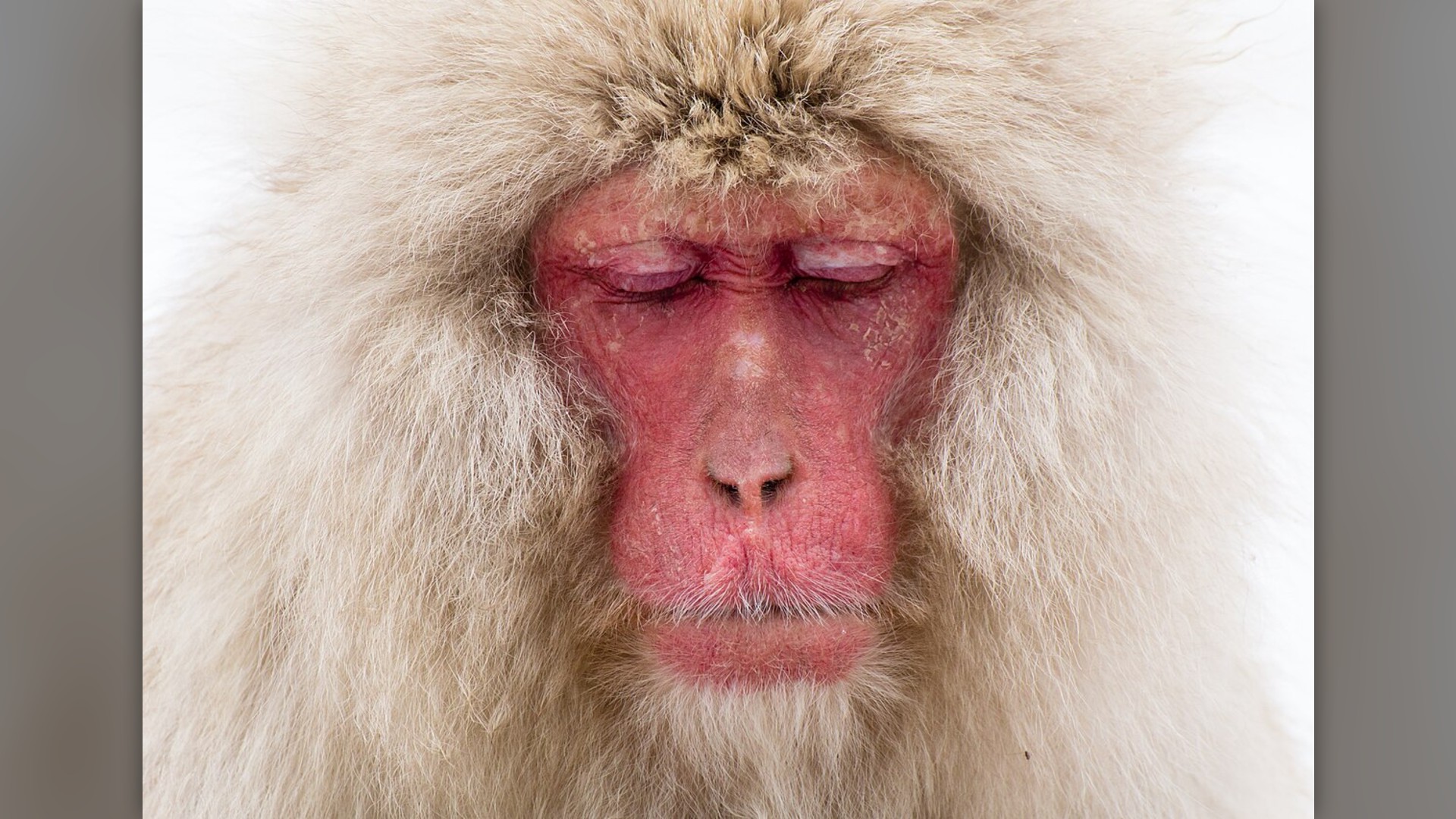
©Wikimedia / Daisuke tashiro from Japan
10. Arctic Reindeer
To see through months of continuous polar twilight, reindeer tapetum lucidum changes from gold to deep blue. This adaptation scatters more light through the retina, enhancing sensitivity to ultraviolet reflections on snow.
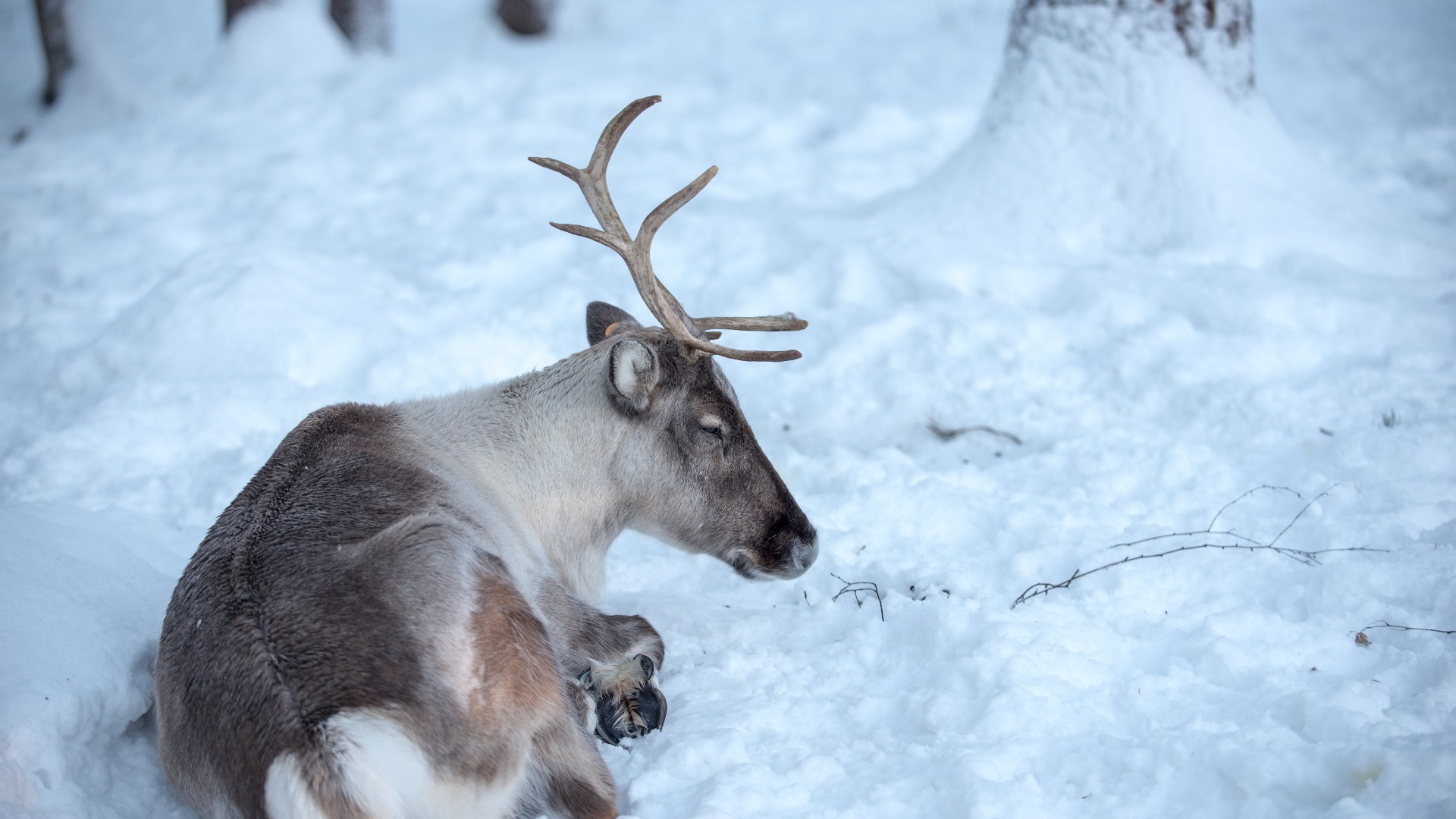
©Wikimedia / E L
Advertisement
Swipe or tap ▶ to resume the countdown.
9. American Black Bear
Black bears can hibernate for up to seven months without eating, drinking, or defecating. Instead of poisoning their bodies, metabolic urea is broken down and recycled into new muscle proteins, preserving lean body mass.
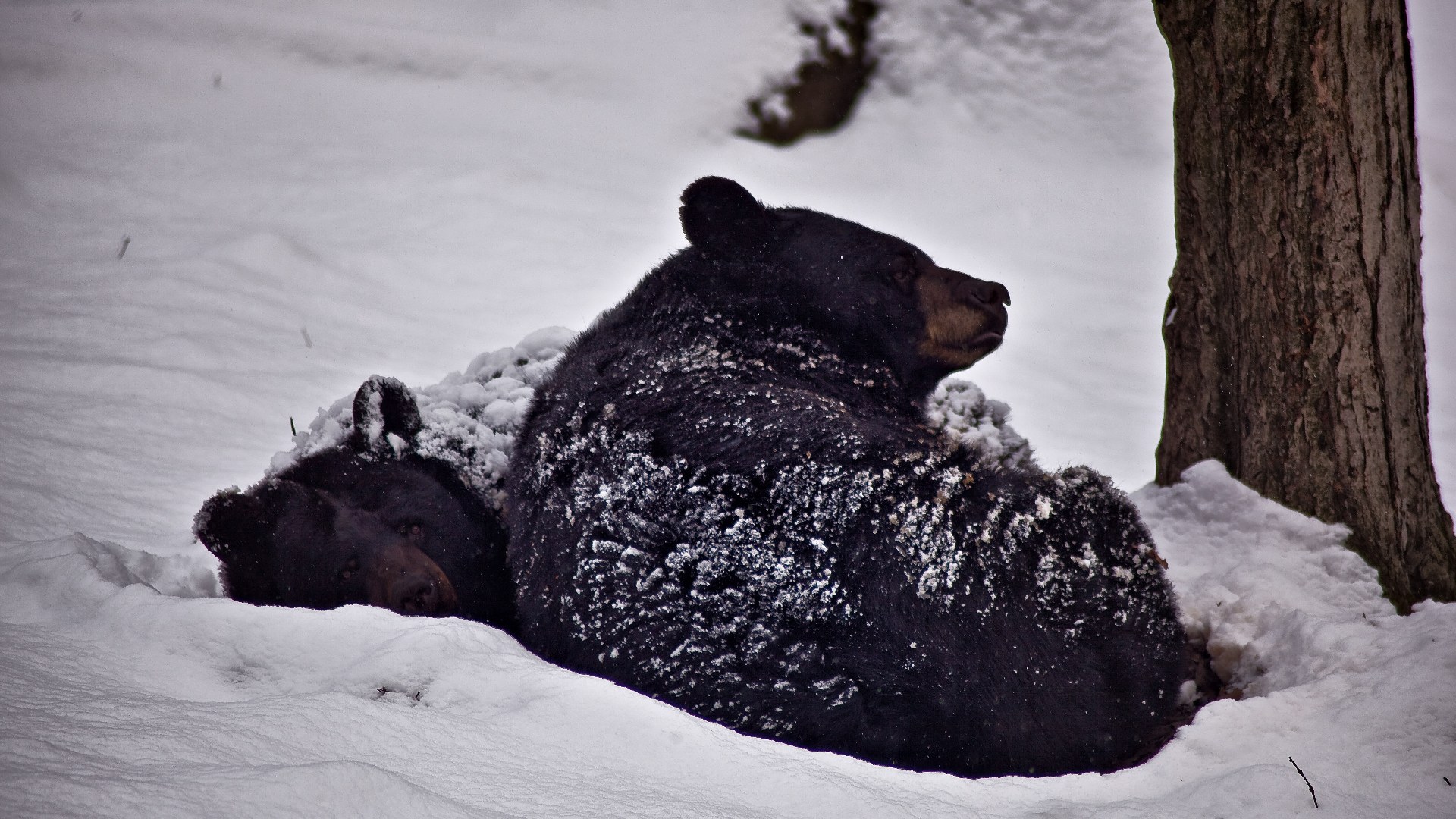
©Wikimedia / ForestWander
8. Common Poorwill
Unlike migratory birds, the common poorwill wedges into rock crevices and enters multi-week torpor. Its body temperature drops to 5 degrees Celsius and respiration becomes almost undetectable to conserve winter fat.
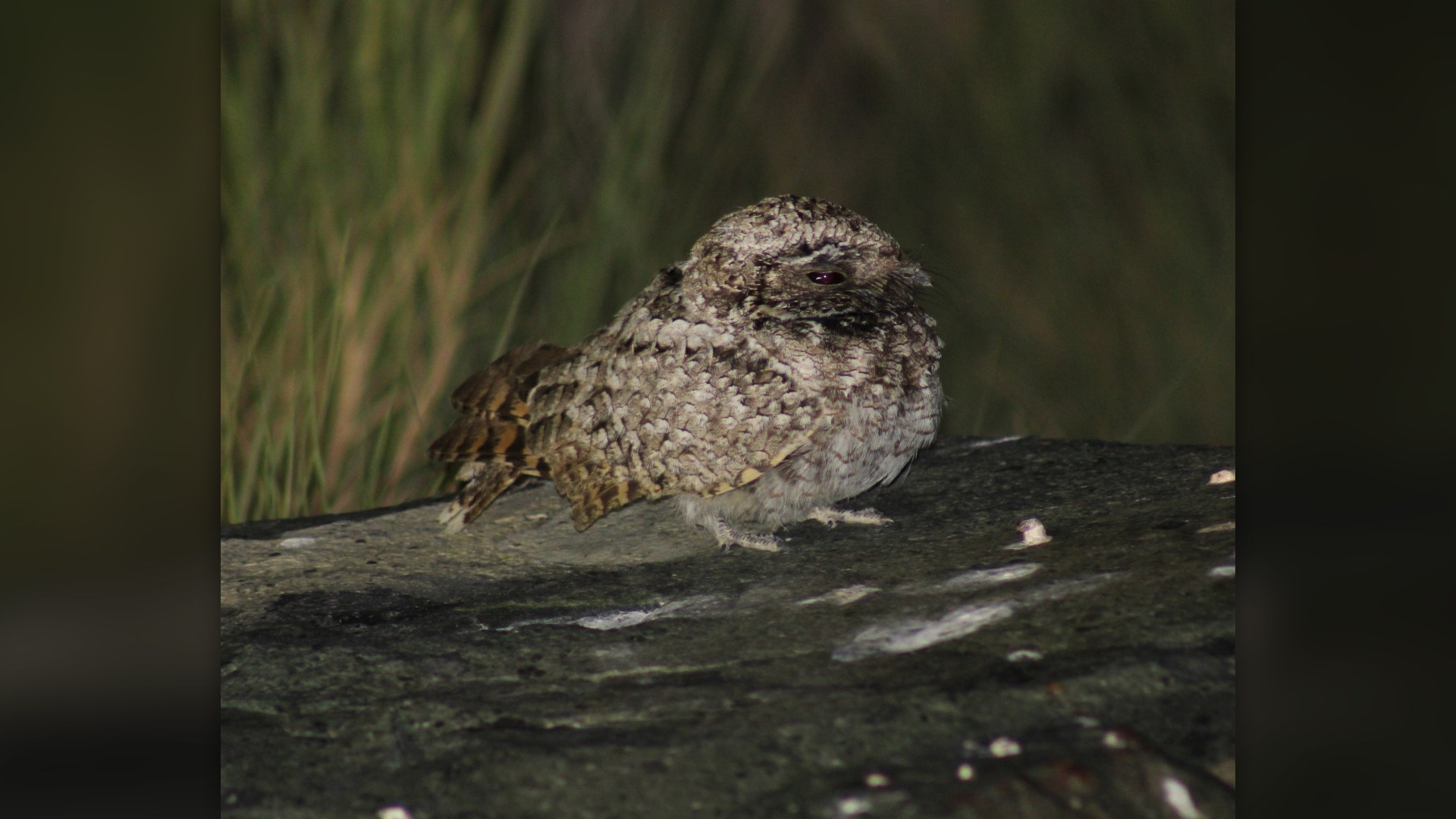
©Wikimedia / Wendy St. John
7. Emperor Penguin
Breeding during the brutal Antarctic winter, thousands of male emperor penguins pack into tightly coordinated huddles. Birds rotate continuously between the freezing exterior and the cozy 37-degree interior core.
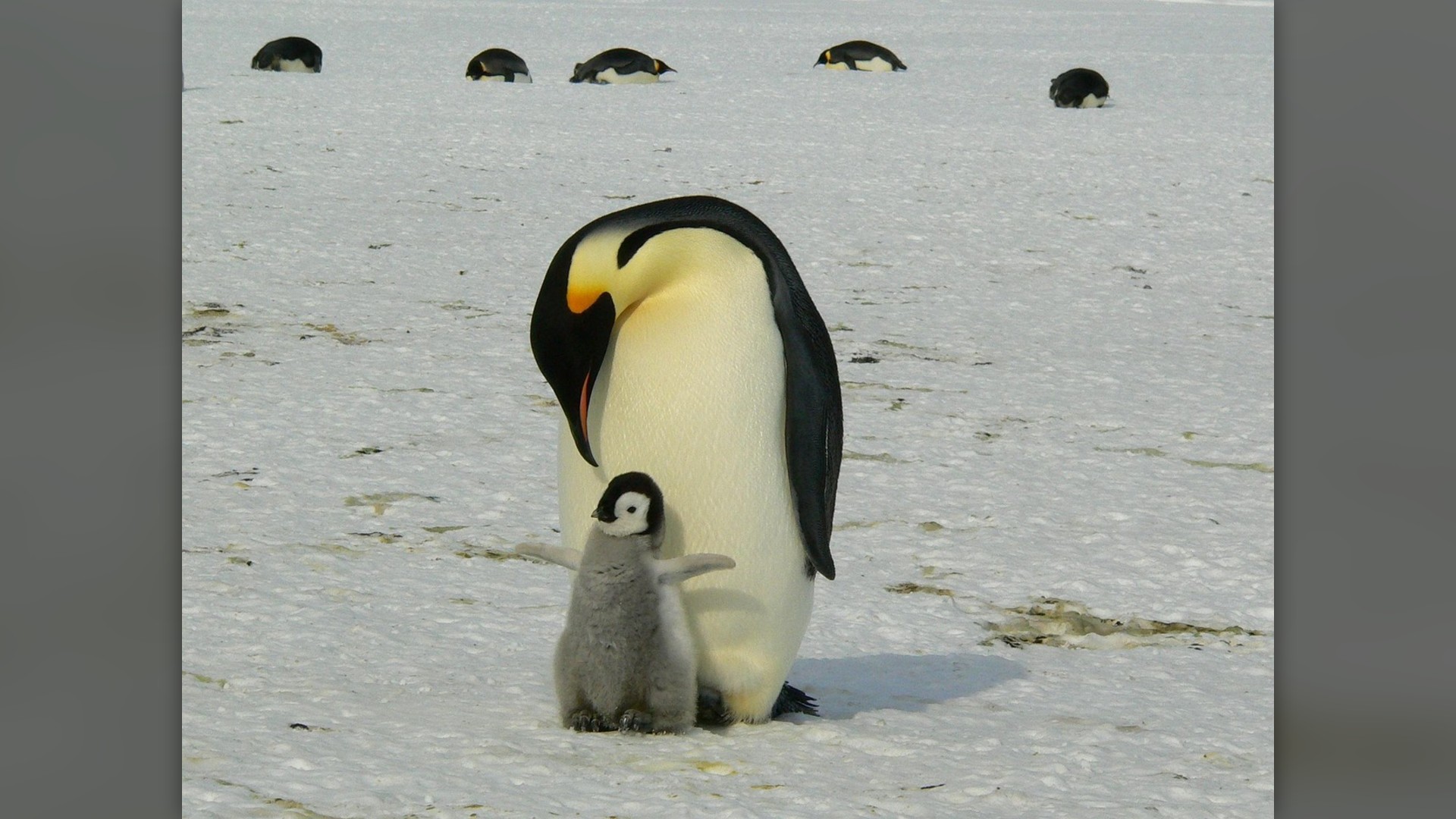
©Pixabay / MemoryCatcher
6. Crucian Carp
When frozen lakes seal off oxygen for months, the crucian carp converts lethal lactic acid into ethanol. It releases alcohol through its gills, surviving under solid surface ice where other fish perish.
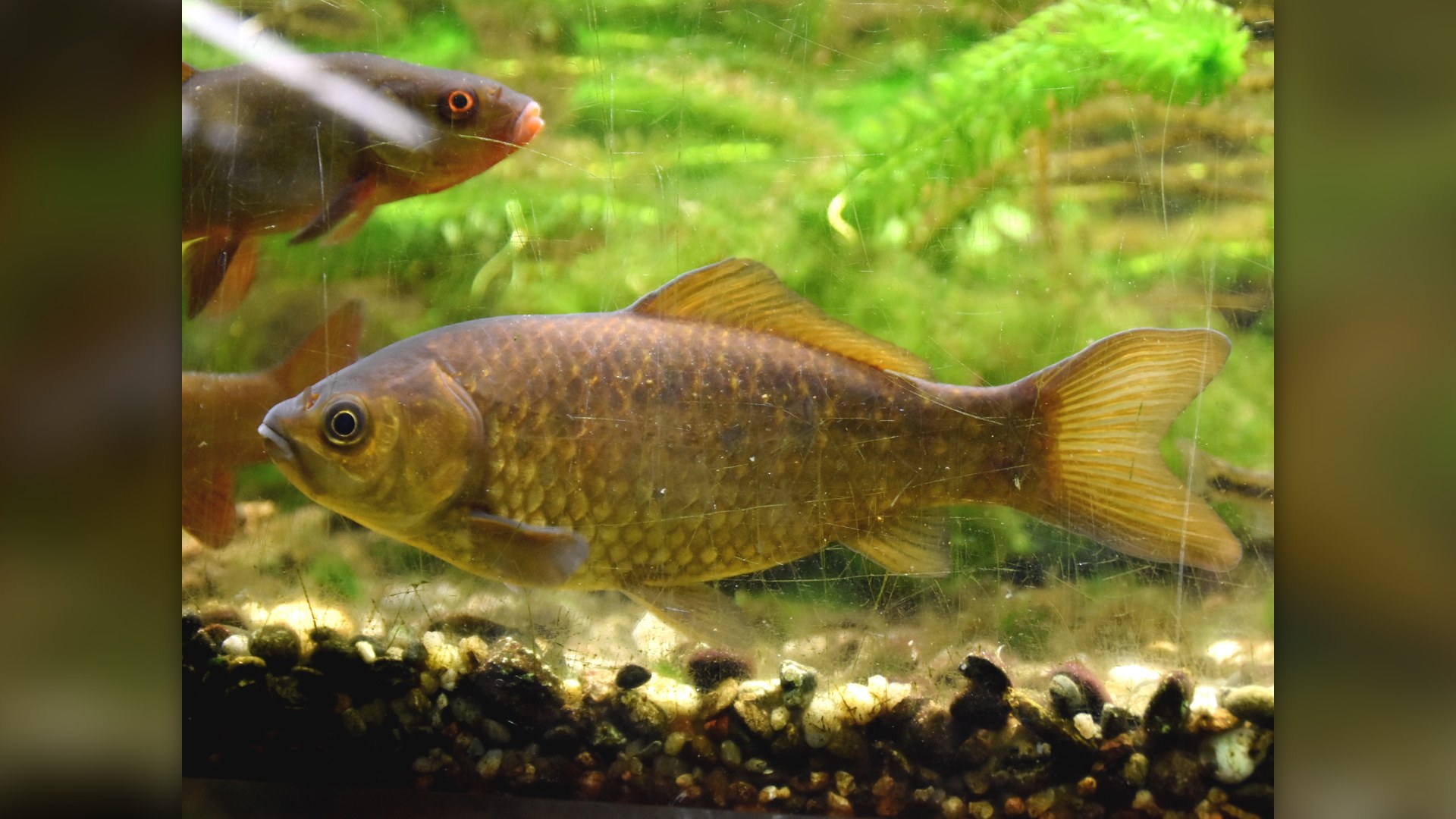
©Wikimedia / NasserHalaweh
Advertisement
Swipe or tap ▶ to resume the countdown.
5. American Alligator
When shallow swamps freeze over, alligators submerge their bodies and push only nostrils through the surface ice. Entering brumation, their heart slows to two beats per minute while breathing fresh air above the ice sheet.
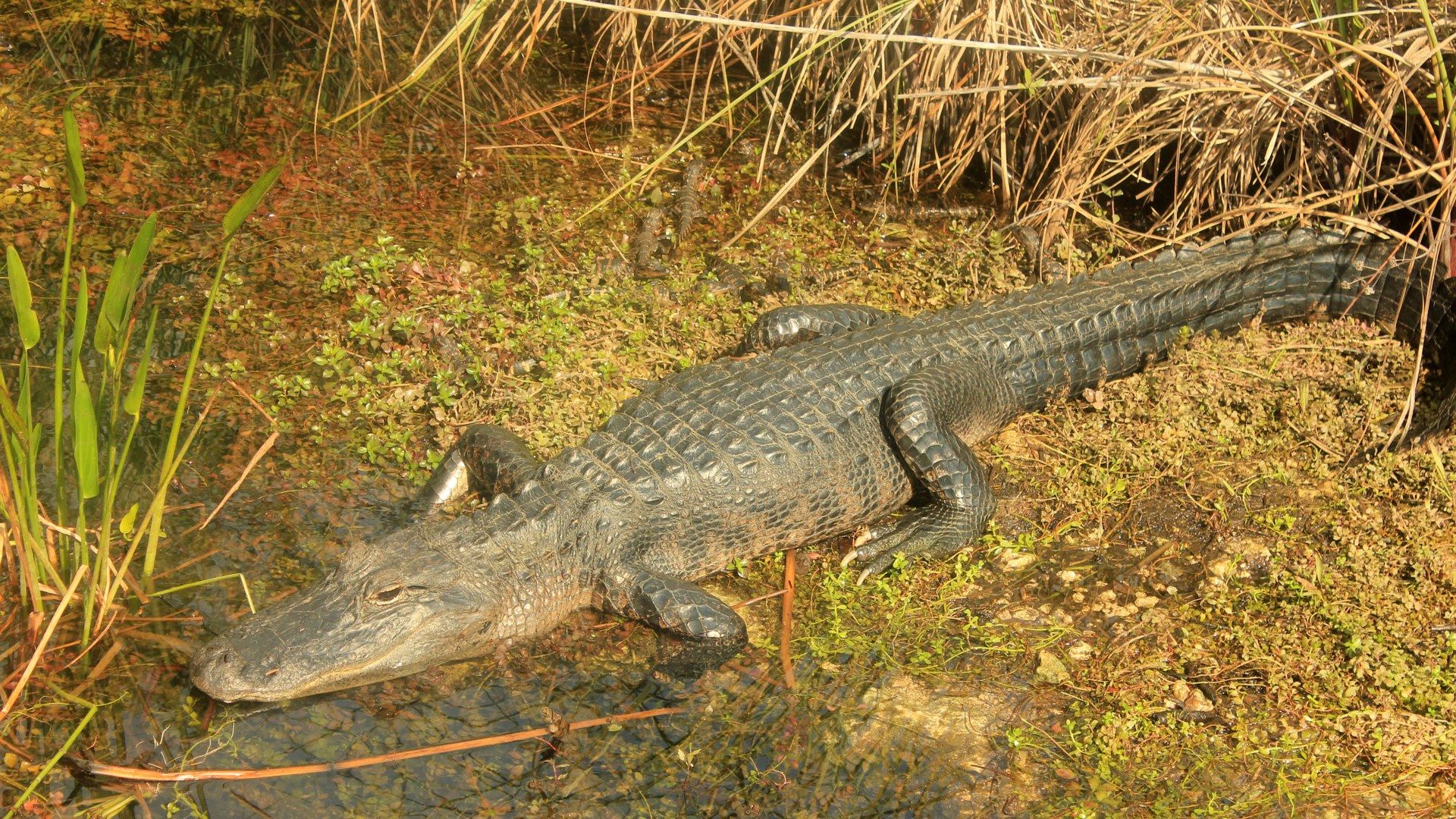
©Wikimedia / Yinan Chen
4. Woolly Bear Caterpillar
The Isabella tiger moth caterpillar survives winters as cold as minus 60 degrees. Its cells produce glycerol and sorbitol, cryoprotectants that allow exterior tissues to freeze solid while protecting cell interiors.
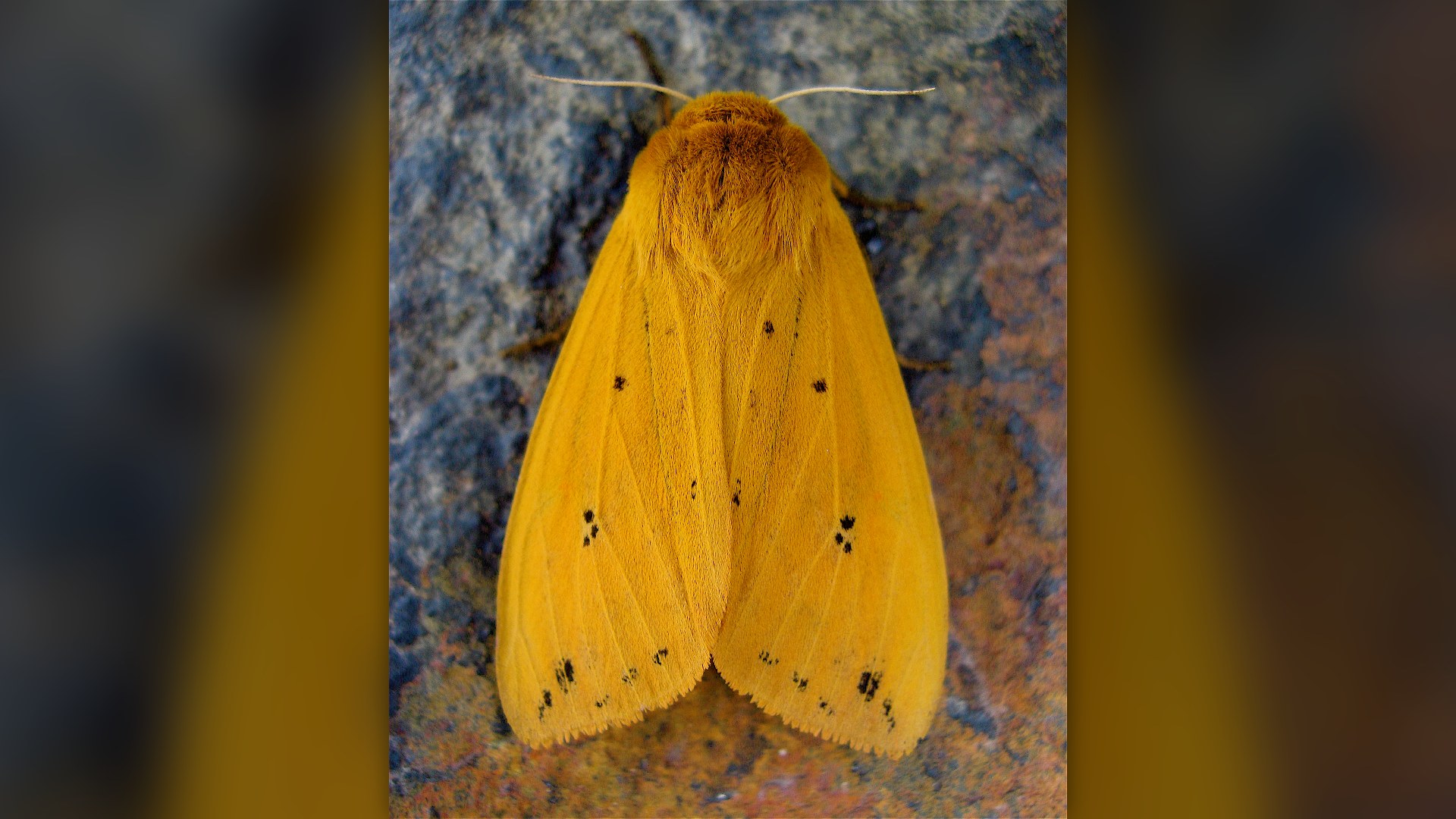
©Wikimedia / Steve Jurvetson
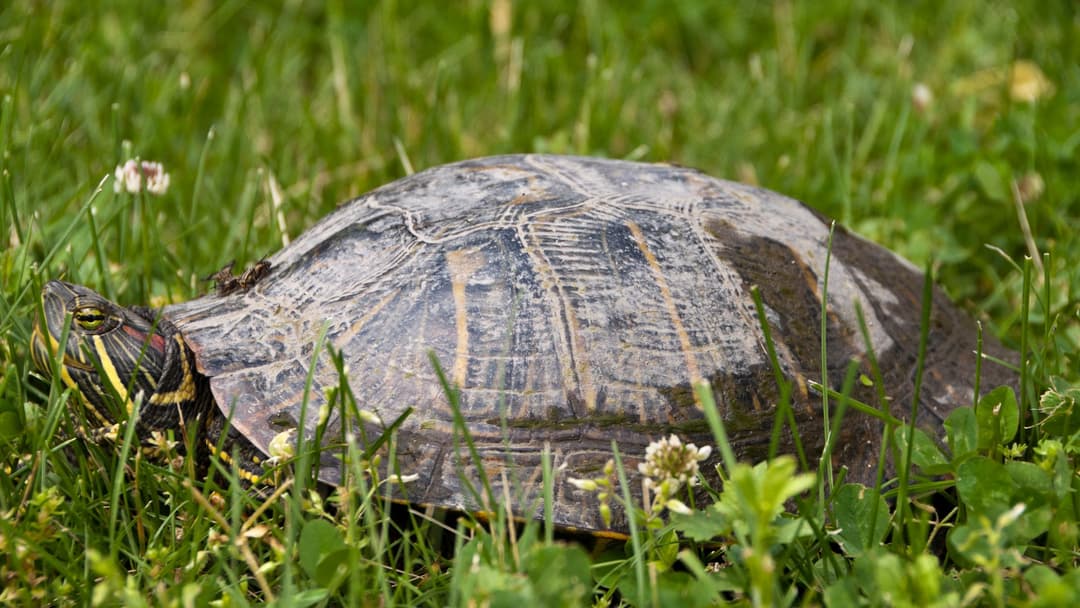
3. Painted Turtle
Submerged under ice for months, painted turtles absorb oxygen through blood vessels inside their cloaca. When oxygen runs out, they buffer lethal lactic acid by releasing calcium and magnesium from their own shells.
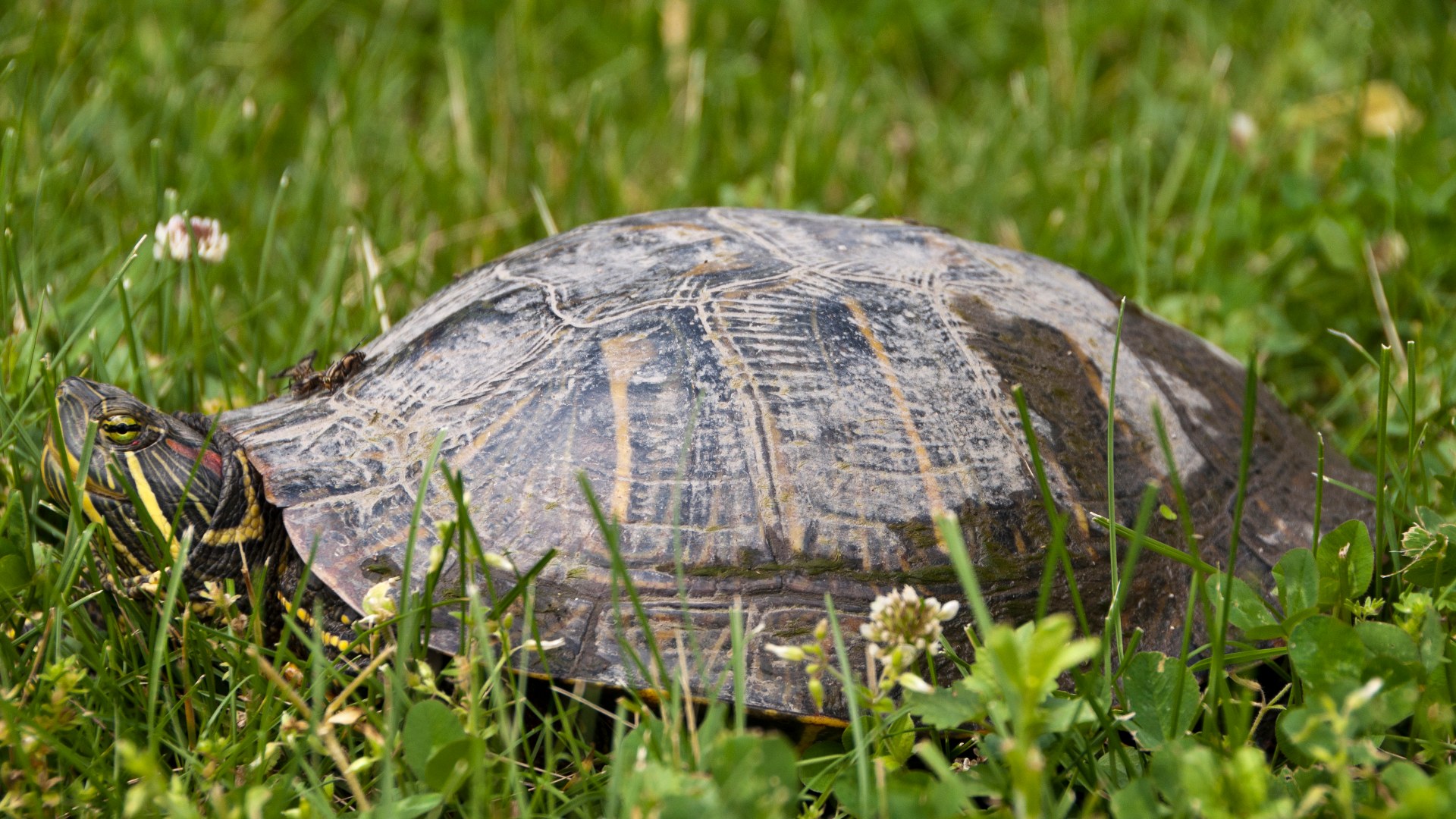
©Wikimedia / Sixflashphoto
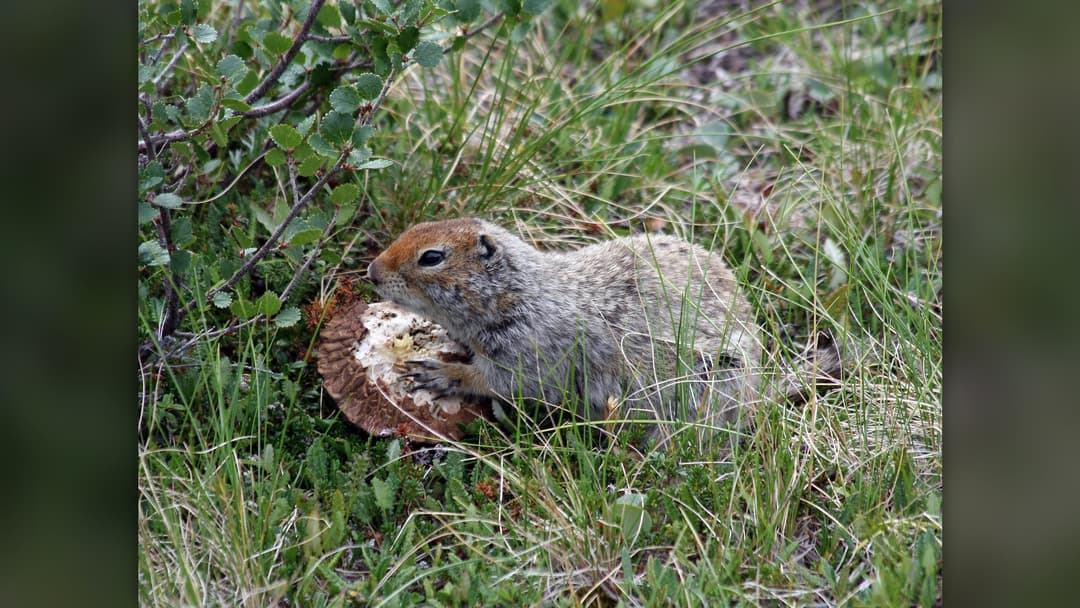
2. Arctic Ground Squirrel
The Arctic ground squirrel can drop its core body temperature to minus 2.9 degrees Celsius, the lowest measured in any mammal. Blood remains liquid through supercooling, while periodic shivering bouts warm its brain.
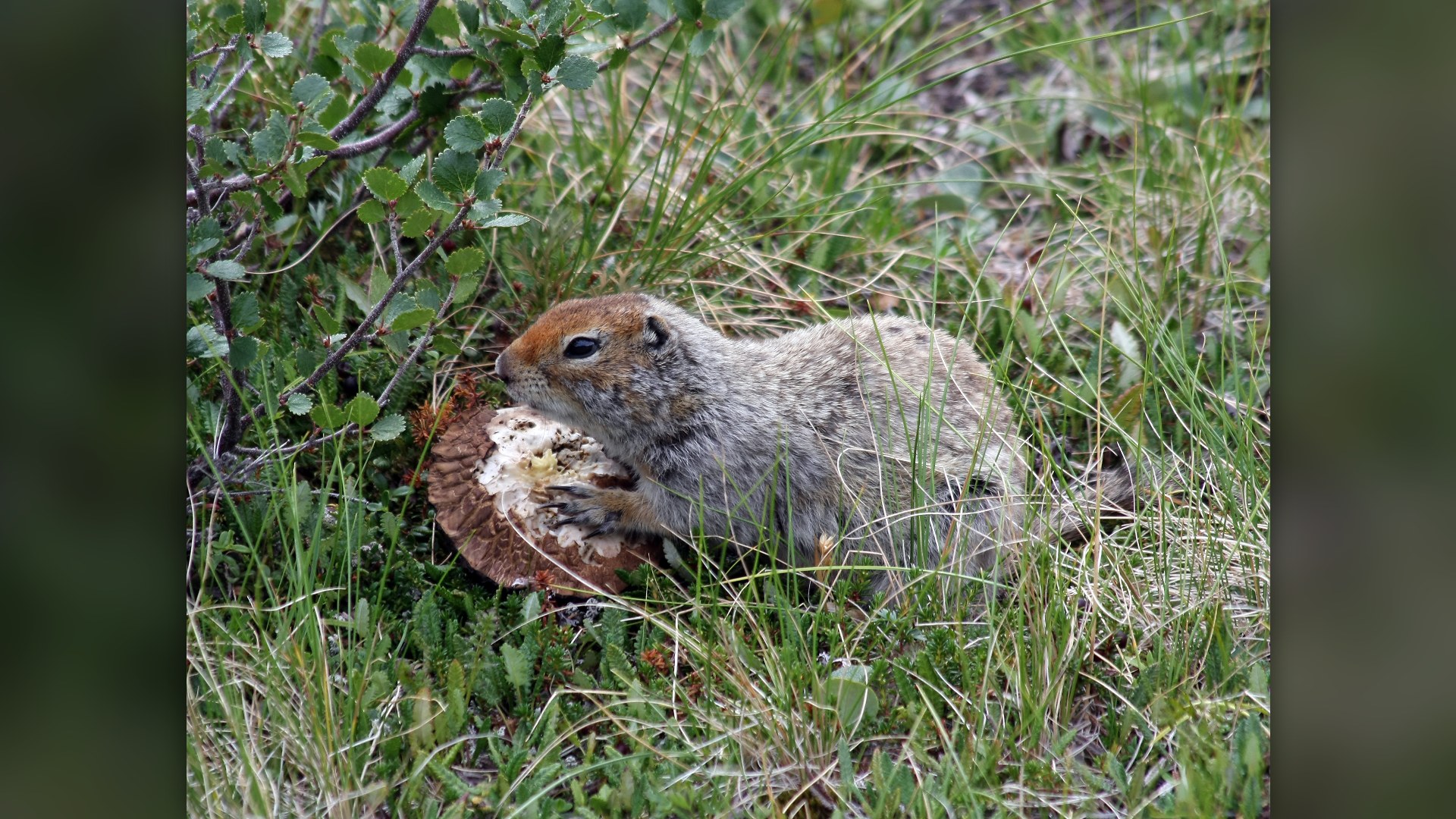
©Wikimedia / Ianare Sevi
Advertisement
Swipe or tap ▶ to resume the countdown.
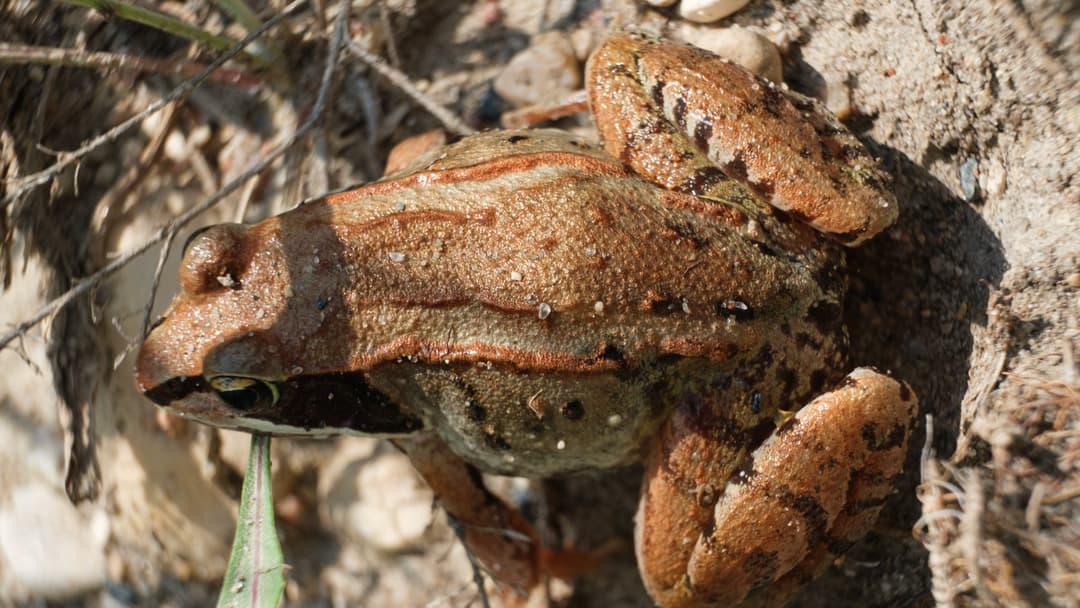
1. Alaskan Wood Frog
The Alaskan wood frog can survive with up to 70 percent of its body water frozen solid into ice. Its liver produces massive glucose surges that protect vital organs, even while breathing and heartbeats cease entirely.
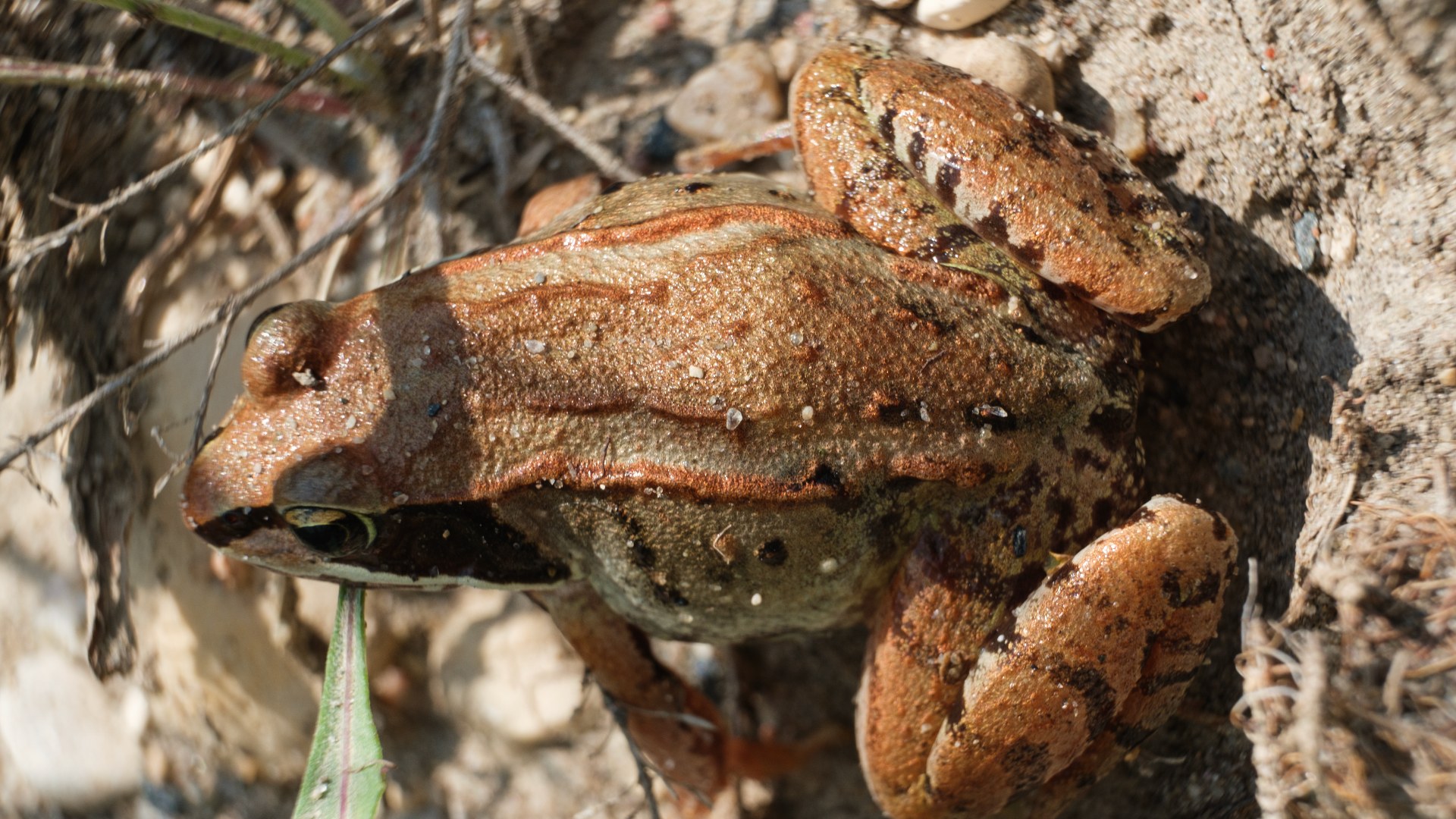
©Wikimedia / Jasper Shide
Advertisement
You've reached the end of the story. Thanks for reading!

20 Most Dangerous Animals in America's National Parks, Ranked
From venomous pit vipers in the desert to apex carnivores in the backcountry, here are the most dangerous animals found across America's national parks, ranked.
All 20 Entries in this Story
20. Canada Lynx
The Canada lynx navigates deep snow with oversized paws that function like snowshoes, spreading its body weight so it can stalk snowshoe hares across deep powder without sinking.

19. European Hedgehog
European hedgehogs build dense leaf nests called hibernacula. During deep torpor, their body temperature drops from 35 degrees Celsius to just 4 degrees, while their heart rate slows by 90 percent.

18. Snow Leopard
Inhabiting Himalayan peaks up to 18,000 feet, the snow leopard uses its nearly meter-long furry tail as an insulated scarf, wrapping it across its nose and mouth to warm freezing mountain air.

17. Mountain Hare
In autumn, mountain hares shed their brown summer fur for a dense white coat that provides camouflage and insulation. They dig small snow pits called scrapes to shelter from arctic winds.

16. Western Honey Bee
Instead of hibernating, honey bees cluster into a tight ball around their queen. By flexing their flight muscles without flapping wings, worker bees generate heat to keep the cluster core at 35 degrees Celsius.

15. Ruffed Grouse
When winter temperatures plummet, the ruffed grouse flies straight into deep, powdery snowbanks. The air trapped between snowflakes acts as natural insulation, keeping the bird warm overnight.

14. Red-Sided Garter Snake
In Manitoba, tens of thousands of red-sided garter snakes migrate into underground limestone sinkholes. Huddling together by the thousands below the frost line preserves heat and prevents freezing.

13. Willow Ptarmigan
The willow ptarmigan grows dense feathers over its toes each winter, doubling surface area to walk atop deep snowdrifts. Like grouse, it sleeps inside excavated snow caves where ambient temperatures remain mild.

12. Muskox
Surviving Arctic tundra temperatures below minus 40 degrees, the muskox relies on qiviut, a dense underwool layer eight times warmer than sheep wool. Their hooves dig through crusted snow to reach frozen lichens.

11. Japanese Macaque
In the snowy mountains of Nagano, wild Japanese macaques descend to natural geothermal hot springs. Soaking in 40-degree water preserves core body temperature during heavy winter snowfall.

10. Arctic Reindeer
To see through months of continuous polar twilight, reindeer tapetum lucidum changes from gold to deep blue. This adaptation scatters more light through the retina, enhancing sensitivity to ultraviolet reflections on snow.

9. American Black Bear
Black bears can hibernate for up to seven months without eating, drinking, or defecating. Instead of poisoning their bodies, metabolic urea is broken down and recycled into new muscle proteins, preserving lean body mass.

8. Common Poorwill
Unlike migratory birds, the common poorwill wedges into rock crevices and enters multi-week torpor. Its body temperature drops to 5 degrees Celsius and respiration becomes almost undetectable to conserve winter fat.

7. Emperor Penguin
Breeding during the brutal Antarctic winter, thousands of male emperor penguins pack into tightly coordinated huddles. Birds rotate continuously between the freezing exterior and the cozy 37-degree interior core.

6. Crucian Carp
When frozen lakes seal off oxygen for months, the crucian carp converts lethal lactic acid into ethanol. It releases alcohol through its gills, surviving under solid surface ice where other fish perish.

5. American Alligator
When shallow swamps freeze over, alligators submerge their bodies and push only nostrils through the surface ice. Entering brumation, their heart slows to two beats per minute while breathing fresh air above the ice sheet.

4. Woolly Bear Caterpillar
The Isabella tiger moth caterpillar survives winters as cold as minus 60 degrees. Its cells produce glycerol and sorbitol, cryoprotectants that allow exterior tissues to freeze solid while protecting cell interiors.

3. Painted Turtle
Submerged under ice for months, painted turtles absorb oxygen through blood vessels inside their cloaca. When oxygen runs out, they buffer lethal lactic acid by releasing calcium and magnesium from their own shells.

2. Arctic Ground Squirrel
The Arctic ground squirrel can drop its core body temperature to minus 2.9 degrees Celsius, the lowest measured in any mammal. Blood remains liquid through supercooling, while periodic shivering bouts warm its brain.

1. Alaskan Wood Frog
The Alaskan wood frog can survive with up to 70 percent of its body water frozen solid into ice. Its liver produces massive glucose surges that protect vital organs, even while breathing and heartbeats cease entirely.