Slideshow · Animals
20 Most Dangerous Animals in America's National Parks, Ranked
From venomous pit vipers in the desert to apex carnivores in the backcountry, here are the most dangerous animals found across America's national parks, ranked.
By Most Viral Today
36 min ago

Wild encounters that can turn perilous in seconds 
20. Wolverine 
19. Bark Scorpion 
18. Black Widow Spider - AdvertisementSwipe or tap ▶ to continue countdown

17. Gila Monster 
16. Coral Snake 
15. American Crocodile 
14. Wild Boar - AdvertisementSwipe or tap ▶ to continue countdown

13. Coyote 
12. Bighorn Sheep 
11. Copperhead 
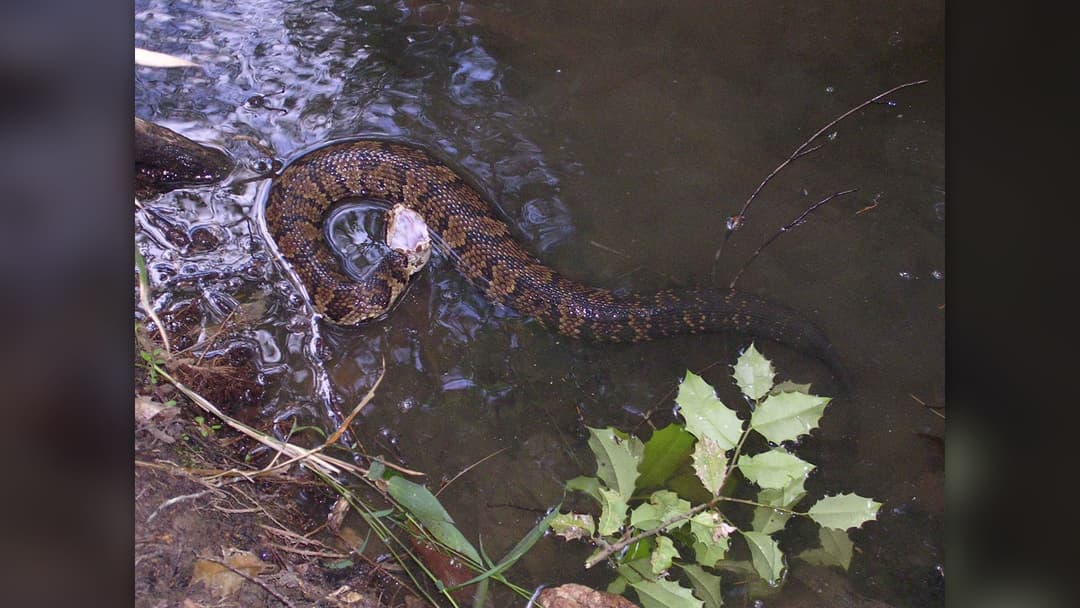
10. Cottonmouth - AdvertisementSwipe or tap ▶ to continue countdown

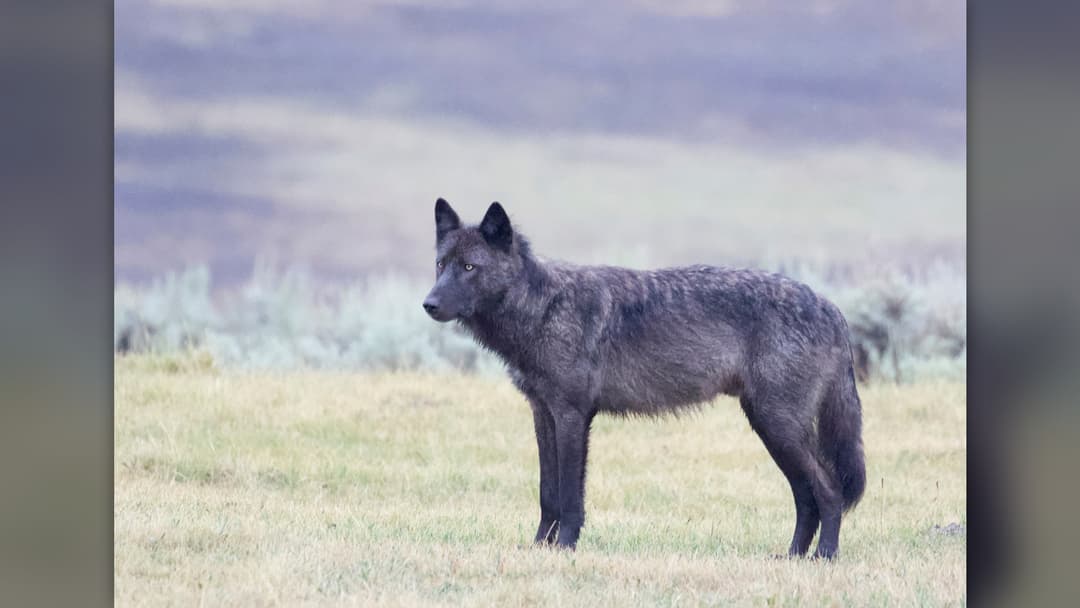
9. Gray Wolf 
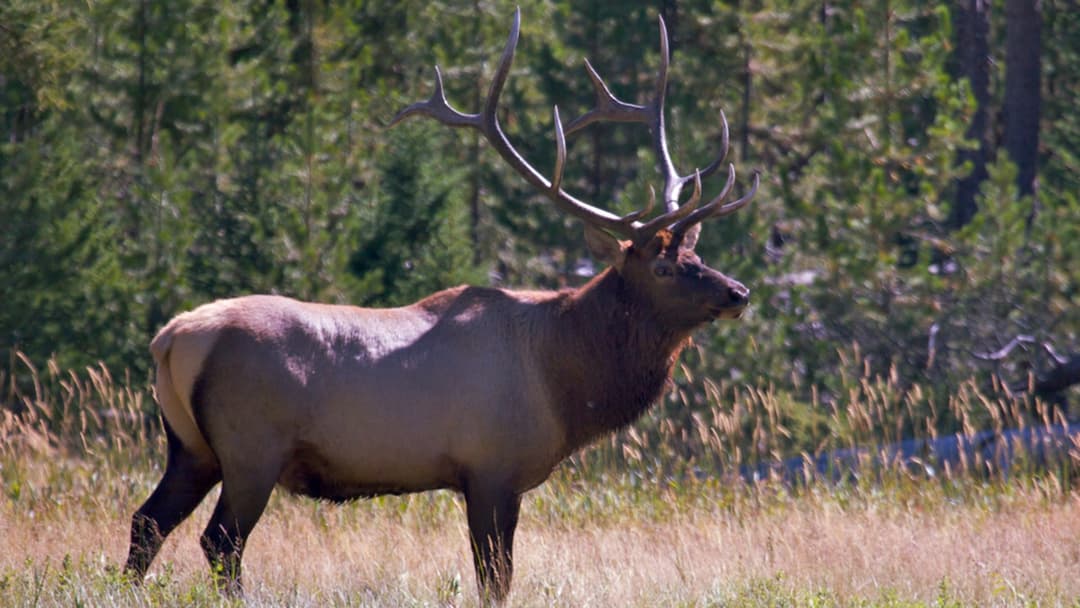
8. Elk 
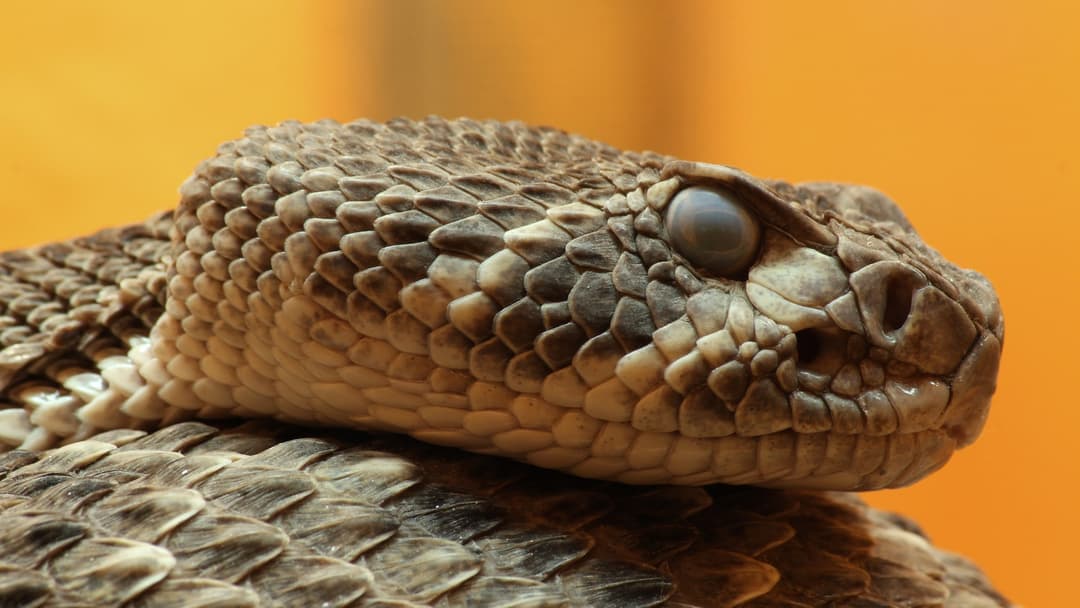
7. Western Diamondback Rattlesnake 
6. Moose - AdvertisementSwipe or tap ▶ to continue countdown

5. American Alligator 
4. American Black Bear 
3. Mountain Lion 
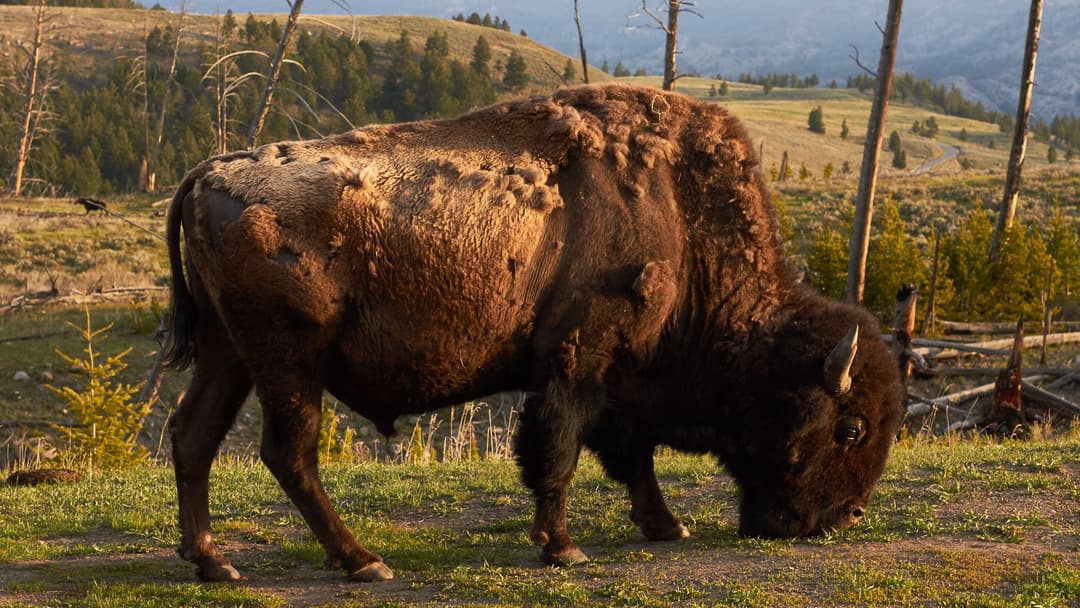
2. American Bison - AdvertisementSwipe or tap ▶ to continue countdown

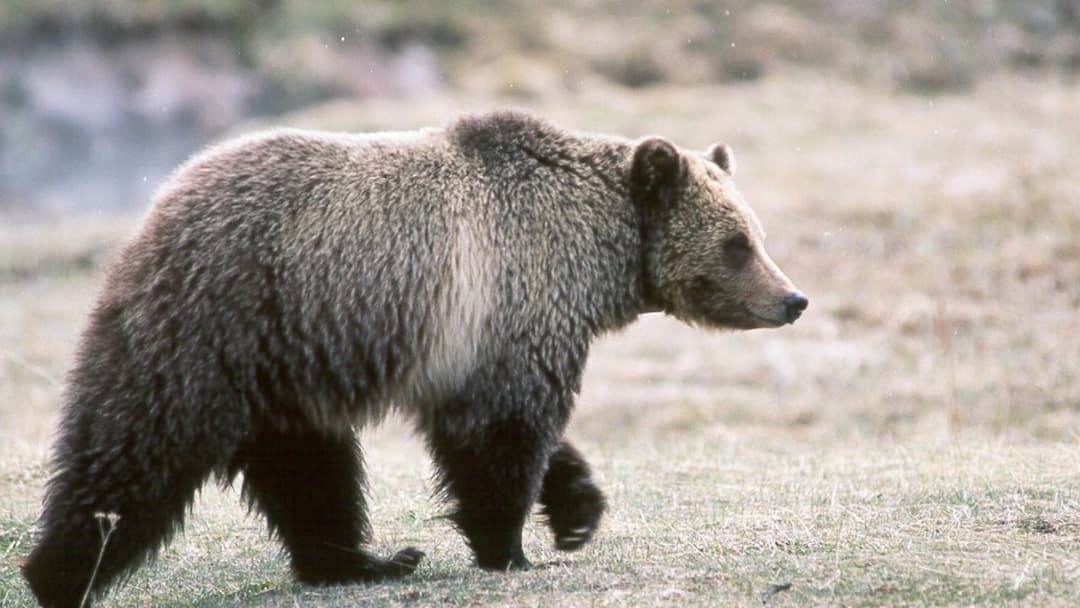
1. Grizzly Bear - Advertisement🔥 UP NEXT IN THIS SERIES◫ 21 Slides

20 Animals That Survive Winter in Surprising Ways, Ranked
From freezing solid to changing eye colors and supercooling blood below zero, wildlife across the globe deploys astonishing adaptations to conquer subzero cold.
America's national parks protect some of the continent's most awe-inspiring wilderness. Yet behind the scenic vistas, formidable predators and venomous creatures pose genuine danger to visitors who fail to respect backcountry boundaries.
Swipe or tap ▶ to begin the countdown
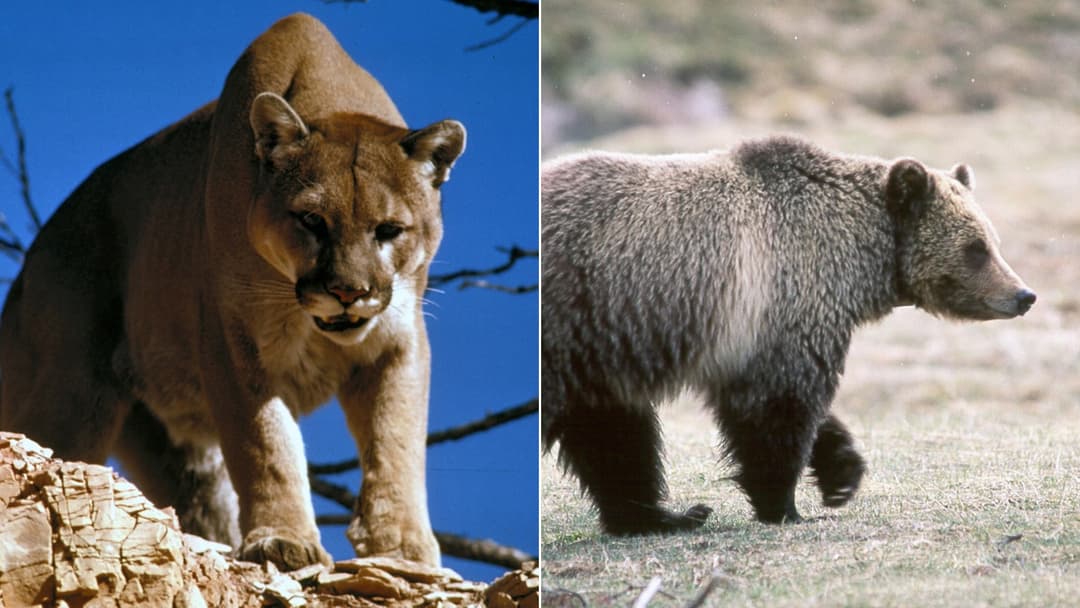
©Wikimedia / Cougar & Wikimedia / NPS photo
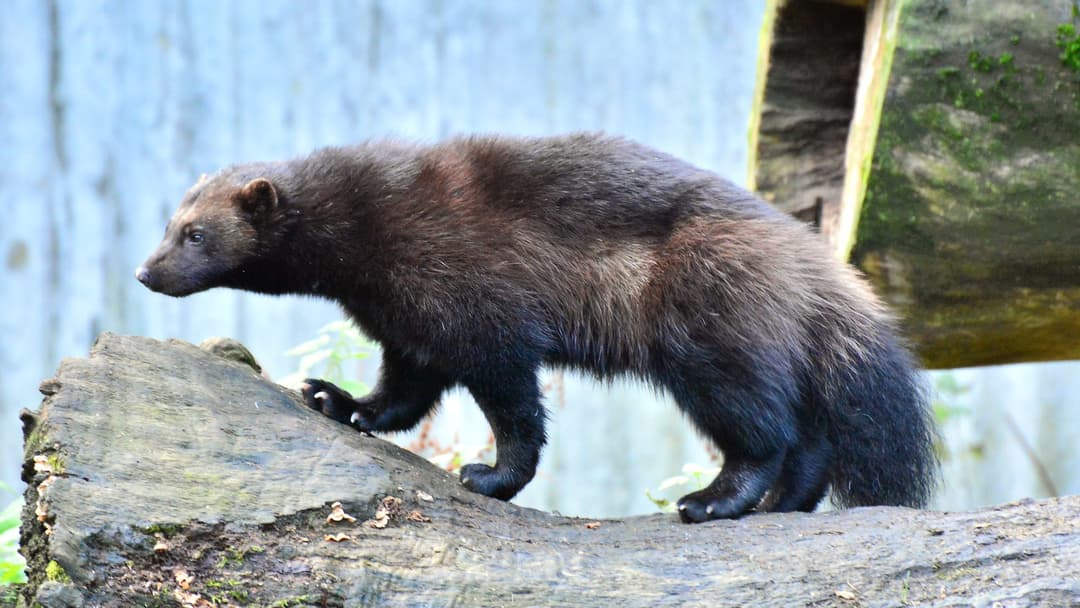
20. Wolverine
Inhabiting remote peaks in Glacier and North Cascades, wolverines possess bone-crushing jaws and ferocious defense reflexes. Encounters are exceptionally rare, but a cornered wolverine will defend its territory against creatures many times its size.
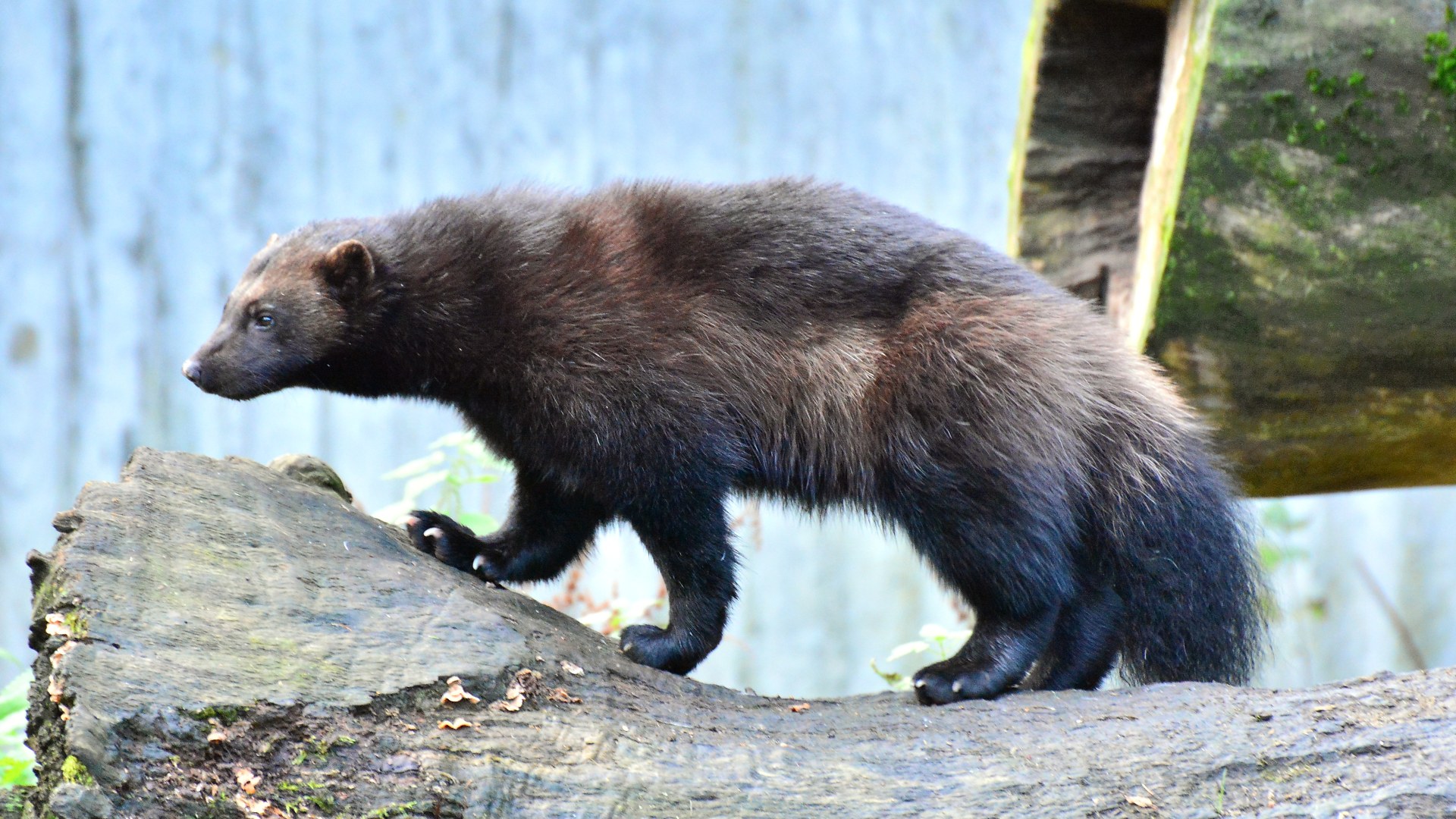
©Wikimedia / Esquilo
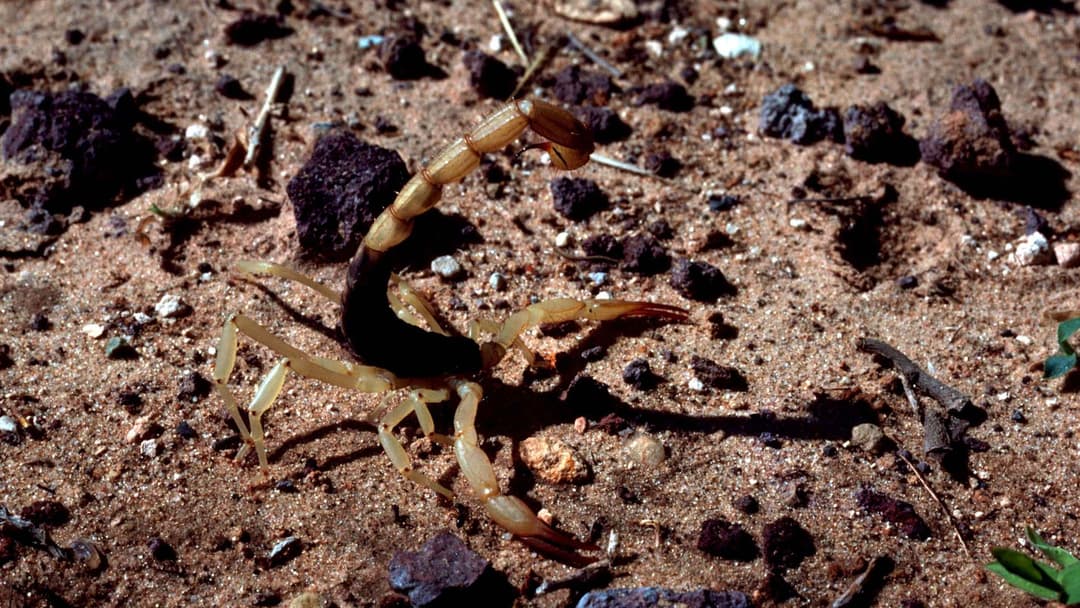
19. Bark Scorpion
Found across Grand Canyon and Joshua Tree, the Arizona bark scorpion is North America's most venomous scorpion. Its neurotoxic sting causes severe radiating pain, muscle spasms, and breathing difficulty, posing serious risks to hikers and campers.
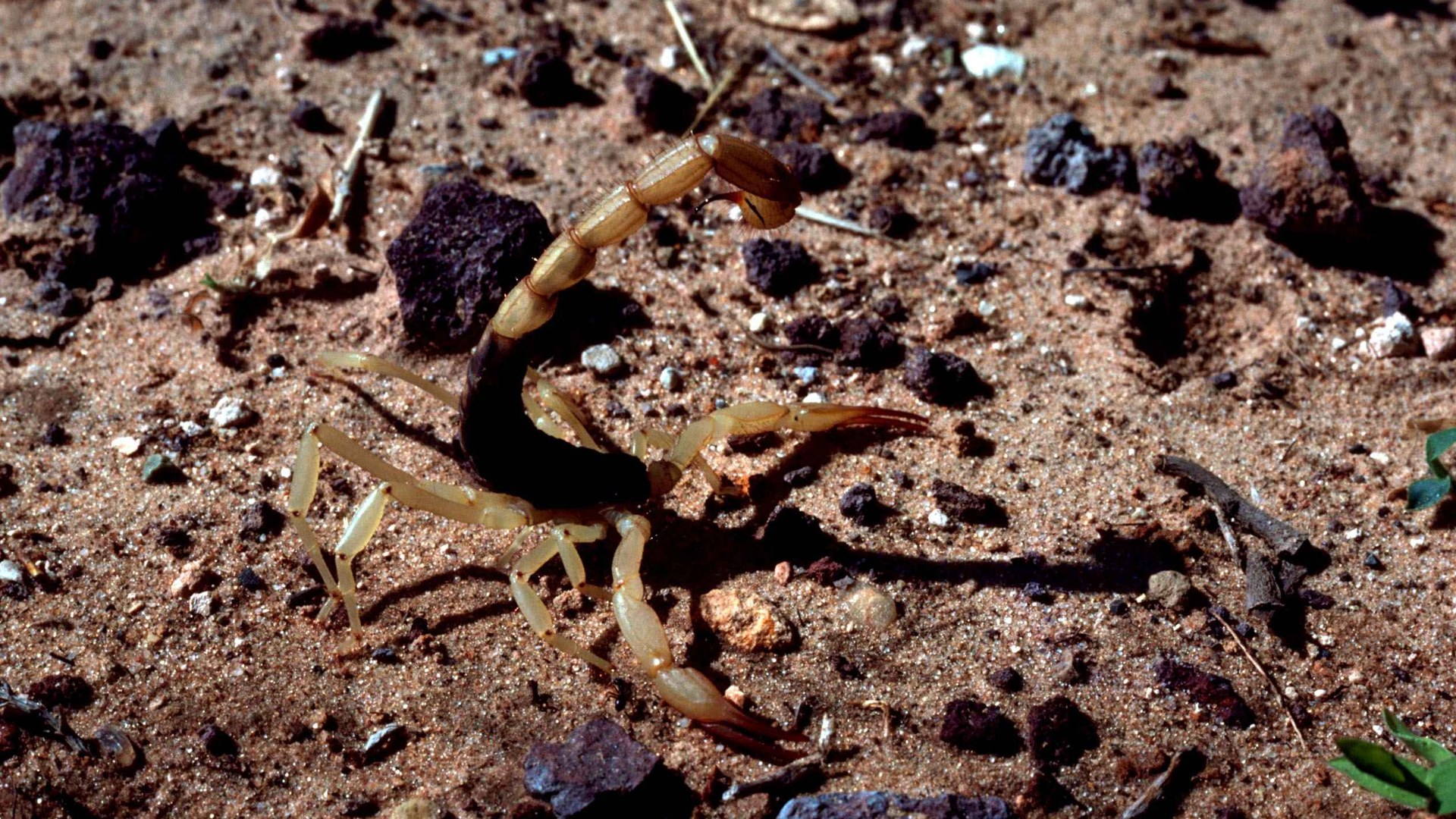
©Wikimedia / U.S. Fish and Wildlife Service
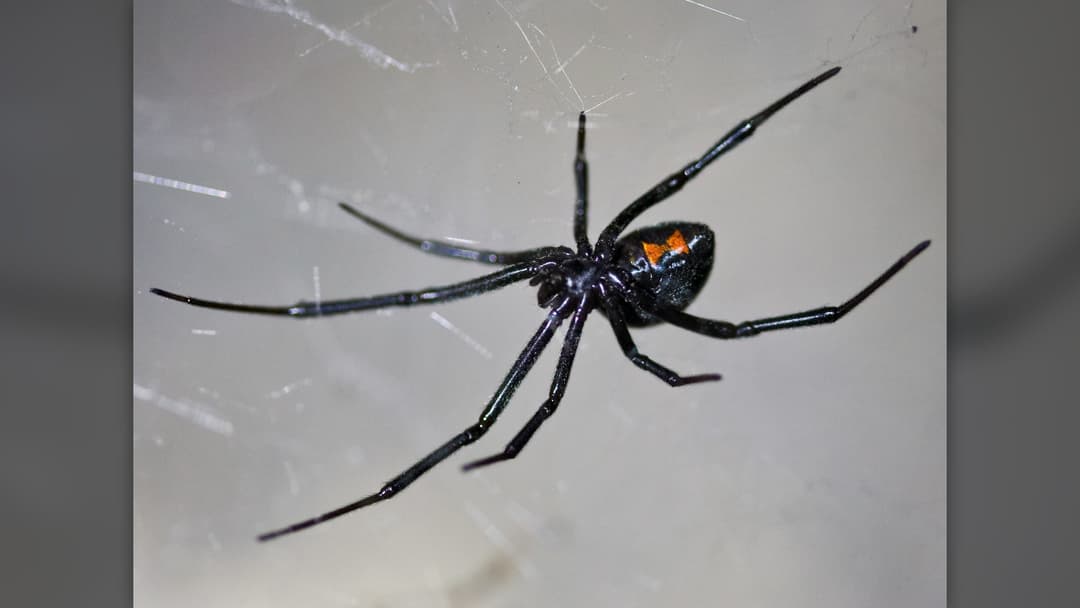
18. Black Widow Spider
Lurking in dry crevices, outhouses, and picnic shelters across southwestern desert parks, the western black widow delivers venom fifteen times stronger than a rattlesnake's. Bites cause systemic muscle cramping, nausea, and intense abdominal pain.
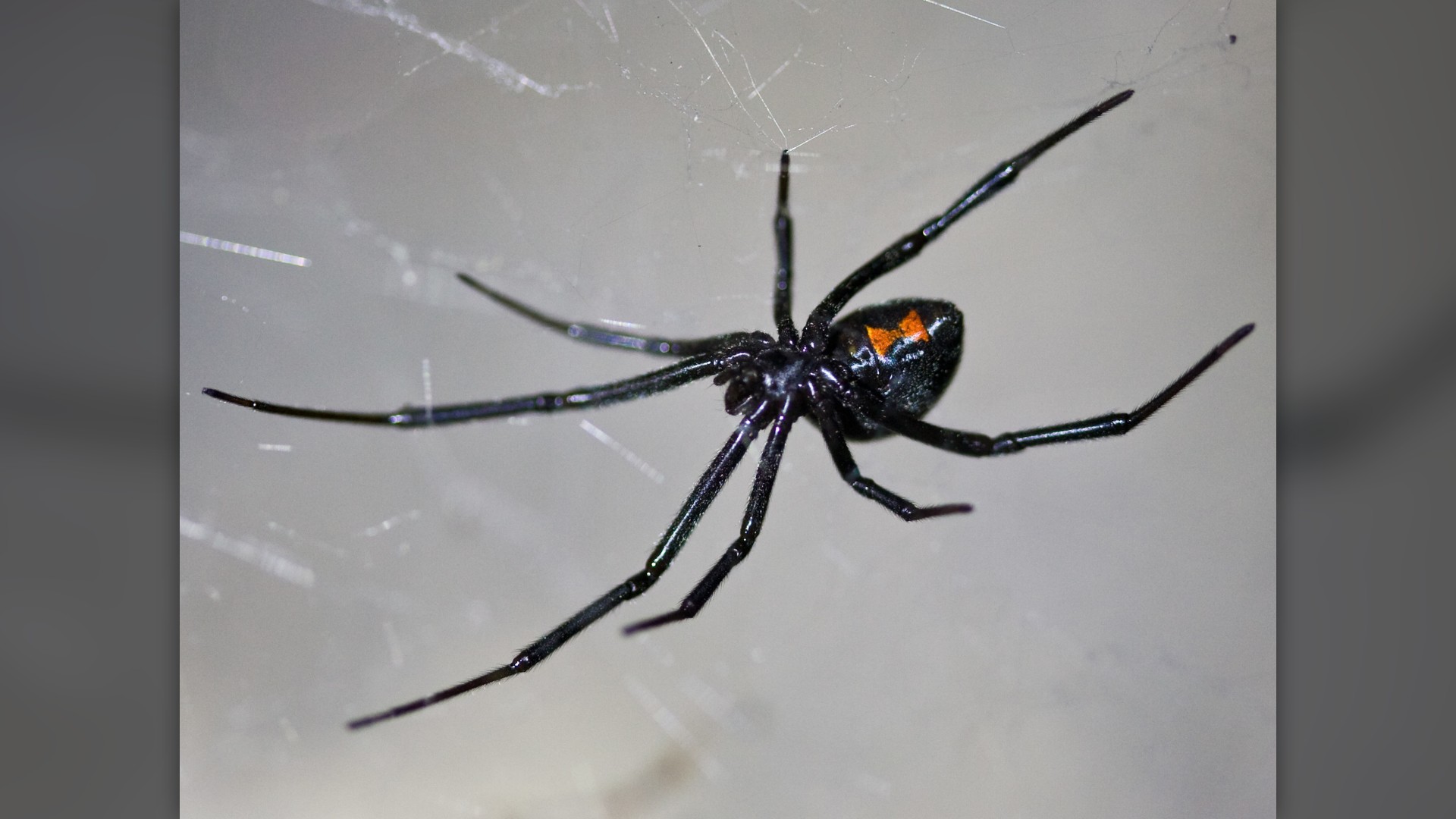
©Wikimedia / Latrodectus
Advertisement
Swipe or tap ▶ to resume the countdown.
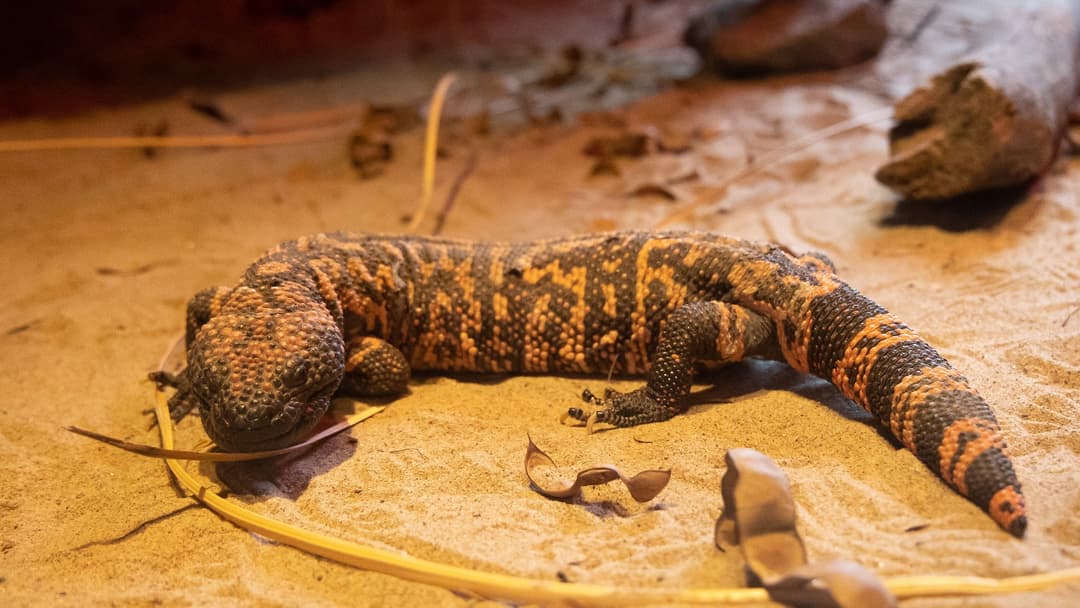
17. Gila Monster
Native to Saguaro and Grand Canyon national parks, the Gila monster is America's only native venomous lizard. It grips targets with crushing jaws while chewing neurotoxin into open puncture wounds, causing rapid swelling, drop in blood pressure, and agonizing pain.
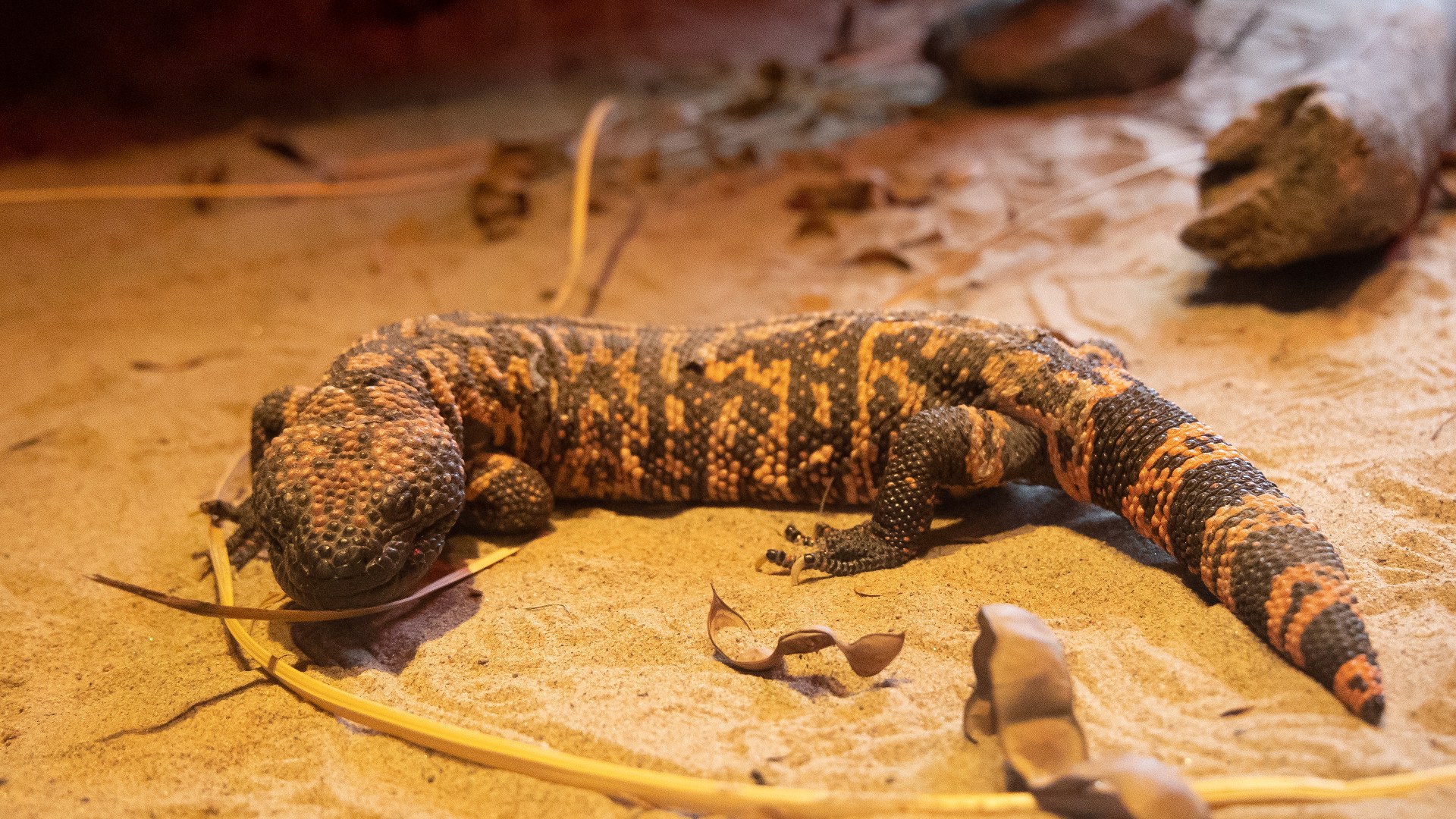
©Wikimedia / Theo Kruse
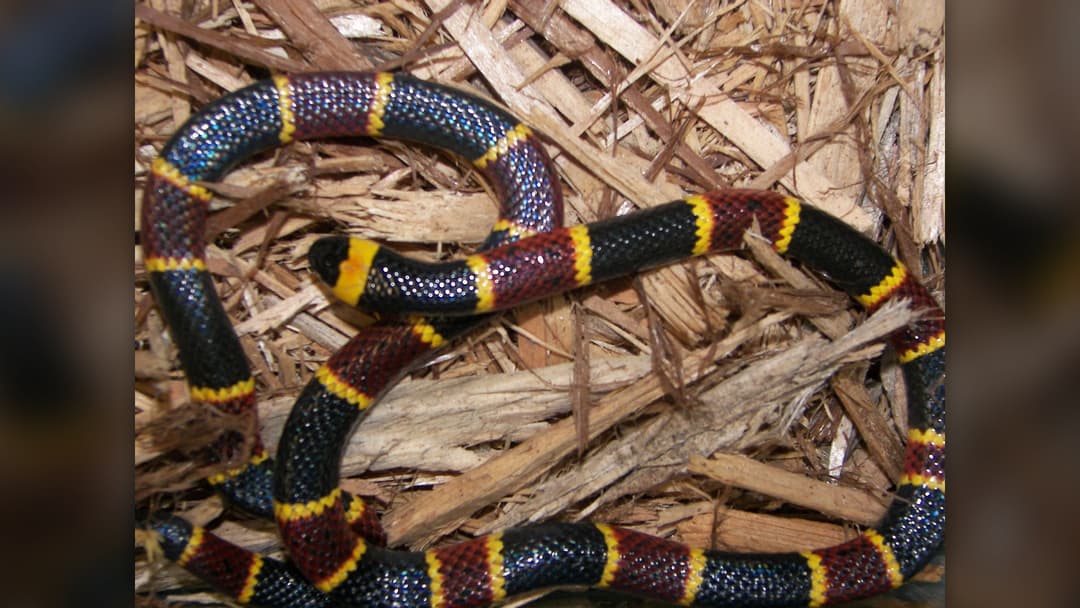
16. Coral Snake
Hidden in the dense leaf litter of Everglades and Congaree, the eastern coral snake carries potent neurotoxins capable of inducing respiratory failure. While reclusive and docile, its bite can paralyze breathing muscles without prompt antivenom care.
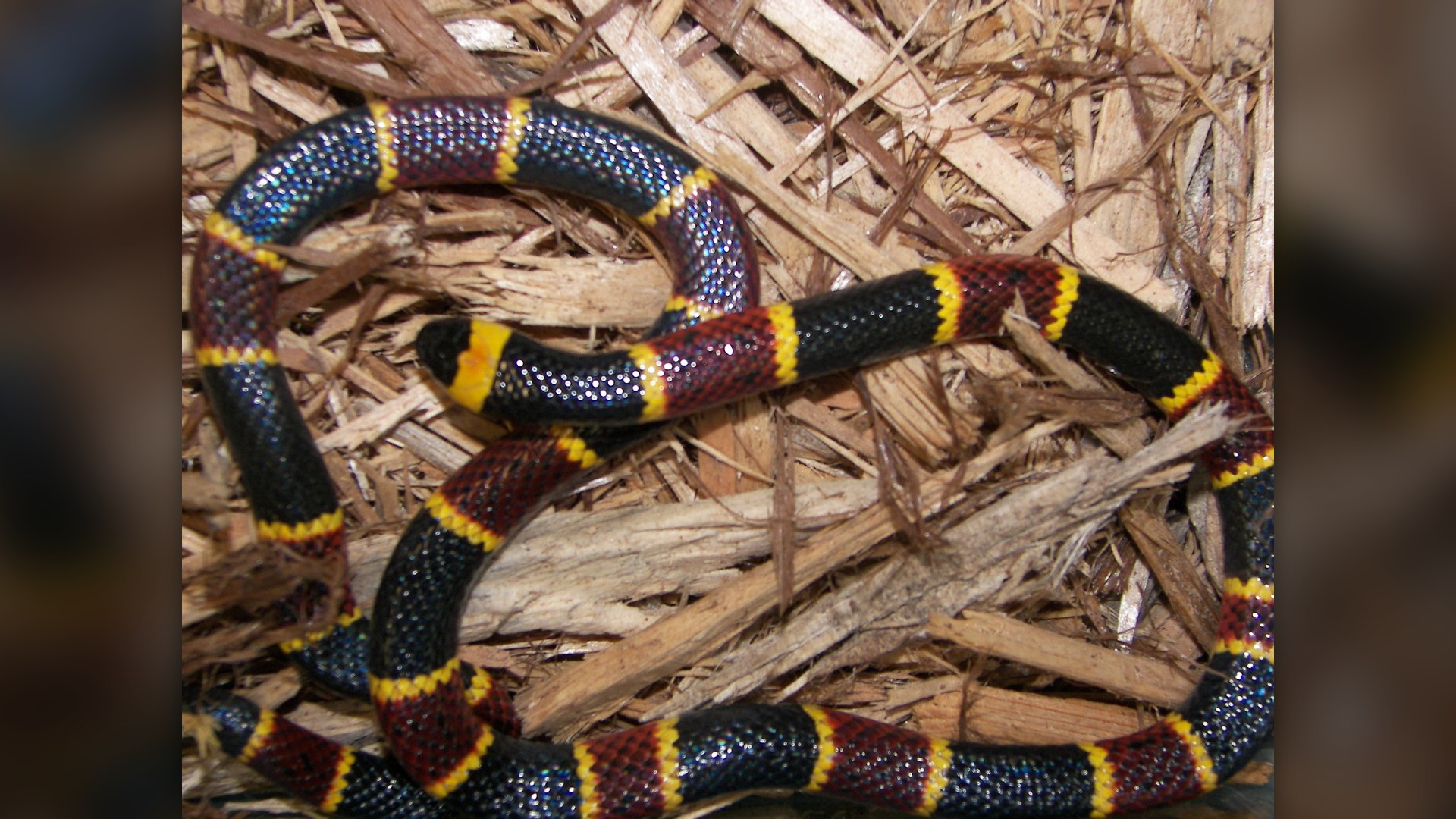
©Wikimedia / John
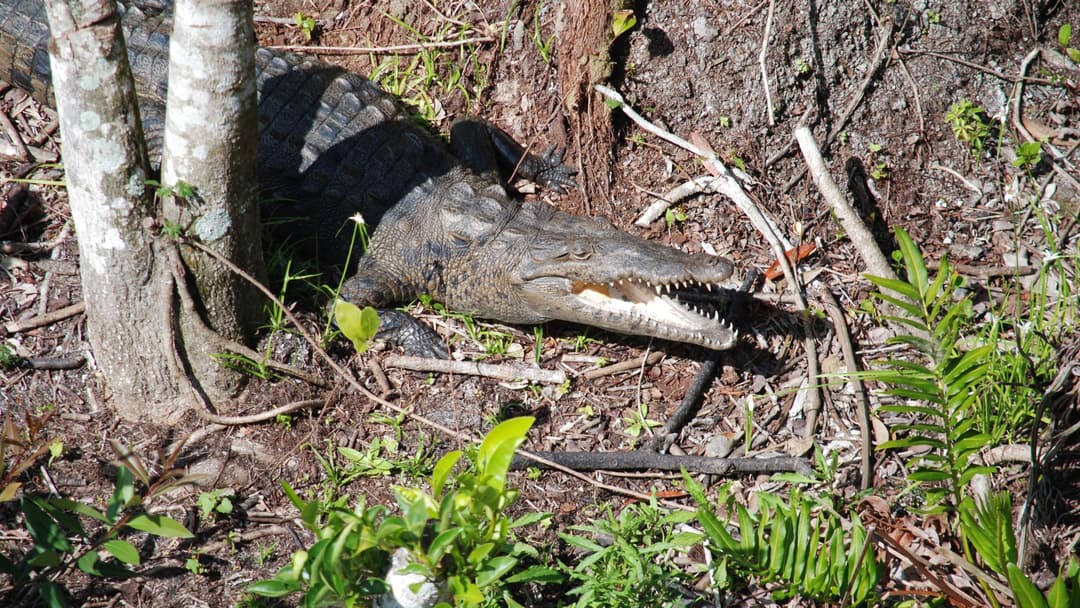
15. American Crocodile
Coexisting with alligators in Everglades National Park, the American crocodile can exceed fifteen feet in length. Though naturally shy, large territorial males possess enormous bite force and can overpower kayakers or shoreline explorers in mangrove channels.
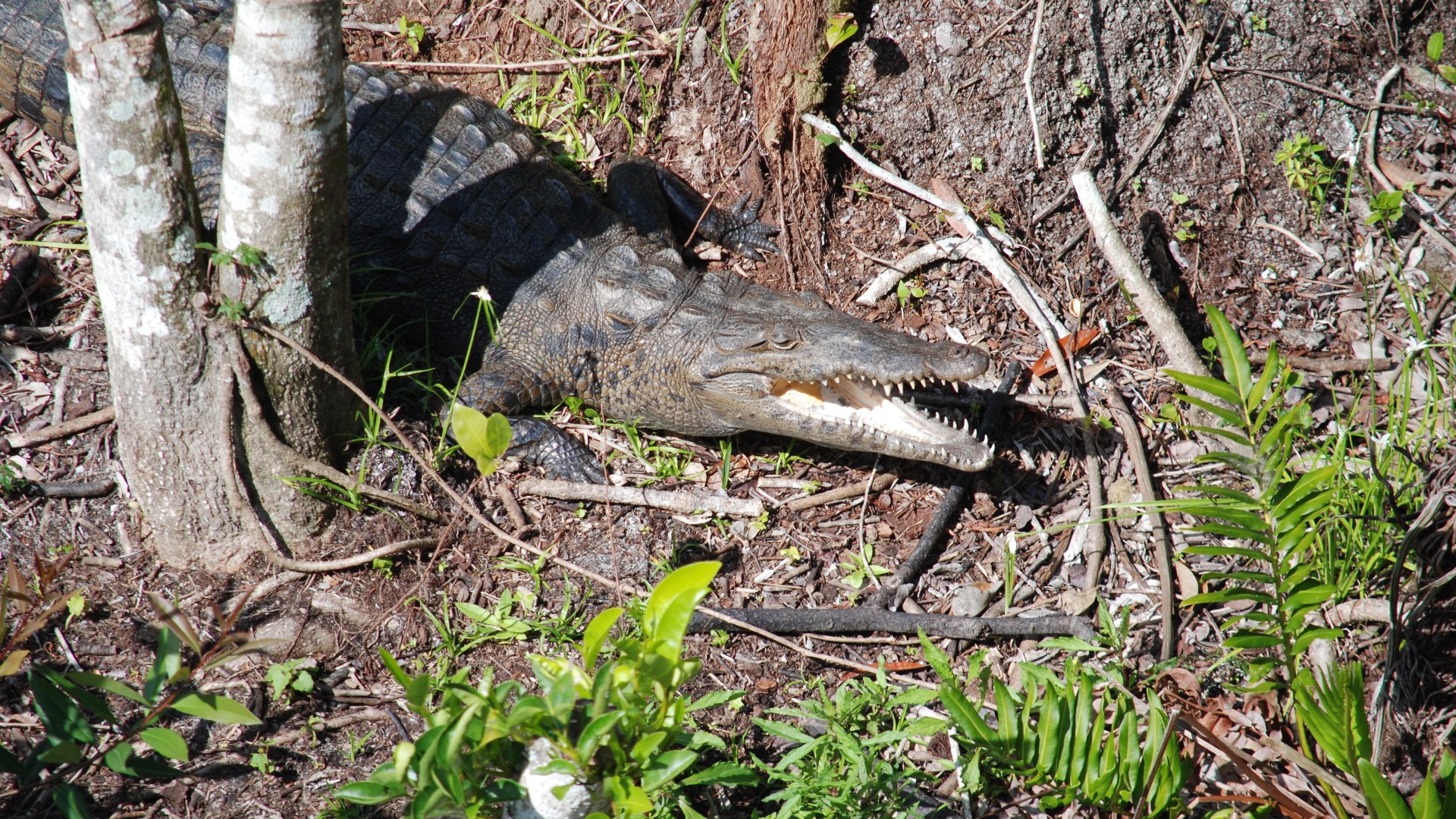
©Wikimedia / olekinderhook
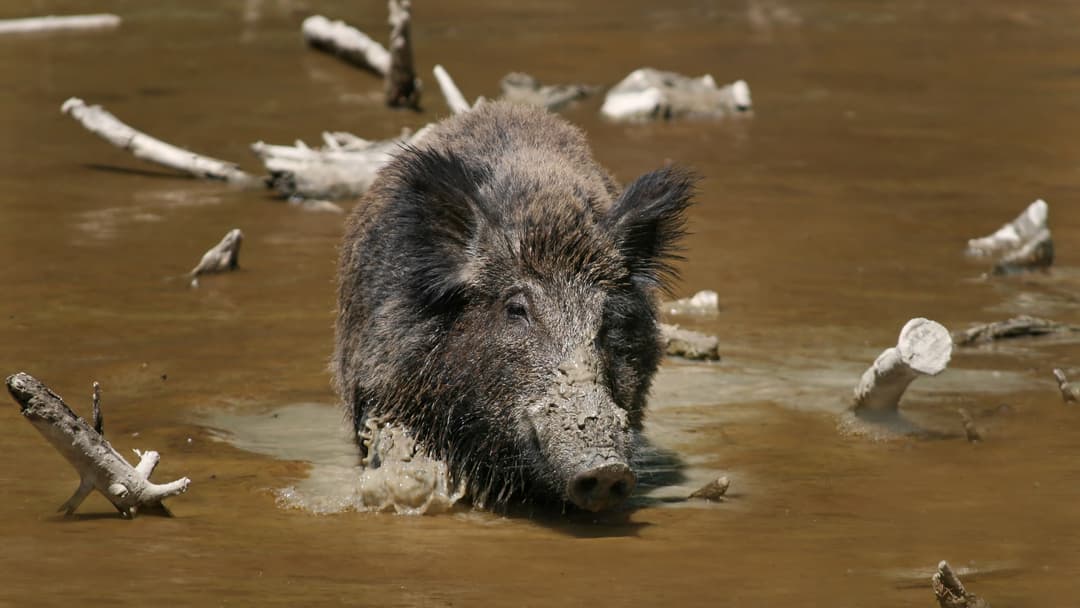
14. Wild Boar
Roaming Great Smoky Mountains and Congaree, non-native feral hogs present a violent threat on backwoods trails. Equipped with razor-sharp canine tusks and weighing up to four hundred pounds, boars charge aggressively when guarding litters or startled in brush.
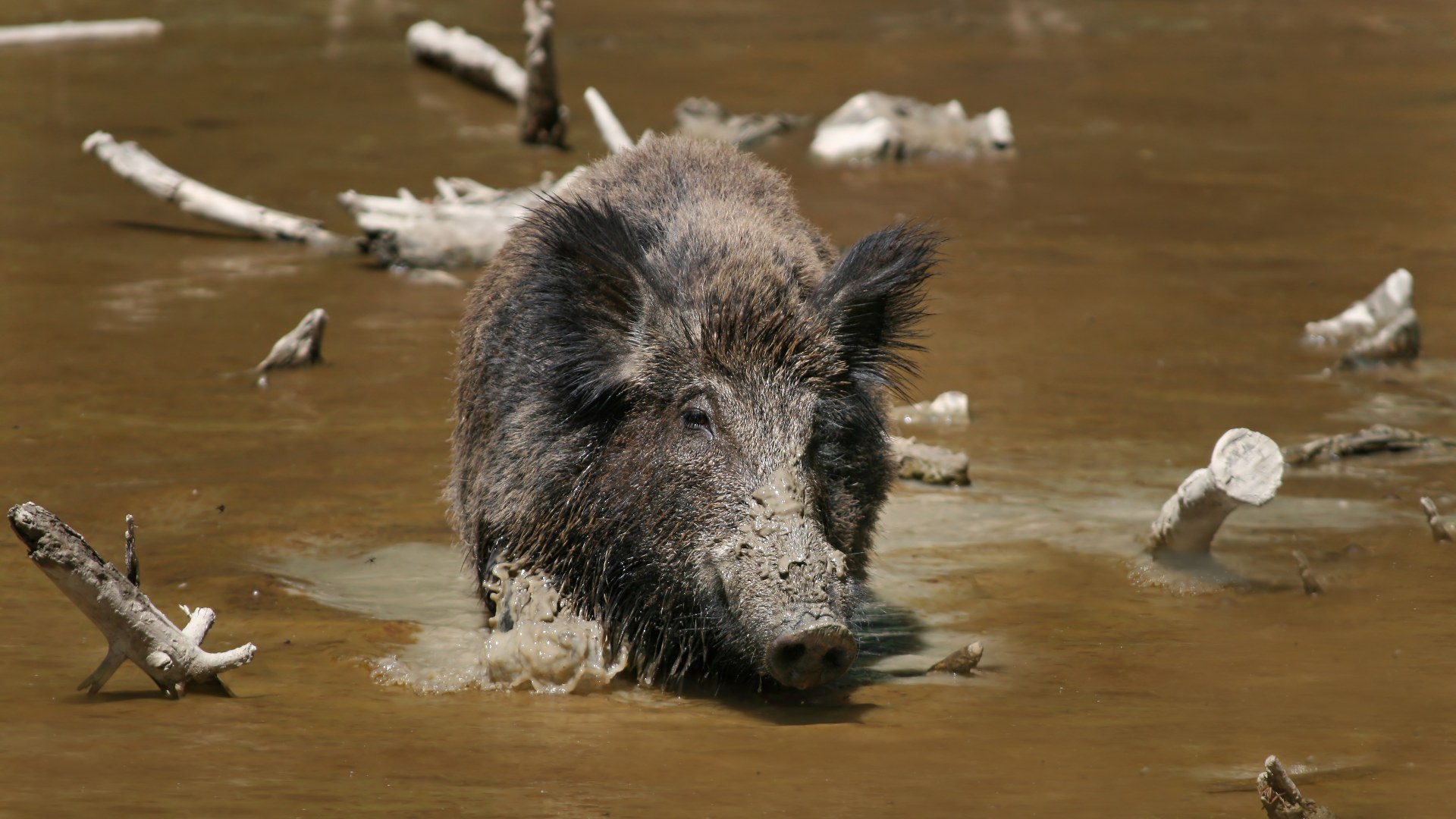
©Wikimedia / Richard Bartz
Advertisement
Swipe or tap ▶ to resume the countdown.
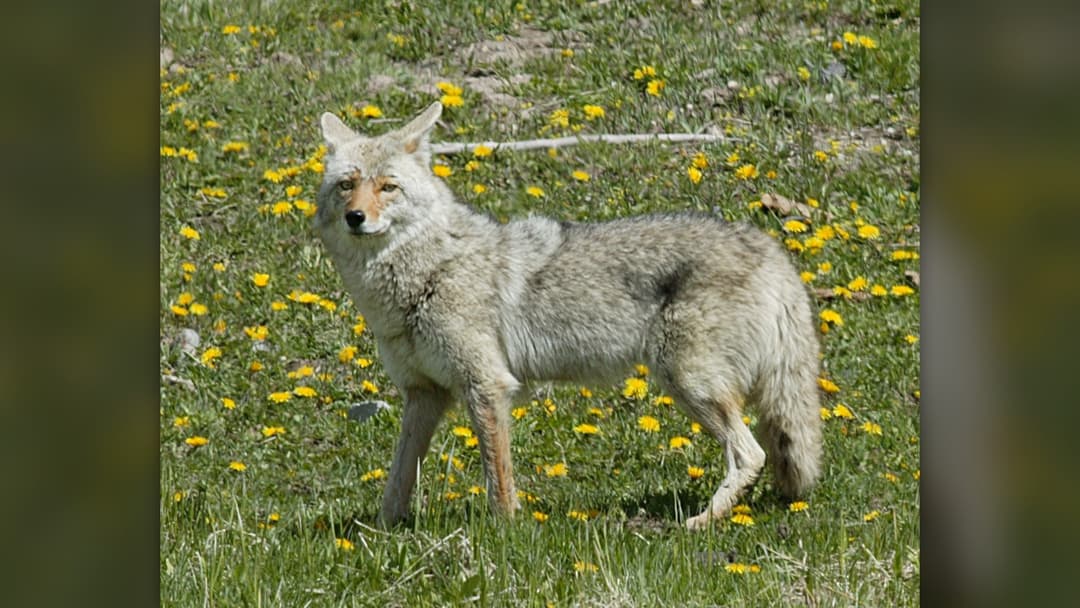
13. Coyote
Widespread across Yellowstone, Joshua Tree, and Death Valley, habituated coyotes have grown bolder around campgrounds. While fatalities are rare, aggressive coyotes bite hikers and domestic pets every year, particularly during pup-rearing season.
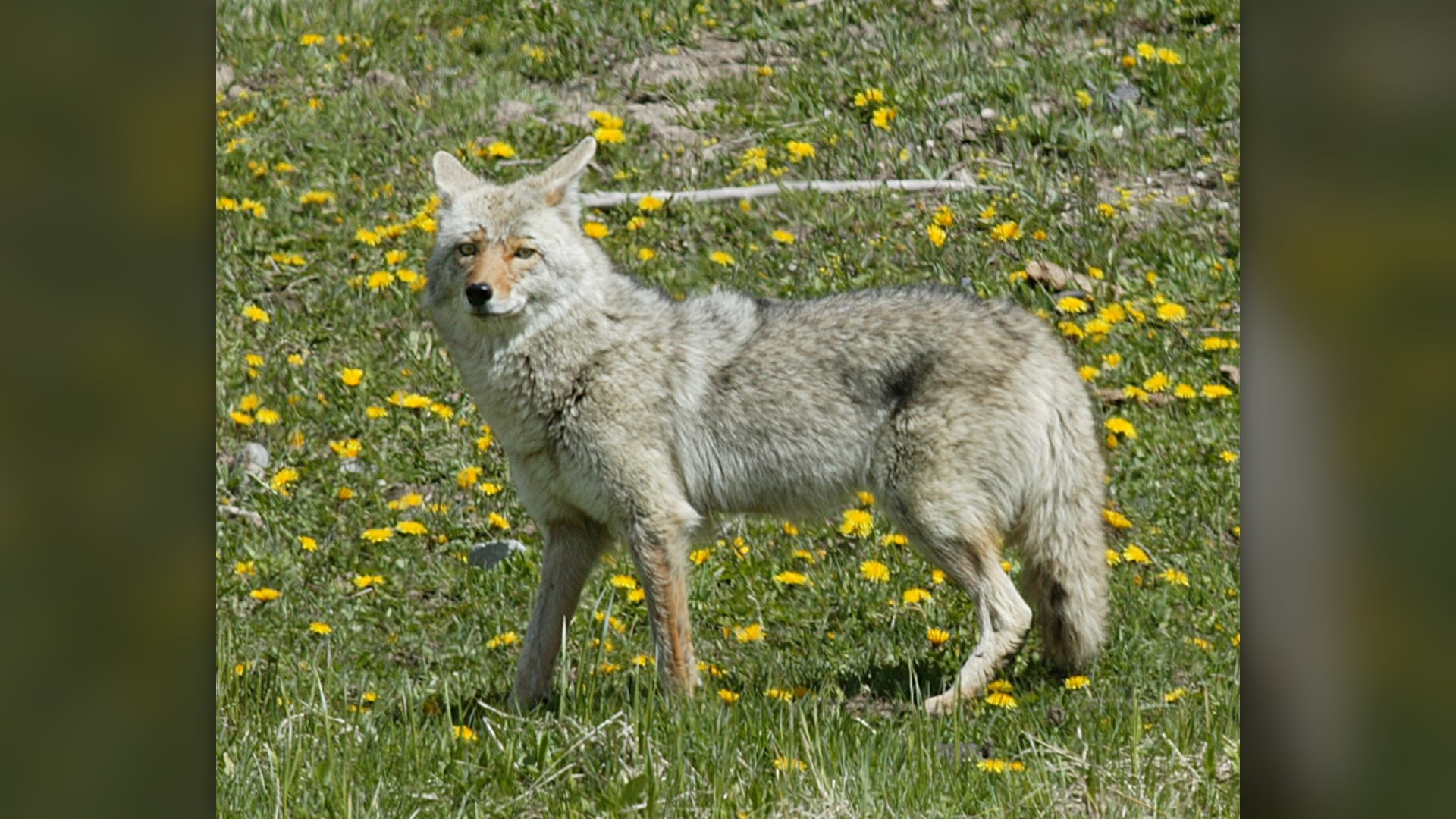
©Wikimedia / James Perdue
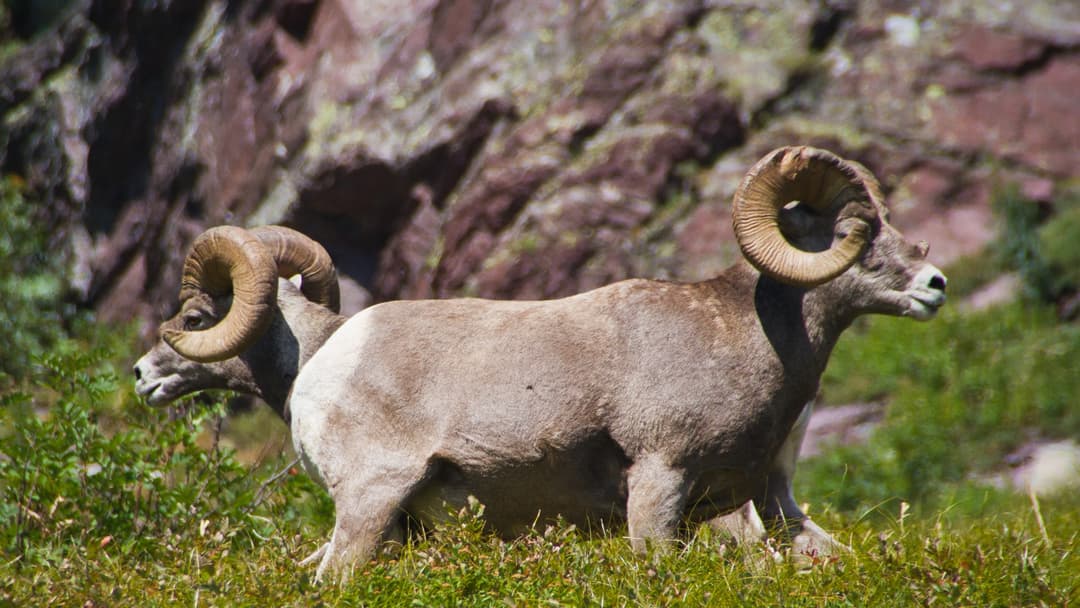
12. Bighorn Sheep
Dominating high ridges in Glacier and Rocky Mountain national parks, mature rams carry curved horns weighing up to thirty pounds. When tourists approach too closely for photographs, rams can deliver skull-fracturing charges at twenty miles per hour.
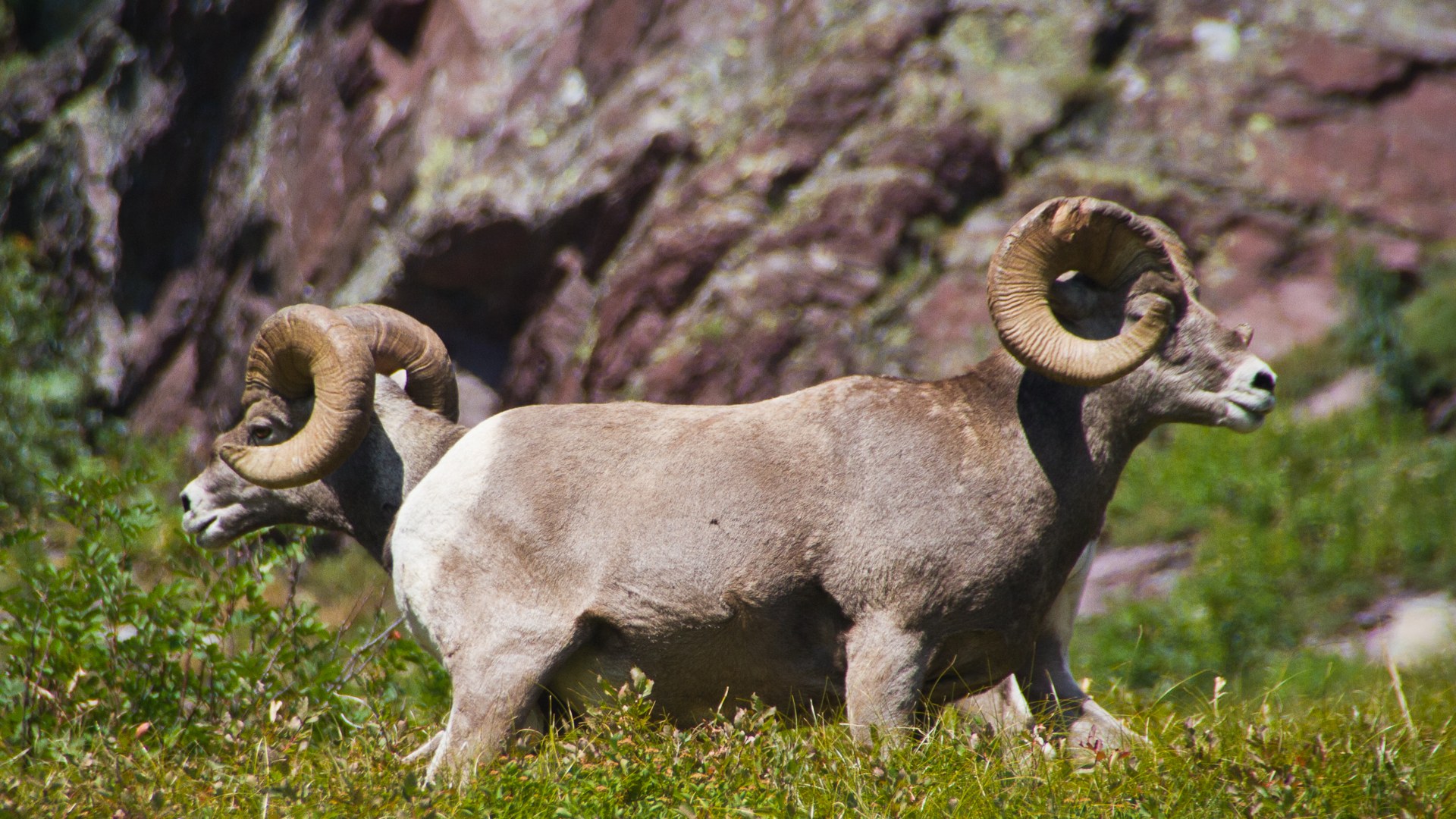
©Wikimedia / Jeff P
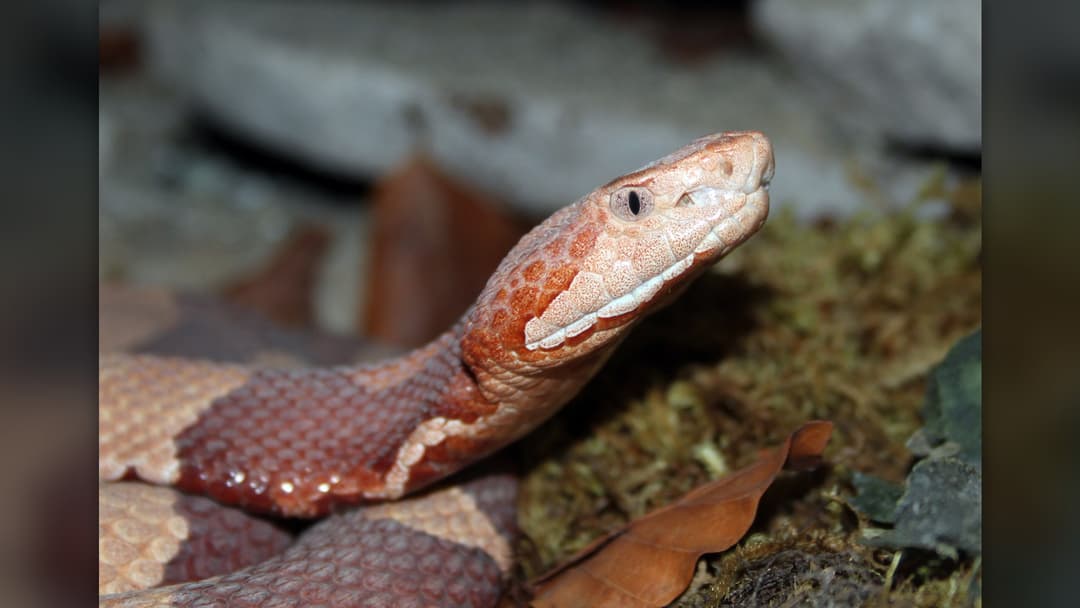
11. Copperhead
Camouflaged among oak leaves in Shenandoah and Great Smoky Mountains, the eastern copperhead accounts for more snakebites in eastern parks than any other reptile. Its hemotoxic bite causes intense local tissue damage, severe swelling, and nausea.
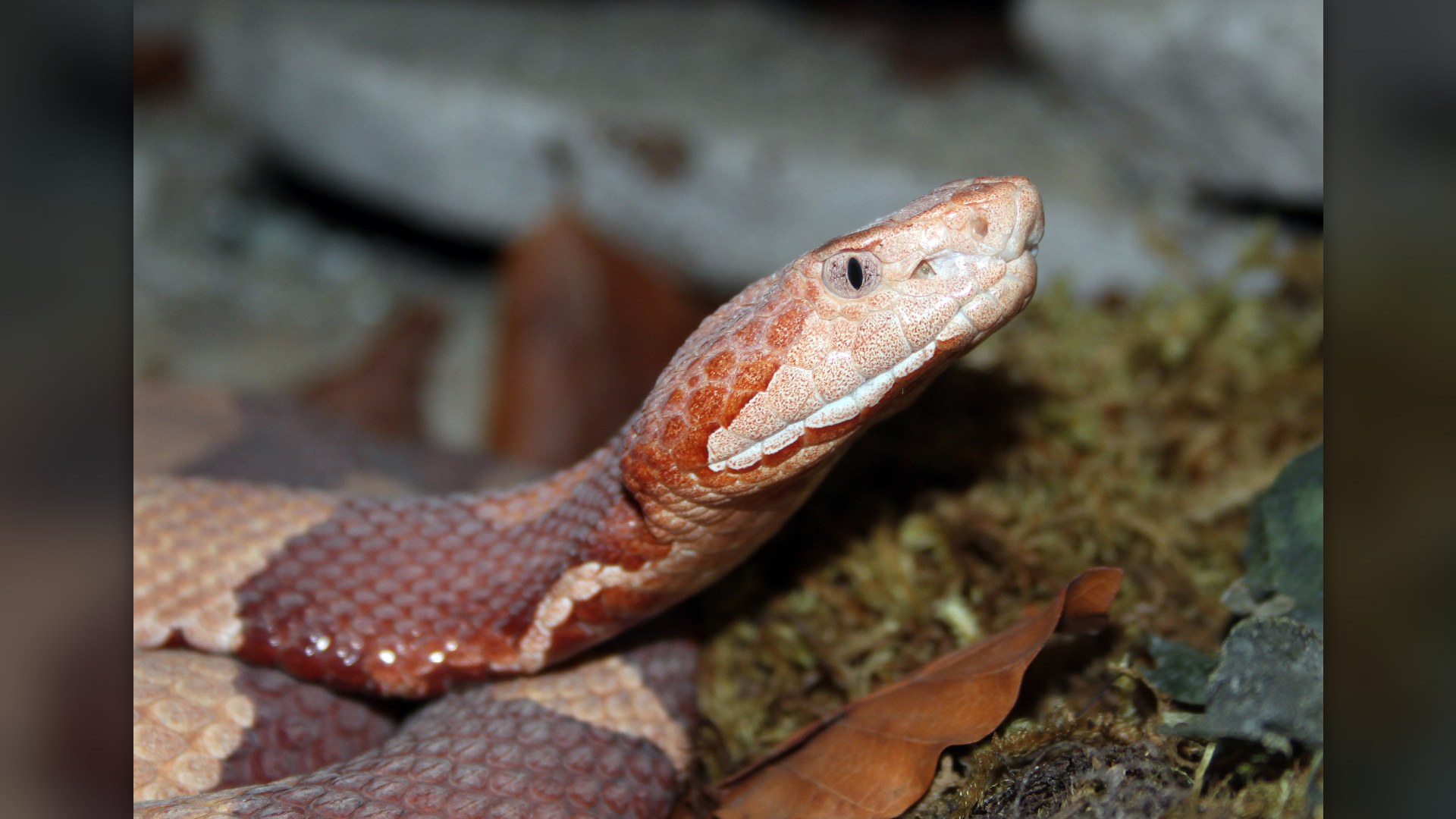
©Wikimedia / Holger Krisp
10. Cottonmouth
Guarding swampy waterways in Everglades and Congaree, the northern cottonmouth will stand its ground, gaping wide to expose its milky-white mouth lining. Its cytotoxic venom destroys red blood cells and muscle tissue, risking amputation without treatment.
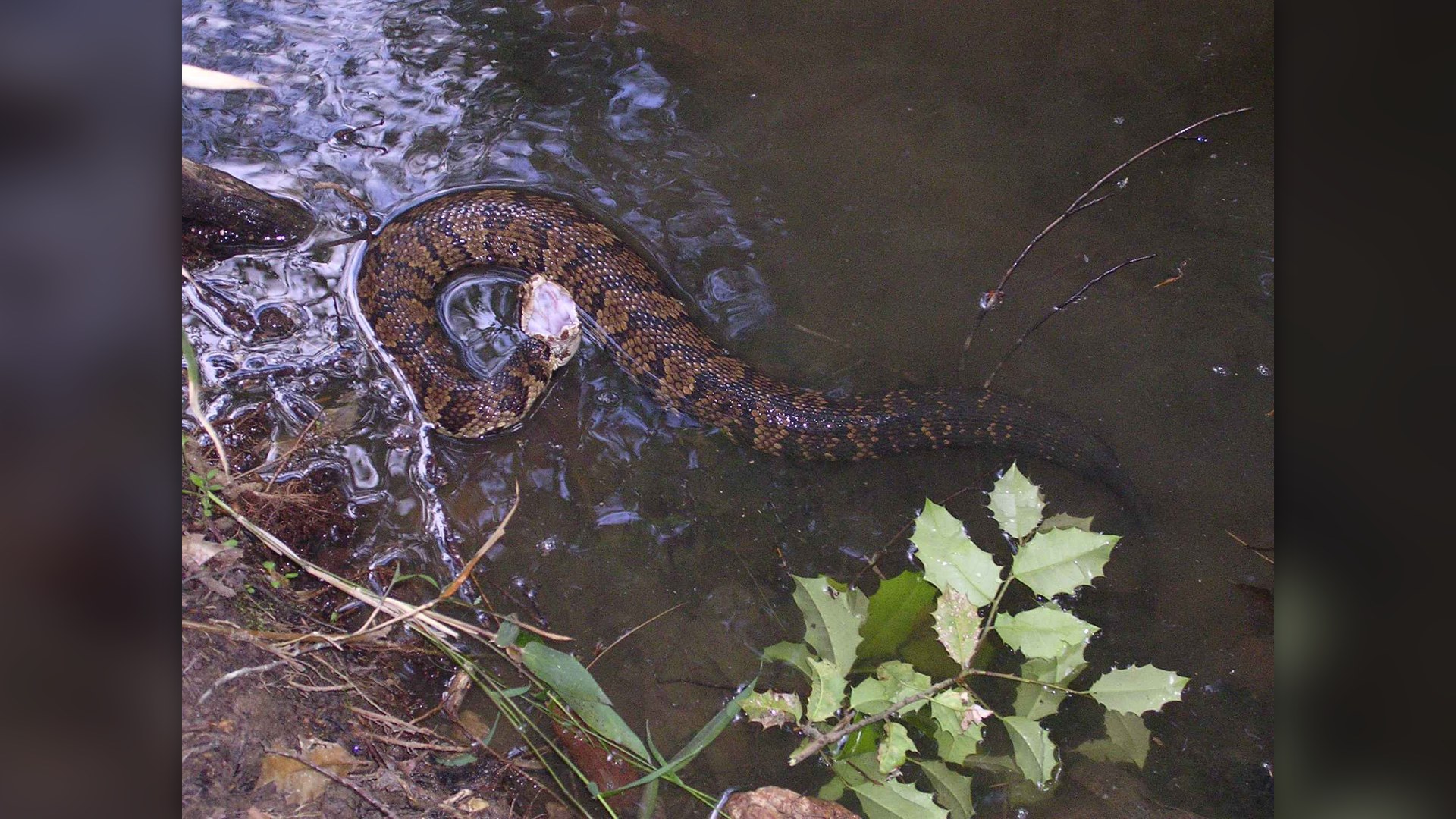
©Wikimedia / U.S. Fish and Wildlife Service
Advertisement
Swipe or tap ▶ to resume the countdown.
9. Gray Wolf
Reintroduced to Yellowstone and thriving in Isle Royale and Voyageurs, gray wolves hunt in highly coordinated packs with crushing bite pressure. While wolf attacks on humans remain unusual, habituated packs can become bold, requiring strict distance vigilance.
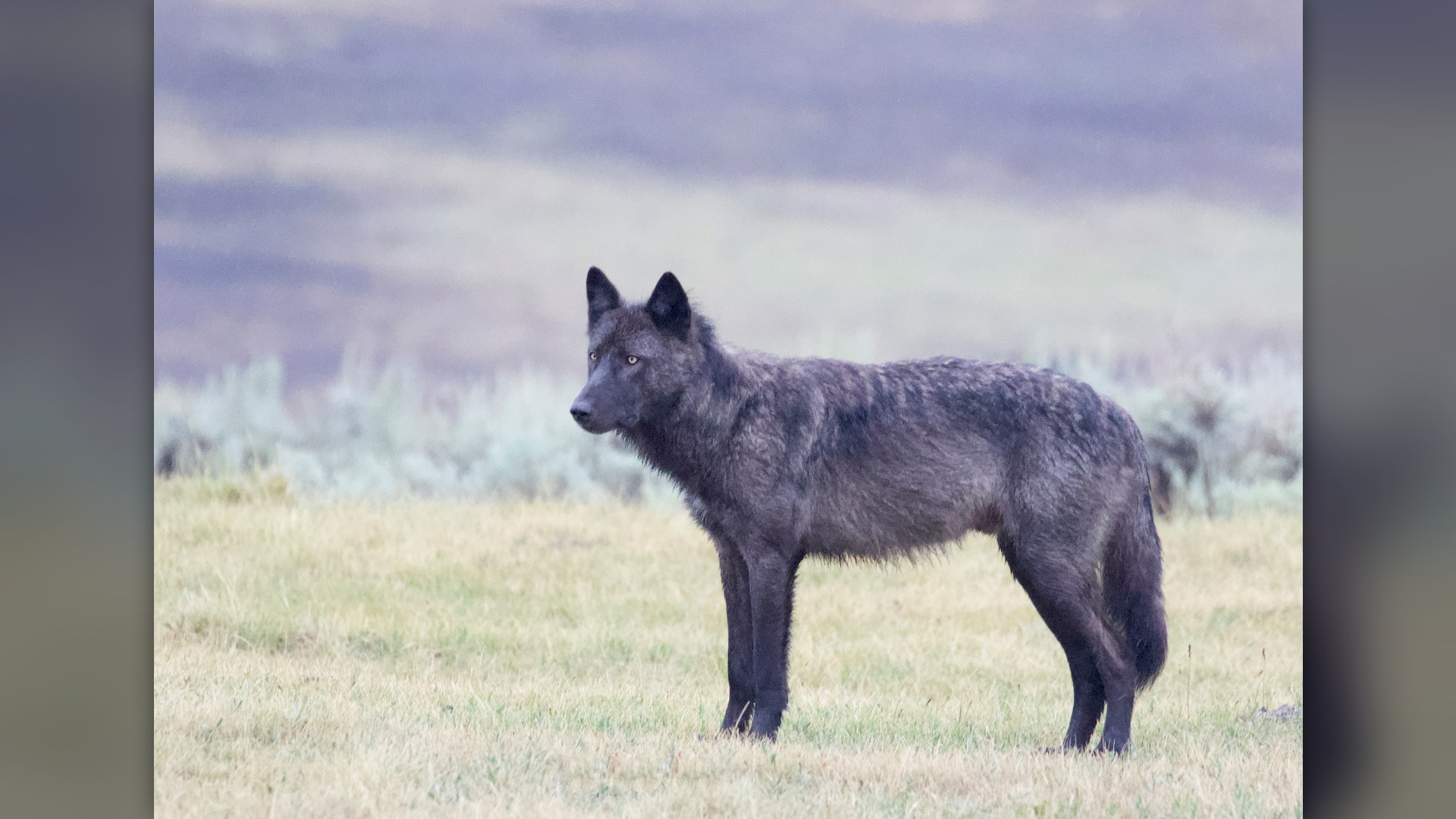
©Wikimedia / Gregory Smith
8. Elk
Bull elk in Yellowstone and Rocky Mountain weigh over seven hundred pounds and sport branched antlers exceeding four feet. During the autumn mating rut and spring calving, aggressive elk regularly charge visitors who wander into their perimeter.
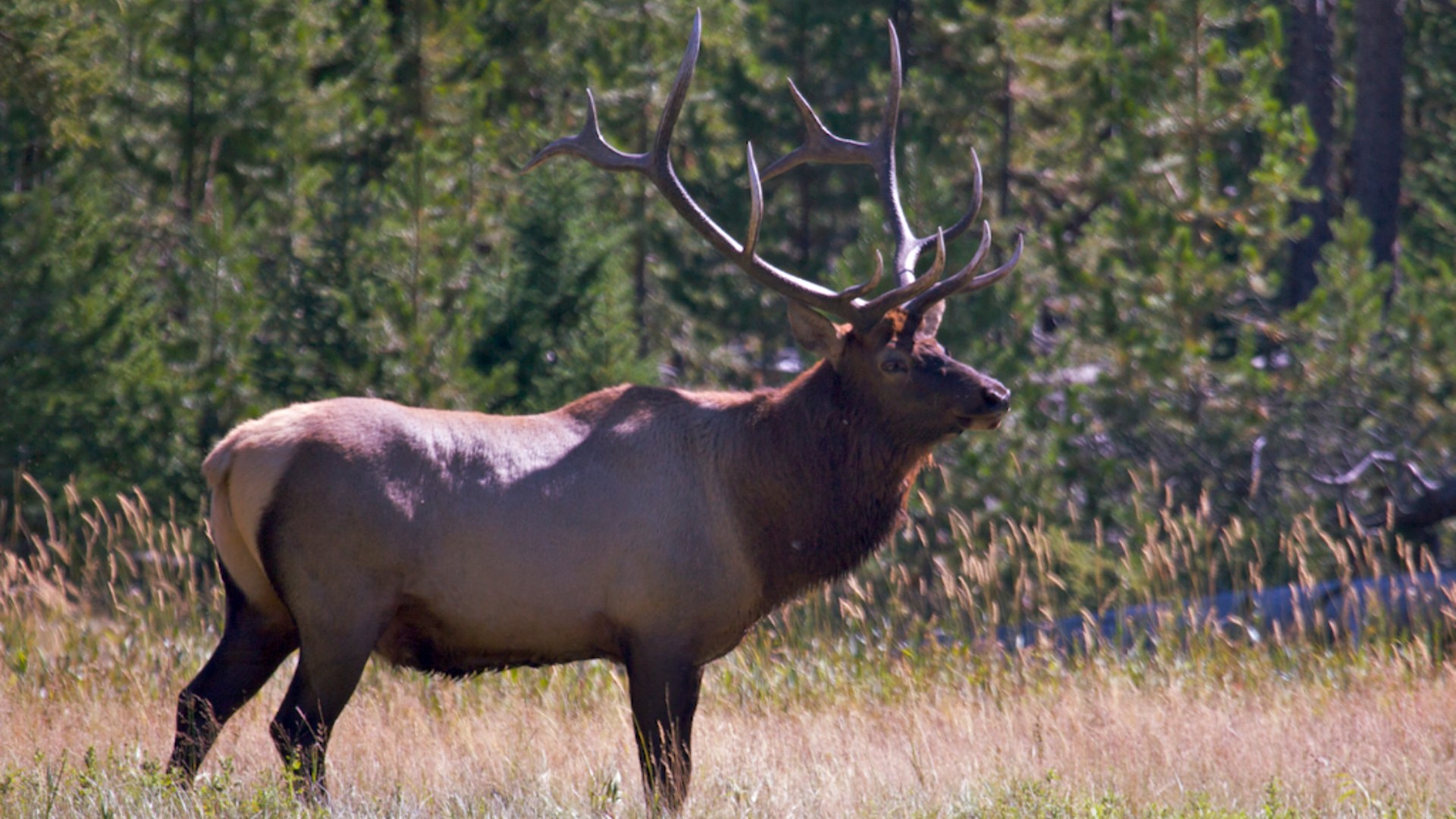
©Wikimedia / schmeeve
7. Western Diamondback Rattlesnake
Patrolling the rocky canyons of Big Bend, Grand Canyon, and Joshua Tree, this pit viper delivers huge venom payloads containing tissue-destroying enzymes and hemotoxins. Its rapid defensive strike can pierce leather footwear, making immediate antivenom imperative.
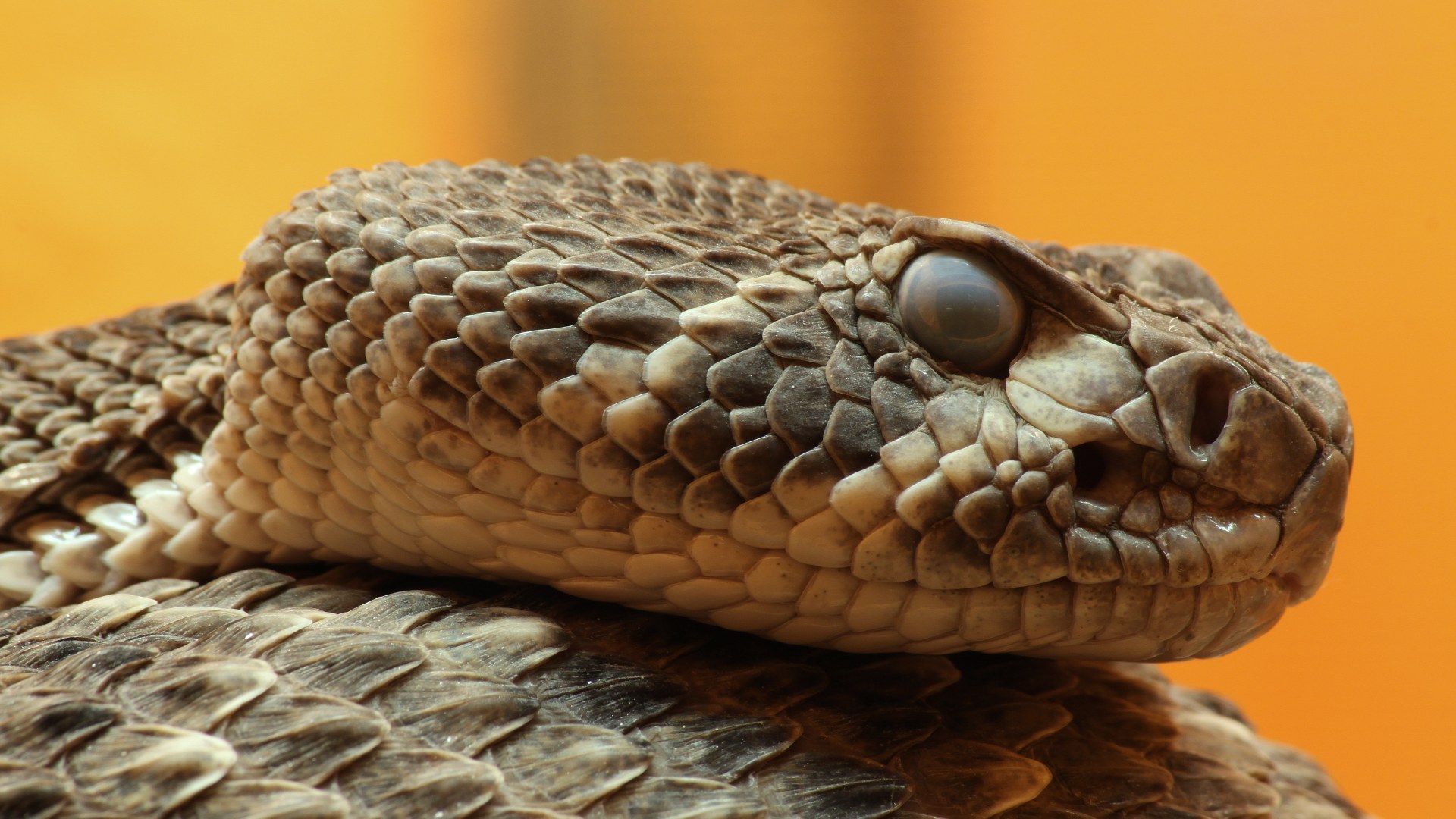
©Wikimedia / Holger Krisp
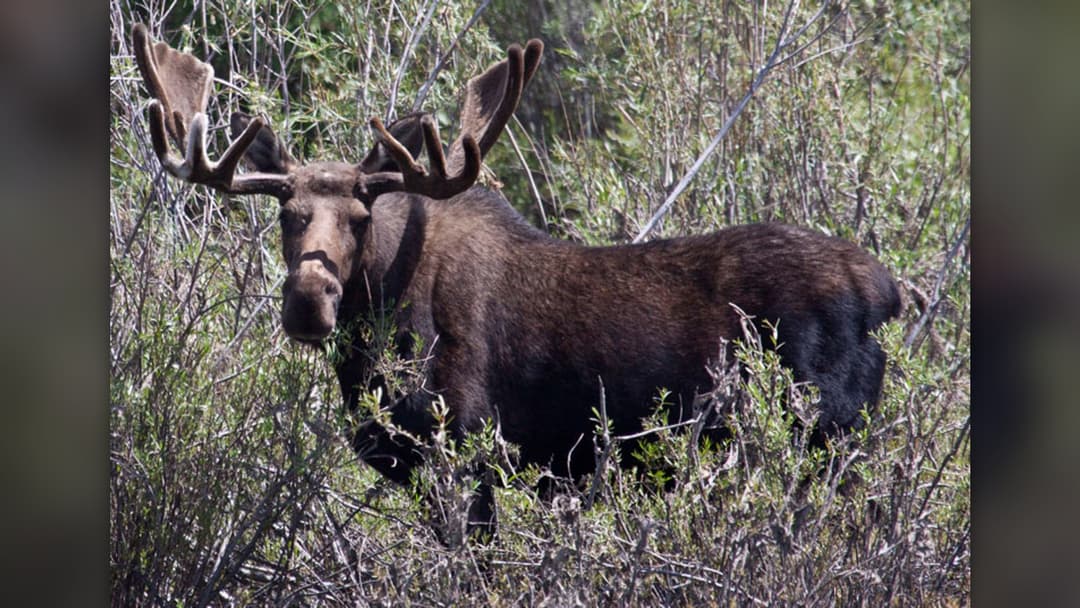
6. Moose
Towering over trails in Grand Teton, Glacier, and Denali, moose injure more people in North America each year than bears. Weighing up to twelve hundred pounds, a mother guarding calves or a bull in rut will charge and trample hikers without warning.
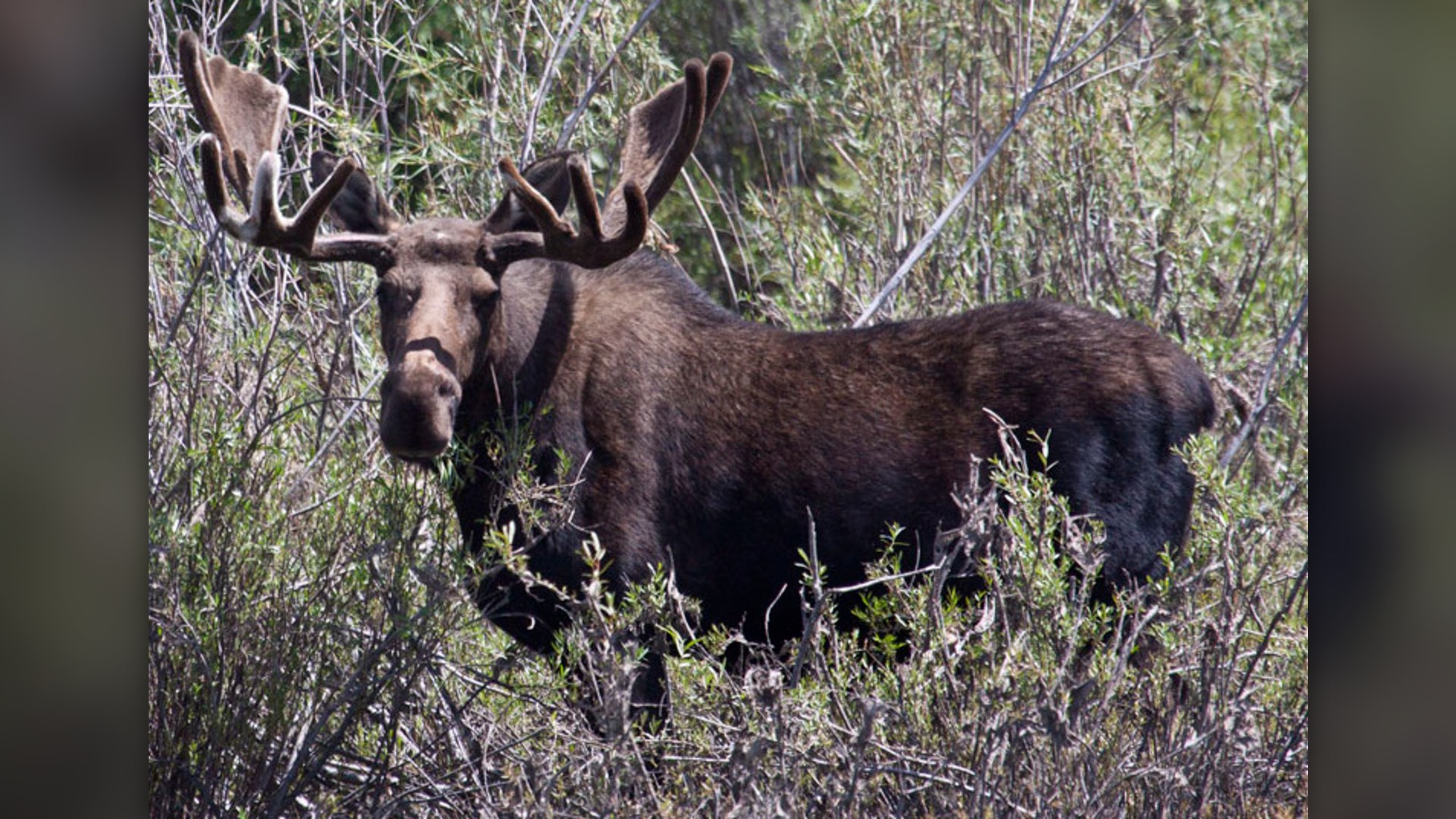
©Wikimedia / marlin harms
Advertisement
Swipe or tap ▶ to resume the countdown.
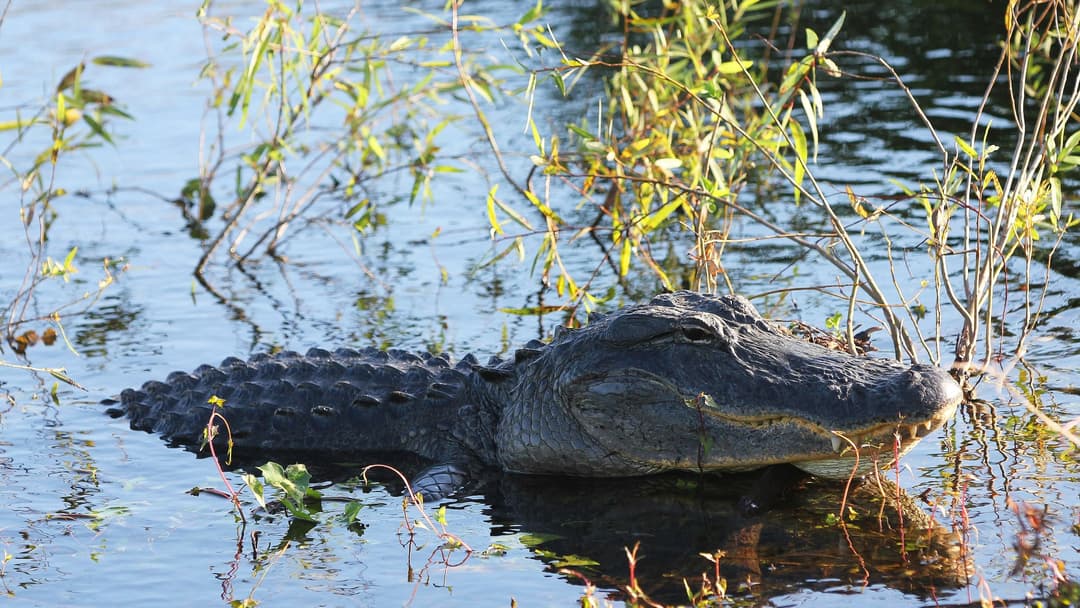
5. American Alligator
Everglades National Park is home to over two hundred thousand American alligators. Equipped with a bite force exceeding two thousand pounds, these apex reptiles strike from submerged banks with explosive speed, dragging prey into deep water death rolls.
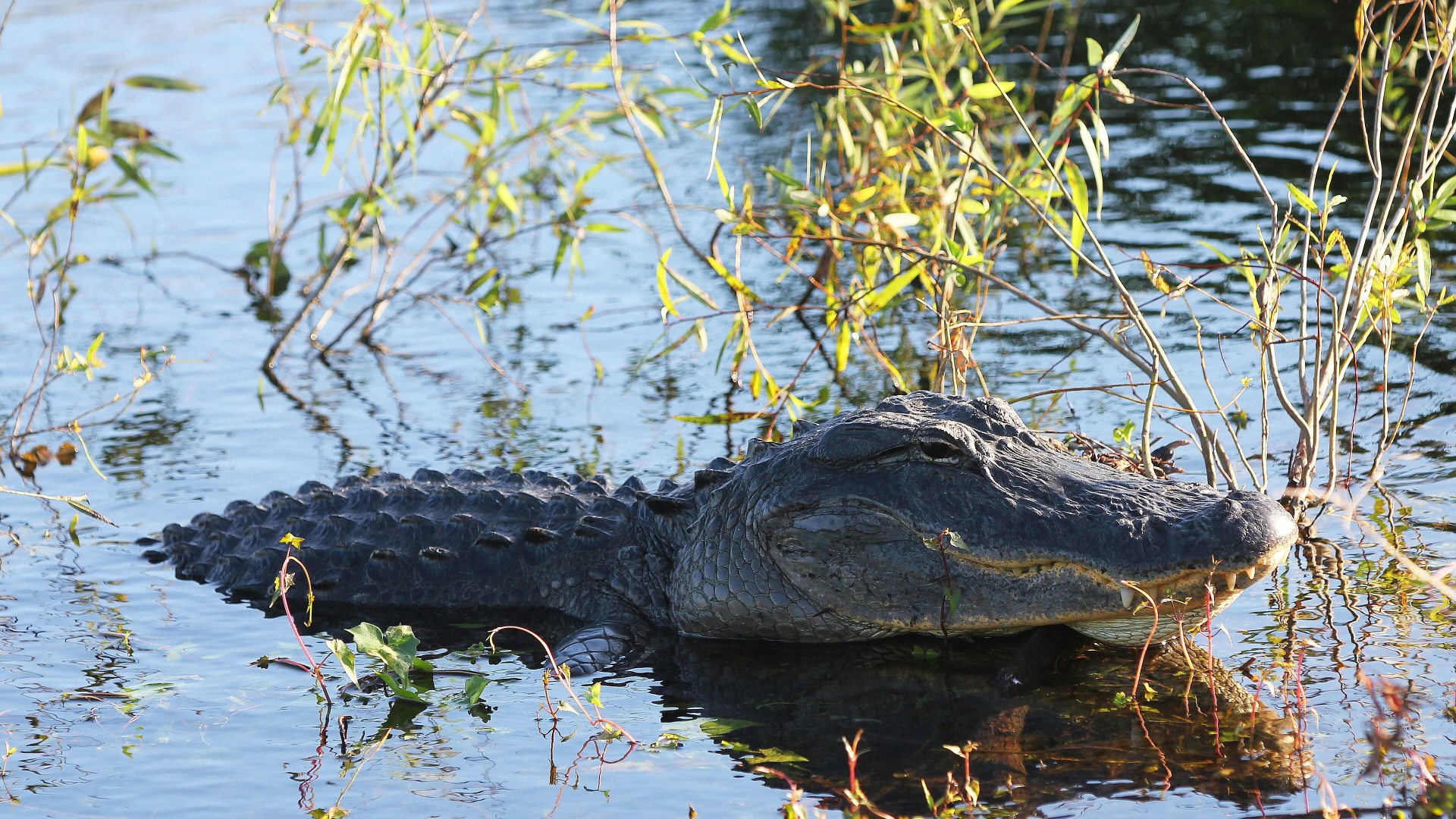
©Wikimedia / judygva
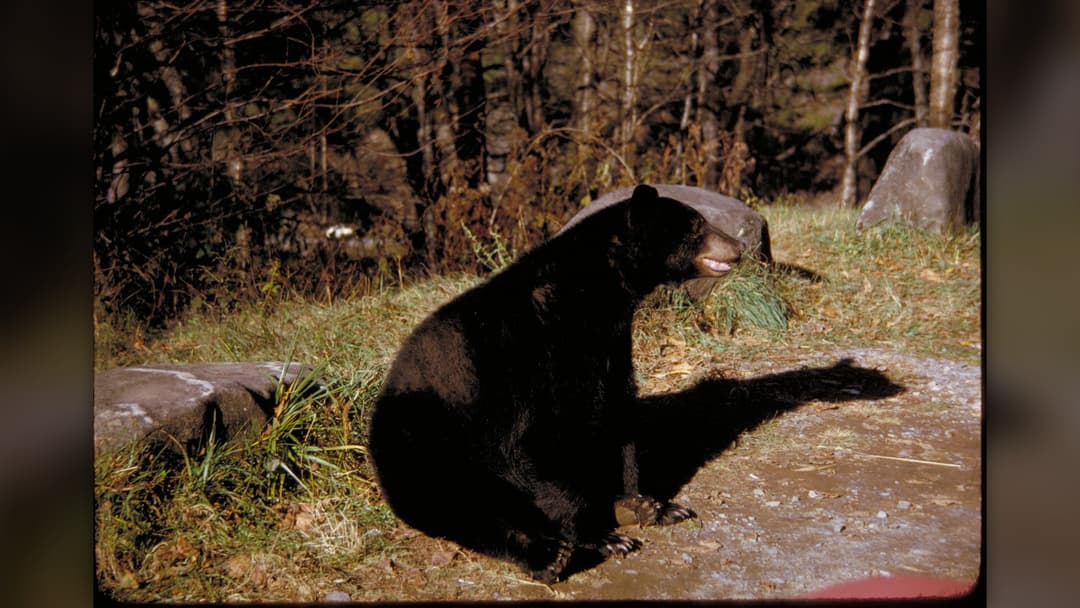
4. American Black Bear
Populating Great Smoky Mountains, Yosemite, and Shenandoah, black bears possess exceptional climbing agility and acute sense of smell. While generally avoiding conflict, food-conditioned bears become dangerous predators, prompting park closures and mauled campers.
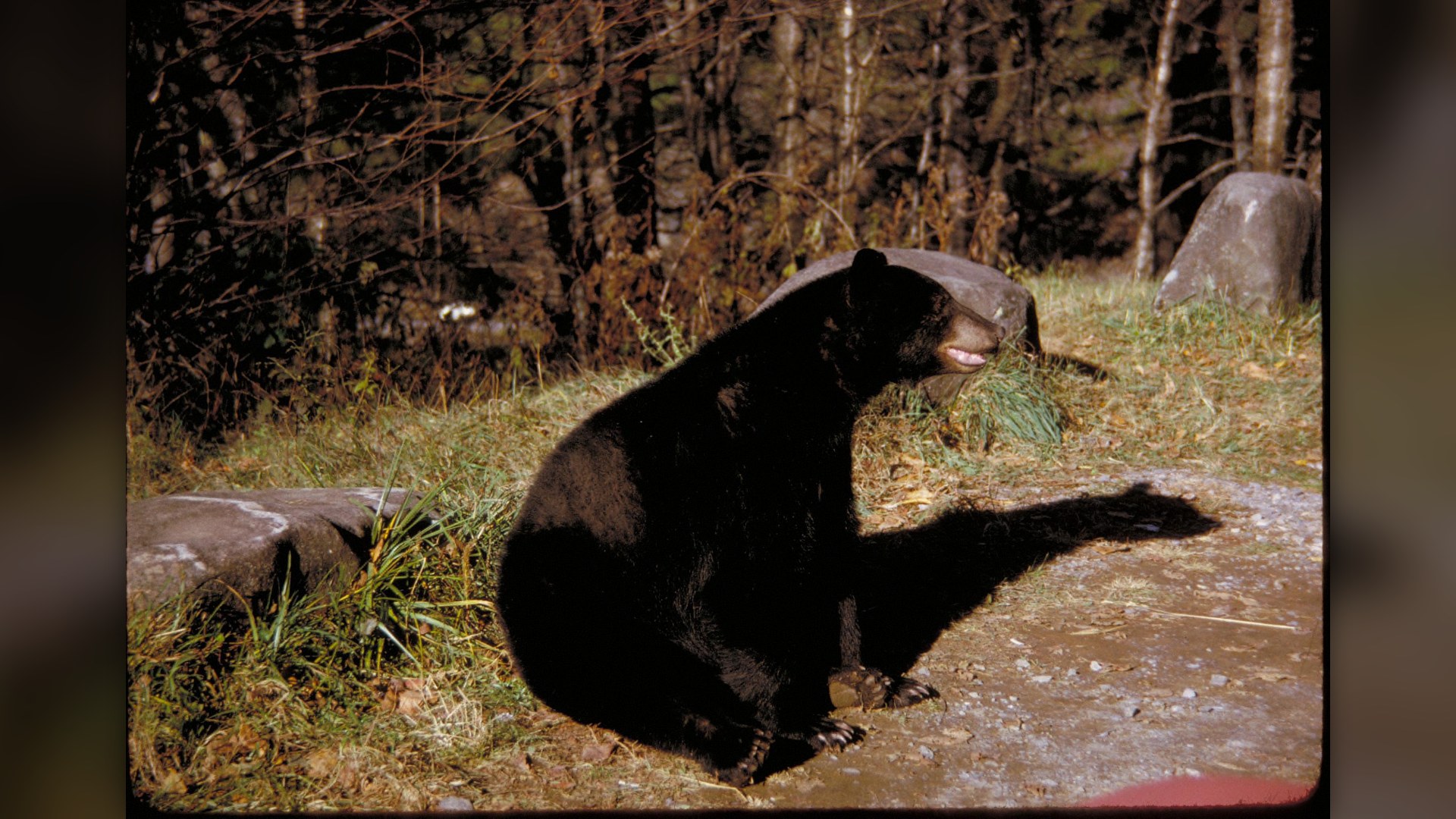
©Wikimedia / NPS staff
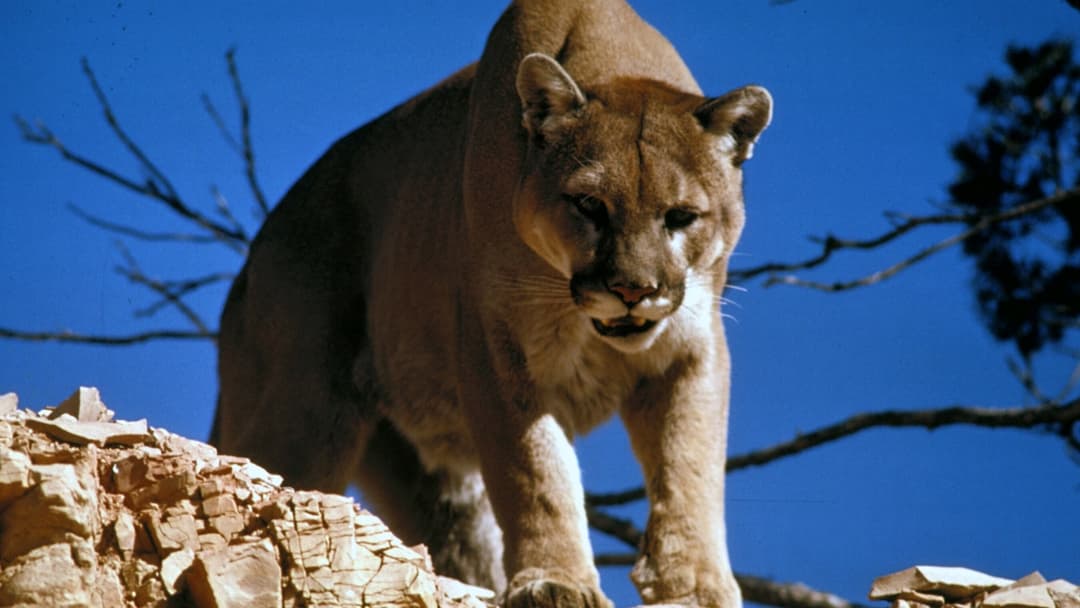
3. Mountain Lion
Stalking rugged backcountry throughout Olympic, Glacier, and Big Bend, mountain lions are supreme ambush hunters. Able to leap forty feet horizontally, cougars track solitary trail runners and hikers from elevated rocky outcrops, striking the neck with lethal force.
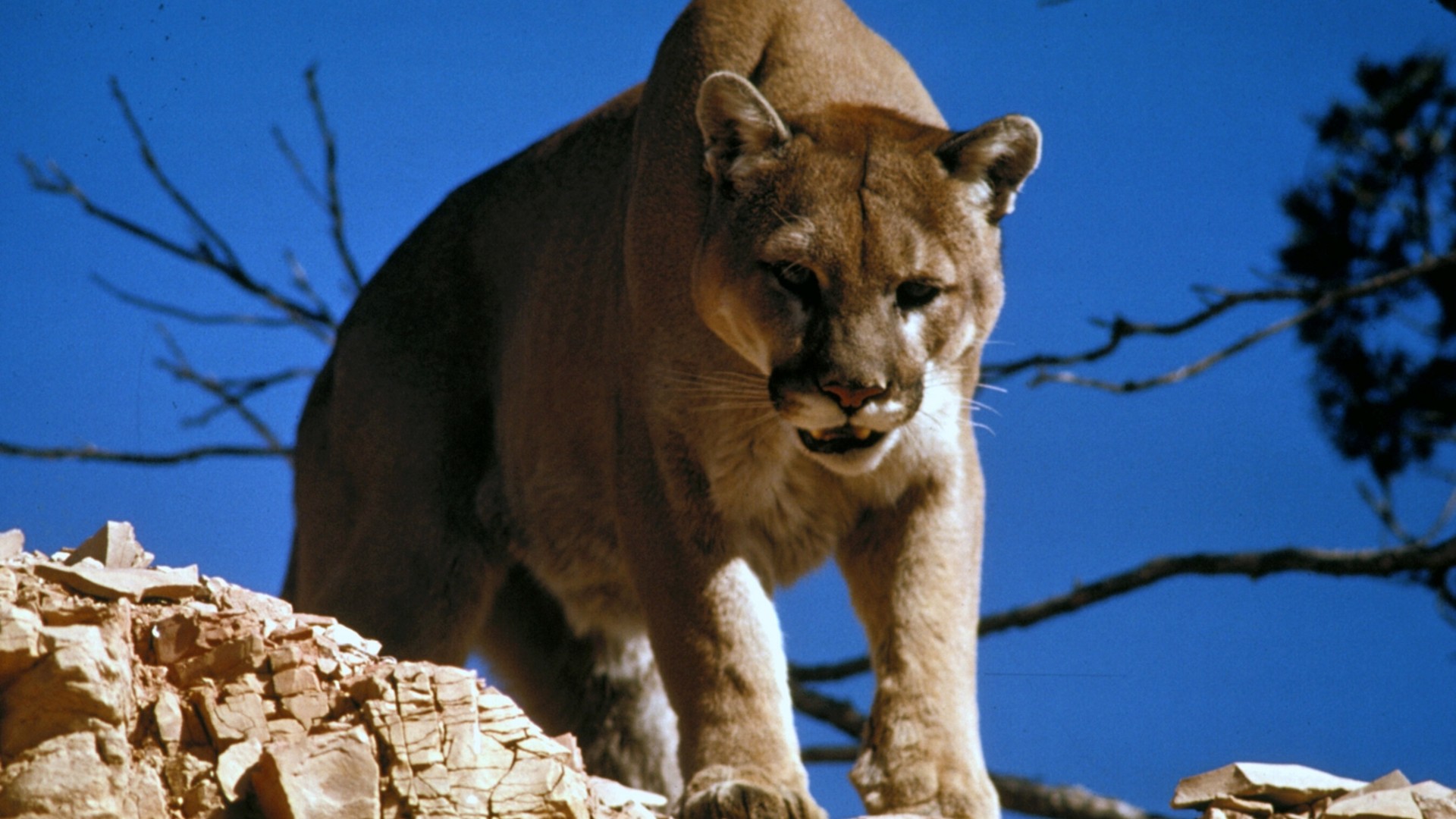
©Wikimedia / Cougar
2. American Bison
Weighing more than a ton and capable of sprinting at thirty-five miles per hour, bison injure more visitors in Yellowstone than any other creature. Deceptively docile in appearance, they launch ferocious goring attacks when approached within twenty-five yards.
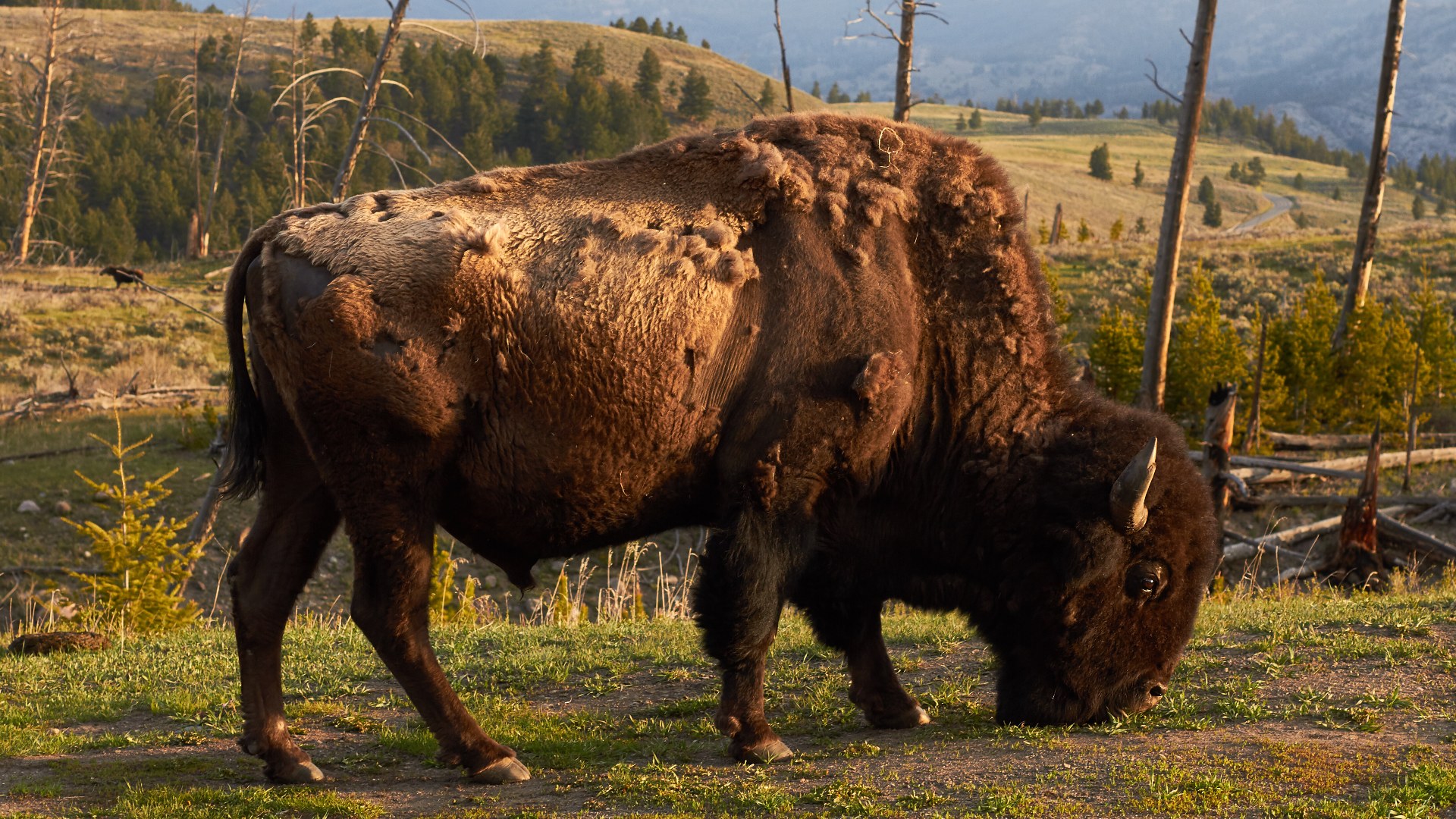
©Wikimedia / Frank Schulenburg
Advertisement
Swipe or tap ▶ to resume the countdown.
1. Grizzly Bear
Ruling the vast wildlands of Glacier, Yellowstone, and Katmai, grizzly bears combine eight-hundred-pound muscle mass with four-inch claws and thirty-mile-per-hour speed. Surprising a mother with cubs or a bear over a carcass remains the most lethal scenario in park history.
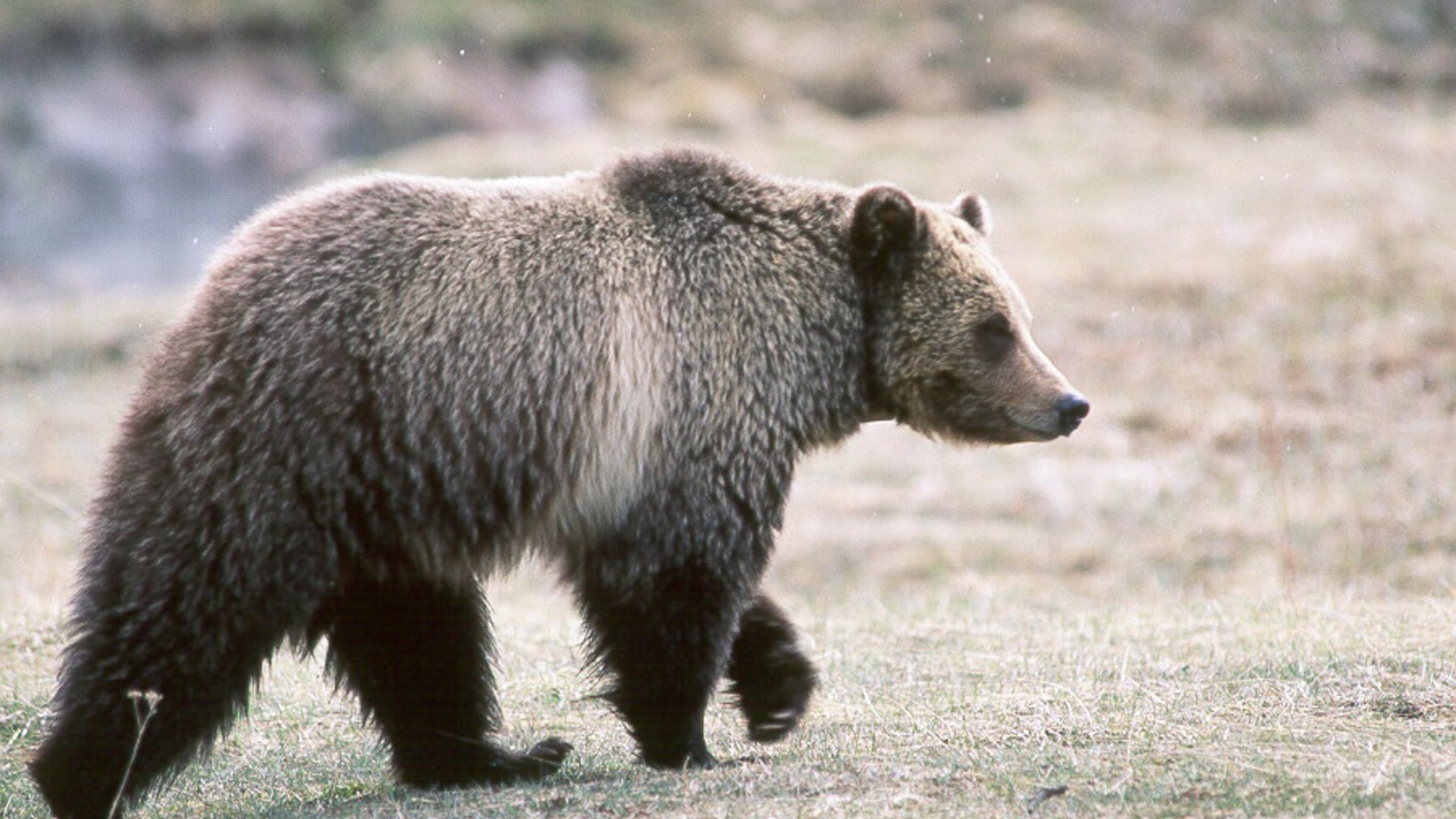
©Wikimedia / NPS photo
Advertisement
You've reached the end of the story. Thanks for reading!

20 Animals That Survive Winter in Surprising Ways, Ranked
From freezing solid to changing eye colors and supercooling blood below zero, wildlife across the globe deploys astonishing adaptations to conquer subzero cold.
All 20 Entries in this Story
20. Wolverine
Inhabiting remote peaks in Glacier and North Cascades, wolverines possess bone-crushing jaws and ferocious defense reflexes. Encounters are exceptionally rare, but a cornered wolverine will defend its territory against creatures many times its size.

19. Bark Scorpion
Found across Grand Canyon and Joshua Tree, the Arizona bark scorpion is North America's most venomous scorpion. Its neurotoxic sting causes severe radiating pain, muscle spasms, and breathing difficulty, posing serious risks to hikers and campers.

18. Black Widow Spider
Lurking in dry crevices, outhouses, and picnic shelters across southwestern desert parks, the western black widow delivers venom fifteen times stronger than a rattlesnake's. Bites cause systemic muscle cramping, nausea, and intense abdominal pain.

17. Gila Monster
Native to Saguaro and Grand Canyon national parks, the Gila monster is America's only native venomous lizard. It grips targets with crushing jaws while chewing neurotoxin into open puncture wounds, causing rapid swelling, drop in blood pressure, and agonizing pain.

16. Coral Snake
Hidden in the dense leaf litter of Everglades and Congaree, the eastern coral snake carries potent neurotoxins capable of inducing respiratory failure. While reclusive and docile, its bite can paralyze breathing muscles without prompt antivenom care.

15. American Crocodile
Coexisting with alligators in Everglades National Park, the American crocodile can exceed fifteen feet in length. Though naturally shy, large territorial males possess enormous bite force and can overpower kayakers or shoreline explorers in mangrove channels.

14. Wild Boar
Roaming Great Smoky Mountains and Congaree, non-native feral hogs present a violent threat on backwoods trails. Equipped with razor-sharp canine tusks and weighing up to four hundred pounds, boars charge aggressively when guarding litters or startled in brush.

13. Coyote
Widespread across Yellowstone, Joshua Tree, and Death Valley, habituated coyotes have grown bolder around campgrounds. While fatalities are rare, aggressive coyotes bite hikers and domestic pets every year, particularly during pup-rearing season.

12. Bighorn Sheep
Dominating high ridges in Glacier and Rocky Mountain national parks, mature rams carry curved horns weighing up to thirty pounds. When tourists approach too closely for photographs, rams can deliver skull-fracturing charges at twenty miles per hour.

11. Copperhead
Camouflaged among oak leaves in Shenandoah and Great Smoky Mountains, the eastern copperhead accounts for more snakebites in eastern parks than any other reptile. Its hemotoxic bite causes intense local tissue damage, severe swelling, and nausea.

10. Cottonmouth
Guarding swampy waterways in Everglades and Congaree, the northern cottonmouth will stand its ground, gaping wide to expose its milky-white mouth lining. Its cytotoxic venom destroys red blood cells and muscle tissue, risking amputation without treatment.

9. Gray Wolf
Reintroduced to Yellowstone and thriving in Isle Royale and Voyageurs, gray wolves hunt in highly coordinated packs with crushing bite pressure. While wolf attacks on humans remain unusual, habituated packs can become bold, requiring strict distance vigilance.

8. Elk
Bull elk in Yellowstone and Rocky Mountain weigh over seven hundred pounds and sport branched antlers exceeding four feet. During the autumn mating rut and spring calving, aggressive elk regularly charge visitors who wander into their perimeter.

7. Western Diamondback Rattlesnake
Patrolling the rocky canyons of Big Bend, Grand Canyon, and Joshua Tree, this pit viper delivers huge venom payloads containing tissue-destroying enzymes and hemotoxins. Its rapid defensive strike can pierce leather footwear, making immediate antivenom imperative.

6. Moose
Towering over trails in Grand Teton, Glacier, and Denali, moose injure more people in North America each year than bears. Weighing up to twelve hundred pounds, a mother guarding calves or a bull in rut will charge and trample hikers without warning.

5. American Alligator
Everglades National Park is home to over two hundred thousand American alligators. Equipped with a bite force exceeding two thousand pounds, these apex reptiles strike from submerged banks with explosive speed, dragging prey into deep water death rolls.

4. American Black Bear
Populating Great Smoky Mountains, Yosemite, and Shenandoah, black bears possess exceptional climbing agility and acute sense of smell. While generally avoiding conflict, food-conditioned bears become dangerous predators, prompting park closures and mauled campers.

3. Mountain Lion
Stalking rugged backcountry throughout Olympic, Glacier, and Big Bend, mountain lions are supreme ambush hunters. Able to leap forty feet horizontally, cougars track solitary trail runners and hikers from elevated rocky outcrops, striking the neck with lethal force.

2. American Bison
Weighing more than a ton and capable of sprinting at thirty-five miles per hour, bison injure more visitors in Yellowstone than any other creature. Deceptively docile in appearance, they launch ferocious goring attacks when approached within twenty-five yards.

1. Grizzly Bear
Ruling the vast wildlands of Glacier, Yellowstone, and Katmai, grizzly bears combine eight-hundred-pound muscle mass with four-inch claws and thirty-mile-per-hour speed. Surprising a mother with cubs or a bear over a carcass remains the most lethal scenario in park history.