Slideshow · Animals
20 Animals With Remarkable Ways of Communicating
Animal species use sound waves, light pulses, seismic vibrations, and chemical trails to share vital data. Researchers track complex dialects among marine mammals and symbolic dances in insect colonies. This guide examines 20 species with distinct communication systems documented by leading wildlife biologists.

All 20 Entries in this Story
20. Pistol Shrimp Acoustic Snaps
Snapping shrimp snap a specialised claw shut at 100 kilometres per hour. The motion generates a cavitation bubble reaching over 200 decibels underwater. Colonies produce constant crackling acoustic fields that defend burrows and interfere with naval submarine sonar.
19. Treehopper Plant Stem Vibrations
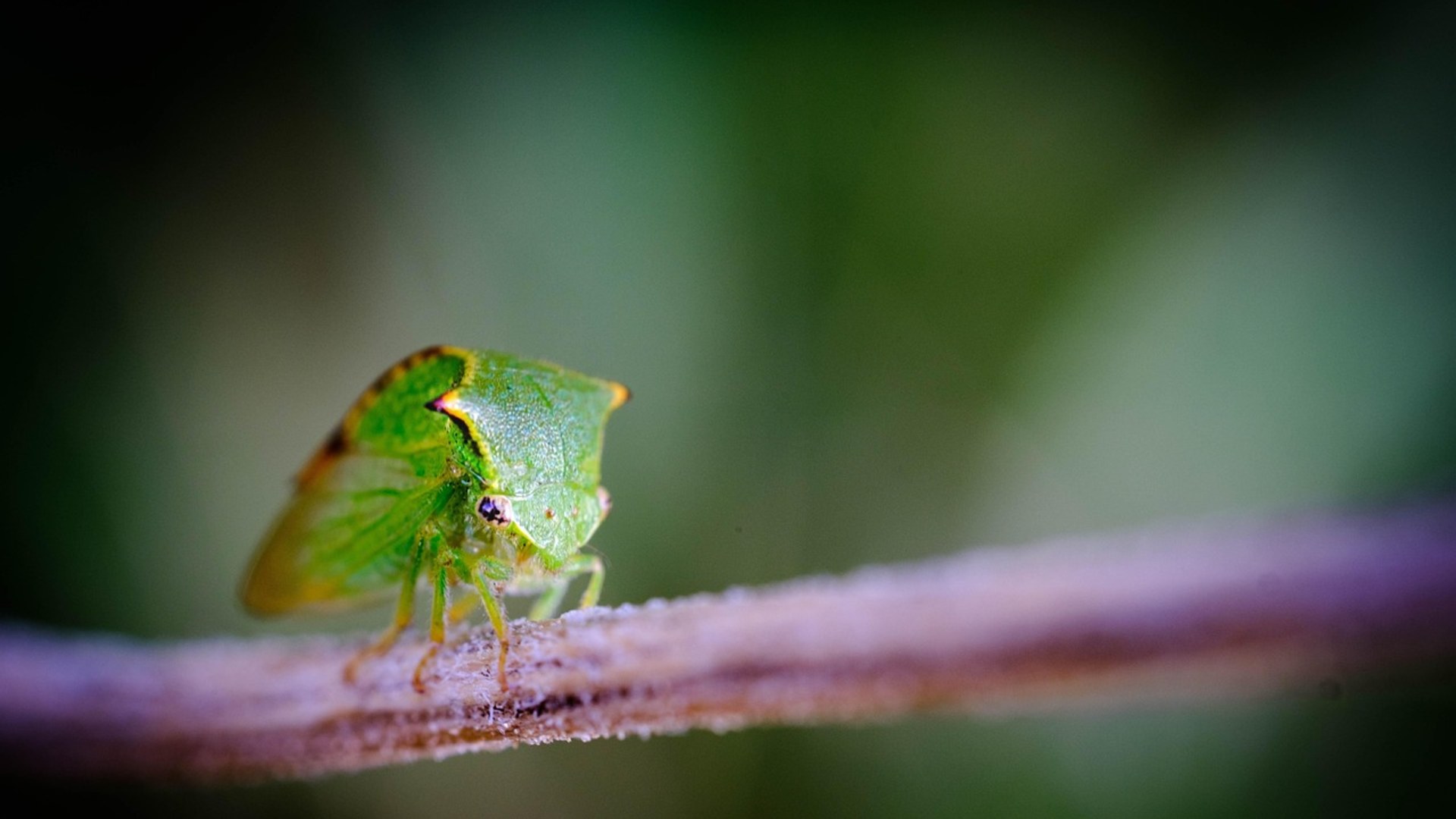
Treehoppers communicate by vibrating their abdomens against plant stems. The resulting acoustic tremors travel along stems and leaves away from predatory ears. Mothers send alarm pulses to rally nymphs, and siblings synchronize acoustic purrs to call for collective defense.
18. Firefly Bioluminescent Flash Codes
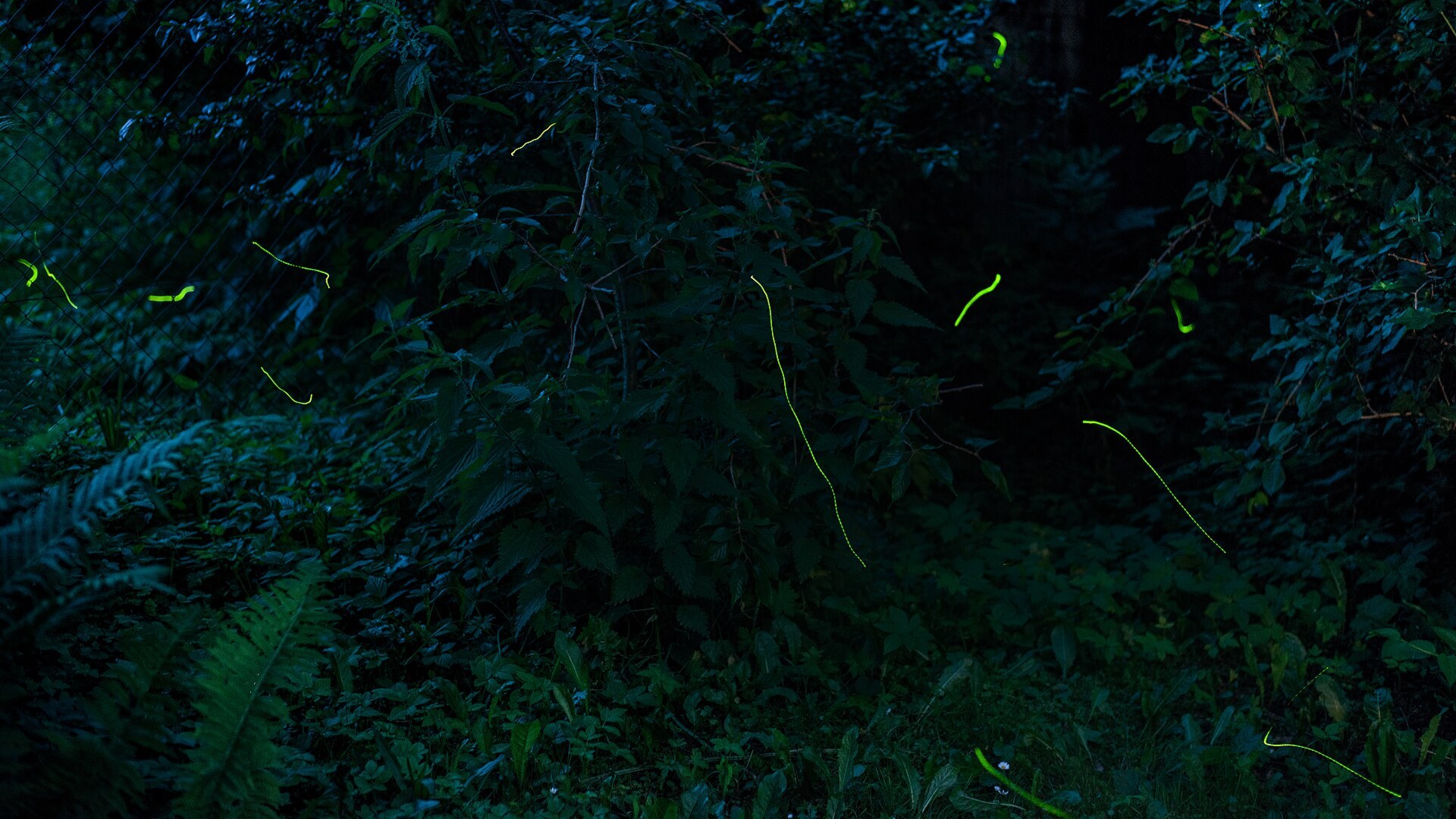
Fireflies produce light through chemical reactions between luciferin and oxygen in abdominal lanterns. Each species flashes a signature rhythm, duration, and flight pattern to locate mates. Females answer from grass perches with timed pulses within fractions of a second.
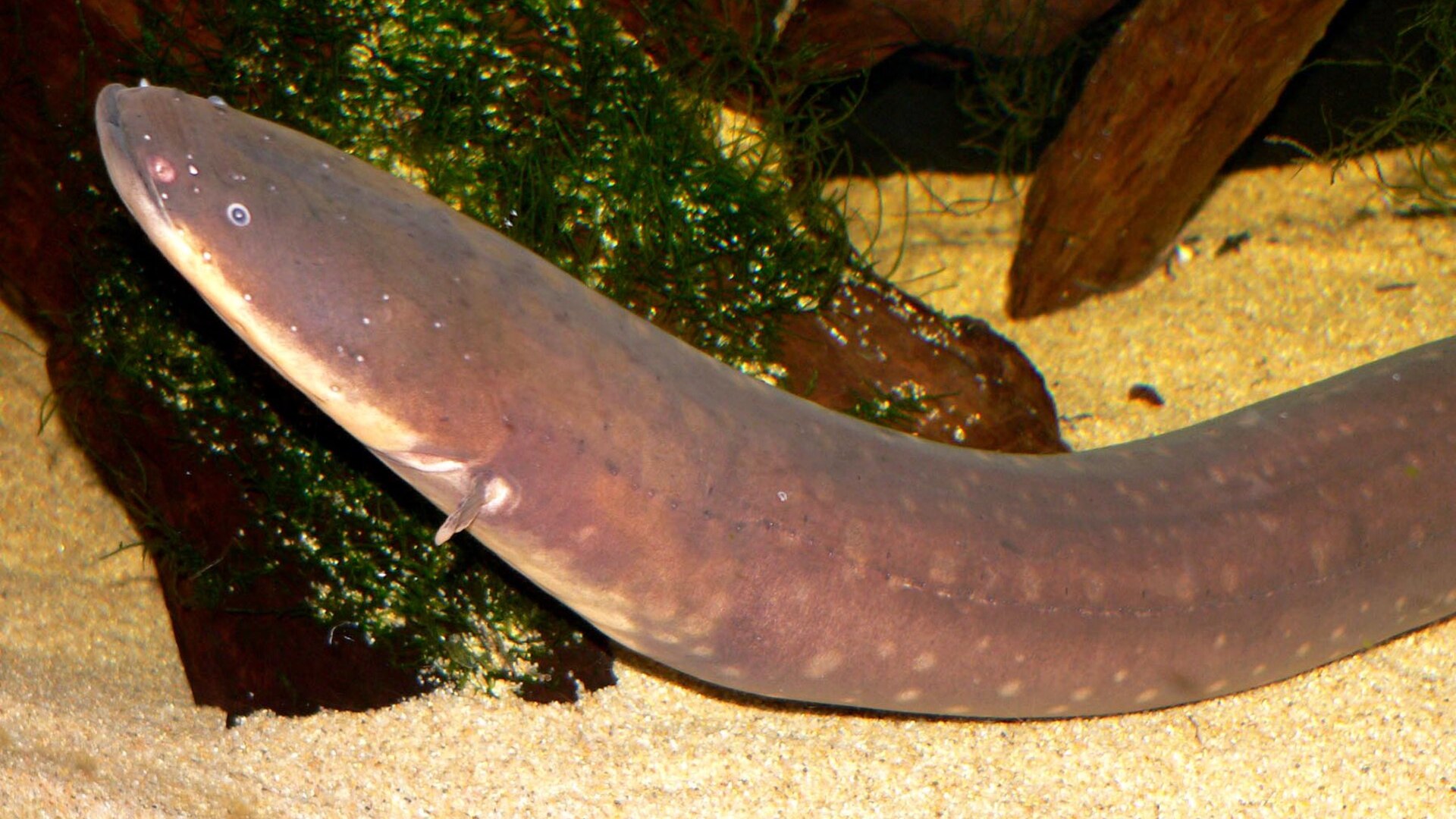
17. Electric Eel Electric Pulses
Electric eels in the Amazon basin emit weak electric discharges hovering near 10 volts. These steady electric organ pulses map murky river water and signal social status to nearby eels. During disputes or mating encounters, individuals modulate discharge frequencies to broadcast dominance.
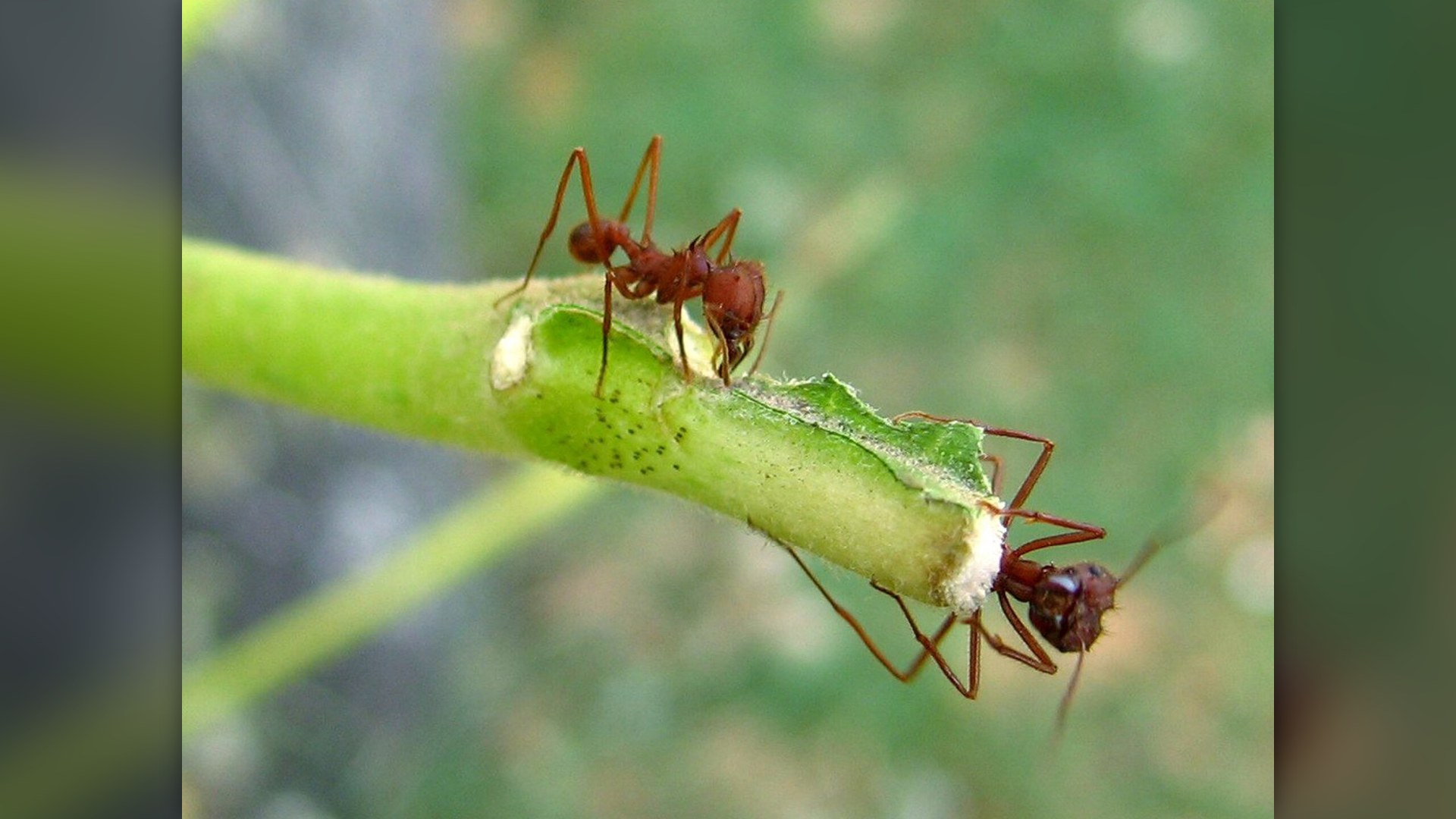
16. Leafcutter Ant Acoustic Stridulation
Leafcutter ants rub abdominal plates together to generate vibrational stridulations. When a tunnel collapses, trapped workers stridulate to summon nestmates with digging tools. Foraging ants also vibrate while cutting leaves, signaling foliage tenderness to nearby workers.
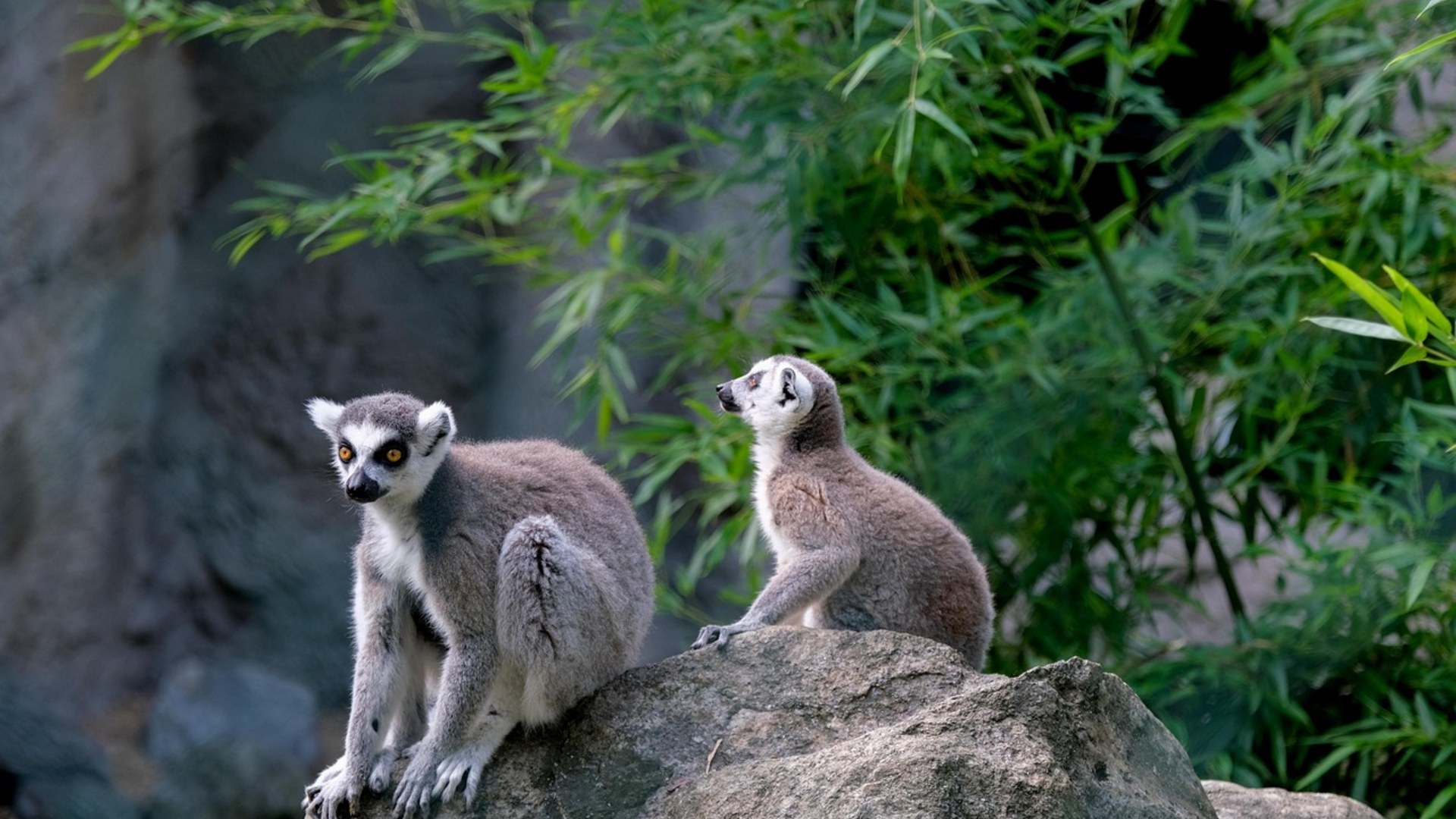
15. Ring-Tailed Lemur Scent Battles
Ring-tailed lemurs settle territorial disputes through non-physical stink fights. Males rub wrist scent glands onto their striped tails and wave them toward opposing troops in Madagascar forests. These chemical mixtures convey health, reproductive readiness, and troop identity.
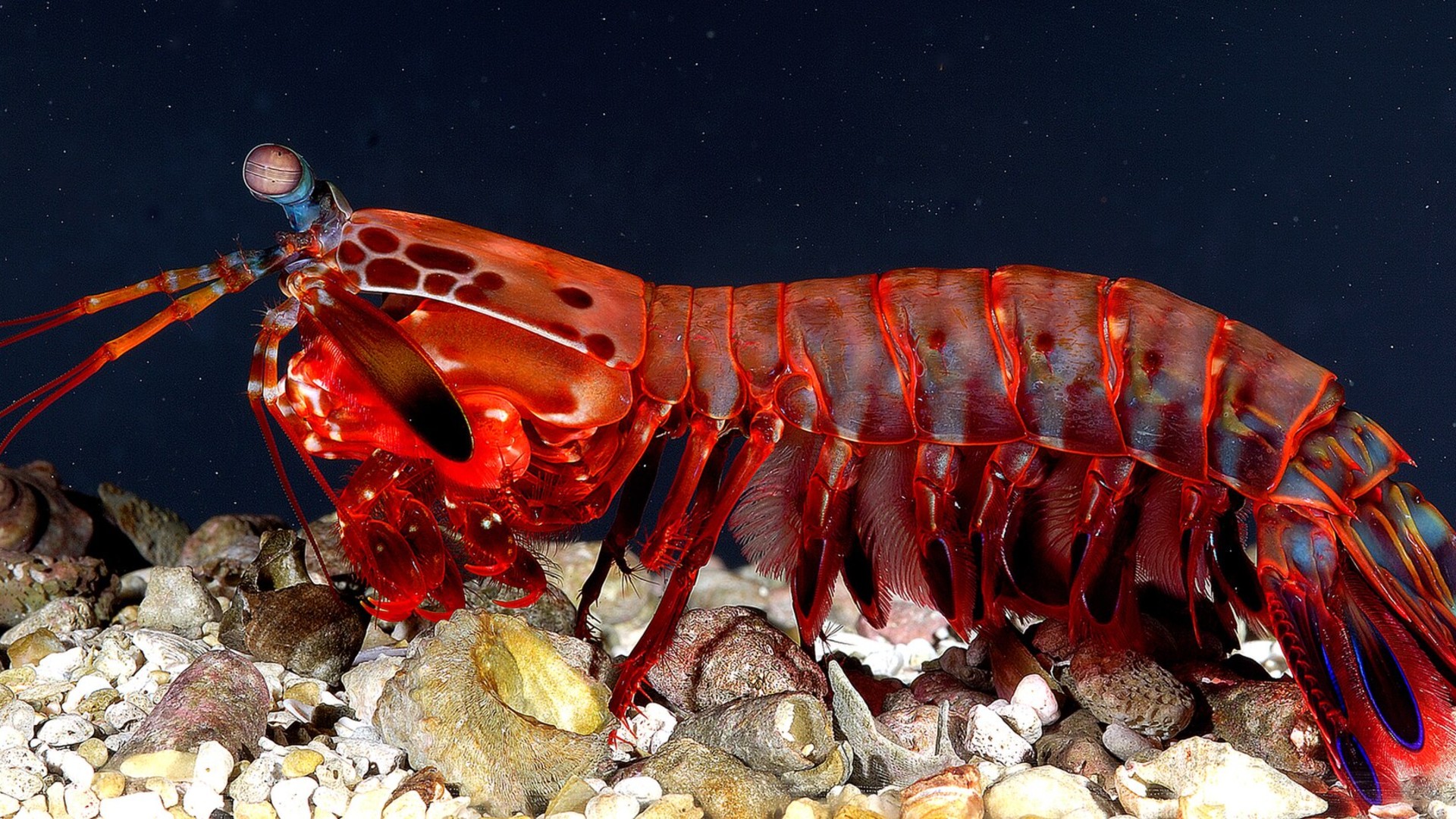
14. Mantis Shrimp Polarized Light Signals
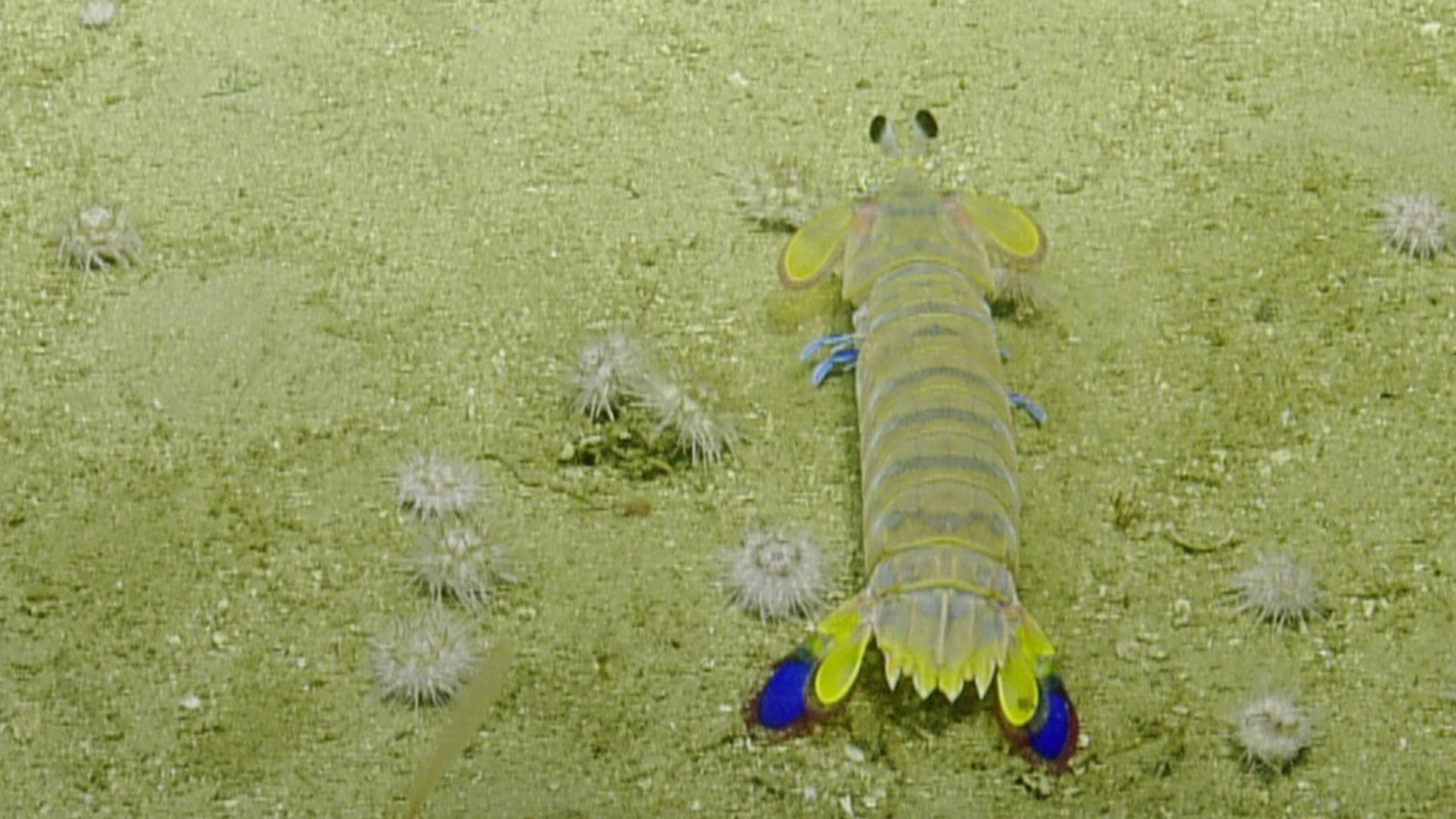
Mantis shrimp possess twelve distinct photoreceptor types and process circularly polarized light. They display iridescent patterns on their carapaces that only conspecifics can detect. This private optical channel lets rivals negotiate territory without alerting larger fish.
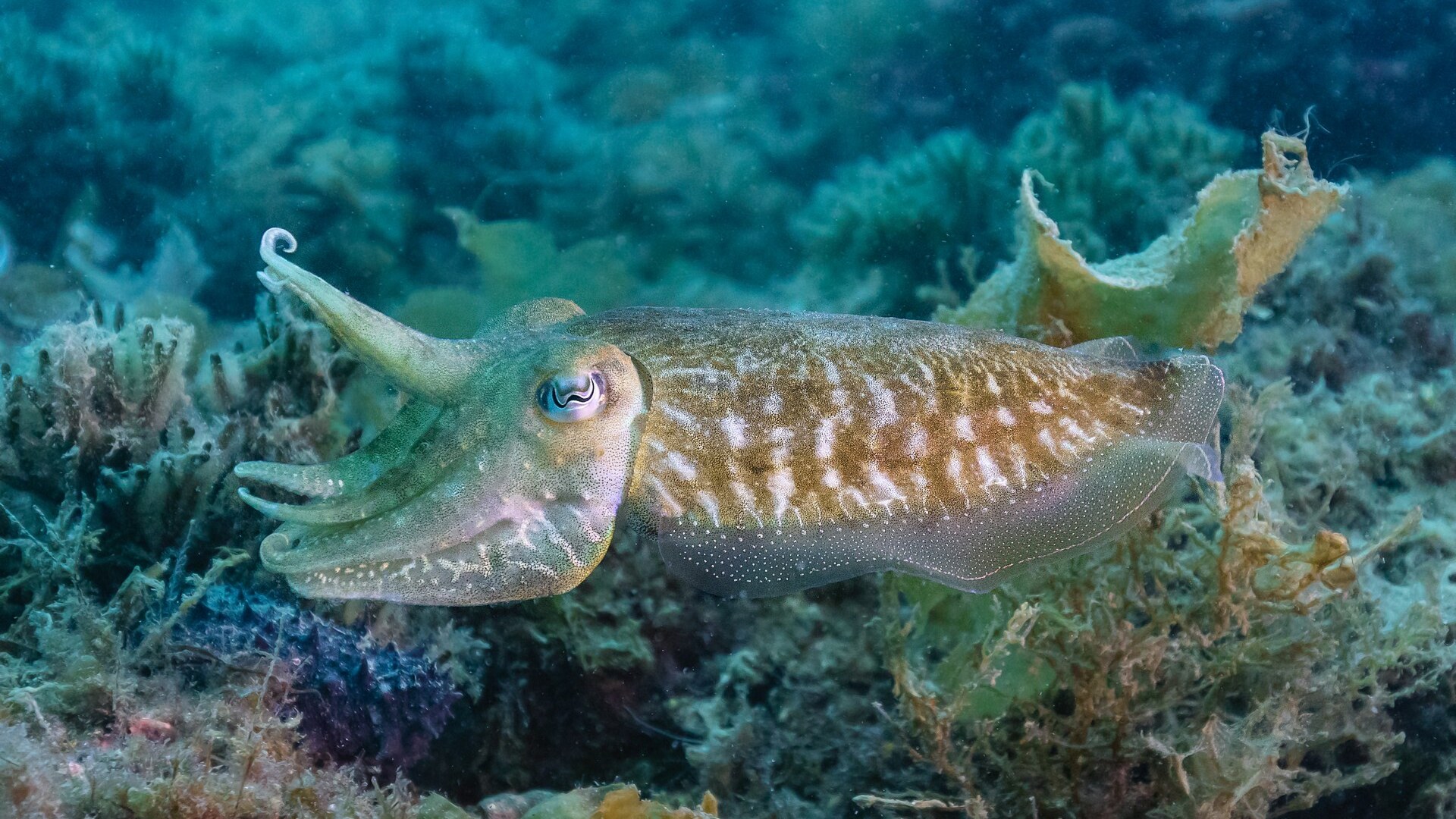
13. Cuttlefish Dynamic Skin Displays
Cuttlefish control hundreds of thousands of elastic pigment sacs called chromatophores. By expanding and contracting these cells in milliseconds, they project traveling wave patterns across their skin. Males display zebra stripes to challenge competitors while showing camouflaged tones to mates.
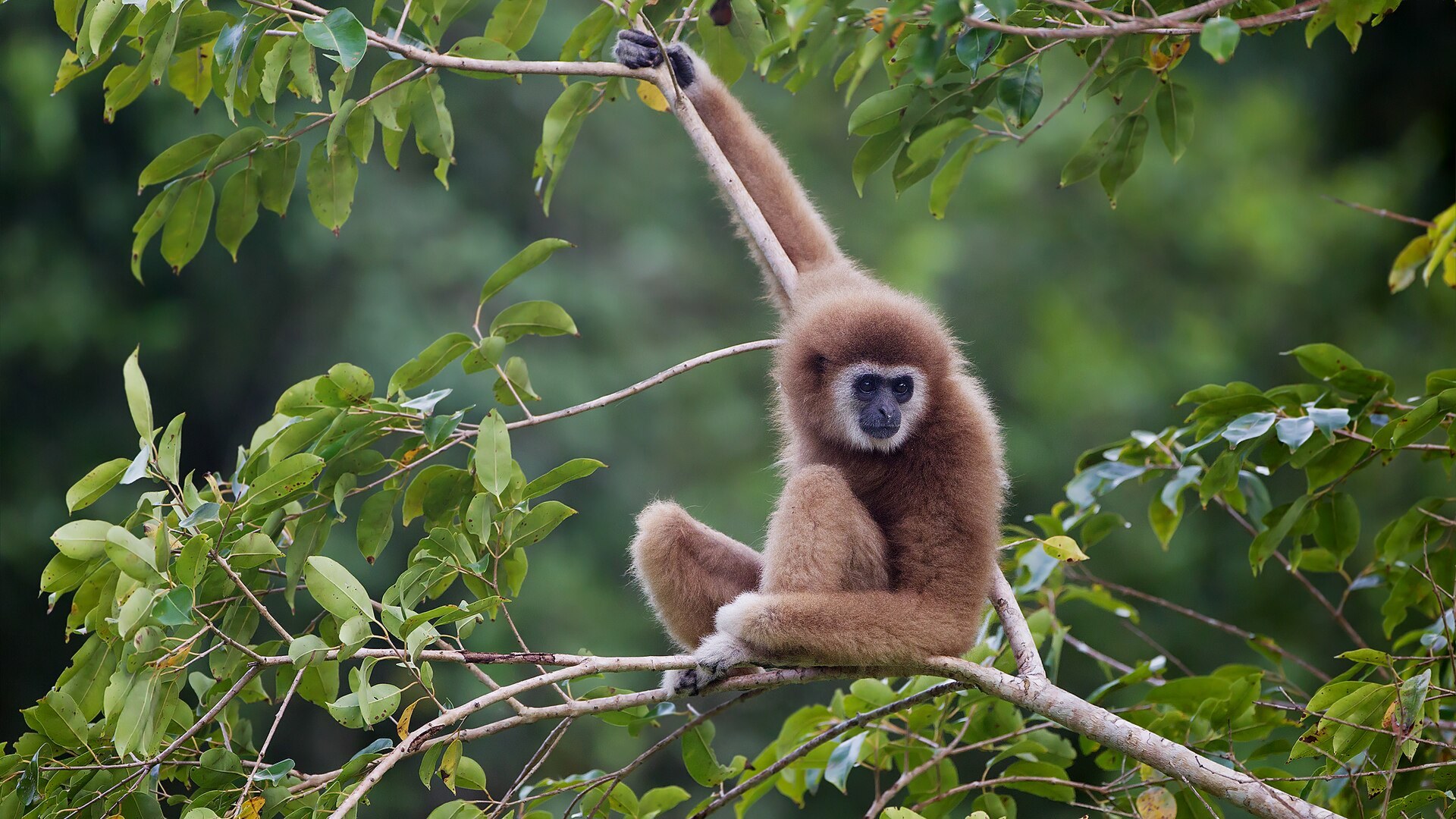
12. White-Handed Gibbon Duet Songs
White-handed gibbons produce coordinated morning duets that carry two kilometres across Asian rainforest canopies. Mated pairs follow strict acoustic syntax, alternating solos and synchronized codas. These musical routines reinforce lifelong pair bonds and warn neighboring family troops away.
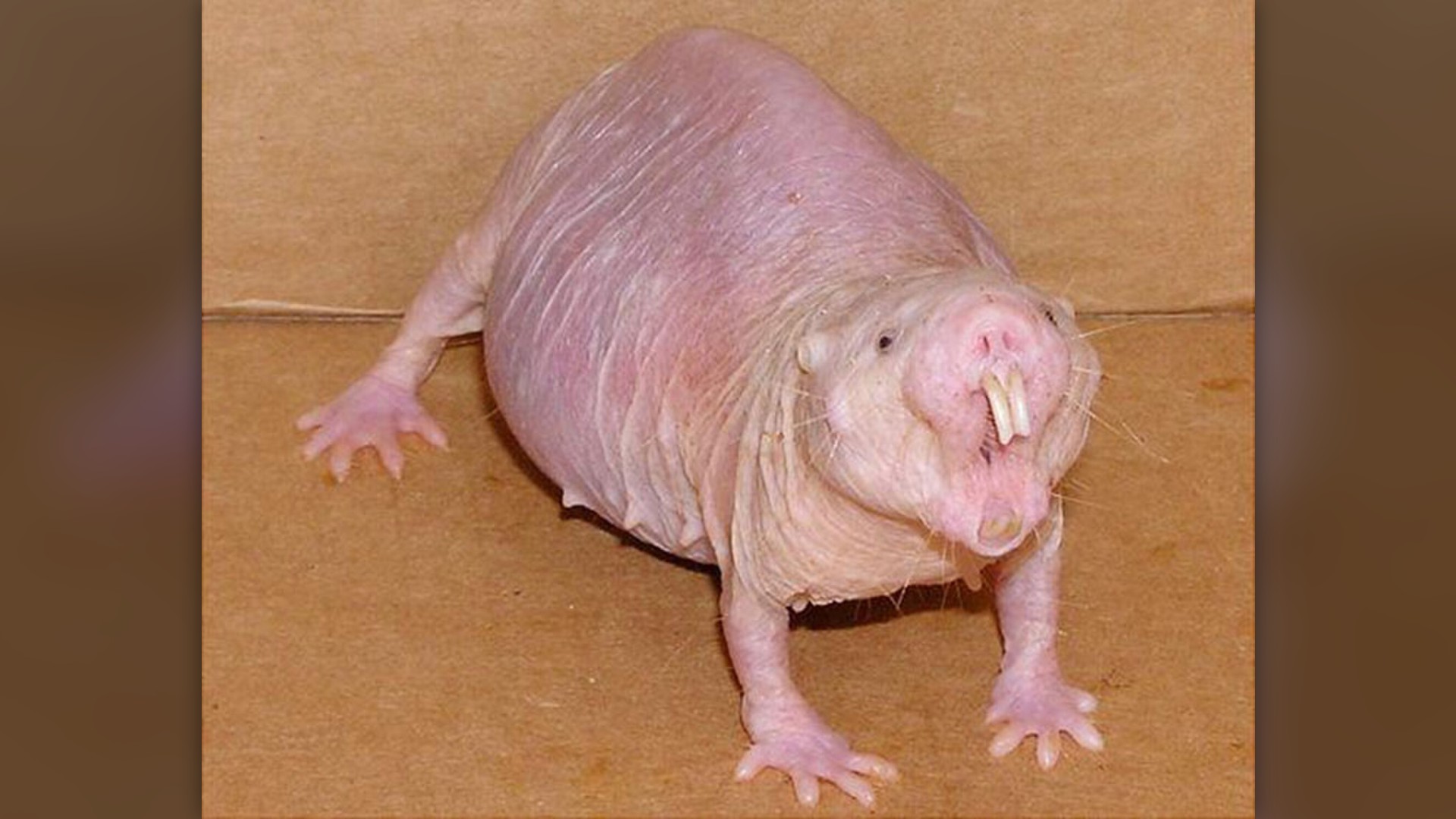
11. Naked Mole-Rat Colony Dialects
Subterranean naked mole-rat colonies develop unique vocal dialects centered on soft chirps. Queens reinforce colony-specific vocal accents, which workers use to detect and attack outsiders. When a queen dies, vocal coherence fractures until a successor establishes a new colony dialect.
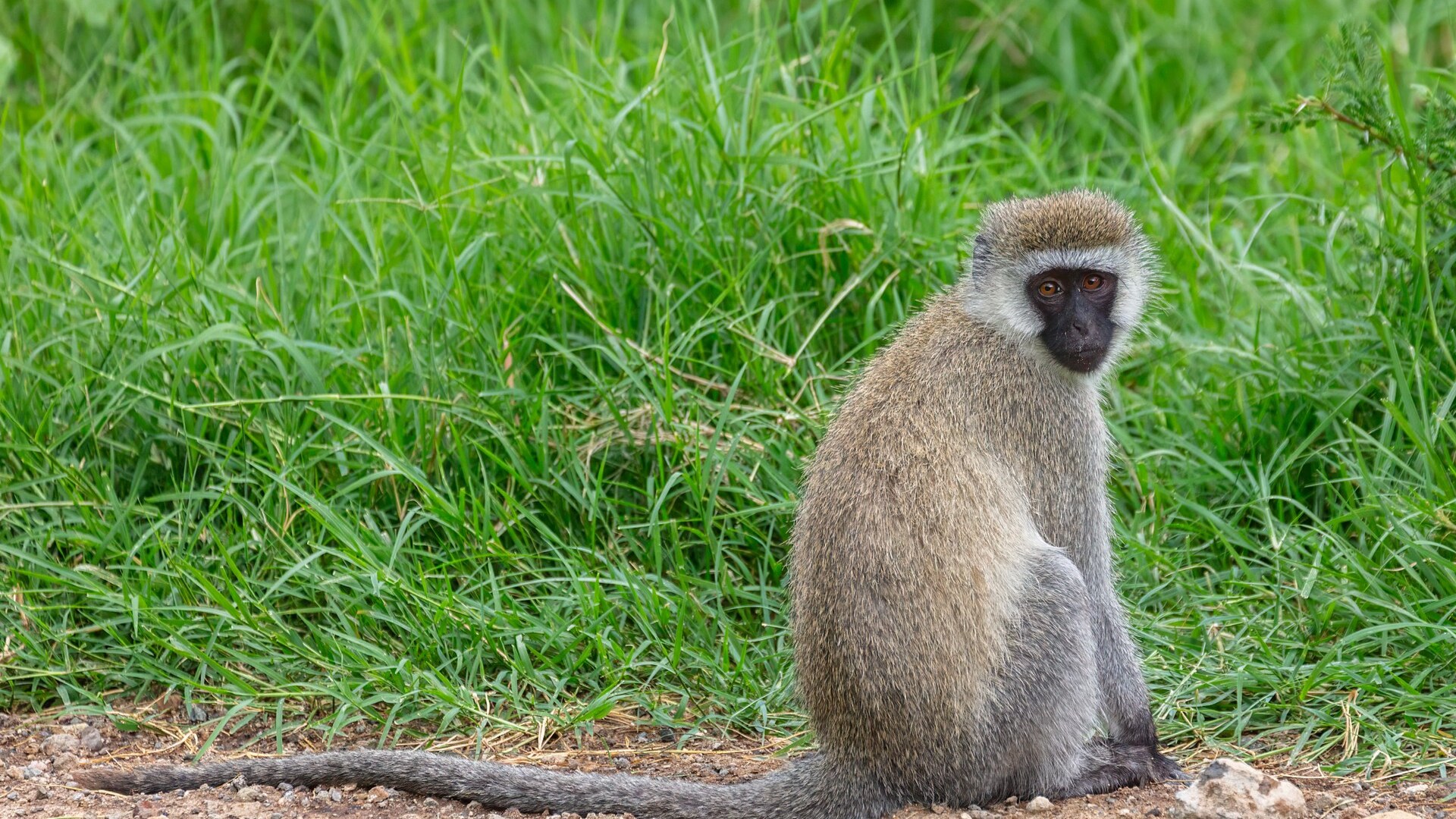
10. Vervet Monkey Semantic Alarm Calls
Vervet monkeys in East Africa use referential alarm calls that function like distinct words. A leopard call sends troop members climbing into thin tree branches, while an eagle call prompts an immediate retreat inside thorny bushes. Snake calls trigger group mobbing behaviors.
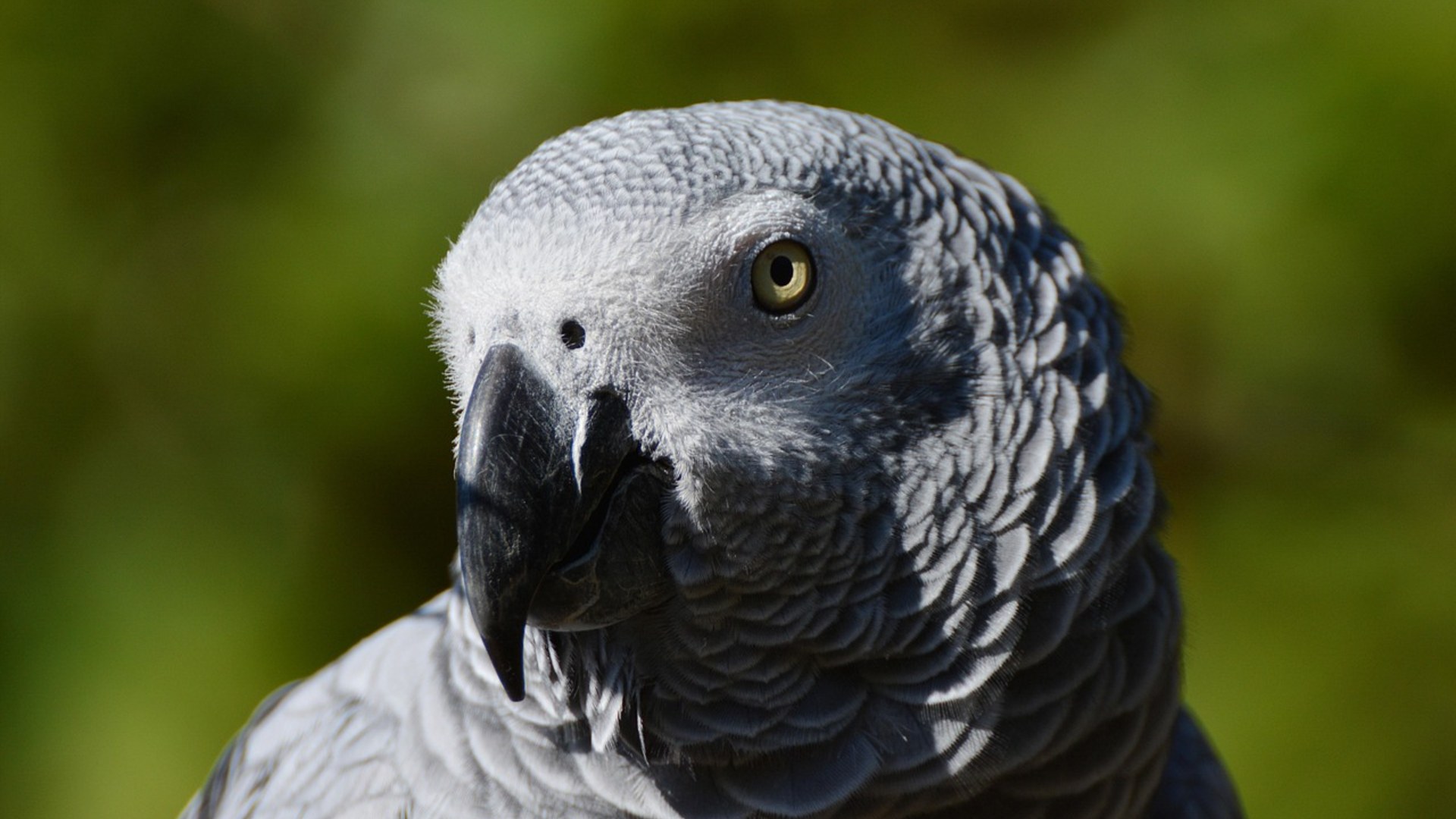
9. African Grey Parrot Referential Labels
African grey parrots combine vocal mimicry with semantic understanding in wild and laboratory settings. Studies led by Harvard researcher Irene Pepperberg showed these birds learn names for shapes, materials, and quantities. In wild flocks, members use contact calls tailored to specific partners.
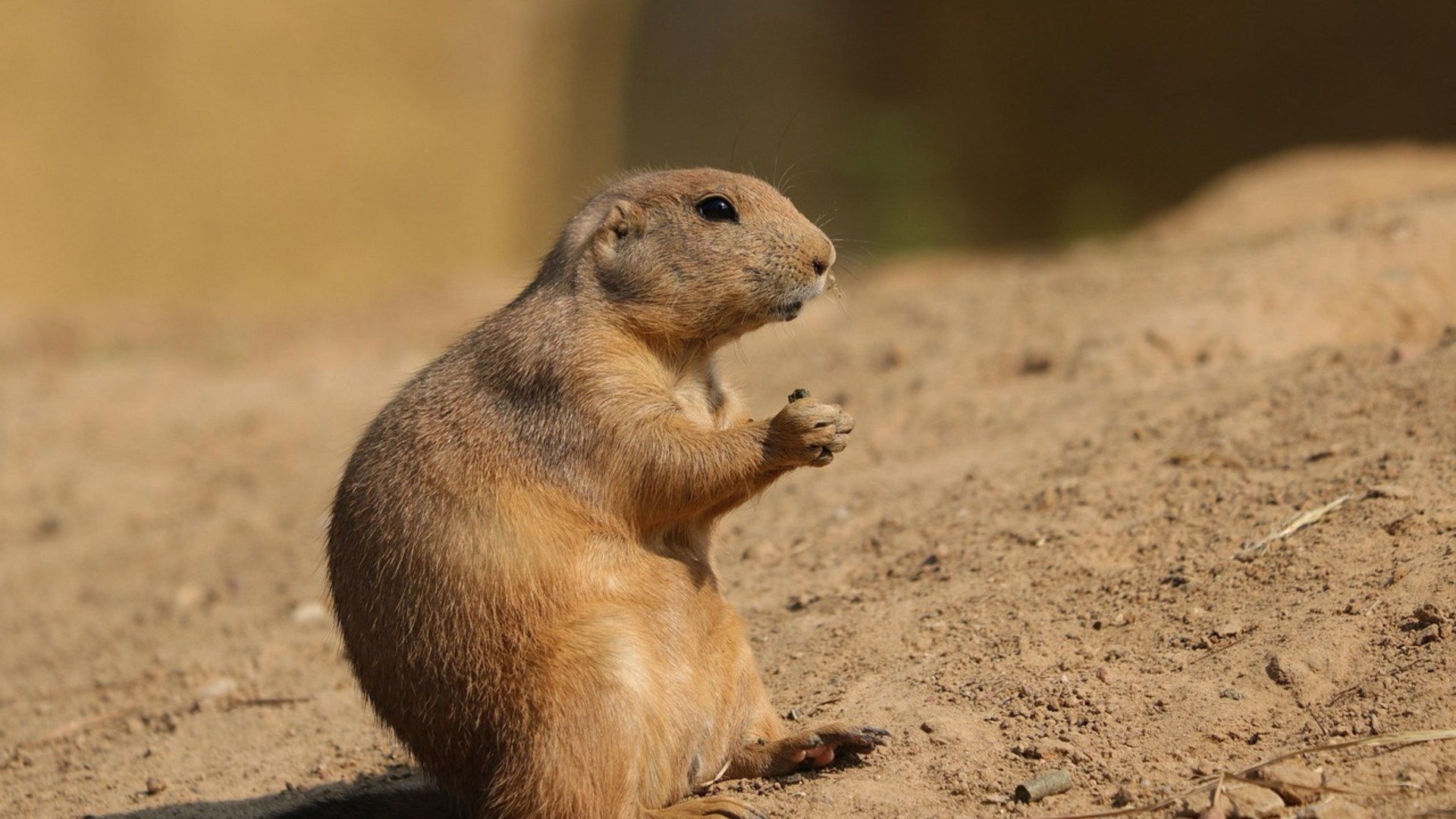
8. Prairie Dog Grammatical Alarm Calls
Gunnison prairie dogs produce rapid alarm barks that encode detailed predator attributes. Acoustic analysis reveals calls specify the size, shape, color, and movement speed of an approaching human or coyote. The community adjusts its evasive actions depending on the exact acoustic profile.
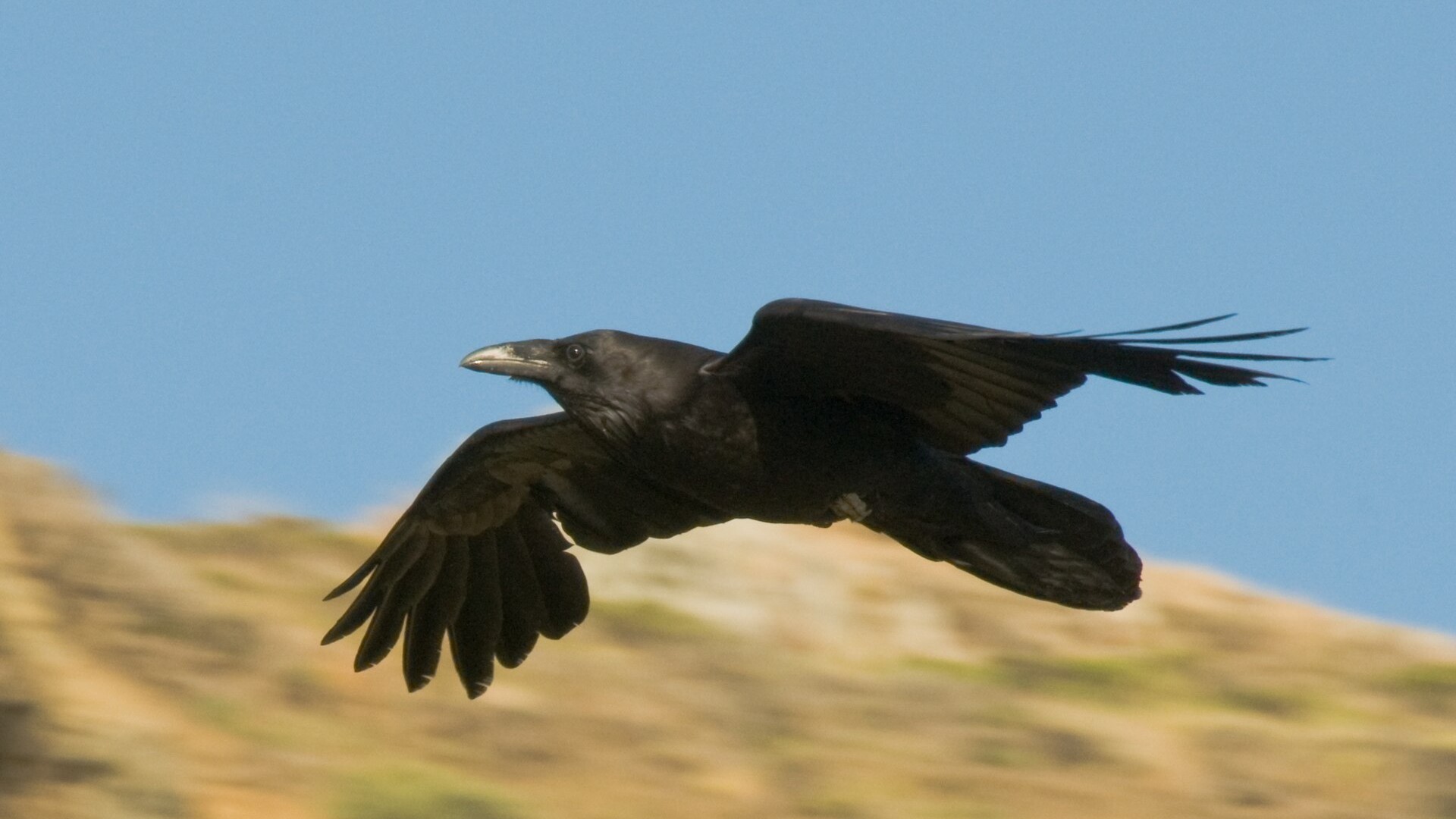
7. Raven Gestural Object Pointing
Ravens use their beaks much like human hands to indicate and offer objects to partners. Field observers document birds picking up stones or twigs to attract the attention of a potential mate. This referential signaling represents one of the few verified non-primate uses of physical gestures.
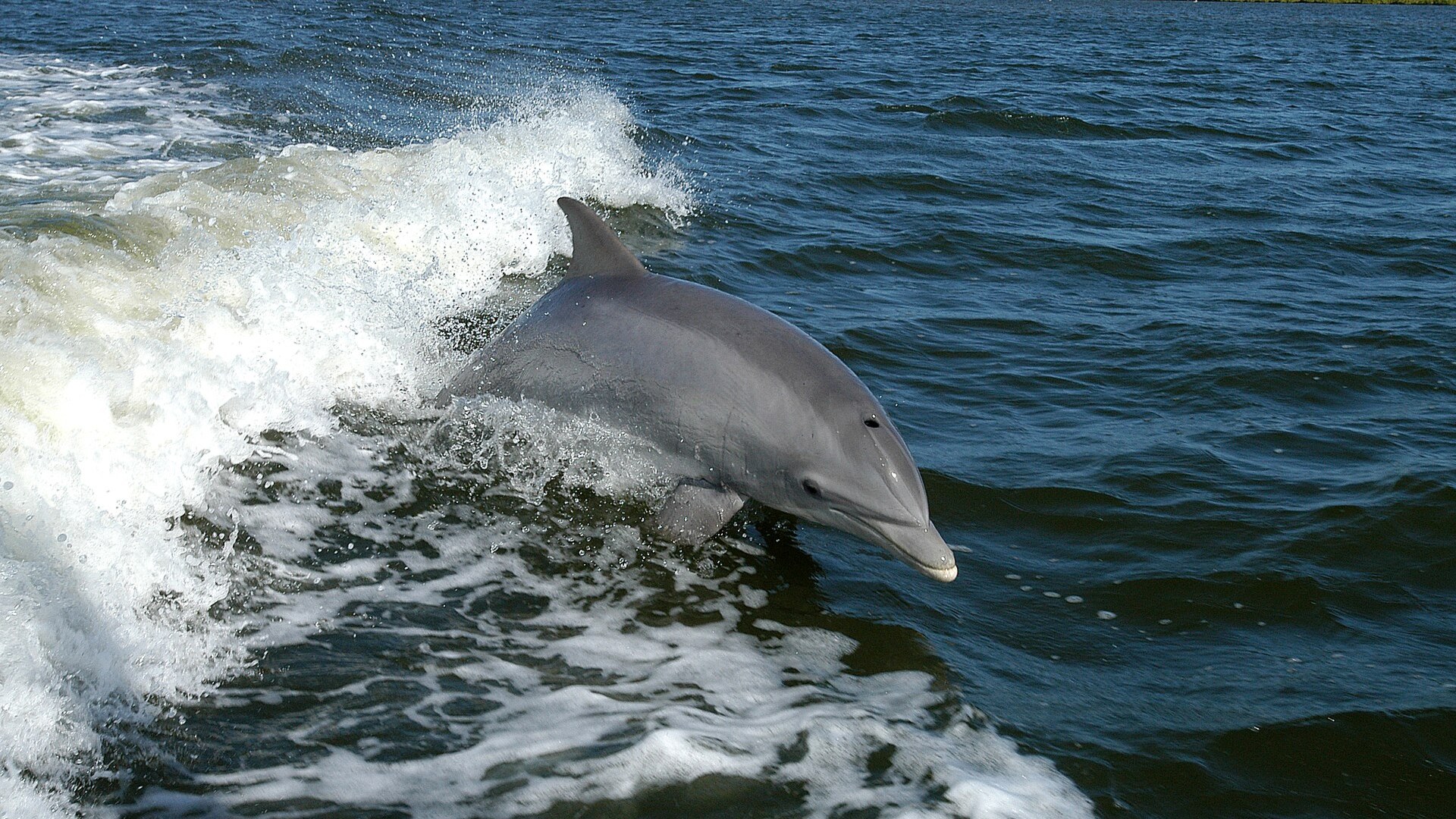
6. Bottlenose Dolphin Signature Whistles
Bottlenose dolphins develop unique signature whistles during their first year of life. Each dolphin uses its whistle contour to announce its identity across long ocean distances. Pod members copy the whistles of close companions to address them directly, functioning as acoustic names.
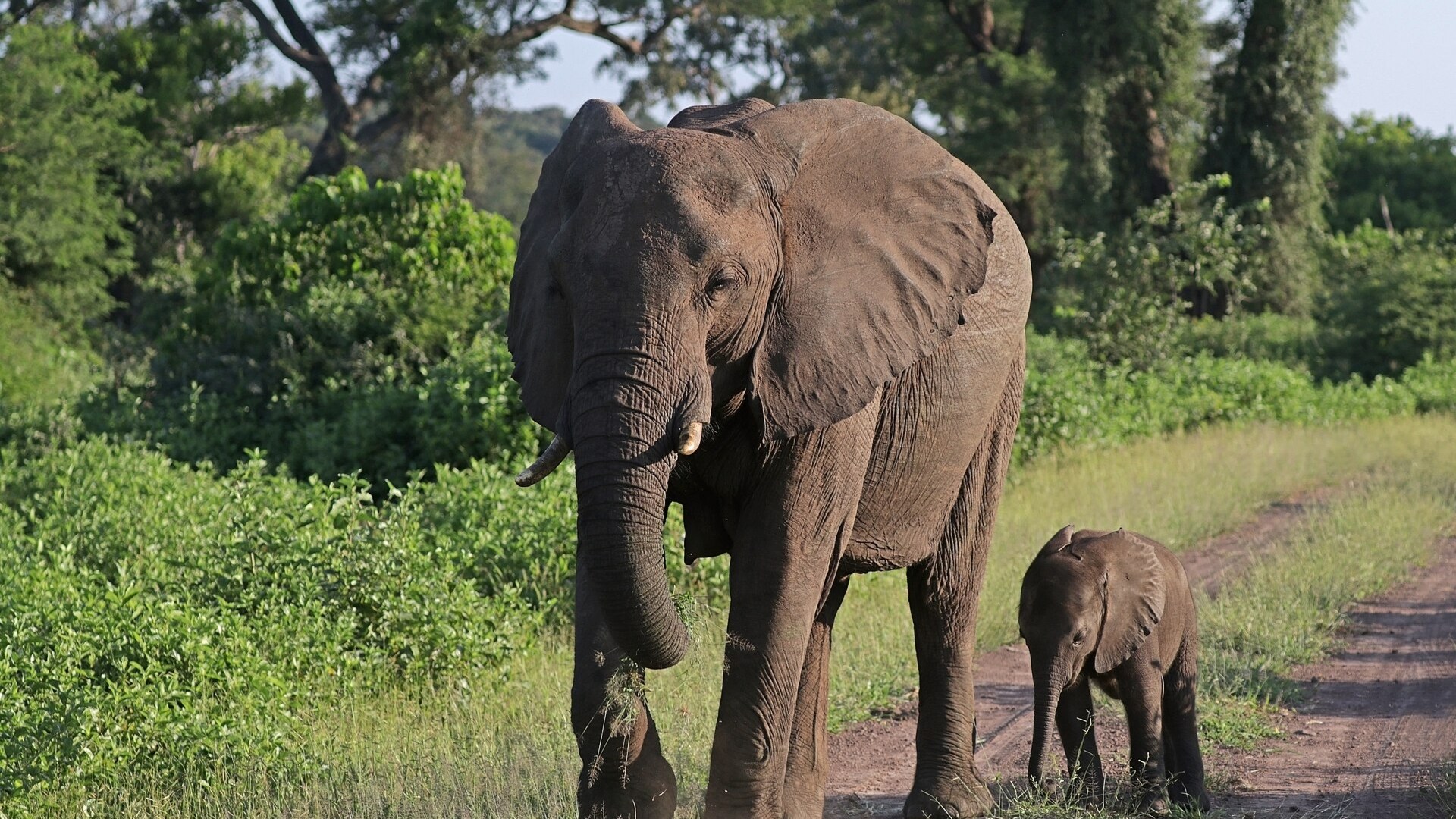
5. African Elephant Seismic Infrasound
African elephants emit powerful vocalizations below 20 hertz that travel up to ten kilometres through the atmosphere and ground. Herds detect these ground tremors through sensitive pacinian corpuscles in their feet and trunks. The seismic messages coordinate family movements across savannahs.
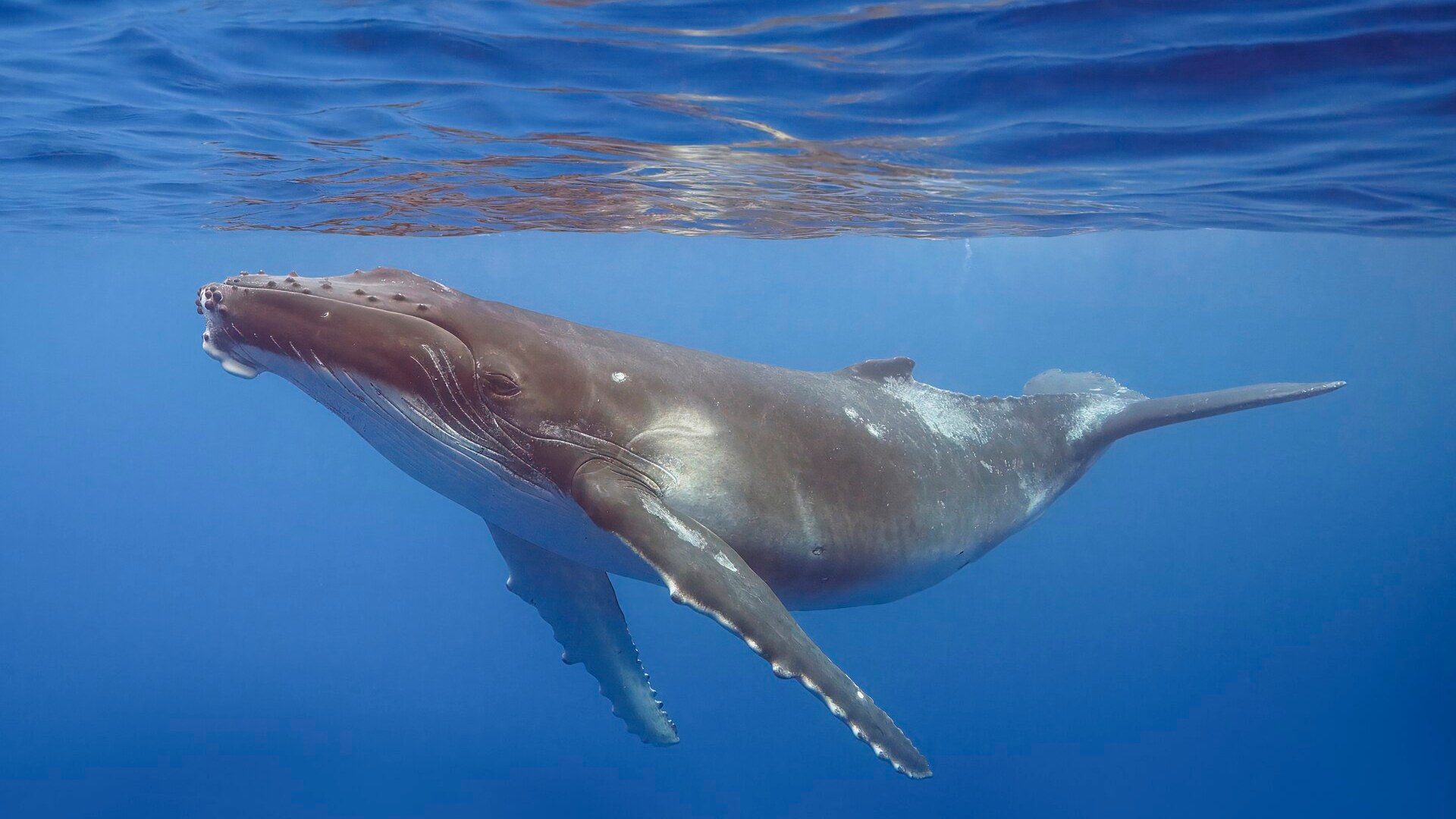
4. Humpback Whale Cultural Song Themes
Male humpback whales sing structured compositions featuring repeating phrases and rhyming themes lasting up to thirty minutes. Entire ocean populations adopt identical tunes, which evolve gradually each mating season. New arrangements ripple across the South Pacific from Australia to French Polynesia.
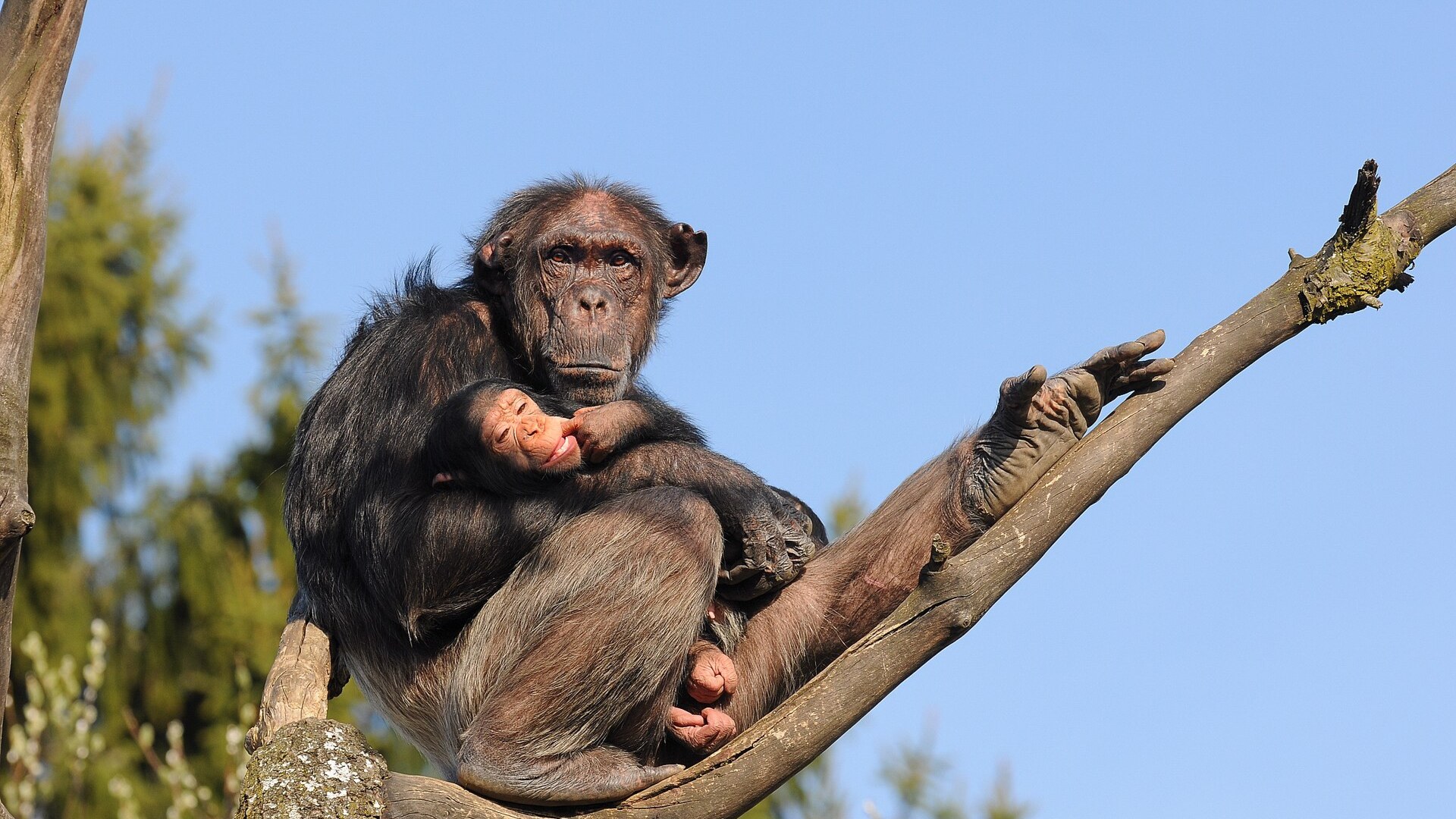
3. Chimpanzee Intentional Gestures
Wild chimpanzees deploy over sixty distinct intentional gestures to communicate requests within their troops. Field teams in Uganda cataloged hand reaches, ground slaps, and leaf clipping used to invite grooming or halt conflict. Gestures are adjusted flexibly if the recipient looks away.
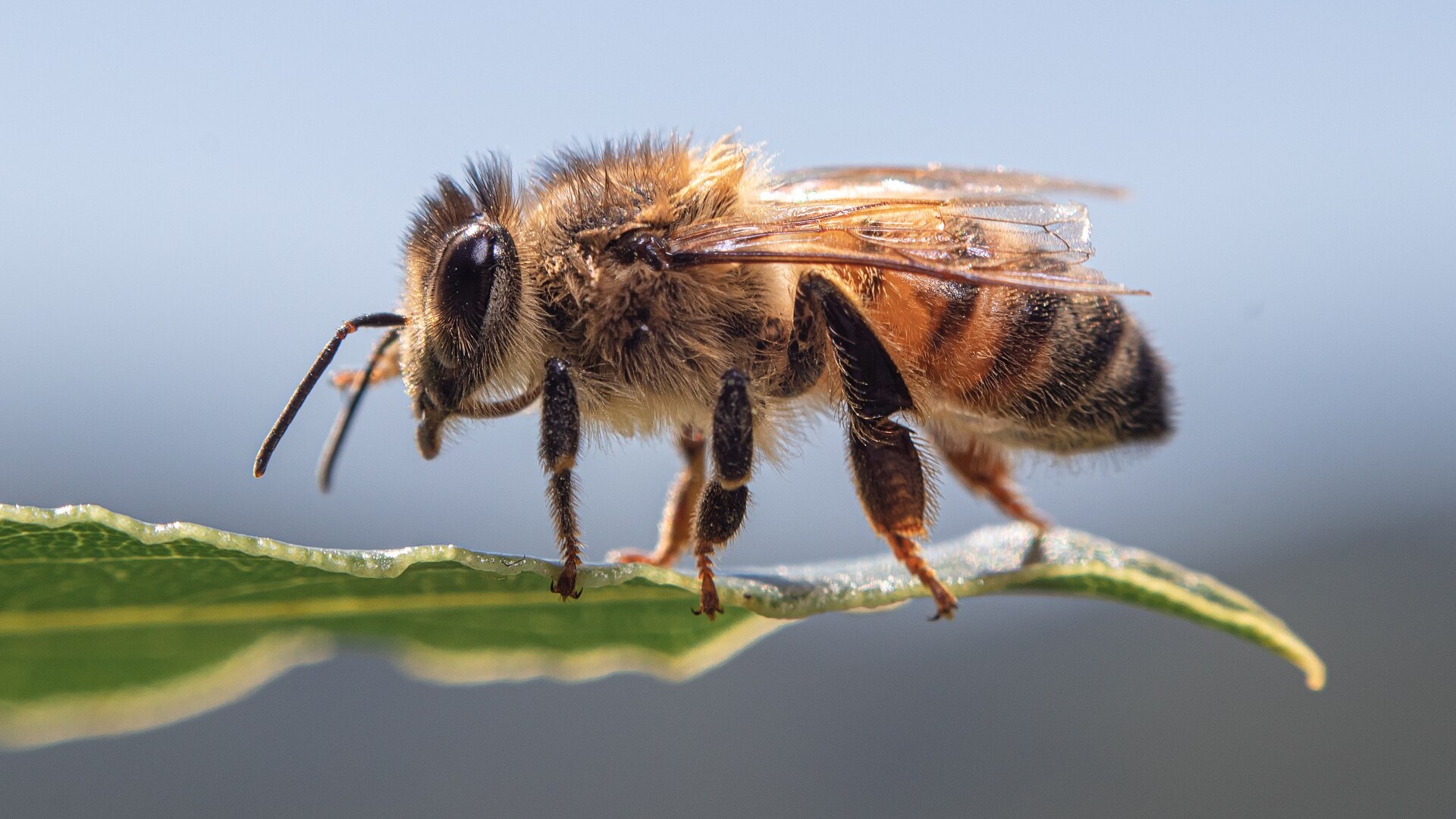
2. Honeybee Figure-Eight Waggle Dance
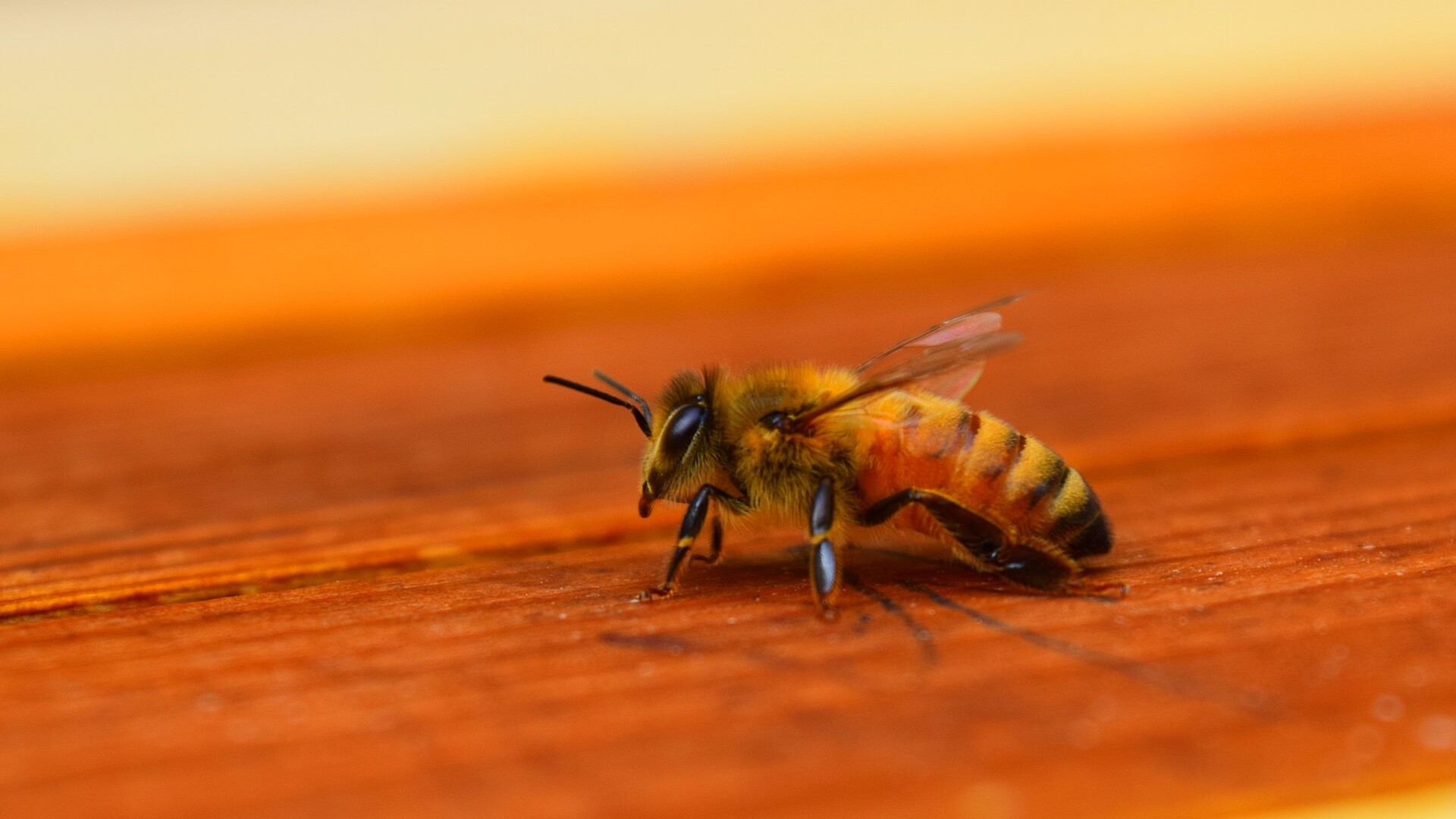
Worker honeybees perform a figure-eight waggle dance on dark vertical honeycomb surfaces. The dance angle relative to gravity maps the flight direction toward flowers relative to the sun. The duration of the central waggle run signals the precise distance, down to single meters.
1. Sperm Whale Clicking Coda Dialects
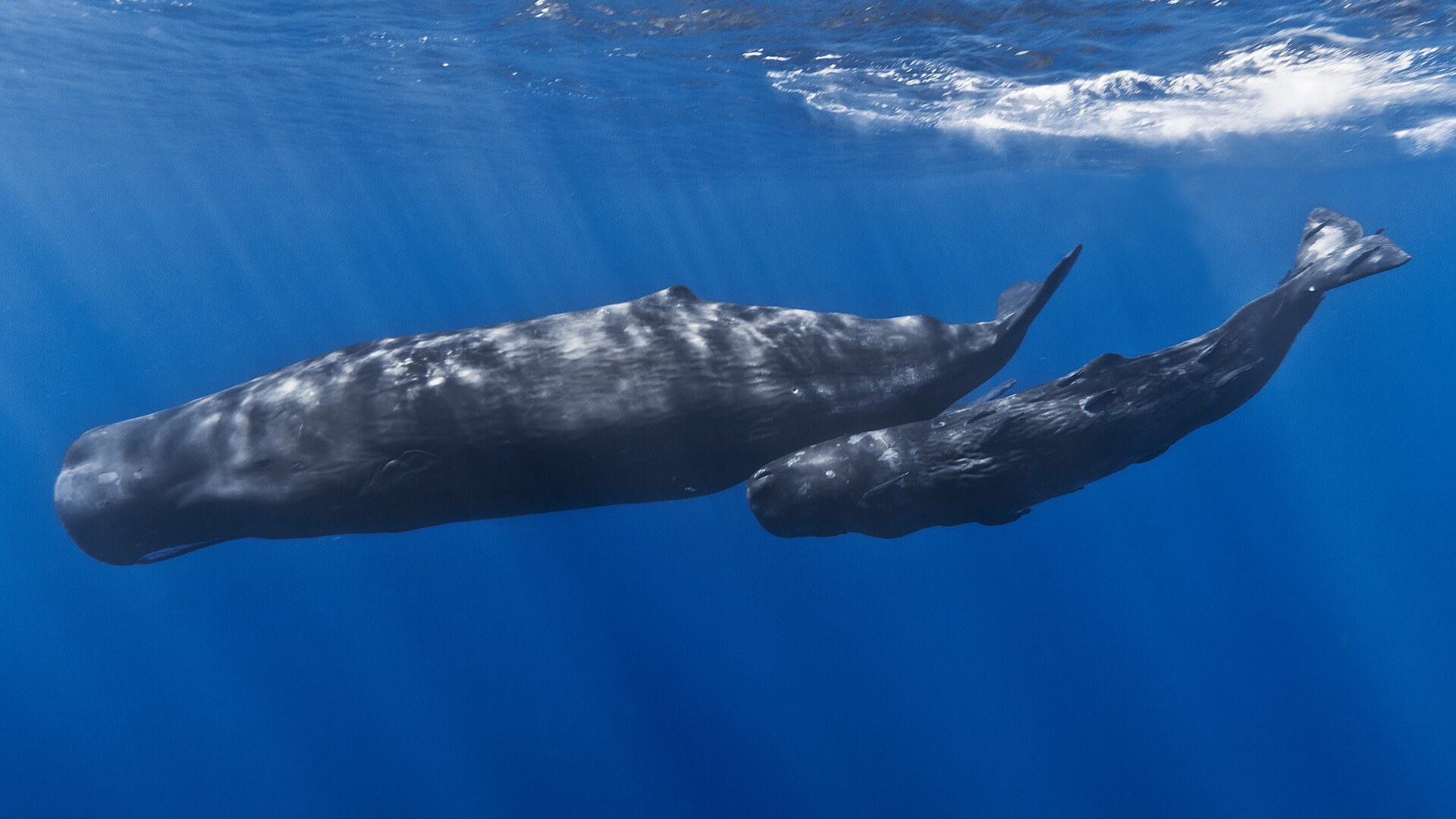
Sperm whales produce patterned sequences of acoustic clicks called codas to communicate across oceanic depths. A 2024 MIT and Project CETI study in Nature Communications revealed these codas use combinatorial structures similar to human vowels. Distinct vocal clans maintain cultural dialects.