Slideshow · Health
20 Everyday Ultra-Processed Foods to Rethink and Swap
Health agencies and nutrition researchers warn that diets heavy in ultra-processed foods raise cardiovascular and metabolic risks. Based on BMJ clinical reviews and Harvard Health guidelines, swapping packaged staples for whole foods protects gut health, curbs excess sodium, and supports steady daily energy.

By Most Viral Today
14 min ago

Why Common Kitchen Staples May Harm Long-Term Health And How To Fix It 
20. Flavored Fruit Yogurts 
19. Packaged Granola Bars 
18. Commercial Salad Dressings - AdvertisementSwipe or tap ▶ to continue countdown

17. Sweetened Breakfast Cereals 
16. Plant-Based Meat Patties 
15. Canned Cream Soups 
14. Flavored Instant Oatmeal - AdvertisementSwipe or tap ▶ to continue countdown

13. Commercial Sandwich Bread 
12. Bottled Sweet Teas 
11. Microwave Bag Popcorn 
10. Processed Cheese Slices - AdvertisementSwipe or tap ▶ to continue countdown

9. Frozen Commercial Pizza 
8. Frozen Chicken Nuggets 
7. Commercial Veggie Chips 
6. Diet And Zero-Sugar Sodas - AdvertisementSwipe or tap ▶ to continue countdown

5. Store-Bought Protein Bars 
4. Instant Ramen Noodles 
3. Commercial Energy Drinks 
2. Processed Deli Meats - AdvertisementSwipe or tap ▶ to continue countdown

1. Packaged Pastries And Donuts - Advertisement🔥 UP NEXT IN THIS SERIES◫ 23 Slides

22 Regional Coffee Chains With Loyal Followings Across America
Big national coffee chains sit on every corner, yet regional roasters still command fierce hometown loyalty across the United States. From Oregon drive-thru stands and Midwestern lodges to historic New Orleans cafes, these 22 chains built devoted local followings through signature drinks and distinct roots.
Health agencies and nutrition researchers warn that diets heavy in ultra-processed foods raise cardiovascular and metabolic risks. Based on BMJ clinical reviews and Harvard Health guidelines, swapping packaged staples for whole foods protects gut health, curbs excess sodium, and supports steady daily energy.
Swipe or tap ▶ to begin the countdown
©Pixabay / piviso
20. Flavored Fruit Yogurts
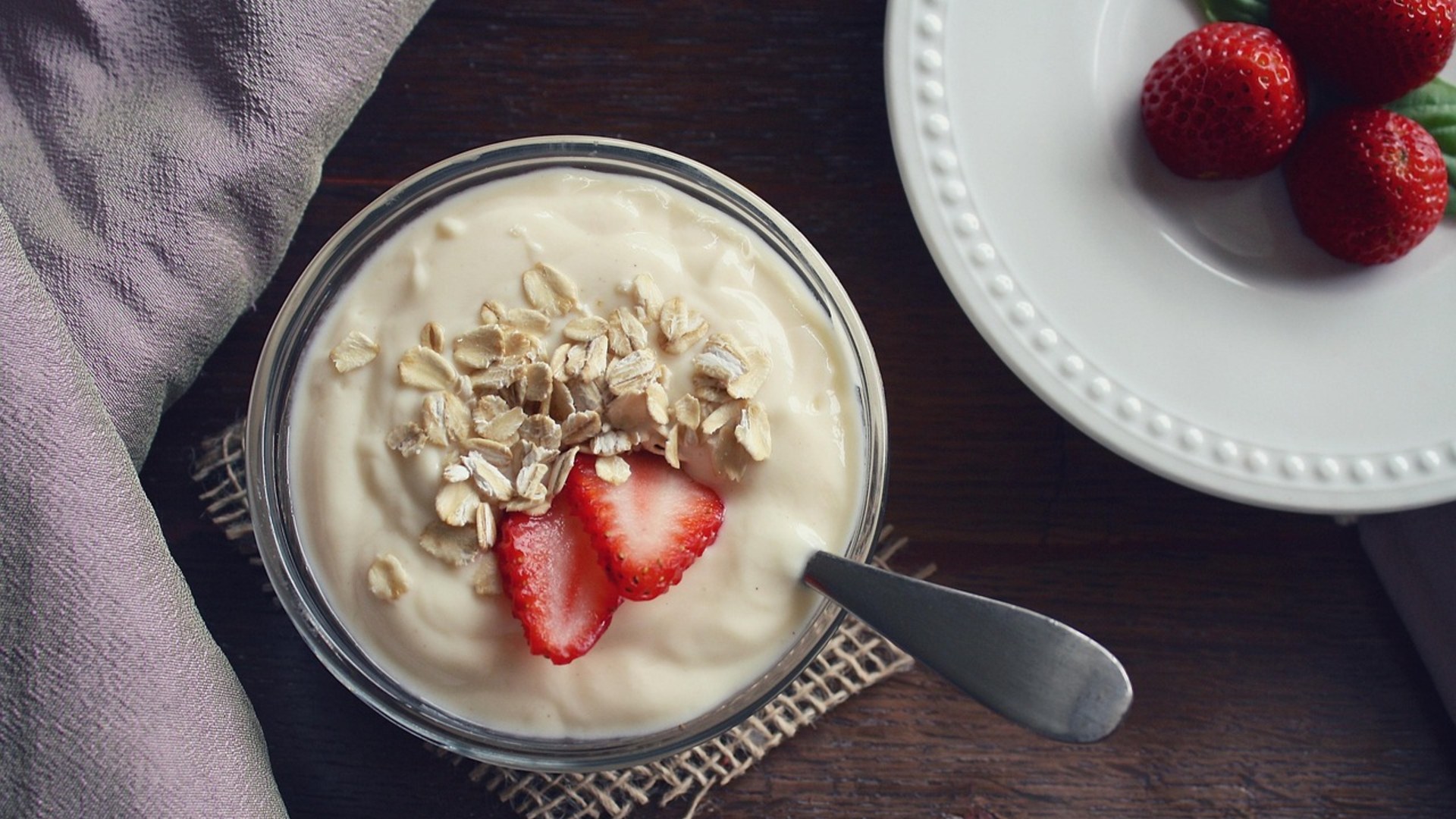
Commercial fruit yogurts often rely on high-fructose corn syrup, modified starches, and artificial flavoring rather than genuine fruit chunks. A standard six-ounce container frequently exceeds the daily sugar allowance suggested by the American Heart Association. Plain kefir or Greek yogurt offers natural probiotics.
©Pixabay / ponce_photography
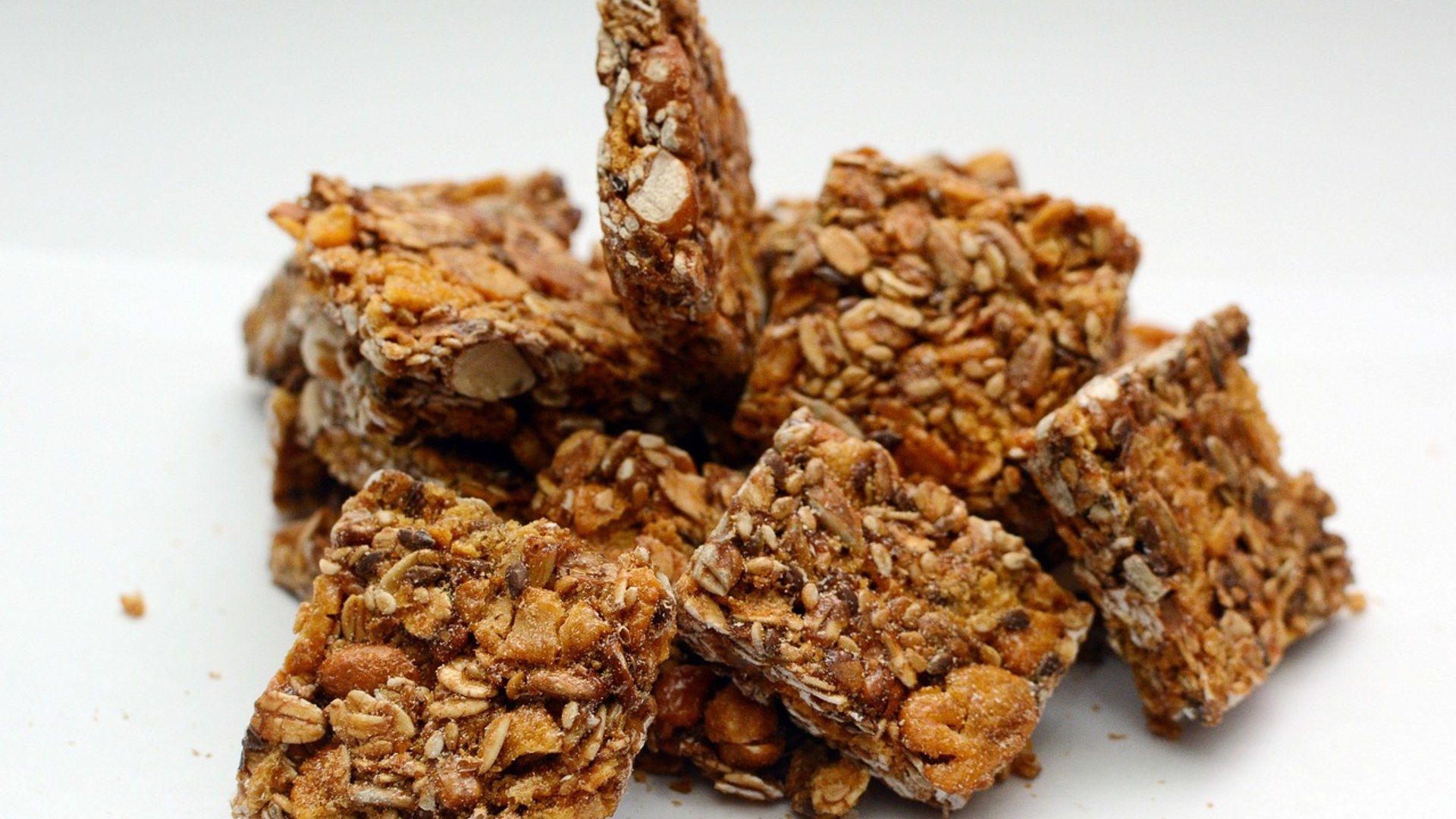
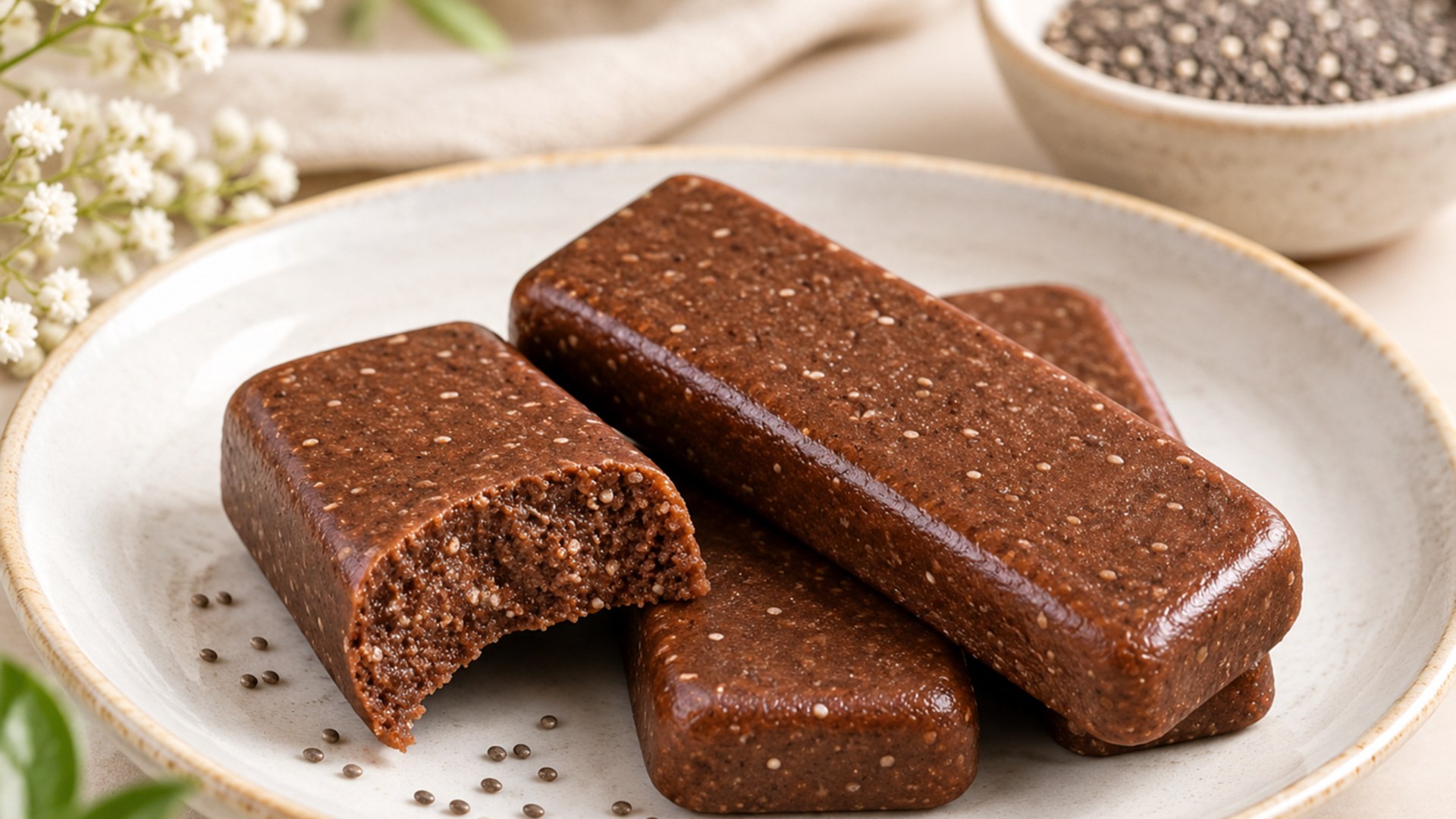
19. Packaged Granola Bars
Many mass-market snack bars bind oats together using glucose syrup, palm kernel oil, and soy lecithin emulsifiers. These additives trigger rapid blood sugar spikes followed by steep insulin drops within two hours of snacking. Unsalted almonds and chia seeds deliver steady protein without synthetic binders.
©Pixabay / walterrodriguezph
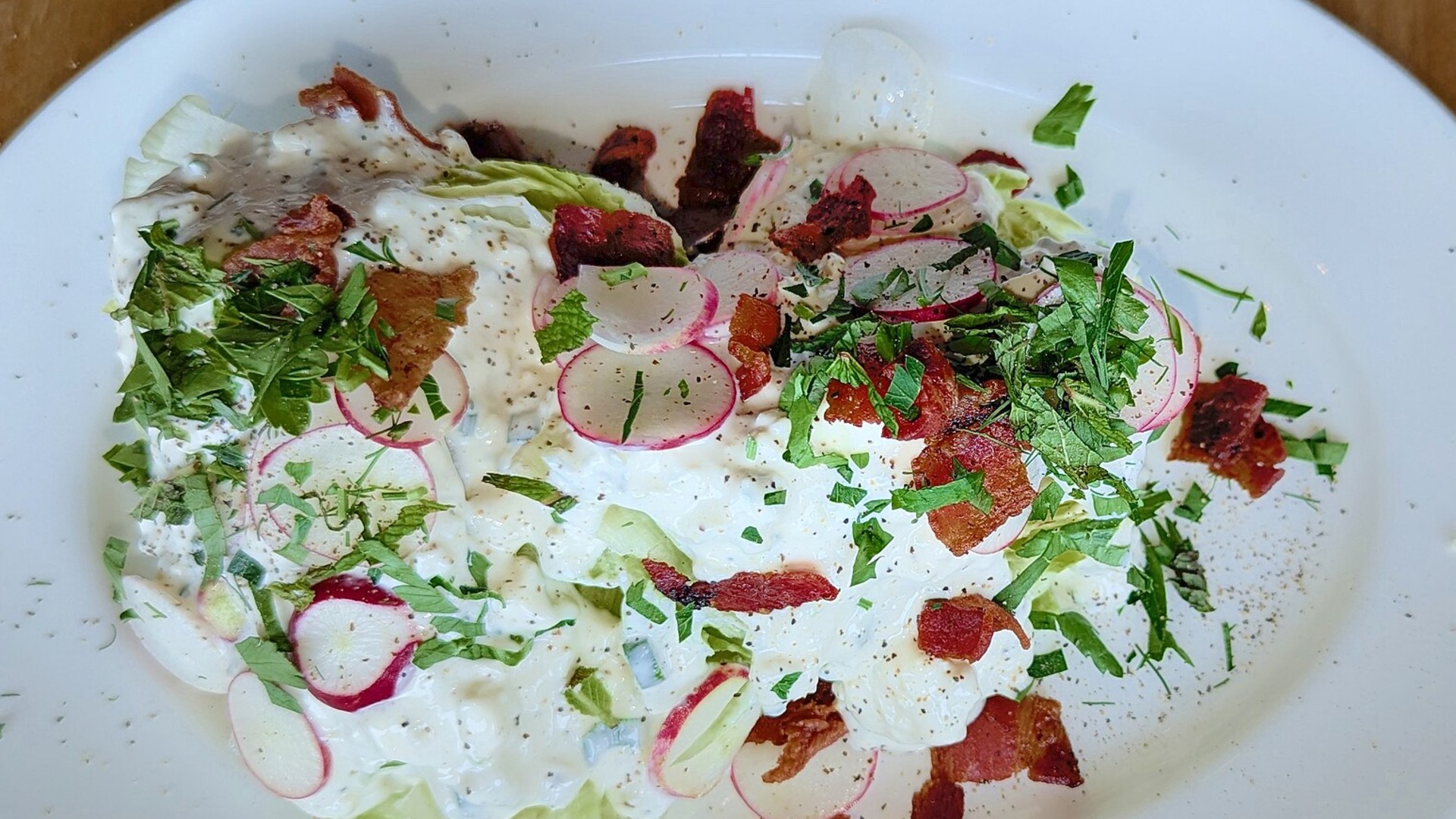
18. Commercial Salad Dressings
Store dressings rely on cheap soybean oils, titanium dioxide for opacity, and xanthan gum to prolong shelf life across multiple months. Two tablespoons can supply more than 300 milligrams of sodium alongside synthetic preservatives. Cold-pressed olive oil provides heart-healthy monounsaturated fats.
©Wikimedia / Daderot
Advertisement
Swipe or tap ▶ to resume the countdown.
17. Sweetened Breakfast Cereals
Extruded breakfast cereals lose natural nutrients during industrial high-heat manufacturing, requiring synthetic vitamin spraying afterward. The rapid digestion rate spikes morning blood glucose and promotes mid-morning fatigue. Slow-cooked rolled oats keep gut microbiomes fueled through soluble beta-glucan.
©Pixabay / shixugang
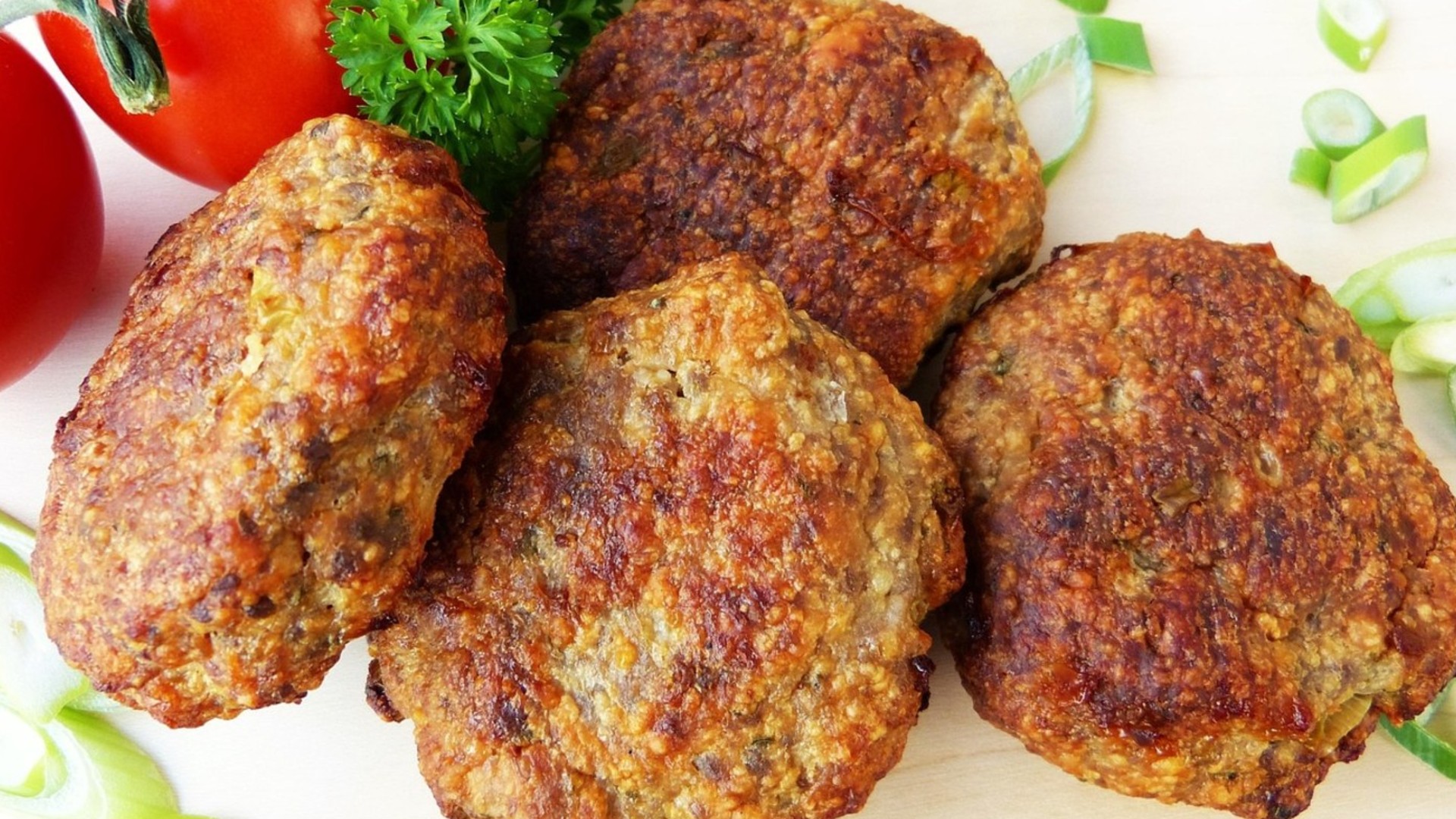
16. Plant-Based Meat Patties
While free from animal products, commercial vegan patties often use pea protein isolates, methylcellulose binders, and refined coconut fats to mimic beef texture. One patty can carry over 450 milligrams of sodium and industrial stabilizers. Mashed black beans mixed with quinoa offer clean plant protein.
©Pixabay / silviarita
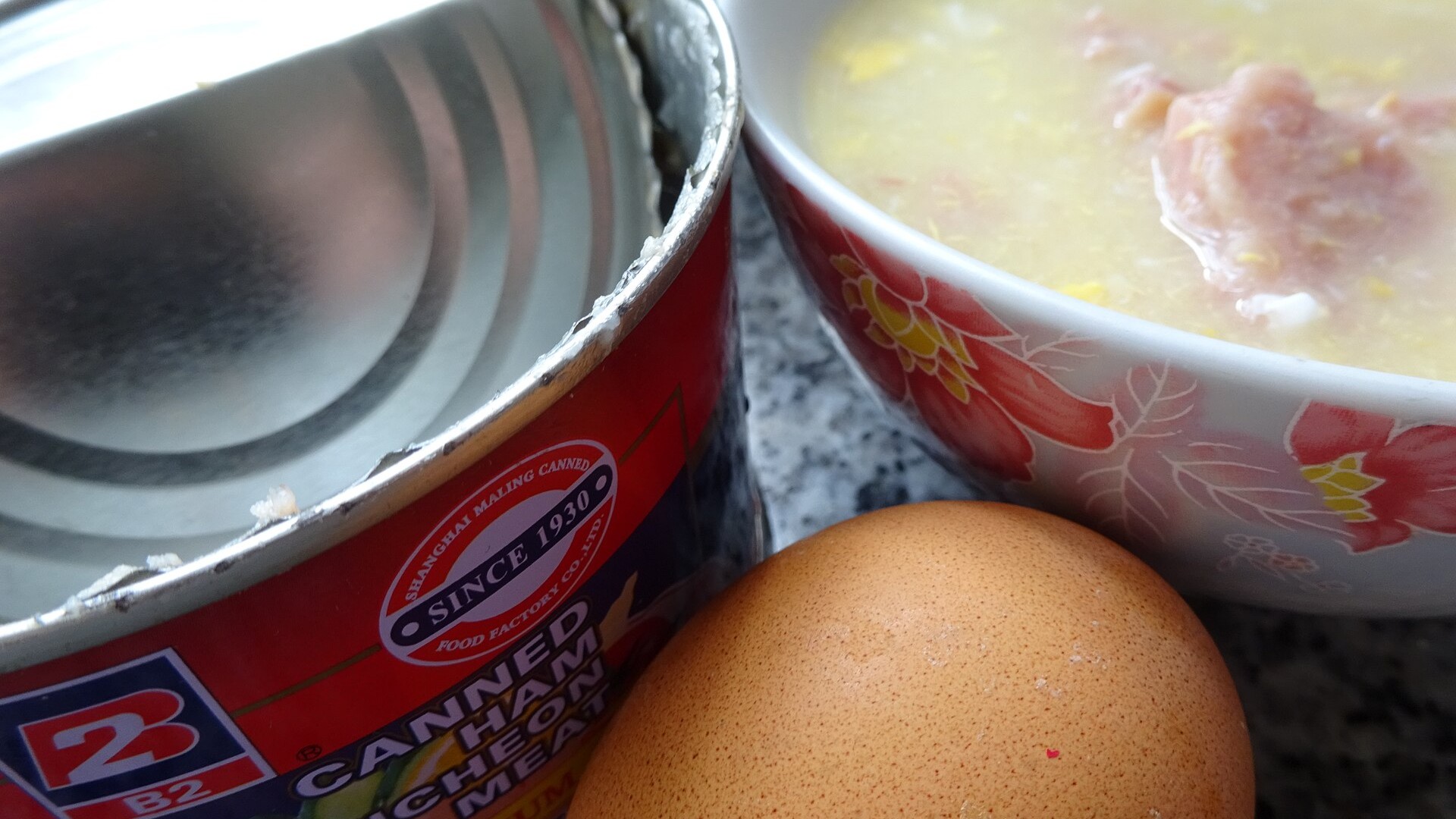
15. Canned Cream Soups
A single cup of canned cream soup often contains up to 900 milligrams of sodium, cornstarch thickeners, and partially hydrogenated oils. These additives create thick texture without providing beneficial whole vegetable micronutrients. Pureeing steamed root vegetables delivers a rich texture without additives.
©Wikimedia / Makapaulmea
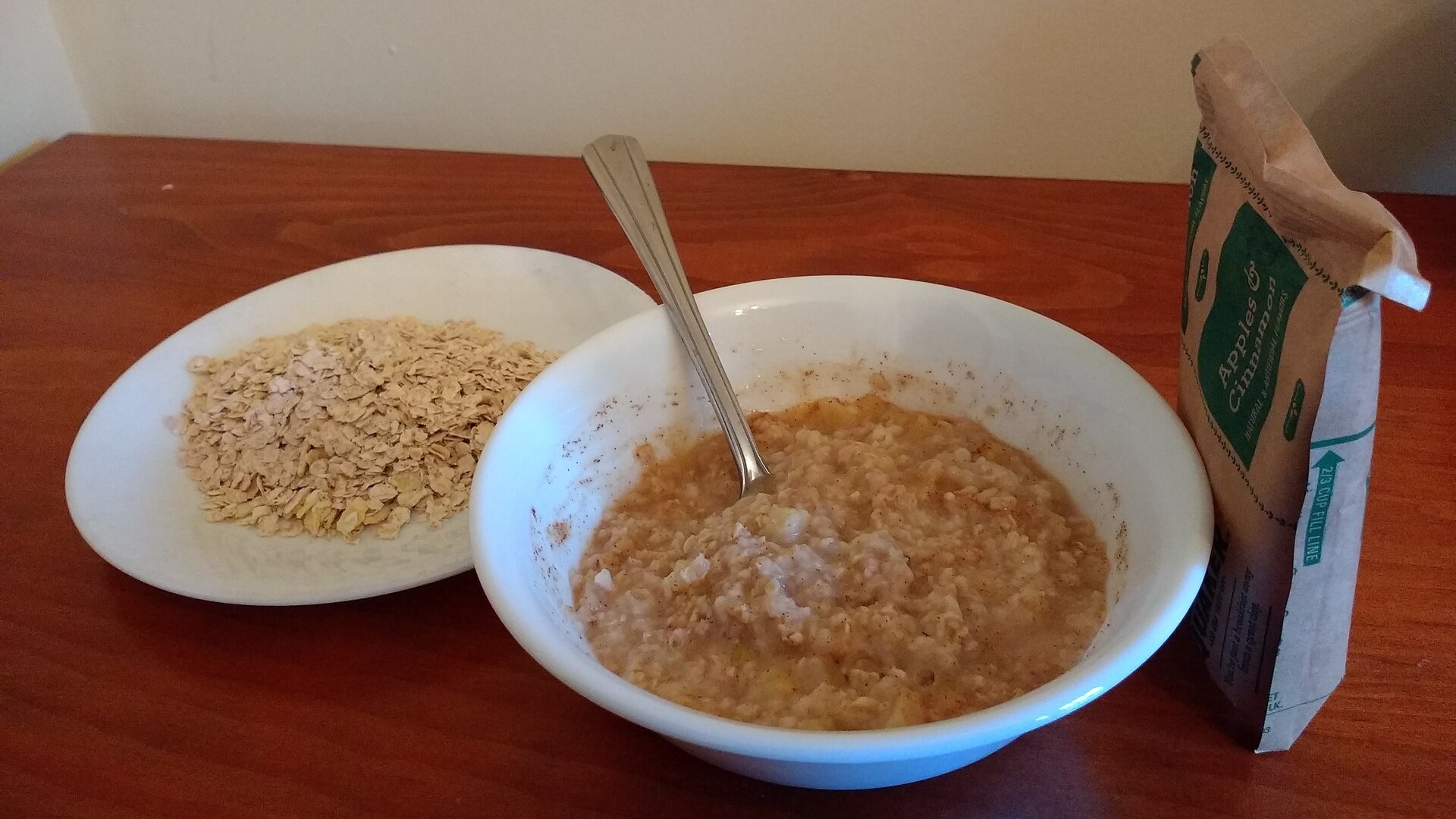
14. Flavored Instant Oatmeal
Flavored single-serve oatmeal pouches undergo heavy mechanical rolling and pre-gelatinization, raising their glycemic index significantly. Manufacturers frequently pack up to four teaspoons of sugar into each tiny serving. Quick-cooking whole rolled oats prepare in three minutes with zero industrial sweeteners.
©Openverse / Mx. Granger
Advertisement
Swipe or tap ▶ to resume the countdown.
13. Commercial Sandwich Bread
Industrial white and wheat breads often feature calcium propionate, mono-diglycerides, and bleached flour that rapidly break down into glucose. Authentic slow-fermented sourdough relies exclusively on flour, water, salt, and wild yeast. Natural fermentation lowers the glycemic response and eases human digestion.
©Wikimedia / Miscellaneous contributor
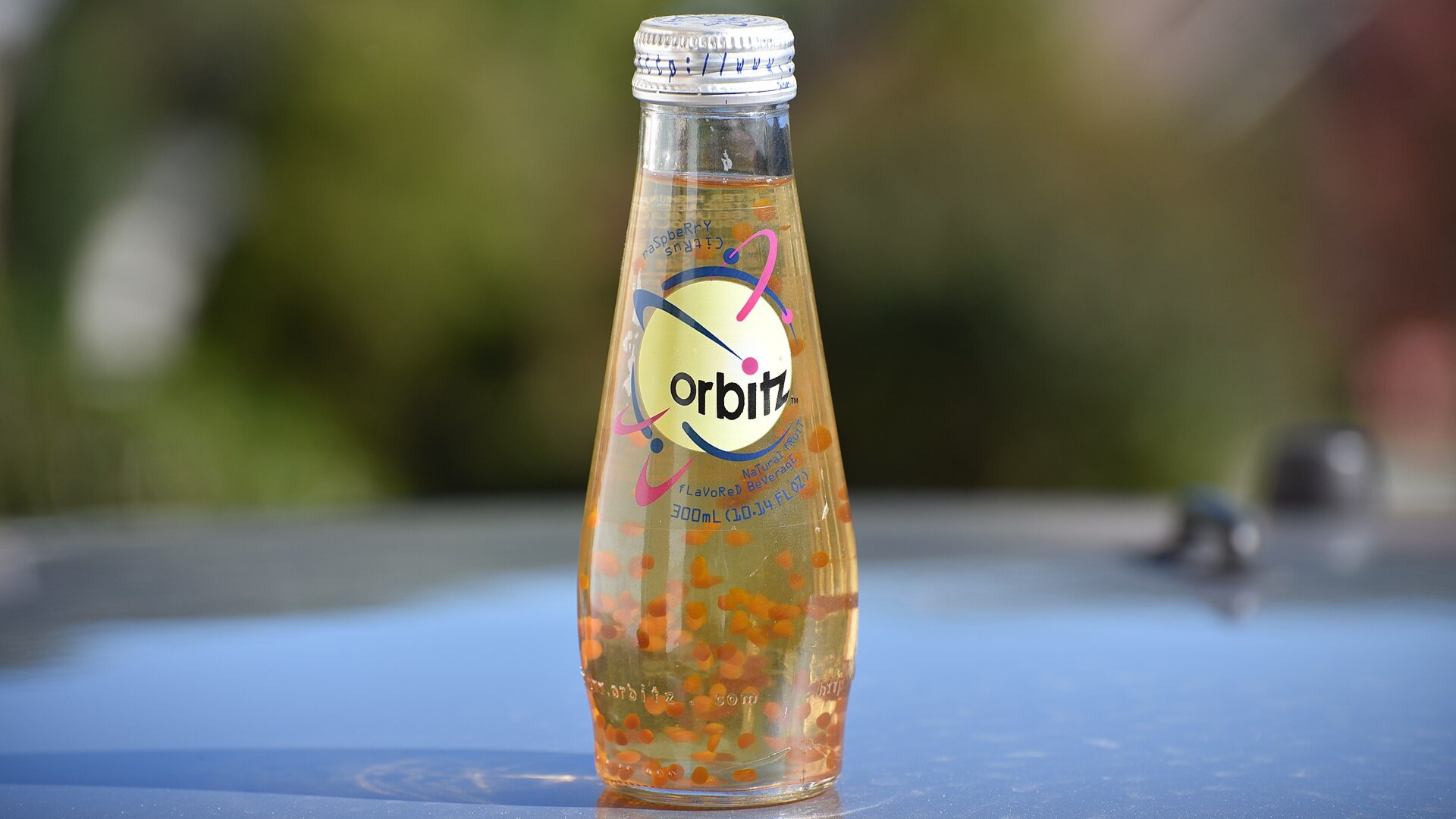
12. Bottled Sweet Teas
Bottled tea beverages frequently contain more high-fructose corn syrup than regular colas, stripping away natural tea polyphenols during extended bottling storage. A single 16-ounce bottle can deliver 45 grams of refined sugar. Home-brewed black or green tea retains potent catechins without industrial additives.
©Pixabay / MiroslavaObo
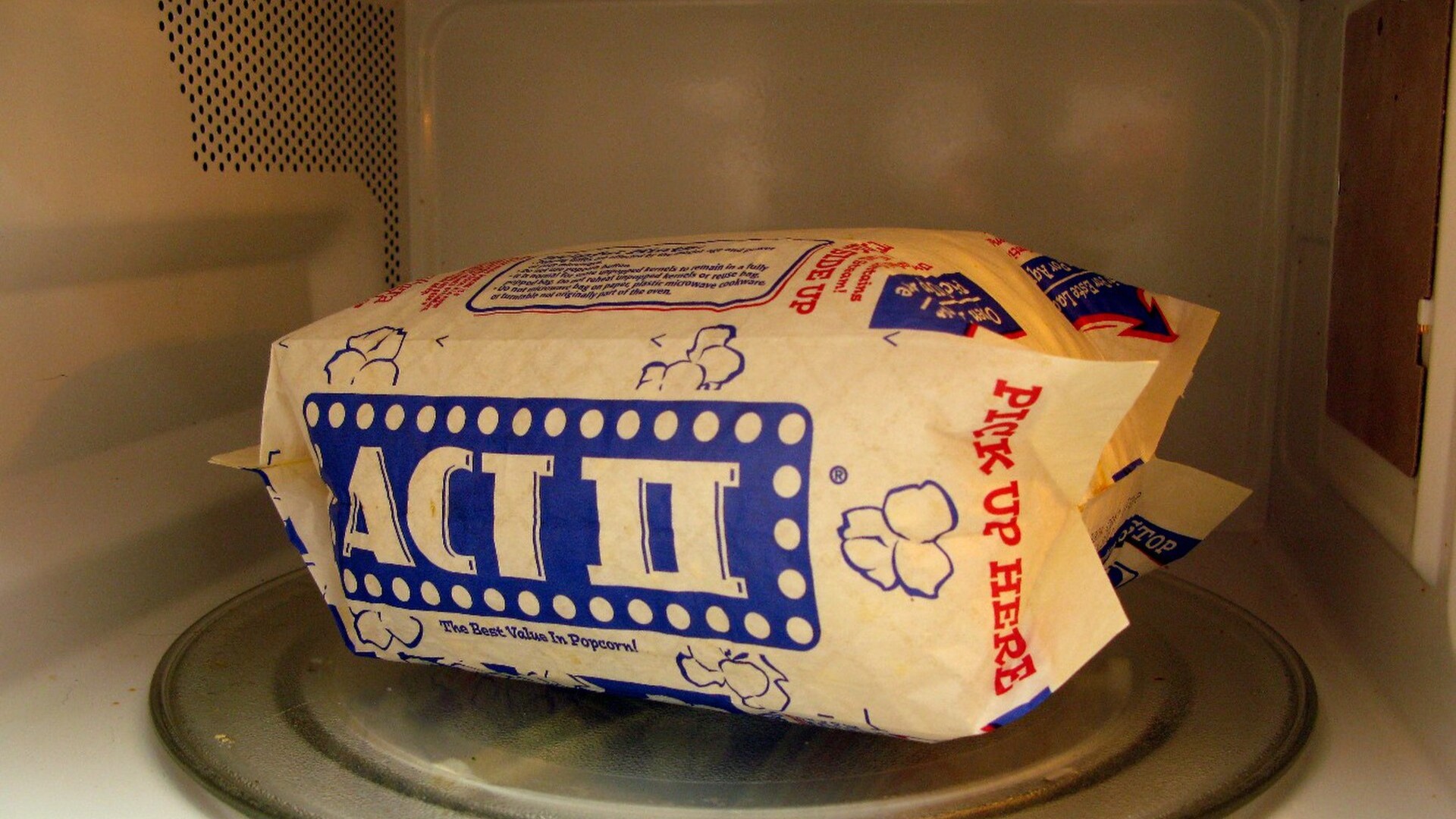
11. Microwave Bag Popcorn
Microwave popcorn bags frequently release perfluoroalkyl substances when heated and rely on palm oil blends with diacetyl butter substitutes. Cooking raw corn kernels in a simple covered stainless pot takes four minutes on medium heat. Seasoning with nutritional yeast or smoked paprika provides rich flavor.
©Wikimedia / frankieleon
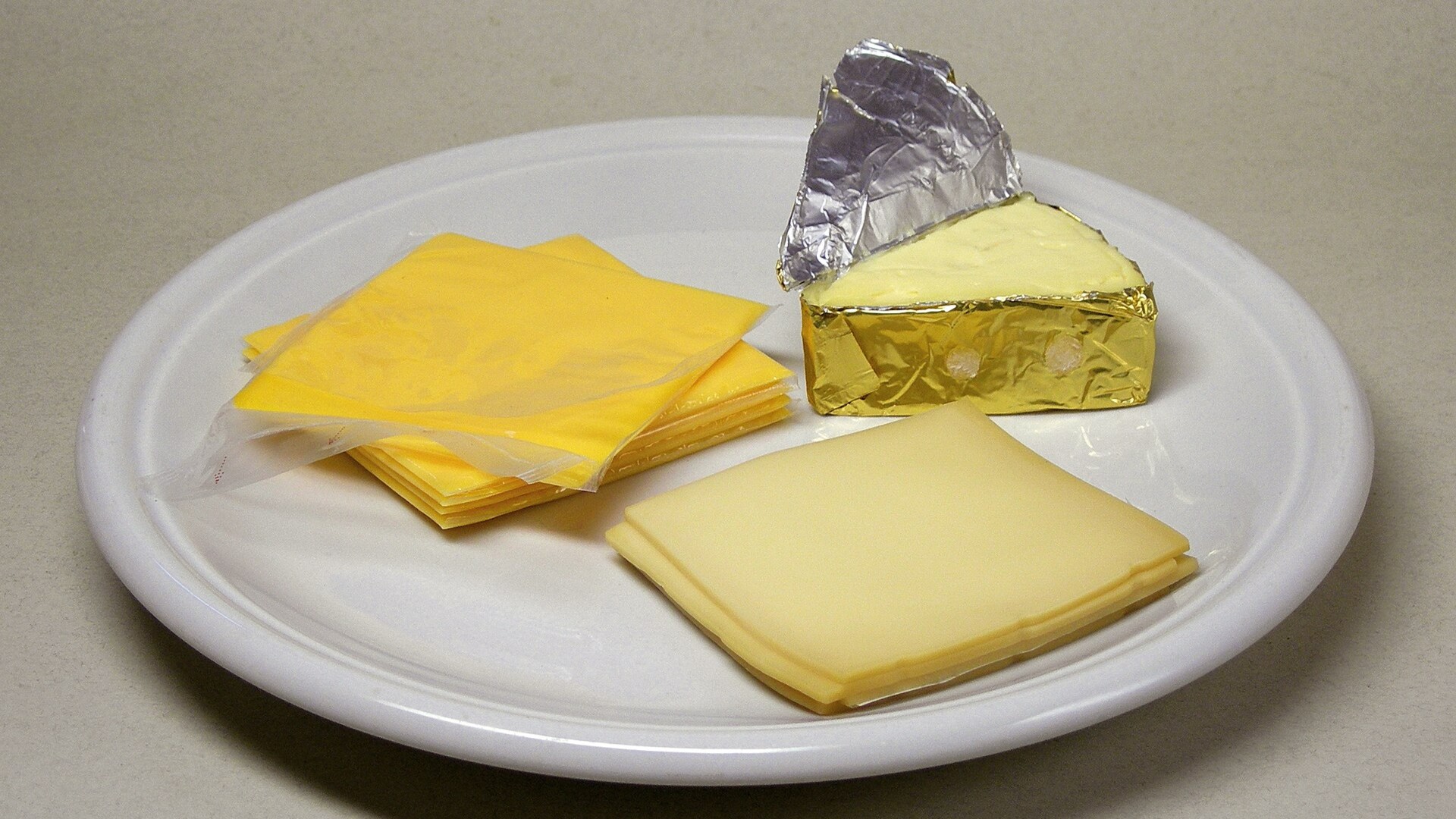
10. Processed Cheese Slices
Single-wrap cheese products incorporate whey protein concentrates, sodium phosphate emulsifiers, and artificial food colorings to achieve smooth melting. Real aged cheddar contains simple milk, salt, and natural bacterial cultures. Fresh cheese delivers bioavailable calcium without industrial phosphate additives.
©Wikimedia / Rainer Z ...
Advertisement
Swipe or tap ▶ to resume the countdown.
9. Frozen Commercial Pizza
Freezer pizzas rely on dough conditioners, cured meat trimmings loaded with nitrites, and cheese substitutes stretched with modified food starches. A half pizza can exceed an entire day of recommended sodium intake. Baking whole-grain flatbreads with fresh basil and cherry tomatoes offers crispy flavor.
©Wikimedia / Pannet
8. Frozen Chicken Nuggets
Factory chicken nuggets combine finely minced poultry trims with sodium tripolyphosphate, autolyzed yeast extract, and refined vegetable oils. The heavy outer breading soaks up frying oils before flash freezing. Slicing fresh organic chicken breast into seasoned almond flour creates a crisp baked alternative.
©Wikimedia / BrokenSphere
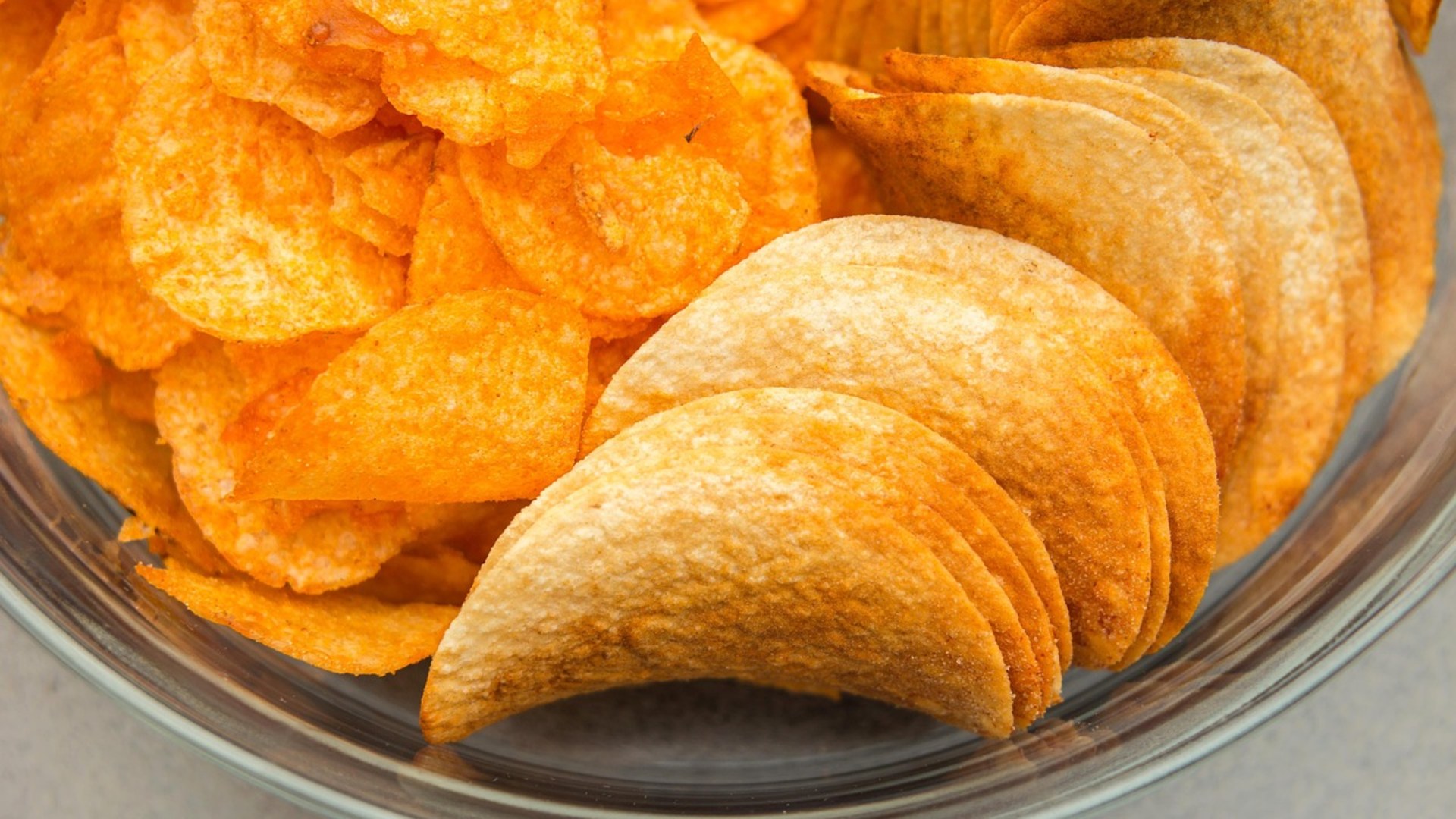
7. Commercial Veggie Chips
Most bagged veggie chips contain potato flour, corn flour, and sunflower oil, with spinach and tomato powder added merely for decorative tint. They deliver identical calorie and carbohydrate counts to standard fried chips. Dehydrating curly kale or beet slices at home preserves genuine carotenoids.
©Pixabay / Didgeman
6. Diet And Zero-Sugar Sodas
Non-nutritive sweeteners like sucralose and acesulfame potassium can disrupt gut microbiome balance and confuse metabolic insulin responses. Phosphoric acid in dark sodas can also erode tooth enamel over regular consumption. Bubbly mineral water paired with fresh citrus wedges provides zero-calorie fizz.
©Wikimedia / Candeadly
Advertisement
Swipe or tap ▶ to resume the countdown.
5. Store-Bought Protein Bars
Many commercial sports bars pack sugar alcohols, palm oils, and isolated soy proteins that trigger bloating and digestive distress. They often supply over 250 calories with minimal micronutrient density. Whole food sources like boiled eggs and raw walnuts supply complete proteins alongside natural choline.
©Pixabay / MutiaraAryani
4. Instant Ramen Noodles
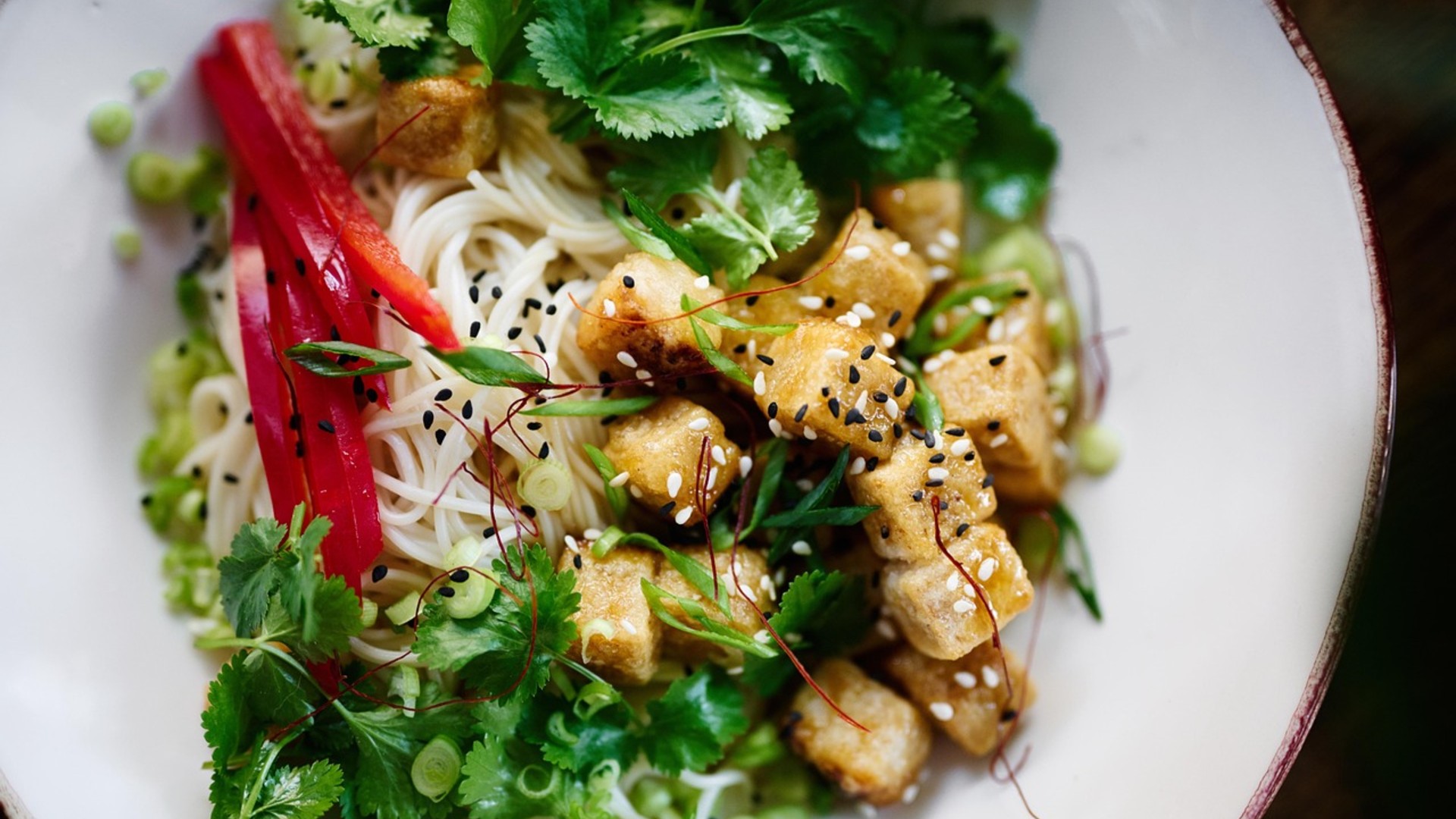
Instant noodle blocks undergo flash frying in palm oil and include seasoning packets saturated with monosodium glutamate and tertiary butylhydroquinone. One single bowl can deliver over 1700 milligrams of sodium. Cooking rice vermicelli in bone broth with bok choy and ginger restores clean nourishment.
©Pixabay / joannawielgosz
3. Commercial Energy Drinks
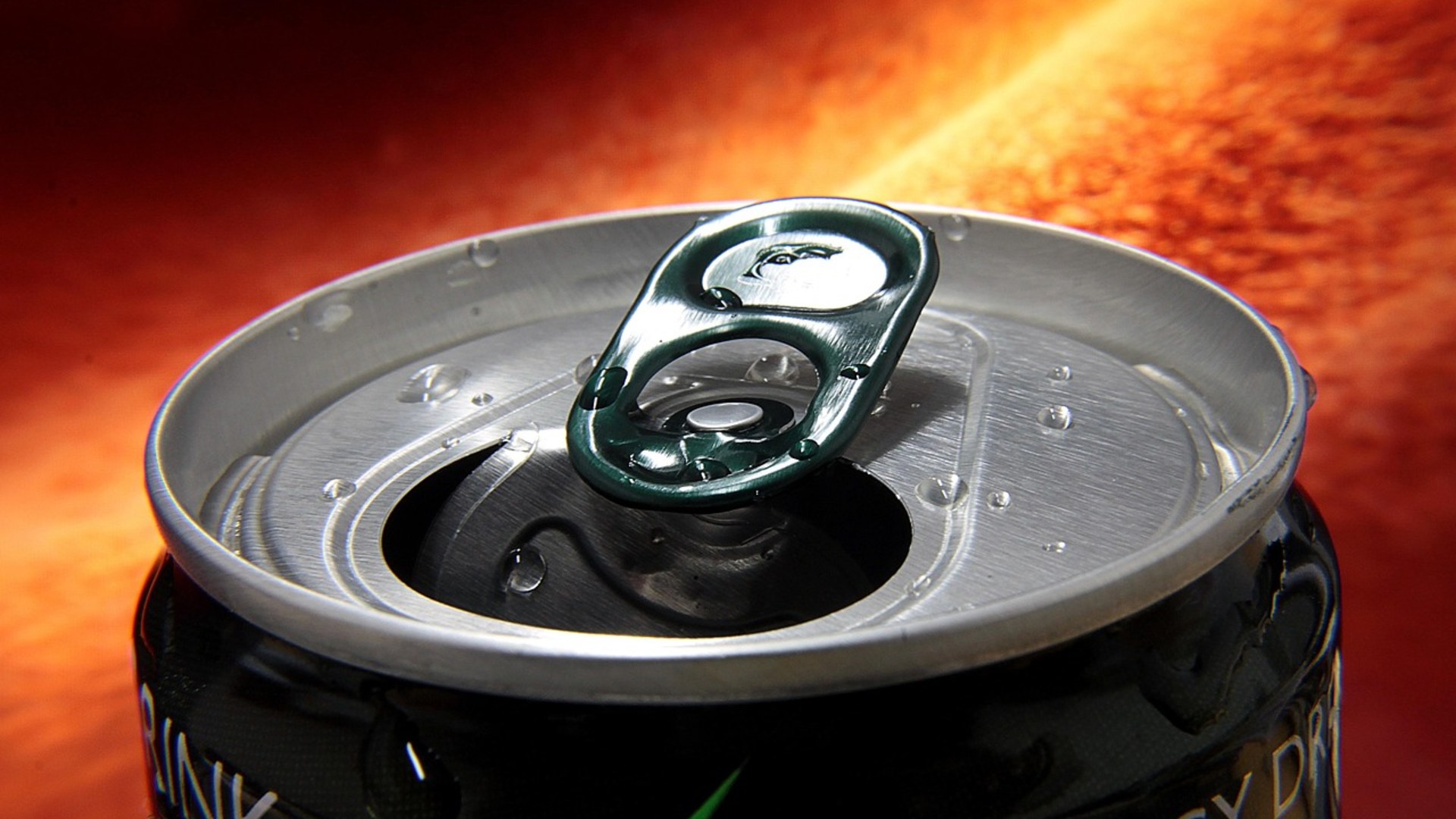
Canned energy beverages pack synthetic caffeine equivalents of up to four espresso shots alongside glucuronolactone and artificial colors. These sudden stimulant surges can trigger palpitations, sleep disruption, and elevated blood pressure. Stone-ground green tea matcha offers L-theanine for calm focus.
©Pixabay / Gadini
2. Processed Deli Meats
Industrial deli meats like bologna, salami, and cured ham undergo high-pressure salt curing and chemical nitrite preservation. The World Health Organization classifies processed meats as Group 1 carcinogens due to colorectal cancer associations. Roasting whole chicken breasts provides clean sandwich protein.
©Pixabay / congerdesign
Advertisement
Swipe or tap ▶ to resume the countdown.
1. Packaged Pastries And Donuts
Store-shelf snack cakes combine bleached flour, high-fructose corn syrup, and industrial shortening engineered to resist spoiling for months. This combination creates severe oxidative stress and spikes visceral fat accumulation. Baking oats with ripe bananas and unsweetened applesauce satisfies morning cravings.

©Pixabay / dohnalovajane
Advertisement
You've reached the end of the story. Thanks for reading!

22 Regional Coffee Chains With Loyal Followings Across America
Big national coffee chains sit on every corner, yet regional roasters still command fierce hometown loyalty across the United States. From Oregon drive-thru stands and Midwestern lodges to historic New Orleans cafes, these 22 chains built devoted local followings through signature drinks and distinct roots.
All 20 Entries in this Story
20. Flavored Fruit Yogurts
Commercial fruit yogurts often rely on high-fructose corn syrup, modified starches, and artificial flavoring rather than genuine fruit chunks. A standard six-ounce container frequently exceeds the daily sugar allowance suggested by the American Heart Association. Plain kefir or Greek yogurt offers natural probiotics.

19. Packaged Granola Bars
Many mass-market snack bars bind oats together using glucose syrup, palm kernel oil, and soy lecithin emulsifiers. These additives trigger rapid blood sugar spikes followed by steep insulin drops within two hours of snacking. Unsalted almonds and chia seeds deliver steady protein without synthetic binders.

18. Commercial Salad Dressings
Store dressings rely on cheap soybean oils, titanium dioxide for opacity, and xanthan gum to prolong shelf life across multiple months. Two tablespoons can supply more than 300 milligrams of sodium alongside synthetic preservatives. Cold-pressed olive oil provides heart-healthy monounsaturated fats.

17. Sweetened Breakfast Cereals
Extruded breakfast cereals lose natural nutrients during industrial high-heat manufacturing, requiring synthetic vitamin spraying afterward. The rapid digestion rate spikes morning blood glucose and promotes mid-morning fatigue. Slow-cooked rolled oats keep gut microbiomes fueled through soluble beta-glucan.

16. Plant-Based Meat Patties
While free from animal products, commercial vegan patties often use pea protein isolates, methylcellulose binders, and refined coconut fats to mimic beef texture. One patty can carry over 450 milligrams of sodium and industrial stabilizers. Mashed black beans mixed with quinoa offer clean plant protein.

15. Canned Cream Soups
A single cup of canned cream soup often contains up to 900 milligrams of sodium, cornstarch thickeners, and partially hydrogenated oils. These additives create thick texture without providing beneficial whole vegetable micronutrients. Pureeing steamed root vegetables delivers a rich texture without additives.

14. Flavored Instant Oatmeal
Flavored single-serve oatmeal pouches undergo heavy mechanical rolling and pre-gelatinization, raising their glycemic index significantly. Manufacturers frequently pack up to four teaspoons of sugar into each tiny serving. Quick-cooking whole rolled oats prepare in three minutes with zero industrial sweeteners.

13. Commercial Sandwich Bread
Industrial white and wheat breads often feature calcium propionate, mono-diglycerides, and bleached flour that rapidly break down into glucose. Authentic slow-fermented sourdough relies exclusively on flour, water, salt, and wild yeast. Natural fermentation lowers the glycemic response and eases human digestion.

12. Bottled Sweet Teas
Bottled tea beverages frequently contain more high-fructose corn syrup than regular colas, stripping away natural tea polyphenols during extended bottling storage. A single 16-ounce bottle can deliver 45 grams of refined sugar. Home-brewed black or green tea retains potent catechins without industrial additives.

11. Microwave Bag Popcorn
Microwave popcorn bags frequently release perfluoroalkyl substances when heated and rely on palm oil blends with diacetyl butter substitutes. Cooking raw corn kernels in a simple covered stainless pot takes four minutes on medium heat. Seasoning with nutritional yeast or smoked paprika provides rich flavor.

10. Processed Cheese Slices
Single-wrap cheese products incorporate whey protein concentrates, sodium phosphate emulsifiers, and artificial food colorings to achieve smooth melting. Real aged cheddar contains simple milk, salt, and natural bacterial cultures. Fresh cheese delivers bioavailable calcium without industrial phosphate additives.

9. Frozen Commercial Pizza
Freezer pizzas rely on dough conditioners, cured meat trimmings loaded with nitrites, and cheese substitutes stretched with modified food starches. A half pizza can exceed an entire day of recommended sodium intake. Baking whole-grain flatbreads with fresh basil and cherry tomatoes offers crispy flavor.

8. Frozen Chicken Nuggets
Factory chicken nuggets combine finely minced poultry trims with sodium tripolyphosphate, autolyzed yeast extract, and refined vegetable oils. The heavy outer breading soaks up frying oils before flash freezing. Slicing fresh organic chicken breast into seasoned almond flour creates a crisp baked alternative.

7. Commercial Veggie Chips
Most bagged veggie chips contain potato flour, corn flour, and sunflower oil, with spinach and tomato powder added merely for decorative tint. They deliver identical calorie and carbohydrate counts to standard fried chips. Dehydrating curly kale or beet slices at home preserves genuine carotenoids.

6. Diet And Zero-Sugar Sodas
Non-nutritive sweeteners like sucralose and acesulfame potassium can disrupt gut microbiome balance and confuse metabolic insulin responses. Phosphoric acid in dark sodas can also erode tooth enamel over regular consumption. Bubbly mineral water paired with fresh citrus wedges provides zero-calorie fizz.

5. Store-Bought Protein Bars
Many commercial sports bars pack sugar alcohols, palm oils, and isolated soy proteins that trigger bloating and digestive distress. They often supply over 250 calories with minimal micronutrient density. Whole food sources like boiled eggs and raw walnuts supply complete proteins alongside natural choline.

4. Instant Ramen Noodles
Instant noodle blocks undergo flash frying in palm oil and include seasoning packets saturated with monosodium glutamate and tertiary butylhydroquinone. One single bowl can deliver over 1700 milligrams of sodium. Cooking rice vermicelli in bone broth with bok choy and ginger restores clean nourishment.

3. Commercial Energy Drinks
Canned energy beverages pack synthetic caffeine equivalents of up to four espresso shots alongside glucuronolactone and artificial colors. These sudden stimulant surges can trigger palpitations, sleep disruption, and elevated blood pressure. Stone-ground green tea matcha offers L-theanine for calm focus.

2. Processed Deli Meats
Industrial deli meats like bologna, salami, and cured ham undergo high-pressure salt curing and chemical nitrite preservation. The World Health Organization classifies processed meats as Group 1 carcinogens due to colorectal cancer associations. Roasting whole chicken breasts provides clean sandwich protein.

1. Packaged Pastries And Donuts
Store-shelf snack cakes combine bleached flour, high-fructose corn syrup, and industrial shortening engineered to resist spoiling for months. This combination creates severe oxidative stress and spikes visceral fat accumulation. Baking oats with ripe bananas and unsweetened applesauce satisfies morning cravings.