Slideshow · Entertainment
20 Board Games Making Family Game Nights Far More Entertaining For Groups
Gathering around the table for family game night brings everyone together, but moving past classic roll-and-move titles opens up fresh tactical teamwork and friendly competition. These top modern tabletop favorites balance clear rules with engaging replayability. Based on BoardGameGeek data and Wirecutter tests.
By Most Viral Today
32 min ago

Why Modern Tabletop Favorites Outshine Traditional Roll-And-Move Classics 
20. Tsuro 
19. Love Letter 
18. Sushi Go! - AdvertisementSwipe or tap ▶ to continue countdown

17. Forbidden Island 
16. Dixit 
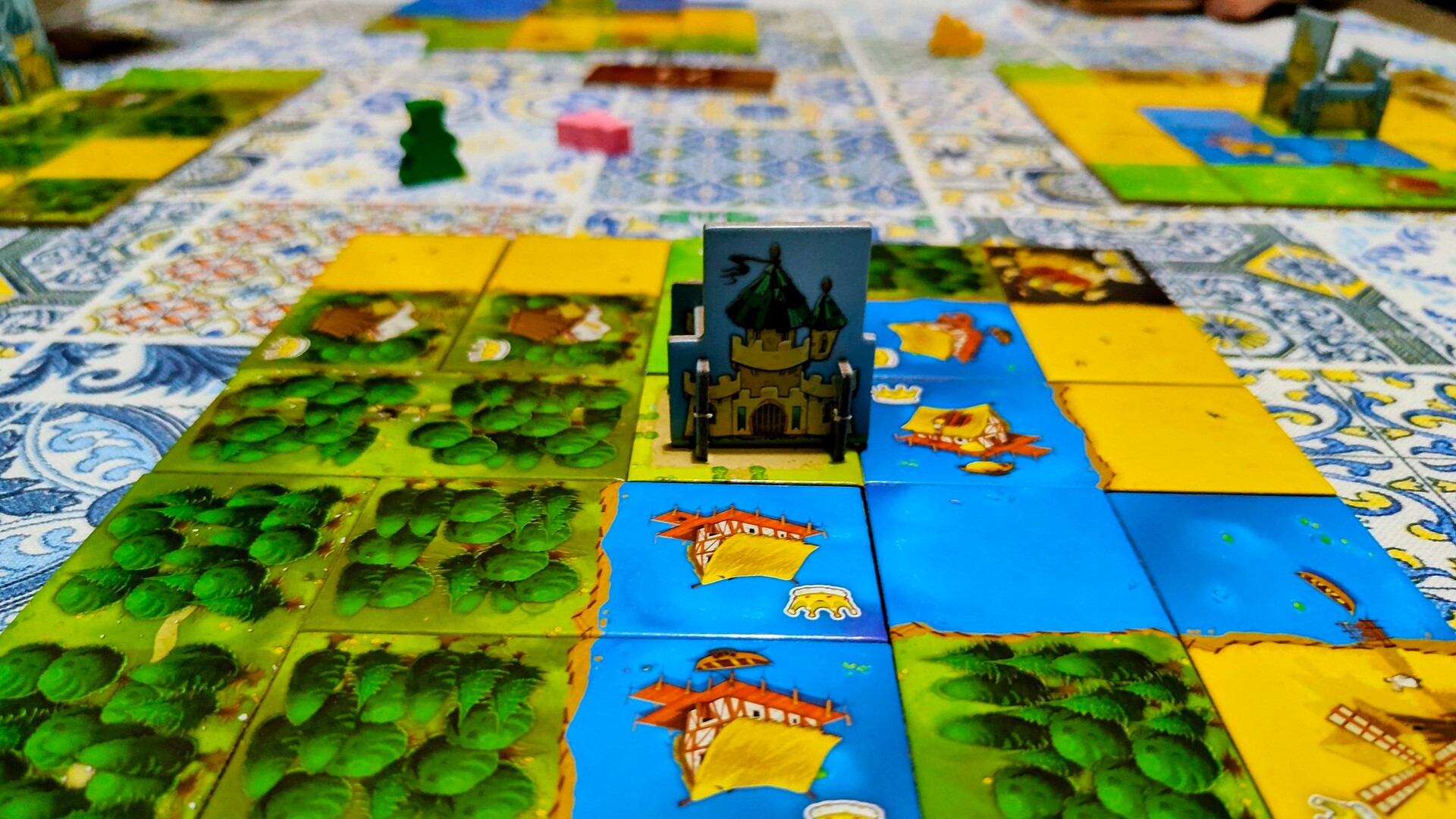
15. Kingdomino 
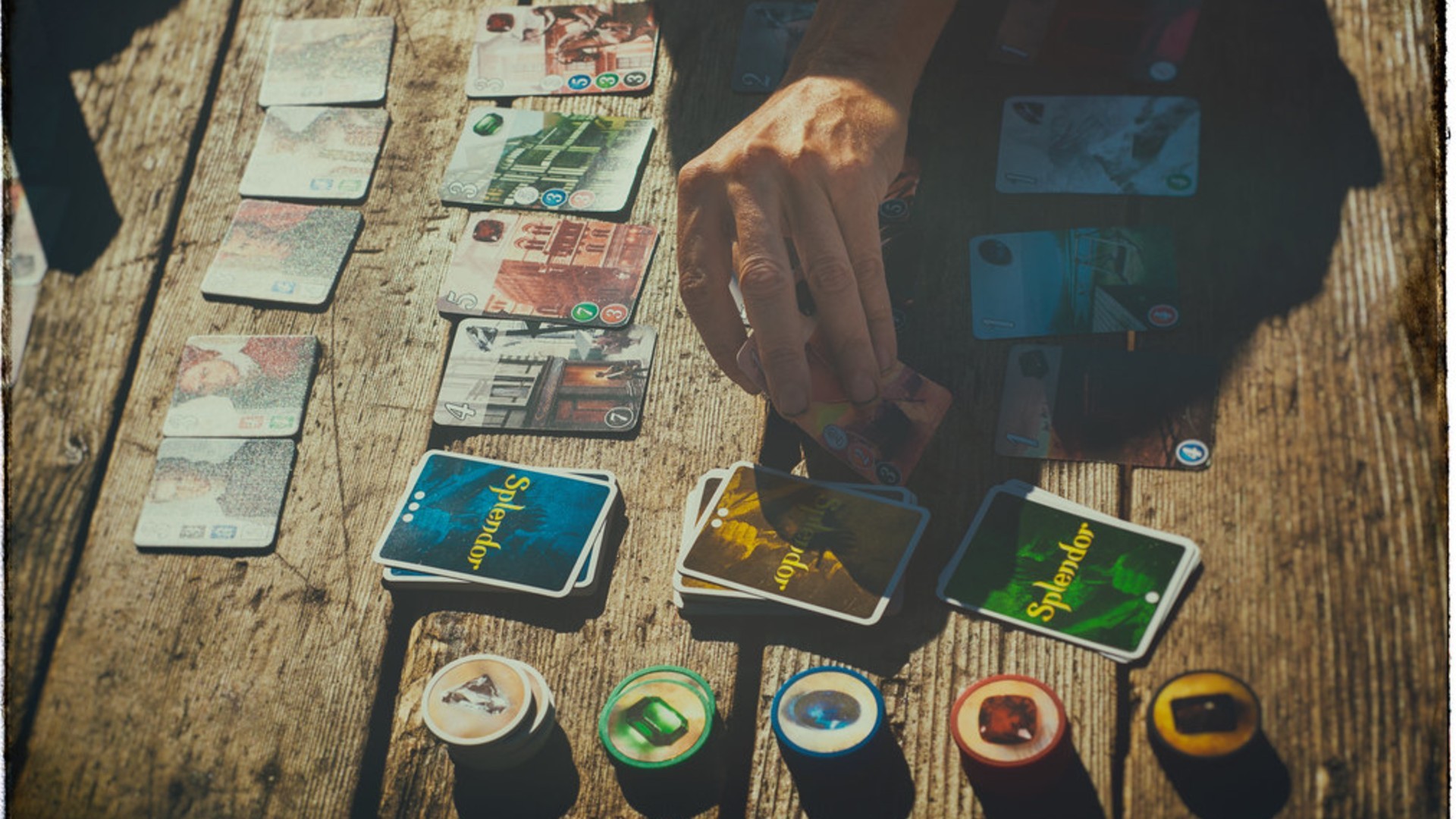
14. Splendor - AdvertisementSwipe or tap ▶ to continue countdown

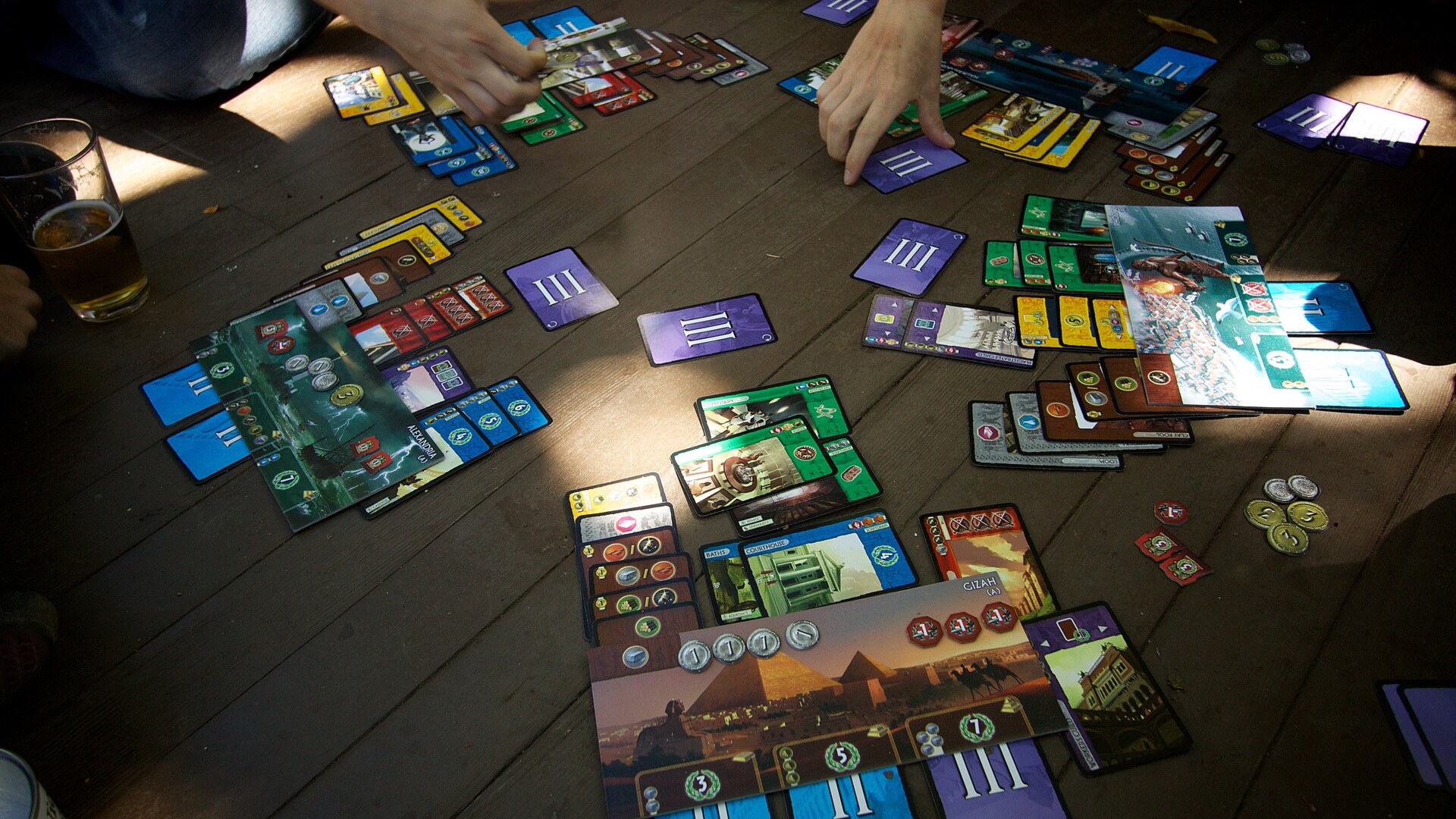
13. 7 Wonders 
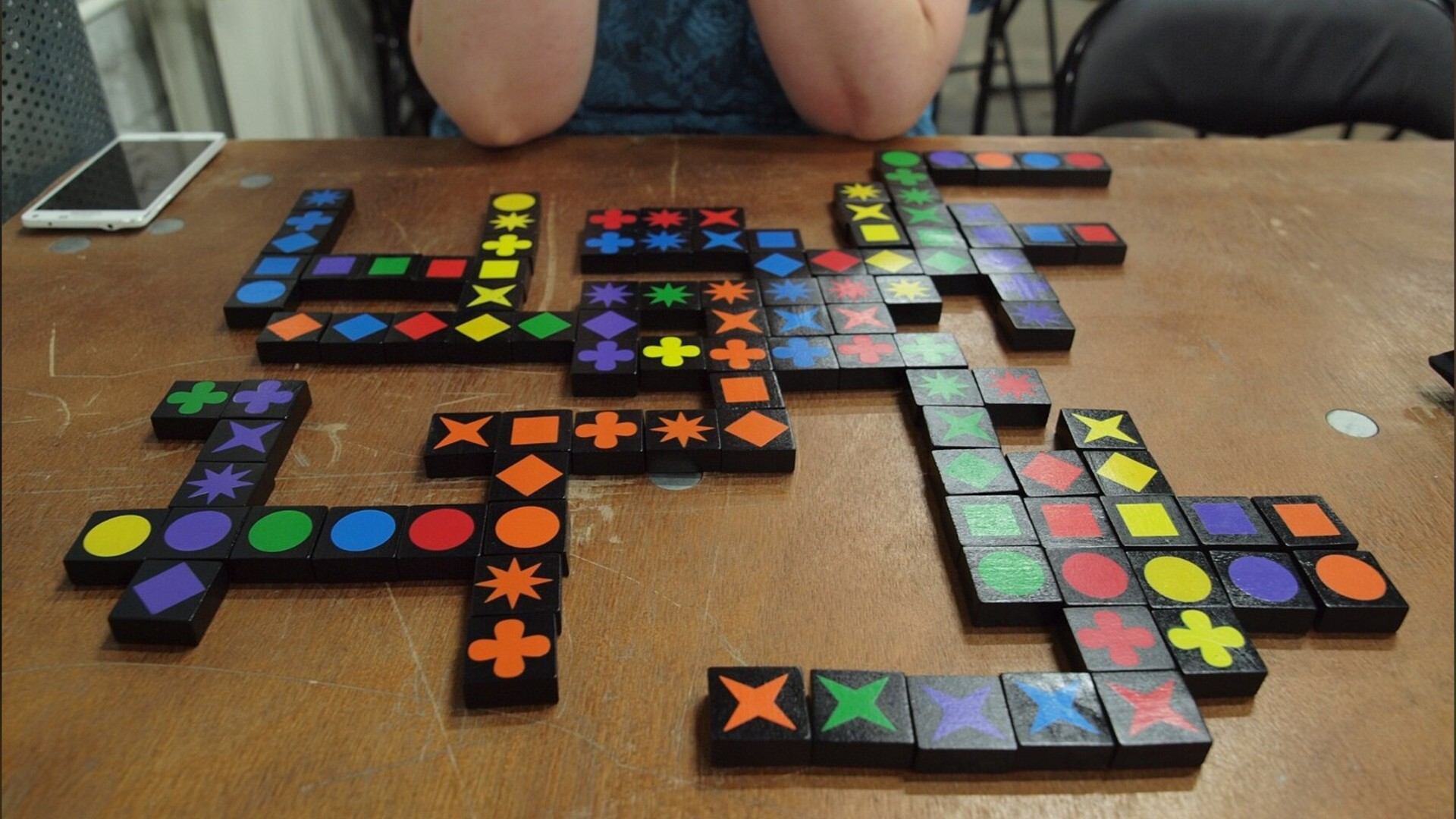
12. Qwirkle 
11. Pandemic 
10. Colt Express - AdvertisementSwipe or tap ▶ to continue countdown

9. Camel Up 
8. Patchwork 
7. Codenames 
6. Hanabi - AdvertisementSwipe or tap ▶ to continue countdown

5. Carcassonne 
4. Wingspan 
3. Azul 
2. Catan - AdvertisementSwipe or tap ▶ to continue countdown

1. Ticket To Ride - Advertisement🔥 UP NEXT IN THIS SERIES◫ 21 Slides

20 Celebs Widely Noted for Staying Humble Toward Their Fans
Immense fame often creates barriers between stars and the public, but several beloved performers are celebrated for treating supporters with warmth. Drawing on public reporting from People, Variety, and BBC News, this gallery spotlights twenty celebrities praised for staying down to earth with their fans.
Gathering around the table for family game night brings everyone together, but moving past classic roll-and-move titles opens up fresh tactical teamwork and friendly competition. These top modern tabletop favorites balance clear rules with engaging replayability. Based on BoardGameGeek data and Wirecutter tests.
Swipe or tap ▶ to begin the countdown
©Wikimedia / Billie Grace Ward from New York, USA
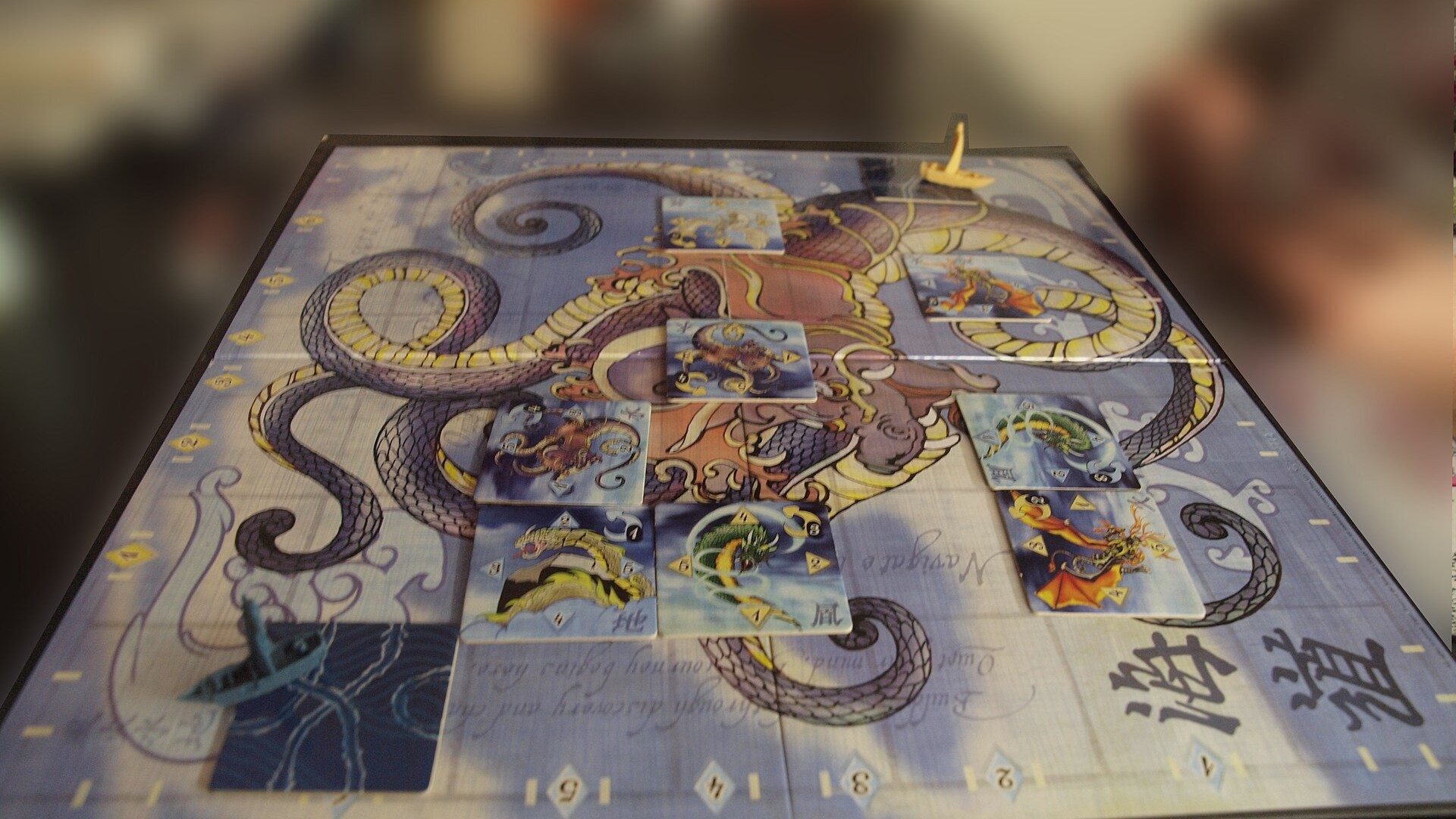
20. Tsuro
Designed by Tom McMurchie and published by Calliope Games in 2004, Tsuro delivers an elegant path-building challenge for up to eight players. Competitors place carved path tiles to steer their stones across the board, navigating converging routes to avoid being led off the edge.
©Wikimedia / JIP
19. Love Letter
Created by Seiji Kanai in 2012, Love Letter packs immense social deduction into a tiny deck of cards. Players hold just one card and draw a second on their turn, using courtiers like the Guard, Priest, or Baron to knock rivals out and deliver a secret missive to the Princess.
©Wikimedia / Urci dream
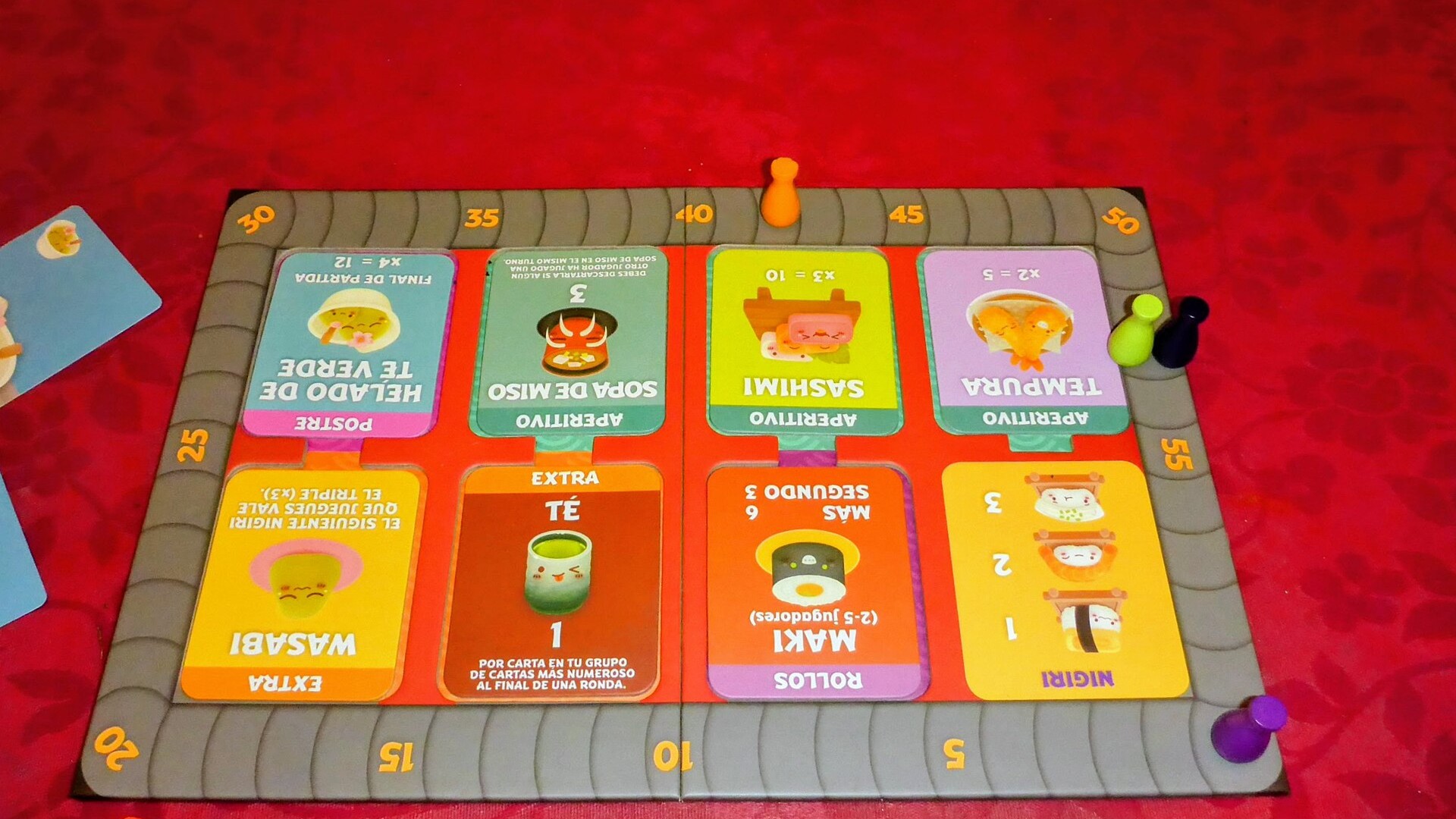
18. Sushi Go!
Phil Walker-Harding card-drafting game launched in 2013, simulating a busy conveyor-belt sushi restaurant. Players pick one card from their hand and pass the rest, scoring points by collecting sets of sashimi, tempura, and wasabi-dipped nigiri across three brisk rounds.
©Wikimedia / El Pantera
Advertisement
Swipe or tap ▶ to resume the countdown.
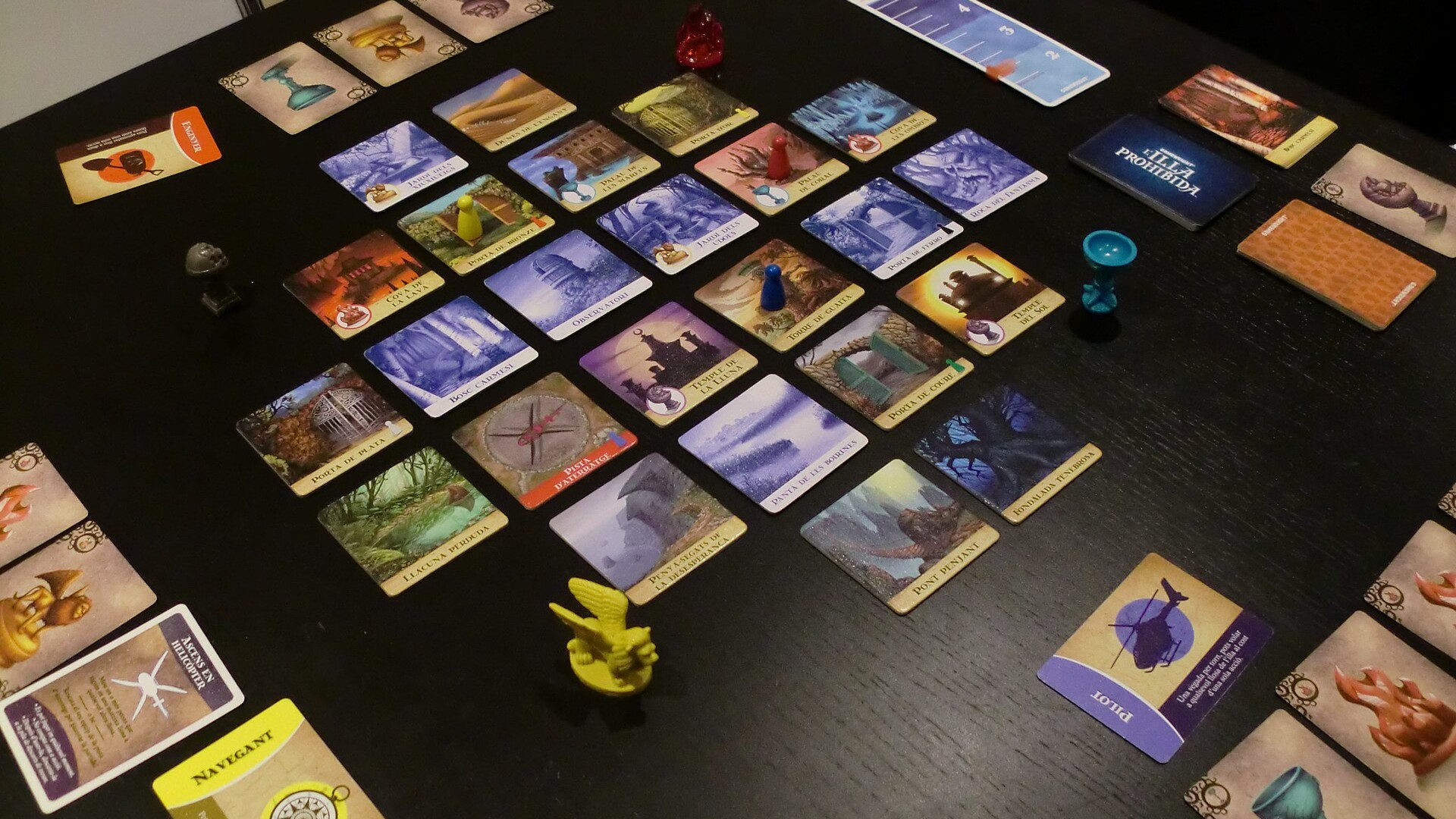
17. Forbidden Island
Designed by Matt Leacock and published by Gamewright in 2010, this cooperative survival game challenges families to work as a team. Players use unique specialist abilities to shore up flooding tiles, capture four sacred treasures, and escape via helicopter before the island sinks.
©Wikimedia / Ferinancat
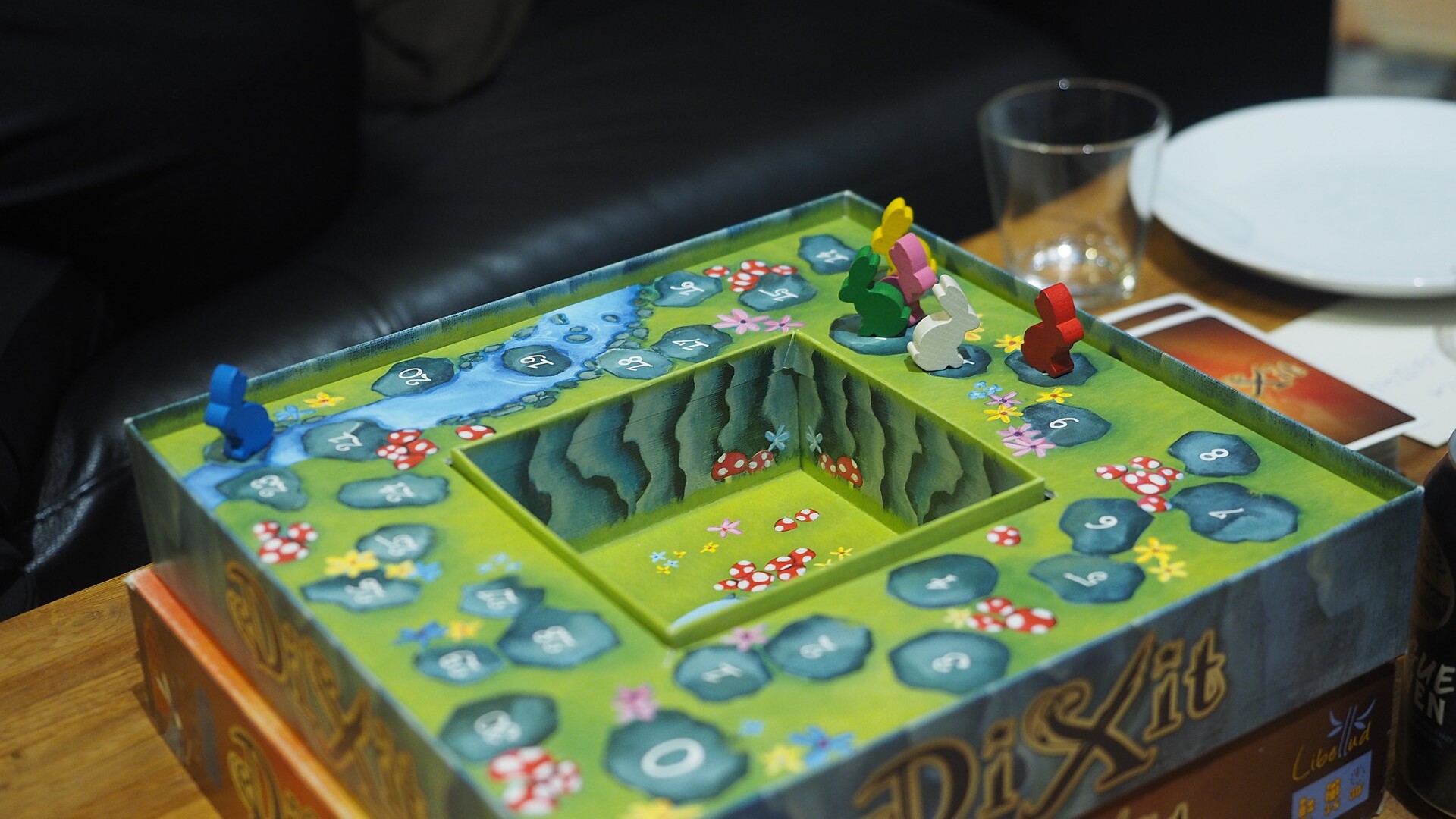
16. Dixit
Winner of the prestigious 2010 Spiel des Jahres award, Jean-Louis Roubira Dixit relies on poetic intuition rather than trivia or math. The active storyteller gives a cryptic clue for their dreamlike illustrated card, aiming for some but not all opponents to identify the correct art.
©Wikimedia / JIP
15. Kingdomino
Bruno Cathala 2016 design won the 2017 Spiel des Jahres by reinventing traditional dominoes. Players draft terrain tiles containing wheat fields, forests, and lakes, matching like biomes to expand their five-by-five grid. Crown symbols multiply territory values to determine the winner.
©Wikimedia / El Pantera
14. Splendor
Published by Space Cowboys in 2014 and designed by Marc Andre, Splendor tasks players with building an efficient gem-trading engine. Tactile poker-style chips represent raw gemstones used to acquire development cards, which grant permanent discounts and victory points.
©Openverse / CarbonNYC [in SF!]
Advertisement
Swipe or tap ▶ to resume the countdown.
13. 7 Wonders
Antoine Bauza 2010 design won the Kennerspiel des Jahres for its clever simultaneous card-drafting mechanism, eliminating player downtime. Across three distinct historical ages, up to seven players construct architectural marvels, build military might, and develop commercial routes.
©Wikimedia / Marcin Wichary
12. Qwirkle
Susan McKinley Ross designed Qwirkle for MindWare in 2006, earning the 2011 Spiel des Jahres for its elegant blend of Dominoes and Scrabble. Players score points by placing solid wooden tiles that share either the same color or shape, earning bonus points for completing a six-tile line.
©Wikimedia / JIP
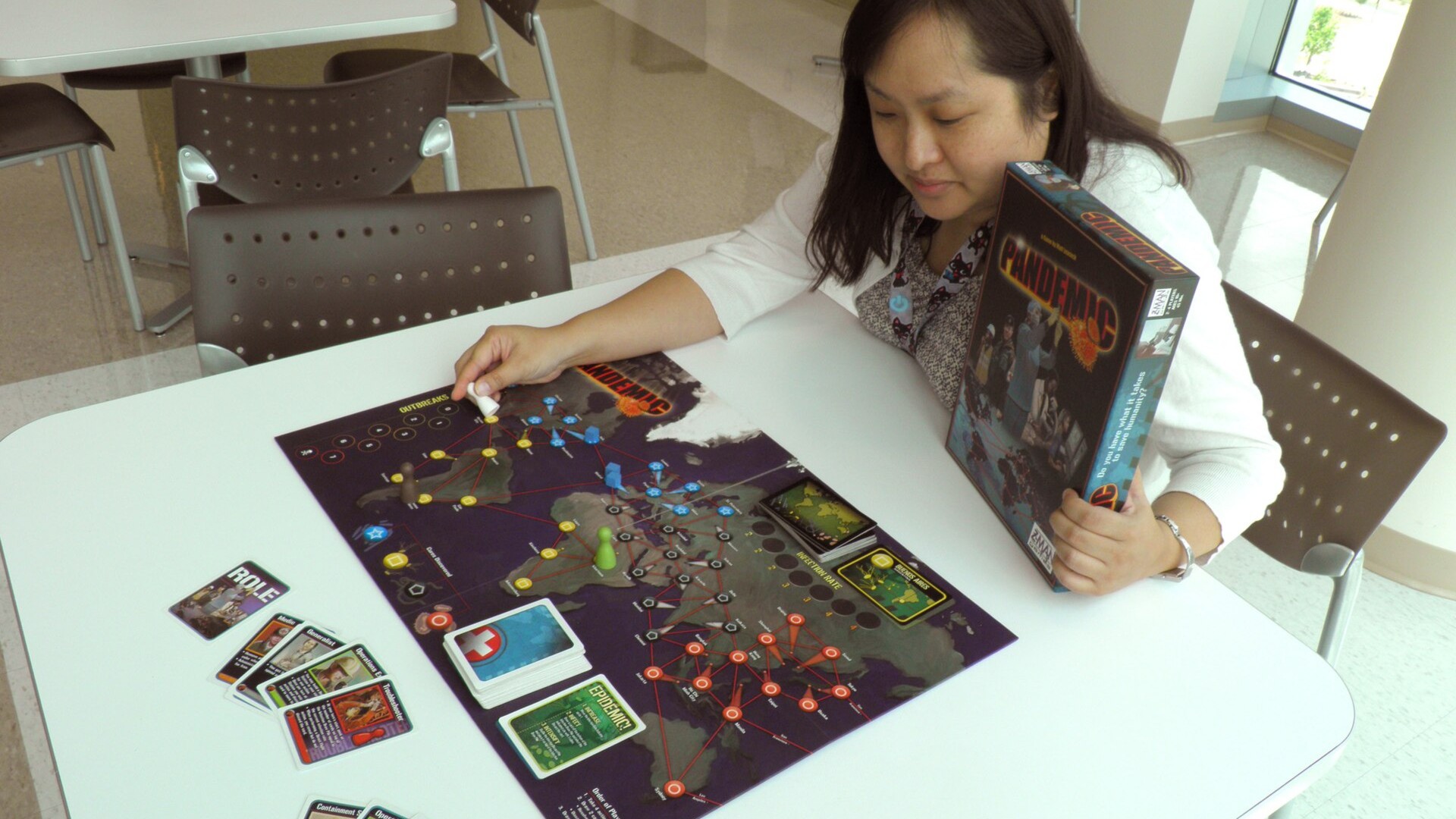
11. Pandemic
Released in 2008 by Z-Man Games and designed by Matt Leacock, Pandemic established modern cooperative gaming. Players step into distinct roles such as the Medic, Scientist, or Dispatcher, coordinating globe-trotting flights and resource trading to discover four disease cures.
©Wikimedia / Unknown author Unknown author
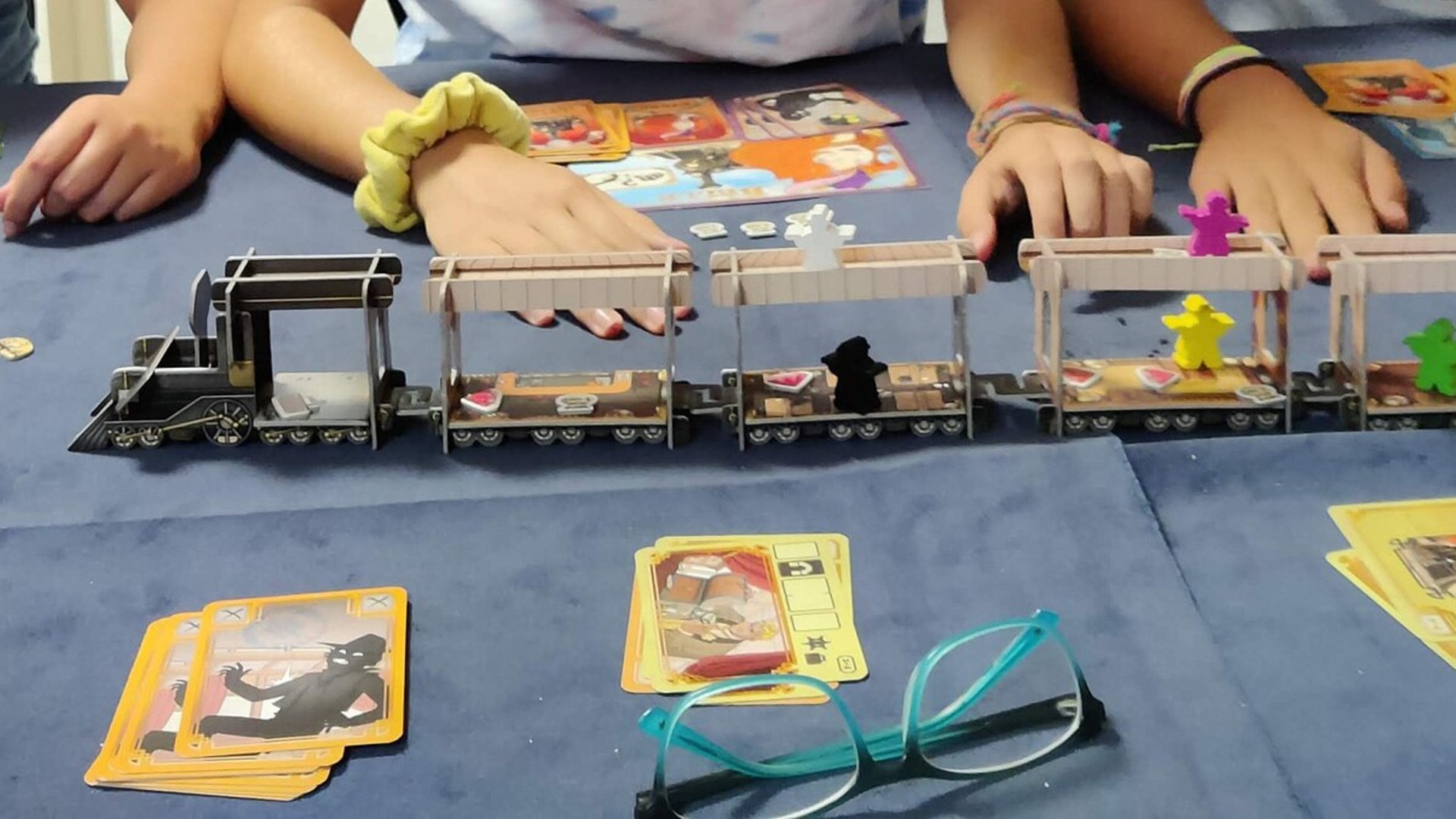
10. Colt Express
Christophe Raimbault 2014 creation won the 2015 Spiel des Jahres by turning a three-dimensional train model into a rowdy western shootout. Players pre-program action cards to move between train cars, punch rivals, grab loot bags, and dodge the patrolling Marshal on the roof.
©Wikimedia / El Pantera
Advertisement
Swipe or tap ▶ to resume the countdown.
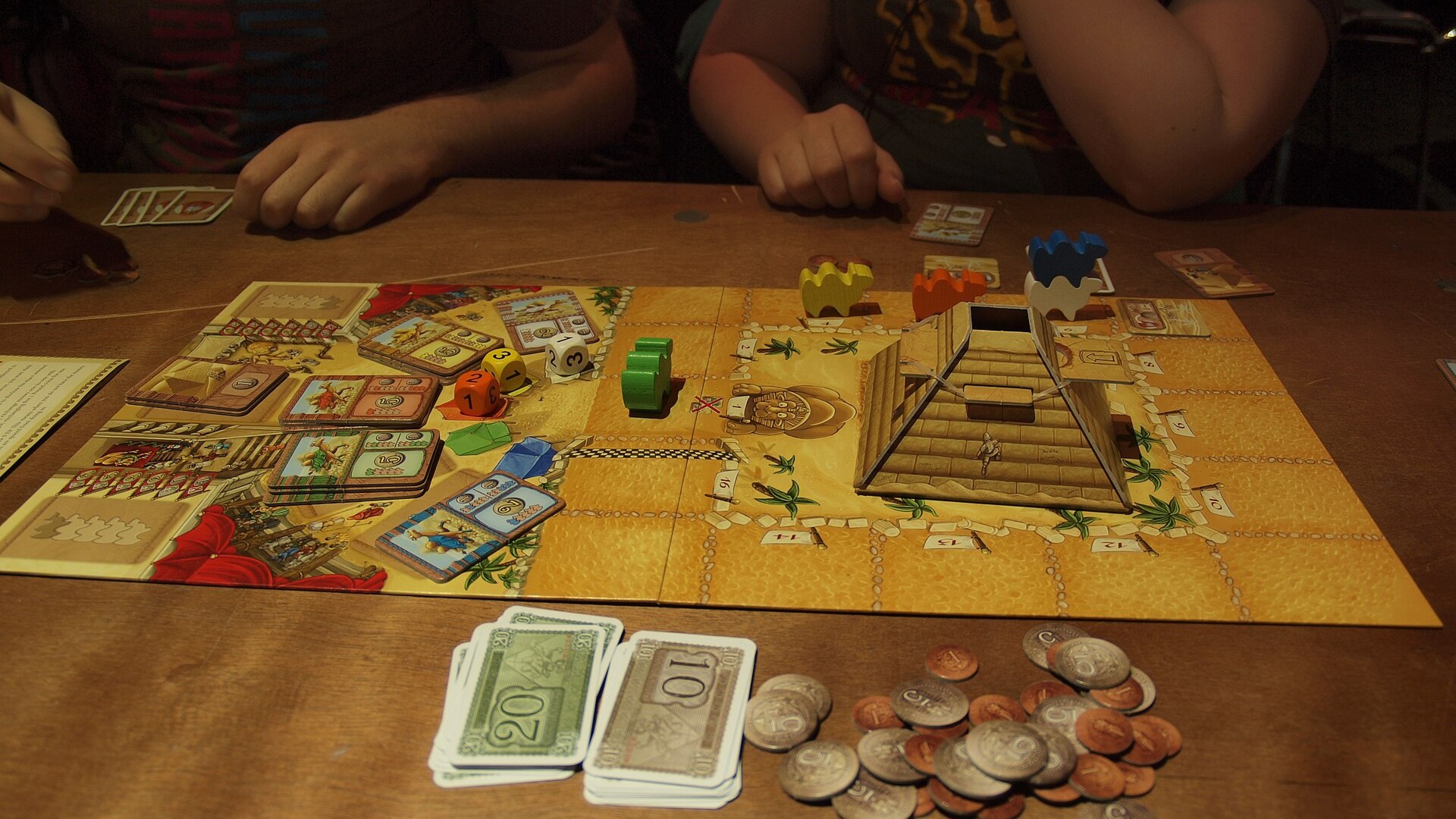
9. Camel Up
Steffen Bogen camel-racing comedy claimed the 2014 Spiel des Jahres. Players act as wealthy spectators betting on an unpredictable race around a desert pyramid, where wooden camels stack on top of one another and hitchhike rides forward whenever dice tumble from the shaker.
©Wikimedia / Camel Up
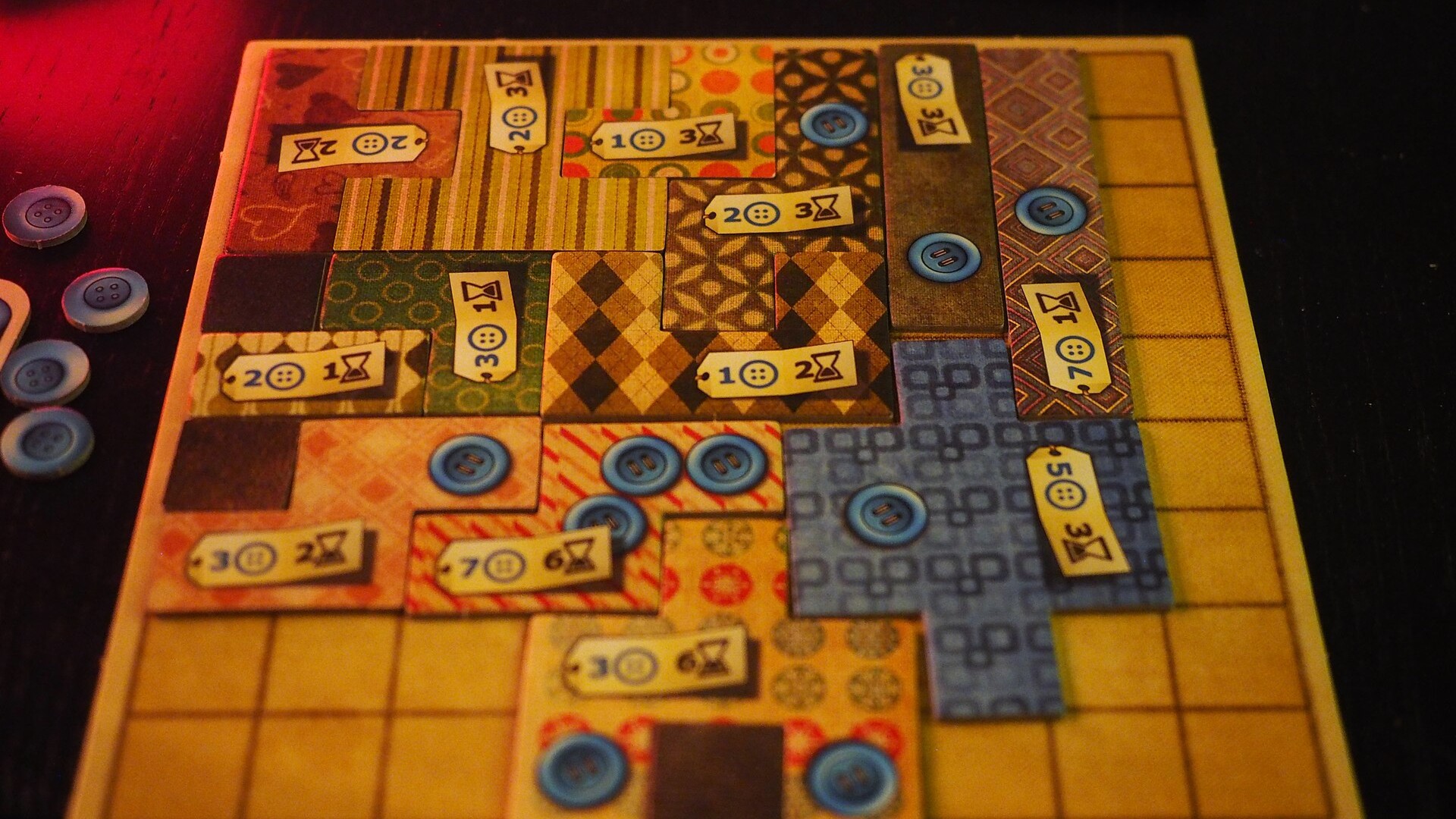
8. Patchwork
Designed by Uwe Rosenberg in 2014, Patchwork offers an accessible yet deep spatial puzzle for two players. Competitors spend buttons and time to draft polyomino patches, filling their individual quilt boards while balancing piece costs with income generation over an shared track.
©Wikimedia / JIP
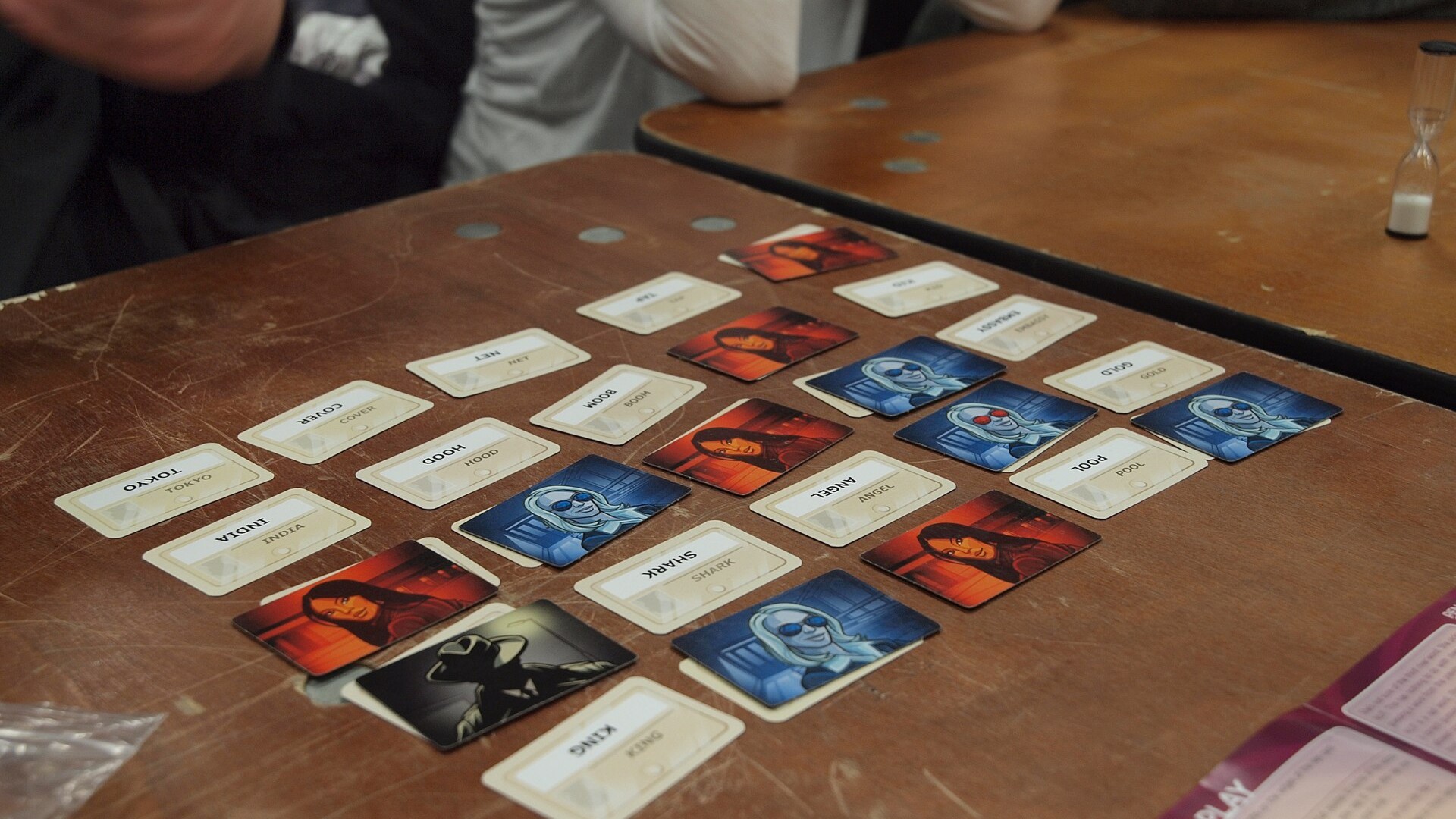
7. Codenames
Vlaada Chvatil party phenomenon won the 2016 Spiel des Jahres and has sold millions worldwide. Two rival spymasters give single-word clues paired with a number, directing their teammates to locate secret agents among a 25-card word grid while avoiding the instant-loss assassin.
©Wikimedia / JIP
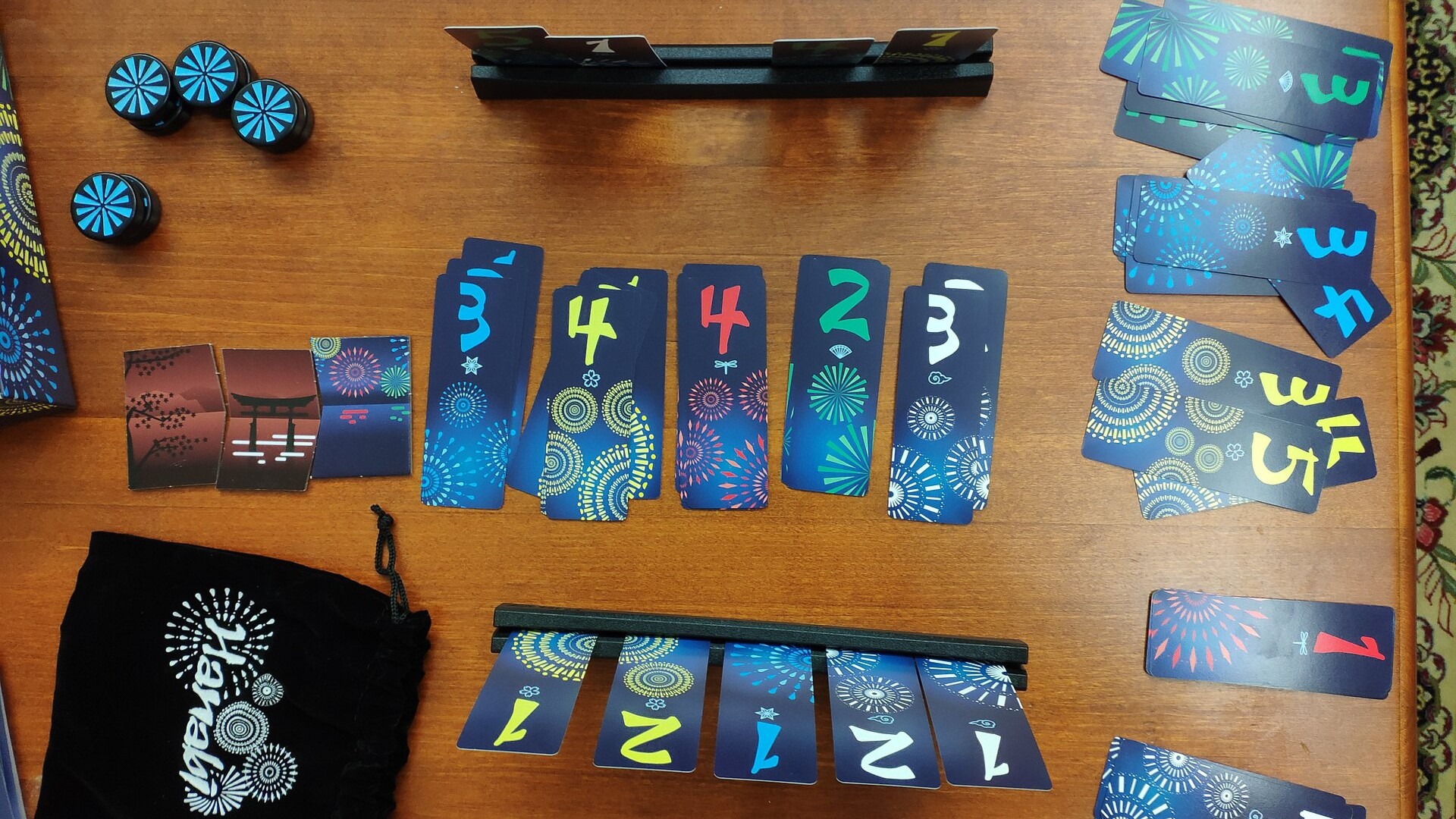
6. Hanabi
Antoine Bauza 2010 cooperative masterpiece won the 2013 Spiel des Jahres. Players hold their cards facing outward, seeing everyone hands except their own. Teammates spend limited clue tokens to share crucial colors and numbers, deducing when to play cards in ascending order.
©Wikimedia / Mannivu
Advertisement
Swipe or tap ▶ to resume the countdown.
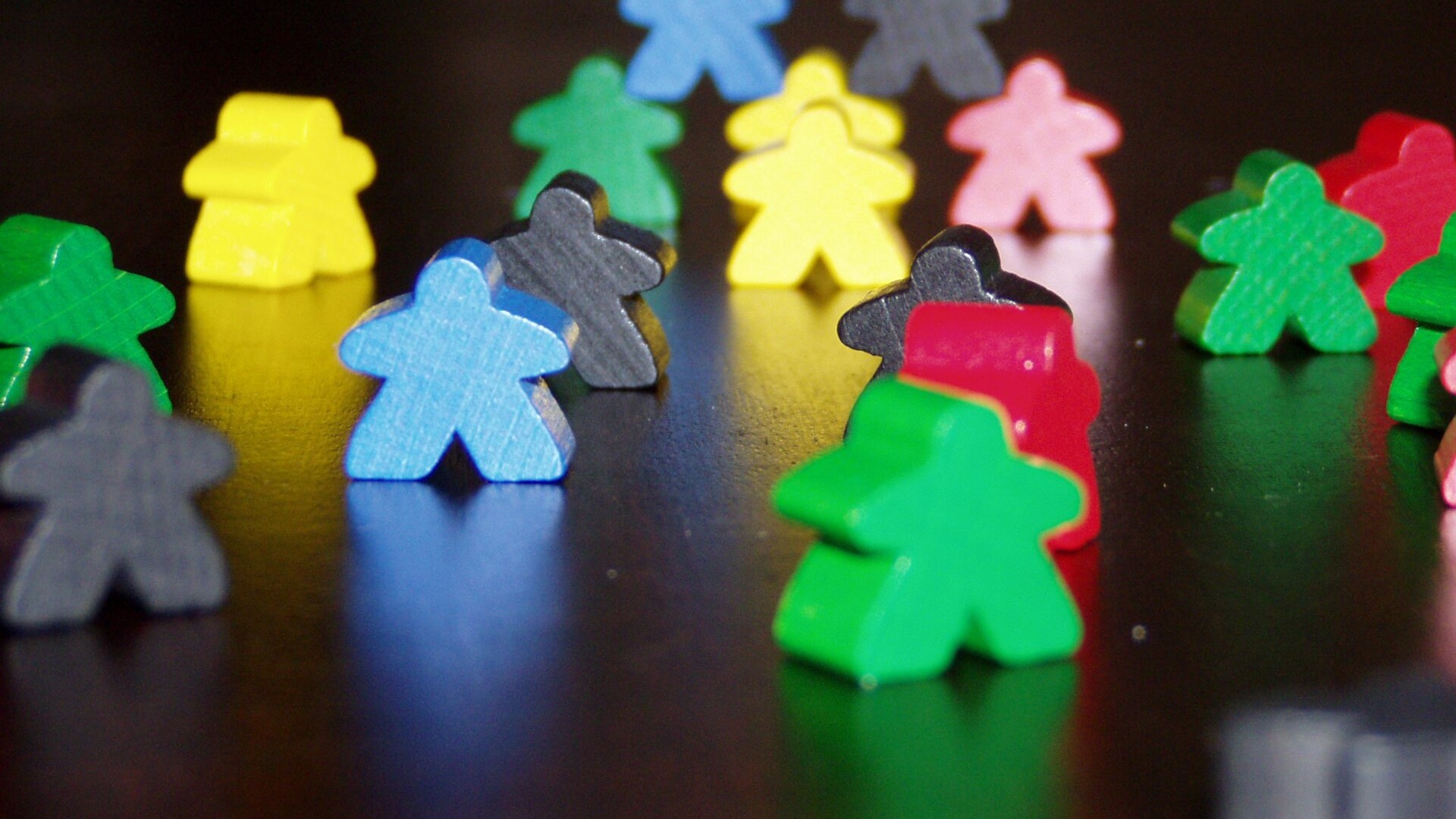
5. Carcassonne
Designed by Klaus-Jurgen Wrede and awarded the 2001 Spiel des Jahres, Carcassonne introduced the iconic meeple to tabletop culture. Players draw and lay tiles depicting medieval roads, cities, monasteries, and farms, claiming completed features to accumulate victory points.
©Wikimedia / Júlio Reis ( User:Tintazul )
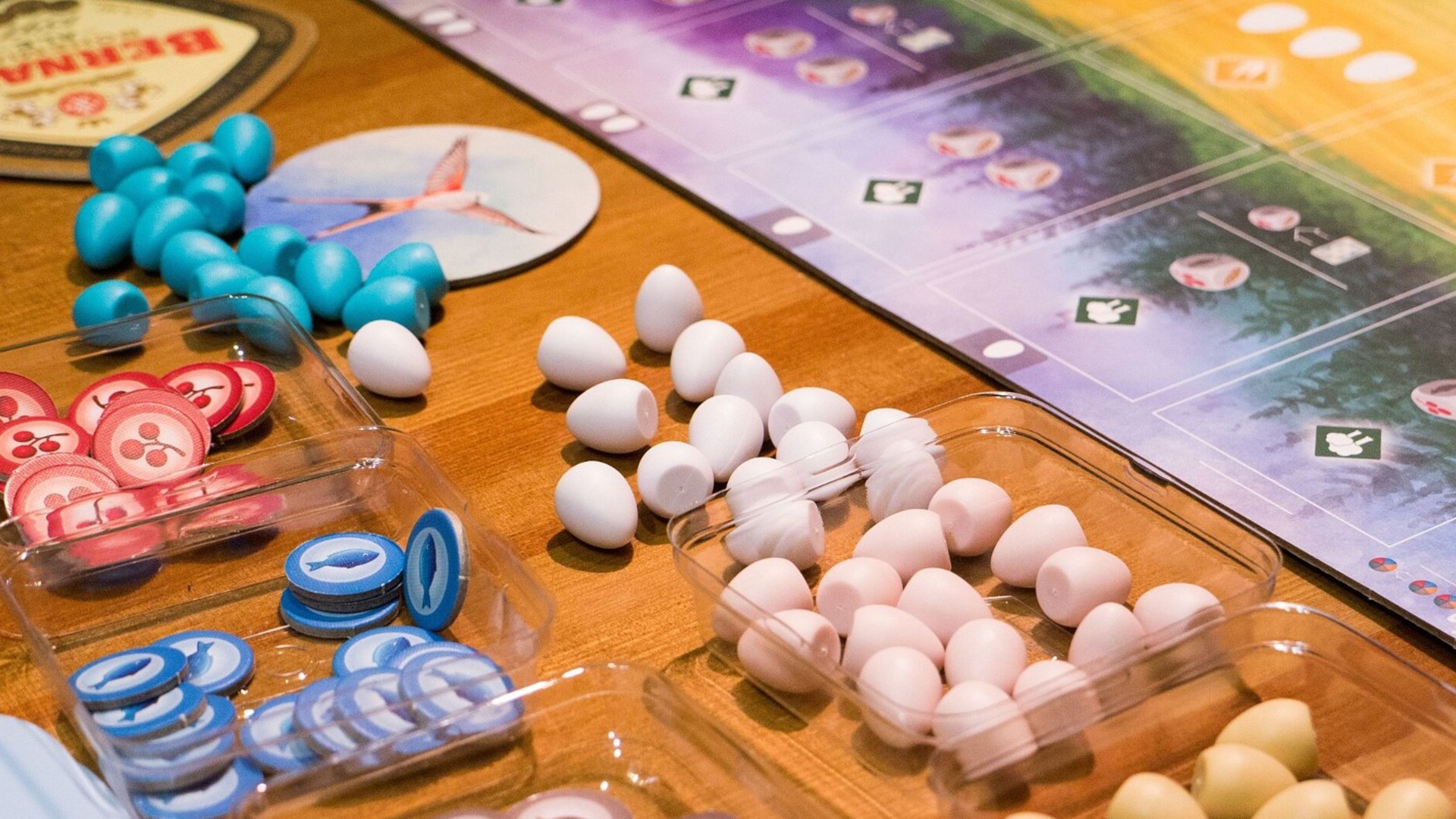
4. Wingspan
Elizabeth Hargrave 2019 engine-building game won the Kennerspiel des Jahres and sold over two million copies globally. Players draw food tokens, lay miniature pastel eggs, and introduce unique feathered species across forest, wetland, and grassland habitats on personal player mats.
©Wikimedia / Pongrácz Zsolt
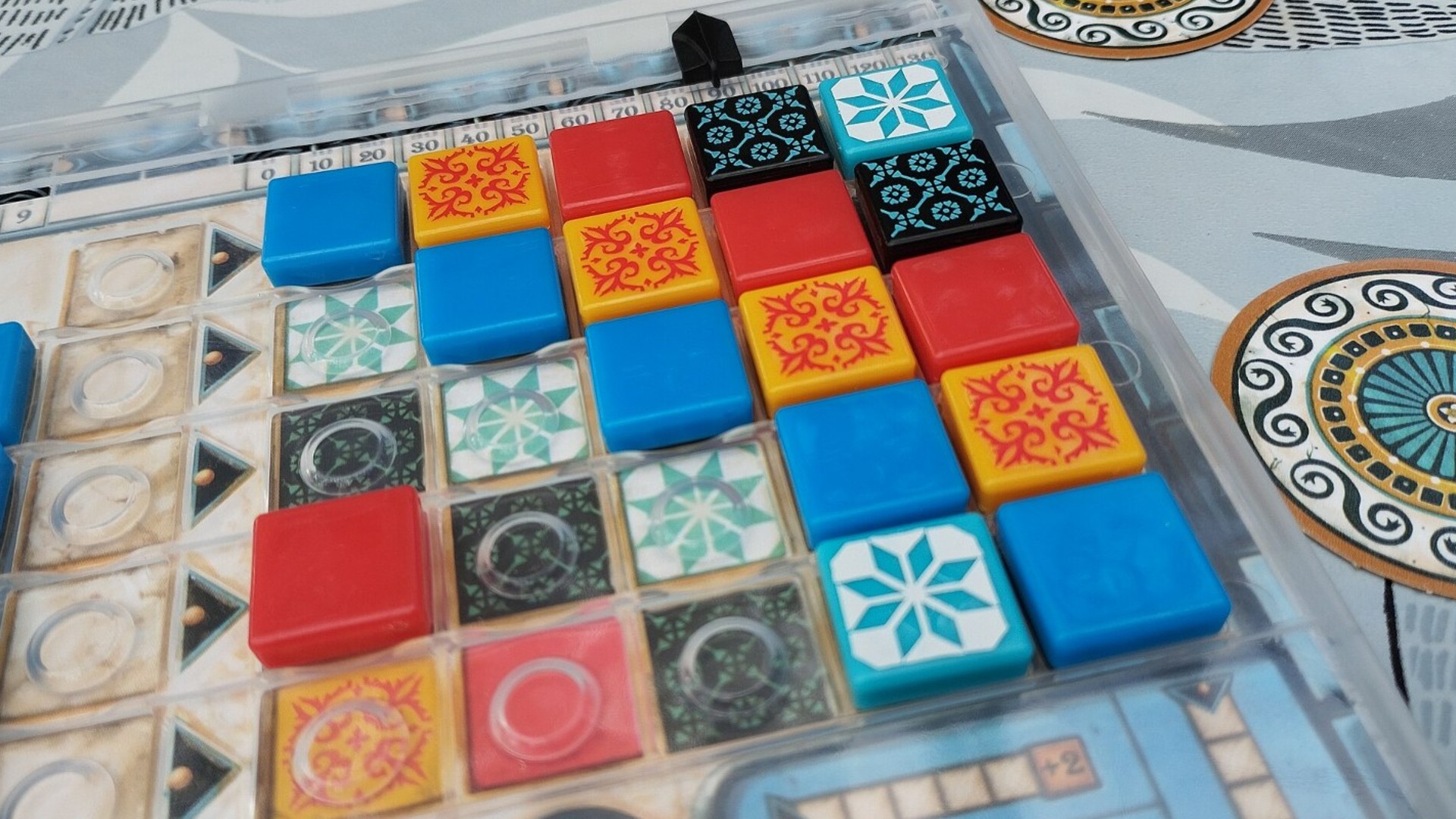
3. Azul
Michael Kiesling 2017 abstract strategy title won the 2018 Spiel des Jahres for its tactile ceramic tiles and clever scoring mechanics. Players draft patterned tiles from factory displays to embellish the Royal Palace of Evora, penalizing rivals who leave unusable leftover pieces.
©Wikimedia / Gepsimos
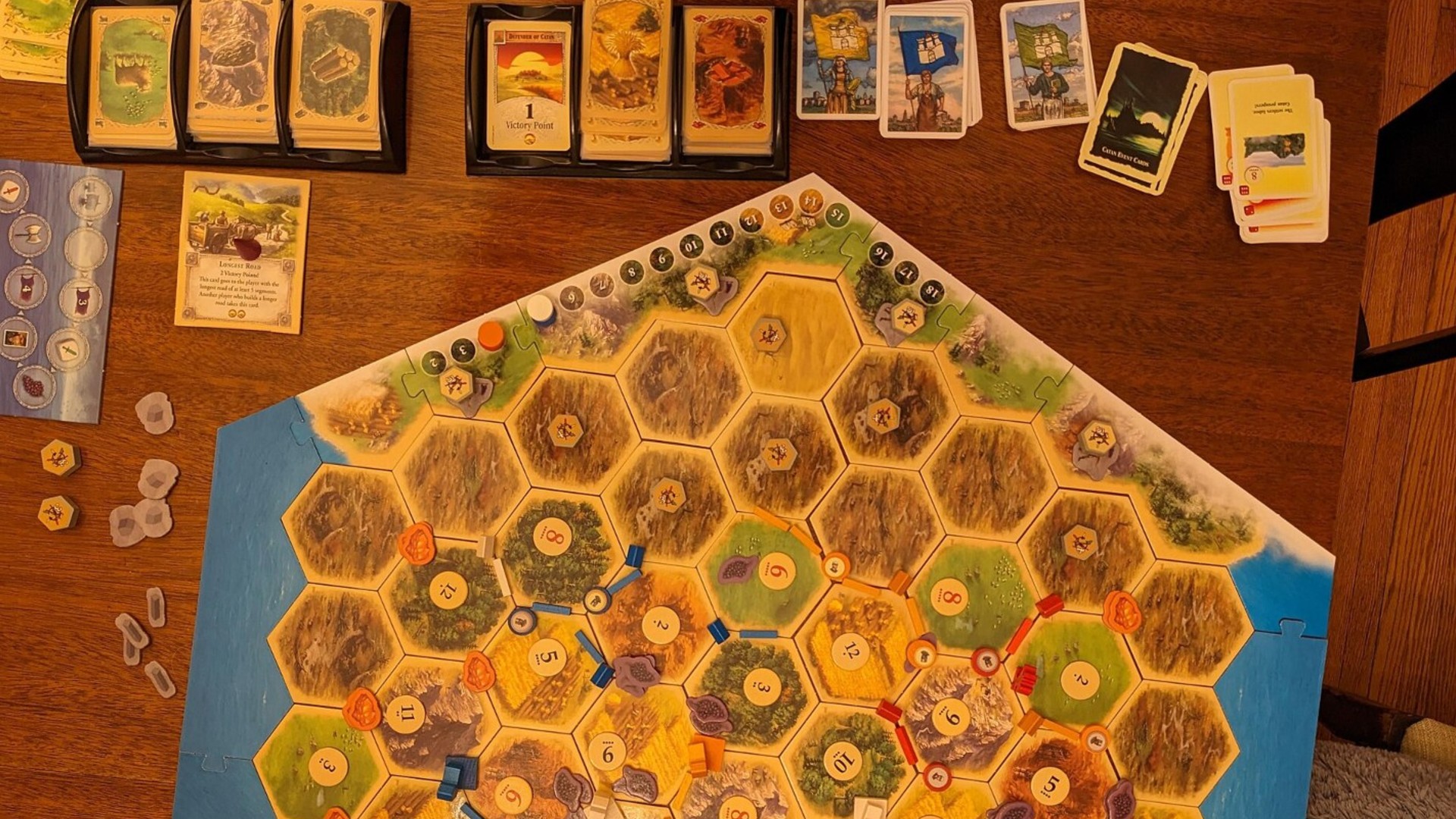
2. Catan
Created by Klaus Teuber in 1995, Catan ignited the modern board game renaissance with more than 40 million copies sold in 40 languages. Players barter timber, brick, wool, grain, and ore to construct roads and cities, balancing friendly trade with aggressive robber placement.
©Wikimedia / WalkingRadiance
Advertisement
Swipe or tap ▶ to resume the countdown.
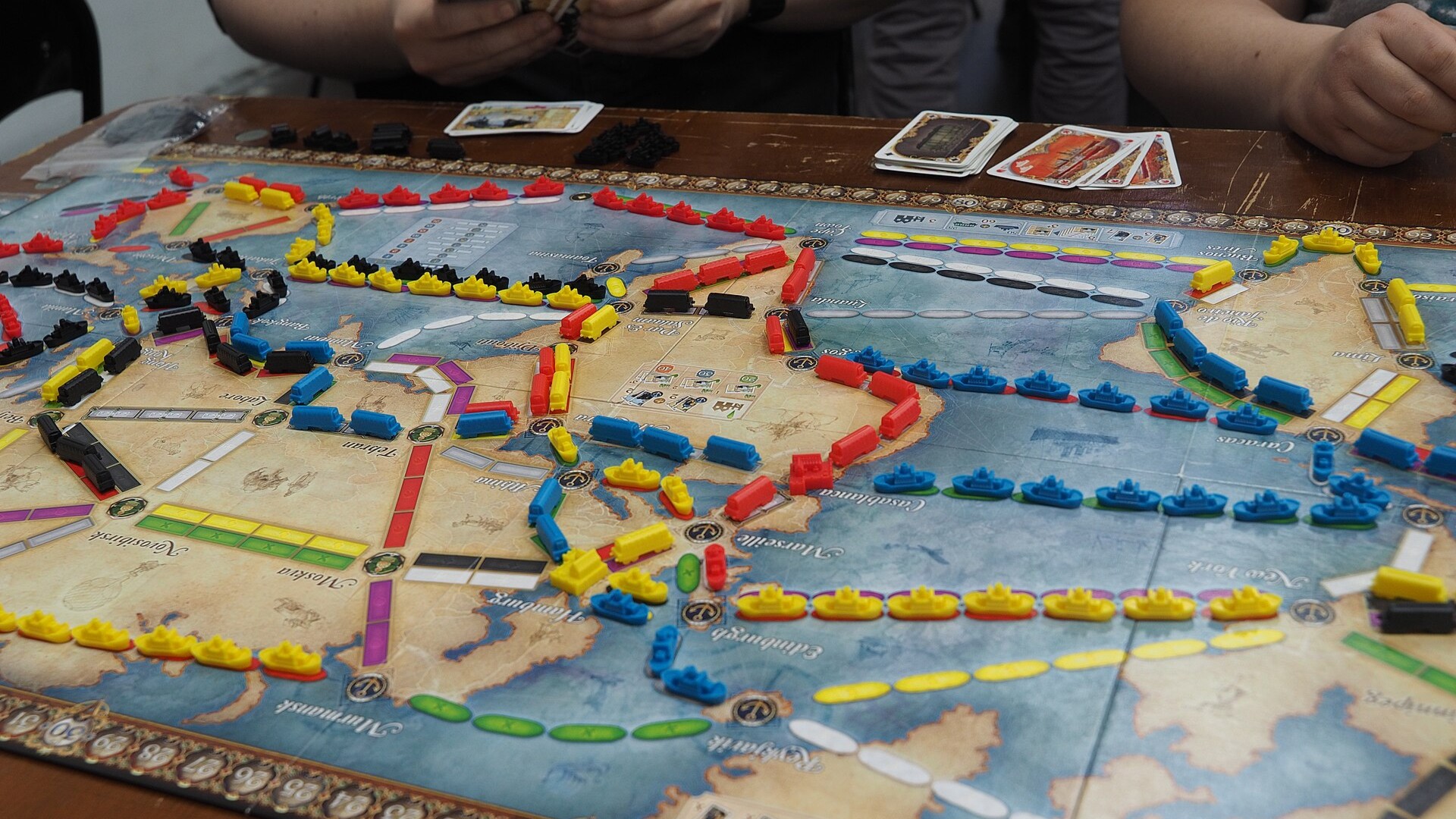
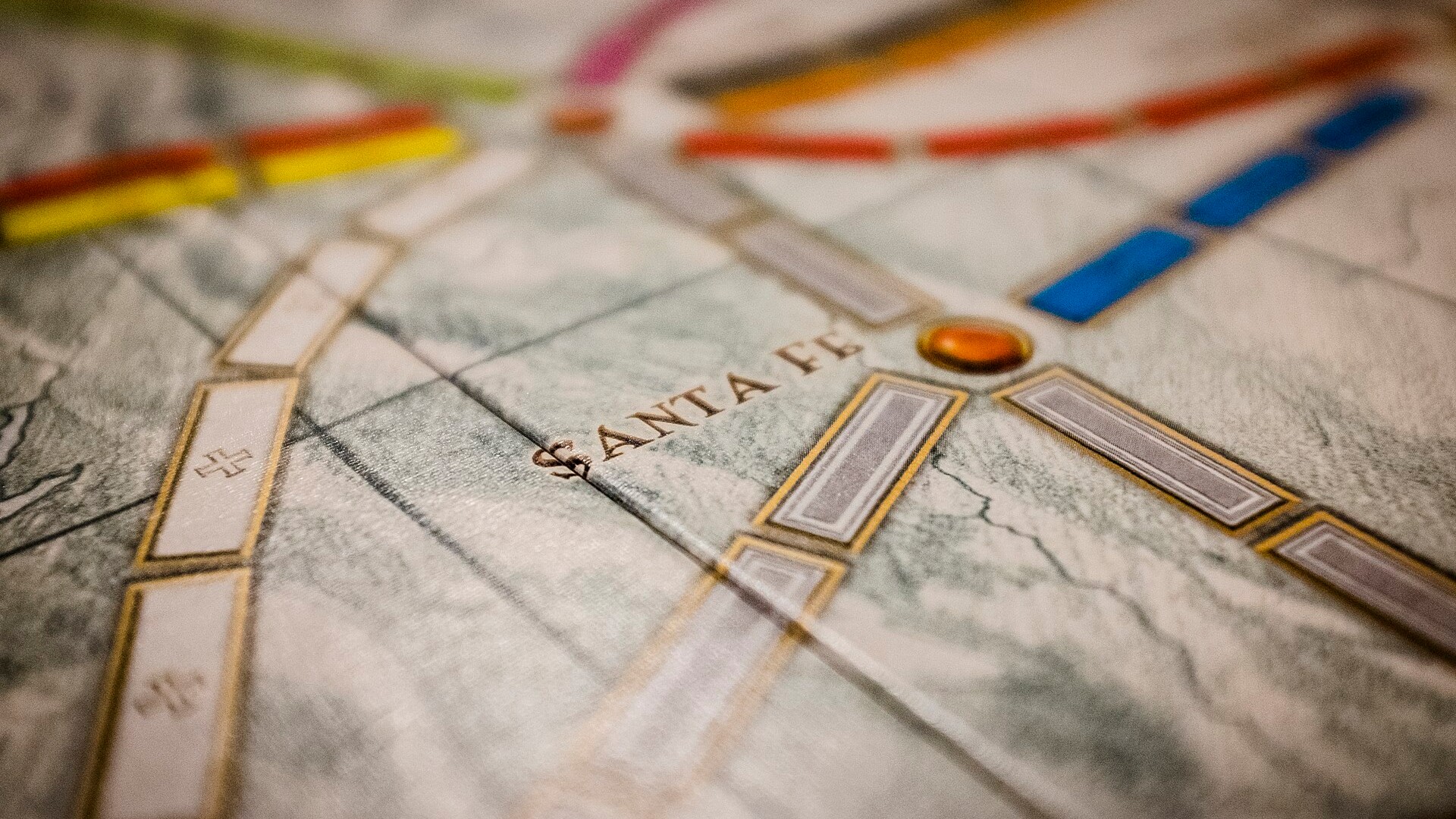
1. Ticket To Ride
Alan R. Moon 2004 masterpiece won the Spiel des Jahres and stands as the ultimate family gateway game, surpassing 15 million units sold. Players collect colored train car cards to claim railway routes across the map, racing to fulfill secret destination tickets without being blocked.

©Wikimedia / JIP
Advertisement
You've reached the end of the story. Thanks for reading!

20 Celebs Widely Noted for Staying Humble Toward Their Fans
Immense fame often creates barriers between stars and the public, but several beloved performers are celebrated for treating supporters with warmth. Drawing on public reporting from People, Variety, and BBC News, this gallery spotlights twenty celebrities praised for staying down to earth with their fans.
All 20 Entries in this Story
20. Tsuro
Designed by Tom McMurchie and published by Calliope Games in 2004, Tsuro delivers an elegant path-building challenge for up to eight players. Competitors place carved path tiles to steer their stones across the board, navigating converging routes to avoid being led off the edge.

19. Love Letter
Created by Seiji Kanai in 2012, Love Letter packs immense social deduction into a tiny deck of cards. Players hold just one card and draw a second on their turn, using courtiers like the Guard, Priest, or Baron to knock rivals out and deliver a secret missive to the Princess.

18. Sushi Go!
Phil Walker-Harding card-drafting game launched in 2013, simulating a busy conveyor-belt sushi restaurant. Players pick one card from their hand and pass the rest, scoring points by collecting sets of sashimi, tempura, and wasabi-dipped nigiri across three brisk rounds.

17. Forbidden Island
Designed by Matt Leacock and published by Gamewright in 2010, this cooperative survival game challenges families to work as a team. Players use unique specialist abilities to shore up flooding tiles, capture four sacred treasures, and escape via helicopter before the island sinks.

16. Dixit
Winner of the prestigious 2010 Spiel des Jahres award, Jean-Louis Roubira Dixit relies on poetic intuition rather than trivia or math. The active storyteller gives a cryptic clue for their dreamlike illustrated card, aiming for some but not all opponents to identify the correct art.

15. Kingdomino
Bruno Cathala 2016 design won the 2017 Spiel des Jahres by reinventing traditional dominoes. Players draft terrain tiles containing wheat fields, forests, and lakes, matching like biomes to expand their five-by-five grid. Crown symbols multiply territory values to determine the winner.

14. Splendor
Published by Space Cowboys in 2014 and designed by Marc Andre, Splendor tasks players with building an efficient gem-trading engine. Tactile poker-style chips represent raw gemstones used to acquire development cards, which grant permanent discounts and victory points.

13. 7 Wonders
Antoine Bauza 2010 design won the Kennerspiel des Jahres for its clever simultaneous card-drafting mechanism, eliminating player downtime. Across three distinct historical ages, up to seven players construct architectural marvels, build military might, and develop commercial routes.

12. Qwirkle
Susan McKinley Ross designed Qwirkle for MindWare in 2006, earning the 2011 Spiel des Jahres for its elegant blend of Dominoes and Scrabble. Players score points by placing solid wooden tiles that share either the same color or shape, earning bonus points for completing a six-tile line.

11. Pandemic
Released in 2008 by Z-Man Games and designed by Matt Leacock, Pandemic established modern cooperative gaming. Players step into distinct roles such as the Medic, Scientist, or Dispatcher, coordinating globe-trotting flights and resource trading to discover four disease cures.

10. Colt Express
Christophe Raimbault 2014 creation won the 2015 Spiel des Jahres by turning a three-dimensional train model into a rowdy western shootout. Players pre-program action cards to move between train cars, punch rivals, grab loot bags, and dodge the patrolling Marshal on the roof.

9. Camel Up
Steffen Bogen camel-racing comedy claimed the 2014 Spiel des Jahres. Players act as wealthy spectators betting on an unpredictable race around a desert pyramid, where wooden camels stack on top of one another and hitchhike rides forward whenever dice tumble from the shaker.

8. Patchwork
Designed by Uwe Rosenberg in 2014, Patchwork offers an accessible yet deep spatial puzzle for two players. Competitors spend buttons and time to draft polyomino patches, filling their individual quilt boards while balancing piece costs with income generation over an shared track.

7. Codenames
Vlaada Chvatil party phenomenon won the 2016 Spiel des Jahres and has sold millions worldwide. Two rival spymasters give single-word clues paired with a number, directing their teammates to locate secret agents among a 25-card word grid while avoiding the instant-loss assassin.

6. Hanabi
Antoine Bauza 2010 cooperative masterpiece won the 2013 Spiel des Jahres. Players hold their cards facing outward, seeing everyone hands except their own. Teammates spend limited clue tokens to share crucial colors and numbers, deducing when to play cards in ascending order.

5. Carcassonne
Designed by Klaus-Jurgen Wrede and awarded the 2001 Spiel des Jahres, Carcassonne introduced the iconic meeple to tabletop culture. Players draw and lay tiles depicting medieval roads, cities, monasteries, and farms, claiming completed features to accumulate victory points.

4. Wingspan
Elizabeth Hargrave 2019 engine-building game won the Kennerspiel des Jahres and sold over two million copies globally. Players draw food tokens, lay miniature pastel eggs, and introduce unique feathered species across forest, wetland, and grassland habitats on personal player mats.

3. Azul
Michael Kiesling 2017 abstract strategy title won the 2018 Spiel des Jahres for its tactile ceramic tiles and clever scoring mechanics. Players draft patterned tiles from factory displays to embellish the Royal Palace of Evora, penalizing rivals who leave unusable leftover pieces.

2. Catan
Created by Klaus Teuber in 1995, Catan ignited the modern board game renaissance with more than 40 million copies sold in 40 languages. Players barter timber, brick, wool, grain, and ore to construct roads and cities, balancing friendly trade with aggressive robber placement.

1. Ticket To Ride
Alan R. Moon 2004 masterpiece won the Spiel des Jahres and stands as the ultimate family gateway game, surpassing 15 million units sold. Players collect colored train car cards to claim railway routes across the map, racing to fulfill secret destination tickets without being blocked.