Slideshow · Viral
20 Countries With More Than One Official Language
While most countries conduct public business in a single tongue, dozens of sovereign states legally enshrine multiple official languages in their constitutions. From bilingual democracies to nations recognizing dozens of indigenous idioms, multilingual governance bridges diverse cultures across six continents.



All 20 Entries in this Story
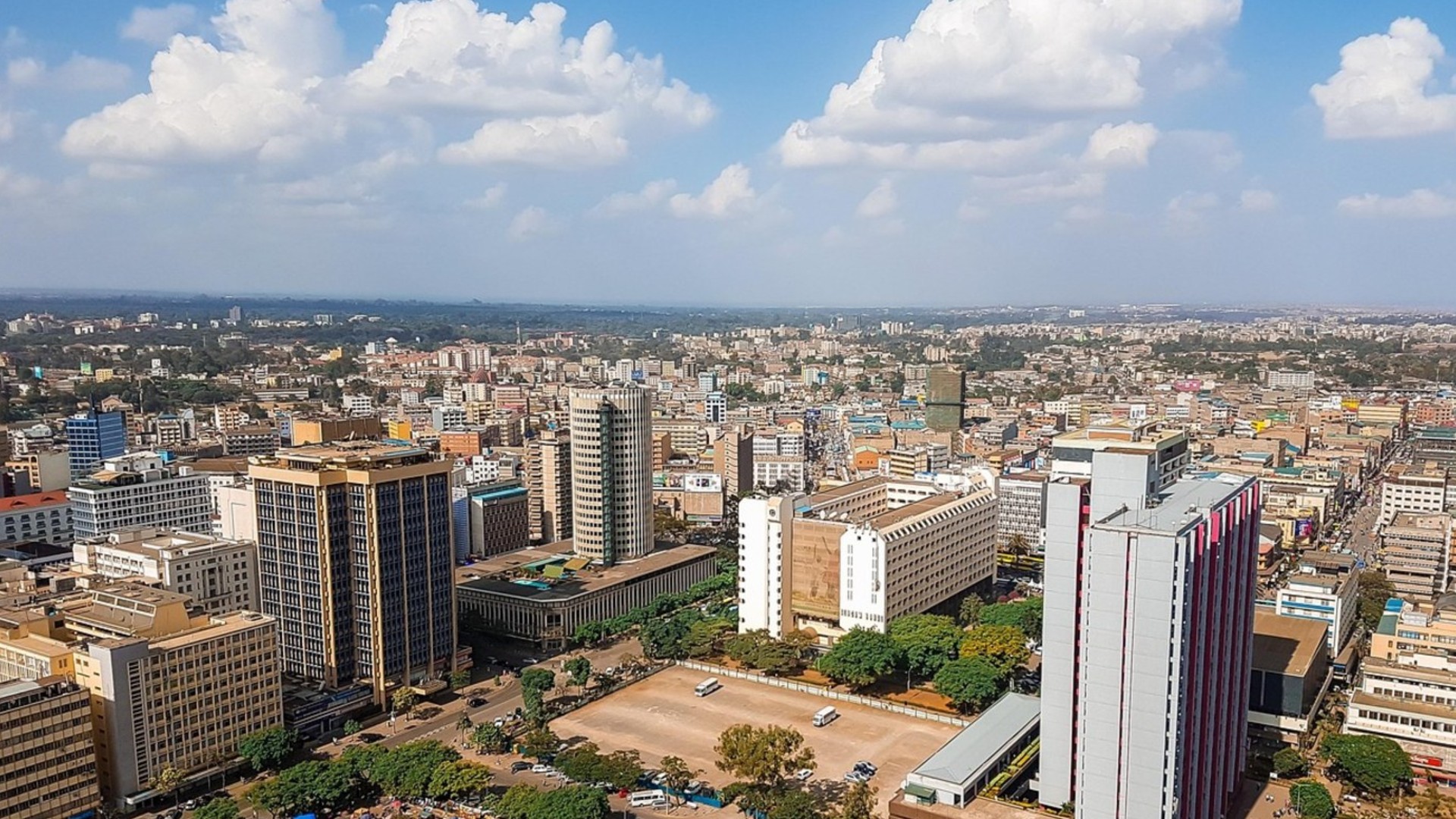
20. Kenya
Article 7 of the 2010 Constitution of Kenya designates Swahili as the national language and grants both Swahili and English official status. English serves as the primary medium of parliamentary legislation and higher education, while Swahili functions as the primary lingua franca uniting dozens of local communities.
19. Cameroon
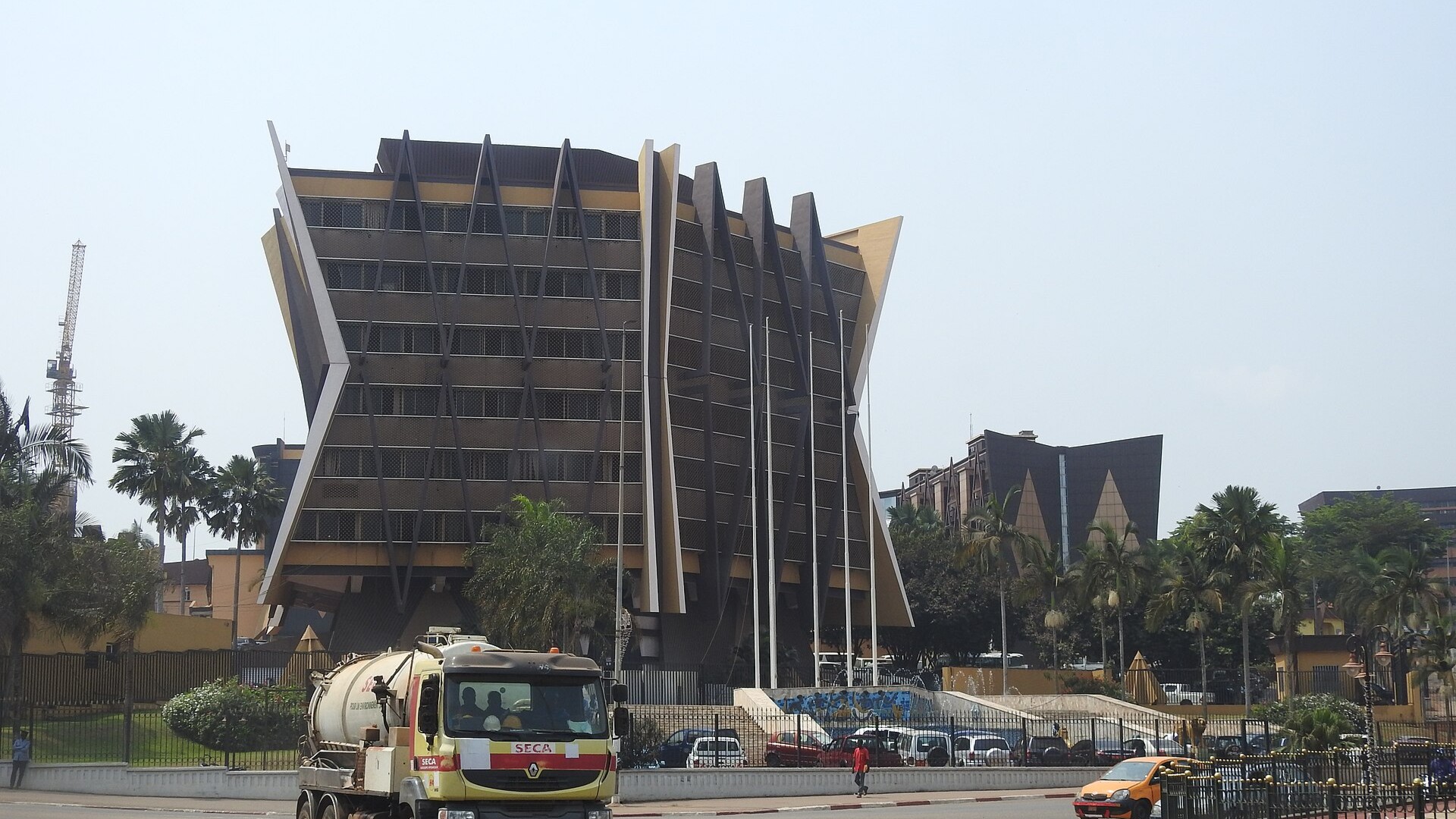
Article 1 of the Constitution of Cameroon establishes French and English as official languages with equal legal status. Originating from twentieth-century League of Nations mandates divided between France and Britain, public signage and civil administration operate across both European tongues in regional hubs.
18. Cyprus
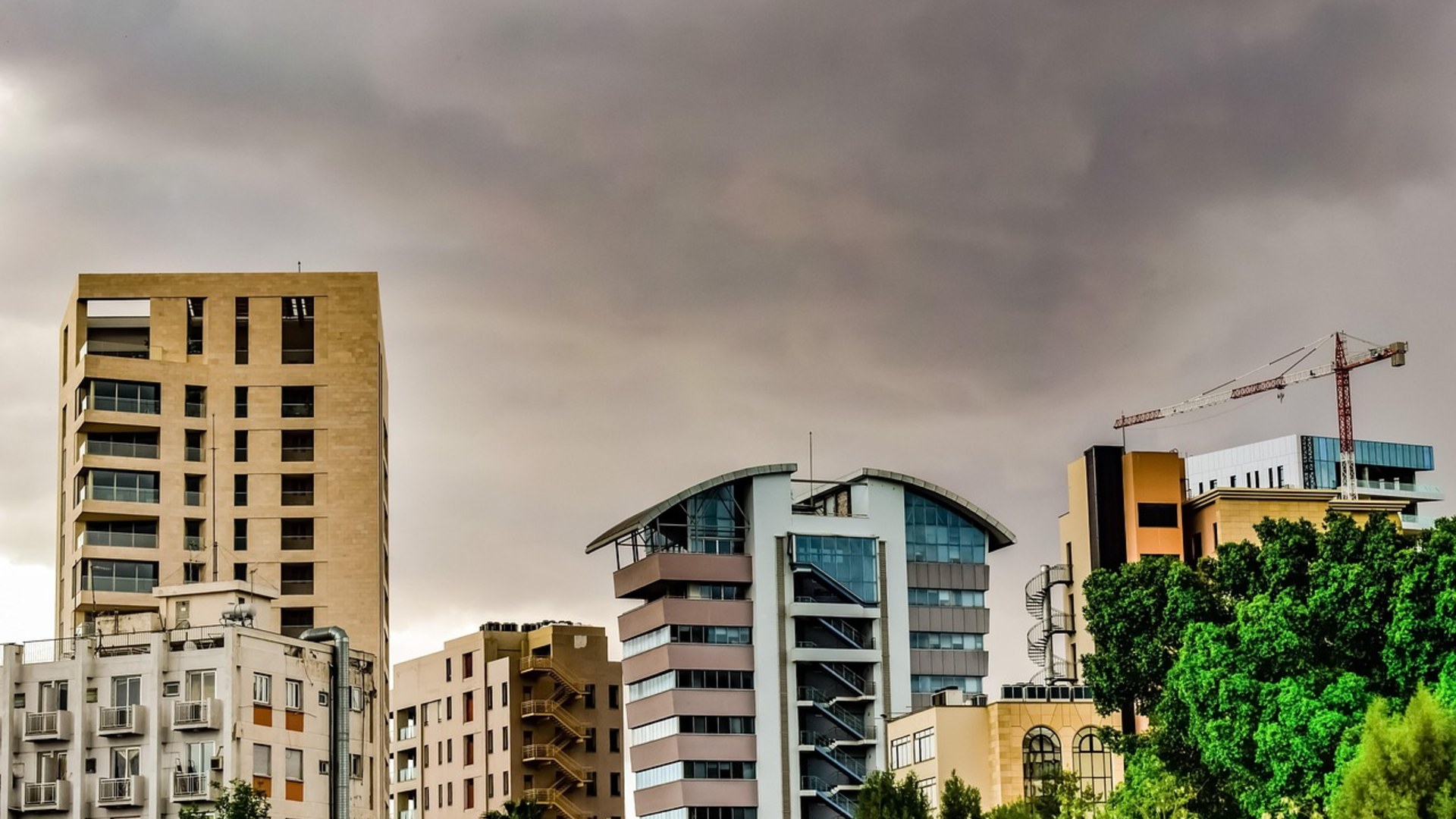
Article 3 of the 1960 Constitution of the Republic of Cyprus designates Greek and Turkish as official state languages. All legislative enactments, judicial decisions, and official administrative decrees are published in both tongues, reflecting the dual communal structure established upon national independence.
17. Malta
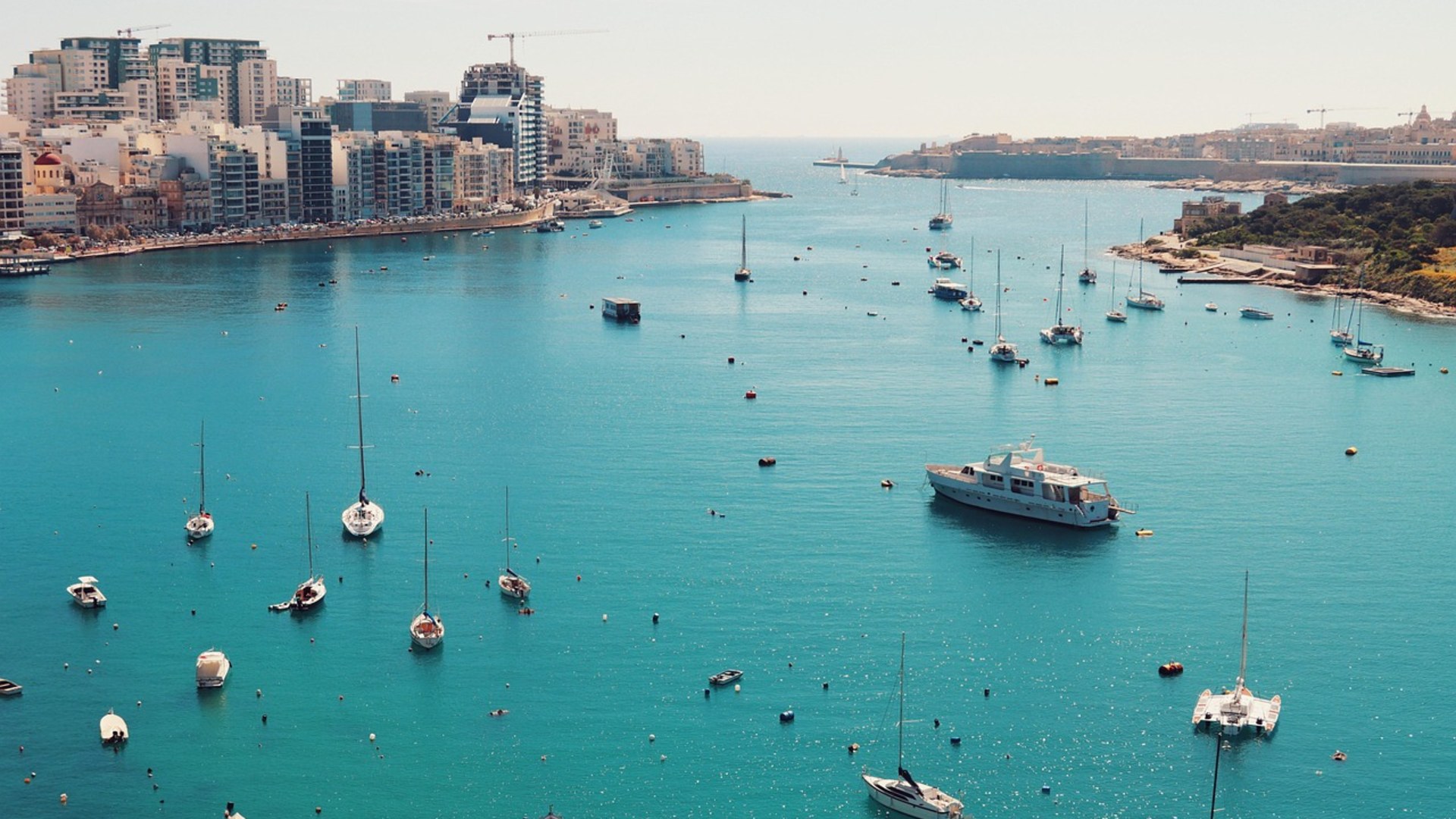
Article 5 of the Constitution of Malta specifies Maltese, a Semitic tongue written in Latin script, as the national language while establishing both Maltese and English as official administrative languages. Parliamentary debates utilize Maltese, whereas legal codes and tertiary classrooms feature both languages.
16. Ireland
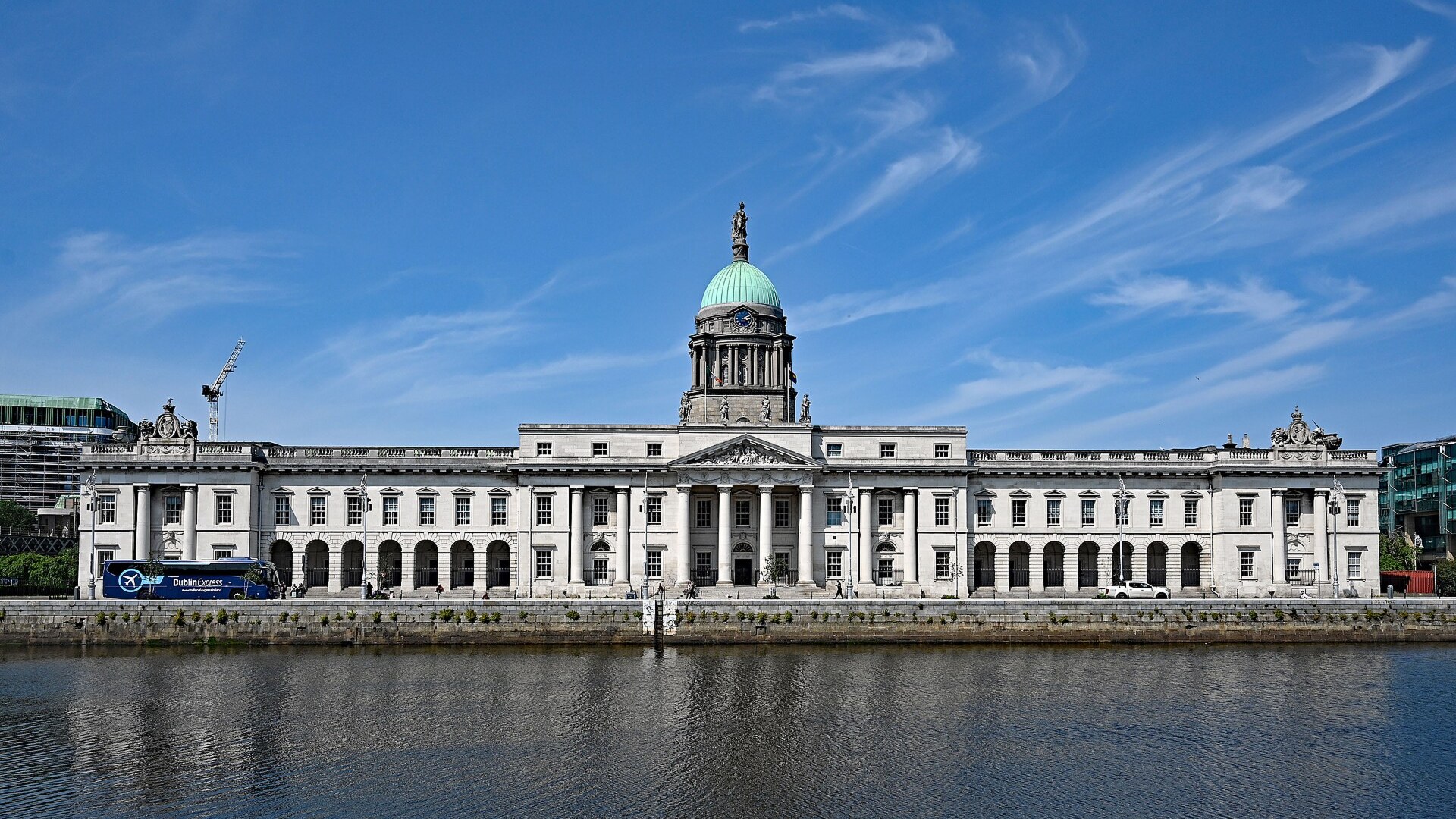
Article 8 of the 1937 Constitution of Ireland establishes the Irish language as the national and first official language, while confirming English as a second official language. Government departments maintain bilingual services, road signs show both names, and Irish remains mandatory in primary school curricula.
15. Finland
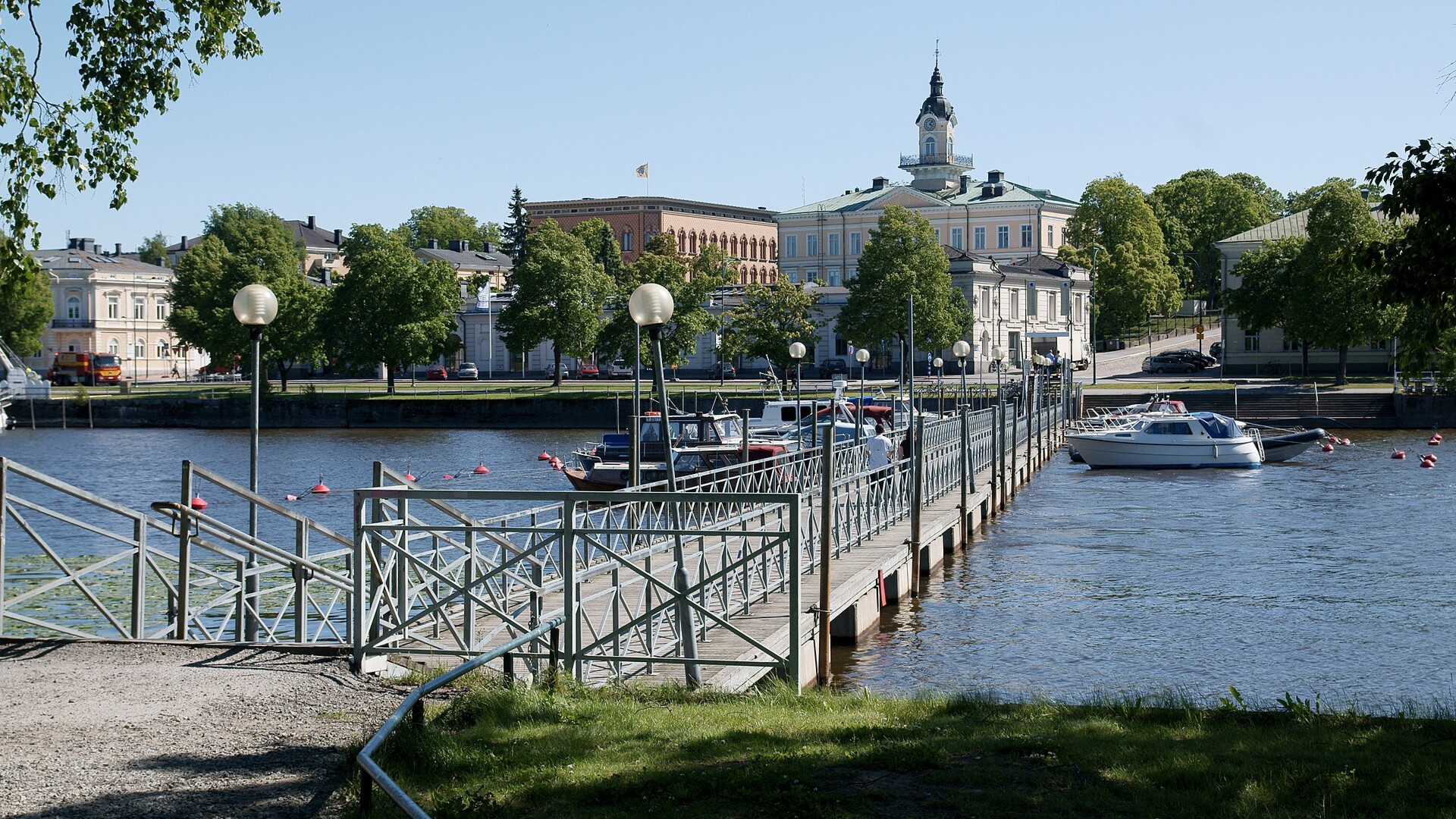
Section 17 of the Constitution of Finland guarantees that the national languages of the republic are Finnish and Swedish. The central authorities are legally bound to provide for the educational and cultural needs of both linguistic populations on equal grounds, including road signs and public court proceedings.
14. Paraguay
Article 140 of the 1992 Constitution of Paraguay establishes Spanish and Guarani as official languages of equal ranking. Paraguay stands out in Latin America because Guarani, an indigenous tongue, is spoken fluently by the majority of the population regardless of ancestry, fostering nationwide bilingualism.
13. Canada
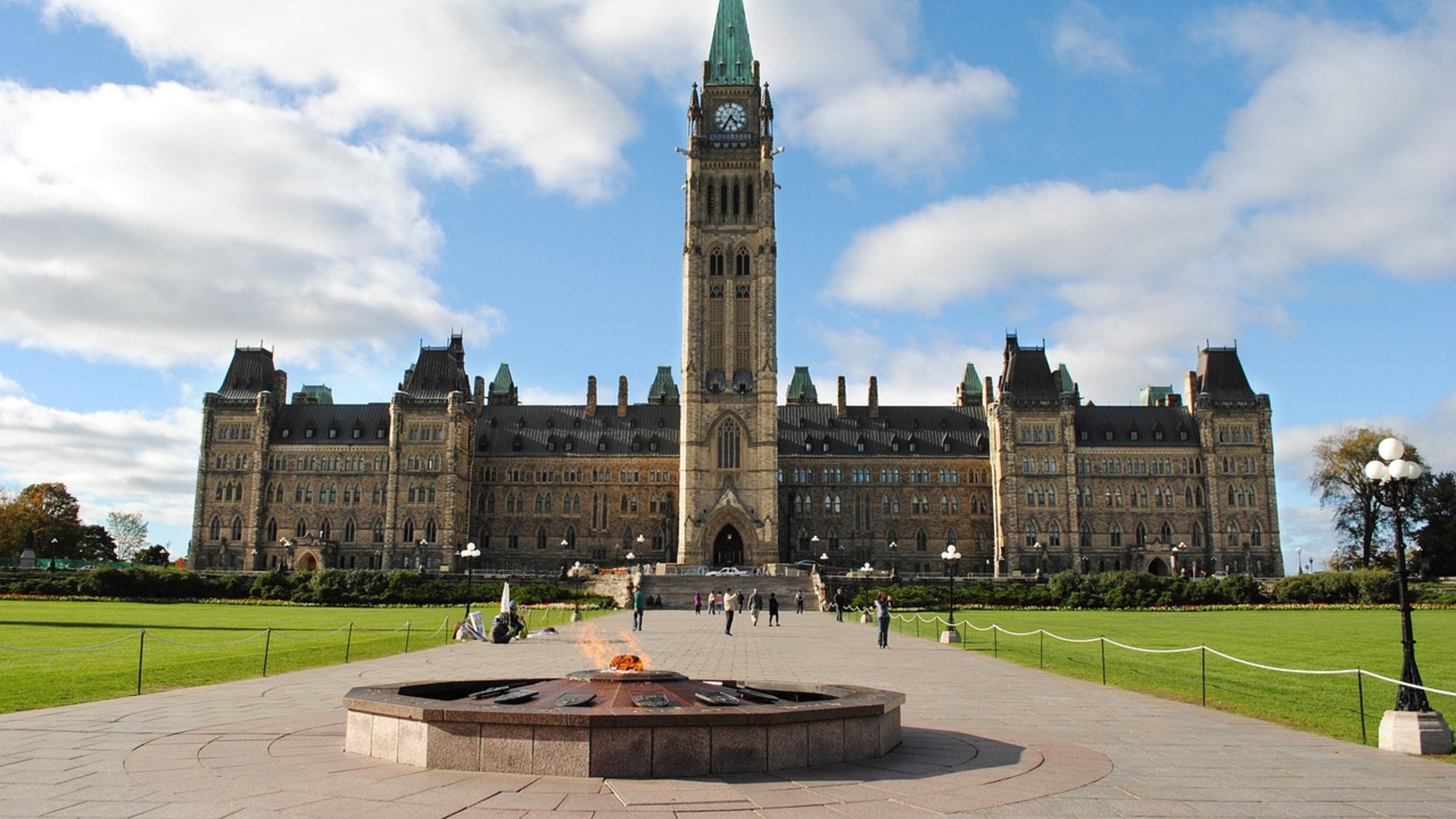
Section 16 of the Canadian Charter of Rights and Freedoms enshrines English and French as official languages of Canada with equal rights in parliamentary debates, federal courts, and administrative bureaus. The 1969 Official Languages Act mandates bilingual public labeling and government service delivery.
12. Bosnia And Herzegovina
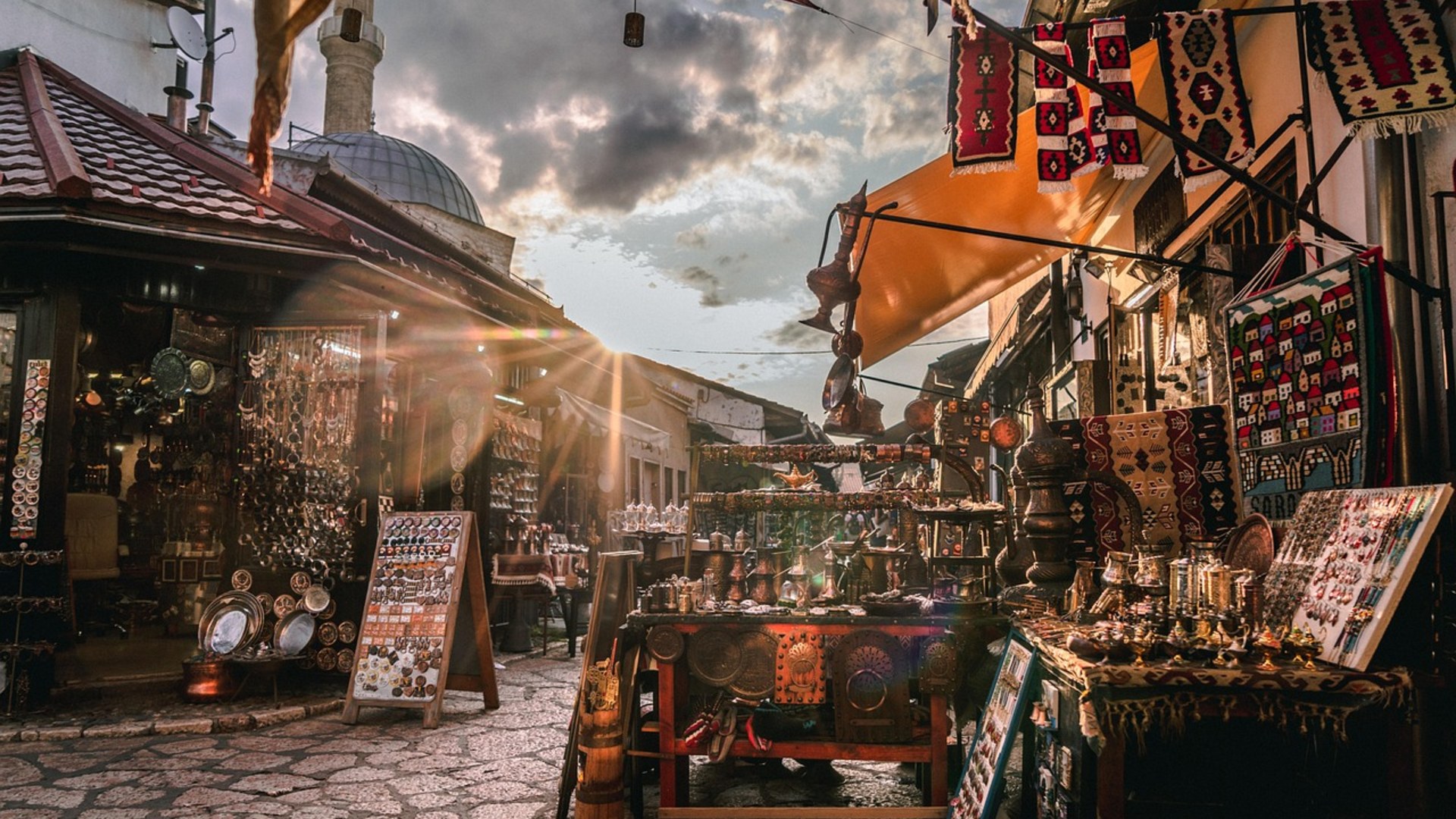
The Dayton Peace Agreement framework recognizes Bosnian, Croatian, and Serbian as equal official languages of Bosnia and Herzegovina. The state uses both Latin and Cyrillic alphabets on official documentation, banknotes, and transport signs, ensuring equitable representation for the three constituent peoples.
11. Belgium
Article 4 of the Belgian Constitution divides the kingdom into four linguistic regions: the Dutch-speaking area in the north, the French-speaking area in the south, the German-speaking area in the east, and the bilingual capital of Brussels. All three tongues hold official legal status across federal bodies.
10. Seychelles
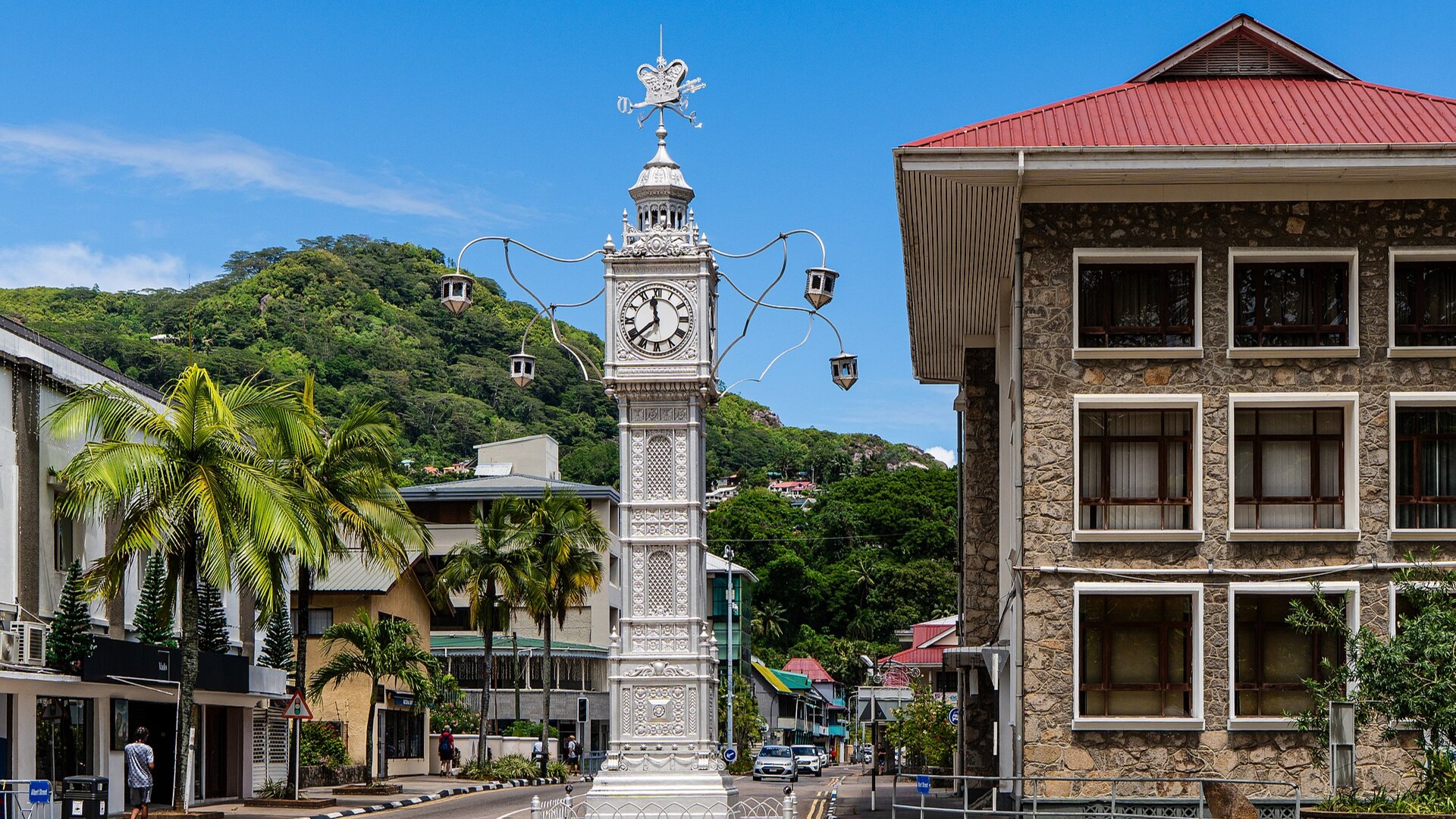
Article 4 of the 1993 Constitution of Seychelles declares Seychellois Creole, English, and French as national languages. While English dominates business communication and French is widely read in media, Seselwa Creole represents the everyday mother tongue spoken across homes in this Indian Ocean archipelago.
9. Vanuatu
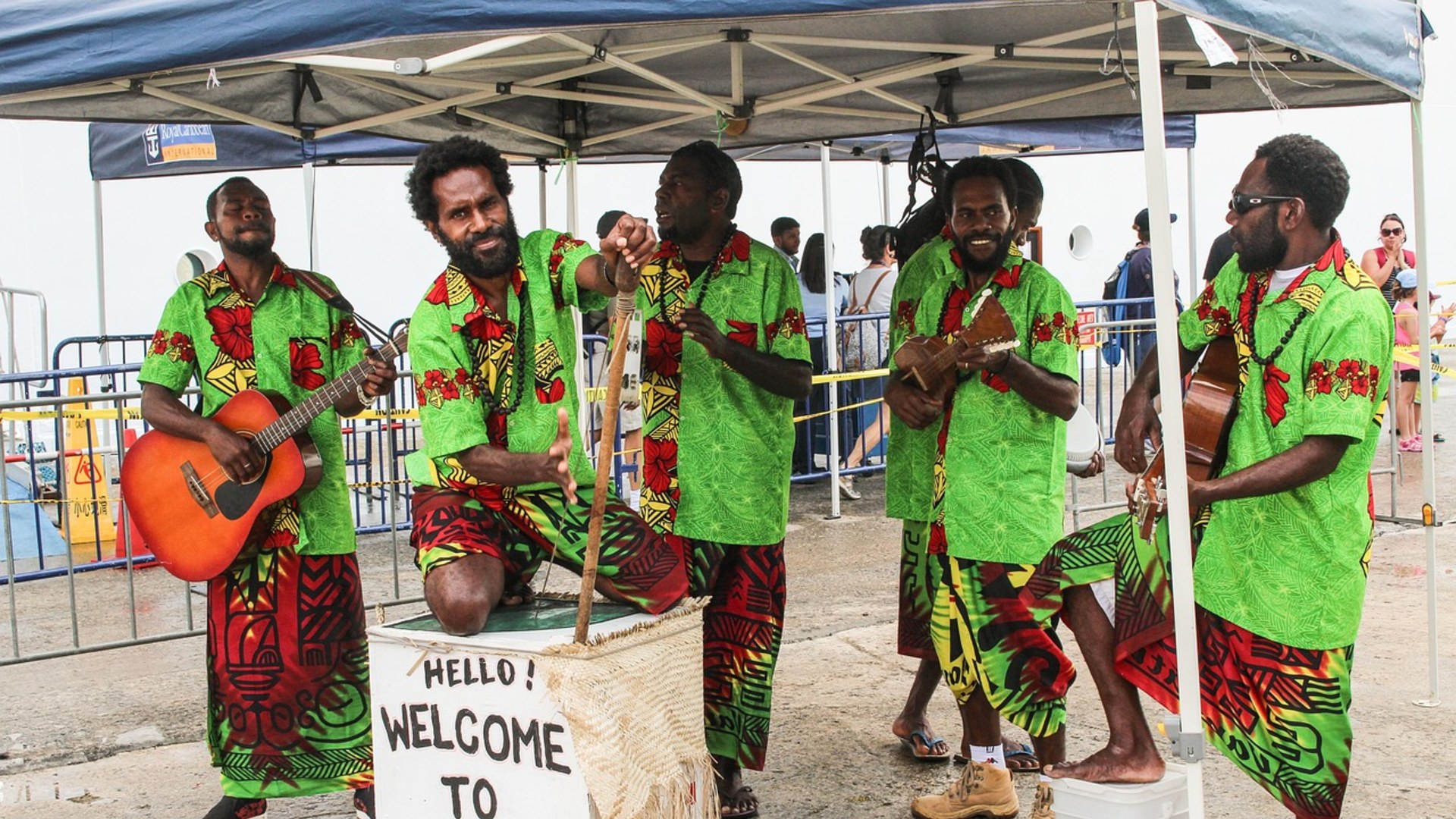
Article 3 of the Constitution of the Republic of Vanuatu declares Bislama, an English-based Melanesian creole, to be the national language, while establishing Bislama, English, and French as the three official languages of the state. Education is conducted primarily in either English or French streams.
8. Fiji
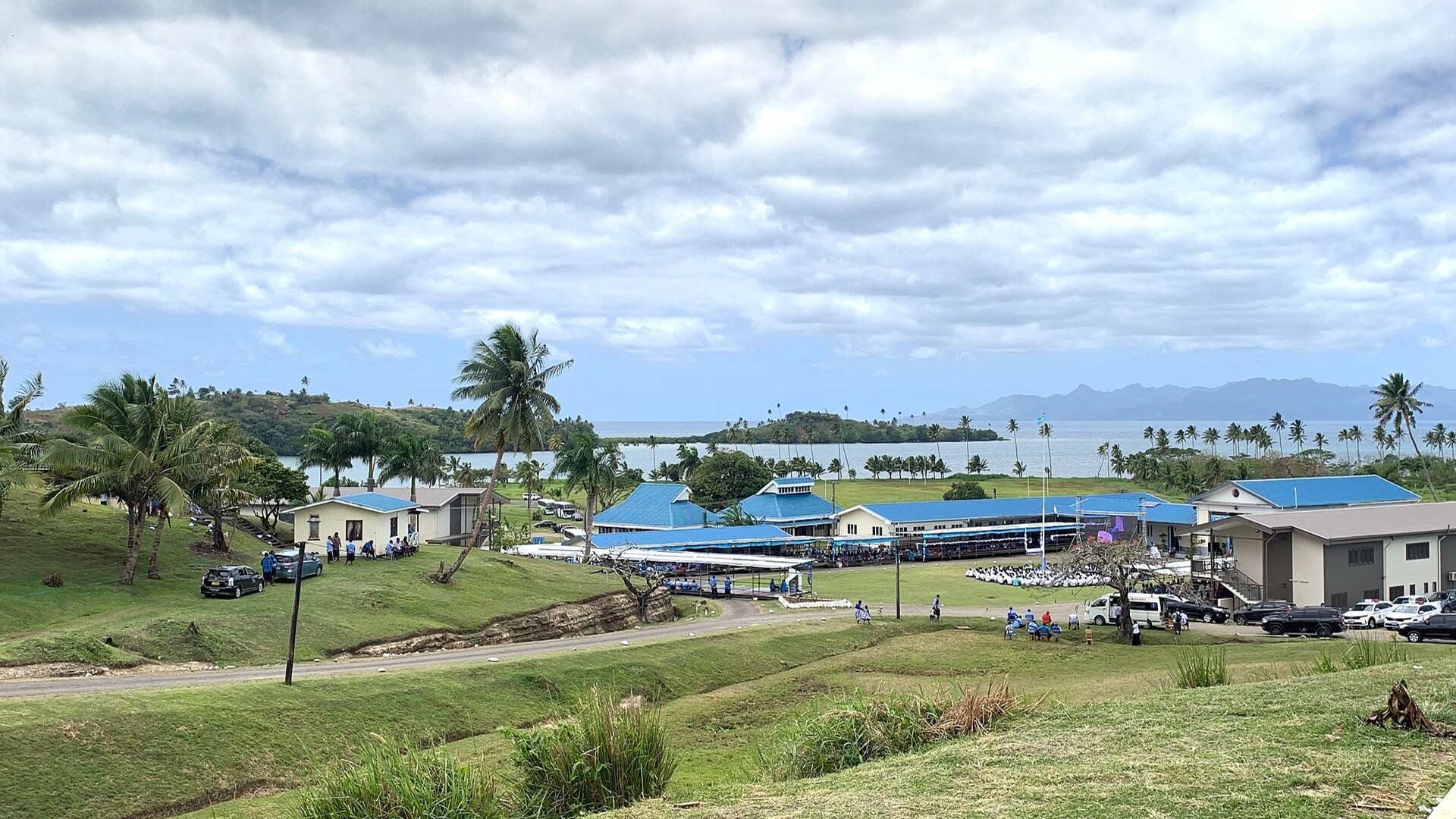
Section 31 of the 2013 Constitution of Fiji gives equal status to English, iTaukei, and Hindi, the latter being Fiji Hindi spoken by descendants of Indian indentured laborers. Primary schools instruct children in indigenous Fijian and Hindi, while parliamentary records are maintained primarily in English.
7. Switzerland
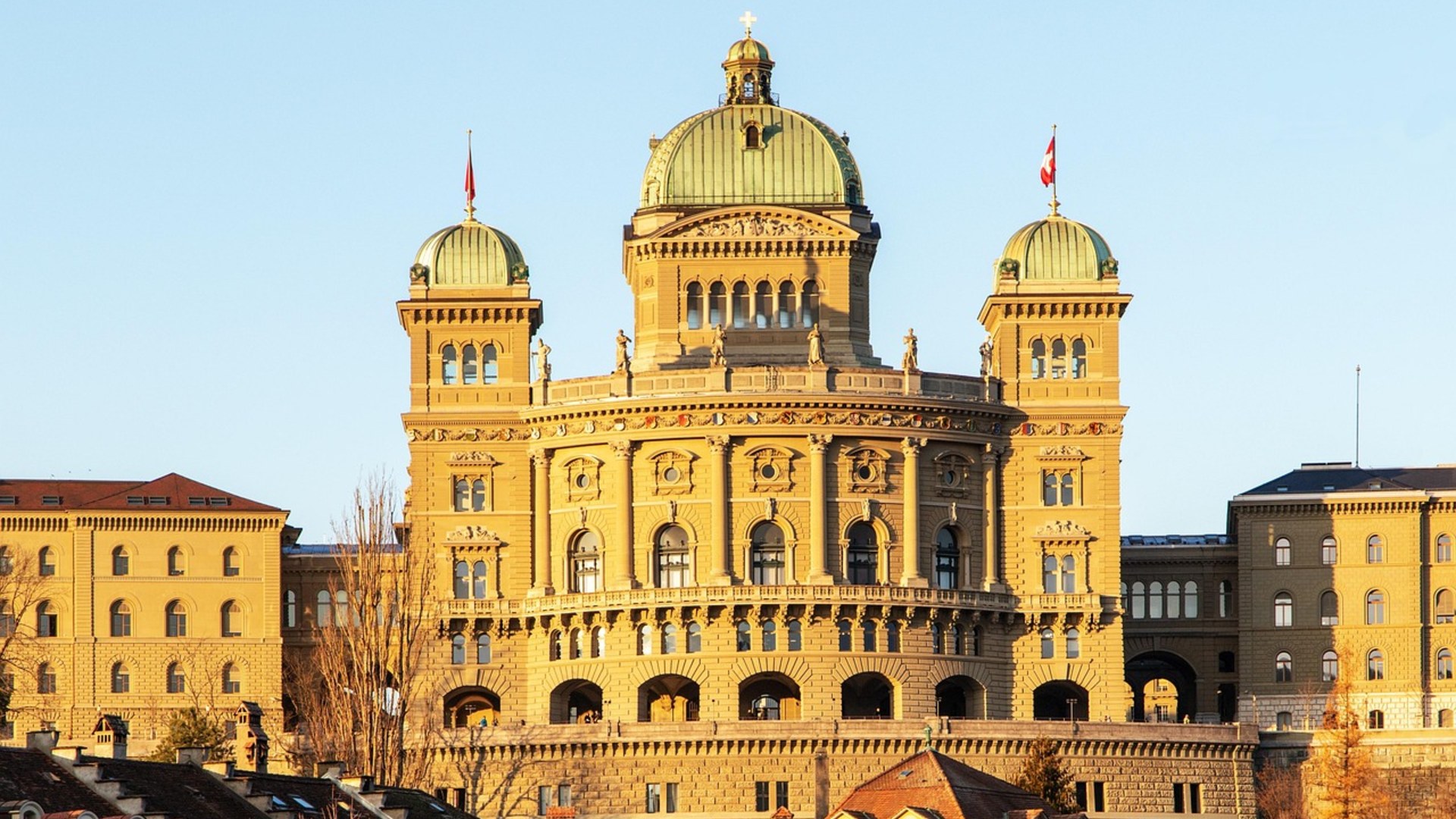
Article 4 of the Swiss Federal Constitution designates German, French, Italian, and Romansh as national languages, with the first three serving as official federal working languages. Romansh has partial official status for communication with Romansh speakers, preserving rare Rhaeto-Romance heritage in Graubunden.
6. Singapore
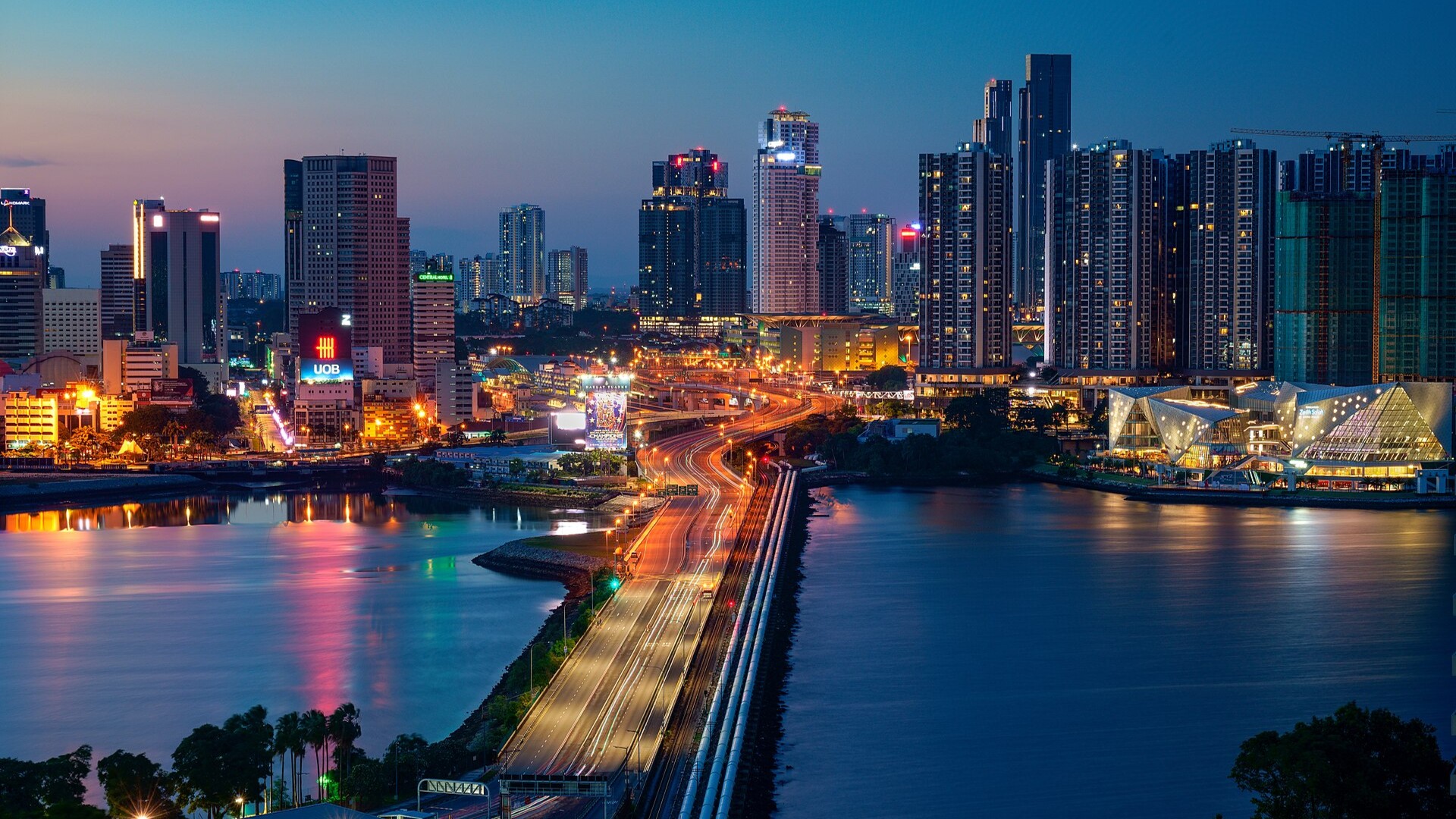
Article 153A of the Constitution of Singapore designates Malay, Mandarin, Tamil, and English as the four official languages. Malay is honored as the national language in homage to indigenous history, while English serves as the universal administrative medium and common language across multiethnic civic life.
5. Rwanda
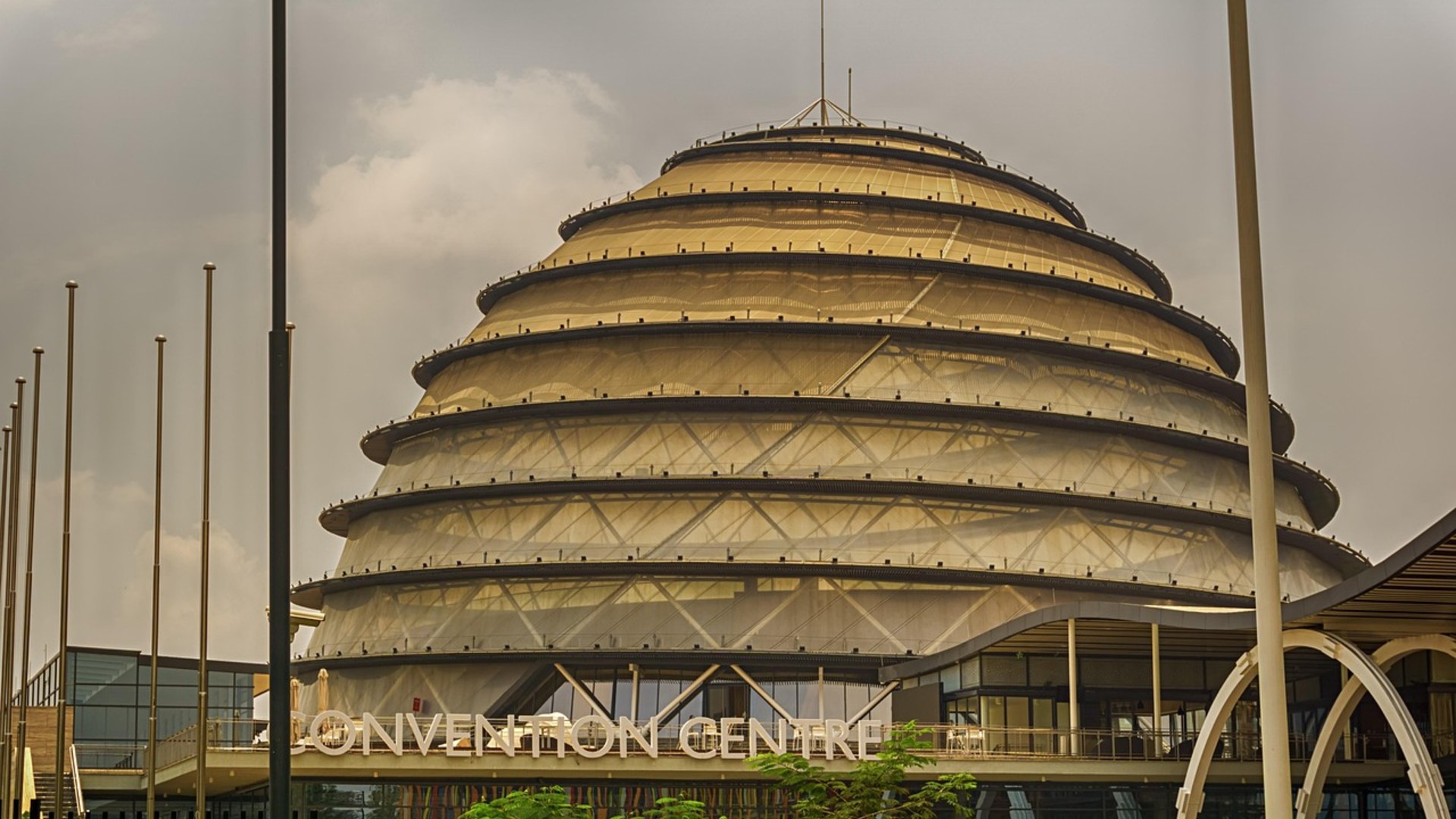
Article 8 of the Rwandan Constitution designates Kinyarwanda as the national language while granting official status to Kinyarwanda, French, English, and Swahili. Swahili was formally added as an official language in 2017 to facilitate regional economic integration within the East African Community.
4. Papua New Guinea
While over 800 indigenous languages thrive across Papua New Guinea, the state officially operates in Tok Pisin, English, and Hiri Motu. In 2015, Papua New Guinea Sign Language became the fourth recognized official language, expanding civic accessibility for deaf citizens across administrative domains.
3. South Africa
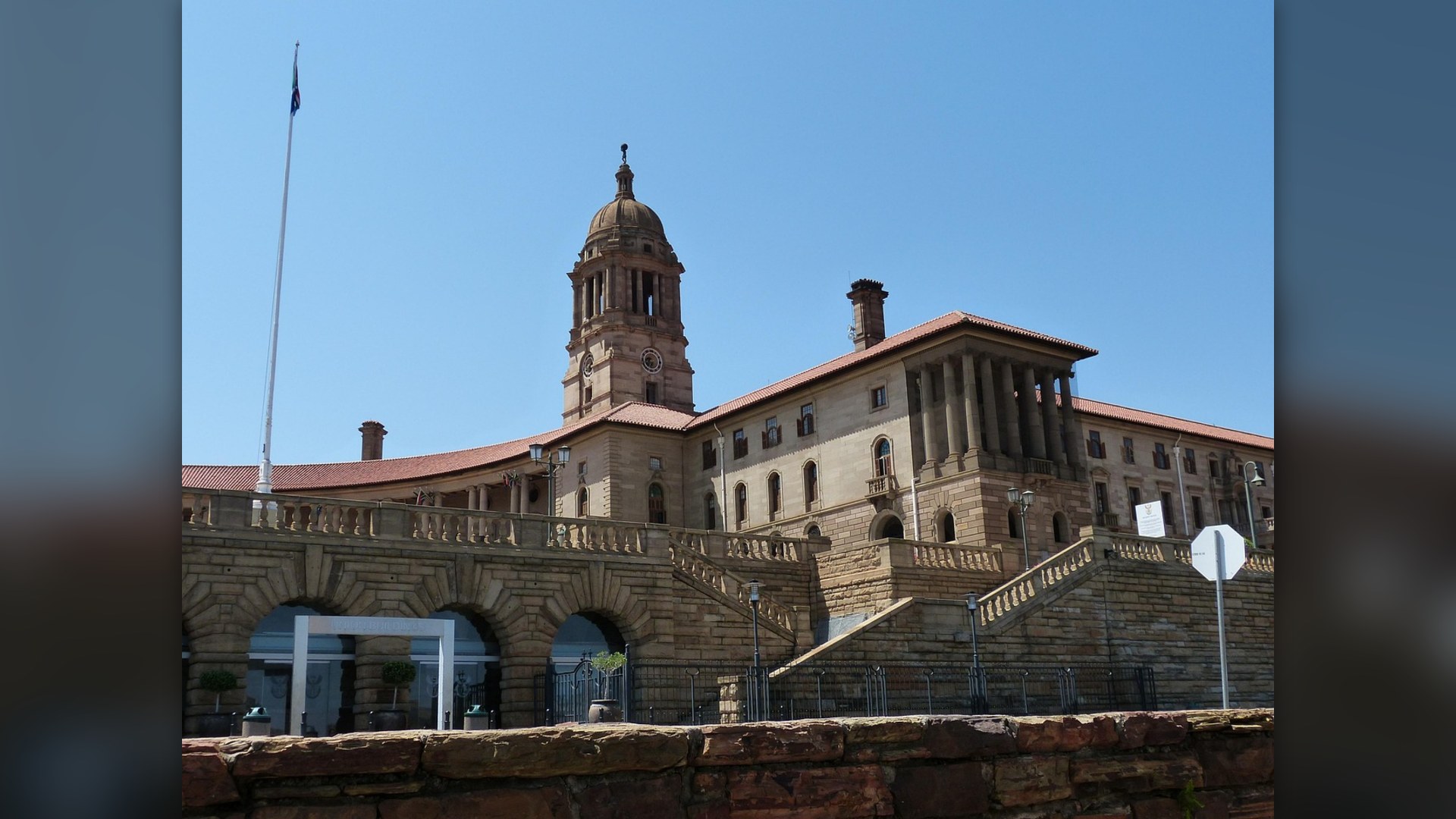
Section 6 of the Constitution of South Africa recognizes Sepedi, Sesotho, Setswana, siSwati, Tshivenda, Xitsonga, Afrikaans, English, isiNdebele, isiXhosa, and isiZulu. In July 2023, President Cyril Ramaphosa signed legislation adding South African Sign Language as the country twelfth official language.
2. Zimbabwe
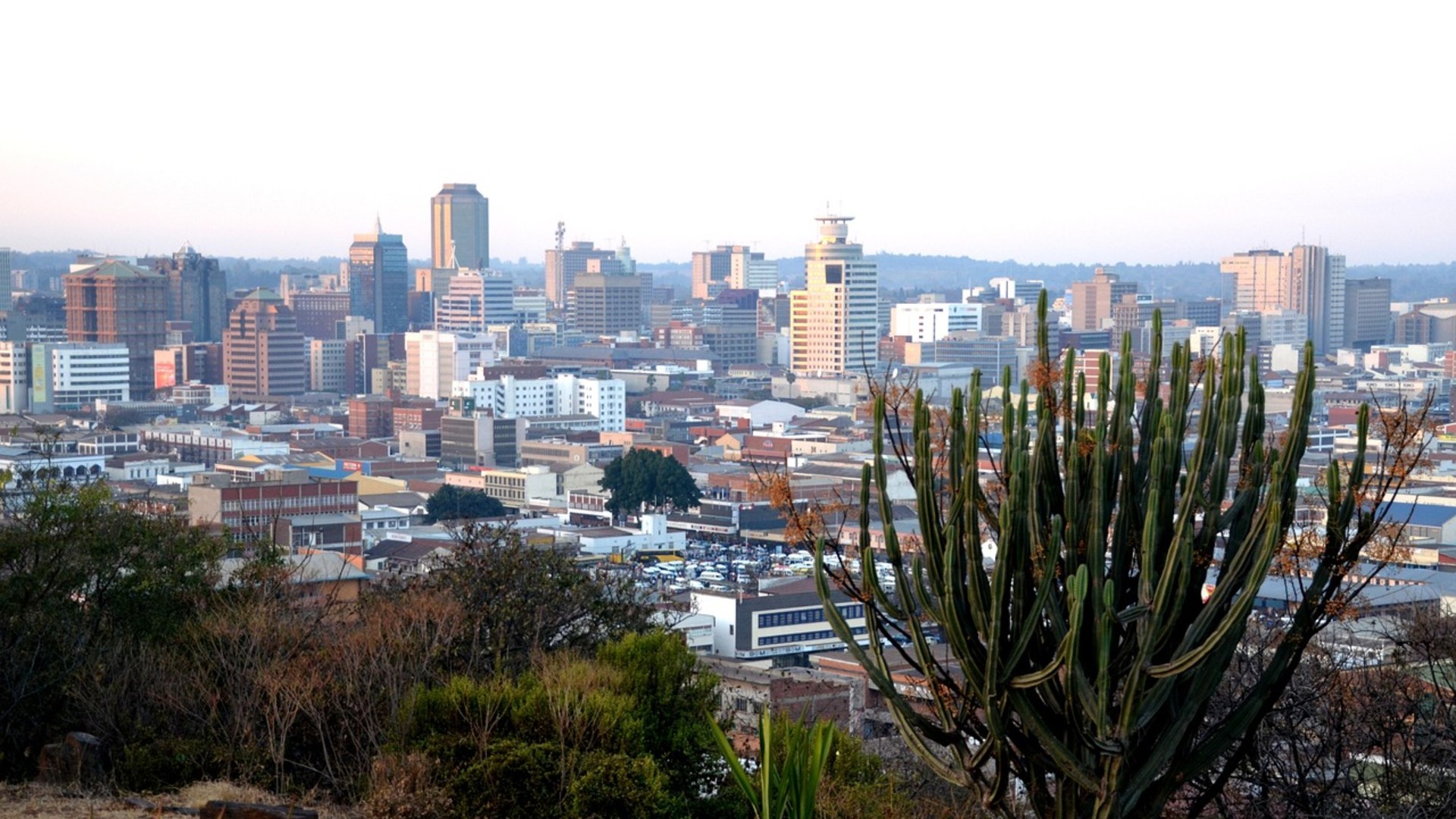
Section 6 of the 2013 Constitution of Zimbabwe officially recognizes sixteen languages, including Chewa, Chibarwe, English, Kalanga, Koisan, Nambya, Ndau, Ndebele, Shangani, Shona, Sign Language, Sotho, Tonga, Tswana, Venda, and Xhosa. State institutions must promote the development of all recognized tongues.
1. Bolivia
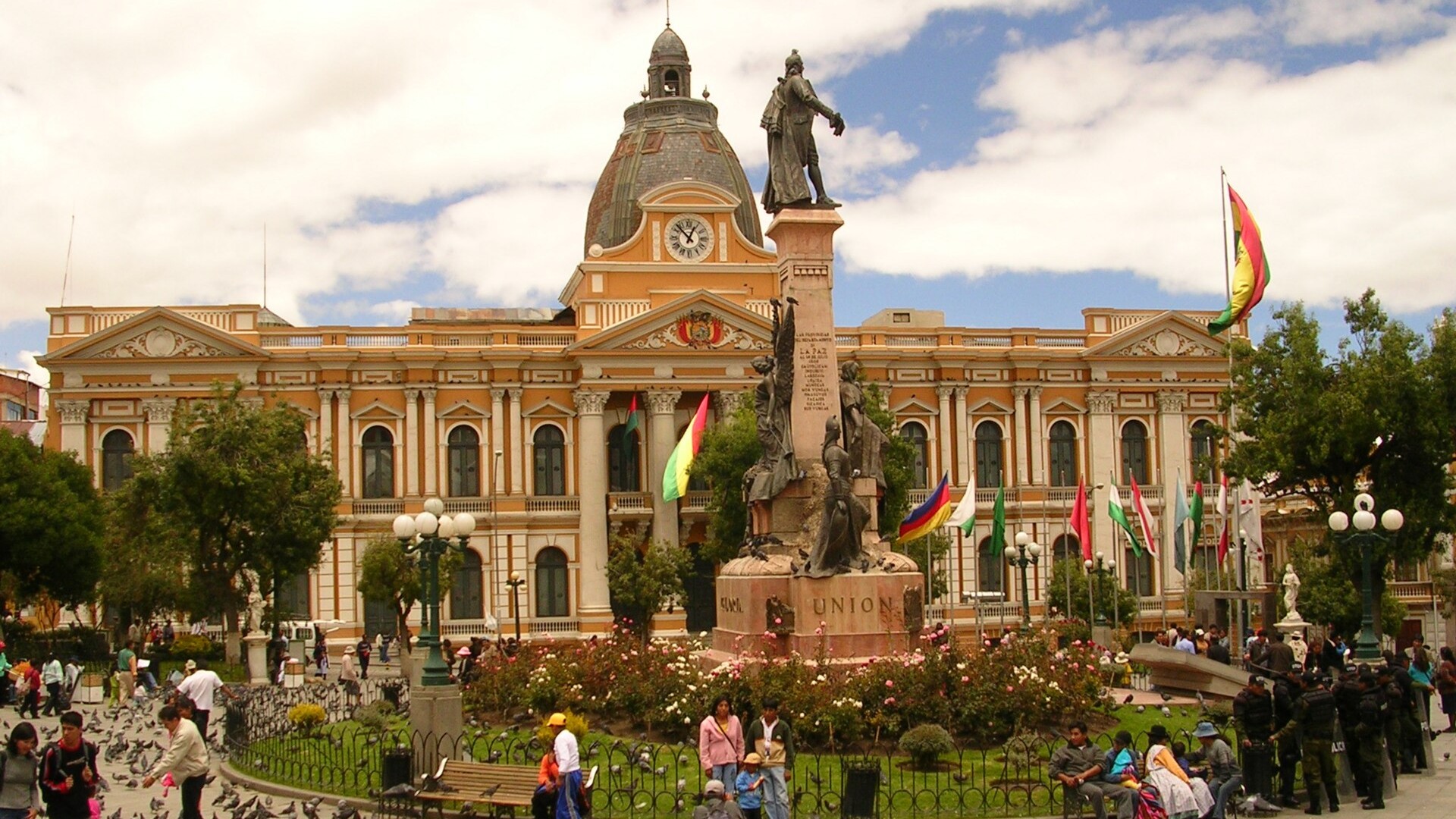
Article 5 of the 2009 Constitution of the Plurinational State of Bolivia declares Spanish alongside thirty-six indigenous languages as official. From Aymara and Quechua to Guarani and Besiro, this landmark charter guarantees that government agencies use at least one native tongue alongside Spanish.