Slideshow · Viral
20 Classic Toys That Bring Back Childhood Memories
Before touchscreens and digital apps filled family living rooms, childhood imagination was powered by stamped metal, molded plastic, and colorful gears. From spinning tops and interlocking bricks to electronic memory games, these twenty legendary playthings shaped modern playtime and remain cherished cultural icons across the globe.
By Most Viral Today
12 min ago

20 Nostalgic Playthings That Defined Generations of Kids 
20. Lionel Model Trains 
19. Lincoln Logs 
18. Classic Glass Marbles - AdvertisementSwipe or tap ▶ to continue countdown

17. Radio Flyer Wagon 
16. Duncan Yo-Yo 
15. View-Master 3D Viewer 
14. Original Slinky - AdvertisementSwipe or tap ▶ to continue countdown

13. Tonka Dump Truck 
12. Magic 8 Ball 
11. Mr. Potato Head 
10. Play-Doh Modeling Compound - AdvertisementSwipe or tap ▶ to continue countdown

9. LEGO Interlocking Bricks 
8. Barbie Fashion Doll 
7. Etch A Sketch 
6. Fisher-Price Chatter Phone - AdvertisementSwipe or tap ▶ to continue countdown

5. Easy-Bake Oven 
4. Spirograph Drawing Set 
3. Hot Wheels Die-Cast Cars 
2. Rubik's Cube Puzzle - AdvertisementSwipe or tap ▶ to continue countdown

1. Simon Electronic Memory Game - Advertisement🔥 UP NEXT IN THIS SERIES◫ 21 Slides

20 Oldest Fast Food Chains in America Still Operating Today
Ranked by official corporate founding dates, these 20 pioneering fast food chains survived economic depressions and shifting consumer tastes to remain American dining staples.
Before touchscreens and digital apps filled family living rooms, childhood imagination was powered by stamped metal, molded plastic, and colorful gears. From spinning tops and interlocking bricks to electronic memory games, these twenty legendary playthings shaped modern playtime.
Swipe or tap ▶ to begin the countdown
©Wikimedia / PattayaPatrol
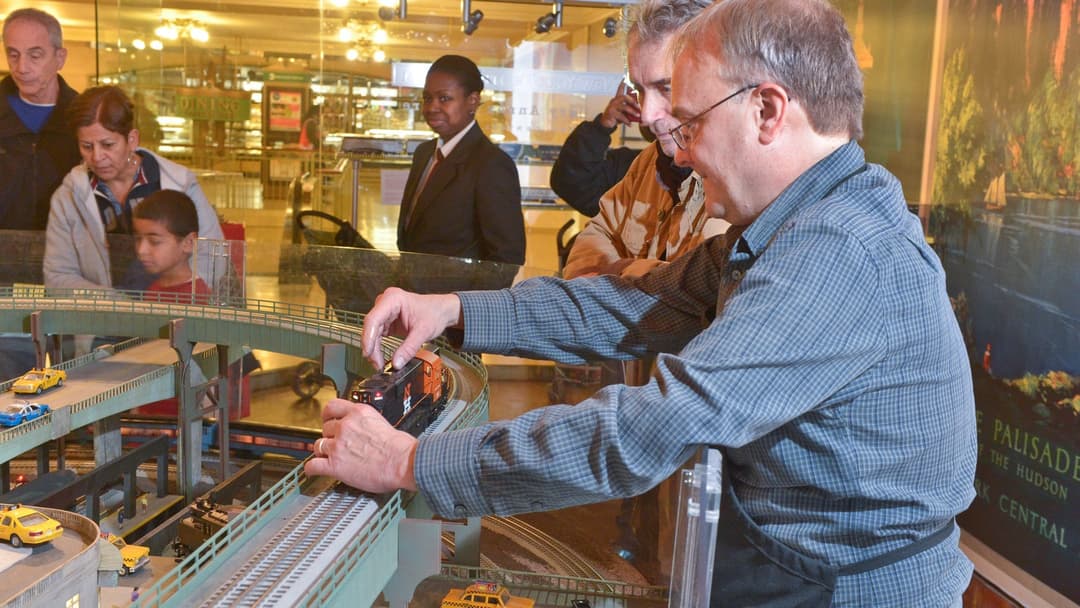
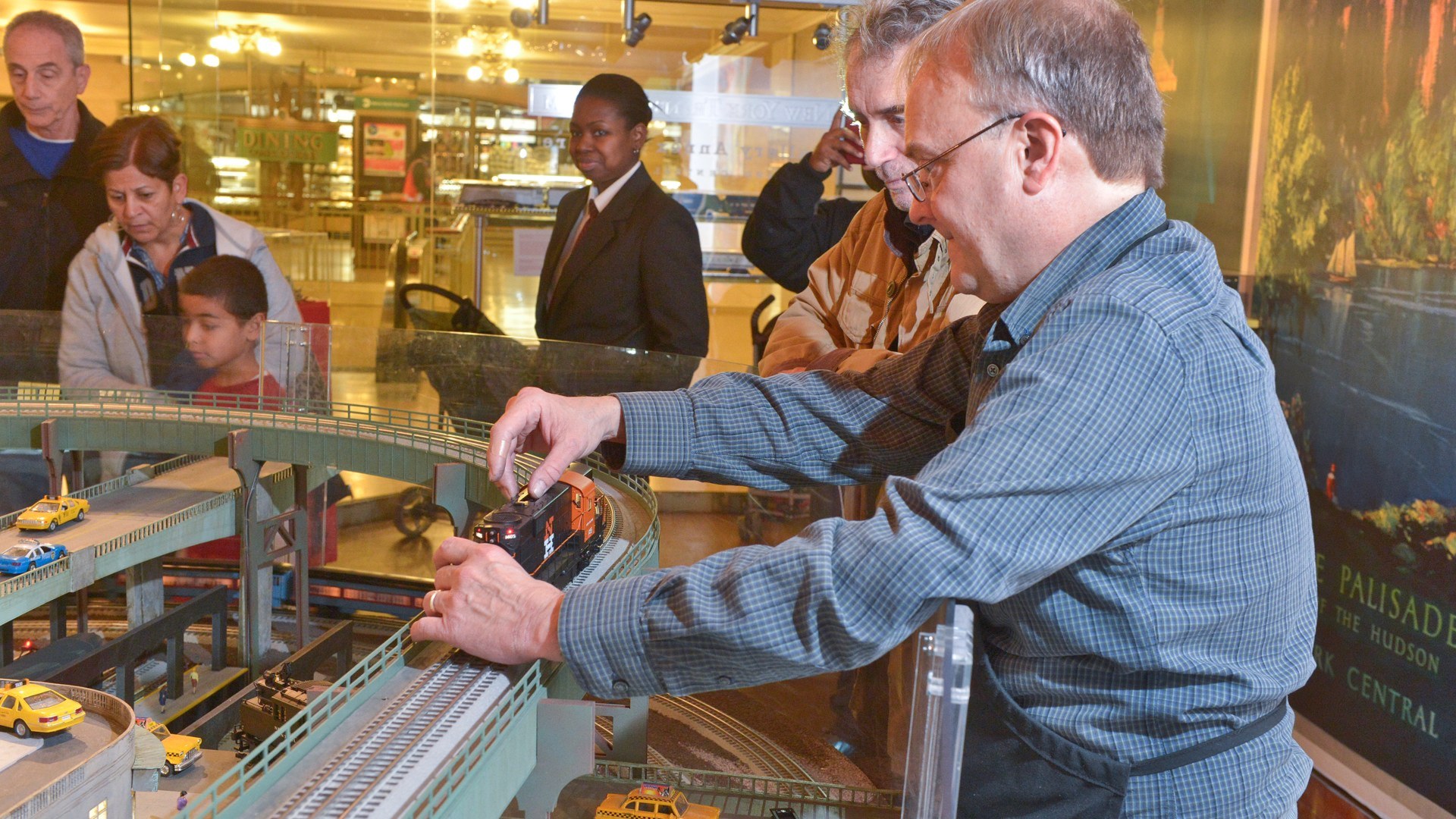
20. Lionel Model Trains
Introduced in 1901 by Joshua Lionel Cowen, these detailed electric locomotives captivated generations of young engineers. Running on three-rail steel tracks, the heavy die-cast engines featured working headlights, authentic whistles, and real billowing smoke pellets.
©Wikimedia / Metropolitan Transportation Authority
19. Lincoln Logs
Created in 1916 by John Lloyd Wright, son of renowned architect Frank Lloyd Wright, these stained wooden logs let children erect miniature frontier cabins. The interlocking notches taught foundational engineering principles through tactile construction.

©Wikimedia / Blue Plover
18. Classic Glass Marbles
Mass manufacturing of glass marbles began in Ohio around 1903, turning an ancient pastime into a schoolyard sensation. Children carried prized shooters and aggies in cloth drawstring pouches, competing in circle games to capture their friends' most colorful pieces.

©Pixabay / pixel2013
Advertisement
Swipe or tap ▶ to resume the countdown.
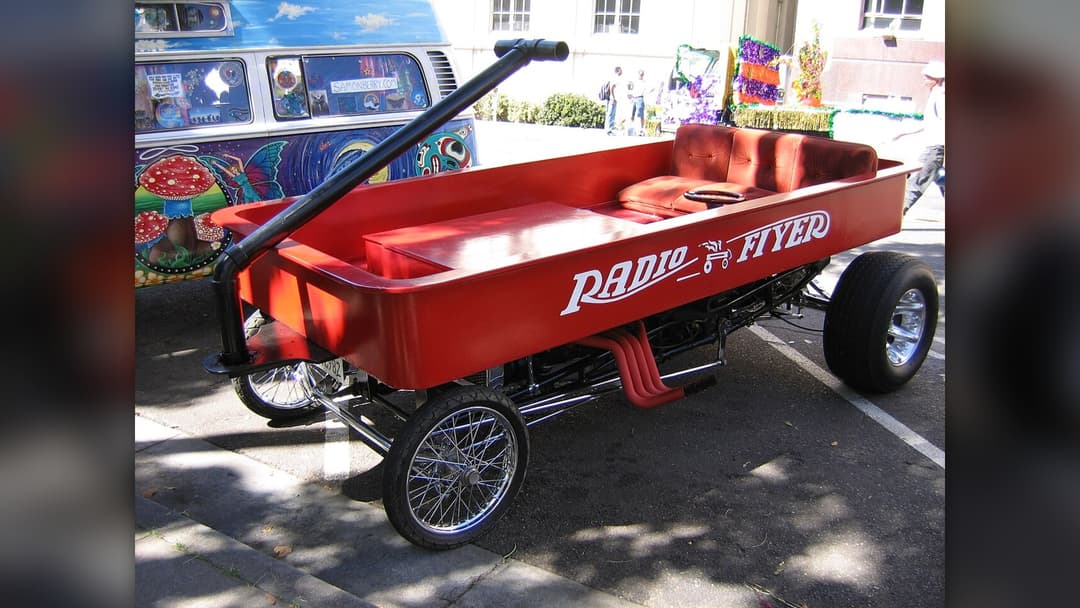
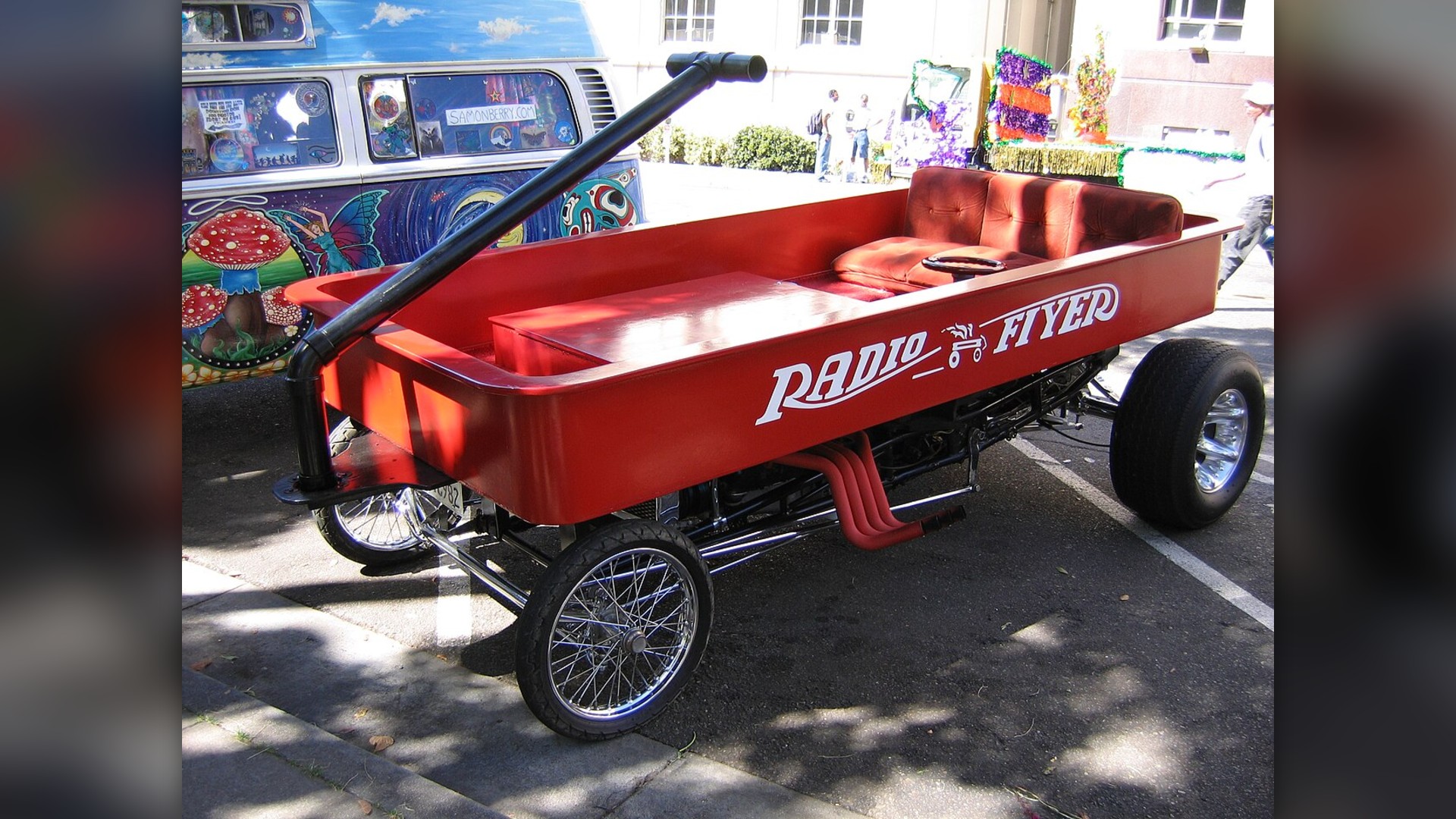
17. Radio Flyer Wagon
Italian immigrant Antonio Pasin started assembling red stamped-steel wagons in Chicago in 1917, naming them Radio Flyer after the era's breakthroughs in wireless radio and flight. The sturdy coaster became an essential fixture of suburban childhood haulage and backyard play.
©Wikimedia / 56323217@N00
16. Duncan Yo-Yo
Entrepreneur Donald Duncan bought out toy maker Pedro Flores in 1929 and popularized the yo-yo across America through traveling demonstration squads. Mastering the sleeper and walking the dog made the pocket-sized wooden toy a permanent playground rite of passage.

©Pixabay / piviso
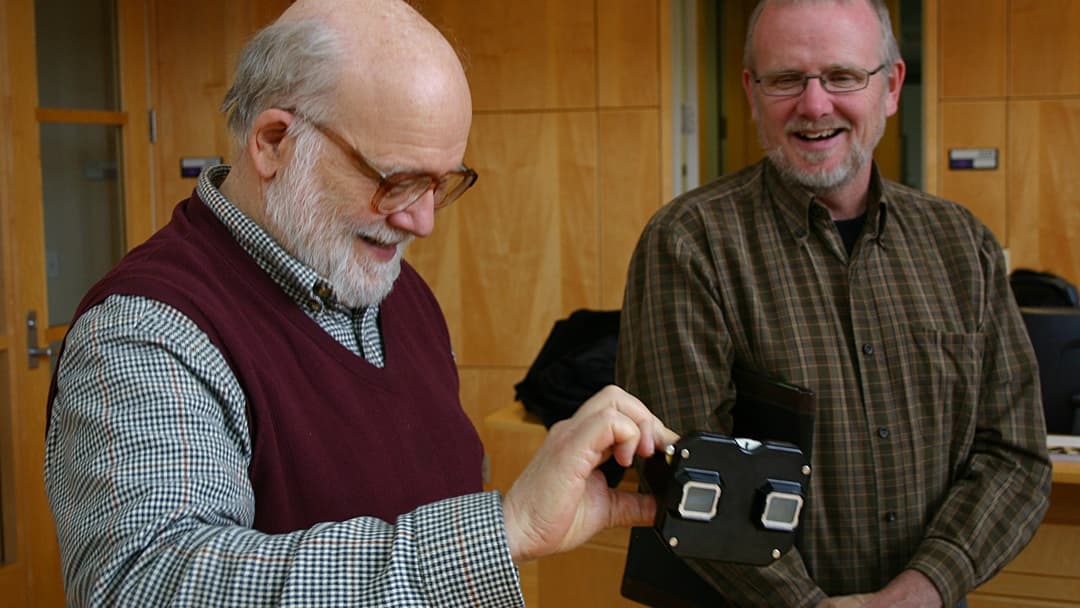
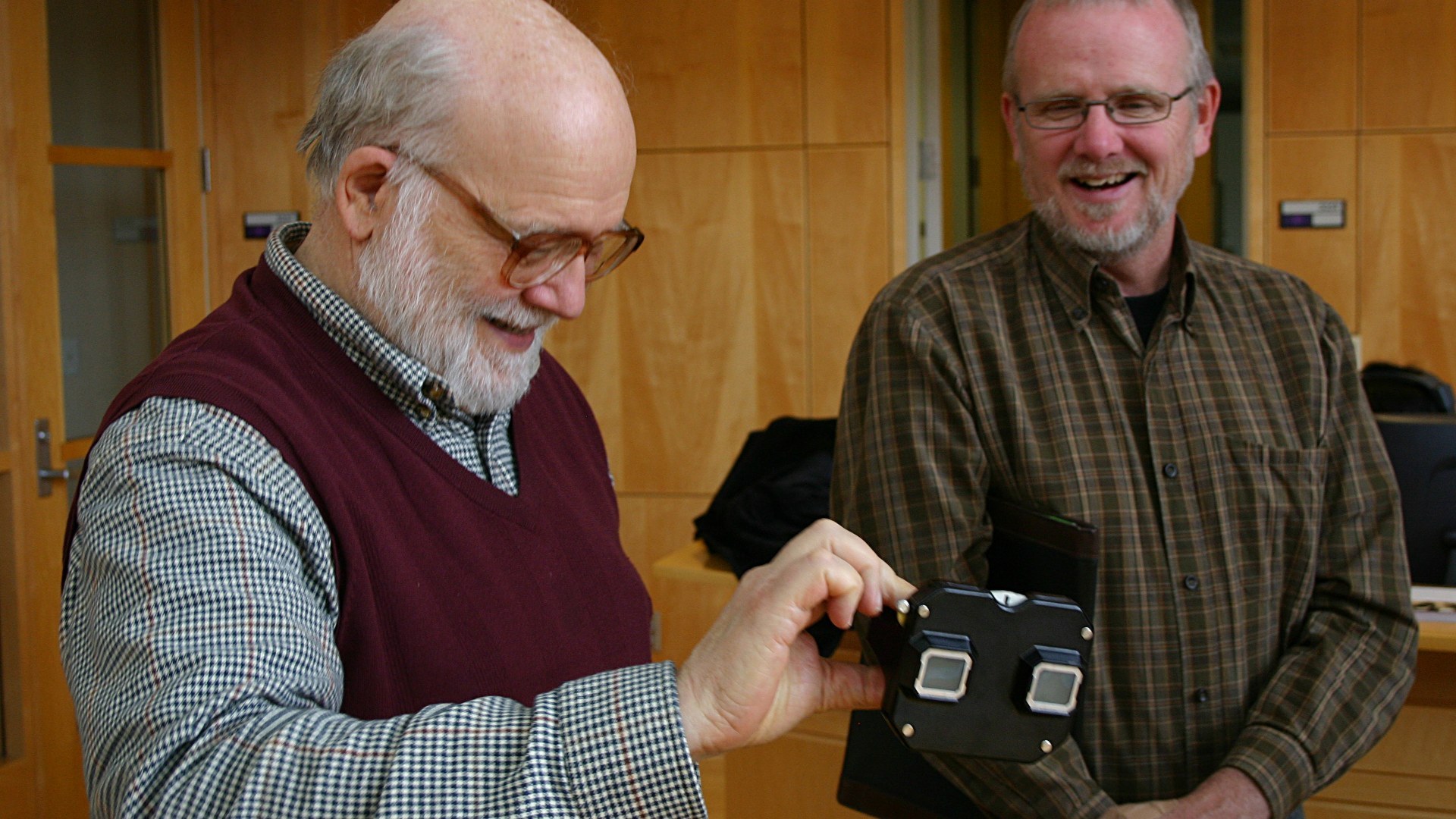
15. View-Master 3D Viewer
Introduced at the 1939 New York World's Fair, this handheld stereoscopic viewer used circular paper reels holding seven pairs of Kodachrome color film slides. Clicking the mechanical lever instantly transported young viewers to distant tourist landmarks and fantasy scenes.
©Wikimedia / Oregon State University
14. Original Slinky
Naval engineer Richard James accidentally invented the Slinky in 1943 after a torsion spring tumbled off his workstation shelf. Debuting at Gimbels department store in 1945, the hypnotic metal coil fascinated millions by climbing end-over-end down staircases.

©Openverse / Nicholas Garofalo
Advertisement
Swipe or tap ▶ to resume the countdown.
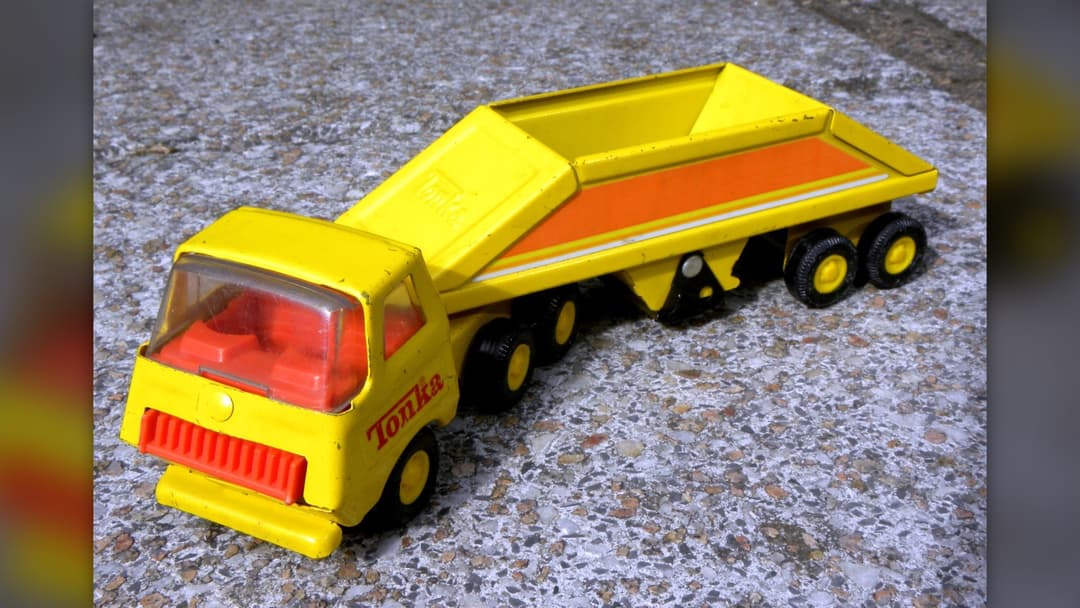
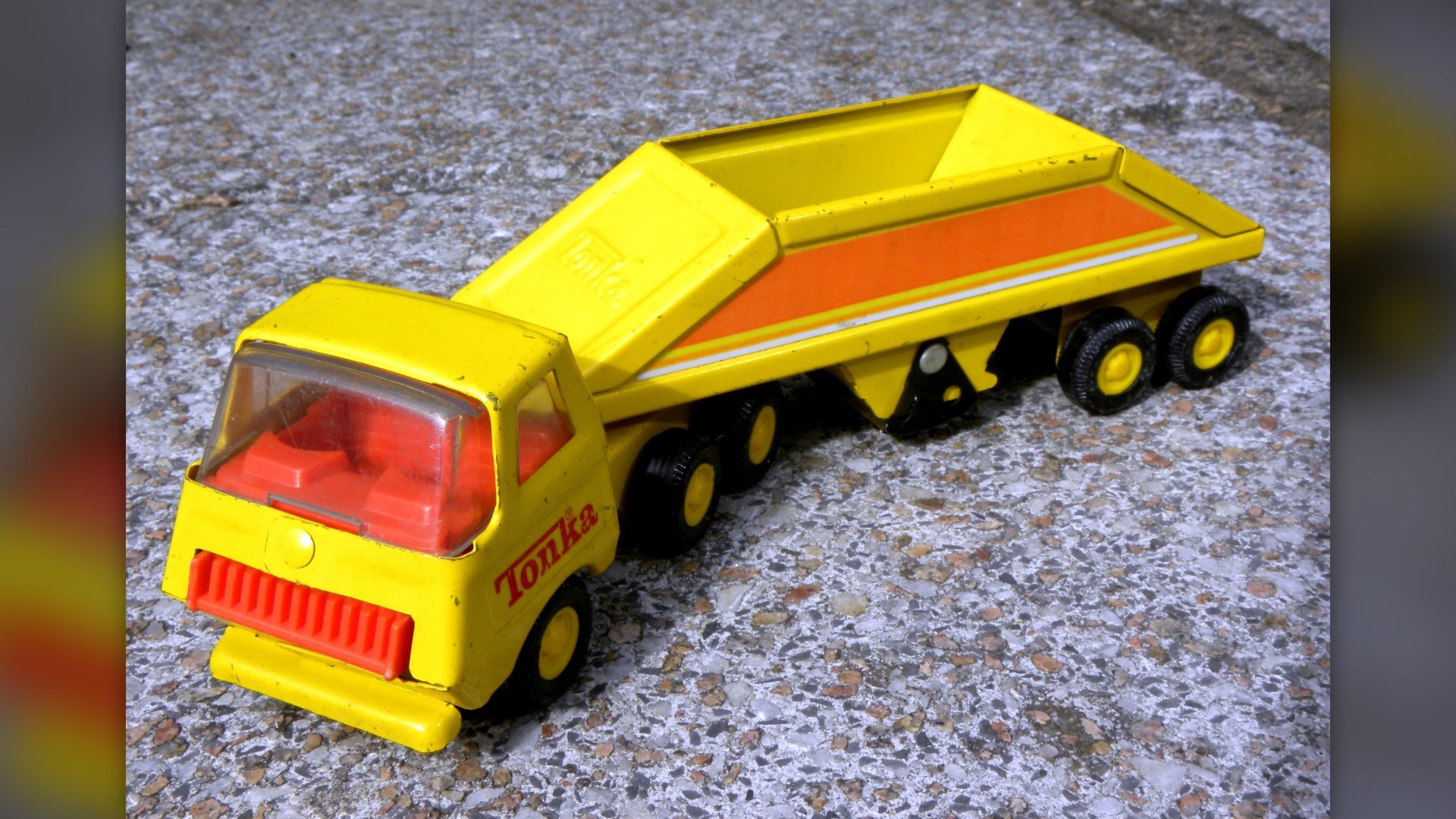
13. Tonka Dump Truck
Founded in Minnesota in 1947, Tonka built toy vehicles out of heavy automotive-gauge sheet steel to withstand extreme sandbox punishment. The bright yellow Mighty Dump Truck became legendary for surviving outdoor drops, gravel hauls, and generations of rugged play.
©Wikimedia / Joost J. Bakker
12. Magic 8 Ball
Invented by Albert Carter and Abe Bookman, the Magic 8 Ball launched in 1950 housing an icosahedral die floating inside dark blue liquid. Kids shook the plastic billiard sphere to reveal twenty cryptic answers, seeking mystical guidance on classroom crushes and recess dares.

©Wikimedia / MZMcBride at English Wikipedia
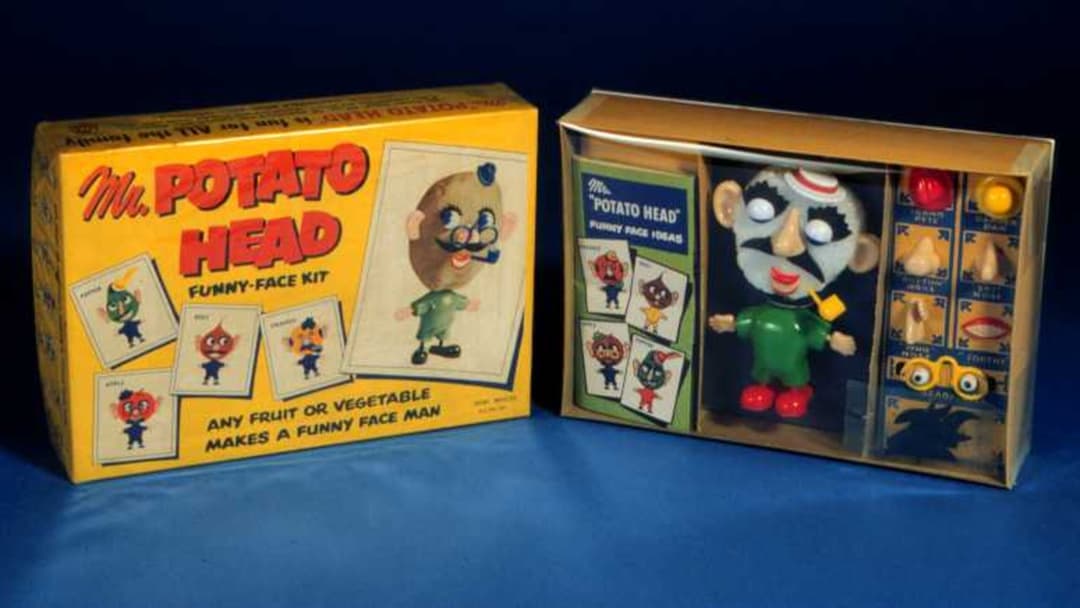
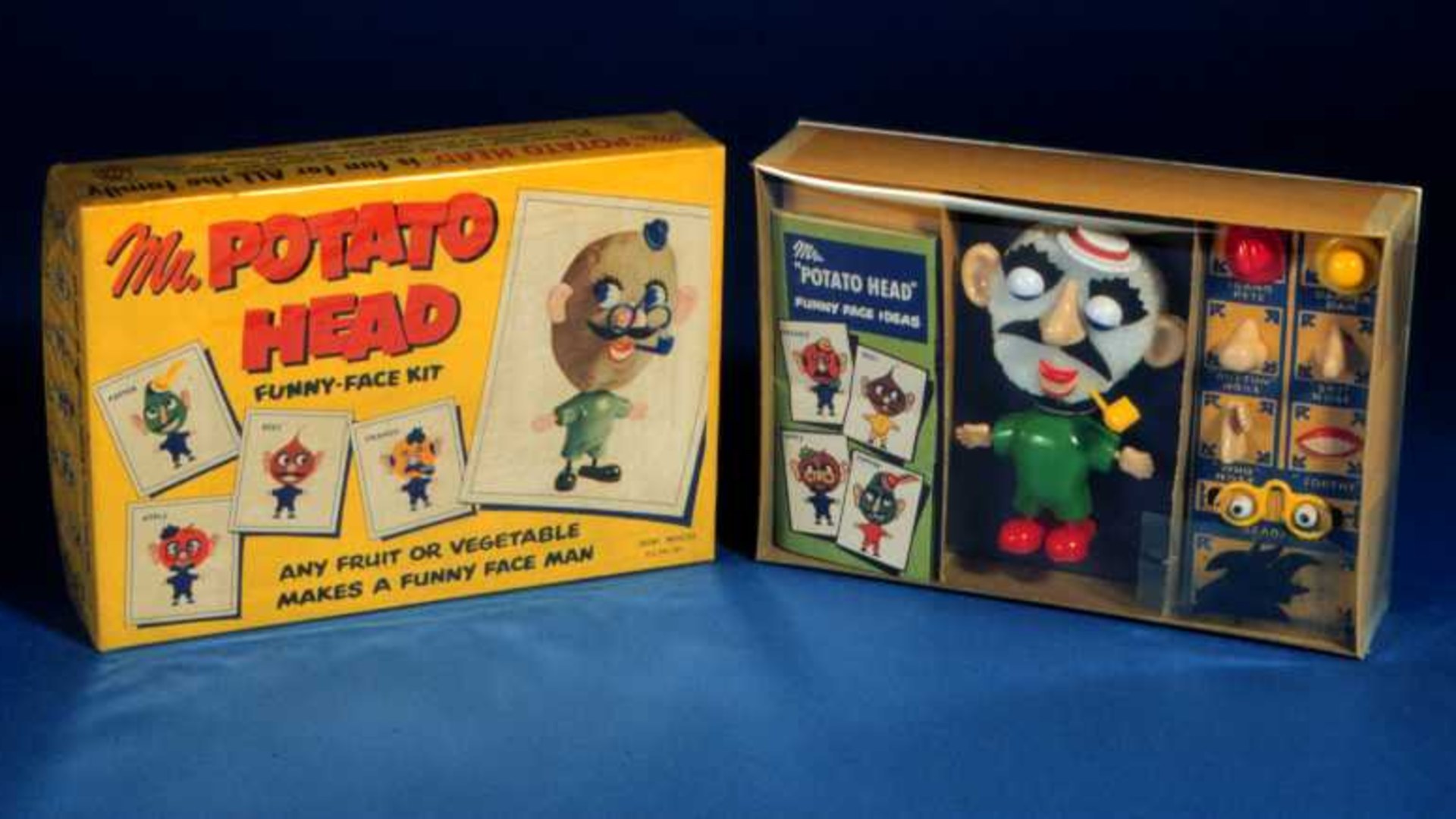
11. Mr. Potato Head
Created by George Lerner in 1952, Mr. Potato Head originally consisted of plastic facial parts meant to be pushed into real household vegetables. It made history as the very first toy advertised on broadcast television before Hasbro added a plastic potato body in 1964.
©Wikimedia / National Institutes of Health
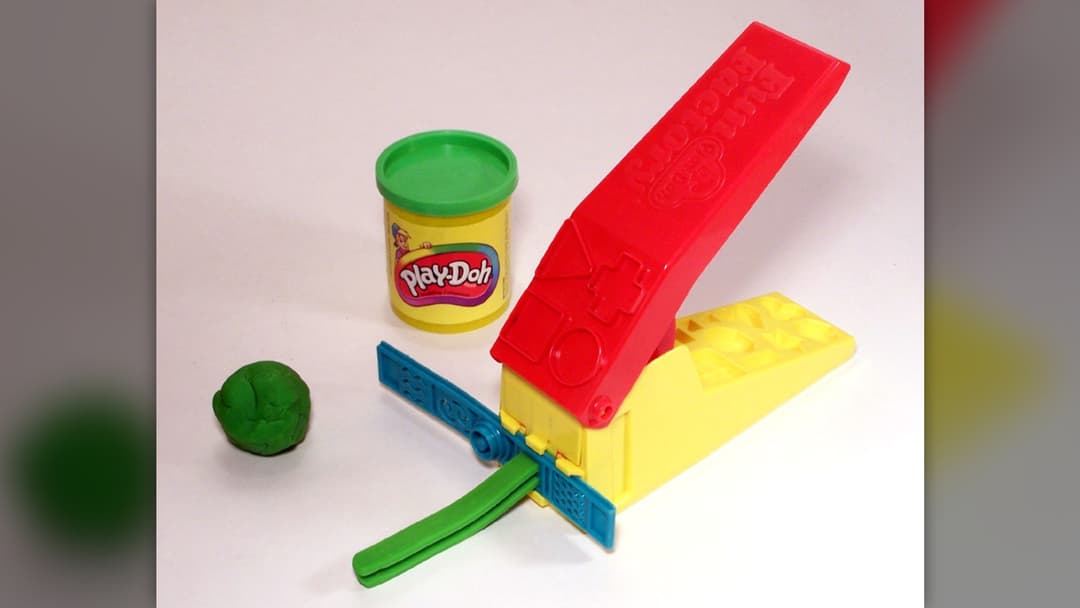
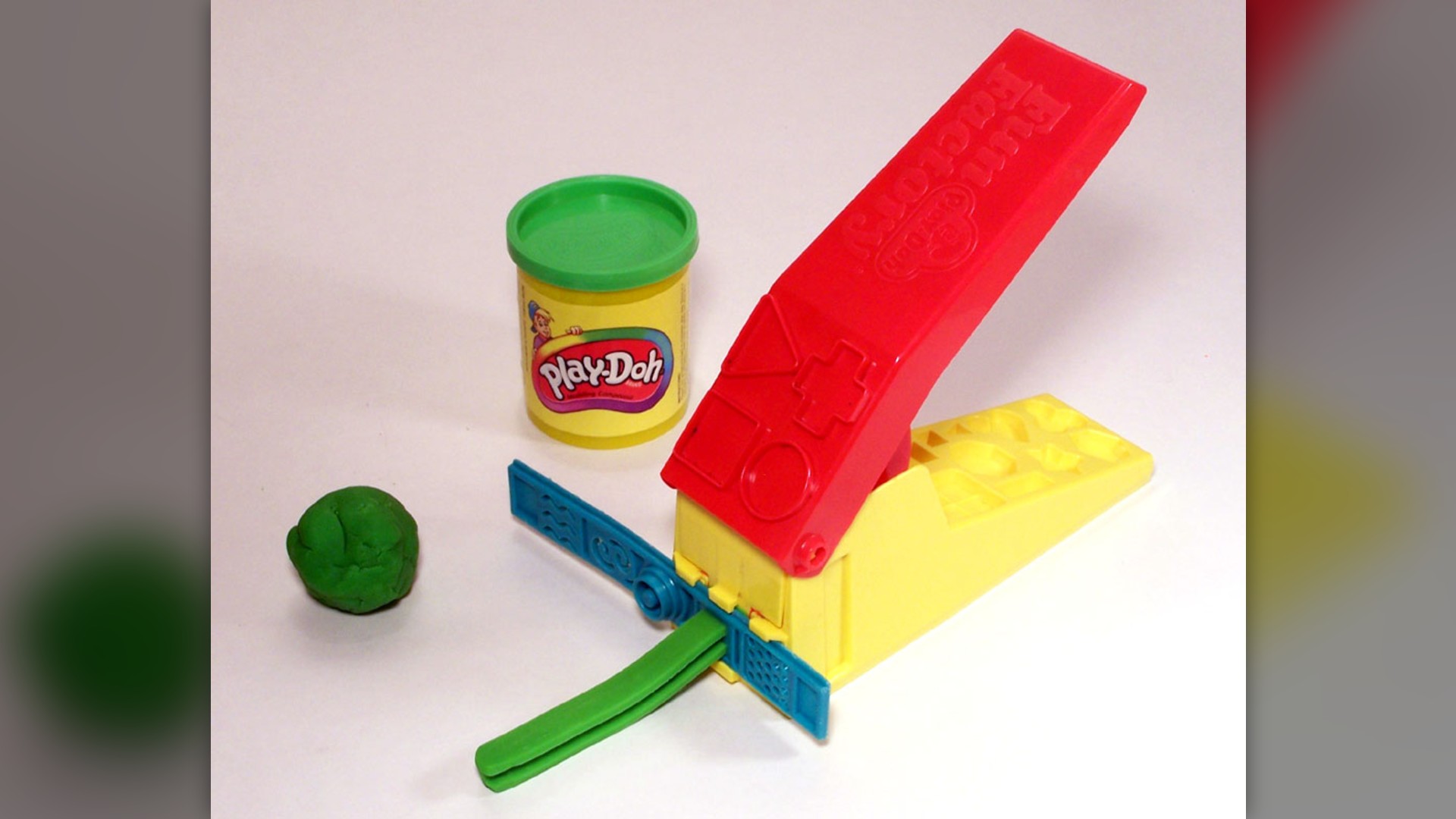
10. Play-Doh Modeling Compound
Originally formulated in the 1930s as a wallpaper cleaner, this non-toxic wheat flour compound was repurposed as a children's modeling toy in 1956. Packaged in signature yellow cardboard cans, the soft modeling dough encouraged tactile sculpting across nursery classrooms.
©Wikimedia / Larry D. Moore
Advertisement
Swipe or tap ▶ to resume the countdown.
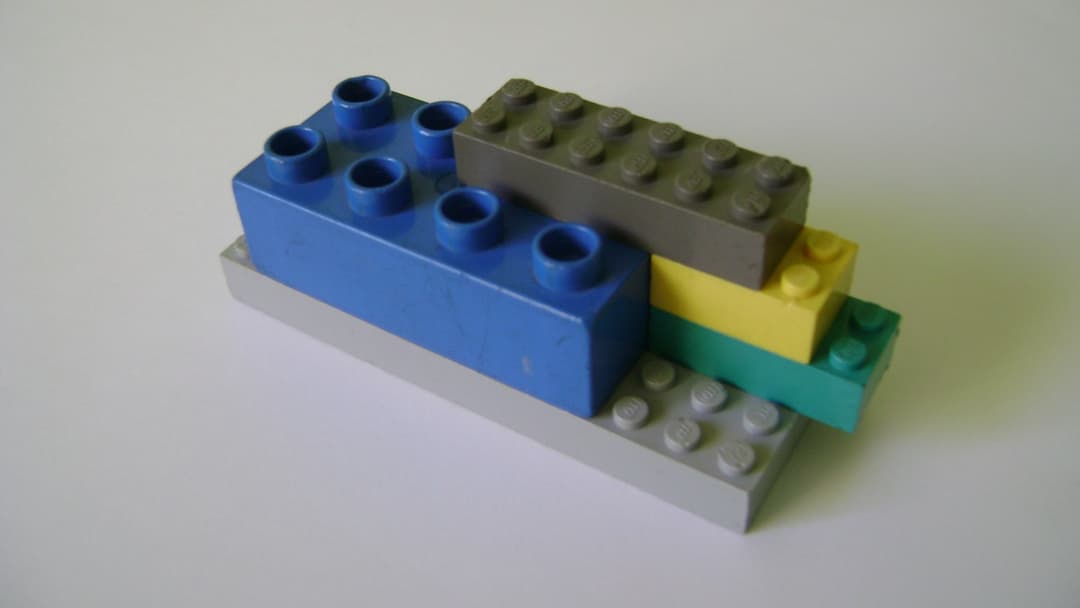
9. LEGO Interlocking Bricks
Danish carpenter Ole Kirk Christiansen patented the modern stud-and-tube coupling system in 1958, ensuring perfect brick grip and stability. Six standard eight-stud bricks can be assembled in over nine hundred million combinations, establishing a global standard for creative construction.
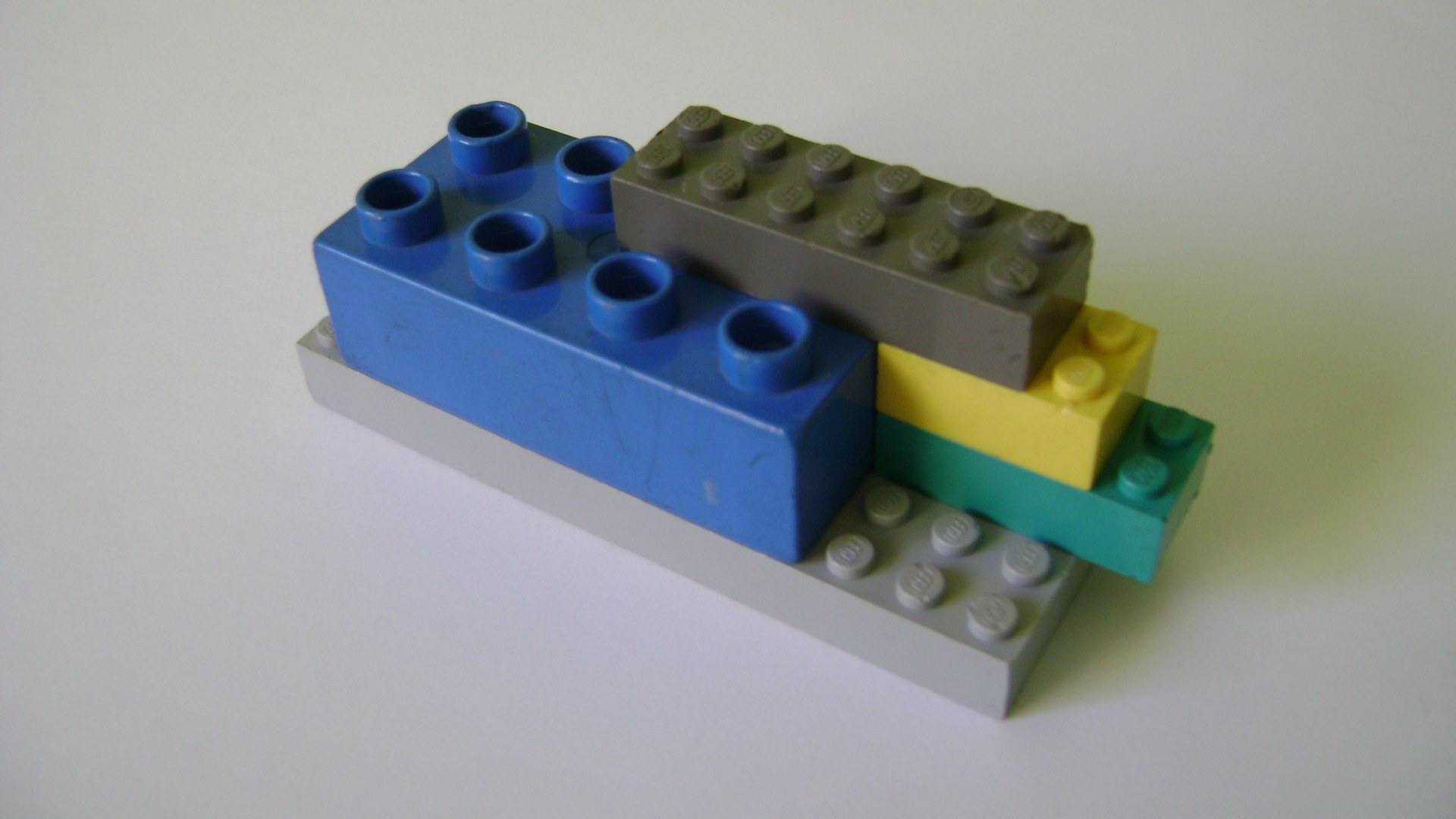
©Wikimedia / Alejandrodel97
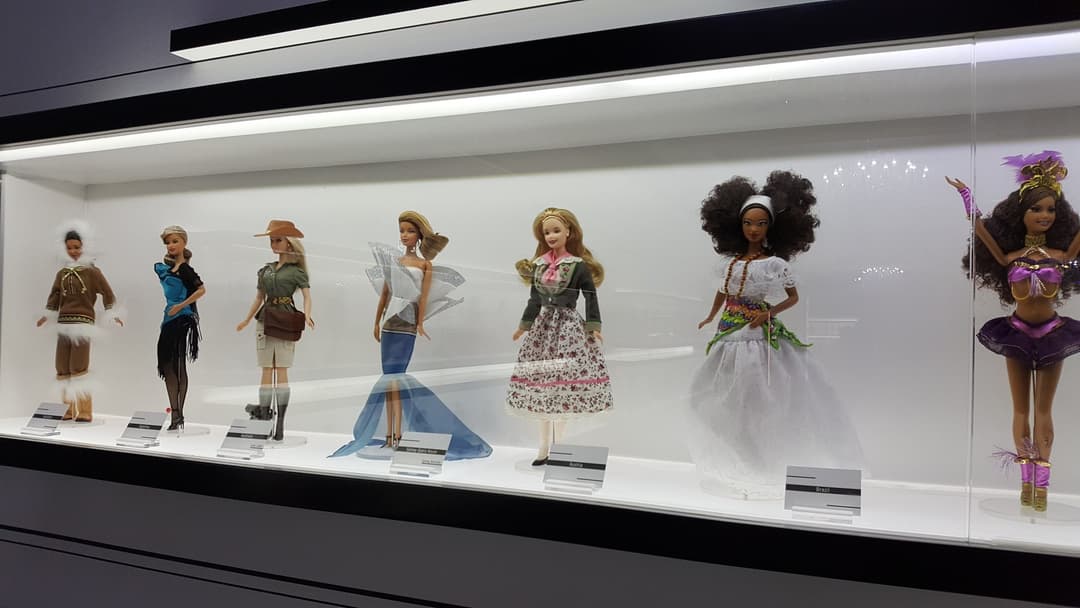
8. Barbie Fashion Doll
Debuting at the New York Toy Fair in March 1959, Mattel co-founder Ruth Handler named the revolutionary three-dimensional adult fashion doll after her daughter Barbara. Wearing an iconic black-and-white striped swimsuit, Barbie broke away from traditional baby doll formats.
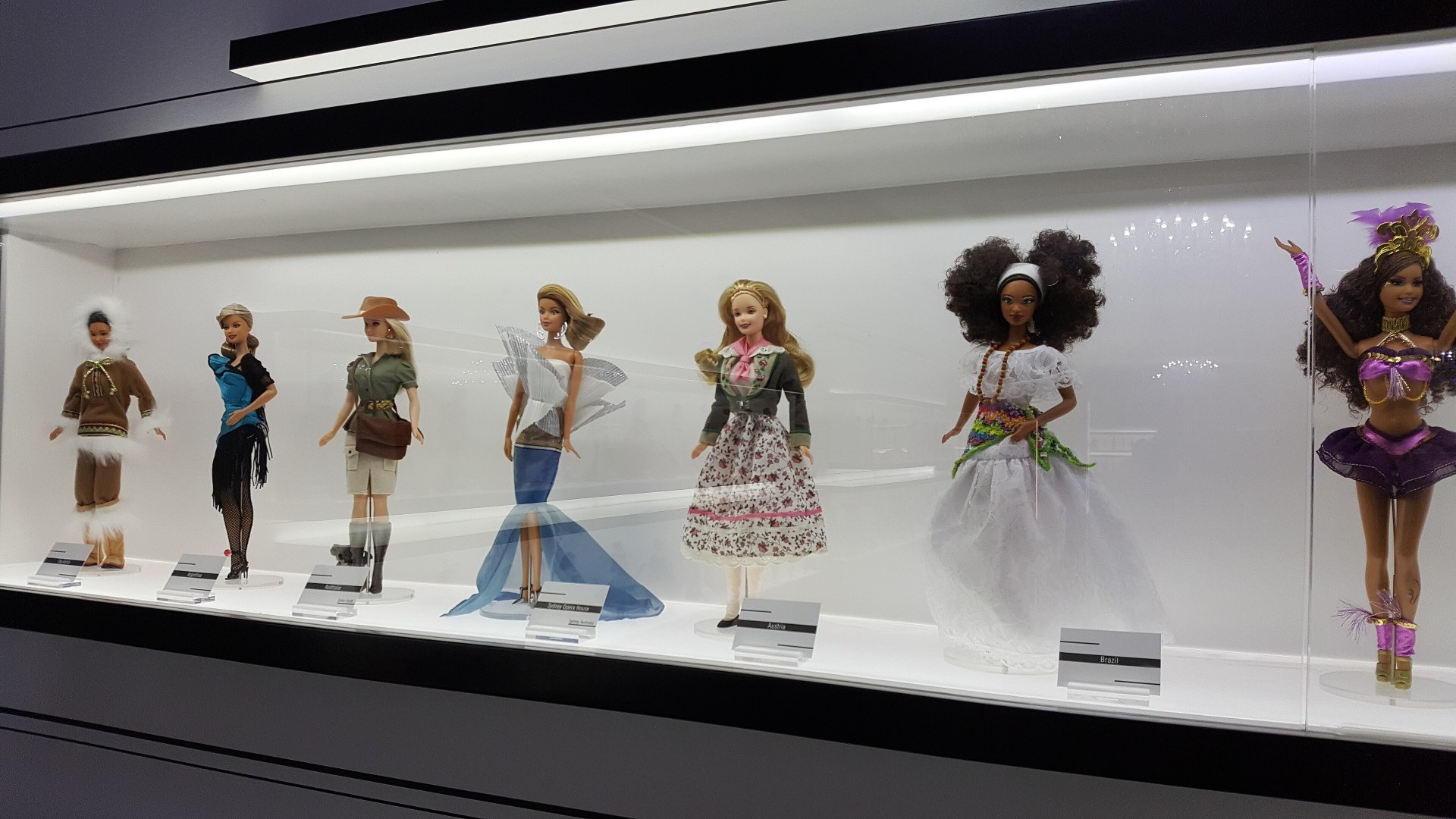
©Wikimedia / Ovedc
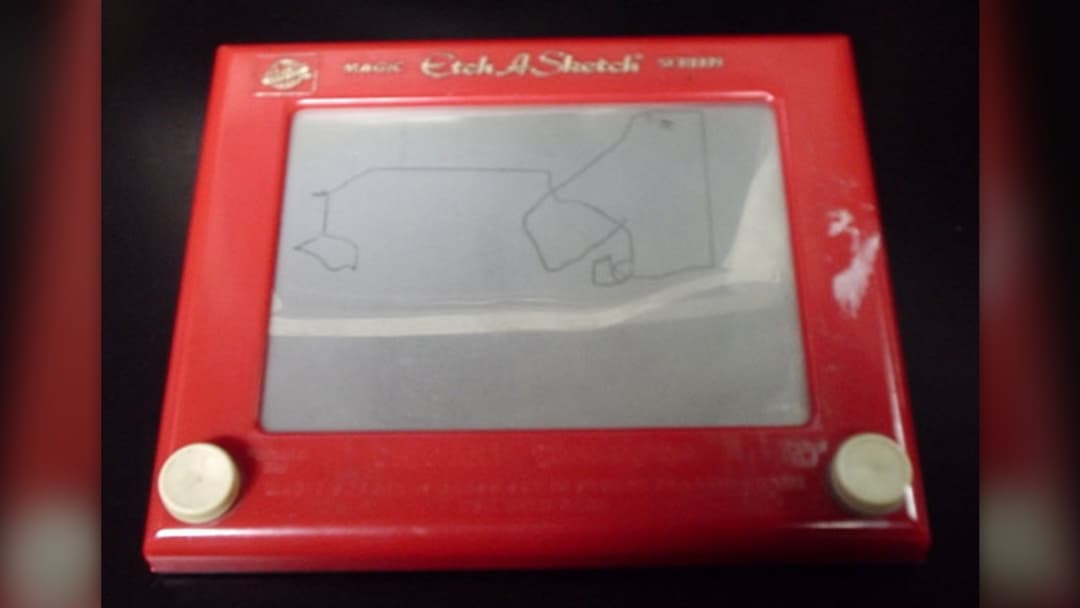
7. Etch A Sketch
Invented in France by Andre Cassagnes and manufactured by Ohio Art Company starting in 1960, this mechanical drawing board used aluminum powder and a stylus controlled by twin knobs. Shaking the device coated the glass anew, letting young artists start fresh sketches.
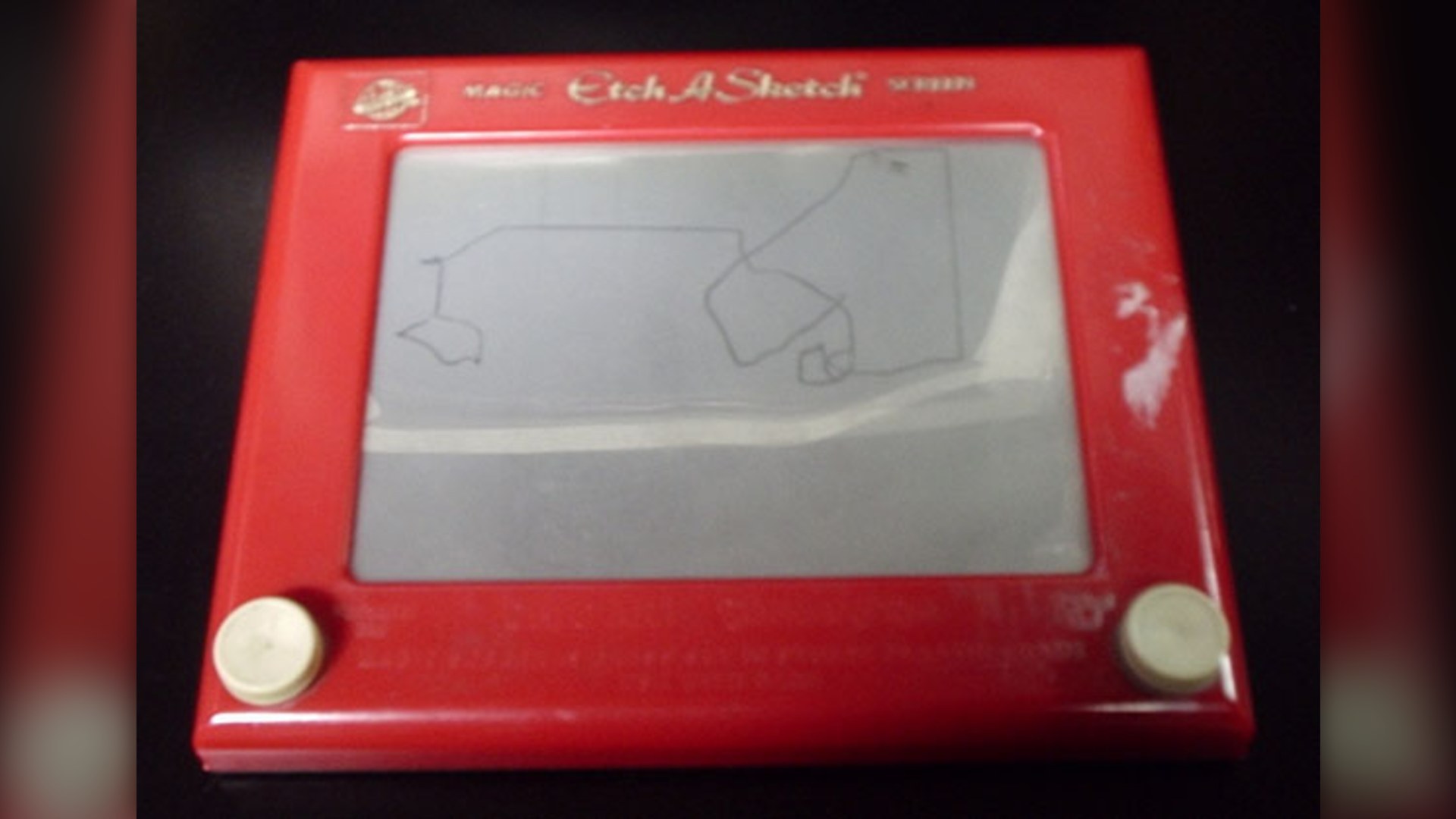
©Wikimedia / Uploader Ignacio Icke
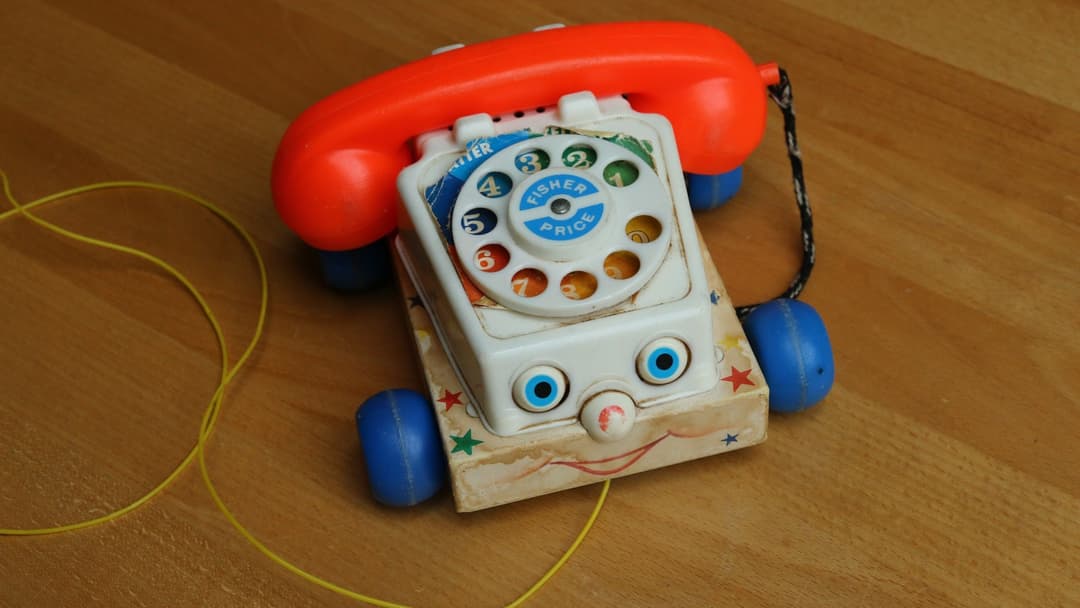
6. Fisher-Price Chatter Phone
Introduced in 1961 as the Talk Back Telephone, this smiling pull toy rolled on red wheels, blinking its cartoon eyes while making chattering noises. Generations of toddlers learned phone etiquette and basic number recognition through its spring-loaded rotary dial.
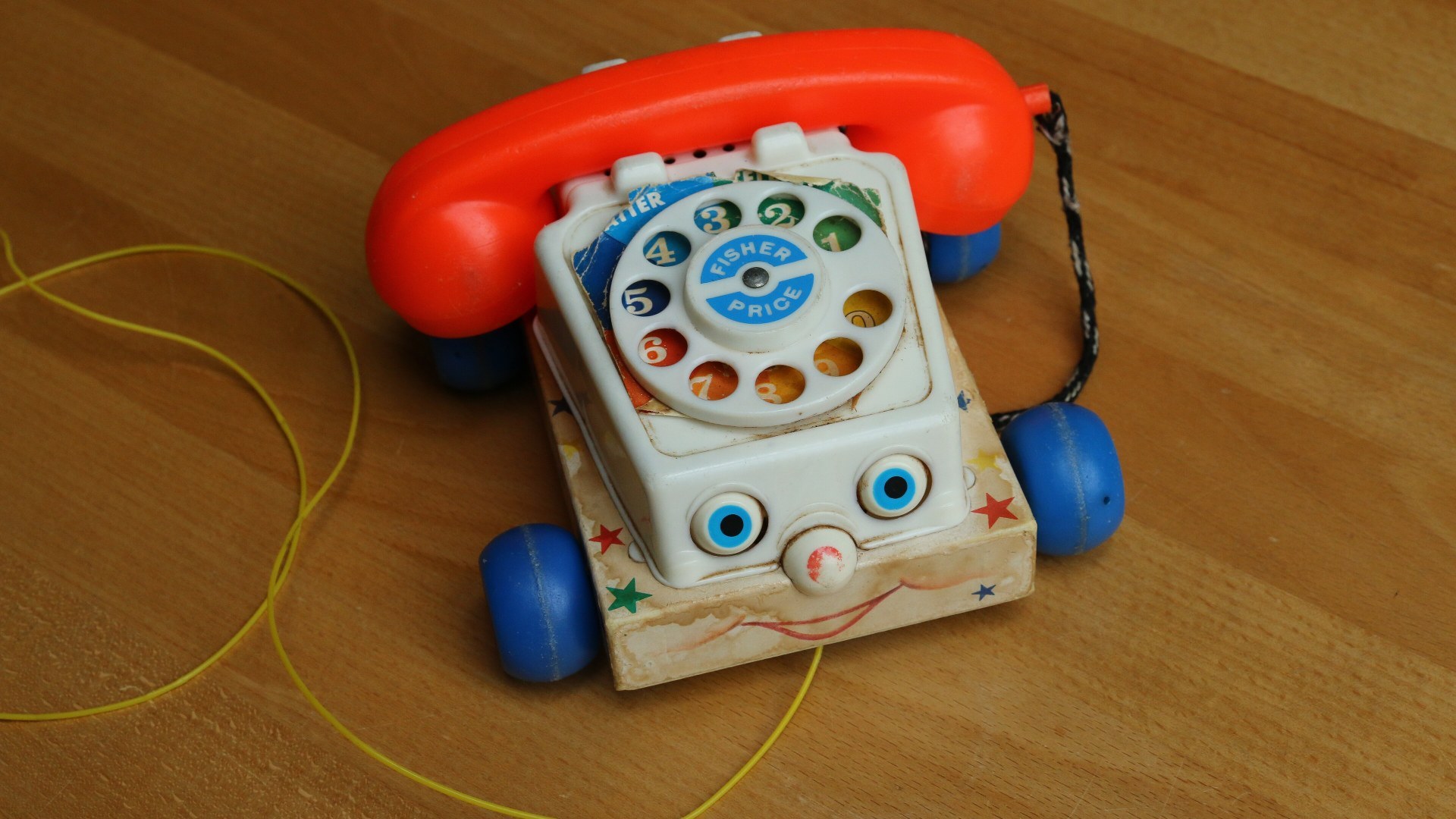
©Wikimedia / Sally V
Advertisement
Swipe or tap ▶ to resume the countdown.
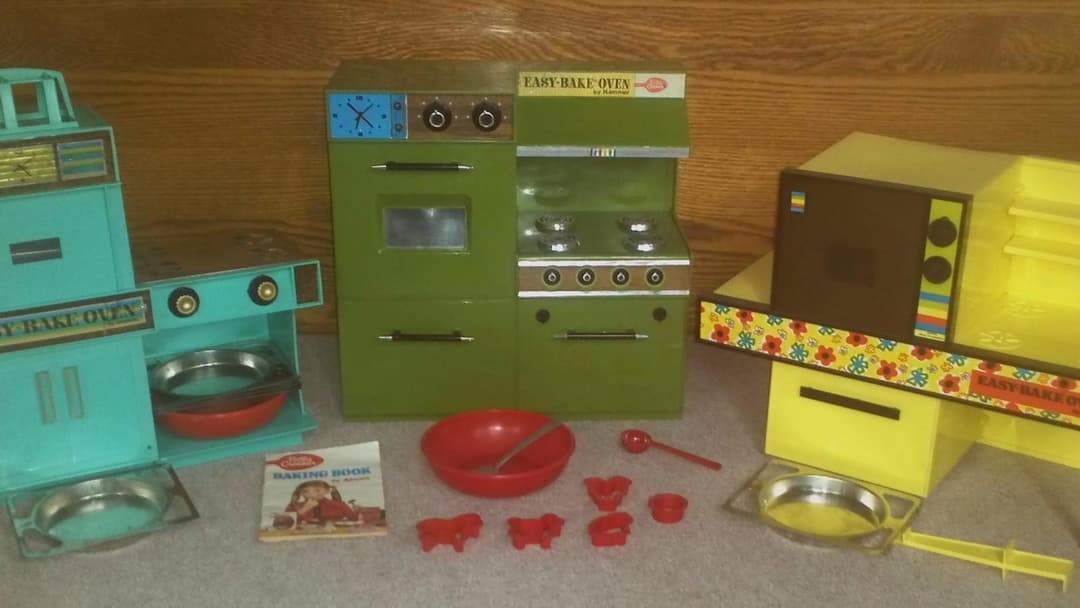
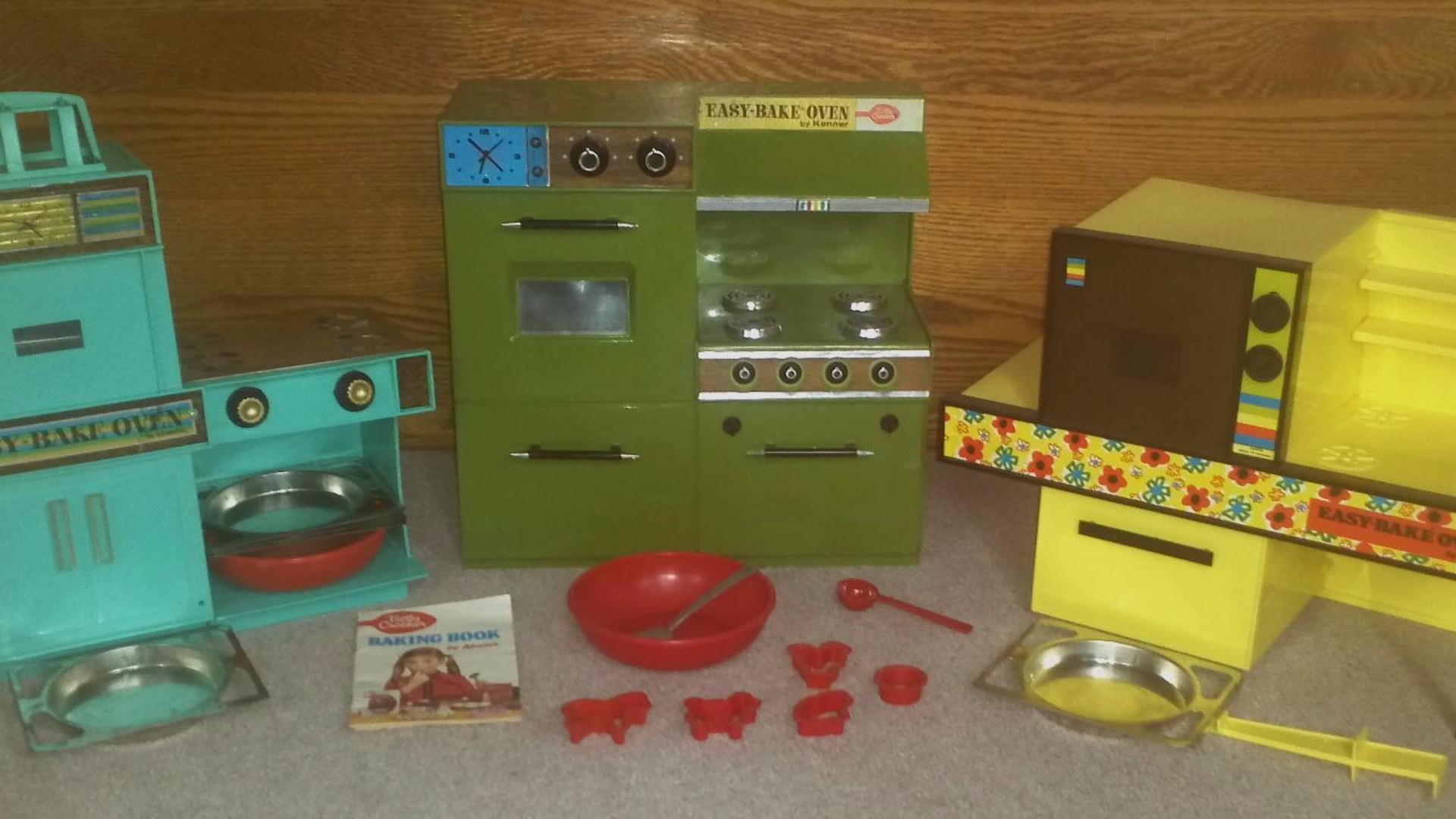
5. Easy-Bake Oven
Kenner debuted the turquoise-colored Easy-Bake Oven in 1963, using the heat of a single one-hundred-watt incandescent light bulb to bake miniature cakes. Kids pushed tiny aluminum pans through the warm chamber, experiencing the thrill of serving homemade baked treats.
©Wikimedia / Bradross63
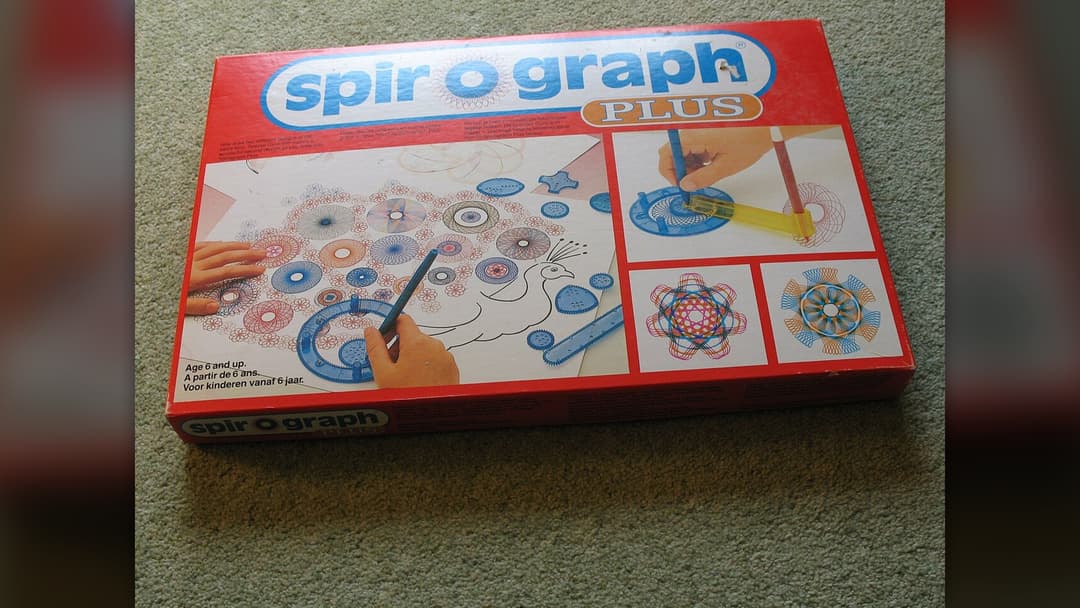
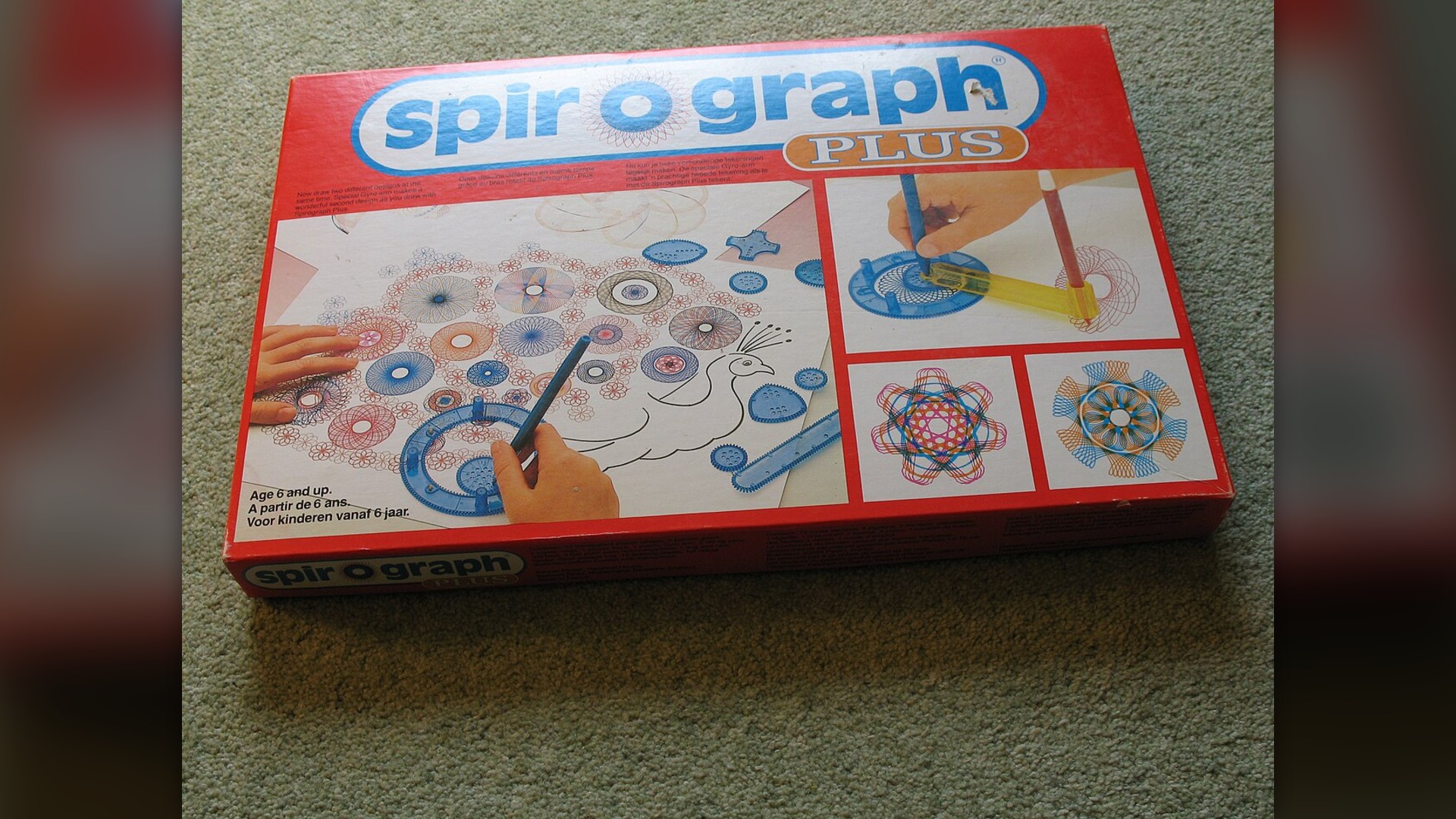
4. Spirograph Drawing Set
British engineer Denys Fisher developed the Spirograph in 1965, turning mathematical hypotrochoid curves into an accessible creative toy. Guiding ballpoint pens through interlocking toothed plastic gears allowed children to produce mesmerizing symmetrical patterns.
©Wikimedia / James Petts from London, England
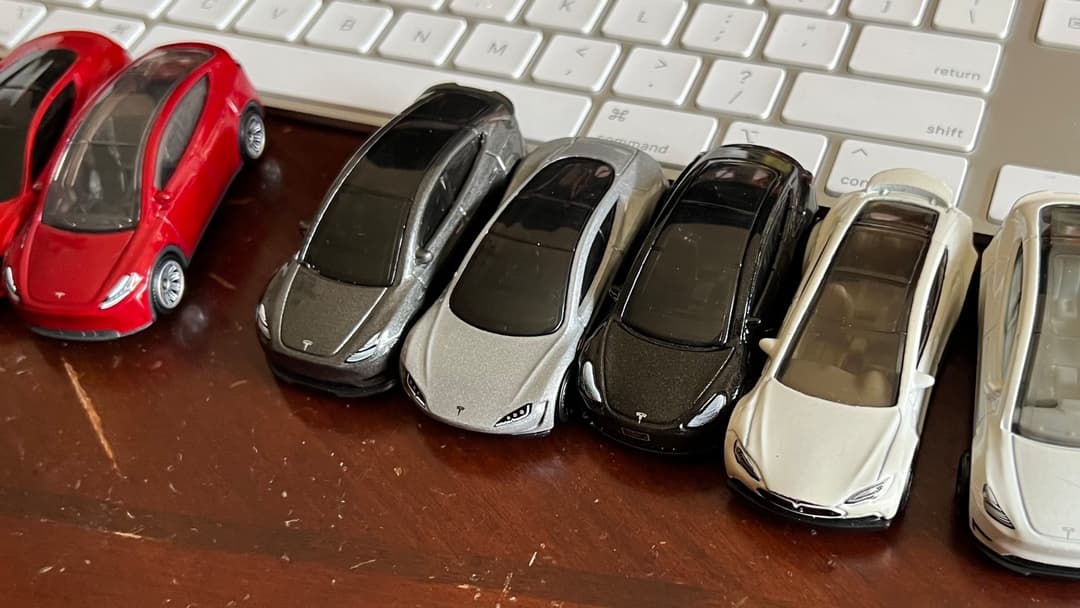
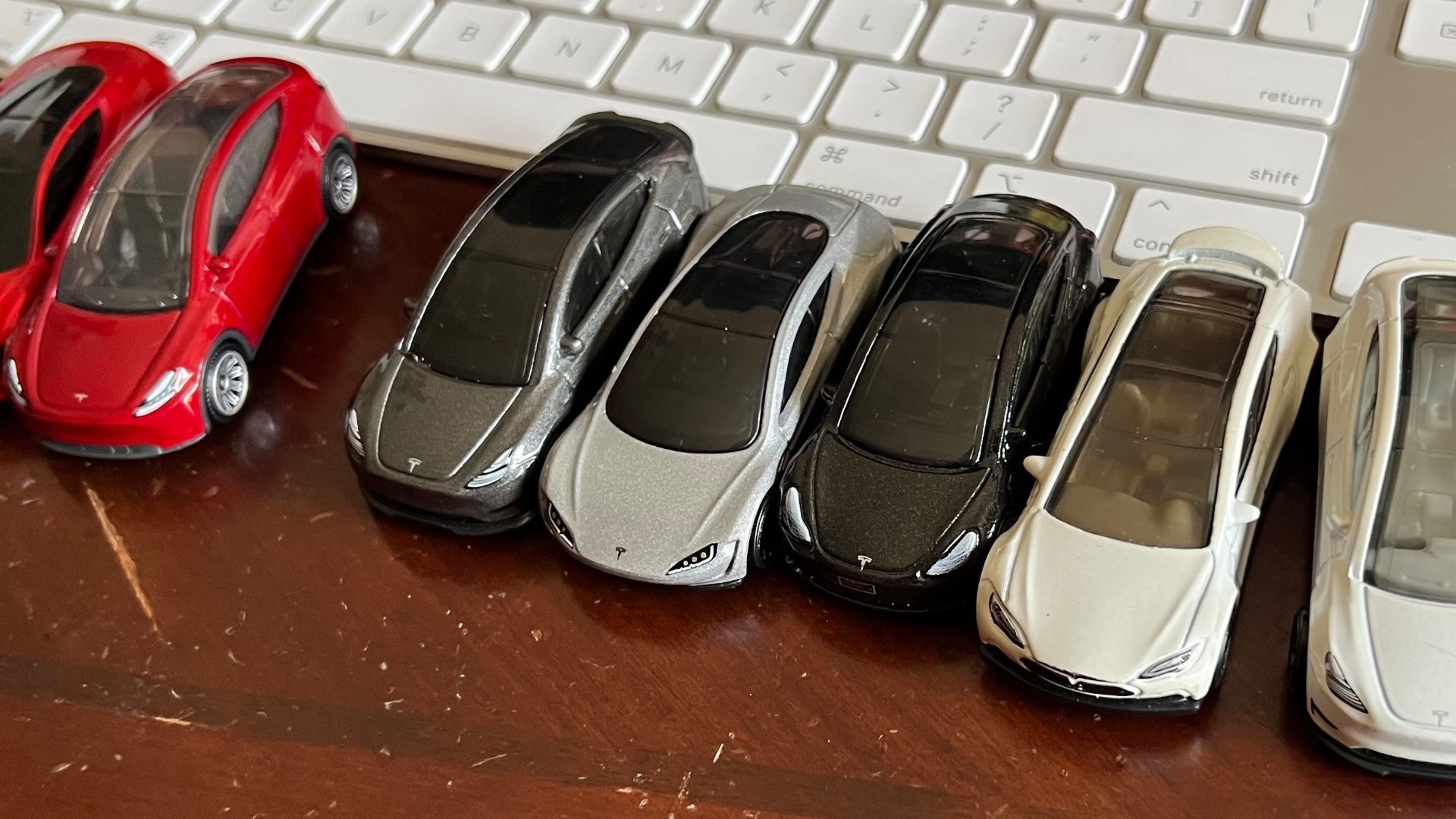
3. Hot Wheels Die-Cast Cars
Elliot Handler co-founded Hot Wheels in 1968 to challenge Matchbox with stylized California hot rods riding on low-friction Delrin wheel bearings. Flying through loops on bendable orange plastic tracks, the metallic miniature racers set a new benchmark for toy velocity.
©Wikimedia / Hans Herrington
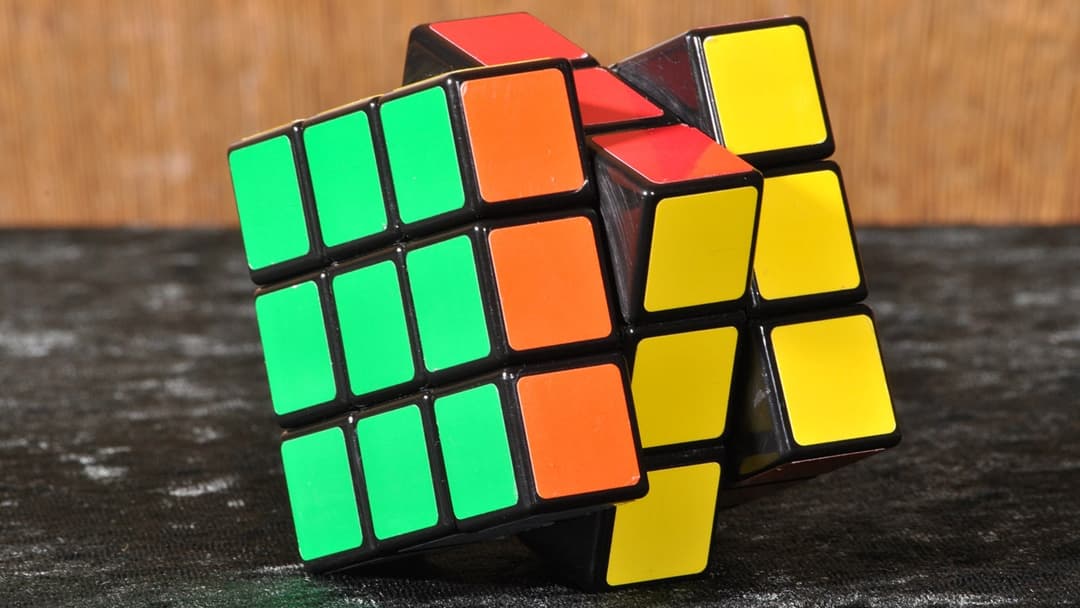
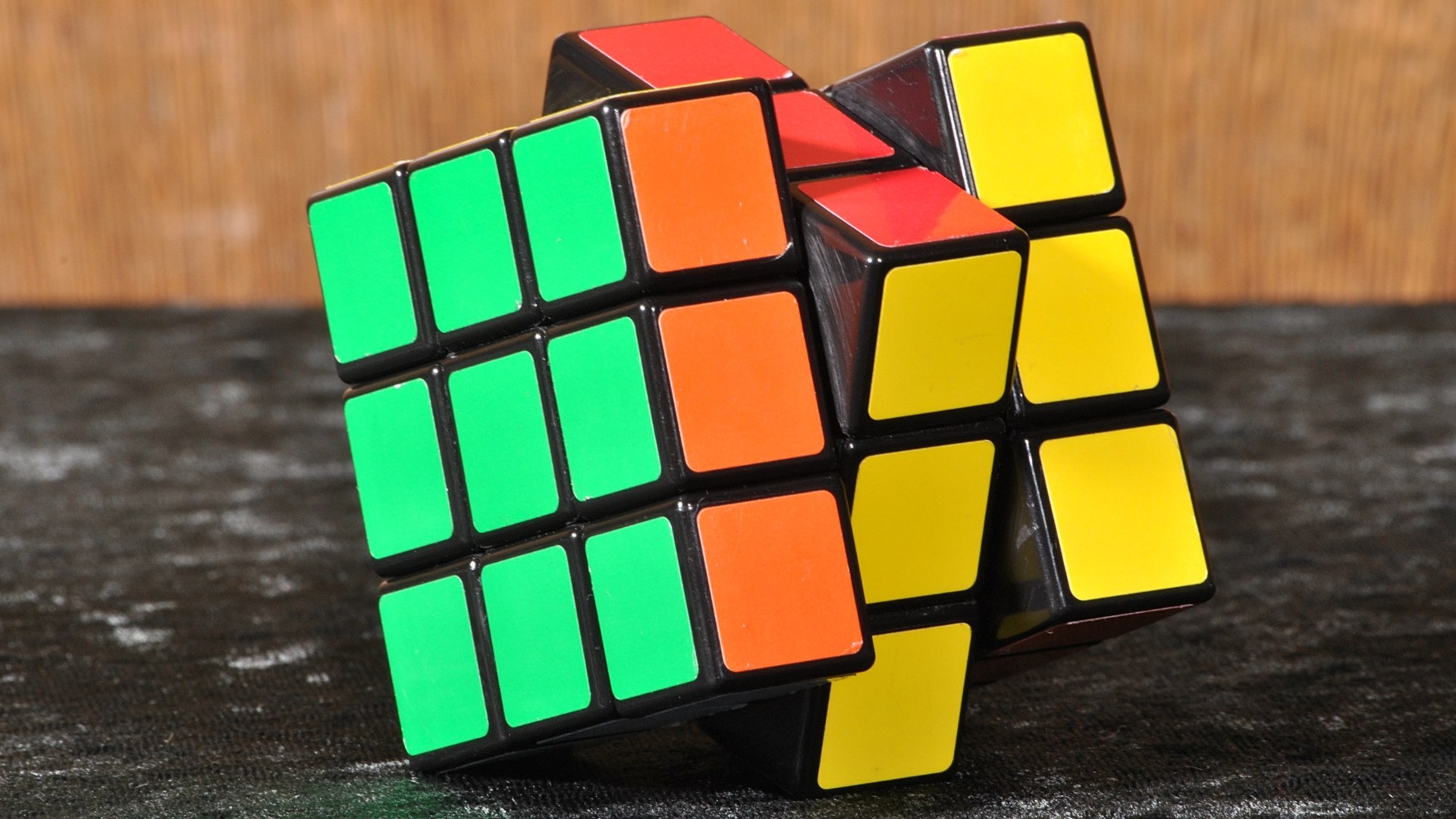
2. Rubik's Cube Puzzle
Invented in 1974 by Hungarian architecture professor Erno Rubik, this three-dimensional combination puzzle conquered the world in the early 1980s. With over forty-three quintillion possible configurations and only one solution, it remains history's best-selling puzzle.
©Wikimedia / kaʁstn Disk/Cat
Advertisement
Swipe or tap ▶ to resume the countdown.
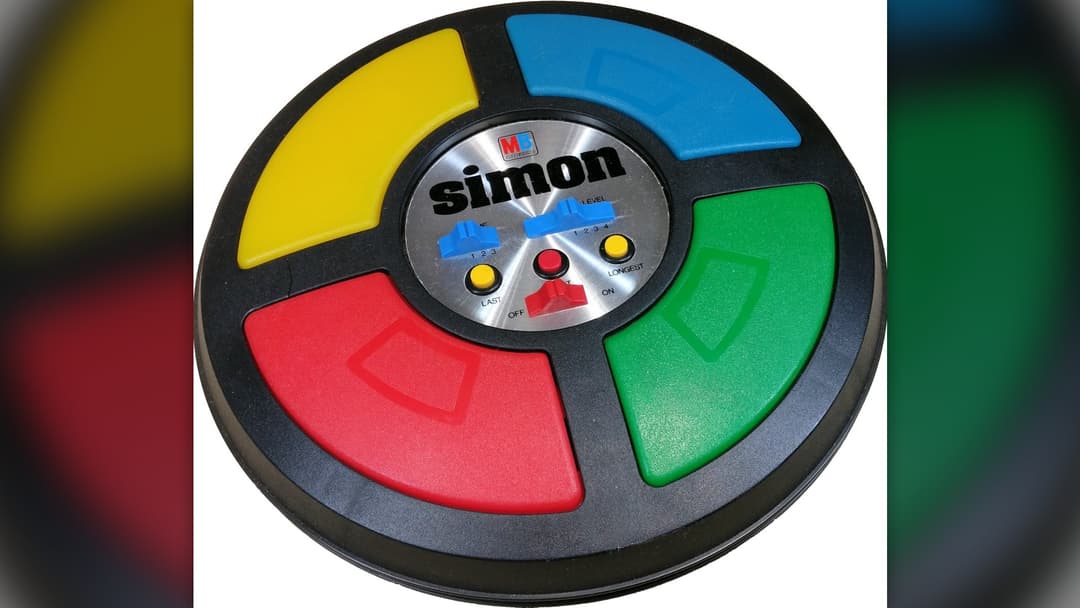
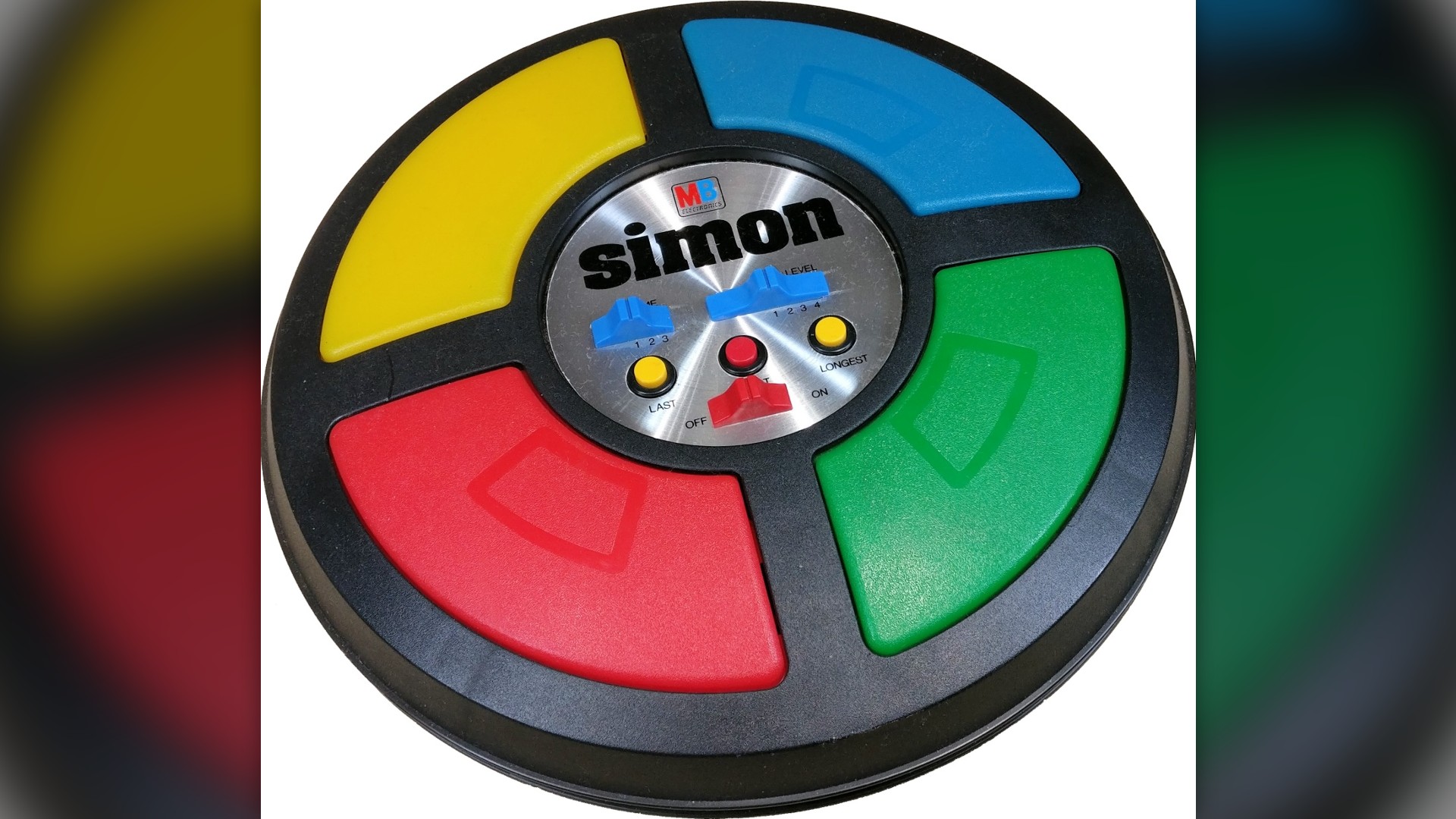
1. Simon Electronic Memory Game
Engineered by Ralph Baer and Howard Morrison in 1978, Simon tested players with increasingly rapid sequences of flashing colored lenses and synthesized tones. Its rhythmic memory challenge became a staple of family game nights and a landmark in electronic toys.
©Wikimedia / Shritwod
Advertisement
You've reached the end of the story. Thanks for reading!

20 Oldest Fast Food Chains in America Still Operating Today
Ranked by official corporate founding dates, these 20 pioneering fast food chains survived economic depressions and shifting consumer tastes to remain American dining staples.
All 20 Entries in this Story
20. Lionel Model Trains
Introduced in 1901 by Joshua Lionel Cowen, these detailed electric locomotives captivated generations of young engineers. Running on three-rail steel tracks, the heavy die-cast engines featured working headlights, authentic whistles, and real billowing smoke pellets.

19. Lincoln Logs
Created in 1916 by John Lloyd Wright, son of renowned architect Frank Lloyd Wright, these stained wooden logs let children erect miniature frontier cabins. The interlocking notches taught foundational engineering principles through tactile construction.

18. Classic Glass Marbles
Mass manufacturing of glass marbles began in Ohio around 1903, turning an ancient pastime into a schoolyard sensation. Children carried prized shooters and aggies in cloth drawstring pouches, competing in circle games to capture their friends' most colorful pieces.

17. Radio Flyer Wagon
Italian immigrant Antonio Pasin started assembling red stamped-steel wagons in Chicago in 1917, naming them Radio Flyer after the era's breakthroughs in wireless radio and flight. The sturdy coaster became an essential fixture of suburban childhood haulage and backyard play.

16. Duncan Yo-Yo
Entrepreneur Donald Duncan bought out toy maker Pedro Flores in 1929 and popularized the yo-yo across America through traveling demonstration squads. Mastering the sleeper and walking the dog made the pocket-sized wooden toy a permanent playground rite of passage.

15. View-Master 3D Viewer
Introduced at the 1939 New York World's Fair, this handheld stereoscopic viewer used circular paper reels holding seven pairs of Kodachrome color film slides. Clicking the mechanical lever instantly transported young viewers to distant tourist landmarks and fantasy scenes.

14. Original Slinky
Naval engineer Richard James accidentally invented the Slinky in 1943 after a torsion spring tumbled off his workstation shelf. Debuting at Gimbels department store in 1945, the hypnotic metal coil fascinated millions by climbing end-over-end down staircases.

13. Tonka Dump Truck
Founded in Minnesota in 1947, Tonka built toy vehicles out of heavy automotive-gauge sheet steel to withstand extreme sandbox punishment. The bright yellow Mighty Dump Truck became legendary for surviving outdoor drops, gravel hauls, and generations of rugged play.

12. Magic 8 Ball
Invented by Albert Carter and Abe Bookman, the Magic 8 Ball launched in 1950 housing an icosahedral die floating inside dark blue liquid. Kids shook the plastic billiard sphere to reveal twenty cryptic answers, seeking mystical guidance on classroom crushes and recess dares.

11. Mr. Potato Head
Created by George Lerner in 1952, Mr. Potato Head originally consisted of plastic facial parts meant to be pushed into real household vegetables. It made history as the very first toy advertised on broadcast television before Hasbro added a plastic potato body in 1964.

10. Play-Doh Modeling Compound
Originally formulated in the 1930s as a wallpaper cleaner, this non-toxic wheat flour compound was repurposed as a children's modeling toy in 1956. Packaged in signature yellow cardboard cans, the soft modeling dough encouraged tactile sculpting across nursery classrooms.

9. LEGO Interlocking Bricks
Danish carpenter Ole Kirk Christiansen patented the modern stud-and-tube coupling system in 1958, ensuring perfect brick grip and stability. Six standard eight-stud bricks can be assembled in over nine hundred million combinations, establishing a global standard for creative construction.

8. Barbie Fashion Doll
Debuting at the New York Toy Fair in March 1959, Mattel co-founder Ruth Handler named the revolutionary three-dimensional adult fashion doll after her daughter Barbara. Wearing an iconic black-and-white striped swimsuit, Barbie broke away from traditional baby doll formats.

7. Etch A Sketch
Invented in France by Andre Cassagnes and manufactured by Ohio Art Company starting in 1960, this mechanical drawing board used aluminum powder and a stylus controlled by twin knobs. Shaking the device coated the glass anew, letting young artists start fresh sketches.

6. Fisher-Price Chatter Phone
Introduced in 1961 as the Talk Back Telephone, this smiling pull toy rolled on red wheels, blinking its cartoon eyes while making chattering noises. Generations of toddlers learned phone etiquette and basic number recognition through its spring-loaded rotary dial.

5. Easy-Bake Oven
Kenner debuted the turquoise-colored Easy-Bake Oven in 1963, using the heat of a single one-hundred-watt incandescent light bulb to bake miniature cakes. Kids pushed tiny aluminum pans through the warm chamber, experiencing the thrill of serving homemade baked treats.

4. Spirograph Drawing Set
British engineer Denys Fisher developed the Spirograph in 1965, turning mathematical hypotrochoid curves into an accessible creative toy. Guiding ballpoint pens through interlocking toothed plastic gears allowed children to produce mesmerizing symmetrical patterns.

3. Hot Wheels Die-Cast Cars
Elliot Handler co-founded Hot Wheels in 1968 to challenge Matchbox with stylized California hot rods riding on low-friction Delrin wheel bearings. Flying through loops on bendable orange plastic tracks, the metallic miniature racers set a new benchmark for toy velocity.

2. Rubik's Cube Puzzle
Invented in 1974 by Hungarian architecture professor Erno Rubik, this three-dimensional combination puzzle conquered the world in the early 1980s. With over forty-three quintillion possible configurations and only one solution, it remains history's best-selling puzzle.

1. Simon Electronic Memory Game
Engineered by Ralph Baer and Howard Morrison in 1978, Simon tested players with increasingly rapid sequences of flashing colored lenses and synthesized tones. Its rhythmic memory challenge became a staple of family game nights and a landmark in electronic toys.