Slideshow · Viral
25 Strange Ways the Medieval Church Ruled Everyday Existence
The medieval Church did far more than provide spiritual guidance; it was the supreme legal, economic, and social regulator of every citizen's life. Here are 25 ways it exerted authority.

















All 25 Entries in this Story
1. Regulating The Yearly Calendar
The liturgical calendar dictated the rhythm of medieval life. By establishing feast days and saints' days, the Church effectively created the work and rest schedule for the entire peasantry of Europe.

2. Mandatory Fasting Laws
The Church mandated fasting on specific days, including Lent, Advent, and every Friday. Citizens were expected to abstain from meat, dairy, and eggs, forcing local diets to comply with religious schedules.

3. Strict Dietary Compliance
Church officials and local authorities often inspected marketplaces to ensure shops weren't selling forbidden meat during fasts. Public compliance was expected, with severe penalties for merchants who failed to adhere to dietary religious standards.

4. Enforcing Sunday Rest
Sunday was mandated as a day of prayer and total rest. Breaking this decree by performing manual or commercial labor could lead to fines, public shaming, or mandatory religious instruction.

5. Control Of Literacy
Through monastic scriptoria, the Church controlled the production of manuscripts and knowledge. By limiting literacy largely to the clergy, the Church became the gatekeeper of all intellectual advancement in society.

6. The Church Tithe
Every medieval family was legally required to donate a tenth of their annual yield to the local church. This enormous tax resource effectively made the Church a primary landlord and economic center.
7. Marriage License Authority
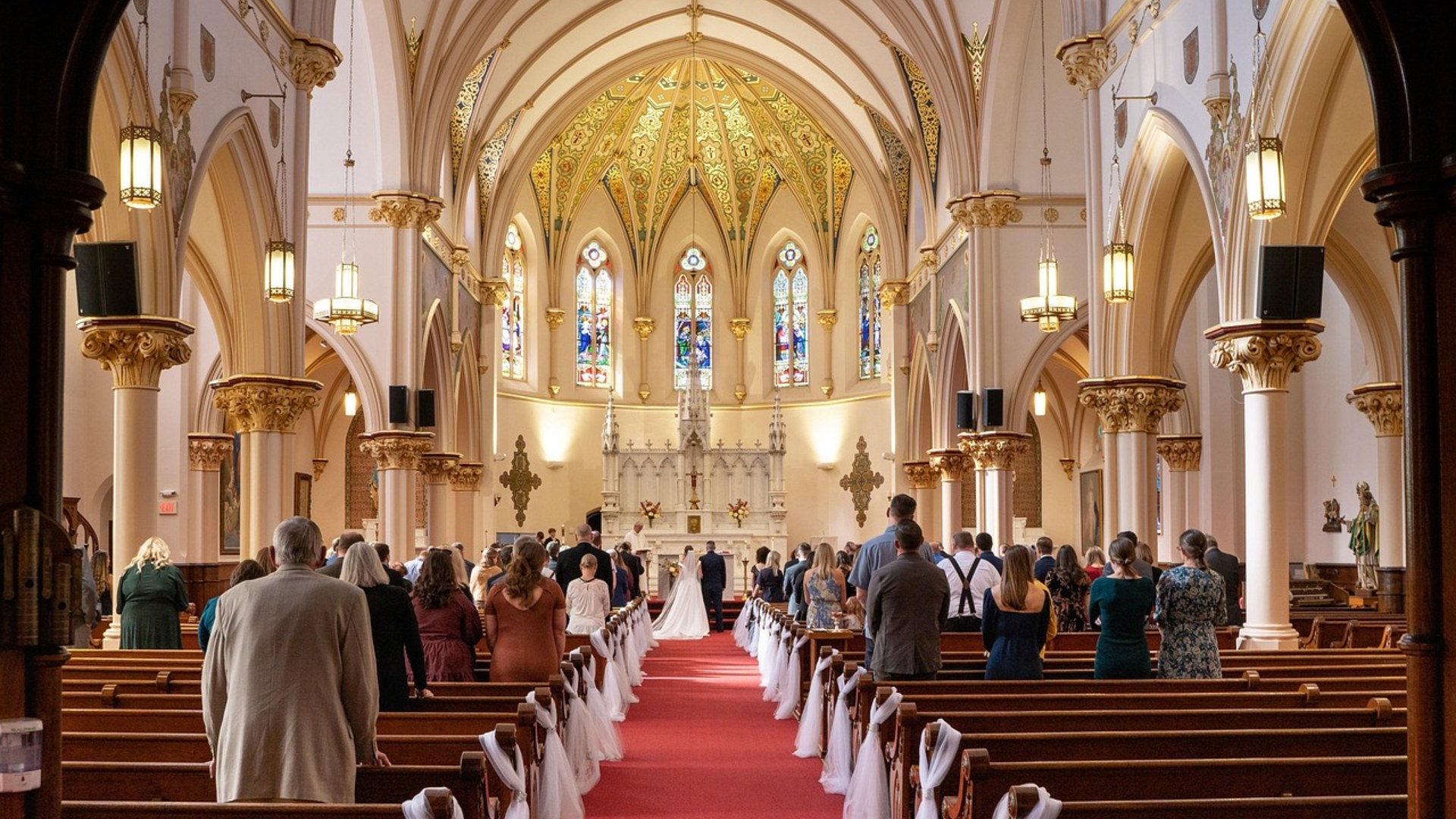
The Church held complete jurisdiction over matrimonial law. Couples could not simply live together or marry privately; the local parish priest had to authorize every union to ensure it followed canon law.
8. Regulation Of Kinship
The Church enforced complex rules against marrying within certain degrees of consanguinity. By often prohibiting unions among second or third cousins, the Church held the power to annul marriages at will.

9. Monastic Social Control
Monasteries were far more than places of worship; they functioned as local economic powerhouses, education centers, and legal hubs. By controlling these facilities, the Church exerted pervasive influence over local trade and societal structure.

10. Mandatory Tithes
Beyond the basic ten percent, churches often imposed additional tithes for local repairs and administrative needs, placing an enormous financial burden on peasant families struggling to survive off their own harvests.

11. Public Penance Rituals
Those found guilty of moral transgressions were required to perform public penance. This often involved standing outside the church for hours in specific clothing, a practice that ensured the entire community bore witness to their shaming.
12. Regulation Of Midwifery
Childbirth was not exempt from clerical control. Midwives had to receive approval and training from the Church to perform baptisms in emergencies, effectively turning the birthing room into an extension of parish authority.

13. Legal Testimony Control
In many medieval disputes, testimony from someone who was not in good standing with the local parish was considered invalid. This meant that simply being out of favor with the Church could strip a person of their legal voice in the community.
14. Market Inspection Fees
The Church often used the regulation of weights and measures as a pretext to collect fees for market inspections. Merchants had to pay the Church for the right to use standardized tools, making trade another branch of church revenue.

15. Musical Expression Limits
The Church defined what instruments were appropriate and what lyrical content was permissible. Secular music that touched on themes of paganism or excessive joy was often banned, narrowing the scope of cultural expression.

16. Mandated Confession
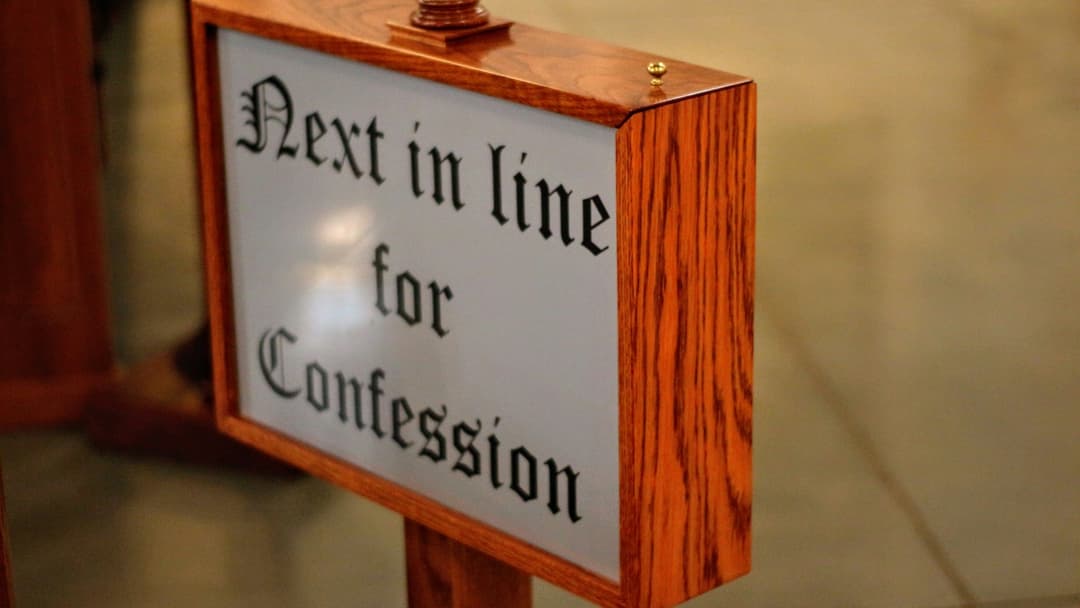
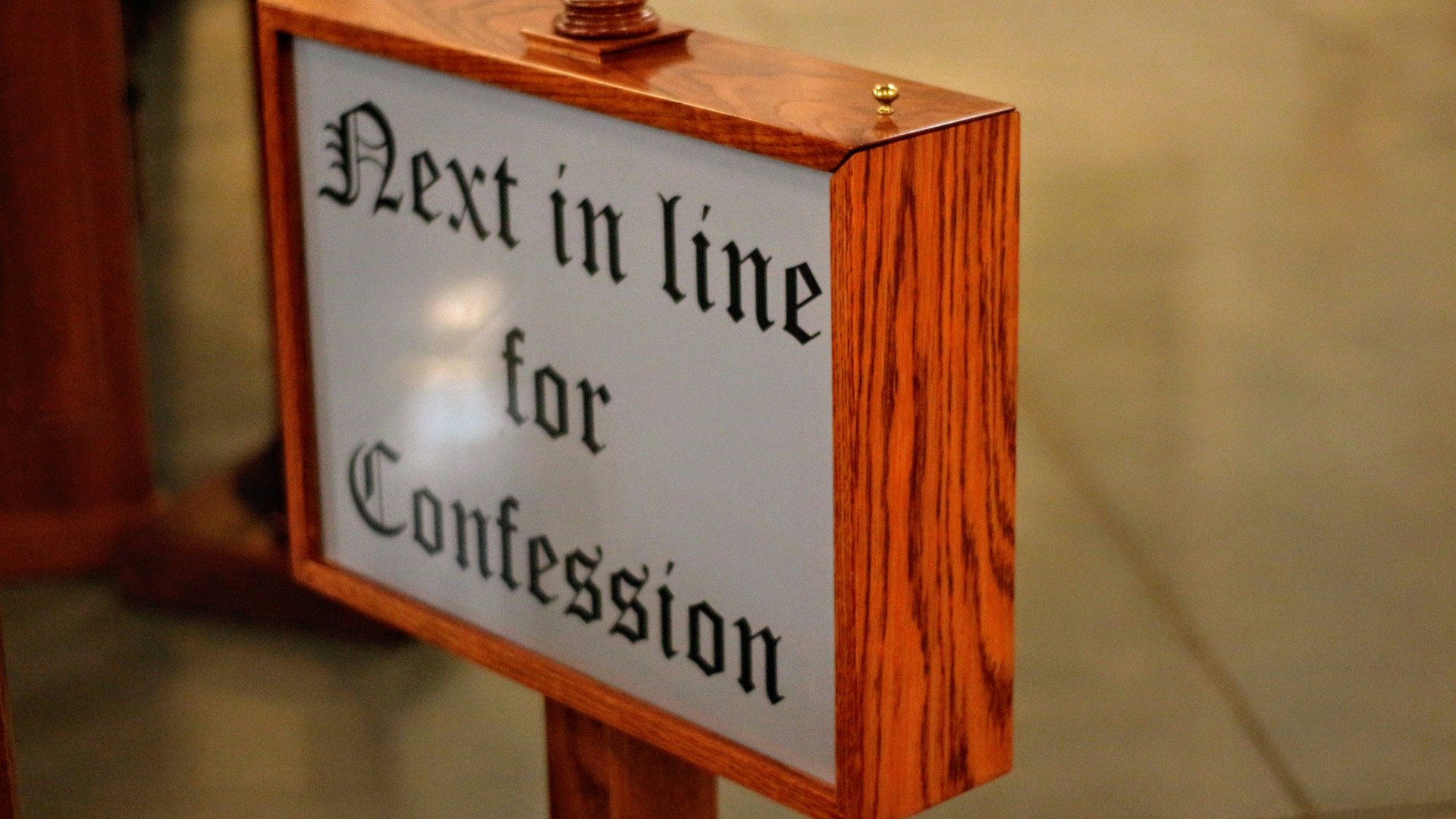
The Fourth Lateran Council formalized the requirement for annual confession. This practice not only ensured moral alignment but also provided the clergy with deep intelligence regarding community sentiment and potential dissenting movements.
17. Artistic Content Control
Visual art in churches served as a teaching tool for the illiterate, but it also functioned as a tool for ideological control. Every scene and color choice had to align with the theological message dictated by the Church hierarchy.
18. Regulation Of Hospitality
Travelers and innkeepers had to comply with Church mandates regarding the behavior of their guests. If an inn allowed forbidden behaviors or failed to uphold Church holidays, it could be closed down by local religious leaders.

19. Guardianship Of Orphans
Orphans and abandoned children were often taken under the wing of the local church. While this provided care, it also ensured these children were raised within the strict dogmatic framework of the parish.

20. Book Censorship
The Church maintained lists of forbidden texts, particularly those suggesting scientific theories that challenged theological understandings of the world. Possessing or distributing these works was a grave offense against the faith.

21. Timekeeping Control
Before the widespread use of personal clocks, the Church bell-ringing schedule was the clock for the entire town. These sounds were controlled by the parish to dictate when it was time for prayer, work, and sleep.
22. Dress Code Edicts
Ecclesiastical authorities often issued edicts regarding modest attire. Those who defied these dress codes, or who wore extravagant fabrics deemed inappropriate for their social station, were often publicly censured during services.

23. Ban On Usury
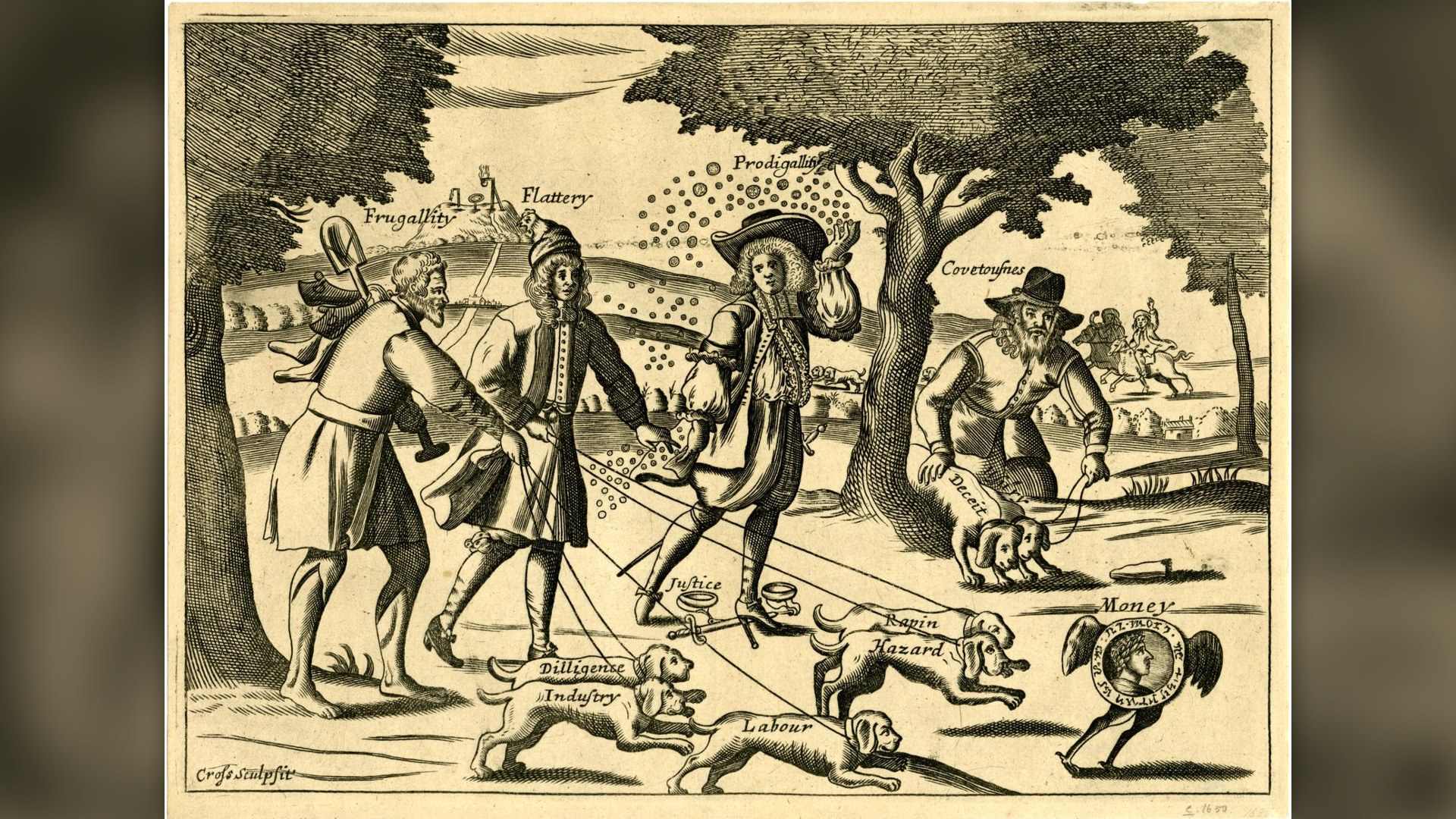
The Church strictly prohibited usury, or charging interest on money lent. This regulation severely curtailed commercial growth and forced communities to rely on the Church for economic support and community resource lending.
24. Debate Supervision
If the community wanted to gather to discuss local issues, the Church often required a cleric to be present. This allowed the institution to monitor and steer public discussion, ensuring it never undermined the parish's authority.
25. Church Law Authority
Ultimately, the Church stood as the highest legal authority in the land. When civil and canon laws conflicted, the Church's regulations generally took precedence, leaving no doubt about where true power resided in medieval society.