Slideshow · Lifestyle
20 Common Superstitions Americans Still Follow
Millions of Americans still knock on wood, avoid black cats, and pick up lucky pennies without a second thought. Folklore historians and psychology researchers at Harvard and Gallup document how ancient customs survive in modern daily habits. Here are 20 enduring superstitions that people continue to practice.






All 20 Entries in this Story
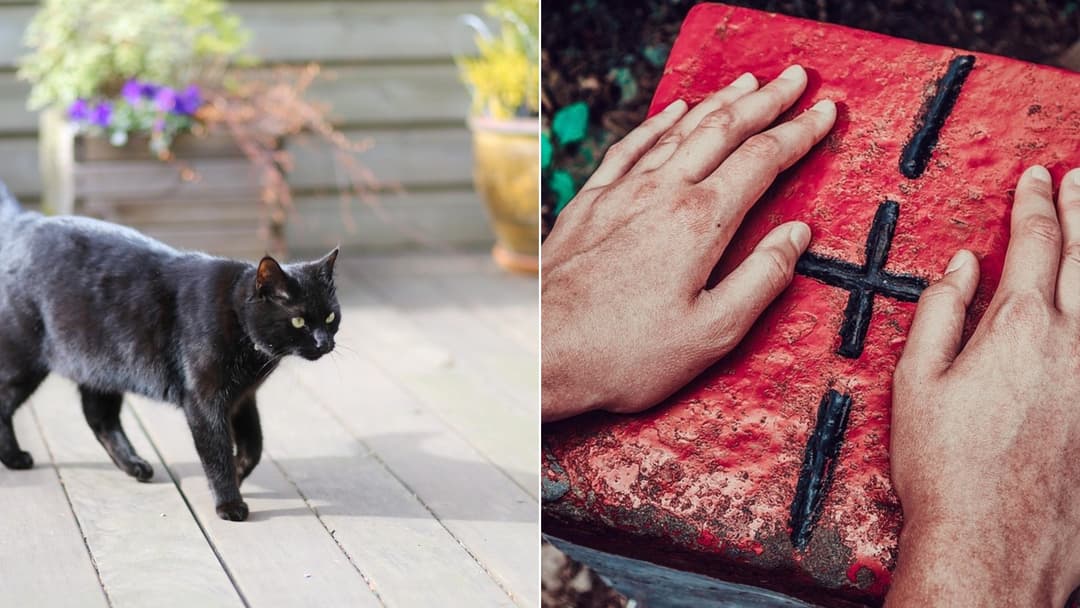
Knocking On Wood
Tapping oak or timber dates back to pagan Europe, where tree spirits were thought to protect mortals. University of Chicago cognitive research shows that physical actions like wood tapping give people a measurable feeling of psychological relief after speaking rashly.
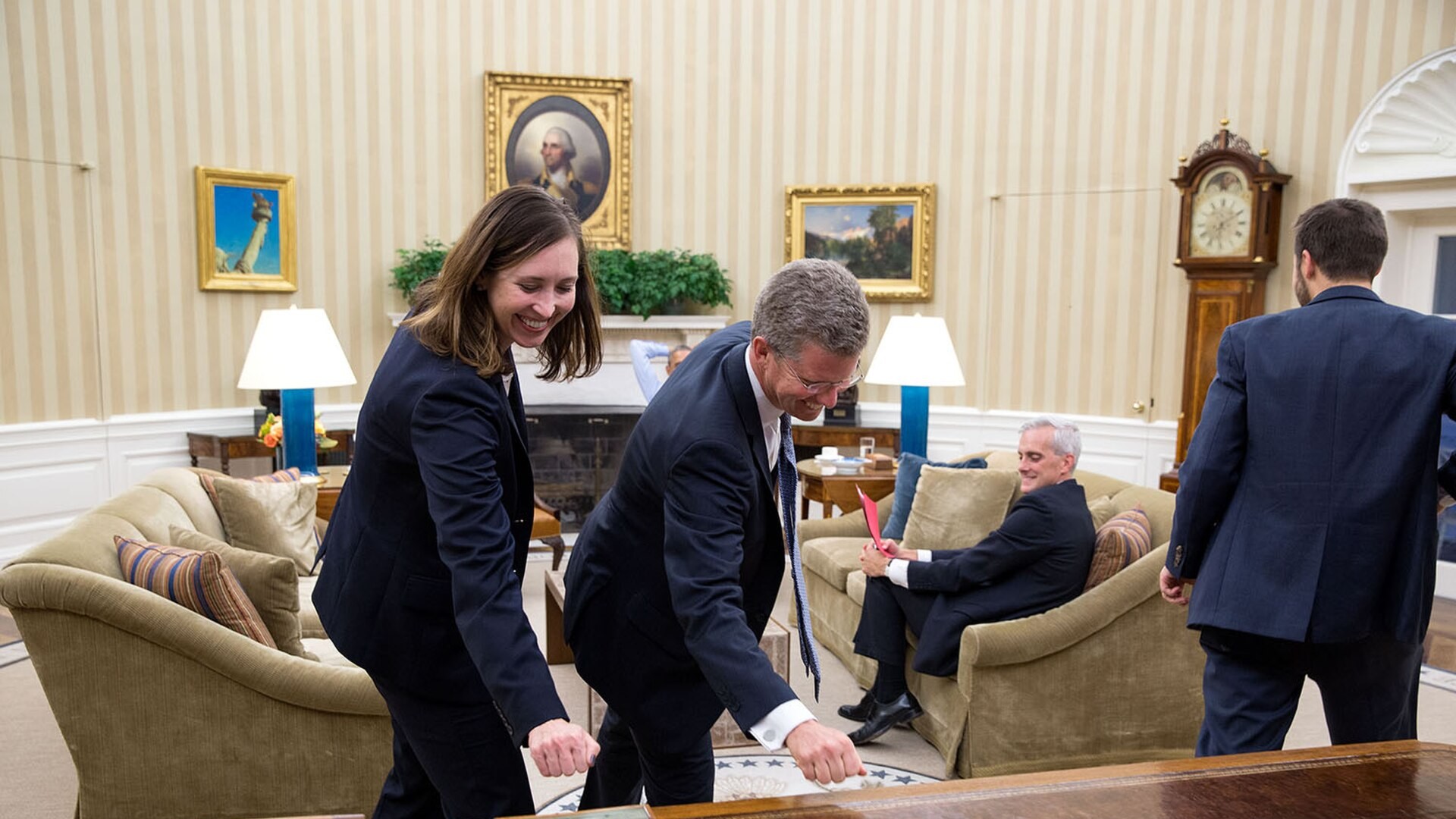
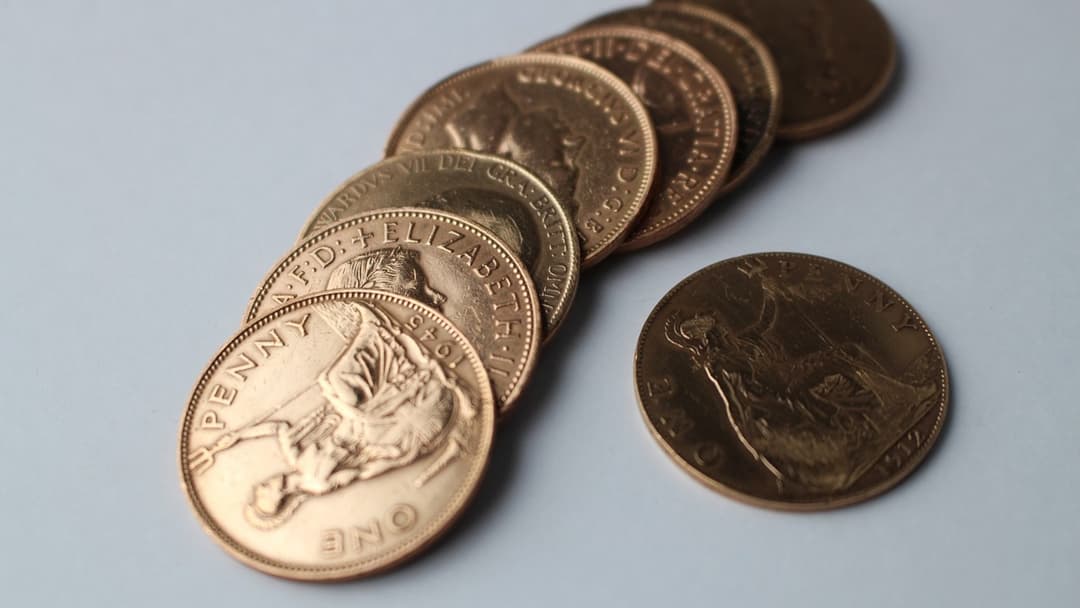
Finding A Lucky Penny
Ancient civilizations viewed found metal as a gift from protective deities. Today, folklore across the United States dictates that a face-up cent delivers good fortune, while a tails-up penny brings bad luck unless flipped over for the next pedestrian to discover.
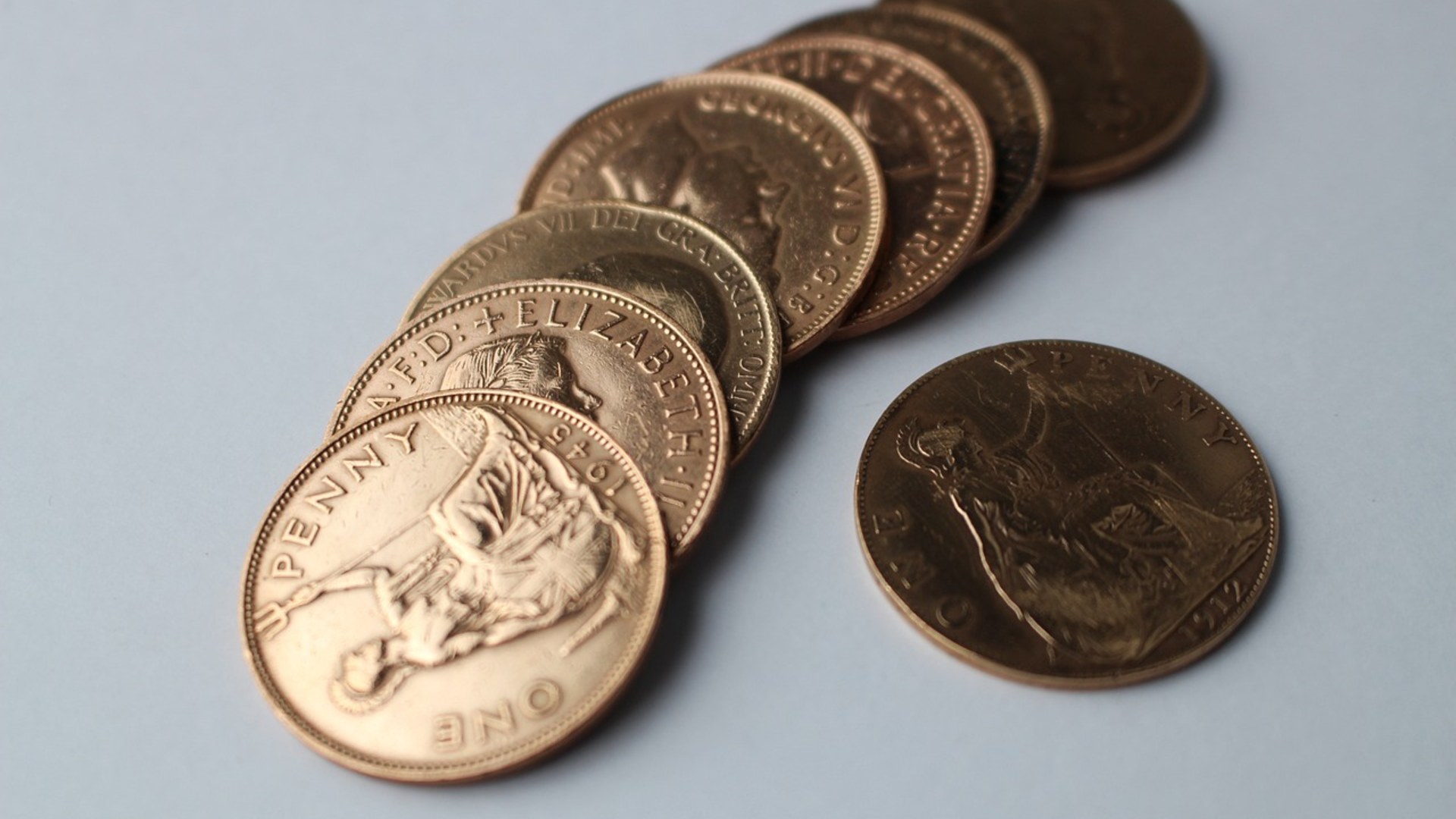
Crossing Fingers
Early Christians crossed fingers in secret to invoke divine protection during Roman persecution. In modern American schools and workplaces, the gesture serves two roles: wishing someone success in an endeavor or secretly excusing a harmless spoken white lie.
Saying Bless You
Pope Gregory I ordered public prayers during the sixth-century plague of Rome, urging citizens to utter blessings when coughing or sneezing. Today, American manners dictate offering the phrase automatically to wish good health to friends and total strangers alike.
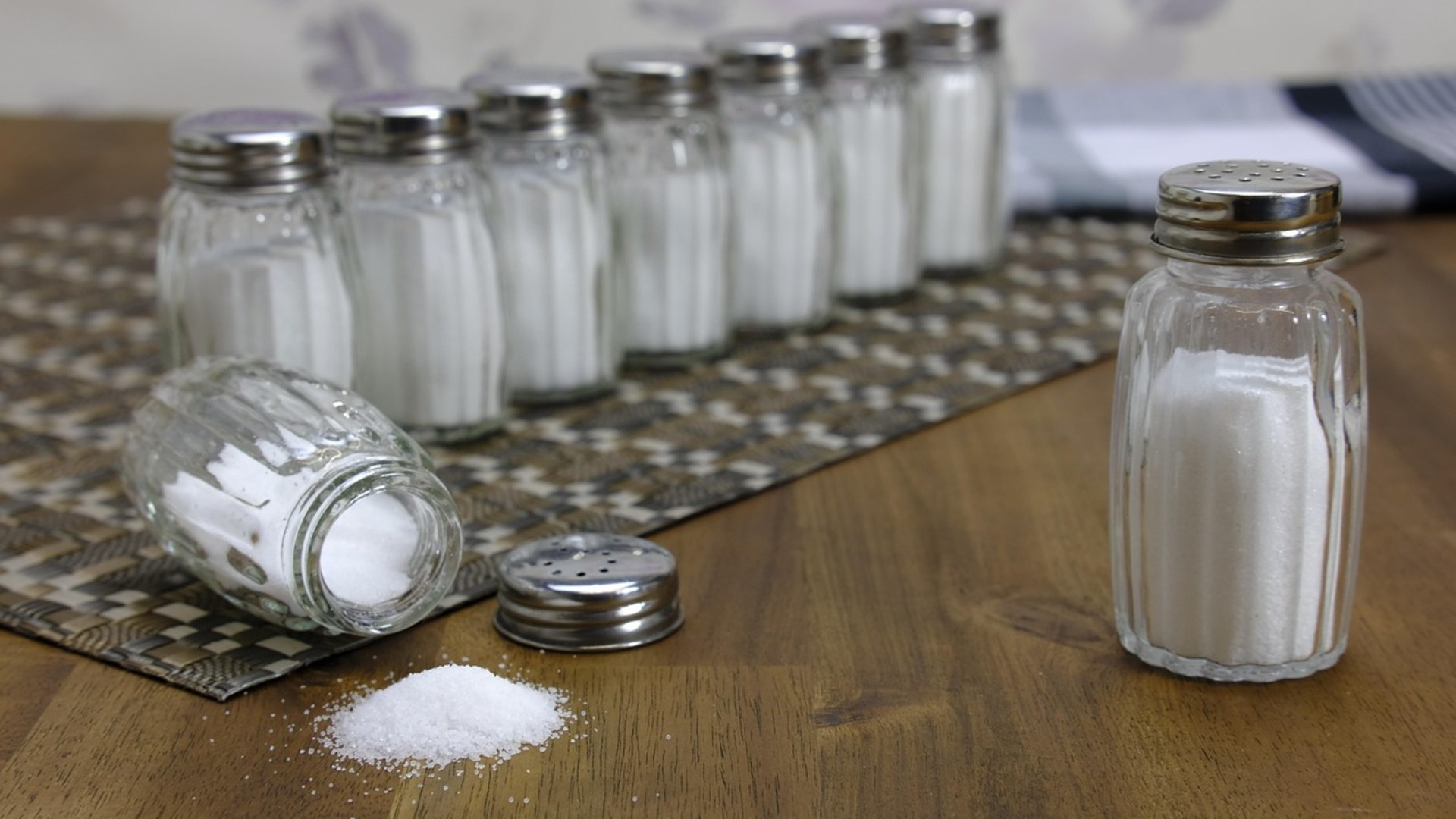
Tossing Spilled Salt
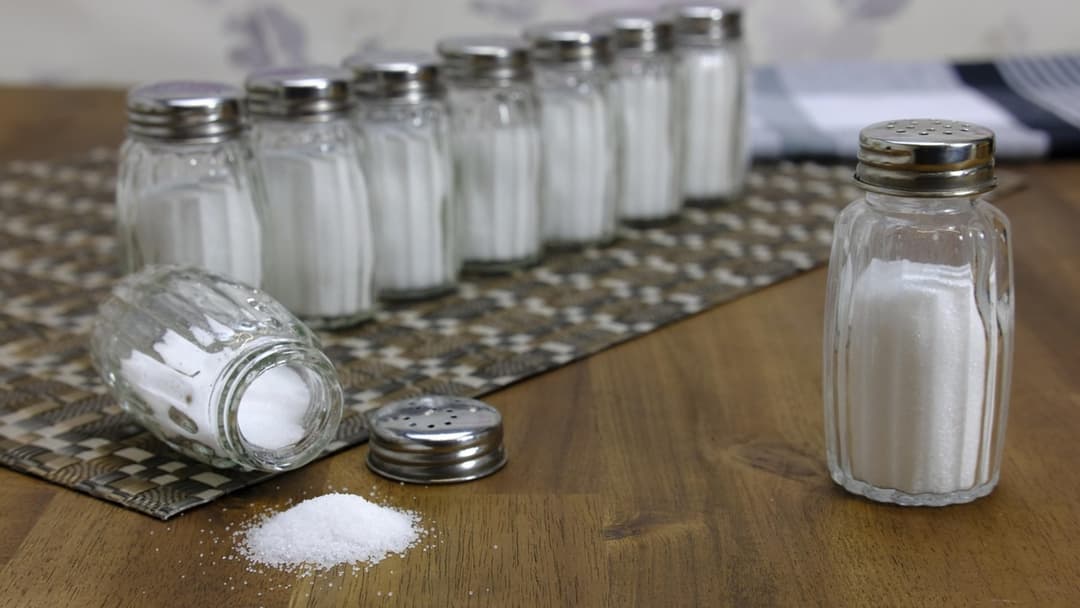
Valued as precious currency in ancient Rome, spilled salt was once viewed as an ominous financial disaster. Christian tradition also linked salt with Leonardo da Vinci depictions of Judas. Tossing grains over the left shoulder is believed to blind lurking devils.
Beginners Luck
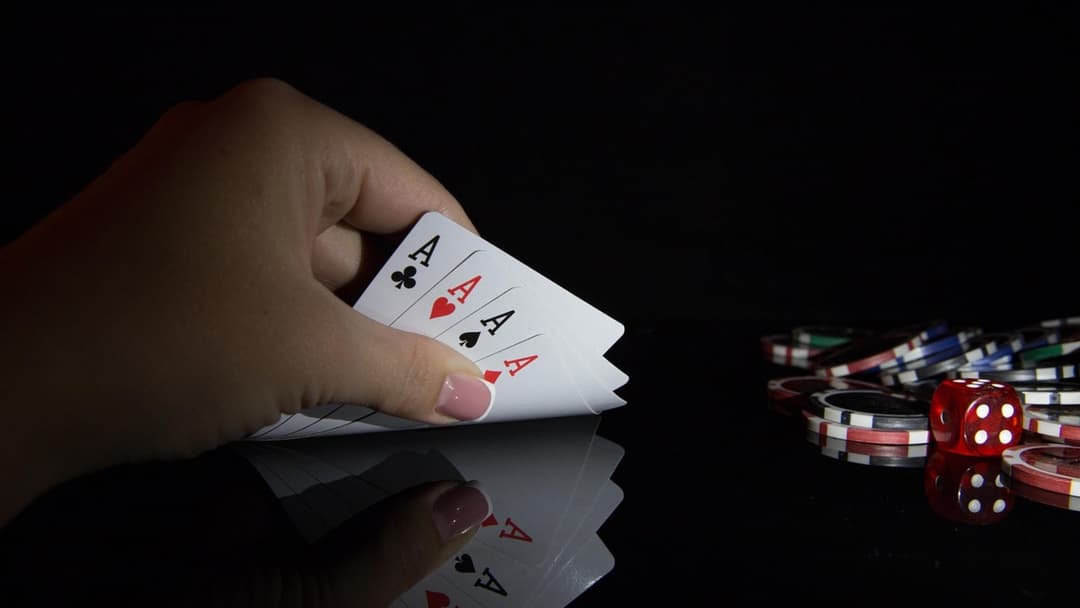
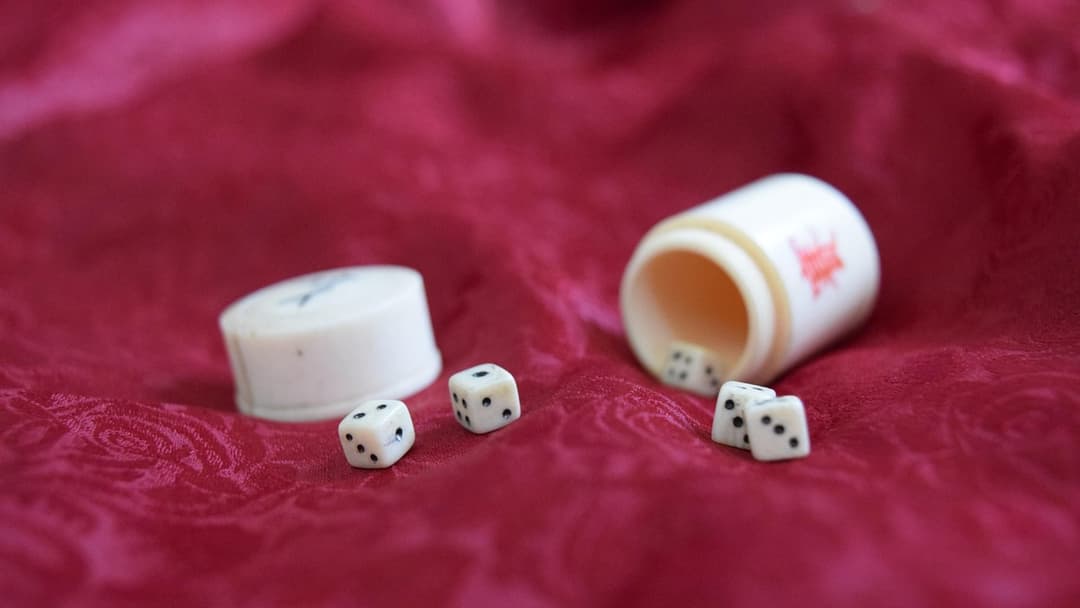
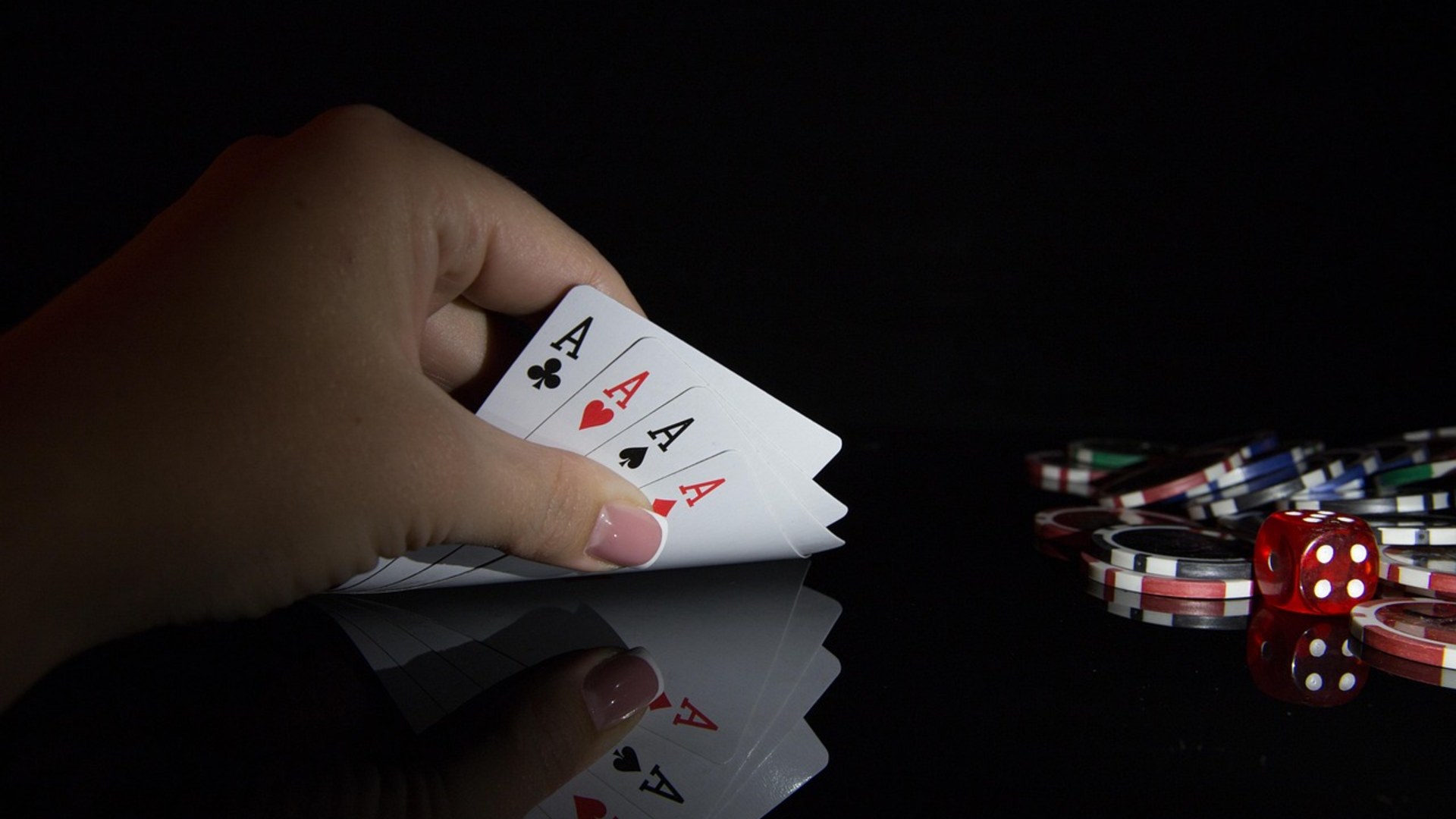
Gamblers and athletes frequently note that novices win their first poker hands or golf drives without formal training. Stanford University psychologists explain this phenomenon through confirmation bias: unusual early wins are remembered far longer than normal losses.
Birthday Candle Wishes
Ancient Greeks placed glowing candles on round honey cakes to honor Artemis, believing rising smoke carried prayers directly to the gods. Modern birthday traditions require blowing out every wick in one single breath without revealing the wish to anyone at the table.

Wishing On Shooting Stars
Second-century astronomer Ptolemy theorized that shooting stars occurred when deities peered down between heavenly spheres. American night gazers continue to make silent wishes whenever a meteor flashes, or when digital clocks strike 11:11 during the day.

Finding A Four-Leaf Clover
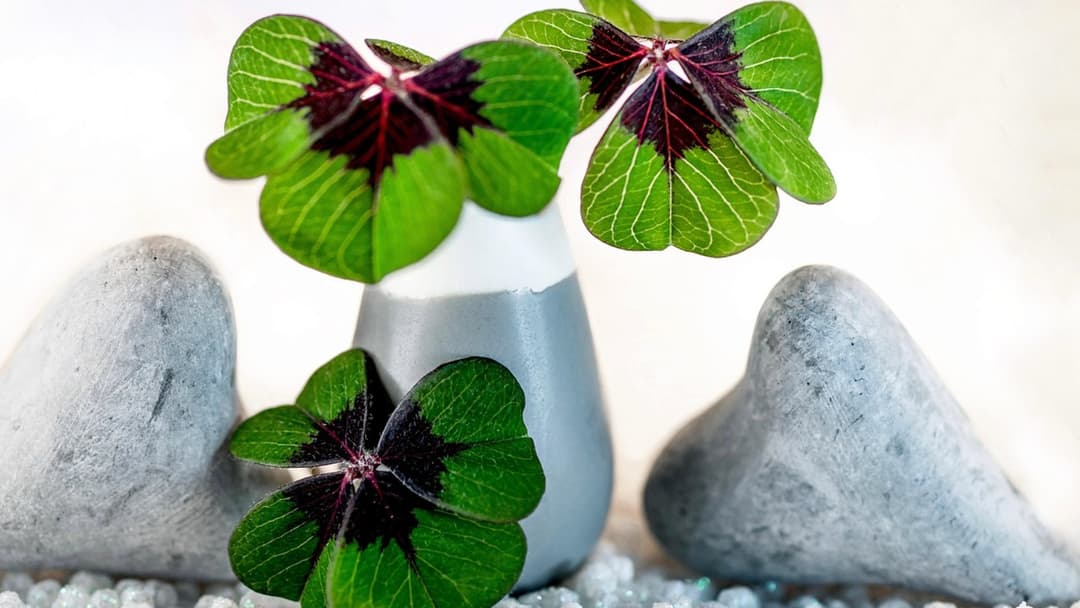
Botanists calculate that four-leaf mutations appear in only one out of every 10,000 white clover stems. Celtic priests prized the rare plants as charms against dark spirits, establishing an enduring American belief that finding one brings instant prosperity.

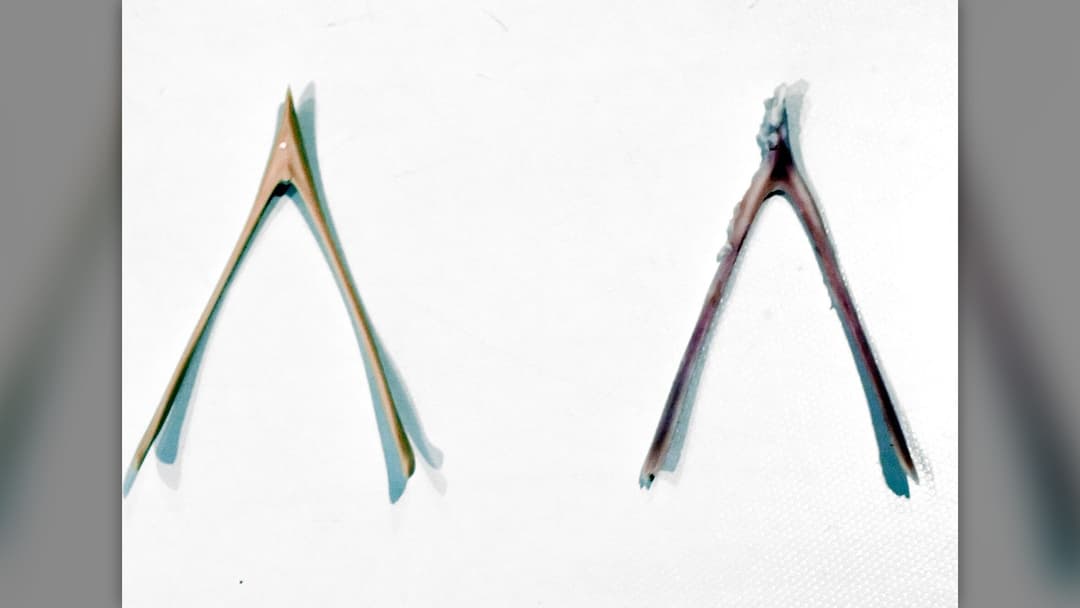
Breaking A Wishbone
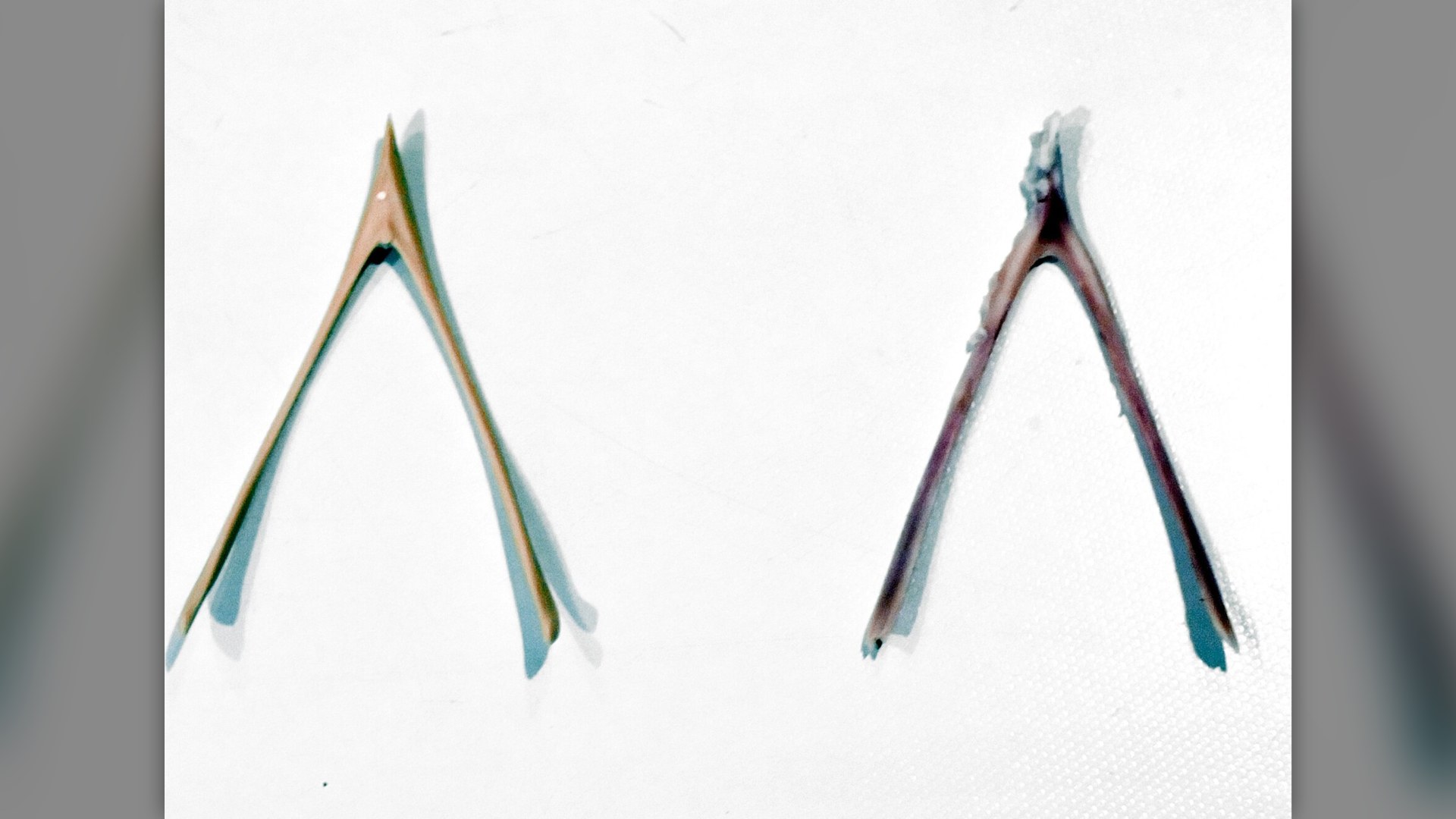
Etruscan fortunetellers stroked dried chicken bones to harvest prophetic omens before Romans carried the ritual to Britain. American Thanksgiving dinners made the turkey furcula a holiday staple, where two diners tug until the larger piece reveals the winner.
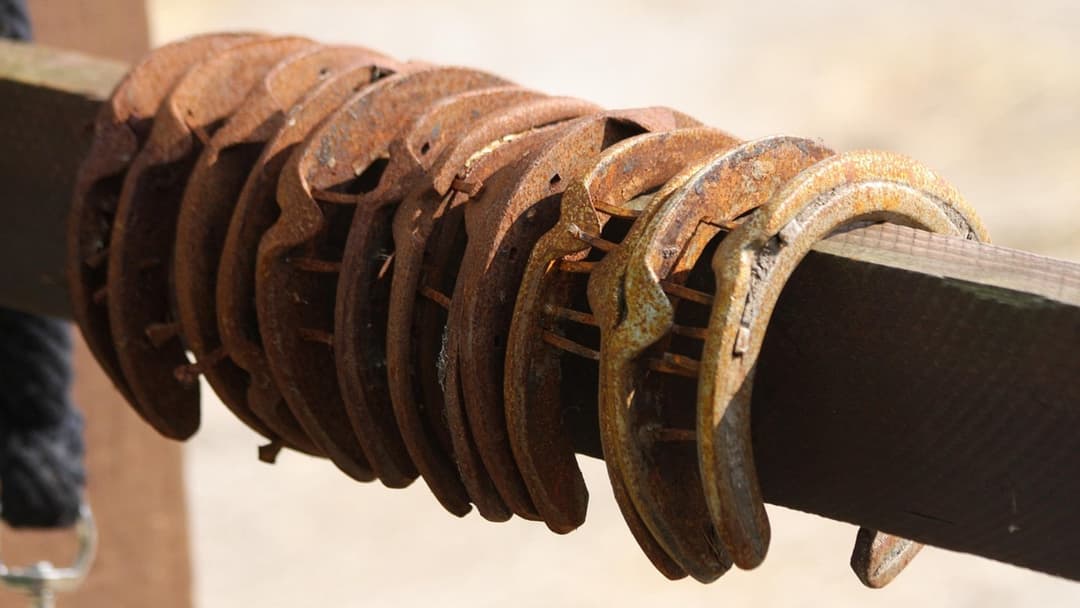
Hanging A Horseshoe
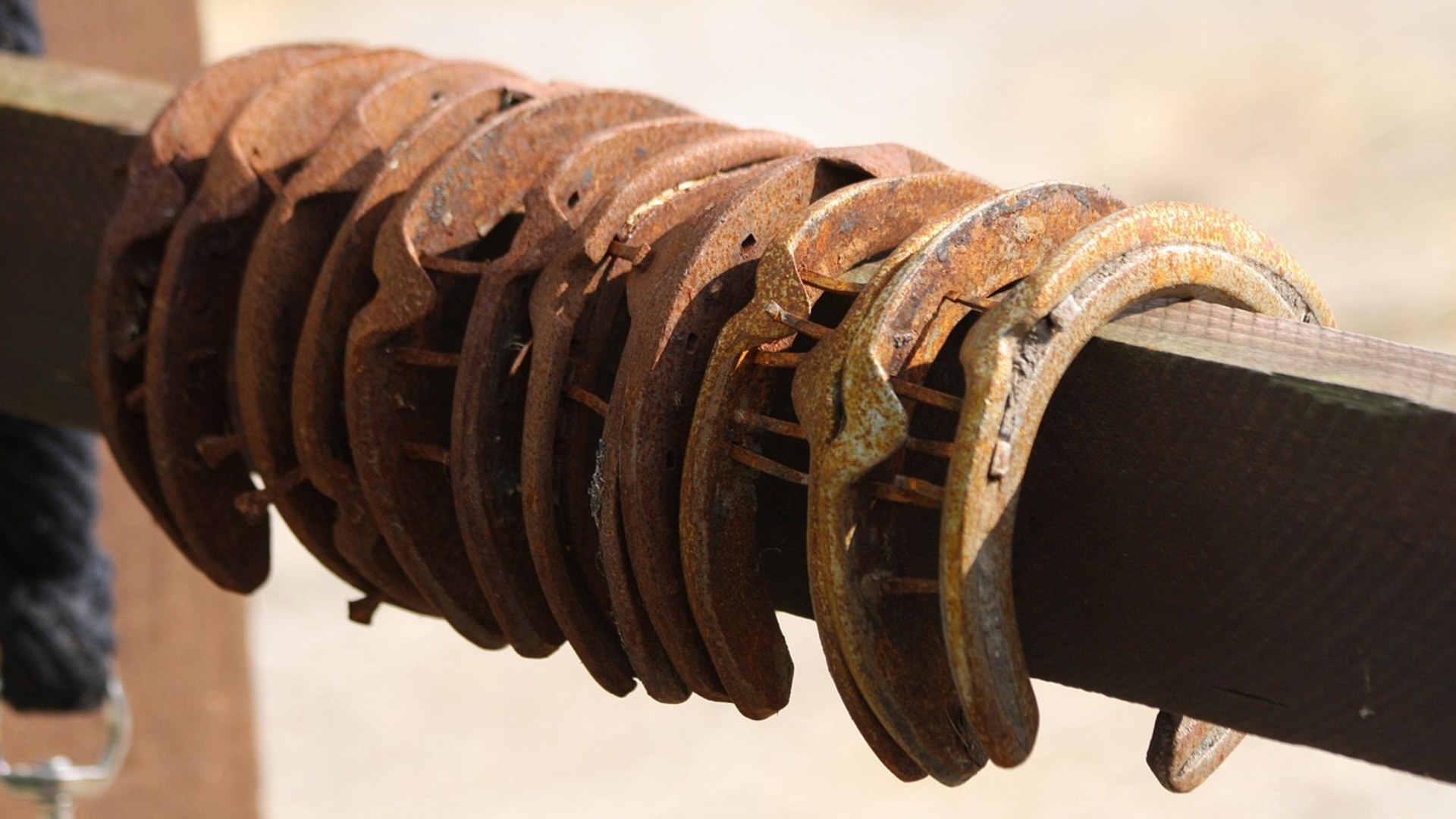
Blacksmith lore from tenth-century England credited Saint Dunstan with outsmarting the devil using hot horseshoes. American homeowners mount iron shoes above doorways with open heels pointing upward, believing the U-shape catches and holds luck inside the home.
Carrying A Rabbits Foot
Hoodoo folk magic in the American South popularized the rabbit foot talisman during the nineteenth century. Rootworkers held that burrowing rabbits maintained unique ties to the spirit world. Carrying a left hind foot became a common good luck charm across cities.

Breaking A Mirror
Roman philosophers taught that looking-glasses reflected a person's physical soul, and damage to the surface injured vital health. Because Romans believed bodily health renewed every seven years, a cracked mirror was said to bring seven years of consecutive bad luck.

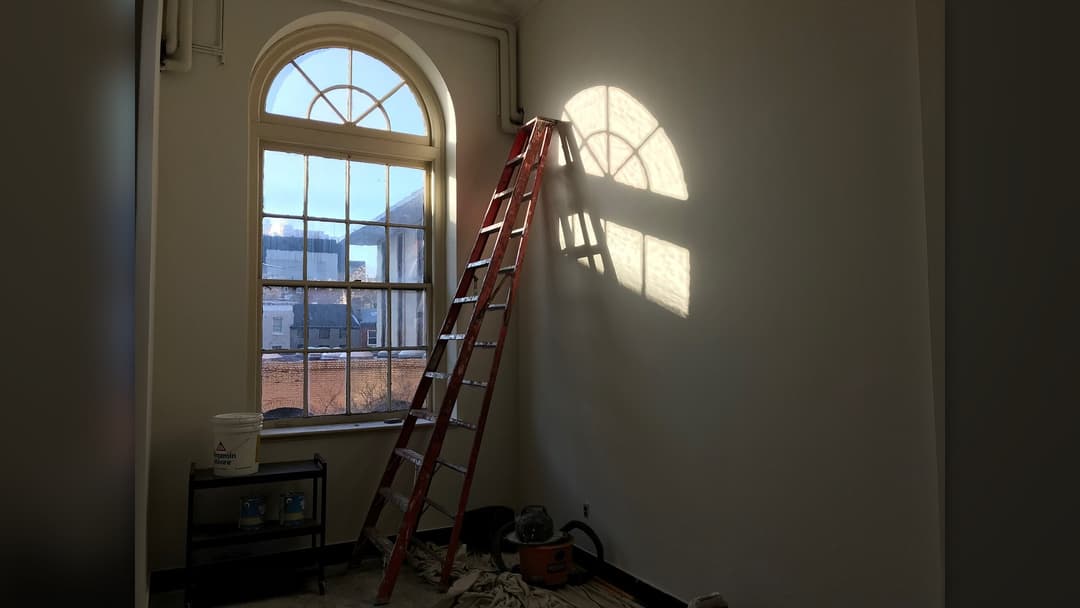
Walking Under A Ladder
An open ladder forms a triangle against a building wall, which ancient Egyptians regarded as a sacred symbol of life. Passing through that space was said to violate sacred power. Modern pedestrians still step off sidewalks to avoid walking beneath paint ladders.
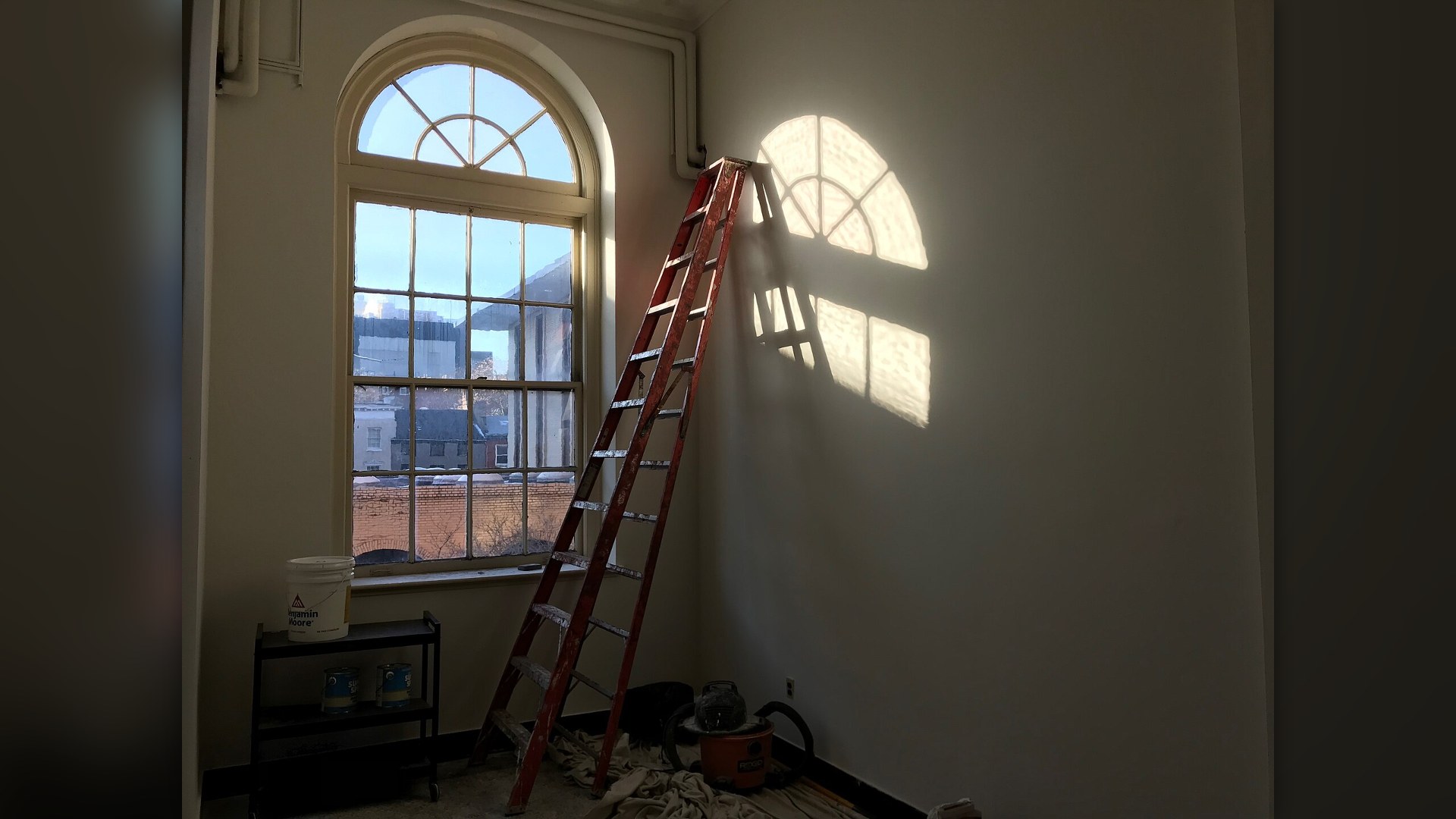
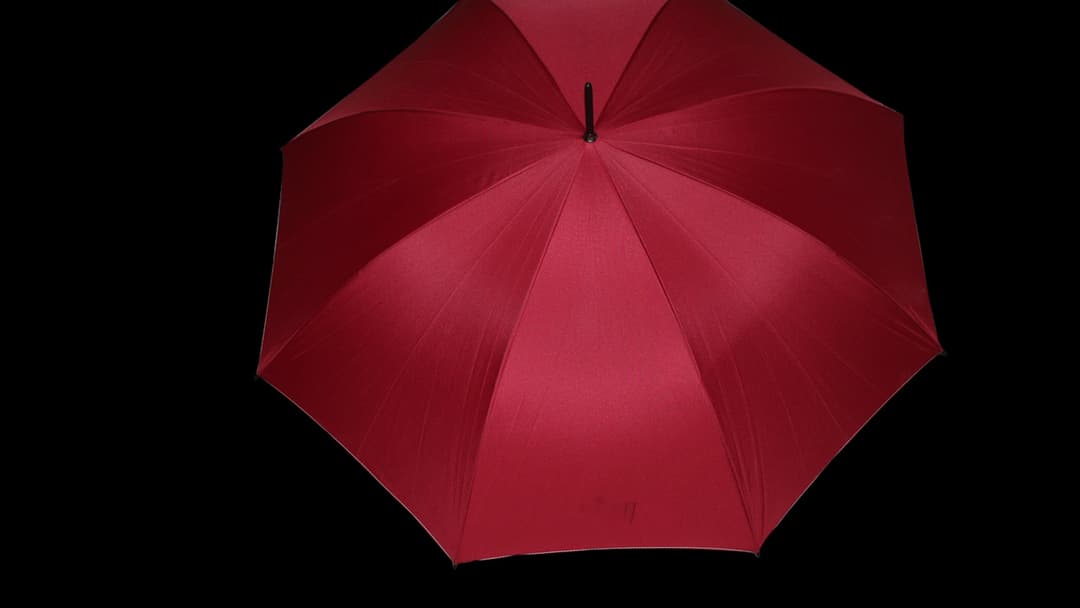
Opening Umbrellas Indoors
Victorian homes in nineteenth-century Britain featured heavy spring-loaded umbrellas that caused serious indoor injuries when opened suddenly. The mechanical hazard quickly merged with ancient solar taboos, cementing the belief that opening umbrellas inside curses a house.
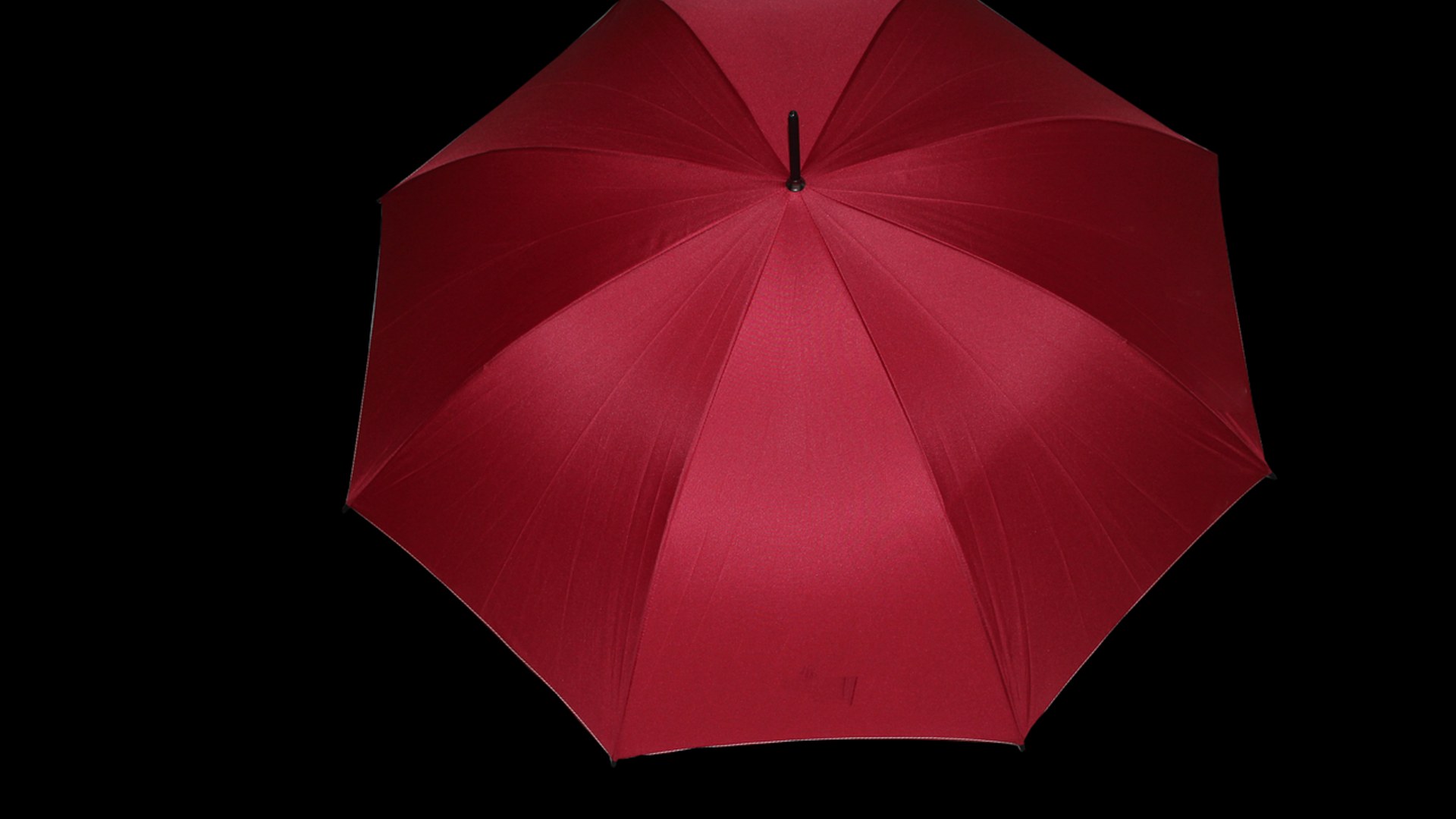
Black Cats Crossing Paths
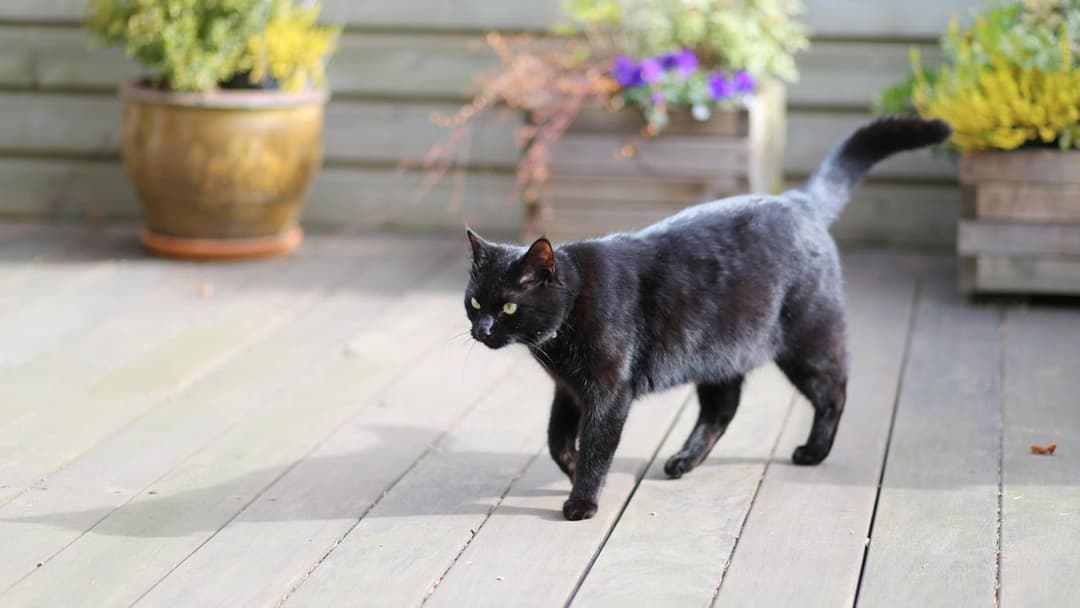
Medieval European witch trials associated dark cats with demonic familiars and covert sorcery. While sailors in Britain viewed black cats as good luck, early American colonists carried Puritan suspicions, leading to persistent unease whenever one crosses a street.
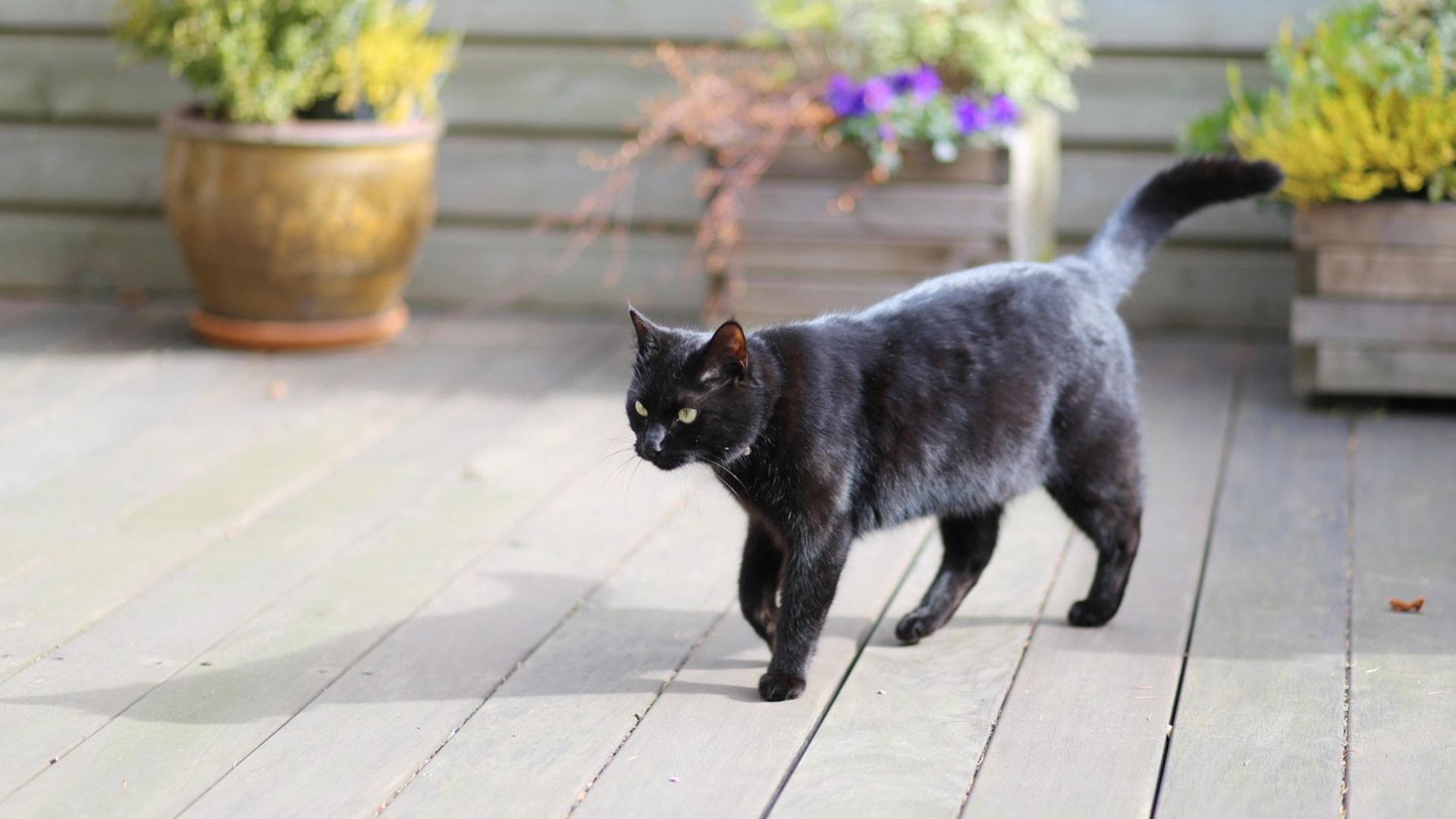
Bad Luck In Threes
Psychologists identify the rule of threes as a classic example of apophenia, where the brain seeks patterns in random events. American newsrooms and theater troupes often look for a third mishap after two occur, reinforcing the folk belief through selective memory.
Stepping On Sidewalk Cracks
Late nineteenth-century children's street games in American cities popularized rhymes connecting sidewalk cracks to misfortune. While adults dismiss the maternal rhyme, urban pedestrians frequently alter their walking cadence to avoid stepping directly on expansion seams.

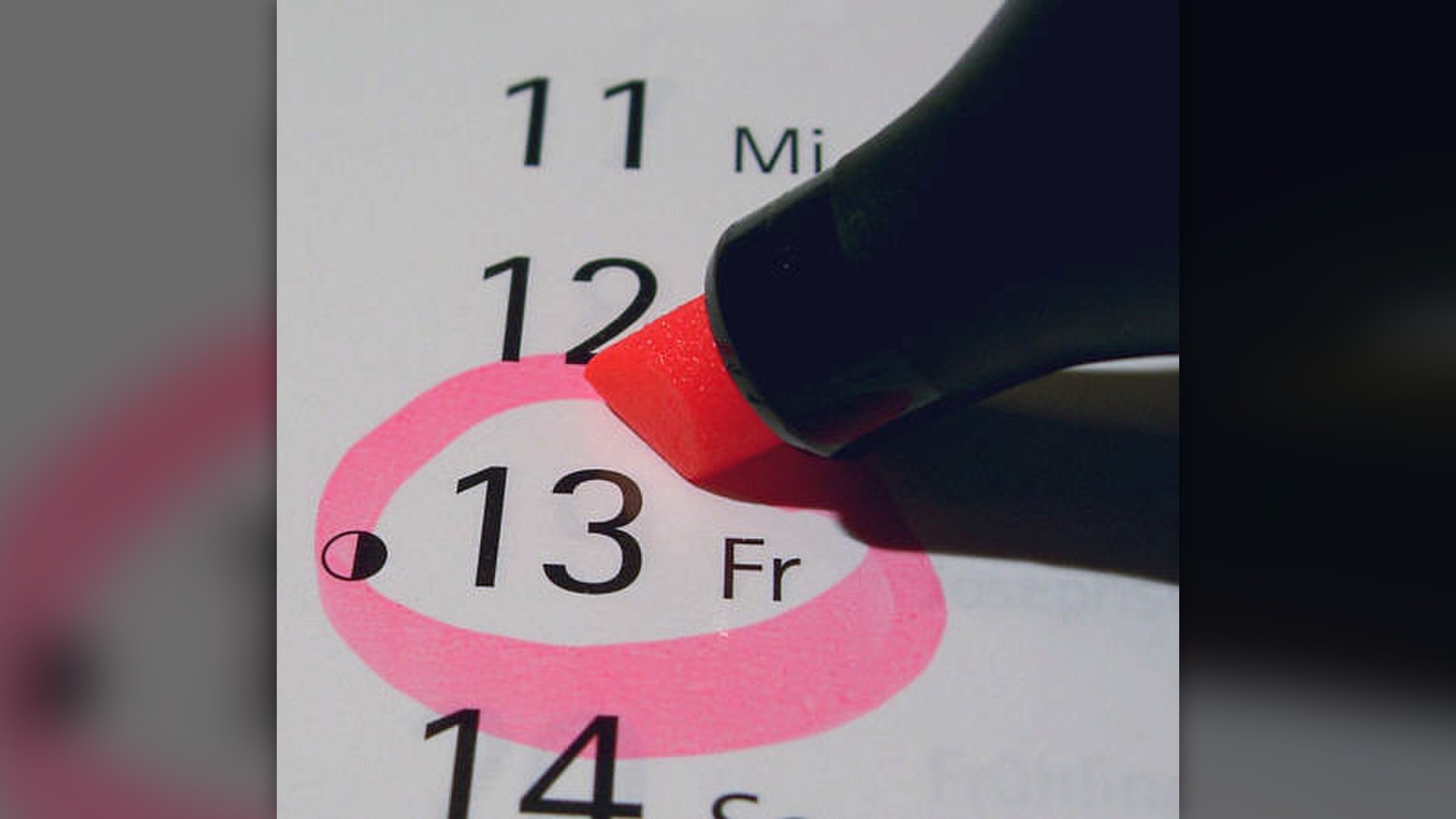
Friday The 13th
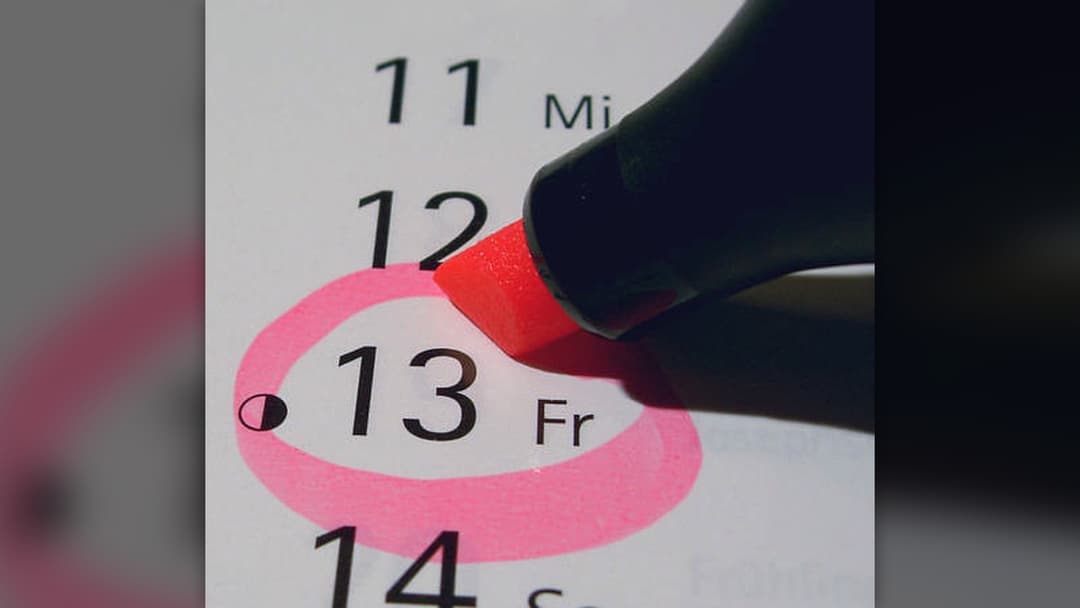
Biblical accounts of the Last Supper placed thirteen guests at the table before the crucifixion on a Friday. The Stress Management Center in North Carolina estimates that millions of Americans experience mild travel anxiety and cancel appointments on Friday the 13th.
Skipping The 13th Floor
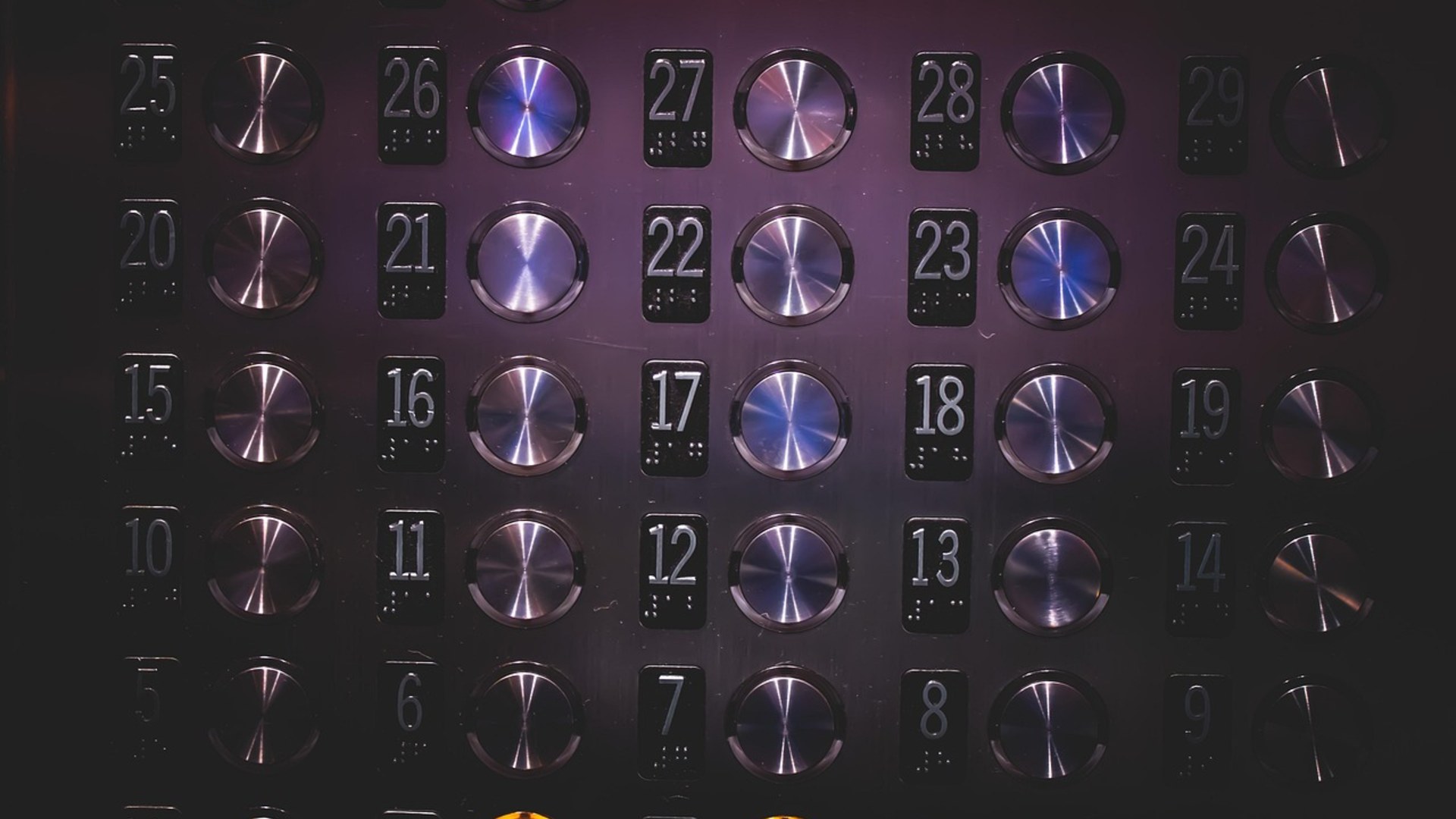
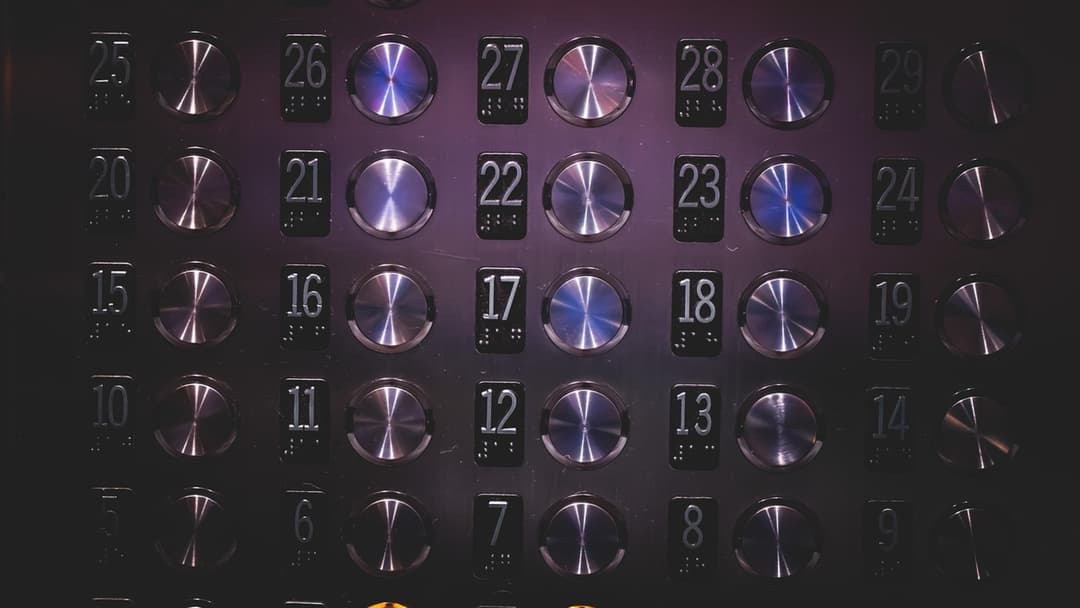
Triskaidekaphobia influences skyscraper construction across major American cities. Otis Elevator Company estimates that roughly 85 percent of buildings with elevators skip labeling the thirteenth floor, jumping from twelve to fourteen to ease tenant superstition.