Slideshow · Lifestyle
20 US States Ranked by Average Home Size
Across the United States, home footprints shift based on land costs, family sizes, and basement construction. Data from the federal Residential Energy Consumption Survey reveals which state populations enjoy the most residential floor area. Here are twenty states ranked by average square footage per home.
By Most Viral Today
18 min ago

American Living Space 
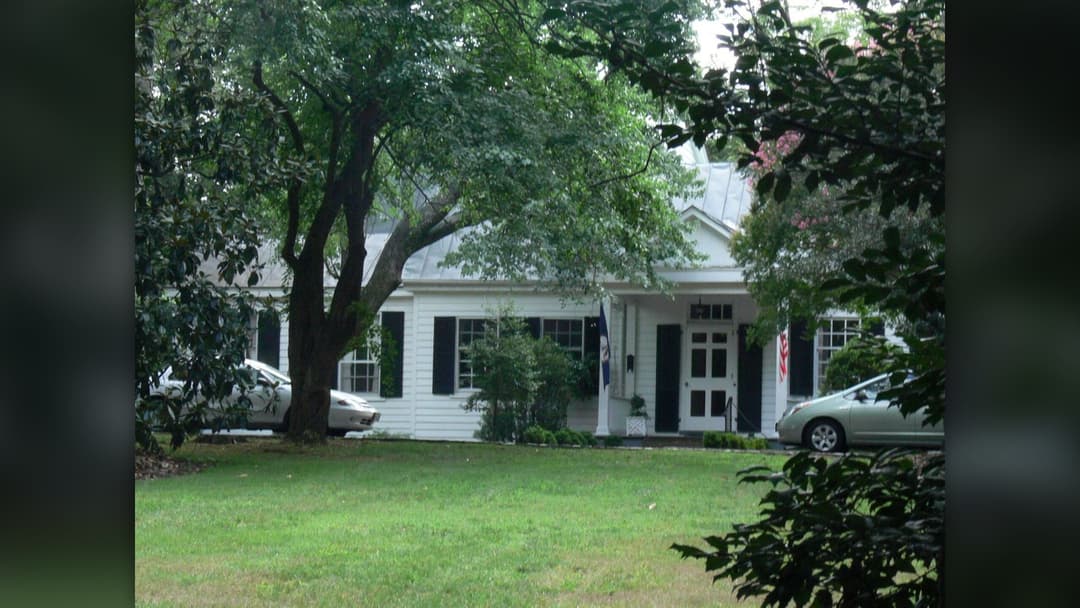
20. West Virginia 
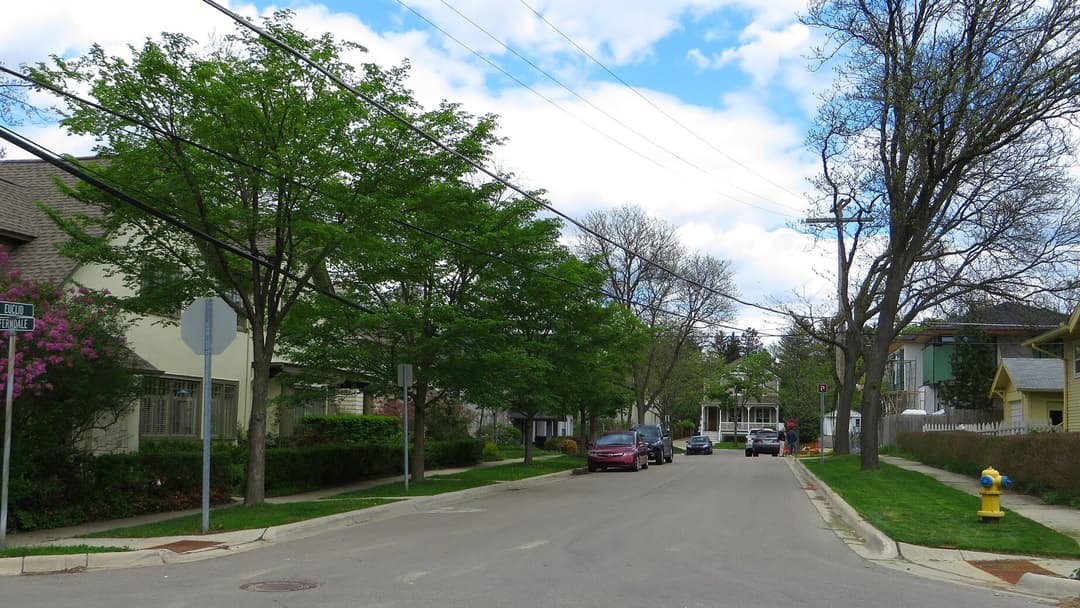
19. Minnesota 
18. Colorado - AdvertisementSwipe or tap ▶ to continue countdown

17. Illinois 
16. Connecticut 
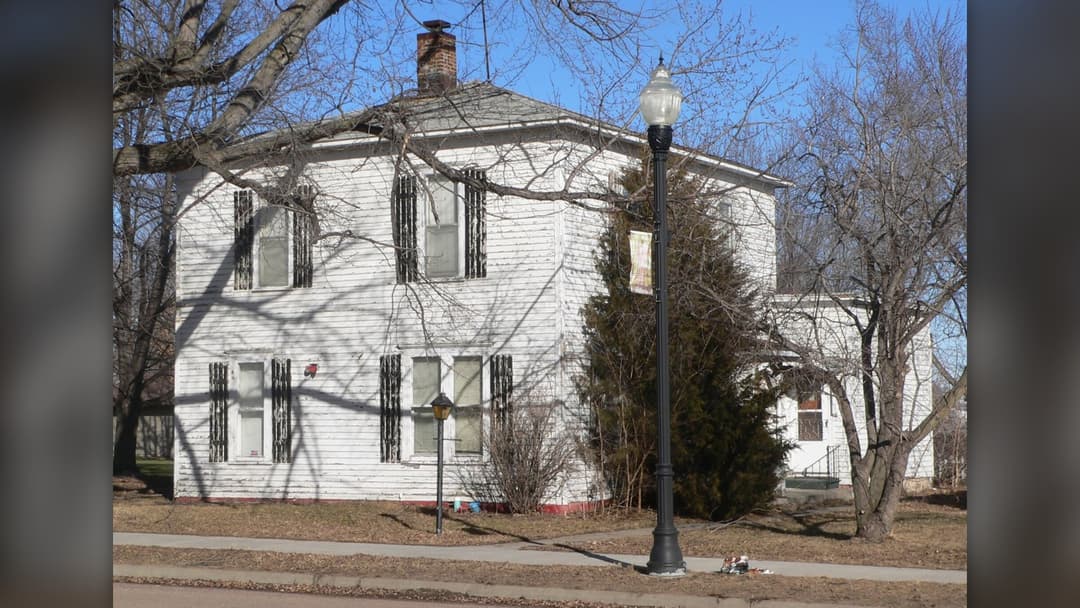
15. Nebraska 
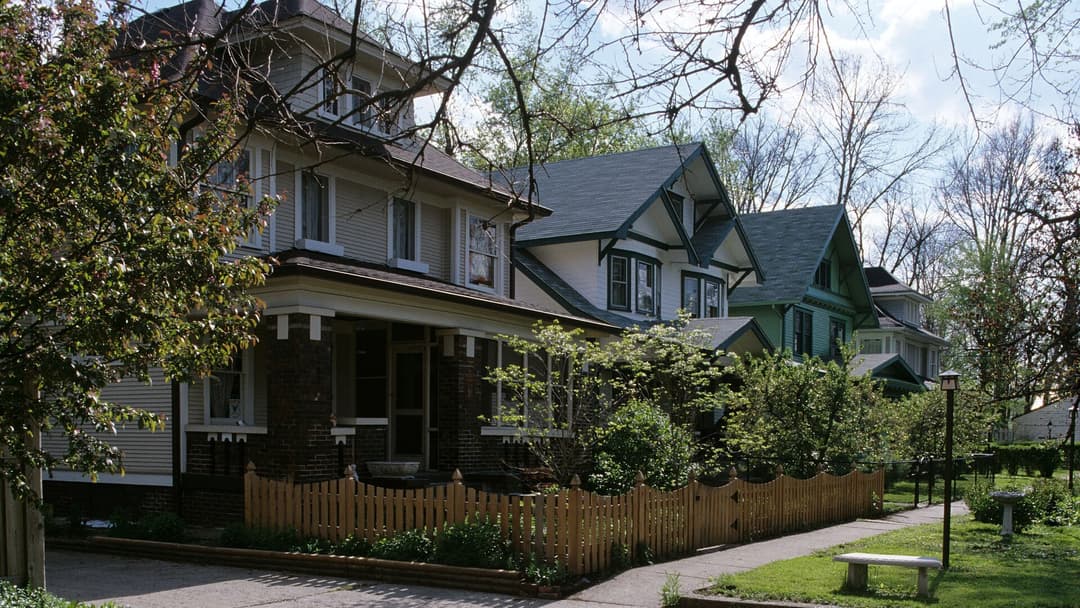
14. Missouri - AdvertisementSwipe or tap ▶ to continue countdown

13. Indiana 
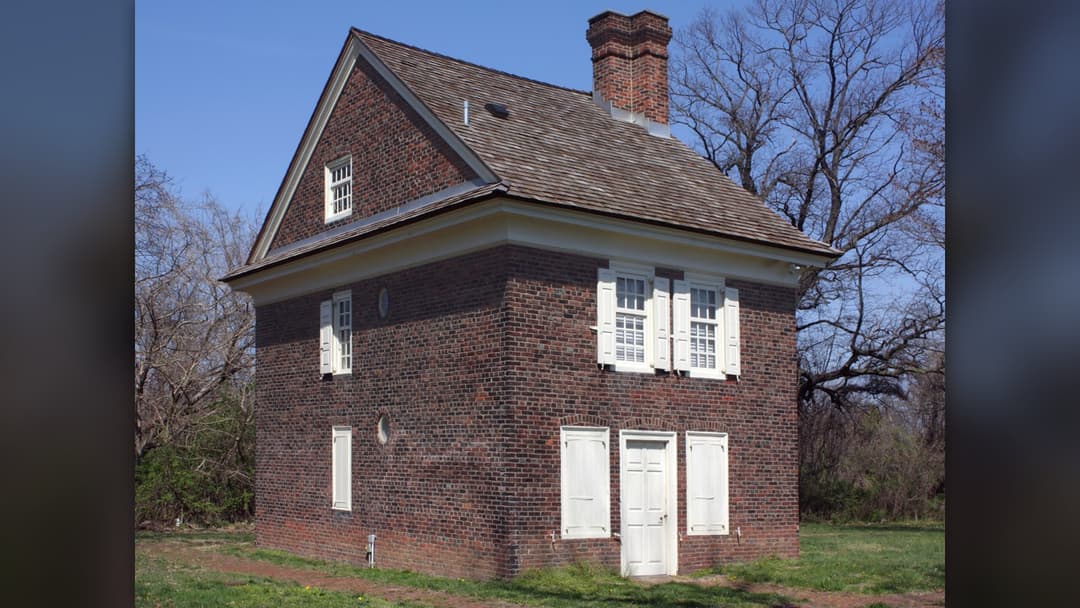
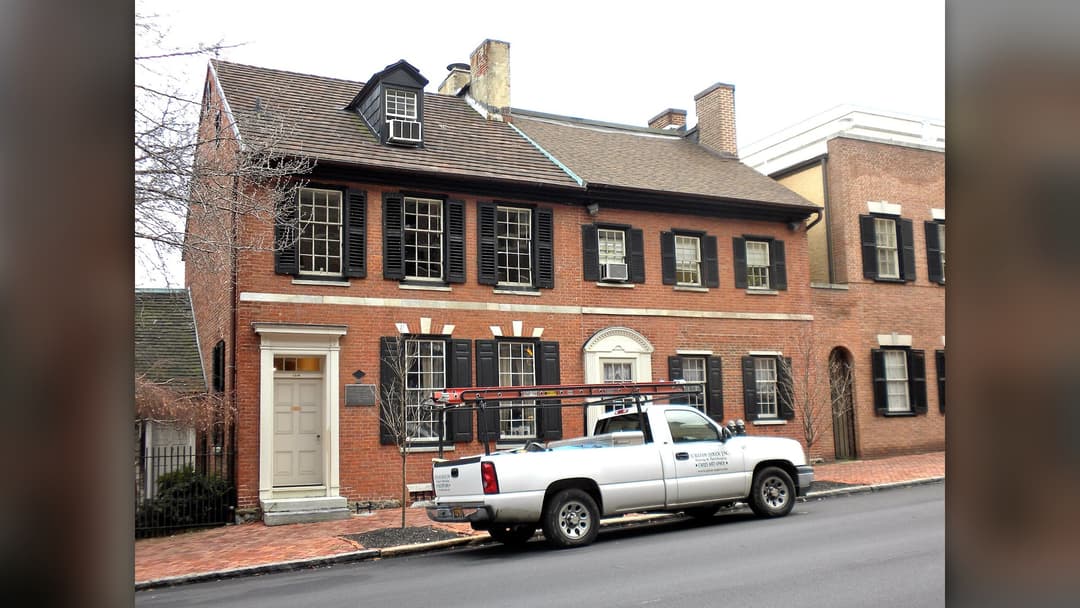
12. Pennsylvania 
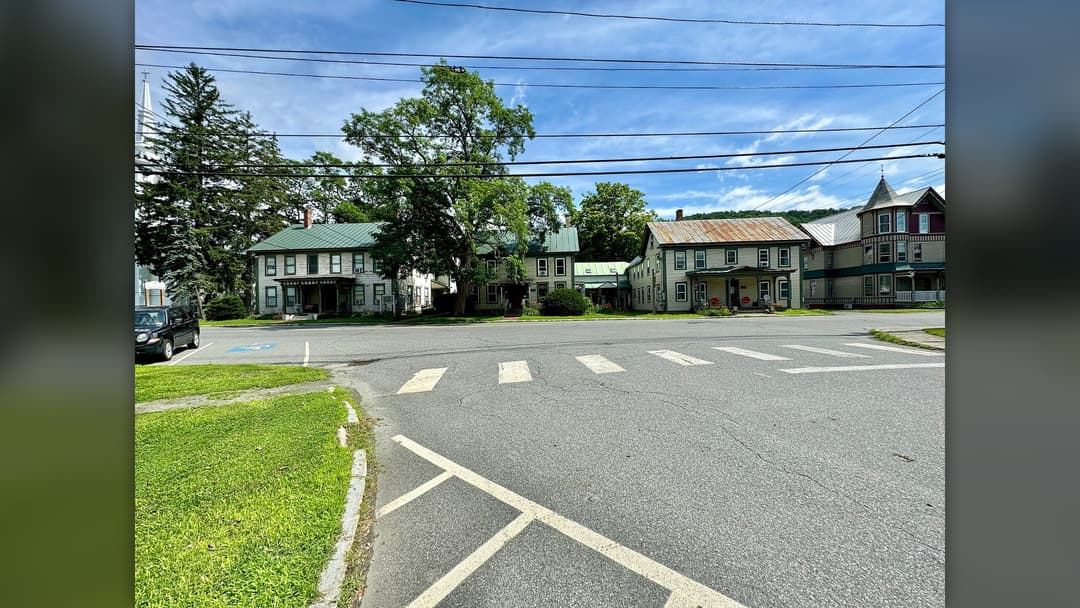
11. Vermont 
10. South Dakota - AdvertisementSwipe or tap ▶ to continue countdown

9. Virginia 
8. Michigan 
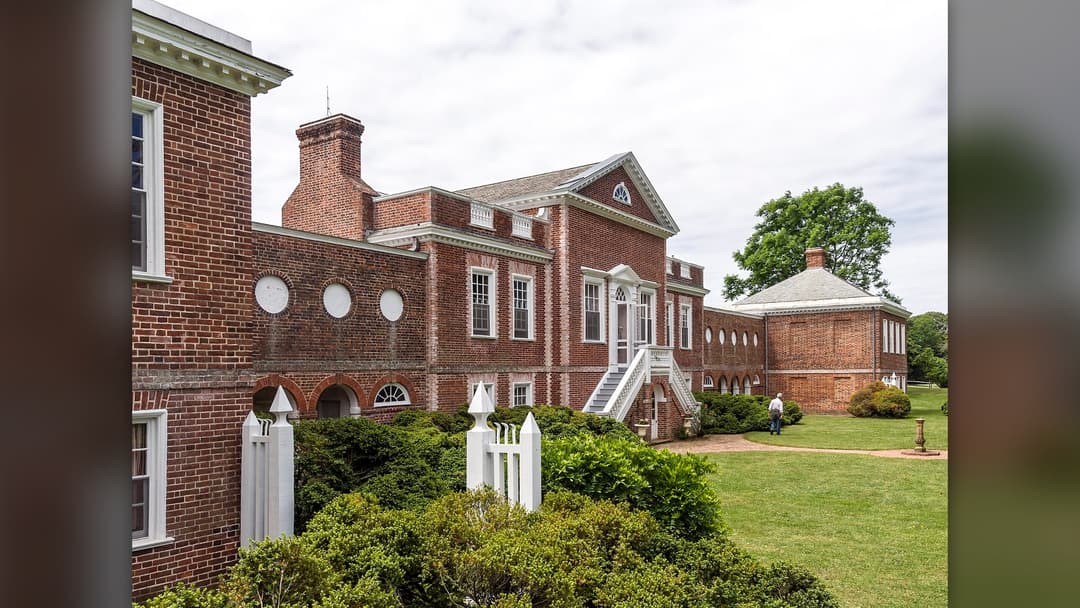
7. Maryland 
6. Delaware - AdvertisementSwipe or tap ▶ to continue countdown

5. State Of Iowa 
4. Georgia 
3. North Dakota 
2. New Hampshire - AdvertisementSwipe or tap ▶ to continue countdown

1. State Of Utah - Advertisement🔥 UP NEXT IN THIS SERIES◫ 21 Slides

20 Common Superstitions Americans Still Follow
Millions of Americans still knock on wood, avoid black cats, and pick up lucky pennies without a second thought. Folklore historians and psychology researchers at Harvard and Gallup document how ancient customs survive in modern daily habits. Here are 20 enduring superstitions that people continue to practice.
Based on data from the U.S. Energy Information Administration Residential Energy Consumption Survey, this ranking tracks total floor area across occupied primary homes. Calculations include finished living areas, conditioned basements, and attached spaces, revealing major regional contrasts in residential floor plans.
Swipe or tap ▶ to begin the countdown
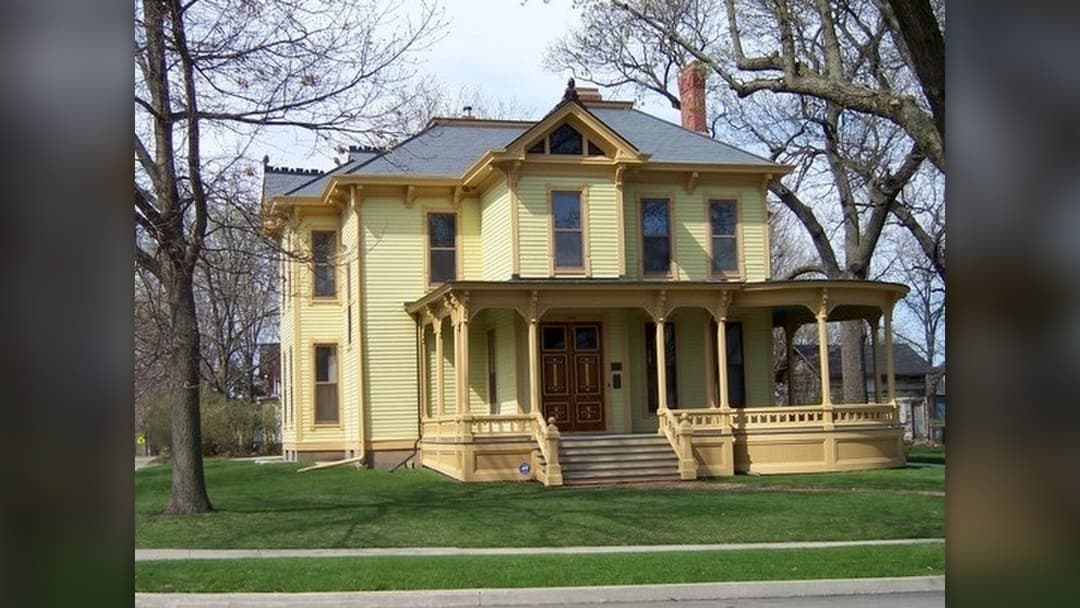
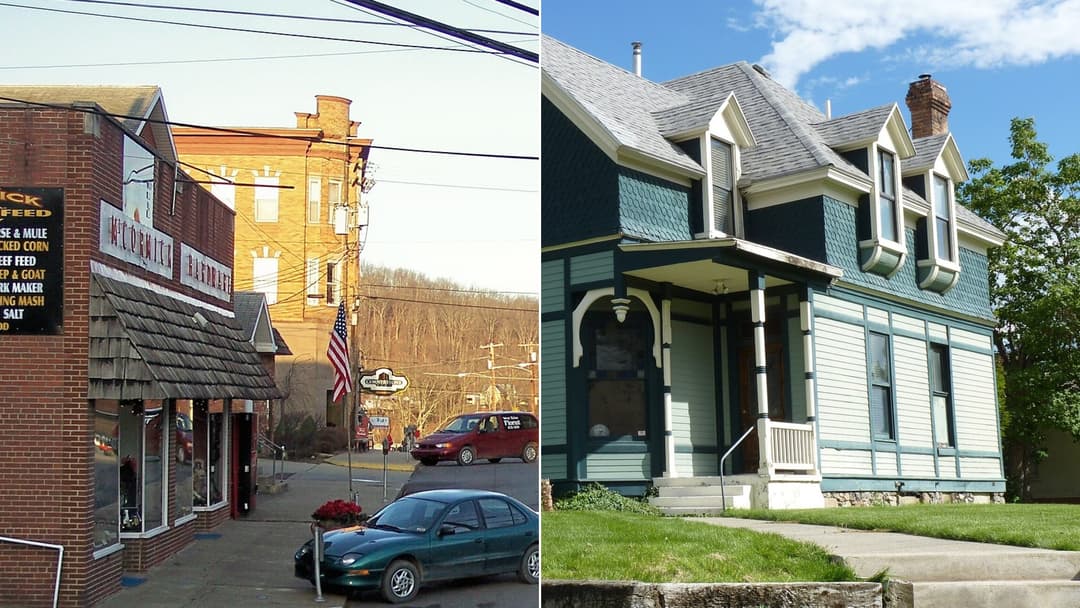
©Wikimedia / Tim Kiser ( w:User:Malepheasant ) & Kaiguy817
20. West Virginia
West Virginia residential properties average 1,977 square feet across all occupied units. Steep Appalachian topography often requires homes built on sloped ground to incorporate full walk-out basements, which adds valuable interior square footage while keeping construction footprints compact on hillsides.
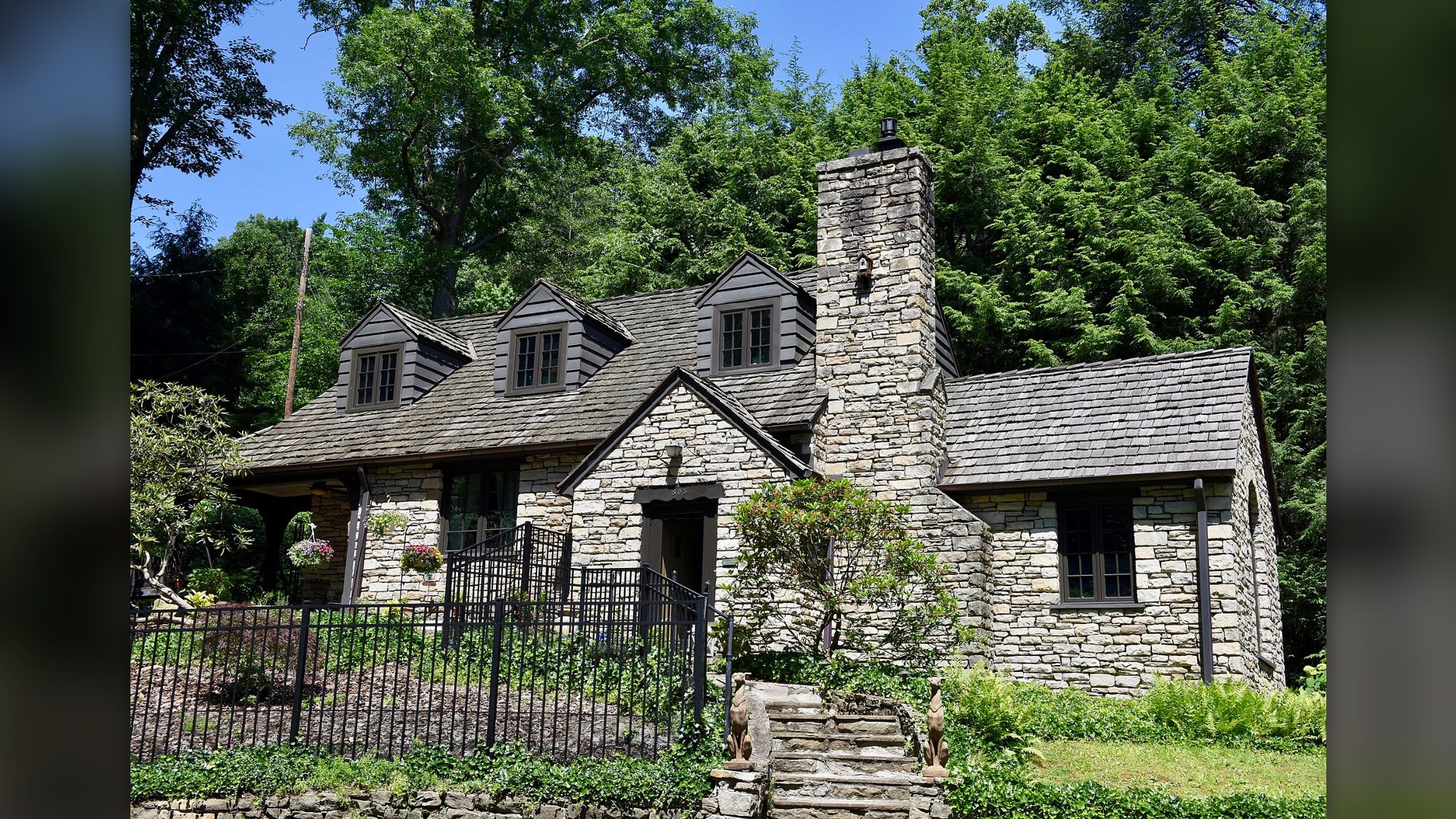
©Wikimedia / Jim Roberts
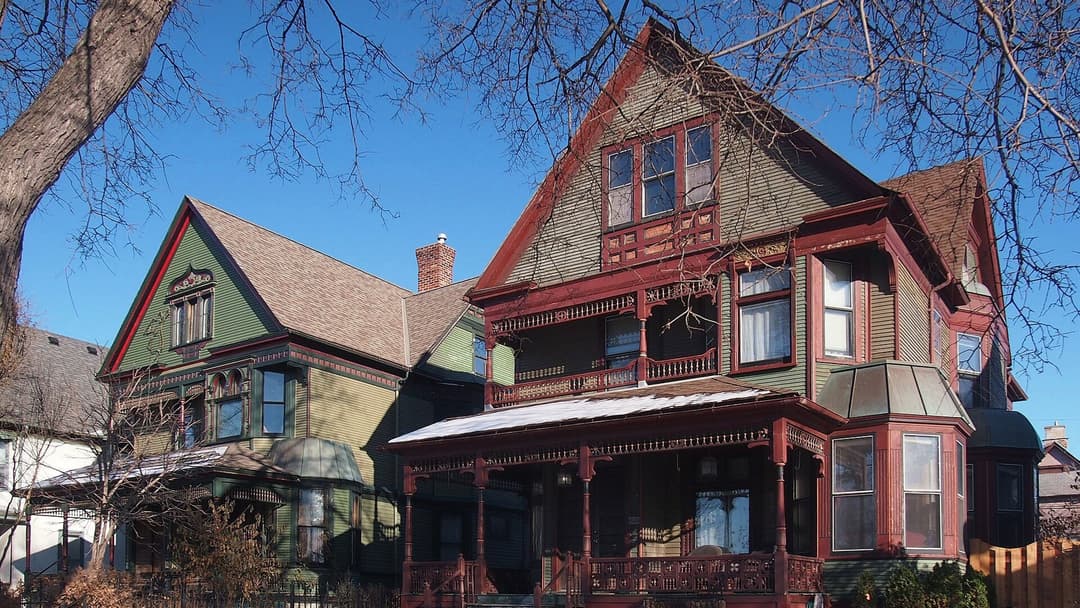
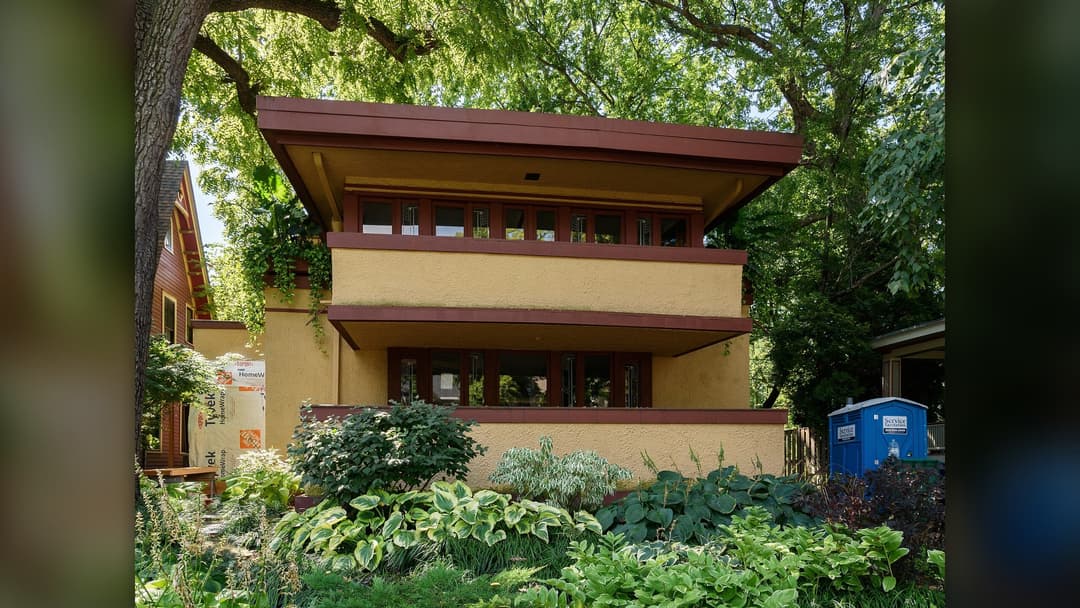
19. Minnesota
Minnesota homes average 1,980 square feet of conditioned space. Strict winter building standards and deep frost lines encourage finished full basements across Hennepin and Ramsey counties, giving midwestern homeowners expansive indoor living room during sub-zero winter spells.
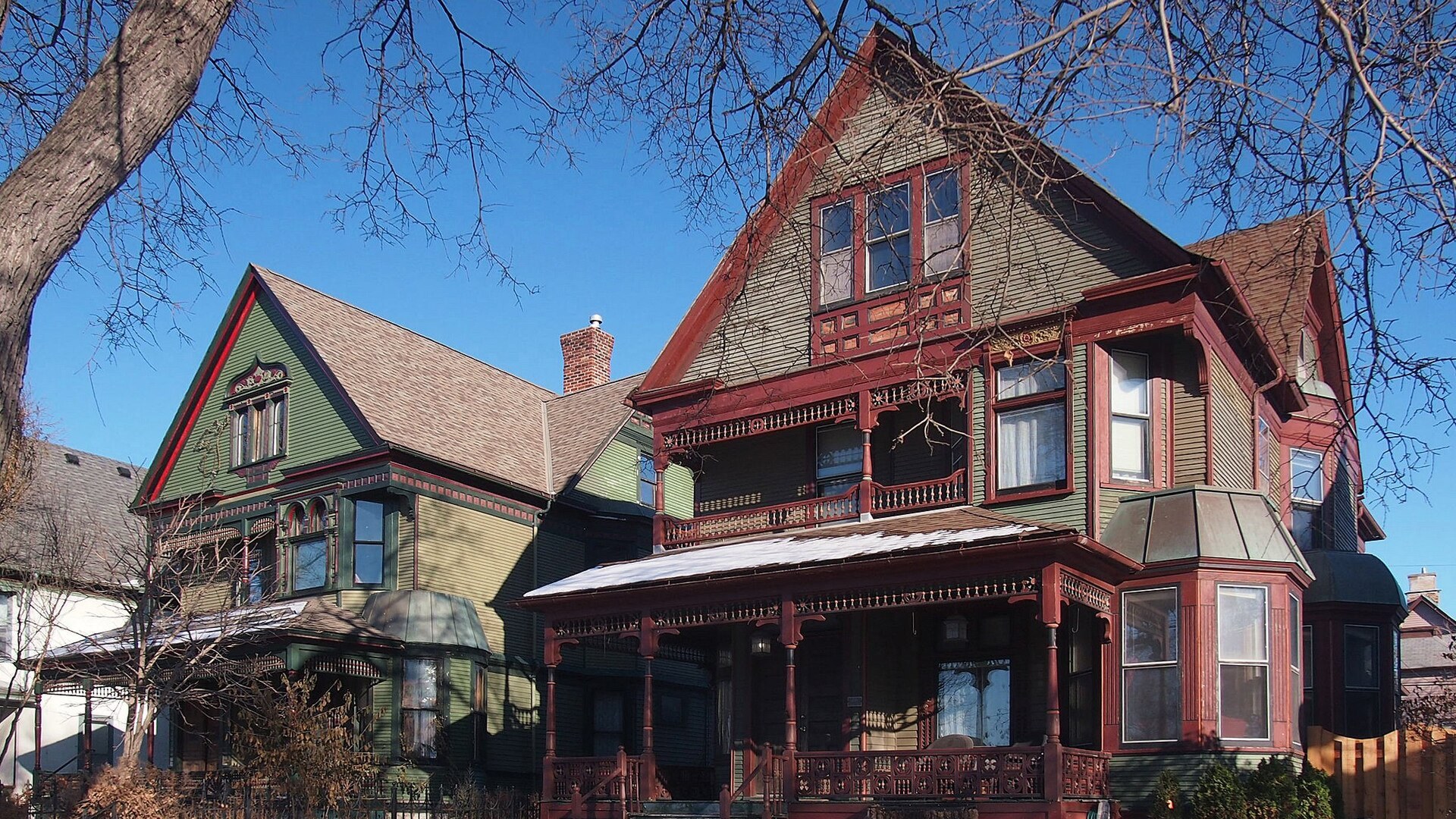
©Wikimedia / McGhiever
18. Colorado
Colorado averages 1,987 square feet per residential unit. Suburban communities stretching between Denver, Fort Collins, and Colorado Springs feature spacious multi-level properties with finished lower levels designed to house outdoor gear and growing households along the Front Range.

©Wikimedia / [Denver's Historic Homes ], page 78
Advertisement
Swipe or tap ▶ to resume the countdown.
17. Illinois
Illinois residences reach an average of 1,989 square feet. While urban Chicago features tighter historic brick walk-ups and bungalows, expansive suburban tracts across DuPage and Lake counties boost the statewide average with classic two-story floor plans and full basements.
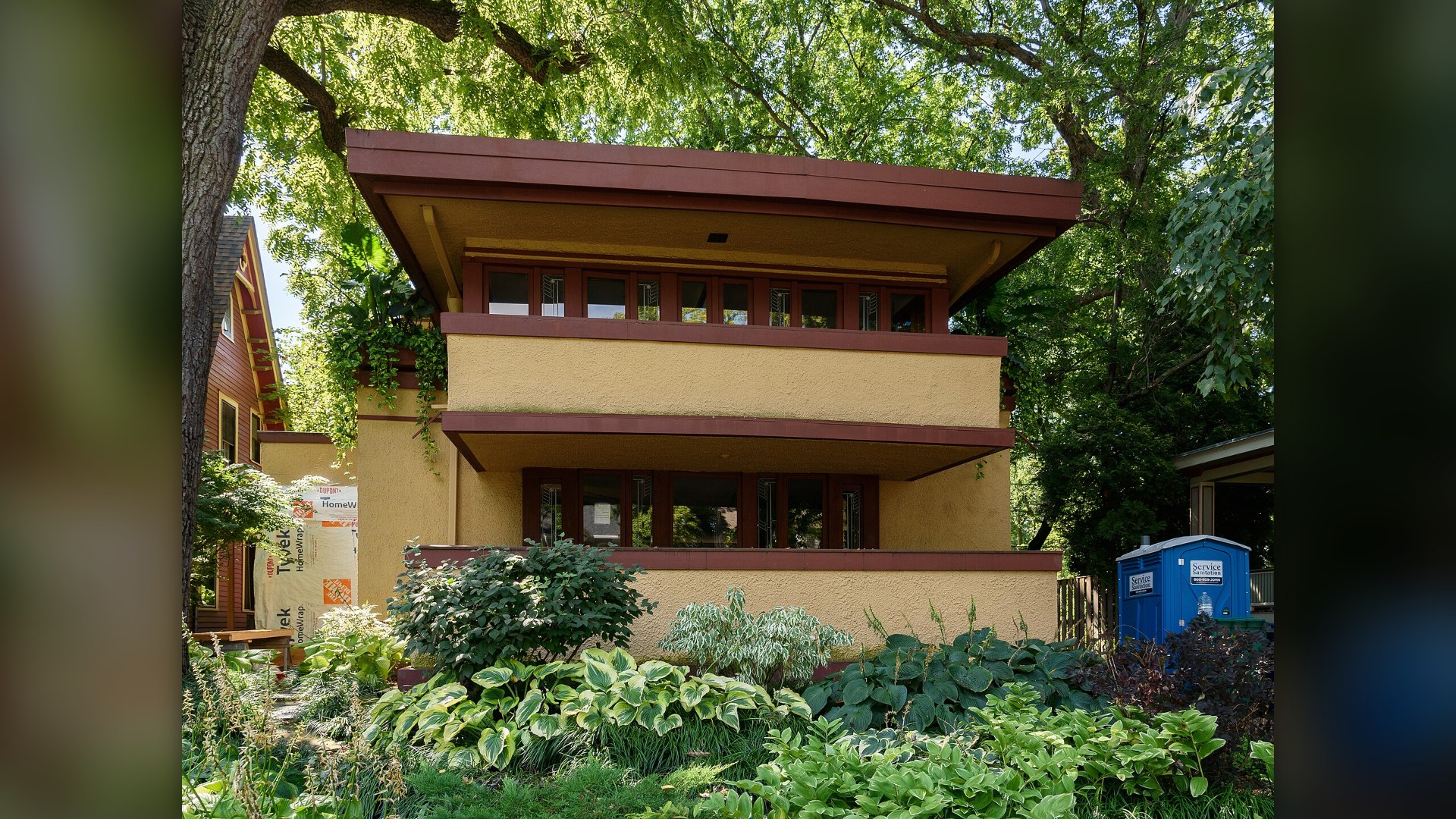
©Wikimedia / King of Hearts
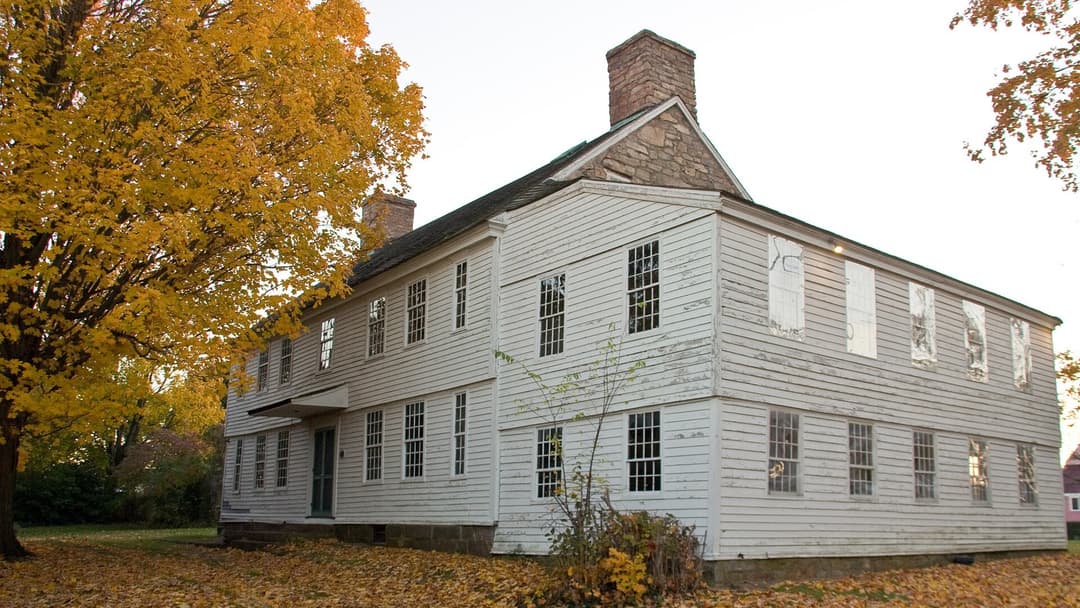
16. Connecticut
Connecticut properties average 1,994 square feet of residential space. Wealthier suburban enclaves in Fairfield and Hartford counties hold substantial multi-bedroom colonials and cape cod homes, providing ample interior square footage despite higher regional heating costs.
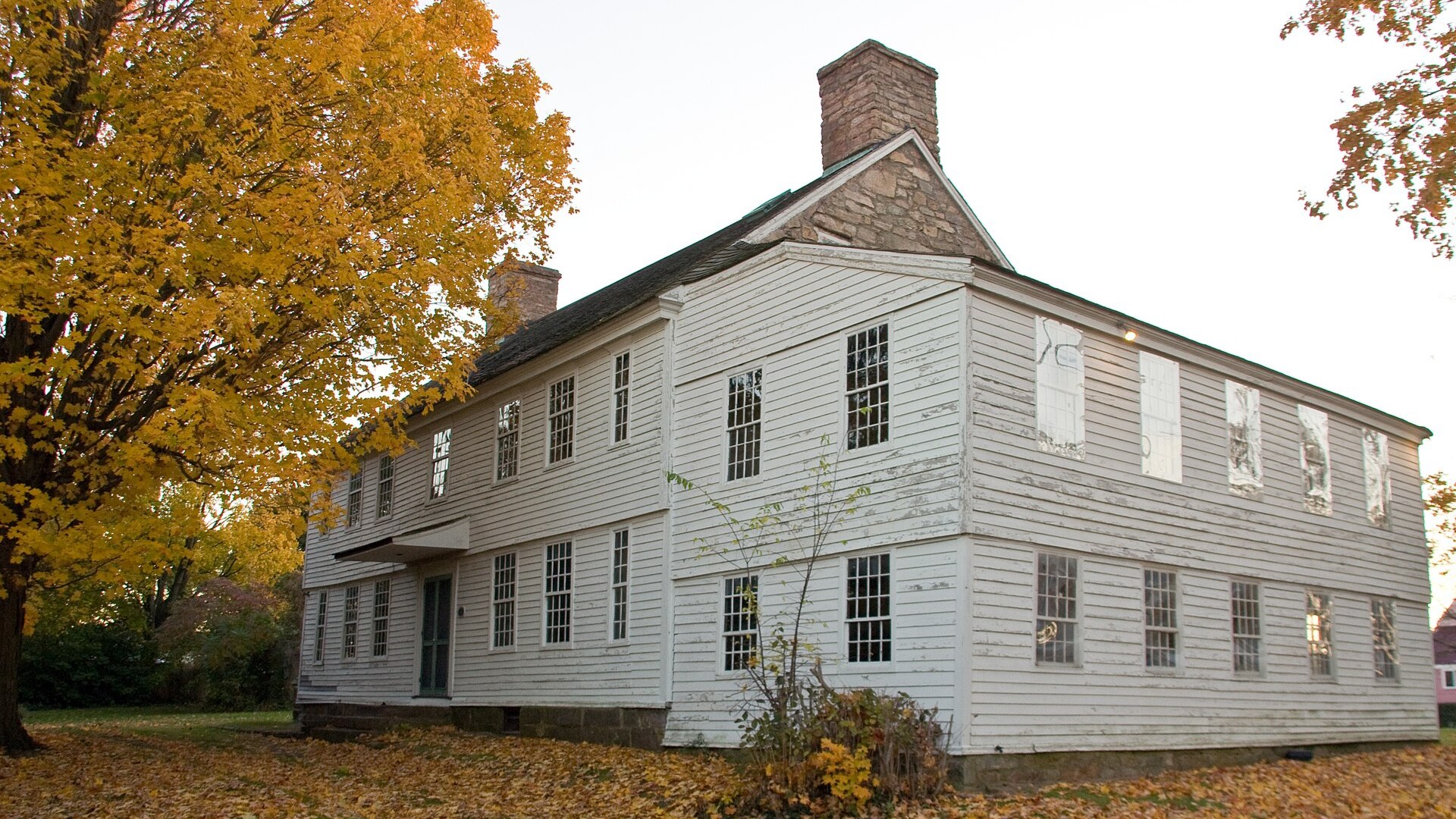
©Wikimedia / Versageek
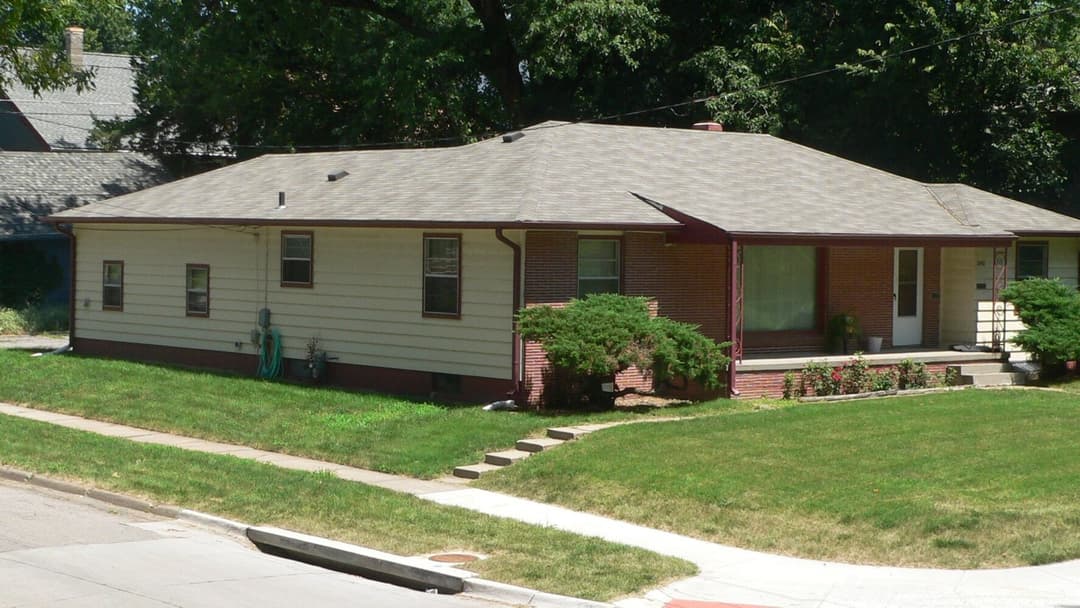
15. Nebraska
Nebraska homes average 2,022 square feet across rural tracts and metro developments in Omaha and Lincoln. Plentiful flat terrain and lower acreage costs allow single-family builders to construct sprawling ranch-style houses and two-story properties with deep basements.
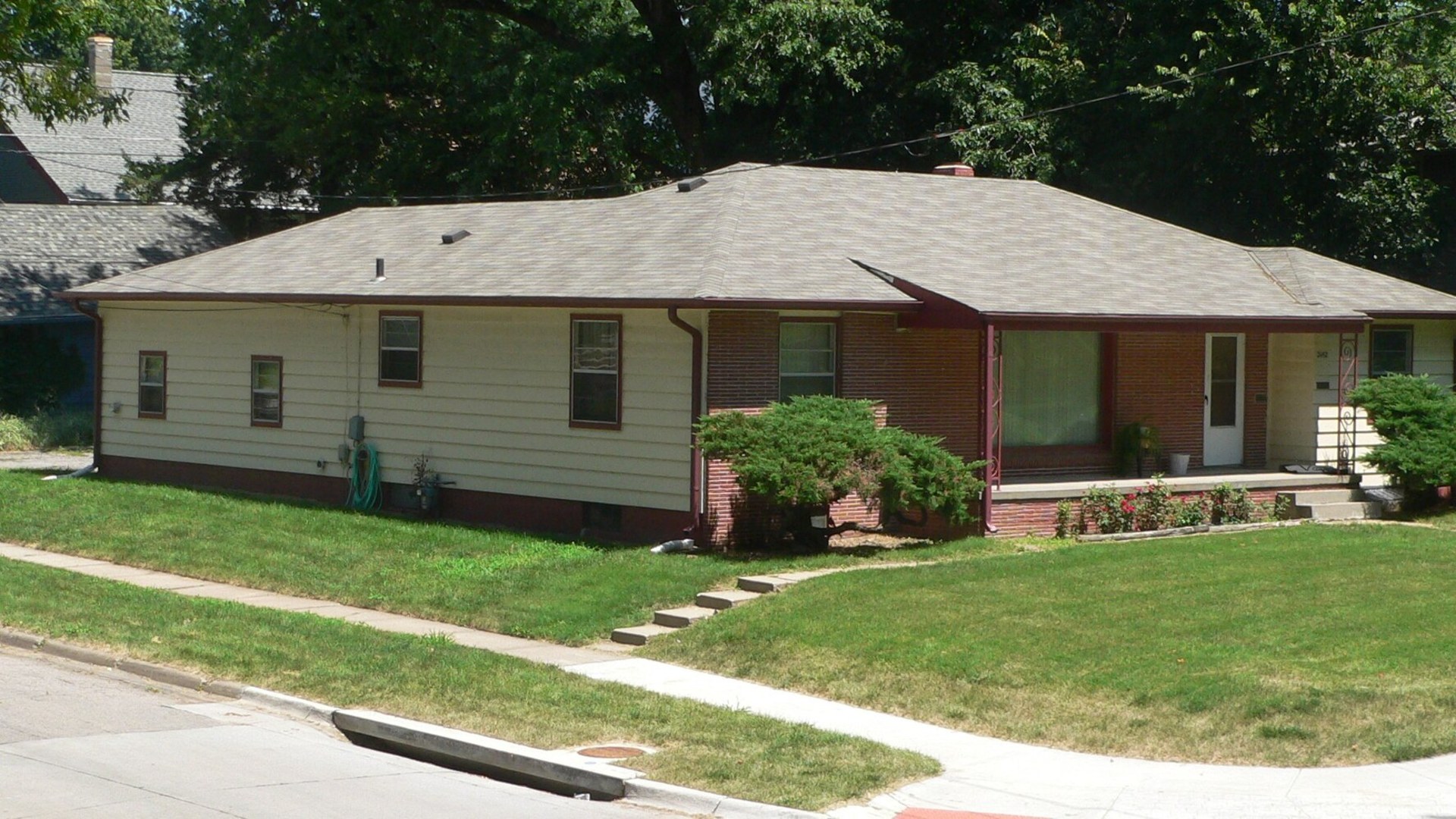
©Wikimedia / Ammodramus
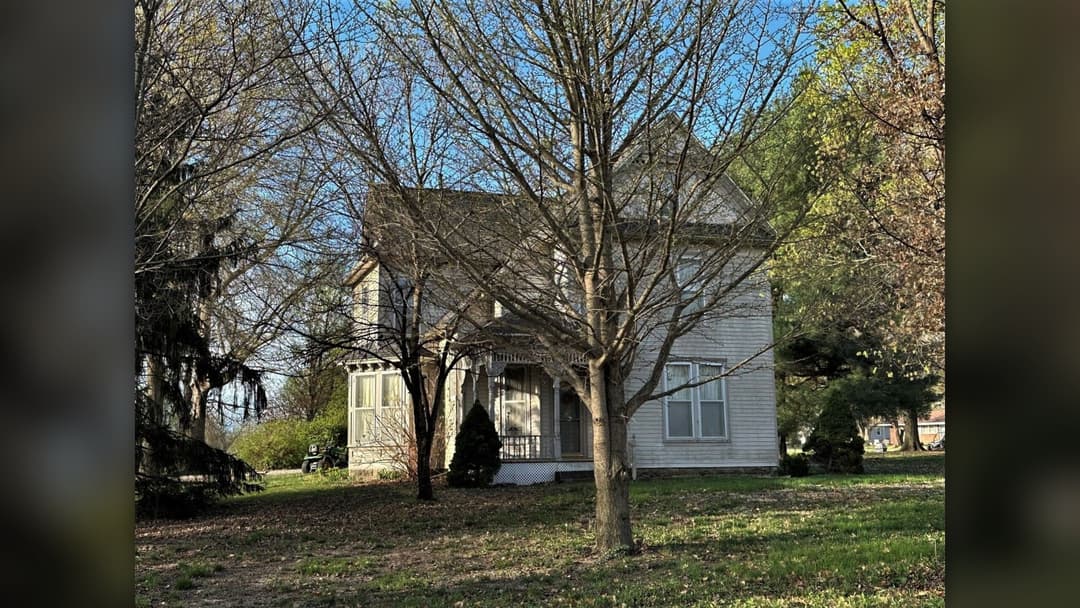
14. Missouri
Missouri residences tie for thirteenth with an average of 2,029 square feet. Suburban developments surrounding Kansas City and St. Louis feature sizable four-bedroom layouts, while rural parcels throughout the state provide ample room for large ranch-style properties.
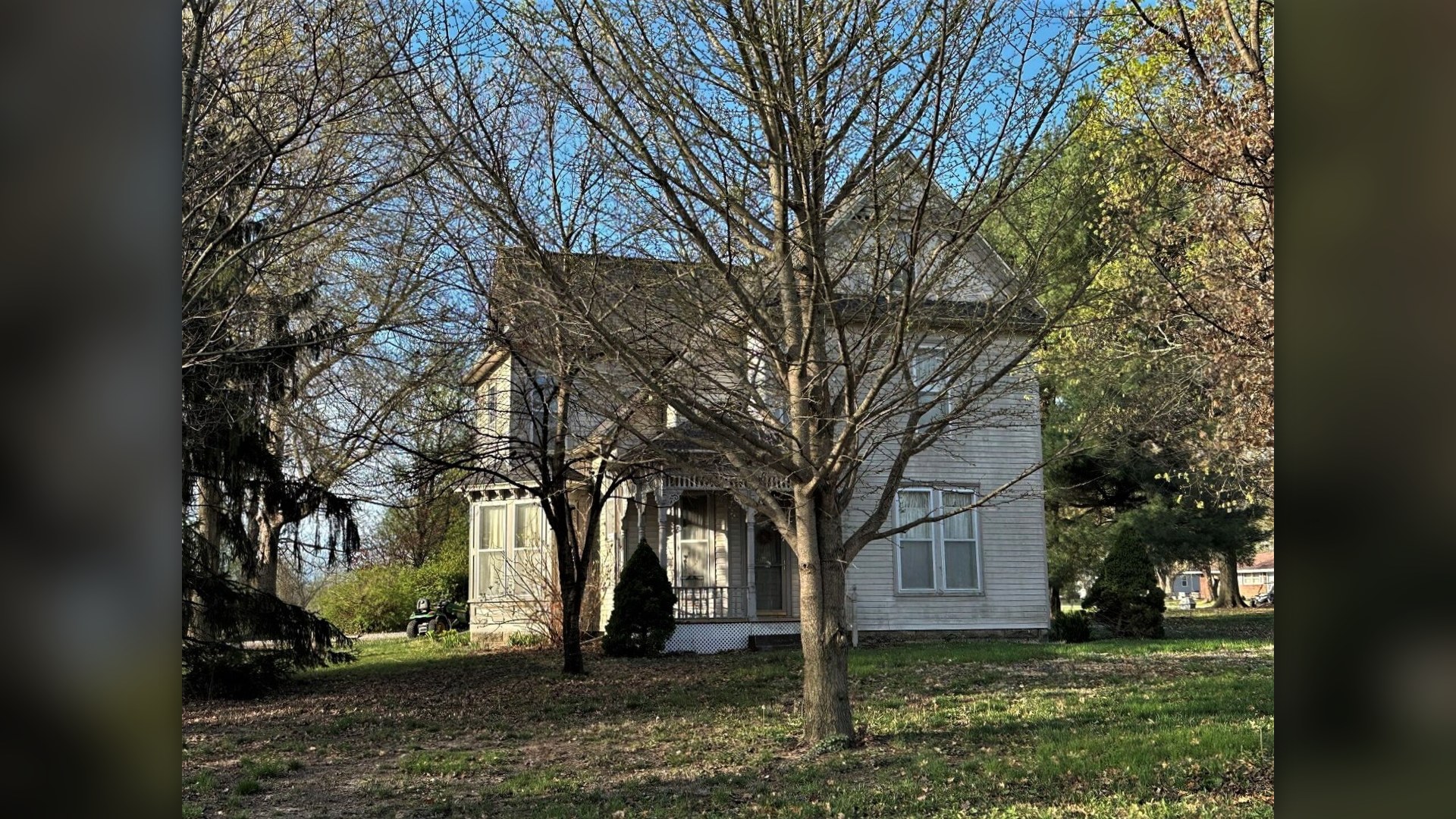
©Wikimedia / Jon Roanhaus
Advertisement
Swipe or tap ▶ to resume the countdown.
13. Indiana
Indiana homes match Missouri with an average of 2,029 square feet. Affordable land costs and steady suburban expansion around Indianapolis have driven the production of roomy two-story houses featuring two-car garages and finished lower basements.
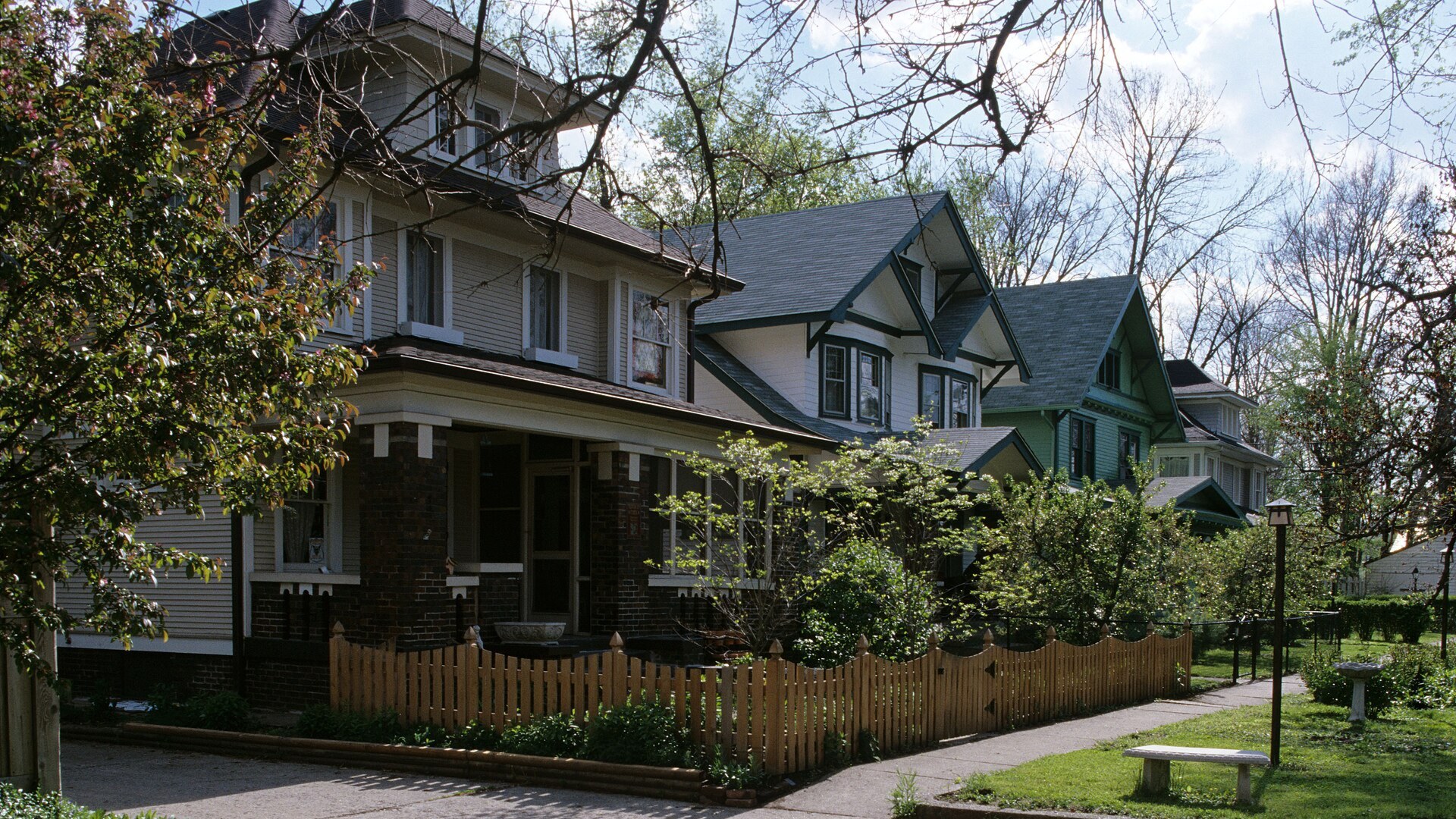
©Wikimedia / Marsh Davis; Indiana Landmarks
12. Pennsylvania
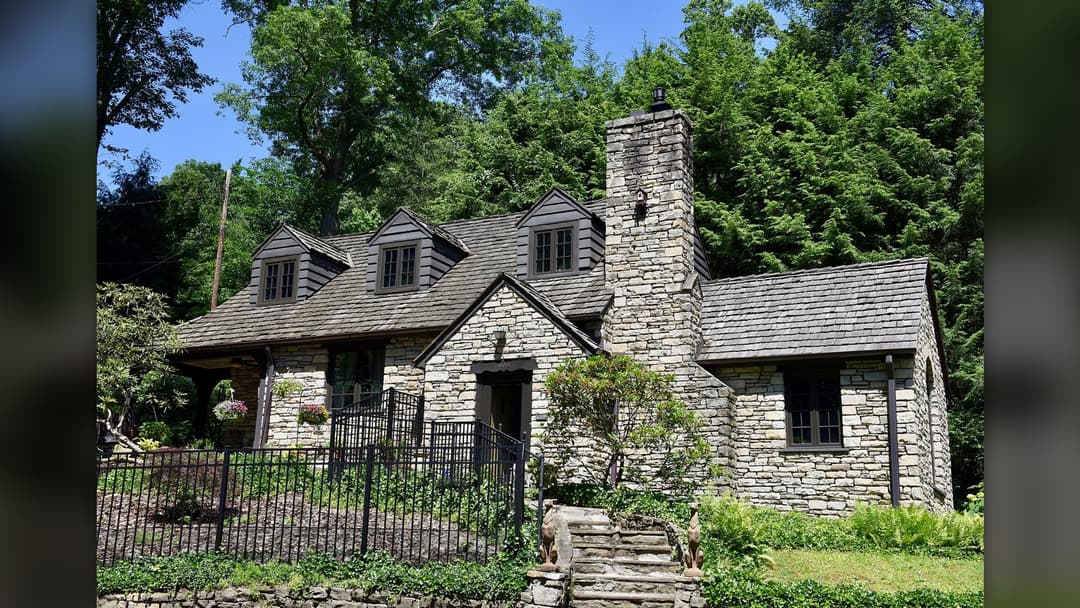
Pennsylvania residences post an average size of 2,033 square feet. From stone farmhouses in Lancaster County to expansive postwar subdivisions across Bucks and Allegheny counties, generous basement foundations contribute significantly to total enclosed space.
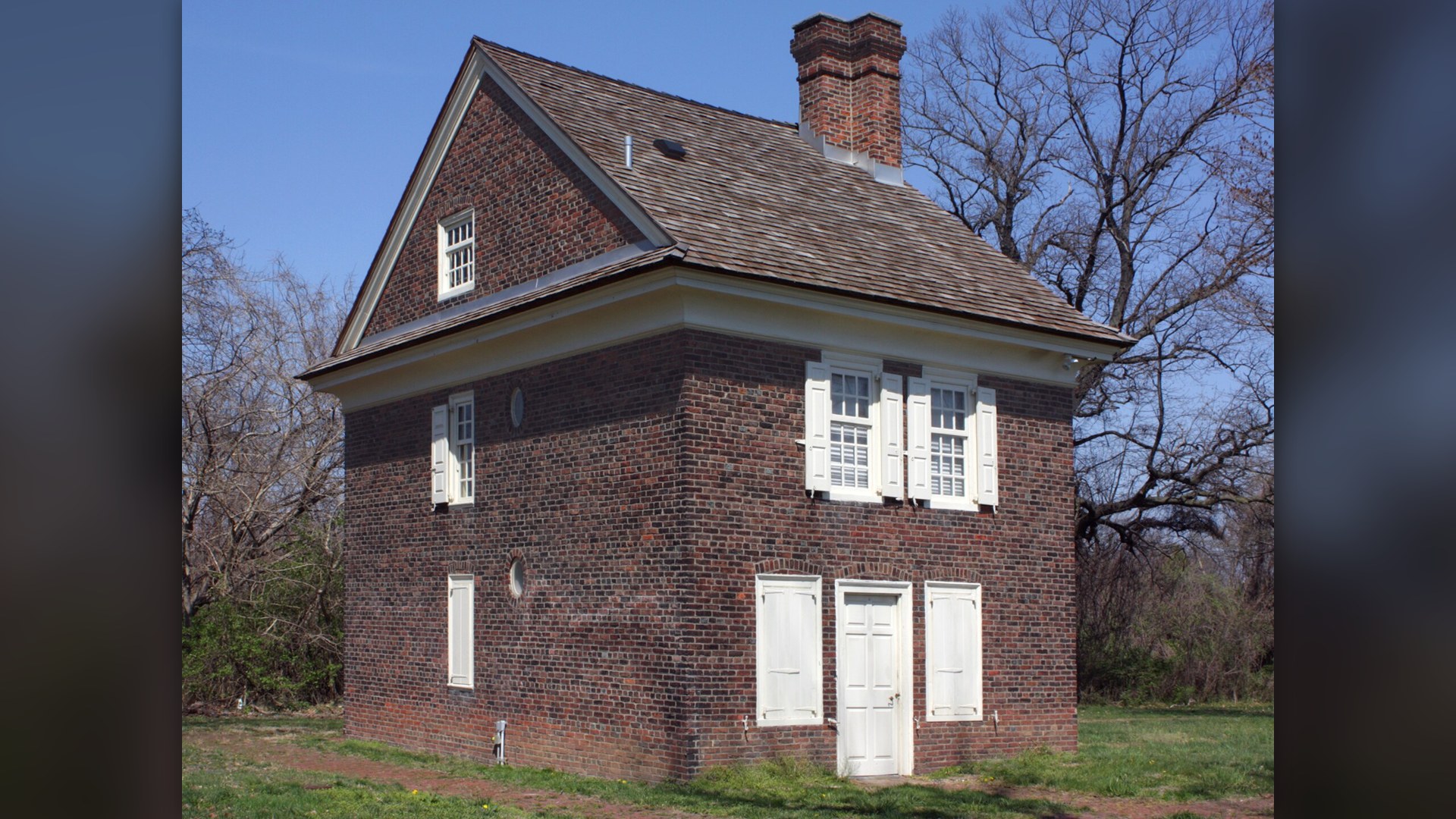
©Wikimedia / Brian W. Schaller
11. Vermont
Vermont averages 2,036 square feet per occupied home. The state lacks dense high-rise metro cores, meaning rural farmsteads, modular timber constructions, and sprawling single-family dwellings dominate the housing landscape across Chittenden and Rutland counties.
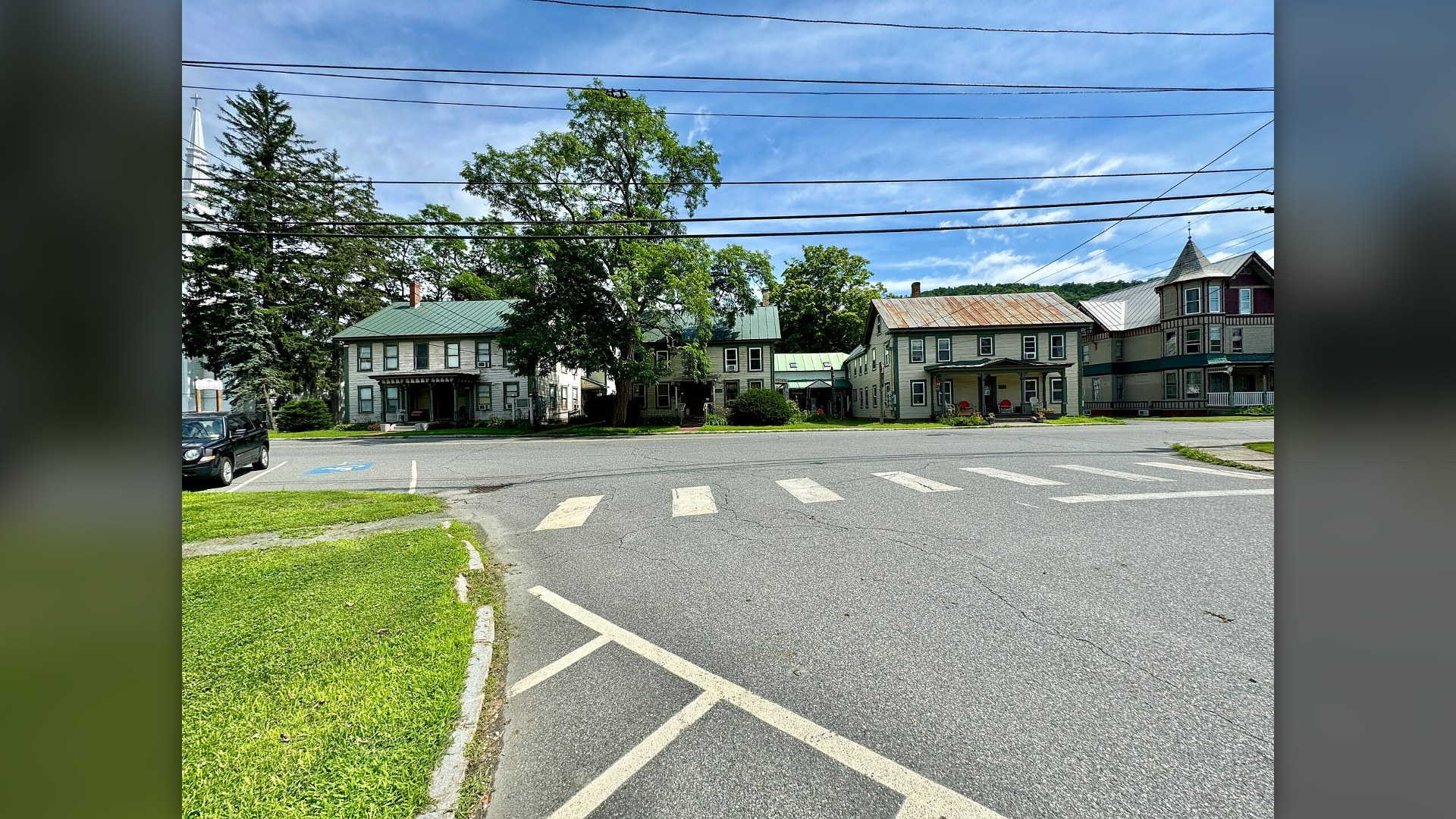
©Wikimedia / w_lemay
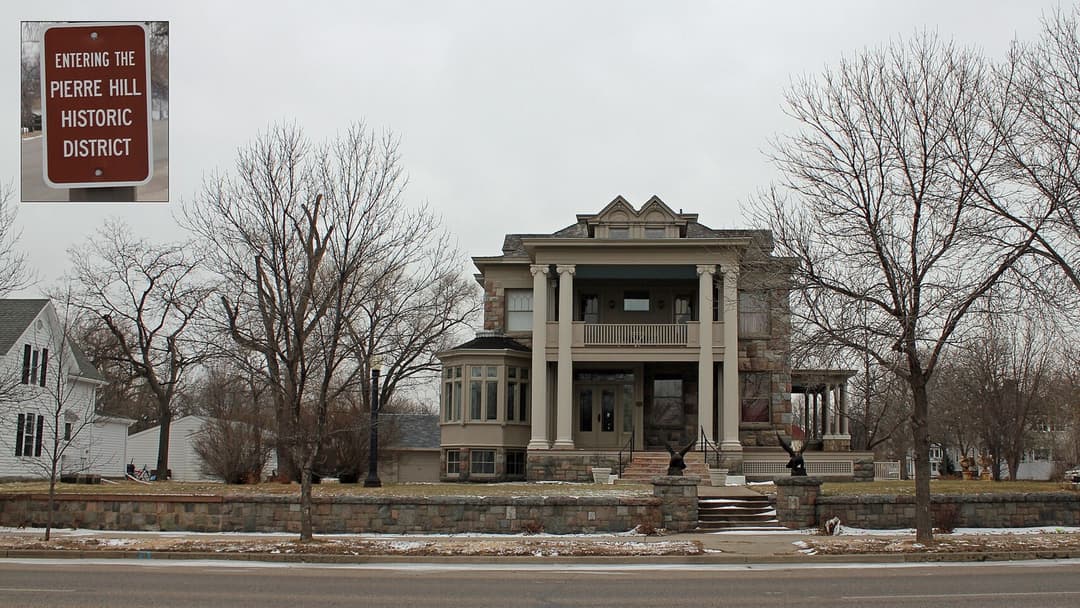
10. South Dakota
South Dakota houses average 2,043 square feet across the state. Growth in Minnehaha County around Sioux Falls has accelerated the construction of modern split-foyer and ranch homes, where deep basements are necessary to avoid frozen plumbing during freezing winters.
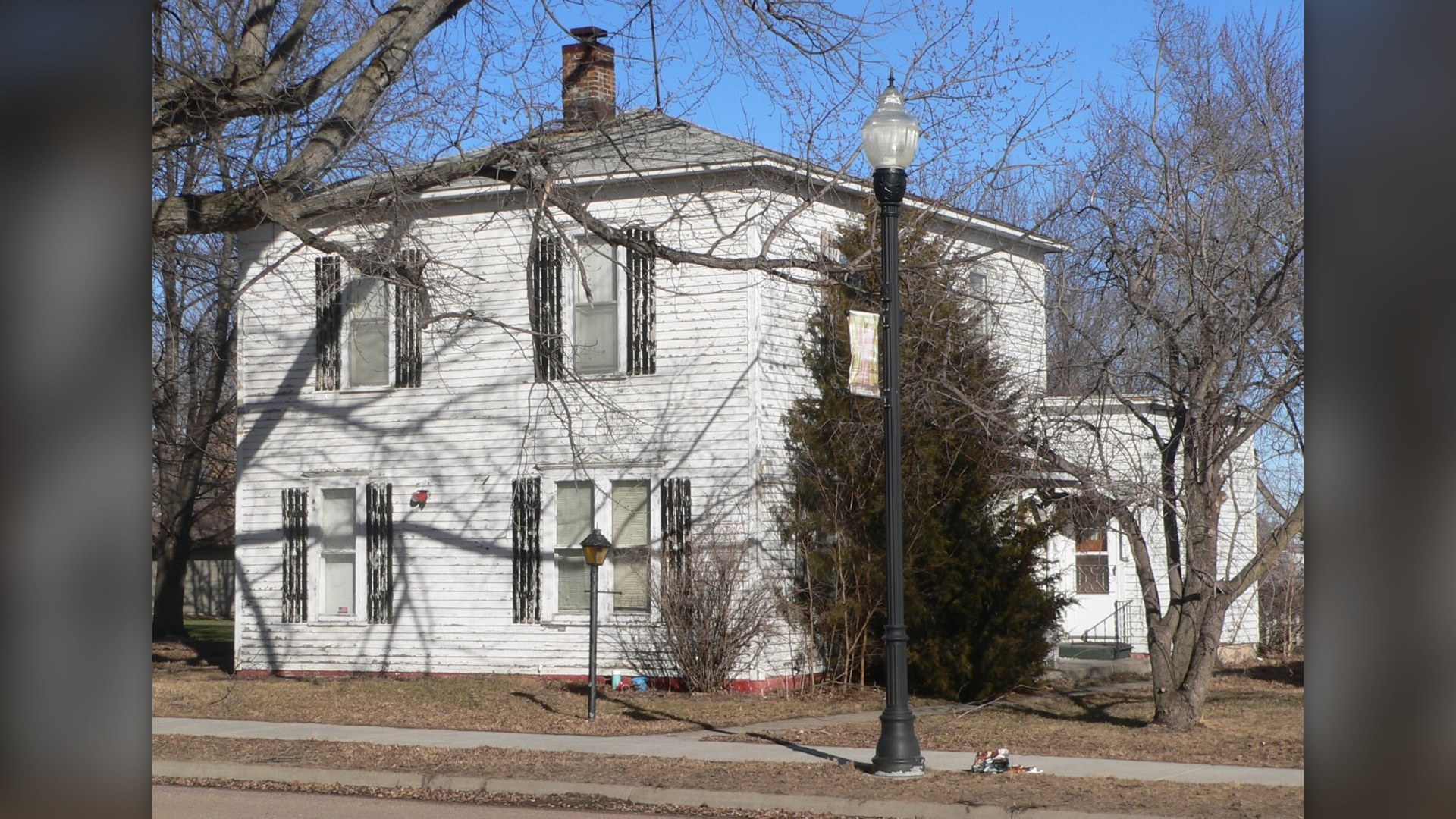
©Wikimedia / Ammodramus
Advertisement
Swipe or tap ▶ to resume the countdown.
9. Virginia
Virginia residential properties average 2,049 square feet. Expanding commuter suburbs across Fairfax and Loudoun counties in Northern Virginia feature master-planned developments with three-level townhomes and spacious four-bedroom colonials.
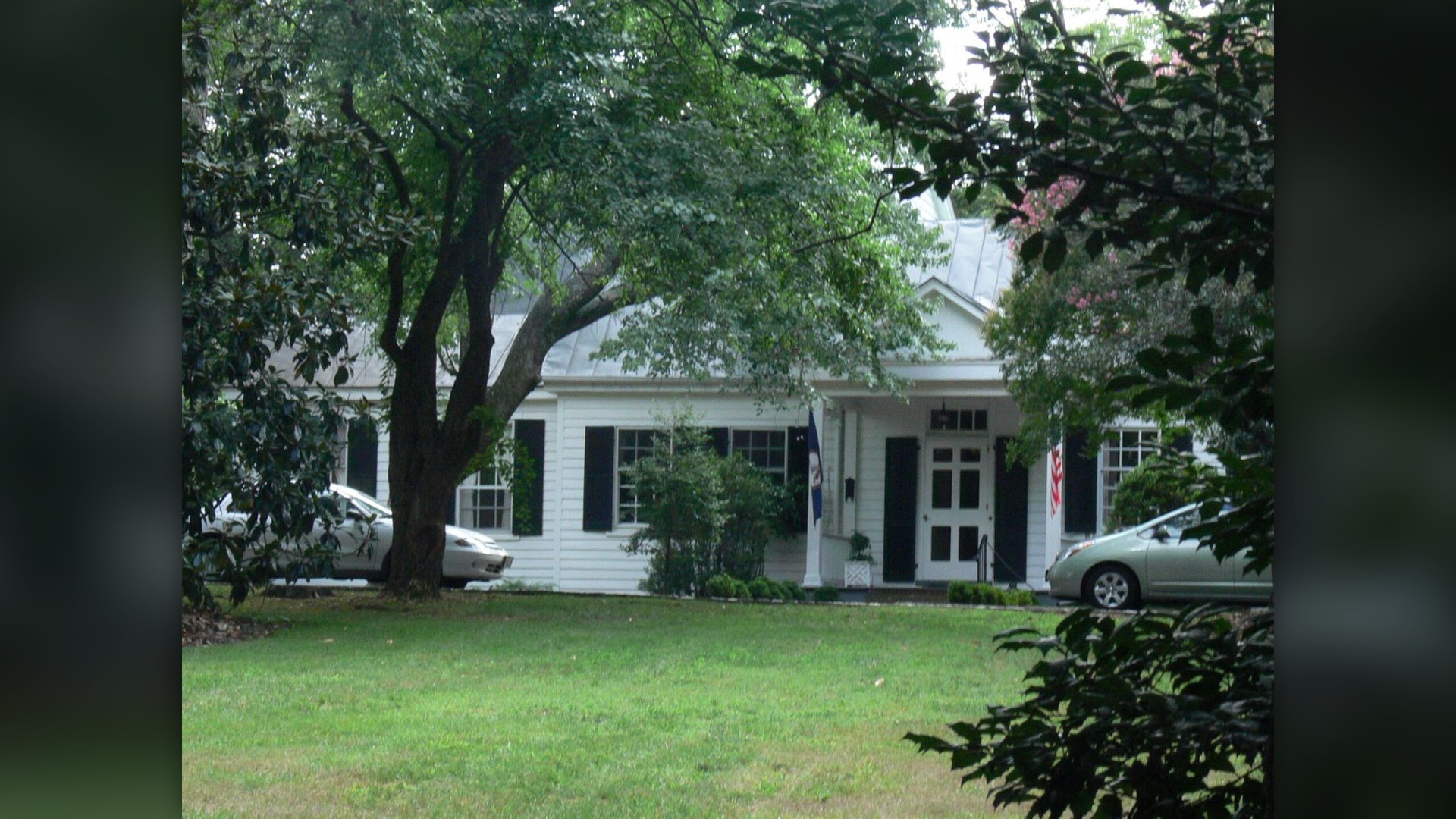
©Wikimedia / Morgan Riley
8. Michigan
Michigan homes deliver an average of 2,051 square feet. Builders across Oakland and Macomb counties traditionally finish full subterranean basements, creating expansive recreation areas and bedrooms that push indoor square footage well above national norms.
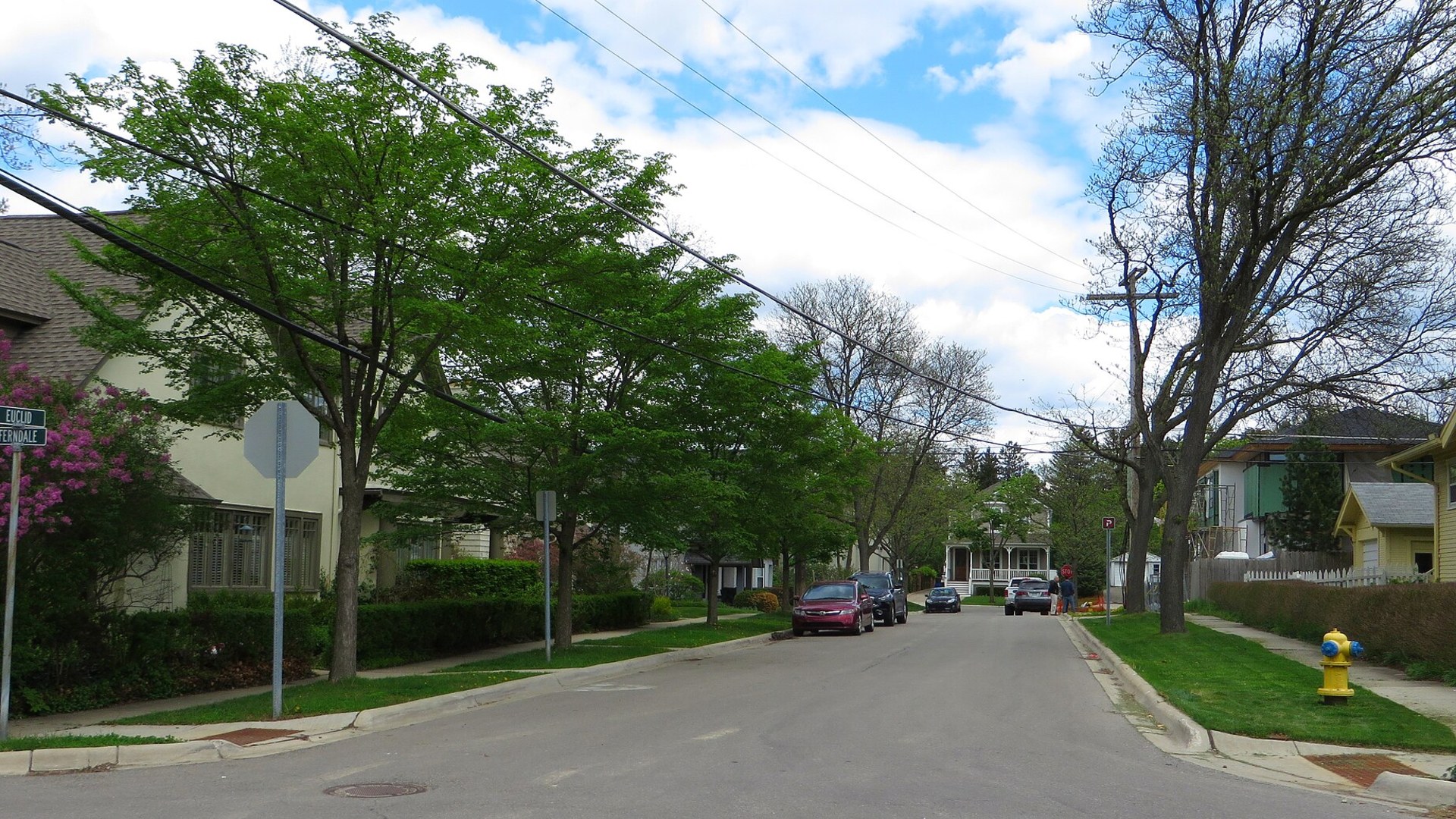
©Wikimedia / Ken Lund from Reno, Nevada, USA
7. Maryland
Maryland homes average 2,056 square feet of enclosed floor area. Affluent suburbs bordering Washington DC, including Montgomery and Howard counties, feature grand multi-story brick colonials and large contemporary houses set on generous wooded parcels.
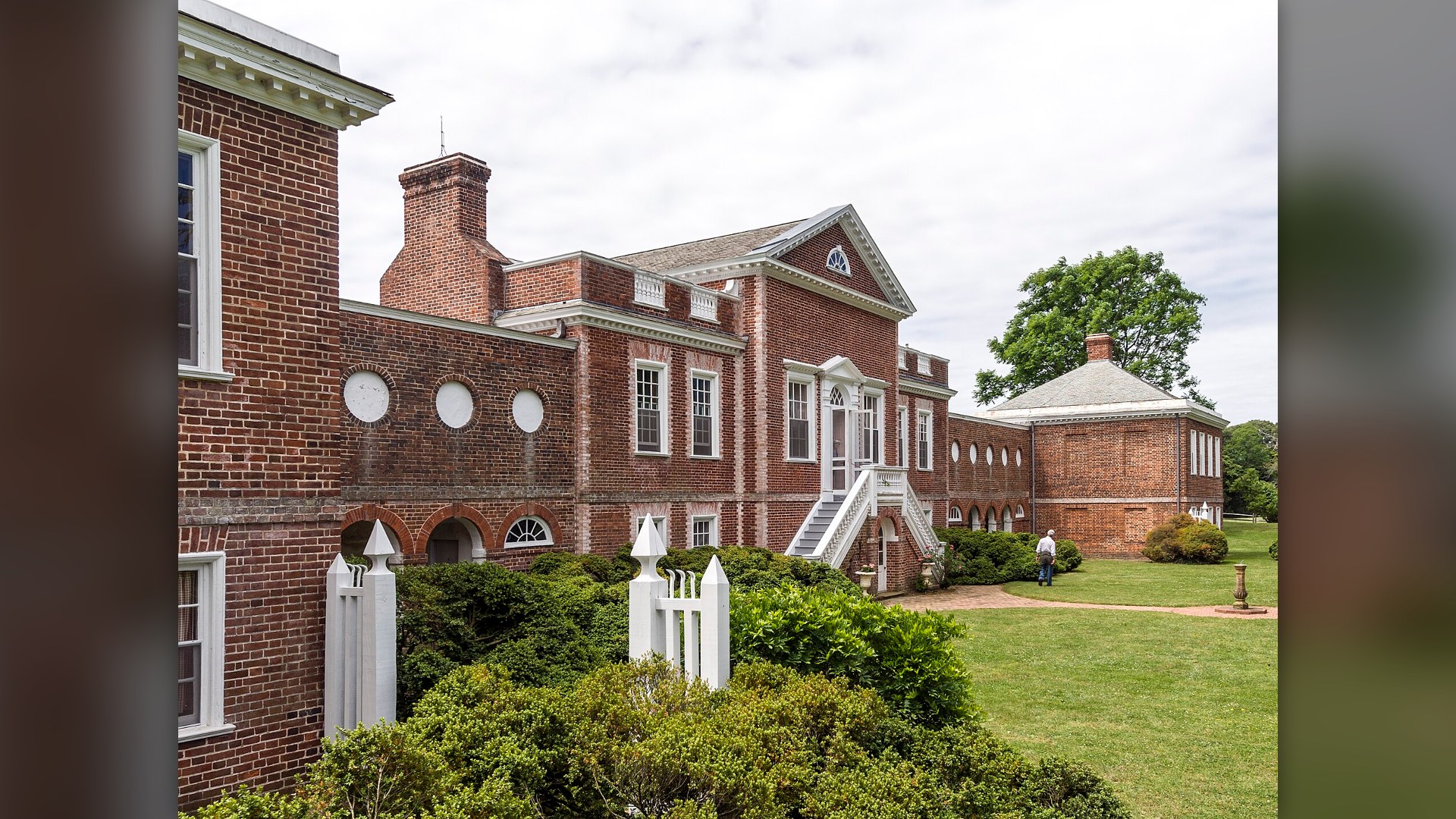
©Wikimedia / Acroterion
6. Delaware
Delaware residences average 2,080 square feet statewide. Favorable property tax policies and expanding coastal retirement communities around Sussex County have fueled a boom in roomy single-story and two-story single-family homes with large open plans.
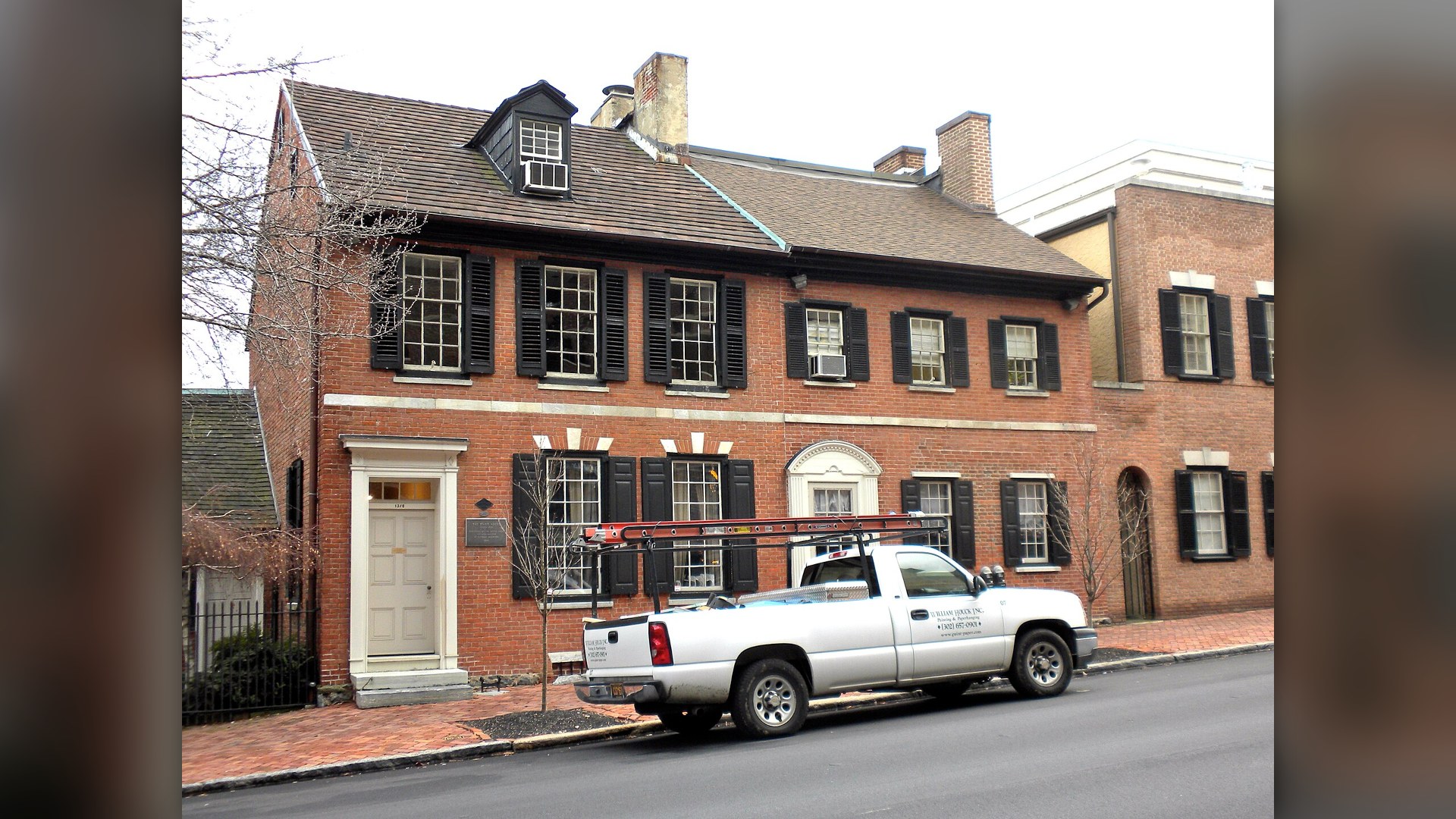
©Wikimedia / Smallbones
Advertisement
Swipe or tap ▶ to resume the countdown.
5. State Of Iowa
Iowa properties record an average footprint of 2,126 square feet. Low land acquisition expenses in metro centers like Des Moines, combined with heavy reliance on full concrete basements for storm shelter and heating efficiency, drive high square footage figures.
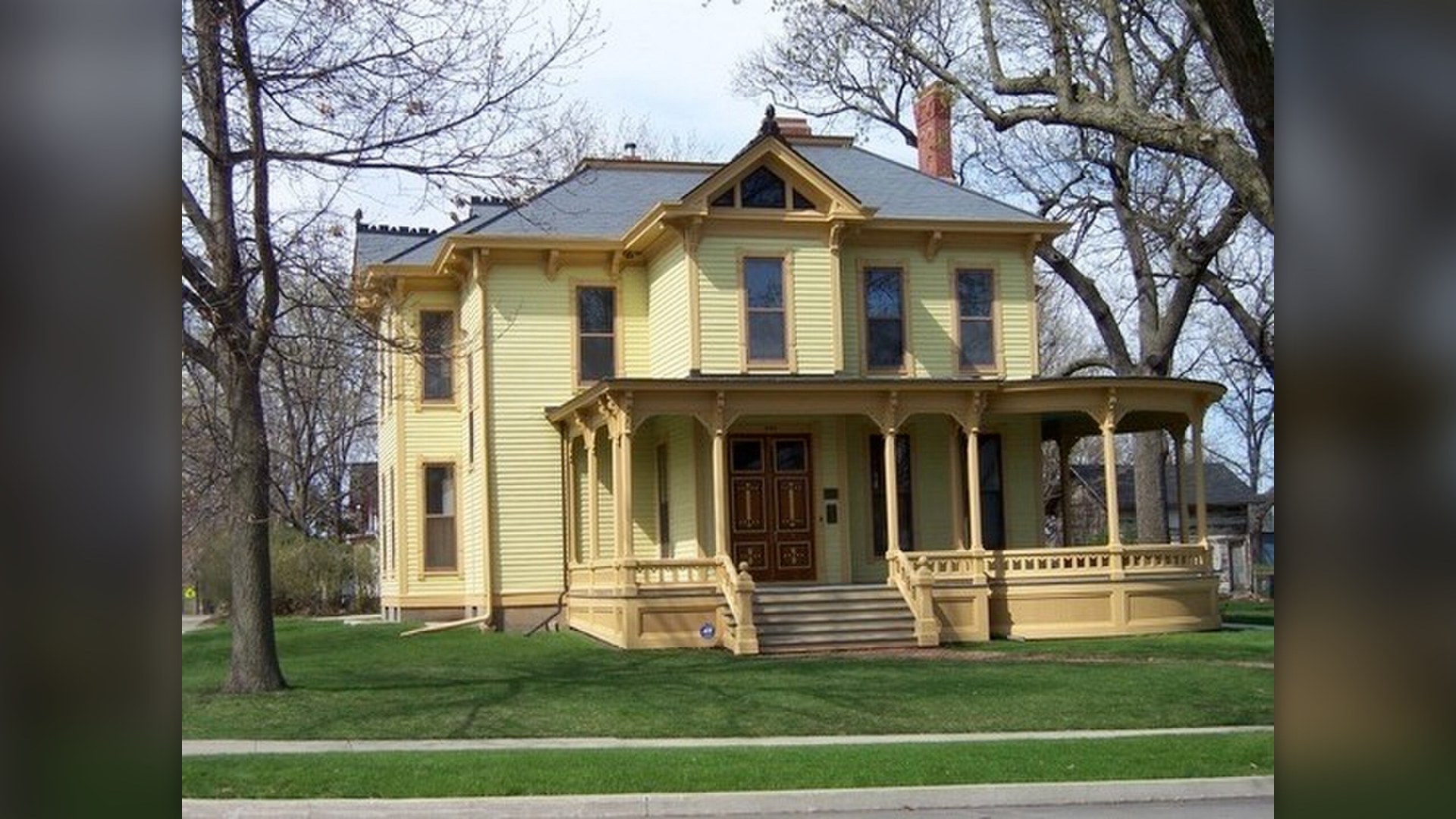
©Wikimedia / Cadeseth ( talk )cade ullerich
4. Georgia
Georgia homes average 2,128 square feet of interior area. Rapid population migration into suburban Atlanta counties like Gwinnett and Fulton has spurred subdivisions filled with spacious two-story brick homes featuring sweeping floor plans and high ceilings.

©Wikimedia / Marc Merlin
3. North Dakota
North Dakota houses average 2,158 square feet statewide. Recent economic expansion around Fargo and the Bakken region sparked high numbers of new single-family constructions, where substantial bi-level floor plans and full basements provide ample winter shelter.
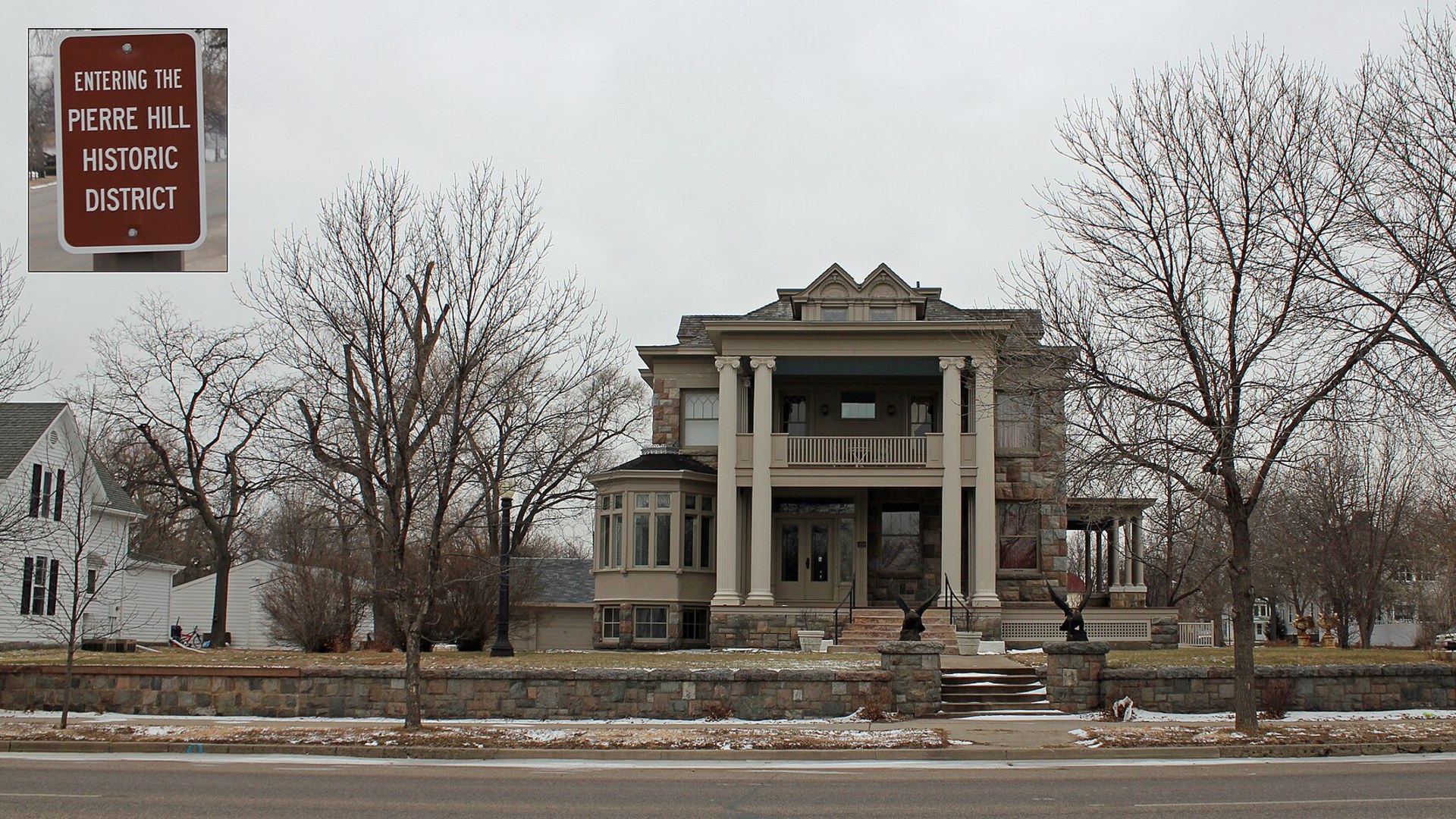
©Wikimedia / Jeffrey Beall
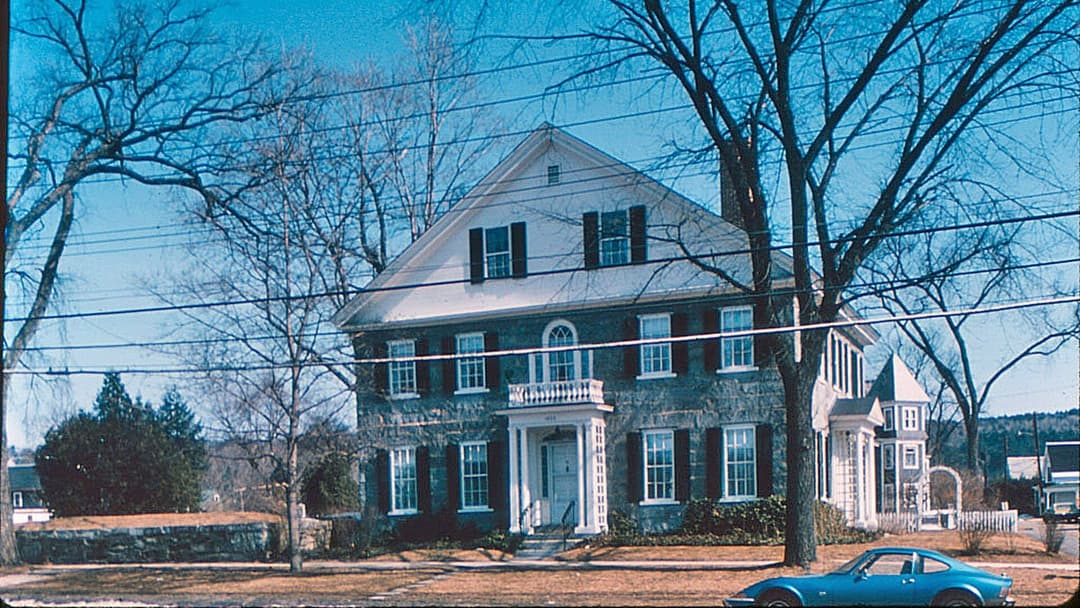
2. New Hampshire
New Hampshire homes average 2,209 square feet, securing the runner-up spot nationally. Denser multi-family towers are virtually absent, leaving large detached colonial and contemporary homes across Rockingham and Hillsborough counties to dominate housing counts.
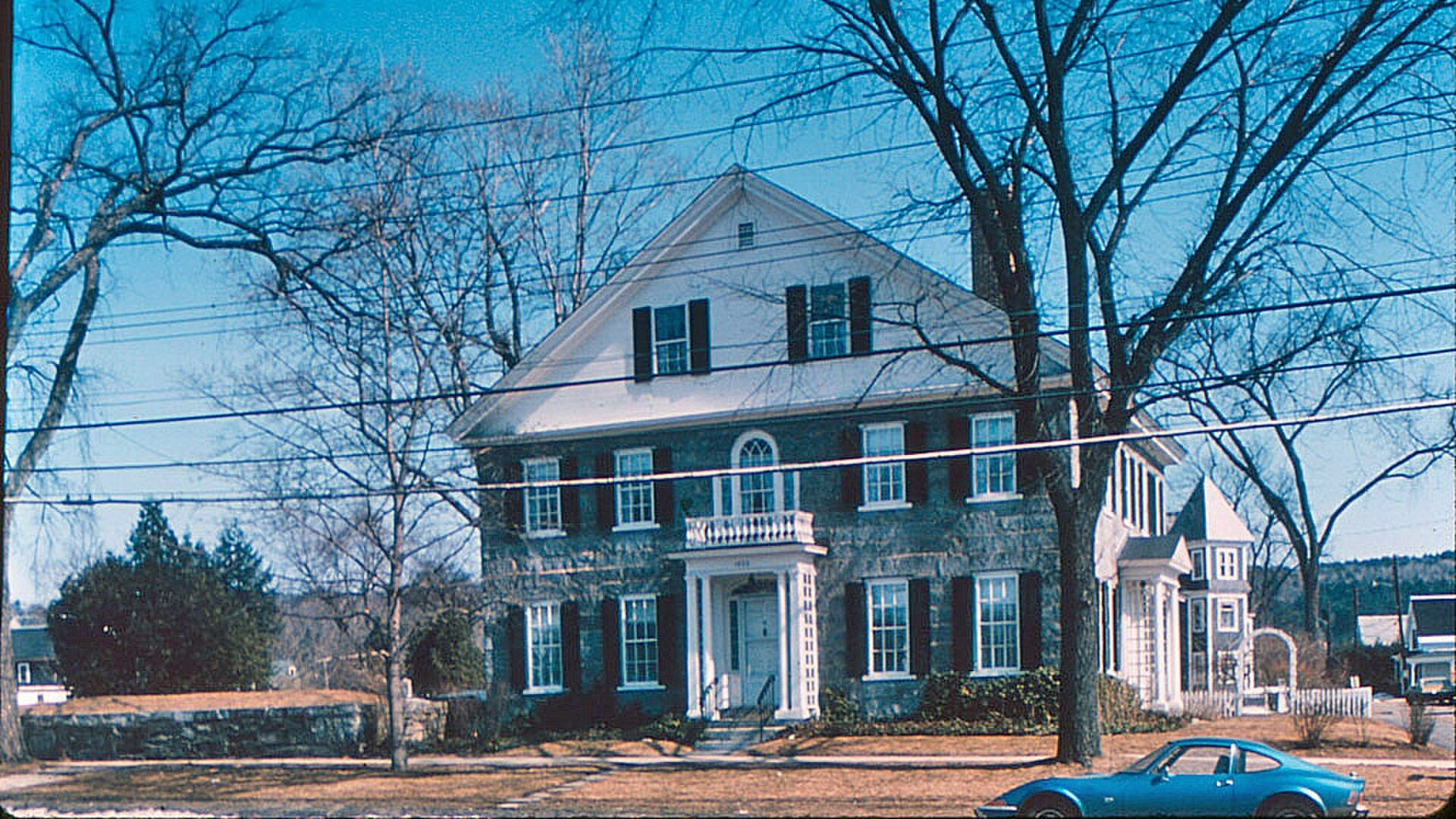
©Wikimedia / Keene Public Library and the Historical Society
Advertisement
Swipe or tap ▶ to resume the countdown.
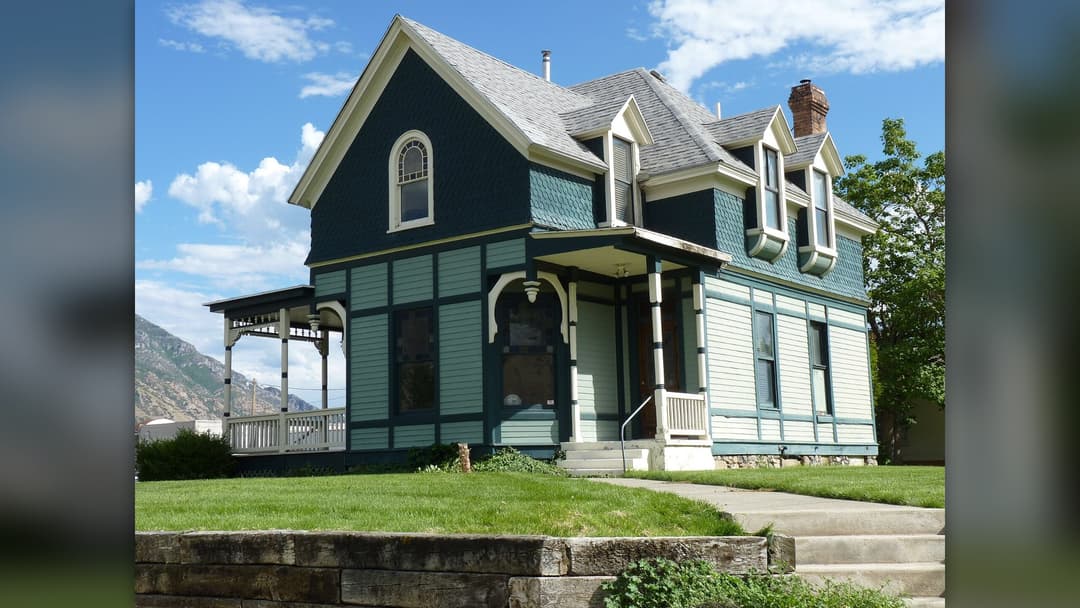
1. State Of Utah
Utah claims first place nationally with an average residential footprint of 2,244 square feet. The state leads the country in average household size, prompting homebuilders across Salt Lake and Utah counties to construct massive multi-bedroom properties with full daylight basements.
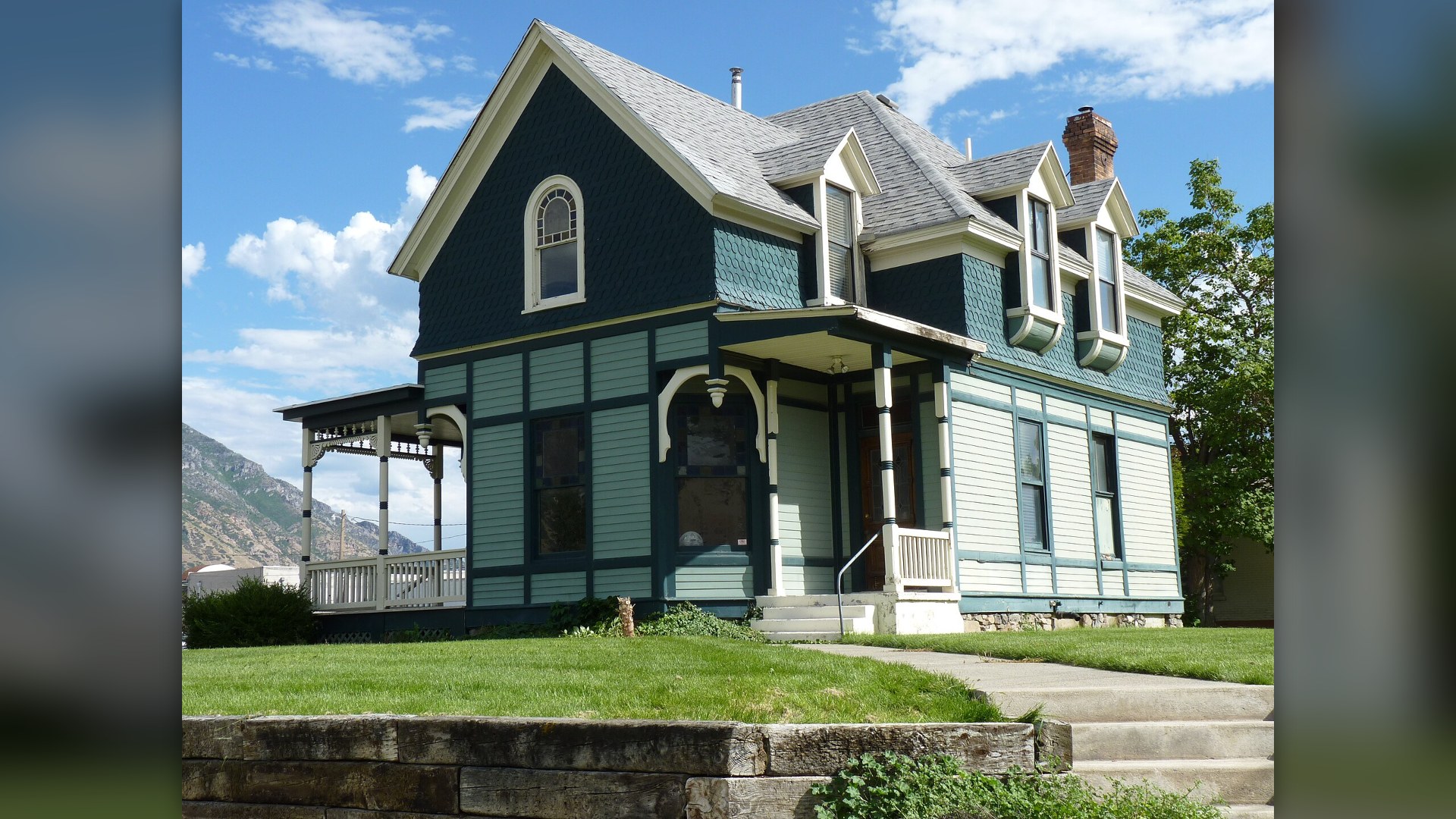
©Wikimedia / Kaiguy817
Advertisement
You've reached the end of the story. Thanks for reading!

20 Common Superstitions Americans Still Follow
Millions of Americans still knock on wood, avoid black cats, and pick up lucky pennies without a second thought. Folklore historians and psychology researchers at Harvard and Gallup document how ancient customs survive in modern daily habits. Here are 20 enduring superstitions that people continue to practice.
All 20 Entries in this Story
West Virginia
West Virginia residential properties average 1,977 square feet across all occupied units. Steep Appalachian topography often requires homes built on sloped ground to incorporate full walk-out basements, which adds valuable interior square footage while keeping construction footprints compact on hillsides.

Minnesota
Minnesota homes average 1,980 square feet of conditioned space. Strict winter building standards and deep frost lines encourage finished full basements across Hennepin and Ramsey counties, giving midwestern homeowners expansive indoor living room during sub-zero winter spells.

Colorado
Colorado averages 1,987 square feet per residential unit. Suburban communities stretching between Denver, Fort Collins, and Colorado Springs feature spacious multi-level properties with finished lower levels designed to house outdoor gear and growing households along the Front Range.

Illinois
Illinois residences reach an average of 1,989 square feet. While urban Chicago features tighter historic brick walk-ups and bungalows, expansive suburban tracts across DuPage and Lake counties boost the statewide average with classic two-story floor plans and full basements.

Connecticut
Connecticut properties average 1,994 square feet of residential space. Wealthier suburban enclaves in Fairfield and Hartford counties hold substantial multi-bedroom colonials and cape cod homes, providing ample interior square footage despite higher regional heating costs.

Nebraska
Nebraska homes average 2,022 square feet across rural tracts and metro developments in Omaha and Lincoln. Plentiful flat terrain and lower acreage costs allow single-family builders to construct sprawling ranch-style houses and two-story properties with deep basements.

Missouri
Missouri residences tie for thirteenth with an average of 2,029 square feet. Suburban developments surrounding Kansas City and St. Louis feature sizable four-bedroom layouts, while rural parcels throughout the state provide ample room for large ranch-style properties.

Indiana
Indiana homes match Missouri with an average of 2,029 square feet. Affordable land costs and steady suburban expansion around Indianapolis have driven the production of roomy two-story houses featuring two-car garages and finished lower basements.

Pennsylvania
Pennsylvania residences post an average size of 2,033 square feet. From stone farmhouses in Lancaster County to expansive postwar subdivisions across Bucks and Allegheny counties, generous basement foundations contribute significantly to total enclosed space.

Vermont
Vermont averages 2,036 square feet per occupied home. The state lacks dense high-rise metro cores, meaning rural farmsteads, modular timber constructions, and sprawling single-family dwellings dominate the housing landscape across Chittenden and Rutland counties.

South Dakota
South Dakota houses average 2,043 square feet across the state. Growth in Minnehaha County around Sioux Falls has accelerated the construction of modern split-foyer and ranch homes, where deep basements are necessary to avoid frozen plumbing during freezing winters.

Virginia
Virginia residential properties average 2,049 square feet. Expanding commuter suburbs across Fairfax and Loudoun counties in Northern Virginia feature master-planned developments with three-level townhomes and spacious four-bedroom colonials.

Michigan
Michigan homes deliver an average of 2,051 square feet. Builders across Oakland and Macomb counties traditionally finish full subterranean basements, creating expansive recreation areas and bedrooms that push indoor square footage well above national norms.

Maryland
Maryland homes average 2,056 square feet of enclosed floor area. Affluent suburbs bordering Washington DC, including Montgomery and Howard counties, feature grand multi-story brick colonials and large contemporary houses set on generous wooded parcels.

Delaware
Delaware residences average 2,080 square feet statewide. Favorable property tax policies and expanding coastal retirement communities around Sussex County have fueled a boom in roomy single-story and two-story single-family homes with large open plans.

State Of Iowa
Iowa properties record an average footprint of 2,126 square feet. Low land acquisition expenses in metro centers like Des Moines, combined with heavy reliance on full concrete basements for storm shelter and heating efficiency, drive high square footage figures.

Georgia
Georgia homes average 2,128 square feet of interior area. Rapid population migration into suburban Atlanta counties like Gwinnett and Fulton has spurred subdivisions filled with spacious two-story brick homes featuring sweeping floor plans and high ceilings.

North Dakota
North Dakota houses average 2,158 square feet statewide. Recent economic expansion around Fargo and the Bakken region sparked high numbers of new single-family constructions, where substantial bi-level floor plans and full basements provide ample winter shelter.

New Hampshire
New Hampshire homes average 2,209 square feet, securing the runner-up spot nationally. Denser multi-family towers are virtually absent, leaving large detached colonial and contemporary homes across Rockingham and Hillsborough counties to dominate housing counts.

State Of Utah
Utah claims first place nationally with an average residential footprint of 2,244 square feet. The state leads the country in average household size, prompting homebuilders across Salt Lake and Utah counties to construct massive multi-bedroom properties with full daylight basements.