Slideshow · Viral
20 Criminal Investigations Solved Through DNA Decades Later
Cold Cases Cracked Decades Later By Modern Forensic Science
By Most Viral Today
3 hours ago

Cold Cases Cracked Decades Later By Modern Forensic Science 
20. Arthur Leigh Allen 
19. The Central Park Five 
18. The Innocence Project - AdvertisementSwipe or tap ▶ to continue countdown

17. Richard Ramirez 
16. Gary Ridgway 
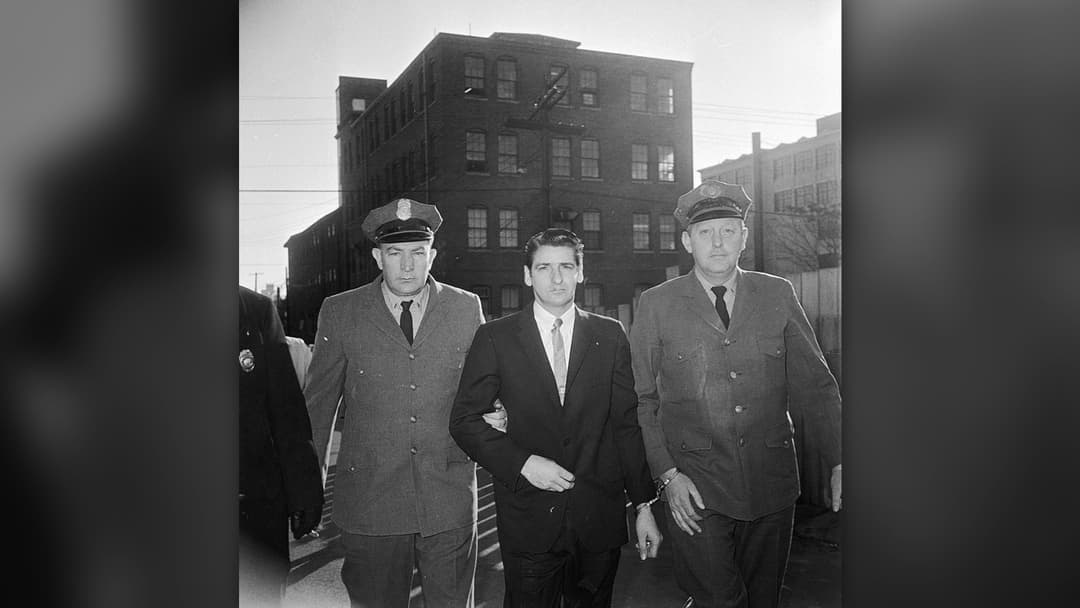
15. The Grim Sleeper 
14. Buckskin Girl - AdvertisementSwipe or tap ▶ to continue countdown

13. Margaret Fetterolf 
12. Ruth Marie Terry 
11. Albert DeSalvo 
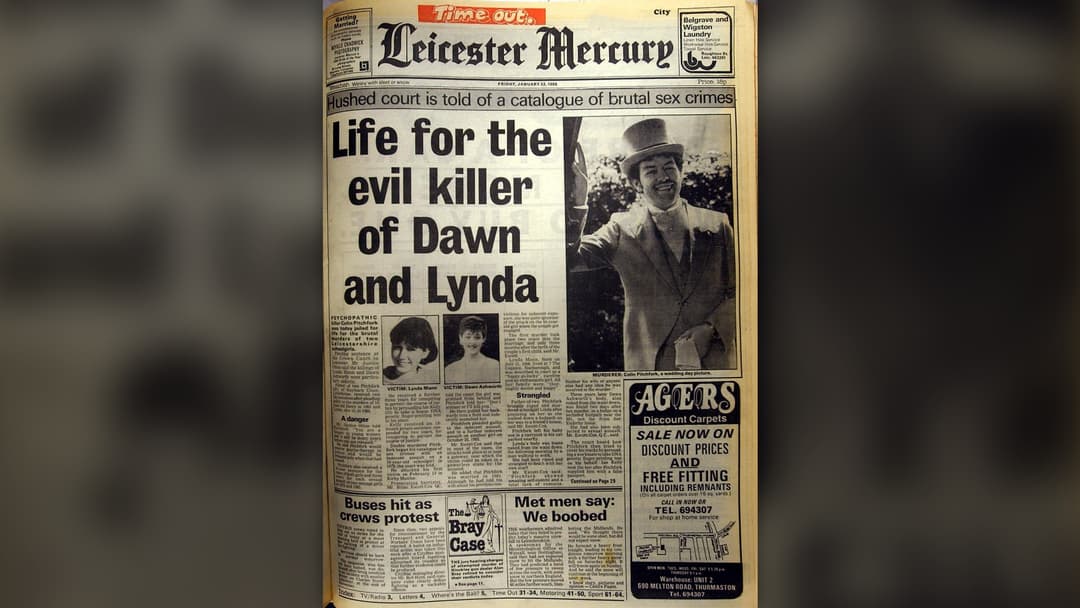
10. Colin Pitchfork - AdvertisementSwipe or tap ▶ to continue countdown

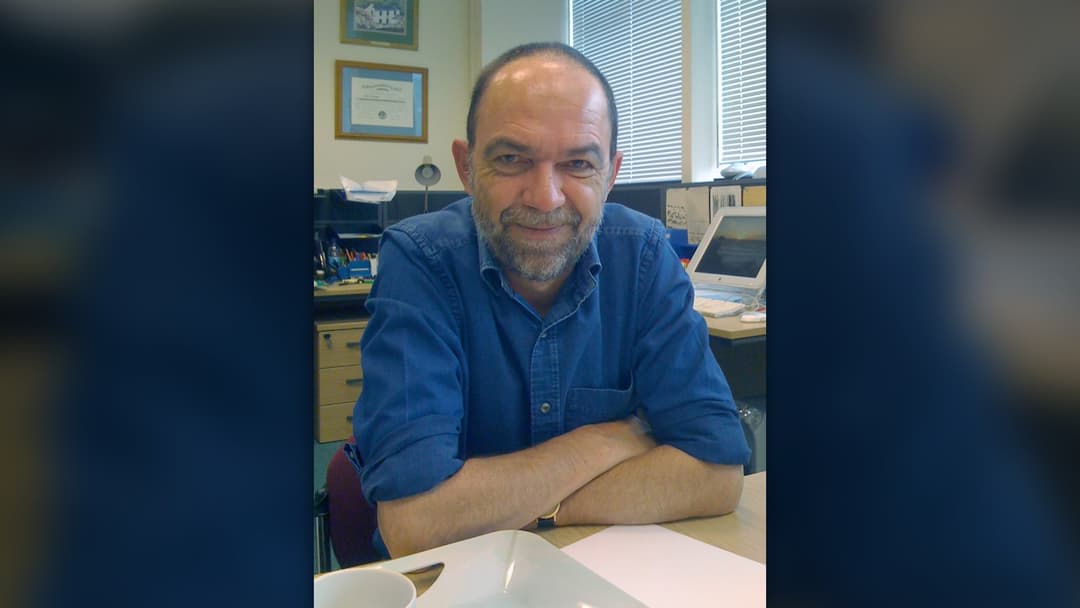
9. Sir Alec Jeffreys 
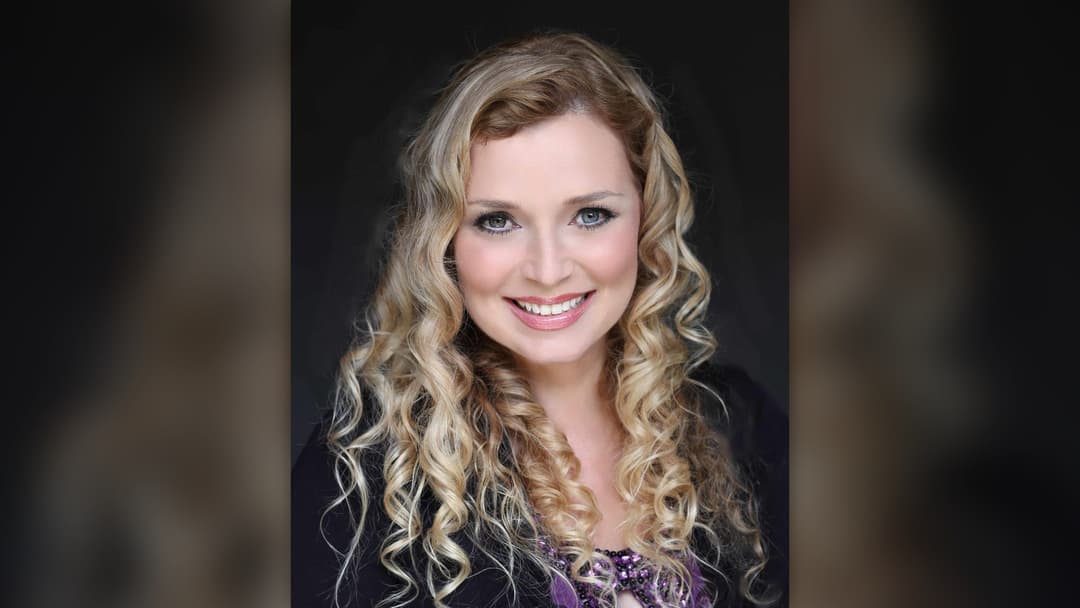
8. CeCe Moore 
7. Paul Holes 
6. Anna Anderson - AdvertisementSwipe or tap ▶ to continue countdown

5. The Somerton Man 
4. King Richard III 
3. The Romanov Imperial Family 
2. The Boy In The Box - AdvertisementSwipe or tap ▶ to continue countdown

1. The Golden State Killer - Advertisement🔥 UP NEXT IN THIS SERIES◫ 22 Slides

21 Former US Governors Who Became Influential National Leaders
Which former state governors rose to shape modern American history?
For decades, these notorious cold cases baffled detectives and haunted communities across the globe. From the Golden State Killer to the Boy in the Box, revolutionary advances in forensic DNA and genetic genealogy finally unmasked perpetrators and identified long-lost victims.
Swipe or tap ▶ to begin the countdown
©Wikimedia / Leicester Mercury & California Dept of
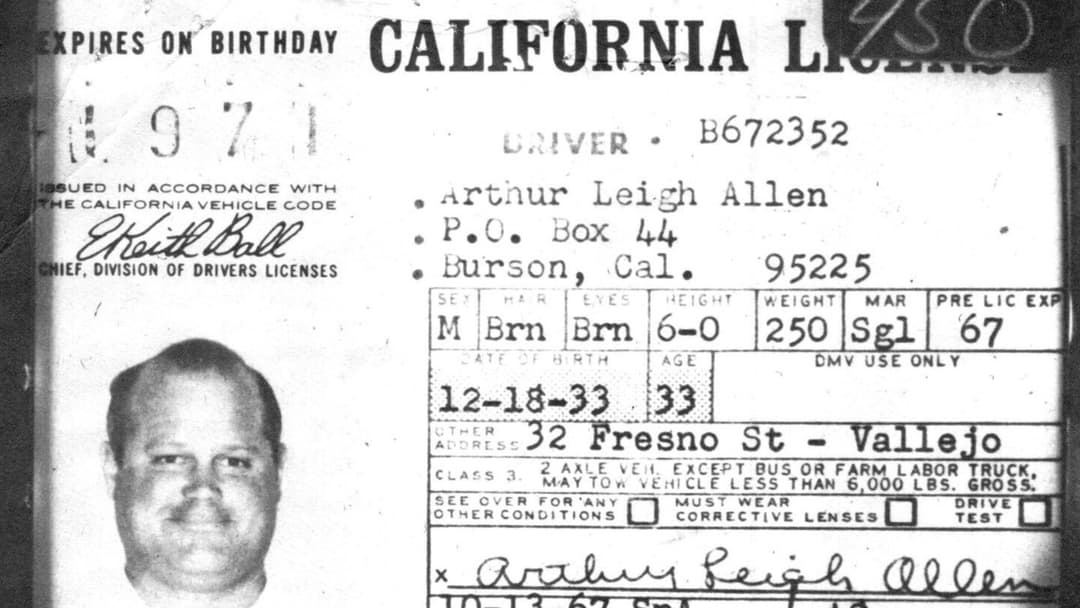
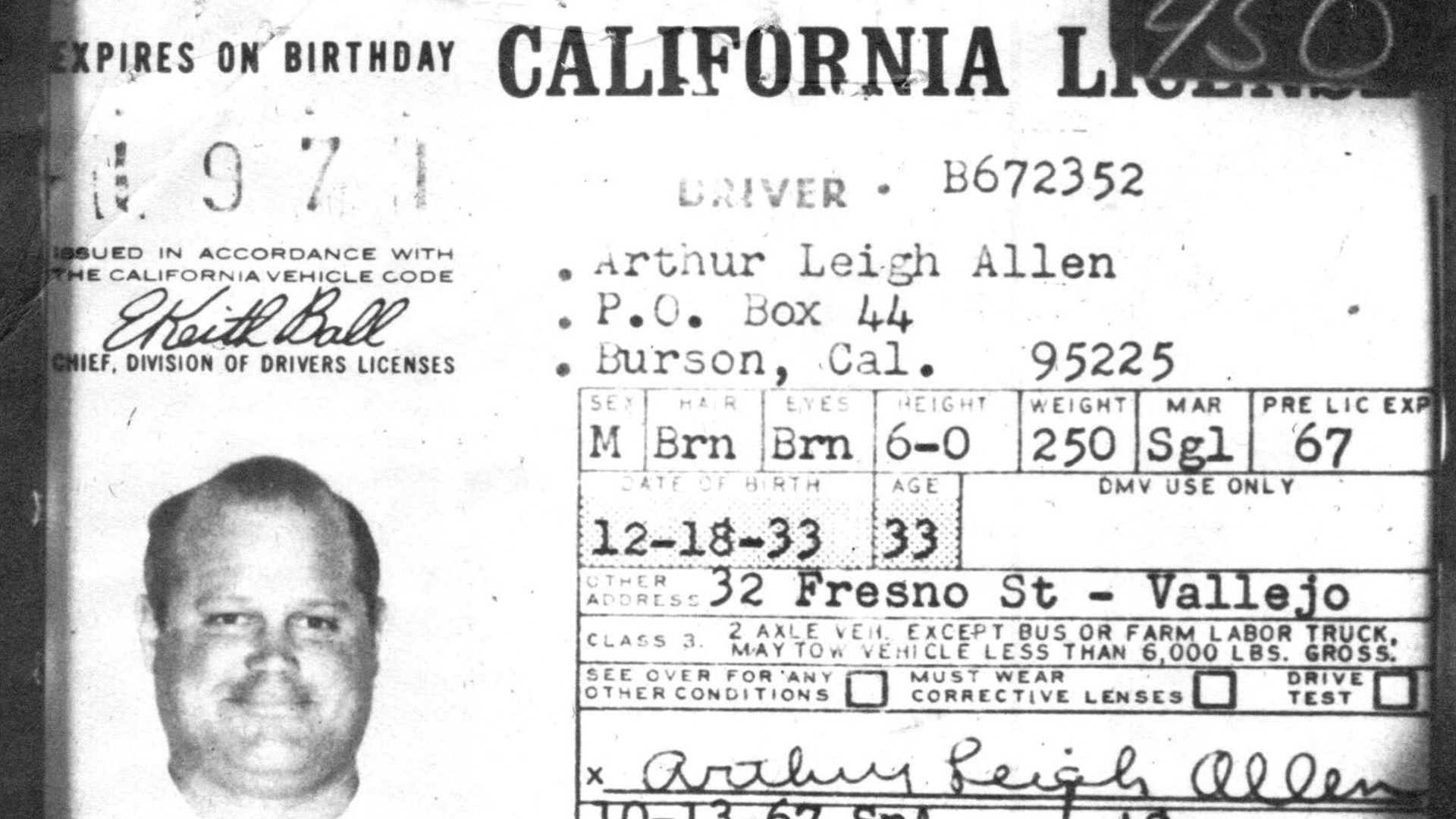
20. Arthur Leigh Allen
Arthur Leigh Allen remained the primary suspect in the Zodiac killings for over thirty years. In 2002, San Francisco investigators developed a partial DNA profile from saliva on envelopes sent by the killer, which did not match Allen.
©Wikimedia / Vallejo Police Department
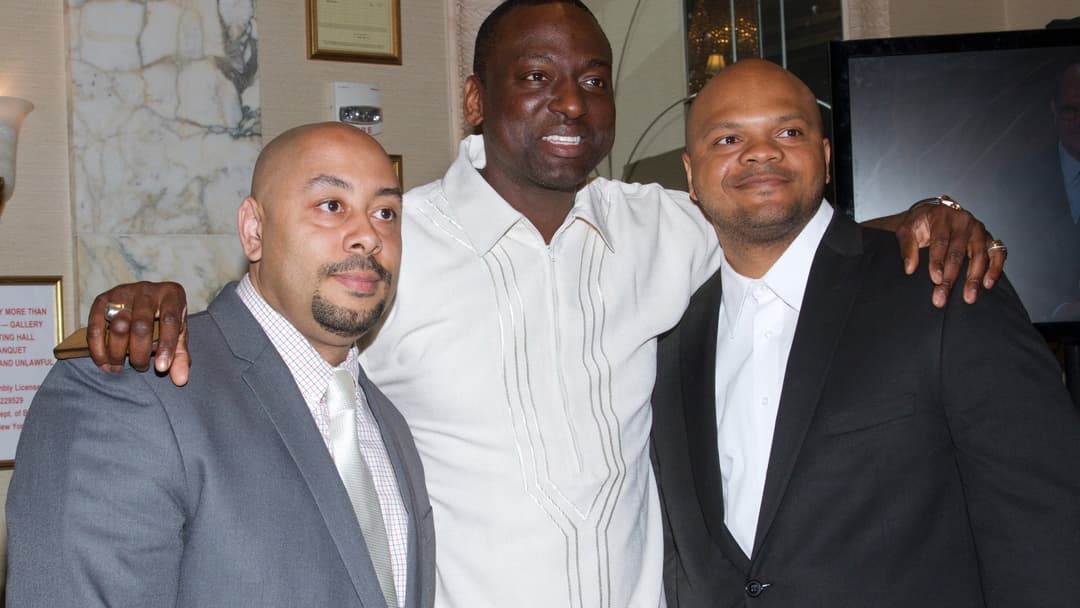
19. The Central Park Five
In 1989, five teenagers were wrongfully convicted for an assault in Central Park. Thirteen years later, prison inmate Matias Reyes confessed, and forensic DNA testing conclusively proved he was the sole attacker, exonerating all five men.
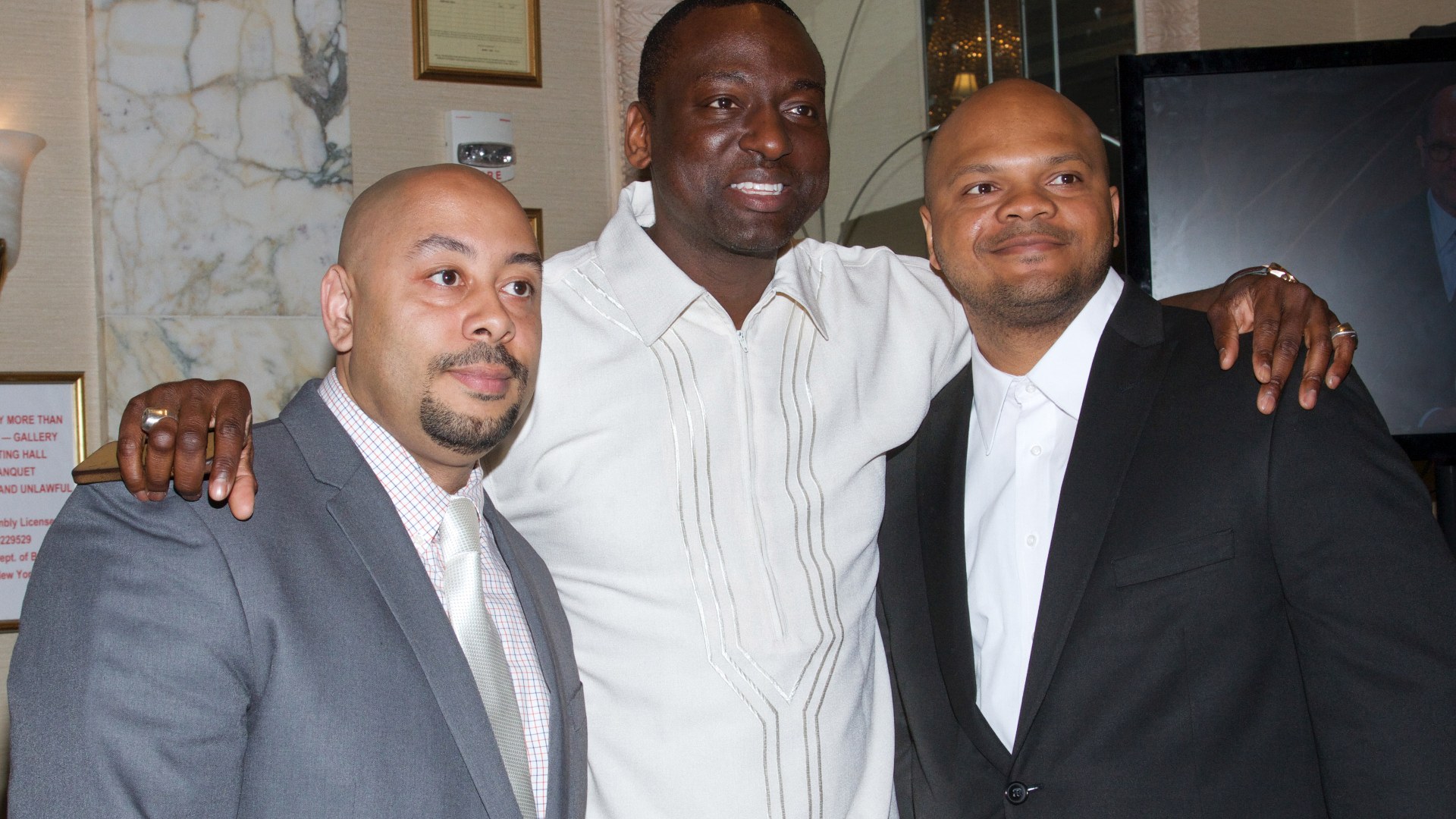
©Wikimedia / Montclair Film
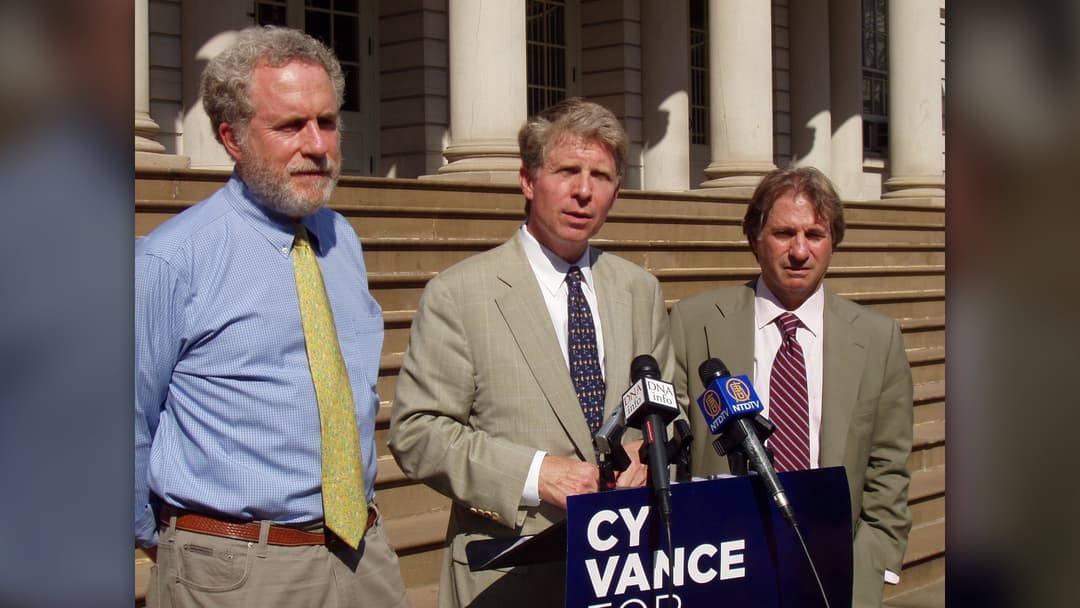
18. The Innocence Project
Lawyers Barry Scheck and Peter Neufeld founded the Innocence Project in 1992 to use newly developed DNA testing on cold case evidence. The organization has since exonerated more than 375 wrongfully convicted individuals across America.
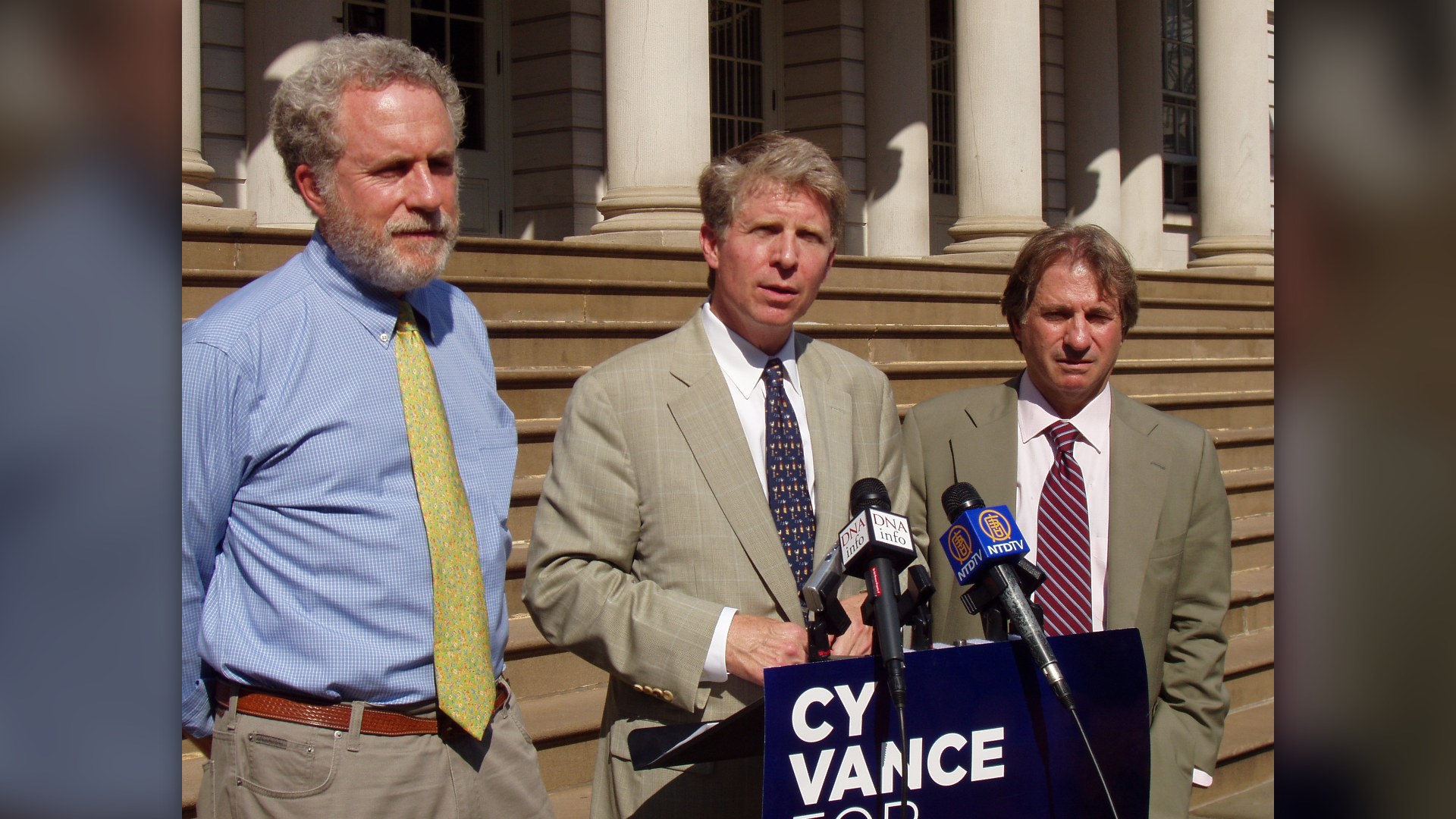
©Wikimedia / Center for American Progress
Advertisement
Swipe or tap ▶ to resume the countdown.
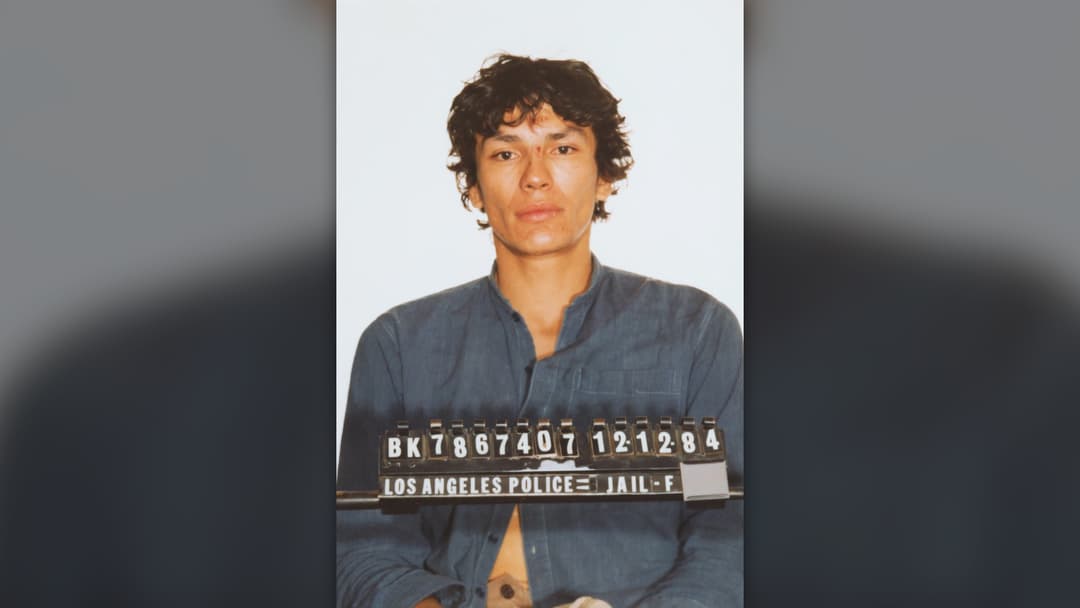
17. Richard Ramirez
Richard Ramirez terrorized California in the mid-1980s before his capture in 1985. In 2009, San Francisco detectives ran preserved cold case evidence through modern DNA databases, linking Ramirez to the 1984 murder of nine-year-old Mei Leung.
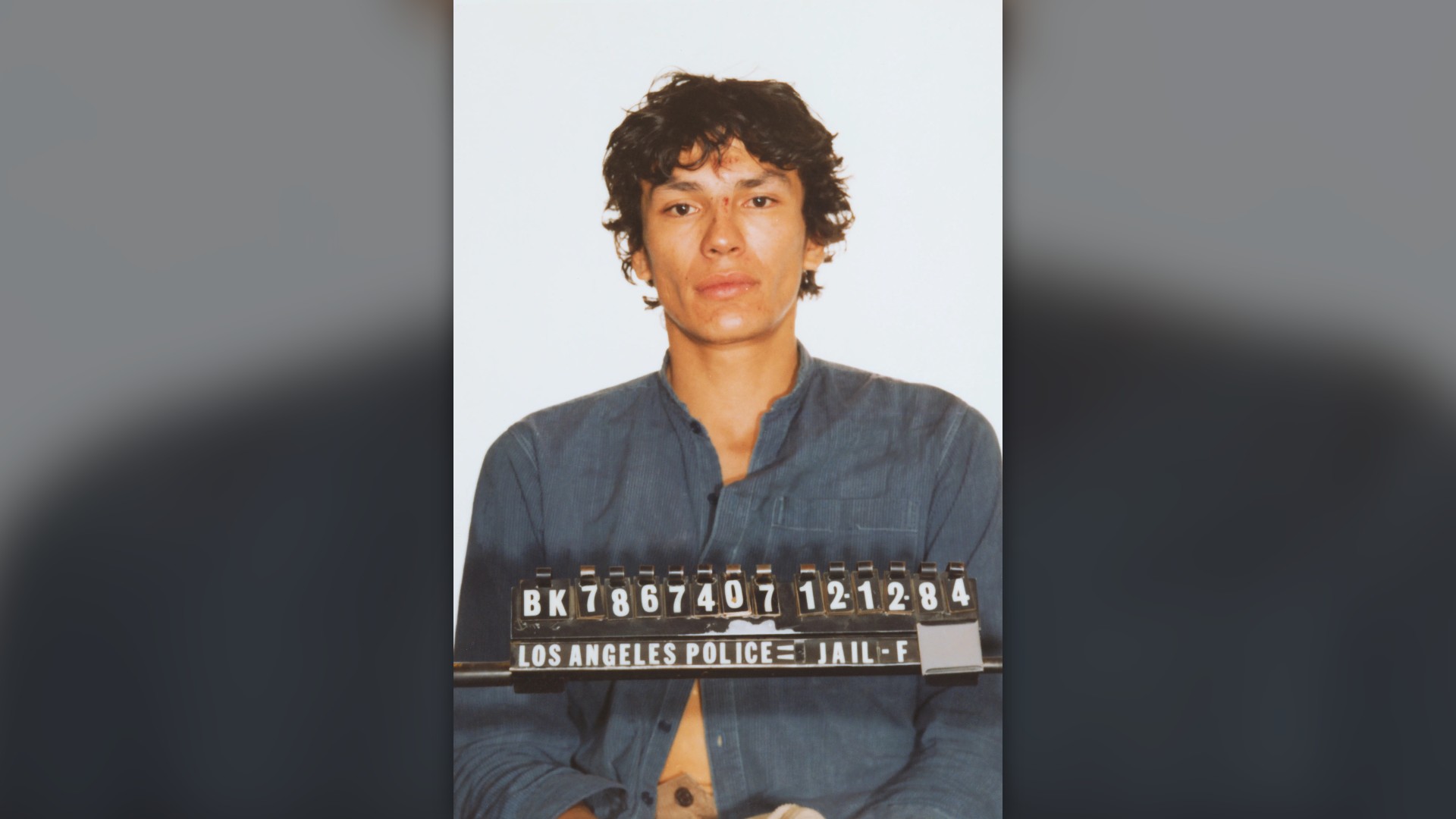
©Wikimedia / California Dept of Corrections
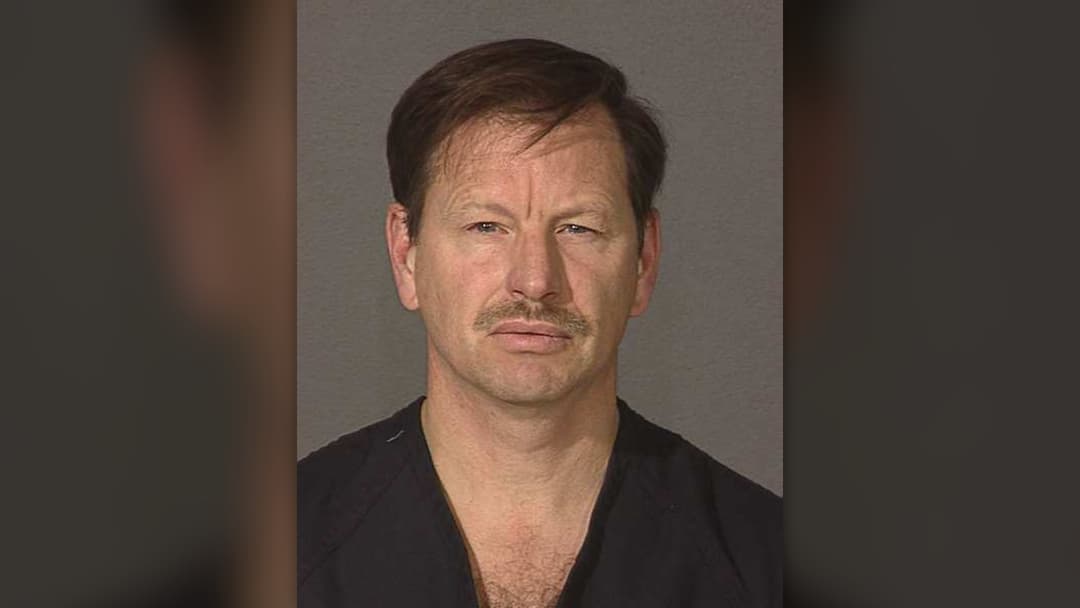
16. Gary Ridgway
Detectives hunted the Green River Killer for nearly two decades as bodies accumulated in Washington state. In 2001, investigators retested saliva samples taken from Gary Ridgway in 1987 using STR DNA technology, securing a conclusive match.
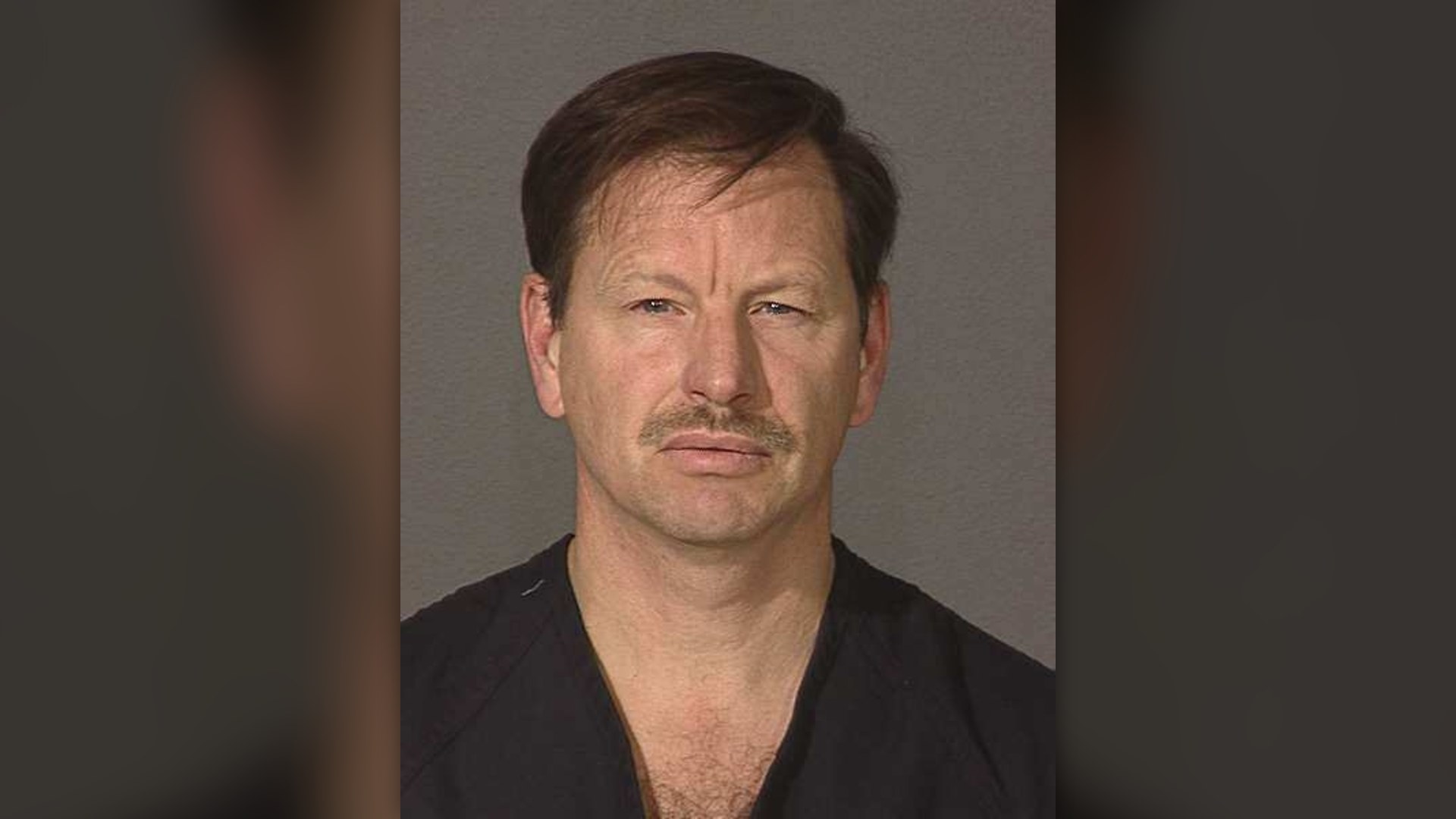
©Wikimedia / King County Sheriff's Office
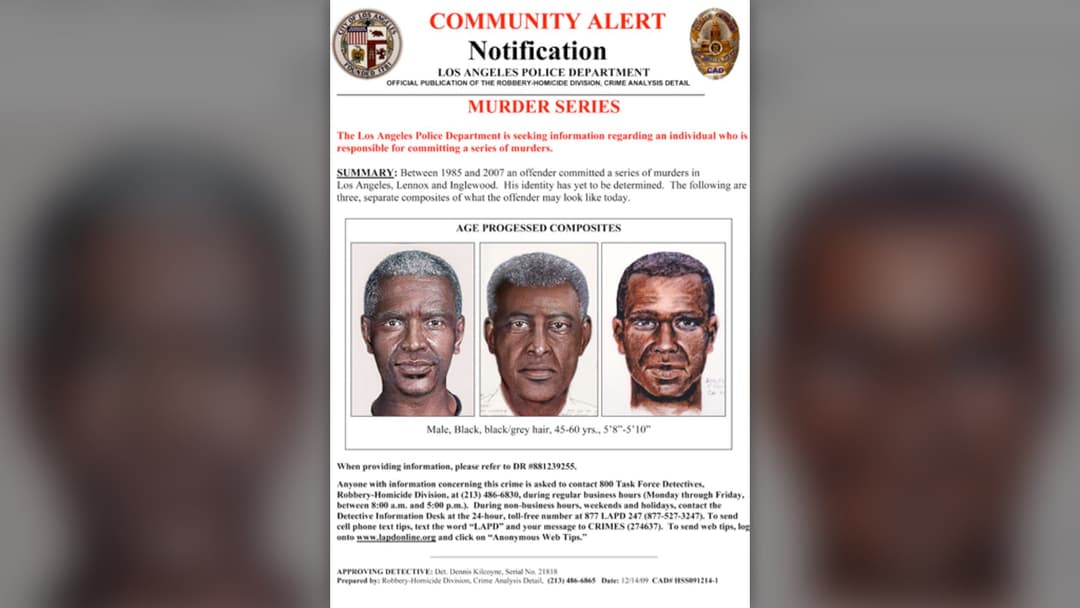
15. The Grim Sleeper
Lonnie David Franklin Jr. evaded police for 25 years during a murder spree in South Los Angeles. Detectives identified him in 2010 through familial DNA searching, matching a crime scene profile to DNA collected from a discarded pizza crust.
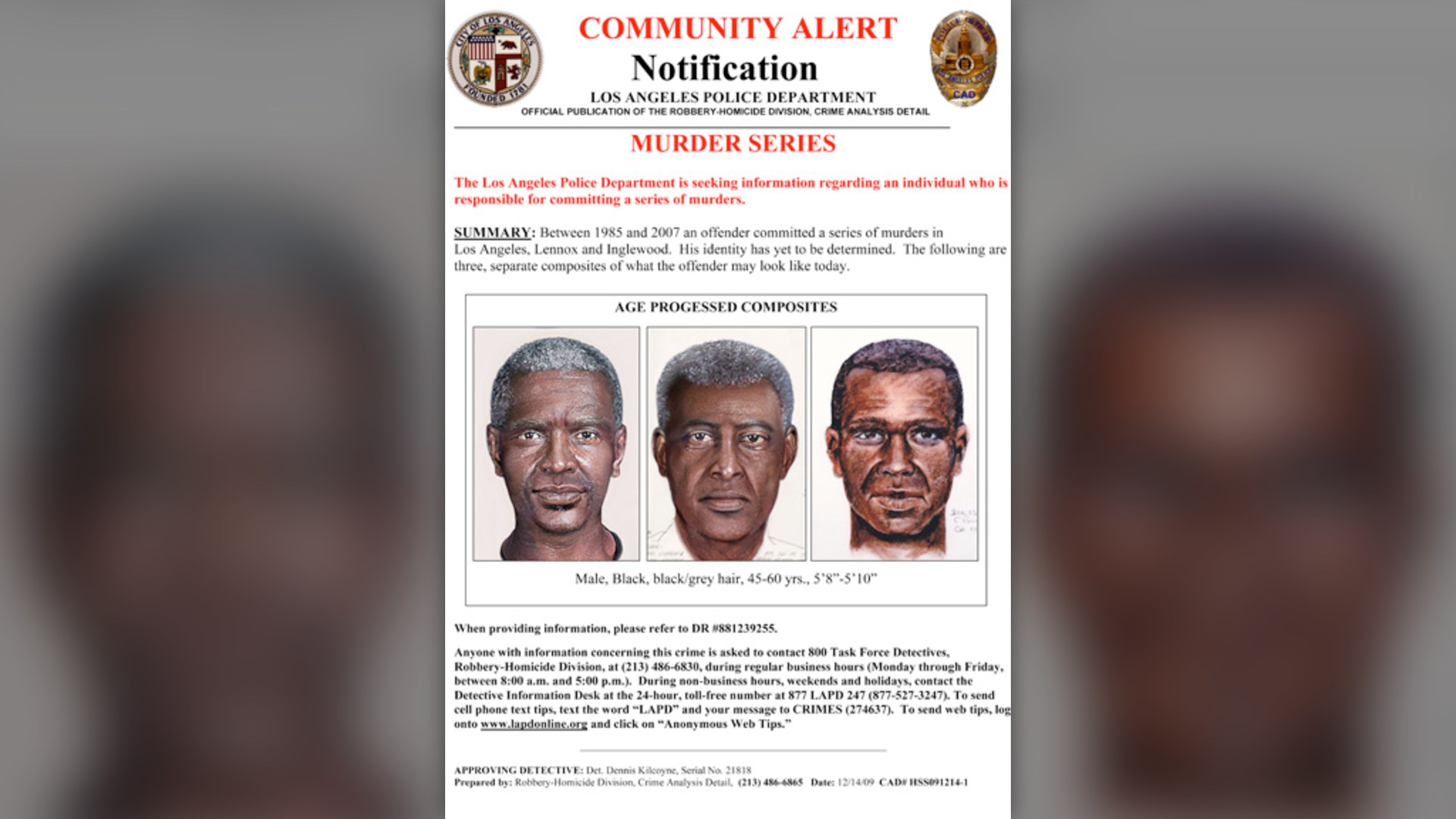
©Wikimedia / LAPD
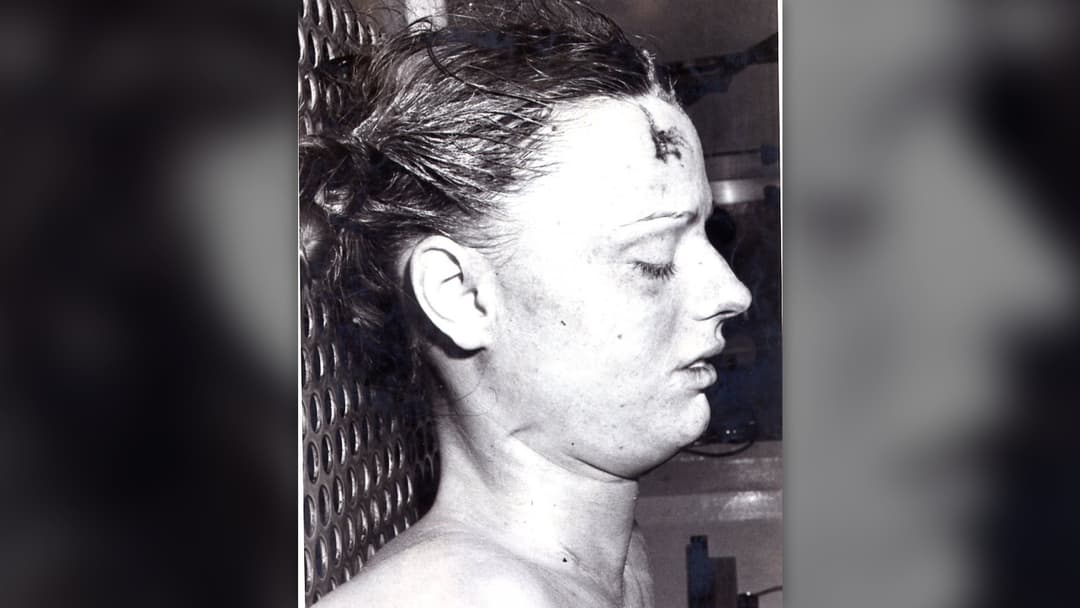
14. Buckskin Girl
Found along an Ohio ditch in 1981, the victim was known only by her buckskin jacket for 37 years. In 2018, the DNA Doe Project used genetic genealogy to identify her as 21-year-old Marcia King, marking one of the initiative's earliest triumphs.
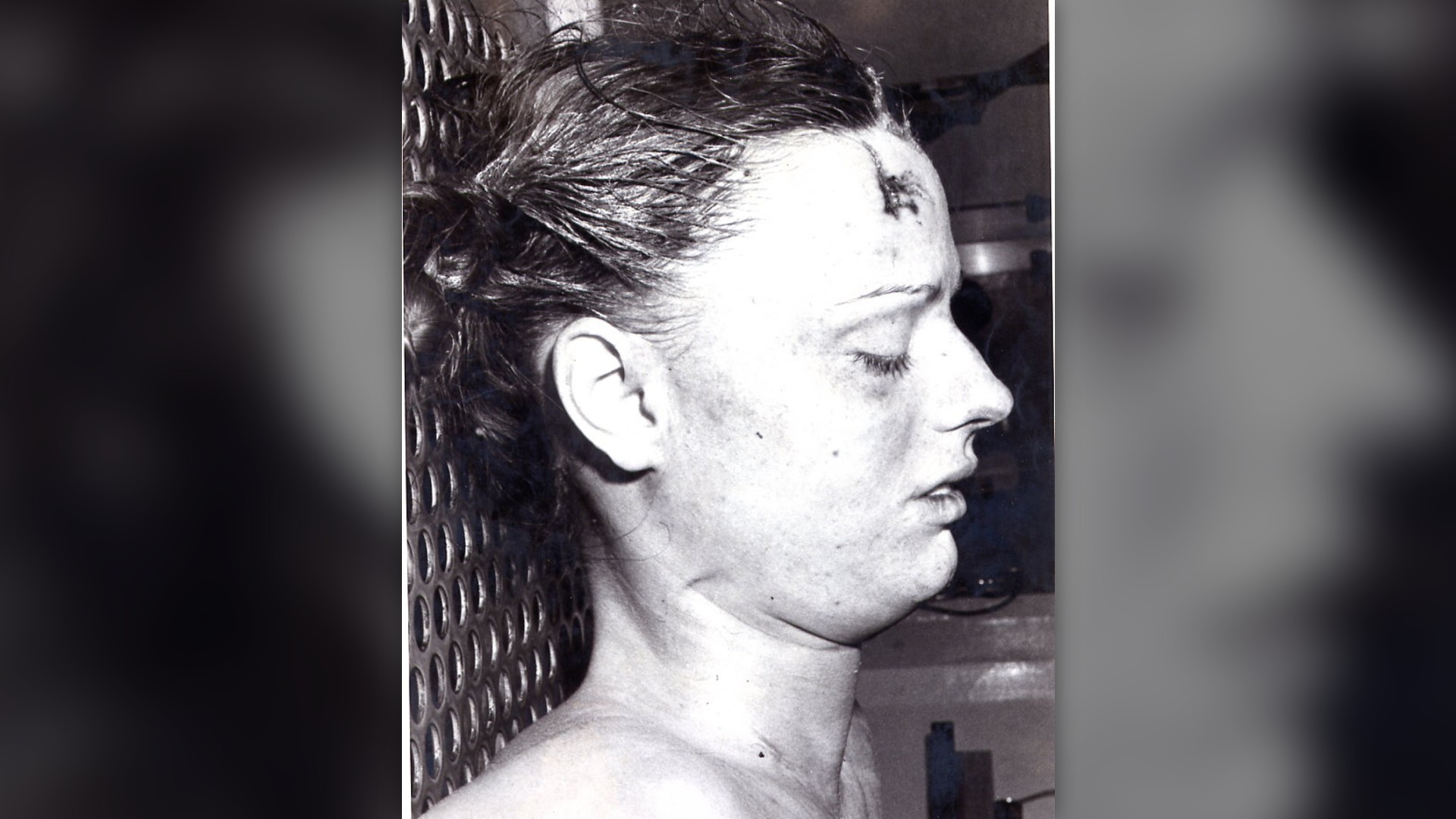
©Wikimedia / Miami County Police Department, Morgue
Advertisement
Swipe or tap ▶ to resume the countdown.
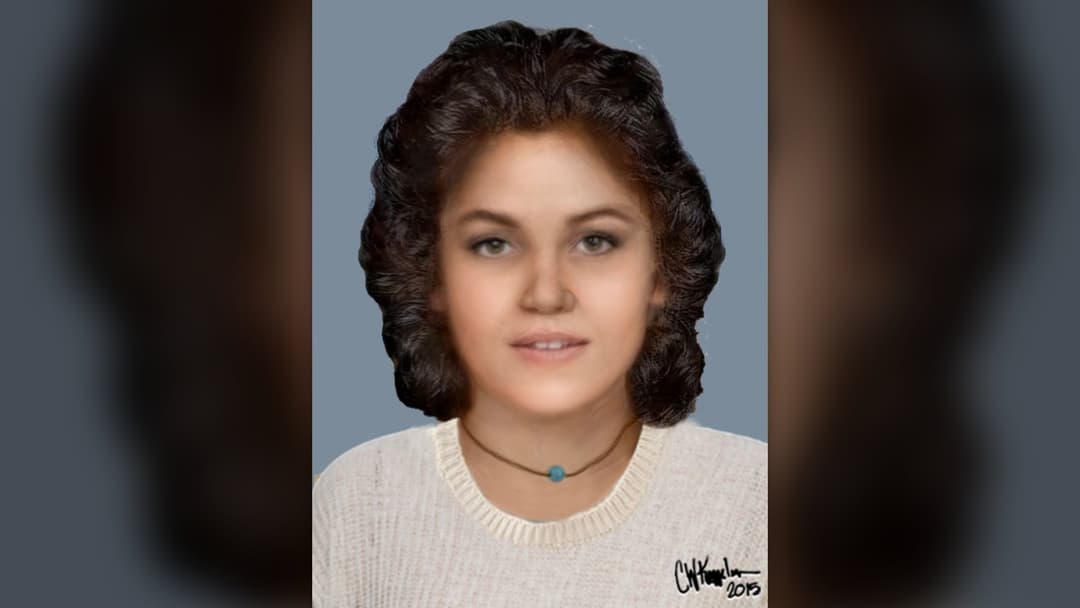
13. Margaret Fetterolf
Discovered wrapped in a sheet near Baltimore in 1976, this young woman remained unidentified for four decades. In 2021, investigative genetic genealogy solved her identity as 16-year-old Margaret Fetterolf, giving closure to her surviving family.
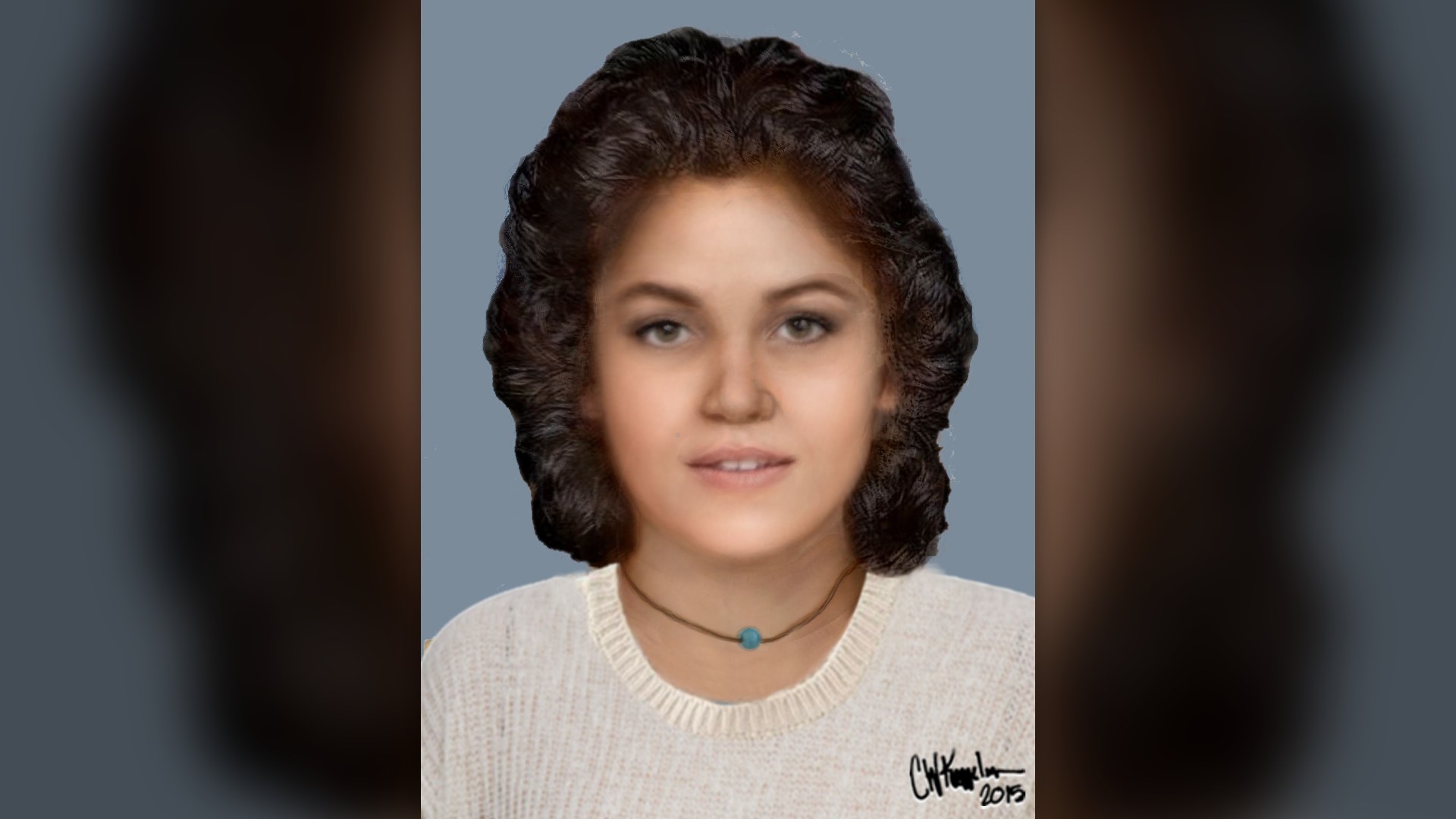
©Wikimedia / NCMEC
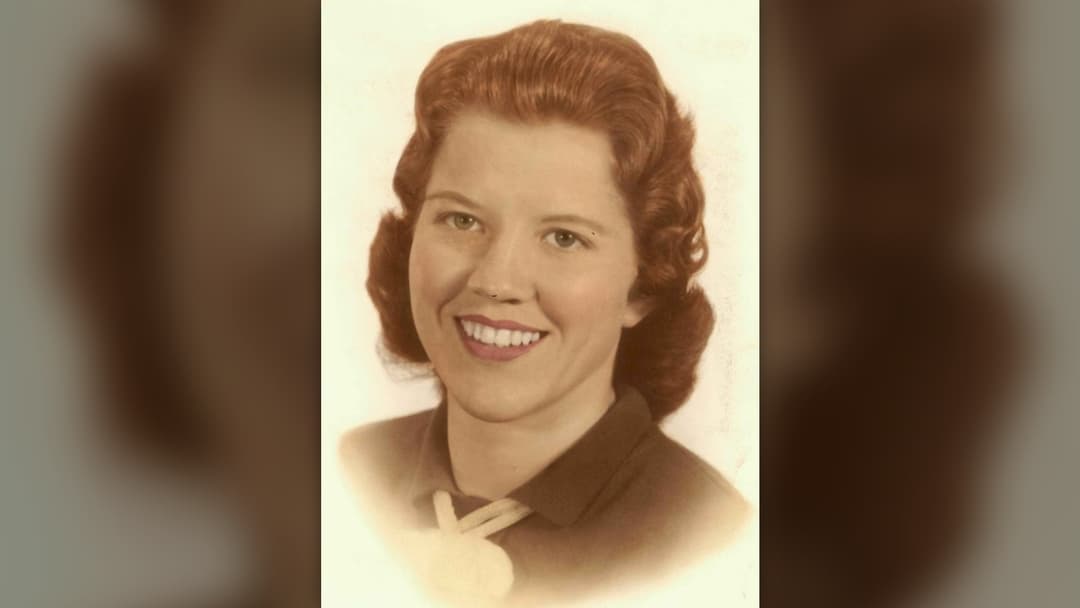
12. Ruth Marie Terry
In 1974, a woman's body was discovered in the dunes of Provincetown, Massachusetts, sparking a legendary cold case. In 2022, the FBI used investigative genealogy to identify her as Ruth Marie Terry, subsequently naming her husband as the killer.
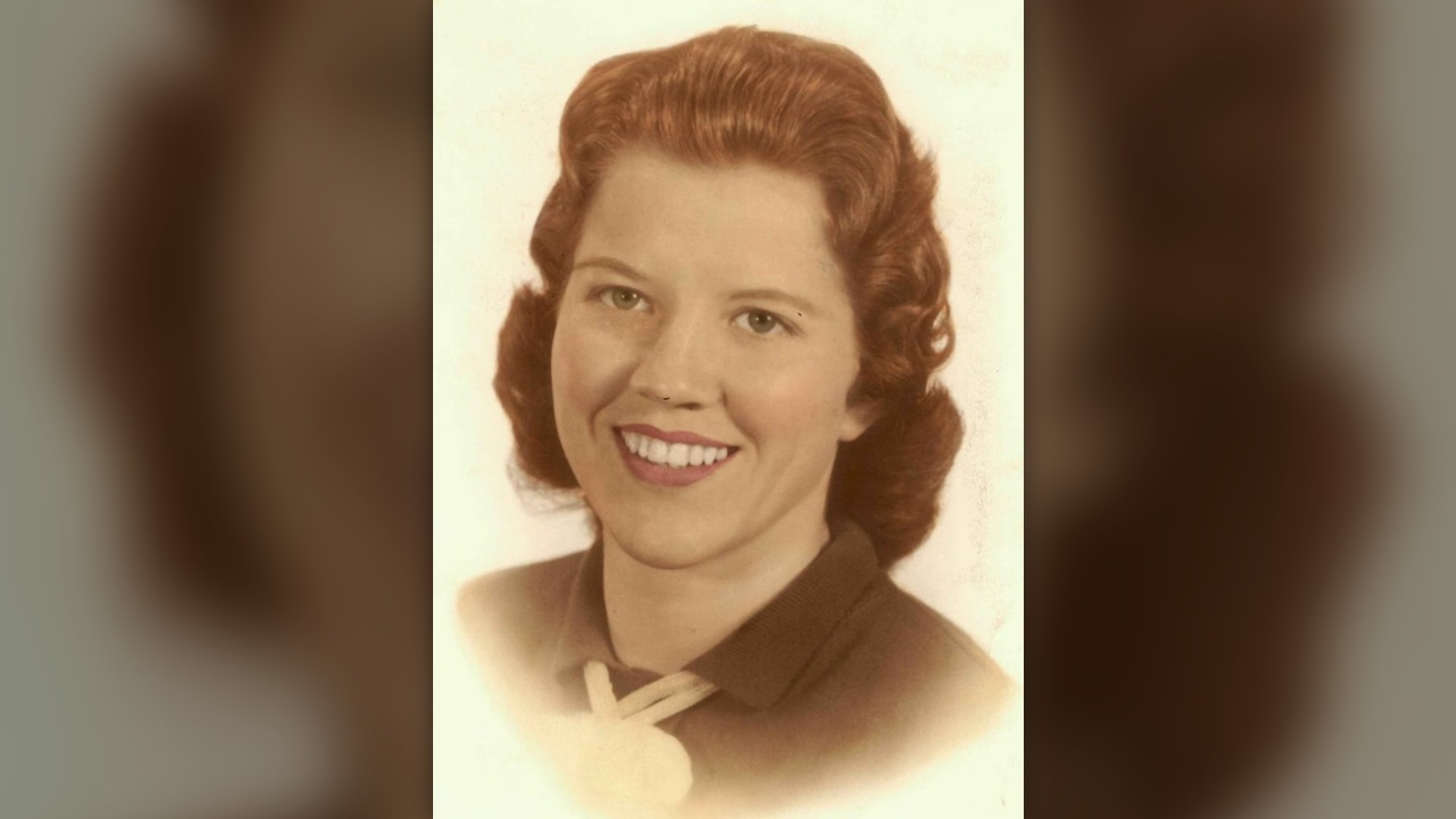
©Wikimedia / FBI
11. Albert DeSalvo
Albert DeSalvo confessed to being the Boston Strangler but was never convicted of the crimes before his prison death. In 2013, modern forensic testing extracted DNA from the grave of Mary Sullivan, matching DeSalvo's familial DNA at 99.9 percent.
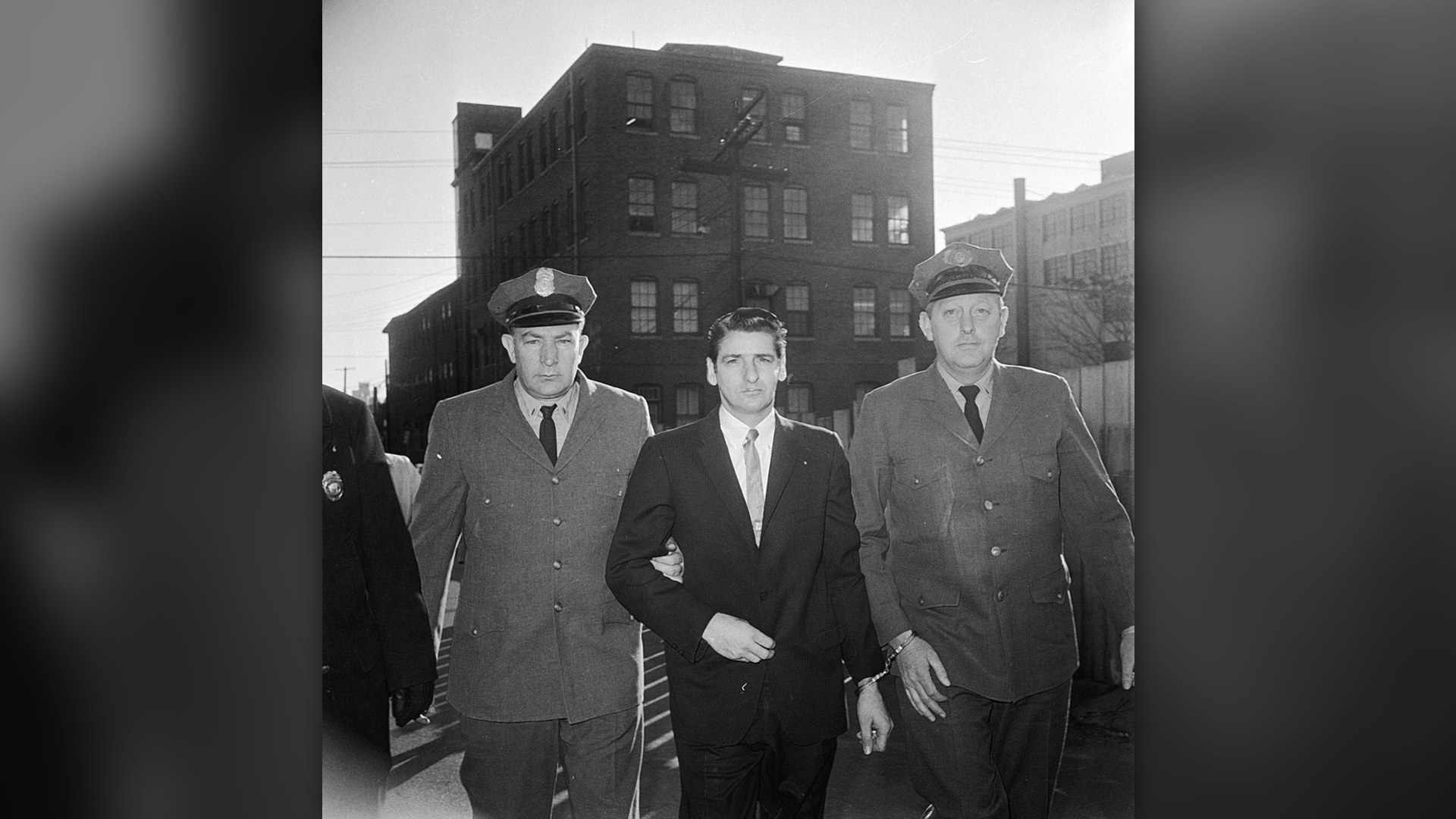
©Wikimedia / Commonwealth of Massachusetts
10. Colin Pitchfork
Following the brutal killings of two teenagers in Leicestershire, English police conducted the world's first mass DNA blood screening. Colin Pitchfork attempted to pay a friend to provide a substitute sample, but was caught and convicted in 1988.
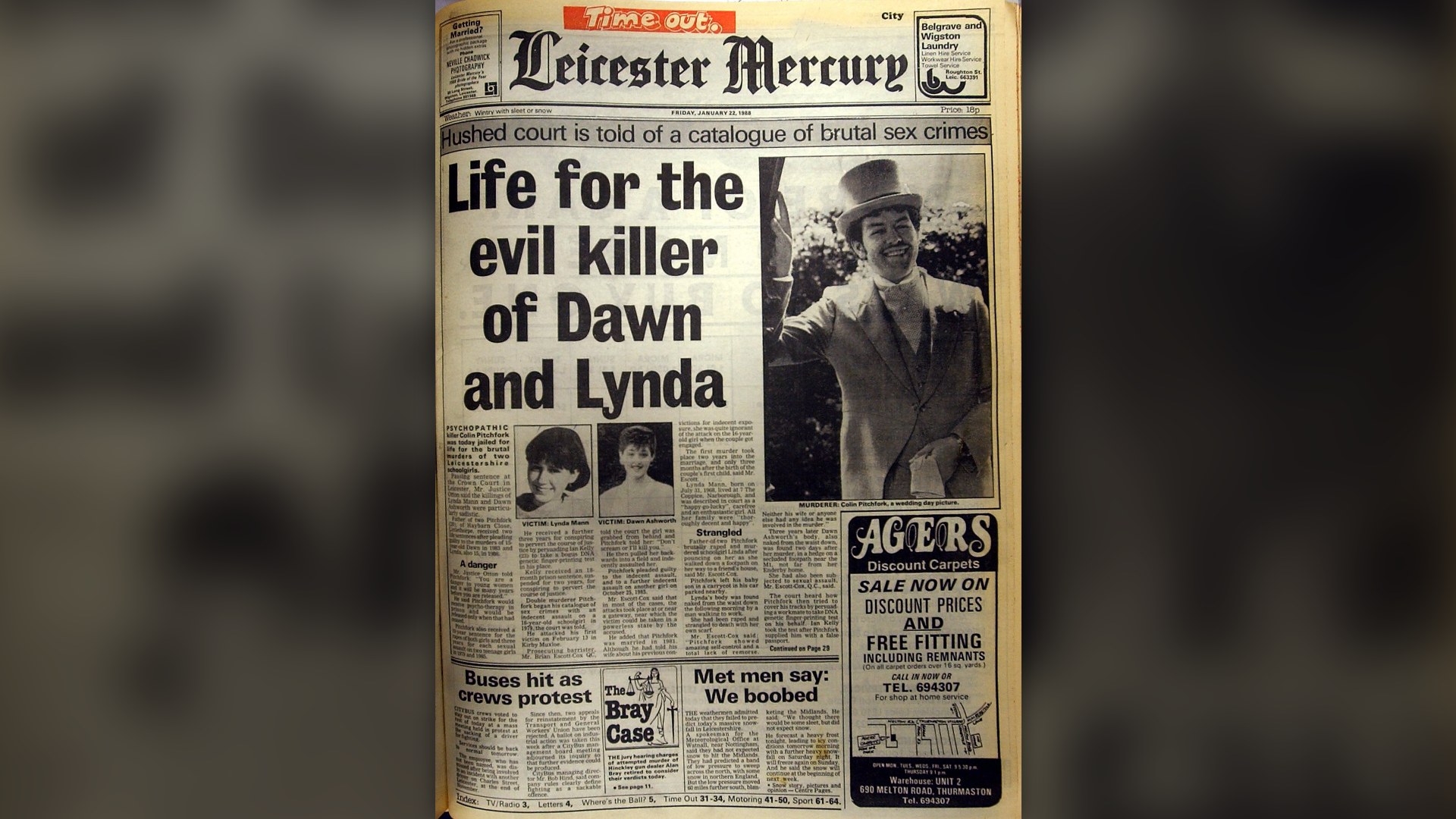
©Wikimedia / Leicester Mercury
Advertisement
Swipe or tap ▶ to resume the countdown.
9. Sir Alec Jeffreys
In September 1984 at the University of Leicester, Sir Alec Jeffreys discovered that genetic variations produce a unique barcode for every individual. His discovery transformed criminal justice, creating the foundation for solving decades-old cold cases.
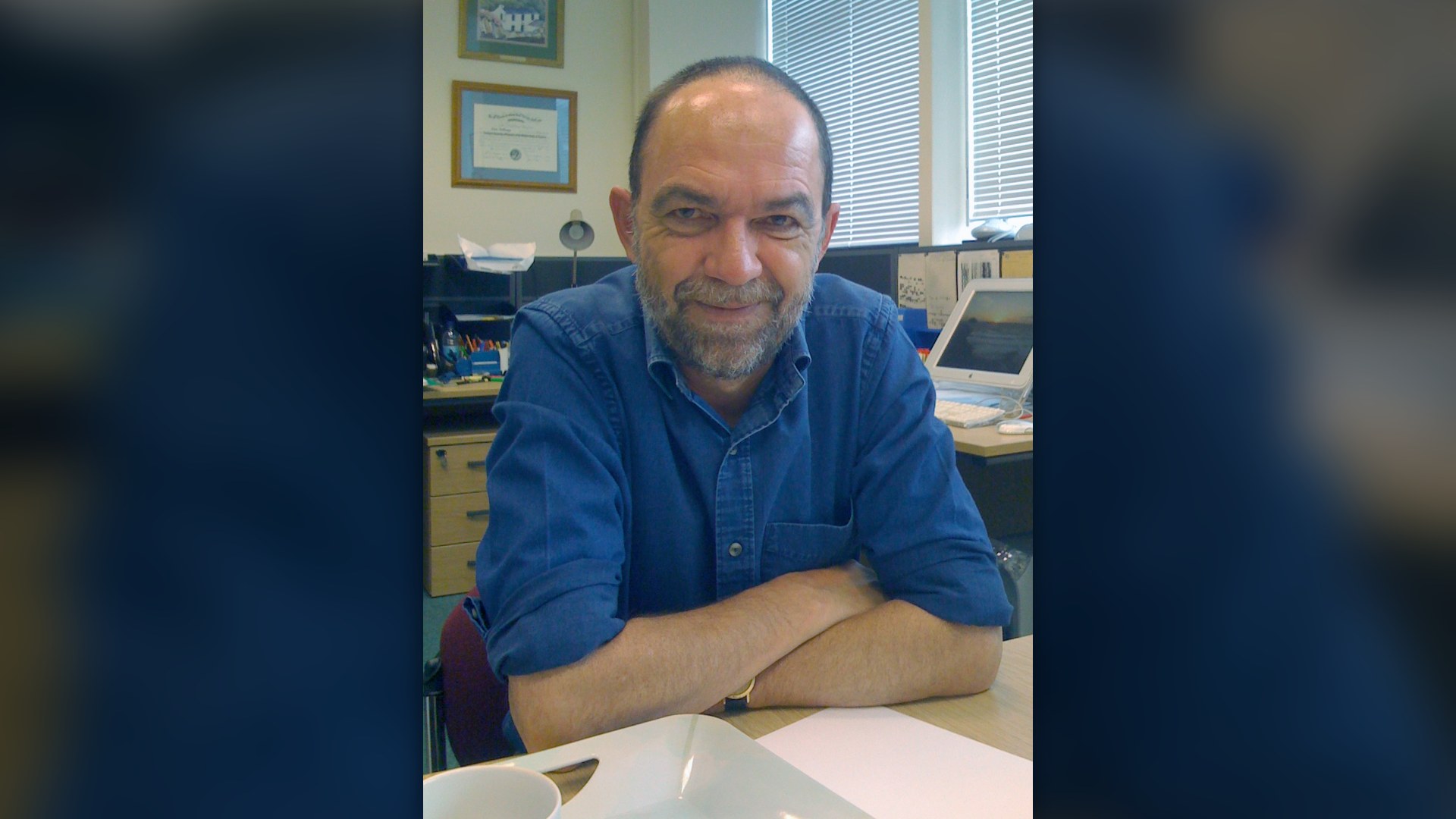
©Wikimedia / Royal Society
8. CeCe Moore
CeCe Moore pioneered the use of consumer genetic databases to help law enforcement trace violent offenders through distant cousins. Her genealogical research cracked the 1987 Van Cuylenborg murders and the 1988 April Tinsley case in Indiana.
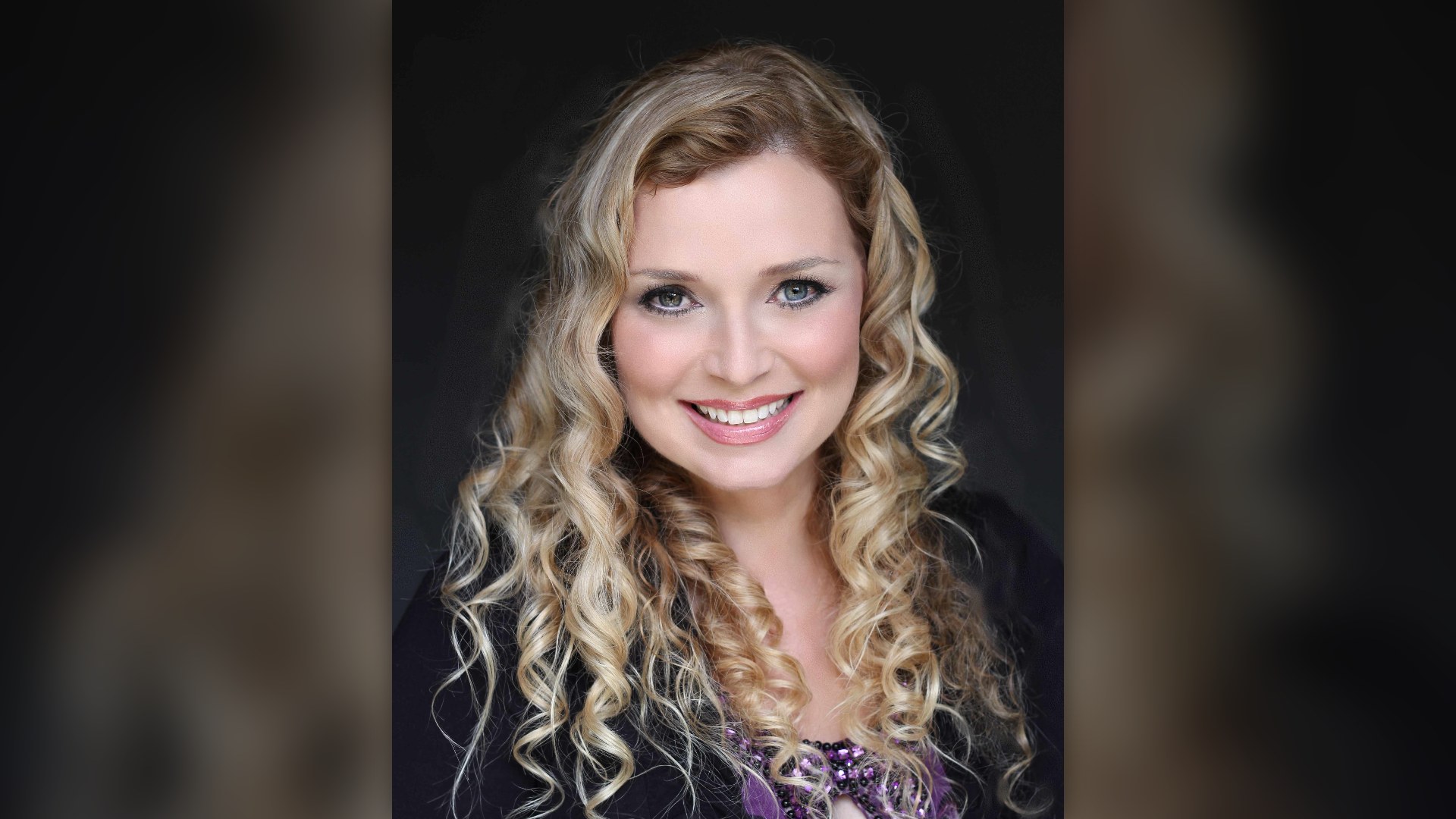
©Wikimedia / Christopher Michel
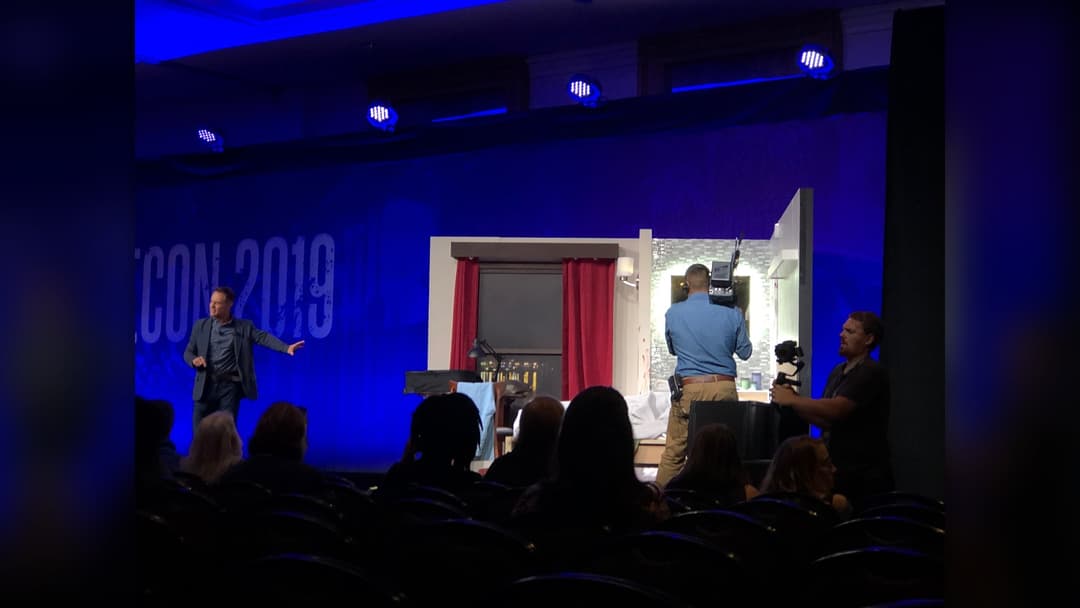
7. Paul Holes
Contra Costa County investigator Paul Holes spent decades pursuing the East Area Rapist. Weeks before his planned retirement in 2018, Holes uploaded crime scene DNA to open-source genealogy site GEDmatch, leading directly to the suspect's family tree.
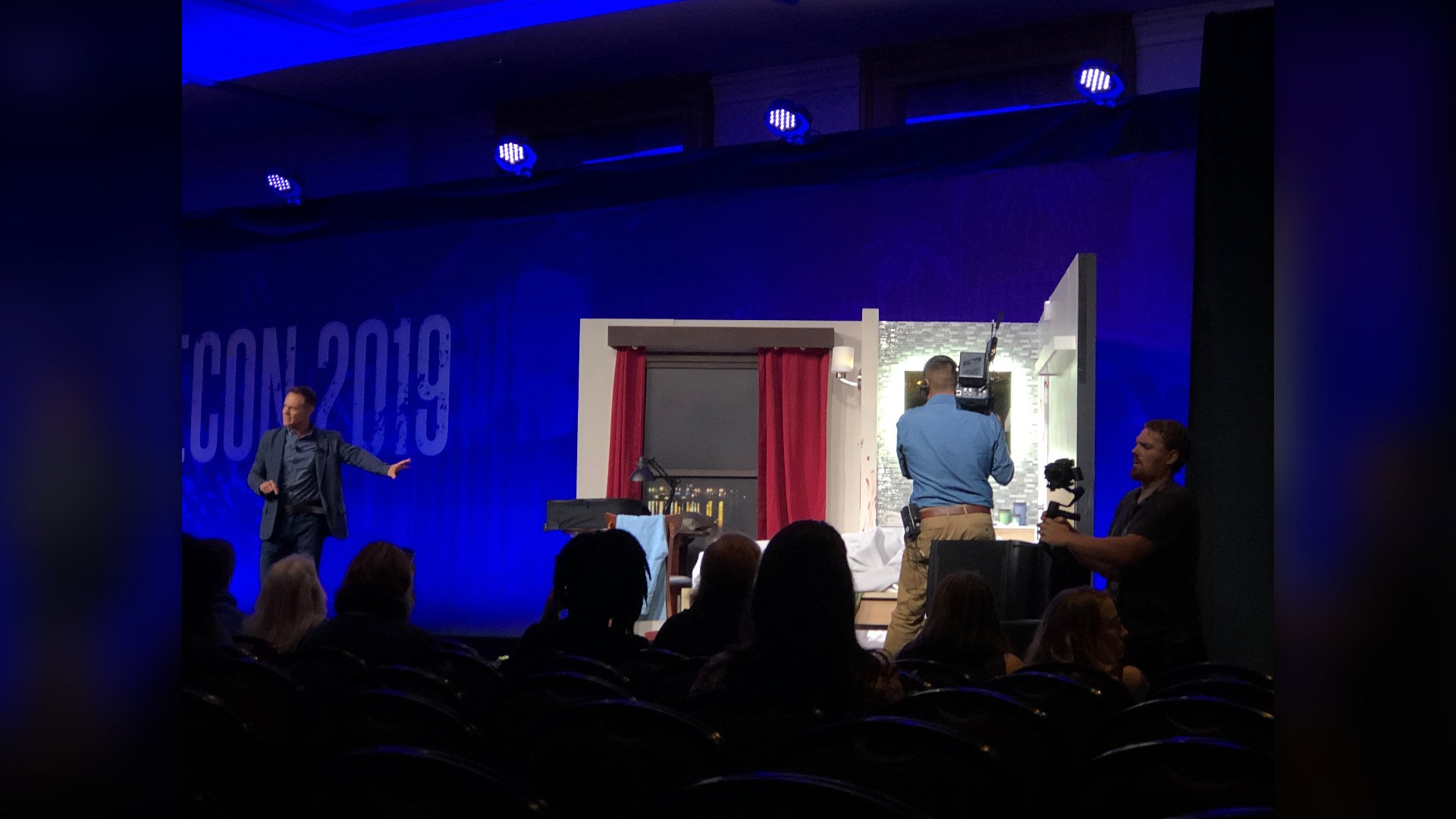
©Wikimedia / CrimeCon
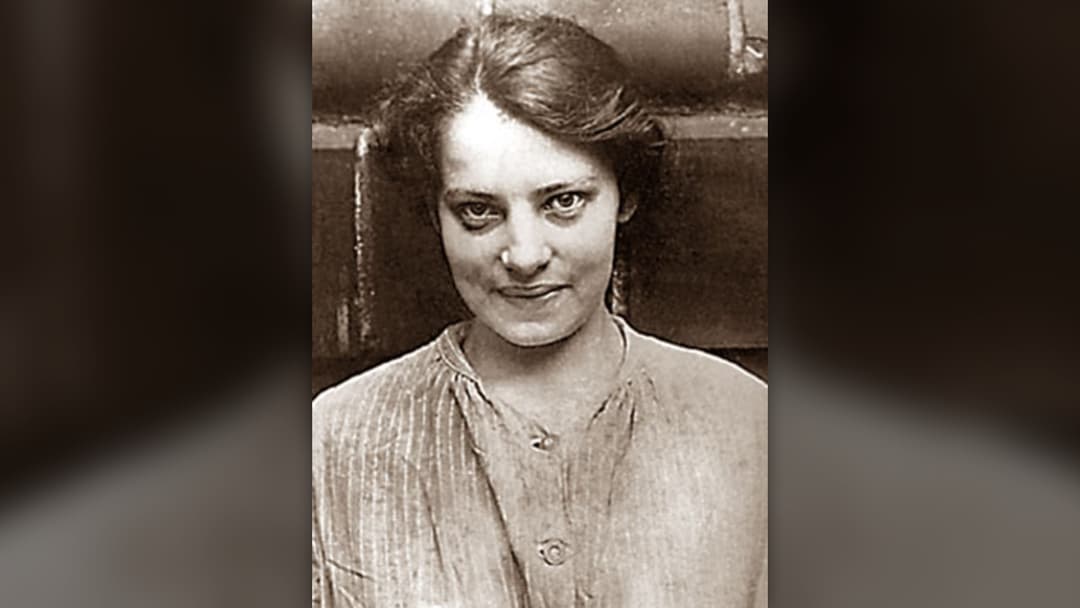
6. Anna Anderson
For six decades, Anna Anderson claimed to be Grand Duchess Anastasia, the youngest daughter of Tsar Nicholas II. Posthumous DNA testing in 1994 compared her tissue against living Romanov relatives, conclusively proving she was a Polish factory worker.
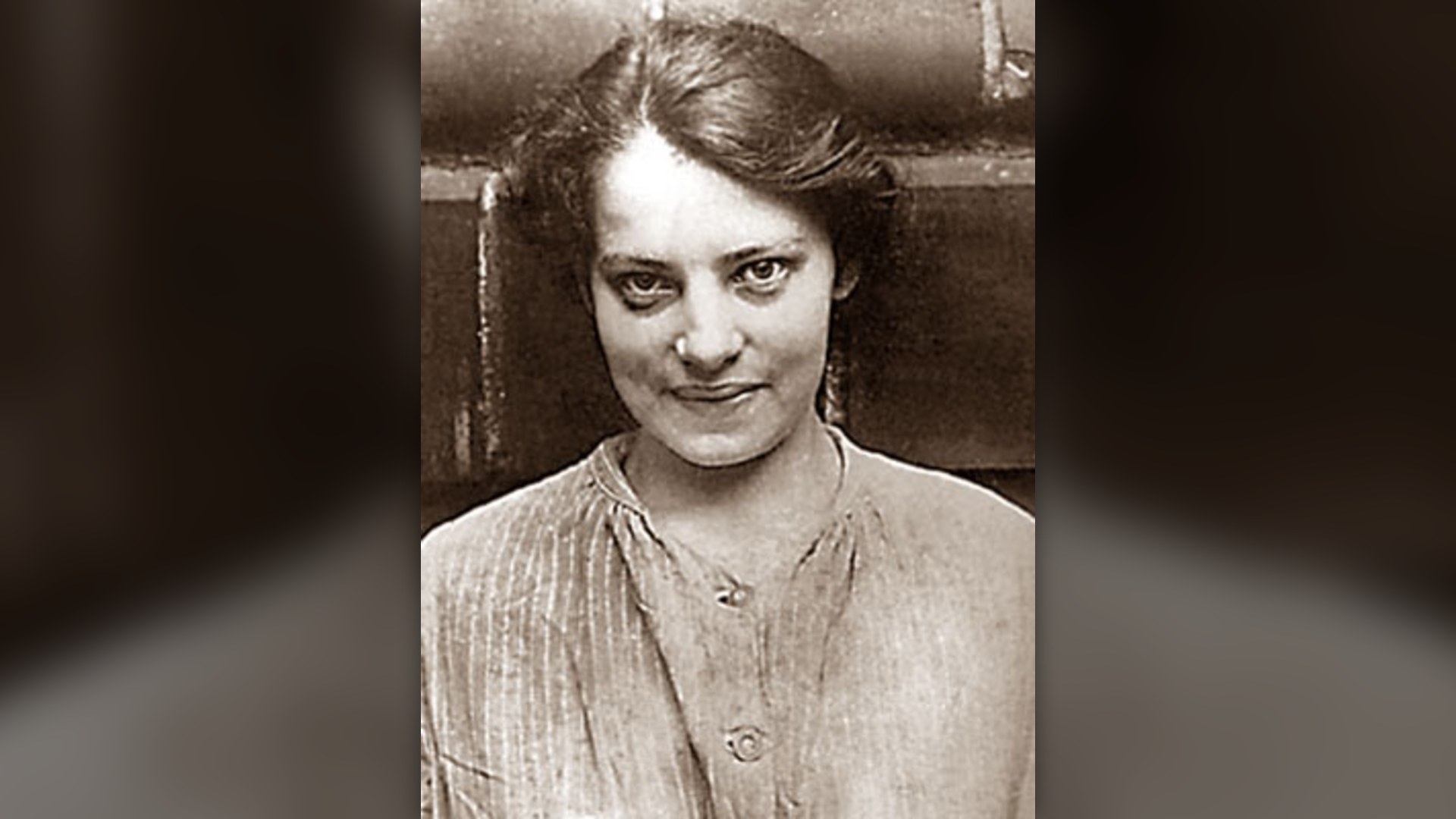
©Wikimedia / Public Domain
Advertisement
Swipe or tap ▶ to resume the countdown.
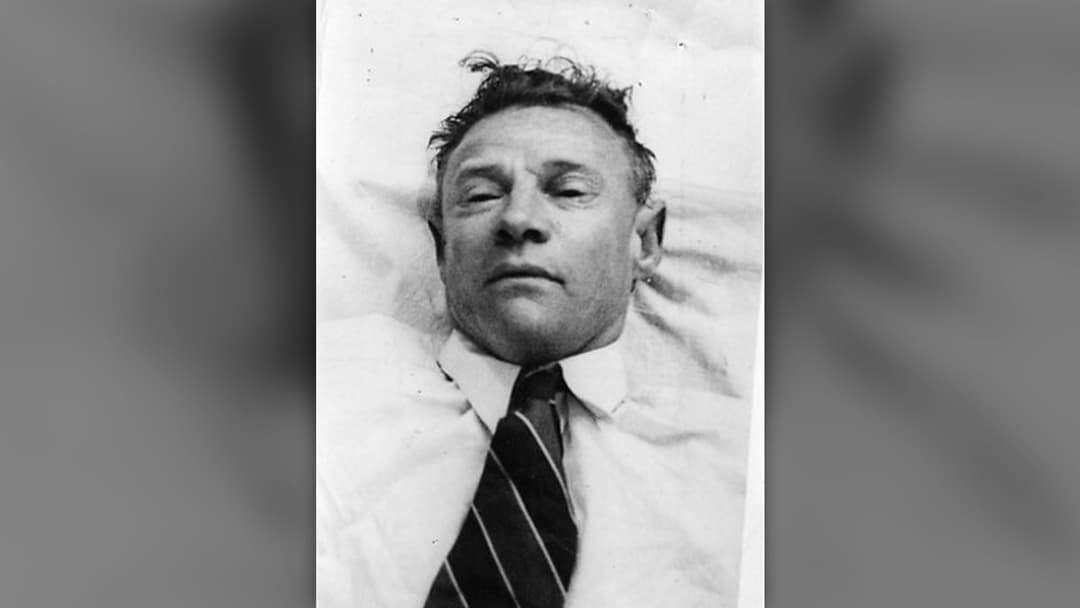
5. The Somerton Man
Found dead on Adelaide's Somerton Beach in 1948 with a Persian poetry scrap, the man became Australia's greatest mystery. In 2022, DNA extracted from hairs in his plaster death mask finally identified him as Melbourne electrical engineer Carl Webb.
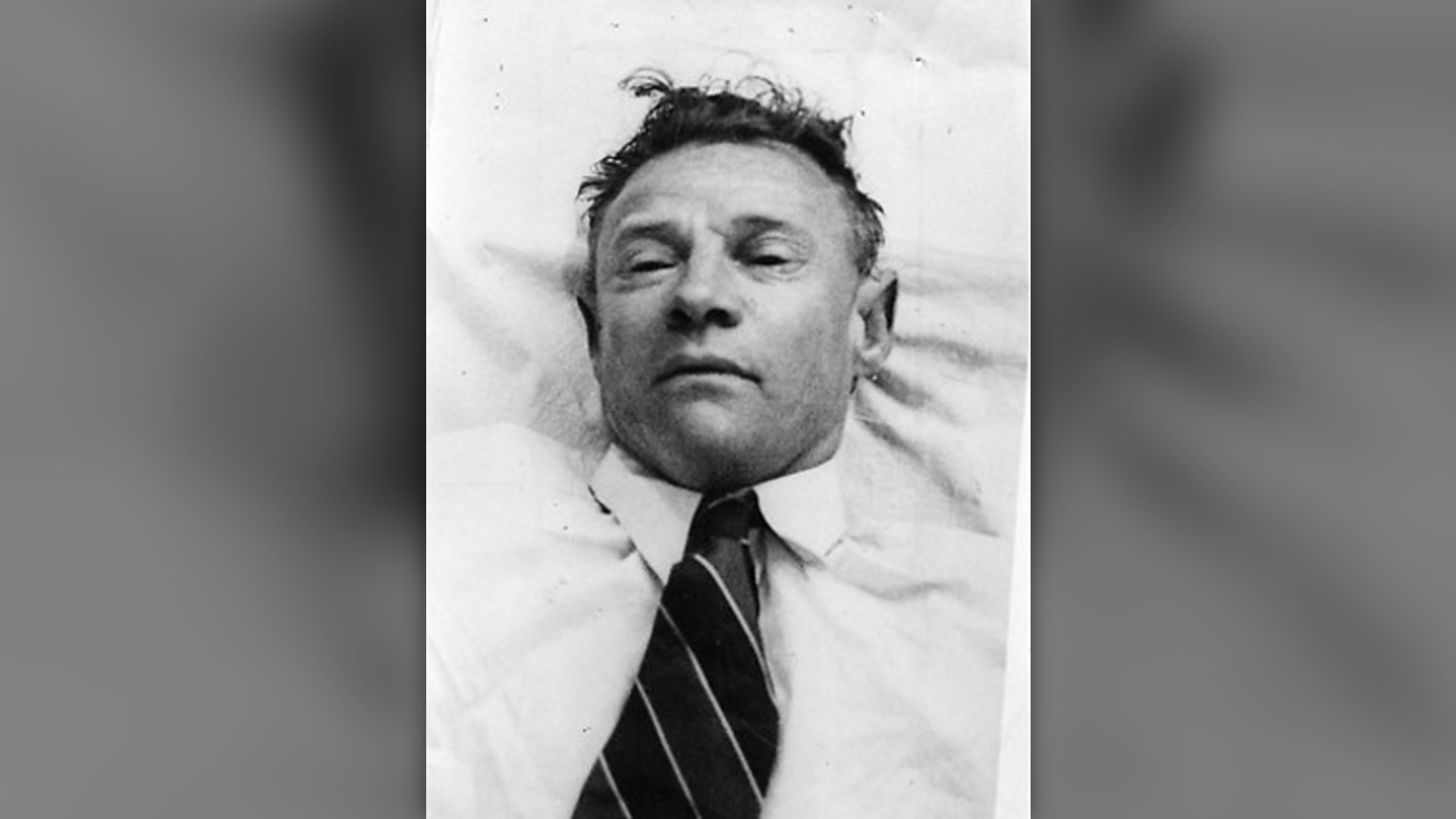
©Wikimedia / South Australia Police
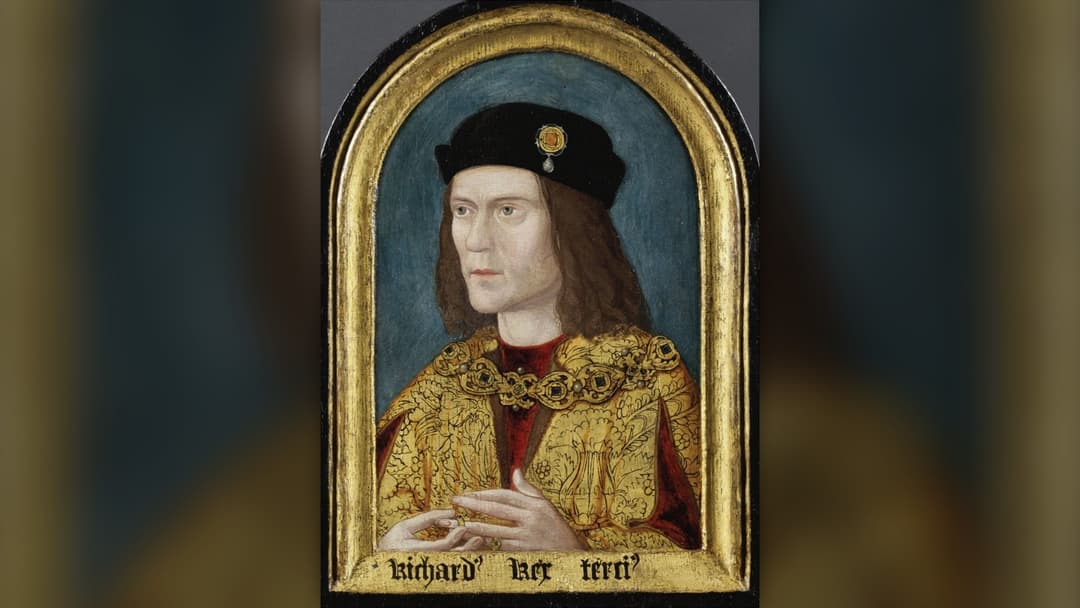
4. King Richard III
Lost since the Battle of Bosworth in 1485, King Richard III's grave was excavated under a Leicester city council parking lot in 2012. Geneticists compared mitochondrial DNA from the skeleton to living maternal descendants, confirming his identity.
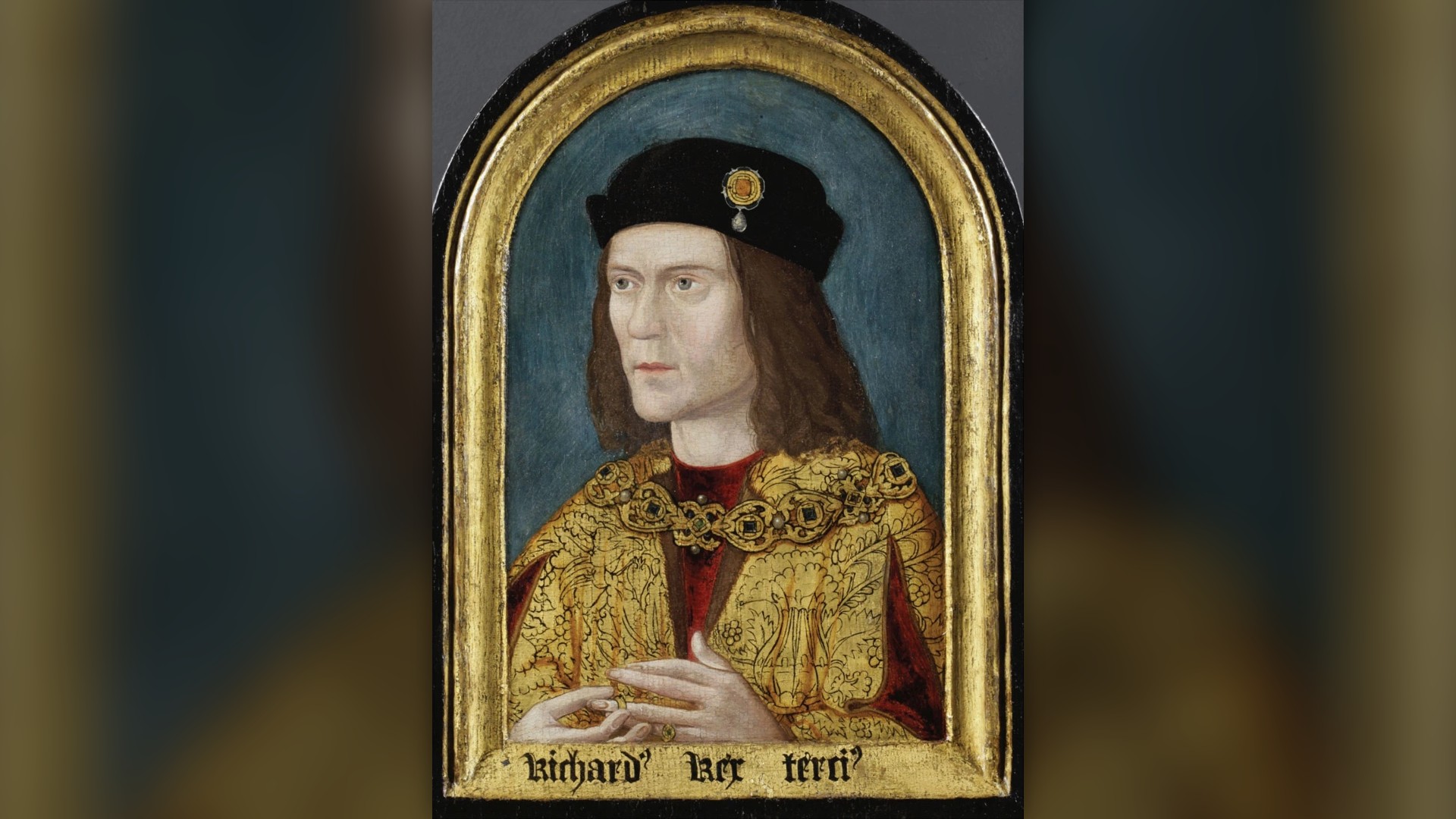
©Wikimedia / Richard III of England
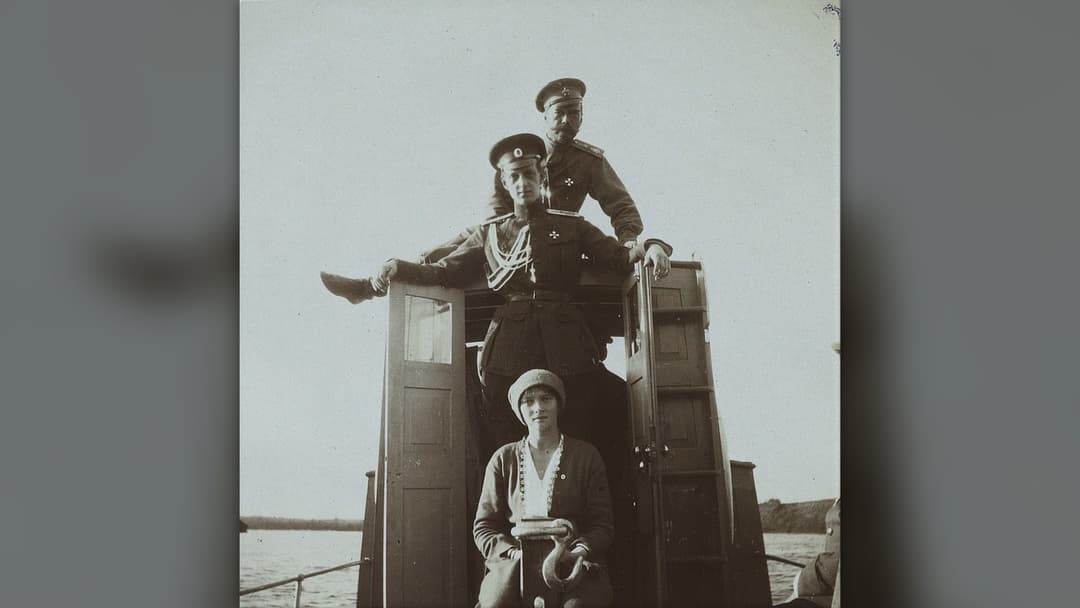
3. The Romanov Imperial Family
Executed by Bolshevik revolutionaries in 1918, the Russian imperial family was buried in unmarked forest graves. Forensic geneticists used DNA from living royal relatives, including Britain's Prince Philip, to confirm the remains between 1993 and 2008.
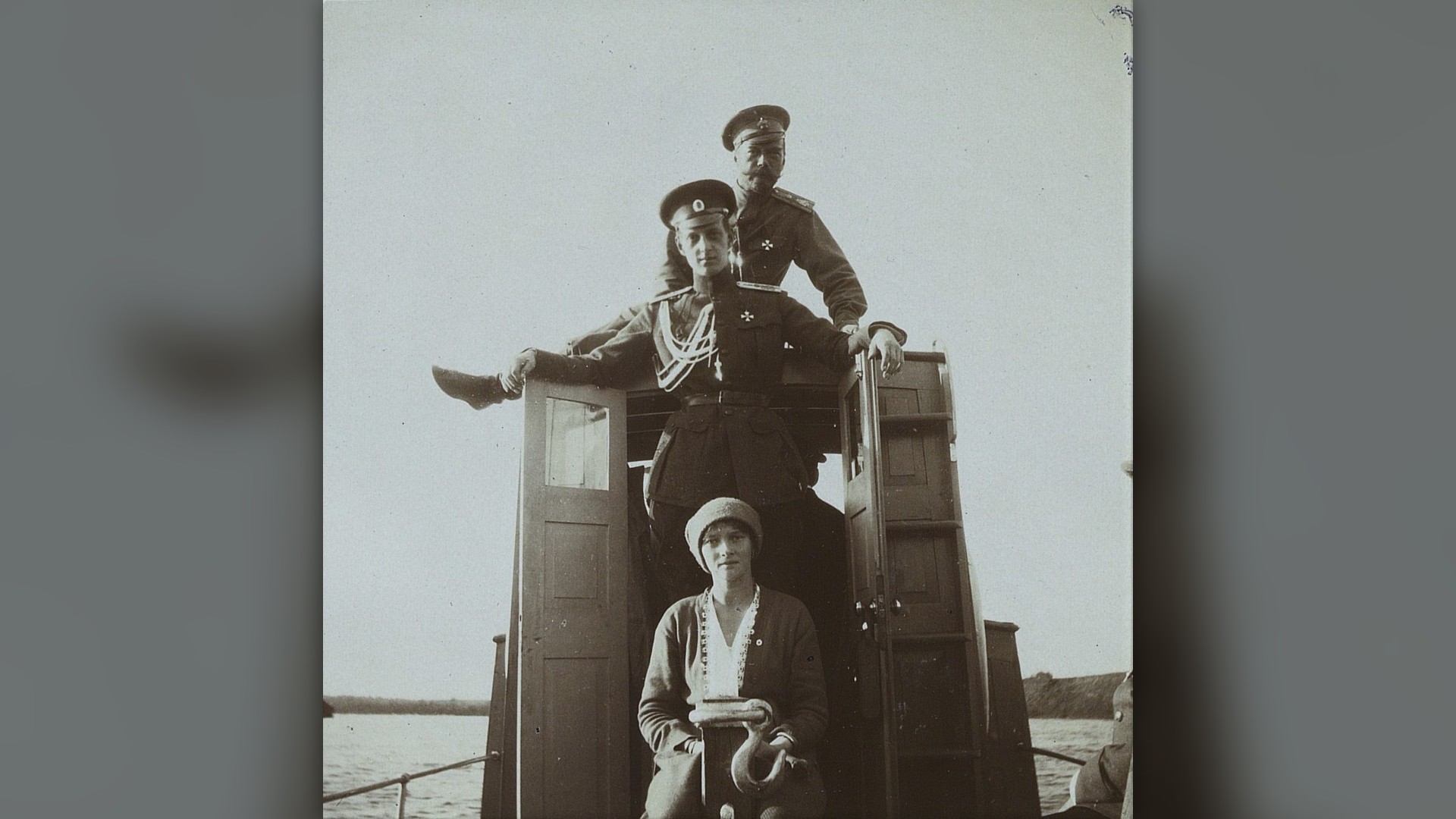
©Wikimedia / Romanov family
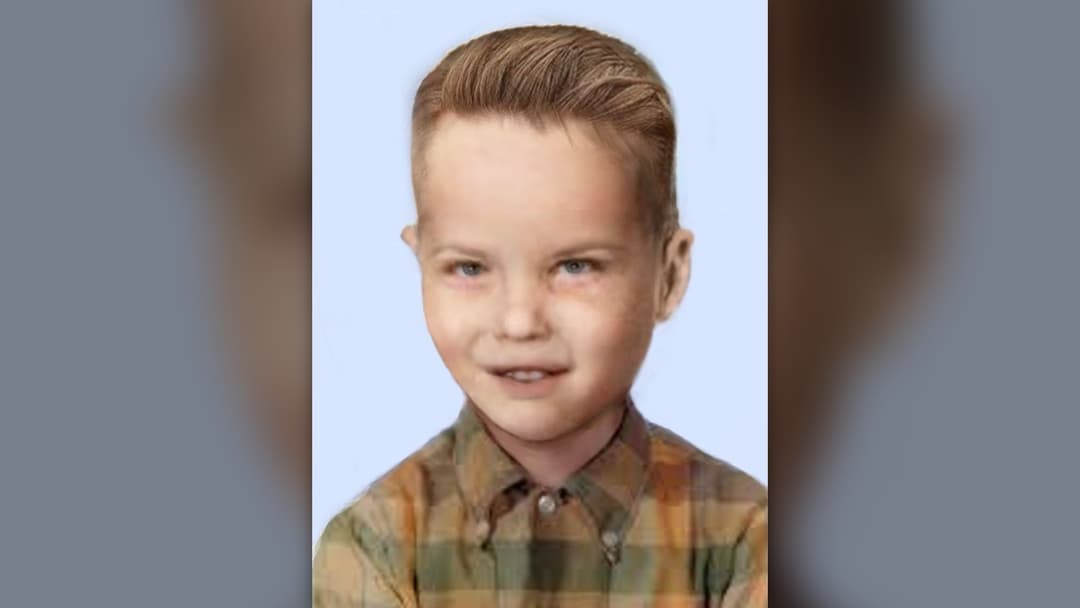
2. The Boy In The Box
Found inside a cardboard bassinet box in Philadelphia in 1957, the unidentified four-year-old boy became known as America's Unknown Child. In December 2022, detectives used genetic genealogy to identify him as Joseph Augustus Zarelli after 65 years.
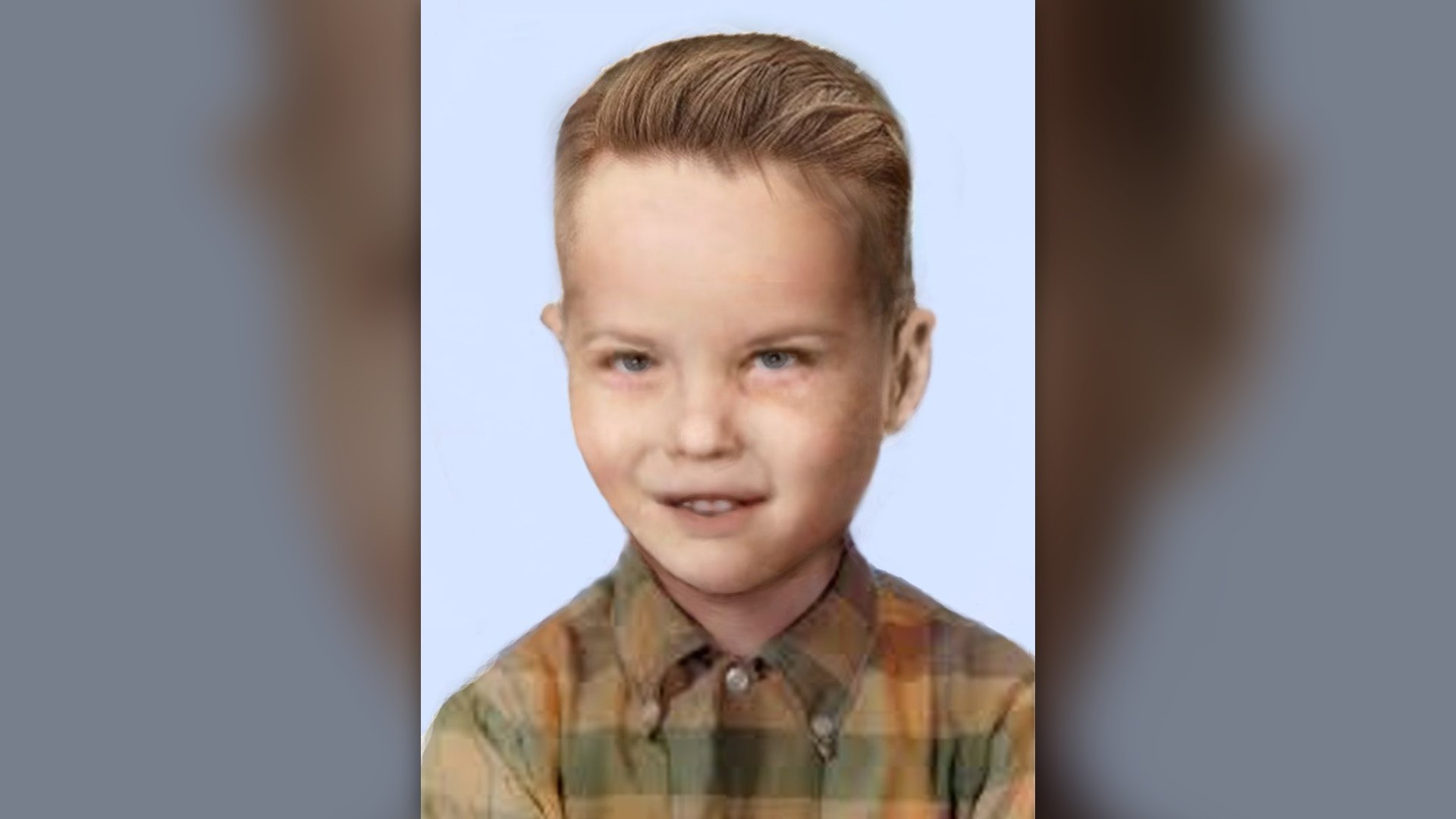
©Wikimedia / Philadelphia Police Department
Advertisement
Swipe or tap ▶ to resume the countdown.
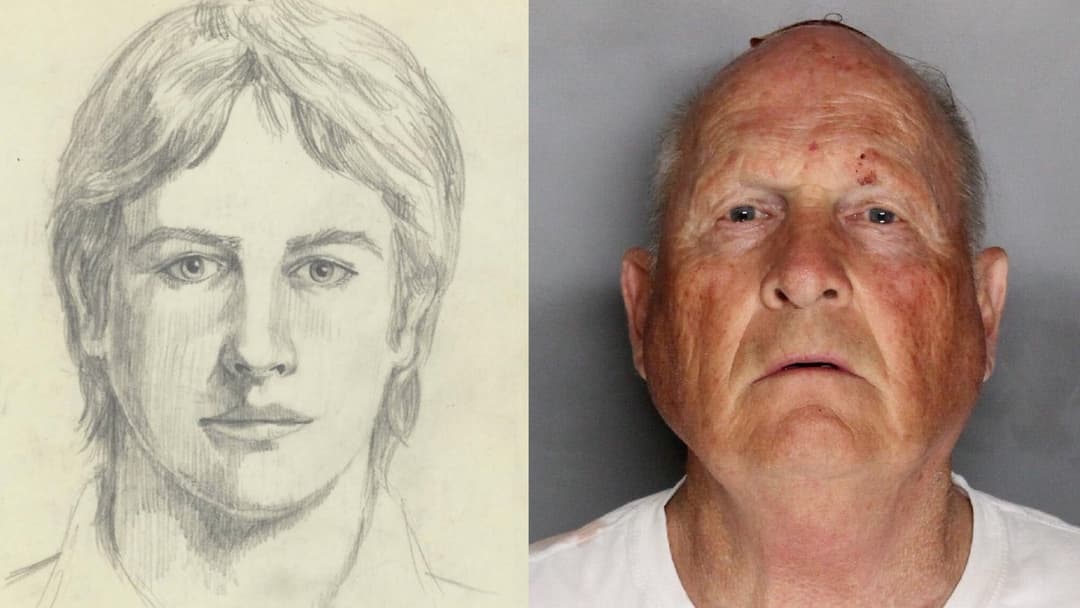
1. The Golden State Killer
Between 1974 and 1986, the Golden State Killer committed 13 murders and dozens of assaults across California. In 2018, detectives used genetic genealogy to identify 72-year-old former police officer Joseph James DeAngelo, ushering in a new era of forensics.
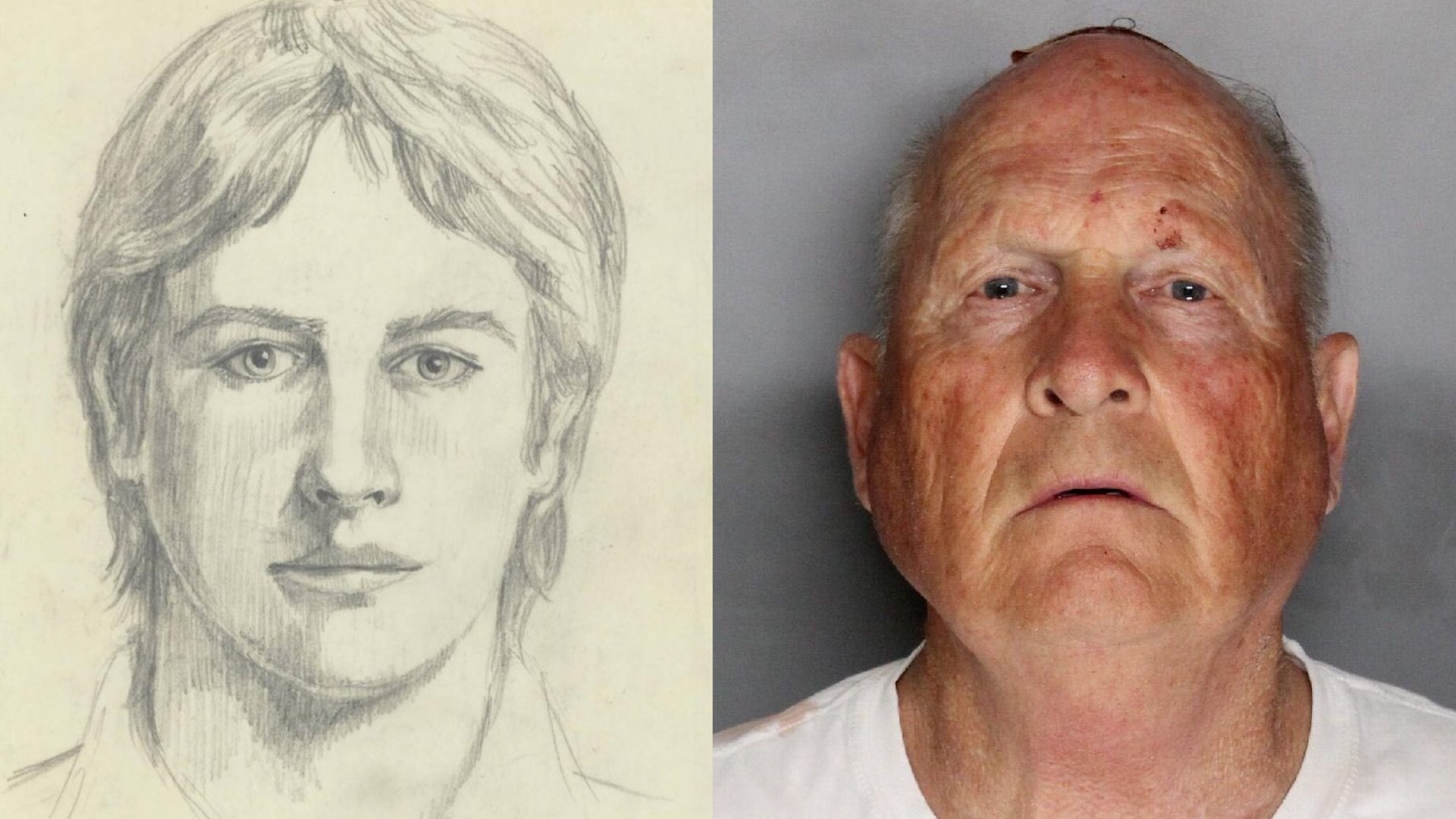
©Wikimedia / Sacramento County Sheriff
Advertisement
You've reached the end of the story. Thanks for reading!

21 Former US Governors Who Became Influential National Leaders
Which former state governors rose to shape modern American history?
All 20 Entries in this Story
20. Arthur Leigh Allen
Arthur Leigh Allen remained the primary suspect in the Zodiac killings for over thirty years. In 2002, San Francisco investigators developed a partial DNA profile from saliva on envelopes sent by the killer, which did not match Allen.

19. The Central Park Five
In 1989, five teenagers were wrongfully convicted for an assault in Central Park. Thirteen years later, prison inmate Matias Reyes confessed, and forensic DNA testing conclusively proved he was the sole attacker, exonerating all five men.

18. The Innocence Project
Lawyers Barry Scheck and Peter Neufeld founded the Innocence Project in 1992 to use newly developed DNA testing on cold case evidence. The organization has since exonerated more than 375 wrongfully convicted individuals across America.

17. Richard Ramirez
Richard Ramirez terrorized California in the mid-1980s before his capture in 1985. In 2009, San Francisco detectives ran preserved cold case evidence through modern DNA databases, linking Ramirez to the 1984 murder of nine-year-old Mei Leung.

16. Gary Ridgway
Detectives hunted the Green River Killer for nearly two decades as bodies accumulated in Washington state. In 2001, investigators retested saliva samples taken from Gary Ridgway in 1987 using STR DNA technology, securing a conclusive match.

15. The Grim Sleeper
Lonnie David Franklin Jr. evaded police for 25 years during a murder spree in South Los Angeles. Detectives identified him in 2010 through familial DNA searching, matching a crime scene profile to DNA collected from a discarded pizza crust.

14. Buckskin Girl
Found along an Ohio ditch in 1981, the victim was known only by her buckskin jacket for 37 years. In 2018, the DNA Doe Project used genetic genealogy to identify her as 21-year-old Marcia King, marking one of the initiative's earliest triumphs.

13. Margaret Fetterolf
Discovered wrapped in a sheet near Baltimore in 1976, this young woman remained unidentified for four decades. In 2021, investigative genetic genealogy solved her identity as 16-year-old Margaret Fetterolf, giving closure to her surviving family.

12. Ruth Marie Terry
In 1974, a woman's body was discovered in the dunes of Provincetown, Massachusetts, sparking a legendary cold case. In 2022, the FBI used investigative genealogy to identify her as Ruth Marie Terry, subsequently naming her husband as the killer.

11. Albert DeSalvo
Albert DeSalvo confessed to being the Boston Strangler but was never convicted of the crimes before his prison death. In 2013, modern forensic testing extracted DNA from the grave of Mary Sullivan, matching DeSalvo's familial DNA at 99.9 percent.

10. Colin Pitchfork
Following the brutal killings of two teenagers in Leicestershire, English police conducted the world's first mass DNA blood screening. Colin Pitchfork attempted to pay a friend to provide a substitute sample, but was caught and convicted in 1988.

9. Sir Alec Jeffreys
In September 1984 at the University of Leicester, Sir Alec Jeffreys discovered that genetic variations produce a unique barcode for every individual. His discovery transformed criminal justice, creating the foundation for solving decades-old cold cases.

8. CeCe Moore
CeCe Moore pioneered the use of consumer genetic databases to help law enforcement trace violent offenders through distant cousins. Her genealogical research cracked the 1987 Van Cuylenborg murders and the 1988 April Tinsley case in Indiana.

7. Paul Holes
Contra Costa County investigator Paul Holes spent decades pursuing the East Area Rapist. Weeks before his planned retirement in 2018, Holes uploaded crime scene DNA to open-source genealogy site GEDmatch, leading directly to the suspect's family tree.

6. Anna Anderson
For six decades, Anna Anderson claimed to be Grand Duchess Anastasia, the youngest daughter of Tsar Nicholas II. Posthumous DNA testing in 1994 compared her tissue against living Romanov relatives, conclusively proving she was a Polish factory worker.

5. The Somerton Man
Found dead on Adelaide's Somerton Beach in 1948 with a Persian poetry scrap, the man became Australia's greatest mystery. In 2022, DNA extracted from hairs in his plaster death mask finally identified him as Melbourne electrical engineer Carl Webb.

4. King Richard III
Lost since the Battle of Bosworth in 1485, King Richard III's grave was excavated under a Leicester city council parking lot in 2012. Geneticists compared mitochondrial DNA from the skeleton to living maternal descendants, confirming his identity.

3. The Romanov Imperial Family
Executed by Bolshevik revolutionaries in 1918, the Russian imperial family was buried in unmarked forest graves. Forensic geneticists used DNA from living royal relatives, including Britain's Prince Philip, to confirm the remains between 1993 and 2008.

2. The Boy In The Box
Found inside a cardboard bassinet box in Philadelphia in 1957, the unidentified four-year-old boy became known as America's Unknown Child. In December 2022, detectives used genetic genealogy to identify him as Joseph Augustus Zarelli after 65 years.

1. The Golden State Killer
Between 1974 and 1986, the Golden State Killer committed 13 murders and dozens of assaults across California. In 2018, detectives used genetic genealogy to identify 72-year-old former police officer Joseph James DeAngelo, ushering in a new era of forensics.