Slideshow · Science
20 Discoveries Frozen Inside Glaciers
From prehistoric hunters to ancient forests preserved deep within ice sheets.
By Most Viral Today
34 min ago

Things Scientists Have Discovered Frozen Inside Glaciers 
20. Alpine Glacial Hunting Blinds 
19. Quelccaya 5,200-Year-Old Plants 
18. 1,700-Year-Old Leather Shoes - AdvertisementSwipe or tap ▶ to continue countdown

17. Intact Steppe Bison Horns 
16. Bossons Glacier Airliner Relics 
15. Ancient Kap Kobenhavn DNA 
14. Lendbreen Medieval Pack Trail - AdvertisementSwipe or tap ▶ to continue countdown

13. Deep-Freeze Space Rocks 
12. 5,800-Year-Old Alpine Snowshoe 
11. Resurrected Little Ice Age Moss 
10. Grasshopper Glacier Swarms - AdvertisementSwipe or tap ▶ to continue countdown

9. Blood Falls Subglacial Ecosystem 
8. Subglacial Lake Vostok Microbes 
7. Medieval Glacial Hunting Bows 
6. Camp Century Subglacial Plants - AdvertisementSwipe or tap ▶ to continue countdown

5. WWI White War Glacial Forts 
4. Ancient Guliya Ice Cap Viruses 
3. Lendbreen Iron Age Tunic 
2. Prehistoric Mendenhall Forest - AdvertisementSwipe or tap ▶ to continue countdown

1. Otzi The Iceman - Advertisement🔥 UP NEXT IN THIS SERIES◫ 25 Slides

24 Historic Cosmic Wonders Imaged by NASA Space Observatories
Orbiting far above Earth's obscuring atmosphere, NASA space observatories reveal celestial phenomena in breathtaking optical clarity. From Swift and Hubble to Chandra and the James Webb Space Telescope, these instruments transformed human understanding of stellar birth and cosmic evolution. Explore 24 of astronomy's finest views.
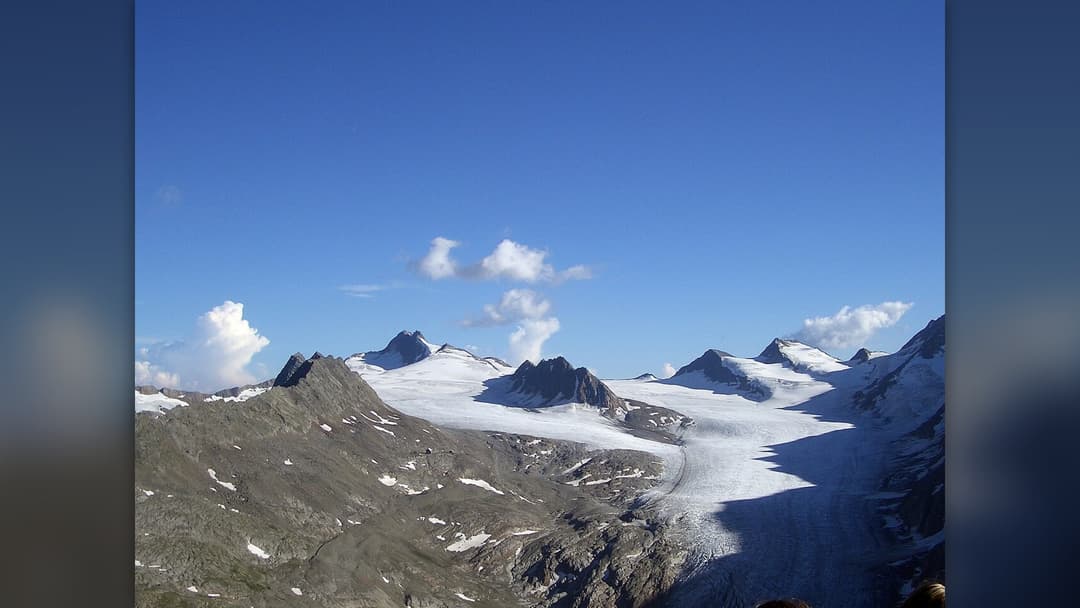
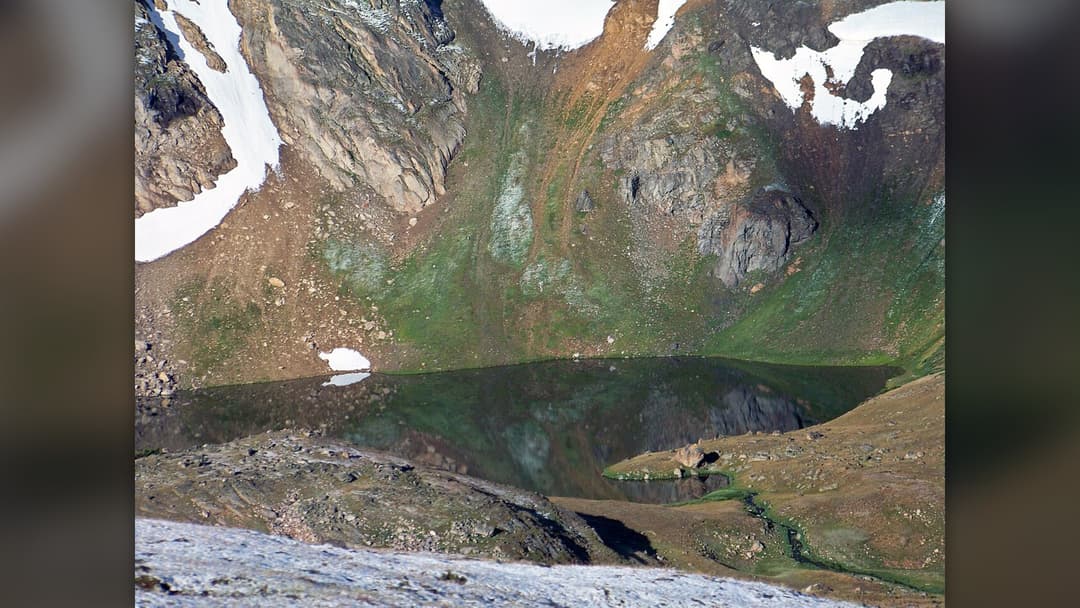
Glaciers and alpine ice sheets act as planetary deep freezers, preserving biological specimens and human history across thousands of years. As ice sheets retreat around the globe, researchers and glaciologists are uncovering ancient ecosystems, prehistoric tools, and preserved life forms.
Swipe or tap ▶ to begin the countdown
©Wikimedia / Eric Kilby / CC BY-SA 2.0
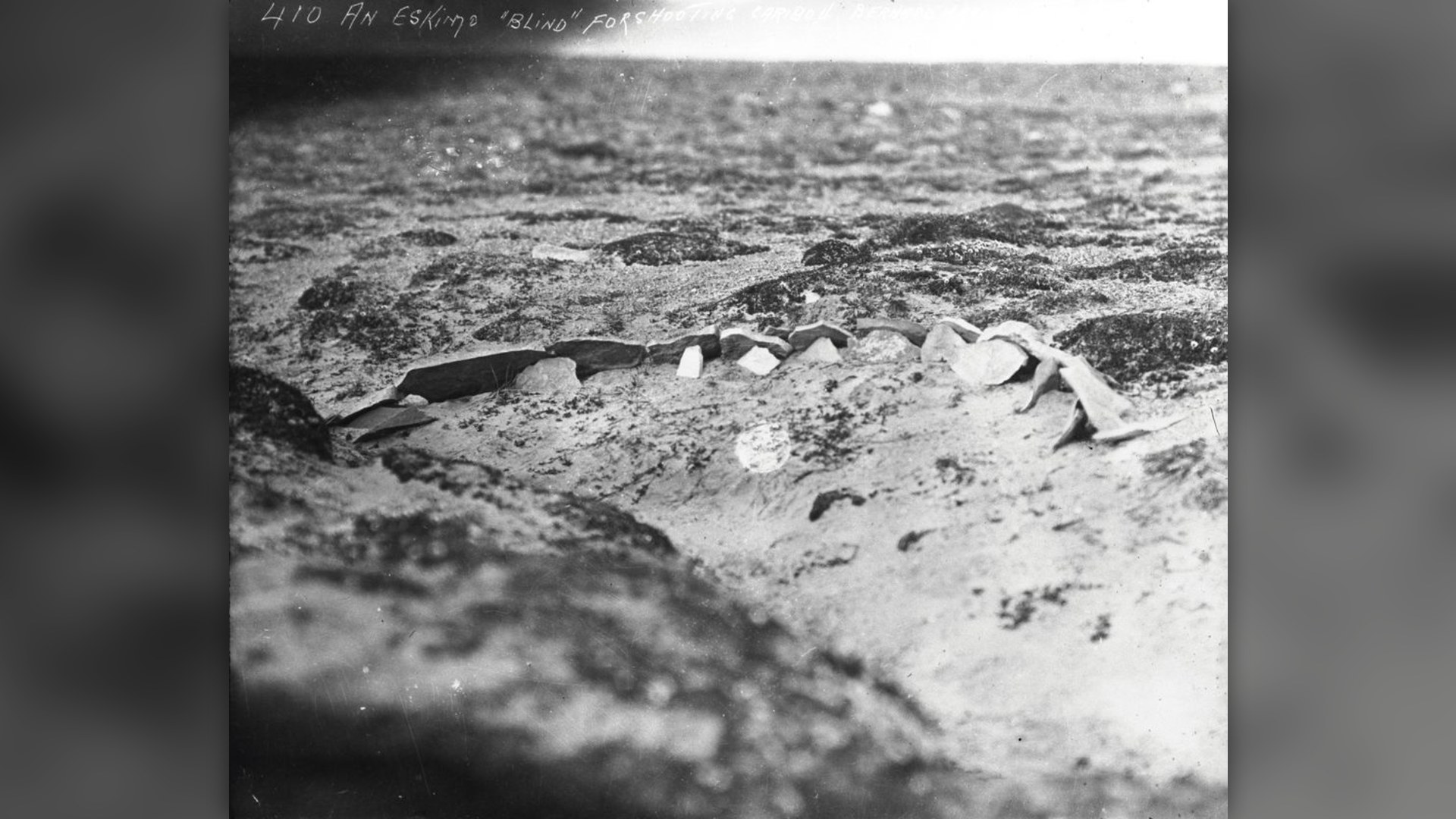
20. Alpine Glacial Hunting Blinds
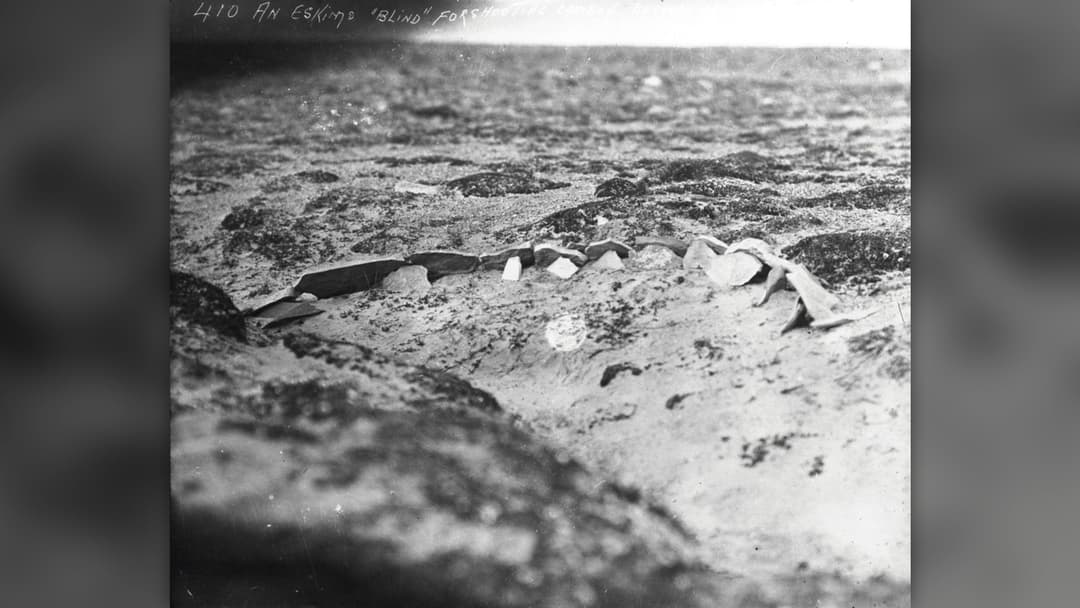
In the high mountains of Norway and western Canada, retreating ice patches have unveiled stone hunting blinds constructed by prehistoric archers. Positioned near glacial edges where reindeer sought relief from biting flies, these rock semicircles allowed hunters to ambush animals at close range over two millennia.
©Wikimedia / K.G. Chipman / Public domain
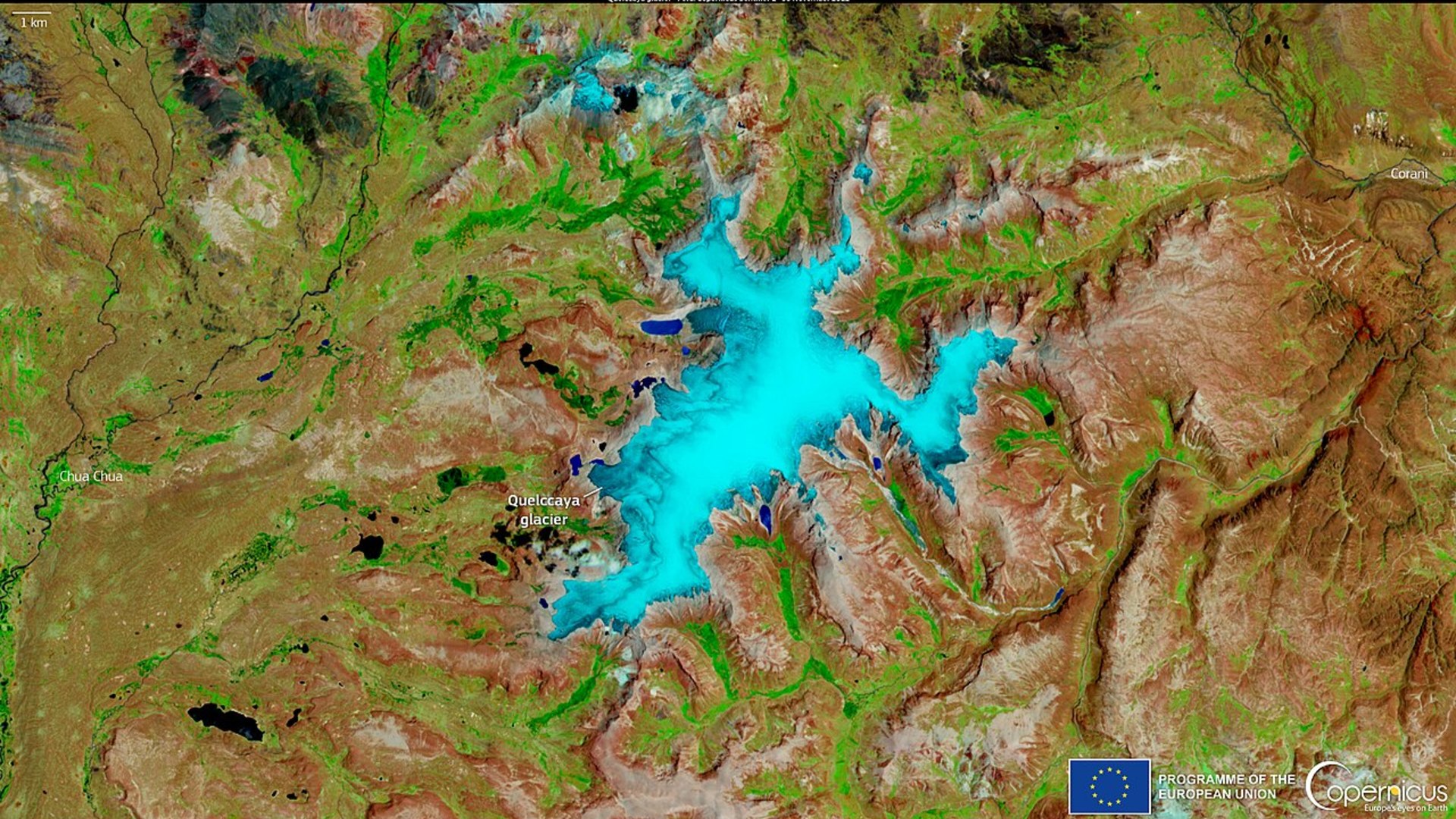
19. Quelccaya 5,200-Year-Old Plants
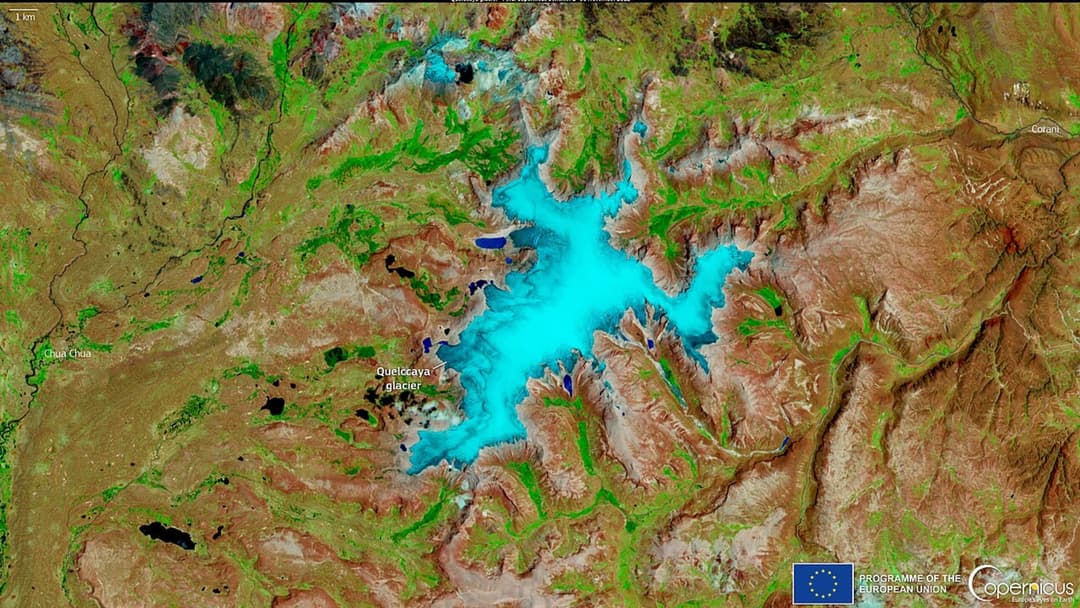
At nearly 19,000 feet in the Peruvian Andes, the Quelccaya Ice Cap is the largest tropical ice sheet on Earth. Glaciologists found beds of marsh plants entombed so rapidly by advancing ice 5,200 years ago that their cellular structure was preserved intact, proving abrupt climate cooling in the ancient Andes.
©Wikimedia / Copernicus / CC BY 4.0
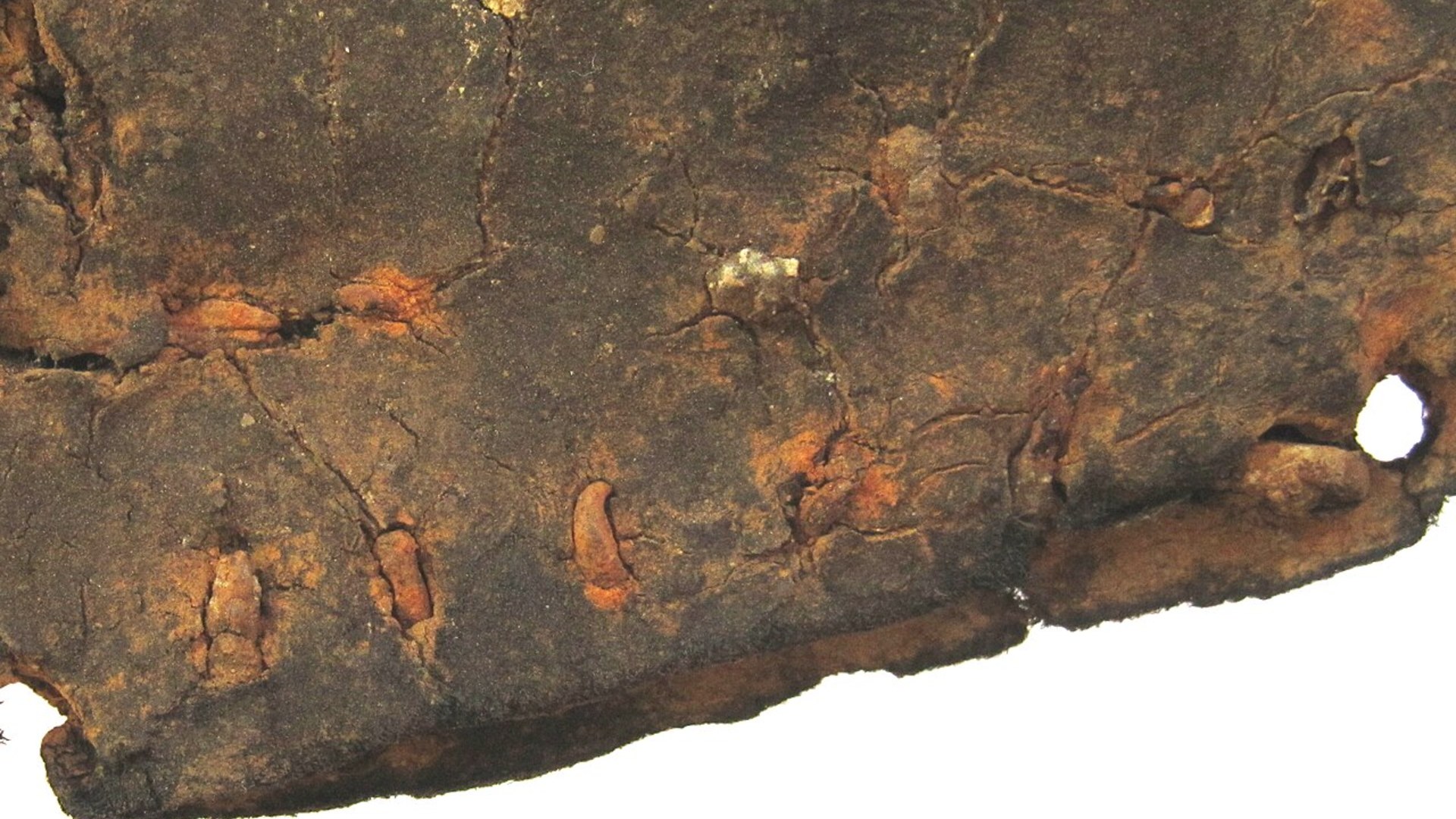
18. 1,700-Year-Old Leather Shoes
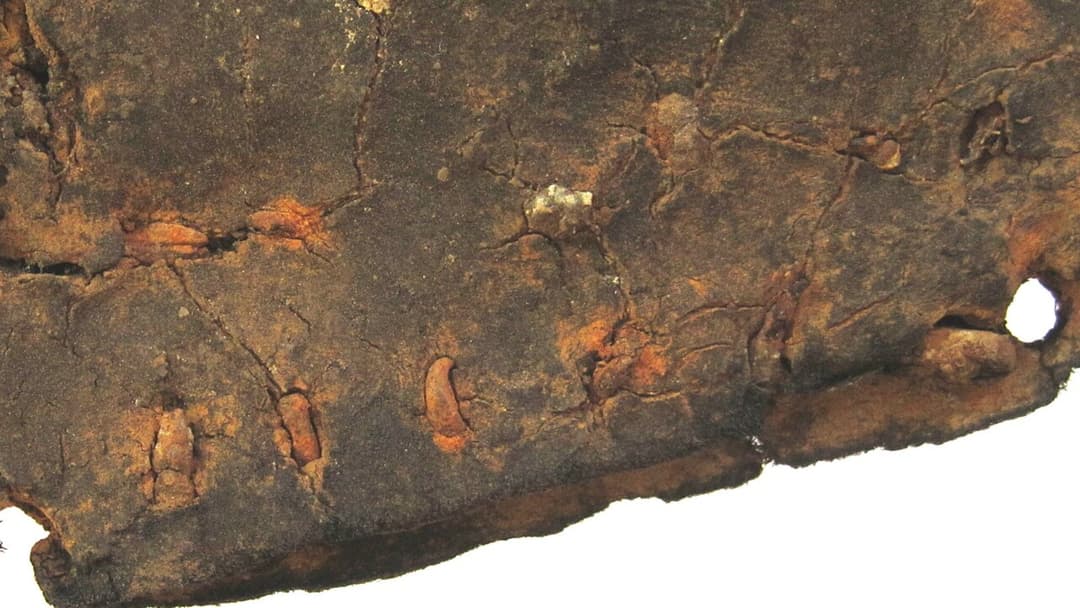
In 2019, archaeologists working in Norway's Jotunheimen mountains discovered an intact Roman Iron Age shoe dating to 300 AD. Fashioned from tanned hide and laced along the upper, the shoe was preserved alongside birch walking canes, offering a direct glimpse into high alpine mountain travel across centuries.
©Wikimedia / Angie Bolton / CC BY-SA 2.0
Advertisement
Swipe or tap ▶ to resume the countdown.
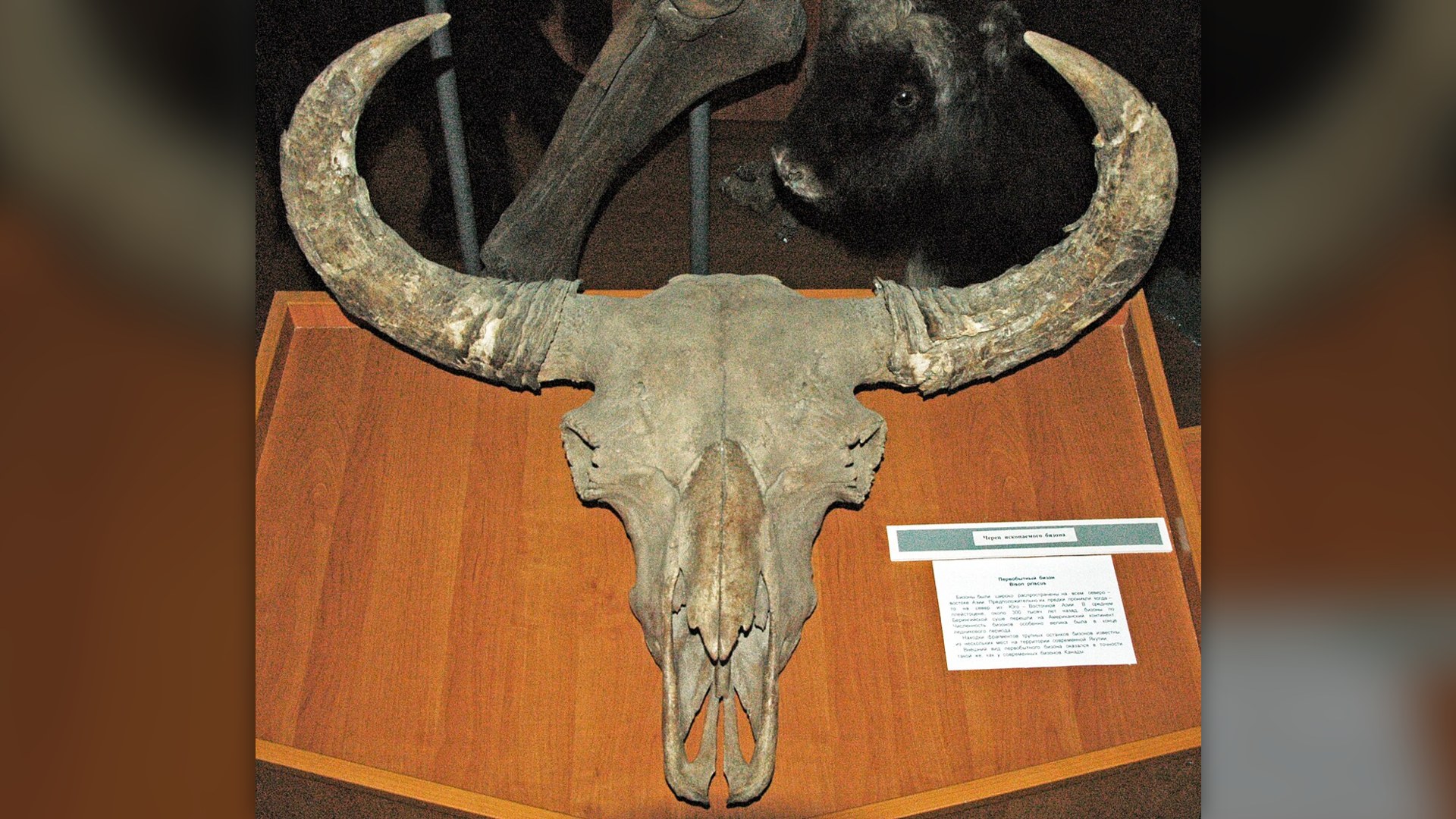
17. Intact Steppe Bison Horns
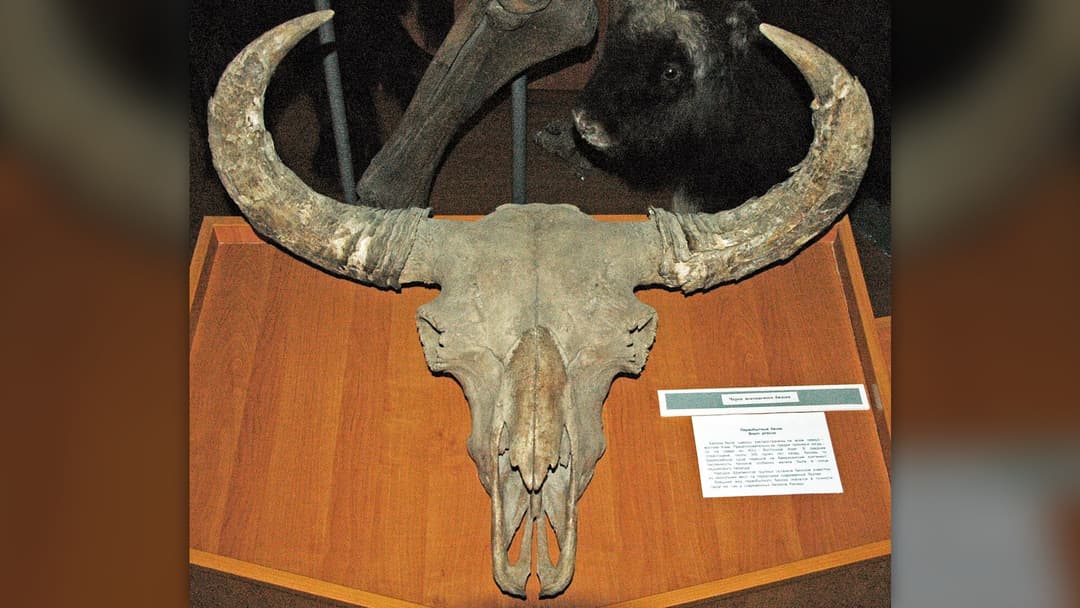
In the alpine mountains of the Yukon Territory, caribou and extinct steppe bison sought refuge from heat and summer insects on permanent ice patches. As these high elevation snowfields melt, researchers have excavated intact steppe bison horn sheaths, soft muscle tissue, and hide dating back over eleven thousand years.
©Wikimedia / James St. John / CC BY 2.0
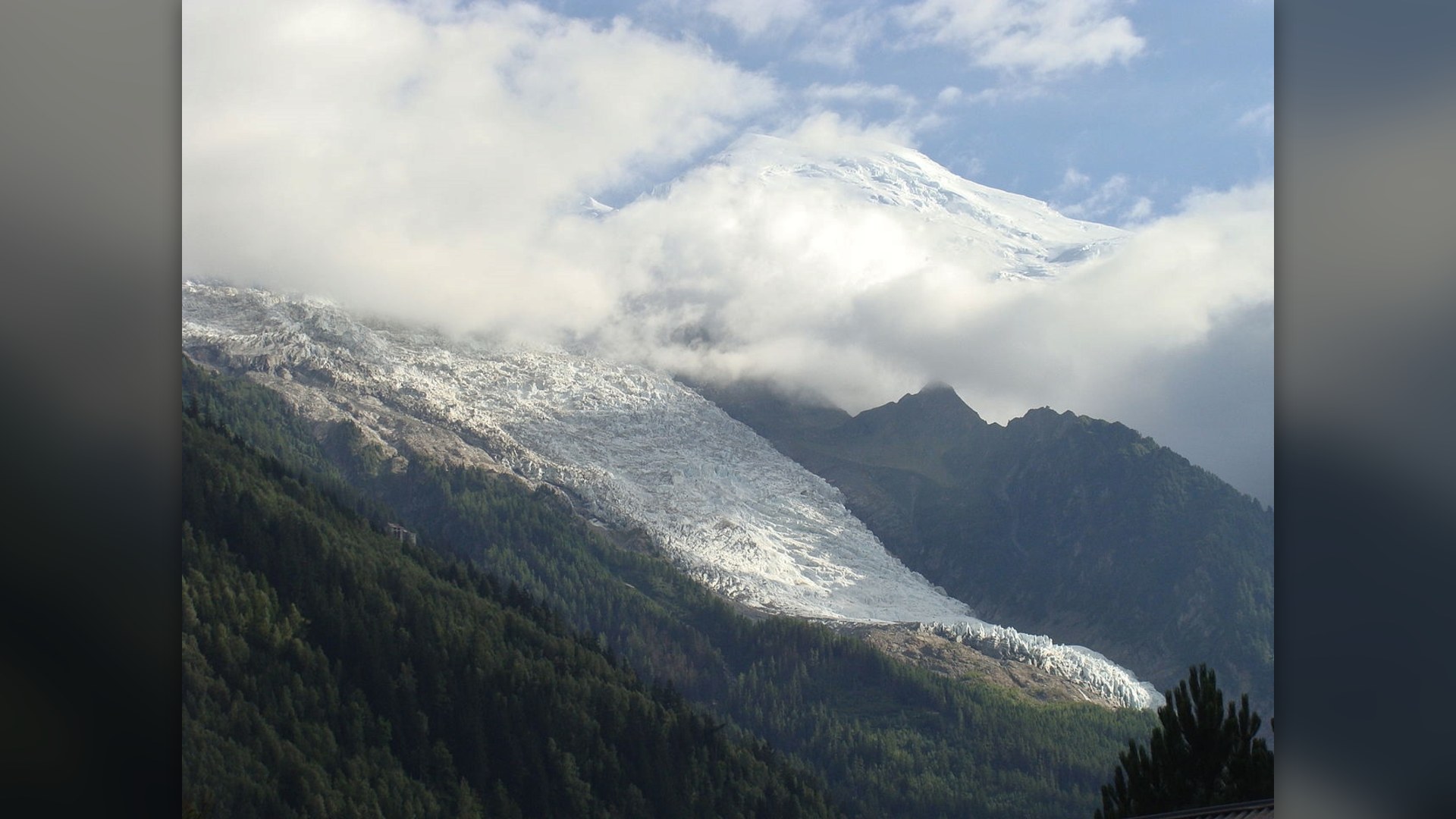
16. Bossons Glacier Airliner Relics
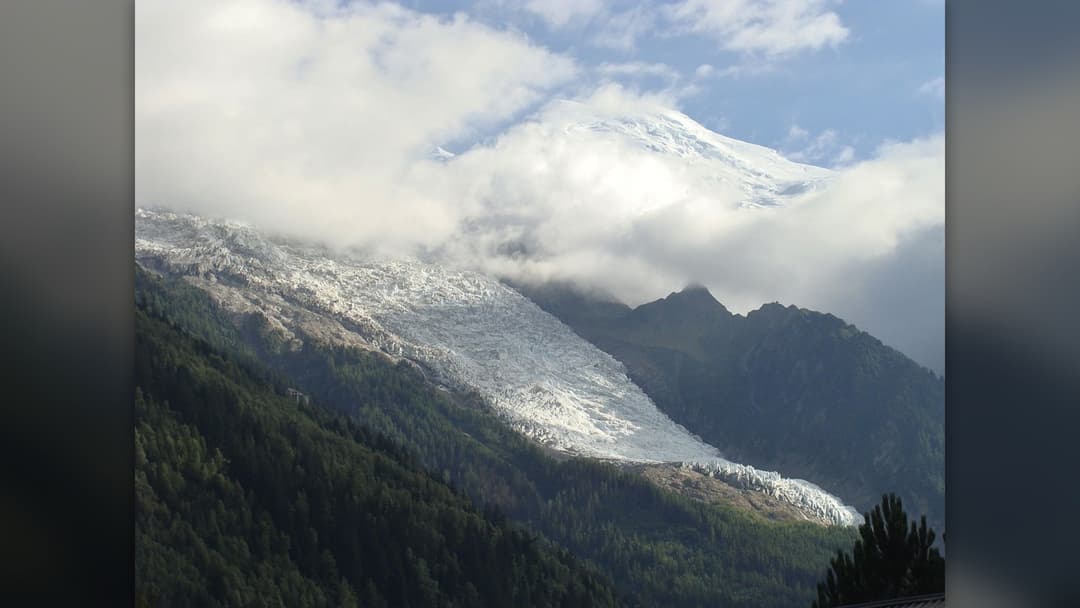
Two commercial airliners crashed near the summit of Mont Blanc: the Malabar Princess in 1950 and the Kangchenjunga in 1966. For decades, the Bossons Glacier carried debris down its frozen path. Glaciologists and locals have recovered plane engines, diplomatic mailbags, and personal letters preserved in ice.
©Wikimedia / Antti Bilund / CC BY-SA 3.0
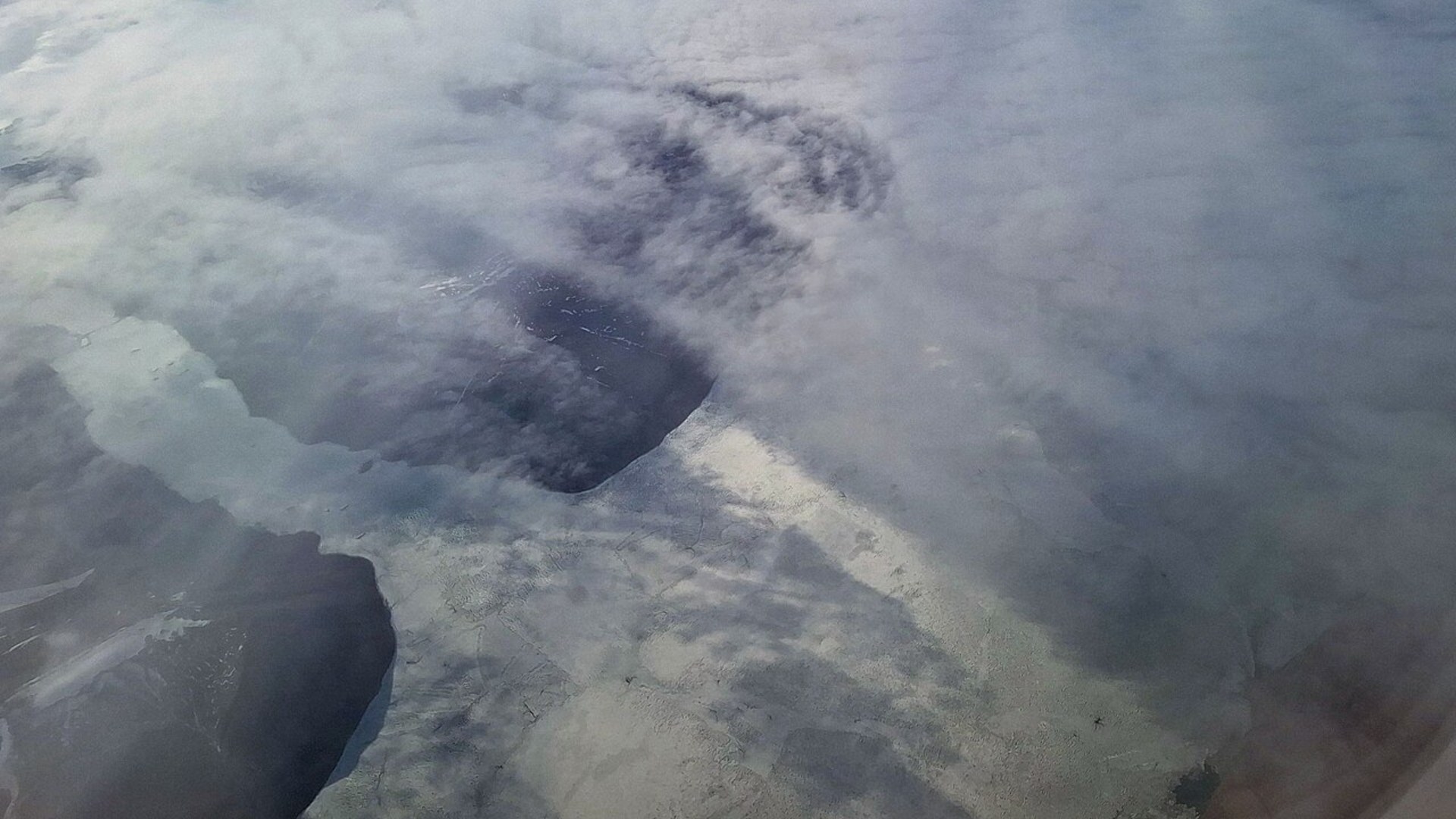
15. Ancient Kap Kobenhavn DNA
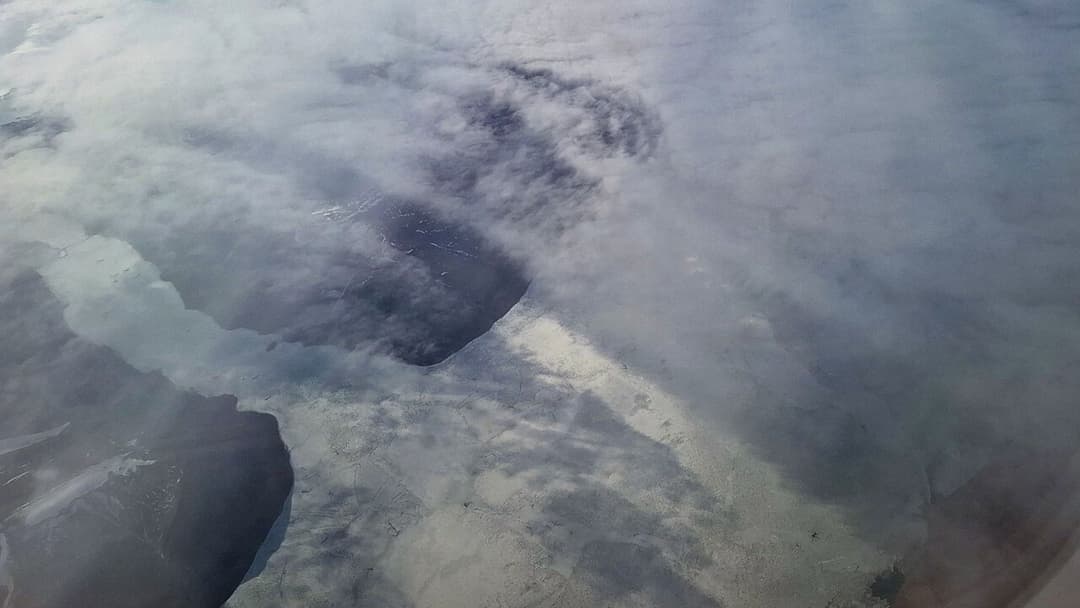
In northern Greenland, scientists extracted microscopic environmental DNA preserved within frozen mineral silt beneath ancient ice. Analysis revealed an extinct boreal ecosystem from two million years ago, where mastodons, reindeer, and poplar trees thrived in temperatures far warmer than modern times.
©Wikimedia / Doc Searls / CC BY 2.0
14. Lendbreen Medieval Pack Trail
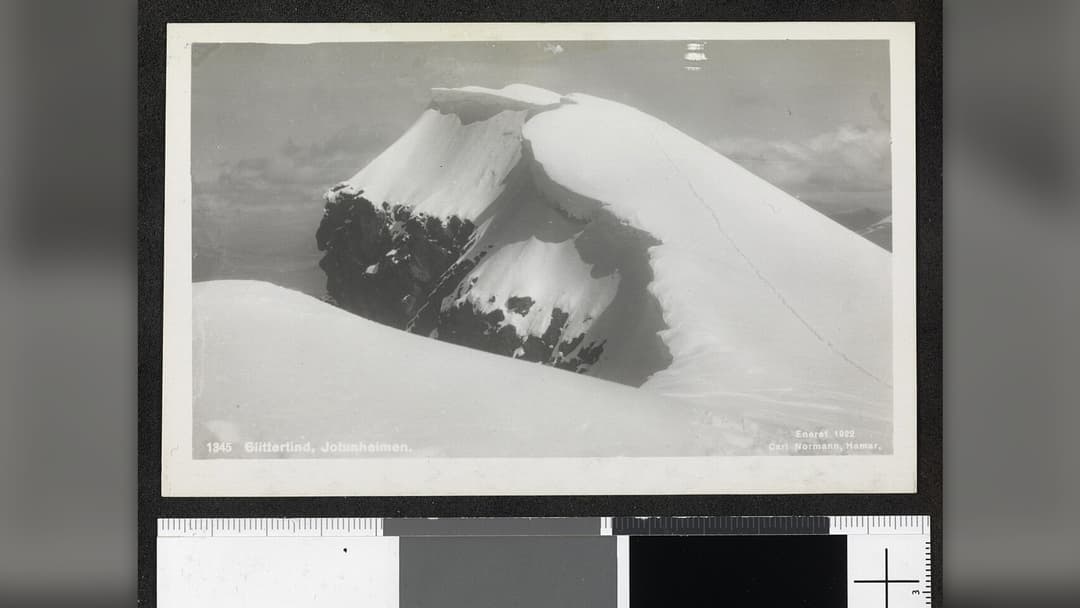
Between 300 and 1500 AD, traders traversed the Lendbreen pass at 6,300 feet in Norway. As the pass iced over, forgotten gear was sealed away. Glacial archaeologists have recovered iron horseshoes, pack horse bones with intact hair, dog collars, and carved animal bone ice skates used by medieval travelers.
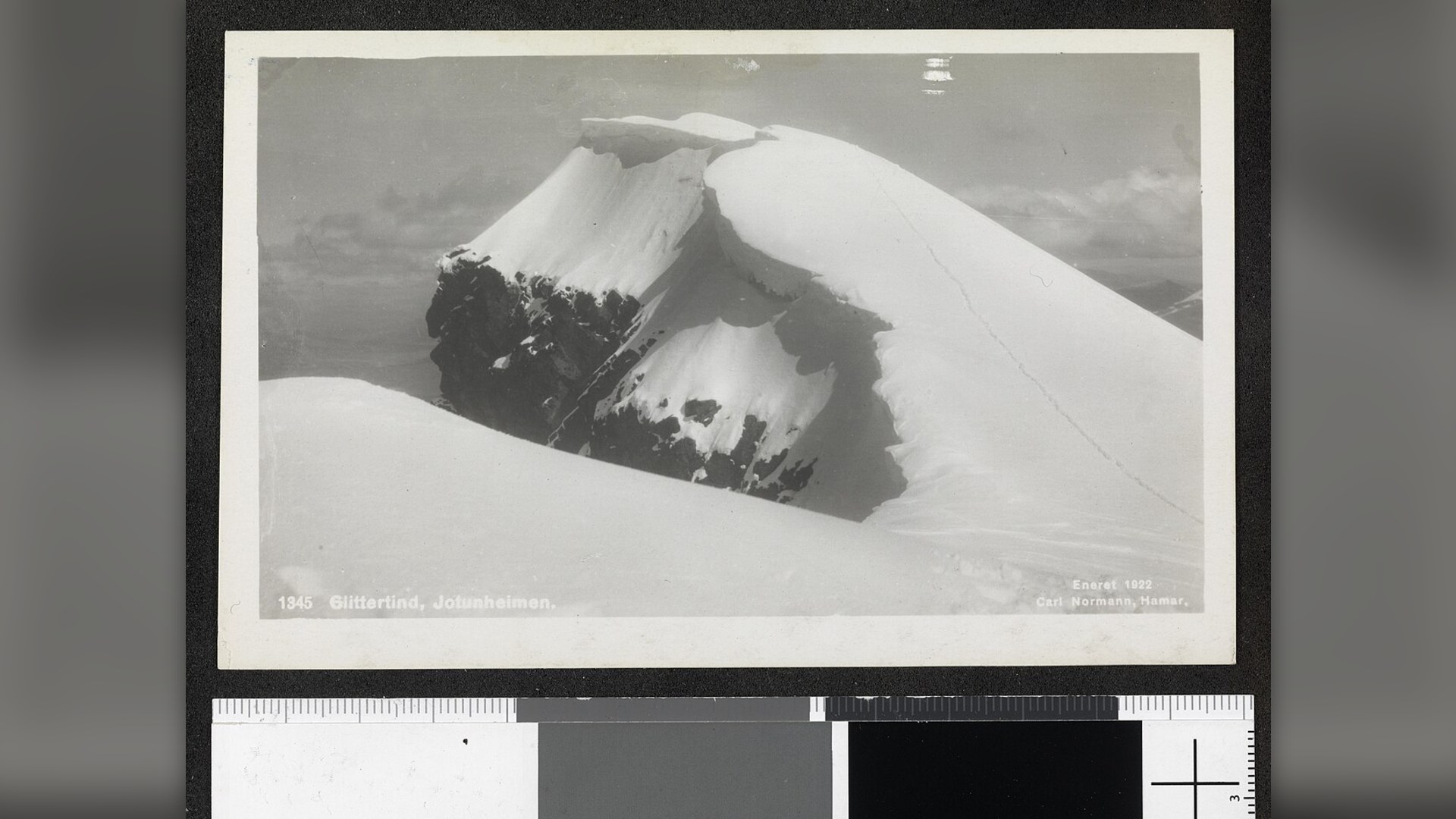
©Wikimedia / Nat. Library of Norway / Public domain
Advertisement
Swipe or tap ▶ to resume the countdown.
13. Deep-Freeze Space Rocks
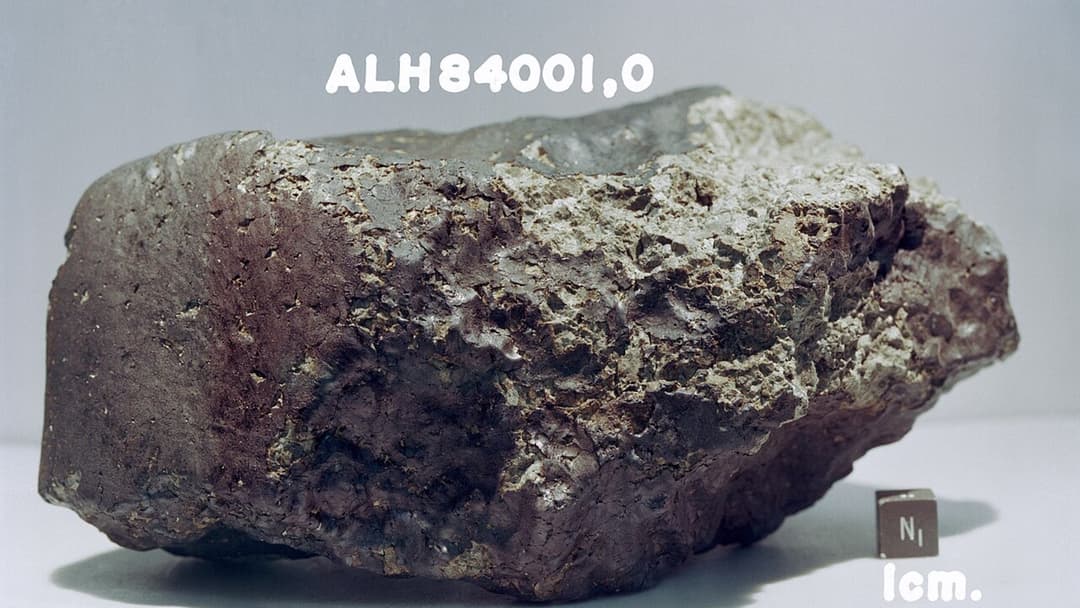
Glaciers in Antarctica flow outward toward coastal barriers, where strong katabatic winds strip away surface ice. This ablative process concentrates space debris on exposed blue-ice fields like the Allan Hills. Planetary scientists have gathered more than forty-five thousand pristine meteorites from the ice.
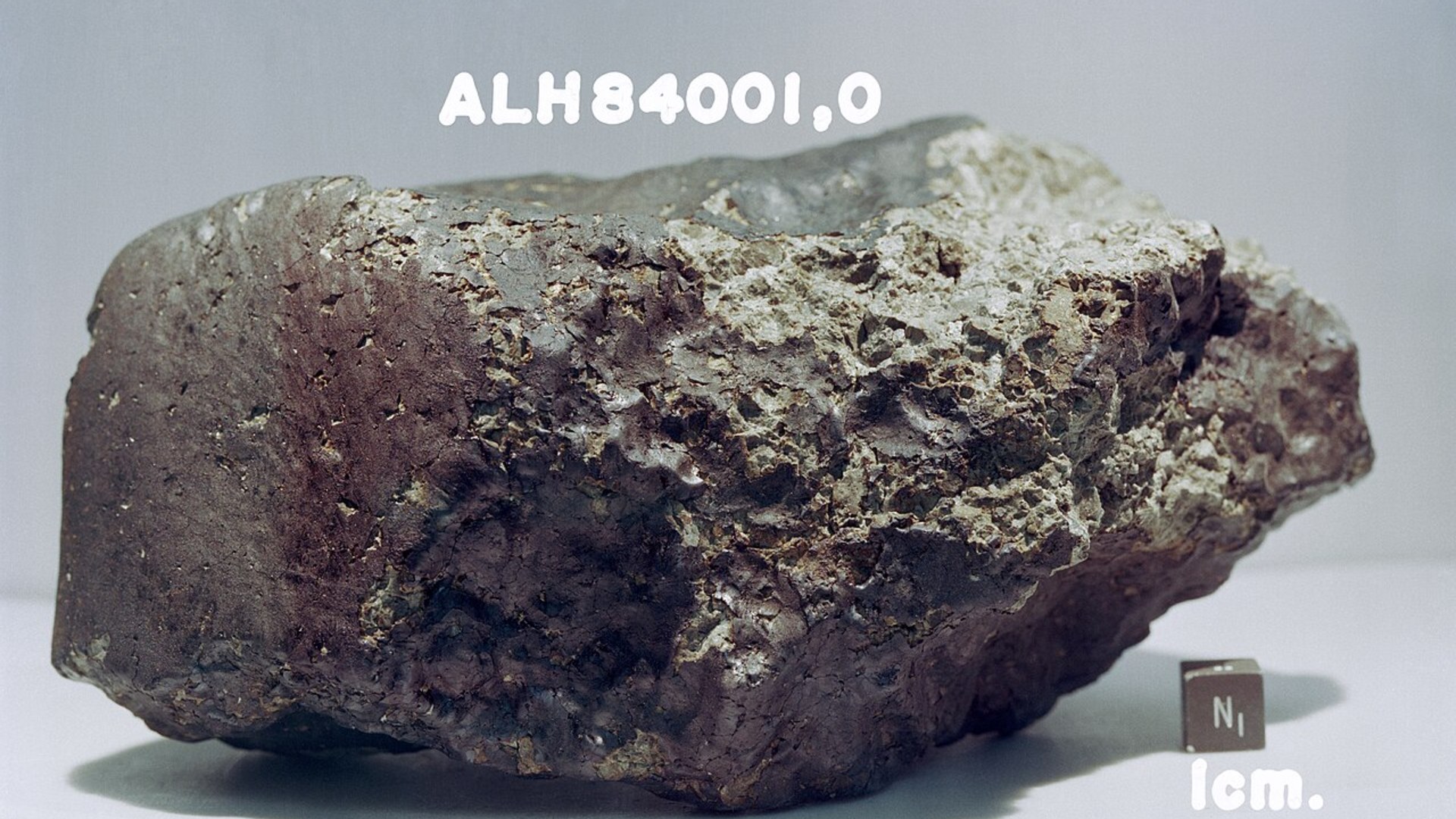
©Wikimedia / NASA / Public domain
12. 5,800-Year-Old Alpine Snowshoe
Cartographer Simone Bartolini discovered a remarkably preserved wooden snowshoe at 10,300 feet near the Gurgler Eisjoch glacier on the border of Italy and Austria. Crafted from bent birch branch wood and bound with animal twine, radiocarbon dating revealed it was made around 3800 BC, older than even Otzi.
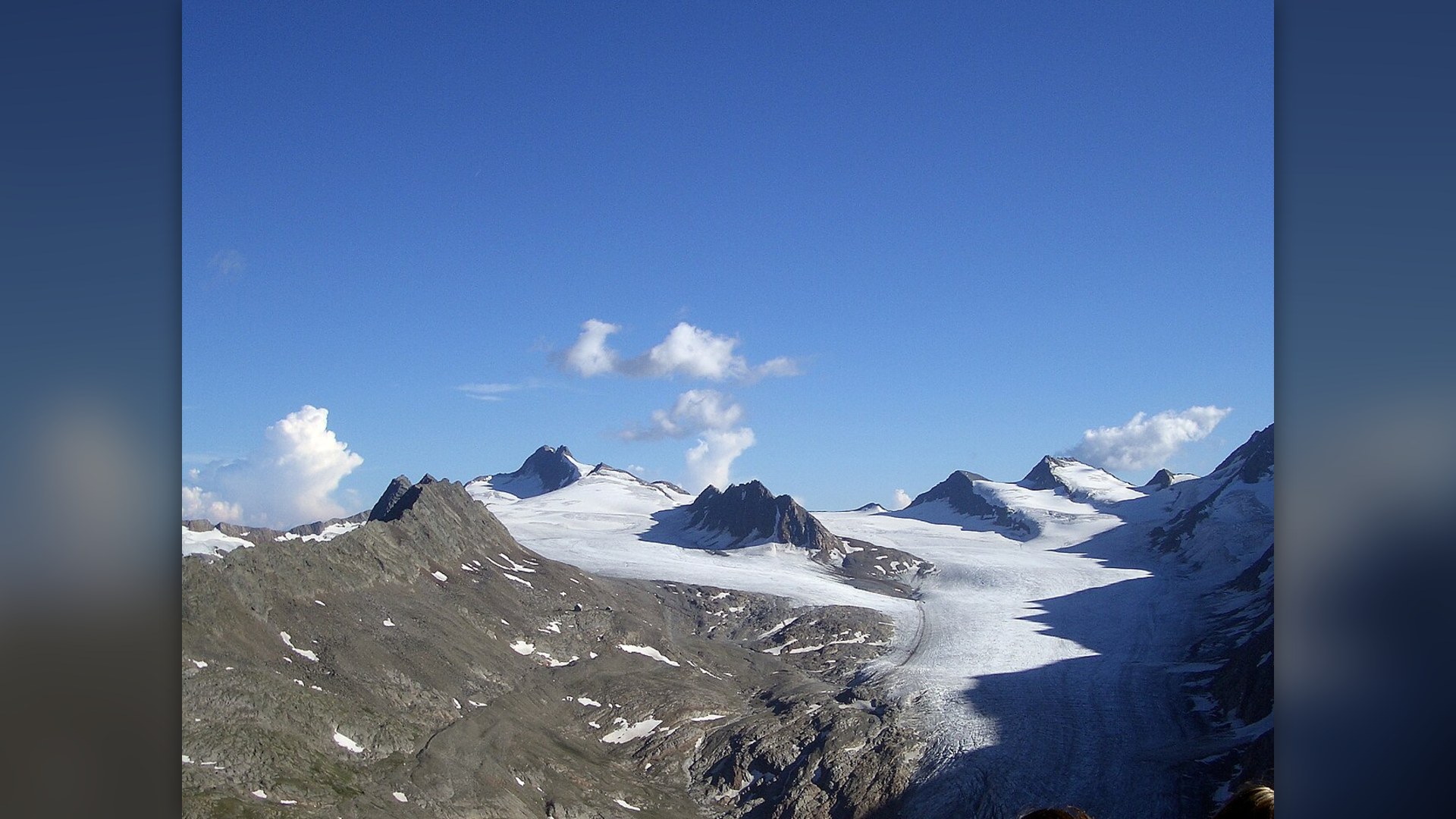
©Wikimedia / Cactus26 / CC BY 2.5
11. Resurrected Little Ice Age Moss
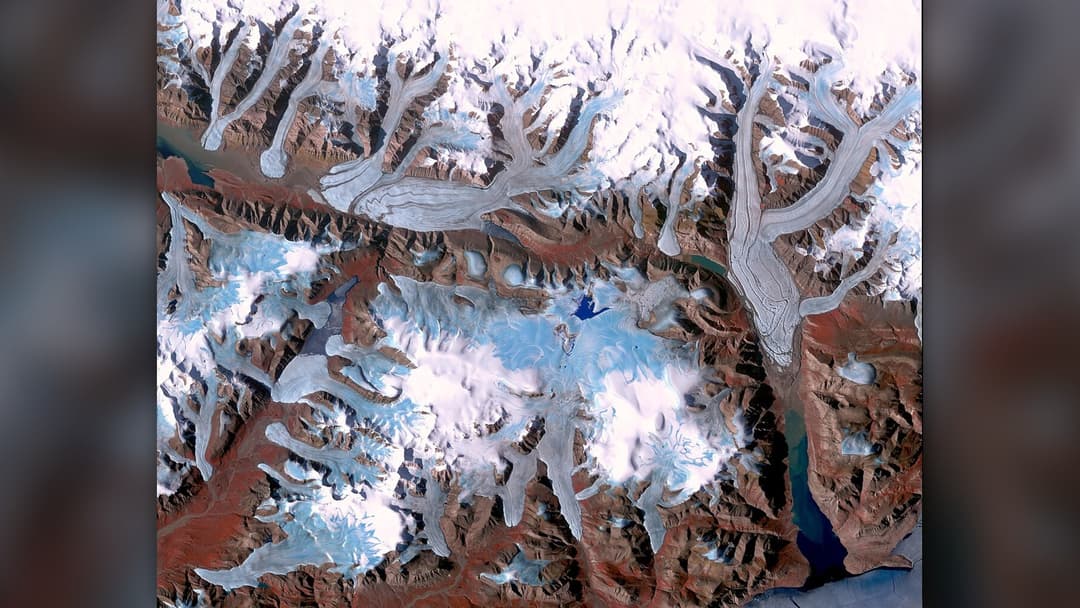
At the margin of Teardrop Glacier on Ellesmere Island in the Canadian Arctic, biologists collected blackened moss covered by glacial ice since the Little Ice Age around 1550. When cultured under laboratory growth lamps, the ancient bryophyte tissues produced fresh green shoots, proving multicellular longevity in ice.
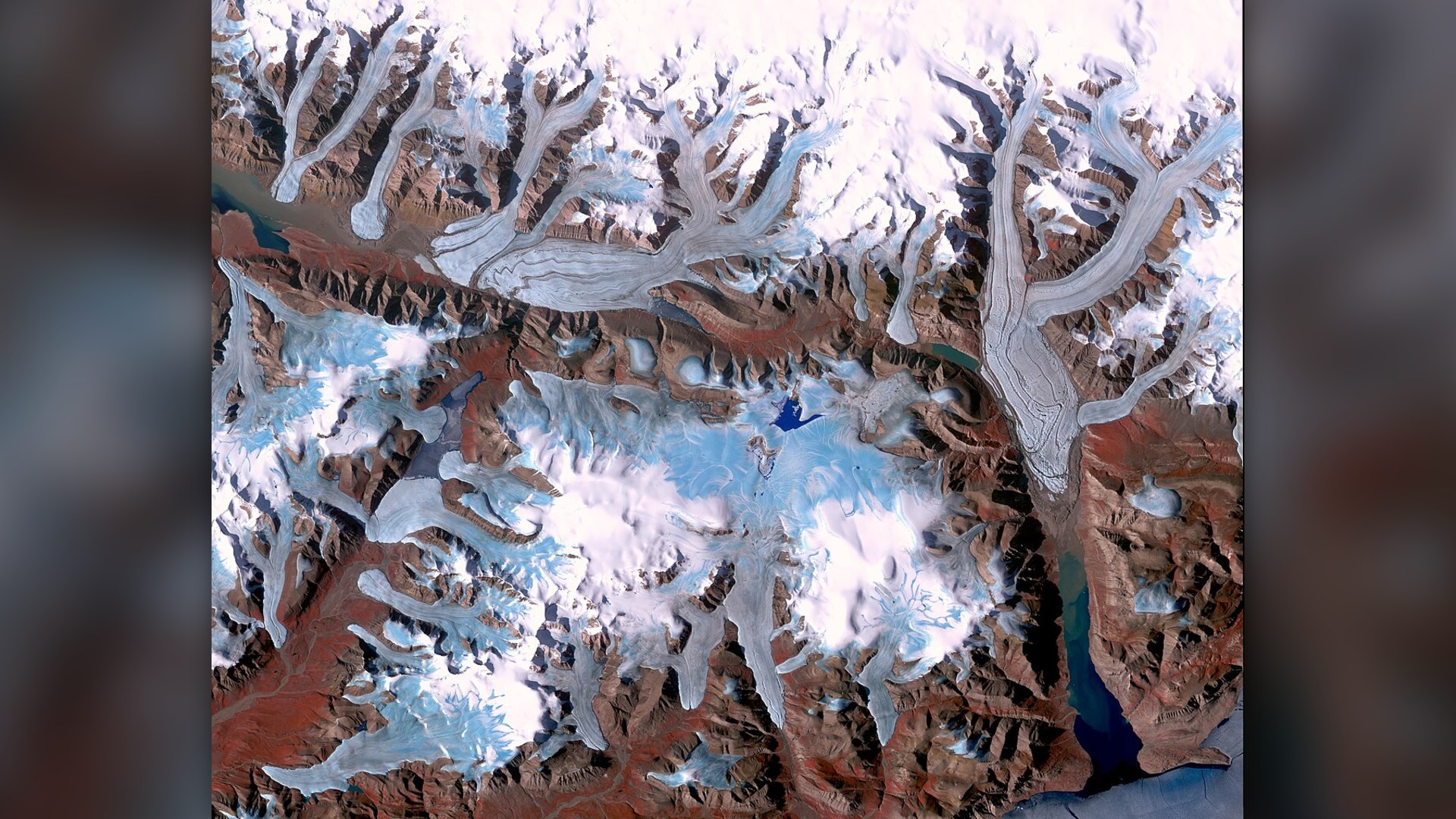
©Wikimedia / NASA / ASTER Team / Public domain
10. Grasshopper Glacier Swarms
Located in the Beartooth Range of Montana, Grasshopper Glacier was named for dense strata of extinct Rocky Mountain locusts embedded in the ice. Scientists determine that vast swarms were caught in sudden alpine storms between the 13th and 18th centuries, preserving specimens of a species that died out in 1902.
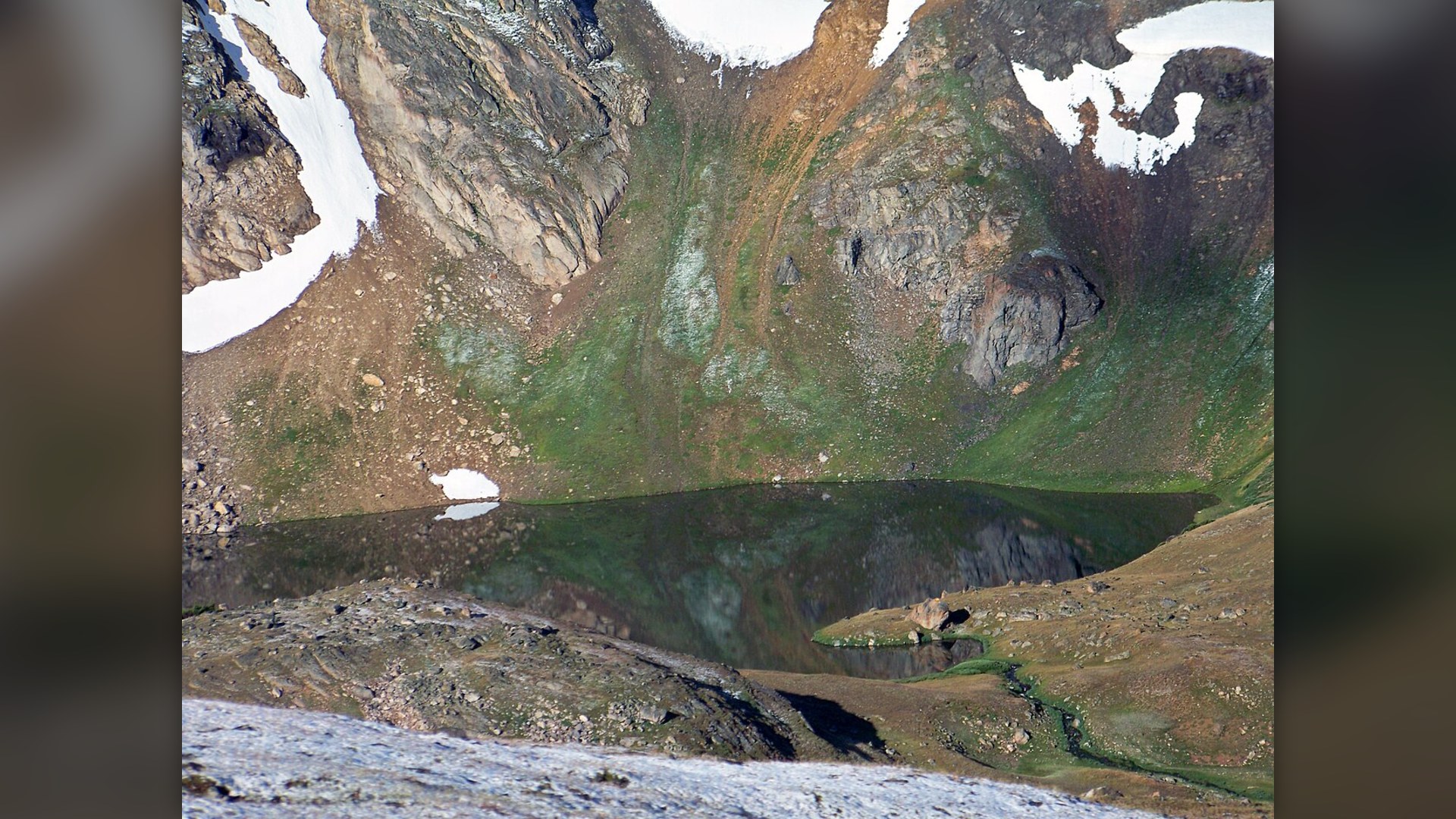
©Wikimedia / James St. John / CC BY 2.0
Advertisement
Swipe or tap ▶ to resume the countdown.
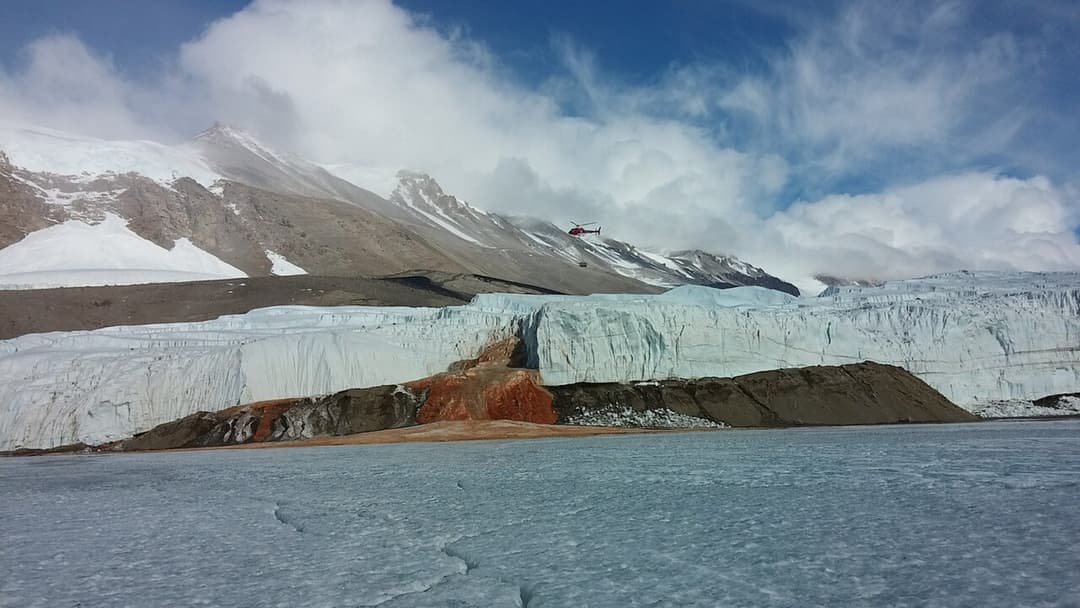
9. Blood Falls Subglacial Ecosystem
At the snout of East Antarctica's Taylor Glacier, a vivid red cascade pours onto Lake Bonney. The water originates from a subterranean pocket trapped beneath the ice two million years ago. Analysis revealed an extreme ecosystem of marine bacteria that metabolize sulfate and iron in total isolation without oxygen.
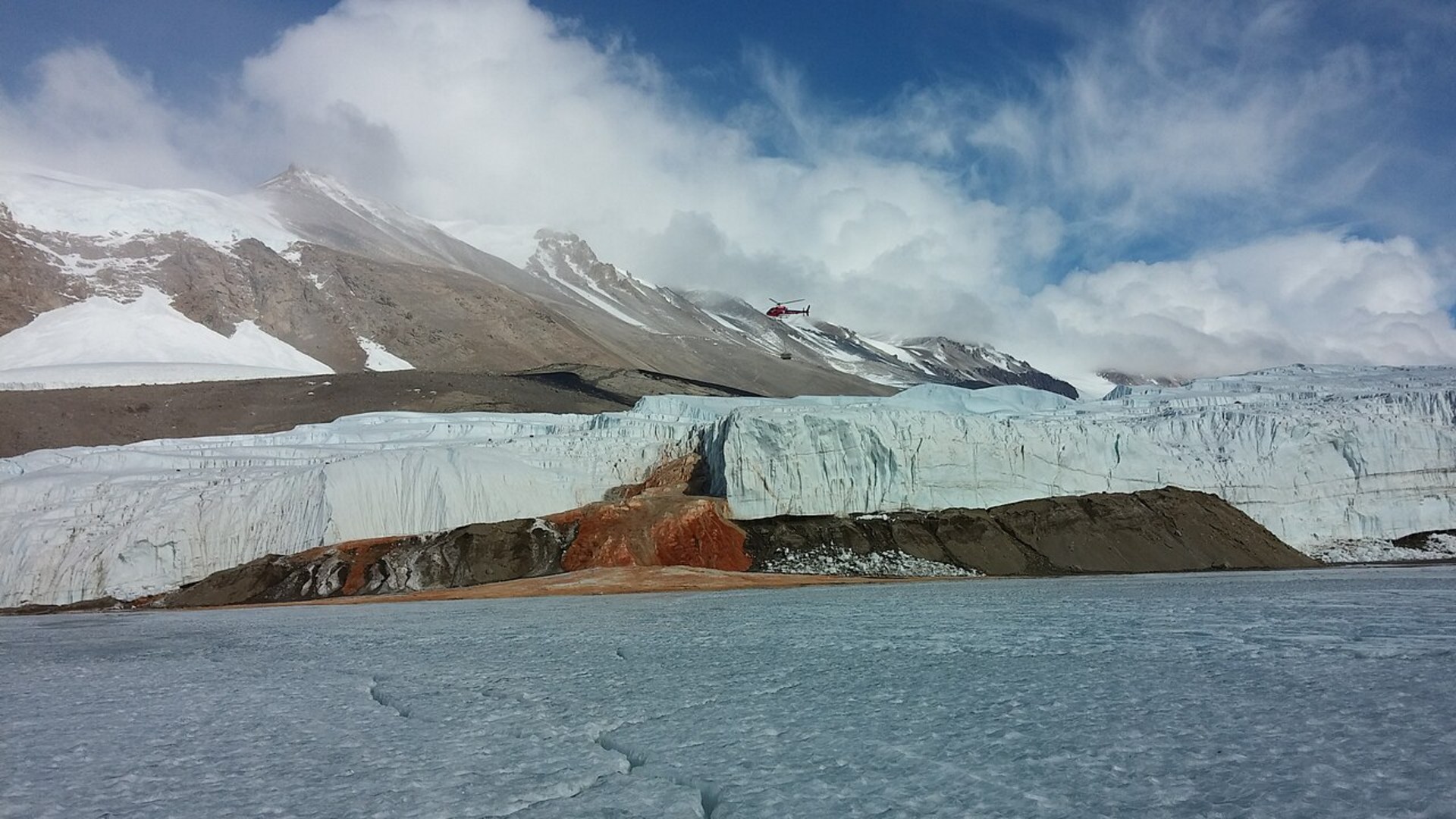
©Wikimedia / Jill Mikucki / CC BY 2.0
8. Subglacial Lake Vostok Microbes
Buried beneath two and a half miles of Antarctic glacial ice lies Lake Vostok, a subglacial freshwater body sealed from the atmosphere for up to fifteen million years. Analysis of deep ice cores extracted directly above the water revealed viable bacteria adapted to thrive in pitch darkness and intense pressure.
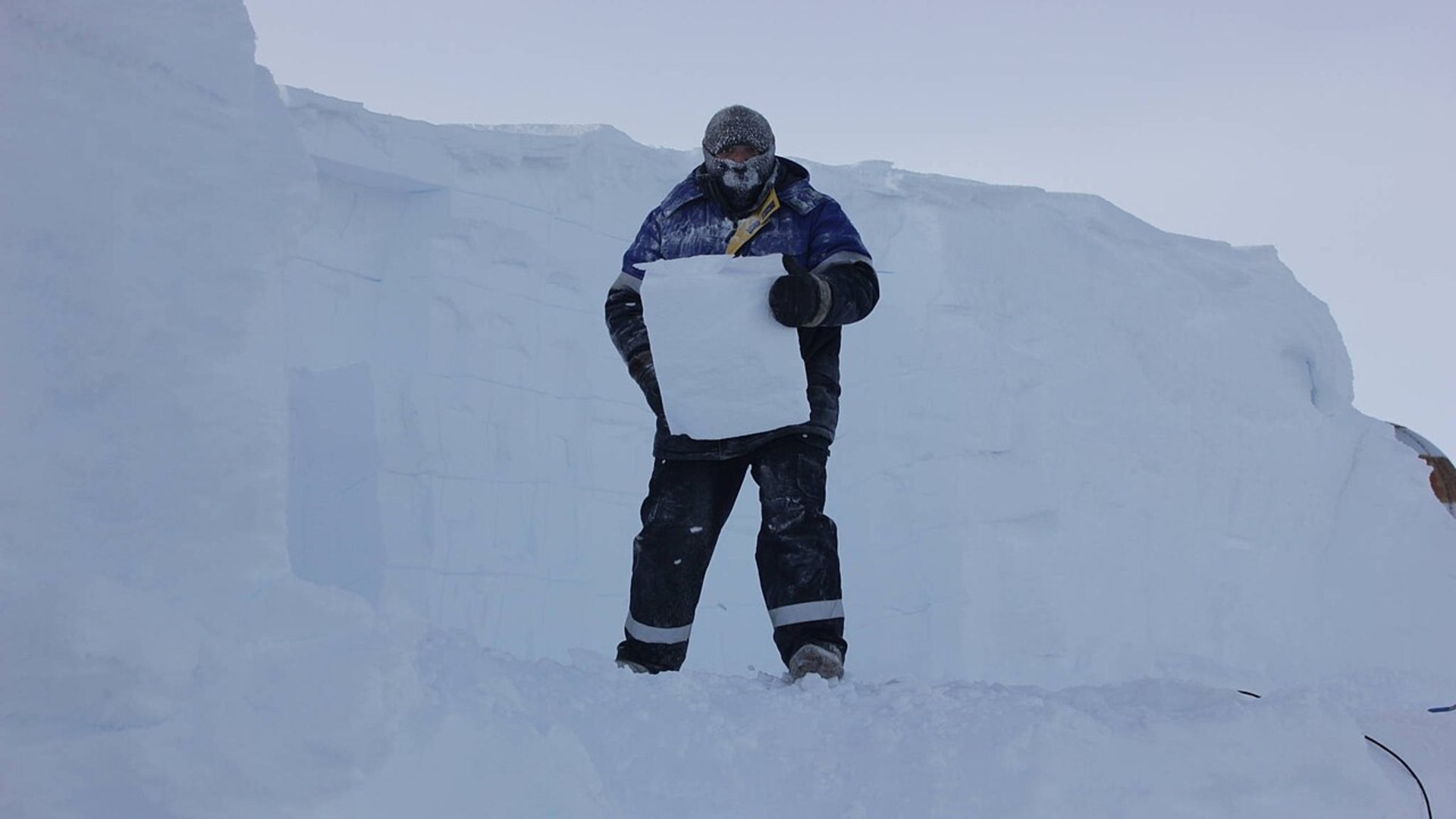
©Wikimedia / Akulovz / CC BY 4.0
7. Medieval Glacial Hunting Bows
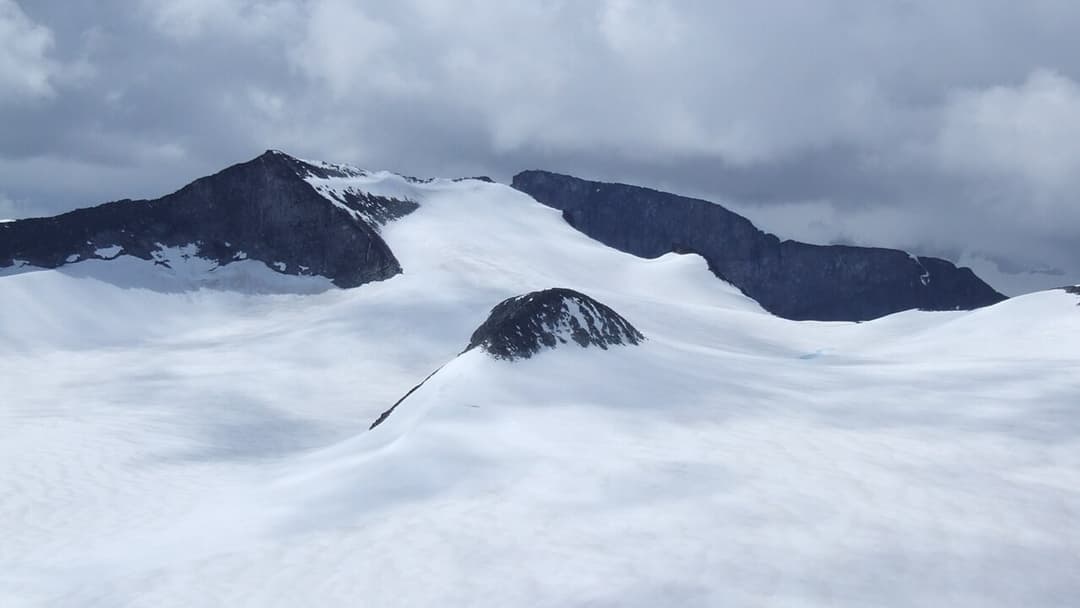
Glacial archaeologists surveying melting ice patches in the Jotunheimen and Oppdal ranges have recovered hundreds of hunting weapons spanning thousands of years. The finds include intact elm bows, arrows tipped with slate or iron, and carved birch scaring sticks used to funnel reindeer herds into ambushes.
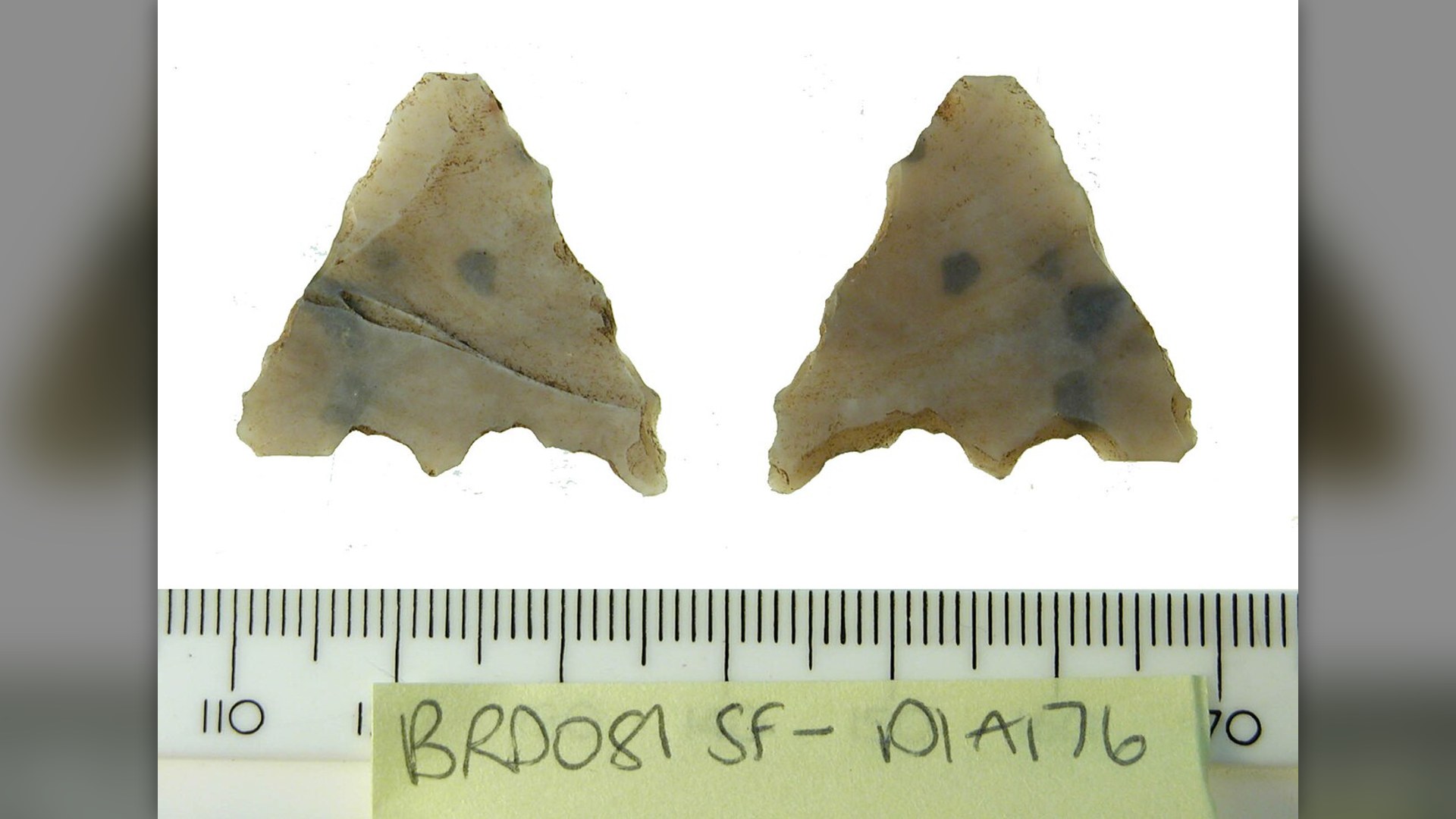
©Wikimedia / Faye Minter / CC BY-SA 2.0
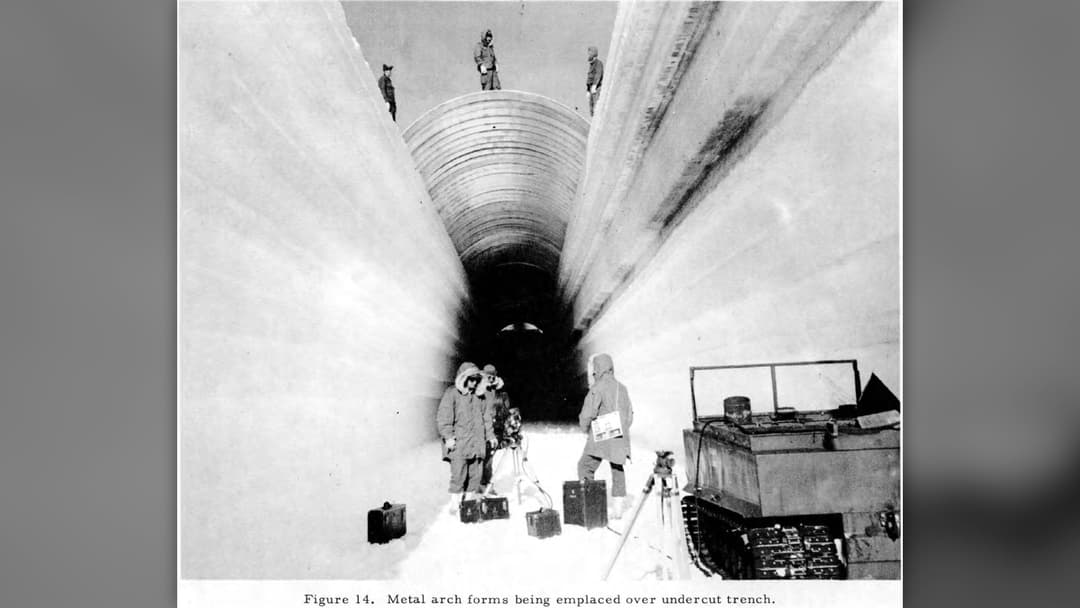
6. Camp Century Subglacial Plants
In 2019, scientists re-examined sediment cores pulled from beneath 4,560 feet of ice at the Cold War base Camp Century in northwestern Greenland. Electron microscopy revealed perfectly preserved fossil twigs, leaves, and moss. The discovery proved Greenland was completely green and ice-free 400,000 years ago.
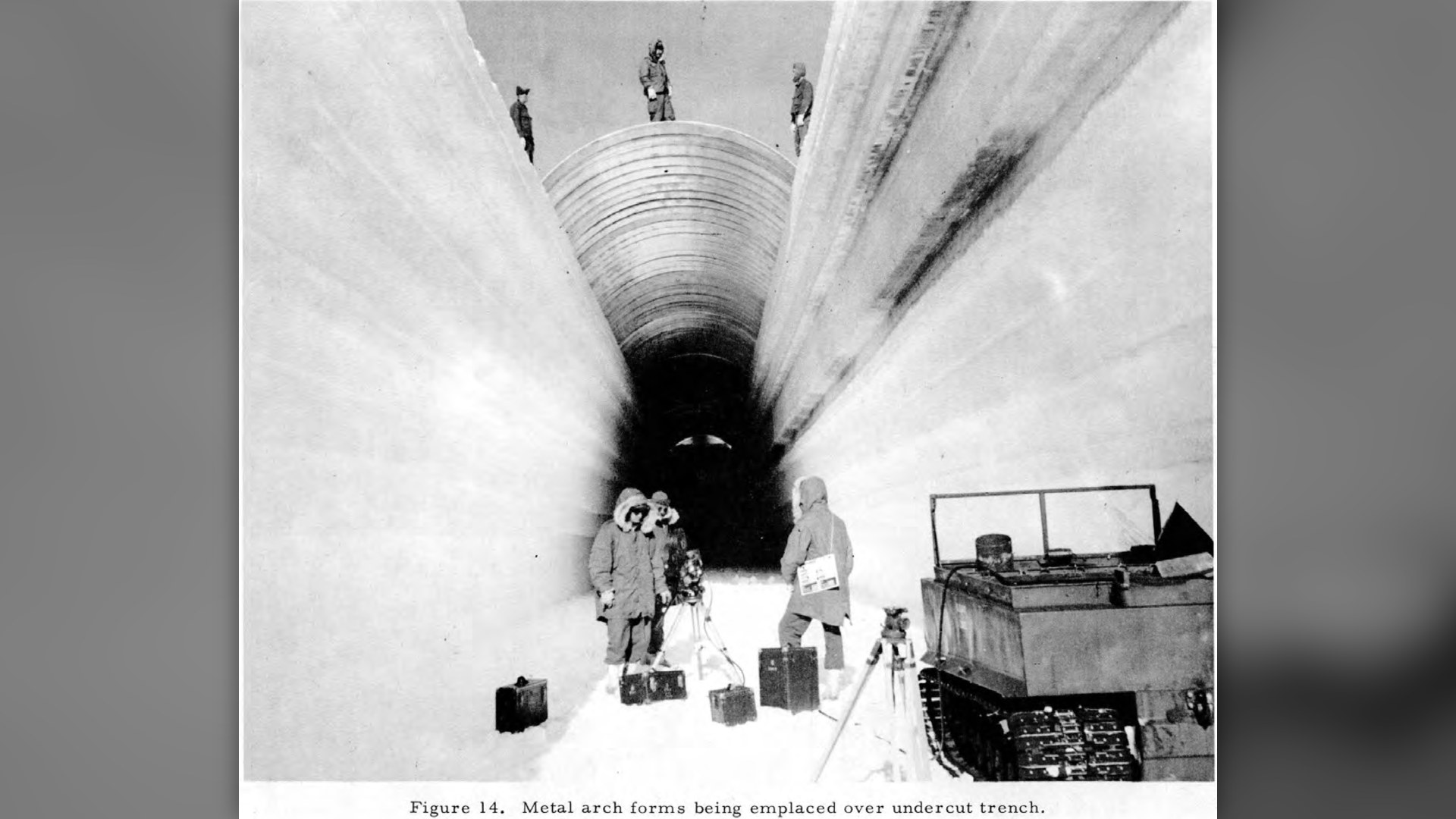
©Wikimedia / US Army Corps of Eng. / Public domain
Advertisement
Swipe or tap ▶ to resume the countdown.
5. WWI White War Glacial Forts
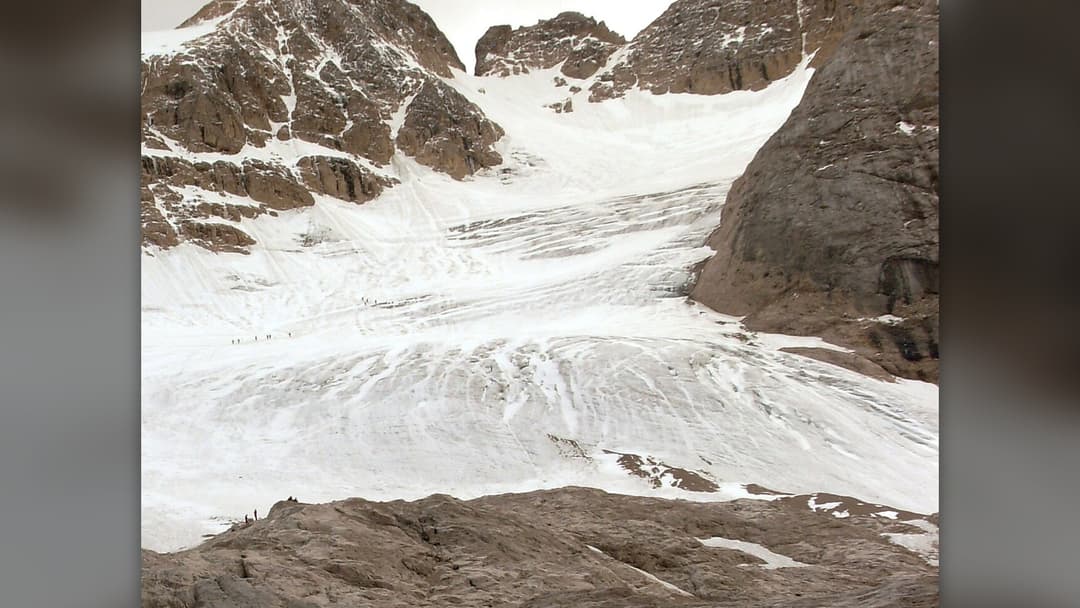
During World War I, Austro-Hungarian and Italian armies fought across the high Ortles and Marmolada peaks in a conflict known as the White War. Today, retreating glaciers regularly surrender intact cableway stations, military log bunkers, unexploded ordnance, and the frozen remains of fallen mountain troops.
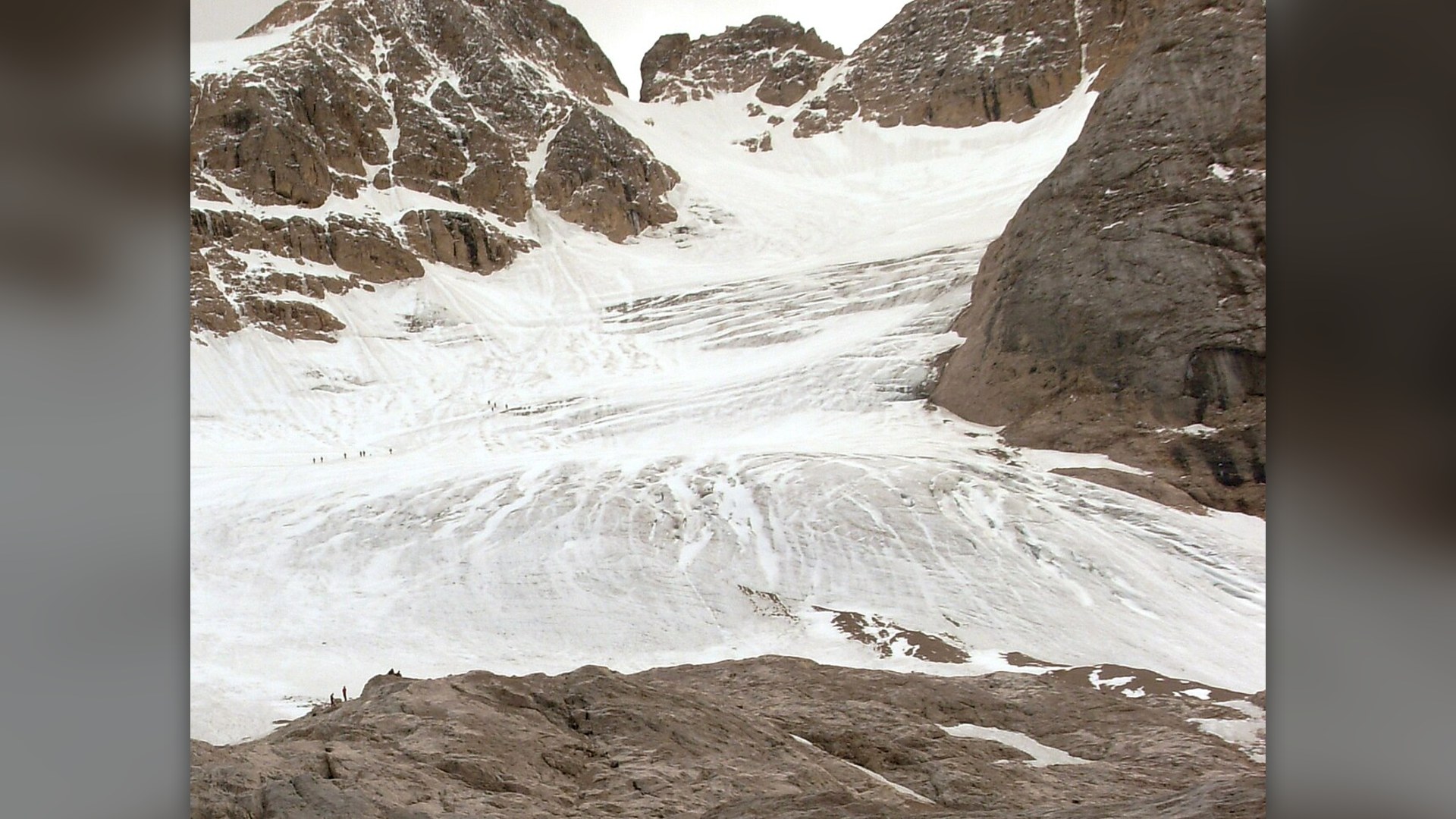
©Wikimedia / Dirgela / Public domain
4. Ancient Guliya Ice Cap Viruses
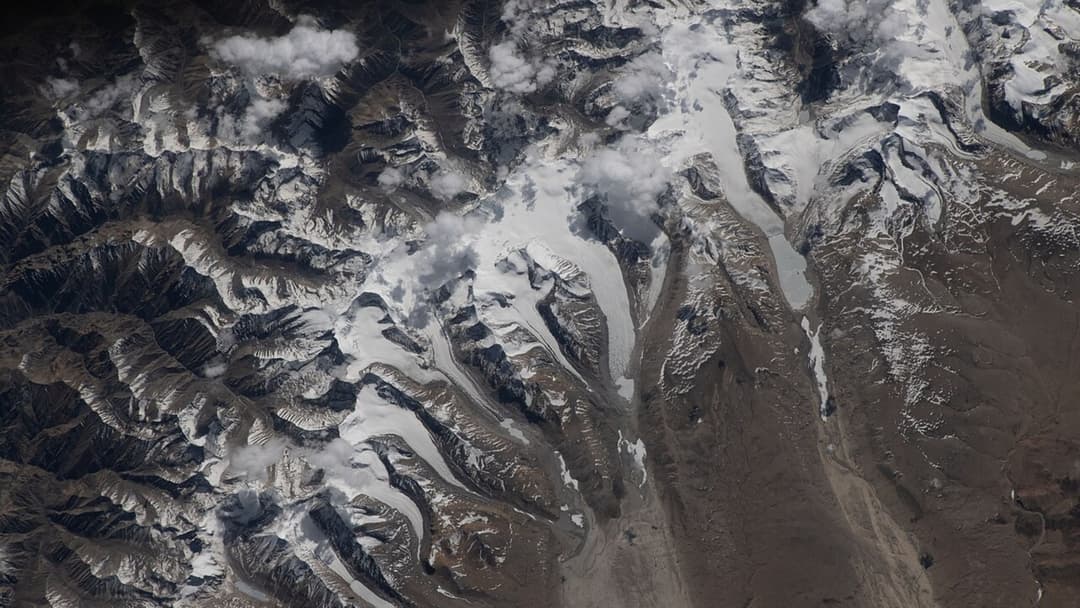
Microbiologists drilling through the Guliya ice cap on the northwestern Tibetan Plateau recovered ice cores dating back fifteen millennia. Using clean room protocols, researchers sequenced genetic material and cataloged thirty-three viral groups, twenty-eight of which were previously unknown to science.
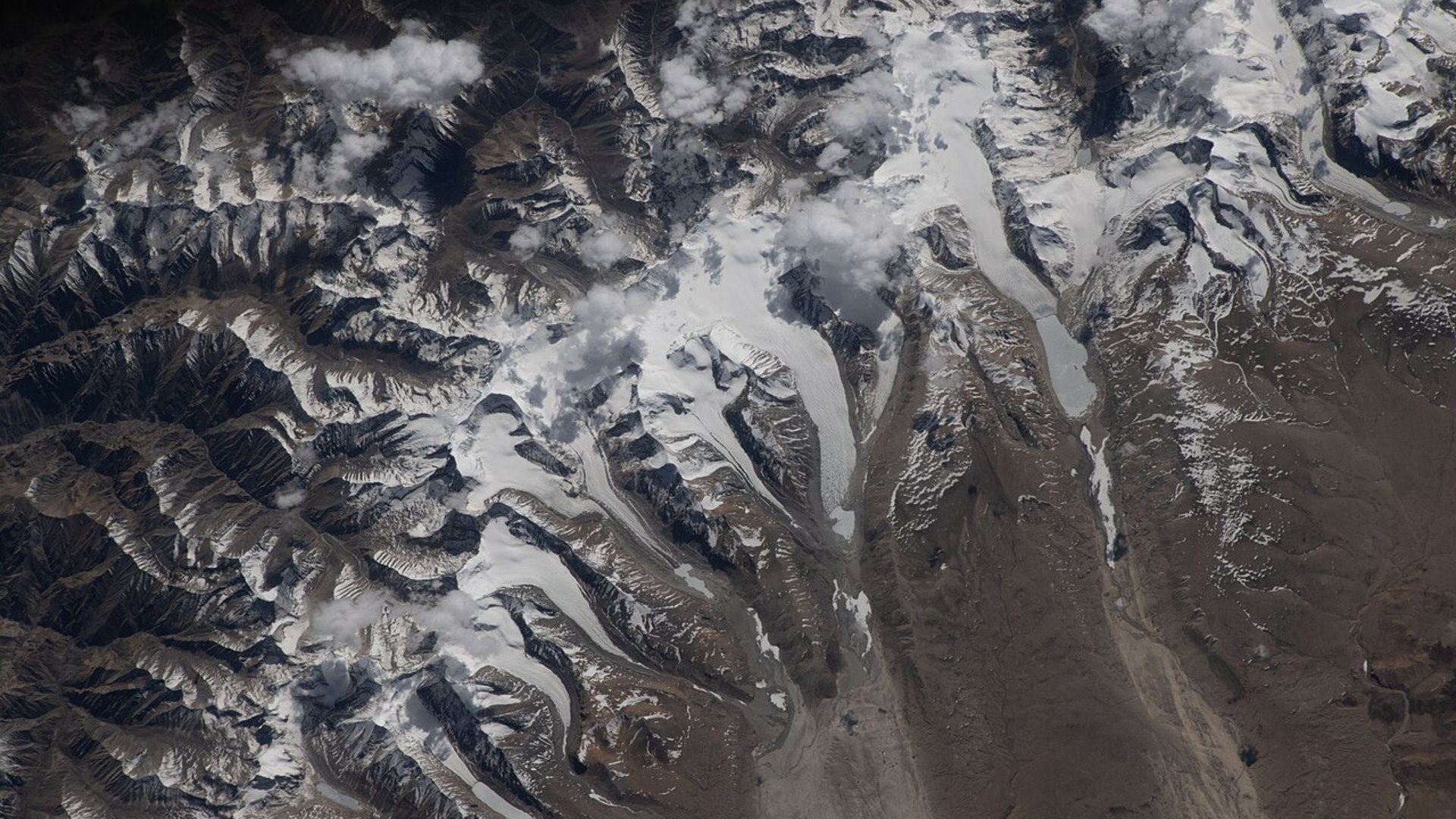
©Wikimedia / NASA Johnson / Public domain
3. Lendbreen Iron Age Tunic
Melting ice on the Lendbreen ice patch in central Norway exposed a greenish-brown woven woolen tunic preserved in exceptional detail. Radiocarbon tests dated the garment to approximately 300 AD during the late Roman Iron Age. The tunic was tailored to fit a slender man and featured diamond twill weaving.
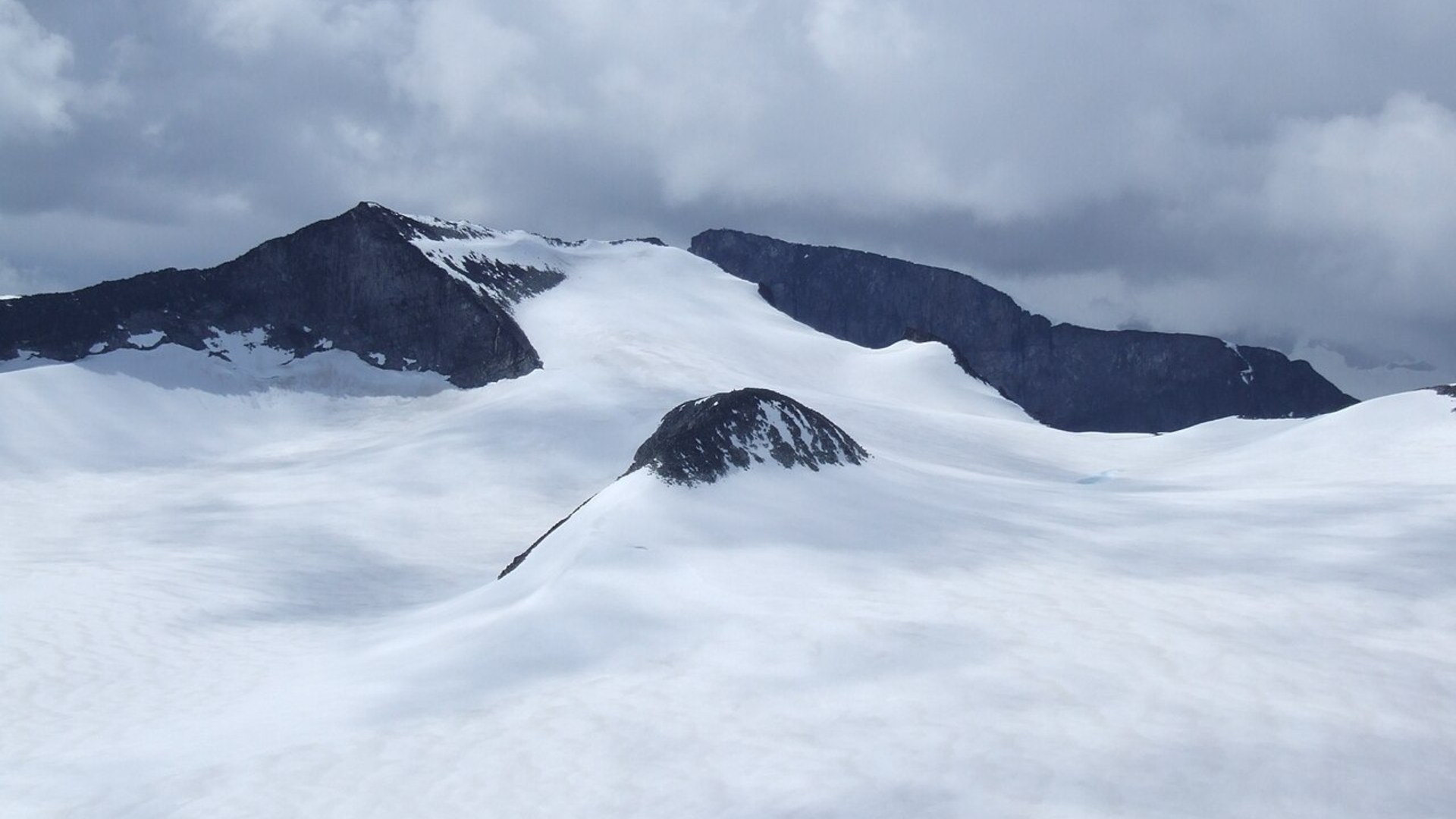
©Wikimedia / Jacquesverlaeken / CC BY-SA 3.0
2. Prehistoric Mendenhall Forest
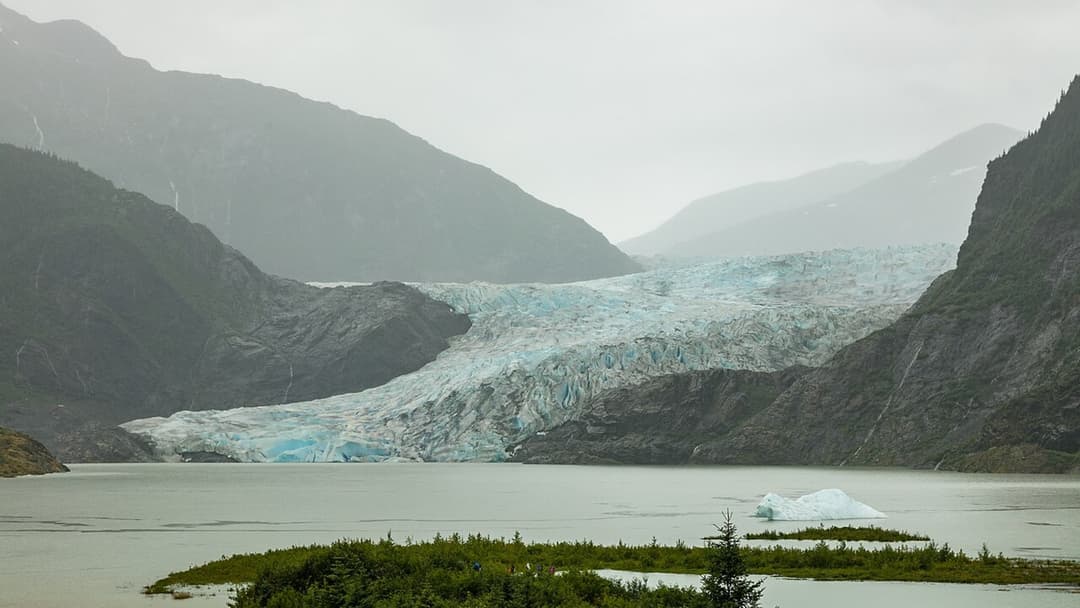
As Alaska's Mendenhall Glacier retreated in the 2010s, researchers discovered an ancient boreal forest emerging from the ice in its original upright growth position. Radiocarbon dating showed the spruce and hemlock trees flourished between 1,000 and 2,350 years ago before advancing ice entombed them.
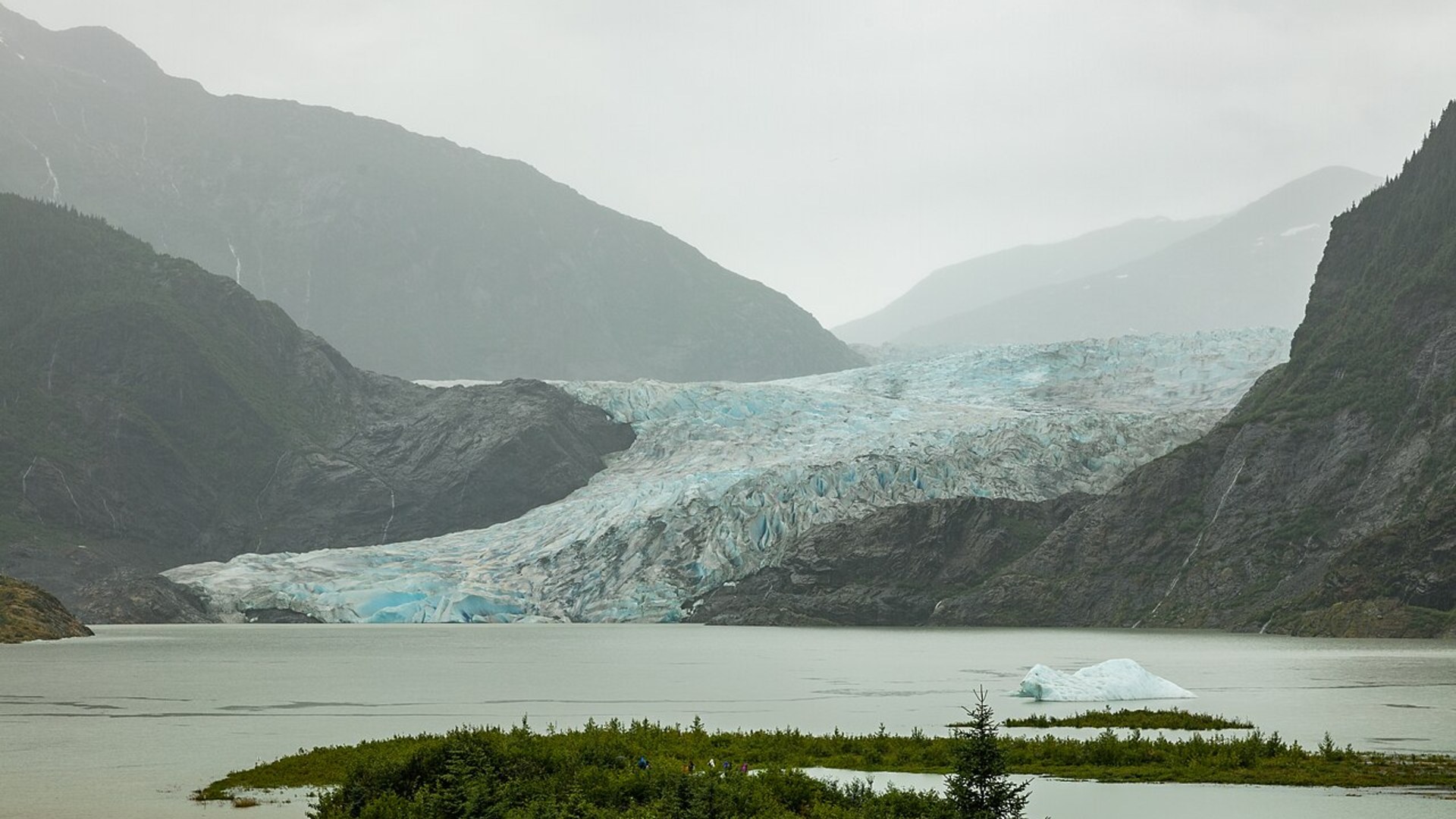
©Wikimedia / Diego Delso / CC BY-SA 4.0
Advertisement
Swipe or tap ▶ to resume the countdown.
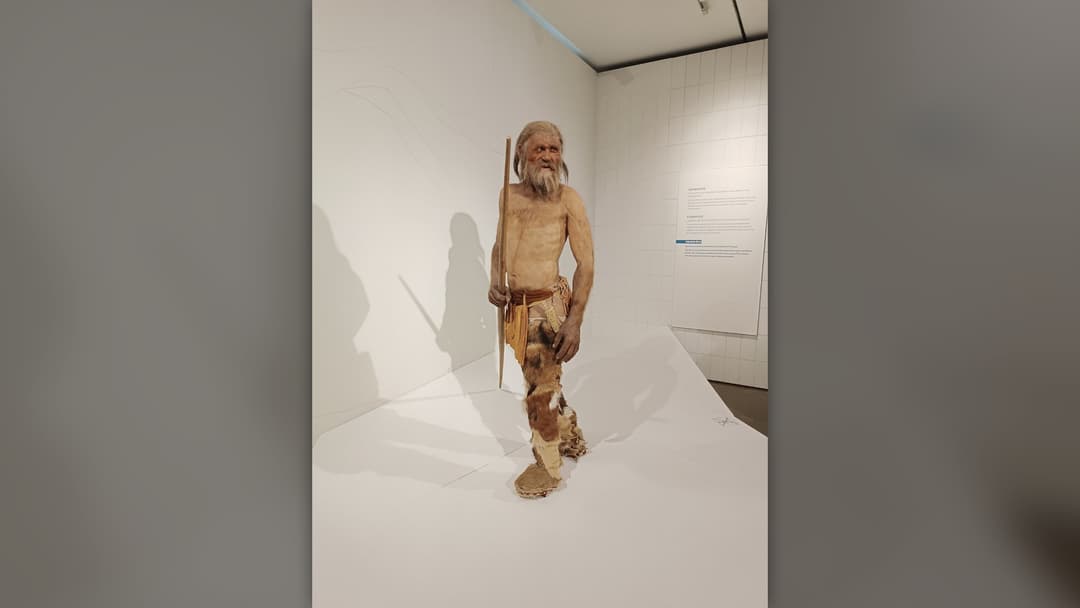
1. Otzi The Iceman
Hikers crossing the Niederjoch glacier in the Italian Otztal Alps in 1991 spotted a human body emerging from melting ice. Otzi lived around 3300 BC, making him Europe's oldest known natural human mummy. He carried an intact copper axe, a flint dagger, birch bark containers, and arrows.

©Wikimedia / Mannivu
Advertisement
You've reached the end of the story. Thanks for reading!

24 Historic Cosmic Wonders Imaged by NASA Space Observatories
Orbiting far above Earth's obscuring atmosphere, NASA space observatories reveal celestial phenomena in breathtaking optical clarity. From Swift and Hubble to Chandra and the James Webb Space Telescope, these instruments transformed human understanding of stellar birth and cosmic evolution. Explore 24 of astronomy's finest views.
All 20 Entries in this Story
20. Alpine Glacial Hunting Blinds
In the high mountains of Norway and western Canada, retreating ice patches have unveiled stone hunting blinds constructed by prehistoric archers. Positioned near glacial edges where reindeer sought relief from biting flies, these rock semicircles allowed hunters to ambush animals at close range over two millennia.

19. Quelccaya 5,200-Year-Old Plants
At nearly 19,000 feet in the Peruvian Andes, the Quelccaya Ice Cap is the largest tropical ice sheet on Earth. Glaciologists found beds of marsh plants entombed so rapidly by advancing ice 5,200 years ago that their cellular structure was preserved intact, proving abrupt climate cooling in the ancient Andes.

18. 1,700-Year-Old Leather Shoes
In 2019, archaeologists working in Norway's Jotunheimen mountains discovered an intact Roman Iron Age shoe dating to 300 AD. Fashioned from tanned hide and laced along the upper, the shoe was preserved alongside birch walking canes, offering a direct glimpse into high alpine mountain travel across centuries.

17. Intact Steppe Bison Horns
In the alpine mountains of the Yukon Territory, caribou and extinct steppe bison sought refuge from heat and summer insects on permanent ice patches. As these high elevation snowfields melt, researchers have excavated intact steppe bison horn sheaths, soft muscle tissue, and hide dating back over eleven thousand years.

16. Bossons Glacier Airliner Relics
Two commercial airliners crashed near the summit of Mont Blanc: the Malabar Princess in 1950 and the Kangchenjunga in 1966. For decades, the Bossons Glacier carried debris down its frozen path. Glaciologists and locals have recovered plane engines, diplomatic mailbags, and personal letters preserved in ice.

15. Ancient Kap Kobenhavn DNA
In northern Greenland, scientists extracted microscopic environmental DNA preserved within frozen mineral silt beneath ancient ice. Analysis revealed an extinct boreal ecosystem from two million years ago, where mastodons, reindeer, and poplar trees thrived in temperatures far warmer than modern times.

14. Lendbreen Medieval Pack Trail
Between 300 and 1500 AD, traders traversed the Lendbreen pass at 6,300 feet in Norway. As the pass iced over, forgotten gear was sealed away. Glacial archaeologists have recovered iron horseshoes, pack horse bones with intact hair, dog collars, and carved animal bone ice skates used by medieval travelers.

13. Deep-Freeze Space Rocks
Glaciers in Antarctica flow outward toward coastal barriers, where strong katabatic winds strip away surface ice. This ablative process concentrates space debris on exposed blue-ice fields like the Allan Hills. Planetary scientists have gathered more than forty-five thousand pristine meteorites from the ice.

12. 5,800-Year-Old Alpine Snowshoe
Cartographer Simone Bartolini discovered a remarkably preserved wooden snowshoe at 10,300 feet near the Gurgler Eisjoch glacier on the border of Italy and Austria. Crafted from bent birch branch wood and bound with animal twine, radiocarbon dating revealed it was made around 3800 BC, older than even Otzi.

11. Resurrected Little Ice Age Moss
At the margin of Teardrop Glacier on Ellesmere Island in the Canadian Arctic, biologists collected blackened moss covered by glacial ice since the Little Ice Age around 1550. When cultured under laboratory growth lamps, the ancient bryophyte tissues produced fresh green shoots, proving multicellular longevity in ice.

10. Grasshopper Glacier Swarms
Located in the Beartooth Range of Montana, Grasshopper Glacier was named for dense strata of extinct Rocky Mountain locusts embedded in the ice. Scientists determine that vast swarms were caught in sudden alpine storms between the 13th and 18th centuries, preserving specimens of a species that died out in 1902.

9. Blood Falls Subglacial Ecosystem
At the snout of East Antarctica's Taylor Glacier, a vivid red cascade pours onto Lake Bonney. The water originates from a subterranean pocket trapped beneath the ice two million years ago. Analysis revealed an extreme ecosystem of marine bacteria that metabolize sulfate and iron in total isolation without oxygen.

8. Subglacial Lake Vostok Microbes
Buried beneath two and a half miles of Antarctic glacial ice lies Lake Vostok, a subglacial freshwater body sealed from the atmosphere for up to fifteen million years. Analysis of deep ice cores extracted directly above the water revealed viable bacteria adapted to thrive in pitch darkness and intense pressure.

7. Medieval Glacial Hunting Bows
Glacial archaeologists surveying melting ice patches in the Jotunheimen and Oppdal ranges have recovered hundreds of hunting weapons spanning thousands of years. The finds include intact elm bows, arrows tipped with slate or iron, and carved birch scaring sticks used to funnel reindeer herds into ambushes.

6. Camp Century Subglacial Plants
In 2019, scientists re-examined sediment cores pulled from beneath 4,560 feet of ice at the Cold War base Camp Century in northwestern Greenland. Electron microscopy revealed perfectly preserved fossil twigs, leaves, and moss. The discovery proved Greenland was completely green and ice-free 400,000 years ago.

5. WWI White War Glacial Forts
During World War I, Austro-Hungarian and Italian armies fought across the high Ortles and Marmolada peaks in a conflict known as the White War. Today, retreating glaciers regularly surrender intact cableway stations, military log bunkers, unexploded ordnance, and the frozen remains of fallen mountain troops.

4. Ancient Guliya Ice Cap Viruses
Microbiologists drilling through the Guliya ice cap on the northwestern Tibetan Plateau recovered ice cores dating back fifteen millennia. Using clean room protocols, researchers sequenced genetic material and cataloged thirty-three viral groups, twenty-eight of which were previously unknown to science.

3. Lendbreen Iron Age Tunic
Melting ice on the Lendbreen ice patch in central Norway exposed a greenish-brown woven woolen tunic preserved in exceptional detail. Radiocarbon tests dated the garment to approximately 300 AD during the late Roman Iron Age. The tunic was tailored to fit a slender man and featured diamond twill weaving.

2. Prehistoric Mendenhall Forest
As Alaska's Mendenhall Glacier retreated in the 2010s, researchers discovered an ancient boreal forest emerging from the ice in its original upright growth position. Radiocarbon dating showed the spruce and hemlock trees flourished between 1,000 and 2,350 years ago before advancing ice entombed them.

1. Otzi The Iceman
Hikers crossing the Niederjoch glacier in the Italian Otztal Alps in 1991 spotted a human body emerging from melting ice. Otzi lived around 3300 BC, making him Europe's oldest known natural human mummy. He carried an intact copper axe, a flint dagger, birch bark containers, and arrows.