Slideshow · Science
24 Historic Cosmic Wonders Imaged by NASA Space Observatories
Orbiting far above Earth's obscuring atmosphere, NASA space observatories reveal celestial phenomena in breathtaking optical clarity. From Swift and Hubble to Chandra and the James Webb Space Telescope, these instruments transformed human understanding of stellar birth and cosmic evolution. Explore 24 of astronomy's finest views.
By Most Viral Today
52 min ago

25 Cosmic Masterpieces Imaged Across the Deep Universe 
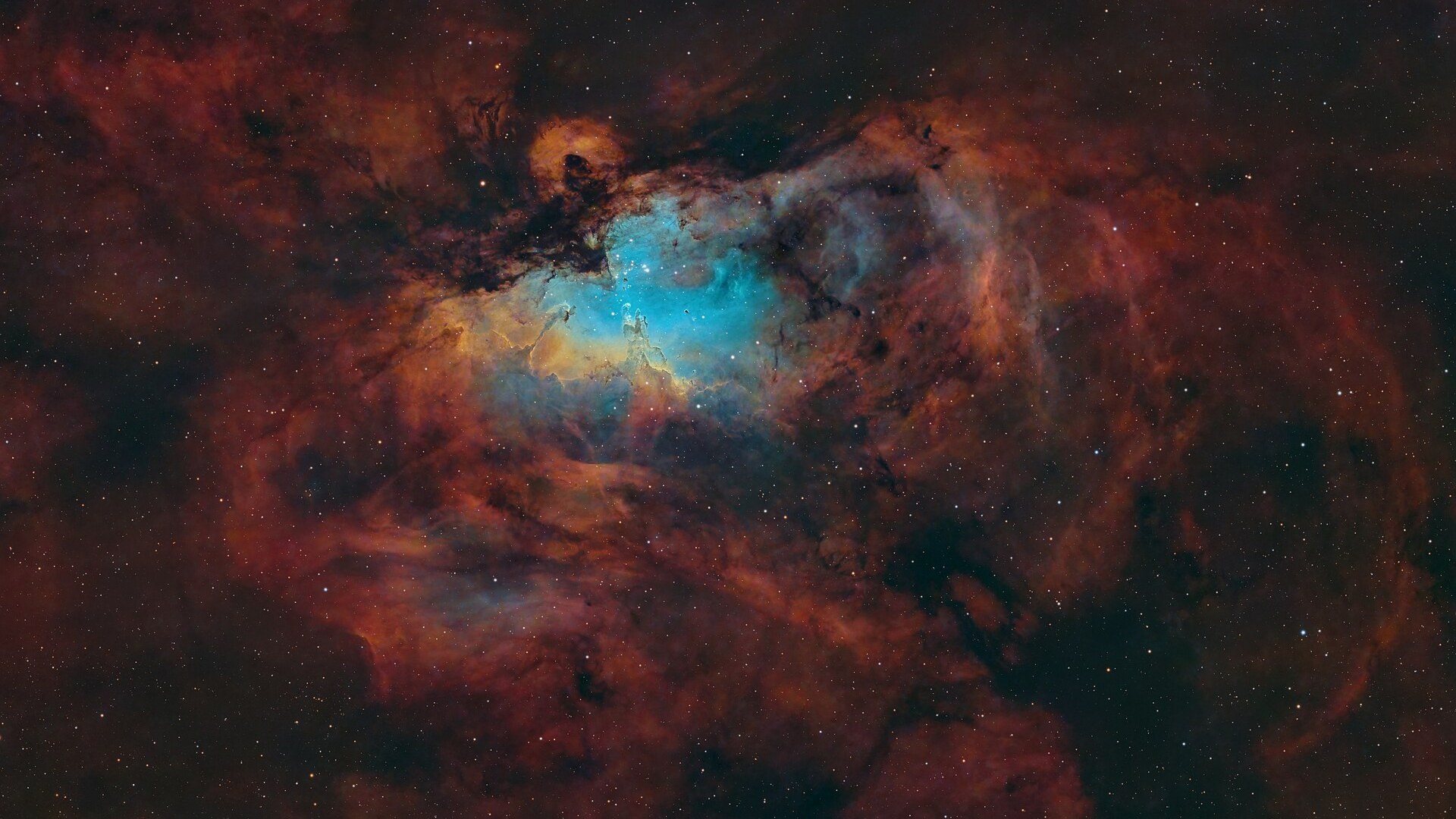
24. The Pillars Of Creation In Eagle Nebula 
23. The Ring Nebula Infrared Expanses 
22. The Crab Nebula Supernova Remnant - AdvertisementSwipe or tap ▶ to continue countdown

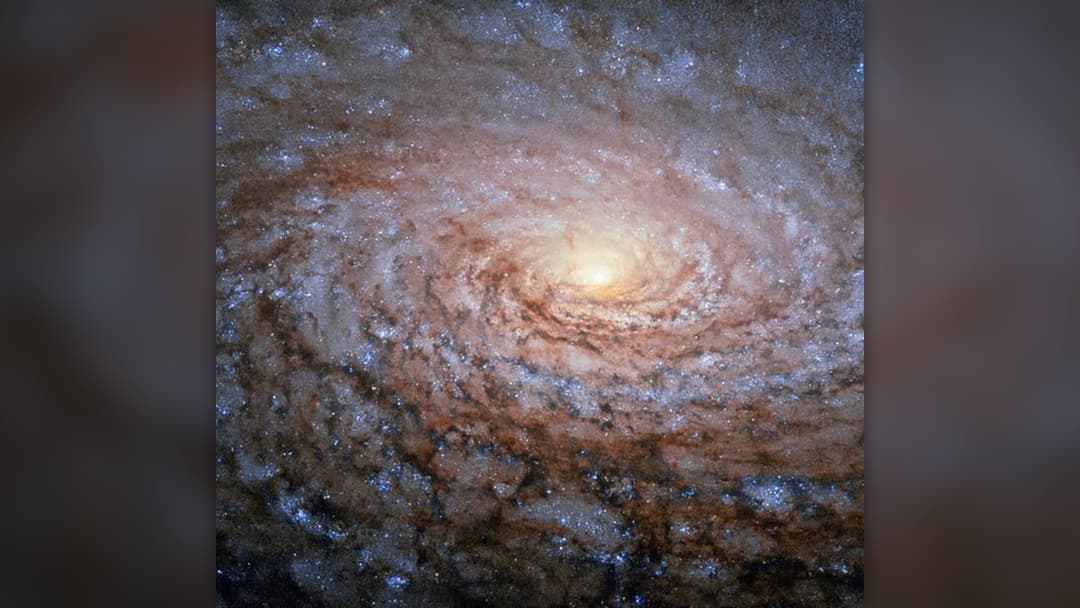
21. The Grand Whirlpool Galaxy Spiral 
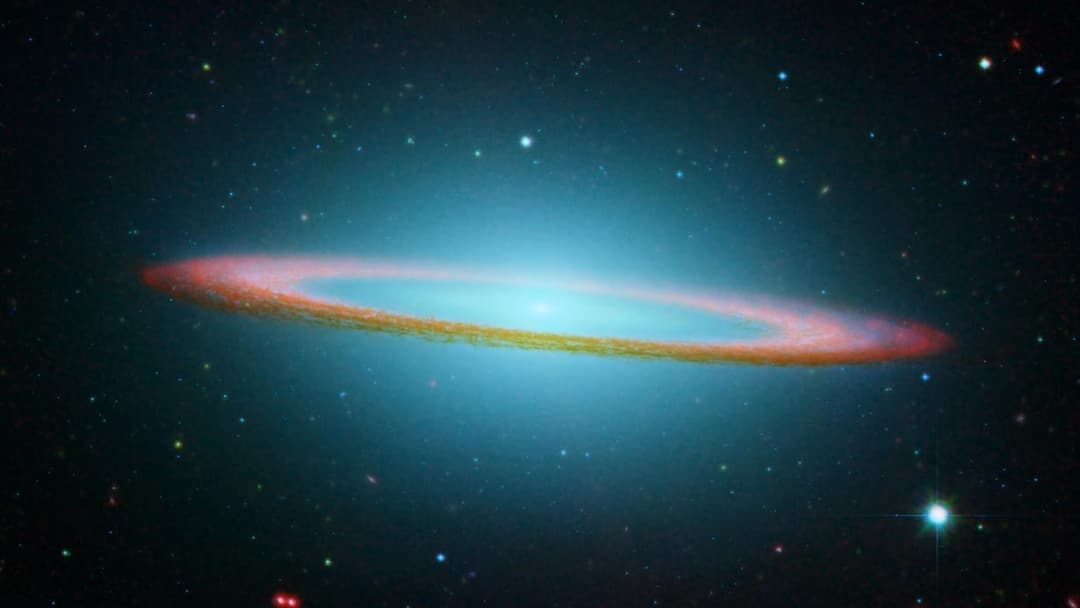
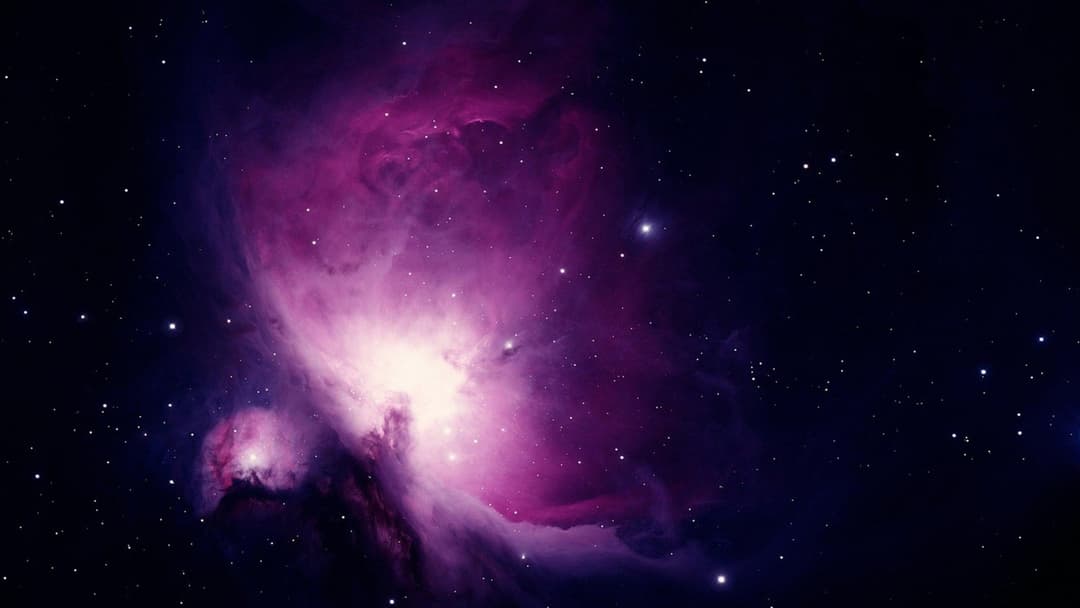
20. The Sombrero Galaxy Dust Lane 
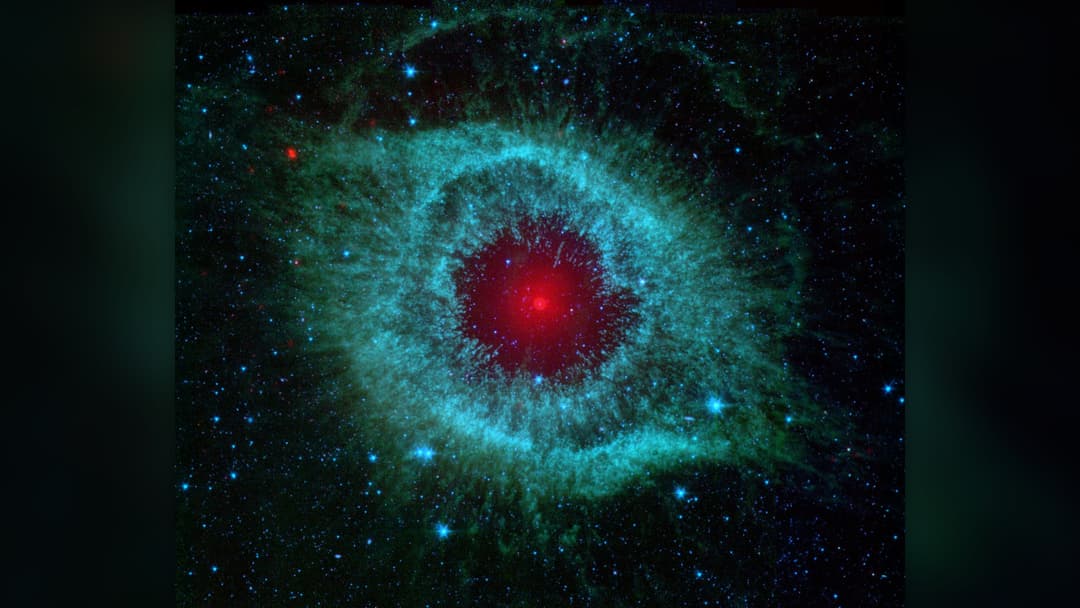
19. The Helix Nebula Glowing Eye 
18. The Colliding Antennae Galaxies - AdvertisementSwipe or tap ▶ to continue countdown

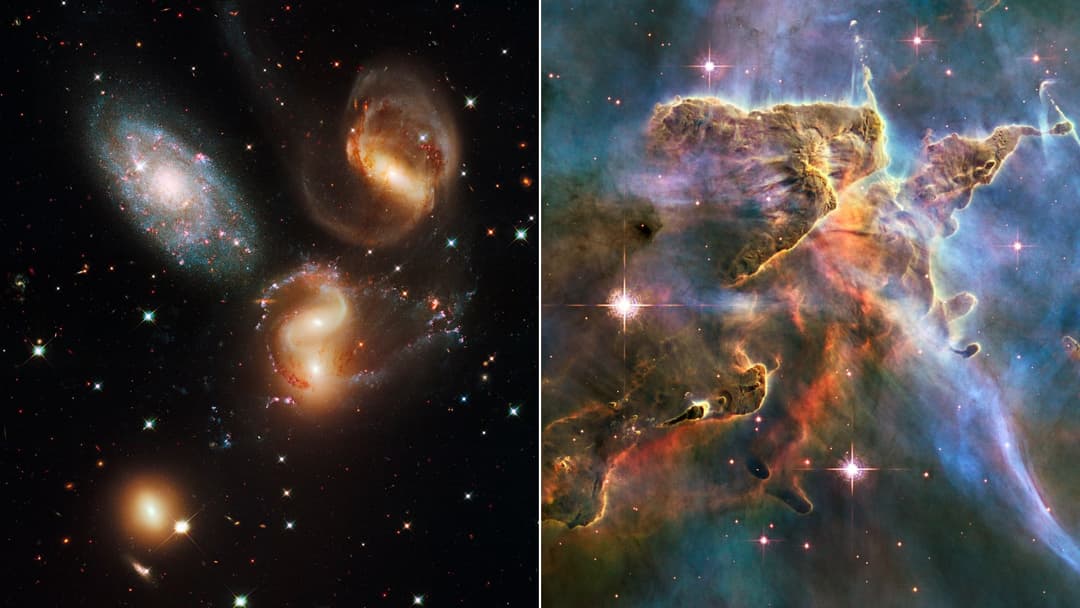
17. Mystic Mountain In Carina Nebula 
16. The Southern Ring Nebula Shells 
15. The Silhouette Of The Horsehead Nebula 
14. The Gravitational Dance Of Stephan's Quintet - AdvertisementSwipe or tap ▶ to continue countdown

13. The Bipolar Butterfly Nebula Wings 
12. The Expanding Bubble Nebula Shell 
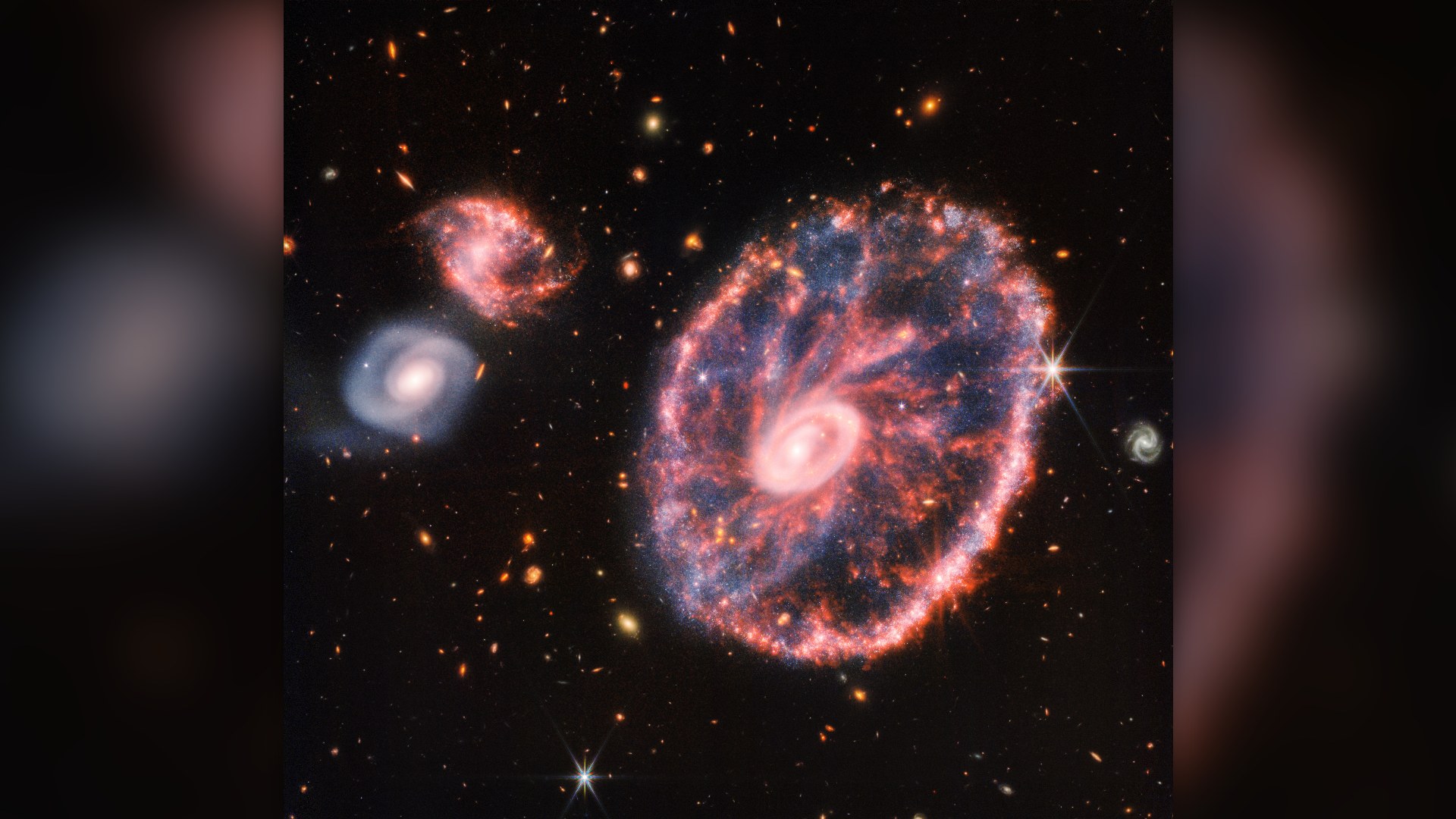
11. The Ring Structure Of The Cartwheel Galaxy 
10. The Star-Forming Heart Of Orion Nebula - AdvertisementSwipe or tap ▶ to continue countdown

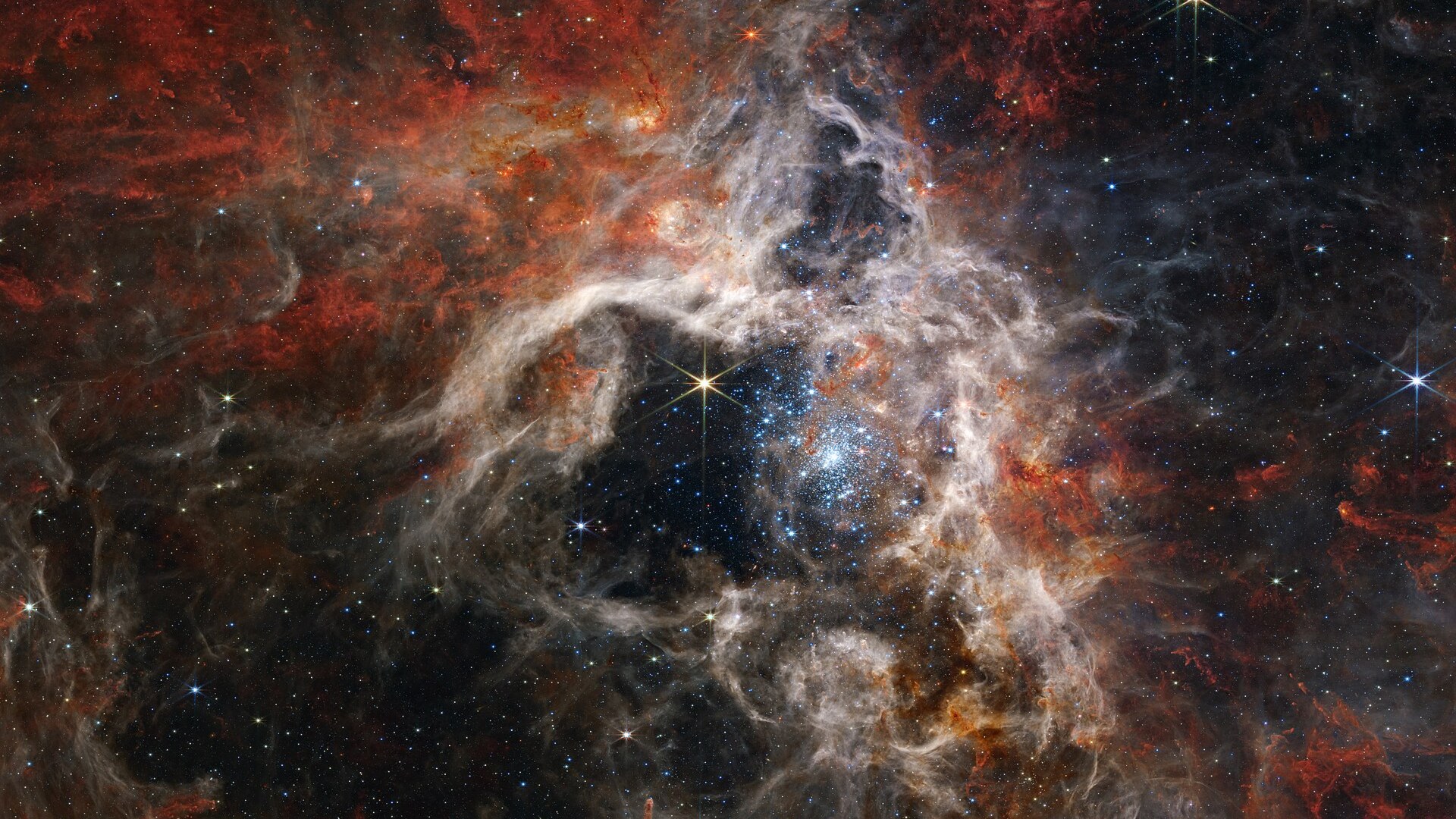
9. The Cosmic Nursery Of Tarantula Nebula 
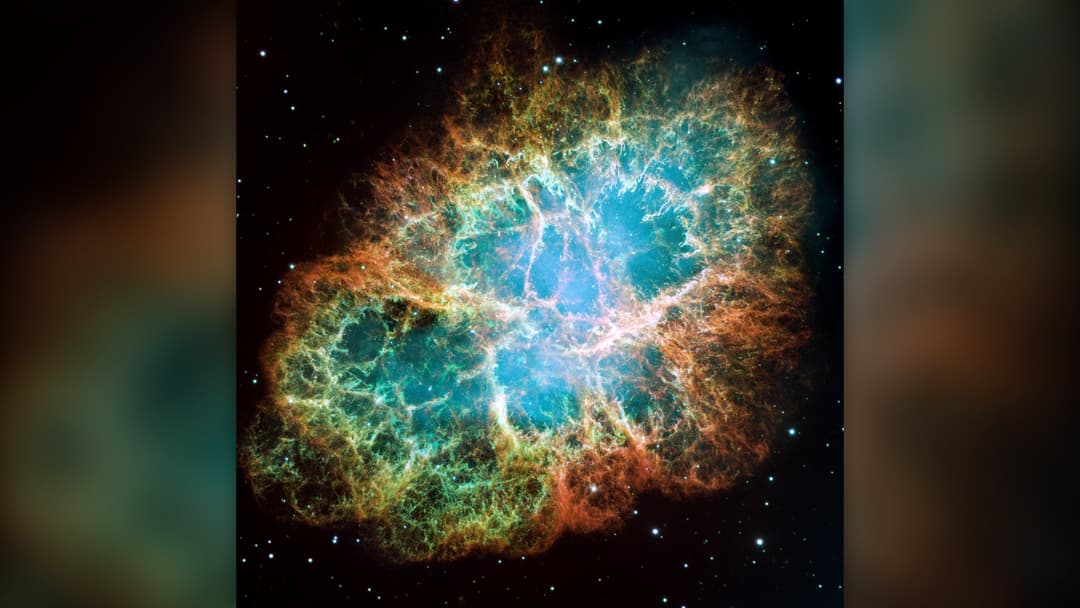
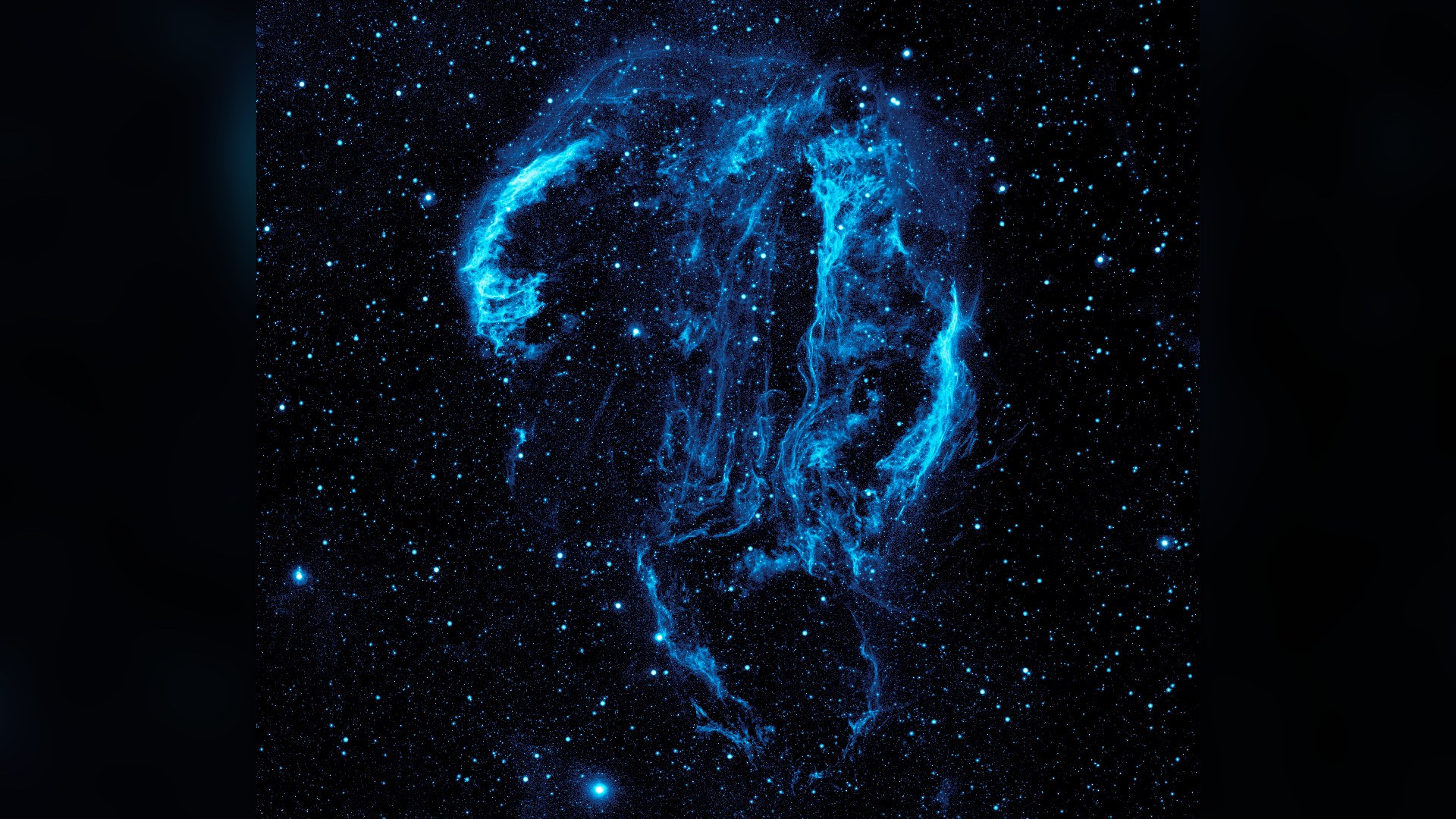
8. The Delicate Filaments Of The Veil Nebula 
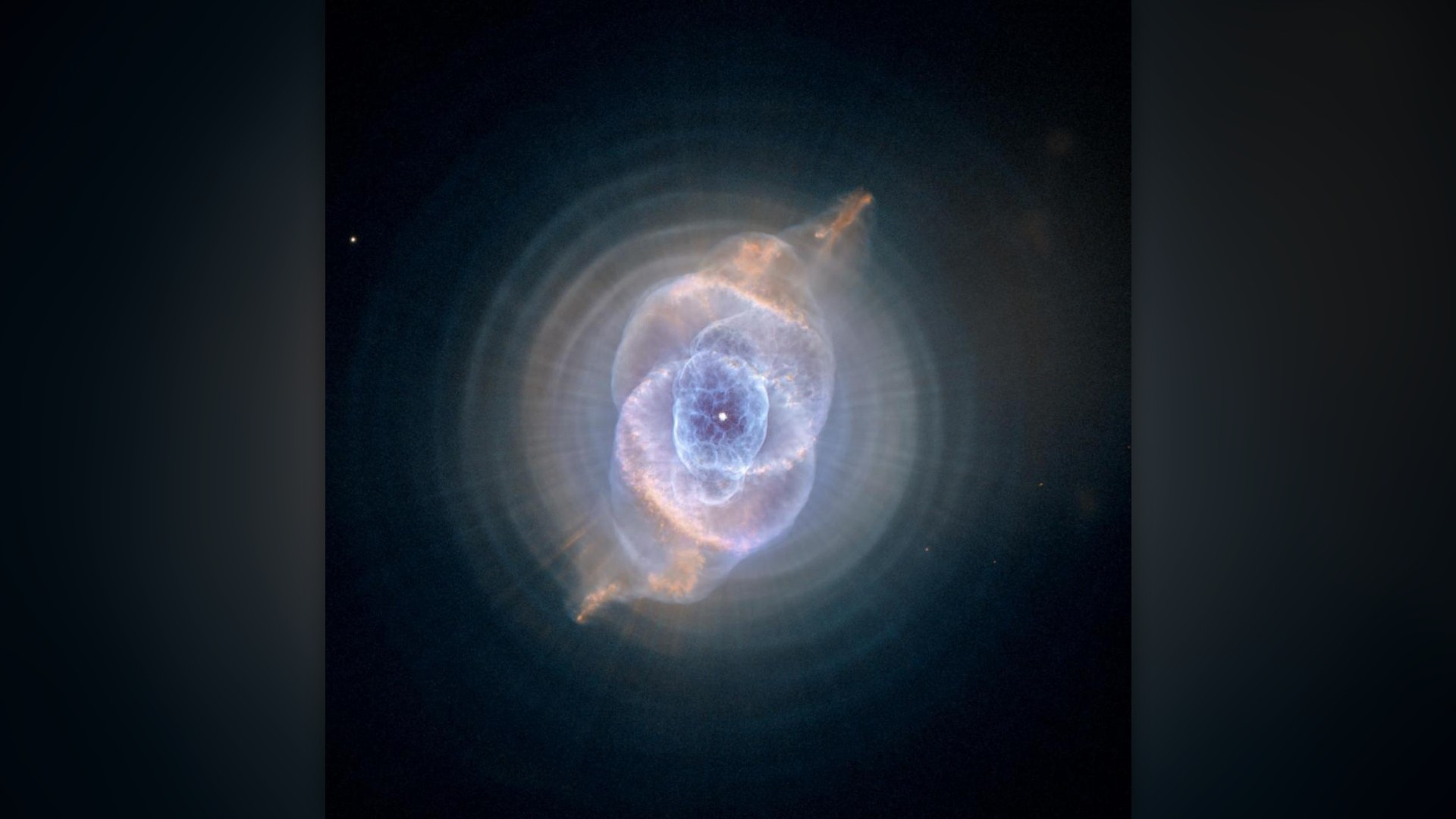
7. The Concentric Rings Of Cat's Eye Nebula 
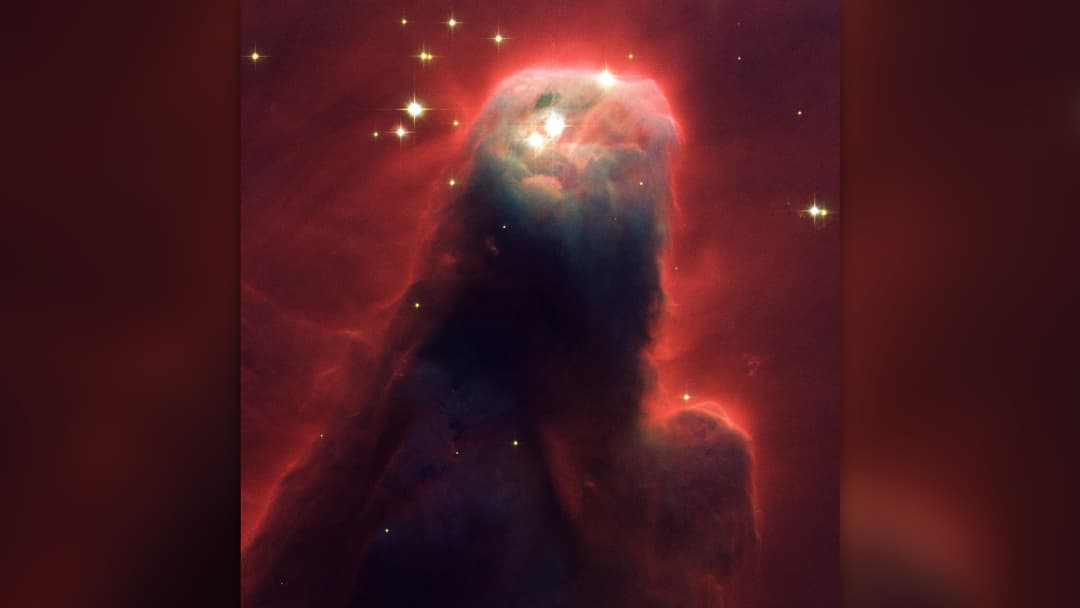
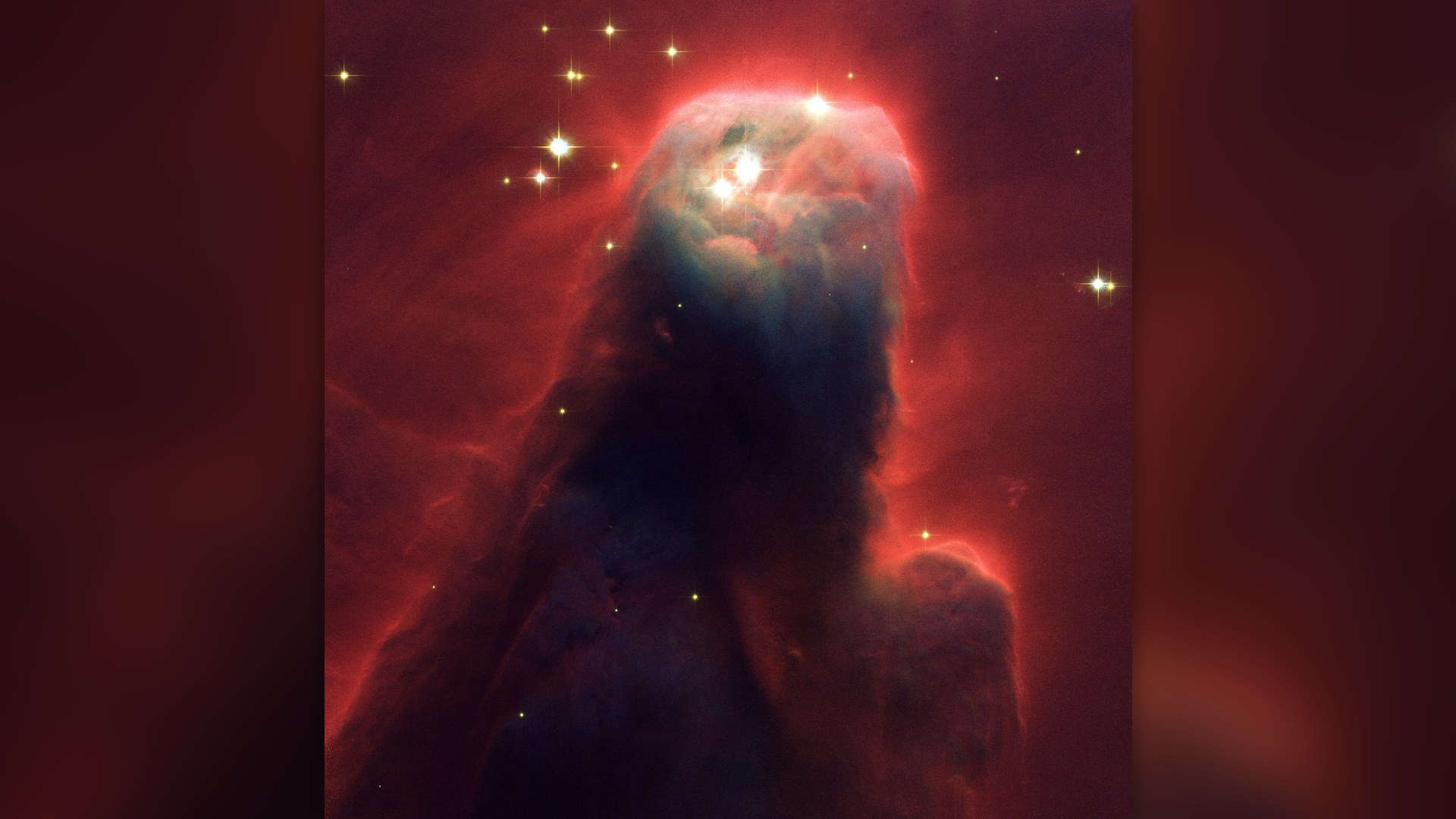
6. The Towering Pillar Of The Cone Nebula - AdvertisementSwipe or tap ▶ to continue countdown

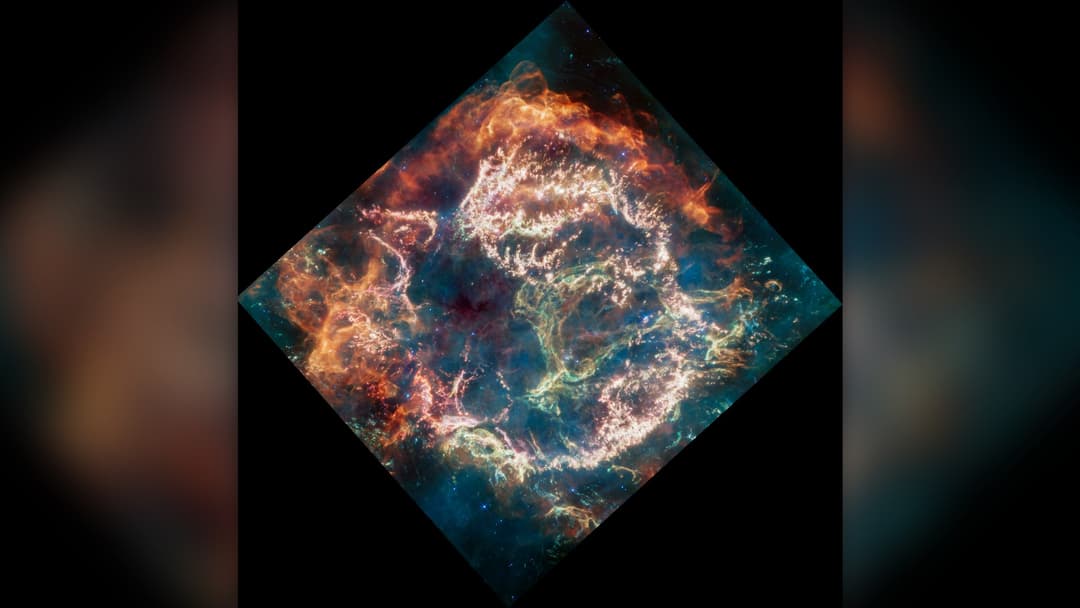
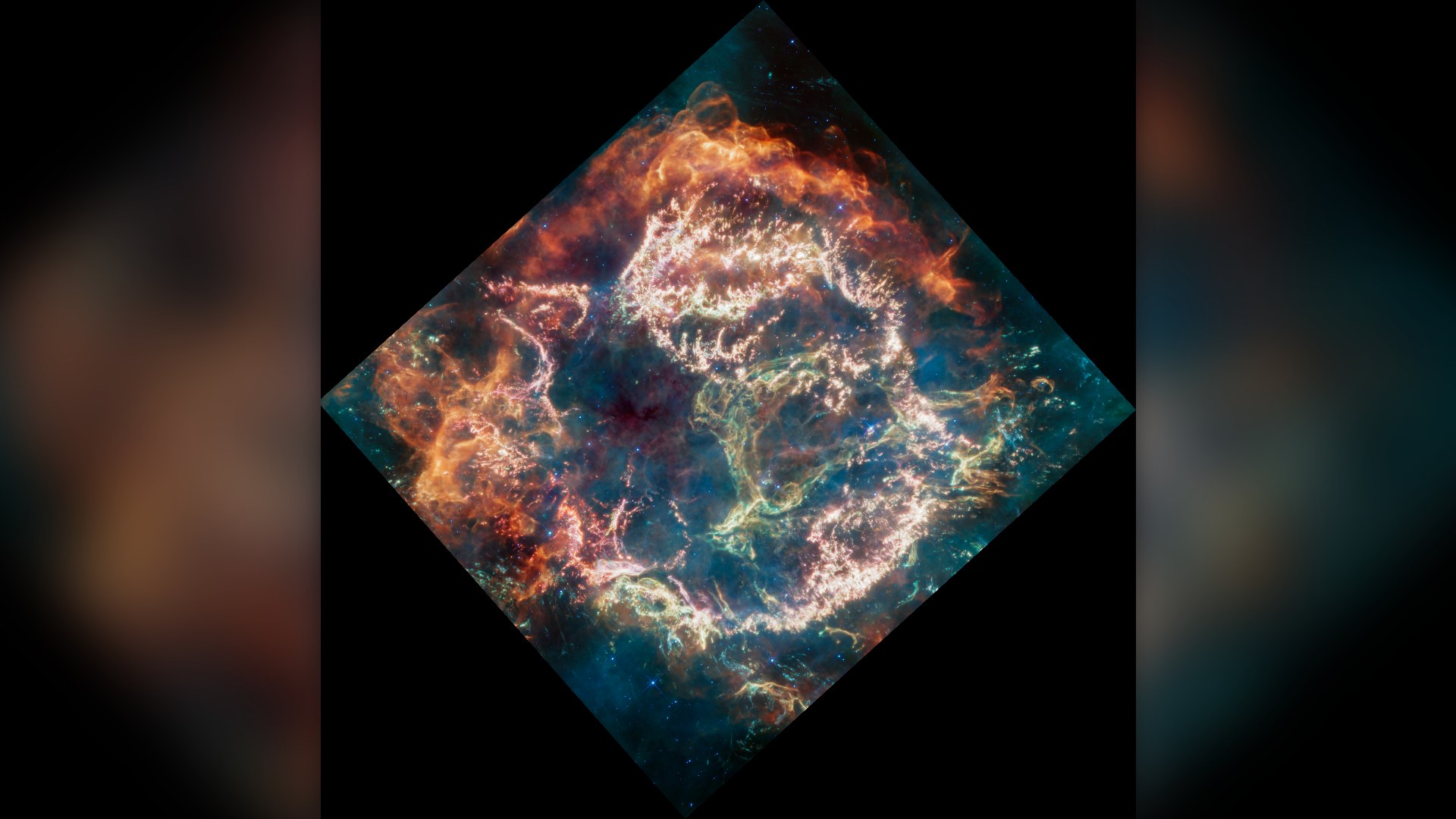
5. The Exploded Shell Of Cassiopeia A 
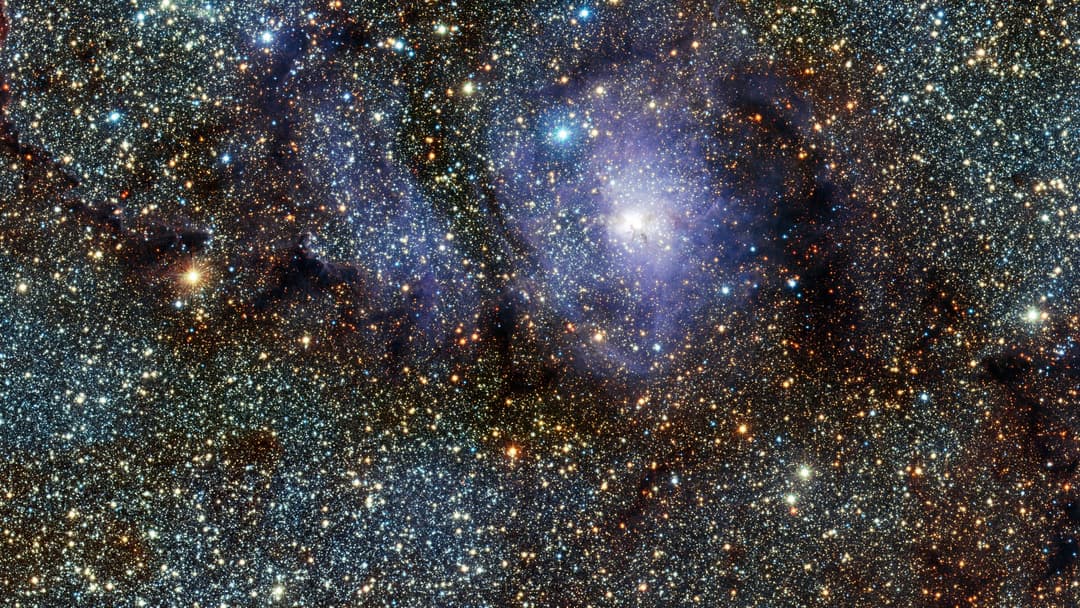
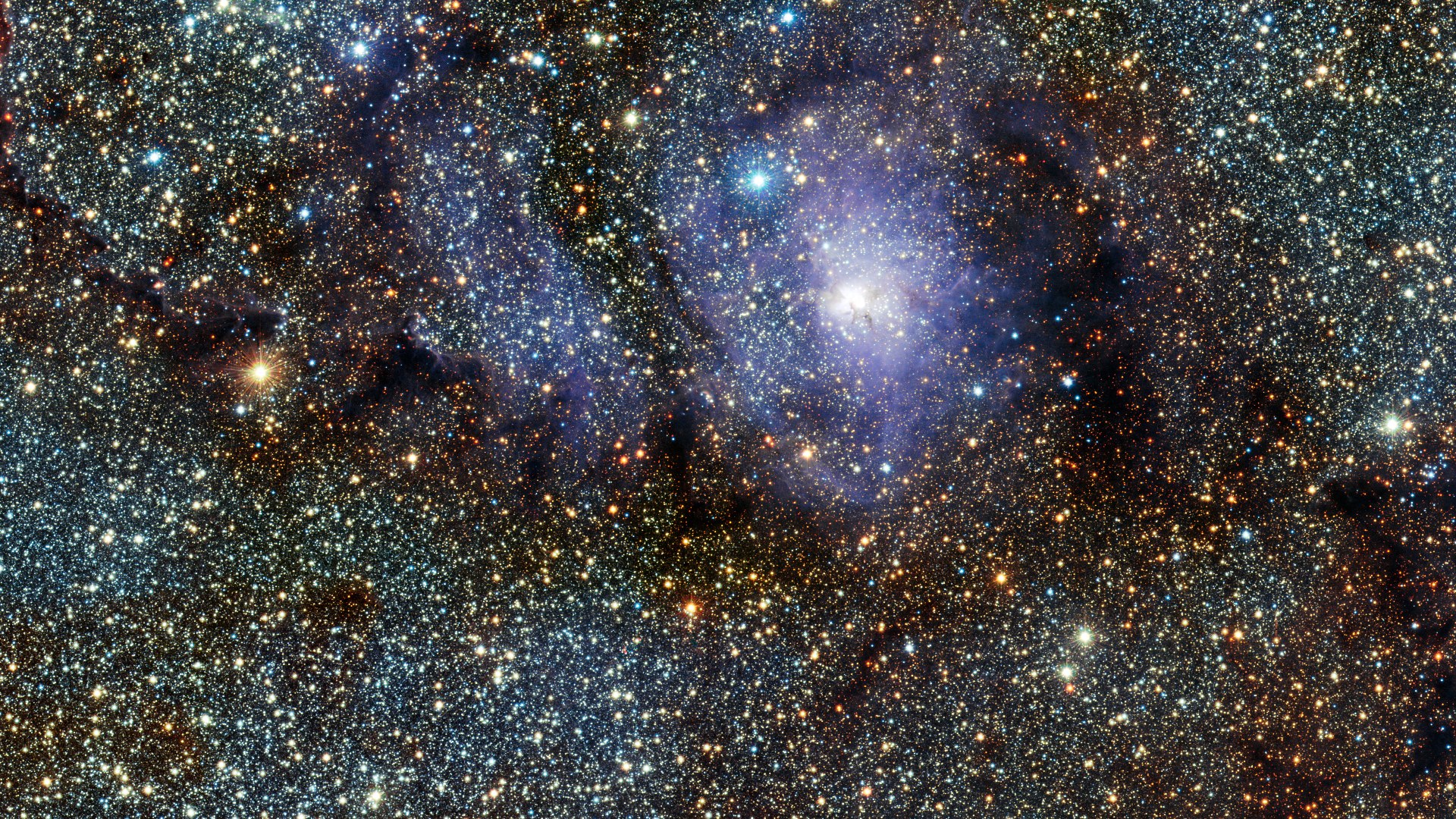
4. The Twisting Clouds Of Lagoon Nebula 
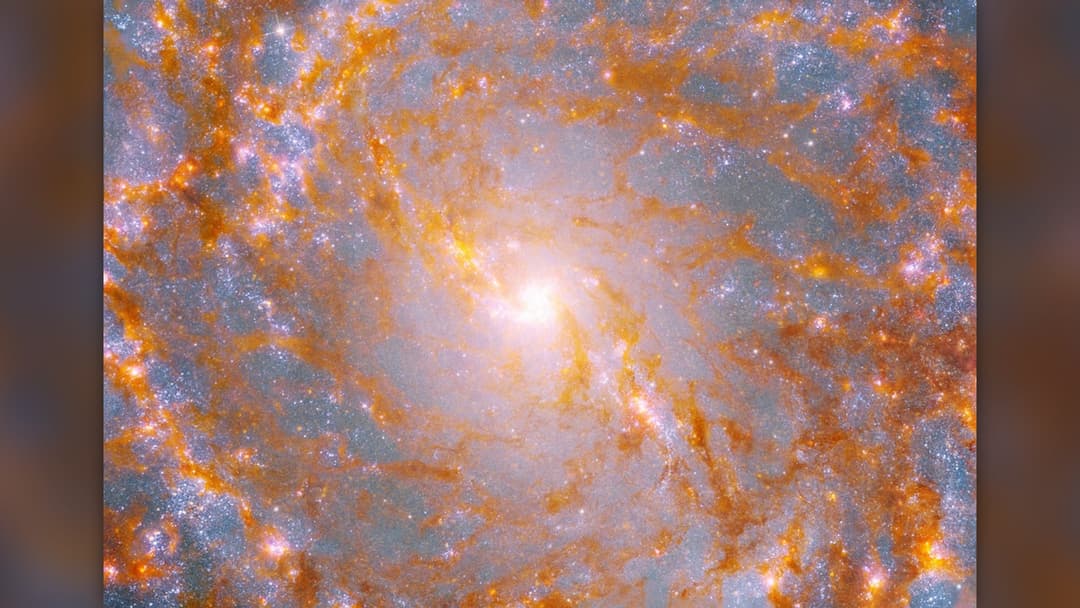
3. The Face-On Pinwheel Galaxy Spiral 
2. The Glowing Dumbbell Nebula Core - AdvertisementSwipe or tap ▶ to continue countdown

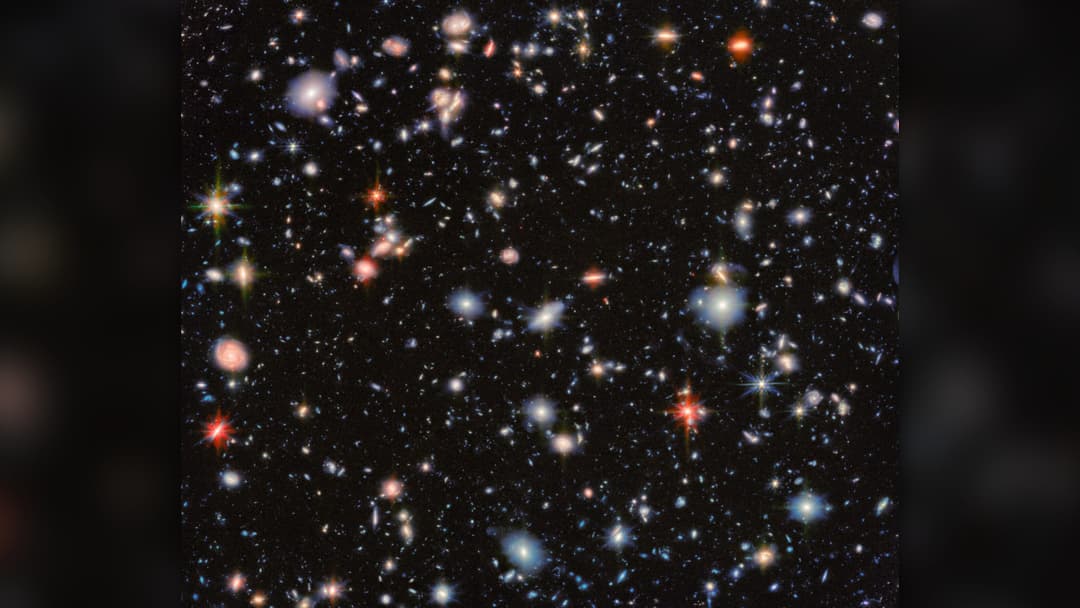
1. The Hubble Ultra Deep Field Galaxies - Advertisement🔥 UP NEXT IN THIS SERIES◫ 21 Slides

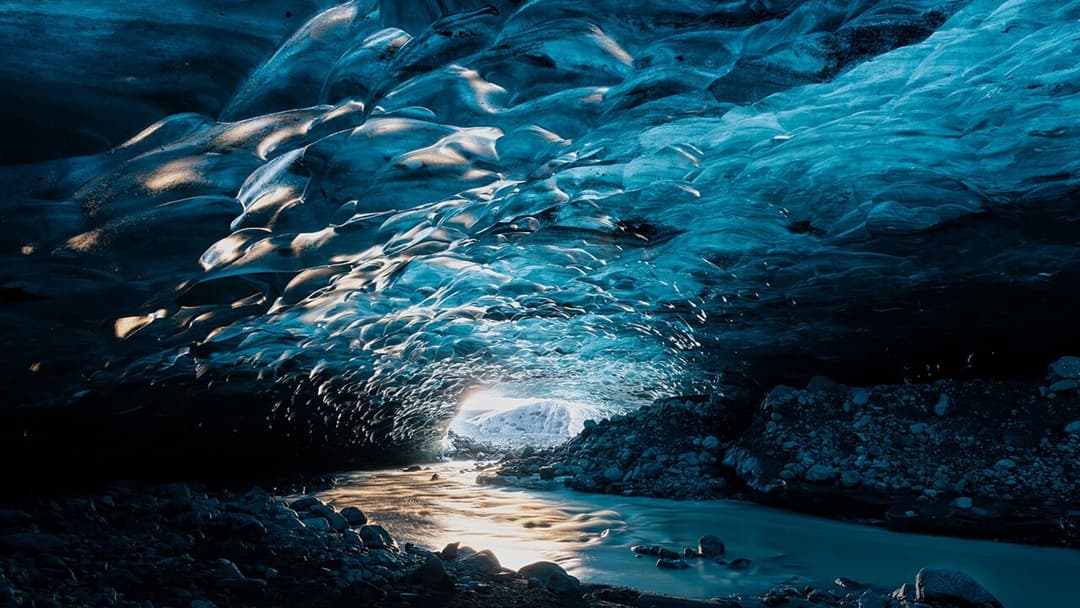
20 Discoveries Frozen Inside Glaciers
From prehistoric hunters to ancient forests preserved deep within ice sheets.
Orbiting far above Earth's obscuring atmosphere, NASA space observatories reveal celestial phenomena in breathtaking optical clarity. From Swift and Hubble to Chandra and the James Webb Space Telescope, these instruments transformed human understanding of stellar birth and cosmic evolution.
Swipe or tap ▶ to begin the countdown
©NASA / STScI
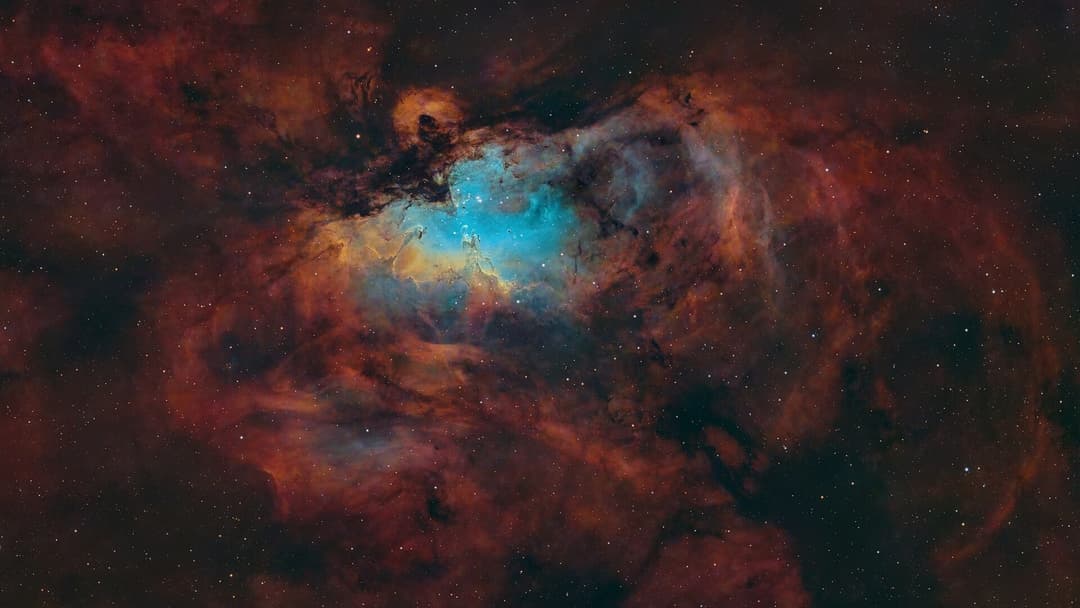
24. The Pillars Of Creation In Eagle Nebula
Captured by Hubble's Wide Field and Planetary Camera in 1995, these cosmic columns span four light-years from base to peak. Intense ultraviolet radiation from young, massive stars sculpts the dense gas into dramatic fingers. Buried protostars slowly condense within the tips.
©NASA / STScI
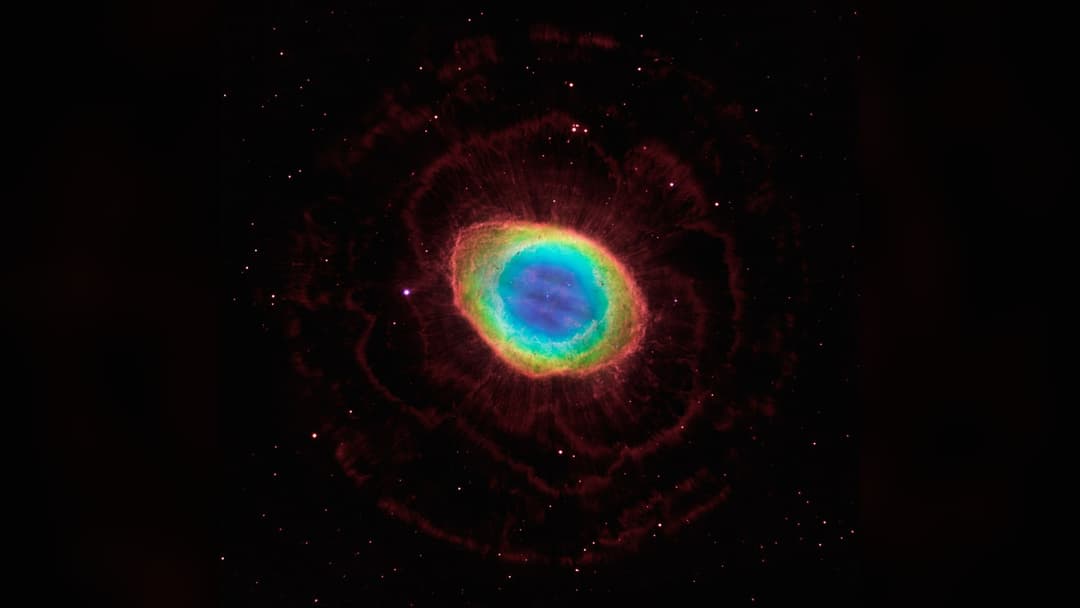
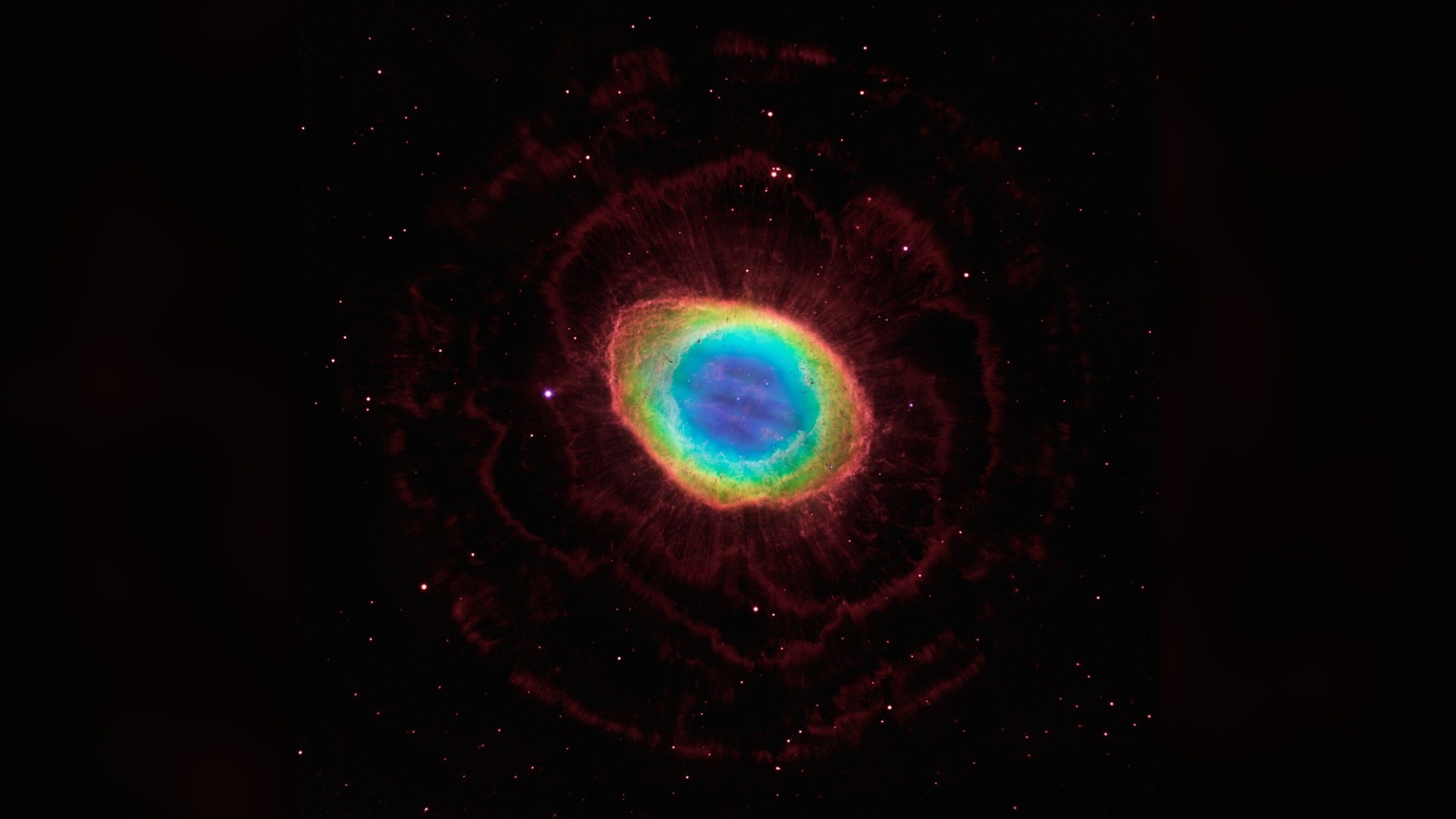
23. The Ring Nebula Infrared Expanses
Charles Messier first cataloged this glowing ring in 1779. Peering through the dust with NIRCam, Webb revealed twenty thousand dense globules of molecular gas scattered along the inner boundary. A central white dwarf star illuminates the expanding planetary nebula.
©NASA / STScI
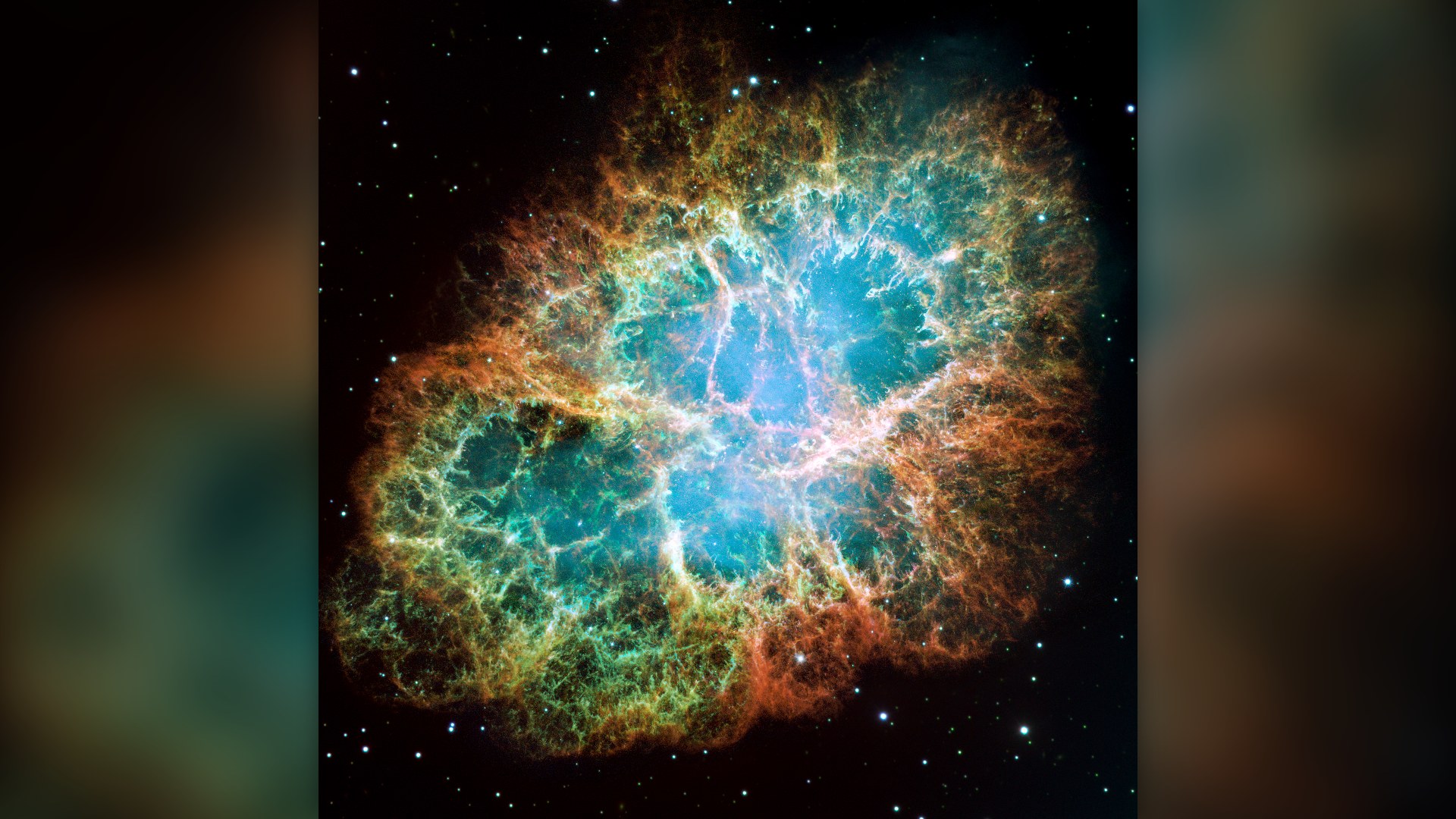
22. The Crab Nebula Supernova Remnant
At the core of the Crab Nebula spins a dense neutron star flashing thirty times each second. Hubble's optical views capture filamentary ribbons of hydrogen and sulfur expelled into deep space at three million miles per hour. The expanding cloud stretches ten light-years across.
©NASA / STScI
Advertisement
Swipe or tap ▶ to resume the countdown.
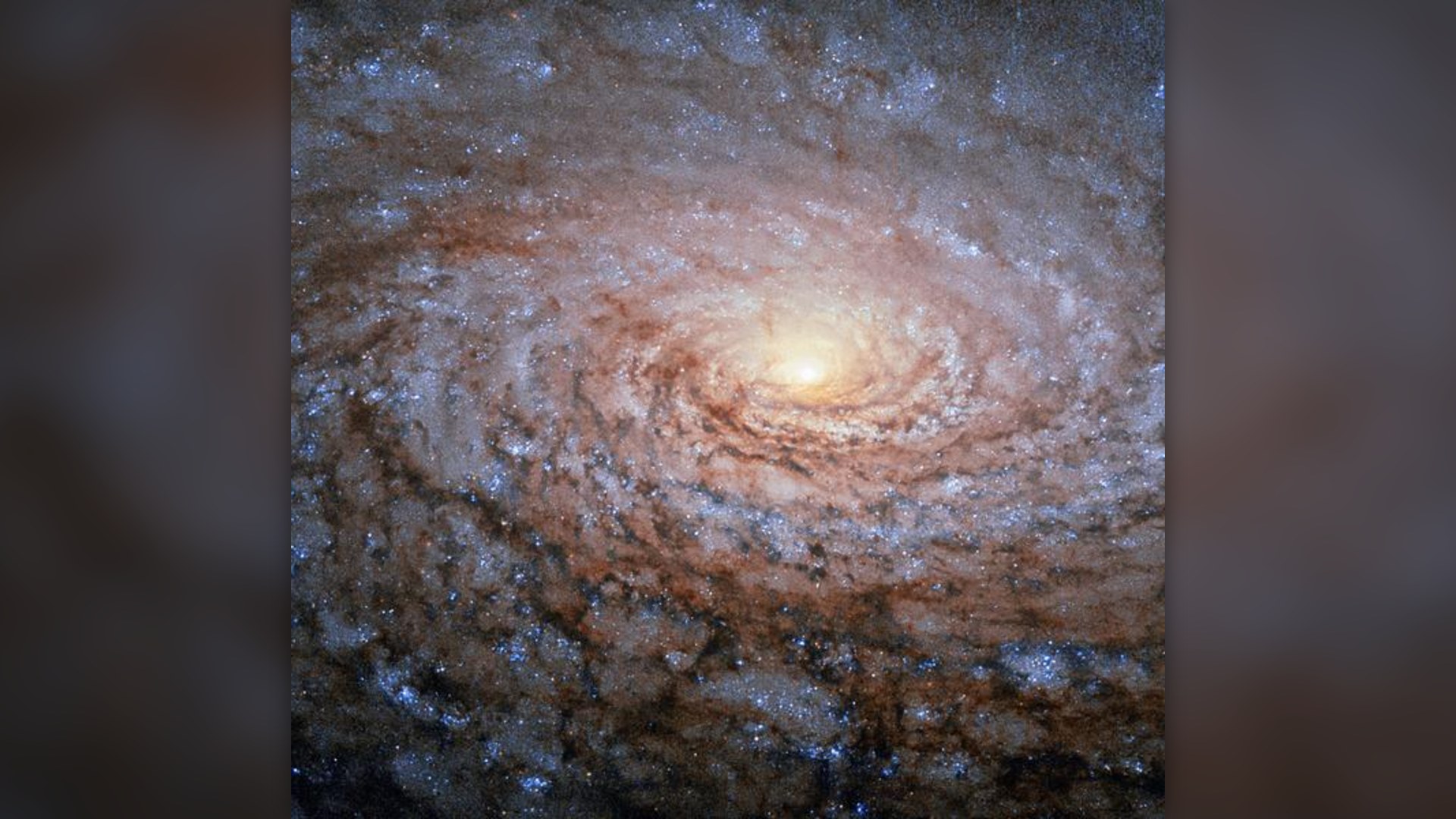
21. The Grand Whirlpool Galaxy Spiral
Located thirty-one million light-years away in Canes Venatici, Messier 51 displays sweeping spiral arms packed with young stars. The gravitational pull of its companion galaxy NGC 5195 triggers massive shockwaves through the disk, compressing clouds into luminous star factories.
©NASA / Hubble Space Telescope
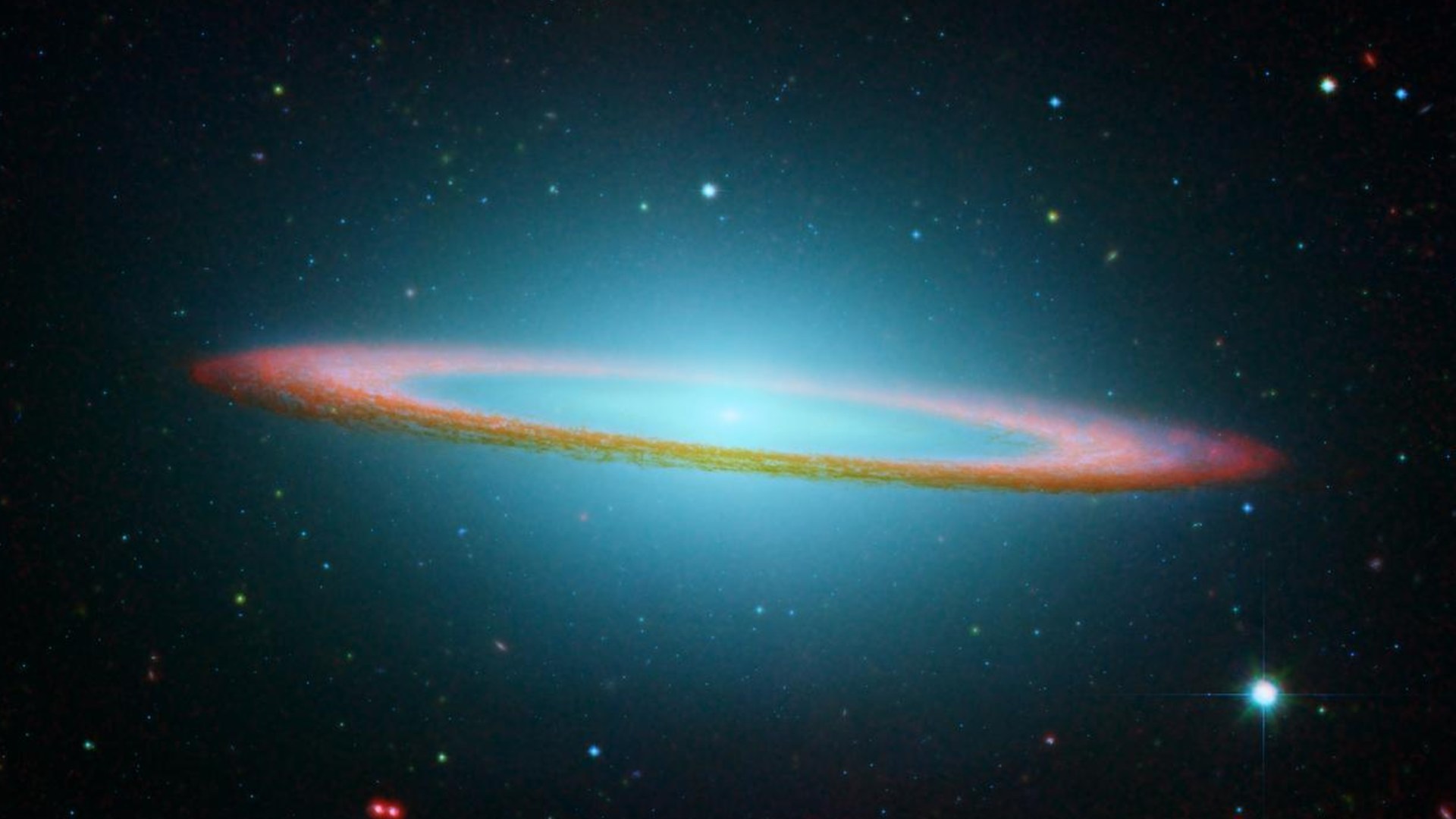
20. The Sombrero Galaxy Dust Lane
Spanning nearly fifty thousand light-years across, Messier 104 boasts a massive central bulge. Hubble resolved hundreds of individual globular star clusters orbiting within its halo. A supermassive black hole exceeding one billion solar masses anchors the galactic core.
©NASA / Hubble Space Telescope
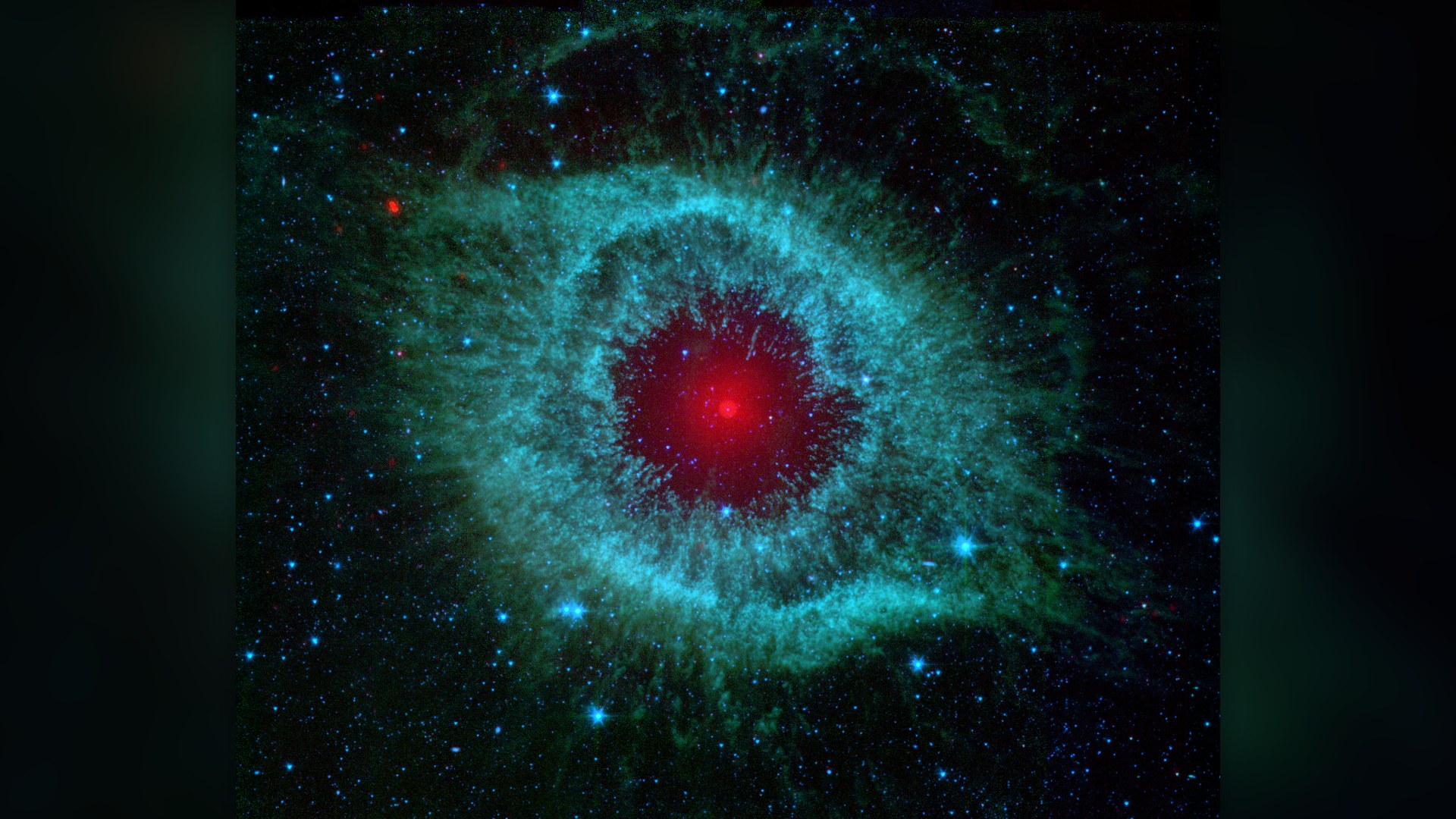
19. The Helix Nebula Glowing Eye
Dubbed the Eye of Sauron, this planetary nebula sits only six hundred fifty light-years from Earth. Spitzer's infrared detectors pierced the glowing outer halo, discovering thousands of icy, comet-like knots trailing behind the gaseous ring. The central dying star slowly cools into a white dwarf.
©NASA / JPL-Caltech
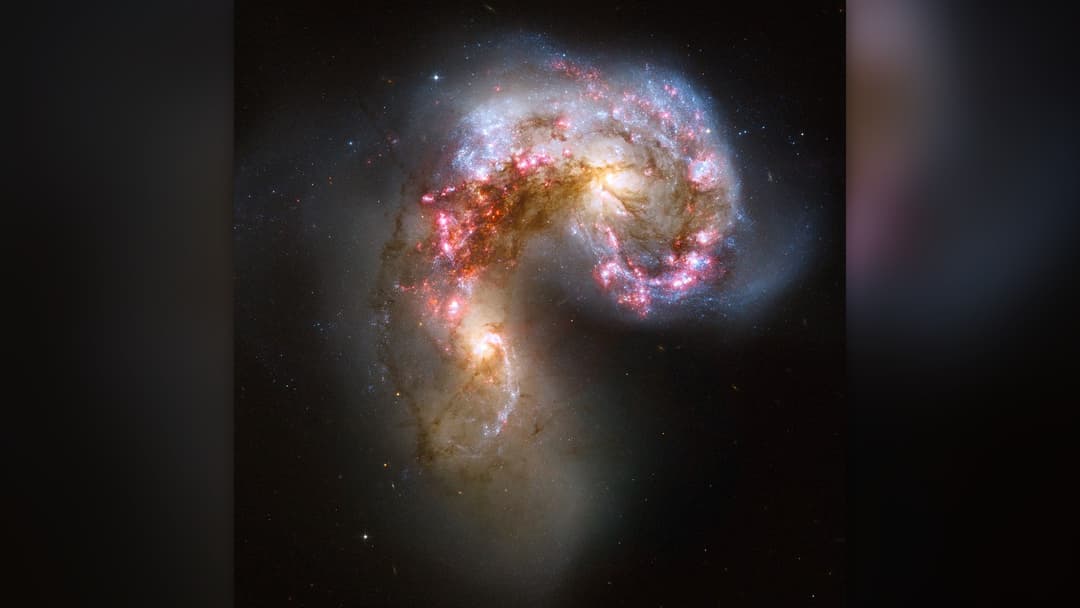
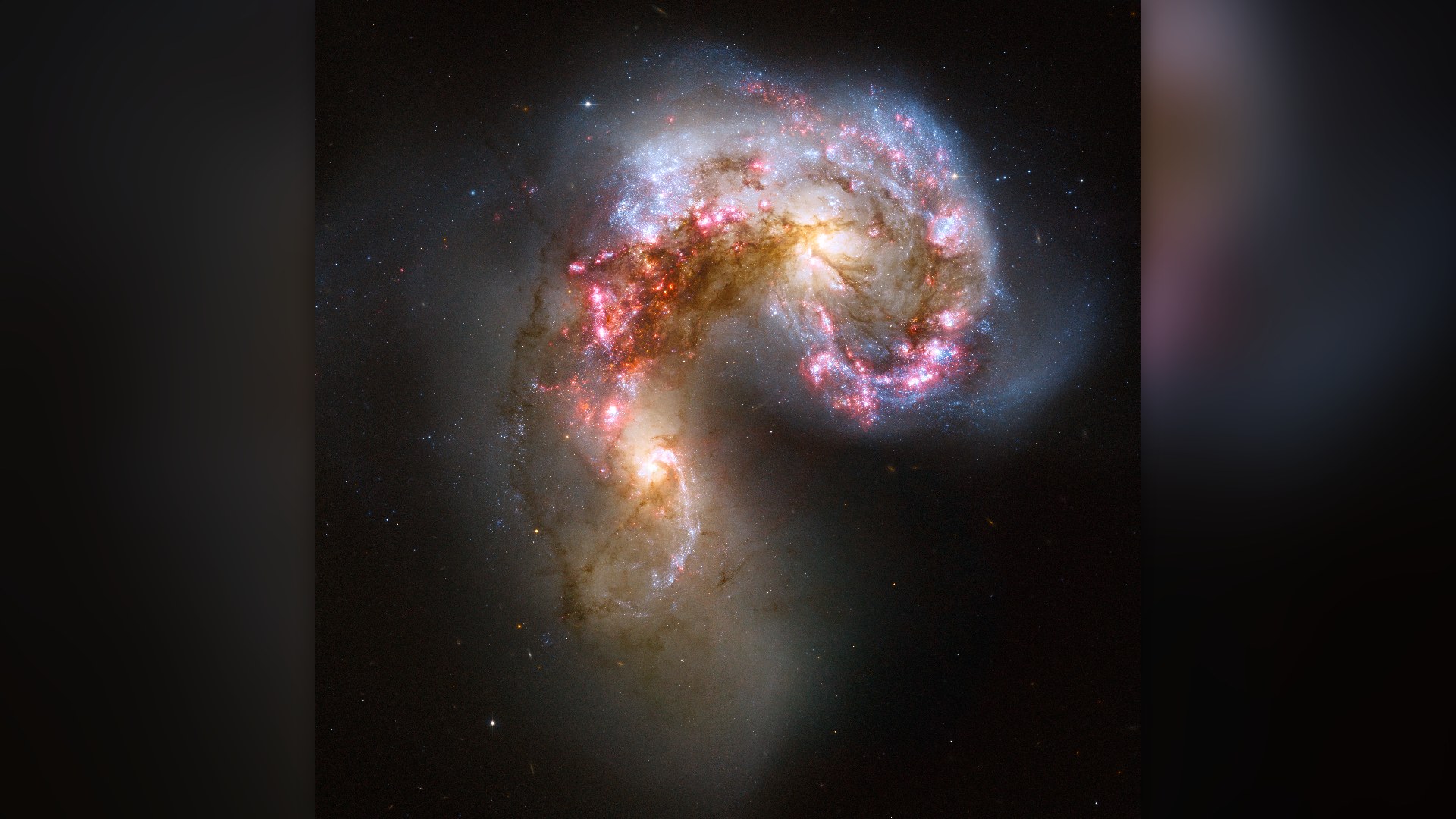
18. The Colliding Antennae Galaxies
A cosmic collision sixty million light-years away created the Antennae galaxies. Vast gravitational tides tore two immense streamers of stars and gas away from the main disks, forming long insect-like antennae. Billions of new stars ignited as the collision compressed interstellar hydrogen.
©NASA / STScI
Advertisement
Swipe or tap ▶ to resume the countdown.
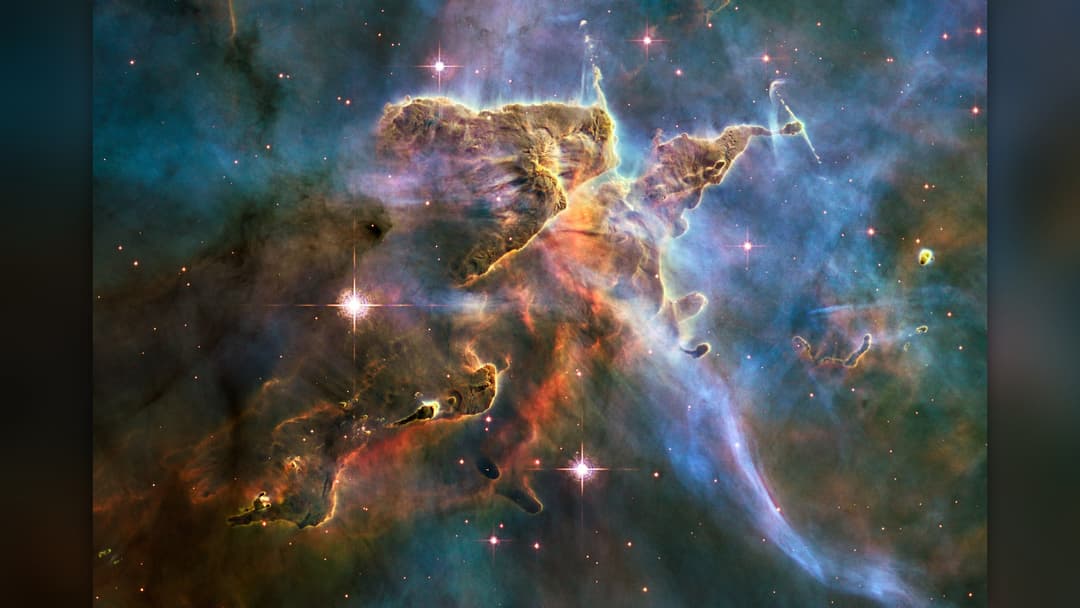
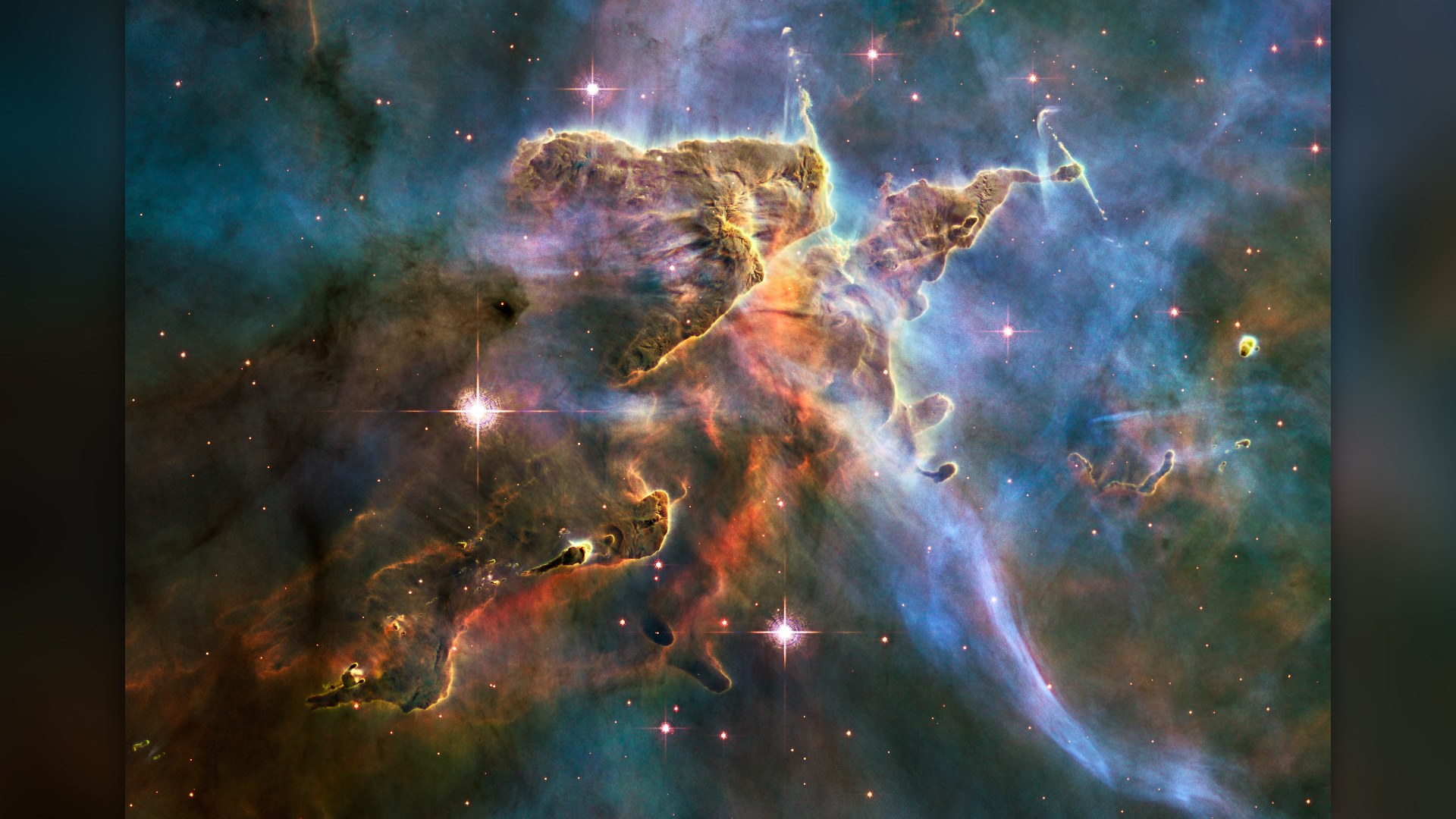
17. Mystic Mountain In Carina Nebula
Hubble celebrated its twentieth anniversary in 2010 with this breathtaking portrait of chaotic star birth. Scorching stellar winds from nearby massive stars erode the dense pillar into ragged crags. Streaming jets of gas shoot out from newly formed stars embedded within the peak.
©NASA / STScI
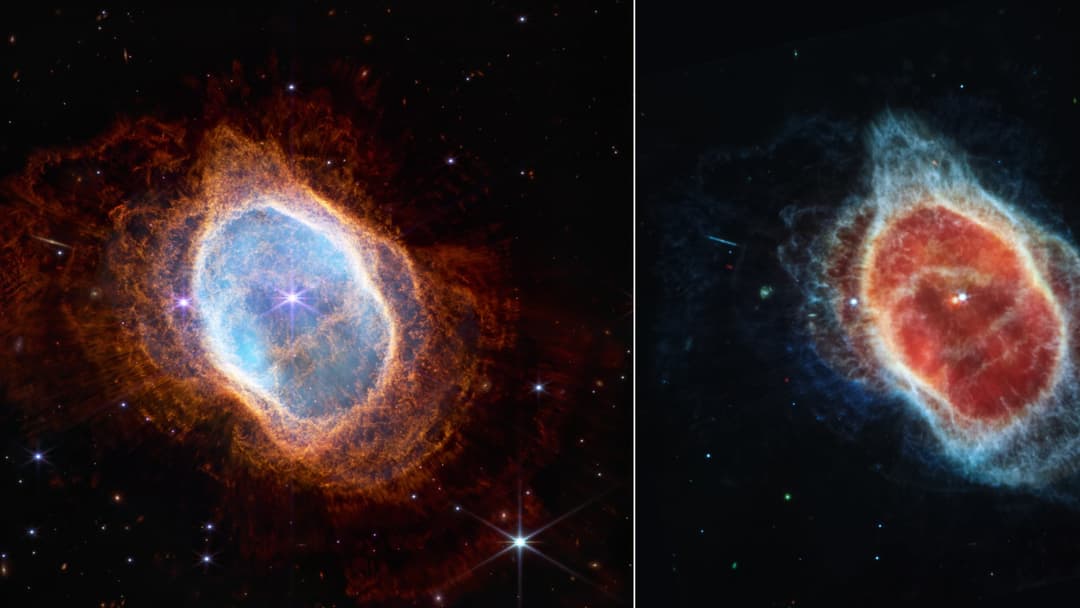
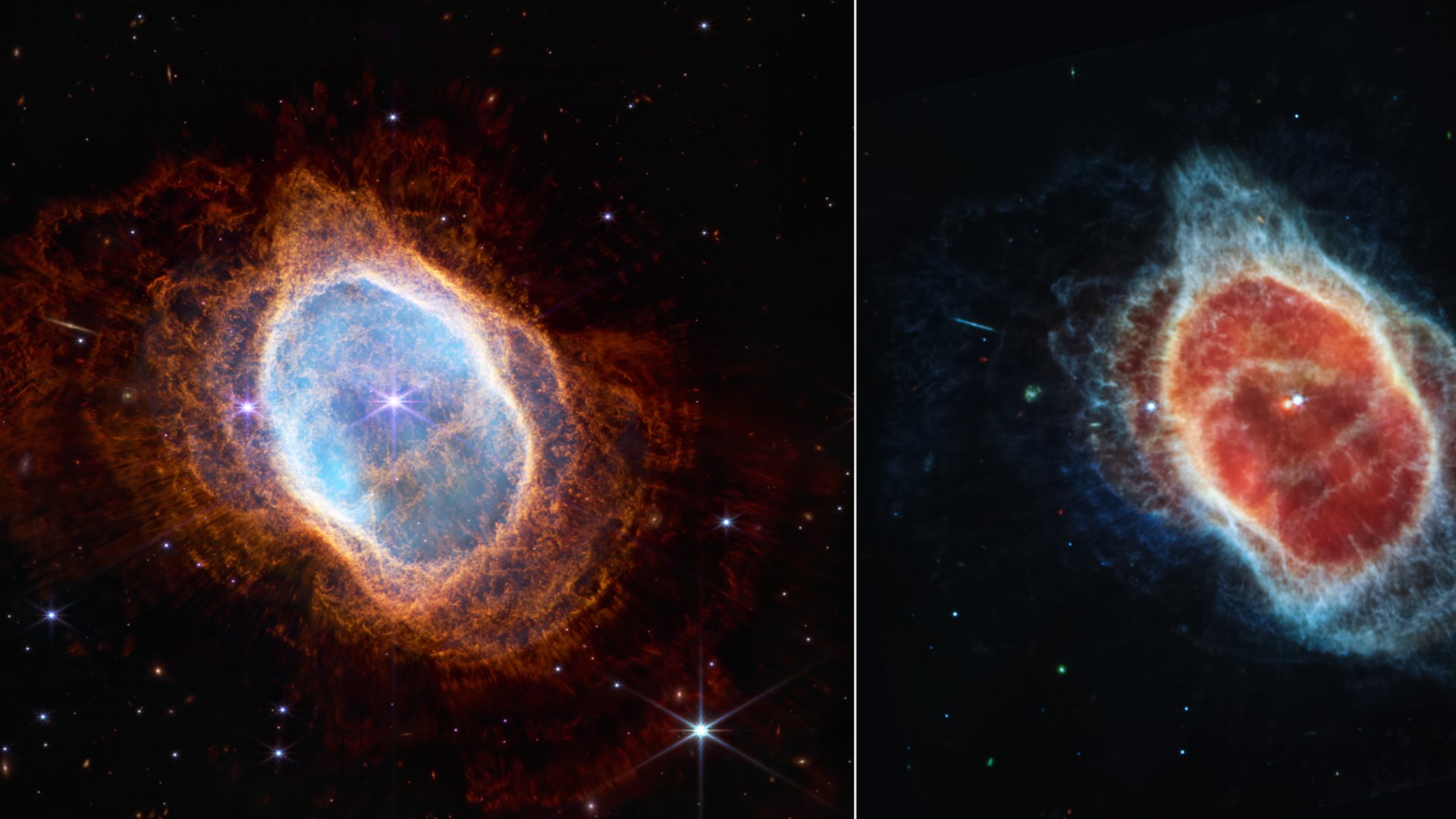
16. The Southern Ring Nebula Shells
Planetary nebulae aren't planets at all, but shells of expelled stellar atmosphere. Peering through the shroud of NGC 3132, Webb discovered that the central dying star orbits a hidden stellar partner. The pair dance together while stirring concentric rings of glowing dust.
©NASA / STScI
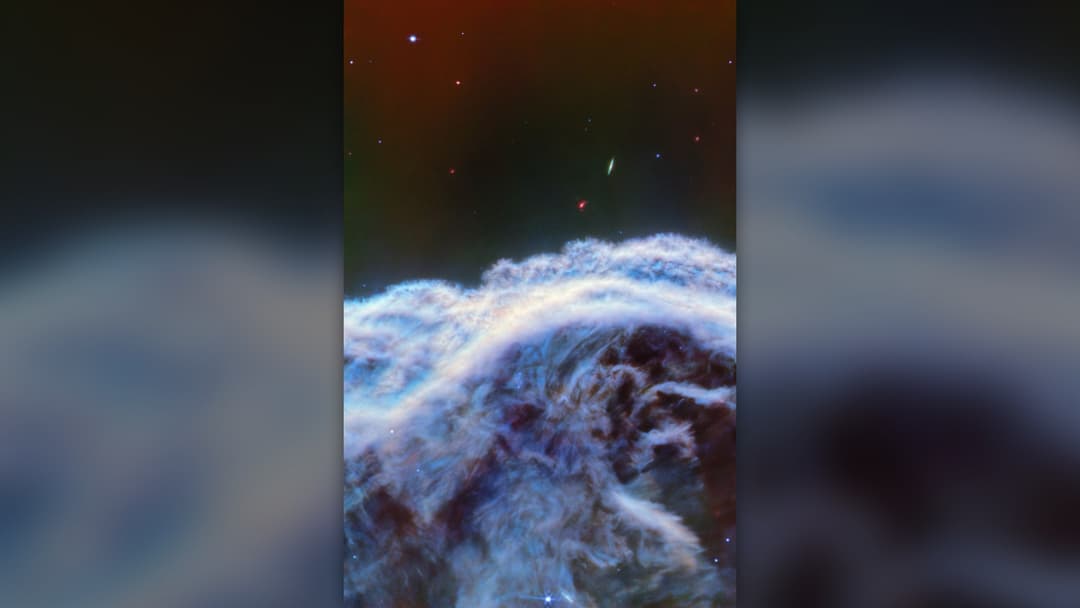
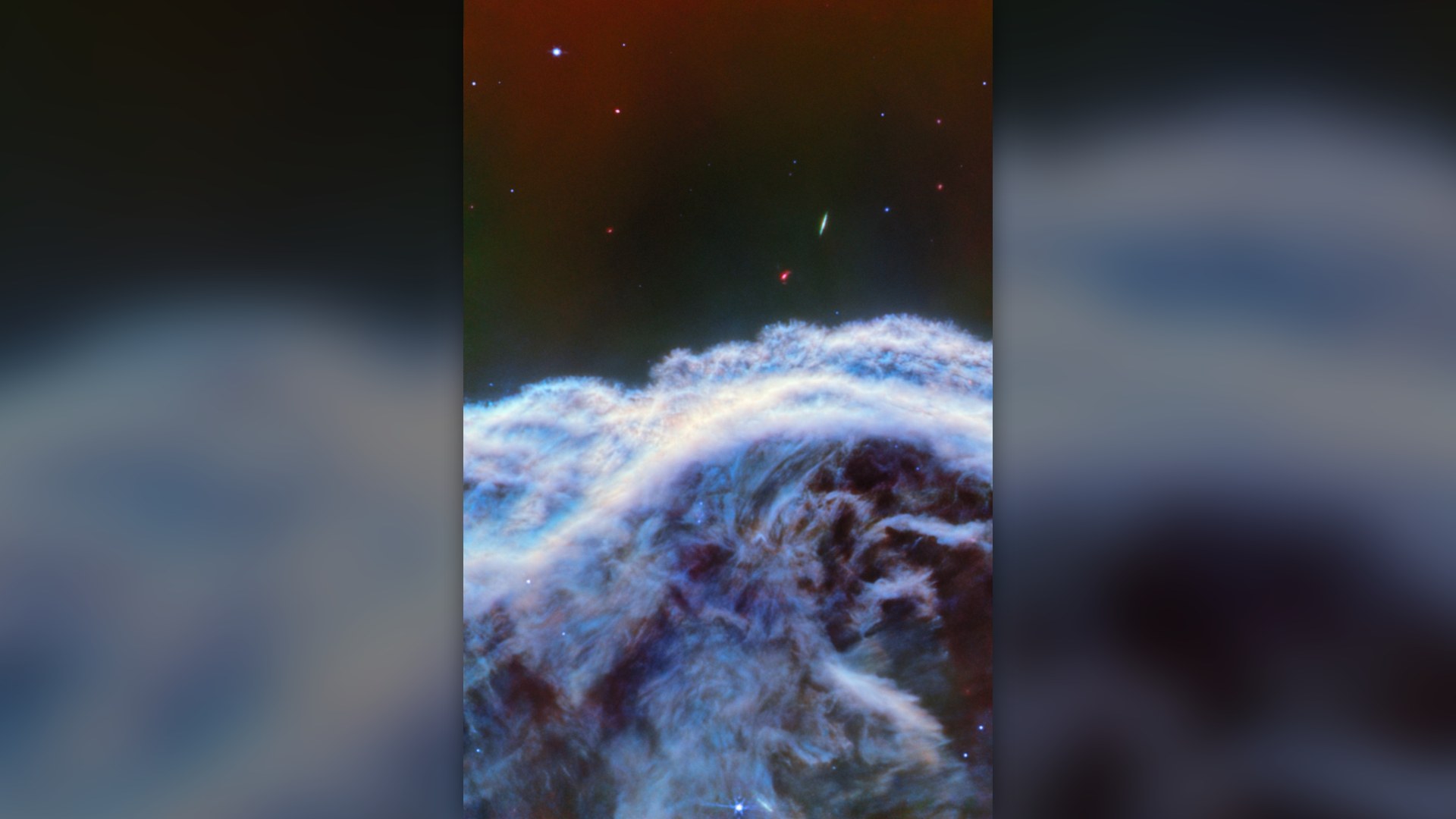
15. The Silhouette Of The Horsehead Nebula
Discovered on an 1888 photographic plate, Barnard 33 rises from the Orion molecular cloud complex. Hubble captured the ethereal edges of the dark cloud glowing in filtered infrared light. Ultraviolet radiation from neighboring stars will slowly dissolve the nebula over time.
©NASA / STScI
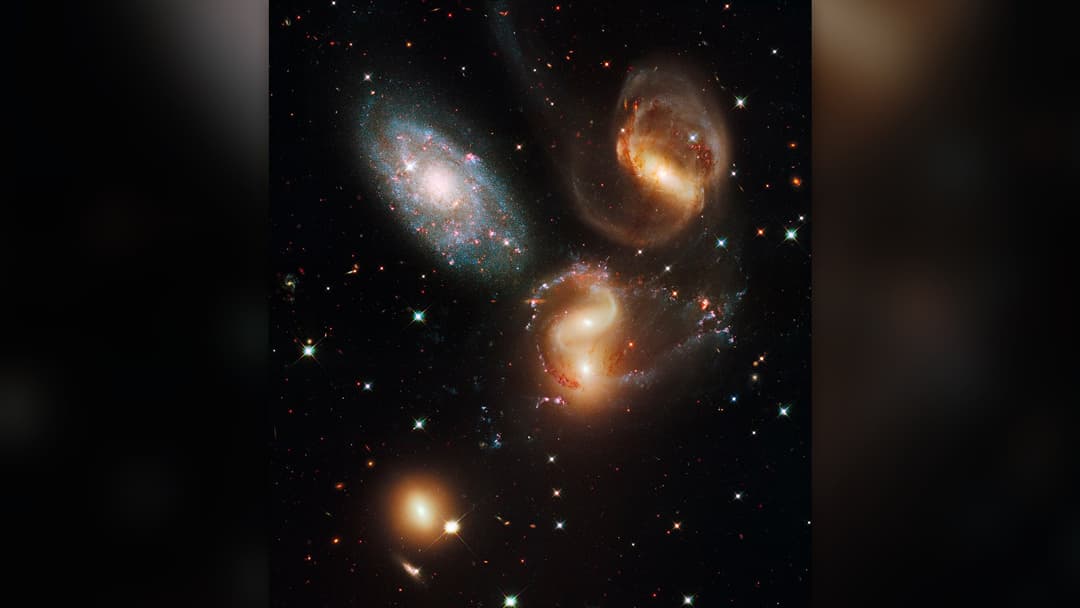
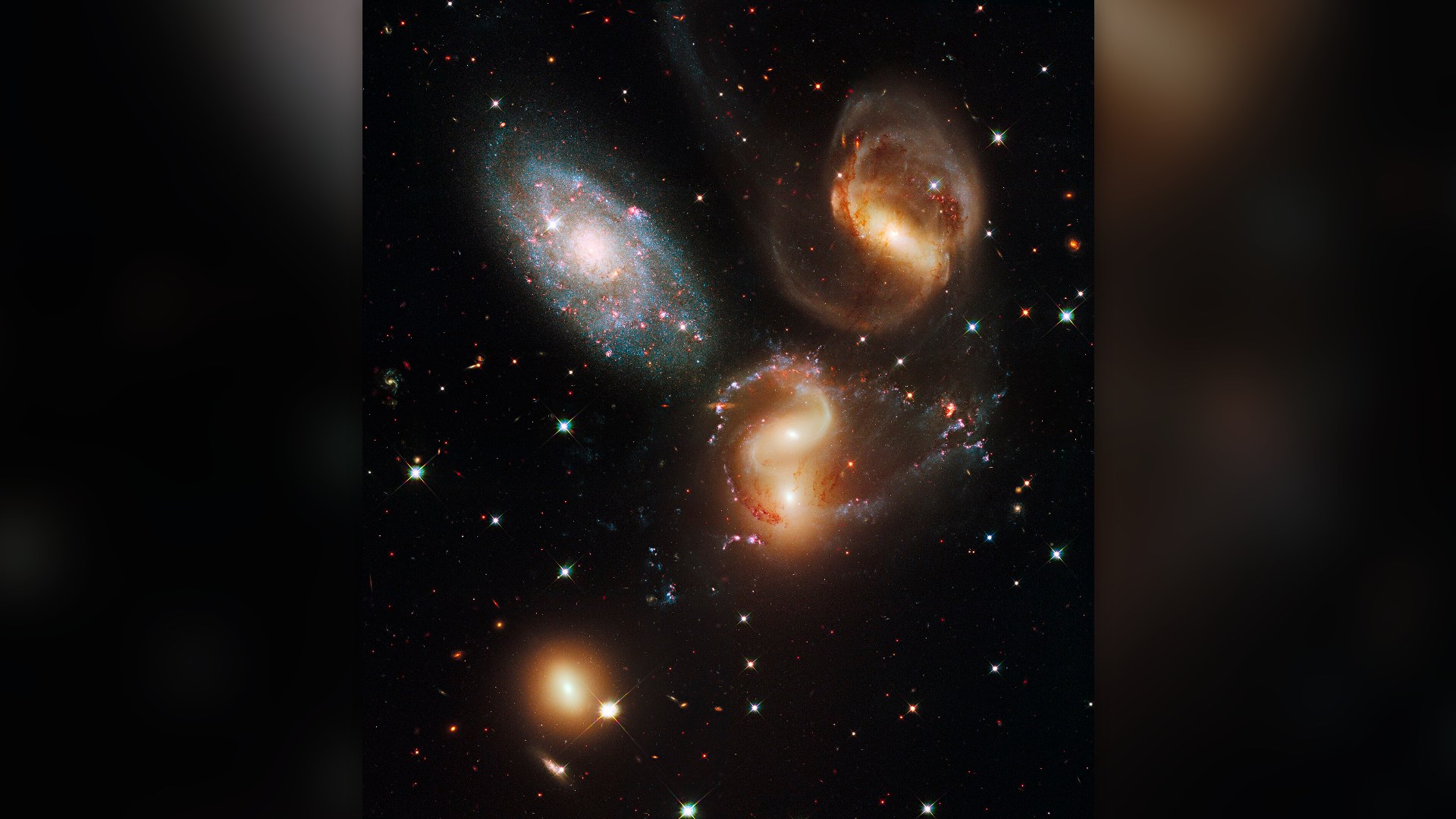
14. The Gravitational Dance Of Stephan's Quintet
Édouard Stephan discovered this visual compact group in 1877. As one galaxy tears through the cluster at millions of miles per hour, Webb detected enormous shockwaves heating gas into glowing filamentary arcs. The interaction previews the eventual merger of our own Milky Way with Andromeda.
©NASA / STScI
Advertisement
Swipe or tap ▶ to resume the countdown.
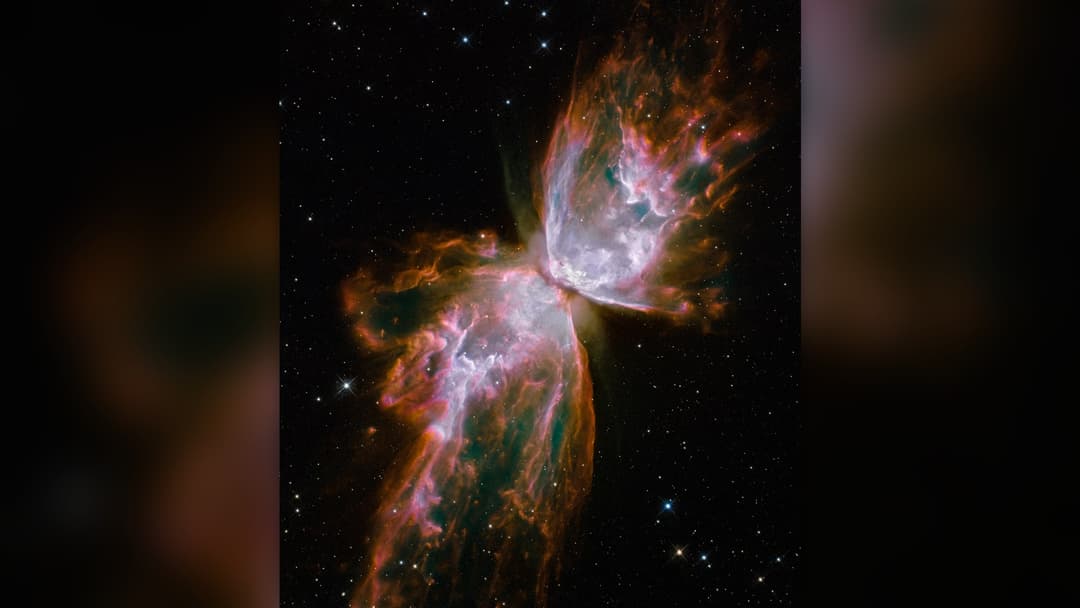
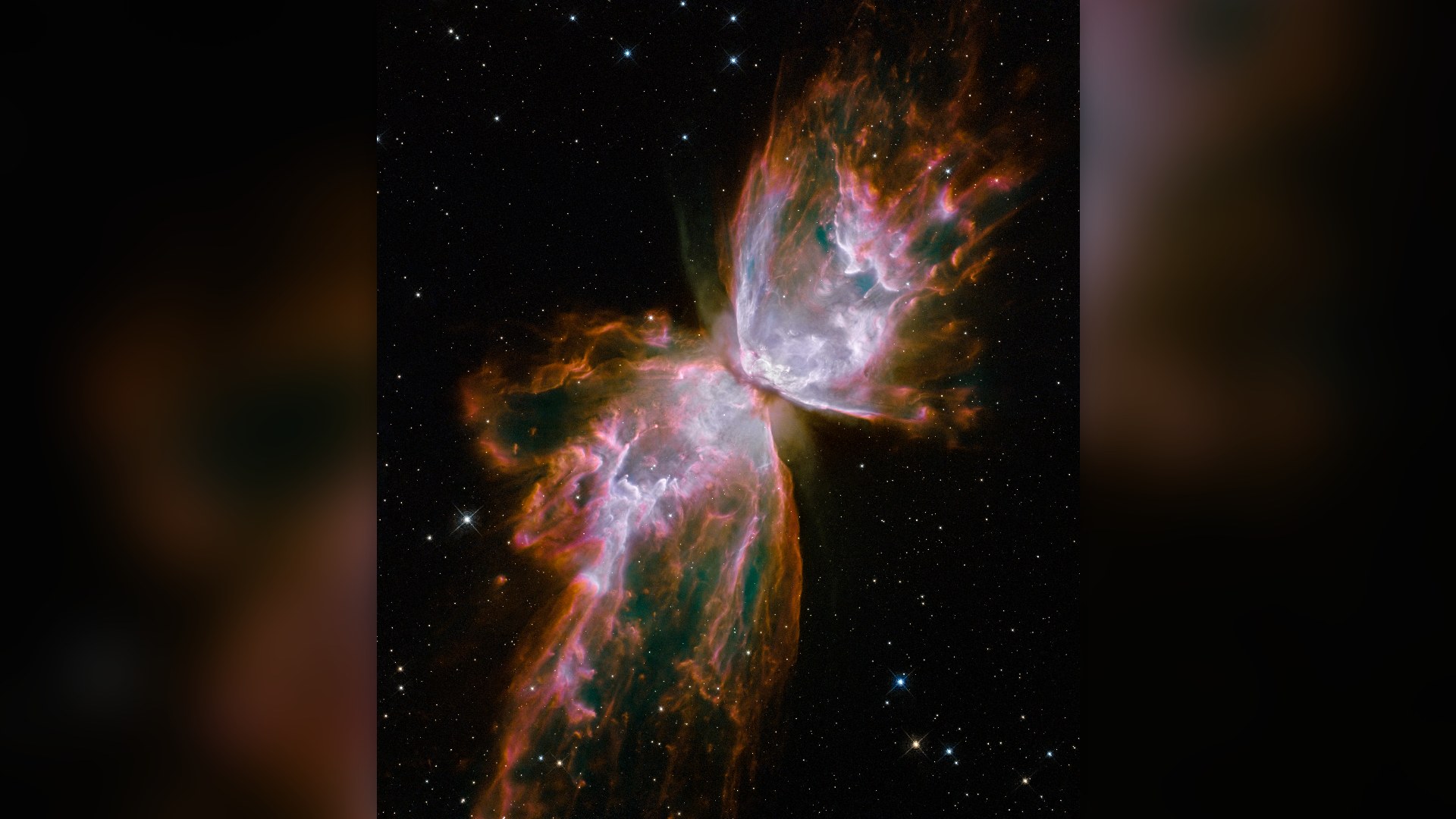
13. The Bipolar Butterfly Nebula Wings
NGC 6302 demonstrates how violently intermediate-mass stars end their lives. An extremely hot dying star hidden within a thick equatorial torus of dust expels gas wings outward at over six hundred thousand miles per hour. The stellar wings span more than three light-years across space.
©NASA / STScI
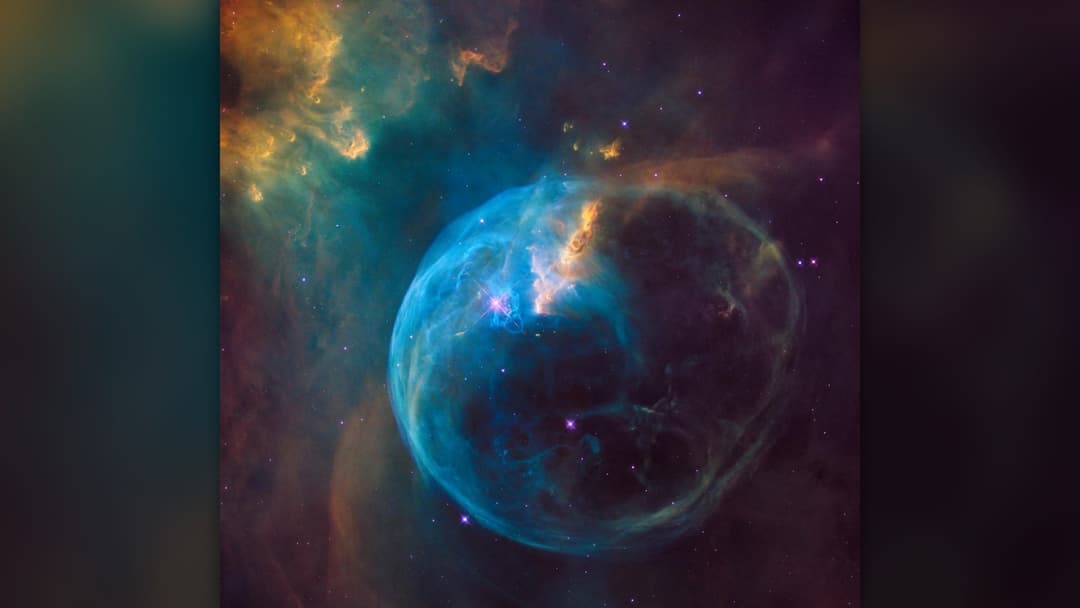
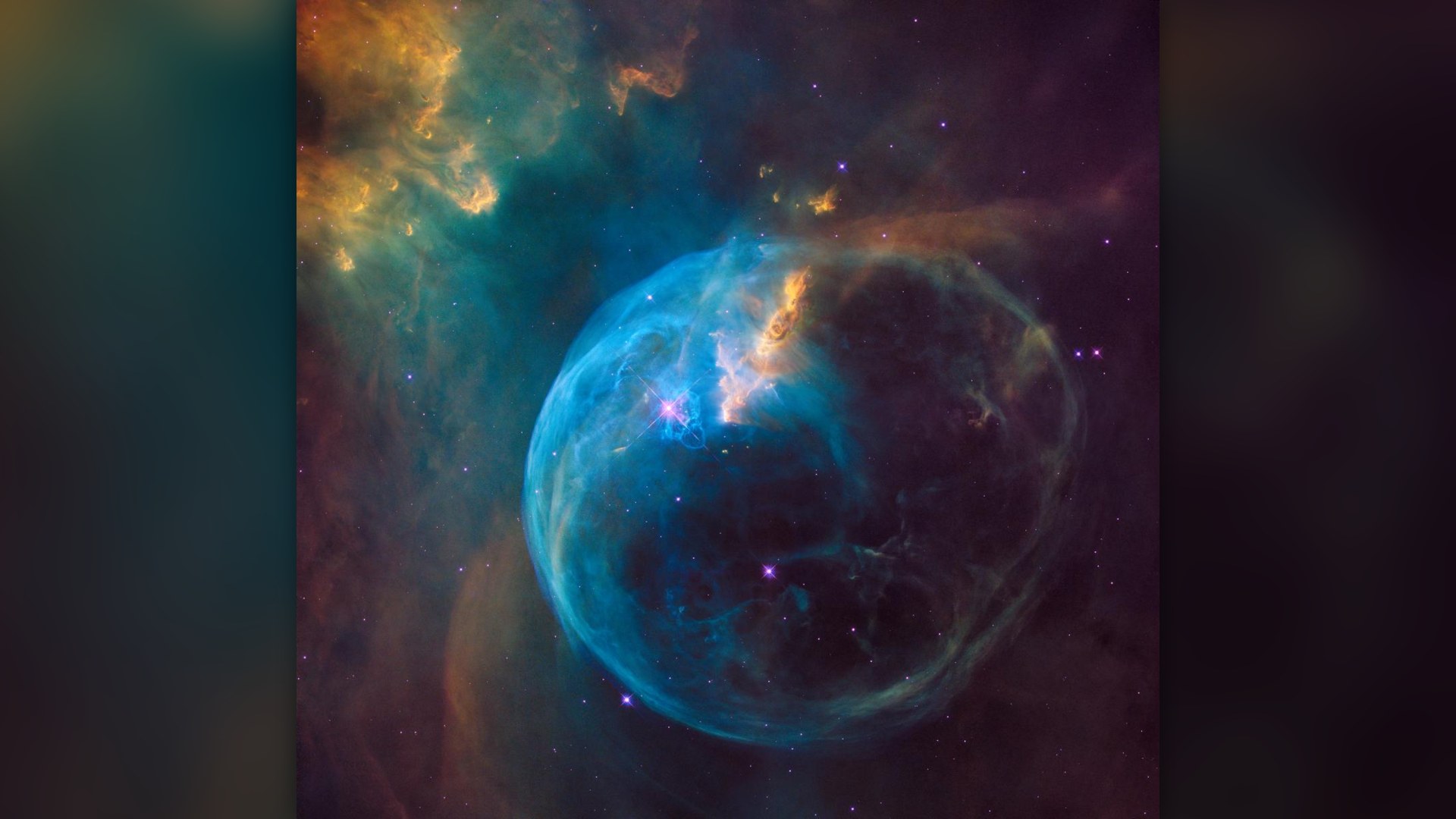
12. The Expanding Bubble Nebula Shell
A massive star forty-five times heavier than our Sun powers this cosmic bubble. Stellar winds expel hot gas that slams into cold surrounding molecular clouds, creating an ethereal sphere of glowing hydrogen. The fragile shell expands seven thousand light-years away in Cassiopeia.
©NASA / Goddard Space Flight Center
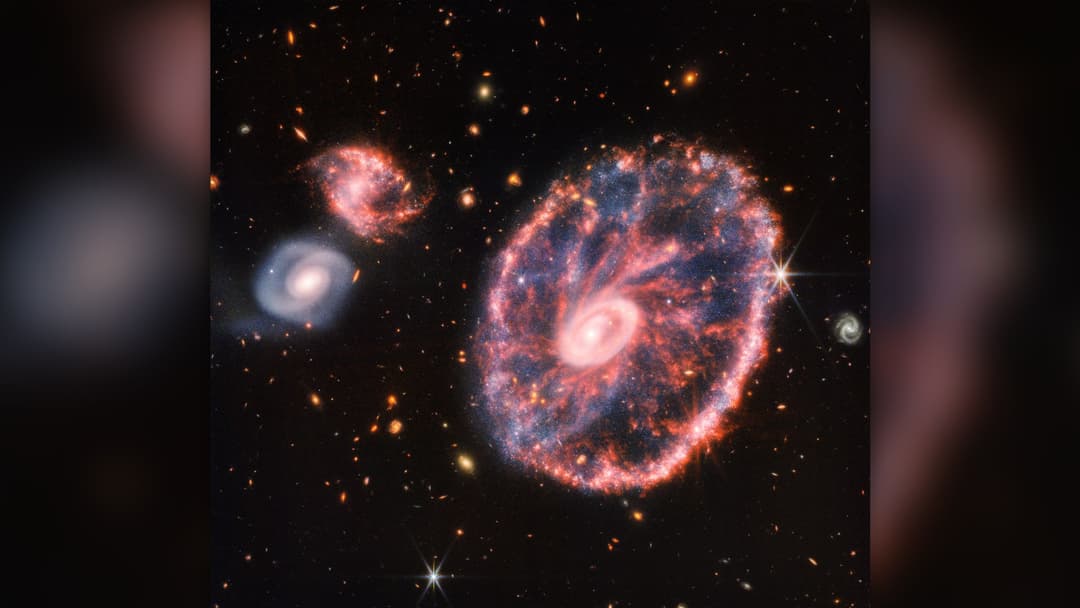
11. The Ring Structure Of The Cartwheel Galaxy
Resembling a wagon wheel, this lenticular galaxy suffered a direct hit from a smaller intruder. The impact generated ripples expanding outward like pond waves, triggering intense star birth along its outer rim. Webb's NIRCam revealed delicate spiral spokes connecting the ring to the core.
©NASA / STScI
10. The Star-Forming Heart Of Orion Nebula
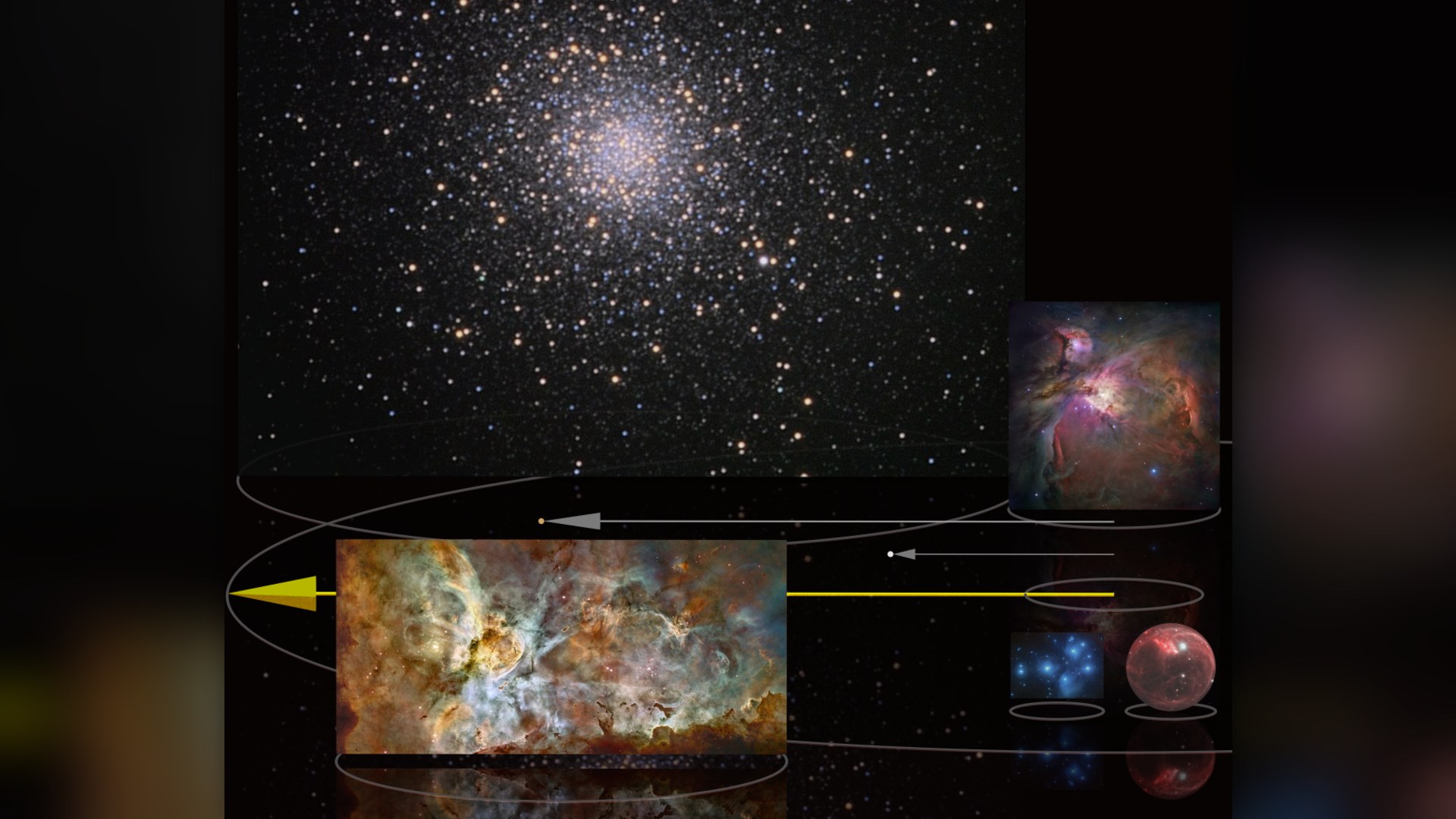
Visible to the unaided eye in winter skies, Messier 42 is an immense stellar maternity ward. Hubble resolved proplyds, or protoplanetary disks, circling newborn stars throughout the cloud. These swirling discs of gas and dust represent infant solar systems in the earliest stages of planet formation.
©NASA / STScI
Advertisement
Swipe or tap ▶ to resume the countdown.
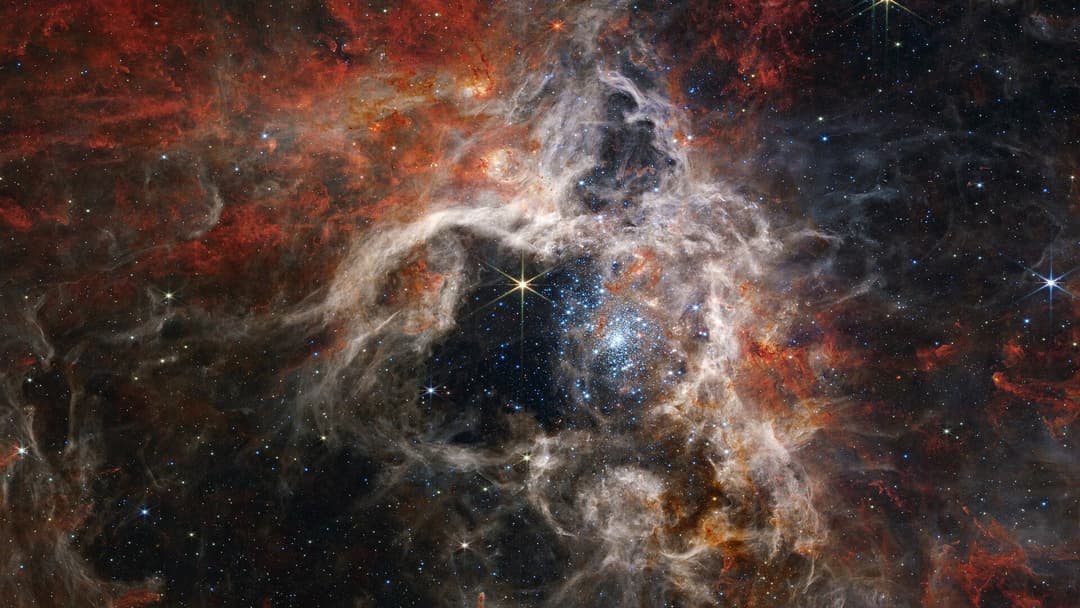
9. The Cosmic Nursery Of Tarantula Nebula
If the Tarantula Nebula were as close to Earth as Orion, it would cast visible shadows on the ground at night. Webb's high-resolution infrared detectors pierced the dusty veil of 30 Doradus, cataloging thousands of previously unseen protostars clustered around hyper-massive stellar giants.
©NASA / STScI
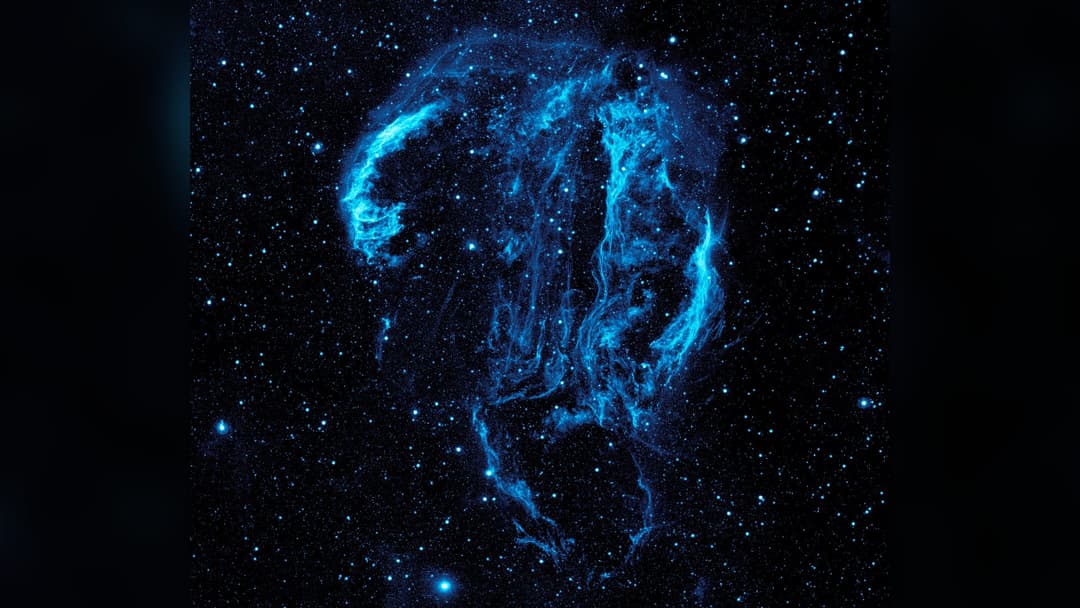
8. The Delicate Filaments Of The Veil Nebula
Ten thousand years ago, a star twenty times larger than our Sun exploded in Cygnus. Hubble imaged the delicate, gossamer-like sheets of gas where the expanding blast wave slams into interstellar clouds. The high-energy shock glows brilliantly in emission lines of hydrogen, sulfur, and oxygen.
©NASA / JPL-Caltech
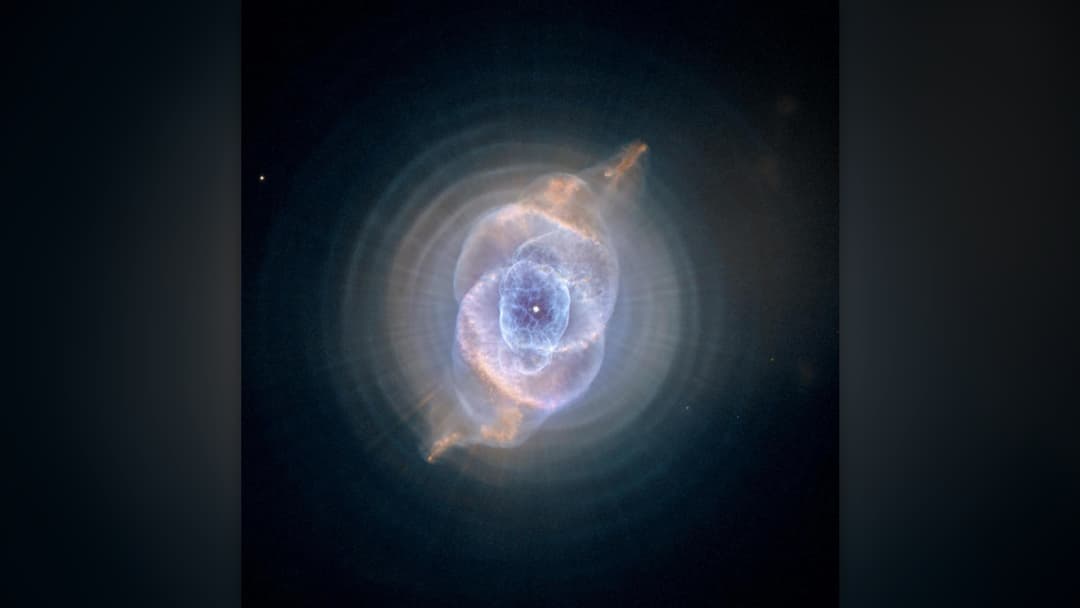
7. The Concentric Rings Of Cat's Eye Nebula
NGC 6543 was among the first planetary nebulae discovered with a spectroscope in 1864. Hubble revealed intricate nested gas bubbles resembling an ornate feline eye. The central dying star pulsated repeatedly, casting off concentric rings of material before its final collapse into a white dwarf.
©NASA / JPL-Caltech
6. The Towering Pillar Of The Cone Nebula
Towering seven light-years tall in Monoceros, the Cone Nebula forms a dark silhouette against illuminated hydrogen gas. Energetic radiation from young cluster stars slowly boils away the outer edges of the dust pillar. Deep within its summit, new protostars slowly condense toward ignition.
©NASA / STScI
Advertisement
Swipe or tap ▶ to resume the countdown.
5. The Exploded Shell Of Cassiopeia A
Cassiopeia A exploded roughly 340 years ago as viewed from Earth. Peering through the debris with MIRI, Webb discovered the Green Monster, a bizarre knot of loop-like filaments in the remnant's interior. The expanding gas cloud enriches deep space with iron, silicon, and calcium.
©NASA / STScI
4. The Twisting Clouds Of Lagoon Nebula
Hubble commemorated its twenty-eighth birthday with this detailed look into the core of Messier 8. Intense stellar radiation and supersonic winds from a monster young star churn the surrounding hydrogen gas into twisters. Dark interstellar dust funnels span half a light-year across.
©NASA / STScI
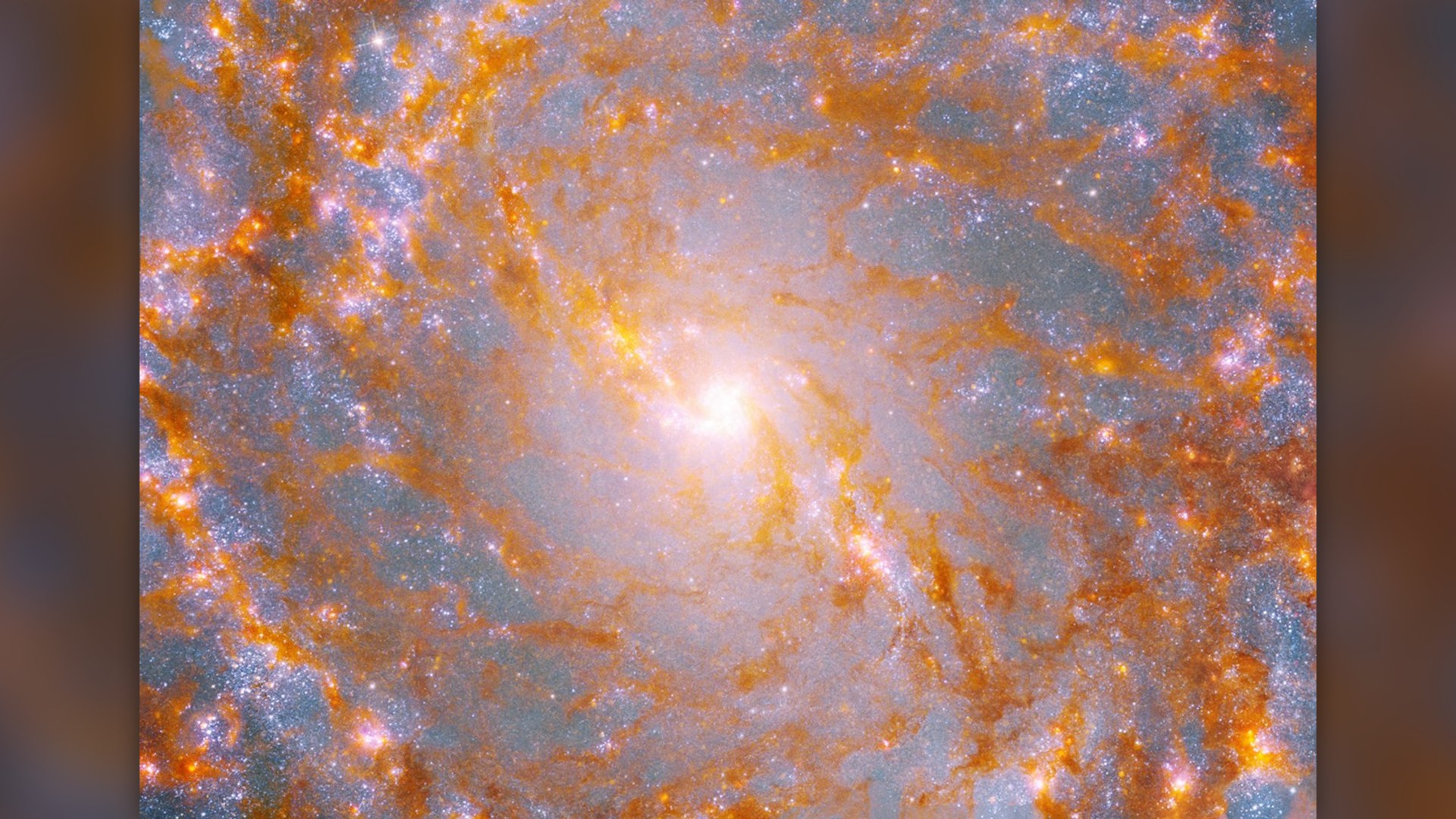
3. The Face-On Pinwheel Galaxy Spiral
Messier 101 spans one hundred seventy thousand light-years across, nearly double the diameter of our Milky Way. Hubble captured over three thousand star clusters dotting its graceful spiral arms. Its face-on orientation provides an ideal view of stellar evolution across an entire galaxy.
©NASA / STScI
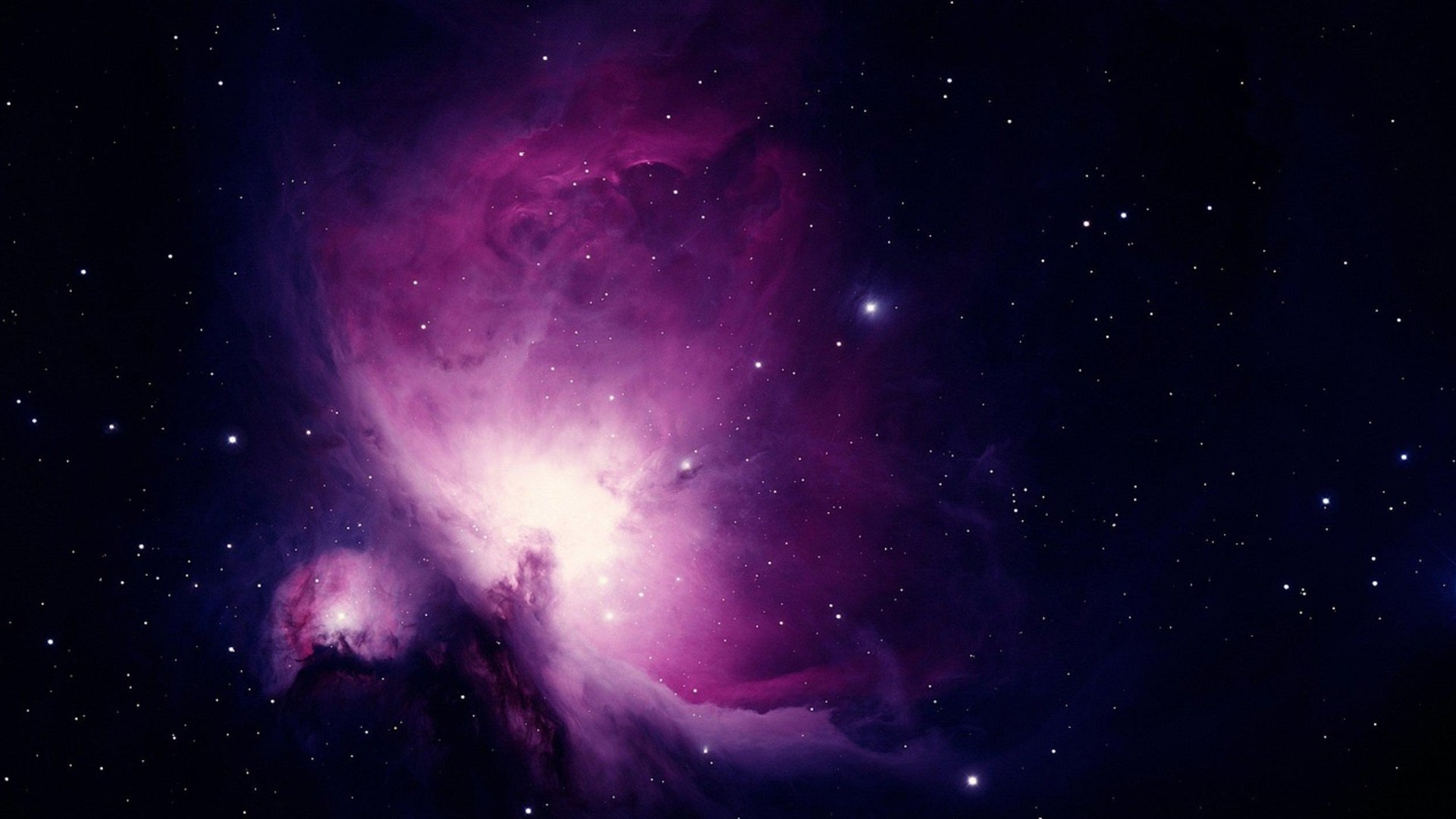
2. The Glowing Dumbbell Nebula Core
Charles Messier stumbled upon this apple-core-shaped cloud in 1764. Hubble's high-resolution instruments imaged dense knots of gas where stellar winds clash with cooler surrounding material. The dying central star expels its outer atmosphere, seeding deep space with enriched elements.
©Pixabay / WikiImages
Advertisement
Swipe or tap ▶ to resume the countdown.
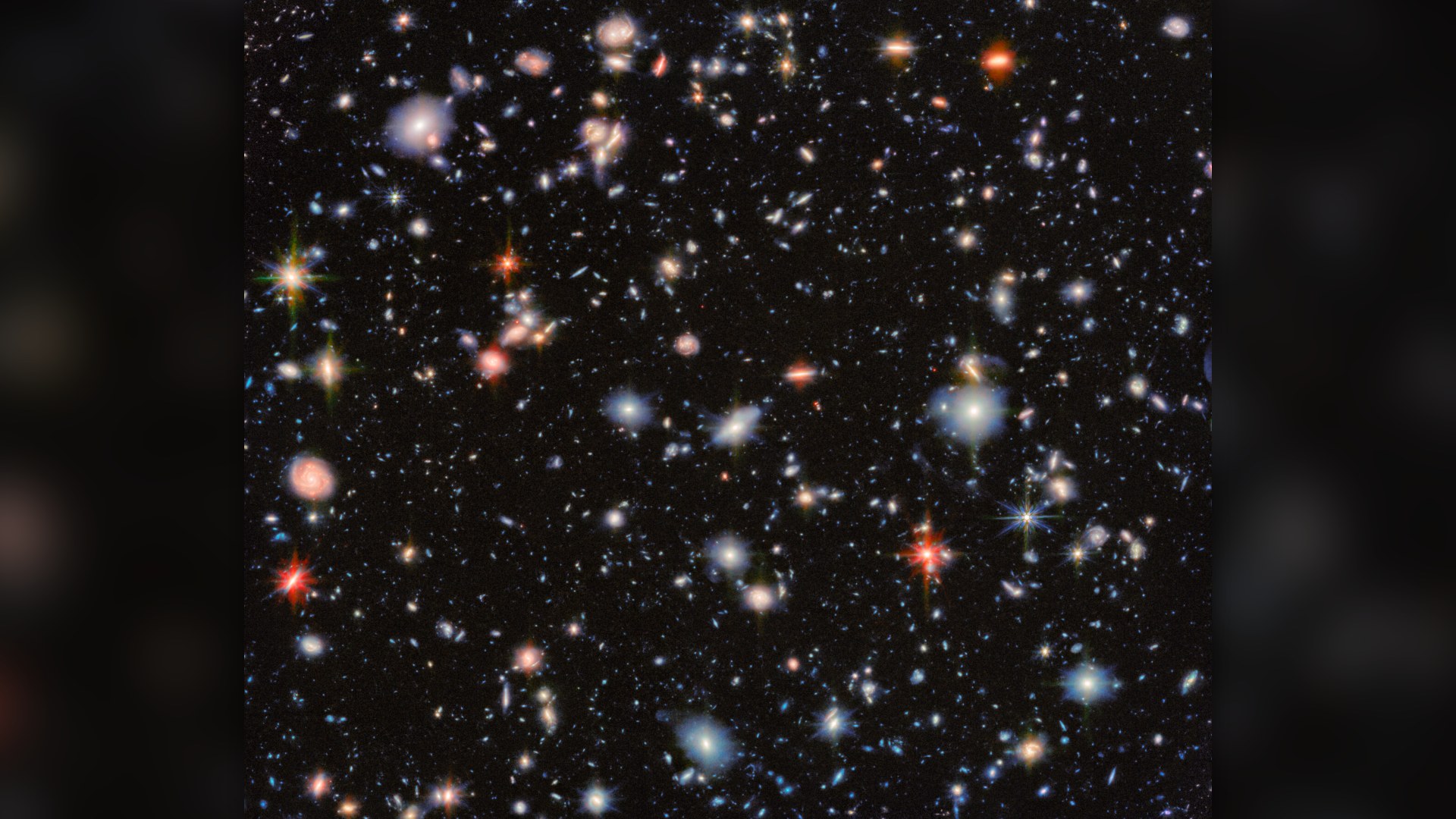
1. The Hubble Ultra Deep Field Galaxies
Aiming Hubble at an apparently empty patch of night sky for nearly one million seconds revealed the deepest portrait of the cosmos ever made. Over ten thousand galaxies from the dawn of the universe gleam in a sliver of space no larger than a grain of sand held at arm's length.
©NASA / STScI
Advertisement
You've reached the end of the story. Thanks for reading!

20 Discoveries Frozen Inside Glaciers
From prehistoric hunters to ancient forests preserved deep within ice sheets.
All 24 Entries in this Story
24. The Pillars Of Creation In Eagle Nebula
Captured by Hubble's Wide Field and Planetary Camera in 1995, these cosmic columns span four light-years from base to peak. Intense ultraviolet radiation from young, massive stars sculpts the dense gas into dramatic fingers. Buried protostars slowly condense within the tips.

23. The Ring Nebula Infrared Expanses
Charles Messier first cataloged this glowing ring in 1779. Peering through the dust with NIRCam, Webb revealed twenty thousand dense globules of molecular gas scattered along the inner boundary. A central white dwarf star illuminates the expanding planetary nebula.

22. The Crab Nebula Supernova Remnant
At the core of the Crab Nebula spins a dense neutron star flashing thirty times each second. Hubble's optical views capture filamentary ribbons of hydrogen and sulfur expelled into deep space at three million miles per hour. The expanding cloud stretches ten light-years across.

21. The Grand Whirlpool Galaxy Spiral
Located thirty-one million light-years away in Canes Venatici, Messier 51 displays sweeping spiral arms packed with young stars. The gravitational pull of its companion galaxy NGC 5195 triggers massive shockwaves through the disk, compressing clouds into luminous star factories.

20. The Sombrero Galaxy Dust Lane
Spanning nearly fifty thousand light-years across, Messier 104 boasts a massive central bulge. Hubble resolved hundreds of individual globular star clusters orbiting within its halo. A supermassive black hole exceeding one billion solar masses anchors the galactic core.

19. The Helix Nebula Glowing Eye
Dubbed the Eye of Sauron, this planetary nebula sits only six hundred fifty light-years from Earth. Spitzer's infrared detectors pierced the glowing outer halo, discovering thousands of icy, comet-like knots trailing behind the gaseous ring. The central dying star slowly cools into a white dwarf.

18. The Colliding Antennae Galaxies
A cosmic collision sixty million light-years away created the Antennae galaxies. Vast gravitational tides tore two immense streamers of stars and gas away from the main disks, forming long insect-like antennae. Billions of new stars ignited as the collision compressed interstellar hydrogen.

17. Mystic Mountain In Carina Nebula
Hubble celebrated its twentieth anniversary in 2010 with this breathtaking portrait of chaotic star birth. Scorching stellar winds from nearby massive stars erode the dense pillar into ragged crags. Streaming jets of gas shoot out from newly formed stars embedded within the peak.

16. The Southern Ring Nebula Shells
Planetary nebulae aren't planets at all, but shells of expelled stellar atmosphere. Peering through the shroud of NGC 3132, Webb discovered that the central dying star orbits a hidden stellar partner. The pair dance together while stirring concentric rings of glowing dust.

15. The Silhouette Of The Horsehead Nebula
Discovered on an 1888 photographic plate, Barnard 33 rises from the Orion molecular cloud complex. Hubble captured the ethereal edges of the dark cloud glowing in filtered infrared light. Ultraviolet radiation from neighboring stars will slowly dissolve the nebula over time.

14. The Gravitational Dance Of Stephan's Quintet
Édouard Stephan discovered this visual compact group in 1877. As one galaxy tears through the cluster at millions of miles per hour, Webb detected enormous shockwaves heating gas into glowing filamentary arcs. The interaction previews the eventual merger of our own Milky Way with Andromeda.

13. The Bipolar Butterfly Nebula Wings
NGC 6302 demonstrates how violently intermediate-mass stars end their lives. An extremely hot dying star hidden within a thick equatorial torus of dust expels gas wings outward at over six hundred thousand miles per hour. The stellar wings span more than three light-years across space.

12. The Expanding Bubble Nebula Shell
A massive star forty-five times heavier than our Sun powers this cosmic bubble. Stellar winds expel hot gas that slams into cold surrounding molecular clouds, creating an ethereal sphere of glowing hydrogen. The fragile shell expands seven thousand light-years away in Cassiopeia.

11. The Ring Structure Of The Cartwheel Galaxy
Resembling a wagon wheel, this lenticular galaxy suffered a direct hit from a smaller intruder. The impact generated ripples expanding outward like pond waves, triggering intense star birth along its outer rim. Webb's NIRCam revealed delicate spiral spokes connecting the ring to the core.

10. The Star-Forming Heart Of Orion Nebula
Visible to the unaided eye in winter skies, Messier 42 is an immense stellar maternity ward. Hubble resolved proplyds, or protoplanetary disks, circling newborn stars throughout the cloud. These swirling discs of gas and dust represent infant solar systems in the earliest stages of planet formation.

9. The Cosmic Nursery Of Tarantula Nebula
If the Tarantula Nebula were as close to Earth as Orion, it would cast visible shadows on the ground at night. Webb's high-resolution infrared detectors pierced the dusty veil of 30 Doradus, cataloging thousands of previously unseen protostars clustered around hyper-massive stellar giants.

8. The Delicate Filaments Of The Veil Nebula
Ten thousand years ago, a star twenty times larger than our Sun exploded in Cygnus. Hubble imaged the delicate, gossamer-like sheets of gas where the expanding blast wave slams into interstellar clouds. The high-energy shock glows brilliantly in emission lines of hydrogen, sulfur, and oxygen.

7. The Concentric Rings Of Cat's Eye Nebula
NGC 6543 was among the first planetary nebulae discovered with a spectroscope in 1864. Hubble revealed intricate nested gas bubbles resembling an ornate feline eye. The central dying star pulsated repeatedly, casting off concentric rings of material before its final collapse into a white dwarf.

6. The Towering Pillar Of The Cone Nebula
Towering seven light-years tall in Monoceros, the Cone Nebula forms a dark silhouette against illuminated hydrogen gas. Energetic radiation from young cluster stars slowly boils away the outer edges of the dust pillar. Deep within its summit, new protostars slowly condense toward ignition.

5. The Exploded Shell Of Cassiopeia A
Cassiopeia A exploded roughly 340 years ago as viewed from Earth. Peering through the debris with MIRI, Webb discovered the Green Monster, a bizarre knot of loop-like filaments in the remnant's interior. The expanding gas cloud enriches deep space with iron, silicon, and calcium.

4. The Twisting Clouds Of Lagoon Nebula
Hubble commemorated its twenty-eighth birthday with this detailed look into the core of Messier 8. Intense stellar radiation and supersonic winds from a monster young star churn the surrounding hydrogen gas into twisters. Dark interstellar dust funnels span half a light-year across.

3. The Face-On Pinwheel Galaxy Spiral
Messier 101 spans one hundred seventy thousand light-years across, nearly double the diameter of our Milky Way. Hubble captured over three thousand star clusters dotting its graceful spiral arms. Its face-on orientation provides an ideal view of stellar evolution across an entire galaxy.

2. The Glowing Dumbbell Nebula Core
Charles Messier stumbled upon this apple-core-shaped cloud in 1764. Hubble's high-resolution instruments imaged dense knots of gas where stellar winds clash with cooler surrounding material. The dying central star expels its outer atmosphere, seeding deep space with enriched elements.

1. The Hubble Ultra Deep Field Galaxies
Aiming Hubble at an apparently empty patch of night sky for nearly one million seconds revealed the deepest portrait of the cosmos ever made. Over ten thousand galaxies from the dawn of the universe gleam in a sliver of space no larger than a grain of sand held at arm's length.